+MN 27 Cūḷa-hatthi-pad-opama:
Shorter Elephant’s Footprint Simile
all
Shorter Elephant’s Footprint Simile
+Opening
| (derived from B. Sujato 2018/12) | (源自B. Sujato 2018/12) | |
| Evaṃ me sutaṃ— | So I have heard. | 我曾聽聞。 |
| ekaṃ samayaṃ bhagavā sāvatthiyaṃ viharati jetavane anāthapiṇḍikassa ārāme. | At one time the Buddha was staying near Sāvatthī in Jeta’s Grove, Anāthapiṇḍika’s monastery. | 有一次,佛陀住在舍衛城附近的祇樹給孤獨園。 |
| Tena kho pana samayena jāṇussoṇi brāhmaṇo sabbasetena vaḷavābhirathena sāvatthiyā niyyāti divādivassa. | Now at that time the brahmin Jāṇussoṇi drove out from Sāvatthī in the middle of the day in an all-white chariot drawn by mares. | 那時,婆羅門加努索尼在中午時分,乘著一輛由母馬牽引的純白色戰車,駛出舍衛城。 |
| Addasā kho jāṇussoṇi brāhmaṇo pilotikaṃ paribbājakaṃ dūratova āgacchantaṃ. | He saw the wanderer Pilotika coming off in the distance, | 他遠遠地看見遊方者皮羅提卡走來, |
| Disvāna pilotikaṃ paribbājakaṃ etadavoca: | and said to him: | 便對他說: |
| “Handa kuto nu bhavaṃ vacchāyano āgacchati divādivassā”ti? | “So, Master Vacchāyana, where are you coming from in the middle of the day?” | “那麼,瓦恰亞那尊者,您中午是從哪裡來的?” |
| “Ito hi kho ahaṃ, bho, āgacchāmi samaṇassa gotamassa santikā”ti. | “Just now, good sir, I’ve come from the presence of the ascetic Gotama.” | “先生,我剛從喬達摩沙門那裡來。” |
| “Taṃ kiṃ maññati bhavaṃ vacchāyano samaṇassa gotamassa paññāveyyattiyaṃ paṇḍito maññe”ti. | “What do you think of the ascetic Gotama’s competence in wisdom? Do you think he’s astute?” | “您覺得喬達摩沙門在智慧方面的能力如何?您認為他睿智嗎?” |
| “Ko cāhaṃ, bho, ko ca samaṇassa gotamassa paññāveyyattiyaṃ jānissāmi. | “My good man, who am I to judge the ascetic Gotama’s competence in wisdom? | “我的好人,我是誰,怎能評判喬達摩沙門在智慧方面的能力呢? |
| Sopi nūnassa tādisova yo samaṇassa gotamassa paññāveyyattiyaṃ jāneyyā”ti. | You’d really have to be on the same level to judge his competence in wisdom.” | 你真的必須和他在同一個水平上才能評判他智慧方面的能力。” |
| “Uḷārāya khalu bhavaṃ vacchāyano samaṇaṃ gotamaṃ pasaṃsāya pasaṃsatī”ti. | “Master Vacchāyana praises the ascetic Gotama with lofty praise indeed.” | “瓦恰亞那尊者真是對喬達摩沙門極盡讚美之詞啊。” |
| “Ko cāhaṃ, bho, ko ca samaṇaṃ gotamaṃ pasaṃsissāmi, | “Who am I to praise the ascetic Gotama? | “我是誰,怎能讚美喬達摩沙門呢? |
| pasatthapasatthova so bhavaṃ gotamo seṭṭho devamanussānan”ti. | He is praised by the praised as the best of gods and humans.” | 他被受贊者贊為天人中之最勝者。” |
| “Kaṃ pana bhavaṃ vacchāyano atthavasaṃ sampassamāno samaṇe gotame evaṃ abhippasanno”ti? | “But for what reason are you so devoted to the ascetic Gotama?” | “但您為何如此虔誠於喬達摩沙門呢?” |
+27.2 – (wanderer Pilotikai gives elephant footprint simile)
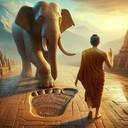
| “Seyyathāpi, bho, kusalo nāgavaniko nāgavanaṃ paviseyya. | “Suppose that a skilled elephant tracker were to enter an elephant wood. | “假設一個熟練的象跡追蹤者進入一片象林。 |
| So passeyya nāgavane mahantaṃ hatthipadaṃ, dīghato ca āyataṃ, tiriyañca vitthataṃ. | There he’d see a large elephant’s footprint, long and broad. | 在那裡他會看到一個很大的象腳印,又長又寬。 |
| So niṭṭhaṃ gaccheyya: | He’d draw the conclusion: | 他會得出結論: |
| ‘mahā vata bho nāgo’ti. | ‘This must be a big bull elephant.’ | “這肯定是一頭大公象。” |
| Evameva kho ahaṃ, bho, yato addasaṃ samaṇe gotame cattāri padāni athāhaṃ niṭṭhamagamaṃ: | In the same way, because I saw four footprints of the ascetic Gotama I drew the conclusion: | 同樣地,因為我看到了喬達摩沙門的四個足跡,所以我得出結論: |
| ‘sammāsambuddho bhagavā, svākkhāto bhagavatā dhammo, suppaṭipanno bhagavato sāvakasaṅgho’ti. | ‘The Blessed One is a fully awakened Buddha. The Dharma is well explained. The Saṅgha is practicing well.’ | “世尊是一位完全覺悟的佛陀。佛法闡釋得很好。僧伽修行得很好。” |
| Katamāni cattāri? | What four? | 哪四種呢? |
| Idhāhaṃ, bho, passāmi ekacce khattiyapaṇḍite nipuṇe kataparappavāde vālavedhirūpe, te bhindantā maññe caranti paññāgatena diṭṭhigatāni. | Firstly, I see some clever warrior-nobles who are subtle, accomplished in the doctrines of others, hair-splitters. You’d think they live to demolish convictions with their intellect. | 首先,我看到一些聰明的剎帝利貴族,他們心智敏銳,精通他人的學說,善於辨析。你會覺得他們活著就是為了用他們的智慧來推翻信仰。 |
| Te suṇanti: | They hear: | 他們聽說: |
| ‘samaṇo khalu, bho, gotamo amukaṃ nāma gāmaṃ vā nigamaṃ vā osarissatī’ti. | ‘So, gentlemen, that ascetic Gotama will come down to such and such village or town.’ | “先生們,喬達摩沙門將前往某個村莊或城鎮。” |
| Te pañhaṃ abhisaṅkharonti: | They formulate a question, thinking: | 他們準備了一個問題,心想: |
| ‘imaṃ mayaṃ pañhaṃ samaṇaṃ gotamaṃ upasaṅkamitvā pucchissāma. | ‘We’ll approach the ascetic Gotama and ask him this question. | “我們要去接近喬達摩沙門,問他這個問題。 |
| Evañce no puṭṭho evaṃ byākarissati, evamassa mayaṃ vādaṃ āropessāma. | If he answers like this, we’ll refute him like that; | 如果他這樣回答,我們就那樣反駁他; |
| Evañcepi no puṭṭho evaṃ byākarissati, evampissa mayaṃ vādaṃ āropessāmā’ti. | and if he answers like that, we’ll refute him like this.’ | 如果他那樣回答,我們就這樣反駁他。” |
| Te suṇanti: | When they hear that | 當他們聽說 |
| ‘samaṇo khalu, bho, gotamo amukaṃ nāma gāmaṃ vā nigamaṃ vā osaṭo’ti. | he has come down | 他已經來了 |
| Te yena samaṇo gotamo tenupasaṅkamanti. | they approach him. | 他們就去接近他。 |
| Te samaṇo gotamo dhammiyā kathāya sandasseti samādapeti samuttejeti sampahaṃseti. | The ascetic Gotama educates, encourages, fires up, and inspires them with a Dhamma talk. | 喬達摩沙門以佛法開導、鼓勵、激勵、啟發他們。 |
| Te samaṇena gotamena dhammiyā kathāya sandassitā samādapitā samuttejitā sampahaṃsitā na ceva samaṇaṃ gotamaṃ pañhaṃ pucchanti, kutossa vādaṃ āropessanti? | They don’t even get around to asking their question to the ascetic Gotama, so how could they refute his answer? | 他們甚至來不及向喬達摩沙門提出問題,又怎能反駁他的回答呢? |
| Aññadatthu samaṇasseva gotamassa sāvakā sampajjanti. | Invariably, they become his disciples. | 他們無一例外地成為了他的弟子。 |
| Yadāhaṃ, bho, samaṇe gotame imaṃ paṭhamaṃ padaṃ addasaṃ athāhaṃ niṭṭhamagamaṃ: | When I saw this first footprint of the ascetic Gotama, I drew the conclusion: | 當我看到喬達摩沙門的第一個足跡時,我得出結論: |
| ‘sammāsambuddho bhagavā, svākkhāto bhagavatā dhammo, suppaṭipanno bhagavato sāvakasaṃgho’ti. (1) | ‘The Blessed One is a fully awakened Buddha. The Dharma is well explained. The Saṅgha is practicing well.’ | “世尊是一位完全覺悟的佛陀。佛法闡釋得很好。僧伽修行得很好。” |
| Puna caparāhaṃ, bho, passāmi idhekacce brāhmaṇapaṇḍite … pe … (2) | Furthermore, I see some clever brahmins … | 再者,我看到一些聰明的婆羅門… |
| gahapatipaṇḍite … | some clever householders … | 一些聰明的居士… |
| pe … (3) | they become his disciples. | 他們成了他的弟子。 |
| samaṇapaṇḍite nipuṇe kataparappavāde vālavedhirūpe te bhindantā maññe caranti paññāgatena diṭṭhigatāni. Te suṇanti: ‘samaṇo khalu bho gotamo amukaṃ nāma gāmaṃ vā nigamaṃ vā osarissatī’ti. Te pañhaṃ abhisaṅkharonti ‘imaṃ mayaṃ pañhaṃ samaṇaṃ gotamaṃ upasaṅkamitvā pucchissāma. Evañce no puṭṭho evaṃ byākarissati, evamassa mayaṃ vādaṃ āropessāma. Evañcepi no puṭṭho evaṃ byākarissati, evampissa mayaṃ vādaṃ āropessāmā’ti. Te suṇanti ‘samaṇo khalu bho gotamo amukaṃ nāma gāmaṃ vā nigamaṃ vā osaṭo’ti. Te yena samaṇo gotamo tenupasaṅkamanti. Te samaṇo gotamo dhammiyā kathāya sandasseti samādapeti samuttejeti sampahaṃseti. |
Furthermore, I see some clever ascetics who are subtle, accomplished in the doctrines of others, hair-splitters. … | 再者,我看到一些聰明的苦行者,他們心智敏銳,精通他人的學說,善於辨析。… |
| Te samaṇena gotamena dhammiyā kathāya sandassitā samādapitā samuttejitā sampahaṃsitā na ceva samaṇaṃ gotamaṃ pañhaṃ pucchanti, kutossa vādaṃ āropessanti? | They don’t even get around to asking their question to the ascetic Gotama, so how could they refute his answer? | 他們甚至來不及向喬達摩沙門提出問題,又怎能反駁他的回答呢? |
| Aññadatthu samaṇaṃyeva gotamaṃ okāsaṃ yācanti agārasmā anagāriyaṃ pabbajjāya. | Invariably, they ask the ascetic Gotama for the chance to go forth. | 他們無一例外地請求喬達摩沙門給予出家的機會。 |
| Te samaṇo gotamo pabbājeti. | And he gives them the going-forth. | 他便允許他們出家。 |
| Te tattha pabbajitā samānā vūpakaṭṭhā appamattā ātāpino pahitattā viharantā nacirasseva—yassatthāya kulaputtā sammadeva agārasmā anagāriyaṃ pabbajanti, tadanuttaraṃ—brahmacariyapariyosānaṃ diṭṭheva dhamme sayaṃ abhiññā sacchikatvā upasampajja viharanti. | Soon after going forth, living withdrawn, assiduous, ardent, and resolute, they realize the supreme end of the spiritual path in this very life. They live having achieved with their own insight the goal for which people from good families rightly go forth from the lay life to homelessness. | 出家不久,他們離群獨居,精進不懈,熱忱堅定,在今生今世親證了梵行的無上目標。他們以自己的洞察力,實現了善家子弟理應放棄居家生活,出家為無家者的目標。 |
| Te evamāhaṃsu: | They say: | 他們說: |
| ‘manaṃ vata, bho, anassāma, manaṃ vata, bho, panassāma; | ‘We were almost lost! We almost perished! | “我們差點就迷失了!我們差點就毀滅了! |
| mayañhi pubbe assamaṇāva samānā samaṇamhāti paṭijānimha, abrāhmaṇāva samānā brāhmaṇamhāti paṭijānimha, anarahantova samānā arahantamhāti paṭijānimha. | For we used to claim that we were ascetics, brahmins, and perfected ones, but we were none of these things. | 因為我們過去曾自稱是苦行者、婆羅門和圓滿者,但我們都不是。 |
| Idāni khomha samaṇā, idāni khomha brāhmaṇā, idāni khomha arahanto’ti. | But now we really are ascetics, brahmins, and perfected ones!’ | 但現在我們真正是苦行者、婆羅門和圓滿者了!” |
| Yadāhaṃ, bho, samaṇe gotame imaṃ catutthaṃ padaṃ addasaṃ athāhaṃ niṭṭhamagamaṃ: | When I saw this fourth footprint of the ascetic Gotama, I drew the conclusion: | 當我看到喬達摩沙門的第四個足跡時,我得出結論: |
| ‘sammāsambuddho bhagavā, svākkhāto bhagavatā dhammo, suppaṭipanno bhagavato sāvakasaṃgho’ti. (4) | ‘The Blessed One is a fully awakened Buddha. The Dharma is well explained. The Saṅgha is practicing well.’ | “世尊是一位完全覺悟的佛陀。佛法闡釋得很好。僧伽修行得很好。” |
| Yato kho ahaṃ, bho, samaṇe gotame imāni cattāri padāni addasaṃ athāhaṃ niṭṭhamagamaṃ: | It’s because I saw these four footprints of the ascetic Gotama that I drew the conclusion: | “正因為我看到了喬達摩沙門的這四個足跡,所以我得出結論: |
| ‘sammāsambuddho bhagavā, svākkhāto bhagavatā dhammo, suppaṭipanno bhagavato sāvakasaṅgho’”ti. | ‘The Blessed One is a fully awakened Buddha. The Dharma is well explained. The Saṅgha is practicing well.’” | ‘世尊是一位完全覺悟的佛陀。佛法闡釋得很好。僧伽修行得很好。’” |
| Evaṃ vutte, jāṇussoṇi brāhmaṇo sabbasetā vaḷavābhirathā orohitvā ekaṃsaṃ uttarāsaṅgaṃ karitvā yena bhagavā tenañjaliṃ paṇāmetvā tikkhattuṃ udānaṃ udānesi: | When he had spoken, Jāṇussoṇi got down from his chariot, arranged his robe over one shoulder, knelt on his right knee, raised his joined palms toward the Buddha, and spoke these words of inspiration three times: | 他說完後,加努索尼從馬車上下來,將外衣披在單肩上,右膝跪地,合掌向佛陀,三次說了這些感佩之語: |
| “Namo tassa bhagavato arahato sammāsambuddhassa; | “Homage to that Blessed One, the perfected one, the fully awakened Buddha! | “皈依彼世尊,阿羅漢,正等正覺者! |
| namo tassa bhagavato arahato sammāsambuddhassa; | Homage to that Blessed One, the perfected one, the fully awakened Buddha! | 皈依彼世尊,阿羅漢,正等正覺者! |
| namo tassa bhagavato arahato sammāsambuddhassāti. | Homage to that Blessed One, the perfected one, the fully awakened Buddha! | 皈依彼世尊,阿羅漢,正等正覺者! |
| Appeva nāma mayampi kadāci karahaci tena bhotā gotamena saddhiṃ samāgaccheyyāma, appeva nāma siyā kocideva kathāsallāpo”ti. | Hopefully, some time or other I’ll get to meet Master Gotama, and we can have a discussion.” | 希望有朝一日我能遇到喬達摩尊者,我們能進行一番討論。” |
❧
+27.3 – (brahmin Jāṇussoṇ tells Buddha about what wanderer said)
| Atha kho jāṇussoṇi brāhmaṇo yena bhagavā tenupasaṅkami; upasaṅkamitvā bhagavatā saddhiṃ sammodi. | Then the brahmin Jāṇussoṇi went up to the Buddha, and exchanged greetings with him. | 於是婆羅門加努索尼來到佛陀面前,與佛陀相互問候。 |
| Sammodanīyaṃ kathaṃ sāraṇīyaṃ vītisāretvā ekamantaṃ nisīdi. | When the greetings and polite conversation were over, he sat down to one side, | 問候和客套的交談結束後,他坐到一邊, |
| Ekamantaṃ nisinno kho jāṇussoṇi brāhmaṇo yāvatako ahosi pilotikena paribbājakena saddhiṃ kathāsallāpo taṃ sabbaṃ bhagavato ārocesi. | and informed the Buddha of all they had discussed. | 並把他們所討論的一切都告訴了佛陀。 |
| Evaṃ vutte, bhagavā jāṇussoṇiṃ brāhmaṇaṃ etadavoca: | When he had spoken, the Buddha said to him: | 他說完後,佛陀對他說: |
| “na kho, brāhmaṇa, ettāvatā hatthipadopamo vitthārena paripūro hoti. | “Brahmin, the simile of the elephant’s footprint is not yet completed in detail. | “婆羅門,大象足跡的譬喻尚未詳細說明。 |
| Api ca, brāhmaṇa, yathā hatthipadopamo vitthārena paripūro hoti | As to how it is completed in detail, | 至於如何詳細說明, |
| taṃ suṇāhi, sādhukaṃ manasi karohi, bhāsissāmī”ti. | listen and pay close attention, I will speak.” | 請仔細聽,我將要講。” |
| “Evaṃ, bho”ti kho jāṇussoṇi brāhmaṇo bhagavato paccassosi. | “Yes sir,” Jāṇussoṇi replied. | “是的,先生。”加努索尼回答道。 |
| Bhagavā etadavoca: | The Buddha said this: | 佛陀這樣說道: |
+27.4 – (Buddha says here is a more complete elephant simile)
| “Seyyathāpi, brāhmaṇa, nāgavaniko nāgavanaṃ paviseyya. | “Suppose that an elephant tracker were to enter an elephant wood. | “假設一個象跡追蹤者進入一片象林。 |
| So passeyya nāgavane mahantaṃ hatthipadaṃ, dīghato ca āyataṃ, tiriyañca vitthataṃ. | There they’d see a large elephant’s footprint, long and broad. | 在那裡他會看到一個很大的象腳印,又長又寬。 |
| Yo hoti kusalo nāgavaniko neva tāva niṭṭhaṃ gacchati: | A skilled elephant tracker wouldn’t yet come to the conclusion: | 一個熟練的象跡追蹤者還不會得出結論: |
| ‘mahā vata bho nāgo’ti. | ‘This must be a big bull elephant.’ | ‘這肯定是一頭大公象。’ |
| Taṃ kissa hetu? | Why not? | 為什麼不呢? |
| Santi hi, brāhmaṇa, nāgavane vāmanikā nāma hatthiniyo mahāpadā, tāsaṃ petaṃ padaṃ assāti. | Because in an elephant wood there are dwarf she-elephants with big footprints, and this footprint might be one of theirs. | 因為在象林裡有體型矮小但腳印很大的母象,這個腳印可能就是它們的。 |
| So tamanugacchati. | ||
| Tamanugacchanto passati nāgavane mahantaṃ hatthipadaṃ, dīghato ca āyataṃ, tiriyañca vitthataṃ, uccā ca nisevitaṃ. | They keep following the track until they see a big footprint, long and broad, and, high up, signs of usage. | 他們繼續循著蹤跡,直到看到一個又大又長又寬的腳印,並且在高處有使用過的痕跡。 |
| Yo hoti kusalo nāgavaniko neva tāva niṭṭhaṃ gacchati: | A skilled elephant tracker wouldn’t yet come to the conclusion: | 一個熟練的象跡追蹤者還不會得出結論: |
| ‘mahā vata bho nāgo’ti. | ‘This must be a big bull elephant.’ | “這肯定是一頭大公象。” |
| Taṃ kissa hetu? | Why not? | 為什麼不呢? |
| Santi hi, brāhmaṇa, nāgavane uccā kāḷārikā nāma hatthiniyo mahāpadā, tāsaṃ petaṃ padaṃ assāti. | Because in an elephant wood there are tall she-elephants with long trunks and big footprints, and this footprint might be one of theirs. | 因為在象林裡有高大且長鼻子的母象,它們的腳印也很大,這個腳印可能就是它們的。 |
| So tamanugacchati. | ||
| Tamanugacchanto passati nāgavane mahantaṃ hatthipadaṃ, dīghato ca āyataṃ, tiriyañca vitthataṃ, uccā ca nisevitaṃ, uccā ca dantehi ārañjitāni. | They keep following the track until they see a big footprint, long and broad, and, high up, signs of usage and tusk-marks. | 他們繼續循著蹤跡,直到看到一個又大又長又寬的腳印,並且在高處有使用過的痕跡和象牙的痕跡。 |
| Yo hoti kusalo nāgavaniko neva tāva niṭṭhaṃ gacchati: | A skilled elephant tracker wouldn’t yet come to the conclusion: | 一個熟練的象跡追蹤者還不會得出結論: |
| ‘mahā vata bho nāgo’ti. | ‘This must be a big bull elephant.’ | “這肯定是一頭大公象。” |
| Taṃ kissa hetu? | Why not? | 為什麼不呢? |
| Santi hi, brāhmaṇa, nāgavane uccā kaṇerukā nāma hatthiniyo mahāpadā, tāsaṃ petaṃ padaṃ assāti. So tamanugacchati. |
Because in an elephant wood there are tall and fully-grown she-elephants with big footprints, and this footprint might be one of theirs. | 因為在象林裡有高大且完全成熟的母象,它們的腳印也很大,這個腳印可能就是它們的。 |
| Tamanugacchanto passati nāgavane mahantaṃ hatthipadaṃ, dīghato ca āyataṃ, tiriyañca vitthataṃ, uccā ca nisevitaṃ, uccā ca dantehi ārañjitāni, uccā ca sākhābhaṅgaṃ. | They keep following the track until they see a big footprint, long and broad, and, high up, signs of usage, tusk-marks, and broken branches. | 他們繼續沿著蹤跡追蹤,直到看到一個又大又長又寬的腳印,並且在高處有使用痕跡、象牙痕跡和折斷的樹枝。 |
| Tañca nāgaṃ passati rukkhamūlagataṃ vā abbhokāsagataṃ vā gacchantaṃ vā tiṭṭhantaṃ vā nisinnaṃ vā nipannaṃ vā. | And they see that bull elephant walking, standing, sitting, or lying down at the root of a tree or in the open. | 他們看到那頭公象在樹根下或開闊地行走、站立、坐著或躺著。 |
| So niṭṭhaṃ gacchati: | Then they’d come to the conclusion: | 那時他們才會得出結論: |
| ‘ayameva so mahānāgo’ti. | ‘This is that big bull elephant.’ | “這就是那頭大公象。” |
❧
+27.5 – (Buddha’s gradual training to nirvana)
| Evameva kho, brāhmaṇa, idha tathāgato loke uppajjati arahaṃ sammāsambuddho vijjācaraṇasampanno sugato lokavidū anuttaro purisadammasārathi satthā devamanussānaṃ buddho bhagavā. | In the same way, brahmin, a Realized One arises in the world, perfected, a fully awakened Buddha, accomplished in knowledge and conduct, holy, knower of the world, supreme guide for those who wish to train, teacher of gods and humans, awakened, blessed. | 同樣地,婆羅門,一位如來出現於世間,他是阿羅漢,正等正覺者,明行足,善逝,世間解,無上士,調御丈夫,天人師,佛,世尊。 |
| So imaṃ lokaṃ sadevakaṃ samārakaṃ sabrahmakaṃ sassamaṇabrāhmaṇiṃ pajaṃ sadevamanussaṃ sayaṃ abhiññā sacchikatvā pavedeti. | He realizes with his own insight this world—with its gods, Māras and Brahmās, this population with its ascetics and brahmins, gods and humans—and he makes it known to others. | 他以自己的洞察力證知此世間——包括天神、魔羅、梵天,以及世人中的沙門、婆羅門、天神和人類——並將此告知他人。 |
| So dhammaṃ deseti ādikalyāṇaṃ majjhekalyāṇaṃ pariyosānakalyāṇaṃ sātthaṃ sabyañjanaṃ; kevalaparipuṇṇaṃ parisuddhaṃ brahmacariyaṃ pakāseti. | He teaches Dhamma that’s good in the beginning, good in the middle, and good in the end, meaningful and well-phrased. And he reveals a spiritual practice that’s entirely complete and pure. | 他所教導的佛法,初善、中善、後善,義理和言辭俱佳。他揭示的梵行,完全圓滿純淨。 |
| Taṃ dhammaṃ suṇāti gahapati vā gahapatiputto vā aññatarasmiṃ vā kule paccājāto. | A householder hears that Dharma, or a householder’s child, or someone reborn in some good family. | 一位居士聽到此法,或者一位居士的子女,或者某個善家族出身的人。 |
| So taṃ dhammaṃ sutvā tathāgate saddhaṃ paṭilabhati. | They gain justifiable-trust in the Realized One, | 他們對如來生起正信, |
| So tena saddhāpaṭilābhena samannāgato iti paṭisañcikkhati: | and reflect: | 並反思: |
| ‘sambādho gharāvāso rajopatho, abbhokāso pabbajjā. | ‘Living in a house is cramped and dirty, but the life of one gone forth is wide open. | “居家生活狹隘而汙穢,而出家生活則廣闊開放。 |
| Nayidaṃ sukaraṃ agāraṃ ajjhāvasatā ekantaparipuṇṇaṃ ekantaparisuddhaṃ saṅkhalikhitaṃ brahmacariyaṃ carituṃ. | It’s not easy for someone living at home to lead the spiritual life utterly full and pure, like a polished shell. | 在家生活的人,要像擦亮的貝殼一樣,過上完全圓滿純淨的梵行生活,並非易事。 |
| Yannūnāhaṃ kesamassuṃ ohāretvā kāsāyāni vatthāni acchādetvā agārasmā anagāriyaṃ pabbajeyyan’ti. | Why don’t I shave off my hair and beard, dress in ocher robes, and go forth from the lay life to homelessness?’ | 我何不剃除鬚髮,披上袈裟,從居家生活出家為無家者呢?” |
| So aparena samayena appaṃ vā bhogakkhandhaṃ pahāya mahantaṃ vā bhogakkhandhaṃ pahāya appaṃ vā ñātiparivaṭṭaṃ pahāya mahantaṃ vā ñātiparivaṭṭaṃ pahāya kesamassuṃ ohāretvā kāsāyāni vatthāni acchādetvā agārasmā anagāriyaṃ pabbajati. | After some time they give up a large or small fortune, and a large or small family circle. They shave off hair and beard, dress in ocher robes, and go forth from the lay life to homelessness. | 一段時間後,他們放棄了或大或小的財富,或大或小的親友圈。他們剃除鬚髮,披上袈裟,從居家生活出家為無家者。 |
| So evaṃ pabbajito samāno bhikkhūnaṃ sikkhāsājīvasamāpanno pāṇātipātaṃ pahāya pāṇātipātā paṭivirato hoti, nihitadaṇḍo nihitasattho lajjī dayāpanno sabbapāṇabhūtahitānukampī viharati. | Once they’ve gone forth, they take up the training and livelihood of the monks. They give up killing living creatures, renouncing the rod and the sword. They’re scrupulous and kind, living full of compassion for all living beings. | 一旦出家,他們就接受比丘的戒律和生活方式。他們放棄殺生,放下棍棒和刀劍。他們嚴謹而仁慈,對所有眾生充滿慈悲。 |
| Adinnādānaṃ pahāya adinnādānā paṭivirato hoti dinnādāyī dinnapāṭikaṅkhī. Athenena sucibhūtena attanā viharati. | They give up stealing. They take only what’s given, and expect only what’s given. They keep themselves clean by not thieving. | 他們放棄偷竊。他們只拿所給予的,只期望所給予的。他們不偷竊以保持自身清淨。 |
| Abrahmacariyaṃ pahāya brahmacārī hoti ārācārī virato methunā gāmadhammā. | They give up unchastity. They are celibate, set apart, avoiding the common practice of sex. | 他們放棄不貞。他們守貞潔,獨身,避免性行為。 |
| Musāvādaṃ pahāya musāvādā paṭivirato hoti saccavādī saccasandho theto paccayiko avisaṃvādako lokassa. | They give up lying. They speak the truth and stick to the truth. They’re honest and trustworthy, and don’t trick the world with their words. | 他們放棄說謊。他們說真話,堅持真理。他們誠實守信,不用言語欺騙世人。 |
| Pisuṇaṃ vācaṃ pahāya pisuṇāya vācāya paṭivirato hoti, ito sutvā na amutra akkhātā imesaṃ bhedāya, amutra vā sutvā na imesaṃ akkhātā amūsaṃ bhedāya. Iti bhinnānaṃ vā sandhātā sahitānaṃ vā anuppadātā, samaggārāmo samaggarato samagganandī samaggakaraṇiṃ vācaṃ bhāsitā hoti. | They give up divisive speech. They don’t repeat in one place what they heard in another so as to divide people against each other. Instead, they reconcile those who are divided, supporting unity, delighting in harmony, loving harmony, speaking words that promote harmony. | 他們放棄離間語。他們不在此處重複彼處所聞,以離間他人。相反,他們調解分裂之人,支持團結,樂於和諧,熱愛和諧,說促進和諧的話。 |
| Pharusaṃ vācaṃ pahāya pharusāya vācāya paṭivirato hoti. Yā sā vācā nelā kaṇṇasukhā pemanīyā hadayaṅgamā porī bahujanakantā bahujanamanāpā tathārūpiṃ vācaṃ bhāsitā hoti. | They give up harsh speech. They speak in a way that’s mellow, pleasing to the ear, lovely, going to the heart, polite, likable, and agreeable to the people. | 他們放棄粗惡語。他們說話溫和、悅耳、可愛、入心、有禮、討人喜歡、令人滿意。 |
| Samphappalāpaṃ pahāya samphappalāpā paṭivirato hoti kālavādī bhūtavādī atthavādī dhammavādī vinayavādī, nidhānavatiṃ vācaṃ bhāsitā kālena sāpadesaṃ pariyantavatiṃ atthasaṃhitaṃ. | They give up talking nonsense. Their words are timely, true, and meaningful, in line with The Dharma and training. They say things at the right time which are valuable, reasonable, succinct, and beneficial. | 他們放棄無意義的言談。他們的話語適時、真實、有意義,符合佛法和戒律。他們適時說出有價值、合理、簡潔、有益的話。 |
| So bījagāmabhūtagāmasamārambhā paṭivirato hoti, | They avoid injuring plants and seeds. | 他們避免傷害植物和種子。 |
| ekabhattiko hoti rattūparato, virato vikālabhojanā, | They eat in one part of the day, abstaining from eating at night and at the wrong time. | 他們一天只吃一餐,避免在夜間和不適當的時間進食。 |
| naccagītavāditavisūkadassanā paṭivirato hoti, | They avoid dancing, singing, music, and seeing shows. | 他們避免跳舞、唱歌、音樂和觀看錶演。 |
| mālāgandhavilepanadhāraṇamaṇḍanavibhūsanaṭṭhānā paṭivirato hoti, | They avoid beautifying and adorning themselves with garlands, perfumes, and makeup. | 他們避免用花環、香水和化妝品來美化和裝飾自己。 |
| uccāsayanamahāsayanā paṭivirato hoti, | They avoid high and luxurious beds. | 他們避免高貴和豪華的床鋪。 |
| jātarūparajatapaṭiggahaṇā paṭivirato hoti, | They avoid receiving gold and money, | 他們避免接受金錢, |
| āmakadhaññapaṭiggahaṇā paṭivirato hoti, | raw grains, | 生穀物, |
| āmakamaṃsapaṭiggahaṇā paṭivirato hoti, | raw meat, | 生肉, |
| itthikumārikapaṭiggahaṇā paṭivirato hoti, | women and girls, | 婦女和女孩, |
| dāsidāsapaṭiggahaṇā paṭivirato hoti, | male and female bondservants, | 男女僕人, |
| ajeḷakapaṭiggahaṇā paṭivirato hoti, | goats and sheep, | 山羊和綿羊, |
| kukkuṭasūkarapaṭiggahaṇā paṭivirato hoti, | chickens and pigs, | 雞和豬, |
| hatthigavāssavaḷavapaṭiggahaṇā paṭivirato hoti, | elephants, cows, horses, and mares, | 大象、牛、馬和母馬, |
| khettavatthupaṭiggahaṇā paṭivirato hoti, | and fields and land. | 以及田地和土地。 |
| dūteyyapahiṇagamanānuyogā paṭivirato hoti, | They avoid running errands and messages; | 他們避免跑腿和送信; |
| kayavikkayā paṭivirato hoti, | buying and selling; | 買賣; |
| tulākūṭakaṃsakūṭamānakūṭā paṭivirato hoti, | falsifying weights, metals, or measures; | 偽造重量、金屬或尺寸; |
| ukkoṭanavañcananikatisāciyogā paṭivirato hoti, | bribery, fraud, cheating, and duplicity; | 賄賂、欺詐、欺騙和兩面派; |
| chedanavadhabandhanaviparāmosaālopasahasākārā paṭivirato hoti. | mutilation, murder, abduction, banditry, plunder, and violence. | 殘害、謀殺、綁架、搶劫、掠奪和暴力。 |
| So santuṭṭho hoti kāyaparihārikena cīvarena kucchiparihārikena piṇḍapātena. So yena yeneva pakkamati samādāyeva pakkamati. | They’re content with robes to look after the body and alms-food to look after the belly. Wherever they go, they set out taking only these things. | 他們滿足於足以遮身的僧袍和足以飽腹的食物。無論走到哪裡,他們只帶這些東西。 |
| Seyyathāpi nāma pakkhī sakuṇo yena yeneva ḍeti sapattabhārova ḍeti; | They’re like a bird: wherever it flies, wings are its only burden. | 他們就像一隻鳥:無論飛到哪裡,翅膀都是它唯一的負擔。 |
| evameva bhikkhu santuṭṭho hoti kāyaparihārikena cīvarena kucchiparihārikena piṇḍapātena. So yena yeneva pakkamati samādāyeva pakkamati. | In the same way, a monk is content with robes to look after the body and alms-food to look after the belly. Wherever they go, they set out taking only these things. | 同樣地,一個比丘滿足於足以遮身的僧袍和足以飽腹的食物。無論走到哪裡,他們只帶這些東西。 |
| So iminā ariyena sīlakkhandhena samannāgato ajjhattaṃ anavajjasukhaṃ paṭisaṃvedeti. | When they have this entire spectrum of noble ethics, they experience a blameless happiness inside themselves. | 當他們擁有這完整的聖戒時,他們內在體驗到一種無過失的快樂。 |
| So cakkhunā rūpaṃ disvā na nimittaggāhī hoti nānubyañjanaggāhī. | When they see a sight with their eyes, they don’t get caught up in the features and details. | 當他們用眼睛看到景象時,他們不執著於特徵和細節。 |
| Yatvādhikaraṇamenaṃ cakkhundriyaṃ asaṃvutaṃ viharantaṃ abhijjhādomanassā pāpakā akusalā dhammā anvāssaveyyuṃ tassa saṃvarāya paṭipajjati, rakkhati cakkhundriyaṃ, cakkhundriye saṃvaraṃ āpajjati. | If the faculty of sight were left unrestrained, bad unskillful Dharmas of desire and aversion would become overwhelming. For this reason, they practice restraint, protecting the faculty of sight, and achieving its restraint. | 如果視根不加約束,貪欲和瞋恚的不善法就會變得壓倒一切。因此,他們修習約束,保護視根,並實現其約束。 |
| Sotena saddaṃ sutvā … pe … | When they hear a sound with their ears … | 當他們用耳朵聽到聲音時… |
| ghānena gandhaṃ ghāyitvā … | When they smell an odor with their nose … | 當他們用鼻子聞到氣味時… |
| jivhāya rasaṃ sāyitvā … | When they taste a flavor with their tongue … | 當他們用舌頭嚐到味道時… |
| kāyena phoṭṭhabbaṃ phusitvā … | When they feel a touch with their body … | 當他們用身體感受到觸覺時… |
| manasā dhammaṃ viññāya na nimittaggāhī hoti nānubyañjanaggāhī. | When they know a thought with their mind, they don’t get caught up in the features and details. | 當他們用心識了知思想時,他們不執著於特徵和細節。 |
| Yatvādhikaraṇamenaṃ manindriyaṃ asaṃvutaṃ viharantaṃ abhijjhādomanassā pāpakā akusalā dhammā anvāssaveyyuṃ tassa saṃvarāya paṭipajjati, rakkhati manindriyaṃ, manindriye saṃvaraṃ āpajjati. | If the faculty of mind were left unrestrained, bad unskillful Dharmas of desire and aversion would become overwhelming. For this reason, they practice restraint, protecting the faculty of mind, and achieving its restraint. | 如果意根不加約束,貪欲和瞋恚的不善法就會變得壓倒一切。因此,他們修習約束,保護意根,並實現其約束。 |
| So iminā ariyena indriyasaṃvarena samannāgato ajjhattaṃ abyāsekasukhaṃ paṭisaṃvedeti. | When they have this noble sense restraint, they experience an unsullied pleasure inside themselves. | 當他們擁有這崇高的感官約束時,他們內在體驗到一種無染的快樂。 |
| So abhikkante paṭikkante sampajānakārī hoti, ālokite vilokite sampajānakārī hoti, samiñjite pasārite sampajānakārī hoti, saṅghāṭipattacīvaradhāraṇe sampajānakārī hoti, asite pīte khāyite sāyite sampajānakārī hoti, uccārapassāvakamme sampajānakārī hoti, gate ṭhite nisinne sutte jāgarite bhāsite tuṇhībhāve sampajānakārī hoti. | They act with lucid-discerning when going out and coming back; when looking ahead and aside; when bending and extending the limbs; when bearing the outer robe, bowl and robes; when eating, drinking, chewing, and tasting; when urinating and defecating; when walking, standing, sitting, sleeping, waking, speaking, and keeping silent. | 他們在出行和歸來時,在瞻前顧後時,在屈伸肢體時,在穿著外袍、持缽和衣袍時,在飲食、咀嚼和品嚐時,在大小便時,在行走、站立、坐臥、睡覺、醒來、說話和保持沉默時,都以明辨(lucid-discerning)行事。 |
| So iminā ca ariyena sīlakkhandhena samannāgato, imāya ca ariyāya santuṭṭhiyā samannāgato iminā ca ariyena indriyasaṃvarena samannāgato, iminā ca ariyena satisampajaññena samannāgato | When they have this noble spectrum of ethics, this noble contentment, this noble sense restraint, and this noble rememberfulness and lucid-discerning, | 當他們擁有這崇高的戒律、這崇高的滿足、這崇高的感官約束,以及這崇高的正念和明辨時, |
| vivittaṃ senāsanaṃ bhajati araññaṃ rukkhamūlaṃ pabbataṃ kandaraṃ giriguhaṃ susānaṃ vanapatthaṃ abbhokāsaṃ palālapuñjaṃ. | they frequent a secluded lodging—a wilderness, the root of a tree, a hill, a ravine, a mountain cave, a charnel ground, a forest, the open air, a heap of straw. | 他們經常出入寂靜的住所——荒野、樹根下、山丘、山谷、山洞、火葬場、森林、空曠地、草堆。 |
| So pacchābhattaṃ piṇḍapātapaṭikkanto nisīdati pallaṅkaṃ ābhujitvā, ujuṃ kāyaṃ paṇidhāya, parimukhaṃ satiṃ upaṭṭhapetvā. | After the meal, they return from alms-round, sit down cross-legged with their body straight, and establish rememberfulness right there. | 飯後,他們從乞食中回來,盤腿而坐,身體挺直,在那裡建立正念。 |
| So abhijjhaṃ loke pahāya vigatābhijjhena cetasā viharati, abhijjhāya cittaṃ parisodheti. | Giving up desire for the world, they meditate with a heart rid of desire, cleansing the mind of desire. | 捨棄對世間的欲望,他們以無欲之心禪修,淨化心中的欲望。 |
| Byāpādapadosaṃ pahāya abyāpannacitto viharati, sabbapāṇabhūtahitānukampī byāpādapadosā cittaṃ parisodheti. | Giving up ill will and malevolence, they meditate with a mind rid of ill will, full of compassion for all living beings, cleansing the mind of ill will. | 捨棄惡意和怨恨,他們以無惡意之心禪修,對所有眾生充滿慈悲,淨化心中的惡意。 |
| Thinamiddhaṃ pahāya vigatathinamiddho viharati ālokasaññī sato sampajāno, thinamiddhā cittaṃ parisodheti. | Giving up dullness and drowsiness, they meditate with a mind rid of dullness and drowsiness, perceiving light, rememberful and aware, cleansing the mind of dullness and drowsiness. | 捨棄昏沉和睡眠,他們以無昏沉和睡眠之心禪修,感知光明,具念正知,淨化心中的昏沉和睡眠。 |
| Uddhaccakukkuccaṃ pahāya anuddhato viharati, ajjhattaṃ vūpasantacitto uddhaccakukkuccā cittaṃ parisodheti. | Giving up restlessness and remorse, they meditate without restlessness, their mind peaceful inside, cleansing the mind of restlessness and remorse. | 捨棄躁動和悔恨,他們無躁動地禪修,心中寧靜,淨化心中的躁動和悔恨。 |
| Vicikicchaṃ pahāya tiṇṇavicikiccho viharati akathaṃkathī kusalesu dhammesu, vicikicchāya cittaṃ parisodheti. | Giving up doubt, they meditate having gone beyond doubt, not undecided about skillful Dharmas, cleansing the mind of doubt. | 捨棄疑惑,他們超越疑惑地禪修,對善法不再猶豫不決,淨化心中的疑惑。 |
| So ime pañca nīvaraṇe pahāya cetaso upakkilese paññāya dubbalīkaraṇe, | They give up these five hindrances, corruptions of the heart that weaken wisdom. | 他們捨棄這五種障礙,這些是腐蝕心智、削弱智慧的煩惱。 |
❧
+27.6 – (Buddha’s footprint ↔ elephant footprint)
| vivicceva kāmehi vivicca akusalehi dhammehi savitakkaṃ savicāraṃ vivekajaṃ pītisukhaṃ paṭhamaṃ jhānaṃ upasampajja viharati. | Then, quite secluded from sensual pleasures, secluded from unskillful Dharmas, they enter and remain in the first jhāna, which has the mental-joy and pleasure born of seclusion, while directing-thought and evaluation. | 然後,他們完全遠離感官享樂,遠離不善法,進入並安住於初禪,其中有離生喜樂,並伴有尋與伺。 |
| Idampi vuccati, brāhmaṇa, tathāgatapadaṃ itipi, tathāgatanisevitaṃ itipi, tathāgatārañjitaṃ itipi. | This, brahmin, is called ‘a footprint of the Realized One’ and also ‘used by the Realized One’ and also ‘marked by the Realized One’. | 婆羅門,這被稱為“如來的足跡”,也稱為“如來所行之跡”,也稱為“如來所標識之跡”。 |
| Na tveva tāva ariyasāvako niṭṭhaṃ gacchati: | But a noble-one's-disciple wouldn’t yet come to the conclusion: | 但是,一位聖弟子還不會得出結論: |
| ‘sammāsambuddho bhagavā, svākkhāto bhagavatā dhammo, suppaṭipanno bhagavato sāvakasaṅgho’ti. | ‘The Blessed One is a fully awakened Buddha. The Dharma is well explained. The Saṅgha is practicing well.’ | “世尊是一位完全覺悟的佛陀。佛法闡釋得很好。僧伽修行得很好。” |
| Puna caparaṃ, brāhmaṇa, bhikkhu vitakkavicārānaṃ vūpasamā ajjhattaṃ sampasādanaṃ cetaso ekodibhāvaṃ avitakkaṃ avicāraṃ samādhijaṃ pītisukhaṃ dutiyaṃ jhānaṃ upasampajja viharati. | Furthermore, as the directed-thought and evaluation are stilled, a monk enters and remains in the second jhāna, which has the mental-joy and pleasure born of undistractible-lucidity, with internal clarity and confidence, and unified mind, without directing-thought and evaluation. | 再者,隨著尋和伺的止息,比丘進入並安住於第二禪,其中有由不散亂的明晰所生的喜樂,伴有內在的清淨與信心,心意統一,沒有尋和伺。 |
| Idampi vuccati, brāhmaṇa … pe … suppaṭipanno bhagavato sāvakasaṅgho’ti. |
This too is called ‘a footprint of the Realized One’ … | 這也被稱為“如來的足跡”… |
| Puna caparaṃ, brāhmaṇa, bhikkhu pītiyā ca virāgā upekkhako ca viharati sato ca sampajāno, sukhañca kāyena paṭisaṃvedeti, yaṃ taṃ ariyā ācikkhanti ‘upekkhako satimā sukhavihārī’ti tatiyaṃ jhānaṃ upasampajja viharati. | Furthermore, with the fading away of mental-joy, a monk enters and remains in the third jhāna, where they meditate with equanimous-observation, rememberful and aware, personally experiencing pleasure with the flesh and blood physical body of which the noble ones declare, ‘Equanimous and rememberful, one meditates in pleasure.’ | 再者,隨著喜的消退,比丘進入並安住於第三禪,在那裡他們以平等心觀修,具念正知,親身感受身體的喜悅,對此聖者宣稱:“平等心,具念,他安住於喜悅中。” |
| Idampi vuccati, brāhmaṇa … pe … suppaṭipanno bhagavato sāvakasaṅgho’ti. |
This too is called ‘a footprint of the Realized One’ … | 這也被稱為“如來的足跡”… |
| Puna caparaṃ, brāhmaṇa, bhikkhu sukhassa ca pahānā dukkhassa ca pahānā, pubbeva somanassadomanassānaṃ atthaṅgamā, adukkhamasukhaṃ upekkhāsatipārisuddhiṃ catutthaṃ jhānaṃ upasampajja viharati. | Furthermore, giving up pleasure and pain, and ending former happiness and sadness, a monk enters and remains in the fourth jhāna, without pleasure or pain, with pure equanimous-observation and rememberfulness. | 再者,捨棄樂和苦,並結束先前的喜悅和悲傷,比丘進入並安住於第四禪,沒有樂也沒有苦,只有純淨的平等心和正念。 |
| Idampi vuccati, brāhmaṇa, tathāgatapadaṃ itipi, tathāgatanisevitaṃ itipi, tathāgatārañjitaṃ itipi. Na tveva tāva ariyasāvako niṭṭhaṃ gacchati: ‘sammāsambuddho bhagavā, svākkhāto bhagavatā dhammo, suppaṭipanno bhagavato sāvakasaṅgho’ti. |
This too is called ‘a footprint of the Realized One’ … | 這也被稱為“如來的足跡”… |
| So evaṃ samāhite citte parisuddhe pariyodāte anaṅgaṇe vigatūpakkilese mudubhūte kammaniye ṭhite āneñjappatte pubbenivāsānussatiñāṇāya cittaṃ abhininnāmeti. | When their mind has become undistractify-&-lucidifyd in samādhi like this—purified, bright, spotless, rid of taints, pliable, workable, steady, and imperturbable—they extend it toward recollection of past lives. | 當他們的心這樣在三摩地中變得不散亂且明晰——清淨、明亮、無瑕、無染、柔軟、適用、穩定、不動搖時——他們將其擴展到回憶過去生。 |
| So anekavihitaṃ pubbenivāsaṃ anussarati, seyyathidaṃ—ekampi jātiṃ, dvepi jātiyo … pe … iti sākāraṃ sauddesaṃ anekavihitaṃ pubbenivāsaṃ anussarati. | They recollect many kinds of past lives, that is, one, two, three, four, five, ten, twenty, thirty, forty, fifty, a hundred, a thousand, a hundred thousand rebirths; many eons of the world contracting, many eons of the world evolving, many eons of the world contracting and evolving. … They recollect their many kinds of past lives, with features and details. | 他們回憶多種過去的生命,即一次、兩次、三次、四次、五次、十次、二十次、三十次、四十次、五十次、一百次、一千次、十萬次投生;許多世界的成劫,許多世界的壞劫,許多世界的成壞劫……他們回憶起他們多種過去的生命,帶有特徵和細節。 |
| Idampi vuccati, brāhmaṇa, tathāgatapadaṃ itipi, tathāgatanisevitaṃ itipi, tathāgatārañjitaṃ itipi. Na tveva tāva ariyasāvako niṭṭhaṃ gacchati: ‘sammāsambuddho bhagavā, svākkhāto bhagavatā dhammo, suppaṭipanno bhagavato sāvakasaṅgho’ti. |
This too is called ‘a footprint of the Realized One’ … | 這也被稱為“如來的足跡”… |
| So evaṃ samāhite citte parisuddhe pariyodāte anaṅgaṇe vigatūpakkilese mudubhūte kammaniye ṭhite āneñjappatte sattānaṃ cutūpapātañāṇāya cittaṃ abhininnāmeti. | When their mind has become undistractify-&-lucidifyd in samādhi like this—purified, bright, spotless, rid of taints, pliable, workable, steady, and imperturbable—they extend it toward knowledge of the death and rebirth of sentient beings. | 當他們的心這樣在三摩地中變得不散亂且明晰——清淨、明亮、無瑕、無染、柔軟、適用、穩定、不動搖時——他們將其擴展到對有情眾生生死和再生的知識。 |
| So dibbena cakkhunā visuddhena atikkantamānusakena … pe … yathākammūpage satte pajānāti. | With clairvoyance that is purified and surpasses the human, they understand how sentient beings are reborn according to their deeds. | 他們以清淨超越人類的天眼通,理解有情眾生如何依其業而再生。 |
| Idampi vuccati, brāhmaṇa, tathāgatapadaṃ itipi, tathāgatanisevitaṃ itipi, tathāgatārañjitaṃ itipi. Na tveva tāva ariyasāvako niṭṭhaṃ gacchati: ‘sammāsambuddho bhagavā, svākkhāto bhagavatā dhammo, suppaṭipanno bhagavato sāvakasaṅgho’ti. |
This too is called ‘a footprint of the Realized One’ … | 這也被稱為“如來的足跡”… |
| So evaṃ samāhite citte parisuddhe pariyodāte anaṅgaṇe vigatūpakkilese mudubhūte kammaniye ṭhite āneñjappatte āsavānaṃ khayañāṇāya cittaṃ abhininnāmeti. | When their mind has become undistractify-&-lucidifyd in samādhi like this—purified, bright, spotless, rid of taints, pliable, workable, steady, and imperturbable—they extend it toward knowledge of the ending of defilements. | 當他們的心這樣在三摩地中變得不散亂且明晰——清淨、明亮、無瑕、無染、柔軟、適用、穩定、不動搖時——他們將其擴展到對煩惱止息的知識。 |
| So ‘idaṃ dukkhan’ti yathābhūtaṃ pajānāti, ‘ayaṃ dukkhasamudayo’ti yathābhūtaṃ pajānāti, ‘ayaṃ dukkhanirodho’ti yathābhūtaṃ pajānāti, ‘ayaṃ dukkhanirodhagāminī paṭipadā’ti yathābhūtaṃ pajānāti. | They truly understand: ‘This is suffering’ … ‘This is the origin of suffering’ … ‘This is the cessation of suffering’ … ‘This is the practice that leads to the cessation of suffering.’ | 他們真正理解:“這是苦”……“這是苦的起源”……“這是苦的止息”……“這是導致苦止息的修行。” |
| ‘Ime āsavā’ti yathābhūtaṃ pajānāti, ‘ayaṃ āsavasamudayo’ti yathābhūtaṃ pajānāti, ‘ayaṃ āsavanirodho’ti yathābhūtaṃ pajānāti, ‘ayaṃ āsavanirodhagāminī paṭipadā’ti yathābhūtaṃ pajānāti. | They truly understand: ‘These are defilements’ … ‘This is the origin of defilements’ … ‘This is the cessation of defilements’ … ‘This is the practice that leads to the cessation of defilements.’ | 他們真正理解:“這些是煩惱”……“這是煩惱的起源”……“這是煩惱的止息”……“這是導致煩惱止息的修行。” |
| Idampi vuccati, brāhmaṇa, tathāgatapadaṃ itipi, tathāgatanisevitaṃ itipi, tathāgatārañjitaṃ itipi. | This, brahmin, is called ‘a footprint of the Realized One’ and also ‘used by the Realized One’ and also ‘marked by the Realized One’. | 婆羅門,這被稱為“如來的足跡”,也稱為“如來所行之跡”,也稱為“如來所標識之跡”。 |
| Na tveva tāva ariyasāvako niṭṭhaṃ gato hoti, api ca kho niṭṭhaṃ gacchati: | At this point a noble-one's-disciple has not yet come to a conclusion, but they are coming to the conclusion: | 此時,一位聖弟子尚未得出結論,但他們正在得出結論: |
| ‘sammāsambuddho bhagavā, svākkhāto bhagavatā dhammo, suppaṭipanno bhagavato sāvakasaṅgho’ti. | ‘The Blessed One is a fully awakened Buddha. The Dharma is well explained. The Saṅgha is practicing well.’ | “世尊是一位完全覺悟的佛陀。佛法闡釋得很好。僧伽修行得很好。” |
| Tassa evaṃ jānato evaṃ passato kāmāsavāpi cittaṃ vimuccati, bhavāsavāpi cittaṃ vimuccati, avijjāsavāpi cittaṃ vimuccati. | Knowing and seeing like this, their mind is freed from the defilements of sensuality, desire to be reborn, and ignorance. | 這樣了知和觀見後,他們的心便從欲漏、有漏和無明漏中解脫。 |
| Vimuttasmiṃ vimuttamiti ñāṇaṃ hoti. | When they’re freed, they know they’re freed. | 當他們解脫時,他們便知道自己已解脫。 |
| ‘Khīṇā jāti, vusitaṃ brahmacariyaṃ, kataṃ karaṇīyaṃ, nāparaṃ itthattāyā’ti pajānāti. | They understand: ‘Rebirth is ended, the spiritual journey has been completed, what had to be done has been done, there is no return to any state of existence.’ | 他們理解:“再生已盡,梵行已立,所作已辦,不再有任何存在狀態的迴歸。” |
| Idampi vuccati, brāhmaṇa, tathāgatapadaṃ itipi, tathāgatanisevitaṃ itipi, tathāgatārañjitaṃ itipi. | This, brahmin, is called ‘a footprint of the Realized One’ and also ‘used by the Realized One’ and also ‘marked by the Realized One’. | 婆羅門,這被稱為“如來的足跡”,也稱為“如來所行之跡”,也稱為“如來所標識之跡”。 |
| Ettāvatā kho, brāhmaṇa, ariyasāvako niṭṭhaṃ gato hoti: | At this point a noble-one's-disciple has come to the conclusion: | 此時,一位聖弟子已經得出結論: |
| ‘sammāsambuddho bhagavā, svākkhāto bhagavatā dhammo, suppaṭipanno bhagavato sāvakasaṅgho’ti. | ‘The Blessed One is a fully awakened Buddha. The Dharma is well explained. The Saṅgha is practicing well.’ | “世尊是一位完全覺悟的佛陀。佛法闡釋得很好。僧伽修行得很好。” |
| Ettāvatā kho, brāhmaṇa, hatthipadopamo vitthārena paripūro hotī”ti. | And it is at this point that the simile of the elephant’s footprint has been completed in detail.” | 至此,大象足跡的譬喻已詳細說明完畢。” |
❧
+27.7 – (conclusion: brahmin Jāṇussoṇi becomes a lay follower)
| Evaṃ vutte, jāṇussoṇi brāhmaṇo bhagavantaṃ etadavoca: | When he had spoken, the brahmin Jāṇussoṇi said to the Buddha: | 他說完後,婆羅門加努索尼對佛陀說: |
| “abhikkantaṃ, bho gotama, abhikkantaṃ, bho gotama. | “Excellent, Master Gotama! Excellent! | “太好了,喬達摩尊者!太好了! |
| Seyyathāpi, bho gotama, nikkujjitaṃ vā ukkujjeyya, paṭicchannaṃ vā vivareyya, mūḷhassa vā maggaṃ ācikkheyya, andhakāre vā telapajjotaṃ dhāreyya: ‘cakkhumanto rūpāni dakkhantī’ti; evamevaṃ bhotā gotamena anekapariyāyena dhammo pakāsito. | As if he were righting the overturned, or revealing the hidden, or pointing out the path to the lost, or lighting a lamp in the dark so people with good eyes can see what’s there, Master Gotama has made The Dharma clear in many ways. | 猶如扶正傾覆之物,揭示隱藏之物,為迷途者指明道路,或在黑暗中點亮明燈,使視力良好的人能看清一切,喬達摩尊者以多種方式闡明了佛法。 |
| Esāhaṃ bhavantaṃ gotamaṃ saraṇaṃ gacchāmi, dhammañca, bhikkhusaṅghañca. | I go for refuge to Master Gotama, to The Dharma, and to the monk Saṅgha. | 我皈依喬達摩尊者,皈依佛法,皈依僧伽。 |
| Upāsakaṃ maṃ bhavaṃ gotamo dhāretu ajjatagge pāṇupetaṃ saraṇaṃ gatan”ti. | From this day forth, may Master Gotama remember me as a lay follower who has gone for refuge for life.” | 從今天起,願喬達摩尊者記住我,終身皈依的在家信徒。” |
❧