+MN 41 Sāleyyaka:
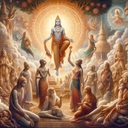
People of Sālā
all
People of Sālā
+Opening
| (derived from B. Sujato 2018/12) | (來源於B. Sujato 2018/12) | |
| Evaṃ me sutaṃ— | So I have heard. | 我曾聽聞。 |
| ekaṃ samayaṃ bhagavā kosalesu cārikaṃ caramāno mahatā bhikkhusaṅghena saddhiṃ yena sālā nāma kosalānaṃ brāhmaṇagāmo tadavasari. | At one time the Buddha was wandering in the land of the Kosalans together with a large Saṅgha of monks when he arrived at a village of the Kosalan brahmins named Sālā. | 有一次,佛陀與大比丘僧伽在憍薩羅國遊化,抵達了一個名叫薩拉的憍薩羅婆羅門村莊。 |
| Assosuṃ kho sāleyyakā brāhmaṇagahapatikā: | The brahmins and householders of Sālā heard: | 薩拉的婆羅門和居士們聽說了: |
| “samaṇo khalu, bho, gotamo sakyaputto sakyakulā pabbajito kosalesu cārikaṃ caramāno mahatā bhikkhusaṅghena saddhiṃ sālaṃ anuppatto. | “It seems the ascetic Gotama—a Sakyan, gone forth from a Sakyan family—while wandering in the land of the Kosalans has arrived at Sālā, together with a large Saṅgha of monks. | “看來沙門喬達摩——一位釋迦族的,從釋迦族出家的——在憍薩羅國遊化時,與大比丘僧伽一起抵達了薩拉。 |
| Taṃ kho pana bhavantaṃ gotamaṃ evaṃ kalyāṇo kittisaddo abbhuggato: | He has this good reputation: | 他有這樣的美譽: |
| ‘itipi so bhagavā arahaṃ sammāsambuddho vijjācaraṇasampanno sugato lokavidū anuttaro purisadammasārathi satthā devamanussānaṃ buddho bhagavā’. | ‘That Blessed One is perfected, a fully awakened Buddha, accomplished in knowledge and conduct, holy, knower of the world, supreme guide for those who wish to train, teacher of gods and humans, awakened, blessed.’ | “那位世尊是阿羅漢,正等正覺者,明行足,善逝,世間解,無上士,調御丈夫,天人師,佛,世尊。” |
| So imaṃ lokaṃ sadevakaṃ samārakaṃ sabrahmakaṃ sassamaṇabrāhmaṇiṃ pajaṃ sadevamanussaṃ sayaṃ abhiññā sacchikatvā pavedeti. | He has realized with his own insight this world—with its gods, Māras and Brahmās, this population with its ascetics and brahmins, gods and humans—and he makes it known to others. | 他以自己的洞察力證悟了此世間——包括其諸天、魔羅和梵天,以及其沙門婆羅門、天人眾生——並將其告知他人。 |
| So dhammaṃ deseti ādikalyāṇaṃ majjhekalyāṇaṃ pariyosānakalyāṇaṃ sātthaṃ sabyañjanaṃ; | He proclaims a teaching that is good in the beginning, good in the middle, and good in the end, with the right meaning and phrasing. | 一部法,開端善妙、中段善妙、結局善妙,意義和措辭都正確。 |
| kevalaparipuṇṇaṃ parisuddhaṃ brahmacariyaṃ pakāseti. | He reveals an entirely full and pure spiritual life. | 他揭示了一種完全圓滿和純淨的精神生活。 |
| Sādhu kho pana tathārūpānaṃ arahataṃ dassanaṃ hotī”ti. | It’s good to see such perfected ones.” | 能見到如此圓滿之人,真是幸事。” |
+41.1 – (why are some people reborn in good or bad place?)
| Atha kho sāleyyakā brāhmaṇagahapatikā yena bhagavā tenupasaṅkamiṃsu; upasaṅkamitvā appekacce bhagavantaṃ abhivādetvā ekamantaṃ nisīdiṃsu; appekacce bhagavatā saddhiṃ sammodiṃsu, sammodanīyaṃ kathaṃ sāraṇīyaṃ vītisāretvā ekamantaṃ nisīdiṃsu; appekacce yena bhagavā tenañjaliṃ paṇāmetvā ekamantaṃ nisīdiṃsu; appekacce bhagavato santike nāmagottaṃ sāvetvā ekamantaṃ nisīdiṃsu; appekacce tuṇhībhūtā ekamantaṃ nisīdiṃsu. Ekamantaṃ nisinnā kho sāleyyakā brāhmaṇagahapatikā bhagavantaṃ etadavocuṃ: | Then the brahmins and householders of Sālā went up to the Buddha. Before sitting down to one side, some bowed, some exchanged greetings and polite conversation, some held up their joined palms toward the Buddha, some announced their name and clan, while some kept silent. Seated to one side they said to the Buddha: | 於是,薩拉的婆羅門和居士們來到佛陀面前。在坐到一邊之前,有些人合掌致敬,有些人互致問候並寒暄,有些人向佛陀合掌,有些人報上自己的姓名和氏族,而有些人則保持沉默。他們坐到一邊,對佛陀說: |
| “ko nu kho, bho gotama, hetu, ko paccayo, yena m’idhekacce sattā kāyassa bhedā paraṃ maraṇā apāyaṃ duggatiṃ vinipātaṃ nirayaṃ upapajjanti? | “What is the cause, Master Gotama, what is the reason why some sentient beings, when their body breaks up, after death, are reborn in a place of loss, a bad place, the underworld, hell? | “喬達摩大師,是什麼原因,導致有些眾生,身體壞散,死後,投生到惡趣、惡處、地獄、餓鬼道? |
| Ko pana, bho gotama, hetu, ko paccayo, yena m’idhekacce sattā kāyassa bhedā paraṃ maraṇā sugatiṃ saggaṃ lokaṃ upapajjantī”ti? | And what is the cause, Master Gotama, what is the reason why some sentient beings, when their body breaks up, after death, are reborn in a good place, a heavenly realm?” | 喬達摩大師,又是什麼原因,導致有些眾生,身體壞散,死後,投生到善處、天界?” |
| “Adhammacariyāvisamacariyāhetu kho, gahapatayo, evam’idhekacce sattā kāyassa bhedā paraṃ maraṇā apāyaṃ duggatiṃ vinipātaṃ nirayaṃ upapajjanti. | “Non-Dharmic and immoral conduct is the reason why some sentient beings, when their body breaks up, after death, are reborn in a place of loss, a bad place, the underworld, hell. | “不善和不道德的行為,是導致有些眾生,身體壞散,死後,投生到惡趣、惡處、地獄、餓鬼道的原因。 |
| Dhammacariyāsamacariyāhetu kho, gahapatayo, evam’idhekacce sattā kāyassa bhedā paraṃ maraṇā sugatiṃ saggaṃ lokaṃ upapajjantī”ti. | Dharmic and moral conduct is the reason why some sentient beings, when their body breaks up, after death, are reborn in a good place, a heavenly realm.” | 善和道德的行為,是導致有些眾生,身體壞散,死後,投生到善處、天界的原因。” |
| “Na kho mayaṃ imassa bhoto gotamassa saṅkhittena bhāsitassa, vitthārena atthaṃ avibhattassa, vitthārena atthaṃ ājānāma. | “We don’t understand the detailed meaning of Master Gotama’s brief statement. | “我們不明白喬達摩大師簡短陳述的詳細含義。 |
| Sādhu no bhavaṃ gotamo tathā dhammaṃ desetu, yathā mayaṃ imassa bhoto gotamassa saṅkhittena bhāsitassa, vitthārena atthaṃ avibhattassa, vitthārena atthaṃ ājāneyyāmā”ti. | Master Gotama, please teach us this matter in detail so we can understand the meaning.” | 喬達摩大師,請詳細地教導我們這件事,以便我們能理解其含義。” |
| “Tena hi, gahapatayo, suṇātha, sādhukaṃ manasi karotha, bhāsissāmī”ti. | “Well then, householders, listen and pay close attention, I will speak.” | “那麼,居士們,請仔細聽,專心注意,我將要說。” |
| “Evaṃ, bho”ti kho sāleyyakā brāhmaṇagahapatikā bhagavato paccassosuṃ. | “Yes, sir,” they replied. | “是的,世尊,”他們回答道。 |
| Bhagavā etadavoca: | The Buddha said this: | 佛陀這樣說: |
| “Tividhaṃ kho, gahapatayo, kāyena adhammacariyāvisamacariyā hoti, catubbidhaṃ vācāya adhammacariyāvisamacariyā hoti, tividhaṃ manasā adhammacariyāvisamacariyā hoti. | “Householders, non-Dharmic and immoral conduct is threefold by way of body, fourfold by way of speech, and threefold by way of mind. | “居士們,不善和不道德的行為,身有三種,語有四種,意有三種。 |
+41.2 – (immoral conduct threefold by way of body)
| Kathañca, gahapatayo, tividhaṃ kāyena adhammacariyāvisamacariyā hoti? | And how is non-Dharmic and immoral conduct threefold by way of body? | 那麼,不善和不道德的行為,身有哪三種呢? |
| Idha, gahapatayo, ekacco pāṇātipātī hoti, luddo lohitapāṇi hatappahate niviṭṭho adayāpanno pāṇabhūtesu. | It’s when a certain person kills living creatures. They’re violent, bloody-handed, a hardened killer, merciless to living beings. | 有些人殺害有情眾生。他們兇殘、血腥、殺心堅硬、對有情眾生毫無慈悲。 |
| Adinnādāyī kho pana hoti. Yaṃ taṃ parassa paravittūpakaraṇaṃ, gāmagataṃ vā araññagataṃ vā, taṃ adinnaṃ theyyasaṅkhātaṃ ādātā hoti. | They steal. With the intention to commit theft, they take the wealth or belongings of others from village or wilderness. | 他們偷盜。懷著偷竊的意圖,他們從村莊或荒野竊取他人的財物。 |
| Kāmesumicchācārī kho pana hoti. Yā tā māturakkhitā piturakkhitā mātāpiturakkhitā bhāturakkhitā bhaginirakkhitā ñātirakkhitā gottarakkhitā dhammarakkhitā sassāmikā saparidaṇḍā antamaso mālāguḷaparikkhittāpi, tathārūpāsu cārittaṃ āpajjitā hoti. | They commit sexual misconduct. They have sexual relations with women who have their mother, father, both mother and father, brother, sister, relatives, or clan as guardian. They have sexual relations with a woman who is protected on dharma, or who has a husband, or whose violation is punishable by law, or even one who has been garlanded as a token of betrothal. | 他們犯邪淫。他們與受母親、父親、父母雙方、兄弟、姐妹、親戚或家族守護的女人發生性關係。他們與受到原則保護的女人,或有丈夫的女人,或其侵犯受法律懲罰的女人,甚至是被戴上訂婚花環的女人發生性關係。 |
| Evaṃ kho, gahapatayo, tividhaṃ kāyena adhammacariyāvisamacariyā hoti. | This is how non-Dharmic and immoral conduct is threefold by way of body. | 這就是不善和不道德的行為,身有三種。 |
+41.3 – (immoral conduct fourfold by way of speech)
| Kathañca, gahapatayo, catubbidhaṃ vācāya adhammacariyāvisamacariyā hoti? | And how is non-Dharmic and immoral conduct fourfold by way of speech? | 那麼,不善和不道德的行為,語有哪四種呢? |
| Idha, gahapatayo, ekacco musāvādī hoti. Sabhāgato vā parisāgato vā, ñātimajjhagato vā pūgamajjhagato vā rājakulamajjhagato vā, abhinīto sakkhipuṭṭho: ‘ehambho purisa, yaṃ jānāsi taṃ vadehī’ti, so ajānaṃ vā āha: ‘jānāmī’ti, jānaṃ vā āha: na jānāmī’ti, ‘apassaṃ vā āha: ‘passāmī’ti, passaṃ vā āha: ‘na passāmī’ti. Iti attahetu vā parahetu vā āmisakiñcikkhahetu vā sampajānamusā bhāsitā hoti. | It’s when a certain person lies. They’re summoned to a council, an assembly, a family meeting, a guild, or to the royal court, and asked to bear witness: ‘Please, mister, say what you know.’ Not knowing, they say ‘I know.’ Knowing, they say ‘I don’t know.’ Not seeing, they say ‘I see.’ And seeing, they say ‘I don’t see.’ So they deliberately lie for the sake of themselves or another, or for some trivial worldly reason. | 有些人說謊。他們被召集到議事會、集會、家庭會議、行會或王室法庭,被要求作證:“先生,請說出你所知道的。”他們不知道卻說“我知道”。他們知道卻說“我不知道”。他們沒看見卻說“我看見”。他們看見卻說“我沒看見”。因此,他們為了自己或他人,或為了某些微不足道的世俗原因而故意說謊。 |
| Pisuṇavāco kho pana hoti. Ito sutvā amutra akkhātā imesaṃ bhedāya, amutra vā sutvā imesaṃ akkhātā amūsaṃ bhedāya. Iti samaggānaṃ vā bhettā, bhinnānaṃ vā anuppadātā, vaggārāmo vaggarato vagganandī vaggakaraṇiṃ vācaṃ bhāsitā hoti. | They speak divisively. They repeat in one place what they heard in another so as to divide people against each other. And so they divide those who are harmonious, supporting division, delighting in division, loving division, speaking words that promote division. | 他們挑撥離間。他們把在別處聽到的東西在另一個地方重複,以便挑撥離間。因此,他們離間和睦之人,支持分裂,樂於分裂,喜愛分裂,說促進分裂的話。 |
| Pharusavāco kho pana hoti. Yā sā vācā aṇḍakā kakkasā parakaṭukā parābhisajjanī kodhasāmantā asamādhisaṃvattanikā, tathārūpiṃ vācaṃ bhāsitā hoti. | They speak harshly. They use the kinds of words that are cruel, nasty, hurtful, offensive, bordering on anger, not leading to undistractible-lucidity. | 他們出言不遜。他們使用殘酷、惡毒、傷人、冒犯、近乎憤怒、不能導致心專注清明的話。 |
| Samphappalāpī kho pana hoti. Akālavādī abhūtavādī anatthavādī adhammavādī avinayavādī. Anidhānavatiṃ vācaṃ bhāsitā hoti akālena anapadesaṃ apariyantavatiṃ anatthasaṃhitaṃ. | They talk nonsense. Their speech is untimely, and is neither factual nor beneficial. It has nothing to do with The Dharma or the training. Their words have no value, and are untimely, unreasonable, rambling, and pointless. | 他們胡說八道。他們的言語不合時宜,既不真實也無益。與教法和修行毫無關係。他們的話毫無價值,不合時宜,不合理,雜亂無章,毫無意義。 |
| Evaṃ kho, gahapatayo, catubbidhaṃ vācāya adhammacariyāvisamacariyā hoti. | This is how non-Dharmic and immoral conduct is fourfold by way of speech. | 這就是不善和不道德的行為,語有四種。 |
+41.4 – (immoral conduct threefold by way of mind)
| Kathañca, gahapatayo, tividhaṃ manasā adhammacariyāvisamacariyā hoti? | And how is non-Dharmic and immoral conduct threefold by way of mind? | 那麼,不善和不道德的行為,意有哪三種呢? |
| Idha, gahapatayo, ekacco abhijjhālu hoti, yaṃ taṃ parassa paravittūpakaraṇaṃ taṃ abhijjhātā hoti: ‘aho vata yaṃ parassa taṃ mamassā’ti. | It's when a certain person is covetous. They covet the wealth and belongings of others: ‘Oh, if only their belongings were mine!’ | 有些人貪婪。他們貪圖他人的財物:“哦,如果他們的財物是我的該多好啊!” |
| Byāpannacitto kho pana hoti paduṭṭhamanasaṅkappo: ‘ime sattā haññantu vā vajjhantu vā ucchijjantu vā vinassantu vā mā vā ahesun’ti. | They have ill will and hateful intentions: ‘May these sentient beings be killed, slaughtered, slain, destroyed, or annihilated!’ | 他們心懷惡意和仇恨的意圖:“願這些眾生被殺害、屠殺、殺死、毀滅或消滅!” |
| Micchādiṭṭhiko kho pana hoti viparītadassano: | They have wrong view. Their perspective is distorted: | 他們有邪見。他們的觀點扭曲了: |
| ‘natthi dinnaṃ natthi yiṭṭhaṃ natthi hutaṃ, natthi sukatadukkaṭānaṃ kammānaṃ phalaṃ vipāko, natthi ayaṃ loko natthi paro loko, natthi mātā natthi pitā, natthi sattā opapātikā, natthi loke samaṇabrāhmaṇā sammaggatā sammāpaṭipannā ye imañca lokaṃ parañca lokaṃ sayaṃ abhiññā sacchikatvā pavedentī’ti. | ‘There’s no meaning in giving, sacrifice, or offerings. There’s no fruit or result of good and bad deeds. There’s no afterlife. There’s no obligation to mother and father. No beings are reborn spontaneously. And there’s no ascetic or brahmin who is well attained and practiced, and who describes the afterlife after realizing it with their own insight.’ | “施捨、犧牲或供養沒有意義。善惡行為沒有果報。沒有來世。沒有對父母的義務。沒有眾生是自然轉世的。也沒有沙門或婆羅門是善成就和善修行的,他們在以自己的洞察力證悟來世之後,對來世有所描述。” |
| Evaṃ kho, gahapatayo, tividhaṃ manasā adhammacariyāvisamacariyā hoti. | This is how non-Dharmic and immoral conduct is threefold by way of mind. | 這就是不善和不道德的行為,意有三種。 |
| Evaṃ adhammacariyāvisamacariyāhetu kho, gahapatayo, evam’idhekacce sattā kāyassa bhedā paraṃ maraṇā apāyaṃ duggatiṃ vinipātaṃ nirayaṃ upapajjanti. | That’s how non-Dharmic and immoral conduct is the reason why some sentient beings, when their body breaks up, after death, are reborn in a place of loss, a bad place, the underworld, hell. | 這就是為什麼不善和不道德的行為,是導致有些眾生,身體壞散,死後,投生到惡趣、惡處、地獄、餓鬼道的原因。 |
| Tividhaṃ kho, gahapatayo, kāyena dhammacariyāsamacariyā hoti, catubbidhaṃ vācāya dhammacariyāsamacariyā hoti, tividhaṃ manasā dhammacariyāsamacariyā hoti. | Householders, Dharmic and moral conduct is threefold by way of body, fourfold by way of speech, and threefold by way of mind. | 居士們,善和道德的行為,身有三種,語有四種,意有三種。 |
+41.5 – (moral conduct threefold by way of body)
| Kathañca, gahapatayo, tividhaṃ kāyena dhammacariyāsamacariyā hoti? | And how is Dharmic and moral conduct threefold by way of body? | 那麼,善和道德的行為,身有哪三種呢? |
| Idha, gahapatayo, ekacco pāṇātipātaṃ pahāya pāṇātipātā paṭivirato hoti, nihitadaṇḍo nihitasattho lajjī dayāpanno sabbapāṇabhūtahitānukampī viharati. | It’s when a certain person gives up killing living creatures. They renounce the rod and the sword. They’re scrupulous and kind, living full of compassion for all living beings. | 有些人放棄殺害有情眾生。他們放下棍棒和刀劍。他們嚴謹而仁慈,對一切有情充滿慈悲。 |
| Adinnādānaṃ pahāya adinnādānā paṭivirato hoti. Yaṃ taṃ parassa paravittūpakaraṇaṃ, gāmagataṃ vā araññagataṃ vā, taṃ nādinnaṃ theyyasaṅkhātaṃ ādātā hoti. | They give up stealing. They don’t, with the intention to commit theft, take the wealth or belongings of others from village or wilderness. | 他們放棄偷盜。他們不懷著偷竊的意圖,從村莊或荒野竊取他人的財物。 |
| Kāmesumicchācāraṃ pahāya kāmesumicchācārā paṭivirato hoti. Yā tā māturakkhitā piturakkhitā mātāpiturakkhitā bhāturakkhitā bhaginirakkhitā ñātirakkhitā gottarakkhitā dhammarakkhitā sassāmikā saparidaṇḍā antamaso mālāguḷaparikkhittāpi, tathārūpāsu na cārittaṃ āpajjitā hoti. | They give up sexual misconduct. They don’t have sexual relations with women who have their mother, father, both mother and father, brother, sister, relatives, or clan as guardian. They don’t have sexual relations with a woman who is protected on dharma, or who has a husband, or whose violation is punishable by law, or even one who has been garlanded as a token of betrothal. | 他們放棄邪淫。他們不與受母親、父親、父母雙方、兄弟、姐妹、親戚或家族守護的女人發生性關係。他們不與受到原則保護的女人,或有丈夫的女人,或其侵犯受法律懲罰的女人,甚至是被戴上訂婚花環的女人發生性關係。 |
| Evaṃ kho, gahapatayo, tividhaṃ kāyena dhammacariyāsamacariyā hoti. | This is how Dharmic and moral conduct is threefold by way of body. | 這就是善和道德的行為,身有三種。 |
| And how is Dharmic and moral conduct fourfold by way of speech? | 那麼,善和道德的行為,語有哪四種呢? |
+41.6 – (moral conduct fourfold by way of speech)
| Kathañca, gahapatayo, catubbidhaṃ vācāya dhammacariyāsamacariyā hoti? | And how is Dharmic and moral conduct fourfold by way of speech? | 那麼,善和道德的行為,語有哪四種呢? |
| Idha, gahapatayo, ekacco musāvādaṃ pahāya musāvādā paṭivirato hoti. Sabhāgato vā parisāgato vā, ñātimajjhagato vā pūgamajjhagato vā rājakulamajjhagato vā, abhinīto sakkhipuṭṭho: ‘ehambho purisa, yaṃ jānāsi taṃ vadehī’ti, so ajānaṃ vā āha: ‘na jānāmī’ti, jānaṃ vā āha: ‘jānāmī’ti, apassaṃ vā āha: ‘na passāmī’ti, passaṃ vā āha: ‘passāmī’ti. Iti attahetu vā parahetu vā āmisakiñcikkhahetu vā na sampajānamusā bhāsitā hoti. | It’s when a certain person gives up lying. They’re summoned to a council, an assembly, a family meeting, a guild, or to the royal court, and asked to bear witness: ‘Please, mister, say what you know.’ Not knowing, they say ‘I don’t know.’ Knowing, they say ‘I know.’ Not seeing, they say ‘I don’t see.’ And seeing, they say ‘I see.’ So they don’t deliberately lie for the sake of themselves or another, or for some trivial worldly reason. | 有些人放棄說謊。他們被召集到議事會、集會、家庭會議、行會或王室法庭,被要求作證:“先生,請說出你所知道的。”他們不知道卻說“我不知道”。他們知道卻說“我知道”。他們沒看見卻說“我沒看見”。他們看見卻說“我看見”。因此,他們不會為了自己或他人,或為了某些微不足道的世俗原因而故意說謊。 |
| Pisuṇaṃ vācaṃ pahāya pisuṇāya vācāya paṭivirato hoti, ito sutvā na amutra akkhātā imesaṃ bhedāya, amutra vā sutvā na imesaṃ akkhātā amūsaṃ bhedāya. Iti bhinnānaṃ vā sandhātā, sahitānaṃ vā anuppadātā, samaggārāmo samaggarato samagganandī samaggakaraṇiṃ vācaṃ bhāsitā hoti. | They give up divisive speech. They don’t repeat in one place what they heard in another so as to divide people against each other. Instead, they reconcile those who are divided, supporting unity, delighting in harmony, loving harmony, speaking words that promote harmony. | 他們放棄挑撥離間。他們不會把在別處聽到的東西在另一個地方重複,以便挑撥離間。相反,他們調和那些分裂的人,支持團結,樂於和睦,喜愛和睦,說促進和睦的話。 |
| Pharusaṃ vācaṃ pahāya pharusāya vācāya paṭivirato hoti. Yā sā vācā nelā kaṇṇasukhā pemanīyā hadayaṅgamā porī bahujanakantā bahujanamanāpā—tathārūpiṃ vācaṃ bhāsitā hoti. | They give up harsh speech. They speak in a way that’s mellow, pleasing to the ear, lovely, going to the heart, polite, likable, and agreeable to the people. | 他們放棄粗言穢語。他們以溫和、悅耳、可愛、入心、有禮、討人喜歡、令人愉悅的方式說話。 |
| Samphappalāpaṃ pahāya samphappalāpā paṭivirato hoti. Kālavādī bhūtavādī atthavādī dhammavādī vinayavādī nidhānavatiṃ vācaṃ bhāsitā hoti kālena sāpadesaṃ pariyantavatiṃ atthasaṃhitaṃ. | They give up talking nonsense. Their words are timely, true, and meaningful, in line with The Dharma and training. They say things at the right time which are valuable, reasonable, succinct, and beneficial. | 他們放棄胡說八道。他們的話語合時宜、真實、有意義,符合教法和修行。他們適時地說出有價值、合理、簡潔和有益的話。 |
| Evaṃ kho, gahapatayo, catubbidhaṃ vācāya dhammacariyāsamacariyā hoti. | This is how Dharmic and moral conduct is fourfold by way of speech. | 這就是善和道德的行為,語有四種。 |
+41.7 – (moral conduct threefold by way of mind)
| Kathañca, gahapatayo, tividhaṃ manasā dhammacariyāsamacariyā hoti? | And how is Dharmic and moral conduct threefold by way of mind? | 那麼,善和道德的行為,意有哪三種呢? |
| Idha, gahapatayo, ekacco anabhijjhālu hoti, yaṃ taṃ parassa paravittūpakaraṇaṃ taṃ nābhijjhātā hoti: ‘aho vata yaṃ parassa taṃ mamassā’ti. | It's when a certain person is not covetous. They don’t covet the wealth and belongings of others: ‘Oh, if only their belongings were mine!’ | 有些人不貪婪。他們不貪圖他人的財物:“哦,如果他們的財物是我的該多好啊!” |
| Abyāpannacitto kho pana hoti appaduṭṭhamanasaṅkappo: ‘ime sattā averā abyābajjhā anīghā sukhī attānaṃ pariharantū’ti. | They have a kind heart and non ill will intentions: ‘May these sentient beings live free of enmity and ill will, untroubled and happy!’ | 他們心懷善意和無惡意的意圖:“願這些有情眾生無敵意、無惡意、無煩惱、快樂地生活!” |
| Sammādiṭṭhiko kho pana hoti aviparītadassano: | They have right view, an undistorted perspective: | 他們有正見,觀點沒有扭曲: |
| ‘atthi dinnaṃ atthi yiṭṭhaṃ atthi hutaṃ, atthi sukatadukkaṭānaṃ kammānaṃ phalaṃ vipāko, atthi ayaṃ loko atthi paro loko, atthi mātā atthi pitā, atthi sattā opapātikā, atthi loke samaṇabrāhmaṇā sammaggatā sammāpaṭipannā ye imañca lokaṃ parañca lokaṃ sayaṃ abhiññā sacchikatvā pavedentī’ti. | ‘There is meaning in giving, sacrifice, and offerings. There are fruits and results of good and bad deeds. There is an afterlife. There is obligation to mother and father. There are beings reborn spontaneously. And there are ascetics and brahmins who are well attained and practiced, and who describe the afterlife after realizing it with their own insight.’ | “施捨、犧牲和供養有意義。善惡行為有果報。有來世。有對父母的義務。有眾生是自然轉世的。也有沙門和婆羅門是善成就和善修行的,他們在以自己的洞察力證悟來世之後,對來世有所描述。” |
| Evaṃ kho, gahapatayo, tividhaṃ manasā dhammacariyāsamacariyā hoti. | This is how Dharmic and moral conduct is threefold by way of mind. | 這就是善和道德的行為,意有三種。 |
+41.10 – (good people can aim for heavenly realms)
| Evaṃ dhammacariyāsamacariyāhetu kho, gahapatayo, evam’idhekacce sattā kāyassa bhedā paraṃ maraṇā sugatiṃ saggaṃ lokaṃ upapajjanti. | This is how Dharmic and moral conduct is the reason why some sentient beings, when their body breaks up, after death, are reborn in a good place, a heavenly realm. | 這就是為什麼善和道德的行為,是導致有些眾生,身體壞散,死後,投生到善處、天界的原因。 |
| Ākaṅkheyya ce, gahapatayo, dhammacārī samacārī: | A person of Dharmic and moral conduct might wish: | 一個有原則和道德行為的人可能會希望: |
| ‘aho vatāhaṃ kāyassa bhedā paraṃ maraṇā khattiyamahāsālānaṃ sahabyataṃ upapajjeyyan’ti; | ‘If only, when my body breaks up, after death, I would be reborn in the company of well-to-do warrior-nobles!’ | “如果我的身體壞散,死後,我能投生到富有的貴族之中該多好啊!” |
| ṭhānaṃ kho panetaṃ vijjati, yaṃ so kāyassa bhedā paraṃ maraṇā khattiyamahāsālānaṃ sahabyataṃ upapajjeyya. | It’s possible that this might happen. | 這可能是會發生的。 |
| Taṃ kissa hetu? | Why is that? | 為什麼會這樣呢? |
| Tathā hi so dhammacārī samacārī. | Because they have Dharmic and moral conduct. | 因為他們有原則和道德行為。 |
| Ākaṅkheyya ce, gahapatayo, dhammacārī samacārī: | A person of Dharmic and moral conduct might wish: | 一個有原則和道德行為的人可能會希望: |
| ‘aho vatāhaṃ kāyassa bhedā paraṃ maraṇā brāhmaṇamahāsālānaṃ … pe … | ‘If only, when my body breaks up, after death, I would be reborn in the company of well-to-do brahmins … | “如果我的身體壞散,死後,我能投生到富有的婆羅門之中…… |
| gahapatimahāsālānaṃ sahabyataṃ upapajjeyyan’ti; ṭhānaṃ kho panetaṃ vijjati, yaṃ so kāyassa bhedā paraṃ maraṇā gahapatimahāsālānaṃ sahabyataṃ upapajjeyya. Taṃ kissa hetu? Tathā hi so dhammacārī samacārī. |
well-to-do householders … | 富有的居士之中…… |
| Ākaṅkheyya ce, gahapatayo, dhammacārī samacārī: | ||
| ‘aho vatāhaṃ kāyassa bhedā paraṃ maraṇā cātumahārājikānaṃ devānaṃ sahabyataṃ upapajjeyyan’ti; ṭhānaṃ kho panetaṃ vijjati, yaṃ so kāyassa bhedā paraṃ maraṇā cātumahārājikānaṃ devānaṃ sahabyataṃ upapajjeyya. Taṃ kissa hetu? Tathā hi so dhammacārī samacārī. |
the Gods of the Four Great Kings … | 四大天王天…… |
| Ākaṅkheyya ce, gahapatayo, dhammacārī samacārī: | ||
| ‘aho vatāhaṃ kāyassa bhedā paraṃ maraṇā tāvatiṃsānaṃ devānaṃ … pe … | the Gods of the Thirty-Three … | 三十三天…… |
| yāmānaṃ devānaṃ … | the Gods of Yama … | 夜摩天…… |
| tusitānaṃ devānaṃ … | the Joyful Gods … | 兜率天…… |
| nimmānaratīnaṃ devānaṃ … | the Gods Who Love to Create … | 化樂天…… |
| paranimmitavasavattīnaṃ devānaṃ … | the Gods Who Control the Creations of Others … | 他化自在天…… |
| brahmakāyikānaṃ devānaṃ sahabyataṃ upapajjeyyan’ti; ṭhānaṃ kho panetaṃ vijjati, yaṃ so kāyassa bhedā paraṃ maraṇā brahmakāyikānaṃ devānaṃ sahabyataṃ upapajjeyya. Taṃ kissa hetu? Tathā hi so dhammacārī samacārī. |
the Gods of Brahmā’s Group … | 梵眾天…… |
| Ākaṅkheyya ce, gahapatayo, dhammacārī samacārī: | ||
| ‘aho vatāhaṃ kāyassa bhedā paraṃ maraṇā ābhānaṃ devānaṃ sahabyataṃ upapajjeyyan’ti; ṭhānaṃ kho panetaṃ vijjati, yaṃ so kāyassa bhedā paraṃ maraṇā ābhānaṃ devānaṃ sahabyataṃ upapajjeyya. Taṃ kissa hetu? Tathā hi so dhammacārī samacārī. |
the Radiant Gods … | 光音天…… |
| Ākaṅkheyya ce, gahapatayo, dhammacārī samacārī: | ||
| ‘aho vatāhaṃ kāyassa bhedā paraṃ maraṇā parittābhānaṃ devānaṃ … pe … | the Gods of Limited Radiance … | 少光天…… |
| appamāṇābhānaṃ devānaṃ … | the Gods of Limitless Radiance … | 無量光天…… |
| ābhassarānaṃ devānaṃ … | the Gods of Streaming Radiance … | 極光淨天…… |
| parittasubhānaṃ devānaṃ … | the Gods of Limited Glory … | 少淨天…… |
| appamāṇasubhānaṃ devānaṃ … | the Gods of Limitless Glory … | 無量淨天…… |
| subhakiṇhānaṃ devānaṃ … | the Gods Replete with Glory … | 遍淨天…… |
| vehapphalānaṃ devānaṃ … | the Gods of Abundant Fruit … | 廣果天…… |
| avihānaṃ devānaṃ … | the Gods of Aviha … | 無煩天…… |
| atappānaṃ devānaṃ … | the Gods of Atappa … | 無熱天…… |
| sudassānaṃ devānaṃ … | the Gods Fair to See … | 善見天…… |
| sudassīnaṃ devānaṃ … | the Fair Seeing Gods … | 善現天…… |
| akaniṭṭhānaṃ devānaṃ … | the Gods of Akaniṭṭha … | 色究竟天…… |
| ākāsānañcāyatanūpagānaṃ devānaṃ … | the gods of the dimension of infinite space … | 空無邊處天…… |
| viññāṇañcāyatanūpagānaṃ devānaṃ … | the gods of the dimension of infinite consciousness … | 識無邊處天…… |
| ākiñcaññāyatanūpagānaṃ devānaṃ … | the gods of the dimension of nothingness … | 無所有處天…… |
| nevasaññānāsaññāyatanūpagānaṃ devānaṃ sahabyataṃ upapajjeyyan’ti; | the gods of the dimension of neither perception nor non-perception.’ | 非想非非想處天。” |
| ṭhānaṃ kho panetaṃ vijjati, yaṃ so kāyassa bhedā paraṃ maraṇā nevasaññānāsaññāyatanūpagānaṃ devānaṃ sahabyataṃ upapajjeyya. | It’s possible that this might happen. | 這可能是會發生的。 |
| Taṃ kissa hetu? | Why is that? | 為什麼會這樣呢? |
| Tathā hi so dhammacārī samacārī. | Because they have Dharmic and moral conduct. | 因為他們有原則和道德行為。 |
❧
+41.11 – (better yet, they can aim for nirvana)
| Ākaṅkheyya ce, gahapatayo, dhammacārī samacārī: | A person of Dharmic and moral conduct might wish: | 一個有原則和道德行為的人可能會希望: |
| ‘aho vatāhaṃ āsavānaṃ khayā anāsavaṃ cetovimuttiṃ paññāvimuttiṃ diṭṭheva dhamme sayaṃ abhiññā sacchikatvā upasampajja vihareyyan’ti; | ‘If only I might realize the undefiled freedom of heart and freedom by wisdom in this very life, and live having realized it with my own insight due to the ending of defilements.’ | “如果我在此生中證悟無垢的心解脫和慧解脫,並因煩惱的止息而親身體證並安住其中,該多好啊!” |
| ṭhānaṃ kho panetaṃ vijjati, yaṃ so āsavānaṃ khayā anāsavaṃ cetovimuttiṃ paññāvimuttiṃ diṭṭheva dhamme sayaṃ abhiññā sacchikatvā upasampajja vihareyya. | It’s possible that this might happen. | 這可能是會發生的。 |
| Taṃ kissa hetu? | Why is that? | 為什麼會這樣呢? |
| Tathā hi so dhammacārī samacārī”ti. | Because they have Dharmic and moral conduct.” | 因為他們有原則和道德行為。” |
| Evaṃ vutte, sāleyyakā brāhmaṇagahapatikā bhagavantaṃ etadavocuṃ: | When he had spoken, the brahmins and householders of Sālā said to the Buddha: | 他說完後,薩拉的婆羅門和居士們對佛陀說: |
| “abhikkantaṃ, bho gotama, abhikkantaṃ, bho gotama. | “Excellent, Master Gotama! Excellent! | “太好了,喬達摩大師!太好了! |
| Seyyathāpi, bho gotama, nikkujjitaṃ vā ukkujjeyya, paṭicchannaṃ vā vivareyya, mūḷhassa vā maggaṃ ācikkheyya, andhakāre vā telapajjotaṃ dhāreyya: ‘cakkhumanto rūpāni dakkhantī’ti; evamevaṃ bhotā gotamena anekapariyāyena dhammo pakāsito. | As if he were righting the overturned, or revealing the hidden, or pointing out the path to the lost, or lighting a lamp in the dark so people with good eyes can see what’s there, Master Gotama has made The Dharma clear in many ways. | 就像扶正顛倒之物,揭示隱藏之物,為迷途者指出道路,或在黑暗中點亮一盞燈,以便視力好的人能看清事物一樣,喬達摩大師以多種方式闡明了教法。 |
| Ete mayaṃ bhavantaṃ gotamaṃ saraṇaṃ gacchāma dhammañca bhikkhusaṃghañca. | We go for refuge to Master Gotama, to The Dharma, and to the monk Saṅgha. | 我們皈依喬達摩大師,皈依佛法,皈依僧伽。 |
| Upāsake no bhavaṃ gotamo dhāretu ajjatagge pāṇupete saraṇaṃ gate”ti. | From this day forth, may Master Gotama remember us as lay followers who have gone for refuge for life.” | 從今天起,願喬達摩大師記住我們是終身皈依的在家信徒。” |
❧