+MN 45 Cūḷa-dhamma-samādāna:
Shorter Discourse on Taking Up Dharma-[Practices]
all
Shorter Discourse on Taking Up Dharma-[Practices]
Opening
+45.4 – Four permutations of practice style and rebirth
all
| (derived from B. Sujato 2018/12) | (摘自B. Sujato 2018/12) | |
| Cūḷadhammasamādānasutta | The Shorter Discourse on Taking Up Practices | 略說行持 |
| Evaṃ me sutaṃ— | So I have heard. | 如是我聞。 |
| ekaṃ samayaṃ bhagavā sāvatthiyaṃ viharati jetavane anāthapiṇḍikassa ārāme. | At one time the Buddha was staying near Sāvatthī in Jeta’s Grove, Anāthapiṇḍika’s monastery. | 一時,佛陀住在舍衛城祇樹給孤獨園。 |
| Tatra kho bhagavā bhikkhū āmantesi: | There the Buddha addressed the monks: | 在那裡,佛陀對比丘們說: |
| “bhikkhavo”ti. | “monks!” | “比丘們!” |
| “Bhadante”ti te bhikkhū bhagavato paccassosuṃ. | “Venerable sir,” they replied. | “世尊,”他們回答道。 |
| Bhagavā etadavoca: | The Buddha said this: | 佛陀如是說: |
| “cattārimāni, bhikkhave, dhammasamādānāni. | “monks, there are these four ways of taking up practices. | “比丘們,有這四種行持。 |
| Katamāni cattāri? | What four? | 哪四種? |
| Atthi, bhikkhave, dhammasamādānaṃ paccuppannasukhaṃ āyatiṃ dukkhavipākaṃ; | There is a way of taking up practices that is pleasant now but results in future pain. | 有一種行持,現在是愉快的,但未來會帶來痛苦。 |
| atthi, bhikkhave, dhammasamādānaṃ paccuppannadukkhañceva āyatiñca dukkhavipākaṃ; | There is a way of taking up practices that is painful now and results in future pain. | 有一種行持,現在是痛苦的,未來也會帶來痛苦。 |
| atthi, bhikkhave, dhammasamādānaṃ paccuppannadukkhaṃ āyatiṃ sukhavipākaṃ; | There is a way of taking up practices that is painful now but results in future pleasure. | 有一種行持,現在是痛苦的,但未來會帶來快樂。 |
| atthi, bhikkhave, dhammasamādānaṃ paccuppannasukhañceva āyatiñca sukhavipākaṃ. | There is a way of taking up practices that is pleasant now and results in future pleasure. | 有一種行持,現在是愉快的,未來也會帶來快樂。 |
+§4.1 – (pleasure now (5 sensual pleasure strings), future pain (reborn in lower realm))
all
| Katamañca, bhikkhave, dhammasamādānaṃ paccuppannasukhaṃ āyatiṃ dukkhavipākaṃ? | And what is the way of taking up practices that is pleasant now but results in future pain? | 那麼,何為現在愉快但未來會帶來痛苦的行持? |
| Santi, bhikkhave, eke samaṇabrāhmaṇā evaṃvādino evaṃdiṭṭhino: | There are some ascetics and brahmins who have this doctrine and view: | 有一些沙門和婆羅門持有這種教義和見解: |
| ‘natthi kāmesu doso’ti. | ‘There’s nothing wrong with sensual pleasures.’ | “感官享樂沒有什麼不對。” |
| Te kāmesu pātabyataṃ āpajjanti. | They throw themselves into sensual pleasures, | 他們沉溺於感官享樂, |
| Te kho moḷibaddhāhi paribbājikāhi paricārenti. | cavorting with female wanderers with fancy hair-dos. | 與髮型華麗的遊方女嬉戲。 |
| Te evamāhaṃsu: | They say: | 他們說: |
| ‘kiṃsu nāma te bhonto samaṇabrāhmaṇā kāmesu anāgatabhayaṃ sampassamānā kāmānaṃ pahānamāhaṃsu, kāmānaṃ pariññaṃ paññapenti? | ‘What future danger do those ascetics and brahmins see in sensual pleasures that they speak of giving up sensual pleasures, and advocate the complete understanding of sensual pleasures? | “那些沙門和婆羅門在感官享樂中看到了什麼未來的危險,以至於他們說要放棄感官享樂,並主張完全理解感官享樂? |
| Sukho imissā paribbājikāya taruṇāya mudukāya lomasāya bāhāya samphasso’ti te kāmesu pātabyataṃ āpajjanti. | Pleasant is the touch of this female wanderer’s arm, tender, soft, and downy!’ And they throw themselves into sensual pleasures. | 這個遊方女的手臂觸感是多麼的愉快,柔軟,細嫩,有絨毛!”於是他們沉溺於感官享樂。 |
| Te kāmesu pātabyataṃ āpajjitvā kāyassa bhedā paraṃ maraṇā apāyaṃ duggatiṃ vinipātaṃ nirayaṃ upapajjanti. | When their body breaks up, after death, they’re reborn in a place of loss, a bad place, the underworld, hell. | 當他們的身體壞散,死後,他們投生到惡趣、惡處、地獄。 |
| Te tattha dukkhā tibbā kharā kaṭukā vedanā vedayanti. | And there they feel painful, sharp, severe, acute feelings. | 在那裡,他們感受到痛苦、劇烈、嚴峻、急遽的感受。 |
| Te evamāhaṃsu: | They say: | 他們說: |
| ‘idaṃ kho te bhonto samaṇabrāhmaṇā kāmesu anāgatabhayaṃ sampassamānā kāmānaṃ pahānamāhaṃsu, kāmānaṃ pariññaṃ paññapenti, ime hi mayaṃ kāmahetu kāmanidānaṃ dukkhā tibbā kharā kaṭukā vedanā vedayāmā’ti. | ‘This is that future danger that those ascetics and brahmins saw. For it is because of sensual pleasures that I’m feeling painful, sharp, severe, acute feelings.’ | “這就是那些沙門和婆羅門所見的未來危險。因為感官享樂,我正感受到痛苦、劇烈、嚴峻、急遽的感受。” |
+§1.5 – (sensual pleasure compared to creeper that kills tree)
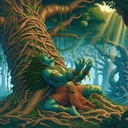
| Seyyathāpi, bhikkhave, gimhānaṃ pacchime māse māluvāsipāṭikā phaleyya. | Suppose that in the last month of summer a camel’s foot creeper pod were to burst open | 假設在夏季的最後一個月,駱駝足藤莢裂開, |
| Atha kho taṃ, bhikkhave, māluvābījaṃ aññatarasmiṃ sālamūle nipateyya. | and a seed were to fall at the root of a sal tree. | 一粒種子掉落到娑羅樹的根部。 |
| Atha kho, bhikkhave, yā tasmiṃ sāle adhivatthā devatā sā bhītā saṃviggā santāsaṃ āpajjeyya. | Then the deity haunting that sal tree would become apprehensive and nervous. | then the deity haunting that sal tree would become apprehensive and nervous. |
| Atha kho, bhikkhave, tasmiṃ sāle adhivatthāya devatāya mittāmaccā ñātisālohitā ārāmadevatā vanadevatā rukkhadevatā osadhitiṇavanappatīsu adhivatthā devatā saṅgamma samāgamma evaṃ samassāseyyuṃ: | But their friends and colleagues, relatives and kin—deities of the parks, forests, trees, and those who haunt the herbs, grass, and big trees—would come together to reassure them: | Then the deity haunting that sal tree would become apprehensive and nervous. |
| ‘mā bhavaṃ bhāyi, mā bhavaṃ bhāyi; | ‘Do not fear, sir, do not fear! | 但他們的朋友和同事、親戚和家人——那些居住在公園、森林、樹木以及草藥、草地和大樹中的神靈——會聚集起來安慰他們: |
| appeva nāmetaṃ māluvābījaṃ moro vā gileyya, mago vā khādeyya, davaḍāho vā ḍaheyya, vanakammikā vā uddhareyyuṃ, upacikā vā uṭṭhaheyyuṃ, abījaṃ vā panassā’ti. | Hopefully that seed will be swallowed by a peacock, or eaten by a deer, or burnt by a forest fire, or picked up by a lumberjack, or eaten by termites, or it may not even be fertile.’ | “不要害怕,先生,不要害怕! |
| Atha kho taṃ, bhikkhave, māluvābījaṃ neva moro gileyya, na mago khādeyya, na davaḍāho ḍaheyya, na vanakammikā uddhareyyuṃ, na upacikā uṭṭhaheyyuṃ, bījañca panassa taṃ pāvussakena meghena abhippavuṭṭhaṃ sammadeva viruheyya. | But none of these things happened. And the seed was fertile, so that when the clouds soaked it with rain, it sprouted. | 希望那粒種子會被孔雀吞食,或者被鹿吃掉,或者被森林大火燒燬,或者被伐木工人撿走,或者被白蟻吃掉,或者它甚至可能不肥沃。” |
| Sāssa māluvālatā taruṇā mudukā lomasā vilambinī, sā taṃ sālaṃ upaniseveyya. | And the creeper wound its tender, soft, and downy tendrils around that sal tree. | 但這些事情都沒有發生。種子是肥沃的,所以當雲層用雨水浸泡它時,它發芽了。 |
| Atha kho, bhikkhave, tasmiṃ sāle adhivatthāya devatāya evamassa: | Then the deity thought: | 藤蔓將它柔軟、細嫩、有絨毛的卷鬚纏繞在娑羅樹上。 |
| ‘kiṃsu nāma te bhonto mittāmaccā ñātisālohitā ārāmadevatā vanadevatā rukkhadevatā osadhitiṇavanappatīsu adhivatthā devatā māluvābīje anāgatabhayaṃ sampassamānā saṅgamma samāgamma evaṃ samassāsesuṃ: | ‘What future danger did my friends see when they said: | 於是神靈想: |
| “mā bhavaṃ bhāyi mā bhavaṃ bhāyi, | ‘Do not fear, sir, do not fear! | “我的朋友們看到了什麼未來的危險,以至於他們說: |
| appeva nāmetaṃ māluvābījaṃ moro vā gileyya, mago vā khādeyya, davaḍāho vā ḍaheyya, vanakammikā vā uddhareyyuṃ, upacikā vā uṭṭhaheyyuṃ, abījaṃ vā panassā”ti; | Hopefully that seed will be swallowed by a peacock, or eaten by a deer, or burnt by a forest fire, or picked up by a lumberjack, or eaten by termites, or it may not even be fertile.’ | ‘不要害怕,先生,不要害怕! |
| sukho imissā māluvālatāya taruṇāya mudukāya lomasāya vilambiniyā samphasso’ti. | Pleasant is the touch of this creeper’s tender, soft, and downy tendrils.’ | 希望那粒種子會被孔雀吞食,或者被鹿吃掉,或者被森林大火燒燬,或者被伐木工人撿走,或者被白蟻吃掉,或者它甚至可能不肥沃。’ |
| Sā taṃ sālaṃ anuparihareyya. | Then the creeper enfolded the sal tree, | 這種藤蔓柔軟、細嫩、有絨毛的卷鬚的觸感是多麼的愉快。” |
| Sā taṃ sālaṃ anupariharitvā upari viṭabhiṃ kareyya. | made a canopy over it, | 然後藤蔓包圍了娑羅樹, |
| Upari viṭabhiṃ karitvā oghanaṃ janeyya. | draped a curtain around it, | 在它上面形成了一個華蓋, |
| Oghanaṃ janetvā ye tassa sālassa mahantā mahantā khandhā te padāleyya. | and split apart all the main branches. | 在它周圍拉起了一道帷幕, |
| Atha kho, bhikkhave, tasmiṃ sāle adhivatthāya devatāya evamassa: | Then the deity thought: | 並分裂了所有主要枝幹。 |
| ‘idaṃ kho te bhonto mittāmaccā ñātisālohitā ārāmadevatā vanadevatā rukkhadevatā osadhitiṇavanappatīsu adhivatthā devatā māluvābīje anāgatabhayaṃ sampassamānā saṅgamma samāgamma evaṃ samassāsesuṃ: | ‘This is the future danger that my friends saw! | 於是神靈想: |
| “mā bhavaṃ bhāyi mā bhavaṃ bhāyi, appeva nāmetaṃ māluvābījaṃ moro vā gileyya, mago vā khādeyya, davaḍāho vā ḍaheyya, vanakammikā vā uddhareyyuṃ, upacikā vā uṭṭhaheyyuṃ abījaṃ vā panassā”ti. Yañcāhaṃ māluvābījahetu dukkhā tibbā kharā kaṭukā vedanā vedayāmī’ti. |
It’s because of that camel’s foot creeper seed that I’m feeling painful, sharp, severe, acute feelings.’ | “這就是我的朋友們所見的未來危險! |
| Evameva kho, bhikkhave, santi eke samaṇabrāhmaṇā evaṃvādino evaṃdiṭṭhino ‘natthi kāmesu doso’ti. | In the same way, there are some ascetics and brahmins who have this doctrine and view: ‘There’s nothing wrong with sensual pleasures’ … | 正是因為那顆駱駝足藤種子,我才感受到痛苦、劇烈、嚴峻、急遽的感受。” |
| Te kāmesu pātabyataṃ āpajjanti. Te moḷibaddhāhi paribbājikāhi paricārenti. Te evamāhaṃsu: ‘kiṃsu nāma te bhonto samaṇabrāhmaṇā kāmesu anāgatabhayaṃ sampassamānā kāmānaṃ pahānamāhaṃsu, kāmānaṃ pariññaṃ paññapenti? Sukho imissā paribbājikāya taruṇāya mudukāya lomasāya bāhāya samphasso’ti. Te kāmesu pātabyataṃ āpajjanti. Te kāmesu pātabyataṃ āpajjitvā kāyassa bhedā paraṃ maraṇā apāyaṃ duggatiṃ vinipātaṃ nirayaṃ upapajjanti. Te tattha dukkhā tibbā kharā kaṭukā vedanā vedayanti. Te evamāhaṃsu: ‘idaṃ kho te bhonto samaṇabrāhmaṇā kāmesu anāgatabhayaṃ sampassamānā kāmānaṃ pahānamāhaṃsu, kāmānaṃ pariññaṃ paññapenti. Ime hi mayaṃ kāmahetu kāmanidānaṃ dukkhā tibbā kharā kaṭukā vedanā vedayāmā’ti. Idaṃ vuccati, bhikkhave, dhammasamādānaṃ paccuppannasukhaṃ āyatiṃ dukkhavipākaṃ. |
This is called the way of taking up practices that is pleasant now but results in future pain. | 同樣地,有一些沙門和婆羅門持有這種教義和見解:“感官享樂沒有什麼不對”…… |
❧
+§4.2 – (Painful now (useless austerities), future pain (reborn in lower realm))
| Katamañca, bhikkhave, dhammasamādānaṃ paccuppannadukkhañceva āyatiñca dukkhavipākaṃ? | And what is the way of taking up practices that is painful now and results in future pain? | 這被稱為現在愉快但未來會帶來痛苦的行持。 |
| Idha, bhikkhave, ekacco acelako hoti muttācāro hatthāpalekhano, naehibhaddantiko, natiṭṭhabhaddantiko, nābhihaṭaṃ, na uddissakataṃ, na nimantanaṃ sādiyati, | It’s when someone goes naked, ignoring conventions. They lick their hands, and don’t come or wait when asked. They don’t consent to food brought to them, or food prepared on purpose for them, or an invitation for a meal. | 何為現在痛苦且未來會帶來痛苦的行持? |
| so na kumbhimukhā paṭiggaṇhāti, na kaḷopimukhā paṭiggaṇhāti, na eḷakamantaraṃ, na daṇḍamantaraṃ, na musalamantaraṃ, na dvinnaṃ bhuñjamānānaṃ, na gabbhiniyā, na pāyamānāya, na purisantaragatāya, na saṅkittīsu, na yattha sā upaṭṭhito hoti, na yattha makkhikā saṇḍasaṇḍacārinī, na macchaṃ, na maṃsaṃ, na suraṃ, na merayaṃ, na thusodakaṃ pivati. | They don’t receive anything from a pot or bowl; or from someone who keeps sheep, or who has a weapon or a shovel in their home; or where a couple is eating; or where there is a woman who is pregnant, breastfeeding, or who has a man in her home; or where there’s a dog waiting or flies buzzing. They accept no fish or meat or liquor or wine, and drink no beer. | 那就是有人裸體,不顧習俗。他們舔手,被要求時不來也不等。他們不接受送到他們面前的食物,不接受特意為他們準備的食物,也不接受用餐的邀請。 |
| So ekāgāriko vā hoti ekālopiko, dvāgāriko vā hoti dvālopiko … pe … sattāgāriko vā hoti sattālopiko. | They go to just one house for alms, taking just one mouthful, or two houses and two mouthfuls, up to seven houses and seven mouthfuls. | 他們不從罐子或碗裡接受任何東西;不從養羊的人那裡接受;不從家裡有武器或鏟子的人那裡接受;不從一對夫婦正在吃飯的地方接受;不從有孕婦、哺乳期婦女或家裡有男人的地方接受;不從有狗等待或蒼蠅嗡嗡叫的地方接受。他們不接受魚肉或酒,也不喝酒。 |
| Ekissāpi dattiyā yāpeti, dvīhipi dattīhi yāpeti … sattahipi dattīhi yāpeti. | They feed on one saucer a day, two saucers a day, up to seven saucers a day. | 他們只去一戶人家乞食,只吃一口;或兩戶人家,吃兩口,最多七戶人家,吃七口。 |
| Ekāhikampi āhāraṃ āhāreti, dvīhikampi āhāraṃ āhāreti … sattāhikampi āhāraṃ āhāreti. Iti evarūpaṃ addhamāsikampi pariyāyabhattabhojanānuyogamanuyutto viharati. | They eat once a day, once every second day, up to once a week, and so on, even up to once a fortnight. They live committed to the practice of eating food at set intervals. | 他們每天只吃一小碟,或每天吃兩小碟,最多每天吃七小碟。 |
| So sākabhakkho vā hoti, sāmākabhakkho vā hoti, nīvārabhakkho vā hoti, daddulabhakkho vā hoti, haṭabhakkho vā hoti, kaṇabhakkho vā hoti, ācāmabhakkho vā hoti, piññākabhakkho vā hoti, tiṇabhakkho vā hoti, gomayabhakkho vā hoti, vanamūlaphalāhāro yāpeti pavattaphalabhojī. | They eat herbs, millet, wild rice, poor rice, water lettuce, rice bran, scum from boiling rice, sesame flour, grass, or cow dung. They survive on forest roots and fruits, or eating fallen fruit. | 他們每天吃一次,或每兩天吃一次,最多每週吃一次,以此類推,甚至每兩週吃一次。他們過著定時進食的苦行生活。 |
| So sāṇānipi dhāreti, masāṇānipi dhāreti, chavadussānipi dhāreti, paṃsukūlānipi dhāreti, tirīṭānipi dhāreti, ajinampi dhāreti, ajinakkhipampi dhāreti, kusacīrampi dhāreti, vākacīrampi dhāreti, phalakacīrampi dhāreti, kesakambalampi dhāreti, vāḷakambalampi dhāreti, ulūkapakkhampi dhāreti, | They wear robes of sunn hemp, mixed hemp, corpse-wrapping cloth, rags, lodh tree bark, antelope hide (whole or in strips), kusa grass, bark, wood-chips, human hair, horse-tail hair, or owls’ wings. | 他們吃草藥、小米、野米、粗米、水生菜、米糠、米湯、芝麻粉、草或牛糞。他們靠森林裡的根和果實生存,或者吃掉落的果實。 |
| kesamassulocakopi hoti, kesamassulocanānuyogamanuyutto, | They tear out their hair and beard, committed to this practice. | 他們穿著用大麻、混紡麻、裹屍布、破布、羅德樹皮、羚羊皮(整張或條狀)、吉祥草、樹皮、木屑、人發、馬尾毛或貓頭鷹翅膀製成的衣服。 |
| ubbhaṭṭhakopi hoti, āsanapaṭikkhitto, | They stand forever, refusing seats. | 他們拔掉頭髮和鬍鬚,堅持這種苦行。 |
| ukkuṭikopi hoti ukkuṭikappadhānamanuyutto, | They squat, committed to persisting in the squatting position. | 他們總是站著,拒絕坐下。 |
| kaṇṭakāpassayikopi hoti, kaṇṭakāpassaye seyyaṃ kappeti, | They lie on a mat of thorns, making a mat of thorns their bed. | 他們蹲著,堅持保持蹲姿。 |
| sāyatatiyakampi udakorohanānuyogamanuyutto viharati. | They’re committed to the practice of undistractible-lucidity in water three times a day, including the evening. | 他們睡在荊棘墊上,把荊棘墊當作他們的床。 |
| Iti evarūpaṃ anekavihitaṃ kāyassa ātāpanaparitāpanānuyogamanuyutto viharati. | And so they live committed to practicing these various ways of mortifying and tormenting the body. | 他們每天三次浸入水中,包括晚上。 |
| So kāyassa bhedā paraṃ maraṇā apāyaṃ duggatiṃ vinipātaṃ nirayaṃ upapajjati. | When their body breaks up, after death, they’re reborn in a place of loss, a bad place, the underworld, hell. | 因此,他們過著致力於實踐各種折磨和苦待身體的方式。 |
| Idaṃ vuccati, bhikkhave, dhammasamādānaṃ paccuppannadukkhañceva āyatiñca dukkhavipākaṃ. | This is called the way of taking up practices that is painful now and results in future pain. | 當他們的身體壞散,死後,他們投生到惡趣、惡處、地獄。 |
+§4.3 – (Painful now (resist urge of 5niv), future pleasure (reborn in deva realm))
| Katamañca, bhikkhave, dhammasamādānaṃ paccuppannadukkhaṃ āyatiṃ sukhavipākaṃ? | And what is the way of taking up practices that is painful now but results in future pleasure? | 這被稱為現在痛苦且未來會帶來痛苦的行持。 |
| Idha, bhikkhave, ekacco pakatiyā tibbarāgajātiko hoti, so abhikkhaṇaṃ rāgajaṃ dukkhaṃ domanassaṃ paṭisaṃvedeti; | It’s when someone is ordinarily full of acute greed, hate, and delusion. They often feel the pain and sadness that greed, hate, and delusion bring. | 何為現在痛苦但未來會帶來快樂的行持? |
| pakatiyā tibbadosajātiko hoti, so abhikkhaṇaṃ dosajaṃ dukkhaṃ domanassaṃ paṭisaṃvedeti; pakatiyā tibbamohajātiko hoti, so abhikkhaṇaṃ mohajaṃ dukkhaṃ domanassaṃ paṭisaṃvedeti. So sahāpi dukkhena, sahāpi domanassena, assumukhopi rudamāno paripuṇṇaṃ parisuddhaṃ brahmacariyaṃ carati. |
They lead the full and pure spiritual life in pain and sadness, weeping, with tearful faces. | 那就是有人通常充滿劇烈的貪、嗔、痴。他們常常感受到貪、嗔、痴帶來的痛苦和悲傷。 |
| So kāyassa bhedā paraṃ maraṇā sugatiṃ saggaṃ lokaṃ upapajjati. | When their body breaks up, after death, they’re reborn in a good place, a heavenly realm. | 他們痛苦悲傷地過著完整純淨的梵行生活,哭泣著,淚流滿面。 |
| Idaṃ vuccati, bhikkhave, dhammasamādānaṃ paccuppannadukkhaṃ āyatiṃ sukhavipākaṃ. | This is called the way of taking up practices that is painful now but results in future pleasure. | 當他們的身體壞散,死後,他們投生到善趣、天界。 |
+§4.4 – (Pleasure now (4j jhanas), pleasure future (rebirth in deva realm))
| Katamañca, bhikkhave, dhammasamādānaṃ paccuppannasukhañceva āyatiñca sukhavipākaṃ? | And what is the way of taking up practices that is pleasant now and results in future pleasure? | 這被稱為現在痛苦但未來會帶來快樂的行持。 |
| Idha, bhikkhave, ekacco pakatiyā na tibbarāgajātiko hoti, so na abhikkhaṇaṃ rāgajaṃ dukkhaṃ domanassaṃ paṭisaṃvedeti; | It’s when someone is not ordinarily full of acute greed, hate, and delusion. They rarely feel the pain and sadness that greed, hate, and delusion bring. | 何為現在愉快且未來會帶來快樂的行持? |
| pakatiyā na tibbadosajātiko hoti, so na abhikkhaṇaṃ dosajaṃ dukkhaṃ domanassaṃ paṭisaṃvedeti; pakatiyā na tibbamohajātiko hoti, so na abhikkhaṇaṃ mohajaṃ dukkhaṃ domanassaṃ paṭisaṃvedeti. So vivicceva kāmehi vivicca akusalehi dhammehi savitakkaṃ savicāraṃ vivekajaṃ pītisukhaṃ paṭhamaṃ jhānaṃ upasampajja viharati. |
Quite secluded from sensual pleasures, secluded from unskillful Dharmas, they enter and remain in the first jhāna … | 那就是有人通常不充滿劇烈的貪、嗔、痴。他們很少感受到貪、嗔、痴帶來的痛苦和悲傷。 |
| Vitakkavicārānaṃ vūpasamā ajjhattaṃ sampasādanaṃ cetaso ekodibhāvaṃ avitakkaṃ avicāraṃ samādhijaṃ pītisukhaṃ dutiyaṃ jhānaṃ … pe … | second jhāna … | 遠離感官享樂,遠離不善法,他們入並住於初禪…… |
| tatiyaṃ jhānaṃ … | third jhāna … | 二禪…… |
| catutthaṃ jhānaṃ upasampajja viharati. | fourth jhāna. | 三禪…… |
| So kāyassa bhedā paraṃ maraṇā sugatiṃ saggaṃ lokaṃ upapajjati. | When their body breaks up, after death, they’re reborn in a good place, a heavenly realm. | 四禪。 |
| Idaṃ vuccati, bhikkhave, dhammasamādānaṃ paccuppannasukhañceva āyatiñca sukhavipākaṃ. | This is called the way of taking up practices that is pleasant now and results in future pleasure. | 當他們的身體壞散,死後,他們投生到善趣、天界。 |
| Imāni kho, bhikkhave, cattāri dhammasamādānānī”ti. | These are the four ways of taking up practices.” | 這被稱為現在愉快且未來會帶來快樂的行持。 |
| Idamavoca bhagavā. | That is what the Buddha said. | 這就是四種行持。” |
| Attamanā te bhikkhū bhagavato bhāsitaṃ abhinandunti. | Satisfied, the monks were happy with what the Buddha said. | 佛陀如是說。 |
| 比丘們心滿意足,對佛陀所說的話感到歡喜。 |
❧