+MN 54 Potaliya:
With Potaliya the Wanderer
all
With Potaliya the Wanderer

+Opening
| (derived from B. Sujato 2018/12) | (摘自B. Sujato 2018/12) | |
| Evaṃ me sutaṃ— | So I have heard. | 如是我聞。 |
| ekaṃ samayaṃ bhagavā aṅguttarāpesu viharati āpaṇaṃ nāma aṅguttarāpānaṃ nigamo. | At one time the Buddha was staying in the land of the Northern Āpaṇas, near the town of theirs named Āpaṇa. | 一時,佛陀住在北阿波那國,他們名為阿波那的城鎮附近。 |
| Atha kho bhagavā pubbaṇhasamayaṃ nivāsetvā pattacīvaramādāya āpaṇaṃ piṇḍāya pāvisi. | Then the Buddha robed up in the morning and, taking his bowl and robe, entered Āpaṇa for alms. | 然後佛陀早上穿好袈裟,拿起缽和衣,進入阿波那乞食。 |
| Āpaṇe piṇḍāya caritvā pacchābhattaṃ piṇḍapātapaṭikkanto yenaññataro vanasaṇḍo tenupasaṅkami divāvihārāya. | He wandered for alms in Āpaṇa. After the meal, on his return from alms-round, he went to a certain forest grove for the day’s meditation. | 他在阿波那乞食。飯後,從乞食回來,他去了一個森林小樹林進行日間禪修。 |
| Taṃ vanasaṇḍaṃ ajjhogāhetvā aññatarasmiṃ rukkhamūle divāvihāraṃ nisīdi. | Having plunged deep into it, he sat at the root of a certain tree for the day’s meditation. | 他深入其中,在一棵樹下坐下來進行日間禪修。 |
| Potaliyopi kho gahapati sampannanivāsanapāvuraṇo chattupāhanāhi jaṅghāvihāraṃ anucaṅkamamāno anuvicaramāno yena so vanasaṇḍo tenupasaṅkami; upasaṅkamitvā taṃ vanasaṇḍaṃ ajjhogāhetvā yena bhagavā tenupasaṅkami; upasaṅkamitvā bhagavatā saddhiṃ sammodi. | Potaliya the householder also approached that forest grove while going for a walk. He was well dressed in a cloak and sarong, with parasol and sandals. Having plunged deep into it, he went up to the Buddha, and exchanged greetings with him. | 居士波塔利亞也在散步時來到那個森林小樹林。他穿著斗篷和紗籠,戴著陽傘和涼鞋,穿著考究。他深入其中,走到佛陀面前,與佛陀寒暄。 |
| Sammodanīyaṃ kathaṃ sāraṇīyaṃ vītisāretvā ekamantaṃ aṭṭhāsi. Ekamantaṃ ṭhitaṃ kho potaliyaṃ gahapatiṃ bhagavā etadavoca: | When the greetings and polite conversation were over, he stood to one side, and the Buddha said to him: | 寒暄和客套結束後,他站到一旁,佛陀對他說: |
| “saṃvijjanti kho, gahapati, āsanāni; sace ākaṅkhasi nisīdā”ti. | “There are seats, householder. Please sit if you wish.” | “有座位,居士。如果您願意,請坐。” |
| Evaṃ vutte, potaliyo gahapati “gahapativādena maṃ samaṇo gotamo samudācaratī”ti kupito anattamano tuṇhī ahosi. | When he said this, Potaliya was angry and upset. Thinking, “The ascetic Gotama addresses me as ‘householder’!” he stayed silent. | 他說這話時,波塔利亞又生氣又沮喪。他想:“沙門喬達摩稱我為‘居士’!”他保持沉默。 |
| Dutiyampi kho bhagavā … pe … | For a second time … | 第二次…… |
| tatiyampi kho bhagavā potaliyaṃ gahapatiṃ etadavoca: | and a third time the Buddha said to him: | 第三次佛陀對他說道: |
| “saṃvijjanti kho, gahapati, āsanāni; sace ākaṅkhasi nisīdā”ti. | “There are seats, householder. Please sit if you wish.” | “有座位,居士。如果您願意,請坐。” |
| Evaṃ vutte, potaliyo gahapati “gahapativādena maṃ samaṇo gotamo samudācaratī”ti kupito anattamano bhagavantaṃ etadavoca: | When he said this, Potaliya was angry and upset. Thinking, “The ascetic Gotama addresses me as ‘householder’!” he said to the Buddha: | 他說這話時,波塔利亞又生氣又沮喪。他想:“沙門喬達摩稱我為‘居士’!”他對比陀陀說: |
+54.3 – (how householder refused all work and cut off all judgments)
| “tayidaṃ, bho gotama, nacchannaṃ, tayidaṃ nappatirūpaṃ, yaṃ maṃ tvaṃ gahapativādena samudācarasī”ti. | “Master Gotama, it is neither proper nor appropriate for you to address me as ‘householder’.” | “喬達摩大師,您稱我為‘居士’既不合適也不恰當。” |
| “Te hi te, gahapati, ākārā, te liṅgā, te nimittā yathā taṃ gahapatissā”ti. | “Well, householder, you have the features, attributes, and signs of a householder.” | “居士,你有居士的特徵、屬性和標誌。” |
| “Tathā hi pana me, bho gotama, sabbe kammantā paṭikkhittā, sabbe vohārā samucchinnā”ti. | “Master Gotama, it’s because I have refused all work and cut off all judgments.” | “喬達摩大師,那是因為我已拒絕所有工作並切斷所有判斷。” |
| “Yathā kathaṃ pana te, gahapati, sabbe kammantā paṭikkhittā, sabbe vohārā samucchinnā”ti? | “Householder, in what way have you refused all work and cut off all judgments?” | “居士,你是如何拒絕所有工作並切斷所有判斷的?” |
| “Idha me, bho gotama, yaṃ ahosi dhanaṃ vā dhaññaṃ vā rajataṃ vā jātarūpaṃ vā sabbaṃ taṃ puttānaṃ dāyajjaṃ niyyātaṃ, tatthāhaṃ anovādī anupavādī ghāsacchādanaparamo viharāmi. | “Master Gotama, all the money, grain, gold, and silver I used to have has been handed over to my children as their inheritance. And in this matter I do not advise or reprimand them, but live with nothing more than food and clothes. | “喬達摩大師,我過去所有的金錢、穀物、黃金和白銀都已作為遺產交給我的孩子們。在這件事上,我不給他們建議也不責備他們,只靠食物和衣服生活。 |
| Evaṃ kho me, bho gotama, sabbe kammantā paṭikkhittā, sabbe vohārā samucchinnā”ti. | That’s how I have refused all work and cut off all judgments.” | 我就是這樣拒絕所有工作並切斷所有判斷的。” |
+54.4 – (cutting off of judgments in the noble one’s training is quite different)
| “Aññathā kho tvaṃ, gahapati, vohārasamucchedaṃ vadasi, aññathā ca pana ariyassa vinaye vohārasamucchedo hotī”ti. | “The cutting off of judgments as you describe it is one thing, householder, but the cutting off of judgments in the noble one’s training is quite different.” | “您所描述的切斷判斷是一回事,居士,但聖者訓練中的切斷判斷則完全不同。” |
| “Yathā kathaṃ pana, bhante, ariyassa vinaye vohārasamucchedo hoti? | “But what, sir, is cutting off of judgments in the noble one’s training? | “但是,世尊,聖者訓練中的切斷判斷是什麼? |
| Sādhu me, bhante, bhagavā tathā dhammaṃ desetu yathā ariyassa vinaye vohārasamucchedo hotī”ti. | Sir, please teach me this.” | 世尊,請您教導我這個。” |
| “Tena hi, gahapati, suṇāhi, sādhukaṃ manasi karohi, bhāsissāmī”ti. | “Well then, householder, listen and pay close attention, I will speak.” | “那麼,居士,請聽好,認真注意,我將要講。” |
| “Evaṃ, bhante”ti kho potaliyo gahapati bhagavato paccassosi. | “Yes, sir,” said Potaliya. | “是的,世尊,”波塔利亞說。 |
+54.8 – (eight Dharmas lead to the cutting off of judgments in the noble one’s training)
| Bhagavā etadavoca: | The Buddha said this: | 佛陀如是說: |
| “aṭṭha kho ime, gahapati, dhammā ariyassa vinaye vohārasamucchedāya saṃvattanti. | “Householder, these eight Dharmas lead to the cutting off of judgments in the noble one’s training. | “居士,這八種法導致聖者訓練中的判斷被切斷。 |
| Katame aṭṭha? | What eight? | 哪八種? |
| Apāṇātipātaṃ nissāya pāṇātipāto pahātabbo; | Killing living creatures should be given up, relying on not killing living creatures. | 應該放棄殺生,依靠不殺生。 |
| dinnādānaṃ nissāya adinnādānaṃ pahātabbaṃ; | Stealing should be given up, relying on not stealing. | 應該放棄偷盜,依靠不偷盜。 |
| saccavācaṃ nissāya musāvādo pahātabbo; | Lying should be given up, relying on speaking the truth. | 應該放棄妄語,依靠說真話。 |
| apisuṇaṃ vācaṃ nissāya pisuṇā vācā pahātabbā; | Divisive speech should be given up, relying on speech that isn’t divisive. | 應該放棄離間語,依靠不離間語。 |
| agiddhilobhaṃ nissāya giddhilobho pahātabbo; | Greed and lust should be given up, relying on not being greedy and lustful. | 應該放棄貪婪和欲望,依靠不貪婪和不欲望。 |
| anindārosaṃ nissāya nindāroso pahātabbo; | Blaming and insulting should be given up, relying on not blaming and not insulting. | 應該放棄責備和侮辱,依靠不責備和不侮辱。 |
| akkodhūpāyāsaṃ nissāya kodhūpāyāso pahātabbo; | Anger and distress should be given up, relying on not being angry and distressed. | 應該放棄憤怒和苦惱,依靠不憤怒和不苦惱。 |
| anatimānaṃ nissāya atimāno pahātabbo. | Arrogance should be given up, relying on not being arrogant. | 應該放棄傲慢,依靠不傲慢。 |
| Ime kho, gahapati, aṭṭha dhammā saṃkhittena vuttā, vitthārena avibhattā, ariyassa vinaye vohārasamucchedāya saṃvattantī”ti. | These are the eight Dharmas—stated in brief without being analyzed in detail—that lead to the cutting off of judgments in the noble one’s training.” | 這些是八種法——簡而言之,沒有詳細分析——它們導致聖者訓練中的判斷被切斷。” |
| “Ye me, bhante, bhagavatā aṭṭha dhammā saṃkhittena vuttā, vitthārena avibhattā, ariyassa vinaye vohārasamucchedāya saṃvattanti, sādhu me, bhante, bhagavā ime aṭṭha dhamme vitthārena vibhajatu anukampaṃ upādāyā”ti. | “Sir, please teach me these eight Dharmas in detail out of compassion.” | “世尊,請您慈悲地詳細教導我這八種法。” |
| “Tena hi, gahapati, suṇāhi, sādhukaṃ manasi karohi, bhāsissāmī”ti. | “Well then, householder, listen and pay close attention, I will speak.” | “那麼,居士,請聽好,認真注意,我將要講。” |
| “Evaṃ, bhante”ti kho potaliyo gahapati bhagavato paccassosi. | “Yes, sir,” said Potaliya. | “是的,世尊,”波塔利亞說。 |
| Bhagavā etadavoca: | The Buddha said this: | 佛陀如是說: |
| “‘Apāṇātipātaṃ nissāya pāṇātipāto pahātabbo’ti iti kho panetaṃ vuttaṃ, kiñcetaṃ paṭicca vuttaṃ? | “‘Killing living creatures should be given up, relying on not killing living creatures.’ That’s what I said, but why did I say it? | “‘應該放棄殺生,依靠不殺生。’我這樣說了,但為什麼這樣說? |
| Idha, gahapati, ariyasāvako iti paṭisañcikkhati: | It’s when a noble-one's-disciple reflects: | 就是聖弟子思惟: |
| ‘yesaṃ kho ahaṃ saṃyojanānaṃ hetu pāṇātipātī assaṃ, tesāhaṃ saṃyojanānaṃ pahānāya samucchedāya paṭipanno. | ‘I am practicing to give up and cut off the fetters that might cause me to kill living creatures. | ‘我正在練習放棄和切斷可能導致我殺生的束縛。 |
| Ahañceva kho pana pāṇātipātī assaṃ, attāpi maṃ upavadeyya pāṇātipātapaccayā, anuviccāpi maṃ viññū garaheyyuṃ pāṇātipātapaccayā, kāyassa bhedā paraṃ maraṇā duggati pāṭikaṅkhā pāṇātipātapaccayā. | But if I were to kill living creatures, because of that I would reprimand myself; sensible people, after examination, would criticize me; and when my body breaks up, after death, I could expect to be reborn in a bad place. | 但如果我殺生,我會因此自責;明智的人,經過考察,會批評我;當我的身體壞散,死後,我可能會轉生到惡趣。 |
| Etadeva kho pana saṃyojanaṃ etaṃ nīvaraṇaṃ yadidaṃ pāṇātipāto. | And killing living creatures is itself a fetter and a hindrance. | 而殺生本身就是一種束縛和障礙。 |
| Ye ca pāṇātipātapaccayā uppajjeyyuṃ āsavā vighātapariḷāhā, pāṇātipātā paṭiviratassa evaṃsa te āsavā vighātapariḷāhā na honti’. | The distressing and feverish defilements that might arise because of killing living creatures do not occur in someone who does not kill living creatures.’ | 因殺生而可能產生的苦惱和熱病的煩惱,在不殺生的人身上不會發生。’ |
| ‘Apāṇātipātaṃ nissāya pāṇātipāto pahātabbo’ti— | ‘Killing living creatures should be given up, relying on not killing living creatures.’ | ‘應該放棄殺生,依靠不殺生。’ |
| iti yantaṃ vuttaṃ idametaṃ paṭicca vuttaṃ. | That’s what I said, and this is why I said it. | 我這樣說了,這就是我這樣說的原因。 |
| ‘Dinnādānaṃ nissāya adinnādānaṃ pahātabban’ti iti kho panetaṃ vuttaṃ, kiñcetaṃ paṭicca vuttaṃ? Idha, gahapati, ariyasāvako iti paṭisañcikkhati: ‘yesaṃ kho ahaṃ saṃyojanānaṃ hetu adinnādāyī assaṃ, tesāhaṃ saṃyojanānaṃ pahānāya samucchedāya paṭipanno. Ahañceva kho pana adinnādāyī assaṃ, attāpi maṃ upavadeyya adinnādānapaccayā, anuviccāpi maṃ viññū garaheyyuṃ adinnādānapaccayā, kāyassa bhedā paraṃ maraṇā duggati pāṭikaṅkhā adinnādānapaccayā. Etadeva kho pana saṃyojanaṃ etaṃ nīvaraṇaṃ yadidaṃ adinnādānaṃ. Ye ca adinnādānapaccayā uppajjeyyuṃ āsavā vighātapariḷāhā adinnādānā paṭiviratassa evaṃsa te āsavā vighātapariḷāhā na honti’. ‘Dinnādānaṃ nissāya adinnādānaṃ pahātabban’ti— iti yantaṃ vuttaṃ idametaṃ paṭicca vuttaṃ. |
‘Stealing … | 偷盜…… |
| ‘Saccavācaṃ nissāya musāvādo pahātabbo’ti iti kho panetaṃ vuttaṃ, kiñcetaṃ paṭicca vuttaṃ? Idha, gahapati, ariyasāvako iti paṭisañcikkhati: ‘yesaṃ kho ahaṃ saṃyojanānaṃ hetu musāvādī assaṃ, tesāhaṃ saṃyojanānaṃ pahānāya samucchedāya paṭipanno. Ahañceva kho pana musāvādī assaṃ, attāpi maṃ upavadeyya musāvādapaccayā, anuviccāpi maṃ viññū garaheyyuṃ musāvādapaccayā, kāyassa bhedā paraṃ maraṇā duggati pāṭikaṅkhā musāvādapaccayā. Etadeva kho pana saṃyojanaṃ etaṃ nīvaraṇaṃ yadidaṃ musāvādo. Ye ca musāvādapaccayā uppajjeyyuṃ āsavā vighātapariḷāhā, musāvādā paṭiviratassa evaṃsa te āsavā vighātapariḷāhā na honti’. ‘Saccavācaṃ nissāya musāvādo pahātabbo’ti— iti yantaṃ vuttaṃ idametaṃ paṭicca vuttaṃ. |
lying … | 妄語…… |
| ‘Apisuṇaṃ vācaṃ nissāya pisuṇā vācā pahātabbā’ti iti kho panetaṃ vuttaṃ, kiñcetaṃ paṭicca vuttaṃ? Idha, gahapati, ariyasāvako iti paṭisañcikkhati: ‘yesaṃ kho ahaṃ saṃyojanānaṃ hetu pisuṇavāco assaṃ, tesāhaṃ saṃyojanānaṃ pahānāya samucchedāya paṭipanno. Ahañceva kho pana pisuṇavāco assaṃ, attāpi maṃ upavadeyya pisuṇavācāpaccayā, anuviccāpi maṃ viññū garaheyyuṃ pisuṇavācāpaccayā, kāyassa bhedā paraṃ maraṇā duggati pāṭikaṅkhā pisuṇavācāpaccayā. Etadeva kho pana saṃyojanaṃ etaṃ nīvaraṇaṃ yadidaṃ pisuṇā vācā. Ye ca pisuṇavācāpaccayā uppajjeyyuṃ āsavā vighātapariḷāhā, pisuṇāya vācāya paṭiviratassa evaṃsa te āsavā vighātapariḷāhā na honti’. ‘Apisuṇaṃ vācaṃ nissāya pisuṇā vācā pahātabbā’ti— iti yantaṃ vuttaṃ idametaṃ paṭicca vuttaṃ. |
divisive speech … | 離間語…… |
| ‘Agiddhilobhaṃ nissāya giddhilobho pahātabbo’ti iti kho panetaṃ vuttaṃ, kiñcetaṃ paṭicca vuttaṃ? Idha, gahapati, ariyasāvako iti paṭisañcikkhati: ‘yesaṃ kho ahaṃ saṃyojanānaṃ hetu giddhilobhī assaṃ, tesāhaṃ saṃyojanānaṃ pahānāya samucchedāya paṭipanno. Ahañceva kho pana giddhilobhī assaṃ, attāpi maṃ upavadeyya giddhilobhapaccayā, anuviccāpi maṃ viññū garaheyyuṃ giddhilobhapaccayā, kāyassa bhedā paraṃ maraṇā duggati pāṭikaṅkhā giddhilobhapaccayā. Etadeva kho pana saṃyojanaṃ etaṃ nīvaraṇaṃ yadidaṃ giddhilobho. Ye ca giddhilobhapaccayā uppajjeyyuṃ āsavā vighātapariḷāhā, giddhilobhā paṭiviratassa evaṃsa te āsavā vighātapariḷāhā na honti’. ‘Agiddhilobhaṃ nissāya giddhilobho pahātabbo’ti— iti yantaṃ vuttaṃ idametaṃ paṭicca vuttaṃ. |
greed and lust … | 貪婪和欲望…… |
| ‘Anindārosaṃ nissāya nindāroso pahātabbo’ti iti kho panetaṃ vuttaṃ, kiñcetaṃ paṭicca vuttaṃ? Idha, gahapati, ariyasāvako iti paṭisañcikkhati: ‘yesaṃ kho ahaṃ saṃyojanānaṃ hetu nindārosī assaṃ, tesāhaṃ saṃyojanānaṃ pahānāya samucchedāya paṭipanno. Ahañceva kho pana nindārosī assaṃ, attāpi maṃ upavadeyya nindārosapaccayā, anuviccāpi maṃ viññū garaheyyuṃ nindārosapaccayā, kāyassa bhedā paraṃ maraṇā duggati pāṭikaṅkhā nindārosapaccayā. Etadeva kho pana saṃyojanaṃ etaṃ nīvaraṇaṃ yadidaṃ nindāroso. Ye ca nindārosapaccayā uppajjeyyuṃ āsavā vighātapariḷāhā, anindārosissa evaṃsa te āsavā vighātapariḷāhā na honti’. ‘Anindārosaṃ nissāya nindāroso pahātabbo’ti— iti yantaṃ vuttaṃ idametaṃ paṭicca vuttaṃ. |
blaming and insulting … | 責備和侮辱…… |
| ‘Akkodhūpāyāsaṃ nissāya kodhūpāyāso pahātabbo’ti iti kho panetaṃ vuttaṃ, kiñcetaṃ paṭicca vuttaṃ? Idha, gahapati, ariyasāvako iti paṭisañcikkhati: ‘yesaṃ kho ahaṃ saṃyojanānaṃ hetu kodhūpāyāsī assaṃ, tesāhaṃ saṃyojanānaṃ pahānāya samucchedāya paṭipanno. Ahañceva kho pana kodhūpāyāsī assaṃ, attāpi maṃ upavadeyya kodhūpāyāsapaccayā, anuviccāpi maṃ viññū garaheyyuṃ kodhūpāyāsapaccayā, kāyassa bhedā paraṃ maraṇā duggati pāṭikaṅkhā kodhūpāyāsapaccayā. Etadeva kho pana saṃyojanaṃ etaṃ nīvaraṇaṃ yadidaṃ kodhūpāyāso. Ye ca kodhūpāyāsapaccayā uppajjeyyuṃ āsavā vighātapariḷāhā, akkodhūpāyāsissa evaṃsa te āsavā vighātapariḷāhā na honti’. ‘Akkodhūpāyāsaṃ nissāya kodhūpāyāso pahātabbo’ti— iti yantaṃ vuttaṃ idametaṃ paṭicca vuttaṃ. |
anger and distress … | 憤怒和苦惱…… |
| ‘Anatimānaṃ nissāya atimāno pahātabbo’ti iti kho panetaṃ vuttaṃ, kiñcetaṃ paṭicca vuttaṃ? | Arrogance should be given up, relying on not being arrogant.’ That’s what I said, but why did I say it? | 傲慢應該放棄,依靠不傲慢。’我這樣說了,但為什麼這樣說? |
| Idha, gahapati, ariyasāvako iti paṭisañcikkhati: | It’s when a noble-one's-disciple reflects: | 就是聖弟子思惟: |
| ‘yesaṃ kho ahaṃ saṃyojanānaṃ hetu atimānī assaṃ, tesāhaṃ saṃyojanānaṃ pahānāya samucchedāya paṭipanno. | ‘I am practicing to give up and cut off the fetters that might cause me to be arrogant. | ‘我正在練習放棄和切斷可能導致我傲慢的束縛。 |
| Ahañceva kho pana atimānī assaṃ, attāpi maṃ upavadeyya atimānapaccayā, anuviccāpi maṃ viññū garaheyyuṃ atimānapaccayā, kāyassa bhedā paraṃ maraṇā duggati pāṭikaṅkhā atimānapaccayā. | But if I were to be arrogant, because of that I would reprimand myself; sensible people, after examination, would criticize me; and when my body breaks up, after death, I could expect to be reborn in a bad place. | 但如果我傲慢,我會因此自責;明智的人,經過考察,會批評我;當我的身體壞散,死後,我可能會轉生到惡趣。 |
| Etadeva kho pana saṃyojanaṃ etaṃ nīvaraṇaṃ yadidaṃ atimāno. | And arrogance is itself a fetter and a hindrance. | 而傲慢本身就是一種束縛和障礙。 |
| Ye ca atimānapaccayā uppajjeyyuṃ āsavā vighātapariḷāhā, anatimānissa evaṃsa te āsavā vighātapariḷāhā na honti’. | The distressing and feverish defilements that might arise because of arrogance do not occur in someone who is not arrogant.’ | 因傲慢而可能產生的苦惱和熱病的煩惱,在不傲慢的人身上不會發生。’ |
| ‘Anatimānaṃ nissāya atimāno pahātabbo’ti— | ‘Arrogance should be given up by not being arrogant.’ | ‘傲慢應該通過不傲慢而放棄。’ |
| iti yantaṃ vuttaṃ idametaṃ paṭicca vuttaṃ. | That’s what I said, and this is why I said it. | 我這樣說了,這就是我這樣說的原因。 |
| Ime kho, gahapati, aṭṭha dhammā saṃkhittena vuttā, vitthārena vibhattā, ye ariyassa vinaye vohārasamucchedāya saṃvattanti; | These are the eight Dharmas—stated in brief and analyzed in detail—that lead to the cutting off of judgments in the noble one’s training. | 這些是八種法——簡要陳述並詳細分析——它們導致聖者訓練中的判斷被切斷。 |
| na tveva tāva ariyassa vinaye sabbena sabbaṃ sabbathā sabbaṃ vohārasamucchedo hotī”ti. | But just this much does not constitute the cutting off of judgments in each and every respect in the noble one’s training.” | 但僅僅這些並不構成聖者訓練中在各方面切斷判斷。” |
| “Yathā kathaṃ pana, bhante, ariyassa vinaye sabbena sabbaṃ sabbathā sabbaṃ vohārasamucchedo hoti? | “But, sir, how is there the cutting off of judgments in each and every respect in the noble one’s training? | “但是,世尊,聖者訓練中在各方面切斷判斷是如何實現的? |
| Sādhu me, bhante, bhagavā tathā dhammaṃ desetu yathā ariyassa vinaye sabbena sabbaṃ sabbathā sabbaṃ vohārasamucchedo hotī”ti. | Sir, please teach me this.” | 世尊,請您教導我這個。” |
| “Tena hi, gahapati, suṇāhi, sādhukaṃ manasi karohi, bhāsissāmī”ti. | “Well then, householder, listen and pay close attention, I will speak.” | “那麼,居士,請聽好,認真注意,我將要講。” |
| “Evaṃ, bhante”ti kho potaliyo gahapati bhagavato paccassosi. | “Yes, sir,” said Potaliya. | “是的,世尊,”波塔利亞說。 |
| Bhagavā etadavoca: | The Buddha said this: | 佛陀如是說: |
❧
+54.10 – (similes for The Dangers of Sensual Pleasures)
all
| 1. Kāmādīnavakathā | 1. The Dangers of Sensual Pleasures | 1. 感官享樂的危險 |
+§10.1 – (dog Gnawing on such a fleshless skeleton)

| “Seyyathāpi, gahapati, kukkuro jighacchādubbalyapareto goghātakasūnaṃ paccupaṭṭhito assa. | “Householder, suppose a dog weak with hunger was hanging around a butcher’s shop. | “居士,假設一條狗因飢餓而虛弱,在屠夫店附近徘徊。 |
| Tamenaṃ dakkho goghātako vā goghātakantevāsī vā aṭṭhikaṅkalaṃ sunikkantaṃ nikkantaṃ nimmaṃsaṃ lohitamakkhitaṃ upasumbheyya. | Then an expert butcher or their apprentice would toss them a skeleton scraped clean of flesh and smeared in blood. | 然後一位經驗豐富的屠夫或他的學徒扔給它一副刮乾淨肉,沾滿血的骨架。 |
| Taṃ kiṃ maññasi, gahapati, | What do you think, householder? | 你認為呢,居士? |
| api nu kho so kukkuro amuṃ aṭṭhikaṅkalaṃ sunikkantaṃ nikkantaṃ nimmaṃsaṃ lohitamakkhitaṃ palehanto jighacchādubbalyaṃ paṭivineyyā”ti? | Gnawing on such a fleshless skeleton, would that dog still get rid of its hunger?” | 啃食這樣一副無肉的骨架,那條狗能消除飢餓嗎?” |
| “No hetaṃ, bhante”. | “No, sir. | “不能,世尊。 |
| “Taṃ kissa hetu”? | Why not? | 為什麼不能? |
| “Aduñhi, bhante, aṭṭhikaṅkalaṃ sunikkantaṃ nikkantaṃ nimmaṃsaṃ lohitamakkhitaṃ. | Because that skeleton is scraped clean of flesh and smeared in blood. | 因為那副骨架是刮乾淨肉,沾滿血的。 |
| Yāvadeva pana so kukkuro kilamathassa vighātassa bhāgī assā”ti. | That dog will eventually get weary and frustrated.” | 那條狗最終會感到疲憊和沮喪。” |
| “Evameva kho, gahapati, ariyasāvako iti paṭisañcikkhati: | “In the same way, a noble-one's-disciple reflects: | “同樣地,聖弟子思惟: |
| ‘aṭṭhikaṅkalūpamā kāmā vuttā bhagavatā bahudukkhā bahupāyāsā, ādīnavo ettha bhiyyo’ti. | ‘With the simile of a skeleton the Buddha said that sensual pleasures give little gratification and much suffering and distress, and they are all the more full of drawbacks.’ | ‘佛陀用骨架的比喻說,感官享樂帶來的滿足很少,痛苦和苦惱很多,而且它們充滿了缺點。’ |
| Evametaṃ yathābhūtaṃ sammappaññāya disvā yāyaṃ upekkhā nānattā nānattasitā taṃ abhinivajjetvā, yāyaṃ upekkhā ekattā ekattasitā yattha sabbaso lokāmisūpādānā aparisesā nirujjhanti tamevūpekkhaṃ bhāveti. | Having truly seen this with proper understanding, they reject equanimous-observation based on diversity and develop only the equanimous-observation based on unity, where all kinds of grasping to the world’s carnal delights cease without anything left over. | 真正以正確的理解看到這一點後,他們摒棄基於多樣性的捨心,只發展基於統一的捨心,在那裡對世間肉欲的所有執著都徹底止息,毫無剩餘。 |
+§10.2 – (vulture grab a piece of flesh and fly away, others chase)

| Seyyathāpi, gahapati, gijjho vā kaṅko vā kulalo vā maṃsapesiṃ ādāya uḍḍīyeyya. | Suppose a vulture or a crow or a hawk was to grab a piece of flesh and fly away. | 假設一隻禿鷲或烏鴉或老鷹抓起一塊肉飛走。 |
| Tamenaṃ gijjhāpi kaṅkāpi kulalāpi anupatitvā anupatitvā vitaccheyyuṃ vissajjeyyuṃ. | Other vultures, crows, and hawks would keep chasing it, pecking and clawing. | 其他禿鷲、烏鴉和老鷹會不斷追逐它,啄食和抓撓。 |
| Taṃ kiṃ maññasi, gahapati, | What do you think, householder? | 你認為呢,居士? |
| sace so gijjho vā kaṅko vā kulalo vā taṃ maṃsapesiṃ na khippameva paṭinissajjeyya, so tatonidānaṃ maraṇaṃ vā nigaccheyya maraṇamattaṃ vā dukkhan”ti? | If that vulture, crow, or hawk doesn’t quickly let go of that piece of flesh, wouldn’t that result in death or deadly suffering for them?” | 如果那隻禿鷲、烏鴉或老鷹不迅速鬆開那塊肉,那會不會導致它們的死亡或致命的痛苦?” |
| “Evaṃ, bhante”. | “Yes, sir.” … | “是的,世尊。”…… |
+§10.3 – (person carrying grass torch walks against wind)
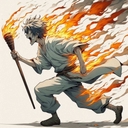
| Seyyathāpi, gahapati, puriso ādittaṃ tiṇukkaṃ ādāya paṭivātaṃ gaccheyya. | “Suppose a person carrying a blazing grass torch was to walk against the wind. | “假設一個人拿著燃燒的草炬逆風行走。 |
| Taṃ kiṃ maññasi, gahapati, | What do you think, householder? | 你認為呢,居士? |
| sace so puriso taṃ ādittaṃ tiṇukkaṃ na khippameva paṭinissajjeyya tassa sā ādittā tiṇukkā hatthaṃ vā daheyya bāhuṃ vā daheyya aññataraṃ vā aññataraṃ vā aṅgapaccaṅgaṃ daheyya, so tatonidānaṃ maraṇaṃ vā nigaccheyya maraṇamattaṃ vā dukkhan”ti? | If that person doesn’t quickly let go of that blazing grass torch, wouldn’t they burn their hands or arm or other limb, resulting in death or deadly suffering for them?” | 如果那個人不迅速鬆開那燃燒的草炬,他會不會燒傷手或手臂或其他肢體,導致死亡或致命的痛苦?” |
| “Evaṃ, bhante”. | “Yes, sir.” … | “是的,世尊。”…… |
+§10.4 – (pit of glowing coals deeper than a man’s height)

| Seyyathāpi, gahapati, aṅgārakāsu sādhikaporisā, pūrā aṅgārānaṃ vītaccikānaṃ vītadhūmānaṃ. | “Suppose there was a pit of glowing coals deeper than a man’s height, full of glowing coals that neither flamed nor smoked. | “假設有一個深達一人多高的火坑,裡面充滿了沒有火焰也沒有煙的熾熱炭火。 |
| Atha puriso āgaccheyya jīvitukāmo amaritukāmo sukhakāmo dukkhapaṭikkūlo. | Then a person would come along who wants to live and doesn’t want to die, who wants to be happy and recoils from pain. | 然後一個人走過來,他想活,不想死,他想快樂,迴避痛苦。 |
| Tamenaṃ dve balavanto purisā nānābāhāsu gahetvā aṅgārakāsuṃ upakaḍḍheyyuṃ. | Then two strong men would grab them by the arms and drag them towards the pit of glowing coals. | 然後兩個強壯的男人抓住他的手臂,把他拖向那個熾熱的炭火坑。 |
| Taṃ kiṃ maññasi, gahapati, | What do you think, householder? | 你認為呢,居士? |
| api nu so puriso iticiticeva kāyaṃ sannāmeyyā”ti? | Wouldn’t that person writhe and struggle to and fro?” | 那個人會不會痛苦地掙扎?” |
| “Evaṃ, bhante”. | “Yes, sir. | “是的,世尊。 |
| “Taṃ kissa hetu”? | Why is that? | 為什麼會這樣? |
| “Viditañhi, bhante, tassa purisassa imañcāhaṃ aṅgārakāsuṃ papatissāmi, tatonidānaṃ maraṇaṃ vā nigacchissāmi maraṇamattaṃ vā dukkhan”ti. “Evameva kho, gahapati, ariyasāvako iti paṭisañcikkhati: ‘aṅgārakāsūpamā kāmā vuttā bhagavatā bahudukkhā bahupāyāsā, ādīnavo ettha bhiyyo’ti. Evametaṃ yathābhūtaṃ sammappaññāya disvā … pe … tamevūpekkhaṃ bhāveti. |
For that person knows: ‘If I fall in that pit of glowing coals, that’d result in my death or deadly pain.’” … | 因為那個人知道:‘如果我掉進那個熾熱的炭火坑,那會導致我的死亡或致命的痛苦。’”…… |
+§10.5 – (person sees delightful parks, lotus ponds in dream)
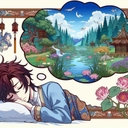
| Seyyathāpi, gahapati, puriso supinakaṃ passeyya ārāmarāmaṇeyyakaṃ vanarāmaṇeyyakaṃ bhūmirāmaṇeyyakaṃ pokkharaṇirāmaṇeyyakaṃ. | “Suppose a person was to see delightful parks, woods, meadows, and lotus ponds in a dream. | “假設一個人在夢中看到令人愉悅的公園、樹林、草地和蓮花池。 |
| So paṭibuddho na kiñci paṭipasseyya. Evameva kho, gahapati, ariyasāvako iti paṭisañcikkhati: ‘supinakūpamā kāmā vuttā bhagavatā bahudukkhā bahupāyāsā, ādīnavo ettha bhiyyo’ti … pe … tamevūpekkhaṃ bhāveti. |
But when they woke they couldn’t see them at all. … | 但當他們醒來時,卻完全看不到它們。…… |
+§10.6 – (Suppose a man had borrowed some goods)

| Seyyathāpi, gahapati, puriso yācitakaṃ bhogaṃ yācitvā yānaṃ vā poriseyyaṃ pavaramaṇikuṇḍalaṃ. | Suppose a man had borrowed some goods—a gentleman’s carriage and fine jewelled earrings— | 假設一個人借了一些東西——一輛紳士馬車和一副精美的珠寶耳環—— |
| So tehi yācitakehi bhogehi purakkhato parivuto antarāpaṇaṃ paṭipajjeyya. | and preceded and surrounded by these he proceeded through the middle of Āpaṇa. | 他被這些東西簇擁著,穿過阿波那市中心。 |
| Tamenaṃ jano disvā evaṃ vadeyya: | When people saw him they’d say: | 當人們看到他時,他們會說: |
| ‘bhogī vata bho puriso, evaṃ kira bhogino bhogāni bhuñjantī’ti. | ‘This must be a wealthy man! For that’s how the wealthy enjoy their wealth.’ | “這一定是個富人!因為富人就是這樣享受他們的財富的。” |
| Tamenaṃ sāmikā yattha yattheva passeyyuṃ tattha tattheva sāni hareyyuṃ. | But when the owners saw him, they’d take back what was theirs. | 但當主人看到他時,他們會把屬於他們的東西拿回去。 |
| Taṃ kiṃ maññasi, gahapati, alaṃ nu kho tassa purisassa aññathattāyā”ti? | What do you think? Would that be enough for that man to get upset?” | 你認為呢?這足以讓那個人感到沮喪嗎?” |
| “Evaṃ, bhante”. | “Yes, sir. | “是的,世尊。 |
| “Taṃ kissa hetu”? | Why is that? | 為什麼會這樣? |
| “Sāmino hi, bhante, sāni harantī”ti. “Evameva kho, gahapati, ariyasāvako iti paṭisañcikkhati: ‘yācitakūpamā kāmā vuttā bhagavatā bahudukkhā bahupāyāsā, ādīnavo ettha bhiyyo’ti … pe … tamevūpekkhaṃ bhāveti. |
Because the owners took back what was theirs.” … | 因為主人拿回了屬於他們的東西。”…… |
+§10.7 – (tree laden with fruit, man climbs)

| Seyyathāpi, gahapati, gāmassa vā nigamassa vā avidūre tibbo vanasaṇḍo. | “Suppose there was a dark forest grove not far from a town or village. | 假設離城鎮或村莊不遠的地方有一片黑暗的森林。 |
| Tatrassa rukkho sampannaphalo ca upapannaphalo ca, na cassu kānici phalāni bhūmiyaṃ patitāni. | And there was a tree laden with fruit, yet none of the fruit had fallen to the ground. | 那裡有一棵果實累累的樹,但沒有一個果實掉到地上。 |
| Atha puriso āgaccheyya phalatthiko phalagavesī phalapariyesanaṃ caramāno. | And along came a person in need of fruit, wandering in search of fruit. | 這時來了一個需要果實的人,四處尋找果實。 |
| So taṃ vanasaṇḍaṃ ajjhogāhetvā taṃ rukkhaṃ passeyya sampannaphalañca upapannaphalañca. | Having plunged deep into that forest grove, they’d see that tree laden with fruit. | 他深入那片森林,看到了那棵果實累累的樹。 |
| Tassa evamassa: | They’d think: | 他會想: |
| ‘ayaṃ kho rukkho sampannaphalo ca upapannaphalo ca, natthi ca kānici phalāni bhūmiyaṃ patitāni. | ‘That tree is laden with fruit, yet none of the fruit has fallen to the ground. | “那棵樹果實累累,但沒有一個果實掉到地上。 |
| Jānāmi kho panāhaṃ rukkhaṃ ārohituṃ. | But I know how to climb a tree. | 但我知道怎麼爬樹。 |
| Yannūnāhaṃ imaṃ rukkhaṃ ārohitvā yāvadatthañca khādeyyaṃ ucchaṅgañca pūreyyan’ti. | Why don’t I climb the tree, eat as much as I like, then fill my pouch?’ | 我為什麼不爬上樹,盡情地吃,然後把我的袋子裝滿呢?” |
| So taṃ rukkhaṃ ārohitvā yāvadatthañca khādeyya ucchaṅgañca pūreyya. | And that’s what they’d do. | 他就會這樣做。 |
| Atha dutiyo puriso āgaccheyya phalatthiko phalagavesī phalapariyesanaṃ caramāno tiṇhaṃ kuṭhāriṃ ādāya. | And along would come a second person in need of fruit, wandering in search of fruit, carrying a sharp axe. | 這時又來了第二個人,他需要果實,四處尋找果實,手裡拿著一把鋒利的斧頭。 |
| So taṃ vanasaṇḍaṃ ajjhogāhetvā taṃ rukkhaṃ passeyya sampannaphalañca upapannaphalañca. | Having plunged deep into that forest grove, they’d see that tree laden with fruit. | 他深入那片森林,看到了那棵果實累累的樹。 |
| Tassa evamassa: | They’d think: | 他會想: |
| ‘ayaṃ kho rukkho sampannaphalo ca upapannaphalo ca, natthi ca kānici phalāni bhūmiyaṃ patitāni. | ‘That tree is laden with fruit, yet none of the fruit has fallen to the ground. | “那棵樹果實累累,但沒有一個果實掉到地上。 |
| Na kho panāhaṃ jānāmi rukkhaṃ ārohituṃ. | But I don’t know how to climb a tree. | 但我不知道怎麼爬樹。 |
| Yannūnāhaṃ imaṃ rukkhaṃ mūlato chetvā yāvadatthañca khādeyyaṃ ucchaṅgañca pūreyyan’ti. | Why don’t I chop this tree down at the root, eat as much as I like, then fill my pouch?’ | 我為什麼不從根部把這棵樹砍倒,盡情地吃,然後把我的袋子裝滿呢?” |
| So taṃ rukkhaṃ mūlatova chindeyya. | And so they’d chop the tree down at the root. | 於是他就會從根部把樹砍倒。 |
| Taṃ kiṃ maññasi, gahapati, | What do you think, householder? | 你認為呢,居士? |
| amuko yo so puriso paṭhamaṃ rukkhaṃ ārūḷho sace so na khippameva oroheyya tassa so rukkho papatanto hatthaṃ vā bhañjeyya pādaṃ vā bhañjeyya aññataraṃ vā aññataraṃ vā aṅgapaccaṅgaṃ bhañjeyya, so tatonidānaṃ maraṇaṃ vā nigaccheyya maraṇamattaṃ vā dukkhan”ti? | If the first person, who climbed the tree, doesn’t quickly come down, when that tree fell wouldn’t they break their hand or arm or other limb, resulting in death or deadly suffering for them?” | 如果第一個爬樹的人不迅速下來,當那棵樹倒下時,他會不會傷到手或手臂或其他肢體,導致死亡或致命的痛苦?” |
| “Evaṃ, bhante”. | “Yes, sir.” | “是的,世尊。” |
| “Evameva kho, gahapati, ariyasāvako iti paṭisañcikkhati: | “In the same way, a noble-one's-disciple reflects: | “同樣地,聖弟子思惟: |
| ‘rukkhaphalūpamā kāmā vuttā bhagavatā bahudukkhā bahupāyāsā, ādīnavo ettha bhiyyo’ti. | ‘With the simile of the fruit tree the Buddha said that sensual pleasures give little gratification and much suffering and distress, and they are all the more full of drawbacks.’ | ‘佛陀用果樹的比喻說,感官享樂帶來的滿足很少,痛苦和苦惱很多,而且它們充滿了缺點。’ |
❧
+54.11 – (upekkhā nānattā compared to upekkhā ekattā)
| Evametaṃ yathābhūtaṃ sammappaññāya disvā | Having truly seen this with proper understanding, | 真正以正確的理解看到這一點後, |
| yāyaṃ upekkhā nānattā nānattasitā taṃ abhinivajjetvā | they reject equanimous-observation based on diversity | 他們摒棄基於多樣性的捨心, |
| yāyaṃ upekkhā ekattā ekattasitā | and develop only the equanimous-observation based on unity, | 只發展基於統一的捨心, |
| yattha sabbaso lokāmisūpādānā aparisesā nirujjhanti tamevūpekkhaṃ bhāveti. | where all kinds of grasping to the world’s carnal delights cease without anything left over. | 在那裡對世間肉欲的所有執著都徹底止息,毫無剩餘。 |
+54.12 – (purified 4th jhāna link to 3 higher knowledges)
| Sa kho so, gahapati, ariyasāvako imaṃyeva anuttaraṃ upekkhāsatipārisuddhiṃ āgamma anekavihitaṃ pubbenivāsaṃ anussarati, | Relying on this supreme purity of remembering and equanimous-observation, that noble-one's-disciple recollects their many kinds of past lives. | 依靠這種正念和捨心的至高純淨,那位聖弟子回憶起他們的多種前生。 |
| seyyathidaṃ—ekampi jātiṃ dvepi jātiyo … pe … iti sākāraṃ sauddesaṃ anekavihitaṃ pubbenivāsaṃ anussarati. | That is: one, two, three, four, five, ten, twenty, thirty, forty, fifty, a hundred, a thousand, a hundred thousand rebirths; many eons of the world contracting, many eons of the world evolving, many eons of the world contracting and evolving. … They recollect their many kinds of past lives, with features and details. | 即:一世、二世、三世、四世、五世、十世、二十世、三十世、四十世、五十世、一百世、一千世、十萬世的輪迴;許多世界劫的收縮,許多世界劫的演變,許多世界劫的收縮和演變。……他們回憶起多種前生,具有特徵和細節。 |
| Sa kho so, gahapati, ariyasāvako imaṃyeva anuttaraṃ upekkhāsatipārisuddhiṃ āgamma dibbena cakkhunā visuddhena atikkantamānusakena satte passati cavamāne upapajjamāne hīne paṇīte suvaṇṇe dubbaṇṇe sugate duggate … pe … yathākammūpage satte pajānāti. | Relying on this supreme purity of remembering and equanimous-observation, that noble-one's-disciple, with clairvoyance that is purified and superhuman, sees sentient beings passing away and being reborn—inferior and superior, beautiful and ugly, in a good place or a bad place. … They understand how sentient beings are reborn according to their deeds. | 依靠這種正念和捨心的至高純淨,那位聖弟子以清淨超人天眼,看見有情眾生逝去和再生——低劣和高尚,美麗和醜陋,在善處或惡處。……他們理解有情眾生如何依其業報而轉生。 |
| Sa kho so, gahapati, ariyasāvako imaṃyeva anuttaraṃ upekkhāsatipārisuddhiṃ āgamma āsavānaṃ khayā anāsavaṃ cetovimuttiṃ paññāvimuttiṃ diṭṭheva dhamme sayaṃ abhiññā sacchikatvā upasampajja viharati. | Relying on this supreme purity of remembering and equanimous-observation, that noble-one's-disciple realizes the undefiled freedom of heart and freedom by wisdom in this very life. And they live having realized it with their own insight due to the ending of defilements. | 依靠這種正念和捨心的至高純淨,那位聖弟子今生就證得無染的心解脫和慧解脫。並且他們因為煩惱的止息,以自己的洞察力證得它並安住。 |
| Ettāvatā kho, gahapati, ariyassa vinaye sabbena sabbaṃ sabbathā sabbaṃ vohārasamucchedo hoti. | That’s how there is the cutting off of judgments in each and every respect in the noble one’s training. | 這就是聖者訓練中在各方面切斷判斷的方式。 |
| Taṃ kiṃ maññasi, gahapati, | What do you think, householder? | 你認為呢,居士? |
| yathā ariyassa vinaye sabbena sabbaṃ sabbathā sabbaṃ vohārasamucchedo hoti, api nu tvaṃ evarūpaṃ vohārasamucchedaṃ attani samanupassasī”ti? | Do you regard yourself as having cut off judgments in a way comparable to the cutting off of judgments in each and every respect in the noble one’s training?” | 你是否認為自己已經以一種與聖者訓練中在各方面切斷判斷相媲美的方式切斷了判斷?” |
| “Ko cāhaṃ, bhante, ko ca ariyassa vinaye sabbena sabbaṃ sabbathā sabbaṃ vohārasamucchedo. | “Who am I compared to one who has cut off judgments in each and every respect in the noble one’s training? | “與聖者訓練中在各方面切斷判斷的人相比,我算什麼? |
| Ārakā ahaṃ, bhante, ariyassa vinaye sabbena sabbaṃ sabbathā sabbaṃ vohārasamucchedā. | I am far from that. | 我遠遠達不到。 |
| Mayañhi, bhante, pubbe aññatitthiye paribbājake anājānīyeva samāne ājānīyāti amaññimha, anājānīyeva samāne ājānīyabhojanaṃ bhojimha, anājānīyeva samāne ājānīyaṭhāne ṭhapimha; | Sir, I used to think that the wanderers following other paths were thoroughbreds, and I fed them and treated them accordingly, but they were not actually thoroughbreds. | 世尊,我以前以為追隨其他道路的遊方者是純種馬,我也按照純種馬對待他們,但他們實際上並非純種馬。 |
| bhikkhū pana mayaṃ, bhante, ājānīyeva samāne anājānīyāti amaññimha, ājānīyeva samāne anājānīyabhojanaṃ bhojimha, ājānīyeva samāne anājānīyaṭhāne ṭhapimha; | I thought that the monks were not thoroughbreds, and I fed them and treated them accordingly, but they actually were thoroughbreds. | 我以為比丘們不是純種馬,我也按照不是純種馬對待他們,但他們實際上是純種馬。 |
| idāni pana mayaṃ, bhante, aññatitthiye paribbājake anājānīyeva samāne anājānīyāti jānissāma, anājānīyeva samāne anājānīyabhojanaṃ bhojessāma, anājānīyeva samāne anājānīyaṭhāne ṭhapessāma. | But now I shall understand that the wanderers following other paths are not actually thoroughbreds, and I will feed them and treat them accordingly. | 但現在我將明白,追隨其他道路的遊方者實際上並非純種馬,我也將按照不是純種馬對待他們。 |
| Bhikkhū pana mayaṃ, bhante, ājānīyeva samāne ājānīyāti jānissāma, ājānīyeva samāne ājānīyabhojanaṃ bhojessāma, ājānīyeva samāne ājānīyaṭhāne ṭhapessāma. | And I shall understand that the monks actually are thoroughbreds, and I will feed them and treat them accordingly. | 而我將明白,比丘們實際上是純種馬,我也將按照純種馬對待他們。 |
| Ajanesi vata me, bhante, bhagavā samaṇesu samaṇappemaṃ, samaṇesu samaṇappasādaṃ, samaṇesu samaṇagāravaṃ. | The Buddha has inspired me to have love, confidence, and respect for ascetics! | 佛陀激勵我對比丘們產生了愛、信心和尊敬! |
| Abhikkantaṃ, bhante, abhikkantaṃ, bhante. | Excellent, sir! Excellent! | 太好了,世尊!太好了! |
| Seyyathāpi, bhante, nikkujjitaṃ vā ukkujjeyya, paṭicchannaṃ vā vivareyya, mūḷhassa vā maggaṃ ācikkheyya, andhakāre vā telapajjotaṃ dhāreyya, ‘cakkhumanto rūpāni dakkhantī’ti; evamevaṃ kho, bhante, bhagavatā anekapariyāyena dhammo pakāsito. | As if he were righting the overturned, or revealing the hidden, or pointing out the path to the lost, or lighting a lamp in the dark so people with good eyes can see what’s there, the Buddha has made The Dharma clear in many ways. | 就像他扶正傾覆的,揭示隱藏的,為迷路者指出道路,或者在黑暗中點亮一盞燈,讓明眼人能看到那裡有什麼,佛陀以多種方式闡明了佛法。 |
| Esāhaṃ, bhante, bhagavantaṃ saraṇaṃ gacchāmi dhammañca bhikkhusaṅghañca. | I go for refuge to the Buddha, to The Dharma, and to the monk Saṅgha. | 我皈依佛、皈依法、皈依僧。 |
| Upāsakaṃ maṃ bhagavā dhāretu ajjatagge pāṇupetaṃ saraṇaṃ gatan”ti. | From this day forth, may the Buddha remember me as a lay follower who has gone for refuge for life.” | 從今天起,願佛陀將我記為終身皈依的在家弟子。” |
❧