+MN 89 Dhammacetiya:
Monuments to the Dhamma
all
Monuments to the Dhamma
Opening
+Shrines to the Teaching
| (derived from B. Sujato 2018/12) | (選自B. Sujato 2018/12) | |
| Evaṃ me sutaṃ— | So I have heard. | 我曾聽聞。 |
| ekaṃ samayaṃ bhagavā sakkesu viharati medāḷupaṃ nāma sakyānaṃ nigamo. | At one time the Buddha was staying in the land of the Sakyans, near the Sakyan town named Medeḷumpa. | 一時,佛陀住在釋迦國,毗鄰名為梅德倫帕的釋迦小鎮。 |
| Tena kho pana samayena rājā pasenadi kosalo nagarakaṃ anuppatto hoti kenacideva karaṇīyena. | Now at that time King Pasenadi of Kosala had arrived at Nagaraka on some business. | 那時,拘薩羅國波斯匿王因事抵達那迦羅迦。 |
| Atha kho rājā pasenadi kosalo dīghaṃ kārāyanaṃ āmantesi: | Then he addressed Dīgha Kārāyana: | 然後他對地伽迦羅衍那說: |
| “yojehi, samma kārāyana, bhadrāni bhadrāni yānāni, uyyānabhūmiṃ gacchāma subhūmiṃ dassanāyā”ti. | “My good Kārāyana, harness the finest chariots. We will go to a park and see the scenery.” | “我親愛的迦羅衍那,套上最好的馬車。我們將去公園觀賞風景。” |
| “Evaṃ, devā”ti kho dīgho kārāyano rañño pasenadissa kosalassa paṭissutvā bhadrāni bhadrāni yānāni yojāpetvā rañño pasenadissa kosalassa paṭivedesi: | “Yes, Your Majesty,” replied Dīgha Kārāyana. He harnessed the chariots and informed the king: | “遵命,陛下,”地伽迦羅衍那回答。他套好馬車,並告知國王: |
| “yuttāni kho te, deva, bhadrāni bhadrāni yānāni. | “Sire, the finest chariots are harnessed. | “陛下,最好的馬車已套好。 |
| Yassadāni kālaṃ maññasī”ti. | Please go at your convenience.” | 請您隨意前往。” |
| Atha kho rājā pasenadi kosalo bhadraṃ yānaṃ abhiruhitvā bhadrehi bhadrehi yānehi nagarakamhā niyyāsi mahaccā rājānubhāvena. | Then King Pasenadi mounted a fine carriage and, along with other fine carriages, set out in full royal pomp from Nagaraka, | 於是波斯匿王坐上華麗的馬車,與其他華麗的馬車一起,盛裝從那迦羅迦出發, |
| Yena ārāmo tena pāyāsi. | heading for the park grounds. | 前往公園。 |
| Yāvatikā yānassa bhūmi, yānena gantvā yānā paccorohitvā pattikova ārāmaṃ pāvisi. | He went by carriage as far as the terrain allowed, then descended and entered the park on foot. | 他乘馬車行至路盡處,然後下馬步行進入公園。 |
| Addasā kho rājā pasenadi kosalo ārāme jaṅghāvihāraṃ anucaṅkamamāno anuvicaramāno rukkhamūlāni pāsādikāni pasādanīyāni appasaddāni appanigghosāni vijanavātāni manussarāhasseyyakāni paṭisallānasāruppāni. | As he was going for a walk in the park he saw roots of trees that were impressive and inspiring, quiet and still, far from the madding crowd, remote from human settlements, and appropriate for retreat. | 當他在公園裡散步時,他看到了一些令人印象深刻、令人振奮的樹根,它們安靜而寂靜,遠離塵囂,遠離人類住區,適合隱居。 |
| Disvāna bhagavantaṃyeva ārabbha sati udapādi: | The sight reminded him right away of the Buddha: | 這景象立刻讓他想起了佛陀: |
| “imāni kho tāni rukkhamūlāni pāsādikāni pasādanīyāni appasaddāni appanigghosāni vijanavātāni manussarāhasseyyakāni paṭisallānasāruppāni, yattha sudaṃ mayaṃ taṃ bhagavantaṃ payirupāsāma arahantaṃ sammāsambuddhan”ti. | “These roots of trees, so impressive and inspiring, are like those where we used to pay homage to the Blessed One, the perfected one, the fully awakened Buddha.” | “這些令人印象深刻、令人振奮的樹根,就像我們以前用來頂禮世尊、圓滿者、完全覺悟的佛陀的地方。” |
| --- | ||
| Atha kho rājā pasenadi kosalo dīghaṃ kārāyanaṃ āmantesi: | He addressed Dīgha Kārāyana: | 他對地伽迦羅衍那說: |
| “imāni kho, samma kārāyana, tāni rukkhamūlāni pāsādikāni pasādanīyāni appasaddāni appanigghosāni vijanavātāni manussarāhasseyyakāni paṭisallānasāruppāni, yattha sudaṃ mayaṃ taṃ bhagavantaṃ payirupāsāma arahantaṃ sammāsambuddhaṃ. | “These roots of trees, so impressive and inspiring, are like those where we used to pay homage to the Blessed One, the perfected one, the fully awakened Buddha. | “這些令人印象深刻、令人振奮的樹根,就像我們以前用來頂禮世尊、圓滿者、完全覺悟的佛陀的地方。 |
| Kahaṃ nu kho, samma kārāyana, etarahi so bhagavā viharati arahaṃ sammāsambuddho”ti? | My good Kārāyana, where is that Buddha at present?” | 我親愛的迦羅衍那,那位佛陀現在在哪裡?” |
| “Atthi, mahārāja, medāḷupaṃ nāma sakyānaṃ nigamo. | “Great king, there is a Sakyan town named Medaḷumpa. | “大王,有一個釋迦小鎮名叫梅德倫帕。 |
| Tattha so bhagavā etarahi viharati arahaṃ sammāsambuddho”ti. | That’s where the Buddha is now staying.” | 佛陀現在就住在那裡。” |
| “Kīvadūre pana, samma kārāyana, nagarakamhā medāḷupaṃ nāma sakyānaṃ nigamo hotī”ti? | “But how far away is that town?” | “但是那個小鎮有多遠?” |
| “Na dūre, mahārāja; | “Not far, great king, | “不遠,大王, |
| tīṇi yojanāni; | it’s three leagues. | 只有三由旬。 |
| sakkā divasāvasesena gantun”ti. | We can get there while it’s still light.” | 我們可以在天黑前到達那裡。” |
| “Tena hi, samma kārāyana, yojehi bhadrāni bhadrāni yānāni, gamissāma mayaṃ taṃ bhagavantaṃ dassanāya arahantaṃ sammāsambuddhan”ti. | “Well then, harness the chariots, and we shall go to see the Buddha.” | “那麼,套上馬車,我們去見佛陀。” |
| “Evaṃ, devā”ti kho dīgho kārāyano rañño pasenadissa kosalassa paṭissutvā bhadrāni bhadrāni yānāni yojāpetvā rañño pasenadissa kosalassa paṭivedesi: | “Yes, Your Majesty,” replied Dīgha Kārāyana. He harnessed the chariots and informed the king: | “遵命,陛下,”地伽迦羅衍那回答。他套好馬車,並告知國王: |
| “yuttāni kho te, deva, bhadrāni bhadrāni yānāni. | “Sire, the finest chariots are harnessed. | “陛下,最好的馬車已套好。 |
| Yassadāni kālaṃ maññasī”ti. | Please go at your convenience.” | 請您隨意前往。” |
| Atha kho rājā pasenadi kosalo bhadraṃ yānaṃ abhiruhitvā bhadrehi bhadrehi yānehi nagarakamhā yena medāḷupaṃ nāma sakyānaṃ nigamo tena pāyāsi. | Then King Pasenadi mounted a fine carriage and, along with other fine carriages, set out from Nagaraka to Medaḷumpa. | 於是波斯匿王坐上華麗的馬車,與其他華麗的馬車一起,從那迦羅迦出發前往梅德倫帕。 |
| Teneva divasāvasesena medāḷupaṃ nāma sakyānaṃ nigamaṃ sampāpuṇi. | He reached the town while it was still light | 他在天黑前到達小鎮 |
| Yena ārāmo tena pāyāsi. | and headed for the park grounds. | 並前往公園。 |
| Yāvatikā yānassa bhūmi, yānena gantvā yānā paccorohitvā pattikova ārāmaṃ pāvisi. | He went by carriage as far as the terrain allowed, then descended and entered the monastery on foot. | 他乘馬車行至路盡處,然後下馬步行進入精舍。 |
| --- | ||
| Tena kho pana samayena sambahulā bhikkhū abbhokāse caṅkamanti. | At that time several monks were walking meditation in the open air. | 那時,有幾位比丘正在戶外經行。 |
| Atha kho rājā pasenadi kosalo yena te bhikkhū tenupasaṅkami; upasaṅkamitvā te bhikkhū etadavoca: | King Pasenadi of Kosala went up to them and said: | 拘薩羅國波斯匿王走到他們面前說: |
| “kahaṃ nu kho, bhante, etarahi so bhagavā viharati arahaṃ sammāsambuddho? | “Sirs, where is the Blessed One at present, the perfected one, the fully awakened Buddha? | “諸位,世尊、圓滿者、完全覺悟的佛陀現在在哪裡? |
| Dassanakāmā hi mayaṃ taṃ bhagavantaṃ arahantaṃ sammāsambuddhan”ti. | For I want to see him.” | 因為我想見他。” |
| “Eso, mahārāja, vihāro saṃvutadvāro. Tena appasaddo upasaṅkamitvā ataramāno āḷindaṃ pavisitvā ukkāsitvā aggaḷaṃ ākoṭehi. Vivarissati bhagavā te dvāran”ti. | “Great king, that’s his dwelling, with the door closed. Approach it quietly, without hurrying; go onto the porch, clear your throat, and knock with the latch. The Buddha will open the door.” | “大王,那是他的住所,門是關著的。請您悄悄地走近,不要急;走到門廊上,清清嗓子,然後用門閂敲門。佛陀會開門。” |
| Atha kho rājā pasenadi kosalo tattheva khaggañca uṇhīsañca dīghassa kārāyanassa pādāsi. | The king right away presented his sword and turban to Dīgha Kārāyana, | 國王立刻把他的劍和頭巾交給地伽迦羅衍那, |
| Atha kho dīghassa kārāyanassa etadahosi: | who thought: | 地伽迦羅衍那心想: |
| “rahāyati kho dāni rājā, idheva dāni mayā ṭhātabban”ti. | “Now the king seeks privacy. I should wait here.” | “現在國王需要獨處。我應該在這裡等著。” |
| Atha kho rājā pasenadi kosalo yena so vihāro saṃvutadvāro tena appasaddo upasaṅkamitvā ataramāno āḷindaṃ pavisitvā ukkāsitvā aggaḷaṃ ākoṭesi. Vivari bhagavā dvāraṃ. | Then the king approached the Buddha’s dwelling and knocked, and the Buddha opened the door. | 然後國王走近佛陀的住所,敲了敲門,佛陀開了門。 |
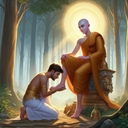
| Atha kho rājā pasenadi kosalo vihāraṃ pavisitvā bhagavato pādesu sirasā nipatitvā bhagavato pādāni mukhena ca paricumbati, pāṇīhi ca parisambāhati, nāmañca sāveti: | King Pasenadi entered the dwelling, and bowed with his head to the Buddha’s feet, caressing them and covering them with kisses, and pronounced his name: | 波斯匿王進入住所,五體投地向佛陀的腳頂禮,撫摸著它們,親吻著它們,並報出自己的名字: |
| “rājāhaṃ, bhante, pasenadi kosalo; | “Sir, I am Pasenadi, king of Kosala! | “世尊,我是波斯匿,拘薩羅王! |
| rājāhaṃ, bhante, pasenadi kosalo”ti. | I am Pasenadi, king of Kosala!” | 我是波斯匿,拘薩羅王!” |
| --- | ||
| “Kiṃ pana tvaṃ, mahārāja, atthavasaṃ sampassamāno imasmiṃ sarīre evarūpaṃ paramanipaccakāraṃ karosi, mittūpahāraṃ upadaṃsesī”ti? | “But great king, for what reason do you demonstrate such utmost devotion for this body, conveying your manifest love?” | “但是大王,您為何如此極致地表達對這個身體的虔誠,顯露出您的愛呢?” |
| “Atthi kho me, bhante, bhagavati dhammanvayo hoti: | “Sir, I infer about the Buddha from The Dharma: | “世尊,我從佛法推斷出佛陀: |
| ‘sammāsambuddho bhagavā, svākkhāto bhagavatā dhammo, suppaṭipanno bhagavato sāvakasaṃgho’ti. | ‘The Blessed One is a fully awakened Buddha. The Dharma is well explained. The Saṅgha is practicing well.’ | ‘那位世尊是完全覺悟的佛陀。佛法宣講得很好。僧伽修行得很好。’ |
| Idhāhaṃ, bhante, passāmi eke samaṇabrāhmaṇe pariyantakataṃ brahmacariyaṃ carante dasapi vassāni, vīsampi vassāni, tiṃsampi vassāni, cattārīsampi vassāni. | It happens, sir, that I see some ascetics and brahmins leading the spiritual life only for a limited period: ten, twenty, thirty, or forty years. | 世尊,我看到有些沙門和婆羅門只在有限的一段時期內過著靈性生活:十年、二十年、三十年或四十年。 |
| Te aparena samayena sunhātā suvilittā kappitakesamassū pañcahi kāmaguṇehi samappitā samaṅgībhūtā paricārenti. | Some time later—nicely bathed and anointed, with hair and beard dressed—they amuse themselves, supplied and provided with the five kinds of sensual stimulation. | 過了一段時間——洗淨沐浴,塗抹香膏,梳理好頭髮和鬍鬚——他們就享受自己,享受著五種感官刺激。 |
| Idha panāhaṃ, bhante, bhikkhū passāmi yāvajīvaṃ āpāṇakoṭikaṃ paripuṇṇaṃ parisuddhaṃ brahmacariyaṃ carante. | But here I see the monks leading the spiritual life entirely full and pure as long as they live, to their last breath. | 但是在這裡,我看到比丘們在有生之年,直到他們最後一口氣,都過著完全圓滿而純淨的靈性生活。 |
| Na kho panāhaṃ, bhante, ito bahiddhā aññaṃ evaṃ paripuṇṇaṃ parisuddhaṃ brahmacariyaṃ samanupassāmi. | I don’t see any other spiritual life elsewhere so full and pure. | 我在其他任何地方都沒有看到如此圓滿而純淨的靈性生活。 |
| Ayampi kho me, bhante, bhagavati dhammanvayo hoti: | That’s why I infer this about the Buddha from The Dharma: | 這就是我從佛法推斷出佛陀的原因: |
| ‘sammāsambuddho bhagavā, svākkhāto bhagavatā dhammo, suppaṭipanno bhagavato sāvakasaṃgho’ti. | ‘The Blessed One is a fully awakened Buddha. The Dharma is well explained. The Saṅgha is practicing well.’ | ‘那位世尊是完全覺悟的佛陀。佛法宣講得很好。僧伽修行得很好。’ |
| --- | ||
| Puna caparaṃ, bhante, rājānopi rājūhi vivadanti, khattiyāpi khattiyehi vivadanti, brāhmaṇāpi brāhmaṇehi vivadanti, gahapatayopi gahapatīhi vivadanti, mātāpi puttena vivadati, puttopi mātarā vivadati, pitāpi puttena vivadati, puttopi pitarā vivadati, bhātāpi bhaginiyā vivadati, bhaginīpi bhātarā vivadati, sahāyopi sahāyena vivadati. | Furthermore, kings fight with kings, warrior-nobles fight with warrior-nobles, brahmins fight with brahmins, householders fight with householders. A mother fights with her child, child with mother, father with child, and child with father. Brother fights with brother, brother with sister, sister with brother, and friend fights with friend. | 此外,國王與國王爭鬥,剎帝利與剎帝利爭鬥,婆羅門與婆羅門爭鬥,居士與居士爭鬥。母親與孩子爭鬥,孩子與母親爭鬥,父親與孩子爭鬥,孩子與父親爭鬥。兄弟與兄弟爭鬥,兄弟與姐妹爭鬥,姐妹與兄弟爭鬥,朋友與朋友爭鬥。 |
| Idha panāhaṃ, bhante, bhikkhū passāmi samagge sammodamāne avivadamāne khīrodakībhūte aññamaññaṃ piyacakkhūhi sampassante viharante. | But here I see the monks living in harmony, appreciating each other, without quarreling, blending like milk and water, and regarding each other with kindly eyes. | 但是在這裡,我看到比丘們和睦相處,互相欣賞,沒有爭吵,像牛奶和水一樣融合,並以友善的眼神看待彼此。 |
| Na kho panāhaṃ, bhante, ito bahiddhā aññaṃ evaṃ samaggaṃ parisaṃ samanupassāmi. | I don’t see any other assembly elsewhere so harmonious. | 我在其他任何地方都沒有看到如此和諧的集會。 |
| Ayampi kho me, bhante, bhagavati dhammanvayo hoti: | So I infer this about the Buddha from The Dharma: | 所以我從佛法推斷出佛陀: |
| ‘sammāsambuddho bhagavā, svākkhāto bhagavatā dhammo, suppaṭipanno bhagavato sāvakasaṅgho’ti. | ‘The Blessed One is a fully awakened Buddha. The Dharma is well explained. The Saṅgha is practicing well.’ | ‘那位世尊是完全覺悟的佛陀。佛法宣講得很好。僧伽修行得很好。’ |
| --- | ||
| Puna caparāhaṃ, bhante, ārāmena ārāmaṃ, uyyānena uyyānaṃ anucaṅkamāmi anuvicarāmi. | Furthermore, I have walked and wandered from monastery to monastery and from park to park. | 此外,我曾從一座寺院走到另一座寺院,從一個公園走到另一個公園。 |
| Sohaṃ tattha passāmi eke samaṇabrāhmaṇe kise lūkhe dubbaṇṇe uppaṇḍuppaṇḍukajāte dhamanisanthatagatte, na viya maññe cakkhuṃ bandhante janassa dassanāya. | There I’ve seen some ascetics and brahmins who are thin, haggard, pale, and veiny—hardly a captivating sight, you’d think. | 在那裡,我看到有些沙門和婆羅門瘦骨嶙峋,面容憔悴,臉色蒼白,青筋暴露——你大概會覺得他們毫無魅力可言。 |
| Tassa mayhaṃ, bhante, etadahosi: | It occurred to me: | 我心想: |
| ‘addhā ime āyasmanto anabhiratā vā brahmacariyaṃ caranti, atthi vā tesaṃ kiñci pāpaṃ kammaṃ kataṃ paṭicchannaṃ; | ‘Clearly these venerables lead the spiritual life dissatisfied, or they’re hiding some bad deed they’ve done. | ‘顯然這些尊者對靈性生活不滿意,或者他們隱藏了什麼惡行。 |
| tathā hi ime āyasmanto kisā lūkhā dubbaṇṇā uppaṇḍuppaṇḍukajātā dhamanisanthatagattā, na viya maññe cakkhuṃ bandhanti janassa dassanāyā’ti. | That’s why they’re thin, haggard, pale, and veiny—hardly a captivating sight, you’d think.’ | 所以他們瘦骨嶙峋,面容憔悴,臉色蒼白,青筋暴露——你大概會覺得他們毫無魅力可言。’ |
| Tyāhaṃ upasaṅkamitvā evaṃ vadāmi: | I went up to them and said: | 我走上前去說: |
| ‘kiṃ nu kho tumhe āyasmanto kisā lūkhā dubbaṇṇā uppaṇḍuppaṇḍukajātā dhamanisanthatagattā, na viya maññe cakkhuṃ bandhatha janassa dassanāyā’ti? | ‘Venerables, why are you so thin, haggard, pale, and veiny—hardly a captivating sight, you’d think?’ | ‘尊者們,你們為什麼如此瘦骨嶙峋,面容憔悴,臉色蒼白,青筋暴露——你大概會覺得他們毫無魅力可言?’ |
| Te evamāhaṃsu: | They say: | 他們說: |
| ‘bandhukarogo no, mahārājā’ti. | ‘We have jaundice, great king.’ | ‘我們得了黃疸,大王。’ |
| Idha panāhaṃ, bhante, bhikkhū passāmi haṭṭhapahaṭṭhe udaggudagge abhiratarūpe pīṇindriye appossukke pannalome paradattavutte migabhūtena cetasā viharante. | But here I see monks always smiling and joyful, obviously happy, with cheerful faces, living relaxed, unruffled, surviving on charity, their hearts free as a wild deer. | 但是在這裡,我看到比丘們總是笑容滿面,充滿喜悅,明顯快樂,面帶愉悅,生活輕鬆,無憂無慮,靠乞食維生,心如野鹿般自由。 |
| Tassa mayhaṃ, bhante, etadahosi: | It occurred to me: | 我心想: |
| ‘addhā ime āyasmanto tassa bhagavato sāsane uḷāraṃ pubbenāparaṃ visesaṃ jānanti; | ‘Clearly these venerables have realized a higher distinction in the Buddha’s instructions than they had before. | ‘顯然這些尊者在佛陀的教導中已經證得了比以前更高的成就。 |
| tathā hi ime āyasmanto haṭṭhapahaṭṭhā udaggudaggā abhiratarūpā pīṇindriyā appossukkā pannalomā paradattavuttā migabhūtena cetasā viharantī’ti. | That’s why these venerables are always smiling and joyful, obviously happy, with cheerful faces, living relaxed, unruffled, surviving on charity, their hearts free as a wild deer.’ | 所以這些尊者總是笑容滿面,充滿喜悅,明顯快樂,面帶愉悅,生活輕鬆,無憂無慮,靠乞食維生,心如野鹿般自由。’ |
| Ayampi kho me, bhante, bhagavati dhammanvayo hoti: | So I infer this about the Buddha from The Dharma: | 所以我從佛法推斷出佛陀: |
| ‘sammāsambuddho bhagavā, svākkhāto bhagavatā dhammo, suppaṭipanno bhagavato sāvakasaṃgho’ti. | ‘The Blessed One is a fully awakened Buddha. The Dharma is well explained. The Saṅgha is practicing well.’ | ‘那位世尊是完全覺悟的佛陀。佛法宣講得很好。僧伽修行得很好。’ |
| --- | ||
| Puna caparāhaṃ, bhante, rājā khattiyo muddhāvasitto; | Furthermore, as an anointed king | 此外,作為一位受戒國王, |
| pahomi ghātetāyaṃ vā ghātetuṃ, jāpetāyaṃ vā jāpetuṃ, pabbājetāyaṃ vā pabbājetuṃ. | I am able to execute, fine, or banish those who are guilty. | 我能夠處決、罰款或流放有罪之人。 |
| Tassa mayhaṃ, bhante, aḍḍakaraṇe nisinnassa antarantarā kathaṃ opātenti. | Yet when I’m sitting in judgment they interrupt me. | 然而,當我審判時,他們會打斷我。 |
| Sohaṃ na labhāmi: | And I can’t get them | 我無法讓他們 |
| ‘mā me bhonto aḍḍakaraṇe nisinnassa antarantarā kathaṃ opātetha, kathāpariyosānaṃ me bhonto āgamentū’ti. Tassa mayhaṃ, bhante, antarantarā kathaṃ opātenti. |
to stop interrupting me and wait until I’ve finished speaking. | 停止打斷我,等待我說完。 |
| Idha panāhaṃ, bhante, bhikkhū passāmi; | But here I’ve seen the monks | 但是在這裡,我看到比丘們 |
| yasmiṃ samaye bhagavā anekasatāya parisāya dhammaṃ deseti, neva tasmiṃ samaye bhagavato sāvakānaṃ khipitasaddo vā hoti ukkāsitasaddo vā. | while the Buddha is teaching an assembly of many hundreds, and there is no sound of his disciples coughing or clearing their throats. | 當佛陀教導數百人的集會時,他的弟子們沒有咳嗽或清嗓子的聲音。 |
| Bhūtapubbaṃ, bhante, bhagavā anekasatāya parisāya dhammaṃ deseti. | Once it so happened that the Buddha was teaching an assembly of many hundreds. | 有一次,佛陀正在教導數百人的集會。 |
| Tatraññataro bhagavato sāvako ukkāsi. | Then one of his disciples cleared their throat. | 然後他的一位弟子清了清嗓子。 |
| Tamenaṃ aññataro sabrahmacārī jaṇṇukena ghaṭṭesi: | And one of their spiritual companions nudged them with their knee, to indicate: | 他們的一位精神伴侶用膝蓋碰了碰他們,示意: |
| ‘appasaddo āyasmā hotu, māyasmā saddamakāsi; satthā no bhagavā dhammaṃ desetī’ti. | ‘Hush, venerable, don’t make a sound! Our teacher, the Blessed One, is teaching!’ | ‘噓,尊者,不要發出聲音!我們的老師,世尊,正在教導!’ |
| Tassa mayhaṃ, bhante, etadahosi: | It occurred to me: | 我心想: |
| ‘acchariyaṃ vata bho, abbhutaṃ vata bho. | ‘It’s incredible, it’s amazing, | ‘真是不可思議,真是神奇, |
| Adaṇḍena vata kira, bho, asatthena evaṃ suvinītā parisā bhavissatī’ti. | how an assembly can be so well trained without rod or sword!’ | 一個集會竟然能在沒有棍棒或刀劍的情況下,訓練得如此之好!’ |
| Na kho panāhaṃ, bhante, ito bahiddhā aññaṃ evaṃ suvinītaṃ parisaṃ samanupassāmi. | I don’t see any other assembly elsewhere so well trained. | 我在其他任何地方都沒有看到如此訓練有素的集會。 |
| Ayampi kho me, bhante, bhagavati dhammanvayo hoti: | So I infer this about the Buddha from The Dharma: | 所以我從佛法推斷出佛陀: |
| ‘sammāsambuddho bhagavā, svākkhāto bhagavatā dhammo, suppaṭipanno bhagavato sāvakasaṃgho’ti. | ‘The Blessed One is a fully awakened Buddha. The Dharma is well explained. The Saṅgha is practicing well.’ | ‘那位世尊是完全覺悟的佛陀。佛法宣講得很好。僧伽修行得很好。’ |
| --- | ||
| Puna caparāhaṃ, bhante, passāmi idhekacce khattiyapaṇḍite nipuṇe kataparappavāde vālavedhirūpe. Te bhindantā maññe caranti paññāgatena diṭṭhigatāni. | Furthermore, I’ve seen some clever warrior-nobles who are subtle, accomplished in the doctrines of others, hair-splitters. You’d think they live to demolish convictions with their intellect. | 此外,我見過一些聰明的剎帝利,他們機敏、精通他宗教義、善於鑽牛角尖。你會覺得他們活著就是為了用他們的智力來摧毀信仰。 |
| Te suṇanti: | They hear: | 他們聽說: |
| ‘samaṇo khalu, bho, gotamo amukaṃ nāma gāmaṃ vā nigamaṃ vā osarissatī’ti. | ‘So, gentlemen, that ascetic Gotama will come down to such and such village or town.’ | ‘諸位,那位沙門喬達摩將來到某個村莊或城鎮。’ |
| Te pañhaṃ abhisaṅkharonti: | They formulate a question, thinking: | 他們提出一個問題,心想: |
| ‘imaṃ mayaṃ pañhaṃ samaṇaṃ gotamaṃ upasaṅkamitvā pucchissāma. | ‘We’ll approach the ascetic Gotama and ask him this question. | ‘我們將走近沙門喬達摩,問他這個問題。 |
| Evañce no puṭṭho evaṃ byākarissati, evamassa mayaṃ vādaṃ āropessāma; | If he answers like this, we’ll refute him like that; | 如果他這樣回答,我們就那樣反駁他; |
| evañcepi no puṭṭho evaṃ byākarissati, evampissa mayaṃ vādaṃ āropessāmā’ti. | and if he answers like that, we’ll refute him like this.’ | 如果他那樣回答,我們就這樣反駁他。’ |
| Te suṇanti: | When they hear that | 當他們聽說 |
| ‘samaṇo khalu, bho, gotamo amukaṃ nāma gāmaṃ vā nigamaṃ vā osaṭo’ti. | he has come down | 他已經來了 |
| Te yena bhagavā tenupasaṅkamanti. | they approach him. | 他們走近他。 |
| Te bhagavā dhammiyā kathāya sandasseti samādapeti samuttejeti sampahaṃseti. | The Buddha educates, encourages, fires up, and inspires them with a Dhamma talk. | 佛陀以佛法開導、鼓勵、激勵、啟發他們。 |
| Te bhagavatā dhammiyā kathāya sandassitā samādapitā samuttejitā sampahaṃsitā na ceva bhagavantaṃ pañhaṃ pucchanti, kuto vādaṃ āropessanti? | They don’t even get around to asking their question to the Buddha, so how could they refute his answer? | 他們甚至還沒來得及向佛陀提問,又怎麼能反駁他的回答呢? |
| Aññadatthu bhagavato sāvakā sampajjanti. | Invariably, they become his disciples. | 他們無一例外地都成了他的弟子。 |
| Ayampi kho me, bhante, bhagavati dhammanvayo hoti: | So I infer this about the Buddha from The Dharma: | 所以我從佛法推斷出佛陀: |
| ‘sammāsambuddho bhagavā, svākkhāto bhagavatā dhammo, suppaṭipanno bhagavato sāvakasaṃgho’ti. | ‘The Blessed One is a fully awakened Buddha. The Dharma is well explained. The Saṅgha is practicing well.’ | ‘那位世尊是完全覺悟的佛陀。佛法宣講得很好。僧伽修行得很好。’ |
| --- | ||
| Puna caparāhaṃ, bhante, passāmi idhekacce brāhmaṇapaṇḍite … pe … | Furthermore, I see some clever brahmins … | 此外,我看到一些聰明的婆羅門…… |
| gahapatipaṇḍite … pe … | some clever householders … | 一些聰明的居士…… |
| samaṇapaṇḍite nipuṇe kataparappavāde vālavedhirūpe. Te bhindantā maññe caranti paññāgatena diṭṭhigatāni. Te suṇanti: ‘samaṇo khalu, bho, gotamo amukaṃ nāma gāmaṃ vā nigamaṃ vā osarissatī’ti. Te pañhaṃ abhisaṅkharonti: ‘imaṃ mayaṃ pañhaṃ samaṇaṃ gotamaṃ upasaṅkamitvā pucchissāma. Evañce no puṭṭho evaṃ byākarissati, evamassa mayaṃ vādaṃ āropessāma; evañcepi no puṭṭho evaṃ byākarissati, evampissa mayaṃ vādaṃ āropessāmā’ti. Te suṇanti: ‘samaṇo khalu, bho, gotamo amukaṃ nāma gāmaṃ vā nigamaṃ vā osaṭo’ti. Te yena bhagavā tenupasaṅkamanti. Te bhagavā dhammiyā kathāya sandasseti samādapeti samuttejeti sampahaṃseti. |
some clever ascetics who are subtle, accomplished in the doctrines of others, hair-splitters. … | 一些聰明的沙門,他們機敏、精通他宗教義、善於鑽牛角尖。…… |
| Te bhagavatā dhammiyā kathāya sandassitā samādapitā samuttejitā sampahaṃsitā na ceva bhagavantaṃ pañhaṃ pucchanti, kuto vādaṃ āropessanti? | They don’t even get around to asking their question to the Buddha, so how could they refute his answer? | 他們甚至還沒來得及向佛陀提問,又怎麼能反駁他的回答呢? |
| Aññadatthu bhagavantaṃyeva okāsaṃ yācanti agārasmā anagāriyaṃ pabbajjāya. | Invariably, they ask the ascetic Gotama for the chance to go forth. | 他們無一例外地都請求沙門喬達摩允許他們出家。 |
| Te bhagavā pabbājeti. | And he gives them the going-forth. | 他允許他們出家。 |
| Te tathāpabbajitā samānā ekā vūpakaṭṭhā appamattā ātāpino pahitattā viharantā nacirasseva—yassatthāya kulaputtā sammadeva agārasmā anagāriyaṃ pabbajanti, tadanuttaraṃ—brahmacariyapariyosānaṃ diṭṭheva dhamme sayaṃ abhiññā sacchikatvā upasampajja viharanti. | Soon after going forth, living withdrawn, assiduous, ardent, and resolute, they realize the supreme end of the spiritual path in this very life. They live having achieved with their own insight the goal for which people from good families rightly go forth from the lay life to homelessness. | 出家後不久,他們離群索居,精進,熱切,堅決,很快就在此生中證得了靈性道路的最高目標。他們憑自己的洞察力,達到了那些善家子弟理應離家出家所追求的目標。 |
| Te evamāhaṃsu: | They say: | 他們說: |
| ‘manaṃ vata, bho, anassāma; manaṃ vata, bho, panassāma’. | ‘We were almost lost! We almost perished! | ‘我們差點就迷失了!我們差點就滅亡了! |
| Mayañhi pubbe assamaṇāva samānā samaṇāmhāti paṭijānimhā, abrāhmaṇāva samānā brāhmaṇāmhāti paṭijānimhā, anarahantova samānā arahantāmhāti paṭijānimhā. | For we used to claim that we were ascetics, brahmins, and perfected ones, but we were none of these things. | 因為我們以前聲稱自己是沙門、婆羅門和圓滿者,但我們都不是這些。 |
| ‘Idāni khomha samaṇā, idāni khomha brāhmaṇā, idāni khomha arahanto’ti. | But now we really are ascetics, brahmins, and perfected ones!’ | 但是現在我們真的是沙門、婆羅門和圓滿者了!’ |
| Ayampi kho me, bhante, bhagavati dhammanvayo hoti: | So I infer this about the Buddha from The Dharma: | 所以我從佛法推斷出佛陀: |
| ‘sammāsambuddho bhagavā, svākkhāto bhagavatā dhammo, suppaṭipanno bhagavato sāvakasaṅgho’ti. | ‘The Blessed One is a fully awakened Buddha. The Dharma is well explained. The Saṅgha is practicing well.’ | ‘那位世尊是完全覺悟的佛陀。佛法宣講得很好。僧伽修行得很好。’ |
| --- | ||
| Puna caparāhaṃ, bhante, ime isidattapurāṇā thapatayo mamabhattā mamayānā, ahaṃ nesaṃ jīvikāya dātā, yasassa āhattā; | Furthermore, these chamberlains Isidatta and Purāṇa share my meals and my carriages. I give them a livelihood and bring them renown. | 此外,這些侍從伊西達達和普拉那與我同食同車。我給予他們生計,並使他們獲得聲望。 |
| atha ca pana no tathā mayi nipaccakāraṃ karonti yathā bhagavati. | And yet they don’t show me the same level of devotion that they show to the Buddha. | 然而他們對我所表現出的虔誠程度,卻不及他們對佛陀的虔誠。 |
| Bhūtapubbāhaṃ, bhante, senaṃ abbhuyyāto samāno ime ca isidattapurāṇā thapatayo vīmaṃsamāno aññatarasmiṃ sambādhe āvasathe vāsaṃ upagacchiṃ. | Once it so happened that while I was leading a military campaign and testing Isidatta and Purāṇa I took up residence in a cramped house. | 有一次,我帶領軍隊作戰,為了考驗伊西達達和普拉那,我住進了一間狹小的房子。 |
| Atha kho, bhante, ime isidattapurāṇā thapatayo bahudeva rattiṃ dhammiyā kathāya vītināmetvā, yato ahosi bhagavā tato sīsaṃ katvā maṃ pādato karitvā nipajjiṃsu. | They spent most of the night discussing The Dharma, then they lay down with their heads towards where the Buddha was and their feet towards me. | 他們大部分夜晚都在討論佛法,然後頭朝佛陀所在的方向,腳朝我的方向躺下。 |
| Tassa mayhaṃ, bhante, etadahosi: | It occurred to me: | 我心想: |
| ‘acchariyaṃ vata bho, abbhutaṃ vata bho. | ‘It’s incredible, it’s amazing! | ‘真是不可思議,真是神奇! |
| Ime isidattapurāṇā thapatayo mamabhattā mamayānā, ahaṃ nesaṃ jīvikāya dātā, yasassa āhattā; | These chamberlains Isidatta and Purāṇa share my meals and my carriages. I give them a livelihood and bring them renown. | 這些侍從伊西達達和普拉那與我同食同車。我給予他們生計,並使他們獲得聲望。 |
| atha ca pana no tathā mayi nipaccakāraṃ karonti yathā bhagavati. | And yet they don’t show me the same level of devotion that they show to the Buddha. | 然而他們對我所表現出的虔誠程度,卻不及他們對佛陀的虔誠。 |
| Addhā ime āyasmanto tassa bhagavato sāsane uḷāraṃ pubbenāparaṃ visesaṃ jānantī’ti. | Clearly these venerables have realized a higher distinction in the Buddha’s instructions than they had before.’ | 顯然這些尊者在佛陀的教導中已經證得了比以前更高的成就。’ |
| Ayampi kho me, bhante, bhagavati dhammanvayo hoti: | So I infer this about the Buddha from The Dharma: | 所以我從佛法推斷出佛陀: |
| ‘sammāsambuddho bhagavā, svākkhāto bhagavatā dhammo, suppaṭipanno bhagavato sāvakasaṃgho’ti. | ‘The Blessed One is a fully awakened Buddha. The Dharma is well explained. The Saṅgha is practicing well.’ | ‘那位世尊是完全覺悟的佛陀。佛法宣講得很好。僧伽修行得很好。’ |
| --- | ||
| Puna caparaṃ, bhante, bhagavāpi khattiyo, ahampi khattiyo; | Furthermore, the Buddha is an warrior-noble, and so am I. | 此外,佛陀是剎帝利,我也是。 |
| bhagavāpi kosalo, ahampi kosalo; | The Buddha is Kosalan, and so am I. | 佛陀是拘薩羅人,我也是。 |
| bhagavāpi āsītiko, ahampi āsītiko. | The Buddha is eighty years old, and so am I. | 佛陀八十歲,我也是。 |
| Yampi, bhante, bhagavāpi khattiyo ahampi khattiyo, bhagavāpi kosalo ahampi kosalo, bhagavāpi āsītiko ahampi āsītiko; | Since this is so, | 既然如此, |
| imināvārahāmevāhaṃ, bhante, bhagavati paramanipaccakāraṃ kātuṃ, mittūpahāraṃ upadaṃsetuṃ. | it’s proper for me to show the Buddha such utmost devotion and demonstrate such friendship. | 我如此極致地表達對佛陀的虔誠,並表現出如此友誼是恰當的。 |
| Handa ca dāni mayaṃ, bhante, gacchāma; | Well, now, sir, I must go. | 那麼,世尊,我必須走了。 |
| bahukiccā mayaṃ bahukaraṇīyā”ti. | I have many duties, and much to do.” | 我有很多職責,很多事情要做。” |
| “Yassadāni tvaṃ, mahārāja, kālaṃ maññasī”ti. | “Please, great king, go at your convenience.” | “請便,大王,請您隨意。” |
| Atha kho rājā pasenadi kosalo uṭṭhāyāsanā bhagavantaṃ abhivādetvā padakkhiṇaṃ katvā pakkāmi. | Then King Pasenadi got up from his seat, bowed, and respectfully circled the Buddha, keeping him on his right, before leaving. | 於是波斯匿王從座位上起身,頂禮,然後恭敬地右繞佛陀,然後離開了。 |
| --- | ||
| Atha kho bhagavā acirapakkantassa rañño pasenadissa kosalassa bhikkhū āmantesi: | Soon after the king had left, the Buddha addressed the monks: | 國王離開後不久,佛陀對比丘們說: |
| “eso, bhikkhave, rājā pasenadi kosalo dhammacetiyāni bhāsitvā uṭṭhāyāsanā pakkanto. | “monks, before he got up and left, King Pasenadi spoke shrines to The Dharma. | “比丘們,波斯匿王在起身離開之前,說了佛法的聖蹟。 |
| Uggaṇhatha, bhikkhave, dhammacetiyāni; | Learn these shrines to The Dharma! | 學習這些佛法的聖蹟! |
| pariyāpuṇātha, bhikkhave, dhammacetiyāni; | Memorize these shrines to The Dharma! | 記住這些佛法的聖蹟! |
| dhāretha, bhikkhave, dhammacetiyāni. | Remember these shrines to The Dharma! | 思考這些佛法的聖蹟! |
| Atthasaṃhitāni, bhikkhave, dhammacetiyāni ādibrahmacariyakānī”ti. | These shrines to The Dharma are beneficial and relate to the fundamentals of the spiritual life.” | 這些佛法的聖蹟是有益的,並且與靈性生活的基本要素有關。” |
| --- | ||
| Idamavoca bhagavā. | That is what the Buddha said. | 佛陀如此說道。 |
| Attamanā te bhikkhū bhagavato bhāsitaṃ abhinandunti. | Satisfied, the monks were happy with what the Buddha said. | 比丘們感到滿意,對佛陀所說的話感到高興。 |
❧