+MN 103 Kinti:
What Do You Think About Me?
all
What Do You Think About Me?
Opening
+Is This What You Think Of Me?
| (derived from B. Sujato 2018/12) | (摘自B. Sujato 2018/12) | |
| Evaṃ me sutaṃ— | So I have heard. | 我曾這樣聽說。 |
| ekaṃ samayaṃ bhagavā pisinārāyaṃ viharati baliharaṇe vanasaṇḍe. | At one time the Buddha was staying near Kusināra, in the Forest of Offerings. | 一時,佛陀住在拘尸那羅附近的供奉林中。 |
| Tatra kho bhagavā bhikkhū āmantesi: | There the Buddha addressed the monks: | 在那裡,佛陀對比丘們說: |
| “bhikkhavo”ti. | “monks!” | “比丘們!” |
| “Bhadante”ti te bhikkhū bhagavato paccassosuṃ. | “Venerable sir,” they replied. | “世尊!”他們回答。 |
| Bhagavā etadavoca: | The Buddha said this: | 佛陀這樣說: |
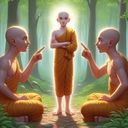
| “kinti vo, bhikkhave, mayi hoti: | “monks, is this what you think of me? | “比丘們,你們是這樣想我的嗎? |
| ‘cīvarahetu vā samaṇo gotamo dhammaṃ deseti, piṇḍapātahetu vā samaṇo gotamo dhammaṃ deseti, senāsanahetu vā samaṇo gotamo dhammaṃ deseti, itibhavābhavahetu vā samaṇo gotamo dhammaṃ desetī’”ti? | ‘The ascetic Gotama teaches the Dhamma for the sake of robes, alms-food, lodgings, or rebirth in this or that state.’” | ‘沙門喬達摩為了衣袍、乞食、住所,或為了在某種狀態中重生而教導佛法。’” |
| “Na kho no, bhante, bhagavati evaṃ hoti: ‘cīvarahetu vā samaṇo gotamo dhammaṃ deseti, piṇḍapātahetu vā samaṇo gotamo dhammaṃ deseti, senāsanahetu vā samaṇo gotamo dhammaṃ deseti, itibhavābhavahetu vā samaṇo gotamo dhammaṃ desetī’”ti. |
“No sir, we don’t think of you that way.” | “不,世尊,我們不是那樣想您的。” |
| “Na ca kira vo, bhikkhave, mayi evaṃ hoti: ‘cīvarahetu vā samaṇo gotamo dhammaṃ deseti … pe … itibhavābhavahetu vā samaṇo gotamo dhammaṃ desetī’ti; |
“If you don’t think of me that way, | “如果你們不是那樣想我的, |
| atha kinti carahi vo, bhikkhave, mayi hotī”ti? | then what exactly do you think of me?” | 那麼你們究竟是怎樣想我的呢?” |
| “Evaṃ kho no, bhante, bhagavati hoti: | “We think of you this way: | “我們是這樣想您的: |
| ‘anukampako bhagavā hitesī; | ‘The Buddha is compassionate and wants what’s best for us. | ‘佛陀慈悲,希望我們得到最好的。 |
| anukampaṃ upādāya dhammaṃ desetī’”ti. | He teaches out of compassion.’” | 他出於慈悲而教導。’” |
| “Evañca kira vo, bhikkhave, mayi hoti: ‘anukampako bhagavā hitesī; anukampaṃ upādāya dhammaṃ desetī’ti. |
“If you think of me that way, | “如果你們那樣想我, |
| Tasmātiha, bhikkhave, ye vo mayā dhammā abhiññā desitā, seyyathidaṃ— | then each and every one of you should train in the things I have taught from my direct knowledge, that is, | 那麼你們每個人都應該在我親身證悟的教導中修行,即 |
| cattāro satipaṭṭhānā cattāro sammappadhānā cattāro iddhipādā pañcindriyāni pañca balāni satta bojjhaṅgā ariyo aṭṭhaṅgiko maggo, tattha sabbeheva samaggehi sammodamānehi avivadamānehi sikkhitabbaṃ. | the four kinds of remembering meditation, the four right efforts, the four bases of psychic power, the five faculties, the five powers, the seven awakening factors, and the noble eightfold path. You should train in these things in harmony, appreciating each other, without quarreling. | 四念處、四正勤、四神足、五根、五力、七覺支和八聖道。你們應該和諧地修行這些,互相尊重,不爭吵。 |
| Tesañca vo, bhikkhave, samaggānaṃ sammodamānānaṃ avivadamānānaṃ sikkhataṃ siyaṃsu dve bhikkhū abhidhamme nānāvādā. | As you do so, it may happen that two monks disagree about The Dharma. | 當你們這樣做時,可能會發生兩名比丘在教義上意見不合。 |
| Tatra ce tumhākaṃ evamassa: | Now, you might think: | 現在,你們可能會想: |
| ‘imesaṃ kho āyasmantānaṃ atthato ceva nānaṃ byañjanato ca nānan’ti, tattha yaṃ bhikkhuṃ suvacataraṃ maññeyyātha so upasaṅkamitvā evamassa vacanīyo: | ‘These two venerables disagree on both the meaning and the phrasing.’ So you should approach whichever monk you think is most amenable and say to them: | “這兩位尊者在意義和措辭上都有分歧。”所以你們應該接近你們認為最隨和的比丘,對他們說: |
| ‘āyasmantānaṃ kho atthato ceva nānaṃ, byañjanato ca nānaṃ. | ‘The venerables disagree on the meaning and the phrasing. | “尊者們在意義和措辭上存在分歧。 |
| Tadamināpetaṃ āyasmanto jānātha— | But the venerables should know that this is how | 但尊者們應該知道,這種 |
| yathā atthato ceva nānaṃ, byañjanato ca nānaṃ. | such disagreement on the meaning and the phrasing comes to be. | 在意義和措辭上的分歧是如何產生的。 |
| Māyasmanto vivādaṃ āpajjitthā’ti. | Please don’t get into a fight about this.’ | 請不要為此爭吵。” |
| Athāparesaṃ ekatopakkhikānaṃ bhikkhūnaṃ yaṃ bhikkhuṃ suvacataraṃ maññeyyātha so upasaṅkamitvā evamassa vacanīyo: | Then they should approach whichever monk they think is most amenable among those who side with the other party and say to them: | 然後他們應該接近他們認為在另一方中最隨和的比丘,對他們說: |
| ‘āyasmantānaṃ kho atthato ceva nānaṃ, byañjanato ca nānaṃ. | ‘The venerables disagree on the meaning and the phrasing. | “尊者們在意義和措辭上存在分歧。 |
| Tadamināpetaṃ āyasmanto jānātha— | But the venerables should know that this is how | 但尊者們應該知道,這種 |
| yathā atthato ceva nānaṃ, byañjanato ca nānaṃ. | such disagreement on the meaning and the phrasing comes to be. | 在意義和措辭上的分歧是如何產生的。 |
| Māyasmanto vivādaṃ āpajjitthā’ti. | Please don’t get into a fight about this.’ | 請不要為此爭吵。” |
| Iti duggahitaṃ duggahitato dhāretabbaṃ, suggahitaṃ suggahitato dhāretabbaṃ. | So you should remember what has been incorrectly memorized as incorrectly memorized and what has been correctly memorized as correctly memorized. | 所以你們應該將錯誤記憶的記為錯誤記憶的,將正確記憶的記為正確記憶的。 |
| Duggahitaṃ duggahitato dhāretvā suggahitaṃ suggahitato dhāretvā yo dhammo yo vinayo so bhāsitabbo. | Remembering this, you should speak on The Dharma and the training. | 記住這一點,你們應該宣講教義和修行。 |
| Tatra ce tumhākaṃ evamassa: | Now, you might think: | 現在,你可能會想: |
| ‘imesaṃ kho āyasmantānaṃ atthato hi kho nānaṃ, byañjanato sametī’ti, tattha yaṃ bhikkhuṃ suvacataraṃ maññeyyātha so upasaṅkamitvā evamassa vacanīyo: | ‘These two venerables disagree on the meaning but agree on the phrasing.’ So you should approach whichever monk you think is most amenable and say to them: | “這兩位尊者在意義上意見不合,但在措辭上意見一致。”所以你們應該接近你們認為最隨和的比丘,對他們說: |
| ‘āyasmantānaṃ kho atthato hi nānaṃ, byañjanato sameti. | ‘The venerables disagree on the meaning but agree on the phrasing. | “尊者們在意義上意見不合,但在措辭上意見一致。 |
| Tadamināpetaṃ āyasmanto jānātha— | But the venerables should know that this is how | 但尊者們應該知道,這種 |
| yathā atthato hi kho nānaṃ, byañjanato sameti. | such disagreement on the meaning and agreement on the phrasing comes to be. | 在意義上意見不合而在措辭上意見一致是如何產生的。 |
| Māyasmanto vivādaṃ āpajjitthā’ti. | Please don’t get into a fight about this.’ | 請不要為此爭吵。” |
| Athāparesaṃ ekatopakkhikānaṃ bhikkhūnaṃ yaṃ bhikkhuṃ suvacataraṃ maññeyyātha so upasaṅkamitvā evamassa vacanīyo: | Then they should approach whichever monk they think is most amenable among those who side with the other party and say to them: | 然後他們應該接近他們認為在另一方中最隨和的比丘,對他們說: |
| ‘āyasmantānaṃ kho atthato hi kho nānaṃ, byañjanato sameti. | ‘The venerables disagree on the meaning but agree on the phrasing. | “尊者們在意義上意見不合,但在措辭上意見一致。 |
| Tadamināpetaṃ āyasmanto jānātha— | But the venerables should know that this is how | 但尊者們應該知道,這種 |
| yathā atthato hi kho nānaṃ, byañjanato sameti. | such disagreement on the meaning and agreement on the phrasing comes to be. | 在意義上意見不合而在措辭上意見一致是如何產生的。 |
| Māyasmanto vivādaṃ āpajjitthā’ti. | Please don’t get into a fight about this.’ | 請不要為此爭吵。” |
| Iti duggahitaṃ duggahitato dhāretabbaṃ, suggahitaṃ suggahitato dhāretabbaṃ. | So you should remember what has been incorrectly memorized as incorrectly memorized and what has been correctly memorized as correctly memorized. | 所以你們應該將錯誤記憶的記為錯誤記憶的,將正確記憶的記為正確記憶的。 |
| Duggahitaṃ duggahitato dhāretvā suggahitaṃ suggahitato dhāretvā yo dhammo yo vinayo so bhāsitabbo. | Remembering this, you should speak on The Dharma and the training. | 記住這一點,你們應該宣講教義和修行。 |
| Tatra ce tumhākaṃ evamassa: | Now, you might think: | 現在,你可能會想: |
| ‘imesaṃ kho āyasmantānaṃ atthato hi kho sameti, byañjanato nānan’ti, tattha yaṃ bhikkhuṃ suvacataraṃ maññeyyātha so upasaṅkamitvā evamassa vacanīyo: | ‘These two venerables agree on the meaning but disagree on the phrasing.’ So you should approach whichever monk you think is most amenable and say to them: | “這兩位尊者在意義上意見一致,但在措辭上意見不合。”所以你們應該接近你們認為最隨和的比丘,對他們說: |
| ‘āyasmantānaṃ kho atthato hi sameti, byañjanato nānaṃ. | ‘The venerables agree on the meaning but disagree on the phrasing. | “尊者們在意義上意見一致,但在措辭上意見不合。 |
| Tadamināpetaṃ āyasmanto jānātha— | But the venerables should know that this is how | 但尊者們應該知道,這種 |
| yathā atthato hi kho sameti, byañjanato nānaṃ. | such agreement on the meaning and disagreement on the phrasing comes to be. | 在意義上意見一致而在措辭上意見不合是如何產生的。 |
| Appamattakaṃ kho panetaṃ yadidaṃ—byañjanaṃ. | But the phrasing is a minor matter. | 但是措辭是小事。 |
| Māyasmanto appamattake vivādaṃ āpajjitthā’ti. | Please don’t get into a fight about something so minor.’ | 請不要為這種小事爭吵。” |
| Athāparesaṃ ekatopakkhikānaṃ bhikkhūnaṃ yaṃ bhikkhuṃ suvacataraṃ maññeyyātha so upasaṅkamitvā evamassa vacanīyo: | Then they should approach whichever monk they think is most amenable among those who side with the other party and say to them: | 然後他們應該接近他們認為在另一方中最隨和的比丘,對他們說: |
| ‘āyasmantānaṃ kho atthato hi sameti, byañjanato nānaṃ. | ‘The venerables agree on the meaning but disagree on the phrasing. | “尊者們在意義上意見一致,但在措辭上意見不合。 |
| Tadamināpetaṃ āyasmanto jānātha— | But the venerables should know that this is how | 但尊者們應該知道,這種 |
| yathā atthato hi kho sameti, byañjanato nānaṃ. | such agreement on the meaning and disagreement on the phrasing comes to be. | 在意義上意見一致而在措辭上意見不合是如何產生的。 |
| Appamattakaṃ kho panetaṃ yadidaṃ—byañjanaṃ. | But the phrasing is a minor matter. | 但是措辭是小事。 |
| Māyasmanto appamattake vivādaṃ āpajjitthā’ti. | Please don’t get into a fight about something so minor.’ | 請不要為這種小事爭吵。” |
| Iti suggahitaṃ suggahitato dhāretabbaṃ, duggahitaṃ duggahitato dhāretabbaṃ. | So you should remember what has been correctly memorized as correctly memorized and what has been incorrectly memorized as incorrectly memorized. | 所以你們應該將正確記憶的記為正確記憶的,將錯誤記憶的記為錯誤記憶的。 |
| Suggahitaṃ suggahitato dhāretvā duggahitaṃ duggahitato dhāretvā yo dhammo yo vinayo so bhāsitabbo. | Remembering this, you should speak on The Dharma and the training. | 記住這一點,你們應該宣講教義和修行。 |
| Tatra ce tumhākaṃ evamassa: | Now, you might think: | 現在,你可能會想: |
| ‘imesaṃ kho āyasmantānaṃ atthato ceva sameti byañjanato ca sametī’ti, tattha yaṃ bhikkhuṃ suvacataraṃ maññeyyātha so upasaṅkamitvā evamassa vacanīyo: | ‘These two venerables agree on both the meaning and the phrasing.’ So you should approach whichever monk you think is most amenable and say to them: | “這兩位尊者在意義和措辭上都意見一致。”所以你們應該接近你們認為最隨和的比丘,對他們說: |
| ‘āyasmantānaṃ kho atthato ceva sameti, byañjanato ca sameti. | ‘The venerables agree on both the meaning and the phrasing. | “尊者們在意義和措辭上都意見一致。 |
| Tadamināpetaṃ āyasmanto jānātha— | But the venerables should know that this is how | 但尊者們應該知道,這種 |
| yathā atthato ceva sameti byañjanato ca sameti. | they come to agree on the meaning and the phrasing. | 在意義和措辭上意見一致是如何產生的。 |
| Māyasmanto vivādaṃ āpajjitthā’ti. | Please don’t get into a fight about this.’ | 請不要為此爭吵。” |
| Athāparesaṃ ekatopakkhikānaṃ bhikkhūnaṃ yaṃ bhikkhuṃ suvacataraṃ maññeyyātha so upasaṅkamitvā evamassa vacanīyo: | Then they should approach whichever monk they think is most amenable among those who side with the other party and say to them: | 然後他們應該接近他們認為在另一方中最隨和的比丘,對他們說: |
| ‘āyasmantānaṃ kho atthato ceva sameti byañjanato ca sameti. | ‘The venerables agree on both the meaning and the phrasing. | “尊者們在意義和措辭上都意見一致。 |
| Tadamināpetaṃ āyasmanto jānātha— | But the venerables should know that this is how | 但尊者們應該知道,這種 |
| yathā atthato ceva sameti byañjanato ca sameti. | they come to agree on the meaning and the phrasing. | 在意義和措辭上意見一致是如何產生的。 |
| Māyasmanto vivādaṃ āpajjitthā’ti. | Please don’t get into a fight about this.’ | 請不要為此爭吵。” |
| Iti suggahitaṃ suggahitato dhāretabbaṃ. | So you should remember what has been correctly memorized as correctly memorized. | 所以你們應該將正確記憶的記為正確記憶的。 |
| Suggahitaṃ suggahitato dhāretvā yo dhammo yo vinayo so bhāsitabbo. | Remembering this, you should speak on The Dharma and the training. | 記住這一點,你們應該宣講教義和修行。 |
| Tesañca vo, bhikkhave, samaggānaṃ sammodamānānaṃ avivadamānānaṃ sikkhataṃ siyā aññatarassa bhikkhuno āpatti siyā vītikkamo, | As you train in harmony, appreciating each other, without quarreling, one of the monks might commit an offense or transgression. | 當你們和諧修行,互相尊重,不爭吵時,其中一名比丘可能會犯下過失或越界行為。 |
| tatra, bhikkhave, na codanāya taritabbaṃ. Puggalo upaparikkhitabbo: | In such a case, you should not be in a hurry to accuse them. The individual should be examined like this: | 在這種情況下,你們不應急於指責他們。應該這樣審視這個人: |
| ‘iti mayhañca avihesā bhavissati parassa ca puggalassa anupaghāto, paro hi puggalo akkodhano anupanāhī adaḷhadiṭṭhī suppaṭinissaggī, sakkomi cāhaṃ etaṃ puggalaṃ akusalā vuṭṭhāpetvā kusale patiṭṭhāpetun’ti. | ‘I won’t be troubled and the other individual won’t be hurt, for they’re not angry and hostile. They don’t hold fast to their views, but let them go easily. I can draw them away from the unskillful and establish them in the skillful.’ | “我不會感到困擾,對方也不會受到傷害,因為他們不生氣、不懷敵意。他們不固執己見,而是輕易放下。我能引導他們遠離不善,確立善行。” |
| Sace, bhikkhave, evamassa, kallaṃ vacanāya. | If that’s what you think, then it’s appropriate to speak to them. | 如果你們這樣想,那麼與他們交談是合適的。 |
| Sace pana, bhikkhave, evamassa: | But if you think this: | 但如果你這樣想: |
| ‘mayhaṃ kho avihesā bhavissati parassa ca puggalassa upaghāto, paro hi puggalo kodhano upanāhī adaḷhadiṭṭhī suppaṭinissaggī, sakkomi cāhaṃ etaṃ puggalaṃ akusalā vuṭṭhāpetvā kusale patiṭṭhāpetuṃ. | ‘I will be troubled and the other individual will be hurt, for they’re angry and hostile. However, they don’t hold fast to their views, but let them go easily. I can draw them away from the unskillful and establish them in the skillful. | “我將感到困擾,而對方將受到傷害,因為他們生氣並懷有敵意。然而,他們不固執己見,而是輕易放下。我能引導他們遠離不善,確立善行。 |
| Appamattakaṃ kho panetaṃ yadidaṃ—parassa puggalassa upaghāto. | But for the other individual to get hurt is a minor matter. | 但對方受到傷害是小事。 |
| Atha kho etadeva bahutaraṃ— | It’s more important | 更重要的是 |
| svāhaṃ sakkomi etaṃ puggalaṃ akusalā vuṭṭhāpetvā kusale patiṭṭhāpetun’ti. | that I can draw them away from the unskillful and establish them in the skillful.’ | 我能引導他們遠離不善,確立善行。” |
| Sace, bhikkhave, evamassa, kallaṃ vacanāya. | If that’s what you think, then it’s appropriate to speak to them. | 如果你們這樣想,那麼與他們交談是合適的。 |
| Sace pana, bhikkhave, evamassa: | But if you think this: | 但如果你這樣想: |
| ‘mayhaṃ kho vihesā bhavissati parassa ca puggalassa anupaghāto. Paro hi puggalo akkodhano anupanāhī daḷhadiṭṭhī duppaṭinissaggī, sakkomi cāhaṃ etaṃ puggalaṃ akusalā vuṭṭhāpetvā kusale patiṭṭhāpetuṃ. | ‘I will be troubled but the other individual won’t be hurt, for they’re not angry and hostile. However, they hold fast to their views, refusing to let go. Nevertheless, I can draw them away from the unskillful and establish them in the skillful. | “我將感到困擾,但對方不會受到傷害,因為他們不生氣、不懷敵意。然而,他們固執己見,不肯放下。儘管如此,我能引導他們遠離不善,確立善行。 |
| Appamattakaṃ kho panetaṃ yadidaṃ—mayhaṃ vihesā. | But for me to be troubled is a minor matter. | 但我的困擾是小事。 |
| Atha kho etadeva bahutaraṃ— | It’s more important | 更重要的是 |
| svāhaṃ sakkomi etaṃ puggalaṃ akusalā vuṭṭhāpetvā kusale patiṭṭhāpetun’ti. | that I can draw them away from the unskillful and establish them in the skillful.’ | 我能引導他們遠離不善,確立善行。” |
| Sace, bhikkhave, evamassa, kallaṃ vacanāya. | If that’s what you think, then it’s appropriate to speak to them. | 如果你們這樣想,那麼與他們交談是合適的。 |
| Sace pana, bhikkhave, evamassa: | But if you think this: | 但如果你這樣想: |
| ‘mayhañca kho vihesā bhavissati parassa ca puggalassa upaghāto. Paro hi puggalo kodhano upanāhī daḷhadiṭṭhī duppaṭinissaggī, sakkomi cāhaṃ etaṃ puggalaṃ akusalā vuṭṭhāpetvā kusale patiṭṭhāpetuṃ. | ‘I will be troubled and the other individual will be hurt, for they’re angry and hostile. And they hold fast to their views, refusing to let go. Nevertheless, I can draw them away from the unskillful and establish them in the skillful. | “我將感到困擾,而對方將受到傷害,因為他們生氣並懷有敵意。而且他們固執己見,不肯放下。儘管如此,我能引導他們遠離不善,確立善行。 |
| Appamattakaṃ kho panetaṃ yadidaṃ—mayhañca vihesā bhavissati parassa ca puggalassa upaghāto. | But for me to be troubled and the other individual to get hurt is a minor matter. | 但我的困擾和對方受到傷害是小事。 |
| Atha kho etadeva bahutaraṃ— | It’s more important | 更重要的是 |
| svāhaṃ sakkomi etaṃ puggalaṃ akusalā vuṭṭhāpetvā kusale patiṭṭhāpetun’ti. | that I can draw them away from the unskillful and establish them in the skillful.’ | 我能引導他們遠離不善,確立善行。” |
| Sace, bhikkhave, evamassa, kallaṃ vacanāya. | If that’s what you think, then it’s appropriate to speak to them. | 如果你們這樣想,那麼與他們交談是合適的。 |
| Sace pana, bhikkhave, evamassa: | But if you think this: | 但如果你這樣想: |
| ‘mayhañca kho vihesā bhavissati parassa ca puggalassa upaghāto. Paro hi puggalo kodhano upanāhī daḷhadiṭṭhī duppaṭinissaggī, na cāhaṃ sakkomi etaṃ puggalaṃ akusalā vuṭṭhāpetvā kusale patiṭṭhāpetun’ti. | ‘I will be troubled and the other individual will be hurt, for they’re angry and hostile. And they hold fast to their views, refusing to let go. I cannot draw them away from the unskillful and establish them in the skillful.’ | “我將感到困擾,而對方將受到傷害,因為他們生氣並懷有敵意。而且他們固執己見,不肯放下。我無法引導他們遠離不善,確立善行。” |
| Evarūpe, bhikkhave, puggale upekkhā nātimaññitabbā. | Don’t underestimate the value of equanimous-observation for such a person. | 對於這樣的人,不要低估平靜的價值。 |
| Tesañca vo, bhikkhave, samaggānaṃ sammodamānānaṃ avivadamānānaṃ sikkhataṃ aññamaññassa vacīsaṃhāro uppajjeyya diṭṭhipaḷāso cetaso āghāto appaccayo anabhiraddhi. | As you train in harmony, appreciating each other, without quarreling, mutual tale-bearing might come up, with contempt for each other’s views, resentful, bitter, and exasperated. | 當你們和諧修行,互相尊重,不爭吵時,可能會出現互相搬弄是非的情況,互相輕蔑對方的觀點,怨恨、苦澀和惱怒。 |
| Tattha ekatopakkhikānaṃ bhikkhūnaṃ yaṃ bhikkhuṃ suvacataraṃ maññeyyātha so upasaṅkamitvā evamassa vacanīyo: | In this case you should approach whichever monk you think is most amenable among those who side with one party and say to them: | 在這種情況下,你們應該接近你們認為在一方中最隨和的比丘,對他們說: |
| ‘yaṃ no, āvuso, amhākaṃ samaggānaṃ sammodamānānaṃ avivadamānānaṃ sikkhataṃ aññamaññassa vacīsaṃhāro uppanno diṭṭhipaḷāso cetaso āghāto appaccayo anabhiraddhi, taṃ jānamāno samaṇo garaheyyā’ti. | ‘Reverend, as we were training, mutual tale-bearing came up. If the Ascetic knew about this, would he rebuke it?’ | “尊者,在我們修行時,出現了互相搬弄是非的情況。如果世尊知道此事,他會呵斥嗎?” |
| Sammā byākaramāno, bhikkhave, bhikkhu evaṃ byākareyya: | Answering rightly, the monk should say: | 比丘應該如實回答: |
| ‘yaṃ no, āvuso, amhākaṃ samaggānaṃ sammodamānānaṃ avivadamānānaṃ sikkhataṃ aññamaññassa vacīsaṃhāro uppanno diṭṭhipaḷāso cetaso āghāto appaccayo anabhiraddhi, taṃ jānamāno samaṇo garaheyyāti. | ‘Yes, reverend, he would.’ | “是的,尊者,他會呵斥。” |
| Etaṃ panāvuso, dhammaṃ appahāya nibbānaṃ sacchikareyyā’ti. | ‘But without giving that up, reverend, can one realize nirvana?’ | “但是,尊者,不放棄這些,能證得涅槃嗎?” |
| Sammā byākaramāno, bhikkhave, bhikkhu evaṃ byākareyya: | Answering rightly, the monk should say: | 比丘應該如實回答: |
| ‘etaṃ, āvuso, dhammaṃ appahāya na nibbānaṃ sacchikareyyā’ti. | ‘No, reverend, one cannot.’ | “不,尊者,不能。” |
| Athāparesaṃ ekatopakkhikānaṃ bhikkhūnaṃ yaṃ bhikkhuṃ suvacataraṃ maññeyyātha, so upasaṅkamitvā evamassa vacanīyo: | Then they should approach whichever monk they think is most amenable among those who side with the other party and say to them: | 然後他們應該接近他們認為在另一方中最隨和的比丘,對他們說: |
| ‘yaṃ no, āvuso, amhākaṃ samaggānaṃ sammodamānānaṃ avivadamānānaṃ sikkhataṃ aññamaññassa vacīsaṃhāro uppanno diṭṭhipaḷāso cetaso āghāto appaccayo anabhiraddhi, taṃ jānamāno samaṇo garaheyyā’ti. | ‘Reverend, as we were training, mutual tale-bearing came up. If the Ascetic knew about this, would he rebuke it?’ | “尊者,在我們修行時,出現了互相搬弄是非的情況。如果世尊知道此事,他會呵斥嗎?” |
| Sammā byākaramāno, bhikkhave, bhikkhu evaṃ byākareyya: | Answering rightly, the monk should say: | 比丘應該如實回答: |
| ‘yaṃ no, āvuso, amhākaṃ samaggānaṃ sammodamānānaṃ avivadamānānaṃ sikkhataṃ aññamaññassa vacīsaṃhāro uppanno diṭṭhipaḷāso cetaso āghāto appaccayo anabhiraddhi taṃ jānamāno samaṇo garaheyyāti. | ‘Yes, reverend, he would.’ | “是的,尊者,他會呵斥。” |
| Etaṃ panāvuso, dhammaṃ appahāya nibbānaṃ sacchikareyyā’ti. | ‘But without giving that up, reverend, can one realize nirvana?’ | “但是,尊者,不放棄這些,能證得涅槃嗎?” |
| Sammā byākaramāno, bhikkhave, bhikkhu evaṃ byākareyya: | Answering rightly, the monk should say: | 比丘應該如實回答: |
| ‘etaṃ kho, āvuso, dhammaṃ appahāya na nibbānaṃ sacchikareyyā’ti. | ‘No, reverend, one cannot.’ | “不,尊者,不能。” |
| Tañce, bhikkhave, bhikkhuṃ pare evaṃ puccheyyuṃ: | If others should ask that monk: | 如果其他人問那名比丘: |
| ‘āyasmatā no ete bhikkhū akusalā vuṭṭhāpetvā kusale patiṭṭhāpitā’ti? | ‘Were you the venerable who drew those monks away from the unskillful and established them in the skillful?’ | “你就是那位引導那些比丘遠離不善,確立善行的人嗎?” |
| Sammā byākaramāno, bhikkhave, bhikkhu evaṃ byākareyya: | Answering rightly, the monk should say: | 比丘應該如實回答: |
| ‘idhāhaṃ, āvuso, yena bhagavā tenupasaṅkamiṃ, tassa me bhagavā dhammaṃ desesi, tāhaṃ dhammaṃ sutvā tesaṃ bhikkhūnaṃ abhāsiṃ. | ‘Well, reverends, I approached the Buddha. He taught me the Dhamma. After hearing that Dharma I explained it to those monks. | “嗯,諸位尊者,我曾請教佛陀。他教導了我佛法。聽聞那個教導後,我向那些比丘解釋了它。 |
| Taṃ te bhikkhū dhammaṃ sutvā akusalā vuṭṭhahiṃsu, kusale patiṭṭhahiṃsū’ti. | When those monks heard that Dharma they were drawn away from the unskillful and established in the skillful.’ | 當那些比丘聽聞那個教導後,他們就遠離不善,確立了善行。” |
| Evaṃ byākaramāno kho, bhikkhave, bhikkhu na ceva attānaṃ ukkaṃseti, na paraṃ vambheti, dhammassa cānudhammaṃ byākaroti, na ca koci sahadhammiko vādānuvādo gārayhaṃ ṭhānaṃ āgacchatī”ti. | Answering in this way, that monk doesn’t glorify themselves or put others down. They answer in line with The Dharma, with no legitimate grounds for rebuke and criticism.” | 這樣回答,那名比丘不會自我吹噓,也不會貶低他人。他們按照教導回答,沒有正當的理由受到指責和批評。” |
| Idamavoca bhagavā. | That is what the Buddha said. | 佛陀這樣說。 |
| Attamanā te bhikkhū bhagavato bhāsitaṃ abhinandunti. | Satisfied, the monks were happy with what the Buddha said. | 比丘們滿意,並對佛陀所說感到高興。 |
❧