+MN 130 Deva-dūta:
Messengers of the Gods
all
Messengers of the Gods
+Opening
| (derived from B. Sujato 2018/12) | (摘自B. Sujato 2018/12) | |
| Evaṃ me sutaṃ— | So I have heard. | 我曾聽聞。 |
| ekaṃ samayaṃ bhagavā sāvatthiyaṃ viharati jetavane anāthapiṇḍikassa ārāme. | At one time the Buddha was staying near Sāvatthī in Jeta’s Grove, Anāthapiṇḍika’s monastery. | 有一次,佛陀住在舍衛城附近的祇樹給孤獨園。 |
| Tatra kho bhagavā bhikkhū āmantesi: | There the Buddha addressed the monks: | 在那裡,佛陀對比丘們說: |
| “bhikkhavo”ti. | “monks!” | “比丘們!” |
| “Bhadante”ti te bhikkhū bhagavato paccassosuṃ. | “Venerable sir,” they replied. | “尊者,”他們回答。 |
| Bhagavā etadavoca: | The Buddha said this: | 佛陀這樣說: |
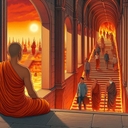
+130.0 – (simile of doorway with people ↔ Buddha’s divine eye seeing beings go to hell)
| “Seyyathāpi, bhikkhave, dve agārā sadvārā, tattha cakkhumā puriso majjhe ṭhito passeyya manusse gehaṃ pavisantepi nikkhamantepi anucaṅkamantepi anuvicarantepi; | “monks, suppose there were two houses with doors. A person with good eyesight standing in between them would see people entering and leaving a house and wandering to and fro. | “比丘們,假設有兩扇門的兩座房子。一個視力良好的人站在兩座房子之間,會看到人們進出房子,來回走動。 |
| evameva kho ahaṃ, bhikkhave, dibbena cakkhunā visuddhena atikkantamānusakena satte passāmi cavamāne upapajjamāne hīne paṇīte suvaṇṇe dubbaṇṇe, sugate duggate yathākammūpage satte pajānāmi: ‘ime vata bhonto sattā kāyasucaritena samannāgatā vacīsucaritena samannāgatā manosucaritena samannāgatā ariyānaṃ anupavādakā sammādiṭṭhikā sammādiṭṭhikammasamādānā; te kāyassa bhedā paraṃ maraṇā sugatiṃ saggaṃ lokaṃ upapannā. Ime vā pana bhonto sattā kāyasucaritena samannāgatā vacīsucaritena samannāgatā manosucaritena samannāgatā ariyānaṃ anupavādakā sammādiṭṭhikā sammādiṭṭhikammasamādānā; te kāyassa bhedā paraṃ maraṇā manussesu upapannā. Ime vata bhonto sattā kāyaduccaritena samannāgatā vacīduccaritena samannāgatā manoduccaritena samannāgatā ariyānaṃ upavādakā micchādiṭṭhikā micchādiṭṭhikammasamādānā; te kāyassa bhedā paraṃ maraṇā pettivisayaṃ upapannā. Ime vā pana bhonto sattā kāyaduccaritena samannāgatā vacīduccaritena samannāgatā manoduccaritena samannāgatā ariyānaṃ upavādakā micchādiṭṭhikā micchādiṭṭhikammasamādānā; te kāyassa bhedā paraṃ maraṇā tiracchānayoniṃ upapannā. Ime vā pana bhonto sattā kāyaduccaritena samannāgatā vacīduccaritena samannāgatā manoduccaritena samannāgatā ariyānaṃ upavādakā micchādiṭṭhikā micchādiṭṭhikammasamādānā; te kāyassa bhedā paraṃ maraṇā apāyaṃ duggatiṃ vinipātaṃ nirayaṃ upapannā’ti. | In the same way, with clairvoyance that is purified and superhuman, I see sentient beings passing away and being reborn—inferior and superior, beautiful and ugly, in a good place or a bad place. I understand how sentient beings are reborn according to their deeds. ‘These dear beings did good things by way of body, speech, and mind. They never spoke ill of the noble ones; they had right view; and they chose to act out of that right view. When their body breaks up, after death, they’re reborn in a good place, a heavenly realm, or among humans. These dear beings did bad things by way of body, speech, and mind. They spoke ill of the noble ones; they had wrong view; and they chose to act out of that wrong view. When their body breaks up, after death, they’re reborn in the ghost realm, the animal realm, or in a lower realm, a bad destination, a world of misery, hell.’ | 同樣地,我以清淨超人的天眼通,看見眾生逝去和再生——低劣的和高貴的,美麗的和醜陋的,在好的地方或壞的地方。我理解眾生如何根據他們的業力而再生。‘這些親愛的眾生通過身體、言語和思想做了善事。他們從不說聖者的壞話;他們有正見;他們選擇按照正見行事。當他們的身體崩壞,死後,他們投生到好的地方,天界,或者人類之中。這些親愛的眾生通過身體、言語和思想做了壞事。他們說聖者的壞話;他們有邪見;他們選擇按照邪見行事。當他們的身體崩壞,死後,他們投生到餓鬼道、畜生道,或更低的境界,一個惡趣,一個苦惱的世界,地獄。’ |
+130.1 – (first messenger: baby collapsed in own feces)
| Tamenaṃ, bhikkhave, nirayapālā nānābāhāsu gahetvā yamassa rañño dassenti: | Then the wardens of hell take them by the arms and present them to King Yama, saying: | 然後地獄的看守抓住他們的手臂,把他們呈獻給閻羅王,說: |
| ‘ayaṃ, deva, puriso amatteyyo apetteyyo asāmañño abrāhmañño, na kule jeṭṭhāpacāyī. | ‘Your Majesty, this person did not pay due respect to their mother and father, ascetics and brahmins, or honor the elders in the family. | “陛下,這個人沒有盡孝父母,尊敬沙門婆羅門,也沒有敬重家族中的長輩。 |
| Imassa devo daṇḍaṃ paṇetū’ti. | May Your Majesty punish them!’ | 願陛下懲罰他們!” |
| Tamenaṃ, bhikkhave, yamo rājā paṭhamaṃ devadūtaṃ samanuyuñjati samanugāhati samanubhāsati: | Then King Yama pursues, presses, and grills them about the first messenger of the gods. | 於是閻羅王追問、逼問、審問他們關於第一位天神使者。 |
| ‘ambho purisa, na tvaṃ addasa manussesu paṭhamaṃ devadūtaṃ pātubhūtan’ti? | ‘Mister, did you not see the first messenger of the gods that appeared among human beings?’ | “先生,你沒有看見出現在人間的第一位天神使者嗎?” |
| So evamāha: | He says: | 他說: |
| ‘nāddasaṃ, bhante’ti. | ‘I saw nothing, sir.’ | “先生,我什麼都沒看見。” |
| Tamenaṃ, bhikkhave, yamo rājā evamāha: | Then King Yama says: | 於是閻羅王說: |
| ‘ambho purisa, na tvaṃ addasa manussesu daharaṃ kumāraṃ mandaṃ uttānaseyyakaṃ sake muttakarīse palipannaṃ semānan’ti? | ‘Mister, did you not see among human beings a little baby collapsed in their own urine and feces?’ | “先生,你沒有在人間看見一個嬰兒,全身沾滿了自己的尿和糞便嗎?” |
| So evamāha: | He says: | 他說: |
| ‘addasaṃ, bhante’ti. | ‘I saw that, sir.’ | “先生,我看見了。” |
| Tamenaṃ, bhikkhave, yamo rājā evamāha: | Then King Yama says: | 於是閻羅王說: |
| ‘ambho purisa, tassa te viññussa sato mahallakassa na etadahosi— | ‘Mister, did it not occur to you—being sensible and mature— | “先生,你沒有想過嗎——既然你明智成熟—— |
| ahampi khomhi jātidhammo, jātiṃ anatīto. Handāhaṃ kalyāṇaṃ karomi kāyena vācāya manasā’ti? | “I, too, am liable to be born. I’m not exempt from rebirth. I’d better do good by way of body, speech, and mind”?’ | ‘我也會出生。我無法避免再生。我最好在身體、言語和思想上行善’?” |
| So evamāha: | He says: | 他說: |
| ‘nāsakkhissaṃ, bhante, pamādassaṃ, bhante’ti. | ‘I couldn’t, sir. I was negligent.’ | “先生,我做不到。我疏忽了。” |
| Tamenaṃ, bhikkhave, yamo rājā evamāha: | Then King Yama says: | 於是閻羅王說: |
| ‘ambho purisa, pamādavatāya na kalyāṇamakāsi kāyena vācāya manasā. | ‘Mister, because you were negligent, you didn’t do good by way of body, speech, and mind. | “先生,因為你疏忽了,你沒有在身體、言語和思想上行善。 |
| Taggha tvaṃ, ambho purisa, tathā karissanti yathā taṃ pamattaṃ. | Well, they’ll definitely punish you to fit your negligence. | 那麼,他們一定會根據你的疏忽來懲罰你。 |
| Taṃ kho pana te etaṃ pāpakammaṃ neva mātarā kataṃ na pitarā kataṃ na bhātarā kataṃ na bhaginiyā kataṃ na mittāmaccehi kataṃ na ñātisālohitehi kataṃ na samaṇabrāhmaṇehi kataṃ na devatāhi kataṃ, tayāvetaṃ pāpakammaṃ kataṃ, tvaññevetassa vipākaṃ paṭisaṃvedissasī’ti. (1) | That bad deed wasn’t done by your mother, father, brother, or sister. It wasn’t done by friends and colleagues, by relatives and kin, by ascetics and brahmins, or by the deities. That bad deed was done by you alone, and you alone will experience the result.’ | 那惡業不是你母親、父親、兄弟姐妹所為。也不是朋友和同事、親戚和家人、沙門和婆羅門,或諸天神所為。那惡業是你獨自所為,你將獨自承受其果報。” |
❧
+130.2 – (second messenger: elderly women bent over trembling)
| Tamenaṃ, bhikkhave, yamo rājā paṭhamaṃ devadūtaṃ samanuyuñjitvā samanugāhitvā samanubhāsitvā dutiyaṃ devadūtaṃ samanuyuñjati samanugāhati samanubhāsati: | Then King Yama grills them about the second messenger of the gods. | 然後閻羅王審問他們關於第二位天神使者。 |
| ‘ambho purisa, na tvaṃ addasa manussesu dutiyaṃ devadūtaṃ pātubhūtan’ti? | ‘Mister, did you not see the second messenger of the gods that appeared among human beings?’ | “先生,你沒有看見出現在人間的第二位天神使者嗎?” |
| So evamāha: | He says: | 他說: |
| ‘nāddasaṃ, bhante’ti. | ‘I saw nothing, sir.’ | “先生,我什麼都沒看見。” |
| Tamenaṃ, bhikkhave, yamo rājā evamāha: | Then King Yama says: | 於是閻羅王說: |
| ‘ambho purisa, na tvaṃ addasa manussesu itthiṃ vā purisaṃ vā () jiṇṇaṃ gopānasivaṅkaṃ bhoggaṃ daṇḍaparāyanaṃ pavedhamānaṃ gacchantaṃ āturaṃ gatayobbanaṃ khaṇḍadantaṃ palitakesaṃ vilūnaṃ khalitasiraṃ valinaṃ tilakāhatagattan’ti? | ‘Mister, did you not see among human beings an elderly woman or a man—eighty, ninety, or a hundred years old—bent double, crooked, leaning on a staff, trembling as they walk, ailing, past their prime, with teeth broken, hair grey and scanty or bald, skin wrinkled, and limbs blotchy?’ | “先生,你沒有在人間看見一個老年婦女或男子——八十、九十或一百歲——駝背、彎腰、拄著柺杖、顫抖著走路、生病、年華已逝、牙齒破損、頭髮灰白稀疏或禿頭、皮膚佈滿皺紋、四肢斑駁嗎?” |
| So evamāha: | He says: | 他說: |
| ‘addasaṃ, bhante’ti. | ‘I saw that, sir.’ | “先生,我看見了。” |
| Tamenaṃ, bhikkhave, yamo rājā evamāha: | Then King Yama says: | 於是閻羅王說: |
| ‘ambho purisa, tassa te viññussa sato mahallakassa na etadahosi— | ‘Mister, did it not occur to you—being sensible and mature— | “先生,你沒有想過嗎——既然你明智成熟—— |
| ahampi khomhi jarādhammo, jaraṃ anatīto. Handāhaṃ kalyāṇaṃ karomi kāyena vācāya manasā’ti? | “I, too, am liable to grow old. I’m not exempt from old age. I’d better do good by way of body, speech, and mind”?’ | ‘我也會變老。我無法避免衰老。我最好在身體、言語和思想上行善’?” |
| So evamāha: | He says: | 他說: |
| ‘nāsakkhissaṃ, bhante, pamādassaṃ, bhante’ti. | ‘I couldn’t, sir. I was negligent.’ | “先生,我做不到。我疏忽了。” |
| Tamenaṃ, bhikkhave, yamo rājā evamāha: | Then King Yama says: | 於是閻羅王說: |
| ‘ambho purisa, pamādavatāya na kalyāṇamakāsi kāyena vācāya manasā. | ‘Mister, because you were negligent, you didn’t do good by way of body, speech, and mind. | “先生,因為你疏忽了,你沒有在身體、言語和思想上行善。 |
| Taggha tvaṃ, ambho purisa, tathā karissanti yathā taṃ pamattaṃ. | Well, they’ll definitely punish you to fit your negligence. | 那麼,他們一定會根據你的疏忽來懲罰你。 |
| Taṃ kho pana te etaṃ pāpakammaṃ neva mātarā kataṃ na pitarā kataṃ na bhātarā kataṃ na bhaginiyā kataṃ na mittāmaccehi kataṃ na ñātisālohitehi kataṃ na samaṇabrāhmaṇehi kataṃ na devatāhi kataṃ, tayāvetaṃ pāpakammaṃ kataṃ, tvaññevetassa vipākaṃ paṭisaṃvedissasī’ti. (2) | That bad deed wasn’t done by your mother, father, brother, or sister. It wasn’t done by friends and colleagues, by relatives and kin, by ascetics and brahmins, or by the deities. That bad deed was done by you alone, and you alone will experience the result.’ | 那惡業不是你母親、父親、兄弟姐妹所為。也不是朋友和同事、親戚和家人、沙門和婆羅門,或諸天神所為。那惡業是你獨自所為,你將獨自承受其果報。” |
❧
+130.3 – (third messenger: old man gravely ill )
| Tamenaṃ, bhikkhave, yamo rājā dutiyaṃ devadūtaṃ samanuyuñjitvā samanugāhitvā samanubhāsitvā tatiyaṃ devadūtaṃ samanuyuñjati samanugāhati samanubhāsati: | Then King Yama grills them about the third messenger of the gods. | 然後閻羅王審問他們關於第三位天神使者。 |
| ‘ambho purisa, na tvaṃ addasa manussesu tatiyaṃ devadūtaṃ pātubhūtan’ti? | ‘Mister, did you not see the third messenger of the gods that appeared among human beings?’ | “先生,你沒有看見出現在人間的第三位天神使者嗎?” |
| So evamāha: | He says: | 他說: |
| ‘nāddasaṃ, bhante’ti. | ‘I saw nothing, sir.’ | “先生,我什麼都沒看見。” |
| Tamenaṃ, bhikkhave, yamo rājā evamāha: | Then King Yama says: | 於是閻羅王說: |
| ‘ambho purisa, na tvaṃ addasa manussesu itthiṃ vā purisaṃ vā ābādhikaṃ dukkhitaṃ bāḷhagilānaṃ sake muttakarīse palipannaṃ semānaṃ aññehi vuṭṭhāpiyamānaṃ aññehi saṃvesiyamānan’ti? | ‘Mister, did you not see among human beings a woman or a man, sick, suffering, gravely ill, collapsed in their own urine and feces, being picked up by some and put down by others?’ | “先生,你沒有在人間看見一個生病、受苦、重病纏身的女人或男人,倒在自己的尿和糞便中,被一些人扶起,又被另一些人放下嗎?” |
| So evamāha: | He says: | 他說: |
| ‘addasaṃ, bhante’ti. | ‘I saw that, sir.’ | “先生,我看見了。” |
| Tamenaṃ, bhikkhave, yamo rājā evamāha: | Then King Yama says: | 於是閻羅王說: |
| ‘ambho purisa, tassa te viññussa sato mahallakassa na etadahosi— | ‘Mister, did it not occur to you—being sensible and mature— | “先生,你沒有想過嗎——既然你明智成熟—— |
| ahampi khomhi byādhidhammo, byādhiṃ anatīto. | “I, too, am liable to become sick. I’m not exempt from sickness. I’d better do good by way of body, speech, and mind”?’ | ‘我也會生病。我無法避免疾病。我最好在身體、言語和思想上行善’?” |
| Handāhaṃ kalyāṇaṃ karomi kāyena vācāya manasā’ti? So evamāha: | He says: | 他說: |
| ‘nāsakkhissaṃ, bhante, pamādassaṃ, bhante’ti. | ‘I couldn’t, sir. I was negligent.’ | “先生,我做不到。我疏忽了。” |
| Tamenaṃ, bhikkhave, yamo rājā evamāha: | Then King Yama says: | 於是閻羅王說: |
| ‘ambho purisa, pamādavatāya na kalyāṇamakāsi kāyena vācāya manasā. | ‘Mister, because you were negligent, you didn’t do good by way of body, speech, and mind. | “先生,因為你疏忽了,你沒有在身體、言語和思想上行善。 |
| Taggha tvaṃ, ambho purisa, tathā karissanti yathā taṃ pamattaṃ. | Well, they’ll definitely punish you to fit your negligence. | 那麼,他們一定會根據你的疏忽來懲罰你。 |
| Taṃ kho pana te etaṃ pāpakammaṃ neva mātarā kataṃ na pitarā kataṃ na bhātarā kataṃ na bhaginiyā kataṃ na mittāmaccehi kataṃ na ñātisālohitehi kataṃ na samaṇabrāhmaṇehi kataṃ na devatāhi kataṃ, tayāvetaṃ pāpakammaṃ kataṃ, tvaññevetassa vipākaṃ paṭisaṃvedissasī’ti. (3) | That bad deed wasn’t done by your mother, father, brother, or sister. It wasn’t done by friends and colleagues, by relatives and kin, by ascetics and brahmins, or by the deities. That bad deed was done by you alone, and you alone will experience the result.’ | 那惡業不是你母親、父親、兄弟姐妹所為。也不是朋友和同事、親戚和家人、沙門和婆羅門,或諸天神所為。那惡業是你獨自所為,你將獨自承受其果報。” |
❧
+130.4 – (fourth messenger: kings punishing bandits )
| Tamenaṃ, bhikkhave, yamo rājā tatiyaṃ devadūtaṃ samanuyuñjitvā samanugāhitvā samanubhāsitvā catutthaṃ devadūtaṃ samanuyuñjati samanugāhati samanubhāsati: | Then King Yama grills them about the fourth messenger of the gods. | 然後閻羅王審問他們關於第四位天神使者。 |
| ‘ambho purisa, na tvaṃ addasa manussesu catutthaṃ devadūtaṃ pātubhūtan’ti? | ‘Mister, did you not see the fourth messenger of the gods that appeared among human beings?’ | “先生,你沒有看見出現在人間的第四位天神使者嗎?” |
| So evamāha: | He says: | 他說: |
| ‘nāddasaṃ, bhante’ti. | ‘I saw nothing, sir.’ | “先生,我什麼都沒看見。” |
| Tamenaṃ, bhikkhave, yamo rājā evamāha: | Then King Yama says: | 於是閻羅王說: |
| ‘ambho purisa, na tvaṃ addasa manussesu rājāno coraṃ āgucāriṃ gahetvā vividhā kammakāraṇā kārente— | ‘Mister, did you not see among human beings when the rulers arrested a bandit, a criminal, and subjected them to various punishments— | “先生,你沒有在人間看見統治者逮捕了一個強盜、一個罪犯,並對他們施以各種懲罰嗎—— |
| kasāhipi tāḷente vettehipi tāḷente addhadaṇḍakehipi tāḷente hatthampi chindante pādampi chindante hatthapādampi chindante kaṇṇampi chindante nāsampi chindante kaṇṇanāsampi chindante bilaṅgathālikampi karonte saṅkhamuṇḍikampi karonte rāhumukhampi karonte jotimālikampi karonte hatthapajjotikampi karonte erakavattikampi karonte cīrakavāsikampi karonte eṇeyyakampi karonte baḷisamaṃsikampi karonte kahāpaṇikampi karonte khārāpatacchikampi karonte palighaparivattikampi karonte palālapīṭhakampi karonte tattenapi telena osiñcante sunakhehipi khādāpente jīvantampi sūle uttāsente asināpi sīsaṃ chindante’ti? | whipping, caning, and clubbing; cutting off hands or feet, or both; cutting off ears or nose, or both; the ‘porridge pot’, the ‘shell-shave’, the ‘demon’s mouth’, the ‘garland of fire’, the ‘burning hand’, the ‘grass blades’, the ‘bark dress’, the ‘antelope’, the ‘meat hook’, the ‘coins’, the ‘acid pickle’, the ‘twisting bar’, the ‘straw mat’; being splashed with hot oil, being fed to the dogs, being impaled alive, and being beheaded?’ | 鞭打、杖打和棍打;斬斷手或腳,或兩者兼而有之;斬斷耳朵或鼻子,或兩者兼而有之;‘粥鍋’、‘貝殼剃刀’、‘惡魔之口’、‘火環’、‘燃燒之手’、‘草葉’、‘樹皮衣’、‘羚羊’、‘肉鉤’、‘硬幣’、‘酸醃菜’、‘扭曲棒’、‘草蓆’;被熱油潑濺,被餵狗,被活活刺穿,以及被斬首?” |
| So evamāha: | He says: | 他說: |
| ‘addasaṃ, bhante’ti. | ‘I saw that, sir.’ | “先生,我看見了。” |
| Tamenaṃ, bhikkhave, yamo rājā evamāha: | Then King Yama says: | 於是閻羅王說: |
| ‘ambho purisa, tassa te viññussa sato mahallakassa na etadahosi— | ‘Mister, did it not occur to you—being sensible and mature— | “先生,你沒有想過嗎——既然你明智成熟—— |
| ye kira, bho, pāpakāni kammāni karonti te diṭṭheva dhamme evarūpā vividhā kammakāraṇā karīyanti, kimaṅgaṃ pana parattha. Handāhaṃ kalyāṇaṃ karomi kāyena vācāya manasā’ti? | that if someone who does bad deeds receives such punishment in the present life, what must happen to them in the next; I’d better do good by way of body, speech, and mind”?’ | 如果一個做壞事的人今生受到這種懲罰,那麼來世會發生什麼;我最好在身體、言語和思想上行善’?” |
| So evamāha: | He says: | 他說: |
| ‘nāsakkhissaṃ, bhante, pamādassaṃ, bhante’ti. | ‘I couldn’t, sir. I was negligent.’ | “先生,我做不到。我疏忽了。” |
| Tamenaṃ, bhikkhave, yamo rājā evamāha: | Then King Yama says: | 於是閻羅王說: |
| ‘ambho purisa, pamādavatāya na kalyāṇamakāsi kāyena vācāya manasā. | ‘Mister, because you were negligent, you didn’t do good by way of body, speech, and mind. | “先生,因為你疏忽了,你沒有在身體、言語和思想上行善。 |
| Taggha tvaṃ, ambho purisa, tathā karissanti yathā taṃ pamattaṃ. | Well, they’ll definitely punish you to fit your negligence. | 那麼,他們一定會根據你的疏忽來懲罰你。 |
| Taṃ kho pana te etaṃ pāpakammaṃ neva mātarā kataṃ na pitarā kataṃ na bhātarā kataṃ na bhaginiyā kataṃ na mittāmaccehi kataṃ na ñātisālohitehi kataṃ na samaṇabrāhmaṇehi kataṃ na devatāhi kataṃ, tayāvetaṃ pāpakammaṃ kataṃ, tvaññevetassa vipākaṃ paṭisaṃvedissasī’ti. (4) | That bad deed wasn’t done by your mother, father, brother, or sister. It wasn’t done by friends and colleagues, by relatives and kin, by ascetics and brahmins, or by the deities. That bad deed was done by you alone, and you alone will experience the result.’ | 那惡業不是你母親、父親、兄弟姐妹所為。也不是朋友和同事、親戚和家人、沙門和婆羅門,或諸天神所為。那惡業是你獨自所為,你將獨自承受其果報。” |
❧
+130.5 – (fifth messenger: corpse of man or woman)
| Tamenaṃ, bhikkhave, yamo rājā catutthaṃ devadūtaṃ samanuyuñjitvā samanugāhitvā samanubhāsitvā pañcamaṃ devadūtaṃ samanuyuñjati samanugāhati samanubhāsati: | Then King Yama grills them about the fifth messenger of the gods. | 然後閻羅王審問他們關於第五位天神使者。 |
| ‘ambho purisa, na tvaṃ addasa manussesu pañcamaṃ devadūtaṃ pātubhūtan’ti? | ‘Mister, did you not see the fifth messenger of the gods that appeared among human beings?’ | “先生,你沒有看見出現在人間的第五位天神使者嗎?” |
| So evamāha: | He says: | 他說: |
| ‘nāddasaṃ, bhante’ti. | ‘I saw nothing, sir.’ | “先生,我什麼都沒看見。” |
| Tamenaṃ, bhikkhave, yamo rājā evamāha: | Then King Yama says: | 於是閻羅王說: |
| ‘ambho purisa, na tvaṃ addasa manussesu itthiṃ vā purisaṃ vā ekāhamataṃ vā dvīhamataṃ vā tīhamataṃ vā uddhumātakaṃ vinīlakaṃ vipubbakajātan’ti? | ‘Mister, did you not see among human beings a woman or a man, dead for one, two, or three days, bloated, livid, and festering?’ | “先生,你沒有在人間看見一個女人或一個男人,死去一、二或三天,身體腫脹、發紫、腐爛嗎?” |
| So evamāha: | He says: | 他說: |
| ‘addasaṃ, bhante’ti. | ‘I saw that, sir.’ | “先生,我看見了。” |
| Tamenaṃ, bhikkhave, yamo rājā evamāha: | Then King Yama says: | 於是閻羅王說: |
| ‘ambho purisa, tassa te viññussa sato mahallakassa na etadahosi— | ‘Mister, did it not occur to you—being sensible and mature— | “先生,你沒有想過嗎——既然你明智成熟—— |
| ahampi khomhi maraṇadhammo, maraṇaṃ anatīto. Handāhaṃ kalyāṇaṃ karomi kāyena vācāya manasā’ti? | “I, too, am liable to die. I’m not exempt from death. I’d better do good by way of body, speech, and mind”?’ | ‘我也會死。我無法避免死亡。我最好在身體、言語和思想上行善’?” |
| So evamāha: | He says: | 他說: |
| ‘nāsakkhissaṃ, bhante, pamādassaṃ, bhante’ti. | ‘I couldn’t, sir. I was negligent.’ | “先生,我做不到。我疏忽了。” |
| Tamenaṃ, bhikkhave, yamo rājā evamāha: | Then King Yama says: | 於是閻羅王說: |
| ‘ambho purisa, pamādavatāya na kalyāṇamakāsi kāyena vācāya manasā. | ‘Mister, because you were negligent, you didn’t do good by way of body, speech, and mind. | “先生,因為你疏忽了,你沒有在身體、言語和思想上行善。 |
| Taggha tvaṃ, ambho purisa, tathā karissanti yathā taṃ pamattaṃ. | Well, they’ll definitely punish you to fit your negligence. | 那麼,他們一定會根據你的疏忽來懲罰你。 |
| Taṃ kho pana te etaṃ pāpakammaṃ neva mātarā kataṃ na pitarā kataṃ na bhātarā kataṃ na bhaginiyā kataṃ na mittāmaccehi kataṃ na ñātisālohitehi kataṃ na samaṇabrāhmaṇehi kataṃ na devatāhi kataṃ, tayāvetaṃ pāpakammaṃ kataṃ, tvaññevetassa vipākaṃ paṭisaṃvedissasī’ti. (5) | That bad deed wasn’t done by your mother, father, brother, or sister. It wasn’t done by friends and colleagues, by relatives and kin, by ascetics and brahmins, or by the deities. That bad deed was done by you alone, and you alone will experience the result.’ | 那惡業不是你母親、父親、兄弟姐妹所為。也不是朋友和同事、親戚和家人、沙門和婆羅門,或諸天神所為。那惡業是你獨自所為,你將獨自承受其果報。” |
❧
+130.6 – (wardens of hell punish them with the five-fold crucifixion.)
all
| Tamenaṃ, bhikkhave, yamo rājā pañcamaṃ devadūtaṃ samanuyuñjitvā samanugāhitvā samanubhāsitvā tuṇhī hoti. | Then, after grilling them about the fifth messenger of the gods, King Yama falls silent. | 然後,在審問完關於第五位天神使者之後,閻羅王沉默了。 |
| Tamenaṃ, bhikkhave, nirayapālā pañcavidhabandhanaṃ nāma kammakāraṇaṃ karonti— | Then the wardens of hell punish them with the five-fold crucifixion. | 然後地獄的看守用五刑折磨他們。 |
| tattaṃ ayokhilaṃ hatthe gamenti, tattaṃ ayokhilaṃ dutiye hatthe gamenti, tattaṃ ayokhilaṃ pāde gamenti, tattaṃ ayokhilaṃ dutiye pāde gamenti, tattaṃ ayokhilaṃ majjheurasmiṃ gamenti. | They drive red-hot stakes through the hands and feet, and another in the middle of the chest. | 他們把燒紅的木樁釘進手腳,另一根釘在胸口。 |
| So tattha dukkhā tibbā kharā kaṭukā vedanā vedeti, na ca tāva kālaṃ karoti yāva na taṃ pāpakammaṃ byantīhoti. | And there they feel painful, intense, severe, acute feelings—but they don’t die until that bad deed is eliminated. | 在那裡,他們感受到劇烈、強烈、嚴酷、極度的痛苦——但他們不死,直到那惡業消除。 |
| Tamenaṃ, bhikkhave, nirayapālā saṃvesetvā kuṭhārīhi tacchanti … pe … | Then the wardens of hell throw them down and hack them with axes. … | 然後地獄的看守把他們扔下去,用斧頭砍他們。…… |
| tamenaṃ, bhikkhave, nirayapālā uddhampādaṃ adhosiraṃ gahetvā vāsīhi tacchanti … pe … | They hang them upside-down and hack them with hatchets. … | 他們把他們倒掛起來,用短柄斧砍他們。…… |
| tamenaṃ, bhikkhave, nirayapālā rathe yojetvā ādittāya pathaviyā sampajjalitāya sajotibhūtāya sārentipi, paccāsārentipi … pe … | They harness them to a chariot, and drive them back and forth across burning ground, blazing and glowing. … | 他們把他們套在戰車上,在燃燒、熾熱、發光的地面上來回驅趕。…… |
| tamenaṃ, bhikkhave, nirayapālā mahantaṃ aṅgārapabbataṃ ādittaṃ sampajjalitaṃ sajotibhūtaṃ āropentipi oropentipi … pe … | They make them climb up and down a huge mountain of burning coals, blazing and glowing. … | 他們讓他們爬上爬下巨大的、燃燒、熾熱、發光的煤山。…… |
| tamenaṃ, bhikkhave, nirayapālā uddhampādaṃ adhosiraṃ gahetvā tattāya lohakumbhiyā pakkhipanti ādittāya sampajjalitāya sajotibhūtāya. So tattha pheṇuddehakaṃ paccati. |
Then the wardens of hell turn them upside down and throw them in a red-hot copper pot, burning, blazing, and glowing. | 然後地獄的看守把他們倒過來,扔進一個燒紅的銅鍋,鍋裡燃燒、熾熱、發光。 |
| So tattha pheṇuddehakaṃ paccamāno sakimpi uddhaṃ gacchati, sakimpi adho gacchati, sakimpi tiriyaṃ gacchati. | There they’re seared in boiling scum, and they’re swept up and down and round and round. | 在那裡,他們在沸騰的浮渣中被灼燒,他們被上上下下、來來回回地掃動。 |
| So tattha dukkhā tibbā kharā kaṭukā vedanā vedeti, na ca tāva kālaṃ karoti yāva na taṃ pāpakammaṃ byantīhoti. | And there they feel painful, intense, severe, acute feelings—but they don’t die until that bad deed is eliminated. | 在那裡,他們感受到劇烈、強烈、嚴酷、極度的痛苦——但他們不死,直到那惡業消除。 |
| Tamenaṃ, bhikkhave, nirayapālā mahāniraye pakkhipanti. | Then the wardens of hell toss them into the Great Hell. | 然後地獄的看守把他們扔進大地獄。 |
| So kho pana, bhikkhave, mahānirayo— | Now, about that Great Hell: | 現在,關於那個大地獄: |
| Catukkaṇṇo catudvāro, | ‘Four are its corners, four its doors, | ‘它有四個角,四扇門, |
| vibhatto bhāgaso mito; | divided into measured parts. | 分成等份。 |
| Ayopākārapariyanto, | Surrounded by an iron wall, | 四周是鐵牆, |
| ayasā paṭikujjito. | of iron is its roof. | 屋頂也是鐵的。 |
| Tassa ayomayā bhūmi, | The ground is even made of iron, | 地面也是鐵做的, |
| jalitā tejasāyutā; | it burns with fierce fire. | 它燃燒著熊熊烈火。 |
| Samantā yojanasataṃ, | The heat forever radiates | 熱量永遠輻射 |
| pharitvā tiṭṭhati sabbadā. | a hundred leagues around.’ | 方圓百里。’ |
| Tassa kho pana, bhikkhave, mahānirayassa puratthimāya bhittiyā acci uṭṭhahitvā pacchimāya bhittiyā paṭihaññati, pacchimāya bhittiyā acci uṭṭhahitvā puratthimāya bhittiyā paṭihaññati, uttarāya bhittiyā acci uṭṭhahitvā dakkhiṇāya bhittiyā paṭihaññati, dakkhiṇāya bhittiyā acci uṭṭhahitvā uttarāya bhittiyā paṭihaññati, heṭṭhā acci uṭṭhahitvā upari paṭihaññati, uparito acci uṭṭhahitvā heṭṭhā paṭihaññati. | Now in the Great Hell, flames surge out of the walls and crash into the opposite wall: from east to west, from west to east, from north to south, from south to north, from bottom to top, from top to bottom. | 現在,在大地獄中,火焰從牆壁中湧出,撞向對面的牆壁:從東到西,從西到東,從南到北,從北到南,從下到上,從上到下。 |
| So tattha dukkhā tibbā kharā kaṭukā vedanā vedeti, na ca tāva kālaṃ karoti yāva na taṃ pāpakammaṃ byantīhoti. | And there they feel painful, intense, severe, acute feelings—but they don’t die until that bad deed is eliminated. | 在那裡,他們感受到劇烈、強烈、嚴酷、極度的痛苦——但他們不死,直到那惡業消除。 |
| Hoti kho so, bhikkhave, samayo yaṃ kadāci karahaci dīghassa addhuno accayena tassa mahānirayassa puratthimaṃ dvāraṃ apāpurīyati. | There comes a time when, after a very long period has passed, the eastern gate of the Great Hell is opened. | 當很長一段時間過去後,大地獄的東門打開了。 |
| So tattha sīghena javena dhāvati. | So they run there as fast as they can. | 於是他們儘可能快地跑過去。 |
| Tassa sīghena javena dhāvato chavimpi ḍayhati, cammampi ḍayhati, maṃsampi ḍayhati, nhārumpi ḍayhati, aṭṭhīnipi sampadhūpāyanti, ubbhataṃ tādisameva hoti. | And as they run, their outer skin, inner skin, flesh, and sinews burn and even their bones smoke. Such is their escape; | 當他們奔跑時,他們的外皮、內皮、肌肉、筋腱都被燒焦了,甚至骨頭都冒煙了。這就是他們的逃脫; |
| Yato ca kho so, bhikkhave, bahusampatto hoti, atha taṃ dvāraṃ pidhīyati. | but when they’ve managed to make it most of the way, the gate is slammed shut. | 但當他們剛跑出大半的時候,門就被猛地關上了。 |
| So tattha dukkhā tibbā kharā kaṭukā vedanā vedeti, na ca tāva kālaṃ karoti yāva na taṃ pāpakammaṃ byantīhoti. | And there they feel painful, intense, severe, acute feelings—but they don’t die until that bad deed is eliminated. | 在那裡,他們感受到劇烈、強烈、嚴酷、極度的痛苦——但他們不死,直到那惡業消除。 |
| Hoti kho so, bhikkhave, samayo yaṃ kadāci karahaci dīghassa addhuno accayena tassa mahānirayassa pacchimaṃ dvāraṃ apāpurīyati … pe … | There comes a time when, after a very long period has passed, the western gate … | 當很長一段時間過去後,大地獄的西門…… |
| uttaraṃ dvāraṃ apāpurīyati … pe … | northern gate … | 北門…… |
| dakkhiṇaṃ dvāraṃ apāpurīyati. | southern gate of the Great hell is opened. | 南門打開了。 |
| So tattha sīghena javena dhāvati. | So they run there as fast as they can. | 於是他們儘可能快地跑過去。 |
| Tassa sīghena javena dhāvato chavimpi ḍayhati, cammampi ḍayhati, maṃsampi ḍayhati, nhārumpi ḍayhati, aṭṭhīnipi sampadhūpāyanti, ubbhataṃ tādisameva hoti. | And as they run, their outer skin, inner skin, flesh, and sinews burn and even their bones smoke. Such is their escape; | 當他們奔跑時,他們的外皮、內皮、肌肉、筋腱都被燒焦了,甚至骨頭都冒煙了。這就是他們的逃脫; |
| Yato ca kho so, bhikkhave, bahusampatto hoti, atha taṃ dvāraṃ pidhīyati. | but when they’ve managed to make it most of the way, the gate is slammed shut. | 但當他們剛跑出大半的時候,門就被猛地關上了。 |
| So tattha dukkhā tibbā kharā kaṭukā vedanā vedeti, na ca tāva kālaṃ karoti yāva na taṃ pāpakammaṃ byantīhoti. | And there they feel painful, intense, severe, acute feelings—but they don’t die until that bad deed is eliminated. | 在那裡,他們感受到劇烈、強烈、嚴酷、極度的痛苦——但他們不死,直到那惡業消除。 |
| Hoti kho so, bhikkhave, samayo yaṃ kadāci karahaci dīghassa addhuno accayena tassa mahānirayassa puratthimaṃ dvāraṃ apāpurīyati. | There comes a time when, after a very long period has passed, the eastern gate of the Great Hell is opened. | 當很長一段時間過去後,大地獄的東門打開了。 |
| So tattha sīghena javena dhāvati. | So they run there as fast as they can. | 於是他們儘可能快地跑過去。 |
| Tassa sīghena javena dhāvato chavimpi ḍayhati, cammampi ḍayhati, maṃsampi ḍayhati, nhārumpi ḍayhati, aṭṭhīnipi sampadhūpāyanti, ubbhataṃ tādisameva hoti. | And as they run, their outer skin, inner skin, flesh, and sinews burn and even their bones smoke. Such is their escape; | 當他們奔跑時,他們的外皮、內皮、肌肉、筋腱都被燒焦了,甚至骨頭都冒煙了。這就是他們的逃脫; |
| So tena dvārena nikkhamati. | and they make it out that door. | 他們從那扇門出去了。 |
| Tassa kho pana, bhikkhave, mahānirayassa samanantarā sahitameva mahanto gūthanirayo. | Immediately adjacent to the Great Hell is the vast Dung Hell. | 緊鄰大地獄的是廣闊的糞便地獄。 |
| So tattha patati. | And that’s where they fall. | 他們就落到那裡。 |
| Tasmiṃ kho pana, bhikkhave, gūthaniraye sūcimukhā pāṇā chaviṃ chindanti, chaviṃ chetvā cammaṃ chindanti, cammaṃ chetvā maṃsaṃ chindanti, maṃsaṃ chetvā nhāruṃ chindanti, nhāruṃ chetvā aṭṭhiṃ chindanti, aṭṭhiṃ chetvā aṭṭhimiñjaṃ khādanti. | In that Dung Hell there are needle-mouthed creatures that bore through the outer skin, the inner skin, the flesh, sinews, and bones, until they reach the marrow and devour it. | 在那糞便地獄裡,有一種針嘴生物,它們會鑽透外皮、內皮、肌肉、筋腱和骨頭,直到它們到達骨髓並將其吞噬。 |
| So tattha dukkhā tibbā kharā kaṭukā vedanā vedeti, na ca tāva kālaṃ karoti yāva na taṃ pāpakammaṃ byantīhoti. (1) | And there they feel painful, intense, severe, acute feelings—but they don’t die until that bad deed is eliminated. | 在那裡,他們感受到劇烈、強烈、嚴酷、極度的痛苦——但他們不死,直到那惡業消除。 |
| Tassa kho pana, bhikkhave, gūthanirayassa samanantarā sahitameva mahanto kukkulanirayo. | Immediately adjacent to the Dung Hell is the vast Hell of Hot Coals. | 緊鄰糞便地獄的是廣闊的熾熱煤炭地獄。 |
| So tattha patati. | And that’s where they fall. | 他們就落到那裡。 |
| So tattha dukkhā tibbā kharā kaṭukā vedanā vedeti, na ca tāva kālaṃ karoti yāva na taṃ pāpakammaṃ byantīhoti. (2) | And there they feel painful, intense, severe, acute feelings—but they don’t die until that bad deed is eliminated. | 在那裡,他們感受到劇烈、強烈、嚴酷、極度的痛苦——但他們不死,直到那惡業消除。 |
| Tassa kho pana, bhikkhave, kukkulanirayassa samanantarā sahitameva mahantaṃ simbalivanaṃ uddhaṃ yojanamuggataṃ soḷasaṅgulakaṇṭakaṃ ādittaṃ sampajjalitaṃ sajotibhūtaṃ. | Immediately adjacent to the Hell of Hot Coals is the vast Hell of the Red Silk-Cotton Wood. It’s a league high, full of sixteen-inch thorns, burning, blazing, and glowing. | 緊鄰熾熱煤炭地獄的是廣闊的紅木棉樹地獄。它有一里格高,長滿了一英尺長的荊棘,燃燒、熾熱、發光。 |
| Tattha āropentipi oropentipi. | And there they make them climb up and down. | 他們讓他們爬上爬下。 |
| So tattha dukkhā tibbā kharā kaṭukā vedanā vedeti, na ca tāva kālaṃ karoti yāva na taṃ pāpakammaṃ byantīhoti. (3) | And there they feel painful, intense, severe, acute feelings—but they don’t die until that bad deed is eliminated. | 在那裡,他們感受到劇烈、強烈、嚴酷、極度的痛苦——但他們不死,直到那惡業消除。 |
| Tassa kho pana, bhikkhave, simbalivanassa samanantarā sahitameva mahantaṃ asipattavanaṃ. | Immediately adjacent to the Hell of the Red Silk-Cotton Wood is the vast Hell of the Sword-Leaf Trees. | 緊鄰紅木棉樹地獄的是廣闊的劍葉樹地獄。 |
| So tattha pavisati. | They enter that. | 他們進入那裡。 |
| Tassa vāteritāni pattāni patitāni hatthampi chindanti, pādampi chindanti, hatthapādampi chindanti, kaṇṇampi chindanti, nāsampi chindanti, kaṇṇanāsampi chindanti. | There the fallen leaves blown by the wind cut their hands, feet, both hands and feet; they cut their ears, nose, both ears and nose. | 在那裡,被風吹落的葉子割傷他們的手、腳,或手腳俱傷;割傷他們的耳朵、鼻子,或耳朵鼻子俱傷。 |
| So tattha dukkhā tibbā kharā kaṭukā vedanā vedeti, na ca tāva kālaṃ karoti yāva na taṃ pāpakammaṃ byantīhoti. (4) | And there they feel painful, intense, severe, acute feelings—but they don’t die until that bad deed is eliminated. | 在那裡,他們感受到劇烈、強烈、嚴酷、極度的痛苦——但他們不死,直到那惡業消除。 |
| Tassa kho pana, bhikkhave, asipattavanassa samanantarā sahitameva mahatī khārodakā nadī. | Immediately adjacent to the Hell of the Sword-Leaf Trees is the vast Acid Hell. | 緊鄰劍葉樹地獄的是廣闊的酸液地獄。 |
| So tattha patati. | And that’s where they fall. | 他們就落到那裡。 |
| So tattha anusotampi vuyhati, paṭisotampi vuyhati, anusotapaṭisotampi vuyhati. | There they are swept upstream, swept downstream, and swept both up and down stream. | 在那裡,他們被向上衝,向下衝,以及上下雙向衝。 |
| So tattha dukkhā tibbā kharā kaṭukā vedanā vedeti, na ca tāva kālaṃ karoti yāva na taṃ pāpakammaṃ byantīhoti. (5) | And there they feel painful, intense, severe, acute feelings—but they don’t die until that bad deed is eliminated. | 在那裡,他們感受到劇烈、強烈、嚴酷、極度的痛苦——但他們不死,直到那惡業消除。 |
| Tamenaṃ, bhikkhave, nirayapālā balisena uddharitvā thale patiṭṭhāpetvā evamāhaṃsu: | Then the wardens of hell pull them out and place them on dry land, and say: | 然後地獄的看守把他們拉出來,放在乾燥的地上,說: |
| ‘ambho purisa, kiṃ icchasī’ti? | ‘Mister, what do you want?’ | “先生,你想要什麼?” |
| So evamāha: | They say: | 他們說: |
| ‘jighacchitosmi, bhante’ti. | ‘I’m hungry, sir.’ | “先生,我餓了。” |
| Tamenaṃ, bhikkhave, nirayapālā tattena ayosaṅkunā mukhaṃ vivaritvā ādittena sampajjalitena sajotibhūtena tattaṃ lohaguḷaṃ mukhe pakkhipanti ādittaṃ sampajjalitaṃ sajotibhūtaṃ. | The wardens of hell force open their mouth with a hot iron spike—burning, blazing, glowing—and shove in a red-hot copper ball, burning, blazing, and glowing. | 地獄的看守用燒紅的鐵刺——燃燒、熾熱、發光——強行撬開他們的嘴,然後塞進一個燒紅的銅球,燃燒、熾熱、發光。 |
| So tassa oṭṭhampi dahati, mukhampi dahati, kaṇṭhampi dahati, urampi dahati, antampi antaguṇampi ādāya adhobhāgā nikkhamati. | It burns their lips, mouth, tongue, throat, and stomach before coming out below dragging their entrails. | 它燒焦他們的嘴唇、口腔、舌頭、喉嚨和胃,然後從下面拖著他們的內臟出來。 |
| So tattha dukkhā tibbā kharā kaṭukā vedanā vedeti, na ca tāva kālaṃ karoti yāva na taṃ pāpakammaṃ byantīhoti. | And there they feel painful, intense, severe, acute feelings—but they don’t die until that bad deed is eliminated. | 在那裡,他們感受到劇烈、強烈、嚴酷、極度的痛苦——但他們不死,直到那惡業消除。 |
| Tamenaṃ, bhikkhave, nirayapālā evamāhaṃsu: | Then the wardens of hell say: | 然後地獄的看守說: |
| ‘ambho purisa, kiṃ icchasī’ti? | ‘Mister, what do you want?’ | “先生,你想要什麼?” |
| So evamāha: | They say: | 他們說: |
| ‘pipāsitosmi, bhante’ti. | ‘I’m thirsty, sir.’ | “先生,我渴了。” |
| Tamenaṃ, bhikkhave, nirayapālā tattena ayosaṅkunā mukhaṃ vivaritvā ādittena sampajjalitena sajotibhūtena tattaṃ tambalohaṃ mukhe āsiñcanti ādittaṃ sampajjalitaṃ sajotibhūtaṃ. | The wardens of hell force open their mouth with a hot iron spike—burning, blazing, glowing—and pour in molten copper, burning, blazing, and glowing. | 地獄的看守用燒紅的鐵刺——燃燒、熾熱、發光——強行撬開他們的嘴,然後倒入熔化的銅,燃燒、熾熱、發光。 |
| Taṃ tassa oṭṭhampi dahati, mukhampi dahati, kaṇṭhampi dahati, urampi dahati, antampi antaguṇampi ādāya adhobhāgā nikkhamati. | It burns their lips, mouth, tongue, throat, and stomach before coming out below dragging their entrails. | 它燒焦他們的嘴唇、口腔、舌頭、喉嚨和胃,然後從下面拖著他們的內臟出來。 |
| So tattha dukkhā tibbā kharā kaṭukā vedanā vedeti, na ca tāva kālaṃ karoti, yāva na taṃ pāpakammaṃ byantīhoti. | And there they feel painful, intense, severe, acute feelings—but they don’t die until that bad deed is eliminated. | 在那裡,他們感受到劇烈、強烈、嚴酷、極度的痛苦——但他們不死,直到那惡業消除。 |
| Tamenaṃ, bhikkhave, nirayapālā puna mahāniraye pakkhipanti. | Then the wardens of hell toss them back in the Great Hell. | 然後地獄的看守把他們扔回大地獄。 |
| Bhūtapubbaṃ, bhikkhave, yamassa rañño etadahosi: | Once upon a time, King Yama thought: | 從前,閻羅王曾想: |
| ‘ye kira, bho, loke pāpakāni akusalāni kammāni karonti te evarūpā vividhā kammakāraṇā karīyanti. | ‘Those who do such bad deeds in the world receive these many different punishments. | “那些在世間做惡業的人會受到這些各種各樣的懲罰。 |
| Aho vatāhaṃ manussattaṃ labheyyaṃ. Tathāgato ca loke uppajjeyya arahaṃ sammāsambuddho. Tañcāhaṃ bhagavantaṃ payirupāseyyaṃ. | Oh, I hope I may be reborn as a human being! And that a Realized One—a perfected one, a fully awakened Buddha—arises in the world! And that I may pay homage to the Buddha! | 啊,我多麼希望自己能轉生為人!並且希望一位證悟者——一位阿羅漢,一位完全覺醒的佛陀——出現在世間!我能向佛陀頂禮! |
| So ca me bhagavā dhammaṃ deseyya. Tassa cāhaṃ bhagavato dhammaṃ ājāneyyan’ti. | Then the Buddha can teach me Dhamma, so that I may understand his teaching.’ | 然後佛陀可以教導我佛法,這樣我就可以理解他的教導。” |
| Taṃ kho panāhaṃ, bhikkhave, nāññassa samaṇassa vā brāhmaṇassa vā sutvā vadāmi, api ca yadeva sāmaṃ ñātaṃ sāmaṃ diṭṭhaṃ sāmaṃ viditaṃ tadevāhaṃ vadāmī”ti. | Now, I don’t say this because I’ve heard it from some other ascetic or brahmin. I only say it because I’ve known, seen, and realized it for myself.” | 我這樣說,不是因為我從其他沙門或婆羅門那裡聽來的。我這樣說,只是因為我自己親身知道、看見和證悟了。” |
| Idamavoca bhagavā. | That is what the Buddha said. | 佛陀就是這樣說的。 |
| Idaṃ vatvāna sugato athāparaṃ etadavoca satthā: | Then the Holy One, the Teacher, went on to say: | 然後,聖者,導師,繼續說: |
+(verse)
| “Coditā devadūtehi, | “Those people who are negligent, | “那些疏忽的人, |
| ye pamajjanti māṇavā; | when warned by the gods’ messengers: | 當被諸神的使者警告時: |
| Te dīgharattaṃ socanti, | a long time they sorrow, | 他們會長時間地悲傷, |
| hīnakāyūpagā narā. | when they go to that wretched place. | 當他們去到那個悲慘的地方。 |
| Ye ca kho devadūtehi, | But those good and peaceful people, | 然而那些善良和平靜的人, |
| santo sappurisā idha; | when warned by the gods’ messengers, | 當被諸神的使者警告時, |
| Coditā nappamajjanti, | never neglect | 從不忽視 |
| ariyadhamme kudācanaṃ. | The Dharma of the noble ones. | 聖者的教導。 |
| Upādāne bhayaṃ disvā, | Seeing the danger in grasping, | 看到執取的危險, |
| jātimaraṇasambhave; | the origin of birth and death, | 生死的起源, |
| Anupādā vimuccanti, | they’re freed by not grasping, | 他們通過不執取而獲得解脫, |
| jātimaraṇasaṅkhaye. | with the ending of birth and death. | 隨著生死的終結。 |
| Te khemappattā sukhino, | Happy, they’ve come to a safe place, | 他們快樂地到達安全之地, |
| diṭṭhadhammābhinibbutā; | nirvana'd in this very life. | 此生即涅槃。 |
| Sabbaverabhayātītā, | They’ve gone beyond all threats and perils, | 他們超越了所有的威脅和危險, |
| and risen above all suffering.” | and risen above all suffering.” | 超越了所有的痛苦。” |
| sabbadukkhaṃ upaccagun”ti. | sabbadukkhaṃ upaccagun”ti. | sabbadukkhaṃ upaccagun”ti. |
❧