+MN 4 Bhaya-bherava:
Fear and Terror
all
Fear and Terror
+Opening
| (derived from B. Sujato 2018/12) | (源自 B. Sujato 2018/12) | |
| Evaṃ me sutaṃ— | So I have heard. | 如是我聞。 |
| ekaṃ samayaṃ bhagavā sāvatthiyaṃ viharati jetavane anāthapiṇḍikassa ārāme. | At one time the Buddha was staying near Sāvatthī in Jeta’s Grove, Anāthapiṇḍika’s monastery. | 一時,佛陀住在舍衛城祇樹林給孤獨園。 |
| Atha kho jāṇussoṇi brāhmaṇo yena bhagavā tenupasaṅkami; upasaṅkamitvā bhagavatā saddhiṃ sammodi. | Then the brahmin Jāṇussoṇi went up to the Buddha, and exchanged greetings with him. | 那時,婆羅門迦努索尼去見佛陀,並與他互相問候。 |
| Sammodanīyaṃ kathaṃ sāraṇīyaṃ vītisāretvā ekamantaṃ nisīdi. Ekamantaṃ nisinno kho jāṇussoṇi brāhmaṇo bhagavantaṃ etadavoca: | When the greetings and polite conversation were over, he sat down to one side and said to the Buddha: | 問候和禮貌的交談結束後,他坐在一旁對佛陀說: |
| “yeme, bho gotama, kulaputtā bhavantaṃ gotamaṃ uddissa saddhā agārasmā anagāriyaṃ pabbajitā, bhavaṃ tesaṃ gotamo pubbaṅgamo, bhavaṃ tesaṃ gotamo bahukāro, bhavaṃ tesaṃ gotamo samādapetā; | “Master Gotama, those members of good families who have gone forth from the lay life to homelessness out of justifiable-trust in Master Gotama have Master Gotama to lead the way, help them out, and give them encouragement. | “喬達摩大師,那些出於對喬達摩大師的正當信任,從在家生活出家至無家可歸的善家子弟,有喬達摩大師引領、幫助和鼓勵。 |
| bhoto ca pana gotamassa sā janatā diṭṭhānugatiṃ āpajjatī”ti. | And those people follow Master Gotama’s example.” | 那些人也都效仿喬達摩大師的榜樣。” |
| “Evametaṃ, brāhmaṇa, evametaṃ, brāhmaṇa. Ye te, brāhmaṇa, kulaputtā mamaṃ uddissa saddhā agārasmā anagāriyaṃ pabbajitā, ahaṃ tesaṃ pubbaṅgamo, ahaṃ tesaṃ bahukāro, ahaṃ tesaṃ samādapetā; mama ca pana sā janatā diṭṭhānugatiṃ āpajjatī”ti. |
“That’s so true, brahmin! That’s so true, brahmin! …” | “正是如此,婆羅門!正是如此,婆羅門!……” |
+4.3 – (all the reasons Buddha doesn’t have fear living in wilderness)
all
| “Durabhisambhavāni hi kho, bho gotama, araññavanapatthāni pantāni senāsanāni, dukkaraṃ pavivekaṃ, durabhiramaṃ | “But Master Gotama, remote lodgings in the wilderness and the forest are challenging. It’s hard to maintain judicious-seclusion and hard to find joy in it. | “但喬達摩大師,曠野和森林中的僻靜住處充滿挑戰。很難保持明智獨處,也很難從中找到樂趣。 |
| ekatte, haranti maññe mano vanāni samādhiṃ alabhamānassa bhikkhuno”ti. | Staying alone, the forests seem to rob the mind of a monk who isn’t undistractify-&-lucidifyd in samādhi.” | 獨自一人,森林似乎會奪走一個禪定中無法專注而明晰的比丘的心智。” |
| “Evametaṃ, brāhmaṇa, evametaṃ, brāhmaṇa. Durabhisambhavāni hi kho, brāhmaṇa, araññavanapatthāni pantāni senāsanāni, dukkaraṃ pavivekaṃ, durabhiramaṃ ekatte, haranti maññe mano vanāni samādhiṃ alabhamānassa bhikkhuno. |
“That’s so true, brahmin! That’s so true, brahmin! … | “正是如此,婆羅門!正是如此,婆羅門!…… |
| Mayhampi kho, brāhmaṇa, pubbeva sambodhā anabhisambuddhassa bodhisattasseva sato etadahosi: | Before my awakening—when I was still unawakened but intent on awakening—I too thought: | 在我覺醒之前——當我尚未覺醒但決心覺醒時——我也曾想: |
| ‘durabhisambhavāni hi kho araññavanapatthāni pantāni senāsanāni, dukkaraṃ pavivekaṃ, durabhiramaṃ | ‘Remote lodgings in the wilderness and the forest are challenging. It’s hard to maintain judicious-seclusion, and hard to find joy in it. | ‘曠野和森林中的僻靜住處充滿挑戰。很難保持明智獨處,也很難從中找到樂趣。 |
| ekatte, haranti maññe mano vanāni samādhiṃ alabhamānassa bhikkhuno’ti. | Staying alone, the forests seem to rob the mind of a monk who isn’t undistractify-&-lucidifyd in samādhi.’ | 獨自一人,森林似乎會奪走一個禪定中無法專注而明晰的比丘的心智。’ |
| Tassa mayhaṃ, brāhmaṇa, etadahosi: | Then I thought: | 然後我想: |
| ‘ye kho keci samaṇā vā brāhmaṇā vā aparisuddhakāyakammantā araññavanapatthāni pantāni senāsanāni paṭisevanti, aparisuddhakāyakammantasandosahetu have te bhonto samaṇabrāhmaṇā akusalaṃ bhayabheravaṃ avhāyanti. | ‘There are ascetics and brahmins with unpurified conduct of body, speech, and mind who frequent remote lodgings in the wilderness and the forest. Those ascetics and brahmins summon unskillful fear and terror because of these flaws in their conduct. | ‘有些沙門和婆羅門,身、語、意行為不淨,他們經常出入曠野和森林中的僻靜住處。這些沙門和婆羅門,由於他們行為上的這些缺陷,會招致不善的恐懼和恐怖。 |
| Na kho panāhaṃ aparisuddhakāyakammanto araññavanapatthāni pantāni senāsanāni paṭisevāmi; | But I don’t frequent remote lodgings in the wilderness and the forest with unpurified conduct of body, speech, and mind. | 但我不會以不淨的身、語、意行為出入曠野和森林中的僻靜住處。 |
| parisuddhakāyakammantohamasmi. | My conduct is purified. | 我的行為是清淨的。 |
| Ye hi vo ariyā parisuddhakāyakammantā araññavanapatthāni pantāni senāsanāni paṭisevanti tesamahaṃ aññataro’ti. | I am one of those noble ones who frequent remote lodgings in the wilderness and the forest with purified conduct of body, speech, and mind.’ | 我是那些以清淨的身、語、意行為出入曠野和森林中的僻靜住處的聖者之一。’ |
| Etamahaṃ, brāhmaṇa, parisuddhakāyakammataṃ attani sampassamāno bhiyyo pallomamāpādiṃ araññe vihārāya. (1) | Seeing this purity of conduct in myself I felt even more unruffled about staying in the forest. | 看到我自身行為的這種清淨,我對住在森林裡感到更加平靜。 |
+(1)
| Tassa mayhaṃ, brāhmaṇa, etadahosi: ‘ye kho keci samaṇā vā brāhmaṇā vā aparisuddhavacīkammantā … pe … aparisuddhamanokammantā … pe … |
Then I thought: | 然後我想: |
| aparisuddhājīvā araññavanapatthāni pantāni senāsanāni paṭisevanti, aparisuddhājīvasandosahetu have te bhonto samaṇabrāhmaṇā akusalaṃ bhayabheravaṃ avhāyanti. | ‘There are ascetics and brahmins with unpurified livelihood who frequent remote lodgings in the wilderness and the forest. Those ascetics and brahmins summon unskillful fear and terror because of these flaws in their livelihood. | ‘有些沙門和婆羅門,生活方式不淨,他們經常出入曠野和森林中的僻靜住處。這些沙門和婆羅門,由於他們生活方式上的這些缺陷,會招致不善的恐懼和恐怖。 |
| Na kho panāhaṃ aparisuddhājīvo araññavanapatthāni pantāni senāsanāni paṭisevāmi; | But I don’t frequent remote lodgings in the wilderness and the forest with unpurified livelihood. | 但我不會以不淨的生活方式出入曠野和森林中的僻靜住處。 |
| parisuddhājīvohamasmi. | My livelihood is purified. | 我的生活方式是清淨的。 |
| Ye hi vo ariyā parisuddhājīvā araññavanapatthāni pantāni senāsanāni paṭisevanti tesamahaṃ aññataro’ti. | I am one of those noble ones who frequent remote lodgings in the wilderness and the forest with purified livelihood.’ | 我是那些以清淨的生活方式出入曠野和森林中的僻靜住處的聖者之一。’ |
| Etamahaṃ, brāhmaṇa, parisuddhājīvataṃ attani sampassamāno bhiyyo pallomamāpādiṃ araññe vihārāya. (2–4.) | Seeing this purity of livelihood in myself I felt even more unruffled about staying in the forest. | 看到我自身生活方式的這種清淨,我對住在森林裡感到更加平靜。 |
+(2-4)
| Tassa mayhaṃ, brāhmaṇa, etadahosi: | Then I thought: | 然後我想: |
| ‘ye kho keci samaṇā vā brāhmaṇā vā abhijjhālū kāmesu tibbasārāgā araññavanapatthāni pantāni senāsanāni paṭisevanti, abhijjhālukāmesutibbasārāgasandosahetu have te bhonto samaṇabrāhmaṇā akusalaṃ bhayabheravaṃ avhāyanti. Na kho panāhaṃ abhijjhālu kāmesu tibbasārāgo araññavanapatthāni pantāni senāsanāni paṭisevāmi; |
‘There are ascetics and brahmins full of desire for sensual pleasures, with acute lust … | ‘有些沙門和婆羅門充滿對感官享樂的欲望,有強烈的貪欲…… |
| anabhijjhālūhamasmi. Ye hi vo ariyā anabhijjhālū araññavanapatthāni pantāni senāsanāni paṭisevanti, tesamahaṃ aññataro’ti. Etamahaṃ, brāhmaṇa, anabhijjhālutaṃ attani sampassamāno bhiyyo pallomamāpādiṃ araññe vihārāya. (5) |
I am not full of desire …’ | 我沒有充滿欲望……’ |
+(5)
| Tassa mayhaṃ, brāhmaṇa, etadahosi: | ||
| ‘ye kho keci samaṇā vā brāhmaṇā vā byāpannacittā paduṭṭhamanasaṅkappā araññavanapatthāni pantāni senāsanāni paṭisevanti, byāpannacittapaduṭṭhamanasaṅkappasandosahetu have te bhonto samaṇabrāhmaṇā akusalaṃ bhayabheravaṃ avhāyanti. Na kho panāhaṃ byāpannacitto paduṭṭhamanasaṅkappo araññavanapatthāni pantāni senāsanāni paṭisevāmi; |
‘There are ascetics and brahmins full of ill will, with hateful intentions … | ‘有些沙門和婆羅門充滿惡意,心懷憎恨…… |
| mettacittohamasmi. Ye hi vo ariyā mettacittā araññavanapatthāni pantāni senāsanāni paṭisevanti tesamahaṃ aññataro’ti. Etamahaṃ, brāhmaṇa, mettacittataṃ attani sampassamāno bhiyyo pallomamāpādiṃ araññe vihārāya. (6) |
I have a heart full of love …’ | 我心中充滿慈愛……’ |
+(6)
| Tassa mayhaṃ, brāhmaṇa, etadahosi: | ||
| ‘ye kho keci samaṇā vā brāhmaṇā vā thinamiddhapariyuṭṭhitā araññavanapatthāni pantāni senāsanāni paṭisevanti, thinamiddhapariyuṭṭhānasandosahetu have te bhonto samaṇabrāhmaṇā akusalaṃ bhayabheravaṃ avhāyanti. Na kho panāhaṃ thinamiddhapariyuṭṭhito araññavanapatthāni pantāni senāsanāni paṭisevāmi; |
‘There are ascetics and brahmins overcome with dullness and drowsiness … | ‘有些沙門和婆羅門被昏沉和嗜睡所克服…… |
| vigatathinamiddhohamasmi. Ye hi vo ariyā vigatathinamiddhā araññavanapatthāni pantāni senāsanāni paṭisevanti tesamahaṃ aññataro’ti. Etamahaṃ, brāhmaṇa, vigatathinamiddhataṃ attani sampassamāno bhiyyo pallomamāpādiṃ araññe vihārāya. (7) |
I am free of dullness and drowsiness …’ | 我沒有昏沉和嗜睡……’ |
+(7)
| Tassa mayhaṃ, brāhmaṇa, etadahosi: | ||
| ‘ye kho keci samaṇā vā brāhmaṇā vā uddhatā avūpasantacittā araññavanapatthāni pantāni senāsanāni paṭisevanti, uddhataavūpasantacittasandosahetu have te bhonto samaṇabrāhmaṇā akusalaṃ bhayabheravaṃ avhāyanti. Na kho panāhaṃ uddhato avūpasantacitto araññavanapatthāni pantāni senāsanāni paṭisevāmi; |
‘There are ascetics and brahmins who are restless, with no peace of mind … | ‘有些沙門和婆羅門心煩意亂,心不安寧…… |
| vūpasantacittohamasmi. Ye hi vo ariyā vūpasantacittā araññavanapatthāni pantāni senāsanāni paṭisevanti, tesamahaṃ aññataro’ti. Etamahaṃ, brāhmaṇa, vūpasantacittataṃ attani sampassamāno bhiyyo pallomamāpādiṃ araññe vihārāya. (8) |
My mind is peaceful …’ | 我的心是平靜的……’ |
+(8)
| Tassa mayhaṃ, brāhmaṇa, etadahosi: | ||
| ‘ye kho keci samaṇā vā brāhmaṇā vā kaṅkhī vicikicchī araññavanapatthāni pantāni senāsanāni paṭisevanti, kaṅkhivicikicchisandosahetu have te bhonto samaṇabrāhmaṇā akusalaṃ bhayabheravaṃ avhāyanti. Na kho panāhaṃ kaṅkhī vicikicchī araññavanapatthāni pantāni senāsanāni paṭisevāmi; |
‘There are ascetics and brahmins who are doubting and uncertain … | ‘有些沙門和婆羅門懷疑和不確定…… |
| tiṇṇavicikicchohamasmi. Ye hi vo ariyā tiṇṇavicikicchā araññavanapatthāni pantāni senāsanāni paṭisevanti tesamahaṃ aññataro’ti. Etamahaṃ, brāhmaṇa, tiṇṇavicikicchataṃ attani sampassamāno bhiyyo pallomamāpādiṃ araññe vihārāya. (9) |
I’ve gone beyond doubt …’ | 我已超越疑惑……’ |
+(9)
| Tassa mayhaṃ, brāhmaṇa, etadahosi: | ||
| ‘ye kho keci samaṇā vā brāhmaṇā vā attukkaṃsakā paravambhī araññavanapatthāni pantāni senāsanāni paṭisevanti, attukkaṃsanaparavambhanasandosahetu have te bhonto samaṇabrāhmaṇā akusalaṃ bhayabheravaṃ avhāyanti. Na kho panāhaṃ attukkaṃsako paravambhī araññavanapatthāni pantāni senāsanāni paṭisevāmi; |
‘There are ascetics and brahmins who glorify themselves and put others down … | ‘有些沙門和婆羅門自我讚美,貶低他人…… |
| anattukkaṃsako aparavambhīhamasmi. Ye hi vo ariyā anattukkaṃsakā aparavambhī araññavanapatthāni pantāni senāsanāni paṭisevanti tesamahaṃ aññataro’ti. Etamahaṃ, brāhmaṇa, anattukkaṃsakataṃ aparavambhitaṃ attani sampassamāno bhiyyo pallomamāpādiṃ araññe vihārāya. (10) |
I don’t glorify myself and put others down …’ | 我不自我讚美,也不貶低他人……’ |
+(10)
| Tassa mayhaṃ, brāhmaṇa, etadahosi: | ||
| ‘ye kho keci samaṇā vā brāhmaṇā vā chambhī bhīrukajātikā araññavanapatthāni pantāni senāsanāni paṭisevanti, chambhibhīrukajātikasandosahetu have te bhonto samaṇabrāhmaṇā akusalaṃ bhayabheravaṃ avhāyanti. Na kho panāhaṃ chambhī bhīrukajātiko araññavanapatthāni pantāni senāsanāni paṭisevāmi; |
‘There are ascetics and brahmins who are cowardly and craven … | ‘有些沙門和婆羅門膽怯懦弱…… |
| vigatalomahaṃsohamasmi. Ye hi vo ariyā vigatalomahaṃsā araññavanapatthāni pantāni senāsanāni paṭisevanti tesamahaṃ aññataro’ti. Etamahaṃ, brāhmaṇa, vigatalomahaṃsataṃ attani sampassamāno bhiyyo pallomamāpādiṃ araññe vihārāya. (11) |
I don’t get startled …’ | 我不會被嚇到……’ |
+(11)
| Tassa mayhaṃ, brāhmaṇa, etadahosi: | ||
| ‘ye kho keci samaṇā vā brāhmaṇā vā lābhasakkārasilokaṃ nikāmayamānā araññavanapatthāni pantāni senāsanāni paṭisevanti, lābhasakkārasilokanikāmanasandosahetu have te bhonto samaṇabrāhmaṇā akusalaṃ bhayabheravaṃ avhāyanti. Na kho panāhaṃ lābhasakkārasilokaṃ nikāmayamāno araññavanapatthāni pantāni senāsanāni paṭisevāmi; |
‘There are ascetics and brahmins who enjoy possessions, honor, and popularity … | ‘有些沙門和婆羅門喜歡財富、榮譽和聲望…… |
| appicchohamasmi. Ye hi vo ariyā appicchā araññavanapatthāni pantāni senāsanāni paṭisevanti tesamahaṃ aññataro’ti. Etamahaṃ, brāhmaṇa, appicchataṃ attani sampassamāno bhiyyo pallomamāpādiṃ araññe vihārāya. (12) |
I have few wishes …’ | 我少欲……’ |
+(12)
| Tassa mayhaṃ, brāhmaṇa, etadahosi: | ||
| ‘ye kho keci samaṇā vā brāhmaṇā vā kusītā hīnavīriyā araññavanapatthāni pantāni senāsanāni paṭisevanti, kusītahīnavīriyasandosahetu have te bhonto samaṇabrāhmaṇā akusalaṃ bhayabheravaṃ avhāyanti. Na kho panāhaṃ kusīto hīnavīriyo araññavanapatthāni pantāni senāsanāni paṭisevāmi; |
‘There are ascetics and brahmins who are lazy and lack vigor … | ‘有些沙門和婆羅門懶惰且缺乏精力…… |
| āraddhavīriyohamasmi. Ye hi vo ariyā āraddhavīriyā araññavanapatthāni pantāni senāsanāni paṭisevanti tesamahaṃ aññataro’ti. Etamahaṃ, brāhmaṇa, āraddhavīriyataṃ attani sampassamāno bhiyyo pallomamāpādiṃ araññe vihārāya. (13) |
I am energetic …’ | 我精進……’ |
+(13)
| Tassa mayhaṃ, brāhmaṇa, etadahosi: | ||
| ‘ye kho keci samaṇā vā brāhmaṇā vā muṭṭhassatī asampajānā araññavanapatthāni pantāni senāsanāni paṭisevanti, muṭṭhassatiasampajānasandosahetu have te bhonto samaṇabrāhmaṇā akusalaṃ bhayabheravaṃ avhāyanti. Na kho panāhaṃ muṭṭhassati asampajāno araññavanapatthāni pantāni senāsanāni paṭisevāmi; |
‘There are ascetics and brahmins who are unrememberful and lack lucid-discerning … | ‘有些沙門和婆羅門健忘且缺乏清晰辨別力…… |
| upaṭṭhitassatihamasmi. Ye hi vo ariyā upaṭṭhitassatī araññavanapatthāni pantāni senāsanāni paṭisevanti tesamahaṃ aññataro’ti. Etamahaṃ, brāhmaṇa, upaṭṭhitassatitaṃ attani sampassamāno bhiyyo pallomamāpādiṃ araññe vihārāya. (14) |
I am rememberful …’ | 我有正念……’ |
+(14)
| Tassa mayhaṃ, brāhmaṇa, etadahosi: | ||
| ‘ye kho keci samaṇā vā brāhmaṇā vā asamāhitā vibbhantacittā araññavanapatthāni pantāni senāsanāni paṭisevanti, asamāhitavibbhantacittasandosahetu have te bhonto samaṇabrāhmaṇā akusalaṃ bhayabheravaṃ avhāyanti. Na kho panāhaṃ asamāhito vibbhantacitto araññavanapatthāni pantāni senāsanāni paṭisevāmi; |
‘There are ascetics and brahmins who lack undistractible-lucidity, with straying minds … | ‘有些沙門和婆羅門缺乏定力,心意散亂…… |
| samādhisampannohamasmi. Ye hi vo ariyā samādhisampannā araññavanapatthāni pantāni senāsanāni paṭisevanti tesamahaṃ aññataro’ti. Etamahaṃ, brāhmaṇa, samādhisampadaṃ attani sampassamāno bhiyyo pallomamāpādiṃ araññe vihārāya. (15) |
I am accomplished in undistractible-lucidity …’ | 我在定力上有所成就……’ |
+(15)
| Tassa mayhaṃ, brāhmaṇa, etadahosi: | ||
| ‘ye kho keci samaṇā vā brāhmaṇā vā duppaññā eḷamūgā araññavanapatthāni pantāni senāsanāni paṭisevanti, duppaññaeḷamūgasandosahetu have te bhonto samaṇabrāhmaṇā akusalaṃ bhayabheravaṃ avhāyanti. | ‘There are ascetics and brahmins who are witless and stupid who frequent remote lodgings in the wilderness and the forest. Those ascetics and brahmins summon unskillful fear and terror because of the flaws of witlessness and stupidity. | ‘有些沙門和婆羅門愚蠢無知,經常出入曠野和森林中的僻靜住處。這些沙門和婆羅門,由於愚蠢無知的缺陷,會招致不善的恐懼和恐怖。 |
| Na kho panāhaṃ duppañño eḷamūgo araññavanapatthāni pantāni senāsanāni paṭisevāmi; | But I don’t frequent remote lodgings in the wilderness and the forest witless and stupid. | 但我不會愚蠢無知地出入曠野和森林中的僻靜住處。 |
| paññāsampannohamasmi. | I am accomplished in wisdom. | 我在智慧上有所成就。 |
| Ye hi vo ariyā paññāsampannā araññavanapatthāni pantāni senāsanāni paṭisevanti tesamahaṃ aññataro’ti. | I am one of those noble ones who frequent remote lodgings in the wilderness and the forest accomplished in wisdom.’ | 我是那些在智慧上有所成就,經常出入曠野和森林中的僻靜住處的聖者之一。’ |
| Etamahaṃ, brāhmaṇa, paññāsampadaṃ attani sampassamāno bhiyyo pallomamāpādiṃ araññe vihārāya. (16) | Seeing this accomplishment of wisdom in myself I felt even more unruffled about staying in the forest. | 看到我自身智慧的這種成就,我對住在森林裡感到更加平靜。 |
+(16)
❧
+4.4 – (Buddha picked days of the month especially fearful to test himself)
| Tassa mayhaṃ, brāhmaṇa, etadahosi: | Then I thought: | 然後我想: |
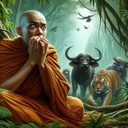
| ‘yannūnāhaṃ yā tā rattiyo abhiññātā abhilakkhitā— | ‘There are certain nights that are recognized as specially portentous: | ‘有些夜晚被認為是特別不祥的: |
| cātuddasī pañcadasī aṭṭhamī ca pakkhassa— | the fourteenth, fifteenth, and eighth of the fortnight. | 半月的十四日、十五日和第八日。 |
| tathārūpāsu rattīsu yāni tāni ārāmacetiyāni vanacetiyāni rukkhacetiyāni bhiṃsanakāni salomahaṃsāni tathārūpesu senāsanesu vihareyyaṃ appeva nāmāhaṃ bhayabheravaṃ passeyyan’ti. | On such nights, why don’t I stay in awe-inspiring and hair-raising shrines in parks, forests, and trees? In such lodgings, hopefully I might see that fear and terror.’ | 在這樣的夜晚,我何不住在公園、森林和樹林裡令人敬畏和毛骨悚然的神龕中呢?在這樣的住處,希望能看到那種恐懼和恐怖。’ |
| So kho ahaṃ, brāhmaṇa, aparena samayena yā tā rattiyo abhiññātā abhilakkhitā— cātuddasī pañcadasī aṭṭhamī ca pakkhassa— tathārūpāsu rattīsu yāni tāni ārāmacetiyāni vanacetiyāni rukkhacetiyāni bhiṃsanakāni salomahaṃsāni tathārūpesu senāsanesu viharāmi. |
Some time later, that’s what I did. | 過了一段時間,我就是這樣做的。 |
| Tattha ca me, brāhmaṇa, viharato mago vā āgacchati, moro vā kaṭṭhaṃ pāteti, vāto vā paṇṇakasaṭaṃ ereti; | As I was staying there a deer came by, or a peacock snapped a twig, or the wind rustled the leaves. | 當我待在那裡時,一隻鹿走過來,或者一隻孔雀折斷了一根樹枝,或者風吹動了樹葉。 |
| tassa mayhaṃ brāhmaṇa etadahosi: | Then I thought: | 然後我想: |
| ‘etaṃ nūna taṃ bhayabheravaṃ āgacchatī’ti. | ‘Is this that fear and terror coming?’ | ‘這是那種恐懼和恐怖來了嗎?’ |
| Tassa mayhaṃ, brāhmaṇa, etadahosi: | Then I thought: | 然後我想: |
| ‘kiṃ nu kho ahaṃ aññadatthu bhayapaṭikaṅkhī viharāmi? | ‘Why do I always meditate expecting that fear and terror to come? | ‘為什麼我總是帶著恐懼和恐怖即將到來的期望來禪修? |
| Yannūnāhaṃ yathābhūtaṃ yathābhūtassa me taṃ bhayabheravaṃ āgacchati, tathābhūtaṃ tathābhūtova taṃ bhayabheravaṃ paṭivineyyan’ti. | Why don’t I get rid of that fear and terror just as it comes, while remaining just as I am?’ | 我為什麼不在恐懼和恐怖到來時,就按我現在的樣子把它去除掉呢?’ |
| Tassa mayhaṃ, brāhmaṇa, caṅkamantassa taṃ bhayabheravaṃ āgacchati. | Then that fear and terror came upon me as I was walking. | 然後當我在行走時,那種恐懼和恐怖降臨到我身上。 |
| So kho ahaṃ, brāhmaṇa, neva tāva tiṭṭhāmi na nisīdāmi na nipajjāmi, yāva caṅkamantova taṃ bhayabheravaṃ paṭivinemi. | I didn’t stand still or sit down or lie down until I had got rid of that fear and terror while walking. | 我沒有停下、坐下或躺下,直到我在行走時擺脫了那種恐懼和恐怖。 |
| Tassa mayhaṃ, brāhmaṇa, ṭhitassa taṃ bhayabheravaṃ āgacchati. | Then that fear and terror came upon me as I was standing. | 然後當我在站立時,那種恐懼和恐怖降臨到我身上。 |
| So kho ahaṃ, brāhmaṇa, neva tāva caṅkamāmi na nisīdāmi na nipajjāmi. Yāva ṭhitova taṃ bhayabheravaṃ paṭivinemi. | I didn’t walk or sit down or lie down until I had got rid of that fear and terror while standing. | 我沒有行走、坐下或躺下,直到我在站立時擺脫了那種恐懼和恐怖。 |
| Tassa mayhaṃ, brāhmaṇa, nisinnassa taṃ bhayabheravaṃ āgacchati. | Then that fear and terror came upon me as I was sitting. | 然後當我在坐著時,那種恐懼和恐怖降臨到我身上。 |
| So kho ahaṃ, brāhmaṇa, neva tāva nipajjāmi na tiṭṭhāmi na caṅkamāmi, yāva nisinnova taṃ bhayabheravaṃ paṭivinemi. | I didn’t lie down or stand still or walk until I had got rid of that fear and terror while sitting. | 我沒有躺下、停下或行走,直到我在坐著時擺脫了那種恐懼和恐怖。 |
| Tassa mayhaṃ, brāhmaṇa, nipannassa taṃ bhayabheravaṃ āgacchati. | Then that fear and terror came upon me as I was lying down. | 然後當我在躺著時,那種恐懼和恐怖降臨到我身上。 |
| So kho ahaṃ, brāhmaṇa, neva tāva nisīdāmi na tiṭṭhāmi na caṅkamāmi, yāva nipannova taṃ bhayabheravaṃ paṭivinemi. | I didn’t sit up or stand still or walk until I had got rid of that fear and terror while lying down. | 我沒有坐起來、停下或行走,直到我在躺著時擺脫了那種恐懼和恐怖。 |
| Santi kho pana, brāhmaṇa, eke samaṇabrāhmaṇā rattiṃyeva samānaṃ divāti sañjānanti, divāyeva samānaṃ rattīti sañjānanti. | There are some ascetics and brahmins who perceive that it’s day when in fact it’s night, or perceive that it’s night when in fact it’s day. | 有些沙門和婆羅門,事實是夜晚卻感知為白天,或者事實是白天卻感知為夜晚。 |
| Idamahaṃ tesaṃ samaṇabrāhmaṇānaṃ sammohavihārasmiṃ vadāmi. | This meditation of theirs is delusional, I say. | 我說,他們的這種禪修是妄想的。 |
| Ahaṃ kho pana, brāhmaṇa, rattiṃyeva samānaṃ rattīti sañjānāmi, divāyeva samānaṃ divāti sañjānāmi. | I perceive that it’s night when in fact it is night, and perceive that it’s day when in fact it is day. | 我事實是夜晚就感知為夜晚,事實是白天就感知為白天。 |
| Yaṃ kho taṃ, brāhmaṇa, sammā vadamāno vadeyya: | And if there’s anyone of whom it may be rightly said that | 如果有人可以正當地說: |
| ‘asammohadhammo satto loke uppanno bahujanahitāya bahujanasukhāya lokānukampāya atthāya hitāya sukhāya devamanussānan’ti, mameva taṃ sammā vadamāno vadeyya: ‘asammohadhammo satto loke uppanno bahujanahitāya bahujanasukhāya lokānukampāya atthāya hitāya sukhāya devamanussānan’ti. |
a being not liable to delusion has arisen in the world for the welfare and happiness of the people, for the benefit, welfare, and happiness of gods and humans, it’s of me that this should be said. | 一個不會迷惑的有情眾生已為眾生的福利和幸福、為天人和人類的利益、福利和幸福而出現在世間,那說的就是我。 |
❧
+4.5 – (seven 7sb☀️ awakening factor sequence activated)
| Āraddhaṃ kho pana me, brāhmaṇa, vīriyaṃ ahosi asallīnaṃ, upaṭṭhitā sati asammuṭṭhā, passaddho kāyo asāraddho, samāhitaṃ cittaṃ ekaggaṃ. | My vigor was roused up and unflagging, my rememberfulness was established and lucid, my body was pacified and undisturbed, and my mind was undistractify-&-lucidifyd in samādhi. | 我的精力振奮不懈,我的正念堅定清晰,我的身體平靜無擾,我的心在禪定中專注而明晰。 |
+4.6 – (STED four jhāna formula = samādhi awakening factor)
| So kho ahaṃ, brāhmaṇa, vivicceva kāmehi vivicca akusalehi dhammehi savitakkaṃ savicāraṃ vivekajaṃ pītisukhaṃ paṭhamaṃ jhānaṃ upasampajja vihāsiṃ. | Quite judiciously-secluded from sensual pleasures, judiciously-secluded from unskillful Dharmas, I entered and remained in the first jhāna, which has the mental-joy and pleasure born of judicious-seclusion, while directing-thought and evaluation. | 我已完全離欲,離不善法,進入並安住於初禪,其中有離欲所生的喜和樂,以及尋和伺。 |
| Vitakkavicārānaṃ vūpasamā ajjhattaṃ sampasādanaṃ cetaso ekodibhāvaṃ avitakkaṃ avicāraṃ samādhijaṃ pītisukhaṃ dutiyaṃ jhānaṃ upasampajja vihāsiṃ. | As the directed-thought and evaluation were stilled, I entered and remained in the second jhāna, which has the mental-joy and pleasure born of undistractible-lucidity, with internal clarity and confidence, and unified mind, without directing-thought and evaluation. | 隨著尋和伺的止息,我進入並安住於二禪,其中有定所生的喜和樂,內心清淨自信,心意統一,沒有尋和伺。 |
| Pītiyā ca virāgā upekkhako ca vihāsiṃ, sato ca sampajāno sukhañca kāyena paṭisaṃvedesiṃ; yaṃ taṃ ariyā ācikkhanti: ‘upekkhako satimā sukhavihārī’ti tatiyaṃ jhānaṃ upasampajja vihāsiṃ. | And with the fading away of mental-joy, I entered and remained in the third jhāna, where I meditated with equanimous-observation, rememberful and aware, personally experiencing pleasure with the flesh and blood physical body of which the noble ones declare, ‘Equanimous and rememberful, one meditates in pleasure.’ | 隨著喜的消退,我進入並安住於三禪,我在那裡以捨心禪修,正念正知,親身體驗身心之樂,聖者稱讚道:‘捨心正念,安住於樂。’ |
| Sukhassa ca pahānā dukkhassa ca pahānā pubbeva somanassadomanassānaṃ atthaṅgamā adukkhamasukhaṃ upekkhāsatipārisuddhiṃ catutthaṃ jhānaṃ upasampajja vihāsiṃ. | With the giving up of pleasure and pain, and the ending of former happiness and sadness, I entered and remained in the fourth jhāna, without pleasure or pain, with pure equanimous-observation and rememberfulness. | 隨著樂和苦的捨棄,以及先前樂和憂的止息,我進入並安住於四禪,無樂無苦,只有純淨的捨心和正念。 |
+4.7 – (imperturbable version of 4th jhāna = upekkha awakening factor)
| So evaṃ samāhite citte parisuddhe pariyodāte anaṅgaṇe vigatūpakkilese mudubhūte kammaniye ṭhite āneñjappatte | When my mind had become undistractify-&-lucidifyd in samādhi like this—purified, bright, spotless, rid of taints, pliable, workable, steady, and imperturbable— | 當我的心在禪定中變得如此專注而明晰——清淨、明亮、無垢、無染、柔順、易用、穩定、不動搖—— |
+4.8 – (using that samādhi realize the te-vijja 3 higher knowledges)
| pubbenivāsānussatiñāṇāya cittaṃ abhininnāmesiṃ. So anekavihitaṃ pubbenivāsaṃ anussarāmi, | I extended it toward recollection of past lives. I recollected many kinds of past lives. | 我將它導向宿命智。我憶起了許多種類的宿命。 |
| seyyathidaṃ—ekampi jātiṃ dvepi jātiyo tissopi jātiyo catassopi jātiyo pañcapi jātiyo dasapi jātiyo vīsampi jātiyo tiṃsampi jātiyo cattālīsampi jātiyo paññāsampi jātiyo jātisatampi jātisahassampi jātisatasahassampi anekepi saṃvaṭṭakappe anekepi vivaṭṭakappe anekepi saṃvaṭṭavivaṭṭakappe: ‘amutrāsiṃ evaṃnāmo evaṅgotto evaṃvaṇṇo evamāhāro evaṃsukhadukkhappaṭisaṃvedī evamāyupariyanto, so tato cuto amutra udapādiṃ; tatrāpāsiṃ evaṃnāmo evaṅgotto evaṃvaṇṇo evamāhāro evaṃsukhadukkhappaṭisaṃvedī evamāyupariyanto, so tato cuto idhūpapanno’ti. Iti sākāraṃ sauddesaṃ anekavihitaṃ pubbenivāsaṃ anussarāmi. | That is: one, two, three, four, five, ten, twenty, thirty, forty, fifty, a hundred, a thousand, a hundred thousand rebirths; many eons of the world contracting, many eons of the world evolving, many eons of the world contracting and evolving. I remembered: ‘There, I was named this, my clan was that, I looked like this, and that was my food. This was how I felt pleasure and pain, and that was how my life ended. When I passed away from that place I was reborn somewhere else. There, too, I was named this, my clan was that, I looked like this, and that was my food. This was how I felt pleasure and pain, and that was how my life ended. When I passed away from that place I was reborn here.’ And so I recollected my many kinds of past lives, with features and details. | 即:一世、兩世、三世、四世、五世、十世、二十世、三十世、四十世、五十世、一百世、一千世、十萬世的輪迴;許多劫的世界收縮,許多劫的世界演化,許多劫的世界收縮和演化。我憶起:‘在那裡,我叫這個名字,我的家族是那個,我長這樣,那是我的食物。我這樣感受樂和苦,那是我的生命終結的方式。當我從那個地方死去後,我投生到別處。在那裡,我也叫這個名字,我的家族是那個,我長這樣,那是我的食物。我這樣感受樂和苦,那是我的生命終結的方式。當我從那個地方死去後,我投生到這裡。’就這樣,我憶起了我的許多種類的宿命,包括特徵和細節。 |
| Ayaṃ kho me, brāhmaṇa, rattiyā paṭhame yāme paṭhamā vijjā adhigatā, | This was the first knowledge, which I achieved in the first watch of the night. | 這是我在前半夜獲得的第一個知識。 |
| avijjā vihatā vijjā uppannā, tamo vihato āloko uppanno, yathā taṃ appamattassa ātāpino pahitattassa viharato. | Ignorance was destroyed and knowledge arose; darkness was destroyed and light arose, as happens for a meditator who is assiduous, ardent, and resolute. | 無明被摧毀,知識生起;黑暗被摧毀,光明生起,就像一位勤奮、熱忱、堅決的禪修者那樣。 |
| So evaṃ samāhite citte parisuddhe pariyodāte anaṅgaṇe vigatūpakkilese mudubhūte kammaniye ṭhite āneñjappatte sattānaṃ cutūpapātañāṇāya cittaṃ abhininnāmesiṃ. | When my mind had become undistractify-&-lucidifyd in samādhi like this—purified, bright, spotless, rid of taints, pliable, workable, steady, and imperturbable—I extended it toward knowledge of the death and rebirth of sentient beings. | 當我的心在禪定中變得如此專注而明晰——清淨、明亮、無垢、無染、柔順、易用、穩定、不動搖——我將它導向眾生生死智。 |
| So dibbena cakkhunā visuddhena atikkantamānusakena satte passāmi cavamāne upapajjamāne hīne paṇīte suvaṇṇe dubbaṇṇe sugate duggate yathākammūpage satte pajānāmi: ‘ime vata bhonto sattā kāyaduccaritena samannāgatā vacīduccaritena samannāgatā manoduccaritena samannāgatā ariyānaṃ upavādakā micchādiṭṭhikā micchādiṭṭhikammasamādānā; te kāyassa bhedā paraṃ maraṇā apāyaṃ duggatiṃ vinipātaṃ nirayaṃ upapannā. Ime vā pana bhonto sattā kāyasucaritena samannāgatā vacīsucaritena samannāgatā manosucaritena samannāgatā ariyānaṃ anupavādakā sammādiṭṭhikā sammādiṭṭhikammasamādānā; te kāyassa bhedā paraṃ maraṇā sugatiṃ saggaṃ lokaṃ upapannā’ti. Iti dibbena cakkhunā visuddhena atikkantamānusakena satte passāmi cavamāne upapajjamāne hīne paṇīte suvaṇṇe dubbaṇṇe sugate duggate yathākammūpage satte pajānāmi. | With clairvoyance that is purified and superhuman, I saw sentient beings passing away and being reborn—inferior and superior, beautiful and ugly, in a good place or a bad place. I understood how sentient beings are reborn according to their deeds: ‘These dear beings did bad things by way of body, speech, and mind. They spoke ill of the noble ones; they had wrong view; and they chose to act out of that wrong view. When their body breaks up, after death, they’re reborn in a place of loss, a bad place, the underworld, hell. These dear beings, however, did good things by way of body, speech, and mind. They never spoke ill of the noble ones; they had right view; and they chose to act out of that right view. When their body breaks up, after death, they’re reborn in a good place, a heavenly realm.’ And so, with clairvoyance that is purified and superhuman, I saw sentient beings passing away and being reborn—inferior and superior, beautiful and ugly, in a good place or a bad place. I understood how sentient beings are reborn according to their deeds. | 我以清淨超人的天眼通,看見眾生死去和投生——低劣的與高貴的,美麗的與醜陋的,在善處或惡處。我理解眾生如何根據他們的業而投生:‘這些親愛的眾生,身、語、意做了惡事。他們惡語誹謗聖者;他們有邪見;他們選擇依邪見行事。當他們的身體壞散,死後,他們投生到惡道、惡處、地下世界、地獄。然而,這些親愛的眾生,身、語、意做了善事。他們從不惡語誹謗聖者;他們有正見;他們選擇依正見行事。當他們的身體壞散,死後,他們投生到善處、天界。’就這樣,我以清淨超人的天眼通,看見眾生死去和投生——低劣的與高貴的,美麗的與醜陋的,在善處或惡處。我理解眾生如何根據他們的業而投生。 |
| Ayaṃ kho me, brāhmaṇa, rattiyā majjhime yāme dutiyā vijjā adhigatā, | This was the second knowledge, which I achieved in the middle watch of the night. | 這是我在中夜獲得的第二個知識。 |
| avijjā vihatā vijjā uppannā, tamo vihato āloko uppanno, yathā taṃ appamattassa ātāpino pahitattassa viharato. | Ignorance was destroyed and knowledge arose; darkness was destroyed and light arose, as happens for a meditator who is assiduous, ardent, and resolute. | 無明被摧毀,知識生起;黑暗被摧毀,光明生起,就像一位勤奮、熱忱、堅決的禪修者那樣。 |
| So evaṃ samāhite citte parisuddhe pariyodāte anaṅgaṇe vigatūpakkilese mudubhūte kammaniye ṭhite āneñjappatte āsavānaṃ khayañāṇāya cittaṃ abhininnāmesiṃ. | When my mind had become undistractify-&-lucidifyd in samādhi like this—purified, bright, spotless, rid of taints, pliable, workable, steady, and imperturbable—I extended it toward knowledge of the ending of defilements. | 當我的心在禪定中變得如此專注而明晰——清淨、明亮、無垢、無染、柔順、易用、穩定、不動搖——我將它導向煩惱盡智。 |
| So ‘idaṃ dukkhan’ti yathābhūtaṃ abbhaññāsiṃ, ‘ayaṃ dukkhasamudayo’ti yathābhūtaṃ abbhaññāsiṃ, ‘ayaṃ dukkhanirodho’ti yathābhūtaṃ abbhaññāsiṃ, ‘ayaṃ dukkhanirodhagāminī paṭipadā’ti yathābhūtaṃ abbhaññāsiṃ. | I truly understood: ‘This is suffering’ … ‘This is the origin of suffering’ … ‘This is the cessation of suffering’ … ‘This is the practice that leads to the cessation of suffering’. | 我真實地理解:‘這是苦’……‘這是苦的起源’……‘這是苦的止息’……‘這是導致苦止息的修行’。 |
| ‘Ime āsavā’ti yathābhūtaṃ abbhaññāsiṃ, ‘ayaṃ āsavasamudayo’ti yathābhūtaṃ abbhaññāsiṃ, ‘ayaṃ āsavanirodho’ti yathābhūtaṃ abbhaññāsiṃ, ‘ayaṃ āsavanirodhagāminī paṭipadā’ti yathābhūtaṃ abbhaññāsiṃ. | I truly understood: ‘These are defilements’ … ‘This is the origin of defilements’ … ‘This is the cessation of defilements’ … ‘This is the practice that leads to the cessation of defilements’. | 我真實地理解:‘這些是煩惱’……‘這是煩惱的起源’……‘這是煩惱的止息’……‘這是導致煩惱止息的修行’。 |
| Tassa me evaṃ jānato evaṃ passato kāmāsavāpi cittaṃ vimuccittha, bhavāsavāpi cittaṃ vimuccittha, avijjāsavāpi cittaṃ vimuccittha. | Knowing and seeing like this, my mind was freed from the defilements of sensuality, desire to be reborn, and ignorance. | 如此知曉和看見,我的心從欲愛、有愛和無明的煩惱中解脫出來。 |
| Vimuttasmiṃ vimuttamiti ñāṇaṃ ahosi. | When it was freed, I knew it was freed. | 當它解脫時,我便知道它已解脫。 |
| ‘Khīṇā jāti, vusitaṃ brahmacariyaṃ, kataṃ karaṇīyaṃ, nāparaṃ itthattāyā’ti abbhaññāsiṃ. | I understood: ‘Rebirth is ended; the spiritual journey has been completed; what had to be done has been done; there is no return to any state of existence.’ | 我理解:‘生死已盡;梵行已立;應作已作;不再回到任何存在狀態。’ |
| Ayaṃ kho me, brāhmaṇa, rattiyā pacchime yāme tatiyā vijjā adhigatā, | This was the third knowledge, which I achieved in the final watch of the night. | 這是我在後半夜獲得的第三個知識。 |
| avijjā vihatā vijjā uppannā, tamo vihato āloko uppanno, yathā taṃ appamattassa ātāpino pahitattassa viharato. | Ignorance was destroyed and knowledge arose; darkness was destroyed and light arose, as happens for a meditator who is assiduous, ardent, and resolute. | 無明被摧毀,知識生起;黑暗被摧毀,光明生起,就像一位勤奮、熱忱、堅決的禪修者那樣。 |
+4.9 – (Brahmin wonders if Gotama is not free of defilements since he still frequents wilderness )
| Siyā kho pana te, brāhmaṇa, evamassa: | Brahmin, you might think: | 婆羅門,你可能會想: |
| ‘ajjāpi nūna samaṇo gotamo avītarāgo avītadoso avītamoho, tasmā araññavanapatthāni pantāni senāsanāni paṭisevatī’ti. | ‘Perhaps the Master Gotama is not free of greed, hate, and delusion even today, and that is why he still frequents remote lodgings in the wilderness and the forest.’ | ‘也許喬達摩大師至今仍未擺脫貪婪、憎恨和愚痴,所以他仍然經常出入曠野和森林中的僻靜住處。’ |
| Na kho panetaṃ, brāhmaṇa, evaṃ daṭṭhabbaṃ. | But you should not see it like this. | 但你不應該這樣看。 |
| Dve kho ahaṃ, brāhmaṇa, atthavase sampassamāno araññavanapatthāni pantāni senāsanāni paṭisevāmi— | I see two reasons to frequent remote lodgings in the wilderness and the forest. | 我經常出入曠野和森林中的僻靜住處有兩個原因。 |
| attano ca diṭṭhadhammasukhavihāraṃ sampassamāno, pacchimañca janataṃ anukampamāno”ti. | I see a happy life for myself in the present, and I have compassion for future generations.” | 我看到了自己今世的幸福生活,並且我對後代抱有慈悲心。” |
| “Anukampitarūpā vatāyaṃ bhotā gotamena pacchimā janatā, yathā taṃ arahatā sammāsambuddhena. | “Indeed, Master Gotama has compassion for future generations, since he is a perfected one, a fully awakened Buddha. | “確實如此,喬達摩大師對後代抱有慈悲心,因為他是一位圓滿者,一位完全覺醒的佛陀。 |
| Abhikkantaṃ, bho gotama. Abhikkantaṃ, bho gotama. | Excellent, Master Gotama! Excellent, Master Gotama! | 太棒了,喬達摩大師!太棒了,喬達摩大師! |
| Seyyathāpi, bho gotama, nikkujjitaṃ vā ukkujjeyya, paṭicchannaṃ vā vivareyya, mūḷhassa vā maggaṃ ācikkheyya, andhakāre vā telapajjotaṃ dhāreyya: ‘cakkhumanto rūpāni dakkhantī’ti; evamevaṃ bhotā gotamena anekapariyāyena dhammo pakāsito. | As if he were righting the overturned, or revealing the hidden, or pointing out the path to the lost, or lighting a lamp in the dark so people with good eyes can see what’s there, Master Gotama has made The Dharma clear in many ways. | 正如他扶正被推翻的,或揭示隱藏的,或為迷失者指明道路,或在黑暗中點亮一盞燈,使視力好的人能看到那裡有什麼,喬達摩大師以多種方式闡明了法。 |
| Esāhaṃ bhavantaṃ gotamaṃ saraṇaṃ gacchāmi dhammañca bhikkhusaṅghañca. | I go for refuge to Master Gotama, to The Dharma, and to the monk Saṅgha. | 我皈依喬達摩大師,皈依法,皈依僧伽。 |
| Upāsakaṃ maṃ bhavaṃ gotamo dhāretu ajjatagge pāṇupetaṃ saraṇaṃ gatan”ti. | From this day forth, may Master Gotama remember me as a lay follower who has gone for refuge for life.” | 從今天起,願喬達摩大師記住我,作為一個終生皈依的在家信徒。” |
❧