+MN 51 Kandaraka:
With Kandaraka
all
With Kandaraka
+Opening
| (derived from B. Sujato 2018/12) | (摘自B. Sujato 2018/12) | |
| Evaṃ me sutaṃ— | So I have heard. | 如是我聞。 |
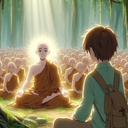
| ekaṃ samayaṃ bhagavā campāyaṃ viharati gaggarāya pokkharaṇiyā tīre mahatā bhikkhusaṃghena saddhiṃ. | At one time the Buddha was staying near Campā on the banks of the Gaggarā Lotus Pond together with a large Saṅgha of monks. | 一時,佛陀與大比丘僧團一同住在瞻波城,伽伽拉蓮池岸邊。 |
| Atha kho pesso ca hatthārohaputto kandarako ca paribbājako yena bhagavā tenupasaṅkamiṃsu; upasaṅkamitvā pesso hatthārohaputto bhagavantaṃ abhivādetvā ekamantaṃ nisīdi. | Then Pessa the elephant driver’s son and Kandaraka the wanderer went to see the Buddha. When they had approached, Pessa bowed and sat down to one side. | 那時,象夫之子佩薩和遊方者坎達拉卡去見佛陀。他們走近後,佩薩頂禮,坐到一旁。 |
| Kandarako pana paribbājako bhagavatā saddhiṃ sammodi. Sammodanīyaṃ kathaṃ sāraṇīyaṃ vītisāretvā ekamantaṃ aṭṭhāsi. | But the wanderer Kandaraka exchanged greetings with the Buddha and stood to one side. | 但遊方者坎達拉卡與佛陀寒暄後,站到一旁。 |
| Ekamantaṃ ṭhito kho kandarako paribbājako tuṇhībhūtaṃ tuṇhībhūtaṃ bhikkhusaṃghaṃ anuviloketvā bhagavantaṃ etadavoca: | He looked around the monk Saṅgha, who were so very silent, and said to the Buddha: | 他環顧四周,看到比丘僧團非常寂靜,便對佛陀說: |
| “acchariyaṃ, bho gotama, abbhutaṃ, bho gotama. | “It’s incredible, Master Gotama, it’s amazing! | “喬達摩大師,真是不可思議,真是令人驚歎! |
| Yāvañcidaṃ bhotā gotamena sammā bhikkhusaṃgho paṭipādito. | How the monk Saṅgha has been led to practice properly by Master Gotama! | 喬達摩大師是如何引導比丘僧團正確修行的! |
| Yepi te, bho gotama, ahesuṃ atītamaddhānaṃ arahanto sammāsambuddhā tepi bhagavanto etaparamaṃyeva sammā bhikkhusaṃghaṃ paṭipādesuṃ— | All the perfected ones, the fully awakened Buddhas in the past or the future who lead the monk Saṅgha to practice properly will at best do so | 所有過去或未來引導比丘僧團正確修行的阿羅漢、正等正覺的佛陀,最多也只能做到 |
| seyyathāpi etarahi bhotā gotamena sammā bhikkhusaṃgho paṭipādito. Yepi te, bho gotama, bhavissanti anāgatamaddhānaṃ arahanto sammāsambuddhā tepi bhagavanto etaparamaṃyeva sammā bhikkhusaṃghaṃ paṭipādessanti— seyyathāpi etarahi bhotā gotamena sammā bhikkhusaṃgho paṭipādito”ti. |
like Master Gotama does in the present.” | 像喬達摩大師現在這樣。” |
+51.1 – (all Buddhas’ sangha at best equals Gotama)
| “Evametaṃ, kandaraka, evametaṃ, kandaraka. | “That’s so true, Kandaraka! That’s so true! | “正是如此,坎達拉卡!正是如此! |
| Yepi te, kandaraka, ahesuṃ atītamaddhānaṃ arahanto sammāsambuddhā tepi bhagavanto etaparamaṃyeva sammā bhikkhusaṅghaṃ paṭipādesuṃ— | All the perfected ones, the fully awakened Buddhas in the past or the future who lead the monk Saṅgha to practice properly will at best do so | 所有過去或未來引導比丘僧團正確修行的阿羅漢、正等正覺的佛陀,最多也只能做到 |
| seyyathāpi etarahi mayā sammā bhikkhusaṅgho paṭipādito. Yepi te, kandaraka, bhavissanti anāgatamaddhānaṃ arahanto sammāsambuddhā tepi bhagavanto etaparamaṃyeva sammā bhikkhusaṅghaṃ paṭipādessanti— seyyathāpi etarahi mayā sammā bhikkhusaṅgho paṭipādito. |
like I do in the present. | 像我現在這樣。 |
+51.2 – (monastics and lay people do 4sp🐘)
| Santi hi, kandaraka, bhikkhū imasmiṃ bhikkhusaṃghe arahanto khīṇāsavā vusitavanto katakaraṇīyā ohitabhārā anuppattasadatthā parikkhīṇabhavasaṃyojanā sammadaññāvimuttā. | For in this monk Saṅgha there are perfected monks, who have ended the defilements, completed the spiritual journey, done what had to be done, laid down the burden, achieved their own goal, utterly ended the fetters of rebirth, and are rightly freed through enlightenment. | 因為這個比丘僧團中有阿羅漢比丘,他們已盡諸漏,梵行已立,所作已辦,捨棄重擔,證得己利,徹底斷除輪迴的繫縛,並通過解脫而正解脫。 |
| Santi hi, kandaraka, bhikkhū imasmiṃ bhikkhusaṃghe sekkhā santatasīlā santatavuttino nipakā nipakavuttino; | And in this monk Saṅgha there are trainee monks who are consistently ethical, living consistently, self-disciplined, living in a disciplined manner. | 而這個比丘僧團中也有學處比丘,他們始終如一地遵守戒律,生活有規律,自律,生活有紀律。 |
| te catūsu satipaṭṭhānesu suppatiṭṭhitacittā viharanti. | They meditate with their minds firmly established in the four kinds of remembering meditation. | 他們以心堅定地安住於四種念處而禪修。 |
| Katamesu catūsu? | What four? | 哪四種? |
| Idha, kandaraka, bhikkhu kāye kāyānupassī viharati ātāpī sampajāno satimā, vineyya loke abhijjhādomanassaṃ; | It’s when a monk meditates by observing an aspect of the body—ardent, aware, and rememberful, rid of desire and aversion for the world. | 就是比丘禪修時觀察身體的某一方面——精進、警覺、正念,離棄對世間的貪欲和厭惡。 |
| vedanāsu vedanānupassī viharati ātāpī sampajāno satimā, vineyya loke abhijjhādomanassaṃ; | They meditate observing an aspect of feelings—ardent, aware, and rememberful, rid of desire and aversion for the world. | 他們禪修時觀察感受的某一方面——精進、警覺、正念,離棄對世間的貪欲和厭惡。 |
| citte cittānupassī viharati ātāpī sampajāno satimā, vineyya loke abhijjhādomanassaṃ; | They meditate observing an aspect of the mind—ardent, aware, and rememberful, rid of desire and aversion for the world. | 他們禪修時觀察心的某一方面——精進、警覺、正念,離棄對世間的貪欲和厭惡。 |
| dhammesu dhammānupassī viharati ātāpī sampajāno satimā, vineyya loke abhijjhādomanassan”ti. | They meditate observing an aspect of dharmas—ardent, aware, and rememberful, rid of desire and aversion for the world.” | 他們禪修時觀察法理的某一方面——精進、警覺、正念,離棄對世間的貪欲和厭惡。” |
| Evaṃ vutte, pesso hatthārohaputto bhagavantaṃ etadavoca: | When he had spoken, Pessa said to the Buddha: | 他說完後,佩薩對佛陀說: |
| “acchariyaṃ, bhante, abbhutaṃ, bhante. | “It’s incredible, sir, it’s amazing, | “世尊,真是不可思議,真是令人驚歎, |
| Yāva supaññattā cime, bhante, bhagavatā cattāro satipaṭṭhānā sattānaṃ visuddhiyā sokaparidevānaṃ samatikkamāya dukkhadomanassānaṃ atthaṅgamāya ñāyassa adhigamāya nibbānassa sacchikiriyāya. | how much the Buddha has clearly described the four kinds of remembering meditation! They are in order to purify sentient beings, to get past sorrow and crying, to make an end of pain and sadness, to complete the procedure, and to realize nirvana. | 佛陀如此清楚地描述了四種念處!它們是為了淨化有情眾生,超越悲傷和哭泣,止息痛苦和憂傷,完成修行過程,並證得涅槃。 |
| Mayampi hi, bhante, gihī odātavasanā kālena kālaṃ imesu catūsu satipaṭṭhānesu suppatiṭṭhitacittā viharāma. | For we white-clothed laypeople also from time to time meditate with our minds well established in the four kinds of remembering meditation. | 因為我們白衣居士也時不時地以心安住於四種念處而禪修。 |
| Idha mayaṃ, bhante, kāye kāyānupassino viharāma ātāpino sampajānā satimanto, vineyya loke abhijjhādomanassaṃ; | We meditate observing an aspect of the body … | 我們禪修時觀察身體的某一方面…… |
| vedanāsu vedanānupassino viharāma ātāpino sampajānā satimanto, vineyya loke abhijjhādomanassaṃ; | feelings … | 感受…… |
| citte cittānupassino viharāma ātāpino sampajānā satimanto, vineyya loke abhijjhādomanassaṃ; | mind … | 心…… |
| dhammesu dhammānupassino viharāma ātāpino sampajānā satimanto, vineyya loke abhijjhādomanassaṃ. | dharmas—ardent, aware, and rememberful, rid of desire and aversion for the world. | 法理——精進、警覺、正念,離棄對世間的貪欲和厭惡。 |
| Acchariyaṃ, bhante, abbhutaṃ, bhante. | It’s incredible, sir, it’s amazing! | 世尊,真是不可思議,真是令人驚歎! |
| Yāvañcidaṃ, bhante, bhagavā evaṃ manussagahane evaṃ manussakasaṭe evaṃ manussasāṭheyye vattamāne sattānaṃ hitāhitaṃ jānāti. | How the Buddha knows what’s best for sentient beings, even though people continue to be so shady, rotten, and tricky. | 佛陀是如何知道最適合有情眾生的方法的,即使人們仍然如此陰暗、腐朽、狡詐。 |
❧
+51.3 – (humans are shady, animals more transparent)
| Gahanañhetaṃ, bhante, yadidaṃ manussā; | For human beings are shady, sir, | 因為人類是陰暗的,世尊, |
| uttānakañhetaṃ, bhante, yadidaṃ pasavo. | while the animal is obvious. | 而動物是顯而易見的。 |
| Ahañhi, bhante, pahomi hatthidammaṃ sāretuṃ. | For I can drive an elephant in training, | 因為我可以訓練一頭大象, |
| Yāvatakena antarena campaṃ gatāgataṃ karissati sabbāni tāni sāṭheyyāni kūṭeyyāni vaṅkeyyāni jimheyyāni pātukarissati. | and while going back and forth in Campā it’ll try all the tricks, bluffs, ruses, and feints that it can. | 它在瞻波來來回回時會使出所有能用的伎倆、虛張聲勢、詭計和假動作。 |
| Amhākaṃ pana, bhante, dāsāti vā pessāti vā kammakarāti vā aññathāva kāyena samudācaranti aññathāva vācāya aññathāva nesaṃ cittaṃ hoti. | But my bondservants, employees, and workers behave one way by body, another by speech, and their minds another. | 但我的傭人、僱員和工人,他們的身體行為是一回事,言語行為是另一回事,心又是另一回事。 |
| Acchariyaṃ, bhante, abbhutaṃ, bhante. | It’s incredible, sir, it’s amazing! | 世尊,真是不可思議,真是令人驚歎! |
| Yāvañcidaṃ, bhante, bhagavā evaṃ manussagahane evaṃ manussakasaṭe evaṃ manussasāṭheyye vattamāne sattānaṃ hitāhitaṃ jānāti. | How the Buddha knows what’s best for sentient beings, even though people continue to be so shady, rotten, and tricky. | 佛陀是如何知道最適合有情眾生的方法的,即使人們仍然如此陰暗、腐朽、狡詐。 |
| Gahanañhetaṃ, bhante, yadidaṃ manussā; | For human beings are shady, sir, | 因為人類是陰暗的,世尊, |
| uttānakañhetaṃ, bhante, yadidaṃ pasavo”ti. | while the animal is obvious.” | 而動物是顯而易見的。” |
| “Evametaṃ, pessa, evametaṃ, pessa. | “That’s so true, Pessa! That’s so true! | “正是如此,佩薩!正是如此! |
| Gahanañhetaṃ, pessa, yadidaṃ manussā; | For human beings are shady, | 因為人類是陰暗的, |
| uttānakañhetaṃ, pessa, yadidaṃ pasavo. | while the animal is obvious. | 而動物是顯而易見的。 |
| Cattārome, pessa, puggalā santo saṃvijjamānā lokasmiṃ. | Pessa, these four people are found in the world. | 佩薩,世上有這四種人。 |
| Katame cattāro? | What four? | 哪四種? |
+51.4 – (four types of people, only arahants harm neither self or others)
| Idha, pessa, ekacco puggalo attantapo hoti attaparitāpanānuyogamanuyutto; | One person mortifies themselves, committed to the practice of mortifying themselves. | 一個人折磨自己,致力於折磨自己的修行。 |
| idha pana, pessa, ekacco puggalo parantapo hoti paraparitāpanānuyogamanuyutto; | One person mortifies others, committed to the practice of mortifying others. | 一個人折磨他人,致力於折磨他人的修行。 |
| idha pana, pessa, ekacco puggalo attantapo ca hoti attaparitāpanānuyogamanuyutto, parantapo ca paraparitāpanānuyogamanuyutto; | One person mortifies themselves and others, committed to the practice of mortifying themselves and others. | 一個人折磨自己和他人,致力於折磨自己和他人的修行。 |
| idha pana, pessa, ekacco puggalo nevattantapo hoti nāttaparitāpanānuyogamanuyutto na parantapo na paraparitāpanānuyogamanuyutto. | One person doesn’t mortify either themselves or others, committed to the practice of not mortifying themselves or others. | 一個人既不折磨自己也不折磨他人,致力於不折磨自己或他人的修行。 |
| So anattantapo aparantapo diṭṭheva dhamme nicchāto nibbuto sītībhūto sukhappaṭisaṃvedī brahmabhūtena attanā viharati. | They live without wishes in the present life, nirvana'd, cooled, experiencing pleasure, having become holy in themselves. | 他們今生無欲無求地生活,已證涅槃,心已冷卻,體驗著快樂,自身已成聖潔。 |
| Imesaṃ, pessa, catunnaṃ puggalānaṃ katamo te puggalo cittaṃ ārādhetī”ti? | Which one of these four people do you like the sound of?” | 這四種人中,你喜歡聽哪一種?” |
| “Yvāyaṃ, bhante, puggalo attantapo attaparitāpanānuyogamanuyutto, ayaṃ me puggalo cittaṃ nārādheti. Yopāyaṃ, bhante, puggalo parantapo paraparitāpanānuyogamanuyutto, ayampi me puggalo cittaṃ nārādheti. Yopāyaṃ, bhante, puggalo attantapo ca attaparitāpanānuyogamanuyutto parantapo ca paraparitāpanānuyogamanuyutto, ayampi me puggalo cittaṃ nārādheti. Yo ca kho ayaṃ, bhante, puggalo nevattantapo nāttaparitāpanānuyogamanuyutto na parantapo na paraparitāpanānuyogamanuyutto, so anattantapo aparantapo diṭṭheva dhamme nicchāto nibbuto sītībhūto sukhappaṭisaṃvedī brahmabhūtena attanā viharati— |
“Sir, I don’t like the sound of the first three people. | “世尊,我不喜歡聽前三種人。 |
| ayameva me puggalo cittaṃ ārādhetī”ti. | I only like the sound of the last person, who doesn’t mortify either themselves or others.” | 我只喜歡聽最後一種人,他們既不折磨自己也不折磨他人。” |
| “Kasmā pana te, pessa, ime tayo puggalā cittaṃ nārādhentī”ti? | “But why don’t you like the sound of those three people?” | “但你為什麼不喜歡聽那三種人?” |
| “Yvāyaṃ, bhante, puggalo attantapo attaparitāpanānuyogamanuyutto so attānaṃ sukhakāmaṃ dukkhapaṭikkūlaṃ ātāpeti paritāpeti— | “Sir, the person who mortifies themselves does so even though they want to be happy and recoil from pain. | “世尊,折磨自己的人這樣做,即使他們想要快樂並回避痛苦。 |
| iminā me ayaṃ puggalo cittaṃ nārādheti. | That’s why I don’t like the sound of that person. | 這就是為什麼我不喜歡聽那種人。 |
| Yopāyaṃ, bhante, puggalo parantapo paraparitāpanānuyogamanuyutto so paraṃ sukhakāmaṃ dukkhapaṭikkūlaṃ ātāpeti paritāpeti— | The person who mortifies others does so even though others want to be happy and recoil from pain. | 折磨他人的人這樣做,即使他人想要快樂並回避痛苦。 |
| iminā me ayaṃ puggalo cittaṃ nārādheti. | That’s why I don’t like the sound of that person. | 這就是為什麼我不喜歡聽那種人。 |
| Yopāyaṃ, bhante, puggalo attantapo ca attaparitāpanānuyogamanuyutto parantapo ca paraparitāpanānuyogamanuyutto so attānañca parañca sukhakāmaṃ dukkhapaṭikkūlaṃ ātāpeti paritāpeti— | The person who mortifies themselves and others does so even though both themselves and others want to be happy and recoil from pain. | 折磨自己和他人的人這樣做,即使他們自己和他人想要快樂並回避痛苦。 |
| iminā me ayaṃ puggalo cittaṃ nārādheti. | That’s why I don’t like the sound of that person. | 這就是為什麼我不喜歡聽那種人。 |
| Yo ca kho ayaṃ, bhante, puggalo nevattantapo nāttaparitāpanānuyogamanuyutto na parantapo na paraparitāpanānuyogamanuyutto so anattantapo aparantapo diṭṭheva dhamme nicchāto nibbuto sītībhūto sukhappaṭisaṃvedī brahmabhūtena attanā viharati; so attānañca parañca sukhakāmaṃ dukkhapaṭikkūlaṃ neva ātāpeti na paritāpeti— |
The person who doesn’t mortify either themselves or others—living without wishes, nirvana'd, cooled, experiencing pleasure, having become holy in themselves—does not torment themselves or others, both of whom want to be happy and recoil from pain. | 既不折磨自己也不折磨他人的人——無欲無求地生活,已證涅槃,心已冷卻,體驗著快樂,自身已成聖潔——他們不折磨自己也不折磨他人,而兩者都想要快樂並回避痛苦。 |
| iminā me ayaṃ puggalo cittaṃ ārādheti. | That’s why I like the sound of that person. | 這就是為什麼我喜歡聽那種人。 |
| Handa ca dāni mayaṃ, bhante, gacchāma; | Well, now, sir, I must go. | 那麼,世尊,我必須走了。 |
| bahukiccā mayaṃ bahukaraṇīyā”ti. | I have many duties, and much to do.” | 我有很多職責,有很多事要做。” |
| “Yassadāni tvaṃ, pessa, kālaṃ maññasī”ti. | “Please, Pessa, go at your convenience.” | “請吧,佩薩,請便。” |
| Atha kho pesso hatthārohaputto bhagavato bhāsitaṃ abhinanditvā anumoditvā uṭṭhāyāsanā bhagavantaṃ abhivādetvā padakkhiṇaṃ katvā pakkāmi. | And then Pessa the elephant driver’s son approved and agreed with what the Buddha said. He got up from his seat, bowed, and respectfully circled the Buddha, keeping him on his right, before leaving. | 於是,象夫之子佩薩贊同並同意了佛陀所說的話。他從座位上起身,頂禮,恭敬地右繞佛陀後離開。 |
| Atha kho bhagavā acirapakkante pesse hatthārohaputte bhikkhū āmantesi: | Then, not long after he had left, the Buddha addressed the monks: | 然後,在他離開後不久,佛陀對比丘們說: |
| “paṇḍito, bhikkhave, pesso hatthārohaputto; | “monks, Pessa the elephant driver’s son is astute. | “比丘們,象夫之子佩薩是明智的。 |
| mahāpañño, bhikkhave, pesso hatthārohaputto. | He has great wisdom. | 他有大智慧。 |
| Sace, bhikkhave, pesso hatthārohaputto muhuttaṃ nisīdeyya yāvassāhaṃ ime cattāro puggale vitthārena vibhajissāmi, mahatā atthena saṃyutto abhavissa. | If he had sat here a little longer so that I could have analyzed these four people in detail, he would have greatly benefited. | 如果他再坐久一點,我就可以詳細分析這四種人,他就會受益匪淺。 |
| Api ca, bhikkhave, ettāvatāpi pesso hatthārohaputto mahatā atthena saṃyutto”ti. | Still, even with this much he has already greatly benefited.” | 儘管如此,即使只是這些,他已經受益匪淺了。” |
| “Etassa, bhagavā, kālo, etassa, sugata, kālo, | “Now is the time, Blessed One! Now is the time, Holy One! | “現在正是時候,世尊!現在正是時候,聖者! |
| yaṃ bhagavā ime cattāro puggale vitthārena vibhajeyya. Bhagavato sutvā bhikkhū dhāressantī”ti. | May the Buddha analyze these four people in detail. The monks will listen and remember it.” | 願佛陀詳細分析這四種人。比丘們將聆聽並記住。” |
| “Tena hi, bhikkhave, suṇātha, sādhukaṃ manasi karotha, bhāsissāmī”ti. | “Well then, monks, listen and pay close attention, I will speak.” | “那麼,比丘們,仔細聽,認真注意,我將要講。” |
| “Evaṃ, bhante”ti kho te bhikkhū bhagavato paccassosuṃ. | “Yes, sir,” they replied. | “是的,世尊,”他們回答道。 |
| Bhagavā etadavoca: | The Buddha said this: | 佛陀如是說: |
❧
+51.5 – (first type: mortify themselves)
| “Katamo ca, bhikkhave, puggalo attantapo attaparitāpanānuyogamanuyutto? Idha, bhikkhave, ekacco puggalo acelako hoti muttācāro hatthāpalekhano naehibhaddantiko natiṭṭhabhaddantiko; nābhihaṭaṃ na uddissakataṃ na nimantanaṃ sādiyati; | “And what person mortifies themselves, committed to the practice of mortifying themselves? It’s when someone goes naked, ignoring conventions. They lick their hands, and don’t come or wait when asked. They don’t consent to food brought to them, or food prepared for them, or an invitation for a meal. | “那麼,哪種人折磨自己,致力於折磨自己的修行?就是有人裸體,不顧習俗。他們舔自己的手,被要求時既不來也不等。他們不接受別人送來的食物,不接受為他們準備的食物,也不接受餐宴的邀請。 |
| so na kumbhimukhā paṭiggaṇhāti na kaḷopimukhā paṭiggaṇhāti na eḷakamantaraṃ na daṇḍamantaraṃ na musalamantaraṃ na dvinnaṃ bhuñjamānānaṃ na gabbhiniyā na pāyamānāya na purisantaragatāya na saṅkittīsu na yattha sā upaṭṭhito hoti na yattha makkhikā saṇḍasaṇḍacārinī; na macchaṃ na maṃsaṃ na suraṃ na merayaṃ na thusodakaṃ pivati. | They don’t receive anything from a pot or bowl; or from someone who keeps sheep, or who has a weapon or a shovel in their home; or where a couple is eating; or where there is a woman who is pregnant, breastfeeding, or who has a man in her home; or where there’s a dog waiting or flies buzzing. They accept no fish or meat or liquor or wine, and drink no beer. | 他們不從罐子或碗裡接受任何東西;不從養羊的人那裡接受;不從家裡有武器或鏟子的人那裡接受;不從一對夫婦正在吃飯的地方接受;不從有孕婦、哺乳期婦女或家裡有男人的人那裡接受;不從有狗等待或蒼蠅嗡嗡叫的地方接受。他們不接受魚、肉、烈酒或葡萄酒,也不喝啤酒。 |
| So ekāgāriko vā hoti ekālopiko, dvāgāriko vā hoti dvālopiko … pe … sattāgāriko vā hoti sattālopiko; | They go to just one house for alms, taking just one mouthful, or two houses and two mouthfuls, up to seven houses and seven mouthfuls. | 他們只去一家乞食,只吃一口,或兩家吃兩口,最多七家吃七口。 |
| ekissāpi dattiyā yāpeti, dvīhipi dattīhi yāpeti … pe … sattahipi dattīhi yāpeti; | They feed on one saucer a day, two saucers a day, up to seven saucers a day. | 他們每天吃一小碟,每天吃兩小碟,最多每天吃七小碟。 |
| ekāhikampi āhāraṃ āhāreti, dvīhikampi āhāraṃ āhāreti … pe … sattāhikampi āhāraṃ āhāreti—iti evarūpaṃ aḍḍhamāsikaṃ pariyāyabhattabhojanānuyogamanuyutto viharati. | They eat once a day, once every second day, up to once a week, and so on, even up to once a fortnight. They live committed to the practice of eating food at set intervals. | 他們每天吃一次,或每兩天吃一次,最多每週吃一次,等等,甚至每兩週吃一次。他們致力於間隔進食的修行。 |
| So sākabhakkho vā hoti, sāmākabhakkho vā hoti, nīvārabhakkho vā hoti, daddulabhakkho vā hoti, haṭabhakkho vā hoti, kaṇabhakkho vā hoti, ācāmabhakkho vā hoti, piññākabhakkho vā hoti, tiṇabhakkho vā hoti, gomayabhakkho vā hoti; vanamūlaphalāhāro yāpeti pavattaphalabhojī. | They eat herbs, millet, wild rice, poor rice, water lettuce, rice bran, scum from boiling rice, sesame flour, grass, or cow dung. They survive on forest roots and fruits, or eating fallen fruit. | 他們吃草藥、小米、野米、劣質米、水生植物、米糠、米湯、芝麻粉、草或牛糞。他們靠森林的根和果實生存,或者吃掉落的果實。 |
| So sāṇānipi dhāreti, masāṇānipi dhāreti, chavadussānipi dhāreti, paṃsukūlānipi dhāreti, tirīṭānipi dhāreti, ajinampi dhāreti, ajinakkhipampi dhāreti, kusacīrampi dhāreti, vākacīrampi dhāreti, phalakacīrampi dhāreti, kesakambalampi dhāreti, vāḷakambalampi dhāreti, ulūkapakkhampi dhāreti; | They wear robes of sunn hemp, mixed hemp, corpse-wrapping cloth, rags, lodh tree bark, antelope hide (whole or in strips), kusa grass, bark, wood-chips, human hair, horse-tail hair, or owls’ wings. | 他們穿著大麻布、混紡麻布、裹屍布、破布、羅德樹皮、羚羊皮(整塊或條狀)、古沙草、樹皮、木屑、人發、馬尾毛或貓頭鷹翅膀製成的袍子。 |
| kesamassulocakopi hoti, kesamassulocanānuyogamanuyutto, | They tear out their hair and beard, committed to this practice. | 他們拔掉頭髮和鬍鬚,致力於這種修行。 |
| ubbhaṭṭhakopi hoti āsanapaṭikkhitto, | They constantly stand, refusing seats. | 他們一直站著,拒絕坐下。 |
| ukkuṭikopi hoti ukkuṭikappadhānamanuyutto, | They squat, committed to the endeavor of squatting. | 他們蹲著,致力於蹲著的努力。 |
| kaṇṭakāpassayikopi hoti kaṇṭakāpassaye seyyaṃ kappeti; | They lie on a mat of thorns, making a mat of thorns their bed. | 他們躺在荊棘墊上,以荊棘墊為床。 |
| sāyatatiyakampi udakorohanānuyogamanuyutto viharati— | They’re committed to the practice of undistractible-lucidity in water three times a day, including the evening. | 他們致力於每天三次在水中保持不散亂的明晰,包括晚上。 |
| iti evarūpaṃ anekavihitaṃ kāyassa ātāpanaparitāpanānuyogamanuyutto viharati. | And so they live committed to practicing these various ways of mortifying and tormenting the body. | 因此,他們致力於實踐這些各種各樣的折磨和苦惱身體的方式。 |
| Ayaṃ vuccati, bhikkhave, puggalo attantapo attaparitāpanānuyogamanuyutto. | This is called a person who mortifies themselves, being committed to the practice of mortifying themselves. | 這被稱為折磨自己的人,致力於折磨自己的修行。 |
+51.6 – (second type: mortifies others, butchers)
| Katamo ca, bhikkhave, puggalo parantapo paraparitāpanānuyogamanuyutto? | And what person mortifies others, committed to the practice of mortifying others? | 那麼,哪種人折磨他人,致力於折磨他人的修行? |
| Idha, bhikkhave, ekacco puggalo orabbhiko hoti sūkariko sākuṇiko māgaviko luddo macchaghātako coro coraghātako goghātako bandhanāgāriko, ye vā panaññepi keci kurūrakammantā. | It’s when a person is a slaughterer of sheep, pigs, or poultry, a hunter or trapper, a fisher, a bandit, an executioner, a butcher, a jailer, or someone with some other kind of cruel livelihood. | 就是一個人是屠宰牛羊豬禽的人,捕獵者或設陷阱者,漁夫,強盜,劊子手,屠夫,獄卒,或從事其他殘忍生計的人。 |
| Ayaṃ vuccati, bhikkhave, puggalo parantapo paraparitāpanānuyogamanuyutto. | This is called a person who mortifies others, being committed to the practice of mortifying others. | 這被稱為折磨他人的人,致力於折磨他人的修行。 |
+51.7 – (third type: mortifies self and others: kings)
| Katamo ca, bhikkhave, puggalo attantapo ca attaparitāpanānuyogamanuyutto parantapo ca paraparitāpanānuyogamanuyutto? | And what person mortifies themselves and others, being committed to the practice of mortifying themselves and others? | 那麼,哪種人折磨自己和他人,致力於折磨自己和他人的修行? |
| Idha, bhikkhave, ekacco puggalo rājā vā hoti khattiyo muddhāvasitto brāhmaṇo vā mahāsālo. | It’s when a person is an anointed king or a well-to-do brahmin. | 就是一個人是受灌頂的國王或富裕的婆羅門。 |
| So puratthimena nagarassa navaṃ santhāgāraṃ kārāpetvā kesamassuṃ ohāretvā kharājinaṃ nivāsetvā sappitelena kāyaṃ abbhañjitvā magavisāṇena piṭṭhiṃ kaṇḍuvamāno navaṃ santhāgāraṃ pavisati saddhiṃ mahesiyā brāhmaṇena ca purohitena. | He has a new temple built to the east of the city. He shaves off his hair and beard, dresses in a rough antelope hide, and smears his body with ghee and oil. Scratching his back with antlers, he enters the temple with his chief queen and the brahmin high priest. | 他在城東建造了一座新廟。他剃光頭髮和鬍鬚,穿上粗糙的羚羊皮,身體塗抹酥油和油。用鹿角撓背,他與王后和婆羅門大祭司一起進入廟宇。 |
| So tattha anantarahitāya bhūmiyā haritupalittāya seyyaṃ kappeti. | There he lies on the bare ground strewn with grass. | 在那裡他躺在鋪著草的裸露地面上。 |
| Ekissāya gāviyā sarūpavacchāya yaṃ ekasmiṃ thane khīraṃ hoti tena rājā yāpeti, yaṃ dutiyasmiṃ thane khīraṃ hoti tena mahesī yāpeti, yaṃ tatiyasmiṃ thane khīraṃ hoti tena brāhmaṇo purohito yāpeti, yaṃ catutthasmiṃ thane khīraṃ hoti tena aggiṃ juhati, avasesena vacchako yāpeti. | The king feeds on the milk from one teat of a cow that has a calf of the same color. The chief queen feeds on the milk from the second teat. The brahmin high priest feeds on the milk from the third teat. The milk from the fourth teat is offered to the flames. The calf feeds on the remainder. | 國王喝一頭同色小牛母牛的一個乳頭的奶。王后喝第二個乳頭的奶。婆羅門大祭司喝第三個乳頭的奶。第四個乳頭的奶被獻給火焰。小牛喝剩下的奶。 |
| So evamāha: | He says: | 他說: |
| ‘ettakā usabhā haññantu yaññatthāya, ettakā vacchatarā haññantu yaññatthāya, ettakā vacchatariyo haññantu yaññatthāya, ettakā ajā haññantu yaññatthāya, ettakā urabbhā haññantu yaññatthāya, ettakā assā haññantu yaññatthāya, ettakā rukkhā chijjantu yūpatthāya, ettakā dabbhā lūyantu barihisatthāyā’ti. | ‘Slaughter this many bulls, bullocks, heifers, goats, rams, and horses for the sacrifice! Fell this many trees and reap this much grass for the sacrificial equipment!’ | “為祭祀宰殺這麼多公牛、小公牛、小母牛、山羊、公羊和馬!砍伐這麼多樹木,收割這麼多草用於祭祀用品!” |
| Yepissa te honti dāsāti vā pessāti vā kammakarāti vā tepi daṇḍatajjitā bhayatajjitā assumukhā rudamānā parikammāni karonti. | His bondservants, employees, and workers do their jobs under threat of punishment and danger, weeping with tearful faces. | 他的傭人、僱員和工人在懲罰和危險的威脅下工作,哭泣著,臉上掛著淚水。 |
| Ayaṃ vuccati, bhikkhave, puggalo attantapo ca attaparitāpanānuyogamanuyutto parantapo ca paraparitāpanānuyogamanuyutto. | This is called a person who mortifies themselves and others, being committed to the practice of mortifying themselves and others. | 這被稱為折磨自己和他人的人,致力於折磨自己和他人的修行。 |
+51.8 – (fourth type: doesn’t mortify self or others)
all
| Katamo ca, bhikkhave, puggalo nevattantapo nāttaparitāpanānuyogamanuyutto na parantapo na paraparitāpanānuyogamanuyutto, so anattantapo aparantapo diṭṭheva dhamme nicchāto nibbuto sītībhūto sukhappaṭisaṃvedī brahmabhūtena attanā viharati? | And what person doesn’t mortify either themselves or others, but lives without wishes, nirvana'd, cooled, experiencing pleasure, having become holy in themselves? | 那麼,哪種人既不折磨自己也不折磨他人,而是無欲無求地生活,已證涅槃,心已冷卻,體驗著快樂,自身已成聖潔? |
| Idha, bhikkhave, tathāgato loke uppajjati arahaṃ sammāsambuddho vijjācaraṇasampanno sugato lokavidū anuttaro purisadammasārathi satthā devamanussānaṃ buddho bhagavā. | It’s when a Realized One arises in the world, perfected, a fully awakened Buddha, accomplished in knowledge and conduct, holy, knower of the world, supreme guide for those who wish to train, teacher of gods and humans, awakened, blessed. | 就是世間出現了一位如來,阿羅漢,正等正覺的佛陀,明行具足,善逝,世間解,無上士,調御丈夫,天人師,佛,世尊。 |
| So imaṃ lokaṃ sadevakaṃ samārakaṃ sabrahmakaṃ sassamaṇabrāhmaṇiṃ pajaṃ sadevamanussaṃ sayaṃ abhiññā sacchikatvā pavedeti. | He has realized with his own insight this world—with its gods, Māras and Brahmās, this population with its ascetics and brahmins, gods and humans—and he makes it known to others. | 他以自己的洞察力證得此世間——及其神、魔羅和梵天,此世間的沙門、婆羅門、天人和人類——並將其告知他人。 |
| So dhammaṃ deseti ādikalyāṇaṃ majjhekalyāṇaṃ pariyosānakalyāṇaṃ sātthaṃ sabyañjanaṃ, kevalaparipuṇṇaṃ parisuddhaṃ brahmacariyaṃ pakāseti. | He teaches Dhamma that’s good in the beginning, good in the middle, and good in the end, meaningful and well-phrased. And he reveals a spiritual practice that’s entirely full and pure. | 他教導佛法,開端善,中間善,結尾善,有意義且措辭精妙。他揭示了一種完全圓滿純淨的梵行。 |
+§8.1 – (layperson ordains)
| Taṃ dhammaṃ suṇāti gahapati vā gahapatiputto vā aññatarasmiṃ vā kule paccājāto. | A householder hears that Dharma, or a householder’s child, or someone reborn in some clan. | 一位居士聽聞此教法,或一位居士的兒子,或某個家族中出生的人。 |
| So taṃ dhammaṃ sutvā tathāgate saddhaṃ paṭilabhati. | They gain justifiable-trust in the Realized One, | 他們對如來生起信心, |
| So tena saddhāpaṭilābhena samannāgato iti paṭisañcikkhati: | and reflect: | 並思惟: |
| ‘sambādho gharāvāso rajāpatho, abbhokāso pabbajjā. | ‘Living in a house is cramped and dirty, but the life of one gone forth is wide open. | “居家生活是狹窄和汙穢的,而出家人的生活是廣闊的。 |
| Nayidaṃ sukaraṃ agāraṃ ajjhāvasatā ekantaparipuṇṇaṃ ekantaparisuddhaṃ saṅkhalikhitaṃ brahmacariyaṃ carituṃ. | It’s not easy for someone living at home to lead the spiritual life utterly full and pure, like a polished shell. | 對於居家生活的人來說,要過上完全圓滿純淨的梵行,像一個擦亮的貝殼一樣,並不容易。 |
| Yannūnāhaṃ kesamassuṃ ohāretvā kāsāyāni vatthāni acchādetvā agārasmā anagāriyaṃ pabbajeyyan’ti. | Why don’t I shave off my hair and beard, dress in ocher robes, and go forth from the lay life to homelessness?’ | 我為什麼不剃除頭髮和鬍鬚,穿上袈裟,從居家生活出家為無家可歸者呢?” |
| So aparena samayena appaṃ vā bhogakkhandhaṃ pahāya, mahantaṃ vā bhogakkhandhaṃ pahāya, appaṃ vā ñātiparivaṭṭaṃ pahāya, mahantaṃ vā ñātiparivaṭṭaṃ pahāya, kesamassuṃ ohāretvā, kāsāyāni vatthāni acchādetvā agārasmā anagāriyaṃ pabbajati. | After some time they give up a large or small fortune, and a large or small family circle. They shave off hair and beard, dress in ocher robes, and go forth from the lay life to homelessness. | 過了一段時間,他們放棄了或大或小的財富,或大或小的家庭圈子。他們剃除頭髮和鬍鬚,穿上袈裟,從居家生活出家為無家可歸者。 |
+§8.2 – (removing wrong actions, wrong livelihood)
| So evaṃ pabbajito samāno bhikkhūnaṃ sikkhāsājīvasamāpanno pāṇātipātaṃ pahāya pāṇātipātā paṭivirato hoti nihitadaṇḍo nihitasattho, lajjī dayāpanno sabbapāṇabhūtahitānukampī viharati. | Once they’ve gone forth, they take up the training and livelihood of the monks. They give up killing living creatures, renouncing the rod and the sword. They’re scrupulous and kind, living full of compassion for all living beings. | 一旦出家,他們就接受比丘的訓練和生活。他們放棄殺生,捨棄棍棒和刀劍。他們細緻謹慎,心懷慈悲地對待所有有情眾生。 |
| Adinnādānaṃ pahāya adinnādānā paṭivirato hoti dinnādāyī dinnapāṭikaṅkhī, athenena sucibhūtena attanā viharati. | They give up stealing. They take only what’s given, and expect only what’s given. They keep themselves clean by not thieving. | 他們放棄偷盜。他們只取所給,只期望所給。他們通過不偷盜來保持自身的清淨。 |
| Abrahmacariyaṃ pahāya brahmacārī hoti ārācārī virato methunā gāmadhammā. | They give up unchastity. They are celibate, set apart, avoiding the common practice of sex. | 他們放棄不淨行。他們是獨身者,獨自生活,避免普遍的性行為。 |
| Musāvādaṃ pahāya musāvādā paṭivirato hoti saccavādī saccasandho theto paccayiko avisaṃvādako lokassa. | They give up lying. They speak the truth and stick to the truth. They’re honest and trustworthy, and don’t trick the world with their words. | 他們放棄妄語。他們說真話,堅持真話。他們誠實可靠,不以言語欺騙世人。 |
| Pisuṇaṃ vācaṃ pahāya pisuṇāya vācāya paṭivirato hoti, ito sutvā na amutra akkhātā imesaṃ bhedāya, amutra vā sutvā na imesaṃ akkhātā amūsaṃ bhedāya—iti bhinnānaṃ vā sandhātā sahitānaṃ vā anuppadātā samaggārāmo samaggarato samagganandī samaggakaraṇiṃ vācaṃ bhāsitā hoti. | They give up divisive speech. They don’t repeat in one place what they heard in another so as to divide people against each other. Instead, they reconcile those who are divided, supporting unity, delighting in harmony, loving harmony, speaking words that promote harmony. | 他們放棄離間語。他們不把在這裡聽到的告訴那裡,以便挑撥離間。相反,他們調和分裂的人,支持團結,樂於和諧,熱愛和諧,說促進和諧的話。 |
| Pharusaṃ vācaṃ pahāya pharusāya vācāya paṭivirato hoti, yā sā vācā nelā kaṇṇasukhā pemanīyā hadayaṅgamā porī bahujanakantā bahujanamanāpā tathārūpiṃ vācaṃ bhāsitā hoti. | They give up harsh speech. They speak in a way that’s mellow, pleasing to the ear, lovely, going to the heart, polite, likable and agreeable to the people. | 他們放棄惡口。他們說話溫和,悅耳,可愛,入心,有禮,受人喜愛和贊同。 |
| Samphappalāpaṃ pahāya samphappalāpā paṭivirato hoti kālavādī bhūtavādī atthavādī dhammavādī vinayavādī, nidhānavatiṃ vācaṃ bhāsitā kālena sāpadesaṃ pariyantavatiṃ atthasaṃhitaṃ. | They give up talking nonsense. Their words are timely, true, and meaningful, in line with The Dharma and training. They say things at the right time which are valuable, reasonable, succinct, and beneficial. | 他們放棄無意義的話。他們的話語適時、真實、有意義,符合教義和訓練。他們在適當的時候說有價值、合理、簡潔、有益的話。 |
| So bījagāmabhūtagāmasamārambhā paṭivirato hoti, | They avoid injuring plants and seeds. | 他們避免傷害植物和種子。 |
| ekabhattiko hoti rattūparato virato vikālabhojanā; | They eat in one part of the day, abstaining from eating at night and food at the wrong time. | 他們在一天的某個時間進食,避免夜間進食和不合時宜的食物。 |
| naccagītavāditavisūkadassanā paṭivirato hoti; | They avoid dancing, singing, music, and seeing shows. | 他們避免跳舞、唱歌、音樂和看錶演。 |
| mālāgandhavilepanadhāraṇamaṇḍanavibhūsanaṭṭhānā paṭivirato hoti; | They avoid beautifying and adorning themselves with garlands, perfumes, and makeup. | 他們避免用花環、香水和化妝品美化和裝飾自己。 |
| uccāsayanamahāsayanā paṭivirato hoti; | They avoid high and luxurious beds. | 他們避免高貴和奢華的床鋪。 |
| jātarūparajatapaṭiggahaṇā paṭivirato hoti; | They avoid receiving gold and money, | 他們避免接受金錢, |
| āmakadhaññapaṭiggahaṇā paṭivirato hoti; | raw grains, | 生穀物, |
| āmakamaṃsapaṭiggahaṇā paṭivirato hoti; | raw meat, | 生肉, |
| itthikumārikapaṭiggahaṇā paṭivirato hoti; | women and girls, | 婦女和女孩, |
| dāsidāsapaṭiggahaṇā paṭivirato hoti; | male and female bondservants, | 男女傭人, |
| ajeḷakapaṭiggahaṇā paṭivirato hoti; | goats and sheep, | 山羊和綿羊, |
| kukkuṭasūkarapaṭiggahaṇā paṭivirato hoti; | chickens and pigs, | 雞和豬, |
| hatthigavassavaḷavapaṭiggahaṇā paṭivirato hoti; | elephants, cows, horses, and mares, | 大象、牛、馬和母馬, |
| khettavatthupaṭiggahaṇā paṭivirato hoti; | and fields and land. | 以及田地和土地。 |
| dūteyyapahiṇagamanānuyogā paṭivirato hoti; | They avoid running errands and messages; | 他們避免跑腿和送信; |
| kayavikkayā paṭivirato hoti; | buying and selling; | 買賣; |
| tulākūṭakaṃsakūṭamānakūṭā paṭivirato hoti; | falsifying weights, metals, or measures; | 偽造重量、金屬或尺寸; |
| ukkoṭanavañcananikatisāciyogā paṭivirato hoti; | bribery, fraud, cheating, and duplicity; | 賄賂、欺詐、欺騙和兩面派; |
| chedanavadhabandhanaviparāmosaālopasahasākārā paṭivirato hoti. | mutilation, murder, abduction, banditry, plunder, and violence. | 殘害、謀殺、綁架、搶劫、掠奪和暴力。 |
❧
+§8.3 – (noble ethics)
| So santuṭṭho hoti kāyaparihārikena cīvarena kucchiparihārikena piṇḍapātena. So yena yeneva pakkamati, samādāyeva pakkamati. | They’re content with robes to look after the body and alms-food to look after the belly. Wherever they go, they set out taking only these things. | 他們滿足於用來遮身的袈裟和用來果腹的食物。無論走到哪裡,他們只帶這些東西。 |
| Seyyathāpi nāma pakkhī sakuṇo yena yeneva ḍeti, sapattabhārova ḍeti; | They’re like a bird: wherever it flies, wings are its only burden. | 他們就像一隻鳥:無論飛到哪裡,翅膀是它唯一的負擔。 |
| evameva bhikkhu santuṭṭho hoti kāyaparihārikena cīvarena kucchiparihārikena piṇḍapātena. So yena yeneva pakkamati, samādāyeva pakkamati. | In the same way, a monk is content with robes to look after the body and alms-food to look after the belly. Wherever they go, they set out taking only these things. | 同樣地,一個比丘滿足於用來遮身的袈裟和用來果腹的食物。無論走到哪裡,他們只帶這些東西。 |
| So iminā ariyena sīlakkhandhena samannāgato ajjhattaṃ anavajjasukhaṃ paṭisaṃvedeti. | When they have this entire spectrum of noble ethics, they experience a blameless happiness inside themselves. | 當他們擁有這完整的聖潔戒律時,他們內心體驗到一種無可指責的快樂。 |
+§8.4 – (guarding sense doors)
| So cakkhunā rūpaṃ disvā na nimittaggāhī hoti nānubyañjanaggāhī. | When they see a sight with their eyes, they don’t get caught up in the features and details. | 當他們用眼睛看東西時,他們不執著於特徵和細節。 |
| Yatvādhikaraṇamenaṃ cakkhundriyaṃ asaṃvutaṃ viharantaṃ abhijjhādomanassā pāpakā akusalā dhammā anvāssaveyyuṃ tassa saṃvarāya paṭipajjati, rakkhati cakkhundriyaṃ, cakkhundriye saṃvaraṃ āpajjati. | If the faculty of sight were left unrestrained, bad unskillful Dharmas of desire and aversion would become overwhelming. For this reason, they practice restraint, protecting the faculty of sight, and achieving its restraint. | 如果視覺器官不受約束,貪欲和厭惡等不善法就會變得壓倒性。因此,他們修行約束,保護視覺器官,並實現其約束。 |
| Sotena saddaṃ sutvā … pe … | When they hear a sound with their ears … | 當他們用耳朵聽聲音時…… |
| ghānena gandhaṃ ghāyitvā … pe … | When they smell an odor with their nose … | 當他們用鼻子聞氣味時…… |
| jivhāya rasaṃ sāyitvā … pe … | When they taste a flavor with their tongue … | 當他們用舌頭品嚐味道時…… |
| kāyena phoṭṭhabbaṃ phusitvā … pe … | When they feel a touch with their body … | 當他們用身體感受觸覺時…… |
| manasā dhammaṃ viññāya na nimittaggāhī hoti nānubyañjanaggāhī. | When they know a thought with their mind, they don’t get caught up in the features and details. | 當他們用心知道思想時,他們不執著於特徵和細節。 |
| Yatvādhikaraṇamenaṃ manindriyaṃ asaṃvutaṃ viharantaṃ abhijjhādomanassā pāpakā akusalā dhammā anvāssaveyyuṃ tassa saṃvarāya paṭipajjati, rakkhati manindriyaṃ, manindriye saṃvaraṃ āpajjati. | If the faculty of mind were left unrestrained, bad unskillful Dharmas of desire and aversion would become overwhelming. For this reason, they practice restraint, protecting the faculty of mind, and achieving its restraint. | 如果心識器官不受約束,貪欲和厭惡等不善法就會變得壓倒性。因此,他們修行約束,保護心識器官,並實現其約束。 |
| So iminā ariyena indriyasaṃvarena samannāgato ajjhattaṃ abyāsekasukhaṃ paṭisaṃvedeti. | When they have this noble sense restraint, they experience an unsullied pleasure inside themselves. | 當他們擁有這種聖潔的感官約束時,他們內心體驗到一種不受汙染的快樂。 |
+§8.5 – (lucid-discerning)
| So abhikkante paṭikkante sampajānakārī hoti, ālokite vilokite sampajānakārī hoti, samiñjite pasārite sampajānakārī hoti, saṅghāṭipattacīvaradhāraṇe sampajānakārī hoti, asite pīte khāyite sāyite sampajānakārī hoti, uccārapassāvakamme sampajānakārī hoti, gate ṭhite nisinne sutte jāgarite bhāsite tuṇhībhāve sampajānakārī hoti. | They act with lucid-discerning when going out and coming back; when looking ahead and aside; when bending and extending the limbs; when bearing the outer robe, bowl and robes; when eating, drinking, chewing, and tasting; when urinating and defecating; when walking, standing, sitting, sleeping, waking, speaking, and keeping silent. | 他們外出和回來時,瞻前顧後時,屈伸肢體時,持外衣、缽和袈裟時,飲食、咀嚼、品嚐時,大小便時,行、住、坐、臥、醒、說、默時,都以明晰的辨別力行事。 |
+§8.6 – (abandon 5niv⛅ hindrances)
| So iminā ca ariyena sīlakkhandhena samannāgato, imāya ca ariyāya santuṭṭhiyā samannāgato, iminā ca ariyena indriyasaṃvarena samannāgato, iminā ca ariyena satisampajaññena samannāgato | When they have this noble spectrum of ethics, this noble contentment, this noble sense restraint, and this noble remembering and lucid-discerning, | 當他們擁有這種聖潔的戒律、這種聖潔的知足、這種聖潔的感官約束、以及這種聖潔的正念和明晰的辨別力時, |
| vivittaṃ senāsanaṃ bhajati araññaṃ rukkhamūlaṃ pabbataṃ kandaraṃ giriguhaṃ susānaṃ vanapatthaṃ abbhokāsaṃ palālapuñjaṃ. | they frequent a secluded lodging—a wilderness, the root of a tree, a hill, a ravine, a mountain cave, a charnel ground, a forest, the open air, a heap of straw. | 他們經常獨居僻靜的住處——荒野、樹下、山丘、山谷、山洞、火葬場、森林、露天場所、草堆。 |
| So pacchābhattaṃ piṇḍapātapaṭikkanto nisīdati pallaṅkaṃ ābhujitvā ujuṃ kāyaṃ paṇidhāya parimukhaṃ satiṃ upaṭṭhapetvā. | After the meal, they return from alms-round, sit down cross-legged with their body straight, and establish remembering right there. | 飯後,他們從乞食回來,盤腿而坐,身體正直,並在那裡建立正念。 |
| So abhijjhaṃ loke pahāya vigatābhijjhena cetasā viharati, abhijjhāya cittaṃ parisodheti, | Giving up desire for the world, they meditate with a heart rid of desire, cleansing the mind of desire. | 捨棄對世間的欲望,他們以無欲之心禪修,清除心中的欲望。 |
| byāpādapadosaṃ pahāya abyāpannacitto viharati sabbapāṇabhūtahitānukampī, byāpādapadosā cittaṃ parisodheti; | Giving up ill will, they meditate with a mind rid of ill will, full of compassion for all living beings, cleansing the mind of ill will and malevolence. | 捨棄惡意,他們以無惡意之心禪修,對所有有情眾生充滿慈悲,清除心中的惡意和怨恨。 |
| thinamiddhaṃ pahāya vigatathinamiddho viharati ālokasaññī sato sampajāno, thinamiddhā cittaṃ parisodheti; | Giving up dullness and drowsiness, they meditate with a mind rid of dullness and drowsiness, perceiving light, rememberful and aware, cleansing the mind of dullness and drowsiness. | 捨棄昏沉和睡眠,他們以無昏沉和睡眠之心禪修,感知光明,正念和警覺,清除心中的昏沉和睡眠。 |
| uddhaccakukkuccaṃ pahāya anuddhato viharati ajjhattaṃ vūpasantacitto, uddhaccakukkuccā cittaṃ parisodheti; | Giving up restlessness and remorse, they meditate without restlessness, their mind peaceful inside, cleansing the mind of restlessness and remorse. | 捨棄躁動和懊悔,他們無躁動地禪修,內心平靜,清除心中的躁動和懊悔。 |
| vicikicchaṃ pahāya tiṇṇavicikiccho viharati akathaṃkathī kusalesu dhammesu, vicikicchāya cittaṃ parisodheti. | Giving up doubt, they meditate having gone beyond doubt, not undecided about skillful Dharmas, cleansing the mind of doubt. | 捨棄疑慮,他們已超越疑慮而禪修,不對善法猶豫不決,清除心中的疑慮。 |
+§8.7 – (four jhānas)
| So ime pañca nīvaraṇe pahāya cetaso upakkilese paññāya dubbalīkaraṇe, | They give up these five hindrances, corruptions of the heart that weaken wisdom. | 他們捨棄這五種障礙,這些是削弱智慧的心之染汙。 |
| vivicceva kāmehi vivicca akusalehi dhammehi savitakkaṃ savicāraṃ vivekajaṃ pītisukhaṃ paṭhamaṃ jhānaṃ upasampajja viharati; | Then, quite secluded from sensual pleasures, secluded from unskillful Dharmas, they enter and remain in the first jhāna, which has the mental-joy and pleasure born of seclusion, while directing-thought and evaluation. | 然後,完全遠離感官享樂,遠離不善法,他們進入並安住於初禪,初禪具有因遠離而生的喜和樂,以及尋和伺。 |
| vitakkavicārānaṃ vūpasamā ajjhattaṃ sampasādanaṃ cetaso ekodibhāvaṃ avitakkaṃ avicāraṃ samādhijaṃ pītisukhaṃ dutiyaṃ jhānaṃ upasampajja viharati; | As the directed-thought and evaluation are stilled, they enter and remain in the second jhāna, which has the mental-joy and pleasure born of undistractible-lucidity, with internal clarity and confidence, and unified mind, without directing-thought and evaluation. | 隨著尋和伺的止息,他們進入並安住於第二禪,第二禪具有因不散亂的明晰而生的喜和樂,內心清明和自信,心意一境,沒有尋和伺。 |
| pītiyā ca virāgā upekkhako ca viharati sato ca sampajāno sukhañca kāyena paṭisaṃvedeti, yaṃ taṃ ariyā ācikkhanti: ‘upekkhako satimā sukhavihārī’ti tatiyaṃ jhānaṃ upasampajja viharati; | And with the fading away of mental-joy, they enter and remain in the third jhāna, where they meditate with equanimous-observation, rememberful and aware, personally experiencing pleasure with the flesh and blood physical body of which the noble ones declare, ‘Equanimous and rememberful, one meditates in pleasure.’ | 隨著喜的消退,他們進入並安住於第三禪,在那裡他們以捨心禪修,正念和警覺,親自體驗聖者所宣稱的快樂:“具舍具念,安住樂中。” |
| sukhassa ca pahānā dukkhassa ca pahānā pubbeva somanassadomanassānaṃ atthaṅgamā adukkhamasukhaṃ upekkhāsatipārisuddhiṃ catutthaṃ jhānaṃ upasampajja viharati. | Giving up pleasure and pain, and ending former happiness and sadness, they enter and remain in the fourth jhāna, without pleasure or pain, with pure equanimous-observation and remembering. | 捨棄樂和苦,止息先前的快樂和憂傷,他們進入並安住於第四禪,無苦無樂,以純粹的捨心和正念。 |
+§8.8 – (three higher knowledges)
| So evaṃ samāhite citte parisuddhe pariyodāte anaṅgaṇe vigatūpakkilese mudubhūte kammaniye ṭhite āneñjappatte pubbenivāsānussatiñāṇāya cittaṃ abhininnāmeti. | When their mind has become undistractified-&-lucidified in samādhi like this—purified, bright, spotless, rid of taints, pliable, workable, steady, and imperturbable—they extend it toward recollection of past lives. | 當他們的心以這種方式在三摩地中變得不散亂且明晰——清淨、明亮、無瑕、無垢、柔順、易用、穩定、不動——他們將其導向回憶前生。 |
| So anekavihitaṃ pubbenivāsaṃ anussarati, seyyathidaṃ—ekampi jātiṃ dvepi jātiyo tissopi jātiyo catassopi jātiyo pañcapi jātiyo dasapi jātiyo vīsampi jātiyo tiṃsampi jātiyo cattālīsampi jātiyo paññāsampi jātiyo jātisatampi jātisahassampi jātisatasahassampi anekepi saṃvaṭṭakappe anekepi vivaṭṭakappe anekepi saṃvaṭṭavivaṭṭakappe: ‘amutrāsiṃ evaṃnāmo evaṅgotto evaṃvaṇṇo evamāhāro evaṃsukhadukkhappaṭisaṃvedī evamāyupariyanto, so tato cuto amutra udapādiṃ; tatrāpāsiṃ evaṃnāmo evaṅgotto evaṃvaṇṇo evamāhāro evaṃsukhadukkhappaṭisaṃvedī evamāyupariyanto, so tato cuto idhūpapanno’ti. Iti sākāraṃ sauddesaṃ anekavihitaṃ pubbenivāsaṃ anussarati. | They recollect many kinds of past lives, that is, one, two, three, four, five, ten, twenty, thirty, forty, fifty, a hundred, a thousand, a hundred thousand rebirths; many eons of the world contracting, many eons of the world evolving, many eons of the world contracting and evolving. They remember: ‘There, I was named this, my clan was that, I looked like this, and that was my food. This was how I felt pleasure and pain, and that was how my life ended. When I passed away from that place I was reborn somewhere else. There, too, I was named this, my clan was that, I looked like this, and that was my food. This was how I felt pleasure and pain, and that was how my life ended. When I passed away from that place I was reborn here.’ And so they recollect their many kinds of past lives, with features and details. | 他們回憶多種前生,即一世、二世、三世、四世、五世、十世、二十世、三十世、四十世、五十世、一百世、一千世、十萬世的輪迴;許多世界劫的收縮,許多世界劫的演變,許多世界劫的收縮和演變。他們記得:“在那裡,我叫這個名字,我的家族是那個,我長這樣,那是我的食物。我這樣感受快樂和痛苦,我的生命就這樣結束了。當我從那裡死後,我轉生到另一個地方。在那裡,我也叫這個名字,我的家族是那個,我長這樣,那是我的食物。我這樣感受快樂和痛苦,我的生命就這樣結束了。當我從那裡死後,我轉生到這裡。”他們就這樣回憶起多種前生,具有特徵和細節。 |
| So evaṃ samāhite citte parisuddhe pariyodāte anaṅgaṇe vigatūpakkilese mudubhūte kammaniye ṭhite āneñjappatte sattānaṃ cutūpapātañāṇāya cittaṃ abhininnāmeti. | When their mind has become undistractified-&-lucidified in samādhi like this—purified, bright, spotless, rid of taints, pliable, workable, steady, and imperturbable—they extend it toward knowledge of the death and rebirth of sentient beings. | 當他們的心以這種方式在三摩地中變得不散亂且明晰——清淨、明亮、無瑕、無垢、柔順、易用、穩定、不動——他們將其導向了知有情眾生的死和生。 |
| So dibbena cakkhunā visuddhena atikkantamānusakena satte passati cavamāne upapajjamāne hīne paṇīte suvaṇṇe dubbaṇṇe sugate duggate yathākammūpage satte pajānāti: ‘ime vata bhonto sattā kāyaduccaritena samannāgatā vacīduccaritena samannāgatā manoduccaritena samannāgatā ariyānaṃ upavādakā micchādiṭṭhikā micchādiṭṭhikammasamādānā, te kāyassa bhedā paraṃ maraṇā apāyaṃ duggatiṃ vinipātaṃ nirayaṃ upapannā; ime vā pana bhonto sattā kāyasucaritena samannāgatā vacīsucaritena samannāgatā manosucaritena samannāgatā ariyānaṃ anupavādakā sammādiṭṭhikā sammādiṭṭhikammasamādānā, te kāyassa bhedā paraṃ maraṇā sugatiṃ saggaṃ lokaṃ upapannā’ti. Iti dibbena cakkhunā visuddhena atikkantamānusakena satte passati cavamāne upapajjamāne hīne paṇīte suvaṇṇe dubbaṇṇe sugate duggate yathākammūpage satte pajānāti. | With clairvoyance that is purified and superhuman, they see sentient beings passing away and being reborn—inferior and superior, beautiful and ugly, in a good place or a bad place. They understand how sentient beings are reborn according to their deeds: ‘These dear beings did bad things by way of body, speech, and mind. They spoke ill of the noble ones; they had wrong view; and they chose to act out of that wrong view. When their body breaks up, after death, they’re reborn in a place of loss, a bad place, the underworld, hell. These dear beings, however, did good things by way of body, speech, and mind. They never spoke ill of the noble ones; they had right view; and they chose to act out of that right view. When their body breaks up, after death, they’re reborn in a good place, a heavenly realm.’ And so, with clairvoyance that is purified and superhuman, they see sentient beings passing away and being reborn—inferior and superior, beautiful and ugly, in a good place or a bad place. They understand how sentient beings are reborn according to their deeds. | 他們以清淨超人天眼,看見有情眾生逝去和再生——低劣和高尚,美麗和醜陋,在善處或惡處。他們理解有情眾生如何依其業報而轉生:“這些可愛的眾生在身、語、意方面做了壞事。他們誹謗聖者;他們有邪見;他們選擇按照那邪見行事。當他們的身體壞散,死後,他們轉生到惡趣、惡處、地獄。然而,這些可愛的眾生在身、語、意方面做了好事。他們從不誹謗聖者;他們有正見;他們選擇按照那正見行事。當他們的身體壞散,死後,他們轉生到善處、天界。”因此,他們以清淨超人天眼,看見有情眾生逝去和再生——低劣和高尚,美麗和醜陋,在善處或惡處。他們理解有情眾生如何依其業報而轉生。 |
| So evaṃ samāhite citte parisuddhe pariyodāte anaṅgaṇe vigatūpakkilese mudubhūte kammaniye ṭhite āneñjappatte āsavānaṃ khayañāṇāya cittaṃ abhininnāmeti. | When their mind has become undistractified-&-lucidified in samādhi like this—purified, bright, spotless, rid of taints, pliable, workable, steady, and imperturbable—they extend it toward knowledge of the ending of defilements. | 當他們的心以這種方式在三摩地中變得不散亂且明晰——清淨、明亮、無瑕、無垢、柔順、易用、穩定、不動——他們將其導向了知煩惱的止息。 |
| So ‘idaṃ dukkhan’ti yathābhūtaṃ pajānāti. ‘Ayaṃ dukkhasamudayo’ti yathābhūtaṃ pajānāti. ‘Ayaṃ dukkhanirodho’ti yathābhūtaṃ pajānāti. ‘Ayaṃ dukkhanirodhagāminī paṭipadā’ti yathābhūtaṃ pajānāti. | They truly understand: ‘This is suffering’ … ‘This is the origin of suffering’ … ‘This is the cessation of suffering’ … ‘This is the practice that leads to the cessation of suffering’. | 他們真實地理解:“這是苦”……“這是苦的起源”……“這是苦的止息”……“這是導致苦止息的修行”。 |
| ‘Ime āsavā’ti yathābhūtaṃ pajānāti. ‘Ayaṃ āsavasamudayo’ti yathābhūtaṃ pajānāti. ‘Ayaṃ āsavanirodho’ti yathābhūtaṃ pajānāti. ‘Ayaṃ āsavanirodhagāminī paṭipadā’ti yathābhūtaṃ pajānāti. | They truly understand: ‘These are defilements’ … ‘This is the origin of defilements’ … ‘This is the cessation of defilements’ … ‘This is the practice that leads to the cessation of defilements’. | 他們真實地理解:“這些是煩惱”……“這是煩惱的起源”……“這是煩惱的止息”……“這是導致煩惱止息的修行”。 |
| Tassa evaṃ jānato evaṃ passato kāmāsavāpi cittaṃ vimuccati, bhavāsavāpi cittaṃ vimuccati, avijjāsavāpi cittaṃ vimuccati. | Knowing and seeing like this, their mind is freed from the defilements of sensuality, desire to be reborn, and ignorance. | 這樣了知和看見,他們的心就從感官欲望、渴望再生和無明的煩惱中解脫出來。 |
| Vimuttasmiṃ vimuttamiti ñāṇaṃ hoti. | When they’re freed, they know they’re freed. | 當他們解脫時,他們知道自己已解脫。 |
| ‘Khīṇā jāti, vusitaṃ brahmacariyaṃ, kataṃ karaṇīyaṃ, nāparaṃ itthattāyā’ti pajānāti. | They understand: ‘Rebirth is ended, the spiritual journey has been completed, what had to be done has been done, there is no return to any state of existence.’ | 他們理解:“再生已盡,梵行已立,所作已辦,不再回到任何存在狀態。” |
| Ayaṃ vuccati, bhikkhave, puggalo nevattantapo nāttaparitāpanānuyogamanuyutto, na parantapo na paraparitāpanānuyogamanuyutto. | This is called a person who neither mortifies themselves or others, being committed to the practice of not mortifying themselves or others. | 這被稱為既不折磨自己也不折磨他人的人,致力於不折磨自己或他人的修行。 |
| So attantapo aparantapo diṭṭheva dhamme nicchāto nibbuto sītībhūto sukhappaṭisaṃvedī brahmabhūtena attanā viharatī”ti. | They live without wishes in the present life, nirvana'd, cooled, experiencing pleasure, having become holy in themselves.” | 他們今生無欲無求地生活,已證涅槃,心已冷卻,體驗著快樂,自身已成聖潔。” |
| Idamavoca bhagavā. | That is what the Buddha said. | 佛陀如是說。 |
| Attamanā te bhikkhū bhagavato bhāsitaṃ abhinandunti. | Satisfied, the monks were happy with what the Buddha said. | 比丘們心滿意足,對佛陀所說的話感到歡喜。 |
❧