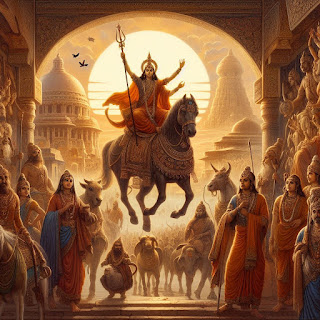
Snp 5 based on Sujato and Thanissaro translations, for the suttas with no comment on authorship.
instructed to use terms from B. Bodhi’s lexicon.
One of 4 heavenly great kings listening to laywoman recite paryanana to completion.
Culla Niddesa contains comments on the Khaggavisāna Sutta and the sixteen suttas of the Parāyana Vagga
The Sutta Nipāta is one of the oldest collections of Buddhist texts in the Pali Canon.
presented mostly in verse form.
The text is divided into five chapters covering core Buddhist teachings like the path to liberation,
renunciation, and proper conduct.
(on friendly-kindness) and the Rhinoceros Horn Sutta (on solitary practice).
detachment from worldly concerns, and the cultivation of wisdom and compassion.
| --- SNP1.1: Uragasutta --- |
--- SNP1.1: The Serpent --- |
|
| Yo uppatitaṁ vineti kodhaṁ, |
The anger that has arisen, he subdues, |
|
| Visaṭaṁ sappavisaṁva osadhehi; |
Like spreading serpent venom with herbs; |
|
| So bhikkhu jahāti orapāraṁ, |
That monk gives up the near and far shore, |
|
| Urago jiṇṇamivattacaṁ purāṇaṁ. |
As a serpent sheds its old, worn-out skin. |
|
| Yo rāgamudacchidā asesaṁ, |
He who has cut off passion completely, |
|
| Bhisapupphaṁva saroruhaṁ vigayha; |
Like plunging into a lake to pull up a lotus; |
|
| So bhikkhu jahāti orapāraṁ, |
That monk gives up the near and far shore, |
|
| Urago jiṇṇamivattacaṁ purāṇaṁ. |
As a serpent sheds its old, worn-out skin. |
|
| Yo taṇhamudacchidā asesaṁ, |
He who has cut off craving completely, |
|
| Saritaṁ sīghasaraṁ visosayitvā; |
Having dried up the swift-flowing stream; |
|
| So bhikkhu jahāti orapāraṁ, |
That monk gives up the near and far shore, |
|
| Urago jiṇṇamivattacaṁ purāṇaṁ. |
As a serpent sheds its old, worn-out skin. |
|
| Yo mānamudabbadhī asesaṁ, |
He who has demolished conceit completely, |
|
| Naḷasetuṁva sudubbalaṁ mahogho; |
Like a great flood a very weak bridge of reeds; |
|
| So bhikkhu jahāti orapāraṁ, |
That monk gives up the near and far shore, |
|
| Urago jiṇṇamivattacaṁ purāṇaṁ. |
As a serpent sheds its old, worn-out skin. |
|
| Yo nājjhagamā bhavesu sāraṁ, |
He who has not found any essence in existences, |
|
| Vicinaṁ pupphamivā udumbaresu; |
Like one searching for flowers on udumbara trees; |
|
| So bhikkhu jahāti orapāraṁ, |
That monk gives up the near and far shore, |
|
| Urago jiṇṇamivattacaṁ purāṇaṁ. |
As a serpent sheds its old, worn-out skin. |
|
| Yassantarato na santi kopā, |
In whose inner self there are no angers, |
|
| Itibhavābhavatañca vītivatto; |
Who has overcome this-becoming and other-becoming; |
|
| So bhikkhu jahāti orapāraṁ, |
That monk gives up the near and far shore, |
|
| Urago jiṇṇamivattacaṁ purāṇaṁ. |
As a serpent sheds its old, worn-out skin. |
|
| Yassa vitakkā vidhūpitā, |
Whose thoughts are dispersed, |
|
| Ajjhattaṁ suvikappitā asesā; |
Internally well-conceived and ended; |
|
| So bhikkhu jahāti orapāraṁ, |
That monk gives up the near and far shore, |
|
| Urago jiṇṇamivattacaṁ purāṇaṁ. |
As a serpent sheds its old, worn-out skin. |
|
| Yo nāccasārī na paccasārī, |
He who has not transgressed nor fallen behind, |
|
| Sabbaṁ accagamā imaṁ papañcaṁ; |
Has overcome all this proliferation; |
|
| So bhikkhu jahāti orapāraṁ, |
That monk gives up the near and far shore, |
|
| Urago jiṇṇamivattacaṁ purāṇaṁ. |
As a serpent sheds its old, worn-out skin. |
|
| Yo nāccasārī na paccasārī, |
He who has not transgressed nor fallen behind, |
|
| Sabbaṁ vitathamidanti ñatva loke; |
Knowing all this in the world to be unreal; |
|
| So bhikkhu jahāti orapāraṁ, |
That monk gives up the near and far shore, |
|
| Urago jiṇṇamivattacaṁ purāṇaṁ. |
As a serpent sheds its old, worn-out skin. |
|
| Yo nāccasārī na paccasārī, |
He who has not transgressed nor fallen behind, |
|
| Sabbaṁ vitathamidanti vītalobho; |
Knowing all this to be unreal, free from greed; |
|
| So bhikkhu jahāti orapāraṁ, |
That monk gives up the near and far shore, |
|
| Urago jiṇṇamivattacaṁ purāṇaṁ. |
As a serpent sheds its old, worn-out skin. |
|
| Yo nāccasārī na paccasārī, |
He who has not transgressed nor fallen behind, |
|
| Sabbaṁ vitathamidanti vītarāgo; |
Knowing all this to be unreal, free from lust; |
|
| So bhikkhu jahāti orapāraṁ, |
That monk gives up the near and far shore, |
|
| Urago jiṇṇamivattacaṁ purāṇaṁ. |
As a serpent sheds its old, worn-out skin. |
|
| Yo nāccasārī na paccasārī, |
He who has not transgressed nor fallen behind, |
|
| Sabbaṁ vitathamidanti vītadoso; |
Knowing all this to be unreal, free from hate; |
|
| So bhikkhu jahāti orapāraṁ, |
That monk gives up the near and far shore, |
|
| Urago jiṇṇamivattacaṁ purāṇaṁ. |
As a serpent sheds its old, worn-out skin. |
|
| Yo nāccasārī na paccasārī, |
He who has not transgressed nor fallen behind, |
|
| Sabbaṁ vitathamidanti vītamoho; |
Knowing all this to be unreal, free from delusion; |
|
| So bhikkhu jahāti orapāraṁ, |
That monk gives up the near and far shore, |
|
| Urago jiṇṇamivattacaṁ purāṇaṁ. |
As a serpent sheds its old, worn-out skin. |
|
| Yassānusayā na santi keci, |
For whom there are no underlying tendencies, |
|
| Mūlā ca akusalā samūhatāse; |
And the roots of the unwholesome are uprooted; |
|
| So bhikkhu jahāti orapāraṁ, |
That monk gives up the near and far shore, |
|
| Urago jiṇṇamivattacaṁ purāṇaṁ. |
As a serpent sheds its old, worn-out skin. |
|
| Yassa darathajā na santi keci, |
For whom there are no anxieties, |
|
| Oraṁ āgamanāya paccayāse; |
As causes for returning to the near shore; |
|
| So bhikkhu jahāti orapāraṁ, |
That monk gives up the near and far shore, |
|
| Urago jiṇṇamivattacaṁ purāṇaṁ. |
As a serpent sheds its old, worn-out skin. |
|
| Yassa vanathajā na santi keci, |
For whom there are no attachments to the woods, |
|
| Vinibandhāya bhavāya hetukappā; |
As hindrances for existence, causing rebirth; |
|
| So bhikkhu jahāti orapāraṁ, |
That monk gives up the near and far shore, |
|
| Urago jiṇṇamivattacaṁ purāṇaṁ. |
As a serpent sheds its old, worn-out skin. |
|
| Yo nīvaraṇe pahāya pañca, |
He who has abandoned the five hindrances, |
|
| Anigho tiṇṇakathaṅkatho visallo; |
Is untroubled, has crossed over doubt, is dartless; |
|
| So bhikkhu jahāti orapāraṁ, |
That monk gives up the near and far shore, |
|
| Urago jiṇṇamivattacaṁ purāṇanti. |
As a serpent sheds its old, worn-out skin. |
|
| Uragasuttaṁ paṭhamaṁ. |
The first discourse on the Serpent is finished. |
|
| --- SNP1.2: Dhaniyasutta --- |
--- SNP1.2: Dhaniya --- |
|
| “Pakkodano duddhakhīrohamasmi, |
“My rice is cooked, my milk is drawn,” |
|
| (iti dhaniyo gopo) |
(thus said Dhaniya the herdsman) |
|
| Anutīre mahiyā samānavāso; |
“I dwell with my companions on the bank of the Mahī; |
|
| Channā kuṭi āhito gini, |
My hut is roofed, the fire is kindled, |
|
| Atha ce patthayasī pavassa deva”. |
So if you wish, rain on, O sky.” |
|
| “Akkodhano vigatakhilohamasmi, |
“I am without anger, my mind is barren,” |
|
| (iti bhagavā) |
(thus said the Blessed One) |
|
| Anutīre mahiyekarattivāso; |
“I dwell for one night on the bank of the Mahī; |
|
| Vivaṭā kuṭi nibbuto gini, |
My hut is open, the fire is quenched, |
|
| Atha ce patthayasī pavassa deva”. |
So if you wish, rain on, O sky.” |
|
| “Andhakamakasā na vijjare, |
“There are no gadflies or mosquitoes,” |
|
| (iti dhaniyo gopo) |
(thus said Dhaniya the herdsman) |
|
| Kacche rūḷhatiṇe caranti gāvo; |
“The cows graze on the grass-grown banks; |
|
| Vuṭṭhimpi saheyyumāgataṁ, |
They could endure even the coming rain, |
|
| Atha ce patthayasī pavassa deva”. |
So if you wish, rain on, O sky.” |
|
| “Baddhāsi bhisī susaṅkhatā, |
“My raft is bound, well-constructed,” |
|
| (iti bhagavā) |
(thus said the Blessed One) |
|
| Tiṇṇo pāragato vineyya oghaṁ; |
“I have crossed over, gone to the far shore, having subdued the flood; |
|
| Attho bhisiyā na vijjati, |
There is no need for a raft, |
|
| Atha ce patthayasī pavassa deva”. |
So if you wish, rain on, O sky.” |
|
| “Gopī mama assavā alolā, |
“My wife is obedient, not wanton,” |
|
| (iti dhaniyo gopo) |
(thus said Dhaniya the herdsman) |
|
| Dīgharattaṁ saṁvāsiyā manāpā; |
“For a long time we have lived together, she is pleasing; |
|
| Tassā na suṇāmi kiñci pāpaṁ, |
I hear no evil of her at all, |
|
| Atha ce patthayasī pavassa deva”. |
So if you wish, rain on, O sky.” |
|
| “Cittaṁ mama assavaṁ vimuttaṁ, |
“My mind is obedient, liberated,” |
|
| (iti bhagavā) |
(thus said the Blessed One) |
|
| Dīgharattaṁ paribhāvitaṁ sudantaṁ; |
“For a long time it has been developed, well-tamed; |
|
| Pāpaṁ pana me na vijjati, |
There is no evil in me, |
|
| Atha ce patthayasī pavassa deva”. |
So if you wish, rain on, O sky.” |
|
| “Attavetanabhatohamasmi, |
“I am supported by my own earnings,” |
|
| (iti dhaniyo gopo) |
(thus said Dhaniya the herdsman) |
|
| Puttā ca me samāniyā arogā; |
“And my sons live together in health; |
|
| Tesaṁ na suṇāmi kiñci pāpaṁ, |
I hear no evil of them at all, |
|
| Atha ce patthayasī pavassa deva”. |
So if you wish, rain on, o sky.” |
|
| “Nāhaṁ bhatakosmi kassaci, |
“I am no one’s hireling,” |
|
| (iti bhagavā) |
(thus said the Blessed One) |
|
| Nibbiṭṭhena carāmi sabbaloke; |
“I wander the whole world on what I have gained; |
|
| Attho bhatiyā na vijjati, |
There is no need for a wage, |
|
| Atha ce patthayasī pavassa deva”. |
So if you wish, rain on, O sky.” |
|
| “Atthi vasā atthi dhenupā, |
“I have heifers, I have cows,” |
|
| (iti dhaniyo gopo) |
(thus said Dhaniya the herdsman) |
|
| Godharaṇiyo paveṇiyopi atthi; |
“I have breeding cows and also young heifers; |
|
| Usabhopi gavampatīdha atthi, |
I also have a bull, the lord of the herd, |
|
| Atha ce patthayasī pavassa deva”. |
So if you wish, rain on, O sky.” |
|
| “Natthi vasā natthi dhenupā, |
“I have no heifers, I have no cows,” |
|
| (iti bhagavā) |
(thus said the Blessed One) |
|
| Godharaṇiyo paveṇiyopi natthi; |
“I have no breeding cows nor young heifers; |
|
| Usabhopi gavampatīdha natthi, |
I have no bull, the lord of the herd, |
|
| Atha ce patthayasī pavassa deva”. |
So if you wish, rain on, O sky.” |
|
| “Khilā nikhātā asampavedhī, |
“The stakes are driven in, unshakable,” |
|
| (iti dhaniyo gopo) |
(thus said Dhaniya the herdsman) |
|
| Dāmā muñjamayā navā susaṇṭhānā; |
“The tethers are of muñja grass, new and well-made; |
|
| Na hi sakkhinti dhenupāpi chettuṁ, |
The cows will not be able to break them, |
|
| Atha ce patthayasī pavassa deva”. |
So if you wish, rain on, O sky.” |
|
| “Usabhoriva chetva bandhanāni, |
“Like a bull having broken his bonds,” |
|
| (iti bhagavā) |
(thus said the Blessed One) |
|
| Nāgo pūtilataṁva dālayitvā; |
“Like an elephant having torn a rotten creeper; |
|
| Nāhaṁ punupessaṁ gabbhaseyyaṁ, |
I will not again enter a womb, |
|
| Atha ce patthayasī pavassa deva”. |
So if you wish, rain on, o sky.” |
|
| Ninnañca thalañca pūrayanto, |
Filling both the lowlands and the highlands, |
|
| Mahāmegho pavassi tāvadeva; |
The great cloud rained down at that very moment; |
|
| Sutvā devassa vassato, |
Hearing the sky raining, |
|
| Imamatthaṁ dhaniyo abhāsatha. |
Dhaniyo spoke this statement. |
|
| “Lābhā vata no anappakā, |
“It is no small gain for us, indeed, |
|
| Ye mayaṁ bhagavantaṁ addasāma; |
That we have seen the Blessed One; |
|
| Saraṇaṁ taṁ upema cakkhuma, |
We take refuge in you, O One with Vision, |
|
| Satthā no hohi tuvaṁ mahāmuni. |
Be our teacher, O great sage. |
|
| Gopī ca ahañca assavā, |
Both my wife and I are obedient, |
|
| Brahmacariyaṁ sugate carāmase; |
Let us lead the holy life in the presence of the Well-farer; |
|
| Jātimaraṇassa pāragū, |
Having gone beyond birth and death, |
|
| Dukkhassantakarā bhavāmase”. |
Let us make an end of suffering.” |
|
| “Nandati puttehi puttimā, |
“He who has sons delights in his sons,” |
|
| (iti māro pāpimā) |
(thus said Māra the Evil One) |
|
| Gomā gohi tatheva nandati; |
“So too the cattleman delights in his cattle; |
|
| Upadhī hi narassa nandanā, |
For acquisitions are a man’s delight, |
|
| Na hi so nandati yo nirūpadhi”. |
He who has no acquisitions does not delight.” |
|
| “Socati puttehi puttimā, |
“He who has sons grieves over his sons,” |
|
| (iti bhagavā) |
(thus said the Blessed One) |
|
| Gomā gohi tatheva socati; |
“So too the cattleman grieves over his cattle; |
|
| Upadhī hi narassa socanā, |
For acquisitions are a man’s grief, |
|
| Na hi so socati yo nirūpadhī”ti. |
He who has no acquisitions does not grieve.” |
|
| Dhaniyasuttaṁ dutiyaṁ. |
The second discourse, on Dhaniya, is finished. |
|
| --- SNP1.3: Khaggavisāṇasutta --- |
--- SNP1.3: The Rhinoceros --- |
|
| “Sabbesu bhūtesu nidhāya daṇḍaṁ, |
“Having laid down the rod against all beings, |
|
| Aviheṭhayaṁ aññatarampi tesaṁ; |
Without harming any of them; |
|
| Na puttamiccheyya kuto sahāyaṁ, |
One should not wish for a son, much less a companion, |
|
| Eko care khaggavisāṇakappo”. |
One should wander alone like a rhinoceros. |
|
| “Saṁsaggajātassa bhavanti snehā, |
For one who is involved in society, affections arise, |
|
| Snehanvayaṁ dukkhamidaṁ pahoti; |
Following on affection, this suffering arises; |
|
| Ādīnavaṁ snehajaṁ pekkhamāno, |
Seeing the danger in affection, |
|
| Eko care khaggavisāṇakappo”. |
One should wander alone like a rhinoceros. |
|
| “Mitte suhajje anukampamāno, |
Compassionate towards friends and companions, |
|
| Hāpeti atthaṁ paṭibaddhacitto; |
One neglects the goal, being bound in mind; |
|
| Etaṁ bhayaṁ santhave pekkhamāno, |
Seeing this fear in intimacy, |
|
| Eko care khaggavisāṇakappo”. |
One should wander alone like a rhinoceros. |
|
| “Vaṁso visālova yathā visatto, |
Like a spreading bamboo entangled, |
|
| Puttesu dāresu ca yā apekkhā; |
Is the attachment to children and wives; |
|
| Vaṁsakkaḷīrova asajjamāno, |
Like a bamboo shoot not clinging, |
|
| Eko care khaggavisāṇakappo”. |
One should wander alone like a rhinoceros. |
|
| “Migo araññamhi yathā abaddho, |
As a deer in the forest, untethered, |
|
| Yenicchakaṁ gacchati gocarāya; |
Goes to graze wherever it wishes; |
|
| Viññū naro seritaṁ pekkhamāno, |
The wise person, seeing freedom, |
|
| Eko care khaggavisāṇakappo”. |
One should wander alone like a rhinoceros. |
|
| “Āmantanā hoti sahāyamajjhe, |
There is conversation in the midst of companions, |
|
| Vāse ṭhāne gamane cārikāya; |
In dwelling, standing, going, and journeying; |
|
| Anabhijjhitaṁ seritaṁ pekkhamāno, |
Seeing the freedom that is not coveted, |
|
| Eko care khaggavisāṇakappo”. |
One should wander alone like a rhinoceros. |
|
| “Khiḍḍā ratī hoti sahāyamajjhe, |
There is sport and delight in the midst of companions, |
|
| Puttesu ca vipulaṁ hoti pemaṁ; |
And great love for children; |
|
| Piyavippayogaṁ vijigucchamāno, |
Disgusted with separation from the loved, |
|
| Eko care khaggavisāṇakappo”. |
One should wander alone like a rhinoceros. |
|
| “Cātuddiso appaṭigho ca hoti, |
He is of the four quarters and is not resistant, |
|
| Santussamāno itarītarena; |
Content with whatever comes his way; |
|
| Parissayānaṁ sahitā achambhī, |
Enduring hardships, unafraid, |
|
| Eko care khaggavisāṇakappo”. |
One should wander alone like a rhinoceros. |
|
| “Dussaṅgahā pabbajitāpi eke, |
Even some of the homeless are hard to please, |
|
| Atho gahaṭṭhā gharamāvasantā; |
And householders dwelling at home; |
|
| Appossukko paraputtesu hutvā, |
Being unconcerned with the children of others, |
|
| Eko care khaggavisāṇakappo”. |
One should wander alone like a rhinoceros. |
|
| “Oropayitvā gihibyañjanāni, |
Having cast off the marks of a householder, |
|
| Sañchinnapatto yathā koviḷāro; |
Like a coral tree that has shed its leaves; |
|
| Chetvāna vīro gihibandhanāni, |
Having cut the bonds of a householder, a hero, |
|
| Eko care khaggavisāṇakappo”. |
One should wander alone like a rhinoceros. |
|
| “Sace labhetha nipakaṁ sahāyaṁ, |
If one should find a prudent companion, |
|
| Saddhiṁ caraṁ sādhuvihāridhīraṁ; |
A wise and virtuous friend to walk with; |
|
| Abhibhuyya sabbāni parissayāni, |
Overcoming all dangers, |
|
| Careyya tenattamano satīmā”. |
One should walk with him, joyful and rememberful. |
|
| “No ce labhetha nipakaṁ sahāyaṁ, |
If one should not find a prudent companion, |
|
| Saddhiṁ caraṁ sādhuvihāridhīraṁ; |
A wise and virtuous friend to walk with; |
|
| Rājāva raṭṭhaṁ vijitaṁ pahāya, |
Like a king who has abandoned his conquered kingdom, |
|
| Eko care mātaṅgaraññeva nāgo”. |
One should wander alone like an elephant in the forest. |
|
| “Addhā pasaṁsāma sahāyasampadaṁ, |
Indeed, we praise the company of a companion, |
|
| Seṭṭhā samā sevitabbā sahāyā; |
Friends who are one's equals or better should be served; |
|
| Ete aladdhā anavajjabhojī, |
Not finding these, living on blameless alms, |
|
| Eko care khaggavisāṇakappo”. |
One should wander alone like a rhinoceros. |
|
| “Disvā suvaṇṇassa pabhassarāni, |
Seeing the shining gold bracelets, |
|
| Kammāraputtena suniṭṭhitāni; |
Well-made by a goldsmith; |
|
| Saṅghaṭṭamānāni duve bhujasmiṁ, |
Clashing against each other on the arm, |
|
| Eko care khaggavisāṇakappo”. |
One should wander alone like a rhinoceros. |
|
| “Evaṁ dutīyena sahā mamassa, |
“Thus, if I were with another, |
|
| Vācābhilāpo abhisajjanā vā; |
There would be chatter or bickering;” |
|
| Etaṁ bhayaṁ āyatiṁ pekkhamāno, |
Seeing this danger in the future, |
|
| Eko care khaggavisāṇakappo”. |
One should wander alone like a rhinoceros. |
|
| “Kāmā hi citrā madhurā manoramā, |
For sensual pleasures are varied, sweet, and delightful, |
|
| Virūparūpena mathenti cittaṁ; |
In their various forms they churn the mind; |
|
| Ādīnavaṁ kāmaguṇesu disvā, |
Seeing the danger in the strands of sensual pleasure, |
|
| Eko care khaggavisāṇakappo”. |
One should wander alone like a rhinoceros. |
|
| “Ītī ca gaṇḍo ca upaddavo ca, |
“This is a calamity, a boil, a misfortune, |
|
| Rogo ca sallañca bhayañca metaṁ; |
A disease, a dart, and a fear to me;” |
|
| Etaṁ bhayaṁ kāmaguṇesu disvā, |
Seeing this fear in the strands of sensual pleasure, |
|
| Eko care khaggavisāṇakappo”. |
One should wander alone like a rhinoceros. |
|
| “Sītañca uṇhañca khudaṁ pipāsaṁ, |
Both cold and heat, hunger and thirst, |
|
| Vātātape ḍaṁsasarīsape ca; |
Wind and sun, gadflies and serpents; |
|
| Sabbānipetāni abhisambhavitvā, |
Having overcome all these, |
|
| Eko care khaggavisāṇakappo”. |
One should wander alone like a rhinoceros. |
|
| “Nāgova yūthāni vivajjayitvā, |
Like an elephant with massive shoulders, spotted, noble, |
|
| Sañjātakhandho padumī uḷāro; |
That has left the herd and lives as it pleases in the forest; |
|
| Yathābhirantaṁ viharaṁ araññe, |
One should wander alone like a rhinoceros. |
|
| Eko care khaggavisāṇakappo”. |
One who delights in company cannot, |
|
| “Aṭṭhānataṁ saṅgaṇikāratassa, |
Experience even temporary liberation; |
|
| Yaṁ phassaye sāmayikaṁ vimuttiṁ; |
Heeding the words of the Kinsman of the Sun, |
|
| Ādiccabandhussa vaco nisamma, |
One should wander alone like a rhinoceros. |
|
| Eko care khaggavisāṇakappo”. |
Having passed beyond the sharp points of views, |
|
| “Diṭṭhīvisūkāni upātivatto, |
Having reached the fixed path, the way obtained; |
|
| Patto niyāmaṁ paṭiladdhamaggo; |
“I have gained knowledge, I am not to be led by another,” |
|
| Uppannañāṇomhi anaññaneyyo, |
One should wander alone like a rhinoceros. |
|
| Eko care khaggavisāṇakappo”. |
Without greed, without deceit, without thirst, |
|
| “Nillolupo nikkuho nippipāso, |
Without hypocrisy, with delusion and faults blown away; |
|
| Nimmakkho niddhantakasāvamoho; |
Being without desire in the whole world, |
|
| Nirāsayo sabbaloke bhavitvā, |
One should wander alone like a rhinoceros. |
|
| Eko care khaggavisāṇakappo”. |
One should avoid an evil companion, |
|
| “Pāpaṁ sahāyaṁ parivajjayetha, |
One who sees no goal, who is settled in the uneven; |
|
| Anatthadassiṁ visame niviṭṭhaṁ; |
One should not oneself serve one who is attached and heedless, |
|
| Sayaṁ na seve pasutaṁ pamattaṁ, |
One should wander alone like a rhinoceros. |
|
| Eko care khaggavisāṇakappo”. |
One should resort to a friend who is learned, who maintains the Dhamma, |
|
| “Bahussutaṁ dhammadharaṁ bhajetha, |
Who is noble and quick-witted; |
|
| Mittaṁ uḷāraṁ paṭibhānavantaṁ; |
Having understood the meanings and dispelled doubt, |
|
| Aññāya atthāni vineyya kaṅkhaṁ, |
One should wander alone like a rhinoceros. |
|
| Eko care khaggavisāṇakappo”. |
Sport, delight, and sensual pleasure in the world, |
|
| “Khiḍḍaṁ ratiṁ kāmasukhañca loke, |
Not adorning oneself, being unconcerned with them; |
|
| Analaṅkaritvā anapekkhamāno; |
Abstaining from adornment, speaking the truth, |
|
| Vibhūsanaṭṭhānā virato saccavādī, |
One should wander alone like a rhinoceros. |
|
| Eko care khaggavisāṇakappo”. |
Son and wife, father and mother, |
|
| “Puttañca dāraṁ pitarañca mātaraṁ, |
Wealth and grain and relatives; |
|
| Dhanāni dhaññāni ca bandhavāni; |
Having abandoned sensual pleasures according to their scope, |
|
| Hitvāna kāmāni yathodhikāni, |
One should wander alone like a rhinoceros. |
|
| Eko care khaggavisāṇakappo”. |
“This is a bond, in this there is little happiness, |
|
| “Saṅgo eso parittamettha sokhyaṁ, |
Little enjoyment, and more suffering; |
|
| Appassādo dukkhamettha bhiyyo; |
This is a hook,” knowing this, the wise man, |
|
| Gaḷo eso iti ñatvā matīmā, |
One should wander alone like a rhinoceros. |
|
| Eko care khaggavisāṇakappo”. |
Having broken the fetters, |
|
| “Sandālayitvāna saṁyojanāni, |
Like a fish in the water breaking a net; |
|
| Jālaṁva bhetvā salilambucārī; |
Like a fire not returning to what is burnt, |
|
| Aggīva daḍḍhaṁ anivattamāno, |
One should wander alone like a rhinoceros. |
|
| Eko care khaggavisāṇakappo”. |
With downcast eyes, not restless, |
|
| “Okkhittacakkhu na ca pādalolo, |
With guarded faculties, with a protected mind; |
|
| Guttindriyo rakkhitamānasāno; |
Not oozing with defilements, not burning, |
|
| Anavassuto apariḍayhamāno, |
One should wander alone like a rhinoceros. |
|
| Eko care khaggavisāṇakappo”. |
Having put off the marks of a householder, |
|
| “Ohārayitvā gihibyañjanāni, |
Like a coral tree that has shed its leaves; |
|
| Sañchannapatto yathā pārichatto; |
Wearing the saffron robe, having gone forth, |
|
| Kāsāyavattho abhinikkhamitvā, |
One should wander alone like a rhinoceros. |
|
| Eko care khaggavisāṇakappo”. |
Not being greedy for flavors, not fickle, |
|
| “Rasesu gedhaṁ akaraṁ alolo, |
Not supporting others, going on an uninterrupted alms round; |
|
| Anaññaposī sapadānacārī; |
With a mind not bound to any family, |
|
| Kule kule appaṭibaddhacitto, |
One should wander alone like a rhinoceros. |
|
| Eko care khaggavisāṇakappo”. |
Having abandoned the five hindrances of the mind, |
|
| “Pahāya pañcāvaraṇāni cetaso, |
Having dispelled all the blemishes; |
|
| Upakkilese byapanujja sabbe; |
Independent, having cut off affection and hate, |
|
| Anissito chetva sinehadosaṁ, |
One should wander alone like a rhinoceros. |
|
| Eko care khaggavisāṇakappo”. |
Having turned one's back on pleasure and pain, |
|
| “Vipiṭṭhikatvāna sukhaṁ dukhañca, |
And previously on mental joy and sorrow; |
|
| Pubbeva ca somanassadomanassaṁ; |
Having obtained equanimous-observation, calm, and purity, |
|
| Laddhānupekkhaṁ samathaṁ visuddhaṁ, |
One should wander alone like a rhinoceros. |
|
| Eko care khaggavisāṇakappo”. |
With energy aroused for the attainment of the highest goal, |
|
| “Āraddhaviriyo paramatthapattiyā, |
With a mind not sluggish, not of lazy habits; |
|
| Alīnacitto akusītavutti; |
With firm resolve, endowed with strength and power, |
|
| Daḷhanikkamo thāmabalūpapanno, |
One should wander alone like a rhinoceros. |
|
| Eko care khaggavisāṇakappo”. |
Not abandoning seclusion and jhāna, |
|
| “Paṭisallānaṁ jhānamariñcamāno, |
Always practicing in accordance with the Dhamma; |
|
| Dhammesu niccaṁ anudhammacārī; |
Having understood the danger in existences, |
|
| Ādīnavaṁ sammasitā bhavesu, |
One should wander alone like a rhinoceros. |
|
| Eko care khaggavisāṇakappo”. |
Desiring the destruction of craving, being diligent, |
|
| “Taṇhakkhayaṁ patthayamappamatto, |
Not dumb, learned, rememberful; |
|
| Aneḷamūgo sutavā satīmā; |
Having investigated the Dhamma, resolute, striving, |
|
| Saṅkhātadhammo niyato padhānavā, |
One should wander alone like a rhinoceros. |
|
| Eko care khaggavisāṇakappo”. |
Like a lion not startled by sounds, |
|
| “Sīhova saddesu asantasanto, |
Like the wind not caught in a net; |
|
| Vātova jālamhi asajjamāno; |
Like a lotus not soiled by water, |
|
| Padumaṁva toyena alippamāno, |
One should wander alone like a rhinoceros. |
|
| Eko care khaggavisāṇakappo”. |
Like a lion, strong of jaw, overpowering, |
|
| “Sīho yathā dāṭhabalī pasayha, |
The king of beasts, who wanders as a conqueror; |
|
| Rājā migānaṁ abhibhuyya cārī; |
So should one resort to a remote dwelling, |
|
| Sevetha pantāni senāsanāni, |
One should wander alone like a rhinoceros. |
|
| Eko care khaggavisāṇakappo”. |
friendly-kindness, equanimous-observation, compassion, liberation, |
|
| “Mettaṁ upekkhaṁ karuṇaṁ vimuttiṁ, |
And gladness, cultivating them at the right time; |
|
| Āsevamāno muditañca kāle; |
Not being in conflict with the whole world, |
|
| Sabbena lokena avirujjhamāno, |
One should wander alone like a rhinoceros. |
|
| Eko care khaggavisāṇakappo”. |
Having abandoned passion, hatred, and delusion, |
|
| “Rāgañca dosañca pahāya mohaṁ, |
Having broken the fetters; |
|
| Sandālayitvāna saṁyojanāni; |
Not trembling at the end of life, |
|
| Asantasaṁ jīvitasaṅkhayamhi, |
One should wander alone like a rhinoceros. |
|
| Eko care khaggavisāṇakappo”. |
They associate and serve for a reason, |
|
| “Bhajanti sevanti ca kāraṇatthā, |
Friends without a reason are rare today; |
|
| Nikkāraṇā dullabhā ajja mittā; |
Men are wise in their own interest, impure, |
|
| Attaṭṭhapaññā asucī manussā, |
One should wander alone like a rhinoceros. |
|
| Eko care khaggavisāṇakappo”. |
The third discourse, on the Rhinoceros, is finished. |
|
| Khaggavisāṇasuttaṁ tatiyaṁ. |
|
|
| --- SNP1.4: Kasibhāradvājasutta --- |
--- SNP1.4: The Discourse to Kasibhāradvāja --- |
|
| Evaṁ me sutaṁ— |
Thus have I heard— |
|
| ekaṁ samayaṁ bhagavā magadhesu viharati dakkhiṇāgirismiṁ ekanāḷāyaṁ brāhmaṇagāme. |
at one time the Blessed One was dwelling among the Magadhans at Dakkhiṇāgiri in the brahmin village of Ekanāḷā. |
|
| Tena kho pana samayena kasibhāradvājassa brāhmaṇassa pañcamattāni naṅgalasatāni payuttāni honti vappakāle. |
Now at that time the brahmin Kasibhāradvāja had five hundred plows yoked for the sowing season. |
|
| Atha kho bhagavā pubbaṇhasamayaṁ nivāsetvā pattacīvaramādāya yena kasibhāradvājassa brāhmaṇassa kammanto tenupasaṅkami. |
Then the Blessed One, having dressed in the morning, taking his bowl and robe, went to where the brahmin Kasibhāradvāja was working. |
|
| Tena kho pana samayena kasibhāradvājassa brāhmaṇassa parivesanā vattati. |
At that time, the brahmin Kasibhāradvāja's food distribution was taking place. |
|
| Atha kho bhagavā yena parivesanā tenupasaṅkami; upasaṅkamitvā ekamantaṁ aṭṭhāsi. |
Then the Blessed One went to where the food distribution was; having approached, he stood to one side. |
|
| Addasā kho kasibhāradvājo brāhmaṇo bhagavantaṁ piṇḍāya ṭhitaṁ. |
The brahmin Kasibhāradvāja saw the Blessed One standing for alms. |
|
| Disvāna bhagavantaṁ etadavoca: |
Having seen him, he said to the Blessed One: |
|
| “ahaṁ kho, samaṇa, kasāmi ca vapāmi ca; kasitvā ca vapitvā ca bhuñjāmi. |
“I, ascetic, plow and sow; and having plowed and sown, I eat. |
|
| Tvampi, samaṇa, kasassu ca vapassu ca; kasitvā ca vapitvā ca bhuñjassū”ti. |
You too, ascetic, should plow and sow; and having plowed and sown, you should eat.” |
|
| “Ahampi kho, brāhmaṇa, kasāmi ca vapāmi ca; kasitvā ca vapitvā ca bhuñjāmī”ti. |
“I too, brahmin, plow and sow; and having plowed and sown, I eat.” |
|
| “Na kho pana mayaṁ passāma bhoto gotamassa yugaṁ vā naṅgalaṁ vā phālaṁ vā pācanaṁ vā balībadde vā. |
“But we do not see the venerable Gotama’s yoke or plow, or plowshare, or goad, or oxen. |
|
| Atha ca pana bhavaṁ gotamo evamāha: |
And yet the venerable Gotama says this: |
|
| ‘ahampi kho, brāhmaṇa, kasāmi ca vapāmi ca; kasitvā ca vapitvā ca bhuñjāmī’”ti. |
‘I too, brahmin, plow and sow; and having plowed and sown, I eat.’” |
|
| Atha kho kasibhāradvājo brāhmaṇo bhagavantaṁ gāthāya ajjhabhāsi: |
Then the brahmin Kasibhāradvāja addressed the Blessed One in verse: |
|
| “Kassako paṭijānāsi, |
“You claim to be a farmer, |
|
| na ca passāma te kasiṁ; |
but we do not see your farming; |
|
| Kasiṁ no pucchito brūhi, |
Tell us, when asked about your farming, |
|
| yathā jānemu te kasiṁ”. |
so that we may know your farming.” |
|
| “Saddhā bījaṁ tapo vuṭṭhi, |
“Faith is the seed, austerity the rain, |
|
| paññā me yuganaṅgalaṁ; |
wisdom is my yoke and plow; |
|
| Hirī īsā mano yottaṁ, |
Conscience is the pole, the mind the yoke-tie, |
|
| sati me phālapācanaṁ. |
rememberfulness is my plowshare and goad. |
|
| Kāyagutto vacīgutto, |
Guarded in body, guarded in speech, |
|
| āhāre udare yato; |
restrained in food in my belly; |
|
| Saccaṁ karomi niddānaṁ, |
I make truth my weeding, |
|
| soraccaṁ me pamocanaṁ. |
gentleness my unyoking. |
|
| Vīriyaṁ me dhuradhorayhaṁ, |
Energy is my beast of burden, |
|
| yogakkhemādhivāhanaṁ; |
carrying me to security from bondage; |
|
| Gacchati anivattantaṁ, |
It goes without turning back, |
|
| yattha gantvā na socati. |
to where, having gone, one does not grieve. |
|
| Evamesā kasī kaṭṭhā, |
Thus this plowing is plowed, |
|
| Sā hoti amatapphalā; |
It has the deathless as its fruit; |
|
| Etaṁ kasiṁ kasitvāna, |
Having plowed this plowing, |
|
| Sabbadukkhā pamuccatī”ti. |
One is freed from all suffering.” |
|
| Atha kho kasibhāradvājo brāhmaṇo mahatiyā kaṁsapātiyā pāyasaṁ vaḍḍhetvā bhagavato upanāmesi: |
Then the brahmin Kasibhāradvāja, having filled a great bronze bowl with milk-rice, offered it to the Blessed One: |
|
| “bhuñjatu bhavaṁ gotamo pāyasaṁ. |
“Let the venerable Gotama eat the milk-rice. |
|
| Kassako bhavaṁ; |
The venerable one is a farmer; |
|
| yañhi bhavaṁ gotamo amatapphalaṁ kasiṁ kasatī”ti. |
for the venerable Gotama plows a plowing that has the deathless as its fruit.” |
|
| “Gāthābhigītaṁ me abhojaneyyaṁ, |
“What is obtained by reciting verses is not to be eaten by me, |
|
| Sampassataṁ brāhmaṇa nesa dhammo; |
This is not the principle for those who see, O brahmin; |
|
| Gāthābhigītaṁ panudanti buddhā, |
The Buddhas reject what is obtained by reciting verses, |
|
| Dhamme satī brāhmaṇa vuttiresā. |
This is the conduct of a brahmin while the Dhamma exists. |
|
| Aññena ca kevalinaṁ mahesiṁ, |
A great seer who is complete in himself, |
|
| Khīṇāsavaṁ kukkuccavūpasantaṁ; |
With taints destroyed and remorse subsided; |
|
| Annena pānena upaṭṭhahassu, |
Serve him with other food and drink, |
|
| Khettaṁ hi taṁ puññapekkhassa hotī”ti. |
For that is the field for one who seeks merit.” |
|
| “Atha kassa cāhaṁ, bho gotama, imaṁ pāyasaṁ dammī”ti? |
“Then to whom, Master Gotama, shall I give this milk-rice?” |
|
| “Na khvāhaṁ taṁ, brāhmaṇa, passāmi sadevake loke samārake sabrahmake sassamaṇabrāhmaṇiyā pajāya sadevamanussāya, yassa so pāyaso bhutto sammā pariṇāmaṁ gaccheyya, aññatra tathāgatassa vā tathāgatasāvakassa vā. |
“I do not see, brahmin, in the world with its devas, its Māras, and its Brahmās, in this generation with its ascetics and brahmins, with its devas and humans, anyone by whom that milk-rice, if eaten, could be properly digested, except by the Tathāgata or a disciple of the Tathāgata. |
|
| Tena hi tvaṁ, brāhmaṇa, taṁ pāyasaṁ appaharite vā chaḍḍehi appāṇake vā udake opilāpehī”ti. |
Therefore, brahmin, you should either discard that milk-rice where there is little grass or immerse it in water where there are no living creatures.” |
|
| Atha kho kasibhāradvājo brāhmaṇo taṁ pāyasaṁ appāṇake udake opilāpesi. |
Then the brahmin Kasibhāradvāja immersed that milk-rice in water where there were no living creatures. |
|
| Atha kho so pāyaso udake pakkhitto cicciṭāyati ciṭiciṭāyati sandhūpāyati sampadhūpāyati. |
Then that milk-rice, when placed in the water, hissed and sizzled, smoked and steamed. |
|
| Seyyathāpi nāma phālo divasaṁ santatto udake pakkhitto cicciṭāyati ciṭiciṭāyati sandhūpāyati sampadhūpāyati; |
Just as a plowshare heated for a day, when placed in water, hisses and sizzles, smokes and steams; |
|
| evamevaṁ so pāyaso udake pakkhitto cicciṭāyati ciṭiciṭāyati sandhūpāyati sampadhūpāyati. |
in the same way, that milk-rice, when placed in the water, hissed and sizzled, smoked and steamed. |
|
| Atha kho kasibhāradvājo brāhmaṇo saṁviggo lomahaṭṭhajāto yena bhagavā tenupasaṅkami; upasaṅkamitvā bhagavato pādesu sirasā nipatitvā bhagavantaṁ etadavoca: |
Then the brahmin Kasibhāradvāja, alarmed and with his hair standing on end, went to the Blessed One; having approached, he fell with his head at the Blessed One’s feet and said to the Blessed One: |
|
| “abhikkantaṁ, bho gotama, abhikkantaṁ, bho gotama. |
“Excellent, Master Gotama, excellent, Master Gotama. |
|
| Seyyathāpi, bho gotama, nikkujjitaṁ vā ukkujjeyya, paṭicchannaṁ vā vivareyya, mūḷhassa vā maggaṁ ācikkheyya, andhakāre vā telapajjotaṁ dhāreyya, ‘cakkhumanto rūpāni dakkhantī’ti; evamevaṁ bhotā gotamena anekapariyāyena dhammo pakāsito. |
Just as, Master Gotama, one might set upright what was overturned, or reveal what was hidden, or show the way to one who was lost, or hold up a lamp in the darkness, so that those with eyes might see forms; in the same way, the Dhamma has been made clear in many ways by the venerable Gotama. |
|
| Esāhaṁ bhavantaṁ gotamaṁ saraṇaṁ gacchāmi dhammañca bhikkhusaṅghañca, |
I go to the venerable Gotama for refuge, to the Dhamma, and to the Saṅgha of monks, |
|
| labheyyāhaṁ bhoto gotamassa santike pabbajjaṁ, labheyyaṁ upasampadan”ti. |
May I receive the going forth in the presence of the venerable Gotama, may I receive the higher ordination.” |
|
| Alattha kho kasibhāradvājo brāhmaṇo bhagavato santike pabbajjaṁ, alattha upasampadaṁ. |
The brahmin Kasibhāradvāja received the going forth in the presence of the Blessed One, he received the higher ordination. |
|
| Acirūpasampanno kho panāyasmā bhāradvājo eko vūpakaṭṭho appamatto ātāpī pahitatto viharanto nacirasseva—yassatthāya kulaputtā sammadeva agārasmā anagāriyaṁ pabbajanti, tadanuttaraṁ—brahmacariyapariyosānaṁ diṭṭheva dhamme sayaṁ abhiññā sacchikatvā upasampajja vihāsi. |
Not long after his higher ordination, the venerable Bhāradvāja, dwelling alone, withdrawn, diligent, ardent, and resolute, in no long time—for the sake of which clansmen rightly go forth from the home life into homelessness, that supreme goal of the holy life—realized it for himself with direct knowledge in this very life, and having entered upon it, he dwelt. |
|
| “Khīṇā jāti, vusitaṁ brahmacariyaṁ, kataṁ karaṇīyaṁ, nāparaṁ itthattāyā”ti abbhaññāsi. |
He understood: “Destroyed is birth, the holy life has been lived, what had to be done has been done, there is no more for this state of being.” |
|
| Aññataro ca panāyasmā bhāradvājo arahataṁ ahosīti. |
And the venerable Bhāradvāja became one of the arahants. |
|
| Kasibhāradvājasuttaṁ catutthaṁ. |
The fourth discourse, on Kasibhāradvāja, is finished. |
|
| --- SNP1.6: Parābhavasutta --- |
--- SNP1.6: Downfall --- |
|
| Evaṁ me sutaṁ— |
Thus have I heard. |
|
| ekaṁ samayaṁ bhagavā sāvatthiyaṁ viharati jetavane anāthapiṇḍikassa ārāme. |
On one occasion the Blessed One was dwelling at Sāvatthī in Jeta’s Grove, Anāthapiṇḍika’s Park. |
|
| Atha kho aññatarā devatā abhikkantāya rattiyā abhikkantavaṇṇā kevalakappaṁ jetavanaṁ obhāsetvā yena bhagavā tenupasaṅkami; upasaṅkamitvā bhagavantaṁ abhivādetvā ekamantaṁ aṭṭhāsi. |
Then a certain deva of stunning beauty, having illuminated the entire Jeta’s Grove in the last watch of the night, approached the Blessed One. Having approached, he paid homage to the Blessed One, stood to one side, |
|
| Ekamantaṁ ṭhitā kho sā devatā bhagavantaṁ gāthāya ajjhabhāsi: |
and standing to one side, that deva addressed the Blessed One in verse: |
|
| “Parābhavantaṁ purisaṁ, |
“We ask Gotama about the person who declines; |
|
| mayaṁ pucchāma gotama; |
having come to ask the Blessed One, |
|
| Bhavantaṁ puṭṭhumāgamma, |
what is the cause of downfall?” |
|
| kiṁ parābhavato mukhaṁ”. |
“Easily known is the one who prospers, |
|
| “Suvijāno bhavaṁ hoti, |
easily known is the one who declines. |
|
| suvijāno parābhavo; |
One who loves the Dhamma prospers; |
|
| Dhammakāmo bhavaṁ hoti, |
one who hates the Dhamma declines.” |
|
| dhammadessī parābhavo”. |
“Thus we understand this: |
|
| “Iti hetaṁ vijānāma, |
that is the first cause of downfall. |
|
| paṭhamo so parābhavo; |
Tell us the second, Blessed One. |
|
| Dutiyaṁ bhagavā brūhi, |
What is the cause of downfall?” |
|
| kiṁ parābhavato mukhaṁ”. |
“The wicked are dear to him, |
|
| “Asantassa piyā honti, |
he finds no delight in the good; |
|
| sante na kurute piyaṁ; |
he approves of the Dhamma of the wicked— |
|
| Asataṁ dhammaṁ roceti, |
that is a cause of downfall.” |
|
| taṁ parābhavato mukhaṁ”. |
“Thus we understand this: |
|
| “Iti hetaṁ vijānāma, |
that is the second cause of downfall. |
|
| dutiyo so parābhavo; |
Tell us the third, Blessed One. |
|
| Tatiyaṁ bhagavā brūhi, |
What is the cause of downfall?” |
|
| kiṁ parābhavato mukhaṁ”. |
“A person who is fond of sleep, fond of company, |
|
| “Niddāsīlī sabhāsīlī, |
who is not energetic, |
|
| anuṭṭhātā ca yo naro; |
lazy, and marked by anger— |
|
| Alaso kodhapaññāṇo, |
that is a cause of downfall.” |
|
| taṁ parābhavato mukhaṁ”. |
“Thus we understand this: |
|
| “Iti hetaṁ vijānāma, |
that is the third cause of downfall. |
|
| tatiyo so parābhavo; |
Tell us the fourth, Blessed One. |
|
| Catutthaṁ bhagavā brūhi, |
What is the cause of downfall?” |
|
| kiṁ parābhavato mukhaṁ”. |
“Whoever, being prosperous, |
|
| “Yo mātaraṁ pitaraṁ vā, |
does not support his mother or father |
|
| jiṇṇakaṁ gatayobbanaṁ; |
who are old, their youth long passed— |
|
| Pahu santo na bharati, |
that is a cause of downfall.” |
|
| taṁ parābhavato mukhaṁ”. |
“Thus we understand this: |
|
| “Iti hetaṁ vijānāma, |
that is the fourth cause of downfall. |
|
| catuttho so parābhavo; |
Tell us the fifth, Blessed One. |
|
| Pañcamaṁ bhagavā brūhi, |
What is the cause of downfall?” |
|
| kiṁ parābhavato mukhaṁ”. |
“Whoever deceives by falsehood |
|
| “Yo brāhmaṇaṁ samaṇaṁ vā, |
a brahmin or a recluse |
|
| Aññaṁ vāpi vanibbakaṁ; |
or any other mendicant— |
|
| Musāvādena vañceti, |
that is a cause of downfall.” |
|
| Taṁ parābhavato mukhaṁ”. |
“Thus we understand this: |
|
| “Iti hetaṁ vijānāma, |
that is the fifth cause of downfall. |
|
| Pañcamo so parābhavo; |
Tell us the sixth, Blessed One. |
|
| Chaṭṭhamaṁ bhagavā brūhi, |
What is the cause of downfall?” |
|
| Kiṁ parābhavato mukhaṁ”. |
“A person of great wealth, |
|
| “Pahūtavitto puriso, |
with gold and provisions, |
|
| Sahirañño sabhojano; |
who enjoys his delicacies alone— |
|
| Eko bhuñjati sādūni, |
that is a cause of downfall.” |
|
| Taṁ parābhavato mukhaṁ”. |
“Thus we understand this: |
|
| “Iti hetaṁ vijānāma, |
that is the sixth cause of downfall. |
|
| Chaṭṭhamo so parābhavo; |
Tell us the seventh, Blessed One. |
|
| Sattamaṁ bhagavā brūhi, |
What is the cause of downfall?” |
|
| Kiṁ parābhavato mukhaṁ”. |
“A person proud of his birth, proud of his wealth, |
|
| “Jātitthaddho dhanatthaddho, |
and proud of his clan, |
|
| Gottatthaddho ca yo naro; |
who despises his own relatives— |
|
| Saññātiṁ atimaññeti, |
that is a cause of downfall.” |
|
| Taṁ parābhavato mukhaṁ”. |
“Thus we understand this: |
|
| “Iti hetaṁ vijānāma, |
that is the seventh cause of downfall. |
|
| Sattamo so parābhavo; |
Tell us the eighth, Blessed One. |
|
| Aṭṭhamaṁ bhagavā brūhi, |
What is the cause of downfall?” |
|
| Kiṁ parābhavato mukhaṁ”. |
“A person who is a womanizer, a drunkard, |
|
| “Itthidhutto surādhutto, |
and a gambler, |
|
| Akkhadhutto ca yo naro; |
who squanders whatever he earns— |
|
| Laddhaṁ laddhaṁ vināseti, |
that is a cause of downfall.” |
|
| Taṁ parābhavato mukhaṁ”. |
“Thus we understand this: |
|
| “Iti hetaṁ vijānāma, |
that is the eighth cause of downfall. |
|
| Aṭṭhamo so parābhavo; |
Tell us the ninth, Blessed One. |
|
| Navamaṁ bhagavā brūhi, |
What is the cause of downfall?” |
|
| Kiṁ parābhavato mukhaṁ”. |
“Not content with his own wives, |
|
| “Sehi dārehi asantuṭṭho, |
he is seen among prostitutes |
|
| Vesiyāsu padussati; |
and the wives of others— |
|
| Dussati paradāresu, |
that is a cause of downfall.” |
|
| Taṁ parābhavato mukhaṁ”. |
“Thus we understand this: |
|
| “Iti hetaṁ vijānāma, |
that is the ninth cause of downfall. |
|
| Navamo so parābhavo; |
Tell us the tenth, Blessed One. |
|
| Dasamaṁ bhagavā brūhi, |
What is the cause of downfall?” |
|
| Kiṁ parābhavato mukhaṁ”. |
“A man past his youth |
|
| “Atītayobbano poso, |
brings home a girl with breasts like timbaru fruits; |
|
| Āneti timbarutthaniṁ; |
he cannot sleep for jealousy of her— |
|
| Tassā issā na supati, |
that is a cause of downfall.” |
|
| Taṁ parābhavato mukhaṁ”. |
“Thus we understand this: |
|
| “Iti hetaṁ vijānāma, |
that is the tenth cause of downfall. |
|
| Dasamo so parābhavo; |
Tell us the eleventh, Blessed One. |
|
| Ekādasamaṁ bhagavā brūhi, |
What is the cause of downfall?” |
|
| Kiṁ parābhavato mukhaṁ”. |
“One who places in authority |
|
| “Itthiṁ soṇḍiṁ vikiraṇiṁ, |
a woman who is a spendthrift and a wastrel, |
|
| Purisaṁ vāpi tādisaṁ; |
or a man of such a kind— |
|
| Issariyasmiṁ ṭhapeti, |
that is a cause of downfall.” |
|
| Taṁ parābhavato mukhaṁ”. |
“Thus we understand this: |
|
| “Iti hetaṁ vijānāma, |
that is the eleventh cause of downfall. |
|
| Ekādasamo so parābhavo; |
Tell us the twelfth, Blessed One. |
|
| Dvādasamaṁ bhagavā brūhi, |
What is the cause of downfall?” |
|
| Kiṁ parābhavato mukhaṁ”. |
“One of little wealth but great craving, |
|
| “Appabhogo mahātaṇho, |
born into a khattiya family, |
|
| Khattiye jāyate kule; |
who desires to rule the land— |
|
| So ca rajjaṁ patthayati, |
that is a cause of downfall. |
|
| Taṁ parābhavato mukhaṁ. |
Having understood these causes of downfall in the world, |
|
| Ete parābhave loke, |
the wise one, an Ariyan endowed with vision, |
|
| Paṇḍito samavekkhiya; |
associates with a blissful world.” |
|
| Ariyo dassanasampanno, |
The Sutta on Downfall is the sixth. |
|
| Sa lokaṁ bhajate sivan”ti. |
|
|
| Parābhavasuttaṁ chaṭṭhaṁ. |
|
|
| --- SNP1.7: Vasalasutta --- |
--- SNP1.7: The Outcaste --- |
|
| Evaṁ me sutaṁ— |
Thus have I heard. |
|
| ekaṁ samayaṁ bhagavā sāvatthiyaṁ viharati jetavane anāthapiṇḍikassa ārāme. |
On one occasion the Blessed One was dwelling at Sāvatthī in Jeta’s Grove, Anāthapiṇḍika’s Park. |
|
| Atha kho bhagavā pubbaṇhasamayaṁ nivāsetvā pattacīvaramādāya sāvatthiṁ piṇḍāya pāvisi. |
Then, in the morning, the Blessed One dressed, took his bowl and robe, and entered Sāvatthī for alms. |
|
| Tena kho pana samayena aggikabhāradvājassa brāhmaṇassa nivesane aggi pajjalito hoti āhuti paggahitā. |
Now at that time, in the house of the brahmin Aggika Bhāradvāja, a fire was lit and an offering prepared. |
|
| Atha kho bhagavā sāvatthiyaṁ sapadānaṁ piṇḍāya caramāno yena aggikabhāradvājassa brāhmaṇassa nivesanaṁ tenupasaṅkami. |
Then, as the Blessed One was going for alms from house to house in Sāvatthī, he approached the residence of the brahmin Aggika Bhāradvāja. |
|
| Addasā kho aggikabhāradvājo brāhmaṇo bhagavantaṁ dūratova āgacchantaṁ. |
The brahmin Aggika Bhāradvāja saw the Blessed One coming in the distance. |
|
| Disvāna bhagavantaṁ etadavoca: |
Seeing him, he said this to the Blessed One: |
|
| “tatreva, muṇḍaka; |
“Stay right there, you shaveling; |
|
| tatreva, samaṇaka; |
stay right there, you little recluse; |
|
| tatreva, vasalaka, tiṭṭhāhī”ti. |
stay right there, you outcaste.” |
|
| Evaṁ vutte, bhagavā aggikabhāradvājaṁ brāhmaṇaṁ etadavoca: |
When this was said, the Blessed One said this to the brahmin Aggika Bhāradvāja: |
|
| “jānāsi pana tvaṁ, brāhmaṇa, vasalaṁ vā vasalakaraṇe vā dhamme”ti? |
“Do you know, brahmin, what an outcaste is, or the things that make one an outcaste?” |
|
| “Na khvāhaṁ, bho gotama, jānāmi vasalaṁ vā vasalakaraṇe vā dhamme; |
“No, venerable Gotama, I do not know what an outcaste is, or the things that make one an outcaste. |
|
| sādhu me bhavaṁ gotamo tathā dhammaṁ desetu, yathāhaṁ jāneyyaṁ vasalaṁ vā vasalakaraṇe vā dhamme”ti. |
It would be good if the venerable Gotama would teach me the Dhamma so that I might know what an outcaste is, and the things that make one an outcaste.” |
|
| “Tena hi, brāhmaṇa, suṇāhi, sādhukaṁ manasi karohi; bhāsissāmī”ti. |
“Then listen, brahmin, and attend carefully; I will speak.” |
|
| “Evaṁ, bho”ti kho aggikabhāradvājo brāhmaṇo bhagavato paccassosi. |
“Yes, venerable sir,” the brahmin Aggika Bhāradvāja replied to the Blessed One. |
|
| Bhagavā etadavoca: |
The Blessed One said this: |
|
| “Kodhano upanāhī ca, |
“One who is angry and bears enmity, |
|
| pāpamakkhī ca yo naro; |
a man who is wicked and hypocritical, |
|
| Vipannadiṭṭhi māyāvī, |
of corrupt views, deceitful, |
|
| taṁ jaññā vasalo iti. |
know him as an outcaste. |
|
| Ekajaṁ vā dvijaṁ vāpi, |
Whoever harms living beings, |
|
| yodha pāṇaṁ vihiṁsati; |
whether once-born or twice-born; |
|
| Yassa pāṇe dayā natthi, |
one who has no compassion for living beings, |
|
| taṁ jaññā vasalo iti. |
know him as an outcaste. |
|
| Yo hanti parirundhati, |
One who destroys and lays siege to |
|
| gāmāni nigamāni ca; |
villages and towns; |
|
| Niggāhako samaññāto, |
one who is known as an oppressor, |
|
| taṁ jaññā vasalo iti. |
know him as an outcaste. |
|
| Gāme vā yadi vā raññe, |
In a village or in the wilderness, |
|
| yaṁ paresaṁ mamāyitaṁ; |
what is owned by others; |
|
| Theyyā adinnamādeti, |
one who takes what is not given through theft, |
|
| taṁ jaññā vasalo iti. |
know him as an outcaste. |
|
| Yo have iṇamādāya, |
One who, having taken on a debt, |
|
| cujjamāno palāyati; |
flees when pressed; |
|
| Na hi te iṇamatthīti, |
saying, ‘There is no debt to you,’ |
|
| taṁ jaññā vasalo iti. |
know him as an outcaste. |
|
| Yo ve kiñcikkhakamyatā, |
One who, for the sake of some trifle, |
|
| panthasmiṁ vajantaṁ janaṁ; |
strikes a person going along the road |
|
| Hantvā kiñcikkhamādeti, |
and takes that trifle, |
|
| taṁ jaññā vasalo iti. |
know him as an outcaste. |
|
| Attahetu parahetu, |
For his own sake, for another’s sake, |
|
| dhanahetu ca yo naro; |
or for the sake of wealth, |
|
| Sakkhipuṭṭho musā brūti, |
a person who, when asked as a witness, speaks falsely, |
|
| taṁ jaññā vasalo iti. |
know him as an outcaste. |
|
| Yo ñātīnaṁ sakhīnaṁ vā, |
One who is seen with the wives |
|
| dāresu paṭidissati; |
of relatives or of friends, |
|
| Sāhasā sampiyena vā, |
by force or with their consent, |
|
| taṁ jaññā vasalo iti. |
know him as an outcaste. |
|
| Yo mātaraṁ pitaraṁ vā, |
Whoever, being prosperous, |
|
| jiṇṇakaṁ gatayobbanaṁ; |
does not support his mother or father |
|
| Pahu santo na bharati, |
who are old, their youth long passed, |
|
| taṁ jaññā vasalo iti. |
know him as an outcaste. |
|
| Yo mātaraṁ pitaraṁ vā, |
One who strikes or angers with speech |
|
| Bhātaraṁ bhaginiṁ sasuṁ; |
his mother or father, |
|
| Hanti roseti vācāya, |
brother, sister, or mother-in-law, |
|
| Taṁ jaññā vasalo iti. |
know him as an outcaste. |
|
| Yo atthaṁ pucchito santo, |
One who, when asked about the good, |
|
| Anatthamanusāsati; |
teaches what is not the good, |
|
| Paṭicchannena manteti, |
and counsels in a hidden way, |
|
| Taṁ jaññā vasalo iti. |
know him as an outcaste. |
|
| Yo katvā pāpakaṁ kammaṁ, |
One who, having done a bad kamma, |
|
| Mā maṁ jaññāti icchati; |
wishes, ‘May no one know about me,’ |
|
| Yo paṭicchannakammanto, |
one who is of hidden actions, |
|
| Taṁ jaññā vasalo iti. |
know him as an outcaste. |
|
| Yo ve parakulaṁ gantvā, |
One who, having gone to another’s home |
|
| Bhutvāna sucibhojanaṁ; |
and eaten fine food, |
|
| Āgataṁ nappaṭipūjeti, |
does not honor them when they come, |
|
| Taṁ jaññā vasalo iti. |
know him as an outcaste. |
|
| Yo brāhmaṇaṁ samaṇaṁ vā, |
One who deceives by falsehood |
|
| Aññaṁ vāpi vanibbakaṁ; |
a brahmin or a recluse |
|
| Musāvādena vañceti, |
or any other mendicant, |
|
| Taṁ jaññā vasalo iti. |
know him as an outcaste. |
|
| Yo brāhmaṇaṁ samaṇaṁ vā, |
One who, at mealtime, |
|
| Bhattakāle upaṭṭhite; |
angers a brahmin or a recluse with speech |
|
| Roseti vācā na ca deti, |
and does not give anything, |
|
| Taṁ jaññā vasalo iti. |
know him as an outcaste. |
|
| Asataṁ yodha pabrūti, |
One who, cloaked in delusion, |
|
| Mohena paliguṇṭhito; |
proclaims what is not, |
|
| Kiñcikkhaṁ nijigīsāno, |
desiring some trifle, |
|
| Taṁ jaññā vasalo iti. |
know him as an outcaste. |
|
| Yo cattānaṁ samukkaṁse, |
One who extols himself |
|
| Pare ca mavajānāti; |
and denigrates others, |
|
| Nihīno sena mānena, |
being base through his own conceit, |
|
| Taṁ jaññā vasalo iti. |
know him as an outcaste. |
|
| Rosako kadariyo ca, |
One who is provocative and stingy, |
|
| Pāpiccho maccharī saṭho; |
of evil wishes, miserly, deceitful, |
|
| Ahiriko anottappī, |
without shame or moral dread, |
|
| Taṁ jaññā vasalo iti. |
know him as an outcaste. |
|
| Yo buddhaṁ paribhāsati, |
One who reviles the Buddha |
|
| Atha vā tassa sāvakaṁ; |
or his disciple, |
|
| Paribbājaṁ gahaṭṭhaṁ vā, |
whether a monastic or a householder, |
|
| Taṁ jaññā vasalo iti. |
know him as an outcaste. |
|
| Yo ve anarahaṁ santo, |
One who, not being an arahant, |
|
| Arahaṁ paṭijānāti; |
claims to be an arahant, |
|
| Coro sabrahmake loke, |
is a thief in the world with its devas, |
|
| Eso kho vasalādhamo; |
he is the lowest of outcastes. |
|
| Ete kho vasalā vuttā, |
These who have been declared |
|
| Mayā yete pakāsitā. |
are indeed called outcastes by me. |
|
| Na jaccā vasalo hoti, |
One is not an outcaste by birth, |
|
| Na jaccā hoti brāhmaṇo; |
one is not a brahmin by birth. |
|
| Kammunā vasalo hoti, |
By kamma one is an outcaste, |
|
| Kammunā hoti brāhmaṇo. |
by kamma one is a brahmin. |
|
| Tadamināpi jānātha, |
Know this also by this example: |
|
| Yathāmedaṁ nidassanaṁ; |
there was the son of a Caṇḍāla, Sopāka, |
|
| Caṇḍālaputto sopāko, |
renowned as Mātaṅga. |
|
| Mātaṅgo iti vissuto. |
This Mātaṅga attained the highest fame, |
|
| So yasaṁ paramaṁ patto, |
which was so very hard to gain; |
|
| Mātaṅgo yaṁ sudullabhaṁ; |
many khattiyas and brahmins |
|
| Āgacchuṁ tassupaṭṭhānaṁ, |
came to attend on him. |
|
| Khattiyā brāhmaṇā bahū. |
Having mounted the divine vehicle, |
|
| Devayānaṁ abhiruyha, |
the dustless great path, |
|
| Virajaṁ so mahāpathaṁ; |
and having become dispassionate towards sensual pleasures, |
|
| Kāmarāgaṁ virājetvā, |
he went to the Brahma-world. |
|
| Brahmalokūpago ahu; |
His birth did not prevent him |
|
| Na naṁ jāti nivāresi, |
from being reborn in the Brahma-world. |
|
| Brahmalokūpapattiyā. |
There are brahmins born in the family of preceptors, |
|
| Ajjhāyakakule jātā, |
kinsmen of the hymns, |
|
| Brāhmaṇā mantabandhavā; |
but they are often seen engaged in evil kammas. |
|
| Te ca pāpesu kammesu, |
Blameworthy in this very life, |
|
| Abhiṇhamupadissare. |
and in the next, a bad destination; |
|
| Diṭṭheva dhamme gārayhā, |
birth does not prevent them |
|
| Samparāye ca duggati; |
from a bad destination or from blame. |
|
| Na ne jāti nivāreti, |
One is not an outcaste by birth, |
|
| Duggatyā garahāya vā. |
one is not a brahmin by birth. |
|
| Na jaccā vasalo hoti, |
By kamma one is an outcaste, |
|
| Na jaccā hoti brāhmaṇo; |
by kamma one is a brahmin.” |
|
| Kammunā vasalo hoti, |
When this was said, the brahmin Aggika Bhāradvāja said to the Blessed One: |
|
| Kammunā hoti brāhmaṇo”ti. |
“Excellent, venerable Gotama ... I go for refuge to the venerable Gotama, to the Dhamma, and to the Saṅgha of monks. |
|
| Evaṁ vutte, aggikabhāradvājo brāhmaṇo bhagavantaṁ etadavoca: |
May the venerable Gotama remember me as a lay follower who has gone for refuge from this day forth for as long as life lasts.” |
|
| “abhikkantaṁ, bho gotama …pe… |
The Sutta on the Outcaste is the seventh. |
|
| upāsakaṁ maṁ bhavaṁ gotamo dhāretu ajjatagge pāṇupetaṁ saraṇaṁ gatan”ti. |
|
|
| Vasalasuttaṁ sattamaṁ. |
|
|
| --- SNP1.9: Hemavatasutta --- |
--- SNP1.9: Hemavata --- |
|
| “Ajja pannaraso uposatho, |
“Today is the fifteenth, the uposatha, |
|
| (iti sātāgiro yakkho) |
(thus said the yakkha Sātāgira) |
|
| Dibbā ratti upaṭṭhitā; |
a divine night has appeared. |
|
| Anomanāmaṁ satthāraṁ, |
The Teacher of no mean name, |
|
| Handa passāma gotamaṁ”. |
come, let us see Gotama.” |
|
| “Kacci mano supaṇihito, |
“Is his mind well-disposed |
|
| (iti hemavato yakkho) |
(thus said the yakkha Hemavata) |
|
| Sabbabhūtesu tādino; |
toward all beings, that such-like one? |
|
| Kacci iṭṭhe aniṭṭhe ca, |
Are his thoughts under control |
|
| Saṅkappassa vasīkatā”. |
amidst the agreeable and disagreeable?” |
|
| “Mano cassa supaṇihito, |
“His mind is well-disposed |
|
| (iti sātāgiro yakkho) |
(thus said the yakkha Sātāgira) |
|
| Sabbabhūtesu tādino; |
toward all beings, that such-like one. |
|
| Atho iṭṭhe aniṭṭhe ca, |
And his thoughts are under control |
|
| Saṅkappassa vasīkatā”. |
amidst the agreeable and disagreeable.” |
|
| “Kacci adinnaṁ nādiyati, |
“Does he not take what is not given? |
|
| (iti hemavato yakkho) |
(thus said the yakkha Hemavata) |
|
| Kacci pāṇesu saññato; |
Is he restrained toward living beings? |
|
| Kacci ārā pamādamhā, |
Is he far from negligence? |
|
| Kacci jhānaṁ na riñcati”. |
Does he not abandon the jhānas?” |
|
| “Na so adinnaṁ ādiyati, |
“He does not take what is not given, |
|
| (iti sātāgiro yakkho) |
(thus said the yakkha Sātāgira) |
|
| Atho pāṇesu saññato; |
and he is restrained toward living beings. |
|
| Atho ārā pamādamhā, |
And he is far from negligence, |
|
| Buddho jhānaṁ na riñcati”. |
the Buddha does not abandon the jhānas.” |
|
| “Kacci musā na bhaṇati, |
“Does he not speak falsehood? |
|
| (iti hemavato yakkho) |
(thus said the yakkha Hemavata) |
|
| Kacci na khīṇabyappatho; |
Is he not of harsh speech? |
|
| Kacci vebhūtiyaṁ nāha, |
Does he not speak divisively? |
|
| Kacci samphaṁ na bhāsati”. |
Does he not speak frivolously?” |
|
| “Musā ca so na bhaṇati, |
“He does not speak falsehood, |
|
| (iti sātāgiro yakkho) |
(thus said the yakkha Sātāgira) |
|
| Atho na khīṇabyappatho; |
and he is not of harsh speech. |
|
| Atho vebhūtiyaṁ nāha, |
And he does not speak divisively, |
|
| Mantā atthañca bhāsati”. |
he speaks wisely of what is beneficial.” |
|
| “Kacci na rajjati kāmesu, |
“Is he not attached to sensual pleasures? |
|
| (iti hemavato yakkho) |
(thus said the yakkha Hemavata) |
|
| Kacci cittaṁ anāvilaṁ; |
Is his mind untroubled? |
|
| Kacci mohaṁ atikkanto, |
Has he overcome delusion? |
|
| Kacci dhammesu cakkhumā”. |
Does he have vision in regard to the dhammas?” |
|
| “Na so rajjati kāmesu, |
“He is not attached to sensual pleasures, |
|
| (iti sātāgiro yakkho) |
(thus said the yakkha Sātāgira) |
|
| Atho cittaṁ anāvilaṁ; |
and his mind is untroubled. |
|
| Sabbamohaṁ atikkanto, |
He has overcome all delusion; |
|
| Buddho dhammesu cakkhumā”. |
the Buddha has vision in regard to the dhammas.” |
|
| “Kacci vijjāya sampanno, |
“Is he endowed with true knowledge? |
|
| (iti hemavato yakkho) |
(thus said the yakkha Hemavata) |
|
| Kacci saṁsuddhacāraṇo; |
Is his conduct pure? |
|
| Kaccissa āsavā khīṇā, |
Are his taints destroyed? |
|
| Kacci natthi punabbhavo”. |
Is there no further becoming for him?” |
|
| “Vijjāya ceva sampanno, |
“He is endowed with true knowledge, |
|
| (iti sātāgiro yakkho) |
(thus said the yakkha Sātāgira) |
|
| Atho saṁsuddhacāraṇo; |
and his conduct is pure. |
|
| Sabbassa āsavā khīṇā, |
All his taints are destroyed; |
|
| Natthi tassa punabbhavo”. |
there is no further becoming for him.” |
|
| “Sampannaṁ munino cittaṁ, |
“The mind of the sage is accomplished |
|
| Kammunā byappathena ca; |
in action and in speech. |
|
| Vijjācaraṇasampannaṁ, |
Endowed with true knowledge and conduct, |
|
| Dhammato naṁ pasaṁsati”. |
rightly you praise him.” |
|
| “Sampannaṁ munino cittaṁ, |
“The mind of the sage is accomplished |
|
| Kammunā byappathena ca; |
in action and in speech. |
|
| Vijjācaraṇasampannaṁ, |
Endowed with true knowledge and conduct, |
|
| Dhammato anumodasi. |
rightly you approve. |
|
| Sampannaṁ munino cittaṁ, |
The mind of the sage is accomplished |
|
| Kammunā byappathena ca; |
in action and in speech. |
|
| Vijjācaraṇasampannaṁ, |
Endowed with true knowledge and conduct, |
|
| Handa passāma gotamaṁ”. |
come, let us see Gotama.” |
|
| “Eṇijaṅghaṁ kisaṁ vīraṁ, |
“The deer-shanked, the slender, the heroic, |
|
| Appāhāraṁ alolupaṁ; |
of little food, not covetous, |
|
| Muniṁ vanasmiṁ jhāyantaṁ, |
the sage meditating in the forest, |
|
| Ehi passāma gotamaṁ. |
come, let us see Gotama. |
|
| Sīhaṁvekacaraṁ nāgaṁ, |
The lion, wandering alone, a great being, |
|
| Kāmesu anapekkhinaṁ; |
unconcerned with sensual pleasures; |
|
| Upasaṅkamma pucchāma, |
let us approach and ask about |
|
| Maccupāsappamocanaṁ. |
release from the snare of death. |
|
| Akkhātāraṁ pavattāraṁ, |
The proclaimer, the expounder, |
|
| Sabbadhammāna pāraguṁ; |
the one who has gone to the far shore of all dhammas, |
|
| Buddhaṁ verabhayātītaṁ, |
the Buddha who has overcome all fear and hatred, |
|
| Mayaṁ pucchāma gotamaṁ”. |
we will ask Gotama.” |
|
| “Kismiṁ loko samuppanno, |
“In what has the world arisen? |
|
| (iti hemavato yakkho) |
(thus said the yakkha Hemavata) |
|
| Kismiṁ kubbati santhavaṁ; |
In what does it form intimacy? |
|
| Kissa loko upādāya, |
Clinging to what has the world arisen? |
|
| Kismiṁ loko vihaññati”. |
In what is the world afflicted?” |
|
| “Chasu loko samuppanno, |
“In six the world has arisen, |
|
| (hemavatāti bhagavā) |
(thus said the Blessed One to Hemavata) |
|
| Chasu kubbati santhavaṁ; |
in six it forms intimacy; |
|
| Channameva upādāya, |
clinging to six indeed, |
|
| Chasu loko vihaññati”. |
in six the world is afflicted.” |
|
| “Katamaṁ taṁ upādānaṁ, |
“What is that clinging |
|
| Yattha loko vihaññati; |
wherein the world is afflicted? |
|
| Niyyānaṁ pucchito brūhi, |
Asked about the escape, please tell me, |
|
| Kathaṁ dukkhā pamuccati”. |
how is one released from suffering?” |
|
| “Pañca kāmaguṇā loke, |
“Five cords of sensual pleasure in the world, |
|
| Manochaṭṭhā paveditā; |
with mind as the sixth, are declared. |
|
| Ettha chandaṁ virājetvā, |
Having become dispassionate towards these, |
|
| Evaṁ dukkhā pamuccati. |
thus one is released from suffering. |
|
| Etaṁ lokassa niyyānaṁ, |
This escape from the world |
|
| Akkhātaṁ vo yathātathaṁ; |
has been declared to you as it really is. |
|
| Etaṁ vo ahamakkhāmi, |
This I declare to you, |
|
| Evaṁ dukkhā pamuccati”. |
thus one is released from suffering.” |
|
| “Ko sūdha tarati oghaṁ, |
“Who here crosses the flood? |
|
| Kodha tarati aṇṇavaṁ; |
Who crosses the sea? |
|
| Appatiṭṭhe anālambe, |
Without support, without a foothold, |
|
| Ko gambhīre na sīdati”. |
who does not sink in the deep?” |
|
| “Sabbadā sīlasampanno, |
“One ever endowed with virtue, |
|
| Paññavā susamāhito; |
wise and well-undistractibly-lucid, |
|
| Ajjhattacintī satimā, |
internally reflective, rememberful, |
|
| Oghaṁ tarati duttaraṁ. |
crosses the flood so hard to cross. |
|
| Virato kāmasaññāya, |
One who has abstained from the perception of sensual pleasure, |
|
| Sabbasaṁyojanātigo; |
who has overcome all fetters, |
|
| Nandībhavaparikkhīṇo, |
with delight in existence destroyed, |
|
| So gambhīre na sīdati”. |
he does not sink in the deep.” |
|
| “Gambhīrapaññaṁ nipuṇatthadassiṁ, |
“The one of deep wisdom, seeing the subtle meaning, |
|
| Akiñcanaṁ kāmabhave asattaṁ; |
the one with nothing, not attached to sensual existence, |
|
| Taṁ passatha sabbadhi vippamuttaṁ, |
see him, everywhere released, |
|
| Dibbe pathe kamamānaṁ mahesiṁ. |
the great sage treading the divine path. |
|
| Anomanāmaṁ nipuṇatthadassiṁ, |
The one of no mean name, seeing the subtle meaning, |
|
| Paññādadaṁ kāmālaye asattaṁ; |
bestower of wisdom, not attached to the sensual realm, |
|
| Taṁ passatha sabbaviduṁ sumedhaṁ, |
see him, the all-knower, the intelligent, |
|
| Ariye pathe kamamānaṁ mahesiṁ. |
the great sage treading the Ariyan path. |
|
| Sudiṭṭhaṁ vata no ajja, |
Well seen by us today, |
|
| Suppabhātaṁ suhuṭṭhitaṁ; |
a good dawning, a good rising, |
|
| Yaṁ addasāma sambuddhaṁ, |
that we saw the Fully Enlightened One, |
|
| Oghatiṇṇamanāsavaṁ. |
the flood-crosser, free from taints. |
|
| Ime dasasatā yakkhā, |
These ten hundred yakkhas, |
|
| Iddhimanto yasassino; |
powerful and glorious, |
|
| Sabbe taṁ saraṇaṁ yanti, |
all go to you for refuge, |
|
| Tvaṁ no satthā anuttaro. |
you are our unsurpassed Teacher. |
|
| Te mayaṁ vicarissāma, |
We will wander |
|
| Gāmā gāmaṁ nagā nagaṁ; |
from village to village, from mountain to mountain, |
|
| Namassamānā sambuddhaṁ, |
paying homage to the Fully Enlightened One |
|
| Dhammassa ca sudhammatan”ti. |
and to the good Dhamma-nature of the Dhamma.” |
|
| Hemavatasuttaṁ navamaṁ. |
The Sutta on Hemavata is the ninth. |
|
| --- SNP1.10: Āḷavakasutta --- |
--- SNP1.10: Āḷavaka --- |
|
| Evaṁ me sutaṁ— |
Thus have I heard. |
|
| ekaṁ samayaṁ bhagavā āḷaviyaṁ viharati āḷavakassa yakkhassa bhavane. |
On one occasion the Blessed One was dwelling in Āḷavī, in the abode of the yakkha Āḷavaka. |
|
| Atha kho āḷavako yakkho yena bhagavā tenupasaṅkami; upasaṅkamitvā bhagavantaṁ etadavoca: |
Then the yakkha Āḷavaka approached the Blessed One and, having approached, said to the Blessed One: |
|
| “nikkhama, samaṇā”ti. |
“Get out, recluse!” |
|
| “Sādhāvuso”ti bhagavā nikkhami. |
“Very well, friend,” said the Blessed One, and he went out. |
|
| “Pavisa, samaṇā”ti. |
“Come in, recluse!” |
|
| “Sādhāvuso”ti bhagavā pāvisi. |
“Very well, friend,” said the Blessed One, and he entered. |
|
| Dutiyampi kho …pe… |
A second time... |
|
| tatiyampi kho āḷavako yakkho bhagavantaṁ etadavoca: |
a third time the yakkha Āḷavaka said to the Blessed One: |
|
| “nikkhama, samaṇā”ti. |
“Get out, recluse!” |
|
| “Sādhāvuso”ti bhagavā nikkhami. |
“Very well, friend,” said the Blessed One, and he went out. |
|
| “Pavisa, samaṇā”ti. |
“Come in, recluse!” |
|
| “Sādhāvuso”ti bhagavā pāvisi. |
“Very well, friend,” said the Blessed One, and he entered. |
|
| Catutthampi kho āḷavako yakkho bhagavantaṁ etadavoca: |
A fourth time the yakkha Āḷavaka said to the Blessed One: |
|
| “nikkhama, samaṇā”ti. |
“Get out, recluse!” |
|
| “Na khvāhaṁ taṁ, āvuso, nikkhamissāmi. |
“I will not go out to you, friend. |
|
| Yaṁ te karaṇīyaṁ, taṁ karohī”ti. |
Do what you must.” |
|
| “Pañhaṁ taṁ, samaṇa, pucchissāmi. |
“I will ask you a question, recluse. |
|
| Sace me na byākarissasi, cittaṁ vā te khipissāmi, hadayaṁ vā te phālessāmi, pādesu vā gahetvā pāragaṅgāya khipissāmī”ti. |
If you do not answer me, I will drive you out of your mind, or I will split your heart, or I will take you by the feet and throw you across the Ganges.” |
|
| “Na khvāhaṁ taṁ, āvuso, passāmi sadevake loke samārake sabrahmake sassamaṇabrāhmaṇiyā pajāya sadevamanussāya yo me cittaṁ vā khipeyya hadayaṁ vā phāleyya pādesu vā gahetvā pāragaṅgāya khipeyya. |
“I do not see, friend, in the world with its devas, its Māras, and its Brahmās, in this generation with its recluses and brahmins, with its devas and humans, anyone who could drive me out of my mind or split my heart or take me by the feet and throw me across the Ganges. |
|
| Api ca tvaṁ, āvuso, puccha yadākaṅkhasī”ti. |
But still, friend, ask what you wish.” |
|
| Atha kho āḷavako yakkho bhagavantaṁ gāthāya ajjhabhāsi: |
Then the yakkha Āḷavaka addressed the Blessed One in verse: |
|
| “Kiṁ sūdha vittaṁ purisassa seṭṭhaṁ, |
“What here is a person’s best wealth? |
|
| Kiṁ su suciṇṇaṁ sukhamāvahāti; |
What, well-practiced, brings happiness? |
|
| Kiṁ su have sādutaraṁ rasānaṁ, |
What is indeed the sweetest of tastes? |
|
| Kathaṁjīviṁ jīvitamāhu seṭṭhaṁ”. |
Living how, is a life said to be best?” |
|
| “Saddhīdha vittaṁ purisassa seṭṭhaṁ, |
“Faith here is a person’s best wealth; |
|
| Dhammo suciṇṇo sukhamāvahāti; |
Dhamma, well-practiced, brings happiness; |
|
| Saccaṁ have sādutaraṁ rasānaṁ, |
Truth is indeed the sweetest of tastes; |
|
| Paññājīviṁ jīvitamāhu seṭṭhaṁ”. |
Living with wisdom, a life is said to be best.” |
|
| “Kathaṁ su tarati oghaṁ, |
“How does one cross the flood? |
|
| kathaṁ su tarati aṇṇavaṁ; |
How does one cross the sea? |
|
| Kathaṁ su dukkhamacceti, |
How does one overcome suffering? |
|
| kathaṁ su parisujjhati”. |
How is one purified?” |
|
| “Saddhāya tarati oghaṁ, |
“By faith one crosses the flood, |
|
| appamādena aṇṇavaṁ; |
by diligence the sea. |
|
| Vīriyena dukkhamacceti, |
By energy one overcomes suffering, |
|
| paññāya parisujjhati”. |
by wisdom one is purified.” |
|
| “Kathaṁ su labhate paññaṁ, |
“How does one obtain wisdom? |
|
| kathaṁ su vindate dhanaṁ; |
How does one find wealth? |
|
| Kathaṁ su kittiṁ pappoti, |
How does one attain fame? |
|
| kathaṁ mittāni ganthati; |
How does one bind friends? |
|
| Asmā lokā paraṁ lokaṁ, |
From this world to the next, |
|
| kathaṁ pecca na socati”. |
how does one not sorrow after death?” |
|
| “Saddahāno arahataṁ, |
“Having faith in the Dhamma of the arahants |
|
| dhammaṁ nibbānapattiyā; |
for the attainment of Nibbāna, |
|
| Sussūsaṁ labhate paññaṁ, |
by being willing to hear, one obtains wisdom, |
|
| appamatto vicakkhaṇo. |
being diligent and discerning. |
|
| Patirūpakārī dhuravā, |
One who does what is proper, who bears the yoke, |
|
| uṭṭhātā vindate dhanaṁ; |
an energetic one finds wealth. |
|
| Saccena kittiṁ pappoti, |
By truth one attains fame; |
|
| dadaṁ mittāni ganthati. |
by giving one binds friends. |
|
| Yassete caturo dhammā, |
For a faithful householder, |
|
| saddhassa gharamesino; |
these four dhammas: |
|
| Saccaṁ dhammo dhiti cāgo, |
truth, Dhamma, steadfastness, and generosity, |
|
| sa ve pecca na socati. |
he does not sorrow after death. |
|
| Iṅgha aññepi pucchassu, |
Come now, ask others too, |
|
| puthū samaṇabrāhmaṇe; |
the many recluses and brahmins, |
|
| Yadi saccā damā cāgā, |
if anything better is found here |
|
| khantyā bhiyyodha vijjati”. |
than truth, self-control, generosity, and patience.” |
|
| “Kathaṁ nu dāni puccheyyaṁ, |
“How now could I ask |
|
| Puthū samaṇabrāhmaṇe; |
the many recluses and brahmins? |
|
| Yohaṁ ajja pajānāmi, |
I who today understand |
|
| Yo attho samparāyiko. |
what is for my future good. |
|
| Atthāya vata me buddho, |
For my welfare indeed the Buddha |
|
| Vāsāyāḷavimāgamā; |
came to dwell in Āḷavī. |
|
| Yohaṁ ajja pajānāmi, |
I who today understand |
|
| Yattha dinnaṁ mahapphalaṁ. |
where a gift given has great fruit. |
|
| So ahaṁ vicarissāmi, |
I will wander |
|
| Gāmā gāmaṁ purā puraṁ; |
from village to village, from town to town, |
|
| Namassamāno sambuddhaṁ, |
paying homage to the Fully Enlightened One |
|
| Dhammassa ca sudhammatan”ti. |
and to the good Dhamma-nature of the Dhamma.” |
|
| Āḷavakasuttaṁ dasamaṁ. |
The Sutta on Āḷavaka is the tenth. |
|
| --- SNP1.12: Munisutta --- |
--- SNP1.12: The Sage --- |
|
| Santhavāto bhayaṁ jātaṁ, |
From intimacy, fear is born; |
|
| niketā jāyate rajo; |
from a home, the dust of passion is born. |
|
| Aniketamasanthavaṁ, |
Without a home, without intimacy, |
|
| etaṁ ve munidassanaṁ. |
this is indeed the vision of a sage. |
|
| Yo jātamucchijja na ropayeyya, |
One who, having cut down what has arisen, would not plant it again, |
|
| Jāyantamassa nānuppavecche; |
and would not let it grow while it is arising; |
|
| Tamāhu ekaṁ muninaṁ carantaṁ, |
they call him a sage wandering alone. |
|
| Addakkhi so santipadaṁ mahesi. |
That great seer has seen the state of peace. |
|
| Saṅkhāya vatthūni pamāya bījaṁ, |
Having assessed the grounds, having measured the seed, |
|
| Sinehamassa nānuppavecche; |
he would not let affection for it grow. |
|
| Sa ve munī jātikhayantadassī, |
He is indeed a sage, a seer of the end of birth; |
|
| Takkaṁ pahāya na upeti saṅkhaṁ. |
having abandoned speculation, he does not enter the count. |
|
| Aññāya sabbāni nivesanāni, |
Having understood all the abodes, |
|
| Anikāmayaṁ aññatarampi tesaṁ; |
not desiring any one of them, |
|
| Sa ve munī vītagedho agiddho, |
he is indeed a sage, free from greed, not grasping, |
|
| Nāyūhatī pāragato hi hoti. |
he does not strive, for he has gone to the far shore. |
|
| Sabbābhibhuṁ sabbaviduṁ sumedhaṁ, |
The all-conqueror, the all-knower, the intelligent, |
|
| Sabbesu dhammesu anūpalittaṁ; |
unsullied in all dhammas, |
|
| Sabbañjahaṁ taṇhakkhaye vimuttaṁ, |
abandoning all, liberated in the destruction of craving, |
|
| Taṁ vāpi dhīrā muni vedayanti. |
him the wise also know as a sage. |
|
| Paññābalaṁ sīlavatūpapannaṁ, |
Possessed of the power of wisdom, endowed with virtue and vows, |
|
| Samāhitaṁ jhānarataṁ satīmaṁ; |
undistractibly-lucid, delighting in jhāna, rememberful, |
|
| Saṅgā pamuttaṁ akhilaṁ anāsavaṁ, |
released from attachments, complete, without taints, |
|
| Taṁ vāpi dhīrā muni vedayanti. |
him the wise also know as a sage. |
|
| Ekaṁ carantaṁ munimappamattaṁ, |
The sage wandering alone, diligent, |
|
| Nindāpasaṁsāsu avedhamānaṁ; |
unshaken in blame and praise, |
|
| Sīhaṁva saddesu asantasantaṁ, |
like a lion not startled by sounds, |
|
| Vātaṁva jālamhi asajjamānaṁ; |
like the wind not caught in a net, |
|
| Padmaṁva toyena alippamānaṁ, |
like a lotus not smeared by water, |
|
| Netāramaññesamanaññaneyyaṁ; |
a leader of others, not led by others, |
|
| Taṁ vāpi dhīrā muni vedayanti. |
him the wise also know as a sage. |
|
| Yo ogahaṇe thambhorivābhijāyati, |
One who becomes firm like a pillar in a bathing place, |
|
| Yasmiṁ pare vācāpariyantaṁ vadanti; |
in whom others speak the limit of speech; |
|
| Taṁ vītarāgaṁ susamāhitindriyaṁ, |
him, free from lust, with well-undistractibly-lucid faculties, |
|
| Taṁ vāpi dhīrā muni vedayanti. |
him the wise also know as a sage. |
|
| Yo ve ṭhitatto tasaraṁva ujju, |
One who is steadfast, straight like a shuttle, |
|
| Jigucchati kammehi pāpakehi; |
who is disgusted by evil kammas, |
|
| Vīmaṁsamāno visamaṁ samañca, |
discerning the uneven and the even, |
|
| Taṁ vāpi dhīrā muni vedayanti. |
him the wise also know as a sage. |
|
| Yo saññatatto na karoti pāpaṁ, |
One who is self-controlled and does no evil, |
|
| Daharo majjhimo ca muni yatatto; |
the young or middle-aged sage, self-restrained, |
|
| Arosaneyyo na so roseti kañci, |
not to be angered, who does not anger anyone, |
|
| Taṁ vāpi dhīrā muni vedayanti. |
him the wise also know as a sage. |
|
| Yadaggato majjhato sesato vā, |
From the best, the middle, or the remainder, |
|
| Piṇḍaṁ labhetha paradattūpajīvī; |
one who lives on what is given by others might receive alms; |
|
| Nālaṁ thutuṁ nopi nipaccavādī, |
not fit to be praised, nor a flatterer, |
|
| Taṁ vāpi dhīrā muni vedayanti. |
him the wise also know as a sage. |
|
| Muniṁ carantaṁ virataṁ methunasmā, |
The sage who wanders, refraining from sexual intercourse, |
|
| Yo yobbane nopanibajjhate kvaci; |
who in his youth is not tied down anywhere, |
|
| Madappamādā virataṁ vippamuttaṁ, |
refraining from intoxication and negligence, liberated, |
|
| Taṁ vāpi dhīrā muni vedayanti. |
him the wise also know as asage. |
|
| Aññāya lokaṁ paramatthadassiṁ, |
Having understood the world, a seer of the highest goal, |
|
| Oghaṁ samuddaṁ atitariya tādiṁ; |
having crossed the flood and the ocean, such a one, |
|
| Taṁ chinnaganthaṁ asitaṁ anāsavaṁ, |
him, with fetters cut, unattached, without taints, |
|
| Taṁ vāpi dhīrā muni vedayanti. |
him the wise also know as a sage. |
|
| Asamā ubho dūravihāravuttino, |
Unequal are the two, of far different lifestyles: |
|
| Gihī dāraposī amamo ca subbato; |
the householder supporting a wife, and the selfless one of good vows. |
|
| Parapāṇarodhāya gihī asaññato, |
The householder is unrestrained in the harm of other beings; |
|
| Niccaṁ munī rakkhati pāṇine yato. |
the sage always protects living beings, being restrained. |
|
| Sikhī yathā nīlagīvo vihaṅgamo, |
Just as the blue-necked peacock, a bird, |
|
| Haṁsassa nopeti javaṁ kudācanaṁ; |
never attains the speed of a swan, |
|
| Evaṁ gihī nānukaroti bhikkhuno, |
so a householder does not imitate a monk, |
|
| Munino vivittassa vanamhi jhāyatoti. |
a sage meditating in seclusion in the forest. |
|
| Munisuttaṁ dvādasamaṁ. |
The Sutta on the Sage is the twelfth. |
|
| Uragavaggo paṭhamo. |
The First Chapter: The Snake. |
|
| Tassuddānaṁ |
Its summary: |
|
| Urago dhaniyo ceva, |
The Snake and Dhaniya, |
|
| visāṇañca tathā kasi; |
the Horn and also the Plough; |
|
| Cundo parābhavo ceva, |
Cunda and the Downfall, |
|
| vasalo mettabhāvanā. |
the Outcaste and the Cultivation of friendly-Kindness. |
|
| Sātāgiro āḷavako, |
Sātāgira, Āḷavaka, |
|
| Vijayo ca tathā muni; |
and also the Victory and the Sage; |
|
| Dvādasetāni suttāni, |
these twelve suttas, |
|
| Uragavaggoti vuccatīti. |
are called the Chapter of the Snake. |
|
| --- SNP2.1: Ratanasutta --- |
--- SNP2.1: The Treasures --- |
|
| Yānīdha bhūtāni samāgatāni, |
Whatever beings have gathered here, |
|
| Bhummāni vā yāni va antalikkhe; |
whether of the earth or in the sky, |
|
| Sabbeva bhūtā sumanā bhavantu, |
may all beings be of good mind, |
|
| Athopi sakkacca suṇantu bhāsitaṁ. |
and also may they listen attentively to what is said. |
|
| Tasmā hi bhūtā nisāmetha sabbe, |
Therefore, listen, all you beings, |
|
| Mettaṁ karotha mānusiyā pajāya; |
show friendly-kindness to the human race, |
|
| Divā ca ratto ca haranti ye baliṁ, |
who day and night bring you offerings; |
|
| Tasmā hi ne rakkhatha appamattā. |
therefore, protect them diligently. |
|
| Yaṁ kiñci vittaṁ idha vā huraṁ vā, |
Whatever wealth there is here or in the world beyond, |
|
| Saggesu vā yaṁ ratanaṁ paṇītaṁ; |
or whatever precious treasure there is in the heavens, |
|
| Na no samaṁ atthi tathāgatena, |
none is equal to the Tathāgata. |
|
| Idampi buddhe ratanaṁ paṇītaṁ; |
This too is a precious treasure in the Buddha. |
|
| Etena saccena suvatthi hotu. |
By this truth, may there be well-being. |
|
| Khayaṁ virāgaṁ amataṁ paṇītaṁ, |
The destruction, the dispassion, the deathless, the sublime, |
|
| Yadajjhagā sakyamunī samāhito; |
which the Sakyan Sage, undistractibly-lucid, attained; |
|
| Na tena dhammena samatthi kiñci, |
there is nothing equal to that Dhamma. |
|
| Idampi dhamme ratanaṁ paṇītaṁ; |
This too is a precious treasure in the Dhamma. |
|
| Etena saccena suvatthi hotu. |
By this truth, may there be well-being. |
|
| Yaṁ buddhaseṭṭho parivaṇṇayī suciṁ, |
That which the Buddha, the best, praised as pure, |
|
| Samādhimānantarikaññamāhu; |
the undistractible-lucidity they call 'the immediate'; |
|
| Samādhinā tena samo na vijjati, |
no equal to that undistractible-lucidity is found. |
|
| Idampi dhamme ratanaṁ paṇītaṁ; |
This too is a precious treasure in the Dhamma. |
|
| Etena saccena suvatthi hotu. |
By this truth, may there be well-being. |
|
| Ye puggalā aṭṭha sataṁ pasatthā, |
The eight individuals praised by the good, |
|
| Cattāri etāni yugāni honti; |
these constitute four pairs. |
|
| Te dakkhiṇeyyā sugatassa sāvakā, |
They are the worthy of offerings, the disciples of the Sugata; |
|
| Etesu dinnāni mahapphalāni; |
gifts given to them bear great fruit. |
|
| Idampi saṅghe ratanaṁ paṇītaṁ, |
This too is a precious treasure in the Saṅgha. |
|
| Etena saccena suvatthi hotu. |
By this truth, may there be well-being. |
|
| Ye suppayuttā manasā daḷhena, |
Those who are well-applied with a firm mind, |
|
| Nikkāmino gotamasāsanamhi; |
free from desires in Gotama’s teaching, |
|
| Te pattipattā amataṁ vigayha, |
they have attained the goal, plunged into the deathless, |
|
| Laddhā mudhā nibbutiṁ bhuñjamānā; |
freely enjoying the Nibbāna they have gained. |
|
| Idampi saṅghe ratanaṁ paṇītaṁ, |
This too is a precious treasure in the Saṅgha. |
|
| Etena saccena suvatthi hotu. |
By this truth, may there be well-being. |
|
| Yathindakhīlo pathavissito siyā, |
Just as a city-pillar planted in the earth |
|
| Catubbhi vātehi asampakampiyo; |
would be unshaken by the four winds, |
|
| Tathūpamaṁ sappurisaṁ vadāmi, |
so I say is the true person, |
|
| Yo ariyasaccāni avecca passati; |
who sees the Ariyan truths with understanding. |
|
| Idampi saṅghe ratanaṁ paṇītaṁ, |
This too is a precious treasure in the Saṅgha. |
|
| Etena saccena suvatthi hotu. |
By this truth, may there be well-being. |
|
| Ye ariyasaccāni vibhāvayanti, |
Those who make clear the Ariyan truths, |
|
| Gambhīrapaññena sudesitāni; |
well-taught by the one of deep wisdom; |
|
| Kiñcāpi te honti bhusaṁ pamattā, |
though they may be very negligent, |
|
| Na te bhavaṁ aṭṭhamamādiyanti; |
they do not take up an eighth existence. |
|
| Idampi saṅghe ratanaṁ paṇītaṁ, |
This too is a precious treasure in the Saṅgha. |
|
| Etena saccena suvatthi hotu. |
By this truth, may there be well-being. |
|
| Sahāvassa dassanasampadāya, |
With his attainment of vision, |
|
| Tayassu dhammā jahitā bhavanti; |
three dhammas are abandoned by him: |
|
| Sakkāyadiṭṭhī vicikicchitañca, |
identity view and doubt, |
|
| Sīlabbataṁ vāpi yadatthi kiñci. |
and whatever there is of adherence to rules and vows. |
|
| Catūhapāyehi ca vippamutto, |
He is completely released from the four planes of misery, |
|
| Chaccābhiṭhānāni abhabba kātuṁ; |
and is incapable of committing the six great crimes. |
|
| Idampi saṅghe ratanaṁ paṇītaṁ, |
This too is a precious treasure in the Saṅgha. |
|
| Etena saccena suvatthi hotu. |
By this truth, may there be well-being. |
|
| Kiñcāpi so kamma karoti pāpakaṁ, |
Though he might do an evil kamma |
|
| Kāyena vācā uda cetasā vā; |
by body, speech, or even by mind, |
|
| Abhabba so tassa paṭicchadāya, |
he is incapable of concealing it; |
|
| Abhabbatā diṭṭhapadassa vuttā; |
incapacity is said of one who has seen the state. |
|
| Idampi saṅghe ratanaṁ paṇītaṁ, |
This too is a precious treasure in the Saṅgha. |
|
| Etena saccena suvatthi hotu. |
By this truth, may there be well-being. |
|
| Vanappagumbe yatha phussitagge, |
Like a forest grove with flowering treetops |
|
| Gimhānamāse paṭhamasmiṁ gimhe; |
in the first month of the summer heat; |
|
| Tathūpamaṁ dhammavaraṁ adesayi, |
so too he taught the excellent Dhamma, |
|
| Nibbānagāmiṁ paramaṁ hitāya; |
leading to Nibbāna, for the highest good. |
|
| Idampi buddhe ratanaṁ paṇītaṁ, |
This too is a precious treasure in the Buddha. |
|
| Etena saccena suvatthi hotu. |
By this truth, may there be well-being. |
|
| Varo varaññū varado varāharo, |
The best, the knower of the best, the giver of the best, the bringer of the best, |
|
| Anuttaro dhammavaraṁ adesayi; |
the unsurpassed one taught the excellent Dhamma. |
|
| Idampi buddhe ratanaṁ paṇītaṁ, |
This too is a precious treasure in the Buddha. |
|
| Etena saccena suvatthi hotu. |
By this truth, may there be well-being. |
|
| Khīṇaṁ purāṇaṁ nava natthi sambhavaṁ, |
The old is destroyed, there is no new becoming, |
|
| Virattacittāyatike bhavasmiṁ; |
with minds detached from future existence, |
|
| Te khīṇabījā avirūḷhichandā, |
their seeds destroyed, with no desire for growth, |
|
| Nibbanti dhīrā yathāyaṁ padīpo; |
the wise are extinguished like this lamp. |
|
| Idampi saṅghe ratanaṁ paṇītaṁ, |
This too is a precious treasure in the Saṅgha. |
|
| Etena saccena suvatthi hotu. |
By this truth, may there be well-being. |
|
| Yānīdha bhūtāni samāgatāni, |
Whatever beings have gathered here, |
|
| Bhummāni vā yāni va antalikkhe; |
whether of the earth or in the sky, |
|
| Tathāgataṁ devamanussapūjitaṁ, |
the Tathāgata, honored by devas and humans, |
|
| Buddhaṁ namassāma suvatthi hotu. |
we pay homage to the Buddha, may there be well-being. |
|
| Yānīdha bhūtāni samāgatāni, |
Whatever beings have gathered here, |
|
| Bhummāni vā yāni va antalikkhe; |
whether of the earth or in the sky, |
|
| Tathāgataṁ devamanussapūjitaṁ, |
the Tathāgata, honored by devas and humans, |
|
| Dhammaṁ namassāma suvatthi hotu. |
we pay homage to the Dhamma, may there be well-being. |
|
| Yānīdha bhūtāni samāgatāni, |
Whatever beings have gathered here, |
|
| Bhummāni vā yāni va antalikkhe; |
whether of the earth or in the sky, |
|
| Tathāgataṁ devamanussapūjitaṁ, |
the Tathāgata, honored by devas and humans, |
|
| Saṅghaṁ namassāma suvatthi hotūti. |
we pay homage to the Saṅgha, may there be well-being. |
|
| Ratanasuttaṁ paṭhamaṁ. |
The Sutta on the Treasures is the first. |
|
| --- SNP2.2: Āmagandhasutta --- |
--- SNP2.2: The Stench --- |
|
| “Sāmākaciṅgūlakacīnakāni ca, |
“Millet, sesame, and beans, |
|
| Pattapphalaṁ mūlaphalaṁ gavipphalaṁ; |
leafy greens, roots, and fruits from creepers, |
|
| Dhammena laddhaṁ satamasnamānā, |
obtained righteously, those who eat rememberfully, |
|
| Na kāmakāmā alikaṁ bhaṇanti. |
desiring no sensual pleasures, do not speak falsely. |
|
| Yadasnamāno sukataṁ suniṭṭhitaṁ, |
One who eats what is well-prepared and well-finished, |
|
| Parehi dinnaṁ payataṁ paṇītaṁ; |
given by others, pure and excellent, |
|
| Sālīnamannaṁ paribhuñjamāno, |
partaking of an offering of rice, |
|
| So bhuñjasī kassapa āmagandhaṁ. |
you eat, Kassapa, what is a foul stench. |
|
| Na āmagandho mama kappatīti, |
‘The foul stench is not fit for me,’ |
|
| Icceva tvaṁ bhāsasi brahmabandhu; |
thus you speak, you kinsman of Brahma; |
|
| Sālīnamannaṁ paribhuñjamāno, |
partaking of an offering of rice |
|
| Sakuntamaṁsehi susaṅkhatehi; |
well-prepared with birds’ flesh. |
|
| Pucchāmi taṁ kassapa etamatthaṁ, |
I ask you, Kassapa, about this matter, |
|
| Kathaṁpakāro tava āmagandho”. |
what kind of thing is your foul stench?” |
|
| “Pāṇātipāto vadhachedabandhanaṁ, |
“Destruction of life, killing, cutting, binding, |
|
| Theyyaṁ musāvādo nikativañcanāni ca; |
theft, lying, fraud, and deception, |
|
| Ajjhenakuttaṁ paradārasevanā, |
study of crooked texts, and consorting with others’ wives— |
|
| Esāmagandho na hi maṁsabhojanaṁ. |
this is the foul stench, not the eating of meat. |
|
| Ye idha kāmesu asaññatā janā, |
Those people here who are unrestrained in sensual pleasures, |
|
| Rasesu giddhā asucibhāvamassitā; |
greedy for tastes, attached to what is impure, |
|
| Natthikadiṭṭhī visamā durannayā, |
of nihilistic view, crooked, hard to lead— |
|
| Esāmagandho na hi maṁsabhojanaṁ. |
this is the foul stench, not the eating of meat. |
|
| Ye lūkhasā dāruṇā piṭṭhimaṁsikā, |
Those who are rough, harsh, backbiting, |
|
| Mittadduno nikkaruṇātimānino; |
treacherous to friends, merciless, arrogant, |
|
| Adānasīlā na ca denti kassaci, |
ungenerous and who give to no one— |
|
| Esāmagandho na hi maṁsabhojanaṁ. |
this is the foul stench, not the eating of meat. |
|
| Kodho mado thambho paccupaṭṭhāpanā, |
Anger, intoxication, stubbornness, opposition, |
|
| Māyā usūyā bhassasamussayo ca; |
deceit, envy, boasting, |
|
| Mānātimāno ca asabbhi santhavo, |
conceit and arrogance, and intimacy with the wicked— |
|
| Esāmagandho na hi maṁsabhojanaṁ. |
this is the foul stench, not the eating of meat. |
|
| Ye pāpasīlā iṇaghātasūcakā, |
Those who are of evil morality, debt-defaulters, slanderers, |
|
| Vohārakūṭā idha pāṭirūpikā; |
cheats in business, counterfeiters, |
|
| Narādhamā yedha karonti kibbisaṁ, |
the basest of men who commit evil here— |
|
| Esāmagandho na hi maṁsabhojanaṁ. |
this is the foul stench, not the eating of meat. |
|
| Ye idha pāṇesu asaññatā janā, |
Those people here who are unrestrained towards living beings, |
|
| Paresamādāya vihesamuyyutā; |
who take from others and are intent on harm, |
|
| Dussīlaluddā pharusā anādarā, |
of bad virtue, cruel, harsh, disrespectful— |
|
| Esāmagandho na hi maṁsabhojanaṁ. |
this is the foul stench, not the eating of meat. |
|
| Etesu giddhā viruddhātipātino, |
Those who are greedy for these things, hostile, destructive, |
|
| Niccuyyutā pecca tamaṁ vajanti ye; |
always intent on evil, after death they go to darkness; |
|
| Patanti sattā nirayaṁ avaṁsirā, |
beings fall headlong into hell— |
|
| Esāmagandho na hi maṁsabhojanaṁ. |
this is the foul stench, not the eating of meat. |
|
| Na macchamaṁsānamanāsakattaṁ, |
Not abstinence from fish and meat, |
|
| Na naggiyaṁ na muṇḍiyaṁ jaṭājallaṁ; |
not nakedness, not the shaven head, not matted hair, |
|
| Kharājināni nāggihuttassupasevanā, |
not rough deerskins, not the attendance of the sacrificial fire, |
|
| Ye vāpi loke amarā bahū tapā; |
nor all the many austerities in the world for the sake of immortality, |
|
| Mantāhutī yaññamutūpasevanā, |
nor hymns, offerings, sacrifices, or seasonal observances, |
|
| Sodhenti maccaṁ avitiṇṇakaṅkhaṁ. |
purify a mortal who has not overcome doubt. |
|
| Sotesu gutto viditindriyo care, |
One should live with guarded senses, with faculties known, |
|
| Dhamme ṭhito ajjavamaddave rato; |
established in the Dhamma, delighting in straightforwardness and gentleness. |
|
| Saṅgātigo sabbadukkhappahīno, |
Gone beyond attachments, with all suffering abandoned, |
|
| Na lippati diṭṭhasutesu dhīro”. |
the wise one is not stained by what is seen and heard.” |
|
| Iccetamatthaṁ bhagavā punappunaṁ, |
The Blessed One explained this matter again and again, |
|
| Akkhāsi naṁ vedayi mantapāragū; |
the master of the hymns revealed it. |
|
| Citrāhi gāthāhi munī pakāsayi, |
The sage explained it with beautiful verses, |
|
| Nirāmagandho asito durannayo. |
he who is without the foul stench, unattached, hard to lead astray. |
|
| Sutvāna buddhassa subhāsitaṁ padaṁ, |
Having heard the Buddha’s well-spoken words, |
|
| Nirāmagandhaṁ sabbadukkhappanūdanaṁ; |
without the foul stench, which removes all suffering, |
|
| Nīcamano vandi tathāgatassa, |
with a humble mind, he paid homage to the Tathāgata, |
|
| Tattheva pabbajjamarocayitthāti. |
and right there he chose the going forth. |
|
| Āmagandhasuttaṁ dutiyaṁ. |
The Sutta on the Stench is the second. |
|
| --- SNP2.7: Brāhmaṇadhammikasutta --- |
--- SNP2.7: The Brahmin’s Way of Life --- |
|
| Evaṁ me sutaṁ— |
Thus have I heard. |
|
| ekaṁ samayaṁ bhagavā sāvatthiyaṁ viharati jetavane anāthapiṇḍikassa ārāme. |
On one occasion the Blessed One was dwelling at Sāvatthī in Jeta’s Grove, Anāthapiṇḍika’s Park. |
|
| Atha kho sambahulā kosalakā brāhmaṇamahāsālā jiṇṇā vuḍḍhā mahallakā addhagatā vayoanuppattā yena bhagavā tenupasaṅkamiṁsu; upasaṅkamitvā bhagavatā saddhiṁ sammodiṁsu. |
Then many prominent Kosalan brahmins—old, aged, burdened with years, advanced in life, come to the last stage—approached the Blessed One. Having approached, they exchanged courteous greetings with the Blessed One. |
|
| Sammodanīyaṁ kathaṁ sāraṇīyaṁ vītisāretvā ekamantaṁ nisīdiṁsu. Ekamantaṁ nisinnā kho te brāhmaṇamahāsālā bhagavantaṁ etadavocuṁ: |
After exchanging pleasant and courteous greetings, they sat down to one side. Seated to one side, those prominent brahmins said this to the Blessed One: |
|
| “sandissanti nu kho, bho gotama, etarahi brāhmaṇā porāṇānaṁ brāhmaṇānaṁ brāhmaṇadhamme”ti? |
“Do the brahmins of today, venerable Gotama, follow the brahminical way of life of the ancient brahmins?” |
|
| “Na kho, brāhmaṇā, sandissanti etarahi brāhmaṇā porāṇānaṁ brāhmaṇānaṁ brāhmaṇadhamme”ti. |
“No, brahmins, the brahmins of today do not follow the brahminical way of life of the ancient brahmins.” |
|
| “Sādhu no bhavaṁ gotamo porāṇānaṁ brāhmaṇānaṁ brāhmaṇadhammaṁ bhāsatu, sace bhoto gotamassa agarū”ti. |
“It would be good if the venerable Gotama would tell us of the brahminical way of life of the ancient brahmins, if it is not too much trouble for the venerable Gotama.” |
|
| “Tena hi, brāhmaṇā, suṇātha, sādhukaṁ manasi karotha, bhāsissāmī”ti. |
“Then listen, brahmins, and attend carefully, I will speak.” |
|
| “Evaṁ, bho”ti kho te brāhmaṇamahāsālā bhagavato paccassosuṁ. |
“Yes, venerable sir,” those prominent brahmins replied to the Blessed One. |
|
| Bhagavā etadavoca: |
The Blessed One said this: |
|
| “Isayo pubbakā āsuṁ, |
“The seers of the past were |
|
| saññatattā tapassino; |
self-restrained, ascetics. |
|
| Pañca kāmaguṇe hitvā, |
Having abandoned the five cords of sensual pleasure, |
|
| attadatthamacārisuṁ. |
they practiced for their own good. |
|
| Na pasū brāhmaṇānāsuṁ, |
There were no cattle for brahmins, |
|
| na hiraññaṁ na dhāniyaṁ; |
no gold, no grain. |
|
| Sajjhāyadhanadhaññāsuṁ, |
Their wealth and grain was study, |
|
| brahmaṁ nidhimapālayuṁ. |
they guarded the holy treasure. |
|
| Yaṁ nesaṁ pakataṁ āsi, |
What was prepared for them, |
|
| dvārabhattaṁ upaṭṭhitaṁ; |
placed at the door as an offering, |
|
| Saddhāpakatamesānaṁ, |
this, prepared in faith, |
|
| dātave tadamaññisuṁ. |
they thought should be given to them. |
|
| Nānārattehi vatthehi, |
With robes of various colors, |
|
| sayanehāvasathehi ca; |
with beds and with dwellings, |
|
| Phītā janapadā raṭṭhā, |
prosperous countries and realms |
|
| te namassiṁsu brāhmaṇe. |
paid homage to those brahmins. |
|
| Avajjhā brāhmaṇā āsuṁ, |
Brahmins were inviolable, |
|
| ajeyyā dhammarakkhitā; |
unconquerable, protected by the Dhamma. |
|
| Na ne koci nivāresi, |
No one hindered them |
|
| kuladvāresu sabbaso. |
at any of the family doors. |
|
| Aṭṭhacattālīsaṁ vassāni, |
For forty-eight years |
|
| (komāra) Brahmacariyaṁ cariṁsu te; |
they practiced the (youthful) holy life. |
|
| Vijjācaraṇapariyeṭṭhiṁ, |
The brahmins of old |
|
| Acaruṁ brāhmaṇā pure. |
practiced the quest for true knowledge and conduct. |
|
| Na brāhmaṇā aññamagamuṁ, |
Brahmins did not go with another, |
|
| napi bhariyaṁ kiṇiṁsu te; |
nor did they buy a wife. |
|
| Sampiyeneva saṁvāsaṁ, |
Living together in affection, |
|
| saṅgantvā samarocayuṁ. |
they came together in harmony. |
|
| Aññatra tamhā samayā, |
Except for that time |
|
| utuveramaṇiṁ pati; |
around the cessation of the menses, |
|
| Antarā methunaṁ dhammaṁ, |
the brahmins did not engage |
|
| nāssu gacchanti brāhmaṇā. |
in the act of sexual intercourse. |
|
| Brahmacariyañca sīlañca, |
They praised the holy life and virtue, |
|
| ajjavaṁ maddavaṁ tapaṁ; |
uprightness, gentleness, austerity, |
|
| Soraccaṁ avihiṁsañca, |
mildness, non-harming, |
|
| khantiñcāpi avaṇṇayuṁ. |
and also patience. |
|
| Yo nesaṁ paramo āsi, |
He who was the highest among them, |
|
| Brahmā daḷhaparakkamo; |
Brahmā of firm endeavor, |
|
| Sa vāpi methunaṁ dhammaṁ, |
even in a dream he did not engage |
|
| Supinantepi nāgamā. |
in the act of sexual intercourse. |
|
| Tassa vattamanusikkhantā, |
Following his practice, |
|
| Idheke viññujātikā; |
some wise people here |
|
| Brahmacariyañca sīlañca, |
praised the holy life and virtue, |
|
| Khantiñcāpi avaṇṇayuṁ. |
and also patience. |
|
| Taṇḍulaṁ sayanaṁ vatthaṁ, |
Having asked for rice, a bed, a cloth, |
|
| Sappitelañca yāciya; |
ghee and oil, |
|
| Dhammena samodhānetvā, |
having gathered them righteously, |
|
| Tato yaññamakappayuṁ. |
from that they prepared a sacrifice. |
|
| Upaṭṭhitasmiṁ yaññasmiṁ, |
When the sacrifice was at hand, |
|
| Nāssu gāvo haniṁsu te; |
they did not kill cows. |
|
| Yathā mātā pitā bhātā, |
Just as a mother, father, brother, |
|
| Aññe vāpi ca ñātakā; |
or other relatives, |
|
| Gāvo no paramā mittā, |
cows are our best friends, |
|
| Yāsu jāyanti osadhā. |
in which medicines are produced. |
|
| Annadā baladā cetā, |
They give food and they give strength, |
|
| Vaṇṇadā sukhadā tathā; |
and they give beauty and also happiness. |
|
| Etamatthavasaṁ ñatvā, |
Knowing this reason, |
|
| Nāssu gāvo haniṁsu te. |
they did not kill cows. |
|
| Sukhumālā mahākāyā, |
Slender, large-bodied, |
|
| Vaṇṇavanto yasassino; |
beautiful, and famous, |
|
| Brāhmaṇā sehi dhammehi, |
brahmins by their own dhammas |
|
| Kiccākiccesu ussukā; |
were eager in their various duties. |
|
| Yāva loke avattiṁsu, |
As long as they were in the world, |
|
| Sukhamedhitthayaṁ pajā. |
the people prospered in happiness. |
|
| Tesaṁ āsi vipallāso, |
There was a change in them, |
|
| Disvāna aṇuto aṇuṁ; |
seeing little by little |
|
| Rājino ca viyākāraṁ, |
the splendor of kings |
|
| Nāriyo samalaṅkatā. |
and women adorned. |
|
| Rathe cājaññasaṁyutte, |
Chariots yoked with thoroughbreds, |
|
| Sukate cittasibbane; |
well-made with painted bodies, |
|
| Nivesane nivese ca, |
residences and houses |
|
| Vibhatte bhāgaso mite. |
divided into measured parts. |
|
| Gomaṇḍalaparibyūḷhaṁ, |
Surrounded by herds of cattle, |
|
| Nārīvaragaṇāyutaṁ; |
and attended by groups of fine women, |
|
| Uḷāraṁ mānusaṁ bhogaṁ, |
the brahmins coveted |
|
| Abhijjhāyiṁsu brāhmaṇā. |
the great wealth of humans. |
|
| Te tattha mante ganthetvā, |
They, having composed hymns there, |
|
| Okkākaṁ tadupāgamuṁ; |
approached Okkāka then. |
|
| Pahūtadhanadhaññosi, |
‘You have much wealth and grain, |
|
| Yajassu bahu te vittaṁ; |
sacrifice, you have much property, |
|
| Yajassu bahu te dhanaṁ. |
sacrifice, you have much wealth.’ |
|
| Tato ca rājā saññatto, |
And then the king, the lord of chariots, |
|
| Brāhmaṇehi rathesabho; |
persuaded by the brahmins, |
|
| Assamedhaṁ purisamedhaṁ, |
the horse sacrifice, the human sacrifice, |
|
| Sammāpāsaṁ vājapeyyaṁ niraggaḷaṁ; |
the sammāpāsa, the vājapeyya, the niraggaḷa, |
|
| Ete yāge yajitvāna, |
having performed these sacrifices, |
|
| Brāhmaṇānamadā dhanaṁ. |
he gave wealth to the brahmins. |
|
| Gāvo sayanañca vatthañca, |
Cows, a bed, and a cloth, |
|
| Nāriyo samalaṅkatā; |
and women adorned, |
|
| Rathe cājaññasaṁyutte, |
and chariots yoked with thoroughbreds, |
|
| Sukate cittasibbane. |
well-made with painted bodies. |
|
| Nivesanāni rammāni, |
Pleasant mansions, |
|
| Suvibhattāni bhāgaso; |
well-divided into parts, |
|
| Nānādhaññassa pūretvā, |
having filled them with various kinds of grain, |
|
| Brāhmaṇānamadā dhanaṁ. |
he gave wealth to the brahmins. |
|
| Te ca tattha dhanaṁ laddhā, |
And they, having received wealth there, |
|
| Sannidhiṁ samarocayuṁ; |
chose to store it up. |
|
| Tesaṁ icchāvatiṇṇānaṁ, |
For them, overcome by desire, |
|
| Bhiyyo taṇhā pavaḍḍhatha; |
craving grew even more. |
|
| Te tattha mante ganthetvā, |
They, having composed hymns there, |
|
| Okkākaṁ puna mupāgamuṁ. |
approached Okkāka again. |
|
| Yathā āpo ca pathavī ca, |
‘Just as water and earth, |
|
| Hiraññaṁ dhanadhāniyaṁ; |
gold, wealth and grain, |
|
| Evaṁ gāvo manussānaṁ, |
so too are cows for humans, |
|
| Parikkhāro so hi pāṇinaṁ; |
for that is a requisite for living beings. |
|
| Yajassu bahu te vittaṁ, |
Sacrifice, you have much property, |
|
| Yajassu bahu te dhanaṁ. |
sacrifice, you have much wealth.’ |
|
| Tato ca rājā saññatto, |
And then the king, the lord of chariots, |
|
| Brāhmaṇehi rathesabho; |
persuaded by the brahmins, |
|
| Nekā satasahassiyo, |
many hundreds of thousands of |
|
| Gāvo yaññe aghātayi. |
cows were slain in sacrifice. |
|
| Na pādā na visāṇena, |
Not by foot nor by horn |
|
| Nāssu hiṁsanti kenaci; |
do they harm in any way. |
|
| Gāvo eḷakasamānā, |
The cows, like sheep, |
|
| Soratā kumbhadūhanā; |
gentle, giving pails of milk, |
|
| Tā visāṇe gahetvāna, |
taking them by the horns, |
|
| Rājā satthena ghātayi. |
the king had them slain with a knife. |
|
| Tato devā pitaro ca, |
Then the devas and the fathers, |
|
| Indo asurarakkhasā; |
Inda, the asuras and the rakshasas cried out: |
|
| Adhammo iti pakkanduṁ, |
‘This is unrighteousness,’ |
|
| Yaṁ satthaṁ nipatī gave. |
as the knife fell upon the cows. |
|
| Tayo rogā pure āsuṁ, |
There were three diseases before: |
|
| Icchā anasanaṁ jarā; |
desire, starvation, and old age. |
|
| Pasūnañca samārambhā, |
From the slaughter of cattle, |
|
| Aṭṭhānavutimāgamuṁ. |
ninety-eight came. |
|
| Eso adhammo daṇḍānaṁ, |
This unrighteous use of the rod |
|
| Okkanto purāṇo ahu; |
descended from of old. |
|
| Adūsikāyo haññanti, |
The innocent are slain, |
|
| Dhammā dhaṁsanti yājakā. |
the sacrificers fall away from the Dhamma. |
|
| Evameso aṇudhammo, |
So this base dhamma, |
|
| Porāṇo viññugarahito; |
condemned by the wise of old, |
|
| Yattha edisakaṁ passati, |
where one sees such a thing, |
|
| Yājakaṁ garahatī jano. |
the people blame the sacrificer. |
|
| Evaṁ dhamme viyāpanne, |
Thus, when the Dhamma was lost, |
|
| Vibhinnā suddavessikā; |
the suddas and vessas were divided. |
|
| Puthū vibhinnā khattiyā, |
The khattiyas were divided into many, |
|
| Patiṁ bhariyāvamaññatha. |
the wife despised her husband. |
|
| Khattiyā brahmabandhū ca, |
Khattiyas, kinsmen of Brahma, |
|
| Ye caññe gottarakkhitā; |
and others who were protected by their clan, |
|
| Jātivādaṁ nirākatvā, |
having rejected the doctrine of birth, |
|
| Kāmānaṁ vasamanvagun”ti. |
they fell under the sway of sensual pleasures.” |
|
| Evaṁ vutte, te brāhmaṇamahāsālā bhagavantaṁ etadavocuṁ: |
When this was said, those prominent brahmins said this to the Blessed One: |
|
| “abhikkantaṁ, bho gotama …pe… |
“Excellent, venerable Gotama … may the venerable Gotama remember us as lay followers who have gone for refuge from this day forth for as long as life lasts.” |
|
| upāsake no bhavaṁ gotamo dhāretu ajjatagge pāṇupete saraṇaṁ gate”ti. |
The Sutta on the Brahmin's Way of Life is the seventh. |
|
| Brāhmaṇadhammikasuttaṁ sattamaṁ. |
|
|
| --- SNP2.12: Nigrodhakappa (vaṅgīsa) sutta --- |
--- Snp 2.12: The Discourse on Nigrodhakappa (to Vaṅgīsa) --- |
|
| Evaṁ me sutaṁ— |
Thus have I heard. |
|
| ekaṁ samayaṁ bhagavā āḷaviyaṁ viharati aggāḷave cetiye. |
On one occasion the Blessed One was dwelling in Āḷavī at the Aggāḷava Shrine. |
|
| Tena kho pana samayena āyasmato vaṅgīsassa upajjhāyo nigrodhakappo nāma thero aggāḷave cetiye aciraparinibbuto hoti. |
Now on that occasion, the preceptor of the Venerable Vaṅgīsa, the elder named Nigrodhakappa, had recently attained final Nibbāna at the Aggāḷava Shrine. |
|
| Atha kho āyasmato vaṅgīsassa rahogatassa paṭisallīnassa evaṁ cetaso parivitakko udapādi— |
Then, as the Venerable Vaṅgīsa was in seclusion, in retreat, a thought arose in his mind thus: |
|
| parinibbuto nu kho me upajjhāyo udāhu no parinibbutoti? |
“Has my preceptor attained final Nibbāna, or has he not attained final Nibbāna?” |
|
| Atha kho āyasmā vaṅgīso sāyanhasamayaṁ paṭisallānā vuṭṭhito yena bhagavā tenupasaṅkami; upasaṅkamitvā bhagavantaṁ abhivādetvā ekamantaṁ nisīdi. Ekamantaṁ nisinno kho āyasmā vaṅgīso bhagavantaṁ etadavoca— |
Then the Venerable Vaṅgīsa, emerging from retreat in the evening, approached the Blessed One, and after approaching, he paid homage to the Blessed One and sat down to one side. Seated to one side, the Venerable Vaṅgīsa said this to the Blessed One: |
|
| idha mayhaṁ, bhante, rahogatassa paṭisallīnassa evaṁ cetaso parivitakko udapādi— |
“Here, venerable sir, as I was in seclusion, in retreat, a thought arose in my mind thus: |
|
| parinibbuto nu kho me upajjhāyo, udāhu no parinibbutoti. |
‘Has my preceptor attained final Nibbāna, or has he not attained final Nibbāna?’” |
|
| Atha kho āyasmā vaṅgīso uṭṭhāyāsanā ekaṁsaṁ cīvaraṁ katvā yena bhagavā tenañjaliṁ paṇāmetvā bhagavantaṁ gāthāya ajjhabhāsi: |
Then the Venerable Vaṅgīsa, rising from his seat, arranging his robe on one shoulder, and raising his hands in reverence to the Blessed One, addressed the Blessed One in verse: |
|
| “Pucchāmi satthāramanomapaññaṁ, |
“I ask the Teacher of peerless wisdom, |
|
| Diṭṭheva dhamme yo vicikicchānaṁ chettā; |
who is the cutter-off of uncertainty in this very life. |
|
| Aggāḷave kālamakāsi bhikkhu, |
A monk has died in Aggāḷava, |
|
| Ñāto yasassī abhinibbutatto. |
well-known and famous, with a self that has attained final Nibbāna. |
|
| Nigrodhakappo iti tassa nāmaṁ, |
Nigrodhakappa was the name given to him, |
|
| Tayā kataṁ bhagavā brāhmaṇassa; |
that brahmin, by you, O Blessed One. |
|
| So taṁ namassaṁ acari mutyapekkho, |
He wandered paying homage to you, aspiring for liberation, |
|
| Āraddhaviriyo daḷhadhammadassī. |
with energy aroused, seeing the stable Dhamma. |
|
| Taṁ sāvakaṁ sakya mayampi sabbe, |
We all, O Sakyan, wish to know |
|
| Aññātumicchāma samantacakkhu; |
about that disciple, O All-Seeing One. |
|
| Samavaṭṭhitā no savanāya sotā, |
Our ears are ready to hear; |
|
| Tuvaṁ no satthā tvamanuttarosi. |
you are our Teacher, you are the unsurpassed. |
|
| Chindeva no vicikicchaṁ brūhi metaṁ, |
Cut off our uncertainty, tell me about him, |
|
| Parinibbutaṁ vedaya bhūripañña; |
O One of broad wisdom, declare that he has attained final Nibbāna. |
|
| Majjheva no bhāsa samantacakkhu, |
Speak in our midst, O All-Seeing One, |
|
| Sakkova devāna sahassanetto. |
like Sakka, the thousand-eyed leader of the gods. |
|
| Ye keci ganthā idha mohamaggā, |
Whatever knots of delusion there are here, |
|
| Aññāṇapakkhā vicikicchaṭhānā; |
ways of ignorance, grounds for uncertainty, |
|
| Tathāgataṁ patvā na te bhavanti, |
on reaching the Tathāgata they no longer exist, |
|
| Cakkhuñhi etaṁ paramaṁ narānaṁ. |
for this eye is supreme for human beings. |
|
| No ce hi jātu puriso kilese, |
If a person were never to dispel the defilements, |
|
| Vāto yathā abbhaghanaṁ vihāne; |
as the wind dispels a mass of clouds, |
|
| Tamovassa nivuto sabbaloko, |
the whole world would be shrouded in darkness, |
|
| Na jotimantopi narā tapeyyuṁ. |
and even men of light would not shine. |
|
| Dhīrā ca pajjotakarā bhavanti, |
But the wise are makers of light; |
|
| Taṁ taṁ ahaṁ vīra tatheva maññe; |
you, O Hero, I consider to be such a one. |
|
| Vipassinaṁ jānamupāgamumhā, |
We have come to one who has vision, who knows. |
|
| Parisāsu no āvikarohi kappaṁ. |
Reveal Kappa to us in this assembly. |
|
| Khippaṁ giraṁ eraya vaggu vagguṁ, |
Quickly send forth your lovely voice, O lovely one, |
|
| Haṁsova paggayha saṇikaṁ nikūja; |
like a swan stretching out its neck and calling softly. |
|
| Bindussarena suvikappitena, |
With your well-modulated, melodious voice, |
|
| Sabbeva te ujjugatā suṇoma. |
we all listen to you with straightened minds. |
|
| Pahīnajātimaraṇaṁ asesaṁ, |
Having completely overcome birth and death, |
|
| Niggayha dhonaṁ vadessāmi dhammaṁ; |
I will speak a Dhamma that is pure, that has been won. |
|
| Na kāmakāro hi puthujjanānaṁ, |
For ordinary people do not act as they please, |
|
| Saṅkheyyakāro ca tathāgatānaṁ. |
but Tathāgatas act with calculation. |
|
| Sampannaveyyākaraṇaṁ tavedaṁ, |
This well-formed explanation of yours |
|
| Samujjupaññassa samuggahītaṁ; |
is accepted by one of upright wisdom. |
|
| Ayamañjalī pacchimo suppaṇāmito, |
This is the last gesture of reverence, with hands raised high. |
|
| Mā mohayī jānamanomapañña. |
Do not delude us, O peerless-wisdomed one who knows. |
|
| Parovaraṁ ariyadhammaṁ viditvā, |
Having known the noble Dhamma, from the low to the high, |
|
| Mā mohayī jānamanomavīra; |
do not delude us, O peerless-heroed one who knows. |
|
| Vāriṁ yathā ghammani ghammatatto, |
Like one afflicted by heat in the hot season thirsts for water, |
|
| Vācābhikaṅkhāmi sutaṁ pavassa. |
I long for your words; rain down what I have heard. |
|
| Yadatthikaṁ brahmacariyaṁ acarī, |
The spiritual life that Kappāyana lived for a purpose, |
|
| Kappāyano kaccissa taṁ amoghaṁ; |
was it not in vain for him? |
|
| Nibbāyi so ādu saupādiseso, |
Did he attain Nibbāna, or was there a residue remaining? |
|
| Yathā vimutto ahu taṁ suṇoma”. |
Let us hear how he was liberated.” |
|
| “Acchecchi taṇhaṁ idha nāmarūpe, |
“He cut off craving here for name-and-form,” |
|
| (iti bhagavā) |
(said the Blessed One,) |
|
| Kaṇhassa sotaṁ dīgharattānusayitaṁ; |
“the stream of the Dark One, long-cherished. |
|
| Atāri jātiṁ maraṇaṁ asesaṁ”, |
He crossed over completely beyond birth and death,” |
|
| Iccabravī bhagavā pañcaseṭṭho. |
so said the Blessed One, the best of the five. |
|
| “Esa sutvā pasīdāmi, |
“Hearing this, I am pleased, |
|
| Vaco te isisattama; |
your word, O best of seers, is not in vain. |
|
| Amoghaṁ kira me puṭṭhaṁ, |
My question was truly not in vain; |
|
| Na maṁ vañcesi brāhmaṇo. |
the brahmin did not deceive me. |
|
| Yathāvādī tathākārī, |
As he spoke, so he acted; |
|
| Ahu buddhassa sāvako; |
he was a disciple of the Buddha. |
|
| Acchidā maccuno jālaṁ, |
He cut the net of Death, |
|
| Tataṁ māyāvino daḷhaṁ. |
spread out, strong, by the Deceiver. |
|
| Addasā bhagavā ādiṁ, |
The Blessed One saw the origin, |
|
| Upādānassa kappiyo; |
the clinging of Kappiya. |
|
| Accagā vata kappāyano, |
Kappāyana has indeed gone beyond |
|
| Maccudheyyaṁ suduttaran”ti. |
the realm of Death, so very hard to cross.” |
|
| Nigrodhakappasuttaṁ dvādasamaṁ. |
The twelfth discourse, the Discourse on Nigrodhakappa. |
|
| --- SNP2.13: Sammāparibbājanīyasutta --- |
--- Snp 2.13: The Discourse on Rightly Wandering --- |
|
| “Pucchāmi muniṁ pahūtapaññaṁ, |
“I ask the sage of abundant wisdom, |
|
| Tiṇṇaṁ pāraṅgataṁ parinibbutaṁ ṭhitattaṁ; |
who has crossed over, gone to the far shore, attained final Nibbāna, and is of steadfast mind: |
|
| Nikkhamma gharā panujja kāme, |
having gone forth from home, having driven out sensual pleasures, |
|
| Kathaṁ bhikkhu sammā so loke paribbajeyya”. |
how would a monk wander rightly in the world?” |
|
| “Yassa maṅgalā samūhatā, |
“One whose omens have been demolished,” |
|
| (iti bhagavā) |
(said the Blessed One) |
|
| Uppātā supinā ca lakkhaṇā ca; |
“portents, dreams, and signs; |
|
| So maṅgaladosavippahīno, |
he, having abandoned the stain of omens, |
|
| Sammā so loke paribbajeyya. |
would wander rightly in the world. |
|
| Rāgaṁ vinayetha mānusesu, |
A monk should subdue his passion for human |
|
| Dibbesu kāmesu cāpi bhikkhu; |
and for divine sensual pleasures. |
|
| Atikkamma bhavaṁ samecca dhammaṁ, |
Having overcome becoming and understood the Dhamma, |
|
| Sammā so loke paribbajeyya. |
he would wander rightly in the world. |
|
| Vipiṭṭhikatvāna pesuṇāni, |
Having put slander behind him, |
|
| Kodhaṁ kadarīyaṁ jaheyya bhikkhu; |
a monk should abandon anger and miserliness. |
|
| Anurodhavirodhavippahīno, |
He, having abandoned attraction and repulsion, |
|
| Sammā so loke paribbajeyya. |
would wander rightly in the world. |
|
| Hitvāna piyañca appiyañca, |
Having abandoned what is dear and what is not dear, |
|
| Anupādāya anissito kuhiñci; |
without grasping, unattached anywhere, |
|
| Saṁyojaniyehi vippamutto, |
completely freed from the fetters, |
|
| Sammā so loke paribbajeyya. |
he would wander rightly in the world. |
|
| Na so upadhīsu sārameti, |
He finds no core in the substrates of existence, |
|
| Ādānesu vineyya chandarāgaṁ; |
he should subdue his desire and lust for acquisitions. |
|
| So anissito anaññaneyyo, |
He, unattached, not led by others, |
|
| Sammā so loke paribbajeyya. |
would wander rightly in the world. |
|
| Vacasā manasā ca kammunā ca, |
Unopposed in speech, mind, and action, |
|
| Aviruddho sammā viditvā dhammaṁ; |
having rightly understood the Dhamma, |
|
| Nibbānapadābhipatthayāno, |
and aspiring for the state of Nibbāna, |
|
| Sammā so loke paribbajeyya. |
he would wander rightly in the world. |
|
| Yo vandati manti nunnameyya, |
One who is honored should not be elated, |
|
| Akkuṭṭhopi na sandhiyetha bhikkhu; |
and though reviled, the monk should not be resentful. |
|
| Laddhā parabhojanaṁ na majje, |
Having received food from others, he should not be intoxicated by it. |
|
| Sammā so loke paribbajeyya. |
He would wander rightly in the world. |
|
| Lobhañca bhavañca vippahāya, |
Having abandoned greed and attachment to existence, |
|
| Virato chedanabandhanā ca bhikkhu; |
the monk, refraining from cutting and binding, |
|
| So tiṇṇakathaṅkatho visallo, |
he, with uncertainty crossed, the dart removed, |
|
| Sammā so loke paribbajeyya. |
would wander rightly in the world. |
|
| Sāruppaṁ attano viditvā, |
Having known what is suitable for himself, |
|
| No ca bhikkhu hiṁseyya kañci loke; |
a monk would not harm anyone in the world. |
|
| Yathātathiyaṁ viditvā dhammaṁ, |
Having understood the Dhamma as it really is, |
|
| Sammā so loke paribbajeyya. |
he would wander rightly in the world. |
|
| Yassānusayā na santi keci, |
One for whom there are no underlying tendencies at all, |
|
| Mūlā ca akusalā samūhatāse; |
and whose unwholesome roots have been demolished— |
|
| So nirāso anāsisāno, |
he, without hope, not longing, |
|
| Sammā so loke paribbajeyya. |
would wander rightly in the world. |
|
| Āsavakhīṇo pahīnamāno, |
With taints destroyed, conceit abandoned, |
|
| Sabbaṁ rāgapathaṁ upātivatto; |
having transcended the entire path of passion, |
|
| Danto parinibbuto ṭhitatto, |
tamed, attained to final Nibbāna, and of steadfast mind, |
|
| Sammā so loke paribbajeyya. |
he would wander rightly in the world. |
|
| Saddho sutavā niyāmadassī, |
Faithful, learned, a seer of the way, |
|
| Vaggagatesu na vaggasāri dhīro; |
the wise one does not take sides among factions. |
|
| Lobhaṁ dosaṁ vineyya paṭighaṁ, |
Having subdued greed, hatred, and aversion, |
|
| Sammā so loke paribbajeyya. |
he would wander rightly in the world. |
|
| Saṁsuddhajino vivaṭṭacchado, |
Purified, a conqueror, with veil rolled back, |
|
| Dhammesu vasī pāragū anejo; |
a master of the Dhammas, gone to the far shore, imperturbable, |
|
| Saṅkhāranirodhañāṇakusalo, |
skilled in the knowledge of the cessation of formations, |
|
| Sammā so loke paribbajeyya. |
he would wander rightly in the world. |
|
| Atītesu anāgatesu cāpi, |
In regard to things past and future, |
|
| Kappātīto aticcasuddhipañño; |
he is beyond time, of utterly pure wisdom. |
|
| Sabbāyatanehi vippamutto, |
Liberated from all bases of consciousness, |
|
| Sammā so loke paribbajeyya. |
he would wander rightly in the world. |
|
| Aññāya padaṁ samecca dhammaṁ, |
Having understood the state, having realized the Dhamma, |
|
| Vivaṭaṁ disvāna pahānamāsavānaṁ; |
having seen the abandonment of the taints revealed, |
|
| Sabbupadhīnaṁ parikkhayāno, |
through the utter destruction of all substrates of existence, |
|
| Sammā so loke paribbajeyya”. |
he would wander rightly in the world.” |
|
| “Addhā hi bhagavā tatheva etaṁ, |
“Truly, O Blessed One, it is just so. |
|
| Yo so evaṁvihārī danto bhikkhu; |
The monk who is tamed and dwells thus, |
|
| Sabbasaṁyojanayogavītivatto, |
having transcended all fetters and bonds, |
|
| Sammā so loke paribbajeyyā”ti. |
would wander rightly in the world.” |
|
| Sammāparibbājanīyasuttaṁ terasamaṁ. |
The thirteenth discourse, the Discourse on Rightly Wandering. |
|
| --- SNP2.14: Dhammikasutta --- |
--- SNP2.14: Dhammikasutta --- |
|
| Evaṁ me sutaṁ— |
Thus have I heard. |
|
| ekaṁ samayaṁ bhagavā sāvatthiyaṁ viharati jetavane anāthapiṇḍikassa ārāme. |
On one occasion the Blessed One was dwelling at Sāvatthī in Jeta’s Grove, Anāthapiṇḍika’s Park. |
|
| Atha kho dhammiko upāsako pañcahi upāsakasatehi saddhiṁ yena bhagavā tenupasaṅkami; upasaṅkamitvā bhagavantaṁ abhivādetvā ekamantaṁ nisīdi. Ekamantaṁ nisinno kho dhammiko upāsako bhagavantaṁ gāthāhi ajjhabhāsi: |
Then the lay follower Dhammika, together with five hundred lay followers, approached the Blessed One, paid homage to him, and sat down to one side. Seated to one side, the lay follower Dhammika addressed the Blessed One in verses: |
|
| “Pucchāmi taṁ gotama bhūripañña, |
“I ask you, Gotama of extensive wisdom: |
|
| Kathaṅkaro sāvako sādhu hoti; |
How should a disciple act to be good? |
|
| Yo vā agārā anagārameti, |
One who has gone from the home to the homeless state, |
|
| Agārino vā panupāsakāse. |
or lay followers who are householders? |
|
| Tuvañhi lokassa sadevakassa, |
For you understand the destination |
|
| Gatiṁ pajānāsi parāyaṇañca; |
and the future course of the world with its devas; |
|
| Na catthi tulyo nipuṇatthadassī, |
there is no one equal to you, the seer of the subtle meaning. |
|
| Tuvañhi buddhaṁ pavaraṁ vadanti. |
They call you the excellent Buddha. |
|
| Sabbaṁ tuvaṁ ñāṇamavecca dhammaṁ, |
Having understood all knowledge, you have disclosed the Dhamma |
|
| Pakāsesi satte anukampamāno; |
out of compassion for sentient beings. |
|
| Vivaṭṭacchadosi samantacakkhu, |
You are one with the veil drawn back, the all-seeing one, |
|
| Virocasi vimalo sabbaloke. |
stainless, who illuminates the entire world. |
|
| Āgañchi te santike nāgarājā, |
The Nāga king named Erāvaṇa, having heard you are the Victor, |
|
| Erāvaṇo nāma jinoti sutvā; |
came into your presence. |
|
| Sopi tayā mantayitvājjhagamā, |
He too, having conversed with you, departed, |
|
| Sādhūti sutvāna patītarūpo. |
delighted after hearing your words, “It is good!” |
|
| Rājāpi taṁ vessavaṇo kuvero, |
King Vessavaṇa Kuvera also |
|
| Upeti dhammaṁ paripucchamāno; |
approaches to ask you about the Dhamma. |
|
| Tassāpi tvaṁ pucchito brūsi dhīra, |
You, the wise one, when asked, also speak to him, |
|
| So cāpi sutvāna patītarūpo. |
and he too is delighted upon hearing you. |
|
| Ye kecime titthiyā vādasīlā, |
Whatever argumentative sectarians there are, |
|
| Ājīvakā vā yadi vā nigaṇṭhā; |
Ājīvikas or Nigaṇṭhas, |
|
| Paññāya taṁ nātitaranti sabbe, |
they do not overcome you in wisdom, |
|
| Ṭhito vajantaṁ viya sīghagāmiṁ. |
any more than a person standing still can overtake one walking swiftly. |
|
| Ye kecime brāhmaṇā vādasīlā, |
Whatever argumentative brahmins there are, |
|
| Vuddhā cāpi brāhmaṇā santi keci; |
and there are some aged brahmins, |
|
| Sabbe tayi atthabaddhā bhavanti, |
all are dependent on you for the meaning, |
|
| Ye cāpi aññe vādino maññamānā. |
and also others who think themselves to be disputants. |
|
| Ayañhi dhammo nipuṇo sukho ca, |
This Dhamma that has been well-taught by you, Blessed One, |
|
| Yoyaṁ tayā bhagavā suppavutto; |
is subtle and pleasant. |
|
| Tameva sabbepi sussūsamānā, |
As we are all eager to hear it, |
|
| Taṁ no vada pucchito buddhaseṭṭha. |
tell us, O best of Buddhas, when asked. |
|
| Sabbepime bhikkhavo sannisinnā, |
Let all these monks seated here, |
|
| Upāsakā cāpi tatheva sotuṁ; |
and the lay followers too, listen to the Dhamma |
|
| Suṇantu dhammaṁ vimalenānubuddhaṁ, |
realized by the stainless one, |
|
| Subhāsitaṁ vāsavasseva devā”. |
as the devas listen to the well-spoken words of Vāsava.” |
|
| “Suṇātha me bhikkhavo sāvayāmi vo, |
“Listen, monks, I will teach you |
|
| Dhammaṁ dhutaṁ tañca carātha sabbe; |
the Dhamma of the ascetic life; practice it, all of you. |
|
| Iriyāpathaṁ pabbajitānulomikaṁ, |
The one who sees the goal, the thoughtful one, should cultivate |
|
| Sevetha naṁ atthadaso mutīmā. |
the deportment that is suitable for the gone-forth one. |
|
| No ve vikāle vicareyya bhikkhu, |
A monk should not wander about at the wrong time, |
|
| Gāme ca piṇḍāya careyya kāle; |
but should enter the village for alms at the proper time. |
|
| Akālacāriñhi sajanti saṅgā, |
For attachments ensnare one who wanders at the wrong time; |
|
| Tasmā vikāle na caranti buddhā. |
therefore the Buddhas do not wander at the wrong time. |
|
| Rūpā ca saddā ca rasā ca gandhā, |
Sights and sounds, tastes and smells, |
|
| Phassā ca ye sammadayanti satte; |
and touches which intoxicate beings: |
|
| Etesu dhammesu vineyya chandaṁ, |
having subdued desire for these things, |
|
| Kālena so pavise pātarāsaṁ. |
he should enter at the right time for his morning meal. |
|
| Piṇḍañca bhikkhu samayena laddhā, |
Having received almsfood at the proper time, |
|
| Eko paṭikkamma raho nisīde; |
the monk, returning alone, should sit in seclusion. |
|
| Ajjhattacintī na mano bahiddhā, |
Reflecting inwardly, he should not let his mind go outside, |
|
| Nicchāraye saṅgahitattabhāvo. |
having a self-possessed nature. |
|
| Sacepi so sallape sāvakena, |
If he should converse with a disciple |
|
| Aññena vā kenaci bhikkhunā vā; |
or with another monk, |
|
| Dhammaṁ paṇītaṁ tamudāhareyya, |
he should speak on the sublime Dhamma, |
|
| Na pesuṇaṁ nopi parūpavādaṁ. |
not slander or another’s blame. |
|
| Vādañhi eke paṭiseniyanti, |
Some put forward a counter-argument; |
|
| Na te pasaṁsāma parittapaññe; |
we do not praise those of little wisdom. |
|
| Tato tato ne pasajanti saṅgā, |
Attachments bind them from here and there, |
|
| Cittañhi te tattha gamenti dūre. |
and they send their minds far from there. |
|
| Piṇḍaṁ vihāraṁ sayanāsanañca, |
Having heard the Dhamma taught by the Sugata, |
|
| Āpañca saṅghāṭirajūpavāhanaṁ; |
a disciple of the one with excellent wisdom should reflectively make use of |
|
| Sutvāna dhammaṁ sugatena desitaṁ, |
almsfood, a dwelling, a resting place, |
|
| Saṅkhāya seve varapaññasāvako. |
and water for washing the robe. |
|
| Tasmā hi piṇḍe sayanāsane ca, |
Therefore, regarding almsfood, resting place, |
|
| Āpe ca saṅghāṭirajūpavāhane; |
water, and the robe-cloth, |
|
| Etesu dhammesu anūpalitto, |
a monk is unsullied by these things, |
|
| Bhikkhu yathā pokkhare vāribindu. |
like a waterdrop on a lotus leaf. |
|
| Gahaṭṭhavattaṁ pana vo vadāmi, |
Now I will tell you the layman’s duty. |
|
| Yathākaro sāvako sādhu hoti; |
Following this, a lay disciple is good. |
|
| Na hesa labbhā sapariggahena, |
For it is not possible for one with family responsibilities |
|
| Phassetuṁ yo kevalo bhikkhudhammo. |
to realize the complete monk-dhamma. |
|
| Pāṇaṁ na hane na ca ghātayeyya, |
He should not kill living beings nor cause them to be killed, |
|
| Na cānujaññā hanataṁ paresaṁ; |
nor should he approve of others killing. |
|
| Sabbesu bhūtesu nidhāya daṇḍaṁ, |
Having laid down the rod toward all beings, |
|
| Ye thāvarā ye ca tasā santi loke. |
those that are firm and those that are trembling in the world. |
|
| Tato adinnaṁ parivajjayeyya, |
Then the disciple, being rememberful, should avoid taking |
|
| Kiñci kvaci sāvako bujjhamāno; |
anything from anywhere that is not given. |
|
| Na hāraye harataṁ nānujaññā, |
He should not cause others to take nor approve of their taking. |
|
| Sabbaṁ adinnaṁ parivajjayeyya. |
He should avoid all that is not given. |
|
| Abrahmacariyaṁ parivajjayeyya, |
He should avoid unchastity, |
|
| Aṅgārakāsuṁ jalitaṁva viññū; |
as a wise person would a pit of burning embers. |
|
| Asambhuṇanto pana brahmacariyaṁ, |
If unable to be celibate, |
|
| Parassa dāraṁ na atikkameyya. |
he should not transgress with another’s wife. |
|
| Sabhaggato vā parisaggato vā, |
Whether in an assembly or a meeting, |
|
| Ekassa veko na musā bhaṇeyya; |
one person alone with another should not speak falsely. |
|
| Na bhāṇaye bhaṇataṁ nānujaññā, |
He should not cause others to speak falsely nor approve of their doing so. |
|
| Sabbaṁ abhūtaṁ parivajjayeyya. |
He should avoid all that is untrue. |
|
| Majjañca pānaṁ na samācareyya, |
And he should not indulge in intoxicating drink, |
|
| Dhammaṁ imaṁ rocaye yo gahaṭṭho; |
the householder who delights in this Dhamma. |
|
| Na pāyaye pivataṁ nānujaññā, |
He should not cause others to drink nor approve of their drinking, |
|
| Ummādanantaṁ iti naṁ viditvā. |
knowing it ends in madness. |
|
| Madā hi pāpāni karonti bālā, |
For through intoxication, fools commit evil deeds |
|
| Kārenti caññepi jane pamatte; |
and make other heedless people do them. |
|
| Etaṁ apuññāyatanaṁ vivajjaye, |
He should avoid this ground of demerit, |
|
| Ummādanaṁ mohanaṁ bālakantaṁ. |
this madness, this delusion, beloved of fools. |
|
| Pāṇaṁ na hane na cādinnamādiye, |
Do not kill living beings; do not take what is not given; |
|
| Musā na bhāse na ca majjapo siyā; |
do not speak falsely; do not be a drunkard; |
|
| Abrahmacariyā virameyya methunā, |
abstain from sexual intercourse; |
|
| Rattiṁ na bhuñjeyya vikālabhojanaṁ. |
do not eat at night, at the wrong time. |
|
| Mālaṁ na dhāre na ca gandhamācare, |
Do not wear garlands nor use perfumes; |
|
| Mañce chamāyaṁ va sayetha santhate; |
sleep on a mat spread on the ground. |
|
| Etañhi aṭṭhaṅgikamāhuposathaṁ, |
This, they say, is the eight-factored observance day, |
|
| Buddhena dukkhantagunā pakāsitaṁ. |
declared by the Buddha who has gone to the end of suffering. |
|
| Tato ca pakkhassupavassuposathaṁ, |
Then, on the uposatha of the lunar fortnight, |
|
| Cātuddasiṁ pañcadasiñca aṭṭhamiṁ; |
on the fourteenth, fifteenth, and eighth days, |
|
| Pāṭihāriyapakkhañca pasannamānaso, |
and on a special day of the fortnight, with a serene mind, |
|
| Aṭṭhaṅgupetaṁ susamattarūpaṁ. |
he should observe the eight-factored observance day, well-completed. |
|
| Tato ca pāto upavutthuposatho, |
Then in the morning, having observed the uposatha, |
|
| Annena pānena ca bhikkhusaṅghaṁ; |
with a serene and joyful mind, |
|
| Pasannacitto anumodamāno, |
the wise one should gladden the monk sangha with food and drink, |
|
| Yathārahaṁ saṁvibhajetha viññū. |
sharing according to his means. |
|
| Dhammena mātāpitaro bhareyya, |
He should support his parents righteously, |
|
| Payojaye dhammikaṁ so vaṇijjaṁ; |
and engage in righteous trade. |
|
| Etaṁ gihī vattayamappamatto, |
The householder who diligently undertakes this |
|
| Sayampabhe nāma upeti deve”ti. |
goes to the devas named Self-luminous.” |
|
| Dhammikasuttaṁ cuddasamaṁ. |
The Sutta on Dhammika, the fourteenth. |
|
| Cūḷavaggo dutiyo. |
The Minor Chapter, the second. |
|
| Tassuddānaṁ |
Its summary: |
|
| Ratanāmagandho hiri ca, |
Ratana, Āmagandha, Hiri, |
|
| maṅgalaṁ sūcilomena; |
Maṅgala, and with Sūciloma; |
|
| Dhammacariyañca brāhmaṇo, |
Dhammacariya and Brāhmaṇa, |
|
| nāvā kiṁsīlamuṭṭhānaṁ. |
Nāvā, Kiṁsīla, and Uṭṭhāna. |
|
| Rāhulo puna kappo ca, |
Rāhula again and Kappa, |
|
| paribbājaniyaṁ tathā; |
and the Wanderer likewise; |
|
| Dhammikañca viduno āhu, |
Dhammika also, say the wise; |
|
| cūḷavagganti cuddasāti. |
the Minor Chapter has fourteen suttas. |
|
| --- SNP3.2: Padhānasutta --- |
--- SNP3.2: The Sutta on Striving --- |
|
| “Taṁ maṁ padhānapahitattaṁ, |
“To me, who was resolute in striving |
|
| nadiṁ nerañjaraṁ pati; |
beside the Nerañjarā river, |
|
| Viparakkamma jhāyantaṁ, |
exerting myself in meditation |
|
| yogakkhemassa pattiyā. |
for the attainment of security from bondage, |
|
| Namucī karuṇaṁ vācaṁ, |
Namuci came, speaking |
|
| bhāsamāno upāgami; |
words of compassion: |
|
| ‘Kiso tvamasi dubbaṇṇo, |
‘You are thin and pale; |
|
| santike maraṇaṁ tava. |
death is near you. |
|
| Sahassabhāgo maraṇassa, |
A thousand parts of you are death’s, |
|
| ekaṁso tava jīvitaṁ; |
only one part is your life. |
|
| Jīva bho jīvitaṁ seyyo, |
Live, good sir! Life is better. |
|
| jīvaṁ puññāni kāhasi. |
Living, you can make merit. |
|
| Carato ca te brahmacariyaṁ, |
By living the holy life |
|
| Aggihuttañca jūhato; |
and tending the sacrificial fire, |
|
| Pahūtaṁ cīyate puññaṁ, |
much merit is accumulated. |
|
| Kiṁ padhānena kāhasi. |
What will you do with striving? |
|
| Duggo maggo padhānāya, |
The path of striving is difficult, |
|
| dukkaro durabhisambhavo’”; |
hard to do, hard to achieve.’” |
|
| Imā gāthā bhaṇaṁ māro, |
Saying these verses, Māra |
|
| aṭṭhā buddhassa santike. |
stood in the presence of the Buddha. |
|
| Taṁ tathāvādinaṁ māraṁ, |
To Māra, who had spoken thus, |
|
| bhagavā etadabravi; |
the Blessed One said this: |
|
| “Pamattabandhu pāpima, |
“Kinsman of the negligent, evil one, |
|
| yenatthena idhāgato. |
for what purpose have you come here? |
|
| Aṇumattopi puññena, |
I have not the slightest need |
|
| Attho mayhaṁ na vijjati; |
for even an atom of merit. |
|
| Yesañca attho puññena, |
Māra should speak to those |
|
| Te māro vattumarahati. |
who have need of merit. |
|
| Atthi saddhā tathā viriyaṁ, |
I have faith and also energy, |
|
| paññā ca mama vijjati; |
and wisdom is found in me. |
|
| Evaṁ maṁ pahitattampi, |
While I am thus resolute, |
|
| kiṁ jīvamanupucchasi. |
why do you ask me to live? |
|
| Nadīnamapi sotāni, |
This wind could dry up |
|
| ayaṁ vāto visosaye; |
even the currents of the rivers; |
|
| Kiñca me pahitattassa, |
why should it not dry up the blood |
|
| lohitaṁ nupasussaye. |
of me who am resolute? |
|
| Lohite sussamānamhi, |
When the blood dries up, |
|
| Pittaṁ semhañca sussati; |
the bile and phlegm also dry up; |
|
| Maṁsesu khīyamānesu, |
when the flesh wastes away, |
|
| Bhiyyo cittaṁ pasīdati; |
the mind becomes more serene; |
|
| Bhiyyo sati ca paññā ca, |
and my rememberfulness, wisdom, |
|
| Samādhi mama tiṭṭhati. |
and undistractible-lucidity stand more firm. |
|
| Tassa mevaṁ viharato, |
While I am living thus, |
|
| Pattassuttamavedanaṁ; |
having attained the highest feeling, |
|
| Kāmesu nāpekkhate cittaṁ, |
my mind does not long for sensual pleasures. |
|
| Passa sattassa suddhataṁ. |
See the purity of a being! |
|
| Kāmā te paṭhamā senā, |
Sensual pleasures are your first army; |
|
| Dutiyā arati vuccati; |
the second is called discontent; |
|
| Tatiyā khuppipāsā te, |
your third is hunger and thirst; |
|
| Catutthī taṇhā pavuccati. |
the fourth is called craving. |
|
| Pañcamaṁ thinamiddhaṁ te, |
Your fifth is dullness and drowsiness; |
|
| Chaṭṭhā bhīrū pavuccati; |
the sixth is called fear; |
|
| Sattamī vicikicchā te, |
your seventh is doubt; |
|
| Makkho thambho te aṭṭhamo. |
your eighth, hypocrisy and stubbornness. |
|
| Lābho siloko sakkāro, |
Gain, renown, honor, |
|
| Micchāladdho ca yo yaso; |
and wrongly acquired fame; |
|
| Yo cattānaṁ samukkaṁse, |
and whoever extols oneself |
|
| Pare ca avajānati. |
and despises others. |
|
| Esā namuci te senā, |
This, Namuci, is your army, |
|
| Kaṇhassābhippahārinī; |
the attacking force of the Dark One. |
|
| Na naṁ asūro jināti, |
One who is not a hero cannot conquer it, |
|
| Jetvā ca labhate sukhaṁ. |
but having conquered it, one obtains happiness. |
|
| Esa muñjaṁ parihare, |
I wear this muñja grass! |
|
| Dhiratthu mama jīvitaṁ; |
Shame on life in this world! |
|
| Saṅgāme me mataṁ seyyo, |
It is better for me to die in battle |
|
| Yañce jīve parājito. |
than to live on, defeated. |
|
| Pagāḷhettha na dissanti, |
Plunging into this, some recluses and brahmins |
|
| Eke samaṇabrāhmaṇā; |
are not seen, |
|
| Tañca maggaṁ na jānanti, |
and they do not know the path |
|
| Yena gacchanti subbatā. |
by which those of good vows go. |
|
| Samantā dhajiniṁ disvā, |
Seeing the army on all sides, |
|
| Yuttaṁ māraṁ savāhanaṁ; |
with Māra mounted and ready, |
|
| Yuddhāya paccuggacchāmi, |
I go forth to battle. |
|
| Mā maṁ ṭhānā acāvayi. |
May he not dislodge me from my place! |
|
| Yaṁ te taṁ nappasahati, |
That army of yours, which the world with its devas |
|
| Senaṁ loko sadevako; |
cannot crush, |
|
| Taṁ te paññāya bhecchāmi, |
I will shatter with wisdom, |
|
| Āmaṁ pattaṁva asmanā. |
like an unbaked clay pot with a stone. |
|
| Vasīkaritvā saṅkappaṁ, |
Having brought my thoughts under control |
|
| Satiñca sūpatiṭṭhitaṁ; |
and my rememberfulness well-established, |
|
| Raṭṭhā raṭṭhaṁ vicarissaṁ, |
I will wander from country to country, |
|
| Sāvake vinayaṁ puthū. |
training many disciples. |
|
| Te appamattā pahitattā, |
They, diligent and resolute, |
|
| Mama sāsanakārakā; |
will practice my teaching, |
|
| Akāmassa te gamissanti, |
and against their will, they will go |
|
| Yattha gantvā na socare”. |
where, having gone, they do not grieve.” |
|
| “Satta vassāni bhagavantaṁ, |
“For seven years I have followed |
|
| Anubandhiṁ padāpadaṁ; |
the Blessed One, step by step. |
|
| Otāraṁ nādhigacchissaṁ, |
I found no opening |
|
| Sambuddhassa satīmato. |
in the perfectly enlightened, rememberful one. |
|
| Medavaṇṇaṁva pāsāṇaṁ, |
A crow circled a rock |
|
| Vāyaso anupariyagā; |
that looked like a lump of fat: |
|
| Apettha muduṁ vindema, |
‘May we find something tender here? |
|
| Api assādanā siyā. |
Might there be some food?’ |
|
| Aladdhā tattha assādaṁ, |
Finding no food there, |
|
| Vāyasetto apakkami; |
the crow departed from that place. |
|
| Kākova selamāsajja, |
Like the crow attacking the rock, |
|
| Nibbijjāpema gotamaṁ”. |
in disgust we leave Gotama.” |
|
| Tassa sokaparetassa, |
Overcome by sorrow, |
|
| Vīṇā kacchā abhassatha; |
the lute fell from his armpit. |
|
| Tato so dummano yakkho, |
Then that dejected spirit |
|
| Tatthevantaradhāyathāti. |
disappeared right there. |
|
| Padhānasuttaṁ dutiyaṁ. |
The Sutta on Striving, the second. |
|
| --- SNP3.4: Pūraḷāsa (sundarikabhāradvāja) sutta --- |
--- SNP3.4: The Sutta on the Sacrificial Cake (Sundarika Bhāradvāja) --- |
|
| Evaṁ me sutaṁ— |
Thus have I heard. |
|
| ekaṁ samayaṁ bhagavā kosalesu viharati sundarikāya nadiyā tīre. |
On one occasion the Blessed One was dwelling among the Kosalans on the bank of the river Sundarikā. |
|
| Tena kho pana samayena sundarikabhāradvājo brāhmaṇo sundarikāya nadiyā tīre aggiṁ juhati, aggihuttaṁ paricarati. |
At that time, the brahmin Sundarika Bhāradvāja was tending the sacred fire and performing the fire sacrifice on the bank of the river Sundarikā. |
|
| Atha kho sundarikabhāradvājo brāhmaṇo aggiṁ juhitvā aggihuttaṁ paricaritvā uṭṭhāyāsanā samantā catuddisā anuvilokesi: |
Then, after tending the sacred fire and performing the fire sacrifice, the brahmin Sundarika Bhāradvāja rose from his seat and looked around in the four directions, thinking: |
|
| “ko nu kho imaṁ habyasesaṁ bhuñjeyyā”ti? |
“Who now might eat the remainder of this offering?” |
|
| Addasā kho sundarikabhāradvājo brāhmaṇo bhagavantaṁ avidūre aññatarasmiṁ rukkhamūle sasīsaṁ pārutaṁ nisinnaṁ; |
The brahmin Sundarika Bhāradvāja saw the Blessed One seated not far away at the foot of a tree, with his head covered. |
|
| disvāna vāmena hatthena habyasesaṁ gahetvā dakkhiṇena hatthena kamaṇḍaluṁ gahetvā yena bhagavā tenupasaṅkami. |
Seeing him, he took the remains of the offering in his left hand and a water-pot in his right hand and approached the Blessed One. |
|
| Atha kho bhagavā sundarikabhāradvājassa brāhmaṇassa padasaddena sīsaṁ vivari. |
Then the Blessed One, at the sound of the brahmin Sundarika Bhāradvāja’s footsteps, uncovered his head. |
|
| Atha kho sundarikabhāradvājo brāhmaṇo: “muṇḍo ayaṁ bhavaṁ, muṇḍako ayaṁ bhavan”ti tatova puna nivattitukāmo ahosi. |
Then the brahmin Sundarika Bhāradvāja thought, “This gentleman is a shaveling, this gentleman is a shaveling,” and he wanted to turn back from there. |
|
| Atha kho sundarikabhāradvājassa brāhmaṇassa etadahosi: |
But then it occurred to the brahmin Sundarika Bhāradvāja: |
|
| “muṇḍāpi hi idhekacce brāhmaṇā bhavanti, yannūnāhaṁ upasaṅkamitvā jātiṁ puccheyyan”ti. |
“Some brahmins here are also shavelings. I should go up and ask him his birth.” |
|
| Atha kho sundarikabhāradvājo brāhmaṇo yena bhagavā tenupasaṅkami; upasaṅkamitvā bhagavantaṁ etadavoca: |
Then the brahmin Sundarika Bhāradvāja approached the Blessed One and, having approached, said to him: |
|
| “kiṁjacco bhavan”ti? |
“Of what birth are you, sir?” |
|
| Atha kho bhagavā sundarikabhāradvājaṁ brāhmaṇaṁ gāthāhi ajjhabhāsi: |
Then the Blessed One addressed the brahmin Sundarika Bhāradvāja in verses: |
|
| “Na brāhmaṇo nomhi na rājaputto, |
“I am not a brahmin, nor a king’s son, |
|
| Na vessāyano uda koci nomhi; |
nor a vessa, nor am I anyone else. |
|
| Gottaṁ pariññāya puthujjanānaṁ, |
Having thoroughly understood the clan of common people, |
|
| Akiñcano manta carāmi loke. |
I, a man of nothing, wander meditating in the world. |
|
| Saṅghāṭivāsī agaho carāmi, |
Wearing a patch-work robe, homeless I wander, |
|
| Nivuttakeso abhinibbutatto; |
with shaved hair, fully quenched within, |
|
| Alippamāno idha māṇavehi, |
unsoiled by the young men here. |
|
| Akallaṁ maṁ brāhmaṇa pucchasi gottapañhaṁ”. |
It is unfitting, brahmin, that you ask me about my clan.” |
|
| “Pucchanti ve bho brāhmaṇā brāhmaṇebhi, |
“But, sir, brahmins ask other brahmins, |
|
| Saha brāhmaṇo no bhavan”ti. |
‘Are you a brahmin?’” |
|
| “Brāhmaṇo hi ce tvaṁ brūsi, |
“If you say you are a brahmin, |
|
| Mañca brūsi abrāhmaṇaṁ; |
and call me a non-brahmin, |
|
| Taṁ taṁ sāvittiṁ pucchāmi, |
then I ask you about the Sāvittī, |
|
| Tipadaṁ catuvīsatakkharaṁ”. |
of three lines and twenty-four syllables.” |
|
| “Kiṁ nissitā isayo manujā, |
“On what did the seers, humans, |
|
| Khattiyā brāhmaṇā devatānaṁ; |
khattiyas, brahmins, and devas depend |
|
| Yaññamakappayiṁsu puthū idha loke”. |
when they instituted sacrifices in many ways here in the world?” |
|
| “Yadantagū vedagū yaññakāle, |
“One who has gone to the end, a master of the Veda, at the time of sacrifice, |
|
| Yassāhutiṁ labhe tassijjheti brūmi”. |
if he should receive an offering, I say it would be successful for him.” |
|
| “Addhā hi tassa hutamijjhe, |
“Surely the sacrifice would be successful for him,” |
|
| (iti brāhmaṇo) |
(said the brahmin) |
|
| Yaṁ tādisaṁ vedagumaddasāma; |
“since we have seen such a master of the Veda. |
|
| Tumhādisānañhi adassanena, |
For by not seeing the likes of you, |
|
| Añño jano bhuñjati pūraḷāsaṁ”. |
another person eats the sacrificial cake.” |
|
| “Tasmātiha tvaṁ brāhmaṇa atthena, |
“Therefore, brahmin, since you have a purpose, |
|
| Atthiko upasaṅkamma puccha; |
approach and ask. |
|
| Santaṁ vidhūmaṁ anīghaṁ nirāsaṁ, |
Perhaps you may find here a wise one who is peaceful, |
|
| Appevidha abhivinde sumedhaṁ”. |
smokeless, untroubled, and free from craving.” |
|
| “Yaññe ratohaṁ bho gotama, |
“I delight in sacrifice, O Gotama. |
|
| Yaññaṁ yiṭṭhukāmo nāhaṁ pajānāmi; |
I wish to perform a sacrifice; I do not know. |
|
| Anusāsatu maṁ bhavaṁ, |
May you instruct me. |
|
| Yattha hutaṁ ijjhate brūhi me taṁ”. |
Tell me where a sacrifice is successful.” |
|
| “Tena hi tvaṁ, brāhmaṇa, odahassu sotaṁ; dhammaṁ te desessāmi— |
“Then, brahmin, lend your ear; I will teach you the Dhamma— |
|
| Mā jātiṁ pucchī caraṇañca puccha, |
Do not ask about birth, but ask about conduct. |
|
| Kaṭṭhā have jāyati jātavedo; |
From wood, indeed, is born the sacrificial fire. |
|
| Nīcākulīnopi munī dhitīmā, |
A sage, though from a low family, is steadfast, |
|
| Ājāniyo hoti hirīnisedho. |
a noble steed restrained by conscience. |
|
| Saccena danto damasā upeto, |
Tamed by truth, endowed with self-control, |
|
| Vedantagū vūsitabrahmacariyo; |
gone to the end of the Veda, who has lived the holy life; |
|
| Kālena tamhi habyaṁ pavecche, |
to him one should present an offering at the proper time, |
|
| Yo brāhmaṇo puññapekkho yajetha. |
the brahmin who seeks merit should sacrifice. |
|
| Ye kāme hitvā agahā caranti, |
Those who have abandoned sensual pleasures and wander homeless, |
|
| Susaññatattā tasaraṁva ujjuṁ; |
well-restrained in themselves, straight as a shuttle; |
|
| Kālena tesu habyaṁ pavecche, |
to them one should present an offering at the proper time, |
|
| Yo brāhmaṇo puññapekkho yajetha. |
the brahmin who seeks merit should sacrifice. |
|
| Ye vītarāgā susamāhitindriyā, |
Those who are free from lust, with well-undistractibly-lucid faculties, |
|
| Candova rāhuggahaṇā pamuttā; |
like the moon freed from the grip of Rāhu; |
|
| Kālena tesu habyaṁ pavecche, |
to them one should present an offering at the proper time, |
|
| Yo brāhmaṇo puññapekkho yajetha. |
the brahmin who seeks merit should sacrifice. |
|
| Asajjamānā vicaranti loke, |
They wander in the world unattached, |
|
| Sadā satā hitvā mamāyitāni; |
always rememberful, having abandoned possessiveness; |
|
| Kālena tesu habyaṁ pavecche, |
to them one should present an offering at the proper time, |
|
| Yo brāhmaṇo puññapekkho yajetha. |
the brahmin who seeks merit should sacrifice. |
|
| Yo kāme hitvā abhibhuyyacārī, |
He who has abandoned sensual pleasures and wanders as a conqueror, |
|
| Yo vedi jātīmaraṇassa antaṁ; |
who knows the end of birth and death, |
|
| Parinibbuto udakarahadova sīto, |
completely extinguished, cool as a pool of water, |
|
| Tathāgato arahati pūraḷāsaṁ. |
the Tathāgata is worthy of the sacrificial cake. |
|
| Samo samehi visamehi dūre, |
Equal toward the equal, far from the unequal, |
|
| Tathāgato hoti anantapañño; |
the Tathāgata is of infinite wisdom. |
|
| Anūpalitto idha vā huraṁ vā, |
Unsullied here or hereafter, |
|
| Tathāgato arahati pūraḷāsaṁ. |
the Tathāgata is worthy of the sacrificial cake. |
|
| Yamhi na māyā vasati na māno, |
In whom there dwells no deceit, no conceit, |
|
| Yo vītalobho amamo nirāso; |
who is free from greed, without possessions, without craving, |
|
| Paṇunnakodho abhinibbutatto, |
who has dispelled anger, with a quenched self, |
|
| Yo brāhmaṇo sokamalaṁ ahāsi; |
the brahmin who has removed the stain of sorrow; |
|
| Tathāgato arahati pūraḷāsaṁ. |
the Tathāgata is worthy of the sacrificial cake. |
|
| Nivesanaṁ yo manaso ahāsi, |
He who has abandoned the mind’s abode, |
|
| Pariggahā yassa na santi keci; |
who has no attachments whatsoever, |
|
| Anupādiyāno idha vā huraṁ vā, |
not clinging to this world or the next, |
|
| Tathāgato arahati pūraḷāsaṁ. |
the Tathāgata is worthy of the sacrificial cake. |
|
| Samāhito yo udatāri oghaṁ, |
He who, undistractibly-lucid, has crossed the flood, |
|
| Dhammaṁ caññāsi paramāya diṭṭhiyā; |
and understood the Dhamma with supreme vision, |
|
| Khīṇāsavo antimadehadhārī, |
whose taints are destroyed, bearing his last body, |
|
| Tathāgato arahati pūraḷāsaṁ. |
the Tathāgata is worthy of the sacrificial cake. |
|
| Bhavāsavā yassa vacī kharā ca, |
He whose taints of existence and harsh speech |
|
| Vidhūpitā atthagatā na santi; |
are blown away, have ceased, are no more, |
|
| Sa vedagū sabbadhi vippamutto, |
he is a master of the Veda, liberated in every way, |
|
| Tathāgato arahati pūraḷāsaṁ. |
the Tathāgata is worthy of the sacrificial cake. |
|
| Saṅgātigo yassa na santi saṅgā, |
One for whom there are no attachments, having gone beyond attachment, |
|
| Yo mānasattesu amānasatto; |
who is not attached among those who are attached to the self, |
|
| Dukkhaṁ pariññāya sakhettavatthuṁ, |
who has fully understood suffering with its field and ground, |
|
| Tathāgato arahati pūraḷāsaṁ. |
the Tathāgata is worthy of the sacrificial cake. |
|
| Āsaṁ anissāya vivekadassī, |
Seeing seclusion, not relying on hope, |
|
| Paravediyaṁ diṭṭhimupātivatto; |
having transcended the doctrines of others, |
|
| Ārammaṇā yassa na santi keci, |
for whom there are no objects of attachment at all, |
|
| Tathāgato arahati pūraḷāsaṁ. |
the Tathāgata is worthy of the sacrificial cake. |
|
| Paroparā yassa samecca dhammā, |
He who, having comprehended the Dhamma of the higher and lower, |
|
| Vidhūpitā atthagatā na santi; |
has them blown away, ceased, no more, |
|
| Santo upādānakhaye vimutto, |
peaceful, liberated in the destruction of clinging, |
|
| Tathāgato arahati pūraḷāsaṁ. |
the Tathāgata is worthy of the sacrificial cake. |
|
| Saṁyojanaṁ jātikhayantadassī, |
One who sees the destruction of the fetters of birth, |
|
| Yopānudi rāgapathaṁ asesaṁ; |
who has completely dispelled the path of passion, |
|
| Suddho nidoso vimalo akāco, |
pure, faultless, stainless, blemishless, |
|
| Tathāgato arahati pūraḷāsaṁ. |
the Tathāgata is worthy of the sacrificial cake. |
|
| Yo attano attānaṁ nānupassati, |
He who does not see a self in his self, |
|
| Samāhito ujjugato ṭhitatto; |
undistractibly-lucid, upright, with a steadfast self, |
|
| Sa ve anejo akhilo akaṅkho, |
he is indeed desireless, untroubled, without doubt, |
|
| Tathāgato arahati pūraḷāsaṁ. |
the Tathāgata is worthy of the sacrificial cake. |
|
| Mohantarā yassa na santi keci, |
He in whom no seeds of delusion are found, |
|
| Sabbesu dhammesu ca ñāṇadassī; |
who has insight into all things, |
|
| Sarīrañca antimaṁ dhāreti, |
and bears his final body, |
|
| Patto ca sambodhimanuttaraṁ sivaṁ; |
and has attained supreme, blissful enlightenment; |
|
| Ettāvatā yakkhassa suddhi, |
by this much is the purification of the spirit, |
|
| Tathāgato arahati pūraḷāsaṁ”. |
the Tathāgata is worthy of the sacrificial cake.” |
|
| “Hutañca mayhaṁ hutamatthu saccaṁ, |
“May my sacrifice be a true sacrifice, |
|
| Yaṁ tādisaṁ vedagunaṁ alatthaṁ; |
since I have found such a master of the Veda. |
|
| Brahmā hi sakkhi paṭigaṇhātu me bhagavā, |
Brahmā is my witness, may the Blessed One accept from me, |
|
| Bhuñjatu me bhagavā pūraḷāsaṁ”. |
may the Blessed One eat my sacrificial cake.” |
|
| “Gāthābhigītaṁ me abhojaneyyaṁ, |
“What is chanted over with verses is not to be eaten by me; |
|
| Sampassataṁ brāhmaṇa nesa dhammo; |
this, brahmin, is not the principle for those who see. |
|
| Gāthābhigītaṁ panudanti buddhā, |
The Buddhas reject what is chanted over with verses; |
|
| Dhamme satī brāhmaṇa vuttiresā. |
this, brahmin, is the conduct when the Dhamma exists. |
|
| Aññena ca kevalinaṁ mahesiṁ, |
With other food and drink should you serve |
|
| Khīṇāsavaṁ kukkuccavūpasantaṁ; |
the great seer who is consummate, |
|
| Annena pānena upaṭṭhahassu, |
whose taints are destroyed and whose remorse is stilled; |
|
| Khettañhi taṁ puññapekkhassa hoti”. |
for that is the field for one who seeks merit.” |
|
| “Sādhāhaṁ bhagavā tathā vijaññaṁ, |
“It is good, Blessed One, that I should know |
|
| Yo dakkhiṇaṁ bhuñjeyya mādisassa; |
who might eat a gift from one like me, |
|
| Yaṁ yaññakāle pariyesamāno, |
whom I should seek at the time of sacrifice, |
|
| Pappuyya tava sāsanaṁ”. |
having found your teaching.” |
|
| “Sārambhā yassa vigatā, |
“He whose turbulence has ceased, |
|
| Cittaṁ yassa anāvilaṁ; |
whose mind is undisturbed, |
|
| Vippamutto ca kāmehi, |
who is liberated from sensual pleasures, |
|
| Thinaṁ yassa panūditaṁ. |
whose sloth has been dispelled. |
|
| Sīmantānaṁ vinetāraṁ, |
The tamer of those who define limits, |
|
| Jātimaraṇakovidaṁ; |
the expert on birth and death, |
|
| Muniṁ moneyyasampannaṁ, |
the sage endowed with sagacity, |
|
| Tādisaṁ yaññamāgataṁ. |
such a one has come to the sacrifice. |
|
| Bhakuṭiṁ vinayitvāna, |
Having smoothed your brow, |
|
| Pañjalikā namassatha; |
with hands joined in reverence, pay homage. |
|
| Pūjetha annapānena, |
Honor him with food and drink; |
|
| Evaṁ ijjhanti dakkhiṇā”. |
thus do offerings succeed.” |
|
| “Buddho bhavaṁ arahati pūraḷāsaṁ, |
“You, sir, are the Buddha, worthy of the sacrificial cake, |
|
| Puññakhettamanuttaraṁ; |
the unsurpassed field of merit, |
|
| Āyāgo sabbalokassa, |
the object of sacrifice for the whole world. |
|
| Bhoto dinnaṁ mahapphalan”ti. |
What is given to you bears great fruit.” |
|
| Atha kho sundarikabhāradvājo brāhmaṇo bhagavantaṁ etadavoca: |
Then the brahmin Sundarika Bhāradvāja said to the Blessed One: |
|
| “abhikkantaṁ, bho gotama, abhikkantaṁ, bho gotama. |
“Excellent, Master Gotama! Excellent, Master Gotama! |
|
| Seyyathāpi, bho gotama, nikkujjitaṁ vā ukkujjeyya, paṭicchannaṁ vā vivareyya, mūḷhassa vā maggaṁ ācikkheyya, andhakāre vā telapajjotaṁ dhāreyya: ‘cakkhumanto rūpāni dakkhantī’ti; evamevaṁ bhotā gotamena anekapariyāyena dhammo pakāsito. |
Just as, Master Gotama, one might set upright what has been overturned, or reveal what is hidden, or show the way to one who is lost, or hold up a lamp in the darkness so that those with eyes can see forms, in the same way the Dhamma has been made clear in many ways by Master Gotama. |
|
| Esāhaṁ bhavantaṁ gotamaṁ saraṇaṁ gacchāmi dhammañca bhikkhusaṅghañca. |
I go for refuge to Master Gotama, to the Dhamma, and to the Saṅgha of monks. |
|
| Labheyyāhaṁ bhoto gotamassa santike pabbajjaṁ, labheyyaṁ upasampadan”ti. |
May I receive the going forth in Master Gotama’s presence, may I receive the full admission.” |
|
| Alattha kho sundarikabhāradvājo brāhmaṇo …pe… |
The brahmin Sundarika Bhāradvāja received... |
|
| arahataṁ ahosīti. |
...he became one of the arahants. |
|
| Sundarikabhāradvājasuttaṁ catutthaṁ. |
The Sutta on Sundarika Bhāradvāja, the fourth. |
|
| --- SNP3.5: Māghasutta --- |
--- SNP3.5: The Sutta on Māgha --- |
|
| Evaṁ me sutaṁ— |
Thus have I heard. |
|
| ekaṁ samayaṁ bhagavā rājagahe viharati gijjhakūṭe pabbate. |
On one occasion the Blessed One was dwelling at Rājagaha on the Vulture Peak mountain. |
|
| Atha kho māgho māṇavo yena bhagavā tenupasaṅkami; upasaṅkamitvā bhagavatā saddhiṁ sammodi. |
Then the young man Māgha approached the Blessed One, and having approached, he exchanged greetings with him. |
|
| Sammodanīyaṁ kathaṁ sāraṇīyaṁ vītisāretvā ekamantaṁ nisīdi. |
After exchanging pleasant and courteous talk, he sat down to one side. |
|
| Ekamantaṁ nisinno kho māgho māṇavo bhagavantaṁ etadavoca: |
Seated to one side, the young man Māgha said to the Blessed One: |
|
| “Ahañhi, bho gotama, dāyako dānapati vadaññū yācayogo; |
“Sir Gotama, I am a giver, a generous lord, open-handed, a proper person to be asked of; |
|
| dhammena bhoge pariyesāmi; |
I seek wealth righteously; |
|
| dhammena bhoge pariyesitvā dhammaladdhehi bhogehi dhammādhigatehi ekassapi dadāmi dvinnampi tiṇṇampi catunnampi pañcannampi channampi sattannampi aṭṭhannampi navannampi dasannampi dadāmi, vīsāyapi tiṁsāyapi cattālīsāyapi paññāsāyapi dadāmi, satassapi dadāmi, bhiyyopi dadāmi. |
having sought wealth righteously, from the wealth righteously obtained and righteously acquired, I give to one, I give to two, to three, to four, to five, to six, to seven, to eight, to nine, to ten; I give to twenty, to thirty, to forty, to fifty; I give to a hundred, and I give to even more. |
|
| Kaccāhaṁ, bho gotama, evaṁ dadanto evaṁ yajanto bahuṁ puññaṁ pasavāmī”ti? |
I wonder, sir Gotama, in giving thus, in sacrificing thus, do I generate much merit?” |
|
| “Taggha tvaṁ, māṇava, evaṁ dadanto evaṁ yajanto bahuṁ puññaṁ pasavasi. |
“Indeed, young man, in giving thus, in sacrificing thus, you do generate much merit. |
|
| Yo kho, māṇava, dāyako dānapati vadaññū yācayogo; |
Whoever, young man, is a giver, a generous lord, open-handed, a proper person to be asked of; |
|
| dhammena bhoge pariyesati; |
seeks wealth righteously; |
|
| dhammena bhoge pariyesitvā dhammaladdhehi bhogehi dhammādhigatehi ekassapi dadāti …pe… satassapi dadāti, bhiyyopi dadāti, bahuṁ so puññaṁ pasavatī”ti. |
having sought wealth righteously, from the wealth righteously obtained and righteously acquired, gives to one... and so on... gives to a hundred, and gives to even more, generates much merit.” |
|
| Atha kho māgho māṇavo bhagavantaṁ gāthāya ajjhabhāsi— |
Then the young man Māgha addressed the Blessed One in verse— |
|
| “Pucchāmahaṁ gotamaṁ vadaññuṁ, |
“I ask Gotama, the open-handed one,” |
|
| (iti māgho māṇavo) |
(said the young man Māgha) |
|
| Kāsāyavāsiṁ agahaṁ carantaṁ; |
“who wears the saffron robe, who wanders homeless. |
|
| Yo yācayogo dānapati gahaṭṭho, |
He who is a householder, a lord of giving, fit to be asked, |
|
| Puññatthiko yajati puññapekkho; |
seeking merit, who sacrifices, expecting merit, |
|
| Dadaṁ paresaṁ idha annapānaṁ, |
giving food and drink to others here, |
|
| Kathaṁ hutaṁ yajamānassa sujjhe”. |
how is the offering purified for the sacrificer?” |
|
| “Yo yācayogo dānapati gahaṭṭho, |
“He who is a householder, a lord of giving, fit to be asked,” |
|
| (māghāti bhagavā) |
(said the Blessed One to Māgha) |
|
| Puññatthiko yajati puññapekkho; |
“seeking merit, who sacrifices, expecting merit, |
|
| Dadaṁ paresaṁ idha annapānaṁ, |
giving food and drink to others here, |
|
| Ārādhaye dakkhiṇeyyebhi tādi”. |
should satisfy such as are worthy of offerings.” |
|
| “Yo yācayogo dānapati gahaṭṭho, |
“He who is a householder, a lord of giving, fit to be asked,” |
|
| (iti māgho māṇavo) |
(said the young man Māgha) |
|
| Puññatthiko yajati puññapekkho; |
“seeking merit, who sacrifices, expecting merit, |
|
| Dadaṁ paresaṁ idha annapānaṁ, |
giving food and drink to others here, |
|
| Akkhāhi me bhagavā dakkhiṇeyye”. |
tell me, Blessed One, about those worthy of offerings.” |
|
| “Ye ve asattā vicaranti loke, |
“Those who wander in the world unattached, |
|
| Akiñcanā kevalino yatattā; |
having nothing, consummate, restrained; |
|
| Kālena tesu habyaṁ pavecche, |
at the proper time one should offer a gift to them, |
|
| Yo brāhmaṇo puññapekkho yajetha. |
the brahmin who, expecting merit, would sacrifice. |
|
| Ye sabbasaṁyojanabandhanacchidā, |
Those who have cut all fetters and bonds, |
|
| Dantā vimuttā anīghā nirāsā; |
tamed, liberated, untroubled, desireless; |
|
| Kālena tesu habyaṁ pavecche, |
at the proper time one should offer a gift to them, |
|
| Yo brāhmaṇo puññapekkho yajetha. |
the brahmin who, expecting merit, would sacrifice. |
|
| Ye sabbasaṁyojanavippamuttā, |
Those who are completely freed from all fetters, |
|
| Dantā vimuttā anīghā nirāsā; |
tamed, liberated, untroubled, desireless; |
|
| Kālena tesu habyaṁ pavecche, |
at the proper time one should offer a gift to them, |
|
| Yo brāhmaṇo puññapekkho yajetha. |
the brahmin who, expecting merit, would sacrifice. |
|
| Rāgañca dosañca pahāya mohaṁ, |
Having abandoned passion, hatred, and delusion, |
|
| Khīṇāsavā vūsitabrahmacariyā; |
whose taints are destroyed, who have lived the holy life; |
|
| Kālena tesu habyaṁ pavecche, |
at the proper time one should offer a gift to them, |
|
| Yo brāhmaṇo puññapekkho yajetha. |
the brahmin who, expecting merit, would sacrifice. |
|
| Yesu na māyā vasati na māno, |
In whom dwell no deceit, no arrogance, |
|
| Khīṇāsavā vūsitabrahmacariyā; |
whose taints are destroyed, who have lived the holy life; |
|
| Kālena tesu habyaṁ pavecche, |
at the proper time one should offer a gift to them, |
|
| Yo brāhmaṇo puññapekkho yajetha. |
the brahmin who, expecting merit, would sacrifice. |
|
| Ye vītalobhā amamā nirāsā, |
Those who are free from greed, without possessions, without craving, |
|
| Khīṇāsavā vūsitabrahmacariyā; |
whose taints are destroyed, who have lived the holy life; |
|
| Kālena tesu habyaṁ pavecche, |
at the proper time one should offer a gift to them, |
|
| Yo brāhmaṇo puññapekkho yajetha. |
the brahmin who, expecting merit, would sacrifice. |
|
| Ye ve na taṇhāsu upātipannā, |
Those who are not ensnared by cravings, |
|
| Vitareyya oghaṁ amamā caranti; |
who have crossed the flood, who wander without possessions; |
|
| Kālena tesu habyaṁ pavecche, |
at the proper time one should offer a gift to them, |
|
| Yo brāhmaṇo puññapekkho yajetha. |
the brahmin who, expecting merit, would sacrifice. |
|
| Yesaṁ taṇhā natthi kuhiñci loke, |
Those for whom there is no craving anywhere in the world, |
|
| Bhavābhavāya idha vā huraṁ vā; |
for becoming or non-becoming, here or hereafter; |
|
| Kālena tesu habyaṁ pavecche, |
at the proper time one should offer a gift to them, |
|
| Yo brāhmaṇo puññapekkho yajetha. |
the brahmin who, expecting merit, would sacrifice. |
|
| Ye kāme hitvā agahā caranti, |
Those who have abandoned sensual pleasures and wander homeless, |
|
| Susaññatattā tasaraṁva ujjuṁ; |
well-restrained in themselves, straight as a shuttle; |
|
| Kālena tesu habyaṁ pavecche, |
at the proper time one should offer a gift to them, |
|
| Yo brāhmaṇo puññapekkho yajetha. |
the brahmin who, expecting merit, would sacrifice. |
|
| Ye vītarāgā susamāhitindriyā, |
Those who are free from passion, with well-undistractibly-lucid faculties, |
|
| Candova rāhuggahaṇā pamuttā; |
like the moon freed from the grip of Rāhu; |
|
| Kālena tesu habyaṁ pavecche, |
at the proper time one should offer a gift to them, |
|
| Yo brāhmaṇo puññapekkho yajetha. |
the brahmin who, expecting merit, would sacrifice. |
|
| Samitāvino vītarāgā akopā, |
Those who are pacified, free from passion, and without anger, |
|
| Yesaṁ gatī natthidha vippahāya; |
for whom there is no destination here after having abandoned it; |
|
| Kālena tesu habyaṁ pavecche, |
at the proper time one should offer a gift to them, |
|
| Yo brāhmaṇo puññapekkho yajetha. |
the brahmin who, expecting merit, would sacrifice. |
|
| Jahitvā jātimaraṇaṁ asesaṁ, |
Having abandoned birth and death completely, |
|
| Kathaṅkathiṁ sabbamupātivattā; |
having overcome all doubt; |
|
| Kālena tesu habyaṁ pavecche, |
at the proper time one should offer a gift to them, |
|
| Yo brāhmaṇo puññapekkho yajetha. |
the brahmin who, expecting merit, would sacrifice. |
|
| Ye attadīpā vicaranti loke, |
Those who wander in the world as islands unto themselves, |
|
| Akiñcanā sabbadhi vippamuttā; |
having nothing, completely liberated everywhere; |
|
| Kālena tesu habyaṁ pavecche, |
at the proper time one should offer a gift to them, |
|
| Yo brāhmaṇo puññapekkho yajetha. |
the brahmin who, expecting merit, would sacrifice. |
|
| Ye hettha jānanti yathā tathā idaṁ, |
Those who know here things as they are, |
|
| Ayamantimā natthi punabbhavoti; |
that ‘this is the last, there is no more re-becoming’; |
|
| Kālena tesu habyaṁ pavecche, |
at the proper time one should offer a gift to them, |
|
| Yo brāhmaṇo puññapekkho yajetha. |
the brahmin who, expecting merit, would sacrifice. |
|
| Yo vedagū jhānarato satīmā, |
He who is a master of the Veda, devoted to meditation, rememberful, |
|
| Sambodhipatto saraṇaṁ bahūnaṁ; |
who has attained enlightenment, a refuge for many; |
|
| Kālena tamhi habyaṁ pavecche, |
at the proper time one should offer a gift to him, |
|
| Yo brāhmaṇo puññapekkho yajetha”. |
the brahmin who, expecting merit, would sacrifice.” |
|
| “Addhā amoghā mama pucchanā ahu, |
“Indeed, my question was not in vain,” |
|
| (iti māgho māṇavo) |
(said the young man Māgha) |
|
| Akkhāsi me bhagavā dakkhiṇeyye; |
“the Blessed One has explained to me those worthy of offerings. |
|
| Tvañhettha jānāsi yathā tathā idaṁ, |
For you know this matter as it is, |
|
| Tathā hi te vidito esa dhammo. |
for so this Dhamma is known to you. |
|
| Yo yācayogo dānapati gahaṭṭho, |
He who is a householder, a lord of giving, fit to be asked, |
|
| Puññatthiko yajati puññapekkho; |
seeking merit, who sacrifices, expecting merit, |
|
| Dadaṁ paresaṁ idha annapānaṁ, |
giving food and drink to others here, |
|
| Akkhāhi me bhagavā yaññasampadaṁ”. |
tell me, Blessed One, about the consummation of the sacrifice.” |
|
| “Yajassu yajamāno, |
“Sacrifice, O sacrificer,” |
|
| (māghāti bhagavā) |
(said the Blessed One to Māgha) |
|
| Sabbattha ca vippasādehi cittaṁ; |
“and everywhere make your mind serene. |
|
| Ārammaṇaṁ yajamānassa yañño, |
The object of the sacrificer is the sacrifice; |
|
| Ettha patiṭṭhāya jahāti dosaṁ. |
standing firm on this, he abandons hatred. |
|
| So vītarāgo pavineyya dosaṁ, |
He, free from passion, should cultivate a mind of friendly-kindness, |
|
| Mettaṁ cittaṁ bhāvayamappamāṇaṁ; |
developing it without limit. |
|
| Rattindivaṁ satatamappamatto, |
Day and night, ever diligent, |
|
| Sabbā disā pharati appamaññaṁ”. |
he pervades all directions with a boundless heart.” |
|
| “Ko sujjhati muccati bajjhatī ca, |
“Who is purified, who is liberated, and who is bound? |
|
| Kenattanā gacchati brahmalokaṁ; |
By what self does one go to the Brahma-world? |
|
| Ajānato me muni brūhi puṭṭho, |
Tell me, sage, as I do not know and have asked, |
|
| Bhagavā hi me sakkhi brahmajjadiṭṭho; |
for the Blessed One is my witness, a Brahma seen today. |
|
| Tuvañhi no brahmasamosi saccaṁ, |
Truly you are for us the equal of Brahma. |
|
| Kathaṁ upapajjati brahmalokaṁ jutima”. |
How does one arise in the radiant Brahma-world?” |
|
| “Yo yajati tividhaṁ yaññasampadaṁ, |
“He who performs the sacrifice of three-fold consummation,” |
|
| (māghāti bhagavā) |
(said the Blessed One to Māgha) |
|
| Ārādhaye dakkhiṇeyyebhi tādi; |
“should satisfy such as are worthy of offerings. |
|
| Evaṁ yajitvā sammā yācayogo, |
Having sacrificed thus, rightly fit to be asked, |
|
| Upapajjati brahmalokanti brūmī”ti. |
one arises, I say, in the Brahma-world.” |
|
| Evaṁ vutte, māgho māṇavo bhagavantaṁ etadavoca: |
When this was said, the young man Māgha said to the Blessed One: |
|
| “abhikkantaṁ, bho gotama …pe… |
“Excellent, sir Gotama… from this day forth, as long as life lasts, I have gone for refuge.” |
|
| ajjatagge pāṇupetaṁ saraṇaṁ gatan”ti. |
The Sutta on Māgha, the fifth. |
|
| Māghasuttaṁ pañcamaṁ. |
|
|
| --- SNP3.6: Sabhiyasutta --- |
--- SNP3.6: The Sutta on Sabhiya --- |
|
| Evaṁ me sutaṁ— |
Thus have I heard. |
|
| ekaṁ samayaṁ bhagavā rājagahe viharati veḷuvane kalandakanivāpe. |
On one occasion the Blessed One was dwelling at Rājagaha in the Bamboo Grove, the Squirrels’ Sanctuary. |
|
| Tena kho pana samayena sabhiyassa paribbājakassa purāṇasālohitāya devatāya pañhā uddiṭṭhā honti: |
Now at that time a deity who had been a former blood-relative of the wanderer Sabhiya had posed some questions to him: |
|
| “yo te, sabhiya, samaṇo vā brāhmaṇo vā ime pañhe puṭṭho byākaroti tassa santike brahmacariyaṁ careyyāsī”ti. |
“Sabhiya, whichever recluse or brahmin, when asked these questions, can answer them, you should live the holy life under him.” |
|
| Atha kho sabhiyo paribbājako tassā devatāya santike te pañhe uggahetvā ye te samaṇabrāhmaṇā saṅghino gaṇino gaṇācariyā ñātā yasassino titthakarā sādhusammatā bahujanassa, seyyathidaṁ— |
Then the wanderer Sabhiya, having learned those questions from that deity, approached those recluses and brahmins who were heads of orders, leaders of groups, teachers of groups, well-known, famous, makers of tenets, well-regarded by the populace, such as: |
|
| pūraṇo kassapo makkhaligosālo ajito kesakambalo pakudho kaccāno sañcayo belaṭṭhaputto nigaṇṭho nāṭaputto— |
Pūraṇa Kassapa, Makkhali Gosāla, Ajita Kesakambala, Pakudha Kaccāna, Sañjaya Belaṭṭhaputta, and the Nigaṇṭha Nāṭaputta— |
|
| te upasaṅkamitvā te pañhe pucchati. |
and he asks them those questions. |
|
| Te sabhiyena paribbājakena pañhe puṭṭhā na sampāyanti; |
They, being asked the questions by the wanderer Sabhiya, are unable to answer; |
|
| asampāyantā kopañca dosañca appaccayañca pātukaronti. |
being unable to answer, they show anger, aversion, and displeasure. |
|
| Api ca sabhiyaṁyeva paribbājakaṁ paṭipucchanti. |
And they even ask the wanderer Sabhiya questions in return. |
|
| Atha kho sabhiyassa paribbājakassa etadahosi: |
Then it occurred to the wanderer Sabhiya: |
|
| “ye kho te bhonto samaṇabrāhmaṇā saṅghino gaṇino gaṇācariyā ñātā yasassino titthakarā sādhusammatā bahujanassa, seyyathidaṁ— |
“Those venerable recluses and brahmins who are heads of orders, leaders of groups, teachers of groups, well-known, famous, makers of tenets, well-regarded by the populace, such as: |
|
| pūraṇo kassapo …pe… nigaṇṭho nāṭaputto— |
Pūraṇa Kassapa… the Nigaṇṭha Nāṭaputta— |
|
| te mayā pañhe puṭṭhā na sampāyanti, |
when asked the questions by me, are unable to answer; |
|
| asampāyantā kopañca dosañca appaccayañca pātukaronti; |
being unable to answer, they show anger, aversion, and displeasure; |
|
| api ca maññevettha paṭipucchanti. |
and they even ask me questions in return. |
|
| Yannūnāhaṁ hīnāyāvattitvā kāme paribhuñjeyyan”ti. |
Perhaps I should revert to the lower life and enjoy sensual pleasures.” |
|
| Atha kho sabhiyassa paribbājakassa etadahosi: |
Then it occurred to the wanderer Sabhiya: |
|
| “ayampi kho samaṇo gotamo saṅghī ceva gaṇī ca gaṇācariyo ca ñāto yasassī titthakaro sādhusammato bahujanassa; |
“This recluse Gotama is also the head of an order, a leader of a group, a teacher of a group, well-known, famous, a maker of tenets, well-regarded by the populace. |
|
| yannūnāhaṁ samaṇaṁ gotamaṁ upasaṅkamitvā ime pañhe puccheyyan”ti. |
Perhaps I should approach the recluse Gotama and ask him these questions.” |
|
| Atha kho sabhiyassa paribbājakassa etadahosi: |
Then it occurred to the wanderer Sabhiya: |
|
| “yepi kho te bhonto samaṇabrāhmaṇā jiṇṇā vuḍḍhā mahallakā addhagatā vayoanuppattā therā rattaññū cirapabbajitā saṅghino gaṇino gaṇācariyā ñātā yasassino titthakarā sādhusammatā bahujanassa, seyyathidaṁ— |
“Those venerable recluses and brahmins who are aged, old, elderly, who have reached a great age, who are advanced in years, elders, long-ordained, heads of orders, leaders of groups, teachers of groups, well-known, famous, makers of tenets, well-regarded by the populace, such as: |
|
| pūraṇo kassapo …pe… nigaṇṭho nāṭaputto— |
Pūraṇa Kassapa… the Nigaṇṭha Nāṭaputta— |
|
| tepi mayā pañhe puṭṭhā na sampāyanti, |
they too, when asked the questions by me, are unable to answer; |
|
| asampāyantā kopañca dosañca appaccayañca pātukaronti, api ca maññevettha paṭipucchanti; |
being unable to answer, they show anger, aversion, and displeasure, and they even ask me questions in return. |
|
| kiṁ pana me samaṇo gotamo ime pañhe puṭṭho byākarissati. |
What then? Will the recluse Gotama, when asked these questions by me, answer them? |
|
| Samaṇo hi gotamo daharo ceva jātiyā, navo ca pabbajjāyā”ti. |
For the recluse Gotama is young in years and newly gone forth.” |
|
| Atha kho sabhiyassa paribbājakassa etadahosi: |
Then it occurred to the wanderer Sabhiya: |
|
| “samaṇo kho daharoti na uññātabbo na paribhotabbo. |
“A recluse should not be despised or held in contempt because he is young. |
|
| Daharopi cesa samaṇo gotamo mahiddhiko hoti mahānubhāvo, yannūnāhaṁ samaṇaṁ gotamaṁ upasaṅkamitvā ime pañhe puccheyyan”ti. |
Even if this recluse Gotama is young, he is of great psychic power, of great might. Perhaps I should approach the recluse Gotama and ask him these questions.” |
|
| Atha kho sabhiyo paribbājako yena rājagahaṁ tena cārikaṁ pakkāmi. |
Then the wanderer Sabhiya set out on a journey towards Rājagaha. |
|
| Anupubbena cārikaṁ caramāno yena rājagahaṁ veḷuvanaṁ kalandakanivāpo, yena bhagavā tenupasaṅkami; upasaṅkamitvā bhagavatā saddhiṁ sammodi. |
Wandering by stages, he arrived at Rājagaha, at the Bamboo Grove, the Squirrels’ Sanctuary, and approached the Blessed One; having approached, he exchanged greetings with the Blessed One. |
|
| Sammodanīyaṁ kathaṁ sāraṇīyaṁ vītisāretvā ekamantaṁ nisīdi. |
After exchanging pleasant and courteous talk, he sat down to one side. |
|
| Ekamantaṁ nisinno kho sabhiyo paribbājako bhagavantaṁ gāthāya ajjhabhāsi— |
Seated to one side, the wanderer Sabhiya addressed the Blessed One in verse— |
|
| “Kaṅkhī vecikicchī āgamaṁ, |
“Full of doubt and uncertainty I have come,” |
|
| (iti sabhiyo) |
(thus said Sabhiya) |
|
| Pañhe pucchituṁ abhikaṅkhamāno; |
“desiring to ask questions. |
|
| Tesantakaro bhavāhi pañhe me puṭṭho, |
Be an end-maker to them for me when I ask the questions; |
|
| Anupubbaṁ anudhammaṁ byākarohi me”. |
explain them to me in order and in accordance with the Dhamma.” |
|
| “Dūrato āgatosi sabhiya, |
“You have come from afar, Sabhiya,” |
|
| (iti bhagavā) |
(thus said the Blessed One) |
|
| Pañhe pucchituṁ abhikaṅkhamāno; |
“desiring to ask questions. |
|
| Tesantakaro bhavāmi pañhe te puṭṭho, |
I will be an end-maker to them for you when you ask the questions; |
|
| Anupubbaṁ anudhammaṁ byākaromi te. |
I will explain them to you in order and in accordance with the Dhamma. |
|
| Puccha maṁ sabhiya pañhaṁ, |
Ask me, Sabhiya, any question |
|
| Yaṁ kiñci manasicchasi; |
that you wish for in your mind. |
|
| Tassa tasseva pañhassa, |
Of each and every question, |
|
| Ahaṁ antaṁ karomi te”ti. |
I will make an end for you.” |
|
| Atha kho sabhiyassa paribbājakassa etadahosi: |
Then it occurred to the wanderer Sabhiya: |
|
| “acchariyaṁ vata bho, abbhutaṁ vata bho. |
“It is wonderful, sir, it is marvelous, sir! |
|
| Yaṁ vatāhaṁ aññesu samaṇabrāhmaṇesu okāsakammamattampi nālatthaṁ taṁ me idaṁ samaṇena gotamena okāsakammaṁ katan”ti. |
The chance I did not get even to a small degree from other recluses and brahmins, that chance has been granted to me by the recluse Gotama.” |
|
| Attamano pamudito udaggo pītisomanassajāto bhagavantaṁ pañhaṁ apucchi— |
Glad, delighted, uplifted, filled with joy and happiness, he asked the Blessed One a question— |
|
| “Kiṁpattinamāhu bhikkhunaṁ, |
“What having attained do they call one a monk?” |
|
| (iti sabhiyo) |
(thus said Sabhiya) |
|
| Sorataṁ kena kathañca dantamāhu; |
“Through what is one gentle, and how is one called tamed? |
|
| Buddhoti kathaṁ pavuccati, |
How is one said to be a Buddha? |
|
| Puṭṭho me bhagavā byākarohi”. |
Asked, Blessed One, please explain this to me.” |
|
| “Pajjena katena attanā, |
“By a path made by oneself,” |
|
| (sabhiyāti bhagavā) |
(said the Blessed One to Sabhiya) |
|
| Parinibbānagato vitiṇṇakaṅkho; |
“one has gone to parinibbāna, with doubt crossed over; |
|
| Vibhavañca bhavañca vippahāya, |
having abandoned non-existence and existence, |
|
| Vusitavā khīṇapunabbhavo sa bhikkhu. |
one who has lived the life, whose re-becoming is destroyed, is a monk. |
|
| Sabbattha upekkhako satimā, |
Everywhere equanimously-observing, rememberful, |
|
| Na so hiṁsati kañci sabbaloke; |
he harms no one in all the world; |
|
| Tiṇṇo samaṇo anāvilo, |
a recluse crossed over, untroubled, |
|
| Ussadā yassa na santi sorato so. |
for whom there are no conceits, he is the gentle one. |
|
| Yassindriyāni bhāvitāni, |
Whose faculties are developed, |
|
| Ajjhattaṁ bahiddhā ca sabbaloke; |
internally and externally, in all the world; |
|
| Nibbijjha imaṁ parañca lokaṁ, |
having penetrated this world and the next, |
|
| Kālaṁ kaṅkhati bhāvito sa danto. |
he awaits his time, developed—he is the tamed one. |
|
| Kappāni viceyya kevalāni, |
Having investigated all the eons, |
|
| Saṁsāraṁ dubhayaṁ cutūpapātaṁ; |
the round of births, both passing away and rebirth, |
|
| Vigatarajamanaṅgaṇaṁ visuddhaṁ, |
free from passion, without stain, purified, |
|
| Pattaṁ jātikhayaṁ tamāhu buddhan”ti. |
attained to the destruction of birth, him they call a Buddha.” |
|
| Atha kho sabhiyo paribbājako bhagavato bhāsitaṁ abhinanditvā anumoditvā attamano pamudito udaggo pītisomanassajāto bhagavantaṁ uttariṁ pañhaṁ apucchi— |
Then the wanderer Sabhiya, having delighted in and approved of the Blessed One’s statement, glad, delighted, uplifted, filled with joy and happiness, asked the Blessed One a further question— |
|
| “Kiṁpattinamāhu brāhmaṇaṁ, |
“What having attained do they call one a brahmin?” |
|
| (iti sabhiyo) |
(thus said Sabhiya) |
|
| Samaṇaṁ kena kathañca nhātakoti; |
“Through what a recluse, and how a bathed one? |
|
| Nāgoti kathaṁ pavuccati, |
How is one said to be a nāga? |
|
| Puṭṭho me bhagavā byākarohi”. |
Asked, Blessed One, please explain this to me.” |
|
| “Bāhitvā sabbapāpakāni, |
“Having barred all evil things,” |
|
| (sabhiyāti bhagavā) |
(said the Blessed One to Sabhiya) |
|
| Vimalo sādhusamāhito ṭhitatto; |
“stainless, well-composed, steadfast; |
|
| Saṁsāramaticca kevalī so, |
having crossed over the round of births, a consummate one, |
|
| Asito tādi pavuccate sa brahmā. |
unattached, such a one is called a brahma. |
|
| Samitāvi pahāya puññapāpaṁ, |
One who is pacified, having abandoned merit and evil, |
|
| Virajo ñatvā imaṁ parañca lokaṁ; |
dustless, having known this world and the next, |
|
| Jātimaraṇaṁ upātivatto, |
having overcome birth and death, |
|
| Samaṇo tādi pavuccate tathattā. |
such a recluse is called so because of his true nature. |
|
| Ninhāya sabbapāpakāni, |
Having washed off all evil things, |
|
| Ajjhattaṁ bahiddhā ca sabbaloke; |
internally and externally in all the world; |
|
| Devamanussesu kappiyesu, |
among devas and humans subject to concepts, |
|
| Kappaṁ neti tamāhu nhātakoti. |
he does not undergo concepts, him they call a bathed one. |
|
| Āguṁ na karoti kiñci loke, |
He does no wrong whatsoever in the world, |
|
| Sabbasaṁyoge visajja bandhanāni; |
having cast off all yokes and bonds; |
|
| Sabbattha na sajjatī vimutto, |
unattached anywhere, liberated, |
|
| Nāgo tādi pavuccate tathattā”ti. |
such a nāga is called so because of his true nature.” |
|
| Atha kho sabhiyo paribbājako …pe… bhagavantaṁ uttariṁ pañhaṁ apucchi— |
Then the wanderer Sabhiya... and so on... asked the Blessed One a further question— |
|
| “Kaṁ khettajinaṁ vadanti buddhā, |
“Whom do the Buddhas call a field-knower?” |
|
| (iti sabhiyo) |
(thus said Sabhiya) |
|
| Kusalaṁ kena kathañca paṇḍitoti; |
“Through what is one skillful, and how a wise one? |
|
| Muni nāma kathaṁ pavuccati, |
How is one said to be a sage? |
|
| Puṭṭho me bhagavā byākarohi”. |
Asked, Blessed One, please explain this to me.” |
|
| “Khettāni viceyya kevalāni, |
“Having investigated all the fields,” |
|
| (sabhiyāti bhagavā) |
(said the Blessed One to Sabhiya) |
|
| Dibbaṁ mānusakañca brahmakhettaṁ; |
“the divine, the human, and the Brahma-field; |
|
| Sabbakhettamūlabandhanā pamutto, |
freed from the root-bondage of all fields, |
|
| Khettajino tādi pavuccate tathattā. |
such a field-knower is called so because of his true nature. |
|
| Kosāni viceyya kevalāni, |
Having investigated all the sheaths, |
|
| Dibbaṁ mānusakañca brahmakosaṁ; |
the divine, the human, and the Brahma-sheath; |
|
| Sabbakosamūlabandhanā pamutto, |
freed from the root-bondage of all sheaths, |
|
| Kusalo tādi pavuccate tathattā. |
such a skillful one is called so because of his true nature. |
|
| Dubhayāni viceyya paṇḍarāni, |
Having investigated both kinds of white things, |
|
| Ajjhattaṁ bahiddhā ca suddhipañño; |
internally and externally, he is of pure wisdom; |
|
| Kaṇhaṁ sukkaṁ upātivatto, |
having overcome the dark and the bright, |
|
| Paṇḍito tādi pavuccate tathattā. |
such a wise one is called so because of his true nature. |
|
| Asatañca satañca ñatvā dhammaṁ, |
Having known the Dhamma of the non-existent and the existent, |
|
| Ajjhattaṁ bahiddhā ca sabbaloke; |
internally and externally in all the world, |
|
| Devamanussehi pūjanīyo, |
worthy of veneration by devas and humans, |
|
| Saṅgaṁ jālamaticca so munī”ti. |
having overcome the net of attachments, he is a sage.” |
|
| Atha kho sabhiyo paribbājako …pe… bhagavantaṁ uttariṁ pañhaṁ apucchi— |
Then the wanderer Sabhiya... and so on... asked the Blessed One a further question— |
|
| “Kiṁpattinamāhu vedaguṁ, |
“What having attained do they call one a vedagū (one who has mastered the vedas)?” |
|
| (iti sabhiyo) |
(thus said Sabhiya) |
|
| Anuviditaṁ kena kathañca viriyavāti; |
“Through what is one learned, and how energetic? |
|
| Ājāniyo kinti nāma hoti, |
How does one become a thoroughbred? |
|
| Puṭṭho me bhagavā byākarohi”. |
Asked, Blessed One, please explain this to me.” |
|
| “Vedāni viceyya kevalāni, |
“Having investigated all the vedas,” |
|
| (sabhiyāti bhagavā) |
(said the Blessed One to Sabhiya) |
|
| Samaṇānaṁ yānidhatthi brāhmaṇānaṁ; |
“of recluses and brahmins that exist here; |
|
| Sabbavedanāsu vītarāgo, |
free from passion in regard to all feelings, |
|
| Sabbaṁ vedamaticca vedagū so. |
having overcome all vedas, he is a vedagū. |
|
| Anuvicca papañcanāmarūpaṁ, |
Having comprehended proliferation, name-and-form, |
|
| Ajjhattaṁ bahiddhā ca rogamūlaṁ; |
the root of disease internally and externally; |
|
| Sabbarogamūlabandhanā pamutto, |
freed from the root-bondage of all disease, |
|
| Anuvidito tādi pavuccate tathattā. |
such a learned one is called so because of his true nature. |
|
| Virato idha sabbapāpakehi, |
Here abstaining from all evil deeds, |
|
| Nirayadukkhaṁ aticca viriyavāso; |
having overcome the suffering of hell, he is energetic; |
|
| So vīriyavā padhānavā, |
he, the energetic one, the striver, |
|
| Dhīro tādi pavuccate tathattā. |
such a resolute one is called so because of his true nature. |
|
| Yassassu lunāni bandhanāni, |
He whose bonds have been cut, |
|
| Ajjhattaṁ bahiddhā ca saṅgamūlaṁ; |
the root of attachment internally and externally; |
|
| Sabbasaṅgamūlabandhanā pamutto, |
freed from the root-bondage of all attachment, |
|
| Ājāniyo tādi pavuccate tathattā”ti. |
such a thoroughbred is called so because of his true nature.” |
|
| Atha kho sabhiyo paribbājako …pe… bhagavantaṁ uttariṁ pañhaṁ apucchi— |
Then the wanderer Sabhiya... and so on... asked the Blessed One a further question— |
|
| “Kiṁpattinamāhu sottiyaṁ, |
“What having attained do they call one a scholar?” |
|
| (iti sabhiyo) |
(thus said Sabhiya) |
|
| Ariyaṁ kena kathañca caraṇavāti; |
“Through what is one a noble one, and how one living the good life? |
|
| Paribbājako kinti nāma hoti, |
How does one become a wanderer? |
|
| Puṭṭho me bhagavā byākarohi”. |
Asked, Blessed One, please explain this to me.” |
|
| “Sutvā sabbadhammaṁ abhiññāya loke, |
“Having heard and directly known every dhamma in the world,” |
|
| (sabhiyāti bhagavā) |
(said the Blessed One to Sabhiya) |
|
| Sāvajjānavajjaṁ yadatthi kiñci; |
“whatever is blameable and blameless; |
|
| Abhibhuṁ akathaṅkathiṁ vimuttaṁ, |
a conqueror, free from doubt, liberated, |
|
| Anighaṁ sabbadhimāhu sottiyoti. |
untroubled in every respect, they call a scholar. |
|
| Chetvā āsavāni ālayāni, |
Having cut off the taints and attachments, |
|
| Vidvā so na upeti gabbhaseyyaṁ; |
the wise one does not enter a womb again; |
|
| Saññaṁ tividhaṁ panujja paṅkaṁ, |
having dispelled the threefold perception and the mud, |
|
| Kappaṁ neti tamāhu ariyoti. |
he does not undergo concepts, him they call a noble one. |
|
| Yo idha caraṇesu pattipatto, |
He who has attained proficiency in the modes of conduct here, |
|
| Kusalo sabbadā ājānāti dhammaṁ; |
who is skilled and always knows the Dhamma; |
|
| Sabbattha na sajjati vimuttacitto, |
unattached anywhere, with a liberated mind, |
|
| Paṭighā yassa na santi caraṇavā so. |
for whom there are no conflicts, he is one living the good life. |
|
| Dukkhavepakkaṁ yadatthi kammaṁ, |
Whatever action there is with a painful result, |
|
| Uddhamadho tiriyaṁ vāpi majjhe; |
above, below, across, or in the middle; |
|
| Paribbājayitvā pariññacārī, |
having wandered and lived by full understanding, |
|
| Māyaṁ mānamathopi lobhakodhaṁ; |
with deceit, conceit, and also greed and anger; |
|
| Pariyantamakāsi nāmarūpaṁ, |
having made an end of name-and-form, |
|
| Taṁ paribbājakamāhu pattipattan”ti. |
him they call a wanderer who has attained the goal.” |
|
| Atha kho sabhiyo paribbājako bhagavato bhāsitaṁ abhinanditvā anumoditvā attamano pamudito udaggo pītisomanassajāto uṭṭhāyāsanā ekaṁsaṁ uttarāsaṅgaṁ karitvā yena bhagavā tenañjaliṁ paṇāmetvā bhagavantaṁ sammukhā sāruppāhi gāthāhi abhitthavi: |
Then the wanderer Sabhiya, having delighted in and approved of the Blessed One’s statement, glad, delighted, uplifted, filled with joy and happiness, rose from his seat, arranged his upper robe on one shoulder, and raising his joined hands toward the Blessed One, extolled him to his face with fitting verses: |
|
| “Yāni ca tīṇi yāni ca saṭṭhi, |
“The three and sixty doctrines, |
|
| Samaṇappavādasitāni bhūripañña; |
based on the teachings of recluses, O you of vast wisdom, |
|
| Saññakkharasaññanissitāni, |
dependent on perception and terms of perception, |
|
| Osaraṇāni vineyya oghatamagā. |
you have gone beyond, having overcome the flood of resorts. |
|
| Antagūsi pāragū dukkhassa, |
You are the end-goer, the far-shore-goer of suffering, |
|
| Arahāsi sammāsambuddho khīṇāsavaṁ taṁ maññe; |
you are an arahant, a fully enlightened one, I consider you taint-free. |
|
| Jutimā mutimā pahūtapañño, |
Luminous, wise, of vast wisdom, |
|
| Dukkhassantakara atāresi maṁ. |
you are the end-maker of suffering, you have brought me across. |
|
| Yaṁ me kaṅkhitamaññāsi, |
Because you have understood my doubt, |
|
| Vicikicchā maṁ tārayi namo te; |
you have carried me across uncertainty, homage to you. |
|
| Muni monapathesu pattipatta, |
O sage, who has attained the path of sagacity, |
|
| Akhila ādiccabandhu soratosi. |
flawless, kinsman of the sun, you are gentle. |
|
| Yā me kaṅkhā pure āsi, |
The doubt I had before, |
|
| Taṁ me byākāsi cakkhumā; |
you have explained to me, O one with vision. |
|
| Addhā munīsi sambuddho, |
Truly you are a sage, a perfectly enlightened one, |
|
| Natthi nīvaraṇā tava. |
there are no hindrances for you. |
|
| Upāyāsā ca te sabbe, |
And all your troubles |
|
| Viddhastā vinaḷīkatā; |
are shattered and destroyed. |
|
| Sītibhūto damappatto, |
Cooled, you have attained taming, |
|
| Dhitimā saccanikkamo. |
you are steadfast, committed to truth. |
|
| Tassa te nāganāgassa, |
As you, the Nāga of nāgas, |
|
| Mahāvīrassa bhāsato; |
the great hero, speak, |
|
| Sabbe devānumodanti, |
all the devas rejoice, |
|
| Ubho nāradapabbatā. |
both Nārada and Pabbata. |
|
| Namo te purisājañña, |
Homage to you, O thoroughbred among men, |
|
| Namo te purisuttama; |
homage to you, O supreme man. |
|
| Sadevakasmiṁ lokasmiṁ, |
In the world with its devas, |
|
| Natthi te paṭipuggalo. |
there is no one to compare with you. |
|
| Tuvaṁ buddho tuvaṁ satthā, |
You are the Buddha, you are the Teacher, |
|
| Tuvaṁ mārābhibhū muni; |
you are the sage who has conquered Māra. |
|
| Tuvaṁ anusaye chetvā, |
You, having cut the underlying tendencies, |
|
| Tiṇṇo tāresimaṁ pajaṁ. |
have crossed over and carry this generation across. |
|
| Upadhī te samatikkantā, |
The substrata of existence have been transcended by you, |
|
| Āsavā te padālitā; |
your taints have been washed away. |
|
| Sīhosi anupādāno, |
You are a lion, without grasping, |
|
| Pahīnabhayabheravo. |
who has abandoned fear and dread. |
|
| Puṇḍarīkaṁ yathā vaggu, |
Like a beautiful lotus, |
|
| Toye na upalimpati; |
which is not stained by water, |
|
| Evaṁ puññe ca pāpe ca, |
so you are not stained by either |
|
| Ubhaye tvaṁ na limpasi; |
merit or evil. |
|
| Pāde vīra pasārehi, |
Stretch forth your feet, O hero, |
|
| Sabhiyo vandati satthuno”ti. |
Sabhiya venerates the Teacher.” |
|
| Atha kho sabhiyo paribbājako bhagavato pādesu sirasā nipatitvā bhagavantaṁ etadavoca: |
Then the wanderer Sabhiya, falling with his head at the Blessed One’s feet, said to him: |
|
| “abhikkantaṁ, bhante …pe… |
“Excellent, venerable sir… and so on… |
|
| esāhaṁ bhagavantaṁ saraṇaṁ gacchāmi dhammañca bhikkhusaṅghañca; |
I go for refuge to the Blessed One, to the Dhamma, and to the Saṅgha of monks. |
|
| labheyyāhaṁ, bhante, bhagavato santike pabbajjaṁ, labheyyaṁ upasampadan”ti. |
May I, venerable sir, receive the going forth in the Blessed One’s presence, may I receive the full admission.” |
|
| “Yo kho, sabhiya, aññatitthiyapubbo imasmiṁ dhammavinaye ākaṅkhati pabbajjaṁ, ākaṅkhati upasampadaṁ, so cattāro māse parivasati; catunnaṁ māsānaṁ accayena āraddhacittā bhikkhū pabbājenti, upasampādenti bhikkhubhāvāya. |
“Whoever, Sabhiya, formerly of another sect, desires the going forth in this Dhamma and discipline, desires the full admission, he spends four months on probation; at the end of four months, the monks, being satisfied, give him the going forth, they give him the full admission to the state of a monk. |
|
| Api ca mettha puggalavemattatā viditā”ti. |
However, I have recognized the difference in individuals in this matter.” |
|
| “Sace, bhante, aññatitthiyapubbā imasmiṁ dhammavinaye ākaṅkhantā pabbajjaṁ, ākaṅkhantā upasampadaṁ cattāro māse parivasanti, catunnaṁ māsānaṁ accayena āraddhacittā bhikkhū pabbājenti, upasampādenti bhikkhubhāvāya, ahaṁ cattāri vassāni parivasissāmi; catunnaṁ vassānaṁ accayena āraddhacittā bhikkhū pabbājentu upasampādentu bhikkhubhāvāyā”ti. |
“Venerable sir, if those formerly of other sects, desiring the going forth in this Dhamma and discipline, desiring the full admission, spend four months on probation, and at the end of four months the monks, being satisfied, give them the going forth, they give them the full admission to the state of a monk, then I will spend four years on probation; at the end of four years, may the monks, being satisfied, give me the going forth, give me the full admission to the state of a monk.” |
|
| Alattha kho sabhiyo paribbājako bhagavato santike pabbajjaṁ alattha upasampadaṁ …pe… |
The wanderer Sabhiya received the going forth in the Blessed One’s presence, he received the full admission… and so on… |
|
| aññataro kho panāyasmā sabhiyo arahataṁ ahosīti. |
the Venerable Sabhiya became one of the arahants. |
|
| Sabhiyasuttaṁ chaṭṭhaṁ. |
The Sutta on Sabhiya, the sixth. |
|
| --- SNP3.7: Selasutta --- |
--- SNP3.7: The Sutta on Sela --- |
|
| Evaṁ me sutaṁ— |
Thus have I heard. |
|
| ekaṁ samayaṁ bhagavā aṅguttarāpesu cārikaṁ caramāno mahatā bhikkhusaṅghena saddhiṁ aḍḍhateḷasehi bhikkhusatehi yena āpaṇaṁ nāma aṅguttarāpānaṁ nigamo tadavasari. |
On one occasion the Blessed One, while wandering on tour in the land of the Aṅguttarāpas with a large Saṅgha of monks, with twelve hundred and fifty monks, arrived at a town of the Aṅguttarāpas named Āpaṇa. |
|
| Assosi kho keṇiyo jaṭilo: |
The matted-hair ascetic Keṇiya heard: |
|
| “samaṇo khalu, bho, gotamo sakyaputto sakyakulā pabbajito aṅguttarāpesu cārikaṁ caramāno mahatā bhikkhusaṅghena saddhiṁ aḍḍhateḷasehi bhikkhusatehi āpaṇaṁ anuppatto. |
“The recluse Gotama, the son of the Sakyans, who went forth from the Sakyan clan, while wandering on tour in the land of the Aṅguttarāpas with a large Saṅgha of monks, with twelve hundred and fifty monks, has arrived at Āpaṇa. |
|
| Taṁ kho pana bhavantaṁ gotamaṁ evaṁ kalyāṇo kittisaddo abbhuggato: |
Now a good report of that Master Gotama has been spread to this effect: |
|
| ‘itipi so bhagavā arahaṁ sammāsambuddho vijjācaraṇasampanno sugato lokavidū anuttaro purisadammasārathi satthā devamanussānaṁ buddho bhagavā’ti. |
‘That Blessed One is such since he is an arahant, a perfectly enlightened one, accomplished in true knowledge and conduct, a sugata, a knower of the world, an unsurpassed leader of persons to be tamed, a teacher of devas and humans, a Buddha, a Blessed One.’ |
|
| So imaṁ lokaṁ sadevakaṁ samārakaṁ sabrahmakaṁ sassamaṇabrāhmaṇiṁ pajaṁ sadevamanussaṁ sayaṁ abhiññā sacchikatvā pavedeti. |
He makes known this world with its devas, its Māras, and its Brahmās, this generation with its recluses and brahmins, with its devas and humans, having realized it himself with direct knowledge. |
|
| So dhammaṁ deseti ādikalyāṇaṁ majjhekalyāṇaṁ pariyosānakalyāṇaṁ sātthaṁ sabyañjanaṁ, kevalaparipuṇṇaṁ parisuddhaṁ brahmacariyaṁ pakāseti. |
He teaches the Dhamma that is good in the beginning, good in the middle, and good in the end, with its meaning and its phrasing; he reveals a holy life that is utterly perfect and pure. |
|
| Sādhu kho pana tathārūpānaṁ arahataṁ dassanaṁ hotī”ti. |
It is good indeed to see such arahants.” |
|
| Atha kho keṇiyo jaṭilo yena bhagavā tenupasaṅkami; upasaṅkamitvā bhagavatā saddhiṁ sammodi. |
Then the matted-hair ascetic Keṇiya approached the Blessed One, and having approached, he exchanged greetings with the Blessed One. |
|
| Sammodanīyaṁ kathaṁ sāraṇīyaṁ vītisāretvā ekamantaṁ nisīdi. |
After exchanging pleasant and courteous talk, he sat down to one side. |
|
| Ekamantaṁ nisinnaṁ kho keṇiyaṁ jaṭilaṁ bhagavā dhammiyā kathāya sandassesi samādapesi samuttejesi sampahaṁsesi. |
As the matted-hair ascetic Keṇiya was seated to one side, the Blessed One instructed, urged, roused, and gladdened him with a talk on the Dhamma. |
|
| Atha kho keṇiyo jaṭilo bhagavatā dhammiyā kathāya sandassito samādapito samuttejito sampahaṁsito bhagavantaṁ etadavoca: |
Then the matted-hair ascetic Keṇiya, having been instructed, urged, roused, and gladdened by the Blessed One with a talk on the Dhamma, said to the Blessed One: |
|
| “adhivāsetu me bhavaṁ gotamo svātanāya bhattaṁ saddhiṁ bhikkhusaṅghenā”ti. |
“May Master Gotama consent to accept a meal from me tomorrow, together with the Saṅgha of monks.” |
|
| Evaṁ vutte, bhagavā keṇiyaṁ jaṭilaṁ etadavoca: |
When this was said, the Blessed One said to the matted-hair ascetic Keṇiya: |
|
| “mahā kho, keṇiya, bhikkhusaṅgho aḍḍhateḷasāni bhikkhusatāni; tvañca brāhmaṇesu abhippasanno”ti. |
“The Saṅgha of monks is large, Keṇiya, twelve hundred and fifty monks; and you are very devoted to the brahmins.” |
|
| Dutiyampi kho keṇiyo jaṭilo bhagavantaṁ etadavoca: |
For a second time, the matted-hair ascetic Keṇiya said to the Blessed One: |
|
| “kiñcāpi, bho gotama, mahā bhikkhusaṅgho aḍḍhateḷasāni bhikkhusatāni, ahañca brāhmaṇesu abhippasanno; |
“Although, Master Gotama, the Saṅgha of monks is large, twelve hundred and fifty monks, and I am very devoted to the brahmins, |
|
| adhivāsetu me bhavaṁ gotamo svātanāya bhattaṁ saddhiṁ bhikkhusaṅghenā”ti. |
may Master Gotama consent to accept a meal from me tomorrow, together with the Saṅgha of monks.” |
|
| Dutiyampi kho bhagavā keṇiyaṁ jaṭilaṁ etadavoca: |
For a second time, the Blessed One said to the matted-hair ascetic Keṇiya: |
|
| “mahā kho, keṇiya, bhikkhusaṅgho aḍḍhateḷasāni bhikkhusatāni; tvañca brāhmaṇesu abhippasanno”ti. |
“The Saṅgha of monks is large, Keṇiya, twelve hundred and fifty monks; and you are very devoted to the brahmins.” |
|
| Tatiyampi kho keṇiyo jaṭilo bhagavantaṁ etadavoca: |
For a third time, the matted-hair ascetic Keṇiya said to the Blessed One: |
|
| “kiñcāpi, bho gotama, mahā bhikkhusaṅgho aḍḍhateḷasāni bhikkhusatāni, ahañca brāhmaṇesu abhippasanno, |
“Although, Master Gotama, the Saṅgha of monks is large, twelve hundred and fifty monks, and I am very devoted to the brahmins, |
|
| adhivāsetu me bhavaṁ gotamo svātanāya bhattaṁ saddhiṁ bhikkhusaṅghenā”ti. |
may Master Gotama consent to accept a meal from me tomorrow, together with the Saṅgha of monks.” |
|
| Adhivāsesi bhagavā tuṇhībhāvena. |
The Blessed One consented by remaining silent. |
|
| Atha kho keṇiyo jaṭilo bhagavato adhivāsanaṁ viditvā uṭṭhāyāsanā yena sako assamo tenupasaṅkami; upasaṅkamitvā mittāmacce ñātisālohite āmantesi: |
Then the matted-hair ascetic Keṇiya, having understood the Blessed One’s consent, rose from his seat and went to his own hermitage; having gone, he addressed his friends, companions, relatives, and kin: |
|
| “suṇantu me bhavanto mittāmaccā ñātisālohitā, |
“May my friends, companions, relatives, and kin listen to me. |
|
| samaṇo me gotamo nimantito svātanāya bhattaṁ saddhiṁ bhikkhusaṅghena, |
The recluse Gotama has been invited by me for a meal tomorrow, together with the Saṅgha of monks. |
|
| yena me kāyaveyyāvaṭikaṁ kareyyāthā”ti. |
Would you please do the physical services for me?” |
|
| “Evaṁ, bho”ti kho keṇiyassa jaṭilassa mittāmaccā ñātisālohitā keṇiyassa jaṭilassa paṭissutvā appekacce uddhanāni khaṇanti, appekacce kaṭṭhāni phālenti, appekacce bhājanāni dhovanti, appekacce udakamaṇikaṁ patiṭṭhāpenti, appekacce āsanāni paññāpenti. |
“Yes, sir,” replied the friends, companions, relatives, and kin of the matted-hair ascetic Keṇiya to him, and some dug fire pits, some split firewood, some washed dishes, some set up water pots, and some prepared seats. |
|
| Keṇiyo pana jaṭilo sāmaṁyeva maṇḍalamāḷaṁ paṭiyādeti. |
Keṇiya the matted-hair ascetic himself prepared the pavilion. |
|
| Tena kho pana samayena selo brāhmaṇo āpaṇe paṭivasati, tiṇṇaṁ vedānaṁ pāragū sanighaṇḍukeṭubhānaṁ sākkharappabhedānaṁ itihāsapañcamānaṁ padako veyyākaraṇo lokāyatamahāpurisalakkhaṇesu anavayo, tīṇi ca māṇavakasatāni mante vāceti. |
Now at that time the brahmin Sela was residing in Āpaṇa, a master of the three Vedas, with the glossaries, the rituals, the phonology and etymology, and the histories as a fifth; he was a philologist, a grammarian, skilled in cosmology and the marks of a great man, and he was teaching the sacred verses to three hundred young men. |
|
| Tena kho pana samayena keṇiyo jaṭilo sele brāhmaṇe abhippasanno hoti. |
At that time, the matted-hair ascetic Keṇiya was very devoted to the brahmin Sela. |
|
| Atha kho selo brāhmaṇo tīhi māṇavakasatehi parivuto jaṅghāvihāraṁ anucaṅkamamāno anuvicaramāno yena keṇiyassa jaṭilassa assamo tenupasaṅkami. |
Then the brahmin Sela, surrounded by three hundred young men, walking and wandering for exercise, approached the hermitage of the matted-hair ascetic Keṇiya. |
|
| Addasā kho selo brāhmaṇo keṇiyassa jaṭilassa assame appekacce uddhanāni khaṇante …pe… appekacce āsanāni paññapente, keṇiyaṁ pana jaṭilaṁ sāmaṁyeva maṇḍalamāḷaṁ paṭiyādentaṁ. |
The brahmin Sela saw some people digging fire pits in the hermitage of the matted-hair ascetic Keṇiya… and so on… some preparing seats, and Keṇiya the matted-hair ascetic himself preparing the pavilion. |
|
| Disvāna keṇiyaṁ jaṭilaṁ etadavoca: |
Seeing this, he said to the matted-hair ascetic Keṇiya: |
|
| “kiṁ nu kho bhoto keṇiyassa āvāho vā bhavissati, vivāho vā bhavissati, mahāyañño vā paccupaṭṭhito, rājā vā māgadho seniyo bimbisāro nimantito svātanāya saddhiṁ balakāyenā”ti? |
“Is there going to be a wedding or a marriage for Master Keṇiya, or is a great sacrifice at hand, or has the king of Magadha, Seniya Bimbisāra, been invited for tomorrow with his army?” |
|
| “Na me, bho sela, āvāho vā bhavissati vivāho vā, nāpi rājā māgadho seniyo bimbisāro nimantito svātanāya saddhiṁ balakāyena; |
“There will be no wedding or marriage for me, Sela, nor has the king of Magadha, Seniya Bimbisāra, been invited for tomorrow with his army. |
|
| api ca kho me mahāyañño paccupaṭṭhito. |
Rather, a great sacrifice is at hand for me. |
|
| Atthi samaṇo gotamo sakyaputto sakyakulā pabbajito aṅguttarāpesu cārikaṁ caramāno mahatā bhikkhusaṅghena saddhiṁ aḍḍhateḷasehi bhikkhusatehi āpaṇaṁ anuppatto. |
There is the recluse Gotama, the son of the Sakyans, who went forth from the Sakyan clan, who, while wandering on tour in the land of the Aṅguttarāpas with a large Saṅgha of monks, with twelve hundred and fifty monks, has arrived at Āpaṇa. |
|
| Taṁ kho pana bhavantaṁ gotamaṁ …pe… |
Now of that Master Gotama... |
|
| buddho bhagavāti. |
...he is a Buddha, a Blessed One. |
|
| So me nimantito svātanāya bhattaṁ saddhiṁ bhikkhusaṅghenā”ti. |
He has been invited by me for a meal tomorrow, together with the Saṅgha of monks.” |
|
| “Buddhoti, bho keṇiya, vadesi”? |
“Did you say ‘Buddha,’ Master Keṇiya?” |
|
| “Buddhoti, bho sela, vadāmi”. |
“I said ‘Buddha,’ Master Sela.” |
|
| “Buddhoti, bho keṇiya, vadesi”? |
“Did you say ‘Buddha,’ Master Keṇiya?” |
|
| “Buddhoti, bho sela, vadāmī”ti. |
“I said ‘Buddha,’ Master Sela.” |
|
| Atha kho selassa brāhmaṇassa etadahosi: |
Then it occurred to the brahmin Sela: |
|
| “ghosopi kho eso dullabho lokasmiṁ, yadidaṁ buddhoti. |
“This sound ‘Buddha’ is indeed rare in the world. |
|
| Āgatāni kho panamhākaṁ mantesu dvattiṁsamahāpurisalakkhaṇāni, yehi samannāgatassa mahāpurisassa dveva gatiyo bhavanti anaññā. |
There have come down in our sacred verses the thirty-two marks of a great man, and for a great man endowed with these there are only two possible destinies, no other. |
|
| Sace agāraṁ ajjhāvasati rājā hoti cakkavattī dhammiko dhammarājā cāturanto vijitāvī janapadatthāvariyappatto sattaratanasamannāgato. |
If he dwells in a house, he becomes a wheel-turning monarch, a righteous king ruling by the Dhamma, a conqueror of the four quarters, who has established the security of his realm and is endowed with the seven treasures. |
|
| Tassimāni satta ratanāni bhavanti, seyyathidaṁ— |
These are his seven treasures: |
|
| cakkaratanaṁ, hatthiratanaṁ, assaratanaṁ, maṇiratanaṁ, itthiratanaṁ, gahapatiratanaṁ, pariṇāyakaratanameva sattamaṁ. |
the wheel-treasure, the elephant-treasure, the horse-treasure, the jewel-treasure, the woman-treasure, the householder-treasure, and the counsellor-treasure as the seventh. |
|
| Parosahassaṁ kho panassa puttā bhavanti sūrā vīraṅgarūpā parasenappamaddanā. |
He has more than a thousand sons who are brave, heroic in form, crushers of foreign armies. |
|
| So imaṁ pathaviṁ sāgarapariyantaṁ adaṇḍena asatthena dhammena abhivijiya ajjhāvasati. |
He dwells having conquered this sea-girt land without rod or sword, by the Dhamma. |
|
| Sace kho pana agārasmā anagāriyaṁ pabbajati, arahaṁ hoti sammāsambuddho loke vivaṭṭacchado. |
But if he goes forth from the home life into homelessness, he becomes an arahant, a perfectly enlightened one, one who has rolled back the veil in the world. |
|
| Kahaṁ pana, bho keṇiya, etarahi so bhavaṁ gotamo viharati arahaṁ sammāsambuddho”ti? |
But where, Master Keṇiya, is that Master Gotama now dwelling, the arahant, the perfectly enlightened one?” |
|
| Evaṁ vutte, keṇiyo jaṭilo dakkhiṇaṁ bāhuṁ paggahetvā selaṁ brāhmaṇaṁ etadavoca: |
When this was said, the matted-hair ascetic Keṇiya, extending his right arm, said to the brahmin Sela: |
|
| “yenesā, bho sela, nīlavanarājī”ti. |
“Over there, Master Sela, by that line of dark green forest.” |
|
| Atha kho selo brāhmaṇo tīhi māṇavakasatehi saddhiṁ yena bhagavā tenupasaṅkami. |
Then the brahmin Sela, together with the three hundred young men, approached the Blessed One. |
|
| Atha kho selo brāhmaṇo te māṇavake āmantesi: |
Then the brahmin Sela addressed those young men: |
|
| “appasaddā bhonto āgacchantu, pade padaṁ nikkhipantā. |
“Come quietly, sirs, placing your feet step by step. |
|
| Durāsadā hi te bhagavanto sīhāva ekacarā. |
For those Blessed Ones are hard to approach, like lions that live alone. |
|
| Yadā cāhaṁ, bho, samaṇena gotamena saddhiṁ manteyyaṁ, mā me bhonto antarantarā kathaṁ opātetha; |
And when I am conversing with the recluse Gotama, sirs, do not interrupt our talk; |
|
| kathāpariyosānaṁ me bhavanto āgamentū”ti. |
wait, sirs, for the end of my conversation.” |
|
| Atha kho selo brāhmaṇo yena bhagavā tenupasaṅkami; upasaṅkamitvā bhagavatā saddhiṁ sammodi. |
Then the brahmin Sela approached the Blessed One, and having approached, he exchanged greetings with the Blessed One. |
|
| Sammodanīyaṁ kathaṁ sāraṇīyaṁ vītisāretvā ekamantaṁ nisīdi. |
After exchanging pleasant and courteous talk, he sat down to one side. |
|
| Ekamantaṁ nisinno kho selo brāhmaṇo bhagavato kāye dvattiṁsamahāpurisalakkhaṇāni samannesi. |
Seated to one side, the brahmin Sela looked for the thirty-two marks of a great man on the Blessed One’s body. |
|
| Addasā kho selo brāhmaṇo bhagavato kāye dvattiṁsamahāpurisalakkhaṇāni yebhuyyena ṭhapetvā dve. |
The brahmin Sela saw on the Blessed One’s body the thirty-two marks of a great man for the most part, except for two. |
|
| Dvīsu mahāpurisalakkhaṇesu kaṅkhati vicikicchati nādhimuccati na sampasīdati— |
He was doubtful and uncertain about two of the marks of a great man, he could not decide and was not confident— |
|
| kosohite ca vatthaguyhe pahūtajivhatāya cāti. |
regarding the male organ being enclosed in a sheath and the great size of the tongue. |
|
| Atha kho bhagavato etadahosi: |
Then it occurred to the Blessed One: |
|
| “passati kho me ayaṁ selo brāhmaṇo dvattiṁsamahāpurisalakkhaṇāni yebhuyyena ṭhapetvā dve. |
“This brahmin Sela sees on me the thirty-two marks of a great man for the most part, except for two. |
|
| Dvīsu mahāpurisalakkhaṇesu kaṅkhati vicikicchati nādhimuccati na sampasīdati— |
He is doubtful and uncertain about two of the marks of a great man, he cannot decide and is not confident— |
|
| kosohite ca vatthaguyhe pahūtajivhatāya cā”ti. |
regarding the male organ being enclosed in a sheath and the great size of the tongue.” |
|
| Atha kho bhagavā tathārūpaṁ iddhābhisaṅkhāraṁ abhisaṅkhāsi, yathā addasa selo brāhmaṇo bhagavato kosohitaṁ vatthaguyhaṁ. |
Then the Blessed One performed such a feat of psychic power that the brahmin Sela saw the Blessed One’s male organ enclosed in its sheath. |
|
| Atha kho bhagavā jivhaṁ ninnāmetvā ubhopi kaṇṇasotāni anumasi paṭimasi, ubhopi nāsikasotāni anumasi paṭimasi, kevalampi nalāṭamaṇḍalaṁ jivhāya chādesi. |
Then the Blessed One, extending his tongue, touched and stroked both ear-orifices, touched and stroked both nostril-orifices, and covered the entire orb of his forehead with his tongue. |
|
| Atha kho selassa brāhmaṇassa etadahosi: |
Then it occurred to the brahmin Sela: |
|
| “samannāgato kho samaṇo gotamo dvattiṁsamahāpurisalakkhaṇehi paripuṇṇehi, no aparipuṇṇehi. |
“The recluse Gotama is endowed with the thirty-two marks of a great man, complete, not incomplete. |
|
| No ca kho naṁ jānāmi buddho vā no vā. |
But I do not know whether he is a Buddha or not. |
|
| Sutaṁ kho pana metaṁ brāhmaṇānaṁ vuḍḍhānaṁ mahallakānaṁ ācariyapācariyānaṁ bhāsamānānaṁ: |
I have heard it said by aged, elderly brahmins, teachers and their teachers, that: |
|
| ‘ye te bhavanti arahanto sammāsambuddhā, te sake vaṇṇe bhaññamāne attānaṁ pātukarontī’ti. |
‘those who are arahants, perfectly enlightened ones, reveal themselves when their own praise is spoken.’ |
|
| Yannūnāhaṁ samaṇaṁ gotamaṁ sammukhā sāruppāhi gāthāhi abhitthaveyyan”ti. |
Perhaps I should extol the recluse Gotama to his face with fitting verses.” |
|
| Atha kho selo brāhmaṇo bhagavantaṁ sammukhā sāruppāhi gāthāhi abhitthavi: |
Then the brahmin Sela extolled the Blessed One to his face with fitting verses: |
|
| “Paripuṇṇakāyo suruci, |
“Your body is perfect, beautiful, |
|
| Sujāto cārudassano; |
well-born, of lovely appearance. |
|
| Suvaṇṇavaṇṇosi bhagavā, |
Your complexion is like gold, Blessed One, |
|
| Susukkadāṭhosi vīriyavā. |
you have very white teeth, you are energetic. |
|
| Narassa hi sujātassa, |
The distinguishing marks that belong |
|
| ye bhavanti viyañjanā; |
to a well-born man, |
|
| Sabbe te tava kāyasmiṁ, |
all are on your body, |
|
| mahāpurisalakkhaṇā. |
the marks of a great man. |
|
| Pasannanetto sumukho, |
With clear eyes, a beautiful face, |
|
| brahā uju patāpavā; |
large, straight, and majestic; |
|
| Majjhe samaṇasaṅghassa, |
in the midst of the Saṅgha of recluses, |
|
| ādiccova virocasi. |
you shine like the sun. |
|
| Kalyāṇadassano bhikkhu, |
A monk of lovely appearance, |
|
| kañcanasannibhattaco; |
with skin like gold; |
|
| Kiṁ te samaṇabhāvena, |
what is the use of the ascetic life for you, |
|
| evaṁ uttamavaṇṇino. |
with such an excellent appearance? |
|
| Rājā arahasi bhavituṁ, |
You deserve to be a king, |
|
| cakkavattī rathesabho; |
a wheel-turning monarch, a lord of the chariot; |
|
| Cāturanto vijitāvī, |
a conqueror of the four quarters, |
|
| jambusaṇḍassa issaro. |
the lord of Jambudīpa. |
|
| Khattiyā bhogirājāno, |
Khattiyas, wealthy kings, |
|
| anuyantā bhavantu te; |
should be your followers. |
|
| Rājābhirājā manujindo, |
O king of kings, lord of men, |
|
| rajjaṁ kārehi gotama”. |
rule your kingdom, Gotama.” |
|
| “Rājāhamasmi selāti, |
“I am a king, Sela,” |
|
| (bhagavā) |
(said the Blessed One) |
|
| Dhammarājā anuttaro; |
“the supreme King of Dhamma. |
|
| Dhammena cakkaṁ vattemi, |
By Dhamma I turn the wheel, |
|
| Cakkaṁ appaṭivattiyaṁ”. |
a wheel that cannot be turned back.” |
|
| “Sambuddho paṭijānāsi, |
“You claim to be perfectly enlightened,” |
|
| (iti selo brāhmaṇo) |
(thus said Sela the brahmin) |
|
| Dhammarājā anuttaro; |
“the supreme King of Dhamma. |
|
| ‘Dhammena cakkaṁ vattemi’, |
‘By Dhamma I turn the wheel,’ |
|
| Iti bhāsasi gotama. |
so you say, Gotama. |
|
| Ko nu senāpati bhoto, |
Who is your general, sir, |
|
| Sāvako satthuranvayo; |
the disciple who follows the Teacher? |
|
| Ko te tamanuvatteti, |
Who turns this wheel after you, |
|
| Dhammacakkaṁ pavattitaṁ”. |
the Dhamma-wheel that has been set in motion?” |
|
| “Mayā pavattitaṁ cakkaṁ, |
“The wheel set in motion by me,” |
|
| (selāti bhagavā) |
(said the Blessed One to Sela) |
|
| Dhammacakkaṁ anuttaraṁ; |
“the supreme Dhamma-wheel, |
|
| Sāriputto anuvatteti, |
Sāriputta turns after me, |
|
| Anujāto tathāgataṁ. |
he who is born after the Tathāgata. |
|
| Abhiññeyyaṁ abhiññātaṁ, |
What should be directly known has been directly known by me; |
|
| Bhāvetabbañca bhāvitaṁ; |
what should be developed has been developed; |
|
| Pahātabbaṁ pahīnaṁ me, |
what should be abandoned has been abandoned by me; |
|
| Tasmā buddhosmi brāhmaṇa. |
therefore, brahmin, I am a Buddha. |
|
| Vinayassu mayi kaṅkhaṁ, |
Dispel your doubt in me, |
|
| Adhimuccassu brāhmaṇa; |
have faith, brahmin. |
|
| Dullabhaṁ dassanaṁ hoti, |
The sight of the perfectly enlightened ones |
|
| Sambuddhānaṁ abhiṇhaso. |
is rare to obtain again and again. |
|
| Yesaṁ ve dullabho loke, |
Of those whose appearance in the world |
|
| Pātubhāvo abhiṇhaso; |
is rare again and again, |
|
| Sohaṁ brāhmaṇa sambuddho, |
I am one, brahmin, a perfectly enlightened one, |
|
| Sallakatto anuttaro. |
the supreme surgeon. |
|
| Brahmabhūto atitulo, |
Become Brahma-like, beyond compare, |
|
| Mārasenappamaddano; |
the crusher of Māra’s army; |
|
| Sabbāmitte vasīkatvā, |
having subdued all enemies, |
|
| Modāmi akutobhayo”. |
I rejoice, free from fear.” |
|
| “Imaṁ bhavanto nisāmetha, |
“Sirs, listen to this, |
|
| Yathā bhāsati cakkhumā; |
as the one with vision speaks. |
|
| Sallakatto mahāvīro, |
The surgeon, the great hero, |
|
| Sīhova nadatī vane. |
roars like a lion in the forest. |
|
| Brahmabhūtaṁ atitulaṁ, |
Having seen him, Brahma-like, beyond compare, |
|
| Mārasenappamaddanaṁ; |
the crusher of Māra’s army, |
|
| Ko disvā nappasīdeyya, |
who would not be confident, |
|
| Api kaṇhābhijātiko. |
even one of dark birth? |
|
| Yo maṁ icchati anvetu, |
He who wishes may follow me, |
|
| Yo vā nicchati gacchatu; |
he who does not wish may go. |
|
| Idhāhaṁ pabbajissāmi, |
Here I shall go forth |
|
| Varapaññassa santike”. |
in the presence of the one with excellent wisdom.” |
|
| “Evañce ruccati bhoto, |
“If this teaching of the perfectly enlightened one |
|
| Sammāsambuddhasāsane; |
is pleasing to you, sir, |
|
| Mayampi pabbajissāma, |
we too shall go forth |
|
| Varapaññassa santike”. |
in the presence of the one with excellent wisdom.” |
|
| Brāhmaṇā tisatā ime, |
“These three hundred brahmins, |
|
| Yācanti pañjalīkatā; |
with hands joined in reverence, ask: |
|
| “Brahmacariyaṁ carissāma, |
‘We shall live the holy life, |
|
| Bhagavā tava santike”. |
Blessed One, in your presence.’” |
|
| “Svākkhātaṁ brahmacariyaṁ, |
“The holy life is well-proclaimed,” |
|
| (selāti bhagavā) |
(said the Blessed One to Sela) |
|
| Sandiṭṭhikamakālikaṁ; |
“visible here and now, not involving time. |
|
| Yattha amoghā pabbajjā, |
Herein the going forth is not in vain |
|
| Appamattassa sikkhato”ti. |
for one who trains diligently.” |
|
| Alattha kho selo brāhmaṇo sapariso bhagavato santike pabbajjaṁ, alattha upasampadaṁ. |
The brahmin Sela and his company received the going forth in the Blessed One’s presence, they received the full admission. |
|
| Atha kho keṇiyo jaṭilo tassā rattiyā accayena sake assame paṇītaṁ khādanīyaṁ bhojanīyaṁ paṭiyādāpetvā bhagavato kālaṁ ārocāpesi: |
Then the matted-hair ascetic Keṇiya, at the end of that night, having had fine hard and soft food prepared in his own hermitage, had the time announced to the Blessed One: |
|
| “kālo, bho gotama, niṭṭhitaṁ bhattan”ti. |
“It is time, Master Gotama, the meal is ready.” |
|
| Atha kho bhagavā pubbaṇhasamayaṁ nivāsetvā pattacīvaramādāya yena keṇiyassa jaṭilassa assamo tenupasaṅkami; upasaṅkamitvā paññatte āsane nisīdi saddhiṁ bhikkhusaṅghena. |
Then the Blessed One, having dressed in the morning, taking his bowl and robe, went to the hermitage of the matted-hair ascetic Keṇiya; having gone, he sat down on the prepared seat, together with the Saṅgha of monks. |
|
| Atha kho keṇiyo jaṭilo buddhappamukhaṁ bhikkhusaṅghaṁ paṇītena khādanīyena bhojanīyena sahatthā santappesi sampavāresi. |
Then the matted-hair ascetic Keṇiya, with his own hands, served and satisfied the Saṅgha of monks headed by the Buddha with fine hard and soft food. |
|
| Atha kho keṇiyo jaṭilo bhagavantaṁ bhuttāviṁ onītapattapāṇiṁ aññataraṁ nīcaṁ āsanaṁ gahetvā ekamantaṁ nisīdi. |
Then, when the Blessed One had finished his meal and had withdrawn his hand from the bowl, the matted-hair ascetic Keṇiya took a low seat and sat down to one side. |
|
| Ekamantaṁ nisinnaṁ kho keṇiyaṁ jaṭilaṁ bhagavā imāhi gāthāhi anumodi: |
As he was seated to one side, the Blessed One expressed his appreciation to the matted-hair ascetic Keṇiya with these verses: |
|
| “Aggihuttamukhā yaññā, |
“Sacrifices have the fire-oblation as their chief, |
|
| Sāvittī chandaso mukhaṁ; |
the Sāvitrī is the chief of meters; |
|
| Rājā mukhaṁ manussānaṁ, |
the king is the chief of humans, |
|
| Nadīnaṁ sāgaro mukhaṁ. |
the ocean is the chief of rivers. |
|
| Nakkhattānaṁ mukhaṁ cando, |
The moon is the chief of the stars, |
|
| Ādicco tapataṁ mukhaṁ; |
the sun is the chief of those that shine; |
|
| Puññaṁ ākaṅkhamānānaṁ, |
for those who desire merit, |
|
| Saṅgho ve yajataṁ mukhan”ti. |
the Saṅgha is indeed the chief of sacrificers.” |
|
| Atha kho bhagavā keṇiyaṁ jaṭilaṁ imāhi gāthāhi anumoditvā uṭṭhāyāsanā pakkāmi. |
Then the Blessed One, having expressed his appreciation to the matted-hair ascetic Keṇiya with these verses, rose from his seat and departed. |
|
| Atha kho āyasmā selo sapariso eko vūpakaṭṭho appamatto ātāpī pahitatto viharanto nacirasseva …pe… |
Then the Venerable Sela, together with his company, dwelling alone, withdrawn, diligent, ardent, and resolute, before long… and so on… |
|
| aññataro kho panāyasmā selo sapariso arahataṁ ahosi. |
the Venerable Sela, together with his company, became one of the arahants. |
|
| Atha kho āyasmā selo sapariso yena bhagavā tenupasaṅkami, upasaṅkamitvā ekaṁsaṁ cīvaraṁ katvā yena bhagavā tenañjaliṁ paṇāmetvā bhagavantaṁ gāthāya ajjhabhāsi: |
Then the Venerable Sela, together with his company, approached the Blessed One, and having approached, he arranged his robe on one shoulder, and raising his joined hands toward the Blessed One, addressed him in verse: |
|
| “Yaṁ taṁ saraṇamāgamha, |
“It is to you whom we came for refuge, |
|
| Ito aṭṭhami cakkhuma; |
on this eighth day from then, O one with vision. |
|
| Sattarattena bhagavā, |
In seven nights, Blessed One, |
|
| Dantamha tava sāsane. |
we have been tamed in your teaching. |
|
| Tuvaṁ buddho tuvaṁ satthā, |
You are the Buddha, you are the Teacher, |
|
| Tuvaṁ mārābhibhū muni; |
you are the sage who has conquered Māra. |
|
| Tuvaṁ anusaye chetvā, |
You, having cut the underlying tendencies, |
|
| Tiṇṇo tāresimaṁ pajaṁ. |
have crossed over and carry this generation across. |
|
| Upadhī te samatikkantā, |
The substrata of existence have been transcended by you, |
|
| Āsavā te padālitā; |
your taints have been washed away. |
|
| Sīhosi anupādāno, |
You are a lion, without grasping, |
|
| Pahīnabhayabheravo. |
who has abandoned fear and dread. |
|
| Bhikkhavo tisatā ime, |
These three hundred monks |
|
| Tiṭṭhanti pañjalīkatā; |
stand with hands joined in reverence. |
|
| Pāde vīra pasārehi, |
Stretch forth your feet, O hero, |
|
| Nāgā vandantu satthuno”ti. |
let the Nāgas pay homage to the Teacher.” |
|
| Selasuttaṁ sattamaṁ. |
The Sutta on Sela, the seventh. |
|
| --- SNP3.9: Vāseṭṭhasutta --- |
--- SNP3.9: Vāseṭṭhasutta --- |
|
| Evaṁ me sutaṁ— |
Thus have I heard— |
|
| ekaṁ samayaṁ bhagavā icchānaṅgale viharati icchānaṅgalavanasaṇḍe. |
on one occasion the Blessed One was dwelling at Icchānaṅgala, in the Icchānaṅgala wood. |
|
| Tena kho pana samayena sambahulā abhiññātā abhiññātā brāhmaṇamahāsālā icchānaṅgale paṭivasanti, seyyathidaṁ— |
Now at that time many very well-known and wealthy brahmins were residing at Icchānaṅgala, such as— |
|
| caṅkī brāhmaṇo, tārukkho brāhmaṇo, pokkharasāti brāhmaṇo, jāṇussoṇi brāhmaṇo, todeyyo brāhmaṇo, aññe ca abhiññātā abhiññātā brāhmaṇamahāsālā. |
the brahmin Caṅkī, the brahmin Tārukkha, the brahmin Pokkharasāti, the brahmin Jāṇussoṇi, the brahmin Todeyya, and other very well-known and wealthy brahmins. |
|
| Atha kho vāseṭṭhabhāradvājānaṁ māṇavānaṁ jaṅghāvihāraṁ anucaṅkamantānaṁ anuvicarantānaṁ ayamantarākathā udapādi: |
Then, as the young brahmins Vāseṭṭha and Bhāradvāja were walking and wandering for exercise, this conversation arose between them: |
|
| “kathaṁ, bho, brāhmaṇo hotī”ti? |
“Sir, how does one become a brahmin?” |
|
| Bhāradvājo māṇavo evamāha: |
The young brahmin Bhāradvāja said this: |
|
| “yato kho, bho, ubhato sujāto hoti mātito ca pitito ca saṁsuddhagahaṇiko yāva sattamā pitāmahayugā akkhitto anupakkuṭṭho jātivādena, |
“Sir, when one is well-born on both sides, from the mother’s side and the father’s side, of pure conception back for seven generations of ancestors, not reproached or impugned in regard to birth, |
|
| ettāvatā kho bho brāhmaṇo hotī”ti. |
to that extent, sir, one is a brahmin.” |
|
| Vāseṭṭho māṇavo evamāha: |
The young brahmin Vāseṭṭha said this: |
|
| “yato kho, bho, sīlavā ca hoti vatasampanno ca, |
“Sir, when one is virtuous and endowed with vows, |
|
| ettāvatā kho, bho, brāhmaṇo hotī”ti. |
to that extent, sir, one is a brahmin.” |
|
| Neva kho asakkhi bhāradvājo māṇavo vāseṭṭhaṁ māṇavaṁ saññāpetuṁ, na pana asakkhi vāseṭṭho māṇavo bhāradvājaṁ māṇavaṁ saññāpetuṁ. |
Neither was the young brahmin Bhāradvāja able to convince the young brahmin Vāseṭṭha, nor was the young brahmin Vāseṭṭha able to convince the young brahmin Bhāradvāja. |
|
| Atha kho vāseṭṭho māṇavo bhāradvājaṁ māṇavaṁ āmantesi: |
Then the young brahmin Vāseṭṭha addressed the young brahmin Bhāradvāja: |
|
| “ayaṁ kho, bho bhāradvāja, samaṇo gotamo sakyaputto sakyakulā pabbajito icchānaṅgale viharati icchānaṅgalavanasaṇḍe; |
“Sir Bhāradvāja, this recluse Gotama, the son of the Sakyans, who went forth from the Sakyan clan, is dwelling at Icchānaṅgala, in the Icchānaṅgala wood. |
|
| taṁ kho pana bhavantaṁ gotamaṁ evaṁ kalyāṇo kittisaddo abbhuggato: |
Now a good report of that Master Gotama has been spread to this effect: |
|
| ‘itipi …pe… buddho bhagavā’ti. |
‘That Blessed One is such… and so on… a Buddha, a Blessed One.’ |
|
| Āyāma, bho bhāradvāja, yena samaṇo gotamo tenupasaṅkamissāma; upasaṅkamitvā samaṇaṁ gotamaṁ etamatthaṁ pucchissāma. |
Come, sir Bhāradvāja, let us go to the recluse Gotama; having approached the recluse Gotama, we will ask him this matter. |
|
| Yathā no samaṇo gotamo byākarissati tathā naṁ dhāressāmā”ti. |
As the recluse Gotama explains it to us, so we will remember it.” |
|
| “Evaṁ, bho”ti kho bhāradvājo māṇavo vāseṭṭhassa māṇavassa paccassosi. |
“Yes, sir,” the young brahmin Bhāradvāja replied to the young brahmin Vāseṭṭha. |
|
| Atha kho vāseṭṭhabhāradvājā māṇavā yena bhagavā tenupasaṅkamiṁsu; upasaṅkamitvā bhagavatā saddhiṁ sammodiṁsu. |
Then the young brahmins Vāseṭṭha and Bhāradvāja approached the Blessed One; having approached, they exchanged greetings with the Blessed One. |
|
| Sammodanīyaṁ kathaṁ sāraṇīyaṁ vītisāretvā ekamantaṁ nisīdiṁsu. |
After exchanging pleasant and courteous talk, they sat down to one side. |
|
| Ekamantaṁ nisinno kho vāseṭṭho māṇavo bhagavantaṁ gāthāhi ajjhabhāsi: |
Seated to one side, the young brahmin Vāseṭṭha addressed the Blessed One in verses: |
|
| “Anuññātapaṭiññātā, |
“We are both acknowledged and recognized masters |
|
| tevijjā mayamasmubho; |
of the three Vedas; |
|
| Ahaṁ pokkharasātissa, |
I am a student of Pokkharasāti, |
|
| tārukkhassāyaṁ māṇavo. |
and this young man is of Tārukkha. |
|
| Tevijjānaṁ yadakkhātaṁ, |
In all that is taught by the masters of the three Vedas, |
|
| Tatra kevalinosmase; |
we are complete; |
|
| Padakasma veyyākaraṇā, |
we are grammarians and masters of recitation, |
|
| Jappe ācariyasādisā. |
equal to our teachers in chanting. |
|
| Tesaṁ no jātivādasmiṁ, |
We have a dispute, Gotama, |
|
| vivādo atthi gotama; |
regarding the matter of birth. |
|
| Jātiyā brāhmaṇo hoti, |
One is a brahmin by birth, |
|
| bhāradvājo iti bhāsati; |
so Bhāradvāja says; |
|
| Ahañca kammunā brūmi, |
but I say it is by action. |
|
| evaṁ jānāhi cakkhuma. |
Know it thus, O one with vision. |
|
| Te na sakkoma saññāpetuṁ, |
We are unable to convince |
|
| aññamaññaṁ mayaṁ ubho; |
each other, we two; |
|
| Bhavantaṁ puṭṭhumāgamhā, |
we have come to ask you, sir, |
|
| sambuddhaṁ iti vissutaṁ. |
who are renowned as a fully enlightened one. |
|
| Candaṁ yathā khayātītaṁ, |
Just as people, having passed beyond its waning, |
|
| pecca pañjalikā janā; |
with hands joined in reverence, |
|
| Vandamānā namassanti, |
worship and pay homage to the moon, |
|
| evaṁ lokasmi gotamaṁ. |
so they do to Gotama in the world. |
|
| Cakkhuṁ loke samuppannaṁ, |
We ask Gotama, the eye that has arisen in the world: |
|
| mayaṁ pucchāma gotamaṁ; |
Is one a brahmin by birth, |
|
| Jātiyā brāhmaṇo hoti, |
or does one become so by action? |
|
| udāhu bhavati kammunā; |
Tell us, who do not know, |
|
| Ajānataṁ no pabrūhi, |
so that we may know a brahmin.” |
|
| yathā jānemu brāhmaṇaṁ”. |
“I will explain to you,” |
|
| “Tesaṁ vo ahaṁ byakkhissaṁ, |
(said the Blessed One to Vāseṭṭha) |
|
| (vāseṭṭhāti bhagavā) |
“in order, as it really is, |
|
| Anupubbaṁ yathātathaṁ; |
the division of birth among living beings, |
|
| Jātivibhaṅgaṁ pāṇānaṁ, |
for their births are indeed diverse. |
|
| Aññamaññā hi jātiyo. |
Know this of grasses and trees, |
|
| Tiṇarukkhepi jānātha, |
though they do not claim it; |
|
| na cāpi paṭijānare; |
the mark of their birth is inherent, |
|
| Liṅgaṁ jātimayaṁ tesaṁ, |
for their births are diverse. |
|
| aññamaññā hi jātiyo. |
Then of insects and moths, |
|
| Tato kīṭe paṭaṅge ca, |
and down to ants and termites; |
|
| yāva kunthakipillike; |
the mark of their birth is inherent, |
|
| Liṅgaṁ jātimayaṁ tesaṁ, |
for their births are diverse. |
|
| aññamaññā hi jātiyo. |
Know this also of quadrupeds, |
|
| Catuppadepi jānātha, |
both small and large; |
|
| Khuddake ca mahallake; |
the mark of their birth is inherent, |
|
| Liṅgaṁ jātimayaṁ tesaṁ, |
for their births are diverse. |
|
| Aññamaññā hi jātiyo. |
Know this also of those with feet for bellies, |
|
| Pādūdarepi jānātha, |
the long-backed serpents; |
|
| Urage dīghapiṭṭhike; |
the mark of their birth is inherent, |
|
| Liṅgaṁ jātimayaṁ tesaṁ, |
for their births are diverse. |
|
| Aññamaññā hi jātiyo. |
Then know this also of fish, |
|
| Tato macchepi jānātha, |
that live in the water, aquatic; |
|
| Odake vārigocare; |
the mark of their birth is inherent, |
|
| Liṅgaṁ jātimayaṁ tesaṁ, |
for their births are diverse. |
|
| Aññamaññā hi jātiyo. |
Then know this also of birds, |
|
| Tato pakkhīpi jānātha, |
that travel on wings, the winged creatures; |
|
| Pattayāne vihaṅgame; |
the mark of their birth is inherent, |
|
| Liṅgaṁ jātimayaṁ tesaṁ, |
for their births are diverse. |
|
| Aññamaññā hi jātiyo. |
As in these species, |
|
| Yathā etāsu jātīsu, |
the mark of birth is manifold, |
|
| Liṅgaṁ jātimayaṁ puthu; |
so there is no manifold mark of birth |
|
| Evaṁ natthi manussesu, |
inherent in humans. |
|
| Liṅgaṁ jātimayaṁ puthu. |
Not by hair, not by head, |
|
| Na kesehi na sīsena, |
not by ears, not by eyes, |
|
| Na kaṇṇehi na akkhibhi; |
not by mouth, not by nose, |
|
| Na mukhena na nāsāya, |
not by lips, or by brows. |
|
| Na oṭṭhehi bhamūhi vā. |
Not by neck, not by shoulders, |
|
| Na gīvāya na aṁsehi, |
not by belly, not by back, |
|
| Na udarena na piṭṭhiyā; |
not by hips, not by chest, |
|
| Na soṇiyā na urasā, |
not in the private parts or in sexual union. |
|
| Na sambādhe na methune. |
Not by hands, not by feet, |
|
| Na hatthehi na pādehi, |
not by fingers, or by nails, |
|
| Nāṅgulīhi nakhehi vā; |
not by shins, or by thighs, |
|
| Na jaṅghāhi na ūrūhi, |
not by color, or by voice; |
|
| Na vaṇṇena sarena vā; |
the mark of birth is not inherent, |
|
| Liṅgaṁ jātimayaṁ neva, |
as it is in other species. |
|
| Yathā aññāsu jātisu. |
In human bodies individually, |
|
| Paccattañca sarīresu, |
this is not found. |
|
| Manussesvetaṁ na vijjati; |
The distinctions among humans |
|
| Vokārañca manussesu, |
are spoken of by convention. |
|
| Samaññāya pavuccati. |
Whoever among humans |
|
| Yo hi koci manussesu, |
lives by tending cattle, |
|
| Gorakkhaṁ upajīvati; |
know him, Vāseṭṭha, |
|
| Evaṁ vāseṭṭha jānāhi, |
as a farmer, not a brahmin. |
|
| Kassako so na brāhmaṇo. |
Whoever among humans |
|
| Yo hi koci manussesu, |
lives by various crafts, |
|
| Puthusippena jīvati; |
know him, Vāseṭṭha, |
|
| Evaṁ vāseṭṭha jānāhi, |
as a craftsman, not a brahmin. |
|
| Sippiko so na brāhmaṇo. |
Whoever among humans |
|
| Yo hi koci manussesu, |
lives by trade, |
|
| Vohāraṁ upajīvati; |
know him, Vāseṭṭha, |
|
| Evaṁ vāseṭṭha jānāhi, |
as a merchant, not a brahmin. |
|
| Vāṇijo so na brāhmaṇo. |
Whoever among humans |
|
| Yo hi koci manussesu, |
lives by serving others, |
|
| Parapessena jīvati; |
know him, Vāseṭṭha, |
|
| Evaṁ vāseṭṭha jānāhi, |
as a servant, not a brahmin. |
|
| Pessiko so na brāhmaṇo. |
Whoever among humans |
|
| Yo hi koci manussesu, |
lives by taking what is not given, |
|
| Adinnaṁ upajīvati; |
know him, Vāseṭṭha, |
|
| Evaṁ vāseṭṭha jānāhi, |
as a thief, not a brahmin. |
|
| Coro eso na brāhmaṇo. |
Whoever among humans |
|
| Yo hi koci manussesu, |
lives by archery, |
|
| Issatthaṁ upajīvati; |
know him, Vāseṭṭha, |
|
| Evaṁ vāseṭṭha jānāhi, |
as a soldier, not a brahmin. |
|
| Yodhājīvo na brāhmaṇo. |
Whoever among humans |
|
| Yo hi koci manussesu, |
lives by priestly functions, |
|
| Porohiccena jīvati; |
know him, Vāseṭṭha, |
|
| Evaṁ vāseṭṭha jānāhi, |
as a sacrificing priest, not a brahmin. |
|
| Yājako eso na brāhmaṇo. |
Whoever among humans |
|
| Yo hi koci manussesu, |
enjoys a village and a kingdom, |
|
| Gāmaṁ raṭṭhañca bhuñjati; |
know him, Vāseṭṭha, |
|
| Evaṁ vāseṭṭha jānāhi, |
as a king, not a brahmin. |
|
| Rājā eso na brāhmaṇo. |
I do not call one a brahmin |
|
| Na cāhaṁ brāhmaṇaṁ brūmi, |
on account of his birth from a womb, from a mother. |
|
| Yonijaṁ mattisambhavaṁ; |
He is one who says ‘bho,’ |
|
| Bhovādi nāma so hoti, |
if he has any possessions. |
|
| Sace hoti sakiñcano; |
One who has nothing and is without grasping, |
|
| Akiñcanaṁ anādānaṁ, |
him I call a brahmin. |
|
| Tamahaṁ brūmi brāhmaṇaṁ. |
One who, having cut all fetters, |
|
| Sabbasaṁyojanaṁ chetvā, |
truly does not tremble, |
|
| Yo ve na paritassati; |
gone beyond attachments, detached, |
|
| Saṅgātigaṁ visaṁyuttaṁ, |
him I call a brahmin. |
|
| Tamahaṁ brūmi brāhmaṇaṁ. |
Having cut the strap and the thong, |
|
| Chetvā naddhiṁ varattañca, |
the cord with its attachments, |
|
| Sandānaṁ sahanukkamaṁ; |
having lifted the crossbar, enlightened, |
|
| Ukkhittapalighaṁ buddhaṁ, |
him I call a brahmin. |
|
| Tamahaṁ brūmi brāhmaṇaṁ. |
He who, without anger, endures |
|
| Akkosaṁ vadhabandhañca, |
abuse, beating, and bondage; |
|
| Aduṭṭho yo titikkhati; |
whose army is patience, whose strength is patience, |
|
| Khantībalaṁ balānīkaṁ, |
him I call a brahmin. |
|
| Tamahaṁ brūmi brāhmaṇaṁ. |
Not wrathful, observant of vows, |
|
| Akkodhanaṁ vatavantaṁ, |
virtuous, without conceit, |
|
| Sīlavantaṁ anussadaṁ; |
tamed, bearing his final body, |
|
| Dantaṁ antimasārīraṁ, |
him I call a brahmin. |
|
| Tamahaṁ brūmi brāhmaṇaṁ. |
Like water on a lotus leaf, |
|
| Vāri pokkharapatteva, |
like a mustard seed on the point of an awl, |
|
| Āraggeriva sāsapo; |
he who does not cling to sensual pleasures, |
|
| Yo na limpati kāmesu, |
him I call a brahmin. |
|
| Tamahaṁ brūmi brāhmaṇaṁ. |
He who understands here and now |
|
| Yo dukkhassa pajānāti, |
the destruction of his own suffering, |
|
| Idheva khayamattano; |
with burden laid down, detached, |
|
| Pannabhāraṁ visaṁyuttaṁ, |
him I call a brahmin. |
|
| Tamahaṁ brūmi brāhmaṇaṁ. |
Deep in wisdom, intelligent, |
|
| Gambhīrapaññaṁ medhāviṁ, |
skilled in the path and the non-path, |
|
| Maggāmaggassa kovidaṁ; |
who has attained the supreme goal, |
|
| Uttamatthamanuppattaṁ, |
him I call a brahmin. |
|
| Tamahaṁ brūmi brāhmaṇaṁ. |
Not associating with householders |
|
| Asaṁsaṭṭhaṁ gahaṭṭhehi, |
or with the homeless, with both, |
|
| Anāgārehi cūbhayaṁ; |
wandering without a home, of few wishes, |
|
| Anokasārimappicchaṁ, |
him I call a brahmin. |
|
| Tamahaṁ brūmi brāhmaṇaṁ. |
Having laid down the rod toward beings, |
|
| Nidhāya daṇḍaṁ bhūtesu, |
both those who tremble and those who are firm, |
|
| Tasesu thāvaresu ca; |
he who neither kills nor causes to be killed, |
|
| Yo na hanti na ghāteti, |
him I call a brahmin. |
|
| Tamahaṁ brūmi brāhmaṇaṁ. |
Unopposed among the opposed, |
|
| Aviruddhaṁ viruddhesu, |
extinguished among those who hold to the rod, |
|
| Attadaṇḍesu nibbutaṁ; |
without grasping among those who grasp, |
|
| Sādānesu anādānaṁ, |
him I call a brahmin. |
|
| Tamahaṁ brūmi brāhmaṇaṁ. |
He from whom passion and hatred, |
|
| Yassa rāgo ca doso ca, |
conceit and contempt have fallen away, |
|
| Māno makkho ca pātito; |
like a mustard seed from the point of an awl, |
|
| Sāsaporiva āraggā, |
him I call a brahmin. |
|
| Tamahaṁ brūmi brāhmaṇaṁ. |
He who would utter speech |
|
| Akakkasaṁ viññāpaniṁ, |
that is gentle, instructive, and true, |
|
| Giraṁ saccamudīraye; |
by which he would not offend anyone, |
|
| Yāya nābhisaje kañci, |
him I call a brahmin. |
|
| Tamahaṁ brūmi brāhmaṇaṁ. |
He who in this world does not take what is not given, |
|
| Yodha dīghaṁ va rassaṁ vā, |
be it long or short, |
|
| Aṇuṁ thūlaṁ subhāsubhaṁ; |
small or large, fair or foul, |
|
| Loke adinnaṁ nādiyati, |
him I call a brahmin. |
|
| Tamahaṁ brūmi brāhmaṇaṁ. |
He who has no longings |
|
| Āsā yassa na vijjanti, |
for this world or the next, |
|
| Asmiṁ loke paramhi ca; |
desireless, detached, |
|
| Nirāsāsaṁ visaṁyuttaṁ, |
him I call a brahmin. |
|
| Tamahaṁ brūmi brāhmaṇaṁ. |
He who has no attachments, |
|
| Yassālayā na vijjanti, |
who, through knowledge, is free from doubt, |
|
| Aññāya akathaṅkathī; |
who has attained the plunge into the immortal, |
|
| Amatogadhamanuppattaṁ, |
him I call a brahmin. |
|
| Tamahaṁ brūmi brāhmaṇaṁ. |
He who here has passed beyond attachment |
|
| Yodha puññañca pāpañca, |
to both merit and evil, |
|
| Ubho saṅgamupaccagā; |
sorrowless, dustless, pure, |
|
| Asokaṁ virajaṁ suddhaṁ, |
him I call a brahmin. |
|
| Tamahaṁ brūmi brāhmaṇaṁ. |
Like the moon, spotless, pure, |
|
| Candaṁva vimalaṁ suddhaṁ, |
serene and undisturbed, |
|
| Vippasannamanāvilaṁ; |
in whom delight in existence is exhausted, |
|
| Nandībhavaparikkhīṇaṁ, |
him I call a brahmin. |
|
| Tamahaṁ brūmi brāhmaṇaṁ. |
He who has crossed over this quagmire, this difficult path, |
|
| Yomaṁ palipathaṁ duggaṁ, |
this saṁsāra, this delusion, |
|
| Saṁsāraṁ mohamaccagā; |
crossed over, gone to the far shore, meditative, |
|
| Tiṇṇo pāraṅgato jhāyī, |
untroubled, free from doubt, |
|
| Anejo akathaṅkathī; |
extinguished through non-clinging, |
|
| Anupādāya nibbuto, |
him I call a brahmin. |
|
| Tamahaṁ brūmi brāhmaṇaṁ. |
He who, having abandoned sensual pleasures, |
|
| Yodha kāme pahantvāna, |
would wander homeless, |
|
| Anāgāro paribbaje; |
in whom sensual existence is exhausted, |
|
| Kāmabhavaparikkhīṇaṁ, |
him I call a brahmin. |
|
| Tamahaṁ brūmi brāhmaṇaṁ. |
He who, having abandoned craving, |
|
| Yodha taṇhaṁ pahantvāna, |
would wander homeless, |
|
| Anāgāro paribbaje; |
in whom craving for existence is exhausted, |
|
| Taṇhābhavaparikkhīṇaṁ, |
him I call a brahmin. |
|
| Tamahaṁ brūmi brāhmaṇaṁ. |
Having left the human yoke, |
|
| Hitvā mānusakaṁ yogaṁ, |
he has overcome the divine yoke; |
|
| Dibbaṁ yogaṁ upaccagā; |
detached from all yokes, |
|
| Sabbayogavisaṁyuttaṁ, |
him I call a brahmin. |
|
| Tamahaṁ brūmi brāhmaṇaṁ. |
Having left delight and aversion, |
|
| Hitvā ratiñca aratiṁ, |
cooled and without substrata, |
|
| Sītibhūtaṁ nirūpadhiṁ; |
a hero who has conquered the whole world, |
|
| Sabbalokābhibhuṁ vīraṁ, |
him I call a brahmin. |
|
| Tamahaṁ brūmi brāhmaṇaṁ. |
He who knows the passing away of beings |
|
| Cutiṁ yo vedi sattānaṁ, |
and their rebirth in every way, |
|
| Upapattiñca sabbaso; |
unattached, a Sugata, a Buddha, |
|
| Asattaṁ sugataṁ buddhaṁ, |
him I call a brahmin. |
|
| Tamahaṁ brūmi brāhmaṇaṁ. |
He whose destination is not known |
|
| Yassa gatiṁ na jānanti, |
by devas, gandhabbas, or humans, |
|
| Devā gandhabbamānusā; |
an arahant whose taints are destroyed, |
|
| Khīṇāsavaṁ arahantaṁ, |
him I call a brahmin. |
|
| Tamahaṁ brūmi brāhmaṇaṁ. |
He for whom there is nothing |
|
| Yassa pure ca pacchā ca, |
before, after, or in between, |
|
| Majjhe ca natthi kiñcanaṁ; |
one who has nothing and is without grasping, |
|
| Akiñcanaṁ anādānaṁ, |
him I call a brahmin. |
|
| Tamahaṁ brūmi brāhmaṇaṁ. |
A bull, excellent, a hero, |
|
| Usabhaṁ pavaraṁ vīraṁ, |
a great seer, a victor, |
|
| Mahesiṁ vijitāvinaṁ; |
untroubled, bathed, a Buddha, |
|
| Anejaṁ nhātakaṁ buddhaṁ, |
him I call a brahmin. |
|
| Tamahaṁ brūmi brāhmaṇaṁ. |
He who knows his former lives, |
|
| Pubbenivāsaṁ yo vedi, |
and sees heaven and the states of woe, |
|
| Saggāpāyañca passati; |
and has reached the destruction of birth, |
|
| Atho jātikkhayaṁ patto, |
him I call a brahmin. |
|
| Tamahaṁ brūmi brāhmaṇaṁ. |
This is a convention in the world, |
|
| Samaññā hesā lokasmiṁ, |
a name and a clan designation, |
|
| Nāmagottaṁ pakappitaṁ; |
originating from convention, |
|
| Sammuccā samudāgataṁ, |
designated here and there. |
|
| Tattha tattha pakappitaṁ. |
For a long time it has been an underlying tendency, |
|
| Dīgharattamanusayitaṁ, |
a view held by the ignorant. |
|
| Diṭṭhigatamajānataṁ; |
The ignorant tell us, |
|
| Ajānantā no pabruvanti, |
one is a brahmin by birth. |
|
| Jātiyā hoti brāhmaṇo. |
Not by birth is one a brahmin, |
|
| Na jaccā brāhmaṇo hoti, |
not by birth is one a non-brahmin; |
|
| Na jaccā hoti abrāhmaṇo; |
by action one is a brahmin, |
|
| Kammunā brāhmaṇo hoti, |
by action one is a non-brahmin. |
|
| Kammunā hoti abrāhmaṇo. |
One is a farmer by action, |
|
| Kassako kammunā hoti, |
one is a craftsman by action, |
|
| Sippiko hoti kammunā; |
one is a merchant by action, |
|
| Vāṇijo kammunā hoti, |
one is a servant by action. |
|
| Pessiko hoti kammunā. |
One is a thief by action, |
|
| Coropi kammunā hoti, |
one is a soldier by action, |
|
| Yodhājīvopi kammunā; |
one is a sacrificing priest by action, |
|
| Yājako kammunā hoti, |
and a king is one by action. |
|
| Rājāpi hoti kammunā. |
Thus the wise see this action |
|
| Evametaṁ yathābhūtaṁ, |
as it really is, |
|
| Kammaṁ passanti paṇḍitā; |
seers of dependent origination, |
|
| Paṭiccasamuppādadassā, |
experts in action and its result. |
|
| Kammavipākakovidā. |
By action the world turns, |
|
| Kammunā vattati loko, |
by action humanity turns; |
|
| Kammunā vattati pajā; |
beings are bound by action, |
|
| Kammanibandhanā sattā, |
like a chariot by its linchpin. |
|
| Rathassāṇīva yāyato. |
By austerity, by the holy life, |
|
| Tapena brahmacariyena, |
by self-restraint and by taming, |
|
| Saṁyamena damena ca; |
by this one becomes a brahmin; |
|
| Etena brāhmaṇo hoti, |
this is the supreme brahminhood. |
|
| Etaṁ brāhmaṇamuttamaṁ. |
Endowed with the three knowledges, |
|
| Tīhi vijjāhi sampanno, |
peaceful, with re-becoming exhausted, |
|
| santo khīṇapunabbhavo; |
know him thus, Vāseṭṭha, |
|
| Evaṁ vāseṭṭha jānāhi, |
as the Brahmā and Sakka of the wise.” |
|
| brahmā sakko vijānatan”ti. |
When this was said, the young brahmins Vāseṭṭha and Bhāradvāja said to the Blessed One: |
|
| Evaṁ vutte, vāseṭṭhabhāradvājā māṇavā bhagavantaṁ etadavocuṁ: |
“Excellent, Master Gotama …pe… |
|
| “abhikkantaṁ, bho gotama …pe… |
May Master Gotama remember us as lay followers who have gone for refuge for life from this day forth.” |
|
| upāsake no bhavaṁ gotamo dhāretu ajjatagge pāṇupete saraṇaṁ gate”ti. |
The Sutta on Vāseṭṭha, the ninth. |
|
| Vāseṭṭhasuttaṁ navamaṁ. |
|
|
| --- SNP3.10: Kokālikasutta --- |
--- The Discourse with Kokālika (Snp 3.10) --- |
|
| Evaṁ me sutaṁ— |
Thus have I heard. |
|
| ekaṁ samayaṁ bhagavā sāvatthiyaṁ viharati jetavane anāthapiṇḍikassa ārāme. |
On one occasion the Blessed One was dwelling at Sāvatthī in Jeta’s Grove, Anāthapiṇḍika’s Park. |
|
| Atha kho kokāliko bhikkhu yena bhagavā tenupasaṅkami; upasaṅkamitvā bhagavantaṁ abhivādetvā ekamantaṁ nisīdi. Ekamantaṁ nisinno kho kokāliko bhikkhu bhagavantaṁ etadavoca: |
Then the monk Kokālika approached the Blessed One, paid homage to him, and sat down to one side. Seated to one side, the monk Kokālika said to the Blessed One: |
|
| “pāpicchā, bhante, sāriputtamoggallānā, pāpikānaṁ icchānaṁ vasaṁ gatā”ti. |
“Venerable sir, Sāriputta and Moggallāna have evil wishes; they have fallen under the sway of evil wishes.” |
|
| Evaṁ vutte, bhagavā kokālikaṁ bhikkhuṁ etadavoca: |
When this was said, the Blessed One said to the monk Kokālika: |
|
| “mā hevaṁ, kokālika, mā hevaṁ, kokālika. |
“Do not say so, Kokālika! Do not say so, Kokālika! |
|
| Pasādehi, kokālika, sāriputtamoggallānesu cittaṁ. |
Clarify your mind, Kokālika, toward Sāriputta and Moggallāna. |
|
| Pesalā sāriputtamoggallānā”ti. |
Sāriputta and Moggallāna are virtuous.” |
|
| Dutiyampi kho …pe… |
A second time ... |
|
| tatiyampi kho kokāliko bhikkhu bhagavantaṁ etadavoca: |
a third time the monk Kokālika said to the Blessed One: |
|
| “kiñcāpi me, bhante, bhagavā saddhāyiko paccayiko, atha kho pāpicchāva sāriputtamoggallānā, pāpikānaṁ icchānaṁ vasaṁ gatā”ti. |
“Although, venerable sir, the Blessed One is trustworthy and credible to me, still Sāriputta and Moggallāna have evil wishes; they have fallen under the sway of evil wishes.” |
|
| Tatiyampi kho bhagavā kokālikaṁ bhikkhuṁ etadavoca: |
A third time the Blessed One said to the monk Kokālika: |
|
| “mā hevaṁ, kokālika, mā hevaṁ, kokālika. |
“Do not say so, Kokālika! Do not say so, Kokālika! |
|
| Pasādehi, kokālika, sāriputtamoggallānesu cittaṁ. |
Clarify your mind, Kokālika, toward Sāriputta and Moggallāna. |
|
| Pesalā sāriputtamoggallānā”ti. |
Sāriputta and Moggallāna are virtuous.” |
|
| Atha kho kokāliko bhikkhu uṭṭhāyāsanā bhagavantaṁ abhivādetvā padakkhiṇaṁ katvā pakkāmi. |
Then the monk Kokālika rose from his seat, paid homage to the Blessed One, circumambulated him keeping his right side toward him, and departed. |
|
| Acirappakkantassa ca kokālikassa bhikkhuno sāsapamattīhi piḷakāhi sabbo kāyo phuṭo ahosi; |
Not long after he had departed, the body of the monk Kokālika erupted with boils the size of mustard seeds. |
|
| sāsapamattiyo hutvā muggamattiyo ahesuṁ; muggamattiyo hutvā kaḷāyamattiyo ahesuṁ; kaḷāyamattiyo hutvā kolaṭṭhimattiyo ahesuṁ; kolaṭṭhimattiyo hutvā kolamattiyo ahesuṁ; kolamattiyo hutvā āmalakamattiyo ahesuṁ; āmalakamattiyo hutvā beḷuvasalāṭukamattiyo ahesuṁ; beḷuvasalāṭukamattiyo hutvā billamattiyo ahesuṁ; billamattiyo hutvā pabhijjiṁsu; pubbañca lohitañca pagghariṁsu. |
Having been the size of mustard seeds, they became the size of mung beans; having been the size of mung beans, they became the size of chickpeas; having been the size of chickpeas, they became the size of jujube pits; having been the size of jujube pits, they became the size of jujubes; having been the size of jujubes, they became the size of myrobalan fruits; having been the size of myrobalan fruits, they became the size of unripe vilva fruits; having been the size of unripe vilva fruits, they became the size of vilva fruits; having become the size of vilva fruits, they burst, and pus and blood discharged. |
|
| Atha kho kokāliko bhikkhu tenevābādhena kālamakāsi. |
Then the monk Kokālika died of that very illness. |
|
| Kālaṅkato ca kokāliko bhikkhu padumaṁ nirayaṁ upapajji sāriputtamoggallānesu cittaṁ āghātetvā. |
After death, the monk Kokālika was reborn in the Paduma hell for having harbored hatred in his heart toward Sāriputta and Moggallāna. |
|
| Atha kho brahmā sahampati abhikkantāya rattiyā abhikkantavaṇṇo kevalakappaṁ jetavanaṁ obhāsetvā yena bhagavā tenupasaṅkami; upasaṅkamitvā bhagavantaṁ abhivādetvā ekamantaṁ aṭṭhāsi. Ekamantaṁ ṭhito kho brahmā sahampati bhagavantaṁ etadavoca: |
Then, when the night was advanced, Brahmā Sahampati, of stunning beauty, illuminating the entire Jeta’s Grove, approached the Blessed One, paid homage to him, and stood to one side. Standing to one side, Brahmā Sahampati said to the Blessed One: |
|
| “kokāliko, bhante, bhikkhu kālaṅkato; |
“Venerable sir, the monk Kokālika has died. |
|
| kālaṅkato ca, bhante, kokāliko bhikkhu padumaṁ nirayaṁ upapanno sāriputtamoggallānesu cittaṁ āghātetvā”ti. |
And after death, venerable sir, the monk Kokālika has been reborn in the Paduma hell for having harbored hatred in his heart toward Sāriputta and Moggallāna.” |
|
| Idamavoca brahmā sahampati; |
This is what Brahmā Sahampati said. |
|
| idaṁ vatvā bhagavantaṁ abhivādetvā padakkhiṇaṁ katvā tatthevantaradhāyi. |
Having said this, he paid homage to the Blessed One, circumambulated him keeping his right side toward him, and vanished right there. |
|
| Atha kho bhagavā tassā rattiyā accayena bhikkhū āmantesi: |
Then, when the night had passed, the Blessed One addressed the monks: |
|
| “imaṁ, bhikkhave, rattiṁ brahmā sahampati abhikkantāya rattiyā …pe… |
“monks, this night, when it was advanced, Brahmā Sahampati… |
|
| idamavoca, bhikkhave, brahmā sahampati, idaṁ vatvā maṁ padakkhiṇaṁ katvā tatthevantaradhāyī”ti. |
This is what Brahmā Sahampati said, monks. Having said this, he circumambulated me keeping his right side toward me, and vanished right there.” |
|
| Evaṁ vutte, aññataro bhikkhu bhagavantaṁ etadavoca: |
When this was said, a certain monk said to the Blessed One: |
|
| “kīvadīghaṁ nu kho, bhante, padume niraye āyuppamāṇan”ti? |
“Venerable sir, how long is the lifespan in the Paduma hell?” |
|
| “Dīghaṁ kho, bhikkhu, padume niraye āyuppamāṇaṁ; |
“Long, monk, is the lifespan in the Paduma hell. |
|
| taṁ na sukaraṁ saṅkhātuṁ ettakāni vassāni iti vā ettakāni vassasatāni iti vā ettakāni vassasahassāni iti vā ettakāni vassasatasahassāni iti vā”ti. |
It is not easy to count it as so many years, or so many hundreds of years, or so many thousands of years, or so many hundreds of thousands of years.” |
|
| “Sakkā pana, bhante, upamā kātun”ti? |
“But is it possible, venerable sir, to give an analogy?” |
|
| “Sakkā, bhikkhū”ti bhagavā avoca: |
“It is possible, monk,” the Blessed One said: |
|
| “Seyyathāpi, bhikkhu, vīsatikhāriko kosalako tilavāho; tato puriso vassasatassa vassasatassa accayena ekamekaṁ tilaṁ uddhareyya. |
“Suppose, monk, there were a Kosalan cartload of twenty khāris of sesame seeds. From that, a man might remove a single sesame seed at the end of every hundred years. |
|
| Khippataraṁ kho so bhikkhu vīsatikhāriko kosalako tilavāho iminā upakkamena parikkhayaṁ pariyādānaṁ gaccheyya, na tveva eko abbudo nirayo. |
More quickly, monk, would that Kosalan cartload of twenty khāris of sesame seeds be exhausted and used up by this method than a single Abbuda hell. |
|
| Seyyathāpi, bhikkhu, vīsati abbudā nirayā evameko nirabbudo nirayo. |
Just as twenty Abbuda hells equal one Nirabbuda hell, |
|
| Seyyathāpi, bhikkhu, vīsati nirabbudā nirayā evameko ababo nirayo. |
just as twenty Nirabbuda hells equal one Ababa hell, |
|
| Seyyathāpi, bhikkhu, vīsati ababā nirayā evameko aṭaṭo nirayo. |
just as twenty Ababa hells equal one Aṭaṭa hell, |
|
| Seyyathāpi, bhikkhu, vīsati aṭaṭā nirayā evameko ahaho nirayo. |
just as twenty Aṭaṭa hells equal one Ahaha hell, |
|
| Seyyathāpi, bhikkhu, vīsati ahahā nirayā evameko kumudo nirayo. |
just as twenty Ahaha hells equal one Kumuda hell, |
|
| Seyyathāpi, bhikkhu, vīsati kumudā nirayā evameko sogandhiko nirayo. |
just as twenty Kumuda hells equal one Sogandhika hell, |
|
| Seyyathāpi, bhikkhu, vīsati sogandhikā nirayā evameko uppalako nirayo. |
just as twenty Sogandhika hells equal one Uppalaka hell, |
|
| Seyyathāpi, bhikkhu, vīsati uppalakā nirayā evameko puṇḍarīko nirayo. |
just as twenty Uppalaka hells equal one Puṇḍarīka hell, |
|
| Seyyathāpi, bhikkhu, vīsati puṇḍarīkā nirayā evameko padumo nirayo. |
just as twenty Puṇḍarīka hells equal one Paduma hell. |
|
| Padumaṁ kho pana bhikkhu nirayaṁ kokāliko bhikkhu upapanno sāriputtamoggallānesu cittaṁ āghātetvā”ti. |
It is to the Paduma hell, monk, that the monk Kokālika has been reborn for having harbored hatred in his heart toward Sāriputta and Moggallāna.” |
|
| Idamavoca bhagavā. |
This is what the Blessed One said. |
|
| Idaṁ vatvāna sugato athāparaṁ etadavoca satthā: |
Having said this, the Fortunate One, the Teacher, further said this: |
|
| “Purisassa hi jātassa, |
“For a person who is born, |
|
| kuṭhārī jāyate mukhe; |
an axe is born in his mouth, |
|
| Yāya chindati attānaṁ, |
with which the fool cuts himself |
|
| bālo dubbhāsitaṁ bhaṇaṁ. |
when speaking evil speech. |
|
| Yo nindiyaṁ pasaṁsati, |
One who praises the blameworthy, |
|
| Taṁ vā nindati yo pasaṁsiyo; |
or who blames the praiseworthy, |
|
| Vicināti mukhena so kaliṁ, |
gathers misfortune with his mouth, |
|
| Kalinā tena sukhaṁ na vindati. |
and through that misfortune finds no happiness. |
|
| Appamatto ayaṁ kali, |
Trifling is the misfortune |
|
| Yo akkhesu dhanaparājayo; |
of one who loses wealth at dice; |
|
| Sabbassāpi sahāpi attanā, |
even losing everything including oneself. |
|
| Ayameva mahattaro kali; |
This is a far greater misfortune: |
|
| Yo sugatesu manaṁ padosaye. |
to corrupt one’s mind against the Fortunate Ones. |
|
| Sataṁ sahassānaṁ nirabbudānaṁ, |
For one hundred thousand Nirabbudas, |
|
| Chattiṁsati pañca ca abbudāni; |
and for thirty-six and five Abbudas, |
|
| Yamariyagarahī nirayaṁ upeti, |
the slanderer of nobles goes to hell, |
|
| Vācaṁ manañca paṇidhāya pāpakaṁ. |
having set his speech and mind on evil. |
|
| Abhūtavādī nirayaṁ upeti, |
The speaker of untruth goes to hell, |
|
| Yo vāpi katvā na karomicāha; |
as does he who, having done something, says, ‘I did not do it.’ |
|
| Ubhopi te pecca samā bhavanti, |
Both of them, after death, become equal, |
|
| Nihīnakammā manujā parattha. |
persons of base actions in the next world. |
|
| Yo appaduṭṭhassa narassa dussati, |
Whoever offends an inoffensive man, |
|
| Suddhassa posassa anaṅgaṇassa; |
a pure person, undefiled, |
|
| Tameva bālaṁ pacceti pāpaṁ, |
the evil recoils on that same fool, |
|
| Sukhumo rajo paṭivātaṁva khitto. |
like fine dust thrown against the wind. |
|
| Yo lobhaguṇe anuyutto, |
One who is given to the quality of greed, |
|
| So vacasā paribhāsati aññe; |
he reviles others with his speech; |
|
| Asaddho kadariyo avadaññū, |
faithless, stingy, ungenerous, |
|
| Macchari pesuṇiyaṁ anuyutto. |
a miser given to slander. |
|
| Mukhadugga vibhūta anariya, |
Foul-mouthed, ignoble, ignominious, |
|
| Bhūnahu pāpaka dukkaṭakāri; |
a slayer of beings, evil, a doer of bad deeds; |
|
| Purisanta kalī avajāta, |
a man of misfortune, base-born, |
|
| Mā bahubhāṇidha nerayikosi. |
do not speak much here, you are bound for hell. |
|
| Rajamākirasī ahitāya, |
You scatter dust for your own harm, |
|
| Sante garahasi kibbisakārī; |
you blame the peaceful, you wrongdoer. |
|
| Bahūni duccaritāni caritvā, |
Having committed many misdeeds, |
|
| Gacchasi kho papataṁ cirarattaṁ. |
you go to the precipice for a long time. |
|
| Na hi nassati kassaci kammaṁ, |
No one’s action is ever lost, |
|
| Eti hataṁ labhateva suvāmi; |
it comes back, its owner receives it. |
|
| Dukkhaṁ mando paraloke, |
The fool suffers in the next world, |
|
| Attani passati kibbisakārī. |
the wrongdoer sees it in himself. |
|
| Ayosaṅkusamāhataṭṭhānaṁ, |
To the place struck with iron stakes, |
|
| Tiṇhadhāramayasūlamupeti; |
to the sharp-edged iron spear he goes. |
|
| Atha tattaayoguḷasannibhaṁ, |
Then there is food like a red-hot |
|
| Bhojanamatthi tathā patirūpaṁ. |
iron ball, just as it befits. |
|
| Na hi vaggu vadanti vadantā, |
Those speaking do not speak sweetly, |
|
| Nābhijavanti na tāṇamupenti; |
they do not run up, they do not find protection. |
|
| Aṅgāre santhate sayanti, |
They lie on a bed of embers, |
|
| Ginisampajjalitaṁ pavisanti. |
they enter a blazing fire. |
|
| Jālena ca onahiyāna, |
And having snared them with a net, |
|
| Tattha hananti ayomayakuṭebhi; |
there they strike them with iron hammers. |
|
| Andhaṁva timisamāyanti, |
They go to blind darkness, |
|
| Taṁ vitatañhi yathā mahikāyo. |
which is spread out like the great earth. |
|
| Atha lohamayaṁ pana kumbhiṁ, |
Then a copper pot, |
|
| Ginisampajjalitaṁ pavisanti; |
blazing with fire, they enter. |
|
| Paccanti hi tāsu cirarattaṁ, |
They are cooked in them for a long time, |
|
| Agginisamāsu samuppilavāte. |
tossing about in the fire-like waters. |
|
| Atha pubbalohitamisse, |
Then, in a mixture of pus and blood, |
|
| Tattha kiṁ paccati kibbisakārī; |
there the wrongdoer is cooked. |
|
| Yaṁ yaṁ disakaṁ adhiseti, |
Whichever direction he lies in, |
|
| Tattha kilissati samphusamāno. |
there he is afflicted when touched. |
|
| Puḷavāvasathe salilasmiṁ, |
In the water dwelling of worms, |
|
| Tattha kiṁ paccati kibbisakārī; |
there the wrongdoer is cooked. |
|
| Gantuṁ na hi tīramapatthi, |
There is no shore to go to, |
|
| Sabbasamā hi samantakapallā. |
for all around are equal pits. |
|
| Asipattavanaṁ pana tiṇhaṁ, |
A forest of sharp sword-leaves, |
|
| Taṁ pavisanti samucchidagattā; |
they enter it with their bodies cut up. |
|
| Jivhaṁ balisena gahetvā, |
Having seized the tongue with a hook, |
|
| Ārajayārajayā vihananti. |
they strike it again and again. |
|
| Atha vetaraṇiṁ pana duggaṁ, |
Then the Vetaraṇī, difficult to cross, |
|
| Tiṇhadhārakhuradhāramupenti; |
with sharp razor blades, they enter. |
|
| Tattha mandā papatanti, |
There the foolish fall, |
|
| Pāpakarā pāpāni karitvā. |
the evildoers, having done evil deeds. |
|
| Khādanti hi tattha rudante, |
There, while they are crying, they are eaten |
|
| Sāmā sabalā kākolagaṇā ca; |
by black and dappled flocks of crows. |
|
| Soṇā siṅgālā paṭigiddhā, |
Dogs, jackals, greedily, |
|
| Kulalā vāyasā ca vitudanti. |
falcons and ravens peck at them. |
|
| Kicchā vatayaṁ idha vutti, |
Difficult, indeed, is this existence here, |
|
| Yaṁ jano phusati kibbisakārī; |
which a person who does wrong experiences. |
|
| Tasmā idha jīvitasese, |
Therefore, in the remainder of one’s life here, |
|
| Kiccakaro siyā naro na cappamajje. |
a person should be diligent and not be negligent. |
|
| Te gaṇitā vidūhi tilavāhā, |
Those cartloads of sesame seeds have been counted by the wise, |
|
| Ye padume niraye upanītā; |
which are brought forth in the Paduma hell. |
|
| Nahutāni hi koṭiyo pañca bhavanti, |
They are five koṭis of nahutas, |
|
| Dvādasa koṭisatāni punaññā. |
and twelve hundred koṭis more. |
|
| Yāva dukhā nirayā idha vuttā, |
For as long as the sufferings in the hells are spoken of here, |
|
| Tatthapi tāva ciraṁ vasitabbaṁ; |
for so long must one dwell there. |
|
| Tasmā sucipesalasādhuguṇesu, |
Therefore, towards those of pure, virtuous, and good qualities, |
|
| Vācaṁ manaṁ satataṁ parirakkhe”ti. |
one should constantly guard one’s speech and mind.” |
|
| Kokālikasuttaṁ dasamaṁ. |
The Discourse with Kokālika, the tenth. |
|
| --- SNP3.11: Nālakasutta --- |
--- The Discourse to Nālaka (Snp 3.11) --- |
|
| Ānandajāte tidasagaṇe patīte, |
When joy was born among the host of thirty gods, and they were pleased, |
|
| Sakkañca indaṁ sucivasane ca deve; |
both Sakka the ruler and the gods in pure garments; |
|
| Dussaṁ gahetvā atiriva thomayante, |
taking their clothes, they praised exceedingly, |
|
| Asito isi addasa divāvihāre. |
the seer Asita saw them during his midday rest. |
|
| Disvāna deve muditamane udagge, |
Seeing the gods with joyful, uplifted minds, |
|
| Cittiṁ karitvāna idamavoca tattha; |
he paid respect and said this there: |
|
| “Kiṁ devasaṅgho atiriva kalyarūpo, |
“Why is the assembly of gods so exceedingly happy? |
|
| Dussaṁ gahetvā ramayatha kiṁ paṭicca. |
Taking your clothes, why do you rejoice so? |
|
| Yadāpi āsī asurehi saṅgamo, |
Even when there was the battle with the asuras, |
|
| Jayo surānaṁ asurā parājitā; |
and victory for the gods, the asuras defeated, |
|
| Tadāpi netādiso lomahaṁsano, |
even then there was not such hair-raising delight. |
|
| Kimabbhutaṁ daṭṭhu marū pamoditā. |
What marvel have the devas seen that they are so delighted? |
|
| Seḷenti gāyanti ca vādayanti ca, |
They shout, they sing, and they play music, |
|
| Bhujāni phoṭenti ca naccayanti ca; |
they clap their arms and they dance. |
|
| Pucchāmi vohaṁ merumuddhavāsine, |
I ask you, dwellers on Meru’s peak, |
|
| Dhunātha me saṁsayaṁ khippa mārisā”. |
dispel my doubt quickly, sirs.” |
|
| “So bodhisatto ratanavaro atulyo, |
“The Bodhisatta, the excellent, incomparable jewel, |
|
| Manussaloke hitasukhatthāya jāto; |
has been born in the human world for the welfare and happiness of all. |
|
| Sakyāna gāme janapade lumbineyye, |
In a village of the Sakyans, in the land of Lumbinī, |
|
| Tenamha tuṭṭhā atiriva kalyarūpā. |
for that reason we are so pleased and exceedingly happy. |
|
| So sabbasattuttamo aggapuggalo, |
He, the highest of all beings, the foremost person, |
|
| Narāsabho sabbapajānamuttamo; |
the bull among men, the highest of all people, |
|
| Vattessati cakkamisivhaye vane, |
will turn the wheel in the forest called Isipatana, |
|
| Nadaṁva sīho balavā migābhibhū”. |
roaring like a powerful lion, the conqueror of beasts.” |
|
| Taṁ saddaṁ sutvā turitamavasarī so, |
Hearing that sound, he descended in haste, |
|
| Suddhodanassa tada bhavanaṁ upāvisi; |
and approached the dwelling of Suddhodana then. |
|
| Nisajja tattha idamavocāsi sakye, |
Seated there, he said this to the Sakyans: |
|
| “Kuhiṁ kumāro ahamapi daṭṭhukāmo”. |
“Where is the prince? I too wish to see him.” |
|
| Tato kumāraṁ jalitamiva suvaṇṇaṁ, |
Then to the seer called Asita the Sakyans showed |
|
| Ukkāmukheva sukusalasampahaṭṭhaṁ; |
the prince, like shining gold, |
|
| Daddallamānaṁ siriyā anomavaṇṇaṁ, |
burnished by a skilled smith in the mouth of a furnace, |
|
| Dassesu puttaṁ asitavhayassa sakyā. |
blazing with glory, of flawless complexion. |
|
| Disvā kumāraṁ sikhimiva pajjalantaṁ, |
Seeing the prince blazing like a fire, |
|
| Tārāsabhaṁva nabhasigamaṁ visuddhaṁ; |
pure like the lord of stars moving in the sky, |
|
| Suriyaṁ tapantaṁ saradarivabbhamuttaṁ, |
like the sun shining in autumn, free from clouds, |
|
| Ānandajāto vipulamalattha pītiṁ. |
he was filled with joy and experienced great delight. |
|
| Anekasākhañca sahassamaṇḍalaṁ, |
The gods held in the sky a parasol |
|
| Chattaṁ marū dhārayumantalikkhe; |
of a thousand circles and many ribs; |
|
| Suvaṇṇadaṇḍā vītipatanti cāmarā, |
golden-handled whisks waved up and down, |
|
| Na dissare cāmarachattagāhakā. |
but the holders of the whisks and parasol were not seen. |
|
| Disvā jaṭī kaṇhasirivhayo isi, |
Seeing this, the matted-hair seer known as Kaṇhasiri, |
|
| Suvaṇṇanikkhaṁ viya paṇḍukambale; |
like a golden ornament on a pale blanket, |
|
| Setañca chattaṁ dhariyanta muddhani, |
and seeing the white parasol held over his head, |
|
| Udaggacitto sumano paṭiggahe. |
took him with a happy and uplifted mind. |
|
| Paṭiggahetvā pana sakyapuṅgavaṁ, |
And having taken hold of the bull of the Sakyans, |
|
| Jigīsako lakkhaṇamantapāragū; |
the one who wishes to know, the expert in signs and mantras, |
|
| Pasannacitto giramabbhudīrayi, |
with a clear mind he uttered this statement: |
|
| “Anuttarāyaṁ dvipadānamuttamo”. |
“This is the supreme, the highest of two-footed beings.” |
|
| Athattano gamanamanussaranto, |
Then, remembering his own departure, |
|
| Akalyarūpo gaḷayati assukāni; |
he became unhappy and shed tears. |
|
| Disvāna sakyā isimavocuṁ rudantaṁ, |
Seeing the seer crying, the Sakyans said: |
|
| “No ce kumāre bhavissati antarāyo”. |
“Surely there will be no danger for the prince?” |
|
| Disvāna sakye isimavoca akalye, |
Seeing the unhappy Sakyans, the seer said: |
|
| “Nāhaṁ kumāre ahitamanussarāmi; |
“I do not recall any harm for the prince, |
|
| Na cāpimassa bhavissati antarāyo, |
nor will there be any danger for him. |
|
| Na orakāyaṁ adhimānasā bhavātha. |
He is not an inferior being. Be of uplifted mind. |
|
| Sambodhiyaggaṁ phusissatāyaṁ kumāro, |
This prince will reach the summit of enlightenment. |
|
| So dhammacakkaṁ paramavisuddhadassī; |
He, with the vision of ultimate purity, |
|
| Vattessatāyaṁ bahujanahitānukampī, |
will turn the wheel of Dhamma out of compassion for the welfare of many. |
|
| Vitthārikassa bhavissati brahmacariyaṁ. |
His holy life will be widely spread. |
|
| Mamañca āyu na ciramidhāvaseso, |
But my life here will not last long, |
|
| Athantarā me bhavissati kālakiriyā; |
and my death will occur in the meantime. |
|
| Sohaṁ na sossaṁ asamadhurassa dhammaṁ, |
I will not hear the Dhamma of the one of incomparable strength, |
|
| Tenamhi aṭṭo byasanaṅgato aghāvī”. |
for that I am afflicted, struck by calamity, and sorrowful.” |
|
| So sākiyānaṁ vipulaṁ janetvā pītiṁ, |
He, having brought great delight to the Sakyans, |
|
| Antepuramhā niggamā brahmacārī; |
the celibate one, left the inner palace. |
|
| So bhāgineyyaṁ sayaṁ anukampamāno, |
Out of compassion for his own nephew, |
|
| Samādapesi asamadhurassa dhamme. |
he instructed him in the Dhamma of the peerless one. |
|
| “Buddhoti ghosaṁ yada parato suṇāsi, |
“When you hear from another the sound ‘Buddha,’ |
|
| Sambodhipatto vivarati dhammamaggaṁ; |
‘one who has attained enlightenment, who reveals the path of the Dhamma,’ |
|
| Gantvāna tattha samayaṁ paripucchamāno, |
go there and ask about the teaching, |
|
| Carassu tasmiṁ bhagavati brahmacariyaṁ”. |
and lead the holy life under that Blessed One.” |
|
| Tenānusiṭṭho hitamanena tādinā, |
Thus instructed by him, the well-wisher, the steadfast one, |
|
| Anāgate paramavisuddhadassinā; |
who had seen the ultimate purity in the future, |
|
| So nālako upacitapuññasañcayo, |
he, Nālaka, with an accumulation of stored-up merit, |
|
| Jinaṁ patikkhaṁ parivasi rakkhitindriyo. |
lived guarding his senses, awaiting the Conqueror. |
|
| Sutvāna ghosaṁ jinavaracakkavattane, |
Hearing the sound of the Conqueror turning the supreme wheel, |
|
| Gantvāna disvā isinisabhaṁ pasanno; |
he went and saw the bull of seers, and was pleased. |
|
| Moneyyaseṭṭhaṁ munipavaraṁ apucchi, |
He asked the foremost sage about the highest sagehood, |
|
| Samāgate asitāvhayassa sāsaneti. |
when the instruction of Asita had come to pass. |
|
| Vatthugāthā niṭṭhitā. |
The introductory verses are finished. |
|
| “Aññātametaṁ vacanaṁ, |
“This word of Asita is known by me |
|
| Asitassa yathātathaṁ; |
to be just so. |
|
| Taṁ taṁ gotama pucchāmi, |
Therefore I ask you, Gotama, |
|
| Sabbadhammāna pāraguṁ. |
who have gone to the far shore of all things. |
|
| Anagāriyupetassa, |
For one who has gone forth into homelessness, |
|
| Bhikkhācariyaṁ jigīsato; |
and is wishing to live the beggar's life, |
|
| Muni pabrūhi me puṭṭho, |
O sage, tell me when asked |
|
| Moneyyaṁ uttamaṁ padaṁ”. |
about the highest state of sagehood.” |
|
| “Moneyyaṁ te upaññissaṁ, |
“I will explain sagehood to you,” |
|
| (iti bhagavā) |
(said the Blessed One) |
|
| Dukkaraṁ durabhisambhavaṁ; |
“difficult to practice, hard to obtain. |
|
| Handa te naṁ pavakkhāmi, |
Come, I will tell it to you; |
|
| Santhambhassu daḷho bhava. |
be firm and steadfast. |
|
| Samānabhāgaṁ kubbetha, |
One should cultivate impartiality |
|
| Gāme akkuṭṭhavanditaṁ; |
towards blame and praise in the village. |
|
| Manopadosaṁ rakkheyya, |
Guard against mental corruption, |
|
| Santo anuṇṇato care. |
live peacefully, without arrogance. |
|
| Uccāvacā niccharanti, |
Various things arise, |
|
| Dāye aggisikhūpamā; |
like flames from a fire. |
|
| Nāriyo muniṁ palobhenti, |
Women tempt the sage, |
|
| Tā su taṁ mā palobhayuṁ. |
let them not tempt you. |
|
| Virato methunā dhammā, |
Abstaining from sexual intercourse, |
|
| Hitvā kāme paropare; |
having abandoned sensual pleasures both high and low, |
|
| Aviruddho asāratto, |
be unopposed and unattached |
|
| Pāṇesu tasathāvare. |
to beings, moving or still. |
|
| Yathā ahaṁ tathā ete, |
‘As I am, so are they; |
|
| Yathā ete tathā ahaṁ; |
as they are, so am I.’ |
|
| Attānaṁ upamaṁ katvā, |
Taking oneself as a comparison, |
|
| Na haneyya na ghātaye. |
one should not kill nor cause to kill. |
|
| Hitvā icchañca lobhañca, |
Having abandoned desire and greed, |
|
| Yattha satto puthujjano; |
to which the ordinary person is attached, |
|
| Cakkhumā paṭipajjeyya, |
the one with vision should proceed, |
|
| Tareyya narakaṁ imaṁ. |
and cross over this hell. |
|
| Ūnūdaro mitāhāro, |
With a light stomach, eating moderately, |
|
| Appicchassa alolupo; |
having few wishes, not greedy, |
|
| Sadā icchāya nicchāto, |
always desireless for what one desires, |
|
| Aniccho hoti nibbuto. |
being desireless, one becomes quenched. |
|
| Sa piṇḍacāraṁ caritvā, |
Having gone on his alms round, |
|
| Vanantamabhihāraye; |
he should repair to the edge of the forest. |
|
| Upaṭṭhito rukkhamūlasmiṁ, |
The sage, having approached the root of a tree, |
|
| Āsanūpagato muni. |
should sit down. |
|
| Sa jhānapasuto dhīro, |
The wise one, intent on jhāna, |
|
| Vanante ramito siyā; |
should find delight at the edge of the forest. |
|
| Jhāyetha rukkhamūlasmiṁ, |
He should practice jhāna at the root of a tree, |
|
| Attānamabhitosayaṁ. |
delighting himself. |
|
| Tato ratyā vivasāne, |
Then, when the night is ending, |
|
| Gāmantamabhihāraye; |
he should repair to the edge of the village. |
|
| Avhānaṁ nābhinandeyya, |
He should not delight in an invitation |
|
| Abhihārañca gāmato. |
or a gift from the village. |
|
| Na munī gāmamāgamma, |
A sage, having come to the village, |
|
| Kulesu sahasā care; |
should not walk hastily among families. |
|
| Ghāsesanaṁ chinnakatho, |
Cutting off talk about the search for food, |
|
| Na vācaṁ payutaṁ bhaṇe. |
he should not utter a connected speech. |
|
| Alatthaṁ yadidaṁ sādhu, |
‘What I have received, that is good; |
|
| Nālatthaṁ kusalaṁ iti; |
what I have not received, that is also fine.’ |
|
| Ubhayeneva so tādī, |
The steadfast one, in both cases, |
|
| Rukkhaṁvupanivattati. |
returns as if to a tree. |
|
| Sa pattapāṇi vicaranto, |
Wandering with bowl in hand, |
|
| Amūgo mūgasammato; |
not dumb, but seeming dumb, |
|
| Appaṁ dānaṁ na hīḷeyya, |
he should not despise a small gift, |
|
| Dātāraṁ nāvajāniyā. |
nor should he disparage the giver. |
|
| Uccāvacā hi paṭipadā, |
High and low are the practices |
|
| Samaṇena pakāsitā; |
declared by the ascetic. |
|
| Na pāraṁ diguṇaṁ yanti, |
They do not go to the far shore twice, |
|
| Nayidaṁ ekaguṇaṁ mutaṁ. |
nor is this understood as having a single quality. |
|
| Yassa ca visatā natthi, |
For whom there is no attachment, |
|
| Chinnasotassa bhikkhuno; |
for the monk with the stream cut off, |
|
| Kiccākiccappahīnassa, |
who has abandoned what should and should not be done, |
|
| Pariḷāho na vijjati. |
there is no fever. |
|
| Moneyyaṁ te upaññissaṁ, |
I will explain sagehood to you: |
|
| Khuradhārūpamo bhave; |
one should be like a razor’s edge. |
|
| Jivhāya tālumāhacca, |
Pressing the tongue against the palate, |
|
| Udare saññato siyā. |
one should be restrained in the belly. |
|
| Alīnacitto ca siyā, |
One should be of un-sluggish mind, |
|
| Na cāpi bahu cintaye; |
and should not think much. |
|
| Nirāmagandho asito, |
Without the stench of the world, unattached, |
|
| Brahmacariyaparāyaṇo. |
devoted to the holy life. |
|
| Ekāsanassa sikkhetha, |
One should train in sitting alone, |
|
| Samaṇūpāsanassa ca; |
and in the ascetic’s dwelling place. |
|
| Ekattaṁ monamakkhātaṁ, |
Solitude is called sagehood. |
|
| Eko ce abhiramissasi; |
If you will delight in being alone, |
|
| Atha bhāhisi dasadisā. |
then you will shine in the ten directions. |
|
| Sutvā dhīrānaṁ nighosaṁ, |
Hearing the sound of the wise, |
|
| Jhāyīnaṁ kāmacāginaṁ; |
of those who practice jhāna and abandon sensual pleasure, |
|
| Tato hiriñca saddhañca, |
then my disciple should cultivate |
|
| Bhiyyo kubbetha māmako. |
shame and faith even more. |
|
| Taṁ nadīhi vijānātha, |
Understand this from the rivers |
|
| Sobbhesu padaresu ca; |
in chasms and crevices: |
|
| Saṇantā yanti kusobbhā, |
the small streams flow noisily, |
|
| Tuṇhī yanti mahodadhī. |
the great oceans flow silently. |
|
| Yadūnakaṁ taṁ saṇati, |
What is deficient, that makes a noise; |
|
| Yaṁ pūraṁ santameva taṁ; |
what is full, that is silent. |
|
| Aḍḍhakumbhūpamo bālo, |
The fool is like a half-filled pot, |
|
| Rahado pūrova paṇḍito. |
the wise one is like a full lake. |
|
| Yaṁ samaṇo bahuṁ bhāsati, |
When an ascetic speaks much, |
|
| Upetaṁ atthasañhitaṁ; |
it is endowed with meaning. |
|
| Jānaṁ so dhammaṁ deseti, |
Knowing, he teaches the Dhamma, |
|
| Jānaṁ so bahu bhāsati. |
knowing, he speaks much. |
|
| Yo ca jānaṁ saṁyatatto, |
But he who, knowing, is restrained, |
|
| Jānaṁ na bahu bhāsati; |
knowing, does not speak much, |
|
| Sa munī monamarahati, |
that sage is worthy of sagehood, |
|
| Sa munī monamajjhagā”ti. |
that sage has attained sagehood.” |
|
| Nālakasuttaṁ ekādasamaṁ. |
The Discourse to Nālaka, the eleventh. |
|
| --- SNP3.12: Dvayatānupassanāsutta --- |
--- The Discourse on the Contemplation of Pairs (Snp 3.12) --- |
|
| Evaṁ me sutaṁ— |
Thus have I heard. |
|
| ekaṁ samayaṁ bhagavā sāvatthiyaṁ viharati pubbārāme migāramātupāsāde. |
On one occasion the Blessed One was dwelling at Sāvatthī in the Eastern Park, in the Mansion of Migāra's Mother. |
|
| Tena kho pana samayena bhagavā tadahuposathe pannarase puṇṇāya puṇṇamāya rattiyā bhikkhusaṅghaparivuto abbhokāse nisinno hoti. |
At that time, on the Uposatha day of the fifteenth, on the night of the full moon, the Blessed One was sitting in the open air surrounded by the Saṅgha of monks. |
|
| Atha kho bhagavā tuṇhībhūtaṁ tuṇhībhūtaṁ bhikkhusaṅghaṁ anuviloketvā bhikkhū āmantesi: |
Then the Blessed One, surveying the utterly silent Saṅgha of monks, addressed the monks: |
|
| “‘Ye te, bhikkhave, kusalā dhammā ariyā niyyānikā sambodhagāmino, tesaṁ vo, bhikkhave, kusalānaṁ dhammānaṁ ariyānaṁ niyyānikānaṁ sambodhagāmīnaṁ kā upanisā savanāyā’ti, iti ce, bhikkhave, pucchitāro assu, te evamassu vacanīyā: |
“monks, if there were those who would ask you, ‘What is the prerequisite for the hearing of those wholesome states that are noble, leading out, conducive to enlightenment?’ they should be told this: |
|
| ‘yāvadeva dvayatānaṁ dhammānaṁ yathābhūtaṁ ñāṇāyā’ti. |
‘It is for the sake of the true knowledge of pairs of states.’ |
|
| Kiñca dvayataṁ vadetha? |
And what would you say is the pair? |
|
| Idaṁ dukkhaṁ, ayaṁ dukkhasamudayoti ayamekānupassanā. |
‘This is suffering, this is the origin of suffering’—this is the first contemplation. |
|
| Ayaṁ dukkhanirodho, ayaṁ dukkhanirodhagāminī paṭipadāti, ayaṁ dutiyānupassanā. |
‘This is the cessation of suffering, this is the path leading to the cessation of suffering’—this is the second contemplation. |
|
| Evaṁ sammā dvayatānupassino kho, bhikkhave, bhikkhuno appamattassa ātāpino pahitattassa viharato dvinnaṁ phalānaṁ aññataraṁ phalaṁ pāṭikaṅkhaṁ— |
For a monk, monks, who is thus rightly contemplating the pairs, dwelling diligent, ardent, and resolute, one of two fruits is to be expected: |
|
| diṭṭheva dhamme aññā, sati vā upādisese anāgāmitā”ti. |
final knowledge in this very life or, if there is a residue of clinging, non-returning.” |
|
| Idamavoca bhagavā. |
This is what the Blessed One said. |
|
| Idaṁ vatvāna sugato athāparaṁ etadavoca satthā: |
Having said this, the Fortunate One, the Teacher, further said this: |
|
| “Ye dukkhaṁ nappajānanti, |
“Those who do not understand suffering, |
|
| atho dukkhassa sambhavaṁ; |
and the origin of suffering, |
|
| Yattha ca sabbaso dukkhaṁ, |
and where suffering entirely |
|
| asesaṁ uparujjhati; |
ceases without remainder, |
|
| Tañca maggaṁ na jānanti, |
and do not know the path |
|
| dukkhūpasamagāminaṁ. |
that leads to the calming of suffering. |
|
| Cetovimuttihīnā te, |
They are deficient in liberation of mind, |
|
| Atho paññāvimuttiyā; |
and also in liberation by wisdom. |
|
| Abhabbā te antakiriyāya, |
They are incapable of making an end, |
|
| Te ve jātijarūpagā. |
they are subject to birth and aging. |
|
| Ye ca dukkhaṁ pajānanti, |
But those who understand suffering, |
|
| atho dukkhassa sambhavaṁ; |
and the origin of suffering, |
|
| Yattha ca sabbaso dukkhaṁ, |
and where suffering entirely |
|
| asesaṁ uparujjhati; |
ceases without remainder, |
|
| Tañca maggaṁ pajānanti, |
and who know the path |
|
| dukkhūpasamagāminaṁ. |
that leads to the calming of suffering. |
|
| Cetovimuttisampannā, |
They are endowed with liberation of mind, |
|
| Atho paññāvimuttiyā; |
and also with liberation by wisdom. |
|
| Bhabbā te antakiriyāya, |
They are capable of making an end, |
|
| Na te jātijarūpagāti. |
they are not subject to birth and aging. |
|
| ‘Siyā aññenapi pariyāyena sammā dvayatānupassanā’ti, iti ce, bhikkhave, pucchitāro assu; |
“monks, if there were those who would ask, ‘Could there be a right contemplation of pairs in another way?’ |
|
| ‘siyā’tissu vacanīyā. |
they should be told, ‘There could be.’ |
|
| Kathañca siyā? |
And how could there be? |
|
| Yaṁ kiñci dukkhaṁ sambhoti sabbaṁ upadhipaccayāti, ayamekānupassanā. |
‘Whatever suffering arises, it is all from acquisition as a condition’—this is the first contemplation. |
|
| Upadhīnaṁ tveva asesavirāganirodhā natthi dukkhassa sambhavoti, ayaṁ dutiyānupassanā. |
‘But with the remainderless fading away and cessation of acquisitions, there is no arising of suffering’—this is the second contemplation. |
|
| Evaṁ sammā …pe… |
Thus rightly … |
|
| athāparaṁ etadavoca satthā: |
the Teacher further said this: |
|
| “Upadhinidānā pabhavanti dukkhā, |
“Sufferings, of many kinds in the world, |
|
| Ye keci lokasmimanekarūpā; |
arise with acquisitions as their source. |
|
| Yo ve avidvā upadhiṁ karoti, |
The fool who, being ignorant, makes an acquisition, |
|
| Punappunaṁ dukkhamupeti mando; |
comes to suffering again and again. |
|
| Tasmā pajānaṁ upadhiṁ na kayirā, |
Therefore, one who understands should not make an acquisition, |
|
| Dukkhassa jātippabhavānupassīti. |
seeing this as the birth and origin of suffering. |
|
| ‘Siyā aññenapi pariyāyena sammā dvayatānupassanā’ti, iti ce, bhikkhave, pucchitāro assu; |
“monks, if there were those who would ask, ‘Could there be a right contemplation of pairs in another way?’ |
|
| ‘siyā’tissu vacanīyā. |
they should be told, ‘There could be.’ |
|
| Kathañca siyā? |
And how could there be? |
|
| Yaṁ kiñci dukkhaṁ sambhoti sabbaṁ avijjāpaccayāti, ayamekānupassanā. |
‘Whatever suffering arises, it is all from ignorance as a condition’—this is the first contemplation. |
|
| Avijjāya tveva asesavirāganirodhā natthi dukkhassa sambhavoti, ayaṁ dutiyānupassanā. |
‘But with the remainderless fading away and cessation of ignorance, there is no arising of suffering’—this is the second contemplation. |
|
| Evaṁ sammā …pe… |
Thus rightly … |
|
| athāparaṁ etadavoca satthā: |
the Teacher further said this: |
|
| “Jātimaraṇasaṁsāraṁ, |
“Those who again and again |
|
| ye vajanti punappunaṁ; |
transmigrate in birth and death, |
|
| Itthabhāvaññathābhāvaṁ, |
in this state and that state, |
|
| avijjāyeva sā gati. |
that journey is because of ignorance. |
|
| Avijjā hāyaṁ mahāmoho, |
This ignorance is the great delusion, |
|
| Yenidaṁ saṁsitaṁ ciraṁ; |
by which this has been transmigrated for so long. |
|
| Vijjāgatā ca ye sattā, |
But those beings who have gone to knowledge, |
|
| Na te gacchanti punabbhavanti. |
do not go to renewed existence. |
|
| ‘Siyā aññenapi …pe… |
“Could there be in another way … |
|
| kathañca siyā? |
and how could there be? |
|
| Yaṁ kiñci dukkhaṁ sambhoti sabbaṁ saṅkhārapaccayāti, ayamekānupassanā. |
‘Whatever suffering arises, it is all from formations as a condition’—this is the first contemplation. |
|
| Saṅkhārānaṁ tveva asesavirāganirodhā natthi dukkhassa sambhavoti, ayaṁ dutiyānupassanā. |
‘But with the remainderless fading away and cessation of formations, there is no arising of suffering’—this is the second contemplation. |
|
| Evaṁ sammā …pe… |
Thus rightly … |
|
| athāparaṁ etadavoca satthā: |
the Teacher further said this: |
|
| “Yaṁ kiñci dukkhaṁ sambhoti, |
“Whatever suffering arises, |
|
| sabbaṁ saṅkhārapaccayā; |
is all because of formations as a condition; |
|
| Saṅkhārānaṁ nirodhena, |
with the cessation of formations, |
|
| natthi dukkhassa sambhavo. |
there is no arising of suffering. |
|
| Etamādīnavaṁ ñatvā, |
Knowing this danger, |
|
| dukkhaṁ saṅkhārapaccayā; |
that suffering is conditioned by formations; |
|
| Sabbasaṅkhārasamathā, |
by the calming of all formations, |
|
| saññānaṁ uparodhanā; |
and the cessation of perception, |
|
| Evaṁ dukkhakkhayo hoti, |
thus there is the destruction of suffering. |
|
| etaṁ ñatvā yathātathaṁ. |
Knowing this as it really is, |
|
| Sammaddasā vedaguno, |
the right-seeing masters of the Veda, |
|
| Sammadaññāya paṇḍitā; |
the wise who have understood rightly, |
|
| Abhibhuyya mārasaṁyogaṁ, |
having overcome the bond of Māra, |
|
| Na gacchanti punabbhavanti. |
do not go to renewed existence. |
|
| ‘Siyā aññenapi …pe… |
“Could there be in another way … |
|
| kathañca siyā? |
and how could there be? |
|
| Yaṁ kiñci dukkhaṁ sambhoti sabbaṁ viññāṇapaccayāti, ayamekānupassanā. |
‘Whatever suffering arises, it is all from consciousness as a condition’—this is the first contemplation. |
|
| Viññāṇassa tveva asesavirāganirodhā natthi dukkhassa sambhavoti, ayaṁ dutiyānupassanā. |
‘But with the remainderless fading away and cessation of consciousness, there is no arising of suffering’—this is the second contemplation. |
|
| Evaṁ sammā …pe… |
Thus rightly … |
|
| athāparaṁ etadavoca satthā: |
the Teacher further said this: |
|
| “Yaṁ kiñci dukkhaṁ sambhoti, |
“Whatever suffering arises, |
|
| Sabbaṁ viññāṇapaccayā; |
is all because of consciousness as a condition; |
|
| Viññāṇassa nirodhena, |
with the cessation of consciousness, |
|
| Natthi dukkhassa sambhavo. |
there is no arising of suffering. |
|
| Etamādīnavaṁ ñatvā, |
Knowing this danger, |
|
| Dukkhaṁ viññāṇapaccayā; |
that suffering is conditioned by consciousness, |
|
| Viññāṇūpasamā bhikkhu, |
from the calming of consciousness a monk, |
|
| Nicchāto parinibbutoti. |
without craving, has become fully quenched. |
|
| ‘Siyā aññenapi …pe… |
“Could there be in another way … |
|
| kathañca siyā? |
and how could there be? |
|
| Yaṁ kiñci dukkhaṁ sambhoti sabbaṁ phassapaccayāti, ayamekānupassanā. |
‘Whatever suffering arises, it is all from contact as a condition’—this is the first contemplation. |
|
| Phassassa tveva asesavirāganirodhā natthi dukkhassa sambhavoti, ayaṁ dutiyānupassanā. |
‘But with the remainderless fading away and cessation of contact, there is no arising of suffering’—this is the second contemplation. |
|
| Evaṁ sammā …pe… |
Thus rightly … |
|
| athāparaṁ etadavoca satthā: |
the Teacher further said this: |
|
| “Tesaṁ phassaparetānaṁ, |
“For those overcome by contact, |
|
| Bhavasotānusārinaṁ; |
who follow the stream of existence, |
|
| Kummaggapaṭipannānaṁ, |
who have entered the wrong path, |
|
| Ārā saṁyojanakkhayo. |
the destruction of fetters is far. |
|
| Ye ca phassaṁ pariññāya, |
But those who have fully understood contact, |
|
| Aññāyupasame ratā; |
and delight in calming through understanding, |
|
| Te ve phassābhisamayā, |
they, by the full understanding of contact, |
|
| Nicchātā parinibbutāti. |
without craving, have become fully quenched. |
|
| ‘Siyā aññenapi …pe… |
“Could there be in another way … |
|
| kathañca siyā? |
and how could there be? |
|
| Yaṁ kiñci dukkhaṁ sambhoti sabbaṁ vedanāpaccayāti, ayamekānupassanā. |
‘Whatever suffering arises, it is all from feeling as a condition’—this is the first contemplation. |
|
| Vedanānaṁ tveva asesavirāganirodhā natthi dukkhassa sambhavoti, ayaṁ dutiyānupassanā. |
‘But with the remainderless fading away and cessation of feelings, there is no arising of suffering’—this is the second contemplation. |
|
| Evaṁ sammā …pe… |
Thus rightly … |
|
| athāparaṁ etadavoca satthā: |
the Teacher further said this: |
|
| “Sukhaṁ vā yadi vā dukkhaṁ, |
“Whether it be pleasure or pain, |
|
| Adukkhamasukhaṁ saha; |
together with neither-painful-nor-pleasant, |
|
| Ajjhattañca bahiddhā ca, |
internally and externally, |
|
| Yaṁ kiñci atthi veditaṁ. |
whatever feeling there is. |
|
| Etaṁ dukkhanti ñatvāna, |
Having known this as suffering, |
|
| Mosadhammaṁ palokinaṁ; |
as a deceptive, perishing thing, |
|
| Phussa phussa vayaṁ passaṁ, |
seeing it pass away with every contact, |
|
| Evaṁ tattha vijānati; |
one understands it right there. |
|
| Vedanānaṁ khayā bhikkhu, |
Through the destruction of feelings a monk, |
|
| Nicchāto parinibbutoti. |
without craving, has become fully quenched. |
|
| ‘Siyā aññenapi …pe… |
“Could there be in another way … |
|
| kathañca siyā? |
and how could there be? |
|
| Yaṁ kiñci dukkhaṁ sambhoti sabbaṁ taṇhāpaccayāti, ayamekānupassanā. |
‘Whatever suffering arises, it is all from craving as a condition’—this is the first contemplation. |
|
| Taṇhāya tveva asesavirāganirodhā natthi dukkhassa sambhavoti, ayaṁ dutiyānupassanā. |
‘But with the remainderless fading away and cessation of craving, there is no arising of suffering’—this is the second contemplation. |
|
| Evaṁ sammā …pe… |
Thus rightly … |
|
| athāparaṁ etadavoca satthā: |
the Teacher further said this: |
|
| “Taṇhādutiyo puriso, |
“A person with craving as their companion, |
|
| Dīghamaddhāna saṁsaraṁ; |
transmigrates for a long, long time. |
|
| Itthabhāvaññathābhāvaṁ, |
In this state and that state, |
|
| Saṁsāraṁ nātivattati. |
one does not pass beyond transmigration. |
|
| Etamādīnavaṁ ñatvā, |
Knowing this danger, |
|
| Taṇhaṁ dukkhassa sambhavaṁ; |
that craving is the origin of suffering, |
|
| Vītataṇho anādāno, |
free from craving, without grasping, |
|
| Sato bhikkhu paribbajeti. |
a rememberful monk should wander forth. |
|
| ‘Siyā aññenapi …pe… |
“Could there be in another way … |
|
| kathañca siyā? |
and how could there be? |
|
| Yaṁ kiñci dukkhaṁ sambhoti sabbaṁ upādānapaccayāti, ayamekānupassanā. |
‘Whatever suffering arises, it is all from clinging as a condition’—this is the first contemplation. |
|
| Upādānānaṁ tveva asesavirāganirodhā natthi dukkhassa sambhavoti, ayaṁ dutiyānupassanā. |
‘But with the remainderless fading away and cessation of clinging, there is no arising of suffering’—this is the second contemplation. |
|
| Evaṁ sammā …pe… |
Thus rightly … |
|
| athāparaṁ etadavoca satthā: |
the Teacher further said this: |
|
| “Upādānapaccayā bhavo, |
“Conditioned by clinging is existence; |
|
| Bhūto dukkhaṁ nigacchati; |
one who has come to be undergoes suffering. |
|
| Jātassa maraṇaṁ hoti, |
For one who is born, there is death, |
|
| Eso dukkhassa sambhavo. |
this is the origin of suffering. |
|
| Tasmā upādānakkhayā, |
Therefore, through the destruction of clinging, |
|
| Sammadaññāya paṇḍitā; |
the wise, with right understanding, |
|
| Jātikkhayaṁ abhiññāya, |
having directly known the destruction of birth, |
|
| Na gacchanti punabbhavanti. |
do not go to renewed existence. |
|
| ‘Siyā aññenapi …pe… |
“Could there be in another way … |
|
| kathañca siyā? |
and how could there be? |
|
| Yaṁ kiñci dukkhaṁ sambhoti sabbaṁ ārambhapaccayāti, ayamekānupassanā. |
‘Whatever suffering arises, it is all from exertion as a condition’—this is the first contemplation. |
|
| Ārambhānaṁ tveva asesavirāganirodhā natthi dukkhassa sambhavoti, ayaṁ dutiyānupassanā. |
‘But with the remainderless fading away and cessation of exertions, there is no arising of suffering’—this is the second contemplation. |
|
| Evaṁ sammā …pe… |
Thus rightly … |
|
| athāparaṁ etadavoca satthā: |
the Teacher further said this: |
|
| “Yaṁ kiñci dukkhaṁ sambhoti, |
“Whatever suffering arises, |
|
| Sabbaṁ ārambhapaccayā; |
is all because of exertion as a condition; |
|
| Ārambhānaṁ nirodhena, |
with the cessation of exertions, |
|
| Natthi dukkhassa sambhavo. |
there is no arising of suffering. |
|
| Etamādīnavaṁ ñatvā, |
Knowing this danger, |
|
| Dukkhaṁ ārambhapaccayā; |
that suffering is conditioned by exertion, |
|
| Sabbārambhaṁ paṭinissajja, |
by relinquishing all exertion, |
|
| Anārambhe vimuttino. |
one is liberated in non-exertion. |
|
| Ucchinnabhavataṇhassa, |
For the monk with craving for existence cut off, |
|
| Santacittassa bhikkhuno; |
with a peaceful mind, |
|
| Vikkhīṇo jātisaṁsāro, |
the transmigration of birth is exhausted, |
|
| Natthi tassa punabbhavoti. |
for him there is no renewed existence. |
|
| ‘Siyā aññenapi …pe… |
“Could there be in another way … |
|
| kathañca siyā? |
and how could there be? |
|
| Yaṁ kiñci dukkhaṁ sambhoti sabbaṁ āhārapaccayāti, ayamekānupassanā. |
‘Whatever suffering arises, it is all from nutriment as a condition’—this is the first contemplation. |
|
| Āhārānaṁ tveva asesavirāganirodhā natthi dukkhassa sambhavoti, ayaṁ dutiyānupassanā. |
‘But with the remainderless fading away and cessation of nutriments, there is no arising of suffering’—this is the second contemplation. |
|
| Evaṁ sammā …pe… |
Thus rightly … |
|
| athāparaṁ etadavoca satthā: |
the Teacher further said this: |
|
| “Yaṁ kiñci dukkhaṁ sambhoti, |
“Whatever suffering arises, |
|
| Sabbaṁ āhārapaccayā; |
is all because of nutriment as a condition; |
|
| Āhārānaṁ nirodhena, |
with the cessation of nutriments, |
|
| Natthi dukkhassa sambhavo. |
there is no arising of suffering. |
|
| Etamādīnavaṁ ñatvā, |
Knowing this danger, |
|
| Dukkhaṁ āhārapaccayā; |
that suffering is conditioned by nutriment, |
|
| Sabbāhāraṁ pariññāya, |
by fully understanding all nutriment, |
|
| Sabbāhāramanissito. |
not dependent on any nutriment, |
|
| Ārogyaṁ sammadaññāya, |
rightly understanding health, |
|
| Āsavānaṁ parikkhayā; |
through the complete destruction of the taints, |
|
| Saṅkhāya sevī dhammaṭṭho, |
one who is established in the Dhamma, who acts with deliberation, |
|
| Saṅkhyaṁ nopeti vedagūti. |
the one who has gone beyond, does not come under reckoning. |
|
| ‘Siyā aññenapi …pe… |
“Could there be in another way … |
|
| kathañca siyā? |
and how could there be? |
|
| Yaṁ kiñci dukkhaṁ sambhoti sabbaṁ iñjitapaccayāti, ayamekānupassanā. |
‘Whatever suffering arises, it is all from disturbance as a condition’—this is the first contemplation. |
|
| Iñjitānaṁ tveva asesavirāganirodhā natthi dukkhassa sambhavoti, ayaṁ dutiyānupassanā. |
‘But with the remainderless fading away and cessation of disturbances, there is no arising of suffering’—this is the second contemplation. |
|
| Evaṁ sammā …pe… |
Thus rightly … |
|
| athāparaṁ etadavoca satthā: |
the Teacher further said this: |
|
| “Yaṁ kiñci dukkhaṁ sambhoti, |
“Whatever suffering arises, |
|
| Sabbaṁ iñjitapaccayā; |
is all because of disturbance as a condition; |
|
| Iñjitānaṁ nirodhena, |
with the cessation of disturbances, |
|
| Natthi dukkhassa sambhavo. |
there is no arising of suffering. |
|
| Etamādīnavaṁ ñatvā, |
Knowing this danger, |
|
| Dukkhaṁ iñjitapaccayā; |
that suffering is conditioned by disturbance, |
|
| Tasmā hi ejaṁ vossajja, |
therefore, having given up agitation, |
|
| Saṅkhāre uparundhiya; |
and brought formations to a halt, |
|
| Anejo anupādāno, |
without disturbance, without clinging, |
|
| Sato bhikkhu paribbajeti. |
a rememberful monk should wander forth. |
|
| ‘Siyā aññenapi …pe… |
“Could there be in another way … |
|
| kathañca siyā? |
and how could there be? |
|
| Nissitassa calitaṁ hotīti, ayamekānupassanā. |
‘For one who is dependent, there is agitation’—this is the first contemplation. |
|
| Anissito na calatīti, ayaṁ dutiyānupassanā. |
‘One who is independent does not get agitated’—this is the second contemplation. |
|
| Evaṁ sammā …pe… |
Thus rightly … |
|
| athāparaṁ etadavoca satthā: |
the Teacher further said this: |
|
| “Anissito na calati, |
“The independent one is not agitated, |
|
| Nissito ca upādiyaṁ; |
while the dependent one, clinging, |
|
| Itthabhāvaññathābhāvaṁ, |
in this state and that state, |
|
| Saṁsāraṁ nātivattati. |
does not pass beyond transmigration. |
|
| Etamādīnavaṁ ñatvā, |
Knowing this danger, |
|
| Nissayesu mahabbhayaṁ; |
that there is great fear in dependencies, |
|
| Anissito anupādāno, |
independent, without clinging, |
|
| Sato bhikkhu paribbajeti. |
a rememberful monk should wander forth. |
|
| ‘Siyā aññenapi …pe… |
“Could there be in another way … |
|
| kathañca siyā? |
and how could there be? |
|
| Rūpehi, bhikkhave, arūpā santatarāti, ayamekānupassanā. |
‘monks, formless states are more peaceful than forms’—this is the first contemplation. |
|
| Arūpehi nirodho santataroti, ayaṁ dutiyānupassanā. |
‘Cessation is more peaceful than formless states’—this is the second contemplation. |
|
| Evaṁ sammā …pe… |
Thus rightly … |
|
| athāparaṁ etadavoca satthā: |
the Teacher further said this: |
|
| “Ye ca rūpūpagā sattā, |
“Those beings who are bound to form, |
|
| Ye ca arūpaṭṭhāyino; |
and those who are established in the formless, |
|
| Nirodhaṁ appajānantā, |
not understanding cessation, |
|
| Āgantāro punabbhavaṁ. |
are those who come back to renewed existence. |
|
| Ye ca rūpe pariññāya, |
But those who have fully understood forms, |
|
| Arūpesu asaṇṭhitā; |
and are not established in the formless states, |
|
| Nirodhe ye vimuccanti, |
who are liberated in cessation, |
|
| Te janā maccuhāyinoti. |
those people have left death behind. |
|
| ‘Siyā aññenapi …pe… |
“Could there be in another way … |
|
| kathañca siyā? |
and how could there be? |
|
| Yaṁ, bhikkhave, sadevakassa lokassa samārakassa sabrahmakassa sassamaṇabrāhmaṇiyā pajāya sadevamanussāya idaṁ saccanti upanijjhāyitaṁ tadamariyānaṁ etaṁ musāti yathābhūtaṁ sammappaññāya sudiṭṭhaṁ, ayamekānupassanā. |
‘monks, what for the world with its gods, its Māra, and its Brahmā, for this generation with its ascetics and brahmins, with its gods and humans, is meditated upon as “This is true,” that for the noble ones is well seen with right wisdom as it really is: “This is false”’—this is the first contemplation. |
|
| Yaṁ, bhikkhave, sadevakassa …pe… sadevamanussāya idaṁ musāti upanijjhāyitaṁ, tadamariyānaṁ etaṁ saccanti yathābhūtaṁ sammappaññāya sudiṭṭhaṁ, ayaṁ dutiyānupassanā. |
‘monks, what for the world with its gods … with its gods and humans, is meditated upon as “This is false,” that for the noble ones is well seen with right wisdom as it really is: “This is true”’—this is the second contemplation. |
|
| Evaṁ sammā …pe… |
Thus rightly … |
|
| athāparaṁ etadavoca satthā: |
the Teacher further said this: |
|
| “Anattani attamāniṁ, |
“See the world with its gods |
|
| Passa lokaṁ sadevakaṁ; |
conceiving a self in what is not-self, |
|
| Niviṭṭhaṁ nāmarūpasmiṁ, |
entrenched in name and form, |
|
| Idaṁ saccanti maññati. |
thinking, ‘This is true.’ |
|
| Yena yena hi maññanti, |
In whatever way they conceive, |
|
| Tato taṁ hoti aññathā; |
it becomes otherwise than that. |
|
| Tañhi tassa musā hoti, |
And that for them is false, |
|
| Mosadhammañhi ittaraṁ. |
for it is of a deceptive nature, transient. |
|
| Amosadhammaṁ nibbānaṁ, |
Nibbāna is the undeceiving state; |
|
| Tadariyā saccato vidū; |
that the noble ones know as true. |
|
| Te ve saccābhisamayā, |
They, through the penetration of the truth, |
|
| Nicchātā parinibbutāti. |
without craving, have become fully quenched. |
|
| ‘Siyā aññenapi pariyāyena sammā dvayatānupassanā’ti, iti ce, bhikkhave, pucchitāro assu; |
“monks, if there were those who would ask, ‘Could there be a right contemplation of pairs in another way?’ |
|
| ‘siyā’tissu vacanīyā. |
they should be told, ‘There could be.’ |
|
| Kathañca siyā? |
And how could there be? |
|
| Yaṁ, bhikkhave, sadevakassa lokassa samārakassa sabrahmakassa sassamaṇabrāhmaṇiyā pajāya sadevamanussāya idaṁ sukhanti upanijjhāyitaṁ, tadamariyānaṁ etaṁ dukkhanti yathābhūtaṁ sammappaññāya sudiṭṭhaṁ, ayamekānupassanā. |
‘monks, what for the world with its gods, its Māra, and its Brahmā, for this generation with its ascetics and brahmins, with its gods and humans, is meditated upon as “This is happiness,” that for the noble ones is well seen with right wisdom as it really is: “This is suffering”’—this is the first contemplation. |
|
| Yaṁ, bhikkhave, sadevakassa …pe… sadevamanussāya idaṁ dukkhanti upanijjhāyitaṁ tadamariyānaṁ etaṁ sukhanti yathābhūtaṁ sammappaññāya sudiṭṭhaṁ, ayaṁ dutiyānupassanā. |
‘monks, what for the world with its gods … with its gods and humans, is meditated upon as “This is suffering,” that for the noble ones is well seen with right wisdom as it really is: “This is happiness”’—this is the second contemplation. |
|
| Evaṁ sammā dvayatānupassino kho, bhikkhave, bhikkhuno appamattassa ātāpino pahitattassa viharato dvinnaṁ phalānaṁ aññataraṁ phalaṁ pāṭikaṅkhaṁ— |
For a monk, monks, who is thus rightly contemplating the pairs, dwelling diligent, ardent, and resolute, one of two fruits is to be expected: |
|
| diṭṭheva dhamme aññā, sati vā upādisese anāgāmitāti. |
final knowledge in this very life or, if there is a residue of clinging, non-returning. |
|
| Idamavoca bhagavā. |
This is what the Blessed One said. |
|
| Idaṁ vatvāna sugato athāparaṁ etadavoca satthā: |
Having said this, the Fortunate One, the Teacher, further said this: |
|
| “Rūpā saddā rasā gandhā, |
“Sights, sounds, tastes, odors, |
|
| Phassā dhammā ca kevalā; |
touches, and mental phenomena entirely, |
|
| Iṭṭhā kantā manāpā ca, |
are desirable, lovely, and agreeable, |
|
| Yāvatatthīti vuccati. |
as long as it is said, ‘they exist.’ |
|
| Sadevakassa lokassa, |
For the world with its gods, |
|
| Ete vo sukhasammatā; |
these are considered happiness; |
|
| Yattha cete nirujjhanti, |
and where these cease, |
|
| Taṁ nesaṁ dukkhasammataṁ. |
that for them is considered suffering. |
|
| Sukhanti diṭṭhamariyehi, |
What is seen by the noble ones as happiness, |
|
| Sakkāyassuparodhanaṁ; |
is the cessation of personal identity. |
|
| Paccanīkamidaṁ hoti, |
This is the opposite |
|
| Sabbalokena passataṁ. |
for all the world to see. |
|
| Yaṁ pare sukhato āhu, |
What others call happiness, |
|
| Tadariyā āhu dukkhato; |
that the noble ones call suffering. |
|
| Yaṁ pare dukkhato āhu, |
What others call suffering, |
|
| Tadariyā sukhato vidū. |
that the noble ones know as happiness. |
|
| Passa dhammaṁ durājānaṁ, |
See a Dhamma difficult to understand, |
|
| Sampamūḷhetthaviddasu; |
here the ignorant are bewildered. |
|
| Nivutānaṁ tamo hoti, |
For those who are veiled, it is darkness, |
|
| Andhakāro apassataṁ. |
blindness for those who do not see. |
|
| Satañca vivaṭaṁ hoti, |
But for the good it is open, |
|
| Āloko passatāmiva; |
like a light for those who see. |
|
| Santike na vijānanti, |
Though near, the beasts who are not skilled in the Dhamma |
|
| Magā dhammassa kovidā. |
do not understand it. |
|
| Bhavarāgaparetehi, |
By those overcome by craving for existence, |
|
| Bhavasotānusāribhi; |
by those following the stream of existence, |
|
| Māradheyyānupannehi, |
by those who have fallen into Māra’s domain, |
|
| Nāyaṁ dhammo susambudho. |
this Dhamma is not easily understood. |
|
| Ko nu aññatra mariyehi, |
Who else other than the noble ones |
|
| Padaṁ sambuddhumarahati; |
is able to fully understand the state, |
|
| Yaṁ padaṁ sammadaññāya, |
having known which state rightly, |
|
| Parinibbanti anāsavā”ti. |
they become fully quenched, taintless?” |
|
| Idamavoca bhagavā. |
This is what the Blessed One said. |
|
| Attamanā te bhikkhū bhagavato bhāsitaṁ abhinandunti. |
Delighted, those monks acclaimed the Blessed One's speech. |
|
| Imasmiñca pana veyyākaraṇasmiṁ bhaññamāne saṭṭhimattānaṁ bhikkhūnaṁ anupādāya āsavehi cittāni vimucciṁsūti. |
And while this exposition was being spoken, the minds of about sixty monks were liberated from the taints without clinging. |
|
| Dvayatānupassanāsuttaṁ dvādasamaṁ. |
The Discourse on the Contemplation of Pairs, the twelfth. |
|
| Tassuddānaṁ |
The summary: |
|
| Saccaṁ upadhi avijjā ca, |
Truth, acquisition, ignorance, |
|
| saṅkhāre viññāṇapañcamaṁ; |
formations, and consciousness as the fifth; |
|
| Phassavedaniyā taṇhā, |
contact, feeling, craving, |
|
| upādānārambhaāhārā; |
clinging, exertion, and nutriments; |
|
| Iñjitaṁ calitaṁ rūpaṁ, |
disturbance, agitation, form, |
|
| saccaṁ dukkhena soḷasāti. |
truth, and suffering make sixteen. |
|
| Mahāvaggo tatiyo. |
The Great Chapter, the third. |
|
| Tassuddānaṁ |
The summary: |
|
| Pabbajjā ca padhānañca, |
Going Forth and Striving, |
|
| subhāsitañca sundari; |
Well-spoken and Sundarika; |
|
| Māghasuttaṁ sabhiyo ca, |
Māgha's discourse and Sabhiya, |
|
| selo sallañca vuccati. |
Sela and the Arrow are told. |
|
| Vāseṭṭho cāpi kokāli, |
Vāseṭṭha and also Kokāli, |
|
| Nālako dvayatānupassanā; |
Nālaka, the Contemplation of Pairs; |
|
| Dvādasetāni suttāni, |
these twelve discourses |
|
| Mahāvaggoti vuccatīti. |
are called the Great Chapter. |
|
| --- SNP4.8: Pasūrasutta --- |
--- The Discourse to Pasūra (Snp 4.8) --- |
|
| Idheva suddhī iti vādayanti, |
“Here alone is purity,” they declare, |
|
| Nāññesu dhammesu visuddhimāhu; |
they do not say there is purity in other doctrines. |
|
| Yaṁ nissitā tattha subhaṁ vadānā, |
What they have relied on, they speak of as good, |
|
| Paccekasaccesu puthū niviṭṭhā. |
severally entrenched in their own truths. |
|
| Te vādakāmā parisaṁ vigayha, |
Those who love disputes, having plunged into the assembly, |
|
| Bālaṁ dahantī mithu aññamaññaṁ; |
they consider each other fools. |
|
| Vadanti te aññasitā kathojjaṁ, |
Relying on others, they engage in debate, |
|
| Pasaṁsakāmā kusalā vadānā. |
desiring praise, calling themselves skilled. |
|
| Yutto kathāyaṁ parisāya majjhe, |
Engaged in debate in the midst of the assembly, |
|
| Pasaṁsamicchaṁ vinighāti hoti; |
desiring praise, he becomes agitated. |
|
| Apāhatasmiṁ pana maṅku hoti, |
But when defeated, he becomes dejected; |
|
| Nindāya so kuppati randhamesī. |
he gets angry at censure, he seeks for a flaw. |
|
| Yamassa vādaṁ parihīnamāhu, |
The one whose doctrine the adjudicators |
|
| Apāhataṁ pañhavimaṁsakāse; |
say is refuted and rejected; |
|
| Paridevati socati hīnavādo, |
the one with the inferior doctrine grieves and sorrows, |
|
| Upaccagā manti anutthunāti. |
“He has beaten me,” he laments. |
|
| Ete vivādā samaṇesu jātā, |
These disputes have arisen among ascetics, |
|
| Etesu ugghātinighāti hoti; |
in these there is elation and dejection. |
|
| Etampi disvā virame kathojjaṁ, |
Seeing this, one should abstain from debate, |
|
| Na haññadatthatthi pasaṁsalābhā. |
for there is no other purpose than gaining praise. |
|
| Pasaṁsito vā pana tattha hoti, |
Or he is praised there, |
|
| Akkhāya vādaṁ parisāya majjhe; |
for having explained his doctrine in the midst of the assembly. |
|
| So hassatī unnamatī ca tena, |
He laughs and is elated because of that, |
|
| Pappuyya tamatthaṁ yathā mano ahu. |
having attained his goal as his mind wished. |
|
| Yā unnatī sāssa vighātabhūmi, |
That elation is the ground of his vexation, |
|
| Mānātimānaṁ vadate paneso; |
and yet he speaks with conceit and arrogance. |
|
| Etampi disvā na vivādayetha, |
Seeing this too, one should not dispute; |
|
| Na hi tena suddhiṁ kusalā vadanti. |
the skilled say there is no purity by that. |
|
| Sūro yathā rājakhādāya puṭṭho, |
Like a hero nourished by royal food, |
|
| Abhigajjameti paṭisūramicchaṁ; |
he goes about roaring, seeking a rival. |
|
| Yeneva so tena palehi sūra, |
Wherever he is, go there, hero. |
|
| Pubbeva natthi yadidaṁ yudhāya. |
Before, there was nothing to fight for. |
|
| Ye diṭṭhimuggayha vivādayanti, |
Those who, having grasped their views, dispute, |
|
| Idameva saccanti ca vādayanti; |
and say, “This alone is true,” |
|
| Te tvaṁ vadassū na hi tedha atthi, |
tell them, “There is no one here to oppose you |
|
| Vādamhi jāte paṭisenikattā. |
when a dispute has arisen.” |
|
| Visenikatvā pana ye caranti, |
But those who wander without opposing, |
|
| Diṭṭhīhi diṭṭhiṁ avirujjhamānā; |
not clashing with view against view, |
|
| Tesu tvaṁ kiṁ labhetho pasūra, |
what would you gain from them, Pasūra, |
|
| Yesīdha natthī paramuggahītaṁ. |
for whom there is nothing grasped as supreme? |
|
| Atha tvaṁ pavitakkamāgamā, |
Then you came reflecting, |
|
| Manasā diṭṭhigatāni cintayanto; |
contemplating views in your mind. |
|
| Dhonena yugaṁ samāgamā, |
You have encountered the cleansed one, |
|
| Na hi tvaṁ sakkhasi sampayātaveti. |
but you will not be able to proceed with him. |
|
| Pasūrasuttaṁ aṭṭhamaṁ. |
The Discourse to Pasūra, the eighth. |
|
| --- SNP4.9: Māgaṇḍiyasutta --- |
--- The Discourse to Māgaṇḍiya (Snp 4.9) --- |
|
| “Disvāna taṇhaṁ aratiṁ ragañca, |
“Seeing Taṇhā, Arati, and Ragā, |
|
| Nāhosi chando api methunasmiṁ; |
there was no desire even for sexual intercourse. |
|
| Kimevidaṁ muttakarīsapuṇṇaṁ, |
What is this, full of urine and feces? |
|
| Pādāpi naṁ samphusituṁ na icche”. |
I would not want to touch it even with my foot.” |
|
| “Etādisañce ratanaṁ na icchasi, |
“If you do not want such a jewel, |
|
| Nāriṁ narindehi bahūhi patthitaṁ; |
a woman sought by many kings, |
|
| Diṭṭhigataṁ sīlavataṁ nu jīvitaṁ, |
what is your view, your practice, your life, |
|
| Bhavūpapattiñca vadesi kīdisaṁ”. |
what kind of arising in existence do you profess?” |
|
| “Idaṁ vadāmīti na tassa hoti, |
“‘This is what I say,’ does not occur to him,” |
|
| (māgaṇḍiyāti bhagavā) |
(said the Blessed One to Māgaṇḍiya) |
|
| Dhammesu niccheyya samuggahītaṁ; |
“having made a choice among doctrines and grasped it. |
|
| Passañca diṭṭhīsu anuggahāya, |
And seeing in views without grasping, |
|
| Ajjhattasantiṁ pacinaṁ adassaṁ”. |
I saw inner peace while investigating.” |
|
| “Vinicchayā yāni pakappitāni, |
“The decisions that are formulated,” |
|
| (iti māgaṇḍiyo) |
(said Māgaṇḍiya) |
|
| Te ve munī brūsi anuggahāya; |
“you say a sage does not grasp them. |
|
| Ajjhattasantīti yametamatthaṁ, |
The meaning that is ‘inner peace,’ |
|
| Kathaṁ nu dhīrehi paveditaṁ taṁ”. |
how is that taught by the wise?” |
|
| “Na diṭṭhiyā na sutiyā na ñāṇena, |
“Not by view, not by learning, not by knowledge,” |
|
| (māgaṇḍiyāti bhagavā) |
(said the Blessed One to Māgaṇḍiya) |
|
| Sīlabbatenāpi na suddhimāha; |
“not by precept or vow does one say there is purity. |
|
| Adiṭṭhiyā assutiyā añāṇā, |
Not by absence of view, by absence of learning, by absence of knowledge, |
|
| Asīlatā abbatā nopi tena; |
by absence of precept, by absence of vow, not by that either. |
|
| Ete ca nissajja anuggahāya, |
Having let go of these, without grasping, |
|
| Santo anissāya bhavaṁ na jappe”. |
at peace, not dependent, one should not long for existence.” |
|
| “No ce kira diṭṭhiyā na sutiyā na ñāṇena, |
“If indeed not by view, not by learning, not by knowledge,” |
|
| (iti māgaṇḍiyo) |
(said Māgaṇḍiya) |
|
| Sīlabbatenāpi na suddhimāha; |
“nor by precept or vow does one say there is purity; |
|
| Adiṭṭhiyā assutiyā añāṇā, |
and not by absence of view, by absence of learning, by absence of knowledge, |
|
| Asīlatā abbatā nopi tena; |
by absence of precept, by absence of vow, not by that either, |
|
| Maññāmahaṁ momuhameva dhammaṁ, |
I think the doctrine is utterly deluded; |
|
| Diṭṭhiyā eke paccenti suddhiṁ”. |
some believe in purity by means of view.” |
|
| “Diṭṭhañca nissāya anupucchamāno, |
“And relying on a view, you keep asking,” |
|
| (māgaṇḍiyāti bhagavā) |
(said the Blessed One to Māgaṇḍiya) |
|
| Samuggahītesu pamohamāgā; |
“you have come into delusion from what you have grasped. |
|
| Ito ca nāddakkhi aṇumpi saññaṁ, |
From this you did not see even the slightest perception, |
|
| Tasmā tuvaṁ momuhato dahāsi. |
therefore you see it as deluded. |
|
| Samo visesī uda vā nihīno, |
Whoever thinks himself ‘equal,’ ‘superior,’ or ‘inferior,’ |
|
| Yo maññati so vivadetha tena; |
he would dispute because of that. |
|
| Tīsu vidhāsu avikampamāno, |
But one who is not moved in the three discriminations, |
|
| Samo visesīti na tassa hoti. |
for him there is no ‘equal’ or ‘superior.’ |
|
| Saccanti so brāhmaṇo kiṁ vadeyya, |
What ‘truth’ would that brahmin say, |
|
| Musāti vā so vivadetha kena; |
or what ‘falsehood’ would he dispute with whom? |
|
| Yasmiṁ samaṁ visamaṁ vāpi natthi, |
In whom there is no ‘equal’ or ‘unequal,’ |
|
| Sa kena vādaṁ paṭisaṁyujeyya. |
with whom would he engage in a dispute? |
|
| Okaṁ pahāya aniketasārī, |
Having abandoned home, wandering without a fixed abode, |
|
| Gāme akubbaṁ muni santhavāni; |
a sage not making friendships in the village, |
|
| Kāmehi ritto apurakkharāno, |
free from sensual pleasures, not making preferences, |
|
| Kathaṁ na viggayha janena kayirā. |
he would not engage in argument with people. |
|
| Yehi vivitto vicareyya loke, |
The things from which a great being would wander secluded in the world, |
|
| Na tāni uggayha vadeyya nāgo; |
he would not grasp and speak of them. |
|
| Jalambujaṁ kaṇḍakavārijaṁ yathā, |
Just as the thorny lotus born in the water |
|
| Jalena paṅkena canūpalittaṁ; |
is not smeared by water and mud, |
|
| Evaṁ munī santivādo agiddho, |
so a sage, a speaker of peace, ungreedy, |
|
| Kāme ca loke ca anūpalitto. |
is not smeared by sensuality and the world. |
|
| Na vedagū diṭṭhiyāyako na mutiyā, |
A master of the Veda does not become conceited by a view or by what is cognized, |
|
| Sa mānameti na hi tammayo so; |
for he is not of that nature. |
|
| Na kammunā nopi sutena neyyo, |
He is not to be led by action or by learning, |
|
| Anūpanīto sa nivesanesu. |
he is not brought into any settled positions. |
|
| Saññāvirattassa na santi ganthā, |
For one who is detached from perception, there are no bonds. |
|
| Paññāvimuttassa na santi mohā; |
For one liberated by wisdom, there are no delusions. |
|
| Saññañca diṭṭhiñca ye aggahesuṁ, |
But those who have grasped perception and views, |
|
| Te ghaṭṭayantā vicaranti loke”ti. |
they wander about, causing friction in the world.” |
|
| Māgaṇḍiyasuttaṁ navamaṁ. |
The Discourse to Māgaṇḍiya, the ninth. |
|
| --- SNP4.11: Kalahavivādasutta --- |
--- The Discourse on Quarrels and Disputes (Snp 4.11) --- |
|
| “Kutopahūtā kalahā vivādā, |
“From where have quarrels and disputes arisen, |
|
| Paridevasokā sahamaccharā ca; |
lamentation and sorrow, together with stinginess, |
|
| Mānātimānā sahapesuṇā ca, |
conceit and arrogance, together with slander? |
|
| Kutopahūtā te tadiṅgha brūhi”. |
From where have these arisen? Pray, tell me.” |
|
| “Piyappahūtā kalahā vivādā, |
“From what is dear have quarrels and disputes arisen, |
|
| Paridevasokā sahamaccharā ca; |
lamentation and sorrow, together with stinginess, |
|
| Mānātimānā sahapesuṇā ca, |
conceit and arrogance, together with slander. |
|
| Maccherayuttā kalahā vivādā; |
Connected with stinginess are quarrels and disputes, |
|
| Vivādajātesu ca pesuṇāni”. |
and in the wake of disputes, slanders.” |
|
| “Piyā su lokasmiṁ kutonidānā, |
“What is the source of what is dear in the world, |
|
| Ye cāpi lobhā vicaranti loke; |
and of the greeds that wander in the world? |
|
| Āsā ca niṭṭhā ca kutonidānā, |
What is the source of hope and fulfillment, |
|
| Ye samparāyāya narassa honti”. |
which are for a person’s future state?” |
|
| “Chandānidānāni piyāni loke, |
“Desire is the source of what is dear in the world, |
|
| Ye cāpi lobhā vicaranti loke; |
and of the greeds that wander in the world. |
|
| Āsā ca niṭṭhā ca itonidānā, |
Hope and fulfillment are from this source, |
|
| Ye samparāyāya narassa honti”. |
which are for a person’s future state.” |
|
| “Chando nu lokasmiṁ kutonidāno, |
“What is the source of desire in the world, |
|
| Vinicchayā cāpi kutopahūtā; |
and from where have decisions arisen? |
|
| Kodho mosavajjañca kathaṅkathā ca, |
Anger and falsehood and perplexity, |
|
| Ye vāpi dhammā samaṇena vuttā”. |
and those states spoken of by the ascetic?” |
|
| “Sātaṁ asātanti yamāhu loke, |
“‘Pleasant’ and ‘unpleasant,’ as they say in the world, |
|
| Tamūpanissāya pahoti chando; |
dependent on that, desire arises. |
|
| Rūpesu disvā vibhavaṁ bhavañca, |
Seeing the perishing and arising in forms, |
|
| Vinicchayaṁ kubbati jantu loke. |
a creature in the world makes a decision. |
|
| Kodho mosavajjañca kathaṅkathā ca, |
Anger and falsehood and perplexity, |
|
| Etepi dhammā dvayameva sante; |
these states, when there is this duality, exist. |
|
| Kathaṅkathī ñāṇapathāya sikkhe, |
The one in perplexity should train for the path of knowledge; |
|
| Ñatvā pavuttā samaṇena dhammā”. |
the states have been declared by the ascetic, having known them.” |
|
| “Sātaṁ asātañca kutonidānā, |
“What is the source of the pleasant and unpleasant? |
|
| Kismiṁ asante na bhavanti hete; |
In the absence of what do these not exist? |
|
| Vibhavaṁ bhavañcāpi yametamatthaṁ, |
The meaning of ‘perishing and arising,’ |
|
| Etaṁ me pabrūhi yatonidānaṁ”. |
tell me the source of this.” |
|
| “Phassanidānaṁ sātaṁ asātaṁ, |
“Contact is the source of the pleasant and unpleasant. |
|
| Phasse asante na bhavanti hete; |
In the absence of contact, these do not exist. |
|
| Vibhavaṁ bhavañcāpi yametamatthaṁ, |
The meaning of ‘perishing and arising,’ |
|
| Etaṁ te pabrūmi itonidānaṁ”. |
I tell you, this is its source.” |
|
| “Phasso nu lokasmi kutonidāno, |
“What is the source of contact in the world, |
|
| Pariggahā cāpi kutopahūtā; |
and from where have possessions arisen? |
|
| Kismiṁ asante na mamattamatthi, |
In the absence of what is there no sense of ‘mine’? |
|
| Kismiṁ vibhūte na phusanti phassā”. |
When what has perished do contacts not touch?” |
|
| “Nāmañca rūpañca paṭicca phasso, |
“Conditioned by name-and-form is contact. |
|
| Icchānidānāni pariggahāni; |
Desire is the source of possessions. |
|
| Icchāyasantyā na mamattamatthi, |
When desire is absent, there is no sense of ‘mine.’ |
|
| Rūpe vibhūte na phusanti phassā”. |
When form has perished, contacts do not touch.” |
|
| “Kathaṁ sametassa vibhoti rūpaṁ, |
“For one who has reached what state does form perish? |
|
| Sukhaṁ dukhañcāpi kathaṁ vibhoti; |
How do pleasure and pain perish? |
|
| Etaṁ me pabrūhi yathā vibhoti, |
Tell me how it perishes, |
|
| Taṁ jāniyāmāti me mano ahu”. |
so I may know it; this was my intention.” |
|
| “Na saññasaññī na visaññasaññī, |
“Not perceiving with perception, not perceiving with distorted perception, |
|
| Nopi asaññī na vibhūtasaññī; |
not without perception, not with perception vanished. |
|
| Evaṁ sametassa vibhoti rūpaṁ, |
For one who has reached such a state, form perishes, |
|
| Saññānidānā hi papañcasaṅkhā”. |
for the proliferation of reckoning has perception as its source.” |
|
| “Yaṁ taṁ apucchimha akittayī no, |
“What we have asked, you have explained to us. |
|
| Aññaṁ taṁ pucchāma tadiṅgha brūhi; |
We ask you another question, pray, tell us. |
|
| Ettāvataggaṁ nu vadanti heke, |
Do some wise ones here say this is the highest |
|
| Yakkhassa suddhiṁ idha paṇḍitāse; |
purity of a spirit? |
|
| Udāhu aññampi vadanti etto”. |
Or do they say something else besides this?” |
|
| “Ettāvataggampi vadanti heke, |
“Some wise ones here say this is the highest |
|
| Yakkhassa suddhiṁ idha paṇḍitāse; |
purity of a spirit. |
|
| Tesaṁ paneke samayaṁ vadanti, |
But some of them, skilled in speaking, say it is |
|
| Anupādisese kusalā vadānā. |
in the state with no residue remaining. |
|
| Ete ca ñatvā upanissitāti, |
And having known these as dependent, |
|
| Ñatvā munī nissaye so vimaṁsī; |
the sage, having known them, investigates the dependencies. |
|
| Ñatvā vimutto na vivādameti, |
Having known and been liberated, he does not enter into dispute; |
|
| Bhavābhavāya na sameti dhīro”ti. |
the wise one does not go to being or non-being.” |
|
| Kalahavivādasuttaṁ ekādasamaṁ. |
The Discourse on Quarrels and Disputes, the eleventh. |
|
| --- SNP4.12: Cūḷabyūhasutta --- |
--- The Shorter Discourse on the Array (Snp 4.12) --- |
|
| “Sakaṁsakaṁdiṭṭhiparibbasānā, |
“Dwelling on their respective views, |
|
| Viggayha nānā kusalā vadanti; |
disputing, the skilled say different things: |
|
| Yo evaṁ jānāti sa vedi dhammaṁ, |
‘Whoever knows thus, he has known the Dhamma. |
|
| Idaṁ paṭikkosamakevalī so. |
Whoever rejects this, he is imperfect.’ |
|
| Evampi viggayha vivādayanti, |
Thus they dispute and contend, |
|
| Bālo paro akkusaloti cāhu; |
saying, ‘The other is a fool, unskilled.’ |
|
| Sacco nu vādo katamo imesaṁ, |
Which of these statements, then, is true, |
|
| Sabbeva hīme kusalāvadānā”. |
since all of them claim to be skilled?” |
|
| “Parassa ce dhammamanānujānaṁ, |
“If, by not accepting another’s doctrine, |
|
| Bālomako hoti nihīnapañño; |
one becomes a fool, of inferior wisdom, |
|
| Sabbeva bālā sunihīnapaññā, |
then all are fools of very inferior wisdom, |
|
| Sabbevime diṭṭhiparibbasānā. |
all of them dwelling on their views. |
|
| Sandiṭṭhiyā ceva na vīvadātā, |
But if by one’s own view one is purified, |
|
| Saṁsuddhapaññā kusalā mutīmā; |
of cleansed wisdom, skilled, intelligent, |
|
| Na tesaṁ koci parihīnapañño, |
then none of them is of inferior wisdom, |
|
| Diṭṭhī hi tesampi tathā samattā. |
for their view too is just so complete. |
|
| Na vāhametaṁ tathiyanti brūmi, |
I do not say, ‘This is the reality,’ |
|
| Yamāhu bālā mithu aññamaññaṁ; |
which the fools say to one another. |
|
| Sakaṁ sakaṁ diṭṭhimakaṁsu saccaṁ, |
They made their own view the truth, |
|
| Tasmā hi bāloti paraṁ dahanti”. |
and therefore they consider the other a fool.” |
|
| “Yamāhu saccaṁ tathiyanti eke, |
“What some call truth, reality, |
|
| Tamāhu aññe tucchaṁ musāti; |
others call emptiness, falsehood. |
|
| Evampi vigayha vivādayanti, |
Thus they dispute and contend. |
|
| Kasmā na ekaṁ samaṇā vadanti”. |
Why do ascetics not say one thing?” |
|
| “Ekañhi saccaṁ na dutīyamatthi, |
“The truth is one, there is no second, |
|
| Yasmiṁ pajā no vivade pajānaṁ; |
about which a knowing person would not dispute with another knowing person. |
|
| Nānā te saccāni sayaṁ thunanti, |
They praise their own different truths, |
|
| Tasmā na ekaṁ samaṇā vadanti”. |
therefore ascetics do not say one thing.” |
|
| “Kasmā nu saccāni vadanti nānā, |
“But why do they speak of different truths, |
|
| Pavādiyāse kusalāvadānā; |
those debaters who claim to be skilled? |
|
| Saccāni sutāni bahūni nānā, |
Are there many different truths heard of, |
|
| Udāhu te takkamanussaranti”. |
or do they just follow their own reasoning?” |
|
| “Na heva saccāni bahūni nānā, |
“Indeed there are not many different truths |
|
| Aññatra saññāya niccāni loke; |
apart from perception of them as permanent in the world. |
|
| Takkañca diṭṭhīsu pakappayitvā, |
And having formulated a theory upon views, |
|
| Saccaṁ musāti dvayadhammamāhu. |
they speak of a dual dhamma: ‘truth’ and ‘falsehood.’ |
|
| Diṭṭhe sute sīlavate mute vā, |
Dependent on what is seen, heard, on precept and vow, or what is cognized, |
|
| Ete ca nissāya vimānadassī; |
and seeing condescendingly, he relies on these. |
|
| Vinicchaye ṭhatvā pahassamāno, |
Standing firm in his decision, laughing, |
|
| Bālo paro akkusaloti cāha. |
he says, ‘The other is a fool, unskilled.’ |
|
| Yeneva bāloti paraṁ dahāti, |
By that very thing by which he considers another a fool, |
|
| Tenātumānaṁ kusaloti cāha; |
by that he calls himself skilled. |
|
| Sayamattanā so kusalāvadāno, |
Calling himself skilled by his own standard, |
|
| Aññaṁ vimāneti tadeva pāva. |
he despises the other, speaking that very thing. |
|
| Atisāradiṭṭhiyā so samatto, |
He is perfected in his extremist view, |
|
| Mānena matto paripuṇṇamānī; |
drunk with conceit, thinking himself complete. |
|
| Sayameva sāmaṁ manasābhisitto, |
He is anointed by himself in his own mind, |
|
| Diṭṭhī hi sā tassa tathā samattā. |
for that view of his is just so complete. |
|
| Parassa ce hi vacasā nihīno, |
If by the word of another he is inferior, |
|
| Tumo sahā hoti nihīnapañño; |
then he himself is also of inferior wisdom. |
|
| Atha ce sayaṁ vedagū hoti dhīro, |
But if he himself is a master of knowledge, a wise man, |
|
| Na koci bālo samaṇesu atthi. |
then there is no fool among the ascetics. |
|
| Aññaṁ ito yābhivadanti dhammaṁ, |
‘Those who declare a doctrine other than this |
|
| Aparaddhā suddhimakevalī te; |
have fallen short of purity; they are not perfect.’ |
|
| Evampi titthyā puthuso vadanti, |
Thus too the sectarians speak severally, |
|
| Sandiṭṭhirāgena hi tebhirattā. |
for they are inflamed with passion for their own view. |
|
| Idheva suddhiṁ iti vādayanti, |
‘Here alone is purity,’ they declare, |
|
| Nāññesu dhammesu visuddhimāhu; |
they do not say there is purity in other doctrines. |
|
| Evampi titthyā puthuso niviṭṭhā, |
Thus the sectarians are severally entrenched, |
|
| Sakāyane tattha daḷhaṁ vadānā. |
speaking strongly of their own path. |
|
| Sakāyane vāpi daḷhaṁ vadāno, |
And speaking strongly of his own path, |
|
| Kamettha bāloti paraṁ daheyya; |
whom would he consider a fool in this? |
|
| Sayaṁva so medhagamāvaheyya, |
He would bring conflict upon himself, |
|
| Paraṁ vadaṁ bālamasuddhidhammaṁ. |
by calling another a fool of impure doctrine. |
|
| Vinicchaye ṭhatvā sayaṁ pamāya, |
Standing in his decision, having measured himself, |
|
| Uddhaṁsa lokasmiṁ vivādameti; |
he enters further into dispute in the world. |
|
| Hitvāna sabbāni vinicchayāni, |
But having abandoned all decisions, |
|
| Na medhagaṁ kubbati jantu loke”ti. |
a person creates no conflict in the world.” |
|
| Cūḷabyūhasuttaṁ dvādasamaṁ. |
The Shorter Discourse on the Array, the twelfth. |
|
| --- SNP4.13: Mahābyūhasutta --- |
--- The Great Discourse on the Array (Snp 4.13) --- |
|
| “Ye kecime diṭṭhiparibbasānā, |
“Those who dwell on their views, |
|
| Idameva saccanti vivādayanti; |
disputing, ‘This alone is true,’ |
|
| Sabbeva te nindamanvānayanti, |
all of them incur blame, |
|
| Atho pasaṁsampi labhanti tattha”. |
and also receive praise in that regard.” |
|
| “Appañhi etaṁ na alaṁ samāya, |
“That is but a small thing, not enough for peace. |
|
| Duve vivādassa phalāni brūmi; |
I say there are two fruits of dispute. |
|
| Etampi disvā na vivādayetha, |
Seeing this too, one should not dispute, |
|
| Khemābhipassaṁ avivādabhūmiṁ”. |
seeing the state of non-dispute as security.” |
|
| “Yā kācimā sammutiyo puthujjā, |
“Any of these common conventions, |
|
| Sabbāva etā na upeti vidvā; |
the wise one does not subscribe to them all. |
|
| Anūpayo so upayaṁ kimeyya, |
He who is uninvolved, why would he get involved, |
|
| Diṭṭhe sute khantimakubbamāno”. |
he who has no preference for what is seen and heard?” |
|
| “Sīluttamā saññamenāhu suddhiṁ, |
“Those who hold precepts as the highest say purity is by restraint; |
|
| Vataṁ samādāya upaṭṭhitāse; |
having undertaken a vow, they are dedicated to it. |
|
| Idheva sikkhema athassa suddhiṁ, |
‘Let us train right here, then there will be purity,’ |
|
| Bhavūpanītā kusalāvadānā. |
brought to existence, they claim to be skilled. |
|
| Sace cuto sīlavatato hoti, |
If he falls away from his precepts and vows, |
|
| Pavedhatī kamma virādhayitvā; |
he trembles, having failed in his action. |
|
| Pajappatī patthayatī ca suddhiṁ, |
He yearns and longs for purity, |
|
| Satthāva hīno pavasaṁ gharamhā. |
like one who has lost his caravan, away from home. |
|
| Sīlabbataṁ vāpi pahāya sabbaṁ, |
But having abandoned all precepts and vows, |
|
| Kammañca sāvajjanavajjametaṁ; |
and this action both blameworthy and blameless, |
|
| Suddhiṁ asuddhinti apatthayāno, |
not longing for ‘purity’ or ‘impurity,’ |
|
| Virato care santimanuggahāya. |
he would wander detached, having taken up peace. |
|
| Tamūpanissāya jigucchitaṁ vā, |
Relying on that, or on what is detested, |
|
| Atha vāpi diṭṭhaṁ va sutaṁ mutaṁ vā; |
or on what is seen, heard, or cognized, |
|
| Uddhaṁsarā suddhimanutthunanti, |
they extol purity by moving upwards, |
|
| Avītataṇhāse bhavābhavesu. |
with craving unquenched for this and that existence. |
|
| Patthayamānassa hi jappitāni, |
For one who is longing, there are aspirations, |
|
| Pavedhitaṁ vāpi pakappitesu; |
and trembling in regard to what has been formulated. |
|
| Cutūpapāto idha yassa natthi, |
But for whom there is no death and rebirth here, |
|
| Sa kena vedheyya kuhiṁ va jappe”. |
for what would he tremble, or where would he aspire?” |
|
| “Yamāhu dhammaṁ paramanti eke, |
“What some call the supreme doctrine, |
|
| Tameva hīnanti panāhu aññe; |
others call it inferior. |
|
| Sacco nu vādo katamo imesaṁ, |
Which of these statements, then, is true, |
|
| Sabbeva hīme kusalāvadānā”. |
since all of them claim to be skilled?” |
|
| “Sakañhi dhammaṁ paripuṇṇamāhu, |
“They call their own doctrine complete, |
|
| Aññassa dhammaṁ pana hīnamāhu; |
and the doctrine of another they call inferior. |
|
| Evampi viggayha vivādayanti, |
Thus they dispute and contend, |
|
| Sakaṁ sakaṁ sammutimāhu saccaṁ. |
calling their own convention the truth. |
|
| Parassa ce vambhayitena hīno, |
If by another’s disparagement one were inferior, |
|
| Na koci dhammesu visesi assa; |
no one would be special among the doctrines. |
|
| Puthū hi aññassa vadanti dhammaṁ, |
For many call the doctrine of another |
|
| Nihīnato samhi daḷhaṁ vadānā. |
inferior, while speaking strongly of their own. |
|
| Saddhammapūjāpi nesaṁ tatheva, |
The honoring of their own doctrine is just so, |
|
| Yathā pasaṁsanti sakāyanāni; |
as they praise their own ways. |
|
| Sabbeva vādā tathiyā bhaveyyuṁ, |
All their statements would be true, |
|
| Suddhī hi nesaṁ paccattameva. |
for purity for them is a personal matter. |
|
| Na brāhmaṇassa paraneyyamatthi, |
For a brahmin, there is nothing to be led by another, |
|
| Dhammesu niccheyya samuggahītaṁ; |
having made a choice among doctrines and grasped it. |
|
| Tasmā vivādāni upātivatto, |
Therefore he has passed beyond disputes, |
|
| Na hi seṭṭhato passati dhammamaññaṁ. |
for he does not see another doctrine as best. |
|
| Jānāmi passāmi tatheva etaṁ, |
‘I know, I see, this is just so,’ |
|
| Diṭṭhiyā eke paccenti suddhiṁ; |
some believe in purity by means of view. |
|
| Addakkhi ce kiñhi tumassa tena, |
Even if he saw, what is that to him? |
|
| Atisitvā aññena vadanti suddhiṁ. |
Having transgressed, they speak of purity by another way. |
|
| Passaṁ naro dakkhati nāmarūpaṁ, |
A person, seeing, will see name and form, |
|
| Disvāna vā ñassati tānimeva; |
and having seen, he will know only those. |
|
| Kāmaṁ bahuṁ passatu appakaṁ vā, |
Let him see much or little, |
|
| Na hi tena suddhiṁ kusalā vadanti. |
the skilled do not say purity is by that. |
|
| Nivissavādī na hi subbināyo, |
A dogmatist is not easily guided, |
|
| Pakappitaṁ diṭṭhi purakkharāno; |
he who has preferred a view he has formulated. |
|
| Yaṁ nissito tattha subhaṁ vadāno, |
Relying on that, speaking of what is good, |
|
| Suddhiṁ vado tattha tathaddasā so. |
a speaker of purity, he saw it thus there. |
|
| Na brāhmaṇo kappamupeti saṅkhā, |
A brahmin does not go to reckoning by formulation, |
|
| Na diṭṭhisārī napi ñāṇabandhu; |
he is not a follower of views, nor a kinsman of knowledge. |
|
| Ñatvā ca so sammutiyo puthujjā, |
And having known the conventions of the common people, |
|
| Upekkhatī uggahaṇanti maññe. |
he is indifferent, while others grasp them. |
|
| Vissajja ganthāni munīdha loke, |
Having released the knots, the sage here in the world, |
|
| Vivādajātesu na vaggasārī; |
does not take a side in disputes that have arisen. |
|
| Santo asantesu upekkhako so, |
Peaceful among the unpeaceful, he is indifferent, |
|
| Anuggaho uggahaṇanti maññe. |
not grasping, while others grasp. |
|
| Pubbāsave hitvā nave akubbaṁ, |
Having abandoned former taints, not making new ones, |
|
| Na chandagū nopi nivissavādī; |
he does not go by desire, nor is he a dogmatist. |
|
| Sa vippamutto diṭṭhigatehi dhīro, |
He is a wise one, liberated from what is grasped by view, |
|
| Na lippati loke anattagarahī. |
he is not stained by the world, nor does he blame himself. |
|
| Sa sabbadhammesu visenibhūto, |
He is dispassionate towards all things, |
|
| Yaṁ kiñci diṭṭhaṁ va sutaṁ mutaṁ vā; |
whatever is seen, heard, or cognized. |
|
| Sa pannabhāro muni vippamutto, |
He is a sage with the burden laid down, liberated, |
|
| Na kappiyo nūparato na patthiyo”ti. |
not to be formulated, not resting, not to be longed for.” |
|
| Mahābyūhasuttaṁ terasamaṁ. |
The Great Discourse on the Array, the thirteenth. |
|
| --- SNP4.14: Tuvaṭakasutta --- |
--- The Discourse on What is Quick (Snp 4.14) --- |
|
| “Pucchāmi taṁ ādiccabandhu, |
“I ask you, kinsman of the sun, |
|
| Vivekaṁ santipadañca mahesi; |
the great seer, about seclusion and the state of peace. |
|
| Kathaṁ disvā nibbāti bhikkhu, |
Seeing how, does a monk become quenched, |
|
| Anupādiyāno lokasmiṁ kiñci”. |
not clinging to anything in the world?” |
|
| “Mūlaṁ papañcasaṅkhāya, |
“The root of the proliferation of reckoning,” |
|
| (iti bhagavā) |
(said the Blessed One) |
|
| Mantā asmīti sabbamuparundhe; |
“‘I am the thinker,’ one should check it all. |
|
| Yā kāci taṇhā ajjhattaṁ, |
Whatever craving is within, |
|
| Tāsaṁ vinayā sadā sato sikkhe. |
for its removal one should always rememberfully train. |
|
| Yaṁ kiñci dhammamabhijaññā, |
Whatever doctrine one might understand, |
|
| Ajjhattaṁ atha vāpi bahiddhā; |
within or without, |
|
| Na tena thāmaṁ kubbetha, |
one should not make a stand on account of it, |
|
| Na hi sā nibbuti sataṁ vuttā. |
for that is not called quenching by the good. |
|
| Seyyo na tena maññeyya, |
One should not think oneself ‘better’ for that, |
|
| Nīceyyo atha vāpi sarikkho; |
or ‘inferior,’ or even ‘equal.’ |
|
| Phuṭṭho anekarūpehi, |
Touched by many different forms, |
|
| Nātumānaṁ vikappayaṁ tiṭṭhe. |
one should not stand assessing oneself. |
|
| Ajjhattamevupasame, |
The monk should find peace within himself, |
|
| Na aññato bhikkhu santimeseyya; |
he should not seek peace from another. |
|
| Ajjhattaṁ upasantassa, |
For one who is at peace within, |
|
| Natthi attā kuto nirattā vā. |
there is no self, so how could there be a non-self? |
|
| Majjhe yathā samuddassa, |
As in the middle of the ocean, |
|
| Ūmi no jāyatī ṭhito hoti; |
a wave is not born, it remains still, |
|
| Evaṁ ṭhito anejassa, |
so a monk, still, unmoved, |
|
| Ussadaṁ bhikkhu na kareyya kuhiñci”. |
should not create arrogance anywhere.” |
|
| “Akittayī vivaṭacakkhu, |
“You have described, O open-eyed one, |
|
| Sakkhidhammaṁ parissayavinayaṁ; |
the directly-visible Dhamma, the dispelling of dangers. |
|
| Paṭipadaṁ vadehi bhaddante, |
Tell me, venerable sir, the path of practice, |
|
| Pātimokkhaṁ atha vāpi samādhiṁ”. |
the Pātimokkha or undistractible-lucidity.” |
|
| “Cakkhūhi neva lolassa, |
“One should not be greedy with one’s eyes, |
|
| Gāmakathāya āvaraye sotaṁ; |
one should cover one’s ears from village talk. |
|
| Rase ca nānugijjheyya, |
One should not be greedy for tastes, |
|
| Na ca mamāyetha kiñci lokasmiṁ. |
and one should not hold anything in the world as ‘mine.’ |
|
| Phassena yadā phuṭṭhassa, |
When touched by contact, |
|
| Paridevaṁ bhikkhu na kareyya kuhiñci; |
a monk should not lament anywhere. |
|
| Bhavañca nābhijappeyya, |
And one should not long for existence, |
|
| Bheravesu ca na sampavedheyya. |
and not tremble in the face of terrors. |
|
| Annānamatho pānānaṁ, |
Having received food and drink, |
|
| Khādanīyānaṁ athopi vatthānaṁ; |
eatables and also robes, |
|
| Laddhā na sannidhiṁ kayirā, |
one should not make a store of them, |
|
| Na ca parittase tāni alabhamāno. |
and one should not be afraid of not receiving them. |
|
| Jhāyī na pādalolassa, |
A meditator, not restless with his feet, |
|
| Virame kukkuccā nappamajjeyya; |
should refrain from remorse, should not be negligent. |
|
| Athāsanesu sayanesu, |
Then in seats and lodgings |
|
| Appasaddesu bhikkhu vihareyya. |
that have little noise, the monk should dwell. |
|
| Niddaṁ na bahulīkareyya, |
He should not indulge in sleep, |
|
| Jāgariyaṁ bhajeyya ātāpī; |
he should pursue wakefulness, being ardent. |
|
| Tandiṁ māyaṁ hassaṁ khiḍḍaṁ, |
He should abandon lethargy, illusion, laughter, sport, |
|
| Methunaṁ vippajahe savibhūsaṁ. |
sexual intercourse, and all adornment. |
|
| Āthabbaṇaṁ supinaṁ lakkhaṇaṁ, |
He should not practice Atharva spells, dream interpretation, or reading signs, |
|
| No vidahe athopi nakkhattaṁ; |
nor astrology. |
|
| Virutañca gabbhakaraṇaṁ, |
My disciple should not engage in interpreting animal cries, |
|
| Tikicchaṁ māmako na seveyya. |
in causing fertility, or in medicine. |
|
| Nindāya nappavedheyya, |
A monk should not tremble at blame, |
|
| Na uṇṇameyya pasaṁsito bhikkhu; |
nor be elated when praised. |
|
| Lobhaṁ saha macchariyena, |
He should drive out greed together with stinginess, |
|
| Kodhaṁ pesuṇiyañca panudeyya. |
anger and slander. |
|
| Kayavikkaye na tiṭṭheyya, |
He should not stand in buying and selling, |
|
| Upavādaṁ bhikkhu na kareyya kuhiñci; |
a monk should not utter abuse anywhere. |
|
| Gāme ca nābhisajjeyya, |
He should not linger in the village, |
|
| Lābhakamyā janaṁ na lapayeyya. |
he should not speak to people out of desire for gain. |
|
| Na ca katthitā siyā bhikkhu, |
A monk should not be a boaster, |
|
| Na ca vācaṁ payuttaṁ bhāseyya; |
nor should he speak a connected speech. |
|
| Pāgabbhiyaṁ na sikkheyya, |
He should not train in impudence, |
|
| Kathaṁ viggāhikaṁ na kathayeyya. |
he should not speak divisive talk. |
|
| Mosavajje na nīyetha, |
He should not be led into falsehood, |
|
| Sampajāno saṭhāni na kayirā; |
knowingly he should not do deceitful things. |
|
| Atha jīvitena paññāya, |
Then by livelihood or wisdom, |
|
| Sīlabbatena nāññamatimaññe. |
or by precept and vow, he should not despise another. |
|
| Sutvā rusito bahuṁ vācaṁ, |
Hearing much speech, harsh, |
|
| Samaṇānaṁ vā puthujanānaṁ; |
from ascetics or from common people, |
|
| Pharusena ne na paṭivajjā, |
he should not reply to them with harshness, |
|
| Na hi santo paṭisenikaronti. |
for the good do not make an enemy. |
|
| Etañca dhammamaññāya, |
Having understood this Dhamma, |
|
| Vicinaṁ bhikkhu sadā sato sikkhe; |
an investigating monk should always rememberfully train. |
|
| Santīti nibbutiṁ ñatvā, |
Having known quenching as peace, |
|
| Sāsane gotamassa na pamajjeyya. |
he should not be negligent in the teaching of Gotama. |
|
| Abhibhū hi so anabhibhūto, |
For he is a conqueror, unconquered, |
|
| Sakkhidhammamanītihamadassī; |
who saw the directly-visible Dhamma, not based on hearsay. |
|
| Tasmā hi tassa bhagavato sāsane, |
Therefore in the teaching of that Blessed One, |
|
| Appamatto sadā namassamanusikkhe”ti. |
one should always diligently pay homage and train.” |
|
| Tuvaṭakasuttaṁ cuddasamaṁ. |
The Discourse on What is Quick, the fourteenth. |
|
| --- SNP4.16: Sāriputtasutta --- |
--- The Discourse to Sāriputta (Snp 4.16) --- |
|
| “Na me diṭṭho ito pubbe, |
“I have not seen before,” |
|
| (iccāyasmā sāriputto) |
(said the venerable Sāriputta) |
|
| Na suto uda kassaci; |
“nor has anyone ever heard |
|
| Evaṁ vagguvado satthā, |
of a teacher with such lovely speech, |
|
| Tusitā gaṇimāgato. |
come from the Tusita host. |
|
| Sadevakassa lokassa, |
As the one with eyes is seen |
|
| yathā dissati cakkhumā; |
by the world with its gods, |
|
| Sabbaṁ tamaṁ vinodetvā, |
having dispelled all darkness, |
|
| ekova ratimajjhagā. |
he alone has attained delight. |
|
| Taṁ buddhaṁ asitaṁ tādiṁ, |
To that Buddha, unattached, steadfast, |
|
| akuhaṁ gaṇimāgataṁ; |
not deceitful, come to the host, |
|
| Bahūnamidha baddhānaṁ, |
I have come with a question on behalf of |
|
| atthi pañhena āgamaṁ. |
the many who are bound here. |
|
| Bhikkhuno vijigucchato, |
For a monk who is disenchanted, |
|
| bhajato rittamāsanaṁ; |
who resorts to a secluded seat, |
|
| Rukkhamūlaṁ susānaṁ vā, |
the root of a tree or a charnel ground, |
|
| pabbatānaṁ guhāsu vā. |
or in the caves of mountains. |
|
| Uccāvacesu sayanesu, |
In high and low lodgings, |
|
| kīvanto tattha bheravā; |
how many terrors are there, |
|
| Yehi bhikkhu na vedheyya, |
by which a monk should not tremble |
|
| nigghose sayanāsane. |
in the noiseless sleeping place? |
|
| Katī parissayā loke, |
How many dangers are in the world |
|
| gacchato agataṁ disaṁ; |
for one going to the direction not yet gone, |
|
| Ye bhikkhu abhisambhave, |
which a monk should overcome |
|
| pantamhi sayanāsane. |
in his secluded sleeping place? |
|
| Kyāssa byappathayo assu, |
What should be his practices? |
|
| kyāssassu idha gocarā; |
What should be his range here? |
|
| Kāni sīlabbatānāssu, |
What should be his precepts and vows, |
|
| pahitattassa bhikkhuno. |
for a monk with a resolute self? |
|
| Kaṁ so sikkhaṁ samādāya, |
Undertaking what training, |
|
| ekodi nipako sato; |
solitary, astute, rememberful, |
|
| Kammāro rajatasseva, |
like a smith of silver, |
|
| niddhame malamattano”. |
would he blow away his own impurity?” |
|
| “Vijigucchamānassa yadidaṁ phāsu, |
“For one who is disenchanted, what is suitable,” |
|
| (sāriputtāti bhagavā) |
(said the Blessed One to Sāriputta) |
|
| Rittāsanaṁ sayanaṁ sevato ce; |
“who resorts to a secluded seat and lodging, |
|
| Sambodhikāmassa yathānudhammaṁ, |
who desires enlightenment, according to the Dhamma, |
|
| Taṁ te pavakkhāmi yathā pajānaṁ. |
that I will tell you, as I understand it. |
|
| Pañcannaṁ dhīro bhayānaṁ na bhāye, |
A wise monk, rememberful, wandering within his domain, |
|
| Bhikkhu sato sapariyantacārī; |
should not be afraid of five fears: |
|
| Ḍaṁsādhipātānaṁ sarīsapānaṁ, |
of gadflies and biting insects, of reptiles, |
|
| Manussaphassānaṁ catuppadānaṁ. |
of human contact, and of four-footed creatures. |
|
| Paradhammikānampi na santaseyya, |
He should not be afraid of followers of other doctrines, |
|
| Disvāpi tesaṁ bahubheravāni; |
even having seen their many terrors. |
|
| Athāparāni abhisambhaveyya, |
Then he should overcome other |
|
| Parissayāni kusalānuesī. |
dangers, seeking what is wholesome. |
|
| Ātaṅkaphassena khudāya phuṭṭho, |
Touched by the contact of illness and hunger, |
|
| Sītaṁ athuṇhaṁ adhivāsayeyya; |
he should endure cold and heat. |
|
| So tehi phuṭṭho bahudhā anoko, |
Touched by them in many ways, being homeless, |
|
| Viriyaṁ parakkammadaḷhaṁ kareyya. |
he should make his energy and effort firm. |
|
| Theyyaṁ na kāre na musā bhaṇeyya, |
He should not commit theft, he should not speak a lie, |
|
| Mettāya phasse tasathāvarāni; |
he should touch with friendly-kindness moving and still creatures. |
|
| Yadāvilattaṁ manaso vijaññā, |
When he knows the turmoil of the mind, |
|
| Kaṇhassa pakkhoti vinodayeyya. |
he should dispel it, thinking ‘it is of the dark one’s party.’ |
|
| Kodhātimānassa vasaṁ na gacche, |
He should not fall under the sway of anger and arrogance, |
|
| Mūlampi tesaṁ palikhañña tiṭṭhe; |
he should stand having dug up their very root. |
|
| Athappiyaṁ vā pana appiyaṁ vā, |
Then what is dear or not dear, |
|
| Addhā bhavanto abhisambhaveyya. |
when they arise, he would certainly overcome them. |
|
| Paññaṁ purakkhatvā kalyāṇapīti, |
Having placed wisdom at the forefront, with noble joy, |
|
| Vikkhambhaye tāni parissayāni; |
he should suppress those dangers. |
|
| Aratiṁ sahetha sayanamhi pante, |
He should endure discontent in his secluded lodging, |
|
| Caturo sahetha paridevadhamme. |
he should endure the four kinds of lamentation. |
|
| Kiṁsū asissāmi kuva vā asissaṁ, |
‘What shall I eat, or where shall I eat? |
|
| Dukkhaṁ vata settha kvajja sessaṁ; |
I slept badly, where shall I sleep today?’ |
|
| Ete vitakke paridevaneyye, |
These lamentable thoughts, |
|
| Vinayetha sekho aniketacārī. |
a trainee, wandering without a home, should remove. |
|
| Annañca laddhā vasanañca kāle, |
Having received food and a robe at the right time, |
|
| Mattaṁ so jaññā idha tosanatthaṁ; |
he should know the measure here for contentment. |
|
| So tesu gutto yatacāri gāme, |
He, being guarded in them, restrained in the village, |
|
| Rusitopi vācaṁ pharusaṁ na vajjā. |
even if provoked, should not speak a harsh word. |
|
| Okkhittacakkhu na ca pādalolo, |
With eyes downcast and not restless with his feet, |
|
| Jhānānuyutto bahujāgarassa; |
devoted to jhāna, very wakeful, |
|
| Upekkhamārabbha samāhitatto, |
he should develop equanimous-observation, with undistractibly-lucid mind, |
|
| Takkāsayaṁ kukkucciyūpachinde. |
and cut off the basis of thought and remorse. |
|
| Cudito vacībhi satimābhinande, |
When reproved with words, he should rememberfully rejoice, |
|
| Sabrahmacārīsu khilaṁ pabhinde; |
he should break down resentment among his fellow holy-life practitioners. |
|
| Vācaṁ pamuñce kusalaṁ nātivelaṁ, |
He should utter wholesome speech, not at the wrong time, |
|
| Janavādadhammāya na cetayeyya. |
he should not think of the Dhamma of popular talk. |
|
| Athāparaṁ pañca rajāni loke, |
Then there are five other kinds of dust in the world, |
|
| Yesaṁ satīmā vinayāya sikkhe; |
for the removal of which a rememberful one should train. |
|
| Rūpesu saddesu atho rasesu, |
Towards sights and sounds, and also tastes, |
|
| Gandhesu phassesu sahetha rāgaṁ. |
odors, and touches, he should endure passion. |
|
| Etesu dhammesu vineyya chandaṁ, |
Having removed desire for these things, |
|
| Bhikkhu satimā suvimuttacitto; |
a rememberful monk with a well-liberated mind, |
|
| Kālena so sammā dhammaṁ parivīmaṁsamāno, |
in time, correctly investigating the Dhamma, |
|
| Ekodibhūto vihane tamaṁ so”ti. |
having become unified, he would destroy the darkness.” |
|
| Sāriputtasuttaṁ soḷasamaṁ. |
The Discourse to Sāriputta, the sixteenth. |
|
| Aṭṭhakavaggo catuttho. |
The Chapter of Octads, the fourth. |
|
| Tassuddānaṁ |
The summary for it: |
|
| Kāmaṁ guhañca duṭṭhā ca, |
Sensual Pleasure, the Cave, and the Malevolent, |
|
| suddhañca paramā jarā; |
the Pure and the Supreme, Old Age; |
|
| Metteyyo ca pasūro ca, |
Metteyya and Pasūra, |
|
| māgaṇḍi purābhedanaṁ. |
Māgaṇḍiya, Before the Break-up. |
|
| Kalahaṁ dve ca byūhāni, |
Quarrels and Disputes, the two Arrays, |
|
| punadeva tuvaṭṭakaṁ; |
then again Tuvaṭaka; |
|
| Attadaṇḍavaraṁ suttaṁ, |
the excellent discourse Attadaṇḍa, |
|
| therapuṭṭhena soḷasa; |
with the question of the elder, sixteen. |
|
| Iti etāni suttāni, |
Thus these discourses, |
|
| sabbānaṭṭhakavaggikāti. |
all belonging to the Chapter of Octads. |
|