
+STED 9siv
Nine stages of corpose decomposition
+ STED 9siv (nava-sivathika)
5 – and 9 cemetary contemplations
+STED 5siv
- Nine stages of corpse decomposition
- MN 10 and DN 22 satipaṭṭhāna suttas
See AN 4.14 and SN 46.0 (#57-61) suttas on 20 meditation topics
SN 46.57 Aṭṭhika: 💀☠️ Skeleton-(perception/sañña)
SN 46.58 Puḷavaka: 🐛🧟 worm-infested
SN 46.59 Vinīlaka: 🧟🏿 black-and-blue-[corpse]
SN 46.60 Vicchiddaka: 🕸️🧟 fissured-[corpse]
SN 46.61 Uddhumātaka: 🧟🏻♀️ bloated-[corpse]
+Nine stages of corpse decomposition
9siv⚰️: Kāy'-ānu-passanā-nava-sivathika-pabba
body contemplation of 9 charnel ground section
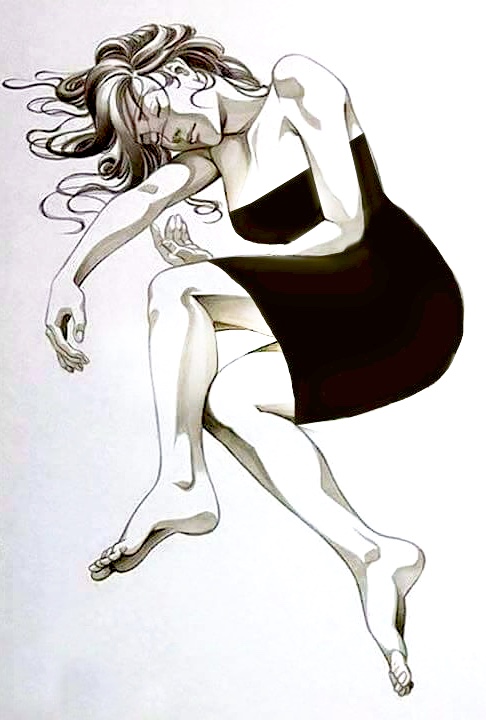
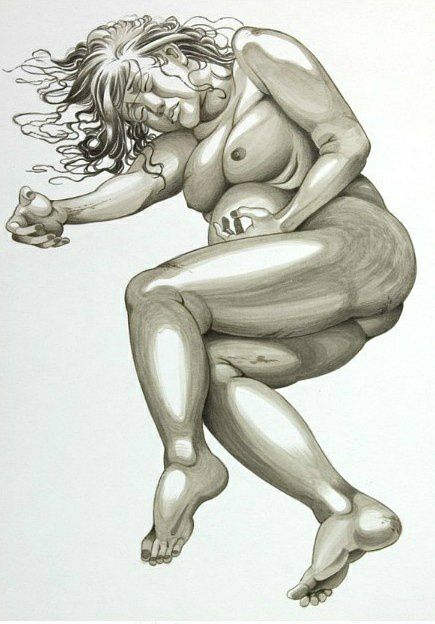
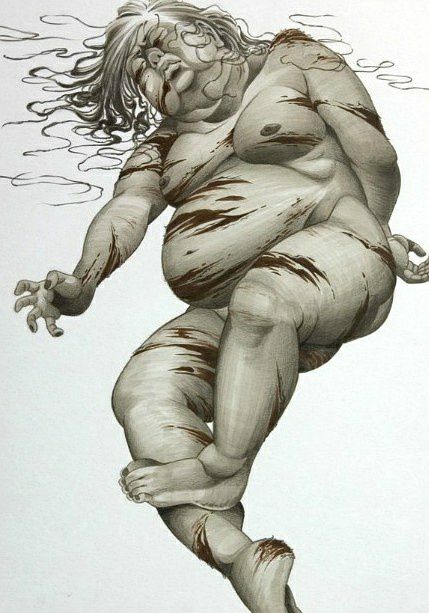
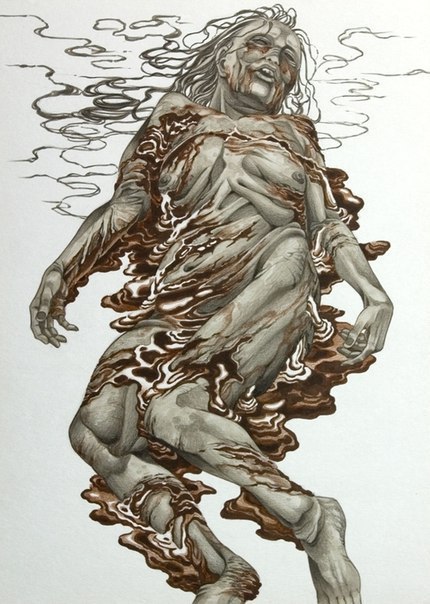
+(1) first 3 days, bloated, black, fester

|
||
| Puna caparaṁ, bhikkhave, bhikkhu seyyathāpi | Furthermore, suppose a monk | 再者,假設有一位修行者 |
| passeyya sarīraṁ sivathikāya chaḍḍitaṁ | were to see a corpse discarded in a charnel ground. | 看見了一具被丟棄在墓地的屍體, |
| ekāhamataṁ vā dvīhamataṁ vā tīhamataṁ vā uddhumātakaṁ vinīlakaṁ vipubbakajātaṁ. | And it had been dead for one, two, or three days, bloated, livid, and festering. | 這具屍體已死去一天、兩天或三天,腫脹、發青、腐臭。 |
| So imameva kāyaṁ upasaṁharati: | They’d compare it with their own body: | 他就拿自己的身體來對照: |
| ‘ayampi kho kāyo | ‘This body is also | 「這個身體也一樣, |
| evaṁdhammo | subject to the same natural Dharma laws, | 同樣受制於自然規律, |
| evaṁbhāvī | will have the same fate, | 將會有同樣的結局, |
| evaṁanatīto’ti. | and cannot avoid this.’ | 無法避免這一切。」 |
(refrain: 4sp is done with 4 jhānas level of quality: Sati’paṭṭhāna = Jhāna) |
||
| tassa evaṃ appamattassa ātāpino pahitattassa viharato | As they live like this, assiduous, ardent [in right effort], and resolute, | 他的生活勤奋、精进(于正精进)和坚定。 |
| ye gehasitā sara-saṅkappā te pahīyanti. | Any household memories-and-resolves are abandoned. | 任何家庭的记忆和决心都被舍弃了。 |
| tesaṃ pahānā | And with their abandoning, | 随着它们的舍弃, |
| ajjhattam-eva cittaṃ | Internally - his mind | 内在,他的心 |
| san-tiṭṭhati san-nisīdati | gathers and settles, | 聚集和安定, |
| ekodi hoti samādhiyati. | is singular [in focus], undistractible-and-lucid [in the four jhānas]. | 是单一的(专注),不散乱而明晰。 |
| evaṃ, bhikkhave, bhikkhu kāyagatā-satiṃ bhāveti. | This is how a monk remembers [and applies ☸Dharma] while immersed in the body. | 这就是比丘在沉浸于(身体)中时忆念(并运用佛法)的方式。 |
+ |
||

|
||
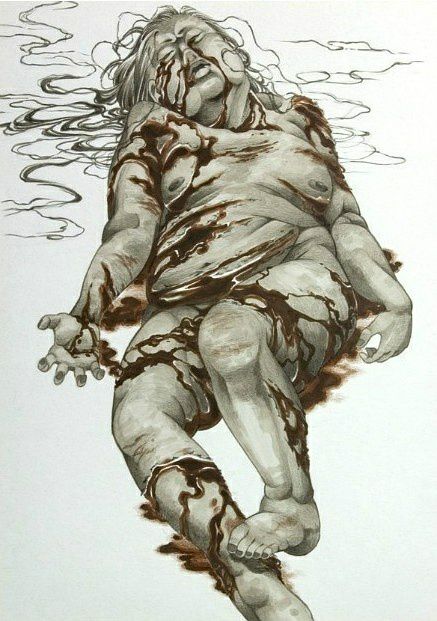
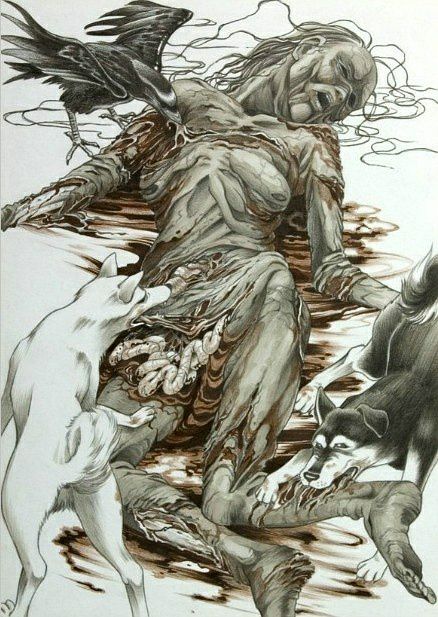
| Puna caparaṁ, bhikkhave, bhikkhu seyyathāpi | Furthermore, suppose a monk | 再者,假設有一位修行者 |
| passeyya sarīraṁ sivathikāya chaḍḍitaṁ | were to see a corpse discarded in a charnel ground. | 看見了一具被丟棄在墓地的屍體, |
| kākehi vā khajjamānaṁ | being devoured by crows, | 正被烏鴉啄食, |
| kulalehi vā khajjamānaṁ | hawks, | 被鷹啄食, |
| gijjhehi vā khajjamānaṁ | vultures, | 被禿鷲啄食, |
| kaṅkehi vā khajjamānaṁ | herons, | 被蒼鷺啄食, |
| sunakhehi vā khajjamānaṁ | hounds, | 被狗啃食, |
| byagghehi vā khajjamānaṁ | tigers, | 被老虎撕咬, |
| dīpīhi vā khajjamānaṁ | leopards, | 被豹子撕咬, |
| siṅgālehi vā khajjamānaṁ | jackals, | 被豺狼啃食, |
| vividhehi vā pāṇakajātehi khajjamānaṁ. | and many kinds of little creatures. | 以及被各種小動物侵食。 |
| So imameva kāyaṁ upasaṁharati: | They’d compare it with their own body: | 他就拿自己的身體來對照: |
| ‘ayampi kho kāyo | ‘This body is also | 「這個身體也一樣, |
| evaṁdhammo | subject to the same natural Dharma laws, | 同樣受制於自然規律, |
| evaṁbhāvī | will have the same fate, | 將會有同樣的結局, |
| evaṁanatīto’ti. | and cannot avoid this.’ | 無法避免這一切。」 |
(elided refrain: 4sp is done with 4 jhānas level of quality: Sati’paṭṭhāna = Jhāna) |
||
| Tassa evaṁ appamattassa …pe… evampi, bhikkhave, bhikkhu kāyagatāsatiṁ bhāveti. | They live assidulously, doing this exercise with 4 jhānas quality of samādhi... | 他們勤奮地修行,以具備四禪品質的定力,進行這個練習…… |
❧
+ |
||

|
||
| Puna caparaṁ, bhikkhave, bhikkhu seyyathāpi | Furthermore, suppose a monk | 再者,假設有一位修行者 |
| passeyya sarīraṁ sivathikāya chaḍḍitaṁ | were to see a corpse discarded in a charnel ground. | 看見了一具被丟棄在墓地的屍體, |
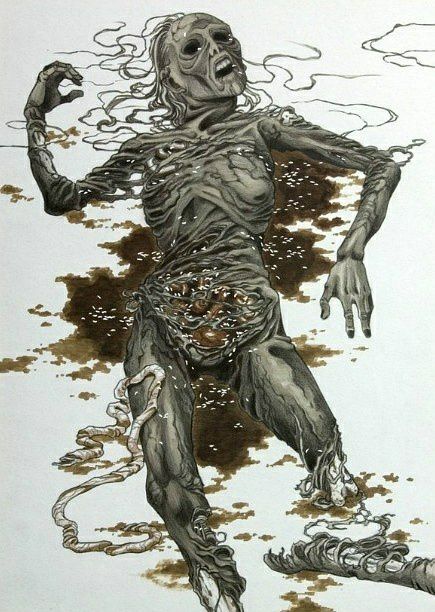
| aṭṭhikasaṅkhalikaṁ samaṁsalohitaṁ nhārusambandhaṁ …pe… | a skeleton with flesh and blood, held together by sinews … | 是一副帶有肉與血、由筋腱連接的骨骼…… |
| So imameva kāyaṁ upasaṁharati: | They’d compare it with their own body: | 他就拿自己的身體來對照: |
| ‘ayampi kho kāyo | ‘This body is also | 「這個身體也一樣, |
| evaṁdhammo | subject to the same natural Dharma laws, | 同樣受制於自然規律, |
| evaṁbhāvī | will have the same fate, | 將會有同樣的結局, |
| evaṁanatīto’ti. | and cannot avoid this.’ | 無法避免這一切。」 |
(elided refrain: 4sp is done with 4 jhānas level of quality: Sati’paṭṭhāna = Jhāna) |
||
| Tassa evaṁ appamattassa …pe… evampi, bhikkhave, bhikkhu kāyagatāsatiṁ bhāveti. | They live assidulously, doing this exercise with 4 jhānas quality of samādhi... | 他們勤奮地修行,以具備四禪品質的定力,進行這個練習…… |
+ |
||

|
||
| Puna caparaṁ, bhikkhave, bhikkhu seyyathāpi | Furthermore, suppose a monk | 再者,假設有一位修行者 |
| passeyya sarīraṁ sivathikāya chaḍḍitaṁ | were to see a corpse discarded in a charnel ground. | 看見了一具被丟棄在墓地的屍體, |
| Aṭṭhikasaṅkhalikaṁ nimaṁsalohitamakkhitaṁ nhārusambandhaṁ …pe… | A skeleton without flesh but smeared with blood, and held together by sinews … | 是一副沒有肉但沾著血、由筋腱連接的骨骼…… |
| So imameva kāyaṁ upasaṁharati: | They’d compare it with their own body: | 他就拿自己的身體來對照: |
| ‘ayampi kho kāyo | ‘This body is also | 「這個身體也一樣, |
| evaṁdhammo | subject to the same natural Dharma laws, | 同樣受制於自然規律, |
| evaṁbhāvī | will have the same fate, | 將會有同樣的結局, |
| evaṁanatīto’ti. | and cannot avoid this.’ | 無法避免這一切。」 |
(elided refrain: 4sp is done with 4 jhānas level of quality: Sati’paṭṭhāna = Jhāna) |
||
| Tassa evaṁ appamattassa …pe… evampi, bhikkhave, bhikkhu kāyagatāsatiṁ bhāveti. | They live assidulously, doing this exercise with 4 jhānas quality of samādhi... | 他們勤奮地修行,以具備四禪品質的定力,進行這個練習…… |
+ |
||

|
||
| Puna caparaṁ, bhikkhave, bhikkhu seyyathāpi | Furthermore, suppose a monk | 再者,假設有一位修行者 |
| passeyya sarīraṁ sivathikāya chaḍḍitaṁ | were to see a corpse discarded in a charnel ground. | 看見了一具被丟棄在墓地的屍體, |
| Aṭṭhikasaṅkhalikaṁ apagatamaṁsalohitaṁ nhārusambandhaṁ …pe… | A skeleton rid of flesh and blood, held together by sinews … | 是一副既無肉又無血、由筋腱連接的骨骼…… |
| So imameva kāyaṁ upasaṁharati: | They’d compare it with their own body: | 他就拿自己的身體來對照: |
| ‘ayampi kho kāyo | ‘This body is also | 「這個身體也一樣, |
| evaṁdhammo | subject to the same natural Dharma laws, | 同樣受制於自然規律, |
| evaṁbhāvī | will have the same fate, | 將會有同樣的結局, |
| evaṁanatīto’ti. | and cannot avoid this.’ | 無法避免這一切。」 |
(elided refrain: 4sp is done with 4 jhānas level of quality: Sati’paṭṭhāna = Jhāna) |
||
| Tassa evaṁ appamattassa …pe… evampi, bhikkhave, bhikkhu kāyagatāsatiṁ bhāveti. | They live assidulously, doing this exercise with 4 jhānas quality of samādhi... | 他們勤奮地修行,以具備四禪品質的定力,進行這個練習…… |
+ |
||

|
||
| Puna caparaṁ, bhikkhave, bhikkhu seyyathāpi | Furthermore, suppose a monk | 再者,假設有一位修行者 |
| passeyya sarīraṁ sivathikāya chaḍḍitaṁ | were to see a corpse discarded in a charnel ground. | 看見了一具被丟棄在墓地的屍體, |
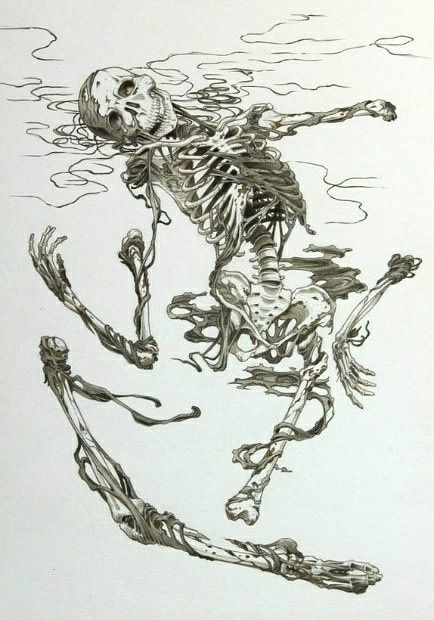
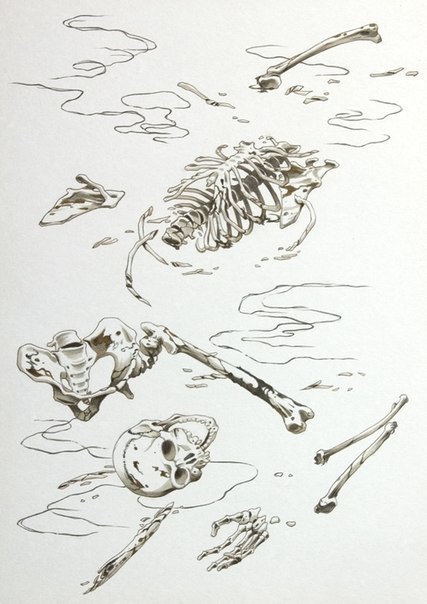
| Aṭṭhikāni apagatasambandhāni disā vidisā vikkhittāni, | Bones rid of sinews scattered in every direction. | 骨骼失去了筋腱的連結,散落各處。 |
| aññena hatthaṭṭhikaṁ | Here a hand-bone, | 這裡一塊手骨, |
| aññena pādaṭṭhikaṁ | there a foot-bone, | 那裡一塊腳骨, |
| aññena gopphakaṭṭhikaṁ | here an ankle bone, | 這裡一塊踝骨, |
| aññena jaṅghaṭṭhikaṁ | there a shin-bone, | 那裡一塊脛骨, |
| aññena ūruṭṭhikaṁ | here a thigh-bone, | 這裡一塊大腿骨, |
| aññena kaṭiṭṭhikaṁ | there a hip-bone, | 那裡一塊髖骨, |
| aññena phāsukaṭṭhikaṁ | here a rib-bone, | 這裡一塊肋骨, |
| aññena piṭṭhiṭṭhikaṁ | there a back-bone, | 那裡一塊脊椎骨, |
| aññena khandhaṭṭhikaṁ | here an arm-bone, | 這裡一塊手臂骨, |
| aññena gīvaṭṭhikaṁ | there a neck-bone, | 那裡一塊頸骨, |
| aññena hanukaṭṭhikaṁ | here a jaw-bone, | 這裡一塊下顎骨, |
| aññena dantaṭṭhikaṁ | there a tooth, | 那裡一顆牙齒, |
| aññena sīsakaṭāhaṁ. | here the skull. … | 這裡一個頭蓋骨…… |
| So imameva kāyaṁ upasaṁharati: | They’d compare it with their own body: | 他就拿自己的身體來對照: |
| ‘ayampi kho kāyo | ‘This body is also | 「這個身體也一樣, |
| evaṁdhammo | subject to the same natural Dharma laws, | 同樣受制於自然規律, |
| evaṁbhāvī | will have the same fate, | 將會有同樣的結局, |
| evaṁanatīto’ti. | and cannot avoid this.’ | 無法避免這一切。」 |
(elided refrain: 4sp is done with 4 jhānas level of quality: Sati’paṭṭhāna = Jhāna) |
||
| Tassa evaṁ appamattassa …pe… evampi, bhikkhave, bhikkhu kāyagatāsatiṁ bhāveti. | They live assidulously, doing this exercise with 4 jhānas quality of samādhi... | 他們勤奮地修行,以具備四禪品質的定力,進行這個練習…… |
❧
|
||

|
||
| Puna caparaṁ, bhikkhave, bhikkhu seyyathāpi | Furthermore, suppose a monk | 再者,假設有一位修行者 |
| passeyya sarīraṁ sivathikāya chaḍḍitaṁ | were to see a corpse discarded in a charnel ground. | 看見了一具被丟棄在墓地的屍體, |
| aṭṭhikāni setāni saṅkhavaṇṇapaṭibhāgāni …pe… | White bones, the color of shells … | 白骨,顏色如貝殼…… |
| So imameva kāyaṁ upasaṁharati: | They’d compare it with their own body: | 他就拿自己的身體來對照: |
| ‘ayampi kho kāyo | ‘This body is also | 「這個身體也一樣, |
| evaṁdhammo | subject to the same natural Dharma laws, | 同樣受制於自然規律, |
| evaṁbhāvī | will have the same fate, | 將會有同樣的結局, |
| evaṁanatīto’ti. | and cannot avoid this.’ | 無法避免這一切。」 |
(elided refrain: 4sp is done with 4 jhānas level of quality: Sati’paṭṭhāna = Jhāna) |
||
| Tassa evaṁ appamattassa …pe… evampi, bhikkhave, bhikkhu kāyagatāsatiṁ bhāveti. | They live assidulously, doing this exercise with 4 jhānas quality of samādhi... | 他們勤奮地修行,以具備四禪品質的定力,進行這個練習…… |

|
||
| Puna caparaṁ, bhikkhave, bhikkhu seyyathāpi | Furthermore, suppose a monk | 再者,假設有一位修行者 |
| passeyya sarīraṁ sivathikāya chaḍḍitaṁ | were to see a corpse discarded in a charnel ground. | 看見了一具被丟棄在墓地的屍體, |
| Aṭṭhikāni puñjakitāni terovassikāni …pe… | Decrepit bones, heaped in a pile … | 朽骨,堆積成堆…… |
| So imameva kāyaṁ upasaṁharati: | They’d compare it with their own body: | 他就拿自己的身體來對照: |
| ‘ayampi kho kāyo | ‘This body is also | 「這個身體也一樣, |
| evaṁdhammo | subject to the same natural Dharma laws, | 同樣受制於自然規律, |
| evaṁbhāvī | will have the same fate, | 將會有同樣的結局, |
| evaṁanatīto’ti. | and cannot avoid this.’ | 無法避免這一切。」 |
(elided refrain: 4sp is done with 4 jhānas level of quality: Sati’paṭṭhāna = Jhāna) |
||
| Tassa evaṁ appamattassa …pe… evampi, bhikkhave, bhikkhu kāyagatāsatiṁ bhāveti. | They live assidulously, doing this exercise with 4 jhānas quality of samādhi... | 他們勤奮地修行,以具備四禪品質的定力,進行這個練習…… |
+ |
||

|
||
| Puna caparaṁ, bhikkhave, bhikkhu seyyathāpi | Furthermore, suppose a monk | 再者,假設有一位修行者 |
| passeyya sarīraṁ sivathikāya chaḍḍitaṁ | were to see a corpse discarded in a charnel ground. | 看見了一具被丟棄在墓地的屍體, |
| Aṭṭhikāni pūtīni cuṇṇakajātāni. | Bones rotted and crumbled to powder. | 骨骼腐爛,碎成粉末。 |
| So imameva kāyaṁ upasaṁharati: | They’d compare it with their own body: | 他就拿自己的身體來對照: |
| ‘ayampi kho kāyo | ‘This body is also | 「這個身體也一樣, |
| evaṁdhammo | subject to the same natural Dharma laws, | 同樣受制於自然規律, |
| evaṁbhāvī | will have the same fate, | 將會有同樣的結局, |
| evaṁanatīto’ti. | and cannot avoid this.’ | 無法避免這一切。」 |
(refrain: 4sp is done with 4 jhānas level of quality: Sati’paṭṭhāna = Jhāna) |
||
| tassa evaṃ appamattassa ātāpino pahitattassa viharato | As they live like this, assiduous, ardent [in right effort], and resolute, | 他的生活勤奋、精进(于正精进)和坚定。 |
| ye gehasitā sara-saṅkappā te pahīyanti. | Any household memories-and-resolves are abandoned. | 任何家庭的记忆和决心都被舍弃了。 |
| tesaṃ pahānā | And with their abandoning, | 随着它们的舍弃, |
| ajjhattam-eva cittaṃ | Internally - his mind | 内在,他的心 |
| san-tiṭṭhati san-nisīdati | gathers and settles, | 聚集和安定, |
| ekodi hoti samādhiyati. | is singular [in focus], undistractible-and-lucid [in the four jhānas]. | 是单一的(专注),不散乱而明晰。 |
| evaṃ, bhikkhave, bhikkhu kāyagatā-satiṃ bhāveti. | This is how a monk remembers [and applies ☸Dharma] while immersed in the body. | 这就是比丘在沉浸于(身体)中时忆念(并运用佛法)的方式。 |
end of section [Nine stages of corpse decomposition]❧
+MN 10 and DN 22 satipaṭṭhāna suttas
(refrain: 4sp body int., ext., impermanent)
| Iti ajjhattaṁ vā kāye kāyānupassī viharati, | And so they live continuously seeing a body as a body truly is internally, | 就這樣,他持續如實地從內部觀察身體, |
| bahiddhā vā kāye kāyānupassī viharati, | externally, | 從外部觀察, |
| ajjhattabahiddhā vā kāye kāyānupassī viharati; | and both internally and externally. | 以及從內外兩方面觀察。 |
| samudayadhammānupassī vā kāyasmiṁ viharati, | With respect to the body, they live observing the liability to originate, | 對於身體,他觀察其生起的傾向, |
| vayadhammānupassī vā kāyasmiṁ viharati, | to vanish, | 消逝的傾向, |
| samudayavayadhammānupassī vā kāyasmiṁ viharati. | and to originate and vanish. | 以及生起與消逝的傾向。 |
| ‘Atthi kāyo’ti vā panassa sati paccupaṭṭhitā hoti. | Or mindfulness is established that the body exists, | 或者他建立起「身體存在」的覺知, |
| Yāvadeva ñāṇamattāya paṭissatimattāya | to the extent necessary for knowledge and mindfulness. | 以達到知識和正念所需的程度。 |
| anissito ca viharati, | They live independent, | 他獨立地生活, |
| na ca kiñci loke upādiyati. | not grasping at anything in the world. | 不執著於世間任何事物。 |