+Majjhima Nikāya (MN)
all
Middle (length) collection (of suttas)
Chinese translations are by AI Gemini 2.5 flash 2025, from the English by mostly Sujato derived 2018
+Vagga 1 Mūla-pariyāya: root-turning/explanation
all
+MN 1 Mūla-pariyāya:
root of all things
all
root of all things

+Opening
| (derived from B. Sujato 2018/12) | ||
| Mūlapariyāyasutta | The Root of All Things | 萬物之本 |
| Evaṃ me sutaṃ— | So I have heard. | 如是我聞。 |
| ekaṃ samayaṃ bhagavā ukkaṭṭhāyaṃ viharati subhagavane sālarājamūle. | At one time the Buddha was staying near Ukkaṭṭhā, in the Subhaga Forest at the root of a magnificent sal tree. | 一時,佛陀住在烏卡塔附近,在蘇巴加森林中一棵宏偉的娑羅樹下。 |
| Tatra kho bhagavā bhikkhū āmantesi: | There the Buddha addressed the monks: | 佛陀在那裡對僧侶們說: |
| “bhikkhavo”ti. | “monks!” | “比丘們!” |
| “Bhadante”ti te bhikkhū bhagavato paccassosuṃ. | “Venerable sir,” they replied. | “尊者,”他們答道。 |
| Bhagavā etadavoca: | The Buddha said this: | 佛陀說了這些: |
| “sabbadhammamūlapariyāyaṃ vo, bhikkhave, desessāmi. | “monks, I will teach you the explanation of the root of all things. | “比丘們,我將教導你們萬物之本的解釋。 |
| Taṃ suṇātha, sādhukaṃ manasi karotha, bhāsissāmī”ti. | Listen and pay close attention, I will speak.” | 仔細聽,我將要講。” |
| “Evaṃ, bhante”ti kho te bhikkhū bhagavato paccassosuṃ. | “Yes, sir,” they replied. | “是的,尊者,”他們答道。 |
| Bhagavā etadavoca: | The Buddha said this: | 佛陀說了這些: |
+1.1 – (Ordinary person, assutavā puthujjano)
all
+§1.1 – (perceives [sañjānāti] form as form, conceives wrong ideas and identity around form)
| “Idha, bhikkhave, assutavā puthujjano ariyānaṃ adassāvī ariyadhammassa akovido ariyadhamme avinīto, sappurisānaṃ adassāvī sappurisadhammassa akovido sappurisadhamme avinīto— | “Take an uneducated ordinary person who has not seen the noble ones, and is neither skilled nor trained in The Dharma of the noble ones. They’ve not seen good persons, and are neither skilled nor trained in The Dharma of the good persons. | “未受教的凡夫,未曾見過聖者,對聖者的教法既不熟練也不曾受訓。他們未曾見過善人,對善人的教法既不熟練也不曾受訓。 |
| pathaviṃ pathavito sañjānāti; | They perceive earth as earth. | 他們將地感知為地。 |
| pathaviṃ pathavito saññatvā pathaviṃ maññati, pathaviyā maññati, pathavito maññati, pathaviṃ meti maññati, pathaviṃ abhinandati. | But then they conceive earth, they conceive regarding earth, they conceive as earth, they conceive that ‘earth is mine’, they take pleasure in earth. | 但隨後他們構想地,他們就地構想,他們將地構想為地,他們構想‘地是我的’,他們喜愛地。 |
+§1.2 – (why? Because they don’t completely understand [A-pariññātaṃ] form)
| Taṃ kissa hetu? | Why is that? | 為什麼會這樣? |
| ‘Apariññātaṃ tassā’ti vadāmi. (1) | Because they haven’t completely understood it, I say. | 我說,因為他們還沒有完全理解它。 |
| Āpaṃ āpato sañjānāti; | They perceive water as water. | 他們將水感知為水。 |
| āpaṃ āpato saññatvā āpaṃ maññati, āpasmiṃ maññati, āpato maññati, āpaṃ meti maññati, āpaṃ abhinandati. | But then they conceive water … | 但隨後他們構想水…… |
| Taṃ kissa hetu? | Why is that? | 為什麼會這樣? |
| ‘Apariññātaṃ tassā’ti vadāmi. (2) | Because they haven’t completely understood it, I say. | 我說,因為他們還沒有完全理解它。 |
| Tejaṃ tejato sañjānāti; | They perceive fire as fire. | 他們將火感知為火。 |
| tejaṃ tejato saññatvā tejaṃ maññati, tejasmiṃ maññati, tejato maññati, tejaṃ meti maññati, tejaṃ abhinandati. | But then they conceive fire … | 但隨後他們構想火…… |
| Taṃ kissa hetu? | Why is that? | 為什麼會這樣? |
| ‘Apariññātaṃ tassā’ti vadāmi. (3) | Because they haven’t completely understood it, I say. | 我說,因為他們還沒有完全理解它。 |
| Vāyaṃ vāyato sañjānāti; | They perceive air as air. | 他們將風感知為風。 |
| vāyaṃ vāyato saññatvā vāyaṃ maññati, vāyasmiṃ maññati, vāyato maññati, vāyaṃ meti maññati, vāyaṃ abhinandati. | But then they conceive air … | 但隨後他們構想風…… |
| Taṃ kissa hetu? | Why is that? | 為什麼會這樣? |
| ‘Apariññātaṃ tassā’ti vadāmi. (4) | Because they haven’t completely understood it, I say. | 我說,因為他們還沒有完全理解它。 |
| Bhūte bhūtato sañjānāti; | They perceive creatures as creatures. | 他們將眾生感知為眾生。 |
| bhūte bhūtato saññatvā bhūte maññati, bhūtesu maññati, bhūtato maññati, bhūte meti maññati, bhūte abhinandati. | But then they conceive creatures … | 但隨後他們構想眾生…… |
| Taṃ kissa hetu? | Why is that? | 為什麼會這樣? |
| ‘Apariññātaṃ tassā’ti vadāmi. (5) | Because they haven’t completely understood it, I say. | 我說,因為他們還沒有完全理解它。 |
| Deve devato sañjānāti; | They perceive gods as gods. | 他們將諸神感知為諸神。 |
| deve devato saññatvā deve maññati, devesu maññati, devato maññati, deve meti maññati, deve abhinandati. | But then they conceive gods … | 但隨後他們構想諸神…… |
| Taṃ kissa hetu? | Why is that? | 為什麼會這樣? |
| ‘Apariññātaṃ tassā’ti vadāmi. (6) | Because they haven’t completely understood it, I say. | 我說,因為他們還沒有完全理解它。 |
| Pajāpatiṃ pajāpatito sañjānāti; | They perceive the Creator as the Creator. | 他們將造物主感知為造物主。 |
| pajāpatiṃ pajāpatito saññatvā pajāpatiṃ maññati, pajāpatismiṃ maññati, pajāpatito maññati, pajāpatiṃ meti maññati, pajāpatiṃ abhinandati. | But then they conceive the Creator … | 但隨後他們構想造物主…… |
| Taṃ kissa hetu? | Why is that? | 為什麼會這樣? |
| ‘Apariññātaṃ tassā’ti vadāmi. (7) | Because they haven’t completely understood it, I say. | 我說,因為他們還沒有完全理解它。 |
| Brahmaṃ brahmato sañjānāti; | They perceive Brahmā as Brahmā. | 他們將梵天感知為梵天。 |
| brahmaṃ brahmato saññatvā brahmaṃ maññati, brahmasmiṃ maññati, brahmato maññati, brahmaṃ meti maññati, brahmaṃ abhinandati. | But then they conceive Brahmā … | 但隨後他們構想梵天…… |
| Taṃ kissa hetu? | Why is that? | 為什麼會這樣? |
| ‘Apariññātaṃ tassā’ti vadāmi. (8) | Because they haven’t completely understood it, I say. | 我說,因為他們還沒有完全理解它。 |
| Ābhassare ābhassarato sañjānāti; | They perceive the gods of streaming radiance as the gods of streaming radiance. | 他們將光明遍照天感知為光明遍照天。 |
| ābhassare ābhassarato saññatvā ābhassare maññati, ābhassaresu maññati, ābhassarato maññati, ābhassare meti maññati, ābhassare abhinandati. | But then they conceive the gods of streaming radiance … | 但隨後他們構想光明遍照天…… |
| Taṃ kissa hetu? | Why is that? | 為什麼會這樣? |
| ‘Apariññātaṃ tassā’ti vadāmi. (9) | Because they haven’t completely understood it, I say. | 我說,因為他們還沒有完全理解它。 |
| Subhakiṇhe subhakiṇhato sañjānāti; | They perceive the gods replete with glory as the gods replete with glory. | 他們將榮耀遍滿天感知為榮耀遍滿天。 |
| subhakiṇhe subhakiṇhato saññatvā subhakiṇhe maññati, subhakiṇhesu maññati, subhakiṇhato maññati, subhakiṇhe meti maññati, subhakiṇhe abhinandati. | But then they conceive the gods replete with glory … | 但隨後他們構想榮耀遍滿天…… |
| Taṃ kissa hetu? | Why is that? | 為什麼會這樣? |
| ‘Apariññātaṃ tassā’ti vadāmi. (10) | Because they haven’t completely understood it, I say. | 我說,因為他們還沒有完全理解它。 |
| Vehapphale vehapphalato sañjānāti; | They perceive the gods of abundant fruit as the gods of abundant fruit. | 他們將廣果天感知為廣果天。 |
| vehapphale vehapphalato saññatvā vehapphale maññati, vehapphalesu maññati, vehapphalato maññati, vehapphale meti maññati, vehapphale abhinandati. | But then they conceive the gods of abundant fruit … | 但隨後他們構想廣果天…… |
| Taṃ kissa hetu? | Why is that? | 為什麼會這樣? |
| ‘Apariññātaṃ tassā’ti vadāmi. (11) | Because they haven’t completely understood it, I say. | 我說,因為他們還沒有完全理解它。 |
| Abhibhuṃ abhibhuto sañjānāti; | They perceive the Overlord as the Overlord. | 他們將至上主感知為至上主。 |
| abhibhuṃ abhibhuto saññatvā abhibhuṃ maññati, abhibhusmiṃ maññati, abhibhuto maññati, abhibhuṃ meti maññati, abhibhuṃ abhinandati. | But then they conceive the Overlord … | 但隨後他們構想至上主…… |
| Taṃ kissa hetu? | Why is that? | 為什麼會這樣? |
| ‘Apariññātaṃ tassā’ti vadāmi. (12) | Because they haven’t completely understood it, I say. | 我說,因為他們還沒有完全理解它。 |
| Ākāsānañcāyatanaṃ ākāsānañcāyatanato sañjānāti; | They perceive the dimension of infinite space as the dimension of infinite space. | 他們將虛空無邊處感知為虛空無邊處。 |
| ākāsānañcāyatanaṃ ākāsānañcāyatanato saññatvā ākāsānañcāyatanaṃ maññati, ākāsānañcāyatanasmiṃ maññati, ākāsānañcāyatanato maññati, ākāsānañcāyatanaṃ meti maññati, ākāsānañcāyatanaṃ abhinandati. | But then they conceive the dimension of infinite space … | 但隨後他們構想虛空無邊處…… |
| Taṃ kissa hetu? | Why is that? | 為什麼會這樣? |
| ‘Apariññātaṃ tassā’ti vadāmi. (13) | Because they haven’t completely understood it, I say. | 我說,因為他們還沒有完全理解它。 |
| Viññāṇañcāyatanaṃ viññāṇañcāyatanato sañjānāti; | They perceive the dimension of infinite consciousness as the dimension of infinite consciousness. | 他們將識無邊處感知為識無邊處。 |
| viññāṇañcāyatanaṃ viññāṇañcāyatanato saññatvā viññāṇañcāyatanaṃ maññati, viññāṇañcāyatanasmiṃ maññati, viññāṇañcāyatanato maññati, viññāṇañcāyatanaṃ meti maññati, viññāṇañcāyatanaṃ abhinandati. | But then they conceive the dimension of infinite consciousness … | 但隨後他們構想識無邊處…… |
| Taṃ kissa hetu? | Why is that? | 為什麼會這樣? |
| ‘Apariññātaṃ tassā’ti vadāmi. (14) | Because they haven’t completely understood it, I say. | 我說,因為他們還沒有完全理解它。 |
| Ākiñcaññāyatanaṃ ākiñcaññāyatanato sañjānāti; | They perceive the dimension of nothingness as the dimension of nothingness. | 他們將無所有處感知為無所有處。 |
| ākiñcaññāyatanaṃ ākiñcaññāyatanato saññatvā ākiñcaññāyatanaṃ maññati, ākiñcaññāyatanasmiṃ maññati, ākiñcaññāyatanato maññati, ākiñcaññāyatanaṃ meti maññati, ākiñcaññāyatanaṃ abhinandati. | But then they conceive the dimension of nothingness … | 但隨後他們構想無所有處…… |
| Taṃ kissa hetu? | Why is that? | 為什麼會這樣? |
| ‘Apariññātaṃ tassā’ti vadāmi. (15) | Because they haven’t completely understood it, I say. | 我說,因為他們還沒有完全理解它。 |
| Nevasaññānāsaññāyatanaṃ nevasaññānāsaññāyatanato sañjānāti; | They perceive the dimension of neither perception nor non-perception as the dimension of neither perception nor non-perception. | 他們將非想非非想處感知為非想非非想處。 |
| nevasaññānāsaññāyatanaṃ nevasaññānāsaññāyatanato saññatvā nevasaññānāsaññāyatanaṃ maññati, nevasaññānāsaññāyatanasmiṃ maññati, nevasaññānāsaññāyatanato maññati, nevasaññānāsaññāyatanaṃ meti maññati, nevasaññānāsaññāyatanaṃ abhinandati. | But then they conceive the dimension of neither perception nor non-perception … | 但隨後他們構想非想非非想處…… |
| Taṃ kissa hetu? | Why is that? | 為什麼會這樣? |
| ‘Apariññātaṃ tassā’ti vadāmi. (16) | Because they haven’t completely understood it, I say. | 我說,因為他們還沒有完全理解它。 |
| Diṭṭhaṃ diṭṭhato sañjānāti; | They perceive the seen as the seen. | 他們將所見感知為所見。 |
| diṭṭhaṃ diṭṭhato saññatvā diṭṭhaṃ maññati, diṭṭhasmiṃ maññati, diṭṭhato maññati, diṭṭhaṃ meti maññati, diṭṭhaṃ abhinandati. | But then they conceive the seen … | 但隨後他們構想所見…… |
| Taṃ kissa hetu? | Why is that? | 為什麼會這樣? |
| ‘Apariññātaṃ tassā’ti vadāmi. (17) | Because they haven’t completely understood it, I say. | 我說,因為他們還沒有完全理解它。 |
| Sutaṃ sutato sañjānāti; | They perceive the heard as the heard. | 他們將所聞感知為所聞。 |
| sutaṃ sutato saññatvā sutaṃ maññati, sutasmiṃ maññati, sutato maññati, sutaṃ meti maññati, sutaṃ abhinandati. | But then they conceive the heard … | 但隨後他們構想所聞…… |
| Taṃ kissa hetu? | Why is that? | 為什麼會這樣? |
| ‘Apariññātaṃ tassā’ti vadāmi. (18) | Because they haven’t completely understood it, I say. | 我說,因為他們還沒有完全理解它。 |
| Mutaṃ mutato sañjānāti; | They perceive the thought as the thought. | 他們將所思感知為所思。 |
| mutaṃ mutato saññatvā mutaṃ maññati, mutasmiṃ maññati, mutato maññati, mutaṃ meti maññati, mutaṃ abhinandati. | But then they conceive the thought … | 但隨後他們構想所思…… |
| Taṃ kissa hetu? | Why is that? | 為什麼會這樣? |
| ‘Apariññātaṃ tassā’ti vadāmi. (19) | Because they haven’t completely understood it, I say. | 我說,因為他們還沒有完全理解它。 |
| Viññātaṃ viññātato sañjānāti; | They perceive the cognized as the cognized. | 他們將所識感知為所識。 |
| viññātaṃ viññātato saññatvā viññātaṃ maññati, viññātasmiṃ maññati, viññātato maññati, viññātaṃ meti maññati, viññātaṃ abhinandati. | But then they conceive the cognized … | 但隨後他們構想所識…… |
| Taṃ kissa hetu? | Why is that? | 為什麼會這樣? |
| ‘Apariññātaṃ tassā’ti vadāmi. (20) | Because they haven’t completely understood it, I say. | 我說,因為他們還沒有完全理解它。 |
| Ekattaṃ ekattato sañjānāti; | They perceive oneness as oneness. | 他們將一元性感知為一元性。 |
| ekattaṃ ekattato saññatvā ekattaṃ maññati, ekattasmiṃ maññati, ekattato maññati, ekattaṃ meti maññati, ekattaṃ abhinandati. | But then they conceive oneness … | 但隨後他們構想一元性…… |
| Taṃ kissa hetu? | Why is that? | 為什麼會這樣? |
| ‘Apariññātaṃ tassā’ti vadāmi. (21) | Because they haven’t completely understood it, I say. | 我說,因為他們還沒有完全理解它。 |
| Nānattaṃ nānattato sañjānāti; | They perceive diversity as diversity. | 他們將多元性感知為多元性。 |
| nānattaṃ nānattato saññatvā nānattaṃ maññati, nānattasmiṃ maññati, nānattato maññati, nānattaṃ meti maññati, nānattaṃ abhinandati. | But then they conceive diversity … | 但隨後他們構想多元性…… |
| Taṃ kissa hetu? | Why is that? | 為什麼會這樣? |
| ‘Apariññātaṃ tassā’ti vadāmi. (22) | Because they haven’t completely understood it, I say. | 我說,因為他們還沒有完全理解它。 |
| Sabbaṃ sabbato sañjānāti; | They perceive all as all. | 他們將一切感知為一切。 |
| sabbaṃ sabbato saññatvā sabbaṃ maññati, sabbasmiṃ maññati, sabbato maññati, sabbaṃ meti maññati, sabbaṃ abhinandati. | But then they conceive all … | 但隨後他們構想一切…… |
| Taṃ kissa hetu? | Why is that? | 為什麼會這樣? |
| ‘Apariññātaṃ tassā’ti vadāmi. (23) | Because they haven’t completely understood it, I say. | 我說,因為他們還沒有完全理解它。 |
| Nibbānaṃ nibbānato sañjānāti; | They perceive nirvana as nirvana. | 他們將涅槃感知為涅槃。 |
| nibbānaṃ nibbānato saññatvā nibbānaṃ maññati, nibbānasmiṃ maññati, nibbānato maññati, nibbānaṃ meti maññati, nibbānaṃ abhinandati. | But then they conceive nirvana, they conceive regarding nirvana, they conceive as nirvana, they conceive that ‘nirvana is mine’, they take pleasure in nirvana. | 但隨後他們構想涅槃,他們就涅槃構想,他們將涅槃構想為涅槃,他們構想‘涅槃是我的’,他們喜愛涅槃。 |
| Taṃ kissa hetu? | Why is that? | 為什麼會這樣? |
| ‘Apariññātaṃ tassā’ti vadāmi. (24) | Because they haven’t completely understood it, I say. | 我說,因為他們還沒有完全理解它。 |
❧
+1.2 – (The trainee, sekha, an ariya but not an arahant yet)
all
+§2.1 – (directly knows [abhijānāti] form as form, but still working on not conceiving wrong ideas and identity around form)
| Yopi so, bhikkhave, bhikkhu sekkho appattamānaso anuttaraṃ yogakkhemaṃ patthayamāno viharati, sopi pathaviṃ pathavito abhijānāti; | A monk who is a trainee, who hasn’t achieved their heart’s desire, but lives aspiring to the supreme sanctuary, directly knows earth as earth. | 受訓的比丘,尚未實現其心願,但渴望最高的庇護所,直接將地知為地。 |
| pathaviṃ pathavito abhiññāya pathaviṃ mā maññi, pathaviyā mā maññi, pathavito mā maññi, pathaviṃ meti mā maññi, pathaviṃ mābhinandi. | But they shouldn’t conceive earth, they shouldn’t conceive regarding earth, they shouldn’t conceive as earth, they shouldn’t conceive that ‘earth is mine’, they shouldn’t take pleasure in earth. | 但他們不應構想地,他們不應就地構想,他們不應將地構想為地,他們不應構想‘地是我的’,他們不應喜愛地。 |
| Taṃ kissa hetu? | Why is that? | 為什麼會這樣? |
| ‘Pariññeyyaṃ tassā’ti vadāmi. | So that they may completely understand it, I say. | 我說,這樣他們才能完全理解它。 |
+§2.2 – (why? so they can completely understand [Pariññātaṃ] form)
| Āpaṃ … pe … | They directly know water … | 他們直接知水…… |
| tejaṃ … | fire … | 火…… |
| vāyaṃ … | air … | 風…… |
| bhūte … | creatures … | 眾生…… |
| deve … | gods … | 諸神…… |
| pajāpatiṃ … | the Creator … | 造物主…… |
| brahmaṃ … | Brahmā … | 梵天…… |
| ābhassare … | the gods of streaming radiance … | 光明遍照天…… |
| subhakiṇhe … | the gods replete with glory … | 榮耀遍滿天…… |
| vehapphale … | the gods of abundant fruit … | 廣果天…… |
| abhibhuṃ … | the Overlord … | 至上主…… |
| ākāsānañcāyatanaṃ … | the dimension of infinite space … | 虛空無邊處…… |
| viññāṇañcāyatanaṃ … | the dimension of infinite consciousness … | 識無邊處…… |
| ākiñcaññāyatanaṃ … | the dimension of nothingness … | 無所有處…… |
| nevasaññānāsaññāyatanaṃ … | the dimension of neither perception nor non-perception … | 非想非非想處…… |
| diṭṭhaṃ … | the seen … | 所見…… |
| sutaṃ … | the heard … | 所聞…… |
| mutaṃ … | the thought … | 所思…… |
| viññātaṃ … | the cognized … | 所識…… |
| ekattaṃ … | oneness … | 一元性…… |
| nānattaṃ … | diversity … | 多元性…… |
| sabbaṃ … | all … | 一切…… |
| nibbānaṃ nibbānato abhijānāti; | They directly know nirvana as nirvana. | 他們直接將涅槃知為涅槃。 |
| nibbānaṃ nibbānato abhiññāya nibbānaṃ mā maññi, nibbānasmiṃ mā maññi, nibbānato mā maññi, nibbānaṃ meti mā maññi, nibbānaṃ mābhinandi. | But they shouldn’t conceive nirvana, they shouldn’t conceive regarding nirvana, they shouldn’t conceive as nirvana, they shouldn’t conceive that ‘nirvana is mine’, they shouldn’t take pleasure in nirvana. | 但他們不應構想涅槃,他們不應就涅槃構想,他們不應將涅槃構想為涅槃,他們不應構想‘涅槃是我的’,他們不應喜愛涅槃。 |
| Taṃ kissa hetu? | Why is that? | 為什麼會這樣? |
| ‘Pariññeyyaṃ tassā’ti vadāmi. | So that they may completely understand it, I say. | 我說,這樣他們才能完全理解它。 |
❧
+1.3 – (THE ARAHANT—I: completely understands [Pariññātaṃ])
all
+§3.1 – (directly knows [abhijānāti] form as form, they do not conceive wrong ideas and identity around form)
| Yopi so, bhikkhave, bhikkhu arahaṃ khīṇāsavo vusitavā katakaraṇīyo ohitabhāro anuppattasadattho parikkhīṇabhavasaṃyojano sammadaññāvimutto, sopi pathaviṃ pathavito abhijānāti; | A monk who is perfected—with defilements ended, who has completed the spiritual journey, done what had to be done, laid down the burden, achieved their own true goal, utterly ended the fetters of rebirth, and is rightly freed through enlightenment—directly knows earth as earth. | 比丘已圓滿——煩惱已盡,已完成靈性之旅,該做的已做,重擔已卸,已達成自己的真正目標,徹底斷除輪迴的束縛,並透過覺悟而獲得正當解脫——直接將地知為地。 |
| pathaviṃ pathavito abhiññāya pathaviṃ na maññati, pathaviyā na maññati, pathavito na maññati, pathaviṃ meti na maññati, pathaviṃ nābhinandati. | But they don’t conceive earth, they don’t conceive regarding earth, they don’t conceive as earth, they don’t conceive that ‘earth is mine’, they don’t take pleasure in earth. | 但他們不構想地,他們不就地構想,他們不將地構想為地,他們不構想‘地是我的’,他們不喜愛地。 |
+§3.2 – (why? Because they have completely understood [Pariññātaṃ] form)
| Taṃ kissa hetu? | Why is that? | 為什麼會這樣? |
| ‘Pariññātaṃ tassā’ti vadāmi. | Because they have completely understood it, I say. | 我說,因為他們已經完全理解它。 |
| Āpaṃ … pe … | They directly know water … | 他們直接知水…… |
| tejaṃ … | fire … | 火…… |
| vāyaṃ … | air … | 風…… |
| bhūte … | creatures … | 眾生…… |
| deve … | gods … | 諸神…… |
| pajāpatiṃ … | the Creator … | 造物主…… |
| brahmaṃ … | Brahmā … | 梵天…… |
| ābhassare … | the gods of streaming radiance … | 光明遍照天…… |
| subhakiṇhe … | the gods replete with glory … | 榮耀遍滿天…… |
| vehapphale … | the gods of abundant fruit … | 廣果天…… |
| abhibhuṃ … | the Overlord … | 至上主…… |
| ākāsānañcāyatanaṃ … | the dimension of infinite space … | 虛空無邊處…… |
| viññāṇañcāyatanaṃ … | the dimension of infinite consciousness … | 識無邊處…… |
| ākiñcaññāyatanaṃ … | the dimension of nothingness … | 無所有處…… |
| nevasaññānāsaññāyatanaṃ … | the dimension of neither perception nor non-perception … | 非想非非想處…… |
| diṭṭhaṃ … | the seen … | 所見…… |
| sutaṃ … | the heard … | 所聞…… |
| mutaṃ … | the thought … | 所思…… |
| viññātaṃ … | the cognized … | 所識…… |
| ekattaṃ … | oneness … | 一元性…… |
| nānattaṃ … | diversity … | 多元性…… |
| sabbaṃ … | all … | 一切…… |
| nibbānaṃ nibbānato abhijānāti; | They directly know nirvana as nirvana. | 他們直接將涅槃知為涅槃。 |
| nibbānaṃ nibbānato abhiññāya nibbānaṃ na maññati, nibbānasmiṃ na maññati, nibbānato na maññati, nibbānaṃ meti na maññati, nibbānaṃ nābhinandati. | But they don’t conceive nirvana, they don’t conceive regarding nirvana, they don’t conceive as nirvana, they don’t conceive that ‘nirvana is mine’, they don’t take pleasure in nirvana. | 但他們不構想涅槃,他們不就涅槃構想,他們不將涅槃構想為涅槃,他們不構想‘涅槃是我的’,他們不喜愛涅槃。 |
| Taṃ kissa hetu? | Why is that? | 為什麼會這樣? |
| ‘Pariññātaṃ tassā’ti vadāmi. | Because they have completely understood it, I say. | 我說,因為他們已經完全理解它。 |
❧
+1.4 – (THE ARAHANT—II: free of greed)
all
+§4.1 – (directly knows [abhijānāti] form as form, they do not conceive wrong ideas and identity around form)
| Yopi so, bhikkhave, bhikkhu arahaṃ khīṇāsavo vusitavā katakaraṇīyo ohitabhāro anuppattasadattho parikkhīṇabhavasaṃyojano sammadaññā vimutto, sopi pathaviṃ pathavito abhijānāti; | A monk who is perfected—with defilements ended, who has completed the spiritual journey, done what had to be done, laid down the burden, achieved their own true goal, utterly ended the fetters of rebirth, and is rightly freed through enlightenment—directly knows earth as earth. | 比丘已圓滿——煩惱已盡,已完成靈性之旅,該做的已做,重擔已卸,已達成自己的真正目標,徹底斷除輪迴的束縛,並透過覺悟而獲得正當解脫——直接將地知為地。 |
| pathaviṃ pathavito abhiññāya pathaviṃ na maññati, pathaviyā na maññati, pathavito na maññati, pathaviṃ meti na maññati, pathaviṃ nābhinandati. | But they don’t conceive earth, they don’t conceive regarding earth, they don’t conceive as earth, they don’t conceive that ‘earth is mine’, they don’t take pleasure in earth. | 但他們不構想地,他們不就地構想,他們不將地構想為地,他們不構想‘地是我的’,他們不喜愛地。 |
+§4.2 – (why? Because they’re free of greed due to the ending of greed.)
| Taṃ kissa hetu? | Why is that? | 為什麼會這樣? |
| Khayā rāgassa, vītarāgattā. | Because they’re free of greed due to the ending of greed. | 因為貪欲的止息,他們已無貪。 |
| Āpaṃ … pe … | They directly know water … | 他們直接知水…… |
| tejaṃ … | fire … | 火…… |
| vāyaṃ … | air … | 風…… |
| bhūte … | creatures … | 眾生…… |
| deve … | gods … | 諸神…… |
| pajāpatiṃ … | the Creator … | 造物主…… |
| brahmaṃ … | Brahmā … | 梵天…… |
| ābhassare … | the gods of streaming radiance … | 光明遍照天…… |
| subhakiṇhe … | the gods replete with glory … | 榮耀遍滿天…… |
| vehapphale … | the gods of abundant fruit … | 廣果天…… |
| abhibhuṃ … | the Overlord … | 至上主…… |
| ākāsānañcāyatanaṃ … | the dimension of infinite space … | 虛空無邊處…… |
| viññāṇañcāyatanaṃ … | the dimension of infinite consciousness … | 識無邊處…… |
| ākiñcaññāyatanaṃ … | the dimension of nothingness … | 無所有處…… |
| nevasaññānāsaññāyatanaṃ … | the dimension of neither perception nor non-perception … | 非想非非想處…… |
| diṭṭhaṃ … | the seen … | 所見…… |
| sutaṃ … | the heard … | 所聞…… |
| mutaṃ … | the thought … | 所思…… |
| viññātaṃ … | the cognized … | 所識…… |
| ekattaṃ … | oneness … | 一元性…… |
| nānattaṃ … | diversity … | 多元性…… |
| sabbaṃ … | all … | 一切…… |
| nibbānaṃ nibbānato abhijānāti; | They directly know nirvana as nirvana. | 他們直接將涅槃知為涅槃。 |
| nibbānaṃ nibbānato abhiññāya nibbānaṃ na maññati, nibbānasmiṃ na maññati, nibbānato na maññati, nibbānaṃ meti na maññati, nibbānaṃ nābhinandati. | But they don’t conceive nirvana, they don’t conceive regarding nirvana, they don’t conceive as nirvana, they don’t conceive that ‘nirvana is mine’, they don’t take pleasure in nirvana. | 但他們不構想涅槃,他們不就涅槃構想,他們不將涅槃構想為涅槃,他們不構想‘涅槃是我的’,他們不喜愛涅槃。 |
| Taṃ kissa hetu? | Why is that? | 為什麼會這樣? |
| Khayā rāgassa, vītarāgattā. | Because they’re free of greed due to the ending of greed. | 因為貪欲的止息,他們已無貪。 |
❧
+1.5 – (THE ARAHANT—III: free of aversion)
all
+§5.1 – (directly knows [abhijānāti] form as form, they do not conceive wrong ideas and identity around form)
| Yopi so, bhikkhave, bhikkhu arahaṃ khīṇāsavo vusitavā katakaraṇīyo ohitabhāro anuppattasadattho parikkhīṇabhavasaṃyojano sammadaññāvimutto, sopi pathaviṃ pathavito abhijānāti; | A monk who is perfected—with defilements ended, who has completed the spiritual journey, done what had to be done, laid down the burden, achieved their own true goal, utterly ended the fetters of rebirth, and is rightly freed through enlightenment—directly knows earth as earth. | 比丘已圓滿——煩惱已盡,已完成靈性之旅,該做的已做,重擔已卸,已達成自己的真正目標,徹底斷除輪迴的束縛,並透過覺悟而獲得正當解脫——直接將地知為地。 |
| pathaviṃ pathavito abhiññāya pathaviṃ na maññati, pathaviyā na maññati, pathavito na maññati, pathaviṃ meti na maññati, pathaviṃ nābhinandati. | But they don’t conceive earth, they don’t conceive regarding earth, they don’t conceive as earth, they don’t conceive that ‘earth is mine’, they don’t take pleasure in earth. | 但他們不構想地,他們不就地構想,他們不將地構想為地,他們不構想‘地是我的’,他們不喜愛地。 |
+§5.2 – (why? Because they’re free of hate due to the ending of hate.)
| Taṃ kissa hetu? | Why is that? | 為什麼會這樣? |
| Khayā dosassa, vītadosattā. | Because they’re free of hate due to the ending of hate. | 因為瞋恨的止息,他們已無瞋。 |
| Āpaṃ … pe … | They directly know water … | 他們直接知水…… |
| tejaṃ … | fire … | 火…… |
| vāyaṃ … | air … | 風…… |
| bhūte … | creatures … | 眾生…… |
| deve … | gods … | 諸神…… |
| pajāpatiṃ … | the Creator … | 造物主…… |
| brahmaṃ … | Brahmā … | 梵天…… |
| ābhassare … | the gods of streaming radiance … | 光明遍照天…… |
| subhakiṇhe … | the gods replete with glory … | 榮耀遍滿天…… |
| vehapphale … | the gods of abundant fruit … | 廣果天…… |
| abhibhuṃ … | the Overlord … | 至上主…… |
| ākāsānañcāyatanaṃ … | the dimension of infinite space … | 虛空無邊處…… |
| viññāṇañcāyatanaṃ … | the dimension of infinite consciousness … | 識無邊處…… |
| ākiñcaññāyatanaṃ … | the dimension of nothingness … | 無所有處…… |
| nevasaññānāsaññāyatanaṃ … | the dimension of neither perception nor non-perception … | 非想非非想處…… |
| diṭṭhaṃ … | the seen … | 所見…… |
| sutaṃ … | the heard … | 所聞…… |
| mutaṃ … | the thought … | 所思…… |
| viññātaṃ … | the cognized … | 所識…… |
| ekattaṃ … | oneness … | 一元性…… |
| nānattaṃ … | diversity … | 多元性…… |
| sabbaṃ … | all … | 一切…… |
| nibbānaṃ nibbānato abhijānāti; | They directly know nirvana as nirvana. | 他們直接將涅槃知為涅槃。 |
| nibbānaṃ nibbānato abhiññāya nibbānaṃ na maññati, nibbānasmiṃ na maññati, nibbānato na maññati, nibbānaṃ meti na maññati, nibbānaṃ nābhinandati. | But they don’t conceive nirvana, they don’t conceive regarding nirvana, they don’t conceive as nirvana, they don’t conceive that ‘nirvana is mine’, they don’t take pleasure in nirvana. | 但他們不構想涅槃,他們不就涅槃構想,他們不將涅槃構想為涅槃,他們不構想‘涅槃是我的’,他們不喜愛涅槃。 |
| Taṃ kissa hetu? | Why is that? | 為什麼會這樣? |
| Khayā dosassa, vītadosattā. | Because they’re free of hate due to the ending of hate. | 因為瞋恨的止息,他們已無瞋。 |
❧
+1.6 – (THE ARAHANT—IV: free of delusion)
all
+§6.1 – (directly knows [abhijānāti] form as form, they do not conceive wrong ideas and identity around form)
| Yopi so, bhikkhave, bhikkhu arahaṃ khīṇāsavo vusitavā katakaraṇīyo ohitabhāro anuppattasadattho parikkhīṇabhavasaṃyojano sammadaññāvimutto, sopi pathaviṃ pathavito abhijānāti; | A monk who is perfected—with defilements ended, who has completed the spiritual journey, done what had to be done, laid down the burden, achieved their own true goal, utterly ended the fetters of rebirth, and is rightly freed through enlightenment—directly knows earth as earth. | 比丘已圓滿——煩惱已盡,已完成靈性之旅,該做的已做,重擔已卸,已達成自己的真正目標,徹底斷除輪迴的束縛,並透過覺悟而獲得正當解脫——直接將地知為地。 |
| pathaviṃ pathavito abhiññāya pathaviṃ na maññati, pathaviyā na maññati, pathavito na maññati, pathaviṃ meti na maññati, pathaviṃ nābhinandati. | But they don’t conceive earth, they don’t conceive regarding earth, they don’t conceive as earth, they don’t conceive that ‘earth is mine’, they don’t take pleasure in earth. | 但他們不構想地,他們不就地構想,他們不將地構想為地,他們不構想‘地是我的’,他們不喜愛地。 |
+§6.2 – (why? Because they’re free of delusion due to the ending of delusion.)
| Taṃ kissa hetu? | Why is that? | 為什麼會這樣? |
| Khayā mohassa, vītamohattā. | Because they’re free of delusion due to the ending of delusion. | 因為愚痴的止息,他們已無痴。 |
| Āpaṃ … pe … | They directly know water … | 他們直接知水…… |
| tejaṃ … | fire … | 火…… |
| vāyaṃ … | air … | 風…… |
| bhūte … | creatures … | 眾生…… |
| deve … | gods … | 諸神…… |
| pajāpatiṃ … | the Creator … | 造物主…… |
| brahmaṃ … | Brahmā … | 梵天…… |
| ābhassare … | the gods of streaming radiance … | 光明遍照天…… |
| subhakiṇhe … | the gods replete with glory … | 榮耀遍滿天…… |
| vehapphale … | the gods of abundant fruit … | 廣果天…… |
| abhibhuṃ … | the Overlord … | 至上主…… |
| ākāsānañcāyatanaṃ … | the dimension of infinite space … | 虛空無邊處…… |
| viññāṇañcāyatanaṃ … | the dimension of infinite consciousness … | 識無邊處…… |
| ākiñcaññāyatanaṃ … | the dimension of nothingness … | 無所有處…… |
| nevasaññānāsaññāyatanaṃ … | the dimension of neither perception nor non-perception … | 非想非非想處…… |
| diṭṭhaṃ … | the seen … | 所見…… |
| sutaṃ … | the heard … | 所聞…… |
| mutaṃ … | the thought … | 所思…… |
| viññātaṃ … | the cognized … | 所識…… |
| ekattaṃ … | oneness … | 一元性…… |
| nānattaṃ … | diversity … | 多元性…… |
| sabbaṃ … | all … | 一切…… |
| nibbānaṃ nibbānato abhijānāti; | They directly know nirvana as nirvana. | 他們直接將涅槃知為涅槃。 |
| nibbānaṃ nibbānato abhiññāya nibbānaṃ na maññati, nibbānasmiṃ na maññati, nibbānato na maññati, nibbānaṃ meti na maññati, nibbānaṃ nābhinandati. | But they don’t conceive nirvana, they don’t conceive regarding nirvana, they don’t conceive as nirvana, they don’t conceive that ‘nirvana is mine’, they don’t take pleasure in nirvana. | 但他們不構想涅槃,他們不就涅槃構想,他們不將涅槃構想為涅槃,他們不構想‘涅槃是我的’,他們不喜愛涅槃。 |
| Taṃ kissa hetu? | Why is that? | 為什麼會這樣? |
| Khayā mohassa, vītamohattā. | Because they’re free of delusion due to the ending of delusion. | 因為愚痴的止息,他們已無痴。 |
❧
+1.7 – (THE TATHĀGATA— completely understand [Pariññātaṃ] to the end)
all
+§7.1 – (directly knows form as form, they do not conceive wrong ideas and identity around form)
| Tathāgatopi, bhikkhave, arahaṃ sammāsambuddho pathaviṃ pathavito abhijānāti; | The Realized One, the perfected one, the fully awakened Buddha directly knows earth as earth. | 如來,圓滿者,完全覺悟的佛陀,直接將地知為地。 |
| pathaviṃ pathavito abhiññāya pathaviṃ na maññati, pathaviyā na maññati, pathavito na maññati, pathaviṃ meti na maññati, pathaviṃ nābhinandati. | But he doesn’t conceive earth, he doesn’t conceive regarding earth, he doesn’t conceive as earth, he doesn’t conceive that ‘earth is mine’, he doesn’t take pleasure in earth. | 但他不構想地,他不就地構想,他不將地構想為地,他不構想‘地是我的’,他不喜愛地。 |
+§7.2 – (why? Because the Realized One has completely understood it to the end)
| Taṃ kissa hetu? | Why is that? | 為什麼會這樣? |
| ‘Pariññātantaṃ tathāgatassā’ti vadāmi. | Because the Realized One has completely understood it to the end, I say. | 我說,因為如來已徹底理解它。 |
| Āpaṃ … pe … | He directly knows water … | 他直接知水…… |
| tejaṃ … | fire … | 火…… |
| vāyaṃ … | air … | 風…… |
| bhūte … | creatures … | 眾生…… |
| deve … | gods … | 諸神…… |
| pajāpatiṃ … | the Creator … | 造物主…… |
| brahmaṃ … | Brahmā … | 梵天…… |
| ābhassare … | the gods of streaming radiance … | 光明遍照天…… |
| subhakiṇhe … | the gods replete with glory … | 榮耀遍滿天…… |
| vehapphale … | the gods of abundant fruit … | 廣果天…… |
| abhibhuṃ … | the Overlord … | 至上主…… |
| ākāsānañcāyatanaṃ … | the dimension of infinite space … | 虛空無邊處…… |
| viññāṇañcāyatanaṃ … | the dimension of infinite consciousness … | 識無邊處…… |
| ākiñcaññāyatanaṃ … | the dimension of nothingness … | 無所有處…… |
| nevasaññānāsaññāyatanaṃ … | the dimension of neither perception nor non-perception … | 非想非非想處…… |
| diṭṭhaṃ … | the seen … | 所見…… |
| sutaṃ … | the heard … | 所聞…… |
| mutaṃ … | the thought … | 所思…… |
| viññātaṃ … | the cognized … | 所識…… |
| ekattaṃ … | oneness … | 一元性…… |
| nānattaṃ … | diversity … | 多元性…… |
| sabbaṃ … | all … | 一切…… |
| nibbānaṃ nibbānato abhijānāti; | He directly knows nirvana as nirvana. | 他直接將涅槃知為涅槃。 |
| nibbānaṃ nibbānato abhiññāya nibbānaṃ na maññati, nibbānasmiṃ na maññati, nibbānato na maññati, nibbānaṃ meti na maññati, nibbānaṃ nābhinandati. | But he doesn’t conceive nirvana, he doesn’t conceive regarding nirvana, he doesn’t conceive as nirvana, he doesn’t conceive that ‘nirvana is mine’, he doesn’t take pleasure in nirvana. | 但他不構想涅槃,他不就涅槃構想,他不將涅槃構想為涅槃,他不構想‘涅槃是我的’,他不喜愛涅槃。 |
| Taṃ kissa hetu? | Why is that? | 為什麼會這樣? |
| ‘Pariññātantaṃ tathāgatassā’ti vadāmi. | Because the Realized One has completely understood it to the end, I say. | 我說,因為如來已徹底理解它。 |
❧
+1.8 – (THE TATHĀGATA II— understood that relishing is the root of suffering)
all
+§8.1 – (directly knows form as form, they do not conceive wrong ideas and identity around form)
| Tathāgatopi, bhikkhave, arahaṃ sammāsambuddho pathaviṃ pathavito abhijānāti; | The Realized One, the perfected one, the fully awakened Buddha directly knows earth as earth. | 如來,圓滿者,完全覺悟的佛陀,直接將地知為地。 |
| pathaviṃ pathavito abhiññāya pathaviṃ na maññati, pathaviyā na maññati, pathavito na maññati, pathaviṃ meti na maññati, pathaviṃ nābhinandati. | But he doesn’t conceive earth, he doesn’t conceive regarding earth, he doesn’t conceive as earth, he doesn’t conceive that ‘earth is mine’, he doesn’t take pleasure in earth. | 但他不構想地,他不就地構想,他不將地構想為地,他不構想‘地是我的’,他不喜愛地。 |
+§8.2 – (why? Because he has understood that relishing is the root of suffering,)
| Taṃ kissa hetu? | Why is that? | 為什麼會這樣? |
| ‘Nandī dukkhassa mūlan’ti— | Because he has understood that relishing is the root of suffering, | 因為他已了解貪著是苦的根源, |
| iti viditvā ‘bhavā jāti bhūtassa jarāmaraṇan’ti. | and that rebirth comes from continued existence; whoever has come to be gets old and dies. | 並且再生源於持續的存在;凡是已生者,皆會衰老和死亡。 |
| Tasmātiha, bhikkhave, ‘tathāgato sabbaso taṇhānaṃ khayā virāgā nirodhā cāgā paṭinissaggā anuttaraṃ sammāsambodhiṃ abhisambuddho’ti vadāmi. | That’s why the Realized One—with the ending, fading away, cessation, giving up, and letting go of all cravings—has awakened to the supreme perfect Awakening, I say. | 所以我說,如來——因所有貪欲的止息、消逝、寂滅、捨棄和放下——已覺悟至無上正等正覺。” |
| Āpaṃ … pe … | He directly knows water … | 他直接知水…… |
| tejaṃ … | fire … | 火…… |
| vāyaṃ … | air … | 風…… |
| bhūte … | creatures … | 眾生…… |
| deve … | gods … | 諸神…… |
| pajāpatiṃ … | the Creator … | 造物主…… |
| brahmaṃ … | Brahmā … | 梵天…… |
| ābhassare … | the gods of streaming radiance … | 光明遍照天…… |
| subhakiṇhe … | the gods replete with glory … | 榮耀遍滿天…… |
| vehapphale … | the gods of abundant fruit … | 廣果天…… |
| abhibhuṃ … | the Overlord … | 至上主…… |
| ākāsānañcāyatanaṃ … | the dimension of infinite space … | 虛空無邊處…… |
| viññāṇañcāyatanaṃ … | the dimension of infinite consciousness … | 識無邊處…… |
| ākiñcaññāyatanaṃ … | the dimension of nothingness … | 無所有處…… |
| nevasaññānāsaññāyatanaṃ … | the dimension of neither perception nor non-perception … | 非想非非想處…… |
| diṭṭhaṃ … | the seen … | 所見…… |
| sutaṃ … | the heard … | 所聞…… |
| mutaṃ … | the thought … | 所思…… |
| viññātaṃ … | the cognized … | 所識…… |
| ekattaṃ … | oneness … | 一元性…… |
| nānattaṃ … | diversity … | 多元性…… |
| sabbaṃ … | all … | 一切…… |
| nibbānaṃ nibbānato abhijānāti; | He directly knows nirvana as nirvana. | 他直接將涅槃知為涅槃。 |
| nibbānaṃ nibbānato abhiññāya nibbānaṃ na maññati, nibbānasmiṃ na maññati, nibbānato na maññati, nibbānaṃ meti na maññati, nibbānaṃ nābhinandati. | But he doesn’t conceive nirvana, he doesn’t conceive regarding nirvana, he doesn’t conceive as nirvana, he doesn’t conceive that ‘nirvana is mine’, he doesn’t take pleasure in nirvana. | 但他不構想涅槃,他不就涅槃構想,他不將涅槃構想為涅槃,他不構想‘涅槃是我的’,他不喜愛涅槃。 |
| Taṃ kissa hetu? | Why is that? | 為什麼會這樣? |
| ‘Nandī dukkhassa mūlan’ti— | Because he has understood that relishing is the root of suffering, | 因為他已了解貪著是苦的根源, |
| iti viditvā ‘bhavā jāti bhūtassa jarāmaraṇan’ti. | and that rebirth comes from continued existence; whoever has come to be gets old and dies. | 並且再生源於持續的存在;凡是已生者,皆會衰老和死亡。 |
| Tasmātiha, bhikkhave, ‘tathāgato sabbaso taṇhānaṃ khayā virāgā nirodhā cāgā paṭinissaggā anuttaraṃ sammāsambodhiṃ abhisambuddho’ti vadāmī”ti. | That’s why the Realized One—with the ending, fading away, cessation, giving up, and letting go of all cravings—has awakened to the supreme perfect Awakening, I say.” | 所以我說,如來——因所有貪欲的止息、消逝、寂滅、捨棄和放下——已覺悟至無上正等正覺。” |
❧
+1.9 – (Unusual conclusion: monks are unhappy instead of delighted with discourse)
| Idamavoca bhagavā. | That is what the Buddha said. | 佛陀如是說。 |
| Na te bhikkhū bhagavato bhāsitaṃ abhinandunti. | But the monks were not happy with what the Buddha said. | 但比丘們對佛陀所說並不滿意。 |
❧
+MN 2 Sabb-āsava:
All the asinine-inclinations
all
All the asinine-inclinations

+Opening
| Sabbāsavasutta | All the asinine-inclinations | 一切愚痴傾向 |
| Evaṃ me sutaṃ— | So I have heard. | 如是我聞。 |
| ekaṃ samayaṃ bhagavā sāvatthiyaṃ viharati jetavane anāthapiṇḍikassa ārāme. | At one time the Buddha was staying near Sāvatthī in Jeta’s Grove, Anāthapiṇḍika’s monastery. | 一時,佛陀住在舍衛城祇樹林給孤獨園。 |
| Tatra kho bhagavā bhikkhū āmantesi: | There the Buddha addressed the monks: | 佛陀在那裡對僧侶們說: |
| “bhikkhavo”ti. | “monks!” | “比丘們!” |
| “Bhadante”ti te bhikkhū bhagavato paccassosuṃ. | “Venerable sir,” they replied. | “尊者,”他們答道。 |
| Bhagavā etadavoca: | The Buddha said this: | 佛陀說了這些: |
| “sabbāsavasaṃvarapariyāyaṃ vo, bhikkhave, desessāmi. | “monks, I will teach you the explanation of the restraint of all asinine-inclinations. | “比丘們,我將教導你們如何抑制一切愚痴傾向。 |
| Taṃ suṇātha, sādhukaṃ manasi karotha, bhāsissāmī”ti. | Listen and pay close attention, I will speak.” | 仔細聽,我將要講。” |
| “Evaṃ, bhante”ti kho te bhikkhū bhagavato paccassosuṃ. | “Yes, sir,” they replied. | “是的,尊者,”他們答道。 |
| Bhagavā etadavoca: | The Buddha said this: | 佛陀說了這些: |
| “Jānato ahaṃ, bhikkhave, passato āsavānaṃ khayaṃ vadāmi, no ajānato no apassato. | “monks, I say that the ending of asinine-inclinations is for one who knows and sees, not for one who does not know or see. | “比丘們,我說愚痴傾向的止息是為那些知曉和看見的人,而不是為那些不知曉或看不見的人。 |
| Kiñca, bhikkhave, jānato kiñca passato āsavānaṃ khayaṃ vadāmi? | For one who knows and sees what? | 知曉和看見什麼? |
| Yoniso ca manasikāraṃ ayoniso ca manasikāraṃ. | Proper attention and improper attention. | 正確的專注和不正確的專注。 |
| Ayoniso, bhikkhave, manasikaroto anuppannā ceva āsavā uppajjanti, uppannā ca āsavā pavaḍḍhanti; | When you pay improper attention, asinine-inclinations arise, and once arisen they grow. | 當你進行不正確的專注時,未生起的愚痴傾向就會生起,而一旦生起,它們就會增長。 |
| yoniso ca kho, bhikkhave, manasikaroto anuppannā ceva āsavā na uppajjanti, uppannā ca āsavā pahīyanti. | When you pay proper attention, asinine-inclinations don’t arise, and those that have already arisen are given up. | 當你進行正確的專注時,未生起的愚痴傾向就不會生起,而那些已生起的則會被捨棄。 |
| Atthi, bhikkhave, āsavā dassanā pahātabbā, atthi āsavā saṃvarā pahātabbā, atthi āsavā paṭisevanā pahātabbā, atthi āsavā adhivāsanā pahātabbā, atthi āsavā parivajjanā pahātabbā, atthi āsavā vinodanā pahātabbā, atthi āsavā bhāvanā pahātabbā. | Some asinine-inclinations should be given up by seeing, some by restraint, some by using, some by enduring, some by avoiding, some by dispelling, and some by developing. | 有些愚痴傾向應通過見來捨棄,有些通過抑制,有些通過運用,有些通過忍受,有些通過避免,有些通過消除,有些通過培養。 |
❧
+2.1 – (asinine-inclinations Given Up by Seeing )
all
| 1. Dassanāpahātabbaāsava | 1. asinine-inclinations Given Up by Seeing | 1. 通過見來捨棄的愚痴傾向 |
| Katame ca, bhikkhave, āsavā dassanā pahātabbā? | And what are the asinine-inclinations that should be given up by seeing? | 那麼,哪些是應通過見來捨棄的愚痴傾向呢? |
| Idha, bhikkhave, assutavā puthujjano ariyānaṃ adassāvī ariyadhammassa akovido ariyadhamme avinīto, sappurisānaṃ adassāvī sappurisadhammassa akovido sappurisadhamme avinīto— | Take an uneducated ordinary person who has not seen the noble ones, and is neither skilled nor trained in The Dharma of the noble ones. They’ve not seen good persons, and are neither skilled nor trained in The Dharma of the good persons. | 未受教的凡夫,未曾見過聖者,對聖者的法既不熟練也不曾受訓。他們未曾見過善人,對善人的法既不熟練也不曾受訓。 |
| manasikaraṇīye dhamme nappajānāti, amanasikaraṇīye dhamme nappajānāti. | They don’t understand what Dharmas they should focus on and what Dharmas they shouldn’t focus on. | 他們不理解哪些法是他們應該專注的,哪些法是他們不應該專注的。 |
| So manasikaraṇīye dhamme appajānanto amanasikaraṇīye dhamme appajānanto, ye dhammā na manasikaraṇīyā, te dhamme manasi karoti, ye dhammā manasikaraṇīyā te dhamme na manasi karoti. | So they focus on Dharmas they shouldn’t focus on and don’t focus on Dharmas they should focus on. | 所以他們專注那些不應該專注的法,而不專注那些應該專注的法。 |
+§1.1 – (And what are the Dharmas they shouldn’t focus on but they do? )
| Katame ca, bhikkhave, dhammā na manasikaraṇīyā ye dhamme manasi karoti? | And what are the Dharmas they shouldn’t focus on but they do? | 那麼,哪些是他們不應該專注卻專注的法呢? |
| Yassa, bhikkhave, dhamme manasikaroto anuppanno vā kāmāsavo uppajjati, uppanno vā kāmāsavo pavaḍḍhati; | They are the Dharmas that, when focused on, give rise to unarisen asinine-inclinations of sensual desire, | 它們是那些被專注時,會生起未生起的欲欲、 |
| anuppanno vā bhavāsavo uppajjati, uppanno vā bhavāsavo pavaḍḍhati; | desire to be reborn, | 再生欲、 |
| anuppanno vā avijjāsavo uppajjati, uppanno vā avijjāsavo pavaḍḍhati— | and ignorance. And when such asinine-inclinations have arisen, they make them grow. | 和無明等愚痴傾向的法。而當這些愚痴傾向生起時,它們會使其增長。 |
| ime dhammā na manasikaraṇīyā ye dhamme manasi karoti. | These are the Dharmas they shouldn’t focus on but they do. | 這些是他們不應該專注卻專注的法。 |
+§1.2 – (And what are the Dharmas they should focus on but they don’t? )
| Katame ca, bhikkhave, dhammā manasikaraṇīyā ye dhamme na manasi karoti? | And what are the Dharmas they should focus on but they don’t? | 那麼,哪些是他們應該專注卻不專注的法呢? |
| Yassa, bhikkhave, dhamme manasikaroto anuppanno vā kāmāsavo na uppajjati, uppanno vā kāmāsavo pahīyati; | They are the Dharmas that, when focused on, don’t give rise to unarisen asinine-inclinations of sensual desire, | 它們是那些被專注時,不會生起未生起的欲欲、 |
| anuppanno vā bhavāsavo na uppajjati, uppanno vā bhavāsavo pahīyati; | desire to be reborn, | 再生欲、 |
| anuppanno vā avijjāsavo na uppajjati, uppanno vā avijjāsavo pahīyati— | and ignorance. And when such asinine-inclinations have arisen, they’re given up. | 和無明等愚痴傾向的法。而當這些愚痴傾向生起時,它們會被捨棄。 |
| ime dhammā manasikaraṇīyā ye dhamme na manasi karoti. | These are the Dharmas they should focus on but they don’t. | 這些是他們應該專注卻不專注的法。 |
| Tassa amanasikaraṇīyānaṃ dhammānaṃ manasikārā manasikaraṇīyānaṃ dhammānaṃ amanasikārā anuppannā ceva āsavā uppajjanti uppannā ca āsavā pavaḍḍhanti. | Because of focusing on what they shouldn’t and not focusing on what they should, unarisen asinine-inclinations arise and arisen asinine-inclinations grow. | 因為專注了不應該專注的,而不專注應該專注的,未生起的愚痴傾向就生起,已生起的愚痴傾向就增長。 |
| So evaṃ ayoniso manasi karoti: | This is how they attend improperly: | 他們如此不正確地注意: |
| ‘ahosiṃ nu kho ahaṃ atītamaddhānaṃ? Na nu kho ahosiṃ atītamaddhānaṃ? Kiṃ nu kho ahosiṃ atītamaddhānaṃ? Kathaṃ nu kho ahosiṃ atītamaddhānaṃ? Kiṃ hutvā kiṃ ahosiṃ nu kho ahaṃ atītamaddhānaṃ? | ‘Did I exist in the past? Did I not exist in the past? What was I in the past? How was I in the past? After being what, what did I become in the past? | ‘我過去存在嗎?我過去不存在嗎?我過去是什麼?我過去是怎樣?過去我是什麼之後,變成了什麼? |
| Bhavissāmi nu kho ahaṃ anāgatamaddhānaṃ? Na nu kho bhavissāmi anāgatamaddhānaṃ? Kiṃ nu kho bhavissāmi anāgatamaddhānaṃ? Kathaṃ nu kho bhavissāmi anāgatamaddhānaṃ? Kiṃ hutvā kiṃ bhavissāmi nu kho ahaṃ anāgatamaddhānan’ti? | Will I exist in the future? Will I not exist in the future? What will I be in the future? How will I be in the future? After being what, what will I become in the future?’ | 我未來會存在嗎?我未來會不存在嗎?我未來會是什麼?我未來會是怎樣?未來我是什麼之後,會變成什麼?’ |
| Etarahi vā paccuppannamaddhānaṃ ajjhattaṃ kathaṃkathī hoti: | Or they are undecided about the present thus: | 或者他們對現在猶豫不決: |
| ‘ahaṃ nu khosmi? No nu khosmi? Kiṃ nu khosmi? Kathaṃ nu khosmi? Ayaṃ nu kho satto kuto āgato? So kuhiṃ gāmī bhavissatī’ti? | ‘Am I? Am I not? What am I? How am I? This sentient being—where did it come from? And where will it go?’ | ‘我是嗎?我不是嗎?我是什麼?我是怎樣?這個有情眾生從何而來?又要去哪裡?’ |
+§1.3 – (When they attend improperly in this way, one of six views arises in them. )
| Tassa evaṃ ayoniso manasikaroto channaṃ diṭṭhīnaṃ aññatarā diṭṭhi uppajjati. | When they attend improperly in this way, one of six views arises in them. | 當他們這樣不正確地注意時,六種觀點中的一種就會在他們身上生起。 |
| ‘Atthi me attā’ti vā assa saccato thetato diṭṭhi uppajjati; | The view ‘my self exists absolutely’ arises and is taken as a genuine fact. | ‘我的自我絕對存在’的觀點生起並被視為真實。 |
| ‘natthi me attā’ti vā assa saccato thetato diṭṭhi uppajjati; | The view ‘my self doesn’t exist absolutely’ arises and is taken as a genuine fact. | ‘我的自我絕對不存在’的觀點生起並被視為真實。 |
| ‘attanāva attānaṃ sañjānāmī’ti vā assa saccato thetato diṭṭhi uppajjati; | The view ‘I perceive the self with the self’ arises and is taken as a genuine fact. | ‘我用自我感知自我’的觀點生起並被視為真實。 |
| ‘attanāva anattānaṃ sañjānāmī’ti vā assa saccato thetato diṭṭhi uppajjati; | The view ‘I perceive what is not-self with the self’ arises and is taken as a genuine fact. | ‘我用自我感知非自我’的觀點生起並被視為真實。 |
| ‘anattanāva attānaṃ sañjānāmī’ti vā assa saccato thetato diṭṭhi uppajjati; | The view ‘I perceive the self with what is not-self’ arises and is taken as a genuine fact. | ‘我用非自我感知自我’的觀點生起並被視為真實。 |
| atha vā panassa evaṃ diṭṭhi hoti: | Or they have such a view: | 或者他們有這樣的觀點: |
| ‘yo me ayaṃ attā vado vedeyyo tatra tatra kalyāṇapāpakānaṃ kammānaṃ vipākaṃ paṭisaṃvedeti so kho pana me ayaṃ attā nicco dhuvo sassato avipariṇāmadhammo sassatisamaṃ tatheva ṭhassatī’ti. | ‘This self of mine is he who speaks and feels and experiences the results of good and bad deeds in all the different realms. This self is permanent, everlasting, eternal, and imperishable, and will last forever and ever.’ | ‘我的這個自我,是在所有不同領域中說話、感受、體驗善惡業報的那一位。這個自我恆常、永恆、不變,永遠持續。’ |
| Idaṃ vuccati, bhikkhave, diṭṭhigataṃ diṭṭhigahanaṃ diṭṭhikantāraṃ diṭṭhivisūkaṃ diṭṭhivipphanditaṃ diṭṭhisaṃyojanaṃ. | This is called a misconception, the thicket of views, the desert of views, the trick of views, the evasiveness of views, the fetter of views. | 這被稱為謬見、見網、見荒、見詭、見遁、見縛。 |
| Diṭṭhisaṃyojanasaṃyutto, bhikkhave, assutavā puthujjano na parimuccati jātiyā jarāya maraṇena sokehi paridevehi dukkhehi domanassehi upāyāsehi; | An uneducated ordinary person who is fettered by views is not freed from rebirth, old age, and death, from sorrow, lamentation, pain, sadness, and distress. | 被見所束縛的未受教的凡夫,未從生死、老病死、憂悲苦惱中解脫。 |
| ‘na parimuccati dukkhasmā’ti vadāmi. | They’re not freed from suffering, I say. | 我說,他們未從苦中解脫。 |
+§1.4 – (an educated noble-one's-disciple … does the opposite )
| Sutavā ca kho, bhikkhave, ariyasāvako— | ||
| ariyānaṃ dassāvī ariyadhammassa kovido ariyadhamme suvinīto, sappurisānaṃ dassāvī sappurisadhammassa kovido sappurisadhamme suvinīto— | But take an educated noble-one's-disciple who has seen the noble ones, and is skilled and trained in The Dharma of the noble ones. They’ve seen good persons, and are skilled and trained in The Dharma of the good persons. | 但是,已受教的聖弟子,已見過聖者,對聖者的法熟練且受訓。他們已見過善人,對善人的法熟練且受訓。 |
| manasikaraṇīye dhamme pajānāti amanasikaraṇīye dhamme pajānāti. | They understand what Dharmas they should focus on and what Dharmas they shouldn’t focus on. | 他們理解哪些法是他們應該專注的,哪些法是他們不應該專注的。 |
| So manasikaraṇīye dhamme pajānanto amanasikaraṇīye dhamme pajānanto ye dhammā na manasikaraṇīyā te dhamme na manasi karoti, ye dhammā manasikaraṇīyā te dhamme manasi karoti. | So they don’t focus on Dharmas they shouldn’t focus on and focus on Dharmas they should focus on. | 所以他們不專注那些不應該專注的法,而專注那些應該專注的法。 |
| Katame ca, bhikkhave, dhammā na manasikaraṇīyā ye dhamme na manasi karoti? | And what are the Dharmas they shouldn’t focus on and they don’t? | 那麼,哪些是他們不應該專注且不專注的法呢? |
| Yassa, bhikkhave, dhamme manasikaroto anuppanno vā kāmāsavo uppajjati, uppanno vā kāmāsavo pavaḍḍhati; | They are the Dharmas that, when focused on, give rise to unarisen asinine-inclinations of sensual desire, | 它們是那些被專注時,會生起未生起的欲欲、 |
| anuppanno vā bhavāsavo uppajjati, uppanno vā bhavāsavo pavaḍḍhati; | desire to be reborn, | 再生欲、 |
| anuppanno vā avijjāsavo uppajjati, uppanno vā avijjāsavo pavaḍḍhati— | and ignorance. And when such asinine-inclinations have arisen, they make them grow. | 和無明等愚痴傾向的法。而當這些愚痴傾向生起時,它們會使其增長。 |
| ime dhammā na manasikaraṇīyā, ye dhamme na manasi karoti. | These are the Dharmas they shouldn’t focus on and they don’t. | 這些是他們不應該專注且不專注的法。 |
| Katame ca, bhikkhave, dhammā manasikaraṇīyā ye dhamme manasi karoti? | And what are the Dharmas they should focus on and they do? | 那麼,哪些是他們應該專注且專注的法呢? |
| Yassa, bhikkhave, dhamme manasikaroto anuppanno vā kāmāsavo na uppajjati, uppanno vā kāmāsavo pahīyati; | They are the Dharmas that, when focused on, don’t give rise to unarisen asinine-inclinations of sensual desire, | 它們是那些被專注時,不會生起未生起的欲欲、 |
| anuppanno vā bhavāsavo na uppajjati, uppanno vā bhavāsavo pahīyati; | desire to be reborn, | 再生欲、 |
| anuppanno vā avijjāsavo na uppajjati, uppanno vā avijjāsavo pahīyati— | and ignorance. And when such asinine-inclinations have arisen, they’re given up. | 和無明等愚痴傾向的法。而當這些愚痴傾向生起時,它們會被捨棄。 |
| ime dhammā manasikaraṇīyā ye dhamme manasi karoti. | These are the Dharmas they should focus on and they do. | 這些是他們應該專注且專注的法。 |
| Tassa amanasikaraṇīyānaṃ dhammānaṃ amanasikārā manasikaraṇīyānaṃ dhammānaṃ manasikārā anuppannā ceva āsavā na uppajjanti, uppannā ca āsavā pahīyanti. | Because of not focusing on what they shouldn’t and focusing on what they should, unarisen asinine-inclinations don’t arise and arisen asinine-inclinations are given up. | 因為不專注不應該專注的,而專注應該專注的,未生起的愚痴傾向就不會生起,已生起的愚痴傾向就會被捨棄。 |
| So ‘idaṃ dukkhan’ti yoniso manasi karoti, ‘ayaṃ dukkhasamudayo’ti yoniso manasi karoti, ‘ayaṃ dukkhanirodho’ti yoniso manasi karoti, ‘ayaṃ dukkhanirodhagāminī paṭipadā’ti yoniso manasi karoti. | They properly attend: ‘This is suffering’ … ‘This is the origin of suffering’ … ‘This is the cessation of suffering’ … ‘This is the practice that leads to the cessation of suffering’. | 他們正確地注意:‘這是苦’……‘這是苦的起源’……‘這是苦的止息’……‘這是導致苦止息的修行’。 |
| Tassa evaṃ yoniso manasikaroto tīṇi saṃyojanāni pahīyanti— | And as they do so, they give up three fetters: | 當他們這樣做時,他們捨棄了三個束縛: |
| sakkāyadiṭṭhi, vicikicchā, sīlabbataparāmāso. | identity view, doubt, and misapprehension of precepts and observances. | 身見、疑、戒禁取。 |
| Ime vuccanti, bhikkhave, āsavā dassanā pahātabbā. | These are called the asinine-inclinations that should be given up by seeing. | 這些被稱為應通過見來捨棄的愚痴傾向。 |
❧
+2.2 – (asinine-inclinations Given Up by Restraint – same as right effort part 1)
(see AN 4.14 for right effort part 1)
| 2. Saṃvarāpahātabbaāsava | 2. asinine-inclinations Given Up by Restraint | 2. 通過抑制來捨棄的愚痴傾向 |
| Katame ca, bhikkhave, āsavā saṃvarā pahātabbā? | And what are the asinine-inclinations that should be given up by restraint? | 那麼,哪些是應通過抑制來捨棄的愚痴傾向呢? |
| Idha, bhikkhave, bhikkhu paṭisaṅkhā yoniso cakkhundriyasaṃvarasaṃvuto viharati. | Take a monk who, reflecting properly, lives restraining the faculty of the eye. | 比丘,正確地反省,生活在抑制眼根。 |
| Yañhissa, bhikkhave, cakkhundriyasaṃvaraṃ asaṃvutassa viharato uppajjeyyuṃ āsavā vighātapariḷāhā, cakkhundriyasaṃvaraṃ saṃvutassa viharato evaṃsa te āsavā vighātapariḷāhā na honti. | For the distressing and feverish asinine-inclinations that might arise in someone who lives without restraint of the eye faculty do not arise when there is such restraint. | 因為那些未抑制眼根而可能生起的痛苦和熾熱的愚痴傾向,在有了這種抑制時就不會生起。 |
| Paṭisaṅkhā yoniso sotindriyasaṃvarasaṃvuto viharati … pe … | Reflecting properly, they live restraining the faculty of the ear … | 正確地反省,他們生活在抑制耳根…… |
| ghānindriyasaṃvarasaṃvuto viharati … pe … | the nose … | 鼻根…… |
| jivhindriyasaṃvarasaṃvuto viharati … pe … | the tongue … | 舌根…… |
| kāyindriyasaṃvarasaṃvuto viharati … pe … | the body … | 身根…… |
| manindriyasaṃvarasaṃvuto viharati. | the mind. | 意根。 |
| Yañhissa, bhikkhave, manindriyasaṃvaraṃ asaṃvutassa viharato uppajjeyyuṃ āsavā vighātapariḷāhā, manindriyasaṃvaraṃ saṃvutassa viharato evaṃsa te āsavā vighātapariḷāhā na honti. | For the distressing and feverish asinine-inclinations that might arise in someone who lives without restraint of the mind faculty do not arise when there is such restraint. | 因為那些未抑制意根而可能生起的痛苦和熾熱的愚痴傾向,在有了這種抑制時就不會生起。 |
| Yañhissa, bhikkhave, saṃvaraṃ asaṃvutassa viharato uppajjeyyuṃ āsavā vighātapariḷāhā, saṃvaraṃ saṃvutassa viharato evaṃsa te āsavā vighātapariḷāhā na honti. | For the distressing and feverish asinine-inclinations that might arise in someone who lives without restraint do not arise when there is such restraint. | 因為那些未抑制而可能生起的痛苦和熾熱的愚痴傾向,在有了這種抑制時就不會生起。 |
| Ime vuccanti, bhikkhave, āsavā saṃvarā pahātabbā. | These are called the asinine-inclinations that should be given up by restraint. | 這些被稱為應通過抑制來捨棄的愚痴傾向。 |
+2.3 – (asinine-inclinations Given Up by Using )
all
| 3. Paṭisevanāpahātabbaāsava | 3. asinine-inclinations Given Up by Using | 3. 通過運用來捨棄的愚痴傾向 |
+§3.1 – (Robes to ward off cold and heat, mosquitos...)
| Katame ca, bhikkhave, āsavā paṭisevanā pahātabbā? | And what are the asinine-inclinations that should be given up by using? | 那麼,哪些是應通過運用來捨棄的愚痴傾向呢? |
| Idha, bhikkhave, bhikkhu paṭisaṅkhā yoniso cīvaraṃ paṭisevati: | Take a monk who, reflecting properly, makes use of robes: | 比丘,正確地反省,使用袈裟: |
| ‘yāvadeva sītassa paṭighātāya, uṇhassa paṭighātāya, ḍaṃsamakasavātātapasarīsapasamphassānaṃ paṭighātāya, yāvadeva hirikopīnappaṭicchādanatthaṃ’. | ‘Only for the sake of warding off cold and heat; for warding off the touch of flies, mosquitoes, wind, sun, and reptiles; and for covering the private parts.’ | ‘只為遮擋寒熱;為遮擋蚊蠅、風、日、爬蟲的觸碰;以及為遮蓋私處。’ |
+§3.2 – (Almsfood not for entertainment, but as fuel to sustain holy life…)
| Paṭisaṅkhā yoniso piṇḍapātaṃ paṭisevati: | Reflecting properly, they make use of almsfood: | 正確地反省,他們使用施食: |
| ‘neva davāya, na madāya, na maṇḍanāya, na vibhūsanāya, yāvadeva imassa kāyassa ṭhitiyā yāpanāya, vihiṃsūparatiyā, brahmacariyānuggahāya, iti purāṇañca vedanaṃ paṭihaṅkhāmi navañca vedanaṃ na uppādessāmi, yātrā ca me bhavissati anavajjatā ca phāsuvihāro ca’. | ‘Not for fun, indulgence, adornment, or decoration, but only to continue and sustain this body, avoid harm, and support spiritual practice. So that I will put an end to old discomfort and not give rise to new discomfort, and so that I will keep on living blamelessly and at ease.’ | ‘不為玩樂、放縱、裝飾或裝扮,而只為維持和滋養此身,避免傷害,並支持修行。這樣我將止息舊有的不適,不再生起新的不適,並且我將無過失地、安逸地生活下去。’ |
+§3.3 – (Lodgings to ward off cold and heat, mosquitos …)
| Paṭisaṅkhā yoniso senāsanaṃ paṭisevati: | Reflecting properly, they make use of lodgings: | 正確地反省,他們使用住所: |
| ‘yāvadeva sītassa paṭighātāya, uṇhassa paṭighātāya, ḍaṃsamakasavātātapasarīsapasamphassānaṃ paṭighātāya, yāvadeva utuparissayavinodanapaṭisallānārāmatthaṃ’. | ‘Only for the sake of warding off cold and heat; for warding off the touch of flies, mosquitoes, wind, sun, and reptiles; and to shelter from harsh weather and enjoy retreat.’ | ‘只為遮擋寒熱;為遮擋蚊蠅、風、日、爬蟲的觸碰;以及為避開惡劣天氣和享受獨處。’ |
+§3.4 – (Medicine only for good health…)
| Paṭisaṅkhā yoniso gilānappaccayabhesajjaparikkhāraṃ paṭisevati: | Reflecting properly, they make use of medicines and supplies for the sick: | 正確地反省,他們使用病藥和病者所需物品: |
| ‘yāvadeva uppannānaṃ veyyābādhikānaṃ vedanānaṃ paṭighātāya, abyābajjhaparamatāya’. | ‘Only for the sake of warding off the pains of illness and to promote good health.’ | ‘只為止息病痛和促進健康。’ |
| Yañhissa, bhikkhave, appaṭisevato uppajjeyyuṃ āsavā vighātapariḷāhā, paṭisevato evaṃsa te āsavā vighātapariḷāhā na honti. | For the distressing and feverish asinine-inclinations that might arise in someone who lives without using these Dharmas do not arise when they are used. | 因為那些未運用這些法而可能生起的痛苦和熾熱的愚痴傾向,在運用它們時就不會生起。 |
| Ime vuccanti, bhikkhave, āsavā paṭisevanā pahātabbā. | These are called the asinine-inclinations that should be given up by using. | 這些被稱為應通過運用來捨棄的愚痴傾向。 |
+2.4 – (asinine-inclinations Given Up by Enduring )
| 4. Adhivāsanāpahātabbaāsava | 4. asinine-inclinations Given Up by Enduring | 4. 通過忍受來捨棄的愚痴傾向 |
| Katame ca, bhikkhave, āsavā adhivāsanā pahātabbā? | And what are the asinine-inclinations that should be given up by enduring? | 那麼,哪些是應通過忍受來捨棄的愚痴傾向呢? |
| Idha, bhikkhave, bhikkhu paṭisaṅkhā yoniso khamo hoti sītassa uṇhassa, jighacchāya pipāsāya. Ḍaṃsamakasavātātapasarīsapasamphassānaṃ, duruttānaṃ durāgatānaṃ vacanapathānaṃ, uppannānaṃ sārīrikānaṃ vedanānaṃ dukkhānaṃ tibbānaṃ kharānaṃ kaṭukānaṃ asātānaṃ amanāpānaṃ pāṇaharānaṃ adhivāsakajātiko hoti. | Take a monk who, reflecting properly, endures cold, heat, hunger, and thirst. They endure the touch of flies, mosquitoes, wind, sun, and reptiles. They endure rude and unwelcome criticism. And they put up with physical pain—sharp, severe, acute, unpleasant, disagreeable, and life-threatening. | 比丘,正確地反省,忍受寒、熱、飢、渴。他們忍受蚊蠅、風、日、爬蟲的觸碰。他們忍受粗魯和不受歡迎的批評。他們也忍受身體上的痛苦——劇烈、嚴重、尖銳、不愉快、討厭且危及生命的痛苦。 |
| Yañhissa, bhikkhave, anadhivāsayato uppajjeyyuṃ āsavā vighātapariḷāhā, adhivāsayato evaṃsa te āsavā vighātapariḷāhā na honti. | For the distressing and feverish asinine-inclinations that might arise in someone who lives without enduring these Dharmas do not arise when they are endured. | 因為那些未忍受這些法而可能生起的痛苦和熾熱的愚痴傾向,在忍受它們時就不會生起。 |
| Ime vuccanti, bhikkhave, āsavā adhivāsanā pahātabbā. | These are called the asinine-inclinations that should be given up by enduring. | 這些被稱為應通過忍受來捨棄的愚痴傾向。 |
+2.5 – (asinine-inclinations Given Up by Avoiding )
| 5. Parivajjanāpahātabbaāsava | 5. asinine-inclinations Given Up by Avoiding | 5. 通過避免來捨棄的愚痴傾向 |
| Katame ca, bhikkhave, āsavā parivajjanā pahātabbā? | And what are the asinine-inclinations that should be given up by avoiding? | 那麼,哪些是應通過避免來捨棄的愚痴傾向呢? |
| Idha, bhikkhave, bhikkhu paṭisaṅkhā yoniso caṇḍaṃ hatthiṃ parivajjeti, caṇḍaṃ assaṃ parivajjeti, caṇḍaṃ goṇaṃ parivajjeti, caṇḍaṃ kukkuraṃ parivajjeti, ahiṃ khāṇuṃ kaṇṭakaṭṭhānaṃ sobbhaṃ papātaṃ candanikaṃ oḷigallaṃ. | Take a monk who, reflecting properly, avoids a wild elephant, a wild horse, a wild ox, a wild dog, a snake, a stump, thorny ground, a pit, a cliff, a swamp, and a sewer. | 比丘,正確地反省,避免野象、野馬、野牛、野狗、蛇、樹樁、荊棘地、坑洞、懸崖、沼澤和下水道。 |
| Yathārūpe anāsane nisinnaṃ yathārūpe agocare carantaṃ yathārūpe pāpake mitte bhajantaṃ viññū sabrahmacārī pāpakesu ṭhānesu okappeyyuṃ, so tañca anāsanaṃ tañca agocaraṃ te ca pāpake mitte paṭisaṅkhā yoniso parivajjeti. | Reflecting properly, they avoid sitting on inappropriate seats, walking in inappropriate neighborhoods, and mixing with bad friends—whatever sensible spiritual companions would believe to be a bad setting. | 正確地反省,他們避免坐在不適當的座位上,走在不適當的街區,以及與惡友交往——任何明智的修行夥伴都會認為是糟糕的環境。 |
| Yañhissa, bhikkhave, aparivajjayato uppajjeyyuṃ āsavā vighātapariḷāhā, parivajjayato evaṃsa te āsavā vighātapariḷāhā na honti. | For the distressing and feverish asinine-inclinations that might arise in someone who lives without avoiding these Dharmas do not arise when they are avoided. | 因為那些未避免這些法而可能生起的痛苦和熾熱的愚痴傾向,在避免它們時就不會生起。 |
| Ime vuccanti, bhikkhave, āsavā parivajjanā pahātabbā. | These are called the asinine-inclinations that should be given up by avoiding. | 這些被稱為應通過避免來捨棄的愚痴傾向。 |
+2.6 – (asinine-inclinations Given Up by Dispelling - right effort part 2)
(see AN 4.14 for right effort part 2)
| 6. Vinodanāpahātabbaāsava | 6. asinine-inclinations Given Up by Dispelling | 6. 通過消除來捨棄的愚痴傾向 |
| Katame ca, bhikkhave, āsavā vinodanā pahātabbā? | And what are the asinine-inclinations that should be given up by dispelling? | 那麼,哪些是應通過消除來捨棄的愚痴傾向呢? |
| Idha, bhikkhave, bhikkhu paṭisaṅkhā yoniso uppannaṃ kāmavitakkaṃ nādhivāseti pajahati vinodeti byantīkaroti anabhāvaṃ gameti, uppannaṃ byāpādavitakkaṃ … pe … uppannaṃ vihiṃsāvitakkaṃ … pe … uppannuppanne pāpake akusale dhamme nādhivāseti pajahati vinodeti byantīkaroti anabhāvaṃ gameti. | Take a monk who, reflecting properly, doesn’t tolerate a sensual, malicious, or cruel thought that has arisen, but gives it up, gets rid of it, eliminates it, and obliterates it. They don’t tolerate any bad, unskillful Dharmas that have arisen, but give them up, get rid of them, eliminate them, and obliterate them. | 比丘,正確地反省,不容忍已生起的淫欲、惡意或殘忍的念頭,而是將其捨棄、去除、消除、消滅。他們不容忍任何已生起的不善法,而是將其捨棄、去除、消除、消滅。 |
| Yañhissa, bhikkhave, avinodayato uppajjeyyuṃ āsavā vighātapariḷāhā, vinodayato evaṃsa te āsavā vighātapariḷāhā na honti. | For the distressing and feverish asinine-inclinations that might arise in someone who lives without dispelling these Dharmas do not arise when they are dispelled. | 因為那些未消除這些法而可能生起的痛苦和熾熱的愚痴傾向,在消除它們時就不會生起。 |
| Ime vuccanti, bhikkhave, āsavā vinodanā pahātabbā. | These are called the asinine-inclinations that should be given up by dispelling. | 這些被稱為應通過消除來捨棄的愚痴傾向。 |
+2.7 – (asinine-inclinations Given Up by Developing - same as right effort part 3)
(see AN 4.14 for right effort part 3)
| 7. Bhāvanāpahātabbaāsava | 7. asinine-inclinations Given Up by Developing | 7. 通過培養來捨棄的愚痴傾向 |
| Katame ca, bhikkhave, āsavā bhāvanā pahātabbā? | And what are the asinine-inclinations that should be given up by developing? | 那麼,哪些是應通過培養來捨棄的愚痴傾向呢? |
| Idha, bhikkhave, bhikkhu paṭisaṅkhā yoniso satisambojjhaṅgaṃ bhāveti vivekanissitaṃ virāganissitaṃ nirodhanissitaṃ vossaggapariṇāmiṃ; paṭisaṅkhā yoniso dhammavicayasambojjhaṅgaṃ bhāveti … pe … vīriyasambojjhaṅgaṃ bhāveti … pītisambojjhaṅgaṃ bhāveti … passaddhisambojjhaṅgaṃ bhāveti … samādhisambojjhaṅgaṃ bhāveti … upekkhāsambojjhaṅgaṃ bhāveti vivekanissitaṃ virāganissitaṃ nirodhanissitaṃ vossaggapariṇāmiṃ. | It’s when a monk, reflecting properly, develops the awakening factors of rememberfulness, investigation of dharmas, vigor, mental-joy, pacification, undistractible-lucidity, and equanimous-observation, which rely on seclusion, fading away, and cessation, and ripen as letting go. | 比丘,正確地反省,培養七覺支:念、擇法、精進、喜、輕安、定、舍,這些都依賴於離欲、離貪、止息,並以放下為成熟。 |
| Yañhissa, bhikkhave, abhāvayato uppajjeyyuṃ āsavā vighātapariḷāhā, bhāvayato evaṃsa te āsavā vighātapariḷāhā na honti. | For the distressing and feverish asinine-inclinations that might arise in someone who lives without developing these Dharmas do not arise when they are developed. | 因為那些未培養這些法而可能生起的痛苦和熾熱的愚痴傾向,在培養它們時就不會生起。 |
| Ime vuccanti, bhikkhave, āsavā bhāvanā pahātabbā. | These are called the asinine-inclinations that should be given up by developing. | 這些被稱為應通過培養來捨棄的愚痴傾向。 |
+2.8 – (conclusion)
| Yato kho, bhikkhave, bhikkhuno ye āsavā dassanā pahātabbā te dassanā pahīnā honti, ye āsavā saṃvarā pahātabbā te saṃvarā pahīnā honti, ye āsavā paṭisevanā pahātabbā te paṭisevanā pahīnā honti, ye āsavā adhivāsanā pahātabbā te adhivāsanā pahīnā honti, ye āsavā parivajjanā pahātabbā te parivajjanā pahīnā honti, ye āsavā vinodanā pahātabbā te vinodanā pahīnā honti, ye āsavā bhāvanā pahātabbā te bhāvanā pahīnā honti; | Now, take a monk who, by seeing, has given up the asinine-inclinations that should be given up by seeing. By restraint, they’ve given up the asinine-inclinations that should be given up by restraint. By using, they’ve given up the asinine-inclinations that should be given up by using. By enduring, they’ve given up the asinine-inclinations that should be given up by enduring. By avoiding, they’ve given up the asinine-inclinations that should be given up by avoiding. By dispelling, they’ve given up the asinine-inclinations that should be given up by dispelling. By developing, they’ve given up the asinine-inclinations that should be given up by developing. | 現在,比丘,通過見,他捨棄了應通過見來捨棄的愚痴傾向。通過抑制,他捨棄了應通過抑制來捨棄的愚痴傾向。通過運用,他捨棄了應通過運用來捨棄的愚痴傾向。通過忍受,他捨棄了應通過忍受來捨棄的愚痴傾向。通過避免,他捨棄了應通過避免來捨棄的愚痴傾向。通過消除,他捨棄了應通過消除來捨棄的愚痴傾向。通過培養,他捨棄了應通過培養來捨棄的愚痴傾向。 |
| ayaṃ vuccati, bhikkhave: ‘bhikkhu sabbāsavasaṃvarasaṃvuto viharati, acchecchi taṇhaṃ, vivattayi saṃyojanaṃ, sammā mānābhisamayā antamakāsi dukkhassā’”ti. | They’re called a monk who lives having restrained all asinine-inclinations, who has cut off craving, untied the fetters, and by rightly comprehending conceit has made an end of suffering.” | 他被稱為一個已抑制所有愚痴傾向的比丘,已斷除貪愛,解開束縛,並透過正當理解的傲慢而止息了苦。” |
| Idamavoca bhagavā. | That is what the Buddha said. | 佛陀如是說。 |
| Attamanā te bhikkhū bhagavato bhāsitaṃ abhinandunti. | Satisfied, the monks were happy with what the Buddha said. | 比丘們心滿意足,對佛陀所說感到高興。 |
❧
+MN 3 Dhamma-dāyāda:
Dharma heirs
all
Dharma heirs
+Opening
| Evaṃ me sutaṃ— | So I have heard. | 如是我聞。 |
| ekaṃ samayaṃ bhagavā sāvatthiyaṃ viharati jetavane anāthapiṇḍikassa ārāme. | At one time the Buddha was staying near Sāvatthī in Jeta’s Grove, Anāthapiṇḍika’s monastery. | 一時,佛陀住在舍衛城祇樹林給孤獨園。 |
| Tatra kho bhagavā bhikkhū āmantesi: | There the Buddha addressed the monks: | 佛陀在那裡對僧侶們說: |
| “bhikkhavo”ti. | “monks!” | “比丘們!” |
| “Bhadante”ti te bhikkhū bhagavato paccassosuṃ. | “Venerable sir,” they replied. | “尊者,”他們答道。 |
| Bhagavā etadavoca: | The Buddha said this: | 佛陀說了這些: |
+3.1 – (Buddha tells monks to be heirs in Dharma, not material things)
all
| “Dhammadāyādā me, bhikkhave, bhavatha, mā āmisadāyādā. | “monks, be my heirs in the ☸Dharma, not in material things. | “比丘們,你們要成為我的法嗣,而不是物質的繼承者。 |
| Atthi me tumhesu anukampā: | Out of compassion for you, I think: | 出於對你們的慈悲,我這樣想: |
| ‘kinti me sāvakā dhammadāyādā bhaveyyuṃ, no āmisadāyādā’ti. | ‘How can my disciples become heirs in the ☸Dharma, not in material things?’ | ‘我的弟子們如何才能成為法的繼承者,而不是物質的繼承者呢?’ |
| Tumhe ca me, bhikkhave, āmisadāyādā bhaveyyātha no dhammadāyādā, tumhepi tena ādiyā bhaveyyātha: | If you become heirs in material things, not in the ☸Dharma, they’ll point to you, saying: | 如果你們成為物質的繼承者,而不是法的繼承者,人們會指著你們說: |
| ‘āmisadāyādā satthusāvakā viharanti, no dhammadāyādā’ti; | ‘The Teacher’s disciples live as heirs in material things, not in the ☸Dharma.’ | ‘這位老師的弟子們,是物質的繼承者,而不是法的繼承者。’ |
| ahampi tena ādiyo bhaveyyaṃ: | And they’ll point to me, saying: | 他們也會指著我說: |
| ‘āmisadāyādā satthusāvakā viharanti, no dhammadāyādā’ti. | ‘The Teacher’s disciples live as heirs in material things, not in the ☸Dharma.’ | ‘這位老師的弟子們,是物質的繼承者,而不是法的繼承者。’ |
| Tumhe ca me, bhikkhave, dhammadāyādā bhaveyyātha, no āmisadāyādā, tumhepi tena na ādiyā bhaveyyātha: | If you become heirs in the ☸Dharma, not in material things, they’ll point to you, saying: | 如果你們成為法的繼承者,而不是物質的繼承者,人們會指著你們說: |
| ‘dhammadāyādā satthusāvakā viharanti, no āmisadāyādā’ti; | ‘The Teacher’s disciples live as heirs in the ☸Dharma, not in material things.’ | ‘這位老師的弟子們,是法的繼承者,而不是物質的繼承者。’ |
| ahampi tena na ādiyo bhaveyyaṃ: | And they’ll point to me, saying: | 他們也會指著我說: |
| ‘dhammadāyādā satthusāvakā viharanti, no āmisadāyādā’ti. | ‘The Teacher’s disciples live as heirs in the ☸Dharma, not in material things.’ | ‘這位老師的弟子們,是法的繼承者,而不是物質的繼承者。’ |
| Tasmātiha me, bhikkhave, dhammadāyādā bhavatha, mā āmisadāyādā. | So, monks, be my heirs in the ☸Dharma, not in material things. | 所以,比丘們,你們要成為我的法嗣,而不是物質的繼承者。 |
| Atthi me tumhesu anukampā: | Out of compassion for you, I think: | 出於對你們的慈悲,我這樣想: |
| ‘kinti me sāvakā dhammadāyādā bhaveyyuṃ, no āmisadāyādā’ti. | ‘How can my disciples become heirs in the ☸Dharma, not in material things?’ | ‘我的弟子們如何才能成為法的繼承者,而不是物質的繼承者呢?’ |
+§1.1 – (example of Buddha giving leftover food to monks)
| Idhāhaṃ, bhikkhave, bhuttāvī assaṃ pavārito paripuṇṇo pariyosito suhito yāvadattho; | Suppose that I had eaten and refused more food, being full, and having had as much as I needed. | 假設我已吃飽,不再需要食物,並且已經足夠。 |
| siyā ca me piṇḍapāto atirekadhammo chaḍḍanīyadhammo. | And there was some extra alms-food that was going to be thrown away. | 還有一些多餘的食物,正要被丟棄。 |
| Atha dve bhikkhū āgaccheyyuṃ jighacchādubbalyaparetā. | Then two monks were to come who were weak with hunger. | 這時,有兩位飢餓的比丘走過來。 |
| Tyāhaṃ evaṃ vadeyyaṃ: | I’d say to them: | 我會對他們說: |
| ‘ahaṃ khomhi, bhikkhave, bhuttāvī pavārito paripuṇṇo pariyosito suhito yāvadattho; | ‘monks, I have eaten and refused more food, being full, and having had as much as I need. | ‘比丘們,我已吃飽,不再需要食物,並且已經足夠。 |
| atthi ca me ayaṃ piṇḍapāto atirekadhammo chaḍḍanīyadhammo. | And there is this extra alms-food that’s going to be thrown away. | 這裡有一些多餘的食物,正要被丟棄。 |
| Sace ākaṅkhatha, bhuñjatha, no ce tumhe bhuñjissatha, idānāhaṃ appaharite vā chaḍḍessāmi, appāṇake vā udake opilāpessāmī’ti. | Eat it if you like. Otherwise I’ll throw it out where there is little that grows, or drop it into water that has no living creatures.’ | 你們如果願意就吃吧。否則我會把它扔到貧瘠的地方,或者丟進沒有活物的水中。’ |
+§1.2 – (first monk turns down offer, goes hungry)
| Tatrekassa bhikkhuno evamassa: | Then one of those monks thought: | 於是其中一位比丘想: |
| ‘bhagavā kho bhuttāvī pavārito paripuṇṇo pariyosito suhito yāvadattho; | ‘The Buddha has eaten and refused more food. | ‘佛陀已吃飽,不再需要食物。 |
| atthi cāyaṃ bhagavato piṇḍapāto atirekadhammo chaḍḍanīyadhammo. | And he has some extra alms-food that’s going to be thrown away. | 他還有一些多餘的食物,正要被丟棄。 |
| Sace mayaṃ na bhuñjissāma, idāni bhagavā appaharite vā chaḍḍessati, appāṇake vā udake opilāpessati. | If we don’t eat it he’ll throw it away. | 如果我們不吃,他就會把它扔掉。 |
| Vuttaṃ kho panetaṃ bhagavatā: | But the Buddha has also said: | 但佛陀也曾說過: |
| “dhammadāyādā me, bhikkhave, bhavatha, mā āmisadāyādā”ti. | “Be my heirs in the ☸Dharma, not in material things.” | “要成為我的法嗣,而不是物質的繼承者。” |
| Āmisaññataraṃ kho panetaṃ, yadidaṃ piṇḍapāto. | And alms-food is a kind of material thing. | 而食物也是一種物質。 |
| Yannūnāhaṃ imaṃ piṇḍapātaṃ abhuñjitvā imināva jighacchādubbalyena evaṃ imaṃ rattindivaṃ vītināmeyyan’ti. | Instead of eating this alms-food, why don’t I spend this day and night weak with hunger?’ | 與其吃這份食物,我為什麼不帶著飢餓虛弱度過這一天一夜呢?’ |
| So taṃ piṇḍapātaṃ abhuñjitvā teneva jighacchādubbalyena evaṃ taṃ rattindivaṃ vītināmeyya. | And that’s what they did. | 他們就是這樣做的。 |
+§1.3 – (second monk accepts food)
| Atha dutiyassa bhikkhuno evamassa: | Then the second of those monks thought: | 於是第二位比丘想: |
| ‘bhagavā kho bhuttāvī pavārito paripuṇṇo pariyosito suhito yāvadattho; | ‘The Buddha has eaten and refused more food. | ‘佛陀已吃飽,不再需要食物。 |
| atthi cāyaṃ bhagavato piṇḍapāto atirekadhammo chaḍḍanīyadhammo. | And he has some extra alms-food that’s going to be thrown away. | 他還有一些多餘的食物,正要被丟棄。 |
| Sace mayaṃ na bhuñjissāma, idāni bhagavā appaharite vā chaḍḍessati, appāṇake vā udake opilāpessati. | If we don’t eat it he’ll throw it away. | 如果我們不吃,他就會把它扔掉。 |
| Yannūnāhaṃ imaṃ piṇḍapātaṃ bhuñjitvā jighacchādubbalyaṃ paṭivinodetvā evaṃ imaṃ rattindivaṃ vītināmeyyan’ti. | Why don’t I eat this alms-food, then spend the day and night having got rid of my hunger and weakness?’ | 我何不吃這份食物,然後度過這一天一夜,擺脫飢餓和虛弱呢?’ |
| So taṃ piṇḍapātaṃ bhuñjitvā jighacchādubbalyaṃ paṭivinodetvā evaṃ taṃ rattindivaṃ vītināmeyya. | And that’s what they did. | 他們就是這樣做的。 |
+§1.4 – (Buddha praises first monk, because it conduces to few wishes)
| Kiñcāpi so, bhikkhave, bhikkhu taṃ piṇḍapātaṃ bhuñjitvā jighacchādubbalyaṃ paṭivinodetvā evaṃ taṃ rattindivaṃ vītināmeyya, atha kho asuyeva me purimo bhikkhu pujjataro ca pāsaṃsataro ca. | Even though that monk, after eating the alms-food, spent the day and night rid of hunger and weakness, it is the former monk who is more worthy of respect and praise. | 儘管那名比丘吃了食物後,擺脫了飢餓和虛弱地度過了一天一夜,但前一位比丘更值得尊敬和讚揚。 |
| Taṃ kissa hetu? | Why is that? | 為什麼會這樣? |
| Tañhi tassa, bhikkhave, bhikkhuno dīgharattaṃ appicchatāya santuṭṭhiyā sallekhāya subharatāya vīriyārambhāya saṃvattissati. | Because for a long time that will conduce to that monk being of few wishes, content, self-effacing, easy to look after, and energetic. | 因為長期以來,那將有助於那位比丘少欲、知足、謙遜、易於照料、精進。 |
| Tasmātiha me, bhikkhave, dhammadāyādā bhavatha, mā āmisadāyādā. | So, monks, be my heirs in the ☸Dharma, not in material things. | 所以,比丘們,你們要成為我的法嗣,而不是物質的繼承者。 |
| Atthi me tumhesu anukampā: | Out of compassion for you, I think: | 出於對你們的慈悲,我這樣想: |
| ‘kinti me sāvakā dhammadāyādā bhaveyyuṃ, no āmisadāyādā’”ti. | ‘How can my disciples become heirs in the ☸Dharma, not in material things?’” | ‘我的弟子們如何才能成為法的繼承者,而不是物質的繼承者呢?’” |
| Idamavoca bhagavā. | That is what the Buddha said. | 佛陀如是說。 |
| Idaṃ vatvāna sugato uṭṭhāyāsanā vihāraṃ pāvisi. | When he had spoken, the Holy One got up from his seat and entered his dwelling. | 說完,世尊從座位上起身,進入自己的住處。 |
❧
+3.2 – (buddha finishes talk, sariputta talks on judicious-seclusion)
all
| Tatra kho āyasmā sāriputto acirapakkantassa bhagavato bhikkhū āmantesi: | Then soon after the Buddha left, Venerable Sāriputta said to the monks: | 佛陀離開後不久,尊者舍利弗對眾比丘說: |
| “āvuso bhikkhave”ti. | “Reverends, monks!” | “尊者們,比丘們!” |
| “Āvuso”ti kho te bhikkhū āyasmato sāriputtassa paccassosuṃ. | “Reverend,” they replied. | “尊者,”他們答道。 |
| Āyasmā sāriputto etadavoca: | Sāriputta said this: | 舍利弗說了這些: |
| “Kittāvatā nu kho, āvuso, satthu pavivittassa viharato sāvakā vivekaṃ nānusikkhanti, kittāvatā ca pana satthu pavivittassa viharato sāvakā vivekamanusikkhantī”ti? | “Reverends, how do the disciples of a Teacher who lives in judicious-seclusion not train in judicious-seclusion? And how do they train in judicious-seclusion?” | “尊者們,一位住於明智獨處的老師的弟子們,如何不修習明智獨處?以及他們如何修習明智獨處?” |
| “Dūratopi kho mayaṃ, āvuso, āgacchāma āyasmato sāriputtassa santike etassa bhāsitassa atthamaññātuṃ. | “Reverend, we would travel a long way to learn the meaning of this statement in the presence of Venerable Sāriputta. | “尊者,我們願遠行,只為在尊者舍利弗座下學習此話的含義。 |
| Sādhu vatāyasmantaṃyeva sāriputtaṃ paṭibhātu etassa bhāsitassa attho; | May Venerable Sāriputta himself please clarify the meaning of this. | 願尊者舍利弗親自闡明此義。 |
| āyasmato sāriputtassa sutvā bhikkhū dhāressantī”ti. | The monks will listen and remember it.” | 眾比丘將恭聽並銘記於心。” |
| “Tena hāvuso, suṇātha, sādhukaṃ manasi karotha, bhāsissāmī”ti. | “Well then, reverends, listen and pay close attention, I will speak.” | “那麼,尊者們,請聽並仔細注意,我將要講。” |
| “Evamāvuso”ti kho te bhikkhū āyasmato sāriputtassa paccassosuṃ. | “Yes, reverend,” they replied. | “是的,尊者,”他們答道。 |
| Āyasmā sāriputto etadavoca: | Sāriputta said this: | 舍利弗說了這些: |
+§2.1 – (senior monks do not train in judicious-seclusion)
all
| “Kittāvatā nu kho, āvuso, satthu pavivittassa viharato sāvakā vivekaṃ nānusikkhanti? | “Reverends, how do the disciples of a Teacher who lives in judicious-seclusion not train in judicious-seclusion? | “尊者們,一位住於明智獨處的老師的弟子們,如何不修習明智獨處? |
| Idhāvuso, satthu pavivittassa viharato sāvakā vivekaṃ nānusikkhanti, | The disciples of a teacher who lives in judicious-seclusion do not train in judicious-seclusion. | 一位住於明智獨處的老師的弟子們不修習明智獨處。 |
| yesañca dhammānaṃ satthā pahānamāha, te ca dhamme nappajahanti, | They don’t give up what the Teacher tells them to give up. | 他們不放棄老師讓他們放棄的東西。 |
| bāhulikā ca honti, sāthalikā, okkamane pubbaṅgamā, paviveke nikkhittadhurā. | They’re indulgent and slack, leaders in backsliding, neglecting judicious-seclusion. | 他們放縱懈怠,退步的帶頭人,忽視明智獨處。 |
| Tatrāvuso, therā bhikkhū tīhi ṭhānehi gārayhā bhavanti. | In this case, the senior monks should be criticized on three grounds. | 在這種情況下,長老比丘應受到三方面的批評。 |
+§1.1 – (a. disciples don’t follow teacher’s example in judicious-seclusion)
| ‘Satthu pavivittassa viharato sāvakā vivekaṃ nānusikkhantī’ti— | ‘The disciples of a teacher who lives in judicious-seclusion do not train in judicious-seclusion.’ | ‘一位住於明智獨處的老師的弟子們不修習明智獨處。’ |
| iminā paṭhamena ṭhānena therā bhikkhū gārayhā bhavanti. | This is the first ground. | 這是第一方面。 |
+§1.2 – (b. don’t give up what the Teacher tells them to)
| ‘Yesañca dhammānaṃ satthā pahānamāha te ca dhamme nappajahantī’ti— | ‘They don’t give up what the Teacher tells them to give up.’ | ‘他們不放棄老師讓他們放棄的東西。’ |
| iminā dutiyena ṭhānena therā bhikkhū gārayhā bhavanti. | This is the second ground. | 這是第二方面。 |
+§1.3 – (c. indulgent and slack, leaders in backsliding, neglecting judicious-seclusion)
| ‘Bāhulikā ca, sāthalikā, okkamane pubbaṅgamā, paviveke nikkhittadhurā’ti— | ‘They’re indulgent and slack, leaders in backsliding, neglecting judicious-seclusion.’ | ‘他們放縱懈怠,退步的帶頭人,忽視明智獨處。’ |
| iminā tatiyena ṭhānena therā bhikkhū gārayhā bhavanti. | This is the third ground. | 這是第三方面。 |
| Therā, āvuso, bhikkhū imehi tīhi ṭhānehi gārayhā bhavanti. | The senior monks should be criticized on these three grounds. | 長老比丘應受到這三方面的批評。 |
+§2.2 – (middle monks likewise as senior…)
| Tatrāvuso, majjhimā bhikkhū … pe … | In this case, the middle monks | 在這種情況下,中年比丘 |
+§2.3 – (junior monks likewise as senior…)
| navā bhikkhū tīhi ṭhānehi gārayhā bhavanti. | and the junior monks should be criticized on the same three grounds. | 和年輕比丘也應受到同樣的三方面批評。 |
| ‘Satthu pavivittassa viharato sāvakā vivekaṃ nānusikkhantī’ti— | ... | ... |
| iminā paṭhamena ṭhānena navā bhikkhū gārayhā bhavanti. | ... | ... |
| ‘Yesañca dhammānaṃ satthā pahānamāha te ca dhamme nappajahantī’ti— | ... | ... |
| iminā dutiyena ṭhānena navā bhikkhū gārayhā bhavanti. | ... | ... |
| ‘Bāhulikā ca honti, sāthalikā, okkamane pubbaṅgamā, paviveke nikkhittadhurā’ti— | ... | ... |
| iminā tatiyena ṭhānena navā bhikkhū gārayhā bhavanti. | ... | ... |
| Navā, āvuso, bhikkhū imehi tīhi ṭhānehi gārayhā bhavanti. | ... | ... |
| Ettāvatā kho, āvuso, satthu pavivittassa viharato sāvakā vivekaṃ nānusikkhanti. | This is how the disciples of a Teacher who lives in judicious-seclusion do not train in judicious-seclusion. | 這就是一位住於明智獨處的老師的弟子們,如何不修習明智獨處。 |
+§2.4 – (senior monks do train in judicious-seclusion)
all
| Kittāvatā ca panāvuso, satthu pavivittassa viharato sāvakā vivekamanusikkhanti? | And how do the disciples of a teacher who lives in judicious-seclusion train in judicious-seclusion? | 那麼,一位住於明智獨處的老師的弟子們,如何修習明智獨處? |
| Idhāvuso, satthu pavivittassa viharato sāvakā vivekamanusikkhanti— | The disciples of a teacher who lives in judicious-seclusion train in judicious-seclusion. | 一位住於明智獨處的老師的弟子們修習明智獨處。 |
| yesañca dhammānaṃ satthā pahānamāha te ca dhamme pajahanti; | They give up what the Teacher tells them to give up. | 他們放棄老師讓他們放棄的東西。 |
| na ca bāhulikā honti, na sāthalikā okkamane nikkhittadhurā paviveke pubbaṅgamā. | They’re not indulgent and slack, leaders in backsliding, neglecting judicious-seclusion. | 他們不放縱懈怠,不是退步的帶頭人,不忽視明智獨處。 |
| Tatrāvuso, therā bhikkhū tīhi ṭhānehi pāsaṃsā bhavanti. | In this case, the senior monks should be praised on three grounds. | 在這種情況下,長老比丘應受到三方面的讚揚。 |
+§4.1 – (a. disciples do follow teacher’s example in judicious-seclusion)
| ‘Satthu pavivittassa viharato sāvakā vivekamanusikkhantī’ti— | ‘The disciples of a teacher who lives in judicious-seclusion train in judicious-seclusion.’ | ‘一位住於明智獨處的老師的弟子們修習明智獨處。’ |
| iminā paṭhamena ṭhānena therā bhikkhū pāsaṃsā bhavanti. | This is the first ground. | 這是第一方面。 |
+§4.2 – (b. do give up what the Teacher tells them to)
| ‘Yesañca dhammānaṃ satthā pahānamāha te ca dhamme pajahantī’ti— | ‘They give up what the Teacher tells them to give up.’ | ‘他們放棄老師讓他們放棄的東西。’ |
| iminā dutiyena ṭhānena therā bhikkhū pāsaṃsā bhavanti. | This is the second ground. | 這是第二方面。 |
+§4.3 – (c. not these: indulgent and slack, leaders in backsliding, neglecting judicious-seclusion)
| ‘Na ca bāhulikā, na sāthalikā okkamane nikkhittadhurā paviveke pubbaṅgamā’ti— | ‘They’re not indulgent and slack, leaders in backsliding, neglecting judicious-seclusion.’ | ‘他們不放縱懈怠,不是退步的帶頭人,不忽視明智獨處。’ |
| iminā tatiyena ṭhānena therā bhikkhū pāsaṃsā bhavanti. | This is the third ground. | 這是第三方面。 |
| Therā, āvuso, bhikkhū imehi tīhi ṭhānehi pāsaṃsā bhavanti. | The senior monks should be praised on these three grounds. | 長老比丘應受到這三方面的讚揚。 |
+§2.5 – (middle monks likewise as senior…)
| Tatrāvuso, majjhimā bhikkhū … pe … | In this case, the middle monks | 在這種情況下,中年比丘 |
+§2.6 – (junior monks likewise as senior…)
| navā bhikkhū tīhi ṭhānehi pāsaṃsā bhavanti. | and the junior monks should be praised on the same three grounds. | 和年輕比丘也應受到同樣的三方面讚揚。 |
| ‘Satthu pavivittassa viharato sāvakā vivekamanusikkhantī’ti— | ... | ... |
| iminā paṭhamena ṭhānena navā bhikkhū pāsaṃsā bhavanti. | ... | ... |
| ‘Yesañca dhammānaṃ satthā pahānamāha te ca dhamme pajahantī’ti— | ... | ... |
| iminā dutiyena ṭhānena navā bhikkhū pāsaṃsā bhavanti. | ... | ... |
| ‘Na ca bāhulikā, na sāthalikā okkamane nikkhittadhurā paviveke pubbaṅgamā’ti— | ... | ... |
| iminā tatiyena ṭhānena navā bhikkhū pāsaṃsā bhavanti. | ... | ... |
| Navā, āvuso, bhikkhū imehi tīhi ṭhānehi pāsaṃsā bhavanti. | ... | ... |
| Ettāvatā kho, āvuso, satthu pavivittassa viharato sāvakā vivekamanusikkhanti. | This is how the disciples of a Teacher who lives in judicious-seclusion train in judicious-seclusion. | 這就是一位住於明智獨處的老師的弟子們,如何修習明智獨處。 |
❧
+3.3 – (8aam is middle way to remove greed and hate)
all
(👑8☸ middle way)
| Tatrāvuso, lobho ca pāpako doso ca pāpako. | The bad thing here is greed and hate. | 這裡的惡是貪婪和憎恨。 |
| Lobhassa ca pahānāya dosassa ca pahānāya atthi majjhimā paṭipadā cakkhukaraṇī ñāṇakaraṇī upasamāya abhiññāya sambodhāya nibbānāya saṃvattati. | There is a middle way of practice for giving up greed and hate. It gives vision and knowledge, and leads to peace, direct knowledge, awakening, and nirvana. | 有一條中道修行,用於捨棄貪婪和憎恨。它帶來洞察和知識,並引向和平、直接知識、覺醒和涅槃。 |
| Katamā ca sā, āvuso, majjhimā paṭipadā cakkhukaraṇī ñāṇakaraṇī upasamāya abhiññāya sambodhāya nibbānāya saṃvattati? | And what is that middle way? | 那中道是什麼? |
| Ayameva ariyo aṭṭhaṅgiko maggo, seyyathidaṃ— | It is simply this noble eightfold path, that is: | 它就是這八聖道分,即: |
| sammādiṭṭhi sammāsaṅkappo sammāvācā sammākammanto sammāājīvo sammāvāyāmo sammāsati sammāsamādhi. | right view, right thought, right speech, right action, right livelihood, right effort, right rememberfulness, and right undistractible-lucidity. | 正見、正思、正語、正業、正命、正精進、正念、正定。 |
| Ayaṃ kho sā, āvuso, majjhimā paṭipadā cakkhukaraṇī ñāṇakaraṇī upasamāya abhiññāya sambodhāya nibbānāya saṃvattati. | This is that middle way, which gives vision and knowledge, and leads to peace, direct knowledge, awakening, and nirvana. | 這就是那中道,它帶來洞察和知識,並引向和平、直接知識、覺醒和涅槃。 |
+§3.2 – (list of other faults middle way removes)
| Tatrāvuso, kodho ca pāpako upanāho ca pāpako … pe … | The bad thing here is anger and hostility. … | 這裡的惡是憤怒和敵意。…… |
| makkho ca pāpako paḷāso ca pāpako, | offensiveness and contempt … | 冒犯和輕蔑…… |
| issā ca pāpikā maccherañca pāpakaṃ, | envy and stinginess … | 嫉妒和吝嗇…… |
| māyā ca pāpikā sāṭheyyañca pāpakaṃ, | deceit and deviousness … | 欺騙和狡詐…… |
| thambho ca pāpako sārambho ca pāpako, | obstinacy and aggression … | 頑固和攻擊性…… |
| māno ca pāpako atimāno ca pāpako, | conceit and arrogance … | 自負和傲慢…… |
| mado ca pāpako pamādo ca pāpako. | vanity and negligence. | 虛榮和懈怠。 |
| Madassa ca pahānāya pamādassa ca pahānāya atthi majjhimā paṭipadā cakkhukaraṇī ñāṇakaraṇī upasamāya abhiññāya sambodhāya nibbānāya saṃvattati. | There is a middle way of practice for giving up vanity and negligence. It gives vision and knowledge, and leads to peace, direct knowledge, awakening, and nirvana. | 有一條中道修行,用於捨棄虛榮和懈怠。它帶來洞察和知識,並引向和平、直接知識、覺醒和涅槃。 |
| Katamā ca sā, āvuso, majjhimā paṭipadā cakkhukaraṇī ñāṇakaraṇī upasamāya abhiññāya sambodhāya nibbānāya saṃvattati? | And what is that middle way? | 那中道是什麼? |
| Ayameva ariyo aṭṭhaṅgiko maggo, seyyathidaṃ— | It is simply this noble eightfold path, that is: | 它就是這八聖道分,即: |
| sammādiṭṭhi sammāsaṅkappo sammāvācā sammākammanto sammāājīvo sammāvāyāmo sammāsati sammāsamādhi. | right view, right thought, right speech, right action, right livelihood, right effort, right rememberfulness, and right undistractible-lucidity. | 正見、正思、正語、正業、正命、正精進、正念、正定。 |
| Ayaṃ kho sā, āvuso, majjhimā paṭipadā cakkhukaraṇī ñāṇakaraṇī upasamāya abhiññāya sambodhāya nibbānāya saṃvattatī”ti. | This is that middle way, which gives vision and knowledge, and leads to peace, direct knowledge, awakening, and nirvana.” | 這就是那中道,它帶來洞察和知識,並引向和平、直接知識、覺醒和涅槃。” |
❧
+3.4 – (conclusion: monks happy with Sariputta’s talk)
| Idamavocāyasmā sāriputto. | This is what Venerable Sāriputta said. | 尊者舍利弗如是說。 |
| Attamanā te bhikkhū āyasmato sāriputtassa bhāsitaṃ abhinandunti. | Satisfied, the monks were happy with what Sāriputta said. | 眾比丘心滿意足,對舍利弗所說感到高興。 |
❧
+MN 4 Bhaya-bherava:
Fear and Terror
all
Fear and Terror
+Opening
| (derived from B. Sujato 2018/12) | (源自 B. Sujato 2018/12) | |
| Evaṃ me sutaṃ— | So I have heard. | 如是我聞。 |
| ekaṃ samayaṃ bhagavā sāvatthiyaṃ viharati jetavane anāthapiṇḍikassa ārāme. | At one time the Buddha was staying near Sāvatthī in Jeta’s Grove, Anāthapiṇḍika’s monastery. | 一時,佛陀住在舍衛城祇樹林給孤獨園。 |
| Atha kho jāṇussoṇi brāhmaṇo yena bhagavā tenupasaṅkami; upasaṅkamitvā bhagavatā saddhiṃ sammodi. | Then the brahmin Jāṇussoṇi went up to the Buddha, and exchanged greetings with him. | 那時,婆羅門迦努索尼去見佛陀,並與他互相問候。 |
| Sammodanīyaṃ kathaṃ sāraṇīyaṃ vītisāretvā ekamantaṃ nisīdi. Ekamantaṃ nisinno kho jāṇussoṇi brāhmaṇo bhagavantaṃ etadavoca: | When the greetings and polite conversation were over, he sat down to one side and said to the Buddha: | 問候和禮貌的交談結束後,他坐在一旁對佛陀說: |
| “yeme, bho gotama, kulaputtā bhavantaṃ gotamaṃ uddissa saddhā agārasmā anagāriyaṃ pabbajitā, bhavaṃ tesaṃ gotamo pubbaṅgamo, bhavaṃ tesaṃ gotamo bahukāro, bhavaṃ tesaṃ gotamo samādapetā; | “Master Gotama, those members of good families who have gone forth from the lay life to homelessness out of justifiable-trust in Master Gotama have Master Gotama to lead the way, help them out, and give them encouragement. | “喬達摩大師,那些出於對喬達摩大師的正當信任,從在家生活出家至無家可歸的善家子弟,有喬達摩大師引領、幫助和鼓勵。 |
| bhoto ca pana gotamassa sā janatā diṭṭhānugatiṃ āpajjatī”ti. | And those people follow Master Gotama’s example.” | 那些人也都效仿喬達摩大師的榜樣。” |
| “Evametaṃ, brāhmaṇa, evametaṃ, brāhmaṇa. Ye te, brāhmaṇa, kulaputtā mamaṃ uddissa saddhā agārasmā anagāriyaṃ pabbajitā, ahaṃ tesaṃ pubbaṅgamo, ahaṃ tesaṃ bahukāro, ahaṃ tesaṃ samādapetā; mama ca pana sā janatā diṭṭhānugatiṃ āpajjatī”ti. |
“That’s so true, brahmin! That’s so true, brahmin! …” | “正是如此,婆羅門!正是如此,婆羅門!……” |
+4.3 – (all the reasons Buddha doesn’t have fear living in wilderness)
all
| “Durabhisambhavāni hi kho, bho gotama, araññavanapatthāni pantāni senāsanāni, dukkaraṃ pavivekaṃ, durabhiramaṃ | “But Master Gotama, remote lodgings in the wilderness and the forest are challenging. It’s hard to maintain judicious-seclusion and hard to find joy in it. | “但喬達摩大師,曠野和森林中的僻靜住處充滿挑戰。很難保持明智獨處,也很難從中找到樂趣。 |
| ekatte, haranti maññe mano vanāni samādhiṃ alabhamānassa bhikkhuno”ti. | Staying alone, the forests seem to rob the mind of a monk who isn’t undistractify-&-lucidifyd in samādhi.” | 獨自一人,森林似乎會奪走一個禪定中無法專注而明晰的比丘的心智。” |
| “Evametaṃ, brāhmaṇa, evametaṃ, brāhmaṇa. Durabhisambhavāni hi kho, brāhmaṇa, araññavanapatthāni pantāni senāsanāni, dukkaraṃ pavivekaṃ, durabhiramaṃ ekatte, haranti maññe mano vanāni samādhiṃ alabhamānassa bhikkhuno. |
“That’s so true, brahmin! That’s so true, brahmin! … | “正是如此,婆羅門!正是如此,婆羅門!…… |
| Mayhampi kho, brāhmaṇa, pubbeva sambodhā anabhisambuddhassa bodhisattasseva sato etadahosi: | Before my awakening—when I was still unawakened but intent on awakening—I too thought: | 在我覺醒之前——當我尚未覺醒但決心覺醒時——我也曾想: |
| ‘durabhisambhavāni hi kho araññavanapatthāni pantāni senāsanāni, dukkaraṃ pavivekaṃ, durabhiramaṃ | ‘Remote lodgings in the wilderness and the forest are challenging. It’s hard to maintain judicious-seclusion, and hard to find joy in it. | ‘曠野和森林中的僻靜住處充滿挑戰。很難保持明智獨處,也很難從中找到樂趣。 |
| ekatte, haranti maññe mano vanāni samādhiṃ alabhamānassa bhikkhuno’ti. | Staying alone, the forests seem to rob the mind of a monk who isn’t undistractify-&-lucidifyd in samādhi.’ | 獨自一人,森林似乎會奪走一個禪定中無法專注而明晰的比丘的心智。’ |
| Tassa mayhaṃ, brāhmaṇa, etadahosi: | Then I thought: | 然後我想: |
| ‘ye kho keci samaṇā vā brāhmaṇā vā aparisuddhakāyakammantā araññavanapatthāni pantāni senāsanāni paṭisevanti, aparisuddhakāyakammantasandosahetu have te bhonto samaṇabrāhmaṇā akusalaṃ bhayabheravaṃ avhāyanti. | ‘There are ascetics and brahmins with unpurified conduct of body, speech, and mind who frequent remote lodgings in the wilderness and the forest. Those ascetics and brahmins summon unskillful fear and terror because of these flaws in their conduct. | ‘有些沙門和婆羅門,身、語、意行為不淨,他們經常出入曠野和森林中的僻靜住處。這些沙門和婆羅門,由於他們行為上的這些缺陷,會招致不善的恐懼和恐怖。 |
| Na kho panāhaṃ aparisuddhakāyakammanto araññavanapatthāni pantāni senāsanāni paṭisevāmi; | But I don’t frequent remote lodgings in the wilderness and the forest with unpurified conduct of body, speech, and mind. | 但我不會以不淨的身、語、意行為出入曠野和森林中的僻靜住處。 |
| parisuddhakāyakammantohamasmi. | My conduct is purified. | 我的行為是清淨的。 |
| Ye hi vo ariyā parisuddhakāyakammantā araññavanapatthāni pantāni senāsanāni paṭisevanti tesamahaṃ aññataro’ti. | I am one of those noble ones who frequent remote lodgings in the wilderness and the forest with purified conduct of body, speech, and mind.’ | 我是那些以清淨的身、語、意行為出入曠野和森林中的僻靜住處的聖者之一。’ |
| Etamahaṃ, brāhmaṇa, parisuddhakāyakammataṃ attani sampassamāno bhiyyo pallomamāpādiṃ araññe vihārāya. (1) | Seeing this purity of conduct in myself I felt even more unruffled about staying in the forest. | 看到我自身行為的這種清淨,我對住在森林裡感到更加平靜。 |
+(1)
| Tassa mayhaṃ, brāhmaṇa, etadahosi: ‘ye kho keci samaṇā vā brāhmaṇā vā aparisuddhavacīkammantā … pe … aparisuddhamanokammantā … pe … |
Then I thought: | 然後我想: |
| aparisuddhājīvā araññavanapatthāni pantāni senāsanāni paṭisevanti, aparisuddhājīvasandosahetu have te bhonto samaṇabrāhmaṇā akusalaṃ bhayabheravaṃ avhāyanti. | ‘There are ascetics and brahmins with unpurified livelihood who frequent remote lodgings in the wilderness and the forest. Those ascetics and brahmins summon unskillful fear and terror because of these flaws in their livelihood. | ‘有些沙門和婆羅門,生活方式不淨,他們經常出入曠野和森林中的僻靜住處。這些沙門和婆羅門,由於他們生活方式上的這些缺陷,會招致不善的恐懼和恐怖。 |
| Na kho panāhaṃ aparisuddhājīvo araññavanapatthāni pantāni senāsanāni paṭisevāmi; | But I don’t frequent remote lodgings in the wilderness and the forest with unpurified livelihood. | 但我不會以不淨的生活方式出入曠野和森林中的僻靜住處。 |
| parisuddhājīvohamasmi. | My livelihood is purified. | 我的生活方式是清淨的。 |
| Ye hi vo ariyā parisuddhājīvā araññavanapatthāni pantāni senāsanāni paṭisevanti tesamahaṃ aññataro’ti. | I am one of those noble ones who frequent remote lodgings in the wilderness and the forest with purified livelihood.’ | 我是那些以清淨的生活方式出入曠野和森林中的僻靜住處的聖者之一。’ |
| Etamahaṃ, brāhmaṇa, parisuddhājīvataṃ attani sampassamāno bhiyyo pallomamāpādiṃ araññe vihārāya. (2–4.) | Seeing this purity of livelihood in myself I felt even more unruffled about staying in the forest. | 看到我自身生活方式的這種清淨,我對住在森林裡感到更加平靜。 |
+(2-4)
| Tassa mayhaṃ, brāhmaṇa, etadahosi: | Then I thought: | 然後我想: |
| ‘ye kho keci samaṇā vā brāhmaṇā vā abhijjhālū kāmesu tibbasārāgā araññavanapatthāni pantāni senāsanāni paṭisevanti, abhijjhālukāmesutibbasārāgasandosahetu have te bhonto samaṇabrāhmaṇā akusalaṃ bhayabheravaṃ avhāyanti. Na kho panāhaṃ abhijjhālu kāmesu tibbasārāgo araññavanapatthāni pantāni senāsanāni paṭisevāmi; |
‘There are ascetics and brahmins full of desire for sensual pleasures, with acute lust … | ‘有些沙門和婆羅門充滿對感官享樂的欲望,有強烈的貪欲…… |
| anabhijjhālūhamasmi. Ye hi vo ariyā anabhijjhālū araññavanapatthāni pantāni senāsanāni paṭisevanti, tesamahaṃ aññataro’ti. Etamahaṃ, brāhmaṇa, anabhijjhālutaṃ attani sampassamāno bhiyyo pallomamāpādiṃ araññe vihārāya. (5) |
I am not full of desire …’ | 我沒有充滿欲望……’ |
+(5)
| Tassa mayhaṃ, brāhmaṇa, etadahosi: | ||
| ‘ye kho keci samaṇā vā brāhmaṇā vā byāpannacittā paduṭṭhamanasaṅkappā araññavanapatthāni pantāni senāsanāni paṭisevanti, byāpannacittapaduṭṭhamanasaṅkappasandosahetu have te bhonto samaṇabrāhmaṇā akusalaṃ bhayabheravaṃ avhāyanti. Na kho panāhaṃ byāpannacitto paduṭṭhamanasaṅkappo araññavanapatthāni pantāni senāsanāni paṭisevāmi; |
‘There are ascetics and brahmins full of ill will, with hateful intentions … | ‘有些沙門和婆羅門充滿惡意,心懷憎恨…… |
| mettacittohamasmi. Ye hi vo ariyā mettacittā araññavanapatthāni pantāni senāsanāni paṭisevanti tesamahaṃ aññataro’ti. Etamahaṃ, brāhmaṇa, mettacittataṃ attani sampassamāno bhiyyo pallomamāpādiṃ araññe vihārāya. (6) |
I have a heart full of love …’ | 我心中充滿慈愛……’ |
+(6)
| Tassa mayhaṃ, brāhmaṇa, etadahosi: | ||
| ‘ye kho keci samaṇā vā brāhmaṇā vā thinamiddhapariyuṭṭhitā araññavanapatthāni pantāni senāsanāni paṭisevanti, thinamiddhapariyuṭṭhānasandosahetu have te bhonto samaṇabrāhmaṇā akusalaṃ bhayabheravaṃ avhāyanti. Na kho panāhaṃ thinamiddhapariyuṭṭhito araññavanapatthāni pantāni senāsanāni paṭisevāmi; |
‘There are ascetics and brahmins overcome with dullness and drowsiness … | ‘有些沙門和婆羅門被昏沉和嗜睡所克服…… |
| vigatathinamiddhohamasmi. Ye hi vo ariyā vigatathinamiddhā araññavanapatthāni pantāni senāsanāni paṭisevanti tesamahaṃ aññataro’ti. Etamahaṃ, brāhmaṇa, vigatathinamiddhataṃ attani sampassamāno bhiyyo pallomamāpādiṃ araññe vihārāya. (7) |
I am free of dullness and drowsiness …’ | 我沒有昏沉和嗜睡……’ |
+(7)
| Tassa mayhaṃ, brāhmaṇa, etadahosi: | ||
| ‘ye kho keci samaṇā vā brāhmaṇā vā uddhatā avūpasantacittā araññavanapatthāni pantāni senāsanāni paṭisevanti, uddhataavūpasantacittasandosahetu have te bhonto samaṇabrāhmaṇā akusalaṃ bhayabheravaṃ avhāyanti. Na kho panāhaṃ uddhato avūpasantacitto araññavanapatthāni pantāni senāsanāni paṭisevāmi; |
‘There are ascetics and brahmins who are restless, with no peace of mind … | ‘有些沙門和婆羅門心煩意亂,心不安寧…… |
| vūpasantacittohamasmi. Ye hi vo ariyā vūpasantacittā araññavanapatthāni pantāni senāsanāni paṭisevanti, tesamahaṃ aññataro’ti. Etamahaṃ, brāhmaṇa, vūpasantacittataṃ attani sampassamāno bhiyyo pallomamāpādiṃ araññe vihārāya. (8) |
My mind is peaceful …’ | 我的心是平靜的……’ |
+(8)
| Tassa mayhaṃ, brāhmaṇa, etadahosi: | ||
| ‘ye kho keci samaṇā vā brāhmaṇā vā kaṅkhī vicikicchī araññavanapatthāni pantāni senāsanāni paṭisevanti, kaṅkhivicikicchisandosahetu have te bhonto samaṇabrāhmaṇā akusalaṃ bhayabheravaṃ avhāyanti. Na kho panāhaṃ kaṅkhī vicikicchī araññavanapatthāni pantāni senāsanāni paṭisevāmi; |
‘There are ascetics and brahmins who are doubting and uncertain … | ‘有些沙門和婆羅門懷疑和不確定…… |
| tiṇṇavicikicchohamasmi. Ye hi vo ariyā tiṇṇavicikicchā araññavanapatthāni pantāni senāsanāni paṭisevanti tesamahaṃ aññataro’ti. Etamahaṃ, brāhmaṇa, tiṇṇavicikicchataṃ attani sampassamāno bhiyyo pallomamāpādiṃ araññe vihārāya. (9) |
I’ve gone beyond doubt …’ | 我已超越疑惑……’ |
+(9)
| Tassa mayhaṃ, brāhmaṇa, etadahosi: | ||
| ‘ye kho keci samaṇā vā brāhmaṇā vā attukkaṃsakā paravambhī araññavanapatthāni pantāni senāsanāni paṭisevanti, attukkaṃsanaparavambhanasandosahetu have te bhonto samaṇabrāhmaṇā akusalaṃ bhayabheravaṃ avhāyanti. Na kho panāhaṃ attukkaṃsako paravambhī araññavanapatthāni pantāni senāsanāni paṭisevāmi; |
‘There are ascetics and brahmins who glorify themselves and put others down … | ‘有些沙門和婆羅門自我讚美,貶低他人…… |
| anattukkaṃsako aparavambhīhamasmi. Ye hi vo ariyā anattukkaṃsakā aparavambhī araññavanapatthāni pantāni senāsanāni paṭisevanti tesamahaṃ aññataro’ti. Etamahaṃ, brāhmaṇa, anattukkaṃsakataṃ aparavambhitaṃ attani sampassamāno bhiyyo pallomamāpādiṃ araññe vihārāya. (10) |
I don’t glorify myself and put others down …’ | 我不自我讚美,也不貶低他人……’ |
+(10)
| Tassa mayhaṃ, brāhmaṇa, etadahosi: | ||
| ‘ye kho keci samaṇā vā brāhmaṇā vā chambhī bhīrukajātikā araññavanapatthāni pantāni senāsanāni paṭisevanti, chambhibhīrukajātikasandosahetu have te bhonto samaṇabrāhmaṇā akusalaṃ bhayabheravaṃ avhāyanti. Na kho panāhaṃ chambhī bhīrukajātiko araññavanapatthāni pantāni senāsanāni paṭisevāmi; |
‘There are ascetics and brahmins who are cowardly and craven … | ‘有些沙門和婆羅門膽怯懦弱…… |
| vigatalomahaṃsohamasmi. Ye hi vo ariyā vigatalomahaṃsā araññavanapatthāni pantāni senāsanāni paṭisevanti tesamahaṃ aññataro’ti. Etamahaṃ, brāhmaṇa, vigatalomahaṃsataṃ attani sampassamāno bhiyyo pallomamāpādiṃ araññe vihārāya. (11) |
I don’t get startled …’ | 我不會被嚇到……’ |
+(11)
| Tassa mayhaṃ, brāhmaṇa, etadahosi: | ||
| ‘ye kho keci samaṇā vā brāhmaṇā vā lābhasakkārasilokaṃ nikāmayamānā araññavanapatthāni pantāni senāsanāni paṭisevanti, lābhasakkārasilokanikāmanasandosahetu have te bhonto samaṇabrāhmaṇā akusalaṃ bhayabheravaṃ avhāyanti. Na kho panāhaṃ lābhasakkārasilokaṃ nikāmayamāno araññavanapatthāni pantāni senāsanāni paṭisevāmi; |
‘There are ascetics and brahmins who enjoy possessions, honor, and popularity … | ‘有些沙門和婆羅門喜歡財富、榮譽和聲望…… |
| appicchohamasmi. Ye hi vo ariyā appicchā araññavanapatthāni pantāni senāsanāni paṭisevanti tesamahaṃ aññataro’ti. Etamahaṃ, brāhmaṇa, appicchataṃ attani sampassamāno bhiyyo pallomamāpādiṃ araññe vihārāya. (12) |
I have few wishes …’ | 我少欲……’ |
+(12)
| Tassa mayhaṃ, brāhmaṇa, etadahosi: | ||
| ‘ye kho keci samaṇā vā brāhmaṇā vā kusītā hīnavīriyā araññavanapatthāni pantāni senāsanāni paṭisevanti, kusītahīnavīriyasandosahetu have te bhonto samaṇabrāhmaṇā akusalaṃ bhayabheravaṃ avhāyanti. Na kho panāhaṃ kusīto hīnavīriyo araññavanapatthāni pantāni senāsanāni paṭisevāmi; |
‘There are ascetics and brahmins who are lazy and lack vigor … | ‘有些沙門和婆羅門懶惰且缺乏精力…… |
| āraddhavīriyohamasmi. Ye hi vo ariyā āraddhavīriyā araññavanapatthāni pantāni senāsanāni paṭisevanti tesamahaṃ aññataro’ti. Etamahaṃ, brāhmaṇa, āraddhavīriyataṃ attani sampassamāno bhiyyo pallomamāpādiṃ araññe vihārāya. (13) |
I am energetic …’ | 我精進……’ |
+(13)
| Tassa mayhaṃ, brāhmaṇa, etadahosi: | ||
| ‘ye kho keci samaṇā vā brāhmaṇā vā muṭṭhassatī asampajānā araññavanapatthāni pantāni senāsanāni paṭisevanti, muṭṭhassatiasampajānasandosahetu have te bhonto samaṇabrāhmaṇā akusalaṃ bhayabheravaṃ avhāyanti. Na kho panāhaṃ muṭṭhassati asampajāno araññavanapatthāni pantāni senāsanāni paṭisevāmi; |
‘There are ascetics and brahmins who are unrememberful and lack lucid-discerning … | ‘有些沙門和婆羅門健忘且缺乏清晰辨別力…… |
| upaṭṭhitassatihamasmi. Ye hi vo ariyā upaṭṭhitassatī araññavanapatthāni pantāni senāsanāni paṭisevanti tesamahaṃ aññataro’ti. Etamahaṃ, brāhmaṇa, upaṭṭhitassatitaṃ attani sampassamāno bhiyyo pallomamāpādiṃ araññe vihārāya. (14) |
I am rememberful …’ | 我有正念……’ |
+(14)
| Tassa mayhaṃ, brāhmaṇa, etadahosi: | ||
| ‘ye kho keci samaṇā vā brāhmaṇā vā asamāhitā vibbhantacittā araññavanapatthāni pantāni senāsanāni paṭisevanti, asamāhitavibbhantacittasandosahetu have te bhonto samaṇabrāhmaṇā akusalaṃ bhayabheravaṃ avhāyanti. Na kho panāhaṃ asamāhito vibbhantacitto araññavanapatthāni pantāni senāsanāni paṭisevāmi; |
‘There are ascetics and brahmins who lack undistractible-lucidity, with straying minds … | ‘有些沙門和婆羅門缺乏定力,心意散亂…… |
| samādhisampannohamasmi. Ye hi vo ariyā samādhisampannā araññavanapatthāni pantāni senāsanāni paṭisevanti tesamahaṃ aññataro’ti. Etamahaṃ, brāhmaṇa, samādhisampadaṃ attani sampassamāno bhiyyo pallomamāpādiṃ araññe vihārāya. (15) |
I am accomplished in undistractible-lucidity …’ | 我在定力上有所成就……’ |
+(15)
| Tassa mayhaṃ, brāhmaṇa, etadahosi: | ||
| ‘ye kho keci samaṇā vā brāhmaṇā vā duppaññā eḷamūgā araññavanapatthāni pantāni senāsanāni paṭisevanti, duppaññaeḷamūgasandosahetu have te bhonto samaṇabrāhmaṇā akusalaṃ bhayabheravaṃ avhāyanti. | ‘There are ascetics and brahmins who are witless and stupid who frequent remote lodgings in the wilderness and the forest. Those ascetics and brahmins summon unskillful fear and terror because of the flaws of witlessness and stupidity. | ‘有些沙門和婆羅門愚蠢無知,經常出入曠野和森林中的僻靜住處。這些沙門和婆羅門,由於愚蠢無知的缺陷,會招致不善的恐懼和恐怖。 |
| Na kho panāhaṃ duppañño eḷamūgo araññavanapatthāni pantāni senāsanāni paṭisevāmi; | But I don’t frequent remote lodgings in the wilderness and the forest witless and stupid. | 但我不會愚蠢無知地出入曠野和森林中的僻靜住處。 |
| paññāsampannohamasmi. | I am accomplished in wisdom. | 我在智慧上有所成就。 |
| Ye hi vo ariyā paññāsampannā araññavanapatthāni pantāni senāsanāni paṭisevanti tesamahaṃ aññataro’ti. | I am one of those noble ones who frequent remote lodgings in the wilderness and the forest accomplished in wisdom.’ | 我是那些在智慧上有所成就,經常出入曠野和森林中的僻靜住處的聖者之一。’ |
| Etamahaṃ, brāhmaṇa, paññāsampadaṃ attani sampassamāno bhiyyo pallomamāpādiṃ araññe vihārāya. (16) | Seeing this accomplishment of wisdom in myself I felt even more unruffled about staying in the forest. | 看到我自身智慧的這種成就,我對住在森林裡感到更加平靜。 |
+(16)
❧
+4.4 – (Buddha picked days of the month especially fearful to test himself)
| Tassa mayhaṃ, brāhmaṇa, etadahosi: | Then I thought: | 然後我想: |
| ‘yannūnāhaṃ yā tā rattiyo abhiññātā abhilakkhitā— | ‘There are certain nights that are recognized as specially portentous: | ‘有些夜晚被認為是特別不祥的: |
| cātuddasī pañcadasī aṭṭhamī ca pakkhassa— | the fourteenth, fifteenth, and eighth of the fortnight. | 半月的十四日、十五日和第八日。 |
| tathārūpāsu rattīsu yāni tāni ārāmacetiyāni vanacetiyāni rukkhacetiyāni bhiṃsanakāni salomahaṃsāni tathārūpesu senāsanesu vihareyyaṃ appeva nāmāhaṃ bhayabheravaṃ passeyyan’ti. | On such nights, why don’t I stay in awe-inspiring and hair-raising shrines in parks, forests, and trees? In such lodgings, hopefully I might see that fear and terror.’ | 在這樣的夜晚,我何不住在公園、森林和樹林裡令人敬畏和毛骨悚然的神龕中呢?在這樣的住處,希望能看到那種恐懼和恐怖。’ |
| So kho ahaṃ, brāhmaṇa, aparena samayena yā tā rattiyo abhiññātā abhilakkhitā— cātuddasī pañcadasī aṭṭhamī ca pakkhassa— tathārūpāsu rattīsu yāni tāni ārāmacetiyāni vanacetiyāni rukkhacetiyāni bhiṃsanakāni salomahaṃsāni tathārūpesu senāsanesu viharāmi. |
Some time later, that’s what I did. | 過了一段時間,我就是這樣做的。 |
| Tattha ca me, brāhmaṇa, viharato mago vā āgacchati, moro vā kaṭṭhaṃ pāteti, vāto vā paṇṇakasaṭaṃ ereti; | As I was staying there a deer came by, or a peacock snapped a twig, or the wind rustled the leaves. | 當我待在那裡時,一隻鹿走過來,或者一隻孔雀折斷了一根樹枝,或者風吹動了樹葉。 |
| tassa mayhaṃ brāhmaṇa etadahosi: | Then I thought: | 然後我想: |
| ‘etaṃ nūna taṃ bhayabheravaṃ āgacchatī’ti. | ‘Is this that fear and terror coming?’ | ‘這是那種恐懼和恐怖來了嗎?’ |
| Tassa mayhaṃ, brāhmaṇa, etadahosi: | Then I thought: | 然後我想: |
| ‘kiṃ nu kho ahaṃ aññadatthu bhayapaṭikaṅkhī viharāmi? | ‘Why do I always meditate expecting that fear and terror to come? | ‘為什麼我總是帶著恐懼和恐怖即將到來的期望來禪修? |
| Yannūnāhaṃ yathābhūtaṃ yathābhūtassa me taṃ bhayabheravaṃ āgacchati, tathābhūtaṃ tathābhūtova taṃ bhayabheravaṃ paṭivineyyan’ti. | Why don’t I get rid of that fear and terror just as it comes, while remaining just as I am?’ | 我為什麼不在恐懼和恐怖到來時,就按我現在的樣子把它去除掉呢?’ |
| Tassa mayhaṃ, brāhmaṇa, caṅkamantassa taṃ bhayabheravaṃ āgacchati. | Then that fear and terror came upon me as I was walking. | 然後當我在行走時,那種恐懼和恐怖降臨到我身上。 |
| So kho ahaṃ, brāhmaṇa, neva tāva tiṭṭhāmi na nisīdāmi na nipajjāmi, yāva caṅkamantova taṃ bhayabheravaṃ paṭivinemi. | I didn’t stand still or sit down or lie down until I had got rid of that fear and terror while walking. | 我沒有停下、坐下或躺下,直到我在行走時擺脫了那種恐懼和恐怖。 |
| Tassa mayhaṃ, brāhmaṇa, ṭhitassa taṃ bhayabheravaṃ āgacchati. | Then that fear and terror came upon me as I was standing. | 然後當我在站立時,那種恐懼和恐怖降臨到我身上。 |
| So kho ahaṃ, brāhmaṇa, neva tāva caṅkamāmi na nisīdāmi na nipajjāmi. Yāva ṭhitova taṃ bhayabheravaṃ paṭivinemi. | I didn’t walk or sit down or lie down until I had got rid of that fear and terror while standing. | 我沒有行走、坐下或躺下,直到我在站立時擺脫了那種恐懼和恐怖。 |
| Tassa mayhaṃ, brāhmaṇa, nisinnassa taṃ bhayabheravaṃ āgacchati. | Then that fear and terror came upon me as I was sitting. | 然後當我在坐著時,那種恐懼和恐怖降臨到我身上。 |
| So kho ahaṃ, brāhmaṇa, neva tāva nipajjāmi na tiṭṭhāmi na caṅkamāmi, yāva nisinnova taṃ bhayabheravaṃ paṭivinemi. | I didn’t lie down or stand still or walk until I had got rid of that fear and terror while sitting. | 我沒有躺下、停下或行走,直到我在坐著時擺脫了那種恐懼和恐怖。 |
| Tassa mayhaṃ, brāhmaṇa, nipannassa taṃ bhayabheravaṃ āgacchati. | Then that fear and terror came upon me as I was lying down. | 然後當我在躺著時,那種恐懼和恐怖降臨到我身上。 |
| So kho ahaṃ, brāhmaṇa, neva tāva nisīdāmi na tiṭṭhāmi na caṅkamāmi, yāva nipannova taṃ bhayabheravaṃ paṭivinemi. | I didn’t sit up or stand still or walk until I had got rid of that fear and terror while lying down. | 我沒有坐起來、停下或行走,直到我在躺著時擺脫了那種恐懼和恐怖。 |
| Santi kho pana, brāhmaṇa, eke samaṇabrāhmaṇā rattiṃyeva samānaṃ divāti sañjānanti, divāyeva samānaṃ rattīti sañjānanti. | There are some ascetics and brahmins who perceive that it’s day when in fact it’s night, or perceive that it’s night when in fact it’s day. | 有些沙門和婆羅門,事實是夜晚卻感知為白天,或者事實是白天卻感知為夜晚。 |
| Idamahaṃ tesaṃ samaṇabrāhmaṇānaṃ sammohavihārasmiṃ vadāmi. | This meditation of theirs is delusional, I say. | 我說,他們的這種禪修是妄想的。 |
| Ahaṃ kho pana, brāhmaṇa, rattiṃyeva samānaṃ rattīti sañjānāmi, divāyeva samānaṃ divāti sañjānāmi. | I perceive that it’s night when in fact it is night, and perceive that it’s day when in fact it is day. | 我事實是夜晚就感知為夜晚,事實是白天就感知為白天。 |
| Yaṃ kho taṃ, brāhmaṇa, sammā vadamāno vadeyya: | And if there’s anyone of whom it may be rightly said that | 如果有人可以正當地說: |
| ‘asammohadhammo satto loke uppanno bahujanahitāya bahujanasukhāya lokānukampāya atthāya hitāya sukhāya devamanussānan’ti, mameva taṃ sammā vadamāno vadeyya: ‘asammohadhammo satto loke uppanno bahujanahitāya bahujanasukhāya lokānukampāya atthāya hitāya sukhāya devamanussānan’ti. |
a being not liable to delusion has arisen in the world for the welfare and happiness of the people, for the benefit, welfare, and happiness of gods and humans, it’s of me that this should be said. | 一個不會迷惑的有情眾生已為眾生的福利和幸福、為天人和人類的利益、福利和幸福而出現在世間,那說的就是我。 |
❧
+4.5 – (seven 7sb☀️ awakening factor sequence activated)
| Āraddhaṃ kho pana me, brāhmaṇa, vīriyaṃ ahosi asallīnaṃ, upaṭṭhitā sati asammuṭṭhā, passaddho kāyo asāraddho, samāhitaṃ cittaṃ ekaggaṃ. | My vigor was roused up and unflagging, my rememberfulness was established and lucid, my body was pacified and undisturbed, and my mind was undistractify-&-lucidifyd in samādhi. | 我的精力振奮不懈,我的正念堅定清晰,我的身體平靜無擾,我的心在禪定中專注而明晰。 |
+4.6 – (STED four jhāna formula = samādhi awakening factor)
| So kho ahaṃ, brāhmaṇa, vivicceva kāmehi vivicca akusalehi dhammehi savitakkaṃ savicāraṃ vivekajaṃ pītisukhaṃ paṭhamaṃ jhānaṃ upasampajja vihāsiṃ. | Quite judiciously-secluded from sensual pleasures, judiciously-secluded from unskillful Dharmas, I entered and remained in the first jhāna, which has the mental-joy and pleasure born of judicious-seclusion, while directing-thought and evaluation. | 我已完全離欲,離不善法,進入並安住於初禪,其中有離欲所生的喜和樂,以及尋和伺。 |
| Vitakkavicārānaṃ vūpasamā ajjhattaṃ sampasādanaṃ cetaso ekodibhāvaṃ avitakkaṃ avicāraṃ samādhijaṃ pītisukhaṃ dutiyaṃ jhānaṃ upasampajja vihāsiṃ. | As the directed-thought and evaluation were stilled, I entered and remained in the second jhāna, which has the mental-joy and pleasure born of undistractible-lucidity, with internal clarity and confidence, and unified mind, without directing-thought and evaluation. | 隨著尋和伺的止息,我進入並安住於二禪,其中有定所生的喜和樂,內心清淨自信,心意統一,沒有尋和伺。 |
| Pītiyā ca virāgā upekkhako ca vihāsiṃ, sato ca sampajāno sukhañca kāyena paṭisaṃvedesiṃ; yaṃ taṃ ariyā ācikkhanti: ‘upekkhako satimā sukhavihārī’ti tatiyaṃ jhānaṃ upasampajja vihāsiṃ. | And with the fading away of mental-joy, I entered and remained in the third jhāna, where I meditated with equanimous-observation, rememberful and aware, personally experiencing pleasure with the flesh and blood physical body of which the noble ones declare, ‘Equanimous and rememberful, one meditates in pleasure.’ | 隨著喜的消退,我進入並安住於三禪,我在那裡以捨心禪修,正念正知,親身體驗身心之樂,聖者稱讚道:‘捨心正念,安住於樂。’ |
| Sukhassa ca pahānā dukkhassa ca pahānā pubbeva somanassadomanassānaṃ atthaṅgamā adukkhamasukhaṃ upekkhāsatipārisuddhiṃ catutthaṃ jhānaṃ upasampajja vihāsiṃ. | With the giving up of pleasure and pain, and the ending of former happiness and sadness, I entered and remained in the fourth jhāna, without pleasure or pain, with pure equanimous-observation and rememberfulness. | 隨著樂和苦的捨棄,以及先前樂和憂的止息,我進入並安住於四禪,無樂無苦,只有純淨的捨心和正念。 |
+4.7 – (imperturbable version of 4th jhāna = upekkha awakening factor)
| So evaṃ samāhite citte parisuddhe pariyodāte anaṅgaṇe vigatūpakkilese mudubhūte kammaniye ṭhite āneñjappatte | When my mind had become undistractify-&-lucidifyd in samādhi like this—purified, bright, spotless, rid of taints, pliable, workable, steady, and imperturbable— | 當我的心在禪定中變得如此專注而明晰——清淨、明亮、無垢、無染、柔順、易用、穩定、不動搖—— |
+4.8 – (using that samādhi realize the te-vijja 3 higher knowledges)
| pubbenivāsānussatiñāṇāya cittaṃ abhininnāmesiṃ. So anekavihitaṃ pubbenivāsaṃ anussarāmi, | I extended it toward recollection of past lives. I recollected many kinds of past lives. | 我將它導向宿命智。我憶起了許多種類的宿命。 |
| seyyathidaṃ—ekampi jātiṃ dvepi jātiyo tissopi jātiyo catassopi jātiyo pañcapi jātiyo dasapi jātiyo vīsampi jātiyo tiṃsampi jātiyo cattālīsampi jātiyo paññāsampi jātiyo jātisatampi jātisahassampi jātisatasahassampi anekepi saṃvaṭṭakappe anekepi vivaṭṭakappe anekepi saṃvaṭṭavivaṭṭakappe: ‘amutrāsiṃ evaṃnāmo evaṅgotto evaṃvaṇṇo evamāhāro evaṃsukhadukkhappaṭisaṃvedī evamāyupariyanto, so tato cuto amutra udapādiṃ; tatrāpāsiṃ evaṃnāmo evaṅgotto evaṃvaṇṇo evamāhāro evaṃsukhadukkhappaṭisaṃvedī evamāyupariyanto, so tato cuto idhūpapanno’ti. Iti sākāraṃ sauddesaṃ anekavihitaṃ pubbenivāsaṃ anussarāmi. | That is: one, two, three, four, five, ten, twenty, thirty, forty, fifty, a hundred, a thousand, a hundred thousand rebirths; many eons of the world contracting, many eons of the world evolving, many eons of the world contracting and evolving. I remembered: ‘There, I was named this, my clan was that, I looked like this, and that was my food. This was how I felt pleasure and pain, and that was how my life ended. When I passed away from that place I was reborn somewhere else. There, too, I was named this, my clan was that, I looked like this, and that was my food. This was how I felt pleasure and pain, and that was how my life ended. When I passed away from that place I was reborn here.’ And so I recollected my many kinds of past lives, with features and details. | 即:一世、兩世、三世、四世、五世、十世、二十世、三十世、四十世、五十世、一百世、一千世、十萬世的輪迴;許多劫的世界收縮,許多劫的世界演化,許多劫的世界收縮和演化。我憶起:‘在那裡,我叫這個名字,我的家族是那個,我長這樣,那是我的食物。我這樣感受樂和苦,那是我的生命終結的方式。當我從那個地方死去後,我投生到別處。在那裡,我也叫這個名字,我的家族是那個,我長這樣,那是我的食物。我這樣感受樂和苦,那是我的生命終結的方式。當我從那個地方死去後,我投生到這裡。’就這樣,我憶起了我的許多種類的宿命,包括特徵和細節。 |
| Ayaṃ kho me, brāhmaṇa, rattiyā paṭhame yāme paṭhamā vijjā adhigatā, | This was the first knowledge, which I achieved in the first watch of the night. | 這是我在前半夜獲得的第一個知識。 |
| avijjā vihatā vijjā uppannā, tamo vihato āloko uppanno, yathā taṃ appamattassa ātāpino pahitattassa viharato. | Ignorance was destroyed and knowledge arose; darkness was destroyed and light arose, as happens for a meditator who is assiduous, ardent, and resolute. | 無明被摧毀,知識生起;黑暗被摧毀,光明生起,就像一位勤奮、熱忱、堅決的禪修者那樣。 |
| So evaṃ samāhite citte parisuddhe pariyodāte anaṅgaṇe vigatūpakkilese mudubhūte kammaniye ṭhite āneñjappatte sattānaṃ cutūpapātañāṇāya cittaṃ abhininnāmesiṃ. | When my mind had become undistractify-&-lucidifyd in samādhi like this—purified, bright, spotless, rid of taints, pliable, workable, steady, and imperturbable—I extended it toward knowledge of the death and rebirth of sentient beings. | 當我的心在禪定中變得如此專注而明晰——清淨、明亮、無垢、無染、柔順、易用、穩定、不動搖——我將它導向眾生生死智。 |
| So dibbena cakkhunā visuddhena atikkantamānusakena satte passāmi cavamāne upapajjamāne hīne paṇīte suvaṇṇe dubbaṇṇe sugate duggate yathākammūpage satte pajānāmi: ‘ime vata bhonto sattā kāyaduccaritena samannāgatā vacīduccaritena samannāgatā manoduccaritena samannāgatā ariyānaṃ upavādakā micchādiṭṭhikā micchādiṭṭhikammasamādānā; te kāyassa bhedā paraṃ maraṇā apāyaṃ duggatiṃ vinipātaṃ nirayaṃ upapannā. Ime vā pana bhonto sattā kāyasucaritena samannāgatā vacīsucaritena samannāgatā manosucaritena samannāgatā ariyānaṃ anupavādakā sammādiṭṭhikā sammādiṭṭhikammasamādānā; te kāyassa bhedā paraṃ maraṇā sugatiṃ saggaṃ lokaṃ upapannā’ti. Iti dibbena cakkhunā visuddhena atikkantamānusakena satte passāmi cavamāne upapajjamāne hīne paṇīte suvaṇṇe dubbaṇṇe sugate duggate yathākammūpage satte pajānāmi. | With clairvoyance that is purified and superhuman, I saw sentient beings passing away and being reborn—inferior and superior, beautiful and ugly, in a good place or a bad place. I understood how sentient beings are reborn according to their deeds: ‘These dear beings did bad things by way of body, speech, and mind. They spoke ill of the noble ones; they had wrong view; and they chose to act out of that wrong view. When their body breaks up, after death, they’re reborn in a place of loss, a bad place, the underworld, hell. These dear beings, however, did good things by way of body, speech, and mind. They never spoke ill of the noble ones; they had right view; and they chose to act out of that right view. When their body breaks up, after death, they’re reborn in a good place, a heavenly realm.’ And so, with clairvoyance that is purified and superhuman, I saw sentient beings passing away and being reborn—inferior and superior, beautiful and ugly, in a good place or a bad place. I understood how sentient beings are reborn according to their deeds. | 我以清淨超人的天眼通,看見眾生死去和投生——低劣的與高貴的,美麗的與醜陋的,在善處或惡處。我理解眾生如何根據他們的業而投生:‘這些親愛的眾生,身、語、意做了惡事。他們惡語誹謗聖者;他們有邪見;他們選擇依邪見行事。當他們的身體壞散,死後,他們投生到惡道、惡處、地下世界、地獄。然而,這些親愛的眾生,身、語、意做了善事。他們從不惡語誹謗聖者;他們有正見;他們選擇依正見行事。當他們的身體壞散,死後,他們投生到善處、天界。’就這樣,我以清淨超人的天眼通,看見眾生死去和投生——低劣的與高貴的,美麗的與醜陋的,在善處或惡處。我理解眾生如何根據他們的業而投生。 |
| Ayaṃ kho me, brāhmaṇa, rattiyā majjhime yāme dutiyā vijjā adhigatā, | This was the second knowledge, which I achieved in the middle watch of the night. | 這是我在中夜獲得的第二個知識。 |
| avijjā vihatā vijjā uppannā, tamo vihato āloko uppanno, yathā taṃ appamattassa ātāpino pahitattassa viharato. | Ignorance was destroyed and knowledge arose; darkness was destroyed and light arose, as happens for a meditator who is assiduous, ardent, and resolute. | 無明被摧毀,知識生起;黑暗被摧毀,光明生起,就像一位勤奮、熱忱、堅決的禪修者那樣。 |
| So evaṃ samāhite citte parisuddhe pariyodāte anaṅgaṇe vigatūpakkilese mudubhūte kammaniye ṭhite āneñjappatte āsavānaṃ khayañāṇāya cittaṃ abhininnāmesiṃ. | When my mind had become undistractify-&-lucidifyd in samādhi like this—purified, bright, spotless, rid of taints, pliable, workable, steady, and imperturbable—I extended it toward knowledge of the ending of defilements. | 當我的心在禪定中變得如此專注而明晰——清淨、明亮、無垢、無染、柔順、易用、穩定、不動搖——我將它導向煩惱盡智。 |
| So ‘idaṃ dukkhan’ti yathābhūtaṃ abbhaññāsiṃ, ‘ayaṃ dukkhasamudayo’ti yathābhūtaṃ abbhaññāsiṃ, ‘ayaṃ dukkhanirodho’ti yathābhūtaṃ abbhaññāsiṃ, ‘ayaṃ dukkhanirodhagāminī paṭipadā’ti yathābhūtaṃ abbhaññāsiṃ. | I truly understood: ‘This is suffering’ … ‘This is the origin of suffering’ … ‘This is the cessation of suffering’ … ‘This is the practice that leads to the cessation of suffering’. | 我真實地理解:‘這是苦’……‘這是苦的起源’……‘這是苦的止息’……‘這是導致苦止息的修行’。 |
| ‘Ime āsavā’ti yathābhūtaṃ abbhaññāsiṃ, ‘ayaṃ āsavasamudayo’ti yathābhūtaṃ abbhaññāsiṃ, ‘ayaṃ āsavanirodho’ti yathābhūtaṃ abbhaññāsiṃ, ‘ayaṃ āsavanirodhagāminī paṭipadā’ti yathābhūtaṃ abbhaññāsiṃ. | I truly understood: ‘These are defilements’ … ‘This is the origin of defilements’ … ‘This is the cessation of defilements’ … ‘This is the practice that leads to the cessation of defilements’. | 我真實地理解:‘這些是煩惱’……‘這是煩惱的起源’……‘這是煩惱的止息’……‘這是導致煩惱止息的修行’。 |
| Tassa me evaṃ jānato evaṃ passato kāmāsavāpi cittaṃ vimuccittha, bhavāsavāpi cittaṃ vimuccittha, avijjāsavāpi cittaṃ vimuccittha. | Knowing and seeing like this, my mind was freed from the defilements of sensuality, desire to be reborn, and ignorance. | 如此知曉和看見,我的心從欲愛、有愛和無明的煩惱中解脫出來。 |
| Vimuttasmiṃ vimuttamiti ñāṇaṃ ahosi. | When it was freed, I knew it was freed. | 當它解脫時,我便知道它已解脫。 |
| ‘Khīṇā jāti, vusitaṃ brahmacariyaṃ, kataṃ karaṇīyaṃ, nāparaṃ itthattāyā’ti abbhaññāsiṃ. | I understood: ‘Rebirth is ended; the spiritual journey has been completed; what had to be done has been done; there is no return to any state of existence.’ | 我理解:‘生死已盡;梵行已立;應作已作;不再回到任何存在狀態。’ |
| Ayaṃ kho me, brāhmaṇa, rattiyā pacchime yāme tatiyā vijjā adhigatā, | This was the third knowledge, which I achieved in the final watch of the night. | 這是我在後半夜獲得的第三個知識。 |
| avijjā vihatā vijjā uppannā, tamo vihato āloko uppanno, yathā taṃ appamattassa ātāpino pahitattassa viharato. | Ignorance was destroyed and knowledge arose; darkness was destroyed and light arose, as happens for a meditator who is assiduous, ardent, and resolute. | 無明被摧毀,知識生起;黑暗被摧毀,光明生起,就像一位勤奮、熱忱、堅決的禪修者那樣。 |
+4.9 – (Brahmin wonders if Gotama is not free of defilements since he still frequents wilderness )
| Siyā kho pana te, brāhmaṇa, evamassa: | Brahmin, you might think: | 婆羅門,你可能會想: |
| ‘ajjāpi nūna samaṇo gotamo avītarāgo avītadoso avītamoho, tasmā araññavanapatthāni pantāni senāsanāni paṭisevatī’ti. | ‘Perhaps the Master Gotama is not free of greed, hate, and delusion even today, and that is why he still frequents remote lodgings in the wilderness and the forest.’ | ‘也許喬達摩大師至今仍未擺脫貪婪、憎恨和愚痴,所以他仍然經常出入曠野和森林中的僻靜住處。’ |
| Na kho panetaṃ, brāhmaṇa, evaṃ daṭṭhabbaṃ. | But you should not see it like this. | 但你不應該這樣看。 |
| Dve kho ahaṃ, brāhmaṇa, atthavase sampassamāno araññavanapatthāni pantāni senāsanāni paṭisevāmi— | I see two reasons to frequent remote lodgings in the wilderness and the forest. | 我經常出入曠野和森林中的僻靜住處有兩個原因。 |
| attano ca diṭṭhadhammasukhavihāraṃ sampassamāno, pacchimañca janataṃ anukampamāno”ti. | I see a happy life for myself in the present, and I have compassion for future generations.” | 我看到了自己今世的幸福生活,並且我對後代抱有慈悲心。” |
| “Anukampitarūpā vatāyaṃ bhotā gotamena pacchimā janatā, yathā taṃ arahatā sammāsambuddhena. | “Indeed, Master Gotama has compassion for future generations, since he is a perfected one, a fully awakened Buddha. | “確實如此,喬達摩大師對後代抱有慈悲心,因為他是一位圓滿者,一位完全覺醒的佛陀。 |
| Abhikkantaṃ, bho gotama. Abhikkantaṃ, bho gotama. | Excellent, Master Gotama! Excellent, Master Gotama! | 太棒了,喬達摩大師!太棒了,喬達摩大師! |
| Seyyathāpi, bho gotama, nikkujjitaṃ vā ukkujjeyya, paṭicchannaṃ vā vivareyya, mūḷhassa vā maggaṃ ācikkheyya, andhakāre vā telapajjotaṃ dhāreyya: ‘cakkhumanto rūpāni dakkhantī’ti; evamevaṃ bhotā gotamena anekapariyāyena dhammo pakāsito. | As if he were righting the overturned, or revealing the hidden, or pointing out the path to the lost, or lighting a lamp in the dark so people with good eyes can see what’s there, Master Gotama has made The Dharma clear in many ways. | 正如他扶正被推翻的,或揭示隱藏的,或為迷失者指明道路,或在黑暗中點亮一盞燈,使視力好的人能看到那裡有什麼,喬達摩大師以多種方式闡明了法。 |
| Esāhaṃ bhavantaṃ gotamaṃ saraṇaṃ gacchāmi dhammañca bhikkhusaṅghañca. | I go for refuge to Master Gotama, to The Dharma, and to the monk Saṅgha. | 我皈依喬達摩大師,皈依法,皈依僧伽。 |
| Upāsakaṃ maṃ bhavaṃ gotamo dhāretu ajjatagge pāṇupetaṃ saraṇaṃ gatan”ti. | From this day forth, may Master Gotama remember me as a lay follower who has gone for refuge for life.” | 從今天起,願喬達摩大師記住我,作為一個終生皈依的在家信徒。” |
❧
+MN 5 Anaṅgaṇa:
Unblemished
all
Unblemished

+Opening
| (derived from B. Sujato 2018/12) | (源自 B. Sujato 2018/12) | |
| Evaṃ me sutaṃ— | So I have heard. | 如是我聞。 |
| ekaṃ samayaṃ bhagavā sāvatthiyaṃ viharati jetavane anāthapiṇḍikassa ārāme. | At one time the Buddha was staying near Sāvatthī in Jeta’s Grove, Anāthapiṇḍika’s monastery. | 一時,佛陀住在舍衛城祇樹林給孤獨園。 |
| Tatra kho āyasmā sāriputto bhikkhū āmantesi: | There Sāriputta addressed the monks: | 那時舍利弗對眾比丘說: |
| “āvuso bhikkhave”ti. | “Reverends, monks!” | “尊者們,比丘們!” |
| “Āvuso”ti kho te bhikkhū āyasmato sāriputtassa paccassosuṃ. | “Reverend,” they replied. | “尊者,”他們答道。 |
| Āyasmā sāriputto etadavoca: | Sāriputta said this: | 舍利弗說了這些: |
+5.1 – (Sāriputta gives talk: there are 4 types of people…)
| “Cattārome, āvuso, puggalā santo saṃvijjamānā lokasmiṃ. | “monks, these four people are found in the world. | “比丘們,世上有四種人。 |
| Katame cattāro? | What four? | 哪四種? |
| Idhāvuso, ekacco puggalo sāṅgaṇova samāno ‘atthi me ajjhattaṃ aṅgaṇan’ti yathābhūtaṃ nappajānāti. | One person with a blemish doesn’t truly understand: ‘There is a blemish in me.’ | 一種有瑕疵的人不真正明白:‘我身上有瑕疵。’ |
| Idha panāvuso, ekacco puggalo sāṅgaṇova samāno ‘atthi me ajjhattaṃ aṅgaṇan’ti yathābhūtaṃ pajānāti. | But another person with a blemish does truly understand: ‘There is a blemish in me.’ | 但另一種有瑕疵的人真正明白:‘我身上有瑕疵。’ |
| Idhāvuso, ekacco puggalo anaṅgaṇova samāno ‘natthi me ajjhattaṃ aṅgaṇan’ti yathābhūtaṃ nappajānāti. | One person without a blemish doesn’t truly understand: ‘There is no blemish in me.’ | 一種沒有瑕疵的人不真正明白:‘我身上沒有瑕疵。’ |
| Idha panāvuso, ekacco puggalo anaṅgaṇova samāno ‘natthi me ajjhattaṃ aṅgaṇan’ti yathābhūtaṃ pajānāti. | But another person without a blemish does truly understand: ‘There is no blemish in me.’ | 但另一種沒有瑕疵的人真正明白:‘我身上沒有瑕疵。’ |
| Tatrāvuso, yvāyaṃ puggalo sāṅgaṇova samāno ‘atthi me ajjhattaṃ aṅgaṇan’ti yathābhūtaṃ nappajānāti, ayaṃ imesaṃ dvinnaṃ puggalānaṃ sāṅgaṇānaṃyeva sataṃ hīnapuriso akkhāyati. | In this case, of the two persons with a blemish, the one who doesn’t understand is said to be worse, | 在這種情況下,在兩種有瑕疵的人中,不明白的人被稱為更差, |
| Tatrāvuso, yvāyaṃ puggalo sāṅgaṇova samāno ‘atthi me ajjhattaṃ aṅgaṇan’ti yathābhūtaṃ pajānāti, ayaṃ imesaṃ dvinnaṃ puggalānaṃ sāṅgaṇānaṃyeva sataṃ seṭṭhapuriso akkhāyati. | while the one who does understand is better. | 而明白的人則更好。 |
| Tatrāvuso, yvāyaṃ puggalo anaṅgaṇova samāno ‘natthi me ajjhattaṃ aṅgaṇan’ti yathābhūtaṃ nappajānāti, ayaṃ imesaṃ dvinnaṃ puggalānaṃ anaṅgaṇānaṃyeva sataṃ hīnapuriso akkhāyati. | And of the two persons without a blemish, the one who doesn’t understand is said to be worse, | 而在兩種沒有瑕疵的人中,不明白的人被稱為更差, |
| Tatrāvuso, yvāyaṃ puggalo anaṅgaṇova samāno ‘natthi me ajjhattaṃ aṅgaṇan’ti yathābhūtaṃ pajānāti, ayaṃ imesaṃ dvinnaṃ puggalānaṃ anaṅgaṇānaṃyeva sataṃ seṭṭhapuriso akkhāyatī”ti. | while the one who does understand is better.” | 而明白的人則更好。” |
+5.2 – (Mahāmoggallāna ask him why one type better)
| Evaṃ vutte, āyasmā mahāmoggallāno āyasmantaṃ sāriputtaṃ etadavoca: | When he said this, Venerable Mahāmoggallāna said to him: | 他這樣說後,尊者摩訶目犍連對他說: |
| “Ko nu kho, āvuso sāriputta, hetu ko paccayo yenimesaṃ dvinnaṃ puggalānaṃ sāṅgaṇānaṃyeva sataṃ eko hīnapuriso akkhāyati, eko seṭṭhapuriso akkhāyati? | “What is the cause, Reverend Sāriputta, what is the reason why, of the two persons with a blemish, one is said to be worse and one better? | “尊者舍利弗,什麼原因導致兩種有瑕疵的人中,一人被認為是更差,一人更好? |
| Ko panāvuso sāriputta, hetu ko paccayo yenimesaṃ dvinnaṃ puggalānaṃ anaṅgaṇānaṃyeva sataṃ eko hīnapuriso akkhāyati, eko seṭṭhapuriso akkhāyatī”ti? | And what is the cause, what is the reason why, of the two persons without a blemish, one is said to be worse and one better?” | 又是什麼原因導致兩種沒有瑕疵的人中,一人被認為是更差,一人更好?” |
| “Tatrāvuso, yvāyaṃ puggalo sāṅgaṇova samāno ‘atthi me ajjhattaṃ aṅgaṇan’ti yathābhūtaṃ nappajānāti, tassetaṃ pāṭikaṅkhaṃ—na chandaṃ janessati na vāyamissati na vīriyaṃ ārabhissati tassaṅgaṇassa pahānāya; | “Reverend, take the case of the person who has a blemish and does not understand it. You can expect that they won’t generate enthusiasm, make an effort, or rouse up vigor to give up that blemish. | “尊者,以有瑕疵卻不明白的人為例。你可以預料,他們不會產生精進,不作努力,也不會振奮精神去放棄那個瑕疵。 |
| so sarāgo sadoso samoho sāṅgaṇo saṃkiliṭṭhacitto kālaṃ karissati. | And they will die with greed, hate, and delusion, blemished, with a corrupted mind. | 他們會帶著貪婪、憎恨和愚痴死去,有瑕疵,心被腐蝕。 |
| Seyyathāpi, āvuso, kaṃsapāti ābhatā āpaṇā vā kammārakulā vā rajena ca malena ca pariyonaddhā. | Suppose a bronze dish was brought from a shop or smithy covered with dirt or stains. | 假設一個青銅盤從商店或鐵匠鋪裡拿來,上面沾滿了泥土或汙漬。 |
| Tamenaṃ sāmikā na ceva paribhuñjeyyuṃ na ca pariyodapeyyuṃ, rajāpathe ca naṃ nikkhipeyyuṃ. | And the owners neither used it or had it cleaned, but kept it in a dirty place. | 主人既不使用它也不清潔它,而是把它放在一個骯髒的地方。 |
| Evañhi sā, āvuso, kaṃsapāti aparena samayena saṃkiliṭṭhatarā assa malaggahitā”ti? | Over time, wouldn’t that bronze dish get even dirtier and more stained?” | 久而久之,那個青銅盤難道不會變得更髒、汙漬更多嗎?” |
| “Evamāvuso”ti. | “Yes, reverend.” | “是的,尊者。” |
| “Evameva kho, āvuso, yvāyaṃ puggalo sāṅgaṇova samāno ‘atthi me ajjhattaṃ aṅgaṇan’ti yathābhūtaṃ nappajānāti, tassetaṃ pāṭikaṅkhaṃ—na chandaṃ janessati na vāyamissati na vīriyaṃ ārabhissati tassaṅgaṇassa pahānāya; | “In the same way, take the case of the person who has a blemish and does not understand it. You can expect that … | “同樣地,以有瑕疵卻不明白的人為例。你可以預料…… |
| so sarāgo sadoso samoho sāṅgaṇo saṃkiliṭṭhacitto kālaṃ karissati. | they will die with a corrupted mind. | 他們會帶著腐蝕的心死去。 |
| Tatrāvuso, yvāyaṃ puggalo sāṅgaṇova samāno ‘atthi me ajjhattaṃ aṅgaṇan’ti yathābhūtaṃ pajānāti, tassetaṃ pāṭikaṅkhaṃ—chandaṃ janessati vāyamissati vīriyaṃ ārabhissati tassaṅgaṇassa pahānāya; | Take the case of the person who has a blemish and does understand it. You can expect that they will generate enthusiasm, make an effort, and rouse up vigor to give up that blemish. | 以有瑕疵且明白的人為例。你可以預料,他們會產生精進,作努力,並振奮精神去放棄那個瑕疵。 |
| so arāgo adoso amoho anaṅgaṇo asaṅkiliṭṭhacitto kālaṃ karissati. | And they will die without greed, hate, and delusion, unblemished, with an uncorrupted mind. | 他們會不帶貪婪、憎恨和愚痴死去,無瑕疵,心未被腐蝕。 |
| Seyyathāpi, āvuso, kaṃsapāti ābhatā āpaṇā vā kammārakulā vā rajena ca malena ca pariyonaddhā. | Suppose a bronze dish was brought from a shop or smithy covered with dirt or stains. | 假設一個青銅盤從商店或鐵匠鋪裡拿來,上面沾滿了泥土或汙漬。 |
| Tamenaṃ sāmikā paribhuñjeyyuñceva pariyodapeyyuñca, na ca naṃ rajāpathe nikkhipeyyuṃ. | But the owners used it and had it cleaned, and didn’t keep it in a dirty place. | 但主人使用它並清潔它,也不把它放在骯髒的地方。 |
| Evañhi sā, āvuso, kaṃsapāti aparena samayena parisuddhatarā assa pariyodātā”ti? | Over time, wouldn’t that bronze dish get cleaner and brighter?” | 久而久之,那個青銅盤難道不會變得更乾淨、更明亮嗎?” |
| “Evamāvuso”ti. | “Yes, reverend.” | “是的,尊者。” |
| “Evameva kho, āvuso, yvāyaṃ puggalo sāṅgaṇova samāno ‘atthi me ajjhattaṃ aṅgaṇan’ti yathābhūtaṃ pajānāti, tassetaṃ pāṭikaṅkhaṃ—chandaṃ janessati vāyamissati vīriyaṃ ārabhissati tassaṅgaṇassa pahānāya; | “In the same way, take the case of the person who has a blemish and does understand it. You can expect that … | “同樣地,以有瑕疵且明白的人為例。你可以預料…… |
| so arāgo adoso amoho anaṅgaṇo asaṅkiliṭṭhacitto kālaṃ karissati. | they will die with an uncorrupted mind. | 他們會帶著未被腐蝕的心死去。 |
| Tatrāvuso, yvāyaṃ puggalo anaṅgaṇova samāno ‘natthi me ajjhattaṃ aṅgaṇan’ti yathābhūtaṃ nappajānāti, tassetaṃ pāṭikaṅkhaṃ—subhanimittaṃ manasi karissati, tassa subhanimittassa manasikārā rāgo cittaṃ anuddhaṃsessati; | Take the case of the person who doesn’t have a blemish but does not understand it. You can expect that they will focus on the aspect of beauty, and because of that, lust will infect their mind. | 以沒有瑕疵卻不明白的人為例。你可以預料,他們會專注於美好的一面,因此,貪欲會感染他們的心。 |
| so sarāgo sadoso samoho sāṅgaṇo saṅkiliṭṭhacitto kālaṃ karissati. | And they will die with greed, hate, and delusion, blemished, with a corrupted mind. | 他們會帶著貪婪、憎恨和愚痴死去,有瑕疵,心被腐蝕。 |
| Seyyathāpi, āvuso, kaṃsapāti ābhatā āpaṇā vā kammārakulā vā parisuddhā pariyodātā. | Suppose a bronze dish was brought from a shop or smithy clean and bright. | 假設一個青銅盤從商店或鐵匠鋪裡拿來,乾淨明亮。 |
| Tamenaṃ sāmikā na ceva paribhuñjeyyuṃ na ca pariyodapeyyuṃ, rajāpathe ca naṃ nikkhipeyyuṃ. | And the owners neither used it or had it cleaned, but kept it in a dirty place. | 主人既不使用它也不清潔它,而是把它放在一個骯髒的地方。 |
| Evañhi sā, āvuso, kaṃsapāti aparena samayena saṅkiliṭṭhatarā assa malaggahitā”ti? | Over time, wouldn’t that bronze dish get dirtier and more stained?” | 久而久之,那個青銅盤難道不會變得更髒、汙漬更多嗎?” |
| “Evamāvuso”ti. | “Yes, reverend.” | “是的,尊者。” |
| “Evameva kho, āvuso, yvāyaṃ puggalo anaṅgaṇova samāno ‘natthi me ajjhattaṃ aṅgaṇan’ti yathābhūtaṃ nappajānāti, tassetaṃ pāṭikaṅkhaṃ—subhanimittaṃ manasi karissati, tassa subhanimittassa manasikārā rāgo cittaṃ anuddhaṃsessati; | “In the same way, take the case of the person who has a blemish and does not understand it. You can expect that … | “同樣地,以有瑕疵卻不明白的人為例。你可以預料…… |
| so sarāgo sadoso samoho sāṅgaṇo saṅkiliṭṭhacitto kālaṃ karissati. | they will die with a corrupted mind. | 他們會帶著腐蝕的心死去。 |
| Tatrāvuso, yvāyaṃ puggalo anaṅgaṇova samāno ‘natthi me ajjhattaṃ aṅgaṇan’ti yathābhūtaṃ pajānāti, tassetaṃ pāṭikaṅkhaṃ—subhanimittaṃ na manasi karissati, tassa subhanimittassa amanasikārā rāgo cittaṃ nānuddhaṃsessati; | Take the case of the person who doesn’t have a blemish and does understand it. You can expect that they won’t focus on the aspect of beauty, and because of that, lust won’t infect their mind. | 以沒有瑕疵且明白的人為例。你可以預料,他們不會專注於美好的一面,因此,貪欲不會感染他們的心。 |
| so arāgo adoso amoho anaṅgaṇo asaṅkiliṭṭhacitto kālaṃ karissati. | And they will die without greed, hate, and delusion, unblemished, with an uncorrupted mind. | 他們會不帶貪婪、憎恨和愚痴死去,無瑕疵,心未被腐蝕。 |
| Seyyathāpi, āvuso, kaṃsapāti ābhatā āpaṇā vā kammārakulā vā parisuddhā pariyodātā. | Suppose a bronze dish was brought from a shop or smithy clean and bright. | 假設一個青銅盤從商店或鐵匠鋪裡拿來,乾淨明亮。 |
| Tamenaṃ sāmikā paribhuñjeyyuñceva pariyodapeyyuñca, na ca naṃ rajāpathe nikkhipeyyuṃ. | And the owners used it and had it cleaned, and didn’t keep it in a dirty place. | 但主人使用它並清潔它,也不把它放在骯髒的地方。 |
| Evañhi sā, āvuso, kaṃsapāti aparena samayena parisuddhatarā assa pariyodātā”ti? | Over time, wouldn’t that bronze dish get cleaner and brighter?” | 久而久之,那個青銅盤難道不會變得更乾淨、更明亮嗎?” |
| “Evamāvuso”ti. | “Yes, reverend.” | “是的,尊者。” |
| “Evameva kho, āvuso, yvāyaṃ puggalo anaṅgaṇova samāno ‘natthi me ajjhattaṃ aṅgaṇan’ti yathābhūtaṃ pajānāti, tassetaṃ pāṭikaṅkhaṃ—subhanimittaṃ na manasi karissati, tassa subhanimittassa amanasikārā rāgo cittaṃ nānuddhaṃsessati; | “In the same way, take the case of the person who doesn’t have a blemish and does understand it. You can expect that … | “同樣地,以沒有瑕疵且明白的人為例。你可以預料…… |
| so arāgo adoso amoho anaṅgaṇo asaṅkiliṭṭhacitto kālaṃ karissati. | they will die with an uncorrupted mind. | 他們會帶著未被腐蝕的心死去。 |
| Ayaṃ kho, āvuso moggallāna, hetu ayaṃ paccayo yenimesaṃ dvinnaṃ puggalānaṃ sāṅgaṇānaṃyeva sataṃ eko hīnapuriso akkhāyati, eko seṭṭhapuriso akkhāyati. | This is the cause, this is the reason why, of the two persons with a blemish, one is said to be worse and one better. | 這就是為什麼在兩種有瑕疵的人中,一人被認為是更差,一人更好。 |
| Ayaṃ panāvuso moggallāna, hetu ayaṃ paccayo yenimesaṃ dvinnaṃ puggalānaṃ anaṅgaṇānaṃyeva sataṃ eko hīnapuriso akkhāyati, eko seṭṭhapuriso akkhāyatī”ti. | And this is the cause, this is the reason why, of the two persons without a blemish, one is said to be worse and one better.” | 這就是為什麼在兩種沒有瑕疵的人中,一人被認為是更差,一人更好。” |
❧
+5.3 – (But what is ‘blemish’ a term for?” )
| “Aṅgaṇaṃ aṅgaṇanti, āvuso, vuccati. | “Reverend, the word ‘blemish’ is spoken of. | “尊者,‘瑕疵’這個詞被提到了。 |
| Kissa nu kho etaṃ, āvuso, adhivacanaṃ yadidaṃ aṅgaṇan”ti? | But what is ‘blemish’ a term for?” | 但‘瑕疵’指的是什麼?” |
| “Pāpakānaṃ kho etaṃ, āvuso, akusalānaṃ icchāvacarānaṃ adhivacanaṃ, yadidaṃ aṅgaṇan”ti. | “Reverend, ‘blemish’ is a term for the spheres of bad, unskillful wishes. | “尊者,‘瑕疵’指的是不善、不熟練願望的領域。 |
| “Ṭhānaṃ kho panetaṃ, āvuso, vijjati yaṃ idhekaccassa bhikkhuno evaṃ icchā uppajjeyya: | It’s possible that some monk might wish: | 有可能有些比丘會希望: |
| ‘āpattiñca vata āpanno assaṃ, na ca maṃ bhikkhū jāneyyuṃ āpattiṃ āpanno’ti. | ‘If I commit an offence, I hope the monks don’t find out!’ | ‘如果我犯了錯,希望比丘們不要發現!’ |
| Ṭhānaṃ kho panetaṃ, āvuso, vijjati yaṃ taṃ bhikkhuṃ bhikkhū jāneyyuṃ: | But it’s possible that the monks do find out that that monk | 但比丘們有可能確實發現了那個比丘 |
| ‘āpattiṃ āpanno’ti. | has committed an offence. | 犯了錯。 |
| ‘Jānanti maṃ bhikkhū āpattiṃ āpanno’ti— | Thinking, ‘The monks have found out about my offence,’ | 他想:‘比丘們發現了我的過錯,’ |
| iti so kupito hoti appatīto. | they get angry and bitter. | 他們變得憤怒和痛苦。 |
| Yo ceva kho, āvuso, kopo yo ca appaccayo— | And that anger and that bitterness | 而那憤怒和那痛苦 |
| ubhayametaṃ aṅgaṇaṃ. | are both blemishes. | 都是瑕疵。 |
| TMPPLANKLINE | ||
| Ṭhānaṃ kho panetaṃ, āvuso, vijjati yaṃ idhekaccassa bhikkhuno evaṃ icchā uppajjeyya: | It’s possible that some monk might wish: | 有可能有些比丘會希望: |
| ‘āpattiñca vata āpanno assaṃ, anuraho maṃ bhikkhū codeyyuṃ, no saṅghamajjhe’ti. | ‘If I commit an offence, I hope the monks accuse me in private, not in the middle of the Saṅgha.’ | ‘如果我犯了錯,希望比丘們私下裡指責我,而不是在僧團中。’ |
| Ṭhānaṃ kho panetaṃ, āvuso, vijjati yaṃ taṃ bhikkhuṃ bhikkhū saṅghamajjhe codeyyuṃ, no anuraho. ‘Saṅghamajjhe maṃ bhikkhū codenti, no anuraho’ti— iti so kupito hoti appatīto. Yo ceva kho, āvuso, kopo yo ca appaccayo— ubhayametaṃ aṅgaṇaṃ. |
But it’s possible that the monks do accuse that monk in the middle of the Saṅgha … | 但比丘們有可能確實在僧團中指責那個比丘…… |
| Ṭhānaṃ kho panetaṃ, āvuso, vijjati yaṃ idhekaccassa bhikkhuno evaṃ icchā uppajjeyya: | It’s possible that some monk might wish: | 有可能有些比丘會希望: |
| ‘āpattiñca vata āpanno assaṃ, sappaṭipuggalo maṃ codeyya, no appaṭipuggalo’ti. | ‘If I commit an offence, I hope I’m accused by an equal, not by someone who is not an equal.’ | ‘如果我犯了錯,希望我被平等的人指責,而不是被不平等的人指責。’ |
| Ṭhānaṃ kho panetaṃ, āvuso, vijjati yaṃ taṃ bhikkhuṃ appaṭipuggalo codeyya, no sappaṭipuggalo. ‘Appaṭipuggalo maṃ codeti, no sappaṭipuggalo’ti— iti so kupito hoti appatīto. Yo ceva kho, āvuso, kopo yo ca appaccayo— ubhayametaṃ aṅgaṇaṃ. |
But it’s possible that someone who is not an equal accuses that monk … | 但有可能不平等的人指責那個比丘…… |
| Ṭhānaṃ kho panetaṃ, āvuso, vijjati yaṃ idhekaccassa bhikkhuno evaṃ icchā uppajjeyya: | It’s possible that some monk might wish: | 有可能有些比丘會希望: |
| ‘aho vata mameva satthā paṭipucchitvā paṭipucchitvā bhikkhūnaṃ dhammaṃ deseyya, na aññaṃ bhikkhuṃ satthā paṭipucchitvā paṭipucchitvā bhikkhūnaṃ dhammaṃ deseyyā’ti. | ‘Oh, I hope the Teacher will teach the monks by repeatedly questioning me alone, not some other monk.’ | ‘噢,我希望老師單獨反覆問我來教導比丘們,而不是問其他比丘。’ |
| Ṭhānaṃ kho panetaṃ, āvuso, vijjati yaṃ aññaṃ bhikkhuṃ satthā paṭipucchitvā paṭipucchitvā bhikkhūnaṃ dhammaṃ deseyya, na taṃ bhikkhuṃ satthā paṭipucchitvā paṭipucchitvā bhikkhūnaṃ dhammaṃ deseyya. ‘Aññaṃ bhikkhuṃ satthā paṭipucchitvā paṭipucchitvā bhikkhūnaṃ dhammaṃ deseti, na maṃ satthā paṭipucchitvā paṭipucchitvā bhikkhūnaṃ dhammaṃ desetī’ti— iti so kupito hoti appatīto. Yo ceva kho, āvuso, kopo yo ca appaccayo— ubhayametaṃ aṅgaṇaṃ. |
But it’s possible that the Teacher will teach the monks by repeatedly questioning some other monk … | 但有可能老師會單獨反覆問其他比丘來教導比丘們…… |
| Ṭhānaṃ kho panetaṃ, āvuso, vijjati yaṃ idhekaccassa bhikkhuno evaṃ icchā uppajjeyya: | It’s possible that some monk might wish: | 有可能有些比丘會希望: |
| ‘aho vata mameva bhikkhū purakkhatvā purakkhatvā gāmaṃ bhattāya paviseyyuṃ, na aññaṃ bhikkhuṃ bhikkhū purakkhatvā purakkhatvā gāmaṃ bhattāya paviseyyun’ti. | ‘Oh, I hope the monks will enter the village for the meal putting me at the very front, not some other monk.’ | ‘噢,我希望在進入村莊乞食時,我走在最前面,而不是其他比丘。’ |
| Ṭhānaṃ kho panetaṃ, āvuso, vijjati yaṃ aññaṃ bhikkhuṃ bhikkhū purakkhatvā purakkhatvā gāmaṃ bhattāya paviseyyuṃ, na taṃ bhikkhuṃ bhikkhū purakkhatvā purakkhatvā gāmaṃ bhattāya paviseyyuṃ. ‘Aññaṃ bhikkhuṃ bhikkhū purakkhatvā purakkhatvā gāmaṃ bhattāya pavisanti, na maṃ bhikkhū purakkhatvā purakkhatvā gāmaṃ bhattāya pavisantī’ti— iti so kupito hoti appatīto. Yo ceva kho, āvuso, kopo yo ca appaccayo— ubhayametaṃ aṅgaṇaṃ. |
But it’s possible that the monks will enter the village for the meal putting some other monk at the very front … | 但有可能其他比丘走在最前面進入村莊乞食…… |
| Ṭhānaṃ kho panetaṃ, āvuso, vijjati yaṃ idhekaccassa bhikkhuno evaṃ icchā uppajjeyya: | It’s possible that some monk might wish: | 有可能有些比丘會希望: |
| ‘aho vata ahameva labheyyaṃ bhattagge aggāsanaṃ aggodakaṃ aggapiṇḍaṃ, na añño bhikkhu labheyya bhattagge aggāsanaṃ aggodakaṃ aggapiṇḍan’ti. | ‘Oh, I hope that I alone get the best seat, the best drink, and the best alms-food in the refectory, not some other monk.’ | ‘噢,我希望在齋堂裡,只有我能得到最好的座位、最好的飲料和最好的食物,而不是其他比丘。’ |
| Ṭhānaṃ kho panetaṃ, āvuso, vijjati yaṃ añño bhikkhu labheyya bhattagge aggāsanaṃ aggodakaṃ aggapiṇḍaṃ, na so bhikkhu labheyya bhattagge aggāsanaṃ aggodakaṃ aggapiṇḍaṃ. ‘Añño bhikkhu labhati bhattagge aggāsanaṃ aggodakaṃ aggapiṇḍaṃ, nāhaṃ labhāmi bhattagge aggāsanaṃ aggodakaṃ aggapiṇḍan’ti— iti so kupito hoti appatīto. Yo ceva kho, āvuso, kopo yo ca appaccayo— ubhayametaṃ aṅgaṇaṃ. |
But it’s possible that some other monk gets the best seat, the best drink, and the best alms-food in the refectory … | 但有可能其他比丘得到最好的座位、最好的飲料和最好的食物…… |
| Ṭhānaṃ kho panetaṃ, āvuso, vijjati yaṃ idhekaccassa bhikkhuno evaṃ icchā uppajjeyya: | It’s possible that some monk might wish: | 有可能有些比丘會希望: |
| ‘aho vata ahameva bhattagge bhuttāvī anumodeyyaṃ, na añño bhikkhu bhattagge bhuttāvī anumodeyyā’ti. | ‘I hope that I alone give the verses of gratitude after eating in the refectory, not some other monk.’ | ‘我希望在齋堂用餐後,只有我來唸感恩偈,而不是其他比丘。’ |
| Ṭhānaṃ kho panetaṃ, āvuso, vijjati yaṃ añño bhikkhu bhattagge bhuttāvī anumodeyya, na so bhikkhu bhattagge bhuttāvī anumodeyya. ‘Añño bhikkhu bhattagge bhuttāvī anumodati, nāhaṃ bhattagge bhuttāvī anumodāmī’ti— iti so kupito hoti appatīto. Yo ceva kho, āvuso, kopo yo ca appaccayo— ubhayametaṃ aṅgaṇaṃ. |
But it’s possible that some other monk gives the verses of gratitude after eating in the refectory … | 但有可能其他比丘在齋堂用餐後念感恩偈…… |
| Ṭhānaṃ kho panetaṃ, āvuso, vijjati yaṃ idhekaccassa bhikkhuno evaṃ icchā uppajjeyya: | It’s possible that some monk might wish: | 有可能有些比丘會希望: |
| ‘aho vata ahameva ārāmagatānaṃ bhikkhūnaṃ dhammaṃ deseyyaṃ, na añño bhikkhu ārāmagatānaṃ bhikkhūnaṃ dhammaṃ deseyyā’ti. Ṭhānaṃ kho panetaṃ, āvuso, vijjati yaṃ añño bhikkhu ārāmagatānaṃ bhikkhūnaṃ dhammaṃ deseyya, na so bhikkhu ārāmagatānaṃ bhikkhūnaṃ dhammaṃ deseyya. ‘Añño bhikkhu ārāmagatānaṃ bhikkhūnaṃ dhammaṃ deseti, nāhaṃ ārāmagatānaṃ bhikkhūnaṃ dhammaṃ desemī’ti— iti so kupito hoti appatīto. Yo ceva kho, āvuso, kopo yo ca appaccayo— ubhayametaṃ aṅgaṇaṃ. |
‘Oh, I hope that I might teach the Dhamma to the monks, nuns, laymen, and laywomen in the monastery, not some other monk.’ | ‘噢,我希望在寺院裡,只有我能向比丘、比丘尼、男居士和女居士宣講佛法,而不是其他比丘。’ |
| Ṭhānaṃ kho panetaṃ, āvuso, vijjati yaṃ idhekaccassa bhikkhuno evaṃ icchā uppajjeyya: ‘aho vata ahameva ārāmagatānaṃ bhikkhunīnaṃ dhammaṃ deseyyaṃ … pe … upāsakānaṃ dhammaṃ deseyyaṃ … pe … upāsikānaṃ dhammaṃ deseyyaṃ, na añño bhikkhu ārāmagatānaṃ upāsikānaṃ dhammaṃ deseyyā’ti. |
||
| Ṭhānaṃ kho panetaṃ, āvuso, vijjati yaṃ añño bhikkhu ārāmagatānaṃ upāsikānaṃ dhammaṃ deseyya, na so bhikkhu ārāmagatānaṃ upāsikānaṃ dhammaṃ deseyya. ‘Añño bhikkhu ārāmagatānaṃ upāsikānaṃ dhammaṃ deseti, nāhaṃ ārāmagatānaṃ upāsikānaṃ dhammaṃ desemī’ti— iti so kupito hoti appatīto. Yo ceva kho, āvuso, kopo yo ca appaccayo— ubhayametaṃ aṅgaṇaṃ. |
But it’s possible that some other monk teaches the Dhamma … | 但有可能其他比丘宣講佛法…… |
| Ṭhānaṃ kho panetaṃ, āvuso, vijjati yaṃ idhekaccassa bhikkhuno evaṃ icchā uppajjeyya: | It’s possible that some monk might wish: | 有可能有些比丘會希望: |
| ‘aho vata mameva bhikkhū sakkareyyuṃ garuṃ kareyyuṃ māneyyuṃ pūjeyyuṃ, na aññaṃ bhikkhuṃ bhikkhū sakkareyyuṃ garuṃ kareyyuṃ māneyyuṃ pūjeyyun’ti. Ṭhānaṃ kho panetaṃ, āvuso, vijjati yaṃ aññaṃ bhikkhuṃ bhikkhū sakkareyyuṃ garuṃ kareyyuṃ māneyyuṃ pūjeyyuṃ, na taṃ bhikkhuṃ bhikkhū sakkareyyuṃ garuṃ kareyyuṃ māneyyuṃ pūjeyyuṃ. ‘Aññaṃ bhikkhuṃ bhikkhū sakkaronti garuṃ karonti mānenti pūjenti, na maṃ bhikkhū sakkaronti garuṃ karonti mānenti pūjentī’ti— iti so kupito hoti appatīto. Yo ceva kho, āvuso, kopo yo ca appaccayo— ubhayametaṃ aṅgaṇaṃ. |
‘Oh, I hope that the monks, nuns, laymen, and laywomen will honor, respect, revere, and venerate me alone, not some other monk.’ | ‘噢,我希望比丘、比丘尼、男居士和女居士只尊敬、尊重、敬仰、崇拜我,而不是其他比丘。’ |
| Ṭhānaṃ kho panetaṃ, āvuso, vijjati yaṃ idhekaccassa bhikkhuno evaṃ icchā uppajjeyya: ‘aho vata mameva bhikkhuniyo … pe … upāsakā … pe … upāsikā sakkareyyuṃ garuṃ kareyyuṃ māneyyuṃ pūjeyyuṃ, na aññaṃ bhikkhuṃ upāsikā sakkareyyuṃ garuṃ kareyyuṃ māneyyuṃ pūjeyyun’ti. |
||
| Ṭhānaṃ kho panetaṃ, āvuso, vijjati yaṃ aññaṃ bhikkhuṃ upāsikā sakkareyyuṃ garuṃ kareyyuṃ māneyyuṃ pūjeyyuṃ, na taṃ bhikkhuṃ upāsikā sakkareyyuṃ garuṃ kareyyuṃ māneyyuṃ pūjeyyuṃ. ‘Aññaṃ bhikkhuṃ upāsikā sakkaronti garuṃ karonti mānenti pūjenti, na maṃ upāsikā sakkaronti garuṃ karonti mānenti pūjentī’ti— iti so kupito hoti appatīto. Yo ceva kho, āvuso, kopo yo ca appaccayo— ubhayametaṃ aṅgaṇaṃ. |
But it’s possible that some other monk is honored, respected, revered, and venerated … | 但有可能其他比丘受到尊敬、尊重、敬仰、崇拜…… |
| Ṭhānaṃ kho panetaṃ, āvuso, vijjati yaṃ idhekaccassa bhikkhuno evaṃ icchā uppajjeyya: | It’s possible that some monk might wish: | 有可能有些比丘會希望: |
| ‘aho vata ahameva lābhī assaṃ paṇītānaṃ cīvarānaṃ, na añño bhikkhu lābhī assa paṇītānaṃ cīvarānan’ti. | ‘I hope I get the nicest robes, alms-food, lodgings, and medicines and supplies for the sick, not some other monk.’ | ‘我希望我能得到最好的袈裟、食物、住所和病者所需物品,而不是其他比丘。’ |
| Ṭhānaṃ kho panetaṃ, āvuso, vijjati yaṃ añño bhikkhu lābhī assa paṇītānaṃ cīvarānaṃ, na so bhikkhu lābhī assa paṇītānaṃ cīvarānaṃ. ‘Añño bhikkhu lābhī paṇītānaṃ cīvarānaṃ, nāhaṃ lābhī paṇītānaṃ cīvarānan’ti— iti so kupito hoti appatīto. Yo ceva kho, āvuso, kopo yo ca appaccayo— ubhayametaṃ aṅgaṇaṃ. |
But it’s possible that some other monk gets the nicest robes, alms-food, lodgings, and medicines and supplies for the sick … | 但有可能其他比丘得到最好的袈裟、食物、住所和病者所需物品…… |
| Ṭhānaṃ kho panetaṃ, āvuso, vijjati yaṃ idhekaccassa bhikkhuno evaṃ icchā uppajjeyya: ‘aho vata ahameva lābhī assaṃ paṇītānaṃ piṇḍapātānaṃ … pe … paṇītānaṃ senāsanānaṃ … pe … paṇītānaṃ gilānappaccayabhesajjaparikkhārānaṃ, na añño bhikkhu lābhī assa paṇītānaṃ gilānappaccayabhesajjaparikkhārānan’ti. Ṭhānaṃ kho panetaṃ, āvuso, vijjati yaṃ añño bhikkhu lābhī assa paṇītānaṃ gilānappaccayabhesajjaparikkhārānaṃ, na so bhikkhu lābhī assa paṇītānaṃ gilānappaccayabhesajjaparikkhārānaṃ. |
||
| ‘Añño bhikkhu lābhī paṇītānaṃ gilānappaccayabhesajjaparikkhārānaṃ, nāhaṃ lābhī paṇītānaṃ gilānappaccayabhesajjaparikkhārānan’ti— | Thinking, ‘Some other monk has got the nicest robes, alms-food, lodgings, and medicines and supplies for the sick’, | 他想:‘其他比丘得到了最好的袈裟、食物、住所和病者所需物品,’ |
| iti so kupito hoti appatīto. | they get angry and bitter. | 他們變得憤怒和痛苦。 |
| Yo ceva kho, āvuso, kopo yo ca appaccayo— | And that anger and that bitterness | 而那憤怒和那痛苦 |
| ubhayametaṃ aṅgaṇaṃ. | are both blemishes. | 都是瑕疵。 |
| Imesaṃ kho etaṃ, āvuso, pāpakānaṃ akusalānaṃ icchāvacarānaṃ adhivacanaṃ, yadidaṃ aṅgaṇanti. | ‘Blemish’ is a term for these spheres of bad, unskillful wishes. | ‘瑕疵’指的是這些不善、不熟練願望的領域。 |
❧
+5.4 – (suppose monk with blemish lives secluded, he’s still not respected)
| Yassa kassaci, āvuso, bhikkhuno ime pāpakā akusalā icchāvacarā appahīnā dissanti ceva sūyanti ca, kiñcāpi so hoti āraññiko pantasenāsano piṇḍapātiko sapadānacārī paṃsukūliko lūkhacīvaradharo, atha kho naṃ sabrahmacārī na ceva sakkaronti na garuṃ karonti na mānenti na pūjenti. | Suppose these spheres of bad, unskillful wishes are seen and heard to be not given up by a monk. Even though they dwell in the wilderness, in remote lodgings, eat only alms-food, wander indiscriminately for alms-food, wear rag robes, and wear shabby robes, their spiritual companions don’t honor, respect, revere, and venerate them. | 假設這些不善、不熟練願望的領域被比丘看見和聽見並沒有被放棄。即使他們住在曠野,在僻靜的住處,只吃乞食,不加選擇地乞食,穿破舊的袈裟,穿破爛的袈裟,他們的修行夥伴也不尊敬、尊重、敬仰、崇拜他們。 |
| Taṃ kissa hetu? | Why is that? | 為什麼會這樣? |
| Te hi tassa āyasmato pāpakā akusalā icchāvacarā appahīnā dissanti ceva sūyanti ca. | It’s because these spheres of bad, unskillful wishes are seen and heard to be not given up by that venerable. | 那是因為這些不善、不熟練願望的領域被這位尊者看見和聽見並沒有被放棄。 |
| Seyyathāpi, āvuso, kaṃsapāti ābhatā āpaṇā vā kammārakulā vā parisuddhā pariyodātā. | Suppose a bronze dish was brought from a shop or smithy clean and bright. | 假設一個青銅盤從商店或鐵匠鋪裡拿來,乾淨明亮。 |
| Tamenaṃ sāmikā ahikuṇapaṃ vā kukkurakuṇapaṃ vā manussakuṇapaṃ vā racayitvā aññissā kaṃsapātiyā paṭikujjitvā antarāpaṇaṃ paṭipajjeyyuṃ. | Then the owners were to prepare it with the carcass of a snake, a dog, or a human, cover it with a bronze lid, and parade it through the market-place. | 然後主人用蛇、狗或人的屍體來準備它,用一個青銅蓋子蓋上,然後在市場上遊行示眾。 |
| Tamenaṃ jano disvā evaṃ vadeyya: | When people saw it they’d say: | 當人們看到它時,他們會說: |
| ‘ambho, kimevidaṃ harīyati jaññajaññaṃ viyā’ti? | ‘My good man, what is it that you’re carrying like a precious treasure?’ | ‘好心人,你像珍寶一樣帶著的是什麼?’ |
| Tamenaṃ uṭṭhahitvā apāpuritvā olokeyya. | So they’d open up the lid for people to look inside. | 所以他們會打開蓋子讓人看裡面。 |
| Tassa sahadassanena amanāpatā ca saṇṭhaheyya, pāṭikulyatā ca saṇṭhaheyya, jegucchatā ca saṇṭhaheyya; | But as soon as they saw it they were filled with loathing, revulsion, and disgust. | 但他們一看到它,就充滿了厭惡、反感和憎惡。 |
| jighacchitānampi na bhottukamyatā assa, pageva suhitānaṃ. | Not even those who were hungry wanted to eat it, let alone those who had eaten. | 即使是飢餓的人也不想吃它,更不用說那些已經吃飽的人了。 |
| Evameva kho, āvuso, yassa kassaci bhikkhuno ime pāpakā akusalā icchāvacarā appahīnā dissanti ceva sūyanti ca, kiñcāpi so hoti āraññiko pantasenāsano piṇḍapātiko sapadānacārī paṃsukūliko lūkhacīvaradharo, atha kho naṃ sabrahmacārī na ceva sakkaronti na garuṃ karonti na mānenti na pūjenti. | In the same way, when these spheres of bad, unskillful wishes are seen and heard to be not given up by a monk … their spiritual companions don’t honor, respect, revere, and venerate them. | 同樣地,當這些不善、不熟練願望的領域被比丘看見和聽見並沒有被放棄時……他們的修行夥伴也不尊敬、尊重、敬仰、崇拜他們。 |
| Taṃ kissa hetu? | Why is that? | 為什麼會這樣? |
| Te hi tassa āyasmato pāpakā akusalā icchāvacarā appahīnā dissanti ceva sūyanti ca. | It’s because these spheres of bad, unskillful wishes are seen and heard to be not given up by that venerable. | 那是因為這些不善、不熟練願望的領域被這位尊者看見和聽見並沒有被放棄。 |
+5.5 – (an unblemished monk gets respect)
| Yassa kassaci, āvuso, bhikkhuno ime pāpakā akusalā icchāvacarā pahīnā dissanti ceva sūyanti ca, kiñcāpi so hoti gāmantavihārī nemantaniko gahapaticīvaradharo, atha kho naṃ sabrahmacārī sakkaronti garuṃ karonti mānenti pūjenti. | Suppose these spheres of bad, unskillful wishes are seen and heard to be given up by a monk. Even though they dwell in the neighborhood of a village, accept invitations to a meal, and wear robes offered by householders, their spiritual companions honor, respect, revere, and venerate them. | 假設這些不善、不熟練願望的領域被比丘看見和聽見已經被放棄。即使他們住在村莊附近,接受宴請,並穿著居士提供的袈裟,他們的修行夥伴也尊敬、尊重、敬仰、崇拜他們。 |
| Taṃ kissa hetu? | Why is that? | 為什麼會這樣? |
| Te hi tassa āyasmato pāpakā akusalā icchāvacarā pahīnā dissanti ceva sūyanti ca. | It’s because these spheres of bad, unskillful wishes are seen and heard to be given up by that venerable. | 那是因為這些不善、不熟練願望的領域被這位尊者看見和聽見已經被放棄。 |
| Seyyathāpi, āvuso, kaṃsapāti ābhatā āpaṇā vā kammārakulā vā parisuddhā pariyodātā. | Suppose a bronze dish was brought from a shop or smithy clean and bright. | 假設一個青銅盤從商店或鐵匠鋪裡拿來,乾淨明亮。 |
| Tamenaṃ sāmikā sālīnaṃ odanaṃ vicitakāḷakaṃ anekasūpaṃ anekabyañjanaṃ racayitvā aññissā kaṃsapātiyā paṭikujjitvā antarāpaṇaṃ paṭipajjeyyuṃ. | Then the owners were to prepare it with boiled fine rice with the dark grains picked out and served with many soups and sauces, cover it with a bronze lid, and parade it through the market-place. | 然後主人用煮熟的精米準備它,挑出黑米,並配上許多湯和醬汁,用一個青銅蓋子蓋上,然後在市場上遊行示眾。 |
| Tamenaṃ jano disvā evaṃ vadeyya: | When people saw it they’d say: | 當人們看到它時,他們會說: |
| ‘ambho, kimevidaṃ harīyati jaññajaññaṃ viyā’ti? | ‘My good man, what is it that you’re carrying like a precious treasure?’ | ‘好心人,你像珍寶一樣帶著的是什麼?’ |
| Tamenaṃ uṭṭhahitvā apāpuritvā olokeyya. | So they’d open up the lid for people to look inside. | 所以他們會打開蓋子讓人看裡面。 |
| Tassa saha dassanena manāpatā ca saṇṭhaheyya, appāṭikulyatā ca saṇṭhaheyya, ajegucchatā ca saṇṭhaheyya; | And as soon as they saw it they were filled with liking, attraction, and relish. | 他們一看到它,就充滿了喜歡、吸引和美味。 |
| suhitānampi bhottukamyatā assa, pageva jighacchitānaṃ. | Even those who had eaten wanted to eat it, let alone those who were hungry. | 即使是已經吃飽的人也想吃它,更不用說那些飢餓的人了。 |
| Evameva kho, āvuso, yassa kassaci bhikkhuno ime pāpakā akusalā icchāvacarā pahīnā dissanti ceva sūyanti ca, kiñcāpi so hoti gāmantavihārī nemantaniko gahapaticīvaradharo, atha kho naṃ sabrahmacārī sakkaronti garuṃ karonti mānenti pūjenti. | In the same way, when these spheres of bad, unskillful wishes are seen and heard to be given up by a monk … their spiritual companions honor, respect, revere, and venerate them. | 同樣地,當這些不善、不熟練願望的領域被比丘看見和聽見已經被放棄時……他們的修行夥伴也尊敬、尊重、敬仰、崇拜他們。 |
| Taṃ kissa hetu? | Why is that? | 為什麼會這樣? |
| Te hi tassa āyasmato pāpakā akusalā icchāvacarā pahīnā dissanti ceva sūyanti cā”ti. | It’s because these spheres of bad, unskillful wishes are seen and heard to be given up by that venerable.” | 那是因為這些不善、不熟練願望的領域被這位尊者看見和聽見已經被放棄。” |
+5.6 – (simile occurs to Mahāmoggallāna )
| Evaṃ vutte, āyasmā mahāmoggallāno āyasmantaṃ sāriputtaṃ etadavoca: | When he said this, Venerable Mahāmoggallāna said to him: | 爾時,尊者摩訶目犍連對他說: |
| “upamā maṃ, āvuso sāriputta, paṭibhātī”ti. | “Reverend Sāriputta, a simile springs to mind.” | “尊者舍利弗,我腦海中浮現一個譬喻。” |
| “Paṭibhātu taṃ, āvuso moggallānā”ti. | “Then speak as you feel inspired,” said Sāriputta. | 舍利弗說:“那你儘管隨心所欲地說吧。” |
| “Ekamidāhaṃ, āvuso, samayaṃ rājagahe viharāmi giribbaje. | “Reverend, at one time I was staying right here in Rājagaha, the Mountain Keep. | “尊者,有一次我正好住在王舍城,在山洞中。 |
| Atha khvāhaṃ, āvuso, pubbaṇhasamayaṃ nivāsetvā pattacīvaramādāya rājagahaṃ piṇḍāya pāvisiṃ. | Then I robed up in the morning and, taking my bowl and robe, entered Rājagaha for alms. | 然後我早上穿好僧袍,拿著缽和袈裟,進入王舍城乞食。 |
| Tena kho pana samayena samīti yānakāraputto rathassa nemiṃ tacchati. | Now at that time Samīti the cartwright was planing the rim of a chariot wheel. | 當時,車匠薩彌提正在削車輪的輪緣。 |
| Tamenaṃ paṇḍuputto ājīvako purāṇayānakāraputto paccupaṭṭhito hoti. | The Ājīvaka ascetic Paṇḍuputta, who used to be a cartwright, was standing by, | 阿吉瓦卡苦行僧潘度布塔,他以前是個車匠,正站在旁邊, |
| Atha kho, āvuso, paṇḍuputtassa ājīvakassa purāṇayānakāraputtassa evaṃ cetaso parivitakko udapādi: | and this thought came to his mind: | 他心中產生了這樣的念頭: |
| ‘aho vatāyaṃ samīti yānakāraputto imissā nemiyā imañca vaṅkaṃ imañca jimhaṃ imañca dosaṃ taccheyya, evāyaṃ nemi apagatavaṅkā apagatajimhā apagatadosā suddhā assa sāre patiṭṭhitā’ti. | ‘Oh, I hope Samīti the cartwright planes out the crooks, bends, and flaws in this rim. Then the rim will be rid of crooks, bends, and flaws, and consist purely of the essential core.’ | ‘噢,我希望車匠薩彌提能把這個輪緣的彎曲、偏斜和瑕疵都削掉。那樣輪緣就能去除彎曲、偏斜和瑕疵,完全由核心精髓組成。’ |
| Yathā yathā kho, āvuso, paṇḍuputtassa ājīvakassa purāṇayānakāraputtassa cetaso parivitakko hoti tathā tathā samīti yānakāraputto tassā nemiyā tañca vaṅkaṃ tañca jimhaṃ tañca dosaṃ tacchati. | And Samīti planed out the flaws in the rim just as Paṇḍuputta thought. | 薩彌提恰如潘度布塔所想的那樣削掉了輪緣上的瑕疵。 |
| Atha kho, āvuso, paṇḍuputto ājīvako purāṇayānakāraputto attamano attamanavācaṃ nicchāresi: | Then Paṇḍuputta expressed his gladness: | 於是潘度布塔表達了他的喜悅: |
| ‘hadayā hadayaṃ maññe aññāya tacchatī’ti. | ‘He planes like he knows my heart with his heart!’ | ‘他削得好像他用心了解我的心!’ |
| --- | ||
| Evameva kho, āvuso, ye te puggalā assaddhā, jīvikatthā na saddhā agārasmā anagāriyaṃ pabbajitā, saṭhā māyāvino ketabino uddhatā unnaḷā capalā mukharā vikiṇṇavācā, indriyesu aguttadvārā, bhojane amattaññuno, jāgariyaṃ ananuyuttā, sāmaññe anapekkhavanto, sikkhāya na tibbagāravā, bāhulikā sāthalikā, okkamane pubbaṅgamā, paviveke nikkhittadhurā, kusītā hīnavīriyā muṭṭhassatī asampajānā asamāhitā vibbhantacittā duppaññā eḷamūgā, tesaṃ āyasmā sāriputto iminā dhammapariyāyena hadayā hadayaṃ maññe aññāya tacchati. | In the same way, there are those justifiable-trustless people who went forth from the lay life to homelessness not out of justifiable-trust but to earn a livelihood. They’re devious, deceitful, and sneaky. They’re restless, insolent, fickle, gossipy, and loose-tongued. They do not guard their sense doors or eat in moderation, and they are not dedicated to wakefulness. They don’t care about the ascetic life, and don’t ardently respect the training. They’re indulgent and slack, leaders in backsliding, neglecting seclusion, lazy, and lacking vigor. They’re unrememberful, lacking lucid-discerning and undistractible-lucidity, with straying minds, witless and stupid. Venerable Sāriputta planes their faults with this exposition of The Dharma as if he knows my heart with his heart! | 同樣地,有些沒有信仰的人,出家不是出於信仰,而是為了謀生。他們詭詐、欺騙、鬼鬼祟祟。他們心神不安、傲慢、反覆無常、喜歡閒聊、口無遮攔。他們不守護感官之門,不節制飲食,不致力於覺醒。他們不關心苦行生活,也不熱切地尊重修行。他們放縱懈怠,是退步的帶頭人,忽視獨處,懶惰,缺乏精力。他們健忘,缺乏清晰辨別力,心神不定,愚笨遲鈍。尊者舍利弗以這種教法闡述來削去他們的過失,就好像他用心了解我的心! |
| --- | ||
| Ye pana te kulaputtā saddhā agārasmā anagāriyaṃ pabbajitā, asaṭhā amāyāvino aketabino anuddhatā anunnaḷā acapalā amukharā avikiṇṇavācā, indriyesu guttadvārā, bhojane mattaññuno, jāgariyaṃ anuyuttā, sāmaññe apekkhavanto, sikkhāya tibbagāravā, na bāhulikā na sāthalikā, okkamane nikkhittadhurā, paviveke pubbaṅgamā, āraddhavīriyā pahitattā upaṭṭhitassatī sampajānā samāhitā ekaggacittā paññavanto aneḷamūgā, te āyasmato sāriputtassa imaṃ dhammapariyāyaṃ sutvā pivanti maññe, ghasanti maññe vacasā ceva manasā ca: | But there are those people from good families who went forth from the lay life to homelessness out of justifiable-trust. They’re not devious, deceitful, and sneaky. They’re not restless, insolent, fickle, gossipy, and loose-tongued. They guard their sense doors and eat in moderation, and they are dedicated to wakefulness. They care about the ascetic life, and ardently respect the training. They’re not indulgent or slack, nor are they leaders in backsliding, neglecting seclusion. They’re energetic and determined. They’re rememberful, with lucid-discerning, undistractible-lucidity, and unified minds; wise, not stupid. Hearing this exposition of The Dharma from Venerable Sāriputta, they drink it up and devour it, as it were. And in speech and thought they say: | 但有些善家子弟,出家是出於信仰。他們不詭詐、不欺騙、不鬼鬼祟祟。他們不心神不安、不傲慢、不反覆無常、不閒聊、不口無遮攔。他們守護感官之門,節制飲食,並致力於覺醒。他們關心苦行生活,並熱切地尊重修行。他們不放縱不懈怠,也不是退步的帶頭人,不忽視獨處。他們精力充沛,意志堅定。他們有正念,有清晰辨別力,心神統一,有智慧,不愚笨。聽到尊者舍利弗的這種教法闡述,他們如飲甘露,如飢似渴地吸收。他們口中和心中都說: |
| ‘sādhu vata, bho, sabrahmacārī akusalā vuṭṭhāpetvā kusale patiṭṭhāpetī’ti. | ‘It’s good, sirs, that he draws his spiritual companions away from the unskillful and establishes them in the skillful.’ | ‘善哉,諸位,他引導他的修行夥伴遠離不善,並使他們安住於善。’ |
| Seyyathāpi, āvuso, itthī vā puriso vā daharo yuvā maṇḍanakajātiko sīsaṃnhāto uppalamālaṃ vā vassikamālaṃ vā atimuttakamālaṃ vā labhitvā ubhohi hatthehi paṭiggahetvā uttamaṅge sirasmiṃ patiṭṭhapeyya; | Suppose there was a woman or man who was young, youthful, and fond of adornments, and had bathed their head. After getting a garland of lotuses, jasmine, or liana flowers, they would take them in both hands and place them on the crown of the head. | 假設有一個年輕、青春、喜歡打扮的女人或男人,已經洗過頭。在得到一串蓮花、茉莉花或藤蔓花後,他們會用雙手拿著它們,放在頭頂上。 |
| evameva kho, āvuso, ye te kulaputtā saddhā agārasmā anagāriyaṃ pabbajitā, asaṭhā amāyāvino aketabino anuddhatā anunnaḷā acapalā amukharā avikiṇṇavācā, indriyesu guttadvārā, bhojane mattaññuno, jāgariyaṃ anuyuttā, sāmaññe apekkhavanto, sikkhāya tibbagāravā, na bāhulikā na sāthalikā, okkamane nikkhittadhurā, paviveke pubbaṅgamā, āraddhavīriyā pahitattā upaṭṭhitassatī sampajānā samāhitā ekaggacittā paññavanto aneḷamūgā, te āyasmato sāriputtassa imaṃ dhammapariyāyaṃ sutvā pivanti maññe, ghasanti maññe vacasā ceva manasā ca: | In the same way, those people from good families who went forth from the lay life to homelessness out of justifiable-trust … say: | 同樣地,那些出於信仰而從在家生活出家至無家可歸的善家子弟……說: |
| ‘sādhu vata, bho, sabrahmacārī akusalā vuṭṭhāpetvā kusale patiṭṭhāpetī’”ti. | ‘It’s good, sirs, that he draws his spiritual companions away from the unskillful and establishes them in the skillful.’” | ‘善哉,諸位,他引導他的修行夥伴遠離不善,並使他們安住於善。’” |
| Itiha te ubho mahānāgā aññamaññassa subhāsitaṃ samanumodiṃsūti. | And so these two spiritual giants agreed with each others’ fine words. | 兩位精神上的巨匠就這樣贊同了彼此的善言。 |
❧
+MN 6 Ākaṅkheyyasutta:
One Might Wish
all
One Might Wish
+Opening
| (derived from B. Sujato 2018/12) | ||
| Evaṃ me sutaṃ— | So I have heard. | 如是我聞。 |
| ekaṃ samayaṃ bhagavā sāvatthiyaṃ viharati jetavane anāthapiṇḍikassa ārāme. | At one time the Buddha was staying near Sāvatthī in Jeta’s Grove, Anāthapiṇḍika’s monastery. | 一時,佛陀住在舍衛城祇樹林給孤獨園。 |
| Tatra kho bhagavā bhikkhū āmantesi: | There the Buddha addressed the monks: | 佛陀在那裡對僧侶們說: |
| “bhikkhavo”ti. | “monks!” | “比丘們!” |
| “Bhadante”ti te bhikkhū bhagavato paccassosuṃ. | “Venerable sir,” they replied. | “尊者,”他們答道。 |
| Bhagavā etadavoca: | The Buddha said this: | 佛陀說了這些: |
+6.1 – ( “monks, live by the ethical precepts and the monastic code...see danger in slightest fault)
| “Sampannasīlā, bhikkhave, viharatha sampannapātimokkhā; pātimokkhasaṃvarasaṃvutā viharatha ācāragocarasampannā aṇumattesu vajjesu bhayadassāvino; samādāya sikkhatha sikkhāpadesu. | “monks, live by the ethical precepts and the monastic code. Live restrained in the monastic code, accomplished in appropriate behavior and means of collecting alms. Seeing danger in the slightest flaw, keep the rules you’ve undertaken. | “比丘們,你們要依戒律和僧團規章而住。要依僧團規章而住,在適當的行為和乞食方式上做到圓滿。視最細微的過失為危險,持守你們所受的戒律。 |
+6.2 – (seventeen things a monk might wish for)
all
+§2.1 – (‘May I be liked and approved by my spiritual companions)
| Ākaṅkheyya ce, bhikkhave, bhikkhu: ‘sabrahmacārīnaṃ piyo ca assaṃ manāpo ca garu ca bhāvanīyo cā’ti, sīlesvevassa paripūrakārī ajjhattaṃ cetosamathamanuyutto anirākatajjhāno vipassanāya samannāgato brūhetā suññāgārānaṃ. (1) | A monk might wish: ‘May I be liked and approved by my spiritual companions, respected and admired.’ So let them fulfill their precepts, be committed to inner serenity of the heart, not neglect jhāna, be endowed with discernment, and frequent empty huts. | 比丘可能會希望:‘願我被我的修行夥伴喜歡和認可,受到尊敬和讚歎。’那麼,讓他們履行戒律,致力於內心的平靜,不忽視禪那,具足辨識力,並常去空屋。 |
+§2.2 – ( ‘May I receive robes, alms-food, lodgings, and medicines )
| Ākaṅkheyya ce, bhikkhave, bhikkhu: ‘lābhī assaṃ cīvarapiṇḍapātasenāsanagilānappaccayabhesajjaparikkhārānan’ti, sīlesvevassa paripūrakārī ajjhattaṃ cetosamathamanuyutto anirākatajjhāno vipassanāya samannāgato brūhetā suññāgārānaṃ. (2) | A monk might wish: ‘May I receive robes, alms-food, lodgings, and medicines and supplies for the sick.’ So let them fulfill their precepts, be committed to inner serenity of the heart, not neglect jhāna, be endowed with discernment, and frequent empty huts. | 比丘可能會希望:‘願我得到袈裟、食物、住所和病者所需物品。’那麼,讓他們履行戒律,致力於內心的平靜,不忽視禪那,具足辨識力,並常去空屋。 |
+§2.3 – (‘May the services of those whose robes,… I enjoy be very fruitful and beneficial for them.’ )
| Ākaṅkheyya ce, bhikkhave, bhikkhu: ‘yesāhaṃ cīvarapiṇḍapātasenāsanagilānappaccayabhesajjaparikkhāraṃ paribhuñjāmi tesaṃ te kārā mahapphalā assu mahānisaṃsā’ti, sīlesvevassa paripūrakārī ajjhattaṃ cetosamathamanuyutto anirākatajjhāno vipassanāya samannāgato brūhetā suññāgārānaṃ. (3) | A monk might wish: ‘May the services of those whose robes, alms-food, lodgings, and medicines and supplies for the sick I enjoy be very fruitful and beneficial for them.’ So let them fulfill their precepts … | 比丘可能會希望:‘願那些我享用其袈裟、食物、住所和病者所需物品者的服務對他們來說非常富有成果和有益。’那麼,讓他們履行戒律…… |
+§2.4 – ( ‘When deceased family and relatives who have passed away recollect me with a confident mind)
| Ākaṅkheyya ce, bhikkhave, bhikkhu: ‘ye maṃ ñātī sālohitā petā kālaṅkatā pasannacittā anussaranti tesaṃ taṃ mahapphalaṃ assa mahānisaṃsan’ti, sīlesvevassa paripūrakārī ajjhattaṃ cetosamathamanuyutto anirākatajjhāno vipassanāya samannāgato brūhetā suññāgārānaṃ. (4) | A monk might wish: ‘When deceased family and relatives who have passed away recollect me with a confident mind, may this be very fruitful and beneficial for them.’ So let them fulfill their precepts … | 比丘可能會希望:‘當已故的家人和親戚以堅定的心憶念我時,願這對他們來說非常富有成果和有益。’那麼,讓他們履行戒律…… |
+§2.5 – ( ‘May I prevail over desire and discontent,)
| Ākaṅkheyya ce, bhikkhave, bhikkhu: ‘aratiratisaho assaṃ, na ca maṃ arati saheyya, uppannaṃ aratiṃ abhibhuyya abhibhuyya vihareyyan’ti, sīlesvevassa paripūrakārī … pe … brūhetā suññāgārānaṃ. (5) | A monk might wish: ‘May I prevail over desire and discontent, and may desire and discontent not prevail over me. May I live having mastered desire and discontent whenever they arose.’ So let them fulfill their precepts … | 比丘可能會希望:‘願我能戰勝欲望和不滿,願欲望和不滿不戰勝我。願我能隨時主宰它們,無論它們何時生起。’那麼,讓他們履行戒律…… |
+§2.6 – (‘May I prevail over fear and terror,)
| Ākaṅkheyya ce, bhikkhave, bhikkhu: ‘bhayabheravasaho assaṃ, na ca maṃ bhayabheravaṃ saheyya, uppannaṃ bhayabheravaṃ abhibhuyya abhibhuyya vihareyyan’ti, sīlesvevassa paripūrakārī … pe … brūhetā suññāgārānaṃ. (6) | A monk might wish: ‘May I prevail over fear and terror, and may fear and terror not prevail over me. May I live having mastered fear and terror whenever they arose.’ So let them fulfill their precepts … | 比丘可能會希望:‘願我能戰勝恐懼和恐怖,願恐懼和恐怖不戰勝我。願我能隨時主宰它們,無論它們何時生起。’那麼,讓他們履行戒律…… |
+§2.7 – (‘May I get the four jhānas easily )
| Ākaṅkheyya ce, bhikkhave, bhikkhu: ‘catunnaṃ jhānānaṃ ābhicetasikānaṃ diṭṭhadhammasukhavihārānaṃ nikāmalābhī assaṃ akicchalābhī akasiralābhī’ti, sīlesvevassa paripūrakārī … pe … brūhetā suññāgārānaṃ. (7) | A monk might wish: ‘May I get the four jhānas—pleasureful meditations in the present life that belong to the higher mind—when I want, without trouble or difficulty.’ So let them fulfill their precepts … | 比丘可能會希望:‘願我能隨時隨地獲得四種禪那——屬於高等心智的現世快樂禪定——沒有困難或阻礙。’那麼,讓他們履行戒律…… |
+§2.8 – ( ‘May I have direct meditative experience of the peaceful liberations that are formless)
| Ākaṅkheyya ce, bhikkhave, bhikkhu: ‘ye te santā vimokkhā atikkamma rūpe āruppā, te kāyena phusitvā vihareyyan’ti, sīlesvevassa paripūrakārī … pe … brūhetā suññāgārānaṃ. (8) | A monk might wish: ‘May I have direct meditative experience of the peaceful liberations that are formless, transcending form.’ So let them fulfill their precepts … | 比丘可能會希望:‘願我能直接禪定體驗無形、超越色界的寂靜解脫。’那麼,讓他們履行戒律…… |
+§2.9 – ( ‘May I become a stream-enterer)
| Ākaṅkheyya ce, bhikkhave, bhikkhu: ‘tiṇṇaṃ saṃyojanānaṃ parikkhayā sotāpanno assaṃ avinipātadhammo niyato sambodhiparāyaṇo’ti, sīlesvevassa paripūrakārī … pe … brūhetā suññāgārānaṃ. (9) | A monk might wish: ‘May I, with the ending of three fetters, become a stream-enterer, not liable to be reborn in the underworld, bound for awakening.’ So let them fulfill their precepts … | 比丘可能會希望:‘願我能通過斷除三結,成為預流者,不再墮入惡道,註定覺醒。’那麼,讓他們履行戒律…… |
+§2.10 – (‘May I become a once-returner, )
| Ākaṅkheyya ce, bhikkhave, bhikkhu: ‘tiṇṇaṃ saṃyojanānaṃ parikkhayā rāgadosamohānaṃ tanuttā sakadāgāmī assaṃ sakideva imaṃ lokaṃ āgantvā dukkhassantaṃ kareyyan’ti, sīlesvevassa paripūrakārī … pe … brūhetā suññāgārānaṃ. (10) | A monk might wish: ‘May I, with the ending of three fetters, and the weakening of greed, hate, and delusion, become a once-returner, coming back to this world once only, then making an end of suffering.’ So let them fulfill their precepts … | 比丘可能會希望:‘願我能通過斷除三結,以及減弱貪婪、憎恨和愚痴,成為一來者,只回到這個世界一次,然後結束痛苦。’那麼,讓他們履行戒律…… |
+§2.11 – (‘May I become a non-returner, )
| Ākaṅkheyya ce, bhikkhave, bhikkhu: ‘pañcannaṃ orambhāgiyānaṃ saṃyojanānaṃ parikkhayā opapātiko assaṃ tattha parinibbāyī anāvattidhammo tasmā lokā’ti, sīlesvevassa paripūrakārī … pe … brūhetā suññāgārānaṃ. (11) | A monk might wish: ‘May I, with the ending of the five lower fetters, be reborn spontaneously and become nirvana'd there, not liable to return from that world.’ So let them fulfill their precepts … | 比丘可能會希望:‘願我能通過斷除五下分結,自發投生並在那裡涅槃,不再從那個世界返回。’那麼,讓他們履行戒律…… |
+§2.12 – (‘May I wield the many kinds of psychic power:)
| Ākaṅkheyya ce, bhikkhave, bhikkhu: ‘anekavihitaṃ iddhividhaṃ paccanubhaveyyaṃ—ekopi hutvā bahudhā assaṃ, bahudhāpi hutvā eko assaṃ; āvibhāvaṃ tirobhāvaṃ; tirokuṭṭaṃ tiropākāraṃ tiropabbataṃ asajjamāno gaccheyyaṃ, seyyathāpi ākāse; pathaviyāpi ummujjanimujjaṃ kareyyaṃ, seyyathāpi udake; udakepi abhijjamāne gaccheyyaṃ, seyyathāpi pathaviyaṃ; ākāsepi pallaṅkena kameyyaṃ, seyyathāpi pakkhī sakuṇo; imepi candimasūriye evaṃmahiddhike evaṃmahānubhāve pāṇinā parāmaseyyaṃ parimajjeyyaṃ; yāva brahmalokāpi kāyena vasaṃ vatteyyan’ti, sīlesvevassa paripūrakārī … pe … brūhetā suññāgārānaṃ. (12) | A monk might wish: ‘May I wield the many kinds of psychic power: multiplying myself and becoming one again; appearing and disappearing; going unimpeded through a wall, a rampart, or a mountain as if through space; diving in and out of the earth as if it were water; walking on water as if it were earth; flying cross-legged through the sky like a bird; touching and stroking with my hand the sun and moon, so mighty and powerful; controlling the body as far as the Brahmā realm.’ So let them fulfil their precepts … | 比丘可能會希望:‘願我能運用多種神通:分身再合一;隱現自如;穿牆而過,穿過壁壘或山脈,如同穿過虛空;在地下進出,如同在水中;在水上行走,如同在地上;盤腿飛翔於空中,如同飛鳥;用手觸碰並撫摸太陽和月亮,如此強大有力;掌控身體直至梵天界。’那麼,讓他們履行戒律…… |
+§2.13 – (divine ear)
| Ākaṅkheyya ce, bhikkhave, bhikkhu: ‘dibbāya sotadhātuyā visuddhāya atikkantamānusikāya ubho sadde suṇeyyaṃ—dibbe ca mānuse ca ye dūre santike cā’ti, sīlesvevassa paripūrakārī … pe … brūhetā suññāgārānaṃ. (13) | A monk might wish: ‘With clairaudience that is purified and superhuman, may I hear both kinds of sounds, human and divine, whether near or far.’ So let them fulfill their precepts. | 比丘可能會希望:‘願我能以清淨超人的天耳通,聽到人與天兩類聲音,無論遠近。’那麼,讓他們履行戒律。 |
+§2.14 – (mind reading)
| Ākaṅkheyya ce, bhikkhave, bhikkhu: ‘parasattānaṃ parapuggalānaṃ cetasā ceto paricca pajāneyyaṃ—sarāgaṃ vā cittaṃ sarāgaṃ cittanti pajāneyyaṃ, vītarāgaṃ vā cittaṃ vītarāgaṃ cittanti pajāneyyaṃ; sadosaṃ vā cittaṃ sadosaṃ cittanti pajāneyyaṃ, vītadosaṃ vā cittaṃ vītadosaṃ cittanti pajāneyyaṃ; samohaṃ vā cittaṃ samohaṃ cittanti pajāneyyaṃ, vītamohaṃ vā cittaṃ vītamohaṃ cittanti pajāneyyaṃ; saṅkhittaṃ vā cittaṃ saṅkhittaṃ cittanti pajāneyyaṃ, vikkhittaṃ vā cittaṃ vikkhittaṃ cittanti pajāneyyaṃ; mahaggataṃ vā cittaṃ mahaggataṃ cittanti pajāneyyaṃ, amahaggataṃ vā cittaṃ amahaggataṃ cittanti pajāneyyaṃ; sauttaraṃ vā cittaṃ sauttaraṃ cittanti pajāneyyaṃ, anuttaraṃ vā cittaṃ anuttaraṃ cittanti pajāneyyaṃ; samāhitaṃ vā cittaṃ samāhitaṃ cittanti pajāneyyaṃ, asamāhitaṃ vā cittaṃ asamāhitaṃ cittanti pajāneyyaṃ; vimuttaṃ vā cittaṃ vimuttaṃ cittanti pajāneyyaṃ, avimuttaṃ vā cittaṃ avimuttaṃ cittanti pajāneyyan’ti, | A monk might wish: ‘May I understand the minds of other beings and individuals, having comprehended them with my mind. May I understand mind with greed as “mind with greed”, and mind without greed as “mind without greed”; mind with hate as “mind with hate”, and mind without hate as “mind without hate”; mind with delusion as “mind with delusion”, and mind without delusion as “mind without delusion”; contracted mind as “contracted mind”, and scattered mind as “scattered mind”; expansive mind as “expansive mind”, and unexpansive mind as “unexpansive mind”; mind that is not supreme as “mind that is not supreme”, and mind that is supreme as “mind that is supreme”; mind undistractify-&-lucidifyd in samādhi as “mind undistractify-&-lucidifyd in samādhi”, and mind not undistractify-&-lucidifyd in samādhi as “mind not undistractify-&-lucidifyd in samādhi”; freed mind as “freed mind”, and unfreed mind as “unfreed mind”.’ | 比丘可能會希望:‘願我能以心了知他人的心意和個體。願我能了知有貪欲的心為“有貪欲的心”,無貪欲的心為“無貪欲的心”;有憎恨的心為“有憎恨的心”,無憎恨的心為“無憎恨的心”;有愚痴的心為“有愚痴的心”,無愚痴的心為“無愚痴的心”;收縮的心為“收縮的心”,散亂的心為“散亂的心”;廣大的心為“廣大的心”,不廣大的心為“不廣大的心”;不卓越的心為“不卓越的心”,卓越的心為“卓越的心”;在禪定中專注明晰的心為“在禪定中專注明晰的心”,不在禪定中專注明晰的心為“不在禪定中專注明晰的心”;解脫的心為“解脫的心”,未解脫的心為“未解脫的心”。’ |
| sīlesvevassa paripūrakārī … pe … brūhetā suññāgārānaṃ. (14) | So let them fulfill their precepts … | 那麼,讓他們履行戒律…… |
+§2.15 – (recall past lives)
| Ākaṅkheyya ce, bhikkhave, bhikkhu: ‘anekavihitaṃ pubbenivāsaṃ anussareyyaṃ, seyyathidaṃ—ekampi jātiṃ dvepi jātiyo tissopi jātiyo catassopi jātiyo pañcapi jātiyo dasapi jātiyo vīsampi jātiyo tiṃsampi jātiyo cattālīsampi jātiyo paññāsampi jātiyo jātisatampi jātisahassampi jāti satasahassampi anekepi saṃvaṭṭakappe anekepi vivaṭṭakappe anekepi saṃvaṭṭavivaṭṭakappe—amutrāsiṃ evaṃnāmo evaṅgotto evaṃvaṇṇo evamāhāro evaṃsukhadukkhappaṭisaṃvedī evamāyupariyanto, so tato cuto amutra udapādiṃ; tatrāpāsiṃ evaṃnāmo evaṅgotto evaṃvaṇṇo evamāhāro evaṃsukhadukkhappaṭisaṃvedī evamāyupariyanto, so tato cuto idhūpapannoti. Iti sākāraṃ sauddesaṃ anekavihitaṃ pubbenivāsaṃ anussareyyan’ti, | A monk might wish: ‘May I recollect many kinds of past lives. That is: one, two, three, four, five, ten, twenty, thirty, forty, fifty, a hundred, a thousand, a hundred thousand rebirths; many eons of the world contracting, many eons of the world evolving, many eons of the world contracting and evolving. May I remember: “There, I was named this, my clan was that, I looked like this, and that was my food. This was how I felt pleasure and pain, and that was how my life ended. When I passed away from that place I was reborn somewhere else. There, too, I was named this, my clan was that, I looked like this, and that was my food. This was how I felt pleasure and pain, and that was how my life ended. When I passed away from that place I was reborn here.” May I thus recollect my many kinds of past lives, with features and details.’ | 比丘可能會希望:‘願我能憶起許多種類的宿命。即:一世、兩世、三世、四世、五世、十世、二十世、三十世、四十世、五十世、一百世、一千世、十萬世的輪迴;許多劫的世界收縮,許多劫的世界演化,許多劫的世界收縮和演化。願我憶起:“在那裡,我叫這個名字,我的家族是那個,我長這樣,那是我的食物。我這樣感受樂和苦,那是我的生命終結的方式。當我從那個地方死去後,我投生到別處。在那裡,我也叫這個名字,我的家族是那個,我長這樣,那是我的食物。我這樣感受樂和苦,那是我的生命終結的方式。當我從那個地方死去後,我投生到這裡。”願我能這樣憶起我的許多種類的宿命,包括特徵和細節。’ |
| sīlesvevassa paripūrakārī … pe … brūhetā suññāgārānaṃ. (15) | So let them fulfill their precepts … | 那麼,讓他們履行戒律…… |
+§2.16 – (divine eye)
| Ākaṅkheyya ce, bhikkhave, bhikkhu: ‘dibbena cakkhunā visuddhena atikkantamānusakena satte passeyyaṃ cavamāne upapajjamāne hīne paṇīte suvaṇṇe dubbaṇṇe sugate duggate yathākammūpage satte pajāneyyaṃ—ime vata bhonto sattā kāyaduccaritena samannāgatā vacīduccaritena samannāgatā manoduccaritena samannāgatā ariyānaṃ upavādakā micchādiṭṭhikā micchādiṭṭhikammasamādānā, te kāyassa bhedā paraṃ maraṇā apāyaṃ duggatiṃ vinipātaṃ nirayaṃ upapannā; ime vā pana bhonto sattā kāyasucaritena samannāgatā vacīsucaritena samannāgatā manosucaritena samannāgatā ariyānaṃ anupavādakā sammādiṭṭhikā sammādiṭṭhikammasamādānā, te kāyassa bhedā paraṃ maraṇā sugatiṃ saggaṃ lokaṃ upapannāti, iti dibbena cakkhunā visuddhena atikkantamānusakena satte passeyyaṃ cavamāne upapajjamāne hīne paṇīte suvaṇṇe dubbaṇṇe sugate duggate yathākammūpage satte pajāneyyan’ti, | A monk might wish: ‘With clairvoyance that is purified and superhuman, may I see sentient beings passing away and being reborn—inferior and superior, beautiful and ugly, in a good place or a bad place—and understand how sentient beings are reborn according to their deeds: “These dear beings did bad things by way of body, speech, and mind. They spoke ill of the noble ones; they had wrong view; and they chose to act out of that wrong view. When their body breaks up, after death, they’re reborn in a place of loss, a bad place, the underworld, hell. These dear beings, however, did good things by way of body, speech, and mind. They never spoke ill of the noble ones; they had right view; and they chose to act out of that right view. When their body breaks up, after death, they’re reborn in a good place, a heavenly realm.” And so, with clairvoyance that is purified and superhuman, may I see sentient beings passing away and being reborn—inferior and superior, beautiful and ugly, in a good place or a bad place. And may I understand how sentient beings are reborn according to their deeds.’ | 比丘可能會希望:‘願我能以清淨超人的天眼通,看見眾生死去和投生——低劣的與高貴的,美麗的與醜陋的,在善處或惡處——並理解眾生如何根據他們的業而投生:“這些親愛的眾生,身、語、意做了惡事。他們惡語誹謗聖者;他們有邪見;他們選擇依邪見行事。當他們的身體壞散,死後,他們投生到惡道、惡處、地下世界、地獄。然而,這些親愛的眾生,身、語、意做了善事。他們從不惡語誹謗聖者;他們有正見;他們選擇依正見行事。當他們的身體壞散,死後,他們投生到善處、天界。”願我能這樣以清淨超人的天眼通,看見眾生死去和投生——低劣的與高貴的,美麗的與醜陋的,在善處或惡處。願我能理解眾生如何根據他們的業而投生。’ |
| sīlesvevassa paripūrakārī ajjhattaṃ cetosamathamanuyutto anirākatajjhāno vipassanāya samannāgato brūhetā suññāgārānaṃ. (16) | So let them fulfill their precepts … | 那麼,讓他們履行戒律…… |
+§2.17 – (arahant)
| Ākaṅkheyya ce, bhikkhave, bhikkhu: ‘āsavānaṃ khayā anāsavaṃ cetovimuttiṃ paññāvimuttiṃ diṭṭheva dhamme sayaṃ abhiññā sacchikatvā upasampajja vihareyyan’ti, | A monk might wish: ‘May I realize the undefiled freedom of heart and freedom by wisdom in this very life, and live having realized it with my own insight due to the ending of defilements.’ | 比丘可能會希望:‘願我能在此生中證得無染的心解脫和智慧解脫,並因煩惱的止息而以自己的洞察力證得它,並安住於其中。’ |
| sīlesvevassa paripūrakārī ajjhattaṃ cetosamathamanuyutto anirākatajjhāno vipassanāya samannāgato brūhetā suññāgārānaṃ. (17) | So let them fulfill their precepts, be committed to inner serenity of the heart, not neglect jhāna, be endowed with discernment, and frequent empty huts. | 那麼,讓他們履行戒律,致力於內心的平靜,不忽視禪那,具足辨識力,並常去空屋。 |
❧
+6.3 – (conclusion: repeat intro)
| ‘Sampannasīlā, bhikkhave, viharatha sampannapātimokkhā; pātimokkhasaṃvarasaṃvutā viharatha ācāragocarasampannā aṇumattesu vajjesu bhayadassāvino; samādāya sikkhatha sikkhāpadesū’ti— | ‘monks, live by the ethical precepts and the monastic code. Live restrained in the monastic code, accomplished in appropriate behavior and means of collecting alms. Seeing danger in the slightest flaw, keep the rules you’ve undertaken.’ | ‘比丘們,你們要依戒律和僧團規章而住。要依僧團規章而住,在適當的行為和乞食方式上做到圓滿。視最細微的過失為危險,持守你們所受的戒律。’ |
| iti yaṃ taṃ vuttaṃ idametaṃ paṭicca vuttan”ti. | That’s what I said, and this is why I said it.” | 我說了這些,這就是我為什麼這樣說的原因。” |
| Idamavoca bhagavā. | That is what the Buddha said. | 佛陀如是說。 |
| Attamanā te bhikkhū bhagavato bhāsitaṃ abhinandunti. | Satisfied, the monks were happy with what the Buddha said. | 眾比丘心滿意足,對佛陀所說感到高興。 |
❧
+MN 7 Vattha:
Simile of the Cloth
all
Simile of the Cloth
+Opening
| (derived from B. Sujato 2018/12) | ||
| Evaṃ me sutaṃ— | So I have heard. | 如是我聞。 |
| ekaṃ samayaṃ bhagavā sāvatthiyaṃ viharati jetavane anāthapiṇḍikassa ārāme. | At one time the Buddha was staying near Sāvatthī in Jeta’s Grove, Anāthapiṇḍika’s monastery. | 一時,佛陀住在舍衛城祇樹林給孤獨園。 |
| Tatra kho bhagavā bhikkhū āmantesi: | There the Buddha addressed the monks: | 那時,佛陀對眾比丘說: |
| “bhikkhavo”ti. | “monks!” | “比丘們!” |
| “Bhadante”ti te bhikkhū bhagavato paccassosuṃ. | “Venerable sir,” they replied. | “尊者,”他們答道。 |
| Bhagavā etadavoca: | The Buddha said this: | 佛陀說了這些: |
+7.1 – (Buddha’s simile of cloth’s ability to take dye ↔ mind with corruptions)
| “Seyyathāpi, bhikkhave, vatthaṃ saṃkiliṭṭhaṃ malaggahitaṃ; | “Suppose, monks, there was a cloth that was dirty and soiled. | “假設,比丘們,有一塊布又髒又舊。 |
| tamenaṃ rajako yasmiṃ yasmiṃ raṅgajāte upasaṃhareyya—yadi nīlakāya yadi pītakāya yadi lohitakāya yadi mañjiṭṭhakāya durattavaṇṇamevassa aparisuddhavaṇṇamevassa. | No matter what dye the dyer applied—whether yellow or red or magenta—it would look poorly dyed and impure in color. | 無論染匠使用什麼染料——無論是黃色、紅色還是洋紅色——它都會看起來染色不佳,顏色不純。 |
| Taṃ kissa hetu? | Why is that? | 為什麼會這樣? |
| Aparisuddhattā, bhikkhave, vatthassa. | Because of the impurity of the cloth. | 因為布的不潔。 |
| Evameva kho, bhikkhave, citte saṃkiliṭṭhe, duggati pāṭikaṅkhā. | In the same way, when the mind is corrupt, a bad destiny is to be expected. | 同樣地,當心被腐蝕時,惡劣的命運是可預料的。 |
| Seyyathāpi, bhikkhave, vatthaṃ parisuddhaṃ pariyodātaṃ; | Suppose there was a cloth that was pure and clean. | 假設有一塊布又純又淨。 |
| tamenaṃ rajako yasmiṃ yasmiṃ raṅgajāte upasaṃhareyya—yadi nīlakāya yadi pītakāya yadi lohitakāya yadi mañjiṭṭhakāya—surattavaṇṇamevassa parisuddhavaṇṇamevassa. | No matter what dye the dyer applied—whether yellow or red or magenta—it would look well dyed and pure in color. | 無論染匠使用什麼染料——無論是黃色、紅色還是洋紅色——它都會看起來染色良好,顏色純淨。 |
| Taṃ kissa hetu? | Why is that? | 為什麼會這樣? |
| Parisuddhattā, bhikkhave, vatthassa. | Because of the purity of the cloth. | 因為布的純淨。 |
| Evameva kho, bhikkhave, citte asaṃkiliṭṭhe, sugati pāṭikaṅkhā. | In the same way, when the mind isn’t corrupt, a good destiny is to be expected. | 同樣地,當心未被腐蝕時,美好的命運是可預料的。 |
+7.2 – (corruptions of the mind: Covetousness, ill will,... vanity, negligence)
| Katame ca, bhikkhave, cittassa upakkilesā? | And what are the corruptions of the mind? | 那麼,心的腐蝕是什麼? |
| Abhijjhāvisamalobho cittassa upakkileso, byāpādo cittassa upakkileso, kodho cittassa upakkileso, upanāho cittassa upakkileso, makkho cittassa upakkileso, paḷāso cittassa upakkileso, issā cittassa upakkileso, macchariyaṃ cittassa upakkileso, māyā cittassa upakkileso, sāṭheyyaṃ cittassa upakkileso, thambho cittassa upakkileso, sārambho cittassa upakkileso, māno cittassa upakkileso, atimāno cittassa upakkileso, mado cittassa upakkileso, pamādo cittassa upakkileso. | Covetousness and immoral greed, ill will, anger, hostility, offensiveness, contempt, envy, stinginess, deceit, deviousness, obstinacy, aggression, conceit, arrogance, vanity, and negligence are corruptions of the mind. | 貪婪和不道德的貪欲、惡意、憤怒、敵意、冒犯、輕蔑、嫉妒、吝嗇、欺騙、狡詐、頑固、攻擊性、自負、傲慢、虛榮和懈怠是心的腐蝕。 |
| Sa kho so, bhikkhave, bhikkhu ‘abhijjhāvisamalobho cittassa upakkileso’ti—iti viditvā abhijjhāvisamalobhaṃ cittassa upakkilesaṃ pajahati; | A monk who understands that covetousness and immoral greed are corruptions of the mind gives them up. | 一位比丘明白貪婪和不道德的貪欲是心的腐蝕,並放棄它們。 |
| ‘byāpādo cittassa upakkileso’ti— iti viditvā byāpādaṃ cittassa upakkilesaṃ pajahati; ‘kodho cittassa upakkileso’ti— iti viditvā kodhaṃ cittassa upakkilesaṃ pajahati; ‘upanāho cittassa upakkileso’ti— iti viditvā upanāhaṃ cittassa upakkilesaṃ pajahati; ‘makkho cittassa upakkileso’ti— iti viditvā makkhaṃ cittassa upakkilesaṃ pajahati; ‘paḷāso cittassa upakkileso’ti— iti viditvā paḷāsaṃ cittassa upakkilesaṃ pajahati; ‘issā cittassa upakkileso’ti— iti viditvā issaṃ cittassa upakkilesaṃ pajahati; ‘macchariyaṃ cittassa upakkileso’ti— iti viditvā macchariyaṃ cittassa upakkilesaṃ pajahati; ‘māyā cittassa upakkileso’ti— iti viditvā māyaṃ cittassa upakkilesaṃ pajahati; ‘sāṭheyyaṃ cittassa upakkileso’ti— iti viditvā sāṭheyyaṃ cittassa upakkilesaṃ pajahati; ‘thambho cittassa upakkileso’ti— iti viditvā thambhaṃ cittassa upakkilesaṃ pajahati; ‘sārambho cittassa upakkileso’ti— iti viditvā sārambhaṃ cittassa upakkilesaṃ pajahati; ‘māno cittassa upakkileso’ti— iti viditvā mānaṃ cittassa upakkilesaṃ pajahati; ‘atimāno cittassa upakkileso’ti— iti viditvā atimānaṃ cittassa upakkilesaṃ pajahati; ‘mado cittassa upakkileso’ti— iti viditvā madaṃ cittassa upakkilesaṃ pajahati; |
A monk who understands that ill will … | 一位比丘明白惡意…… |
| ‘pamādo cittassa upakkileso’ti— iti viditvā pamādaṃ cittassa upakkilesaṃ pajahati. |
negligence is a corruption of the mind gives it up. | 懈怠是心的腐蝕,並放棄它。 |
+7.3 – (having given up these corruptions of the mind,)
| Yato kho, bhikkhave, bhikkhuno ‘abhijjhāvisamalobho cittassa upakkileso’ti— iti viditvā abhijjhāvisamalobho cittassa upakkileso pahīno hoti, ‘byāpādo cittassa upakkileso’ti— iti viditvā byāpādo cittassa upakkileso pahīno hoti; ‘kodho cittassa upakkileso’ti— iti viditvā kodho cittassa upakkileso pahīno hoti; ‘upanāho cittassa upakkileso’ti— iti viditvā upanāho cittassa upakkileso pahīno hoti; ‘makkho cittassa upakkileso’ti— iti viditvā makkho cittassa upakkileso pahīno hoti; ‘paḷāso cittassa upakkileso’ti— iti viditvā paḷāso cittassa upakkileso pahīno hoti; ‘issā cittassa upakkileso’ti— iti viditvā issā cittassa upakkileso pahīno hoti; ‘macchariyaṃ cittassa upakkileso’ti— iti viditvā macchariyaṃ cittassa upakkileso pahīno hoti; ‘māyā cittassa upakkileso’ti— iti viditvā māyā cittassa upakkileso pahīno hoti; ‘sāṭheyyaṃ cittassa upakkileso’ti— iti viditvā sāṭheyyaṃ cittassa upakkileso pahīno hoti; ‘thambho cittassa upakkileso’ti— iti viditvā thambho cittassa upakkileso pahīno hoti; ‘sārambho cittassa upakkileso’ti— iti viditvā sārambho cittassa upakkileso pahīno hoti; ‘māno cittassa upakkileso’ti— iti viditvā māno cittassa upakkileso pahīno hoti; ‘atimāno cittassa upakkileso’ti— iti viditvā atimāno cittassa upakkileso pahīno hoti; ‘mado cittassa upakkileso’ti— iti viditvā mado cittassa upakkileso pahīno hoti; ‘pamādo cittassa upakkileso’ti— iti viditvā pamādo cittassa upakkileso pahīno hoti. |
When they have given up these corruptions of the mind, | 當他們放棄了這些心的腐蝕後, |
+7.4 – ( they have experiential confidence in the Buddha, Dhamma, Sangha)
| So buddhe aveccappasādena samannāgato hoti: | they have experiential confidence in the Buddha: | 他們對佛陀有經驗上的信心: |
| ‘itipi so bhagavā arahaṃ sammāsambuddho vijjācaraṇasampanno sugato lokavidū anuttaro purisadammasārathi satthā devamanussānaṃ buddho bhagavā’ti; | ‘That Blessed One is perfected, a fully awakened Buddha, accomplished in knowledge and conduct, holy, knower of the world, supreme guide for those who wish to train, teacher of gods and humans, awakened, blessed.’ | ‘那位世尊是圓滿者,一位完全覺醒的佛陀,在知識和行為上圓滿,神聖,知曉世間,為那些希望修行者之最高導師,天人導師,覺悟者,世尊。’ |
| dhamme aveccappasādena samannāgato hoti: | They have experiential confidence in The Dharma: | 他們對教法有經驗上的信心: |
| ‘svākkhāto bhagavatā dhammo sandiṭṭhiko akāliko ehipassiko opaneyyiko paccattaṃ veditabbo viññūhī’ti; | ‘The Dharma is well explained by the Buddha—realizable in this very life, immediately effective, inviting inspection, relevant, so that sensible people can know it for themselves.’ | ‘教法是佛陀善說——此生即可證得,即時有效,邀請檢驗,相關,明智之人可親身體證。’ |
| saṅghe aveccappasādena samannāgato hoti: | They have experiential confidence in the Saṅgha: | 他們對僧伽有經驗上的信心: |
| ‘suppaṭipanno bhagavato sāvakasaṅgho, ujuppaṭipanno bhagavato sāvakasaṅgho, ñāyappaṭipanno bhagavato sāvakasaṅgho, sāmīcippaṭipanno bhagavato sāvakasaṅgho, yadidaṃ cattāri purisayugāni, aṭṭha purisapuggalā. Esa bhagavato sāvakasaṅgho āhuneyyo pāhuneyyo dakkhiṇeyyo añjalikaraṇīyo, anuttaraṃ puññakkhettaṃ lokassā’ti. | ‘The Saṅgha of the Buddha’s disciples is practicing the way that’s good, straightforward, methodical, and proper. It consists of the four pairs, the eight individuals. This is the Saṅgha of the Buddha’s disciples that is worthy of offerings dedicated to the gods, worthy of hospitality, worthy of a teacher’s offering, worthy of greeting with joined palms, and is the supreme field of merit for the world.’ | ‘佛陀弟子的僧伽正在以善、正直、有方法和適當的方式修行。它由四對八眾組成。這是佛陀弟子的僧伽,值得供奉給天神,值得款待,值得導師的供養,值得合掌禮敬,是世間最高的福田。’ |
+7.5 – (launch seven awakening factor sequence)
| Yathodhi kho panassa cattaṃ hoti vantaṃ muttaṃ pahīnaṃ paṭinissaṭṭhaṃ, so ‘buddhe aveccappasādena samannāgatomhī’ti labhati atthavedaṃ, labhati dhammavedaṃ, labhati dhammūpasaṃhitaṃ pāmojjaṃ. Pamuditassa pīti jāyati, pītimanassa kāyo passambhati, passaddhakāyo sukhaṃ vedeti, sukhino cittaṃ samādhiyati; |
When a monk has discarded, eliminated, released, given up, and relinquished to this extent, thinking, ‘I have experiential confidence in the Buddha … | 當一個比丘已經如此地捨棄、消除、釋放、放棄和捨棄,想著:‘我對佛陀有經驗上的信心…… |
| ‘dhamme … pe … | The Dharma … | 教法…… |
| saṃghe aveccappasādena samannāgatomhī’ti labhati atthavedaṃ, labhati dhammavedaṃ, labhati dhammūpasaṃhitaṃ pāmojjaṃ; pamuditassa pīti jāyati, pītimanassa kāyo passambhati, passaddhakāyo sukhaṃ vedeti, sukhino cittaṃ samādhiyati. |
the Saṅgha,’ they find joy in the meaning and The Dharma, and find joy connected with The Dharma. | 僧伽,’他們就在意義和教法中找到喜悅,並找到與教法相關的喜悅。 |
| ‘Yathodhi kho pana me cattaṃ vantaṃ muttaṃ pahīnaṃ paṭinissaṭṭhan’ti labhati atthavedaṃ, labhati dhammavedaṃ, labhati dhammūpasaṃhitaṃ pāmojjaṃ; | Thinking: ‘I have discarded, eliminated, released, given up, and relinquished to this extent,’ they find joy in the meaning and The Dharma, and find joy connected with The Dharma. | 想著:‘我已經如此地捨棄、消除、釋放、放棄和捨棄,’他們就在意義和教法中找到喜悅,並找到與教法相關的喜悅。 |
| pamuditassa pīti jāyati, pītimanassa kāyo passambhati, passaddhakāyo sukhaṃ vedeti, sukhino cittaṃ samādhiyati. | When they’re joyful, mental-joy springs up. When the mind is full of mental-joy, the body becomes pacified. When the body is pacified, they feel pleasure. And when they’re pleasureful, the mind becomes undistractify-&-lucidifyd in samādhi. | 當他們喜悅時,喜樂便會湧現。當心充滿喜樂時,身體變得平靜。當身體平靜時,他們感到快樂。而當他們快樂時,心在禪定中變得專注而明晰。 |
+7.6 – (such a monk eats fine food without getting corrupted ↔ simile of cloth call back)
| Sa kho so, bhikkhave, bhikkhu evaṃsīlo evaṃdhammo evaṃpañño sālīnañcepi piṇḍapātaṃ bhuñjati vicitakāḷakaṃ anekasūpaṃ anekabyañjanaṃ, nevassa taṃ hoti antarāyāya. | When a monk of such ethics, such qualities, and such wisdom eats boiled fine rice with the dark grains picked out and served with many soups and sauces, that is no obstacle for them. | 當一個比丘具足這樣的戒律、這樣的品質和這樣的智慧,吃煮熟的精米,挑出黑米,並配上許多湯和醬汁,這對他們來說並沒有障礙。 |
| Seyyathāpi, bhikkhave, vatthaṃ saṅkiliṭṭhaṃ malaggahitaṃ acchodakaṃ āgamma parisuddhaṃ hoti pariyodātaṃ, ukkāmukhaṃ vā panāgamma jātarūpaṃ parisuddhaṃ hoti pariyodātaṃ; | Compare with cloth that is dirty and soiled; it can be made pure and clean by pure water. Or unrefined gold, which can be made pure and bright by a forge. | 比較一下又髒又舊的布;可以用純淨的水使其純淨和乾淨。或者未精煉的黃金,可以通過熔爐使其純淨和明亮。 |
| evameva kho, bhikkhave, bhikkhu evaṃsīlo evaṃdhammo evaṃpañño sālīnañcepi piṇḍapātaṃ bhuñjati vicitakāḷakaṃ anekasūpaṃ anekabyañjanaṃ, nevassa taṃ hoti antarāyāya. | In the same way, when a monk of such ethics, such qualities, and such wisdom eats boiled fine rice with the dark grains picked out and served with many soups and sauces, that is no obstacle for them. | 同樣地,當一個比丘具足這樣的戒律、這樣的品質和這樣的智慧,吃煮熟的精米,挑出黑米,並配上許多湯和醬汁,這對他們來說並沒有障礙。 |
+7.7 – (does 4bv☮️ divine abidings)
| So mettāsahagatena cetasā ekaṃ disaṃ pharitvā viharati, tathā dutiyaṃ, tathā tatiyaṃ, tathā catutthaṃ. Iti uddhamadho tiriyaṃ sabbadhi sabbattatāya sabbāvantaṃ lokaṃ mettāsahagatena cetasā vipulena mahaggatena appamāṇena averena abyāpajjena pharitvā viharati; | They meditate spreading a heart full of friendly-kindness to one direction, and to the second, and to the third, and to the fourth. In the same way above, below, across, everywhere, all around, they spread a heart full of love to the whole world—abundant, expansive, limitless, free of enmity and ill will. | 他們禪定,將充滿慈愛的心遍佈一個方向,第二個,第三個,第四個。同樣地,上方、下方、橫向、處處、周遭,他們將充滿愛的心遍佈整個世界——豐富、廣闊、無限、無敵意和惡意。 |
| karuṇāsahagatena cetasā … pe … | They meditate spreading a heart full of compassion to one direction, and to the second, and to the third, and to the fourth. In the same way above, below, across, everywhere, all around, they spread a heart full of compassion to the whole world—abundant, expansive, limitless, free of enmity and ill will. | 他們禪定,將充滿悲憫的心遍佈一個方向,第二個,第三個,第四個。同樣地,上方、下方、橫向、處處、周遭,他們將充滿悲憫的心遍佈整個世界——豐富、廣闊、無限、無敵意和惡意。 |
| muditāsahagatena cetasā … pe … | They meditate spreading a heart full of rejoicing to one direction, and to the second, and to the third, and to the fourth. In the same way above, below, across, everywhere, all around, they spread a heart full of rejoicing to the whole world—abundant, expansive, limitless, free of enmity and ill will. | 他們禪定,將充滿喜悅的心遍佈一個方向,第二個,第三個,第四個。同樣地,上方、下方、橫向、處處、周遭,他們將充滿喜悅的心遍佈整個世界——豐富、廣闊、無限、無敵意和惡意。 |
| upekkhāsahagatena cetasā ekaṃ disaṃ pharitvā viharati, tathā dutiyaṃ, tathā tatiyaṃ, tathā catutthaṃ. Iti uddhamadho tiriyaṃ sabbadhi sabbattatāya sabbāvantaṃ lokaṃ upekkhāsahagatena cetasā vipulena mahaggatena appamāṇena averena abyāpajjena pharitvā viharati. | They meditate spreading a heart full of equanimous-observation to one direction, and to the second, and to the third, and to the fourth. In the same way above, below, across, everywhere, all around, they spread a heart full of equanimous-observation to the whole world—abundant, expansive, limitless, free of enmity and ill will. | 他們禪定,將充滿舍離的心遍佈一個方向,第二個,第三個,第四個。同樣地,上方、下方、橫向、處處、周遭,他們將充滿舍離的心遍佈整個世界——豐富、廣闊、無限、無敵意和惡意。 |
+7.8 – (becomes arahant)
| So ‘atthi idaṃ, atthi hīnaṃ, atthi paṇītaṃ, atthi imassa saññāgatassa uttari nissaraṇan’ti pajānāti. | They understand: ‘There is this, there is what is worse than this, there is what is better than this, and there is an escape beyond the scope of perception.’ | 他們明白:‘有這個,有比這個更糟的,有比這個更好的,並且有一個超越感知的解脫。’ |
| Tassa evaṃ jānato evaṃ passato kāmāsavāpi cittaṃ vimuccati, bhavāsavāpi cittaṃ vimuccati, avijjāsavāpi cittaṃ vimuccati. | Knowing and seeing like this, their mind is freed from the defilements of sensuality, desire to be reborn, and ignorance. | 如此知曉和看見,他們的心從欲愛、有愛和無明的煩惱中解脫出來。 |
| Vimuttasmiṃ vimuttamiti ñāṇaṃ hoti. | When they’re freed, they know they’re freed. | 當他們解脫時,他們知道自己已解脫。 |
| ‘Khīṇā jāti, vusitaṃ brahmacariyaṃ, kataṃ karaṇīyaṃ, nāparaṃ itthattāyā’ti pajānāti. | They understand: ‘Rebirth is ended, the spiritual journey has been completed, what had to be done has been done, there is no return to any state of existence.’ | 他們明白:‘生死已盡;梵行已立;應作已作;不再回到任何存在狀態。’ |
| Ayaṃ vuccati, bhikkhave: | This is called | 這被稱為 |
| ‘bhikkhu sināto antarena sinānenā’”ti. | a monk who is bathed with the inner bathing.” | 一個以內在沐浴淨化的比丘。” |
+7.9 – (brahmin Bhāradvāja asks Buddha if bathing in river purifies them)
| Tena kho pana samayena sundarikabhāradvājo brāhmaṇo bhagavato avidūre nisinno hoti. | Now, at that time the brahmin Sundarika Bhāradvāja was sitting not far from the Buddha. | 當時,婆羅門善得利卡·婆羅墮闍正坐在離佛陀不遠的地方。 |
| Atha kho sundarikabhāradvājo brāhmaṇo bhagavantaṃ etadavoca: | He said to the Buddha: | 他對佛陀說: |
| “gacchati pana bhavaṃ gotamo bāhukaṃ nadiṃ sināyitun”ti? | “But does Master Gotama go to the river Bāhuka to bathe?” | “但是喬達摩大師會去巴胡卡河沐浴嗎?” |
| “Kiṃ, brāhmaṇa, bāhukāya nadiyā? | “Brahmin, why go to the river Bāhuka? | “婆羅門,為什麼要巴胡卡河? |
| Kiṃ bāhukā nadī karissatī”ti? | What can the river Bāhuka do?” | 巴胡卡河能做什麼?” |
| “Lokkhasammatā hi, bho gotama, bāhukā nadī bahujanassa, puññasammatā hi, bho gotama, bāhukā nadī bahujanassa, bāhukāya pana nadiyā bahujano pāpakammaṃ kataṃ pavāhetī”ti. | “Many people agree that the river Bāhuka bestows cleanliness and merit. And many people wash off their bad deeds in the river Bāhuka.” | “許多人都認為巴胡卡河能帶來潔淨和功德。許多人都在巴胡卡河中洗去他們的惡業。” |
| Atha kho bhagavā sundarikabhāradvājaṃ brāhmaṇaṃ gāthāhi ajjhabhāsi: | Then the Buddha addressed Sundarika in verse: | 於是佛陀以偈頌回答善得利卡: |
+7.10 – (buddha replies in verse)
| “Bāhukaṃ adhikakkañca, | “The Bāhuka and the Adhikakka, | “巴胡卡和阿迪卡卡, |
| gayaṃ sundarikaṃ mapi; | the Gaya and the Sundarika too, | 加亞和善得利卡也是, |
| Sarassatiṃ payāgañca, | Sarassati and Payāga, | 薩拉斯瓦蒂和帕亞加, |
| atho bāhumatiṃ nadiṃ; | and the river Bāhumati: | 以及巴胡瑪蒂河: |
| Niccampi bālo pakkhando, | a fool can constantly plunge into them | 愚蠢的人可以不斷地跳入其中, |
| kaṇhakammo na sujjhati. | but it won’t purify their dark deeds. | 但那不會淨化他們的惡行。 |
| Kiṃ sundarikā karissati, | What can the Sundarika do? | 善得利卡能做什麼? |
| Kiṃ payāgā kiṃ bāhukā nadī; | What the Payāga or the Bāhuka? | 帕亞加或巴胡卡能做什麼? |
| Veriṃ katakibbisaṃ naraṃ, | They can’t cleanse a cruel and criminal person | 它們無法洗淨一個殘忍和犯罪的人 |
| Na hi naṃ sodhaye pāpakamminaṃ. | from their bad deeds. | 的惡行。 |
| Suddhassa ve sadā phaggu, | For the pure in heart it’s always | 對於心地純潔的人來說,永遠是 |
| Suddhassuposatho sadā; | the spring festival or the sabbath. | 春季節日或安息日。 |
| Suddhassa sucikammassa, | For the pure in heart and clean of deed, | 對於心地純潔和行為清淨的人來說, |
| Sadā sampajjate vataṃ; | their vows will always be fulfilled. | 他們的誓願永遠都會實現。 |
| Idheva sināhi brāhmaṇa, | It’s here alone that you should bathe, brahmin, | 婆羅門,你只應在這裡沐浴, |
| Sabbabhūtesu karohi khemataṃ. | making yourself a sanctuary for all creatures. | 使自己成為所有眾生的庇護所。 |
| Sace musā na bhaṇasi, | And if you speak no lies, | 如果你不說謊, |
| sace pāṇaṃ na hiṃsasi; | nor harm any living creature, | 不傷害任何生物, |
| Sace adinnaṃ nādiyasi, | nor steal anything not given, | 不偷盜未經給予的東西, |
| saddahāno amaccharī; | and you’re justifiable-trustful and not stingy: | 你忠誠而不吝嗇: |
| Kiṃ kāhasi gayaṃ gantvā, | what’s the point of going to Gaya? | 那麼去加亞有什麼意義呢? |
| udapānopi te gayā”ti. | For any well will be your Gaya!” | 任何一口井都將是你的加亞!” |
❧
+7.11 – (brahmin Bhāradvāja ordains and becomes arahant not long after)
| Evaṃ vutte, sundarikabhāradvājo brāhmaṇo bhagavantaṃ etadavoca: | When he had spoken, the brahmin Sundarika Bhāradvāja said to the Buddha: | 他說完後,婆羅門善得利卡·婆羅墮闍對佛陀說: |
| “abhikkantaṃ, bho gotama, abhikkantaṃ, bho gotama. | “Excellent, Master Gotama! Excellent! | “太好了,喬達摩大師!太好了! |
| Seyyathāpi, bho gotama, nikkujjitaṃ vā ukkujjeyya, paṭicchannaṃ vā vivareyya, mūḷhassa vā maggaṃ ācikkheyya, andhakāre vā telapajjotaṃ dhāreyya—cakkhumanto rūpāni dakkhantīti; evamevaṃ bhotā gotamena anekapariyāyena dhammo pakāsito. | As if he were righting the overturned, or revealing the hidden, or pointing out the path to the lost, or lighting a lamp in the dark so people with good eyes can see what’s there, Master Gotama has made The Dharma clear in many ways. | 正如他扶正被推翻的,或揭示隱藏的,或為迷失者指明道路,或在黑暗中點亮一盞燈,使視力好的人能看到那裡有什麼,喬達摩大師以多種方式闡明了教法。 |
| Esāhaṃ bhavantaṃ gotamaṃ saraṇaṃ gacchāmi dhammañca bhikkhusaṅghañca. | I go for refuge to Master Gotama, to The Dharma, and to the monk Saṅgha. | 我皈依喬達摩大師,皈依教法,皈依僧伽。 |
| Labheyyāhaṃ bhoto gotamassa santike pabbajjaṃ, labheyyaṃ upasampadan”ti. | Sir, may I receive the going forth, the ordination in the Buddha’s presence?” | 尊者,我可以在佛陀座下出家受戒嗎?” |
| Alattha kho sundarikabhāradvājo brāhmaṇo bhagavato santike pabbajjaṃ, alattha upasampadaṃ. | And the brahmin Sundarika Bhāradvāja received the going forth, the ordination in the Buddha’s presence. | 於是婆羅門善得利卡·婆羅墮闍在佛陀座下出家受戒。 |
| Acirūpasampanno kho panāyasmā bhāradvājo eko vūpakaṭṭho appamatto ātāpī pahitatto viharanto nacirasseva—yassatthāya kulaputtā sammadeva agārasmā anagāriyaṃ pabbajanti, tadanuttaraṃ—brahmacariyapariyosānaṃ diṭṭheva dhamme sayaṃ abhiññā sacchikatvā upasampajja vihāsi. | Not long after his ordination, Venerable Bhāradvāja, living alone, withdrawn, assiduous, ardent, and resolute, soon realized the supreme end of the spiritual path in this very life. He lived having achieved with his own insight the goal for which people from good families rightly go forth from the lay life to homelessness. | 受戒後不久,尊者婆羅墮闍獨自一人,遠離塵囂,精進、熱切、堅決地修行,很快就在此生中證得了佛道的最高境界。他以自己的洞察力,證得了善家子弟理應出家至無家可歸的目的。 |
| “Khīṇā jāti, vusitaṃ brahmacariyaṃ, kataṃ karaṇīyaṃ, nāparaṃ itthattāyā”ti abbhaññāsi. | He understood: “Rebirth is ended; the spiritual journey has been completed; what had to be done has been done; there is no return to any state of existence.” | 他明白:“生死已盡;梵行已立;應作已作;不再回到任何存在狀態。” |
| Aññataro kho panāyasmā bhāradvājo arahataṃ ahosīti. | And Venerable Bhāradvāja became one of the perfected. | 尊者婆羅墮闍於是成為一位圓滿者。 |
❧
+MN 8 Sallekha:
Self-Effacement
all
Self-Effacement
+Opening
| (derived from B. Sujato 2018/12) | ||
| Sallekhasutta | Self-Effacement | **自我反省** |
| Evaṃ me sutaṃ— | So I have heard. | 如是我聞。 |
| ekaṃ samayaṃ bhagavā sāvatthiyaṃ viharati jetavane anāthapiṇḍikassa ārāme. | At one time the Buddha was staying near Sāvatthī in Jeta’s Grove, Anāthapiṇḍika’s monastery. | 一時,佛陀住在舍衛城祇樹林給孤獨園。 |
| Atha kho āyasmā mahācundo sāyanhasamayaṃ paṭisallānā vuṭṭhito yena bhagavā tenupasaṅkami; upasaṅkamitvā bhagavantaṃ abhivādetvā ekamantaṃ nisīdi. Ekamantaṃ nisinno kho āyasmā mahācundo bhagavantaṃ etadavoca: | Then in the late afternoon, Venerable Mahācunda came out of retreat and went to the Buddha. He bowed, sat down to one side, and said to the Buddha: | 然後,傍晚時分,尊者大純陀從禪定中出來,去見佛陀。他向佛陀行禮,坐在一旁,對佛陀說: |
+8.0 – (Many wrong views on self and world)
all
| “yā imā, bhante, anekavihitā diṭṭhiyo loke uppajjanti— | “Sir, there are many different views that arise in the world | “尊者,世間有許多不同的觀點, |
| attavādapaṭisaṃyuttā vā lokavādapaṭisaṃyuttā vā— | connected with doctrines of the self or with doctrines of the cosmos. | 與我見或宇宙論相關。 |
| ādimeva nu kho, bhante, bhikkhuno manasikaroto evametāsaṃ diṭṭhīnaṃ pahānaṃ hoti, evametāsaṃ diṭṭhīnaṃ paṭinissaggo hotī”ti? | How does a monk who is focusing on the starting point give up and let go of these views?” | 一位專注於起點修行的比丘如何放棄並捨棄這些觀點?” |
| “Yā imā, cunda, anekavihitā diṭṭhiyo loke uppajjanti— | “Cunda, there are many different views that arise in the world | “純陀,世間有許多不同的觀點, |
| attavādapaṭisaṃyuttā vā lokavādapaṭisaṃyuttā vā— | connected with doctrines of the self or with doctrines of the cosmos. | 與我見或宇宙論相關。 |
+§0.3 – (how to give up those wrong views? Seeing not mine, not self...)
all
| yattha cetā diṭṭhiyo uppajjanti yattha ca anusenti yattha ca samudācaranti taṃ ‘netaṃ mama, nesohamasmi, na me so attā’ti—evametaṃ yathābhūtaṃ sammappaññā passato evametāsaṃ diṭṭhīnaṃ pahānaṃ hoti, evametāsaṃ diṭṭhīnaṃ paṭinissaggo hoti. | A monk gives up and lets go of these views by truly seeing with right wisdom where they arise, where they settle in, and where they operate as: ‘This is not mine, I am not this, this is not my self.’ | 比丘通過以正智慧真實地看到它們的生起、安住和運作方式,並認識到:‘這不是我的,我不是這個,這不是我的自我。’從而放棄並捨棄這些觀點。 |
+§8.1 – (1st jhāna is pleasant dwelling, not self-effacement)
| Ṭhānaṃ kho panetaṃ, cunda, vijjati yaṃ idhekacco bhikkhu vivicceva kāmehi vivicca akusalehi dhammehi savitakkaṃ savicāraṃ vivekajaṃ pītisukhaṃ paṭhamaṃ jhānaṃ upasampajja vihareyya. | It’s possible that a certain monk, quite secluded from sensual pleasures, secluded from unskillful Dharmas, might enter and remain in the first jhāna, which has the mental-joy and pleasure born of seclusion, while directing-thought and evaluation. | 有可能某些比丘,遠離感官享樂,遠離不善法,進入並安住於初禪,其中有離欲所生的喜和樂,以及尋和伺。 |
| Tassa evamassa: | They might think | 他們可能會認為 |
| ‘sallekhena viharāmī’ti. | they’re practicing self-effacement. | 他們在修習自我反省。 |
| Na kho panete, cunda, ariyassa vinaye sallekhā vuccanti. | But in the training of the noble one these are not called ‘self-effacement’; | 但在聖者的修行中,這些不被稱為‘自我反省’; |
| Diṭṭhadhammasukhavihārā ete ariyassa vinaye vuccanti. | they’re called ‘pleasureful meditations in the present life’. | 它們被稱為‘現世的快樂禪定’。 |
+§8.2 – (2nd jhāna is pleasant dwelling, not self-effacement)
| Ṭhānaṃ kho panetaṃ, cunda, vijjati yaṃ idhekacco bhikkhu vitakkavicārānaṃ vūpasamā ajjhattaṃ sampasādanaṃ cetaso ekodibhāvaṃ avitakkaṃ avicāraṃ samādhijaṃ pītisukhaṃ dutiyaṃ jhānaṃ upasampajja vihareyya. | It’s possible that some monk, as the directed-thought and evaluation are stilled, might enter and remain in the second jhāna, which has the mental-joy and pleasure born of undistractible-lucidity, with internal clarity and confidence, and unified mind, without directing-thought and evaluation. | 有可能某些比丘,隨著尋和伺的止息,進入並安住於二禪,其中有定所生的喜和樂,內心清淨自信,心意統一,沒有尋和伺。 |
| Tassa evamassa: | They might think | 他們可能會認為 |
| ‘sallekhena viharāmī’ti. | they’re practicing self-effacement. | 他們在修習自我反省。 |
| Na kho panete, cunda, ariyassa vinaye sallekhā vuccanti. | But in the training of the noble one these are not called ‘self-effacement’; | 但在聖者的修行中,這些不被稱為‘自我反省’; |
| Diṭṭhadhammasukhavihārā ete ariyassa vinaye vuccanti. | they’re called ‘pleasureful meditations in the present life’. | 它們被稱為‘現世的快樂禪定’。 |
+§8.3 – (3rd jhāna is pleasant dwelling, not self-effacement)
| Ṭhānaṃ kho panetaṃ, cunda, vijjati yaṃ idhekacco bhikkhu pītiyā ca virāgā upekkhako ca vihareyya, sato ca sampajāno sukhañca kāyena paṭisaṃvedeyya, yaṃ taṃ ariyā ācikkhanti: ‘upekkhako satimā sukhavihārī’ti tatiyaṃ jhānaṃ upasampajja vihareyya. | It’s possible that some monk, with the fading away of mental-joy, might enter and remain in the third jhāna, where they meditate with equanimous-observation, rememberful and aware, personally experiencing pleasure with the flesh and blood physical body of which the noble ones declare, ‘Equanimous and rememberful, one meditates in pleasure.’ | 有可能某些比丘,隨著喜的消退,進入並安住於三禪,在那裡他們以捨心禪修,正念正知,親身體驗身心之樂,聖者稱讚道:‘捨心正念,安住於樂。’ |
| Tassa evamassa: | They might think | 他們可能會認為 |
| ‘sallekhena viharāmī’ti. | they’re practicing self-effacement. | 他們在修習自我反省。 |
| Na kho panete, cunda, ariyassa vinaye sallekhā vuccanti. | But in the training of the noble one these are not called ‘self-effacement’; | 但在聖者的修行中,這些不被稱為‘自我反省’; |
| Diṭṭhadhammasukhavihārā ete ariyassa vinaye vuccanti. | they’re called ‘pleasureful meditations in the present life’. | 它們被稱為‘現世的快樂禪定’。 |
+§8.4 – (4th jhāna is pleasant dwelling, not self-effacement)
| Ṭhānaṃ kho panetaṃ, cunda, vijjati yaṃ idhekacco bhikkhu sukhassa ca pahānā dukkhassa ca pahānā pubbeva somanassadomanassānaṃ atthaṅgamā adukkhamasukhaṃ upekkhāsatipārisuddhiṃ catutthaṃ jhānaṃ upasampajja vihareyya. | It’s possible that some monk, with the giving up of pleasure and pain, and the ending of former happiness and sadness, might enter and remain in the fourth jhāna, without pleasure or pain, with pure equanimous-observation and rememberfulness. | 有可能某些比丘,隨著樂和苦的捨棄,以及先前樂和憂的止息,進入並安住於四禪,無樂無苦,只有純淨的捨心和正念。 |
| Tassa evamassa: | They might think | 他們可能會認為 |
| ‘sallekhena viharāmī’ti. | they’re practicing self-effacement. | 他們在修習自我反省。 |
| Na kho panete, cunda, ariyassa vinaye sallekhā vuccanti. | But in the training of the noble one these are not called ‘self-effacement’; | 但在聖者的修行中,這些不被稱為‘自我反省’; |
| Diṭṭhadhammasukhavihārā ete ariyassa vinaye vuccanti. | they’re called ‘pleasureful meditations in the present life’. | 它們被稱為‘現世的快樂禪定’。 |
+§8.5 – (dimension of infinite space is peaceful dwelling, not self-effacement)
| Ṭhānaṃ kho panetaṃ, cunda, vijjati yaṃ idhekacco bhikkhu sabbaso rūpasaññānaṃ samatikkamā, paṭighasaññānaṃ atthaṅgamā, nānattasaññānaṃ amanasikārā, ‘ananto ākāso’ti ākāsānañcāyatanaṃ upasampajja vihareyya. | It’s possible that some monk, going totally beyond perceptions of form, with the ending of perceptions of impingement, not focusing on perceptions of diversity, aware that ‘space is infinite’, might enter and remain in the dimension of infinite space. | 有可能某些比丘,完全超越色相,隨著衝擊相的止息,不專注於多樣相,了知‘虛空無限’,進入並安住於無邊虛空處。 |
| Tassa evamassa: | They might think | 他們可能會認為 |
| ‘sallekhena viharāmī’ti. | they’re practicing self-effacement. | 他們在修習自我反省。 |
| Na kho panete, cunda, ariyassa vinaye sallekhā vuccanti. | But in the training of the noble one these are not called ‘self-effacement’; | 但在聖者的修行中,這些不被稱為‘自我反省’; |
| Santā ete vihārā ariyassa vinaye vuccanti. | they’re called ‘peaceful meditations’. | 它們被稱為‘平靜禪定’。 |
+§8.6 – (dimension of infinite consciousness is peaceful dwelling, not self-effacement)
| Ṭhānaṃ kho panetaṃ, cunda, vijjati yaṃ idhekacco bhikkhu sabbaso ākāsānañcāyatanaṃ samatikkamma ‘anantaṃ viññāṇan’ti viññāṇañcāyatanaṃ upasampajja vihareyya. | It’s possible that some monk, going totally beyond the dimension of infinite space, aware that ‘consciousness is infinite’, might enter and remain in the dimension of infinite consciousness. | 有可能某些比丘,完全超越無邊虛空處,了知‘意識無限’,進入並安住於無邊識處。 |
| Tassa evamassa: | They might think | 他們可能會認為 |
| ‘sallekhena viharāmī’ti. | they’re practicing self-effacement. | 他們在修習自我反省。 |
| Na kho panete, cunda, ariyassa vinaye sallekhā vuccanti. | But in the training of the noble one these are not called ‘self-effacement’; | 但在聖者的修行中,這些不被稱為‘自我反省’; |
| Santā ete vihārā ariyassa vinaye vuccanti. | they’re called ‘peaceful meditations’. | 它們被稱為‘平靜禪定’。 |
+§8.7 – (dimension of nothingness is peaceful dwelling, not self-effacement)
| Ṭhānaṃ kho panetaṃ, cunda, vijjati yaṃ idhekacco bhikkhu sabbaso viññāṇañcāyatanaṃ samatikkamma ‘natthi kiñcī’ti ākiñcaññāyatanaṃ upasampajja vihareyya. | It’s possible that some monk, going totally beyond the dimension of infinite consciousness, aware that ‘there is nothing at all’, might enter and remain in the dimension of nothingness. | 有可能某些比丘,完全超越無邊識處,了知‘一無所有’,進入並安住於無所有處。 |
| Tassa evamassa: | They might think | 他們可能會認為 |
| ‘sallekhena viharāmī’ti. | they’re practicing self-effacement. | 他們在修習自我反省。 |
| Na kho panete, cunda, ariyassa vinaye sallekhā vuccanti. | But in the training of the noble one these are not called ‘self-effacement’; | 但在聖者的修行中,這些不被稱為‘自我反省’; |
| Santā ete vihārā ariyassa vinaye vuccanti. | they’re called ‘peaceful meditations’. | 它們被稱為‘平靜禪定’。 |
+§8.8 – (dimension of neither perception nor non perception is peaceful dwelling, not self-effacement)
| Ṭhānaṃ kho panetaṃ, cunda, vijjati yaṃ idhekacco bhikkhu sabbaso ākiñcaññāyatanaṃ samatikkamma nevasaññānāsaññāyatanaṃ upasampajja vihareyya. | It’s possible that some monk, going totally beyond the dimension of nothingness, might enter and remain in the dimension of neither perception nor non-perception. | 有可能某些比丘,完全超越無所有處,進入並安住於非想非非想處。 |
| Tassa evamassa: | They might think | 他們可能會認為 |
| ‘sallekhena viharāmī’ti. | they’re practicing self-effacement. | 他們在修習自我反省。 |
| Na kho panete, cunda, ariyassa vinaye sallekhā vuccanti. | But in the training of the noble one these are not called ‘self-effacement’; | 但在聖者的修行中,這些不被稱為‘自我反省’; |
| Santā ete vihārā ariyassa vinaye vuccanti. | they’re called ‘peaceful meditations’. | 它們被稱為‘平靜禪定’。 |
❧
+8.1 – (Sallekhapariyāya: The Exposition of Self-Effacement, list 44 ways)
all
| 1. Sallekhapariyāya | 1. The Exposition of Self-Effacement | ### 1. 自我反省的闡述 |
| Idha kho pana vo, cunda, sallekho karaṇīyo. | Now, Cunda, you should work on self-effacement in each of the following ways. | 現在,純陀,你們應該以下列方式在每個方面進行自我反省。 |
+(#1 why is this factor put here instead of with the rest of right resolve below #9-10? see o 8.2.4)
| ‘Pare vihiṃsakā bhavissanti, mayamettha avihiṃsakā bhavissāmā’ti sallekho karaṇīyo. (1) | ‘Others will harm, but here we will be harmless.’ | ‘他人會傷害,而我們在這裡將無害。’ |
+(#2-4: right action 4🏃)
| ‘Pare pāṇātipātī bhavissanti, mayamettha pāṇātipātā paṭiviratā bhavissāmā’ti sallekho karaṇīyo. (2) | ‘Others will kill living creatures, but here we will not kill living creatures.’ | ‘他人會殺害眾生,而我們在這裡將不殺害眾生。’ |
| ‘Pare adinnādāyī bhavissanti, mayamettha adinnādānā paṭiviratā bhavissāmā’ti sallekho karaṇīyo. (3) | ‘Others will steal, but here we will not steal.’ | ‘他人會偷盜,而我們在這裡將不偷盜。’ |
| ‘Pare abrahmacārī bhavissanti, mayamettha brahmacārī bhavissāmā’ti sallekho karaṇīyo. (4) | ‘Others will be unchaste, but here we will not be unchaste.’ | ‘他人會不貞潔,而我們在這裡將不不貞潔。’ |
+(#5-8: right speech 3💬)
| ‘Pare musāvādī bhavissanti, mayamettha musāvādā paṭiviratā bhavissāmā’ti sallekho karaṇīyo. (5) | ‘Others will lie, but here we will not lie.’ | ‘他人會說謊,而我們在這裡將不說謊。’ |
| ‘Pare pisuṇavācā bhavissanti, mayamettha pisuṇāya vācāya paṭiviratā bhavissāmā’ti sallekho karaṇīyo. (6) | ‘Others will speak divisively, but here we will not speak divisively.’ | ‘他人會說離間語,而我們在這裡將不說離間語。’ |
| ‘Pare pharusavācā bhavissanti, mayamettha pharusāya vācāya paṭiviratā bhavissāmā’ti sallekho karaṇīyo. (7) | ‘Others will speak harshly, but here we will not speak harshly.’ | ‘他人會說粗惡語,而我們在這裡將不說粗惡語。’ |
| ‘Pare samphappalāpī bhavissanti, mayamettha samphappalāpā paṭiviratā bhavissāmā’ti sallekho karaṇīyo. (8) | ‘Others will talk nonsense, but here we will not talk nonsense.’ | ‘他人會說廢話,而我們在這裡將不說廢話。’ |
+(#9-10: right resolve with one factor missing 2💭)
| ‘Pare abhijjhālū bhavissanti, mayamettha anabhijjhālū bhavissāmā’ti sallekho karaṇīyo. (9) | ‘Others will be covetous, but here we will not be covetous.’ | ‘他人會貪婪,而我們在這裡將不貪婪。’ |
| ‘Pare byāpannacittā bhavissanti, mayamettha abyāpannacittā bhavissāmā’ti sallekho karaṇīyo. (10) | ‘Others will have ill will, but here we will not have ill will.’ | ‘他人會有惡意,而我們在這裡將沒有惡意。’ |
+(#11-18: noble eightfold path 👑8☸)
| ‘Pare micchādiṭṭhī bhavissanti, mayamettha sammādiṭṭhī bhavissāmā’ti sallekho karaṇīyo. (11) | ‘Others will have wrong view, but here we will have right view.’ | ‘他人會有邪見,而我們在這裡將有正見。’ |
| ‘Pare micchāsaṅkappā bhavissanti, mayamettha sammāsaṅkappā bhavissāmā’ti sallekho karaṇīyo. (12) | ‘Others will have wrong thought, but here we will have right thought.’ | ‘他人會有邪思,而我們在這裡將有正思。’ |
| ‘Pare micchāvācā bhavissanti, mayamettha sammāvācā bhavissāmā’ti sallekho karaṇīyo. (13) | ‘Others will have wrong speech, but here we will have right speech.’ | ‘他人會有邪語,而我們在這裡將有正語。’ |
| ‘Pare micchākammantā bhavissanti, mayamettha sammākammantā bhavissāmā’ti sallekho karaṇīyo. (14) | ‘Others will have wrong action, but here we will have right action.’ | ‘他人會有邪業,而我們在這裡將有正業。’ |
| ‘Pare micchāājīvā bhavissanti, mayamettha sammāājīvā bhavissāmā’ti sallekho karaṇīyo. (15) | ‘Others will have wrong livelihood, but here we will have right livelihood.’ | ‘他人會有邪命,而我們在這裡將有正命。’ |
| ‘Pare micchāvāyāmā bhavissanti, mayamettha sammāvāyāmā bhavissāmā’ti sallekho karaṇīyo. (16) | ‘Others will have wrong effort, but here we will have right effort.’ | ‘他人會有邪精進,而我們在這裡將有正精進。’ |
| ‘Pare micchāsatī bhavissanti, mayamettha sammāsatī bhavissāmā’ti sallekho karaṇīyo. (17) | ‘Others will have wrong rememberfulness, but here we will have right rememberfulness.’ | ‘他人會有邪念,而我們在這裡將有正念。’ |
| ‘Pare micchāsamādhi bhavissanti, mayamettha sammāsamādhī bhavissāmā’ti sallekho karaṇīyo. (18) | ‘Others will have wrong undistractible-lucidity, but here we will have right undistractible-lucidity.’ | ‘他人會有邪定,而我們在這裡將有正定。’ |
| ‘Pare micchāñāṇī bhavissanti, mayamettha sammāñāṇī bhavissāmā’ti sallekho karaṇīyo. (19) | ‘Others will have wrong knowledge, but here we will have right knowledge.’ | ‘他人會有邪智,而我們在這裡將有正智。’ |
| ‘Pare micchāvimuttī bhavissanti, mayamettha sammāvimuttī bhavissāmā’ti sallekho karaṇīyo. (20) | ‘Others will have wrong freedom, but here we will have right freedom.’ | ‘他人會有邪解脫,而我們在這裡將有正解脫。’ |
| ‘Pare thinamiddhapariyuṭṭhitā bhavissanti, mayamettha vigatathinamiddhā bhavissāmā’ti sallekho karaṇīyo. (21) | ‘Others will be overcome with dullness and drowsiness, but here we will be rid of dullness and drowsiness.’ | ‘他人會被昏沉和嗜睡所克服,而我們在這裡將擺脫昏沉和嗜睡。’ |
| ‘Pare uddhatā bhavissanti, mayamettha anuddhatā bhavissāmā’ti sallekho karaṇīyo. (22) | ‘Others will be restless, but here we will not be restless.’ | ‘他人會心神不安,而我們在這裡將不心神不安。’ |
| ‘Pare vicikicchī bhavissanti, mayamettha tiṇṇavicikicchā bhavissāmā’ti sallekho karaṇīyo. (23) | ‘Others will have doubts, but here we will have gone beyond doubt.’ | ‘他人會有疑惑,而我們在這裡將超越疑惑。’ |
| ‘Pare kodhanā bhavissanti, mayamettha akkodhanā bhavissāmā’ti sallekho karaṇīyo. (24) | ‘Others will be angry, but here we will be without anger.’ | ‘他人會憤怒,而我們在這裡將沒有憤怒。’ |
| ‘Pare upanāhī bhavissanti, mayamettha anupanāhī bhavissāmā’ti sallekho karaṇīyo. (25) | ‘Others will be hostile, but here we will be without hostility.’ | ‘他人會有敵意,而我們在這裡將沒有敵意。’ |
| ‘Pare makkhī bhavissanti, mayamettha amakkhī bhavissāmā’ti sallekho karaṇīyo. (26) | ‘Others will be offensive, but here we will be inoffensive.’ | ‘他人會冒犯,而我們在這裡將不冒犯。’ |
| ‘Pare paḷāsī bhavissanti, mayamettha apaḷāsī bhavissāmā’ti sallekho karaṇīyo. (27) | ‘Others will be contemptuous, but here we will be without contempt.’ | ‘他人會輕蔑,而我們在這裡將沒有輕蔑。’ |
| ‘Pare issukī bhavissanti, mayamettha anissukī bhavissāmā’ti sallekho karaṇīyo. (28) | ‘Others will be envious, but here we will be without envy.’ | ‘他人會嫉妒,而我們在這裡將沒有嫉妒。’ |
| ‘Pare maccharī bhavissanti, mayamettha amaccharī bhavissāmā’ti sallekho karaṇīyo. (29) | ‘Others will be stingy, but here we will be without stinginess.’ | ‘他人會吝嗇,而我們在這裡將沒有吝嗇。’ |
| ‘Pare saṭhā bhavissanti, mayamettha asaṭhā bhavissāmā’ti sallekho karaṇīyo. (30) | ‘Others will be devious, but here we will not be devious.’ | ‘他人會狡詐,而我們在這裡將不狡詐。’ |
| ‘Pare māyāvī bhavissanti, mayamettha amāyāvī bhavissāmā’ti sallekho karaṇīyo. (31) | ‘Others will be deceitful, but here we will not be deceitful.’ | ‘他人會欺騙,而我們在這裡將不欺騙。’ |
| ‘Pare thaddhā bhavissanti, mayamettha atthaddhā bhavissāmā’ti sallekho karaṇīyo. (32) | ‘Others will be stubborn, but here we will not be stubborn.’ | ‘他人會頑固,而我們在這裡將不頑固。’ |
| ‘Pare atimānī bhavissanti, mayamettha anatimānī bhavissāmā’ti sallekho karaṇīyo. (33) | ‘Others will be arrogant, but here we will not be arrogant.’ | ‘他人會傲慢,而我們在這裡將不傲慢。’ |
| ‘Pare dubbacā bhavissanti, mayamettha suvacā bhavissāmā’ti sallekho karaṇīyo. (34) | ‘Others will be hard to admonish, but here we will not be hard to admonish.’ | ‘他人會難以勸誡,而我們在這裡將不難以勸誡。’ |
| ‘Pare pāpamittā bhavissanti, mayamettha kalyāṇamittā bhavissāmā’ti sallekho karaṇīyo. (35) | ‘Others will have bad friends, but here we will have good friends.’ | ‘他人會有惡友,而我們在這裡將有善友。’ |
| ‘Pare pamattā bhavissanti, mayamettha appamattā bhavissāmā’ti sallekho karaṇīyo. (36) | ‘Others will be negligent, but here we will be assiduous.’ | ‘他人會懈怠,而我們在這裡將精進。’ |
| ‘Pare assaddhā bhavissanti, mayamettha saddhā bhavissāmā’ti sallekho karaṇīyo. (37) | ‘Others will be justifiable-trustless, but here we will have justifiable-trust.’ | ‘他人會缺乏信仰,而我們在這裡將有信仰。’ |
| ‘Pare ahirikā bhavissanti, mayamettha hirimanā bhavissāmā’ti sallekho karaṇīyo. (38) | ‘Others will be shameless, but here we will have a sense of shame.’ | ‘他人會沒有良心,而我們在這裡將有良心。’ |
| ‘Pare anottāpī bhavissanti, mayamettha ottāpī bhavissāmā’ti sallekho karaṇīyo. (39) | ‘Others will be imprudent, but here we will be prudent.’ | ‘他人會不明智,而我們在這裡將明智。’ |
| ‘Pare appassutā bhavissanti, mayamettha bahussutā bhavissāmā’ti sallekho karaṇīyo. (40) | ‘Others will be uneducated, but here we will be well educated.’ | ‘他人會沒有受過教育,而我們在這裡將受過良好教育。’ |
| ‘Pare kusītā bhavissanti, mayamettha āraddhavīriyā bhavissāmā’ti sallekho karaṇīyo. (41) | ‘Others will be lazy, but here we will be energetic.’ | ‘他人會懶惰,而我們在這裡將精力充沛。’ |
| ‘Pare muṭṭhassatī bhavissanti, mayamettha upaṭṭhitassatī bhavissāmā’ti sallekho karaṇīyo. (42) | ‘Others will be unrememberful, but here we will be rememberful.’ | ‘他人會健忘,而我們在這裡將有正念。’ |
| ‘Pare duppaññā bhavissanti, mayamettha paññāsampannā bhavissāmā’ti sallekho karaṇīyo. (43) | ‘Others will be witless, but here we will be accomplished in wisdom.’ | ‘他人會愚笨,而我們在這裡將在智慧上有所成就。’ |
| ‘Pare sandiṭṭhiparāmāsī ādhānaggāhī duppaṭinissaggī bhavissanti, mayamettha asandiṭṭhiparāmāsī anādhānaggāhī suppaṭinissaggī bhavissāmā’ti sallekho karaṇīyo. (44) | ‘Others will be attached to their own views, holding them tight, and refusing to let go, but here we will not be attached to our own views, not holding them tight, but will let them go easily.’ | ‘他人會執著於自己的觀點,緊抓不放,拒絕捨棄,而我們在這裡將不執著於自己的觀點,不緊抓不放,而是輕易地捨棄它們。’ |
❧
+8.2 – (Cittupapādapariyāya: Giving Rise to the Thought)
| 2. Cittupapādapariyāya | 2. Giving Rise to the Thought | ### 2. 生起善念 |
| Cittuppādampi kho ahaṃ, cunda, kusalesu dhammesu bahukāraṃ vadāmi, ko pana vādo kāyena vācāya anuvidhīyanāsu. | Cunda, I say that even giving rise to the thought of skillful Dharmas is very helpful, not to speak of following that path in body and speech. | 純陀,我說即使生起善法的念頭也是非常有幫助的,更不用說在身口意上遵循這條道路了。 |
| Tasmātiha, cunda, ‘pare vihiṃsakā bhavissanti, mayamettha avihiṃsakā bhavissāmā’ti cittaṃ uppādetabbaṃ. | That’s why you should give rise to the following thoughts. ‘Others will be cruel, but here we will not be cruel.’ | 因此,你們應該生起以下念頭:‘他人會殘忍,而我們在這裡將不殘忍。’ |
| ‘Pare pāṇātipātī bhavissanti, mayamettha pāṇātipātā paṭiviratā bhavissāmā’ti cittaṃ uppādetabbaṃ … pe … | ‘Others will kill living creatures, but here we will not kill living creatures.’ … | ‘他人會殺害眾生,而我們在這裡將不殺害眾生。’…… |
| ‘pare sandiṭṭhiparāmāsī ādhānaggāhī duppaṭinissaggī bhavissanti, mayamettha asandiṭṭhiparāmāsī anādhānaggāhī suppaṭinissaggī bhavissāmā’ti cittaṃ uppādetabbaṃ. (44) | ‘Others will be attached to their own views, holding them tight, and refusing to let go, but here we will not be attached to our own views, not holding them tight, but will let them go easily.’ | ‘他人會執著於自己的觀點,緊抓不放,拒絕捨棄,而我們在這裡將不執著於自己的觀點,不緊抓不放,而是輕易地捨棄它們。’ |
+8.3 – (Parikkamanapariyāya: A Way Around)
| 3. Parikkamanapariyāya | 3. A Way Around | --- |
| Seyyathāpi, cunda, visamo maggo assa, tassa añño samo maggo parikkamanāya; | Cunda, suppose there was a rough path and another smooth path to get around it. | |
| seyyathā vā pana, cunda, visamaṃ titthaṃ assa, tassa aññaṃ samaṃ titthaṃ parikkamanāya; | Or suppose there was a rough ford and another smooth ford to get around it. | ### 3. 一種繞道而行的方式 |
| evameva kho, cunda, vihiṃsakassa purisapuggalassa avihiṃsā hoti parikkamanāya, pāṇātipātissa purisapuggalassa pāṇātipātā veramaṇī hoti parikkamanāya, adinnādāyissa purisapuggalassa adinnādānā veramaṇī hoti parikkamanāya, abrahmacārissa purisapuggalassa abrahmacariyā veramaṇī hoti parikkamanāya, musāvādissa purisapuggalassa musāvādā veramaṇī hoti parikkamanāya, pisuṇavācassa purisapuggalassa pisuṇāya vācāya veramaṇī hoti parikkamanāya, pharusavācassa purisapuggalassa pharusāya vācāya veramaṇī hoti parikkamanāya, samphappalāpissa purisapuggalassa samphappalāpā veramaṇī hoti parikkamanāya, abhijjhālussa purisapuggalassa anabhijjhā hoti parikkamanāya, byāpannacittassa purisapuggalassa abyāpādo hoti parikkamanāya. (1–10.) | In the same way, a cruel individual gets around it by not being cruel. An individual who kills gets around it by not killing. … | 純陀,假設有一條崎嶇的道路,還有另一條平坦的道路可以繞過它。 |
| 或者假設有一個崎嶇的渡口,還有另一個平坦的渡口可以繞過它。 | ||
| Thinamiddhapariyuṭṭhitassa purisapuggalassa vigatathinamiddhatā hoti parikkamanāya, uddhatassa purisapuggalassa anuddhaccaṃ hoti parikkamanāya, vicikicchissa purisapuggalassa tiṇṇavicikicchatā hoti parikkamanāya, kodhanassa purisapuggalassa akkodho hoti parikkamanāya, upanāhissa purisapuggalassa anupanāho hoti parikkamanāya, makkhissa purisapuggalassa amakkho hoti parikkamanāya, paḷāsissa purisapuggalassa apaḷāso hoti parikkamanāya, issukissa purisapuggalassa anissukitā hoti parikkamanāya, maccharissa purisapuggalassa amacchariyaṃ hoti parikkamanāya, saṭhassa purisapuggalassa asāṭheyyaṃ hoti parikkamanāya, māyāvissa purisapuggalassa amāyā hoti parikkamanāya, thaddhassa purisapuggalassa atthaddhiyaṃ hoti parikkamanāya, atimānissa purisapuggalassa anatimāno hoti parikkamanāya, dubbacassa purisapuggalassa sovacassatā hoti parikkamanāya, pāpamittassa purisapuggalassa kalyāṇamittatā hoti parikkamanāya, pamattassa purisapuggalassa appamādo hoti parikkamanāya, assaddhassa purisapuggalassa saddhā hoti parikkamanāya, ahirikassa purisapuggalassa hirī hoti parikkamanāya, anottāpissa purisapuggalassa ottappaṃ hoti parikkamanāya, appassutassa purisapuggalassa bāhusaccaṃ hoti parikkamanāya, kusītassa purisapuggalassa vīriyārambho hoti parikkamanāya, muṭṭhassatissa purisapuggalassa upaṭṭhitassatitā hoti parikkamanāya, duppaññassa purisapuggalassa paññāsampadā hoti parikkamanāya, sandiṭṭhiparāmāsiādhānaggāhiduppaṭinissaggissa purisapuggalassa asandiṭṭhiparāmāsianādhānaggāhisuppaṭinissaggitā hoti parikkamanāya. (21–44.) | An individual who is attached to their own views, holding them tight, and refusing to let go, gets around it by not being attached to their own views, not holding them tight, but letting them go easily. | 同樣地,一個殘忍的人通過不殘忍來繞過它。一個殺生的人通過不殺生來繞過它。…… |
+8.4 – (Uparibhāgapariyāya: Going Up)
| 4. Uparibhāgapariyāya | 4. Going Up | 一個執著於自己觀點、緊抓不放、拒絕捨棄的人,通過不執著於自己的觀點、不緊抓不放、而是輕易地捨棄它們來繞過它。 |
| Seyyathāpi, cunda, ye keci akusalā dhammā sabbe te adhobhāgaṅgamanīyā, ye keci kusalā dhammā sabbe te uparibhāgaṅgamanīyā; | Cunda, all unskillful Dharmas lead downwards, while all skillful Dharmas lead upwards. | |
| evameva kho, cunda, vihiṃsakassa purisapuggalassa avihiṃsā hoti uparibhāgāya, pāṇātipātissa purisapuggalassa pāṇātipātā veramaṇī hoti uparibhāgāya … pe … | In the same way, a cruel individual is led upwards by not being cruel. An individual who kills is led upwards by not killing … | --- |
| sandiṭṭhiparāmāsiādhānaggāhiduppaṭinissaggissa purisapuggalassa asandiṭṭhiparāmāsianādhānaggāhisuppaṭinissaggitā hoti uparibhāgāya. (44) | An individual who is attached to their own views, holding them tight, and refusing to let go, is led upwards by not being attached to their own views, not holding them tight, but letting them go easily. |
+8.5 – (Pari-nibbāna-pariyāya: The Exposition by Nirvana)
all
| ### 4. 向上提升 | ||
| 5. Parinibbānapariyāya | 5. The Exposition by nirvana | 純陀,所有不善法都導向下墮,而所有善法都導向上升。 |
| So vata, cunda, attanā palipapalipanno paraṃ palipapalipannaṃ uddharissatīti netaṃ ṭhānaṃ vijjati. | Truly, Cunda, if you’re sinking down in the mud you can’t pull out someone else who is also sinking down in the mud. | 同樣地,一個殘忍的人通過不殘忍來向上提升。一個殺生的人通過不殺生來向上提升…… |
| So vata, cunda, attanā apalipapalipanno paraṃ palipapalipannaṃ uddharissatīti ṭhānametaṃ vijjati. | But if you’re not sinking down in the mud you can pull out someone else who is sinking down in the mud. | 一個執著於自己觀點、緊抓不放、拒絕捨棄的人,通過不執著於自己的觀點、不緊抓不放、而是輕易地捨棄它們來向上提升。 |
+§5.3 – (if you’re not nirvana’d you can’t liberate others ↔ if you stuck in mud, can’t pull out others)
| --- | ||
| So vata, cunda, attanā adanto avinīto aparinibbuto paraṃ damessati vinessati parinibbāpessatīti netaṃ ṭhānaṃ vijjati. | Truly, if you’re not tamed, trained, and nirvana'd you can’t tame, train, and nirvanify someone else. | 果真,如果你沒有被馴服、訓練和涅槃,你就不能馴服、訓練和涅槃別人。 |
| So vata, cunda, attanā danto vinīto parinibbuto paraṃ damessati vinessati parinibbāpessatīti ṭhānametaṃ vijjati. | But if you’re tamed, trained, and nirvana'd you can tame, train, and nirvanify someone else. | 但如果你被馴服、訓練和涅槃了,你就能馴服、訓練和涅槃別人。 |
| Evameva kho, cunda, vihiṃsakassa purisapuggalassa avihiṃsā hoti parinibbānāya, pāṇātipātissa purisapuggalassa pāṇātipātā veramaṇī hoti parinibbānāya. | In the same way, a cruel individual nirvanifyes it by not being cruel. An individual who kills nirvanifyes it by not killing. … | 同樣地,一個殘酷的人透過不殘酷來涅槃。一個殺人的人透過不殺人來涅槃。…… |
| Adinnādāyissa purisapuggalassa adinnādānā veramaṇī hoti parinibbānāya. Abrahmacārissa purisapuggalassa abrahmacariyā veramaṇī hoti parinibbānāya. Musāvādissa purisapuggalassa musāvādā veramaṇī hoti parinibbānāya. |
但如果你不深陷泥濘,你就可以拉出另一個深陷泥濘的人。 | |
| Pisuṇavācassa purisapuggalassa pisuṇāya vācāya veramaṇī hoti parinibbānāya. | 純陀,如果你沒有被馴服、訓練和涅槃,你就無法馴服、訓練和使他人涅槃。 | |
| Pharusavācassa purisapuggalassa pharusāya vācāya veramaṇī hoti parinibbānāya. | 但如果你已被馴服、訓練和涅槃,你就可以馴服、訓練和使他人涅槃。 | |
| Samphappalāpissa purisapuggalassa samphappalāpā veramaṇī hoti parinibbānāya. Abhijjhālussa purisapuggalassa anabhijjhā hoti parinibbānāya. Byāpannacittassa purisapuggalassa abyāpādo hoti parinibbānāya. (1–10.) |
同樣地,一個殘忍的人通過不殘忍來使之涅槃。一個殺生的人通過不殺生來使之涅槃。…… | |
| Thinamiddhapariyuṭṭhitassa purisapuggalassa vigatathinamiddhatā hoti parinibbānāya. Uddhatassa purisapuggalassa anuddhaccaṃ hoti parinibbānāya. Vicikicchissa purisapuggalassa tiṇṇavicikicchatā hoti parinibbānāya. Kodhanassa purisapuggalassa akkodho hoti parinibbānāya. Upanāhissa purisapuggalassa anupanāho hoti parinibbānāya. Makkhissa purisapuggalassa amakkho hoti parinibbānāya. |
... | ... |
| Paḷāsissa purisapuggalassa apaḷāso hoti parinibbānāya. Issukissa purisapuggalassa anissukitā hoti parinibbānāya. Maccharissa purisapuggalassa amacchariyaṃ hoti parinibbānāya. Saṭhassa purisapuggalassa asāṭheyyaṃ hoti parinibbānāya. Māyāvissa purisapuggalassa amāyā hoti parinibbānāya. Thaddhassa purisapuggalassa atthaddhiyaṃ hoti parinibbānāya. Atimānissa purisapuggalassa anatimāno hoti parinibbānāya. Dubbacassa purisapuggalassa sovacassatā hoti parinibbānāya. Pāpamittassa purisapuggalassa kalyāṇamittatā hoti parinibbānāya. Pamattassa purisapuggalassa appamādo hoti parinibbānāya. Assaddhassa purisapuggalassa saddhā hoti parinibbānāya. Ahirikassa purisapuggalassa hirī hoti parinibbānāya. Anottāpissa purisapuggalassa ottappaṃ hoti parinibbānāya. Appassutassa purisapuggalassa bāhusaccaṃ hoti parinibbānāya. Kusītassa purisapuggalassa vīriyārambho hoti parinibbānāya. Muṭṭhassatissa purisapuggalassa upaṭṭhitassatitā hoti parinibbānāya. Duppaññassa purisapuggalassa paññāsampadā hoti parinibbānāya. |
... | |
| Sandiṭṭhiparāmāsiādhānaggāhiduppaṭinissaggissa purisapuggalassa asandiṭṭhiparāmāsianādhānaggāhisuppaṭinissaggitā hoti parinibbānāya. (21–44.) | An individual who is attached to their own views, holding them tight, and refusing to let go, nirvanifyes it by not being attached to their own views, not holding them tight, but letting them go easily. | 一個執著於自己觀點,緊抓不放,不願放手的人,透過不執著於自己的觀點,不緊抓不放,而是輕鬆放手來涅槃。 |
❧
+8.6 – (conclusion)
| Iti kho, cunda, desito mayā sallekhapariyāyo, desito cittuppādapariyāyo, desito parikkamanapariyāyo, desito uparibhāgapariyāyo, desito parinibbānapariyāyo. | So, Cunda, I’ve taught the expositions by way of self-effacement, giving rise to thought, the way around, going up, and nirvana-fication. | 因此,純陀,我已經教導了以自我謙遜、引發思想、迂迴、提升和涅槃為方式的闡述。 |
| Yaṃ kho, cunda, satthārā karaṇīyaṃ sāvakānaṃ hitesinā anukampakena anukampaṃ upādāya, kataṃ vo taṃ mayā. | Out of compassion, I’ve done what a teacher should do who wants what’s best for their disciples. | 出於悲憫,我做了一個老師應做的事,他為弟子們著想。 |
| Etāni, cunda, rukkhamūlāni, etāni suññāgārāni, jhāyatha, cunda, mā pamādattha, mā pacchāvippaṭisārino ahuvattha—ayaṃ kho amhākaṃ anusāsanī”ti. | Here are these roots of trees, and here are these empty huts. Practice jhāna, Cunda! Don’t be negligent! Don’t regret it later! This is my instruction.” | 這裡有這些樹根,這裡有這些空屋。純陀,修習禪那!不要懈怠!不要以後後悔!這是我的教導。 |
| Idamavoca bhagavā. | That is what the Buddha said. | 那就是佛陀所說的。 |
| Attamano āyasmā mahācundo bhagavato bhāsitaṃ abhinandīti. | Satisfied, Venerable Mahācunda was happy with what the Buddha said. | 滿足的馬哈純陀尊者對佛陀所說的感到高興。 |
❧
+MN 9 Sammā-diṭṭhi:
Right View
all
Right View
+Opening
| Evaṃ me sutaṃ— | So I have heard. | |
| ekaṃ samayaṃ bhagavā sāvatthiyaṃ viharati jetavane anāthapiṇḍikassa ārāme. | At one time the Buddha was staying near Sāvatthī in Jeta’s Grove, Anāthapiṇḍika’s monastery. | |
| Tatra kho āyasmā sāriputto bhikkhū āmantesi: | There Sāriputta addressed the monks: | |
| “āvuso bhikkhave”ti. | “Reverends, monks!” | |
| “Āvuso”ti kho te bhikkhū āyasmato sāriputtassa paccassosuṃ. | “Reverend,” they replied. | |
| Āyasmā sāriputto etadavoca: | Sāriputta said this: | |
| “‘Sammādiṭṭhi sammādiṭṭhī’ti, āvuso, vuccati. | “Reverends, they speak of this thing called ‘right view’. | |
| Kittāvatā nu kho, āvuso, ariyasāvako sammādiṭṭhi hoti, ujugatāssa diṭṭhi, dhamme aveccappasādena samannāgato, āgato imaṃ saddhamman”ti? | How do you define a noble-one's-disciple who has right view, whose view is correct, who has experiential confidence in The Dharma, and has come to the true Dharma?” | |
| “Dūratopi kho mayaṃ, āvuso, āgaccheyyāma āyasmato sāriputtassa santike etassa bhāsitassa atthamaññātuṃ. | “Reverend, we would travel a long way to learn the meaning of this statement in the presence of Venerable Sāriputta. | |
| Sādhu vatāyasmantaṃyeva sāriputtaṃ paṭibhātu etassa bhāsitassa attho. | May Venerable Sāriputta himself please clarify the meaning of this. | |
| Āyasmato sāriputtassa sutvā bhikkhū dhāressantī”ti. | The monks will listen and remember it.” | |
| “Tena hi, āvuso, suṇātha, sādhukaṃ manasi karotha, bhāsissāmī”ti. | “Well then, reverends, listen and pay close attention, I will speak.” | |
| “Evamāvuso”ti kho te bhikkhū āyasmato sāriputtassa paccassosuṃ. | “Yes, reverend,” they replied. | |
| Āyasmā sāriputto etadavoca: | Sāriputta said this: |
+9.1 – (noble-one's-disciple understands unskillful, … the skillful and its root.)
| “Yato kho, āvuso, ariyasāvako akusalañca pajānāti, akusalamūlañca pajānāti, kusalañca pajānāti, kusalamūlañca pajānāti— | “A noble-one's-disciple understands the unskillful and its root, and the skillful and its root. | 一位聖弟子了解不善及其根源,以及善及其根源。 |
| ettāvatāpi kho, āvuso, ariyasāvako sammādiṭṭhi hoti, ujugatāssa diṭṭhi, dhamme aveccappasādena samannāgato, āgato imaṃ saddhammaṃ. | When they’ve done this, they’re defined as a noble-one's-disciple who has right view, whose view is correct, who has experiential confidence in The Dharma, and has come to the true Dharma. | 當他們做到這一點時,他們就被定義為具有正見、觀點正確、對佛法有經驗信心並已證得真正佛法的聖弟子。 |
| Katamaṃ panāvuso, akusalaṃ, katamaṃ akusalamūlaṃ, katamaṃ kusalaṃ, katamaṃ kusalamūlaṃ? | But what is the unskillful and what is its root? And what is the skillful and what is its root? | 但什麼是不善及其根源?什麼是善及其根源? |
| Pāṇātipāto kho, āvuso, akusalaṃ, adinnādānaṃ akusalaṃ, kāmesumicchācāro akusalaṃ, musāvādo akusalaṃ, pisuṇā vācā akusalaṃ, pharusā vācā akusalaṃ, samphappalāpo akusalaṃ, abhijjhā akusalaṃ, byāpādo akusalaṃ, micchādiṭṭhi akusalaṃ— | Killing living creatures, stealing, and sexual misconduct; speech that’s false, divisive, harsh, or nonsensical; and covetousness, ill will, and wrong view. | 殺生、偷盜、邪淫;妄語、兩舌、惡口、綺語;以及貪婪、瞋恨和邪見。 |
| idaṃ vuccatāvuso akusalaṃ. | This is called the unskillful. | 這稱為不善。 |
| Katamañcāvuso, akusalamūlaṃ? | And what is the root of the unskillful? | 不善的根源是什麼? |
| Lobho akusalamūlaṃ, doso akusalamūlaṃ, moho akusalamūlaṃ— | Greed, hate, and delusion. | 貪、瞋、癡。 |
| idaṃ vuccatāvuso, akusalamūlaṃ. | This is called the root of the unskillful. | 這稱為不善的根源。 |
| Katamañcāvuso, kusalaṃ? | And what is the skillful? | 什麼是善? |
| Pāṇātipātā veramaṇī kusalaṃ, adinnādānā veramaṇī kusalaṃ, kāmesumicchācārā veramaṇī kusalaṃ, musāvādā veramaṇī kusalaṃ, pisuṇāya vācāya veramaṇī kusalaṃ, pharusāya vācāya veramaṇī kusalaṃ, samphappalāpā veramaṇī kusalaṃ, anabhijjhā kusalaṃ, abyāpādo kusalaṃ, sammādiṭṭhi kusalaṃ— | Avoiding killing living creatures, stealing, and sexual misconduct; avoiding speech that’s false, divisive, harsh, or nonsensical; contentment, good will, and right view. | 避免殺生、偷盜、邪淫;避免妄語、兩舌、惡口、綺語;知足、善意和正見。 |
| idaṃ vuccatāvuso, kusalaṃ. | This is called the skillful. | 這稱為善。 |
| Katamañcāvuso, kusalamūlaṃ? | And what is the root of the skillful? | 善的根源是什麼? |
| Alobho kusalamūlaṃ, adoso kusalamūlaṃ, amoho kusalamūlaṃ— | Contentment, love, and understanding. | 知足、愛和理解。 |
| idaṃ vuccatāvuso, kusalamūlaṃ. | This is called the root of the skillful. | 這稱為善的根源。 |
| Yato kho, āvuso, ariyasāvako evaṃ akusalaṃ pajānāti, evaṃ akusalamūlaṃ pajānāti, evaṃ kusalaṃ pajānāti, evaṃ kusalamūlaṃ pajānāti, so sabbaso rāgānusayaṃ pahāya, paṭighānusayaṃ paṭivinodetvā, ‘asmī’ti diṭṭhimānānusayaṃ samūhanitvā, avijjaṃ pahāya vijjaṃ uppādetvā, diṭṭheva dhamme dukkhassantakaro hoti— | A noble-one's-disciple understands in this way the unskillful and its root, and the skillful and its root. They’ve completely given up the underlying tendency to greed, got rid of the underlying tendency to repulsion, and eradicated the underlying tendency to the view and conceit ‘I am’. They’ve given up ignorance and given rise to knowledge, and make an end of suffering in this very life. | 一位聖弟子以這種方式理解不善及其根源,以及善及其根源。他們已完全捨棄貪婪的潛在傾向,擺脫了厭惡的潛在傾向,並根除了「我是」的觀點和慢的潛在傾向。他們已捨棄無明並生起智慧,並在今生了結苦難。 |
| ettāvatāpi kho, āvuso, ariyasāvako sammādiṭṭhi hoti, ujugatāssa diṭṭhi, dhamme aveccappasādena samannāgato, āgato imaṃ saddhamman”ti. | When they’ve done this, they’re defined as a noble-one's-disciple who has right view, whose view is correct, who has experiential confidence in The Dharma, and has come to the true Dharma.” | 當他們做到這一點時,他們就被定義為具有正見、觀點正確、對佛法有經驗信心並已證得真正佛法的聖弟子。 |
| “Sādhāvuso”ti kho te bhikkhū āyasmato sāriputtassa bhāsitaṃ abhinanditvā anumoditvā āyasmantaṃ sāriputtaṃ uttari pañhaṃ apucchuṃ: | Saying “Good, sir,” those monks approved and agreed with what Sāriputta said. Then they asked another question: | 那些比丘說:“善哉,先生。”他們贊同並同意舍利弗所說的話。然後他們又問了一個問題: |
| “siyā panāvuso, aññopi pariyāyo yathā ariyasāvako sammādiṭṭhi hoti, ujugatāssa diṭṭhi, dhamme aveccappasādena samannāgato, āgato imaṃ saddhamman”ti? | “But reverend, could there be another way to describe a noble-one's-disciple who has right view, whose view is correct, who has experiential confidence in The Dharma, and has come to the true Dharma?” | “但是尊者,有沒有其他方式可以描述一個具有正見、觀點正確、對佛法有經驗信心並已證得真正佛法的聖弟子?” |
❧
+9.2 – (understands fuel, its origin, its cessation, and the practice that leads to its cessation.)
| “Siyā, āvuso. | “There could, reverends. | “可能有,尊者們。 |
| Yato kho, āvuso, ariyasāvako āhārañca pajānāti, āhārasamudayañca pajānāti, āhāranirodhañca pajānāti, āhāranirodhagāminiṃ paṭipadañca pajānāti— | A noble-one's-disciple understands fuel, its origin, its cessation, and the practice that leads to its cessation. | 一位聖弟子了解燃料、其起源、其止息,以及導致其止息的修行。 |
| ettāvatāpi kho, āvuso, ariyasāvako sammādiṭṭhi hoti, ujugatāssa diṭṭhi, dhamme aveccappasādena samannāgato, āgato imaṃ saddhammaṃ. | When they’ve done this, they’re defined as a noble-one's-disciple who has right view, whose view is correct, who has experiential confidence in The Dharma, and has come to the true Dharma. | 當他們做到這一點時,他們就被定義為具有正見、觀點正確、對佛法有經驗信心並已證得真正佛法的聖弟子。 |
| Katamo panāvuso, āhāro, katamo āhārasamudayo, katamo āhāranirodho, katamā āhāranirodhagāminī paṭipadā? | But what is fuel? What is its origin, its cessation, and the practice that leads to its cessation? | 但是什麼是燃料?它的起源、止息以及導致其止息的修行是什麼? |
| Cattārome, āvuso, āhārā bhūtānaṃ vā sattānaṃ ṭhitiyā, sambhavesīnaṃ vā anuggahāya. | There are these four fuels. They maintain sentient beings that have been born and help those that are about to be born. | 有這四種燃料。它們維持已出生的有情,並幫助即將出生的有情。 |
| Katame cattāro? | What four? | 哪四種? |
| Kabaḷīkāro āhāro oḷāriko vā sukhumo vā, phasso dutiyo, manosañcetanā tatiyā, viññāṇaṃ catutthaṃ. | Solid food, whether coarse or fine; contact is the second, mental intention the third, and consciousness the fourth. | 固體食物,無論粗細;第二是觸,第三是意圖,第四是識。 |
| Taṇhāsamudayā āhārasamudayo, taṇhānirodhā āhāranirodho, ayameva ariyo aṭṭhaṅgiko maggo āhāranirodhagāminī paṭipadā, seyyathidaṃ— | Fuel originates from craving. Fuel ceases when craving ceases. The practice that leads to the cessation of fuel is simply this noble eightfold path, that is: | 燃料源於渴望。當渴望止息時,燃料也止息。導致燃料止息的修行就是這八聖道,即: |
| sammādiṭṭhi sammāsaṅkappo sammāvācā sammākammanto, sammāājīvo sammāvāyāmo sammāsati sammāsamādhi. | right view, right thought, right speech, right action, right livelihood, right effort, right rememberfulness, and right undistractible-lucidity. | 正見、正思維、正語、正業、正命、正精進、正念和正定。 |
| Yato kho, āvuso, ariyasāvako evaṃ āhāraṃ pajānāti, evaṃ āhārasamudayaṃ pajānāti, evaṃ āhāranirodhaṃ pajānāti, evaṃ āhāranirodhagāminiṃ paṭipadaṃ pajānāti, so sabbaso rāgānusayaṃ pahāya, paṭighānusayaṃ paṭivinodetvā, ‘asmī’ti diṭṭhimānānusayaṃ samūhanitvā, avijjaṃ pahāya vijjaṃ uppādetvā, diṭṭheva dhamme dukkhassantakaro hoti— | A noble-one's-disciple understands in this way fuel, its origin, its cessation, and the practice that leads to its cessation. They’ve completely given up the underlying tendency to greed, got rid of the underlying tendency to repulsion, and eradicated the underlying tendency to the view and conceit ‘I am’. They’ve given up ignorance and given rise to knowledge, and make an end of suffering in this very life. | 一位聖弟子以這種方式理解燃料、其起源、其止息,以及導致其止息的修行。他們已完全捨棄貪婪的潛在傾向,擺脫了厭惡的潛在傾向,並根除了「我是」的觀點和慢的潛在傾向。他們已捨棄無明並生起智慧,並在今生了結苦難。 |
| ettāvatāpi kho, āvuso, ariyasāvako sammādiṭṭhi hoti, ujugatāssa diṭṭhi, dhamme aveccappasādena samannāgato, āgato imaṃ saddhamman”ti. | When they’ve done this, they’re defined as a noble-one's-disciple who has right view, whose view is correct, who has experiential confidence in The Dharma, and has come to the true Dharma.” | 當他們做到這一點時,他們就被定義為具有正見、觀點正確、對佛法有經驗信心並已證得真正佛法的聖弟子。 |
| “Sādhāvuso”ti kho te bhikkhū āyasmato sāriputtassa bhāsitaṃ abhinanditvā anumoditvā āyasmantaṃ sāriputtaṃ uttari pañhaṃ apucchuṃ: | Saying “Good, sir,” those monks … asked another question: | 那些比丘說:“善哉,先生。”……又問了一個問題: |
| “siyā panāvuso, aññopi pariyāyo yathā ariyasāvako sammādiṭṭhi hoti, ujugatāssa diṭṭhi, dhamme aveccappasādena samannāgato, āgato imaṃ saddhamman”ti? | “But reverend, could there be another way to describe a noble-one's-disciple who … has come to the true Dharma?” | “但是尊者,有沒有其他方式可以描述一個……已證得真正佛法的聖弟子?” |
+9.3 – ( understands suffering, its origin, its cessation, and the practice that leads to it)
| “Siyā, āvuso. | “There could, reverends. | “可能有,尊者們。 |
| Yato kho, āvuso, ariyasāvako dukkhañca pajānāti, dukkhasamudayañca pajānāti, dukkhanirodhañca pajānāti, dukkhanirodhagāminiṃ paṭipadañca pajānāti— | A noble-one's-disciple understands suffering, its origin, its cessation, and the practice that leads to its cessation. | 一位聖弟子了解苦、苦的起源、苦的止息,以及導致苦止息的修行。 |
| ettāvatāpi kho, āvuso, ariyasāvako sammādiṭṭhi hoti, ujugatāssa diṭṭhi, dhamme aveccappasādena samannāgato, āgato imaṃ saddhammaṃ. | When they’ve done this, they’re defined as a noble-one's-disciple who … has come to the true Dharma. | 當他們做到這一點時,他們就被定義為一個……已證得真正佛法的聖弟子。 |
| Katamaṃ panāvuso, dukkhaṃ, katamo dukkhasamudayo, katamo dukkhanirodho, katamā dukkhanirodhagāminī paṭipadā? | But what is suffering? What is its origin, its cessation, and the practice that leads to its cessation? | 但是什麼是苦?它的起源、止息以及導致苦止息的修行是什麼? |
| Jātipi dukkhā, jarāpi dukkhā, maraṇampi dukkhaṃ, sokaparidevadukkhadomanassupāyāsāpi dukkhā, appiyehi sampayogopi dukkho, piyehi vippayogopi dukkho, yampicchaṃ na labhati tampi dukkhaṃ, saṃkhittena pañcupādānakkhandhā dukkhā— | Rebirth is suffering; old age is suffering; death is suffering; sorrow, lamentation, pain, sadness, and distress are suffering; association with the disliked is suffering; separation from the liked is suffering; not getting what you wish for is suffering. In brief, the five grasping aggregates are suffering. | 生是苦;老是苦;死是苦;憂、悲、苦、惱、絕望是苦;與不喜歡的人事物結合是苦;與喜歡的人事物分離是苦;求不得是苦。總而言之,五取蘊是苦。 |
| idaṃ vuccatāvuso, dukkhaṃ. | This is called suffering. | 這稱為苦。 |
| Katamo cāvuso, dukkhasamudayo? | And what is the origin of suffering? | 苦的起源是什麼? |
| Yāyaṃ taṇhā ponobbhavikā nandīrāgasahagatā tatratatrābhinandinī, seyyathidaṃ— | It’s the craving that leads to future rebirth, mixed up with relishing and greed, looking for enjoyment in various different realms. That is, | 這是導致未來重生的渴愛,與貪愛和歡喜混合,在各種不同的領域中尋求享受。那就是, |
| kāmataṇhā bhavataṇhā vibhavataṇhā— | craving for sensual pleasures, craving for continued existence, and craving to end existence. | 對感官享樂的渴愛,對持續存在的渴愛,以及對結束存在的渴愛。 |
| ayaṃ vuccatāvuso, dukkhasamudayo. | This is called the origin of suffering. | 這稱為苦的起源。 |
| Katamo cāvuso, dukkhanirodho? | And what is the cessation of suffering? | 苦的止息是什麼? |
| Yo tassāyeva taṇhāya asesavirāganirodho cāgo paṭinissaggo mutti anālayo— | It’s the fading away and cessation of that very same craving with nothing left over; giving it away, letting it go, releasing it, and not clinging to it. | 就是那同一渴愛的消退和止息,不留任何殘餘;捨棄它,放下它,釋放它,不執著它。 |
| ayaṃ vuccatāvuso, dukkhanirodho. | This is called the cessation of suffering. | 這稱為苦的止息。 |
| Katamā cāvuso, dukkhanirodhagāminī paṭipadā? | And what is the practice that leads to the cessation of suffering? | 導致苦止息的修行是什麼? |
| Ayameva ariyo aṭṭhaṅgiko maggo, seyyathidaṃ— | It is simply this noble eightfold path, that is: | 就是這八聖道,即: |
| sammādiṭṭhi … pe … sammāsamādhi— | right view … right undistractible-lucidity. | 正見……正定。 |
| ayaṃ vuccatāvuso, dukkhanirodhagāminī paṭipadā. | This is called the practice that leads to the cessation of suffering. | 這稱為導致苦止息的修行。 |
| Yato kho, āvuso, ariyasāvako evaṃ dukkhaṃ pajānāti, evaṃ dukkhasamudayaṃ pajānāti, evaṃ dukkhanirodhaṃ pajānāti, evaṃ dukkhanirodhagāminiṃ paṭipadaṃ pajānāti, so sabbaso rāgānusayaṃ pahāya, paṭighānusayaṃ paṭivinodetvā, ‘asmī’ti diṭṭhimānānusayaṃ samūhanitvā, avijjaṃ pahāya vijjaṃ uppādetvā, diṭṭheva dhamme dukkhassantakaro hoti— | A noble-one's-disciple understands in this way suffering, its origin, its cessation, and the practice that leads to its cessation. They’ve completely given up the underlying tendency to greed, got rid of the underlying tendency to repulsion, and eradicated the underlying tendency to the view and conceit ‘I am’. They’ve given up ignorance and given rise to knowledge, and make an end of suffering in this very life. | 一位聖弟子以這種方式理解苦、苦的起源、苦的止息,以及導致苦止息的修行。他們已完全捨棄貪婪的潛在傾向,擺脫了厭惡的潛在傾向,並根除了「我是」的觀點和慢的潛在傾向。他們已捨棄無明並生起智慧,並在今生了結苦難。 |
| ettāvatāpi kho, āvuso, ariyasāvako sammādiṭṭhi hoti, ujugatāssa diṭṭhi, dhamme aveccappasādena samannāgato, āgato imaṃ saddhamman”ti. | When they’ve done this, they’re defined as a noble-one's-disciple who has right view, whose view is correct, who has experiential confidence in The Dharma, and has come to the true Dharma.” | 當他們做到這一點時,他們就被定義為具有正見、觀點正確、對佛法有經驗信心並已證得真正佛法的聖弟子。 |
| “Sādhāvuso”ti kho te bhikkhū āyasmato sāriputtassa bhāsitaṃ abhinanditvā anumoditvā āyasmantaṃ sāriputtaṃ uttari pañhaṃ apucchuṃ: | Saying “Good, sir,” those monks … asked another question: | 那些比丘說:“善哉,先生。”……又問了一個問題: |
| “siyā panāvuso, aññopi pariyāyo yathā ariyasāvako sammādiṭṭhi hoti, ujugatāssa diṭṭhi, dhamme aveccappasādena samannāgato, āgato imaṃ saddhamman”ti? | “But reverend, could there be another way to describe a noble-one's-disciple who … has come to the true Dharma?” | “但是尊者,有沒有其他方式可以描述一個……已證得真正佛法的聖弟子?” |
❧
+9.4 – (understands old age and death, their origin, their cessation, and the practice that leads to it)
| “Siyā, āvuso. | “There could, reverends. | “可能有,尊者們。 |
| Yato kho, āvuso, ariyasāvako jarāmaraṇañca pajānāti, jarāmaraṇasamudayañca pajānāti, jarāmaraṇanirodhañca pajānāti, jarāmaraṇanirodhagāminiṃ paṭipadañca pajānāti— ettāvatāpi kho, āvuso, ariyasāvako sammādiṭṭhi hoti, ujugatāssa diṭṭhi, dhamme aveccappasādena samannāgato, āgato imaṃ saddhammaṃ. |
A noble-one's-disciple understands old age and death, their origin, their cessation, and the practice that leads to their cessation … | 一位聖弟子了解老與死、其起源、其止息,以及導致其止息的修行…… |
| Katamaṃ panāvuso, jarāmaraṇaṃ, katamo jarāmaraṇasamudayo, katamo jarāmaraṇanirodho, katamā jarāmaraṇanirodhagāminī paṭipadā? | But what are old age and death? What is their origin, their cessation, and the practice that leads to their cessation? | 但什麼是老與死?它們的起源、止息以及導致其止息的修行是什麼? |
| Yā tesaṃ tesaṃ sattānaṃ tamhi tamhi sattanikāye jarā jīraṇatā khaṇḍiccaṃ pāliccaṃ valittacatā āyuno saṃhāni indriyānaṃ paripāko— | The old age, decrepitude, broken teeth, gray hair, wrinkly skin, diminished vitality, and failing faculties of the various sentient beings in the various orders of sentient beings. | 各種有情眾生在各種有情界中的衰老、衰敗、牙齒脫落、白髮、皮膚皺紋、活力減退和能力衰退。 |
| ayaṃ vuccatāvuso, jarā. | This is called old age. | 這稱為老。 |
| Katamañcāvuso, maraṇaṃ? | And what is death? | 什麼是死? |
| Yā tesaṃ tesaṃ sattānaṃ tamhā tamhā sattanikāyā cuti cavanatā bhedo antaradhānaṃ maccu maraṇaṃ kālaṃkiriyā khandhānaṃ bhedo, kaḷevarassa nikkhepo, jīvitindriyassupacchedo— | The passing away, perishing, disintegration, demise, mortality, death, decease, breaking up of the aggregates, laying to rest of the corpse, and cutting off of the life faculty of the various sentient beings in the various orders of sentient beings. | 各種有情眾生在各種有情界中的逝去、滅亡、分解、死亡、壽命終止、斷氣、諸蘊離散、屍體安置和生命機能斷絕。 |
| idaṃ vuccatāvuso, maraṇaṃ. | This is called death. | 這稱為死。 |
| Iti ayañca jarā idañca maraṇaṃ— | Such is old age, and such is death. | 此即是老,此即是死。 |
| idaṃ vuccatāvuso, jarāmaraṇaṃ. | This is called old age and death. | 這稱為老與死。 |
| Jātisamudayā jarāmaraṇasamudayo, jātinirodhā jarāmaraṇanirodho, ayameva ariyo aṭṭhaṅgiko maggo jarāmaraṇanirodhagāminī paṭipadā, seyyathidaṃ— | Old age and death originate from rebirth. Old age and death cease when rebirth ceases. The practice that leads to the cessation of old age and death is simply this noble eightfold path …” | 老與死源於再生。老與死止息於再生止息。導致老與死止息的修行就是這八聖道…… |
| sammādiṭṭhi … pe … sammāsamādhi. | ... | ... |
| “Sādhāvuso”ti kho … pe … apucchuṃ— | ... | ... |
+9.5 – (understands rebirth, its origin, its cessation, and the practice that leads to it)
| siyā panāvuso … pe … | “Could there be another way …?” | “有沒有其他方式……?” |
| “siyā, āvuso. | “There could, reverends. | “可能有,尊者們。 |
| Yato kho, āvuso, ariyasāvako jātiñca pajānāti, jātisamudayañca pajānāti, jātinirodhañca pajānāti, jātinirodhagāminiṃ paṭipadañca pajānāti— ettāvatāpi kho, āvuso, ariyasāvako sammādiṭṭhi hoti, ujugatāssa diṭṭhi, dhamme aveccappasādena samannāgato, āgato imaṃ saddhammaṃ. |
A noble-one's-disciple understands rebirth, its origin, its cessation, and the practice that leads to its cessation … | 一位聖弟子了解再生、其起源、其止息,以及導致其止息的修行…… |
| Katamā panāvuso, jāti, katamo jātisamudayo, katamo jātinirodho, katamā jātinirodhagāminī paṭipadā? | But what is rebirth? What is its origin, its cessation, and the practice that leads to its cessation? | 但什麼是再生?它的起源、止息以及導致其止息的修行是什麼? |
| Yā tesaṃ tesaṃ sattānaṃ tamhi tamhi sattanikāye jāti sañjāti okkanti abhinibbatti khandhānaṃ pātubhāvo, āyatanānaṃ paṭilābho— | The rebirth, inception, conception, reincarnation, manifestation of the aggregates, and acquisition of the sense fields of the various sentient beings in the various orders of sentient beings. | 各種有情眾生在各種有情界中的再生、開始、受孕、投胎、諸蘊顯現和感官領域的獲得。 |
| ayaṃ vuccatāvuso, jāti. | This is called rebirth. | 這稱為再生。 |
| Bhavasamudayā jātisamudayo, bhavanirodhā jātinirodho, ayameva ariyo aṭṭhaṅgiko maggo jātinirodhagāminī paṭipadā, seyyathidaṃ— sammādiṭṭhi … pe … sammāsamādhi. |
Rebirth originates from continued existence. Rebirth ceases when continued existence ceases. The practice that leads to the cessation of rebirth is simply this noble eightfold path …” | 再生源於持續存在。當持續存在止息時,再生也止息。導致再生止息的修行就是這八聖道…… |
+9.6 – (understands continued existence, its origin, its cessation, and the practice that leads to it)
| “Sādhāvuso”ti kho … pe … apucchuṃ— | ||
| siyā panāvuso … pe … | “Could there be another way …?” | “有沒有其他方式……?” |
| “siyā, āvuso. | “There could, reverends. | “可能有,尊者們。 |
| Yato kho, āvuso, ariyasāvako bhavañca pajānāti, bhavasamudayañca pajānāti, bhavanirodhañca pajānāti, bhavanirodhagāminiṃ paṭipadañca pajānāti— ettāvatāpi kho, āvuso, ariyasāvako sammādiṭṭhi hoti, ujugatāssa diṭṭhi, dhamme aveccappasādena samannāgato, āgato imaṃ saddhammaṃ. |
A noble-one's-disciple understands continued existence, its origin, its cessation, and the practice that leads to its cessation. | 一位聖弟子了解持續存在、其起源、其止息,以及導致其止息的修行。 |
| Katamo panāvuso, bhavo, katamo bhavasamudayo, katamo bhavanirodho, katamā bhavanirodhagāminī paṭipadā? | But what is continued existence? What is its origin, its cessation, and the practice that leads to its cessation? | 但什麼是持續存在?它的起源、止息以及導致其止息的修行是什麼? |
| Tayome, āvuso, bhavā— | There are these three states of continued existence. | 有這三種持續存在的狀態。 |
| kāmabhavo, rūpabhavo, arūpabhavo. | Existence in the sensual realm, the realm of luminous form, and the formless realm. | 欲界、色界和無色界的持續存在。 |
| Upādānasamudayā bhavasamudayo, upādānanirodhā bhavanirodho, ayameva ariyo aṭṭhaṅgiko maggo bhavanirodhagāminī paṭipadā, seyyathidaṃ— sammādiṭṭhi … pe … sammāsamādhi. |
Continued existence originates from grasping. Continued existence ceases when grasping ceases. The practice that leads to the cessation of continued existence is simply this noble eightfold path …” | 持續存在源於執取。當執取止息時,持續存在也止息。導致持續存在止息的修行就是這八聖道…… |
+9.7 – (understands grasping, its origin, its cessation, and the practice that leads to it)
| “Sādhāvuso”ti kho … pe … apucchuṃ— | ||
| siyā panāvuso … pe … | “Could there be another way …?” | “有沒有其他方式……?” |
| “siyā, āvuso. | “There could, reverends. | “可能有,尊者們。 |
| Yato kho, āvuso, ariyasāvako upādānañca pajānāti, upādānasamudayañca pajānāti, upādānanirodhañca pajānāti, upādānanirodhagāminiṃ paṭipadañca pajānāti— ettāvatāpi kho, āvuso, ariyasāvako sammādiṭṭhi hoti, ujugatāssa diṭṭhi, dhamme aveccappasādena samannāgato, āgato imaṃ saddhammaṃ. |
A noble-one's-disciple understands grasping, its origin, its cessation, and the practice that leads to its cessation … | 一位聖弟子了解執取、其起源、其止息,以及導致其止息的修行…… |
| Katamaṃ panāvuso, upādānaṃ, katamo upādānasamudayo, katamo upādānanirodho, katamā upādānanirodhagāminī paṭipadā? | But what is grasping? What is its origin, its cessation, and the practice that leads to its cessation? | 但什麼是執取?它的起源、止息以及導致其止息的修行是什麼? |
| Cattārimāni, āvuso, upādānāni— | There are these four kinds of grasping. | 有這四種執取。 |
| kāmupādānaṃ, diṭṭhupādānaṃ, sīlabbatupādānaṃ, attavādupādānaṃ. | Grasping at sensual pleasures, views, precepts and observances, and theories of a self. | 執取感官享樂、觀點、戒律和儀式,以及自我理論。 |
| Taṇhāsamudayā upādānasamudayo, taṇhānirodhā upādānanirodho, ayameva ariyo aṭṭhaṅgiko maggo upādānanirodhagāminī paṭipadā, seyyathidaṃ— sammādiṭṭhi … pe … sammāsamādhi. |
Grasping originates from craving. Grasping ceases when craving ceases. The practice that leads to the cessation of grasping is simply this noble eightfold path …” | 執取源於渴愛。當渴愛止息時,執取也止息。導致執取止息的修行就是這八聖道…… |
+9.8 – (understands craving, its origin, its cessation, and the practice that leads to it)
| “Sādhāvuso”ti kho … pe … apucchuṃ— | ||
| siyā panāvuso … pe … | “Could there be another way …?” | “有沒有其他方式……?” |
| “siyā, āvuso. | “There could, reverends. | “可能有,尊者們。 |
| Yato kho, āvuso, ariyasāvako taṇhañca pajānāti, taṇhāsamudayañca pajānāti, taṇhānirodhañca pajānāti, taṇhānirodhagāminiṃ paṭipadañca pajānāti— ettāvatāpi kho, āvuso, ariyasāvako sammādiṭṭhi hoti, ujugatāssa diṭṭhi, dhamme aveccappasādena samannāgato, āgato imaṃ saddhammaṃ. |
A noble-one's-disciple understands craving, its origin, its cessation, and the practice that leads to its cessation … | 一位聖弟子了解渴愛、其起源、其止息,以及導致其止息的修行…… |
| Katamā panāvuso, taṇhā, katamo taṇhāsamudayo, katamo taṇhānirodho, katamā taṇhānirodhagāminī paṭipadā? | But what is craving? What is its origin, its cessation, and the practice that leads to its cessation? | 但什麼是渴愛?它的起源、止息以及導致其止息的修行是什麼? |
| Chayime, āvuso, taṇhākāyā— | There are these six classes of craving. | 有這六類渴愛。 |
| rūpataṇhā, saddataṇhā, gandhataṇhā, rasataṇhā, phoṭṭhabbataṇhā, dhammataṇhā. | Craving for sights, sounds, smells, tastes, touches, and thoughts. | 對色、聲、香、味、觸和法的渴愛。 |
| Vedanāsamudayā taṇhāsamudayo, vedanānirodhā taṇhānirodho, ayameva ariyo aṭṭhaṅgiko maggo taṇhānirodhagāminī paṭipadā, seyyathidaṃ— sammādiṭṭhi … pe … sammāsamādhi. |
Craving originates from feeling. Craving ceases when feeling ceases. The practice that leads to the cessation of craving is simply this noble eightfold path …” | 渴愛源於感受。當感受止息時,渴愛也止息。導致渴愛止息的修行就是這八聖道…… |
+9.9 – (understands feeling, its origin,…)
| “Sādhāvuso”ti kho … pe … apucchuṃ— | ||
| siyā panāvuso … pe … | “Could there be another way …?” | “有沒有其他方式……?” |
| “siyā, āvuso. | “There could, reverends. | “可能有,尊者們。 |
| Yato kho, āvuso, ariyasāvako vedanañca pajānāti, vedanāsamudayañca pajānāti, vedanānirodhañca pajānāti, vedanānirodhagāminiṃ paṭipadañca pajānāti— ettāvatāpi kho, āvuso, ariyasāvako sammādiṭṭhi hoti, ujugatāssa diṭṭhi, dhamme aveccappasādena samannāgato, āgato imaṃ saddhammaṃ. |
A noble-one's-disciple understands feeling, its origin, its cessation, and the practice that leads to its cessation … | 一位聖弟子了解感受、其起源、其止息,以及導致其止息的修行…… |
| Katamā panāvuso, vedanā, katamo vedanāsamudayo, katamo vedanānirodho, katamā vedanānirodhagāminī paṭipadā? | But what is feeling? What is its origin, its cessation, and the practice that leads to its cessation? | 但什麼是感受?它的起源、止息以及導致其止息的修行是什麼? |
| Chayime, āvuso, vedanākāyā— | There are these six classes of feeling. | 有這六類感受。 |
| cakkhusamphassajā vedanā, sotasamphassajā vedanā, ghānasamphassajā vedanā, jivhāsamphassajā vedanā, kāyasamphassajā vedanā, manosamphassajā vedanā. | Feeling born of contact through the eye, ear, nose, tongue, body, and mind. | 由眼、耳、鼻、舌、身、意觸所生的感受。 |
| Phassasamudayā vedanāsamudayo, phassanirodhā vedanānirodho, ayameva ariyo aṭṭhaṅgiko maggo vedanānirodhagāminī paṭipadā, seyyathidaṃ— sammādiṭṭhi … pe … sammāsamādhi. |
Feeling originates from contact. Feeling ceases when contact ceases. The practice that leads to the cessation of feeling is simply this noble eightfold path …” | 感受源於觸。當觸止息時,感受也止息。導致感受止息的修行就是這八聖道…… |
+9.10 – (understands contact, its origin,…)
| “Sādhāvuso”ti kho … pe … apucchuṃ— | ||
| siyā panāvuso … pe … | “Could there be another way …?” | “有沒有其他方式……?” |
| “siyā, āvuso. | “There could, reverends. | “可能有,尊者們。 |
| Yato kho, āvuso, ariyasāvako phassañca pajānāti, phassasamudayañca pajānāti, phassanirodhañca pajānāti, phassanirodhagāminiṃ paṭipadañca pajānāti— ettāvatāpi kho, āvuso, ariyasāvako sammādiṭṭhi hoti, ujugatāssa diṭṭhi, dhamme aveccappasādena samannāgato, āgato imaṃ saddhammaṃ. |
A noble-one's-disciple understands contact, its origin, its cessation, and the practice that leads to its cessation … | 一位聖弟子了解觸、其起源、其止息,以及導致其止息的修行…… |
| Katamo panāvuso, phasso, katamo phassasamudayo, katamo phassanirodho, katamā phassanirodhagāminī paṭipadā? | But what is contact? What is its origin, its cessation, and the practice that leads to its cessation? | 但什麼是觸?它的起源、止息以及導致其止息的修行是什麼? |
| Chayime, āvuso, phassakāyā— | There are these six classes of contact. | 有這六類觸。 |
| cakkhusamphasso, sotasamphasso, ghānasamphasso, jivhāsamphasso, kāyasamphasso, manosamphasso. | Contact through the eye, ear, nose, tongue, body, and mind. | 眼、耳、鼻、舌、身、意觸。 |
| Saḷāyatanasamudayā phassasamudayo, saḷāyatananirodhā phassanirodho, ayameva ariyo aṭṭhaṅgiko maggo phassanirodhagāminī paṭipadā, seyyathidaṃ— sammādiṭṭhi … pe … sammāsamādhi. |
Contact originates from the six sense fields. Contact ceases when the six sense fields cease. The practice that leads to the cessation of contact is simply this noble eightfold path …” | 觸源於六處。當六處止息時,觸也止息。導致觸止息的修行就是這八聖道…… |
+9.11 – (understands the six sense fields, their origin,…)
| “Sādhāvuso”ti kho … pe … apucchuṃ— | ||
| siyā panāvuso … pe … | “Could there be another way …?” | “有沒有其他方式……?” |
| “siyā, āvuso. | “There could, reverends. | “可能有,尊者們。 |
| Yato kho, āvuso, ariyasāvako saḷāyatanañca pajānāti, saḷāyatanasamudayañca pajānāti, saḷāyatananirodhañca pajānāti, saḷāyatananirodhagāminiṃ paṭipadañca pajānāti— ettāvatāpi kho, āvuso, ariyasāvako sammādiṭṭhi hoti, ujugatāssa diṭṭhi, dhamme aveccappasādena samannāgato, āgato imaṃ saddhammaṃ. |
A noble-one's-disciple understands the six sense fields, their origin, their cessation, and the practice that leads to their cessation … | 一位聖弟子了解六處、其起源、其止息,以及導致其止息的修行…… |
| Katamaṃ panāvuso, saḷāyatanaṃ, katamo saḷāyatanasamudayo, katamo saḷāyatananirodho, katamā saḷāyatananirodhagāminī paṭipadā? | But what are the six sense fields? What is their origin, their cessation, and the practice that leads to their cessation? | 但什麼是六處?它們的起源、止息以及導致其止息的修行是什麼? |
| Chayimāni, āvuso, āyatanāni— | There are these six sense fields. | 有這六處。 |
| cakkhāyatanaṃ, sotāyatanaṃ, ghānāyatanaṃ, jivhāyatanaṃ, kāyāyatanaṃ, manāyatanaṃ. | The sense fields of the eye, ear, nose, tongue, body, and mind. | 眼處、耳處、鼻處、舌處、身處和意處。 |
| Nāmarūpasamudayā saḷāyatanasamudayo, nāmarūpanirodhā saḷāyatananirodho, ayameva ariyo aṭṭhaṅgiko maggo saḷāyatananirodhagāminī paṭipadā, seyyathidaṃ— sammādiṭṭhi … pe … sammāsamādhi. |
The six sense fields originate from name and form. The six sense fields cease when name and form cease. The practice that leads to the cessation of the six sense fields is simply this noble eightfold path …” | 六處源於名色。當名色止息時,六處也止息。導致六處止息的修行就是這八聖道…… |
+9.12 – (understands name and form, their origin,…)
| “Sādhāvuso”ti kho … pe … apucchuṃ— | ||
| siyā panāvuso … pe … | “Could there be another way …?” | “有沒有其他方式……?” |
| “siyā, āvuso. | “There could, reverends. | “可能有,尊者們。 |
| Yato kho, āvuso, ariyasāvako nāmarūpañca pajānāti, nāmarūpasamudayañca pajānāti, nāmarūpanirodhañca pajānāti, nāmarūpanirodhagāminiṃ paṭipadañca pajānāti— ettāvatāpi kho, āvuso, ariyasāvako sammādiṭṭhi hoti, ujugatāssa diṭṭhi, dhamme aveccappasādena samannāgato, āgato imaṃ saddhammaṃ. |
A noble-one's-disciple understands name and form, their origin, their cessation, and the practice that leads to their cessation … | 一位聖弟子了解名色、其起源、其止息,以及導致其止息的修行…… |
| Katamaṃ panāvuso, nāmarūpaṃ, katamo nāmarūpasamudayo, katamo nāmarūpanirodho, katamā nāmarūpanirodhagāminī paṭipadā? | But what are name and form? What is their origin, their cessation, and the practice that leads to their cessation? | 但什麼是名色?它們的起源、止息以及導致其止息的修行是什麼? |
| Vedanā, saññā, cetanā, phasso, manasikāro— | Feeling, perception, intention, contact, and attention— | 受、想、思、觸、作意—— |
| idaṃ vuccatāvuso, nāmaṃ; | this is called name. | 這稱為名。 |
| cattāri ca mahābhūtāni, catunnañca mahābhūtānaṃ upādāyarūpaṃ— | The four primary elements, and form derived from the four primary elements— | 四大元素,以及由四大元素所生的色—— |
| idaṃ vuccatāvuso, rūpaṃ. | this is called form. | 這稱為色。 |
| Iti idañca nāmaṃ idañca rūpaṃ— | Such is name and such is form. | 此即是名,此即是色。 |
| idaṃ vuccatāvuso, nāmarūpaṃ. | This is called name and form. | 這稱為名色。 |
| Viññāṇasamudayā nāmarūpasamudayo, viññāṇanirodhā nāmarūpanirodho, ayameva ariyo aṭṭhaṅgiko maggo nāmarūpanirodhagāminī paṭipadā, seyyathidaṃ— sammādiṭṭhi … pe … sammāsamādhi. |
Name and form originate from consciousness. Name and form cease when consciousness ceases. The practice that leads to the cessation of name and form is simply this noble eightfold path …” | 名色源於識。當識止息時,名色也止息。導致名色止息的修行就是這八聖道…… |
+9.13 – (understands consciousness, its origin,…)
| “Sādhāvuso”ti kho … pe … apucchuṃ— | ||
| siyā panāvuso … pe … | “Could there be another way …?” | “有沒有其他方式……?” |
| “siyā, āvuso. | “There could, reverends. | “可能有,尊者們。 |
| Yato kho, āvuso, ariyasāvako viññāṇañca pajānāti, viññāṇasamudayañca pajānāti, viññāṇanirodhañca pajānāti, viññāṇanirodhagāminiṃ paṭipadañca pajānāti— ettāvatāpi kho, āvuso, ariyasāvako sammādiṭṭhi hoti, ujugatāssa diṭṭhi, dhamme aveccappasādena samannāgato, āgato imaṃ saddhammaṃ. |
A noble-one's-disciple understands consciousness, its origin, its cessation, and the practice that leads to its cessation … | 一位聖弟子了解識、其起源、其止息,以及導致其止息的修行…… |
| Katamaṃ panāvuso, viññāṇaṃ, katamo viññāṇasamudayo, katamo viññāṇanirodho, katamā viññāṇanirodhagāminī paṭipadā? | But what is consciousness? What is its origin, its cessation, and the practice that leads to its cessation? | 但什麼是識?它的起源、止息以及導致其止息的修行是什麼? |
| Chayime, āvuso, viññāṇakāyā— | There are these six classes of consciousness. | 有這六類識。 |
| cakkhuviññāṇaṃ, sotaviññāṇaṃ, ghānaviññāṇaṃ, jivhāviññāṇaṃ, kāyaviññāṇaṃ, manoviññāṇaṃ. | Eye, ear, nose, tongue, body, and mind consciousness. | 眼識、耳識、鼻識、舌識、身識和意識。 |
| Saṅkhārasamudayā viññāṇasamudayo, saṅkhāranirodhā viññāṇanirodho, ayameva ariyo aṭṭhaṅgiko maggo viññāṇanirodhagāminī paṭipadā, seyyathidaṃ— sammādiṭṭhi … pe … sammāsamādhi. |
Consciousness originates from co-activities. Consciousness ceases when co-activities cease. The practice that leads to the cessation of consciousness is simply this noble eightfold path …” | 識源於行。當行止息時,識也止息。導致識止息的修行就是這八聖道…… |
+9.14 – (understands co-activities, their origin, …)
| ettāvatāpi kho, āvuso, ariyasāvako sammādiṭṭhi hoti, ujugatāssa diṭṭhi, dhamme aveccappasādena samannāgato, āgato imaṃ saddhamman”ti. “Sādhāvuso”ti kho … pe … apucchuṃ— |
||
| siyā panāvuso … pe … | “Could there be another way …?” | “有沒有其他方式……?” |
| “siyā, āvuso. | “There could, reverends. | “可能有,尊者們。 |
| Yato kho, āvuso, ariyasāvako saṅkhāre ca pajānāti, saṅkhārasamudayañca pajānāti, saṅkhāranirodhañca pajānāti, saṅkhāranirodhagāminiṃ paṭipadañca pajānāti— ettāvatāpi kho, āvuso, ariyasāvako sammādiṭṭhi hoti, ujugatāssa diṭṭhi, dhamme aveccappasādena samannāgato, āgato imaṃ saddhammaṃ. |
A noble-one's-disciple understands co-activities, their origin, their cessation, and the practice that leads to their cessation … | 一位聖弟子了解行、其起源、其止息,以及導致其止息的修行…… |
| Katame panāvuso, saṅkhārā, katamo saṅkhārasamudayo, katamo saṅkhāranirodho, katamā saṅkhāranirodhagāminī paṭipadā? | But what are co-activities? What is their origin, their cessation, and the practice that leads to their cessation? | 但什麼是行?它的起源、止息以及導致其止息的修行是什麼? |
| Tayome, āvuso, saṅkhārā— | There are these three kinds of co-activity. | 有這三種行。 |
| kāyasaṅkhāro, vacīsaṅkhāro, cittasaṅkhāro. | co-activities by way of body, speech, and mind. | 身行、語行、意行。 |
| Avijjāsamudayā saṅkhārasamudayo, avijjānirodhā saṅkhāranirodho, ayameva ariyo aṭṭhaṅgiko maggo saṅkhāranirodhagāminī paṭipadā, seyyathidaṃ— sammādiṭṭhi … pe … sammāsamādhi. |
co-activities originate from ignorance. co-activities cease when ignorance ceases. The practice that leads to the cessation of co-activities is simply this noble eightfold path …” | 行源於無明。當無明止息時,行也止息。導致行止息的修行就是這八聖道…… |
+9.15 – (understands ignorance, its origin, …)
| “Sādhāvuso”ti kho … pe … apucchuṃ— | ||
| siyā panāvuso … pe … | “Could there be another way …?” | “有沒有其他方式……?” |
| “siyā, āvuso. | “There could, reverends. | “可能有,尊者們。 |
| Yato kho, āvuso, ariyasāvako avijjañca pajānāti, avijjāsamudayañca pajānāti, avijjānirodhañca pajānāti, avijjānirodhagāminiṃ paṭipadañca pajānāti— ettāvatāpi kho, āvuso, ariyasāvako sammādiṭṭhi hoti, ujugatāssa diṭṭhi, dhamme aveccappasādena samannāgato, āgato imaṃ saddhammaṃ. |
A noble-one's-disciple understands ignorance, its origin, its cessation, and the practice that leads to its cessation … | 一位聖弟子了解無明、其起源、其止息,以及導致其止息的修行…… |
| Katamā panāvuso, avijjā, katamo avijjāsamudayo, katamo avijjānirodho, katamā avijjānirodhagāminī paṭipadā? | But what is ignorance? What is its origin, its cessation, and the practice that leads to its cessation? | 但什麼是無明?它的起源、止息以及導致其止息的修行是什麼? |
| Yaṃ kho, āvuso, dukkhe aññāṇaṃ, dukkhasamudaye aññāṇaṃ, dukkhanirodhe aññāṇaṃ, dukkhanirodhagāminiyā paṭipadāya aññāṇaṃ— | Not knowing about suffering, the origin of suffering, the cessation of suffering, and the practice that leads to the cessation of suffering. | 不知苦、苦的起源、苦的止息,以及導致苦止息的修行。 |
| ayaṃ vuccatāvuso, avijjā. | This is called ignorance. | 這稱為無明。 |
| Āsavasamudayā avijjāsamudayo, āsavanirodhā avijjānirodho, ayameva ariyo aṭṭhaṅgiko maggo avijjānirodhagāminī paṭipadā, seyyathidaṃ— sammādiṭṭhi … pe … sammāsamādhi. |
Ignorance originates from asinine-inclination. Ignorance ceases when asinine-inclination ceases. The practice that leads to the cessation of ignorance is simply this noble eightfold path …” | 無明源於煩惱。當煩惱止息時,無明也止息。導致無明止息的修行就是這八聖道…… |
| “Sādhāvuso”ti kho te bhikkhū āyasmato sāriputtassa bhāsitaṃ abhinanditvā anumoditvā āyasmantaṃ sāriputtaṃ uttari pañhaṃ apucchuṃ: | Saying “Good, sir,” those monks approved and agreed with what Sāriputta said. Then they asked another question: | 那些比丘說:“善哉,先生。”他們贊同並同意舍利弗所說的話。然後他們又問了一個問題: |
| “siyā panāvuso, aññopi pariyāyo yathā ariyasāvako sammādiṭṭhi hoti, ujugatāssa diṭṭhi, dhamme aveccappasādena samannāgato, āgato imaṃ saddhamman”ti? | “But reverend, could there be another way to describe a noble-one's-disciple who has right view, whose view is correct, who has experiential confidence in The Dharma, and has come to the true Dharma?” | “但是尊者,有沒有其他方式可以描述一個具有正見、觀點正確、對佛法有經驗信心並已證得真正佛法的聖弟子?” |
+9.16 – (noble-one's-disciple understands asinine-inclination, its origin, its cessation, and the practice that leads to its cessation)
| “Siyā, āvuso. | “There could, reverends. | “可能有,尊者們。 |
| Yato kho, āvuso, ariyasāvako āsavañca pajānāti, āsavasamudayañca pajānāti, āsavanirodhañca pajānāti, āsavanirodhagāminiṃ paṭipadañca pajānāti— | A noble-one's-disciple understands asinine-inclination, its origin, its cessation, and the practice that leads to its cessation. | 一位聖弟子了解煩惱、其起源、其止息,以及導致其止息的修行。 |
| ettāvatāpi kho, āvuso, ariyasāvako sammādiṭṭhi hoti, ujugatāssa diṭṭhi, dhamme aveccappasādena samannāgato, āgato imaṃ saddhammaṃ. | When they’ve done this, they’re defined as a noble-one's-disciple who has right view, whose view is correct, who has experiential confidence in The Dharma, and has come to the true Dharma. | 當他們做到這一點時,他們就被定義為具有正見、觀點正確、對佛法有經驗信心並已證得真正佛法的聖弟子。 |
| Katamo panāvuso, āsavo, katamo āsavasamudayo, katamo āsavanirodho, katamā āsavanirodhagāminī paṭipadāti? | But what is asinine-inclination? What is its origin, its cessation, and the practice that leads to its cessation? | 但什麼是煩惱?它的起源、止息以及導致其止息的修行是什麼? |
| Tayome, āvuso, āsavā— | There are these three asinine-inclinations. | 有這三種煩惱。 |
| kāmāsavo, bhavāsavo, avijjāsavo. | The asinine-inclinations of sensuality, desire to be reborn, and ignorance. | 欲漏、有漏和無明漏。 |
| Avijjāsamudayā āsavasamudayo, avijjānirodhā āsavanirodho, ayameva ariyo aṭṭhaṅgiko maggo āsavanirodhagāminī paṭipadā, seyyathidaṃ— | asinine-inclination originates from ignorance. asinine-inclination ceases when ignorance ceases. The practice that leads to the cessation of asinine-inclination is simply this noble eightfold path, that is: | 煩惱源於無明。當無明止息時,煩惱也止息。導致煩惱止息的修行就是這八聖道,即: |
| sammādiṭṭhi … pe … sammāsamādhi. | right view, right thought, right speech, right action, right livelihood, right effort, right rememberfulness, and right undistractible-lucidity. | 正見、正思維、正語、正業、正命、正精進、正念和正定。 |
| Yato kho, āvuso, ariyasāvako evaṃ āsavaṃ pajānāti, evaṃ āsavasamudayaṃ pajānāti, evaṃ āsavanirodhaṃ pajānāti, evaṃ āsavanirodhagāminiṃ paṭipadaṃ pajānāti, so sabbaso rāgānusayaṃ pahāya, paṭighānusayaṃ paṭivinodetvā, ‘asmī’ti diṭṭhimānānusayaṃ samūhanitvā, avijjaṃ pahāya vijjaṃ uppādetvā, diṭṭheva dhamme dukkhassantakaro hoti— | A noble-one's-disciple understands in this way asinine-inclination, its origin, its cessation, and the practice that leads to its cessation. They’ve completely given up the underlying tendency to greed, got rid of the underlying tendency to repulsion, and eradicated the underlying tendency to the view and conceit ‘I am’. They’ve given up ignorance and given rise to knowledge, and make an end of suffering in this very life. | 一位聖弟子以這種方式了解煩惱、其起源、其止息,以及導致其止息的修行。他們已完全捨棄貪婪的潛在傾向,擺脫了厭惡的潛在傾向,並根除了「我是」的觀點和慢的潛在傾向。他們已捨棄無明並生起智慧,並在今生了結苦難。 |
| ettāvatāpi kho, āvuso, ariyasāvako sammādiṭṭhi hoti, ujugatāssa diṭṭhi, dhamme aveccappasādena samannāgato, āgato imaṃ saddhamman”ti. | When they’ve done this, they’re defined as a noble-one's-disciple who has right view, whose view is correct, who has experiential confidence in The Dharma, and has come to the true Dharma.” | 當他們做到這一點時,他們就被定義為具有正見、觀點正確、對佛法有經驗信心並已證得真正佛法的聖弟子。 |
| Idamavocāyasmā sāriputto. | This is what Venerable Sāriputta said. | 這是舍利弗尊者所說的。 |
| Attamanā te bhikkhū āyasmato sāriputtassa bhāsitaṃ abhinandunti. | Satisfied, the monks were happy with what Sāriputta said. | 滿足的那些比丘對舍利弗所說的感到高興。 |
❧
+MN 10 Sati-’paṭṭhāna:
The Foundations of Mindfulness
all
The Foundations of Mindfulness

Opening
+remembrance-establishings
(in Burmese Tipitaka MN 10 and DN 22 are exactly the same)
    DN 22 Mahā-sati-’paṭṭhāna
        longer [discourse on] remembrance establishings
+Vagga 2 Sīha-nāda: lion's-roar
all
+MN 11 Cūḷa-sīhanāda:
Shorter Discourse on the Lion’s Roar
all
Shorter Discourse on the Lion’s Roar
+Opening
| (derived from B. Sujato 2018/12) | (源自 B. Sujato 2018/12) | |
| Evaṃ me sutaṃ— | So I have heard. | 我曾聽說。 |
| ekaṃ samayaṃ bhagavā sāvatthiyaṃ viharati jetavane anāthapiṇḍikassa ārāme. | At one time the Buddha was staying near Sāvatthī in Jeta’s Grove, Anāthapiṇḍika’s monastery. | 一時,佛陀住在舍衛城附近的祇樹林,阿那邠坻迦的寺院裡。 |
| Tatra kho bhagavā bhikkhū āmantesi: | There the Buddha addressed the monks: | 在那裡,佛陀對比丘們說: |
| “bhikkhavo”ti. | “monks!” | “比丘們!” |
| “Bhadante”ti te bhikkhū bhagavato paccassosuṃ. | “Venerable sir,” they replied. | “世尊,”他們答道。 |
| Bhagavā etadavoca: | The Buddha said this: | 佛陀這樣說: |
| “Idheva, bhikkhave, samaṇo, idha dutiyo samaṇo, idha tatiyo samaṇo, idha catuttho samaṇo; | “‘Only here is there a true ascetic, here a second ascetic, here a third ascetic, and here a fourth ascetic. | “唯有此處有真沙門,此處有第二沙門,此處有第三沙門,此處有第四沙門。 |
| suññā parappavādā samaṇebhi aññehīti. | Other sects are empty of ascetics.’ | 其他宗派沒有沙門。” |
| Evametaṃ, bhikkhave, sammā sīhanādaṃ nadatha. | This, monks, is how you should rightly roar your lion’s roar. | 比丘們,你們應當這樣正確地吼出獅子吼。 |
| Ṭhānaṃ kho panetaṃ, bhikkhave, vijjati yaṃ aññatitthiyā paribbājakā evaṃ vadeyyuṃ: | It’s possible that wanderers who follow other paths might say: | 追隨其他道路的遊方者可能會說: |
| ‘ko panāyasmantānaṃ assāso, kiṃ balaṃ, yena tumhe āyasmanto evaṃ vadetha— idheva samaṇo, idha dutiyo samaṇo, idha tatiyo samaṇo, idha catuttho samaṇo; suññā parappavādā samaṇebhi aññehī’ti? |
‘But what is the source of the venerables’ self-confidence and forcefulness that they say this?’ | “但是,諸位尊者說此話的自信和力量來源何在?” |
+11.3 – (‘There are four things explained by the Blessed One, who knows and sees)
| Evaṃvādino, bhikkhave, aññatitthiyā paribbājakā evamassu vacanīyā: | You should say to them: | 你們應當對他們說: |
| ‘atthi kho no, āvuso, tena bhagavatā jānatā passatā arahatā sammāsambuddhena cattāro dhammā akkhātā ye mayaṃ attani sampassamānā evaṃ vadema— | ‘There are four things explained by the Blessed One, who knows and sees, the perfected one, the fully awakened Buddha. Seeing these things in ourselves we say that: | “知者、見者、圓滿者、正等正覺者世尊解釋了四件事。看到這些事情在我們自己身上,我們才說: |
| idheva samaṇo, idha dutiyo samaṇo, idha tatiyo samaṇo, idha catuttho samaṇo; | “Only here is there a true ascetic, here a second ascetic, here a third ascetic, and here a fourth ascetic. | ‘唯有此處有真沙門,此處有第二沙門,此處有第三沙門,此處有第四沙門。 |
| suññā parappavādā samaṇebhi aññehīti. | Other sects are empty of ascetics.” | 其他宗派沒有沙門。’ |
| Katame cattāro? | What four? | 哪四種? |
| Atthi kho no, āvuso, satthari pasādo, atthi dhamme pasādo, atthi sīlesu paripūrakāritā; | We have confidence in the Teacher, we have confidence in The Dharma, and we have fulfilled the precepts. | 我們對老師有信心,我們對佛法有信心,我們已持守戒律。 |
| sahadhammikā kho pana piyā manāpā— | And we have love and affection for those who share our path, | 而且我們對那些與我們同行的人有愛心和感情, |
| gahaṭṭhā ceva pabbajitā ca. | both laypeople and renunciates. | 無論是居士還是出家眾。 |
| Ime kho no, āvuso, tena bhagavatā jānatā passatā arahatā sammāsambuddhena cattāro dhammā akkhātā ye mayaṃ attani sampassamānā evaṃ vadema— idheva samaṇo, idha dutiyo samaṇo, idha tatiyo samaṇo, idha catuttho samaṇo; suññā parappavādā samaṇebhi aññehī’ti. |
These are the four things.’ | 這就是那四件事。” |
+11.4 – (other religions also have confidence in the Teacher, their Dharma, precepts…)
| Ṭhānaṃ kho panetaṃ, bhikkhave, vijjati yaṃ aññatitthiyā paribbājakā evaṃ vadeyyuṃ: | It’s possible that wanderers who follow other paths might say: | 追隨其他道路的遊方者可能會說: |
| ‘amhākampi kho, āvuso, atthi satthari pasādo yo amhākaṃ satthā, amhākampi atthi dhamme pasādo yo amhākaṃ dhammo, mayampi sīlesu paripūrakārino yāni amhākaṃ sīlāni, | ‘We too have confidence in the Teacher—our Teacher; we have confidence in The Dharma—our teaching; and we have fulfilled the precepts—our precepts. | “我們也對老師有信心——我們的老師;我們對佛法有信心——我們的教法;我們也持守了戒律——我們的戒律。 |
| amhākampi sahadhammikā piyā manāpā— | And we have love and affection for those who share our path, | 而且我們對那些與我們同行的人有愛心和感情, |
| gahaṭṭhā ceva pabbajitā ca. | both laypeople and renunciates. | 無論是居士還是出家眾。 |
| Idha no, āvuso, ko viseso ko adhippayāso kiṃ nānākaraṇaṃ yadidaṃ tumhākañceva amhākañcā’ti? | What, then, is the difference between you and us?’ | 那麼,你們和我們之間有什麼不同呢?” |
| Evaṃvādino, bhikkhave, aññatitthiyā paribbājakā evamassu vacanīyā: | You should say to them: | 你們應當對他們說: |
| ‘kiṃ panāvuso, ekā niṭṭhā, udāhu puthu niṭṭhā’ti? | ‘Well, reverends, is the goal one or many?’ | “那麼,尊者們,目標是一還是多?” |
| Sammā byākaramānā, bhikkhave, aññatitthiyā paribbājakā evaṃ byākareyyuṃ: | Answering rightly, the wanderers would say: | 正確回答時,遊方者會說: |
| ‘ekāvuso, niṭṭhā, na puthu niṭṭhā’ti. | ‘The goal is one, reverends, not many.’ | “目標是一個,尊者們,不是多個。” |
| ‘Sā panāvuso, niṭṭhā sarāgassa udāhu vītarāgassā’ti? | ‘But is that goal for the greedy or for those free of greed?’ | “但那個目標是為貪婪者還是無貪者?” |
| Sammā byākaramānā, bhikkhave, aññatitthiyā paribbājakā evaṃ byākareyyuṃ: | Answering rightly, the wanderers would say: | 正確回答時,遊方者會說: |
| ‘vītarāgassāvuso, sā niṭṭhā, na sā niṭṭhā sarāgassā’ti. | ‘That goal is for those free of greed, not for the greedy.’ | “那個目標是為無貪者,不是為貪婪者。” |
| ‘Sā panāvuso, niṭṭhā sadosassa udāhu vītadosassā’ti? Sammā byākaramānā, bhikkhave, aññatitthiyā paribbājakā evaṃ byākareyyuṃ: |
‘Is it for the hateful or those free of hate?’ | “是為瞋恨者還是無瞋者?” |
| ‘vītadosassāvuso, sā niṭṭhā, na sā niṭṭhā sadosassā’ti. | ‘It’s for those free of hate.’ | “是為無瞋者。” |
| ‘Sā panāvuso, niṭṭhā samohassa udāhu vītamohassā’ti? Sammā byākaramānā, bhikkhave, aññatitthiyā paribbājakā evaṃ byākareyyuṃ: |
‘Is it for the delusional or those free of delusion?’ | “是為愚癡者還是無癡者?” |
| ‘vītamohassāvuso, sā niṭṭhā, na sā niṭṭhā samohassā’ti. | ‘It’s for those free of delusion.’ | “是為無癡者。” |
| ‘Sā panāvuso, niṭṭhā sataṇhassa udāhu vītataṇhassā’ti? Sammā byākaramānā, bhikkhave, aññatitthiyā paribbājakā evaṃ byākareyyuṃ: |
‘Is it for those who crave or those rid of craving?’ | “是為渴愛者還是離愛者?” |
| ‘vītataṇhassāvuso, sā niṭṭhā, na sā niṭṭhā sataṇhassā’ti. | ‘It’s for those rid of craving.’ | “是為離愛者。” |
| ‘Sā panāvuso, niṭṭhā saupādānassa udāhu anupādānassā’ti? Sammā byākaramānā, bhikkhave, aññatitthiyā paribbājakā evaṃ byākareyyuṃ: |
‘Is it for those who grasp or those who don’t grasp?’ | “是為執取者還是不執取者?” |
| ‘anupādānassāvuso, sā niṭṭhā, na sā niṭṭhā saupādānassā’ti. | ‘It’s for those who don’t grasp.’ | “是為不執取者。” |
| ‘Sā panāvuso, niṭṭhā viddasuno udāhu aviddasuno’ti? Sammā byākaramānā, bhikkhave, aññatitthiyā paribbājakā evaṃ byākareyyuṃ: |
‘Is it for the knowledgeable or the ignorant?’ | “是為有知者還是無知者?” |
| ‘viddasuno, āvuso, sā niṭṭhā, na sā niṭṭhā aviddasuno’ti. | ‘It’s for the knowledgeable.’ | “是為有知者。” |
| ‘Sā panāvuso, niṭṭhā anuruddhappaṭiviruddhassa udāhu ananuruddhaappaṭiviruddhassā’ti? Sammā byākaramānā, bhikkhave, aññatitthiyā paribbājakā evaṃ byākareyyuṃ: |
‘Is it for those who favor and oppose or for those who don’t favor and oppose?’ | “是為偏好和反對者還是不偏好和反對者?” |
| ‘ananuruddhaappaṭiviruddhassāvuso, sā niṭṭhā, na sā niṭṭhā anuruddhappaṭiviruddhassā’ti. | ‘It’s for those who don’t favor and oppose.’ | “是為不偏好和反對者。” |
| ‘Sā panāvuso, niṭṭhā papañcārāmassa papañcaratino udāhu nippapañcārāmassa nippapañcaratino’ti? | ‘But is that goal for those who enjoy proliferation or for those who enjoy non-proliferation?’ | “但那個目標是為享受增長者還是享受不增長者?” |
| Sammā byākaramānā, bhikkhave, aññatitthiyā paribbājakā evaṃ byākareyyuṃ: | Answering rightly, the wanderers would say: | 正確回答時,遊方者會說: |
| ‘nippapañcārāmassāvuso, sā niṭṭhā nippapañcaratino, na sā niṭṭhā papañcārāmassa papañcaratino’ti. | ‘It’s for those who enjoy non-proliferation, not for those who enjoy proliferation.’ | “是為享受不增長者,不是為享受增長者。” |
❧
+11.5 – (monks, there are these two views:)
| Dvemā, bhikkhave, diṭṭhiyo— | monks, there are these two views: | 比丘們,有這兩種觀點: |
| bhavadiṭṭhi ca vibhavadiṭṭhi ca. | views favoring continued existence and views favoring ending existence. | 支持持續存在的觀點和支持結束存在的觀點。 |
| Ye hi keci, bhikkhave, samaṇā vā brāhmaṇā vā bhavadiṭṭhiṃ allīnā bhavadiṭṭhiṃ upagatā bhavadiṭṭhiṃ ajjhositā, vibhavadiṭṭhiyā te paṭiviruddhā. | Any ascetics or brahmins who cling, hold, and attach to a view favoring continued existence will oppose a view favoring ending existence. | 任何執著、堅守並依附於支持持續存在的觀點的沙門或婆羅門,將會反對支持結束存在的觀點。 |
| Ye hi keci, bhikkhave, samaṇā vā brāhmaṇā vā vibhavadiṭṭhiṃ allīnā vibhavadiṭṭhiṃ upagatā vibhavadiṭṭhiṃ ajjhositā, bhavadiṭṭhiyā te paṭiviruddhā. | Any ascetics or brahmins who cling, hold, and attach to a view favoring ending existence will oppose a view favoring continued existence. | 任何執著、堅守並依附於支持結束存在的觀點的沙門或婆羅門,將會反對支持持續存在的觀點。 |
| Ye hi keci, bhikkhave, samaṇā vā brāhmaṇā vā imāsaṃ dvinnaṃ diṭṭhīnaṃ samudayañca atthaṅgamañca assādañca ādīnavañca nissaraṇañca yathābhūtaṃ nappajānanti, ‘te sarāgā te sadosā te samohā te sataṇhā te saupādānā te aviddasuno te anuruddhappaṭiviruddhā te papañcārāmā papañcaratino; | There are some ascetics and brahmins who don’t truly understand these two views’ origin, ending, gratification, drawback, and escape. They’re greedy, hateful, delusional, craving, grasping, and ignorant. They favor and oppose, and they enjoy proliferation. | 有些沙門和婆羅門沒有真正理解這兩種觀點的起源、結束、滿足、過患和出離。他們貪婪、瞋恨、愚癡、渴愛、執取和無明。他們偏好和反對,而且他們享受增長。 |
| te na parimuccanti jātiyā jarāya maraṇena sokehi paridevehi dukkhehi domanassehi upāyāsehi; | They’re not freed from rebirth, old age, and death, from sorrow, lamentation, pain, sadness, and distress. | 他們沒有從再生、老、死、憂、悲、苦、惱、絕望中解脫。 |
| na parimuccanti dukkhasmā’ti vadāmi. | They’re not freed from suffering, I say. | 我說,他們沒有從苦中解脫。 |
| Ye ca kho keci, bhikkhave, samaṇā vā brāhmaṇā vā imāsaṃ dvinnaṃ diṭṭhīnaṃ samudayañca atthaṅgamañca assādañca ādīnavañca nissaraṇañca yathābhūtaṃ pajānanti, ‘te vītarāgā te vītadosā te vītamohā te vītataṇhā te anupādānā te viddasuno te ananuruddhaappaṭiviruddhā te nippapañcārāmā nippapañcaratino; | There are some ascetics and brahmins who do truly understand these two views’ origin, ending, gratification, drawback, and escape. They’re rid of greed, hate, delusion, craving, grasping, and ignorance. They don’t favor and oppose, and they enjoy non-proliferation. | 有些沙門和婆羅門真正理解這兩種觀點的起源、結束、滿足、過患和出離。他們擺脫了貪婪、瞋恨、愚癡、渴愛、執取和無明。他們不偏好和反對,而且他們享受不增長。 |
| te parimuccanti jātiyā jarāya maraṇena sokehi paridevehi dukkhehi domanassehi upāyāsehi; | They’re freed from rebirth, old age, and death, from sorrow, lamentation, pain, sadness, and distress. | 他們從再生、老、死、憂、悲、苦、惱、絕望中解脫。 |
| parimuccanti dukkhasmā’ti vadāmi. | They’re freed from suffering, I say. | 我說,他們從苦中解脫。 |
+11.6 – (There are these four kinds of grasping.)
all
| Cattārimāni, bhikkhave, upādānāni. | There are these four kinds of grasping. | 有這四種執取。 |
| Katamāni cattāri? | What four? | 哪四種? |
| Kāmupādānaṃ, diṭṭhupādānaṃ, sīlabbatupādānaṃ, attavādupādānaṃ. | Grasping at sensual pleasures, views, precepts and observances, and theories of a self. | 執取感官享樂、觀點、戒律和儀式,以及自我理論。 |
+§6.1 – (other religions only partially understand some graspings)
| Santi, bhikkhave, eke samaṇabrāhmaṇā sabbupādānapariññāvādā paṭijānamānā. | There are some ascetics and brahmins who claim to propound the complete understanding of all kinds of grasping. | 有些沙門和婆羅門聲稱要闡明對所有執取的完全理解。 |
| Te na sammā sabbupādānapariññaṃ paññapenti— | But they don’t correctly describe the complete understanding of all kinds of grasping. | 但他們沒有正確描述對所有執取的完全理解。 |
| kāmupādānassa pariññaṃ paññapenti, na diṭṭhupādānassa pariññaṃ paññapenti, na sīlabbatupādānassa pariññaṃ paññapenti, na attavādupādānassa pariññaṃ paññapenti. | They describe the complete understanding of grasping at sensual pleasures, but not views, precepts and observances, and theories of a self. | 他們描述了對感官享樂的執取的完全理解,但沒有描述觀點、戒律和儀式,以及自我理論。 |
| Taṃ kissa hetu? | Why is that? | 這是為什麼? |
| Imāni hi te bhonto samaṇabrāhmaṇā tīṇi ṭhānāni yathābhūtaṃ nappajānanti. | Because those gentlemen don’t truly understand these three things. | 因為那些先生們沒有真正理解這三件事。 |
| Tasmā te bhonto samaṇabrāhmaṇā sabbupādānapariññāvādā paṭijānamānā; | That’s why they claim to propound the complete understanding of all kinds of grasping, | 這就是為什麼他們聲稱要闡明對所有執取的完全理解, |
| te na sammā sabbupādānapariññaṃ paññapenti— kāmupādānassa pariññaṃ paññapenti, na diṭṭhupādānassa pariññaṃ paññapenti, na sīlabbatupādānassa pariññaṃ paññapenti, na attavādupādānassa pariññaṃ paññapenti. |
but they don’t really. | 但他們沒有真正做到。 |
+§6.2 – (other religions only partially understand some graspings)
| Santi, bhikkhave, eke samaṇabrāhmaṇā sabbupādānapariññāvādā paṭijānamānā. | There are some other ascetics and brahmins who claim to propound the complete understanding of all kinds of grasping, | 還有一些其他的沙門和婆羅門聲稱要闡明對所有執取的完全理解, |
| Te na sammā sabbupādānapariññaṃ paññapenti— | but they don’t really. | 但他們並沒有真正做到。 |
| kāmupādānassa pariññaṃ paññapenti, diṭṭhupādānassa pariññaṃ paññapenti, na sīlabbatupādānassa pariññaṃ paññapenti, na attavādupādānassa pariññaṃ paññapenti. | They describe the complete understanding of grasping at sensual pleasures and views, but not precepts and observances, and theories of a self. | 他們描述了對感官享樂和觀點的執取的完全理解,但沒有描述戒律和儀式,以及自我理論。 |
| Taṃ kissa hetu? | Why is that? | 這是為什麼? |
| Imāni hi te bhonto samaṇabrāhmaṇā dve ṭhānāni yathābhūtaṃ nappajānanti. | Because those gentlemen don’t truly understand these two things. | 因為那些先生們沒有真正理解這兩件事。 |
| Tasmā te bhonto samaṇabrāhmaṇā sabbupādānapariññāvādā paṭijānamānā; | That’s why they claim to propound the complete understanding of all kinds of grasping, | 這就是為什麼他們聲稱要闡明對所有執取的完全理解, |
| te na sammā sabbupādānapariññaṃ paññapenti— kāmupādānassa pariññaṃ paññapenti, diṭṭhupādānassa pariññaṃ paññapenti, na sīlabbatupādānassa pariññaṃ paññapenti, na attavādupādānassa pariññaṃ paññapenti. |
but they don’t really. | 但他們並沒有真正做到。 |
+§6.3 – (other religions only partially understand some graspings)
| Santi, bhikkhave, eke samaṇabrāhmaṇā sabbupādānapariññāvādā paṭijānamānā. | There are some other ascetics and brahmins who claim to propound the complete understanding of all kinds of grasping, | 還有一些其他的沙門和婆羅門聲稱要闡明對所有執取的完全理解, |
| Te na sammā sabbupādānapariññaṃ paññapenti— | but they don’t really. | 但他們並沒有真正做到。 |
| kāmupādānassa pariññaṃ paññapenti, diṭṭhupādānassa pariññaṃ paññapenti, sīlabbatupādānassa pariññaṃ paññapenti, na attavādupādānassa pariññaṃ paññapenti. | They describe the complete understanding of grasping at sensual pleasures, views, and precepts and observances, but not theories of a self. | 他們描述了對感官享樂、觀點和戒律與儀式的執取的完全理解,但沒有描述自我理論。 |
| Taṃ kissa hetu? | Why is that? | 這是為什麼? |
| Imañhi te bhonto samaṇabrāhmaṇā ekaṃ ṭhānaṃ yathābhūtaṃ nappajānanti. | Because those gentlemen don’t truly understand this one thing. | 因為那些先生們沒有真正理解這件事。 |
| Tasmā te bhonto samaṇabrāhmaṇā sabbupādānapariññāvādā paṭijānamānā; | That’s why they claim to propound the complete understanding of all kinds of grasping, | 這就是為什麼他們聲稱要闡明對所有執取的完全理解, |
| te na sammā sabbupādānapariññaṃ paññapenti— kāmupādānassa pariññaṃ paññapenti, diṭṭhupādānassa pariññaṃ paññapenti, sīlabbatupādānassa pariññaṃ paññapenti, na attavādupādānassa pariññaṃ paññapenti. |
but they don’t really. | 但他們並沒有真正做到。 |
+§6.4 – (other religions only partially understand some graspings)
| Evarūpe kho, bhikkhave, dhammavinaye yo satthari pasādo so na sammaggato akkhāyati; | In such a Dharma and Training, confidence in the Teacher is said to be far from ideal. | 在這樣的佛法和訓練中,對老師的信心被認為遠非理想。 |
| yo dhamme pasādo so na sammaggato akkhāyati; | Likewise, confidence in The Dharma, | 同樣地,對佛法的信心, |
| yā sīlesu paripūrakāritā sā na sammaggatā akkhāyati; | fulfillment of the precepts, | 戒律的圓滿, |
| yā sahadhammikesu piyamanāpatā sā na sammaggatā akkhāyati. | and love and affection for those sharing the same path are said to be far from ideal. | 以及對同行者的愛和感情,都被認為遠非理想。 |
| Taṃ kissa hetu? | Why is that? | 這是為什麼? |
| Evañhetaṃ, bhikkhave, hoti yathā taṃ durakkhāte dhammavinaye duppavedite aniyyānike anupasamasaṃvattanike asammāsambuddhappavedite. | It’s because that Dharma and training is poorly explained and poorly propounded, not emancipating, not leading to peace, proclaimed by someone who is not a fully awakened Buddha. | 因為那樣的佛法和訓練被解釋得不好,宣說得不好,不能解脫,不能導向和平,是由一個沒有完全覺悟的佛陀所宣說的。 |
+§6.5 – (Buddha has complete understanding of all kinds of grasping)
| Tathāgato ca kho, bhikkhave, arahaṃ sammāsambuddho sabbupādānapariññāvādo paṭijānamāno sammā sabbupādānapariññaṃ paññapeti— | The Realized One, the perfected one, the fully awakened Buddha claims to propound the complete understanding of all kinds of grasping. | 如來、應供、正等正覺者聲稱要闡明對所有執取的完全理解。 |
| kāmupādānassa pariññaṃ paññapeti, diṭṭhupādānassa pariññaṃ paññapeti, sīlabbatupādānassa pariññaṃ paññapeti, attavādupādānassa pariññaṃ paññapeti. | He describes the complete understanding of grasping at sensual pleasures, views, precepts and observances, and theories of a self. | 他描述了對感官享樂、觀點、戒律和儀式,以及自我理論的執取的完全理解。 |
| Evarūpe kho, bhikkhave, dhammavinaye yo satthari pasādo so sammaggato akkhāyati; | In such a Dharma and Training, confidence in the Teacher is said to be ideal. | 在這樣的佛法和訓練中,對老師的信心被認為是理想的。 |
| yo dhamme pasādo so sammaggato akkhāyati; | Likewise, confidence in The Dharma, | 同樣地,對佛法的信心, |
| yā sīlesu paripūrakāritā sā sammaggatā akkhāyati; | fulfillment of the precepts, | 戒律的圓滿, |
| yā sahadhammikesu piyamanāpatā sā sammaggatā akkhāyati. | and love and affection for those sharing the same path are said to be ideal. | 以及對同行者的愛和感情,都被認為是理想的。 |
| Taṃ kissa hetu? | Why is that? | 這是為什麼? |
| Evañhetaṃ, bhikkhave, hoti yathā taṃ svākkhāte dhammavinaye suppavedite niyyānike upasamasaṃvattanike sammāsambuddhappavedite. | It’s because that Dharma and training is well explained and well propounded, emancipating, leading to peace, proclaimed by a fully awakened Buddha. | 因為那樣的佛法和訓練被解釋得很好,宣說得很好,能夠解脫,能夠導向和平,是由一位完全覺悟的佛陀所宣說的。 |
❧
+11.7 – (What is source, origin,...of four kinds of grasping?)
| Ime ca, bhikkhave, cattāro upādānā. Kiṃnidānā kiṃsamudayā kiṃjātikā kiṃpabhavā? | What is the source, origin, birthplace, and root of these four kinds of grasping? | 這四種執取的來源、起源、出生地和根源是什麼? |
| Ime cattāro upādānā taṇhānidānā taṇhāsamudayā taṇhājātikā taṇhāpabhavā. | Craving. | 渴愛。 |
| Taṇhā cāyaṃ, bhikkhave, kiṃnidānā kiṃsamudayā kiṃjātikā kiṃpabhavā? | And what is the source, origin, birthplace, and root of craving? | 渴愛的來源、起源、出生地和根源是什麼? |
| Taṇhā vedanānidānā vedanāsamudayā vedanājātikā vedanāpabhavā. | Feeling. | 感受。 |
| Vedanā cāyaṃ, bhikkhave, kiṃnidānā kiṃsamudayā kiṃjātikā kiṃpabhavā? | And what is the source of feeling? | 感受的來源是什麼? |
| Vedanā phassanidānā phassasamudayā phassajātikā phassapabhavā. | Contact. | 觸。 |
| Phasso cāyaṃ, bhikkhave, kiṃnidāno kiṃsamudayo kiṃjātiko kiṃpabhavo? | And what is the source of contact? | 觸的來源是什麼? |
| Phasso saḷāyatananidāno saḷāyatanasamudayo saḷāyatanajātiko saḷāyatanapabhavo. | The six sense fields. | 六處。 |
| Saḷāyatanañcidaṃ, bhikkhave, kiṃnidānaṃ kiṃsamudayaṃ kiṃjātikaṃ kiṃpabhavaṃ? | And what is the source of the six sense fields? | 六處的來源是什麼? |
| Saḷāyatanaṃ nāmarūpanidānaṃ nāmarūpasamudayaṃ nāmarūpajātikaṃ nāmarūpapabhavaṃ. | Name and form. | 名色。 |
| Nāmarūpañcidaṃ, bhikkhave, kiṃnidānaṃ kiṃsamudayaṃ kiṃjātikaṃ kiṃpabhavaṃ? | And what is the source of name and form? | 名色的來源是什麼? |
| Nāmarūpaṃ viññāṇanidānaṃ viññāṇasamudayaṃ viññāṇajātikaṃ viññāṇapabhavaṃ. | Consciousness. | 識。 |
| Viññāṇañcidaṃ, bhikkhave, kiṃnidānaṃ kiṃsamudayaṃ kiṃjātikaṃ kiṃpabhavaṃ? | And what is the source of consciousness? | 識的來源是什麼? |
| Viññāṇaṃ saṅkhāranidānaṃ saṅkhārasamudayaṃ saṅkhārajātikaṃ saṅkhārapabhavaṃ. | co-activities. | 行。 |
| Saṅkhārā cime, bhikkhave, kiṃnidānā kiṃsamudayā kiṃjātikā kiṃpabhavā? | And what is the source of co-activities? | 行的來源是什麼? |
| Saṅkhārā avijjānidānā avijjāsamudayā avijjājātikā avijjāpabhavā. | Ignorance. | 無明。 |
+11.8 – (conclusion: giving up ignorance leads to arahantship)
| Yato ca kho, bhikkhave, bhikkhuno avijjā pahīnā hoti vijjā uppannā, so avijjāvirāgā vijjuppādā neva kāmupādānaṃ upādiyati, na diṭṭhupādānaṃ upādiyati, na sīlabbatupādānaṃ upādiyati, na attavādupādānaṃ upādiyati. | When that monk has given up ignorance and given rise to knowledge, they don’t grasp at sensual pleasures, views, precepts and observances, or theories of a self. | 當那位比丘捨棄無明並生起智慧時,他們不執取感官享樂、觀點、戒律和儀式,或自我理論。 |
| Anupādiyaṃ na paritassati, aparitassaṃ paccattaññeva parinibbāyati. | Not grasping, they’re not anxious. Not being anxious, they personally become nirvana'd. | 不執取,他們就不焦慮。不焦慮,他們就親自證得涅槃。 |
| ‘Khīṇā jāti, vusitaṃ brahmacariyaṃ, kataṃ karaṇīyaṃ, nāparaṃ itthattāyā’ti pajānātī”ti. | They understand: ‘Rebirth is ended, the spiritual journey has been completed, what had to be done has been done, there is no return to any state of existence.’” | 他們明白:「再生已盡,梵行已立,所作已辦,不復受後有。」 |
| Idamavoca bhagavā. | That is what the Buddha said. | 那就是佛陀所說的。 |
| Attamanā te bhikkhū bhagavato bhāsitaṃ abhinandunti. | Satisfied, the monks were happy with what the Buddha said. | 滿足的那些比丘對佛陀所說的感到高興。 |
❧
+MN 12 Mahā-sīhanāda:
Longer Discourse on the Lion’s Roar
all
Longer Discourse on the Lion’s Roar
+Opening
| (derived from B. Sujato 2018/12) | (源自 B. Sujato 2018/12) | |
| Evaṃ me sutaṃ— | So I have heard. | 我曾聽說。 |
| ekaṃ samayaṃ bhagavā vesāliyaṃ viharati bahinagare aparapure vanasaṇḍe. | At one time the Buddha was staying near Vesālī in a woodland grove behind the town. | 一時,佛陀住在毘舍離城後方的林園中。 |
| Tena kho pana samayena sunakkhatto licchaviputto acirapakkanto hoti imasmā dhammavinayā. | Now at that time Sunakkhatta the Licchavi had recently left this Dharma and training. | 那時,離車族人善星最近剛離開這教法和訓練。 |
| So vesāliyaṃ parisati evaṃ vācaṃ bhāsati: | He was telling a crowd in Vesālī: | 他在毘舍離城對群眾說: |
| “natthi samaṇassa gotamassa uttari manussadhammā alamariyañāṇadassanaviseso. | “The ascetic Gotama has no superhuman distinction in knowledge and vision worthy of the noble ones. | “沙門喬達摩沒有超人殊勝的聖者智見。 |
| Takkapariyāhataṃ samaṇo gotamo dhammaṃ deseti vīmaṃsānucaritaṃ sayampaṭibhānaṃ. | He teaches what he’s worked out by logic, following a line of inquiry, expressing his own perspective. | 他所教導的都是他透過邏輯推導、循著探究路線、表達自己觀點所得到的。 |
| Yassa ca khvāssa atthāya dhammo desito so niyyāti takkarassa sammā dukkhakkhayāyā”ti. | And his teaching leads those who practice it to the complete ending of suffering, the goal for which it’s taught.” | 他的教法引導修行者達到苦的完全止息,這就是其教導的目的。” |
| Atha kho āyasmā sāriputto pubbaṇhasamayaṃ nivāsetvā pattacīvaramādāya vesāliṃ piṇḍāya pāvisi. | Then Venerable Sāriputta robed up in the morning and, taking his bowl and robe, entered Vesālī for alms. | 然後舍利弗尊者早上穿好衣服,帶著缽和衣,進入毘舍離城乞食。 |
| Assosi kho āyasmā sāriputto sunakkhattassa licchaviputtassa vesāliyaṃ parisati evaṃ vācaṃ bhāsamānassa: “natthi samaṇassa gotamassa uttari manussadhammā alamariyañāṇadassanaviseso. Takkapariyāhataṃ samaṇo gotamo dhammaṃ deseti vīmaṃsānucaritaṃ sayampaṭibhānaṃ. Yassa ca khvāssa atthāya dhammo desito so niyyāti takkarassa sammā dukkhakkhayāyā”ti. |
He heard what Sunakkhatta was saying. | 他聽到善星在說什麼。 |
| Atha kho āyasmā sāriputto vesāliyaṃ piṇḍāya caritvā pacchābhattaṃ piṇḍapātapaṭikkanto yena bhagavā tenupasaṅkami; upasaṅkamitvā bhagavantaṃ abhivādetvā ekamantaṃ nisīdi. Ekamantaṃ nisinno kho āyasmā sāriputto bhagavantaṃ etadavoca: “sunakkhatto, bhante, licchaviputto acirapakkanto imasmā dhammavinayā. So vesāliyaṃ parisati evaṃ vācaṃ bhāsati: ‘natthi samaṇassa gotamassa uttari manussadhammā alamariyañāṇadassanaviseso. Takkapariyāhataṃ samaṇo gotamo dhammaṃ deseti vīmaṃsānucaritaṃ sayampaṭibhānaṃ. Yassa ca khvāssa atthāya dhammo desito so niyyāti takkarassa sammā dukkhakkhayāyā’”ti. |
Then he wandered for alms in Vesālī. After the meal, on his return from alms-round, he went to the Buddha, bowed, sat down to one side, and told him what had happened. | 然後他在毘舍離乞食。飯後,從乞食回來,他去見佛陀,頂禮後坐在一旁,並告訴他發生了什麼事。 |
| “Kodhano heso, sāriputta, sunakkhatto moghapuriso. | “Sāriputta, Sunakkhatta, that foolish man, is angry. | “舍利弗,那個愚蠢的善星生氣了。 |
| Kodhā ca panassa esā vācā bhāsitā. | His words are spoken out of anger. | 他的話是出於憤怒而說的。 |
| ‘Avaṇṇaṃ bhāsissāmī’ti kho, sāriputta, sunakkhatto moghapuriso vaṇṇaṃyeva tathāgatassa bhāsati. | Thinking he criticizes the Realized One, in fact he just praises him. | 他以為自己在批評如來,實際上他只是在讚美如來。 |
| Vaṇṇo heso, sāriputta, tathāgatassa yo evaṃ vadeyya: | For it is praise of the Realized One to say: | 因為說: |
| ‘yassa ca khvāssa atthāya dhammo desito so niyyāti takkarassa sammā dukkhakkhayāyā’ti. | ‘His teaching leads those who practice it to the complete ending of suffering, the goal for which it’s taught.’ | ‘他的教法引導修行者達到苦的完全止息,這就是其教導的目的。’這就是對如來的讚美。 |
| Ayampi hi nāma, sāriputta, sunakkhattassa moghapurisassa mayi dhammanvayo na bhavissati: | But there’s no way Sunakkhatta will infer about me from The Dharma: | 但是,善星絕不可能從教法中推斷出我的: |
| ‘itipi so bhagavā arahaṃ sammāsambuddho vijjācaraṇasampanno sugato lokavidū anuttaro purisadammasārathi, satthā devamanussānaṃ, buddho bhagavā’ti. | ‘That Blessed One is perfected, a fully awakened Buddha, accomplished in knowledge and conduct, holy, knower of the world, supreme guide for those who wish to train, teacher of gods and humans, awakened, blessed.’ | “那位世尊是阿羅漢、正等正覺者、明行具足、善逝、世間解、無上士、調御丈夫、天人師、佛、世尊。” |
| Ayampi hi nāma, sāriputta, sunakkhattassa moghapurisassa mayi dhammanvayo na bhavissati: | And there’s no way Sunakkhatta will infer about me from The Dharma: | 善星絕不可能從教法中推斷出我的: |
| ‘itipi so bhagavā anekavihitaṃ iddhividhaṃ paccanubhoti—ekopi hutvā bahudhā hoti, bahudhāpi hutvā eko hoti; āvibhāvaṃ, tirobhāvaṃ; tirokuṭṭaṃ tiropākāraṃ tiropabbataṃ asajjamāno gacchati, seyyathāpi ākāse; pathaviyāpi ummujjanimujjaṃ karoti, seyyathāpi udake; udakepi abhijjamāne gacchati, seyyathāpi pathaviyaṃ; ākāsepi pallaṅkena kamati, seyyathāpi pakkhī sakuṇo; imepi candimasūriye evaṃmahiddhike evaṃmahānubhāve pāṇinā parimasati parimajjati; yāva brahmalokāpi kāyena vasaṃ vattetī’ti. | ‘That Blessed One wields the many kinds of psychic power: multiplying himself and becoming one again; appearing and disappearing; going unimpeded through a wall, a rampart, or a mountain as if through space; diving in and out of the earth as if it were water; walking on water as if it were earth; flying cross-legged through the sky like a bird; touching and stroking with the hand the sun and moon, so mighty and powerful; controlling the body as far as the Brahmā realm.’ | “那位世尊能現種種神通:一身變多身,多身變一身;隱形顯形;穿牆破壁,無礙而過,猶如在虛空中行走;出沒於地中,猶如在水中;在水面上行走,猶如在陸地上;盤腿在空中飛行,猶如鳥兒;手觸日月,雖大而有力;身能自在,乃至梵天界。” |
| Ayampi hi nāma, sāriputta, sunakkhattassa moghapurisassa mayi dhammanvayo na bhavissati: | And there’s no way Sunakkhatta will infer about me from The Dharma: | 善星絕不可能從教法中推斷出我的: |
| ‘itipi so bhagavā dibbāya sotadhātuyā visuddhāya atikkantamānusikāya ubho sadde suṇāti—dibbe ca mānuse ca, ye dūre santike cā’ti. | ‘That Blessed One, with clairaudience that is purified and superhuman, hears both kinds of sounds, human and divine, whether near or far.’ | “那位世尊以清淨超人的天耳通,聽到兩種聲音,人的和神的,無論遠近。” |
| Ayampi hi nāma, sāriputta, sunakkhattassa moghapurisassa mayi dhammanvayo na bhavissati: | And there’s no way Sunakkhatta will infer about me from The Dharma: | 善星絕不可能從教法中推斷出我的: |
| ‘itipi so bhagavā parasattānaṃ parapuggalānaṃ cetasā ceto paricca pajānāti—sarāgaṃ vā cittaṃ sarāgaṃ cittanti pajānāti, vītarāgaṃ vā cittaṃ vītarāgaṃ cittanti pajānāti; sadosaṃ vā cittaṃ sadosaṃ cittanti pajānāti, vītadosaṃ vā cittaṃ vītadosaṃ cittanti pajānāti; samohaṃ vā cittaṃ samohaṃ cittanti pajānāti, vītamohaṃ vā cittaṃ vītamohaṃ cittanti pajānāti; saṅkhittaṃ vā cittaṃ saṅkhittaṃ cittanti pajānāti, vikkhittaṃ vā cittaṃ vikkhittaṃ cittanti pajānāti; mahaggataṃ vā cittaṃ mahaggataṃ cittanti pajānāti, amahaggataṃ vā cittaṃ amahaggataṃ cittanti pajānāti; sauttaraṃ vā cittaṃ sauttaraṃ cittanti pajānāti, anuttaraṃ vā cittaṃ anuttaraṃ cittanti pajānāti; samāhitaṃ vā cittaṃ samāhitaṃ cittanti pajānāti, asamāhitaṃ vā cittaṃ asamāhitaṃ cittanti pajānāti; vimuttaṃ vā cittaṃ vimuttaṃ cittanti pajānāti, avimuttaṃ vā cittaṃ avimuttaṃ cittanti pajānātī’ti. | ‘That Blessed One understands the minds of other beings and individuals, having comprehended them with his own mind. He understands mind with greed as “mind with greed,” and mind without greed as “mind without greed.” He understands mind with hate … mind without hate … mind with delusion … mind without delusion … contracted mind … scattered mind … expansive mind … unexpansive mind … mind that is supreme … mind that is not supreme … mind undistractify-&-lucidifyd in samādhi … mind not undistractify-&-lucidifyd in samādhi … freed mind as “freed mind,” and unfreed mind as “unfreed mind.”’ | “那位世尊以自己的心了知其他眾生和個體的思想。他了知有貪的心為‘有貪的心’,無貪的心為‘無貪的心’。他了知有瞋的心……無瞋的心……有癡的心……無癡的心……收縮的心……散亂的心……廣大的心……不廣大的心……無上心……非無上心……入定的心……未入定的心……解脫的心為‘解脫的心’,未解脫的心為‘未解脫的心’。” |
❧
+12.2 – (The Realized One possesses ten powers)
all
| Dasa kho panimāni, sāriputta, tathāgatassa tathāgatabalāni yehi balehi samannāgato tathāgato āsabhaṃ ṭhānaṃ paṭijānāti, parisāsu sīhanādaṃ nadati, brahmacakkaṃ pavatteti. | The Realized One possesses ten powers of a Realized One. With these he claims the bull’s place, roars his lion’s roar in the assemblies, and turns the holy wheel. | 如來擁有如來的十力。憑藉這些力量,他在眾中宣稱牛王的地位,吼出獅子吼,並轉動法輪。 |
| Katamāni dasa? | What ten? | 哪十種? |
+§2.1 – (understands the possible as possible)
| Idha, sāriputta, tathāgato ṭhānañca ṭhānato aṭṭhānañca aṭṭhānato yathābhūtaṃ pajānāti. | Firstly, the Realized One truly understands the possible as possible, and the impossible as impossible. | 首先,如來確實理解可能的是可能的,不可能的是不可能的。 |
| Yampi, sāriputta, tathāgato ṭhānañca ṭhānato aṭṭhānañca aṭṭhānato yathābhūtaṃ pajānāti, idampi, sāriputta, tathāgatassa tathāgatabalaṃ hoti yaṃ balaṃ āgamma tathāgato āsabhaṃ ṭhānaṃ paṭijānāti, parisāsu sīhanādaṃ nadati, brahmacakkaṃ pavatteti. (1) | Since he truly understands this, this is a power of the Realized One. Relying on this he claims the bull’s place, roars his lion’s roar in the assemblies, and turns the holy wheel. | 因為他確實理解這一點,這就是如來的一種力量。依靠這個力量,他在眾中宣稱牛王的地位,吼出獅子吼,並轉動法輪。 |
+§2.2 – (understands karma effects and their causes)
| Puna caparaṃ, sāriputta, tathāgato atītānāgatapaccuppannānaṃ kammasamādānānaṃ ṭhānaso hetuso vipākaṃ yathābhūtaṃ pajānāti. | Furthermore, the Realized One truly understands the result of deeds undertaken in the past, future, and present in terms of causes and reasons. | 此外,如來確實理解過去、未來和現在所行之業的結果,就其原因和理由而言。 |
| Yampi, sāriputta, tathāgato atītānāgatapaccuppannānaṃ kammasamādānānaṃ ṭhānaso hetuso vipākaṃ yathābhūtaṃ pajānāti, idampi, sāriputta, tathāgatassa tathāgatabalaṃ hoti yaṃ balaṃ āgamma tathāgato āsabhaṃ ṭhānaṃ paṭijānāti, parisāsu sīhanādaṃ nadati, brahmacakkaṃ pavatteti. (2) | Since he truly understands this, this is a power of the Realized One. … | 因為他確實理解這一點,這就是如來的一種力量。…… |
+§2.3 – (understands where all paths of practice lead.)
| Puna caparaṃ, sāriputta, tathāgato sabbatthagāminiṃ paṭipadaṃ yathābhūtaṃ pajānāti. | Furthermore, the Realized One truly understands where all paths of practice lead. | 此外,如來確實了解所有修行之道通往何處。 |
| Yampi, sāriputta, tathāgato sabbatthagāminiṃ paṭipadaṃ yathābhūtaṃ pajānāti, idampi, sāriputta, tathāgatassa tathāgatabalaṃ hoti yaṃ balaṃ āgamma tathāgato āsabhaṃ ṭhānaṃ paṭijānāti, parisāsu sīhanādaṃ nadati, brahmacakkaṃ pavatteti. (3) | Since he truly understands this, this is a power of the Realized One. … | 因為他確實理解這一點,這就是如來的一種力量。…… |
+§2.4 – (understands the world with its many and diverse elements.)
| Puna caparaṃ, sāriputta, tathāgato anekadhātunānādhātulokaṃ yathābhūtaṃ pajānāti. | Furthermore, the Realized One truly understands the world with its many and diverse elements. | 此外,如來確實了解世界及其許多不同的元素。 |
| Yampi, sāriputta, tathāgato anekadhātunānādhātulokaṃ yathābhūtaṃ pajānāti, idampi, sāriputta, tathāgatassa tathāgatabalaṃ hoti yaṃ balaṃ āgamma tathāgato āsabhaṃ ṭhānaṃ paṭijānāti, parisāsu sīhanādaṃ nadati, brahmacakkaṃ pavatteti. (4) | Since he truly understands this, this is a power of the Realized One. … | 因為他確實理解這一點,這就是如來的一種力量。…… |
+§2.5 – (understands the diverse beliefs of sentient beings.)
| Puna caparaṃ, sāriputta, tathāgato sattānaṃ nānādhimuttikataṃ yathābhūtaṃ pajānāti. | Furthermore, the Realized One truly understands the diverse beliefs of sentient beings. | 此外,如來確實了解其他有情眾生的不同信仰。 |
| Yampi, sāriputta, tathāgato sattānaṃ nānādhimuttikataṃ yathābhūtaṃ pajānāti, idampi, sāriputta, tathāgatassa tathāgatabalaṃ hoti yaṃ balaṃ āgamma tathāgato āsabhaṃ ṭhānaṃ paṭijānāti, parisāsu sīhanādaṃ nadati, brahmacakkaṃ pavatteti. (5) | Since he truly understands this, this is a power of the Realized One. … | 因為他確實理解這一點,這就是如來的一種力量。…… |
+§2.6 – (understands the faculties of other sentient beings by mind reading)
| Puna caparaṃ, sāriputta, tathāgato parasattānaṃ parapuggalānaṃ indriyaparopariyattaṃ yathābhūtaṃ pajānāti. | Furthermore, the Realized One truly understands the faculties of other sentient beings and other individuals after comprehending them with his mind. | 此外,如來確實以自己的心了知其他有情眾生和個體的根性。 |
| Yampi, sāriputta, tathāgato parasattānaṃ parapuggalānaṃ indriyaparopariyattaṃ yathābhūtaṃ pajānāti, idampi, sāriputta, tathāgatassa tathāgatabalaṃ hoti yaṃ balaṃ āgamma tathāgato āsabhaṃ ṭhānaṃ paṭijānāti, parisāsu sīhanādaṃ nadati, brahmacakkaṃ pavatteti. (6) | Since he truly understands this, this is a power of the Realized One. … | 因為他確實理解這一點,這就是如來的一種力量。…… |
+§2.7 – (understands corruption, cleansing, and emergence regarding the jhānas, liberations,)
| Puna caparaṃ, sāriputta, tathāgato jhānavimokkhasamādhisamāpattīnaṃ saṅkilesaṃ vodānaṃ vuṭṭhānaṃ yathābhūtaṃ pajānāti. | Furthermore, the Realized One truly understands corruption, cleansing, and emergence regarding the jhānas, liberations, undistractible-luciditys, and attainments. | 此外,如來確實理解禪那、解脫、專注和成就的染污、淨化和出現。 |
| Yampi, sāriputta, tathāgato jhānavimokkhasamādhisamāpattīnaṃ saṅkilesaṃ vodānaṃ vuṭṭhānaṃ yathābhūtaṃ pajānāti, idampi, sāriputta, tathāgatassa tathāgatabalaṃ hoti yaṃ balaṃ āgamma tathāgato āsabhaṃ ṭhānaṃ paṭijānāti, parisāsu sīhanādaṃ nadati, brahmacakkaṃ pavatteti. (7) | Since he truly understands this, this is a power of the Realized One. … | 因為他確實理解這一點,這就是如來的一種力量。…… |
+§2.8 – (recollection of past lives)
| Puna caparaṃ, sāriputta, tathāgato anekavihitaṃ pubbenivāsaṃ anussarati, seyyathidaṃ—ekampi jātiṃ dvepi jātiyo tissopi jātiyo catassopi jātiyo pañcapi jātiyo dasapi jātiyo vīsampi jātiyo tiṃsampi jātiyo cattālīsampi jātiyo paññāsampi jātiyo jātisatampi jātisahassampi jātisatasahassampi anekepi saṃvaṭṭakappe anekepi vivaṭṭakappe anekepi saṃvaṭṭavivaṭṭakappe: ‘amutrāsiṃ evaṃnāmo evaṅgotto evaṃvaṇṇo evamāhāro evaṃsukhadukkhappaṭisaṃvedī evamāyupariyanto, so tato cuto amutra udapādiṃ; tatrāpāsiṃ evaṃnāmo evaṅgotto evaṃvaṇṇo evamāhāro evaṃsukhadukkhappaṭisaṃvedī evamāyupariyanto, so tato cuto idhūpapanno’ti. Iti sākāraṃ sauddesaṃ anekavihitaṃ pubbenivāsaṃ anussarati. | Furthermore, the Realized One recollects many kinds of past lives. That is: one, two, three, four, five, ten, twenty, thirty, forty, fifty, a hundred, a thousand, a hundred thousand rebirths; many eons of the world contracting, many eons of the world evolving, many eons of the world contracting and evolving. He remembers: ‘There, I was named this, my clan was that, I looked like this, and that was my food. This was how I felt pleasure and pain, and that was how my life ended. When I passed away from that place I was reborn somewhere else. There, too, I was named this, my clan was that, I looked like this, and that was my food. This was how I felt pleasure and pain, and that was how my life ended. When I passed away from that place I was reborn here.’ And so he recollects his many kinds of past lives, with features and details. | 此外,如來憶念許多種過去世。那就是:一世、二世、三世、四世、五世、十世、二十世、三十世、四十世、五十世、一百世、一千世、十萬世;許多世界毀壞的劫、許多世界形成的劫、許多世界毀壞和形成的劫。他憶念:「我在那裡時,名叫這個,姓氏是那個,容貌是這樣,食物是那樣。我的感受是這樣,我的壽命是那樣。我從那裡死後,轉生到其他地方。在那裡,我也名叫這個,姓氏是那個,容貌是這樣,食物是那樣。我的感受是這樣,我的壽命是那樣。我從那裡死後,轉生到這裡。」他就這樣憶念許多種過去世,包括特徵和細節。 |
| Yampi, sāriputta, tathāgato anekavihitaṃ pubbenivāsaṃ anussarati, seyyathidaṃ—ekampi jātiṃ dvepi jātiyo … pe … iti sākāraṃ sauddesaṃ anekavihitaṃ pubbenivāsaṃ anussarati, idampi, sāriputta, tathāgatassa tathāgatabalaṃ hoti yaṃ balaṃ āgamma tathāgato āsabhaṃ ṭhānaṃ paṭijānāti, parisāsu sīhanādaṃ nadati, brahmacakkaṃ pavatteti. (8) | Since he truly understands this, this is a power of the Realized One. … | 因為他確實理解這一點,這就是如來的一種力量。…… |
+§2.9 – (divine eye)
| Puna caparaṃ, sāriputta, tathāgato dibbena cakkhunā visuddhena atikkantamānusakena satte passati cavamāne upapajjamāne hīne paṇīte suvaṇṇe dubbaṇṇe sugate duggate yathākammūpage satte pajānāti: ‘ime vata bhonto sattā kāyaduccaritena samannāgatā vacīduccaritena samannāgatā manoduccaritena samannāgatā ariyānaṃ upavādakā micchādiṭṭhikā micchādiṭṭhikammasamādānā, te kāyassa bhedā paraṃ maraṇā apāyaṃ duggatiṃ vinipātaṃ nirayaṃ upapannā. Ime vā pana bhonto sattā kāyasucaritena samannāgatā vacīsucaritena samannāgatā manosucaritena samannāgatā ariyānaṃ anupavādakā sammādiṭṭhikā sammādiṭṭhikammasamādānā, te kāyassa bhedā paraṃ maraṇā sugatiṃ saggaṃ lokaṃ upapannā’ti. Iti dibbena cakkhunā visuddhena atikkantamānusakena satte passati cavamāne upapajjamāne hīne paṇīte suvaṇṇe dubbaṇṇe sugate duggate yathākammūpage satte pajānāti. | Furthermore, with clairvoyance that is purified and superhuman, the Realized One sees sentient beings passing away and being reborn—inferior and superior, beautiful and ugly, in a good place or a bad place. He understands how sentient beings are reborn according to their deeds. ‘These dear beings did bad things by way of body, speech, and mind. They spoke ill of the noble ones; they had wrong view; and they chose to act out of that wrong view. When their body breaks up, after death, they’re reborn in a place of loss, a bad place, the underworld, hell. These dear beings, however, did good things by way of body, speech, and mind. They never spoke ill of the noble ones; they had right view; and they chose to act out of that right view. When their body breaks up, after death, they’re reborn in a good place, a heavenly realm.’ And so, with clairvoyance that is purified and superhuman, he sees sentient beings passing away and being reborn—inferior and superior, beautiful and ugly, in a good place or a bad place. He understands how sentient beings are reborn according to their deeds. | 此外,如來以清淨超人的天眼通,看見眾生逝去和再生——低劣和優越,美麗和醜陋,生於善趣或惡趣。他了解眾生如何依其業力而再生。「這些親愛的眾生以身、語、意行惡。他們誹謗聖者;他們有邪見;他們選擇依據那邪見而行事。當他們身壞命終後,他們再生於惡趣、惡處、地獄、地獄道。然而,這些親愛的眾生以身、語、意行善。他們從未誹謗聖者;他們有正見;他們選擇依據那正見而行事。當他們身壞命終後,他們再生於善趣、天界。」就這樣,他以清淨超人的天眼通,看見眾生逝去和再生——低劣和優越,美麗和醜陋,生於善趣或惡趣。他了解眾生如何依其業力而再生。 |
| Yampi, sāriputta, tathāgato dibbena cakkhunā visuddhena atikkantamānusakena satte passati cavamāne upapajjamāne hīne paṇīte suvaṇṇe dubbaṇṇe sugate duggate yathākammūpage satte pajānāti: ‘ime vata bhonto sattā kāyaduccaritena samannāgatā vacīduccaritena samannāgatā manoduccaritena samannāgatā ariyānaṃ upavādakā micchādiṭṭhikā micchādiṭṭhikammasamādānā, te kāyassa bhedā paraṃ maraṇā apāyaṃ duggatiṃ vinipātaṃ nirayaṃ upapannā. Ime vā pana bhonto sattā kāyasucaritena samannāgatā vacīsucaritena samannāgatā manosucaritena samannāgatā ariyānaṃ anupavādakā sammādiṭṭhikā sammādiṭṭhikammasamādānā, te kāyassa bhedā paraṃ maraṇā sugatiṃ saggaṃ lokaṃ upapannā’ti. Iti dibbena cakkhunā visuddhena atikkantamānusakena satte passati cavamāne upapajjamāne hīne paṇīte suvaṇṇe dubbaṇṇe sugate duggate yathākammūpage satte pajānāti. Idampi, sāriputta, tathāgatassa tathāgatabalaṃ hoti yaṃ balaṃ āgamma tathāgato āsabhaṃ ṭhānaṃ paṭijānāti, parisāsu sīhanādaṃ nadati, brahmacakkaṃ pavatteti. (9) | Since he truly understands this, this is a power of the Realized One. … | 因為他確實理解這一點,這就是如來的一種力量。…… |
+§2.10 – (destruction of asinine-inclinations)
| Puna caparaṃ, sāriputta, tathāgato āsavānaṃ khayā anāsavaṃ cetovimuttiṃ paññāvimuttiṃ diṭṭheva dhamme sayaṃ abhiññā sacchikatvā upasampajja viharati. | Furthermore, the Realized One has realized the undefiled freedom of heart and freedom by wisdom in this very life, and lives having realized it with his own insight due to the ending of defilements. | 此外,如來在今生中已證得無染的心解脫和慧解脫,並由於煩惱的滅盡,以自己的洞察力證得並安住於其中。 |
| Yampi, sāriputta, tathāgato āsavānaṃ khayā anāsavaṃ cetovimuttiṃ paññāvimuttiṃ diṭṭheva dhamme sayaṃ abhiññā sacchikatvā upasampajja viharati, idampi, sāriputta, tathāgatassa tathāgatabalaṃ hoti yaṃ balaṃ āgamma tathāgato āsabhaṃ ṭhānaṃ paṭijānāti, parisāsu sīhanādaṃ nadati, brahmacakkaṃ pavatteti. (10) | Since he truly understands this, this is a power of the Realized One. Relying on this he claims the bull’s place, roars his lion’s roar in the assemblies, and turns the holy wheel. | 因為他確實理解這一點,這就是如來的一種力量。依靠這個力量,他在眾中宣稱牛王的地位,吼出獅子吼,並轉動法輪。 |
| Imāni kho, sāriputta, dasa tathāgatassa tathāgatabalāni yehi balehi samannāgato tathāgato āsabhaṃ ṭhānaṃ paṭijānāti, parisāsu sīhanādaṃ nadati, brahmacakkaṃ pavatteti. | A Realized One possesses these ten powers of a Realized One. With these he claims the bull’s place, roars his lion’s roar in the assemblies, and turns the holy wheel. | 一位如來擁有這十種如來之力。憑藉這些力量,他在眾中宣稱牛王的地位,吼出獅子吼,並轉動法輪。 |
| Yo kho maṃ, sāriputta, evaṃ jānantaṃ evaṃ passantaṃ evaṃ vadeyya: | When I know and see in this way, suppose someone were to say this: | 當我以這種方式知見時,假設有人會這麼說: |
| ‘natthi samaṇassa gotamassa uttari manussadhammā alamariyañāṇadassanaviseso; | ‘The ascetic Gotama has no superhuman distinction in knowledge and vision worthy of the noble ones. | “沙門喬達摩沒有超人殊勝的聖者智見。 |
| takkapariyāhataṃ samaṇo gotamo dhammaṃ deseti vīmaṃsānucaritaṃ sayampaṭibhānan’ti, | He teaches what he’s worked out by logic, following a line of inquiry, expressing his own perspective.’ | 他所教導的都是他透過邏輯推導、循著探究路線、表達自己觀點所得到的。” |
| taṃ, sāriputta, vācaṃ appahāya taṃ cittaṃ appahāya taṃ diṭṭhiṃ appaṭinissajjitvā yathābhataṃ nikkhitto evaṃ niraye. | Unless they give up that speech and that thought, and let go of that view, they will be cast down to hell. | 除非他們放棄那樣的言論和思想,並放下那樣的觀點,否則他們將會墮入地獄。 |
| Seyyathāpi, sāriputta, bhikkhu sīlasampanno samādhisampanno paññāsampanno diṭṭheva dhamme aññaṃ ārādheyya, evaṃ sampadamidaṃ, sāriputta, vadāmi. | Just as a monk accomplished in ethics, undistractible-lucidity, and wisdom would reach enlightenment in this very life, such is the consequence, I say. | 正如一個在戒、定、慧上有所成就的比丘會在此生證得覺悟,我說,這就是其結果。 |
| Taṃ vācaṃ appahāya, taṃ cittaṃ appahāya taṃ diṭṭhiṃ appaṭinissajjitvā yathābhataṃ nikkhitto evaṃ niraye. | Unless they give up that speech and thought, and let go of that view, they will be cast down to hell. | 除非他們放棄那樣的言論和思想,並放下那樣的觀點,否則他們將會墮入地獄。 |
❧
+12.3 – (Sāriputta, a Realized One has four kinds of self-assurance)
all
| Cattārimāni, sāriputta, tathāgatassa vesārajjāni yehi vesārajjehi samannāgato tathāgato āsabhaṃ ṭhānaṃ paṭijānāti, parisāsu sīhanādaṃ nadati, brahmacakkaṃ pavatteti. | Sāriputta, a Realized One has four kinds of self-assurance. With these he claims the bull’s place, roars his lion’s roar in the assemblies, and turns the holy wheel. | 舍利弗,如來有四種自信。憑藉這些自信,他在眾中宣稱牛王的地位,吼出獅子吼,並轉動法輪。 |
| Katamāni cattāri? | What four? | 哪四種? |
+§3.1 – (.)
| ‘Sammāsambuddhassa te paṭijānato ime dhammā anabhisambuddhā’ti. Tatra vata maṃ samaṇo vā brāhmaṇo vā devo vā māro vā brahmā vā koci vā lokasmiṃ sahadhammena paṭicodessatīti nimittametaṃ, sāriputta, na samanupassāmi. | I see no reason for anyone—whether ascetic, brahmin, god, Māra, or Brahmā, or anyone else in the world—to legitimately scold me, saying: ‘You claim to be fully awakened, but you don’t understand these things.’ | 我看不到任何人——無論是沙門、婆羅門、天神、魔羅、梵天,或世間任何其他人——有任何正當理由責罵我,說:「你聲稱已完全覺醒,但你不了解這些事情。」 |
| Etamahaṃ, sāriputta, nimittaṃ asamanupassanto khemappatto abhayappatto vesārajjappatto viharāmi. (1) | Since I see no such reason, I live secure, fearless, and assured. | 由於我看不到這樣的理由,我安穩、無畏、自信地生活。 |
+§3.2 – (.)
| ‘Khīṇāsavassa te paṭijānato ime āsavā aparikkhīṇā’ti. Tatra vata maṃ samaṇo vā brāhmaṇo vā devo vā māro vā brahmā vā koci vā lokasmiṃ sahadhammena paṭicodessatīti nimittametaṃ, sāriputta, na samanupassāmi. | I see no reason for anyone—whether ascetic, brahmin, god, Māra, or Brahmā, or anyone else in the world—to legitimately scold me, saying: ‘You claim to have ended all defilements, but these defilements have not ended.’ | 我看不到任何人——無論是沙門、婆羅門、天神、魔羅、梵天,或世間任何其他人——有任何正當理由責罵我,說:「你聲稱已斷盡一切煩惱,但這些煩惱並未斷盡。」 |
| Etamahaṃ, sāriputta, nimittaṃ asamanupassanto khemappatto abhayappatto vesārajjappatto viharāmi. (2) | Since I see no such reason, I live secure, fearless, and assured. | 由於我看不到這樣的理由,我安穩、無畏、自信地生活。 |
+§3.3 – (.)
| ‘Ye kho pana te antarāyikā dhammā vuttā, te paṭisevato nālaṃ antarāyāyā’ti. Tatra vata maṃ samaṇo vā brāhmaṇo vā devo vā māro vā brahmā vā koci vā lokasmiṃ sahadhammena paṭicodessatīti nimittametaṃ, sāriputta, na samanupassāmi. | I see no reason for anyone—whether ascetic, brahmin, god, Māra, or Brahmā, or anyone else in the world—to legitimately scold me, saying: ‘The acts that you say are obstructions are not really obstructions for the one who performs them.’ | 我看不到任何人——無論是沙門、婆羅門、天神、魔羅、梵天,或世間任何其他人——有任何正當理由責罵我,說:「你所說的障礙行為,對於實行者而言,並非真正的障礙。」 |
| Etamahaṃ, sāriputta, nimittaṃ asamanupassanto khemappatto abhayappatto vesārajjappatto viharāmi. (3) | Since I see no such reason, I live secure, fearless, and assured. | 由於我看不到這樣的理由,我安穩、無畏、自信地生活。 |
+§3.4 – (.)
| ‘Yassa kho pana te atthāya dhammo desito, so na niyyāti takkarassa sammā dukkhakkhayāyā’ti. Tatra vata maṃ samaṇo vā brāhmaṇo vā devo vā māro vā brahmā vā koci vā lokasmiṃ sahadhammena paṭicodessatīti nimittametaṃ, sāriputta, na samanupassāmi. | I see no reason for anyone—whether ascetic, brahmin, god, Māra, or Brahmā, or anyone else in the world—to legitimately scold me, saying: ‘The Dharma doesn’t lead those who practice it to the complete ending of suffering, the goal for which you taught it.’ | 我看不到任何人——無論是沙門、婆羅門、天神、魔羅、梵天,或世間任何其他人——有任何正當理由責罵我,說:「這個教法並未引導修行者達到苦的完全止息,那正是你教導它的目的。」 |
| Etamahaṃ, sāriputta, nimittaṃ asamanupassanto khemappatto abhayappatto vesārajjappatto viharāmi. (4) | Since I see no such reason, I live secure, fearless, and assured. | 由於我看不到這樣的理由,我安穩、無畏、自信地生活。 |
| Imāni kho, sāriputta, cattāri tathāgatassa vesārajjāni yehi vesārajjehi samannāgato tathāgato āsabhaṃ ṭhānaṃ paṭijānāti, parisāsu sīhanādaṃ nadati, brahmacakkaṃ pavatteti. | A Realized One has these four kinds of self-assurance. With these he claims the bull’s place, roars his lion’s roar in the assemblies, and turns the holy wheel. | 一位如來擁有這四種自信。憑藉這些自信,他在眾中宣稱牛王的地位,吼出獅子吼,並轉動法輪。 |
| Yo kho maṃ, sāriputta, evaṃ jānantaṃ evaṃ passantaṃ evaṃ vadeyya: | When I know and see in this way, suppose someone were to say this: | 當我以這種方式知見時,假設有人會這麼說: |
| ‘natthi samaṇassa gotamassa uttari manussadhammā alamariyañāṇadassanaviseso, takkapariyāhataṃ samaṇo gotamo dhammaṃ deseti vīmaṃsānucaritaṃ sayampaṭibhānan’ti, | ‘The ascetic Gotama has no superhuman distinction in knowledge and vision worthy of the noble ones …’ | “沙門喬達摩沒有超人殊勝的聖者智見……” |
| taṃ, sāriputta, vācaṃ appahāya taṃ cittaṃ appahāya taṃ diṭṭhiṃ appaṭinissajjitvā yathābhataṃ nikkhitto evaṃ niraye. Seyyathāpi, sāriputta, bhikkhu sīlasampanno samādhisampanno paññāsampanno diṭṭheva dhamme aññaṃ ārādheyya, evaṃ sampadamidaṃ, sāriputta, vadāmi. Taṃ vācaṃ appahāya taṃ cittaṃ appahāya taṃ diṭṭhiṃ appaṭinissajjitvā yathābhataṃ nikkhitto evaṃ niraye. |
Unless they give up that speech and that thought, and let go of that view, they will be cast down to hell. | 除非他們放棄那樣的言論和思想,並放下那樣的觀點,否則他們將會墮入地獄。 |
+12.4 – (Sāriputta, there are these eight assemblies.)
| Aṭṭha kho imā, sāriputta, parisā. | Sāriputta, there are these eight assemblies. | 舍利弗,有這八種會眾。 |
| Katamā aṭṭha? | What eight? | 哪八種? |
| Khattiyaparisā, brāhmaṇaparisā, gahapatiparisā, samaṇaparisā, cātumahārājikaparisā, tāvatiṃsaparisā, māraparisā, brahmaparisā— | The assemblies of warrior-nobles, brahmins, householders, and ascetics. An assembly of the gods under the Four Great Kings. An assembly of the gods under the Thirty-Three. An assembly of Māras. An assembly of Brahmās. | 剎帝利、婆羅門、居士和沙門的會眾。四大天王天神的會眾。三十三天會眾。魔羅會眾。梵天會眾。 |
| imā kho, sāriputta, aṭṭha parisā. | These are the eight assemblies. | 這就是八種會眾。 |
| Imehi kho, sāriputta, catūhi vesārajjehi samannāgato tathāgato imā aṭṭha parisā upasaṅkamati ajjhogāhati. | Possessing these four kinds of self-assurance, the Realized One approaches and enters right into these eight assemblies. | 如來具備這四種自信,走進並進入這八種會眾。 |
| Abhijānāmi kho panāhaṃ, sāriputta, anekasataṃ khattiyaparisaṃ upasaṅkamitā. | I recall having approached an assembly of hundreds of warrior-nobles. | 我記得曾走進數百名剎帝利的會眾。 |
| Tatrapi mayā sannisinnapubbañceva, sallapitapubbañca, sākacchā ca samāpajjitapubbā. | There I used to sit with them, converse, and engage in discussion. | 在那裡我曾與他們同坐、交談、參與討論。 |
| Tatra vata maṃ bhayaṃ vā sārajjaṃ vā okkamissatīti nimittametaṃ, sāriputta, na samanupassāmi. | But I don’t see any reason to feel afraid or insecure. | 但我看不到任何感到害怕或不安的理由。 |
| Etamahaṃ, sāriputta, nimittaṃ asamanupassanto khemappatto abhayappatto vesārajjappatto viharāmi. | Since I see no such reason, I live secure, fearless, and assured. | 由於我看不到這樣的理由,我安穩、無畏、自信地生活。 |
| Abhijānāmi kho panāhaṃ, sāriputta, anekasataṃ brāhmaṇaparisaṃ … pe … | I recall having approached an assembly of hundreds of brahmins … | 我記得曾走進數百名婆羅門的會眾…… |
| gahapatiparisaṃ … | householders … | 居士…… |
| samaṇaparisaṃ … | ascetics … | 沙門…… |
| cātumahārājikaparisaṃ … | the gods under the Four Great Kings … | 四大天王天神…… |
| tāvatiṃsaparisaṃ … | the gods under the Thirty-Three … | 三十三天…… |
| māraparisaṃ … | Māras … | 魔羅…… |
| brahmaparisaṃ upasaṅkamitā. | Brahmās. | 梵天。 |
| Tatrapi mayā sannisinnapubbañceva, sallapitapubbañca, sākacchā ca samāpajjitapubbā. | There too I used to sit with them, converse, and engage in discussion. | 在那裡我也曾與他們同坐、交談、參與討論。 |
| Tatra vata maṃ bhayaṃ vā sārajjaṃ vā okkamissatīti nimittametaṃ, sāriputta, na samanupassāmi. | But I don’t see any reason to feel afraid or insecure. | 但我看不到任何感到害怕或不安的理由。 |
| Etamahaṃ, sāriputta, nimittaṃ asamanupassanto khemappatto abhayappatto vesārajjappatto viharāmi. | Since I see no such reason, I live secure, fearless, and assured. | 由於我看不到這樣的理由,我安穩、無畏、自信地生活。 |
| Yo kho maṃ, sāriputta, evaṃ jānantaṃ evaṃ passantaṃ evaṃ vadeyya: | When I know and see in this way, suppose someone were to say this: | 當我以這種方式知見時,假設有人會這麼說: |
| ‘natthi samaṇassa gotamassa uttari manussadhammā alamariyañāṇadassanaviseso, takkapariyāhataṃ samaṇo gotamo dhammaṃ deseti vīmaṃsānucaritaṃ sayampaṭibhānan’ti, | ‘The ascetic Gotama has no superhuman distinction in knowledge and vision worthy of the noble ones …’ | “沙門喬達摩沒有超人殊勝的聖者智見……” |
| taṃ, sāriputta, vācaṃ appahāya taṃ cittaṃ appahāya taṃ diṭṭhiṃ appaṭinissajjitvā yathābhataṃ nikkhitto evaṃ niraye. Seyyathāpi, sāriputta, bhikkhu sīlasampanno samādhisampanno paññāsampanno diṭṭheva dhamme aññaṃ ārādheyya, evaṃ sampadamidaṃ, sāriputta, vadāmi. Taṃ vācaṃ appahāya taṃ cittaṃ appahāya taṃ diṭṭhiṃ appaṭinissajjitvā yathābhataṃ nikkhitto evaṃ niraye. |
Unless they give up that speech and that thought, and let go of that view, they will be cast down to hell. | 除非他們放棄那樣的言論和思想,並放下那樣的觀點,否則他們將會墮入地獄。 |
❧
+12.5 – (Sāriputta, there are these four kinds of reproduction.)
| Catasso kho imā, sāriputta, yoniyo. | Sāriputta, there are these four kinds of reproduction. | 舍利弗,有這四種再生方式。 |
| Katamā catasso? | What four? | 哪四種? |
| Aṇḍajā yoni, jalābujā yoni, saṃsedajā yoni, opapātikā yoni. | Reproduction for creatures born from an egg, from a womb, from moisture, or spontaneously. | 卵生、胎生、濕生或化生。 |
| Katamā ca, sāriputta, aṇḍajā yoni? | And what is reproduction from an egg? | 什麼是卵生? |
| Ye kho te, sāriputta, sattā aṇḍakosaṃ abhinibbhijja jāyanti— | There are beings who are born by breaking out of an eggshell. | 有些眾生是從蛋殼中孵化出來的。 |
| ayaṃ vuccati, sāriputta, aṇḍajā yoni. | This is called reproduction from an egg. | 這稱為卵生。 |
| Katamā ca, sāriputta, jalābujā yoni? | And what is reproduction from a womb? | 什麼是胎生? |
| Ye kho te, sāriputta, sattā vatthikosaṃ abhinibbhijja jāyanti— | There are beings who are born by breaking out of the amniotic sac. | 有些眾生是從羊膜囊中出生。 |
| ayaṃ vuccati, sāriputta, jalābujā yoni. | This is called reproduction from a womb. | 這稱為胎生。 |
| Katamā ca, sāriputta, saṃsedajā yoni? | And what is reproduction from moisture? | 什麼是濕生? |
| Ye kho te, sāriputta, sattā pūtimacche vā jāyanti pūtikuṇape vā pūtikummāse vā candanikāye vā oḷigalle vā jāyanti— | There are beings who are born in a rotten fish, in a rotten corpse, in rotten dough, in a cesspool or a sump. | 有些眾生生於腐爛的魚類、腐爛的屍體、腐爛的麵團、糞坑或汙水池中。 |
| ayaṃ vuccati, sāriputta, saṃsedajā yoni. | This is called reproduction from moisture. | 這稱為濕生。 |
| Katamā ca, sāriputta, opapātikā yoni? | And what is spontaneous reproduction? | 什麼是化生? |
| Devā, nerayikā, ekacce ca manussā, ekacce ca vinipātikā— | Gods, hell-beings, certain humans, and certain beings in the lower realms. | 天神、地獄眾生、某些人類和某些下界眾生。 |
| ayaṃ vuccati, sāriputta, opapātikā yoni. | This is called spontaneous reproduction. | 這稱為化生。 |
| Imā kho, sāriputta, catasso yoniyo. | These are the four kinds of reproduction. | 這就是四種再生方式。 |
| Yo kho maṃ, sāriputta, evaṃ jānantaṃ evaṃ passantaṃ evaṃ vadeyya: | When I know and see in this way, suppose someone were to say this: | 當我以這種方式知見時,假設有人會這麼說: |
| ‘natthi samaṇassa gotamassa uttari manussadhammā alamariyañāṇadassanaviseso, takkapariyāhataṃ samaṇo gotamo dhammaṃ deseti vīmaṃsānucaritaṃ sayampaṭibhānan’ti, | ‘The ascetic Gotama has no superhuman distinction in knowledge and vision worthy of the noble ones …’ | “沙門喬達摩沒有超人殊勝的聖者智見……” |
| taṃ, sāriputta, vācaṃ appahāya taṃ cittaṃ appahāya taṃ diṭṭhiṃ appaṭinissajjitvā yathābhataṃ nikkhitto evaṃ niraye. Seyyathāpi, sāriputta, bhikkhu sīlasampanno samādhisampanno paññāsampanno diṭṭheva dhamme aññaṃ ārādheyya, evaṃ sampadamidaṃ, sāriputta, vadāmi. Taṃ vācaṃ appahāya taṃ cittaṃ appahāya taṃ diṭṭhiṃ appaṭinissajjitvā yathābhataṃ nikkhitto evaṃ niraye. |
Unless they give up that speech and that thought, and let go of that view, they will be cast down to hell. | 除非他們放棄那樣的言論和思想,並放下那樣的觀點,否則他們將會墮入地獄。 |
❧
+12.6 – (THE FIVE DESTINATIONS AND NIBBĀNA)
all
| Pañca kho imā, sāriputta, gatiyo. | There are these five destinations. | 有這五種趣。 |
| Katamā pañca? | What five? | 哪五種? |
| Nirayo, tiracchānayoni, pettivisayo, manussā, devā. | Hell, the animal realm, the ghost realm, humanity, and the gods. | 地獄、畜生界、餓鬼界、人道和天道。 |
| Nirayañcāhaṃ, sāriputta, pajānāmi, nirayagāmiñca maggaṃ, nirayagāminiñca paṭipadaṃ; | I understand hell, and the path and practice that leads to hell. | 我了解地獄,以及導致地獄的道路和修行。 |
| yathā paṭipanno ca kāyassa bhedā paraṃ maraṇā apāyaṃ duggatiṃ vinipātaṃ nirayaṃ upapajjati tañca pajānāmi. | And I understand how someone practicing that way, when their body breaks up, after death, is reborn in a place of loss, a bad place, the underworld, hell. | 我也了解修行該道的人,身壞命終後,如何投生到惡趣、惡處、地獄、地獄道。 |
| Tiracchānayoniñcāhaṃ, sāriputta, pajānāmi, tiracchānayonigāmiñca maggaṃ, tiracchānayonigāminiñca paṭipadaṃ; yathā paṭipanno ca kāyassa bhedā paraṃ maraṇā tiracchānayoniṃ upapajjati tañca pajānāmi. Pettivisayañcāhaṃ, sāriputta, pajānāmi, pettivisayagāmiñca maggaṃ, pettivisayagāminiñca paṭipadaṃ; |
I understand the animal realm … | 我了解畜生界…… |
| yathā paṭipanno ca kāyassa bhedā paraṃ maraṇā pettivisayaṃ upapajjati tañca pajānāmi. | the ghost realm … | 餓鬼界…… |
| Manusse cāhaṃ, sāriputta, pajānāmi, manussalokagāmiñca maggaṃ, manussalokagāminiñca paṭipadaṃ; yathā paṭipanno ca kāyassa bhedā paraṃ maraṇā manussesu upapajjati tañca pajānāmi. |
humanity … | 人道…… |
| Deve cāhaṃ, sāriputta, pajānāmi, devalokagāmiñca maggaṃ, devalokagāminiñca paṭipadaṃ; | gods, and the path and practice that leads to the world of the gods. | 天道,以及通往天道的道路和修行。 |
| yathā paṭipanno ca kāyassa bhedā paraṃ maraṇā sugatiṃ saggaṃ lokaṃ upapajjati tañca pajānāmi. | And I understand how someone practicing that way, when their body breaks up, after death, is reborn in a good place, a heavenly realm. | 我也了解修行該道的人,身壞命終後,如何投生到善趣、天界。 |
| Nibbānañcāhaṃ, sāriputta, pajānāmi, nibbānagāmiñca maggaṃ, nibbānagāminiñca paṭipadaṃ; | And I understand nirvana, and the path and practice that leads to nirvana. | 我了解涅槃,以及導致涅槃的道路和修行。 |
| yathā paṭipanno ca āsavānaṃ khayā anāsavaṃ cetovimuttiṃ paññāvimuttiṃ diṭṭheva dhamme sayaṃ abhiññā sacchikatvā upasampajja viharati tañca pajānāmi. | And I understand how someone practicing that way realizes the undefiled freedom of heart and freedom by wisdom in this very life, and lives having realized it with their own insight due to the ending of defilements. | 我也了解修行該道的人,如何在此生中證得無染的心解脫和慧解脫,並由於煩惱的滅盡,以自己的洞察力證得並安住於其中。 |
+§6.1 – (hell)
| Idhāhaṃ, sāriputta, ekaccaṃ puggalaṃ evaṃ cetasā ceto paricca pajānāmi— | When I’ve comprehended the mind of a certain person, I understand: | 當我了知某人的心時,我了解: |
| tathāyaṃ puggalo paṭipanno tathā ca iriyati tañca maggaṃ samārūḷho, yathā kāyassa bhedā paraṃ maraṇā apāyaṃ duggatiṃ vinipātaṃ nirayaṃ upapajjissatīti. | ‘This person is practicing in such a way and has entered such a path that when their body breaks up, after death, they will be reborn in a place of loss, a bad place, the underworld, hell.’ | “此人以這樣的方式修行,並已進入這樣的道路,當他身壞命終後,將會投生到惡處、惡道、地獄、地獄。” |
| Tamenaṃ passāmi aparena samayena dibbena cakkhunā visuddhena atikkantamānusakena kāyassa bhedā paraṃ maraṇā apāyaṃ duggatiṃ vinipātaṃ nirayaṃ upapannaṃ, ekantadukkhā tibbā kaṭukā vedanā vedayamānaṃ. | Then some time later I see that they have indeed been reborn in hell, where they experience exclusively painful feelings, sharp and severe. | 然後過了一段時間,我看到他確實已投生到地獄,在那裡他經歷 исключительно 痛苦、劇烈而嚴重的感受。 |
| Seyyathāpi, sāriputta, aṅgārakāsu sādhikaporisā pūrā aṅgārānaṃ vītaccikānaṃ vītadhūmānaṃ. | Suppose there was a pit of glowing coals deeper than a man’s height, full of glowing coals that neither flamed nor smoked. | 假設有一個比人高深的熾熱煤坑,裡面充滿了既不燃燒也不冒煙的熾熱煤炭。 |
| Atha puriso āgaccheyya ghammābhitatto ghammapareto kilanto tasito pipāsito ekāyanena maggena tameva aṅgārakāsuṃ paṇidhāya. | Then along comes a person struggling in the oppressive heat, weary, thirsty, and parched. But the path they’re on heads in one direction only, to that very same pit of coals. | 然後來了一個人,在酷熱中掙扎,疲憊、口渴、乾渴。但他所走的道路只有一個方向,就是通往那個煤坑。 |
| Tamenaṃ cakkhumā puriso disvā evaṃ vadeyya: | If a person with good eyesight saw them, they’d say: | 如果一個視力好的人看到他們,他會說: |
| ‘tathāyaṃ bhavaṃ puriso paṭipanno tathā ca iriyati tañca maggaṃ samārūḷho, yathā imaṃyeva aṅgārakāsuṃ āgamissatī’ti. | ‘This person is proceeding in such a way and has entered such a path that they will arrive at that very pit of coals.’ | “此人以這樣的方式前行,並已進入這樣的道路,他將會到達那個煤坑。” |
| Tamenaṃ passeyya aparena samayena tassā aṅgārakāsuyā patitaṃ, ekantadukkhā tibbā kaṭukā vedanā vedayamānaṃ. Evameva kho ahaṃ, sāriputta, idhekaccaṃ puggalaṃ evaṃ cetasā ceto paricca pajānāmi— tathāyaṃ puggalo paṭipanno tathā ca iriyati tañca maggaṃ samārūḷho yathā kāyassa bhedā paraṃ maraṇā apāyaṃ duggatiṃ vinipātaṃ nirayaṃ upapajjissatīti. Tamenaṃ passāmi aparena samayena dibbena cakkhunā visuddhena atikkantamānusakena kāyassa bhedā paraṃ maraṇā apāyaṃ duggatiṃ vinipātaṃ nirayaṃ upapannaṃ, ekantadukkhā tibbā kaṭukā vedanā vedayamānaṃ. (1) |
Then some time later they see that they have indeed fallen into that pit of coals, where they experience exclusively painful feelings, sharp and severe. … | 然後過了一段時間,他們看到他確實已掉進那個煤坑,在那裡他經歷 исключительно 痛苦、劇烈而嚴重的感受。…… |
+§6.2 – (animal realm)
| Idha panāhaṃ, sāriputta, ekaccaṃ puggalaṃ evaṃ cetasā ceto paricca pajānāmi— | When I’ve comprehended the mind of a certain person, I understand: | 當我了知某人的心時,我了解: |
| tathāyaṃ puggalo paṭipanno tathā ca iriyati tañca maggaṃ samārūḷho, yathā kāyassa bhedā paraṃ maraṇā tiracchānayoniṃ upapajjissatīti. | ‘This person … will be reborn in the animal realm.’ | “此人……將會投生到畜生道。” |
| Tamenaṃ passāmi aparena samayena dibbena cakkhunā visuddhena atikkantamānusakena kāyassa bhedā paraṃ maraṇā tiracchānayoniṃ upapannaṃ, dukkhā tibbā kaṭukā vedanā vedayamānaṃ. | Then some time later I see that they have indeed been reborn in the animal realm, where they experience painful feelings, sharp and severe. | 然後過了一段時間,我看到他確實已投生到畜生道,在那裡他經歷痛苦、劇烈而嚴重的感受。 |
| Seyyathāpi, sāriputta, gūthakūpo sādhikaporiso, pūro gūthassa. | Suppose there was a sewer deeper than a man’s height, full to the brim with feces. | 假設有一個比人高深的下水道,裡面裝滿了糞便。 |
| Atha puriso āgaccheyya ghammābhitatto ghammapareto kilanto tasito pipāsito ekāyanena maggena tameva gūthakūpaṃ paṇidhāya. | Then along comes a person struggling in the oppressive heat, weary, thirsty, and parched. But the path they’re on heads in one direction only, to that very same sewer. | 然後來了一個人,在酷熱中掙扎,疲憊、口渴、乾渴。但他所走的道路只有一個方向,就是通往那個下水道。 |
| Tamenaṃ cakkhumā puriso disvā evaṃ vadeyya: | If a person with good eyesight saw them, they’d say: | 如果一個視力好的人看到他們,他會說: |
| ‘tathāyaṃ bhavaṃ puriso paṭipanno tathā ca iriyati tañca maggaṃ samārūḷho yathā imaṃyeva gūthakūpaṃ āgamissatī’ti. | ‘This person is proceeding in such a way and has entered such a path that they will arrive at that very sewer.’ | “此人以這樣的方式前行,並已進入這樣的道路,他將會到達那個下水道。” |
| Tamenaṃ passeyya aparena samayena tasmiṃ gūthakūpe patitaṃ, dukkhā tibbā kaṭukā vedanā vedayamānaṃ. Evameva kho ahaṃ, sāriputta, idhekaccaṃ puggalaṃ evaṃ cetasā ceto paricca pajānāmi— tathāyaṃ puggalo paṭipanno tathā ca iriyati tañca maggaṃ samārūḷho, yathā kāyassa bhedā paraṃ maraṇā tiracchānayoniṃ upapajjissatīti. Tamenaṃ passāmi aparena samayena dibbena cakkhunā visuddhena atikkantamānusakena kāyassa bhedā paraṃ maraṇā tiracchānayoniṃ upapannaṃ, dukkhā tibbā kaṭukā vedanā vedayamānaṃ. (2) |
Then some time later they see that they have indeed fallen into that sewer, where they experience painful feelings, sharp and severe. … | 然後過了一段時間,他們看到他確實已掉進那個下水道,在那裡他經歷痛苦、劇烈而嚴重的感受。…… |
+§6.3 – (ghost realm)
| Idha panāhaṃ, sāriputta, ekaccaṃ puggalaṃ evaṃ cetasā ceto paricca pajānāmi— | When I’ve comprehended the mind of a certain person, I understand: | 當我了知某人的心時,我了解: |
| tathāyaṃ puggalo paṭipanno tathā ca iriyati tañca maggaṃ samārūḷho, yathā kāyassa bhedā paraṃ maraṇā pettivisayaṃ upapajjissatīti. | ‘This person … will be reborn in the ghost realm.’ | “此人……將會投生到餓鬼道。” |
| Tamenaṃ passāmi aparena samayena dibbena cakkhunā visuddhena atikkantamānusakena kāyassa bhedā paraṃ maraṇā pettivisayaṃ upapannaṃ, dukkhabahulā vedanā vedayamānaṃ. | Then some time later I see that they have indeed been reborn in the ghost realm, where they experience many painful feelings. | 然後過了一段時間,我看到他確實已投生到餓鬼道,在那裡他經歷許多痛苦的感受。 |
| Seyyathāpi, sāriputta, rukkho visame bhūmibhāge jāto tanupattapalāso kabaracchāyo. | Suppose there was a tree growing on rugged ground, with thin foliage casting dappled shade. | 假設有一棵樹長在崎嶇的地面上,樹葉稀疏,投下斑駁的陰影。 |
| Atha puriso āgaccheyya ghammābhitatto ghammapareto kilanto tasito pipāsito ekāyanena maggena tameva rukkhaṃ paṇidhāya. | Then along comes a person struggling in the oppressive heat, weary, thirsty, and parched. But the path they’re on heads in one direction only, to that very same tree. | 然後來了一個人,在酷熱中掙扎,疲憊、口渴、乾渴。但他所走的道路只有一個方向,就是通往那棵樹。 |
| Tamenaṃ cakkhumā puriso disvā evaṃ vadeyya: | If a person with good eyesight saw them, they’d say: | 如果一個視力好的人看到他們,他會說: |
| ‘tathāyaṃ bhavaṃ puriso paṭipanno tathā ca iriyati tañca maggaṃ samārūḷho, yathā imaṃyeva rukkhaṃ āgamissatī’ti. | ‘This person is proceeding in such a way and has entered such a path that they will arrive at that very tree.’ | “此人以這樣的方式前行,並已進入這樣的道路,他將會到達那棵樹。” |
| Tamenaṃ passeyya, aparena samayena tassa rukkhassa chāyāya nisinnaṃ vā nipannaṃ vā dukkhabahulā vedanā vedayamānaṃ. Evameva kho ahaṃ, sāriputta, idhekaccaṃ puggalaṃ evaṃ cetasā ceto paricca pajānāmi— tathāyaṃ puggalo paṭipanno tathā ca iriyati tañca maggaṃ samārūḷho, yathā kāyassa bhedā paraṃ maraṇā pettivisayaṃ upapajjissatīti. Tamenaṃ passāmi aparena samayena dibbena cakkhunā visuddhena atikkantamānusakena kāyassa bhedā paraṃ maraṇā pettivisayaṃ upapannaṃ, dukkhabahulā vedanā vedayamānaṃ. (3) |
Then some time later they see them sitting or lying under that tree, where they experience many painful feelings. … | 然後過了一段時間,他們看到他坐在或躺在那棵樹下,在那裡他經歷許多痛苦的感受。…… |
+§6.4 – (human realm)
| Idha panāhaṃ, sāriputta, ekaccaṃ puggalaṃ evaṃ cetasā ceto paricca pajānāmi— | When I’ve comprehended the mind of a certain person, I understand: | 當我了知某人的心時,我了解: |
| tathāyaṃ puggalo paṭipanno tathā ca iriyati tañca maggaṃ samārūḷho yathā kāyassa bhedā paraṃ maraṇā manussesu upapajjissatīti. | ‘This person … will be reborn among human beings.’ | “此人……將會投生到人道。” |
| Tamenaṃ passāmi aparena samayena dibbena cakkhunā visuddhena atikkantamānusakena kāyassa bhedā paraṃ maraṇā manussesu upapannaṃ, sukhabahulā vedanā vedayamānaṃ. | Then some time later I see that they have indeed been reborn among human beings, where they experience many pleasant feelings. | 然後過了一段時間,我看到他確實已投生到人道,在那裡他經歷許多愉悅的感受。 |
| Seyyathāpi, sāriputta, rukkho same bhūmibhāge jāto bahalapattapalāso sandacchāyo. | Suppose there was a tree growing on smooth ground, with abundant foliage casting dense shade. | 假設有一棵樹長在平坦的地面上,樹葉茂盛,投下濃密的陰影。 |
| Atha puriso āgaccheyya ghammābhitatto ghammapareto kilanto tasito pipāsito ekāyanena maggena tameva rukkhaṃ paṇidhāya. | Then along comes a person struggling in the oppressive heat, weary, thirsty, and parched. But the path they’re on heads in one direction only, to that very same tree. | 然後來了一個人,在酷熱中掙扎,疲憊、口渴、乾渴。但他所走的道路只有一個方向,就是通往那棵樹。 |
| Tamenaṃ cakkhumā puriso disvā evaṃ vadeyya: | If a person with good eyesight saw them, they’d say: | 如果一個視力好的人看到他們,他會說: |
| ‘tathāyaṃ bhavaṃ puriso paṭipanno tathā ca iriyati tañca maggaṃ samārūḷho, yathā imameva rukkhaṃ āgamissatī’ti. | ‘This person is proceeding in such a way and has entered such a path that they will arrive at that very tree.’ | “此人以這樣的方式前行,並已進入這樣的道路,他將會到達那棵樹。” |
| Tamenaṃ passeyya aparena samayena tassa rukkhassa chāyāya nisinnaṃ vā nipannaṃ vā sukhabahulā vedanā vedayamānaṃ. Evameva kho ahaṃ, sāriputta, idhekaccaṃ puggalaṃ evaṃ cetasā ceto paricca pajānāmi— tathāyaṃ puggalo paṭipanno tathā ca iriyati tañca maggaṃ samārūḷho yathā kāyassa bhedā paraṃ maraṇā manussesu upapajjissatīti. Tamenaṃ passāmi aparena samayena dibbena cakkhunā visuddhena atikkantamānusakena kāyassa bhedā paraṃ maraṇā manussesu upapannaṃ, sukhabahulā vedanā vedayamānaṃ. (4) |
Then some time later they see them sitting or lying under that tree, where they experience many pleasant feelings. … | 然後過了一段時間,他們看到他坐在或躺在那棵樹下,在那裡他經歷許多愉悅的感受。…… |
+§6.5 – (heavenly realm)
| Idha panāhaṃ, sāriputta, ekaccaṃ puggalaṃ evaṃ cetasā ceto paricca pajānāmi: | When I’ve comprehended the mind of a certain person, I understand: | 當我了知某人的心時,我了解: |
| ‘tathāyaṃ puggalo paṭipanno tathā ca iriyati tañca maggaṃ samārūḷho, yathā kāyassa bhedā paraṃ maraṇā sugatiṃ saggaṃ lokaṃ upapajjissatī’ti. | ‘This person … will be reborn in a good place, a heavenly realm.’ | “此人……將會投生到善趣、天界。” |
| Tamenaṃ passāmi aparena samayena dibbena cakkhunā visuddhena atikkantamānusakena kāyassa bhedā paraṃ maraṇā sugatiṃ saggaṃ lokaṃ upapannaṃ, ekantasukhā vedanā vedayamānaṃ. | Then some time later I see that they have indeed been reborn in a heavenly realm, where they experience exclusively pleasant feelings. | 然後過了一段時間,我看到他確實已投生到天界,在那裡他經歷 исключительно 愉悅的感受。 |
| Seyyathāpi, sāriputta, pāsādo, tatrāssa kūṭāgāraṃ ullittāvalittaṃ nivātaṃ phusitaggaḷaṃ pihitavātapānaṃ. | Suppose there was a stilt longhouse with a peaked roof, plastered inside and out, draft-free, with latches fastened and windows shuttered. | 假設有一棟高腳長屋,屋頂是尖頂的,裡外都抹了灰,沒有穿堂風,門閂已扣上,窗戶已關閉。 |
| Tatrāssa pallaṅko gonakatthato paṭikatthato paṭalikatthato kadalimigapavarapaccattharaṇo sauttaracchado ubhatolohitakūpadhāno. | And it had a couch spread with woolen covers—shag-piled, pure white, or embroidered with flowers—and spread with a fine deer hide, with a canopy above and red pillows at both ends. | 裡面有一張鋪著羊毛毯子的床——長毛絨的、純白的,或繡有花卉的——還鋪著一張上等的鹿皮,上面有華蓋,兩端有紅枕頭。 |
| Atha puriso āgaccheyya ghammābhitatto ghammapareto kilanto tasito pipāsito ekāyanena maggena tameva pāsādaṃ paṇidhāya. | Then along comes a person struggling in the oppressive heat, weary, thirsty, and parched. But the path they’re on heads in one direction only, to that very same stilt longhouse. | 然後來了一個人,在酷熱中掙扎,疲憊、口渴、乾渴。但他所走的道路只有一個方向,就是通往那棟高腳長屋。 |
| Tamenaṃ cakkhumā puriso disvā evaṃ vadeyya: | If a person with good eyesight saw them, they’d say: | 如果一個視力好的人看到他們,他會說: |
| ‘tathāyaṃ bhavaṃ puriso paṭipanno tathā ca iriyati tañca maggaṃ samārūḷho, yathā imaṃyeva pāsādaṃ āgamissatī’ti. | ‘This person is proceeding in such a way and has entered such a path that they will arrive at that very stilt longhouse.’ | “此人以這樣的方式前行,並已進入這樣的道路,他將會到達那棟高腳長屋。” |
| Tamenaṃ passeyya aparena samayena tasmiṃ pāsāde tasmiṃ kūṭāgāre tasmiṃ pallaṅke nisinnaṃ vā nipannaṃ vā ekantasukhā vedanā vedayamānaṃ. Evameva kho ahaṃ, sāriputta, idhekaccaṃ puggalaṃ evaṃ cetasā ceto paricca pajānāmi— tathāyaṃ puggalo paṭipanno tathā ca iriyati tañca maggaṃ samārūḷho yathā kāyassa bhedā paraṃ maraṇā sugatiṃ saggaṃ lokaṃ upapajjissatīti. Tamenaṃ passāmi aparena samayena dibbena cakkhunā visuddhena atikkantamānusakena kāyassa bhedā paraṃ maraṇā sugatiṃ saggaṃ lokaṃ upapannaṃ, ekantasukhā vedanā vedayamānaṃ. (5) |
Then some time later they see them sitting or lying in that stilt longhouse, where they experience exclusively pleasant feelings. … | 然後過了一段時間,他們看到他坐在或躺在那棟高腳長屋裡,在那裡他經歷 исключительно 愉悅的感受。…… |
+§6.6 – (nirvana)
| Idha panāhaṃ, sāriputta, ekaccaṃ puggalaṃ cetasā ceto paricca pajānāmi— | When I’ve comprehended the mind of a certain person, I understand: | 當我了知某人的心時,我了解: |
| tathāyaṃ puggalo paṭipanno tathā ca iriyati tañca maggaṃ samārūḷho, yathā āsavānaṃ khayā anāsavaṃ cetovimuttiṃ paññāvimuttiṃ diṭṭheva dhamme sayaṃ abhiññā sacchikatvā upasampajja viharissatīti. | ‘This person is practicing in such a way and has entered such a path that they will realize the undefiled freedom of heart and freedom by wisdom in this very life, and live having realized it with their own insight due to the ending of defilements.’ | “此人以這樣的方式修行,並已進入這樣的道路,他將會在此生中證得無染的心解脫和慧解脫,並由於煩惱的滅盡,以自己的洞察力證得並安住於其中。” |
| Tamenaṃ passāmi aparena samayena āsavānaṃ khayā anāsavaṃ cetovimuttiṃ paññāvimuttiṃ diṭṭheva dhamme sayaṃ abhiññā sacchikatvā upasampajja viharantaṃ, ekantasukhā vedanā vedayamānaṃ. | Then some time later I see that they have indeed realized the undefiled freedom of heart and freedom by wisdom in this very life, and live having realized it with their own insight due to the ending of defilements, experiencing exclusively pleasant feelings. | 然後過了一段時間,我看到他確實已在此生中證得無染的心解脫和慧解脫,並由於煩惱的滅盡,以自己的洞察力證得並安住於其中,經歷 исключительно 愉悅的感受。 |
| Seyyathāpi, sāriputta, pokkharaṇī acchodakā sātodakā sītodakā setakā supatitthā ramaṇīyā. | Suppose there was a lotus pond with clear, sweet, cool water, clean, with smooth banks, delightful. | 假設有一個蓮花池,水清澈、甘甜、冰涼、乾淨,池岸平滑,令人愉悅。 |
| Avidūre cassā tibbo vanasaṇḍo. | And nearby was a dark forest grove. | 附近有一片茂密的森林。 |
| Atha puriso āgaccheyya ghammābhitatto ghammapareto kilanto tasito pipāsito ekāyanena maggena tameva pokkharaṇiṃ paṇidhāya. | Then along comes a person struggling in the oppressive heat, weary, thirsty, and parched. But the path they’re on heads in one direction only, to that very same lotus pond. | 然後來了一個人,在酷熱中掙扎,疲憊、口渴、乾渴。但他所走的道路只有一個方向,就是通往那個蓮花池。 |
| Tamenaṃ cakkhumā puriso disvā evaṃ vadeyya: | If a person with good eyesight saw them, they’d say: | 如果一個視力好的人看到他們,他會說: |
| ‘tathā bhavaṃ puriso paṭipanno tathā ca iriyati tañca maggaṃ samārūḷho, yathā imaṃyeva pokkharaṇiṃ āgamissatī’ti. | ‘This person is proceeding in such a way and has entered such a path that they will arrive at that very lotus pond.’ | “此人以這樣的方式前行,並已進入這樣的道路,他將會到達那個蓮花池。” |
| Tamenaṃ passeyya aparena samayena taṃ pokkharaṇiṃ ogāhetvā nhāyitvā ca pivitvā ca sabbadarathakilamathapariḷāhaṃ paṭippassambhetvā paccuttaritvā tasmiṃ vanasaṇḍe nisinnaṃ vā nipannaṃ vā, ekantasukhā vedanā vedayamānaṃ. | Then some time later they would see that person after they had plunged into that lotus pond, bathed and drunk. When all their stress, weariness, and heat exhaustion had faded away, they emerged and sat or lay down in that woodland thicket, where they experienced exclusively pleasant feelings. | 然後過了一段時間,他們會看到那個人在蓮花池中潛入、沐浴和飲水後。當他所有的壓力、疲憊和中暑都消退後,他走出並坐在或躺在那個林間密林中,在那裡他經歷 исключительно 愉悅的感受。 |
| Evameva kho ahaṃ, sāriputta, idhekaccaṃ puggalaṃ evaṃ cetasā ceto paricca pajānāmi: | In the same way, when I’ve comprehended the mind of a person, I understand: | 同樣地,當我了知某人的心時,我了解: |
| ‘tathāyaṃ puggalo paṭipanno tathā ca iriyati tañca maggaṃ samārūḷho, yathā āsavānaṃ khayā anāsavaṃ cetovimuttiṃ paññāvimuttiṃ diṭṭheva dhamme sayaṃ abhiññā sacchikatvā upasampajja viharissatī’ti. | ‘This person is practicing in such a way and has entered such a path that they will realize the undefiled freedom of heart and freedom by wisdom in this very life, and live having realized it with their own insight due to the ending of defilements.’ | “此人以這樣的方式修行,並已進入這樣的道路,他將會在此生中證得無染的心解脫和慧解脫,並由於煩惱的滅盡,以自己的洞察力證得並安住於其中。” |
| Tamenaṃ passāmi aparena samayena āsavānaṃ khayā anāsavaṃ cetovimuttiṃ paññāvimuttiṃ diṭṭheva dhamme sayaṃ abhiññā sacchikatvā upasampajja viharantaṃ, ekantasukhā vedanā vedayamānaṃ. | Then some time later I see that they have indeed realized the undefiled freedom of heart and freedom by wisdom in this very life, and live having realized it with their own insight due to the ending of defilements, experiencing exclusively pleasant feelings. | 然後過了一段時間,我看到他確實已在此生中證得無染的心解脫和慧解脫,並由於煩惱的滅盡,以自己的洞察力證得並安住於其中,經歷 исключительно 愉悅的感受。 |
| Imā kho, sāriputta, pañca gatiyo. | These are the five destinations. | 這就是五種趣。 |
| Yo kho maṃ, sāriputta, evaṃ jānantaṃ evaṃ passantaṃ evaṃ vadeyya: | When I know and see in this way, suppose someone were to say this: | 當我以這種方式知見時,假設有人會這麼說: |
| ‘natthi samaṇassa gotamassa uttari manussadhammā alamariyañāṇadassanaviseso; | ‘The ascetic Gotama has no superhuman distinction in knowledge and vision worthy of the noble ones. | “沙門喬達摩沒有超人殊勝的聖者智見。 |
| takkapariyāhataṃ samaṇo gotamo dhammaṃ deseti vīmaṃsānucaritaṃ sayampaṭibhānan’ti | He teaches what he’s worked out by logic, following a line of inquiry, expressing his own perspective.’ | 他所教導的都是他透過邏輯推導、循著探究路線、表達自己觀點所得到的。” |
| taṃ, sāriputta, vācaṃ appahāya taṃ cittaṃ appahāya taṃ diṭṭhiṃ appaṭinissajjitvā yathābhataṃ nikkhitto evaṃ niraye. | Unless they give up that speech and that thought, and let go of that view, they will be cast down to hell. | 除非他們放棄那樣的言論和思想,並放下那樣的觀點,否則他們將會墮入地獄。 |
| Seyyathāpi, sāriputta, bhikkhu sīlasampanno samādhisampanno paññāsampanno diṭṭheva dhamme aññaṃ ārādheyya; evaṃ sampadamidaṃ, sāriputta, vadāmi | Just as a monk accomplished in ethics, undistractible-lucidity, and wisdom would reach enlightenment in this very life, such is the consequence, I say. | 正如一個在戒、定、慧上有所成就的比丘會在此生證得覺悟,我說,這就是其結果。 |
| taṃ vācaṃ appahāya taṃ cittaṃ appahāya taṃ diṭṭhiṃ appaṭinissajjitvā yathābhataṃ nikkhitto evaṃ niraye. | Unless they give up that speech and thought, and let go of that view, they will be cast down to hell. | 除非他們放棄那樣的言論和思想,並放下那樣的觀點,否則他們將會墮入地獄。 |
❧
+12.7 – (THE BODHISATTA’S AUSTERITIES)
all
| Abhijānāmi kho panāhaṃ, sāriputta, caturaṅgasamannāgataṃ brahmacariyaṃ caritā— | Sāriputta, I recall having practiced a spiritual path consisting of four factors. | 舍利弗,有這八種會眾。 |
| tapassī sudaṃ homi paramatapassī, lūkho sudaṃ homi paramalūkho, jegucchī sudaṃ homi paramajegucchī, pavivitto sudaṃ homi paramapavivitto. | I used to be a self-mortifier, the ultimate self-mortifier. I used to live rough, the ultimate rough-liver. I used to be a shunner, the ultimate shunner. I used to be secluded, in ultimate seclusion. | 哪八種? |
| Tatrāssu me idaṃ, sāriputta, tapassitāya hoti—acelako homi muttācāro hatthāpalekhano, naehibhaddantiko natiṭṭhabhaddantiko; nābhihaṭaṃ na uddissakataṃ na nimantanaṃ sādiyāmi. | And this is what my self-mortification was like. I went naked, ignoring conventions. I licked my hands, and didn’t come or stop when asked. I didn’t consent to food brought to me, or food prepared specially for me, or an invitation for a meal. | 剎帝利、婆羅門、居士和沙門的會眾。四大天王天神的會眾。三十三天會眾。魔羅會眾。梵天會眾。 |
| So na kumbhimukhā paṭiggaṇhāmi, na kaḷopimukhā paṭiggaṇhāmi, na eḷakamantaraṃ, na daṇḍamantaraṃ, na musalamantaraṃ, na dvinnaṃ bhuñjamānānaṃ, na gabbhiniyā, na pāyamānāya, na purisantaragatāya, na saṅkittīsu, na yattha sā upaṭṭhito hoti, na yattha makkhikā saṇḍasaṇḍacārinī; na macchaṃ na maṃsaṃ na suraṃ na merayaṃ na thusodakaṃ pivāmi; | I didn’t receive anything from a pot or bowl; or from someone who keeps sheep, or who has a weapon or a shovel in their home; or where a couple is eating; or where there is a woman who is pregnant, breastfeeding, or who has a man in her home; or where food for distribution is advertised; or where there’s a dog waiting or flies buzzing. I accepted no fish or meat or liquor or wine, and drank no beer. | 這就是八種會眾。 |
| so ekāgāriko vā homi ekālopiko, dvāgāriko vā homi dvālopiko … pe … sattāgāriko vā homi sattālopiko; | I went to just one house for alms, taking just one mouthful, or two houses and two mouthfuls, up to seven houses and seven mouthfuls. | 如來具備這四種自信,走進並進入這八種會眾。 |
| ekissāpi dattiyā yāpemi, dvīhipi dattīhi yāpemi … pe … sattahipi dattīhi yāpemi; | I fed on one saucer a day, two saucers a day, up to seven saucers a day. | 我記得曾走進數百名剎帝利的會眾。 |
| ekāhikampi āhāraṃ āhāremi, dvīhikampi āhāraṃ āhāremi … pe … sattāhikampi āhāraṃ āhāremi; iti evarūpaṃ addhamāsikampi pariyāyabhattabhojanānuyogamanuyutto viharāmi. | I ate once a day, once every second day, up to once a week, and so on, even up to once a fortnight. I lived committed to the practice of eating food at set intervals. | 在那裡我曾與他們同坐、交談、參與討論。 |
| 但我看不到任何感到害怕或不安的理由。 | ||
| So sākabhakkho vā homi, sāmākabhakkho vā homi, nīvārabhakkho vā homi, daddulabhakkho vā homi, haṭabhakkho vā homi, kaṇabhakkho vā homi, ācāmabhakkho vā homi, piññākabhakkho vā homi, tiṇabhakkho vā homi, gomayabhakkho vā homi, vanamūlaphalāhāro yāpemi pavattaphalabhojī. | I ate herbs, millet, wild rice, poor rice, water lettuce, rice bran, scum from boiling rice, sesame flour, grass, or cow dung. I survived on forest roots and fruits, or eating fallen fruit. | 由於我看不到這樣的理由,我安穩、無畏、自信地生活。 |
| So sāṇānipi dhāremi, masāṇānipi dhāremi, chavadussānipi dhāremi, paṃsukūlānipi dhāremi, tirīṭānipi dhāremi, ajinampi dhāremi, ajinakkhipampi dhāremi, kusacīrampi dhāremi, vākacīrampi dhāremi, phalakacīrampi dhāremi, kesakambalampi dhāremi, vāḷakambalampi dhāremi, ulūkapakkhampi dhāremi; | I wore robes of sunn hemp, mixed hemp, corpse-wrapping cloth, rags, lodh tree bark, antelope hide (whole or in strips), kusa grass, bark, wood-chips, human hair, horse-tail hair, or owls’ wings. | 我穿著莎麻、粗麻、裹屍布、破布、廬陀樹皮、羚羊皮(整塊或條狀)、吉祥草、樹皮、木片、人髮、馬尾毛或貓頭鷹翅膀之衣。 |
| kesamassulocakopi homi kesamassulocanānuyogamanuyutto; | I tore out hair and beard, committed to this practice. | 我拔除鬚髮,致力於此修行。 |
| ubbhaṭṭhakopi homi āsanapaṭikkhitto; | I constantly stood, refusing seats. | 我常站立,拒絕就座。 |
| ukkuṭikopi homi ukkuṭikappadhānamanuyutto; | I squatted, committed to the endeavor of squatting. | 我行蹲踞,致力於蹲踞之精進。 |
| kaṇṭakāpassayikopi homi kaṇṭakāpassaye seyyaṃ kappemi; | I lay on a mat of thorns, making a mat of thorns my bed. | 我臥於荊棘之上,以荊棘為床。 |
| sāyatatiyakampi udakorohanānuyogamanuyutto viharāmi— | I was committed to the practice of undistractible-lucidity in water three times a day, including the evening. | 我致力於一日三次入水沐浴的修行,包括夜晚。 |
| iti evarūpaṃ anekavihitaṃ kāyassa ātāpanaparitāpanānuyogamanuyutto viharāmi. | And so I lived committed to practicing these various ways of mortifying and tormenting the body. | 我就這樣致力於修行各種折磨、苦行身體之法。 |
| Idaṃsu me, sāriputta, tapassitāya hoti. | Such was my practice of self-mortification. | 這就是我的苦行。 |
+§7.1 – (rough living)
| Tatrāssu me idaṃ, sāriputta, lūkhasmiṃ hoti— | And this is what my rough living was like. | 這就是我粗鄙的生活。 |
| nekavassagaṇikaṃ rajojallaṃ kāye sannicitaṃ hoti papaṭikajātaṃ. | The dust and dirt built up on my body over many years until it started flaking off. | 塵垢在我身上積累多年,直到開始剝落。 |
| Seyyathāpi, sāriputta, tindukakhāṇu nekavassagaṇiko sannicito hoti papaṭikajāto, evamevāssu me, sāriputta, nekavassagaṇikaṃ rajojallaṃ kāye sannicitaṃ hoti papaṭikajātaṃ. | It’s like the trunk of a pale-moon ebony tree, which builds up bark over many years until it starts flaking off. | 就像天度迦樹的樹幹,多年積累樹皮,直到開始剝落。 |
| Tassa mayhaṃ, sāriputta, na evaṃ hoti: | But it didn’t occur to me: | 但我從未想過: |
| ‘aho vatāhaṃ imaṃ rajojallaṃ pāṇinā parimajjeyyaṃ, aññe vā pana me imaṃ rajojallaṃ pāṇinā parimajjeyyun’ti. | ‘Oh, this dust and dirt must be rubbed off by my hand or another’s.’ | 「啊,這塵垢必須由我或他人的手擦掉。」 |
| Evampi me, sāriputta, na hoti. | That didn’t occur to me. | 我從未這樣想過。 |
| Idaṃsu me, sāriputta, lūkhasmiṃ hoti. (1) | Such was my rough living. | 這就是我的粗鄙生活。 |
+§7.2 – (shunning)
| Tatrāssu me idaṃ, sāriputta, jegucchismiṃ hoti— | And this is what my practice of shunning was like. | 這就是我的迴避修行。 |
| so kho ahaṃ, sāriputta, satova abhikkamāmi, satova paṭikkamāmi, yāva udakabindumhipi me dayā paccupaṭṭhitā hoti: | I’d step forward or back ever so rememberfully. I was full of pity even regarding a drop of water, thinking: | 我前進後退都極其憶念。我甚至對一滴水都充滿悲憫,心想: |
| ‘māhaṃ khuddake pāṇe visamagate saṅghātaṃ āpādesin’ti. | ‘May I not accidentally injure any little creatures that happen to be in the wrong place.’ | 「願我不會不小心傷害到任何錯置其中的微小眾生。」 |
| Idaṃsu me, sāriputta, jegucchismiṃ hoti. (2) | Such was my practice of shunning. | 這就是我的迴避修行。 |
+§7.3 – (seclusion)
| Tatrāssu me idaṃ, sāriputta, pavivittasmiṃ hoti— | And this is what my seclusion was like. | 這就是我的獨處修行。 |
| so kho ahaṃ, sāriputta, aññataraṃ araññāyatanaṃ ajjhogāhetvā viharāmi. | I would plunge deep into a wilderness region and stay there. | 我會深入荒野之地並待在那裡。 |
| Yadā passāmi gopālakaṃ vā pasupālakaṃ vā tiṇahārakaṃ vā kaṭṭhahārakaṃ vā vanakammikaṃ vā, vanena vanaṃ gahanena gahanaṃ ninnena ninnaṃ thalena thalaṃ sampatāmi. | When I saw a cowherd or a shepherd, or someone gathering grass or sticks, or a lumberjack, I’d flee from forest to forest, from thicket to thicket, from valley to valley, from uplands to uplands. | 當我看到牧牛人、牧羊人、割草撿柴的人或伐木工時,我會從一片森林逃到另一片森林,從一個灌木叢逃到另一個灌木叢,從一個山谷逃到另一個山谷,從一塊高地逃到另一塊高地。 |
| Taṃ kissa hetu? | Why is that? | 為何如此? |
| Mā maṃ te addasaṃsu ahañca mā te addasanti. | So that I wouldn’t see them, nor they me. | 好讓我看不見他們,他們也看不見我。 |
| Seyyathāpi, sāriputta, āraññako mago manusse disvā vanena vanaṃ gahanena gahanaṃ ninnena ninnaṃ thalena thalaṃ sampatati; evameva kho ahaṃ, sāriputta, yadā passāmi gopālakaṃ vā pasupālakaṃ vā tiṇahārakaṃ vā kaṭṭhahārakaṃ vā vanakammikaṃ vā vanena vanaṃ gahanena gahanaṃ ninnena ninnaṃ thalena thalaṃ sampatāmi. Taṃ kissa hetu? Mā maṃ te addasaṃsu ahañca mā te addasanti. |
I fled like a wild deer seeing a human being. | 我像見到人的野鹿一般逃跑。 |
| Idaṃsu me, sāriputta, pavivittasmiṃ hoti. (3) | Such was my practice of seclusion. | 這就是我的獨處修行。 |
+§7.4 – (eating of most unnatural things)
| So kho ahaṃ, sāriputta, ye te goṭṭhā paṭṭhitagāvo apagatagopālakā, tattha catukkuṇḍiko upasaṅkamitvā yāni tāni vacchakānaṃ taruṇakānaṃ dhenupakānaṃ gomayāni tāni sudaṃ āhāremi. | I would go on all fours into the cow-pens after the cattle had left and eat the dung of the young suckling calves. | 我會在牛群離開後,四肢爬行進入牛欄,吃那些吃奶幼犢的糞便。 |
| Yāvakīvañca me, sāriputta, sakaṃ muttakarīsaṃ apariyādinnaṃ hoti, sakaṃyeva sudaṃ muttakarīsaṃ āhāremi. | As long as my own urine and excrement lasted, I would even eat that. | 只要我自己的屎尿還在,我甚至會吃那個。 |
| Idaṃsu me, sāriputta, mahāvikaṭabhojanasmiṃ hoti. (4) | Such was my eating of most unnatural things. | 這就是我吃極不自然之物的修行。 |
| So kho ahaṃ, sāriputta, aññataraṃ bhiṃsanakaṃ vanasaṇḍaṃ ajjhogāhetvā viharāmi. | I would plunge deep into an awe-inspiring forest grove and stay there. | 我會深入一個令人生畏的林苑並待在那裡。 |
| Tatrāssudaṃ, sāriputta, bhiṃsanakassa vanasaṇḍassa bhiṃsanakatasmiṃ hoti— | It was so awe-inspiring that | 那裡是如此令人生畏,以至於 |
| yo koci avītarāgo taṃ vanasaṇḍaṃ pavisati, yebhuyyena lomāni haṃsanti. | normally it would make your hair stand on end if you weren’t free of greed. | 若非離貪之人,通常會毛骨悚然。 |
| So kho ahaṃ, sāriputta, yā tā rattiyo sītā hemantikā antaraṭṭhakā himapātasamayā tathārūpāsu rattīsu rattiṃ abbhokāse viharāmi, divā vanasaṇḍe; | And on cold nights like the eight days of winter when the snow falls I stayed in the open by night and in the forest by day. | 在下雪的冬季八天那樣寒冷的夜晚,我夜晚待在空曠處,白天待在森林裡。 |
| gimhānaṃ pacchime māse divā abbhokāse viharāmi, rattiṃ vanasaṇḍe. | But in the last month of summer I’d stay in the open by day and in the forest by night. | 但在夏天的最後一個月,我白天待在空曠處,夜晚待在森林裡。 |
| Apissu maṃ, sāriputta, ayaṃ anacchariyagāthā paṭibhāsi pubbe assutapubbā: | And then these verses, which were neither supernaturally inspired, nor learned before in the past, occurred to me: | 然後這些偈頌,既非天啟,也非過去所學,在我心中浮現: |
| ‘Sotatto sosinno ceva, | ‘Scorched and frozen, | 「燒灼與冰凍, |
| eko bhiṃsanake vane; | alone in the awe-inspiring forest. | 獨處於令人生畏的森林。 |
| Naggo na caggimāsīno, | Naked, no fire to sit beside, | 裸身,無火可依傍, |
| esanāpasuto munī’ti. | the sage still pursues his quest.’ | 聖者仍精勤探求。」 |
| So kho ahaṃ, sāriputta, susāne seyyaṃ kappemi chavaṭṭhikāni upadhāya. | I would make my bed in a charnel ground, with the bones of the dead for a pillow. | 我會在塚間就寢,以死人骨頭為枕。 |
| Apissu maṃ, sāriputta, gāmaṇḍalā upasaṅkamitvā oṭṭhubhantipi, omuttentipi, paṃsukenapi okiranti, kaṇṇasotesupi salākaṃ pavesenti. | Then the cowboys would come up to me. They’d spit and piss on me, throw mud on me, even poke sticks in my ears. | 然後牧童們會走近我。他們對我吐口水、小便,向我丟泥巴,甚至用棍子戳我的耳朵。 |
| Na kho panāhaṃ, sāriputta, abhijānāmi tesu pāpakaṃ cittaṃ uppādetā. | But I don’t recall ever having a bad thought about them. | 但我不記得曾對他們起過任何惡念。 |
| Idaṃsu me, sāriputta, upekkhāvihārasmiṃ hoti. | Such was my abiding in equanimous-observation. | 這就是我安住於捨的修行。 |
| Santi kho pana, sāriputta, eke samaṇabrāhmaṇā evaṃvādino evaṃdiṭṭhino: | There are some ascetics and brahmins who have this doctrine and view: | 有些沙門、婆羅門持有這樣的教義和見解: |
| ‘āhārena suddhī’ti. | ‘Purity comes from food.’ | 「清淨來自於食物。」 |
| Te evamāhaṃsu: | They say: | 他們說: |
| ‘kolehi yāpemā’ti. | ‘Let’s live on jujubes.’ | 「讓我們以棗子為食。」 |
| Te kolampi khādanti, kolacuṇṇampi khādanti, kolodakampi pivanti— | So they eat jujubes and jujube powder, and drink jujube juice. | 於是他們吃棗子和棗粉,喝棗汁。 |
| anekavihitampi kolavikatiṃ paribhuñjanti. | And they enjoy many jujube concoctions. | 他們還享用許多棗子調製品。 |
| Abhijānāmi kho panāhaṃ, sāriputta, ekaṃyeva kolaṃ āhāraṃ āhāritā. | I recall eating just a single jujube. | 我記得我只吃一顆棗子。 |
| Siyā kho pana te, sāriputta, evamassa: | You might think that | 你可能會想 |
| ‘mahā nūna tena samayena kolo ahosī’ti. | at that time the jujubes must have been very big. | 那時的棗子一定很大。 |
| Na kho panetaṃ, sāriputta, evaṃ daṭṭhabbaṃ. | But you should not see it like this. | 但你不應如此看待。 |
| Tadāpi etaparamoyeva kolo ahosi seyyathāpi etarahi. | The jujubes then were at most the same size as today. | 那時的棗子最多和今天的一樣大。 |
| Tassa mayhaṃ, sāriputta, ekaṃyeva kolaṃ āhāraṃ āhārayato adhimattakasimānaṃ patto kāyo hoti. | Eating so very little, my body became extremely emaciated. | 因為吃得如此之少,我的身體變得極度消瘦。 |
| Seyyathāpi nāma āsītikapabbāni vā kāḷapabbāni vā; evamevassu me aṅgapaccaṅgāni bhavanti tāyevappāhāratāya. | Due to eating so little, my limbs became like the joints of an eighty year old or a corpse, | 由於吃得太少,我的四肢變得像八十歲老人或屍體的關節, |
| Seyyathāpi nāma oṭṭhapadaṃ; evamevassu me ānisadaṃ hoti tāyevappāhāratāya. | my bottom became like a camel’s hoof, | 我的臀部變得像駱駝的蹄, |
| Seyyathāpi nāma vaṭṭanāvaḷī; evamevassu me piṭṭhikaṇṭako unnatāvanato hoti tāyevappāhāratāya. | my vertebrae stuck out like beads on a string, | 我的椎骨像串珠一樣突出, |
| Seyyathāpi nāma jarasālāya gopānasiyo oluggaviluggā bhavanti; evamevassu me phāsuḷiyo oluggaviluggā bhavanti tāyevappāhāratāya. | and my ribs were as gaunt as the broken-down rafters on an old barn. | 我的肋骨像舊穀倉頹敗的椽架一樣嶙峋。 |
| Seyyathāpi nāma gambhīre udapāne udakatārakā gambhīragatā okkhāyikā dissanti; evamevassu me akkhikūpesu akkhitārakā gambhīragatā okkhāyikā dissanti tāyevappāhāratāya. | Due to eating so little, the gleam of my eyes sank deep in their sockets, like the gleam of water sunk deep down a well. | 由於吃得太少,我眼中的光芒深陷於眼窩,就像深井中下沉的水光。 |
| Seyyathāpi nāma tittakālābu āmakacchinno vātātapena samphuṭito hoti sammilāto; evamevassu me sīsacchavi samphuṭitā hoti sammilātā tāyevappāhāratāya. | Due to eating so little, my scalp shriveled and withered like a green bitter-gourd in the wind and sun. | 由於吃得太少,我的頭皮像風吹日曬下的青苦瓜一樣皺縮枯萎。 |
| So kho ahaṃ, sāriputta, ‘udaracchaviṃ parimasissāmī’ti piṭṭhikaṇṭakaṃyeva pariggaṇhāmi, ‘piṭṭhikaṇṭakaṃ parimasissāmī’ti udaracchaviṃyeva pariggaṇhāmi, yāvassu me, sāriputta, udaracchavi piṭṭhikaṇṭakaṃ allīnā hoti tāyevappāhāratāya. | Due to eating so little, the skin of my belly stuck to my backbone, so that when I tried to rub the skin of my belly I grabbed my backbone, and when I tried to rub my backbone I rubbed the skin of my belly. | 由於吃得太少,我的肚皮貼著脊椎骨,所以當我試圖撫摸肚皮時,我抓到的是脊椎骨,而當我試圖撫摸脊椎骨時,我摸到的是肚皮。 |
| So kho ahaṃ, sāriputta, ‘vaccaṃ vā muttaṃ vā karissāmī’ti tattheva avakujjo papatāmi tāyevappāhāratāya. | Due to eating so little, when I tried to urinate or defecate I fell face down right there. | 由於吃得太少,當我試圖大小便時,我就會臉朝下倒在那裡。 |
| So kho ahaṃ, sāriputta, tameva kāyaṃ assāsento pāṇinā gattāni anomajjāmi. Tassa mayhaṃ, sāriputta, pāṇinā gattāni anomajjato pūtimūlāni lomāni kāyasmā patanti tāyevappāhāratāya. | Due to eating so little, when I tried to relieve my body by rubbing my limbs with my hands, the hair, rotted at its roots, fell out. | 由於吃得太少,當我試圖用手摩擦四肢以舒緩身體時,毛髮從根部腐爛脫落。 |
| Santi kho pana, sāriputta, eke samaṇabrāhmaṇā evaṃvādino evaṃdiṭṭhino: | There are some ascetics and brahmins who have this doctrine and view: | 有些沙門、婆羅門持有這樣的教義和見解: |
| ‘āhārena suddhī’ti. | ‘Purity comes from food.’ | 「清淨來自於食物。」 |
| Te evamāhaṃsu: | They say: | 他們說: |
| ‘muggehi yāpema … pe … | ‘Let’s live on mung beans.’ … | 「讓我們以綠豆為食。」… |
| tilehi yāpema … pe … | ‘Let’s live on sesame.’ … | 「讓我們以芝麻為食。」… |
| taṇḍulehi yāpemā’ti. Te taṇḍulampi khādanti, taṇḍulacuṇṇampi khādanti, taṇḍulodakampi pivanti— anekavihitampi taṇḍulavikatiṃ paribhuñjanti. Abhijānāmi kho panāhaṃ, sāriputta, ekaṃyeva taṇḍulaṃ āhāraṃ āhāritā. Siyā kho pana te, sāriputta, evamassa: ‘mahā nūna tena samayena taṇḍulo ahosī’ti. Na kho panetaṃ, sāriputta, evaṃ daṭṭhabbaṃ. Tadāpi etaparamoyeva taṇḍulo ahosi, seyyathāpi etarahi. Tassa mayhaṃ, sāriputta, ekaṃyeva taṇḍulaṃ āhāraṃ āhārayato adhimattakasimānaṃ patto kāyo hoti. Seyyathāpi nāma āsītikapabbāni vā kāḷapabbāni vā; evamevassu me aṅgapaccaṅgāni bhavanti tāyevappāhāratāya. Seyyathāpi nāma oṭṭhapadaṃ; evamevassu me ānisadaṃ hoti tāyevappāhāratāya. Seyyathāpi nāma vaṭṭanāvaḷī; evamevassu me piṭṭhikaṇṭako unnatāvanato hoti tāyevappāhāratāya. Seyyathāpi nāma jarasālāya gopānasiyo oluggaviluggā bhavanti; evamevassu me phāsuḷiyo oluggaviluggā bhavanti tāyevappāhāratāya. Seyyathāpi nāma gambhīre udapāne udakatārakā gambhīragatā okkhāyikā dissanti; evamevassu me akkhikūpesu akkhitārakā gambhīragatā okkhāyikā dissanti tāyevappāhāratāya. Seyyathāpi nāma tittakālābu āmakacchinno vātātapena samphuṭito hoti sammilāto; evamevassu me sīsacchavi samphuṭitā hoti sammilātā tāyevappāhāratāya. So kho ahaṃ, sāriputta, ‘udaracchaviṃ parimasissāmī’ti piṭṭhikaṇṭakaṃyeva pariggaṇhāmi, ‘piṭṭhikaṇṭakaṃ parimasissāmī’ti udaracchaviṃyeva pariggaṇhāmi. Yāvassu me, sāriputta, udaracchavi piṭṭhikaṇṭakaṃ allīnā hoti tāyevappāhāratāya. So kho ahaṃ, sāriputta, ‘vaccaṃ vā muttaṃ vā karissāmī’ti tattheva avakujjo papatāmi tāyevappāhāratāya. |
‘Let’s live on ordinary rice.’ … | 「讓我們以米飯為食。」… |
| So kho ahaṃ, sāriputta, tameva kāyaṃ assāsento pāṇinā gattāni anomajjāmi. Tassa mayhaṃ, sāriputta, pāṇinā gattāni anomajjato pūtimūlāni lomāni kāyasmā patanti tāyevappāhāratāya. | Due to eating so little, when I tried to relieve my body by rubbing my limbs with my hands, the hair, rotted at its roots, fell out. | 由於吃得太少,當我試圖用手摩擦四肢以舒緩身體時,毛髮從根部腐爛脫落。 |
| Tāyapi kho ahaṃ, sāriputta, iriyāya tāya paṭipadāya tāya dukkarakārikāya nājjhagamaṃ uttariṃ manussadhammā alamariyañāṇadassanavisesaṃ. | But Sāriputta, I did not achieve any superhuman distinction in knowledge and vision worthy of the noble ones by that conduct, that practice, that grueling work. | 然舍利弗,我藉由那樣的行為、那樣的修行、那樣艱苦的工作,並未證得任何聖者應有的超人、殊勝的知見。 |
| Taṃ kissa hetu? | Why is that? | 為何如此? |
| Imissāyeva ariyāya paññāya anadhigamā, yāyaṃ ariyā paññā adhigatā ariyā niyyānikā, niyyāti takkarassa sammā dukkhakkhayāya. | Because I didn’t achieve that noble wisdom that’s noble and emancipating, and which leads someone who practices it to the complete ending of suffering. | 因為我沒有證得那高尚且能帶來解脫的聖慧,那能引導修行者達到苦的完全滅盡的智慧。 |
| Santi kho pana, sāriputta, eke samaṇabrāhmaṇā evaṃvādino evaṃdiṭṭhino: | There are some ascetics and brahmins who have this doctrine and view: | 有些沙門、婆羅門持有這樣的教義和見解: |
| ‘saṃsārena suddhī’ti. | ‘Purity comes from transmigration.’ | 「清淨來自於輪迴。」 |
| Na kho pana so, sāriputta, saṃsāro sulabharūpo yo mayā asaṃsaritapubbo iminā dīghena addhunā, aññatra suddhāvāsehi devehi. | But it’s not easy to find a realm that I haven’t previously transmigrated to in all this long time, except for the gods of the pure abodes. | 但在這漫長的時間裡,除了淨居天的天神外,很難找到一個我未曾輪迴過的境界。 |
| Suddhāvāse cāhaṃ, sāriputta, deve saṃsareyyaṃ, nayimaṃ lokaṃ punarāgaccheyyaṃ. | For if I had transmigrated to the gods of the pure abodes I would not have returned to this realm again. | 因為如果我曾輪迴到淨居天,我就不會再回到這個境界。 |
| Santi kho pana, sāriputta, eke samaṇabrāhmaṇā evaṃvādino evaṃdiṭṭhino: | There are some ascetics and brahmins who have this doctrine and view: | 有些沙門、婆羅門持有這樣的教義和見解: |
| ‘upapattiyā suddhī’ti. | ‘Purity comes from rebirth.’ | 「清淨來自於再生。」 |
| Na kho pana sā, sāriputta, upapatti sulabharūpā yā mayā anupapannapubbā iminā dīghena addhunā, aññatra suddhāvāsehi devehi. Suddhāvāse cāhaṃ, sāriputta, deve upapajjeyyaṃ, nayimaṃ lokaṃ punarāgaccheyyaṃ. |
But it’s not easy to find any rebirth that I haven’t previously been reborn in … | 但我很難找到任何一種我未曾再生過的形式… |
| Santi kho pana, sāriputta, eke samaṇabrāhmaṇā evaṃvādino evaṃdiṭṭhino: | There are some ascetics and brahmins who have this doctrine and view: | 有些沙門、婆羅門持有這樣的教義和見解: |
| ‘āvāsena suddhī’ti. | ‘Purity comes from abode of rebirth.’ | 「清淨來自於再生之所。」 |
| Na kho pana so, sāriputta, āvāso sulabharūpo yo mayā anāvuṭṭhapubbo iminā dīghena addhunā, aññatra suddhāvāsehi devehi. Suddhāvāse cāhaṃ, sāriputta, deve āvaseyyaṃ, nayimaṃ lokaṃ punarāgaccheyyaṃ. |
But it’s not easy to find an abode where I haven’t previously abided … | 但我很難找到一個我未曾居住過的地方… |
| Santi kho pana, sāriputta, eke samaṇabrāhmaṇā evaṃvādino evaṃdiṭṭhino: | There are some ascetics and brahmins who have this doctrine and view: | 有些沙門、婆羅門持有這樣的教義和見解: |
| ‘yaññena suddhī’ti. | ‘Purity comes from sacrifice.’ | 「清淨來自於祭祀。」 |
| Na kho pana so, sāriputta, yañño sulabharūpo yo mayā ayiṭṭhapubbo iminā dīghena addhunā, tañca kho raññā vā satā khattiyena muddhāvasittena brāhmaṇena vā mahāsālena. | But it’s not easy to find a sacrifice that I haven’t previously offered in all this long time, when I was an anointed king or a well-to-do brahmin. | 但在這漫長的時間裡,當我身為灌頂王或富裕的婆羅門時,很難找到一種我未曾獻過的祭品。 |
| Santi kho pana, sāriputta, eke samaṇabrāhmaṇā evaṃvādino evaṃdiṭṭhino: | There are some ascetics and brahmins who have this doctrine and view: | 有些沙門、婆羅門持有這樣的教義和見解: |
| ‘aggiparicariyāya suddhī’ti. | ‘Purity comes from serving the sacred flame.’ | 「清淨來自於事火。」 |
| Na kho pana so, sāriputta, aggi sulabharūpo yo mayā apariciṇṇapubbo iminā dīghena addhunā, tañca kho raññā vā satā khattiyena muddhāvasittena brāhmaṇena vā mahāsālena. | But it’s not easy to find a fire that I haven’t previously served in all this long time, when I was an anointed king or a well-to-do brahmin. | 但在這漫長的時間裡,當我身為灌頂王或富裕的婆羅門時,很難找到一種我未曾侍奉過的聖火。 |
| Santi kho pana, sāriputta, eke samaṇabrāhmaṇā evaṃvādino evaṃdiṭṭhino: | There are some ascetics and brahmins who have this doctrine and view: | 有些沙門、婆羅門持有這樣的教義和見解: |
| ‘yāvadevāyaṃ bhavaṃ puriso daharo hoti yuvā susukāḷakeso bhadrena yobbanena samannāgato paṭhamena vayasā tāvadeva paramena paññāveyyattiyena samannāgato hoti. | ‘So long as this gentleman is youthful, young, black-haired, blessed with youth, in the prime of life he will be endowed with perfect proficiency in wisdom. | 「只要這位先生年輕、烏髮、青春年少、正值壯年,他將具備圓滿的智慧。 |
| Yato ca kho ayaṃ bhavaṃ puriso jiṇṇo hoti vuddho mahallako addhagato vayoanuppatto, āsītiko vā nāvutiko vā vassasatiko vā jātiyā, atha tamhā paññāveyyattiyā, parihāyatī’ti. | But when he’s old, elderly, and senior, advanced in years, and has reached the final stage of life—eighty, ninety, or a hundred years old—he will lose his proficiency in wisdom.’ | 但當他年老、垂暮、年邁,歲月流逝,到了生命的最後階段——八十、九十或一百歲時——他將失去圓滿的智慧。」 |
| Na kho panetaṃ, sāriputta, evaṃ daṭṭhabbaṃ. | But you should not see it like this. | 但你不應如此看待。 |
| Ahaṃ kho pana, sāriputta, etarahi jiṇṇo vuddho mahallako addhagato vayoanuppatto, āsītiko me vayo vattati. | For now I am old, elderly, and senior, I’m advanced in years, and have reached the final stage of life. I am eighty years old. | 因為現在我已年老、垂暮、年邁,歲月流逝,到了生命的最後階段。我已八十歲。 |
| Idha me assu, sāriputta, cattāro sāvakā vassasatāyukā vassasatajīvino, paramāya satiyā ca gatiyā ca dhitiyā ca samannāgatā paramena ca paññāveyyattiyena. | Suppose I had four disciples with a lifespan of a hundred years. And they each were perfect in memory, range, retention, and perfect proficiency in wisdom. | 假設我有四個壽命百年的弟子。他們每個人在記憶、範圍、保持力和智慧的圓滿上都臻於完美。 |
| Seyyathāpi, sāriputta, daḷhadhammā dhanuggaho sikkhito katahattho katūpāsano lahukena asanena appakasireneva tiriyaṃ tālacchāyaṃ atipāteyya, | Imagine how easily a well-trained expert archer with a strong bow would shoot a light arrow across the shadow of a palm tree. | 想像一下,一位訓練有素的專業弓箭手用強弓能多麼輕易地將一支輕箭射過棕櫚樹的影子。 |
| evaṃ adhimattasatimanto evaṃ adhimattagatimanto evaṃ adhimattadhitimanto evaṃ paramena paññāveyyattiyena samannāgatā. | That’s how extraordinary they were in memory, range, retention, and perfect proficiency in wisdom. | 他們在記憶、範圍、保持力和智慧的圓滿上就是如此非凡。 |
| Te maṃ catunnaṃ satipaṭṭhānānaṃ upādāyupādāya pañhaṃ puccheyyuṃ, puṭṭho puṭṭho cāhaṃ tesaṃ byākareyyaṃ, byākatañca me byākatato dhāreyyuṃ, na ca maṃ dutiyakaṃ uttari paṭipuccheyyuṃ. | They’d bring up questions about the four kinds of rememberfulness meditation again and again, and I would answer each question. They’d remember the answers and not ask the same question twice. | 他們會一次又一次地提出關於四念處禪修的問題,而我會回答每一個問題。他們會記住答案,不會重複問同一個問題。 |
| Aññatra asitapītakhāyitasāyitā aññatra uccārapassāvakammā, aññatra niddākilamathapaṭivinodanā apariyādinnāyevassa, sāriputta, tathāgatassa dhammadesanā, apariyādinnaṃyevassa tathāgatassa dhammapadabyañjanaṃ, apariyādinnaṃyevassa tathāgatassa pañhapaṭibhānaṃ. | And they’d pause only to eat and drink, go to the toilet, and sleep to dispel weariness. But the Realized One would not run out of Dhamma Dharmas, words and phrases of the Dharmas, or spontaneous answers. | 他們只為了吃飯、喝水、上廁所和睡覺以消除疲勞而暫停。但如來的法教、教言詞句或隨機應答,是永不枯竭的。 |
| Atha me te cattāro sāvakā vassasatāyukā vassasatajīvino vassasatassa accayena kālaṃ kareyyuṃ. | And at the end of a hundred years my four disciples would pass away. | 而在一百年後,我的四位弟子將會逝去。 |
| Mañcakena cepi maṃ, sāriputta, pariharissatha, nevatthi tathāgatassa paññāveyyattiyassa aññathattaṃ. | Even if you have to carry me around on a stretcher, there will never be any deterioration in the Realized One’s proficiency in wisdom. | 即使你們必須用擔架抬著我,如來的智慧圓滿也絕不會有任何退化。 |
| Yaṃ kho taṃ, sāriputta, sammā vadamāno vadeyya: | And if there’s anyone of whom it may be rightly said that | 如果說有誰可以被恰當地稱為 |
| ‘asammohadhammo satto loke uppanno bahujanahitāya bahujanasukhāya lokānukampāya atthāya hitāya sukhāya devamanussānan’ti, mameva taṃ sammā vadamāno vadeyya ‘asammohadhammo satto loke uppanno bahujanahitāya bahujanasukhāya lokānukampāya atthāya hitāya sukhāya devamanussānan’”ti. |
a being not liable to delusion has arisen in the world for the welfare and happiness of the people, for the benefit, welfare, and happiness of gods and humans, it’s of me that this should be said.” | 一個不易迷惑的眾生為了世人的福祉與幸福,為了天神的利益、福祉與幸福而出現在世上,那應該說的就是我。」 |
| Tena kho pana samayena āyasmā nāgasamālo bhagavato piṭṭhito ṭhito hoti bhagavantaṃ bījayamāno. | Now at that time Venerable Nāgasamāla was standing behind the Buddha fanning him. | 那時,尊者那伽薩摩羅正站在佛陀身後為祂搧風。 |
| Atha kho āyasmā nāgasamālo bhagavantaṃ etadavoca: | Then he said to the Buddha: | 於是他對佛陀說: |
| “acchariyaṃ, bhante, abbhutaṃ, bhante. | “It’s incredible, sir, it’s amazing! | 「不可思議,世尊,真是驚人! |
| Api hi me, bhante, imaṃ dhammapariyāyaṃ sutvā lomāni haṭṭhāni. | While I was listening to this exposition of The Dharma my hair stood up! | 我聽這段開示時,毛髮都豎立起來了! |
| Konāmo ayaṃ, bhante, dhammapariyāyo”ti? | What is the name of this exposition of The Dharma?” | 這段開示的名稱是什麼?」 |
| “Tasmātiha tvaṃ, nāgasamāla, imaṃ dhammapariyāyaṃ lomahaṃsanapariyāyotveva naṃ dhārehī”ti. | “Well, Nāgasamāla, you may remember this exposition of The Dharma as ‘The Hair-raising Discourse’.” | 「那麼,那伽薩摩羅,你可以將這段開示記為『身毛豎立經』。」 |
| Idamavoca bhagavā. | That is what the Buddha said. | 佛陀如是說。 |
| Attamano āyasmā nāgasamālo bhagavato bhāsitaṃ abhinandīti. | Satisfied, Venerable Nāgasamāla was happy with what the Buddha said. | 尊者那伽薩摩羅心滿意足,對佛陀所說感到歡喜。 |
❧
+MN 13 Mahā-dukkha-k-khandha:
Longer Discourse on the Mass of Suffering
all
Longer Discourse on the Mass of Suffering
(2022 trans. Derived from B. Sujato)
+Opening
| Mahādukkhakkhandhasutta | The Longer Discourse on the Mass of Suffering | 苦蘊大經 |
| Evaṃ me sutaṃ— | So I have heard. | 如是我聞。 |
| ekaṃ samayaṃ bhagavā sāvatthiyaṃ viharati jetavane anāthapiṇḍikassa ārāme. | At one time the Buddha was staying near Sāvatthī in Jeta’s Grove, Anāthapiṇḍika’s monastery. | 一時,佛在舍衛國祇樹給孤獨園。 |
| Atha kho sambahulā bhikkhū pubbaṇhasamayaṃ nivāsetvā pattacīvaramādāya sāvatthiṃ piṇḍāya pāvisiṃsu. | Then several monks robed up in the morning and, taking their bowls and robes, entered Sāvatthī for alms. | 那時,有幾位比丘在清晨著衣持缽,入舍衛城乞食。 |
| Atha kho tesaṃ bhikkhūnaṃ etadahosi: | Then those monks thought: | 那些比丘心想: |
| “atippago kho tāva sāvatthiyaṃ piṇḍāya carituṃ, | “It’s too early to wander for alms in Sāvatthī. | 「現在入舍衛城乞食還太早。 |
+13.0 – (wanderers ask Buddha...)
all
| yaṃ nūna mayaṃ yena aññatitthiyānaṃ paribbājakānaṃ ārāmo tenupasaṅkameyyāmā”ti. | Why don’t we go to the monastery of the wanderers who follow other paths?” | 我們何不去外道遊方者的僧院呢?」 |
| Atha kho te bhikkhū yena aññatitthiyānaṃ paribbājakānaṃ ārāmo tenupasaṅkamiṃsu; upasaṅkamitvā tehi aññatitthiyehi paribbājakehi saddhiṃ sammodiṃsu; | Then they went to the monastery of the wanderers who follow other paths, and exchanged greetings with the wanderers there. | 於是他們去了外道遊方者的僧院,與那裡的遊方者互相問候。 |
+§0.1 – (what is difference between his way of teaching rūpa, vedana, 5kg )
| sammodanīyaṃ kathaṃ sāraṇīyaṃ vītisāretvā ekamantaṃ nisīdiṃsu. Ekamantaṃ nisinne kho te bhikkhū te aññatitthiyā paribbājakā etadavocuṃ: | When the greetings and polite conversation were over, they sat down to one side. The wanderers said to them: | 問候與客氣交談結束後,他們坐在一旁。遊方者對他們說: |
| “samaṇo, āvuso, gotamo kāmānaṃ pariññaṃ paññapeti, mayampi kāmānaṃ pariññaṃ paññapema; | “Reverends, the ascetic Gotama advocates the complete understanding of sensual pleasures, and so do we. | 「尊者們,沙門喬達摩提倡對欲樂的完全了知,我們也是。 |
| samaṇo, āvuso, gotamo rūpānaṃ pariññaṃ paññapeti, mayampi rūpānaṃ pariññaṃ paññapema; | The ascetic Gotama advocates the complete understanding of material-form, and so do we. | 沙門喬達摩提倡對色的完全了知,我們也是。 |
| samaṇo, āvuso, gotamo vedanānaṃ pariññaṃ paññapeti, mayampi vedanānaṃ pariññaṃ paññapema; | The ascetic Gotama advocates the complete understanding of sensations, and so do we. | 沙門喬達摩提倡對受的完全了知,我們也是。 |
| idha no, āvuso, ko viseso, ko adhippayāso, kiṃ nānākaraṇaṃ samaṇassa vā gotamassa amhākaṃ vā— yadidaṃ dhammadesanāya vā dhammadesanaṃ, anusāsaniyā vā anusāsanin”ti? |
What, then, is the difference between the ascetic Gotama’s teaching and instruction and ours?” | 那麼,沙門喬達摩的教導與我們的教導之間,有什麼不同呢?」 |
| Atha kho te bhikkhū tesaṃ aññatitthiyānaṃ paribbājakānaṃ bhāsitaṃ neva abhinandiṃsu, nappaṭikkosiṃsu; | Those monks neither approved nor dismissed that statement of the wanderers who follow other paths. | 那些比丘對外道遊方者的話既未認可也未反駁。 |
| anabhinanditvā appaṭikkositvā uṭṭhāyāsanā pakkamiṃsu: | They got up from their seat, thinking: | 他們從座位上站起來,心想: |
| “bhagavato santike etassa bhāsitassa atthaṃ ājānissāmā”ti. | “We will learn the meaning of this statement from the Buddha himself.” | 「我們將從佛陀本人那裡學習這句話的含義。」 |
| Atha kho te bhikkhū sāvatthiyaṃ piṇḍāya caritvā pacchābhattaṃ piṇḍapātapaṭikkantā yena bhagavā tenupasaṅkamiṃsu; upasaṅkamitvā bhagavantaṃ abhivādetvā ekamantaṃ nisīdiṃsu. Ekamantaṃ nisinnā kho te bhikkhū bhagavantaṃ etadavocuṃ: “idha mayaṃ, bhante, pubbaṇhasamayaṃ nivāsetvā pattacīvaramādāya sāvatthiṃ piṇḍāya pāvisimha. Tesaṃ no, bhante, amhākaṃ etadahosi: ‘atippago kho tāva sāvatthiyaṃ piṇḍāya carituṃ, yaṃ nūna mayaṃ yena aññatitthiyānaṃ paribbājakānaṃ ārāmo tenupasaṅkameyyāmā’ti. Atha kho mayaṃ, bhante, yena aññatitthiyānaṃ paribbājakānaṃ ārāmo tenupasaṅkamimha; upasaṅkamitvā tehi aññatitthiyehi paribbājakehi saddhiṃ sammodimha; sammodanīyaṃ kathaṃ sāraṇīyaṃ vītisāretvā ekamantaṃ nisīdimha. Ekamantaṃ nisinne kho amhe, bhante, te aññatitthiyā paribbājakā etadavocuṃ: ‘samaṇo, āvuso, gotamo kāmānaṃ pariññaṃ paññapeti, mayampi kāmānaṃ pariññaṃ paññapema. Samaṇo, āvuso, gotamo rūpānaṃ pariññaṃ paññapeti, mayampi rūpānaṃ pariññaṃ paññapema. Samaṇo, āvuso, gotamo vedanānaṃ pariññaṃ paññapeti, mayampi vedanānaṃ pariññaṃ paññapema. Idha no, āvuso, ko viseso, ko adhippayāso, kiṃ nānākaraṇaṃ samaṇassa vā gotamassa amhākaṃ vā, yadidaṃ dhammadesanāya vā dhammadesanaṃ anusāsaniyā vā anusāsanin’ti. Atha kho mayaṃ, bhante, tesaṃ aññatitthiyānaṃ paribbājakānaṃ bhāsitaṃ neva abhinandimha, nappaṭikkosimha; anabhinanditvā appaṭikkositvā uṭṭhāyāsanā pakkamimha: ‘bhagavato santike etassa bhāsitassa atthaṃ ājānissāmā’”ti. |
Then, after the meal, when they returned from alms-round, they went up to the Buddha, bowed, sat down to one side, and told him what had happened. The Buddha said: | 於是,在飯後,他們乞食回來,便去到佛陀那裡,頂禮後,坐在一旁,將所發生的事告訴了祂。佛陀說: |
+§0.2 – (heterodox 5kg can’t answer ‘gratification, danger, escape’ )
| “Evaṃvādino, bhikkhave, aññatitthiyā paribbājakā evamassu vacanīyā: | “monks, when wanderers who follow other paths say this, you should say to them: | 「諸比丘,當外道遊方者這樣說時,你們應該對他們說: |
| ‘ko panāvuso, kāmānaṃ assādo, ko ādīnavo, kiṃ nissaraṇaṃ? | ‘But reverends, what’s the gratification, the drawback, and the escape when it comes to sensual pleasures? | 『但尊者們,關於欲樂,其味、其患、其離為何? |
| Ko rūpānaṃ assādo, ko ādīnavo, kiṃ nissaraṇaṃ? | What’s the gratification, the drawback, and the escape when it comes to material-form? | 關於色,其味、其患、其離為何? |
| Ko vedanānaṃ assādo, ko ādīnavo, kiṃ nissaraṇan’ti? | What’s the gratification, the drawback, and the escape when it comes to sensations?’ | 關於受,其味、其患、其離為何?』 |
| Evaṃ puṭṭhā, bhikkhave, aññatitthiyā paribbājakā na ceva sampāyissanti, uttariñca vighātaṃ āpajjissanti. | Questioned like this, the wanderers who follow other paths would be stumped, and, in addition, would get frustrated. | 被這樣質問,外道遊方者會啞口無言,而且還會惱羞成怒。 |
| Taṃ kissa hetu? | Why is that? | 為何如此? |
| Yathā taṃ, bhikkhave, avisayasmiṃ. | Because they’re out of their element. | 因為這超出了他們的領域。 |
| Nāhaṃ taṃ, bhikkhave, passāmi sadevake loke samārake sabrahmake sassamaṇabrāhmaṇiyā pajāya sadevamanussāya yo imesaṃ pañhānaṃ veyyākaraṇena cittaṃ ārādheyya, aññatra tathāgatena vā tathāgatasāvakena vā, ito vā pana sutvā. | I don’t see anyone in this world—with its gods, Māras, and Brahmās, this population with its ascetics and brahmins, its gods and humans—who could provide a satisfying answer to these questions except for the Realized One or his disciple or someone who has heard it from them. | 我不見此世間——包括諸天、魔羅、梵天,此眾生——包括沙門、婆羅門、諸天與人——有誰能對這些問題給出滿意的答案,除了如來或祂的弟子,或從他們那裡聽聞過的人。 |
❧
+13.1 – (kāmānaṃ = sensual pleasures )
all
+§1.1 – (What is gratification of sensual pleasure? STED 5kg )
| Ko ca, bhikkhave, kāmānaṃ assādo? | And what is the gratification of sensual pleasures? | 欲樂的味是什麼? |
| Pañcime, bhikkhave, kāmaguṇā. | There are these five kinds of sensual stimulation. | 有這五種感官刺激。 |
| Katame pañca? | What five? | 哪五種? |
| Cakkhuviññeyyā rūpā iṭṭhā kantā manāpā piyarūpā kāmūpasaṃhitā rajanīyā, | material-form known by the eye that are likable, desirable, agreeable, pleasant, sensual, and arousing. | 眼所識之色,是可愛、可喜、可意、愉悅、感官的、引人欲的。 |
| sotaviññeyyā saddā … pe … | Sounds known by the ear … | 耳所識之聲… |
| ghānaviññeyyā gandhā … | Smells known by the nose … | 鼻所識之香… |
| jivhāviññeyyā rasā … | Tastes known by the tongue … | 舌所識之味… |
| kāyaviññeyyā phoṭṭhabbā iṭṭhā kantā manāpā piyarūpā kāmūpasaṃhitā rajanīyā— | Touches known by the body that are likable, desirable, agreeable, pleasant, sensual, and arousing. | 身所識之觸,是可愛、可喜、可意、愉悅、感官的、引人欲的。 |
| ime kho, bhikkhave, pañca kāmaguṇā. | These are the five kinds of sensual stimulation. | 這就是五種感官刺激。 |
| Yaṃ kho, bhikkhave, ime pañca kāmaguṇe paṭicca uppajjati sukhaṃ somanassaṃ—ayaṃ kāmānaṃ assādo. | The pleasure and happiness that arise from these five kinds of sensual stimulation: this is the gratification of sensual pleasures. | 從這五種感官刺激中生起的快樂與幸福:這就是欲樂的味。 |
+§1.2 – (What is drawback of sensual pleasure?)
| Ko ca, bhikkhave, kāmānaṃ ādīnavo? | And what is the drawback of sensual pleasures? | 欲樂的患是什麼? |
+(1. Working lay person still subject to cold, mosquito bites, hot sun )
| Idha, bhikkhave, kulaputto yena sippaṭṭhānena jīvikaṃ kappeti— | It’s when a respectable person earns a living by means such as | 當一個有身分的人通過諸如 |
| yadi muddāya yadi gaṇanāya yadi saṅkhānena yadi kasiyā yadi vaṇijjāya yadi gorakkhena yadi issatthena yadi rājaporisena yadi sippaññatarena— | computing, accounting, calculating, farming, trade, raising cattle, archery, government service, or one of the professions. | 計算、會計、算術、農耕、貿易、畜牧、射箭、公職或某種專業來謀生。 |
| sītassa purakkhato uṇhassa purakkhato ḍaṃsamakasavātātapasarīsapasamphassehi rissamāno khuppipāsāya mīyamāno; | But they must face cold and heat, being hurt by the touch of flies, mosquitoes, wind, sun, and reptiles, and risking death from hunger and thirst. | 但他們必須面對寒冷與炎熱,被蚊、蠅、風、日、爬蟲之觸所傷,並冒著飢渴而死的風險。 |
| ayampi, bhikkhave, kāmānaṃ ādīnavo sandiṭṭhiko, dukkhakkhandho kāmahetu kāmanidānaṃ kāmādhikaraṇaṃ kāmānameva hetu. | This is a drawback of sensual pleasures apparent in this very life, a mass of suffering caused by sensual pleasures. | 這是欲樂在此生中顯而易見的過患,是由欲樂引起的苦蘊。 |
+(2. Working lay person doesn’t make enough money, sorrows and laments)
| Tassa ce, bhikkhave, kulaputtassa evaṃ uṭṭhahato ghaṭato vāyamato te bhogā nābhinipphajjanti. | That respectable person might try hard, strive, and make an effort, but fail to earn any money. | 那個有身分的人可能努力、奮鬥、盡力,卻未能賺到任何錢。 |
| So socati kilamati paridevati urattāḷiṃ kandati, sammohaṃ āpajjati: | If this happens, they sorrow and pine and lament, beating their breast and falling into confusion, saying: | 如果發生這種情況,他們便憂愁、悲傷、哀嘆,捶胸頓足,陷入迷亂,說: |
| ‘moghaṃ vata me uṭṭhānaṃ, aphalo vata me vāyāmo’ti. | ‘Oh, my hard work is wasted. My efforts are fruitless!’ | 『哦,我的辛勞白費了。我的努力是徒勞的!』 |
| Ayampi, bhikkhave, kāmānaṃ ādīnavo sandiṭṭhiko dukkhakkhandho kāmahetu kāmanidānaṃ kāmādhikaraṇaṃ kāmānameva hetu. | This too is a drawback of sensual pleasures apparent in this very life, a mass of suffering caused by sensual pleasures. | 這也是欲樂在此生中顯而易見的過患,是由欲樂引起的苦蘊。 |
+(3. Working lay person makes enough money, but worries about protecting it from bandits, floods, etc. )
| Tassa ce, bhikkhave, kulaputtassa evaṃ uṭṭhahato ghaṭato vāyamato te bhogā abhinipphajjanti. | That respectable person might try hard, strive, and make an effort, and succeed in earning money. | 那個有身分的人可能努力、奮鬥、盡力,並成功賺到錢。 |
| So tesaṃ bhogānaṃ ārakkhādhikaraṇaṃ dukkhaṃ domanassaṃ paṭisaṃvedeti: | But they experience pain and sadness when they try to protect it, thinking: | 但當他們試圖保護它時,會經歷痛苦和悲傷,心想: |
| ‘kinti me bhoge neva rājāno hareyyuṃ, na corā hareyyuṃ, na aggi daheyya, na udakaṃ vaheyya, na appiyā dāyādā hareyyun’ti. | ‘How can I prevent my wealth from being taken by rulers or bandits, consumed by fire, swept away by flood, or taken by unloved heirs?’ | 『我如何能防止我的財富被官府或盜賊奪走,被火燒毀,被水沖走,或被不肖繼承人取走?』 |
| Tassa evaṃ ārakkhato gopayato te bhoge rājāno vā haranti, corā vā haranti, aggi vā dahati, udakaṃ vā vahati, appiyā vā dāyādā haranti. | And even though they protect it and ward it, rulers or bandits take it, or fire consumes it, or flood sweeps it away, or unloved heirs take it. | 即使他們保護它、守衛它,官府或盜賊還是奪走了它,或火燒毀了它,或水沖走了它,或不肖繼承人取走了它。 |
| So socati kilamati paridevati urattāḷiṃ kandati, sammohaṃ āpajjati: | They sorrow and pine and lament, beating their breast and falling into confusion: | 他們憂愁、悲傷、哀嘆,捶胸頓足,陷入迷亂: |
| ‘yampi me ahosi tampi no natthī’ti. | ‘What used to be mine is gone.’ | 『曾經屬於我的東西不見了。』 |
| Ayampi, bhikkhave, kāmānaṃ ādīnavo sandiṭṭhiko, dukkhakkhandho kāmahetu kāmanidānaṃ kāmādhikaraṇaṃ kāmānameva hetu. | This too is a drawback of sensual pleasures apparent in this very life, a mass of suffering caused by sensual pleasures. | 這也是欲樂在此生中顯而易見的過患,是由欲樂引起的苦蘊。 |
+(4. For 5kg, kings wage wars, family have blood feuds )
| Puna caparaṃ, bhikkhave, kāmahetu kāmanidānaṃ kāmādhikaraṇaṃ kāmānameva hetu rājānopi rājūhi vivadanti, khattiyāpi khattiyehi vivadanti, brāhmaṇāpi brāhmaṇehi vivadanti, gahapatīpi gahapatīhi vivadanti, mātāpi puttena vivadati, puttopi mātarā vivadati, pitāpi puttena vivadati, puttopi pitarā vivadati, bhātāpi bhātarā vivadati, bhātāpi bhaginiyā vivadati, bhaginīpi bhātarā vivadati, sahāyopi sahāyena vivadati. | Furthermore, for the sake of sensual pleasures kings fight with kings, warrior-nobles fight with warrior-nobles, brahmins fight with brahmins, and householders fight with householders. A mother fights with her child, child with mother, father with child, and child with father. Brother fights with brother, brother with sister, sister with brother, and friend fights with friend. | 再者,為了欲樂,王與王爭,貴族與貴族爭,婆羅門與婆羅門爭,居士與居士爭。母與子爭,子與母爭,父與子爭,子與父爭。兄弟相爭,兄與妹爭,姊與弟爭,朋友與朋友爭。 |
| Te tattha kalahaviggahavivādāpannā aññamaññaṃ pāṇīhipi upakkamanti, leḍḍūhipi upakkamanti, daṇḍehipi upakkamanti, satthehipi upakkamanti. | Once they’ve started quarreling, arguing, and fighting, they attack each other with fists, stones, rods, and swords, | 一旦他們開始爭吵、辯論、打鬥,他們就用拳頭、石頭、棍棒和刀劍互相攻擊, |
| Te tattha maraṇampi nigacchanti, maraṇamattampi dukkhaṃ. | resulting in death and deadly pain. | 導致死亡和致命的痛苦。 |
| Ayampi, bhikkhave, kāmānaṃ ādīnavo sandiṭṭhiko, dukkhakkhandho kāmahetu kāmanidānaṃ kāmādhikaraṇaṃ kāmānameva hetu. | This too is a drawback of sensual pleasures apparent in this very life, a mass of suffering caused by sensual pleasures. | 這也是欲樂在此生中顯而易見的過患,是由欲樂引起的苦蘊。 |
+(5. Furthermore, they battle with weapons to maim, to the death )
| Puna caparaṃ, bhikkhave, kāmahetu kāmanidānaṃ kāmādhikaraṇaṃ kāmānameva hetu asicammaṃ gahetvā, dhanukalāpaṃ sannayhitvā, ubhatobyūḷhaṃ saṅgāmaṃ pakkhandanti usūsupi khippamānesu, sattīsupi khippamānāsu, asīsupi vijjotalantesu. | Furthermore, for the sake of sensual pleasures they don their sword and shield, fasten their bow and arrows, and plunge into a battle massed on both sides, with arrows and spears flying and swords flashing. | 再者,為了欲樂,他們披上刀劍與盾牌,扣上弓箭,衝入雙方集結的戰場,箭矢與長矛飛舞,刀劍閃爍。 |
| Te tattha usūhipi vijjhanti, sattiyāpi vijjhanti, asināpi sīsaṃ chindanti. | There they are struck with arrows and spears, and their heads are chopped off, | 在那裡,他們被箭矢和長矛擊中,頭顱被砍下, |
| Te tattha maraṇampi nigacchanti, maraṇamattampi dukkhaṃ. | resulting in death and deadly pain. | 導致死亡和致命的痛苦。 |
| Ayampi, bhikkhave, kāmānaṃ ādīnavo sandiṭṭhiko, dukkhakkhandho kāmahetu kāmanidānaṃ kāmādhikaraṇaṃ kāmānameva hetu. | This too is a drawback of sensual pleasures apparent in this very life, a mass of suffering caused by sensual pleasures. | 這也是欲樂在此生中顯而易見的過患,是由欲樂引起的苦蘊。 |
+(6. Furthermore, they charge castles, get dung thrown on them, decapitated, etc )
| Puna caparaṃ, bhikkhave, kāmahetu kāmanidānaṃ kāmādhikaraṇaṃ kāmānameva hetu asicammaṃ gahetvā, dhanukalāpaṃ sannayhitvā, addāvalepanā upakāriyo pakkhandanti usūsupi khippamānesu, sattīsupi khippamānāsu, asīsupi vijjotalantesu. | Furthermore, for the sake of sensual pleasures they don their sword and shield, fasten their bow and arrows, and charge wetly plastered bastions, with arrows and spears flying and swords flashing. | 再者,為了欲樂,他們披上刀劍與盾牌,扣上弓箭,衝向濕泥塗抹的堡壘,箭矢與長矛飛舞,刀劍閃爍。 |
| Te tattha usūhipi vijjhanti, sattiyāpi vijjhanti, chakaṇakāyapi osiñcanti, abhivaggenapi omaddanti, asināpi sīsaṃ chindanti. | There they are struck with arrows and spears, splashed with dung, crushed with spiked blocks, and their heads are chopped off, | 在那裡,他們被箭矢和長矛擊中,被潑灑糞便,被尖刺的木塊壓碎,頭顱被砍下, |
| Te tattha maraṇampi nigacchanti, maraṇamattampi dukkhaṃ. | resulting in death and deadly pain. | 導致死亡和致命的痛苦。 |
| Ayampi, bhikkhave, kāmānaṃ ādīnavo sandiṭṭhiko, dukkhakkhandho kāmahetu kāmanidānaṃ kāmādhikaraṇaṃ kāmānameva hetu. | This too is a drawback of sensual pleasures apparent in this very life, a mass of suffering caused by sensual pleasures. | 這也是欲樂在此生中顯而易見的過患,是由欲樂引起的苦蘊。 |
+(7. For 5kg they commit theft, sex crimes, then get punished by kings )
| Puna caparaṃ, bhikkhave, kāmahetu kāmanidānaṃ kāmādhikaraṇaṃ kāmānameva hetu sandhimpi chindanti, nillopampi haranti, ekāgārikampi karonti, paripanthepi tiṭṭhanti, paradārampi gacchanti. | Furthermore, for the sake of sensual pleasures they break into houses, plunder wealth, steal from isolated buildings, commit highway robbery, and commit adultery. | 再者,為了欲樂,他們破門入戶,搶劫財物,盜竊偏僻的建築物,攔路搶劫,以及通姦。 |
| Tamenaṃ rājāno gahetvā vividhā kammakāraṇā kārenti— | The rulers would arrest them and subject them to various punishments— | 官府會逮捕他們,並對他們施以各種懲罰—— |
| kasāhipi tāḷenti, vettehipi tāḷenti, aḍḍhadaṇḍakehipi tāḷenti; hatthampi chindanti, pādampi chindanti, hatthapādampi chindanti, kaṇṇampi chindanti, nāsampi chindanti, kaṇṇanāsampi chindanti; bilaṅgathālikampi karonti, saṅkhamuṇḍikampi karonti, rāhumukhampi karonti, jotimālikampi karonti, hatthapajjotikampi karonti, erakavattikampi karonti, cīrakavāsikampi karonti, eṇeyyakampi karonti, baḷisamaṃsikampi karonti, kahāpaṇikampi karonti, khārāpatacchikampi karonti, palighaparivattikampi karonti, palālapīṭhakampi karonti, tattenapi telena osiñcanti, sunakhehipi khādāpenti, jīvantampi sūle uttāsenti, asināpi sīsaṃ chindanti. | whipping, caning, and clubbing; cutting off hands or feet, or both; cutting off ears or nose, or both; the ‘porridge pot’, the ‘shell-shave’, the ‘demon’s mouth’, the ‘garland of fire’, the ‘burning hand’, the ‘grass blades’, the ‘bark dress’, the ‘antelope’, the ‘meat hook’, the ‘coins’, the ‘acid pickle’, the ‘twisting bar’, the ‘straw mat’; being splashed with hot oil, being fed to the dogs, being impaled alive, and being beheaded. | 鞭打、杖擊、棍打;砍掉手或腳,或手腳皆砍;割掉耳朵或鼻子,或耳鼻皆割;『粥鍋刑』、『貝禿刑』、『羅睺口刑』、『火鬘刑』、『燃手刑』、『草葉刑』、『樹皮衣刑』、『羚羊刑』、『肉鉤刑』、『錢幣刑』、『鹼水浸泡刑』、『扭轉橫桿刑』、『稻草蓆刑』;被潑熱油、被餵狗、被活活刺穿、以及被斬首。 |
| Te tattha maraṇampi nigacchanti, maraṇamattampi dukkhaṃ. | These result in death and deadly pain. | 這些都會導致死亡和致命的痛苦。 |
| Ayampi, bhikkhave, kāmānaṃ ādīnavo sandiṭṭhiko, dukkhakkhandho kāmahetu kāmanidānaṃ kāmādhikaraṇaṃ kāmānameva hetu. | This too is a drawback of sensual pleasures apparent in this very life, a mass of suffering caused by sensual pleasures. | 這也是欲樂在此生中顯而易見的過患,是由欲樂引起的苦蘊。 |
+(8. For 5kg they commit wrongs by way of body, speech, mind, and are reborn in hell )
| Puna caparaṃ, bhikkhave, kāmahetu kāmanidānaṃ kāmādhikaraṇaṃ kāmānameva hetu kāyena duccaritaṃ caranti, vācāya duccaritaṃ caranti, manasā duccaritaṃ caranti. | Furthermore, for the sake of sensual pleasures, they conduct themselves badly by way of body, speech, and mind. | 再者,為了欲樂,他們在身、語、意上行為不善。 |
| Te kāyena duccaritaṃ caritvā, vācāya duccaritaṃ caritvā, manasā duccaritaṃ caritvā, kāyassa bhedā paraṃ maraṇā apāyaṃ duggatiṃ vinipātaṃ nirayaṃ upapajjanti. | When their body breaks up, after death, they’re reborn in a place of loss, a bad place, the underworld, hell. | 當他們的身體敗壞,死亡之後,他們會重生到失落之處、惡趣、地獄。 |
| Ayampi, bhikkhave, kāmānaṃ ādīnavo samparāyiko, dukkhakkhandho kāmahetu kāmanidānaṃ kāmādhikaraṇaṃ kāmānameva hetu. | This is a drawback of sensual pleasures to do with lives to come, a mass of suffering caused by sensual pleasures. | 這是與來世有關的欲樂的過患,是由欲樂引起的苦蘊。 |
+§1.3 – (What is escape from sensual pleasure? Remove chanda + rāga)
| Kiñca, bhikkhave, kāmānaṃ nissaraṇaṃ? | And what is the escape from sensual pleasures? | 欲樂的出離是什麼? |
| Yo kho, bhikkhave, kāmesu chandarāgavinayo chandarāgappahānaṃ—idaṃ kāmānaṃ nissaraṇaṃ. | Removing and giving up desire and greed for sensual pleasures: this is the escape from sensual pleasures. | 去除和放棄對欲樂的欲與貪:這就是欲樂的出離。 |
| Ye hi keci, bhikkhave, samaṇā vā brāhmaṇā vā evaṃ kāmānaṃ assādañca assādato ādīnavañca ādīnavato nissaraṇañca nissaraṇato yathābhūtaṃ nappajānanti te vata sāmaṃ vā kāme parijānissanti, paraṃ vā tathattāya samādapessanti yathā paṭipanno kāme parijānissatīti—netaṃ ṭhānaṃ vijjati. | There are ascetics and brahmins who don’t truly understand sensual pleasures’ gratification, drawback, and escape in this way for what they are. It’s impossible for them to completely understand sensual pleasures themselves, or to instruct another so that, practicing accordingly, they will completely understand sensual pleasures. | 有些沙門和婆羅門不能如實地了知欲樂的味、患、離。他們不可能自己完全了知欲樂,也不可能教導他人,使其依法修行而完全了知欲樂。 |
| Ye ca kho keci, bhikkhave, samaṇā vā brāhmaṇā vā evaṃ kāmānaṃ assādañca assādato ādīnavañca ādīnavato nissaraṇañca nissaraṇato yathābhūtaṃ pajānanti, te vata sāmaṃ vā kāme parijānissanti paraṃ vā tathattāya samādapessanti yathā paṭipanno kāme parijānissatīti—ṭhānametaṃ vijjati. | There are ascetics and brahmins who do truly understand sensual pleasures’ gratification, drawback, and escape in this way for what they are. It is possible for them to completely understand sensual pleasures themselves, or to instruct another so that, practicing accordingly, they will completely understand sensual pleasures. | 有些沙門和婆羅門確實能如實地了知欲樂的味、患、離。他們有可能自己完全了知欲樂,也能夠教導他人,使其依法修行而完全了知欲樂。 |
❧
+13.2 – (Rūpa = material form [1st of 5 aggregates])
all
+§2.1 – (What is gratification of material-form? Compared to 16 year old girl at peak of beauty)

| Ko ca, bhikkhave, rūpānaṃ assādo? | And what is the gratification of material-form? | 色的味是什麼? |
| Seyyathāpi, bhikkhave, khattiyakaññā vā brāhmaṇakaññā vā gahapatikaññā vā pannarasavassuddesikā vā soḷasavassuddesikā vā, nātidīghā nātirassā nātikisā nātithūlā nātikāḷī nāccodātā paramā sā, bhikkhave, tasmiṃ samaye subhā vaṇṇanibhāti? | Suppose there was a girl of the brahmins, warrior-nobles, or householders in her fifteenth or sixteenth year, neither too tall nor too short, neither too thin nor too fat, neither too dark nor too fair. Is she not at the height of her beauty and prettiness?” | 假設有一位婆羅門、剎帝利或居士家的少女,年方十五、十六,不高不矮,不胖不瘦,不黑不白。她豈不是正值美麗嬌豔的巔峰嗎?」 |
| ‘Evaṃ, bhante’. | “Yes, sir.” | 「是的,世尊。」 |
| Yaṃ kho, bhikkhave, subhaṃ vaṇṇanibhaṃ paṭicca uppajjati sukhaṃ somanassaṃ— | “The pleasure and happiness that arise from this beauty and prettiness | 「從這美麗和嬌豔中生起的快樂和幸福 |
| ayaṃ rūpānaṃ assādo. | is the gratification of material-form. | 就是色的味。 |
§2.2 – (What is drawback of material-form? Compared to 16 year old girl at different stages of life )
+(1. 16 year old girl now 80, broken down and ugly )

| Ko ca, bhikkhave, rūpānaṃ ādīnavo? | And what is the drawback of material-form? | 色的患是什麼? |
| Idha, bhikkhave, tameva bhaginiṃ passeyya aparena samayena āsītikaṃ vā nāvutikaṃ vā vassasatikaṃ vā jātiyā, jiṇṇaṃ gopānasivaṅkaṃ bhoggaṃ daṇḍaparāyanaṃ pavedhamānaṃ gacchantiṃ āturaṃ gatayobbanaṃ khaṇḍadantaṃ palitakesaṃ, vilūnaṃ khalitasiraṃ valinaṃ tilakāhatagattaṃ. | Suppose that some time later you were to see that same sister—eighty, ninety, or a hundred years old—bent double, crooked, leaning on a staff, trembling as they walk, ailing, past their prime, with teeth broken, hair grey and scanty or bald, skin wrinkled, and limbs blotchy. | 假設過些時候,你看到同一個姊妹——八十、九十或一百歲——彎腰駝背,身體歪斜,拄著拐杖,步履蹣跚,病痛纏身,年華老去,牙齒脫落,頭髮灰白稀疏或禿頂,皮膚皺紋滿布,四肢斑駁。 |
| Taṃ kiṃ maññatha, bhikkhave, | What do you think, monks? | 你們認為如何,諸比丘? |
| yā purimā subhā vaṇṇanibhā sā antarahitā, ādīnavo pātubhūtoti? | Has not that former beauty vanished and the drawback become clear?” | 昔日的美貌是否已消失,而過患是否已顯現?」 |
| ‘Evaṃ, bhante’. | “Yes, sir.” | 「是的,世尊。」 |
| Ayampi, bhikkhave, rūpānaṃ ādīnavo. | "This is the drawback of material-form. | 「這就是色的過患。 |
+(2. Old woman gravely ill, collapsed in her own urine and feces )
| Puna caparaṃ, bhikkhave, tameva bhaginiṃ passeyya ābādhikaṃ dukkhitaṃ bāḷhagilānaṃ, sake muttakarīse palipannaṃ semānaṃ, aññehi vuṭṭhāpiyamānaṃ, aññehi saṃvesiyamānaṃ. | Furthermore, suppose that you were to see that same sister sick, suffering, gravely ill, collapsed in her own urine and feces, being picked up by some and put down by others. | 再者,假設你看到同一個姊妹生病、受苦、病重,倒臥在自己的屎尿中,需要別人扶起和放下。 |
| Taṃ kiṃ maññatha, bhikkhave, | What do you think, monks? | 你們認為如何,諸比丘? |
| yā purimā subhā vaṇṇanibhā sā antarahitā, ādīnavo pātubhūtoti? | Has not that former beauty vanished and the drawback become clear?” | 昔日的美貌是否已消失,而過患是否已顯現?」 |
| ‘Evaṃ, bhante’. | “Yes, sir.” | 「是的,世尊。」 |
| Ayampi, bhikkhave, rūpānaṃ ādīnavo. | “This too is the drawback of material-form. | 「這也是色的過患。 |
+(3-12: old woman dead and goes through 9 stages of corpse decay, as in MN 119.1.6)
all
+MN 119.1.6
| Puna caparaṃ, bhikkhave, tameva bhaginiṃ passeyya sarīraṃ sivathikāya chaḍḍitaṃ— ekāhamataṃ vā dvīhamataṃ vā tīhamataṃ vā, uddhumātakaṃ vinīlakaṃ vipubbakajātaṃ. |
Furthermore, suppose that you were to see that same sister as a corpse thrown in a charnel ground. And she had been dead for one, two, or three days, bloated, livid, and festering. | 再者,假設你看到同一個姊妹的屍體被丟在塚間。她已死了一、二或三天,屍體膨脹、青瘀、腐爛。 |
| Taṃ kiṃ maññatha, bhikkhave, | What do you think, monks? | 你們認為如何,諸比丘? |
| yā purimā subhā vaṇṇanibhā sā antarahitā, ādīnavo pātubhūtoti? | Has not that former beauty vanished and the drawback become clear?” | 昔日的美貌是否已消失,而過患是否已顯現?」 |
| ‘Evaṃ, bhante’. | “Yes, sir.” | 「是的,世尊。」 |
| Ayampi, bhikkhave, rūpānaṃ ādīnavo. | “This too is the drawback of material-form. | 「這也是色的過患。 |
| Puna caparaṃ, bhikkhave, tameva bhaginiṃ passeyya sarīraṃ sivathikāya chaḍḍitaṃ— kākehi vā khajjamānaṃ, kulalehi vā khajjamānaṃ, gijjhehi vā khajjamānaṃ, kaṅkehi vā khajjamānaṃ, sunakhehi vā khajjamānaṃ, byagghehi vā khajjamānaṃ, dīpīhi vā khajjamānaṃ, siṅgālehi vā khajjamānaṃ, vividhehi vā pāṇakajātehi khajjamānaṃ. Taṃ kiṃ maññatha, bhikkhave, yā purimā subhā vaṇṇanibhā sā antarahitā, ādīnavo pātubhūtoti? ‘Evaṃ, bhante’. Ayampi, bhikkhave, rūpānaṃ ādīnavo. |
Furthermore, suppose that you were to see that same sister as a corpse thrown in a charnel ground. And she was being devoured by crows, hawks, vultures, herons, dogs, tigers, leopards, jackals, and many kinds of little creatures … | 再者,假設你看到同一個姊妹的屍體被丟在塚間。她正被烏鴉、鷹、鷲、鷺、狗、虎、豹、豺狼和各種小生物啃食… |
| Puna caparaṃ, bhikkhave, tameva bhaginiṃ passeyya sarīraṃ sivathikāya chaḍḍitaṃ— | Furthermore, suppose that you were to see that same sister as a corpse thrown in a charnel ground. | 再者,假設你看到同一個姊妹的屍體被丟在塚間。 |
| aṭṭhikasaṅkhalikaṃ samaṃsalohitaṃ nhārusambandhaṃ, aṭṭhikasaṅkhalikaṃ nimaṃsalohitamakkhitaṃ nhārusambandhaṃ, aṭṭhikasaṅkhalikaṃ apagatamaṃsalohitaṃ nhārusambandhaṃ, aṭṭhikāni apagatasambandhāni disāvidisāvikkhittāni— | And she had been reduced to a skeleton with flesh and blood, held together by sinews … a skeleton rid of flesh but smeared with blood, and held together by sinews … a skeleton rid of flesh and blood, held together by sinews … | 她已變成一具帶血肉、筋腱相連的骸骨… 一具無肉但沾血、筋腱相連的骸骨… 一具無血肉、筋腱相連的骸骨… |
| aññena hatthaṭṭhikaṃ, aññena pādaṭṭhikaṃ, aññena gopphakaṭṭhikaṃ, aññena jaṅghaṭṭhikaṃ, aññena ūruṭṭhikaṃ, aññena kaṭiṭṭhikaṃ, aññena phāsukaṭṭhikaṃ, aññena piṭṭhiṭṭhikaṃ, aññena khandhaṭṭhikaṃ, aññena gīvaṭṭhikaṃ, aññena hanukaṭṭhikaṃ, aññena dantaṭṭhikaṃ, aññena sīsakaṭāhaṃ. Taṃ kiṃ maññatha, bhikkhave, yā purimā subhā vaṇṇanibhā sā antarahitā, ādīnavo pātubhūtoti? ‘Evaṃ, bhante’. Ayampi, bhikkhave, rūpānaṃ ādīnavo. |
bones without sinews scattered in every direction. Here a hand-bone, there a foot-bone, here a shin-bone, there a thigh-bone, here a hip-bone, there a rib-bone, here a back-bone, there an arm-bone, here a neck-bone, there a jaw-bone, here a tooth, there the skull. … | 無筋之骨散落四方。這裡一塊手骨,那裡一塊腳骨,這裡一塊脛骨,那裡一塊股骨,這裡一塊髖骨,那裡一塊肋骨,這裡一塊脊骨,那裡一塊臂骨,這裡一塊頸骨,那裡一塊顎骨,這裡一顆牙齒,那裡一個頭骨。… |
| Puna caparaṃ, bhikkhave, tameva bhaginiṃ passeyya sarīraṃ sivathikāya chaḍḍitaṃ— | Furthermore, suppose that you were to see that same sister as a corpse thrown in a charnel ground. | 再者,假設你看到同一個姊妹的屍體被丟在塚間。 |
| aṭṭhikāni setāni saṅkhavaṇṇapaṭibhāgāni, aṭṭhikāni puñjakitāni terovassikāni, aṭṭhikāni pūtīni cuṇṇakajātāni. | And she had been reduced to white bones, the color of shells … decrepit bones, heaped in a pile … bones rotted and crumbled to powder. | 她已變成白骨,色如海螺… 朽骨,堆成一堆… 腐爛成粉末的骨頭。 |
| Taṃ kiṃ maññatha, bhikkhave, | What do you think, monks? | 你們認為如何,諸比丘? |
| yā purimā subhā vaṇṇanibhā sā antarahitā, ādīnavo pātubhūtoti? | Has not that former beauty vanished and the drawback become clear?” | 昔日的美貌是否已消失,而過患是否已顯現?」 |
| ‘Evaṃ, bhante’. | “Yes, sir.” | 「是的,世尊。」 |
| Ayampi, bhikkhave, rūpānaṃ ādīnavo. | “This too is the drawback of material-form. | 「這也是色的過患。 |
❧
+§2.3 – (What is escape from material-form? Remove chanda + rāga for rūpa)
| Kiñca, bhikkhave, rūpānaṃ nissaraṇaṃ? | And what is the escape from material-form? | 色的出離是什麼? |
| Yo, bhikkhave, rūpesu chandarāgavinayo chandarāgappahānaṃ—idaṃ rūpānaṃ nissaraṇaṃ. | Removing and giving up desire and greed for material-form: this is the escape from material-form. | 去除和放棄對色的欲與貪:這就是色的出離。 |
| Ye hi keci, bhikkhave, samaṇā vā brāhmaṇā vā evaṃ rūpānaṃ assādañca assādato ādīnavañca ādīnavato nissaraṇañca nissaraṇato yathābhūtaṃ nappajānanti te vata sāmaṃ vā rūpe parijānissanti, paraṃ vā tathattāya samādapessanti yathā paṭipanno rūpe parijānissatīti—netaṃ ṭhānaṃ vijjati. | There are ascetics and brahmins who don’t truly understand material-form’ gratification, drawback, and escape in this way for what they are. It’s impossible for them to completely understand material-form themselves, or to instruct another so that, practicing accordingly, they will completely understand material-form. | 有些沙門和婆羅門不能如實地了知色的味、患、離。他們不可能自己完全了知色,也不可能教導他人,使其依法修行而完全了知色。 |
| Ye ca kho keci, bhikkhave, samaṇā vā brāhmaṇā vā evaṃ rūpānaṃ assādañca assādato ādīnavañca ādīnavato nissaraṇañca nissaraṇato yathābhūtaṃ pajānanti te vata sāmaṃ vā rūpe parijānissanti paraṃ vā tathattāya samādapessanti yathā paṭipanno rūpe parijānissatīti—ṭhānametaṃ vijjati. | There are ascetics and brahmins who do truly understand material-form’ gratification, drawback, and escape in this way for what they are. It is possible for them to completely understand material-form themselves, or to instruct another so that, practicing accordingly, they will completely understand material-form. | 有些沙門和婆羅門確實能如實地了知色的味、患、離。他們有可能自己完全了知色,也能夠教導他人,使其依法修行而完全了知色。 |
❧
+13.3 – (Vedana/sensations)
all
+§3.1 – (What is gratification of vedana/sensations? The 4 jhānas that abide in intentions non afflicting to self and others)
| Ko ca, bhikkhave, vedanānaṃ assādo? | And what is the gratification of sensations? | 受的味是什麼? |
| Idha, bhikkhave, bhikkhu vivicceva kāmehi vivicca akusalehi dhammehi savitakkaṃ savicāraṃ vivekajaṃ pītisukhaṃ paṭhamaṃ jhānaṃ upasampajja viharati. | It’s when a monk, quite secluded from sensual pleasures, secluded from unskillful Dharmas, enters and remains in the first jhāna, which has the mental-joy and pleasure born of seclusion, while directing-thought and evaluation. | 當一位比丘,遠離欲樂,遠離不善法,進入並安住於初禪,這禪定具有由遠離而生的喜與樂,同時有尋有伺。 |
| Yasmiṃ samaye, bhikkhave, bhikkhu vivicceva kāmehi vivicca akusalehi dhammehi savitakkaṃ savicāraṃ vivekajaṃ pītisukhaṃ paṭhamaṃ jhānaṃ upasampajja viharati, neva tasmiṃ samaye attabyābādhāyapi ceteti, na parabyābādhāyapi ceteti, na ubhayabyābādhāyapi ceteti; | At that time a monk doesn’t intend to hurt themselves, hurt others, or hurt both; | 那時,比丘無意傷害自己,傷害他人,或傷害雙方; |
| abyābajjhaṃyeva tasmiṃ samaye vedanaṃ vedeti. | they feel only sensations that are not hurtful. | 他只感受到無害的受。 |
| Abyābajjhaparamāhaṃ, bhikkhave, vedanānaṃ assādaṃ vadāmi. | Freedom from being hurt is the ultimate gratification of sensations, I say. | 我說,無害是受的究竟之味。 |
| Puna caparaṃ, bhikkhave, bhikkhu vitakkavicārānaṃ vūpasamā ajjhattaṃ sampasādanaṃ cetaso ekodibhāvaṃ avitakkaṃ avicāraṃ samādhijaṃ pītisukhaṃ dutiyaṃ jhānaṃ upasampajja viharati … pe … | Furthermore, a monk enters and remains in the second jhāna … | 再者,一位比丘進入並安住於二禪… |
| yasmiṃ samaye, bhikkhave, bhikkhu pītiyā ca virāgā, upekkhako ca viharati, sato ca sampajāno sukhañca kāyena paṭisaṃvedeti yaṃ taṃ ariyā ācikkhanti: ‘upekkhako satimā sukhavihārī’ti tatiyaṃ jhānaṃ upasampajja viharati … pe … | third jhāna … | 三禪… |
| yasmiṃ samaye, bhikkhave, bhikkhu sukhassa ca pahānā dukkhassa ca pahānā pubbeva somanassadomanassānaṃ atthaṅgamā adukkhamasukhaṃ upekkhāsatipārisuddhiṃ catutthaṃ jhānaṃ upasampajja viharati, neva tasmiṃ samaye attabyābādhāyapi ceteti, na parabyābādhāyapi ceteti, na ubhayabyābādhāyapi ceteti; | fourth jhāna. At that time a monk doesn’t intend to hurt themselves, hurt others, or hurt both; | 四禪。那時,比丘無意傷害自己,傷害他人,或傷害雙方; |
| abyābajjhaṃyeva tasmiṃ samaye vedanaṃ vedeti. | they feel only sensations that are not hurtful. | 他只感受到無害的受。 |
| Abyābajjhaparamāhaṃ, bhikkhave, vedanānaṃ assādaṃ vadāmi. | Freedom from being hurt is the ultimate gratification of sensations, I say. | 我說,無害是受的究竟之味。 |
+§3.2 – (What is drawback of vedana/sensations? Anicca + dukkha)
| Ko ca, bhikkhave, vedanānaṃ ādīnavo? | And what is the drawback of sensations? | 受的患是什麼? |
| Yaṃ, bhikkhave, vedanā aniccā dukkhā vipariṇāmadhammā—ayaṃ vedanānaṃ ādīnavo. | That sensations are impermanent, suffering, and perishable: this is their drawback. | 受是無常、苦、易逝的:這是它們的過患。 |
+§3.3 – (What is escape from vedana/sensations? Removing chanda and rāga)
| Kiñca, bhikkhave, vedanānaṃ nissaraṇaṃ? | And what is the escape from sensations? | 受的出離是什麼? |
| Yo, bhikkhave, vedanāsu chandarāgavinayo, chandarāgappahānaṃ—idaṃ vedanānaṃ nissaraṇaṃ. | Removing and giving up desire and greed for sensations: this is the escape from sensations. | 去除和放棄對受的欲與貪:這就是受的出離。 |
+13.5 – (conclusion: heterodox does not truly understand (yatha bhuta))
| Ye hi keci, bhikkhave, samaṇā vā brāhmaṇā vā evaṃ vedanānaṃ assādañca assādato ādīnavañca ādīnavato nissaraṇañca nissaraṇato yathābhūtaṃ nappajānanti, te vata sāmaṃ vā vedanaṃ parijānissanti, paraṃ vā tathattāya samādapessanti yathā paṭipanno vedanaṃ parijānissatīti—netaṃ ṭhānaṃ vijjati. | There are ascetics and brahmins who don’t truly understand sensations’ gratification, drawback, and escape in this way for what they are. It’s impossible for them to completely understand sensations themselves, or to instruct another so that, practicing accordingly, they will completely understand sensations. | 有些沙門和婆羅門不能如實地了知受的味、患、離。他們不可能自己完全了知受,也不可能教導他人,使其依法修行而完全了知受。 |
| Ye ca kho keci, bhikkhave, samaṇā vā brāhmaṇā vā evaṃ vedanānaṃ assādañca assādato ādīnavañca ādīnavato nissaraṇañca nissaraṇato yathābhūtaṃ pajānanti te vata sāmaṃ vā vedanaṃ parijānissanti, paraṃ vā tathattāya samādapessanti yathā paṭipanno vedanaṃ parijānissatīti—ṭhānametaṃ vijjatī”ti. | There are ascetics and brahmins who do truly understand sensations’ gratification, drawback, and escape in this way for what they are. It is possible for them to completely understand sensations themselves, or to instruct another so that, practicing accordingly, they will completely understand sensations.” | 有些沙門和婆羅門確實能如實地了知受的味、患、離。他們有可能自己完全了知受,也能夠教導他人,使其依法修行而完全了知受。」 |
| Idamavoca bhagavā. | That is what the Buddha said. | 佛陀如是說。 |
| Attamanā te bhikkhū bhagavato bhāsitaṃ abhinandunti. | Satisfied, the monks were happy with what the Buddha said. | 諸比丘心滿意足,對佛陀所說感到歡喜。 |
❧
+MN 14 Cūḷa-dukkha-k-khandha:
Shorter Discourse on the Mass of Suffering
all
Shorter Discourse on the Mass of Suffering
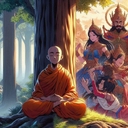
+Opening
| (derived from B. Sujato 2018/12) | (出自 B. Sujato 2018/12) | |
| Cūḷadukkhakkhandhasutta | The Shorter Discourse on the Mass of Suffering | 苦蘊小經 |
| Evaṃ me sutaṃ— | So I have heard. | 如是我聞。 |
| ekaṃ samayaṃ bhagavā sakkesu viharati kapilavatthusmiṃ nigrodhārāme. | At one time the Buddha was staying in the land of the Sakyans, near Kapilavatthu in the Banyan Tree Monastery. | 一時,佛在釋迦國,迦毗羅衛城附近的榕園。 |
| Atha kho mahānāmo sakko yena bhagavā tenupasaṅkami; upasaṅkamitvā bhagavantaṃ abhivādetvā ekamantaṃ nisīdi. Ekamantaṃ nisinno kho mahānāmo sakko bhagavantaṃ etadavoca: | Then Mahānāma the Sakyan went up to the Buddha, bowed, sat down to one side, and said to him: | 那時,釋迦族人摩訶男來到佛前,頂禮後,坐在一旁,對佛說: |
| “dīgharattāhaṃ, bhante, bhagavatā evaṃ dhammaṃ desitaṃ ājānāmi: | “For a long time, sir, I have understood your teaching like this: | 「世尊,長久以來,我對您的教導是這樣理解的: |
| ‘lobho cittassa upakkileso, doso cittassa upakkileso, moho cittassa upakkileso’ti. Evañcāhaṃ, bhante, bhagavatā dhammaṃ desitaṃ ājānāmi: ‘lobho cittassa upakkileso, doso cittassa upakkileso, moho cittassa upakkileso’ti. |
‘Greed, hate, and delusion are corruptions of the mind.’ | 『貪、嗔、癡是心之染污。』 |
| Atha ca pana me ekadā lobhadhammāpi cittaṃ pariyādāya tiṭṭhanti, dosadhammāpi cittaṃ pariyādāya tiṭṭhanti, mohadhammāpi cittaṃ pariyādāya tiṭṭhanti. Tassa mayhaṃ, bhante, evaṃ hoti: |
Despite understanding this, sometimes my mind is occupied by thoughts of greed, hate, and delusion. | 雖然如此理解,有時我的心仍被貪、嗔、癡的念頭所佔據。 |
| ‘kosu nāma me dhammo ajjhattaṃ appahīno yena me ekadā lobhadhammāpi cittaṃ pariyādāya tiṭṭhanti, dosadhammāpi cittaṃ pariyādāya tiṭṭhanti, mohadhammāpi cittaṃ pariyādāya tiṭṭhantī’”ti. | I wonder what qualities remain in me that I have such thoughts?” | 我想知道,我內心還存留著什麼樣的特質,以致於我有這樣的念頭?」 |
| “So eva kho te, mahānāma, dhammo ajjhattaṃ appahīno yena te ekadā lobhadhammāpi cittaṃ pariyādāya tiṭṭhanti, dosadhammāpi cittaṃ pariyādāya tiṭṭhanti, mohadhammāpi cittaṃ pariyādāya tiṭṭhanti. | “Mahānāma, there is a quality that remains in you that makes you have such thoughts. | 「摩訶男,你內心確實還存留著一種特質,使你有這樣的念頭。 |
| So ca hi te, mahānāma, dhammo ajjhattaṃ pahīno abhavissa, na tvaṃ agāraṃ ajjhāvaseyyāsi, na kāme paribhuñjeyyāsi. | For if you had given up that quality you would not still be living at home and enjoying sensual pleasures. | 因為倘若你已捨棄那種特質,你就不會仍在家生活,享受欲樂。 |
| Yasmā ca kho te, mahānāma, so eva dhammo ajjhattaṃ appahīno tasmā tvaṃ agāraṃ ajjhāvasasi, kāme paribhuñjasi. | But because you haven’t given up that quality you are still living at home and enjoying sensual pleasures. | 但正因為你尚未捨棄那種特質,所以你仍在家生活,享受欲樂。 |
+14.1 – (disciples of Nobles find sensual pleasures tempting until they get jhāna)
all
| ‘Appassādā kāmā bahudukkhā bahupāyāsā, ādīnavo ettha bhiyyo’ti— | Sensual pleasures give little gratification and much suffering and distress, and they are all the more full of drawbacks. | 欲樂少味、多苦、多惱,充滿更多過患。 |
| iti cepi, mahānāma, ariyasāvakassa yathābhūtaṃ sammappaññāya sudiṭṭhaṃ hoti, so ca aññatreva kāmehi aññatra akusalehi dhammehi pītisukhaṃ nādhigacchati, aññaṃ vā tato santataraṃ; | Even though a noble-one's-disciple has clearly seen this with right wisdom, so long as they don’t achieve the mental-joy and pleasure that are apart from sensual pleasures and unskillful Dharmas, or something even more peaceful than that, | 即使聖弟子已用正慧清楚見到這一點,但只要他們未證得離於欲樂與不善法的喜與樂,或比那更寂靜的境界, |
| atha kho so neva tāva anāvaṭṭī kāmesu hoti. | they might still return to sensual pleasures. | 他們仍可能回到欲樂中。 |
| Yato ca kho, mahānāma, ariyasāvakassa ‘appassādā kāmā bahudukkhā bahupāyāsā, ādīnavo ettha bhiyyo’ti—evametaṃ yathābhūtaṃ sammappaññāya sudiṭṭhaṃ hoti, so ca aññatreva kāmehi aññatra akusalehi dhammehi pītisukhaṃ adhigacchati aññaṃ vā tato santataraṃ; | But when they do achieve that mental-joy and pleasure, or something more peaceful than that, | 但當他們確實證得那喜與樂,或比那更寂靜的境界時, |
| atha kho so anāvaṭṭī kāmesu hoti. | they will not return to sensual pleasures. | 他們將不會再回到欲樂中。 |
+§1.2 – (Even the Buddha!)
| Mayhampi kho, mahānāma, pubbeva sambodhā, anabhisambuddhassa bodhisattasseva sato, | Before my awakening—when I was still unawakened but intent on awakening—I too clearly saw with right wisdom that: | 在我覺醒之前——當我尚未覺醒但立志覺醒時——我也曾用正慧清楚見到: |
| ‘appassādā kāmā bahudukkhā bahupāyāsā, ādīnavo ettha bhiyyo’ti—evametaṃ yathābhūtaṃ sammappaññāya sudiṭṭhaṃ hoti, | ‘Sensual pleasures give little gratification and much suffering and distress, and they are all the more full of drawbacks.’ | 『欲樂少味、多苦、多惱,充滿更多過患。』 |
| so ca aññatreva kāmehi aññatra akusalehi dhammehi pītisukhaṃ nājjhagamaṃ, aññaṃ vā tato santataraṃ; | But so long as I didn’t achieve the mental-joy and pleasure that are apart from sensual pleasures and unskillful Dharmas, or something even more peaceful than that, | 但只要我未證得離於欲樂與不善法的喜與樂,或比那更寂靜的境界, |
| atha khvāhaṃ neva tāva anāvaṭṭī kāmesu paccaññāsiṃ. | I didn’t announce that I would not return to sensual pleasures. | 我就不曾宣稱我不會再回到欲樂中。 |
| Yato ca kho me, mahānāma, ‘appassādā kāmā bahudukkhā bahupāyāsā, ādīnavo ettha bhiyyo’ti—evametaṃ yathābhūtaṃ sammappaññāya sudiṭṭhaṃ ahosi, so ca aññatreva kāmehi aññatra akusalehi dhammehi pītisukhaṃ ajjhagamaṃ, aññaṃ vā tato santataraṃ; | But when I did achieve that mental-joy and pleasure, or something more peaceful than that, | 但當我確實證得那喜與樂,或比那更寂靜的境界時, |
| athāhaṃ anāvaṭṭī kāmesu paccaññāsiṃ. | I announced that I would not return to sensual pleasures. | 我才宣稱我不會再回到欲樂中。 |
+14.2 – (What is gratification of sensual pleasure? STED 5kg )
| Ko ca, mahānāma, kāmānaṃ assādo? | And what is the gratification of sensual pleasures? | 欲樂的味是什麼? |
| Pañcime, mahānāma, kāmaguṇā. | There are these five kinds of sensual stimulation. | 有這五種感官刺激。 |
| Katame pañca? | What five? | 哪五種? |
| Cakkhuviññeyyā rūpā iṭṭhā kantā manāpā piyarūpā kāmūpasaṃhitā rajanīyā; | Sights known by the eye that are likable, desirable, agreeable, pleasant, sensual, and arousing. | 眼所識之色,是可愛、可喜、可意、愉悅、感官的、引人欲的。 |
| sotaviññeyyā saddā … pe … | Sounds known by the ear … | 耳所識之聲… |
| ghānaviññeyyā gandhā … | Smells known by the nose … | 鼻所識之香… |
| jivhāviññeyyā rasā … | Tastes known by the tongue … | 舌所識之味… |
| kāyaviññeyyā phoṭṭhabbā iṭṭhā kantā manāpā piyarūpā kāmūpasaṃhitā rajanīyā— | Touches known by the body that are likable, desirable, agreeable, pleasant, sensual, and arousing. | 身所識之觸,是可愛、可喜、可意、愉悅、感官的、引人欲的。 |
| ime kho, mahānāma, pañca kāmaguṇā. | These are the five kinds of sensual stimulation. | 這就是五種感官刺激。 |
| Yaṃ kho, mahānāma, ime pañca kāmaguṇe paṭicca uppajjati sukhaṃ somanassaṃ— ayaṃ kāmānaṃ assādo. |
The pleasure and happiness that arise from these five kinds of sensual stimulation: this is the gratification of sensual pleasures. | 從這五種感官刺激中生起的快樂與幸福:這就是欲樂的味。 |
+14.3 – (What is drawback of sensual pleasure?)
all
| Ko ca, mahānāma, kāmānaṃ ādīnavo? | And what is the drawback of sensual pleasures? | 欲樂的患是什麼? |
+(1. Working lay person still subject to cold, mosquito bites, hot sun )
| Idha, mahānāma, kulaputto yena sippaṭṭhānena jīvikaṃ kappeti— | It’s when a respectable person earns a living by means such as | 當一個有身分的人通過諸如 |
| yadi muddāya yadi gaṇanāya yadi saṅkhānena yadi kasiyā yadi vaṇijjāya yadi gorakkhena yadi issatthena yadi rājaporisena yadi sippaññatarena, | computing, accounting, calculating, farming, trade, raising cattle, archery, government service, or one of the professions. | 計算、會計、算術、農耕、貿易、畜牧、射箭、公職或某種專業來謀生。 |
| sītassa purakkhato uṇhassa purakkhato ḍaṃsamakasavātātapasarīsapasamphassehi rissamāno khuppipāsāya mīyamāno; | But they must face cold and heat, being hurt by the touch of flies, mosquitoes, wind, sun, and reptiles, and risking death from hunger and thirst. | 但他們必須面對寒冷與炎熱,被蚊、蠅、風、日、爬蟲之觸所傷,並冒著飢渴而死的風險。 |
| ayampi, mahānāma, kāmānaṃ ādīnavo sandiṭṭhiko dukkhakkhandho kāmahetu kāmanidānaṃ kāmādhikaraṇaṃ kāmānameva hetu. | This is a drawback of sensual pleasures apparent in this very life, a mass of suffering caused by sensual pleasures. | 這是欲樂在此生中顯而易見的過患,是由欲樂引起的苦蘊。 |
+(2. Working lay person doesn’t make enough money, sorrows and laments)
| Tassa ce, mahānāma, kulaputtassa evaṃ uṭṭhahato ghaṭato vāyamato te bhogā nābhinipphajjanti, | That respectable person might try hard, strive, and make an effort, but fail to earn any money. | 那個有身分的人可能努力、奮鬥、盡力,卻未能賺到任何錢。 |
| so socati kilamati paridevati urattāḷiṃ kandati sammohaṃ āpajjati ‘moghaṃ vata me uṭṭhānaṃ, aphalo vata me vāyāmo’ti. | If this happens, they sorrow and pine and lament, beating their breast and falling into confusion, saying: ‘Oh, my hard work is wasted. My efforts are fruitless!’ | 如果發生這種情況,他們便憂愁、悲傷、哀嘆,捶胸頓足,陷入迷亂,說:『哦,我的辛勞白費了。我的努力是徒勞的!』 |
| Ayampi, mahānāma, kāmānaṃ ādīnavo sandiṭṭhiko dukkhakkhandho kāmahetu kāmanidānaṃ kāmādhikaraṇaṃ kāmānameva hetu. | This too is a drawback of sensual pleasures apparent in this very life, a mass of suffering caused by sensual pleasures. | 這也是欲樂在此生中顯而易見的過患,是由欲樂引起的苦蘊。 |
+(3. Working lay person makes enough money, but worries about protecting it from bandits, floods, etc. )
| Tassa ce, mahānāma, kulaputtassa evaṃ uṭṭhahato ghaṭato vāyamato te bhogā abhinipphajjanti. | That respectable person might try hard, strive, and make an effort, and succeed in earning money. | 那個有身分的人可能努力、奮鬥、盡力,並成功賺到錢。 |
| So tesaṃ bhogānaṃ ārakkhādhikaraṇaṃ dukkhaṃ domanassaṃ paṭisaṃvedeti: | But they experience pain and sadness when they try to protect it, thinking: | 但當他們試圖保護它時,會經歷痛苦和悲傷,心想: |
| ‘kinti me bhoge neva rājāno hareyyuṃ, na corā hareyyuṃ, na aggi daheyya, na udakaṃ vaheyya, na appiyā vā dāyādā hareyyun’ti. | ‘How can I prevent my wealth from being taken by rulers or bandits, consumed by fire, swept away by flood, or taken by unloved heirs?’ | 『我如何能防止我的財富被官府或盜賊奪走,被火燒毀,被水沖走,或被不肖繼承人取走?』 |
| Tassa evaṃ ārakkhato gopayato te bhoge rājāno vā haranti, corā vā haranti, aggi vā dahati, udakaṃ vā vahati, appiyā vā dāyādā haranti. | And even though they protect it and ward it, rulers or bandits take it, or fire consumes it, or flood sweeps it away, or unloved heirs take it. | 即使他們保護它、守衛它,官府或盜賊還是奪走了它,或火燒毀了它,或水沖走了它,或不肖繼承人取走了它。 |
| So socati kilamati paridevati urattāḷiṃ kandati sammohaṃ āpajjati: | They sorrow and pine and lament, beating their breast and falling into confusion: | 他們憂愁、悲傷、哀嘆,捶胸頓足,陷入迷亂: |
| ‘yampi me ahosi tampi no natthī’ti. | ‘What used to be mine is gone.’ | 『曾經屬於我的東西不見了。』 |
| Ayampi, mahānāma, kāmānaṃ ādīnavo sandiṭṭhiko dukkhakkhandho kāmahetu kāmanidānaṃ kāmādhikaraṇaṃ kāmānameva hetu. | This too is a drawback of sensual pleasures apparent in this very life, a mass of suffering caused by sensual pleasures. | 這也是欲樂在此生中顯而易見的過患,是由欲樂引起的苦蘊。 |
+(4. For 5kg, kings wage wars, family have blood feuds )
| Puna caparaṃ, mahānāma, kāmahetu kāmanidānaṃ kāmādhikaraṇaṃ kāmānameva hetu rājānopi rājūhi vivadanti, khattiyāpi khattiyehi vivadanti, brāhmaṇāpi brāhmaṇehi vivadanti, gahapatīpi gahapatīhi vivadanti, mātāpi puttena vivadati, puttopi mātarā vivadati, pitāpi puttena vivadati, puttopi pitarā vivadati, bhātāpi bhātarā vivadati, bhātāpi bhaginiyā vivadati, bhaginīpi bhātarā vivadati, sahāyopi sahāyena vivadati. | Furthermore, for the sake of sensual pleasures kings fight with kings, warrior-nobles fight with warrior-nobles, brahmins fight with brahmins, and householders fight with householders. A mother fights with her child, child with mother, father with child, and child with father. Brother fights with brother, brother with sister, sister with brother, and friend fights with friend. | 再者,為了欲樂,王與王爭,剎帝利與剎帝利爭,婆羅門與婆羅門爭,居士與居士爭。母與子爭,子與母爭,父與子爭,子與父爭。兄弟相爭,兄與妹爭,姊與弟爭,朋友與朋友爭。 |
| Te tattha kalahaviggahavivādāpannā aññamaññaṃ pāṇīhipi upakkamanti, leḍḍūhipi upakkamanti, daṇḍehipi upakkamanti, satthehipi upakkamanti. | Once they’ve started quarreling, arguing, and fighting, they attack each other with fists, stones, rods, and swords, | 一旦他們開始爭吵、辯論、打鬥,他們就用拳頭、石頭、棍棒和刀劍互相攻擊, |
| Te tattha maraṇampi nigacchanti, maraṇamattampi dukkhaṃ. | resulting in death and deadly pain. | 導致死亡和致命的痛苦。 |
| Ayampi, mahānāma, kāmānaṃ ādīnavo sandiṭṭhiko dukkhakkhandho kāmahetu kāmanidānaṃ kāmādhikaraṇaṃ kāmānameva hetu. | This too is a drawback of sensual pleasures apparent in this very life, a mass of suffering caused by sensual pleasures. | 這也是欲樂在此生中顯而易見的過患,是由欲樂引起的苦蘊。 |
+(5. Furthermore, they battle with weapons to maim, to the death )
| Puna caparaṃ, mahānāma, kāmahetu kāmanidānaṃ kāmādhikaraṇaṃ kāmānameva hetu asicammaṃ gahetvā, dhanukalāpaṃ sannayhitvā, ubhatobyūḷhaṃ saṅgāmaṃ pakkhandanti usūsupi khippamānesu, sattīsupi khippamānāsu, asīsupi vijjotalantesu. | Furthermore, for the sake of sensual pleasures they don their sword and shield, fasten their bow and arrows, and plunge into a battle massed on both sides, with arrows and spears flying and swords flashing. | 再者,為了欲樂,他們披上刀劍與盾牌,扣上弓箭,衝入雙方集結的戰場,箭矢與長矛飛舞,刀劍閃爍。 |
| Te tattha usūhipi vijjhanti, sattiyāpi vijjhanti, asināpi sīsaṃ chindanti. | There they are struck with arrows and spears, and their heads are chopped off, | 在那裡,他們被箭矢和長矛擊中,頭顱被砍下, |
| Te tattha maraṇampi nigacchanti, maraṇamattampi dukkhaṃ. | resulting in death and deadly pain. | 導致死亡和致命的痛苦。 |
| Ayampi, mahānāma, kāmānaṃ ādīnavo sandiṭṭhiko dukkhakkhandho kāmahetu kāmanidānaṃ kāmādhikaraṇaṃ kāmānameva hetu. | This too is a drawback of sensual pleasures apparent in this very life, a mass of suffering caused by sensual pleasures. | 這也是欲樂在此生中顯而易見的過患,是由欲樂引起的苦蘊。 |
+(6. Furthermore, they charge castles, get dung thrown on them, decapitated, etc )
| Puna caparaṃ, mahānāma, kāmahetu kāmanidānaṃ kāmādhikaraṇaṃ kāmānameva hetu asicammaṃ gahetvā, dhanukalāpaṃ sannayhitvā, addāvalepanā upakāriyo pakkhandanti usūsupi khippamānesu, sattīsupi khippamānāsu, asīsupi vijjotalantesu. | Furthermore, for the sake of sensual pleasures they don their sword and shield, fasten their bow and arrows, and charge wetly plastered bastions, with arrows and spears flying and swords flashing. | 再者,為了欲樂,他們披上刀劍與盾牌,扣上弓箭,衝向濕泥塗抹的堡壘,箭矢與長矛飛舞,刀劍閃爍。 |
| Te tattha usūhipi vijjhanti, sattiyāpi vijjhanti, chakaṇakāyapi osiñcanti, abhivaggenapi omaddanti, asināpi sīsaṃ chindanti. | There they are struck with arrows and spears, splashed with dung, crushed with spiked blocks, and their heads are chopped off, | 在那裡,他們被箭矢和長矛擊中,被潑灑糞便,被尖刺的木塊壓碎,頭顱被砍下, |
| Te tattha maraṇampi nigacchanti, maraṇamattampi dukkhaṃ. | resulting in death and deadly pain. | 導致死亡和致命的痛苦。 |
| Ayampi, mahānāma, kāmānaṃ ādīnavo sandiṭṭhiko dukkhakkhandho kāmahetu kāmanidānaṃ kāmādhikaraṇaṃ kāmānameva hetu. | This too is a drawback of sensual pleasures apparent in this very life, a mass of suffering caused by sensual pleasures. | 這也是欲樂在此生中顯而易見的過患,是由欲樂引起的苦蘊。 |
+(7. For 5kg they commit theft, sex crimes, then get punished by kings )
| Puna caparaṃ, mahānāma, kāmahetu kāmanidānaṃ kāmādhikaraṇaṃ kāmānameva hetu sandhimpi chindanti, nillopampi haranti, ekāgārikampi karonti, paripanthepi tiṭṭhanti, paradārampi gacchanti. | Furthermore, for the sake of sensual pleasures they break into houses, plunder wealth, steal from isolated buildings, commit highway robbery, and commit adultery. | 再者,為了欲樂,他們破門入戶,搶劫財物,盜竊偏僻的建築物,攔路搶劫,以及通姦。 |
| Tamenaṃ rājāno gahetvā vividhā kammakāraṇā kārenti— | The rulers would arrest them and subject them to various punishments— | 官府會逮捕他們,並對他們施以各種懲罰—— |
| kasāhipi tāḷenti, vettehipi tāḷenti, aḍḍhadaṇḍakehipi tāḷenti; hatthampi chindanti, pādampi chindanti, hatthapādampi chindanti, kaṇṇampi chindanti, nāsampi chindanti, kaṇṇanāsampi chindanti; bilaṅgathālikampi karonti, saṅkhamuṇḍikampi karonti, rāhumukhampi karonti, jotimālikampi karonti, hatthapajjotikampi karonti, erakavattikampi karonti, cīrakavāsikampi karonti, eṇeyyakampi karonti, baḷisamaṃsikampi karonti, kahāpaṇikampi karonti, khārāpatacchikampi karonti, palighaparivattikampi karonti, palālapīṭhakampi karonti, tattenapi telena osiñcanti, sunakhehipi khādāpenti, jīvantampi sūle uttāsenti, asināpi sīsaṃ chindanti. | whipping, caning, and clubbing; cutting off hands or feet, or both; cutting off ears or nose, or both; the ‘porridge pot’, the ‘shell-shave’, the ‘demon’s mouth’, the ‘garland of fire’, the ‘burning hand’, the ‘grass blades’, the ‘bark dress’, the ‘antelope’, the ‘meat hook’, the ‘coins’, the ‘acid pickle’, the ‘twisting bar’, the ‘straw mat’; being splashed with hot oil, being fed to the dogs, being impaled alive, and being beheaded. | 鞭打、杖擊、棍打;砍掉手或腳,或手腳皆砍;割掉耳朵或鼻子,或耳鼻皆割;『粥鍋刑』、『貝禿刑』、『羅睺口刑』、『火鬘刑』、『燃手刑』、『草葉刑』、『樹皮衣刑』、『羚羊刑』、『肉鉤刑』、『錢幣刑』、『鹼水浸泡刑』、『扭轉橫桿刑』、『稻草蓆刑』;被潑熱油、被餵狗、被活活刺穿、以及被斬首。 |
| Te tattha maraṇampi nigacchanti, maraṇamattampi dukkhaṃ. | These result in death and deadly pain. | 這些都會導致死亡和致命的痛苦。 |
| Ayampi, mahānāma, kāmānaṃ ādīnavo sandiṭṭhiko dukkhakkhandho kāmahetu kāmanidānaṃ kāmādhikaraṇaṃ kāmānameva hetu. | This too is a drawback of sensual pleasures apparent in this very life, a mass of suffering caused by sensual pleasures. | 這也是欲樂在此生中顯而易見的過患,是由欲樂引起的苦蘊。 |
+(8. For 5kg they commit wrongs by way of body, speech, mind, and are reborn in hell )
| Puna caparaṃ, mahānāma, kāmahetu kāmanidānaṃ kāmādhikaraṇaṃ kāmānameva hetu kāyena duccaritaṃ caranti, vācāya duccaritaṃ caranti, manasā duccaritaṃ caranti. | Furthermore, for the sake of sensual pleasures, they conduct themselves badly by way of body, speech, and mind. | 再者,為了欲樂,他們在身、語、意上行為不善。 |
| Te kāyena duccaritaṃ caritvā, vācāya duccaritaṃ caritvā, manasā duccaritaṃ caritvā, kāyassa bhedā paraṃ maraṇā, apāyaṃ duggatiṃ vinipātaṃ nirayaṃ upapajjanti. | When their body breaks up, after death, they’re reborn in a place of loss, a bad place, the underworld, hell. | 當他們的身體敗壞,死亡之後,他們會重生到失落之處、惡趣、地獄。 |
| Ayampi, mahānāma, kāmānaṃ ādīnavo samparāyiko, dukkhakkhandho kāmahetu kāmanidānaṃ kāmādhikaraṇaṃ kāmānameva hetu. | This is a drawback of sensual pleasures to do with lives to come, a mass of suffering caused by sensual pleasures. | 這是與來世有關的欲樂的過患,是由欲樂引起的苦蘊。 |
❧
+14.4 – (Jain leader Nataputta claims to have continous omniscience)
all
| Ekamidāhaṃ, mahānāma, samayaṃ rājagahe viharāmi gijjhakūṭe pabbate. | Mahānāma, this one time I was staying near Rājagaha, on the Vulture’s Peak Mountain. | 摩訶男,有一次我住在王舍城附近,在靈鷲山上。 |
| Tena kho pana samayena sambahulā nigaṇṭhā isigilipasse kāḷasilāyaṃ ubbhaṭṭhakā honti āsanapaṭikkhittā, opakkamikā dukkhā tibbā kharā kaṭukā vedanā vedayanti. | Now at that time several Jain ascetics on the slopes of Isigili at the Black Rock were constantly standing, refusing seats. And they felt painful, sharp, severe, acute feelings due to overexertion. | 那時,在仙人山黑石坡有幾位耆那教苦行者,他們常站立不坐。由於過度努力,他們感受到痛苦、劇烈、嚴酷、尖銳的感受。 |
| Atha khvāhaṃ, mahānāma, sāyanhasamayaṃ paṭisallānā vuṭṭhito yena isigilipasse kāḷasilā yena te nigaṇṭhā tenupasaṅkamiṃ; upasaṅkamitvā te nigaṇṭhe etadavocaṃ: | Then in the late afternoon, I came out of retreat and went to the Black Rock to visit those Jain ascetics. I said to them: | 於是,在傍晚時分,我從靜修中出來,前往黑石坡去拜訪那些耆那教苦行者。我對他們說: |
| ‘kiṃ nu tumhe, āvuso nigaṇṭhā, ubbhaṭṭhakā āsanapaṭikkhittā, opakkamikā dukkhā tibbā kharā kaṭukā vedanā vedayathā’ti? | ‘Reverends, why are you constantly standing, refusing seats, so that you feel painful, sharp, severe, acute feelings due to overexertion?’ | 『尊者們,你們為何要常站立不坐,以致於因過度努力而感受到痛苦、劇烈、嚴酷、尖銳的感受呢?』 |
| Evaṃ vutte, mahānāma, te nigaṇṭhā maṃ etadavocuṃ: | When I said this, those Jain ascetics said to me: | 我這麼說時,那些耆那教苦行者對我說: |
| ‘nigaṇṭho, āvuso, nāṭaputto sabbaññū sabbadassāvī aparisesaṃ ñāṇadassanaṃ paṭijānāti: | ‘Reverend, the Jain leader Nātaputta claims to be all-knowing and all-seeing, to know and see everything without exception, thus: | 『尊者,耆那教領袖尼乾陀若提子自稱全知全見,能無一例外地知曉與看見一切,他說: |
| “carato ca me tiṭṭhato ca suttassa ca jāgarassa ca satataṃ samitaṃ ñāṇadassanaṃ paccupaṭṭhitan”ti. | “Knowledge and vision are constantly and continually present to me, while walking, standing, sleeping, and waking.” | 「無論行走、站立、睡覺、醒著,知見都持續不斷地呈現於我。」 |
+§4.2 – (wrong view: they believe self mortification is the way to purify bad karma)
| So evamāha: | He says: | 他說: |
| “atthi kho vo, nigaṇṭhā, pubbe pāpakammaṃ kataṃ, taṃ imāya kaṭukāya dukkarakārikāya nijjīretha; | “O Jain ascetics, you have done bad deeds in a past life. Wear them away with these severe and grueling austerities. | 「哦,耆那教苦行者們,你們在過去生中造了惡業。用這些嚴酷艱辛的苦行將它們消磨掉吧。 |
| yaṃ panettha etarahi kāyena saṃvutā vācāya saṃvutā manasā saṃvutā taṃ āyatiṃ pāpassa kammassa akaraṇaṃ; | And when you refrain from such deeds in the present by way of body, speech, and mind, you’re not doing any bad deeds for the future. | 而當你們現在通過身、語、意的方式克制此類行為時,你們就沒有為未來造下任何惡業。 |
| iti purāṇānaṃ kammānaṃ tapasā byantibhāvā, navānaṃ kammānaṃ akaraṇā, āyatiṃ anavassavo; | So, due to eliminating past deeds by mortification, and not doing any new deeds, there’s nothing to come up in the future. | 所以,由於通過苦行消除過去的業,並且不造新業,未來就沒有什麼會現起。 |
| āyatiṃ anavassavā kammakkhayo, kammakkhayā dukkhakkhayo, dukkhakkhayā vedanākkhayo, vedanākkhayā sabbaṃ dukkhaṃ nijjiṇṇaṃ bhavissatī”ti. | With nothing to come up in the future, deeds end. With the ending of deeds, suffering ends. With the ending of suffering, feeling ends. And with the ending of feeling, all suffering will have been worn away.” | 未來無所現起,業就終結。業終結,苦就終結。苦終結,受就終結。而受終結,一切苦都將被消磨殆盡。」 |
| Tañca panamhākaṃ ruccati ceva khamati ca, tena camha attamanā’ti. | We approve and accept this, and we are satisfied with it.’ | 我們贊同並接受此說,並對此感到滿意。』 |
| Evaṃ vutte, ahaṃ, mahānāma, te nigaṇṭhe etadavocaṃ: | When they said this, I said to them: | 當他們這樣說時,我對他們說: |
| ‘kiṃ pana tumhe, āvuso nigaṇṭhā, jānātha— | ‘But reverends, do you know | 『但尊者們,你們是否知道 |
| ahuvamheva mayaṃ pubbe na nāhuvamhā’ti? | for sure that you existed in the past, and it is not the case that you didn’t exist?’ | 你們過去確實存在,而不是不存在?』 |
| ‘No hidaṃ, āvuso’. | ‘No we don’t, reverend.’ | 『不,我們不知道,尊者。』 |
| ‘Kiṃ pana tumhe, āvuso nigaṇṭhā, jānātha— | ‘But reverends, do you know | 『但尊者們,你們是否知道 |
| akaramheva mayaṃ pubbe pāpakammaṃ na nākaramhā’ti? | for sure that you did bad deeds in the past?’ | 你們過去確實造了惡業?』 |
| ‘No hidaṃ, āvuso’. | ‘No we don’t, reverend.’ | 『不,我們不知道,尊者。』 |
| ‘Kiṃ pana tumhe, āvuso nigaṇṭhā, jānātha— | ‘But reverends, do you know | 『但尊者們,你們是否知道 |
| evarūpaṃ vā evarūpaṃ vā pāpakammaṃ akaramhā’ti? | that you did such and such bad deeds?’ | 你們造了如此這般的惡業?』 |
| ‘No hidaṃ, āvuso’. | ‘No we don’t, reverend.’ | 『不,我們不知道,尊者。』 |
| ‘Kiṃ pana tumhe, āvuso nigaṇṭhā, jānātha— | ‘But reverends, do you know | 『但尊者們,你們是否知道 |
| ettakaṃ vā dukkhaṃ nijjiṇṇaṃ, ettakaṃ vā dukkhaṃ nijjīretabbaṃ, ettakamhi vā dukkhe nijjiṇṇe sabbaṃ dukkhaṃ nijjiṇṇaṃ bhavissatī’ti? | that so much suffering has already been worn away? Or that so much suffering still remains to be worn away? Or that when so much suffering is worn away all suffering will have been worn away?’ | 有多少苦已經被消磨掉?或者有多少苦尚待消磨?或者當那麼多苦被消磨掉後,所有的苦都將被消磨殆盡?』 |
| ‘No hidaṃ, āvuso’. | ‘No we don’t, reverend.’ | 『不,我們不知道,尊者。』 |
| ‘Kiṃ pana tumhe, āvuso nigaṇṭhā, jānātha— | ‘But reverends, do you know | 『但尊者們,你們是否知道 |
| diṭṭheva dhamme akusalānaṃ dhammānaṃ pahānaṃ, kusalānaṃ dhammānaṃ upasampadan’ti? | about giving up unskillful Dharmas in the present life and gaining skillful Dharmas?’ | 關於在今生捨棄不善法與獲得善法?』 |
| ‘No hidaṃ, āvuso’. | ‘No we don’t, reverend.’ | 『不,我們不知道,尊者。』 |
| ‘Iti kira tumhe, āvuso nigaṇṭhā, na jānātha— ahuvamheva mayaṃ pubbe na nāhuvamhāti, na jānātha— akaramheva mayaṃ pubbe pāpakammaṃ na nākaramhāti, na jānātha— evarūpaṃ vā evarūpaṃ vā pāpakammaṃ akaramhāti, na jānātha— ettakaṃ vā dukkhaṃ nijjiṇṇaṃ, ettakaṃ vā dukkhaṃ nijjīretabbaṃ, ettakamhi vā dukkhe nijjiṇṇe sabbaṃ dukkhaṃ nijjiṇṇaṃ bhavissatīti. Na jānātha— diṭṭheva dhamme akusalānaṃ dhammānaṃ pahānaṃ, kusalānaṃ dhammānaṃ upasampadaṃ. |
‘So it seems that you don’t know any of these things. | 『看來你們對這些事情一無所知。 |
| Evaṃ sante, āvuso nigaṇṭhā, ye loke luddā lohitapāṇino kurūrakammantā manussesu paccājātā te nigaṇṭhesu pabbajantī’ti? | That being so, when those in the world who are violent and bloody-handed and make their living by cruelty are reborn among humans they go forth as Jain ascetics.’ | 既然如此,世上那些暴力、血腥、以殘酷為生的人,當他們重生為人時,便出家成為耆那教苦行者。』 |
| ‘Na kho, āvuso gotama, sukhena sukhaṃ adhigantabbaṃ, dukkhena kho sukhaṃ adhigantabbaṃ; | ‘Reverend Gotama, pleasure is not gained through pleasure; pleasure is gained through pain. | 『喬達摩尊者,樂非由樂得;樂乃由苦得。 |
| sukhena cāvuso gotama, sukhaṃ adhigantabbaṃ abhavissa, rājā māgadho seniyo bimbisāro sukhaṃ adhigaccheyya, rājā māgadho seniyo bimbisāro sukhavihāritaro āyasmatā gotamenā’ti. | For if pleasure were to be gained through pleasure, King Seniya Bimbisāra of Māgadha would gain pleasure, since he lives in greater pleasure than Venerable Gotama.’ | 因為倘若樂可由樂得,摩揭陀國的斯尼耶·頻毗娑羅王就會得到樂,因為他比喬達摩尊者生活得更快樂。』 |
❧
+14.5 – (Who lives in greater pleasure, Buddha or the king?)
all
| ‘Addhāyasmantehi nigaṇṭhehi sahasā appaṭisaṅkhā vācā bhāsitā: “na kho, āvuso gotama, sukhena sukhaṃ adhigantabbaṃ, dukkhena kho sukhaṃ adhigantabbaṃ; sukhena cāvuso gotama, sukhaṃ adhigantabbaṃ abhavissa, rājā māgadho seniyo bimbisāro sukhaṃ adhigaccheyya, rājā māgadho seniyo bimbisāro sukhavihāritaro āyasmatā gotamenā”ti. |
‘Clearly the venerables have spoken rashly, without thinking. | 『顯然,尊者們說話輕率,未經思考。 |
| Api ca ahameva tattha paṭipucchitabbo: | Rather, I’m the one who should be asked about | 反之,應該問我的是 |
| “ko nu kho āyasmantānaṃ sukhavihāritaro rājā vā māgadho seniyo bimbisāro āyasmā vā gotamo”ti? | who lives in greater pleasure, King Bimbisāra or Venerable Gotama?’ | 誰生活得更快樂,是頻毗娑羅王還是喬達摩尊者?』 |
| Addhāvuso gotama, amhehi sahasā appaṭisaṅkhā vācā bhāsitā, na kho, āvuso gotama, sukhena sukhaṃ adhigantabbaṃ, dukkhena kho sukhaṃ adhigantabbaṃ; sukhena cāvuso gotama, sukhaṃ adhigantabbaṃ abhavissa, rājā māgadho seniyo bimbisāro sukhaṃ adhigaccheyya, rājā māgadho seniyo bimbisāro sukhavihāritaro āyasmatā gotamenāti. |
‘Clearly we spoke rashly and without thinking. | 『顯然我們說話輕率,未經思考。 |
| Api ca tiṭṭhatetaṃ, idānipi mayaṃ āyasmantaṃ gotamaṃ pucchāma: | But forget about that. Now we ask Venerable Gotama: | 但別管那個了。現在我們請問喬達摩尊者: |
| “ko nu kho āyasmantānaṃ sukhavihāritaro rājā vā māgadho seniyo bimbisāro āyasmā vā gotamo”ti? | "Who lives in greater pleasure, King Bimbisāra or Venerable Gotama?"' | 「誰生活得更快樂,是頻毗娑羅王還是喬達摩尊者?」』 |
| Tena hāvuso nigaṇṭhā, tumheva tattha paṭipucchissāmi, yathā vo khameyya tathā naṃ byākareyyātha. | ‘Well then, reverends, I’ll ask you about this in return, and you can answer as you like. | 『那麼,尊者們,我反過來問你們這件事,你們可以隨意回答。 |
| Taṃ kiṃ maññathāvuso nigaṇṭhā, pahoti rājā māgadho seniyo bimbisāro, | What do you think, reverends? | 你們認為如何,尊者們? |
| aniñjamāno kāyena, abhāsamāno vācaṃ, satta rattindivāni ekantasukhaṃ paṭisaṃvedī viharitun’ti? | Is King Bimbisāra capable of experiencing perfect happiness for seven days and nights without moving his body or speaking?’ | 頻毗娑羅王能否身體不動、言語不發,體驗七天七夜的圓滿快樂?』 |
| ‘No hidaṃ, āvuso’. | ‘No he is not, reverend.’ | 『不,他不能,尊者。』 |
| ‘Taṃ kiṃ maññathāvuso nigaṇṭhā, pahoti rājā māgadho seniyo bimbisāro, | ‘What do you think, reverends? | 『你們認為如何,尊者們? |
| aniñjamāno kāyena, abhāsamāno vācaṃ, cha rattindivāni … pe … | Is King Bimbisāra capable of experiencing perfect happiness for six days … | 頻毗娑羅王能否體驗六天的圓滿快樂… |
| pañca rattindivāni … | five days … | 五天… |
| cattāri rattindivāni … | four days … | 四天… |
| tīṇi rattindivāni … | three days … | 三天… |
| dve rattindivāni … | two days … | 兩天… |
| ekaṃ rattindivaṃ ekantasukhaṃ paṭisaṃvedī viharitun’ti? | one day?’ | 一天?』 |
| ‘No hidaṃ, āvuso’. | ‘No he is not, reverend.’ | 『不,他不能,尊者。』 |
+§5.2 – (Buddha can meditate in pleasure for 1 to 7 days continuously )
| ‘Ahaṃ kho, āvuso nigaṇṭhā, pahomi aniñjamāno kāyena, abhāsamāno vācaṃ, ekaṃ rattindivaṃ ekantasukhaṃ paṭisaṃvedī viharituṃ. | ‘But I am capable of experiencing perfect happiness for one day and night without moving my body or speaking. | 『但我能身體不動、言語不發,體驗一天一夜的圓滿快樂。 |
| Ahaṃ kho, āvuso nigaṇṭhā, pahomi aniñjamāno kāyena, abhāsamāno vācaṃ, dve rattindivāni … | I am capable of experiencing perfect happiness for two days … | 我能體驗兩天的圓滿快樂… |
| tīṇi rattindivāni … | three days … | 三天… |
| cattāri rattindivāni … | four days … | 四天… |
| pañca rattindivāni … | five days … | 五天… |
| cha rattindivāni … | six days … | 六天… |
| satta rattindivāni ekantasukhaṃ paṭisaṃvedī viharituṃ. | seven days. | 七天。 |
| Taṃ kiṃ maññathāvuso nigaṇṭhā, evaṃ sante ko sukhavihāritaro rājā vā māgadho seniyo bimbisāro ahaṃ vā’ti? | What do you think, reverends? This being so, who lives in greater pleasure, King Bimbisāra or I?’ | 你們認為如何,尊者們?既然如此,誰生活得更快樂,是頻毗娑羅王還是我?』 |
| ‘Evaṃ sante āyasmāva gotamo sukhavihāritaro raññā māgadhena seniyena bimbisārenā’”ti. | ‘This being so, Venerable Gotama lives in greater pleasure than King Bimbisāra.’” | 『既然如此,喬達摩尊者比頻毗娑羅王生活得更快樂。』」 |
| Idamavoca bhagavā. | That is what the Buddha said. | 佛陀如是說。 |
| Attamano mahānāmo sakko bhagavato bhāsitaṃ abhinandīti. | Satisfied, Mahānāma the Sakyan was happy with what the Buddha said. | 釋迦族人摩訶男心滿意足,對佛陀所說感到歡喜。 |
❧
+MN 15 Anumāna:
Measuring Up
all
Measuring Up

+Opening
| (derived from B. Sujato 2018/12) | (出自 B. Sujato 2018/12) | |
| Evaṃ me sutaṃ— | So I have heard. | 如是我聞。 |
| ekaṃ samayaṃ āyasmā mahāmoggallāno bhaggesu viharati susumāragire bhesakaḷāvane migadāye. | At one time Venerable Mahāmoggallāna was staying in the land of the Bhaggas on Crocodile Hill, in the deer park at Bhesakaḷā’s Wood. | 一時,尊者大目犍連住在跋迦國鱷魚山,配沙伽羅林的鹿野苑。 |
| Tatra kho āyasmā mahāmoggallāno bhikkhū āmantesi: | There Venerable Mahāmoggallāna addressed the monks: | 在那裡,尊者大目犍連對諸比丘說: |
| “āvuso bhikkhavo”ti. | “Reverends, monks!” | 「尊者們,比丘們!」 |
| “Āvuso”ti kho te bhikkhū āyasmato mahāmoggallānassa paccassosuṃ. | “Reverend,” they replied. | 「尊者。」他們回答。 |
| Āyasmā mahāmoggallāno etadavoca: | Venerable Mahāmoggallāna said this: | 尊者大目犍連如此說: |
| “Pavāreti cepi, āvuso, bhikkhu: | “Suppose a monk invites | 「假設一位比丘邀請 |
| ‘vadantu maṃ āyasmanto, vacanīyomhi āyasmantehī’ti, so ca hoti dubbaco, dovacassakaraṇehi dhammehi samannāgato, akkhamo appadakkhiṇaggāhī anusāsaniṃ, atha kho naṃ sabrahmacārī na ceva vattabbaṃ maññanti, na ca anusāsitabbaṃ maññanti, na ca tasmiṃ puggale vissāsaṃ āpajjitabbaṃ maññanti. | other monks to admonish them. But they’re hard to admonish, having dharmas that make them hard to admonish. They're impatient, and don't take instruction respectfully. So their spiritual companions don’t think it’s worth advising and instructing them, and that person doesn’t gain their trust. | 其他比丘來規勸他。但他卻難以規勸,因他具有使他難以規勸的法。他沒有耐心,不恭敬地接受指導。因此他的同修們認為不值得勸告和指導他,那個人也得不到他們的信任。 |
+15.1 – (Moggallana gives talk on what dharma [qualities] some monks possess that prevent them from taking constructive criticism/admonishment?)
| Katame cāvuso, dovacassakaraṇā dhammā? | And what are the dharma [qualities] that make them hard to admonish? | 什麼是使人難以規勸的法[特質]呢? |
| Idhāvuso, bhikkhu pāpiccho hoti, pāpikānaṃ icchānaṃ vasaṃ gato. Yaṃpāvuso, bhikkhu pāpiccho hoti, pāpikānaṃ icchānaṃ vasaṃ gato— |
Firstly, a monk has wicked desires, having fallen under the sway of wicked desires. | 首先,一位比丘有惡欲,屈服於惡欲的影響。 |
| ayampi dhammo dovacassakaraṇo. (1) | This is a quality that makes them difficult to admonish. | 這是一種使人難以規勸的特質。 |
| Puna caparaṃ, āvuso, bhikkhu attukkaṃsako hoti paravambhī. Yaṃpāvuso, bhikkhu attukkaṃsako hoti paravambhī— ayampi dhammo dovacassakaraṇo. (2) |
Furthermore, a monk glorifies themselves and puts others down. … | 再者,一位比丘稱讚自己,貶低他人。… |
| Puna caparaṃ, āvuso, bhikkhu kodhano hoti kodhābhibhūto. Yaṃpāvuso, bhikkhu kodhano hoti kodhābhibhūto— ayampi dhammo dovacassakaraṇo. (3) |
They’re angry, overcome by anger … | 他們易怒,被憤怒所克服… |
| Puna caparaṃ, āvuso, bhikkhu kodhano hoti kodhahetu upanāhī. Yaṃpāvuso, bhikkhu kodhano hoti kodhahetu upanāhī— ayampi dhammo dovacassakaraṇo. (4) |
They’re angry, and hostile due to anger … | 他們易怒,因憤怒而懷有敵意… |
| Puna caparaṃ, āvuso, bhikkhu kodhano hoti kodhahetu abhisaṅgī. Yaṃpāvuso, bhikkhu kodhano hoti kodhahetu abhisaṅgī— ayampi dhammo dovacassakaraṇo. (5) |
They’re angry, and stubborn due to anger … | 他們易怒,因憤怒而固執… |
| Puna caparaṃ, āvuso, bhikkhu kodhano hoti kodhasāmantā vācaṃ nicchāretā. Yaṃpāvuso, bhikkhu kodhano hoti kodhasāmantā vācaṃ nicchāretā— ayampi dhammo dovacassakaraṇo. (6) |
They’re angry, and blurt out words bordering on anger … | 他們易怒,脫口說出近乎憤怒的言辭… |
| Puna caparaṃ, āvuso, bhikkhu codito codakena codakaṃ paṭippharati. Yaṃpāvuso, bhikkhu codito codakena codakaṃ paṭippharati— ayampi dhammo dovacassakaraṇo. (7) |
When accused, they object to the accuser … | 當被指責時,他們反對指責者… |
| Puna caparaṃ, āvuso, bhikkhu codito codakena codakaṃ apasādeti. Yaṃpāvuso, bhikkhu codito codakena codakaṃ apasādeti— ayampi dhammo dovacassakaraṇo. (8) |
When accused, they rebuke the accuser … | 當被指責時,他們斥責指責者… |
| Puna caparaṃ, āvuso, bhikkhu codito codakena codakassa paccāropeti. Yaṃpāvuso, bhikkhu codito codakena codakassa paccāropeti— ayampi dhammo dovacassakaraṇo. (9) |
When accused, they retort to the accuser … | 當被指責時,他們反駁指責者… |
| Puna caparaṃ, āvuso, bhikkhu codito codakena aññenaññaṃ paṭicarati, bahiddhā kathaṃ apanāmeti, kopañca dosañca appaccayañca pātukaroti. Yaṃpāvuso, bhikkhu codito codakena aññenaññaṃ paṭicarati, bahiddhā kathaṃ apanāmeti, kopañca dosañca appaccayañca pātukaroti— ayampi dhammo dovacassakaraṇo. (10) |
When accused, they dodge the issue, distract the discussion with irrelevant points, and display irritation, hate, and bitterness … | 當被指責時,他們迴避問題,用無關的話題轉移討論,並表現出惱怒、憎恨和怨恨… |
| Puna caparaṃ, āvuso, bhikkhu codito codakena apadāne na sampāyati. Yaṃpāvuso, bhikkhu codito codakena apadāne na sampāyati— ayampi dhammo dovacassakaraṇo. (11) |
When accused, they don’t accept the consequences of their deeds … | 當被指責時,他們不接受自己行為的後果… |
| Puna caparaṃ, āvuso, bhikkhu makkhī hoti paḷāsī. Yaṃpāvuso, bhikkhu makkhī hoti paḷāsī— ayampi dhammo dovacassakaraṇo. (12) |
They are offensive and contemptuous … | 他們冒犯無禮且輕蔑… |
| Puna caparaṃ, āvuso, bhikkhu issukī hoti maccharī. Yaṃpāvuso, bhikkhu issukī hoti maccharī— ayampi dhammo dovacassakaraṇo. (13) |
They’re envious and stingy … | 他們嫉妒且吝嗇… |
| Puna caparaṃ, āvuso, bhikkhu saṭho hoti māyāvī. Yaṃpāvuso, bhikkhu saṭho hoti māyāvī— ayampi dhammo dovacassakaraṇo. (14) |
They’re devious and deceitful … | 他們狡詐且欺騙… |
| Puna caparaṃ, āvuso, bhikkhu thaddho hoti atimānī. Yaṃpāvuso, bhikkhu thaddho hoti atimānī— ayampi dhammo dovacassakaraṇo. (15) |
They’re obstinate and vain … | 他們固執且虛榮… |
| Puna caparaṃ, āvuso, bhikkhu sandiṭṭhiparāmāsī hoti ādhānaggāhī duppaṭinissaggī. Yaṃpāvuso, bhikkhu sandiṭṭhiparāmāsī hoti ādhānaggāhī duppaṭinissaggī— |
Furthermore, a monk is attached to their own views, holding them tight, and refusing to let go. | 再者,一位比丘執著於自己的見解,緊抓不放,拒絕放手。 |
| ayampi dhammo dovacassakaraṇo. (16) | This too is a quality that makes them difficult to admonish. | 這也是一種使人難以規勸的特質。 |
| Ime vuccantāvuso, dovacassakaraṇā dhammā. | These are the dharmas that make them hard to admonish. | 這些是使人難以規勸的法。 |
| No cepi, āvuso, bhikkhu pavāreti: | Suppose a monk doesn’t invite | 假設一位比丘不邀請 |
| ‘vadantu maṃ āyasmanto, vacanīyomhi āyasmantehī’ti, so ca hoti suvaco, sovacassakaraṇehi dhammehi samannāgato, khamo padakkhiṇaggāhī anusāsaniṃ, atha kho naṃ sabrahmacārī vattabbañceva maññanti, anusāsitabbañca maññanti, tasmiñca puggale vissāsaṃ āpajjitabbaṃ maññanti. | other monks to admonish them. But they’re easy to admonish, having dharmas that make them easy to admonish. They're accepting, and take instruction respectfully. So their spiritual companions think it’s worth advising and instructing them, and that person gains their trust. | 其他比丘來規勸他。但他卻容易規勸,因他具有使他容易規勸的法。他善於接受,恭敬地接受指導。因此他的同修們認為值得勸告和指導他,那個人也得到了他們的信任。 |
❧
+15.2 – (And what are the dharmas that make them easy to admonish?)
| Katame cāvuso, sovacassakaraṇā dhammā? | And what are the dharmas that make them easy to admonish? | 什麼是使人容易規勸的法呢? |
| Idhāvuso, bhikkhu na pāpiccho hoti, na pāpikānaṃ icchānaṃ vasaṃ gato. Yaṃpāvuso, bhikkhu na pāpiccho hoti na pāpikānaṃ icchānaṃ vasaṃ gato— ayampi dhammo sovacassakaraṇo. (1) |
Firstly, a monk doesn’t have wicked desires … | 首先,一位比丘沒有惡欲… |
| Puna caparaṃ, āvuso, bhikkhu asandiṭṭhiparāmāsī hoti anādhānaggāhī suppaṭinissaggī. Yaṃpāvuso, bhikkhu asandiṭṭhiparāmāsī hoti, anādhānaggāhī suppaṭinissaggī— ayampi dhammo sovacassakaraṇo. (16) |
Furthermore, a monk isn’t attached to their own views, not holding them tight, but letting them go easily. | 再者,一位比丘不執著於自己的見解,不緊抓不放,而是輕易地放手。 |
| Ime vuccantāvuso, sovacassakaraṇā dhammā. | These are the dharmas that make them easy to admonish. | 這些是使人容易規勸的法。 |
+15.3 – (‘I will not fall under the sway of wicked desires.’)
| Tatrāvuso, bhikkhunā attanāva attānaṃ evaṃ anuminitabbaṃ: | In such a case, a monk should measure themselves against another like this. | 在這種情況下,一位比丘應如此衡量自己與他人。 |
| ‘yo khvāyaṃ puggalo pāpiccho, pāpikānaṃ icchānaṃ vasaṃ gato, ayaṃ me puggalo appiyo amanāpo; | ‘This person has wicked desires, having fallen under the sway of wicked desires. And I don’t like or approve of this person. | 「這個人有惡欲,屈服於惡欲的影響。而我不喜歡也不贊同這個人。 |
| ahañceva kho panassaṃ pāpiccho pāpikānaṃ icchānaṃ vasaṃ gato, ahampāssaṃ paresaṃ appiyo amanāpo’ti. | And if I were to fall under the sway of wicked desires, others wouldn’t like or approve of me.’ | 倘若我也屈服於惡欲的影響,其他人也不會喜歡或贊同我。」 |
| Evaṃ jānantenāvuso, bhikkhunā ‘na pāpiccho bhavissāmi, na pāpikānaṃ icchānaṃ vasaṃ gato’ti cittaṃ uppādetabbaṃ. (1) | A monk who knows this should give rise to the thought: ‘I will not fall under the sway of wicked desires.’ … | 一位知道這點的比丘應生起這樣的念頭:「我將不屈服於惡欲的影響。」… |
| ‘Yo khvāyaṃ puggalo sandiṭṭhiparāmāsī ādhānaggāhī duppaṭinissaggī, ayaṃ me puggalo appiyo amanāpo; | ‘This person is attached to their own views, holding them tight and refusing to let go. And I don’t like or approve of this person. | 「這個人執著於自己的見解,緊抓不放,拒絕放手。而我不喜歡也不贊同這個人。 |
| ahañceva kho panassaṃ sandiṭṭhiparāmāsī ādhānaggāhī duppaṭinissaggī, ahampāssaṃ paresaṃ appiyo amanāpo’ti. | And if I were to be attached to my own views, holding them tight and refusing to let go, others wouldn’t like or approve of me.’ | 倘若我也執著於自己的見解,緊抓不放,拒絕放手,其他人也不會喜歡或贊同我。」 |
| Evaṃ jānantenāvuso, bhikkhunā ‘asandiṭṭhiparāmāsī bhavissāmi anādhānaggāhī suppaṭinissaggī’ti cittaṃ uppādetabbaṃ. (16) | A monk who knows this should give rise to the thought: ‘I will not be attached to my own views, holding them tight, but will let them go easily.’ | 一位知道這點的比丘應生起這樣的念頭:「我將不執著於自己的見解,不緊抓不放,而是輕易地放手。」 |
+15.4 – (‘Do I have wicked desires?)
| Tatrāvuso, bhikkhunā attanāva attānaṃ evaṃ paccavekkhitabbaṃ: | In such a case, a monk should reflect on themselves like this: | 在這種情況下,一位比丘應如此反省自己: |
| ‘kiṃ nu khomhi pāpiccho, pāpikānaṃ icchānaṃ vasaṃ gato’ti? | ‘Do I have wicked desires? Have I fallen under the sway of wicked desires?’ | 「我有惡欲嗎?我屈服於惡欲的影響了嗎?」 |
| Sace, āvuso, bhikkhu paccavekkhamāno evaṃ jānāti: | Suppose that, upon reflection, a monk knows that | 假設經過反省,一位比丘知道 |
| ‘pāpiccho khomhi, pāpikānaṃ icchānaṃ vasaṃ gato’ti, tenāvuso, bhikkhunā tesaṃyeva pāpakānaṃ akusalānaṃ dhammānaṃ pahānāya vāyamitabbaṃ. | they have fallen under the sway of wicked desires. Then they should make an effort to give up those bad, unskillful dharmas. | 他們已屈服於惡欲的影響。那麼他們應努力捨棄那些惡的、不善的法。 |
| Sace panāvuso, bhikkhu paccavekkhamāno evaṃ jānāti: | But suppose that, upon reflection, a monk knows that | 但假設經過反省,一位比丘知道 |
| ‘na khomhi pāpiccho, na pāpikānaṃ icchānaṃ vasaṃ gato’ti, tenāvuso, bhikkhunā teneva pītipāmojjena vihātabbaṃ ahorattānusikkhinā kusalesu dhammesu. (1) | they haven’t fallen under the sway of wicked desires. Then they should meditate with mental-joy and joy, training day and night in skillful dharmas. … | 他們未曾屈服於惡欲的影響。那麼他們應帶著喜與樂禪修,日夜修習善法。… |
| Puna caparaṃ, āvuso, bhikkhunā attanāva attānaṃ evaṃ paccavekkhitabbaṃ: ‘kiṃ nu khomhi sandiṭṭhiparāmāsī ādhānaggāhī duppaṭinissaggī’ti? |
||
| Sace, āvuso, bhikkhu paccavekkhamāno evaṃ jānāti: | Suppose that, upon reflection, a monk knows that | 假設經過反省,一位比丘知道 |
| ‘sandiṭṭhiparāmāsī khomhi ādhānaggāhī duppaṭinissaggī’ti, tenāvuso, bhikkhunā tesaṃyeva pāpakānaṃ akusalānaṃ dhammānaṃ pahānāya vāyamitabbaṃ. | they are attached to their own views, holding them tight, and refusing to let go. Then they should make an effort to give up those bad, unskillful dharmas. | 他們執著於自己的見解,緊抓不放,拒絕放手。那麼他們應努力捨棄那些惡的、不善的法。 |
| Sace panāvuso, bhikkhu paccavekkhamāno evaṃ jānāti: | Suppose that, upon reflection, a monk knows that | 假設經過反省,一位比丘知道 |
| ‘asandiṭṭhiparāmāsī khomhi anādhānaggāhī suppaṭinissaggī’ti, tenāvuso, bhikkhunā teneva pītipāmojjena vihātabbaṃ ahorattānusikkhinā kusalesu dhammesu. (16) | they’re not attached to their own views, holding them tight, but let them go easily. Then they should meditate with mental-joy and joy, training day and night in skillful dharmas. | 他們不執著於自己的見解,不緊抓不放,而是輕易地放手。那麼他們應帶著喜與樂禪修,日夜修習善法。 |
| Sace, āvuso, bhikkhu paccavekkhamāno sabbepime pāpake akusale dhamme appahīne attani samanupassati, tenāvuso, bhikkhunā sabbesaṃyeva imesaṃ pāpakānaṃ akusalānaṃ dhammānaṃ pahānāya vāyamitabbaṃ. | Suppose that, upon reflection, a monk sees that they haven’t given up all these bad, unskillful dharmas. Then they should make an effort to give them all up. | 假設經過反省,一位比丘看到他們尚未捨棄所有這些惡的、不善的法。那麼他們應努力將它們全部捨棄。 |
| Sace panāvuso, bhikkhu paccavekkhamāno sabbepime pāpake akusale dhamme pahīne attani samanupassati, tenāvuso, bhikkhunā teneva pītipāmojjena vihātabbaṃ, ahorattānusikkhinā kusalesu dhammesu. | But suppose that, upon reflection, a monk sees that they have given up all these bad, unskillful dharmas. Then they should meditate with mental-joy and joy, training day and night in skillful dharmas. | 但假設經過反省,一位比丘看到他們已經捨棄了所有這些惡的、不善的法。那麼他們應帶著喜與樂禪修,日夜修習善法。 |
+15.5 – (simile of looking in mirror looking for blemish)
| Seyyathāpi, āvuso, itthī vā puriso vā, daharo yuvā maṇḍanajātiko, ādāse vā parisuddhe pariyodāte, acche vā udakapatte, sakaṃ mukhanimittaṃ paccavekkhamāno, sace tattha passati rajaṃ vā aṅgaṇaṃ vā, tasseva rajassa vā aṅgaṇassa vā pahānāya vāyamati; | Suppose there was a woman or man who was young, youthful, and fond of adornments, and they check their own reflection in a clean bright mirror or a clear bowl of water. If they see any dirt or blemish there, they’d try to remove it. | 假設有一位年輕、青春、喜愛裝飾的女人或男人,他們在一面乾淨明亮的鏡子或一碗清水中察看自己的倒影。如果他們在那裡看到任何污垢或瑕疵,他們會試圖將其去除。 |
| no ce tattha passati rajaṃ vā aṅgaṇaṃ vā, teneva attamano hoti: | But if they don’t see any dirt or blemish there, they’re happy, thinking: | 但如果他們沒有看到任何污垢或瑕疵,他們會很高興,心想: |
| ‘lābhā vata me, parisuddhaṃ vata me’ti. | ‘How fortunate that I’m clean!’ | 『多幸運,我是乾淨的!』 |
| Evameva kho, āvuso, sace bhikkhu paccavekkhamāno sabbepime pāpake akusale dhamme appahīne attani samanupassati, tenāvuso, bhikkhunā sabbesaṃyeva imesaṃ pāpakānaṃ akusalānaṃ dhammānaṃ pahānāya vāyamitabbaṃ. | In the same way, suppose that, upon reflection, a monk sees that they haven’t given up all these bad, unskillful dharmas. Then they should make an effort to give them all up. | 同樣地,假設經過反省,一位比丘看到他們尚未捨棄所有這些惡的、不善的法。那麼他們應努力將它們全部捨棄。 |
| Sace panāvuso, bhikkhu paccavekkhamāno sabbepime pāpake akusale dhamme pahīne attani samanupassati, tenāvuso, bhikkhunā teneva pītipāmojjena vihātabbaṃ, ahorattānusikkhinā kusalesu dhammesū”ti. | But suppose that, upon reflection, a monk sees that they have given up all these bad, unskillful dharmas. Then they should meditate with mental-joy and joy, training day and night in skillful dharmas.” | 但假設經過反省,一位比丘看到他們已經捨棄了所有這些惡的、不善的法。那麼他們應帶著喜與樂禪修,日夜修習善法。」 |
| Idamavocāyasmā mahāmoggallāno. | This is what Venerable Mahāmoggallāna said. | 這是尊者大目犍連所說。 |
| Attamanā te bhikkhū āyasmato mahāmoggallānassa bhāsitaṃ abhinandunti. | Satisfied, the monks were happy with what Venerable Mahāmoggallāna said. | 諸比丘心滿意足,對尊者大目犍連所說感到歡喜。 |
❧
+MN 16 Ceto-khila:
Emotional Barrenness
all
Emotional Barrenness
+Opening
| (derived from B. Sujato 2018/12) | (出自 B. Sujato 2018/12) | |
| Evaṃ me sutaṃ— | So I have heard. | 如是我聞。 |
| ekaṃ samayaṃ bhagavā sāvatthiyaṃ viharati jetavane anāthapiṇḍikassa ārāme. | At one time the Buddha was staying near Sāvatthī in Jeta’s Grove, Anāthapiṇḍika’s monastery. | 一時,佛在舍衛國祇樹給孤獨園。 |
| Tatra kho bhagavā bhikkhū āmantesi: | There the Buddha addressed the monks: | 在那裡,佛陀對諸比丘說: |
| “bhikkhavo”ti. | “monks!” | 「諸比丘!」 |
| “Bhadante”ti te bhikkhū bhagavato paccassosuṃ. | “Venerable sir,” they replied. | 「尊師。」他們回答。 |
| Bhagavā etadavoca: | The Buddha said this: | 佛陀如此說: |
+16.1 – (Buddha said: when a monk has not given up five kinds of emotional barrenness and cut off five emotional shackles they won’t improve)
| “Yassa kassaci, bhikkhave, bhikkhuno pañca cetokhilā appahīnā, pañca cetasovinibandhā asamucchinnā, so vatimasmiṃ dhammavinaye vuddhiṃ virūḷhiṃ vepullaṃ āpajjissatīti—netaṃ ṭhānaṃ vijjati. | “monks, when a monk has not given up five kinds of emotional barrenness and cut off five emotional shackles, it’s not possible for them to achieve growth, improvement, or maturity in this Dharma and training. | 「諸比丘,當一位比丘尚未捨棄五種心之荒蕪,未斷除五種心之縛時,他不可能在此法與律中獲得成長、增進或成熟。 |
+16.2 – (five kinds of emotional barrenness they haven’t given up?)
| Katamāssa pañca cetokhilā appahīnā honti? | What are the five kinds of emotional barrenness they haven’t given up? | 他尚未捨棄的五種心之荒蕪是什麼? |
| Idha, bhikkhave, bhikkhu satthari kaṅkhati vicikicchati nādhimuccati na sampasīdati. | Firstly, a monk has doubts about the Teacher. They’re uncertain, undecided, and lacking confidence. | 首先,一位比丘對導師有疑。他不確定、不決斷、缺乏信心。 |
| Yo so, bhikkhave, bhikkhu satthari kaṅkhati vicikicchati nādhimuccati na sampasīdati tassa cittaṃ na namati ātappāya anuyogāya sātaccāya padhānāya. | This being so, their mind doesn’t incline toward ardentness, commitment, persistence, and striving. | 如此一來,他的心就不會傾向於熱忱、投入、堅持與精進。 |
| Yassa cittaṃ na namati ātappāya anuyogāya sātaccāya padhānāya, evamassāyaṃ paṭhamo cetokhilo appahīno hoti. | This is the first kind of emotional barrenness they haven’t given up. | 這是他尚未捨棄的第一種心之荒蕪。 |
| Puna caparaṃ, bhikkhave, bhikkhu dhamme kaṅkhati vicikicchati nādhimuccati na sampasīdati … pe … | Furthermore, a monk has doubts about the Dharma … | 再者,一位比丘對法有疑… |
| evamassāyaṃ dutiyo cetokhilo appahīno hoti. | This is the second kind of emotional barrenness. | 這是第二種心之荒蕪。 |
| Puna caparaṃ, bhikkhave, bhikkhu saṅghe kaṅkhati vicikicchati nādhimuccati na sampasīdati … pe … | They have doubts about the Saṅgha … | 他對僧伽有疑… |
| evamassāyaṃ tatiyo cetokhilo appahīno hoti. | This is the third kind of emotional barrenness. | 這是第三種心之荒蕪。 |
| Puna caparaṃ, bhikkhave, bhikkhu sikkhāya kaṅkhati vicikicchati nādhimuccati na sampasīdati. Yo so, bhikkhave, bhikkhu sikkhāya kaṅkhati vicikicchati nādhimuccati na sampasīdati, tassa cittaṃ na namati ātappāya anuyogāya sātaccāya padhānāya. |
They have doubts about the training … | 他對學處有疑… |
| Yassa cittaṃ na namati ātappāya anuyogāya sātaccāya padhānāya, evamassāyaṃ catuttho cetokhilo appahīno hoti. | This is the fourth kind of emotional barrenness. | 這是第四種心之荒蕪。 |
| Puna caparaṃ, bhikkhave, bhikkhu sabrahmacārīsu kupito hoti anattamano āhatacitto khilajāto. | Furthermore, a monk is angry and upset with their spiritual companions, resentful and closed off. | 再者,一位比丘對同修們憤怒不悅,心懷怨恨且封閉。 |
| Yo so, bhikkhave, bhikkhu sabrahmacārīsu kupito hoti anattamano āhatacitto khilajāto, tassa cittaṃ na namati ātappāya anuyogāya sātaccāya padhānāya. | This being so, their mind doesn’t incline toward ardentness, commitment, persistence, and striving. | 如此一來,他的心就不會傾向於熱忱、投入、堅持與精進。 |
| Yassa cittaṃ na namati ātappāya anuyogāya sātaccāya padhānāya, evamassāyaṃ pañcamo cetokhilo appahīno hoti. | This is the fifth kind of emotional barrenness they haven’t given up. | 這是他尚未捨棄的第五種心之荒蕪。 |
| Imāssa pañca cetokhilā appahīnā honti. | These are the five kinds of emotional barrenness they haven’t given up. | 這些是他尚未捨棄的五種心之荒蕪。 |
+16.3 – (five emotional shackles they haven’t cut off?)
| Katamāssa pañca cetasovinibandhā asamucchinnā honti? | What are the five emotional shackles they haven’t cut off? | 他尚未斷除的五種心之縛是什麼? |
| Idha, bhikkhave, bhikkhu kāme avītarāgo hoti avigatacchando avigatapemo avigatapipāso avigatapariḷāho avigatataṇho. | Firstly, a monk isn’t free of greed, desire, fondness, thirst, passion, and craving for sensual pleasures. | 首先,一位比丘對欲樂未離貪、欲、愛、渴、情與執。 |
| Yo so, bhikkhave, bhikkhu kāme avītarāgo hoti avigatacchando avigatapemo avigatapipāso avigatapariḷāho avigatataṇho, tassa cittaṃ na namati ātappāya anuyogāya sātaccāya padhānāya. | This being so, their mind doesn’t incline toward ardentness, commitment, persistence, and striving. | 如此一來,他的心就不會傾向於熱忱、投入、堅持與精進。 |
| Yassa cittaṃ na namati ātappāya anuyogāya sātaccāya padhānāya, evamassāyaṃ paṭhamo cetasovinibandho asamucchinno hoti. | This is the first emotional shackle they haven’t cut off. | 這是他尚未斷除的第一種心之縛。 |
| Puna caparaṃ, bhikkhave, bhikkhu kāye avītarāgo hoti … pe … | Furthermore, a monk isn’t free of greed for the body … | 再者,一位比丘未離對身體之貪… |
| evamassāyaṃ dutiyo cetasovinibandho asamucchinno hoti. | This is the second emotional shackle. | 這是第二種心之縛。 |
| Puna caparaṃ, bhikkhave, bhikkhu rūpe avītarāgo hoti … pe … | Furthermore, a monk isn’t free of greed for form … | 再者,一位比丘未離對色之貪… |
| evamassāyaṃ tatiyo cetasovinibandho asamucchinno hoti. | This is the third emotional shackle. | 這是第三種心之縛。 |
| Puna caparaṃ, bhikkhave, bhikkhu yāvadatthaṃ udarāvadehakaṃ bhuñjitvā seyyasukhaṃ passasukhaṃ middhasukhaṃ anuyutto viharati. Yo so, bhikkhave, bhikkhu yāvadatthaṃ udarāvadehakaṃ bhuñjitvā seyyasukhaṃ passasukhaṃ middhasukhaṃ anuyutto viharati, tassa cittaṃ na namati ātappāya anuyogāya sātaccāya padhānāya. |
They eat as much as they like until their belly is full, then indulge in the pleasures of sleeping, lying down, and drowsing … | 他隨心所欲地吃,直到肚子飽脹,然後沉溺於睡眠、躺臥和昏沉的樂趣中… |
| Yassa cittaṃ na namati ātappāya anuyogāya sātaccāya padhānāya, evamassāyaṃ catuttho cetasovinibandho asamucchinno hoti. | This is the fourth emotional shackle. | 這是第四種心之縛。 |
| Puna caparaṃ, bhikkhave, bhikkhu aññataraṃ devanikāyaṃ paṇidhāya brahmacariyaṃ carati: ‘imināhaṃ sīlena vā vatena vā tapena vā brahmacariyena vā devo vā bhavissāmi devaññataro vā’ti. | They live the spiritual life hoping to be reborn in one of the orders of gods, thinking: ‘By this precept or observance or mortification or spiritual life, may I become one of the gods!’ | 他修行梵行是希望投生到某個天界,心想:『願我藉此戒、此行、此苦行或此梵行,能成為天神之一!』 |
| Yo so, bhikkhave, bhikkhu aññataraṃ devanikāyaṃ paṇidhāya brahmacariyaṃ carati: ‘imināhaṃ sīlena vā vatena vā tapena vā brahmacariyena vā devo vā bhavissāmi devaññataro vā’ti, tassa cittaṃ na namati ātappāya anuyogāya sātaccāya padhānāya. | This being so, their mind doesn’t incline toward ardentness, commitment, persistence, and striving. | 如此一來,他的心就不會傾向於熱忱、投入、堅持與精進。 |
| Yassa cittaṃ na namati ātappāya anuyogāya sātaccāya padhānāya, evamassāyaṃ pañcamo cetasovinibandho asamucchinno hoti. | This is the fifth emotional shackle they haven’t cut off. | 這是他尚未斷除的第五種心之縛。 |
| Imāssa pañca cetasovinibandhā asamucchinnā honti. | These are the five emotional shackles they haven’t cut off. | 這些是他尚未斷除的五種心之縛。 |
| Yassa kassaci, bhikkhave, bhikkhuno ime pañca cetokhilā appahīnā, ime pañca cetasovinibandhā asamucchinnā, so vatimasmiṃ dhammavinaye vuddhiṃ virūḷhiṃ vepullaṃ āpajjissatīti—netaṃ ṭhānaṃ vijjati. | When a monk has not given up these five kinds of emotional barrenness and cut off these five emotional shackles, it’s not possible for them to achieve growth, improvement, or maturity in this Dharma and training. | 當一位比丘尚未捨棄這五種心之荒蕪,未斷除這五種心之縛時,他不可能在此法與律中獲得成長、增進或成熟。 |
| Yassa kassaci, bhikkhave, bhikkhuno pañca cetokhilā pahīnā, pañca cetasovinibandhā susamucchinnā, so vatimasmiṃ dhammavinaye vuddhiṃ virūḷhiṃ vepullaṃ āpajjissatīti—ṭhānametaṃ vijjati. | When a monk has given up these five kinds of emotional barrenness and cut off these five emotional shackles, it is possible for them to achieve growth, improvement, and maturity in this Dharma and training. | 當一位比丘已捨棄這五種心之荒蕪,已斷除這五種心之縛時,他就有可能在此法與律中獲得成長、增進或成熟。 |
+16.4 – (five kinds of emotional barrenness they’ve given up?)
| Katamāssa pañca cetokhilā pahīnā honti? | What are the five kinds of emotional barrenness they’ve given up? | 他已捨棄的五種心之荒蕪是什麼? |
| Idha, bhikkhave, bhikkhu satthari na kaṅkhati na vicikicchati adhimuccati sampasīdati. | Firstly, a monk has no doubts about the Teacher. They’re not uncertain, undecided, or lacking confidence. | 首先,一位比丘對導師無疑。他不猶豫、不決斷、充滿信心。 |
| Yo so, bhikkhave, bhikkhu satthari na kaṅkhati na vicikicchati adhimuccati sampasīdati, tassa cittaṃ namati ātappāya anuyogāya sātaccāya padhānāya. | This being so, their mind inclines toward ardentness, commitment, persistence, and striving. | 如此一來,他的心就會傾向於熱忱、投入、堅持與精進。 |
| Yassa cittaṃ namati ātappāya anuyogāya sātaccāya padhānāya, evamassāyaṃ paṭhamo cetokhilo pahīno hoti. | This is the first kind of emotional barrenness they’ve given up. | 這是他已捨棄的第一種心之荒蕪。 |
| Puna caparaṃ, bhikkhave, bhikkhu dhamme na kaṅkhati na vicikicchati adhimuccati sampasīdati … pe … evamassāyaṃ dutiyo cetokhilo pahīno hoti. |
Furthermore, a monk has no doubts about the Dharma … | 再者,一位比丘對法無疑… |
| Puna caparaṃ, bhikkhave, bhikkhu saṅghe na kaṅkhati na vicikicchati adhimuccati sampasīdati … pe … evamassāyaṃ tatiyo cetokhilo pahīno hoti. |
the Saṅgha … | 對僧伽… |
| Puna caparaṃ, bhikkhave, bhikkhu sikkhāya na kaṅkhati na vicikicchati adhimuccati sampasīdati … pe … evamassāyaṃ catuttho cetokhilo pahīno hoti. |
the training … | 對學處… |
| Puna caparaṃ, bhikkhave, bhikkhu sabrahmacārīsu na kupito hoti na anattamano anāhatacitto akhilajāto. | They’re not angry and upset with their spiritual companions, not resentful or closed off. | 他對同修們不憤怒不悅,不心懷怨恨或封閉。 |
| Yo so, bhikkhave, bhikkhu sabrahmacārīsu na kupito hoti na anattamano anāhatacitto akhilajāto, tassa cittaṃ namati ātappāya anuyogāya sātaccāya padhānāya. | This being so, their mind inclines toward ardentness, commitment, persistence, and striving. | 如此一來,他的心就會傾向於熱忱、投入、堅持與精進。 |
| Yassa cittaṃ namati ātappāya anuyogāya sātaccāya padhānāya, evamassāyaṃ pañcamo cetokhilo pahīno hoti. | This is the fifth kind of emotional barrenness they’ve given up. | 這是他已捨棄的第五種心之荒蕪。 |
| Imāssa pañca cetokhilā pahīnā honti. | These are the five kinds of emotional barrenness they’ve given up. | 這些是他已捨棄的五種心之荒蕪。 |
+16.5 – (five emotional shackles they’ve cut off?)
| Katamāssa pañca cetasovinibandhā susamucchinnā honti? | What are the five emotional shackles they’ve cut off? | 他已斷除的五種心之縛是什麼? |
| Idha, bhikkhave, bhikkhu kāme vītarāgo hoti vigatacchando vigatapemo vigatapipāso vigatapariḷāho vigatataṇho. | Firstly, a monk is rid of greed, desire, fondness, thirst, passion, and craving for sensual pleasures. | 首先,一位比丘已離對欲樂的貪、欲、愛、渴、情與執。 |
| Yo so, bhikkhave, bhikkhu kāme vītarāgo hoti vigatacchando vigatapemo vigatapipāso vigatapariḷāho vigatataṇho, tassa cittaṃ namati ātappāya anuyogāya sātaccāya padhānāya. | This being so, their mind inclines toward ardentness, commitment, persistence, and striving. | 如此一來,他的心就會傾向於熱忱、投入、堅持與精進。 |
| Yassa cittaṃ namati ātappāya anuyogāya sātaccāya padhānāya, evamassāyaṃ paṭhamo cetasovinibandho susamucchinno hoti. | This is the first emotional shackle they’ve cut off. | 這是他已斷除的第一種心之縛。 |
| Puna caparaṃ, bhikkhave, bhikkhu kāye vītarāgo hoti … pe … | Furthermore, a monk is rid of greed for the body … | 再者,一位比丘已離對身體之貪… |
| rūpe vītarāgo hoti … pe … | They’re rid of greed for form … | 他已離對色之貪… |
| na yāvadatthaṃ udarāvadehakaṃ bhuñjitvā seyyasukhaṃ passasukhaṃ middhasukhaṃ anuyutto viharati. Yo so, bhikkhave, bhikkhu na yāvadatthaṃ udarāvadehakaṃ bhuñjitvā seyyasukhaṃ passasukhaṃ middhasukhaṃ anuyutto viharati, tassa cittaṃ namati ātappāya anuyogāya sātaccāya padhānāya. Yassa cittaṃ namati ātappāya anuyogāya sātaccāya padhānāya, evamassāyaṃ catuttho cetasovinibandho susamucchinno hoti. |
They don’t eat as much as they like until their belly is full, then indulge in the pleasures of sleeping, lying down, and drowsing … | 他不隨心所欲地吃,直到肚子飽脹,然後沉溺於睡眠、躺臥和昏沉的樂趣中… |
| Puna caparaṃ, bhikkhave, bhikkhu na aññataraṃ devanikāyaṃ paṇidhāya brahmacariyaṃ carati: ‘imināhaṃ sīlena vā vatena vā tapena vā brahmacariyena vā devo vā bhavissāmi devaññataro vā’ti. | They don’t live the spiritual life hoping to be reborn in one of the orders of gods, thinking: ‘By this precept or observance or mortification or spiritual life, may I become one of the gods!’ | 他不為希望投生到某個天界而修行梵行,心想:『願我藉此戒、此行、此苦行或此梵行,能成為天神之一!』 |
| Yo so, bhikkhave, bhikkhu na aññataraṃ devanikāyaṃ paṇidhāya brahmacariyaṃ carati: ‘imināhaṃ sīlena vā vatena vā tapena vā brahmacariyena vā devo vā bhavissāmi devaññataro vā’ti, tassa cittaṃ namati ātappāya anuyogāya sātaccāya padhānāya. | This being so, their mind inclines toward ardentness, commitment, persistence, and striving. | 如此一來,他的心就會傾向於熱忱、投入、堅持與精進。 |
| Yassa cittaṃ namati ātappāya anuyogāya sātaccāya padhānāya, evamassāyaṃ pañcamo cetasovinibandho susamucchinno hoti. | This is the fifth emotional shackle they’ve cut off. | 這是他已斷除的第五種心之縛。 |
| Imāssa pañca cetasovinibandhā susamucchinnā honti. | These are the five emotional shackles they’ve cut off. | 這些是他已斷除的五種心之縛。 |
+16.6 – (giving up 5 barreness, they develop 4ip 🌕⚡ iddhi-pada)
| Yassa kassaci, bhikkhave, bhikkhuno ime pañca cetokhilā pahīnā, ime pañca cetasovinibandhā susamucchinnā, so vatimasmiṃ dhammavinaye vuddhiṃ virūḷhiṃ vepullaṃ āpajjissatīti—ṭhānametaṃ vijjati. | When a monk has given up these five kinds of emotional barrenness and cut off these five emotional shackles, it is possible for them to achieve growth, improvement, or maturity in this Dharma and training. | 當一位比丘已捨棄這五種心之荒蕪,已斷除這五種心之縛時,他就有可能在此法與律中獲得成長、增進或成熟。 |
| So chandasamādhipadhānasaṅkhārasamannāgataṃ iddhipādaṃ bhāveti, | They develop the basis of psychic power that has undistractible-lucidity due to enthusiasm, and active effort … | 他修習以欲為主的定、精勤行之神足… |
| vīriyasamādhipadhānasaṅkhārasamannāgataṃ iddhipādaṃ bhāveti, | the basis of psychic power that has undistractible-lucidity due to vigor, and active effort … | 以精進為主的定、精勤行之神足… |
| cittasamādhipadhānasaṅkhārasamannāgataṃ iddhipādaṃ bhāveti, | the basis of psychic power that has undistractible-lucidity due to mental development, and active effort … | 以心為主的定、精勤行之神足… |
| vīmaṃsāsamādhipadhānasaṅkhārasamannāgataṃ iddhipādaṃ bhāveti, ussoḷhīyeva pañcamī. | the basis of psychic power that has undistractible-lucidity due to inquiry, and active effort. And the fifth is sheer vigor. | 以觀為主的定、精勤行之神足。而第五是純粹的精進。 |
| Sa kho so, bhikkhave, evaṃ ussoḷhipannarasaṅgasamannāgato bhikkhu bhabbo abhinibbidāya, bhabbo sambodhāya, bhabbo anuttarassa yogakkhemassa adhigamāya. | A monk who possesses these fifteen factors, including vigor, is capable of breaking out, becoming awakened, and reaching the supreme sanctuary. | 一位具備這十五個因素,包括精進的比丘,能夠突破、覺醒,並達到無上安穩處。 |
+16.7 – (simile of chicks breaking out of eggshell)
| Seyyathāpi, bhikkhave, kukkuṭiyā aṇḍāni aṭṭha vā dasa vā dvādasa vā. | Suppose there was a chicken with eight or ten or twelve eggs. | 假設有一隻母雞有八、十或十二個蛋。 |
| Tānassu kukkuṭiyā sammā adhisayitāni sammā pariseditāni sammā paribhāvitāni. | And she properly sat on them to keep them warm and incubated. | 牠適當地坐在蛋上,為它們保溫和孵化。 |
| Kiñcāpi tassā kukkuṭiyā na evaṃ icchā uppajjeyya: | Even if that chicken doesn’t wish: | 即使那隻母雞不許願: |
| ‘aho vatime kukkuṭapotakā pādanakhasikhāya vā mukhatuṇḍakena vā aṇḍakosaṃ padāletvā sotthinā abhinibbhijjeyyun’ti. | ‘If only my chicks could break out of the eggshell with their claws and beak and hatch safely!’ | 『但願我的小雞能用爪子和喙啄破蛋殼,安全地孵化出來!』 |
| Atha kho bhabbāva te kukkuṭapotakā pādanakhasikhāya vā mukhatuṇḍakena vā aṇḍakosaṃ padāletvā sotthinā abhinibbhijjituṃ. | Still they can break out and hatch safely. | 牠們仍然能夠破殼而出,安全地孵化。 |
| Evameva kho, bhikkhave, evaṃ ussoḷhipannarasaṅgasamannāgato bhikkhu bhabbo abhinibbidāya, bhabbo sambodhāya, bhabbo anuttarassa yogakkhemassa adhigamāyā”ti. | In the same way, a monk who possesses these fifteen factors, including vigor, is capable of breaking out, becoming awakened, and reaching the supreme sanctuary.” | 同樣地,一位具備這十五個因素,包括精進的比丘,能夠突破、覺醒,並達到無上安穩處。」 |
| Idamavoca bhagavā. | That is what the Buddha said. | 佛陀如是說。 |
| Attamanā te bhikkhū bhagavato bhāsitaṃ abhinandunti. | Satisfied, the monks were happy with what the Buddha said. | 諸比丘心滿意足,對佛陀所說感到歡喜。 |
❧
+MN 17 Vana-pattha:
Jungle Thickets
all
Jungle Thickets

Opening
+17.4 – (four types of ease in acquiring requisites)
all
| Evaṃ me sutaṃ— | So I have heard. | 如是我聞。 |
| ekaṃ samayaṃ bhagavā sāvatthiyaṃ viharati jetavane anāthapiṇḍikassa ārāme. | At one time the Buddha was staying near Sāvatthī in Jeta’s Grove, Anāthapiṇḍika’s monastery. | 一時,佛在舍衛國祇樹給孤獨園。 |
| Tatra kho bhagavā bhikkhū āmantesi: | There the Buddha addressed the monks: | 在那裡,佛陀對諸比丘說: |
| “bhikkhavo”ti. | “monks!” | 「諸比丘!」 |
| “Bhadante”ti te bhikkhū bhagavato paccassosuṃ. | “Venerable sir,” they replied. | 「尊師。」他們回答。 |
| Bhagavā etadavoca: | The Buddha said this: | 佛陀如此說: |
| “vanapatthapariyāyaṃ vo, bhikkhave, desessāmi, | “monks, I will teach you an exposition about jungle thickets. | 「諸比丘,我將為你們解說一部關於叢林的教法。 |
| taṃ suṇātha, sādhukaṃ manasikarotha, bhāsissāmī”ti. | Listen and pay close attention, I will speak.” | 諦聽並善思念之,我將要說。」 |
| “Evaṃ, bhante”ti kho te bhikkhū bhagavato paccassosuṃ. | “Yes, sir,” they replied. | 「是的,世尊。」他們回答。 |
| Bhagavā etadavoca: | The Buddha said this: | 佛陀如此說: |
+§4.1 – (case 1: everything difficult)
| “Idha, bhikkhave, bhikkhu aññataraṃ vanapatthaṃ upanissāya viharati. | “monks, take the case of a monk who lives close by a jungle thicket. | 「諸比丘,以一位比丘住在叢林附近為例。 |
| Tassa taṃ vanapatthaṃ upanissāya viharato anupaṭṭhitā ceva sati na upaṭṭhāti, asamāhitañca cittaṃ na samādhiyati, aparikkhīṇā ca āsavā na parikkhayaṃ gacchanti, ananuppattañca anuttaraṃ yogakkhemaṃ nānupāpuṇāti. | As they do so, their rememberfulness does not become established, their mind does not become undistractify-&-lucidifyd in samādhi, their defilements do not come to an end, and they do not arrive at the supreme sanctuary. | 當他這樣做時,他的憶念未能建立,他的心得不到等持,他的諸漏未能滅盡,他也未能到達無上安穩處。 |
| Ye ca kho ime pabbajitena jīvitaparikkhārā samudānetabbā—cīvarapiṇḍapātasenāsanagilānappaccayabhesajjaparikkhārā—te kasirena samudāgacchanti. | And the necessities of life that a renunciate requires—robes, alms-food, lodgings, and medicines and supplies for the sick—are hard to come by. | 而出家人所需的生活必需品——衣、食、住、病藥——也很難獲得。 |
| Tena, bhikkhave, bhikkhunā iti paṭisañcikkhitabbaṃ: | That monk should reflect: | 那位比丘應當反思: |
| ‘ahaṃ kho imaṃ vanapatthaṃ upanissāya viharāmi, tassa me imaṃ vanapatthaṃ upanissāya viharato anupaṭṭhitā ceva sati na upaṭṭhāti, asamāhitañca cittaṃ na samādhiyati, aparikkhīṇā ca āsavā na parikkhayaṃ gacchanti, ananuppattañca anuttaraṃ yogakkhemaṃ nānupāpuṇāmi. | ‘While living close by this jungle thicket, my rememberfulness does not become established, my mind does not become undistractify-&-lucidifyd in samādhi, my defilements do not come to an end, and I do not arrive at the supreme sanctuary. | 『住在這個叢林附近時,我的憶念未能建立,我的心得不到等持,我的諸漏未能滅盡,我也未能到達無上安穩處。 |
| Ye ca kho ime pabbajitena jīvitaparikkhārā samudānetabbā—cīvarapiṇḍapātasenāsanagilānappaccayabhesajjaparikkhārā—te kasirena samudāgacchantī’ti. | And the necessities of life that a renunciate requires—robes, alms-food, lodgings, and medicines and supplies for the sick—are hard to come by.’ | 而出家人所需的生活必需品——衣、食、住、病藥——也很難獲得。』 |
| Tena, bhikkhave, bhikkhunā rattibhāgaṃ vā divasabhāgaṃ vā tamhā vanapatthā pakkamitabbaṃ, na vatthabbaṃ. | That monk should leave that jungle thicket that very time of night or day; they shouldn’t stay there. | 那位比丘應當在當天夜晚或白天的任何時候離開那個叢林;他不應該待在那裡。 |
+§4.2 – (case 2: 4 requisites easy to obtain)
| Idha pana, bhikkhave, bhikkhu aññataraṃ vanapatthaṃ upanissāya viharati. | Take another case of a monk who lives close by a jungle thicket. | 再以另一位住在叢林附近的比丘為例。 |
| Tassa taṃ vanapatthaṃ upanissāya viharato anupaṭṭhitā ceva sati na upaṭṭhāti, asamāhitañca cittaṃ na samādhiyati, aparikkhīṇā ca āsavā na parikkhayaṃ gacchanti, ananuppattañca anuttaraṃ yogakkhemaṃ nānupāpuṇāti. | Their rememberfulness does not become established … | 他的憶念未能建立… |
| Ye ca kho ime pabbajitena jīvitaparikkhārā samudānetabbā—cīvarapiṇḍapātasenāsanagilānappaccayabhesajjaparikkhārā—te appakasirena samudāgacchanti. | But the necessities of life are easy to come by. | 但生活必需品卻容易獲得。 |
| Tena, bhikkhave, bhikkhunā iti paṭisañcikkhitabbaṃ: | That monk should reflect: | 那位比丘應當反思: |
| ‘ahaṃ kho imaṃ vanapatthaṃ upanissāya viharāmi. Tassa me imaṃ vanapatthaṃ upanissāya viharato anupaṭṭhitā ceva sati na upaṭṭhāti asamāhitañca cittaṃ na samādhiyati, aparikkhīṇā ca āsavā na parikkhayaṃ gacchanti, ananuppattañca anuttaraṃ yogakkhemaṃ nānupāpuṇāmi. | ‘While living close by this jungle thicket, my rememberfulness does not become established … | 『住在這個叢林附近時,我的憶念未能建立… |
| Ye ca kho ime pabbajitena jīvitaparikkhārā samudānetabbā—cīvarapiṇḍapātasenāsanagilānappaccayabhesajjaparikkhārā—te appakasirena samudāgacchanti. | But the necessities of life are easy to come by. | 但生活必需品卻容易獲得。 |
| Na kho panāhaṃ cīvarahetu agārasmā anagāriyaṃ pabbajito na piṇḍapātahetu … pe … na senāsanahetu … pe … na gilānappaccayabhesajjaparikkhārahetu agārasmā anagāriyaṃ pabbajito. | But I didn’t go forth from the lay life to homelessness for the sake of a robe, alms-food, lodgings, or medicines and supplies for the sick. | 但我出家,從在家到無家,並非為了衣、食、住、病藥。 |
| Atha ca pana me imaṃ vanapatthaṃ upanissāya viharato anupaṭṭhitā ceva sati na upaṭṭhāti, asamāhitañca cittaṃ na samādhiyati, aparikkhīṇā ca āsavā na parikkhayaṃ gacchanti, ananuppattañca anuttaraṃ yogakkhemaṃ nānupāpuṇāmī’ti. | Moreover, while living close by this jungle thicket, my rememberfulness does not become established …’ | 此外,住在這個叢林附近時,我的憶念未能建立…』 |
| Tena, bhikkhave, bhikkhunā saṅkhāpi tamhā vanapatthā pakkamitabbaṃ, na vatthabbaṃ. | After reflection, that monk should leave that jungle thicket; they shouldn’t stay there. | 反思之後,那位比丘應當離開那個叢林;他不應該待在那裡。 |
+§4.3 – (case 3: good progress, but hard to get 4 requisites)
| Idha pana, bhikkhave, bhikkhu aññataraṃ vanapatthaṃ upanissāya viharati. | Take another case of a monk who lives close by a jungle thicket. | 再以另一位住在叢林附近的比丘為例。 |
| Tassa taṃ vanapatthaṃ upanissāya viharato anupaṭṭhitā ceva sati upaṭṭhāti, asamāhitañca cittaṃ samādhiyati, aparikkhīṇā ca āsavā parikkhayaṃ gacchanti, ananuppattañca anuttaraṃ yogakkhemaṃ anupāpuṇāti. | As they do so, their rememberfulness becomes established, their mind becomes undistractify-&-lucidifyd in samādhi, their defilements come to an end, and they arrive at the supreme sanctuary. | 當他這樣做時,他的憶念得以建立,他的心得等持,他的諸漏得以滅盡,他也到達了無上安穩處。 |
| Ye ca kho ime pabbajitena jīvitaparikkhārā samudānetabbā—cīvarapiṇḍapātasenāsanagilānappaccayabhesajjaparikkhārā, te kasirena samudāgacchanti. Tena, bhikkhave, bhikkhunā iti paṭisañcikkhitabbaṃ: ‘ahaṃ kho imaṃ vanapatthaṃ upanissāya viharāmi. |
But the necessities of life that a renunciate requires—robes, alms-food, lodgings, and medicines and supplies for the sick—are hard to come by. That monk should reflect: | 但出家人所需的生活必需品——衣、食、住、病藥——卻很難獲得。那位比丘應當反思: |
| Tassa me imaṃ vanapatthaṃ upanissāya viharato anupaṭṭhitā ceva sati upaṭṭhāti asamāhitañca cittaṃ samādhiyati, aparikkhīṇā ca āsavā parikkhayaṃ gacchanti, ananuppattañca anuttaraṃ yogakkhemaṃ anupāpuṇāmi. | ‘While living close by this jungle thicket, my rememberfulness becomes established … | 『住在這個叢林附近時,我的憶念得以建立… |
| Ye ca kho ime pabbajitena jīvitaparikkhārā samudānetabbā—cīvarapiṇḍapātasenāsanagilānappaccayabhesajjaparikkhārā—te kasirena samudāgacchanti. | But the necessities of life are hard to come by. | 但生活必需品卻很難獲得。 |
| Na kho panāhaṃ cīvarahetu agārasmā anagāriyaṃ pabbajito, na piṇḍapātahetu … pe … na senāsanahetu … pe … na gilānappaccayabhesajjaparikkhārahetu agārasmā anagāriyaṃ pabbajito. | But I didn’t go forth from the lay life to homelessness for the sake of a robe, alms-food, lodgings, or medicines and supplies for the sick. | 但我出家,從在家到無家,並非為了衣、食、住、病藥。 |
| Atha ca pana me imaṃ vanapatthaṃ upanissāya viharato anupaṭṭhitā ceva sati upaṭṭhāti, asamāhitañca cittaṃ samādhiyati, aparikkhīṇā ca āsavā parikkhayaṃ gacchanti, ananuppattañca anuttaraṃ yogakkhemaṃ anupāpuṇāmī’ti. | Moreover, while living close by this jungle thicket, my rememberfulness becomes established …’ | 此外,住在這個叢林附近時,我的憶念得以建立…』 |
| Tena, bhikkhave, bhikkhunā saṅkhāpi tasmiṃ vanapatthe vatthabbaṃ, na pakkamitabbaṃ. | After reflection, that monk should stay in that jungle thicket; they shouldn’t leave. | 反思之後,那位比丘應當留在那個叢林;他不應該離開。 |
+§4.4 – (case 4: good progress, easy to get 4 requisites)
| Idha pana, bhikkhave, bhikkhu aññataraṃ vanapatthaṃ upanissāya viharati. | Take another case of a monk who lives close by a jungle thicket. | 再以另一位住在叢林附近的比丘為例。 |
| Tassa taṃ vanapatthaṃ upanissāya viharato anupaṭṭhitā ceva sati upaṭṭhāti, asamāhitañca cittaṃ samādhiyati, aparikkhīṇā ca āsavā parikkhayaṃ gacchanti, ananuppattañca anuttaraṃ yogakkhemaṃ anupāpuṇāti. | Their rememberfulness becomes established … | 他的憶念得以建立… |
| Ye ca kho ime pabbajitena jīvitaparikkhārā samudānetabbā—cīvarapiṇḍapātasenāsanagilānappaccayabhesajjaparikkhārā—te appakasirena samudāgacchanti. | And the necessities of life are easy to come by. | 而且生活必需品也容易獲得。 |
| Tena, bhikkhave, bhikkhunā iti paṭisañcikkhitabbaṃ: | That monk should reflect: | 那位比丘應當反思: |
| ‘ahaṃ kho imaṃ vanapatthaṃ upanissāya viharāmi. Tassa me imaṃ vanapatthaṃ upanissāya viharato anupaṭṭhitā ceva sati upaṭṭhāti asamāhitañca cittaṃ samādhiyati, aparikkhīṇā ca āsavā parikkhayaṃ gacchanti, ananuppattañca anuttaraṃ yogakkhemaṃ anupāpuṇāmi. | ‘While living close by this jungle thicket, my rememberfulness becomes established … | 『住在這個叢林附近時,我的憶念得以建立… |
| Ye ca kho ime pabbajitena jīvitaparikkhārā samudānetabbā—cīvarapiṇḍapātasenāsanagilānappaccayabhesajjaparikkhārā—te appakasirena samudāgacchantī’ti. | And the necessities of life are easy to come by.’ | 而且生活必需品也容易獲得。』 |
| Tena, bhikkhave, bhikkhunā yāvajīvampi tasmiṃ vanapatthe vatthabbaṃ, na pakkamitabbaṃ. | That monk should stay in that jungle thicket for the rest of their life; they shouldn’t leave. | 那位比丘應當終生留在那個叢林;他不應該離開。 |
❧
+17.10 – (same 4 types applied to other dependents instead of jungle
| Idha, bhikkhave, bhikkhu aññataraṃ gāmaṃ upanissāya viharati … pe … | Take the case of a monk who lives supported by a village … | 以一位依止村莊而住的比丘為例… |
| aññataraṃ nigamaṃ upanissāya viharati … pe … | town … | 城鎮… |
| aññataraṃ nagaraṃ upanissāya viharati … pe … | city … | 城市… |
| aññataraṃ janapadaṃ upanissāya viharati … pe … | country … | 國家… |
| aññataraṃ puggalaṃ upanissāya viharati. | an individual. | 某個人。 |
| Tassa taṃ puggalaṃ upanissāya viharato anupaṭṭhitā ceva sati na upaṭṭhāti, asamāhitañca cittaṃ na samādhiyati, aparikkhīṇā ca āsavā na parikkhayaṃ gacchanti, ananuppattañca anuttaraṃ yogakkhemaṃ nānupāpuṇāti. | As they do so, their rememberfulness does not become established, their mind does not become undistractify-&-lucidifyd in samādhi, their defilements do not come to an end, and they do not arrive at the supreme sanctuary. | 當他這樣做時,他的憶念未能建立,他的心得不到等持,他的諸漏未能滅盡,他也未能到達無上安穩處。 |
| Ye ca kho ime pabbajitena jīvitaparikkhārā samudānetabbā—cīvarapiṇḍapātasenāsanagilānappaccayabhesajjaparikkhārā—te kasirena samudāgacchanti. Tena, bhikkhave, bhikkhunā iti paṭisañcikkhitabbaṃ: ‘ahaṃ kho imaṃ puggalaṃ upanissāya viharāmi. Tassa me imaṃ puggalaṃ upanissāya viharato anupaṭṭhitā ceva sati na upaṭṭhāti, asamāhitañca cittaṃ na samādhiyati, aparikkhīṇā ca āsavā na parikkhayaṃ gacchanti, ananuppattañca anuttaraṃ yogakkhemaṃ nānupāpuṇāmi. Ye ca kho ime pabbajitena jīvitaparikkhārā samudānetabbā—cīvarapiṇḍapātasenāsanagilānappaccayabhesajjaparikkhārā—te kasirena samudāgacchantī’ti. |
And the necessities of life that a renunciate requires—robes, alms-food, lodgings, and medicines and supplies for the sick—are hard to come by. ... | 而出家人所需的生活必需品——衣、食、住、病藥——也很難獲得。… |
| Tena, bhikkhave, bhikkhunā rattibhāgaṃ vā divasabhāgaṃ vā so puggalo anāpucchā pakkamitabbaṃ, nānubandhitabbo. | That monk should leave that person at any time of the day or night, without asking. They shouldn’t follow them. … | 那位比丘應當在白天或夜晚的任何時候離開那個人,不必徵求同意。他不應該跟隨他們。… |
| Idha pana, bhikkhave, bhikkhu aññataraṃ puggalaṃ upanissāya viharati. | Take another case of a monk who lives supported by an individual. | 再以一位依止某個人而住的比丘為例。 |
| Tassa taṃ puggalaṃ upanissāya viharato anupaṭṭhitā ceva sati upaṭṭhāti, asamāhitañca cittaṃ samādhiyati, aparikkhīṇā ca āsavā parikkhayaṃ gacchanti, ananuppattañca anuttaraṃ yogakkhemaṃ anupāpuṇāti. | As they do so, their rememberfulness becomes established, their mind becomes undistractify-&-lucidifyd in samādhi, their defilements come to an end, and they arrive at the supreme sanctuary. | 當他這樣做時,他的憶念得以建立,他的心得等持,他的諸漏得以滅盡,他也到達了無上安穩處。 |
| Ye ca kho ime pabbajitena jīvitaparikkhārā samudānetabbā—cīvarapiṇḍapātasenāsanagilānappaccayabhesajjaparikkhārā—te appakasirena samudāgacchanti. | And the necessities of life that a renunciate requires—robes, alms-food, lodgings, and medicines and supplies for the sick—are easy to come by. | 而出家人所需的生活必需品——衣、食、住、病藥——也容易獲得。 |
| Tena, bhikkhave, bhikkhunā iti paṭisañcikkhitabbaṃ: | That monk should reflect: | 那位比丘應當反思: |
| ‘ahaṃ kho imaṃ puggalaṃ upanissāya viharāmi. Tassa me imaṃ puggalaṃ upanissāya viharato anupaṭṭhitā ceva sati upaṭṭhāti, asamāhitañca cittaṃ samādhiyati, aparikkhīṇā ca āsavā parikkhayaṃ gacchanti, ananuppattañca anuttaraṃ yogakkhemaṃ anupāpuṇāmi. | ‘While living supported by this person, my rememberfulness becomes established … | 『依止這個人而住時,我的憶念得以建立… |
| Ye ca kho ime pabbajitena jīvitaparikkhārā samudānetabbā—cīvarapiṇḍapātasenāsanagilānappaccayabhesajjaparikkhārā—te appakasirena samudāgacchantī’ti. | And the necessities of life are easy to come by.’ | 而且生活必需品也容易獲得。』 |
| Tena, bhikkhave, bhikkhunā yāvajīvampi so puggalo anubandhitabbo, na pakkamitabbaṃ, api panujjamānenapī”ti. | That monk should follow that person for the rest of their life. They shouldn’t leave them, even if sent away.” | 那位比丘應當終生跟隨那個人。他不應該離開他們,即使被遣走也不行。」 |
| Idamavoca bhagavā. | That is what the Buddha said. | 佛陀如是說。 |
| Attamanā te bhikkhū bhagavato bhāsitaṃ abhinandunti. | Satisfied, the monks were happy with what the Buddha said. | 諸比丘心滿意足,對佛陀所說感到歡喜。 |
❧
+MN 18 Madhu-piṇḍika:
honey cake
all
honey cake
+Opening
| (derived from B. Sujato 2018/12) | (出自 B. Sujato 2018/12) | |
| Madhupiṇḍikasutta | The Honey-Cake | 蜜丸經 |
+18.1 – (buddha talks to dandapani )
all
| Evaṃ me sutaṃ— | So I have heard. | 如是我聞。 |
| ekaṃ samayaṃ bhagavā sakkesu viharati kapilavatthusmiṃ nigrodhārāme. | At one time the Buddha was staying in the land of the Sakyans, near Kapilavatthu in the Banyan Tree Monastery. | 一時,佛在釋迦國,迦毗羅衛城附近的榕園。 |
| Atha kho bhagavā pubbaṇhasamayaṃ nivāsetvā pattacīvaramādāya kapilavatthuṃ piṇḍāya pāvisi. | Then the Buddha robed up in the morning and, taking his bowl and robe, entered Kapilavatthu for alms. | 那時,佛陀在清晨著衣持缽,入迦毗羅衛城乞食。 |
| Kapilavatthusmiṃ piṇḍāya caritvā pacchābhattaṃ piṇḍapātapaṭikkanto yena mahāvanaṃ tenupasaṅkami divāvihārāya. | He wandered for alms in Kapilavatthu. After the meal, on his return from alms-round, he went to the Great Wood, | 他在迦毗羅衛城乞食。飯後,從乞食回來,他前往大林, |
| Mahāvanaṃ ajjhogāhetvā beluvalaṭṭhikāya mūle divāvihāraṃ nisīdi. | plunged deep into it, and sat at the root of a young wood apple tree for the day’s meditation. | 深入林中,坐在一棵幼木蘋果樹下進行白天的禪修。 |
| Daṇḍapāṇipi kho sakko jaṅghāvihāraṃ anucaṅkamamāno anuvicaramāno yena mahāvanaṃ tenupasaṅkami. | Daṇḍapāṇi the Sakyan, while going for a walk, | 釋迦族人持杖在散步時, |
| Mahāvanaṃ ajjhogāhetvā yena beluvalaṭṭhikā yena bhagavā tenupasaṅkami; upasaṅkamitvā bhagavatā saddhiṃ sammodi. | plunged deep into the Great Wood. He approached the Buddha and exchanged greetings with him. | 也深入大林。他走近佛陀,與他相互問候。 |
| Sammodanīyaṃ kathaṃ sāraṇīyaṃ vītisāretvā daṇḍamolubbha ekamantaṃ aṭṭhāsi. Ekamantaṃ ṭhito kho daṇḍapāṇi sakko bhagavantaṃ etadavoca: | When the greetings and polite conversation were over, he stood to one side leaning on his staff, and said to the Buddha: | 問候與客氣交談結束後,他倚著拐杖站在一旁,對佛陀說: |
| “kiṃvādī samaṇo kimakkhāyī”ti? | “What does the ascetic teach? What does he explain?” | 「沙門教導什麼?他解說什麼?」 |
| “Yathāvādī kho, āvuso, sadevake loke samārake sabrahmake sassamaṇabrāhmaṇiyā pajāya sadevamanussāya na kenaci loke viggayha tiṭṭhati, yathā ca pana kāmehi visaṃyuttaṃ viharantaṃ taṃ brāhmaṇaṃ akathaṃkathiṃ chinnakukkuccaṃ bhavābhave vītataṇhaṃ saññā nānusenti— | “Sir, my teaching is such that one does not conflict with anyone in this world with its gods, Māras, and Brahmās, this population with its ascetics and brahmins, its gods and humans. And it is such that perceptions do not underlie the brahmin who lives detached from sensual pleasures, without doubting, stripped of worry, and rid of craving for rebirth in this or that state. | 「先生,我的教導是這樣的:人不會與此世間的任何人——包括天、魔、梵,此眾生——包括沙門、婆羅門、天、人——發生衝突。並且,對於那遠離欲樂、無疑、斷憂、離此生彼生之渴愛的婆羅門,諸想不再潛伏於心。 |
| evaṃvādī kho ahaṃ, āvuso, evamakkhāyī”ti. | That’s what I teach, and that’s what I explain.” | 這就是我所教導的,這就是我所解說的。」 |
| Evaṃ vutte, daṇḍapāṇi sakko sīsaṃ okampetvā, jivhaṃ nillāḷetvā, tivisākhaṃ nalāṭikaṃ nalāṭe vuṭṭhāpetvā daṇḍamolubbha pakkāmi. | When he had spoken, Daṇḍapāṇi shook his head, waggled his tongue, raised his eyebrows until his brow puckered in three furrows, and he departed leaning on his staff. | 他說完後,持杖搖了搖頭,動了動舌頭,揚起眉毛直到額頭起了三道皺紋,然後倚著拐杖離開了。 |
| Atha kho bhagavā sāyanhasamayaṃ paṭisallānā vuṭṭhito yena nigrodhārāmo tenupasaṅkami; upasaṅkamitvā paññatte āsane nisīdi. | Then in the late afternoon, the Buddha came out of retreat and went to the Banyan Tree Monastery, sat down on the seat spread out, | 於是,在傍晚時分,佛陀從靜修中出來,回到榕園,在鋪好的座位上坐下, |
| Nisajja kho bhagavā bhikkhū āmantesi: | and told the monks what had happened. | 並將所發生的事告訴了諸比丘。 |
+(repeat of earlier passage)
| “idhāhaṃ, bhikkhave, pubbaṇhasamayaṃ nivāsetvā pattacīvaramādāya kapilavatthuṃ piṇḍāya pāvisiṃ. Kapilavatthusmiṃ piṇḍāya caritvā pacchābhattaṃ piṇḍapātapaṭikkanto yena mahāvanaṃ tenupasaṅkamiṃ divāvihārāya. Mahāvanaṃ ajjhogāhetvā beluvalaṭṭhikāya mūle divāvihāraṃ nisīdiṃ. Daṇḍapāṇipi kho, bhikkhave, sakko jaṅghāvihāraṃ anucaṅkamamāno anuvicaramāno yena mahāvanaṃ tenupasaṅkami. Mahāvanaṃ ajjhogāhetvā yena beluvalaṭṭhikā yenāhaṃ tenupasaṅkami; upasaṅkamitvā mayā saddhiṃ sammodi. Sammodanīyaṃ kathaṃ sāraṇīyaṃ vītisāretvā daṇḍamolubbha ekamantaṃ aṭṭhāsi. Ekamantaṃ ṭhito kho, bhikkhave, daṇḍapāṇi sakko maṃ etadavoca: ‘kiṃvādī samaṇo kimakkhāyī’ti? |
(end of repetition)
+§1.1 – (monks ask buddha to clarify, he only gives brief statement )
all
| Evaṃ vutte, aññataro bhikkhu bhagavantaṃ etadavoca: | When he had spoken, one of the monks said to him: | 他說完後,其中一位比丘對他說: |
| “kiṃvādī pana, bhante, bhagavā sadevake loke samārake sabrahmake sassamaṇabrāhmaṇiyā pajāya sadevamanussāya na kenaci loke viggayha tiṭṭhati? | “But sir, what is The Dharma such that the Buddha does not conflict with anyone in this world with its gods, Māras, and Brahmās, this population with its ascetics and brahmins, its gods and humans? | 「世尊,是怎樣的教導,使佛陀不與此世間的任何人——包括天、魔、梵,此眾生——包括沙門、婆羅門、天、人——發生衝突呢? |
| Kathañca pana, bhante, bhagavantaṃ kāmehi visaṃyuttaṃ viharantaṃ taṃ brāhmaṇaṃ akathaṅkathiṃ chinnakukkuccaṃ bhavābhave vītataṇhaṃ saññā nānusentī”ti? | And how is it that perceptions do not underlie the Buddha, the brahmin who lives detached from sensual pleasures, without doubting, stripped of worry, and rid of craving for rebirth in this or that state?” | 又是如何讓諸想不再潛伏於佛陀——那遠離欲樂、無疑、斷憂、離此生彼生之渴愛的婆羅門——心中呢?」 |
| “Yatonidānaṃ, bhikkhu, purisaṃ papañcasaññāsaṅkhā samudācaranti. | “monk, a person is beset by concepts of identity that emerge from the proliferation of perceptions. | 「比丘,人被源於想之戲論的諸法所困擾。 |
| Ettha ce natthi abhinanditabbaṃ abhivaditabbaṃ ajjhositabbaṃ. | If they don’t find anything worth approving, welcoming, or getting attached to in the source from which these arise, | 倘若他們在這些法的源頭中,找不到任何值得贊許、歡迎或執著的東西, |
| Esevanto rāgānusayānaṃ, esevanto paṭighānusayānaṃ, esevanto diṭṭhānusayānaṃ, esevanto vicikicchānusayānaṃ, esevanto mānānusayānaṃ, esevanto bhavarāgānusayānaṃ, esevanto avijjānusayānaṃ, esevanto daṇḍādānasatthādānakalahaviggahavivādatuvaṃtuvaṃpesuññamusāvādānaṃ. | just this is the end of the underlying tendencies to desire, repulsion, views, doubt, conceit, the desire to be reborn, and ignorance. This is the end of taking up the rod and the sword, the end of quarrels, arguments, and fights, of accusations, divisive speech, and lies. | 僅此便是貪欲、瞋恚、見、疑、慢、有貪、無明等隨眠的終結。這是拿起棍棒與刀劍的終結,是爭吵、辯論、打鬥、指責、離間語和謊言的終結。 |
| Etthete pāpakā akusalā dhammā aparisesā nirujjhantī”ti. | This is where these bad, unskillful Dharmas cease without anything left over.” | 於此,這些惡的、不善的法便無餘止息。」 |
| Idamavoca bhagavā. | That is what the Buddha said. | 佛陀如是說。 |
| Idaṃ vatvāna sugato uṭṭhāyāsanā vihāraṃ pāvisi. | When he had spoken, the Holy One got up from his seat and entered his dwelling. | 聖者說完後,從座位上起身,進入住所。 |
| Atha kho tesaṃ bhikkhūnaṃ acirapakkantassa bhagavato etadahosi: | Soon after the Buddha left, those monks considered: | 佛陀離開後不久,那些比丘思忖道: |
| “idaṃ kho no, āvuso, bhagavā saṅkhittena uddesaṃ uddisitvā, vitthārena atthaṃ avibhajitvā, uṭṭhāyāsanā vihāraṃ paviṭṭho: | “The Buddha gave this brief passage for recitation, then entered his dwelling without explaining the meaning in detail. | 「佛陀只給了這段簡短的偈頌,未詳細解釋其義便進入了住所。 |
+(repeat of earlier passage)
| ‘yatonidānaṃ, bhikkhu, purisaṃ papañcasaññāsaṅkhā samudācaranti. Ettha ce natthi abhinanditabbaṃ abhivaditabbaṃ ajjhositabbaṃ. Esevanto rāgānusayānaṃ … pe … etthete pāpakā akusalā dhammā aparisesā nirujjhantī’ti. |
+(end of repetition)
| Ko nu kho imassa bhagavatā saṅkhittena uddesassa uddiṭṭhassa vitthārena atthaṃ avibhattassa vitthārena atthaṃ vibhajeyyā”ti? | Who can explain in detail the meaning of this brief passage for recitation given by the Buddha?” | 誰能詳細解釋佛陀所給的這段簡短偈頌的意義呢?」 |
| Atha kho tesaṃ bhikkhūnaṃ etadahosi: | Then those monks thought: | 然後那些比丘心想: |
| “ayaṃ kho āyasmā mahākaccāno satthu ceva saṃvaṇṇito sambhāvito ca viññūnaṃ sabrahmacārīnaṃ. | “This Venerable Mahākaccāna is praised by the Buddha and esteemed by his sensible spiritual companions. | 「這位尊者大迦旃延為佛陀所讚歎,為有智的同修所敬重。 |
| Pahoti cāyasmā mahākaccāno imassa bhagavatā saṅkhittena uddesassa uddiṭṭhassa vitthārena atthaṃ avibhattassa vitthārena atthaṃ vibhajituṃ. | He is capable of explaining in detail the meaning of this brief passage for recitation given by the Buddha. | 他能夠詳細解釋佛陀所給的這段簡短偈頌的意義。 |
| Yannūna mayaṃ yenāyasmā mahākaccāno tenupasaṅkameyyāma; upasaṅkamitvā āyasmantaṃ mahākaccānaṃ etamatthaṃ paṭipuccheyyāmā”ti. | Let’s go to him, and ask him about this matter.” | 我們去找他,問他這件事吧。」 |
❧
+§1.2 – (monks ask maha kaccana to expand on brief statement )
all
| Atha kho te bhikkhū yenāyasmā mahākaccāno tenupasaṅkamiṃsu; upasaṅkamitvā āyasmatā mahākaccānena saddhiṃ sammodiṃsu. | Then those monks went to Mahākaccāna, and exchanged greetings with him. | 於是那些比丘去到大迦旃延那裡,與他相互問候。 |
| Sammodanīyaṃ kathaṃ sāraṇīyaṃ vītisāretvā ekamantaṃ nisīdiṃsu. Ekamantaṃ nisinnā kho te bhikkhū āyasmantaṃ mahākaccānaṃ etadavocuṃ: | When the greetings and polite conversation were over, they sat down to one side. They told him what had happened, and said: | 問候與客氣交談結束後,他們坐在一旁。他們告訴他所發生的事,然後說: |
+(repeat of earlier passage)
| “idaṃ kho no, āvuso kaccāna, bhagavā saṅkhittena uddesaṃ uddisitvā vitthārena atthaṃ avibhajitvā uṭṭhāyāsanā vihāraṃ paviṭṭho: ‘yatonidānaṃ, bhikkhu, purisaṃ papañcasaññāsaṅkhā samudācaranti. Ettha ce natthi abhinanditabbaṃ abhivaditabbaṃ ajjhositabbaṃ. Esevanto rāgānusayānaṃ … pe … etthete pāpakā akusalā dhammā aparisesā nirujjhantī’ti. Tesaṃ no, āvuso kaccāna, amhākaṃ acirapakkantassa bhagavato etadahosi: ‘idaṃ kho no, āvuso, bhagavā saṅkhittena uddesaṃ uddisitvā vitthārena atthaṃ avibhajitvā uṭṭhāyāsanā vihāraṃ paviṭṭho: “yatonidānaṃ, bhikkhu, purisaṃ papañcasaññāsaṅkhā samudācaranti. Ettha ce natthi abhinanditabbaṃ abhivaditabbaṃ ajjhositabbaṃ. Esevanto rāgānusayānaṃ … pe … etthete pāpakā akusalā dhammā aparisesā nirujjhantī”’ti. Ko nu kho imassa bhagavatā saṅkhittena uddesassa uddiṭṭhassa vitthārena atthaṃ avibhattassa vitthārena atthaṃ vibhajeyyāti? Tesaṃ no, āvuso kaccāna, amhākaṃ etadahosi: ‘ayaṃ kho āyasmā mahākaccāno satthu ceva saṃvaṇṇito sambhāvito ca viññūnaṃ sabrahmacārīnaṃ, pahoti cāyasmā mahākaccāno imassa bhagavatā saṅkhittena uddesassa uddiṭṭhassa vitthārena atthaṃ avibhattassa vitthārena atthaṃ vibhajituṃ. Yannūna mayaṃ yenāyasmā mahākaccāno tenupasaṅkameyyāma; upasaṅkamitvā āyasmantaṃ mahākaccānaṃ etamatthaṃ paṭipuccheyyāmā’ti. |
+(end of repetition)
| Vibhajatāyasmā mahākaccāno”ti. | “May Venerable Mahākaccāna please explain this.” | 「願尊者大迦旃延為我們解釋。」 |
| “Seyyathāpi, āvuso, puriso sāratthiko sāragavesī sārapariyesanaṃ caramāno mahato rukkhassa tiṭṭhato sāravato atikkammeva mūlaṃ, atikkamma khandhaṃ, sākhāpalāse sāraṃ pariyesitabbaṃ maññeyya; | “Reverends, suppose there was a person in need of heartwood. And while wandering in search of heartwood he’d come across a large tree standing with heartwood. But he’d pass over the roots and trunk, imagining that the heartwood should be sought in the branches and leaves. | 「尊者們,譬如有人需要樹心,他四處尋找樹心時,遇到一棵有樹心的大樹。但他卻越過樹根和樹幹,以為應該在枝葉中尋找樹心。 |
| evaṃsampadamidaṃ āyasmantānaṃ satthari sammukhībhūte, taṃ bhagavantaṃ atisitvā, amhe etamatthaṃ paṭipucchitabbaṃ maññatha. | Such is the consequence for the venerables. Though you were face to face with the Buddha, you passed him by, imagining that you should ask me about this matter. | 尊者們的後果也是如此。雖然你們與佛陀面對面,卻越過了他,以為應該來問我這件事。 |
| So hāvuso, bhagavā jānaṃ jānāti, passaṃ passati, cakkhubhūto ñāṇabhūto dhammabhūto brahmabhūto, vattā pavattā, atthassa ninnetā, amatassa dātā, dhammassāmī tathāgato. | For he is the Buddha, who knows and sees. He is vision, he is knowledge, he is the truth, he is holiness. He is the teacher, the proclaimer, the elucidator of meaning, the bestower of the deathless, the lord of truth, the Realized One. | 因為祂是佛陀,是知者、是見者。祂是眼,是智,是法,是梵。祂是導師、宣說者、義理的闡明者、賜予不死者、法主、如來。 |
| So ceva panetassa kālo ahosi, yaṃ bhagavantaṃyeva etamatthaṃ paṭipuccheyyātha. | That was the time to approach the Buddha and ask about this matter. | 那時正應當去到佛前問這件事。 |
| Yathā vo bhagavā byākareyya tathā naṃ dhāreyyāthā”ti. | You should have remembered it in line with the Buddha’s answer.” | 你們應當按照佛陀的回答來憶持。」 |
| “Addhāvuso kaccāna, bhagavā jānaṃ jānāti, passaṃ passati, cakkhubhūto ñāṇabhūto dhammabhūto brahmabhūto, vattā pavattā, atthassa ninnetā, amatassa dātā, dhammassāmī tathāgato. | “Certainly he is the Buddha, who knows and sees. He is vision, he is knowledge, he is the truth, he is holiness. He is the teacher, the proclaimer, the elucidator of meaning, the bestower of the deathless, the lord of truth, the Realized One. | 「誠然,祂是佛陀,是知者、是見者。祂是眼,是智,是法,是梵。祂是導師、宣說者、義理的闡明者、賜予不死者、法主、如來。 |
| So ceva panetassa kālo ahosi, yaṃ bhagavantaṃyeva etamatthaṃ paṭipuccheyyāma. | That was the time to approach the Buddha and ask about this matter. | 那時正應當去到佛前問這件事。 |
| Yathā no bhagavā byākareyya tathā naṃ dhāreyyāma. | We should have remembered it in line with the Buddha’s answer. | 我們本應按照佛陀的回答來憶持。 |
| Api cāyasmā mahākaccāno satthu ceva saṃvaṇṇito sambhāvito ca viññūnaṃ sabrahmacārīnaṃ, | Still, Mahākaccāna is praised by the Buddha and esteemed by his sensible spiritual companions. | 然而,大迦旃延為佛陀所讚歎,為有智的同修所敬重。 |
| pahoti cāyasmā mahākaccāno imassa bhagavatā saṃkhittena uddesassa uddiṭṭhassa vitthārena atthaṃ avibhattassa vitthārena atthaṃ vibhajituṃ. | You are capable of explaining in detail the meaning of this brief passage for recitation given by the Buddha. | 您能夠詳細解釋佛陀所給的這段簡短偈頌的意義。 |
| Vibhajatāyasmā mahākaccāno agaruṃ katvā”ti. | Please explain this, if it’s no trouble.” | 若不麻煩,請為我們解釋。」 |
| “Tena hāvuso, suṇātha, sādhukaṃ manasikarotha, bhāsissāmī”ti. | “Well then, reverends, listen and pay close attention, I will speak.” | 「那麼,尊者們,諦聽並善思念之,我將要說。」 |
| “Evamāvuso”ti kho te bhikkhū āyasmato mahākaccānassa paccassosuṃ. | “Yes, reverend,” they replied. | 「是的,尊者。」他們回答。 |
| Āyasmā mahākaccāno etadavoca: | Venerable Mahākaccāna said this: | 尊者大迦旃延如此說: |
❧
+18.3 – (mahā-kaccāna expands Buddha’s brief statement in detail)
all
| “Yaṃ kho no, āvuso, bhagavā saṅkhittena uddesaṃ uddisitvā vitthārena atthaṃ avibhajitvā uṭṭhāyāsanā vihāraṃ paviṭṭho: | “Reverends, the Buddha gave this brief passage for recitation, then entered his dwelling without explaining the meaning in detail: | 「尊者們,佛陀給了這段簡短的偈頌,未詳細解釋其義便進入了住所: |
| ‘yatonidānaṃ, bhikkhu, purisaṃ papañcasaññāsaṅkhā samudācaranti. | ‘A person is beset by concepts of identity that emerge from the proliferation of perceptions. | 『人被源於想之戲論的諸法所困擾。 |
| Ettha ce natthi abhinanditabbaṃ abhivaditabbaṃ ajjhositabbaṃ, esevanto rāgānusayānaṃ … pe … | If they don’t find anything worth approving, welcoming, or getting attached to in the source from which these arise … | 倘若他們在這些法的源頭中,找不到任何值得贊許、歡迎或執著的東西… |
| etthete pāpakā akusalā dhammā aparisesā nirujjhantī’ti, imassa kho ahaṃ, āvuso, bhagavatā saṅkhittena uddesassa uddiṭṭhassa vitthārena atthaṃ avibhattassa evaṃ vitthārena atthaṃ ājānāmi— | This is where these bad, unskillful Dharmas cease without anything left over.’ This is how I understand the detailed meaning of this passage for recitation. | 於此,這些惡的、不善的法便無餘止息。』我對這段偈頌的詳細意義是這樣理解的。 |
+§3.1 – (Dependent origination of proliferation sequence)
all
+(6aya. Eye base 👁)
| Cakkhuñc-āvuso, paṭicca rūpe ca uppajjati cakkhu-viññāṇaṃ, | Eye consciousness arises dependent on the eye and sights. | 緣於眼與色而生眼識。 |
| tiṇṇaṃ saṅgati phasso, | The meeting of the three is contact. | 三者之會為觸。 |
| phassa-paccayā vedanā, | Contact is a condition for feeling. | 緣觸而有受。 |
| yaṃ vedeti taṃ sañjānāti, | What you feel, you perceive. | 所受者,即所想。 |
| yaṃ sañjānāti taṃ vitakketi, | What you perceive, you think about. | 所想者,即所尋。 |
| yaṃ vitakketi taṃ papañceti, | What you think about, you proliferate. | 所尋者,即所戲論。 |
| yaṃ papañceti tato-nidānaṃ | What you proliferate about is the source | 所戲論者,即其源頭, |
| purisaṃ papañca-saññā-saṅkhā samudācaranti | from which a person is beset by concepts of identity that emerge from the proliferation of perceptions. | 人從此源頭被源於想之戲論的諸法所困擾。 |
| atīt-ānāgata-paccuppannesu cakkhu-viññeyyesu rūpesu. | This occurs with respect to sights known by the eye in the past, future, and present. | 這發生於過去、未來、現在眼所識之色。 |
+(same pattern for remaining 6aya. 👁 👂 👃 👅 👆 💭)
| Sotañcāvuso, paṭicca sadde ca uppajjati sotaviññāṇaṃ … pe … | Ear consciousness arises dependent on the ear and sounds. … | 緣於耳與聲而生耳識。… |
| ghānañcāvuso, paṭicca gandhe ca uppajjati ghānaviññāṇaṃ … pe … | Nose consciousness arises dependent on the nose and smells. … | 緣於鼻與香而生鼻識。… |
| jivhañcāvuso, paṭicca rase ca uppajjati jivhāviññāṇaṃ … pe … | Tongue consciousness arises dependent on the tongue and tastes. … | 緣於舌與味而生舌識。… |
| kāyañcāvuso, paṭicca phoṭṭhabbe ca uppajjati kāyaviññāṇaṃ … pe … | Body consciousness arises dependent on the body and touches. … | 緣於身與觸而生身識。… |
| manañcāvuso, paṭicca dhamme ca uppajjati manoviññāṇaṃ, tiṇṇaṃ saṅgati phasso, phassapaccayā vedanā, yaṃ vedeti taṃ sañjānāti, yaṃ sañjānāti taṃ vitakketi, yaṃ vitakketi taṃ papañceti, yaṃ papañceti tatonidānaṃ purisaṃ papañcasaññāsaṅkhā samudācaranti atītānāgatapaccuppannesu manoviññeyyesu dhammesu. | Mind consciousness arises dependent on the mind and thoughts. The meeting of the three is contact. Contact is a condition for feeling. What you feel, you perceive. What you perceive, you think about. What you think about, you proliferate. What you proliferate about is the source from which a person is beset by concepts of identity that emerge from the proliferation of perceptions. This occurs with respect to thoughts known by the mind in the past, future, and present. | 緣於意與法而生意識。三者之會為觸。緣觸而有受。所受者,即所想。所想者,即所尋。所尋者,即所戲論。所戲論者,即其源頭,人從此源頭被源於想之戲論的諸法所困擾。這發生於過去、未來、現在意所識之法。 |
+§3.2 – (Proliferation sequence phrased slightly differently)
all
+(6aya. Eye base 👁)
| So vatāvuso, cakkhusmiṃ sati rūpe sati cakkhuviññāṇe sati phassapaññattiṃ paññāpessatīti—ṭhānametaṃ vijjati. | When there is the eye, sights, and eye consciousness, it’s possible to point out what’s known as ‘contact’. | 當有眼、色、眼識時,才可能指出所謂的『觸』。 |
| Phassapaññattiyā sati vedanāpaññattiṃ paññāpessatīti—ṭhānametaṃ vijjati. | When there is what’s known as contact, it’s possible to point out what’s known as ‘feeling’. | 當有所謂的觸時,才可能指出所謂的『受』。 |
| Vedanāpaññattiyā sati saññāpaññattiṃ paññāpessatīti—ṭhānametaṃ vijjati. | When there is what’s known as feeling, it’s possible to point out what’s known as ‘perception’. | 當有所謂的受時,才可能指出所謂的『想』。 |
| Saññāpaññattiyā sati vitakkapaññattiṃ paññāpessatīti—ṭhānametaṃ vijjati. | When there is what’s known as perception, it’s possible to point out what’s known as ‘thought’. | 當有所謂的想時,才可能指出所謂的『尋』。 |
| Vitakkapaññattiyā sati papañcasaññāsaṅkhāsamudācaraṇapaññattiṃ paññāpessatīti—ṭhānametaṃ vijjati. | When there is what’s known as thought, it’s possible to point out what’s known as ‘being beset by concepts of identity that emerge from the proliferation of perceptions’. | 當有所謂的尋時,才可能指出所謂的『被源於想之戲論的諸法所困擾』。 |
+(same pattern for remaining 6aya. 👁 👂 👃 👅 👆 💭)
| So vatāvuso, sotasmiṃ sati sadde sati … pe … | When there is the ear … | 當有耳… |
| ghānasmiṃ sati gandhe sati … pe … | nose … | 鼻… |
| jivhāya sati rase sati … pe … | tongue … | 舌… |
| kāyasmiṃ sati phoṭṭhabbe sati … pe … | body … | 身… |
| manasmiṃ sati dhamme sati manoviññāṇe sati phassapaññattiṃ paññāpessatīti—ṭhānametaṃ vijjati. Phassapaññattiyā sati vedanāpaññattiṃ paññāpessatīti—ṭhānametaṃ vijjati. Vedanāpaññattiyā sati saññāpaññattiṃ paññāpessatīti—ṭhānametaṃ vijjati. Saññāpaññattiyā sati vitakkapaññattiṃ paññāpessatīti—ṭhānametaṃ vijjati. |
mind, thoughts, and mind consciousness, it’s possible to point out what’s known as ‘contact’. … | 意、法、意識時,才可能指出所謂的『觸』。… |
| Vitakkapaññattiyā sati papañcasaññāsaṅkhāsamudācaraṇapaññattiṃ paññāpessatīti—ṭhānametaṃ vijjati. | When there is what’s known as thought, it’s possible to point out what’s known as ‘being beset by concepts of identity that emerge from the proliferation of perceptions’. | 當有所謂的尋時,才可能指出所謂的『被源於想之戲論的諸法所困擾』。 |
+§3.3 – (Cessation of proliferation sequence)
all
+(6aya. Eye base 👁)
| So vatāvuso, cakkhusmiṃ asati rūpe asati cakkhuviññāṇe asati phassapaññattiṃ paññāpessatīti—netaṃ ṭhānaṃ vijjati. | When there is no eye, no sights, and no eye consciousness, it’s not possible to point out what’s known as ‘contact’. | 當無眼、無色、無眼識時,便不可能指出所謂的『觸』。 |
| Phassapaññattiyā asati vedanāpaññattiṃ paññāpessatīti—netaṃ ṭhānaṃ vijjati. | When there isn’t what’s known as contact, it’s not possible to point out what’s known as ‘feeling’. | 當無所謂的觸時,便不可能指出所謂的『受』。 |
| Vedanāpaññattiyā asati saññāpaññattiṃ paññāpessatīti—netaṃ ṭhānaṃ vijjati. | When there isn’t what’s known as feeling, it’s not possible to point out what’s known as ‘perception’. | 當無所謂的受時,便不可能指出所謂的『想』。 |
| Saññāpaññattiyā asati vitakkapaññattiṃ paññāpessatīti—netaṃ ṭhānaṃ vijjati. | When there isn’t what’s known as perception, it’s not possible to point out what’s known as ‘thought’. | 當無所謂的想時,便不可能指出所謂的『尋』。 |
| Vitakkapaññattiyā asati papañcasaññāsaṅkhāsamudācaraṇapaññattiṃ paññāpessatīti—netaṃ ṭhānaṃ vijjati. | When there isn’t what’s known as thought, it’s not possible to point out what’s known as ‘being beset by concepts of identity that emerge from the proliferation of perceptions’. | 當無所謂的尋時,便不可能指出所謂的『被源於想之戲論的諸法所困擾』。 |
+(same pattern for remaining 6aya. 👁 👂 👃 👅 👆 💭)
| So vatāvuso, sotasmiṃ asati sadde asati … pe … | When there is no ear … | 當無耳… |
| ghānasmiṃ asati gandhe asati … pe … | nose … | 鼻… |
| jivhāya asati rase asati … pe … | tongue … | 舌… |
| kāyasmiṃ asati phoṭṭhabbe asati … pe … | body … | 身… |
| manasmiṃ asati dhamme asati manoviññāṇe asati phassapaññattiṃ paññāpessatīti—netaṃ ṭhānaṃ vijjati. Phassapaññattiyā asati vedanāpaññattiṃ paññāpessatīti—netaṃ ṭhānaṃ vijjati. Vedanāpaññattiyā asati saññāpaññattiṃ paññāpessatīti—netaṃ ṭhānaṃ vijjati. Saññāpaññattiyā asati vitakkapaññattiṃ paññāpessatīti—netaṃ ṭhānaṃ vijjati. |
mind, no thoughts, and no mind consciousness, it’s not possible to point out what’s known as ‘contact’. … | 意、無法、無意識時,便不可能指出所謂的『觸』。… |
| Vitakkapaññattiyā asati papañcasaññāsaṅkhāsamudācaraṇapaññattiṃ paññāpessatīti—netaṃ ṭhānaṃ vijjati. | When there isn’t what’s known as thought, it’s not possible to point out what’s known as ‘being beset by concepts of identity that emerge from the proliferation of perceptions’. | 當無所謂的尋時,便不可能指出所謂的『被源於想之戲論的諸法所困擾』。 |
❧
+18.5 – (mahā-kaccāna closing statement)
all
| Yaṃ kho no, āvuso, bhagavā saṅkhittena uddesaṃ uddisitvā vitthārena atthaṃ avibhajitvā uṭṭhāyāsanā vihāraṃ paviṭṭho: ‘yatonidānaṃ, bhikkhu, purisaṃ papañcasaññāsaṅkhā samudācaranti ettha ce natthi abhinanditabbaṃ abhivaditabbaṃ ajjhositabbaṃ esevanto rāgānusayānaṃ … pe … etthete pāpakā akusalā dhammā aparisesā nirujjhantī’ti, imassa kho ahaṃ, āvuso, bhagavatā saṅkhittena uddesassa uddiṭṭhassa vitthārena atthaṃ avibhattassa evaṃ vitthārena atthaṃ ājānāmi. |
This is how I understand the detailed meaning of that brief passage for recitation given by the Buddha. | 這就是我對佛陀所給的簡短偈頌的詳細意義的理解。 |
| Ākaṅkhamānā ca pana tumhe āyasmanto bhagavantaṃyeva upasaṅkamitvā etamatthaṃ paṭipuccheyyātha. | If you wish, you may go to the Buddha and ask him about this. | 如果你們願意,可以去到佛前問他這件事。 |
| Yathā vo bhagavā byākaroti tathā naṃ dhāreyyāthā”ti. | You should remember it in line with the Buddha’s answer.” | 你們應當按照佛陀的回答來憶持。」 |
+§5.1 – (buddha stamps seal of approval on mahā-kaccāna explanation)
all
| Atha kho te bhikkhū āyasmato mahākaccānassa bhāsitaṃ abhinanditvā anumoditvā uṭṭhāyāsanā yena bhagavā tenupasaṅkamiṃsu; upasaṅkamitvā bhagavantaṃ abhivādetvā ekamantaṃ nisīdiṃsu. Ekamantaṃ nisinnā kho te bhikkhū bhagavantaṃ etadavocuṃ: | “Yes, reverend,” said those monks, approving and agreeing with what Mahākaccāna said. Then they rose from their seats and went to the Buddha, bowed, sat down to one side, and told him what had happened. Then they said: | 「是的,尊者。」那些比丘說,他們贊同並同意大迦旃延所說。然後他們從座位上起身,去到佛陀那裡,頂禮後,坐在一旁,將所發生的事告訴了他。然後他們說: |
+(repeat of earlier passage)
| “yaṃ kho no, bhante, bhagavā saṃkhittena uddesaṃ uddisitvā vitthārena atthaṃ avibhajitvā uṭṭhāyāsanā vihāraṃ paviṭṭho: ‘yatonidānaṃ, bhikkhu, purisaṃ papañcasaññāsaṅkhā samudācaranti. Ettha ce natthi abhinanditabbaṃ abhivaditabbaṃ ajjhositabbaṃ. Esevanto rāgānusayānaṃ … pe … etthete pāpakā akusalā dhammā aparisesā nirujjhantī’ti. Tesaṃ no, bhante, amhākaṃ acirapakkantassa bhagavato etadahosi: ‘idaṃ kho no, āvuso, bhagavā saṃkhittena uddesaṃ uddisitvā vitthārena atthaṃ avibhajitvā uṭṭhāyāsanā vihāraṃ paviṭṭho: “yatonidānaṃ, bhikkhu, purisaṃ papañcasaññāsaṅkhā samudācaranti. Ettha ce natthi abhinanditabbaṃ abhivaditabbaṃ ajjhositabbaṃ. Esevanto rāgānusayānaṃ, esevanto paṭighānusayānaṃ, esevanto diṭṭhānusayānaṃ, esevanto vicikicchānusayānaṃ, esevanto mānānusayānaṃ, esevanto bhavarāgānusayānaṃ, esevanto avijjānusayānaṃ, esevanto daṇḍādānasatthādānakalahaviggahavivādatuvaṃtuvaṃpesuññamusāvādānaṃ. Etthete pāpakā akusalā dhammā aparisesā nirujjhantī”ti. Ko nu kho imassa bhagavatā saṃkhittena uddesassa uddiṭṭhassa vitthārena atthaṃ avibhattassa vitthārena atthaṃ vibhajeyyā’ti? Tesaṃ no, bhante, amhākaṃ etadahosi: ‘ayaṃ kho āyasmā mahākaccāno satthu ceva saṃvaṇṇito sambhāvito ca viññūnaṃ sabrahmacārīnaṃ, pahoti cāyasmā mahākaccāno imassa bhagavatā saṃkhittena uddesassa uddiṭṭhassa vitthārena atthaṃ avibhattassa vitthārena atthaṃ vibhajituṃ, yannūna mayaṃ yenāyasmā mahākaccāno tenupasaṅkameyyāma; upasaṅkamitvā āyasmantaṃ mahākaccānaṃ etamatthaṃ paṭipuccheyyāmā’ti. Atha kho mayaṃ, bhante, yenāyasmā mahākaccāno tenupasaṅkamimha; upasaṅkamitvā āyasmantaṃ mahākaccānaṃ etamatthaṃ paṭipucchimha. |
(end of repetition)
+§5.2 – (conclusion)
| Tesaṃ no, bhante, āyasmatā mahākaccānena imehi ākārehi imehi padehi imehi byañjanehi attho vibhatto”ti. | “Mahākaccāna clearly explained the meaning to us in this manner, with these words and phrases.” | 「大迦旃延以這樣的方式,用這些言辭和語句為我們清楚地解釋了其意義。」 |
| “Paṇḍito, bhikkhave, mahākaccāno; mahāpañño, bhikkhave, mahākaccāno. | “Mahākaccāna is astute, monks, he has great wisdom. | 「諸比丘,大迦旃延是敏銳的,他有大智慧。 |
| Mañcepi tumhe, bhikkhave, etamatthaṃ paṭipuccheyyātha, ahampi taṃ evamevaṃ byākareyyaṃ yathā taṃ mahākaccānena byākataṃ. | If you came to me and asked this question, I would answer it in exactly the same way as Mahākaccāna. | 如果你們來問我這個問題,我的回答會和大迦旃延完全一樣。 |
| Eso cevetassa attho. Evañca naṃ dhārethā”ti. | That is what it means, and that’s how you should remember it.” | 這就是它的意義,你們應當如此憶持。」 |
| Evaṃ vutte, āyasmā ānando bhagavantaṃ etadavoca: | When he said this, Venerable Ānanda said to the Buddha: | 他說完後,尊者阿難對佛陀說: |
| “seyyathāpi, bhante, puriso jighacchādubbalyapareto madhupiṇḍikaṃ adhigaccheyya, so yato yato sāyeyya, labhetheva sādurasaṃ asecanakaṃ. | “Sir, suppose a person who was weak with hunger was to obtain a honey-cake. Wherever they taste it, they would enjoy a sweet, delicious flavor. | 「世尊,譬如一個飢餓體弱的人得到一個蜜丸。無論他品嚐何處,都能享受到香甜美味。 |
| Evameva kho, bhante, cetaso bhikkhu dabbajātiko, yato yato imassa dhammapariyāyassa paññāya atthaṃ upaparikkheyya, labhetheva attamanataṃ, labhetheva cetaso pasādaṃ. | In the same way, wherever a sincere, capable monk might examine with wisdom the meaning of this exposition of The Dharma they would only gain joy and clarity. | 同樣地,一位真誠能幹的比丘無論在何處用智慧審察這段教法的意義,都只會獲得法喜與明晰。 |
| Ko nāmo ayaṃ, bhante, dhammapariyāyo”ti? | Sir, what is the name of this exposition of The Dharma?” | 世尊,這段教法的名稱是什麼?」 |
| “Tasmātiha tvaṃ, ānanda, imaṃ dhammapariyāyaṃ madhupiṇḍikapariyāyotveva naṃ dhārehī”ti. | “Well, Ānanda, you may remember this exposition of The Dharma as ‘The Honey-Cake Discourse’.” | 「那麼,阿難,你可以將這段教法記為『蜜丸經』。」 |
| Idamavoca bhagavā. | That is what the Buddha said. | 佛陀如是說。 |
| Attamano āyasmā ānando bhagavato bhāsitaṃ abhinandīti. | Satisfied, Venerable Ānanda was happy with what the Buddha said. | 尊者阿難心滿意足,對佛陀所說感到歡喜。 |
❧
+18.100 – commentary
| Cakkhu + rūpe + viññāṇaṃ → phasso → vedeti (vedanā) → sañjānāti → vitakketi → papañceti | eye + forms + consciousness → contact → feel → perceive → think → proliferate | 眼 + 色 + 識 → 觸 → 受 → 想 → 尋 → 戲論 |
pro·lif·er·ate /prəˈlifəˌrāt/
increase rapidly in numbers; multiply.
+The main point of this sutta
all
+(1. Dependent origination of proliferation sequence)
all
+(6aya. Eye base 👁)
| Cakkhuñc-āvuso, paṭicca rūpe ca uppajjati cakkhu-viññāṇaṃ, | Eye consciousness arises dependent on the eye and sights. | 緣於眼與色而生眼識。 |
| tiṇṇaṃ saṅgati phasso, | The meeting of the three is contact. | 三者之會為觸。 |
| phassa-paccayā vedanā, | Contact is a condition for feeling. | 緣觸而有受。 |
| yaṃ vedeti taṃ sañjānāti, | What you feel, you perceive. | 所受者,即所想。 |
| yaṃ sañjānāti taṃ vitakketi, | What you perceive, you think about. | 所想者,即所尋。 |
| yaṃ vitakketi taṃ papañceti, | What you think about, you proliferate. | 所尋者,即所戲論。 |
| yaṃ papañceti tato-nidānaṃ | What you proliferate about is the source | 所戲論者,即其源頭, |
| purisaṃ papañca-saññā-saṅkhā samudācaranti | from which a person is beset by concepts of identity that emerge from the proliferation of perceptions. | 人從此源頭被源於想之戲論的諸法所困擾。 |
| atīt-ānāgata-paccuppannesu cakkhu-viññeyyesu rūpesu. | This occurs with respect to sights known by the eye in the past, future, and present. | 這發生於過去、未來、現在眼所識之色。 |
(same pattern for remaining 6aya. 👁 👂 👃 👅 👆 💭)
+B. Thanissaro introuction to MN 18
The Ball of Honey
Madhupiṇḍika Sutta (MN 18)
Introduction
This discourse plays a central role in the early Buddhist analysis of conflict. As might be expected, the blame for conflict lies within, in the unskillful habits of the mind, rather than without. The culprit in this case is a habit called papañca. Unfortunately, none of the early texts give a clear definition of what the word papañca means, so it’s hard to find a precise English equivalent for the term. However, they do give a clear analysis of how papañca arises, how it leads to conflict, and how it can be ended. In the final analysis, these are the questions that matter—more than the precise definition of terms—so we will deal with them first before proposing a few possible translation equivalents for the word.
Three passages in the discourses—DN 21, MN 18, and Sn 4:11—map the causal processes that give rise to papañca and lead from papañca to conflict. Because the Buddhist analysis of causality is generally non-linear, with plenty of room for feedback loops, the maps vary in some of their details. In DN 21, the map reads like this:
the perceptions & categories of papañca > thinking > desire > dear-&-not-dear > envy & stinginess > rivalry & hostility
In Sn 4:11, the map is less linear and can be diagrammed like this:
perception > the categories of papañca
perception > name & form > contact > appealing & unappealing > desire > dear-&-not-dear > stinginess/divisiveness/quarrels/disputes
In MN 18, the map is this:
contact > feeling > perception > thinking > the perceptions & categories of papañca
In this last case, however, the bare outline misses some of the important implications of the way this process is phrased. In the full passage, the analysis starts out in an impersonal tone:
“Dependent on eye & forms, eye-consciousness arises [similarly with the rest of the six senses]. The meeting of the three is contact. With contact as a requisite condition, there is feeling.”
Starting with feeling, the notion of an “agent”—in this case, the feeler—acting on “objects,” is introduced:
“What one feels, one perceives [labels in the mind]. What one perceives, one thinks about. What one thinks about, one ‘papañcizes.’”
Through the process of papañca, the agent then becomes a victim of his/her own patterns of thinking:
“Based on what a person papañcizes, the perceptions & categories of papañca assail him/her with regard to past, present, & future forms cognizable via the eye [as with the remaining senses].”
What are these perceptions & categories that assail the person who papañcizes? Sn 4:14 states that the root of the categories of papañca is the perception, “I am the thinker.” From this self-reflexive thought—in which one objectifies a “self,” a thing corresponding to the concept of “I”— a number of categories can be derived: being/not-being, me/not-me, mine/not-mine, doer/done-to, signifier/signified. Once one’s self becomes a thing under the rubric of these categories, it’s impossible not to be assailed by the perceptions & categories derived from these basic distinctions. When there’s the sense of identification as a being that needs to feed (see Khp 4), then based on the feelings arising from sensory contact, some feelings will seem appealing—worth feeding on—and others will seem worth pushing away. From this there grows desire, which comes into conflict with the desires of others who are also feeding because they, too, engage in papañca. This is how inner objectification breeds external contention.
How can this process be ended? Through a shift in perception, caused by the way one attends to feelings, using the categories of appropriate attention (see MN 2). As the Buddha states in DN 21, rather than viewing a feeling as an appealing or unappealing thing, one should look at it as part of a causal process: When a particular feeling is pursued, do skillful or unskillful qualities increase in the mind? If skillful qualities increase, the feeling may be pursued. If unskillful qualities increase, it shouldn’t. When comparing feelings that lead to skillful qualities, notice that those endowed with thinking (directed thought) and evaluation are less refined than those free of thinking and evaluation, as in the higher stages of mental absorption, or jhāna. When seeing this, there is a tendency to opt for the more refined feelings, and this cuts through the act of thinking that, according to MN 18, provides the basis for papañca.
In following this program, the notion of agent and victim is avoided, as is self-reflexive thinking in general. There is simply the analysis of cause-effect processes. One is still making use of dualities—distinguishing between unskillful and skillful (and affliction/lack of affliction, the results of unskillful and skillful qualities)—but the distinction is between processes, not things. Thus one’s analysis avoids the type of thinking that, according to DN 21, depends on the perceptions and categories of papañca, and in this way the vicious cycle by which thinking and papañca keep feeding each other is cut.
Ultimately, by following this program to greater and greater levels of refinement through the higher levels of mental absorption, one finds less and less to relish and enjoy in the six senses and the mental processes based on them. With this sense of disenchantment, the processes of feeling and thought are stilled, and there is a breakthrough to the cessation of the six sense spheres. When these spheres cease, is there anything else left? Ven. Sāriputta, in AN 4:173 warns us not to ask, for to ask if there is, isn’t, both-is-and-isn’t, neither-is-nor-isn’t anything left in that dimension is to papañcize what is free from papañca. However, this dimension is not a total annihilation of experience. It’s a type of experience that DN 11 calls consciousness without surface, luminous all around, where water, earth, fire, & wind have no footing, where long/short, coarse/fine, fair/foul, name/form are all brought to an end. This is the fruit of the path of arahantship—a path that makes use of dualities but leads to a fruit beyond them.
It may come as cold comfort to realize that conflict can be totally overcome only with the realization of arahantship, but it’s important to note that by following the path recommended in DN 21—learning to avoid references to any notion of “self” and learning to view feelings not as things but as parts of a causal process affecting the qualities in the mind—the basis for papañca is gradually undercut, and there are fewer and fewer occasions for conflict. In following this path, one reaps its increasing benefits all along the way.
Translating papañca: As one writer has noted, the word papañca has had a wide variety of meanings in Indian thought, with only one constant: In Buddhist philosophical discourse it carries negative connotations, usually of falsification and distortion. The word itself is derived from a root that means diffuseness, spreading, proliferating. The Pali Commentaries define papañca as covering three types of thought: craving, conceit, and views. They also note that it functions to slow the mind down in its escape from saṁsāra. Because its categories begin with the objectifying thought, “I am the thinker,” I have chosen to render the word as “objectification,” although some of the following alternatives might be acceptable as well: self-reflexive thinking, reification, proliferation, complication, elaboration, distortion. The word offers some interesting parallels to the postmodern notion of logocentric thinking, but it’s important to note that the Buddha’s program of deconstructing this process differs sharply from that of postmodern thought.
* * *
+related suttas
See also: MN 54; MN 75; AN 3:103; AN 7:58; AN 10:80; Ud 4:1
+B.Bodhi footnotes MN 18
226 Da˚ḍapāni, whose name means “stick-in-hand,” was so called because he used to walk around ostentatiously with a golden walking stick, even though he was still young and healthy. According to MA, he sided with Devadatta, the Buddha’sarch foe, when the latter attempted to create a schism in the Buddha’s following. His manner of asking the question is arrogant and deliberately provocative.
227 The first part of the Buddha’s reply directly counters Da˚ḍapāni’s aggressive attitude. MA quotes in this connection SN 22:94/iii.138: “Bhikkhus, I do not dispute with the world, it is the world that disputes with me. A speaker of Dhamma does not dispute with anyone in the world.” The second part may be taken to mean that, for the arahant (spoken of here as “that brahmin” with reference to the Buddha himself), perceptions no longer awaken the dormant underlying tendencies to defilements, to be enumerated in §8.
228 This response seems to be an expression of frustration and bewilderment.
229 The interpretation of this cryptic passage hinges on the word papañca and the compound papañca-saññā-sankhā. Ñm had translated the former as “diversification” and the latter as “calculations about perceptions of diversification.” It seems, however, that the primary problem to which the term papañca points is not “diversification,” which may be quite in place when the sensory field itself displays diversity, but the propensity of the worldling’s imagination to erupt in an effusion of mental commentary that obscures the bare data of cognition. In a penetrative study, Concept and Reality in Early Buddhism, Bhikkhu Ñā˚ananda explains papañca as “conceptual proliferation,” and I follow him in substituting “proliferation” for Ñm’s “diversification.” The commentaries identify the springs of this proliferation as the three factors—craving, conceit, and views—on account of which the mind “embellishes” experience by interpreting it in terms of “mine,” “I” and “my self.” Papañca is thus closely akin to maññanā, “conceiving,” in MN 1—see n.6.
The compound papañca-saññā-sankhā is more problematic. Ven. Ñā˚ananda interprets it to mean “concepts characterised by the mind’s prolific tendency,” but this explanation still leaves the word saññā out of account. MA glosses sankhā by koṭṭhāsa, “portion,” and says that saññā is either perception associated with papañca or papañca itself. I go along with Ñā˚ananda in taking sankhā to mean concept or notion (Ñm’s “calculation” is too literal) rather than portion. My decision to treat saññā-sankhā as a dvanda compound, “perceptions and notions ,” may be questioned, but as the expression papañca-saññā-sankhā occurs but rarely in the Canon and is never verbally analysed, no rendering is utterly beyond doubt. On alternative interpretations of its components, the expression might have been rendered “notions [arisen from] the proliferation of perceptions” or “perceptual notions [arisen from] proliferation.”
The sequel will make it clear that the process of cognition is itself “the source through which perceptions and notions [born of] mental proliferation beset a man.” If nothing in the process of cognition is found to delight in, to welcome, or to hold to, the underlying tendencies of the defilements will come to an end.
230 Ven. Mahā Kaccāna was declared by the Buddha to be the most eminent disciple in expounding the detailed meaning of a brief saying. MN 133 and MN 138 were also spoken by him under similar circumstances.
231 Cakkhubhūto ñāṇabhūto dhammabhūto brahmabhūto. MA: He is vision in the sense that he is the leader in vision; he is knowledge in the sense that he makes things known; he is the Dhamma in the sense that he consists of the Dhamma that he utters verbally after considering it in his heart; he is Brahmā, the holy one, in the sense of the best.
232 This passage shows how papañca, emerging from the process of cognition, gives rise to perceptions and notions that overwhelm and victimise their hapless creator. Ms contains a note by Ñm: “The meeting of eye, form, and eye-consciousness is called contact. Contact, according to dependent origination, is the principal condition of feeling. Feeling and perception are inseparable (MN 43.9). What is perceived as ‘this’ is thought about in its differences and is thus diversified from ‘that’ and from ‘me.’ This diversification—involving craving for form, wrong view about permanence of form, etc., and the conceit ‘I am’—leads to preoccupation with calculating the desirability of past and present forms with a view to obtaining desirable forms in the future. ” Perhaps the key to the interpretation of this passage is Ven. Mahā Kaccāna’s explanation of the Bhaddekaratta verses in MN 133. There too delight in the elements of cognition plays a prominent role in causing bondage, and the elaboration of the verses in terms of the three periods of time links up with the reference to the three times in this sutta.
233 The Pali idiom phassapaññattiṁ paññāpessati, in which the verb takes an object derived from itself, is difficult. Ñm originally rendered “that one will describe a description of contact.” “To point out a manifestation” is less literal, but it should do justice to the meaning without jeopardising intelligibility. MA says that this passage is intended to show the entire round of existence (vaṭṭa) by way of the twelve sense bases; §18 shows the cessation of the round (vaṭṭa) by the negation of the twelve sense bases.
234 A large sweet cake or a ball made from flour, ghee, molasses, honey, sugar, etc. See also AN 5:194/iii.237.
❧
+MN 19 dve-dhā-vitakka:
two-sorts-of-thinking
all
two-sorts-of-thinking
+Opening
| MN 19 dve-dhā---vitakka-suttaṃ | MN 19 Two Sorts of Thinking | MN 19 二種尋經 |
| (cst4) | (derived from Ṭhānissaro Bhikkhu and B. Sujato.) | (出自 Ṭhānissaro Bhikkhu 與 B. Sujato。) |
| ♦ 206. evaṃ me sutaṃ — | I have heard that | 如是我聞 |
| ekaṃ samayaṃ bhagavā | on one occasion the Blessed One | 一時,世尊 |
| sāvatthiyaṃ viharati jetavane | was staying near Sāvatthī in Jeta’s Grove, | 住在舍衛城附近的祇陀林, |
| anāthapiṇḍikassa ārāme. | Anāthapiṇḍika’s monastery. | 給孤獨園。 |
| tatra kho bhagavā bhikkhū āmantesi — | There he addressed the monks: | 在那裡,他對諸比丘說: |
| “bhikkhavo”ti. | “Monks!” | 「諸比丘!」 |
| “bhadante”ti te bhikkhū bhagavato paccassosuṃ. | “Yes, lord,” the monks responded to him. | 「是的,世尊。」諸比丘回應他。 |
| bhagavā etadavoca — | The Blessed One said, | 世尊說, |
+19.1 – (divide thoughts into 2 groups, good and bad)
all
| ♦ “pubbeva me, bhikkhave, sambodhā | “Monks, before my self-awakening, | 「諸比丘,在我自行覺悟之前, |
| anabhisambuddhassa bodhisattasseva | when I was still just an unawakened bodhisatta, | 當我還只是一個未覺悟的菩薩時, |
| sato etadahosi — | the thought occurred to me: | 我生起了一個念頭: |
| ‘yaṃnūnāhaṃ dvidhā katvā dvidhā katvā vitakke vihareyyan’ti. | ‘Why don’t I keep dividing my thinking into two sorts?’ | 『何不將我的思惟分為二種?』 |
+§1.1 – (bad: 3 counterparts of right resolve)
| so kho ahaṃ, bhikkhave, | So I made | 於是我將 |
| yo cāyaṃ kāma-vitakko | thinking imbued with sensuality, | 帶有欲的思惟, |
| yo ca byāpāda-vitakko | thinking imbued with ill will, | 帶有恚的思惟, |
| yo ca vihiṃsā-vitakko — | & thinking imbued with harmfulness | 及帶有害的思惟 |
| imaṃ ekaṃ bhāgamakāsiṃ; | one sort, | 歸為一類, |
+§1.2 – (good: 3 parts of right resolve)
+19.2 – (how to handle 3 types of wrong thoughts)
all
+§2.1 – (kāma vitakko)
| ♦ 207. “tassa mayhaṃ, bhikkhave, | “And as I | 「當我 |
| evaṃ appamattassa ātāpino pahitattassa viharato | remained thus assiduous, ardent, & resolute, | 如此精勤、熱誠、堅定地安住時, |
| uppajjati kāma-vitakko. | thinking imbued with sensuality arose in me. | 帶有欲的思惟在我心中生起。 |
| so evaṃ pajānāmi — ‘uppanno kho me ayaṃ kāma-vitakko. | I discerned that ‘Thinking imbued with sensuality has arisen in me; | 我識知到『帶有欲的思惟已在我心中生起; |
| so ca kho attabyābādhāyapi saṃvattati, | and that leads to my own affliction | 而那會導致我自身的苦惱 |
| parabyābādhāyapi saṃvattati, | or to the affliction of others | 或他人的苦惱 |
| ubhayabyābādhāyapi saṃvattati, | or to the affliction of both. | 或兩者的苦惱。 |
| paññā-nirodhiko | It obstructs discernment, | 它障礙智慧, |
| vighātapakkhiko | promotes vexation, | 增長煩惱, |
| a-nibbāna-saṃvattaniko’ . | & does not lead to nirvana.’ | 且不導向涅槃。』 |
| ‘attabyābādhāya saṃvattatī’tipi me, bhikkhave, | “As I noticed that it leads to my own affliction, | 「當我注意到它導致我自身的苦惱時, |
| paṭisañcikkhato abbhatthaṃ gacchati; | it subsided. | 它便平息了。 |
| ‘parabyābādhāya saṃvattatī’tipi me, bhikkhave, | As I noticed that it leads to the affliction of others… | 當我注意到它導致他人的苦惱時… |
| paṭisañcikkhato abbhatthaṃ gacchati; | ... | … |
| ‘ubhayabyābādhāya saṃvattatī’tipi me, bhikkhave, | to the affliction of both… | 導致兩者的苦惱時… |
| paṭisañcikkhato abbhatthaṃ gacchati; | ... | … |
| ‘paññā-nirodhiko | it obstructs discernment, | 它障礙智慧, |
| vighātapakkhiko | promotes vexation, | 增長煩惱, |
| a-nibbāna-saṃvattaniko’tipi me, bhikkhave, | & does not lead to nirvana, | 且不導向涅槃, |
| paṭisañcikkhato abbhatthaṃ gacchati. | it subsided. | 它便平息了。 |
| so kho ahaṃ, bhikkhave, | Whenever | 每當 |
| uppannuppannaṃ kāma-vitakkaṃ | thinking imbued with sensuality had arisen, | 帶有欲的思惟生起, |
| pajahameva | I simply abandoned it, | 我便將之捨棄, |
| vinodameva | destroyed it, | 將之摧毀, |
| byantameva | dispelled it, | 將之驅散, |
| naṃ akāsiṃ. | wiped it out of existence. | 將之從存在中抹去。 |
❧
+§2.2 – (byāpāda vitakko)
all
| ♦ 208. “tassa mayhaṃ, bhikkhave, | “And as I | 「當我 |
| evaṃ appamattassa ātāpino pahitattassa viharato | remained thus assiduous, ardent, & resolute, | 如此精勤、熱誠、堅定地安住時, |
| uppajjati byāpāda-vitakko ... | thinking imbued with ill will arose in me. | 帶有恚的思惟在我心中生起。 |
| pe ... | … | … |
+§2.3 – (vihiṃsā vitakko)
all
+§2.10 – (V&V quality of thinking “bends” mind into habit)
| Yaññadeva, bhikkhave, bhikkhu bahulamanuvitakketi anuvicāreti, tathā tathā nati hoti cetaso. | Whatever a monk frequently thinks about and ponders becomes their heart’s inclination. | 無論比丘經常思惟和細察什麼,那便成為他心的傾向。 |
| Kāmavitakkañce, bhikkhave, bhikkhu bahulamanuvitakketi anuvicāreti, pahāsi nekkhammavitakkaṃ, kāmavitakkaṃ bahulamakāsi, tassa taṃ kāmavitakkāya cittaṃ namati. | If they often think about and consider sensual thoughts, they’ve given up the thought of renunciation to cultivate sensual thought. Their mind inclines to sensual thoughts. | 如果他經常思惟和考慮欲念,他便捨棄了出離之念以培育欲念。他的心傾向於欲念。 |
| Byāpādavitakkañce, bhikkhave … pe … | If they often think about and consider malicious thoughts … their mind inclines to malicious thoughts. | 如果他經常思惟和考慮惡意之念…他的心傾向於惡意之念。 |
| vihiṃsāvitakkañce, bhikkhave, bhikkhu bahulamanuvitakketi anuvicāreti, pahāsi avihiṃsāvitakkaṃ, vihiṃsāvitakkaṃ bahulamakāsi, tassa taṃ vihiṃsāvitakkāya cittaṃ namati. | If they often think about and consider cruel thoughts … their mind inclines to cruel thoughts. | 如果他經常思惟和考慮殘酷之念…他的心傾向於殘酷之念。 |
+§2.11 – (simile of cowherd busy)
all
| seyyathāpi, bhikkhave, | “Just as, | 「就像, |
| vassānaṃ pacchime māse | (in) the-rains-period, following (the) last-month, | 在雨季期間,在最後一個月之後, |
| saradasamaye kiṭṭha-sambādhe | (in the) autumn-season, when the crops are ripening, | 在秋季,當莊稼成熟時, |
| gopālako gāvo rakkheyya. | (a) cowherd, (his) cows (he) would look after: | 一個牧牛人會看顧他的牛群: |
| so tā gāvo tato tato daṇḍena | on this side & that (with his) stick, | 用他的棍子在這頭和那頭 |
| ākoṭeyya paṭikoṭeyya sannirundheyya sannivāreyya. | (he would) tap & poke & check & curb them. | 輕敲、戳刺、檢查和制止牠們。 |
| taṃ kissa hetu? | Why is that? | 為何如此? |
| passati hi so, bhikkhave, | Because he foresees | 因為他預見到 |
| gopālako tato-nidānaṃ | (the) cowherd (on) account-of [letting cows run amuck] | (牧牛人)因(讓牛群亂闖) |
| vadhaṃ vā bandhanaṃ vā | flogging or imprisonment or | 會遭到鞭打、監禁或 |
| jāniṃ vā garahaṃ vā. | a fine or public censure. | 罰款或公開譴責。 |
+(right effort, right view, ardency, vigor, is dominant here in trying for first jhāna)
| evameva kho ahaṃ, bhikkhave, addasaṃ | In the same way, monks, I foresaw | 同樣地,諸比丘,我預見到 |
| a-kusalānaṃ dhammānaṃ | (in) un-skillful Dharmas | 於不善法中 |
| ādīnavaṃ okāraṃ saṃ-kilesaṃ, | drawbacks, degradation, & defilement, | 有過患、墮落與染污, |
| kusalānaṃ dhammānaṃ | (and I foresaw in) skillful Dharmas | (我也預見到)於善法中 |
| nekkhamme ānisaṃsaṃ vodāna-pakkhaṃ. | renunciation (related) awards, & {promoting}-cleansing. | 有出離(相關)的獎賞與(促進)清淨。 |
❧
+19.3 – (how to handle 3 types of good thoughts)
all
+§3.1 – (renunciation in opposition to kāma/lust)
all
| ♦ 209. “tassa mayhaṃ, bhikkhave, | “And as I, | 「而當我, |
| evaṃ appamattassa ātāpino pahitattassa viharato | thusly assiduous, ardent, resolute (I) remained, | 如此精勤、熱誠、堅定地安住時, |
| uppajjati nekkhamma-vitakko. | (there) arose renunciation-thinking. | (心中)生起了出離之思惟。 |
| so evaṃ pajānāmi — | This I discerned - | 我識知到這一點 - |
| ‘uppanno kho me ayaṃ nekkhamma-vitakko. | ‘arisen in me, this renunciation-thinking. | 『此出離之思惟已在我心中生起。 |
| so ca kho nev-atta-byābādhāya saṃvattati, | and that leads neither to my own affliction, | 而那既不導致我自身的苦惱, |
| na para-byābādhāya saṃvattati, | nor to the affliction of others, | 也不導致他人的苦惱, |
| na ubhaya-byābādhāya saṃvattati, | nor to the affliction of both. | 也不導致兩者的苦惱。 |
| paññā-vuddhiko | discernment (it) fosters, | 它滋養智慧, |
| A-vighāta-pakkhiko | lack (of) vexation (it) promotes, | 它促進無煩惱, |
| nibbāna-saṃvattaniko’. | (to) Nirvana (it) leads. | (它)導向涅槃。 |
| rattiṃ cepi naṃ, bhikkhave, | even for a night | 即使一夜 |
| anu-vitakkeyyaṃ anu-vicāreyyaṃ, | (if I should) excessively-think (and) excessively-ponder, | (我若)過度思惟與過度細察, |
| neva tatonidānaṃ bhayaṃ samanupassāmi. | I do not envision any danger that would come from it, | 我也預見不到任何因此而來的危險, |
| divasaṃ cepi naṃ, bhikkhave, | even for a day | 即使一日 |
| anu-vitakkeyyaṃ anu-vicāreyyaṃ, | (if I should) excessively-think (and) excessively-ponder, | (我若)過度思惟與過度細察, |
| neva tatonidānaṃ bhayaṃ samanupassāmi. | I do not envision any danger that would come from it, | 我也預見不到任何因此而來的危險, |
+§1.3 – (first jhāna blocked by tired body)
| Rattin-divaṃ cepi naṃ, bhikkhave, | even for a day & night, | 即使一日一夜, |
| anu-vitakkeyyaṃ anu-vicāreyyaṃ, | (if I should) excessively-think (and) excessively-ponder, | (我若)過度思惟與過度細察, |
| neva tatonidānaṃ bhayaṃ samanupassāmi. | I do not envision any danger that would come from it, | 我也預見不到任何因此而來的危險, |
| api ca kho me aticiraṃ anu-vitakkayato anu-vicārayato | except that thinking & pondering a long time | 除了長時間的思惟與細察 |
| kāyo kilameyya. | would tire the body. | 會使身體疲憊。 |
| kāye kilante VAR cittaṃ ūhaññeyya. | When the body is tired, the mind is disturbed; | 當身體疲憊時,心便受到擾亂; |
| ūhate citte ārā cittaṃ samādhimhāti. | (and a) disturbed mind (is) far (from a) mind (in) undistractable-lucidity.’ | (而一個)受擾亂的心(離)定心(很)遠。』 |
+§1.5 – (code phrase for “attempt 4 jhānas”)
| so kho ahaṃ, bhikkhave, | So I, | 所以我, |
| ajjhattameva cittaṃ | internally (my) mind | 於內心 |
| saṇṭhapemi sannisādemi | steadied (and) settled, | 令(我的)心安定、安頓, |
| ekodiṃ karomi VAR | unified (I) made (it), | 令(它)統一, |
| samādahāmi. | (I made it) undistractable-&-lucid. | 令(它)安住於定。 |
| taṃ kissa hetu? | Why is that? | 為何如此? |
| ‘mā me cittaṃ ūhaññī’ti VAR. | So that my mind would not be disturbed. | 好讓我的心不被擾亂。 |
❧
+§3.2 – (non ill will in opposition to ill will)
all
| “tassa mayhaṃ, bhikkhave, evaṃ appamattassa ātāpino pahitattassa viharato | as I meditated… | 當我禪修時… |
| uppajjati abyāpāda-vitakko ... pe ... | thoughts of non-ill will arose… | 無恚之念生起… |
(handle in same way as renunciation thoughts from MN 19.3.1 through MN 19.3.1.5)
+§3.3 – (non harm in opposition to harm)
all
| uppajjati avihiṃsā-vitakko. | thinking imbued with harmlessness arose in me… | 帶有無害的思惟在我心中生起… |
| … | … | … |
(handle in same way as renunciation thoughts from MN 19.3.1 through MN 19.3.1.5)
+§3.10 – (reiteration: quality of V&V thinking “bends” mind into habit)
| Yaññadeva, bhikkhave, bhikkhu bahulamanuvitakketi anuvicāreti, tathā tathā nati hoti cetaso. | Whatever a monk frequently thinks about and considers becomes their heart’s inclination. | 無論比丘經常思惟和考慮什麼,那便成為他心的傾向。 |
| Nekkhammavitakkañce, bhikkhave, bhikkhu bahulamanuvitakketi anuvicāreti, pahāsi kāmavitakkaṃ, nekkhammavitakkaṃ bahulamakāsi, tassaṃ taṃ nekkhammavitakkāya cittaṃ namati. | If they often think about and consider thoughts of renunciation, they’ve given up sensual thought to cultivate the thought of renunciation. Their mind inclines to thoughts of renunciation. | 如果他經常思惟和考慮出離之念,他便捨棄了欲念以培育出離之念。他的心傾向於出離之念。 |
| Abyāpādavitakkañce, bhikkhave … pe … | If they often think about and consider thoughts of non-ill will … their mind inclines to thoughts of non-ill will. | 如果他經常思惟和考慮無恚之念…他的心傾向於無恚之念。 |
| avihiṃsāvitakkañce, bhikkhave, bhikkhu bahulamanuvitakketi anuvicāreti, pahāsi vihiṃsāvitakkaṃ, avihiṃsāvitakkaṃ bahulamakāsi, tassa taṃ avihiṃsāvitakkāya cittaṃ namati. | If they often think about and consider thoughts of non-cruelty … their mind inclines to thoughts of non-cruelty. | 如果他經常思惟和考慮無殘酷之念…他的心傾向於無殘酷之念。 |
+§3.11 – (simile of cowherd relaxed in jhāna)
| seyyathāpi, bhikkhave, | “Just as (in the) | 「就像在 |
| gimhānaṃ pacchime māse | hot-season, (in the) last month, | 熱季,在最後一個月, |
| sabba-sassesu gāmanta-sambhatesu | (when) all-crops (into the) village-(they've been)-stored-up, | (當)所有莊稼(都已)收入村中, |
| gopālako gāvo rakkheyya, | a cowherd {would look after} (his) cows: | 一個牧牛人(會看顧)(他的)牛群: |
| tassa rukkha-mūla-gatassa vā | While resting under the shade of a tree or | 在樹蔭下或 |
| abbhokāsa-gatassa vā | out in the open, | 在空地上休息時, |
| 🐘 sati-karaṇīyam-eva hoti — ‘etā VAR gāvo’ti. | 🐘 he simply keeps himself remembering ‘those cows.’ | 🐘 他只是不斷地提醒自己『那些牛』。 |
| evamevaṃ kho, bhikkhave, | In the same way, | 同樣地, |
| 🐘 sati-karaṇīyam-eva ahosi — ‘ete dhammā’ti. | 🐘 I simply kept myself remembering ‘those Dhammas.’ | 🐘 我只是不斷地提醒自己『那些法』。 |
❧
+19.4 – (code phrase for successful entry into 4 jhānas)
all
(slight variation on 7sb☀️ awakening factors)
| “āraddhaṃ kho pana me, bhikkhave, | “aroused indeed in me, monks | 「諸比丘,在我心中確實生起了 |
+§4.1 – (STED 4 jhānas)
(first jhāna j1🌘)
🚫💑 vivicc’eva kāmehi |
Judiciously-secluded from desire for five cords of sensual pleasures, |
🚫😠 vivicca a-kusalehi dhammehi |
Judiciously-secluded from unskillful ☸Dharmas, |
(V&V💭) sa-vitakkaṃ sa-vicāraṃ |
with directed-thought and evaluation [of those verbal ☸Dharma thoughts], |
😁🙂 viveka-jaṃ pīti-sukhaṃ |
with [mental] rapture and [physical] pleasure born from judicious-seclusion, |
🌘 paṭhamaṃ jhānaṃ upasampajja viharati. |
he attains and lives in first jhāna. |
(second jhāna j2🌗)
Vitakka-vicārānaṃ vūpasamā |
with the subsiding of directed-thought and evaluation [of those verbal ☸Dharma thoughts], |
ajjhattaṃ sam-pasādanaṃ |
with internal purity and self-confidence, |
🌄 cetaso ekodi-bhāvaṃ |
his mind becomes singular in focus. |
🚫(V&V💭) a-vitakkaṃ a-vicāraṃ |
Without directed-thought and evaluation, [mental processing is now subverbal,] |
🌄😁🙂 samādhi-jaṃ pīti-sukhaṃ |
[mental] rapture and [physical] pleasure is born from undistractible-lucidity, |
🌗 dutiyaṃ jhānaṃ upasampajja viharati. |
he attains and lives in second jhāna. |
(third jhāna j3🌖)
🚫😁 pītiyā ca virāgā |
With [mental] rapture fading, |
👁 upekkhako ca viharati |
he lives equanimously observing [☸Dharmas with subverbal mental processing]. |
(S&S🐘💭) sato ca sam-pajāno, |
remembering [and applying relevant ☸Dharma], he lucidly discerns. |
🙂🚶 sukhañca kāyena paṭi-saṃ-vedeti, |
He experiences pleasure with the [physical] body. |
yaṃ taṃ ariyā ācikkhanti — |
The Noble Ones praise this [stage of jhāna in particular because they expect this to be the normal state of the average monk in all postures at all times]: |
‘upekkhako satimā sukha-vihārī’ti |
"He lives happily with pleasure, Equanimously observing and remembering [to engage in relevant ☸Dharma]." |
🌖 tatiyaṃ jhānaṃ upasampajja viharati. |
he attains and lives in third jhāna. |
(fourth jhāna j4🌕)
sukhassa ca pahānā |
With the abandoning of [physical] pleasure |
dukkhassa ca pahānā |
and pain, |
pubbeva so-manassa-do-manassānaṃ atthaṅgamā |
with the previous abandoning of elated and distressed mental states, |
A-dukkham-a-sukhaṃ |
experiencing [physical] sensations of neither pain nor pleasure, |
👁🐘 Upekkhā-sati-pārisuddhiṃ |
his equanimous observation and his remembering [and application of relevant ☸Dharma] is purified. |
🌕 catutthaṃ jhānaṃ upasampajja viharati |
he attains and lives in fourth jhāna. |
❧
+19.5 – (Buddhist redefinition of Brahmin 3 Vedas (te-vijja))
all
(3 vedas are the 3 higher knowledges of 6ab ⚡☸)
+§5.1 – (STED 6ab#4: recollection of past lives)
| ♦ 212. “so evaṃ samāhite citte parisuddhe pariyodāte anaṅgaṇe vigatūpakkilese mudubhūte kammaniye ṭhite āneñjappatte pubbenivāsānussatiñāṇāya cittaṃ abhininnāmesiṃ. so anekavihitaṃ pubbenivāsaṃ anussarāmi. seyyathidaṃ, ekampi jātiṃ ... pe ... iti sākāraṃ sauddesaṃ anekavihitaṃ pubbenivāsaṃ anussarāmi. | “When the mind was thus concentrated, purified, bright, unblemished, rid of defilement, pliant, malleable, steady, & attained to imperturbability, I directed it to the knowledge of recollecting my past lives. I recollected my manifold past lives, i.e., one birth, two… five, ten… fifty, a hundred, a thousand, a hundred thousand, many eons of cosmic contraction, many eons of cosmic expansion, many eons of cosmic contraction & expansion: ‘There I had such a name, belonged to such a clan, had such an appearance. Such was my food, such my experience of pleasure & pain, such the end of my life. Passing away from that state, I re-arose there. There too I had such a name, belonged to such a clan, had such an appearance. Such was my food, such my experience of pleasure & pain, such the end of my life. Passing away from that state, I re-arose here.’ Thus I remembered my manifold past lives in their modes & details. | 「當心如此專注、清淨、明亮、無瑕、離垢、柔軟、可塑、穩固且達到不動時,我將其導向宿命通智。我回憶起我無數的過去生,即一生、二生…五生、十生…五十生、一百生、一千生、十萬生,許多世界收縮的劫、許多世界擴張的劫、許多世界收縮與擴張的劫:『在那裡,我有這樣的名字,屬於這樣的氏族,有這樣的外貌。那裡是我的食物,那裡是我對苦樂的體驗,那裡是我生命的終結。從那個狀態逝去後,我重又生於那裡。在那裡,我又有這樣的名字,屬於這樣的氏族,有這樣的外貌。那裡是我的食物,那裡是我對苦樂的體驗,那裡是我生命的終結。從那個狀態逝去後,我重又生於此地。』如此,我憶起我無數過去生的樣態與細節。 |
| ayaṃ kho me, bhikkhave, rattiyā paṭhame yāme paṭhamā vijjā adhigatā; avijjā vihatā vijjā uppannā; tamo vihato āloko uppanno; yathā taṃ appamattassa ātāpino pahitattassa viharato. | “This was the first knowledge I attained in the first watch of the night. Ignorance was destroyed; knowledge arose; darkness was destroyed; light arose —as happens in one who is assiduous, ardent, & resolute. | 「這是我在初夜時分證得的第一種明。無明被摧毀;明生起;黑暗被摧毀;光明生起——如同發生在精勤、熱誠、堅定的人身上。 |
+§5.2 – (STED 6ab#5: divine eye: sees where beings are reborn according to kamma)
| ♦ 213. “so evaṃ samāhite citte parisuddhe pariyodāte anaṅgaṇe vigatūpakkilese mudubhūte kammaniye ṭhite āneñjappatte sattānaṃ cutūpapātañāṇāya cittaṃ abhininnāmesiṃ. so dibbena cakkhunā visuddhena atikkantamānusakena satte passāmi cavamāne upapajjamāne ... pe ... ime vata bhonto sattā kāyaduccaritena samannāgatā ... pe ... iti dibbena cakkhunā visuddhena atikkantamānusakena satte passāmi cavamāne upapajjamāne hīne paṇīte suvaṇṇe dubbaṇṇe sugate duggate, yathākammūpage satte pajānāmi. | “When the mind was thus concentrated, purified, bright, unblemished, rid of defilement, pliant, malleable, steady, & attained to imperturbability, I directed it to the knowledge of the passing away & reappearance of beings. I saw—by means of the divine eye, purified & surpassing the human—beings passing away & re-appearing, and I discerned how they are inferior & superior, beautiful & ugly, fortunate & unfortunate in accordance with their kamma: ‘These beings—who were endowed with bad conduct of body, speech & mind, who reviled the noble ones, held wrong views and undertook actions under the influence of wrong views—with the break-up of the body, after death, have re-appeared in a plane of deprivation, a bad destination, a lower realm, hell. But these beings—who were endowed with good conduct of body, speech, & mind, who did not revile the noble ones, who held right views and undertook actions under the influence of right views—with the break-up of the body, after death, have re-appeared in a good destination, a heavenly world.’ Thus—by means of the divine eye, purified & surpassing the human—I saw beings passing away & re-appearing, and I discerned how they are inferior & superior, beautiful & ugly, fortunate & unfortunate in accordance with their kamma. | 「當心如此專注、清淨、明亮、無瑕、離垢、柔軟、可塑、穩固且達到不動時,我將其導向眾生生死通智。我藉由清淨且超越人眼的天眼,看見眾生死去與再生,並識知他們如何依其業而有優劣、美醜、幸與不幸:『這些眾生——具足身、語、意惡行,毀謗聖者,持邪見並在邪見影響下造業——身壞命終後,已重現於惡趣、惡歸宿、下界、地獄。但這些眾生——具足身、語、意善行,不毀謗聖者,持正見並在正見影響下造業——身壞命終後,已重現於善歸宿、天界。』如此——藉由清淨且超越人眼的天眼——我看到眾生死去與再生,並識知他們如何依其業而有優劣、美醜、幸與不幸。 |
| ayaṃ kho me, bhikkhave, rattiyā majjhime yāme dutiyā vijjā adhigatā; avijjā vihatā vijjā uppannā; tamo vihato āloko uppanno; yathā taṃ appamattassa ātāpino pahitattassa viharato. | “This was the second knowledge I attained in the second watch of the night. Ignorance was destroyed; knowledge arose; darkness was destroyed; light arose—as happens in one who is assiduous, ardent, & resolute. | 「這是我在中夜時分證得的第二種明。無明被摧毀;明生起;黑暗被摧毀;光明生起——如同發生在精勤、熱誠、堅定的人身上。 |
+§5.3 – (STED 6ab#6: arahantship)
| ♦ 214. “so evaṃ samāhite citte parisuddhe pariyodāte anaṅgaṇe vigatūpakkilese mudubhūte kammaniye ṭhite āneñjappatte āsavānaṃ khayañāṇāya cittaṃ abhininnāmesiṃ. so ‘idaṃ dukkhan’ti yathābhūtaṃ abbhaññāsiṃ, ‘ayaṃ dukkhasamudayo’ti yathābhūtaṃ abbhaññāsiṃ, ‘ayaṃ dukkhanirodho’ti yathābhūtaṃ abbhaññāsiṃ, ‘ayaṃ dukkhanirodhagāminī paṭipadā’ti yathābhūtaṃ abbhaññāsiṃ. ‘ime āsavā’ti yathābhūtaṃ abbhaññāsiṃ, ‘ayaṃ āsavasamudayo’ti yathābhūtaṃ abbhaññāsiṃ, ‘ayaṃ āsavanirodho’ti yathābhūtaṃ abbhaññāsiṃ, ‘ayaṃ āsavanirodhagāminī paṭipadā’ti yathābhūtaṃ abbhaññāsiṃ. tassa me evaṃ jānato evaṃ passato kāmāsavāpi cittaṃ vimuccittha, bhavāsavāpi cittaṃ vimuccittha, avijjāsavāpi cittaṃ vimuccittha, vimuttasmiṃ vimuttamiti ñāṇaṃ ahosi — ‘khīṇā jāti, vusitaṃ brahmacariyaṃ, kataṃ karaṇīyaṃ, nāparaṃ itthattāyā’ti abbhaññāsiṃ. | “When the mind was thus concentrated, purified, bright, unblemished, rid of defilement, pliant, malleable, steady, & attained to imperturbability, I directed it to the knowledge of the ending of effluents. I discerned, as it had come to be, that ‘This is stress… This is the origination of stress… This is the cessation of stress… This is the way leading to the cessation of stress… These are effluents… This is the origination of effluents… This is the cessation of effluents… This is the way leading to the cessation of effluents.’ My heart, thus knowing, thus seeing, was released from the effluent of sensuality, released from the effluent of becoming, released from the effluent of ignorance. With release, there was the knowledge, ‘Released.’ I discerned that ‘Birth is ended, the holy life fulfilled, the task done. There is nothing further for this world.’ | 「當心如此專注、清淨、明亮、無瑕、離垢、柔軟、可塑、穩固且達到不動時,我將其導向漏盡通智。我如實識知:『這是苦…這是苦的集起…這是苦的止息…這是導致苦止息的道路…這些是漏…這是漏的集起…這是漏的止息…這是導致漏止息的道路。』我的心,如此知、如此見,從欲漏中解脫,從有漏中解脫,從無明漏中解脫。隨著解脫,生起了『已解脫』的智。我識知:『生死已盡,梵行已立,所作已辦。不受後有。』 |
| ayaṃ kho me, bhikkhave, rattiyā pacchime yāme tatiyā vijjā adhigatā; avijjā vihatā vijjā uppannā; tamo vihato āloko uppanno; yathā taṃ appamattassa ātāpino pahitattassa viharato. | “This was the third knowledge I attained in the third watch of the night. Ignorance was destroyed; knowledge arose; darkness was destroyed; light arose—as happens in one who is assiduous, ardent, & resolute. | 「這是我在後夜時分證得的第三種明。無明被摧毀;明生起;黑暗被摧毀;光明生起——如同發生在精勤、熱誠、堅定的人身上。 |
+19.6 – (simile: mara wants to kill deer, buddha wants to lead them to safety)
| Seyyathāpi, bhikkhave, araññe pavane mahantaṃ ninnaṃ pallalaṃ. | Suppose that in a forested wilderness there was an expanse of low-lying swampland, | 譬如在一片森林荒野中,有一片低窪的沼澤地, |
| Tamenaṃ mahāmigasaṅgho upanissāya vihareyya. | and a large herd of deer lived nearby. | 附近住著一大群鹿。 |
| Tassa kocideva puriso uppajjeyya anatthakāmo ahitakāmo ayogakkhemakāmo. | Then along comes a person who wants to harm, injure, and threaten them. | 然後來了一個人,想要傷害、損害和威脅牠們。 |
| So yvāssa maggo khemo sovatthiko pītigamanīyo taṃ maggaṃ pidaheyya, vivareyya kummaggaṃ, odaheyya okacaraṃ, ṭhapeyya okacārikaṃ. | They close off the safe, secure path that leads to happiness, and open the wrong path. There they plant domesticated male and female deer as decoys | 他封鎖了通往幸福的安全穩固之路,開闢了一條錯誤的路。在那裡,他放置了馴養的公鹿和母鹿作為誘餌 |
| Evañhi so, bhikkhave, mahāmigasaṅgho aparena samayena anayabyasanaṃ āpajjeyya. | so that, in due course, that herd of deer would come to ruin and disaster. | 以便在適當的時候,那群鹿會走向毀滅和災難。 |
| Tasseva kho pana, bhikkhave, mahato migasaṅghassa kocideva puriso uppajjeyya atthakāmo hitakāmo yogakkhemakāmo. | Then along comes a person who wants to help keep the herd of deer safe. | 然後來了一個人,想要幫助保護鹿群的安全。 |
| So yvāssa maggo khemo sovatthiko pītigamanīyo taṃ maggaṃ vivareyya, pidaheyya kummaggaṃ, ūhaneyya okacaraṃ, nāseyya okacārikaṃ. | They open up the safe, secure path that leads to happiness, and close off the wrong path. They get rid of the decoys | 他開闢了通往幸福的安全穩固之路,並封鎖了錯誤的路。他除掉了誘餌 |
| Evañhi so, bhikkhave, mahāmigasaṅgho aparena samayena vuddhiṃ virūḷhiṃ vepullaṃ āpajjeyya. | so that, in due course, that herd of deer would grow, increase, and mature. | 以便在適當的時候,那群鹿會成長、增多和成熟。 |
| Upamā kho me ayaṃ, bhikkhave, katā atthassa viññāpanāya. | I’ve made up this simile to make a point. | 我作此譬喻是為闡明要點。 |
| Ayaṃ cevettha attho— | And this is what it means. | 其義如下。 |
| mahantaṃ ninnaṃ pallalanti kho, bhikkhave, kāmānametaṃ adhivacanaṃ. | ‘An expanse of low-lying swampland’ is a term for sensual pleasures. | 『一片低窪的沼澤地』是欲樂的代名詞。 |
| Mahāmigasaṅghoti kho, bhikkhave, sattānametaṃ adhivacanaṃ. | ‘A large herd of deer’ is a term for sentient beings. | 『一大群鹿』是有情眾生的代名詞。 |
| Puriso anatthakāmo ahitakāmo ayogakkhemakāmoti kho, bhikkhave, mārassetaṃ pāpimato adhivacanaṃ. | ‘A person who wants to harm, injure, and threaten them’ is a term for Māra the Wicked. | 『想要傷害、損害和威脅牠們的人』是惡魔波旬的代名詞。 |
| Kummaggoti kho, bhikkhave, aṭṭhaṅgikassetaṃ micchāmaggassa adhivacanaṃ, seyyathidaṃ— | ‘The wrong path’ is a term for the wrong eightfold path, that is, | 『錯誤的路』是八邪道的代名詞,即 |
| micchādiṭṭhiyā micchāsaṅkappassa micchāvācāya micchākammantassa micchāājīvassa micchāvāyāmassa micchāsatiyā micchāsamādhissa. | wrong view, wrong thought, wrong speech, wrong action, wrong livelihood, wrong effort, wrong rememberfulness, and wrong undistractible-lucidity. | 邪見、邪思惟、邪語、邪業、邪命、邪精進、邪念、邪定。 |
| Okacaroti kho, bhikkhave, nandīrāgassetaṃ adhivacanaṃ. | ‘A domesticated male deer’ is a term for desire with relishing. | 『馴養的公鹿』是喜貪的代名詞。 |
| Okacārikāti kho, bhikkhave, avijjāyetaṃ adhivacanaṃ. | ‘A domesticated female deer’ is a term for ignorance. | 『馴養的母鹿』是無明的代名詞。 |
| Puriso atthakāmo hitakāmo yogakkhemakāmoti kho, bhikkhave, tathāgatassetaṃ adhivacanaṃ arahato sammāsambuddhassa. | ‘A person who wants to help keep the herd of deer safe’ is a term for the Realized One, the perfected one, the fully awakened Buddha. | 『想要幫助保護鹿群安全的人』是如來、阿羅漢、正等正覺佛陀的代名詞。 |
| Khemo maggo sovatthiko pītigamanīyoti kho, bhikkhave, ariyassetaṃ aṭṭhaṅgikassa maggassa adhivacanaṃ, seyyathidaṃ— | ‘The safe, secure path that leads to happiness’ is a term for the noble eightfold path, that is: | 『通往幸福的安全穩固之路』是八聖道的代名詞,即: |
| sammādiṭṭhiyā sammāsaṅkappassa sammāvācāya sammākammantassa sammāājīvassa sammāvāyāmassa sammāsatiyā sammāsamādhissa. | right view, right thought, right speech, right action, right livelihood, right effort, right rememberfulness, and right undistractible-lucidity. | 正見、正思惟、正語、正業、正命、正精進、正念、正定。 |
| Iti kho, bhikkhave, vivaṭo mayā khemo maggo sovatthiko pītigamanīyo, pihito kummaggo, ūhato okacaro, nāsitā okacārikā. | So, monks, I have opened up the safe, secure path to happiness and closed off the wrong path. And I have got rid of the male and female decoys. | 所以,諸比丘,我已開闢了通往幸福的安全穩固之路,並封鎖了錯誤的路。我也已除掉了公鹿和母鹿的誘餌。 |
| Yaṃ, bhikkhave, satthārā karaṇīyaṃ sāvakānaṃ hitesinā anukampakena anukampaṃ upādāya, kataṃ vo taṃ mayā. | Out of compassion, I’ve done what a teacher should do who wants what’s best for their disciples. | 出於慈悲,我已做了一個希望弟子們得到最大利益的老師應該做的事。 |
| Etāni, bhikkhave, rukkhamūlāni, etāni suññāgārāni; jhāyatha, bhikkhave, mā pamādattha; mā pacchā vippaṭisārino ahuvattha. Ayaṃ vo amhākaṃ anusāsanī”ti. | Here are these roots of trees, and here are these empty huts. Practice jhāna, monks! Don’t be negligent! Don’t regret it later! This is my instruction to you.” | 這裡有樹根,這裡有空屋。修習禪那吧,諸比丘!不要放逸!莫待日後後悔!這是我對你們的教誡。」 |
| Idamavoca bhagavā. | That is what the Buddha said. | 佛陀如是說。 |
| Attamanā te bhikkhū bhagavato bhāsitaṃ abhinandunti. | Satisfied, the monks were happy with what the Buddha said. | 諸比丘心滿意足,對佛陀所說感到歡喜。 |
❧
+MN 20 Vitakka-saṇṭhāna:
relaxing [unwanted] thoughts
all
relaxing [unwanted] thoughts
+Opening
| Evaṃ me sutaṃ— | So I have heard: | 如是我聞: |
| ekaṃ samayaṃ bhagavā sāvatthiyaṃ viharati | One time the-Blessed-One stayed in Sāvatthī, | 一時,世尊住在舍衛城, |
| jeta-vane anāthapiṇḍikassa ārāme. | in Jeta’s-Grove, Anāthapiṇḍika’s Park. | 祇陀林給孤獨園。 |
| Tatra kho bhagavā | There the Blessed-One, | 在那裡,世尊, |
| bhikkhū āmantesi: | addressed the monks. | 對諸比丘說。 |
| “bhikkhavo”ti. | “Monks.”— | 「諸比丘。」— |
| “Bhadante”ti te bhikkhū | “Venerable sir,” those monks | 「尊師。」那些比丘 |
| bhagavato paccassosuṃ. | replied… | 回答… |
| Bhagavā etad-avoca: | The Blessed-One said: | 世尊說: |
+20.5 – (Adhicitta = syn.of samādhi, 5 nimittas are methods to remove unwanted thoughts)
all
| “Adhi-citta-manu-yuttena, bhikkhave, | “Pursuing the higher-mind, | 「為求增上心, |
| bhikkhunā pañca nimittāni | a monk should pay attention to five signs | 比丘應時時作意五種相。〔此五相代表處理惡念的五種方法〕 |
| kālena kālaṃ manasi kātabbāni. | from time to time. [These 5 signs represent 5 methods to deal with bad thoughts.] | 此五種〔方法〕為何? |
| Katam'-āni pañca? | What are these five [methods]? |
+§5.1 – (Replace unskillful with skillful thought ↔ fine peg replace coarse one)
all

| Idha, bhikkhave, bhikkhuno | “If a monk [is meditating and] | 「若比丘〔禪修時〕 |
| yaṃ nimittaṃ āgamma | a [bad] sign appears, | 一〔惡〕相現前, |
| yaṃ nimittaṃ manasi-karoto | a sign that a monk was paying attention to, | 比丘所作意之相, |
| uppajjanti pāpakā akusalā vitakkā | giving rise to evil un-skillful thoughts | 生起與欲相應、 |
| chand-ūpasaṃhitāpi | connected-with-desire, | 與瞋相應、 |
| dos-ūpasaṃhitāpi | connected-with-aversion, | 與癡相應之惡不善念。 |
| moh-ūpasaṃhitāpi, | Connected-with-delusion. | 比丘應當 |
| tena, bhikkhave, bhikkhunā | A monk should | 從彼〔惡〕相轉移, |
| tamhā nimittā | turn away from that [bad] sign, | 轉而作意於與善法相應之〔善〕相。 |
| aññaṃ nimittaṃ manasi kātabbaṃ | and should instead pay attention to a [good] type of sign | 由從彼〔惡〕相轉移 |
| Kusal-ūpasaṃhitaṃ. | which is connected-with-the-skillful. | 而作意於與善法相應之〔善〕相, |
| Tassa tamhā nimittā | By turning away from that [bad] sign | 任何與欲相應、 |
| aññaṃ nimittaṃ manasikaroto | and paying attention to a [good] type of sign | 與瞋相應、 |
| kusalūpasaṃhitaṃ | which is connected-with-the-skillful, | 與癡相應之惡不善念, |
| ye pāpakā akusalā vitakkā | any evil un-skillful thoughts | 皆被捨棄而終結。 |
| chand-ūpasaṃhitāpi | connected-with-desire, | 由此捨棄, |
| dos-ūpasaṃhitāpi | connected-with-aversion, | 其內心 |
| moh-ūpasaṃhitāpi, | Connected-with-delusion. | 便得寂靜,安頓下來, |
| te pahīyanti te abbhatthaṃ gacchanti. | are abandoned and come to an end. | 成為專一〔於所緣〕,安住於定〔於四禪〕。 |
| Tesaṃ pahānā | With that abandoning, |
+(ekodi & samādhi are 2nd jhāna hallmarks)
| ajjhattameva cittaṃ | internally his mind | |
| santiṭṭhati sannisīdati | Becomes still, settles down, | |
| ekodi hoti samādhiyati. | Becomes singular [in focus], undistractible & lucid [in the 4 jhānas]. |
+(simile of fine peg replacing coarse peg)
| seyyathāpi, bhikkhave, | Just as | 就像 |
| dakkho palagaṇḍo vā | a dexterous carpenter or | 一位熟練的木匠或 |
| palagaṇḍ-antevāsī vā | a carpenter's-apprentice | 木匠的學徒 |
| sukhumāya āṇiyā oḷārikaṃ āṇiṃ | would take a fine peg and aim it at a coarse peg, | 會拿一根細木釘對準一根粗木釘, |
| abhi-nihaneyya | striking it, | 敲擊它, |
| abhi-nīhareyya | pushing it out, | 將其推出, |
| abhi-nivatteyya; | Leaving the [coarse peg] behind. | 留下〔粗木釘〕。 |
| evameva kho, bhikkhave, bhikkhuno | Just like that [metaphor], when a monk [is meditating] and | 就像那個〔譬喻〕一樣,當比丘〔禪修時〕 |
+(repeat verbatim instructions before simile)
| yaṃ nimittaṃ āgamma | a [bad] sign appears, | 一〔惡〕相現前, |
| yaṃ nimittaṃ manasi-karoto | a sign that a monk was paying attention to, | 比丘所作意之相, |
| uppajjanti pāpakā akusalā vitakkā | giving rise to evil un-skillful thoughts | 生起與欲相應、 |
| chand-ūpasaṃhitāpi | connected-with-desire, | 與瞋相應、 |
| dos-ūpasaṃhitāpi | connected-with-aversion, | 與癡相應之惡不善念。 |
| moh-ūpasaṃhitāpi, | Connected-with-delusion. | 比丘應當 |
| tena, bhikkhave, bhikkhunā | A monk should | 從彼〔惡〕相轉移, |
| tamhā nimittā | turn away from that [bad] sign, | 轉而作意於與善法相應之〔善〕相。 |
| aññaṃ nimittaṃ manasi kātabbaṃ | and should instead pay attention to a [good] type of sign | 由從彼〔惡〕相轉移 |
| Kusal-ūpasaṃhitaṃ. | which is connected-with-the-skillful. | 而作意於與善法相應之〔善〕相, |
| Tassa tamhā nimittā | By turning away from that [bad] sign | 任何與欲相應、 |
| aññaṃ nimittaṃ manasikaroto | and paying attention to a [good] type of sign | 與瞋相應、 |
| kusalūpasaṃhitaṃ | which is connected-with-the-skillful, | 與癡相應之惡不善念, |
| ye pāpakā akusalā vitakkā | any evil un-skillful thoughts | 皆被捨棄而終結。 |
| chand-ūpasaṃhitāpi | connected-with-desire, | 由此捨棄, |
| dos-ūpasaṃhitāpi | connected-with-aversion, | 其內心 |
| moh-ūpasaṃhitāpi, | Connected-with-delusion. | 便得寂靜,安頓下來, |
| te pahīyanti te abbhatthaṃ gacchanti. | are abandoned and come to an end. | 成為專一〔於所緣〕,安住於定〔於四禪〕。 |
| Tesaṃ pahānā | With that abandoning, | 〔以善相取代惡相是處理惡念的五種方法中的第一種。〕 |
| ajjhattameva cittaṃ | internally his mind | |
| santiṭṭhati sannisīdati | Becomes still, settles down, | |
| ekodi hoti samādhiyati. | Becomes singular [in focus], undistractible & lucid [in the 4 jhānas]. | |
| [Replacing a bad sign with a good sign is the first of five methods of dealing with bad thoughts.] |

❧
+§5.2 – (Seeing danger in un-skilful ↔ wear carcass around neck)
all
| [Now we will discuss the second of five methods.] | 〔現在我們將討論五種方法中的第二種。〕 | |
| Tassa ce, bhikkhave, bhikkhuno | if a monk | 若比丘 |
| tamhā nimittā | turns away from a [bad] sign, | 從一〔惡〕相轉移, |
| aññaṃ nimittaṃ manasi-karoto | and pays attention to a type of [good] sign | 並作意於與善法相應之〔善〕相〔使用方法一〕, |
| kusal-ūpasaṃhitaṃ | connected with the skillful [using method 1], | 然而仍持續生起與欲相應、 |
| uppajjant-eva pāpakā a-kusalā vitakkā | yet there continues to arise evil unskillful thoughts | 與瞋相應、 |
| chand-ūpasaṃhitāpi | connected-with-desire, | 與癡相應之惡不善念。 |
| dos-ūpasaṃhitāpi | connected-with-aversion, | |
| moh-ūpasaṃhitāpi, | Connected-with-delusion. | |
| tena, bhikkhave, bhikkhunā | then a monk [should apply method number 2] | 那麼比丘〔應當應用第二種方法〕 |
| tesaṃ vitakkānaṃ | on those [bad] thoughts. | 於那些〔惡〕念。 |
| ādīnavo upa-par-ikkhitabbo: | He should equanimously-observe the danger [of bad thoughts. He lucidly-discerns that]: | 他應當審察〔惡念的〕過患。〔他明辨道〕: |
| ‘iti-pi-me vitakkā a-kusalā, | “My thoughts [caused by following a bad sign] are unskillful.” | 「我〔因隨順惡相而起的〕念是不善的。」 |
| iti-pi-me vitakkā s-āvajjā, | “My [bad] thoughts are blameworthy.” | 「我的〔惡〕念是應受譴責的。」 |
| iti-pi-me vitakkā dukkha-vipākā’ti. | “My [bad] thoughts result in suffering.” | 「我的〔惡〕念會導致痛苦。」 |
| Tassa tesaṃ vitakkānaṃ | Then [because of using method 2 on] those [bad] thoughts, | 然後〔因為對〕那些〔惡〕念〔使用第二種方法〕, |
| ādīnavaṃ upa-par-ikkhato | their dangers were lucidly-discerned with [the power of] equanimous-observation. | 其過患以〔審察之力〕被明辨。 |
| ye pāpakā akusalā vitakkā | any evil un-skillful thoughts | 任何與欲相應、 |
| chand-ūpasaṃhitāpi | connected-with-desire, | 與瞋相應、 |
| dos-ūpasaṃhitāpi | connected-with-aversion, | 與癡相應之惡不善念, |
| moh-ūpasaṃhitāpi, | Connected-with-delusion. | 皆被捨棄而終結。 |
| te pahīyanti te abbhatthaṃ gacchanti. | are abandoned and come to an end. | 由此捨棄, |
| Tesaṃ pahānā | With that abandoning, | 其內心 |
+(ekodi & samādhi are 2nd jhāna hallmarks)
| ajjhattameva cittaṃ | internally his mind | 便得寂靜,安頓下來, |
| santiṭṭhati sannisīdati | Becomes still, settles down, | 成為專一〔於所緣〕,安住於定〔於四禪〕。 |
| ekodi hoti samādhiyati. | Becomes singular [in focus], undistractible & lucid [in the 4 jhānas]. |
+(simile of wearing carcass around neck)
| Seyyathāpi, bhikkhave, | Let’s say there is | 譬如有一位 |
| itthī vā puriso vā | a woman or a man | 年輕的 |
| daharo yuvā | who is young, | 女人或男人, |
| maṇḍana-kajātiko | And fond of ornaments, | 且喜愛飾品, |
| ahi-kuṇapena vā | If a dead snake or | 若將死蛇或 |
| kukkura-kuṇapena vā | or a dead dog | 或死狗 |
| manussa-kuṇapena vā | or a dead human | 或死人 |
| kaṇṭhe āsattena | were worn around their neck [as an ornament], | 的屍體掛在他們頸上〔作為飾品〕, |
| aṭṭiyeyya | they would be anxious, | 他們會焦慮、 |
| harāyeyya | ashamed, | 羞愧、 |
| jiguccheyya; | disgusted; | 厭惡; |
+(repeat verbatim instructions before simile)
| tassa ce bhikkhuno | In the same way [as that simile], if a monk | 同樣地〔如同那個譬喻〕,若比丘 |
| tamhāpi nimittā | turns away from some [bad] sign, | 從某些〔惡〕相轉移, |
| aññaṃ nimittaṃ manasi-karoto | and pays attention to a type of [good] sign | 並作意於與善法相應之〔善〕相〔使用方法一〕, |
| kusal-ūpasaṃhitaṃ | connected with the skillful [using method 1], | 然而仍持續生起與欲相應、 |
| uppajjant-eva pāpakā a-kusalā vitakkā | yet there continues to arise evil unskillful thoughts | 與瞋相應、 |
| chand-ūpasaṃhitāpi | connected-with-desire, | 與癡相應之惡不善念。 |
| dos-ūpasaṃhitāpi | connected-with-aversion, | |
| moh-ūpasaṃhitāpi, | Connected-with-delusion. | |
| tena, bhikkhave, bhikkhunā | then a monk [should apply method number 2] | 那麼比丘〔應當應用第二種方法〕 |
| tesaṃ vitakkānaṃ | on those [bad] thoughts. | 於那些〔惡〕念。 |
| ādīnavo upa-par-ikkhitabbo: | He should equanimously-observe the danger [of bad thoughts. He lucidly-discerns that]: | 他應當審察〔惡念的〕過患。〔他明辨道〕: |
| ‘iti-pi-me vitakkā a-kusalā, | “My thoughts [caused by following a bad sign] are unskillful.” | 「我〔因隨順惡相而起的〕念是不善的。」 |
| iti-pi-me vitakkā s-āvajjā, | “My [bad] thoughts are blameworthy.” | 「我的〔惡〕念是應受譴責的。」 |
| iti-pi-me vitakkā dukkha-vipākā’ti. | “My [bad] thoughts result in suffering.” | 「我的〔惡〕念會導致痛苦。」 |
| Tassa tesaṃ vitakkānaṃ | Then [because of using method 2 on] those [bad] thoughts, | 然後〔因為對〕那些〔惡〕念〔使用第二種方法〕, |
| ādīnavaṃ upa-par-ikkhato | their dangers were lucidly-discerned with [the power of] equanimous-observation. | 其過患以〔審察之力〕被明辨。 |
| ye pāpakā akusalā vitakkā | any evil un-skillful thoughts | 任何與欲相應、 |
| chand-ūpasaṃhitāpi | connected-with-desire, | 與瞋相應、 |
| dos-ūpasaṃhitāpi | connected-with-aversion, | 與癡相應之惡不善念, |
| moh-ūpasaṃhitāpi, | Connected-with-delusion. | 皆被捨棄而終結。 |
| te pahīyanti te abbhatthaṃ gacchanti. | are abandoned and come to an end. | 由此捨棄, |
| Tesaṃ pahānā | With that abandoning, | 其內心 |
| ajjhattameva cittaṃ | internally his mind | 便得寂靜,安頓下來, |
| santiṭṭhati sannisīdati | Becomes still, settles down, | 成為專一〔於所緣〕,安住於定〔於四禪〕。 |
| ekodi hoti samādhiyati. | Becomes singular [in focus], undistractible & lucid [in the 4 jhānas]. | 〔見到因隨順惡相而起的惡念的過患是處理惡念的五種方法中的第二種。〕 |
| [Seeing the dangers of bad thoughts from following a bad sign is the second of five methods of dealing with bad thoughts.] |
❧
+§5.3 – (Forget, give no attention ↔ close eyes, don’t see)
all
| [Now we will discuss the third of five methods.] | 〔現在我們將討論五種方法中的第三種。〕 | |
| Tassa ce, bhikkhave, bhikkhuno | If a monk | 若比丘 |
| tesampi vitakkānaṃ | [applied method 2 on those bad] thoughts by | 〔對那些惡〕念〔應用方法二〕 |
| ādīnavaṃ upa-par-ikkhato | using the power of equanimous-observation to lucidly-discern the dangers of bad thoughts, | 以審察之力明辨惡念的過患, |
| uppajjanteva pāpakā akusalā vitakkā | and still there arises evil unskillful thoughts | 而仍生起與欲相應、 |
| chand-ūpasaṃhitāpi | connected-with-desire, | 與瞋相應、 |
| dos-ūpasaṃhitāpi | connected-with-aversion, | 與癡相應之惡不善念。 |
| moh-ūpasaṃhitāpi, | Connected-with-delusion. | |
| tena, bhikkhave,bhikkhunā | Then a monk [should apply method number 3] | 那麼比丘〔應當應用第三種方法〕 |
| tesaṃ vitakkānaṃ | on those [bad] thoughts. | 於那些〔惡〕念。 |
| a-sati-a-manasi-kāro āpajjitabbo. | He should endeavor to forget about and not pay attention to them. | 他應當努力忘懷且不作意於它們。 |
| Tassa tesaṃ vitakkānaṃ | As he [applies method number 3] on those [bad] thoughts, | 當他〔對那些惡〕念〔應用第三種方法〕, |
| a-sati-a-manasi-kāraṃ āpajjato | forgetting about and not paying attention to them, | 忘懷且不作意於它們時, |
| ye pāpakā akusalā vitakkā | any evil un-skillful thoughts | 任何與欲相應、 |
| chand-ūpasaṃhitāpi | connected-with-desire, | 與瞋相應、 |
| dos-ūpasaṃhitāpi | connected-with-aversion, | 與癡相應之惡不善念, |
| moh-ūpasaṃhitāpi, | Connected-with-delusion. | 皆被捨棄而終結。 |
| te pahīyanti te abbhatthaṃ gacchanti. | are abandoned and come to an end. | 由此捨棄, |
| Tesaṃ pahānā | With that abandoning, | 其內心 |
+(ekodi & samādhi are 2nd jhāna hallmarks)
| ajjhattameva cittaṃ | internally his mind | 便得寂靜,安頓下來, |
| santiṭṭhati sannisīdati | Becomes still, settles down, | 成為專一〔於所緣〕,安住於定〔於四禪〕。 |
| ekodi hoti samādhiyati. | Becomes singular [in focus], undistractible & lucid [in the 4 jhānas]. |
+(simile of closing eyes to not see)
| Seyyathāpi, bhikkhave, | Let’s say there is | 譬如有一位 |
| cakkhumā puriso | a man with good eyes | 眼力好的人 |
| āpātha-gatānaṃ rūpānaṃ | who does not want to see | 不想看 |
| a-dassana-kāmo | some undesirable forms that came into their range of sight. | 某些進入他視線範圍的不悅之物。 |
| assa; | ****; | ****; |
| so nimīleyya vā | He would just close his eyes, or | 他會乾脆閉上眼睛,或者 |
| aññena vā apalokeyya; | he would look away. | 他會看往別處。 |
| evameva kho, bhikkhave, | even so, monks, | 即便如此,諸比丘, |
+(repeat verbatim instructions before simile)
| tassa ce bhikkhuno | In the same way [as that simile], if a monk | 同樣地〔如同那個譬喻〕,若比丘 |
| tesampi vitakkānaṃ | [applied method 2 on those bad] thoughts by | 〔對那些惡〕念〔應用方法二〕 |
| ādīnavaṃ upa-par-ikkhato | using the power of equanimous-observation to lucidly-discern the dangers of bad thoughts, | 以審察之力明辨惡念的過患, |
| uppajjanteva pāpakā akusalā vitakkā | and still there arises evil unskillful thoughts | 而仍生起與欲相應、 |
| chand-ūpasaṃhitāpi | connected-with-desire, | 與瞋相應、 |
| dos-ūpasaṃhitāpi | connected-with-aversion, | 與癡相應之惡不善念。 |
| moh-ūpasaṃhitāpi, | Connected-with-delusion. | |
| tena, bhikkhave,bhikkhunā | Then a monk [should apply method number 3] | 那麼比丘〔應當應用第三種方法〕 |
| tesaṃ vitakkānaṃ | on those [bad] thoughts. | 於那些〔惡〕念。 |
| a-sati-a-manasi-kāro āpajjitabbo. | He should endeavor to forget about and not pay attention to them. | 他應當努力忘懷且不作意於它們。 |
| Tassa tesaṃ vitakkānaṃ | As he [applies method number 3] on those [bad] thoughts, | 當他〔對那些惡〕念〔應用第三種方法〕, |
| a-sati-a-manasi-kāraṃ āpajjato | forgetting about and not paying attention to them, | 忘懷且不作意於它們時, |
| 0 | 0 | 0 |
| ye pāpakā akusalā vitakkā | any evil un-skillful thoughts | 任何與欲相應、 |
| chand-ūpasaṃhitāpi | connected-with-desire, | 與瞋相應、 |
| dos-ūpasaṃhitāpi | connected-with-aversion, | 與癡相應之惡不善念, |
| moh-ūpasaṃhitāpi, | Connected-with-delusion. | 皆被捨棄而終結。 |
| te pahīyanti te abbhatthaṃ gacchanti. | are abandoned and come to an end. | 由此捨棄, |
| Tesaṃ pahānā | With that abandoning, | 其內心 |
| ajjhattameva cittaṃ | internally his mind | 便得寂靜,安頓下來, |
| santiṭṭhati sannisīdati | Becomes still, settles down, | 成為專一〔於所緣〕,安住於定〔於四禪〕。 |
| ekodi hoti samādhiyati. | Becomes singular [in focus], undistractible & lucid [in the 4 jhānas]. | 〔忘懷且不作意於惡念是處理惡念的五種方法中的第三種。〕 |
| [forgetting about and not paying attention to bad thoughts is the third of five methods of dealing with bad thoughts.] |
❧
+§5.4 – (Progressive slow down ↔ walking, standing...lying)
all
| [Now we will discuss the fourth of five methods.] | 〔現在我們將討論五種方法中的第四種。〕 | |
| Tassa ce, bhikkhave, bhikkhuno | If a monk | 若比丘 |
| tesampi vitakkānaṃ | [applied method 3 on those bad] thoughts by | 〔對那些惡〕念〔應用方法三〕 |
| a-sati-a-manasi-kāraṃ āpajjato | forgetting about and not paying attention to them, | 忘懷且不作意於它們, |
| uppajjanteva pāpakā akusalā vitakkā | and still there arises evil unskillful thoughts | 而仍生起與欲相應、 |
| chand-ūpasaṃhitāpi | connected-with-desire, | 與瞋相應、 |
| dos-ūpasaṃhitāpi | connected-with-aversion, | 與癡相應之惡不善念。 |
| moh-ūpasaṃhitāpi, | Connected-with-delusion. | |
| tena, bhikkhave, bhikkhunā | Then the monk should handle | 那麼比丘應當處理 |
| tesaṃ vitakkānaṃ | those [bad] thoughts by | 那些〔惡〕念,藉由 |
| Vitakka-saṅkhāra-saṇṭhānaṃ manasi-kātabbaṃ. | relaxing the process of fabricating thoughts. | 平息思惟造作的過程。 |
| Tassa tesaṃ vitakkānaṃ | If he handles those [bad] thoughts by | 若他處理那些〔惡〕念,藉由 |
| Vitakka-saṅkhāra-saṇṭhānaṃ manasi-karoto | relaxing the process of fabricating thoughts, | 平息思惟造作的過程, |
| ye pāpakā akusalā vitakkā | any evil un-skillful thoughts | 任何與欲相應、 |
| chand-ūpasaṃhitāpi | connected-with-desire, | 與瞋相應、 |
| dos-ūpasaṃhitāpi | connected-with-aversion, | 與癡相應之惡不善念, |
| moh-ūpasaṃhitāpi, | Connected-with-delusion. | 皆被捨棄而終結。 |
| te pahīyanti te abbhatthaṃ gacchanti. | are abandoned and come to an end. | 由此捨棄, |
| Tesaṃ pahānā | With that abandoning, | 其內心 |
+(ekodi & samādhi are 2nd jhāna hallmarks)
| ajjhattameva cittaṃ | internally his mind | 便得寂靜,安頓下來, |
| santiṭṭhati sannisīdati | Becomes still, settles down, | 成為專一〔於所緣〕,安住於定〔於四禪〕。 |
| ekodi hoti samādhiyati. | Becomes singular [in focus], undistractible & lucid [in the 4 jhānas]. |
+(simile of walking, standing, ...)
| Seyyathāpi, bhikkhave, | Let’s say | 譬如 |
| puriso sīghaṃ gaccheyya. | a man is walking quickly. | 一個人在快走。 |
| Tassa evamassa: | Then he thinks: | 然後他想: |
| ‘kiṃ nu kho ahaṃ sīghaṃ gacchāmi? | 'Why am I walking quickly? | 『我為何要快走? |
| Yannūn-āhaṃ saṇikaṃ gaccheyyan’ti. | why don’t I walk slowly?' | 何不慢走呢?』 |
| So saṇikaṃ gaccheyya. | Then he walks slowly. | 然後他慢走。 |
| Tassa evamassa: | Then he thinks: | 然後他想: |
| ‘kiṃ nu kho ahaṃ saṇikaṃ gacchāmi? | 'Why am I walking slowly? | 『我為何要慢走? |
| Yannūn-āhaṃ tiṭṭheyyan’ti. | Why don’t I stand?' | 何不站著呢?』 |
| So tiṭṭheyya. | Then he stands. | 然後他站著。 |
| Tassa evamassa: | Then he thinks: | 然後他想: |
| ‘kiṃ nu kho ahaṃ ṭhito? | 'Why am I standing? | 『我為何要站著? |
| Yannūnāhaṃ nisīdeyyan’ti. | Why don’t I sit?' | 何不坐下呢?』 |
| So nisīdeyya. | Then he sits. | 然後他坐下。 |
| Tassa evamassa: | Then he thinks: | 然後他想: |
| ‘kiṃ nu kho ahaṃ nisinno? | 'Why am I sitting? | 『我為何要坐著? |
| Yannūnāhaṃ nipajjeyyan’ti. | Why don’t I lie down?' | 何不躺下呢?』 |
| So nipajjeyya. | Then he lies down. | 然後他躺下。 |
| Evañhi so, bhikkhave, | In such a way, monks, | 如此一來,諸比丘, |
| puriso oḷārikaṃ oḷārikaṃ iriyāpathaṃ abhinivajjetvā | The man removes a coarser [more energetically intensive posture] | 那個人去除了一個較粗的〔更耗費精力的姿勢〕 |
| sukhumaṃ sukhumaṃ iriyāpathaṃ kappeyya. | and adopts a finer [more relaxed] posture. | 而採用了一個較細的〔更放鬆的〕姿勢。 |
| Evameva kho, bhikkhave, | Just like that [metaphor], | 就像那個〔譬喻〕一樣, |
❧
+(repeat verbatim instructions before simile)
| tassa ce bhikkhuno | when a monk [is meditating] and he | 當一位比丘〔禪修時〕,他 |
| tesampi vitakkānaṃ | [applied method 3 on those bad] thoughts by | 〔對那些惡〕念〔應用方法三〕 |
| a-sati-a-manasi-kāraṃ āpajjato | forgetting about and not paying attention to them, | 忘懷且不作意於它們, |
| uppajjanteva pāpakā akusalā vitakkā | and still there arises evil unskillful thoughts | 而仍生起與欲相應、 |
| chand-ūpasaṃhitāpi | connected-with-desire, | 與瞋相應、 |
| dos-ūpasaṃhitāpi | connected-with-aversion, | 與癡相應之惡不善念。 |
| moh-ūpasaṃhitāpi, | Connected-with-delusion. | |
| 0 | 0 | 0 |
| tena, bhikkhave, bhikkhunā | Then the monk should handle | 那麼比丘應當處理 |
| tesaṃ vitakkānaṃ | those [bad] thoughts by | 那些〔惡〕念,藉由 |
| Vitakka-saṅkhāra-saṇṭhānaṃ manasi-kātabbaṃ. | relaxing the process of fabricating thoughts. | 平息思惟造作的過程。 |
| Tassa tesaṃ vitakkānaṃ | If he handles those [bad] thoughts by | 若他處理那些〔惡〕念,藉由 |
| Vitakka-saṅkhāra-saṇṭhānaṃ manasi-karoto | relaxing the process of fabricating thoughts, | 平息思惟造作的過程, |
| ye pāpakā akusalā vitakkā | any evil un-skillful thoughts | 任何與欲相應、 |
| chand-ūpasaṃhitāpi | connected-with-desire, | 與瞋相應、 |
| dos-ūpasaṃhitāpi | connected-with-aversion, | 與癡相應之惡不善念, |
| moh-ūpasaṃhitāpi, | Connected-with-delusion. | 皆被捨棄而終結。 |
| te pahīyanti te abbhatthaṃ gacchanti. | are abandoned and come to an end. | 由此捨棄, |
| Tesaṃ pahānā | With that abandoning, | 其內心 |
| ajjhattameva cittaṃ | internally his mind | 便得寂靜,安頓下來, |
| santiṭṭhati sannisīdati | Becomes still, settles down, | 成為專一〔於所緣〕,安住於定〔於四禪〕。 |
| ekodi hoti samādhiyati. | Becomes singular [in focus], undistractible & lucid [in the 4 jhānas]. | 〔平息思惟造作的過程是處理惡念的五種方法中的第四種。〕 |
| [relaxing the process of fabricating thoughts is the fourth of five methods of dealing with bad thoughts.] |

❧
+§5.5 – (Mind crush mind ↔ strong man crush weak one)
all
| [Now we will discuss the fifth of five methods.] | 〔現在我們將討論五種方法中的第五種。〕 | |
| “tassa ce, bhikkhave, bhikkhuno | “If a monk deals with | 「若比丘處理 |
| tesampi vitakkānaṃ | those [bad] thoughts by | 那些〔惡〕念,藉由 |
| Vitakka-saṅkhāra-saṇṭhānaṃ manasi-karoto | relaxing the process of fabricating thoughts | 平息思惟造作的過程 |
| uppajjanteva pāpakā akusalā vitakkā | and still there arises evil unskillful thoughts | 而仍生起與欲相應、 |
| chand-ūpasaṃhitāpi | connected-with-desire, | 與瞋相應、 |
| dos-ūpasaṃhitāpi | connected-with-aversion, | 與癡相應之惡不善念。 |
| moh-ūpasaṃhitāpi, | Connected-with-delusion. | |
| tena, bhikkhave, bhikkhunā | then, | 那麼, |
| Dante-bhi-danta-mādhāya | with teeth clenched, | 他應齒相叩, |
| jivhāya tāluṃ āhacca | tongue pressed up against the roof of the mouth, | 舌抵上顎, |
| cetasā cittaṃ | Using willpower to control his own mind, | 以心制心, |
| abhi-niggaṇhitabbaṃ | he should force it into submission, | 強力壓制, |
| abhi-nippīḷetabbaṃ | crush it, | 摧毀, |
| Abhi-santāpetabbaṃ. | torment it. | 折磨它。 |
| tassa | If, while he is doing this | 若當他如此做時, |
| Dante-bhi-danta-mādhāya | with teeth clenched, | 齒相叩, |
| jivhāya tāluṃ āhacca | tongue pressed up against the roof of the mouth, | 舌抵上顎, |
| cetasā cittaṃ | Using willpower to control his own mind, | 以心制心, |
| Abhi-niggaṇhato | forcing it into submission, | 強力壓制, |
| Abhi-nippīḷayato | crushing it, | 摧毀, |
| Abhi-santāpayato | tormenting it, | 折磨它, |
| ye pāpakā akusalā vitakkā | any evil un-skillful thoughts | 任何與欲相應、 |
| chand-ūpasaṃhitāpi | connected-with-desire, | 與瞋相應、 |
| dos-ūpasaṃhitāpi | connected-with-aversion, | 與癡相應之惡不善念, |
| moh-ūpasaṃhitāpi, | Connected-with-delusion. | 皆被捨棄而終結。 |
| te pahīyanti te abbhatthaṃ gacchanti. | are abandoned and come to an end. | 由此捨棄, |
| Tesaṃ pahānā | With that abandoning, | 其內心 |
+(ekodi & samādhi are 2nd jhāna hallmarks)
| ajjhattameva cittaṃ | internally his mind | 便得寂靜,安頓下來, |
| santiṭṭhati sannisīdati | Becomes still, settles down, | 成為專一〔於所緣〕,安住於定〔於四禪〕。 |
| ekodi hoti samādhiyati. | Becomes singular [in focus], undistractible & lucid [in the 4 jhānas]. |
+(simile of strong man crushing weak man)
| seyyathāpi, bhikkhave, | Let’s say | 譬如 |
| balavā puriso dub-balataraṃ purisaṃ | a powerful man [approached a] weak man | 一個強壯的人〔抓住一個〕弱小的男子 |
| sīse vā gale vā khandhe vā gahetvā | and grabbed him by the head, or neck, or shoulders | 抓住他的頭、或頸、或肩 |
| abhi-niggaṇheyya | forcing him into submission, | 強力壓制他, |
| abhi-nippīḷeyya | crushing him, | 摧毀他, |
| abhi-santāpeyya; | tormenting him; | 折磨他; |
+(repeat verbatim instructions before simile)
| evameva kho, bhikkhave, | Just like that [metaphor], | 就像那個〔譬喻〕一樣, |
| tassa ce bhikkhuno | if a monk [applied method 4] on | 若比丘〔應用方法四〕於 |
| tesampi vitakkānaṃ | those [bad] thoughts by | 那些〔惡〕念,藉由 |
| Vitakka-saṅkhāra-saṇṭhānaṃ manasi-karoto | relaxing the process of fabricating thoughts | 平息思惟造作的過程 |
| uppajjanteva pāpakā akusalā vitakkā | and still there arises evil unskillful thoughts | 而仍生起與欲相應、 |
| chand-ūpasaṃhitāpi | connected-with-desire, | 與瞋相應、 |
| dos-ūpasaṃhitāpi | connected-with-aversion, | 與癡相應之惡不善念。 |
| moh-ūpasaṃhitāpi, | Connected-with-delusion. | |
| 0 | 0 | 0 |
| tena, bhikkhave, bhikkhunā | then, | 那麼, |
| Dante-bhi-danta-mādhāya | with teeth clenched, | 他應齒相叩, |
| jivhāya tāluṃ āhacca | tongue pressed up against the roof of the mouth, | 舌抵上顎, |
| cetasā cittaṃ | Using willpower to control his own mind, | 以心制心, |
| abhi-niggaṇhitabbaṃ | he should force it into submission, | 強力壓制, |
| abhi-nippīḷetabbaṃ | crush it, | 摧毀, |
| Abhi-santāpetabbaṃ. | torment it. | 折磨它。 |
| tassa | If, while he is doing this | 若當他如此做時, |
| Dante-bhi-danta-mādhāya | with teeth clenched, | 齒相叩, |
| jivhāya tāluṃ āhacca | tongue pressed up against the roof of the mouth, | 舌抵上顎, |
| cetasā cittaṃ | Using willpower to control his own mind, | 以心制心, |
| Abhi-niggaṇhato | forcing it into submission, | 強力壓制, |
| Abhi-nippīḷayato | crushing it, | 摧毀, |
| Abhi-santāpayato | tormenting it, | 折磨它, |
| ye pāpakā akusalā vitakkā | any evil un-skillful thoughts | 任何與欲相應、 |
| chand-ūpasaṃhitāpi | connected-with-desire, | 與瞋相應、 |
| dos-ūpasaṃhitāpi | connected-with-aversion, | 與癡相應之惡不善念, |
| moh-ūpasaṃhitāpi, | Connected-with-delusion. | 皆被捨棄而終結。 |
| te pahīyanti te abbhatthaṃ gacchanti. | are abandoned and come to an end. | 由此捨棄, |
| Tesaṃ pahānā | With that abandoning, | 其內心 |
| ajjhattameva cittaṃ | internally his mind | 便得寂靜,安頓下來, |
| santiṭṭhati sannisīdati | Becomes still, settles down, | 成為專一〔於所緣〕,安住於定〔於四禪〕。 |
| ekodi hoti samādhiyati. | Becomes singular [in focus], undistractible & lucid [in the 4 jhānas]. | 〔以心制心是處理惡念的五種方法中的第五種。〕 |
| [Using willpower to control his own mind is the fifth of five methods of dealing with bad thoughts.] |
❧
+20.10 – (conclusion)
all
| [In conclusion, we will briefly summarize the five methods of relaxing unwanted thoughts.] | 〔總結來說,我們將簡要概括平息不善念的五種方法。〕 |
+§10.1 – (brief summary of 5 methods)
all
+(1.)
| Yato kho, bhikkhave, bhikkhuno | If a monk [is meditating and] | 若比丘〔禪修時〕 |
| yaṃ nimittaṃ āgamma | a [bad] sign appears, | 一〔惡〕相現前, |
| yaṃ nimittaṃ manasi-karoto | a sign that a monk was paying attention to, | 比丘所作意之相, |
| uppajjanti pāpakā akusalā vitakkā | giving rise to evil un-skillful thoughts | 生起與欲相應、 |
| chand-ūpasaṃhitāpi | connected-with-desire, | 與瞋相應、 |
| dos-ūpasaṃhitāpi | connected-with-aversion, | 與癡相應之惡不善念。 |
| moh-ūpasaṃhitāpi, | Connected-with-delusion. | |
| Tassa tamhā nimittā | By turning away from that [bad] sign | 由從彼〔惡〕相轉移 |
| aññaṃ nimittaṃ manasikaroto | and paying attention to a [good] type of sign | 而作意於與善法相應之〔善〕相, |
| kusalūpasaṃhitaṃ | which is connected-with-the-skillful, | 任何與欲相應、 |
| ye pāpakā akusalā vitakkā | any evil un-skillful thoughts | 與瞋相應、 |
| chand-ūpasaṃhitāpi | connected-with-desire, | 與癡相應之惡不善念, |
| dos-ūpasaṃhitāpi | connected-with-aversion, | 皆被捨棄而終結。 |
| moh-ūpasaṃhitāpi, | Connected-with-delusion. | 由此捨棄, |
| te pahīyanti te abbhatthaṃ gacchanti. | are abandoned and come to an end. | 其內心 |
| Tesaṃ pahānā | With that abandoning, | 便得寂靜,安頓下來, |
| ajjhattameva cittaṃ | internally his mind | 成為專一〔於所緣〕,安住於定〔於四禪〕。 |
| santiṭṭhati sannisīdati | Becomes still, settles down, | |
| ekodi hoti samādhiyati. | Becomes singular [in focus], undistractible & lucid [in the 4 jhānas]. |
❧
+(2.)
| Tesampi vitakkānaṃ | [the second method of dealing with bad] thoughts is this: | 〔處理惡〕念的第二種方法是: |
| ādīnavaṃ upa-par-ikkhato | their dangers were lucidly-discerned with [the power of] equanimous-observation. | 其過患以〔審察之力〕被明辨。 |
| 0 | 0 | 0 |
| ye pāpakā akusalā vitakkā | any evil un-skillful thoughts | 任何與欲相應、 |
| chand-ūpasaṃhitāpi | connected-with-desire, | 與瞋相應、 |
| dos-ūpasaṃhitāpi | connected-with-aversion, | 與癡相應之惡不善念, |
| moh-ūpasaṃhitāpi, | Connected-with-delusion. | 皆被捨棄而終結。 |
| te pahīyanti te abbhatthaṃ gacchanti. | are abandoned and come to an end. | 由此捨棄, |
| Tesaṃ pahānā | With that abandoning, | 其內心 |
| ajjhattameva cittaṃ | internally his mind | 便得寂靜,安頓下來, |
| santiṭṭhati sannisīdati | Becomes still, settles down, | 成為專一〔於所緣〕,安住於定〔於四禪〕。 |
| ekodi hoti samādhiyati. | Becomes singular [in focus], undistractible & lucid [in the 4 jhānas]. |
+(3.)
| tesampi vitakkānaṃ | [the third method of dealing with bad] thoughts is this: | 〔處理惡〕念的第三種方法是: |
| a-sati-a-manasi-kāraṃ āpajjato | forgetting about and not paying attention to them, | 忘懷且不作意於它們, |
| 0 | 0 | 0 |
| ye pāpakā akusalā vitakkā | any evil un-skillful thoughts | 任何與欲相應、 |
| chand-ūpasaṃhitāpi | connected-with-desire, | 與瞋相應、 |
| dos-ūpasaṃhitāpi | connected-with-aversion, | 與癡相應之惡不善念, |
| moh-ūpasaṃhitāpi, | Connected-with-delusion. | 皆被捨棄而終結。 |
| te pahīyanti te abbhatthaṃ gacchanti. | are abandoned and come to an end. | 由此捨棄, |
| Tesaṃ pahānā | With that abandoning, | 其內心 |
| ajjhattameva cittaṃ | internally his mind | 便得寂靜,安頓下來, |
| santiṭṭhati sannisīdati | Becomes still, settles down, | 成為專一〔於所緣〕,安住於定〔於四禪〕。 |
| ekodi hoti samādhiyati. | Becomes singular [in focus], undistractible & lucid [in the 4 jhānas]. |
+(4.)
| tesampi vitakkānaṃ | [the fourth method of dealing with bad] thoughts is this: | 〔處理惡〕念的第四種方法是: |
| Vitakka-saṅkhāra-saṇṭhānaṃ manasi-karoto | relaxing the process of fabricating thoughts, | 平息思惟造作的過程, |
| ye pāpakā akusalā vitakkā | any evil un-skillful thoughts | 任何與欲相應、 |
| chand-ūpasaṃhitāpi | connected-with-desire, | 與瞋相應、 |
| dos-ūpasaṃhitāpi | connected-with-aversion, | 與癡相應之惡不善念, |
| moh-ūpasaṃhitāpi, | Connected-with-delusion. | 皆被捨棄而終結。 |
| te pahīyanti te abbhatthaṃ gacchanti. | are abandoned and come to an end. | 由此捨棄, |
| Tesaṃ pahānā | With that abandoning, | 其內心 |
| ajjhattameva cittaṃ | internally his mind | 便得寂靜,安頓下來, |
| santiṭṭhati sannisīdati | Becomes still, settles down, | 成為專一〔於所緣〕,安住於定〔於四禪〕。 |
| ekodi hoti samādhiyati. | Becomes singular [in focus], undistractible & lucid [in the 4 jhānas]. |
+(5.)
| 〔處理惡〕念的第五種方法是: | ||
| tesampi vitakkānaṃ | [the fifth method of dealing with bad] thoughts is this: | 齒相叩, |
| Dante-bhi-danta-mādhāya | with teeth clenched, | 舌抵上顎, |
| jivhāya tāluṃ āhacca | tongue pressed up against the roof of the mouth, | 以心制心, |
| cetasā cittaṃ | Using willpower to control his own mind, | 強力壓制, |
| Abhi-niggaṇhato | forcing it into submission, | 摧毀, |
| Abhi-nippīḷayato | crushing it, | 折磨它, |
| Abhi-santāpayato | tormenting it, | 任何與欲相應、 |
| ye pāpakā akusalā vitakkā | any evil un-skillful thoughts | 與瞋相應、 |
| chand-ūpasaṃhitāpi | connected-with-desire, | 與癡相應之惡不善念, |
| dos-ūpasaṃhitāpi | connected-with-aversion, | 皆被捨棄而終結。 |
| moh-ūpasaṃhitāpi, | Connected-with-delusion. | 由此捨棄, |
| te pahīyanti te abbhatthaṃ gacchanti. | are abandoned and come to an end. | 其內心 |
| Tesaṃ pahānā | With that abandoning, | 便得寂靜,安頓下來, |
| ajjhattameva cittaṃ | internally his mind | 成為專一〔於所緣〕,安住於定〔於四禪〕。 |
| santiṭṭhati sannisīdati | Becomes still, settles down, | |
| ekodi hoti samādhiyati. | Becomes singular [in focus], undistractible & lucid [in the 4 jhānas]. |
❧
+§10.5 – (Master of thought thinks what he wants, doesn’t think what he doesn’t want)
| ayaṃ vuccati, bhikkhave, bhikkhu | A monk [skilled in these 5 methods] is called | 一位〔精通此五法的〕比丘被稱為 |
| vasī vitakka-pariyāya-pathesu. | a master of the ways of thought. | 尋行之主。 |

| yaṃ vitakkaṃ ākaṅkhissati | Whatever thoughts he wishes [to think], | 凡他想思惟之念, |
| taṃ vitakkaṃ vitakkessati, | he thinks those thoughts. | 他便思惟那些念。 |
| yaṃ vitakkaṃ n-ākaṅkhissati | Whatever thoughts he does not wish [to think], | 凡他不想思惟之念, |
| na taṃ vitakkaṃ vitakkessati. | he doesn’t think those thoughts. | 他便不思惟那些念。 |
| ac-checchi taṇhaṃ, | Fully cutting off craving, | 已斷愛, |
| vivattayi saṃyojanaṃ, | Having Flung away the fetters, | 已除結, |
| sammā mān-ābhisamayā | With the Right penetration of conceit, | 由正慢之遍知, |
| anta-m-akāsi dukkhassā”ti. | He has reached the end of suffering." | 他已作苦邊。」 |
| ♦ idam-avoca bhagavā. | This was what the Blessed one said. | 此為世尊所說。 |
| attamanā te bhikkhū | The monks were satisfied and | 諸比丘心滿意足, |
| bhagavato bhāsitaṃ abhi-nandunti. | delighted in the Blessed one’s words. | 歡喜於世尊之言。 |
| ♦ vitakka-saṇṭhāna-suttaṃ niṭṭhitaṃ | The discourse on the relaxation of [unwanted] thoughts is finished. | 平息〔不善〕念經竟。 |
❧
+Vagga 3 Tatiya: third
all
+MN 21 Kakacū-’pama:
Saw simile
all
Saw simile

Opening
+21.1 – (monk Phagguna mixing with nuns too often)
all
| Kakacūpamasutta | The Simile of the Saw | 鋸喻經 |
| Evaṃ me sutaṃ— | So I have heard. | 如是我聞。 |
| ekaṃ samayaṃ bhagavā sāvatthiyaṃ viharati jetavane anāthapiṇḍikassa ārāme. | At one time the Buddha was staying near Sāvatthī in Jeta’s Grove, Anāthapiṇḍika’s monastery. | 一時,佛在舍衛國祇樹給孤獨園。 |
| Tena kho pana samayena āyasmā moḷiyaphagguno bhikkhunīhi saddhiṃ ativelaṃ saṃsaṭṭho viharati. | Now at that time, Venerable Phagguna of the Top-Knot was mixing too closely together with the nuns. | 當時,有位尊者髮髻頗古那與比丘尼們過從甚密。 |
| Evaṃ saṃsaṭṭho āyasmā moḷiyaphagguno bhikkhunīhi saddhiṃ viharati— | So much so that | 其程度以致於 |
| sace koci bhikkhu āyasmato moḷiyaphaggunassa sammukhā tāsaṃ bhikkhunīnaṃ avaṇṇaṃ bhāsati, tenāyasmā moḷiyaphagguno kupito anattamano adhikaraṇampi karoti. | if any monk criticized those nuns in his presence, Phagguna of the Top-Knot got angry and upset, and even instigated disciplinary proceedings. | 若有任何比丘在他面前批評那些比丘尼,髮髻頗古那就會生氣不悅,甚至提出紀律處分程序。 |
| Sace pana koci bhikkhu tāsaṃ bhikkhunīnaṃ sammukhā āyasmato moḷiyaphaggunassa avaṇṇaṃ bhāsati, tena tā bhikkhuniyo kupitā anattamanā adhikaraṇampi karonti. | And if any monk criticized Phagguna of the Top-Knot in their presence, those nuns got angry and upset, and even instigated disciplinary proceedings. | 而若有任何比丘在她們面前批評髮髻頗古那,那些比丘尼也會生氣不悅,甚至提出紀律處分程序。 |
| Evaṃ saṃsaṭṭho āyasmā moḷiyaphagguno bhikkhunīhi saddhiṃ viharati. | That’s how much Phagguna of the Top-Knot was mixing too closely together with the nuns. | 這就是髮髻頗古那與比丘尼們過從甚密的程度。 |
| Atha kho aññataro bhikkhu yena bhagavā tenupasaṅkami; upasaṅkamitvā bhagavantaṃ abhivādetvā ekamantaṃ nisīdi. Ekamantaṃ nisinno kho so bhikkhu bhagavantaṃ etadavoca: “āyasmā, bhante, moḷiyaphagguno bhikkhunīhi saddhiṃ ativelaṃ saṃsaṭṭho viharati. Evaṃ saṃsaṭṭho, bhante, āyasmā moḷiyaphagguno bhikkhunīhi saddhiṃ viharati— sace koci bhikkhu āyasmato moḷiyaphaggunassa sammukhā tāsaṃ bhikkhunīnaṃ avaṇṇaṃ bhāsati, tenāyasmā moḷiyaphagguno kupito anattamano adhikaraṇampi karoti. Sace pana koci bhikkhu tāsaṃ bhikkhunīnaṃ sammukhā āyasmato moḷiyaphaggunassa avaṇṇaṃ bhāsati, tena tā bhikkhuniyo kupitā anattamanā adhikaraṇampi karonti. Evaṃ saṃsaṭṭho, bhante, āyasmā moḷiyaphagguno bhikkhunīhi saddhiṃ viharatī”ti. |
Then a monk went up to the Buddha, bowed, sat down to one side, and told him what was going on. | 於是一位比丘去到佛前,頂禮後,坐在一旁,將所發生的事告訴了他。 |
| Atha kho bhagavā aññataraṃ bhikkhuṃ āmantesi: | So the Buddha said to a certain monk: | 於是佛陀對某位比丘說: |
| “ehi tvaṃ, bhikkhu, mama vacanena moḷiyaphaggunaṃ bhikkhuṃ āmantehi: | “Please, monk, in my name tell the monk Phagguna of the Top-Knot that | 「比丘,請你以我的名義告訴比丘髮髻頗古那, |
| ‘satthā taṃ, āvuso phagguna, āmantetī’”ti. | the teacher summons him.” | 說導師召見他。」 |
| “Evaṃ, bhante”ti kho so bhikkhu bhagavato paṭissutvā yenāyasmā moḷiyaphagguno tenupasaṅkami; upasaṅkamitvā āyasmantaṃ moḷiyaphaggunaṃ etadavoca: | “Yes, sir,” that monk replied. He went to Phagguna of the Top-Knot and said to him: | 「是的,世尊。」那位比丘回答。他去到髮髻頗古那那裡,對他說: |
| “satthā taṃ, āvuso phagguna, āmantetī”ti. | “Reverend Phagguna, the teacher summons you.” | 「頗古那尊者,導師召見您。」 |
| “Evamāvuso”ti kho āyasmā moḷiyaphagguno tassa bhikkhuno paṭissutvā yena bhagavā tenupasaṅkami; upasaṅkamitvā bhagavantaṃ abhivādetvā ekamantaṃ nisīdi. Ekamantaṃ nisinnaṃ kho āyasmantaṃ moḷiyaphaggunaṃ bhagavā etadavoca: | “Yes, reverend,” Phagguna replied. He went to the Buddha, bowed, and sat down to one side. The Buddha said to him: | 「是的,尊者。」頗古那回答。他去到佛前,頂禮後,坐在一旁。佛陀對他說: |
| “Saccaṃ kira tvaṃ, phagguna, bhikkhunīhi saddhiṃ ativelaṃ saṃsaṭṭho viharasi? | “Is it really true, Phagguna, that you’ve been mixing overly closely together with the nuns? | 「頗古那,你真的與比丘尼們過從甚密嗎? |
| Evaṃ saṃsaṭṭho kira tvaṃ, phagguna, bhikkhunīhi saddhiṃ viharasi— | So much so that | 其程度以致於 |
| sace koci bhikkhu tuyhaṃ sammukhā tāsaṃ bhikkhunīnaṃ avaṇṇaṃ bhāsati, tena tvaṃ kupito anattamano adhikaraṇampi karosi. | if any monk criticizes those nuns in your presence, you get angry and upset, and even instigate disciplinary proceedings? | 若有任何比丘在你面前批評那些比丘尼,你就生氣不悅,甚至提出紀律處分程序? |
| Sace pana koci bhikkhu tāsaṃ bhikkhunīnaṃ sammukhā tuyhaṃ avaṇṇaṃ bhāsati, tena tā bhikkhuniyo kupitā anattamanā adhikaraṇampi karonti. | And if any monk criticizes you in those nuns’ presence, they get angry and upset, and even instigate disciplinary proceedings? | 而若有任何比丘在那些比丘尼面前批評你,她們也生氣不悅,甚至提出紀律處分程序? |
| Evaṃ saṃsaṭṭho kira tvaṃ, phagguna, bhikkhunīhi saddhiṃ viharasī”ti? | Is that how much you’re mixing overly closely together with the nuns?” | 你與比丘尼們過從甚密的程度真是如此嗎?」 |
| “Evaṃ, bhante”ti. | “Yes, sir.” | 「是的,世尊。」 |
| “Nanu tvaṃ, phagguna, kulaputto saddhā agārasmā anagāriyaṃ pabbajito”ti? | “Phagguna, are you not a member of a good family who has gone forth from the lay life to homelessness?” | 「頗古那,你不是善男子,從在家而出家,過無家生活嗎?」 |
| “Evaṃ, bhante”ti. | “Yes, sir.” | 「是的,世尊。」 |
| “Na kho te etaṃ, phagguna, patirūpaṃ kulaputtassa saddhā agārasmā anagāriyaṃ pabbajitassa, yaṃ tvaṃ bhikkhunīhi saddhiṃ ativelaṃ saṃsaṭṭho vihareyyāsi. | “As such, it’s not appropriate for you to mix so closely with the nuns. | 「既是如此,你與比丘尼們如此過從甚密是不適當的。 |
+§1.5 – (if nuns criticized → give up desire and thoughts of lay life)
| Tasmātiha, phagguna, tava cepi koci sammukhā tāsaṃ bhikkhunīnaṃ avaṇṇaṃ bhāseyya, tatrāpi tvaṃ, phagguna, ye gehasitā chandā ye gehasitā vitakkā te pajaheyyāsi. | So if anyone criticizes those nuns in your presence, you should give up any desires or thoughts of the lay life. | 所以,若有人在你面前批評那些比丘尼,你應當捨棄任何在家的欲念與思惟。 |
+§1.6 – (if nuns criticized → unaffected, no bad speech, karuṇa + metta, no secret hate)
| Tatrāpi te, phagguna, evaṃ sikkhitabbaṃ: | If that happens, you should train like this: | 若發生此事,你應當如此訓練: |
| ‘na ceva me cittaṃ vipariṇataṃ bhavissati, | ‘My mind will be unaffected. | 『我心將不受影響。 |
| na ca pāpikaṃ vācaṃ nicchāressāmi, | I will blurt out no bad words. | 我不出惡言。 |
| hitānukampī ca viharissāmi mettacitto, | I will remain full of compassion, with a heart of friendly-kindness | 我將常懷慈悲,心存友善 |
| na dosantaro’ti. | and no secret hate.’ | 而無潛藏的恨意。』 |
| Evañhi te, phagguna, sikkhitabbaṃ. | That’s how you should train. | 你應當如此訓練。 |
+§1.7 – (if nuns assaulted → give up desire and thoughts of lay life)
| Tasmātiha, phagguna, tava cepi koci sammukhā tāsaṃ bhikkhunīnaṃ pāṇinā pahāraṃ dadeyya, leḍḍunā pahāraṃ dadeyya, daṇḍena pahāraṃ dadeyya, satthena pahāraṃ dadeyya. Tatrāpi tvaṃ, phagguna, ye gehasitā chandā ye gehasitā vitakkā te pajaheyyāsi. | So even if someone strikes those nuns with fists, stones, rods, and swords in your presence, you should give up any desires or thoughts of the lay life. | 所以,即使有人在你面前用拳、石、棍、劍攻擊那些比丘尼,你也應當捨棄任何在家的欲念與思惟。 |
+§1.8 – (if nuns assaulted → unaffected, no bad speech, karuṇa + metta, no secret hate)
| Tatrāpi te, phagguna, evaṃ sikkhitabbaṃ: | If that happens, you should train like this: | 若發生此事,你應當如此訓練: |
| ‘na ceva me cittaṃ vipariṇataṃ bhavissati, | ‘My mind will be unaffected. | 『我心將不受影響。 |
| na ca pāpikaṃ vācaṃ nicchāressāmi, | I will blurt out no bad words. | 我不出惡言。 |
| hitānukampī ca viharissāmi mettacitto, | I will remain full of compassion, with a heart of friendly-kindness | 我將常懷慈悲,心存友善 |
| na dosantaro’ti. | and no secret hate.’ | 而無潛藏的恨意。』 |
| Evañhi te, phagguna, sikkhitabbaṃ. | That’s how you should train. | 你應當如此訓練。 |
+§1.9 – (if you are criticized → give up desire and thoughts of lay life)
| Tasmātiha, phagguna, tava cepi koci sammukhā avaṇṇaṃ bhāseyya, tatrāpi tvaṃ, phagguna, ye gehasitā chandā ye gehasitā vitakkā te pajaheyyāsi. | So if anyone criticizes you in your presence, you should give up any desires or thoughts of the lay life. | 所以,若有人在你面前批評你,你應當捨棄任何在家的欲念與思惟。 |
+§1.10 – (if you are criticized → unaffected, no bad speech, karuṇa + metta, no secret hate)
| Tatrāpi te, phagguna, evaṃ sikkhitabbaṃ: | If that happens, you should train like this: | 若發生此事,你應當如此訓練: |
| ‘na ceva me cittaṃ vipariṇataṃ bhavissati, | ‘My mind will be unaffected. | 『我心將不受影響。 |
| na ca pāpikaṃ vācaṃ nicchāressāmi, | I will blurt out no bad words. | 我不出惡言。 |
| hitānukampī ca viharissāmi mettacitto, | I will remain full of compassion, with a heart of friendly-kindness | 我將常懷慈悲,心存友善 |
| na dosantaro’ti. | and no secret hate.’ | 而無潛藏的恨意。』 |
| Evañhi te, phagguna, sikkhitabbaṃ. | That’s how you should train. | 你應當如此訓練。 |
+§1.11 – (if you are assaulted → give up desire and thoughts of lay life)
| Tasmātiha, phagguna, tava cepi koci pāṇinā pahāraṃ dadeyya, leḍḍunā pahāraṃ dadeyya, daṇḍena pahāraṃ dadeyya, satthena pahāraṃ dadeyya, tatrāpi tvaṃ, phagguna, ye gehasitā chandā ye gehasitā vitakkā te pajaheyyāsi. | So Phagguṇa, even if someone strikes you with fists, stones, rods, and swords, you should give up any desires or thoughts of the lay life. | 所以頗古那,即使有人用拳、石、棍、劍攻擊你,你也應當捨棄任何在家的欲念與思惟。 |
+§1.12 – (if you are assaulted → unaffected, no bad speech, karuṇa + metta, no secret hate)
| Tatrāpi te, phagguna, evaṃ sikkhitabbaṃ: | If that happens, you should train like this: | 若發生此事,你應當如此訓練: |
| ‘na ceva me cittaṃ vipariṇataṃ bhavissati, | ‘My mind will be unaffected. | 『我心將不受影響。 |
| na ca pāpikaṃ vācaṃ nicchāressāmi, | I will blurt out no bad words. | 我不出惡言。 |
| hitānukampī ca viharissāmi mettacitto, | I will remain full of compassion, with a heart of friendly-kindness | 我將常懷慈悲,心存友善 |
| na dosantaro’ti. | and no secret hate.’ | 而無潛藏的恨意。』 |
| Evañhi te, phagguna, sikkhitabbaṃ. | That’s how you should train. | 你應當如此訓練。 |
❧
+21.2 – (Buddha used to be satisfied with monks)
all
| Atha kho bhagavā bhikkhū āmantesi: | Then the Buddha said to the monks: | 然後佛陀對諸比丘說: |
| “ārādhayiṃsu vata me, bhikkhave, bhikkhū ekaṃ samayaṃ cittaṃ. | “monks, I used to be satisfied with the monks. | 「諸比丘,我過去曾對比丘們感到滿意。 |
+§2.1 – (eat in one session per day for good health)
| Idhāhaṃ, bhikkhave, bhikkhū āmantesiṃ— | Once, I addressed them: | 有一次,我對他們說: |
| ahaṃ kho, bhikkhave, ekāsanabhojanaṃ bhuñjāmi. | ‘I eat my food in one sitting per day. | 『我日中一食。 |
| Ekāsanabhojanaṃ kho ahaṃ, bhikkhave, bhuñjamāno appābādhatañca sañjānāmi appātaṅkatañca lahuṭṭhānañca balañca phāsuvihārañca. | Doing so, I find that I’m healthy and well, nimble, strong, and living comfortably. | 如此行之,我發現自己身心健康、輕快、有力,安穩度日。 |
| Etha tumhepi, bhikkhave, ekāsanabhojanaṃ bhuñjatha. | You too should eat your food in one sitting per day. | 你們也應當日中一食。 |
| Ekāsanabhojanaṃ kho, bhikkhave, tumhepi bhuñjamānā appābādhatañca sañjānissatha appātaṅkatañca lahuṭṭhānañca balañca phāsuvihārañcāti. | Doing so, you’ll find that you’re healthy and well, nimble, strong, and living comfortably.’ | 如此行之,你們也會發現自己身心健康、輕快、有力,安穩度日。』 |
+§2.2 – (Buddha just prompted their rememberfulness, didn’t need to keep reminding them)
all
| Na me, bhikkhave, tesu bhikkhūsu anusāsanī karaṇīyā ahosi; | I didn’t have to keep on instructing those monks; | 我無須不斷地教誡那些比丘; |
| satuppādakaraṇīyameva me, bhikkhave, tesu bhikkhūsu ahosi. | I just had to prompt their rememberfulness. | 我只需策勵他們的憶念。 |
+§2.1 – (rememberfulness ↔ simile of expert chariot driver)
| Seyyathāpi, bhikkhave, subhūmiyaṃ catumahāpathe ājaññaratho yutto assa ṭhito odhastapatodo. | Suppose a chariot stood harnessed to thoroughbreds at a level crossroads, with a goad ready. | 譬如一輛配備良馬的戰車停在平坦的十字路口,馬刺已備妥。 |
| Tamenaṃ dakkho yoggācariyo assadammasārathi abhiruhitvā, vāmena hatthena rasmiyo gahetvā, dakkhiṇena hatthena patodaṃ gahetvā, yenicchakaṃ yadicchakaṃ sāreyyapi paccāsāreyyapi. | Then an expert horse trainer, a master charioteer, might mount the chariot, taking the reins in his right hand and goad in the left. He’d drive out and back wherever he wishes, whenever he wishes. | 然後一位善巧的馴馬師、御車主,登上戰車,右手執韁,左手持刺。他可以隨心所欲地,隨時隨地驅車來回。 |
| Evameva kho, bhikkhave, na me tesu bhikkhūsu anusāsanī karaṇīyā ahosi, | In the same way, I didn’t have to keep on instructing those monks; | 同樣地,我無須不斷地教誡那些比丘; |
| satuppādakaraṇīyameva me, bhikkhave, tesu bhikkhūsu ahosi. | I just had to prompt their rememberfulness. | 我只需策勵他們的憶念。 |
+§2.3 – (do right effort, give up unskillful and develop skillful)
all
| Tasmātiha, bhikkhave, tumhepi akusalaṃ pajahatha, kusalesu dhammesu āyogaṃ karotha. | So, monks, give up what’s unskillful and devote yourselves to skillful Dharmas. | 所以,諸比丘,捨棄不善法,致力於善法。 |
| Evañhi tumhepi imasmiṃ dhammavinaye vuddhiṃ virūḷhiṃ vepullaṃ āpajjissatha. | In this way you’ll achieve growth, improvement, and maturity in this Dharma and training. | 如此,你們將在此法與律中獲得成長、增進與成熟。 |
+§3.1 – (right effort ↔ simile of removing weeds to nurture sal grove)
| Seyyathāpi, bhikkhave, gāmassa vā nigamassa vā avidūre mahantaṃ sālavanaṃ. | Suppose that not far from a town or village there was a large grove of sal trees | 譬如在一個城鎮或村莊不遠處,有一大片娑羅樹林 |
| Tañcassa eḷaṇḍehi sañchannaṃ. | that was choked with castor-oil weeds. | 被蓖麻草所窒息。 |
| Tassa kocideva puriso uppajjeyya atthakāmo hitakāmo yogakkhemakāmo. | Then along comes a person who wants to help protect and nurture that grove. | 然後來了一個人,想要幫助保護和培育那片樹林。 |
| So yā tā sālalaṭṭhiyo kuṭilā ojāpaharaṇiyo tā chetvā bahiddhā nīhareyya, antovanaṃ suvisodhitaṃ visodheyya. | They’d cut down the crooked sal saplings that were robbing the sap, and throw them out. They’d clean up the interior of the grove, | 他會砍掉那些奪取養分的彎曲娑羅樹苗,把它們扔掉。他會清理樹林的內部, |
| Yā pana tā sālalaṭṭhiyo ujukā sujātā tā sammā parihareyya. | and properly care for the straight, well-formed sal saplings. | 並妥善照顧那些筆直、形態良好的娑羅樹苗。 |
| Evañhetaṃ, bhikkhave, sālavanaṃ aparena samayena vuddhiṃ virūḷhiṃ vepullaṃ āpajjeyya. | In this way, in due course, that sal grove would grow, increase, and mature. | 如此一來,在適當的時候,那片娑羅樹林將會成長、增多和成熟。 |
| Evameva kho, bhikkhave, tumhepi akusalaṃ pajahatha, kusalesu dhammesu āyogaṃ karotha. | In the same way, monks, give up what’s unskillful and devote yourselves to skillful Dharmas. | 同樣地,諸比丘,捨棄不善法,致力於善法。 |
| Evañhi tumhepi imasmiṃ dhammavinaye vuddhiṃ virūḷhiṃ vepullaṃ āpajjissatha. | In this way you’ll achieve growth, improvement, and maturity in this Dharma and training. | 如此,你們將在此法與律中獲得成長、增進與成熟。 |
❧
+21.3 – (story of maid testing housewife with reputation of sweet temper)
all
| Bhūtapubbaṃ, bhikkhave, imissāyeva sāvatthiyā vedehikā nāma gahapatānī ahosi. | Once upon a time, monks, right here in Sāvatthī there was a housewife named Vedehikā. | 很久以前,諸比丘,就在此舍衛城,有一位名叫毗提希迦的主婦。 |
| Vedehikāya, bhikkhave, gahapatāniyā evaṃ kalyāṇo kittisaddo abbhuggato: | She had this good reputation: | 她有這樣的好名聲: |
| ‘soratā vedehikā gahapatānī, nivātā vedehikā gahapatānī, upasantā vedehikā gahapatānī’ti. | ‘The housewife Vedehikā is sweet, even-tempered, and calm.’ | 『毗提希迦主婦溫柔、性情平和、沉靜。』 |
| Vedehikāya kho pana, bhikkhave, gahapatāniyā kāḷī nāma dāsī ahosi dakkhā analasā susaṃvihitakammantā. | Now, Vedehikā had a bonded maid named Kāḷī who was skilled, tireless, and well-organized in her work. | 當時,毗提希迦有一位名叫迦里的女僕,她能幹、勤勞、工作有條不紊。 |
| Atha kho, bhikkhave, kāḷiyā dāsiyā etadahosi: | Then Kāḷī thought: | 於是迦里心想: |
| ‘mayhaṃ kho ayyāya evaṃ kalyāṇo kittisaddo abbhuggato: | ‘My mistress has a good reputation as being | 『我的女主人以 |
| “soratā vedehikā gahapatānī, nivātā vedehikā gahapatānī, upasantā vedehikā gahapatānī”ti. | sweet, even-tempered, and calm. | 溫柔、性情平和、沉靜而聞名。 |
| Kiṃ nu kho me ayyā santaṃyeva nu kho ajjhattaṃ kopaṃ na pātukaroti udāhu asantaṃ | But does she actually have anger in her and just not show it? Or does she have no anger? | 但她是否真的內心有憤怒而只是不表現出來?還是她根本沒有憤怒? |
| udāhu mayhamevete kammantā susaṃvihitā yena me ayyā santaṃyeva ajjhattaṃ kopaṃ na pātukaroti, no asantaṃ? | Or is it just because my work is well-organized that she doesn’t show anger, even though she still has it inside? | 或者只是因為我工作有條不紊,所以她即使內心有怒,也不表現出來? |
+§3.2 – (test 1: maid gets up later than normal → housewife has angry words)
| Yannūnāhaṃ ayyaṃ vīmaṃseyyan’ti. | Why don’t I test my mistress?’ | 我何不試探一下我的女主人呢?』 |
| Atha kho, bhikkhave, kāḷī dāsī divā uṭṭhāsi. | So Kāḷī got up during the day. | 於是迦里白天晚些時候才起床。 |
| Atha kho, bhikkhave, vedehikā gahapatānī kāḷiṃ dāsiṃ etadavoca: | Vedehikā said to her: | 毗提希迦對她說: |
| ‘he je kāḷī’ti. | ‘What the hell, Kāḷī!’ | 『搞什麼鬼,迦里!』 |
| ‘Kiṃ, ayye’ti? | ‘What is it, madam?’ | 『怎麼了,夫人?』 |
| ‘Kiṃ, je, divā uṭṭhāsī’ti? | ‘You’re getting up in the day—what’s up with you, girl?’ | 『你白天這麼晚才起床——你這丫頭是怎麼回事?』 |
| ‘Na khvayye, kiñcī’ti. | ‘Nothing, madam.’ | 『沒事,夫人。』 |
| ‘No vata re kiñci, pāpi dāsi, divā uṭṭhāsī’ti kupitā anattamanā bhākuṭiṃ akāsi. | ‘Nothing’s up, you bad girl, but you get up in the day!’ Angry and upset, she scowled. | 『沒事?你這壞丫頭,白天這麼晚才起床!』她生氣不悅,皺起了眉頭。 |
| Atha kho, bhikkhave, kāḷiyā dāsiyā etadahosi: | Then Kāḷī thought: | 於是迦里心想: |
| ‘santaṃyeva kho me ayyā ajjhattaṃ kopaṃ na pātukaroti, no asantaṃ; | ‘My mistress actually has anger in her and just doesn’t show it; it’s not that she has no anger. | 『我的女主人其實內心有憤怒,只是不表現出來;並非她沒有憤怒。 |
| mayhamevete kammantā susaṃvihitā, yena me ayyā santaṃyeva ajjhattaṃ kopaṃ na pātukaroti, no asantaṃ. | It’s just because my work is well-organized that she doesn’t show anger, even though she still has it inside. | 只是因為我工作有條不紊,所以她即使內心有怒,也不表現出來。 |
+§3.3 – (test 2: maid gets up even later → housewife assaults maid)
| Yannūnāhaṃ bhiyyoso mattāya ayyaṃ vīmaṃseyyan’ti. | Why don’t I test my mistress further?’ | 我何不再試探一下我的女主人呢?』 |
| Atha kho, bhikkhave, kāḷī dāsī divātaraṃyeva uṭṭhāsi. | So Kāḷī got up later in the day. | 於是迦里第二天更晚才起床。 |
| Atha kho, bhikkhave, vedehikā gahapatānī kāḷiṃ dāsiṃ etadavoca: | Vedehikā said to her: | 毗提希迦對她說: |
| ‘he je kāḷī’ti. | ‘What the hell, Kāḷī!’ | 『搞什麼鬼,迦里!』 |
| ‘Kiṃ, ayye’ti? | ‘What is it, madam?’ | 『怎麼了,夫人?』 |
| ‘Kiṃ, je, divātaraṃ uṭṭhāsī’ti? | ‘You’re getting up later in the day—what’s up with you, girl?’ | 『你比昨天更晚起床——你這丫頭是怎麼回事?』 |
| ‘Na khvayye, kiñcī’ti. | ‘Nothing, madam.’ | 『沒事,夫人。』 |
| ‘No vata re kiñci, pāpi dāsi, divātaraṃ uṭṭhāsī’ti kupitā anattamanā anattamanavācaṃ nicchāresi. | ‘Nothing’s up, you bad girl, but you get up later in the day!’ Angry and upset, she blurted out angry words. | 『沒事?你這壞丫頭,比昨天更晚起床!』她生氣不悅,口出惡言。 |
| Atha kho, bhikkhave, kāḷiyā dāsiyā etadahosi: | Then Kāḷī thought: | 於是迦里心想: |
| ‘santaṃyeva kho me ayyā ajjhattaṃ kopaṃ na pātukaroti, no asantaṃ. | ‘My mistress actually has anger in her and just doesn’t show it; it’s not that she has no anger. | 『我的女主人其實內心有憤怒,只是不表現出來;並非她沒有憤怒。 |
| Mayhamevete kammantā susaṃvihitā, yena me ayyā santaṃyeva ajjhattaṃ kopaṃ na pātukaroti, no asantaṃ. | It’s just because my work is well-organized that she doesn’t show anger, even though she still has it inside. | 只是因為我工作有條不紊,所以她即使內心有怒,也不表現出來。 |
| Yannūnāhaṃ bhiyyoso mattāya ayyaṃ vīmaṃseyyan’ti. | Why don’t I test my mistress further?’ | 我何不再試探一下我的女主人呢?』 |
| Atha kho, bhikkhave, kāḷī dāsī divātaraṃyeva uṭṭhāsi. | So Kāḷī got up even later in the day. | 於是迦里第三天更晚才起床。 |
| Atha kho, bhikkhave, vedehikā gahapatānī kāḷiṃ dāsiṃ etadavoca: | Vedehikā said to her: | 毗提希迦對她說: |
| ‘he je kāḷī’ti. | ‘What the hell, Kāḷī!’ | 『搞什麼鬼,迦里!』 |
| ‘Kiṃ, ayye’ti? | ‘What is it, madam?’ | 『怎麼了,夫人?』 |
| ‘Kiṃ, je, divā uṭṭhāsī’ti? | ‘You’re getting up even later in the day—what’s up with you, girl?’ | 『你今天更晚才起床——你這丫頭是怎麼回事?』 |
| ‘Na khvayye, kiñcī’ti. | ‘Nothing, madam.’ | 『沒事,夫人。』 |
| ‘No vata re kiñci, pāpi dāsi, divā uṭṭhāsī’ti kupitā anattamanā aggaḷasūciṃ gahetvā sīse pahāraṃ adāsi, sīsaṃ vobhindi. | ‘Nothing’s up, you bad girl, but you get up even later in the day!’ Angry and upset, she grabbed a rolling-pin and hit Kāḷī on the head, cracking it open. | 『沒事?你這壞丫頭,今天更晚才起床!』她生氣不悅,抓起一個門閂打了迦里的頭,把頭打破了。 |
| Atha kho, bhikkhave, kāḷī dāsī bhinnena sīsena lohitena galantena paṭivissakānaṃ ujjhāpesi: | Then Kāḷī, with blood pouring from her cracked skull, denounced her mistress to the neighbors: | 於是迦里,頭顱被打破,鮮血直流,向鄰居們告發她的女主人: |
| ‘passathayye, soratāya kammaṃ; | ‘See, ladies, what the sweet one did! | 『各位女士,看看那位溫柔的人做了什麼! |
| passathayye, nivātāya kammaṃ, passathayye, upasantāya kammaṃ. | See what the even-tempered one did! See what the calm one did! | 看看那位性情平和的人做了什麼!看看那位沉靜的人做了什麼! |
| Kathañhi nāma ekadāsikāya divā uṭṭhāsīti kupitā anattamanā aggaḷasūciṃ gahetvā sīse pahāraṃ dassati, sīsaṃ vobhindissatī’ti. | How on earth can she grab a rolling-pin and hit her only maid on the head, cracking it open, just for getting up late?’ | 她怎麼能就因為我晚起床,就抓起一個門閂打她唯一的女僕的頭,把頭打破呢?』 |
❧
+§3.4 – (housewife getṣ new reputation of being fierce and foul tempered)
| Atha kho, bhikkhave, vedehikāya gahapatāniyā aparena samayena evaṃ pāpako kittisaddo abbhuggacchi: | Then after some time the housewife Vedehikā got this bad reputation: | 然後過了一段時間,毗提希迦主婦得到了這樣的壞名聲: |
| ‘caṇḍī vedehikā gahapatānī, anivātā vedehikā gahapatānī, anupasantā vedehikā gahapatānī’ti. | ‘The housewife Vedehikā is fierce, ill-tempered, and not calm at all.’ | 『毗提希迦主婦兇惡、性情暴躁,一點也不沉靜。』 |
❧
+21.4 – (sweet tempered monk ↔ fierce angry housewife)
all
| Evameva kho, bhikkhave, idhekacco bhikkhu tāvadeva soratasorato hoti nivātanivāto hoti upasantūpasanto hoti yāva na amanāpā vacanapathā phusanti. | In the same way, a monk may be the sweetest of the sweet, the most even-tempered of the even-tempered, the calmest of the calm, so long as they don’t encounter any disagreeable criticism. | 同樣地,一位比丘可能是最溫柔中的最溫柔,最平和中的最平和,最沉靜中的最沉靜,只要他們不遇到任何不悅的批評。 |
| Yato ca, bhikkhave, bhikkhuṃ amanāpā vacanapathā phusanti, atha bhikkhu ‘sorato’ti veditabbo, ‘nivāto’ti veditabbo, ‘upasanto’ti veditabbo. | But it’s when they encounter disagreeable criticism that you’ll know whether they’re really sweet, even-tempered, and calm. | 但只有當他們遇到不悅的批評時,你才能知道他們是否真的溫柔、性情平和、沉靜。 |
+§4.1 – (monk not considered easy to admonish if they have ulterior motive for food, requisites)
| Nāhaṃ taṃ, bhikkhave, bhikkhuṃ ‘suvaco’ti vadāmi yo cīvarapiṇḍapātasenāsanagilānappaccayabhesajjaparikkhārahetu suvaco hoti, sovacassataṃ āpajjati. | I don’t say that a monk is easy to admonish if they make themselves easy to admonish only for the sake of robes, alms-food, lodgings, and medicines and supplies for the sick. | 我不是說,若一位比丘僅僅為了衣、食、住、病藥而使自己易於教誨,他就是易於教誨的人。 |
| Taṃ kissa hetu? | Why is that? | 為何如此? |
| Tañhi so, bhikkhave, bhikkhu cīvarapiṇḍapātasenāsanagilānappaccayabhesajjaparikkhāraṃ alabhamāno na suvaco hoti, na sovacassataṃ āpajjati. | Because when they don’t get robes, alms-food, lodgings, and medicines and supplies for the sick, they’re no longer easy to admonish. | 因為當他得不到衣、食、住、病藥時,他就不再易於教誨了。 |
+§4.2 – (monk considered easy to admonish if their motive is respect for The Dharma)
| Yo ca kho, bhikkhave, bhikkhu dhammaṃyeva sakkaronto, dhammaṃ garuṃ karonto, dhammaṃ mānento, dhammaṃ pūjento, dhammaṃ apacāyamāno suvaco hoti, sovacassataṃ āpajjati, tamahaṃ ‘suvaco’ti vadāmi. | But when a monk is easy to admonish purely because they honor, respect, revere, worship, and venerate the Dharma, then I say that they’re easy to admonish. | 但當一位比丘純粹因為他尊重、尊敬、敬畏、崇拜和敬仰法而易於教誨時,我才說他是易於教誨的人。 |
| Tasmātiha, bhikkhave, ‘dhammaṃyeva sakkarontā, dhammaṃ garuṃ karontā, dhammaṃ mānentā, dhammaṃ pūjentā, dhammaṃ apacāyamānā suvacā bhavissāma, sovacassataṃ āpajjissāmā’ti. | So, monks, you should train yourselves: ‘We will be easy to admonish purely because we honor, respect, revere, worship, and venerate the Dharma.’ | 所以,諸比丘,你們應當如此訓練自己:『我們將純粹因為尊重、尊敬、敬畏、崇拜和敬仰法而易於教誨。』 |
| Evañhi vo, bhikkhave, sikkhitabbaṃ. | That’s how you should train. | 你們應當如此訓練。 |
+§4.5 – (5 types of critical speech: timely, true, gentle, beneficial, metta – or 5 opposites)
all
| Pañcime, bhikkhave, vacanapathā yehi vo pare vadamānā vadeyyuṃ— | monks, there are these five ways in which others might criticize you. | 諸比丘,他人可能用五種方式批評你們。 |
| kālena vā akālena vā; | Their speech may be timely or untimely, | 他們的言辭可能是適時的或不適時的, |
| bhūtena vā abhūtena vā; | true or false, | 真實的或虛假的, |
| saṇhena vā pharusena vā; | gentle or harsh, | 溫和的或粗暴的, |
| atthasaṃhitena vā anatthasaṃhitena vā; | beneficial or harmful, | 有益的或有害的, |
| mettacittā vā dosantarā vā. | from a heart of friendly-kindness or from secret hate. | 出自友善之心或出自潛藏的恨意。 |
| Kālena vā, bhikkhave, pare vadamānā vadeyyuṃ akālena vā; bhūtena vā, bhikkhave, pare vadamānā vadeyyuṃ abhūtena vā; saṇhena vā, bhikkhave, pare vadamānā vadeyyuṃ pharusena vā; atthasaṃhitena vā, bhikkhave, pare vadamānā vadeyyuṃ anatthasaṃhitena vā; mettacittā vā, bhikkhave, pare vadamānā vadeyyuṃ dosantarā vā. |
When others criticize you, they may do so in any of these ways. | 當他人批評你們時,他們可能以任何這些方式行之。 |
+§5.7 – (if monk is criticized → unaffected, no bad speech, karuṇa + metta, no secret hate)
| Tatrāpi vo, bhikkhave, evaṃ sikkhitabbaṃ: | If that happens, you should train like this: | 若發生此事,你應當如此訓練: |
| ‘na ceva no cittaṃ vipariṇataṃ bhavissati, | ‘Our minds will remain unaffected. | 『我們的心將不受影響。 |
| na ca pāpikaṃ vācaṃ nicchāressāma, | We will blurt out no bad words. | 我們不出惡言。 |
| hitānukampī ca viharissāma mettacittā, | We will remain full of compassion, with a heart of friendly-kindness | 我們將常懷慈悲,心存友善 |
| na dosantarā. | and no secret hate. | 而無潛藏的恨意。 |
+§5.8 – (then pervade critic with mind of metta)
| Tañca puggalaṃ mettāsahagatena cetasā pharitvā viharissāma, | We will meditate spreading a heart of friendly-kindness to that person. | 我們將對那個人散播慈心禪。 |
§5.9 – (using that critic as basis, pervade entire world with metta via STED 4bv formula)
+(4bv☮️ → metta 1.🤝🤗 )
| tadārammaṇañca sabbāvantaṃ lokaṃ mettāsahagatena cittena vipulena mahaggatena appamāṇena averena abyābajjhena pharitvā viharissāmā’ti. | And with them as a basis, we will meditate spreading a heart full of friendly-kindness to everyone in the world—abundant, expansive, limitless, free of vengeful-animosity and ill will.’ | 並以他們為基礎,我們將對世上一切散播充滿慈心的禪定——廣大、無邊、無量、無怨恨、無惡意。』 |
| Evañhi vo, bhikkhave, sikkhitabbaṃ. | That’s how you should train. | 你們應當如此訓練。 |
❧
+21.5 – (simile of bucket collecting all of earth)
all
| Seyyathāpi, bhikkhave, puriso āgaccheyya kudālapiṭakaṃ ādāya. | Suppose a person was to come along carrying a spade and basket | 譬如有人帶著鏟子和籃子走來 |
| So evaṃ vadeyya: | and say: | 說: |
| ‘ahaṃ imaṃ mahāpathaviṃ apathaviṃ karissāmī’ti. | ‘I shall make this great earth be without earth!’ | 『我要讓這片大地變成無土!』 |
| So tatra tatra vikhaṇeyya, tatra tatra vikireyya, tatra tatra oṭṭhubheyya, tatra tatra omutteyya: | And they’d dig all over, scatter all over, spit all over, and urinate all over, saying: | 他到處挖掘,到處拋灑,到處吐口水,到處小便,說: |
| ‘apathavī bhavasi, apathavī bhavasī’ti. | ‘Be without earth! Be without earth!’ | 『變成無土!變成無土!』 |
| Taṃ kiṃ maññatha, bhikkhave, | What do you think, monks? | 你們認為如何,諸比丘? |
| api nu so puriso imaṃ mahāpathaviṃ apathaviṃ kareyyā”ti? | Could that person make this great earth be without earth?” | 那個人能讓這片大地變成無土嗎?」 |
| “No hetaṃ, bhante”. | “No, sir. | 「不能,世尊。 |
| “Taṃ kissa hetu”? | Why is that? | 為何如此? |
| “Ayañhi, bhante, mahāpathavī gambhīrā appameyyā. | Because this great earth is deep and limitless. | 因為這片大地深厚無垠。 |
| Sā na sukarā apathavī kātuṃ; | It’s not easy to make it be without earth. | 要讓它變成無土是不容易的。 |
| yāvadeva ca pana so puriso kilamathassa vighātassa bhāgī assā”ti. | That person will eventually get weary and frustrated.” | 那個人最終只會感到疲憊和挫折。」 |
+§5.5 – (5 types of critical speech: timely, true, gentle, beneficial, metta – or 5 opposites)
all
| “Evameva kho, bhikkhave, pañcime vacanapathā yehi vo pare vadamānā vadeyyuṃ— | “In the same way, there are these five ways in which others might criticize you. | 「同樣地,他人可能用五種方式批評你們。 |
| kālena vā akālena vā; | Their speech may be timely or untimely, | 他們的言辭可能是適時的或不適時的, |
| bhūtena vā abhūtena vā; | true or false, | 真實的或虛假的, |
| saṇhena vā pharusena vā; | gentle or harsh, | 溫和的或粗暴的, |
| atthasaṃhitena vā anatthasaṃhitena vā; | beneficial or harmful, | 有益的或有害的, |
| mettacittā vā dosantarā vā. | from a heart of friendly-kindness or from secret hate. | 出自友善之心或出自潛藏的恨意。 |
| Kālena vā, bhikkhave, pare vadamānā vadeyyuṃ akālena vā; bhūtena vā, bhikkhave, pare vadamānā vadeyyuṃ abhūtena vā; saṇhena vā, bhikkhave, pare vadamānā vadeyyuṃ pharusena vā; atthasaṃhitena vā, bhikkhave, pare vadamānā vadeyyuṃ anatthasaṃhitena vā; mettacittā vā, bhikkhave, pare vadamānā vadeyyuṃ dosantarā vā. |
When others criticize you, they may do so in any of these ways. | 當他人批評你們時,他們可能以任何這些方式行之。 |
+§5.7 – (if monk is criticized → unaffected, no bad speech, karuṇa + metta, no secret hate)
| Tatrāpi vo, bhikkhave, evaṃ sikkhitabbaṃ: | If that happens, you should train like this: | 若發生此事,你應當如此訓練: |
| ‘na ceva no cittaṃ vipariṇataṃ bhavissati, | ‘Our minds will remain unaffected. | 『我們的心將不受影響。 |
| na ca pāpikaṃ vācaṃ nicchāressāma, | We will blurt out no bad words. | 我們不出惡言。 |
| hitānukampī ca viharissāma mettacittā, | We will remain full of compassion, with a heart of friendly-kindness | 我們將常懷慈悲,心存友善 |
| na dosantarā. | and no secret hate. | 而無潛藏的恨意。 |
+§5.8 – (then pervade critic with mind of metta)
| Tañca puggalaṃ mettāsahagatena cetasā pharitvā viharissāma, | We will meditate spreading a heart of friendly-kindness to that person. | 我們將對那個人散播慈心禪。 |
§5.9 – (using that critic as basis, pervade entire world with metta via STED 4bv formula)
+(4bv☮️ → metta 1.🤝🤗 )
| tadārammaṇañca sabbāvantaṃ lokaṃ mettāsahagatena cittena vipulena mahaggatena appamāṇena averena abyābajjhena pharitvā viharissāmā’ti. | And with them as a basis, we will meditate spreading a heart full of friendly-kindness to everyone in the world—abundant, expansive, limitless, free of vengeful-animosity and ill will.’ | 並以他們為基礎,我們將對世上一切散播充滿慈心的禪定——廣大、無邊、無量、無怨恨、無惡意。』 |
| Evañhi vo, bhikkhave, sikkhitabbaṃ. | That’s how you should train. | 你們應當如此訓練。 |
❧
+21.6 – (simile of painting the sky)
all
| Seyyathāpi, bhikkhave, puriso āgaccheyya lākhaṃ vā haliddiṃ vā nīlaṃ vā mañjiṭṭhaṃ vā ādāya. | Suppose a person was to come along with dye such as red lac, turmeric, indigo, or rose madder, | 譬如有人帶著紫膠、薑黃、靛藍或茜草等染料走來, |
| So evaṃ vadeyya: | and say: | 說: |
| ‘ahaṃ imasmiṃ ākāse rūpaṃ likhissāmi, rūpapātubhāvaṃ karissāmī’ti. | ‘I shall draw pictures on the sky, making pictures appear there.’ | 『我要在天空上畫畫,讓圖畫出現在那裡。』 |
| Taṃ kiṃ maññatha, bhikkhave, | What do you think, monks? | 你們認為如何,諸比丘? |
| api nu so puriso imasmiṃ ākāse rūpaṃ likheyya, rūpapātubhāvaṃ kareyyā”ti? | Could that person draw pictures on the sky?” | 那個人能在天空上畫畫嗎?」 |
| “No hetaṃ, bhante”. | “No, sir. | 「不能,世尊。 |
| “Taṃ kissa hetu”? | Why is that? | 為何如此? |
| “Ayañhi, bhante, ākāso arūpī anidassano. | Because the sky is formless and invisible. | 因為天空無形無相。 |
| Tattha na sukaraṃ rūpaṃ likhituṃ, rūpapātubhāvaṃ kātuṃ; | It’s not easy to draw pictures there. | 要在那裡畫畫是不容易的。 |
| yāvadeva ca pana so puriso kilamathassa vighātassa bhāgī assā”ti. | That person will eventually get weary and frustrated.” | 那個人最終只會感到疲憊和挫折。」 |
+§6.5 – (5 types of critical speech: timely, true, gentle, beneficial, metta – or 5 opposites)
all
| “Evameva kho, bhikkhave, pañcime vacanapathā yehi vo pare vadamānā vadeyyuṃ kālena vā akālena vā … pe … | “In the same way, there are these five ways in which others might criticize you … | 「同樣地,他人可能用五種方式批評你們… |
§5.7 – (if monk is criticized → unaffected, no bad speech, karuṇa + metta, no secret hate)
§5.8 – (then pervade critic with mind of metta)
§5.9 – (using that critic as basis, pervade entire world with metta via STED 4bv formula)
+21.7 – (simile of torching ganges river)
all
| Seyyathāpi, bhikkhave, puriso āgaccheyya ādittaṃ tiṇukkaṃ ādāya. | Suppose a person was to come along carrying a blazing grass torch, | 譬如有人帶著燃燒的草火炬走來, |
| So evaṃ vadeyya: | and say: | 說: |
| ‘ahaṃ imāya ādittāya tiṇukkāya gaṅgaṃ nadiṃ santāpessāmi samparitāpessāmī’ti. | ‘I shall burn and scorch the river Ganges with this blazing grass torch.’ | 『我要用這燃燒的草火炬燒乾恆河。』 |
| Taṃ kiṃ maññatha, bhikkhave, | What do you think, monks? | 你們認為如何,諸比丘? |
| api nu so puriso ādittāya tiṇukkāya gaṅgaṃ nadiṃ santāpeyya samparitāpeyyā”ti? | Could that person burn and scorch the river Ganges with a blazing grass torch?” | 那個人能用燃燒的草火炬燒乾恆河嗎?」 |
| “No hetaṃ, bhante”. | “No, sir. | 「不能,世尊。 |
| “Taṃ kissa hetu”? | Why is that? | 為何如此? |
| “Gaṅgā hi, bhante, nadī gambhīrā appameyyā. | Because the river Ganges is deep and limitless. | 因為恆河深廣無垠。 |
| Sā na sukarā ādittāya tiṇukkāya santāpetuṃ samparitāpetuṃ; | It’s not easy to burn and scorch it with a blazing grass torch. | 要用燃燒的草火炬燒乾它是不容易的。 |
| yāvadeva ca pana so puriso kilamathassa vighātassa bhāgī assā”ti. | That person will eventually get weary and frustrated.” | 那個人最終只會感到疲憊和挫折。」 |
+§7.5 – (5 types of critical speech: timely, true, gentle, beneficial, metta – or 5 opposites)
all
| “Evameva kho, bhikkhave, pañcime vacanapathā yehi vo pare vadamānā vadeyyuṃ kālena vā akālena vā … pe … | “In the same way, there are these five ways in which others might criticize you … | 「同樣地,他人可能用五種方式批評你們… |
§5.7 – (if monk is criticized → unaffected, no bad speech, karuṇa + metta, no secret hate)
§5.8 – (then pervade critic with mind of metta)
§5.9 – (using that critic as basis, pervade entire world with metta via STED 4bv formula)
+21.8 – (simile of catskin bag)
all
| Seyyathāpi, bhikkhave, biḷārabhastā madditā sumadditā suparimadditā, mudukā tūlinī chinnasassarā chinnabhabbharā. | Suppose there was a catskin bag that was rubbed, well-rubbed, very well-rubbed, soft, silky, rid of rustling and crackling. | 譬如有一個貓皮袋,經過摩擦、良好摩擦、非常良好的摩擦,變得柔軟、絲滑,沒有沙沙聲和噼啪聲。 |
| Atha puriso āgaccheyya kaṭṭhaṃ vā kathalaṃ vā ādāya. | Then a person comes along carrying a stick or a stone, | 然後一個人帶著棍子或石頭走來, |
| So evaṃ vadeyya: | and says: | 說: |
| ‘ahaṃ imaṃ biḷārabhastaṃ madditaṃ sumadditaṃ suparimadditaṃ, mudukaṃ tūliniṃ, chinnasassaraṃ chinnabhabbharaṃ kaṭṭhena vā kathalena vā sarasaraṃ karissāmi bharabharaṃ karissāmī’ti. | ‘I shall make this soft catskin bag rustle and crackle with this stick or stone.’ | 『我要用這根棍子或這塊石頭讓這個柔軟的貓皮袋發出沙沙聲和噼啪聲。』 |
| Taṃ kiṃ maññatha, bhikkhave, | What do you think, monks? | 你們認為如何,諸比丘? |
| api nu so puriso amuṃ biḷārabhastaṃ madditaṃ sumadditaṃ suparimadditaṃ, mudukaṃ tūliniṃ, chinnasassaraṃ chinnabhabbharaṃ kaṭṭhena vā kathalena vā sarasaraṃ kareyya, bharabharaṃ kareyyā”ti? | Could that person make that soft catskin bag rustle and crackle with that stick or stone?” | 那個人能用那根棍子或那塊石頭讓那個柔軟的貓皮袋發出沙沙聲和噼啪聲嗎?」 |
| “No hetaṃ, bhante”. | “No, sir. | 「不能,世尊。 |
| “Taṃ kissa hetu”? | Why is that? | 為何如此? |
| “Amu hi, bhante, biḷārabhastā madditā sumadditā suparimadditā, mudukā tūlinī, chinnasassarā chinnabhabbharā. | Because that catskin bag is rubbed, well-rubbed, very well-rubbed, soft, silky, rid of rustling and crackling. | 因為那個貓皮袋經過摩擦、良好摩擦、非常良好的摩擦,柔軟、絲滑,沒有沙沙聲和噼啪聲。 |
| Sā na sukarā kaṭṭhena vā kathalena vā sarasaraṃ kātuṃ bharabharaṃ kātuṃ; | It’s not easy to make it rustle or crackle with a stick or stone. | 要用棍子或石頭讓它發出沙沙聲或噼啪聲是不容易的。 |
| yāvadeva ca pana so puriso kilamathassa vighātassa bhāgī assā”ti. | That person will eventually get weary and frustrated.” | 那個人最終只會感到疲憊和挫折。」 |
+§8.5 – (5 types of critical speech: timely, true, gentle, beneficial, metta – or 5 opposites)
all
| “Evameva kho, bhikkhave, pañcime vacanapathā yehi vo pare vadamānā vadeyyuṃ— | “In the same way, there are these five ways in which others might criticize you. | 「同樣地,他人可能用五種方式批評你們。 |
| kālena vā akālena vā; | Their speech may be timely or untimely, | 他們的言辭可能是適時的或不適時的, |
| bhūtena vā abhūtena vā; | true or false, | 真實的或虛假的, |
| saṇhena vā pharusena vā; | gentle or harsh, | 溫和的或粗暴的, |
| atthasaṃhitena vā anatthasaṃhitena vā; | beneficial or harmful, | 有益的或有害的, |
| mettacittā vā dosantarā vā. | from a heart of friendly-kindness or from secret hate. | 出自友善之心或出自潛藏的恨意。 |
| Kālena vā, bhikkhave, pare vadamānā vadeyyuṃ akālena vā; bhūtena vā, bhikkhave, pare vadamānā vadeyyuṃ abhūtena vā; saṇhena vā, bhikkhave, pare vadamānā vadeyyuṃ pharusena vā; atthasaṃhitena vā, bhikkhave, pare vadamānā vadeyyuṃ anatthasaṃhitena vā; mettacittā vā, bhikkhave, pare vadamānā vadeyyuṃ dosantarā vā. |
When others criticize you, they may do so in any of these ways. | 當他人批評你們時,他們可能以任何這些方式行之。 |
+§5.7 – (if monk is criticized → unaffected, no bad speech, karuṇa + metta, no secret hate)
| Tatrāpi vo, bhikkhave, evaṃ sikkhitabbaṃ: | If that happens, you should train like this: | 若發生此事,你應當如此訓練: |
| ‘na ceva no cittaṃ vipariṇataṃ bhavissati, | ‘Our minds will remain unaffected. | 『我們的心將不受影響。 |
| na ca pāpikaṃ vācaṃ nicchāressāma, | We will blurt out no bad words. | 我們不出惡言。 |
| hitānukampī ca viharissāma mettacittā, | We will remain full of compassion, with a heart of friendly-kindness | 我們將常懷慈悲,心存友善 |
| na dosantarā. | and no secret hate. | 而無潛藏的恨意。 |
+§5.8 – (then pervade critic with mind of metta)
| Tañca puggalaṃ mettāsahagatena cetasā pharitvā viharissāma, | We will meditate spreading a heart of friendly-kindness to that person. | 我們將對那個人散播慈心禪。 |
§5.9 – (using that critic as basis, pervade entire world with metta via STED 4bv formula)
+(4bv☮️ → metta 1.🤝🤗 )
| tadārammaṇañca sabbāvantaṃ lokaṃ mettāsahagatena cittena vipulena mahaggatena appamāṇena averena abyābajjhena pharitvā viharissāmā’ti. | And with them as a basis, we will meditate spreading a heart full of friendly-kindness to everyone in the world—abundant, expansive, limitless, free of vengeful-animosity and ill will.’ | 並以他們為基礎,我們將對世上一切散播充滿慈心的禪定——廣大、無邊、無量、無怨恨、無惡意。』 |
| Evañhi vo, bhikkhave, sikkhitabbaṃ. | That’s how you should train. | 你們應當如此訓練。 |
❧
+21.9 – (simile of saw – even if killer bandits saw off your limbs)
all
| Ubhatodaṇḍakena cepi, bhikkhave, kakacena corā ocarakā aṅgamaṅgāni okanteyyuṃ, | Even if low-down bandits were to sever you limb from limb, | 即使卑劣的盜賊用鋸子將你的四肢一一鋸斷, |
+§9.5 – (even having a malevolent thought in reaction is not following Buddha’s teaching)
all
| tatrāpi yo mano padūseyya, | anyone who had a malevolent thought on that account | 任何因此而心生惡念的人 |
| na me so tena sāsanakaro. | would not be following my instructions. | 都不是在遵循我的教誨。 |
+§5.7 – (if monk is assaulted or maimed → unaffected, no bad speech, karuṇa + metta, no secret hate)
| Tatrāpi vo, bhikkhave, evaṃ sikkhitabbaṃ: | If that happens, you should train like this: | 若發生此事,你應當如此訓練: |
| ‘na ceva no cittaṃ vipariṇataṃ bhavissati, | ‘Our minds will remain unaffected. | 『我們的心將不受影響。 |
| na ca pāpikaṃ vācaṃ nicchāressāma, | We will blurt out no bad words. | 我們不出惡言。 |
| hitānukampī ca viharissāma mettacittā, | We will remain full of compassion, with a heart of friendly-kindness | 我們將常懷慈悲,心存友善 |
| na dosantarā. | and no secret hate. | 而無潛藏的恨意。 |
+§5.8 – (then pervade killer with mind of metta)
| Tañca puggalaṃ mettāsahagatena cetasā pharitvā viharissāma, | We will meditate spreading a heart of friendly-kindness to that person. | 我們將對那個人散播慈心禪。 |
§5.9 – (using that killer as basis, pervade entire world with metta via STED 4bv formula)
+(4bv☮️ → metta 1.🤝🤗 )
| tadārammaṇañca sabbāvantaṃ lokaṃ mettāsahagatena cittena vipulena mahaggatena appamāṇena averena abyābajjhena pharitvā viharissāmā’ti. | And with them as a basis, we will meditate spreading a heart full of friendly-kindness to everyone in the world—abundant, expansive, limitless, free of vengeful-animosity and ill will.’ | 並以他們為基礎,我們將對世上一切散播充滿慈心的禪定——廣大、無邊、無量、無怨恨、無惡意。』 |
| Evañhi vo, bhikkhave, sikkhitabbaṃ. | That’s how you should train. | 你們應當如此訓練。 |
+21.10 – (conclusion: you should frequently reflect on simile of saw)
| Imañca tumhe, bhikkhave, kakacūpamaṃ ovādaṃ abhikkhaṇaṃ manasi kareyyātha. | If you frequently reflect on this advice—the simile of the saw— | 如果你們時常反思這段關於鋸喻的建議—— |
| Passatha no tumhe, bhikkhave, taṃ vacanapathaṃ, aṇuṃ vā thūlaṃ vā, yaṃ tumhe nādhivāseyyāthā”ti? | do you see any criticism, large or small, that you could not endure?” | 你們還看得到任何無論大小、不能忍受的批評嗎?」 |
| “No hetaṃ, bhante”. | “No, sir.” | 「不能,世尊。」 |
| “Tasmātiha, bhikkhave, imaṃ kakacūpamaṃ ovādaṃ abhikkhaṇaṃ manasikarotha. | “So, monks, you should frequently reflect on this advice, the simile of the saw. | 「所以,諸比丘,你們應當時常反思這段鋸喻的建議。 |
| Taṃ vo bhavissati dīgharattaṃ hitāya sukhāyā”ti. | This will be for your lasting welfare and happiness.” | 這將為你們帶來長久的福祉與快樂。」 |
| Idamavoca bhagavā. | That is what the Buddha said. | 佛陀如是說。 |
| Attamanā te bhikkhū bhagavato bhāsitaṃ abhinandunti. | Satisfied, the monks were happy with what the Buddha said. | 諸比丘心滿意足,對佛陀所說感到歡喜。 |
❧
+MN 22 Alagaddū-’pama:
Simile of the Snake
all
Simile of the Snake
+Opening
| (derived from B. Sujato 2018/12) | (出自 B. Sujato 2018/12) | |
| Evaṃ me sutaṃ— | So I have heard. | 如是我聞。 |
| ekaṃ samayaṃ bhagavā sāvatthiyaṃ viharati jetavane anāthapiṇḍikassa ārāme. | At one time the Buddha was staying near Sāvatthī in Jeta’s Grove, Anāthapiṇḍika’s monastery. | 一時,佛在舍衛國祇樹給孤獨園。 |
+22.1 – (Monk Ariṭtha's harmful view: What Buddha calls obstructions are not)
| Tena kho pana samayena ariṭṭhassa nāma bhikkhuno gaddhabādhipubbassa evarūpaṃ pāpakaṃ diṭṭhigataṃ uppannaṃ hoti: | Now at that time a monk called Ariṭtha, who had previously been a vulture trapper, had the following harmful misconception: | 當時,一位名叫阿利吒的比丘,他以前是捕禿鷹的,生起了以下這種有害的邪見: |
| “tathāhaṃ bhagavatā dhammaṃ desitaṃ ājānāmi yathā yeme antarāyikā dhammā vuttā bhagavatā te paṭisevato nālaṃ antarāyāyā”ti. | “As I understand the Buddha’s Dharmas, the acts that he says are obstructions are not really obstructions for the one who performs them.” | 「據我對佛陀法的理解,祂所說的障礙法,對於行此法者而言,並非真正的障礙。」 |
| Assosuṃ kho sambahulā bhikkhū: “ariṭṭhassa kira nāma bhikkhuno gaddhabādhipubbassa evarūpaṃ pāpakaṃ diṭṭhigataṃ uppannaṃ: ‘tathāhaṃ bhagavatā dhammaṃ desitaṃ ājānāmi yathā yeme antarāyikā dhammā vuttā bhagavatā te paṭisevato nālaṃ antarāyāyā’”ti. |
Several monks heard about this. | 有幾位比丘聽聞此事。 |
| Atha kho te bhikkhū yena ariṭṭho bhikkhu gaddhabādhipubbo tenupasaṅkamiṃsu; upasaṅkamitvā ariṭṭhaṃ bhikkhuṃ gaddhabādhipubbaṃ etadavocuṃ: | They went up to Ariṭṭha and said to him: | 他們去到阿利吒那裡,對他說: |
| “saccaṃ kira te, āvuso ariṭṭha, evarūpaṃ pāpakaṃ diṭṭhigataṃ uppannaṃ: | “Is it really true, Reverend Ariṭṭha, that you have such a harmful misconception: | 「阿利吒尊者,您真的有這樣的有害邪見嗎: |
| ‘tathāhaṃ bhagavatā dhammaṃ desitaṃ ājānāmi yathā yeme antarāyikā dhammā vuttā bhagavatā te paṭisevato nālaṃ antarāyāyā’”ti. | ‘As I understand the Buddha’s Dharmas, the acts that he says are obstructions are not really obstructions for the one who performs them’?” | 『據我對佛陀法的理解,祂所說的障礙法,對於行此法者而言,並非真正的障礙』?」 |
| “Evaṃ byā kho ahaṃ, āvuso, bhagavatā dhammaṃ desitaṃ ājānāmi yathā yeme antarāyikā dhammā vuttā bhagavatā te paṭisevato nālaṃ antarāyāyā”ti. | “Absolutely, reverends. As I understand the Buddha’s Dharmas, the acts that he says are obstructions are not really obstructions for the one who performs them.” | 「確實如此,尊者們。據我對佛陀法的理解,祂所說的障礙法,對於行此法者而言,並非真正的障礙。」 |
| Atha kho tepi bhikkhū ariṭṭhaṃ bhikkhuṃ gaddhabādhipubbaṃ etasmā pāpakā diṭṭhigatā vivecetukāmā samanuyuñjanti samanugāhanti samanubhāsanti: | Then, wishing to dissuade Ariṭṭha from his view, the monks pursued, pressed, and grilled him: | 然後,為了勸退阿利吒的這種見解,諸比丘追問、逼問、盤問他: |
| “mā hevaṃ, āvuso ariṭṭha, avaca, mā bhagavantaṃ abbhācikkhi; na hi sādhu bhagavato abbhakkhānaṃ, na hi bhagavā evaṃ vadeyya. | “Don’t say that, Ariṭṭha! Don’t misrepresent the Buddha, for misrepresentation of the Buddha is not good. And the Buddha would not say that. | 「不要那樣說,阿利吒!不要誹謗佛陀,因為誹謗佛陀是不好的。而且佛陀不會那樣說。 |
| Anekapariyāyenāvuso ariṭṭha, antarāyikā dhammā antarāyikā vuttā bhagavatā, alañca pana te paṭisevato antarāyāya. | In many ways the Buddha has said that obstructive acts are obstructive, and that they really do obstruct the one who performs them. | 佛陀在許多方面都說過障礙法是障礙,它們確實會障礙行此法者。 |
| Appassādā kāmā vuttā bhagavatā bahudukkhā bahupāyāsā, ādīnavo ettha bhiyyo. | The Buddha says that sensual pleasures give little gratification and much suffering and distress, and they are all the more full of drawbacks. | 佛陀說欲樂少味、多苦、多惱,充滿更多過患。 |
| Aṭṭhikaṅkalūpamā kāmā vuttā bhagavatā … | With the similes of a skeleton … | 以骸骨喻… |
| maṃsapesūpamā kāmā vuttā bhagavatā … | a piece of flesh … | 肉塊喻… |
| tiṇukkūpamā kāmā vuttā bhagavatā … | a grass torch … | 草火炬喻… |
| aṅgārakāsūpamā kāmā vuttā bhagavatā … | a pit of glowing coals … | 火炭坑喻… |
| supinakūpamā kāmā vuttā bhagavatā … | a dream … | 夢喻… |
| yācitakūpamā kāmā vuttā bhagavatā … | borrowed goods … | 借來物品喻… |
| rukkhaphalūpamā kāmā vuttā bhagavatā … | fruit on a tree … | 樹上果實喻… |
| asisūnūpamā kāmā vuttā bhagavatā … | a butcher’s knife and chopping block … | 屠夫刀俎喻… |
| sattisūlūpamā kāmā vuttā bhagavatā … | a staking sword … | 利劍喻… |
| sappasirūpamā kāmā vuttā bhagavatā bahudukkhā bahupāyāsā, ādīnavo ettha bhiyyo”ti. | a snake’s head, the Buddha says that sensual pleasures give little gratification and much suffering and distress, and they are all the more full of drawbacks.” | 蛇頭喻,佛陀說欲樂少味、多苦、多惱,充滿更多過患。」 |
| Evampi kho ariṭṭho bhikkhu gaddhabādhipubbo tehi bhikkhūhi samanuyuñjiyamāno samanugāhiyamāno samanubhāsiyamāno tadeva pāpakaṃ diṭṭhigataṃ thāmasā parāmāsā abhinivissa voharati: “evaṃ byā kho ahaṃ, āvuso, bhagavatā dhammaṃ desitaṃ ājānāmi yathā yeme antarāyikā dhammā vuttā bhagavatā te paṭisevato nālaṃ antarāyāyā”ti. |
But even though the monks pursued, pressed, and grilled him in this way, Ariṭṭha obstinately stuck to his misconception and insisted on stating it. | 但即使諸比丘如此追問、逼問、盤問他,阿利吒仍固執地堅持他的邪見,並堅稱如此。 |
❧
+22.2 – (unable to dissuade Ariṭṭha, monks go to Buddha )
| Yato kho te bhikkhū nāsakkhiṃsu ariṭṭhaṃ bhikkhuṃ gaddhabādhipubbaṃ etasmā pāpakā diṭṭhigatā vivecetuṃ, atha kho te bhikkhū yena bhagavā tenupasaṅkamiṃsu; upasaṅkamitvā bhagavantaṃ abhivādetvā ekamantaṃ nisīdiṃsu. Ekamantaṃ nisinnā kho te bhikkhū bhagavantaṃ etadavocuṃ: “ariṭṭhassa nāma, bhante, bhikkhuno gaddhabādhipubbassa evarūpaṃ pāpakaṃ diṭṭhigataṃ uppannaṃ: ‘tathāhaṃ bhagavatā dhammaṃ desitaṃ ājānāmi yathā yeme antarāyikā dhammā vuttā bhagavatā te paṭisevato nālaṃ antarāyāyā’ti. Assumha kho mayaṃ, bhante: ‘ariṭṭhassa kira nāma bhikkhuno gaddhabādhipubbassa evarūpaṃ pāpakaṃ diṭṭhigataṃ uppannaṃ— tathāhaṃ bhagavatā dhammaṃ desitaṃ ājānāmi yathā yeme antarāyikā dhammā vuttā bhagavatā te paṭisevato nālaṃ antarāyāyā’ti. |
When they weren’t able to dissuade Ariṭṭha from his view, the monks went to the Buddha, bowed, sat down to one side, and told him what had happened. | 當他們無法勸退阿利吒的見解時,諸比丘便去到佛陀那裡,頂禮後,坐在一旁,將所發生的事告訴了他。 |
| Atha kho bhagavā aññataraṃ bhikkhuṃ āmantesi: | So the Buddha said to a certain monk: | 於是佛陀對某位比丘說: |
| “ehi tvaṃ, bhikkhu, mama vacanena ariṭṭhaṃ bhikkhuṃ gaddhabādhipubbaṃ āmantehi: | “Please, monk, in my name tell the monk Ariṭṭha, formerly a vulture trapper, that | 「比丘,請你以我的名義告訴比丘阿利吒,以前是捕禿鷹的, |
| ‘satthā taṃ, āvuso ariṭṭha, āmantetī’”ti. | the teacher summons him.” | 說導師召見他。」 |
| “Evaṃ, bhante”ti kho so bhikkhu bhagavato paṭissutvā, yena ariṭṭho bhikkhu gaddhabādhipubbo tenupasaṅkami; upasaṅkamitvā ariṭṭhaṃ bhikkhuṃ gaddhabādhipubbaṃ etadavoca: | “Yes, sir,” that monk replied. He went to Ariṭṭha and said to him: | 「是的,世尊。」那位比丘回答。他去到阿利吒那裡,對他說: |
| “satthā taṃ, āvuso ariṭṭha, āmantetī”ti. | “Reverend Ariṭṭha, the teacher summons you.” | 「阿利吒尊者,導師召見您。」 |
| “Evamāvuso”ti kho ariṭṭho bhikkhu gaddhabādhipubbo tassa bhikkhuno paṭissutvā yena bhagavā tenupasaṅkami; upasaṅkamitvā bhagavantaṃ abhivādetvā ekamantaṃ nisīdi. Ekamantaṃ nisinnaṃ kho ariṭṭhaṃ bhikkhuṃ gaddhabādhipubbaṃ bhagavā etadavoca: | “Yes, reverend,” Ariṭṭha replied. He went to the Buddha, bowed, and sat down to one side. The Buddha said to him: | 「是的,尊者。」阿利吒回答。他去到佛前,頂禮後,坐在一旁。佛陀對他說: |
| “saccaṃ kira te, ariṭṭha, evarūpaṃ pāpakaṃ diṭṭhigataṃ uppannaṃ: | “Is it really true, Ariṭṭha, that you have such a harmful misconception: | 「阿利吒,你真的有這樣的有害邪見嗎: |
| ‘tathāhaṃ bhagavatā dhammaṃ desitaṃ ājānāmi yathā yeme antarāyikā dhammā vuttā bhagavatā te paṭisevato nālaṃ antarāyāyā’”ti? | ‘As I understand the Buddha’s Dharmas, the acts that he says are obstructions are not really obstructions for the one who performs them’?” | 『據我對佛陀法的理解,祂所說的障礙法,對於行此法者而言,並非真正的障礙』?」 |
| “Evaṃ byā kho ahaṃ, bhante, bhagavatā dhammaṃ desitaṃ ājānāmi: ‘yathā yeme antarāyikā dhammā vuttā bhagavatā te paṭisevato nālaṃ antarāyāyā’”ti. | “Absolutely, sir. As I understand the Buddha’s Dharmas, the acts that he says are obstructions are not really obstructions for the one who performs them.” | 「確實如此,世尊。據我對佛陀法的理解,祂所說的障礙法,對於行此法者而言,並非真正的障礙。」 |
+22.3 – (Buddha calls him a fool)
| “Kassa kho nāma tvaṃ, moghapurisa, mayā evaṃ dhammaṃ desitaṃ ājānāsi? | “Foolish man, who on earth have you ever known me to teach in that way? | 「愚人,你可知我曾對誰如此說法? |
| Nanu mayā, moghapurisa, anekapariyāyena antarāyikā dhammā antarāyikā vuttā? Alañca pana te paṭisevato antarāyāya. | Haven’t I said in many ways that obstructive acts are obstructive, and that they really do obstruct the one who performs them? | 我豈非在許多方面說過障礙法是障礙,它們確實會障礙行此法者? |
| Appassādā kāmā vuttā mayā, bahudukkhā bahupāyāsā, ādīnavo ettha bhiyyo. | I’ve said that sensual pleasures give little gratification and much suffering and distress, and they are all the more full of drawbacks. | 我說過欲樂少味、多苦、多惱,充滿更多過患。 |
| Aṭṭhikaṅkalūpamā kāmā vuttā mayā … | With the similes of a skeleton … | 以骸骨喻… |
| maṃsapesūpamā kāmā vuttā mayā … | a piece of flesh … | 肉塊喻… |
| tiṇukkūpamā kāmā vuttā mayā … | a grass torch … | 草火炬喻… |
| aṅgārakāsūpamā kāmā vuttā mayā … | a pit of glowing coals … | 火炭坑喻… |
| supinakūpamā kāmā vuttā mayā … | a dream … | 夢喻… |
| yācitakūpamā kāmā vuttā mayā … | borrowed goods … | 借來物品喻… |
| rukkhaphalūpamā kāmā vuttā mayā … | fruit on a tree … | 樹上果實喻… |
| asisūnūpamā kāmā vuttā mayā … | a butcher’s knife and chopping block … | 屠夫刀俎喻… |
| sattisūlūpamā kāmā vuttā mayā … | a staking sword … | 利劍喻… |
| sappasirūpamā kāmā vuttā mayā, bahudukkhā bahupāyāsā, ādīnavo ettha bhiyyo. | a snake’s head, I’ve said that sensual pleasures give little gratification and much suffering and distress, and they are all the more full of drawbacks. | 蛇頭喻,我說過欲樂少味、多苦、多惱,充滿更多過患。 |
| Atha ca pana tvaṃ, moghapurisa, attanā duggahitena amhe ceva abbhācikkhasi, attānañca khanasi, bahuñca apuññaṃ pasavasi. | But still you misrepresent me by your wrong grasp, harm yourself, and make much bad karma. | 但你仍以你的錯解來誹謗我,傷害你自己,並造下許多惡業。 |
| Tañhi te, moghapurisa, bhavissati dīgharattaṃ ahitāya dukkhāyā”ti. | This will be for your lasting harm and suffering.” | 這將為你帶來長久的傷害和痛苦。」 |
+22.4 – (Buddha asks monks if they misunderstand like Ariṭṭha)
| Atha kho bhagavā bhikkhū āmantesi: | Then the Buddha said to the monks: | 然後佛陀對諸比丘說: |
| “Taṃ kiṃ maññatha, bhikkhave, | “What do you think, monks? | 「你們認為如何,諸比丘? |
| api nāyaṃ ariṭṭho bhikkhu gaddhabādhipubbo usmīkatopi imasmiṃ dhammavinaye”ti? | Has this monk Ariṭṭha even begun to warm up in this Dharma and training?” | 這位比丘阿利吒可曾在此法與律中得到絲毫暖意?」 |
| “Kiñhi siyā, bhante; | “How could that be, sir? | 「怎麼可能呢,世尊? |
| no hetaṃ, bhante”ti. | No, sir.” | 沒有,世尊。」 |
| Evaṃ vutte, ariṭṭho bhikkhu gaddhabādhipubbo tuṇhībhūto maṅkubhūto pattakkhandho adhomukho pajjhāyanto appaṭibhāno nisīdi. | When this was said, Ariṭṭha sat silent, embarrassed, shoulders drooping, downcast, depressed, with nothing to say. | 此話一出,阿利吒默然無語,羞愧地垂下肩膀,低著頭,沮喪消沉,無話可說。 |
| Atha kho bhagavā ariṭṭhaṃ bhikkhuṃ gaddhabādhipubbaṃ tuṇhībhūtaṃ maṅkubhūtaṃ pattakkhandhaṃ adhomukhaṃ pajjhāyantaṃ appaṭibhānaṃ viditvā ariṭṭhaṃ bhikkhuṃ gaddhabādhipubbaṃ etadavoca: | Knowing this, the Buddha said: | 佛陀知道這一點,便說: |
| “paññāyissasi kho tvaṃ, moghapurisa, etena sakena pāpakena diṭṭhigatena. | “Foolish man, you will be known by your own harmful misconception. | 「愚人,你將因你自己的有害邪見而被識知。 |
| Idhāhaṃ bhikkhū paṭipucchissāmī”ti. | I’ll question the monks about this.” | 我將就此事問諸比丘。」 |
| Atha kho bhagavā bhikkhū āmantesi: | Then the Buddha said to the monks: | 於是佛陀對諸比丘說: |
| “tumhepi me, bhikkhave, evaṃ dhammaṃ desitaṃ ājānātha yathāyaṃ ariṭṭho bhikkhu gaddhabādhipubbo attanā duggahitena amhe ceva abbhācikkhati, attānañca khanati, bahuñca apuññaṃ pasavatī”ti? | “monks, do you understand my Dharmas as Ariṭṭha does, when he misrepresents me by his wrong grasp, harms himself, and makes much bad karma?” | 「諸比丘,你們是否像阿利吒那樣理解我的法,他以錯解誹謗我,傷害自己,並造下許多惡業?」 |
| “No hetaṃ, bhante. | “No, sir. | 「不,世尊。 |
| Anekapariyāyena hi no, bhante, antarāyikā dhammā antarāyikā vuttā bhagavatā; alañca pana te paṭisevato antarāyāya. |
For in many ways the Buddha has said that obstructive acts are obstructive, and that they really do obstruct the one who performs them. | 因為佛陀在許多方面都說過障礙法是障礙,它們確實會障礙行此法者。 |
| Appassādā kāmā vuttā bhagavatā bahudukkhā bahupāyāsā, ādīnavo ettha bhiyyo. | The Buddha has said that sensual pleasures give little gratification and much suffering and distress, and they are all the more full of drawbacks. | 佛陀說過欲樂少味、多苦、多惱,充滿更多過患。 |
| Aṭṭhikaṅkalūpamā kāmā vuttā bhagavatā … pe … | With the similes of a skeleton … | 以骸骨喻… |
| sappasirūpamā kāmā vuttā bhagavatā bahudukkhā bahupāyāsā, ādīnavo ettha bhiyyo”ti. | a snake’s head, the Buddha has said that sensual pleasures give little gratification and much suffering and distress, and they are all the more full of drawbacks.” | 蛇頭喻,佛陀說過欲樂少味、多苦、多惱,充滿更多過患。」 |
| “Sādhu sādhu, bhikkhave, sādhu, kho me tumhe, bhikkhave, evaṃ dhammaṃ desitaṃ ājānātha. | “Good, good, monks! It’s good that you understand my teaching like this. | 「善哉,善哉,諸比丘!你們能如此理解我的教法很好。 |
| Anekapariyāyena hi kho, bhikkhave, antarāyikā dhammā vuttā mayā, alañca pana te paṭisevato antarāyāya. | For in many ways I have said that obstructive acts are obstructive … | 因為我在許多方面都說過障礙法是障礙… |
| Appassādā kāmā vuttā mayā, bahudukkhā bahupāyāsā, ādīnavo ettha bhiyyo. Aṭṭhikaṅkalūpamā kāmā vuttā mayā … pe … |
❧
+22.5 – (it’s not possible to perform sensual acts without sensual pleasures-perceptions-thoughts)
| sappasirūpamā kāmā vuttā mayā, bahudukkhā bahupāyāsā, ādīnavo ettha bhiyyo. | I’ve said that sensual pleasures give little gratification and much suffering and distress, and they are all the more full of drawbacks. | 我說過欲樂少味、多苦、多惱,充滿更多過患。 |
| Atha ca panāyaṃ ariṭṭho bhikkhu gaddhabādhipubbo attanā duggahitena amhe ceva abbhācikkhati, attānañca khanati, bahuñca apuññaṃ pasavati. | But still this Ariṭṭha misrepresents me by his wrong grasp, harms himself, and makes much bad karma. | 但這位阿利吒仍以他的錯解來誹謗我,傷害他自己,並造下許多惡業。 |
| Tañhi tassa moghapurisassa bhavissati dīgharattaṃ ahitāya dukkhāya. | This will be for his lasting harm and suffering. | 這將為他帶來長久的傷害和痛苦。 |
| So vata, bhikkhave, aññatreva kāmehi aññatra kāmasaññāya aññatra kāmavitakkehi kāme paṭisevissatīti—netaṃ ṭhānaṃ vijjati. | Truly, monks, it’s not possible to perform sensual acts without sensual pleasures, sensual perceptions, and sensual thoughts. | 誠然,諸比丘,若無欲樂、欲想、欲尋,是不可能行欲事的。 |
+22.6 – (wrong grasp of Dharma, for wrong motivations)
all
| Idha, bhikkhave, ekacce moghapurisā dhammaṃ pariyāpuṇanti— | Take a foolish person who memorizes The Dharma— | 譬如愚人記誦法—— |
| suttaṃ, geyyaṃ, veyyākaraṇaṃ, gāthaṃ, udānaṃ, itivuttakaṃ, jātakaṃ, abbhutadhammaṃ, vedallaṃ. | statements, songs, discussions, verses, inspired sayings, legends, stories of past lives, amazing stories, and analyses. | 經、歌、論、偈、感興語、傳奇、本生譚、希有法及分析。 |
| Te taṃ dhammaṃ pariyāpuṇitvā tesaṃ dhammānaṃ paññāya atthaṃ na upaparikkhanti. | But they don’t examine the meaning of those Dharmas with wisdom, | 但他們不用智慧審察那些法的意義, |
| Tesaṃ te dhammā paññāya atthaṃ anupaparikkhataṃ na nijjhānaṃ khamanti. | and so don’t come to a reflective acceptance of them. | 因此未能反思接受它們。 |
| Te upārambhānisaṃsā ceva dhammaṃ pariyāpuṇanti itivādappamokkhānisaṃsā ca. | They just memorize The Dharma for the sake of finding fault and winning debates. | 他們記誦法只是為了吹毛求疵和贏得辯論。 |
| Yassa catthāya dhammaṃ pariyāpuṇanti tañcassa atthaṃ nānubhonti. | They don’t realize the goal for which they memorized them. | 他們沒有實現他們記誦法的目的。 |
| Tesaṃ te dhammā duggahitā dīgharattaṃ ahitāya dukkhāya saṃvattanti. | Because they’re wrongly grasped, those Dharmas lead to their lasting harm and suffering. | 因為被錯誤地執取,那些法導致他們長久的傷害和痛苦。 |
| Taṃ kissa hetu? | Why is that? | 為何如此? |
| Duggahitattā, bhikkhave, dhammānaṃ. | Because of their wrong grasp of the Dharmas. | 因為他們對法的錯誤執取。 |
+§6.2 – (simile of grasping snake tail ↔ wrong grasp of Dharma)
| Seyyathāpi, bhikkhave, puriso alagaddatthiko alagaddagavesī alagaddapariyesanaṃ caramāno. | Suppose there was a person in need of a snake. And while wandering in search of a snake | 譬如有人需要一條蛇。當他四處尋找蛇時 |
| So passeyya mahantaṃ alagaddaṃ. | they’d see a big snake, | 他看到一條大蛇, |
| Tamenaṃ bhoge vā naṅguṭṭhe vā gaṇheyya. | and grasp it by the coil or the tail. | 並抓住牠的身體中段或尾巴。 |
| Tassa so alagaddo paṭiparivattitvā hatthe vā bāhāya vā aññatarasmiṃ vā aṅgapaccaṅge ḍaṃseyya. | But that snake would twist back and bite them on the hand or the arm or limb, | 但那條蛇會轉過身來咬他的手、臂或肢體, |
| So tatonidānaṃ maraṇaṃ vā nigaccheyya maraṇamattaṃ vā dukkhaṃ. | resulting in death or deadly pain. | 導致死亡或致命的痛苦。 |
| Taṃ kissa hetu? | Why is that? | 為何如此? |
| Duggahitattā, bhikkhave, alagaddassa. | Because of their wrong grasp of the snake. | 因為他錯誤地抓住了蛇。 |
| Evameva kho, bhikkhave, idhekacce moghapurisā dhammaṃ pariyāpuṇanti— suttaṃ, geyyaṃ, veyyākaraṇaṃ, gāthaṃ, udānaṃ, itivuttakaṃ, jātakaṃ, abbhutadhammaṃ, vedallaṃ. Te taṃ dhammaṃ pariyāpuṇitvā tesaṃ dhammānaṃ paññāya atthaṃ na upaparikkhanti. Tesaṃ te dhammā paññāya atthaṃ anupaparikkhataṃ na nijjhānaṃ khamanti. Te upārambhānisaṃsā ceva dhammaṃ pariyāpuṇanti itivādappamokkhānisaṃsā ca. Yassa catthāya dhammaṃ pariyāpuṇanti tañcassa atthaṃ nānubhonti. |
In the same way, a foolish person memorizes The Dharma … | 同樣地,愚人記誦法… |
| Tesaṃ te dhammā duggahitā dīgharattaṃ ahitāya dukkhāya saṃvattanti. | and those Dharmas lead to their lasting harm and suffering. | 而那些法導致他們長久的傷害和痛苦。 |
| Taṃ kissa hetu? | Why is that? | 為何如此? |
| Duggahitattā, bhikkhave, dhammānaṃ. | Because of their wrong grasp of the Dharmas. | 因為他們對法的錯誤執取。 |
❧
+22.8 – (correct grasp of the Dharmas.)
all
| Idha pana, bhikkhave, ekacce kulaputtā dhammaṃ pariyāpuṇanti— | Now, take a respectable person who memorizes The Dharma— | 現在,譬如善男子記誦法—— |
| suttaṃ, geyyaṃ, veyyākaraṇaṃ, gāthaṃ, udānaṃ, itivuttakaṃ, jātakaṃ, abbhutadhammaṃ, vedallaṃ. | statements, songs, discussions, verses, inspired sayings, legends, stories of past lives, amazing stories, and analyses. | 經、歌、論、偈、感興語、傳奇、本生譚、希有法及分析。 |
| Te taṃ dhammaṃ pariyāpuṇitvā tesaṃ dhammānaṃ paññāya atthaṃ upaparikkhanti. | And once they’ve memorized them, they examine their meaning with wisdom, | 記誦之後,他們用智慧審察其意義, |
| Tesaṃ te dhammā paññāya atthaṃ upaparikkhataṃ nijjhānaṃ khamanti. | and come to a reflective acceptance of them. | 並反思接受它們。 |
| Te na ceva upārambhānisaṃsā dhammaṃ pariyāpuṇanti na itivādappamokkhānisaṃsā ca. | They don’t memorize The Dharma for the sake of finding fault and winning debates. | 他們不為吹毛求疵和贏得辯論而記誦法。 |
| Yassa catthāya dhammaṃ pariyāpuṇanti tañcassa atthaṃ anubhonti. | They realize the goal for which they memorized them. | 他們實現了他們記誦法的目的。 |
| Tesaṃ te dhammā suggahitā dīgharattaṃ hitāya sukhāya saṃvattanti. | Because they’re correctly grasped, those Dharmas lead to their lasting welfare and happiness. | 因為被正確地執取,那些法導致他們長久的福祉和快樂。 |
| Taṃ kissa hetu? | Why is that? | 為何如此? |
| Suggahitattā bhikkhave dhammānaṃ. | Because of their correct grasp of the Dharmas. | 因為他們對法的正確執取。 |
+§8.2 – (simile of grasping snake neck ↔ correct grasp of Dharma)
| Seyyathāpi, bhikkhave, puriso alagaddatthiko alagaddagavesī alagaddapariyesanaṃ caramāno. | Suppose there was a person in need of a snake. And while wandering in search of a snake | 譬如有人需要一條蛇。當他四處尋找蛇時 |
| So passeyya mahantaṃ alagaddaṃ. | they’d see a big snake, | 他看到一條大蛇, |
| Tamenaṃ ajapadena daṇḍena suniggahitaṃ niggaṇheyya. | and hold it down carefully with a cleft stick. | 並用一支開叉的棍子小心地按住它。 |
| Ajapadena daṇḍena suniggahitaṃ niggahitvā, gīvāya suggahitaṃ gaṇheyya. | Only then would they correctly grasp it by the neck. | 只有這樣,他才能正確地抓住它的脖子。 |
| Kiñcāpi so, bhikkhave, alagaddo tassa purisassa hatthaṃ vā bāhaṃ vā aññataraṃ vā aṅgapaccaṅgaṃ bhogehi paliveṭheyya, atha kho so neva tatonidānaṃ maraṇaṃ vā nigaccheyya maraṇamattaṃ vā dukkhaṃ. | And even though that snake might wrap its coils around that person’s hand or arm or some other limb, that wouldn’t result in death or deadly pain. | 即使那條蛇可能會用身體纏繞那個人的手、臂或其他肢體,那也不會導致死亡或致命的痛苦。 |
| Taṃ kissa hetu? | Why is that? | 為何如此? |
| Suggahitattā, bhikkhave, alagaddassa. | Because of their correct grasp of the snake. | 因為他正確地抓住了蛇。 |
| Evameva kho, bhikkhave, idhekacce kulaputtā dhammaṃ pariyāpuṇanti— suttaṃ, geyyaṃ, veyyākaraṇaṃ, gāthaṃ, udānaṃ, itivuttakaṃ, jātakaṃ, abbhutadhammaṃ, vedallaṃ. Te taṃ dhammaṃ pariyāpuṇitvā tesaṃ dhammānaṃ paññāya atthaṃ upaparikkhanti. Tesaṃ te dhammā paññāya atthaṃ upaparikkhataṃ nijjhānaṃ khamanti. Te na ceva upārambhānisaṃsā dhammaṃ pariyāpuṇanti, na itivādappamokkhānisaṃsā ca. Yassa catthāya dhammaṃ pariyāpuṇanti, tañcassa atthaṃ anubhonti. |
In the same way, a respectable person memorizes The Dharma … | 同樣地,善男子記誦法… |
| Tesaṃ te dhammā suggahitā dīgharattaṃ atthāya hitāya sukhāya saṃvattanti. | and those Dharmas lead to their lasting welfare and happiness. | 而那些法導致他們長久的福祉和快樂。 |
| Taṃ kissa hetu? | Why is that? | 為何如此? |
| Suggahitattā, bhikkhave, dhammānaṃ. | Because of their correct grasp of the Dharmas. | 因為他們對法的正確執取。 |
| Tasmātiha, bhikkhave, yassa me bhāsitassa atthaṃ ājāneyyātha, tathā naṃ dhāreyyātha. | So, monks, when you understand what I’ve said, you should remember it accordingly. | 所以,諸比丘,當你們理解我所說的話時,應當照此憶持。 |
| Yassa ca pana me bhāsitassa atthaṃ na ājāneyyātha, ahaṃ vo tattha paṭipucchitabbo, ye vā panāssu viyattā bhikkhū. | But if I’ve said anything that you don’t understand, you should ask me about it, or some competent monks. | 但如果我說的任何話你們不理解,你們應當來問我,或問某些有能力的諸比丘。 |
❧
+22.9 – (Dhamma ↔ simile of raft)
| Kullūpamaṃ vo, bhikkhave, dhammaṃ desessāmi nittharaṇatthāya, no gahaṇatthāya. | monks, I will teach you how the Dhamma is similar to a raft: it’s for crossing over, not for holding on. | 諸比丘,我將教你們法如何如筏喻:是為了渡河,而非執取。 |
| Taṃ suṇātha, sādhukaṃ manasikarotha, bhāsissāmī”ti. | Listen and pay close attention, I will speak.” | 諦聽並善思念之,我將要說。」 |
| “Evaṃ, bhante”ti kho te bhikkhū bhagavato paccassosuṃ. | “Yes, sir,” they replied. | 「是的,世尊。」他們回答。 |
| Bhagavā etadavoca: | The Buddha said this: | 佛陀如此說: |
| “Seyyathāpi, bhikkhave, puriso addhānamaggappaṭipanno. | “Suppose there was a person travelling along the road. | 「譬如有人在路上旅行。 |
| So passeyya mahantaṃ udakaṇṇavaṃ, orimaṃ tīraṃ sāsaṅkaṃ sappaṭibhayaṃ, pārimaṃ tīraṃ khemaṃ appaṭibhayaṃ; | They’d see a large deluge, whose near shore was dubious and perilous, while the far shore was a sanctuary free of peril. | 他看到一大片洪水,此岸可疑而危險,而彼岸則是安全無虞的庇護所。 |
| na cassa nāvā santāraṇī uttarasetu vā apārā pāraṃ gamanāya. | But there was no ferryboat or bridge for crossing over. | 但沒有渡船或橋樑可以渡過。 |
| Tassa evamassa: ‘ayaṃ kho mahāudakaṇṇavo, orimaṃ tīraṃ sāsaṅkaṃ sappaṭibhayaṃ, pārimaṃ tīraṃ khemaṃ appaṭibhayaṃ; natthi ca nāvā santāraṇī uttarasetu vā apārā pāraṃ gamanāya. |
They’d think: | 他會想: |
| Yannūnāhaṃ tiṇakaṭṭhasākhāpalāsaṃ saṅkaḍḍhitvā, kullaṃ bandhitvā, taṃ kullaṃ nissāya hatthehi ca pādehi ca vāyamamāno sotthinā pāraṃ uttareyyan’ti. | ‘Why don’t I gather grass, sticks, branches, and leaves and make a raft? Riding on the raft, and paddling with my hands and feet, I can safely reach the far shore.’ | 『我何不收集草、木、枝、葉,做一個木筏?乘著木筏,用手腳划水,我便能安全到達彼岸。』 |
| Atha kho so, bhikkhave, puriso tiṇakaṭṭhasākhāpalāsaṃ saṅkaḍḍhitvā, kullaṃ bandhitvā taṃ kullaṃ nissāya hatthehi ca pādehi ca vāyamamāno sotthinā pāraṃ uttareyya. | And so they’d do exactly that. | 於是他便照此行事。 |
| Tassa purisassa uttiṇṇassa pāraṅgatassa evamassa: | And when they’d crossed over to the far shore, they’d think: | 當他渡到彼岸後,他會想: |
| ‘bahukāro kho me ayaṃ kullo; | ‘This raft has been very helpful to me. | 『這個木筏對我幫助很大。 |
| imāhaṃ kullaṃ nissāya hatthehi ca pādehi ca vāyamamāno sotthinā pāraṃ uttiṇṇo. | Riding on the raft, and paddling with my hands and feet, I have safely crossed over to the far shore. | 乘著木筏,用手腳划水,我已安全渡到彼岸。 |
| Yannūnāhaṃ imaṃ kullaṃ sīse vā āropetvā khandhe vā uccāretvā yena kāmaṃ pakkameyyan’ti. | Why don’t I hoist it on my head or pick it up on my shoulder and go wherever I want?’ | 我何不將它頂在頭上或扛在肩上,去我想去的任何地方?』 |
| Taṃ kiṃ maññatha, bhikkhave, | What do you think, monks? | 你們認為如何,諸比官? |
| api nu so puriso evaṃkārī tasmiṃ kulle kiccakārī assā”ti? | Would that person be doing what should be done with that raft?” | 那個人對那個木筏所做的,是應當做的事嗎?」 |
| “No hetaṃ, bhante”. | “No, sir.” | 「不,世尊。」 |
| “Kathaṃkārī ca so, bhikkhave, puriso tasmiṃ kulle kiccakārī assa? | “And what, monks, should that person do with the raft? | 「那麼,諸比丘,那個人應當如何處理那個木筏呢? |
| Idha, bhikkhave, tassa purisassa uttiṇṇassa pāraṅgatassa evamassa: | When they’d crossed over they should think: | 當他渡過後,他應當想: |
| ‘bahukāro kho me ayaṃ kullo; imāhaṃ kullaṃ nissāya hatthehi ca pādehi ca vāyamamāno sotthinā pāraṃ uttiṇṇo. |
‘This raft has been very helpful to me. … | 『這個木筏對我幫助很大。… |
| Yannūnāhaṃ imaṃ kullaṃ thale vā ussādetvā udake vā opilāpetvā yena kāmaṃ pakkameyyan’ti. | Why don’t I beach it on dry land or set it adrift on the water and go wherever I want?’ | 我何不將它拖上岸,或讓它在水中漂流,然後去我想去的任何地方?』 |
| Evaṃkārī kho so, bhikkhave, puriso tasmiṃ kulle kiccakārī assa. | That’s what that person should do with the raft. | 這才是那個人應當對那個木筏做的事。 |
| Evameva kho, bhikkhave, kullūpamo mayā dhammo desito nittharaṇatthāya, no gahaṇatthāya. | In the same way, I have taught how The Dharma is similar to a raft: it’s for crossing over, not for holding on. | 同樣地,我教導的法如何如筏喻:是為了渡河,而非執取。 |
| Kullūpamaṃ vo, bhikkhave, dhammaṃ desitaṃ, ājānantehi dhammāpi vo pahātabbā pageva adhammā. | By understanding the simile of the raft, you will even give up the Dharmas, let alone what is against the Dharmas. | 通過理解筏喻,你們甚至將捨棄法,何況是非法呢? |
❧
+22.10 – (six grounds for views)
| Chayimāni, bhikkhave, diṭṭhiṭṭhānāni. | monks, there are these six grounds for views. | 比丘們,有這六種見地。 |
| Katamāni cha? | What six? | 哪六種? |
| Idha, bhikkhave, assutavā puthujjano ariyānaṃ adassāvī ariyadhammassa akovido ariyadhamme avinīto, sappurisānaṃ adassāvī sappurisadhammassa akovido sappurisadhamme avinīto, | Take an uneducated ordinary person who has not seen the noble ones, and is neither skilled nor trained in The Dharma of the noble ones. They’ve not seen good persons, and are neither skilled nor trained in The Dharma of the good persons. | 未受教育的普通人,沒有見過高尚的人,也沒有受過高尚之法的薰陶和訓練。他們沒有見過善人,也沒有受過善人法的薰陶和訓練。 |
| rūpaṃ ‘etaṃ mama, esohamasmi, eso me attā’ti samanupassati; | They regard form like this: ‘This is mine, I am this, this is my self.’ | 他們這樣看待形式:“這是我的,我就是這個,這是我的自我。” |
| vedanaṃ ‘etaṃ mama, esohamasmi, eso me attā’ti samanupassati; | They also regard feeling … | 他們也這樣看待感受…… |
| saññaṃ ‘etaṃ mama, esohamasmi, eso me attā’ti samanupassati; | perception … | 認知…… |
| saṅkhāre ‘etaṃ mama, esohamasmi, eso me attā’ti samanupassati; | co-activities … | 協同活動…… |
| yampi taṃ diṭṭhaṃ sutaṃ mutaṃ viññātaṃ pattaṃ pariyesitaṃ, anuvicaritaṃ manasā tampi ‘etaṃ mama, esohamasmi, eso me attā’ti samanupassati; | whatever is seen, heard, thought, cognized, searched, and explored by the mind like this: ‘This is mine, I am this, this is my self.’ | 所有通過心所見、所聞、所思、所知、所尋、所究的,都像這樣:“這是我的,我就是這個,這是我的自我。” |
| yampi taṃ diṭṭhiṭṭhānaṃ— | And the same for this ground for views: | 對於這種見地也是如此: |
| so loko so attā, so pecca bhavissāmi nicco dhuvo sassato avipariṇāmadhammo, sassatisamaṃ tatheva ṭhassāmīti— | ‘The self and the cosmos are one and the same. After death I will be permanent, everlasting, eternal, imperishable, and will last forever and ever.’ | “自我與宇宙是一體的。死後我將是永久的,永恆的,不朽的,永遠持續下去。” |
| tampi ‘etaṃ mama, esohamasmi, eso me attā’ti samanupassati. | They also regard this: ‘This is mine, I am this, this is my self.’ | 他們也這樣看待:“這是我的,我就是這個,這是我的自我。” |
(educated noble-one's-disciple)
| Sutavā ca kho, bhikkhave, ariyasāvako ariyānaṃ dassāvī ariyadhammassa kovido ariyadhamme suvinīto, sappurisānaṃ dassāvī sappurisadhammassa kovido sappurisadhamme suvinīto, | But an educated noble-one's-disciple has seen the noble ones, and is skilled and trained in The Dharma of the noble ones. They’ve seen good persons, and are skilled and trained in The Dharma of the good persons. | 但受過教育的聖弟子,見過高尚的人,並且受過高尚之法的薰陶和訓練。他們見過善人,並且受過善人法的薰陶和訓練。 |
| rūpaṃ ‘netaṃ mama, nesohamasmi, na meso attā’ti samanupassati; | They regard form like this: ‘This is not mine, I am not this, this is not my self.’ | 他們這樣看待形式:“這不是我的,我不是這個,這不是我的自我。” |
| vedanaṃ ‘netaṃ mama, nesohamasmi, na meso attā’ti samanupassati; | They also regard feeling … | 他們也這樣看待感受…… |
| saññaṃ ‘netaṃ mama, nesohamasmi, na meso attā’ti samanupassati; | perception … | 認知…… |
| saṅkhāre ‘netaṃ mama, nesohamasmi, na meso attā’ti samanupassati; | co-activities … | 協同活動…… |
| yampi taṃ diṭṭhaṃ sutaṃ mutaṃ viññātaṃ pattaṃ pariyesitaṃ, anuvicaritaṃ manasā, tampi ‘netaṃ mama, nesohamasmi, na meso attā’ti samanupassati; | whatever is seen, heard, thought, cognized, searched, and explored by the mind like this: ‘This is not mine, I am not this, this is not my self.’ | 所有通過心所見、所聞、所思、所知、所尋、所究的,都像這樣:“這不是我的,我不是這個,這不是我的自我。” |
| yampi taṃ diṭṭhiṭṭhānaṃ— | And the same for this ground for views: | 對於這種見地也是如此: |
| so loko so attā, so pecca bhavissāmi nicco dhuvo sassato avipariṇāmadhammo, sassatisamaṃ tatheva ṭhassāmīti— | ‘The self and the cosmos are one and the same. After death I will be permanent, everlasting, eternal, imperishable, and will last forever and ever.’ | “自我與宇宙是一體的。死後我將是永久的,永恆的,不朽的,永遠持續下去。” |
| tampi ‘netaṃ mama, nesohamasmi, na meso attā’ti samanupassati. | They also regard this: ‘This is not mine, I am not this, this is not my self.’ | 他們也這樣看待:“這不是我的,我不是這個,這不是我的自我。” |
| So evaṃ samanupassanto asati na paritassatī”ti. | Seeing in this way they’re not anxious about what doesn’t exist.” | 這樣看待,他們就不會對不存在的事物感到焦慮。” |
(anxiety)
| Evaṃ vutte, aññataro bhikkhu bhagavantaṃ etadavoca: | When he said this, one of the monks asked the Buddha: | 他說這話時,一位比丘問佛陀: |
| “siyā nu kho, bhante, bahiddhā asati paritassanā”ti? | “Sir, can there be anxiety about what doesn’t exist externally?” | “尊者,對外在不存在的事物會有焦慮嗎?” |
| “Siyā, bhikkhū”ti—bhagavā avoca. | “There can, monk,” said the Buddha. | “會的,比丘,”佛陀說。 |
| “Idha bhikkhu ekaccassa evaṃ hoti: | “It’s when someone thinks: | “那是當有人這樣想的時候: |
| ‘ahu vata me, taṃ vata me natthi; | ‘Oh, but it used to be mine, and it is mine no more. | ‘哦,它曾經是我的,現在不再是我的了。 |
| siyā vata me, taṃ vatāhaṃ na labhāmī’ti. | Oh, but it could be mine, and I will get it no more.’ | 哦,它可能曾經是我的,但我再也得不到了。’ |
| So socati kilamati paridevati urattāḷiṃ kandati sammohaṃ āpajjati. | They sorrow and pine and lament, beating their breast and falling into confusion. | 他們悲傷、憔悴、哀嘆,捶胸頓足,陷入混亂。 |
| Evaṃ kho, bhikkhu, bahiddhā asati paritassanā hotī”ti. | That’s how there is anxiety about what doesn’t exist externally.” | 這就是對外在不存在的事物感到焦慮的方式。” |
| “Siyā pana, bhante, bahiddhā asati aparitassanā”ti? | “But can there be no anxiety about what doesn’t exist externally?” | “但是對外在不存在的事物能否沒有焦慮呢?” |
| “Siyā, bhikkhū”ti—bhagavā avoca. | “There can, monk,” said the Buddha. | “可以的,比丘,”佛陀說。 |
| “Idha bhikkhu ekaccassa na evaṃ hoti: | “It’s when someone doesn’t think: | “那是當有人不這樣想的時候: |
| ‘ahu vata me, taṃ vata me natthi; | ‘Oh, but it used to be mine, and it is mine no more. | ‘哦,它曾經是我的,現在不再是我的了。 |
| siyā vata me, taṃ vatāhaṃ na labhāmī’ti. | Oh, but it could be mine, and I will get it no more.’ | 哦,它可能曾經是我的,但我再也得不到了。’ |
| So na socati na kilamati na paridevati na urattāḷiṃ kandati na sammohaṃ āpajjati. | They don’t sorrow and pine and lament, beating their breast and falling into confusion. | 他們不悲傷、不憔悴、不哀嘆,不捶胸頓足,不陷入混亂。 |
| Evaṃ kho, bhikkhu, bahiddhā asati aparitassanā hotī”ti. | That’s how there is no anxiety about what doesn’t exist externally.” | 這就是對外在不存在的事物沒有焦慮的方式。” |
| “Siyā nu kho, bhante, ajjhattaṃ asati paritassanā”ti? | “But can there be anxiety about what doesn’t exist internally?” | “但是對內在不存在的事物會有焦慮嗎?” |
| “Siyā, bhikkhū”ti—bhagavā avoca. | “There can, monk,” said the Buddha. | “會的,比丘,”佛陀說。 |
| “Idha, bhikkhu, ekaccassa evaṃ diṭṭhi hoti: | “It’s when someone has such a view: | “那是當有人持有這種見地的時候: |
| ‘so loko so attā, so pecca bhavissāmi nicco dhuvo sassato avipariṇāmadhammo, sassatisamaṃ tatheva ṭhassāmī’ti. | ‘The self and the cosmos are one and the same. After death I will be permanent, everlasting, eternal, imperishable, and will last forever and ever.’ | ‘自我與宇宙是一體的。死後我將是永久的,永恆的,不朽的,永遠持續下去。’ |
| So suṇāti tathāgatassa vā tathāgatasāvakassa vā sabbesaṃ diṭṭhiṭṭhānādhiṭṭhānapariyuṭṭhānābhinivesānusayānaṃ samugghātāya sabbasaṅkhārasamathāya sabbūpadhipaṭinissaggāya taṇhākkhayāya virāgāya nirodhāya nibbānāya dhammaṃ desentassa. | They hear the Realized One or their disciple teaching Dhamma for the uprooting of all grounds, dedications, obsessions, insistences, and underlying tendencies regarding views; for the stilling of all activities, the letting go of all attachments, the ending of craving, fading away, cessation, nirvana. | 他們聽到如來或其弟子教導佛法,旨在根除所有關於見地的基礎、奉獻、執著、堅持和潛在傾向;旨在平息所有活動,放下所有執著,終止貪愛,消退,止息,涅槃。 |
| Tassa evaṃ hoti: | They think: | 他們想: |
| ‘ucchijjissāmi nāmassu, vinassissāmi nāmassu, nassu nāma bhavissāmī’ti. | ‘Whoa, I’m going to be annihilated and destroyed! I won’t exist any more!’ | ‘哎呀,我將被消滅和摧毀!我將不復存在!’ |
| So socati kilamati paridevati urattāḷiṃ kandati sammohaṃ āpajjati. | They sorrow and pine and lament, beating their breast and falling into confusion. | 他們悲傷、憔悴、哀嘆,捶胸頓足,陷入混亂。 |
| Evaṃ kho, bhikkhu, ajjhattaṃ asati paritassanā hotī”ti. | That’s how there is anxiety about what doesn’t exist internally.” | 這就是對內在不存在的事物感到焦慮的方式。” |
| “Siyā pana, bhante, ajjhattaṃ asati aparitassanā”ti? | “But can there be no anxiety about what doesn’t exist internally?” | “但是對內在不存在的事物能否沒有焦慮呢?” |
| “Siyā, bhikkhū”ti bhagavā avoca. | “There can,” said the Buddha. | “可以的,”佛陀說。 |
| “Idha, bhikkhu, ekaccassa na evaṃ diṭṭhi hoti: | “It’s when someone doesn’t have such a view: | “那是當有人不持有這種見地的時候: |
| ‘so loko so attā, so pecca bhavissāmi nicco dhuvo sassato avipariṇāmadhammo, sassatisamaṃ tatheva ṭhassāmī’ti. | ‘The self and the cosmos are one and the same. After death I will be permanent, everlasting, eternal, imperishable, and will last forever and ever.’ | ‘自我與宇宙是一體的。死後我將是永久的,永恆的,不朽的,永遠持續下去。’ |
| So suṇāti tathāgatassa vā tathāgatasāvakassa vā sabbesaṃ diṭṭhiṭṭhānādhiṭṭhānapariyuṭṭhānābhinivesānusayānaṃ samugghātāya sabbasaṅkhārasamathāya sabbūpadhipaṭinissaggāya taṇhākkhayāya virāgāya nirodhāya nibbānāya dhammaṃ desentassa. | They hear the Realized One or their disciple teaching Dhamma for the uprooting of all grounds, dedicationss, obsessions, insistences, and underlying tendencies regarding views; for the stilling of all activities, the letting go of all attachments, the ending of craving, fading away, cessation, nirvana. | 他們聽到如來或其弟子教導佛法,旨在根除所有關於見地的基礎、奉獻、執著、堅持和潛在傾向;旨在平息所有活動,放下所有執著,終止貪愛,消退,止息,涅槃。 |
| Tassa na evaṃ hoti: | It never occurs to them: | 他們從不這樣想: |
| ‘ucchijjissāmi nāmassu, vinassissāmi nāmassu, nassu nāma bhavissāmī’ti. | ‘Whoa, I’m going to be annihilated and destroyed! I won’t exist any more!’ | ‘哎呀,我將被消滅和摧毀!我將不復存在!’ |
| So na socati na kilamati na paridevati na urattāḷiṃ kandati na sammohaṃ āpajjati. | They don’t sorrow and pine and lament, beating their breast and falling into confusion. | 他們不悲傷、不憔悴、不哀嘆,不捶胸頓足,不陷入混亂。 |
| Evaṃ kho, bhikkhu, ajjhattaṃ asati aparitassanā hoti. | That’s how there is no anxiety about what doesn’t exist internally. | 這就是對內在不存在的事物沒有焦慮的方式。” |
| Taṃ, bhikkhave, pariggahaṃ pariggaṇheyyātha, yvāssa pariggaho nicco dhuvo sassato avipariṇāmadhammo, sassatisamaṃ tatheva tiṭṭheyya. | monks, it would make sense to be possessive about something that’s permanent, everlasting, eternal, imperishable, and will last forever and ever. | 比丘們,如果有什麼東西是永久的、永恆的、不朽的、永遠存在的,那麼對它產生佔有欲是合理的。 |
| Passatha no tumhe, bhikkhave, taṃ pariggahaṃ yvāssa pariggaho nicco dhuvo sassato avipariṇāmadhammo, sassatisamaṃ tatheva tiṭṭheyyā”ti? | But do you see any such possession?” | 但是你們看到有這樣的佔有嗎?” |
| “No hetaṃ, bhante”. | “No, sir.” | “沒有,尊者。” |
| “Sādhu, bhikkhave. | “Good, monks! | “很好,比丘們! |
| Ahampi kho taṃ, bhikkhave, pariggahaṃ na samanupassāmi yvāssa pariggaho nicco dhuvo sassato avipariṇāmadhammo sassatisamaṃ tatheva tiṭṭheyya. | I also can’t see any such possession. | 我也看不到任何這樣的佔有。 |
| Taṃ, bhikkhave, attavādupādānaṃ upādiyetha, yaṃsa attavādupādānaṃ upādiyato na uppajjeyyuṃ sokaparidevadukkhadomanassupāyāsā. | It would make sense to grasp at a doctrine of self that didn’t give rise to sorrow, lamentation, pain, sadness, and distress. | 執著於一種不會帶來悲傷、哀嘆、痛苦、悲傷和苦惱的自我學說是合理的。 |
| Passatha no tumhe, bhikkhave, taṃ attavādupādānaṃ yaṃsa attavādupādānaṃ upādiyato na uppajjeyyuṃ sokaparidevadukkhadomanassupāyāsā”ti? | But do you see any such doctrine of self?” | 但你們看到有這樣的自我學說嗎?” |
| “No hetaṃ, bhante”. | “No, sir.” | “沒有,尊者。” |
| “Sādhu, bhikkhave. | “Good, monks! | “很好,比丘們! |
| Ahampi kho taṃ, bhikkhave, attavādupādānaṃ na samanupassāmi yaṃsa attavādupādānaṃ upādiyato na uppajjeyyuṃ sokaparidevadukkhadomanassupāyāsā. | I also can’t see any such doctrine of self. | 我也看不到任何這樣的自我學說。 |
| Taṃ, bhikkhave, diṭṭhinissayaṃ nissayetha yaṃsa diṭṭhinissayaṃ nissayato na uppajjeyyuṃ sokaparidevadukkhadomanassupāyāsā. | It would make sense to rely on a view that didn’t give rise to sorrow, lamentation, pain, sadness, and distress. | 依賴一種不會引起悲傷、哀嘆、痛苦、憂愁和苦惱的觀點是合理的。 |
| Passatha no tumhe, bhikkhave, taṃ diṭṭhinissayaṃ yaṃsa diṭṭhinissayaṃ nissayato na uppajjeyyuṃ sokaparidevadukkhadomanassupāyāsā”ti? | But do you see any such view to rely on?” | 但是你們看到有任何可以依賴的這種觀點嗎?” |
| “No hetaṃ, bhante”. | “No, sir.” | “沒有,尊者。” |
| “Sādhu, bhikkhave. | “Good, monks! | “很好,比丘們! |
| Ahampi kho taṃ, bhikkhave, diṭṭhinissayaṃ na samanupassāmi yaṃsa diṭṭhinissayaṃ nissayato na uppajjeyyuṃ sokaparidevadukkhadomanassupāyāsā”. | I also can’t see any such view to rely on. | 我也看不到任何可以依賴的這種觀點。 |
| “Attani vā, bhikkhave, sati ‘attaniyaṃ me’ti assā”ti? | monks, were a self to exist, would there be the thought, ‘Belonging to my self’?” | 比丘們,如果有一個自我存在,會有‘屬於我的自我’這種想法嗎?” |
| “Evaṃ, bhante”. | “Yes, sir.” | “是的,尊者。” |
| “Attaniye vā, bhikkhave, sati ‘attā me’ti assā”ti? | “Were what belongs to a self to exist, would there be the thought, ‘My self’?” | “如果屬於自我的東西存在,會有‘我的自我’這種想法嗎?” |
| “Evaṃ, bhante”. | “Yes, sir.” | “是的,尊者。” |
| “Attani ca, bhikkhave, attaniye ca saccato thetato anupalabbhamāne, yampi taṃ diṭṭhiṭṭhānaṃ: | “But self and what belongs to a self are not acknowledged as a genuine fact. This being so, is not the following a totally foolish teaching: | “但是自我和屬於自我的東西不被承認為真實的存在。既然如此,以下這種教導難道不是完全愚蠢的嗎: |
| ‘so loko so attā, so pecca bhavissāmi nicco dhuvo sassato avipariṇāmadhammo, sassatisamaṃ tatheva ṭhassāmī’ti— nanāyaṃ, bhikkhave, kevalo paripūro bāladhammo”ti? |
‘The self and the cosmos are one and the same. After death I will be permanent, everlasting, eternal, imperishable, and will last forever and ever’?” | ‘自我與宇宙是一體的。死後我將是永久的,永恆的,不朽的,永遠持續下去’?” |
| “Kiñhi no siyā, bhante, kevalo hi, bhante, paripūro bāladhammo”ti. | “What else could it be, sir? It’s a totally foolish teaching.” | “尊者,還能是什麼呢?這完全是愚蠢的教導。” |
❧
+22.15 – (seeing impermanence, suffering, not self)
| “Taṃ kiṃ maññatha, bhikkhave, | “What do you think, monks? | “你們認為呢,比丘們? |
| rūpaṃ niccaṃ vā aniccaṃ vā”ti? | Is form permanent or impermanent?” | 色是常還是無常?” |
| “Aniccaṃ, bhante”. | “Impermanent, sir.” | “無常,尊者。” |
| “Yaṃ panāniccaṃ dukkhaṃ vā taṃ sukhaṃ vā”ti? | “But if it’s impermanent, is it suffering or happiness?” | “但如果它是無常的,它是苦還是樂?” |
| “Dukkhaṃ, bhante”. | “Suffering, sir.” | “苦,尊者。” |
| “Yaṃ panāniccaṃ dukkhaṃ vipariṇāmadhammaṃ, kallaṃ nu taṃ samanupassituṃ— | “But if it’s impermanent, suffering, and liable to fall apart, is it fit to be regarded thus: | “但如果它是無常的、苦的,並且容易壞滅,它適合被這樣看待嗎: |
| etaṃ mama, esohamasmi, eso me attā”ti? | ‘This is mine, I am this, this is my self’?” | ‘這是我的,我就是這個,這是我的自我’?” |
| “No hetaṃ, bhante”. | “No, sir.” | “不,尊者。” |
| “Taṃ kiṃ maññatha, bhikkhave, | “What do you think, monks? | “你們認為呢,比丘們? |
| vedanā … pe … | Is feeling … | 受是…… |
| saññā … | perception … | 想是…… |
| saṅkhārā … | co-activities … | 行是…… |
| viññāṇaṃ niccaṃ vā aniccaṃ vā”ti? | consciousness permanent or impermanent?” | 識是常還是無常?” |
| “Aniccaṃ, bhante”. | “Impermanent, sir.” | “無常,尊者。” |
| “Yaṃ panāniccaṃ dukkhaṃ vā taṃ sukhaṃ vā”ti? | “But if it’s impermanent, is it suffering or happiness?” | “但如果它是無常的,它是苦還是樂?” |
| “Dukkhaṃ, bhante”. | “Suffering, sir.” | “苦,尊者。” |
| “Yaṃ panāniccaṃ dukkhaṃ vipariṇāmadhammaṃ, kallaṃ nu taṃ samanupassituṃ— | “But if it’s impermanent, suffering, and liable to fall apart, is it fit to be regarded thus: | “但如果它是無常的、苦的,並且容易壞滅,它適合被這樣看待嗎: |
| etaṃ mama, esohamasmi, eso me attā”ti? | ‘This is mine, I am this, this is my self’?” | ‘這是我的,我就是這個,這是我的自我’?” |
| “No hetaṃ, bhante”. | “No, sir.” | “不,尊者。” |
| “Tasmātiha, bhikkhave, yaṃ kiñci rūpaṃ atītānāgatapaccuppannaṃ, ajjhattaṃ vā bahiddhā vā, oḷārikaṃ vā sukhumaṃ vā, hīnaṃ vā paṇītaṃ vā, yaṃ dūre santike vā, sabbaṃ rūpaṃ ‘netaṃ mama, nesohamasmi, na meso attā’ti—evametaṃ yathābhūtaṃ sammappaññāya daṭṭhabbaṃ. | “So, monks, you should truly see any kind of form at all—past, future, or present; internal or external; coarse or fine; inferior or superior; far or near: all form—with right understanding: ‘This is not mine, I am not this, this is not my self.’ | 所以,比丘們,你們應該以正見真實地看待任何一種色——過去、未來或現在;內在或外在;粗或細;劣或優;遠或近:所有的色——都應該這樣看待:‘這不是我的,我不是這個,這不是我的自我。’ |
| Yā kāci vedanā … pe … | You should truly see any kind of feeling … | 你們應該真實地看待任何一種受…… |
| yā kāci saññā … | perception … | 想…… |
| ye keci saṅkhārā … | co-activities … | 行…… |
| yaṃ kiñci viññāṇaṃ atītānāgatapaccuppannaṃ, ajjhattaṃ vā bahiddhā vā, oḷārikaṃ vā sukhumaṃ vā, hīnaṃ vā paṇītaṃ vā, yaṃ dūre santike vā, sabbaṃ viññāṇaṃ ‘netaṃ mama, nesohamasmi, na meso attā’ti—evametaṃ yathābhūtaṃ sammappaññāya daṭṭhabbaṃ. | consciousness at all—past, future, or present; internal or external; coarse or fine; inferior or superior; far or near: all consciousness—with right understanding: ‘This is not mine, I am not this, this is not my self.’ | 識——過去、未來或現在;內在或外在;粗或細;劣或優;遠或近:所有的識——都應該這樣看待:‘這不是我的,我不是這個,這不是我的自我。’ |
❧
+22.16 – (disenchantment, dispassion, nirvana, arahant)
| Evaṃ passaṃ, bhikkhave, sutavā ariyasāvako rūpasmiṃ nibbindati, vedanāya nibbindati, saññāya nibbindati, saṅkhāresu nibbindati, viññāṇasmiṃ nibbindati, | Seeing this, a learned noble-one's-disciple grows disenchanted with form, feeling, perception, co-activities, and consciousness. | 看到這一點,一位有學識的聖弟子對色、受、想、行和識感到厭離。 |
| nibbidā virajjati, virāgā vimuccati, vimuttasmiṃ vimuttamiti ñāṇaṃ hoti. | Being disenchanted, desire fades away. When desire fades away they’re freed. When they’re freed, they know they’re freed. | 厭離之後,欲望就會消退。當欲望消退時,他們就得到了解脫。當他們得到解脫時,他們就知道自己已經解脫了。 |
| ‘Khīṇā jāti, vusitaṃ brahmacariyaṃ, kataṃ karaṇīyaṃ, nāparaṃ itthattāyā’ti pajānāti. | They understand: ‘Rebirth is ended, the spiritual journey has been completed, what had to be done has been done, there is no return to any state of existence.’ | 他們明白:‘輪迴已盡,梵行已立,所作已辦,不再有任何存在狀態。’ |
| Ayaṃ vuccati, bhikkhave, bhikkhu ukkhittapaligho itipi, saṃkiṇṇaparikkho itipi, abbūḷhesiko itipi, niraggaḷo itipi, ariyo pannaddhajo pannabhāro visaṃyutto itipi. | This is called a monk who has lifted up the cross-bar, filled in the trench, and pulled up the pillar; who is unbarred, a noble one with banner and burden put down, detached. | 這被稱為一個比丘,他已舉起橫杆,填平了壕溝,拔起了柱子;他已無礙,是一位放下旗幟和重擔、超然的聖者。 |
| Kathañca, bhikkhave, bhikkhu ukkhittapaligho hoti? | And how has a monk lifted the cross-bar? | 比丘如何舉起橫杆? |
| Idha, bhikkhave, bhikkhuno avijjā pahīnā hoti, ucchinnamūlā tālāvatthukatā anabhāvaṅkatā, āyatiṃ anuppādadhammā. | It’s when a monk has given up ignorance, cut it off at the root, made it like a palm stump, obliterated it, so it’s unable to arise in the future. | 那就是比丘已經捨棄了無明,連根拔起,使它像棕櫚樹樁一樣,徹底消滅了它,使它將來無法生起。 |
| Evaṃ kho, bhikkhave, bhikkhu ukkhittapaligho hoti. | That’s how a monk has lifted the cross-bar. | 比丘就是這樣舉起橫杆的。 |
| Kathañca, bhikkhave, bhikkhu saṅkiṇṇaparikkho hoti? | And how has a monk filled in the trench? | 比丘如何填平壕溝? |
| Idha, bhikkhave, bhikkhuno ponobbhaviko jātisaṃsāro pahīno hoti, ucchinnamūlo tālāvatthukato anabhāvaṅkato, āyatiṃ anuppādadhammo. | It’s when a monk has given up transmigrating through births in future lives, cut it off at the root, made it like a palm stump, obliterated it, so it’s unable to arise in the future. | 那就是比丘已經捨棄了未來世的輪迴,連根拔起,使它像棕櫚樹樁一樣,徹底消滅了它,使它將來無法生起。 |
| Evaṃ kho, bhikkhave, bhikkhu saṅkiṇṇaparikkho hoti. | That’s how a monk has filled in the trench. | 比丘就是這樣填平壕溝的。 |
| Kathañca, bhikkhave, bhikkhu abbūḷhesiko hoti? | And how has a monk pulled up the pillar? | 比丘如何拔起柱子? |
| Idha, bhikkhave, bhikkhuno taṇhā pahīnā hoti, ucchinnamūlā tālāvatthukatā anabhāvaṅkatā, āyatiṃ anuppādadhammā. | It’s when a monk has given up craving, cut it off at the root, made it like a palm stump, obliterated it, so it’s unable to arise in the future. | 那就是比丘已經捨棄了貪愛,連根拔起,使它像棕櫚樹樁一樣,徹底消滅了它,使它將來無法生起。 |
| Evaṃ kho, bhikkhave, bhikkhu abbūḷhesiko hoti. | That’s how a monk has pulled up the pillar. | 比丘就是這樣拔起柱子的。 |
| Kathañca, bhikkhave, bhikkhu niraggaḷo hoti? | And how is a monk unbarred? | 比丘如何無礙? |
| Idha, bhikkhave, bhikkhuno pañca orambhāgiyāni saṃyojanāni pahīnāni honti, ucchinnamūlāni tālāvatthukatāni anabhāvaṅkatāni, āyatiṃ anuppādadhammāni. | It’s when a monk has given up the five lower fetters, cut them off at the root, made them like a palm stump, obliterated them, so they’re unable to arise in the future. | 那就是比丘已經捨棄了五下分結,連根拔起,使它們像棕櫚樹樁一樣,徹底消滅了它們,使它們將來無法生起。 |
| Evaṃ kho, bhikkhave, bhikkhu niraggaḷo hoti. | That’s how a monk is unbarred. | 比丘就是這樣無礙的。 |
| Kathañca, bhikkhave, bhikkhu ariyo pannaddhajo pannabhāro visaṃyutto hoti? | And how is a monk a noble one with banner and burden put down, detached? | 比丘如何放下旗幟、重擔,超然自若? |
| Idha, bhikkhave, bhikkhuno asmimāno pahīno hoti, ucchinnamūlo tālāvatthukato anabhāvaṅkato, āyatiṃ anuppādadhammo. | It’s when a monk has given up the conceit ‘I am’, cut it off at the root, made it like a palm stump, obliterated it, so it’s unable to arise in the future. | 那就是比丘已經捨棄了“我慢”,連根拔起,使它像棕櫚樹樁一樣,徹底消滅了它,使它將來無法生起。 |
| Evaṃ kho, bhikkhave, bhikkhu ariyo pannaddhajo pannabhāro visaṃyutto hoti. | That’s how a monk is a noble one with banner and burden put down, detached. | 比丘就是這樣放下旗幟、重擔,超然自若的。 |
| Evaṃ vimuttacittaṃ kho, bhikkhave, bhikkhuṃ saindā devā sabrahmakā sapajāpatikā anvesaṃ nādhigacchanti: | When a monk’s mind is freed like this, the gods together with Indra, Brahmā, and Pajāpati, search as they may, will not find | 當比丘的心像這樣解脫時,天神們,包括帝釋天、梵天和波闍波提,即使竭力尋找,也找不到 |
| ‘idaṃ nissitaṃ tathāgatassa viññāṇan’ti. | anything that such a Realized One’s consciousness depends on. | 任何能讓這位如來意識所依賴的東西。 |
| Taṃ kissa hetu? | Why is that? | 為什麼會這樣呢? |
| Diṭṭhevāhaṃ, bhikkhave, dhamme tathāgataṃ ananuvijjoti vadāmi. | Because even in the present life the Realized One is undiscoverable, I say. | 因為我說,即使在今生,如來也是不可發現的。 |
| Evaṃvādiṃ kho maṃ, bhikkhave, evamakkhāyiṃ eke samaṇabrāhmaṇā asatā tucchā musā abhūtena abbhācikkhanti: | Though I speak and explain like this, certain ascetics and brahmins misrepresent me with the false, baseless, lying, untruthful claim: | 儘管我這樣說和解釋,某些沙門和婆羅門卻用虛假的、毫無根據的、謊言的、不真實的言論來誣衊我: |
| ‘venayiko samaṇo gotamo, sato sattassa ucchedaṃ vināsaṃ vibhavaṃ paññāpetī’ti. | ‘The ascetic Gotama is an exterminator. He advocates the annihilation, eradication, and obliteration of an existing being.’ | “沙門喬達摩是一個滅絕者。他主張現有眾生的消滅、根除和湮滅。” |
| Yathā cāhaṃ na, bhikkhave, yathā cāhaṃ na vadāmi, tathā maṃ te bhonto samaṇabrāhmaṇā asatā tucchā musā abhūtena abbhācikkhanti: ‘venayiko samaṇo gotamo, sato sattassa ucchedaṃ vināsaṃ vibhavaṃ paññāpetī’ti. |
I have been falsely misrepresented as being what I am not, and saying what I do not say. | 我被虛假地誣衊為我不是的東西,說我沒有說過的話。 |
❧
+22.17 – (In the past, as today, "I Teach Only Suffering and the End of Suffering")
| Pubbe cāhaṃ, bhikkhave, etarahi ca dukkhañceva paññāpemi, dukkhassa ca nirodhaṃ. | In the past, as today, what I describe is suffering and the cessation of suffering. | 過去如此,今天也如此,我所描述的是苦和苦的止息。 |
| Tatra ce, bhikkhave, pare tathāgataṃ akkosanti paribhāsanti rosenti vihesenti, tatra, bhikkhave, tathāgatassa na hoti āghāto na appaccayo na cetaso anabhiraddhi. | This being so, if others abuse, attack, harass, and trouble the Realized One, he doesn’t get resentful, bitter, and emotionally exasperated. | 既然如此,如果他人辱罵、攻擊、騷擾和煩擾如來,他不會怨恨、痛苦和情緒激動。 |
| Tatra ce, bhikkhave, pare tathāgataṃ sakkaronti garuṃ karonti mānenti pūjenti, tatra, bhikkhave, tathāgatassa na hoti ānando na somanassaṃ na cetaso uppilāvitattaṃ. | Or if others honor, respect, revere, or venerate him, he doesn’t get thrilled, elated, and emotionally excited. | 或者如果他人尊敬、尊重、敬仰、崇拜他,他不會感到興奮、高興和情緒激動。 |
| Tatra ce, bhikkhave, pare vā tathāgataṃ sakkaronti garuṃ karonti mānenti pūjenti, tatra, bhikkhave, tathāgatassa evaṃ hoti: | He just thinks: | 他只是想: |
| ‘yaṃ kho idaṃ pubbe pariññātaṃ tattha me evarūpā kārā karīyantī’ti. | ‘They do such things for what has already been completely understood.’ | “他們這樣做是為了已經完全理解的東西。” |
| Tasmātiha, bhikkhave, tumhe cepi pare akkoseyyuṃ paribhāseyyuṃ roseyyuṃ viheseyyuṃ, tatra tumhe hi na āghāto na appaccayo na cetaso anabhiraddhi karaṇīyā. | So, monks, if others abuse, attack, harass, and trouble you, don’t make yourselves resentful, bitter, and emotionally exasperated. | 所以,比丘們,如果他人辱罵、攻擊、騷擾和煩擾你們,不要讓自己怨恨、痛苦和情緒激動。 |
| Tasmātiha, bhikkhave, tumhe cepi pare sakkareyyuṃ garuṃ kareyyuṃ māneyyuṃ pūjeyyuṃ, tatra tumhehi na ānando na somanassaṃ na cetaso uppilāvitattaṃ karaṇīyaṃ. | Or if others honor, respect, revere, or venerate you, don’t make yourselves thrilled, elated, and emotionally excited. | 或者如果他人尊敬、尊重、敬仰、崇拜你們,不要讓自己興奮、高興和情緒激動。 |
| Tasmātiha, bhikkhave, tumhe cepi pare sakkareyyuṃ garuṃ kareyyuṃ māneyyuṃ pūjeyyuṃ, tatra tumhākaṃ evamassa: | Just think: | 只管想: |
| ‘yaṃ kho idaṃ pubbe pariññātaṃ, tatthame evarūpā kārā karīyantī’ti. | ‘They do such things for what has already been completely understood.’ | “他們這樣做是為了已經完全理解的東西。” |
| Tasmātiha, bhikkhave, yaṃ na tumhākaṃ taṃ pajahatha; | So, monks, give up what isn't yours. | 所以,比丘們,放棄不屬於你們的東西。 |
| taṃ vo pahīnaṃ dīgharattaṃ hitāya sukhāya bhavissati. | Giving it up will be for your lasting welfare and happiness. | 放棄它們將給你們帶來長久的福祉和幸福。 |
| Kiñca, bhikkhave, na tumhākaṃ? | And what isn’t yours? | 什麼不屬於你們? |
| Rūpaṃ, bhikkhave, na tumhākaṃ, taṃ pajahatha; | Form isn’t yours: give it up. | 色不屬於你們:放棄它。 |
| taṃ vo pahīnaṃ dīgharattaṃ hitāya sukhāya bhavissati. | Giving it up will be for your lasting welfare and happiness. | 放棄它將給你們帶來長久的福祉和幸福。 |
| Vedanā, bhikkhave, na tumhākaṃ, taṃ pajahatha; sā vo pahīnā dīgharattaṃ hitāya sukhāya bhavissati. |
Feeling … | 受…… |
| Saññā, bhikkhave, na tumhākaṃ, taṃ pajahatha; sā vo pahīnā dīgharattaṃ hitāya sukhāya bhavissati. |
perception … | 想…… |
| Saṅkhārā, bhikkhave, na tumhākaṃ, te pajahatha; te vo pahīnā dīgharattaṃ hitāya sukhāya bhavissanti. |
co-activities … | 行…… |
| Viññāṇaṃ, bhikkhave, na tumhākaṃ, taṃ pajahatha; | consciousness isn’t yours: give it up. | 識不屬於你們:放棄它。 |
| taṃ vo pahīnaṃ dīgharattaṃ hitāya sukhāya bhavissati. | Giving it up will be for your lasting welfare and happiness. | 放棄它將給你們帶來長久的福祉和幸福。 |
| Taṃ kiṃ maññatha, bhikkhave, | What do you think, monks? | 你們認為呢,比丘們? |
| yaṃ imasmiṃ jetavane tiṇakaṭṭhasākhāpalāsaṃ, taṃ jano hareyya vā daheyya vā yathāpaccayaṃ vā kareyya. | Suppose a person was to carry off the grass, sticks, branches, and leaves in this Jeta’s Grove, or burn them, or do what they want with them. | 假設有人要把這祇陀林的草、木、枝葉搬走,或者燒掉,或者隨心所欲地處理它們。 |
| Api nu tumhākaṃ evamassa: | Would you think: | 你們會想: |
| ‘amhe jano harati vā dahati vā yathāpaccayaṃ vā karotī’”ti? | ‘This person is carrying us off, burning us, or doing what they want with us?’” | “這人把我們搬走、燒掉,或者隨心所欲地處理我們嗎?” |
| “No hetaṃ, bhante”. | “No, sir. | “不,尊者。 |
| “Taṃ kissa hetu”? | Why is that? | 為什麼呢? |
| “Na hi no etaṃ, bhante, attā vā attaniyaṃ vā”ti. | Because that’s neither self nor belonging to self.” | 因為那既不是自我,也不屬於自我。” |
| “Evameva kho, bhikkhave, yaṃ na tumhākaṃ taṃ pajahatha; | “In the same way, monks, give up what isn't yours. | “同樣地,比丘們,放棄不屬於你們的東西。 |
| taṃ vo pahīnaṃ dīgharattaṃ hitāya sukhāya bhavissati. | Giving it up will be for your lasting welfare and happiness. | 放棄它將給你們帶來長久的福祉和幸福。 |
| Kiñca, bhikkhave, na tumhākaṃ? | And what isn’t yours? | 什麼不屬於你們? |
| Rūpaṃ, bhikkhave, na tumhākaṃ, taṃ pajahatha; taṃ vo pahīnaṃ dīgharattaṃ hitāya sukhāya bhavissati. |
Form … | 色…… |
| Vedanā, bhikkhave … pe … | feeling … | 受…… |
| saññā, bhikkhave … | perception … | 想…… |
| saṅkhārā, bhikkhave … pe … | co-activities … | 行…… |
| viññāṇaṃ, bhikkhave, na tumhākaṃ, taṃ pajahatha; | consciousness isn’t yours: give it up. | 識不屬於你們:放棄它。 |
| taṃ vo pahīnaṃ dīgharattaṃ hitāya sukhāya bhavissati. | Giving it up will be for your lasting welfare and happiness. | 放棄它將給你們帶來長久的福祉和幸福。 |
| Evaṃ svākkhāto, bhikkhave, mayā dhammo uttāno vivaṭo pakāsito chinnapilotiko. | Thus The Dharma has been well explained by me, made clear, opened, illuminated, and stripped of patchwork. | 因此,佛法已被我善加解釋,清楚明瞭,揭示開顯,破除迷障。 |
| Evaṃ svākkhāte, bhikkhave, mayā dhamme uttāne vivaṭe pakāsite chinnapilotike ye te bhikkhū arahanto khīṇāsavā vusitavanto katakaraṇīyā ohitabhārā anuppattasadatthā parikkhīṇabhavasaṃyojanā sammadaññāvimuttā, vaṭṭaṃ tesaṃ natthi paññāpanāya. | In this Dharma there are monks who are perfected, who have ended the defilements, completed the spiritual journey, done what had to be done, laid down the burden, achieved their own goal, utterly ended the fetters of rebirth, and are rightly freed through enlightenment. For them, there is no cycle of rebirths to be found. … | 在此佛法中,有已證得圓滿的僧侶,他們已斷盡煩惱,圓滿梵行,所作已辦,放下重擔,達到自身目的,徹底斷除輪迴的束縛,並透過覺悟正當地解脫。對他們而言,不再有輪迴可尋覓。…… |
| Evaṃ svākkhāto, bhikkhave, mayā dhammo uttāno vivaṭo pakāsito chinnapilotiko. | ||
| Evaṃ svākkhāte, bhikkhave, mayā dhamme uttāne vivaṭe pakāsite chinnapilotike yesaṃ bhikkhūnaṃ pañcorambhāgiyāni saṃyojanāni pahīnāni, sabbe te opapātikā, tattha parinibbāyino, anāvattidhammā tasmā lokā. | In this Dharma there are monks who have given up the five lower fetters. All of them are reborn spontaneously. They are nirvana'd there, and are not liable to return from that world. … | 在此佛法中,有已斷除五下分結的僧侶。他們都將自發地再生。他們將在那裡涅槃,不再從此世迴歸。…… |
| Evaṃ svākkhāto, bhikkhave, mayā dhammo uttāno vivaṭo pakāsito chinnapilotiko. | ||
| Evaṃ svākkhāte, bhikkhave, mayā dhamme uttāne vivaṭe pakāsite chinnapilotike yesaṃ bhikkhūnaṃ tīṇi saṃyojanāni pahīnāni, rāgadosamohā tanubhūtā, sabbe te sakadāgāmino, sakideva imaṃ lokaṃ āgantvā dukkhassantaṃ karissanti. | In this Dharma there are monks who, having given up three fetters, and weakened greed, hate, and delusion, are once-returners. All of them come back to this world once only, then make an end of suffering. … | 在此佛法中,有已斷除三結,並減弱貪、嗔、痴的僧侶,他們是“一來果”。他們都只回到此世一次,然後終結苦痛。…… |
| Evaṃ svākkhāto, bhikkhave, mayā dhammo uttāno vivaṭo pakāsito chinnapilotiko. | ||
| Evaṃ svākkhāte, bhikkhave, mayā dhamme uttāne vivaṭe pakāsite chinnapilotike yesaṃ bhikkhūnaṃ tīṇi saṃyojanāni pahīnāni, sabbe te sotāpannā, avinipātadhammā, niyatā sambodhiparāyanā. | In this Dharma there are monks who have ended three fetters. All of them are stream-enterers, not liable to be reborn in the underworld, bound for awakening. … | 在此佛法中,有已斷除三結的僧侶。他們都是“入流果”,不會再生於惡道,註定會覺悟。…… |
| Evaṃ svākkhāto, bhikkhave, mayā dhammo uttāno vivaṭo pakāsito chinnapilotiko. | ||
| Evaṃ svākkhāte, bhikkhave, mayā dhamme uttāne vivaṭe pakāsite chinnapilotike ye te bhikkhū dhammānusārino saddhānusārino sabbe te sambodhiparāyanā. | In this Dharma there are monks who are followers of dharmas, or followers by justifiable-trust. All of them are bound for awakening. | 在此佛法中,有法隨行者,或信解脫者。他們都註定會覺悟。 |
| Evaṃ svākkhāto, bhikkhave, mayā dhammo uttāno vivaṭo pakāsito chinnapilotiko. | Thus The Dharma has been well explained by me, made clear, opened, illuminated, and stripped of patchwork. | 因此,佛法已被我善加解釋,清楚明瞭,揭示開顯,破除迷障。 |
| Evaṃ svākkhāte, bhikkhave, mayā dhamme uttāne vivaṭe pakāsite chinnapilotike yesaṃ mayi saddhāmattaṃ pemamattaṃ sabbe te saggaparāyanā”ti. | In this Dharma there are those who have a degree of justifiable-trust and love for me. All of them are bound for heaven.” | 在此佛法中,對我有一定程度的信解和愛的人。他們都將註定昇天。” |
| Idamavoca bhagavā. | That is what the Buddha said. | 佛陀如是說。 |
| Attamanā te bhikkhū bhagavato bhāsitaṃ abhinandunti. | Satisfied, the monks were happy with what the Buddha said. | 比丘們心滿意足,對佛陀的話感到高興。 |
❧
+MN 23 Vammika:
🐜The Ant-Hill
all
🐜The Ant-Hill
Opening
+23.1 – (deity asks monk Kassapa a strange riddle)
| Evaṃ me sutaṃ— | So I have heard. | 如是我聞。 |
| ekaṃ samayaṃ bhagavā sāvatthiyaṃ viharati jetavane anāthapiṇḍikassa ārāme. | At one time the Buddha was staying near Sāvatthī in Jeta’s Grove, Anāthapiṇḍika’s monastery. | 一時,佛陀住在舍衛城附近的祇園,給孤獨園。 |
| Tena kho pana samayena āyasmā kumārakassapo andhavane viharati. | Now at that time Venerable Kassapa the Prince was staying in the Dark Forest. | 那時,迦葉王子尊者住在黑林中。 |
| Atha kho aññatarā devatā abhikkantāya rattiyā abhikkantavaṇṇā kevalakappaṃ andhavanaṃ obhāsetvā yenāyasmā kumārakassapo tenupasaṅkami; upasaṅkamitvā ekamantaṃ aṭṭhāsi. Ekamantaṃ ṭhitā kho sā devatā āyasmantaṃ kumārakassapaṃ etadavoca: | Then, late at night, a glorious deity, lighting up the entire Dark Forest, went up to Kassapa, stood to one side, and said: | 夜深時,一位光芒萬丈的天神照亮了整個黑林,走到迦葉身旁,站在一側,說道: |
| “Bhikkhu bhikkhu, ayaṃ vammiko rattiṃ dhūmāyati, divā pajjalati. | “Monk, monk! This ant-hill fumes by night and flames by day. | “比丘,比丘!這個蟻丘夜間冒煙,白天冒火。 |
| Brāhmaṇo evamāha: | The brahmin said: | 婆羅門說: |
| ‘abhikkhaṇa, sumedha, satthaṃ ādāyā’ti. | ‘Take up the sword and dig, O sage!’ | ‘智者啊,拿起劍去挖吧!’ |
| Abhikkhaṇanto sumedho satthaṃ ādāya addasa laṅgiṃ | Taking up the sword and digging, the sage saw a bar: | 智者拿起劍去挖,看到了一個橫樑: |
| ‘laṅgī, bhadante’ti. | ‘A bar, sir!’ | ‘尊者,一個橫樑!’ |
| Brāhmaṇo evamāha: | The brahmin said: | 婆羅門說: |
| ‘ukkhipa laṅgiṃ; | ‘Throw out the bar! | ‘扔掉橫樑! |
| abhikkhaṇa, sumedha, satthaṃ ādāyā’ti. | Take up the sword and dig, O sage!’ | 智者啊,拿起劍去挖吧!’ |
| Abhikkhaṇanto sumedho satthaṃ ādāya addasa uddhumāyikaṃ. | Taking up the sword and digging, the sage saw a bullfrog: | 智者拿起劍去挖,看到了一隻牛蛙: |
| ‘Uddhumāyikā, bhadante’ti. | ‘A bullfrog, sir!’ | ‘尊者,一隻牛蛙!’ |
| Brāhmaṇo evamāha: | The brahmin said: | 婆羅門說: |
| ‘ukkhipa uddhumāyikaṃ; | ‘Throw out the bullfrog! | ‘扔掉牛蛙! |
| abhikkhaṇa, sumedha, satthaṃ ādāyā’ti. | Take up the sword and dig, O sage!’ | 智者啊,拿起劍去挖吧!’ |
| Abhikkhaṇanto sumedho satthaṃ ādāya addasa dvidhāpathaṃ. | Taking up the sword and digging, the sage saw a forked path: | 智者拿起劍去挖,看到了一個岔路: |
| ‘Dvidhāpatho, bhadante’ti. | ‘A forked path, sir!’ | ‘尊者,一個岔路!’ |
| Brāhmaṇo evamāha: | The brahmin said: | 婆羅門說: |
| ‘ukkhipa dvidhāpathaṃ; | ‘Throw out the forked path! | ‘扔掉岔路! |
| abhikkhaṇa, sumedha, satthaṃ ādāyā’ti. | Take up the sword and dig, O sage!’ | 智者啊,拿起劍去挖吧!’ |
| Abhikkhaṇanto sumedho satthaṃ ādāya addasa caṅgavāraṃ. | Taking up the sword and digging, the sage saw a box: | 智者拿起劍去挖,看到了一個盒子: |
| ‘Caṅgavāro, bhadante’ti. | ‘A box, sir!’ | ‘尊者,一個盒子!’ |
| Brāhmaṇo evamāha: | The brahmin said: | 婆羅門說: |
| ‘ukkhipa caṅgavāraṃ; | ‘Throw out the box! | ‘扔掉盒子! |
| abhikkhaṇa, sumedha, satthaṃ ādāyā’ti. | Take up the sword and dig, O sage!’ | 智者啊,拿起劍去挖吧!’ |
| Abhikkhaṇanto sumedho satthaṃ ādāya addasa kummaṃ. | Taking up the sword and digging, the sage saw a tortoise: | 智者拿起劍去挖,看到了一個烏龜: |
| ‘Kummo, bhadante’ti. | ‘A tortoise, sir!’ | ‘尊者,一隻烏龜!’ |
| Brāhmaṇo evamāha: | The brahmin said: | 婆羅門說: |
| ‘ukkhipa kummaṃ; | ‘Throw out the tortoise! | ‘扔掉烏龜! |
| abhikkhaṇa, sumedha, satthaṃ ādāyā’ti. | Take up the sword and dig, O sage!’ | 智者啊,拿起劍去挖吧!’ |
| Abhikkhaṇanto sumedho satthaṃ ādāya addasa asisūnaṃ. | Taking up the sword and digging, the sage saw an axe and block: | 智者拿起劍去挖,看到了一把斧頭和砧木: |
| ‘Asisūnā, bhadante’ti. | ‘An axe and block, sir!’ | ‘尊者,一把斧頭和砧木!’ |
| Brāhmaṇo evamāha: | The brahmin said: | 婆羅門說: |
| ‘ukkhipa asisūnaṃ; | ‘Throw out the axe and block! | ‘扔掉斧頭和砧木! |
| abhikkhaṇa, sumedha, satthaṃ ādāyā’ti. | Take up the sword and dig, O sage!’ | 智者啊,拿起劍去挖吧!’ |
| Abhikkhaṇanto sumedho satthaṃ ādāya addasa maṃsapesiṃ. | Taking up the sword and digging, the sage saw a piece of flesh: | 智者拿起劍去挖,看到了一塊肉: |
| ‘Maṃsapesi, bhadante’ti. | ‘A piece of flesh, sir!’ | ‘尊者,一塊肉!’ |
| Brāhmaṇo evamāha: | The brahmin said: | 婆羅門說: |
| ‘ukkhipa maṃsapesiṃ; | ‘Throw out the piece of flesh! | ‘扔掉那塊肉! |
| abhikkhaṇa, sumedha, satthaṃ ādāyā’ti. | Take up the sword and dig, O sage!’ | 智者啊,拿起劍去挖吧!’ |
| Abhikkhaṇanto sumedho satthaṃ ādāya addasa nāgaṃ. | Taking up the sword and digging, the sage saw a dragon: | 智者拿起劍去挖,看到了一條龍: |
| ‘Nāgo, bhadante’ti. | ‘A dragon, sir!’ | ‘尊者,一條龍!’ |
| Brāhmaṇo evamāha: | The brahmin said: | 婆羅門說: |
| ‘tiṭṭhatu nāgo, mā nāgaṃ ghaṭṭesi; namo karohi nāgassā’ti. | ‘Leave the dragon! Do not disturb the dragon! Worship the dragon!’ | ‘留下這條龍!不要打擾這條龍!崇拜這條龍!’ |
| Ime kho tvaṃ, bhikkhu, pañhe bhagavantaṃ upasaṅkamitvā puccheyyāsi, yathā ca te bhagavā byākaroti tathā naṃ dhāreyyāsi. | monk, go to the Buddha and ask him about this riddle. You should remember it in line with his answer. | 比丘,去佛陀那裡問他這個謎語。你應該根據他的回答記住它。 |
| Nāhaṃ taṃ, bhikkhu, passāmi sadevake loke samārake sabrahmake sassamaṇabrāhmaṇiyā pajāya sadevamanussāya, yo imesaṃ pañhānaṃ veyyākaraṇena cittaṃ ārādheyya aññatra tathāgatena vā, tathāgatasāvakena vā, ito vā pana sutvā”ti— | I don’t see anyone in this world—with its gods, Māras, and Brahmās, this population with its ascetics and brahmins, its gods and humans—who could provide a satisfying answer to this riddle except for the Realized One or his disciple or someone who has heard it from them.” | 在這個世間——包括天神、魔羅和梵天,包括沙門和婆羅門,以及天人和人類——我沒有看到任何人能對這個謎語給出令人滿意的答案,除了如來或他的弟子,或者從他們那裡聽過的人。” |
| idamavoca sā devatā. | That is what that deity said | 那位天神說了這些話 |
| Idaṃ vatvā tatthevantaradhāyi. | before vanishing right there. | 便在那地方消失了。 |
❧
+23.2 – (Kassapa went to the Buddha to get answers to riddles on ant hill)
all
+§2.1 – (🐜‘ant-hill’ is)
| Atha kho āyasmā kumārakassapo tassā rattiyā accayena yena bhagavā tenupasaṅkami; upasaṅkamitvā bhagavantaṃ abhivādetvā ekamantaṃ nisīdi. Ekamantaṃ nisinno kho āyasmā kumārakassapo bhagavantaṃ etadavoca: “imaṃ, bhante, rattiṃ aññatarā devatā abhikkantāya rattiyā abhikkantavaṇṇā kevalakappaṃ andhavanaṃ obhāsetvā yenāhaṃ tenupasaṅkami; upasaṅkamitvā ekamantaṃ aṭṭhāsi. Ekamantaṃ ṭhitā kho, bhante, sā devatā maṃ etadavoca: ‘bhikkhu bhikkhu, ayaṃ vammiko rattiṃ dhūmāyati, divā pajjalati. Brāhmaṇo evamāha: “abhikkhaṇa, sumedha, satthaṃ ādāyā”ti. Abhikkhaṇanto sumedho satthaṃ ādāya … pe … ito vā pana sutvā’ti. Idamavoca, bhante, sā devatā. Idaṃ vatvā tatthevantaradhāyi. |
Then, when the night had passed, Kassapa went to the Buddha, bowed, sat down to one side, and told him what had happened. Then he asked: | 於是,天亮後,迦葉去見佛陀,頂禮後坐在一旁,將所發生的事情告訴了佛陀。然後他問道: |
| Ko nu kho, bhante, vammiko, kā rattiṃ dhūmāyanā, kā divā pajjalanā, ko brāhmaṇo, ko sumedho, kiṃ satthaṃ, kiṃ abhikkhaṇaṃ, kā laṅgī, kā uddhumāyikā, ko dvidhāpatho, kiṃ caṅgavāraṃ, ko kummo, kā asisūnā, kā maṃsapesi, ko nāgo”ti? | “Sir, what is the ant-hill? What is the fuming by night and flaming by day? Who is the brahmin, and who the sage? What are the sword, the digging, the bar, the bullfrog, the forked path, the box, the tortoise, the axe and block, and the piece of flesh? And what is the dragon?” | “尊者,蟻丘是什麼?夜間冒煙、白天冒火是什麼?婆羅門是誰,智者是誰?劍是什麼,挖掘是什麼,橫樑、牛蛙、岔路、盒子、烏龜、斧頭和砧木,以及那塊肉是什麼?龍又是什麼?” |
| “‘Vammiko’ti kho, bhikkhu, imassetaṃ cātumahābhūtikassa kāyassa adhivacanaṃ, mātāpettikasambhavassa odanakummāsūpacayassa aniccucchādanaparimaddanabhedanaviddhaṃsanadhammassa. (1) | “monk, ‘ant-hill’ is a term for this body made up of the four primary elements, produced by mother and father, built up from rice and porridge, liable to impermanence, to wearing away and erosion, to breaking up and destruction. | “比丘,‘蟻丘’是這個由四大元素構成的身體的代稱,它由父母所生,由米粥養育,易於無常,易於磨損侵蝕,易於破碎和毀滅。 |
+§2.2 – (fuming at night and flaming by day is)
| Yaṃ kho, bhikkhu, divā kammante ārabbha rattiṃ anuvitakketi anuvicāreti— | Thinking and considering all night about what you did during the day— | 整夜思索你白天所做的事情—— |
| ayaṃ rattiṃ dhūmāyanā. | this is the fuming at night. | 這就是夜間冒煙。 |
| Yaṃ kho, bhikkhu, rattiṃ anuvitakketvā anuvicāretvā divā kammante payojeti kāyena vācāya ‘manasā’— | The work you apply yourself to during the day by body, speech, and mind after thinking about it all night— | 白天你經過整夜思考後,以身、語、意所從事的工作—— |
| ayaṃ divā pajjalanā. (2–3.) | this is the flaming by day. | 這就是白天冒火。 |
+§2.4 – (brahmin, sage is)
| ‘Brāhmaṇo’ti kho, bhikkhu, tathāgatassetaṃ adhivacanaṃ arahato sammāsambuddhassa. | ‘Brahmin’ is a term for the Realized One, the perfected one, the fully awakened Buddha. | “婆羅門”是如來、阿羅漢、正等正覺的佛陀的代名詞。 |
| ‘Sumedho’ti kho, bhikkhu, sekkhassetaṃ bhikkhuno adhivacanaṃ. (4–5.) | ‘Sage’ is a term for the trainee monk. | “賢者”是受訓比丘的代名詞。 |
+§2.6 – (⚔️ sword, digging, is)
| ‘Satthan’ti kho, bhikkhu, ariyāyetaṃ paññāya adhivacanaṃ. | ‘Sword’ is a term for noble wisdom. | “劍”是聖智慧的代名詞。 |
| ‘Abhikkhaṇan’ti kho, bhikkhu, vīriyārambhassetaṃ adhivacanaṃ. (6–7.) | ‘Digging’ is a term for being energetic. | “挖掘”是精進的代名詞。 |
+§2.8 – (bar is)
| ‘Laṅgī’ti kho, bhikkhu, avijjāyetaṃ adhivacanaṃ. | ‘Bar’ is a term for ignorance. | “橫木”是無明的代名詞。 |
| Ukkhipa laṅgiṃ, pajaha avijjaṃ; | ‘Throw out the bar’ means ‘give up ignorance, | “扔掉橫木”的意思是“捨棄無明, |
| abhikkhaṇa, sumedha, satthaṃ ādāyāti ayametassa attho. (8) | take up the sword, sage, and dig.’ | 拿起劍,賢者,去挖掘。” |
+§2.9 – (🐸bullfrog is)
| ‘Uddhumāyikā’ti kho, bhikkhu, kodhūpāyāsassetaṃ adhivacanaṃ. | ‘Bullfrog’ is a term for anger and distress. | “牛蛙”是憤怒和苦惱的代稱。 |
| Ukkhipa uddhumāyikaṃ, pajaha kodhūpāyāsaṃ; abhikkhaṇa, sumedha, satthaṃ ādāyāti ayametassa attho. (9) |
‘Throw out the bullfrog’ means ‘give up anger and distress’ … | “扔掉牛蛙”的意思是“捨棄憤怒和苦惱”…… |
+§2.10 – (forked path is)
| ‘Dvidhāpatho’ti kho, bhikkhu, vicikicchāyetaṃ adhivacanaṃ. | ‘A forked path’ is a term for doubt. | “分岔路”是懷疑的代名詞。 |
| Ukkhipa dvidhāpathaṃ, pajaha vicikicchaṃ; abhikkhaṇa, sumedha, satthaṃ ādāyāti ayametassa attho. (10) |
‘Throw out the forked path’ means ‘give up doubt’ … | “扔掉分岔路”的意思是“捨棄懷疑”…… |
+§2.11 – (box is)
| ‘Caṅgavāran’ti kho, bhikkhu, pañcannetaṃ nīvaraṇānaṃ adhivacanaṃ, seyyathidaṃ— | ‘Box’ is a term for the five hindrances, that is: | “盒子”是指五蓋,即: |
| kāmacchandanīvaraṇassa, byāpādanīvaraṇassa, thinamiddhanīvaraṇassa, uddhaccakukkuccanīvaraṇassa, vicikicchānīvaraṇassa. | the hindrances of sensual desire, ill will, dullness and drowsiness, restlessness and remorse, and doubt. | 貪欲蓋、嗔恚蓋、昏沉睡眠蓋、掉舉惡作蓋、疑蓋。 |
| Ukkhipa caṅgavāraṃ, pajaha pañca nīvaraṇe; abhikkhaṇa, sumedha, satthaṃ ādāyāti ayametassa attho. (11) |
‘Throw out the box’ means ‘give up the five hindrances’ … | “扔掉盒子”的意思是“捨棄五蓋”…… |
+§2.12 – (🐢 tortoise is)
| ‘Kummo’ti kho, bhikkhu, pañcannetaṃ upādānakkhandhānaṃ adhivacanaṃ, seyyathidaṃ— | ‘Tortoise’ is a term for the five grasping aggregates, that is: | “烏龜”是指五取蘊,即: |
| rūpupādānakkhandhassa, vedanupādānakkhandhassa, saññupādānakkhandhassa, saṅkhārupādānakkhandhassa, viññāṇupādānakkhandhassa. | form, feeling, perception, co-activities, and consciousness. | 色、受、想、行、識。 |
| Ukkhipa kummaṃ, pajaha pañcupādānakkhandhe; abhikkhaṇa, sumedha, satthaṃ ādāyāti ayametassa attho. (12) |
‘Throw out the tortoise’ means ‘give up the five grasping aggregates’ … | “扔掉烏龜”的意思是“捨棄五取蘊”…… |
+§2.13 – (🪓axe and block is)
| ‘Asisūnā’ti kho, bhikkhu, pañcannetaṃ kāmaguṇānaṃ adhivacanaṃ— | ‘Axe and block’ is a term for the five kinds of sensual stimulation. | “斧頭和砧板”是五種感官刺激的代名詞。 |
| cakkhuviññeyyānaṃ rūpānaṃ iṭṭhānaṃ kantānaṃ manāpānaṃ piyarūpānaṃ kāmūpasaṃhitānaṃ rajanīyānaṃ, | Sights known by the eye that are likable, desirable, agreeable, pleasant, sensual, and arousing. | 眼睛所見的令人喜愛、渴望、愉悅、快樂、感官和 возбуждающие 的景象。 |
| sotaviññeyyānaṃ saddānaṃ … pe … | Sounds known by the ear … | 耳朵所聞的聲音…… |
| ghānaviññeyyānaṃ gandhānaṃ … pe … | Smells known by the nose … | 鼻子所聞的氣味…… |
| jivhāviññeyyānaṃ rasānaṃ … pe … | Tastes known by the tongue … | 舌頭所嘗的味道…… |
| kāyaviññeyyānaṃ phoṭṭhabbānaṃ iṭṭhānaṃ kantānaṃ manāpānaṃ piyarūpānaṃ kāmūpasaṃhitānaṃ rajanīyānaṃ. | Touches known by the body that are likable, desirable, agreeable, pleasant, sensual, and arousing. | 身體所觸的令人喜愛、渴望、愉悅、快樂、感官和 возбуждающие 的觸覺。 |
| Ukkhipa asisūnaṃ, pajaha pañca kāmaguṇe; abhikkhaṇa, sumedha, satthaṃ ādāyāti ayametassa attho. (13) |
‘Throw out the axe and block’ means ‘give up the five kinds of sensual stimulation’ … | “扔掉斧頭和砧板”的意思是“捨棄五種感官刺激”…… |
+§2.14 – (piece of flesh is)
| ‘Maṃsapesī’ti kho, bhikkhu, nandīrāgassetaṃ adhivacanaṃ. | ‘Piece of flesh’ is a term for desire with relishing. | “一塊肉”是帶有享受的欲望的代名詞。 |
| Ukkhipa maṃsapesiṃ, pajaha nandīrāgaṃ; abhikkhaṇa, sumedha, satthaṃ ādāyāti ayametassa attho. (14) |
‘Throw out the piece of flesh’ means ‘give up desire with relishing’ … | “扔掉那塊肉”的意思是“捨棄帶有享受的欲望”…… |
+§2.15 – (🐉dragon is)
| ‘Nāgo’ti kho, bhikkhu, khīṇāsavassetaṃ bhikkhuno adhivacanaṃ. | ‘Dragon’ is a term for a monk who has ended the defilements. | “龍”是指一位已斷盡煩惱的比丘。 |
| Tiṭṭhatu nāgo, mā nāgaṃ ghaṭṭesi; namo karohi nāgassāti ayametassa attho”ti. (15) | This is the meaning of: ‘Leave the dragon! Do not disturb the dragon! Worship the dragon.’” | 這就是“留下這條龍!不要打擾這條龍!崇拜這條龍!”的含義。 |
| Idamavoca bhagavā. | That is what the Buddha said. | 佛陀如是說。 |
| Attamano āyasmā kumārakassapo bhagavato bhāsitaṃ abhinandīti. | Satisfied, Venerable Kassapa the Prince was happy with what the Buddha said. | 心滿意足的迦葉王子尊者對佛陀所說的話感到高興。 |
❧
23.100 – commentary
+B. Bodhi trans. footnotes
SUTTA 23
275 Ven. Kum̄ra Kassapa was an adopted son of King Pasenadi of Kosala, born of a woman who, not knowing she was pregnant, had gone forth as a bhikkhunı̄ after having conceived him. At the time this sutta was delivered he was still a sekha; he attained arahantship using this sutta as his subject of meditation.
276 According to MA, this deity was a non-returner living in the Pure Abodes. He and Kumāra Kassapa had been members of a group of five fellow monks who, in the Dispensation of the previous Buddha Kassapa, had practised meditation together on a mountain-top. It was this same deity who spurred Bāhiya Dāruciriya, another former member of the group, to visit the Buddha (see Ud 1:10/7).
277 The meaning of the deity’s imagery will be explained later on in the sutta itself.
278 Kummāsa: The Vinaya and commentaries explain it as something made of yava, barley. Ñm had translated the word as bread, but from MN 82.18 it is clear that kummāsa is viscous and spoils overnight. PED defines it as junket; Horner translates it as “sour milk.”
279 MA: Just as a bar across the entrance to a city prevents people from entering it, so ignorance prevents people from attaining Nibbāna.
280 Dvedhāpatha might also have been rendered “a forked path,” an obvious symbol for doubt.
281 MA states that the four feet and head of a tortoise are similar to the five aggregates.
282 MA: Beings desiring sensual enjoyments are chopped up by the butcher’s knife of sensual desires upon the block of sense objects.
283 The symbolism is explicated at MN 54.16.
284 This is an arahant. For the symbolism, see n.75.
75 Mahānāga. The nāgas are a class of dragonlike beings in Indian mythology believed to inhabit the nether regions of the earth and to be the guardians of hidden treasures. The word comes to represent any gigantic or powerful creature, such as a tusker elephant or a cobra and, by extension, an arahant bhikkhu. See Dhp, ch. 23, Nāgavagga.
+excerpt from Piya Tan's article
https://www.themindingcentre.org/dharmafarer/wp-content/uploads/2009/12/28.13-Vammika-S-m23-piya.pdf
2.2 PAST LIVES.
In the time of Padumuttara Buddha Kassapa was a learned brahmin, and having heard a monk ranked foremost in eloquence, he wished for a similar distinction and did many acts of piety towards that end.
During the time of Kassapa Buddha (the Buddha just before ours), when his teaching was declining,
Kumāra Kassapa, together with six other monks, vowed to live a life of rigorous asceticism on a mountain-top to attain liberation.
On reaching the summit with the help of a ladder, they threw it off, and began to meditate.
The eldest attained arhathood in three days, and the second attained non-return, but the remaining five died of starvation on the seventh day without any attainment.
These five companions were Pukkusāti, Bāhiya Dārucīriya, Dabba Malla,putta, the wanderer Sabhiya and Kumāra Kassapa.
2 It was the non-returner brahma who appeared before Kumāra Kassapa and gave him the riddle.
3 This same brahma also suggested to the wanderer Bāhiya to meet the Buddha.
This Potaliya Sutta parable refers to the lust-driven reactions of an ignorant worldling.
At this level, however, as the brahmin directs us to dig deeper into the ant-hill, we have reached the depths of our un-conscious latent tendencies, especially that of lust, and we are told abandon this, too.
(10) The cobra (nāga).
The final object dug out from the ant-hill is the nāga, which is here best con- textually translasted as “cobra,” even “king cobra.”
At the close of the Anaṅgaṇa Sutta (M 5), Sāriputta and Moggallāna are called “the great nagas” (mahā,nāga).
28 The word nāgais commonly used in early Buddhist texts to refer serpents, especially those of great strength and powers,29and it often refers to the cobra, the most venomous and revered of Indian snakes.
30 Figuratively, nāga means “hero, saint,” sym-bolizing great spiritual strength and endurance.
A popular etymology of the naga’s excellence is that “he does no evil” (āgun na karoti),31 that is, he is faultless.
32 In this sense, nāga is often used as an epithet of the Buddha and the arhat.
33 In the riddle, the brahmin says of the cobra (nāga), ‘Let the naga be! Spite not the naga! Pay hom- age to the naga!’34 The Pali verb for “spite” (ghaṭṭesi;
3rd sg ghaṭteti) is interesting and has two main senses, the literal and the figurative.
Literally, ghaṭṭeti means “he strikes, beats, knocks against, touch”;
35 and figuratively, “he offends, mocks, objects to.”
36 The meaning is that although all the nine previous objects are to be thrown away or abandoned, only this last one should be left untouched, that is, the arhat.
For, he is the liberated being who is no more under the power of any of those objects, and as such deserves our respect and emulation.
❧
+MN 24 Ratha-vinīta:
Prepared Chariots
all
Prepared Chariots
+Opening
| (derived from B. Sujato 2018/12) | (摘自B. Sujato 2018/12) | |
| Evaṃ me sutaṃ— | So I have heard. | 如是我聞。 |
| ekaṃ samayaṃ bhagavā rājagahe viharati veḷuvane kalandakanivāpe. | At one time the Buddha was staying near Rājagaha, in the Bamboo Grove, the squirrels’ feeding ground. | 一時,佛陀住在王舍城附近的竹林精舍,松鼠飼養場。 |
| Atha kho sambahulā jātibhūmakā bhikkhū jātibhūmiyaṃ vassaṃvuṭṭhā yena bhagavā tenupasaṅkamiṃsu; upasaṅkamitvā bhagavantaṃ abhivādetvā ekamantaṃ nisīdiṃsu. Ekamantaṃ nisinne kho te bhikkhū bhagavā etadavoca: | Then several monks who had completed the rainy season residence in their native land went to the Buddha, bowed, and sat down to one side. The Buddha said to them: | 那時,幾位在故鄉完成雨季安居的比丘來到佛陀處,頂禮後坐在一旁。佛陀對他們說: |
| “Ko nu kho, bhikkhave, jātibhūmiyaṃ jātibhūmakānaṃ bhikkhūnaṃ sabrahmacārīnaṃ evaṃ sambhāvito: | “In your native land, monks, which of the native monks is esteemed in this way: | “比丘們,在你們的故鄉,哪一位故鄉比丘受到這樣的尊敬: |
| ‘attanā ca appiccho appicchakathañca bhikkhūnaṃ kattā, attanā ca santuṭṭho santuṭṭhikathañca bhikkhūnaṃ kattā, attanā ca pavivitto pavivekakathañca bhikkhūnaṃ kattā, attanā ca asaṃsaṭṭho asaṃsaggakathañca bhikkhūnaṃ kattā, attanā ca āraddhavīriyo vīriyārambhakathañca bhikkhūnaṃ kattā, attanā ca sīlasampanno sīlasampadākathañca bhikkhūnaṃ kattā, attanā ca samādhisampanno samādhisampadākathañca bhikkhūnaṃ kattā, attanā ca paññāsampanno paññāsampadākathañca bhikkhūnaṃ kattā, attanā ca vimuttisampanno vimuttisampadākathañca bhikkhūnaṃ kattā, attanā ca vimuttiñāṇadassanasampanno vimuttiñāṇadassanasampadākathañca bhikkhūnaṃ kattā, ovādako viññāpako sandassako samādapako samuttejako sampahaṃsako sabrahmacārīnan’”ti? | ‘Personally having few wishes, they speak to the monks on having few wishes. Personally having contentment, seclusion, aloofness, vigor, ethics, undistractible-lucidity, wisdom, freedom, and the knowledge and vision of freedom, they speak to the monks on all these things. They’re an adviser and instructor, one who educates, encourages, fires up, and inspires their spiritual companions.’” | ‘他本人欲望很少,就向比丘們講述少欲。他本人滿足、隱居、超然、精進、持戒、心不散亂、智慧、解脫以及解脫的知識和見解,他就向比丘們講述所有這些。他是一位顧問和指導者,一位教育、鼓勵、激勵和啟發他們的道友的人。’” |
| “Puṇṇo nāma, bhante, āyasmā mantāṇiputto jātibhūmiyaṃ jātibhūmakānaṃ bhikkhūnaṃ sabrahmacārīnaṃ evaṃ sambhāvito: ‘attanā ca appiccho appicchakathañca bhikkhūnaṃ kattā, attanā ca santuṭṭho … pe … ovādako viññāpako sandassako samādapako samuttejako sampahaṃsako sabrahmacārīnan’”ti. |
“Puṇṇa Mantāṇiputta, sir, is esteemed in this way in our native land.” | “尊者,在我們的故鄉,富樓那·彌多羅尼子受到這樣的尊敬。” |
| Tena kho pana samayena āyasmā sāriputto bhagavato avidūre nisinno hoti. | Now at that time Venerable Sāriputta was meditating not far from the Buddha. | 那時,舍利弗尊者正在離佛陀不遠的地方禪修。 |
| Atha kho āyasmato sāriputtassa etadahosi: | Then he thought: | 然後他想: |
| “lābhā āyasmato puṇṇassa mantāṇiputtassa, suladdhalābhā āyasmato puṇṇassa mantāṇiputtassa, | “Puṇṇa Mantāṇiputta is fortunate, so very fortunate, | 富樓那·彌多羅尼子真是幸運,太幸運了, |
| yassa viññū sabrahmacārī satthu sammukhā anumassa anumassa vaṇṇaṃ bhāsanti, tañca satthā abbhanumodati. | in that his sensible spiritual companions praise him point by point in the presence of the Teacher, and that the Teacher seconds that appreciation. | 他的明智道友在老師面前一點一點地讚揚他,而老師也贊同這種讚賞。 |
| Appeva nāma mayampi kadāci karahaci āyasmatā puṇṇena mantāṇiputtena saddhiṃ samāgaccheyyāma, appeva nāma siyā kocideva kathāsallāpo”ti. | Hopefully, some time or other I’ll get to meet Venerable Puṇṇa, and we can have a discussion.” | 希望有一天,我能見到富樓那尊者,我們可以進行一次討論。” |
| Atha kho bhagavā rājagahe yathābhirantaṃ viharitvā yena sāvatthi tena cārikaṃ pakkāmi. | When the Buddha had stayed in Rājagaha as long as he wished, he set out for Sāvatthī. | 佛陀在王舍城隨心所欲地住了一段時間後,便動身前往舍衛城。 |
| Anupubbena cārikaṃ caramāno yena sāvatthi tadavasari. | Traveling stage by stage, he arrived at Sāvatthī, | 他一路跋涉,抵達舍衛城, |
| Tatra sudaṃ bhagavā sāvatthiyaṃ viharati jetavane anāthapiṇḍikassa ārāme. | where he stayed in Jeta’s Grove, Anāthapiṇḍika’s monastery. | 住在祇園精舍,給孤獨園。 |
| Assosi kho āyasmā puṇṇo mantāṇiputto: “bhagavā kira sāvatthiṃ anuppatto; sāvatthiyaṃ viharati jetavane anāthapiṇḍikassa ārāme”ti. | Puṇṇa heard that the Buddha had arrived at Sāvatthī. | 富樓那聽說佛陀已抵達舍衛城。 |
| Atha kho āyasmā puṇṇo mantāṇiputto senāsanaṃ saṃsāmetvā pattacīvaramādāya yena sāvatthi tena cārikaṃ pakkāmi. | Then he set his lodgings in order and, taking his bowl and robe, set out for Sāvatthī. | 於是他整理好自己的住處,拿起缽和袈裟,前往舍衛城。 |
| Anupubbena cārikaṃ caramāno yena sāvatthi jetavanaṃ anāthapiṇḍikassa ārāmo yena bhagavā tenupasaṅkami; upasaṅkamitvā bhagavantaṃ abhivādetvā ekamantaṃ nisīdi. | Eventually he came to Sāvatthī and Jeta’s Grove. He went up to the Buddha, bowed, and sat down to one side. | 最終他來到舍衛城祇園精舍。他走到佛陀面前,頂禮後坐在一旁。 |
| Ekamantaṃ nisinnaṃ kho āyasmantaṃ puṇṇaṃ mantāṇiputtaṃ bhagavā dhammiyā kathāya sandassesi samādapesi samuttejesi sampahaṃsesi. | The Buddha educated, encouraged, fired up, and inspired him with a Dhamma talk. | 佛陀以佛法開示教導、鼓勵、激勵、啟發他。 |
| Atha kho āyasmā puṇṇo mantāṇiputto bhagavatā dhammiyā kathāya sandassito samādapito samuttejito sampahaṃsito bhagavato bhāsitaṃ abhinanditvā anumoditvā uṭṭhāyāsanā bhagavantaṃ abhivādetvā padakkhiṇaṃ katvā yena andhavanaṃ tenupasaṅkami divāvihārāya. | Then, having approved and agreed with what the Buddha said, Puṇṇa got up from his seat, bowed, and respectfully circled the Buddha, keeping him on his right. Then he went to the Dark Forest for the day’s meditation. | 然後,富樓那贊同並同意佛陀所說的話,從座位上起身,頂禮,恭敬地右繞佛陀。然後他前往黑林進行一日禪修。 |
| Atha kho aññataro bhikkhu yenāyasmā sāriputto tenupasaṅkami; upasaṅkamitvā āyasmantaṃ sāriputtaṃ etadavoca: | Then a certain monk went up to Venerable Sāriputta, and said to him: | 這時,一位比丘來到舍利弗尊者面前,對他說: |
| “yassa kho tvaṃ, āvuso sāriputta, puṇṇassa nāma bhikkhuno mantāṇiputtassa abhiṇhaṃ kittayamāno ahosi, so bhagavatā dhammiyā kathāya sandassito samādapito samuttejito sampahaṃsito bhagavato bhāsitaṃ abhinanditvā anumoditvā uṭṭhāyāsanā bhagavantaṃ abhivādetvā padakkhiṇaṃ katvā yena andhavanaṃ tena pakkanto divāvihārāyā”ti. | “Reverend Sāriputta, the monk named Puṇṇa, of whom you have often spoken so highly, after being inspired by a talk of the Buddha’s, left for the Dark Forest for the day’s meditation.” | “尊者舍利弗,你常稱讚的富樓那比丘,在受到佛陀教誨的啟發後,已前往黑林進行一日禪修。” |
| Atha kho āyasmā sāriputto taramānarūpo nisīdanaṃ ādāya āyasmantaṃ puṇṇaṃ mantāṇiputtaṃ piṭṭhito piṭṭhito anubandhi sīsānulokī. | Sāriputta quickly grabbed his sitting cloth and followed behind Puṇṇa, keeping sight of his head. | 舍利弗迅速拿起他的坐墊,跟在富樓那後面,保持著視線。 |
| Atha kho āyasmā puṇṇo mantāṇiputto andhavanaṃ ajjhogāhetvā aññatarasmiṃ rukkhamūle divāvihāraṃ nisīdi. | Puṇṇa plunged deep into the Dark Forest and sat at the root of a tree for the day’s meditation. | 富樓那深入黑林,坐在一棵樹下進行了一天的禪修。 |
| Āyasmāpi kho sāriputto andhavanaṃ ajjhogāhetvā aññatarasmiṃ rukkhamūle divāvihāraṃ nisīdi. | And Sāriputta did likewise. | 舍利弗也照此辦理。 |
❧
+24.7 – (Sāriputta goes to Puṇṇa and asks some questions)
all
| Atha kho āyasmā sāriputto sāyanhasamayaṃ paṭisallānā vuṭṭhito yenāyasmā puṇṇo mantāṇiputto tenupasaṅkami; upasaṅkamitvā āyasmatā puṇṇena mantāṇiputtena saddhiṃ sammodi. | Then in the late afternoon, Sāriputta came out of retreat, went to Puṇṇa, and exchanged greetings with him. | 然後,在傍晚時分,舍利弗出定,來到富樓那面前,與他互致問候。 |
| Sammodanīyaṃ kathaṃ sāraṇīyaṃ vītisāretvā ekamantaṃ nisīdi. Ekamantaṃ nisinno kho āyasmā sāriputto āyasmantaṃ puṇṇaṃ mantāṇiputtaṃ etadavoca: | When the greetings and polite conversation were over, he sat down to one side and said to Puṇṇa: | 問候和客套話結束後,他坐在一旁,對富樓那說: |
| “Bhagavati no, āvuso, brahmacariyaṃ vussatī”ti? | “Reverend, is our spiritual life lived under the Buddha?” | “尊者,我們的梵行是在佛陀的教導下修行的嗎?” |
| “Evamāvuso”ti. | “Yes, reverend.” | “是的,尊者。” |
+§7.1 – (for purification of ethics?”)
| “Kiṃ nu kho, āvuso, sīlavisuddhatthaṃ bhagavati brahmacariyaṃ vussatī”ti? | “Is the spiritual life lived under the Buddha for the sake of purification of ethics?” | “在佛陀的教導下修行梵行是為了清淨戒律嗎?” |
| “No hidaṃ, āvuso”. | “Certainly not.” | “當然不是。” |
+§7.2 – (for purification of mind?”)
| “Kiṃ panāvuso, cittavisuddhatthaṃ bhagavati brahmacariyaṃ vussatī”ti? | “Then is the spiritual life lived under the Buddha for the sake of purification of mind?” | “那麼,在佛陀的教導下修行梵行是為了清淨心嗎?” |
| “No hidaṃ, āvuso”. | “Certainly not.” | “當然不是。” |
+§7.3 – (for purification of view?”)
| “Kiṃ nu kho, āvuso, diṭṭhivisuddhatthaṃ bhagavati brahmacariyaṃ vussatī”ti? | “Is the spiritual life lived under the Buddha for the sake of purification of view?” | “在佛陀的教導下修行梵行是為了清淨見地嗎?” |
| “No hidaṃ, āvuso”. | “Certainly not.” | “當然不是。” |
+§7.4 – (for going beyond doubt?”)
| “Kiṃ panāvuso, kaṅkhāvitaraṇavisuddhatthaṃ bhagavati brahmacariyaṃ vussatī”ti? | “Then is the spiritual life lived under the Buddha for the sake of going beyond doubt?” | “那麼,在佛陀的教導下修行梵行是為了超越疑慮嗎?” |
| “No hidaṃ, āvuso”. | “Certainly not.” | “當然不是。” |
+§7.5 – (purification of knowledge and vision of the variety of paths?”)
| “Kiṃ nu kho, āvuso, maggāmaggañāṇadassanavisuddhatthaṃ bhagavati brahmacariyaṃ vussatī”ti? | “Is the spiritual life lived under the Buddha for the sake of purification of knowledge and vision of the variety of paths?” | “在佛陀的教導下修行梵行是為了清淨各種道智見嗎?” |
| “No hidaṃ, āvuso”. | “Certainly not.” | “當然不是。” |
+§7.6 – (purification of knowledge and vision of the practice?”)
| “Kiṃ panāvuso, paṭipadāñāṇadassanavisuddhatthaṃ bhagavati brahmacariyaṃ vussatī”ti? | “Then is the spiritual life lived under the Buddha for the sake of purification of knowledge and vision of the practice?” | “那麼,在佛陀的教導下修行梵行是為了清淨行道智見嗎?” |
| “No hidaṃ, āvuso”. | “Certainly not.” | “當然不是。” |
+§7.7 – (purification of knowledge and vision?”)
| “Kiṃ nu kho, āvuso, ñāṇadassanavisuddhatthaṃ bhagavati brahmacariyaṃ vussatī”ti? | “Is the spiritual life lived under the Buddha for the sake of purification of knowledge and vision?” | “在佛陀的教導下修行梵行是為了清淨智見嗎?” |
| “No hidaṃ, āvuso”. | “Certainly not.” | “當然不是。” |
| “‘Kiṃ nu kho, āvuso, sīlavisuddhatthaṃ bhagavati brahmacariyaṃ vussatī’ti iti puṭṭho samāno ‘no hidaṃ, āvuso’ti vadesi. ‘Kiṃ panāvuso, cittavisuddhatthaṃ bhagavati brahmacariyaṃ vussatī’ti iti puṭṭho samāno ‘no hidaṃ, āvuso’ti vadesi. ‘Kiṃ nu kho, āvuso, diṭṭhivisuddhatthaṃ … pe … kaṅkhāvitaraṇavisuddhatthaṃ … pe … maggāmaggañāṇadassanavisuddhatthaṃ … pe … paṭipadāñāṇadassanavisuddhatthaṃ … pe … kiṃ nu kho, āvuso, ñāṇadassanavisuddhatthaṃ bhagavati brahmacariyaṃ vussatī’ti iti puṭṭho samāno ‘no hidaṃ āvuso’ti vadesi. |
“When asked each of these questions, you answered, ‘Certainly not.’ | “你對所有這些問題都回答‘當然不是’。 |
❧
+24.8 – (Puṇṇa gives his answers)
| Kimatthaṃ carahāvuso, bhagavati brahmacariyaṃ vussatī”ti? | Then what exactly is the purpose of living the spiritual life under the Buddha?” | 那麼,在佛陀的教導下修行的梵行到底是為了什麼呢?” |
| “Anupādāparinibbānatthaṃ kho, āvuso, bhagavati brahmacariyaṃ vussatī”ti. | “The purpose of living the spiritual life under the Buddha is nirvana by not grasping.” | “在佛陀的教導下修行梵行是為了不執取的涅槃。” |
| “Kiṃ nu kho, āvuso, sīlavisuddhi anupādāparinibbānan”ti? | “Reverend, is purification of ethics nirvana by not grasping?” | “尊者,清淨戒律是不執取的涅槃嗎?” |
| “No hidaṃ, āvuso”. | “Certainly not.” … | “當然不是。”…… |
| “Kiṃ nu kho, āvuso, ñāṇadassanavisuddhi anupādāparinibbānan”ti? | “Is purification of knowledge and vision nirvana by not grasping?” | “清淨智見是不執著的涅槃嗎?” |
| “No hidaṃ, āvuso”. | “Certainly not.” | “當然不是。” |
| “Kiṃ panāvuso, aññatra imehi dhammehi anupādāparinibbānan”ti? | “Then is nirvana by not grasping something apart from these things?” | “那麼,不執取的涅槃是與這些事情分開的嗎?” |
| “No hidaṃ, āvuso”. | “Certainly not.” | “當然不是。” |
| “‘Kiṃ nu kho, āvuso, sīlavisuddhi anupādāparinibbānan’ti iti puṭṭho samāno ‘no hidaṃ, āvuso’ti vadesi. ‘Kiṃ panāvuso, cittavisuddhi anupādāparinibbānan’ti iti puṭṭho samāno ‘no hidaṃ, āvuso’ti vadesi. ‘Kiṃ nu kho, āvuso, diṭṭhivisuddhi anupādāparinibbānan’ti … pe … kaṅkhāvitaraṇavisuddhi … maggāmaggañāṇadassanavisuddhi … paṭipadāñāṇadassanavisuddhi … ‘kiṃ nu kho, āvuso, ñāṇadassanavisuddhi anupādāparinibbānan’ti iti puṭṭho samāno ‘no hidaṃ, āvuso’ti vadesi. ‘Kiṃ panāvuso, aññatra imehi dhammehi anupādāparinibbānan’ti iti puṭṭho samāno ‘no hidaṃ, āvuso’ti vadesi. |
“When asked each of these questions, you answered, ‘Certainly not.’ | “你對所有這些問題都回答‘當然不是’。 |
| Yathākathaṃ panāvuso, imassa bhāsitassa attho daṭṭhabbo”ti? | How then should we see the meaning of this statement?” | 那麼,我們該如何理解這句話的含義呢?” |
| “Sīlavisuddhiñce, āvuso, bhagavā anupādāparinibbānaṃ paññapeyya, saupādānaṃyeva samānaṃ anupādāparinibbānaṃ paññapeyya. Cittavisuddhiñce, āvuso, bhagavā anupādāparinibbānaṃ paññapeyya, saupādānaṃyeva samānaṃ anupādāparinibbānaṃ paññapeyya. Diṭṭhivisuddhiñce, āvuso, bhagavā anupādāparinibbānaṃ paññapeyya, saupādānaṃyeva samānaṃ anupādāparinibbānaṃ paññapeyya. Kaṅkhāvitaraṇavisuddhiñce, āvuso, bhagavā anupādāparinibbānaṃ paññapeyya, saupādānaṃyeva samānaṃ anupādāparinibbānaṃ paññapeyya. Maggāmaggañāṇadassanavisuddhiñce, āvuso, bhagavā anupādāparinibbānaṃ paññapeyya, saupādānaṃyeva samānaṃ anupādāparinibbānaṃ paññapeyya. Paṭipadāñāṇadassanavisuddhiñce, āvuso, bhagavā anupādāparinibbānaṃ paññapeyya, saupādānaṃyeva samānaṃ anupādāparinibbānaṃ paññapeyya. |
“If the Buddha had declared purification of ethics to be nirvana by not grasping, he would have declared that which has grasping to be nirvana by not grasping. … | “如果佛陀宣佈清淨戒律是不執取的涅槃,他就會宣佈執取是不執取的涅槃。…… |
| Ñāṇadassanavisuddhiñce, āvuso, bhagavā anupādāparinibbānaṃ paññapeyya, saupādānaṃyeva samānaṃ anupādāparinibbānaṃ paññapeyya. | If the Buddha had declared purification of knowledge and vision to be nirvana by not grasping, he would have declared that which has grasping to be nirvana by not grasping. | 如果佛陀宣佈清淨智見是不執取的涅槃,他就會宣佈執取是不執取的涅槃。 |
| Aññatra ce, āvuso, imehi dhammehi anupādāparinibbānaṃ abhavissa, puthujjano parinibbāyeyya. | But if nirvana by not grasping was something apart from these things, an ordinary person would become nirvana'd. | 但如果涅槃是不執取的,而與這些事物分離,那麼一個普通人也會成為涅槃者。 |
| Puthujjano hi, āvuso, aññatra imehi dhammehi. | For an ordinary person lacks these things. | 因為普通人缺乏這些東西。 |
❧
+24.9 – (simile of 7 relay chariots)
| Tena hāvuso, upamaṃ te karissāmi; | Well then, reverend, I shall give you a simile. | 那麼,尊者,我給你一個比喻。 |
| upamāyapidhekacce viññū purisā bhāsitassa atthaṃ ājānanti. | For by means of a simile some sensible people understand the meaning of what is said. | 因為通過比喻,一些有頭腦的人能理解所說的話的含義。 |
| Seyyathāpi, āvuso, rañño pasenadissa kosalassa sāvatthiyaṃ paṭivasantassa sākete kiñcideva accāyikaṃ karaṇīyaṃ uppajjeyya. | Suppose that, while staying in Sāvatthī, King Pasenadi of Kosala had some urgent business come up in Sāketa. | 假設喬薩羅國的波斯匿王住在舍衛城時,在娑計多有急事要處理。 |
| Tassa antarā ca sāvatthiṃ antarā ca sāketaṃ satta rathavinītāni upaṭṭhapeyyuṃ. | Now, between Sāvatthī and Sāketa seven prepared chariots were stationed ready for him. | 現在,舍衛城和娑計多之間有七輛預備好的戰車供他使用。 |
| Atha kho, āvuso, rājā pasenadi kosalo sāvatthiyā nikkhamitvā antepuradvārā paṭhamaṃ rathavinītaṃ abhiruheyya, paṭhamena rathavinītena dutiyaṃ rathavinītaṃ pāpuṇeyya, paṭhamaṃ rathavinītaṃ vissajjeyya dutiyaṃ rathavinītaṃ abhiruheyya. | Then Pasenadi, having departed Sāvatthī, mounted the first prepared chariot by the gate of the royal compound. The first prepared chariot would bring him to the second, where he’d dismount and mount the second chariot. | 然後,波斯匿王從舍衛城出發,在王宮大門處登上第一輛預備好的戰車。第一輛預備好的戰車會把他帶到第二輛,在那裡他下車,登上第二輛戰車。 |
| Dutiyena rathavinītena tatiyaṃ rathavinītaṃ pāpuṇeyya, dutiyaṃ rathavinītaṃ vissajjeyya, tatiyaṃ rathavinītaṃ abhiruheyya. | The second prepared chariot would bring him to the third … | 第二輛預備好的戰車會把他帶到第三輛…… |
| Tatiyena rathavinītena catutthaṃ rathavinītaṃ pāpuṇeyya, tatiyaṃ rathavinītaṃ vissajjeyya, catutthaṃ rathavinītaṃ abhiruheyya. | The third prepared chariot would bring him to the fourth … | 第三輛預備好的戰車會把他帶到第四輛…… |
| Catutthena rathavinītena pañcamaṃ rathavinītaṃ pāpuṇeyya, catutthaṃ rathavinītaṃ vissajjeyya, pañcamaṃ rathavinītaṃ abhiruheyya. | The fourth prepared chariot would bring him to the fifth … | 第四輛預備好的戰車會把他帶到第五輛…… |
| Pañcamena rathavinītena chaṭṭhaṃ rathavinītaṃ pāpuṇeyya, pañcamaṃ rathavinītaṃ vissajjeyya, chaṭṭhaṃ rathavinītaṃ abhiruheyya. | The fifth prepared chariot would bring him to the sixth … | 第五輛預備好的戰車會把他帶到第六輛…… |
| Chaṭṭhena rathavinītena sattamaṃ rathavinītaṃ pāpuṇeyya, chaṭṭhaṃ rathavinītaṃ vissajjeyya, sattamaṃ rathavinītaṃ abhiruheyya. | The sixth prepared chariot would bring him to the seventh, where he’d dismount and mount the seventh chariot. | 第六輛預備好的戰車會把他帶到第七輛,在那裡他下車,登上第七輛戰車。 |
| Sattamena rathavinītena sāketaṃ anupāpuṇeyya antepuradvāraṃ. | The seventh prepared chariot would bring him to the gate of the royal compound of Sāketa. | 第七輛預備好的戰車會把他帶到娑計多的王宮大門。 |
| Tamenaṃ antepuradvāragataṃ samānaṃ mittāmaccā ñātisālohitā evaṃ puccheyyuṃ: | And when he was at the gate, friends and colleagues, relatives and kin would ask him: | 當他到達大門時,朋友和同事、親戚和親人會問他: |
| ‘iminā tvaṃ, mahārāja, rathavinītena sāvatthiyā sāketaṃ anuppatto antepuradvāran’ti? | ‘Great king, did you come to Sāketa from Sāvatthī by this prepared chariot?’ | ‘大王,你是坐這輛預備好的戰車從舍衛城來到娑計多的嗎?’ |
| Kathaṃ byākaramāno nu kho, āvuso, rājā pasenadi kosalo sammā byākaramāno byākareyyā”ti? | If asked this, how should King Pasenadi rightly reply?” | 如果被問到這個問題,波斯匿王應該如何正確回答?” |
| “Evaṃ byākaramāno kho, āvuso, rājā pasenadi kosalo sammā byākaramāno byākareyya: | “The king should reply: | “國王應該這樣回答: |
| ‘idha me sāvatthiyaṃ paṭivasantassa sākete kiñcideva accāyikaṃ karaṇīyaṃ uppajji. | ‘Well, while staying in Sāvatthī, I had some urgent business come up in Sāketa. | ‘嗯,我住在舍衛城時,在娑計多有些急事要辦。 |
| Tassa me antarā ca sāvatthiṃ antarā ca sāketaṃ satta rathavinītāni upaṭṭhapesuṃ. | Now, between Sāvatthī and Sāketa seven prepared chariots were stationed ready for me. | 現在,舍衛城和娑計多之間有七輛預備好的戰車為我準備著。 |
| Atha khvāhaṃ sāvatthiyā nikkhamitvā antepuradvārā paṭhamaṃ rathavinītaṃ abhiruhiṃ. | Then, having departed Sāvatthī, I mounted the first prepared chariot by the gate of the royal compound. | 然後,我從舍衛城出發,在王宮大門處登上第一輛預備好的戰車。 |
| Paṭhamena rathavinītena dutiyaṃ rathavinītaṃ pāpuṇiṃ, paṭhamaṃ rathavinītaṃ vissajjiṃ dutiyaṃ rathavinītaṃ abhiruhiṃ. Dutiyena rathavinītena tatiyaṃ rathavinītaṃ pāpuṇiṃ, dutiyaṃ rathavinītaṃ vissajjiṃ, tatiyaṃ rathavinītaṃ abhiruhiṃ. Tatiyena rathavinītena catutthaṃ rathavinītaṃ pāpuṇiṃ, tatiyaṃ rathavinītaṃ vissajjiṃ, catutthaṃ rathavinītaṃ abhiruhiṃ. Catutthena rathavinītena pañcamaṃ rathavinītaṃ pāpuṇiṃ, catutthaṃ rathavinītaṃ vissajjiṃ, pañcamaṃ rathavinītaṃ abhiruhiṃ. Pañcamena rathavinītena chaṭṭhaṃ rathavinītaṃ pāpuṇiṃ, pañcamaṃ rathavinītaṃ vissajjiṃ, chaṭṭhaṃ rathavinītaṃ abhiruhiṃ. |
The first prepared chariot brought me to the second, where I dismounted and mounted the second chariot. … | 第一輛預備好的戰車把我帶到第二輛,在那裡我下車,登上第二輛戰車。…… |
| Chaṭṭhena rathavinītena sattamaṃ rathavinītaṃ pāpuṇiṃ, chaṭṭhaṃ rathavinītaṃ vissajjiṃ, sattamaṃ rathavinītaṃ abhiruhiṃ. | The sixth prepared chariot brought me to the seventh, where I dismounted and mounted the seventh chariot. | 第六輛預備好的戰車把我帶到第七輛,在那裡我下車,登上第七輛戰車。 |
| Sattamena rathavinītena sāketaṃ anuppatto antepuradvāran’ti. | The seventh prepared chariot brought me to the gate of the royal compound of Sāketa.’ | 第七輛預備好的戰車把我帶到娑計多的王宮大門。’ |
| Evaṃ byākaramāno kho, āvuso, rājā pasenadi kosalo sammā byākaramāno byākareyyā”ti. | That’s how King Pasenadi should rightly reply.” | 波斯匿王就應該這樣正確回答。” |
❧
+24.10 – (“In the same way, reverend, purification of ethics is only for the sake of purification of mind. …)
| “Evameva kho, āvuso, sīlavisuddhi yāvadeva cittavisuddhatthā, cittavisuddhi yāvadeva diṭṭhivisuddhatthā, diṭṭhivisuddhi yāvadeva kaṅkhāvitaraṇavisuddhatthā, kaṅkhāvitaraṇavisuddhi yāvadeva maggāmaggañāṇadassanavisuddhatthā, maggāmaggañāṇadassanavisuddhi yāvadeva paṭipadāñāṇadassanavisuddhatthā, paṭipadāñāṇadassanavisuddhi yāvadeva ñāṇadassanavisuddhatthā, ñāṇadassanavisuddhi yāvadeva anupādāparinibbānatthā. | “In the same way, reverend, purification of ethics is only for the sake of purification of mind. … Purification of knowledge and vision is only for the sake of nirvana by not grasping. | “同樣地,尊者,戒的清淨只是為了心的清淨。……智見的清淨只是為了不執取的涅槃。 |
| Anupādāparinibbānatthaṃ kho, āvuso, bhagavati brahmacariyaṃ vussatī”ti. | The spiritual life is lived under the Buddha for the sake of nirvana by not grasping.” | 在佛陀的教導下修行的梵行是為了不執取的涅槃。” |
+24.11 – (conclusion: Sāriputta and Puṇṇa happy to meet for first time)
| Evaṃ vutte, āyasmā sāriputto āyasmantaṃ puṇṇaṃ mantāṇiputtaṃ etadavoca: | When he said this, Sāriputta said to Puṇṇa: | 他說完這話,舍利弗對富樓那說: |
| “konāmo āyasmā, kathañca panāyasmantaṃ sabrahmacārī jānantī”ti? | “What is the venerable’s name? And how are you known among your spiritual companions?” | “尊者法名是什麼?在您的道友中,您是如何被稱呼的?” |
| “Puṇṇoti kho me, āvuso, nāmaṃ; | “Reverend, my name is Puṇṇa. | “尊者,我的法名是富樓那。 |
| mantāṇiputtoti ca pana maṃ sabrahmacārī jānantī”ti. | And I am known as Mantāṇiputta among my spiritual companions.” | 在我的道友中,我被稱為彌多羅尼子。” |
| “Acchariyaṃ, āvuso, abbhutaṃ, āvuso. | “It’s incredible, reverend, it’s amazing! | “不可思議,尊者,真是令人驚歎! |
| Yathā taṃ sutavatā sāvakena sammadeva satthusāsanaṃ ājānantena, evameva āyasmatā puṇṇena mantāṇiputtena gambhīrā gambhīrapañhā anumassa anumassa byākatā. | Venerable Puṇṇa Mantāṇiputta has answered each deep question point by point, as a learned disciple who rightly understands the teacher’s instructions. | 富樓那·彌多羅尼子尊者對每一個深奧的問題都逐點作答,真是一位正確理解老師教誨的有學識的弟子。 |
| Lābhā sabrahmacārīnaṃ, suladdhalābhā sabrahmacārīnaṃ, | It is fortunate for his spiritual companions, so very fortunate, | 他的道友真是幸運,太幸運了, |
| ye āyasmantaṃ puṇṇaṃ mantāṇiputtaṃ labhanti dassanāya, labhanti payirūpāsanāya. | that they get to see Venerable Puṇṇa Mantāṇiputta and pay homage to him. | 他們能見到富樓那·彌多羅尼子尊者並向他致敬。 |
| Celaṇḍukena cepi sabrahmacārī āyasmantaṃ puṇṇaṃ mantāṇiputtaṃ muddhanā pariharantā labheyyuṃ dassanāya, labheyyuṃ payirūpāsanāya, tesampi lābhā tesampi suladdhaṃ, amhākampi lābhā amhākampi suladdhaṃ, ye mayaṃ āyasmantaṃ puṇṇaṃ mantāṇiputtaṃ labhāma dassanāya, labhāma payirūpāsanāyā”ti. | Even if they only got to see him and pay respects to him by carrying him around on their heads on a roll of cloth, it would still be very fortunate for them! And it’s fortunate for me, so very fortunate, that I get to see the venerable and pay homage to him.” | 即使他們只是見到他,並用布卷著他抬在頭上表示敬意,對他們來說也仍然是非常幸運的!而我真是幸運,太幸運了,我能見到尊者並向他致敬。” |
| Evaṃ vutte, āyasmā puṇṇo mantāṇiputto āyasmantaṃ sāriputtaṃ etadavoca: | When he said this, Puṇṇa said to Sāriputta: | 他說完這話,富樓那對舍利弗說: |
| “ko nāmo āyasmā, kathañca panāyasmantaṃ sabrahmacārī jānantī”ti? | “What is the venerable’s name? And how are you known among your spiritual companions?” | “尊者法名是什麼?在您的道友中,您是如何被稱呼的?” |
| “Upatissoti kho me, āvuso, nāmaṃ; | “Reverend, my name is Upatissa. | “尊者,我的法名是優波提沙。 |
| sāriputtoti ca pana maṃ sabrahmacārī jānantī”ti. | And I am known as Sāriputta among my spiritual companions.” | 在我的道友中,我被稱為舍利弗。” |
| “Satthukappena vata kira, bho, sāvakena saddhiṃ mantayamānā na jānimha: ‘āyasmā sāriputto’ti. |
“Goodness! I had no idea I was consulting with the Venerable Sāriputta, the disciple who is fit to be compared with the Teacher himself! | “天哪!我竟然不知道我是在請教舍利弗尊者,這位足以與佛陀本人相提並論的弟子! |
| Sace hi mayaṃ jāneyyāma ‘āyasmā sāriputto’ti, ettakampi no nappaṭibhāseyya. | If I’d known, I wouldn’t have said so much. | 如果我知道,我就不會說那麼多了。 |
| Acchariyaṃ, āvuso, abbhutaṃ, āvuso. | It’s incredible, reverend, it’s amazing! | 不可思議,尊者,真是令人驚歎! |
| Yathā taṃ sutavatā sāvakena sammadeva satthusāsanaṃ ājānantena, evameva āyasmatā sāriputtena gambhīrā gambhīrapañhā anumassa anumassa pucchitā. | Venerable Sāriputta has asked each deep question point by point, as a learned disciple who rightly understands the teacher’s instructions. | 舍利弗尊者對每一個深奧的問題都逐點提問,真是一位正確理解老師教誨的有學識的弟子。 |
| Lābhā sabrahmacārīnaṃ suladdhalābhā sabrahmacārīnaṃ, | It is fortunate for his spiritual companions, so very fortunate, | 他的道友真是幸運,太幸運了, |
| ye āyasmantaṃ sāriputtaṃ labhanti dassanāya, labhanti payirūpāsanāya. | that they get to see Venerable Sāriputta and pay homage to him. | 他們能見到舍利弗尊者並向他致敬。 |
| Celaṇḍukena cepi sabrahmacārī āyasmantaṃ sāriputtaṃ muddhanā pariharantā labheyyuṃ dassanāya, labheyyuṃ payirūpāsanāya, tesampi lābhā tesampi suladdhaṃ, amhākampi lābhā amhākampi suladdhaṃ, ye mayaṃ āyasmantaṃ sāriputtaṃ labhāma dassanāya, labhāma payirūpāsanāyā”ti. | Even if they only got to see him and pay respects to him by carrying him around on their heads on a roll of cloth, it would still be very fortunate for them! And it’s fortunate for me, so very fortunate, that I get to see the venerable and pay homage to him.” | 即使他們只是見到他,並用布卷著他抬在頭上表示敬意,對他們來說也仍然是非常幸運的!而我真是幸運,太幸運了,我能見到尊者並向他致敬。” |
| Itiha te ubhopi mahānāgā aññamaññassa subhāsitaṃ samanumodiṃsūti. | And so these two spiritual giants agreed with each others’ fine words. | 於是這兩位精神上的巨人彼此讚歎著對方的妙語。 |
❧
+MN 25 Nivāpa:
Fodder
all
Fodder

+Opening
| (derived from B. Sujato 2018/12) | (摘自B. Sujato 2018/12) | |
| Evaṃ me sutaṃ— | So I have heard. | 如是我聞。 |
| ekaṃ samayaṃ bhagavā sāvatthiyaṃ viharati jetavane anāthapiṇḍikassa ārāme. | At one time the Buddha was staying near Sāvatthī in Jeta’s Grove, Anāthapiṇḍika’s monastery. | 一時,佛陀住在舍衛城附近的祇園,給孤獨園。 |
| Tatra kho bhagavā bhikkhū āmantesi: | There the Buddha addressed the monks: | 在那裡,佛陀對比丘們說: |
| “bhikkhavo”ti. | “monks!” | “比丘們!” |
| “Bhadante”ti te bhikkhū bhagavato paccassosuṃ. | “Venerable sir,” they replied. | “尊者,是的,”他們回答道。 |
| Bhagavā etadavoca: | The Buddha said this: | 佛陀如是說: |
+25.1 – (first deer herd falls for fodder easily)
| “Na, bhikkhave, nevāpiko nivāpaṃ nivapati migajātānaṃ: | “monks, a trapper doesn’t cast bait for deer thinking: | “比丘們,捕獸者撒下誘餌並不是想著: |
| ‘imaṃ me nivāpaṃ nivuttaṃ migajātā paribhuñjantā dīghāyukā vaṇṇavanto ciraṃ dīghamaddhānaṃ yāpentū’ti. | ‘May the deer, enjoying this bait, be healthy and in good condition. May they live long and prosper!’ | ‘願這些鹿享用這誘餌,身體健康,狀況良好。願它們長壽繁榮!’ |
| Evañca kho, bhikkhave, nevāpiko nivāpaṃ nivapati migajātānaṃ: | A trapper casts bait for deer thinking: | 捕獸者撒下誘餌是想著: |
| ‘imaṃ me nivāpaṃ nivuttaṃ migajātā anupakhajja mucchitā bhojanāni bhuñjissanti, anupakhajja mucchitā bhojanāni bhuñjamānā madaṃ āpajjissanti, mattā samānā pamādaṃ āpajjissanti, pamattā samānā yathākāmakaraṇīyā bhavissanti imasmiṃ nivāpe’ti. | ‘When these deer intrude on where I cast the bait, they’ll recklessly enjoy eating it. They’ll become indulgent, then they’ll become negligent, and then they’ll be vulnerable on account of this bait.’ | ‘當這些鹿闖入我撒下誘餌的地方時,它們會魯莽地享用它。它們會變得放縱,然後變得疏忽,然後就會因為這誘餌而變得脆弱。’ |
| Tatra, bhikkhave, paṭhamā migajātā amuṃ nivāpaṃ nivuttaṃ nevāpikassa anupakhajja mucchitā bhojanāni bhuñjiṃsu, te tattha anupakhajja mucchitā bhojanāni bhuñjamānā madaṃ āpajjiṃsu, mattā samānā pamādaṃ āpajjiṃsu, pamattā samānā yathākāmakaraṇīyā ahesuṃ nevāpikassa amusmiṃ nivāpe. | And indeed, the first herd of deer intruded on where the trapper cast the bait and recklessly enjoyed eating it. They became indulgent, then they became negligent, and then they were vulnerable to the trapper on account of that bait. | 果然,第一群鹿闖入了捕獸者撒下誘餌的地方,魯莽地享用著。它們變得放縱,然後變得疏忽,然後就因為那誘餌而對捕獸者變得脆弱。 |
| Evañhi te, bhikkhave, paṭhamā migajātā na parimucciṃsu nevāpikassa iddhānubhāvā. | And that’s how the first herd of deer failed to get free from the trapper’s power. | 就這樣,第一群鹿未能擺脫捕獸者的掌控。 |
+25.2 – (second deer herd avoids bait, until they’re starving)
| Tatra, bhikkhave, dutiyā migajātā evaṃ samacintesuṃ: | So then a second herd of deer thought up a plan: | 接著,第二群鹿想出了一個計劃: |
| ‘ye kho te paṭhamā migajātā amuṃ nivāpaṃ nivuttaṃ nevāpikassa anupakhajja mucchitā bhojanāni bhuñjiṃsu. Te tattha anupakhajja mucchitā bhojanāni bhuñjamānā madaṃ āpajjiṃsu, mattā samānā pamādaṃ āpajjiṃsu, pamattā samānā yathākāmakaraṇīyā ahesuṃ nevāpikassa amusmiṃ nivāpe. |
‘The first herd of deer became indulgent … | “第一群鹿變得放縱…… |
| Evañhi te paṭhamā migajātā na parimucciṃsu nevāpikassa iddhānubhāvā. | and failed to get free of the trapper’s power. | 並且未能擺脫捕獸者的掌控。 |
| Yannūna mayaṃ sabbaso nivāpabhojanā paṭivirameyyāma, bhayabhogā paṭiviratā araññāyatanāni ajjhogāhetvā vihareyyāmā’ti. | Why don’t we avoid eating the bait altogether? Avoiding dangerous food, we can venture deep into a wilderness region and live there.’ | 我們為什麼不完全避免吃誘餌呢?避開危險的食物,我們可以深入荒野地區生活。” |
| Te sabbaso nivāpabhojanā paṭiviramiṃsu, bhayabhogā paṭiviratā araññāyatanāni ajjhogāhetvā vihariṃsu. | And that’s just what they did. | 他們就是這樣做的。 |
| Tesaṃ gimhānaṃ pacchime māse, tiṇodakasaṅkhaye, adhimattakasimānaṃ patto kāyo hoti. | But when it came to the last month of summer, the grass and water ran out. Their bodies became much too thin, | 但到了夏季的最後一個月,草和水都用完了。它們的身體變得非常消瘦, |
| Tesaṃ adhimattakasimānaṃ pattakāyānaṃ balavīriyaṃ parihāyi. | and they lost their strength and vigor. | 並且失去了力量和精力。 |
| Balavīriye parihīne tameva nivāpaṃ nivuttaṃ nevāpikassa paccāgamiṃsu. | So they went back to that same place where the trapper had cast bait. | 於是它們回到了捕獸者撒下誘餌的那個地方。 |
| Te tattha anupakhajja mucchitā bhojanāni bhuñjiṃsu. Te tattha anupakhajja mucchitā bhojanāni bhuñjamānā madaṃ āpajjiṃsu, mattā samānā pamādaṃ āpajjiṃsu, pamattā samānā yathākāmakaraṇīyā ahesuṃ nevāpikassa amusmiṃ nivāpe. |
Intruding on that place, they recklessly enjoyed eating it … | 闖入那個地方,它們魯莽地享用著…… |
| Evañhi te, bhikkhave, dutiyāpi migajātā na parimucciṃsu nevāpikassa iddhānubhāvā. | And that’s how the second herd failed to get free from the trapper’s power. | 就這樣,第二群鹿未能擺脫捕獸者的掌控。 |
+25.3 – (third deer herd sets up lair near bait)
| Tatra, bhikkhave, tatiyā migajātā evaṃ samacintesuṃ: | So then a third herd of deer thought up a plan: | 接著,第三群鹿想出了一個計劃: |
| ‘ye kho te paṭhamā migajātā amuṃ nivāpaṃ nivuttaṃ nevāpikassa … pe … evañhi te paṭhamā migajātā na parimucciṃsu nevāpikassa iddhānubhāvā. |
‘The first … | “第一群…… |
| Yepi te dutiyā migajātā evaṃ samacintesuṃ: “ye kho te paṭhamā migajātā amuṃ nivāpaṃ nivuttaṃ nevāpikassa … pe … evañhi te paṭhamā migajātā na parimucciṃsu nevāpikassa iddhānubhāvā. Yannūna mayaṃ sabbaso nivāpabhojanā paṭivirameyyāma, bhayabhogā paṭiviratā araññāyatanāni ajjhogāhetvā vihareyyāmā”ti. Te sabbaso nivāpabhojanā paṭiviramiṃsu, bhayabhogā paṭiviratā araññāyatanāni ajjhogāhetvā vihariṃsu. Tesaṃ gimhānaṃ pacchime māse tiṇodakasaṅkhaye adhimattakasimānaṃ patto kāyo hoti. Tesaṃ adhimattakasimānaṃ pattakāyānaṃ balavīriyaṃ parihāyi. Balavīriye parihīne tameva nivāpaṃ nivuttaṃ nevāpikassa paccāgamiṃsu. Te tattha anupakhajja mucchitā bhojanāni bhuñjiṃsu. Te tattha anupakhajja mucchitā bhojanāni bhuñjamānā madaṃ āpajjiṃsu, mattā samānā pamādaṃ āpajjiṃsu, pamattā samānā yathākāmakaraṇīyā ahesuṃ nevāpikassa amusmiṃ nivāpe. |
and second herds of deer … | 和第二群鹿…… |
| Evañhi te dutiyāpi migajātā na parimucciṃsu nevāpikassa iddhānubhāvā. | failed to get free of the trapper’s power. | 未能擺脫捕獸者的掌控。 |
| Yannūna mayaṃ amuṃ nivāpaṃ nivuttaṃ nevāpikassa upanissāya āsayaṃ kappeyyāma. | Why don’t we set up our lair close by the place where the trapper has cast the bait? | 我們為什麼不把巢穴設在捕獸者撒下誘餌的地方附近呢? |
| Tatrāsayaṃ kappetvā amuṃ nivāpaṃ nivuttaṃ nevāpikassa ananupakhajja amucchitā bhojanāni bhuñjissāma, ananupakhajja amucchitā bhojanāni bhuñjamānā na madaṃ āpajjissāma, amattā samānā na pamādaṃ āpajjissāma, appamattā samānā na yathākāmakaraṇīyā bhavissāma nevāpikassa amusmiṃ nivāpe’ti. | Then we can intrude on it and enjoy eating without being reckless. We won’t become indulgent, then we won’t became negligent, and then we won’t be vulnerable to the trapper on account of that bait.’ | 那樣我們就可以闖入那裡,無所顧忌地享用。我們不會變得放縱,然後就不會變得疏忽,然後就不會因為那誘餌而對捕獸者變得脆弱。” |
| Te amuṃ nivāpaṃ nivuttaṃ nevāpikassa upanissāya āsayaṃ kappayiṃsu. Tatrāsayaṃ kappetvā amuṃ nivāpaṃ nivuttaṃ nevāpikassa ananupakhajja amucchitā bhojanāni bhuñjiṃsu, te tattha ananupakhajja amucchitā bhojanāni bhuñjamānā na madaṃ āpajjiṃsu, amattā samānā na pamādaṃ āpajjiṃsu, appamattā samānā na yathākāmakaraṇīyā ahesuṃ nevāpikassa amusmiṃ nivāpe. |
And that’s just what they did. | 他們就是這樣做的。 |
| Tatra, bhikkhave, nevāpikassa ca nevāpikaparisāya ca etadahosi: | So the trapper and his companions thought: | 於是,捕獸者和他的同伴們想: |
| ‘saṭhāssunāmime tatiyā migajātā ketabino, iddhimantāssunāmime tatiyā migajātā parajanā; | ‘Wow, this third herd of deer is so sneaky and devious, they must be some kind of unnatural spirits with psychic power! | “哇,這第三群鹿真是又狡猾又詭計多端,它們一定是某種擁有神通的非自然精靈! |
| imañca nāma nivāpaṃ nivuttaṃ paribhuñjanti, na ca nesaṃ jānāma āgatiṃ vā gatiṃ vā. | For they eat the bait we’ve cast without us knowing how they come and go. | 因為它們吃我們撒下的誘餌,我們卻不知道它們是如何來去自如的。 |
| Yannūna mayaṃ imaṃ nivāpaṃ nivuttaṃ mahatīhi daṇḍavākarāhi samantā sappadesaṃ anuparivāreyyāma, appeva nāma tatiyānaṃ migajātānaṃ āsayaṃ passeyyāma, yattha te gāhaṃ gaccheyyun’ti. | Why don’t we surround the bait on all sides by staking out high nets? Hopefully we might get to see their lair, where they go to hide out.’ | 我們為什麼不四面包圍誘餌,架起高網呢?希望能看到它們的巢穴,它們藏身的地方。” |
| Te amuṃ nivāpaṃ nivuttaṃ mahatīhi daṇḍavākarāhi samantā sappadesaṃ anuparivāresuṃ. | And that’s just what they did. | 他們就是這樣做的。 |
| Addasaṃsu kho, bhikkhave, nevāpiko ca nevāpikaparisā ca tatiyānaṃ migajātānaṃ āsayaṃ, yattha te gāhaṃ agamaṃsu. | And they saw where the third herd of deer had their lair, where they went to hide out. | 他們看到了第三群鹿的巢穴,它們藏身的地方。 |
| Evañhi te, bhikkhave, tatiyāpi migajātā na parimucciṃsu nevāpikassa iddhānubhāvā. | And that’s how the third herd failed to get free from the trapper’s power. | 就這樣,第三群鹿未能擺脫捕獸者的掌控。 |
❧
+25.4 – (fourth deer herd sets up lair at safe distance)
| Tatra, bhikkhave, catutthā migajātā evaṃ samacintesuṃ: | So then a fourth herd of deer thought up a plan: | 接著,第四群鹿想出了一個計劃: |
| ‘ye kho te paṭhamā migajātā … pe … evañhi te paṭhamā migajātā na parimucciṃsu nevāpikassa iddhānubhāvā. |
‘The first … | “第一群…… |
| Yepi te dutiyā migajātā evaṃ samacintesuṃ: “ye kho te paṭhamā migajātā … pe … evañhi te paṭhamā migajātā na parimucciṃsu nevāpikassa iddhānubhāvā. Yannūna mayaṃ sabbaso nivāpabhojanā paṭivirameyyāma, bhayabhogā paṭiviratā araññāyatanāni ajjhogāhetvā vihareyyāmā”ti. Te sabbaso nivāpabhojanā paṭiviramiṃsu … pe … evañhi te dutiyāpi migajātā na parimucciṃsu nevāpikassa iddhānubhāvā. |
second … | 第二群…… |
| Yepi te tatiyā migajātā evaṃ samacintesuṃ: “ye kho te paṭhamā migajātā … pe … evañhi te paṭhamā migajātā na parimucciṃsu nevāpikassa iddhānubhāvā. Yepi te dutiyā migajātā evaṃ samacintesuṃ: ‘ye kho te paṭhamā migajātā … pe … evañhi te paṭhamā migajātā na parimucciṃsu nevāpikassa iddhānubhāvā. Yannūna mayaṃ sabbaso nivāpabhojanā paṭivirameyyāma, bhayabhogā paṭiviratā araññāyatanāni ajjhogāhetvā vihareyyāmā’ti. Te sabbaso nivāpabhojanā paṭiviramiṃsu … pe … evañhi te dutiyāpi migajātā na parimucciṃsu nevāpikassa iddhānubhāvā. Yannūna mayaṃ amuṃ nivāpaṃ nivuttaṃ nevāpikassa upanissāya āsayaṃ kappeyyāma, tatrāsayaṃ kappetvā amuṃ nivāpaṃ nivuttaṃ nevāpikassa ananupakhajja amucchitā bhojanāni bhuñjissāma, ananupakhajja amucchitā bhojanāni bhuñjamānā na madaṃ āpajjissāma, amattā samānā na pamādaṃ āpajjissāma, appamattā samānā na yathākāmakaraṇīyā bhavissāma nevāpikassa amusmiṃ nivāpe”ti. Te amuṃ nivāpaṃ nivuttaṃ nevāpikassa upanissāya āsayaṃ kappayiṃsu, tatrāsayaṃ kappetvā amuṃ nivāpaṃ nivuttaṃ nevāpikassa ananupakhajja amucchitā bhojanāni bhuñjiṃsu, te tattha ananupakhajja amucchitā bhojanāni bhuñjamānā na madaṃ āpajjiṃsu, amattā samānā na pamādaṃ āpajjiṃsu, appamattā samānā na yathākāmakaraṇīyā ahesuṃ nevāpikassa amusmiṃ nivāpe. Tatra nevāpikassa ca nevāpikaparisāya ca etadahosi: “saṭhāssunāmime tatiyā migajātā ketabino, iddhimantāssunāmime tatiyā migajātā parajanā, imañca nāma nivāpaṃ nivuttaṃ paribhuñjanti. Na ca nesaṃ jānāma āgatiṃ vā gatiṃ vā. Yannūna mayaṃ imaṃ nivāpaṃ nivuttaṃ mahatīhi daṇḍavākarāhi samantā sappadesaṃ anuparivāreyyāma, appeva nāma tatiyānaṃ migajātānaṃ āsayaṃ passeyyāma, yattha te gāhaṃ gaccheyyun”ti. Te amuṃ nivāpaṃ nivuttaṃ mahatīhi daṇḍavākarāhi samantā sappadesaṃ anuparivāresuṃ. Addasaṃsu kho nevāpiko ca nevāpikaparisā ca tatiyānaṃ migajātānaṃ āsayaṃ, yattha te gāhaṃ agamaṃsu. |
and third herds of deer … | 和第三群鹿…… |
| Evañhi te tatiyāpi migajātā na parimucciṃsu nevāpikassa iddhānubhāvā. | failed to get free of the trapper’s power. | 未能擺脫捕獸者的掌控。 |
| Yannūna mayaṃ yattha agati nevāpikassa ca nevāpikaparisāya ca tatrāsayaṃ kappeyyāma, tatrāsayaṃ kappetvā amuṃ nivāpaṃ nivuttaṃ nevāpikassa ananupakhajja amucchitā bhojanāni bhuñjissāma, ananupakhajja amucchitā bhojanāni bhuñjamānā na madaṃ āpajjissāma, amattā samānā na pamādaṃ āpajjissāma, appamattā samānā na yathākāmakaraṇīyā bhavissāma nevāpikassa amusmiṃ nivāpe’ti. | Why don’t we set up our lair somewhere the trapper and his companions can’t go? Then we can intrude on where the trapper has cast the bait and enjoy eating it without being reckless. We won’t become indulgent, then we won’t became negligent, and then we won’t be vulnerable to the trapper on account of that bait.’ | 我們為什麼不把巢穴設在捕獸者和他的同伴們去不了的地方呢?那樣我們就可以闖入捕獸者撒下誘餌的地方,無所顧忌地享用。我們不會變得放縱,然後就不會變得疏忽,然後就不會因為那誘餌而對捕獸者變得脆弱。’ |
| Te yattha agati nevāpikassa ca nevāpikaparisāya ca tatrāsayaṃ kappayiṃsu. Tatrāsayaṃ kappetvā amuṃ nivāpaṃ nivuttaṃ nevāpikassa ananupakhajja amucchitā bhojanāni bhuñjiṃsu, te tattha ananupakhajja amucchitā bhojanāni bhuñjamānā na madaṃ āpajjiṃsu, amattā samānā na pamādaṃ āpajjiṃsu, appamattā samānā na yathākāmakaraṇīyā ahesuṃ nevāpikassa amusmiṃ nivāpe. |
And that’s just what they did. | 他們就是這樣做的。 |
| Tatra, bhikkhave, nevāpikassa ca nevāpikaparisāya ca etadahosi: | So the trapper and his companions thought: | 於是,捕獸者和他的同伴們想: |
| ‘saṭhāssunāmime catutthā migajātā ketabino, iddhimantāssunāmime catutthā migajātā parajanā. | ‘Wow, this fourth herd of deer is so sneaky and devious, they must be some kind of unnatural spirits with psychic power! | “哇,這第四群鹿真是又狡猾又詭計多端,它們一定是某種擁有神通的非自然精靈! |
| Imañca nāma nivāpaṃ nivuttaṃ paribhuñjanti, na ca nesaṃ jānāma āgatiṃ vā gatiṃ vā. | For they eat the bait we’ve cast without us knowing how they come and go. | 因為它們吃我們撒下的誘餌,我們卻不知道它們是如何來去自如的。 |
| Yannūna mayaṃ imaṃ nivāpaṃ nivuttaṃ mahatīhi daṇḍavākarāhi samantā sappadesaṃ anuparivāreyyāma, appeva nāma catutthānaṃ migajātānaṃ āsayaṃ passeyyāma yattha te gāhaṃ gaccheyyun’ti. | Why don’t we surround the bait on all sides by staking out high nets? Hopefully we might get to see their lair, where they go to hide out.’ | 我們為什麼不四面包圍誘餌,架起高網呢?希望能看到它們的巢穴,它們藏身的地方。” |
| Te amuṃ nivāpaṃ nivuttaṃ mahatīhi daṇḍavākarāhi samantā sappadesaṃ anuparivāresuṃ. | And that’s just what they did. | 他們就是這樣做的。 |
| Neva kho, bhikkhave, addasaṃsu nevāpiko ca nevāpikaparisā ca catutthānaṃ migajātānaṃ āsayaṃ, yattha te gāhaṃ gaccheyyuṃ. | But they couldn’t see where the fourth herd of deer had their lair, where they went to hide out. | 但他們看不到第四群鹿的巢穴,它們藏身的地方。 |
| Tatra, bhikkhave, nevāpikassa ca nevāpikaparisāya ca etadahosi: | So the trapper and his companions thought: | 於是捕獸者和他的同伴們想: |
| ‘sace kho mayaṃ catutthe migajāte ghaṭṭessāma, te ghaṭṭitā aññe ghaṭṭissanti te ghaṭṭitā aññe ghaṭṭissanti. | ‘If we disturb this fourth herd of deer, they’ll disturb others, who in turn will disturb even more. | “如果我們打擾這第四群鹿,它們就會打擾其他的鹿,而其他的鹿又會打擾更多的鹿。 |
| Evaṃ imaṃ nivāpaṃ nivuttaṃ sabbaso migajātā parimuñcissanti. | Then all of the deer will be free from this bait we’ve cast. | 那樣所有的鹿都會擺脫我們撒下的誘餌。 |
| Yannūna mayaṃ catutthe migajāte ajjhupekkheyyāmā’ti. | Why don’t we just keep an eye on that fourth herd?’ | 我們為什麼不盯著這第四群鹿呢?” |
| Ajjhupekkhiṃsu kho, bhikkhave, nevāpiko ca nevāpikaparisā ca catutthe migajāte. | And that’s just what they did. | 他們就是這樣做的。 |
| Evañhi te, bhikkhave, catutthā migajātā parimucciṃsu nevāpikassa iddhānubhāvā. | And that’s how the fourth herd of deer got free from the trapper’s power. | 就這樣,第四群鹿擺脫了捕獸者的掌控。 |
❧
+25.5 – (meaning of simile)
all
| Upamā kho me ayaṃ, bhikkhave, katā atthassa viññāpanāya. | I’ve made up this simile to make a point. | 我用這個比喻來說明一個道理。 |
| Ayaṃ cevettha attho— | And this is what it means. | 它的含義是: |
| nivāpoti kho, bhikkhave, pañcannetaṃ kāmaguṇānaṃ adhivacanaṃ. | ‘Bait’ is a term for the five kinds of sensual stimulation. | “誘餌”是指五種感官刺激。 |
| Nevāpikoti kho, bhikkhave, mārassetaṃ pāpimato adhivacanaṃ. | ‘Trapper’ is a term for Māra the Wicked. | “捕獸者”是指邪惡的魔羅。 |
| Nevāpikaparisāti kho, bhikkhave, māraparisāyetaṃ adhivacanaṃ. | ‘Trapper’s companions’ is a term for Māra’s assembly. | “捕獸者的同伴”是指魔羅的眷屬。 |
| Migajātāti kho, bhikkhave, samaṇabrāhmaṇānametaṃ adhivacanaṃ. | ‘Deer’ is a term for ascetics and brahmins. | “鹿”是指沙門和婆羅門。 |
+§5.1 – (first group of ascetics negligent)
| Tatra, bhikkhave, paṭhamā samaṇabrāhmaṇā amuṃ nivāpaṃ nivuttaṃ mārassa amūni ca lokāmisāni anupakhajja mucchitā bhojanāni bhuñjiṃsu. | Now, the first group of ascetics and brahmins intruded on where the bait and the carnal delights of the world were cast by Māra and recklessly enjoyed eating it. | 現在,第一批沙門和婆羅門闖入了魔羅撒下的誘餌和世間的肉欲之處,魯莽地享用著。 |
| Te tattha anupakhajja mucchitā bhojanāni bhuñjamānā madaṃ āpajjiṃsu, mattā samānā pamādaṃ āpajjiṃsu, pamattā samānā yathākāmakaraṇīyā ahesuṃ mārassa amusmiṃ nivāpe amusmiñca lokāmise. | They became indulgent, then they became negligent, and then they were vulnerable to Māra on account of that bait and the carnal delights of the world. | 他們變得放縱,然後變得疏忽,然後就因為那誘餌和世間的肉欲而對魔羅變得脆弱。 |
| Evañhi te, bhikkhave, paṭhamā samaṇabrāhmaṇā na parimucciṃsu mārassa iddhānubhāvā. | And that’s how the first group of ascetics and brahmins failed to get free from Māra’s power. | 就這樣,第一批沙門和婆羅門未能擺脫魔羅的掌控。 |
| Seyyathāpi te, bhikkhave, paṭhamā migajātā tathūpame ahaṃ ime paṭhame samaṇabrāhmaṇe vadāmi. | This first group of ascetics and brahmins is just like the first herd of deer, I say. | 我說,這第一批沙門和婆羅門就像第一群鹿。 |
+§5.2 – (second group of ascetics eat simple food)
| Tatra, bhikkhave, dutiyā samaṇabrāhmaṇā evaṃ samacintesuṃ: | So then a second group of ascetics and brahmins thought up a plan: | 於是,第二批沙門和婆羅門想出了一個計劃: |
| ‘ye kho te paṭhamā samaṇabrāhmaṇā amuṃ nivāpaṃ nivuttaṃ mārassa amūni ca lokāmisāni anupakhajja mucchitā bhojanāni bhuñjiṃsu. Te tattha anupakhajja mucchitā bhojanāni bhuñjamānā madaṃ āpajjiṃsu, mattā samānā pamādaṃ āpajjiṃsu, pamattā samānā yathākāmakaraṇīyā ahesuṃ mārassa amusmiṃ nivāpe amusmiñca lokāmise. |
‘The first group of ascetics and brahmins became indulgent … | “第一批沙門和婆羅門變得放縱…… |
| Evañhi te paṭhamā samaṇabrāhmaṇā na parimucciṃsu mārassa iddhānubhāvā. | and failed to get free of Māra’s power. | 未能擺脫魔羅的掌控。 |
| Yannūna mayaṃ sabbaso nivāpabhojanā lokāmisā paṭivirameyyāma, bhayabhogā paṭiviratā araññāyatanāni ajjhogāhetvā vihareyyāmā’ti. Te sabbaso nivāpabhojanā lokāmisā paṭiviramiṃsu, bhayabhogā paṭiviratā araññāyatanāni ajjhogāhetvā vihareyyāmāti. |
Why don’t we avoid eating the bait and the world’s carnal delights altogether? Avoiding dangerous food, we can venture deep into a wilderness region and live there.’ | 我們為什麼不完全避免食用誘餌和世間的肉欲呢?避開危險的食物,我們可以深入荒野地區生活。” |
| Te sabbaso nivāpabhojanā lokāmisā paṭiviramiṃsu, bhayabhogā paṭiviratā araññāyatanāni ajjhogāhetvā vihariṃsu. | And that’s just what they did. | 他們就是這樣做的。 |
| Te tattha sākabhakkhāpi ahesuṃ, sāmākabhakkhāpi ahesuṃ, nīvārabhakkhāpi ahesuṃ, daddulabhakkhāpi ahesuṃ, haṭabhakkhāpi ahesuṃ, kaṇabhakkhāpi ahesuṃ, ācāmabhakkhāpi ahesuṃ, piññākabhakkhāpi ahesuṃ, tiṇabhakkhāpi ahesuṃ, gomayabhakkhāpi ahesuṃ, vanamūlaphalāhārā yāpesuṃ pavattaphalabhojī. | They ate herbs, millet, wild rice, poor rice, water lettuce, rice bran, scum from boiling rice, sesame flour, grass, or cow dung. They survived on forest roots and fruits, or eating fallen fruit. | 他們吃草藥、小米、野米、劣質米、水生菜、米糠、米湯、芝麻粉、草或牛糞。他們靠森林裡的根和果實生存,或者吃掉落的水果。 |
| Tesaṃ gimhānaṃ pacchime māse, tiṇodakasaṅkhaye, adhimattakasimānaṃ patto kāyo hoti. | But when it came to the last month of summer, the grass and water ran out. Their bodies became much too thin, | 但到了夏季的最後一個月,草和水都用完了。他們的身體變得非常消瘦, |
| Tesaṃ adhimattakasimānaṃ pattakāyānaṃ balavīriyaṃ parihāyi. | and they lost their strength and vigor. | 並且失去了力量和精力。 |
| Balavīriye parihīne cetovimutti parihāyi. | Because of this, they lost their heart’s release, | 因此,他們失去了心靈的解脫, |
| Cetovimuttiyā parihīnāya tameva nivāpaṃ nivuttaṃ mārassa paccāgamiṃsu tāni ca lokāmisāni. | so they went back to that same place where Māra had cast the bait and the carnal delights of the world. | 於是他們回到了魔羅撒下誘餌和世間肉欲的那個地方。 |
| Te tattha anupakhajja mucchitā bhojanāni bhuñjiṃsu. Te tattha anupakhajja mucchitā bhojanāni bhuñjamānā madaṃ āpajjiṃsu, mattā samānā pamādaṃ āpajjiṃsu, pamattā samānā yathākāmakaraṇīyā ahesuṃ mārassa amusmiṃ nivāpe amusmiñca lokāmise. |
Intruding on that place, they recklessly enjoyed eating them … | 闖入那個地方,他們魯莽地享用著…… |
| Evañhi te, bhikkhave, dutiyāpi samaṇabrāhmaṇā na parimucciṃsu mārassa iddhānubhāvā. | And that’s how the second group of ascetics and brahmins failed to get free from Māra’s power. | 就這樣,第二批沙門和婆羅門未能擺脫魔羅的掌控。 |
| Seyyathāpi te, bhikkhave, dutiyā migajātā tathūpame ahaṃ ime dutiye samaṇabrāhmaṇe vadāmi. | This second group of ascetics and brahmins is just like the second herd of deer, I say. | 我說,這第二批沙門和婆羅門就像第二群鹿。 |
+§5.3 – (third group of ascetics hold speculative views of world)
| Tatra, bhikkhave, tatiyā samaṇabrāhmaṇā evaṃ samacintesuṃ: | So then a third group of ascetics and brahmins thought up a plan: | 於是,第三批沙門和婆羅門想出了一個計劃: |
| ‘ye kho te paṭhamā samaṇabrāhmaṇā amuṃ nivāpaṃ nivuttaṃ mārassa amūni ca lokāmisāni … pe …. Evañhi te paṭhamā samaṇabrāhmaṇā na parimucciṃsu mārassa iddhānubhāvā. |
‘The first … | “第一批…… |
| Yepi te dutiyā samaṇabrāhmaṇā evaṃ samacintesuṃ: “ye kho te paṭhamā samaṇabrāhmaṇā amuṃ nivāpaṃ nivuttaṃ mārassa amūni ca lokāmisāni … pe …. Evañhi te paṭhamā samaṇabrāhmaṇā na parimucciṃsu mārassa iddhānubhāvā. Yannūna mayaṃ sabbaso nivāpabhojanā lokāmisā paṭivirameyyāma, bhayabhogā paṭiviratā araññāyatanāni ajjhogāhetvā vihareyyāmā”ti. Te sabbaso nivāpabhojanā lokāmisā paṭiviramiṃsu. Bhayabhogā paṭiviratā araññāyatanāni ajjhogāhetvā vihariṃsu. Te tattha sākabhakkhāpi ahesuṃ … pe … pavattaphalabhojī. Tesaṃ gimhānaṃ pacchime māse tiṇodakasaṅkhaye adhimattakasimānaṃ patto kāyo hoti. Tesaṃ adhimattakasimānaṃ pattakāyānaṃ balavīriyaṃ parihāyi, balavīriye parihīne cetovimutti parihāyi, cetovimuttiyā parihīnāya tameva nivāpaṃ nivuttaṃ mārassa paccāgamiṃsu tāni ca lokāmisāni. Te tattha anupakhajja mucchitā bhojanāni bhuñjiṃsu. Te tattha anupakhajja mucchitā bhojanāni bhuñjamānā madaṃ āpajjiṃsu, mattā samānā pamādaṃ āpajjiṃsu, pamattā samānā yathākāmakaraṇīyā ahesuṃ mārassa amusmiṃ nivāpe amusmiñca lokāmise. |
and second groups of ascetics and brahmins … | 和第二批沙門和婆羅門…… |
| Evañhi te dutiyāpi samaṇabrāhmaṇā na parimucciṃsu mārassa iddhānubhāvā. | failed to get free of Māra’s power. | 未能擺脫魔羅的掌控。 |
| Yannūna mayaṃ amuṃ nivāpaṃ nivuttaṃ mārassa amūni ca lokāmisāni upanissāya āsayaṃ kappeyyāma, tatrāsayaṃ kappetvā amuṃ nivāpaṃ nivuttaṃ mārassa amūni ca lokāmisāni ananupakhajja amucchitā bhojanāni bhuñjissāma, ananupakhajja amucchitā bhojanāni bhuñjamānā na madaṃ āpajjissāma, amattā samānā na pamādaṃ āpajjissāma, appamattā samānā na yathākāmakaraṇīyā bhavissāma mārassa amusmiṃ nivāpe amusmiñca lokāmise’ti. | Why don’t we set up our lair close by the place where Māra has cast the bait and those carnal delights of the world? Then we can intrude on it and enjoy eating without being reckless. We won’t become indulgent, then we won’t became negligent, and then we won’t be vulnerable to Māra on account of that bait and those carnal delights of the world.’ | 我們為什麼不把巢穴設在魔羅撒下誘餌和那些世間肉欲的地方附近呢?那樣我們就可以闖入那裡,無所顧忌地享用。我們不會變得放縱,然後就不會變得疏忽,然後就不會因為那誘餌和那些世間肉欲而對魔羅變得脆弱。” |
| Te amuṃ nivāpaṃ nivuttaṃ mārassa amūni ca lokāmisāni upanissāya āsayaṃ kappayiṃsu. Tatrāsayaṃ kappetvā amuṃ nivāpaṃ nivuttaṃ mārassa amūni ca lokāmisāni ananupakhajja amucchitā bhojanāni bhuñjiṃsu. |
And that’s just what they did. | 他們就是這樣做的。 |
| Te tattha ananupakhajja amucchitā bhojanāni bhuñjamānā na madaṃ āpajjiṃsu, amattā samānā na pamādaṃ āpajjiṃsu, appamattā samānā na yathākāmakaraṇīyā ahesuṃ mārassa amusmiṃ nivāpe amusmiñca lokāmise. | 然而,他們仍然持有這樣的觀點: | |
| Api ca kho evaṃdiṭṭhikā ahesuṃ— | Still, they had such views as these: | “世界是永恆的”或“世界不是永恆的”; |
| sassato loko itipi, asassato loko itipi; | ‘The world is eternal’ or ‘The world is not eternal’; | “世界是有限的”或“世界是無限的”; |
| antavā loko itipi, anantavā loko itipi; | ‘The world is finite’ or ‘The world is infinite’; | “靈魂與身體是同一回事”或“靈魂與身體是不同的東西”; |
| taṃ jīvaṃ taṃ sarīraṃ itipi, aññaṃ jīvaṃ aññaṃ sarīraṃ itipi; | ‘The soul and the body are the same thing’ or ‘The soul and the body are different things’; | 或者死後,如來存在,或不存在,或既存在又不存在,或既不存在也不不存在。 |
| hoti tathāgato paraṃ maraṇā itipi, na hoti tathāgato paraṃ maraṇā itipi, hoti ca na ca hoti tathāgato paraṃ maraṇā itipi, neva hoti na na hoti tathāgato paraṃ maraṇā itipi. | or that after death, a Realized One exists, or doesn’t exist, or both exists and doesn’t exist, or neither exists nor doesn’t exist. | 就這樣,第三批沙門和婆羅門未能擺脫魔羅的掌控。 |
| Evañhi te, bhikkhave, tatiyāpi samaṇabrāhmaṇā na parimucciṃsu mārassa iddhānubhāvā. | And that’s how the third group of ascetics and brahmins failed to get free from Māra’s power. | 我說,這第三批沙門和婆羅門就像第三群鹿。 |
| Seyyathāpi te, bhikkhave, tatiyā migajātā tathūpame ahaṃ ime tatiye samaṇabrāhmaṇe vadāmi. | This third group of ascetics and brahmins is just like the third herd of deer, I say. |
❧
+§5.4 – (fourth group of ascetics set up lair at safe distance)
| Tatra, bhikkhave, catutthā samaṇabrāhmaṇā evaṃ samacintesuṃ: | So then a fourth group of ascetics and brahmins thought up a plan: | 於是,第四批沙門和婆羅門想出了一個計劃: |
| ‘ye kho te paṭhamā samaṇabrāhmaṇā amuṃ nivāpaṃ nivuttaṃ mārassa … pe …. Evañhi te paṭhamā samaṇabrāhmaṇā na parimucciṃsu mārassa iddhānubhāvā. |
‘The first … | “第一批…… |
| Yepi te dutiyā samaṇabrāhmaṇā evaṃ samacintesuṃ: ‘ye kho te paṭhamā samaṇabrāhmaṇā … pe …. Evañhi te paṭhamā samaṇabrāhmaṇā na parimucciṃsu mārassa iddhānubhāvā. Yannūna mayaṃ sabbaso nivāpabhojanā lokāmisā paṭivirameyyāma bhayabhogā paṭiviratā araññāyatanāni ajjhogāhetvā vihareyyāmā’ti. Te sabbaso nivāpabhojanā lokāmisā paṭiviramiṃsu … pe …. Evañhi te dutiyāpi samaṇabrāhmaṇā na parimucciṃsu mārassa iddhānubhāvā. |
second … | 第二批…… |
| Yepi te tatiyā samaṇabrāhmaṇā evaṃ samacintesuṃ ye kho te paṭhamā samaṇabrāhmaṇā … pe …. Evañhi te paṭhamā samaṇabrāhmaṇā na parimucciṃsu mārassa iddhānubhāvā. Yepi te dutiyā samaṇabrāhmaṇā evaṃ samacintesuṃ ye kho te paṭhamā samaṇabrāhmaṇā … pe …. Evañhi te paṭhamā samaṇabrāhmaṇā na parimucciṃsu mārassa iddhānubhāvā. Yannūna mayaṃ sabbaso nivāpabhojanā lokāmisā paṭivirameyyāma, bhayabhogā paṭiviratā araññāyatanāni ajjhogāhetvā vihareyyāmā’ti. Te sabbaso nivāpabhojanā lokāmisā paṭiviramiṃsu … pe …. Evañhi te dutiyāpi samaṇabrāhmaṇā na parimucciṃsu mārassa iddhānubhāvā. Yannūna mayaṃ amuṃ nivāpaṃ nivuttaṃ mārassa amūni ca lokāmisāni upanissāya āsayaṃ kappeyyāma. Tatrāsayaṃ kappetvā amuṃ nivāpaṃ nivuttaṃ mārassa amūni ca lokāmisāni ananupakhajja amucchitā bhojanāni bhuñjissāma, ananupakhajja amucchitā bhojanāni bhuñjamānā na madaṃ āpajjissāma, amattā samānā na pamādaṃ āpajjissāma, appamattā samānā na yathākāmakaraṇīyā bhavissāma mārassa amusmiṃ nivāpe amusmiñca lokāmiseti. |
and third groups of ascetics and brahmins … | 和第三批沙門和婆羅門…… |
| Te amuṃ nivāpaṃ nivuttaṃ mārassa amūni ca lokāmisāni upanissāya āsayaṃ kappayiṃsu. Tatrāsayaṃ kappetvā amuṃ nivāpaṃ nivuttaṃ mārassa amūni ca lokāmisāni ananupakhajja amucchitā bhojanāni bhuñjiṃsu. Te tattha ananupakhajja amucchitā bhojanāni bhuñjamānā na madaṃ āpajjiṃsu. Amattā samānā na pamādaṃ āpajjiṃsu. Appamattā samānā na yathākāmakaraṇīyā ahesuṃ mārassa amusmiṃ nivāpe amusmiñca lokāmise. Api ca kho evaṃdiṭṭhikā ahesuṃ sassato loko itipi … pe … neva hoti na na hoti tathāgato paraṃ maraṇā itipi. |
||
| Evañhi te tatiyāpi samaṇabrāhmaṇā na parimucciṃsu mārassa iddhānubhāvā. | failed to get free of Māra’s power. | 未能擺脫魔羅的掌控。 |
| Yannūna mayaṃ yattha agati mārassa ca māraparisāya ca tatrāsayaṃ kappeyyāma. | Why don’t we set up our lair somewhere Māra and his assembly can’t go? | 我們為什麼不把巢穴設在魔羅和他的眷屬去不了的地方呢? |
| Tatrāsayaṃ kappetvā amuṃ nivāpaṃ nivuttaṃ mārassa amūni ca lokāmisāni ananupakhajja amucchitā bhojanāni bhuñjissāma, ananupakhajja amucchitā bhojanāni bhuñjamānā na madaṃ āpajjissāma, amattā samānā na pamādaṃ āpajjissāma, appamattā samānā na yathākāmakaraṇīyā bhavissāma mārassa amusmiṃ nivāpe amusmiñca lokāmiseti. | Then we can intrude on where Māra has cast the bait and those carnal delights of the world, and enjoy eating without being reckless. We won’t become indulgent, then we won’t became negligent, and then we won’t be vulnerable to Māra on account of that bait and those carnal delights of the world.’ | 那樣我們就可以闖入魔羅撒下誘餌和那些世間肉欲的地方,無所顧忌地享用。我們不會變得放縱,然後就不會變得疏忽,然後就不會因為那誘餌和那些世間肉欲而對魔羅變得脆弱。” |
| Te yattha agati mārassa ca māraparisāya ca tatrāsayaṃ kappayiṃsu. Tatrāsayaṃ kappetvā amuṃ nivāpaṃ nivuttaṃ mārassa amūni ca lokāmisāni ananupakhajja amucchitā bhojanāni bhuñjiṃsu, te tattha ananupakhajja amucchitā bhojanāni bhuñjamānā na madaṃ āpajjiṃsu, amattā samānā na pamādaṃ āpajjiṃsu, appamattā samānā na yathākāmakaraṇīyā ahesuṃ mārassa amusmiṃ nivāpe amusmiñca lokāmise. |
And that’s just what they did. | 他們就是這樣做的。 |
| Evañhi te, bhikkhave, catutthā samaṇabrāhmaṇā parimucciṃsu mārassa iddhānubhāvā. | And that’s how the fourth group of ascetics and brahmins got free from Māra’s power. | 就這樣,第四批沙門和婆羅門擺脫了魔羅的掌控。 |
| Seyyathāpi te, bhikkhave, catutthā migajātā tathūpame ahaṃ ime catutthe samaṇabrāhmaṇe vadāmi. | This fourth group of ascetics and brahmins is just like the fourth herd of deer, I say. | 我說,這第四批沙門和婆羅門就像第四群鹿。 |
❧
+25.6 – (where can Māra and assembly not go? 4J + 9smd)
| Kathañca, bhikkhave, agati mārassa ca māraparisāya ca? | And where is it that Māra and his assembly can’t go? | 魔羅和他的眷屬去不了的地方在哪裡呢? |
| Idha, bhikkhave, bhikkhu vivicceva kāmehi vivicca akusalehi dhammehi savitakkaṃ savicāraṃ vivekajaṃ pītisukhaṃ paṭhamaṃ jhānaṃ upasampajja viharati. | It’s when a monk, quite secluded from sensual pleasures, secluded from unskillful Dharmas, enters and remains in the first jhāna, which has the mental-joy and pleasure born of seclusion, while directing-thought and evaluation. | 那就是比丘完全遠離欲樂,遠離不善法,進入並安住於初禪,其中有遠離所生的喜和樂,同時有尋和伺。 |
| Ayaṃ vuccati, bhikkhave, bhikkhu andhamakāsi māraṃ, apadaṃ vadhitvā māracakkhuṃ adassanaṃ gato pāpimato. | This is called a monk who has blinded Māra, put out his eyes without a trace, and gone where the Wicked One cannot see. | 這被稱為一位比丘,他已使魔羅失明,徹底熄滅了他的眼睛,並去了邪惡者看不見的地方。 |
| Puna caparaṃ, bhikkhave, bhikkhu vitakkavicārānaṃ vūpasamā ajjhattaṃ sampasādanaṃ cetaso ekodibhāvaṃ avitakkaṃ avicāraṃ samādhijaṃ pītisukhaṃ dutiyaṃ jhānaṃ upasampajja viharati. | Furthermore, as the directed-thought and evaluation are stilled, a monk enters and remains in the second jhāna, which has the mental-joy and pleasure born of undistractible-lucidity, with internal clarity and confidence, and unified mind, without directing-thought and evaluation. | 再者,隨著尋和伺的止息,比丘進入並安住於第二禪,其中有由心一境性所生的喜和樂,內有澄清和自信,心意統一,無尋無伺。 |
| Ayaṃ vuccati, bhikkhave … pe … pāpimato. | This is called a monk who has blinded Māra … | 這被稱為一位比丘,他已使魔羅失明…… |
| Puna caparaṃ, bhikkhave, bhikkhu pītiyā ca virāgā upekkhako ca viharati sato ca sampajāno, sukhañca kāyena paṭisaṃvedeti yaṃ taṃ ariyā ācikkhanti ‘upekkhako satimā sukhavihārī’ti tatiyaṃ jhānaṃ upasampajja viharati. | Furthermore, with the fading away of mental-joy, a monk enters and remains in the third jhāna, where they meditate with equanimous-observation, rememberful and aware, personally experiencing pleasure with the flesh and blood physical body of which the noble ones declare, ‘Equanimous and rememberful, one meditates in pleasure.’ | 再者,隨著喜的消退,比丘進入並安住於第三禪,在那裡他以捨心禪修,正念正知,親身體驗身心之樂,聖者稱之為“具舍具念,安住於樂”。 |
| Ayaṃ vuccati, bhikkhave … pe … pāpimato. | This is called a monk who has blinded Māra … | 這被稱為一位比丘,他已使魔羅失明…… |
| Puna caparaṃ, bhikkhave, bhikkhu sukhassa ca pahānā dukkhassa ca pahānā, pubbeva somanassadomanassānaṃ atthaṅgamā, adukkhamasukhaṃ upekkhāsatipārisuddhiṃ catutthaṃ jhānaṃ upasampajja viharati. | Furthermore, giving up pleasure and pain, and ending former happiness and sadness, a monk enters and remains in the fourth jhāna, without pleasure or pain, with pure equanimous-observation and rememberfulness. | 再者,捨棄樂和苦,終止先前的喜和憂,比丘進入並安住於第四禪,無樂無苦,只有純淨的捨心和正念。 |
| Ayaṃ vuccati, bhikkhave … pe … pāpimato. | This is called a monk who has blinded Māra … | 這被稱為一位比丘,他已使魔羅失明…… |
| Puna caparaṃ, bhikkhave, bhikkhu sabbaso rūpasaññānaṃ samatikkamā paṭighasaññānaṃ atthaṅgamā nānattasaññānaṃ amanasikārā ‘ananto ākāso’ti ākāsānañcāyatanaṃ upasampajja viharati. | Furthermore, a monk, going totally beyond perceptions of form, with the ending of perceptions of impingement, not focusing on perceptions of diversity, aware that ‘space is infinite’, enters and remains in the dimension of infinite space. | 再者,比丘完全超越色想,隨著衝擊想的止息,不專注於多樣想,覺知“空間是無限的”,進入並安住於空無邊處。 |
| Ayaṃ vuccati, bhikkhave … pe … pāpimato. | This is called a monk who has blinded Māra … | 這被稱為一位比丘,他已使魔羅失明…… |
| Puna caparaṃ, bhikkhave, bhikkhu sabbaso ākāsānañcāyatanaṃ samatikkamma ‘anantaṃ viññāṇan’ti viññāṇañcāyatanaṃ upasampajja viharati. | Furthermore, a monk, going totally beyond the dimension of infinite space, aware that ‘consciousness is infinite’, enters and remains in the dimension of infinite consciousness. | 再者,比丘完全超越空無邊處,覺知“識是無限的”,進入並安住於識無邊處。 |
| Ayaṃ vuccati, bhikkhave … pe … pāpimato. | This is called a monk who has blinded Māra … | 這被稱為一位比丘,他已使魔羅失明…… |
| Puna caparaṃ, bhikkhave, bhikkhu sabbaso viññāṇañcāyatanaṃ samatikkamma ‘natthi kiñcī’ti ākiñcaññāyatanaṃ upasampajja viharati. | Furthermore, a monk, going totally beyond the dimension of infinite consciousness, aware that ‘there is nothing at all’, enters and remains in the dimension of nothingness. | 再者,比丘完全超越識無邊處,覺知“什麼都沒有”,進入並安住於無所有處。 |
| Ayaṃ vuccati, bhikkhave … pe … pāpimato. | This is called a monk who has blinded Māra … | 這被稱為一位比丘,他已使魔羅失明…… |
| Puna caparaṃ, bhikkhave, bhikkhu sabbaso ākiñcaññāyatanaṃ samatikkamma nevasaññānāsaññāyatanaṃ upasampajja viharati. | Furthermore, a monk, going totally beyond the dimension of nothingness, enters and remains in the dimension of neither perception nor non-perception. | 再者,比丘完全超越無所有處,進入並安住於非想非非想處。 |
| Ayaṃ vuccati, bhikkhave … pe … pāpimato. | This is called a monk who has blinded Māra … | 這被稱為一位比丘,他已使魔羅失明…… |
| Puna caparaṃ, bhikkhave, bhikkhu sabbaso nevasaññānāsaññāyatanaṃ samatikkamma saññāvedayitanirodhaṃ upasampajja viharati. Paññāya cassa disvā āsavā parikkhīṇā honti. | Furthermore, a monk, going totally beyond the dimension of neither perception nor non-perception, enters and remains in the cessation of perception and feeling. And, having seen with wisdom, their defilements come to an end. | 再者,比丘完全超越非想非非想處,進入並安住於想受滅。並且,以智慧觀照,他們的煩惱得以止息。 |
| Ayaṃ vuccati, bhikkhave, bhikkhu andhamakāsi māraṃ, apadaṃ vadhitvā māracakkhuṃ adassanaṃ gato pāpimato tiṇṇo loke visattikan”ti. | This is called a monk who has blinded Māra, put out his eyes without a trace, and gone where the Wicked One cannot see. And they’ve crossed over clinging to the world.” | 這被稱為一位比丘,他已使魔羅失明,徹底熄滅了他的眼睛,並去了邪惡者看不見的地方。他們也已越過對世間的執著。” |
| Idamavoca bhagavā. | That is what the Buddha said. | 佛陀如是說。 |
| Attamanā te bhikkhū bhagavato bhāsitaṃ abhinandunti. | Satisfied, the monks were happy with what the Buddha said. | 比丘們心滿意足,對佛陀的話感到高興。 |
❧
+MN 26 Pāsarāsi:
Noble Search
all
Noble Search
+Opening
| (derived from B. Sujato 2018/12) | (摘自B. Sujato 2018/12) | |
| Evaṃ me sutaṃ— | So I have heard. | 如是我聞。 |
| ekaṃ samayaṃ bhagavā sāvatthiyaṃ viharati jetavane anāthapiṇḍikassa ārāme. | At one time the Buddha was staying near Sāvatthī in Jeta’s Grove, Anāthapiṇḍika’s monastery. | 一時,佛陀住在舍衛城附近的祇園,給孤獨園。 |
| Atha kho bhagavā pubbaṇhasamayaṃ nivāsetvā pattacīvaramādāya sāvatthiṃ piṇḍāya pāvisi. | Then the Buddha robed up in the morning and, taking his bowl and robe, entered Sāvatthī for alms. | 然後,佛陀清晨著衣,持缽持衣,進入舍衛城乞食。 |
| Atha kho sambahulā bhikkhū yenāyasmā ānando tenupasaṅkamiṃsu; upasaṅkamitvā āyasmantaṃ ānandaṃ etadavocuṃ: | Then several monks went up to Venerable Ānanda and said to him: | 這時,幾位比丘來到阿難尊者面前,對他說: |
| “cirassutā no, āvuso ānanda, bhagavato sammukhā dhammī kathā. | “Reverend, it’s been a long time since we’ve heard a Dhamma talk from the Buddha. | “尊者,我們很久沒有聽到佛陀說法了。 |
| Sādhu mayaṃ, āvuso ānanda, labheyyāma bhagavato sammukhā dhammiṃ kathaṃ savanāyā”ti. | It would be good if we got to hear a Dhamma talk from the Buddha.” | 如果能聽到佛陀說法,那真是太好了。” |
| “Tena hāyasmanto yena rammakassa brāhmaṇassa assamo tenupasaṅkamatha; | “Well then, reverends, go to the brahmin Rammaka’s hermitage. | “那好吧,尊者們,去婆羅門拉瑪卡的長者精舍吧。 |
| appeva nāma labheyyātha bhagavato sammukhā dhammiṃ kathaṃ savanāyā”ti. | Hopefully you’ll get to hear a Dhamma talk from the Buddha.” | 希望你們能聽到佛陀說法。” |
| “Evamāvuso”ti kho te bhikkhū āyasmato ānandassa paccassosuṃ. | “Yes, reverend,” they replied. | “是的,尊者,”他們回答道。 |
| Atha kho bhagavā sāvatthiyaṃ piṇḍāya caritvā pacchābhattaṃ piṇḍapātapaṭikkanto āyasmantaṃ ānandaṃ āmantesi: | Then, after the meal, on his return from alms-round, the Buddha addressed Ānanda: | 然後,飯後,佛陀乞食歸來,對阿難說: |
| “āyāmānanda, yena pubbārāmo migāramātupāsādo tenupasaṅkamissāma divāvihārāyā”ti. | “Come, Ānanda, let’s go to the Eastern Monastery, the stilt longhouse of Migāra’s mother for the day’s meditation.” | “阿難,來,我們去東方精舍,彌伽羅的母親的杆上長屋,進行今日的禪修。” |
| “Evaṃ, bhante”ti kho āyasmā ānando bhagavato paccassosi. | “Yes, sir,” Ānanda replied. | “是的,尊者,”阿難回答道。 |
| Atha kho bhagavā āyasmatā ānandena saddhiṃ yena pubbārāmo migāramātupāsādo tenupasaṅkami divāvihārāya. | So the Buddha went with Ānanda to the Eastern Monastery. | 於是佛陀和阿難一同前往東方精舍。 |
| Atha kho bhagavā sāyanhasamayaṃ paṭisallānā vuṭṭhito āyasmantaṃ ānandaṃ āmantesi: | In the late afternoon the Buddha came out of retreat and addressed Ānanda: | 傍晚時分,佛陀出定,對阿難說: |
| “āyāmānanda, yena pubbakoṭṭhako tenupasaṅkamissāma gattāni parisiñcitun”ti. | “Come, Ānanda, let’s go to the eastern gate to bathe.” | “阿難,來,我們去東門洗浴。” |
| “Evaṃ, bhante”ti kho āyasmā ānando bhagavato paccassosi. | “Yes, sir,” Ānanda replied. | “是的,尊者,”阿難回答道。 |
| Atha kho bhagavā āyasmatā ānandena saddhiṃ yena pubbakoṭṭhako tenupasaṅkami gattāni parisiñcituṃ. | So the Buddha went with Ānanda to the eastern gate to bathe. | 於是佛陀與阿難一同前往東門洗浴。 |
| Pubbakoṭṭhake gattāni parisiñcitvā paccuttaritvā ekacīvaro aṭṭhāsi gattāni pubbāpayamāno. | When he had bathed and emerged from the water he stood in one robe drying himself. | 他洗完澡,從水中出來後,便穿著一件袈裟站著晾乾身體。 |
| Atha kho āyasmā ānando bhagavantaṃ etadavoca: | Then Ānanda said to the Buddha: | 這時阿難對佛陀說: |
| “ayaṃ, bhante, rammakassa brāhmaṇassa assamo avidūre. | “Sir, the hermitage of the brahmin Rammaka is near by. | “尊者,婆羅門拉瑪卡的精舍就在附近。 |
| Ramaṇīyo, bhante, rammakassa brāhmaṇassa assamo; | It’s so delightful, | 它如此令人愉悅, |
| pāsādiko, bhante, rammakassa brāhmaṇassa assamo. | so lovely. | 如此可愛。 |
| Sādhu, bhante, bhagavā yena rammakassa brāhmaṇassa assamo tenupasaṅkamatu anukampaṃ upādāyā”ti. | Please visit it out of compassion.” | 請慈悲前往。” |
| Adhivāsesi bhagavā tuṇhībhāvena. | The Buddha consented in silence, | 佛陀默許了, |
❧
+26.3 – (monks sitting together should either discuss the Dharmas or keep 👑😶 noble silence)
| Atha kho bhagavā yena rammakassa brāhmaṇassa assamo tenupasaṅkami. | and went to the brahmin Rammaka’s hermitage. | 然後去了婆羅門拉瑪卡的精舍。 |
| Tena kho pana samayena sambahulā bhikkhū rammakassa brāhmaṇassa assame dhammiyā kathāya sannisinnā honti. | Now at that time several monks were sitting together in the hermitage talking about The Dharma. | 當時有幾位比丘正在精舍裡一起談論佛法。 |
| Atha kho bhagavā bahidvārakoṭṭhake aṭṭhāsi kathāpariyosānaṃ āgamayamāno. | The Buddha stood outside the door waiting for the talk to end. | 佛陀站在門外,等待談話結束。 |
| Atha kho bhagavā kathāpariyosānaṃ viditvā ukkāsitvā aggaḷaṃ ākoṭesi. | When he knew the talk had ended he cleared his throat and knocked with the latch. | 當他知道談話結束時,他清了清嗓子,敲了敲門閂。 |
| Vivariṃsu kho te bhikkhū bhagavato dvāraṃ. | The monks opened the door for the Buddha, | 比丘們為佛陀開了門, |
| Atha kho bhagavā rammakassa brāhmaṇassa assamaṃ pavisitvā paññatte āsane nisīdi. | and he entered the hermitage, where he sat on the seat spread out | 他進入精舍,坐在鋪好的座位上 |
| Nisajja kho bhagavā bhikkhū āmantesi: | and addressed the monks: | 對比丘們說: |
| “kāya nuttha, bhikkhave, etarahi kathāya sannisinnā? | “monks, what were you sitting talking about just now? | “比丘們,剛才你們坐著談論什麼? |
| Kā ca pana vo antarākathā vippakatā”ti? | What conversation was unfinished?” | 什麼話題沒有說完?” |
| “Bhagavantameva kho no, bhante, ārabbha dhammī kathā vippakatā, atha bhagavā anuppatto”ti. | “Sir, our unfinished discussion on The Dharma was about the Buddha himself when the Buddha arrived.” | “尊者,當佛陀到來時,我們未完的佛法討論是關於佛陀自己的。” |
| “Sādhu, bhikkhave. | “Good, monks! | “很好,比丘們! |
| Etaṃ kho, bhikkhave, tumhākaṃ patirūpaṃ kulaputtānaṃ saddhā agārasmā anagāriyaṃ pabbajitānaṃ yaṃ tumhe dhammiyā kathāya sannisīdeyyātha. | It’s appropriate for people from good families like you, who have gone forth in justifiable-trust from the lay life to homelessness, to sit together and talk about The Dharma. | 像你們這樣善信出家、離俗出家的善男子,坐在一起談論佛法是恰當的。 |
| Sannipatitānaṃ vo, bhikkhave, dvayaṃ karaṇīyaṃ— | When you’re sitting together you should do one of two things: | 當你們坐在一起時,應該做兩件事之一: |
| dhammī vā kathā, ariyo vā tuṇhībhāvo. | discuss the Dharmas or keep noble silence. | 討論佛法或者保持聖默。 |
| Dvemā, bhikkhave, pariyesanā— | monks, there are these two searches: | 比丘們,有這兩種尋覓: |
| ariyā ca pariyesanā, anariyā ca pariyesanā. | the noble search and the ignoble search. | 聖尋和非聖尋。 |
+26.4 – (what is the ignoble search?)
| Katamā ca, bhikkhave, anariyā pariyesanā? | And what is the ignoble search? | 何為非聖尋? |
| Idha, bhikkhave, ekacco attanā jātidhammo samāno jātidhammaṃyeva pariyesati, attanā jarādhammo samāno jarādhammaṃyeva pariyesati, attanā byādhidhammo samāno byādhidhammaṃyeva pariyesati, attanā maraṇadhammo samāno maraṇadhammaṃyeva pariyesati, attanā sokadhammo samāno sokadhammaṃyeva pariyesati, attanā saṅkilesadhammo samāno saṅkilesadhammaṃyeva pariyesati. | It’s when someone who is themselves liable to be reborn seeks what is also liable to be reborn. Themselves liable to grow old, fall sick, die, sorrow, and become corrupted, they seek what is also liable to these things. | 那就是他自己易於再生,卻去尋求同樣易於再生的事物。他自己易於衰老、生病、死亡、憂愁和腐朽,卻去尋求同樣易於這些事物。 |
| Kiñca, bhikkhave, jātidhammaṃ vadetha? | And what should be described as liable to be reborn? | 什麼是容易再生的呢? |
| Puttabhariyaṃ, bhikkhave, jātidhammaṃ, dāsidāsaṃ jātidhammaṃ, ajeḷakaṃ jātidhammaṃ, kukkuṭasūkaraṃ jātidhammaṃ, hatthigavāssavaḷavaṃ jātidhammaṃ, jātarūparajataṃ jātidhammaṃ. | Partners and children, male and female bondservants, goats and sheep, chickens and pigs, and elephants and cattle are liable to be reborn. | 伴侶和子女、男女僕役、山羊和綿羊、雞和豬,以及大象和牛,都容易再生。 |
| Jātidhammā hete, bhikkhave, upadhayo. | These attachments are liable to be reborn. | 這些執著都容易再生。 |
| Etthāyaṃ gathito mucchito ajjhāpanno attanā jātidhammo samāno jātidhammaṃyeva pariyesati. | Someone who is tied, stupefied, and attached to such things, themselves liable to being reborn, seeks what is also liable to be reborn. | 一個被這些事物束縛、迷惑、執著的人,他自己容易再生,卻去尋求同樣容易再生的事物。 |
| Kiñca, bhikkhave, jarādhammaṃ vadetha? | And what should be described as liable to grow old? | 何謂易老者? |
| Puttabhariyaṃ, bhikkhave, jarādhammaṃ, dāsidāsaṃ jarādhammaṃ, ajeḷakaṃ jarādhammaṃ, kukkuṭasūkaraṃ jarādhammaṃ, hatthigavāssavaḷavaṃ jarādhammaṃ, jātarūparajataṃ jarādhammaṃ. | Partners and children, male and female bondservants, goats and sheep, chickens and pigs, and elephants and cattle are liable to grow old. | 伴侶和子女、男女僕役、山羊和綿羊、雞和豬,以及大象和牛,都容易衰老。 |
| Jarādhammā hete, bhikkhave, upadhayo. | These attachments are liable to grow old. | 這些執著都容易衰老。 |
| Etthāyaṃ gathito mucchito ajjhāpanno attanā jarādhammo samāno jarādhammaṃyeva pariyesati. | Someone who is tied, stupefied, and attached to such things, themselves liable to grow old, seeks what is also liable to grow old. | 一個被這些事物束縛、迷惑、執著的人,他自己容易衰老,卻去尋求同樣容易衰老的事物。 |
| Kiñca, bhikkhave, byādhidhammaṃ vadetha? | And what should be described as liable to fall sick? | 何謂易病者? |
| Puttabhariyaṃ, bhikkhave, byādhidhammaṃ, dāsidāsaṃ byādhidhammaṃ, ajeḷakaṃ byādhidhammaṃ, kukkuṭasūkaraṃ byādhidhammaṃ, hatthigavāssavaḷavaṃ byādhidhammaṃ. | Partners and children, male and female bondservants, goats and sheep, chickens and pigs, and elephants and cattle are liable to fall sick. | 伴侶和子女、男女僕役、山羊和綿羊、雞和豬,以及大象和牛,都容易生病。 |
| Byādhidhammā hete, bhikkhave, upadhayo. | These attachments are liable to fall sick. | 這些執著都容易生病。 |
| Etthāyaṃ gathito mucchito ajjhāpanno attanā byādhidhammo samāno byādhidhammaṃyeva pariyesati. | Someone who is tied, stupefied, and attached to such things, themselves liable to falling sick, seeks what is also liable to fall sick. | 一個被這些事物束縛、迷惑、執著的人,他自己容易生病,卻去尋求同樣容易生病的事物。 |
| Kiñca, bhikkhave, maraṇadhammaṃ vadetha? | And what should be described as liable to die? | 何謂易死者? |
| Puttabhariyaṃ, bhikkhave, maraṇadhammaṃ, dāsidāsaṃ maraṇadhammaṃ, ajeḷakaṃ maraṇadhammaṃ, kukkuṭasūkaraṃ maraṇadhammaṃ, hatthigavāssavaḷavaṃ maraṇadhammaṃ. | Partners and children, male and female bondservants, goats and sheep, chickens and pigs, and elephants and cattle are liable to die. | 伴侶和子女、男女僕役、山羊和綿羊、雞和豬,以及大象和牛,都容易死亡。 |
| Maraṇadhammā hete, bhikkhave, upadhayo. | These attachments are liable to die. | 這些執著都容易死亡。 |
| Etthāyaṃ gathito mucchito ajjhāpanno attanā maraṇadhammo samāno maraṇadhammaṃyeva pariyesati. | Someone who is tied, stupefied, and attached to such things, themselves liable to die, seeks what is also liable to die. | 一個被這些事物束縛、迷惑、執著的人,他自己容易死亡,卻去尋求同樣容易死亡的事物。 |
| Kiñca, bhikkhave, sokadhammaṃ vadetha? | And what should be described as liable to sorrow? | 何謂易憂者? |
| Puttabhariyaṃ, bhikkhave, sokadhammaṃ, dāsidāsaṃ sokadhammaṃ, ajeḷakaṃ sokadhammaṃ, kukkuṭasūkaraṃ sokadhammaṃ, hatthigavāssavaḷavaṃ sokadhammaṃ. | Partners and children, male and female bondservants, goats and sheep, chickens and pigs, and elephants and cattle are liable to sorrow. | 伴侶和子女、男女僕役、山羊和綿羊、雞和豬,以及大象和牛,都容易憂愁。 |
| Sokadhammā hete, bhikkhave, upadhayo. | These attachments are liable to sorrow. | 這些執著都容易憂愁。 |
| Etthāyaṃ gathito mucchito ajjhāpanno attanā sokadhammo samāno sokadhammaṃyeva pariyesati. | Someone who is tied, stupefied, and attached to such things, themselves liable to sorrow, seeks what is also liable to sorrow. | 一個被這些事物束縛、迷惑、執著的人,他自己容易憂愁,卻去尋求同樣容易憂愁的事物。 |
| Kiñca, bhikkhave, saṅkilesadhammaṃ vadetha? | And what should be described as liable to corruption? | 何謂易腐者? |
| Puttabhariyaṃ, bhikkhave, saṅkilesadhammaṃ, dāsidāsaṃ saṅkilesadhammaṃ, ajeḷakaṃ saṅkilesadhammaṃ, kukkuṭasūkaraṃ saṅkilesadhammaṃ, hatthigavāssavaḷavaṃ saṅkilesadhammaṃ, jātarūparajataṃ saṅkilesadhammaṃ. | Partners and children, male and female bondservants, goats and sheep, chickens and pigs, elephants and cattle, and gold and money are liable to corruption. | 伴侶和子女、男女僕役、山羊和綿羊、雞和豬,大象和牛,以及金銀財寶都容易腐敗。 |
| Saṅkilesadhammā hete, bhikkhave, upadhayo. | These attachments are liable to corruption. | 這些執著都容易腐敗。 |
| Etthāyaṃ gathito mucchito ajjhāpanno attanā saṅkilesadhammo samāno saṅkilesadhammaṃyeva pariyesati. | Someone who is tied, stupefied, and attached to such things, themselves liable to corruption, seeks what is also liable to corruption. | 一個被這些事物束縛、迷惑、執著的人,他自己容易腐敗,卻去尋求同樣容易腐敗的事物。 |
| Ayaṃ, bhikkhave, anariyā pariyesanā. | This is the ignoble search. | 這就是非聖尋。 |
❧
+26.5 – (what is the noble search? )
all
| Katamā ca, bhikkhave, ariyā pariyesanā? | And what is the noble search? | 什麼是聖尋呢? |
| Idha, bhikkhave, ekacco attanā jātidhammo samāno jātidhamme ādīnavaṃ viditvā ajātaṃ anuttaraṃ yogakkhemaṃ nibbānaṃ pariyesati, attanā jarādhammo samāno jarādhamme ādīnavaṃ viditvā ajaraṃ anuttaraṃ yogakkhemaṃ nibbānaṃ pariyesati, attanā byādhidhammo samāno byādhidhamme ādīnavaṃ viditvā abyādhiṃ anuttaraṃ yogakkhemaṃ nibbānaṃ pariyesati, attanā maraṇadhammo samāno maraṇadhamme ādīnavaṃ viditvā amataṃ anuttaraṃ yogakkhemaṃ nibbānaṃ pariyesati, attanā sokadhammo samāno sokadhamme ādīnavaṃ viditvā asokaṃ anuttaraṃ yogakkhemaṃ nibbānaṃ pariyesati, attanā saṅkilesadhammo samāno saṅkilesadhamme ādīnavaṃ viditvā asaṅkiliṭṭhaṃ anuttaraṃ yogakkhemaṃ nibbānaṃ pariyesati. | It’s when someone who is themselves liable to be reborn, understanding the drawbacks in being liable to be reborn, seeks the unborn supreme sanctuary, nirvana. Themselves liable to grow old, fall sick, die, sorrow, and become corrupted, understanding the drawbacks in these things, they seek the unaging, unailing, undying, sorrowless, uncorrupted supreme sanctuary, nirvana. | 那就是他自己易於再生,卻理解易於再生的弊端,尋求無生、無上安穩的涅槃。他自己易於衰老、生病、死亡、憂愁和腐朽,理解這些弊端,尋求無衰、無病、不死、無憂、無腐的無上安穩的涅槃。 |
| Ayaṃ, bhikkhave, ariyā pariyesanā. | This is the noble search. | 這就是聖尋。 |
| Ahampi sudaṃ, bhikkhave, pubbeva sambodhā anabhisambuddho bodhisattova samāno attanā jātidhammo samāno jātidhammaṃyeva pariyesāmi, attanā jarādhammo samāno jarādhammaṃyeva pariyesāmi, attanā byādhidhammo samāno byādhidhammaṃyeva pariyesāmi, attanā maraṇadhammo samāno maraṇadhammaṃyeva pariyesāmi, attanā sokadhammo samāno sokadhammaṃyeva pariyesāmi, attanā saṅkilesadhammo samāno saṅkilesadhammaṃyeva pariyesāmi. | monks, before my awakening—when I was still unawakened but intent on awakening—I too, being liable to be reborn, sought what is also liable to be reborn. Myself liable to grow old, fall sick, die, sorrow, and become corrupted, I sought what is also liable to these things. | 比丘們,在我覺悟之前——當我尚未覺悟但致力於覺悟時——我也曾易於再生,尋求同樣易於再生的事物。我自己易於衰老、生病、死亡、憂愁和腐朽,卻尋求同樣易於這些事物。 |
| Tassa mayhaṃ, bhikkhave, etadahosi: | Then it occurred to me: | 那時我想到: |
| ‘kiṃ nu kho ahaṃ attanā jātidhammo samāno jātidhammaṃyeva pariyesāmi, attanā jarādhammo samāno … pe … byādhidhammo samāno … maraṇadhammo samāno … sokadhammo samāno … attanā saṅkilesadhammo samāno saṅkilesadhammaṃyeva pariyesāmi? | ‘Why do I, being liable to be reborn, grow old, fall sick, sorrow, die, and become corrupted, seek things that have the same nature? | “我為什麼,易於再生、衰老、生病、憂愁、死亡和腐朽,卻尋求具有相同性質的事物呢? |
| Yannūnāhaṃ attanā jātidhammo samāno jātidhamme ādīnavaṃ viditvā ajātaṃ anuttaraṃ yogakkhemaṃ nibbānaṃ pariyeseyyaṃ, attanā jarādhammo samāno jarādhamme ādīnavaṃ viditvā ajaraṃ anuttaraṃ yogakkhemaṃ nibbānaṃ pariyeseyyaṃ, attanā byādhidhammo samāno byādhidhamme ādīnavaṃ viditvā abyādhiṃ anuttaraṃ yogakkhemaṃ nibbānaṃ pariyeseyyaṃ, attanā maraṇadhammo samāno maraṇadhamme ādīnavaṃ viditvā amataṃ anuttaraṃ yogakkhemaṃ nibbānaṃ pariyeseyyaṃ, attanā sokadhammo samāno sokadhamme ādīnavaṃ viditvā asokaṃ anuttaraṃ yogakkhemaṃ nibbānaṃ pariyeseyyaṃ, attanā saṅkilesadhammo samāno saṅkilesadhamme ādīnavaṃ viditvā asaṅkiliṭṭhaṃ anuttaraṃ yogakkhemaṃ nibbānaṃ pariyeseyyan’ti. | Why don’t I seek the unborn, unaging, unailing, undying, sorrowless, uncorrupted supreme sanctuary, nirvana?’ | 我為什麼不尋求無生、無衰、無病、不死、無憂、無腐的無上安穩的涅槃呢?” |
+§5.1 – (teacher Āḷāra Kālāma)
| So kho ahaṃ, bhikkhave, aparena samayena daharova samāno susukāḷakeso, bhadrena yobbanena samannāgato paṭhamena vayasā akāmakānaṃ mātāpitūnaṃ assumukhānaṃ rudantānaṃ kesamassuṃ ohāretvā kāsāyāni vatthāni acchādetvā agārasmā anagāriyaṃ pabbajiṃ. | Some time later, while still black-haired, blessed with youth, in the prime of life—though my mother and father wished otherwise, weeping with tearful faces—I shaved off my hair and beard, dressed in ocher robes, and went forth from the lay life to homelessness. | 一段時間後,我頭髮烏黑,青春煥發,正值壯年——儘管我的父母不願如此,他們淚流滿面——我剃除鬚髮,穿上袈裟,離俗出家。 |
| So evaṃ pabbajito samāno kiṃkusalagavesī anuttaraṃ santivarapadaṃ pariyesamāno yena āḷāro kālāmo tenupasaṅkamiṃ. upasaṅkamitvā āḷāraṃ kālāmaṃ etadavocaṃ: | Once I had gone forth I set out to discover what is skillful, seeking the supreme state of sublime peace. I approached Āḷāra Kālāma and said to him: | 出家後,我開始探求善法,尋求崇高寂靜的無上境界。我走近阿羅邏·伽羅摩,對他說: |
| ‘icchāmahaṃ, āvuso kālāma, imasmiṃ dhammavinaye brahmacariyaṃ caritun’ti. | ‘Reverend Kālāma, I wish to live the spiritual life in this Dharma and training.’ | “尊者伽羅摩,我希望在這部佛法和修行中過梵行生活。” |
| Evaṃ vutte, bhikkhave, āḷāro kālāmo maṃ etadavoca: | Āḷāra Kālāma replied: | 阿羅邏·伽羅摩回答說: |
| ‘viharatāyasmā; | ‘Stay, venerable. | “留下吧,尊者。 |
| tādiso ayaṃ dhammo yattha viññū puriso nacirasseva sakaṃ ācariyakaṃ sayaṃ abhiññā sacchikatvā upasampajja vihareyyā’ti. | this Dharma is such that a sensible person can soon realize their own tradition with their own insight and live having achieved it.’ | 這部佛法就是這樣,一個明智的人很快就能用自己的洞察力證得自己的傳統,並活出它。” |
| So kho ahaṃ, bhikkhave, nacirasseva khippameva taṃ dhammaṃ pariyāpuṇiṃ. | I quickly memorized that Dharma. | 我很快就記住了那部佛法。 |
| So kho ahaṃ, bhikkhave, tāvatakeneva oṭṭhapahatamattena lapitalāpanamattena ñāṇavādañca vadāmi theravādañca, ‘jānāmi passāmī’ti ca paṭijānāmi ahañceva aññe ca. | So far as lip-recital and oral recitation were concerned, I spoke with knowledge and the authority of the elders. I claimed to know and see, and so did others. | 就口誦和背誦而言,我帶著知識和長者的權威說話。我聲稱知道和看見,其他人也如此。 |
| Tassa mayhaṃ, bhikkhave, etadahosi: | Then it occurred to me: | 然後我想到: |
| ‘na kho āḷāro kālāmo imaṃ dhammaṃ kevalaṃ saddhāmattakena sayaṃ abhiññā sacchikatvā upasampajja viharāmīti pavedeti; | ‘It is not solely by mere justifiable-trust that Āḷāra Kālāma declares: “I realize this Dharma with my own insight, and live having achieved it.” | “阿羅邏·伽羅摩宣稱:‘我用自己的洞察力證得這部佛法,並活出它’,這不僅僅是單純的信心。 |
| addhā āḷāro kālāmo imaṃ dhammaṃ jānaṃ passaṃ viharatī’ti. | Surely he meditates knowing and seeing this Dharma.’ | 他肯定是在禪修中知曉和看見這部佛法。” |
+§5.2 – (non Buddhist teachers also have 5ind🖐️ faculties)
| Atha khvāhaṃ, bhikkhave, yena āḷāro kālāmo tenupasaṅkamiṃ; upasaṅkamitvā āḷāraṃ kālāmaṃ etadavocaṃ: | So I approached Āḷāra Kālāma and said to him: | 於是我走到阿羅邏·伽羅摩面前,對他說: |
| ‘kittāvatā no, āvuso kālāma, imaṃ dhammaṃ sayaṃ abhiññā sacchikatvā upasampajja viharāmīti pavedesī’ti? | ‘Reverend Kālāma, to what extent do you say you’ve realized this Dharma with your own insight?’ | “尊者伽羅摩,您說您已經用自己的洞察力證得這部佛法到何種程度了?” |
| Evaṃ vutte, bhikkhave, āḷāro kālāmo ākiñcaññāyatanaṃ pavedesi. | When I said this, he declared the dimension of nothingness. | 我這樣說時,他宣稱是無所有處。 |
| Tassa mayhaṃ, bhikkhave, etadahosi: | Then it occurred to me: | 然後我想到: |
| ‘na kho āḷārasseva kālāmassa atthi saddhā, mayhampatthi saddhā; | ‘It’s not just Āḷāra Kālāma who has justifiable-trust, | “不只是阿羅邏·伽羅摩有信心, |
| na kho āḷārasseva kālāmassa atthi vīriyaṃ, mayhampatthi vīriyaṃ; | vigor, | 精進, |
| na kho āḷārasseva kālāmassa atthi sati, mayhampatthi sati; | rememberfulness, | 正念, |
| na kho āḷārasseva kālāmassa atthi samādhi, mayhampatthi samādhi; | undistractible-lucidity, | 正定, |
| na kho āḷārasseva kālāmassa atthi paññā, mayhampatthi paññā. | and wisdom; I too have these things. | 和智慧;我也有這些東西。 |
| Yannūnāhaṃ yaṃ dhammaṃ āḷāro kālāmo sayaṃ abhiññā sacchikatvā upasampajja viharāmīti pavedeti, tassa dhammassa sacchikiriyāya padaheyyan’ti. | Why don’t I make an effort to realize the same teaching that Āḷāra Kālāma says he has realized with his own insight?’ | 我為什麼不努力去證得阿羅邏·伽羅摩說他已用自己的洞察力證得的同樣教法呢?” |
| So kho ahaṃ, bhikkhave, nacirasseva khippameva taṃ dhammaṃ sayaṃ abhiññā sacchikatvā upasampajja vihāsiṃ. | I quickly realized that Dharma with my own insight, and lived having achieved it. | 我很快就用自己的洞察力證得了那部佛法,並活出了它。 |
| Atha khvāhaṃ, bhikkhave, yena āḷāro kālāmo tenupasaṅkamiṃ; upasaṅkamitvā āḷāraṃ kālāmaṃ etadavocaṃ: | So I approached Āḷāra Kālāma and said to him: | 於是我走近阿羅邏·伽羅摩,對他說: |
| ‘Ettāvatā no, āvuso kālāma, imaṃ dhammaṃ sayaṃ abhiññā sacchikatvā upasampajja pavedesī’ti? | ‘Reverend Kālāma, have you realized this Dharma with your own insight up to this point, and declare it having achieved it?’ | “尊者伽羅摩,您是否已用自己的洞察力證得這部佛法到此點,並宣稱已證得?” |
| ‘Ettāvatā kho ahaṃ, āvuso, imaṃ dhammaṃ sayaṃ abhiññā sacchikatvā upasampajja pavedemī’ti. | ‘I have, reverend.’ | “我已證得,尊者。” |
| ‘Ahampi kho, āvuso, ettāvatā imaṃ dhammaṃ sayaṃ abhiññā sacchikatvā upasampajja viharāmī’ti. | ‘I too, reverend, have realized this Dharma with my own insight up to this point, and live having achieved it.’ | “尊者,我也已用自己的洞察力證得這部佛法到此點,並活出它。” |
| ‘Lābhā no, āvuso, suladdhaṃ no, āvuso, | ‘We are fortunate, reverend, so very fortunate | “尊者,我們真是幸運,非常幸運, |
| ye mayaṃ āyasmantaṃ tādisaṃ sabrahmacāriṃ passāma. | to see a venerable such as yourself as one of our spiritual companions! | 能有您這樣的尊者作為我們的道友! |
| Iti yāhaṃ dhammaṃ sayaṃ abhiññā sacchikatvā upasampajja pavedemi taṃ tvaṃ dhammaṃ sayaṃ abhiññā sacchikatvā upasampajja viharasi. | So The Dharma that I’ve realized with my own insight, and declare having achieved it, you’ve realized with your own insight, and live having achieved it. | 所以,我用自己的洞察力證得並宣稱已證得的佛法,您也用自己的洞察力證得並活出了它。 |
| Yaṃ tvaṃ dhammaṃ sayaṃ abhiññā sacchikatvā upasampajja viharasi tamahaṃ dhammaṃ sayaṃ abhiññā sacchikatvā upasampajja pavedemi. | The Dharma that you’ve realized with your own insight, and live having achieved it, I’ve realized with my own insight, and declare having achieved it. | 您用自己的洞察力證得並活出的佛法,我也用自己的洞察力證得並宣稱已證得。 |
| Iti yāhaṃ dhammaṃ jānāmi taṃ tvaṃ dhammaṃ jānāsi, yaṃ tvaṃ dhammaṃ jānāsi tamahaṃ dhammaṃ jānāmi. | So The Dharma that I know, you know, and The Dharma that you know, I know. | 所以,我所知的佛法,您也知曉;您所知的佛法,我也知曉。 |
| Iti yādiso ahaṃ tādiso tuvaṃ, yādiso tuvaṃ tādiso ahaṃ. | I am like you and you are like me. | 我像您,您也像我。 |
| Ehi dāni, āvuso, ubhova santā imaṃ gaṇaṃ pariharāmā’ti. | Come now, reverend! We should both lead this community together.’ | 來吧,尊者!我們應該一起領導這個僧團。” |
| Iti kho, bhikkhave, āḷāro kālāmo ācariyo me samāno attano antevāsiṃ maṃ samānaṃ attanā samasamaṃ ṭhapesi, uḷārāya ca maṃ pūjāya pūjesi. | And that is how my teacher Āḷāra Kālāma placed me, his student, on the same position as him, and honored me with lofty praise. | 我的老師阿羅邏·伽羅摩就是這樣把我這個學生置於與他同等的地位,並以崇高的讚美來尊榮我。 |
| Tassa mayhaṃ, bhikkhave, etadahosi: | Then it occurred to me: | 然後我想到: |
| ‘nāyaṃ dhammo nibbidāya na virāgāya na nirodhāya na upasamāya na abhiññāya na sambodhāya na nibbānāya saṃvattati, yāvadeva ākiñcaññāyatanūpapattiyā’ti. | ‘this Dharma doesn’t lead to disenchantment, dispassion, cessation, peace, insight, awakening, and nirvana. It only leads as far as rebirth in the dimension of nothingness.’ | “這部佛法不會導向厭離、離欲、止息、寂靜、洞察、覺悟和涅槃。它只導向在無所有處的再生。” |
| So kho ahaṃ, bhikkhave, taṃ dhammaṃ analaṅkaritvā tasmā dhammā nibbijja apakkamiṃ. | Realizing that this Dharma was inadequate, I left disappointed. | 認識到這部佛法不足之處,我失望地離開了。 |
❧
+§5.5 – (teacher Uddaka, son of Rāma)
| So kho ahaṃ, bhikkhave, kiṃ kusalagavesī anuttaraṃ santivarapadaṃ pariyesamāno yena udako rāmaputto tenupasaṅkamiṃ; upasaṅkamitvā udakaṃ rāmaputtaṃ etadavocaṃ: | I set out to discover what is skillful, seeking the supreme state of sublime peace. I approached Uddaka, son of Rāma, and said to him: | 我開始尋求善巧,尋求崇高的寂靜境界。我走近了羅摩之子鬱陀迦,對他說: |
| ‘icchāmahaṃ, āvuso, imasmiṃ dhammavinaye brahmacariyaṃ caritun’ti. | ‘Reverend, I wish to live the spiritual life in this Dharma and training.’ | “尊者,我希望在這部佛法和修行中過梵行生活。” |
| Evaṃ vutte, bhikkhave, udako rāmaputto maṃ etadavoca: | Uddaka replied: | 鬱陀迦回答說: |
| ‘viharatāyasmā; | ‘Stay, venerable. | “留下吧,尊者。 |
| tādiso ayaṃ dhammo yattha viññū puriso nacirasseva sakaṃ ācariyakaṃ sayaṃ abhiññā sacchikatvā upasampajja vihareyyā’ti. | this Dharma is such that a sensible person can soon realize their own tradition with their own insight and live having achieved it.’ | 這部佛法就是這樣,一個明智的人很快就能用自己的洞察力證得自己的傳統,並活出它。” |
| So kho ahaṃ, bhikkhave, nacirasseva khippameva taṃ dhammaṃ pariyāpuṇiṃ. | I quickly memorized that Dharma. | 我很快就記住了那部佛法。 |
| So kho ahaṃ, bhikkhave, tāvatakeneva oṭṭhapahatamattena lapitalāpanamattena ñāṇavādañca vadāmi theravādañca, ‘jānāmi passāmī’ti ca paṭijānāmi ahañceva aññe ca. | So far as lip-recital and oral recitation were concerned, I spoke with knowledge and the authority of the elders. I claimed to know and see, and so did others. | 就口誦和背誦而言,我帶著知識和長者的權威說話。我聲稱知道和看見,其他人也如此。 |
| Tassa mayhaṃ, bhikkhave, etadahosi: | Then it occurred to me: | 然後我想到: |
| ‘na kho rāmo imaṃ dhammaṃ kevalaṃ saddhāmattakena sayaṃ abhiññā sacchikatvā upasampajja viharāmīti pavedesi; | ‘It is not solely by mere justifiable-trust that Rāma declared: “I realize this Dharma with my own insight, and live having achieved it.” | “羅摩宣稱:‘我用自己的洞察力證得這部佛法,並活出它’,這不僅僅是單純的信心。 |
| addhā rāmo imaṃ dhammaṃ jānaṃ passaṃ vihāsī’ti. | Surely he meditated knowing and seeing this Dharma.’ | 他肯定是在禪修中知曉和看見這部佛法。” |
+§5.6 – (Udaka also has 5ind🖐️ faculties)
| Atha khvāhaṃ, bhikkhave, yena udako rāmaputto tenupasaṅkamiṃ; upasaṅkamitvā udakaṃ rāmaputtaṃ etadavocaṃ: | So I approached Uddaka, son of Rāma, and said to him: | 於是我走近了羅摩之子鬱陀迦,對他說: |
| ‘kittāvatā no, āvuso, rāmo imaṃ dhammaṃ sayaṃ abhiññā sacchikatvā upasampajja viharāmīti pavedesī’ti? | ‘Reverend, to what extent did Rāma say he’d realized this Dharma with his own insight?’ | “尊者,羅摩說他用自己的洞察力證得這部佛法到何種程度了?” |
| Evaṃ vutte, bhikkhave, udako rāmaputto nevasaññānāsaññāyatanaṃ pavedesi. | When I said this, Uddaka, son of Rāma, declared the dimension of neither perception nor non-perception. | 我這樣說時,羅摩之子鬱陀迦宣稱是非想非非想處。 |
| Tassa mayhaṃ, bhikkhave, etadahosi: | Then it occurred to me: | 然後我想到: |
| ‘na kho rāmasseva ahosi saddhā, mayhampatthi saddhā; | ‘It’s not just Rāma who had justifiable-trust, | “不只是羅摩有信心, |
| na kho rāmasseva ahosi vīriyaṃ, mayhampatthi vīriyaṃ; | vigor, | 精進, |
| na kho rāmasseva ahosi sati, mayhampatthi sati; | rememberfulness, | 正念, |
| na kho rāmasseva ahosi samādhi, mayhampatthi samādhi, | undistractible-lucidity, | 正定, |
| na kho rāmasseva ahosi paññā, mayhampatthi paññā. | and wisdom; I too have these things. | 和智慧;我也有這些東西。 |
| Yannūnāhaṃ yaṃ dhammaṃ rāmo sayaṃ abhiññā sacchikatvā upasampajja viharāmīti pavedesi, tassa dhammassa sacchikiriyāya padaheyyan’ti. | Why don’t I make an effort to realize the same teaching that Rāma said he had realized with his own insight?’ | 我為什麼不努力去證得羅摩說他已用自己的洞察力證得的同樣教法呢?” |
| So kho ahaṃ, bhikkhave, nacirasseva khippameva taṃ dhammaṃ sayaṃ abhiññā sacchikatvā upasampajja vihāsiṃ. | I quickly realized that Dharma with my own insight, and lived having achieved it. | 我很快就用自己的洞察力證得了那部佛法,並活出了它。 |
| Atha khvāhaṃ, bhikkhave, yena udako rāmaputto tenupasaṅkamiṃ; upasaṅkamitvā udakaṃ rāmaputtaṃ etadavocaṃ: | So I approached Uddaka, son of Rāma, and said to him: | 於是我走近羅摩之子鬱陀迦,對他說: |
| ‘Ettāvatā no, āvuso, rāmo imaṃ dhammaṃ sayaṃ abhiññā sacchikatvā upasampajja pavedesī’ti? | ‘Reverend, had Rāma realized this Dharma with his own insight up to this point, and declared it having achieved it?’ | “尊者,羅摩是否已用自己的洞察力證得這部佛法到此點,並宣稱已證得?” |
| ‘Ettāvatā kho, āvuso, rāmo imaṃ dhammaṃ sayaṃ abhiññā sacchikatvā upasampajja pavedesī’ti. | ‘He had, reverend.’ | “他已證得,尊者。” |
| ‘Ahampi kho, āvuso, ettāvatā imaṃ dhammaṃ sayaṃ abhiññā sacchikatvā upasampajja viharāmī’ti. | ‘I too have realized this Dharma with my own insight up to this point, and live having achieved it.’ | “尊者,我也已用自己的洞察力證得這部佛法到此點,並活出它。” |
| ‘Lābhā no, āvuso, suladdhaṃ no, āvuso, | ‘We are fortunate, reverend, so very fortunate | “尊者,我們真是幸運,非常幸運, |
| ye mayaṃ āyasmantaṃ tādisaṃ sabrahmacāriṃ passāma. | to see a venerable such as yourself as one of our spiritual companions! | 能有您這樣的尊者作為我們的道友! |
| Iti yaṃ dhammaṃ rāmo sayaṃ abhiññā sacchikatvā upasampajja pavedesi, taṃ tvaṃ dhammaṃ sayaṃ abhiññā sacchikatvā upasampajja viharasi. | So The Dharma that Rāma had realized with his own insight, and declared having achieved it, you’ve realized with your own insight, and live having achieved it. | 所以,羅摩用自己的洞察力證得並宣稱已證得的佛法,您也用自己的洞察力證得並活出了它。 |
| Yaṃ tvaṃ dhammaṃ sayaṃ abhiññā sacchikatvā upasampajja viharasi, taṃ dhammaṃ rāmo sayaṃ abhiññā sacchikatvā upasampajja pavedesi. | The Dharma that you’ve realized with your own insight, and live having achieved it, Rāma had realized with his own insight, and declared having achieved it. | 您用自己的洞察力證得並活出的佛法,羅摩也用自己的洞察力證得並宣稱已證得。 |
| Iti yaṃ dhammaṃ rāmo abhiññāsi taṃ tvaṃ dhammaṃ jānāsi, yaṃ tvaṃ dhammaṃ jānāsi, taṃ dhammaṃ rāmo abhiññāsi. | So The Dharma that Rāma directly knew, you know, and The Dharma you know, Rāma directly knew. | 所以,羅摩直接知曉的佛法,您也知曉;您知曉的佛法,羅摩也直接知曉。 |
| Iti yādiso rāmo ahosi tādiso tuvaṃ, yādiso tuvaṃ tādiso rāmo ahosi. | Rāma was like you and you are like Rāma. | 羅摩像您,您也像羅摩。 |
| Ehi dāni, āvuso, tuvaṃ imaṃ gaṇaṃ pariharā’ti. | Come now, reverend! You should lead this community.’ | 來吧,尊者!您應該領導這個僧團。” |
| Iti kho, bhikkhave, udako rāmaputto sabrahmacārī me samāno ācariyaṭṭhāne maṃ ṭhapesi, uḷārāya ca maṃ pūjāya pūjesi. | And that is how my spiritual companion Uddaka, son of Rāma, placed me in the position of a teacher, and honored me with lofty praise. | 我的道友羅摩之子鬱陀迦就是這樣把我置於老師的地位,並以崇高的讚美來尊榮我。 |
| Tassa mayhaṃ, bhikkhave, etadahosi: | Then it occurred to me: | 然後我想到: |
| ‘nāyaṃ dhammo nibbidāya na virāgāya na nirodhāya na upasamāya na abhiññāya na sambodhāya na nibbānāya saṃvattati, yāvadeva nevasaññānāsaññāyatanūpapattiyā’ti. | ‘this Dharma doesn’t lead to disenchantment, dispassion, cessation, peace, insight, awakening, and nirvana. It only leads as far as rebirth in the dimension of neither perception nor non-perception.’ | “這部佛法不會導向厭離、離欲、止息、寂靜、洞察、覺悟和涅槃。它只導向在非想非非想處的再生。” |
| So kho ahaṃ, bhikkhave, taṃ dhammaṃ analaṅkaritvā tasmā dhammā nibbijja apakkamiṃ. | Realizing that this Dharma was inadequate, I left disappointed. | 認識到這部佛法不足之處,我失望地離開了。 |
❧
+26.6 – (Buddha investigates without teacher)
| So kho ahaṃ, bhikkhave, kiṃ kusalagavesī anuttaraṃ santivarapadaṃ pariyesamāno magadhesu anupubbena cārikaṃ caramāno yena uruvelā senānigamo tadavasariṃ. | I set out to discover what is skillful, seeking the supreme state of sublime peace. Traveling stage by stage in the Magadhan lands, I arrived at Senanigama near Uruvelā. | 我開始尋求善巧,尋求崇高的寂靜境界。我一路跋涉於摩揭陀國,抵達了優樓頻螺附近的斯那尼嘎馬。 |
| Tatthaddasaṃ ramaṇīyaṃ bhūmibhāgaṃ, pāsādikañca vanasaṇḍaṃ, nadiñca sandantiṃ setakaṃ supatitthaṃ ramaṇīyaṃ, samantā ca gocaragāmaṃ. | There I saw a delightful park, a lovely grove with a flowing river that was clean and charming, with smooth banks. And nearby was a village to go for alms. | 在那裡,我看到一片令人愉悅的園林,一片可愛的樹林,河水清澈迷人,河岸平坦。附近還有村莊可以乞食。 |
| Tassa mayhaṃ, bhikkhave, etadahosi: | Then it occurred to me: | 然後我想到: |
| ‘ramaṇīyo vata bho bhūmibhāgo, pāsādiko ca vanasaṇḍo, nadī ca sandati setakā supatitthā ramaṇīyā, samantā ca gocaragāmo. | ‘This park is truly delightful, a lovely grove with a flowing river that’s clean and charming, with smooth banks. And nearby there’s a village to go for alms. | “這個園林真是令人愉悅,一片可愛的樹林,河水清澈迷人,河岸平坦。附近還有村莊可以乞食。 |
| Alaṃ vatidaṃ kulaputtassa padhānatthikassa padhānāyā’ti. | This is good enough for a respectable person who wishes to put forth effort in meditation.’ | 這對於一個希望精進禪修的受人尊敬的人來說,已經足夠了。” |
| So kho ahaṃ, bhikkhave, tattheva nisīdiṃ— | So I sat down right there, thinking: | 於是我便坐在那裡,心想: |
| alamidaṃ padhānāyāti. | ‘This is good enough for meditation.’ | “這足以進行禪修。” |
| So kho ahaṃ, bhikkhave, attanā jātidhammo samāno jātidhamme ādīnavaṃ viditvā ajātaṃ anuttaraṃ yogakkhemaṃ nibbānaṃ pariyesamāno ajātaṃ anuttaraṃ yogakkhemaṃ nibbānaṃ ajjhagamaṃ, attanā jarādhammo samāno jarādhamme ādīnavaṃ viditvā ajaraṃ anuttaraṃ yogakkhemaṃ nibbānaṃ pariyesamāno ajaraṃ anuttaraṃ yogakkhemaṃ nibbānaṃ ajjhagamaṃ, attanā byādhidhammo samāno byādhidhamme ādīnavaṃ viditvā abyādhiṃ anuttaraṃ yogakkhemaṃ nibbānaṃ pariyesamāno abyādhiṃ anuttaraṃ yogakkhemaṃ nibbānaṃ ajjhagamaṃ, attanā maraṇadhammo samāno maraṇadhamme ādīnavaṃ viditvā amataṃ anuttaraṃ yogakkhemaṃ nibbānaṃ ajjhagamaṃ, attanā sokadhammo samāno sokadhamme ādīnavaṃ viditvā asokaṃ anuttaraṃ yogakkhemaṃ nibbānaṃ ajjhagamaṃ, attanā saṅkilesadhammo samāno saṅkilesadhamme ādīnavaṃ viditvā asaṅkiliṭṭhaṃ anuttaraṃ yogakkhemaṃ nibbānaṃ pariyesamāno asaṅkiliṭṭhaṃ anuttaraṃ yogakkhemaṃ nibbānaṃ ajjhagamaṃ. | And so, being myself liable to be reborn, understanding the drawbacks in being liable to be reborn, I sought the unborn supreme sanctuary, nirvana—and I found it. Being myself liable to grow old, fall sick, die, sorrow, and become corrupted, understanding the drawbacks in these things, I sought the unaging, unailing, undying, sorrowless, uncorrupted supreme sanctuary, nirvana—and I found it. | 因此,我自己易於再生,理解易於再生的弊端,我尋求無生、無上安穩的涅槃——我找到了它。我自己易於衰老、生病、死亡、憂愁和腐朽,理解這些弊端,我尋求無衰、無病、不死、無憂、無腐的無上安穩的涅槃——我找到了它。 |
| Ñāṇañca pana me dassanaṃ udapādi: | Knowledge and vision arose in me: | 知識和洞察力在我心中生起: |
| ‘akuppā me vimutti, ayamantimā jāti, natthi dāni punabbhavo’ti. | ‘My freedom is unshakable; this is my last rebirth; now there are no more future lives.’ | “我的解脫不可動搖;這是我的最後一次再生;現在沒有未來的生命了。” |
| Tassa mayhaṃ, bhikkhave, etadahosi: | Then it occurred to me: | 然後我想到: |
| ‘adhigato kho myāyaṃ dhammo gambhīro duddaso duranubodho santo paṇīto atakkāvacaro nipuṇo paṇḍitavedanīyo. | ‘This dharma I have discovered is deep, hard to see, hard to understand, peaceful, sublime, beyond the scope of reason, subtle, comprehensible to the astute. | “我所發現的佛法深奧、難見、難解、寂靜、崇高、超越推理範圍、微妙、為敏銳者所能理解。 |
| Ālayarāmā kho panāyaṃ pajā ālayaratā ālayasammuditā. | But people like attachment, they love it and enjoy it. | 但人們喜歡執著,他們熱愛並享受它。 |
| Ālayarāmāya kho pana pajāya ālayaratāya ālayasammuditāya duddasaṃ idaṃ ṭhānaṃ yadidaṃ—idappaccayatā paṭiccasamuppādo. | It’s hard for them to see this thing; that is, specific conditionality, dependent origination. | 他們很難看到這一點;即,具體的條件性、緣起。 |
| Idampi kho ṭhānaṃ duddasaṃ yadidaṃ—sabbasaṅkhārasamatho sabbūpadhipaṭinissaggo taṇhākkhayo virāgo nirodho nibbānaṃ. | It’s also hard for them to see this thing; that is, the stilling of all activities, the letting go of all attachments, the ending of craving, fading away, cessation, nirvana. | 他們也很難看到這一點;即,所有活動的止息、所有執著的放下、貪愛的終止、消退、止滅、涅槃。 |
| Ahañceva kho pana dhammaṃ deseyyaṃ, pare ca me na ājāneyyuṃ, so mamassa kilamatho, sā mamassa vihesā’ti. | And if I were to teach the Dhamma, others might not understand me, which would be wearying and troublesome for me.’ | 如果我教導佛法,其他人可能不理解我,那對我來說將是疲憊和麻煩的。” |
| Apissu maṃ, bhikkhave, imā anacchariyā gāthāyo paṭibhaṃsu pubbe assutapubbā: | And then these verses, which were neither supernaturally inspired, nor learned before in the past, occurred to me: | 於是這些詩句,既非超自然啟發,也非過去所學,在我心中生起: |
(verse)
| ‘Kicchena me adhigataṃ, | ‘I’ve struggled hard to realize this, | “我已努力奮鬥去實現它, |
| halaṃ dāni pakāsituṃ; | enough with trying to explain it! | 夠了,別再試圖解釋了! |
| Rāgadosaparetehi, | this Dharma is not easily understood | 這佛法不易理解 |
| nāyaṃ dhammo susambudho. | by those mired in greed and hate. | 那些深陷貪嗔痴的人。 |
| Paṭisotagāmiṃ nipuṇaṃ, | Those caught up in greed can’t see | 那些被貪婪困住的人看不到 |
| gambhīraṃ duddasaṃ aṇuṃ; | what’s subtle, going against the stream, | 什麼是微妙的,逆流而上, |
| Rāgarattā na dakkhanti, | deep, hard to see, and very fine, | 深奧,難見,非常精微, |
| tamokhandhena āvuṭā’ti. | for they’re shrouded in a mass of darkness.’ | 因為他們被一大片黑暗籠罩著。” |
❧
+26.7 – (Brahmā Sahampati asks Buddha to share Dharma)
| Itiha me, bhikkhave, paṭisañcikkhato appossukkatāya cittaṃ namati, no dhammadesanāya. | So, as I reflected like this, my mind inclined to remaining passive, not to teaching the Dhamma. | 於是,我這樣反思時,我的心傾向於保持沉默,不教導佛法。 |
| Atha kho, bhikkhave, brahmuno sahampatissa mama cetasā cetoparivitakkamaññāya etadahosi: | Then Brahmā Sahampati, knowing what I was thinking, thought: | 這時,梵天沙漢帕提知道了我的想法,心想: |
| ‘nassati vata bho loko, vinassati vata bho loko, yatra hi nāma tathāgatassa arahato sammāsambuddhassa appossukkatāya cittaṃ namati, no dhammadesanāyā’ti. | ‘Oh my goodness! The world will be lost, the world will perish! For the mind of the Realized One, the perfected one, the fully awakened Buddha, inclines to remaining passive, not to teaching the Dhamma.’ | “天哪!世界將要迷失,世界將要毀滅!因為如來、阿羅漢、正等正覺佛陀的心傾向於保持沉默,不教導佛法。” |
| Atha kho, bhikkhave, brahmā sahampati—seyyathāpi nāma balavā puriso samiñjitaṃ vā bāhaṃ pasāreyya, pasāritaṃ vā bāhaṃ samiñjeyya; evameva—brahmaloke antarahito mama purato pāturahosi. | Then, as easily as a strong person would extend or contract their arm, he vanished from the Brahmā realm and reappeared in front of the Buddha. | 然後,他像一個強壯的人伸縮手臂一樣容易地,從梵天界消失,出現在佛陀面前。 |
| Atha kho, bhikkhave, brahmā sahampati ekaṃsaṃ uttarāsaṅgaṃ karitvā yenāhaṃ tenañjaliṃ paṇāmetvā maṃ etadavoca: | He arranged his robe over one shoulder, knelt on his right knee, raised his joined palms toward the Buddha, and said: | 他將衣袍搭在一邊肩膀上,右膝跪地,合掌向佛陀舉起,說道: |
| ‘desetu, bhante, bhagavā dhammaṃ, desetu sugato dhammaṃ. | ‘Sir, let the Blessed One teach the Dhamma! Let the Holy One teach the Dhamma! | “尊者,請世尊說法!請聖者說法! |
| Santi sattā apparajakkhajātikā, assavanatā dhammassa parihāyanti. | There are beings with little dust in their eyes. They’re in decline because they haven’t heard The Dharma. | 有些眾生眼垢很少。他們因為沒有聽聞佛法而墮落。 |
| Bhavissanti dhammassa aññātāro’ti. | There will be those who understand The Dharma!’ | 將會有一些人能理解佛法!” |
| Idamavoca, bhikkhave, brahmā sahampati. | That’s what Brahmā Sahampati said. | 梵天沙漢帕提如是說。 |
| Idaṃ vatvā athāparaṃ etadavoca: | Then he went on to say: | 然後他接著說: |
(verse)
| ‘Pāturahosi magadhesu pubbe, | ‘Among the Magadhans there appeared in the past | “在摩揭陀人中,過去曾出現 |
| Dhammo asuddho samalehi cintito; | an impure teaching thought up by those still stained. | 一種不潔淨的教義,由那些仍有汙穢的人所構思。 |
| Apāpuretaṃ amatassa dvāraṃ, | Fling open the door to the deathless! | 請打開不死之門! |
| Suṇantu dhammaṃ vimalenānubuddhaṃ. | Let them hear The Dharma the stainless one discovered. | 讓他們聽聞無垢者所發現的佛法。 |
| Sele yathā pabbatamuddhaniṭṭhito, | Standing high on a rocky mountain, | 高高地站在岩石山上, |
| Yathāpi passe janataṃ samantato; | you can see the people all around. | 你可以看到四周的人們。 |
| Tathūpamaṃ dhammamayaṃ sumedha, | In just the same way, all-seer, wise one, | 同樣地,一切見者,智者, |
| Pāsādamāruyha samantacakkhu; | ascend the palace built of Dhamma! | 登上那由佛法建造的宮殿吧! |
| Sokāvatiṇṇaṃ janatamapetasoko, | You’re free of sorrow; but look at these people | 你已無憂;但看看這些人, |
| Avekkhassu jātijarābhibhūtaṃ. | overwhelmed with sorrow, oppressed by rebirth and old age. | 被憂愁所淹沒,被輪迴和衰老所壓迫。 |
| Uṭṭhehi vīra vijitasaṅgāma, | Rise, hero! Victor in battle, leader of the caravan, | 起來吧,英雄!戰勝者,商隊之首, |
| Satthavāha aṇaṇa vicara loke; | wander the world without obligation. | 無拘無束地遊歷世間。 |
| Desassu bhagavā dhammaṃ, | Let the Blessed One teach the Dhamma! | 請世尊說法! |
| Aññātāro bhavissantī’ti. | There will be those who understand!’ | 將會有一些人能理解!” |
❧
+26.8 – (Buddha surveys world with divine eye and sees capable students)
| Atha kho ahaṃ, bhikkhave, brahmuno ca ajjhesanaṃ viditvā sattesu ca kāruññataṃ paṭicca buddhacakkhunā lokaṃ volokesiṃ. | Then, understanding Brahmā’s invitation, I surveyed the world with the eye of a Buddha, because of my compassion for sentient beings. | 於是,我理解了梵天的邀請,因為我對眾生的慈悲,用佛眼遍觀世間。 |
| Addasaṃ kho ahaṃ, bhikkhave, buddhacakkhunā lokaṃ volokento satte apparajakkhe mahārajakkhe, tikkhindriye mudindriye, svākāre dvākāre, suviññāpaye duviññāpaye, appekacce paralokavajjabhayadassāvine viharante, appekacce na paralokavajjabhayadassāvine viharante. | And I saw sentient beings with little dust in their eyes, and some with much dust in their eyes; with ardent faculties and with weak faculties, with good qualities and with bad qualities, easy to teach and hard to teach. And some of them lived seeing the danger in the flaw to do with the next world, while others did not. | 我看到了有些眾生眼垢很少,有些則很多;有些根性銳利,有些則遲鈍,有些善根具足,有些則缺乏善根,有些易於教化,有些則難於教化。他們中有些人能夠看到與來世相關的缺陷的危險,而另一些人則不能。 |
| Seyyathāpi nāma uppaliniyaṃ vā paduminiyaṃ vā puṇḍarīkiniyaṃ vā appekaccāni uppalāni vā padumāni vā puṇḍarīkāni vā udake jātāni udake saṃvaḍḍhāni udakānuggatāni antonimuggaposīni, appekaccāni uppalāni vā padumāni vā puṇḍarīkāni vā udake jātāni udake saṃvaḍḍhāni udakānuggatāni samodakaṃ ṭhitāni, appekaccāni uppalāni vā padumāni vā puṇḍarīkāni vā udake jātāni udake saṃvaḍḍhāni udakaṃ accuggamma ṭhitāni anupalittāni udakena; | It’s like a pool with blue water lilies, or pink or white lotuses. Some of them sprout and grow in the water without rising above it, thriving underwater. Some of them sprout and grow in the water reaching the water’s surface. And some of them sprout and grow in the water but rise up above the water and stand with no water clinging to them. | 這就像一個池塘,裡面有藍睡蓮、粉紅蓮花或白蓮花。有些在水中萌芽生長,卻不浮出水面,在水下茁壯成長。有些在水中萌芽生長,達到水面。還有些在水中萌芽生長,但卻浮出水面,且不沾水而立。 |
| evameva kho ahaṃ, bhikkhave, buddhacakkhunā lokaṃ volokento addasaṃ satte apparajakkhe mahārajakkhe, tikkhindriye mudindriye, svākāre dvākāre, suviññāpaye duviññāpaye, appekacce paralokavajjabhayadassāvine viharante, appekacce na paralokavajjabhayadassāvine viharante. | In the same way, I saw sentient beings with little dust in their eyes, and some with much dust in their eyes. | 同樣地,我看到了有些眾生眼垢很少,有些則很多。 |
| Atha khvāhaṃ, bhikkhave, brahmānaṃ sahampatiṃ gāthāya paccabhāsiṃ: | Then I replied in verse to Brahmā Sahampati: | 然後我以偈頌回答梵天沙漢帕提: |
(verse)
| ‘Apārutā tesaṃ amatassa dvārā, | ‘Flung open are the doors to the deathless! | “不死之門已敞開! |
| Ye sotavanto pamuñcantu saddhaṃ; | Let those with ears to hear decide their justifiable-trust. | 願有耳者決定其信心。 |
| Vihiṃsasaññī paguṇaṃ na bhāsiṃ, | Thinking it would be troublesome, Brahmā, I did not teach | 梵天,我原以為會很麻煩,所以沒有教導 |
| Dhammaṃ paṇītaṃ manujesu brahme’ti. | the sophisticated, sublime Dhamma among humans.’ | 人類中這高深、殊勝的佛法。” |
(verse end)
| Atha kho, bhikkhave, brahmā sahampati ‘katāvakāso khomhi bhagavatā dhammadesanāyā’ti maṃ abhivādetvā padakkhiṇaṃ katvā tatthevantaradhāyi. | Then Brahmā Sahampati, knowing that his request for me to teach the Dhamma had been granted, bowed and respectfully circled me, keeping me on his right, before vanishing right there. | 於是,梵天沙漢帕提知道他請求我說法的事已被應允,便頂禮,恭敬地右繞我,然後便在原地消失了。 |
| Tassa mayhaṃ, bhikkhave, etadahosi: | Then I thought: | 然後我想到: |
| ‘kassa nu kho ahaṃ paṭhamaṃ dhammaṃ deseyyaṃ; | ‘Who should I teach first of all? | “我應該首先教導誰呢? |
| ko imaṃ dhammaṃ khippameva ājānissatī’ti? | Who will quickly understand this Dharma?’ | 誰會很快理解這部佛法呢?” |
| Tassa mayhaṃ, bhikkhave, etadahosi: | Then it occurred to me: | 然後我想到: |
| ‘ayaṃ kho āḷāro kālāmo paṇḍito viyatto medhāvī dīgharattaṃ apparajakkhajātiko. | ‘That Āḷāra Kālāma is astute, competent, clever, and has long had little dust in his eyes. | “那個阿羅邏·伽羅摩敏銳、能幹、聰明,而且眼睛裡的灰塵很少。 |
| Yannūnāhaṃ āḷārassa kālāmassa paṭhamaṃ dhammaṃ deseyyaṃ. | Why don’t I teach him first of all? | 我為什麼不首先教導他呢? |
| So imaṃ dhammaṃ khippameva ājānissatī’ti. | He’ll quickly understand The Dharma.’ | 他會很快理解佛法。” |
| Atha kho maṃ, bhikkhave, devatā upasaṅkamitvā etadavoca: | But a deity came to me and said: | 但一位天神來到我面前說: |
| ‘sattāhakālaṅkato, bhante, āḷāro kālāmo’ti. | ‘Sir, Āḷāra Kālāma passed away seven days ago.’ | “尊者,阿羅邏·伽羅摩七天前去世了。” |
| Ñāṇañca pana me dassanaṃ udapādi: | And knowledge and vision arose in me: | 於是知識和洞察力在我心中生起: |
| ‘sattāhakālaṅkato āḷāro kālāmo’ti. | ‘Āḷāra Kālāma passed away seven days ago.’ | “阿羅邏·伽羅摩七天前去世了。” |
| Tassa mayhaṃ, bhikkhave, etadahosi: | I thought: | 我想: |
| ‘mahājāniyo kho āḷāro kālāmo. | ‘This is a great loss for Āḷāra Kālāma. | “這對阿羅邏·伽羅摩來說是一個巨大的損失。 |
| Sace hi so imaṃ dhammaṃ suṇeyya, khippameva ājāneyyā’ti. | If he had heard The Dharma, he would have understood it quickly.’ | 如果他聽聞了佛法,他會很快理解的。” |
| Tassa mayhaṃ, bhikkhave, etadahosi: | Then I thought: | 然後我想到: |
| ‘kassa nu kho ahaṃ paṭhamaṃ dhammaṃ deseyyaṃ; | ‘Who should I teach first of all? | “我應該首先教導誰呢? |
| ko imaṃ dhammaṃ khippameva ājānissatī’ti? | Who will quickly understand this Dharma?’ | 誰會很快理解這部佛法呢?” |
| Tassa mayhaṃ, bhikkhave, etadahosi: | Then it occurred to me: | 然後我想到: |
| ‘ayaṃ kho udako rāmaputto paṇḍito viyatto medhāvī dīgharattaṃ apparajakkhajātiko. | ‘That Uddaka, son of Rāma, is astute, competent, clever, and has long had little dust in his eyes. | “那個羅摩之子鬱陀迦敏銳、能幹、聰明,而且眼睛裡的灰塵很少。 |
| Yannūnāhaṃ udakassa rāmaputtassa paṭhamaṃ dhammaṃ deseyyaṃ. | Why don’t I teach him first of all? | 我為什麼不首先教導他呢? |
| So imaṃ dhammaṃ khippameva ājānissatī’ti. | He’ll quickly understand The Dharma.’ | 他會很快理解佛法。” |
| Atha kho maṃ, bhikkhave, devatā upasaṅkamitvā etadavoca: | But a deity came to me and said: | 但一位天神來到我面前說: |
| ‘abhidosakālaṅkato, bhante, udako rāmaputto’ti. | ‘Sir, Uddaka, son of Rāma, passed away just last night.’ | “尊者,羅摩之子鬱陀迦昨晚剛去世了。” |
| Ñāṇañca pana me dassanaṃ udapādi: | And knowledge and vision arose in me: | 於是知識和洞察力在我心中生起: |
| ‘abhidosakālaṅkato udako rāmaputto’ti. | ‘Uddaka, son of Rāma, passed away just last night.’ | “羅摩之子鬱陀迦昨晚剛去世了。” |
| Tassa mayhaṃ, bhikkhave, etadahosi: | I thought: | 我想: |
| ‘mahājāniyo kho udako rāmaputto. | ‘This is a great loss for Uddaka. | “這對鬱陀迦來說是一個巨大的損失。 |
| Sace hi so imaṃ dhammaṃ suṇeyya, khippameva ājāneyyā’ti. | If he had heard The Dharma, he would have understood it quickly.’ | 如果他聽聞了佛法,他會很快理解的。” |
| Tassa mayhaṃ, bhikkhave, etadahosi: | Then I thought: | 然後我想到: |
| ‘kassa nu kho ahaṃ paṭhamaṃ dhammaṃ deseyyaṃ; | ‘Who should I teach first of all? | “我應該首先教導誰呢? |
| ko imaṃ dhammaṃ khippameva ājānissatī’ti? | Who will quickly understand this Dharma?’ | 誰會很快理解這部佛法呢?” |
| Tassa mayhaṃ, bhikkhave, etadahosi: | Then it occurred to me: | 然後我想到: |
| ‘bahukārā kho me pañcavaggiyā bhikkhū, ye maṃ padhānapahitattaṃ upaṭṭhahiṃsu. | ‘The group of five monks were very helpful to me. They looked after me during my time of resolute striving. | “那五位比丘對我非常有幫助。在我堅定精進的時候,他們照顧了我。 |
| Yannūnāhaṃ pañcavaggiyānaṃ bhikkhūnaṃ paṭhamaṃ dhammaṃ deseyyan’ti. | Why don’t I teach them first of all?’ | 我為什麼不首先教導他們呢?” |
| Tassa mayhaṃ, bhikkhave, etadahosi: | Then I thought: | 然後我想到: |
| ‘kahaṃ nu kho etarahi pañcavaggiyā bhikkhū viharantī’ti? | ‘Where are the group of five monks staying these days?’ | “這五位比丘最近住在哪裡?” |
| Addasaṃ kho ahaṃ, bhikkhave, dibbena cakkhunā visuddhena atikkantamānusakena pañcavaggiye bhikkhū bārāṇasiyaṃ viharante isipatane migadāye. | With clairvoyance that is purified and superhuman I saw that the group of five monks were staying near Benares, in the deer park at Isipatana. | 我以清淨超人的天眼通,看到那五位比丘住在波羅奈附近的仙人鹿苑。 |
| Atha khvāhaṃ, bhikkhave, uruvelāyaṃ yathābhirantaṃ viharitvā yena bārāṇasī tena cārikaṃ pakkamiṃ. | So, when I had stayed in Uruvelā as long as I wished, I set out for Benares. | 於是,我在優樓頻螺隨心所欲地住了一段時間後,便動身前往波羅奈。 |
| Addasā kho maṃ, bhikkhave, upako ājīvako antarā ca gayaṃ antarā ca bodhiṃ addhānamaggappaṭipannaṃ. | While I was traveling along the road between Gaya and Bodhgaya, the Ājīvaka ascetic Upaka saw me | 當我在伽耶和菩提伽耶之間的路上行走時,邪命外道優婆迦看到了我 |
| Disvāna maṃ etadavoca: | and said: | 並說: |
| ‘vippasannāni kho te, āvuso, indriyāni, parisuddho chavivaṇṇo pariyodāto. | ‘Reverend, your faculties are so very clear, and your complexion is pure and bright. | “尊者,您的感官如此清明,您的膚色純淨明亮。 |
| Kaṃsi tvaṃ, āvuso, uddissa pabbajito, ko vā te satthā, kassa vā tvaṃ dhammaṃ rocesī’ti? | In whose name have you gone forth, reverend? Who is your Teacher? Whose teaching do you believe in?’ | 尊者,您以誰的名義出家?誰是您的老師?您相信誰的教導?” |
| Evaṃ vutte, ahaṃ, bhikkhave, upakaṃ ājīvakaṃ gāthāhi ajjhabhāsiṃ: | I replied to Upaka in verse: | 我以偈頌回答優婆迦: |
(verse)
| ‘Sabbābhibhū sabbavidūhamasmi, | ‘I am the champion, the knower of all, | “我是勝者,一切知者, |
| Sabbesu dhammesu anūpalitto; | unsullied in the midst of all things. | 於一切事物中清淨無染。 |
| Sabbañjaho taṇhākkhaye vimutto, | I’ve given up all, freed through the ending of craving. | 我已捨棄一切,因貪愛盡而解脫。 |
| Sayaṃ abhiññāya kamuddiseyyaṃ. | When I know for myself, who should I follow? | 我自知自證,何須跟隨他人? |
| Na me ācariyo atthi, | I have no teacher. | 我沒有老師。 |
| sadiso me na vijjati; | There is no-one like me. | 沒有人像我一樣。 |
| Sadevakasmiṃ lokasmiṃ, | In the world with its gods, | 在天神世界中, |
| natthi me paṭipuggalo. | I have no counterpart. | 我沒有對手。 |
| Ahañhi arahā loke, | For in this world, I am the perfected one; | 因為在這個世間,我是圓滿者; |
| ahaṃ satthā anuttaro; | I am the supreme Teacher. | 我是至高無上的導師。 |
| Ekomhi sammāsambuddho, | I alone am fully awakened, | 唯我一人完全覺悟, |
| sītibhūtosmi nibbuto. | cooled, nirvana'd. | 清涼,涅槃。 |
| Dhammacakkaṃ pavattetuṃ, | I am going to the city of Kāsi | 我要去迦尸城 |
| Gacchāmi kāsinaṃ puraṃ; | to roll forth the Wheel of Dhamma. | 轉動佛法之輪。 |
| Andhībhūtasmiṃ lokasmiṃ, | In this world that is so blind, | 在這個如此盲目的世間, |
| Āhañchaṃ amatadundubhin’ti. | I’ll beat the deathless drum!’ | 我將擊響不死之鼓!” |
(verse end)
| ‘Yathā kho tvaṃ, āvuso, paṭijānāsi, arahasi anantajino’ti. | ‘According to what you claim, reverend, you ought to be the Infinite Victor.’ | “依您所言,尊者,您應該是一位無限的勝利者。” |
(verse)
| ‘Mādisā ve jinā honti, | ‘The victors are those who, like me, | “勝利者,是那些像我一樣, |
| ye pattā āsavakkhayaṃ; | have reached the ending of defilements. | 已達煩惱盡頭的人。 |
| Jitā me pāpakā dhammā, | I have conquered bad qualities, Upaka— | 我已戰勝惡法,優婆迦—— |
| tasmāhamupaka jino’ti. | that’s why I’m a victor.’ | 這就是我成為勝利者的原因。” |
(verse end)
| Evaṃ vutte, bhikkhave, upako ājīvako ‘hupeyyapāvuso’ti vatvā sīsaṃ okampetvā ummaggaṃ gahetvā pakkāmi. | When I had spoken, Upaka said: ‘If you say so, reverend.’ Shaking his head, he took a wrong turn and left. | 我說完後,優婆迦說:“既然您這樣說,尊者。”他搖了搖頭,走錯了方向便離開了。 |
❧
+26.9 – (group of 5 monks, former companions)
| Atha khvāhaṃ, bhikkhave, anupubbena cārikaṃ caramāno yena bārāṇasī isipatanaṃ migadāyo yena pañcavaggiyā bhikkhū tenupasaṅkamiṃ. | Traveling stage by stage, I arrived at Benares, and went to see the group of five monks in the deer park at Isipatana. | 我一路跋涉,抵達波羅奈,去鹿野苑仙人墮處見那五位比丘。 |
| Addasaṃsu kho maṃ, bhikkhave, pañcavaggiyā bhikkhū dūrato āgacchantaṃ. | The group of five monks saw me coming off in the distance | 那五位比丘遠遠地看見我走過來 |
| Disvāna aññamaññaṃ saṇṭhapesuṃ: | and stopped each other, saying: | 便互相制止說: |
| ‘ayaṃ kho, āvuso, samaṇo gotamo āgacchati bāhulliko padhānavibbhanto āvatto bāhullāya. | ‘Here comes the ascetic Gotama. He’s so indulgent; he strayed from the struggle and returned to indulgence. | “沙門喬達摩來了。他太放縱了;他偏離了精進,又回到放縱中。 |
| So neva abhivādetabbo, na paccuṭṭhātabbo; nāssa pattacīvaraṃ paṭiggahetabbaṃ. | We shouldn’t bow to him or rise for him or receive his bowl and robe. | 我們不應該向他頂禮,不應該為他起身,不應該接受他的缽和袈裟。 |
| Api ca kho āsanaṃ ṭhapetabbaṃ, sace ākaṅkhissati nisīdissatī’ti. | But we can set out a seat; he can sit if he likes.’ | 但我們可以擺一個座位;如果他願意,他可以坐下。” |
| Yathā yathā kho ahaṃ, bhikkhave, upasaṅkamiṃ tathā tathā pañcavaggiyā bhikkhū nāsakkhiṃsu sakāya katikāya saṇṭhātuṃ. | Yet as I drew closer, the group of five monks were unable to stop themselves as they had agreed. | 然而,當我走近時,那五位比丘無法阻止自己,儘管他們已達成約定。 |
| Appekacce maṃ paccuggantvā pattacīvaraṃ paṭiggahesuṃ, appekacce āsanaṃ paññapesuṃ, appekacce pādodakaṃ upaṭṭhapesuṃ. | Some came out to greet me and receive my bowl and robe, some spread out a seat, while others set out water for washing my feet. | 有些人出來迎接我,接受我的缽和袈裟,有些人鋪好座位,另一些人則準備洗腳水。 |
| Api ca kho maṃ nāmena ca āvusovādena ca samudācaranti. | But they still addressed me by name and as ‘reverend’. | 但他們仍然稱呼我的名字為“尊者”。 |
| Evaṃ vutte, ahaṃ, bhikkhave, pañcavaggiye bhikkhū etadavocaṃ: | So I said to them: | 於是我對他們說: |
| ‘mā, bhikkhave, tathāgataṃ nāmena ca āvusovādena ca samudācaratha. | ‘monks, don’t address me by name and as ‘reverend’. | “比丘們,不要用名字和‘尊者’來稱呼我。 |
| Arahaṃ, bhikkhave, tathāgato sammāsambuddho. | The Realized One is perfected, a fully awakened Buddha. | 如來是阿羅漢,是正等正覺的佛陀。 |
| Odahatha, bhikkhave, sotaṃ, amatamadhigataṃ, ahamanusāsāmi, ahaṃ dhammaṃ desemi. | Listen up, monks: I have achieved the Deathless! I shall instruct you, I will teach you the Dhamma. | 聽著,比丘們:我已證得不死!我將教導你們,我將向你們宣說佛法。 |
| Yathānusiṭṭhaṃ tathā paṭipajjamānā nacirasseva—yassatthāya kulaputtā sammadeva agārasmā anagāriyaṃ pabbajanti, tadanuttaraṃ—brahmacariyapariyosānaṃ diṭṭheva dhamme sayaṃ abhiññā sacchikatvā upasampajja viharissathā’ti. | By practicing as instructed you will soon realize the supreme end of the spiritual path in this very life. You will live having achieved with your own insight the goal for which people from good families rightly go forth from the lay life to homelessness.’ | 依照教導修行,你們很快就能在今生證得梵行的最高境界。你們將親身證得善男子離俗出家的目標,並活出它。” |
| Evaṃ vutte, bhikkhave, pañcavaggiyā bhikkhū maṃ etadavocuṃ: | But they said to me: | 但他們對我說: |
| ‘tāyapi kho tvaṃ, āvuso gotama, iriyāya tāya paṭipadāya tāya dukkarakārikāya nājjhagamā uttari manussadhammā alamariyañāṇadassanavisesaṃ, kiṃ pana tvaṃ etarahi bāhulliko padhānavibbhanto āvatto bāhullāya adhigamissasi uttari manussadhammā alamariyañāṇadassanavisesan’ti? | ‘Reverend Gotama, even by that conduct, that practice, that grueling work you did not achieve any superhuman distinction in knowledge and vision worthy of the noble ones. How could you have achieved such a state now that you’ve become indulgent, strayed from the struggle and returned to indulgence?’ | “喬達摩尊者,即使您那樣的行為、那樣的修行、那樣的苦行,您也沒有證得任何超人的、配得上聖者的智見功德。您現在既然已經變得放縱,偏離了精進,又回到了放縱中,怎麼可能證得這樣的境界呢?” |
| Evaṃ vutte, ahaṃ, bhikkhave, pañcavaggiye bhikkhū etadavocaṃ: | So I said to them: | 於是我對他們說: |
| ‘na, bhikkhave, tathāgato bāhulliko, na padhānavibbhanto, na āvatto bāhullāya. | ‘The Realized One has not become indulgent, strayed from the struggle and returned to indulgence. | “如來沒有變得放縱,沒有偏離精進,也沒有回到放縱中。 |
| Arahaṃ, bhikkhave, tathāgato sammāsambuddho. | The Realized One is perfected, a fully awakened Buddha. | 如來是阿羅漢,是正等正覺的佛陀。 |
| Odahatha, bhikkhave, sotaṃ, amatamadhigataṃ, ahamanusāsāmi, ahaṃ dhammaṃ desemi. | Listen up, monks: I have achieved the Deathless! I shall instruct you, I will teach you the Dhamma. | 聽著,比丘們:我已證得不死!我將教導你們,我將向你們宣說佛法。 |
| Yathānusiṭṭhaṃ tathā paṭipajjamānā nacirasseva—yassatthāya kulaputtā sammadeva agārasmā anagāriyaṃ pabbajanti, tadanuttaraṃ—brahmacariyapariyosānaṃ diṭṭheva dhamme sayaṃ abhiññā sacchikatvā upasampajja viharissathā’ti. | By practicing as instructed you will soon realize the supreme end of the spiritual path in this very life.’ | 依照教導修行,你們很快就能在今生證得梵行的最高境界。” |
| Dutiyampi kho, bhikkhave, pañcavaggiyā bhikkhū maṃ etadavocuṃ: | But for a second time they said to me: | 但他們第二次對我說: |
| ‘tāyapi kho tvaṃ, āvuso gotama, iriyāya tāya paṭipadāya tāya dukkarakārikāya nājjhagamā uttari manussadhammā alamariyañāṇadassanavisesaṃ, kiṃ pana tvaṃ etarahi bāhulliko padhānavibbhanto āvatto bāhullāya adhigamissasi uttari manussadhammā alamariyañāṇadassanavisesan’ti? | ‘Reverend Gotama … you’ve returned to indulgence.’ | “喬達摩尊者……您又回到放縱中了。” |
| Dutiyampi kho ahaṃ, bhikkhave, pañcavaggiye bhikkhū etadavocaṃ: | So for a second time I said to them: | 於是我第二次對他們說: |
| ‘na, bhikkhave, tathāgato bāhulliko … pe … upasampajja viharissathā’ti. |
‘The Realized One has not become indulgent …’ | “如來沒有變得放縱……” |
| Tatiyampi kho, bhikkhave, pañcavaggiyā bhikkhū maṃ etadavocuṃ: | But for a third time they said to me: | 但他們第三次對我說: |
| ‘tāyapi kho tvaṃ, āvuso gotama, iriyāya tāya paṭipadāya tāya dukkarakārikāya nājjhagamā uttari manussadhammā alamariyañāṇadassanavisesaṃ, kiṃ pana tvaṃ etarahi bāhulliko padhānavibbhanto āvatto bāhullāya adhigamissasi uttari manussadhammā alamariyañāṇadassanavisesan’ti? | ‘Reverend Gotama, even by that conduct, that practice, that grueling work you did not achieve any superhuman distinction in knowledge and vision worthy of the noble ones. How could you have achieved such a state now that you’ve become indulgent, strayed from the struggle and returned to indulgence?’ | “喬達摩尊者,即使您那樣的行為、那樣的修行、那樣的苦行,您也沒有證得任何超人的、配得上聖者的智見功德。您現在既然已經變得放縱,偏離了精進,又回到了放縱中,怎麼可能證得這樣的境界呢?” |
| Evaṃ vutte, ahaṃ, bhikkhave, pañcavaggiye bhikkhū etadavocaṃ: | So I said to them: | 於是我對他們說: |
| ‘abhijānātha me no tumhe, bhikkhave, ito pubbe evarūpaṃ pabhāvitametan’ti? | ‘monks, have you ever known me to speak like this before?’ | “比丘們,你們以前曾聽我這樣說過嗎?” |
| ‘No hetaṃ, bhante’. | ‘No we have not, sir.’ | “不,尊者,我們沒有。” |
| ‘Arahaṃ, bhikkhave, tathāgato sammāsambuddho. | ‘The Realized One is perfected, a fully awakened Buddha. | “如來是阿羅漢,是正等正覺的佛陀。 |
| Odahatha, bhikkhave, sotaṃ, amatamadhigataṃ, ahamanusāsāmi, ahaṃ dhammaṃ desemi. | Listen up, monks: I have achieved the Deathless! I shall instruct you, I will teach you the Dhamma. | 聽著,比丘們:我已證得不死!我將教導你們,我將向你們宣說佛法。 |
| Yathānusiṭṭhaṃ tathā paṭipajjamānā nacirasseva—yassatthāya kulaputtā sammadeva agārasmā anagāriyaṃ pabbajanti, tadanuttaraṃ—brahmacariyapariyosānaṃ diṭṭheva dhamme sayaṃ abhiññā sacchikatvā upasampajja viharissathā’ti. | By practicing as instructed you will soon realize the supreme end of the spiritual path in this very life. You will live having achieved with your own insight the goal for which people from good families rightly go forth from the lay life to homelessness.’ | 依照教導修行,你們很快就能在今生證得梵行的最高境界。你們將親身證得善男子離俗出家的目標,並活出它。” |
| Asakkhiṃ kho ahaṃ, bhikkhave, pañcavaggiye bhikkhū saññāpetuṃ. | I was able to persuade the group of five monks. | 我成功地說服了那五位比丘。 |
| Dvepi sudaṃ, bhikkhave, bhikkhū ovadāmi, tayo bhikkhū piṇḍāya caranti. | Then sometimes I advised two monks, while the other three went for alms. | 有時我開導兩位比丘,另外三位去乞食。 |
| Yaṃ tayo bhikkhū piṇḍāya caritvā āharanti tena chabbaggiyā yāpema. | Then those three would feed all six of us with what they brought back. | 然後那三位比丘會用他們帶回來的食物養活我們六個人。 |
| Tayopi sudaṃ, bhikkhave, bhikkhū ovadāmi, dve bhikkhū piṇḍāya caranti. | Sometimes I advised three monks, while the other two went for alms. | 有時我開導三位比丘,另外兩位去乞食。 |
| Yaṃ dve bhikkhū piṇḍāya caritvā āharanti tena chabbaggiyā yāpema. | Then those two would feed all six of us with what they brought back. | 然後那兩位比丘會用他們帶回來的食物養活我們六個人。 |
| Atha kho, bhikkhave, pañcavaggiyā bhikkhū mayā evaṃ ovadiyamānā evaṃ anusāsiyamānā attanā jātidhammā samānā jātidhamme ādīnavaṃ viditvā ajātaṃ anuttaraṃ yogakkhemaṃ nibbānaṃ pariyesamānā ajātaṃ anuttaraṃ yogakkhemaṃ nibbānaṃ ajjhagamaṃsu, attanā jarādhammā samānā jarādhamme ādīnavaṃ viditvā ajaraṃ anuttaraṃ yogakkhemaṃ nibbānaṃ pariyesamānā ajaraṃ anuttaraṃ yogakkhemaṃ nibbānaṃ ajjhagamaṃsu, attanā byādhidhammā samānā … pe … attanā maraṇadhammā samānā … attanā sokadhammā samānā … attanā saṃkilesadhammā samānā saṃkilesadhamme ādīnavaṃ viditvā asaṃkiliṭṭhaṃ anuttaraṃ yogakkhemaṃ nibbānaṃ pariyesamānā asaṃkiliṭṭhaṃ anuttaraṃ yogakkhemaṃ nibbānaṃ ajjhagamaṃsu. | As the group of five monks were being advised and instructed by me like this, being themselves liable to be reborn, understanding the drawbacks in being liable to be reborn, they sought the unborn supreme sanctuary, nirvana—and they found it. Being themselves liable to grow old, fall sick, die, sorrow, and become corrupted, understanding the drawbacks in these things, they sought the unaging, unailing, undying, sorrowless, uncorrupted supreme sanctuary, nirvana—and they found it. | 正當這五位比丘像這樣被我教導和引導時,他們自身本應再生,他們理解再生的弊端,於是他們尋求無生無上的庇護所,涅槃——他們找到了。他們自身本應老、病、死、憂傷和腐朽,他們理解這些事的弊端,於是他們尋求不老、不病、不死、無憂、不朽的無上庇護所,涅槃——他們找到了。 |
| Ñāṇañca pana nesaṃ dassanaṃ udapādi: | Knowledge and vision arose in them: | 他們心中生起了知識和見解: |
| ‘akuppā no vimutti, ayamantimā jāti, natthi dāni punabbhavo’ti. | ‘Our freedom is unshakable; this is our last rebirth; now there are no more future lives.’ | “我們的解脫是不可動搖的;這是我們最後一次投生;現在沒有未來的生命了。” |
❧
+26.10 – (five kinds of sensual stimulation 5kg)
| Pañcime, bhikkhave, kāmaguṇā. | monks, there are these five kinds of sensual stimulation. | 比丘們,有這五種感官刺激。 |
| Katame pañca? | What five? | 哪五種? |
| Cakkhuviññeyyā rūpā iṭṭhā kantā manāpā piyarūpā kāmūpasaṃhitā rajanīyā, | Sights known by the eye that are likable, desirable, agreeable, pleasant, sensual, and arousing. | 眼睛所見的、令人喜愛、合意、悅意、愉快、感官和令人興奮的景象。 |
| sotaviññeyyā saddā … pe … | Sounds known by the ear … | 耳朵所聞的… |
| ghānaviññeyyā gandhā … | Smells known by the nose … | 鼻子所嗅的… |
| jivhāviññeyyā rasā … | Tastes known by the tongue … | 舌頭所嘗的… |
| kāyaviññeyyā phoṭṭhabbā iṭṭhā kantā manāpā piyarūpā kāmūpasaṃhitā rajanīyā. | Touches known by the body that are likable, desirable, agreeable, pleasant, sensual, and arousing. | 身體所觸的、令人喜愛、合意、悅意、愉快、感官和令人興奮的觸覺。 |
| Ime kho, bhikkhave, pañca kāmaguṇā. | These are the five kinds of sensual stimulation. | 這些就是五種感官刺激。 |
| Ye hi keci, bhikkhave, samaṇā vā brāhmaṇā vā ime pañca kāmaguṇe gathitā mucchitā ajjhopannā anādīnavadassāvino anissaraṇapaññā paribhuñjanti, te evamassu veditabbā: | There are ascetics and brahmins who enjoy these five kinds of sensual stimulation tied, stupefied, attached, blind to the drawbacks, and not understanding the escape. You should understand that they | 有些苦行者和婆羅門,他們沉溺於這五種感官刺激,被束縛、愚昧、執著、看不清弊端,也不理解解脫。你們應該明白,他們 |
| ‘anayamāpannā byasanamāpannā yathākāmakaraṇīyā pāpimato’. | have met with calamity and disaster, and are vulnerable to the Wicked One. | 已經遭遇了災難和不幸,並且容易受到惡魔的侵害。 |
+26.11 – (simile of hunter and deer trap ↔ Māra + 5kg sensual pleasures)
| Seyyathāpi, bhikkhave, āraññako mago baddho pāsarāsiṃ adhisayeyya. | Suppose a deer in the wilderness was lying caught on a pile of snares. | 假設曠野裡的一隻鹿被捕獸夾纏住,躺在那裡。 |
| So evamassa veditabbo: | You’d know that it | 你會知道它 |
| ‘anayamāpanno byasanamāpanno yathākāmakaraṇīyo luddassa. | has met with calamity and disaster, and is vulnerable to the hunter. | 已經遭遇了災難和不幸,並且容易受到獵人的侵害。 |
| Āgacchante ca pana ludde yena kāmaṃ na pakkamissatī’ti. | And when the hunter comes, it cannot flee where it wants. | 當獵人來時,它無法逃到它想去的地方。 |
| Evameva kho, bhikkhave, ye hi keci samaṇā vā brāhmaṇā vā ime pañca kāmaguṇe gathitā mucchitā ajjhopannā anādīnavadassāvino anissaraṇapaññā paribhuñjanti, te evamassu veditabbā: | In the same way, there are ascetics and brahmins who enjoy these five kinds of sensual stimulation tied, stupefied, attached, blind to the drawbacks, and not understanding the escape. You should understand that they | 同樣地,有些苦行者和婆羅門,他們沉溺於這五種感官刺激,被束縛、愚昧、執著、看不清弊端,也不理解解脫。你們應該明白,他們 |
| ‘anayamāpannā byasanamāpannā yathākāmakaraṇīyā pāpimato’. | have met with calamity and disaster, and are vulnerable to the Wicked One. | 已經遭遇了災難和不幸,並且容易受到惡魔的侵害。 |
| Ye ca kho keci, bhikkhave, samaṇā vā brāhmaṇā vā ime pañca kāmaguṇe agathitā amucchitā anajjhopannā ādīnavadassāvino nissaraṇapaññā paribhuñjanti, te evamassu veditabbā: | There are ascetics and brahmins who enjoy these five kinds of sensual stimulation without being tied, stupefied, or attached, seeing the drawbacks, and understanding the escape. You should understand that they | 有些苦行者和婆羅門,他們沉溺於這五種感官刺激,但沒有被束縛、愚昧或執著,他們看清了弊端,並且理解解脫。你們應該明白,他們 |
| ‘na anayamāpannā na byasanamāpannā na yathākāmakaraṇīyā pāpimato’. | haven’t met with calamity and disaster, and are not vulnerable to the Wicked One. | 沒有遭遇災難和不幸,並且不容易受到惡魔的侵害。 |
| Seyyathāpi, bhikkhave, āraññako mago abaddho pāsarāsiṃ adhisayeyya. | Suppose a deer in the wilderness was lying on a pile of snares without being caught. | 假設曠野裡的一隻鹿,沒有被捕獸夾纏住,躺在一堆捕獸夾上。 |
| So evamassa veditabbo: | You’d know that it | 你會知道它 |
| ‘na anayamāpanno na byasanamāpanno na yathākāmakaraṇīyo luddassa. | hasn’t met with calamity and disaster, and isn’t vulnerable to the hunter. | 沒有遭遇災難和不幸,並且不容易受到獵人的侵害。 |
| Āgacchante ca pana ludde yena kāmaṃ pakkamissatī’ti. | And when the hunter comes, it can flee where it wants. | 當獵人來時,它能逃到它想去的地方。 |
| Evameva kho, bhikkhave, ye hi keci samaṇā vā brāhmaṇā vā ime pañca kāmaguṇe agathitā amucchitā anajjhopannā ādīnavadassāvino nissaraṇapaññā paribhuñjanti, te evamassu veditabbā: | In the same way, there are ascetics and brahmins who enjoy these five kinds of sensual stimulation without being tied, stupefied, or attached, seeing the drawbacks, and understanding the escape. You should understand that they | 同樣地,有些苦行者和婆羅門,他們沉溺於這五種感官刺激,但沒有被束縛、愚昧或執著,他們看清了弊端,並且理解解脫。你們應該明白,他們 |
| ‘na anayamāpannā na byasanamāpannā na yathākāmakaraṇīyā pāpimato’. | haven’t met with calamity and disaster, and are not vulnerable to the Wicked One. | 沒有遭遇災難和不幸,並且不容易受到惡魔的侵害。 |
| Seyyathāpi, bhikkhave, āraññako mago araññe pavane caramāno vissattho gacchati, vissattho tiṭṭhati, vissattho nisīdati, vissattho seyyaṃ kappeti. | Suppose there was a wild deer wandering in the forest that walked, stood, sat, and laid down in confidence. | 假設有一隻野鹿在森林中漫遊,它自信地行走、站立、坐臥。 |
| Taṃ kissa hetu? | Why is that? | 為什麼會這樣? |
| Anāpāthagato, bhikkhave, luddassa. | Because it’s out of the hunter’s range. | 因為它超出了獵人的範圍。 |
| Evameva kho, bhikkhave, bhikkhu vivicceva kāmehi vivicca akusalehi dhammehi savitakkaṃ savicāraṃ vivekajaṃ pītisukhaṃ paṭhamaṃ jhānaṃ upasampajja viharati. | In the same way, a monk, quite secluded from sensual pleasures, secluded from unskillful Dharmas, enters and remains in the first jhāna, which has the mental-joy and pleasure born of seclusion, while directing-thought and evaluation. | 同樣地,一個比丘,完全遠離感官享樂,遠離不善法,進入並安住於初禪,其中有離生喜樂,並伴有尋與伺。 |
| Ayaṃ vuccati, bhikkhave, bhikkhu andhamakāsi māraṃ apadaṃ, vadhitvā māracakkhuṃ adassanaṃ gato pāpimato. | This is called a monk who has blinded Māra, put out his eyes without a trace, and gone where the Wicked One cannot see. | 這被稱為一個比丘已經使魔羅盲目,徹底熄滅了他的眼睛,去了惡魔看不見的地方。 |
| Puna caparaṃ, bhikkhave, bhikkhu vitakkavicārānaṃ vūpasamā ajjhattaṃ sampasādanaṃ cetaso ekodibhāvaṃ avitakkaṃ avicāraṃ samādhijaṃ pītisukhaṃ dutiyaṃ jhānaṃ upasampajja viharati. | Furthermore, as the directed-thought and evaluation are stilled, a monk enters and remains in the second jhāna, which has the mental-joy and pleasure born of undistractible-lucidity, with internal clarity and confidence, and unified mind, without directing-thought and evaluation. | 再者,隨著尋和伺的止息,比丘進入並安住於第二禪,其中有由不散亂的明晰所生的喜樂,伴有內在的清淨與信心,心意統一,沒有尋和伺。 |
| Ayaṃ vuccati, bhikkhave … pe … pāpimato. | This is called a monk who has blinded Māra … | 這被稱為一個比丘已經使魔羅盲目… |
| Puna caparaṃ, bhikkhave, bhikkhu pītiyā ca virāgā upekkhako ca viharati, sato ca sampajāno, sukhañca kāyena paṭisaṃvedeti yaṃ taṃ ariyā ācikkhanti ‘upekkhako satimā sukhavihārī’ti tatiyaṃ jhānaṃ upasampajja viharati. | Furthermore, with the fading away of mental-joy, a monk enters and remains in the third jhāna, where they meditate with equanimous-observation, rememberful and aware, personally experiencing pleasure with the flesh and blood physical body of which the noble ones declare, ‘Equanimous and rememberful, one meditates in pleasure.’ | 再者,隨著喜的消退,比丘進入並安住於第三禪,在那裡他們以平等心觀修,具念正知,親身感受身體的喜悅,對此聖者宣稱:“平等心,具念,他安住於喜悅中。” |
| Ayaṃ vuccati, bhikkhave … pe … pāpimato. | This is called a monk who has blinded Māra … | 這被稱為一個比丘已經使魔羅盲目… |
| Puna caparaṃ, bhikkhave, bhikkhu sukhassa ca pahānā dukkhassa ca pahānā pubbeva somanassadomanassānaṃ atthaṅgamā adukkhamasukhaṃ upekkhāsatipārisuddhiṃ catutthaṃ jhānaṃ upasampajja viharati. | Furthermore, giving up pleasure and pain, and ending former happiness and sadness, a monk enters and remains in the fourth jhāna, without pleasure or pain, with pure equanimous-observation and rememberfulness. | 再者,捨棄樂和苦,並結束先前的喜悅和悲傷,比丘進入並安住於第四禪,沒有樂也沒有苦,只有純淨的平等心和正念。 |
| Ayaṃ vuccati, bhikkhave … pe … pāpimato. | This is called a monk who has blinded Māra … | 這被稱為一個比丘已經使魔羅盲目… |
| Puna caparaṃ, bhikkhave, bhikkhu sabbaso rūpasaññānaṃ samatikkamā paṭighasaññānaṃ atthaṅgamā nānattasaññānaṃ amanasikārā ‘ananto ākāso’ti ākāsānañcāyatanaṃ upasampajja viharati. | Furthermore, a monk, going totally beyond perceptions of form, with the ending of perceptions of impingement, not focusing on perceptions of diversity, aware that ‘space is infinite’, enters and remains in the dimension of infinite space. | 再者,比丘完全超越色想,隨著觸想的止息,不再專注於多樣性之想,了知“虛空是無限的”,進入並安住於無邊虛空處。 |
| Ayaṃ vuccati, bhikkhave … pe … pāpimato. | This is called a monk who has blinded Māra … | 這被稱為一個比丘已經使魔羅盲目… |
| Puna caparaṃ, bhikkhave, bhikkhu sabbaso ākāsānañcāyatanaṃ samatikkamma ‘anantaṃ viññāṇan’ti viññāṇañcāyatanaṃ upasampajja viharati. | Furthermore, a monk, going totally beyond the dimension of infinite space, aware that ‘consciousness is infinite’, enters and remains in the dimension of infinite consciousness. | 再者,比丘完全超越無邊虛空處,了知“識是無限的”,進入並安住於無邊識處。 |
| Ayaṃ vuccati, bhikkhave … pe … pāpimato. | This is called a monk who has blinded Māra … | 這被稱為一個比丘已經使魔羅盲目… |
| Puna caparaṃ, bhikkhave, bhikkhu sabbaso viññāṇañcāyatanaṃ samatikkamma ‘natthi kiñcī’ti ākiñcaññāyatanaṃ upasampajja viharati. | Furthermore, a monk, going totally beyond the dimension of infinite consciousness, aware that ‘there is nothing at all’, enters and remains in the dimension of nothingness. | 再者,比丘完全超越無邊識處,了知“一無所有”,進入並安住於無所有處。 |
| Ayaṃ vuccati, bhikkhave … pe … pāpimato. | This is called a monk who has blinded Māra … | 這被稱為一個比丘已經使魔羅盲目… |
| Puna caparaṃ, bhikkhave, bhikkhu sabbaso ākiñcaññāyatanaṃ samatikkamma nevasaññānāsaññāyatanaṃ upasampajja viharati. | Furthermore, a monk, going totally beyond the dimension of nothingness, enters and remains in the dimension of neither perception nor non-perception. | 再者,比丘完全超越無所有處,進入並安住於非想非非想處。 |
| Ayaṃ vuccati, bhikkhave … pe … pāpimato. | This is called a monk who has blinded Māra … | 這被稱為一個比丘已經使魔羅盲目… |
| Puna caparaṃ, bhikkhave, bhikkhu sabbaso nevasaññānāsaññāyatanaṃ samatikkamma saññāvedayitanirodhaṃ upasampajja viharati, paññāya cassa disvā āsavā parikkhīṇā honti. | Furthermore, a monk, going totally beyond the dimension of neither perception nor non-perception, enters and remains in the cessation of perception and feeling. And, having seen with wisdom, their defilements come to an end. | 再者,比丘完全超越非想非非想處,進入並安住於想受滅。並且,以智慧觀見,他們的煩惱得以止息。 |
| Ayaṃ vuccati, bhikkhave, bhikkhu andhamakāsi māraṃ apadaṃ, vadhitvā māracakkhuṃ adassanaṃ gato pāpimato. | This is called a monk who has blinded Māra, put out his eyes without a trace, and gone where the Wicked One cannot see. | 這被稱為一個比丘已經使魔羅盲目,徹底熄滅了他的眼睛,去了惡魔看不見的地方。 |
| Tiṇṇo loke visattikaṃ vissattho gacchati, vissattho tiṭṭhati, vissattho nisīdati, vissattho seyyaṃ kappeti. | They’ve crossed over clinging to the world. And they walk, stand, sit, and lie down in confidence. | 他們已經渡過了對世間的執著。他們自信地行走、站立、坐臥。 |
| Taṃ kissa hetu? | Why is that? | 為什麼會這樣? |
| Anāpāthagato, bhikkhave, pāpimato”ti. | Because they’re out of the Wicked One’s range.” | 因為他們超出了惡魔的範圍。” |
| Idamavoca bhagavā. | That is what the Buddha said. | 佛陀就是這樣說的。 |
| Attamanā te bhikkhū bhagavato bhāsitaṃ abhinandunti. | Satisfied, the monks were happy with what the Buddha said. | 比丘們心滿意足,對佛陀所說的話感到高興。 |
❧
+MN 27 Cūḷa-hatthi-pad-opama:
Shorter Elephant’s Footprint Simile
all
Shorter Elephant’s Footprint Simile
+Opening
| (derived from B. Sujato 2018/12) | (源自B. Sujato 2018/12) | |
| Evaṃ me sutaṃ— | So I have heard. | 我曾聽聞。 |
| ekaṃ samayaṃ bhagavā sāvatthiyaṃ viharati jetavane anāthapiṇḍikassa ārāme. | At one time the Buddha was staying near Sāvatthī in Jeta’s Grove, Anāthapiṇḍika’s monastery. | 有一次,佛陀住在舍衛城附近的祇樹給孤獨園。 |
| Tena kho pana samayena jāṇussoṇi brāhmaṇo sabbasetena vaḷavābhirathena sāvatthiyā niyyāti divādivassa. | Now at that time the brahmin Jāṇussoṇi drove out from Sāvatthī in the middle of the day in an all-white chariot drawn by mares. | 那時,婆羅門加努索尼在中午時分,乘著一輛由母馬牽引的純白色戰車,駛出舍衛城。 |
| Addasā kho jāṇussoṇi brāhmaṇo pilotikaṃ paribbājakaṃ dūratova āgacchantaṃ. | He saw the wanderer Pilotika coming off in the distance, | 他遠遠地看見遊方者皮羅提卡走來, |
| Disvāna pilotikaṃ paribbājakaṃ etadavoca: | and said to him: | 便對他說: |
| “Handa kuto nu bhavaṃ vacchāyano āgacchati divādivassā”ti? | “So, Master Vacchāyana, where are you coming from in the middle of the day?” | “那麼,瓦恰亞那尊者,您中午是從哪裡來的?” |
| “Ito hi kho ahaṃ, bho, āgacchāmi samaṇassa gotamassa santikā”ti. | “Just now, good sir, I’ve come from the presence of the ascetic Gotama.” | “先生,我剛從喬達摩沙門那裡來。” |
| “Taṃ kiṃ maññati bhavaṃ vacchāyano samaṇassa gotamassa paññāveyyattiyaṃ paṇḍito maññe”ti. | “What do you think of the ascetic Gotama’s competence in wisdom? Do you think he’s astute?” | “您覺得喬達摩沙門在智慧方面的能力如何?您認為他睿智嗎?” |
| “Ko cāhaṃ, bho, ko ca samaṇassa gotamassa paññāveyyattiyaṃ jānissāmi. | “My good man, who am I to judge the ascetic Gotama’s competence in wisdom? | “我的好人,我是誰,怎能評判喬達摩沙門在智慧方面的能力呢? |
| Sopi nūnassa tādisova yo samaṇassa gotamassa paññāveyyattiyaṃ jāneyyā”ti. | You’d really have to be on the same level to judge his competence in wisdom.” | 你真的必須和他在同一個水平上才能評判他智慧方面的能力。” |
| “Uḷārāya khalu bhavaṃ vacchāyano samaṇaṃ gotamaṃ pasaṃsāya pasaṃsatī”ti. | “Master Vacchāyana praises the ascetic Gotama with lofty praise indeed.” | “瓦恰亞那尊者真是對喬達摩沙門極盡讚美之詞啊。” |
| “Ko cāhaṃ, bho, ko ca samaṇaṃ gotamaṃ pasaṃsissāmi, | “Who am I to praise the ascetic Gotama? | “我是誰,怎能讚美喬達摩沙門呢? |
| pasatthapasatthova so bhavaṃ gotamo seṭṭho devamanussānan”ti. | He is praised by the praised as the best of gods and humans.” | 他被受贊者贊為天人中之最勝者。” |
| “Kaṃ pana bhavaṃ vacchāyano atthavasaṃ sampassamāno samaṇe gotame evaṃ abhippasanno”ti? | “But for what reason are you so devoted to the ascetic Gotama?” | “但您為何如此虔誠於喬達摩沙門呢?” |
+27.2 – (wanderer Pilotikai gives elephant footprint simile)
| “Seyyathāpi, bho, kusalo nāgavaniko nāgavanaṃ paviseyya. | “Suppose that a skilled elephant tracker were to enter an elephant wood. | “假設一個熟練的象跡追蹤者進入一片象林。 |
| So passeyya nāgavane mahantaṃ hatthipadaṃ, dīghato ca āyataṃ, tiriyañca vitthataṃ. | There he’d see a large elephant’s footprint, long and broad. | 在那裡他會看到一個很大的象腳印,又長又寬。 |
| So niṭṭhaṃ gaccheyya: | He’d draw the conclusion: | 他會得出結論: |
| ‘mahā vata bho nāgo’ti. | ‘This must be a big bull elephant.’ | “這肯定是一頭大公象。” |
| Evameva kho ahaṃ, bho, yato addasaṃ samaṇe gotame cattāri padāni athāhaṃ niṭṭhamagamaṃ: | In the same way, because I saw four footprints of the ascetic Gotama I drew the conclusion: | 同樣地,因為我看到了喬達摩沙門的四個足跡,所以我得出結論: |
| ‘sammāsambuddho bhagavā, svākkhāto bhagavatā dhammo, suppaṭipanno bhagavato sāvakasaṅgho’ti. | ‘The Blessed One is a fully awakened Buddha. The Dharma is well explained. The Saṅgha is practicing well.’ | “世尊是一位完全覺悟的佛陀。佛法闡釋得很好。僧伽修行得很好。” |
| Katamāni cattāri? | What four? | 哪四種呢? |
| Idhāhaṃ, bho, passāmi ekacce khattiyapaṇḍite nipuṇe kataparappavāde vālavedhirūpe, te bhindantā maññe caranti paññāgatena diṭṭhigatāni. | Firstly, I see some clever warrior-nobles who are subtle, accomplished in the doctrines of others, hair-splitters. You’d think they live to demolish convictions with their intellect. | 首先,我看到一些聰明的剎帝利貴族,他們心智敏銳,精通他人的學說,善於辨析。你會覺得他們活著就是為了用他們的智慧來推翻信仰。 |
| Te suṇanti: | They hear: | 他們聽說: |
| ‘samaṇo khalu, bho, gotamo amukaṃ nāma gāmaṃ vā nigamaṃ vā osarissatī’ti. | ‘So, gentlemen, that ascetic Gotama will come down to such and such village or town.’ | “先生們,喬達摩沙門將前往某個村莊或城鎮。” |
| Te pañhaṃ abhisaṅkharonti: | They formulate a question, thinking: | 他們準備了一個問題,心想: |
| ‘imaṃ mayaṃ pañhaṃ samaṇaṃ gotamaṃ upasaṅkamitvā pucchissāma. | ‘We’ll approach the ascetic Gotama and ask him this question. | “我們要去接近喬達摩沙門,問他這個問題。 |
| Evañce no puṭṭho evaṃ byākarissati, evamassa mayaṃ vādaṃ āropessāma. | If he answers like this, we’ll refute him like that; | 如果他這樣回答,我們就那樣反駁他; |
| Evañcepi no puṭṭho evaṃ byākarissati, evampissa mayaṃ vādaṃ āropessāmā’ti. | and if he answers like that, we’ll refute him like this.’ | 如果他那樣回答,我們就這樣反駁他。” |
| Te suṇanti: | When they hear that | 當他們聽說 |
| ‘samaṇo khalu, bho, gotamo amukaṃ nāma gāmaṃ vā nigamaṃ vā osaṭo’ti. | he has come down | 他已經來了 |
| Te yena samaṇo gotamo tenupasaṅkamanti. | they approach him. | 他們就去接近他。 |
| Te samaṇo gotamo dhammiyā kathāya sandasseti samādapeti samuttejeti sampahaṃseti. | The ascetic Gotama educates, encourages, fires up, and inspires them with a Dhamma talk. | 喬達摩沙門以佛法開導、鼓勵、激勵、啟發他們。 |
| Te samaṇena gotamena dhammiyā kathāya sandassitā samādapitā samuttejitā sampahaṃsitā na ceva samaṇaṃ gotamaṃ pañhaṃ pucchanti, kutossa vādaṃ āropessanti? | They don’t even get around to asking their question to the ascetic Gotama, so how could they refute his answer? | 他們甚至來不及向喬達摩沙門提出問題,又怎能反駁他的回答呢? |
| Aññadatthu samaṇasseva gotamassa sāvakā sampajjanti. | Invariably, they become his disciples. | 他們無一例外地成為了他的弟子。 |
| Yadāhaṃ, bho, samaṇe gotame imaṃ paṭhamaṃ padaṃ addasaṃ athāhaṃ niṭṭhamagamaṃ: | When I saw this first footprint of the ascetic Gotama, I drew the conclusion: | 當我看到喬達摩沙門的第一個足跡時,我得出結論: |
| ‘sammāsambuddho bhagavā, svākkhāto bhagavatā dhammo, suppaṭipanno bhagavato sāvakasaṃgho’ti. (1) | ‘The Blessed One is a fully awakened Buddha. The Dharma is well explained. The Saṅgha is practicing well.’ | “世尊是一位完全覺悟的佛陀。佛法闡釋得很好。僧伽修行得很好。” |
| Puna caparāhaṃ, bho, passāmi idhekacce brāhmaṇapaṇḍite … pe … (2) | Furthermore, I see some clever brahmins … | 再者,我看到一些聰明的婆羅門… |
| gahapatipaṇḍite … | some clever householders … | 一些聰明的居士… |
| pe … (3) | they become his disciples. | 他們成了他的弟子。 |
| samaṇapaṇḍite nipuṇe kataparappavāde vālavedhirūpe te bhindantā maññe caranti paññāgatena diṭṭhigatāni. Te suṇanti: ‘samaṇo khalu bho gotamo amukaṃ nāma gāmaṃ vā nigamaṃ vā osarissatī’ti. Te pañhaṃ abhisaṅkharonti ‘imaṃ mayaṃ pañhaṃ samaṇaṃ gotamaṃ upasaṅkamitvā pucchissāma. Evañce no puṭṭho evaṃ byākarissati, evamassa mayaṃ vādaṃ āropessāma. Evañcepi no puṭṭho evaṃ byākarissati, evampissa mayaṃ vādaṃ āropessāmā’ti. Te suṇanti ‘samaṇo khalu bho gotamo amukaṃ nāma gāmaṃ vā nigamaṃ vā osaṭo’ti. Te yena samaṇo gotamo tenupasaṅkamanti. Te samaṇo gotamo dhammiyā kathāya sandasseti samādapeti samuttejeti sampahaṃseti. |
Furthermore, I see some clever ascetics who are subtle, accomplished in the doctrines of others, hair-splitters. … | 再者,我看到一些聰明的苦行者,他們心智敏銳,精通他人的學說,善於辨析。… |
| Te samaṇena gotamena dhammiyā kathāya sandassitā samādapitā samuttejitā sampahaṃsitā na ceva samaṇaṃ gotamaṃ pañhaṃ pucchanti, kutossa vādaṃ āropessanti? | They don’t even get around to asking their question to the ascetic Gotama, so how could they refute his answer? | 他們甚至來不及向喬達摩沙門提出問題,又怎能反駁他的回答呢? |
| Aññadatthu samaṇaṃyeva gotamaṃ okāsaṃ yācanti agārasmā anagāriyaṃ pabbajjāya. | Invariably, they ask the ascetic Gotama for the chance to go forth. | 他們無一例外地請求喬達摩沙門給予出家的機會。 |
| Te samaṇo gotamo pabbājeti. | And he gives them the going-forth. | 他便允許他們出家。 |
| Te tattha pabbajitā samānā vūpakaṭṭhā appamattā ātāpino pahitattā viharantā nacirasseva—yassatthāya kulaputtā sammadeva agārasmā anagāriyaṃ pabbajanti, tadanuttaraṃ—brahmacariyapariyosānaṃ diṭṭheva dhamme sayaṃ abhiññā sacchikatvā upasampajja viharanti. | Soon after going forth, living withdrawn, assiduous, ardent, and resolute, they realize the supreme end of the spiritual path in this very life. They live having achieved with their own insight the goal for which people from good families rightly go forth from the lay life to homelessness. | 出家不久,他們離群獨居,精進不懈,熱忱堅定,在今生今世親證了梵行的無上目標。他們以自己的洞察力,實現了善家子弟理應放棄居家生活,出家為無家者的目標。 |
| Te evamāhaṃsu: | They say: | 他們說: |
| ‘manaṃ vata, bho, anassāma, manaṃ vata, bho, panassāma; | ‘We were almost lost! We almost perished! | “我們差點就迷失了!我們差點就毀滅了! |
| mayañhi pubbe assamaṇāva samānā samaṇamhāti paṭijānimha, abrāhmaṇāva samānā brāhmaṇamhāti paṭijānimha, anarahantova samānā arahantamhāti paṭijānimha. | For we used to claim that we were ascetics, brahmins, and perfected ones, but we were none of these things. | 因為我們過去曾自稱是苦行者、婆羅門和圓滿者,但我們都不是。 |
| Idāni khomha samaṇā, idāni khomha brāhmaṇā, idāni khomha arahanto’ti. | But now we really are ascetics, brahmins, and perfected ones!’ | 但現在我們真正是苦行者、婆羅門和圓滿者了!” |
| Yadāhaṃ, bho, samaṇe gotame imaṃ catutthaṃ padaṃ addasaṃ athāhaṃ niṭṭhamagamaṃ: | When I saw this fourth footprint of the ascetic Gotama, I drew the conclusion: | 當我看到喬達摩沙門的第四個足跡時,我得出結論: |
| ‘sammāsambuddho bhagavā, svākkhāto bhagavatā dhammo, suppaṭipanno bhagavato sāvakasaṃgho’ti. (4) | ‘The Blessed One is a fully awakened Buddha. The Dharma is well explained. The Saṅgha is practicing well.’ | “世尊是一位完全覺悟的佛陀。佛法闡釋得很好。僧伽修行得很好。” |
| Yato kho ahaṃ, bho, samaṇe gotame imāni cattāri padāni addasaṃ athāhaṃ niṭṭhamagamaṃ: | It’s because I saw these four footprints of the ascetic Gotama that I drew the conclusion: | “正因為我看到了喬達摩沙門的這四個足跡,所以我得出結論: |
| ‘sammāsambuddho bhagavā, svākkhāto bhagavatā dhammo, suppaṭipanno bhagavato sāvakasaṅgho’”ti. | ‘The Blessed One is a fully awakened Buddha. The Dharma is well explained. The Saṅgha is practicing well.’” | ‘世尊是一位完全覺悟的佛陀。佛法闡釋得很好。僧伽修行得很好。’” |
| Evaṃ vutte, jāṇussoṇi brāhmaṇo sabbasetā vaḷavābhirathā orohitvā ekaṃsaṃ uttarāsaṅgaṃ karitvā yena bhagavā tenañjaliṃ paṇāmetvā tikkhattuṃ udānaṃ udānesi: | When he had spoken, Jāṇussoṇi got down from his chariot, arranged his robe over one shoulder, knelt on his right knee, raised his joined palms toward the Buddha, and spoke these words of inspiration three times: | 他說完後,加努索尼從馬車上下來,將外衣披在單肩上,右膝跪地,合掌向佛陀,三次說了這些感佩之語: |
| “Namo tassa bhagavato arahato sammāsambuddhassa; | “Homage to that Blessed One, the perfected one, the fully awakened Buddha! | “皈依彼世尊,阿羅漢,正等正覺者! |
| namo tassa bhagavato arahato sammāsambuddhassa; | Homage to that Blessed One, the perfected one, the fully awakened Buddha! | 皈依彼世尊,阿羅漢,正等正覺者! |
| namo tassa bhagavato arahato sammāsambuddhassāti. | Homage to that Blessed One, the perfected one, the fully awakened Buddha! | 皈依彼世尊,阿羅漢,正等正覺者! |
| Appeva nāma mayampi kadāci karahaci tena bhotā gotamena saddhiṃ samāgaccheyyāma, appeva nāma siyā kocideva kathāsallāpo”ti. | Hopefully, some time or other I’ll get to meet Master Gotama, and we can have a discussion.” | 希望有朝一日我能遇到喬達摩尊者,我們能進行一番討論。” |
❧
+27.3 – (brahmin Jāṇussoṇ tells Buddha about what wanderer said)
| Atha kho jāṇussoṇi brāhmaṇo yena bhagavā tenupasaṅkami; upasaṅkamitvā bhagavatā saddhiṃ sammodi. | Then the brahmin Jāṇussoṇi went up to the Buddha, and exchanged greetings with him. | 於是婆羅門加努索尼來到佛陀面前,與佛陀相互問候。 |
| Sammodanīyaṃ kathaṃ sāraṇīyaṃ vītisāretvā ekamantaṃ nisīdi. | When the greetings and polite conversation were over, he sat down to one side, | 問候和客套的交談結束後,他坐到一邊, |
| Ekamantaṃ nisinno kho jāṇussoṇi brāhmaṇo yāvatako ahosi pilotikena paribbājakena saddhiṃ kathāsallāpo taṃ sabbaṃ bhagavato ārocesi. | and informed the Buddha of all they had discussed. | 並把他們所討論的一切都告訴了佛陀。 |
| Evaṃ vutte, bhagavā jāṇussoṇiṃ brāhmaṇaṃ etadavoca: | When he had spoken, the Buddha said to him: | 他說完後,佛陀對他說: |
| “na kho, brāhmaṇa, ettāvatā hatthipadopamo vitthārena paripūro hoti. | “Brahmin, the simile of the elephant’s footprint is not yet completed in detail. | “婆羅門,大象足跡的譬喻尚未詳細說明。 |
| Api ca, brāhmaṇa, yathā hatthipadopamo vitthārena paripūro hoti | As to how it is completed in detail, | 至於如何詳細說明, |
| taṃ suṇāhi, sādhukaṃ manasi karohi, bhāsissāmī”ti. | listen and pay close attention, I will speak.” | 請仔細聽,我將要講。” |
| “Evaṃ, bho”ti kho jāṇussoṇi brāhmaṇo bhagavato paccassosi. | “Yes sir,” Jāṇussoṇi replied. | “是的,先生。”加努索尼回答道。 |
| Bhagavā etadavoca: | The Buddha said this: | 佛陀這樣說道: |
+27.4 – (Buddha says here is a more complete elephant simile)
| “Seyyathāpi, brāhmaṇa, nāgavaniko nāgavanaṃ paviseyya. | “Suppose that an elephant tracker were to enter an elephant wood. | “假設一個象跡追蹤者進入一片象林。 |
| So passeyya nāgavane mahantaṃ hatthipadaṃ, dīghato ca āyataṃ, tiriyañca vitthataṃ. | There they’d see a large elephant’s footprint, long and broad. | 在那裡他會看到一個很大的象腳印,又長又寬。 |
| Yo hoti kusalo nāgavaniko neva tāva niṭṭhaṃ gacchati: | A skilled elephant tracker wouldn’t yet come to the conclusion: | 一個熟練的象跡追蹤者還不會得出結論: |
| ‘mahā vata bho nāgo’ti. | ‘This must be a big bull elephant.’ | ‘這肯定是一頭大公象。’ |
| Taṃ kissa hetu? | Why not? | 為什麼不呢? |
| Santi hi, brāhmaṇa, nāgavane vāmanikā nāma hatthiniyo mahāpadā, tāsaṃ petaṃ padaṃ assāti. | Because in an elephant wood there are dwarf she-elephants with big footprints, and this footprint might be one of theirs. | 因為在象林裡有體型矮小但腳印很大的母象,這個腳印可能就是它們的。 |
| So tamanugacchati. | ||
| Tamanugacchanto passati nāgavane mahantaṃ hatthipadaṃ, dīghato ca āyataṃ, tiriyañca vitthataṃ, uccā ca nisevitaṃ. | They keep following the track until they see a big footprint, long and broad, and, high up, signs of usage. | 他們繼續循著蹤跡,直到看到一個又大又長又寬的腳印,並且在高處有使用過的痕跡。 |
| Yo hoti kusalo nāgavaniko neva tāva niṭṭhaṃ gacchati: | A skilled elephant tracker wouldn’t yet come to the conclusion: | 一個熟練的象跡追蹤者還不會得出結論: |
| ‘mahā vata bho nāgo’ti. | ‘This must be a big bull elephant.’ | “這肯定是一頭大公象。” |
| Taṃ kissa hetu? | Why not? | 為什麼不呢? |
| Santi hi, brāhmaṇa, nāgavane uccā kāḷārikā nāma hatthiniyo mahāpadā, tāsaṃ petaṃ padaṃ assāti. | Because in an elephant wood there are tall she-elephants with long trunks and big footprints, and this footprint might be one of theirs. | 因為在象林裡有高大且長鼻子的母象,它們的腳印也很大,這個腳印可能就是它們的。 |
| So tamanugacchati. | ||
| Tamanugacchanto passati nāgavane mahantaṃ hatthipadaṃ, dīghato ca āyataṃ, tiriyañca vitthataṃ, uccā ca nisevitaṃ, uccā ca dantehi ārañjitāni. | They keep following the track until they see a big footprint, long and broad, and, high up, signs of usage and tusk-marks. | 他們繼續循著蹤跡,直到看到一個又大又長又寬的腳印,並且在高處有使用過的痕跡和象牙的痕跡。 |
| Yo hoti kusalo nāgavaniko neva tāva niṭṭhaṃ gacchati: | A skilled elephant tracker wouldn’t yet come to the conclusion: | 一個熟練的象跡追蹤者還不會得出結論: |
| ‘mahā vata bho nāgo’ti. | ‘This must be a big bull elephant.’ | “這肯定是一頭大公象。” |
| Taṃ kissa hetu? | Why not? | 為什麼不呢? |
| Santi hi, brāhmaṇa, nāgavane uccā kaṇerukā nāma hatthiniyo mahāpadā, tāsaṃ petaṃ padaṃ assāti. | Because in an elephant wood there are tall and fully-grown she-elephants with big footprints, and this footprint might be one of theirs. | 因為在象林裡有高大且完全成熟的母象,它們的腳印也很大,這個腳印可能就是它們的。 |
| So tamanugacchati. | ||
| Tamanugacchanto passati nāgavane mahantaṃ hatthipadaṃ, dīghato ca āyataṃ, tiriyañca vitthataṃ, uccā ca nisevitaṃ, uccā ca dantehi ārañjitāni, uccā ca sākhābhaṅgaṃ. | They keep following the track until they see a big footprint, long and broad, and, high up, signs of usage, tusk-marks, and broken branches. | 他們繼續沿著蹤跡追蹤,直到看到一個又大又長又寬的腳印,並且在高處有使用痕跡、象牙痕跡和折斷的樹枝。 |
| Tañca nāgaṃ passati rukkhamūlagataṃ vā abbhokāsagataṃ vā gacchantaṃ vā tiṭṭhantaṃ vā nisinnaṃ vā nipannaṃ vā. | And they see that bull elephant walking, standing, sitting, or lying down at the root of a tree or in the open. | 他們看到那頭公象在樹根下或開闊地行走、站立、坐著或躺著。 |
| So niṭṭhaṃ gacchati: | Then they’d come to the conclusion: | 那時他們才會得出結論: |
| ‘ayameva so mahānāgo’ti. | ‘This is that big bull elephant.’ | “這就是那頭大公象。” |
❧
+27.5 – (Buddha’s gradual training to nirvana)
| Evameva kho, brāhmaṇa, idha tathāgato loke uppajjati arahaṃ sammāsambuddho vijjācaraṇasampanno sugato lokavidū anuttaro purisadammasārathi satthā devamanussānaṃ buddho bhagavā. | In the same way, brahmin, a Realized One arises in the world, perfected, a fully awakened Buddha, accomplished in knowledge and conduct, holy, knower of the world, supreme guide for those who wish to train, teacher of gods and humans, awakened, blessed. | 同樣地,婆羅門,一位如來出現於世間,他是阿羅漢,正等正覺者,明行足,善逝,世間解,無上士,調御丈夫,天人師,佛,世尊。 |
| So imaṃ lokaṃ sadevakaṃ samārakaṃ sabrahmakaṃ sassamaṇabrāhmaṇiṃ pajaṃ sadevamanussaṃ sayaṃ abhiññā sacchikatvā pavedeti. | He realizes with his own insight this world—with its gods, Māras and Brahmās, this population with its ascetics and brahmins, gods and humans—and he makes it known to others. | 他以自己的洞察力證知此世間——包括天神、魔羅、梵天,以及世人中的沙門、婆羅門、天神和人類——並將此告知他人。 |
| So dhammaṃ deseti ādikalyāṇaṃ majjhekalyāṇaṃ pariyosānakalyāṇaṃ sātthaṃ sabyañjanaṃ; kevalaparipuṇṇaṃ parisuddhaṃ brahmacariyaṃ pakāseti. | He teaches Dhamma that’s good in the beginning, good in the middle, and good in the end, meaningful and well-phrased. And he reveals a spiritual practice that’s entirely complete and pure. | 他所教導的佛法,初善、中善、後善,義理和言辭俱佳。他揭示的梵行,完全圓滿純淨。 |
| Taṃ dhammaṃ suṇāti gahapati vā gahapatiputto vā aññatarasmiṃ vā kule paccājāto. | A householder hears that Dharma, or a householder’s child, or someone reborn in some good family. | 一位居士聽到此法,或者一位居士的子女,或者某個善家族出身的人。 |
| So taṃ dhammaṃ sutvā tathāgate saddhaṃ paṭilabhati. | They gain justifiable-trust in the Realized One, | 他們對如來生起正信, |
| So tena saddhāpaṭilābhena samannāgato iti paṭisañcikkhati: | and reflect: | 並反思: |
| ‘sambādho gharāvāso rajopatho, abbhokāso pabbajjā. | ‘Living in a house is cramped and dirty, but the life of one gone forth is wide open. | “居家生活狹隘而汙穢,而出家生活則廣闊開放。 |
| Nayidaṃ sukaraṃ agāraṃ ajjhāvasatā ekantaparipuṇṇaṃ ekantaparisuddhaṃ saṅkhalikhitaṃ brahmacariyaṃ carituṃ. | It’s not easy for someone living at home to lead the spiritual life utterly full and pure, like a polished shell. | 在家生活的人,要像擦亮的貝殼一樣,過上完全圓滿純淨的梵行生活,並非易事。 |
| Yannūnāhaṃ kesamassuṃ ohāretvā kāsāyāni vatthāni acchādetvā agārasmā anagāriyaṃ pabbajeyyan’ti. | Why don’t I shave off my hair and beard, dress in ocher robes, and go forth from the lay life to homelessness?’ | 我何不剃除鬚髮,披上袈裟,從居家生活出家為無家者呢?” |
| So aparena samayena appaṃ vā bhogakkhandhaṃ pahāya mahantaṃ vā bhogakkhandhaṃ pahāya appaṃ vā ñātiparivaṭṭaṃ pahāya mahantaṃ vā ñātiparivaṭṭaṃ pahāya kesamassuṃ ohāretvā kāsāyāni vatthāni acchādetvā agārasmā anagāriyaṃ pabbajati. | After some time they give up a large or small fortune, and a large or small family circle. They shave off hair and beard, dress in ocher robes, and go forth from the lay life to homelessness. | 一段時間後,他們放棄了或大或小的財富,或大或小的親友圈。他們剃除鬚髮,披上袈裟,從居家生活出家為無家者。 |
| So evaṃ pabbajito samāno bhikkhūnaṃ sikkhāsājīvasamāpanno pāṇātipātaṃ pahāya pāṇātipātā paṭivirato hoti, nihitadaṇḍo nihitasattho lajjī dayāpanno sabbapāṇabhūtahitānukampī viharati. | Once they’ve gone forth, they take up the training and livelihood of the monks. They give up killing living creatures, renouncing the rod and the sword. They’re scrupulous and kind, living full of compassion for all living beings. | 一旦出家,他們就接受比丘的戒律和生活方式。他們放棄殺生,放下棍棒和刀劍。他們嚴謹而仁慈,對所有眾生充滿慈悲。 |
| Adinnādānaṃ pahāya adinnādānā paṭivirato hoti dinnādāyī dinnapāṭikaṅkhī. Athenena sucibhūtena attanā viharati. | They give up stealing. They take only what’s given, and expect only what’s given. They keep themselves clean by not thieving. | 他們放棄偷竊。他們只拿所給予的,只期望所給予的。他們不偷竊以保持自身清淨。 |
| Abrahmacariyaṃ pahāya brahmacārī hoti ārācārī virato methunā gāmadhammā. | They give up unchastity. They are celibate, set apart, avoiding the common practice of sex. | 他們放棄不貞。他們守貞潔,獨身,避免性行為。 |
| Musāvādaṃ pahāya musāvādā paṭivirato hoti saccavādī saccasandho theto paccayiko avisaṃvādako lokassa. | They give up lying. They speak the truth and stick to the truth. They’re honest and trustworthy, and don’t trick the world with their words. | 他們放棄說謊。他們說真話,堅持真理。他們誠實守信,不用言語欺騙世人。 |
| Pisuṇaṃ vācaṃ pahāya pisuṇāya vācāya paṭivirato hoti, ito sutvā na amutra akkhātā imesaṃ bhedāya, amutra vā sutvā na imesaṃ akkhātā amūsaṃ bhedāya. Iti bhinnānaṃ vā sandhātā sahitānaṃ vā anuppadātā, samaggārāmo samaggarato samagganandī samaggakaraṇiṃ vācaṃ bhāsitā hoti. | They give up divisive speech. They don’t repeat in one place what they heard in another so as to divide people against each other. Instead, they reconcile those who are divided, supporting unity, delighting in harmony, loving harmony, speaking words that promote harmony. | 他們放棄離間語。他們不在此處重複彼處所聞,以離間他人。相反,他們調解分裂之人,支持團結,樂於和諧,熱愛和諧,說促進和諧的話。 |
| Pharusaṃ vācaṃ pahāya pharusāya vācāya paṭivirato hoti. Yā sā vācā nelā kaṇṇasukhā pemanīyā hadayaṅgamā porī bahujanakantā bahujanamanāpā tathārūpiṃ vācaṃ bhāsitā hoti. | They give up harsh speech. They speak in a way that’s mellow, pleasing to the ear, lovely, going to the heart, polite, likable, and agreeable to the people. | 他們放棄粗惡語。他們說話溫和、悅耳、可愛、入心、有禮、討人喜歡、令人滿意。 |
| Samphappalāpaṃ pahāya samphappalāpā paṭivirato hoti kālavādī bhūtavādī atthavādī dhammavādī vinayavādī, nidhānavatiṃ vācaṃ bhāsitā kālena sāpadesaṃ pariyantavatiṃ atthasaṃhitaṃ. | They give up talking nonsense. Their words are timely, true, and meaningful, in line with The Dharma and training. They say things at the right time which are valuable, reasonable, succinct, and beneficial. | 他們放棄無意義的言談。他們的話語適時、真實、有意義,符合佛法和戒律。他們適時說出有價值、合理、簡潔、有益的話。 |
| So bījagāmabhūtagāmasamārambhā paṭivirato hoti, | They avoid injuring plants and seeds. | 他們避免傷害植物和種子。 |
| ekabhattiko hoti rattūparato, virato vikālabhojanā, | They eat in one part of the day, abstaining from eating at night and at the wrong time. | 他們一天只吃一餐,避免在夜間和不適當的時間進食。 |
| naccagītavāditavisūkadassanā paṭivirato hoti, | They avoid dancing, singing, music, and seeing shows. | 他們避免跳舞、唱歌、音樂和觀看錶演。 |
| mālāgandhavilepanadhāraṇamaṇḍanavibhūsanaṭṭhānā paṭivirato hoti, | They avoid beautifying and adorning themselves with garlands, perfumes, and makeup. | 他們避免用花環、香水和化妝品來美化和裝飾自己。 |
| uccāsayanamahāsayanā paṭivirato hoti, | They avoid high and luxurious beds. | 他們避免高貴和豪華的床鋪。 |
| jātarūparajatapaṭiggahaṇā paṭivirato hoti, | They avoid receiving gold and money, | 他們避免接受金錢, |
| āmakadhaññapaṭiggahaṇā paṭivirato hoti, | raw grains, | 生穀物, |
| āmakamaṃsapaṭiggahaṇā paṭivirato hoti, | raw meat, | 生肉, |
| itthikumārikapaṭiggahaṇā paṭivirato hoti, | women and girls, | 婦女和女孩, |
| dāsidāsapaṭiggahaṇā paṭivirato hoti, | male and female bondservants, | 男女僕人, |
| ajeḷakapaṭiggahaṇā paṭivirato hoti, | goats and sheep, | 山羊和綿羊, |
| kukkuṭasūkarapaṭiggahaṇā paṭivirato hoti, | chickens and pigs, | 雞和豬, |
| hatthigavāssavaḷavapaṭiggahaṇā paṭivirato hoti, | elephants, cows, horses, and mares, | 大象、牛、馬和母馬, |
| khettavatthupaṭiggahaṇā paṭivirato hoti, | and fields and land. | 以及田地和土地。 |
| dūteyyapahiṇagamanānuyogā paṭivirato hoti, | They avoid running errands and messages; | 他們避免跑腿和送信; |
| kayavikkayā paṭivirato hoti, | buying and selling; | 買賣; |
| tulākūṭakaṃsakūṭamānakūṭā paṭivirato hoti, | falsifying weights, metals, or measures; | 偽造重量、金屬或尺寸; |
| ukkoṭanavañcananikatisāciyogā paṭivirato hoti, | bribery, fraud, cheating, and duplicity; | 賄賂、欺詐、欺騙和兩面派; |
| chedanavadhabandhanaviparāmosaālopasahasākārā paṭivirato hoti. | mutilation, murder, abduction, banditry, plunder, and violence. | 殘害、謀殺、綁架、搶劫、掠奪和暴力。 |
| So santuṭṭho hoti kāyaparihārikena cīvarena kucchiparihārikena piṇḍapātena. So yena yeneva pakkamati samādāyeva pakkamati. | They’re content with robes to look after the body and alms-food to look after the belly. Wherever they go, they set out taking only these things. | 他們滿足於足以遮身的僧袍和足以飽腹的食物。無論走到哪裡,他們只帶這些東西。 |
| Seyyathāpi nāma pakkhī sakuṇo yena yeneva ḍeti sapattabhārova ḍeti; | They’re like a bird: wherever it flies, wings are its only burden. | 他們就像一隻鳥:無論飛到哪裡,翅膀都是它唯一的負擔。 |
| evameva bhikkhu santuṭṭho hoti kāyaparihārikena cīvarena kucchiparihārikena piṇḍapātena. So yena yeneva pakkamati samādāyeva pakkamati. | In the same way, a monk is content with robes to look after the body and alms-food to look after the belly. Wherever they go, they set out taking only these things. | 同樣地,一個比丘滿足於足以遮身的僧袍和足以飽腹的食物。無論走到哪裡,他們只帶這些東西。 |
| So iminā ariyena sīlakkhandhena samannāgato ajjhattaṃ anavajjasukhaṃ paṭisaṃvedeti. | When they have this entire spectrum of noble ethics, they experience a blameless happiness inside themselves. | 當他們擁有這完整的聖戒時,他們內在體驗到一種無過失的快樂。 |
| So cakkhunā rūpaṃ disvā na nimittaggāhī hoti nānubyañjanaggāhī. | When they see a sight with their eyes, they don’t get caught up in the features and details. | 當他們用眼睛看到景象時,他們不執著於特徵和細節。 |
| Yatvādhikaraṇamenaṃ cakkhundriyaṃ asaṃvutaṃ viharantaṃ abhijjhādomanassā pāpakā akusalā dhammā anvāssaveyyuṃ tassa saṃvarāya paṭipajjati, rakkhati cakkhundriyaṃ, cakkhundriye saṃvaraṃ āpajjati. | If the faculty of sight were left unrestrained, bad unskillful Dharmas of desire and aversion would become overwhelming. For this reason, they practice restraint, protecting the faculty of sight, and achieving its restraint. | 如果視根不加約束,貪欲和瞋恚的不善法就會變得壓倒一切。因此,他們修習約束,保護視根,並實現其約束。 |
| Sotena saddaṃ sutvā … pe … | When they hear a sound with their ears … | 當他們用耳朵聽到聲音時… |
| ghānena gandhaṃ ghāyitvā … | When they smell an odor with their nose … | 當他們用鼻子聞到氣味時… |
| jivhāya rasaṃ sāyitvā … | When they taste a flavor with their tongue … | 當他們用舌頭嚐到味道時… |
| kāyena phoṭṭhabbaṃ phusitvā … | When they feel a touch with their body … | 當他們用身體感受到觸覺時… |
| manasā dhammaṃ viññāya na nimittaggāhī hoti nānubyañjanaggāhī. | When they know a thought with their mind, they don’t get caught up in the features and details. | 當他們用心識了知思想時,他們不執著於特徵和細節。 |
| Yatvādhikaraṇamenaṃ manindriyaṃ asaṃvutaṃ viharantaṃ abhijjhādomanassā pāpakā akusalā dhammā anvāssaveyyuṃ tassa saṃvarāya paṭipajjati, rakkhati manindriyaṃ, manindriye saṃvaraṃ āpajjati. | If the faculty of mind were left unrestrained, bad unskillful Dharmas of desire and aversion would become overwhelming. For this reason, they practice restraint, protecting the faculty of mind, and achieving its restraint. | 如果意根不加約束,貪欲和瞋恚的不善法就會變得壓倒一切。因此,他們修習約束,保護意根,並實現其約束。 |
| So iminā ariyena indriyasaṃvarena samannāgato ajjhattaṃ abyāsekasukhaṃ paṭisaṃvedeti. | When they have this noble sense restraint, they experience an unsullied pleasure inside themselves. | 當他們擁有這崇高的感官約束時,他們內在體驗到一種無染的快樂。 |
| So abhikkante paṭikkante sampajānakārī hoti, ālokite vilokite sampajānakārī hoti, samiñjite pasārite sampajānakārī hoti, saṅghāṭipattacīvaradhāraṇe sampajānakārī hoti, asite pīte khāyite sāyite sampajānakārī hoti, uccārapassāvakamme sampajānakārī hoti, gate ṭhite nisinne sutte jāgarite bhāsite tuṇhībhāve sampajānakārī hoti. | They act with lucid-discerning when going out and coming back; when looking ahead and aside; when bending and extending the limbs; when bearing the outer robe, bowl and robes; when eating, drinking, chewing, and tasting; when urinating and defecating; when walking, standing, sitting, sleeping, waking, speaking, and keeping silent. | 他們在出行和歸來時,在瞻前顧後時,在屈伸肢體時,在穿著外袍、持缽和衣袍時,在飲食、咀嚼和品嚐時,在大小便時,在行走、站立、坐臥、睡覺、醒來、說話和保持沉默時,都以明辨(lucid-discerning)行事。 |
| So iminā ca ariyena sīlakkhandhena samannāgato, imāya ca ariyāya santuṭṭhiyā samannāgato iminā ca ariyena indriyasaṃvarena samannāgato, iminā ca ariyena satisampajaññena samannāgato | When they have this noble spectrum of ethics, this noble contentment, this noble sense restraint, and this noble rememberfulness and lucid-discerning, | 當他們擁有這崇高的戒律、這崇高的滿足、這崇高的感官約束,以及這崇高的正念和明辨時, |
| vivittaṃ senāsanaṃ bhajati araññaṃ rukkhamūlaṃ pabbataṃ kandaraṃ giriguhaṃ susānaṃ vanapatthaṃ abbhokāsaṃ palālapuñjaṃ. | they frequent a secluded lodging—a wilderness, the root of a tree, a hill, a ravine, a mountain cave, a charnel ground, a forest, the open air, a heap of straw. | 他們經常出入寂靜的住所——荒野、樹根下、山丘、山谷、山洞、火葬場、森林、空曠地、草堆。 |
| So pacchābhattaṃ piṇḍapātapaṭikkanto nisīdati pallaṅkaṃ ābhujitvā, ujuṃ kāyaṃ paṇidhāya, parimukhaṃ satiṃ upaṭṭhapetvā. | After the meal, they return from alms-round, sit down cross-legged with their body straight, and establish rememberfulness right there. | 飯後,他們從乞食中回來,盤腿而坐,身體挺直,在那裡建立正念。 |
| So abhijjhaṃ loke pahāya vigatābhijjhena cetasā viharati, abhijjhāya cittaṃ parisodheti. | Giving up desire for the world, they meditate with a heart rid of desire, cleansing the mind of desire. | 捨棄對世間的欲望,他們以無欲之心禪修,淨化心中的欲望。 |
| Byāpādapadosaṃ pahāya abyāpannacitto viharati, sabbapāṇabhūtahitānukampī byāpādapadosā cittaṃ parisodheti. | Giving up ill will and malevolence, they meditate with a mind rid of ill will, full of compassion for all living beings, cleansing the mind of ill will. | 捨棄惡意和怨恨,他們以無惡意之心禪修,對所有眾生充滿慈悲,淨化心中的惡意。 |
| Thinamiddhaṃ pahāya vigatathinamiddho viharati ālokasaññī sato sampajāno, thinamiddhā cittaṃ parisodheti. | Giving up dullness and drowsiness, they meditate with a mind rid of dullness and drowsiness, perceiving light, rememberful and aware, cleansing the mind of dullness and drowsiness. | 捨棄昏沉和睡眠,他們以無昏沉和睡眠之心禪修,感知光明,具念正知,淨化心中的昏沉和睡眠。 |
| Uddhaccakukkuccaṃ pahāya anuddhato viharati, ajjhattaṃ vūpasantacitto uddhaccakukkuccā cittaṃ parisodheti. | Giving up restlessness and remorse, they meditate without restlessness, their mind peaceful inside, cleansing the mind of restlessness and remorse. | 捨棄躁動和悔恨,他們無躁動地禪修,心中寧靜,淨化心中的躁動和悔恨。 |
| Vicikicchaṃ pahāya tiṇṇavicikiccho viharati akathaṃkathī kusalesu dhammesu, vicikicchāya cittaṃ parisodheti. | Giving up doubt, they meditate having gone beyond doubt, not undecided about skillful Dharmas, cleansing the mind of doubt. | 捨棄疑惑,他們超越疑惑地禪修,對善法不再猶豫不決,淨化心中的疑惑。 |
| So ime pañca nīvaraṇe pahāya cetaso upakkilese paññāya dubbalīkaraṇe, | They give up these five hindrances, corruptions of the heart that weaken wisdom. | 他們捨棄這五種障礙,這些是腐蝕心智、削弱智慧的煩惱。 |
❧
+27.6 – (Buddha’s footprint ↔ elephant footprint)
| vivicceva kāmehi vivicca akusalehi dhammehi savitakkaṃ savicāraṃ vivekajaṃ pītisukhaṃ paṭhamaṃ jhānaṃ upasampajja viharati. | Then, quite secluded from sensual pleasures, secluded from unskillful Dharmas, they enter and remain in the first jhāna, which has the mental-joy and pleasure born of seclusion, while directing-thought and evaluation. | 然後,他們完全遠離感官享樂,遠離不善法,進入並安住於初禪,其中有離生喜樂,並伴有尋與伺。 |
| Idampi vuccati, brāhmaṇa, tathāgatapadaṃ itipi, tathāgatanisevitaṃ itipi, tathāgatārañjitaṃ itipi. | This, brahmin, is called ‘a footprint of the Realized One’ and also ‘used by the Realized One’ and also ‘marked by the Realized One’. | 婆羅門,這被稱為“如來的足跡”,也稱為“如來所行之跡”,也稱為“如來所標識之跡”。 |
| Na tveva tāva ariyasāvako niṭṭhaṃ gacchati: | But a noble-one's-disciple wouldn’t yet come to the conclusion: | 但是,一位聖弟子還不會得出結論: |
| ‘sammāsambuddho bhagavā, svākkhāto bhagavatā dhammo, suppaṭipanno bhagavato sāvakasaṅgho’ti. | ‘The Blessed One is a fully awakened Buddha. The Dharma is well explained. The Saṅgha is practicing well.’ | “世尊是一位完全覺悟的佛陀。佛法闡釋得很好。僧伽修行得很好。” |
| Puna caparaṃ, brāhmaṇa, bhikkhu vitakkavicārānaṃ vūpasamā ajjhattaṃ sampasādanaṃ cetaso ekodibhāvaṃ avitakkaṃ avicāraṃ samādhijaṃ pītisukhaṃ dutiyaṃ jhānaṃ upasampajja viharati. | Furthermore, as the directed-thought and evaluation are stilled, a monk enters and remains in the second jhāna, which has the mental-joy and pleasure born of undistractible-lucidity, with internal clarity and confidence, and unified mind, without directing-thought and evaluation. | 再者,隨著尋和伺的止息,比丘進入並安住於第二禪,其中有由不散亂的明晰所生的喜樂,伴有內在的清淨與信心,心意統一,沒有尋和伺。 |
| Idampi vuccati, brāhmaṇa … pe … suppaṭipanno bhagavato sāvakasaṅgho’ti. |
This too is called ‘a footprint of the Realized One’ … | 這也被稱為“如來的足跡”… |
| Puna caparaṃ, brāhmaṇa, bhikkhu pītiyā ca virāgā upekkhako ca viharati sato ca sampajāno, sukhañca kāyena paṭisaṃvedeti, yaṃ taṃ ariyā ācikkhanti ‘upekkhako satimā sukhavihārī’ti tatiyaṃ jhānaṃ upasampajja viharati. | Furthermore, with the fading away of mental-joy, a monk enters and remains in the third jhāna, where they meditate with equanimous-observation, rememberful and aware, personally experiencing pleasure with the flesh and blood physical body of which the noble ones declare, ‘Equanimous and rememberful, one meditates in pleasure.’ | 再者,隨著喜的消退,比丘進入並安住於第三禪,在那裡他們以平等心觀修,具念正知,親身感受身體的喜悅,對此聖者宣稱:“平等心,具念,他安住於喜悅中。” |
| Idampi vuccati, brāhmaṇa … pe … suppaṭipanno bhagavato sāvakasaṅgho’ti. |
This too is called ‘a footprint of the Realized One’ … | 這也被稱為“如來的足跡”… |
| Puna caparaṃ, brāhmaṇa, bhikkhu sukhassa ca pahānā dukkhassa ca pahānā, pubbeva somanassadomanassānaṃ atthaṅgamā, adukkhamasukhaṃ upekkhāsatipārisuddhiṃ catutthaṃ jhānaṃ upasampajja viharati. | Furthermore, giving up pleasure and pain, and ending former happiness and sadness, a monk enters and remains in the fourth jhāna, without pleasure or pain, with pure equanimous-observation and rememberfulness. | 再者,捨棄樂和苦,並結束先前的喜悅和悲傷,比丘進入並安住於第四禪,沒有樂也沒有苦,只有純淨的平等心和正念。 |
| Idampi vuccati, brāhmaṇa, tathāgatapadaṃ itipi, tathāgatanisevitaṃ itipi, tathāgatārañjitaṃ itipi. Na tveva tāva ariyasāvako niṭṭhaṃ gacchati: ‘sammāsambuddho bhagavā, svākkhāto bhagavatā dhammo, suppaṭipanno bhagavato sāvakasaṅgho’ti. |
This too is called ‘a footprint of the Realized One’ … | 這也被稱為“如來的足跡”… |
| So evaṃ samāhite citte parisuddhe pariyodāte anaṅgaṇe vigatūpakkilese mudubhūte kammaniye ṭhite āneñjappatte pubbenivāsānussatiñāṇāya cittaṃ abhininnāmeti. | When their mind has become undistractify-&-lucidifyd in samādhi like this—purified, bright, spotless, rid of taints, pliable, workable, steady, and imperturbable—they extend it toward recollection of past lives. | 當他們的心這樣在三摩地中變得不散亂且明晰——清淨、明亮、無瑕、無染、柔軟、適用、穩定、不動搖時——他們將其擴展到回憶過去生。 |
| So anekavihitaṃ pubbenivāsaṃ anussarati, seyyathidaṃ—ekampi jātiṃ, dvepi jātiyo … pe … iti sākāraṃ sauddesaṃ anekavihitaṃ pubbenivāsaṃ anussarati. | They recollect many kinds of past lives, that is, one, two, three, four, five, ten, twenty, thirty, forty, fifty, a hundred, a thousand, a hundred thousand rebirths; many eons of the world contracting, many eons of the world evolving, many eons of the world contracting and evolving. … They recollect their many kinds of past lives, with features and details. | 他們回憶多種過去的生命,即一次、兩次、三次、四次、五次、十次、二十次、三十次、四十次、五十次、一百次、一千次、十萬次投生;許多世界的成劫,許多世界的壞劫,許多世界的成壞劫……他們回憶起他們多種過去的生命,帶有特徵和細節。 |
| Idampi vuccati, brāhmaṇa, tathāgatapadaṃ itipi, tathāgatanisevitaṃ itipi, tathāgatārañjitaṃ itipi. Na tveva tāva ariyasāvako niṭṭhaṃ gacchati: ‘sammāsambuddho bhagavā, svākkhāto bhagavatā dhammo, suppaṭipanno bhagavato sāvakasaṅgho’ti. |
This too is called ‘a footprint of the Realized One’ … | 這也被稱為“如來的足跡”… |
| So evaṃ samāhite citte parisuddhe pariyodāte anaṅgaṇe vigatūpakkilese mudubhūte kammaniye ṭhite āneñjappatte sattānaṃ cutūpapātañāṇāya cittaṃ abhininnāmeti. | When their mind has become undistractify-&-lucidifyd in samādhi like this—purified, bright, spotless, rid of taints, pliable, workable, steady, and imperturbable—they extend it toward knowledge of the death and rebirth of sentient beings. | 當他們的心這樣在三摩地中變得不散亂且明晰——清淨、明亮、無瑕、無染、柔軟、適用、穩定、不動搖時——他們將其擴展到對有情眾生生死和再生的知識。 |
| So dibbena cakkhunā visuddhena atikkantamānusakena … pe … yathākammūpage satte pajānāti. | With clairvoyance that is purified and surpasses the human, they understand how sentient beings are reborn according to their deeds. | 他們以清淨超越人類的天眼通,理解有情眾生如何依其業而再生。 |
| Idampi vuccati, brāhmaṇa, tathāgatapadaṃ itipi, tathāgatanisevitaṃ itipi, tathāgatārañjitaṃ itipi. Na tveva tāva ariyasāvako niṭṭhaṃ gacchati: ‘sammāsambuddho bhagavā, svākkhāto bhagavatā dhammo, suppaṭipanno bhagavato sāvakasaṅgho’ti. |
This too is called ‘a footprint of the Realized One’ … | 這也被稱為“如來的足跡”… |
| So evaṃ samāhite citte parisuddhe pariyodāte anaṅgaṇe vigatūpakkilese mudubhūte kammaniye ṭhite āneñjappatte āsavānaṃ khayañāṇāya cittaṃ abhininnāmeti. | When their mind has become undistractify-&-lucidifyd in samādhi like this—purified, bright, spotless, rid of taints, pliable, workable, steady, and imperturbable—they extend it toward knowledge of the ending of defilements. | 當他們的心這樣在三摩地中變得不散亂且明晰——清淨、明亮、無瑕、無染、柔軟、適用、穩定、不動搖時——他們將其擴展到對煩惱止息的知識。 |
| So ‘idaṃ dukkhan’ti yathābhūtaṃ pajānāti, ‘ayaṃ dukkhasamudayo’ti yathābhūtaṃ pajānāti, ‘ayaṃ dukkhanirodho’ti yathābhūtaṃ pajānāti, ‘ayaṃ dukkhanirodhagāminī paṭipadā’ti yathābhūtaṃ pajānāti. | They truly understand: ‘This is suffering’ … ‘This is the origin of suffering’ … ‘This is the cessation of suffering’ … ‘This is the practice that leads to the cessation of suffering.’ | 他們真正理解:“這是苦”……“這是苦的起源”……“這是苦的止息”……“這是導致苦止息的修行。” |
| ‘Ime āsavā’ti yathābhūtaṃ pajānāti, ‘ayaṃ āsavasamudayo’ti yathābhūtaṃ pajānāti, ‘ayaṃ āsavanirodho’ti yathābhūtaṃ pajānāti, ‘ayaṃ āsavanirodhagāminī paṭipadā’ti yathābhūtaṃ pajānāti. | They truly understand: ‘These are defilements’ … ‘This is the origin of defilements’ … ‘This is the cessation of defilements’ … ‘This is the practice that leads to the cessation of defilements.’ | 他們真正理解:“這些是煩惱”……“這是煩惱的起源”……“這是煩惱的止息”……“這是導致煩惱止息的修行。” |
| Idampi vuccati, brāhmaṇa, tathāgatapadaṃ itipi, tathāgatanisevitaṃ itipi, tathāgatārañjitaṃ itipi. | This, brahmin, is called ‘a footprint of the Realized One’ and also ‘used by the Realized One’ and also ‘marked by the Realized One’. | 婆羅門,這被稱為“如來的足跡”,也稱為“如來所行之跡”,也稱為“如來所標識之跡”。 |
| Na tveva tāva ariyasāvako niṭṭhaṃ gato hoti, api ca kho niṭṭhaṃ gacchati: | At this point a noble-one's-disciple has not yet come to a conclusion, but they are coming to the conclusion: | 此時,一位聖弟子尚未得出結論,但他們正在得出結論: |
| ‘sammāsambuddho bhagavā, svākkhāto bhagavatā dhammo, suppaṭipanno bhagavato sāvakasaṅgho’ti. | ‘The Blessed One is a fully awakened Buddha. The Dharma is well explained. The Saṅgha is practicing well.’ | “世尊是一位完全覺悟的佛陀。佛法闡釋得很好。僧伽修行得很好。” |
| Tassa evaṃ jānato evaṃ passato kāmāsavāpi cittaṃ vimuccati, bhavāsavāpi cittaṃ vimuccati, avijjāsavāpi cittaṃ vimuccati. | Knowing and seeing like this, their mind is freed from the defilements of sensuality, desire to be reborn, and ignorance. | 這樣了知和觀見後,他們的心便從欲漏、有漏和無明漏中解脫。 |
| Vimuttasmiṃ vimuttamiti ñāṇaṃ hoti. | When they’re freed, they know they’re freed. | 當他們解脫時,他們便知道自己已解脫。 |
| ‘Khīṇā jāti, vusitaṃ brahmacariyaṃ, kataṃ karaṇīyaṃ, nāparaṃ itthattāyā’ti pajānāti. | They understand: ‘Rebirth is ended, the spiritual journey has been completed, what had to be done has been done, there is no return to any state of existence.’ | 他們理解:“再生已盡,梵行已立,所作已辦,不再有任何存在狀態的迴歸。” |
| Idampi vuccati, brāhmaṇa, tathāgatapadaṃ itipi, tathāgatanisevitaṃ itipi, tathāgatārañjitaṃ itipi. | This, brahmin, is called ‘a footprint of the Realized One’ and also ‘used by the Realized One’ and also ‘marked by the Realized One’. | 婆羅門,這被稱為“如來的足跡”,也稱為“如來所行之跡”,也稱為“如來所標識之跡”。 |
| Ettāvatā kho, brāhmaṇa, ariyasāvako niṭṭhaṃ gato hoti: | At this point a noble-one's-disciple has come to the conclusion: | 此時,一位聖弟子已經得出結論: |
| ‘sammāsambuddho bhagavā, svākkhāto bhagavatā dhammo, suppaṭipanno bhagavato sāvakasaṅgho’ti. | ‘The Blessed One is a fully awakened Buddha. The Dharma is well explained. The Saṅgha is practicing well.’ | “世尊是一位完全覺悟的佛陀。佛法闡釋得很好。僧伽修行得很好。” |
| Ettāvatā kho, brāhmaṇa, hatthipadopamo vitthārena paripūro hotī”ti. | And it is at this point that the simile of the elephant’s footprint has been completed in detail.” | 至此,大象足跡的譬喻已詳細說明完畢。” |
❧
+27.7 – (conclusion: brahmin Jāṇussoṇi becomes a lay follower)
| Evaṃ vutte, jāṇussoṇi brāhmaṇo bhagavantaṃ etadavoca: | When he had spoken, the brahmin Jāṇussoṇi said to the Buddha: | 他說完後,婆羅門加努索尼對佛陀說: |
| “abhikkantaṃ, bho gotama, abhikkantaṃ, bho gotama. | “Excellent, Master Gotama! Excellent! | “太好了,喬達摩尊者!太好了! |
| Seyyathāpi, bho gotama, nikkujjitaṃ vā ukkujjeyya, paṭicchannaṃ vā vivareyya, mūḷhassa vā maggaṃ ācikkheyya, andhakāre vā telapajjotaṃ dhāreyya: ‘cakkhumanto rūpāni dakkhantī’ti; evamevaṃ bhotā gotamena anekapariyāyena dhammo pakāsito. | As if he were righting the overturned, or revealing the hidden, or pointing out the path to the lost, or lighting a lamp in the dark so people with good eyes can see what’s there, Master Gotama has made The Dharma clear in many ways. | 猶如扶正傾覆之物,揭示隱藏之物,為迷途者指明道路,或在黑暗中點亮明燈,使視力良好的人能看清一切,喬達摩尊者以多種方式闡明了佛法。 |
| Esāhaṃ bhavantaṃ gotamaṃ saraṇaṃ gacchāmi, dhammañca, bhikkhusaṅghañca. | I go for refuge to Master Gotama, to The Dharma, and to the monk Saṅgha. | 我皈依喬達摩尊者,皈依佛法,皈依僧伽。 |
| Upāsakaṃ maṃ bhavaṃ gotamo dhāretu ajjatagge pāṇupetaṃ saraṇaṃ gatan”ti. | From this day forth, may Master Gotama remember me as a lay follower who has gone for refuge for life.” | 從今天起,願喬達摩尊者記住我,終身皈依的在家信徒。” |
❧
+MN 28 Mahā-hatthipad-opama:
Longer Simile of the Elephant’s Footprint
all
Longer Simile of the Elephant’s Footprint

+Opening
| (derived from B. Sujato 2018/12) | (源自B. Sujato 2018/12) | |
| Evaṃ me sutaṃ— | So I have heard. | 我曾聽聞。 |
| ekaṃ samayaṃ bhagavā sāvatthiyaṃ viharati jetavane anāthapiṇḍikassa ārāme. | At one time the Buddha was staying near Sāvatthī in Jeta’s Grove, Anāthapiṇḍika’s monastery. | 有一次,佛陀住在舍衛城附近的祇樹給孤獨園。 |
+28.1 – (Sariputta gives talk)
| Tatra kho āyasmā sāriputto bhikkhū āmantesi: | There Sāriputta addressed the monks: | 在那裡,舍利弗對比丘們說: |
| “āvuso bhikkhave”ti. | “Reverends, monks!” | “尊者們,比丘們!” |
| “Āvuso”ti kho te bhikkhū āyasmato sāriputtassa paccassosuṃ. | “Reverend,” they replied. | “尊者,”他們回答。 |
| Āyasmā sāriputto etadavoca: | Sāriputta said this: | 舍利弗這樣說道: |
+28.2 – (of all animals, elephant’s footprint is biggest ↔ all skillful Dharmas fit in 4👑☸)
| “Seyyathāpi, āvuso, yāni kānici jaṅgalānaṃ pāṇānaṃ padajātāni sabbāni tāni hatthipade samodhānaṃ gacchanti, hatthipadaṃ tesaṃ aggamakkhāyati yadidaṃ mahantattena; | “The footprints of all creatures that walk can fit inside an elephant’s footprint, so an elephant’s footprint is said to be the biggest of them all. | “一切行走生物的足跡都能容納在大象的足跡之中,所以大象的足跡被稱為其中最大的。 |
| evameva kho, āvuso, ye keci kusalā dhammā sabbete catūsu ariyasaccesu saṅgahaṃ gacchanti. | In the same way, all skillful Dharmas can be included in the four noble truths. | 同樣地,所有善法都可以包含在四聖諦中。 |
| Katamesu catūsu? | What four? | 哪四種? |
| Dukkhe ariyasacce, dukkhasamudaye ariyasacce, dukkhanirodhe ariyasacce, dukkhanirodhagāminiyā paṭipadāya ariyasacce. | The noble truths of suffering, the origin of suffering, the cessation of suffering, and the practice that leads to the cessation of suffering. | 苦聖諦、苦集聖諦、苦滅聖諦和導向苦滅之道的聖諦。 |
| Katamañcāvuso, dukkhaṃ ariyasaccaṃ? | And what is the noble truth of suffering? | 何為苦聖諦? |
| Jātipi dukkhā, jarāpi dukkhā, maraṇampi dukkhaṃ, sokaparidevadukkhadomanassupāyāsāpi dukkhā, yampicchaṃ na labhati tampi dukkhaṃ; saṅkhittena, pañcupādānakkhandhā dukkhā. | Rebirth is suffering; old age is suffering; death is suffering; sorrow, lamentation, pain, sadness, and distress are suffering; not getting what you wish for is suffering. In brief, the five grasping aggregates are suffering. | 生是苦;老是苦;死是苦;憂、悲、苦、惱、絕望是苦;求不得是苦。簡而言之,五取蘊是苦。 |
| Katame cāvuso, pañcupādānakkhandhā? | And what are the five grasping aggregates? | 何為五取蘊? |
| Seyyathidaṃ—rūpupādānakkhandho, vedanupādānakkhandho, saññupādānakkhandho, saṅkhārupādānakkhandho, viññāṇupādānakkhandho. | They are as follows: the grasping aggregates of form, feeling, perception, co-activities, and consciousness. | 它們是:色取蘊、受取蘊、想取蘊、行取蘊、識取蘊。 |
+28.3 – (rūpa form aggregate consists of four primary elements)
| Katamo cāvuso, rūpupādānakkhandho? | And what is the grasping aggregate of form? | 何為色取蘊? |
| Cattāri ca mahābhūtāni, catunnañca mahābhūtānaṃ upādāya rūpaṃ. | The four primary elements, and form derived from the four primary elements. | 四大種,以及四大種所造之色。 |
| Katamā cāvuso, cattāro mahābhūtā? | And what are the four primary elements? | 何為四大種? |
| Pathavīdhātu, āpodhātu, tejodhātu, vāyodhātu. | The elements of earth, water, fire, and air. | 地大、水大、火大、風大。 |
+28.4 – (And what is the earth element?)
| Katamā cāvuso, pathavīdhātu? | And what is the earth element? | 何為地大? |
| Pathavīdhātu siyā ajjhattikā, siyā bāhirā. | The earth element may be interior or exterior. | 地大可分為內在地大和外在地大。 |
| Katamā cāvuso, ajjhattikā pathavīdhātu? | And what is the interior earth element? | 何為內在地大? |
| Yaṃ ajjhattaṃ paccattaṃ kakkhaḷaṃ kharigataṃ upādinnaṃ, seyyathidaṃ— | Anything hard, solid, and organic that’s internal, pertaining to an individual. This includes: | 凡是內在的、屬於個人的、堅硬、固體和有機的物質。這包括: |
| kesā lomā nakhā dantā taco maṃsaṃ nhāru aṭṭhi aṭṭhimiñjaṃ vakkaṃ hadayaṃ yakanaṃ kilomakaṃ pihakaṃ papphāsaṃ antaṃ antaguṇaṃ udariyaṃ karīsaṃ, yaṃ vā panaññampi kiñci ajjhattaṃ paccattaṃ kakkhaḷaṃ kharigataṃ upādinnaṃ. | head hair, body hair, nails, teeth, skin, flesh, sinews, bones, bone marrow, kidneys, heart, liver, diaphragm, spleen, lungs, intestines, mesentry, undigested food, feces, or anything else hard, solid, and organic that’s internal, pertaining to an individual. | 頭髮、體毛、指甲、牙齒、皮膚、肌肉、筋腱、骨骼、骨髓、腎臟、心臟、肝臟、橫膈膜、脾臟、肺部、腸道、腸繫膜、未消化食物、糞便,或任何其他內在的、屬於個人的、堅硬、固體和有機的物質。 |
| Ayaṃ vuccatāvuso, ajjhattikā pathavīdhātu. | This is called the interior earth element. | 這被稱為內在地大。 |
| Yā ceva kho pana ajjhattikā pathavīdhātu, yā ca bāhirā pathavīdhātu, pathavīdhāturevesā. | The interior earth element and the exterior earth element are just the earth element. | 內在地大和外在地大都只是地大。 |
| ‘Taṃ netaṃ mama, nesohamasmi, na meso attā’ti—evametaṃ yathābhūtaṃ sammappaññāya daṭṭhabbaṃ. | This should be truly seen with proper understanding like this: ‘This is not mine, I am not this, this is not my self.’ | 應當如實以正慧觀見:“這不是我的,我不是這個,這不是我的自我。” |
| Evametaṃ yathābhūtaṃ sammappaññāya disvā pathavīdhātuyā nibbindati, pathavīdhātuyā cittaṃ virājeti. | When you really see with proper understanding, you grow disenchanted with the earth element, detaching the mind from the earth element. | 當你真正以正慧觀見時,你會對地大感到厭離,將心從地大中解脫出來。 |
| Hoti kho so, āvuso, samayo yaṃ bāhirā āpodhātu pakuppati. | There comes a time when the exterior water element flares up. | 有時候,外在的水大會爆發。 |
| Antarahitā tasmiṃ samaye bāhirā pathavīdhātu hoti. | At that time the exterior earth element vanishes. | 那時,外在的地大就會消失。 |
| Tassā hi nāma, āvuso, bāhirāya pathavīdhātuyā tāva mahallikāya aniccatā paññāyissati, khayadhammatā paññāyissati, vayadhammatā paññāyissati, vipariṇāmadhammatā paññāyissati. | So for all its great age, the earth element will be revealed as impermanent, liable to end, vanish, and perish. | 所以,儘管地大存在了很久很久,它終將被揭示為無常、會滅盡、會消失、會毀壞。 |
| Kiṃ panimassa mattaṭṭhakassa kāyassa taṇhupādinnassa ‘ahanti vā mamanti vā asmī’ti vā? Atha khvāssa notevettha hoti. | What then of this short-lived body produced by craving? Rather than take it to be ‘I’ or ‘mine’ or ‘I am’, they still just consider it to be none of these things. | 那麼,這由貪欲所生的短暫身體又算得了什麼呢?他們寧願不把它當作“我”或“我的”或“我是”,他們仍然只認為它不是這些東西。 |
| Tañce, āvuso, bhikkhuṃ pare akkosanti paribhāsanti rosenti vihesenti, so evaṃ pajānāti: | If others abuse, attack, harass, and trouble that monk, they understand: | 如果其他人辱罵、攻擊、騷擾和煩擾那位比丘,他們會明白: |
| ‘uppannā kho me ayaṃ sotasamphassajā dukkhavedanā. | ‘This painful feeling born of ear contact has arisen in me. | “這種由耳觸產生的痛苦感受已經在我心中升起。 |
| Sā ca kho paṭicca, no apaṭicca. | That’s dependent, not independent. | 這是有依的,不是無依的。 |
| Kiṃ paṭicca? | Dependent on what? | 依於什麼? |
| Phassaṃ paṭicca’. | Dependent on contact.’ | 依於觸。” |
| So phasso aniccoti passati, vedanā aniccāti passati, saññā aniccāti passati, saṅkhārā aniccāti passati, viññāṇaṃ aniccanti passati. | They see that contact, feeling, perception, co-activities, and consciousness are impermanent. | 他們看到觸、受、想、行、識都是無常的。 |
| Tassa dhātārammaṇameva cittaṃ pakkhandati pasīdati santiṭṭhati adhimuccati. | Based on that element alone, their mind becomes eager, confident, settled, and decided. | 僅憑那個元素,他們的心就變得渴望、自信、安定、堅決。 |
| Tañce, āvuso, bhikkhuṃ pare aniṭṭhehi akantehi amanāpehi samudācaranti— | Others might treat that monk with disliking, loathing, and detestation, | 其他人可能會以厭惡、憎恨和憎惡來對待那位比丘, |
| pāṇisamphassenapi leḍḍusamphassenapi daṇḍasamphassenapi satthasamphassenapi. | striking them with fists, stones, sticks, and swords. | 用拳頭、石頭、棍棒和刀劍擊打他們。 |
| So evaṃ pajānāti: | They understand: | 他們明白: |
| ‘tathābhūto kho ayaṃ kāyo yathābhūtasmiṃ kāye pāṇisamphassāpi kamanti, leḍḍusamphassāpi kamanti, daṇḍasamphassāpi kamanti, satthasamphassāpi kamanti. | ‘This body is such that fists, stones, sticks, and swords strike it. | “這個身體就是這樣,拳頭、石頭、棍棒和刀劍會擊打它。 |
| Vuttaṃ kho panetaṃ bhagavatā kakacūpamovāde: | But the Buddha has said in the Simile of the Saw: | 但佛陀在《鋸喻經》中說過: |
| “ubhatodaṇḍakena cepi, bhikkhave, kakacena corā ocarakā aṅgamaṅgāni okanteyyuṃ, tatrāpi yo mano padūseyya na me so tena sāsanakaro”ti. | “Even if low-down bandits were to sever you limb from limb, anyone who had a malevolent thought on that account would not be following my instructions.” | “即使是低劣的盜賊將你們肢解,任何因此而生起惡意念頭的人都不會遵循我的教誨。” |
| Āraddhaṃ kho pana me vīriyaṃ bhavissati asallīnaṃ, upaṭṭhitā sati asammuṭṭhā, passaddho kāyo asāraddho, samāhitaṃ cittaṃ ekaggaṃ. | My vigor shall be roused up and unflagging, my rememberfulness established and lucid, my body pacified and undisturbed, and my mind undistractify-&-lucidifyd in samādhi. | 我的精進將振奮而不懈怠,我的正念將建立而明晰,我的身體將安詳而不動,我的心將集中而明晰。 |
| Kāmaṃ dāni imasmiṃ kāye pāṇisamphassāpi kamantu, leḍḍusamphassāpi kamantu, daṇḍasamphassāpi kamantu, satthasamphassāpi kamantu, karīyati hidaṃ buddhānaṃ sāsanan’ti. | Gladly now, let fists, stones, sticks, and swords strike this body! For this is how the instructions of the Buddhas are followed.’ | 現在,欣然讓拳頭、石頭、棍棒和刀劍擊打這個身體吧!因為這就是遵循佛陀教誨的方式。” |
| Tassa ce, āvuso, bhikkhuno evaṃ buddhaṃ anussarato evaṃ dhammaṃ anussarato evaṃ saṅghaṃ anussarato upekkhā kusalanissitā na saṇṭhāti. | While recollecting the Buddha, The Dharma, and the Saṅgha in this way, equanimous-observation based on the skillful may not become stabilized in them. | 當他們這樣回憶佛、法、僧時,基於善法的平等心可能無法穩定下來。 |
| So tena saṃvijjati saṃvegaṃ āpajjati: | In that case they stir up a sense of urgency: | 在這種情況下,他們會生起一種緊迫感: |
| ‘alābhā vata me, na vata me lābhā; dulladdhaṃ vata me, na vata me suladdhaṃ, | ‘It’s my loss, my misfortune, | “這是我的損失,我的不幸, |
| yassa me evaṃ buddhaṃ anussarato, evaṃ dhammaṃ anussarato, evaṃ saṅghaṃ anussarato, upekkhā kusalanissitā na saṇṭhātī’ti. | that while recollecting the Buddha, The Dharma, and the Saṅgha in this way, equanimous-observation based on the skillful does not become stabilized in me.’ | 當他們這樣回憶佛、法、僧時,基於善法的平等心無法穩定下來。” |
| Seyyathāpi, āvuso, suṇisā sasuraṃ disvā saṃvijjati saṃvegaṃ āpajjati; evameva kho, āvuso, tassa ce bhikkhuno evaṃ buddhaṃ anussarato, evaṃ dhammaṃ anussarato, evaṃ saṅghaṃ anussarato, upekkhā kusalanissitā na saṇṭhāti, so tena saṃvijjati saṃvegaṃ āpajjati: ‘alābhā vata me, na vata me lābhā; dulladdhaṃ vata me, na vata me suladdhaṃ, yassa me evaṃ buddhaṃ anussarato evaṃ dhammaṃ anussarato, evaṃ saṅghaṃ anussarato, upekkhā kusalanissitā na saṇṭhātī’ti. |
They’re like a daughter-in-law who stirs up a sense of urgency when they see their father-in-law. | 他們就像一個兒媳婦,當她看到公公時,會生起一種緊迫感。 |
| Tassa ce, āvuso, bhikkhuno evaṃ buddhaṃ anussarato, evaṃ dhammaṃ anussarato, evaṃ saṅghaṃ anussarato upekkhā kusalanissitā saṇṭhāti, so tena attamano hoti. | But if, while recollecting the Buddha, The Dharma, and the Saṅgha in this way, equanimous-observation based on the skillful does become stabilized in them, they’re happy with that. | 但如果,在這樣憶念佛、法、僧的過程中,基於善法的平等心確實在他們心中穩定下來,他們會為此感到高興。 |
| Ettāvatāpi kho, āvuso, bhikkhuno bahukataṃ hoti. | At this point, much has been done by that monk. | 此時,那位比丘已經做了很多事情。 |
❧
+28.5 – (And what is the water element?)
| Katamā cāvuso, āpodhātu? | And what is the water element? | 何為水大? |
| Āpodhātu siyā ajjhattikā, siyā bāhirā. | The water element may be interior or exterior. | 水大可分為內在地大和外在地大。 |
| Katamā cāvuso, ajjhattikā āpodhātu? | And what is the interior water element? | 何為內在地大? |
| Yaṃ ajjhattaṃ paccattaṃ āpo āpogataṃ upādinnaṃ, seyyathidaṃ— | Anything that’s water, watery, and organic that’s internal, pertaining to an individual. This includes: | 凡是內在的、屬於個人的、水狀、溼潤和有機的物質。這包括: |
| pittaṃ semhaṃ pubbo lohitaṃ sedo medo assu vasā kheḷo siṅghāṇikā lasikā muttaṃ, yaṃ vā panaññampi kiñci ajjhattaṃ paccattaṃ āpo āpogataṃ upādinnaṃ— | bile, phlegm, pus, blood, sweat, fat, tears, grease, saliva, snot, synovial fluid, urine, or anything else that’s water, watery, and organic that’s internal, pertaining to an individual. | 膽汁、痰、膿、血、汗、脂肪、眼淚、油脂、唾液、鼻涕、關節液、尿液,或任何其他內在的、屬於個人的、水狀、溼潤和有機的物質。 |
| ayaṃ vuccatāvuso, ajjhattikā āpodhātu. | This is called the interior water element. | 這被稱為內在地大。 |
| Yā ceva kho pana ajjhattikā āpodhātu yā ca bāhirā āpodhātu, āpodhāturevesā. | The interior water element and the exterior water element are just the water element. | 內在地大和外在地大都只是水大。 |
| ‘Taṃ netaṃ mama, nesohamasmi, na meso attā’ti evametaṃ yathābhūtaṃ sammappaññāya daṭṭhabbaṃ. | This should be truly seen with proper understanding like this: ‘This is not mine, I am not this, this is not my self.’ | 應當如實以正慧觀見:“這不是我的,我不是這個,這不是我的自我。” |
| Evametaṃ yathābhūtaṃ sammappaññāya disvā āpodhātuyā nibbindati, āpodhātuyā cittaṃ virājeti. | When you really see with proper understanding, you grow disenchanted with the water element, detaching the mind from the water element. | 當你真正以正慧觀見時,你會對水大感到厭離,將心從水大中解脫出來。 |
| Hoti kho so, āvuso, samayo yaṃ bāhirā āpodhātu pakuppati. | There comes a time when the exterior water element flares up. | 有的時候,外在的水大會爆發。 |
| Sā gāmampi vahati, nigamampi vahati, nagarampi vahati, janapadampi vahati, janapadapadesampi vahati. | It sweeps away villages, towns, cities, countries, and regions. | 它會沖走村莊、城鎮、城市、國家和地區。 |
| Hoti kho so, āvuso, samayo yaṃ mahāsamudde yojanasatikānipi udakāni ogacchanti, dviyojanasatikānipi udakāni ogacchanti, tiyojanasatikānipi udakāni ogacchanti, catuyojanasatikānipi udakāni ogacchanti, pañcayojanasatikānipi udakāni ogacchanti, chayojanasatikānipi udakāni ogacchanti, sattayojanasatikānipi udakāni ogacchanti. | There comes a time when the water in the ocean sinks down a hundred leagues, or two, three, four, five, six, up to seven hundred leagues. | 有的時候,海水會下降一百由旬,或二百、三百、四百、五百、六百,乃至七百由旬。 |
| Hoti kho so, āvuso, samayo yaṃ mahāsamudde sattatālampi udakaṃ saṇṭhāti, chattālampi udakaṃ saṇṭhāti, pañcatālampi udakaṃ saṇṭhāti, catuttālampi udakaṃ saṇṭhāti, titālampi udakaṃ saṇṭhāti, dvitālampi udakaṃ saṇṭhāti, tālamattampi udakaṃ saṇṭhāti. | There comes a time when the water in the ocean stands just seven palm trees deep, or six, five, four, three, two, or even just one palm tree deep. | 有的時候,海水只剩七棵棕櫚樹深,或六、五、四、三、二,甚至只剩一棵棕櫚樹深。 |
| Hoti kho so, āvuso, samayo yaṃ mahāsamudde sattaporisampi udakaṃ saṇṭhāti, chapporisampi udakaṃ saṇṭhāti, pañcaporisampi udakaṃ saṇṭhāti, catupporisampi udakaṃ saṇṭhāti, tiporisampi udakaṃ saṇṭhāti, dviporisampi udakaṃ saṇṭhāti, porisamattampi udakaṃ saṇṭhāti. | There comes a time when the water in the ocean stands just seven fathoms deep, or six, five, four, three, two, or even just one fathom deep. | 有的時候,海水只剩七尋深,或六、五、四、三、二,甚至只剩一尋深。 |
| Hoti kho so, āvuso, samayo yaṃ mahāsamudde aḍḍhaporisampi udakaṃ saṇṭhāti, kaṭimattampi udakaṃ saṇṭhāti, jāṇukamattampi udakaṃ saṇṭhāti, gopphakamattampi udakaṃ saṇṭhāti. | There comes a time when the water in the ocean stands just half a fathom deep, or waist deep, or knee deep, or even just ankle deep. | 有的時候,海水只剩半尋深,或到腰部深,或到膝蓋深,甚至只到腳踝深。 |
| Hoti kho so, āvuso, samayo, yaṃ mahāsamudde aṅgulipabbatemanamattampi udakaṃ na hoti. | There comes a time when there isn’t enough water in the ocean even to wet the tip of your finger. | 有的時候,海水甚至不足以沾溼你的指尖。 |
| Tassā hi nāma, āvuso, bāhirāya āpodhātuyā tāva mahallikāya aniccatā paññāyissati, khayadhammatā paññāyissati, vayadhammatā paññāyissati, vipariṇāmadhammatā paññāyissati. | So for all its great age, the water element will be revealed as impermanent, liable to end, vanish, and perish. | 所以,儘管水大存在了很久很久,它終將被揭示為無常、會滅盡、會消失、會毀壞。 |
| Kiṃ panimassa mattaṭṭhakassa kāyassa taṇhupādinnassa ‘ahanti vā mamanti vā asmī’ti vā? Atha khvāssa notevettha hoti … pe … | What then of this short-lived body produced by craving? Rather than take it to be ‘I’ or ‘mine’ or ‘I am’, they still just consider it to be none of these things. … | 那麼,這由貪欲所生的短暫身體又算得了什麼呢?他們寧願不把它當作“我”或“我的”或“我是”,他們仍然只認為它不是這些東西。… |
| tassa ce, āvuso, bhikkhuno evaṃ buddhaṃ anussarato, evaṃ dhammaṃ anussarato, evaṃ saṃghaṃ anussarato upekkhā kusalanissitā saṇṭhāti. So tena attamano hoti. | If, while recollecting the Buddha, The Dharma, and the Saṅgha in this way, equanimous-observation based on the skillful does become stabilized in them, they’re happy with that. | 如果,在這樣憶念佛、法、僧的過程中,基於善法的平等心確實在他們心中穩定下來,他們會為此感到高興。 |
| Ettāvatāpi kho, āvuso, bhikkhuno bahukataṃ hoti. | At this point, much has been done by that monk. | 此時,那位比丘已經做了很多事情。 |
❧
+28.6 – (And what is the fire element?)
| Katamā cāvuso, tejodhātu? | And what is the fire element? | 何為火大? |
| Tejodhātu siyā ajjhattikā, siyā bāhirā. | The fire element may be interior or exterior. | 火大可分為內在火大和外在火大。 |
| Katamā cāvuso, ajjhattikā tejodhātu? | And what is the interior fire element? | 何為內在火大? |
| Yaṃ ajjhattaṃ paccattaṃ tejo tejogataṃ upādinnaṃ, seyyathidaṃ— | Anything that’s fire, fiery, and organic that’s internal, pertaining to an individual. This includes: | 凡是內在的、屬於個人的、火狀、熾熱和有機的物質。這包括: |
| yena ca santappati, yena ca jīrīyati, yena ca pariḍayhati, yena ca asitapītakhāyitasāyitaṃ sammā pariṇāmaṃ gacchati, yaṃ vā panaññampi kiñci ajjhattaṃ paccattaṃ tejo tejogataṃ upādinnaṃ— | that which warms, that which ages, that which heats you up when feverish, that which properly digests food and drink, or anything else that’s fire, fiery, and organic that’s internal, pertaining to an individual. | 使身體溫暖的,使身體老化的,發燒時使身體發熱的,能正確消化食物和飲料的,或任何其他內在的、屬於個人的、火狀、熾熱和有機的物質。 |
| ayaṃ vuccatāvuso, ajjhattikā tejodhātu. | This is called the interior fire element. | 這被稱為內在火大。 |
| Yā ceva kho pana ajjhattikā tejodhātu yā ca bāhirā tejodhātu, tejodhāturevesā. | The interior fire element and the exterior fire element are just the fire element. | 內在火大和外在火大都只是火大。 |
| ‘Taṃ netaṃ mama, nesohamasmi, na meso attā’ti evametaṃ yathābhūtaṃ sammappaññāya daṭṭhabbaṃ. | This should be truly seen with proper understanding like this: ‘This is not mine, I am not this, this is not my self.’ | 應當如實以正慧觀見:“這不是我的,我不是這個,這不是我的自我。” |
| Evametaṃ yathābhūtaṃ sammappaññāya disvā tejodhātuyā nibbindati, tejodhātuyā cittaṃ virājeti. | When you really see with proper understanding, you grow disenchanted with the fire element, detaching the mind from the fire element. | 當你真正以正慧觀見時,你會對火大感到厭離,將心從火大中解脫出來。 |
| Hoti kho so, āvuso, samayo yaṃ bāhirā tejodhātu pakuppati. | There comes a time when the exterior fire element flares up. | 它到達一片綠地、路邊、懸崖邊、水體,或清理過的公園綠地,在那裡它因為缺乏燃料而涅槃。 |
| Sā gāmampi dahati, nigamampi dahati, nagarampi dahati, janapadampi dahati, janapadapadesampi dahati. | It burns up villages, towns, cities, countries, and regions until | 有的時候,他們去尋找火種,只帶著雞毛和筋腱條作為引火物。 |
| Sā haritantaṃ vā panthantaṃ vā selantaṃ vā udakantaṃ vā ramaṇīyaṃ vā bhūmibhāgaṃ āgamma anāhārā nibbāyati. | it reaches a green field, a roadside, a cliff’s edge, a body of water, or cleared parkland, where it’s nirvana'd for lack of fuel. | 所以,儘管火大存在了很久很久,它終將被揭示為無常、會滅盡、會消失、會毀壞。 |
| Hoti kho so, āvuso, samayo yaṃ kukkuṭapattenapi nhārudaddulenapi aggiṃ gavesanti. | There comes a time when they go looking for a fire, taking just chicken feathers and strips of sinew as kindling. | 那麼,這由貪欲所生的短暫身體又算得了什麼呢?他們寧願不把它當作“我”或“我的”或“我是”,他們仍然只認為它不是這些東西。… |
| Tassā hi nāma, āvuso, bāhirāya tejodhātuyā tāva mahallikāya aniccatā paññāyissati, khayadhammatā paññāyissati, vayadhammatā paññāyissati, vipariṇāmadhammatā paññāyissati. | So for all its great age, the fire element will be revealed as impermanent, liable to end, vanish, and perish. | 如果,在這樣憶念佛、法、僧的過程中,基於善法的平等心確實在他們心中穩定下來,他們會為此感到高興。 |
| Kiṃ panimassa mattaṭṭhakassa kāyassa taṇhupādinnassa ‘ahanti vā mamanti vā asmī’ti vā? | What then of this short-lived body produced by craving? Rather than take it to be ‘I’ or ‘mine’ or ‘I am’, they still just consider it to be none of these things. … | 此時,那位比丘已經做了很多事情。 |
| Atha khvāssa notevettha hoti … pe … tassa ce, āvuso, bhikkhuno evaṃ buddhaṃ anussarato evaṃ dhammaṃ anussarato evaṃ saṅghaṃ anussarato upekkhā kusalanissitā saṇṭhāti, so tena attamano hoti. | If, while recollecting the Buddha, The Dharma, and the Saṅgha in this way, equanimous-observation based on the skillful does become stabilized in them, they’re happy with that. | |
| Ettāvatāpi kho, āvuso, bhikkhuno bahukataṃ hoti. | At this point, much has been done by that monk. |
+28.7 – (And what is the wind element?)
| Katamā cāvuso, vāyodhātu? | And what is the air element? | 何為風大? |
| Vāyodhātu siyā ajjhattikā, siyā bāhirā. | The air element may be interior or exterior. | 風大可分為內在於風大和外在於風大。 |
| Katamā cāvuso, ajjhattikā vāyodhātu? | And what is the interior air element? | 何為內在風大? |
| Yaṃ ajjhattaṃ paccattaṃ vāyo vāyogataṃ upādinnaṃ, seyyathidaṃ— | Anything that’s wind, windy, and organic that’s internal, pertaining to an individual. This includes: | 凡是內在的、屬於個人的、風狀、流動和有機的物質。這包括: |
| uddhaṅgamā vātā, adhogamā vātā, kucchisayā vātā, koṭṭhāsayā vātā, aṅgamaṅgānusārino vātā, assāso passāso iti, yaṃ vā panaññampi kiñci ajjhattaṃ paccattaṃ vāyo vāyogataṃ upādinnaṃ— | winds that go up or down, winds in the belly or the bowels, winds that flow through the limbs, in-breaths and out-breaths, or anything else that’s wind, windy, and organic that’s internal, pertaining to an individual. | 上升或下降的風,腹部或腸道中的風,流經四肢的風,入息和出息,或任何其他內在的、屬於個人的、風狀、流動和有機的物質。 |
| ayaṃ vuccatāvuso, ajjhattikā vāyodhātu. | This is called the interior air element. | 這被稱為內在風大。 |
| Yā ceva kho pana ajjhattikā vāyodhātu, yā ca bāhirā vāyodhātu, vāyodhāturevesā. | The interior air element and the exterior air element are just the air element. | 內在風大和外在風大都只是風大。 |
| ‘Taṃ netaṃ mama nesohamasmi na meso attā’ti evametaṃ yathābhūtaṃ sammappaññāya daṭṭhabbaṃ. | This should be truly seen with proper understanding like this: ‘This is not mine, I am not this, this is not my self.’ | 應當如實以正慧觀見:“這不是我的,我不是這個,這不是我的自我。” |
| Evametaṃ yathābhūtaṃ sammappaññāya disvā vāyodhātuyā nibbindati vāyodhātuyā cittaṃ virājeti. | When you really see with proper understanding, you reject the air element, detaching the mind from the air element. | 當你真正以正慧觀見時,你會排斥風大,將心從風大中解脫出來。 |
| Hoti kho so, āvuso, samayo yaṃ bāhirā vāyodhātu pakuppati. | There comes a time when the exterior air element flares up. | 有的時候,外在的風大會爆發。 |
| Sā gāmampi vahati, nigamampi vahati, nagarampi vahati, janapadampi vahati, janapadapadesampi vahati. | It sweeps away villages, towns, cities, countries, and regions. | 它會橫掃村莊、城鎮、城市、國家和地區。 |
| Hoti kho so, āvuso, samayo yaṃ gimhānaṃ pacchime māse tālavaṇṭenapi vidhūpanenapi vātaṃ pariyesanti, ossavanepi tiṇāni na icchanti. | There comes a time, in the last month of summer, when they look for wind by using a palm-leaf or fan, and even the grasses in the drip-fringe of a thatch roof don’t stir. | 有的時候,在夏季的最後一個月,他們會用扇子或棕櫚葉扇風,甚至茅草屋簷下的草葉都不會動。 |
| Tassā hi nāma, āvuso, bāhirāya vāyodhātuyā tāva mahallikāya aniccatā paññāyissati, khayadhammatā paññāyissati, vayadhammatā paññāyissati, vipariṇāmadhammatā paññāyissati. | So for all its great age, the air element will be revealed as impermanent, liable to end, vanish, and perish. | 所以,儘管風大存在了很久很久,它終將被揭示為無常、會滅盡、會消失、會毀壞。 |
| Kiṃ panimassa mattaṭṭhakassa kāyassa taṇhupādinnassa ‘ahanti vā mamanti vā asmī’ti vā? Atha khvāssa notevettha hoti. | What then of this short-lived body produced by craving? Rather than take it to be ‘I’ or ‘mine’ or ‘I am’, they still just consider it to be none of these things. … | 那麼,這由貪欲所生的短暫身體又算得了什麼呢?他們寧願不把它當作“我”或“我的”或“我是”,他們仍然只認為它不是這些東西。… |
| Tañce, āvuso, bhikkhuṃ pare akkosanti paribhāsanti rosenti vihesenti. | If others abuse, attack, harass, and trouble that monk, they understand: | 如果其他人辱罵、攻擊、騷擾和煩擾那位比丘,他們會明白: |
| So evaṃ pajānāti, uppannā kho me ayaṃ sotasamphassajā dukkhā vedanā. | ‘This painful feeling born of ear contact has arisen in me. | “這種由耳觸產生的痛苦感受已經在我心中升起。 |
| Sā ca kho paṭicca, no apaṭicca. | That’s dependent, not independent. | 這是有依的,不是無依的。 |
| Kiṃ paṭicca? | Dependent on what? | 依於什麼? |
| Phassaṃ paṭicca. | Dependent on contact. | 依於觸。 |
| Sopi phasso aniccoti passati, vedanā aniccāti passati, saññā aniccāti passati, saṅkhārā aniccāti passati, viññāṇaṃ aniccanti passati. | They see that contact, feeling, perception, co-activities, and consciousness are impermanent. | 他們看到觸、受、想、行、識都是無常的。 |
| Tassa dhātārammaṇameva cittaṃ pakkhandati pasīdati santiṭṭhati adhimuccati. | Based on that element alone, their mind becomes eager, confident, settled, and decided. | 僅憑那個元素,他們的心就變得渴望、自信、安定、堅決。 |
| Tañce, āvuso, bhikkhuṃ pare aniṭṭhehi akantehi amanāpehi samudācaranti, pāṇisamphassenapi leḍḍusamphassenapi daṇḍasamphassenapi satthasamphassenapi. | Others might treat that monk with disliking, loathing, and detestation, striking them with fists, stones, sticks, and swords. | 其他人可能會以厭惡、憎恨和憎惡來對待那位比丘,用拳頭、石頭、棍棒和刀劍擊打他們。 |
| So evaṃ pajānāti ‘tathābhūto kho ayaṃ kāyo yathābhūtasmiṃ kāye pāṇisamphassāpi kamanti, leḍḍusamphassāpi kamanti, daṇḍasamphassāpi kamanti, satthasamphassāpi kamanti. | They understand: ‘This body is such that fists, stones, sticks, and swords strike it. | 他們明白:“這個身體就是這樣,拳頭、石頭、棍棒和刀劍會擊打它。 |
| Vuttaṃ kho panetaṃ bhagavatā kakacūpamovāde “ubhatodaṇḍakena cepi, bhikkhave, kakacena corā ocarakā aṅgamaṅgāni okanteyyuṃ. Tatrāpi yo mano padūseyya, na me so tena sāsanakaro”ti. | But the Buddha has said in the Simile of the Saw: “Even if low-down bandits were to sever you limb from limb, anyone who had a thought of hate on that account would not be following my instructions.” | 但佛陀在《鋸喻經》中說過:“即使是低劣的盜賊將你們肢解,任何因此而生起仇恨念頭的人都不會遵循我的教誨。” |
| Āraddhaṃ kho pana me vīriyaṃ bhavissati asallīnaṃ, upaṭṭhitā sati asammuṭṭhā, passaddho kāyo asāraddho, samāhitaṃ cittaṃ ekaggaṃ. | My vigor shall be roused up and unflagging, my rememberfulness established and lucid, my body pacified and undisturbed, and my mind undistractify-&-lucidifyd in samādhi. | 我的精進將振奮而不懈怠,我的正念將建立而明晰,我的身體將安詳而不動,我的心將集中而明晰。 |
| Kāmaṃ dāni imasmiṃ kāye pāṇisamphassāpi kamantu, leḍḍusamphassāpi kamantu, daṇḍasamphassāpi kamantu, satthasamphassāpi kamantu. Karīyati hidaṃ buddhānaṃ sāsanan’ti. | Gladly now, let fists, stones, sticks, and swords strike this body! For this is how the instructions of the Buddhas are followed.’ | 現在,欣然讓拳頭、石頭、棍棒和刀劍擊打這個身體吧!因為這就是遵循佛陀教誨的方式。” |
| Tassa ce, āvuso, bhikkhuno evaṃ buddhaṃ anussarato, evaṃ dhammaṃ anussarato, evaṃ saṅghaṃ anussarato upekkhā kusalanissitā na saṇṭhāti. | While recollecting the Buddha, The Dharma, and the Saṅgha in this way, equanimous-observation based on the skillful may not become stabilized in them. | 當他們這樣回憶佛、法、僧時,基於善法的平等心可能無法穩定下來。 |
| So tena saṃvijjati saṃvegaṃ āpajjati: | In that case they stir up a sense of urgency: | 在這種情況下,他們會生起一種緊迫感: |
| ‘alābhā vata me, na vata me lābhā; dulladdhaṃ vata me, na vata me suladdhaṃ. | ‘It’s my loss, my misfortune, | “這是我的損失,我的不幸, |
| Yassa me evaṃ buddhaṃ anussarato, evaṃ dhammaṃ anussarato, evaṃ saṅghaṃ anussarato upekkhā kusalanissitā na saṇṭhātī’ti. | that while recollecting the Buddha, The Dharma, and the Saṅgha in this way, equanimous-observation based on the skillful does not become stabilized in me.’ | 當他們這樣回憶佛、法、僧時,基於善法的平等心無法穩定下來。” |
| Seyyathāpi, āvuso, suṇisā sasuraṃ disvā saṃvijjati saṃvegaṃ āpajjati; evameva kho, āvuso, tassa ce bhikkhuno evaṃ buddhaṃ anussarato, evaṃ dhammaṃ anussarato, evaṃ saṅghaṃ anussarato, upekkhā kusalanissitā na saṇṭhāti. So tena saṃvijjati saṃvegaṃ āpajjati: ‘alābhā vata me, na vata me lābhā; dulladdhaṃ vata me, na vata me suladdhaṃ. Yassa me evaṃ buddhaṃ anussarato, evaṃ dhammaṃ anussarato, evaṃ saṅghaṃ anussarato, upekkhā kusalanissitā na saṇṭhātī’ti. |
They’re like a daughter-in-law who stirs up a sense of urgency when they see their father-in-law. | 他們就像一個兒媳婦,當她看到公公時,會生起一種緊迫感。 |
| Tassa ce, āvuso, bhikkhuno evaṃ buddhaṃ anussarato, evaṃ dhammaṃ anussarato, evaṃ saṅghaṃ anussarato, upekkhā kusalanissitā saṇṭhāti, so tena attamano hoti. | But if, while recollecting the Buddha, The Dharma, and the Saṅgha in this way, equanimous-observation based on the skillful does become stabilized in them, they’re happy with that. | 但如果,在這樣憶念佛、法、僧的過程中,基於善法的平等心確實在他們心中穩定下來,他們會為此感到高興。 |
| Ettāvatāpi kho, āvuso, bhikkhuno bahukataṃ hoti. | At this point, much has been done by that monk. | 此時,那位比丘已經做了很多事情。 |
❧
+28.8 – (rūpa/form of anatomical body parts ↔ building made of sticks, stones, space)
| Seyyathāpi, āvuso, kaṭṭhañca paṭicca valliñca paṭicca tiṇañca paṭicca mattikañca paṭicca ākāso parivārito agārantveva saṅkhaṃ gacchati; | When a space is enclosed by sticks, creepers, grass, and mud it becomes known as a ‘building’. | 當一個空間被木棍、藤蔓、草和泥土圍起來時,它就被稱為“建築物”。 |
| evameva kho, āvuso, aṭṭhiñca paṭicca nhāruñca paṭicca maṃsañca paṭicca cammañca paṭicca ākāso parivārito rūpantveva saṅkhaṃ gacchati. | In the same way, when a space is enclosed by bones, sinews, flesh, and skin it becomes known as a ‘form’. | 同樣地,當一個空間被骨骼、筋腱、血肉和皮膚圍起來時,它就被稱為“形體”。 |
| Ajjhattikañceva, āvuso, cakkhuṃ aparibhinnaṃ hoti, bāhirā ca rūpā na āpāthaṃ āgacchanti, no ca tajjo samannāhāro hoti, neva tāva tajjassa viññāṇabhāgassa pātubhāvo hoti. | Reverends, though the eye is intact internally, so long as exterior sights don’t come into range and there’s no corresponding engagement, there’s no manifestation of the corresponding type of consciousness. | 尊者們,雖然眼根內在完好,但只要外在的色塵沒有進入範圍,也沒有相應的作意,相應的識就不會顯現。 |
| Ajjhattikañceva, āvuso, cakkhuṃ aparibhinnaṃ hoti bāhirā ca rūpā āpāthaṃ āgacchanti, no ca tajjo samannāhāro hoti, neva tāva tajjassa viññāṇabhāgassa pātubhāvo hoti. | Though the eye is intact internally and exterior sights come into range, so long as there’s no corresponding engagement, there’s no manifestation of the corresponding type of consciousness. | 雖然眼根內在完好,外在的色塵進入範圍,但只要沒有相應的作意,相應的識就不會顯現。 |
| Yato ca kho, āvuso, ajjhattikañceva cakkhuṃ aparibhinnaṃ hoti, bāhirā ca rūpā āpāthaṃ āgacchanti, tajjo ca samannāhāro hoti. Evaṃ tajjassa viññāṇabhāgassa pātubhāvo hoti. | But when the eye is intact internally and exterior sights come into range and there is corresponding engagement, there is the manifestation of the corresponding type of consciousness. | 但當眼根內在完好,外在的色塵進入範圍,並且有相應的作意時,相應的識就會顯現。 |
| Yaṃ tathābhūtassa rūpaṃ taṃ rūpupādānakkhandhe saṅgahaṃ gacchati, yā tathābhūtassa vedanā sā vedanupādānakkhandhe saṅgahaṃ gacchati, yā tathābhūtassa saññā sā saññupādānakkhandhe saṅgahaṃ gacchati, ye tathābhūtassa saṅkhārā te saṅkhārupādānakkhandhe saṅgahaṃ gacchanti, yaṃ tathābhūtassa viññāṇaṃ taṃ viññāṇupādānakkhandhe saṅgahaṃ gacchati. | The form produced in this way is included in the grasping aggregate of form. The feeling, perception, co-activities, and consciousness produced in this way are each included in the corresponding grasping aggregate. | 以這種方式產生的色,被包含在色取蘊中。以這種方式產生的受、想、行、識,各自被包含在相應的取蘊中。 |
| So evaṃ pajānāti: | They understand: | 他們明白: |
| ‘evañhi kira imesaṃ pañcannaṃ upādānakkhandhānaṃ saṅgaho sannipāto samavāyo hoti. | ‘So this is how there comes to be inclusion, gathering together, and joining together into these five grasping aggregates. | “原來是這樣,這五取蘊是如何包含、聚集和結合在一起的。 |
| Vuttaṃ kho panetaṃ bhagavatā: | But the Buddha has said: | 但佛陀曾說過: |
| “yo paṭiccasamuppādaṃ passati so dhammaṃ passati; | “One who sees dependent origination sees The Dharma. | “見緣起者見法。 |
| yo dhammaṃ passati so paṭiccasamuppādaṃ passatī”ti. | One who sees The Dharma sees dependent origination.” | 見法者見緣起。” |
| Paṭiccasamuppannā kho panime yadidaṃ pañcupādānakkhandhā. | And these five grasping aggregates are indeed dependently originated. | 而這五取蘊確實是緣起的。 |
| Yo imesu pañcasu upādānakkhandhesu chando ālayo anunayo ajjhosānaṃ so dukkhasamudayo. | The desire, clinging, attraction, and attachment for these five grasping aggregates is the origin of suffering. | 對這五取蘊的欲望、執著、貪戀和依戀是苦的起源。 |
| Yo imesu pañcasu upādānakkhandhesu chandarāgavinayo chandarāgappahānaṃ, so dukkhanirodho’ti. | Giving up and getting rid of desire and greed for these five grasping aggregates is the cessation of suffering.’ | 放棄並去除對這五取蘊的欲望和貪婪是苦的止息。” |
| Ettāvatāpi kho, āvuso, bhikkhuno bahukataṃ hoti. | At this point, much has been done by that monk. | 此時,那位比丘已經做了很多事情。 |
| Ajjhattikañceva, āvuso, sotaṃ aparibhinnaṃ hoti … pe … | Though the ear … | 雖然耳…… |
| ghānaṃ aparibhinnaṃ hoti … | nose … | 鼻…… |
| jivhā aparibhinnā hoti … | tongue … | 舌…… |
| kāyo aparibhinno hoti … | body … | 身…… |
| mano aparibhinno hoti, bāhirā ca dhammā na āpāthaṃ āgacchanti no ca tajjo samannāhāro hoti, neva tāva tajjassa viññāṇabhāgassa pātubhāvo hoti. | mind is intact internally, so long as exterior thoughts don’t come into range and there’s no corresponding engagement, there’s no manifestation of the corresponding type of consciousness. | 意根內在完好,但只要外在的意念沒有進入範圍,也沒有相應的作意,相應的識就不會顯現。 |
| Ajjhattiko ceva, āvuso, mano aparibhinno hoti, bāhirā ca dhammā āpāthaṃ āgacchanti, no ca tajjo samannāhāro hoti, neva tāva tajjassa viññāṇabhāgassa pātubhāvo hoti. | Though the mind is intact internally and exterior thoughts come into range, so long as there’s no corresponding engagement, there’s no manifestation of the corresponding type of consciousness. | 雖然意根內在完好,外在的意念進入範圍,但只要沒有相應的作意,相應的識就不會顯現。 |
| Yato ca kho, āvuso, ajjhattiko ceva mano aparibhinno hoti, bāhirā ca dhammā āpāthaṃ āgacchanti, tajjo ca samannāhāro hoti, evaṃ tajjassa viññāṇabhāgassa pātubhāvo hoti. | But when the mind is intact internally and exterior thoughts come into range and there is corresponding engagement, there is the manifestation of the corresponding type of consciousness. | 但當意根內在完好,外在的意念進入範圍,並且有相應的作意時,相應的識就會顯現。 |
| Yaṃ tathābhūtassa rūpaṃ taṃ rūpupādānakkhandhe saṅgahaṃ gacchati, yā tathābhūtassa vedanā sā vedanupādānakkhandhe saṅgahaṃ gacchati, yā tathābhūtassa saññā sā saññupādānakkhandhe saṅgahaṃ gacchati, ye tathābhūtassa saṅkhārā te saṅkhārupādānakkhandhe saṅgahaṃ gacchanti, yaṃ tathābhūtassa viññāṇaṃ taṃ viññāṇupādānakkhandhe saṅgahaṃ gacchati. | The form produced in this way is included in the grasping aggregate of form. The feeling, perception, co-activities, and consciousness produced in this way are each included in the corresponding grasping aggregate. | 以這種方式產生的色,被包含在色取蘊中。以這種方式產生的受、想、行、識,各自被包含在相應的取蘊中。 |
| So evaṃ pajānāti: | They understand: | 他們明白: |
| ‘evañhi kira imesaṃ pañcannaṃ upādānakkhandhānaṃ saṅgaho sannipāto samavāyo hoti. | ‘So this is how there comes to be inclusion, gathering together, and joining together into these five grasping aggregates. | “原來是這樣,這五取蘊是如何包含、聚集和結合在一起的。 |
| Vuttaṃ kho panetaṃ bhagavatā: | But the Buddha has also said: | 但佛陀也曾說過: |
| “yo paṭiccasamuppādaṃ passati so dhammaṃ passati; | “One who sees dependent origination sees The Dharma. | “見緣起者見法。 |
| yo dhammaṃ passati so paṭiccasamuppādaṃ passatī”ti. | One who sees The Dharma sees dependent origination.” | 見法者見緣起。” |
| Paṭiccasamuppannā kho panime yadidaṃ pañcupādānakkhandhā. | And these five grasping aggregates are indeed dependently originated. | 而這五取蘊確實是緣起的。 |
| Yo imesu pañcasu upādānakkhandhesu chando ālayo anunayo ajjhosānaṃ so dukkhasamudayo. | The desire, clinging, attraction, and attachment for these five grasping aggregates is the origin of suffering. | 對這五取蘊的欲望、執著、貪戀和依戀是苦的起源。 |
| Yo imesu pañcasu upādānakkhandhesu chandarāgavinayo chandarāgappahānaṃ so dukkhanirodho’ti. | Giving up and getting rid of desire and greed for these five grasping aggregates is the cessation of suffering.’ | 放棄並去除對這五取蘊的欲望和貪婪是苦的止息。” |
| Ettāvatāpi kho, āvuso, bhikkhuno bahukataṃ hotī”ti. | At this point, much has been done by that monk.” | 此時,那位比丘已經做了很多事情。” |
| Idamavoca āyasmā sāriputto. | That’s what Venerable Sāriputta said. | 舍利弗尊者就是這樣說的。 |
| Attamanā te bhikkhū āyasmato sāriputtassa bhāsitaṃ abhinandunti. | Satisfied, the monks were happy with what Sāriputta said. | 比丘們心滿意足,對舍利弗所說的話感到高興。 |
❧
+MN 29 Mahā-sāropama:
Longer Simile of Heartwood
all
Longer Simile of Heartwood

+Opening
| (derived from B. Sujato 2018/12) | (源自B. Sujato 2018/12) | |
| Evaṃ me sutaṃ— | So I have heard. | 我曾聽聞。 |
| ekaṃ samayaṃ bhagavā rājagahe viharati gijjhakūṭe pabbate acirapakkante devadatte. | At one time the Buddha was staying near Rājagaha, on the Vulture’s Peak Mountain, not long after Devadatta had left. | 有一次,佛陀住在王舍城附近的耆闍崛山,當時提婆達多離開後不久。 |
| Tatra kho bhagavā devadattaṃ ārabbha bhikkhū āmantesi: | There the Buddha spoke to the monks about Devadatta: | 佛陀在那裡對比丘們談論提婆達多: |
+29.1 – (monk who ordains for right reasons becomes negligent)
| “Idha, bhikkhave, ekacco kulaputto saddhā agārasmā anagāriyaṃ pabbajito hoti: | “monks, take the case of a person of a good family who has gone forth from the lay life to homelessness, thinking: | “比丘們,舉個例子,一位善家子弟,為了尋求出離生死輪迴而出家,他心想: |
| ‘otiṇṇomhi jātiyā jarāya maraṇena sokehi paridevehi dukkhehi domanassehi upāyāsehi, dukkhotiṇṇo dukkhapareto, | ‘I’m swamped by rebirth, old age, and death; by sorrow, lamentation, pain, sadness, and distress. I’m swamped by suffering, mired in suffering. | “我被生、老、死,被憂、悲、苦、惱、絕望所困擾。我被苦所困,深陷於苦。 |
| appeva nāma imassa kevalassa dukkhakkhandhassa antakiriyā paññāyethā’ti. | Hopefully I can find an end to this entire mass of suffering.’ | 希望我能找到這整個苦蘊的止息。” |
| So evaṃ pabbajito samāno lābhasakkārasilokaṃ abhinibbatteti. | When they’ve gone forth they generate possessions, honor, and popularity. | 出家後,他獲得了財物、名譽和聲望。 |
| So tena lābhasakkārasilokena attamano hoti paripuṇṇasaṅkappo. | They’re happy with that, and they’ve got all they wished for. | 他對此感到高興,也得到了他所希望的一切。 |
| So tena lābhasakkārasilokena attānukkaṃseti paraṃ vambheti: | And they glorify themselves and put others down because of that: | 他因此而自誇並貶低他人: |
| ‘ahamasmi lābhasakkārasilokavā, ime panaññe bhikkhū appaññātā appesakkhā’ti. | ‘I’m the one with possessions, honor, and popularity. These other monks are obscure and insignificant.’ | “我是擁有財物、名譽和聲望的人。其他比丘默默無聞,微不足道。” |
| So tena lābhasakkārasilokena majjati pamajjati pamādaṃ āpajjati, pamatto samāno dukkhaṃ viharati. | And so they become indulgent and fall into negligence regarding those possessions, honor, and popularity. And being negligent they live in suffering. | 於是他沉溺於此,並對這些財物、名譽和聲望疏忽大意。由於疏忽大意,他生活在痛苦之中。 |
+29.2 – (person who takes branches instead of heartwood ↔ negligent monk)
| Seyyathāpi, bhikkhave, puriso sāratthiko sāragavesī sārapariyesanaṃ caramāno mahato rukkhassa tiṭṭhato sāravato atikkammeva sāraṃ atikkamma phegguṃ atikkamma tacaṃ atikkamma papaṭikaṃ, sākhāpalāsaṃ chetvā ādāya pakkameyya ‘sāran’ti maññamāno. | Suppose there was a person in need of heartwood. And while wandering in search of heartwood he’d come across a large tree standing with heartwood. But, passing over the heartwood, softwood, bark, and shoots, he’d cut off the branches and leaves and depart imagining they were heartwood. | 假設有一個人需要樹心。他在尋找樹心時,遇到一棵有樹心的大樹。但他越過樹心、次心材、樹皮和嫩芽,砍下樹枝和樹葉,以為那就是樹心而離開了。 |
| Tamenaṃ cakkhumā puriso disvā evaṃ vadeyya: | If a person with good eyesight saw him they’d say: | 如果一個視力好的人看到他,他們會說: |
| ‘na vatāyaṃ bhavaṃ puriso aññāsi sāraṃ, na aññāsi phegguṃ, na aññāsi tacaṃ, na aññāsi papaṭikaṃ, na aññāsi sākhāpalāsaṃ. | ‘This gentleman doesn’t know what heartwood, softwood, bark, shoots, or branches and leaves are. | “這位先生不知道什麼是樹心、次心材、樹皮、嫩芽,或者樹枝和樹葉。 |
| Tathā hayaṃ bhavaṃ puriso sāratthiko sāragavesī sārapariyesanaṃ caramāno mahato rukkhassa tiṭṭhato sāravato atikkammeva sāraṃ atikkamma phegguṃ atikkamma tacaṃ atikkamma papaṭikaṃ, sākhāpalāsaṃ chetvā ādāya pakkanto “sāran”ti maññamāno. | That’s why he passed them over, cut off the branches and leaves, and departed imagining they were heartwood. | 所以他越過了它們,砍下樹枝和樹葉,以為那就是樹心而離開了。 |
| Yañcassa sārena sārakaraṇīyaṃ tañcassa atthaṃ nānubhavissatī’ti. Evameva kho, bhikkhave, idhekacco kulaputto saddhā agārasmā anagāriyaṃ pabbajito hoti: ‘otiṇṇomhi jātiyā jarāya maraṇena sokehi paridevehi dukkhehi domanassehi upāyāsehi, dukkhotiṇṇo dukkhapareto, appeva nāma imassa kevalassa dukkhakkhandhassa antakiriyā paññāyethā’ti. So evaṃ pabbajito samāno lābhasakkārasilokaṃ abhinibbatteti. So tena lābhasakkārasilokena attamano hoti paripuṇṇasaṅkappo. So tena lābhasakkārasilokena attānukkaṃseti, paraṃ vambheti ‘ahamasmi lābhasakkārasilokavā, ime panaññe bhikkhū appaññātā appesakkhā’ti. So tena lābhasakkārasilokena majjati pamajjati pamādaṃ āpajjati, pamatto samāno dukkhaṃ viharati. |
Whatever he needs to make from heartwood, he won’t succeed.’ … | 無論他需要用樹心做什麼,他都不會成功。”… |
| Ayaṃ vuccati, bhikkhave, bhikkhu sākhāpalāsaṃ aggahesi brahmacariyassa; | This is called a monk who has grabbed the branches and leaves of the spiritual life | 這被稱為一個比丘抓住了梵行的枝葉 |
| tena ca vosānaṃ āpādi. | and stopped short with that. | 並止步於此。 |
+29.3 – (monk develops ethics then becomes negligent)
| Idha pana, bhikkhave, ekacco kulaputto saddhā agārasmā anagāriyaṃ pabbajito hoti: ‘otiṇṇomhi jātiyā jarāya maraṇena sokehi paridevehi dukkhehi domanassehi upāyāsehi, dukkhotiṇṇo dukkhapareto, appeva nāma imassa kevalassa dukkhakkhandhassa antakiriyā paññāyethā’ti. |
Next, take a person of good family who has gone forth from the lay life to homelessness … | 接下來,一位善家子弟出家為無家者…… |
| So evaṃ pabbajito samāno lābhasakkārasilokaṃ abhinibbatteti. | When they’ve gone forth they generate possessions, honor, and popularity. | 出家後,他們獲得了財物、名譽和聲望。 |
| So tena lābhasakkārasilokena na attamano hoti na paripuṇṇasaṅkappo. | They’re not happy with that, and haven’t got all they wished for. | 他們對此並不高興,也未能得到他們所希望的一切。 |
| So tena lābhasakkārasilokena na attānukkaṃseti, na paraṃ vambheti. | They don’t glorify themselves and put others down on account of that. | 他們不因此而自誇並貶低他人。 |
| So tena lābhasakkārasilokena na majjati nappamajjati na pamādaṃ āpajjati. | Nor do they become indulgent and fall into negligence regarding those possessions, honor, and popularity. | 他們也不因此而沉溺於這些財物、名譽和聲望,疏忽大意。 |
| Appamatto samāno sīlasampadaṃ ārādheti. | Being assiduous, they become accomplished in ethics. | 精進不懈,他們達到了戒律的成就。 |
| So tāya sīlasampadāya attamano hoti paripuṇṇasaṅkappo. | They’re happy with that, and they’ve got all they wished for. | 他們對此感到高興,也得到了他們所希望的一切。 |
| So tāya sīlasampadāya attānukkaṃseti, paraṃ vambheti: | And they glorify themselves and put others down on account of that: | 他們因此而自誇並貶低他人: |
| ‘ahamasmi sīlavā kalyāṇadhammo, ime panaññe bhikkhū dussīlā pāpadhammā’ti. | ‘I’m the one who is ethical, of good character. These other monks are unethical, of bad character.’ | “我是持戒、品行良好的人。其他比丘不持戒、品行惡劣。” |
| So tāya sīlasampadāya majjati pamajjati pamādaṃ āpajjati, pamatto samāno dukkhaṃ viharati. | And so they become indulgent and fall into negligence regarding their accomplishment in ethics. And being negligent they live in suffering. | 於是他們沉溺於此,並對他們在戒律上的成就疏忽大意。由於疏忽大意,他們生活在痛苦之中。 |
+29.4 – (person who takes shoots instead of heartwood ↔ 2nd negligent monk)
| Seyyathāpi, bhikkhave, puriso sāratthiko sāragavesī sārapariyesanaṃ caramāno mahato rukkhassa tiṭṭhato sāravato atikkammeva sāraṃ atikkamma phegguṃ atikkamma tacaṃ, papaṭikaṃ chetvā ādāya pakkameyya ‘sāran’ti maññamāno. | Suppose there was a person in need of heartwood. And while wandering in search of heartwood he’d come across a large tree standing with heartwood. But, passing over the heartwood, softwood, and bark, he’d cut off the shoots and depart imagining they were heartwood. | 假設有一個人需要樹心。他在尋找樹心時,遇到一棵有樹心的大樹。但他越過樹心、次心材和樹皮,砍下嫩芽,以為那就是樹心而離開了。 |
| Tamenaṃ cakkhumā puriso disvā evaṃ vadeyya: | If a person with good eyesight saw him they’d say: | 如果一個視力好的人看到他,他們會說: |
| ‘na vatāyaṃ bhavaṃ puriso aññāsi sāraṃ, na aññāsi phegguṃ, na aññāsi tacaṃ, na aññāsi papaṭikaṃ, na aññāsi sākhāpalāsaṃ. | ‘This gentleman doesn’t know what heartwood, softwood, bark, shoots, or branches and leaves are. | “這位先生不知道什麼是樹心、次心材、樹皮、嫩芽,或者樹枝和樹葉。 |
| Tathā hayaṃ bhavaṃ puriso sāratthiko sāragavesī sārapariyesanaṃ caramāno mahato rukkhassa tiṭṭhato sāravato atikkammeva sāraṃ atikkamma phegguṃ atikkamma tacaṃ, papaṭikaṃ chetvā ādāya pakkanto “sāran”ti maññamāno; | That’s why he passed them over, cut off the shoots, and departed imagining they were heartwood. | 所以他越過了它們,砍下嫩芽,以為那就是樹心而離開了。 |
| yañcassa sārena sārakaraṇīyaṃ tañcassa atthaṃ nānubhavissatī’ti. | Whatever he needs to make from heartwood, he won’t succeed.’ … | 無論他需要用樹心做什麼,他都不會成功。”… |
| Evameva kho, bhikkhave, idhekacco kulaputto saddhā agārasmā anagāriyaṃ pabbajito hoti: ‘otiṇṇomhi jātiyā jarāya maraṇena sokehi paridevehi dukkhehi domanassehi upāyāsehi, dukkhotiṇṇo dukkhapareto, appeva nāma imassa kevalassa dukkhakkhandhassa antakiriyā paññāyethā’ti. So evaṃ pabbajito samāno lābhasakkārasilokaṃ abhinibbatteti. So tena lābhasakkārasilokena na attamano hoti na paripuṇṇasaṅkappo. So tena lābhasakkārasilokena na attānukkaṃseti, na paraṃ vambheti. So tena lābhasakkārasilokena na majjati nappamajjati na pamādaṃ āpajjati. Appamatto samāno sīlasampadaṃ ārādheti. So tāya sīlasampadāya attamano hoti paripuṇṇasaṅkappo. So tāya sīlasampadāya attānukkaṃseti, paraṃ vambheti: ‘ahamasmi sīlavā kalyāṇadhammo, ime panaññe bhikkhū dussīlā pāpadhammā’ti. So tāya sīlasampadāya majjati pamajjati pamādaṃ āpajjati, pamatto samāno dukkhaṃ viharati. |
||
| Ayaṃ vuccati, bhikkhave, bhikkhu papaṭikaṃ aggahesi brahmacariyassa; | This is called a monk who has grabbed the shoots of the spiritual life | 這被稱為一個比丘抓住了梵行的嫩芽 |
| tena ca vosānaṃ āpādi. | and stopped short with that. | 並止步於此。 |
+29.5 – (monk develops undistractible-lucidity then becomes negligent)
| Idha pana, bhikkhave, ekacco kulaputto saddhā agārasmā anagāriyaṃ pabbajito hoti: ‘otiṇṇomhi jātiyā jarāya maraṇena sokehi paridevehi dukkhehi domanassehi upāyāsehi, dukkhotiṇṇo dukkhapareto, appeva nāma imassa kevalassa dukkhakkhandhassa antakiriyā paññāyethā’ti. |
Next, take a person of good family who has gone forth from the lay life to homelessness … | 接下來,一位善家子弟出家為無家者…… |
| So evaṃ pabbajito samāno lābhasakkārasilokaṃ abhinibbatteti. So tena lābhasakkārasilokena na attamano hoti na paripuṇṇasaṅkappo. So tena lābhasakkārasilokena na attānukkaṃseti, na paraṃ vambheti. So tena lābhasakkārasilokena na majjati nappamajjati na pamādaṃ āpajjati, appamatto samāno sīlasampadaṃ ārādheti. So tāya sīlasampadāya attamano hoti no ca kho paripuṇṇasaṅkappo. So tāya sīlasampadāya na attānukkaṃseti, na paraṃ vambheti. So tāya sīlasampadāya na majjati nappamajjati na pamādaṃ āpajjati. |
When they’ve gone forth they generate possessions, honor, and popularity. … | 出家後,他們獲得了財物、名譽和聲望。… |
| Appamatto samāno samādhisampadaṃ ārādheti. | Being assiduous, they achieve undistractible-lucidity. | 精進不懈,他們獲得了不散亂的明晰。 |
| So tāya samādhisampadāya attamano hoti paripuṇṇasaṅkappo. | They’re happy with that, and they’ve got all they wished for. | 他們對此感到高興,也得到了他們所希望的一切。 |
| So tāya samādhisampadāya attānukkaṃseti, paraṃ vambheti: | And they glorify themselves and put others down on account of that: | 他們因此而自誇並貶低他人: |
| ‘ahamasmi samāhito ekaggacitto, ime panaññe bhikkhū asamāhitā vibbhantacittā’ti. | ‘I’m the one with undistractible-lucidity and unified mind. These other monks lack undistractible-lucidity, they have straying minds.’ | “我是擁有不散亂的明晰和統一心的人。其他比丘缺乏不散亂的明晰,他們心意散亂。” |
| So tāya samādhisampadāya majjati pamajjati pamādaṃ āpajjati, pamatto samāno dukkhaṃ viharati. | And so they become indulgent and fall into negligence regarding that accomplishment in undistractible-lucidity And being negligent they live in suffering. | 於是他們沉溺於此,並對他們在不散亂的明晰上的成就疏忽大意。由於疏忽大意,他們生活在痛苦之中。 |
+29.6 – (person who takes bark instead of heartwood ↔ 3rd negligent monk)
| Seyyathāpi, bhikkhave, puriso sāratthiko sāragavesī sārapariyesanaṃ caramāno mahato rukkhassa tiṭṭhato sāravato atikkammeva sāraṃ atikkamma phegguṃ tacaṃ chetvā ādāya pakkameyya ‘sāran’ti maññamāno. | Suppose there was a person in need of heartwood. And while wandering in search of heartwood he’d come across a large tree standing with heartwood. But, passing over the heartwood and softwood, he’d cut off the bark and depart imagining it was heartwood. | 假設有一個人需要樹心。他在尋找樹心時,遇到一棵有樹心的大樹。但他越過樹心和次心材,砍下樹皮,以為那就是樹心而離開了。 |
| Tamenaṃ cakkhumā puriso disvā evaṃ vadeyya ‘na vatāyaṃ bhavaṃ puriso aññāsi sāraṃ, na aññāsi phegguṃ, na aññāsi tacaṃ, na aññāsi papaṭikaṃ, na aññāsi sākhāpalāsaṃ. | If a person with good eyesight saw him they’d say: ‘This gentleman doesn’t know what heartwood, softwood, bark, shoots, or branches and leaves are. | 如果一個視力好的人看到他,他們會說:“這位先生不知道什麼是樹心、次心材、樹皮、嫩芽,或者樹枝和樹葉。 |
| Tathā hayaṃ bhavaṃ puriso sāratthiko sāragavesī sārapariyesanaṃ caramāno mahato rukkhassa tiṭṭhato sāravato atikkammeva sāraṃ atikkamma phegguṃ tacaṃ chetvā ādāya pakkanto “sāran”ti maññamāno. | That’s why he passed them over, cut off the bark, and departed imagining it was heartwood. | 所以他越過了它們,砍下樹皮,以為那就是樹心而離開了。 |
| Yañcassa sārena sārakaraṇīyaṃ tañcassa atthaṃ nānubhavissatī’ti. | Whatever he needs to make from heartwood, he won’t succeed.’ … | 無論他需要用樹心做什麼,他都不會成功。”… |
| Evameva kho, bhikkhave, idhekacco kulaputto saddhā agārasmā anagāriyaṃ pabbajito hoti: ‘otiṇṇomhi jātiyā jarāya maraṇena sokehi paridevehi dukkhehi domanassehi upāyāsehi, dukkhotiṇṇo dukkhapareto, appeva nāma imassa kevalassa dukkhakkhandhassa antakiriyā paññāyethā’ti. So evaṃ pabbajito samāno lābhasakkārasilokaṃ abhinibbatteti. So tena lābhasakkārasilokena na attamano hoti na paripuṇṇasaṅkappo. So tena lābhasakkārasilokena na attānukkaṃseti, na paraṃ vambheti. So tena lābhasakkārasilokena na majjati nappamajjati na pamādaṃ āpajjati, appamatto samāno sīlasampadaṃ ārādheti. So tāya sīlasampadāya attamano hoti no ca kho paripuṇṇasaṅkappo. So tāya sīlasampadāya na attānukkaṃseti, na paraṃ vambheti. So tāya sīlasampadāya na majjati nappamajjati na pamādaṃ āpajjati, appamatto samāno samādhisampadaṃ ārādheti. So tāya samādhisampadāya attamano hoti paripuṇṇasaṅkappo. So tāya samādhisampadāya attānukkaṃseti, paraṃ vambheti: ‘ahamasmi samāhito ekaggacitto, ime panaññe bhikkhū asamāhitā vibbhantacittā’ti. So tāya samādhisampadāya majjati pamajjati pamādaṃ āpajjati, pamatto samāno dukkhaṃ viharati. |
||
| Ayaṃ vuccati, bhikkhave, bhikkhu tacaṃ aggahesi brahmacariyassa; | This is called a monk who has grabbed the bark of the spiritual life | 這被稱為一個比丘抓住了梵行的樹皮 |
| tena ca vosānaṃ āpādi. | and stopped short with that. | 並止步於此。 |
+29.7 – (monk develops knowledge and vision then becomes negligent)
| Idha pana, bhikkhave, ekacco kulaputto saddhā agārasmā anagāriyaṃ pabbajito hoti: ‘otiṇṇomhi jātiyā jarāya maraṇena sokehi paridevehi dukkhehi domanassehi upāyāsehi, dukkhotiṇṇo dukkhapareto, appeva nāma imassa kevalassa dukkhakkhandhassa antakiriyā paññāyethā’ti. |
Next, take a person of good family who has gone forth from the lay life to homelessness … | 接下來,一位善家子弟出家為無家者…… |
| So evaṃ pabbajito samāno lābhasakkārasilokaṃ abhinibbatteti. So tena lābhasakkārasilokena na attamano hoti na paripuṇṇasaṅkappo. So tena lābhasakkārasilokena na attānukkaṃseti, na paraṃ vambheti. So tena lābhasakkārasilokena na majjati nappamajjati na pamādaṃ āpajjati. Appamatto samāno sīlasampadaṃ ārādheti. So tāya sīlasampadāya attamano hoti, no ca kho paripuṇṇasaṅkappo. So tāya sīlasampadāya na attānukkaṃseti, na paraṃ vambheti. So tāya sīlasampadāya na majjati nappamajjati na pamādaṃ āpajjati, appamatto samāno samādhisampadaṃ ārādheti. So tāya samādhisampadāya attamano hoti, no ca kho paripuṇṇasaṅkappo. So tāya samādhisampadāya na attānukkaṃseti, na paraṃ vambheti. |
When they’ve gone forth they generate possessions, honor, and popularity. … | 出家後,他們獲得了財物、名譽和聲望。… |
| So tāya samādhisampadāya na majjati nappamajjati na pamādaṃ āpajjati appamatto samāno ñāṇadassanaṃ ārādheti. | Being assiduous, they achieve knowledge and vision. | 精進不懈,他們獲得了知見。 |
| So tena ñāṇadassanena attamano hoti paripuṇṇasaṅkappo. | They’re happy with that, and they’ve got all they wished for. | 他們對此感到高興,也得到了他們所希望的一切。 |
| So tena ñāṇadassanena attānukkaṃseti, paraṃ vambheti: | And they glorify themselves and put others down on account of that: | 他們因此而自誇並貶低他人: |
| ‘ahamasmi jānaṃ passaṃ viharāmi. | ‘I’m the one who meditates knowing and seeing. | “我是以知見禪修的人。 |
| Ime panaññe bhikkhū ajānaṃ apassaṃ viharantī’ti. | These other monks meditate without knowing and seeing.’ | 其他比丘不以知見禪修。” |
| So tena ñāṇadassanena majjati pamajjati pamādaṃ āpajjati, pamatto samāno dukkhaṃ viharati. | And so they become indulgent and fall into negligence regarding that knowledge and vision. And being negligent they live in suffering. | 於是他們沉溺於此,並對他們的知見疏忽大意。由於疏忽大意,他們生活在痛苦之中。 |
+29.8 – (person who takes softwood instead of heartwood ↔ 4th negligent monk)
| Seyyathāpi, bhikkhave, puriso sāratthiko sāragavesī sārapariyesanaṃ caramāno mahato rukkhassa tiṭṭhato sāravato atikkammeva sāraṃ phegguṃ chetvā ādāya pakkameyya ‘sāran’ti maññamāno. | Suppose there was a person in need of heartwood. And while wandering in search of heartwood he’d come across a large tree standing with heartwood. But, passing over the heartwood, he’d cut out the softwood and depart imagining it was heartwood. | 假設有一個人需要樹心。他在尋找樹心時,遇到一棵有樹心的大樹。但他越過樹心,砍下次心材,以為那就是樹心而離開了。 |
| Tamenaṃ cakkhumā puriso disvā evaṃ vadeyya: | If a person with good eyesight saw him they’d say: | 如果一個視力好的人看到他,他們會說: |
| ‘na vatāyaṃ bhavaṃ puriso aññāsi sāraṃ na aññāsi phegguṃ na aññāsi tacaṃ na aññāsi papaṭikaṃ na aññāsi sākhāpalāsaṃ. | ‘This gentleman doesn’t know what heartwood, softwood, bark, shoots, or branches and leaves are. | “這位先生不知道什麼是樹心、次心材、樹皮、嫩芽,或者樹枝和樹葉。 |
| Tathā hayaṃ bhavaṃ puriso sāratthiko sāragavesī sārapariyesanaṃ caramāno mahato rukkhassa tiṭṭhato sāravato atikkammeva sāraṃ phegguṃ chetvā ādāya pakkanto “sāran”ti maññamāno. | That’s why he passed them over, cut out the softwood, and departed imagining it was heartwood. | 所以他越過了它們,砍下次心材,以為那就是樹心而離開了。 |
| Yañcassa sārena sārakaraṇīyaṃ tañcassa atthaṃ nānubhavissatī’ti. | Whatever he needs to make from heartwood, he won’t succeed.’ … | 無論他需要用樹心做什麼,他都不會成功。”… |
| Evameva kho, bhikkhave, idhekacco kulaputto saddhā agārasmā anagāriyaṃ pabbajito hoti: ‘otiṇṇomhi jātiyā jarāya maraṇena sokehi paridevehi dukkhehi domanassehi upāyāsehi, dukkhotiṇṇo dukkhapareto, appeva nāma imassa kevalassa dukkhakkhandhassa antakiriyā paññāyethā’ti. So evaṃ pabbajito samāno lābhasakkārasilokaṃ abhinibbatteti. So tena lābhasakkārasilokena na attamano hoti na paripuṇṇasaṅkappo. So tena lābhasakkārasilokena na attānukkaṃseti, na paraṃ vambheti. So tena lābhasakkārasilokena na majjati nappamajjati na pamādaṃ āpajjati, appamatto samāno sīlasampadaṃ ārādheti. So tāya sīlasampadāya attamano hoti, no ca kho paripuṇṇasaṅkappo. So tāya sīlasampadāya na attānukkaṃseti, na paraṃ vambheti. So tāya sīlasampadāya na majjati nappamajjati na pamādaṃ āpajjati, appamatto samāno samādhisampadaṃ ārādheti. So tāya samādhisampadāya attamano hoti, no ca kho paripuṇṇasaṅkappo. So tāya samādhisampadāya na attānukkaṃseti, na paraṃ vambheti. So tāya samādhisampadāya na majjati nappamajjati na pamādaṃ āpajjati, appamatto samāno ñāṇadassanaṃ ārādheti. So tena ñāṇadassanena attamano hoti paripuṇṇasaṅkappo. So tena ñāṇadassanena attānukkaṃseti, paraṃ vambheti: ‘ahamasmi jānaṃ passaṃ viharāmi, ime panaññe bhikkhū ajānaṃ apassaṃ viharantī’ti. So tena ñāṇadassanena majjati pamajjati pamādaṃ āpajjati, pamatto samāno dukkhaṃ viharati. |
||
| Ayaṃ vuccati, bhikkhave, bhikkhu phegguṃ aggahesi brahmacariyassa; | This is called a monk who has grabbed the softwood of the spiritual life | 這被稱為一個比丘抓住了梵行的次心材 |
| tena ca vosānaṃ āpādi. | and stopped short with that. | 並止步於此。 |
+29.9 – (monk attains permanent liberation)
| Idha pana, bhikkhave, ekacco kulaputto saddhā agārasmā anagāriyaṃ pabbajito hoti: | Next, take a person of good family who has gone forth from the lay life to homelessness, thinking: | 接下來,一位善家子弟出家為無家者,他心想: |
| ‘otiṇṇomhi jātiyā jarāya maraṇena sokehi paridevehi dukkhehi domanassehi upāyāsehi, dukkhotiṇṇo dukkhapareto, | ‘I’m swamped by rebirth, old age, and death; by sorrow, lamentation, pain, sadness, and distress. I’m swamped by suffering, mired in suffering. | “我被生、老、死,被憂、悲、苦、惱、絕望所困擾。我被苦所困,深陷於苦。 |
| appeva nāma imassa kevalassa dukkhakkhandhassa antakiriyā paññāyethā’ti. | Hopefully I can find an end to this entire mass of suffering.’ | 希望我能找到這整個苦蘊的止息。” |
| So evaṃ pabbajito samāno lābhasakkārasilokaṃ abhinibbatteti. | When they’ve gone forth they generate possessions, honor, and popularity. | 出家後,他獲得了財物、名譽和聲望。 |
| So tena lābhasakkārasilokena na attamano hoti, na paripuṇṇasaṅkappo. | They’re not happy with that, and haven’t got all they wished for. | 他對此並不高興,也未能得到他所希望的一切。 |
| So tena lābhasakkārasilokena na attānukkaṃseti, na paraṃ vambheti. | They don’t glorify themselves and put others down on account of that. | 他們不因此而自誇並貶低他人。 |
| So tena lābhasakkārasilokena na majjati nappamajjati na pamādaṃ āpajjati, appamatto samāno sīlasampadaṃ ārādheti. | Nor do they become indulgent and fall into negligence regarding those possessions, honor, and popularity. Being assiduous, they become accomplished in ethics. | 他們也不因此而沉溺於這些財物、名譽和聲望,疏忽大意。精進不懈,他們達到了戒律的成就。 |
| So tāya sīlasampadāya attamano hoti, no ca kho paripuṇṇasaṅkappo. | They’re happy with that, but they haven’t got all they wished for. | 他們對此感到高興,但他們未能得到他所希望的一切。 |
| So tāya sīlasampadāya na attānukkaṃseti, na paraṃ vambheti. | They don’t glorify themselves and put others down on account of that. | 他們不因此而自誇並貶低他人。 |
| So tāya sīlasampadāya na majjati nappamajjati na pamādaṃ āpajjati, appamatto samāno samādhisampadaṃ ārādheti. | Nor do they become indulgent and fall into negligence regarding that accomplishment in ethics. Being assiduous, they achieve undistractible-lucidity. | 他們也不因此而沉溺於他們在戒律上的成就,疏忽大意。精進不懈,他們獲得了不散亂的明晰。 |
| So tāya samādhisampadāya attamano hoti, no ca kho paripuṇṇasaṅkappo. | They’re happy with that, but they haven’t got all they wished for. | 他們對此感到高興,但他們未能得到他所希望的一切。 |
| So tāya samādhisampadāya na attānukkaṃseti, na paraṃ vambheti. | They don’t glorify themselves and put others down on account of that. | 他們不因此而自誇並貶低他人。 |
| So tāya samādhisampadāya na majjati nappamajjati na pamādaṃ āpajjati, appamatto samāno ñāṇadassanaṃ ārādheti. | Nor do they become indulgent and fall into negligence regarding that accomplishment in undistractible-lucidity. Being assiduous, they achieve knowledge and vision. | 他們也不因此而沉溺於他們在不散亂的明晰上的成就,疏忽大意。精進不懈,他們獲得了知見。 |
| So tena ñāṇadassanena attamano hoti, no ca kho paripuṇṇasaṅkappo. | They’re happy with that, but they haven’t got all they wished for. | 他們對此感到高興,但他們未能得到他所希望的一切。 |
| So tena ñāṇadassanena na attānukkaṃseti, na paraṃ vambheti. | They don’t glorify themselves and put others down on account of that. | 他們不因此而自誇並貶低他人。 |
| So tena ñāṇadassanena na majjati nappamajjati na pamādaṃ āpajjati, appamatto samāno asamayavimokkhaṃ ārādheti. | Nor do they become indulgent and fall into negligence regarding that knowledge and vision. Being assiduous, they achieve permanent liberation. | 他們也不因此而沉溺於他們的知見,疏忽大意。精進不懈,他們獲得了永久解脫。 |
| Aṭṭhānametaṃ, bhikkhave, anavakāso yaṃ so bhikkhu tāya asamayavimuttiyā parihāyetha. | And it’s impossible for that monk to fall away from that permanent liberation. | 那位比丘不可能從那種永久解脫中退失。 |
❧
+29.10 – (person wants heartwood, gets it ↔ 5th monk liberated)
| Seyyathāpi, bhikkhave, puriso sāratthiko sāragavesī sārapariyesanaṃ caramāno mahato rukkhassa tiṭṭhato sāravato sāraññeva chetvā ādāya pakkameyya ‘sāran’ti jānamāno. | Suppose there was a person in need of heartwood. And while wandering in search of heartwood he’d come across a large tree standing with heartwood. He’d cut out just the heartwood and depart knowing it was heartwood. | 假設有一個人需要樹心。他在尋找樹心時,遇到一棵有樹心的大樹。他只砍下樹心,並知道那是樹心而離開了。 |
| Tamenaṃ cakkhumā puriso disvā evaṃ vadeyya: | If a person with good eyesight saw him they’d say: | 如果一個視力好的人看到他,他們會說: |
| ‘aññāsi vatāyaṃ bhavaṃ puriso sāraṃ, aññāsi phegguṃ, aññāsi tacaṃ, aññāsi papaṭikaṃ, aññāsi sākhāpalāsaṃ. | ‘This gentleman knows what heartwood, softwood, bark, shoots, and branches and leaves are. | “這位先生知道什麼是樹心、次心材、樹皮、嫩芽,以及樹枝和樹葉。 |
| Tathā hayaṃ bhavaṃ puriso sāratthiko sāragavesī sārapariyesanaṃ caramāno mahato rukkhassa tiṭṭhato sāravato sāraññeva chetvā ādāya pakkanto “sāran”ti jānamāno. | That’s why he cut out just the heartwood and departed knowing it was heartwood. | 所以他只砍下樹心,並知道那是樹心而離開了。 |
| Yañcassa sārena sārakaraṇīyaṃ tañcassa atthaṃ anubhavissatī’ti. | Whatever he needs to make from heartwood, he will succeed.’ … | 無論他需要用樹心做什麼,他都會成功。”… |
| Evameva kho, bhikkhave, idhekacco kulaputto saddhā agārasmā anagāriyaṃ pabbajito hoti: ‘otiṇṇomhi jātiyā jarāya maraṇena sokehi paridevehi dukkhehi domanassehi upāyāsehi, dukkhotiṇṇo dukkhapareto, appeva nāma imassa kevalassa dukkhakkhandhassa antakiriyā paññāyethā’ti. So evaṃ pabbajito samāno lābhasakkārasilokaṃ abhinibbatteti. So tena lābhasakkārasilokena na attamano hoti, na paripuṇṇasaṅkappo. So tena lābhasakkārasilokena na attānukkaṃseti, na paraṃ vambheti. So tena lābhasakkārasilokena na majjati nappamajjati na pamādaṃ āpajjati, appamatto samāno sīlasampadaṃ ārādheti. So tāya sīlasampadāya attamano hoti, no ca kho paripuṇṇasaṅkappo. So tāya sīlasampadāya na attānukkaṃseti, na paraṃ vambheti. So tāya sīlasampadāya na majjati nappamajjati na pamādaṃ āpajjati, appamatto samāno samādhisampadaṃ ārādheti. So tāya samādhisampadāya attamano hoti, no ca kho paripuṇṇasaṅkappo. So tāya samādhisampadāya na attānukkaṃseti, na paraṃ vambheti. So tāya samādhisampadāya na majjati nappamajjati na pamādaṃ āpajjati, appamatto samāno ñāṇadassanaṃ ārādheti. So tena ñāṇadassanena attamano hoti, no ca kho paripuṇṇasaṅkappo. So tena ñāṇadassanena na attānukkaṃseti, na paraṃ vambheti. So tena ñāṇadassanena na majjati nappamajjati na pamādaṃ āpajjati, appamatto samāno asamayavimokkhaṃ ārādheti. |
||
| Aṭṭhānametaṃ, bhikkhave, anavakāso yaṃ so bhikkhu tāya asamayavimuttiyā parihāyetha. | It’s impossible for that monk to fall away from that permanent liberation. | 那位比丘不可能從那種永久解脫中退失。 |
+29.11 – (spiritual life is not lived for the sake of possessions, honor,… knowledge & vision)
| Iti kho, bhikkhave, nayidaṃ brahmacariyaṃ lābhasakkārasilokānisaṃsaṃ, na sīlasampadānisaṃsaṃ, na samādhisampadānisaṃsaṃ, na ñāṇadassanānisaṃsaṃ. | And so, monks, this spiritual life is not lived for the sake of possessions, honor, and popularity, or for accomplishment in ethics, or for accomplishment in undistractible-lucidity, or for knowledge and vision. | 所以,比丘們,這種梵行不是為了財物、名譽和聲望而修,也不是為了戒律的成就,也不是為了不散亂的明晰的成就,也不是為了知見。 |
| Yā ca kho ayaṃ, bhikkhave, akuppā cetovimutti— etadatthamidaṃ, bhikkhave, brahmacariyaṃ, etaṃ sāraṃ etaṃ pariyosānan”ti. |
Rather, the goal, heartwood, and final end of the spiritual life is the unshakable freedom of heart.” | 相反,梵行的目標、核心和最終目的是不動搖的心解脫。” |
| Idamavoca bhagavā. | That is what the Buddha said. | 佛陀就是這樣說的。 |
| Attamanā te bhikkhū bhagavato bhāsitaṃ abhinandunti. | Satisfied, the monks were happy with what the Buddha said. | 比丘們心滿意足,對佛陀所說的話感到高興。 |
❧
+MN 30 Cūḷa-sāropama:
Shorter Simile of Heartwood
all
Shorter Simile of Heartwood
+Opening
| (derived from B. Sujato 2018/12) | (derived from B. Sujato 2018/12) | |
| Evaṃ me sutaṃ— | So I have heard. | 我曾這樣聽說。 |
| ekaṃ samayaṃ bhagavā sāvatthiyaṃ viharati jetavane anāthapiṇḍikassa ārāme. | At one time the Buddha was staying near Sāvatthī in Jeta’s Grove, Anāthapiṇḍika’s monastery. | 有一次,佛陀住在舍衛城附近的祇樹林給孤獨園。 |
| Atha kho piṅgalakoccho brāhmaṇo yena bhagavā tenupasaṅkami; upasaṅkamitvā bhagavatā saddhiṃ sammodi. | Then the brahmin Piṅgalakoccha went up to the Buddha, and exchanged greetings with him. | 那時,婆羅門平伽洛迦柯拉去見佛陀,並與他互相問候。 |
| Sammodanīyaṃ kathaṃ sāraṇīyaṃ vītisāretvā ekamantaṃ nisīdi. Ekamantaṃ nisinno kho piṅgalakoccho brāhmaṇo bhagavantaṃ etadavoca: | When the greetings and polite conversation were over, he sat down to one side and said to the Buddha: | 問候和禮貌的交談結束後,他坐到一邊,對佛陀說: |
| “yeme, bho gotama, samaṇabrāhmaṇā saṃghino gaṇino gaṇācariyā ñātā yasassino titthakarā sādhusammatā, bahujanassa, | “Master Gotama, there are those ascetics and brahmins who lead an order and a community, and teach a community. They’re well-known and famous religious founders, regarded as holy by many people. | “喬達摩大師,有一些沙門婆羅門,他們領導著一個團體和一個社區,並教導一個社區。他們是知名且著名的宗教創始人,受到許多人的尊敬。 |
| seyyathidaṃ—pūraṇo kassapo, makkhali gosālo, ajito kesakambalo, pakudho kaccāyano, sañcayo belaṭṭhaputto, nigaṇṭho nāṭaputto, | Namely: Pūraṇa Kassapa, Makkhali Gosāla, Nigaṇṭha Nāṭaputta, Sañjaya Belaṭṭhiputta, Pakudha Kaccāyana, and Ajita Kesakambala. | 具體來說:富蘭那·迦葉,末迦利·瞿舍羅,尼乾子,散惹耶·毗羅胝子,迦拘陀·迦旃延,和阿耆多·翅舍欽婆羅。 |
| sabbete sakāya paṭiññāya abbhaññaṃsu sabbeva nābbhaññaṃsu, udāhu ekacce abbhaññaṃsu ekacce nābbhaññaṃsū”ti? | According to their own claims, did all of them have direct knowledge, or none of them, or only some?” | 根據他們自己的說法,他們所有人都有直接的知識嗎?或者他們都沒有?或者只有一部分?” |
| “Alaṃ, brāhmaṇa, tiṭṭhatetaṃ— | “Enough, brahmin, let this be: | “夠了,婆羅門,就這樣吧: |
| sabbete sakāya paṭiññāya abbhaññaṃsu sabbeva nābbhaññaṃsu, udāhu ekacce abbhaññaṃsu ekacce nābbhaññaṃsūti. | ‘According to their own claims, did all of them have direct knowledge, or none of them, or only some?’ | ‘根據他們自己的說法,他們所有人都有直接的知識嗎?或者他們都沒有?或者只有一部分?’ |
| Dhammaṃ te, brāhmaṇa, desessāmi, | I will teach you the Dhamma. | 我將教導你佛法。 |
| taṃ suṇāhi, sādhukaṃ manasi karohi, bhāsissāmī”ti. | Listen and pay close attention, I will speak.” | 仔細聽,注意聽,我將要說。” |
| “Evaṃ, bho”ti kho piṅgalakoccho brāhmaṇo bhagavato paccassosi. | “Yes sir,” Piṅgalakoccha replied. | “是的,先生,”平伽洛迦柯拉回答道。 |
| Bhagavā etadavoca: | The Buddha said this: | 佛陀這樣說: |
+30.1 – (person in need of heartwood takes branches and leaves)
| “Seyyathāpi, brāhmaṇa, puriso sāratthiko sāragavesī sārapariyesanaṃ caramāno mahato rukkhassa tiṭṭhato sāravato atikkammeva sāraṃ atikkamma phegguṃ atikkamma tacaṃ atikkamma papaṭikaṃ, sākhāpalāsaṃ chetvā ādāya pakkameyya ‘sāran’ti maññamāno. | “Suppose there was a person in need of heartwood. And while wandering in search of heartwood he’d come across a large tree standing with heartwood. But, passing over the heartwood, softwood, bark, and shoots, he’d cut off the branches and leaves and depart imagining they were heartwood. | “假設有個人需要心材。他在尋找心材時,遇到了一棵有心材的大樹。但是,他越過了心材、軟材、樹皮和嫩枝,砍下枝葉,以為它們是心材而離開了。 |
| Tamenaṃ cakkhumā puriso disvā evaṃ vadeyya: | If a person with good eyesight saw him they’d say: | 如果一個視力好的人看到他,他們會說: |
| ‘na vatāyaṃ bhavaṃ puriso aññāsi sāraṃ, na aññāsi phegguṃ, na aññāsi tacaṃ, na aññāsi papaṭikaṃ, na aññāsi sākhāpalāsaṃ. | ‘This gentleman doesn’t know what heartwood, softwood, bark, shoots, or branches and leaves are. | ‘這位先生不知道什麼是心材、軟材、樹皮、嫩枝,或枝葉。 |
| Tathā hayaṃ bhavaṃ puriso sāratthiko sāragavesī sārapariyesanaṃ caramāno mahato rukkhassa tiṭṭhato sāravato atikkammeva sāraṃ atikkamma phegguṃ atikkamma tacaṃ atikkamma papaṭikaṃ, sākhāpalāsaṃ chetvā ādāya pakkanto “sāran”ti maññamāno. | That’s why he passed them over, cut off the branches and leaves, and departed imagining they were heartwood. | 這就是他越過它們,砍下枝葉,以為它們是心材而離開的原因。 |
| Yañcassa sārena sārakaraṇīyaṃ tañcassa atthaṃ nānubhavissatī’ti. | Whatever he needs to make from heartwood, he won’t succeed.’ | 他需要用心材製作的任何東西,都不會成功。’ |
+30.2 – (person in need of heartwood cuts off shoots)
| Seyyathāpi vā pana, brāhmaṇa, puriso sāratthiko sāragavesī sārapariyesanaṃ caramāno mahato rukkhassa tiṭṭhato sāravato atikkammeva sāraṃ atikkamma phegguṃ atikkamma tacaṃ, papaṭikaṃ chetvā ādāya pakkameyya ‘sāran’ti maññamāno. Tamenaṃ cakkhumā puriso disvā evaṃ vadeyya: ‘na vatāyaṃ bhavaṃ puriso aññāsi sāraṃ, na aññāsi phegguṃ, na aññāsi tacaṃ, na aññāsi papaṭikaṃ, na aññāsi sākhāpalāsaṃ. Tathā hayaṃ bhavaṃ puriso sāratthiko sāragavesī sārapariyesanaṃ caramāno mahato rukkhassa tiṭṭhato sāravato atikkammeva sāraṃ atikkamma phegguṃ atikkamma tacaṃ papaṭikaṃ chetvā ādāya pakkanto “sāran”ti maññamāno. Yañcassa sārena sārakaraṇīyaṃ tañcassa atthaṃ nānubhavissatī’ti. |
Suppose there was another person in need of heartwood … he’d cut off the shoots and depart imagining they were heartwood … | 假設另一個人需要心材……他砍下嫩枝,以為它們是心材而離開了…… |
+30.3 – (person in need of heartwood takes bark)
| Seyyathāpi vā pana, brāhmaṇa, puriso sāratthiko sāragavesī sārapariyesanaṃ caramāno mahato rukkhassa tiṭṭhato sāravato atikkammeva sāraṃ atikkamma phegguṃ, tacaṃ chetvā ādāya pakkameyya ‘sāran’ti maññamāno. Tamenaṃ cakkhumā puriso disvā evaṃ vadeyya: ‘na vatāyaṃ bhavaṃ puriso aññāsi sāraṃ, na aññāsi phegguṃ, na aññāsi tacaṃ, na aññāsi papaṭikaṃ, na aññāsi sākhāpalāsaṃ. Tathā hayaṃ bhavaṃ puriso sāratthiko sāragavesī sārapariyesanaṃ caramāno mahato rukkhassa tiṭṭhato sāravato atikkammeva sāraṃ atikkamma phegguṃ, tacaṃ chetvā ādāya pakkanto “sāran”ti maññamāno. Yañcassa sārena sārakaraṇīyaṃ tañcassa atthaṃ nānubhavissatī’ti. |
Suppose there was another person in need of heartwood … he’d cut off the bark and depart imagining it was heartwood … | 假設另一個人需要心材……他砍下樹皮,以為它是心材而離開了…… |
+30.4 – (person in need of heartwood takes softwood)
| Seyyathāpi vā pana, brāhmaṇa, puriso sāratthiko sāragavesī sārapariyesanaṃ caramāno mahato rukkhassa tiṭṭhato sāravato atikkammeva sāraṃ, phegguṃ chetvā ādāya pakkameyya ‘sāran’ti maññamāno. Tamenaṃ cakkhumā puriso disvā evaṃ vadeyya: ‘na vatāyaṃ bhavaṃ puriso aññāsi sāraṃ, na aññāsi phegguṃ, na aññāsi tacaṃ, na aññāsi papaṭikaṃ, na aññāsi sākhāpalāsaṃ. Tathā hayaṃ bhavaṃ puriso sāratthiko sāragavesī sārapariyesanaṃ caramāno mahato rukkhassa tiṭṭhato sāravato atikkammeva sāraṃ, phegguṃ chetvā ādāya pakkanto “sāran”ti maññamāno. Yañcassa sārena sārakaraṇīyaṃ tañcassa atthaṃ nānubhavissatī’ti. |
Suppose there was another person in need of heartwood … he’d cut out the softwood and depart imagining it was heartwood … | 假設另一個人需要心材……他砍下軟材,以為它是心材而離開了…… |
+30.5 – (person in need of heartwood find it, knows it, gets it)
| Seyyathāpi vā pana, brāhmaṇa, puriso sāratthiko sāragavesī sārapariyesanaṃ caramāno mahato rukkhassa tiṭṭhato sāravato sāraññeva chetvā ādāya pakkameyya ‘sāran’ti jānamāno. | Suppose there was another person in need of heartwood. And while wandering in search of heartwood he’d come across a large tree standing with heartwood. He’d cut out just the heartwood and depart knowing it was heartwood. | 假設另一個人需要心材。他在尋找心材時,遇到了一棵有心材的大樹。他只砍下心材,並且知道它是心材而離開了。 |
| Tamenaṃ cakkhumā puriso disvā evaṃ vadeyya: | If a person with good eyesight saw him they’d say: | 如果一個視力好的人看到他,他們會說: |
| ‘aññāsi vatāyaṃ bhavaṃ puriso sāraṃ, aññāsi phegguṃ, aññāsi tacaṃ, aññāsi papaṭikaṃ, aññāsi sākhāpalāsaṃ. | ‘This gentleman knows what heartwood, softwood, bark, shoots, or branches and leaves are. | ‘這位先生知道什麼是心材、軟材、樹皮、嫩枝,或枝葉。 |
| Tathā hayaṃ bhavaṃ puriso sāratthiko sāragavesī sārapariyesanaṃ caramāno mahato rukkhassa tiṭṭhato sāravato sāraññeva chetvā ādāya pakkanto “sāran”ti jānamāno. | That’s why he cut out just the heartwood and departed knowing it was heartwood. | 這就是他只砍下心材,並且知道它是心材而離開的原因。 |
| Yañcassa sārena sārakaraṇīyaṃ tañcassa atthaṃ anubhavissatī’ti. | Whatever he needs to make from heartwood, he will succeed.’ | 他需要用心材製作的任何東西,都會成功。’ |
+30.6 – (monk ordains, becomes negligent ↔ takes branches and leaves)
| Evameva kho, brāhmaṇa, idhekacco puggalo saddhā agārasmā anagāriyaṃ pabbajito hoti: | In the same way, take a certain person who goes forth from the lay life to homelessness, thinking: | 同樣地,有某人出家,捨棄世俗生活,走向無家可歸,心裡想著: |
| ‘otiṇṇomhi jātiyā jarāya maraṇena sokehi paridevehi dukkhehi domanassehi upāyāsehi, dukkhotiṇṇo dukkhapareto, | ‘I’m swamped by rebirth, old age, and death; by sorrow, lamentation, pain, sadness, and distress. I’m swamped by suffering, mired in suffering. | ‘我被生死、老病死、憂愁、悲傷、痛苦、不悅、苦惱所困擾。我被苦所困,深陷於苦。 |
| appeva nāma imassa kevalassa dukkhakkhandhassa antakiriyā paññāyethā’ti. | Hopefully I can find an end to this entire mass of suffering.’ | 希望我能找到整個苦難的終結。’ |
| So evaṃ pabbajito samāno lābhasakkārasilokaṃ abhinibbatteti. | When they’ve gone forth they generate possessions, honor, and popularity. | 他們出家後,獲得了財物、名譽和聲望。 |
| So tena lābhasakkārasilokena attamano hoti paripuṇṇasaṅkappo. | They’re happy with that, and they’ve got all they wished for. | 他們對此感到高興,並得到了他們所渴望的一切。 |
| So tena lābhasakkārasilokena attānukkaṃseti, paraṃ vambheti: | And they glorify themselves and put others down on account of that: | 他們因此而讚美自己,貶低他人: |
| ‘ahamasmi lābhasakkārasilokavā, ime panaññe bhikkhū appaññātā appesakkhā’ti. | ‘I’m the one with possessions, honor, and popularity. These other monks are obscure and insignificant.’ | ‘我是擁有財物、名譽和聲望的人。這些其他比丘默默無聞,微不足道。’ |
| Lābhasakkārasilokena ca ye aññe dhammā uttaritarā ca paṇītatarā ca tesaṃ dhammānaṃ sacchikiriyāya na chandaṃ janeti, na vāyamati, olīnavuttiko ca hoti sāthaliko. Seyyathāpi so, brāhmaṇa, puriso sāratthiko sāragavesī sārapariyesanaṃ caramāno mahato rukkhassa tiṭṭhato sāravato atikkammeva sāraṃ atikkamma phegguṃ atikkamma tacaṃ atikkamma papaṭikaṃ, sākhāpalāsaṃ chetvā ādāya pakkanto ‘sāran’ti maññamāno. Yañcassa sārena sārakaraṇīyaṃ tañcassa atthaṃ nānubhavissati. |
They become lazy and slack regarding their possessions, honor, and popularity, not generating enthusiasm or trying to realize those things that are better and finer. … | 他們因財物、名譽和聲望而變得懶惰鬆懈,沒有產生熱情或努力去實現那些更好、更精微的事物…… |
| Tathūpamāhaṃ, brāhmaṇa, imaṃ puggalaṃ vadāmi. | They’re like the person who mistakes branches and leaves for heartwood, I say. | 我說,他們就像把枝葉誤認為心材的人。 |
+30.7 – (monk develops ethics, becomes negligent ↔ takes shoots instead of heartwood)
| Idha pana, brāhmaṇa, ekacco puggalo saddhā agārasmā anagāriyaṃ pabbajito hoti: ‘otiṇṇomhi jātiyā jarāya maraṇena sokehi paridevehi dukkhehi domanassehi upāyāsehi, dukkhotiṇṇo dukkhapareto, appeva nāma imassa kevalassa dukkhakkhandhassa antakiriyā paññāyethā’ti. So evaṃ pabbajito samāno lābhasakkārasilokaṃ abhinibbatteti. So tena lābhasakkārasilokena na attamano hoti na paripuṇṇasaṅkappo. So tena lābhasakkārasilokena na attānukkaṃseti, na paraṃ vambheti. Lābhasakkārasilokena ca ye aññe dhammā uttaritarā ca paṇītatarā ca tesaṃ dhammānaṃ sacchikiriyāya chandaṃ janeti, vāyamati, anolīnavuttiko ca hoti asāthaliko. So sīlasampadaṃ ārādheti. So tāya sīlasampadāya attamano hoti, paripuṇṇasaṅkappo. So tāya sīlasampadāya attānukkaṃseti, paraṃ vambheti: ‘ahamasmi sīlavā kalyāṇadhammo, ime panaññe bhikkhū dussīlā pāpadhammā’ti. |
Next, take a person of good family who has gone forth from the lay life to homelessness … | 其次,有善男子出家,捨棄世俗生活,走向無家可歸…… |
| Sīlasampadāya ca ye aññe dhammā uttaritarā ca paṇītatarā ca tesaṃ dhammānaṃ sacchikiriyāya na chandaṃ janeti, na vāyamati, olīnavuttiko ca hoti sāthaliko. Seyyathāpi so, brāhmaṇa, puriso sāratthiko sāragavesī sārapariyesanaṃ caramāno mahato rukkhassa tiṭṭhato sāravato atikkammeva sāraṃ atikkamma phegguṃ atikkamma tacaṃ, papaṭikaṃ chetvā ādāya pakkanto ‘sāran’ti maññamāno. Yañcassa sārena sārakaraṇīyaṃ, tañcassa atthaṃ nānubhavissati. |
They become lazy and slack regarding their accomplishment in ethics, not generating enthusiasm or trying to realize those things that are better and finer. … | 他們因戒律上的成就而變得懶惰鬆懈,沒有產生熱情或努力去實現那些更好、更精微的事物…… |
| Tathūpamāhaṃ, brāhmaṇa, imaṃ puggalaṃ vadāmi. | They’re like the person who mistakes shoots for heartwood, I say. | 我說,他們就像把嫩枝誤認為心材的人。 |
+30.8 – (monk develops samādhi, becomes negligent ↔ takes bark instead of heartwood)
| Idha pana, brāhmaṇa, ekacco puggalo saddhā agārasmā anagāriyaṃ pabbajito hoti: ‘otiṇṇomhi jātiyā jarāya maraṇena sokehi paridevehi dukkhehi domanassehi upāyāsehi, dukkhotiṇṇo dukkhapareto, appeva nāma imassa kevalassa dukkhakkhandhassa antakiriyā paññāyethā’ti. So evaṃ pabbajito samāno lābhasakkārasilokaṃ abhinibbatteti. So tena lābhasakkārasilokena na attamano hoti, na paripuṇṇasaṅkappo. So tena lābhasakkārasilokena na attānukkaṃseti, na paraṃ vambheti. Lābhasakkārasilokena ca ye aññe dhammā uttaritarā ca paṇītatarā ca tesaṃ dhammānaṃ sacchikiriyāya chandaṃ janeti, vāyamati, anolīnavuttiko ca hoti asāthaliko. So sīlasampadaṃ ārādheti. So tāya sīlasampadāya attamano hoti no ca kho paripuṇṇasaṅkappo. So tāya sīlasampadāya na attānukkaṃseti, na paraṃ vambheti. Sīlasampadāya ca ye aññe dhammā uttaritarā ca paṇītatarā ca tesaṃ dhammānaṃ sacchikiriyāya chandaṃ janeti, vāyamati, anolīnavuttiko ca hoti asāthaliko. So samādhisampadaṃ ārādheti. So tāya samādhisampadāya attamano hoti, paripuṇṇasaṅkappo. So tāya samādhisampadāya attānukkaṃseti, paraṃ vambheti: ‘ahamasmi samāhito ekaggacitto, ime panaññe bhikkhū asamāhitā vibbhantacittā’ti. |
Next, take a person of good family who has gone forth from the lay life to homelessness … | 其次,有善男子出家,捨棄世俗生活,走向無家可歸…… |
| Samādhisampadāya ca ye aññe dhammā uttaritarā ca paṇītatarā ca, tesaṃ dhammānaṃ sacchikiriyāya na chandaṃ janeti, na vāyamati, olīnavuttiko ca hoti sāthaliko. Seyyathāpi so, brāhmaṇa, puriso sāratthiko sāragavesī sārapariyesanaṃ caramāno mahato rukkhassa tiṭṭhato sāravato atikkammeva sāraṃ atikkamma phegguṃ, tacaṃ chetvā ādāya pakkanto ‘sāran’ti maññamāno. Yañcassa sārena sārakaraṇīyaṃ tañcassa atthaṃ nānubhavissati. |
They become lazy and slack regarding their accomplishment in undistractible-lucidity, not generating enthusiasm or trying to realize those things that are better and finer. … | 他們因不散亂的明晰的成就而變得懶惰鬆懈,沒有產生熱情或努力去實現那些更好、更精微的事物…… |
| Tathūpamāhaṃ, brāhmaṇa, imaṃ puggalaṃ vadāmi. | They’re like the person who mistakes bark for heartwood, I say. | 我說,他們就像把樹皮誤認為心材的人。 |
+30.9 – (monk develops knowledge and vision, becomes negligent ↔ takes softwood instead of heartwood)
| Idha pana, brāhmaṇa, ekacco puggalo saddhā agārasmā anagāriyaṃ pabbajito hoti: ‘otiṇṇomhi jātiyā jarāya maraṇena … pe … antakiriyā paññāyethā’ti. So evaṃ pabbajito samāno lābhasakkārasilokaṃ abhinibbatteti. So tena lābhasakkārasilokena na attamano hoti na paripuṇṇasaṅkappo. So tena lābhasakkārasilokena na attānukkaṃseti, na paraṃ vambheti. Lābhasakkārasilokena ca ye aññe dhammā uttaritarā ca paṇītatarā ca tesaṃ dhammānaṃ sacchikiriyāya chandaṃ janeti, vāyamati, anolīnavuttiko ca hoti asāthaliko. So sīlasampadaṃ ārādheti. So tāya sīlasampadāya attamano hoti, no ca kho paripuṇṇasaṅkappo. So tāya sīlasampadāya na attānukkaṃseti, na paraṃ vambheti. Sīlasampadāya ca ye aññe dhammā uttaritarā ca paṇītatarā ca tesaṃ dhammānaṃ sacchikiriyāya chandaṃ janeti, vāyamati, anolīnavuttiko ca hoti asāthaliko. So samādhisampadaṃ ārādheti. So tāya samādhisampadāya attamano hoti, no ca kho paripuṇṇasaṅkappo. So tāya samādhisampadāya na attānukkaṃseti, na paraṃ vambheti. Samādhisampadāya ca ye aññe dhammā uttaritarā ca paṇītatarā ca tesaṃ dhammānaṃ sacchikiriyāya chandaṃ janeti, vāyamati, anolīnavuttiko ca hoti asāthaliko. So ñāṇadassanaṃ ārādheti. So tena ñāṇadassanena attamano hoti, paripuṇṇasaṅkappo. So tena ñāṇadassanena attānukkaṃseti, paraṃ vambheti: ‘ahamasmi jānaṃ passaṃ viharāmi, ime panaññe bhikkhū ajānaṃ apassaṃ viharantī’ti. |
Next, take a person of good family who has gone forth from the lay life to homelessness … | 其次,有善男子出家,捨棄世俗生活,走向無家可歸…… |
| Ñāṇadassanena ca ye aññe dhammā uttaritarā ca paṇītatarā ca tesaṃ dhammānaṃ sacchikiriyāya na chandaṃ janeti, na vāyamati, olīnavuttiko ca hoti sāthaliko. Seyyathāpi so, brāhmaṇa, puriso sāratthiko sāragavesī sārapariyesanaṃ caramāno mahato rukkhassa tiṭṭhato sāravato atikkammeva sāraṃ, phegguṃ chetvā ādāya pakkanto ‘sāran’ti maññamāno. Yañcassa sārena sārakaraṇīyaṃ tañcassa atthaṃ nānubhavissati. |
They become lazy and slack regarding their knowledge and vision, not generating enthusiasm or trying to realize those things that are better and finer. … | 他們因知識和見識而變得懶惰鬆懈,沒有產生熱情或努力去實現那些更好、更精微的事物…… |
| Tathūpamāhaṃ, brāhmaṇa, imaṃ puggalaṃ vadāmi. | They’re like the person who mistakes softwood for heartwood, I say. | 我說,他們就像把軟材誤認為心材的人。 |
+30.10 – (monk assiduously develops things better than knowledge and vision)
| Idha pana, brāhmaṇa, ekacco puggalo saddhā agārasmā anagāriyaṃ pabbajito hoti: | Next, take a person of good family who has gone forth from the lay life to homelessness, thinking: | 其次,有善男子出家,捨棄世俗生活,走向無家可歸,心裡想著: |
| ‘otiṇṇomhi jātiyā jarāya maraṇena sokehi paridevehi dukkhehi domanassehi upāyāsehi, dukkhotiṇṇo dukkhapareto, | ‘I’m swamped by rebirth, old age, and death; by sorrow, lamentation, pain, sadness, and distress. I’m swamped by suffering, mired in suffering. | ‘我被生死、老病死、憂愁、悲傷、痛苦、不悅、苦惱所困擾。我被苦所困,深陷於苦。 |
| appeva nāma imassa kevalassa dukkhakkhandhassa antakiriyā paññāyethā’ti. | Hopefully I can find an end to this entire mass of suffering.’ | 希望我能找到整個苦難的終結。’ |
| So evaṃ pabbajito samāno lābhasakkārasilokaṃ abhinibbatteti. | When they’ve gone forth they generate possessions, honor, and popularity. | 他們出家後,獲得了財物、名譽和聲望。 |
| So tena lābhasakkārasilokena na attamano hoti, na paripuṇṇasaṅkappo. | They’re not happy with that, and haven’t got all they wished for. | 他們對此並不滿意,也沒有得到他們所渴望的一切。 |
| So tena lābhasakkārasilokena na attānukkaṃseti, na paraṃ vambheti. | They don’t glorify themselves and put others down on account of that. | 他們不因此而讚美自己,貶低他人。 |
| Lābhasakkārasilokena ca ye aññe dhammā uttaritarā ca paṇītatarā ca tesaṃ dhammānaṃ sacchikiriyāya chandaṃ janeti, vāyamati, anolīnavuttiko ca hoti asāthaliko. | They don’t become lazy and slack regarding their possessions, honor, and popularity, but generate enthusiasm and try to realize those things that are better and finer. | 他們不因財物、名譽和聲望而變得懶惰鬆懈,而是產生熱情並努力去實現那些更好、更精微的事物。 |
| So sīlasampadaṃ ārādheti. | They become accomplished in ethics. | 他們戒律嚴謹。 |
| So tāya sīlasampadāya attamano hoti, no ca kho paripuṇṇasaṅkappo. | They’re happy with that, but they haven’t got all they wished for. | 他們對此感到高興,但並沒有得到他們所渴望的一切。 |
| So tāya sīlasampadāya na attānukkaṃseti, na paraṃ vambheti. | They don’t glorify themselves and put others down on account of that. | 他們不因此而讚美自己,貶低他人。 |
| Sīlasampadāya ca ye aññe dhammā uttaritarā ca paṇītatarā ca tesaṃ dhammānaṃ sacchikiriyāya chandaṃ janeti, vāyamati, anolīnavuttiko ca hoti asāthaliko. | They don’t become lazy and slack regarding their accomplishment in ethics, but generate enthusiasm and try to realize those things that are better and finer. | 他們不因戒律上的成就而變得懶惰鬆懈,而是產生熱情並努力去實現那些更好、更精微的事物。 |
| So samādhisampadaṃ ārādheti. | They become accomplished in undistractible-lucidity. | 他們成就了不散亂的明晰。 |
| So tāya samādhisampadāya attamano hoti, no ca kho paripuṇṇasaṅkappo. | They’re happy with that, but they haven’t got all they wished for. | 他們對此感到高興,但並沒有得到他們所渴望的一切。 |
| So tāya samādhisampadāya na attānukkaṃseti, na paraṃ vambheti. | They don’t glorify themselves and put others down on account of that. | 他們不因此而讚美自己,貶低他人。 |
| Samādhisampadāya ca ye aññe dhammā uttaritarā ca paṇītatarā ca tesaṃ dhammānaṃ sacchikiriyāya chandaṃ janeti, vāyamati, anolīnavuttiko ca hoti asāthaliko. | They don’t become lazy and slack regarding their accomplishment in undistractible-lucidity, but generate enthusiasm and try to realize those things that are better and finer. | 他們不因不散亂的明晰的成就而變得懶惰鬆懈,而是產生熱情並努力去實現那些更好、更精微的事物。 |
| So ñāṇadassanaṃ ārādheti. | They achieve knowledge and vision. | 他們獲得了知識和見識。 |
| So tena ñāṇadassanena attamano hoti, no ca kho paripuṇṇasaṅkappo. | They’re happy with that, but they haven’t got all they wished for. | 他們對此感到高興,但並沒有得到他們所渴望的一切。 |
| So tena ñāṇadassanena na attānukkaṃseti, na paraṃ vambheti. | They don’t glorify themselves and put others down on account of that. | 他們不因此而讚美自己,貶低他人。 |
| Ñāṇadassanena ca ye aññe dhammā uttaritarā ca paṇītatarā ca tesaṃ dhammānaṃ sacchikiriyāya chandaṃ janeti, vāyamati, anolīnavuttiko ca hoti asāthaliko. | They don’t become lazy and slack regarding their knowledge and vision, but generate enthusiasm and try to realize those things that are better and finer. | 他們不因知識和見識而變得懶惰鬆懈,而是產生熱情並努力去實現那些更好、更精微的事物。 |
❧
+30.11 – (four jhānas are better than knowledge and vision)
| Katame ca, brāhmaṇa, dhammā ñāṇadassanena uttaritarā ca paṇītatarā ca? | And what are those things that are better and finer than knowledge and vision? | 那麼,比知識和見識更好、更精微的事物是什麼呢? |
| Idha, brāhmaṇa, bhikkhu vivicceva kāmehi vivicca akusalehi dhammehi savitakkaṃ savicāraṃ vivekajaṃ pītisukhaṃ paṭhamaṃ jhānaṃ upasampajja viharati. | Take a monk who, quite secluded from sensual pleasures, secluded from unskillful Dharmas, enters and remains in the first jhāna, which has the mental-joy and pleasure born of seclusion, while directing-thought and evaluation. | 比丘完全遠離欲樂,遠離不善法,進入並安住於初禪,其中有離欲而生的喜和樂,以及尋和伺。 |
| Ayampi kho, brāhmaṇa, dhammo ñāṇadassanena uttaritaro ca paṇītataro ca. | This is something better and finer than knowledge and vision. | 這比知識和見識更好、更精微。 |
| Puna caparaṃ, brāhmaṇa, bhikkhu vitakkavicārānaṃ vūpasamā ajjhattaṃ sampasādanaṃ cetaso ekodibhāvaṃ avitakkaṃ avicāraṃ samādhijaṃ pītisukhaṃ dutiyaṃ jhānaṃ upasampajja viharati. | Furthermore, as the directed-thought and evaluation are stilled, a monk enters and remains in the second jhāna, which has the mental-joy and pleasure born of undistractible-lucidity, with internal clarity and confidence, and unified mind, without directing-thought and evaluation. | 此外,隨著尋和伺的止息,比丘進入並安住於第二禪,其中有因不散亂的明晰而生的喜和樂,內心清淨自信,心一境性,沒有尋和伺。 |
| Ayampi kho, brāhmaṇa, dhammo ñāṇadassanena uttaritaro ca paṇītataro ca. | This too is something better and finer than knowledge and vision. | 這比知識和見識更好、更精微。 |
| Puna caparaṃ, brāhmaṇa, bhikkhu pītiyā ca virāgā upekkhako ca viharati, sato ca sampajāno sukhañca kāyena paṭisaṃvedeti, yaṃ taṃ ariyā ācikkhanti: ‘upekkhako satimā sukhavihārī’ti tatiyaṃ jhānaṃ upasampajja viharati. | Furthermore, with the fading away of mental-joy, a monk enters and remains in the third jhāna, where they meditate with equanimous-observation, rememberful and aware, personally experiencing pleasure with the flesh and blood physical body of which the noble ones declare, ‘Equanimous and rememberful, one meditates in pleasure.’ | 此外,隨著喜的消退,比丘進入並安住於第三禪,他們在那裡以捨心禪修,正念正知,親身感受身體的樂,聖者稱之為‘捨心、正念,安住於樂’。 |
| Ayampi kho, brāhmaṇa, dhammo ñāṇadassanena uttaritaro ca paṇītataro ca. | This too is something better and finer than knowledge and vision. | 這比知識和見識更好、更精微。 |
| Puna caparaṃ, brāhmaṇa, bhikkhu sukhassa ca pahānā dukkhassa ca pahānā pubbeva somanassadomanassānaṃ atthaṅgamā adukkhamasukhaṃ upekkhāsatipārisuddhiṃ catutthaṃ jhānaṃ upasampajja viharati. | Furthermore, giving up pleasure and pain, and ending former happiness and sadness, a monk enters and remains in the fourth jhāna, without pleasure or pain, with pure equanimous-observation and rememberfulness. | 此外,捨棄樂和苦,並終止先前的喜悅和悲傷,比丘進入並安住於第四禪,無樂無苦,只有純淨的捨心和正念。 |
| Ayampi kho, brāhmaṇa, dhammo ñāṇadassanena uttaritaro ca paṇītataro ca. | This too is something better and finer than knowledge and vision. | 這比知識和見識更好、更精微。 |
+30.15 – (four formless attainments are better than knowledge and vision)
| Puna caparaṃ, brāhmaṇa, bhikkhu sabbaso rūpasaññānaṃ samatikkamā paṭighasaññānaṃ atthaṅgamā nānattasaññānaṃ amanasikārā ‘ananto ākāso’ti ākāsānañcāyatanaṃ upasampajja viharati. | Furthermore, a monk, going totally beyond perceptions of form, with the ending of perceptions of impingement, not focusing on perceptions of diversity, aware that ‘space is infinite’, enters and remains in the dimension of infinite space. | 此外,比丘完全超越色想,隨著衝擊想的止息,不專注於多樣性想,覺知“空間是無限的”,進入並安住於虛空無邊處。 |
| Ayampi kho, brāhmaṇa, dhammo ñāṇadassanena uttaritaro ca paṇītataro ca. | This too is something better and finer than knowledge and vision. | 這比知識和見識更好、更精微。 |
| Puna caparaṃ, brāhmaṇa, bhikkhu sabbaso ākāsānañcāyatanaṃ samatikkamma ‘anantaṃ viññāṇan’ti viññāṇañcāyatanaṃ upasampajja viharati. | Furthermore, a monk, going totally beyond the dimension of infinite space, aware that ‘consciousness is infinite’, enters and remains in the dimension of infinite consciousness. | 此外,比丘完全超越虛空無邊處,覺知“識是無限的”,進入並安住於識無邊處。 |
| Ayampi kho, brāhmaṇa, dhammo ñāṇadassanena uttaritaro ca paṇītataro ca. | This too is something better and finer than knowledge and vision. | 這比知識和見識更好、更精微。 |
| Puna caparaṃ, brāhmaṇa, bhikkhu sabbaso viññāṇañcāyatanaṃ samatikkamma ‘natthi kiñcī’ti ākiñcaññāyatanaṃ upasampajja viharati. | Furthermore, a monk, going totally beyond the dimension of infinite consciousness, aware that ‘there is nothing at all’, enters and remains in the dimension of nothingness. | 此外,比丘完全超越識無邊處,覺知“一無所有”,進入並安住於無所有處。 |
| Ayampi kho, brāhmaṇa, dhammo ñāṇadassanena uttaritaro ca paṇītataro ca. | This too is something better and finer than knowledge and vision. | 這比知識和見識更好、更精微。 |
| Puna caparaṃ, brāhmaṇa, bhikkhu sabbaso ākiñcaññāyatanaṃ samatikkamma nevasaññānāsaññāyatanaṃ upasampajja viharati. | Furthermore, take a monk who, going totally beyond the dimension of nothingness, enters and remains in the dimension of neither perception nor non-perception. | 此外,比丘完全超越無所有處,進入並安住於非想非非想處。 |
| Ayampi kho, brāhmaṇa, dhammo ñāṇadassanena uttaritaro ca paṇītataro ca. | This too is something better and finer than knowledge and vision. | 這比知識和見識更好、更精微。 |
+30.19 – (cessation of perception and feeling + arahantship is better than knowledge and vision)
| Puna caparaṃ, brāhmaṇa, bhikkhu sabbaso nevasaññānāsaññāyatanaṃ samatikkamma saññāvedayitanirodhaṃ upasampajja viharati, paññāya cassa disvā āsavā parikkhīṇā honti. | Furthermore, take a monk who, going totally beyond the dimension of neither perception nor non-perception, enters and remains in the cessation of perception and feeling. And, having seen with wisdom, their defilements come to an end. | 此外,比丘完全超越非想非非想處,進入並安住於想受滅。並且,通過智慧的觀察,他們的煩惱得以終結。 |
| Ayampi kho, brāhmaṇa, dhammo ñāṇadassanena uttaritaro ca paṇītataro ca. | This too is something better and finer than knowledge and vision. | 這比知識和見識更好、更精微。 |
| Ime kho, brāhmaṇa, dhammā ñāṇadassanena uttaritarā ca paṇītatarā ca. | These are the things that are better and finer than knowledge and vision. | 這些就是比知識和見識更好、更精微的事物。 |
+30.20 – (unclear if heartwood only refers to the one who is arahant or any of the lower 8 samādhi attainments and not arahant)
| Seyyathāpi so, brāhmaṇa, puriso sāratthiko sāragavesī sārapariyesanaṃ caramāno mahato rukkhassa tiṭṭhato sāravato sāraṃyeva chetvā ādāya pakkanto ‘sāran’ti jānamāno. | Suppose there was a person in need of heartwood. And while wandering in search of heartwood he’d come across a large tree standing with heartwood. He’d cut out just the heartwood and depart knowing it was heartwood. | 假設有個人需要心材。他在尋找心材時,遇到了一棵有心材的大樹。他只砍下心材,並且知道它是心材而離開了。 |
| Yañcassa sārena sārakaraṇīyaṃ tañcassa atthaṃ anubhavissati. | Whatever he needs to make from heartwood, he will succeed. | 他需要用心材製作的任何東西,都會成功。 |
| Tathūpamāhaṃ, brāhmaṇa, imaṃ puggalaṃ vadāmi. | That’s what this person is like, I say. | 我說,這個人就是這樣。 |
| Iti kho, brāhmaṇa, nayidaṃ brahmacariyaṃ lābhasakkārasilokānisaṃsaṃ, na sīlasampadānisaṃsaṃ, na samādhisampadānisaṃsaṃ, na ñāṇadassanānisaṃsaṃ. | And so, brahmin, this spiritual life is not lived for the sake of possessions, honor, and popularity, or for accomplishment in ethics, or for accomplishment in undistractible-lucidity, or for knowledge and vision. | 所以,婆羅門,梵行不是為了財物、名譽和聲望,也不是為了戒律上的成就,也不是為了不散亂的明晰上的成就,也不是為了知識和見識而修的。 |
| Yā ca kho ayaṃ, brāhmaṇa, akuppā cetovimutti— etadatthamidaṃ, brāhmaṇa, brahmacariyaṃ, etaṃ sāraṃ etaṃ pariyosānan”ti. |
Rather, the goal, heartwood, and final end of the spiritual life is the unshakable freedom of heart.” | 相反,梵行的目標、核心和最終目的是不可動搖的心解脫。 |
| Evaṃ vutte, piṅgalakoccho brāhmaṇo bhagavantaṃ etadavoca: | When he had spoken, the brahmin Piṅgalakoccha said to the Buddha: | 他說完後,婆羅門平伽洛迦柯拉對佛陀說: |
| “abhikkantaṃ, bho gotama, abhikkantaṃ, bho gotama … pe … | “Excellent, Master Gotama! Excellent! … | “太好了,喬達摩大師!太好了!…… |
| upāsakaṃ maṃ bhavaṃ gotamo dhāretu ajjatagge pāṇupetaṃ saraṇaṃ gatan”ti. | From this day forth, may Master Gotama remember me as a lay follower who has gone for refuge for life.” | 從今天起,願喬達摩大師記住我,一個終身皈依的在家信徒。” |
❧
+Vagga 4 Mahā-yamaka: great-pairs
all
+MN 31 Cūḷa-gosiṅga:
Shorter Discourse at Gosiṅga
all
Shorter Discourse at Gosiṅga
+Opening
| (derived from B. Sujato 2018/12) | (derived from B. Sujato 2018/12) | |
| Evaṃ me sutaṃ— | So I have heard. | 我曾這樣聽說。 |
| ekaṃ samayaṃ bhagavā nātike viharati giñjakāvasathe. | At one time the Buddha was staying at Nādika in the brick house. | 有一次,佛陀住在納迪卡城的磚房裡。 |
| Tena kho pana samayena āyasmā ca anuruddho āyasmā ca nandiyo āyasmā ca kimilo gosiṅgasālavanadāye viharanti. | Now at that time the venerables Anuruddha, Nandiya, and Kimbila were staying in the sal forest park at Gosiṅga. | 那時,尊者阿那律、難提、和金毗羅住在果辛伽城的娑羅林園裡。 |
| Atha kho bhagavā sāyanhasamayaṃ paṭisallānā vuṭṭhito yena gosiṅgasālavanadāyo tenupasaṅkami. | Then in the late afternoon, the Buddha came out of retreat and went to that park. | 傍晚時分,佛陀從禪定中出來,前往那個園林。 |
| Addasā kho dāyapālo bhagavantaṃ dūratova āgacchantaṃ. | The park keeper saw the Buddha coming off in the distance | 園林看守人遠遠地看到佛陀走來 |
| Disvāna bhagavantaṃ etadavoca: | and said to him: | 對他說: |
| “mā, samaṇa, etaṃ dāyaṃ pāvisi. | “Don’t come into this park, ascetic. | “不要進入這個園林,沙門。 |
| Santettha tayo kulaputtā attakāmarūpā viharanti. | There are three respectable people who love themselves staying here. | 這裡住著三位愛護自己的可敬之人。 |
| Mā tesaṃ aphāsumakāsī”ti. | Don’t disturb them.” | 不要打擾他們。” |
+31.1 – (Buddha visits Anuruddha, Nandiya and Kimbila)
| Assosi kho āyasmā anuruddho dāyapālassa bhagavatā saddhiṃ mantayamānassa. | Anuruddha heard the park keeper conversing with the Buddha, | 阿那律聽到園林看守人與佛陀交談, |
| Sutvāna dāyapālaṃ etadavoca: | and said to him: | 對他說道: |
| “mā, āvuso dāyapāla, bhagavantaṃ vāresi. | “Don’t keep the Buddha out, good park keeper! | “不要阻攔佛陀,好園林看守人! |
| Satthā no bhagavā anuppatto”ti. | Our Teacher, the Blessed One, has arrived.” | 我們的導師,世尊,已經來了。” |
| Atha kho āyasmā anuruddho yenāyasmā ca nandiyo āyasmā ca kimilo tenupasaṅkami; upasaṅkamitvā āyasmantañca nandiyaṃ āyasmantañca kimilaṃ etadavoca: | Then Anuruddha went to Nandiya and Kimbila, and said to them: | 然後阿那律去見難提和金毗羅,對他們說: |
| “abhikkamathāyasmanto, abhikkamathāyasmanto, satthā no bhagavā anuppatto”ti. | “Come forth, venerables, come forth! Our Teacher, the Blessed One, has arrived!” | “過來,尊者們,過來!我們的導師,世尊,已經來了!” |
| Atha kho āyasmā ca anuruddho āyasmā ca nandiyo āyasmā ca kimilo bhagavantaṃ paccuggantvā— | Then Anuruddha, Nandiya, and Kimbila came out to greet the Buddha. | 然後阿那律、難提、和金毗羅出來迎接佛陀。 |
| eko bhagavato pattacīvaraṃ paṭiggahesi, eko āsanaṃ paññapesi, eko pādodakaṃ upaṭṭhāpesi. | One received his bowl and robe, one spread out a seat, and one set out water for washing his feet. | 一人接過他的缽和袈裟,一人鋪好座位,一人準備洗腳水。 |
| Nisīdi bhagavā paññatte āsane. | He sat on the seat spread out | 他坐在鋪好的座位上 |
| Nisajja kho bhagavā pāde pakkhālesi. | and washed his feet. | 洗了腳。 |
| Tepi kho āyasmanto bhagavantaṃ abhivādetvā ekamantaṃ nisīdiṃsu. | Those venerables bowed and sat down to one side. | 那些尊者鞠躬,坐到一邊。 |
| Ekamantaṃ nisinnaṃ kho āyasmantaṃ anuruddhaṃ bhagavā etadavoca: | The Buddha said to Anuruddha: | 佛陀對阿那律說: |
+31.2 – (Anuruddha tells Buddha how the 3 of them live harmoniously)
| “Kacci vo, anuruddhā, khamanīyaṃ, kacci yāpanīyaṃ, kacci piṇḍakena na kilamathā”ti? | “I hope you’re keeping well, Anuruddha and friends; I hope you’re alright. And I hope you’re having no trouble getting alms-food.” | “阿那律和朋友們,你們好嗎?你們一切都好嗎?乞食有沒有遇到麻煩?” |
| “Khamanīyaṃ, bhagavā, yāpanīyaṃ, bhagavā; na ca mayaṃ, bhante, piṇḍakena kilamāmā”ti. | “Weʼre alright, Blessed One, weʼre getting by. And we have no trouble getting alms-food.” | “世尊,我們都好,過得去。乞食也沒有遇到麻煩。” |
| “Kacci pana vo, anuruddhā, samaggā sammodamānā avivadamānā khīrodakībhūtā aññamaññaṃ piyacakkhūhi sampassantā viharathā”ti? | “I hope you’re living in harmony, appreciating each other, without quarreling, blending like milk and water, and regarding each other with kindly eyes?” | “你們是和睦相處,互相欣賞,沒有爭吵,像水乳交融,互相以慈眼看待嗎?” |
| “Taggha mayaṃ, bhante, samaggā sammodamānā avivadamānā khīrodakībhūtā aññamaññaṃ piyacakkhūhi sampassantā viharāmā”ti. | “Indeed, sir, we live in harmony like this.” | “是的,世尊,我們就是這樣和睦相處。” |
| “Yathā kathaṃ pana tumhe, anuruddhā, samaggā sammodamānā avivadamānā khīrodakībhūtā aññamaññaṃ piyacakkhūhi sampassantā viharathā”ti? | “But how do you live this way?” | “但你們是怎樣這樣生活的呢?” |
| “Idha mayhaṃ, bhante, evaṃ hoti: | “In this case, sir, I think: | “在這種情況下,世尊,我想: |
| ‘lābhā vata me, suladdhaṃ vata me, | ‘I’m fortunate, so very fortunate, | ‘我是幸運的,非常幸運的, |
| yohaṃ evarūpehi sabrahmacārīhi saddhiṃ viharāmī’ti. | to live together with spiritual companions such as these.’ | 能與這樣的精神伴侶一起生活。’ |
| Tassa mayhaṃ, bhante, imesu āyasmantesu mettaṃ kāyakammaṃ paccupaṭṭhitaṃ āvi ceva raho ca; mettaṃ vacīkammaṃ paccupaṭṭhitaṃ āvi ceva raho ca; mettaṃ manokammaṃ paccupaṭṭhitaṃ āvi ceva raho ca. |
I consistently treat these venerables with kindness by way of body, speech, and mind, both in public and in private. | 我始終如一地以身、語、意對待這些尊者,無論公開還是私下。 |
| Tassa mayhaṃ, bhante, evaṃ hoti: | I think: | 我想: |
| ‘yannūnāhaṃ sakaṃ cittaṃ nikkhipitvā imesaṃyeva āyasmantānaṃ cittassa vasena vatteyyan’ti. | ‘Why don’t I set aside my own ideas and just go along with these venerables’ ideas?’ | ‘為什麼我不放下自己的想法,只聽從這些尊者的想法呢?’ |
| So kho ahaṃ, bhante, sakaṃ cittaṃ nikkhipitvā imesaṃyeva āyasmantānaṃ cittassa vasena vattāmi. | And that’s what I do. | 我就是這樣做的。 |
| Nānā hi kho no, bhante, kāyā ekañca pana maññe cittan”ti. | Though we’re different in body, sir, we’re one in mind, it seems to me.” | 世尊,雖然我們身體不同,但在我看來,我們心是合一的。” |
| Āyasmāpi kho nandiyo … pe … āyasmāpi kho kimilo bhagavantaṃ etadavoca: “mayhampi, bhante, evaṃ hoti: ‘lābhā vata me, suladdhaṃ vata me, yohaṃ evarūpehi sabrahmacārīhi saddhiṃ viharāmī’ti. Tassa mayhaṃ, bhante, imesu āyasmantesu mettaṃ kāyakammaṃ paccupaṭṭhitaṃ āvi ceva raho ca, mettaṃ vacīkammaṃ paccupaṭṭhitaṃ āvi ceva raho ca, mettaṃ manokammaṃ paccupaṭṭhitaṃ āvi ceva raho ca. Tassa mayhaṃ, bhante, evaṃ hoti: ‘yannūnāhaṃ sakaṃ cittaṃ nikkhipitvā imesaṃyeva āyasmantānaṃ cittassa vasena vatteyyan’ti. So kho ahaṃ, bhante, sakaṃ cittaṃ nikkhipitvā imesaṃyeva āyasmantānaṃ cittassa vasena vattāmi. Nānā hi kho no, bhante, kāyā ekañca pana maññe cittan”ti. |
And the venerables Nandiya and Kimbila spoke likewise, and they added: | 尊者難提和金毗羅也同樣說道,他們補充說: |
| “Evaṃ kho mayaṃ, bhante, samaggā sammodamānā avivadamānā khīrodakībhūtā aññamaññaṃ piyacakkhūhi sampassantā viharāmā”ti. | “That’s how we live in harmony, appreciating each other, without quarreling, blending like milk and water, and regarding each other with kindly eyes.” | “我們就是這樣和睦相處,互相欣賞,沒有爭吵,像水乳交融,互相以慈眼看待。” |
| “Sādhu sādhu, anuruddhā. | “Good, good, Anuruddha and friends! | “善哉,善哉,阿那律和朋友們! |
| Kacci pana vo, anuruddhā, appamattā ātāpino pahitattā viharathā”ti? | But I hope you’re living assiduously, ardent, and resolute?” | 但你們是勤奮、熱切、堅定地生活嗎?” |
| “Taggha mayaṃ, bhante, appamattā ātāpino pahitattā viharāmā”ti. | “Indeed, sir, we live assiduously.” | “是的,世尊,我們勤奮地生活。” |
| “Yathā kathaṃ pana tumhe, anuruddhā, appamattā ātāpino pahitattā viharathā”ti? | “But how do you live this way?” | “但你們是怎樣這樣生活的呢?” |
| “Idha, bhante, amhākaṃ yo paṭhamaṃ gāmato piṇḍāya paṭikkamati so āsanāni paññapeti, pānīyaṃ paribhojanīyaṃ upaṭṭhāpeti, avakkārapātiṃ upaṭṭhāpeti. | “In this case, sir, whoever returns first from alms-round prepares the seats, and puts out the drinking water and the rubbish bin. | “在這種情況下,世尊,誰先從乞食回來,誰就準備好座位,放出飲用水和垃圾桶。 |
| Yo pacchā gāmato piṇḍāya paṭikkamati, sace hoti bhuttāvaseso sace ākaṅkhati bhuñjati, no ce ākaṅkhati appaharite vā chaḍḍeti, appāṇake vā udake opilāpeti. | If there’s anything left over, whoever returns last eats it if they like. Otherwise they throw it out where there is little that grows, or drop it into water that has no living creatures. | 如果有多餘的食物,誰最後回來,如果喜歡就吃掉。否則,他們就把它扔到沒什麼植物生長的地方,或者倒入沒有活生物的水裡。 |
| So āsanāni paṭisāmeti, pānīyaṃ paribhojanīyaṃ paṭisāmeti, avakkārapātiṃ paṭisāmeti, bhattaggaṃ sammajjati. | Then they put away the seats, drinking water, and rubbish bin, and sweep the refectory. | 然後他們收起座位、飲用水和垃圾桶,並打掃齋堂。 |
| Yo passati pānīyaghaṭaṃ vā paribhojanīyaghaṭaṃ vā vaccaghaṭaṃ vā rittaṃ tucchaṃ so upaṭṭhāpeti. | If someone sees that the pot of water for washing, drinking, or the toilet is empty they set it up. | 如果有人看到洗滌、飲用或廁所的容器空了,他們就把它擺好。 |
| Sacassa hoti avisayhaṃ, hatthavikārena dutiyaṃ āmantetvā hatthavilaṅghakena upaṭṭhāpema, na tveva mayaṃ, bhante, tappaccayā vācaṃ bhindāma. | If he can’t do it, he summons another with a wave of the hand, and they set it up by lifting it with their hands. But we don’t break into speech for that reason. | 如果他做不到,他會招手叫另一個人,他們會用手抬起來擺好。但我們不會因此而開口說話。 |
| Pañcāhikaṃ kho pana mayaṃ, bhante, sabbarattikaṃ dhammiyā kathāya sannisīdāma. | And every five days we sit together for the whole night and discuss the Dharmas. | 每隔五天,我們都會坐在一起整晚,討論教法。 |
| Evaṃ kho mayaṃ, bhante, appamattā ātāpino pahitattā viharāmā”ti. | That’s how we live assiduously, ardent, and resolute.” | 我們就是這樣勤奮、熱切、堅定地生活。” |
❧
+31.3 – (Buddha asks them if they achieved in superhuman distinctions)
| “Sādhu sādhu, anuruddhā. | “Good, good, Anuruddha and friends! | “善哉,善哉,阿那律和朋友們! |
| Atthi pana vo, anuruddhā, evaṃ appamattānaṃ ātāpīnaṃ pahitattānaṃ viharantānaṃ uttari manussadhammā alamariyañāṇadassanaviseso adhigato phāsuvihāro”ti? | But as you live assiduously like this, have you achieved any superhuman distinction in knowledge and vision worthy of the noble ones, a meditation at ease?” | 但你們這樣勤奮地生活,有沒有獲得任何超凡的知識和見識,足以配得上聖者,一種安逸的禪定呢?” |
| “Kiñhi no siyā, bhante. | “How could we not, sir? | “怎麼會沒有呢,世尊? |
| Idha mayaṃ, bhante, yāvadeva ākaṅkhāma vivicceva kāmehi vivicca akusalehi dhammehi savitakkaṃ savicāraṃ vivekajaṃ pītisukhaṃ paṭhamaṃ jhānaṃ upasampajja viharāma. | Whenever we want, quite secluded from sensual pleasures, secluded from unskillful Dharmas, we enter and remain in the first jhāna, which has the mental-joy and pleasure born of seclusion, while directing-thought and evaluation. | 無論何時我們想,我們都能完全遠離欲樂,遠離不善法,進入並安住於初禪,其中有離欲而生的喜和樂,以及尋和伺。 |
| Ayaṃ kho no, bhante, amhākaṃ appamattānaṃ ātāpīnaṃ pahitattānaṃ viharantānaṃ uttari manussadhammā alamariyañāṇadassanaviseso adhigato phāsuvihāro”ti. | This is a superhuman distinction in knowledge and vision worthy of the noble ones, a meditation at ease, that we have achieved while living assiduous, ardent, and resolute.” | 這是我們勤奮、熱切、堅定地生活時所獲得的超凡知識和見識,足以配得上聖者,一種安逸的禪定。” |
| “Sādhu sādhu, anuruddhā. | “Good, good! | “善哉,善哉! |
| Etassa pana vo, anuruddhā, vihārassa samatikkamāya etassa vihārassa paṭippassaddhiyā atthañño uttari manussadhammā alamariyañāṇadassanaviseso adhigato phāsuvihāro”ti? | But have you achieved any other superhuman distinction for going beyond and stilling that meditation?” | 但你們有沒有獲得任何其他超凡的成就,超越並止息那種禪定呢?” |
| “Kiñhi no siyā, bhante. | “How could we not, sir? | “怎麼會沒有呢,世尊? |
| Idha mayaṃ, bhante, yāvadeva ākaṅkhāma vitakkavicārānaṃ vūpasamā ajjhattaṃ sampasādanaṃ cetaso ekodibhāvaṃ avitakkaṃ avicāraṃ samādhijaṃ pītisukhaṃ dutiyaṃ jhānaṃ upasampajja viharāma. | Whenever we want, as the directed-thought and evaluation are stilled, we enter and remain in the second jhāna, which has the mental-joy and pleasure born of undistractible-lucidity, with internal clarity and confidence, and unified mind, without directing-thought and evaluation. | 無論何時我們想,隨著尋和伺的止息,我們進入並安住於第二禪,其中有因不散亂的明晰而生的喜和樂,內心清淨自信,心一境性,沒有尋和伺。 |
| Etassa, bhante, vihārassa samatikkamāya etassa vihārassa paṭippassaddhiyā ayamañño uttari manussadhammā alamariyañāṇadassanaviseso adhigato phāsuvihāro”ti. | This is another superhuman distinction that we have achieved for going beyond and stilling that meditation.” | 這是我們超越並止息那種禪定所獲得的另一種超凡成就。” |
| “Sādhu sādhu, anuruddhā. | “Good, good! | “善哉,善哉! |
| Etassa pana vo, anuruddhā, vihārassa samatikkamāya etassa vihārassa paṭippassaddhiyā atthañño uttari manussadhammā alamariyañāṇadassanaviseso adhigato phāsuvihāro”ti? | But have you achieved any other superhuman distinction for going beyond and stilling that meditation?” | 但你們有沒有獲得任何其他超凡的成就,超越並止息那種禪定呢?” |
| “Kiñhi no siyā, bhante. | “How could we not, sir? | “怎麼會沒有呢,世尊? |
| Idha mayaṃ, bhante, yāvadeva ākaṅkhāma pītiyā ca virāgā upekkhakā ca viharāma, satā ca sampajānā, sukhañca kāyena paṭisaṃvedema, yaṃ taṃ ariyā ācikkhanti: ‘upekkhako satimā sukhavihārī’ti tatiyaṃ jhānaṃ upasampajja viharāma. | Whenever we want, with the fading away of mental-joy, we enter and remain in the third jhāna, where we meditate with equanimous-observation, rememberful and aware, personally experiencing pleasure with the flesh and blood physical body of which the noble ones declare, ‘Equanimous and rememberful, one meditates in pleasure.’ | 無論何時我們想,隨著喜的消退,我們進入並安住於第三禪,我們在那裡以捨心禪修,正念正知,親身感受身體的樂,聖者稱之為‘捨心、正念,安住於樂’。 |
| Etassa, bhante, vihārassa samatikkamāya etassa vihārassa paṭippassaddhiyā ayamañño uttari manussadhammā alamariyañāṇadassanaviseso adhigato phāsuvihāro”ti. | This is another superhuman distinction that we have achieved for going beyond and stilling that meditation.” | 這是我們超越並止息那種禪定所獲得的另一種超凡成就。” |
| “Sādhu sādhu, anuruddhā. | “Good, good! | “善哉,善哉! |
| Etassa pana vo, anuruddhā, vihārassa samatikkamāya etassa vihārassa paṭippassaddhiyā atthañño uttari manussadhammā alamariyañāṇadassanaviseso adhigato phāsuvihāro”ti? | But have you achieved any other superhuman distinction for going beyond and stilling that meditation?” | 但你們有沒有獲得任何其他超凡的成就,超越並止息那種禪定呢?” |
| “Kiñhi no siyā, bhante. | “How could we not, sir? | “怎麼會沒有呢,世尊? |
| Idha mayaṃ, bhante, yāvadeva ākaṅkhāma sukhassa ca pahānā dukkhassa ca pahānā, pubbeva somanassadomanassānaṃ atthaṅgamā, adukkhamasukhaṃ upekkhāsatipārisuddhiṃ catutthaṃ jhānaṃ upasampajja viharāma. | Whenever we want, with the giving up of pleasure and pain, and the ending of former happiness and sadness, we enter and remain in the fourth jhāna, without pleasure or pain, with pure equanimous-observation and rememberfulness. | 無論何時我們想,隨著樂和苦的捨棄,以及先前的喜悅和悲傷的終結,我們進入並安住於第四禪,無樂無苦,只有純淨的捨心和正念。 |
| Etassa, bhante, vihārassa samatikkamāya etassa vihārassa paṭippassaddhiyā ayamañño uttari manussadhammā alamariyañāṇadassanaviseso adhigato phāsuvihāro”ti. | This is another superhuman distinction that we have achieved for going beyond and stilling that meditation.” | 這是我們超越並止息那種禪定所獲得的另一種超凡成就。” |
| “Sādhu sādhu, anuruddhā. | “Good, good! | “善哉,善哉! |
| Etassa pana vo, anuruddhā, vihārassa samatikkamāya etassa vihārassa paṭippassaddhiyā atthañño uttari manussadhammā alamariyañāṇadassanaviseso adhigato phāsuvihāro”ti? | But have you achieved any other superhuman distinction for going beyond and stilling that meditation?” | 但你們有沒有獲得任何其他超凡的成就,超越並止息那種禪定呢?” |
| “Kiñhi no siyā, bhante. | “How could we not, sir? | “怎麼會沒有呢,世尊? |
| Idha mayaṃ, bhante, yāvadeva ākaṅkhāma sabbaso rūpasaññānaṃ samatikkamā paṭighasaññānaṃ atthaṅgamā nānattasaññānaṃ amanasikārā ‘ananto ākāso’ti ākāsānañcāyatanaṃ upasampajja viharāma. | Whenever we want, going totally beyond perceptions of form, with the ending of perceptions of impingement, not focusing on perceptions of diversity, aware that ‘space is infinite’, we enter and remain in the dimension of infinite space. | 無論何時我們想,我們都能完全超越色想,隨著衝擊想的止息,不專注於多樣性想,覺知‘空間是無限的’,進入並安住於虛空無邊處。 |
| Etassa, bhante, vihārassa samatikkamāya etassa vihārassa paṭippassaddhiyā ayamañño uttari manussadhammā alamariyañāṇadassanaviseso adhigato phāsuvihāro”ti. | This is another superhuman distinction that we have achieved for going beyond and stilling that meditation.” | 這是我們超越並止息那種禪定所獲得的另一種超凡成就。” |
| “Sādhu sādhu, anuruddhā. | “Good, good! | “善哉,善哉! |
| Etassa pana vo, anuruddhā, vihārassa samatikkamāya etassa vihārassa paṭippassaddhiyā atthañño uttari manussadhammā alamariyañāṇadassanaviseso adhigato phāsuvihāro”ti? | But have you achieved any other superhuman distinction for going beyond and stilling that meditation?” | 但你們有沒有獲得任何其他超凡的成就,超越並止息那種禪定呢?” |
| “Kiñhi no siyā, bhante. | “How could we not, sir? | “怎麼會沒有呢,世尊? |
| Idha mayaṃ, bhante, yāvadeva ākaṅkhāma sabbaso ākāsānañcāyatanaṃ samatikkamma ‘anantaṃ viññāṇan’ti viññāṇañcāyatanaṃ upasampajja viharāma … pe … | Whenever we want, going totally beyond the dimension of infinite space, aware that ‘consciousness is infinite’, we enter and remain in the dimension of infinite consciousness. … | 無論何時我們想,我們都能完全超越虛空無邊處,覺知‘識是無限的’,進入並安住於識無邊處…… |
| sabbaso viññāṇañcāyatanaṃ samatikkamma ‘natthi kiñcī’ti ākiñcaññāyatanaṃ upasampajja viharāma … pe … | going totally beyond the dimension of infinite consciousness, aware that ‘there is nothing at all’, we enter and remain in the dimension of nothingness. … | 完全超越識無邊處,覺知‘一無所有’,我們進入並安住於無所有處…… |
| sabbaso ākiñcaññāyatanaṃ samatikkamma nevasaññānāsaññāyatanaṃ upasampajja viharāma. | going totally beyond the dimension of nothingness, we enter and remain in the dimension of neither perception nor non-perception. | 完全超越無所有處,我們進入並安住於非想非非想處。 |
| Etassa, bhante, vihārassa samatikkamāya etassa vihārassa paṭippassaddhiyā ayamañño uttari manussadhammā alamariyañāṇadassanaviseso adhigato phāsuvihāro”ti. | This is another superhuman distinction that we have achieved for going beyond and stilling that meditation.” | 這是我們超越並止息那種禪定所獲得的另一種超凡成就。” |
| “Sādhu sādhu, anuruddhā. | “Good, good! | “善哉,善哉! |
| Etassa pana vo, anuruddhā, vihārassa samatikkamāya etassa vihārassa paṭippassaddhiyā atthañño uttari manussadhammā alamariyañāṇadassanaviseso adhigato phāsuvihāro”ti? | But have you achieved any other superhuman distinction for going beyond and stilling that meditation?” | 但你們有沒有獲得任何其他超凡的成就,超越並止息那種禪定呢?” |
| “Kiñhi no siyā, bhante. | “How could we not, sir? | “怎麼會沒有呢,世尊? |
| Idha mayaṃ, bhante, yāvadeva ākaṅkhāma sabbaso nevasaññānāsaññāyatanaṃ samatikkamma saññāvedayitanirodhaṃ upasampajja viharāma, paññāya ca no disvā āsavā parikkhīṇā. | Whenever we want, going totally beyond the dimension of neither perception nor non-perception, we enter and remain in the cessation of perception and feeling. And, having seen with wisdom, our defilements have come to an end. | 無論何時我們想,我們都能完全超越非想非非想處,進入並安住於想受滅。並且,通過智慧的觀察,我們的煩惱得以終結。 |
| Etassa, bhante, vihārassa samatikkamāya etassa vihārassa paṭippassaddhiyā ayamañño uttari manussadhammā alamariyañāṇadassanaviseso adhigato phāsuvihāro. | This is another superhuman distinction in knowledge and vision worthy of the noble ones, a meditation at ease, that we have achieved for going beyond and stilling that meditation. | 這是我們超越並止息那種禪定所獲得的另一種超凡知識和見識,足以配得上聖者,一種安逸的禪定。 |
| Imamhā ca mayaṃ, bhante, phāsuvihārā aññaṃ phāsuvihāraṃ uttaritaraṃ vā paṇītataraṃ vā na samanupassāmā”ti. | And we don’t see any better or finer way of meditating at ease than this.” | 我們沒有看到比這更好或更精微的安逸禪定方式。” |
| “Sādhu sādhu, anuruddhā. | “Good, good! | “善哉,善哉! |
| Imamhā phāsuvihārā uttaritaro vā paṇītataro vā phāsuvihāro natthī”ti. | There is no better or finer way of meditating at ease than this.” | 沒有比這更好或更精微的安逸禪定方式了。” |
| Atha kho bhagavā āyasmantañca anuruddhaṃ āyasmantañca nandiyaṃ āyasmantañca kimilaṃ dhammiyā kathāya sandassetvā samādapetvā samuttejetvā sampahaṃsetvā uṭṭhāyāsanā pakkāmi. | Then the Buddha educated, encouraged, fired up, and inspired the venerables Anuruddha, Nandiya, and Kimbila with a Dhamma talk, after which he got up from his seat and left. | 然後,佛陀以佛法開導、鼓勵、激勵、啟發了尊者阿那律、難提、和金毗羅,之後他從座位上起身離開了。 |
| Atha kho āyasmā ca anuruddho āyasmā ca nandiyo āyasmā ca kimilo bhagavantaṃ anusaṃyāyitvā tato paṭinivattitvā āyasmā ca nandiyo āyasmā ca kimilo āyasmantaṃ anuruddhaṃ etadavocuṃ: | The venerables then accompanied the Buddha for a little way before turning back. Nandiya and Kimbila said to Anuruddha: | 尊者們陪同佛陀走了一小段路,然後才返回。難提和金毗羅對阿那律說: |
| “kiṃ nu kho mayaṃ āyasmato anuruddhassa evamārocimha: | “Did we ever tell you that we had | “我們有沒有告訴過你,我們已經 |
| ‘imāsañca imāsañca vihārasamāpattīnaṃ mayaṃ lābhino’ti, yaṃ no āyasmā anuruddho bhagavato sammukhā yāva āsavānaṃ khayā pakāsetī”ti? | gained such and such meditations and attainments, up to the ending of defilements, as you revealed to the Buddha?” | 獲得了這樣的禪定和成就,直到煩惱的終結,就像你向佛陀透露的那樣?” |
| “Na kho me āyasmanto evamārocesuṃ: | “The venerables did not tell me that they had | “尊者們沒有告訴我他們已經 |
| ‘imāsañca imāsañca vihārasamāpattīnaṃ mayaṃ lābhino’ti, api ca me āyasmantānaṃ cetasā ceto paricca vidito: ‘imāsañca imāsañca vihārasamāpattīnaṃ ime āyasmanto lābhino’ti. |
gained such meditations and attainments. But I discovered it by comprehending your minds, | 獲得了這樣的禪定和成就。但我通過理解你們的心來發現的, |
| Devatāpi me etamatthaṃ ārocesuṃ: ‘imāsañca imāsañca vihārasamāpattīnaṃ ime āyasmanto lābhino’ti. |
and deities also told me. | 眾神也告訴了我。 |
| Tamenaṃ bhagavatā pañhābhipuṭṭhena byākatan”ti. | I answered when the Buddha directly asked about it.” | 當佛陀直接問起時,我回答了。” |
❧
+31.4 – (Then the native spirit Dīgha Parajana visits Buddha)
| Atha kho dīgho parajano yakkho yena bhagavā tenupasaṅkami; upasaṅkamitvā bhagavantaṃ abhivādetvā ekamantaṃ aṭṭhāsi. Ekamantaṃ ṭhito kho dīgho parajano yakkho bhagavantaṃ etadavoca: | Then the native spirit Dīgha Parajana went up to the Buddha, bowed, stood to one side, and said to him: | 然後,本土神祇底伽·帕拉迦那來到佛陀面前,鞠躬,站到一邊,對他說: |
| “lābhā vata, bhante, vajjīnaṃ, suladdhalābhā vajjipajāya, | “The Vajjis are lucky! The Vajjian people are so very lucky | “跋耆人有福了!跋耆人太有福了, |
| yattha tathāgato viharati arahaṃ sammāsambuddho, ime ca tayo kulaputtā— | that the Realized One, the perfected one, the fully awakened Buddha stays there, as well as these three respectable persons, | 因為如來、阿羅漢、完全覺醒的佛陀住在那裡,還有這三位可敬之人, |
| āyasmā ca anuruddho, āyasmā ca nandiyo, āyasmā ca kimilo”ti. | the venerables Anuruddha, Nandiya, and Kimbila.” | 尊者阿那律、難提、和金毗羅。” |
| Dīghassa parajanassa yakkhassa saddaṃ sutvā bhummā devā saddamanussāvesuṃ: “lābhā vata, bho, vajjīnaṃ, suladdhalābhā vajjipajāya, yattha tathāgato viharati arahaṃ sammāsambuddho, ime ca tayo kulaputtā— āyasmā ca anuruddho, āyasmā ca nandiyo, āyasmā ca kimilo”ti. |
Hearing the cry of Dīgha Parajana, the Earth Gods raised the cry … | 聽到底伽·帕拉迦那的呼喊,地神們也發出呼喊…… |
| Bhummānaṃ devānaṃ saddaṃ sutvā cātumahārājikā devā … pe … | Hearing the cry of the Earth Gods, the Gods of the Four Great Kings … | 聽到地神的呼喊,四大天王天神們…… |
| tāvatiṃsā devā … pe … | the Gods of the Thirty-Three … | 三十三天神們…… |
| yāmā devā … pe … | the Gods of Yama … | 夜摩天神們…… |
| tusitā devā … pe … | the Joyful Gods … | 兜率天神們…… |
| nimmānaratī devā … pe … | the Gods Who Love to Create … | 化樂天神們…… |
| paranimmitavasavattī devā … pe … | the Gods Who Control the Creations of Others … | 他化自在天神們…… |
| brahmakāyikā devā saddamanussāvesuṃ: | the Gods of Brahmā’s Group raised the cry: | 梵天眾神們也發出呼喊: |
| “lābhā vata, bho, vajjīnaṃ, suladdhalābhā vajjipajāya, | “The Vajjis are lucky! The Vajjian people are so very lucky | “跋耆人有福了!跋耆人太有福了, |
| yattha tathāgato viharati arahaṃ sammāsambuddho, ime ca tayo kulaputtā— | that the Realized One, the perfected one, the fully awakened Buddha stays there, as well as these three respectable persons, | 因為如來、阿羅漢、完全覺醒的佛陀住在那裡,還有這三位可敬之人, |
| āyasmā ca anuruddho, āyasmā ca nandiyo, āyasmā ca kimilo”ti. | the venerables Anuruddha, Nandiya, and Kimbila.” | 尊者阿那律、難提、和金毗羅。” |
| Itiha te āyasmanto tena khaṇena tena layena tena muhuttena yāva brahmalokā viditā ahesuṃ. | And so at that moment, in that instant, those venerables were known as far as the Brahmā realm. | 於是就在那一刻,那些尊者名聞遐邇,遠播梵天界。 |
| “Evametaṃ, dīgha, evametaṃ, dīgha. | “That’s so true, Dīgha! That’s so true! | “正是如此,底伽!正是如此! |
| Yasmāpi, dīgha, kulā ete tayo kulaputtā agārasmā anagāriyaṃ pabbajitā, tañcepi kulaṃ ete tayo kulaputte pasannacittaṃ anussareyya, tassapāssa kulassa dīgharattaṃ hitāya sukhāya. | If the family from which those three respectable people went forth from the lay life to homelessness were to recollect those venerables with confident heart, that would be for that family’s lasting welfare and happiness. | 如果那三位可敬之人出家的家庭,以信心緬懷那些尊者,那將為那個家庭帶來長久的福利和幸福。 |
| Yasmāpi, dīgha, kulaparivaṭṭā ete tayo kulaputtā agārasmā anagāriyaṃ pabbajitā, so cepi kulaparivaṭṭo ete tayo kulaputte pasannacitto anussareyya, tassapāssa kulaparivaṭṭassa dīgharattaṃ hitāya sukhāya. | If the family circle … | 如果那個家族圈子…… |
| Yasmāpi, dīgha, gāmā ete tayo kulaputtā agārasmā anagāriyaṃ pabbajitā, so cepi gāmo ete tayo kulaputte pasannacitto anussareyya, tassapāssa gāmassa dīgharattaṃ hitāya sukhāya. | village … | 村莊…… |
| Yasmāpi, dīgha, nigamā ete tayo kulaputtā agārasmā anagāriyaṃ pabbajitā, so cepi nigamo ete tayo kulaputte pasannacitto anussareyya, tassapāssa nigamassa dīgharattaṃ hitāya sukhāya. | town … | 城鎮…… |
| Yasmāpi, dīgha, nagarā ete tayo kulaputtā agārasmā anagāriyaṃ pabbajitā, tañcepi nagaraṃ ete tayo kulaputte pasannacittaṃ anussareyya, tassapāssa nagarassa dīgharattaṃ hitāya sukhāya. | city … | 城市…… |
| Yasmāpi, dīgha, janapadā ete tayo kulaputtā agārasmā anagāriyaṃ pabbajitā, so cepi janapado ete tayo kulaputte pasannacitto anussareyya, tassapāssa janapadassa dīgharattaṃ hitāya sukhāya. | country … | 國家…… |
| Sabbe cepi, dīgha, khattiyā ete tayo kulaputte pasannacittā anussareyyuṃ, sabbesānampāssa khattiyānaṃ dīgharattaṃ hitāya sukhāya. | all the warrior-nobles … | 所有貴族…… |
| Sabbe cepi, dīgha, brāhmaṇā … pe … | all the brahmins … | 所有婆羅門…… |
| sabbe cepi, dīgha, vessā … pe … | all the merchants … | 所有商人…… |
| sabbe cepi, dīgha, suddā ete tayo kulaputte pasannacittā anussareyyuṃ, sabbesānampāssa suddānaṃ dīgharattaṃ hitāya sukhāya. | all the workers were to recollect those venerables with confident heart, that would be for all those workers’ lasting welfare and happiness. | 所有工人以信心緬懷那些尊者,那將為所有那些工人帶來長久的福利和幸福。 |
| Sadevako cepi, dīgha, loko samārako sabrahmako sassamaṇabrāhmaṇī pajā sadevamanussā ete tayo kulaputte pasannacittā anussareyya, sadevakassapāssa lokassa samārakassa sabrahmakassa sassamaṇabrāhmaṇiyā pajāya sadevamanussāya dīgharattaṃ hitāya sukhāya. | If the whole world—with its gods, Māras and Brahmās, this population with its ascetics and brahmins, gods and humans—were to recollect those venerables with confident heart, that would be for the whole world’s lasting welfare and happiness. | 如果整個世界——連同天神、魔羅和梵天,這個人口連同沙門和婆羅門、天神和人類——以信心緬懷那些尊者,那將為整個世界帶來長久的福利和幸福。 |
| Passa, dīgha, yāva ete tayo kulaputtā bahujanahitāya paṭipannā bahujanasukhāya lokānukampāya, atthāya hitāya sukhāya devamanussānan”ti. | See, Dīgha, how those three respectable persons are practicing for the welfare and happiness of the people, out of compassion for the world, for the benefit, welfare, and happiness of gods and humans!” | 看啊,底伽,那三位可敬之人是怎樣為了人民的福利和幸福,出於對世間的慈悲,為了天神和人類的利益、福利和幸福而修行!” |
| Idamavoca bhagavā. | That is what the Buddha said. | 佛陀如是說。 |
| Attamano dīgho parajano yakkho bhagavato bhāsitaṃ abhinandīti. | Satisfied, the native spirit Dīgha Parajana was happy with what the Buddha said. | 聽完後,本土神祇底伽·帕拉迦那對佛陀所說感到滿意,心生歡喜。 |
❧
+MN 32 Mahā-gosiṅga:
Longer Discourse at Gosiṅga
all
Longer Discourse at Gosiṅga
+Opening
| (derived from B. Sujato 2018/12) | (derived from B. Sujato 2018/12) | |
| Evaṃ me sutaṃ— | So I have heard. | 我曾這樣聽說。 |
| ekaṃ samayaṃ bhagavā gosiṅgasālavanadāye viharati sambahulehi abhiññātehi abhiññātehi therehi sāvakehi saddhiṃ— | At one time the Buddha was staying in the sal forest park at Gosiṅga, together with several well-known senior disciples, such as | 有一次,佛陀住在果辛伽城的娑羅林園裡,與幾位知名的資深弟子在一起,例如 |
+32.1 – (several famous senior disciples get together)
| āyasmatā ca sāriputtena āyasmatā ca mahāmoggallānena āyasmatā ca mahākassapena āyasmatā ca anuruddhena āyasmatā ca revatena āyasmatā ca ānandena, aññehi ca abhiññātehi abhiññātehi therehi sāvakehi saddhiṃ. | the venerables Sāriputta, Mahāmoggallāna, Mahākassapa, Anuruddha, Revata, Ānanda, and others. | 尊者舍利弗、摩訶目犍連、摩訶迦葉、阿那律、離婆多、阿難陀等。 |
| Atha kho āyasmā mahāmoggallāno sāyanhasamayaṃ paṭisallānā vuṭṭhito yenāyasmā mahākassapo tenupasaṅkami; upasaṅkamitvā āyasmantaṃ mahākassapaṃ etadavoca: | Then in the late afternoon, Venerable Mahāmoggallāna came out of retreat, went to Venerable Mahākassapa, and said: | 傍晚時分,尊者摩訶目犍連從禪定中出來,來到尊者摩訶迦葉那裡,說: |
| “āyāmāvuso, kassapa, yenāyasmā sāriputto tenupasaṅkamissāma dhammassavanāyā”ti. | “Come, Reverend Kassapa, let’s go to Venerable Sāriputta to hear The Dharma.” | “來吧,迦葉尊者,我們去見舍利弗尊者,聽聞佛法。” |
| “Evamāvuso”ti kho āyasmā mahākassapo āyasmato mahāmoggallānassa paccassosi. | “Yes, reverend,” Mahākassapa replied. | “好的,尊者,”摩訶迦葉回答道。 |
| Atha kho āyasmā ca mahāmoggallāno āyasmā ca mahākassapo āyasmā ca anuruddho yenāyasmā sāriputto tenupasaṅkamiṃsu dhammassavanāya. | Then, together with Venerable Anuruddha, they went to Sāriputta to hear The Dharma. | 然後,他們與尊者阿那律一起去見舍利弗,聽聞佛法。 |
| Addasā kho āyasmā ānando āyasmantañca mahāmoggallānaṃ āyasmantañca mahākassapaṃ āyasmantañca anuruddhaṃ yenāyasmā sāriputto tenupasaṅkamante dhammassavanāya. | Seeing them, Venerable Ānanda | 尊者阿難陀見到他們, |
| Disvāna yenāyasmā revato tenupasaṅkami; upasaṅkamitvā āyasmantaṃ revataṃ etadavoca: | went to Venerable Revata, told him what was happening, | 去見尊者離婆多,告訴他發生了什麼事, |
| “upasaṅkamantā kho amū, āvuso revata, sappurisā yenāyasmā sāriputto tena dhammassavanāya. Āyāmāvuso revata, yenāyasmā sāriputto tenupasaṅkamissāma dhammassavanāyā”ti. “Evamāvuso”ti kho āyasmā revato āyasmato ānandassa paccassosi. Atha kho āyasmā ca revato āyasmā ca ānando yenāyasmā sāriputto tenupasaṅkamiṃsu dhammassavanāya. |
and invited him also. | 也邀請了他。 |
+32.2 – (Sāriputta asks each to describe their ideal monk)
| Addasā kho āyasmā sāriputto āyasmantañca revataṃ āyasmantañca ānandaṃ dūratova āgacchante. | Sāriputta saw them coming off in the distance | 舍利弗遠遠地看到他們走來 |
| Disvāna āyasmantaṃ ānandaṃ etadavoca: | and said to Ānanda: | 對阿難陀說: |
| “etu kho āyasmā ānando. | “Come, Venerable Ānanda. | “過來,阿難陀尊者。 |
| Svāgataṃ āyasmato ānandassa bhagavato upaṭṭhākassa bhagavato santikāvacarassa. | Welcome to Ānanda, the Buddha’s attendant, who is so close to the Buddha. | 歡迎阿難陀,佛陀的侍者,他與佛陀如此親近。 |
+32.3 – (Ānānda → learned monk, teaches widely)
| Ramaṇīyaṃ, āvuso ānanda, gosiṅgasālavanaṃ, dosinā ratti, sabbaphāliphullā sālā, dibbā, maññe, gandhā sampavanti; | Ānanda, the sal forest park at Gosiṅga is lovely, the night is bright, the sal trees are in full blossom, and divine scents seem to float on the air. | 阿難陀,果辛伽城的娑羅林園很可愛,夜晚明亮,娑羅樹花開正盛,神聖的香氣似乎飄蕩在空氣中。 |
| kathaṃrūpena, āvuso ānanda, bhikkhunā gosiṅgasālavanaṃ sobheyyā”ti? | What kind of monk would beautify this park?” | 什麼樣的比丘能美化這個園林呢?” |
| “Idhāvuso sāriputta, bhikkhu bahussuto hoti sutadharo sutasannicayo. Ye te dhammā ādikalyāṇā majjhekalyāṇā pariyosānakalyāṇā sātthā sabyañjanā; kevalaparipuṇṇaṃ parisuddhaṃ brahmacariyaṃ abhivadanti, tathārūpāssa dhammā bahussutā honti, dhātā, vacasā paricitā, manasānupekkhitā, diṭṭhiyā suppaṭividdhā. | “Reverend Sāriputta, it’s a monk who is very learned, remembering and keeping what they’ve learned. These Dharmas are good in the beginning, good in the middle, and good in the end, meaningful and well-phrased, describing a spiritual practice that’s entirely full and pure. They are very learned in such Dharmas, remembering them, reinforcing them by recitation, mentally scrutinizing them, and comprehending them theoretically. | “舍利弗尊者,他是一位非常博學,記住並保持所學的人。這些佛法在開始時是好的,在中間是好的,在結尾時是好的,有意義且措辭精妙,描述了一種完全充實和純淨的精神修行。他們對這些佛法非常博學,記住它們,通過背誦來鞏固它們,在心裡仔細審查它們,並從理論上理解它們。 |
| So catassannaṃ parisānaṃ dhammaṃ deseti parimaṇḍalehi padabyañjanehi anuppabandhehi anusayasamugghātāya. | And they teach the four assemblies in order to uproot the underlying tendencies with well-rounded and systematic words and phrases. | 他們教導四眾,以便用完整和系統的話語和短語根除潛在的傾向。 |
| Evarūpena kho, āvuso sāriputta, bhikkhunā gosiṅgasālavanaṃ sobheyyā”ti. | That’s the kind of monk who would beautify this park.” | 這樣的比丘會美化這個園林。” |
+32.4 – (Revata → monk who enjoys solitude and mastery of samādhi)
| Evaṃ vutte, āyasmā sāriputto āyasmantaṃ revataṃ etadavoca: | When he had spoken, Sāriputta said to Revata: | 他說完後,舍利弗對離婆多說: |
| “byākataṃ kho, āvuso revata, āyasmatā ānandena yathāsakaṃ paṭibhānaṃ. | “Reverend Revata, Ānanda has answered by speaking from his heart. | “離婆多尊者,阿難陀已經發自內心地回答了。 |
| Tattha dāni mayaṃ āyasmantaṃ revataṃ pucchāma: ‘ramaṇīyaṃ, āvuso revata, gosiṅgasālavanaṃ, dosinā ratti, sabbaphāliphullā sālā, dibbā, maññe, gandhā sampavanti; kathaṃrūpena, āvuso revata, bhikkhunā gosiṅgasālavanaṃ sobheyyā’”ti? |
And now we ask you the same question.” | 現在我們問你同樣的問題。” |
| “Idhāvuso sāriputta, bhikkhu paṭisallānārāmo hoti paṭisallānarato, ajjhattaṃ cetosamathamanuyutto anirākatajjhāno, vipassanāya samannāgato, brūhetā suññāgārānaṃ. | “Reverend Sāriputta, it’s a monk who enjoys retreat and loves retreat. They’re committed to inner serenity of the heart, they don’t neglect jhāna, they’re endowed with discernment, and they frequent empty huts. | “舍利弗尊者,他是一位喜歡隱居,熱愛隱居的比丘。他致力於內心的平靜,不忽視禪那,具足分辨力,並經常到空茅屋去。 |
| Evarūpena kho, āvuso sāriputta, bhikkhunā gosiṅgasālavanaṃ sobheyyā”ti. | That’s the kind of monk who would beautify this park.” | 這樣的比丘會美化這個園林。” |
+32.5 – (Anuruddha → monk who has powerful divine eye)
| Evaṃ vutte, āyasmā sāriputto āyasmantaṃ anuruddhaṃ etadavoca: | When he had spoken, Sāriputta said to Anuruddha: | 他說完後,舍利弗對阿那律說: |
| “byākataṃ kho, āvuso anuruddha, āyasmatā revatena yathāsakaṃ paṭibhānaṃ. | “Reverend Anuruddha, Revata has answered by speaking from his heart. | “阿那律尊者,離婆多已經發自內心地回答了。 |
| Tattha dāni mayaṃ āyasmantaṃ anuruddhaṃ pucchāma: ‘ramaṇīyaṃ, āvuso anuruddha, gosiṅgasālavanaṃ, dosinā ratti, sabbaphāliphullā sālā, dibbā, maññe, gandhā sampavanti; kathaṃrūpena, āvuso anuruddha, bhikkhunā gosiṅgasālavanaṃ sobheyyā’”ti? |
And now we ask you the same question.” | 現在我們問你同樣的問題。” |
| “Idhāvuso sāriputta, bhikkhu dibbena cakkhunā visuddhena atikkantamānusakena sahassaṃ lokānaṃ voloketi. | “Reverend Sāriputta, it’s a monk who surveys the entire galaxy with clairvoyance that is purified and surpasses the human, | “舍利弗尊者,他是一位以清淨超越人類的天眼通,觀察整個星系的比丘, |
| Seyyathāpi, āvuso sāriputta, cakkhumā puriso uparipāsādavaragato sahassaṃ nemimaṇḍalānaṃ volokeyya; evameva kho, āvuso sāriputta, bhikkhu dibbena cakkhunā visuddhena atikkantamānusakena sahassaṃ lokānaṃ voloketi. |
just as a person with good sight could survey a thousand wheel rims from the upper floor of a stilt longhouse. | 就像一個視力好的人可以從高腳長屋的樓上觀察一千個輪輞一樣。 |
| Evarūpena kho, āvuso sāriputta, bhikkhunā gosiṅgasālavanaṃ sobheyyā”ti. | That’s the kind of monk who would beautify this park.” | 這樣的比丘會美化這個園林。” |
+32.6 – (mahākassapa → monk who is content with little, mastery of whole Dharma program)
| Evaṃ vutte, āyasmā sāriputto āyasmantaṃ mahākassapaṃ etadavoca: | When he had spoken, Sāriputta said to Mahākassapa: | 他說完後,舍利弗對摩訶迦葉說: |
| “byākataṃ kho, āvuso kassapa, āyasmatā anuruddhena yathāsakaṃ paṭibhānaṃ. | “Reverend Kassapa, Anuruddha has answered by speaking from his heart. | “迦葉尊者,阿那律已經發自內心地回答了。 |
| Tattha dāni mayaṃ āyasmantaṃ mahākassapaṃ pucchāma: ‘ramaṇīyaṃ, āvuso kassapa, gosiṅgasālavanaṃ, dosinā ratti, sabbaphāliphullā sālā, dibbā, maññe, gandhā sampavanti; kathaṃrūpena, āvuso kassapa, bhikkhunā gosiṅgasālavanaṃ sobheyyā’”ti? |
And now we ask you the same question.” | 現在我們問你同樣的問題。” |
| “Idhāvuso sāriputta, bhikkhu attanā ca āraññiko hoti āraññikattassa ca vaṇṇavādī, attanā ca piṇḍapātiko hoti piṇḍapātikattassa ca vaṇṇavādī, attanā ca paṃsukūliko hoti paṃsukūlikattassa ca vaṇṇavādī, attanā ca tecīvariko hoti tecīvarikattassa ca vaṇṇavādī, attanā ca appiccho hoti appicchatāya ca vaṇṇavādī, attanā ca santuṭṭho hoti santuṭṭhiyā ca vaṇṇavādī, attanā ca pavivitto hoti pavivekassa ca vaṇṇavādī, attanā ca asaṃsaṭṭho hoti asaṃsaggassa ca vaṇṇavādī, attanā ca āraddhavīriyo hoti vīriyārambhassa ca vaṇṇavādī, attanā ca sīlasampanno hoti sīlasampadāya ca vaṇṇavādī, attanā ca samādhisampanno hoti samādhisampadāya ca vaṇṇavādī, attanā ca paññāsampanno hoti paññāsampadāya ca vaṇṇavādī, attanā ca vimuttisampanno hoti vimuttisampadāya ca vaṇṇavādī, attanā ca vimuttiñāṇadassanasampanno hoti vimuttiñāṇadassanasampadāya ca vaṇṇavādī. | “Reverend Sāriputta, it’s a monk who lives in the wilderness, eats only alms-food, wears rag robes, and owns just three robes; and they praise these things. They are of few wishes, content, secluded, aloof, and energetic; and they praise these things. They are accomplished in ethics, undistractible-lucidity, wisdom, freedom, and the knowledge and vision of freedom; and they praise these things. | “舍利弗尊者,他是一位住在曠野,只吃乞食,穿破舊僧袍,只擁有三件僧袍的比丘;他們讚美這些。他們少欲知足,隱居獨處,精力充沛;他們讚美這些。他們在戒律、不散亂的明晰、智慧、解脫以及解脫的知識和見識方面都有成就;他們讚美這些。 |
| Evarūpena kho, āvuso sāriputta, bhikkhunā gosiṅgasālavanaṃ sobheyyā”ti. | That’s the kind of monk who would beautify this park.” | 這樣的比丘會美化這個園林。” |
+32.7 – (Mahāmoggallāna → monk enjoys Dhamma discussion with back and forth questioning)
| Evaṃ vutte, āyasmā sāriputto āyasmantaṃ mahāmoggallānaṃ etadavoca: | When he had spoken, Sāriputta said to Mahāmoggallāna: | 他說完後,舍利弗對摩訶目犍連說: |
| “byākataṃ kho, āvuso moggallāna, āyasmatā mahākassapena yathāsakaṃ paṭibhānaṃ. | “Reverend Moggallāna, Mahākassapa has answered by speaking from his heart. | “目犍連尊者,摩訶迦葉已經發自內心地回答了。 |
| Tattha dāni mayaṃ āyasmantaṃ mahāmoggallānaṃ pucchāma: ‘ramaṇīyaṃ, āvuso moggallāna, gosiṅgasālavanaṃ, dosinā ratti, sabbaphāliphullā sālā, dibbā, maññe, gandhā sampavanti; kathaṃrūpena, āvuso moggallāna, bhikkhunā gosiṅgasālavanaṃ sobheyyā’”ti? |
And now we ask you the same question.” | 現在我們問你同樣的問題。” |
| “Idhāvuso sāriputta, dve bhikkhū abhidhammakathaṃ kathenti, te aññamaññaṃ pañhaṃ pucchanti, aññamaññassa pañhaṃ puṭṭhā vissajjenti, no ca saṃsādenti, dhammī ca nesaṃ kathā pavattinī hoti. | “Reverend Sāriputta, it’s when two monks engage in discussion about The Dharma. They question each other and answer each other’s questions without faltering, and their discussion on The Dharma flows on. | “舍利弗尊者,是當兩位比丘進行佛法討論時。他們互相提問,互相回答問題而不動搖,他們的佛法討論流暢進行。 |
| Evarūpena kho, āvuso sāriputta, bhikkhunā gosiṅgasālavanaṃ sobheyyā”ti. | That’s the kind of monk who would beautify this park.” | 這樣的比丘會美化這個園林。” |
+32.8 – (Sāriputta → master of mind, abides in any attainment any time like king picking out outfit)
| Atha kho āyasmā mahāmoggallāno āyasmantaṃ sāriputtaṃ etadavoca: | Then Mahāmoggallāna said to Sāriputta: | 然後,摩訶目犍連對舍利弗說: |
| “byākataṃ kho, āvuso sāriputta, amhehi sabbeheva yathāsakaṃ paṭibhānaṃ. | “Each of us has spoken from our heart. | “我們每個人都發自內心地說了。 |
| Tattha dāni mayaṃ āyasmantaṃ sāriputtaṃ pucchāma: | And now we ask you: | 現在我們問你: |
| ‘ramaṇīyaṃ, āvuso sāriputta, gosiṅgasālavanaṃ, dosinā ratti, sabbaphāliphullā sālā, dibbā, maññe, gandhā sampavanti; | Sāriputta, the sal forest park at Gosiṅga is lovely, the night is bright, the sal trees are in full blossom, and divine scents seem to float on the air. | 舍利弗,果辛伽城的娑羅林園很可愛,夜晚明亮,娑羅樹花開正盛,神聖的香氣似乎飄蕩在空氣中。 |
| kathaṃrūpena, āvuso sāriputta, bhikkhunā gosiṅgasālavanaṃ sobheyyā’”ti? | What kind of monk would beautify this park?” | 什麼樣的比丘能美化這個園林呢?” |
| “Idhāvuso moggallāna, bhikkhu cittaṃ vasaṃ vatteti, no ca bhikkhu cittassa vasena vattati. | “Reverend Moggallāna, it’s when a monk masters their mind and is not mastered by it. | “目犍連尊者,是一位比丘能掌控自己的心,而不是被心掌控。 |
| So yāya vihārasamāpattiyā ākaṅkhati pubbaṇhasamayaṃ viharituṃ, tāya vihārasamāpattiyā pubbaṇhasamayaṃ viharati; | In the morning, they abide in whatever meditation or attainment they want. | 早上,他們安住於他們想要的任何禪定或成就。 |
| yāya vihārasamāpattiyā ākaṅkhati majjhanhikasamayaṃ viharituṃ, tāya vihārasamāpattiyā majjhanhikasamayaṃ viharati; | At midday, | 中午, |
| yāya vihārasamāpattiyā ākaṅkhati sāyanhasamayaṃ viharituṃ, tāya vihārasamāpattiyā sāyanhasamayaṃ viharati. | and in the evening, they abide in whatever meditation or attainment they want. | 晚上,他們安住於他們想要的任何禪定或成就。 |
| Seyyathāpi, āvuso moggallāna, rañño vā rājamahāmattassa vā nānārattānaṃ dussānaṃ dussakaraṇḍako pūro assa. | Suppose that a ruler or their minister had a chest full of garments of different colors. | 假設一位統治者或他的大臣有一個裝滿不同顏色衣服的箱子。 |
| So yaññadeva dussayugaṃ ākaṅkheyya pubbaṇhasamayaṃ pārupituṃ, taṃ tadeva dussayugaṃ pubbaṇhasamayaṃ pārupeyya; | In the morning, they’d don whatever pair of garments they wanted. | 早上,他們會穿上他們想要的任何一套衣服。 |
| yaññadeva dussayugaṃ ākaṅkheyya majjhanhikasamayaṃ pārupituṃ, taṃ tadeva dussayugaṃ majjhanhikasamayaṃ pārupeyya; | At midday, | 中午, |
| yaññadeva dussayugaṃ ākaṅkheyya sāyanhasamayaṃ pārupituṃ, taṃ tadeva dussayugaṃ sāyanhasamayaṃ pārupeyya. | and in the evening, they’d don whatever pair of garments they wanted. | 晚上,他們會穿上他們想要的任何一套衣服。 |
| Evameva kho, āvuso moggallāna, bhikkhu cittaṃ vasaṃ vatteti, no ca bhikkhu cittassa vasena vattati. | In the same way, a monk masters their mind and is not mastered by it. | 同樣,一位比丘能掌控自己的心,而不是被心掌控。 |
| So yāya vihārasamāpattiyā ākaṅkhati pubbaṇhasamayaṃ viharituṃ, tāya vihārasamāpattiyā pubbaṇhasamayaṃ viharati; | In the morning, they abide in whatever meditation or attainment they want. | 早上,他們安住於他們想要的任何禪定或成就。 |
| yāya vihārasamāpattiyā ākaṅkhati majjhanhikasamayaṃ viharituṃ, tāya vihārasamāpattiyā majjhanhikasamayaṃ viharati; | At midday, | 中午, |
| yāya vihārasamāpattiyā ākaṅkhati sāyanhasamayaṃ viharituṃ, tāya vihārasamāpattiyā sāyanhasamayaṃ viharati. | and in the evening, they abide in whatever meditation or attainment they want. | 晚上,他們安住於他們想要的任何禪定或成就。 |
| Evarūpena kho, āvuso moggallāna, bhikkhunā gosiṅgasālavanaṃ sobheyyā”ti. | That’s the kind of monk who would beautify this park.” | 這樣的比丘會美化這個園林。” |
❧
+32.9 – (monks report back to Buddha their conversation)
| Atha kho āyasmā sāriputto te āyasmante etadavoca: | Then Sāriputta said to those venerables: | 然後,舍利弗對那些尊者說: |
| “byākataṃ kho, āvuso, amhehi sabbeheva yathāsakaṃ paṭibhānaṃ. | “Each of us has spoken from the heart. | “我們每個人都發自內心地說了。 |
| Āyāmāvuso, yena bhagavā tenupasaṅkamissāma; upasaṅkamitvā etamatthaṃ bhagavato ārocessāma. | Come, reverends, let’s go to the Buddha, and inform him about this. | 來吧,尊者們,我們去見佛陀,把這件事告訴他。 |
| Yathā no bhagavā byākarissati tathā naṃ dhāressāmā”ti. | As he answers, so we’ll remember it.” | 他怎麼回答,我們就怎麼記住。” |
| “Evamāvuso”ti kho te āyasmanto āyasmato sāriputtassa paccassosuṃ. | “Yes, reverend,” they replied. | “是的,尊者,”他們回答道。 |
| Atha kho te āyasmanto yena bhagavā tenupasaṅkamiṃsu; upasaṅkamitvā bhagavantaṃ abhivādetvā ekamantaṃ nisīdiṃsu. Ekamantaṃ nisinno kho āyasmā sāriputto bhagavantaṃ etadavoca: “idha, bhante, āyasmā ca revato āyasmā ca ānando yenāhaṃ tenupasaṅkamiṃsu dhammassavanāya. Addasaṃ kho ahaṃ, bhante, āyasmantañca revataṃ āyasmantañca ānandaṃ dūratova āgacchante. Disvāna āyasmantaṃ ānandaṃ etadavocaṃ: ‘etu kho āyasmā ānando. Svāgataṃ āyasmato ānandassa bhagavato upaṭṭhākassa bhagavato santikāvacarassa. |
Then those venerables went to the Buddha, bowed, and sat down to one side. Venerable Sāriputta told the Buddha of how the monks had come to see him, and how he had asked Ānanda: | 然後那些尊者去見佛陀,鞠躬,坐到一邊。尊者舍利弗告訴佛陀比丘們如何來看他,以及他如何問阿難陀: |
| Ramaṇīyaṃ, āvuso ānanda, gosiṅgasālavanaṃ, dosinā ratti, sabbaphāliphullā sālā, dibbā, maññe, gandhā sampavanti; | “‘Ānanda, the sal forest park at Gosiṅga is lovely, the night is bright, the sal trees are in full blossom, and divine scents seem to float on the air. | “‘阿難陀,果辛伽城的娑羅林園很可愛,夜晚明亮,娑羅樹花開正盛,神聖的香氣似乎飄蕩在空氣中。 |
| kathaṃrūpena, āvuso ānanda, bhikkhunā gosiṅgasālavanaṃ sobheyyā’ti? | What kind of monk would beautify this park?’ | 什麼樣的比丘能美化這個園林呢?’ |
| Evaṃ vutte, bhante, āyasmā ānando maṃ etadavoca: | When I had spoken, Ānanda said to me: | 我說完後,阿難陀對我說: |
| ‘idhāvuso, sāriputta, bhikkhu bahussuto hoti sutadharo … pe … anusayasamugghātāya. |
‘Reverend Sāriputta, it’s a monk who is very learned … | ‘舍利弗尊者,他是一位非常博學…… |
| Evarūpena kho, āvuso sāriputta, bhikkhunā gosiṅgasālavanaṃ sobheyyā’”ti. | That’s the kind of monk who would beautify this park.’” | 這樣的比丘會美化這個園林。’” |
| “Sādhu sādhu, sāriputta. | “Good, good, Sāriputta! | “善哉,善哉,舍利弗! |
| Yathā taṃ ānandova sammā byākaramāno byākareyya. | Ānanda answered in the right way for him. | 阿難陀以適合他的方式回答了。 |
| Ānando hi, sāriputta, bahussuto sutadharo sutasannicayo. Ye te dhammā ādikalyāṇā majjhekalyāṇā pariyosānakalyāṇā sātthā sabyañjanā; kevalaparipuṇṇaṃ parisuddhaṃ brahmacariyaṃ abhivadanti, tathārūpāssa dhammā bahussutā honti, dhātā, vacasā paricitā, manasānupekkhitā, diṭṭhiyā suppaṭividdhā. So catassannaṃ parisānaṃ dhammaṃ deseti parimaṇḍalehi padabyañjanehi anuppabandhehi anusayasamugghātāyā”ti. |
For Ānanda is very learned …” | 因為阿難陀非常博學……” |
| “Evaṃ vutte, ahaṃ, bhante, āyasmantaṃ revataṃ etadavocaṃ: ‘byākataṃ kho, āvuso revata, āyasmatā ānandena yathāsakaṃ paṭibhānaṃ. Tattha dāni mayaṃ āyasmantaṃ revataṃ pucchāma— ramaṇīyaṃ, āvuso revata, gosiṅgasālavanaṃ, dosinā ratti, sabbaphāliphullā sālā, dibbā maññe gandhā sampavanti. Kathaṃrūpena, āvuso revata, bhikkhunā gosiṅgasālavanaṃ sobheyyā’ti? |
“Next I asked Revata the same question. | “接下來我問離婆多同樣的問題。 |
| Evaṃ vutte, bhante, āyasmā revato maṃ etadavoca: | He said: | 他說: |
| ‘idhāvuso sāriputta, bhikkhu paṭisallānārāmo hoti paṭisallānarato, ajjhattaṃ cetosamathamanuyutto, anirākatajjhāno, vipassanāya samannāgato, brūhetā suññāgārānaṃ. | ‘It’s a monk who enjoys retreat … | ‘他是一位喜歡隱居的比丘…… |
| Evarūpena kho, āvuso sāriputta, bhikkhunā gosiṅgasālavanaṃ sobheyyā’”ti. | That’s the kind of monk who would beautify this park.’” | 這樣的比丘會美化這個園林。’” |
| “Sādhu sādhu, sāriputta. | “Good, good, Sāriputta! | “善哉,善哉,舍利弗! |
| Yathā taṃ revatova sammā byākaramāno byākareyya. | Revata answered in the right way for him. | 離婆多以適合他的方式回答了。 |
| Revato hi, sāriputta, paṭisallānārāmo paṭisallānarato, ajjhattaṃ cetosamathamanuyutto anirākatajjhāno, vipassanāya samannāgato brūhetā suññāgārānan”ti. | For Revata enjoys retreat …” | 因為離婆多喜歡隱居……” |
| “Evaṃ vutte, ahaṃ, bhante, āyasmantaṃ anuruddhaṃ etadavocaṃ: ‘byākataṃ kho, āvuso anuruddha, āyasmatā revatena … pe … kathaṃrūpena, āvuso anuruddha, bhikkhunā gosiṅgasālavanaṃ sobheyyā’ti. |
“Next I asked Anuruddha the same question. | “接下來我問阿那律同樣的問題。 |
| Evaṃ vutte, bhante, āyasmā anuruddho maṃ etadavoca: | He said: | 他說: |
| ‘idhāvuso sāriputta, bhikkhu dibbena cakkhunā visuddhena atikkantamānusakena sahassaṃ lokānaṃ voloketi. Seyyathāpi, āvuso sāriputta, cakkhumā puriso … pe … |
‘It’s a monk who surveys the entire galaxy with clairvoyance that is purified and surpasses the human … | ‘他是一位以清淨超越人類的天眼通,觀察整個星系的比丘…… |
| evarūpena kho, āvuso sāriputta, bhikkhunā gosiṅgasālavanaṃ sobheyyā’”ti. | That’s the kind of monk who would beautify this park.’” | 這樣的比丘會美化這個園林。’” |
| “Sādhu sādhu, sāriputta, yathā taṃ anuruddhova sammā byākaramāno byākareyya. | “Good, good, Sāriputta! Anuruddha answered in the right way for him. | “善哉,善哉,舍利弗!阿那律以適合他的方式回答了。 |
| Anuruddho hi, sāriputta, dibbena cakkhunā visuddhena atikkantamānusakena sahassaṃ lokānaṃ voloketī”ti. | For Anuruddha surveys the entire galaxy with clairvoyance that is purified and surpasses the human.” | 因為阿那律以清淨超越人類的天眼通,觀察整個星系。” |
| “Evaṃ vutte, ahaṃ, bhante, āyasmantaṃ mahākassapaṃ etadavocaṃ: ‘byākataṃ kho, āvuso kassapa, āyasmatā anuruddhena yathāsakaṃ paṭibhānaṃ. Tattha dāni mayaṃ āyasmantaṃ mahākassapaṃ pucchāma … pe … kathaṃrūpena kho, āvuso kassapa, bhikkhunā gosiṅgasālavanaṃ sobheyyā’ti? |
“Next I asked Mahākassapa the same question. | “接下來我問摩訶迦葉同樣的問題。 |
| Evaṃ vutte, bhante, āyasmā mahākassapo maṃ etadavoca: | He said: | 他說: |
| ‘idhāvuso sāriputta, bhikkhu attanā ca āraññiko hoti āraññikattassa ca vaṇṇavādī, attanā ca piṇḍapātiko hoti … pe … attanā ca paṃsukūliko hoti … pe … attanā ca tecīvariko hoti … pe … attanā ca appiccho hoti … pe … attanā ca santuṭṭho hoti … pe … attanā ca pavivitto hoti … pe … attanā ca asaṃsaṭṭho hoti … pe … attanā ca āraddhavīriyo hoti … pe … attanā ca sīlasampanno hoti … pe … attanā ca samādhisampanno hoti … pe … attanā ca paññāsampanno hoti … attanā ca vimuttisampanno hoti … attanā ca vimuttiñāṇadassanasampanno hoti vimuttiñāṇadassanasampadāya ca vaṇṇavādī. | ‘It’s a monk who lives in the wilderness … and is accomplished in the knowledge and vision of freedom; and they praise these things. | ‘他是一位住在曠野的比丘……在解脫的知識和見識方面都有成就;他們讚美這些。 |
| Evarūpena kho, āvuso sāriputta, bhikkhunā gosiṅgasālavanaṃ sobheyyā’”ti. | That’s the kind of monk who would beautify this park.’” | 這樣的比丘會美化這個園林。’” |
| “Sādhu sādhu, sāriputta. | “Good, good, Sāriputta! | “善哉,善哉,舍利弗! |
| Yathā taṃ kassapova sammā byākaramāno byākareyya. | Kassapa answered in the right way for him. | 迦葉以適合他的方式回答了。 |
| Kassapo hi, sāriputta, attanā ca āraññiko āraññikattassa ca vaṇṇavādī, attanā ca piṇḍapātiko piṇḍapātikattassa ca vaṇṇavādī, attanā ca paṃsukūliko paṃsukūlikattassa ca vaṇṇavādī, attanā ca tecīvariko tecīvarikattassa ca vaṇṇavādī, attanā ca appiccho appicchatāya ca vaṇṇavādī, attanā ca santuṭṭho santuṭṭhiyā ca vaṇṇavādī, attanā ca pavivitto pavivekassa ca vaṇṇavādī, attanā ca asaṃsaṭṭho asaṃsaggassa ca vaṇṇavādī, attanā ca āraddhavīriyo vīriyārambhassa ca vaṇṇavādī, attanā ca sīlasampanno sīlasampadāya ca vaṇṇavādī, attanā ca samādhisampanno samādhisampadāya ca vaṇṇavādī, attanā ca paññāsampanno paññāsampadāya ca vaṇṇavādī, attanā ca vimuttisampanno vimuttisampadāya ca vaṇṇavādī, attanā ca vimuttiñāṇadassanasampanno vimuttiñāṇadassanasampadāya ca vaṇṇavādī”ti. | For Kassapa lives in the wilderness … and is accomplished in the knowledge and vision of freedom; and he praises these things.” | 因為迦葉住在曠野……在解脫的知識和見識方面都有成就;他讚美這些。” |
| “Evaṃ vutte, ahaṃ bhante āyasmantaṃ mahāmoggallānaṃ etadavocaṃ: ‘byākataṃ kho, āvuso moggallāna, āyasmatā mahākassapena yathāsakaṃ paṭibhānaṃ. Tattha dāni mayaṃ āyasmantaṃ mahāmoggallānaṃ pucchāma … pe … kathaṃrūpena, āvuso moggallāna, bhikkhunā gosiṅgasālavanaṃ sobheyyā’ti? |
“Next I asked Mahāmoggallāna the same question. | “接下來我問摩訶目犍連同樣的問題。 |
| Evaṃ vutte, bhante, āyasmā mahāmoggallāno maṃ etadavoca: | He said: | 他說: |
| ‘idhāvuso sāriputta, dve bhikkhū abhidhammakathaṃ kathenti. Te aññamaññaṃ pañhaṃ pucchanti, aññamaññassa pañhaṃ puṭṭhā vissajjenti, no ca saṃsādenti, dhammī ca nesaṃ kathā pavattinī hoti. | ‘It’s when two monks engage in discussion about The Dharma … | ‘是當兩位比丘進行佛法討論時…… |
| Evarūpena kho, āvuso sāriputta, bhikkhunā gosiṅgasālavanaṃ sobheyyā’”ti. | That’s the kind of monk who would beautify this park.’” | 這樣的比丘會美化這個園林。’” |
| “Sādhu sādhu, sāriputta, yathā taṃ moggallānova sammā byākaramāno byākareyya. | “Good, good, Sāriputta! Moggallāna answered in the right way for him. | “善哉,善哉,舍利弗!目犍連以適合他的方式回答了。 |
| Moggallāno hi, sāriputta, dhammakathiko”ti. | For Moggallāna is a Dhamma speaker.” | 因為目犍連是一位佛法宣講者。” |
| Evaṃ vutte, āyasmā mahāmoggallāno bhagavantaṃ etadavoca: | When he had spoken, Moggallāna said to the Buddha: | 他說完後,目犍連對佛陀說: |
| “atha khvāhaṃ, bhante, āyasmantaṃ sāriputtaṃ etadavocaṃ: | “Next, I asked Sāriputta: | “接下來,我問舍利弗: |
| ‘byākataṃ kho, āvuso sāriputta, amhehi sabbeheva yathāsakaṃ paṭibhānaṃ. | ‘Each of us has spoken from our heart. | ‘我們每個人都發自內心地說了。 |
| Tattha dāni mayaṃ āyasmantaṃ sāriputtaṃ pucchāma— | And now we ask you: | 現在我們問你: |
| ramaṇīyaṃ, āvuso sāriputta, gosiṅgasālavanaṃ, dosinā ratti, sabbaphāliphullā sālā, dibbā, maññe, gandhā sampavanti. | Sāriputta, the sal forest park at Gosiṅga is lovely, the night is bright, the sal trees are in full blossom, and divine scents seem to float on the air. | 舍利弗,果辛伽城的娑羅林園很可愛,夜晚明亮,娑羅樹花開正盛,神聖的香氣似乎飄蕩在空氣中。 |
| Kathaṃrūpena, āvuso sāriputta, bhikkhunā gosiṅgasālavanaṃ sobheyyā’ti? | What kind of monk would beautify this park?’ | 什麼樣的比丘能美化這個園林呢?’ |
| Evaṃ vutte, bhante, āyasmā sāriputto maṃ etadavoca: | When I had spoken, Sāriputta said to me: | 我說完後,舍利弗對我說: |
| ‘idhāvuso moggallāna, bhikkhu cittaṃ vasaṃ vatteti no ca bhikkhu cittassa vasena vattati. So yāya vihārasamāpattiyā ākaṅkhati pubbaṇhasamayaṃ viharituṃ, tāya vihārasamāpattiyā pubbaṇhasamayaṃ viharati; yāya vihārasamāpattiyā ākaṅkhati majjhanhikasamayaṃ viharituṃ, tāya vihārasamāpattiyā majjhanhikasamayaṃ viharati; yāya vihārasamāpattiyā ākaṅkhati sāyanhasamayaṃ viharituṃ, tāya vihārasamāpattiyā sāyanhasamayaṃ viharati. Seyyathāpi, āvuso moggallāna, rañño vā rājamahāmattassa vā nānārattānaṃ dussānaṃ dussakaraṇḍako pūro assa. So yaññadeva dussayugaṃ ākaṅkheyya pubbaṇhasamayaṃ pārupituṃ, taṃ tadeva dussayugaṃ pubbaṇhasamayaṃ pārupeyya; yaññadeva dussayugaṃ ākaṅkheyya majjhanhikasamayaṃ pārupituṃ, taṃ tadeva dussayugaṃ majjhanhikasamayaṃ pārupeyya; yaññadeva dussayugaṃ ākaṅkheyya sāyanhasamayaṃ pārupituṃ, taṃ tadeva dussayugaṃ sāyanhasamayaṃ pārupeyya. Evameva kho, āvuso moggallāna, bhikkhu cittaṃ vasaṃ vatteti, no ca bhikkhu cittassa vasena vattati. So yāya vihārasamāpattiyā ākaṅkhati pubbaṇhasamayaṃ viharituṃ, tāya vihārasamāpattiyā pubbaṇhasamayaṃ viharati; yāya vihārasamāpattiyā ākaṅkhati majjhanhikasamayaṃ viharituṃ, tāya vihārasamāpattiyā majjhanhikasamayaṃ viharati; yāya vihārasamāpattiyā ākaṅkhati sāyanhasamayaṃ viharituṃ, tāya vihārasamāpattiyā sāyanhasamayaṃ viharati. |
‘Reverend Moggallāna, it’s when a monk masters their mind and is not mastered by it … | ‘目犍連尊者,是一位比丘能掌控自己的心,而不是被心掌控…… |
| Evarūpena kho, āvuso moggallāna, bhikkhunā gosiṅgasālavanaṃ sobheyyā’”ti. | That’s the kind of monk who would beautify this park.’” | 這樣的比丘會美化這個園林。’” |
| “Sādhu sādhu, moggallāna. | “Good, good, Moggallāna! | “善哉,善哉,目犍連! |
| Yathā taṃ sāriputtova sammā byākaramāno byākareyya. | Sāriputta answered in the right way for him. | 舍利弗以適合他的方式回答了。 |
| Sāriputto hi, moggallāna, cittaṃ vasaṃ vatteti no ca sāriputto cittassa vasena vattati. So yāya vihārasamāpattiyā ākaṅkhati pubbaṇhasamayaṃ viharituṃ, tāya vihārasamāpattiyā pubbaṇhasamayaṃ viharati; yāya vihārasamāpattiyā ākaṅkhati majjhanhikasamayaṃ viharituṃ, tāya vihārasamāpattiyā majjhanhikasamayaṃ viharati; yāya vihārasamāpattiyā ākaṅkhati sāyanhasamayaṃ viharituṃ, tāya vihārasamāpattiyā sāyanhasamayaṃ viharatī”ti. |
For Sāriputta masters his mind and is not mastered by it …” | 因為舍利弗能掌控自己的心,而不是被心掌控……” |
❧
+32.10 – (Buddha tells them his ideal monk → doesn’t get up from sitting until they attain arahantship)
| Evaṃ vutte, āyasmā sāriputto bhagavantaṃ etadavoca: | When he had spoken, Sāriputta asked the Buddha: | 他說完後,舍利弗問佛陀: |
| “kassa nu kho, bhante, subhāsitan”ti? | “Sir, who has spoken well?” | “世尊,誰說得好?” |
| “Sabbesaṃ vo, sāriputta, subhāsitaṃ pariyāyena. | “You’ve all spoken well in your own way. | “你們都以自己的方式說得很好。 |
| Api ca mamapi suṇātha yathārūpena bhikkhunā gosiṅgasālavanaṃ sobheyya. | However, listen to me also as to what kind of monk would beautify this sal forest park at Gosiṅga. | 然而,也請聽我說,什麼樣的比丘會美化這個果辛伽城的娑羅林園。 |
| Idha, sāriputta, bhikkhu pacchābhattaṃ piṇḍapātapaṭikkanto nisīdati pallaṅkaṃ ābhujitvā ujuṃ kāyaṃ paṇidhāya parimukhaṃ satiṃ upaṭṭhapetvā: | It’s a monk who, after the meal, returns from alms-round, sits down cross-legged with their body straight, and establishes rememberfulness right there, thinking: | 他是一位比丘,飯後從乞食回來,盤腿而坐,身體挺直,並確立正念,心裡想著: |
| ‘na tāvāhaṃ imaṃ pallaṅkaṃ bhindissāmi yāva me nānupādāya āsavehi cittaṃ vimuccissatī’ti. | ‘I will not break this sitting posture until my mind is freed from the asinine-inclinations by not grasping!’ | ‘我不會打破這個坐姿,直到我的心通過不執著而從愚痴的傾向中解脫出來!’ |
| Evarūpena kho, sāriputta, bhikkhunā gosiṅgasālavanaṃ sobheyyā”ti. | That’s the kind of monk who would beautify this park.” | 這樣的比丘會美化這個園林。” |
| Idamavoca bhagavā. | That is what the Buddha said. | 佛陀如是說。 |
| Attamanā te āyasmanto bhagavato bhāsitaṃ abhinandunti. | Satisfied, those venerables were happy with what the Buddha said. | 聽完後,那些尊者對佛陀所說感到滿意,心生歡喜。 |
❧
+MN 33 Mahā-gopālaka:
Longer Discourse on the Cowherd
all
Longer Discourse on the Cowherd
+Opening
| (derived from B. Sujato 2018/12) | (derived from B. Sujato 2018/12) | |
| Evaṃ me sutaṃ— | So I have heard. | 我曾這樣聽說。 |
| ekaṃ samayaṃ bhagavā sāvatthiyaṃ viharati jetavane anāthapiṇḍikassa ārāme. | At one time the Buddha was staying near Sāvatthī in Jeta’s Grove, Anāthapiṇḍika’s monastery. | 有一次,佛陀住在舍衛城附近的祇樹林給孤獨園。 |
| Tatra kho bhagavā bhikkhū āmantesi: | There the Buddha addressed the monks: | 在那裡,佛陀對比丘們說: |
| “bhikkhavo”ti. | “monks!” | “比丘們!” |
| “Bhadante”ti te bhikkhū bhagavato paccassosuṃ. | “Venerable sir,” they replied. | “尊者,”他們回答道。 |
| Bhagavā etadavoca: | The Buddha said this: | 佛陀這樣說: |
+33.1 – (unskilled cowherd with 11 factors can’t maintain herd of cattle)
| “Ekādasahi, bhikkhave, aṅgehi samannāgato gopālako abhabbo gogaṇaṃ pariharituṃ phātiṃ kātuṃ. | “monks, a cowherd with eleven factors can’t maintain and expand a herd of cattle. | “比丘們,一個具有十一個因素的牧牛人,無法維持和擴大牛群。 |
| Katamehi ekādasahi? | What eleven? | 哪十一個? |
| Idha, bhikkhave, gopālako na rūpaññū hoti, na lakkhaṇakusalo hoti, na āsāṭikaṃ hāretā hoti, na vaṇaṃ paṭicchādetā hoti, na dhūmaṃ kattā hoti, na titthaṃ jānāti, na pītaṃ jānāti, na vīthiṃ jānāti, na gocarakusalo hoti anavasesadohī ca hoti. Ye te usabhā gopitaro gopariṇāyakā te na atirekapūjāya pūjetā hoti. | It’s when a cowherd doesn’t know form, is unskilled in characteristics, doesn’t pick out flies’ eggs, doesn’t dress wounds, doesn’t smoke out pests, doesn’t know the ford, doesn’t know when they’re satisfied, doesn’t know the trail, is not skilled in pastures, milks dry, and doesn’t show extra respect to the bulls who are fathers and leaders of the herd. | 是當一個牧牛人不知道形態,不擅長特徵,不挑出蒼蠅卵,不處理傷口,不燻走害蟲,不知道渡口,不知道它們何時吃飽,不知道小徑,不擅長牧場,擠奶擠得乾乾淨淨,對那些作為牛群父親和首領的公牛不給予額外尊重。 |
| Imehi kho, bhikkhave, ekādasahi aṅgehi samannāgato gopālako abhabbo gogaṇaṃ pariharituṃ phātiṃ kātuṃ. | A cowherd with these eleven factors can’t maintain and expand a herd of cattle. | 一個具有這十一個因素的牧牛人,無法維持和擴大牛群。 |
+33.2 – (unskilled monk with 11 dharmas can’t accomplish Dharma and training)
all
| Evameva kho, bhikkhave, ekādasahi dhammehi samannāgato bhikkhu abhabbo imasmiṃ dhammavinaye vuddhiṃ virūḷhiṃ vepullaṃ āpajjituṃ. | In the same way, a monk with eleven dharmas can’t achieve growth, improvement, or maturity in this Dharma and training. | 同樣地,一個具有十一種法的比丘,無法在此佛法和訓練中取得成長、進步或成熟。 |
| Katamehi ekādasahi? | What eleven? | 哪十一種? |
| Idha, bhikkhave, bhikkhu na rūpaññū hoti, na lakkhaṇakusalo hoti, na āsāṭikaṃ hāretā hoti, na vaṇaṃ paṭicchādetā hoti, na dhūmaṃ kattā hoti, na titthaṃ jānāti, na pītaṃ jānāti, na vīthiṃ jānāti, na gocarakusalo hoti, anavasesadohī ca hoti. Ye te bhikkhū therā rattaññū cirapabbajitā saṃghapitaro saṃghapariṇāyakā te na atirekapūjāya pūjetā hoti. | It’s when a monk doesn’t know form, is unskilled in characteristics, doesn’t pick out flies’ eggs, doesn’t dress wounds, doesn’t smoke out pests, doesn’t know the ford, doesn’t know satisfaction, doesn’t know the trail, is not skilled in pastures, milks dry, and doesn’t show extra respect to senior monks of long standing, long gone forth, fathers and leaders of the Saṅgha. | 是當一個比丘不知道形態,不擅長特徵,不挑出蒼蠅卵,不處理傷口,不燻走害蟲,不知道渡口,不知道滿足,不知道小徑,不擅長牧場,擠奶擠得乾乾淨淨,對那些資深、久已出家、作為僧團父親和領袖的比丘不給予額外尊重。 |
+§2.1 – (And how does a monk not know form?)
| Kathañca, bhikkhave, bhikkhu na rūpaññū hoti? | And how does a monk not know form? | 那麼,比丘如何不知道形態呢? |
| Idha, bhikkhave, bhikkhu yaṃ kiñci rūpaṃ sabbaṃ rūpaṃ ‘cattāri mahābhūtāni, catunnañca mahābhūtānaṃ upādāyarūpan’ti yathābhūtaṃ nappajānāti. | It’s when a monk doesn’t truly understand that all form is the four primary elements, or form derived from the four primary elements. | 是當一個比丘不真正了解所有形態都是四大元素,或是四大元素所衍生的形態。 |
| Evaṃ kho, bhikkhave, bhikkhu na rūpaññū hoti. (1) | That’s how a monk doesn’t know form. | 比丘就是這樣不知道形態的。 |
+§2.2 – (And how is a monk not skilled in characteristics?)
| Kathañca, bhikkhave, bhikkhu na lakkhaṇakusalo hoti? | And how is a monk not skilled in characteristics? | 那麼,比丘如何不擅長特徵呢? |
| Idha, bhikkhave, bhikkhu ‘kammalakkhaṇo bālo, kammalakkhaṇo paṇḍito’ti yathābhūtaṃ nappajānāti. | It’s when a monk doesn’t understand that a fool is characterized by their deeds, and an astute person is characterized by their deeds. | 是當一個比丘不了解愚者的特徵在於他們的行為,而智者的特徵也在於他們的行為。 |
| Evaṃ kho, bhikkhave, bhikkhu na lakkhaṇakusalo hoti. (2) | That’s how a monk isn’t skilled in characteristics. | 比丘就是這樣不擅長特徵的。 |
+§2.3 – (And how does a monk not pick out flies’ eggs?)
| Kathañca, bhikkhave, bhikkhu na āsāṭikaṃ hāretā hoti? | And how does a monk not pick out flies’ eggs? | 那麼,比丘如何不挑出蒼蠅卵呢? |
| Idha, bhikkhave, bhikkhu uppannaṃ kāmavitakkaṃ adhivāseti, nappajahati na vinodeti na byantī karoti na anabhāvaṃ gameti. Uppannaṃ byāpādavitakkaṃ … pe … uppannaṃ vihiṃsāvitakkaṃ … pe … uppannuppanne pāpake akusale dhamme adhivāseti, nappajahati na vinodeti na byantī karoti na anabhāvaṃ gameti. | It’s when a monk tolerates a sensual, malicious, or cruel thought that’s arisen. They tolerate any bad, unskillful Dharmas that have arisen. They don’t give them up, get rid of them, eliminate them, and obliterate them. | 是當一個比丘容忍已經生起的感官、惡意或殘忍的念頭。他們容忍任何已經生起的壞的、不善的法。他們不放棄、不擺脫、不消除、不徹底根除它們。 |
| Evaṃ kho, bhikkhave, bhikkhu na āsāṭikaṃ hāretā hoti. (3) | That’s how a monk doesn’t pick out flies’ eggs. | 比丘就是這樣不挑出蒼蠅卵的。 |
+§2.4 – (And how does a monk not dress wounds?)
| Kathañca, bhikkhave, bhikkhu na vaṇaṃ paṭicchādetā hoti? | And how does a monk not dress wounds? | 那麼,比丘如何不處理傷口呢? |
| Idha, bhikkhave, bhikkhu cakkhunā rūpaṃ disvā nimittaggāhī hoti anubyañjanaggāhī. | When a monk sees a sight with their eyes, they get caught up in the features and details. | 當比丘用眼睛看到景象時,他們會被特徵和細節所吸引。 |
| Yatvādhikaraṇamenaṃ cakkhundriyaṃ asaṃvutaṃ viharantaṃ abhijjhādomanassā pāpakā akusalā dhammā anvāssaveyyuṃ, tassa saṃvarāya na paṭipajjati, na rakkhati cakkhundriyaṃ, cakkhundriye na saṃvaraṃ āpajjati. | Since the faculty of sight is left unrestrained, bad unskillful Dharmas of desire and aversion become overwhelming. They don’t practice restraint, they don’t protect the faculty of sight, and they don’t achieve its restraint. | 由於視覺器官沒有得到控制,貪欲和嗔恨的不善法變得勢不可擋。他們不實行節制,不保護視覺器官,也無法實現其節制。 |
| Sotena saddaṃ sutvā … pe … | When they hear a sound with their ears … | 當他們用耳朵聽到聲音時…… |
| ghānena gandhaṃ ghāyitvā … pe … | smell an odor with their nose … | 用鼻子聞到氣味時…… |
| jivhāya rasaṃ sāyitvā … pe … | taste a flavor with their tongue … | 用舌頭嚐到味道時…… |
| kāyena phoṭṭhabbaṃ phusitvā … pe … | feel a touch with their body … | 用身體感受到觸覺時…… |
| manasā dhammaṃ viññāya nimittaggāhī hoti anubyañjanaggāhī. | know a thought with their mind, they get caught up in the features and details. | 用心知道念頭時,他們會被特徵和細節所吸引。 |
| Yatvādhikaraṇamenaṃ manindriyaṃ asaṃvutaṃ viharantaṃ abhijjhādomanassā pāpakā akusalā dhammā anvāssaveyyuṃ, tassa saṃvarāya na paṭipajjati, na rakkhati manindriyaṃ, manindriye na saṃvaraṃ āpajjati. | Since the faculty of the mind is left unrestrained, bad unskillful Dharmas of desire and aversion become overwhelming. They don’t practice restraint, they don’t protect the faculty of the mind, and they don’t achieve its restraint. | 由於意根沒有得到控制,貪欲和嗔恨的不善法變得勢不可擋。他們不實行節制,不保護意根,也無法實現其節制。 |
| Evaṃ kho, bhikkhave, bhikkhu na vaṇaṃ paṭicchādetā hoti. (4) | That’s how a monk doesn’t dress wounds. | 比丘就是這樣不處理傷口的。 |
+§2.5 – (And how does a monk not smoke out pests?)
| Kathañca, bhikkhave, bhikkhu na dhūmaṃ kattā hoti? | And how does a monk not smoke out pests? | 那麼,比丘如何不燻走害蟲呢? |
| Idha, bhikkhave, bhikkhu yathāsutaṃ yathāpariyattaṃ dhammaṃ na vitthārena paresaṃ desetā hoti. | It’s when a monk doesn’t teach others the Dhamma in detail as they learned and memorized it. | 是當一個比丘不詳細地教導他人他所學習和記住的佛法。 |
| Evaṃ kho, bhikkhave, bhikkhu na dhūmaṃ kattā hoti. (5) | That’s how a monk doesn’t smoke out pests. | 比丘就是這樣不燻走害蟲的。 |
+§2.6 – (And how does a monk not know the ford?)
| Kathañca, bhikkhave, bhikkhu na titthaṃ jānāti? | And how does a monk not know the ford? | 那麼,比丘如何不知道渡口呢? |
| Idha, bhikkhave, bhikkhu ye te bhikkhū bahussutā āgatāgamā dhammadharā vinayadharā mātikādharā, te kālena kālaṃ upasaṅkamitvā na paripucchati, na paripañhati: | It’s when a monk doesn’t from time to time go up to those monks who are very learned—knowledgeable in the scriptures, who have memorized the Dharmas, the Vinaya, and the outlines—and ask them questions: | 是當一個比丘不時常去拜訪那些博學多聞的比丘——精通經典,背誦佛法、律藏和大綱的人——並向他們提問: |
| ‘idaṃ, bhante, kathaṃ? | ‘Why, sir, does it say this? | “先生,為什麼這樣說? |
| Imassa ko attho’ti? | What does that mean?’ | 那是什麼意思?” |
| Tassa te āyasmanto avivaṭañceva na vivaranti, anuttānīkatañca na uttānīkaronti, anekavihitesu ca kaṅkhāṭhānīyesu dhammesu kaṅkhaṃ na paṭivinodenti. | Those venerables don’t clarify what is unclear, reveal what is obscure, and dispel doubt regarding the many doubtful matters. | 那些尊者不澄清不清楚的地方,不揭示模糊的地方,也不消除許多可疑事項的疑慮。 |
| Evaṃ kho, bhikkhave, bhikkhu na titthaṃ jānāti. (6) | That’s how a monk doesn’t know the ford. | 比丘就是這樣不知道渡口的。 |
+§2.7 – (And how does a monk not know satisfaction?)
| Kathañca, bhikkhave, bhikkhu na pītaṃ jānāti? | And how does a monk not know satisfaction? | 那麼,比丘如何不知道滿足呢? |
| Idha, bhikkhave, bhikkhu tathāgatappavedite dhammavinaye desiyamāne na labhati atthavedaṃ, na labhati dhammavedaṃ, na labhati dhammūpasaṃhitaṃ pāmojjaṃ. | It’s when a monk, when The Dharma and training proclaimed by the Realized One are being taught, finds no joy in the meaning and The Dharma, and finds no joy connected with The Dharma. | 是當一個比丘,在宣說如來所宣講的佛法和訓練時,在意義和佛法中找不到喜悅,也找不到與佛法相關的喜悅。 |
| Evaṃ kho, bhikkhave, bhikkhu na pītaṃ jānāti. (7) | That’s how a monk doesn’t know satisfaction. | 比丘就是這樣不知道滿足的。 |
+§2.8 – (And how does a monk not know the trail?)
| Kathañca, bhikkhave, bhikkhu na vīthiṃ jānāti? | And how does a monk not know the trail? | 那麼,比丘如何不知道小徑呢? |
| Idha, bhikkhave, bhikkhu ariyaṃ aṭṭhaṅgikaṃ maggaṃ yathābhūtaṃ nappajānāti. | It’s when a monk doesn’t truly understand the noble eightfold path. | 是當一個比丘不真正了解八聖道。 |
| Evaṃ kho, bhikkhave, bhikkhu na vīthiṃ jānāti. (8) | That’s how a monk doesn’t know the trail. | 比丘就是這樣不知道小徑的。 |
+§2.9 – (And how is a monk not skilled in pastures?)
| Kathañca, bhikkhave, bhikkhu na gocarakusalo hoti? | And how is a monk not skilled in pastures? | 那麼,比丘如何不擅長牧場呢? |
| Idha, bhikkhave, bhikkhu cattāro satipaṭṭhāne yathābhūtaṃ nappajānāti. | It’s when a monk doesn’t truly understand the four kinds of rememberfulness meditation. | 是當一個比丘不真正了解四種念住禪修。 |
| Evaṃ kho, bhikkhave, bhikkhu na gocarakusalo hoti. (9) | That’s how a monk is not skilled in pastures. | 比丘就是這樣不擅長牧場的。 |
+§2.10 – (And how does a monk milk dry?)
| Kathañca, bhikkhave, bhikkhu anavasesadohī hoti? | And how does a monk milk dry? | 那麼,比丘如何擠奶擠得乾乾淨淨呢? |
| Idha, bhikkhave, bhikkhuṃ saddhā gahapatikā abhihaṭṭhuṃ pavārenti cīvarapiṇḍapātasenāsanagilānappaccayabhesajjaparikkhārehi, tatra bhikkhu mattaṃ na jānāti paṭiggahaṇāya. | It’s when a monk is invited by a householder to accept robes, alms-food, lodgings, and medicines and supplies for the sick, and that monk doesn’t know moderation in accepting. | 是當一個比丘被在家居士邀請接受袈裟、食物、住所和生病所需的藥物和用品時,而這個比丘在接受時不知道節制。 |
| Evaṃ kho, bhikkhave, bhikkhu anavasesadohī hoti. (10) | That’s how a monk milks dry. | 比丘就是這樣擠奶擠得乾乾淨淨的。 |
+§2.11 – (And how does a monk not show extra respect to senior monks)
| Kathañca, bhikkhave, bhikkhu ye te bhikkhū therā rattaññū cirapabbajitā saṅghapitaro saṅghapariṇāyakā te na atirekapūjāya pūjetā hoti? | And how does a monk not show extra respect to senior monks of long standing, long gone forth, fathers and leaders of the Saṅgha? | 那麼,比丘如何不額外尊重那些資深、久已出家、作為僧團父親和領袖的比丘呢? |
| Idha, bhikkhave, bhikkhu ye te bhikkhū therā rattaññū cirapabbajitā saṅghapitaro saṅghapariṇāyakā, tesu na mettaṃ kāyakammaṃ paccupaṭṭhāpeti āvi ceva raho ca; na mettaṃ vacīkammaṃ paccupaṭṭhāpeti āvi ceva raho ca; na mettaṃ manokammaṃ paccupaṭṭhāpeti āvi ceva raho ca. |
It’s when a monk doesn’t consistently treat senior monks of long standing, long gone forth, fathers and leaders of the Saṅgha with kindness by way of body, speech, and mind, both in public and in private. | 是當一個比丘在公開和私下,都不始終如一地以身、語、意對待那些資深、久已出家、作為僧團父親和領袖的比丘。 |
| Evaṃ kho, bhikkhave, bhikkhu ye te bhikkhū therā rattaññū cirapabbajitā saṅghapitaro saṅghapariṇāyakā te na atirekapūjāya pūjetā hoti. (11) | That’s how a monk doesn’t show extra respect to senior monks of long standing, long gone forth, fathers and leaders of the Saṅgha. | 比丘就是這樣不額外尊重那些資深、久已出家、作為僧團父親和領袖的比丘的。 |
| Imehi kho, bhikkhave, ekādasahi dhammehi samannāgato bhikkhu abhabbo imasmiṃ dhammavinaye vuddhiṃ virūḷhiṃ vepullaṃ āpajjituṃ. | A monk with these eleven dharmas can’t achieve growth, improvement, or maturity in this Dharma and training. | 一個具有這十一種法的比丘,無法在此佛法和訓練中取得成長、進步或成熟。 |
❧
+33.3 – (skilled cowherd with 11 factors can maintain herd of cattle)
| Ekādasahi, bhikkhave, aṅgehi samannāgato gopālako bhabbo gogaṇaṃ pariharituṃ phātiṃ kātuṃ. | A cowherd with eleven factors can maintain and expand a herd of cattle. | 一個具有十一個因素的牧牛人,可以維持和擴大牛群。 |
| Katamehi ekādasahi? | What eleven? | 哪十一個? |
| Idha, bhikkhave, gopālako rūpaññū hoti, lakkhaṇakusalo hoti, āsāṭikaṃ hāretā hoti, vaṇaṃ paṭicchādetā hoti, dhūmaṃ kattā hoti, titthaṃ jānāti, pītaṃ jānāti, vīthiṃ jānāti, gocarakusalo hoti, sāvasesadohī ca hoti. Ye te usabhā gopitaro gopariṇāyakā te atirekapūjāya pūjetā hoti. | It’s when a cowherd knows form, is skilled in characteristics, picks out flies’ eggs, dresses wounds, smokes out pests, knows the ford, knows when they’re satisfied, knows the trail, is skilled in pastures, doesn’t milk dry, and shows extra respect to the bulls who are fathers and leaders of the herd. | 是當一個牧牛人知道形態,擅長特徵,挑出蒼蠅卵,處理傷口,燻走害蟲,知道渡口,知道它們何時吃飽,知道小徑,擅長牧場,不擠奶擠得乾乾淨淨,並額外尊重那些作為牛群父親和首領的公牛。 |
| Imehi kho, bhikkhave, ekādasahi aṅgehi samannāgato gopālako bhabbo gogaṇaṃ pariharituṃ phātiṃ kātuṃ. | A cowherd with these eleven factors can maintain and expand a herd of cattle. | 一個具有這十一個因素的牧牛人,可以維持和擴大牛群。 |
+33.4 – (skilled monk with 11 dharmas can accomplish Dharma and training)
| Evameva kho, bhikkhave, ekādasahi dhammehi samannāgato bhikkhu bhabbo imasmiṃ dhammavinaye vuddhiṃ virūḷhiṃ vepullaṃ āpajjituṃ. | In the same way, a monk with eleven dharmas can achieve growth, improvement, and maturity in this Dharma and training. | 同樣地,一個具有十一種法的比丘,可以在此佛法和訓練中取得成長、進步和成熟。 |
| Katamehi ekādasahi? | What eleven? | 哪十一種? |
| Idha, bhikkhave, bhikkhu rūpaññū hoti, lakkhaṇakusalo hoti, āsāṭikaṃ hāretā hoti, vaṇaṃ paṭicchādetā hoti, dhūmaṃ kattā hoti, titthaṃ jānāti, pītaṃ jānāti, vīthiṃ jānāti, gocarakusalo hoti, sāvasesadohī ca hoti. Ye te bhikkhū therā rattaññū cirapabbajitā saṅghapitaro saṅghapariṇāyakā te atirekapūjāya pūjetā hoti. | It’s when a monk knows form, is skilled in characteristics, picks out flies’ eggs, dresses wounds, smokes out pests, knows the ford, knows satisfaction, knows the trail, is skilled in pastures, doesn’t milk dry, and shows extra respect to senior monks of long standing, long gone forth, fathers and leaders of the Saṅgha. | 是當一個比丘知道形態,擅長特徵,挑出蒼蠅卵,處理傷口,燻走害蟲,知道渡口,知道滿足,知道小徑,擅長牧場,不擠奶擠得乾乾淨淨,並額外尊重那些資深、久已出家、作為僧團父親和領袖的比丘。 |
| Kathañca, bhikkhave, bhikkhu rūpaññū hoti? | And how does a monk know form? | 那麼,比丘如何知道形態呢? |
| Idha, bhikkhave, bhikkhu yaṃ kiñci rūpaṃ sabbaṃ rūpaṃ ‘cattāri mahābhūtāni, catunnañca mahābhūtānaṃ upādāyarūpan’ti yathābhūtaṃ pajānāti. | It’s when a monk truly understands that all form is the four primary elements, or form derived from the four primary elements. | 是當一個比丘真正了解所有形態都是四大元素,或是四大元素所衍生的形態。 |
| Evaṃ kho, bhikkhave, bhikkhu rūpaññū hoti. (1) | That’s how a monk knows form. | 比丘就是這樣知道形態的。 |
| Kathañca, bhikkhave, bhikkhu lakkhaṇakusalo hoti? | And how is a monk skilled in characteristics? | 那麼,比丘如何擅長特徵呢? |
| Idha, bhikkhave, bhikkhu kammalakkhaṇo bālo, kammalakkhaṇo paṇḍitoti yathābhūtaṃ pajānāti. | It’s when a monk understands that a fool is characterized by their deeds, and an astute person is characterized by their deeds. | 是當一個比丘了解愚者的特徵在於他們的行為,而智者的特徵也在於他們的行為。 |
| Evaṃ kho, bhikkhave, bhikkhu lakkhaṇakusalo hoti. (2) | That’s how a monk is skilled in characteristics. | 比丘就是這樣擅長特徵的。 |
| Kathañca, bhikkhave, bhikkhu āsāṭikaṃ hāretā hoti? | And how does a monk pick out flies’ eggs? | 那麼,比丘如何挑出蒼蠅卵呢? |
| Idha, bhikkhave, bhikkhu uppannaṃ kāmavitakkaṃ nādhivāseti, pajahati vinodeti byantī karoti anabhāvaṃ gameti. Uppannaṃ byāpādavitakkaṃ … pe … uppannaṃ vihiṃsāvitakkaṃ … pe … uppannuppanne pāpake akusale dhamme nādhivāseti, pajahati vinodeti byantī karoti anabhāvaṃ gameti. | It’s when a monk doesn’t tolerate a sensual, malicious, or cruel thought that’s arisen. They don’t tolerate any bad, unskillful Dharmas that have arisen, but give them up, get rid of them, eliminate them, and obliterate them. | 是當一個比丘不容忍已經生起的感官、惡意或殘忍的念頭。他們不容忍任何已經生起的壞的、不善的法,而是放棄、擺脫、消除、徹底根除它們。 |
| Evaṃ kho, bhikkhave, bhikkhu āsāṭikaṃ hāretā hoti. (3) | That’s how a monk picks out flies’ eggs. | 比丘就是這樣挑出蒼蠅卵的。 |
| Kathañca, bhikkhave, bhikkhu vaṇaṃ paṭicchādetā hoti? | And how does a monk dress wounds? | 那麼,比丘如何處理傷口呢? |
| Idha, bhikkhave, bhikkhu cakkhunā rūpaṃ disvā na nimittaggāhī hoti nānubyañjanaggāhī. | When a monk sees a sight with their eyes, they don’t get caught up in the features and details. | 當比丘用眼睛看到景象時,他們不會被特徵和細節所吸引。 |
| Yatvādhikaraṇamenaṃ cakkhundriyaṃ asaṃvutaṃ viharantaṃ abhijjhādomanassā pāpakā akusalā dhammā anvāssaveyyuṃ tassa saṃvarāya paṭipajjati, rakkhati cakkhundriyaṃ, cakkhundriye saṃvaraṃ āpajjati. | If the faculty of sight was left unrestrained, bad unskillful Dharmas of desire and aversion would become overwhelming. For this reason, they practice restraint, protecting the faculty of sight, and achieving its restraint. | 如果視覺器官沒有得到控制,貪欲和嗔恨的不善法就會變得勢不可擋。因此,他們實行節制,保護視覺器官,並實現其節制。 |
| Sotena saddaṃ sutvā … pe … | When they hear a sound with their ears … | 當他們用耳朵聽到聲音時…… |
| ghānena gandhaṃ ghāyitvā … pe … | smell an odor with their nose … | 用鼻子聞到氣味時…… |
| jivhāya rasaṃ sāyitvā … pe … | taste a flavor with their tongue … | 用舌頭嚐到味道時…… |
| kāyena phoṭṭhabbaṃ phusitvā … pe … | feel a touch with their body … | 用身體感受到觸覺時…… |
| manasā dhammaṃ viññāya na nimittaggāhī hoti nānubyañjanaggāhī. | know a thought with their mind, they don’t get caught up in the features and details. | 用心知道念頭時,他們不會被特徵和細節所吸引。 |
| Yatvādhikaraṇamenaṃ manindriyaṃ asaṃvutaṃ viharantaṃ abhijjhādomanassā pāpakā akusalā dhammā anvāssaveyyuṃ tassa saṃvarāya paṭipajjati, rakkhati manindriyaṃ, manindriye saṃvaraṃ āpajjati. | If the faculty of mind was left unrestrained, bad unskillful Dharmas of desire and aversion would become overwhelming. For this reason, they practice restraint, protecting the faculty of mind, and achieving its restraint. | 如果意根沒有得到控制,貪欲和嗔恨的不善法就會變得勢不可擋。因此,他們實行節制,保護意根,並實現其節制。 |
| Evaṃ kho, bhikkhave, bhikkhu vaṇaṃ paṭicchādetā hoti. (4) | That’s how a monk dresses wounds. | 比丘就是這樣處理傷口的。 |
| Kathañca, bhikkhave, bhikkhu dhūmaṃ kattā hoti? | And how does a monk smoke out pests? | 那麼,比丘如何燻走害蟲呢? |
| Idha, bhikkhave, bhikkhu yathāsutaṃ yathāpariyattaṃ dhammaṃ vitthārena paresaṃ desetā hoti. | It’s when a monk teaches others the Dhamma in detail as they learned and memorized it. | 是當一個比丘詳細地教導他人他所學習和記住的佛法。 |
| Evaṃ kho, bhikkhave, bhikkhu dhūmaṃ kattā hoti. (5) | That’s how a monk smokes out pests. | 比丘就是這樣燻走害蟲的。 |
| Kathañca, bhikkhave, bhikkhu titthaṃ jānāti? | And how does a monk know the ford? | 那麼,比丘如何知道渡口呢? |
| Idha, bhikkhave, bhikkhu ye te bhikkhū bahussutā āgatāgamā dhammadharā vinayadharā mātikādharā te kālena kālaṃ upasaṅkamitvā paripucchati, paripañhati: | It’s when from time to time a monk goes up to those monks who are very learned—knowledgeable in the scriptures, who have memorized the Dharmas, the Vinaya, and the outlines—and asks them questions: | 是當一個比丘不時常去拜訪那些博學多聞的比丘——精通經典,背誦佛法、律藏和大綱的人——並向他們提問: |
| ‘idaṃ, bhante, kathaṃ? | ‘Why, sir, does it say this? | “先生,為什麼這樣說? |
| Imassa ko attho’ti? | What does that mean?’ | 那是什麼意思?” |
| Tassa te āyasmanto avivaṭañceva vivaranti, anuttānīkatañca uttānīkaronti, anekavihitesu ca kaṅkhāṭhānīyesu dhammesu kaṅkhaṃ paṭivinodenti. | Those venerables clarify what is unclear, reveal what is obscure, and dispel doubt regarding the many doubtful matters. | 那些尊者澄清不清楚的地方,揭示模糊的地方,並消除許多可疑事項的疑慮。 |
| Evaṃ kho, bhikkhave, bhikkhu titthaṃ jānāti. (6) | That’s how a monk knows the ford. | 比丘就是這樣知道渡口的。 |
| Kathañca bhikkhave, bhikkhu pītaṃ jānāti? | And how does a monk know satisfaction? | 那麼,比丘如何知道滿足呢? |
| Idha, bhikkhave, bhikkhu tathāgatappavedite dhammavinaye desiyamāne labhati atthavedaṃ, labhati dhammavedaṃ, labhati dhammūpasaṃhitaṃ pāmojjaṃ. | It’s when a monk, when The Dharma and training proclaimed by the Realized One are being taught, finds joy in the meaning and The Dharma, and finds joy connected with The Dharma. | 是當一個比丘,在宣說如來所宣講的佛法和訓練時,在意義和佛法中找到喜悅,也找到與佛法相關的喜悅。 |
| Evaṃ kho, bhikkhave, bhikkhu pītaṃ jānāti. (7) | That’s how a monk knows satisfaction. | 比丘就是這樣知道滿足的。 |
| Kathañca, bhikkhave, bhikkhu vīthiṃ jānāti? | And how does a monk know the trail? | 那麼,比丘如何知道小徑呢? |
| Idha, bhikkhave, bhikkhu ariyaṃ aṭṭhaṅgikaṃ maggaṃ yathābhūtaṃ pajānāti. | It’s when a monk truly understands the noble eightfold path. | 是當一個比丘真正了解八聖道。 |
| Evaṃ kho, bhikkhave, bhikkhu vīthiṃ jānāti. (8) | That’s how a monk knows the trail. | 比丘就是這樣知道小徑的。 |
| Kathañca, bhikkhave, bhikkhu gocarakusalo hoti? | And how is a monk skilled in pastures? | 那麼,比丘如何擅長牧場呢? |
| Idha, bhikkhave, bhikkhu cattāro satipaṭṭhāne yathābhūtaṃ pajānāti. | It’s when a monk truly understands the four kinds of rememberfulness meditation. | 是當一個比丘真正了解四種念住禪修。 |
| Evaṃ kho, bhikkhave, bhikkhu gocarakusalo hoti. (9) | That’s how a monk is skilled in pastures. | 比丘就是這樣擅長牧場的。 |
| Kathañca, bhikkhave, bhikkhu sāvasesadohī hoti? | And how does a monk not milk dry? | 那麼,比丘如何不擠奶擠得乾乾淨淨呢? |
| Idha, bhikkhave, bhikkhuṃ saddhā gahapatikā abhihaṭṭhuṃ pavārenti cīvarapiṇḍapātasenāsanagilānappaccayabhesajjaparikkhārehi. | It’s when a monk is invited by a householder to accept robes, alms-food, lodgings, and medicines and supplies for the sick, | 是當一個比丘被在家居士邀請接受袈裟、食物、住所和生病所需的藥物和用品時, |
| Tatra bhikkhu mattaṃ jānāti paṭiggahaṇāya. | and that monk knows moderation in accepting. | 而這個比丘在接受時知道節制。 |
| Evaṃ kho, bhikkhave, bhikkhu sāvasesadohī hoti. (10) | That’s how a monk doesn’t milk dry. | 比丘就是這樣不擠奶擠得乾乾淨淨的。 |
| Kathañca, bhikkhave, bhikkhu ye te bhikkhū therā rattaññū cirapabbajitā saṅghapitaro saṅghapariṇāyakā, te atirekapūjāya pūjetā hoti? | And how does a monk show extra respect to senior monks of long standing, long gone forth, fathers and leaders of the Saṅgha? | 那麼,比丘如何額外尊重那些資深、久已出家、作為僧團父親和領袖的比丘呢? |
| Idha, bhikkhave, bhikkhu ye te bhikkhū therā rattaññū cirapabbajitā saṅghapitaro saṅghapariṇāyakā tesu mettaṃ kāyakammaṃ paccupaṭṭhāpeti āvi ceva raho ca; mettaṃ vacīkammaṃ paccupaṭṭhāpeti āvi ceva raho ca; mettaṃ manokammaṃ paccupaṭṭhāpeti āvi ceva raho ca. |
It’s when a monk consistently treats senior monks of long standing, long gone forth, fathers and leaders of the Saṅgha with kindness by way of body, speech, and mind, both in public and in private. | 是當一個比丘在公開和私下,都始終如一地以身、語、意對待那些資深、久已出家、作為僧團父親和領袖的比丘。 |
| Evaṃ kho, bhikkhave, bhikkhu ye te bhikkhū therā rattaññū cirapabbajitā saṅghapitaro saṅghapariṇāyakā te atirekapūjāya pūjetā hoti. (11) | That’s how a monk shows extra respect to senior monks of long standing, long gone forth, fathers and leaders of the Saṅgha. | 比丘就是這樣額外尊重那些資深、久已出家、作為僧團父親和領袖的比丘的。 |
| Imehi kho, bhikkhave, ekādasahi dhammehi samannāgato bhikkhu bhabbo imasmiṃ dhammavinaye vuddhiṃ virūḷhiṃ vepullaṃ āpajjitun”ti. | A monk with these eleven dharmas can achieve growth, improvement, and maturity in this Dharma and training.” | 一個具有這十一種法的比丘,可以在此佛法和訓練中取得成長、進步和成熟。” |
| Idamavoca bhagavā. | That is what the Buddha said. | 佛陀如是說。 |
| Attamanā te bhikkhū bhagavato bhāsitaṃ abhinandunti. | Satisfied, the monks were happy with what the Buddha said. | 聽完後,比丘們對佛陀所說感到滿意,心生歡喜。 |
❧
+MN 34 Cūḷa-gopālaka:
Shorter Discourse on the Cowherd
all
Shorter Discourse on the Cowherd
+Opening
| (derived from B. Sujato 2018/12) | (derived from B. Sujato 2018/12) | |
| Evaṃ me sutaṃ— | So I have heard. | 我曾這樣聽說。 |
| ekaṃ samayaṃ bhagavā vajjīsu viharati ukkacelāyaṃ gaṅgāya nadiyā tīre. | At one time the Buddha was staying in the land of the Vajjis near Ukkacelā on the bank of the Ganges river. | 有一次,佛陀住在跋耆國的烏卡傑拉附近,恆河岸邊。 |
| Tatra kho bhagavā bhikkhū āmantesi: | There the Buddha addressed the monks: | 在那裡,佛陀對比丘們說: |
| “bhikkhavo”ti. | “monks!” | “比丘們!” |
| “Bhadante”ti te bhikkhū bhagavato paccassosuṃ. | “Venerable sir,” they replied. | “尊者,”他們回答道。 |
| Bhagavā etadavoca: | The Buddha said this: | 佛陀這樣說: |
+34.1 – (unintelligent cowherd simile)
| “Bhūtapubbaṃ, bhikkhave, māgadhako gopālako duppaññajātiko, vassānaṃ pacchime māse saradasamaye, asamavekkhitvā gaṅgāya nadiyā orimaṃ tīraṃ, asamavekkhitvā pārimaṃ tīraṃ, atittheneva gāvo patāresi uttaraṃ tīraṃ suvidehānaṃ. | “Once upon a time, monks, there was an unintelligent Magadhan cowherd. In the last month of the rainy season, without inspecting the near shore or the far shore, he drove his cattle across a place with no ford on the Ganges river to the land of the Suvidehans on the northern shore. | “很久以前,比丘們,有一個不聰明的摩揭陀牧牛人。在雨季的最後一個月,他沒有檢查近岸或遠岸,就將他的牛群趕過恆河上一個沒有渡口的地方,來到北岸的蘇維德漢國。 |
| Atha kho, bhikkhave, gāvo majjhegaṅgāya nadiyā sote āmaṇḍaliyaṃ karitvā tattheva anayabyasanaṃ āpajjiṃsu. | But the cattle bunched up in mid-stream and came to ruin right there. | 但是牛群在河中聚成一團,就在那裡滅亡了。 |
| Taṃ kissa hetu? | Why is that? | 為什麼會這樣? |
| Tathā hi so, bhikkhave, māgadhako gopālako duppaññajātiko, vassānaṃ pacchime māse saradasamaye, asamavekkhitvā gaṅgāya nadiyā orimaṃ tīraṃ, asamavekkhitvā pārimaṃ tīraṃ, atittheneva gāvo patāresi uttaraṃ tīraṃ suvidehānaṃ. | Because the unintelligent cowherd failed to inspect the shores before driving the cattle across at a place with no ford. | 因為那個不聰明的牧牛人沒有在趕牛過河之前檢查兩岸,而是選擇了一個沒有渡口的地方。 |
+34.2 – (certain brahmins and ascetics)
| Evameva kho, bhikkhave, ye hi keci samaṇā vā brāhmaṇā vā akusalā imassa lokassa akusalā parassa lokassa, akusalā māradheyyassa akusalā amāradheyyassa, akusalā maccudheyyassa akusalā amaccudheyyassa, tesaṃ ye sotabbaṃ saddahātabbaṃ maññissanti, tesaṃ taṃ bhavissati dīgharattaṃ ahitāya dukkhāya. | In the same way, there are ascetics and brahmins who are unskilled in this world and the other world, unskilled in Māra’s dominion and its opposite, and unskilled in Death’s dominion and its opposite. If anyone thinks they are worth listening to and trusting, it will be for their lasting harm and suffering. | 同樣地,有些沙門婆羅門不擅長此世和他世,不擅長魔羅的領域和其反面,也不擅長死亡的領域和其反面。如果有人認為他們值得聽從和信任,那將對他們造成長久的傷害和痛苦。 |
+34.3 – (intelligent cowherd simile)
| Bhūtapubbaṃ, bhikkhave, māgadhako gopālako sappaññajātiko, vassānaṃ pacchime māse saradasamaye, samavekkhitvā gaṅgāya nadiyā orimaṃ tīraṃ, samavekkhitvā pārimaṃ tīraṃ, tittheneva gāvo patāresi uttaraṃ tīraṃ suvidehānaṃ. | Once upon a time, monks, there was an intelligent Magadhan cowherd. In the last month of the rainy season, after inspecting the near shore and the far shore, he drove his cattle across a ford on the Ganges river to the land of the Suvidehans on the northern shore. | 很久以前,比丘們,有一個聰明的摩揭陀牧牛人。在雨季的最後一個月,他檢查了近岸和遠岸之後,將他的牛群趕過恆河的一個渡口,來到北岸的蘇維德漢國。 |
| So paṭhamaṃ patāresi ye te usabhā gopitaro gopariṇāyakā. | First he drove across the bulls, the fathers and leaders of the herd. | 他首先趕過了牛群中作為父親和領袖的公牛。 |
| Te tiriyaṃ gaṅgāya sotaṃ chetvā sotthinā pāraṃ agamaṃsu. | They breasted the stream of the Ganges and safely reached the far shore. | 它們奮力渡過恆河,安全到達遠岸。 |
| Athāpare patāresi balavagāvo dammagāvo. | Then he drove across the strong and tractable cattle. | 然後他趕過了那些強壯馴服的牛。 |
| Tepi tiriyaṃ gaṅgāya sotaṃ chetvā sotthinā pāraṃ agamaṃsu. | They too breasted the stream of the Ganges and safely reached the far shore. | 它們也奮力渡過恆河,安全到達遠岸。 |
| Athāpare patāresi vacchatare vacchatariyo. | Then he drove across the bullocks and heifers. | 然後他趕過了小公牛和小母牛。 |
| Tepi tiriyaṃ gaṅgāya sotaṃ chetvā sotthinā pāraṃ agamaṃsu. | They too breasted the stream of the Ganges and safely reached the far shore. | 它們也奮力渡過恆河,安全到達遠岸。 |
| Athāpare patāresi vacchake kisābalake. | Then he drove across the calves and weak cattle. | 然後他趕過了小牛犢和瘦弱的牛。 |
| Tepi tiriyaṃ gaṅgāya sotaṃ chetvā sotthinā pāraṃ agamaṃsu. | They too breasted the stream of the Ganges and safely reached the far shore. | 它們也奮力渡過恆河,安全到達遠岸。 |
| Bhūtapubbaṃ, bhikkhave, vacchako taruṇako tāvadeva jātako mātugoravakena vuyhamāno, sopi tiriyaṃ gaṅgāya sotaṃ chetvā sotthinā pāraṃ agamāsi. | Once it happened that a baby calf had just been born. Urged on by its mother’s lowing, even it managed to breast the stream of the Ganges and safely reach the far shore. | 有一次,一頭剛出生的小牛犢,在它母親的哞叫聲催促下,竟然也奮力渡過恆河,安全到達遠岸。 |
| Taṃ kissa hetu? | Why is that? | 為什麼會這樣? |
| Tathā hi so, bhikkhave, māgadhako gopālako sappaññajātiko, vassānaṃ pacchime māse saradasamaye, samavekkhitvā gaṅgāya nadiyā orimaṃ tīraṃ, samavekkhitvā pārimaṃ tīraṃ, tittheneva gāvo patāresi uttaraṃ tīraṃ suvidehānaṃ. | Because the intelligent cowherd inspected both shores before driving the cattle across at a ford. | 因為那個聰明的牧牛人在趕牛過河之前檢查了兩岸,並且選擇了一個渡口。 |
| Evameva kho, bhikkhave, ye hi keci samaṇā vā brāhmaṇā vā kusalā imassa lokassa kusalā parassa lokassa, kusalā māradheyyassa kusalā amāradheyyassa, kusalā maccudheyyassa kusalā amaccudheyyassa, tesaṃ ye sotabbaṃ saddahātabbaṃ maññissanti, tesaṃ taṃ bhavissati dīgharattaṃ hitāya sukhāya. | In the same way, there are ascetics and brahmins who are skilled in this world and the other world, skilled in Māra’s dominion and its opposite, and skilled in Death’s dominion and its opposite. If anyone thinks they are worth listening to and trusting, it will be for their lasting welfare and happiness. | 同樣地,有些沙門婆羅門擅長此世和他世,擅長魔羅的領域和其反面,也擅長死亡的領域和其反面。如果有人認為他們值得聽從和信任,那將為他們帶來長久的福利和幸福。 |
+34.4 – (Buddha’s sangha)
all
| Seyyathāpi, bhikkhave, ye te usabhā gopitaro gopariṇāyakā te tiriyaṃ gaṅgāya sotaṃ chetvā sotthinā pāraṃ agamaṃsu; | Just like the bulls, fathers and leaders of the herd, who crossed the Ganges to safety | 就像那些安全渡過恆河的牛群中的公牛,作為父親和領袖一樣, |
| evameva kho, bhikkhave, ye te bhikkhū arahanto khīṇāsavā vusitavanto katakaraṇīyā ohitabhārā anuppattasadatthā parikkhīṇabhavasaṃyojanā sammadaññāvimuttā, te tiriyaṃ mārassa sotaṃ chetvā sotthinā pāraṅgatā. | are the monks who are perfected, who have ended the defilements, completed the spiritual journey, done what had to be done, laid down the burden, achieved their own goal, utterly ended the fetters of rebirth, and are rightly freed through enlightenment. Having breasted Māra’s stream, they have safely crossed over to the far shore. | 那些已經證得阿羅漢果,煩惱已盡,梵行已立,所作已辦,放下重擔,達到自己的目標,徹底斷除輪迴的束縛,並已通過解脫而正確解脫的比丘。他們已經奮力渡過魔羅的洪流,安全到達遠岸。 |
| Seyyathāpi te, bhikkhave, balavagāvo dammagāvo tiriyaṃ gaṅgāya sotaṃ chetvā sotthinā pāraṃ agamaṃsu; | Just like the strong and tractable cattle who crossed the Ganges to safety | 就像那些安全渡過恆河的強壯馴服的牛一樣, |
| evameva kho, bhikkhave, ye te bhikkhū pañcannaṃ orambhāgiyānaṃ saṃyojanānaṃ parikkhayā opapātikā tattha parinibbāyino anāvattidhammā tasmā lokā, tepi tiriyaṃ mārassa sotaṃ chetvā sotthinā pāraṃ gamissanti. | are the monks who, with the ending of the five lower fetters, are reborn spontaneously. They’re nirvana'd there, and are not liable to return from that world. They too, having breasted Māra’s stream, will safely cross over to the far shore. | 那些已經斷除五下分結,自然往生,在彼處般涅槃,不再從那個世界回來的比丘。他們也已經奮力渡過魔羅的洪流,將安全到達遠岸。 |
| Seyyathāpi te, bhikkhave, vacchatarā vacchatariyo tiriyaṃ gaṅgāya sotaṃ chetvā sotthinā pāraṃ agamaṃsu; | Just like the bullocks and heifers who crossed the Ganges to safety | 就像那些安全渡過恆河的小公牛和小母牛一樣, |
| evameva kho, bhikkhave, ye te bhikkhū tiṇṇaṃ saṃyojanānaṃ parikkhayā rāgadosamohānaṃ tanuttā sakadāgāmino sakideva imaṃ lokaṃ āgantvā dukkhassantaṃ karissanti, tepi tiriyaṃ mārassa sotaṃ chetvā sotthinā pāraṃ gamissanti. | are the monks who, with the ending of three fetters, and the weakening of greed, hate, and delusion, are once-returners. They come back to this world once only, then make an end of suffering. They too, having breasted Māra’s stream, will safely cross over to the far shore. | 那些已經斷除三結,貪嗔痴減弱,是一來果者。他們只回到這個世界一次,然後終結苦。他們也已經奮力渡過魔羅的洪流,將安全到達遠岸。 |
| Seyyathāpi te, bhikkhave, vacchakā kisābalakā tiriyaṃ gaṅgāya sotaṃ chetvā sotthinā pāraṃ agamaṃsu; | Just like the calves and weak cattle who crossed the Ganges to safety | 就像那些安全渡過恆河的小牛犢和瘦弱的牛一樣, |
| evameva kho, bhikkhave, ye te bhikkhū tiṇṇaṃ saṃyojanānaṃ parikkhayā sotāpannā avinipātadhammā niyatā sambodhiparāyanā, tepi tiriyaṃ mārassa sotaṃ chetvā sotthinā pāraṃ gamissanti. | are the monks who, with the ending of three fetters are stream-enterers, not liable to be reborn in the underworld, bound for awakening. They too, having breasted Māra’s stream, will safely cross over to the far shore. | 那些已經斷除三結,是入流者,不再墮入惡道,註定覺醒的比丘。他們也已經奮力渡過魔羅的洪流,將安全到達遠岸。 |
| Seyyathāpi so, bhikkhave, vacchako taruṇako tāvadeva jātako mātugoravakena vuyhamāno tiriyaṃ gaṅgāya sotaṃ chetvā sotthinā pāraṃ agamāsi; | Just like the baby calf who had just been born, but, urged on by its mother’s lowing, still managed to cross the Ganges to safety | 就像那頭剛出生的小牛犢,但受其母哞叫聲的催促,仍然設法安全渡過恆河一樣, |
| evameva kho, bhikkhave, ye te bhikkhū dhammānusārino saddhānusārino, tepi tiriyaṃ mārassa sotaṃ chetvā sotthinā pāraṃ gamissanti. | are the monks who are followers of dharmas, followers by justifiable-trust. They too, having breasted Māra’s stream, will safely cross over to the far shore. | 那些是法隨行者,信隨行者的比丘。他們也已經奮力渡過魔羅的洪流,將安全到達遠岸。 |
| Ahaṃ kho pana, bhikkhave, kusalo imassa lokassa kusalo parassa lokassa, kusalo māradheyyassa kusalo amāradheyyassa, kusalo maccudheyyassa kusalo amaccudheyyassa. Tassa mayhaṃ, bhikkhave, ye sotabbaṃ saddahātabbaṃ maññissanti, tesaṃ taṃ bhavissati dīgharattaṃ hitāya sukhāyā”ti. | monks, I am skilled in this world and the other world, skilled in Māra’s dominion and its opposite, and skilled in Death’s dominion and its opposite. If anyone thinks I am worth listening to and trusting, it will be for their lasting welfare and happiness.” | 比丘們,我擅長此世和他世,擅長魔羅的領域和其反面,也擅長死亡的領域和其反面。如果有人認為我值得聽從和信任,那將為他們帶來長久的福利和幸福。” |
| Idamavoca bhagavā. | That is what the Buddha said. | 佛陀如是說。 |
| Idaṃ vatvā sugato athāparaṃ etadavoca satthā: | Then the Holy One, the Teacher, went on to say: | 然後,聖者、導師繼續說道: |
+(verse)
| “Ayaṃ loko paro loko, | “This world and the other world | “此世與他世 |
| jānatā suppakāsito; | have been clearly explained by one who knows; | 已由知者清晰解釋; |
| Yañca mārena sampattaṃ, | as well as Māra’s reach, | 以及魔羅的範圍, |
| appattaṃ yañca maccunā. | and what’s out of Death’s reach. | 和死亡無法觸及之處。 |
| Sabbaṃ lokaṃ abhiññāya, | Directly knowing the whole world, | 直接了知整個世界, |
| sambuddhena pajānatā; | the Buddha who understands | 佛陀了悟 |
| Vivaṭaṃ amatadvāraṃ, | has flung open the door of the deathless, | 已敞開不死之門, |
| khemaṃ nibbānapattiyā. | for realizing the sanctuary, nirvana. | 以證得安隱處——涅槃。 |
| Chinnaṃ pāpimato sotaṃ, | The Wicked One’s stream has been breasted, | 惡者之流已被渡過, |
| Viddhastaṃ vinaḷīkataṃ; | it’s smashed and gutted. | 它已被擊碎和掏空。 |
| Pāmojjabahulā hotha, | Be full of joy, monks, | 比丘們,充滿喜悅吧, |
| Khemaṃ pattattha bhikkhavo”ti. | set your heart on the sanctuary!” | 一心向往安隱處!” |
❧
+MN 35 Cūḷa-saccaka:
Shorter Discourse With Saccaka
all
Shorter Discourse With Saccaka

+Opening
| (derived from B. Sujato 2018/12) | (derived from B. Sujato 2018/12) | |
| Evaṃ me sutaṃ— | So I have heard. | 我曾這樣聽說。 |
| ekaṃ samayaṃ bhagavā vesāliyaṃ viharati mahāvane kūṭāgārasālāyaṃ. | At one time the Buddha was staying near Vesālī, at the Great Wood, in the hall with the peaked roof. | 有一次,佛陀住在毗舍離大林精舍的尖頂殿堂。 |
| Tena kho pana samayena saccako nigaṇṭhaputto vesāliyaṃ paṭivasati bhassappavādako paṇḍitavādo sādhusammato bahujanassa. | Now at that time Saccaka, the son of Jain parents, was staying in Vesālī. He was a debater and clever speaker regarded as holy by many people. | 那時,耆那教徒之子薩迦迦住在毗舍離。他是一位雄辯家和聰明的演說家,被許多人視為聖人。 |
| So vesāliyaṃ parisati evaṃ vācaṃ bhāsati: | He was telling a crowd in Vesālī: | 他正在毗舍離的人群中說: |
| “nāhaṃ taṃ passāmi samaṇaṃ vā brāhmaṇaṃ vā, saṅghiṃ gaṇiṃ gaṇācariyaṃ, api arahantaṃ sammāsambuddhaṃ paṭijānamānaṃ, yo mayā vādena vādaṃ samāraddho na saṅkampeyya na sampakampeyya na sampavedheyya, yassa na kacchehi sedā mucceyyuṃ. | “If I was to take them on in debate, I don’t see any ascetic or brahmin—leader of an order or a community, or the teacher of a community, even one who claims to be a perfected one, a fully awakened Buddha—who would not shake and rock and tremble, sweating from the armpits. | “如果我要與他們辯論,我沒有看到任何沙門或婆羅門——無論是教團或社區的領袖,還是社區的導師,甚至是那些聲稱自己是阿羅漢、完全覺醒的佛陀的人——不會搖晃、顫抖、發抖,腋下出汗。 |
| Thūṇaṃ cepāhaṃ acetanaṃ vādena vādaṃ samārabheyyaṃ, sāpi mayā vādena vādaṃ samāraddhā saṅkampeyya sampakampeyya sampavedheyya. | Even if I took on an insentient post in debate, it would shake and rock and tremble. | 即使我與一根無生命的柱子辯論,它也會搖晃、顫抖、發抖。 |
| Ko pana vādo manussabhūtassā”ti? | How much more then a human being!” | 何況是人類呢!” |
+35.1 – (Saccaka brags he can easily defeat Buddha in debate)
| Atha kho āyasmā assaji pubbaṇhasamayaṃ nivāsetvā pattacīvaramādāya vesāliṃ piṇḍāya pāvisi. | Then Venerable Assaji robed up in the morning and, taking his bowl and robe, entered Vesālī for alms. | 於是,尊者阿沙吉早上穿好袈裟,拿起缽和袈裟,進入毗舍離乞食。 |
| Addasā kho saccako nigaṇṭhaputto vesāliyaṃ jaṅghāvihāraṃ anucaṅkamamāno anuvicaramāno āyasmantaṃ assajiṃ dūratova āgacchantaṃ. | As Saccaka was going for a walk he saw Assaji coming off in the distance. | 薩迦迦正在散步時,遠遠地看到阿沙吉走來。 |
| Disvāna yenāyasmā assaji tenupasaṅkami; upasaṅkamitvā āyasmatā assajinā saddhiṃ sammodi. | He approached him and exchanged greetings with him. | 他走上前去,與他互相問候。 |
| Sammodanīyaṃ kathaṃ sāraṇīyaṃ vītisāretvā ekamantaṃ aṭṭhāsi. Ekamantaṃ ṭhito kho saccako nigaṇṭhaputto āyasmantaṃ assajiṃ etadavoca: | When the greetings and polite conversation were over, Saccaka stood to one side and said to Assaji: | 問候和禮貌的交談結束後,薩迦迦站到一邊,對阿沙吉說: |
| “kathaṃ pana, bho assaji, samaṇo gotamo sāvake vineti, kathaṃbhāgā ca pana samaṇassa gotamassa sāvakesu anusāsanī bahulā pavattatī”ti? | “Master Assaji, how does the ascetic Gotama guide his disciples? And how does instruction to his disciples generally proceed?” | “阿沙吉大師,沙門喬達摩是如何引導他的弟子的?對他的弟子的教導通常是如何進行的?” |
| “Evaṃ kho, aggivessana, bhagavā sāvake vineti, evaṃbhāgā ca pana bhagavato sāvakesu anusāsanī bahulā pavattati: | “Aggivessana, this is how the ascetic Gotama guides his disciples, and how instruction to his disciples generally proceeds: | “阿奇瓦薩那,沙門喬達摩就是這樣引導他的弟子的,對他的弟子的教導通常就是這樣進行的: |
| ‘rūpaṃ, bhikkhave, aniccaṃ, vedanā aniccā, saññā aniccā, saṅkhārā aniccā, viññāṇaṃ aniccaṃ. | ‘Form, feeling, perception, co-activities, and consciousness are impermanent. | ‘色、受、想、行、識是無常的。 |
| Rūpaṃ, bhikkhave, anattā, vedanā anattā, saññā anattā, saṅkhārā anattā, viññāṇaṃ anattā. | Form, feeling, perception, co-activities, and consciousness are not-self. | 色、受、想、行、識是無我的。 |
| Sabbe saṅkhārā aniccā, sabbe dhammā anattā’ti. | All conditions are impermanent. All things are not-self.’ | 一切有為法皆是無常。一切法皆是無我。’ |
| Evaṃ kho, aggivessana, bhagavā sāvake vineti, evaṃbhāgā ca pana bhagavato sāvakesu anusāsanī bahulā pavattatī”ti. | This is how the ascetic Gotama guides his disciples, and how instruction to his disciples generally proceeds.” | 沙門喬達摩就是這樣引導他的弟子的,對他的弟子的教導通常就是這樣進行的。” |
| “Dussutaṃ vata, bho assaji, assumha ye mayaṃ evaṃvādiṃ samaṇaṃ gotamaṃ assumha. | “It’s sad to hear, Master Assaji, that the ascetic Gotama has such a doctrine. | “阿沙吉大師,聽到沙門喬達摩有這樣的教義,真令人悲傷。 |
| Appeva nāma mayaṃ kadāci karahaci tena bhotā gotamena saddhiṃ samāgaccheyyāma, appeva nāma siyā kocideva kathāsallāpo, appeva nāma tasmā pāpakā diṭṭhigatā viveceyyāmā”ti. | Hopefully, some time or other I’ll get to meet Master Gotama, and we can have a discussion. And hopefully I can dissuade him from this harmful misconception.” | 希望什麼時候我能見到喬達摩大師,我們可以進行一次討論。也希望我能說服他放棄這種有害的錯誤觀念。” |
| Tena kho pana samayena pañcamattāni licchavisatāni santhāgāre sannipatitāni honti kenacideva karaṇīyena. | Now at that time around five hundred Licchavis were sitting together at the meeting hall on some business. | 那時,大約五百名離車族人正在會議廳處理一些事務。 |
| Atha kho saccako nigaṇṭhaputto yena te licchavī tenupasaṅkami; upasaṅkamitvā te licchavī etadavoca: | Then Saccaka went up to them and said: | 然後薩迦迦走上前去,說: |
| “abhikkamantu bhonto licchavī, abhikkamantu bhonto licchavī, ajja me samaṇena gotamena saddhiṃ kathāsallāpo bhavissati. | “Come forth, good Licchavīs, come forth! Today I am going to have a discussion with the ascetic Gotama. | “過來,善良的離車族人,過來!今天我要與沙門喬達摩進行一次討論。 |
| Sace me samaṇo gotamo tathā patiṭṭhissati yathā ca me ñātaññatarena sāvakena assajinā nāma bhikkhunā patiṭṭhitaṃ, seyyathāpi nāma balavā puriso dīghalomikaṃ eḷakaṃ lomesu gahetvā ākaḍḍheyya parikaḍḍheyya samparikaḍḍheyya; evamevāhaṃ samaṇaṃ gotamaṃ vādena vādaṃ ākaḍḍhissāmi parikaḍḍhissāmi samparikaḍḍhissāmi. |
If he stands by the position stated to me by one of his well-known disciples—a monk named Assaji—I’ll take him on in debate and drag him to and fro and round about, like a strong man would drag a fleecy sheep to and fro and round about! | 如果他堅持他的一個知名弟子——一個名叫阿沙吉的比丘——告訴我的立場,我就會與他辯論,像一個強壯的人拖拽一隻毛茸茸的綿羊那樣,把他來回拖拽,轉來轉去! |
| Seyyathāpi nāma balavā soṇḍikākammakāro mahantaṃ soṇḍikākiḷañjaṃ gambhīre udakarahade pakkhipitvā kaṇṇe gahetvā ākaḍḍheyya parikaḍḍheyya samparikaḍḍheyya; evamevāhaṃ samaṇaṃ gotamaṃ vādena vādaṃ ākaḍḍhissāmi parikaḍḍhissāmi samparikaḍḍhissāmi. |
Taking him on in debate, I’ll drag him to and fro and round about, like a strong brewer’s worker would toss a large brewer’s sieve into a deep lake, grab it by the corners, and drag it to and fro and round about! | 與他辯論時,我會像一個強壯的釀酒工人把一個大的釀酒篩子扔進深湖裡,抓住它的角落,來回拖拽,轉來轉去那樣,把他來回拖拽,轉來轉去! |
| Seyyathāpi nāma balavā soṇḍikādhutto vālaṃ kaṇṇe gahetvā odhuneyya niddhuneyya nipphoṭeyya; evamevāhaṃ samaṇaṃ gotamaṃ vādena vādaṃ odhunissāmi niddhunissāmi nipphoṭessāmi. |
Taking him on in debate, I’ll shake him down and about, and give him a beating, like a strong brewer’s mixer would grab a strainer by the corners and shake it down and about, and give it a beating! | 與他辯論時,我會像一個強壯的釀酒混合工人抓住一個濾網的角落,把它上下搖晃,狠狠地敲打一樣,把他上下搖晃,狠狠地敲打! |
| Seyyathāpi nāma kuñjaro saṭṭhihāyano gambhīraṃ pokkharaṇiṃ ogāhetvā sāṇadhovikaṃ nāma kīḷitajātaṃ kīḷati; evamevāhaṃ samaṇaṃ gotamaṃ sāṇadhovikaṃ maññe kīḷitajātaṃ kīḷissāmi. |
I’ll play a game of ear-washing with the ascetic Gotama, like a sixty year old elephant would plunge into a deep lotus pond and play a game of ear-washing! | 我將與沙門喬達摩玩一次“洗耳”遊戲,就像一頭六十歲的大象會潛入深荷花池中,玩一次“洗耳”遊戲一樣! |
| Abhikkamantu bhonto licchavī, abhikkamantu bhonto licchavī, ajja me samaṇena gotamena saddhiṃ kathāsallāpo bhavissatī”ti. | Come forth, good Licchavīs, come forth! Today I am going to have a discussion with the ascetic Gotama.” | 過來,善良的離車族人,過來!今天我要與沙門喬達摩進行一次討論。” |
| Tatrekacce licchavī evamāhaṃsu: | At that, some of the Licchavis said: | 聽了這話,有些離車族人說: |
| “kiṃ samaṇo gotamo saccakassa nigaṇṭhaputtassa vādaṃ āropessati, atha kho saccako nigaṇṭhaputto samaṇassa gotamassa vādaṃ āropessatī”ti? | “How can the ascetic Gotama refute Saccaka’s doctrine, when it is Saccaka who will refute Gotama’s doctrine?” | “當薩迦迦駁斥喬達摩的教義時,沙門喬達摩又如何能駁斥薩迦迦的教義呢?” |
| Ekacce licchavī evamāhaṃsu: | But some of the Licchavis said: | 但有些離車族人說: |
| “kiṃ so bhavamāno saccako nigaṇṭhaputto yo bhagavato vādaṃ āropessati, atha kho bhagavā saccakassa nigaṇṭhaputtassa vādaṃ āropessatī”ti? | “Who is Saccaka to refute the Buddha’s doctrine, when it is the Buddha who will refute Saccaka’s doctrine?” | “薩迦迦是誰,竟然能駁斥佛陀的教義?應該是佛陀駁斥薩迦迦的教義!” |
| Atha kho saccako nigaṇṭhaputto pañcamattehi licchavisatehi parivuto yena mahāvanaṃ kūṭāgārasālā tenupasaṅkami. | Then Saccaka, escorted by the five hundred Licchavis, went to the hall with the peaked roof in the Great Wood. | 然後薩迦迦,由五百名離車族人陪同,前往大林精舍的尖頂殿堂。 |
| Tena kho pana samayena sambahulā bhikkhū abbhokāse caṅkamanti. | At that time several monks were walking meditation in the open air. | 那時,幾位比丘正在戶外經行。 |
| Atha kho saccako nigaṇṭhaputto yena te bhikkhū tenupasaṅkami; upasaṅkamitvā te bhikkhū etadavoca: | Then Saccaka went up to them and said: | 然後薩迦迦走上前去,說: |
| “kahaṃ nu kho, bho, etarahi so bhavaṃ gotamo viharati? | “Gentlemen, where is Master Gotama at present? | “諸位,喬達摩大師現在在哪裡? |
| Dassanakāmā hi mayaṃ taṃ bhavantaṃ gotaman”ti. | For we want to see him.” | 因為我們想見他。” |
| “Esa, aggivessana, bhagavā mahāvanaṃ ajjhogāhetvā aññatarasmiṃ rukkhamūle divāvihāraṃ nisinno”ti. | “Aggivessana, the Buddha has plunged deep into the Great Wood and is sitting at the root of a tree for the day’s meditation.” | “阿奇瓦薩那,佛陀已經深入大林,坐在樹根下進行白天的禪修。” |
| Atha kho saccako nigaṇṭhaputto mahatiyā licchaviparisāya saddhiṃ mahāvanaṃ ajjhogāhetvā yena bhagavā tenupasaṅkami; upasaṅkamitvā bhagavatā saddhiṃ sammodi. | Then Saccaka, together with a large group of Licchavis, went to see the Buddha in the Great Wood, and exchanged greetings with him. | 然後薩迦迦,連同大群離車族人,前往大林精舍見佛陀,並與他互相問候。 |
| Sammodanīyaṃ kathaṃ sāraṇīyaṃ vītisāretvā ekamantaṃ nisīdi. | When the greetings and polite conversation were over, he sat down to one side. | 問候和禮貌的交談結束後,他坐到一邊。 |
| Tepi kho licchavī appekacce bhagavantaṃ abhivādetvā ekamantaṃ nisīdiṃsu, appekacce bhagavatā saddhiṃ sammodiṃsu, sammodanīyaṃ kathaṃ sāraṇīyaṃ vītisāretvā ekamantaṃ nisīdiṃsu. Appekacce yena bhagavā tenañjaliṃ paṇāmetvā ekamantaṃ nisīdiṃsu, appekacce bhagavato santike nāmagottaṃ sāvetvā ekamantaṃ nisīdiṃsu, appekacce tuṇhībhūtā ekamantaṃ nisīdiṃsu. | Before sitting down to one side, some of the Licchavīs bowed, some exchanged greetings and polite conversation, some held up their joined palms toward the Buddha, some announced their name and clan, while some kept silent. | 在坐下之前,有些離車族人鞠躬,有些互相問候和禮貌交談,有些向佛陀合掌,有些報上自己的姓名和族姓,而有些則保持沉默。 |
❧
+35.2 – (Saccaka meets the Buddha)
| Ekamantaṃ nisinno kho saccako nigaṇṭhaputto bhagavantaṃ etadavoca: | Then Saccaka said to the Buddha: | 然後,薩迦迦對佛陀說: |
| “puccheyyāhaṃ bhavantaṃ gotamaṃ kiñcideva desaṃ, sace me bhavaṃ gotamo okāsaṃ karoti pañhassa veyyākaraṇāyā”ti. | “I’d like to ask Master Gotama about a certain point, if you’d take the time to answer.” | “我想向喬達摩大師請教一個問題,如果您有時間回答。” |
| “Puccha, aggivessana, yadākaṅkhasī”ti. | “Ask what you wish, Aggivessana.” | “你想問什麼就問吧,阿奇瓦薩那。” |
| “Kathaṃ pana bhavaṃ gotamo sāvake vineti, kathaṃbhāgā ca pana bhoto gotamassa sāvakesu anusāsanī bahulā pavattatī”ti? | “How does the ascetic Gotama guide his disciples? And how does instruction to his disciples generally proceed?” | “沙門喬達摩是如何引導他的弟子的?對他的弟子的教導通常是如何進行的?” |
| “Evaṃ kho ahaṃ, aggivessana, sāvake vinemi, evaṃbhāgā ca pana me sāvakesu anusāsanī bahulā pavattati: | “This is how I guide my disciples, and how instruction to my disciples generally proceeds: | “我就是這樣引導我的弟子的,對我的弟子的教導通常就是這樣進行的: |
| ‘rūpaṃ, bhikkhave, aniccaṃ, vedanā aniccā, saññā aniccā, saṅkhārā aniccā, viññāṇaṃ aniccaṃ. | ‘Form, feeling, perception, co-activities, and consciousness are impermanent. | ‘色、受、想、行、識是無常的。 |
| Rūpaṃ, bhikkhave, anattā, vedanā anattā, saññā anattā, saṅkhārā anattā, viññāṇaṃ anattā. | Form, feeling, perception, co-activities, and consciousness are not-self. | 色、受、想、行、識是無我的。 |
| Sabbe saṅkhārā aniccā, sabbe dhammā anattā’ti. | All conditions are impermanent. All things are not-self.’ | 一切有為法皆是無常。一切法皆是無我。’ |
| Evaṃ kho ahaṃ, aggivessana, sāvake vinemi, evaṃbhāgā ca pana me sāvakesu anusāsanī bahulā pavattatī”ti. | This is how I guide my disciples, and how instruction to my disciples generally proceeds.” | 我就是這樣引導我的弟子的,對我的弟子的教導通常就是這樣進行的。” |
| “Upamā maṃ, bho gotama, paṭibhātī”ti. | “A simile strikes me, Master Gotama.” | “喬達摩大師,我有一個比喻。” |
| “Paṭibhātu taṃ, aggivessanā”ti bhagavā avoca. | “Then speak as you feel inspired,” said the Buddha. | “那就隨你所想地說吧,”佛陀說。 |
| “Seyyathāpi, bho gotama, ye kecime bījagāmabhūtagāmā vuddhiṃ virūḷhiṃ vepullaṃ āpajjanti, sabbe te pathaviṃ nissāya pathaviyaṃ patiṭṭhāya. Evamete bījagāmabhūtagāmā vuddhiṃ virūḷhiṃ vepullaṃ āpajjanti. |
“All the plants and seeds that achieve growth, increase, and maturity do so depending on the earth and grounded on the earth. | “所有植物和種子,其生長、增加和成熟,都依賴於大地並以大地為基礎。 |
| Seyyathāpi vā pana, bho gotama, ye kecime balakaraṇīyā kammantā karīyanti, sabbe te pathaviṃ nissāya pathaviyaṃ patiṭṭhāya. Evamete balakaraṇīyā kammantā karīyanti. |
All the hard work that gets done depends on the earth and is grounded on the earth. | 所有艱苦的工作都依賴於大地並以大地為基礎。 |
| Evameva kho, bho gotama, rūpattāyaṃ purisapuggalo rūpe patiṭṭhāya puññaṃ vā apuññaṃ vā pasavati, vedanattāyaṃ purisapuggalo vedanāyaṃ patiṭṭhāya puññaṃ vā apuññaṃ vā pasavati, saññattāyaṃ purisapuggalo saññāyaṃ patiṭṭhāya puññaṃ vā apuññaṃ vā pasavati, saṅkhārattāyaṃ purisapuggalo saṅkhāresu patiṭṭhāya puññaṃ vā apuññaṃ vā pasavati, viññāṇattāyaṃ purisapuggalo viññāṇe patiṭṭhāya puññaṃ vā apuññaṃ vā pasavatī”ti. | In the same way, an individual’s self is form. Grounded on form they make good and bad co-activities. An individual’s self is feeling … perception … co-activities … consciousness. Grounded on consciousness they make good and bad co-activities.” | 同樣地,個體的自我就是色。以色為基礎,他們造作善業和惡業。個體的自我就是受……想……行……識。以識為基礎,他們造作善業和惡業。” |
| “Nanu tvaṃ, aggivessana, evaṃ vadesi: | “Aggivessana, are you not saying this: | “阿奇瓦薩那,你不是在說: |
| ‘rūpaṃ me attā, vedanā me attā, saññā me attā, saṅkhārā me attā, viññāṇaṃ me attā’”ti? | ‘Form is my self, feeling is my self, perception is my self, co-activities are my self, consciousness is my self’?” | ‘色是我的自我,受是我的自我,想是我的自我,行是我的自我,識是我的自我’嗎?” |
| “Ahañhi, bho gotama, evaṃ vadāmi: | “Indeed, Master Gotama, that is what I am saying. | “是的,喬達摩大師,我就是這樣說的。 |
| ‘rūpaṃ me attā, vedanā me attā, saññā me attā, saṅkhārā me attā, viññāṇaṃ me attā’ti, ayañca mahatī janatā”ti. | And this big crowd agrees with me!” | 而且這大群人也同意我的觀點!” |
| “Kiñhi te, aggivessana, mahatī janatā karissati? | “What has this big crowd to do with you? | “這大群人與你有什麼關係? |
| Iṅgha tvaṃ, aggivessana, sakaññeva vādaṃ nibbeṭhehī”ti. | Please just explain your own statement.” | 請只解釋你自己的陳述。” |
| “Ahañhi, bho gotama, evaṃ vadāmi: | “Then, Master Gotama, what I am saying is this: | “那麼,喬達摩大師,我所說的就是: |
| ‘rūpaṃ me attā, vedanā me attā, saññā me attā, saṅkhārā me attā, viññāṇaṃ me attā’”ti. | ‘Form is my self, feeling is my self, perception is my self, co-activities are my self, consciousness is my self’.” | ‘色是我的自我,受是我的自我,想是我的自我,行是我的自我,識是我的自我’。” |
| “Tena hi, aggivessana, taññevettha paṭipucchissāmi, yathā te khameyya tathā naṃ byākareyyāsi. | “Well then, Aggivessana, I’ll ask you about this in return, and you can answer as you like. | “那麼,阿奇瓦薩那,我反過來問你這個問題,你可以隨意回答。 |
| Taṃ kiṃ maññasi, aggivessana, | What do you think, Aggivessana? | 你覺得呢,阿奇瓦薩那? |
| vatteyya rañño khattiyassa muddhāvasittassa sakasmiṃ vijite vaso— | Consider an anointed king such as Pasenadi of Kosala or Ajātasattu Vedehiputta of Magadha. | 考慮一下像憍薩羅國的波斯匿王或摩揭陀國的阿闍世王這樣的受膏國王。 |
| ghātetāyaṃ vā ghātetuṃ, jāpetāyaṃ vā jāpetuṃ, pabbājetāyaṃ vā pabbājetuṃ, seyyathāpi rañño pasenadissa kosalassa, seyyathāpi vā pana rañño māgadhassa ajātasattussa vedehiputtassā”ti? | Would they have the power in their own realm to execute, fine, or banish those who are guilty?” | 他們在自己的領域裡,有沒有權力處決、罰款或流放有罪之人?” |
| “Vatteyya, bho gotama, rañño khattiyassa muddhāvasittassa sakasmiṃ vijite vaso— ghātetāyaṃ vā ghātetuṃ, jāpetāyaṃ vā jāpetuṃ, pabbājetāyaṃ vā pabbājetuṃ, seyyathāpi rañño pasenadissa kosalassa, seyyathāpi vā pana rañño māgadhassa ajātasattussa vedehiputtassa. |
“An anointed king would have such power, Master Gotama. | “受膏國王擁有這樣的權力,喬達摩大師。 |
| Imesampi hi, bho gotama, saṃghānaṃ gaṇānaṃ— | Even federations such as the | 即使像 |
| Seyyathidaṃ—vajjīnaṃ mallānaṃ— | Vajjis and Mallas | 跋耆和末羅這樣的聯邦 |
| vattati sakasmiṃ vijite vaso— ghātetāyaṃ vā ghātetuṃ, jāpetāyaṃ vā jāpetuṃ, pabbājetāyaṃ vā pabbājetuṃ. |
have such power in their own realm. | 在他們自己的領域裡也擁有這樣的權力。 |
| Kiṃ pana rañño khattiyassa muddhāvasittassa, seyyathāpi rañño pasenadissa kosalassa, seyyathāpi vā pana rañño māgadhassa ajātasattussa vedehiputtassa? | So of course an anointed king such as Pasenadi or Ajātasattu | 所以像波斯匿或阿闍世這樣的受膏國王當然 |
| Vatteyya, bho gotama, vattituñca marahatī”ti. | would wield such power, as is their right.” | 會行使這樣的權力,這是他們的權利。” |
| “Taṃ kiṃ maññasi, aggivessana, | “What do you think, Aggivessana? | “你覺得呢,阿奇瓦薩那? |
| yaṃ tvaṃ evaṃ vadesi: | When you say, | 當你說, |
| ‘rūpaṃ me attā’ti, vattati te tasmiṃ rūpe vaso— | ‘Form is my self,’ do you have power over that form to say: | ‘色是我的自我’時,你對那個色有沒有權力說: |
| evaṃ me rūpaṃ hotu, evaṃ me rūpaṃ mā ahosī”ti? | ‘May my form be like this! May it not be like that’?” | ‘願我的色是這樣!願它不是那樣’?” |
| Evaṃ vutte, saccako nigaṇṭhaputto tuṇhī ahosi. | When he said this, Saccaka kept silent. | 他說完這話,薩迦迦保持沉默。 |
| Dutiyampi kho bhagavā saccakaṃ nigaṇṭhaputtaṃ etadavoca: “taṃ kiṃ maññasi, aggivessana, yaṃ tvaṃ evaṃ vadesi: ‘rūpaṃ me attā’ti, vattati te tasmiṃ rūpe vaso— evaṃ me rūpaṃ hotu, evaṃ me rūpaṃ mā ahosī”ti? |
The Buddha asked the question a second time, | 佛陀第二次提出這個問題, |
| Dutiyampi kho saccako nigaṇṭhaputto tuṇhī ahosi. | but Saccaka still kept silent. | 但薩迦迦仍然保持沉默。 |
| Atha kho bhagavā saccakaṃ nigaṇṭhaputtaṃ etadavoca: | So the Buddha said to Saccaka: | 於是佛陀對薩迦迦說: |
| “byākarohi dāni, aggivessana, na dāni te tuṇhībhāvassa kālo. | “Answer now, Aggivessana. Now is not the time for silence. | “現在回答吧,阿奇瓦薩那。現在不是沉默的時候。 |
| Yo koci, aggivessana tathāgatena yāvatatiyaṃ sahadhammikaṃ pañhaṃ puṭṭho na byākaroti, etthevassa sattadhā muddhā phalatī”ti. | If someone fails to answer a legitimate question when asked three times by the Buddha, their head explodes into seven pieces there and then.” | 如果有人被佛陀三次提問而未能回答一個正當的問題,他的頭就會當場裂成七塊。” |
❧
+35.3 – (the spirit Vajirapāṇi threatens to split Saccaka’s head open with thunderbolt)
| Tena kho pana samayena vajirapāṇi yakkho āyasaṃ vajiraṃ ādāya ādittaṃ sampajjalitaṃ sajotibhūtaṃ saccakassa nigaṇṭhaputtassa uparivehāsaṃ ṭhito hoti: | Now at that time the spirit Vajirapāṇi, taking up a burning iron thunderbolt, blazing and glowing, stood in the sky above Saccaka, thinking: | 那時,名叫金剛手(Vajirapāṇi)的神祇,手持燃燒的鐵霹靂,熾熱發光,站在薩迦迦頭頂的天空中,心裡想著: |
| “sacāyaṃ saccako nigaṇṭhaputto bhagavatā yāvatatiyaṃ sahadhammikaṃ pañhaṃ puṭṭho na byākarissati etthevassa sattadhā muddhaṃ phālessāmī”ti. | “If this Saccaka doesn’t answer when asked a third time, I’ll blow his head into seven pieces there and then!” | “如果這個薩迦迦被問第三次還不回答,我就會當場把他的頭劈成七塊!” |
| Taṃ kho pana vajirapāṇiṃ yakkhaṃ bhagavā ceva passati saccako ca nigaṇṭhaputto. | And both the Buddha and Saccaka could see Vajirapāṇi. | 佛陀和薩迦迦都能看到金剛手。 |
| Atha kho saccako nigaṇṭhaputto bhīto saṃviggo lomahaṭṭhajāto bhagavantaṃyeva tāṇaṃ gavesī bhagavantaṃyeva leṇaṃ gavesī bhagavantaṃyeva saraṇaṃ gavesī bhagavantaṃ etadavoca: | Saccaka was terrified, shocked, and awestruck. Looking to the Buddha for shelter, protection, and refuge, he said: | 薩迦迦嚇壞了,震驚了,敬畏不已。他向佛陀尋求庇護、保護和 Refuge,他說: |
| “pucchatu maṃ bhavaṃ gotamo, byākarissāmī”ti. | “Ask me, Master Gotama. I will answer.” | “請問我,喬達摩大師。我會回答的。” |
+35.4 – (Buddha goes through 5uk aggregates asking which one is self)
| “Taṃ kiṃ maññasi, aggivessana, | “What do you think, Aggivessana? | “你覺得呢,阿奇瓦薩那? |
| yaṃ tvaṃ evaṃ vadesi: | When you say, | 當你說, |
| ‘rūpaṃ me attā’ti, vattati te tasmiṃ rūpe vaso— | ‘Form is my self,’ do you have power over that form to say: | ‘色是我的自我’時,你對那個色有沒有權力說: |
| evaṃ me rūpaṃ hotu, evaṃ me rūpaṃ mā ahosī”ti? | ‘May my form be like this! May it not be like that’?” | ‘願我的色是這樣!願它不是那樣’?” |
| “No hidaṃ, bho gotama”. | “No, Master Gotama.” | “不,喬達摩大師。” |
| “Manasi karohi, aggivessana; | “Think about it, Aggivessana! | “好好想想,阿奇瓦薩那! |
| manasi karitvā kho, aggivessana, byākarohi. | You should think before answering. | 你應該在回答之前好好想想。 |
| Na kho te sandhiyati purimena vā pacchimaṃ pacchimena vā purimaṃ. | What you said before and what you said after don’t match up. | 你之前說的和你之後說的自相矛盾。 |
| Taṃ kiṃ maññasi, aggivessana, | What do you think, Aggivessana? | 你覺得呢,阿奇瓦薩那? |
| yaṃ tvaṃ evaṃ vadesi: | When you say, | 當你說, |
| ‘vedanā me attā’ti, vattati te tissaṃ vedanāyaṃ vaso— | ‘Feeling is my self,’ do you have power over that feeling to say: | ‘受是我的自我’時,你對那個受有沒有權力說: |
| evaṃ me vedanā hotu, evaṃ me vedanā mā ahosī”ti? | ‘May my feeling be like this! May it not be like that’?” | ‘願我的受是這樣!願它不是那樣’?” |
| “No hidaṃ, bho gotama”. | “No, Master Gotama.” | “不,喬達摩大師。” |
| “Manasi karohi, aggivessana; | “Think about it, Aggivessana! | “好好想想,阿奇瓦薩那! |
| manasi karitvā kho, aggivessana, byākarohi. | You should think before answering. | 你應該在回答之前好好想想。 |
| Na kho te sandhiyati purimena vā pacchimaṃ, pacchimena vā purimaṃ. | What you said before and what you said after don’t match up. | 你之前說的和你之後說的自相矛盾。 |
| Taṃ kiṃ maññasi, aggivessana, | What do you think, Aggivessana? | 你覺得呢,阿奇瓦薩那? |
| yaṃ tvaṃ evaṃ vadesi: | When you say, | 當你說, |
| ‘saññā me attā’ti, vattati te tissaṃ saññāyaṃ vaso— | ‘Perception is my self,’ do you have power over that perception to say: | ‘想是我的自我’時,你對那個想有沒有權力說: |
| evaṃ me saññā hotu, evaṃ me saññā mā ahosī”ti? | ‘May my perception be like this! May it not be like that’?” | ‘願我的想是這樣!願它不是那樣’?” |
| “No hidaṃ, bho gotama”. | “No, Master Gotama.” | “不,喬達摩大師。” |
| “Manasi karohi, aggivessana; | “Think about it, Aggivessana! | “好好想想,阿奇瓦薩那! |
| manasi karitvā kho, aggivessana, byākarohi. | You should think before answering. | 你應該在回答之前好好想想。 |
| Na kho te sandhiyati purimena vā pacchimaṃ, pacchimena vā purimaṃ. | What you said before and what you said after don’t match up. | 你之前說的和你之後說的自相矛盾。 |
| Taṃ kiṃ maññasi, aggivessana, | What do you think, Aggivessana? | 你覺得呢,阿奇瓦薩那? |
| yaṃ tvaṃ evaṃ vadesi: | When you say, | 當你說, |
| ‘saṅkhārā me attā’ti, vattati te tesu saṅkhāresu vaso— | ‘co-activities are my self,’ do you have power over those co-activities to say: | ‘行是我的自我’時,你對那些行有沒有權力說: |
| evaṃ me saṅkhārā hontu, evaṃ me saṅkhārā mā ahesun”ti? | ‘May my co-activities be like this! May they not be like that’?” | ‘願我的行是這樣!願它們不是那樣’?” |
| “No hidaṃ, bho gotama”. | “No, Master Gotama.” | “不,喬達摩大師。” |
| “Manasi karohi, aggivessana; | “Think about it, Aggivessana! | “好好想想,阿奇瓦薩那! |
| manasi karitvā kho, aggivessana, byākarohi. | You should think before answering. | 你應該在回答之前好好想想。 |
| Na kho te sandhiyati purimena vā pacchimaṃ, pacchimena vā purimaṃ. | What you said before and what you said after don’t match up. | 你之前說的和你之後說的自相矛盾。 |
| Taṃ kiṃ maññasi, aggivessana, | What do you think, Aggivessana? | 你覺得呢,阿奇瓦薩那? |
| yaṃ tvaṃ evaṃ vadesi: | When you say, | 當你說, |
| ‘viññāṇaṃ me attā’ti, vattati te tasmiṃ viññāṇe vaso— | ‘Consciousness is my self,’ do you have power over that consciousness to say: | ‘識是我的自我’時,你對那個識有沒有權力說: |
| evaṃ me viññāṇaṃ hotu, evaṃ me viññāṇaṃ mā ahosī”ti? | ‘May my consciousness be like this! May it not be like that’?” | ‘願我的識是這樣!願它不是那樣’?” |
| “No hidaṃ, bho gotama”. | “No, Master Gotama.” | “不,喬達摩大師。” |
| “Manasi karohi, aggivessana; | “Think about it, Aggivessana! | “好好想想,阿奇瓦薩那! |
| manasi karitvā kho, aggivessana, byākarohi. | You should think before answering. | 你應該在回答之前好好想想。 |
| Na kho te sandhiyati purimena vā pacchimaṃ, pacchimena vā purimaṃ. | What you said before and what you said after don’t match up. | 你之前說的和你之後說的自相矛盾。 |
| Taṃ kiṃ maññasi, aggivessana, | What do you think, Aggivessana? | 你覺得呢,阿奇瓦薩那? |
| rūpaṃ niccaṃ vā aniccaṃ vā”ti? | Is form permanent or impermanent?” | 色是常還是無常?” |
| “Aniccaṃ, bho gotama”. | “Impermanent.” | “無常。” |
| “Yaṃ panāniccaṃ dukkhaṃ vā taṃ sukhaṃ vā”ti? | “But if it’s impermanent, is it suffering or happiness?” | “但如果它是無常的,它是苦還是樂?” |
| “Dukkhaṃ, bho gotama”. | “Suffering.” | “苦。” |
| “Yaṃ panāniccaṃ dukkhaṃ vipariṇāmadhammaṃ, kallaṃ nu taṃ samanupassituṃ: | “But if it’s impermanent, suffering, and liable to fall apart, is it fit to be regarded thus: | “但如果它是無常的、苦的,並且容易壞滅,它適合被這樣認為嗎: |
| ‘etaṃ mama, esohamasmi, eso me attā’”ti? | ‘This is mine, I am this, this is my self’?” | ‘這是我的,我就是這個,這是我的自我’?” |
| “No hidaṃ, bho gotama”. | “No, Master Gotama.” | “不,喬達摩大師。” |
| “Taṃ kiṃ maññasi, aggivessana, | “What do you think, Aggivessana? | “你覺得呢,阿奇瓦薩那? |
| vedanā … pe … | Is feeling … | 受…… |
| saññā … pe … | perception … | 想…… |
| saṅkhārā … pe … | co-activities … | 行…… |
| taṃ kiṃ maññasi, aggivessana, viññāṇaṃ niccaṃ vā aniccaṃ vā”ti? | consciousness permanent or impermanent?” | 識是常還是無常?” |
| “Aniccaṃ, bho gotama”. | “Impermanent.” | “無常。” |
| “Yaṃ panāniccaṃ dukkhaṃ vā taṃ sukhaṃ vā”ti? | “But if it’s impermanent, is it suffering or happiness?” | “但如果它是無常的,它是苦還是樂?” |
| “Dukkhaṃ, bho gotama”. | “Suffering.” | “苦。” |
| “Yaṃ panāniccaṃ dukkhaṃ vipariṇāmadhammaṃ, kallaṃ nu taṃ samanupassituṃ: | “But if it’s impermanent, suffering, and liable to fall apart, is it fit to be regarded thus: | “但如果它是無常的、苦的,並且容易壞滅,它適合被這樣認為嗎: |
| ‘etaṃ mama, esohamasmi, eso me attā’”ti? | ‘This is mine, I am this, this is my self’?” | ‘這是我的,我就是這個,這是我的自我’?” |
| “No hidaṃ, bho gotama”. | “No, Master Gotama.” | “不,喬達摩大師。” |
| “Taṃ kiṃ maññasi, aggivessana, | “What do you think, Aggivessana? | “你覺得呢,阿奇瓦薩那? |
| yo nu kho dukkhaṃ allīno dukkhaṃ upagato dukkhaṃ ajjhosito, dukkhaṃ ‘etaṃ mama, esohamasmi, eso me attā’ti samanupassati, api nu kho so sāmaṃ vā dukkhaṃ parijāneyya, dukkhaṃ vā parikkhepetvā vihareyyā”ti? | Consider someone who clings, holds, and attaches to suffering, regarding it thus: ‘This is mine, I am this, this is my self.’ Would such a person be able to completely understand suffering themselves, or live having wiped out suffering?” | 考慮一下一個執著、抓住、依附於痛苦的人,他認為:‘這是我的,我就是這個,這是我的自我。’這樣的人能完全理解痛苦,或者在消滅痛苦之後生活嗎?” |
| “Kiñhi siyā, bho gotama? | “How could they? | “怎麼可能呢? |
| No hidaṃ, bho gotamā”ti. | No, Master Gotama.” | 不能,喬達摩大師。” |
| “Taṃ kiṃ maññasi, aggivessana, | “What do you think, Aggivessana? | “你覺得呢,阿奇瓦薩那? |
| nanu tvaṃ evaṃ sante dukkhaṃ allīno dukkhaṃ upagato dukkhaṃ ajjhosito, dukkhaṃ: ‘etaṃ mama, esohamasmi, eso me attā’ti samanupassasī”ti? |
This being so, aren’t you someone who clings, holds, and attaches to suffering, regarding it thus: ‘This is mine, I am this, this is my self’?” | 既然如此,你難道不是一個執著、抓住、依附於痛苦的人,認為:‘這是我的,我就是這個,這是我的自我’嗎?” |
| “Kiñhi no siyā, bho gotama? | “How could I not? | “怎麼可能不是呢? |
| Evametaṃ, bho gotamā”ti. | Yes, Master Gotama.” | 是的,喬達摩大師。” |
❧
+35.5 – (Buddha isn’t sweating, gives simile of heartwood + hollow banana tree)
| “Seyyathāpi, aggivessana, puriso sāratthiko sāragavesī sārapariyesanaṃ caramāno tiṇhaṃ kuṭhāriṃ ādāya vanaṃ paviseyya. | “Suppose, Aggivessana, there was a person in need of heartwood. Wandering in search of heartwood, they’d take a sharp axe and enter a forest. | “假設,阿奇瓦薩那,有個人需要心材。他在尋找心材時,會帶著一把鋒利的斧頭進入森林。 |
| So tattha passeyya mahantaṃ kadalikkhandhaṃ ujuṃ navaṃ akukkukajātaṃ. | There they’d see a big banana tree, straight and young and flawlessly grown. | 在那裡,他會看到一棵筆直、年輕、完美生長的大香蕉樹。 |
| Tamenaṃ mūle chindeyya, mūle chetvā agge chindeyya, agge chetvā pattavaṭṭiṃ vinibbhujeyya. | They’d cut it down at the base, cut off the top, and unroll the coiled sheaths. | 他會從根部把它砍倒,砍掉頂部,然後剝開卷曲的鞘。 |
| So tattha pattavaṭṭiṃ vinibbhujanto pheggumpi nādhigaccheyya, kuto sāraṃ? | But they wouldn’t even find sapwood, much less heartwood. | 但他甚至找不到邊材,更不用說心材了。 |
| Evameva kho tvaṃ, aggivessana, mayā sakasmiṃ vāde samanuyuñjiyamāno samanugāhiyamāno samanubhāsiyamāno ritto tuccho aparaddho. | In the same way, when pursued, pressed, and grilled by me on your own doctrine, you turn out to be void, hollow, and mistaken. | 同樣地,當被我追問、逼迫、盤問你自己的教義時,你結果是空虛、空洞、錯誤的。 |
| Bhāsitā kho pana te esā, aggivessana, vesāliyaṃ parisati vācā: | But it was you who stated before the assembly of Vesālī: | 但你卻在毗舍離的集會前宣稱: |
| ‘nāhaṃ taṃ passāmi samaṇaṃ vā brāhmaṇaṃ vā, saṃghiṃ gaṇiṃ gaṇācariyaṃ, api arahantaṃ sammāsambuddhaṃ paṭijānamānaṃ, yo mayā vādena vādaṃ samāraddho na saṅkampeyya na sampakampeyya na sampavedheyya, yassa na kacchehi sedā mucceyyuṃ. | ‘If I was to take them on in debate, I don’t see any ascetic or brahmin—leader of an order or a community, or the teacher of a community, even one who claims to be a perfected one, a fully awakened Buddha—who would not shake and rock and tremble, sweating from the armpits. | ‘如果我要與他們辯論,我沒有看到任何沙門或婆羅門——無論是教團或社區的領袖,還是社區的導師,甚至是那些聲稱自己是阿羅漢、完全覺醒的佛陀的人——不會搖晃、顫抖、發抖,腋下出汗。 |
| Thūṇaṃ cepāhaṃ acetanaṃ vādena vādaṃ samārabheyyaṃ sāpi mayā vādena vādaṃ samāraddhā saṅkampeyya sampakampeyya sampavedheyya. | Even if I took on an insentient post in debate, it would shake and rock and tremble. | 即使我與一根無生命的柱子辯論,它也會搖晃、顫抖、發抖。 |
| Ko pana vādo manussabhūtassā’ti? | How much more then a human being!’ | 何況是人類呢!’ |
| Tuyhaṃ kho pana, aggivessana, appekaccāni sedaphusitāni nalāṭā muttāni, uttarāsaṅgaṃ vinibhinditvā bhūmiyaṃ patiṭṭhitāni. | But sweat is pouring from your forehead; it’s soaked through your robe and drips on the ground. | 但汗水正從你的額頭傾瀉而下;它浸透了你的袍子,滴落在地上。 |
| Mayhaṃ kho pana, aggivessana, natthi etarahi kāyasmiṃ sedo”ti. | While I now have no sweat on my body.” | 而我身上現在沒有汗水。” |
| Iti bhagavā tasmiṃ parisati suvaṇṇavaṇṇaṃ kāyaṃ vivari. | So the Buddha revealed his golden body to the assembly. | 於是佛陀向大眾展示了他的金身。 |
| Evaṃ vutte, saccako nigaṇṭhaputto tuṇhībhūto maṅkubhūto pattakkhandho adhomukho pajjhāyanto appaṭibhāno nisīdi. | When this was said, Saccaka sat silent, embarrassed, shoulders drooping, downcast, depressed, with nothing to say. | 薩迦迦聽了這話,默不作聲,滿臉羞愧,垂頭喪氣,沮喪不已,無話可說。 |
+35.6 – (Licchavi Dummukha joins in making fun of Saccaka with simile of crab)
| Atha kho dummukho licchaviputto saccakaṃ nigaṇṭhaputtaṃ tuṇhībhūtaṃ maṅkubhūtaṃ pattakkhandhaṃ adhomukhaṃ pajjhāyantaṃ appaṭibhānaṃ viditvā bhagavantaṃ etadavoca: | Knowing this, the Licchavi Dummukha said to the Buddha: | 離車族人杜姆卡看到這種情況,對佛陀說: |
| “upamā maṃ, bhagavā, paṭibhātī”ti. | “A simile strikes me, Blessed One.” | “世尊,我有一個比喻。” |
| “Paṭibhātu taṃ, dummukhā”ti bhagavā avoca. | “Then speak as you feel inspired,” said the Buddha. | “那就隨你所想地說吧,”佛陀說。 |
| “Seyyathāpi, bhante, gāmassa vā nigamassa vā avidūre pokkharaṇī. | “Sir, suppose there was a lotus pond not far from a town or village, | “先生,假設有一個離城鎮或村莊不遠的荷花池, |
| Tatrāssa kakkaṭako. | and a crab lived there. | 裡面住著一隻螃蟹。 |
| Atha kho, bhante, sambahulā kumārakā vā kumārikā vā tamhā gāmā vā nigamā vā nikkhamitvā yena sā pokkharaṇī tenupasaṅkameyyuṃ; upasaṅkamitvā taṃ pokkharaṇiṃ ogāhetvā taṃ kakkaṭakaṃ udakā uddharitvā thale patiṭṭhāpeyyuṃ. | Then several boys or girls would leave the town or village and go to the pond, where they’d pull out the crab and put it on dry land. | 然後幾個男孩或女孩會離開城鎮或村莊,來到池塘邊,他們會把螃蟹拉出來,放在乾燥的地上。 |
| Yaññadeva hi so, bhante, kakkaṭako aḷaṃ abhininnāmeyya taṃ tadeva te kumārakā vā kumārikā vā kaṭṭhena vā kathalena vā sañchindeyyuṃ sambhañjeyyuṃ sampalibhañjeyyuṃ. | Whenever that crab extended a claw, those boys or girls would snap, crack, and break it off with a stick or a stone. | 每當那隻螃蟹伸出爪子,那些男孩或女孩就會用木棍或石頭把它折斷、敲碎。 |
| Evañhi so, bhante, kakkaṭako sabbehi aḷehi sañchinnehi sambhaggehi sampalibhaggehi abhabbo taṃ pokkharaṇiṃ puna otarituṃ, seyyathāpi pubbe. | And when that crab’s claws had all been snapped, cracked, and broken off it wouldn’t be able to return down into that lotus pond. | 當那隻螃蟹的爪子都被折斷、敲碎後,它就無法再回到那個荷花池裡了。 |
| Evameva kho, bhante, yāni saccakassa nigaṇṭhaputtassa visūkāyitāni visevitāni vipphanditāni tānipi sabbāni bhagavatā sañchinnāni sambhaggāni sampalibhaggāni; | In the same way, sir, the Buddha has snapped, cracked, and broken off all Saccaka’s tricks, dodges, and evasions. | 同樣地,先生,佛陀已經摺斷、敲碎了薩迦迦所有的伎倆、躲避和推脫。 |
| abhabbo ca dāni, bhante, saccako nigaṇṭhaputto puna bhagavantaṃ upasaṅkamituṃ yadidaṃ vādādhippāyo”ti. | Now he can’t get near the Buddha again looking for a debate.” | 現在他不能再靠近佛陀尋找辯論了。” |
| Evaṃ vutte, saccako nigaṇṭhaputto dummukhaṃ licchaviputtaṃ etadavoca: | But Saccaka said to him: | 但薩迦迦對他說: |
| “āgamehi tvaṃ, dummukha,āgamehi tvaṃ, dummukha, () na mayaṃ tayā saddhiṃ mantema, idha mayaṃ bhotā gotamena saddhiṃ mantema. | “Hold on, Dummukha, hold on! I wasn’t talking with you, I was talking with Master Gotama. | “等等,杜姆卡,等等!我不是在和你說話,我是在和喬達摩大師說話。 |
+35.7 – (Buddha describes his Dhamma of not self culiminating in arahant)
| Tiṭṭhatesā, bho gotama, amhākañceva aññesañca puthusamaṇabrāhmaṇānaṃ vācā. | Master Gotama, leave aside that statement I made—as did various other ascetics and brahmins— | 喬達摩大師,請不要提我之前所說的那句話——正如其他各種沙門婆羅門也說過的那樣—— |
| Vilāpaṃ vilapitaṃ maññe. | it was, like, just a bit of nonsense. | 那只不過是些胡言亂語。 |
| Kittāvatā ca nu kho bhoto gotamassa sāvako sāsanakaro hoti ovādapatikaro tiṇṇavicikiccho vigatakathaṅkatho vesārajjappatto aparappaccayo satthusāsane viharatī”ti? | How do you define a disciple of Master Gotama who follows instructions and responds to advice; who has gone beyond doubt, got rid of uncertainty, gained assurance, and is independent of others in the Teacher’s instructions?” | 您如何定義一個遵循指示、響應建議的喬達摩大師的弟子;他已經超越了疑慮,擺脫了不確定性,獲得了確定性,並且在導師的教導中獨立於他人?” |
| “Idha, aggivessana, mama sāvako yaṃ kiñci rūpaṃ atītānāgatapaccuppannaṃ ajjhattaṃ vā bahiddhā vā oḷārikaṃ vā sukhumaṃ vā hīnaṃ vā paṇītaṃ vā yaṃ dūre santike vā, sabbaṃ rūpaṃ ‘netaṃ mama, nesohamasmi, na meso attā’ti evametaṃ yathābhūtaṃ sammappaññāya passati; | “It’s when one of my disciples truly sees any kind of form at all—past, future, or present; internal or external; coarse or fine; inferior or superior; far or near: all form—with right understanding: ‘This is not mine, I am not this, this is not my self.’ | “當我的一個弟子真正以正見看待任何形式的色——無論是過去的、未來的、現在的;內在的、外在的;粗糙的、精微的;低劣的、優越的;遠的、近的:所有形式的色——‘這不是我的,我不是這個,這不是我的自我’。 |
| yā kāci vedanā … pe … | They truly see any kind of feeling … | 他們真正看待任何形式的受…… |
| yā kāci saññā … pe … | perception … | 想…… |
| ye keci saṅkhārā … pe … | co-activities … | 行…… |
| yaṃ kiñci viññāṇaṃ atītānāgatapaccuppannaṃ ajjhattaṃ vā bahiddhā vā oḷārikaṃ vā sukhumaṃ vā hīnaṃ vā paṇītaṃ vā, yaṃ dūre santike vā, sabbaṃ viññāṇaṃ ‘netaṃ mama, nesohamasmi, na meso attā’ti evametaṃ yathābhūtaṃ sammappaññāya passati. | consciousness at all—past, future, or present; internal or external; coarse or fine; inferior or superior; far or near: all consciousness—with right understanding: ‘This is not mine, I am not this, this is not my self.’ | 識——無論是過去的、未來的、現在的;內在的、外在的;粗糙的、精微的;低劣的、優越的;遠的、近的:所有形式的識——都以正見看待:‘這不是我的,我不是這個,這不是我的自我’。 |
| Ettāvatā kho, aggivessana, mama sāvako sāsanakaro hoti ovādapatikaro tiṇṇavicikiccho vigatakathaṅkatho vesārajjappatto aparappaccayo satthusāsane viharatī”ti. | That’s how to define one of my disciples who follows instructions and responds to advice; who has gone beyond doubt, got rid of uncertainty, gained assurance, and is independent of others in the Teacher’s instructions.” | 這就是如何定義我的一個遵循指示、響應建議的弟子;他已經超越了疑慮,擺脫了不確定性,獲得了確定性,並且在導師的教導中獨立於他人。” |
| “Kittāvatā pana, bho gotama, bhikkhu arahaṃ hoti khīṇāsavo vusitavā katakaraṇīyo ohitabhāro anuppattasadattho parikkhīṇabhavasaṃyojano sammadaññāvimutto”ti? | “But how do you define a monk who is a perfected one, with defilements ended, who has completed the spiritual journey, done what had to be done, laid down the burden, achieved their own true goal, utterly ended the fetters of rebirth, and is rightly freed through enlightenment?” | “但您如何定義一個阿羅漢比丘,他煩惱已盡,梵行已立,所作已辦,放下重擔,達到自己的真正目標,徹底斷除輪迴的束縛,並已通過解脫而正確解脫呢?” |
| “Idha, aggivessana, bhikkhu yaṃ kiñci rūpaṃ atītānāgatapaccuppannaṃ ajjhattaṃ vā bahiddhā vā oḷārikaṃ vā sukhumaṃ vā hīnaṃ vā paṇītaṃ vā yaṃ dūre santike vā sabbaṃ rūpaṃ ‘netaṃ mama, nesohamasmi, na meso attā’ti evametaṃ yathābhūtaṃ sammappaññāya disvā anupādā vimutto hoti; | “It’s when one of my disciples truly sees any kind of form at all—past, future, or present; internal or external; coarse or fine; inferior or superior; far or near: all form—with right understanding: ‘This is not mine, I am not this, this is not my self.’ And having seen this with right understanding they’re freed by not grasping. | “當我的一個弟子真正以正見看待任何形式的色——無論是過去的、未來的、現在的;內在的、外在的;粗糙的、精微的;低劣的、優越的;遠的、近的:所有形式的色——‘這不是我的,我不是這個,這不是我的自我’。並且以正見看待此後,通過不執著而解脫。 |
| yā kāci vedanā … pe … | They truly see any kind of feeling … | 他們真正看待任何形式的受…… |
| yā kāci saññā … pe … | perception … | 想…… |
| ye keci saṅkhārā … pe … | co-activities … | 行…… |
| yaṃ kiñci viññāṇaṃ atītānāgatapaccuppannaṃ ajjhattaṃ vā bahiddhā vā oḷārikaṃ vā sukhumaṃ vā hīnaṃ vā paṇītaṃ vā yaṃ dūre santike vā sabbaṃ viññāṇaṃ ‘netaṃ mama, nesohamasmi, na meso attā’ti evametaṃ yathābhūtaṃ sammappaññāya disvā anupādā vimutto hoti. | consciousness at all—past, future, or present; internal or external; coarse or fine; inferior or superior; far or near: all consciousness—with right understanding: ‘This is not mine, I am not this, this is not my self.’ And having seen this with right understanding they’re freed by not grasping. | 識——無論是過去的、未來的、現在的;內在的、外在的;粗糙的、精微的;低劣的、優越的;遠的、近的:所有形式的識——都以正見看待:‘這不是我的,我不是這個,這不是我的自我’。並且以正見看待此後,通過不執著而解脫。 |
| Ettāvatā kho, aggivessana, bhikkhu arahaṃ hoti khīṇāsavo vusitavā katakaraṇīyo ohitabhāro anuppattasadattho parikkhīṇabhavasaṃyojano sammadaññāvimutto. | That’s how to define a monk who is a perfected one, with defilements ended, who has completed the spiritual journey, done what had to be done, laid down the burden, achieved their own true goal, utterly ended the fetters of rebirth, and is rightly freed through enlightenment. | 這就是如何定義一個阿羅漢比丘,他煩惱已盡,梵行已立,所作已辦,放下重擔,達到自己的真正目標,徹底斷除輪迴的束縛,並已通過解脫而正確解脫。 |
| Evaṃ vimuttacitto kho, aggivessana, bhikkhu tīhi anuttariyehi samannāgato hoti— | A monk whose mind is freed like this has three unsurpassable qualities: | 一個心已如此解脫的比丘擁有三項無上功德: |
| dassanānuttariyena, paṭipadānuttariyena, vimuttānuttariyena. | unsurpassable vision, practice, and freedom. | 無上見、無上行、無上解脫。 |
| Evaṃ vimuttacitto kho, aggivessana, bhikkhu tathāgataññeva sakkaroti garuṃ karoti māneti pūjeti— | They honor, respect, esteem, and venerate only the Realized One: | 他們只尊敬、尊重、敬重、崇敬如來: |
| buddho so bhagavā bodhāya dhammaṃ deseti, danto so bhagavā damathāya dhammaṃ deseti, santo so bhagavā samathāya dhammaṃ deseti, tiṇṇo so bhagavā taraṇāya dhammaṃ deseti, parinibbuto so bhagavā parinibbānāya dhammaṃ desetī”ti. | ‘The Blessed One is awakened, tamed, serene, crossed over, and nirvana'd. And he teaches Dhamma for awakening, taming, serenity, crossing over, and nirvana.’” | ‘世尊已覺醒、已調伏、已寂靜、已度脫、已涅槃。他教導的佛法是為了覺醒、調伏、寂靜、度脫、涅槃。’” |
| Evaṃ vutte, saccako nigaṇṭhaputto bhagavantaṃ etadavoca: | When he had spoken, Saccaka said to him: | 他說完後,薩迦迦對他說: |
| “mayameva, bho gotama, dhaṃsī, mayaṃ pagabbā, ye mayaṃ bhavantaṃ gotamaṃ vādena vādaṃ āsādetabbaṃ amaññimha. | “Master Gotama, it was rude and impudent of me to imagine I could attack you in debate. | “喬達摩大師,我竟然妄想在辯論中攻擊您,真是粗魯無禮。 |
| Siyā hi, bho gotama, hatthiṃ pabhinnaṃ āsajja purisassa sotthibhāvo, na tveva bhavantaṃ gotamaṃ āsajja siyā purisassa sotthibhāvo. | For a person might find safety after attacking a rutting elephant, but not after attacking Master Gotama. | 一個人攻擊一頭髮情的象或許還能保住性命,但攻擊喬達摩大師卻不能。 |
| Siyā hi, bho gotama, pajjalitaṃ aggikkhandhaṃ āsajja purisassa sotthibhāvo, na tveva bhavantaṃ gotamaṃ āsajja siyā purisassa sotthibhāvo. | A person might find safety after attacking a blazing mass of fire, but not after attacking Master Gotama. | 一個人攻擊一團熊熊烈火或許還能保住性命,但攻擊喬達摩大師卻不能。 |
| Siyā hi, bho gotama, āsīvisaṃ ghoravisaṃ āsajja purisassa sotthibhāvo, na tveva bhavantaṃ gotamaṃ āsajja siyā purisassa sotthibhāvo. | They might find safety after attacking a poisonous viper, but not after attacking Master Gotama. | 一個人攻擊一條毒蛇或許還能保住性命,但攻擊喬達摩大師卻不能。 |
| Mayameva, bho gotama, dhaṃsī, mayaṃ pagabbā, ye mayaṃ bhavantaṃ gotamaṃ vādena vādaṃ āsādetabbaṃ amaññimha. | It was rude and impudent of me to imagine I could attack you in debate. | 我竟然妄想在辯論中攻擊您,真是粗魯無禮。 |
| Adhivāsetu me bhavaṃ gotamo svātanāya bhattaṃ saddhiṃ bhikkhusaṃghenā”ti. | Would Master Gotama together with the monk Saṅgha please accept tomorrow’s meal from me?” | 喬達摩大師和僧團明天能否接受我的供養?” |
| Adhivāsesi bhagavā tuṇhībhāvena. | The Buddha consented in silence. | 佛陀默許了。 |
❧
+35.8 – (saccaka invites Buddha and monks to meal, gets merit)
| Atha kho saccako nigaṇṭhaputto bhagavato adhivāsanaṃ viditvā te licchavī āmantesi: | Then, knowing that the Buddha had accepted, Saccaka addressed those Licchavis: | 然後,知道佛陀已經接受了,薩卡卡對那些離車人說: |
| “suṇantu me bhonto licchavī, samaṇo me gotamo nimantito svātanāya saddhiṃ bhikkhusaṅghena. | “Listen, gentlemen. I have invited the ascetic Gotama together with the Saṅgha of monks for tomorrow’s meal. | “先生們,請聽。我已邀請了苦行者喬達摩和僧伽明天用餐。 |
| Tena me abhihareyyātha yamassa patirūpaṃ maññeyyāthā”ti. | You may all bring me what you think is suitable.” | 你們都可以給我你們認為合適的食物。” |
| Atha kho te licchavī tassā rattiyā accayena saccakassa nigaṇṭhaputtassa pañcamattāni thālipākasatāni bhattābhihāraṃ abhihariṃsu. | Then, when the night had passed, those Licchavis presented Saccaka with an offering of five hundred servings of food. | 然後,當夜晚過去後,那些離車人向薩卡卡獻上了五百份食物。 |
| Atha kho nigaṇṭhaputto sake ārāme paṇītaṃ khādanīyaṃ bhojanīyaṃ paṭiyādāpetvā bhagavato kālaṃ ārocāpesi: | And Saccaka had a variety of delicious foods prepared in his own home. Then he had the Buddha informed of the time, saying: | 薩卡卡在自己家裡準備了各種美味的食物。然後他派人通知佛陀時間,說: |
| “kālo, bho gotama, niṭṭhitaṃ bhattan”ti. | “Itʼs time, Master Gotama, the meal is ready.” | “喬達摩大師,時間到了,飯菜準備好了。” |
| Atha kho bhagavā pubbaṇhasamayaṃ nivāsetvā pattacīvaramādāya yena saccakassa nigaṇṭhaputtassa ārāmo tenupasaṅkami; upasaṅkamitvā paññatte āsane nisīdi saddhiṃ bhikkhusaṅghena. | Then the Buddha robed up in the morning and, taking his bowl and robe, went to Saccaka’s park, where he sat on the seat spread out, together with the Saṅgha of monks. | 然後佛陀早上穿上袈裟,拿著缽和僧袍,去了薩卡卡的園林,和僧伽一起坐在鋪好的座位上。 |
| Atha kho saccako nigaṇṭhaputto buddhappamukhaṃ bhikkhusaṅghaṃ paṇītena khādanīyena bhojanīyena sahatthā santappesi sampavāresi. | Then Saccaka served and satisfied the monk Saṅgha headed by the Buddha with his own hands with a variety of delicious foods. | 然後薩卡卡親手用各種美味的食物侍奉並滿足了以佛陀為首的僧伽。 |
| Atha kho saccako nigaṇṭhaputto bhagavantaṃ bhuttāviṃ onītapattapāṇiṃ aññataraṃ nīcaṃ āsanaṃ gahetvā ekamantaṃ nisīdi. | When the Buddha had eaten and washed his hand and bowl, Saccaka took a low seat and sat to one side. | 佛陀吃完飯,洗完手和缽後,薩卡卡坐到一個矮座上,坐到一邊。 |
| Ekamantaṃ nisinno kho saccako nigaṇṭhaputto bhagavantaṃ etadavoca: | Then Saccaka said to the Buddha: | 然後薩卡卡對佛陀說: |
| “yamidaṃ, bho gotama, dāne puññañca puññamahī ca taṃ dāyakānaṃ sukhāya hotū”ti. | “Master Gotama, may the merit and the growth of merit in this gift be for the happiness of the donors.” | “喬達摩大師,願這份禮物的功德和功德的增長能帶給布施者快樂。” |
| “Yaṃ kho, aggivessana, tādisaṃ dakkhiṇeyyaṃ āgamma avītarāgaṃ avītadosaṃ avītamohaṃ, taṃ dāyakānaṃ bhavissati. | “Aggivessana, whatever comes from giving to a recipient of a teacher’s offering such as yourself—who is not free of greed, hate, and delusion—will accrue to the donors. | “阿吉韋薩那,凡是給予像你這樣——沒有貪婪、憎恨和妄想的——老師的受供者,功德將歸於布施者。 |
| Yaṃ kho, aggivessana, mādisaṃ dakkhiṇeyyaṃ āgamma vītarāgaṃ vītadosaṃ vītamohaṃ, taṃ tuyhaṃ bhavissatī”ti. | Whatever comes from giving to a recipient of a teacher’s offering such as myself—who is free of greed, hate, and delusion—will accrue to you.” | 凡是給予像我這樣——沒有貪婪、憎恨和妄想的——老師的受供者,功德將歸於你。” |
❧
+MN 36 Mahā-saccaka:
Longer Discourse With Saccaka
all
Longer Discourse With Saccaka
+Opening
| (derived from B. Sujato 2018/12) | (來源於B. Sujato 2018/12) | |
| Mahāsaccakasutta | The Longer Discourse With Saccaka | 與薩卡卡的較長談話 |
| Evaṃ me sutaṃ— | So I have heard. | 我曾聽聞。 |
| ekaṃ samayaṃ bhagavā vesāliyaṃ viharati mahāvane kūṭāgārasālāyaṃ. | At one time the Buddha was staying near Vesālī, at the Great Wood, in the hall with the peaked roof. | 有一次,佛陀住在毗舍離附近,在大林精舍,在尖頂堂裡。 |
| Tena kho pana samayena bhagavā pubbaṇhasamayaṃ sunivattho hoti pattacīvaramādāya vesāliṃ piṇḍāya pavisitukāmo. | Now at that time in the morning the Buddha, being properly dressed, took his bowl and robe, wishing to enter Vesālī for alms. | 那時,佛陀清晨穿戴整齊,拿著缽和僧袍,想進毗舍離乞食。 |
| Atha kho saccako nigaṇṭhaputto jaṅghāvihāraṃ anucaṅkamamāno anuvicaramāno yena mahāvanaṃ kūṭāgārasālā tenupasaṅkami. | Then as Saccaka, the son of Jain parents, was going for a walk he approached the hall with the peaked roof in the Great Wood. | 那時,耆那教徒的兒子薩卡卡正在散步,他走近大林精舍的尖頂堂。 |
| Addasā kho āyasmā ānando saccakaṃ nigaṇṭhaputtaṃ dūratova āgacchantaṃ. | Venerable Ānanda saw him coming off in the distance, | 尊者阿難遠遠地看見他走過來, |
| Disvāna bhagavantaṃ etadavoca: | and said to the Buddha: | 然後對佛陀說: |
| “ayaṃ, bhante, saccako nigaṇṭhaputto āgacchati bhassappavādako paṇḍitavādo sādhusammato bahujanassa. | “Saccaka, the son of Jain parents, is coming. He’s a debater and clever speaker regarded as holy by many people. | “耆那教徒的兒子薩卡卡來了。他是一個辯論家和聰明善辯的人,被許多人視為聖人。 |
| Eso kho, bhante, avaṇṇakāmo buddhassa, avaṇṇakāmo dhammassa, avaṇṇakāmo saṃghassa. | He wants to discredit the Buddha, The Dharma, and the Saṅgha. | 他想詆譭佛陀、佛法和僧伽。 |
| Sādhu, bhante, bhagavā muhuttaṃ nisīdatu anukampaṃ upādāyā”ti. | Please, sir, sit for a moment out of compassion.” | 請世尊慈悲,暫坐片刻。” |
| Nisīdi bhagavā paññatte āsane. | The Buddha sat on the seat spread out. | 佛陀坐在鋪好的座位上。 |
| Atha kho saccako nigaṇṭhaputto yena bhagavā tenupasaṅkami; upasaṅkamitvā bhagavatā saddhiṃ sammodi, sammodanīyaṃ kathaṃ sāraṇīyaṃ vītisāretvā ekamantaṃ nisīdi. Ekamantaṃ nisinno kho saccako nigaṇṭhaputto bhagavantaṃ etadavoca: | Then Saccaka went up to the Buddha, and exchanged greetings with him. When the greetings and polite conversation were over, he sat down to one side and said to the Buddha: | 然後薩卡卡走到佛陀面前,與他寒暄。寒暄和客套話結束後,他坐到一邊,對佛陀說: |
+36.1 – (What is developed body and mind?)
all
+§1.1 – (outsider un/developed body & mind)
| “Santi, bho gotama, eke samaṇabrāhmaṇā kāyabhāvanānuyogamanuyuttā viharanti, no cittabhāvanaṃ. | “Master Gotama, there are some ascetics and brahmins who live committed to the practice of developing physical endurance, without developing the mind. | “喬達摩大師,有一些苦行者和婆羅門致力於修習身體耐力,而不發展心智。 |
| Phusanti hi te, bho gotama, sārīrikaṃ dukkhaṃ vedanaṃ. | They experience painful physical feelings. | 他們會體驗到痛苦的身體感受。 |
| Bhūtapubbaṃ, bho gotama, sārīrikāya dukkhāya vedanāya phuṭṭhassa sato ūrukkhambhopi nāma bhavissati, hadayampi nāma phalissati, uṇhampi lohitaṃ mukhato uggamissati, ummādampi pāpuṇissati cittakkhepaṃ. | This happened to someone once. Their thighs became paralyzed, their heart burst, hot blood gushed from their mouth, and they went mad and lost their mind. | 這曾經發生在某人身上。他們的大腿癱瘓了,心臟破裂,熱血從口中湧出,他們變得瘋狂,失去了理智。 |
| Tassa kho etaṃ, bho gotama, kāyanvayaṃ cittaṃ hoti, kāyassa vasena vattati. | Their mind was subject to the body, and the body had power over it. | 他們的心受制於身體,身體對它有力量。 |
| Taṃ kissa hetu? | Why is that? | 為什麼會這樣? |
| Abhāvitattā cittassa. | Because their mind was not developed. | 因為他們的心智沒有得到發展。 |
| Santi pana, bho gotama, eke samaṇabrāhmaṇā cittabhāvanānuyogamanuyuttā viharanti, no kāyabhāvanaṃ. | There are some ascetics and brahmins who live committed to the practice of developing the mind, without developing physical endurance. | 有一些苦行者和婆羅門致力於發展心智,而不發展身體耐力。 |
| Phusanti hi te, bho gotama, cetasikaṃ dukkhaṃ vedanaṃ. | They experience painful mental feelings. | 他們會體驗到痛苦的精神感受。 |
| Bhūtapubbaṃ, bho gotama, cetasikāya dukkhāya vedanāya phuṭṭhassa sato ūrukkhambhopi nāma bhavissati, hadayampi nāma phalissati, uṇhampi lohitaṃ mukhato uggamissati, ummādampi pāpuṇissati cittakkhepaṃ. | This happened to someone once. Their thighs became paralyzed, their heart burst, hot blood gushed from their mouth, and they went mad and lost their mind. | 這曾經發生在某人身上。他們的大腿癱瘓了,心臟破裂,熱血從口中湧出,他們變得瘋狂,失去了理智。 |
| Tassa kho eso, bho gotama, cittanvayo kāyo hoti, cittassa vasena vattati. | Their body was subject to the mind, and the mind had power over it. | 他們的身體受制於心智,心智對它有力量。 |
| Taṃ kissa hetu? | Why is that? | 為什麼會這樣? |
| Abhāvitattā kāyassa. | Because their physical endurance was not developed. | 因為他們的身體耐力沒有得到發展。 |
| Tassa mayhaṃ, bho gotama, evaṃ hoti: | It occurs to me that | 我想到 |
| ‘addhā bhoto gotamassa sāvakā cittabhāvanānuyogamanuyuttā viharanti, no kāyabhāvanan’”ti. | Master Gotama’s disciples must live committed to the practice of developing the mind, without developing physical endurance.” | 喬達摩大師的弟子們一定致力於發展心智,而不發展身體耐力。” |
+§1.2 – (outsider developed body & mind)
| “Kinti pana te, aggivessana, kāyabhāvanā sutā”ti? | “But Aggivessana, what have you heard about the development of physical endurance?” | “但是,阿吉韋薩那,你聽過關於身體耐力發展的事情嗎?” |
| “Seyyathidaṃ— | “Take, for example, | “比如說, |
| nando vaccho, kiso saṅkicco, makkhali gosālo— | Nanda Vaccha, Kisa Saṅkicca, and Makkhali Gosāla. | 難陀·瓦卡、吉薩·桑吉恰和馬卡利·戈薩拉。 |
| etehi, bho gotama, acelakā muttācārā hatthāpalekhanā naehibhaddantikā natiṭṭhabhaddantikā na abhihaṭaṃ na uddissakataṃ na nimantanaṃ sādiyanti, | They go naked, ignoring conventions. They lick their hands, and don’t come or wait when asked. They don’t consent to food brought to them, or food prepared on purpose for them, or an invitation for a meal. | 他們赤身裸體,不顧習俗。他們舔手,被要求時不會過來或等待。他們不接受別人送來的食物,或特意為他們準備的食物,或用餐邀請。 |
| te na kumbhimukhā paṭiggaṇhanti na kaḷopimukhā paṭiggaṇhanti na eḷakamantaraṃ na daṇḍamantaraṃ na musalamantaraṃ na dvinnaṃ bhuñjamānānaṃ na gabbhiniyā na pāyamānāya na purisantaragatāya na saṅkittīsu na yattha sā upaṭṭhito hoti na yattha makkhikā saṇḍasaṇḍacārinī, na macchaṃ na maṃsaṃ na suraṃ na merayaṃ na thusodakaṃ pivanti. | They don’t receive anything from a pot or bowl; or from someone who keeps sheep, or who has a weapon or a shovel in their home; or where a couple is eating; or where there is a woman who is pregnant, breastfeeding, or who has a man in her home; or where there’s a dog waiting or flies buzzing. They accept no fish or meat or liquor or wine, and drink no beer. | 他們不從罐子或碗裡接受任何東西;不從養羊的人那裡接受;不從家裡有武器或鏟子的人那裡接受;不從夫妻正在吃飯的地方接受;不從有孕婦、哺乳期婦女或家裡有男人的地方接受;不從有狗等待或蒼蠅嗡嗡叫的地方接受。他們不接受魚、肉、酒或葡萄酒,也不喝啤酒。 |
| Te ekāgārikā vā honti ekālopikā, dvāgārikā vā honti dvālopikā … pe … sattāgārikā vā honti sattālopikā. | They go to just one house for alms, taking just one mouthful, or two houses and two mouthfuls, up to seven houses and seven mouthfuls. | 他們只去一家乞食,只吃一口,或兩家兩口,最多七家七口。 |
| Ekissāpi dattiyā yāpenti, dvīhipi dattīhi yāpenti … pe … sattahipi dattīhi yāpenti. | They feed on one saucer a day, two saucers a day, up to seven saucers a day. | 他們每天吃一碟,兩天吃兩碟,最多七天吃七碟。 |
| Ekāhikampi āhāraṃ āhārenti, dvīhikampi āhāraṃ āhārenti … pe … sattāhikampi āhāraṃ āhārenti. Iti evarūpaṃ addhamāsikampi pariyāyabhattabhojanānuyogamanuyuttā viharantī”ti. | They eat once a day, once every second day, up to once a week, and so on, even up to once a fortnight. They live committed to the practice of eating food at set intervals.” | 他們每天吃一次,兩天吃一次,最多一週吃一次,甚至兩週吃一次。他們致力於有規律地進食。” |
| “Kiṃ pana te, aggivessana, tāvatakeneva yāpentī”ti? | “But Aggivessana, do they get by on so little?” | “但是,阿吉韋薩那,他們能靠這麼少的東西維持生計嗎?” |
| “No hidaṃ, bho gotama. | “No, Master Gotama. | “不,喬達摩大師。 |
| Appekadā, bho gotama, uḷārāni uḷārāni khādanīyāni khādanti, uḷārāni uḷārāni bhojanāni bhuñjanti, uḷārāni uḷārāni sāyanīyāni sāyanti, uḷārāni uḷārāni pānāni pivanti. | Sometimes they eat a variety of luxury foods and drink a variety of luxury beverages. | 有時他們會吃各種奢侈的食物,喝各種奢侈的飲料。 |
| Te imaṃ kāyaṃ balaṃ gāhenti nāma, brūhenti nāma, medenti nāmā”ti. | They gather their body’s strength, build it up, and get fat.” | 他們聚集身體的力量,增強它,然後變胖。” |
| “Yaṃ kho te, aggivessana, purimaṃ pahāya pacchā upacinanti, evaṃ imassa kāyassa ācayāpacayo hoti. | “What they earlier gave up, they later got back. That is how there is the increase and decrease of this body. | “他們先前放棄的,後來又得到了。身體就是這樣增減的。 |
| Kinti pana te, aggivessana, cittabhāvanā sutā”ti? | But Aggivessana, what have you heard about development of the mind?” | 但是,阿吉韋薩那,你聽過關於心智發展的事情嗎?” |
| Cittabhāvanāya kho saccako nigaṇṭhaputto bhagavatā puṭṭho samāno na sampāyāsi. | When Saccaka was questioned by the Buddha about development of the mind, he was unable to answer. | 當薩卡卡被佛陀問及心智發展時,他無法回答。 |
| Atha kho bhagavā saccakaṃ nigaṇṭhaputtaṃ etadavoca: | So the Buddha said to Saccaka: | 於是佛陀對薩卡卡說: |
| “yāpi kho te esā, aggivessana, purimā kāyabhāvanā bhāsitā sāpi ariyassa vinaye no dhammikā kāyabhāvanā. | “The development of physical endurance that you have described is not the legitimate development of physical endurance in the noble one’s training. | “你所描述的身體耐力的發展,並非聖者修行中合法的身體耐力發展。 |
| Kāyabhāvanampi kho tvaṃ, aggivessana, na aññāsi, kuto pana tvaṃ cittabhāvanaṃ jānissasi? | And since you don’t even understand the development of physical endurance, how can you possibly understand the development of the mind? | 既然你連身體耐力的發展都不明白,又怎能明白心智的發展呢? |
| Api ca, aggivessana, yathā abhāvitakāyo ca hoti abhāvitacitto ca, bhāvitakāyo ca hoti bhāvitacitto ca. | Still, as to how someone is undeveloped in physical endurance and mind, and how someone is developed in physical endurance and mind, | 然而,關於一個人如何在身體耐力和心智方面未得到發展,以及一個人如何在身體耐力與心智方面得到發展, |
| Taṃ suṇāhi, sādhukaṃ manasi karohi, bhāsissāmī”ti. | listen and pay close attention, I will speak.” | 請仔細聽,我會說。” |
| “Evaṃ, bho”ti kho saccako nigaṇṭhaputto bhagavato paccassosi. | “Yes, sir,” replied Saccaka. | “是的,先生,”薩卡卡回答。 |
| Bhagavā etadavoca: | The Buddha said this: | 佛陀這樣說: |
❧
+§1.3 – (buddha definition undeveloped body & mind)
| “Kathañca, aggivessana, abhāvitakāyo ca hoti abhāvitacitto ca? | “And how is someone undeveloped in physical endurance and mind? | “一個人如何在身體耐力和心智上未得發展呢? |
| Idha, aggivessana, assutavato puthujjanassa uppajjati sukhā vedanā. | Take an uneducated ordinary person who has a pleasant feeling. | 一個未經教導的普通人,他有愉悅的感受。 |
| So sukhāya vedanāya phuṭṭho samāno sukhasārāgī ca hoti sukhasārāgitañca āpajjati. | When they experience pleasant feeling they become full of lust for it. | 當他體驗到愉悅的感受時,他充滿了對它的欲望。 |
| Tassa sā sukhā vedanā nirujjhati. | Then that pleasant feeling ceases. | 然後那愉悅的感受消失了。 |
| Sukhāya vedanāya nirodhā uppajjati dukkhā vedanā. | And when it ceases, a painful feeling arises. | 當它消失時,痛苦的感受出現了。 |
| So dukkhāya vedanāya phuṭṭho samāno socati kilamati paridevati urattāḷiṃ kandati sammohaṃ āpajjati. | When they experience painful feeling, they sorrow and pine and lament, beating their breast and falling into confusion. | 當他體驗到痛苦的感受時,他悲傷、憔悴、哀嘆,捶胸頓足,陷入混亂。 |
| Tassa kho esā, aggivessana, uppannāpi sukhā vedanā cittaṃ pariyādāya tiṭṭhati abhāvitattā kāyassa, uppannāpi dukkhā vedanā cittaṃ pariyādāya tiṭṭhati abhāvitattā cittassa. | Because their physical endurance is undeveloped, pleasant feelings occupy the mind. And because their mind is undeveloped, painful feelings occupy the mind. | 因為他的身體耐力未得發展,愉悅的感受佔據了他的心。又因為他的心智未得發展,痛苦的感受佔據了他的心。 |
| Yassa kassaci, aggivessana, evaṃ ubhatopakkhaṃ uppannāpi sukhā vedanā cittaṃ pariyādāya tiṭṭhati abhāvitattā kāyassa, uppannāpi dukkhā vedanā cittaṃ pariyādāya tiṭṭhati abhāvitattā cittassa, evaṃ kho, aggivessana, abhāvitakāyo ca hoti abhāvitacitto ca. | Someone whose mind is occupied by both pleasant and painful feelings like this is undeveloped in physical endurance and in mind. | 一個心智被愉悅和痛苦感受如此佔據的人,在身體耐力和心智上都未得發展。 |
+§1.4 – (buddha definition developed body & mind)
| Kathañca, aggivessana, bhāvitakāyo ca hoti bhāvitacitto ca? | And how is someone developed in physical endurance and mind? | 一個人如何在身體耐力和心智上得到發展呢? |
| Idha, aggivessana, sutavato ariyasāvakassa uppajjati sukhā vedanā. | Take an educated noble-one's-disciple who has a pleasant feeling. | 一個受過教育的聖者弟子,他有愉悅的感受。 |
| So sukhāya vedanāya phuṭṭho samāno na sukhasārāgī ca hoti, na sukhasārāgitañca āpajjati. | When they experience pleasant feeling they don’t become full of lust for it. | 當他體驗到愉悅的感受時,他不會充滿對它的欲望。 |
| Tassa sā sukhā vedanā nirujjhati. | Then that pleasant feeling ceases. | 然後那愉悅的感受消失了。 |
| Sukhāya vedanāya nirodhā uppajjati dukkhā vedanā. | And when it ceases, painful feeling arises. | 當它消失時,痛苦的感受出現了。 |
| So dukkhāya vedanāya phuṭṭho samāno na socati na kilamati na paridevati na urattāḷiṃ kandati na sammohaṃ āpajjati. | When they experience painful feelings they don’t sorrow or pine or lament, beating their breast and falling into confusion. | 當他體驗到痛苦的感受時,他不會悲傷、憔悴、哀嘆,捶胸頓足,陷入混亂。 |
| Tassa kho esā, aggivessana, uppannāpi sukhā vedanā cittaṃ na pariyādāya tiṭṭhati bhāvitattā kāyassa, uppannāpi dukkhā vedanā cittaṃ na pariyādāya tiṭṭhati bhāvitattā cittassa. | Because their physical endurance is developed, pleasant feelings don’t occupy the mind. And because their mind is developed, painful feelings don’t occupy the mind. | 因為他的身體耐力得到了發展,愉悅的感受不會佔據他的心。又因為他的心智得到了發展,痛苦的感受不會佔據他的心。 |
| Yassa kassaci, aggivessana, evaṃ ubhatopakkhaṃ uppannāpi sukhā vedanā cittaṃ na pariyādāya tiṭṭhati bhāvitattā kāyassa, uppannāpi dukkhā vedanā cittaṃ na pariyādāya tiṭṭhati bhāvitattā cittassa. Evaṃ kho, aggivessana, bhāvitakāyo ca hoti bhāvitacitto cā”ti. | Someone whose mind is not occupied by both pleasant and painful feelings like this is developed in physical endurance and in mind.” | 一個心智未被愉悅和痛苦感受如此佔據的人,在身體耐力和心智上都得到了發展。” |
| “Evaṃ pasanno ahaṃ bhoto gotamassa. | “I am quite confident that Master Gotama | “我相當確信喬達摩大師 |
| Bhavañhi gotamo bhāvitakāyo ca hoti bhāvitacitto cā”ti. | is developed in physical endurance and in mind.” | 在身體耐力和心智上都得到了發展。” |
| “Addhā kho te ayaṃ, aggivessana, āsajja upanīya vācā bhāsitā, | “Your words are clearly invasive and intrusive, Aggivessana. | “你的話顯然具有侵犯性和冒犯性,阿吉韋薩那。 |
| api ca te ahaṃ byākarissāmi. | Nevertheless, I will answer you. | 然而,我會回答你。 |
| Yato kho ahaṃ, aggivessana, kesamassuṃ ohāretvā kāsāyāni vatthāni acchādetvā agārasmā anagāriyaṃ pabbajito, taṃ vata me uppannā vā sukhā vedanā cittaṃ pariyādāya ṭhassati, uppannā vā dukkhā vedanā cittaṃ pariyādāya ṭhassatīti netaṃ ṭhānaṃ vijjatī”ti. | Ever since I shaved off my hair and beard, dressed in ocher robes, and went forth from the lay life to homelessness, it has not been possible for any pleasant or painful feeling to occupy my mind.” | 自從我剃髮留須,穿上赭色僧袍,離家出家以來,任何愉悅或痛苦的感覺都無法佔據我的心。” |
| “Na hi nūna bhoto gotamassa uppajjati tathārūpā sukhā vedanā yathārūpā uppannā sukhā vedanā cittaṃ pariyādāya tiṭṭheyya; na hi nūna bhoto gotamassa uppajjati tathārūpā dukkhā vedanā yathārūpā uppannā dukkhā vedanā cittaṃ pariyādāya tiṭṭheyyā”ti. | “Surely you must have had feelings so pleasant or so painful that they could occupy your mind?” | “你肯定有過如此愉悅或如此痛苦的感受,以至於它們能佔據你的心,不是嗎?” |
❧
+36.2 – (buddha’s story of asceticism before awakening)
all
| “Kiñhi no siyā, aggivessana? | “How could I not, Aggivessana? | “我怎麼會沒有呢,阿吉韋薩那? |
| Idha me, aggivessana, pubbeva sambodhā anabhisambuddhassa bodhisattasseva sato etadahosi: | Before my awakening—when I was still unawakened but intent on awakening—I thought: | 在我覺醒之前——當我還沒有覺醒但決心覺醒時——我曾想: |
| ‘sambādho gharāvāso rajāpatho, abbhokāso pabbajjā. | ‘Living in a house is cramped and dirty, but the life of one gone forth is wide open. | “居家生活狹窄汙穢,而出家生活則廣闊開放。 |
| Nayidaṃ sukaraṃ agāraṃ ajjhāvasatā ekantaparipuṇṇaṃ ekantaparisuddhaṃ saṅkhalikhitaṃ brahmacariyaṃ carituṃ. | It’s not easy for someone living at home to lead the spiritual life utterly full and pure, like a polished shell. | 居家之人難以過上完全圓滿純淨的梵行生活,如同擦亮的貝殼。 |
| Yannūnāhaṃ kesamassuṃ ohāretvā kāsāyāni vatthāni acchādetvā agārasmā anagāriyaṃ pabbajeyyan’ti. | Why don’t I shave off my hair and beard, dress in ocher robes, and go forth from the lay life to homelessness?’ | 我何不剃去鬚髮,穿上赭色僧袍,從在家生活中出家呢?” |
| So kho ahaṃ, aggivessana, aparena samayena daharova samāno, susukāḷakeso bhadrena yobbanena samannāgato paṭhamena vayasā, akāmakānaṃ mātāpitūnaṃ assumukhānaṃ rudantānaṃ, kesamassuṃ ohāretvā kāsāyāni vatthāni acchādetvā agārasmā anagāriyaṃ pabbajiṃ. | Some time later, while still black-haired, blessed with youth, in the prime of life—though my mother and father wished otherwise, weeping with tearful faces—I shaved off my hair and beard, dressed in ocher robes, and went forth from the lay life to homelessness. | 一段時間後,我仍是黑髮,青春年少,風華正茂——儘管我的父母不願,淚流滿面——我剃去鬚髮,穿上赭色僧袍,從在家生活中出家了。 |
| So evaṃ pabbajito samāno kiṃkusalagavesī anuttaraṃ santivarapadaṃ pariyesamāno yena āḷāro kālāmo tenupasaṅkamiṃ; upasaṅkamitvā āḷāraṃ kālāmaṃ etadavocaṃ: | Once I had gone forth I set out to discover what is skillful, seeking the supreme state of sublime peace. I approached Āḷāra Kālāma and said to him: | 出家後,我開始探尋什麼是善巧,尋求崇高寂靜的至上境界。我走近阿羅羅·迦羅摩,對他說: |
| ‘icchāmahaṃ, āvuso kālāma, imasmiṃ dhammavinaye brahmacariyaṃ caritun’ti. | ‘Reverend Kālāma, I wish to live the spiritual life in this Dharma and training.’ | “尊敬的迦羅摩,我希望在這佛法和修行中過梵行生活。” |
| Evaṃ vutte, aggivessana, āḷāro kālāmo maṃ etadavoca: | Āḷāra Kālāma replied: | 阿羅羅·迦羅摩回答道: |
| ‘viharatāyasmā, | ‘Stay, venerable. | “請留下,尊者。 |
| tādiso ayaṃ dhammo yattha viññū puriso nacirasseva sakaṃ ācariyakaṃ sayaṃ abhiññā sacchikatvā upasampajja vihareyyā’ti. | this Dharma is such that a sensible person can soon realize their own tradition with their own insight and live having achieved it.’ | 這佛法是如此,一個明智的人很快就能用自己的洞察力證悟自己的傳統並住於其中。” |
| So kho ahaṃ, aggivessana, nacirasseva khippameva taṃ dhammaṃ pariyāpuṇiṃ. | I quickly memorized that Dharma. | 我很快就記住了那佛法。 |
| So kho ahaṃ, aggivessana, tāvatakeneva oṭṭhapahatamattena lapitalāpanamattena ñāṇavādañca vadāmi theravādañca, ‘jānāmi passāmī’ti ca paṭijānāmi, ahañceva aññe ca. | So far as lip-recital and oral recitation were concerned, I spoke with knowledge and the authority of the elders. I claimed to know and see, and so did others. | 就口頭背誦而言,我以知識和長者的權威說話。我聲稱知道和看到,其他人也一樣。 |
| Tassa mayhaṃ, aggivessana, etadahosi: | Then it occurred to me: | 然後我想到: |
| ‘na kho āḷāro kālāmo imaṃ dhammaṃ kevalaṃ saddhāmattakena sayaṃ abhiññā sacchikatvā upasampajja viharāmīti pavedeti, | ‘It is not solely by mere justifiable-trust that Āḷāra Kālāma declares: “I realize this Dharma with my own insight, and live having achieved it.” | “阿羅羅·迦羅摩宣稱:‘我以自己的洞察力證悟此佛法,並住於其中。’並非僅僅因為純粹的信任。 |
| addhā āḷāro kālāmo imaṃ dhammaṃ jānaṃ passaṃ viharatī’ti. | Surely he meditates knowing and seeing this Dharma.’ | 他肯定是通過禪修來知曉和看到這佛法的。” |
+§2.2 – (learned samādhi of nothingsness from āḷāra kālāma)
| Atha khvāhaṃ, aggivessana, yena āḷāro kālāmo tenupasaṅkamiṃ; upasaṅkamitvā āḷāraṃ kālāmaṃ etadavocaṃ: | So I approached Āḷāra Kālāma and said to him: | 於是我走近阿羅羅·迦羅摩,對他說: |
| ‘kittāvatā no, āvuso kālāma, imaṃ dhammaṃ sayaṃ abhiññā sacchikatvā upasampajja viharāmīti pavedesī’ti? | ‘Reverend Kālāma, to what extent do you say you’ve realized this Dharma with your own insight?’ | “尊敬的迦羅摩,你聲稱你以自己的洞察力證悟了這佛法達到何種程度?” |
| Evaṃ vutte, aggivessana, āḷāro kālāmo ākiñcaññāyatanaṃ pavedesi. | When I said this, he declared the dimension of nothingness. | 我這樣說時,他宣稱了空無邊處。 |
+§2.4 – (outsiders also have 5ind (indria)!)
| Tassa mayhaṃ, aggivessana, etadahosi: | Then it occurred to me: | 然後我想到: |
| ‘na kho āḷārasseva kālāmassa atthi saddhā, mayhampatthi saddhā; | ‘It’s not just Āḷāra Kālāma who has justifiable-trust, | “不僅僅是阿羅羅·迦羅摩擁有信任、 |
| na kho āḷārasseva kālāmassa atthi vīriyaṃ, mayhampatthi vīriyaṃ; | vigor, | 精進、 |
| na kho āḷārasseva kālāmassa atthi sati, mayhampatthi sati; | rememberfulness, | 正念、 |
| na kho āḷārasseva kālāmassa atthi samādhi, mayhampatthi samādhi; | undistractible-lucidity, | 不散亂的清明、 |
| na kho āḷārasseva kālāmassa atthi paññā, mayhampatthi paññā; | and wisdom; I too have these things. | 和智慧;我也有這些。 |
| yannūnāhaṃ yaṃ dhammaṃ āḷāro kālāmo sayaṃ abhiññā sacchikatvā upasampajja viharāmīti pavedeti tassa dhammassa sacchikiriyāya padaheyyan’ti. | Why don’t I make an effort to realize the same teaching that Āḷāra Kālāma says he has realized with his own insight?’ | 我為什麼不努力去證悟阿羅羅·迦羅摩聲稱他以自己的洞察力證悟的相同教義呢?” |
| So kho ahaṃ, aggivessana, nacirasseva khippameva taṃ dhammaṃ sayaṃ abhiññā sacchikatvā upasampajja vihāsiṃ. | I quickly realized that Dharma with my own insight, and lived having achieved it. | 我很快就以自己的洞察力證悟了那佛法,並住於其中。 |
| Atha khvāhaṃ, aggivessana, yena āḷāro kālāmo tenupasaṅkamiṃ; upasaṅkamitvā āḷāraṃ kālāmaṃ etadavocaṃ: | So I approached Āḷāra Kālāma and said to him: | 於是我走近阿羅羅·迦羅摩,對他說: |
| ‘ettāvatā no, āvuso kālāma, imaṃ dhammaṃ sayaṃ abhiññā sacchikatvā upasampajja pavedesī’ti? | ‘Reverend Kālāma, have you realized this Dharma with your own insight up to this point, and declare it having achieved it?’ | “尊敬的迦羅摩,你是否已經以自己的洞察力證悟這佛法達到此程度,並宣稱已達此境界?” |
| ‘Ettāvatā kho ahaṃ, āvuso, imaṃ dhammaṃ sayaṃ abhiññā sacchikatvā upasampajja pavedemī’ti. | ‘I have, reverend.’ | “是的,尊敬的。” |
| ‘Ahampi kho, āvuso, ettāvatā imaṃ dhammaṃ sayaṃ abhiññā sacchikatvā upasampajja viharāmī’ti. | ‘I too have realized this Dharma with my own insight up to this point, and live having achieved it.’ | “我也已經以自己的洞察力證悟這佛法達到此程度,並住於其中。” |
| ‘Lābhā no, āvuso, suladdhaṃ no, āvuso, | ‘We are fortunate, reverend, so very fortunate | “我們很幸運,尊敬的,非常幸運 |
| ye mayaṃ āyasmantaṃ tādisaṃ sabrahmacāriṃ passāma. | to see a venerable such as yourself as one of our spiritual companions! | 能看到像你這樣的尊者成為我們的修行同伴! |
| Iti yāhaṃ dhammaṃ sayaṃ abhiññā sacchikatvā upasampajja pavedemi taṃ tvaṃ dhammaṃ sayaṃ abhiññā sacchikatvā upasampajja viharasi; | So The Dharma that I’ve realized with my own insight, and declare having achieved it, you’ve realized with your own insight, and live having achieved it. | 所以,我以自己的洞察力證悟並宣稱已達此境界的佛法,你以自己的洞察力證悟並住於其中。 |
| yaṃ tvaṃ dhammaṃ sayaṃ abhiññā sacchikatvā upasampajja viharasi tamahaṃ dhammaṃ sayaṃ abhiññā sacchikatvā upasampajja pavedemi. | The Dharma that you’ve realized with your own insight, and live having achieved it, I’ve realized with my own insight, and declare having achieved it. | 你以自己的洞察力證悟並住於其中的佛法,我以自己的洞察力證悟並宣稱已達此境界。 |
| Iti yāhaṃ dhammaṃ jānāmi taṃ tvaṃ dhammaṃ jānāsi; yaṃ tvaṃ dhammaṃ jānāsi tamahaṃ dhammaṃ jānāmi. | So The Dharma that I know, you know, and The Dharma you know, I know. | 因此,我所知之法,你亦知;你所知之法,我亦知。 |
| Iti yādiso ahaṃ tādiso tuvaṃ, yādiso tuvaṃ tādiso ahaṃ. | I am like you and you are like me. | 我像你,你像我。 |
| Ehi dāni, āvuso, ubhova santā imaṃ gaṇaṃ pariharāmā’ti. | Come now, reverend! We should both lead this community together.’ | 來吧,尊敬的!我們都應該一起領導這個僧團。” |
| Iti kho, aggivessana, āḷāro kālāmo ācariyo me samāno attano antevāsiṃ maṃ samānaṃ attanā samasamaṃ ṭhapesi, uḷārāya ca maṃ pūjāya pūjesi. | And that is how my teacher Āḷāra Kālāma placed me, his student, on the same position as him, and honored me with lofty praise. | 我師阿羅羅·迦羅摩就是這樣把我這個學生置於與他同等的位置,並以崇高的讚譽尊敬我。 |
| Tassa mayhaṃ, aggivessana, etadahosi: | Then it occurred to me: | 然後我想到: |
| ‘nāyaṃ dhammo nibbidāya na virāgāya na nirodhāya na upasamāya na abhiññāya na sambodhāya na nibbānāya saṃvattati, yāvadeva ākiñcaññāyatanūpapattiyā’ti. | ‘this Dharma doesn’t lead to disenchantment, dispassion, cessation, peace, insight, awakening, and nirvana. It only leads as far as rebirth in the dimension of nothingness.’ | “這佛法並不能導向厭離、離欲、止息、寂靜、洞察、覺醒和涅槃。它只能導向在空無邊處的重生。” |
| So kho ahaṃ, aggivessana, taṃ dhammaṃ analaṅkaritvā tasmā dhammā nibbijja apakkamiṃ. | Realizing that this Dharma was inadequate, I left disappointed. | 我意識到這佛法不足,便失望地離開了。 |
❧
+§2.4 – (learned samādhi of neither perception nor non perception from rāma-putta)
| So kho ahaṃ, aggivessana, kiṃkusalagavesī anuttaraṃ santivarapadaṃ pariyesamāno yena udako rāmaputto tenupasaṅkamiṃ; upasaṅkamitvā udakaṃ rāmaputtaṃ etadavocaṃ: | I set out to discover what is skillful, seeking the supreme state of sublime peace. I approached Uddaka, son of Rāma, and said to him: | 我開始探索何為善巧,尋求崇高寂靜的至上境界。我走近了羅摩之子鬱陀迦,對他說: |
| ‘icchāmahaṃ, āvuso, imasmiṃ dhammavinaye brahmacariyaṃ caritun’ti. | ‘Reverend, I wish to live the spiritual life in this Dharma and training.’ | “尊者,我希望在這佛法和訓練中過修行生活。” |
| Evaṃ vutte, aggivessana, udako rāmaputto maṃ etadavoca: | Uddaka replied: | 鬱陀迦回答說: |
| ‘viharatāyasmā, | ‘Stay, venerable. | “留下吧,尊者。 |
| tādiso ayaṃ dhammo yattha viññū puriso nacirasseva sakaṃ ācariyakaṃ sayaṃ abhiññā sacchikatvā upasampajja vihareyyā’ti. | this Dharma is such that a sensible person can soon realize their own tradition with their own insight and live having achieved it.’ | 這佛法是這樣的,一個明智的人很快就能以自己的洞察力證悟自己的傳統,並活出它。” |
| So kho ahaṃ, aggivessana, nacirasseva khippameva taṃ dhammaṃ pariyāpuṇiṃ. | I quickly memorized that Dharma. | 我很快就記住了那佛法。 |
| So kho ahaṃ, aggivessana, tāvatakeneva oṭṭhapahatamattena lapitalāpanamattena ñāṇavādañca vadāmi theravādañca, ‘jānāmi passāmī’ti ca paṭijānāmi, ahañceva aññe ca. | So far as lip-recital and oral recitation were concerned, I spoke with knowledge and the authority of the elders. I claimed to know and see, and so did others. | 就口誦和口頭背誦而言,我以知識和長老們的權威發言。我聲稱知道和看到,其他人也一樣。 |
| Tassa mayhaṃ, aggivessana, etadahosi: | Then it occurred to me: | 然後我想到: |
| ‘na kho rāmo imaṃ dhammaṃ kevalaṃ saddhāmattakena sayaṃ abhiññā sacchikatvā upasampajja viharāmīti pavedesi. | ‘It is not solely by mere justifiable-trust that Rāma declared: “I realize this Dharma with my own insight, and live having achieved it.” | “羅摩宣稱:‘我以自己的洞察力證悟這佛法,並活出它。’這並非僅僅基於信任。 |
| Addhā rāmo imaṃ dhammaṃ jānaṃ passaṃ vihāsī’ti. | Surely he meditated knowing and seeing this Dharma.’ | 他肯定是通過禪修來知曉和看到這佛法的。” |
| Atha khvāhaṃ, aggivessana, yena udako rāmaputto tenupasaṅkamiṃ; upasaṅkamitvā udakaṃ rāmaputtaṃ etadavocaṃ: | So I approached Uddaka, son of Rāma, and said to him: | 於是我走近羅摩之子鬱陀迦,對他說: |
| ‘kittāvatā no āvuso rāmo imaṃ dhammaṃ sayaṃ abhiññā sacchikatvā upasampajja viharāmīti pavedesī’ti? | ‘Reverend, to what extent did Rāma say he’d realized this Dharma with his own insight?’ | “尊者,羅摩說他以自己的洞察力證悟這佛法達到了什麼程度?” |
| Evaṃ vutte, aggivessana, udako rāmaputto nevasaññānāsaññāyatanaṃ pavedesi. | When I said this, Uddaka, son of Rāma, declared the dimension of neither perception nor non-perception. | 我這樣說時,羅摩之子鬱陀迦宣稱了非想非非想處。 |
| Tassa mayhaṃ, aggivessana, etadahosi: | Then it occurred to me: | 然後我想到: |
| ‘na kho rāmasseva ahosi saddhā, mayhampatthi saddhā; | ‘It’s not just Rāma who had justifiable-trust, | “不僅僅是羅摩擁有信任、 |
| na kho rāmasseva ahosi vīriyaṃ, mayhampatthi vīriyaṃ; | vigor, | 精進、 |
| na kho rāmasseva ahosi sati, mayhampatthi sati; | rememberfulness, | 正念、 |
| na kho rāmasseva ahosi samādhi, mayhampatthi samādhi; | undistractible-lucidity, | 不散亂的清明、 |
| na kho rāmasseva ahosi paññā, mayhampatthi paññā; | and wisdom; I too have these things. | 和智慧;我也有這些。 |
| yannūnāhaṃ yaṃ dhammaṃ rāmo sayaṃ abhiññā sacchikatvā upasampajja viharāmīti pavedesi tassa dhammassa sacchikiriyāya padaheyyan’ti. | Why don’t I make an effort to realize the same teaching that Rāma said he had realized with his own insight?’ | 我為什麼不努力去證悟羅摩聲稱他以自己的洞察力證悟的相同教義呢?” |
| So kho ahaṃ, aggivessana, nacirasseva khippameva taṃ dhammaṃ sayaṃ abhiññā sacchikatvā upasampajja vihāsiṃ. | I quickly realized that Dharma with my own insight, and lived having achieved it. | 我很快就以自己的洞察力證悟了那佛法,並活出它。 |
| Atha khvāhaṃ, aggivessana, yena udako rāmaputto tenupasaṅkamiṃ; upasaṅkamitvā udakaṃ rāmaputtaṃ etadavocaṃ: | So I approached Uddaka, son of Rāma, and said to him: | 於是我走近羅摩之子鬱陀迦,對他說: |
| ‘ettāvatā no āvuso rāmo imaṃ dhammaṃ sayaṃ abhiññā sacchikatvā upasampajja pavedesī’ti? | ‘Reverend, had Rāma realized this Dharma with his own insight up to this point, and declared it having achieved it?’ | “尊者,羅摩是否已經以自己的洞察力證悟這佛法達到此程度,並宣稱已達此境界?” |
| ‘Ettāvatā kho āvuso rāmo imaṃ dhammaṃ sayaṃ abhiññā sacchikatvā upasampajja pavedesī’ti. | ‘He had, reverend.’ | “是的,尊者。” |
| ‘Ahampi kho, āvuso, ettāvatā imaṃ dhammaṃ sayaṃ abhiññā sacchikatvā upasampajja viharāmī’ti. | ‘I too have realized this Dharma with my own insight up to this point, and live having achieved it.’ | “我也已經以自己的洞察力證悟這佛法達到此程度,並住於其中。” |
| ‘Lābhā no, āvuso, suladdhaṃ no, āvuso, | ‘We are fortunate, reverend, so very fortunate | “我們很幸運,尊者,非常幸運 |
| ye mayaṃ āyasmantaṃ tādisaṃ sabrahmacāriṃ passāma. | to see a venerable such as yourself as one of our spiritual companions! | 能看到像你這樣的尊者成為我們的修行同伴! |
| Iti yaṃ dhammaṃ rāmo sayaṃ abhiññā sacchikatvā upasampajja pavedesi, taṃ tvaṃ dhammaṃ sayaṃ abhiññā sacchikatvā upasampajja viharasi; yaṃ tvaṃ dhammaṃ sayaṃ abhiññā sacchikatvā upasampajja viharasi, taṃ dhammaṃ rāmo sayaṃ abhiññā sacchikatvā upasampajja pavedesi. | The Dharma that Rāma had realized with his own insight, and declared having achieved it, you have realized with your own insight, and live having achieved it. The Dharma that you’ve realized with your own insight, and live having achieved it, Rāma had realized with his own insight, and declared having achieved it. | 羅摩以自己的洞察力證悟並宣稱已達此境界的佛法,你以自己的洞察力證悟並住於其中。你以自己的洞察力證悟並住於其中的佛法,羅摩以自己的洞察力證悟並宣稱已達此境界。 |
| Iti yaṃ dhammaṃ rāmo abhiññāsi taṃ tvaṃ dhammaṃ jānāsi; yaṃ tvaṃ dhammaṃ jānāsi taṃ dhammaṃ rāmo abhiññāsi. | So The Dharma that Rāma directly knew, you know, and The Dharma you know, Rāma directly knew. | 所以,羅摩直接知道的佛法,你亦知;你所知的佛法,羅摩直接知道。 |
| Iti yādiso rāmo ahosi tādiso tuvaṃ; yādiso tuvaṃ tādiso rāmo ahosi. | Rāma was like you and you are like Rāma. | 羅摩像你,你像羅摩。 |
| Ehi dāni, āvuso, tuvaṃ imaṃ gaṇaṃ pariharā’ti. | Come now, reverend! You should lead this community.’ | 來吧,尊者!你應該領導這個僧團。” |
| Iti kho, aggivessana, udako rāmaputto sabrahmacārī me samāno ācariyaṭṭhāne ca maṃ ṭhapesi, uḷārāya ca maṃ pūjāya pūjesi. | And that is how my spiritual companion Uddaka, son of Rāma, placed me in the position of a teacher, and honored me with lofty praise. | 我這位修行同伴羅摩之子鬱陀迦就是這樣將我置於教師的位置,並以崇高的讚譽尊敬我。 |
| Tassa mayhaṃ, aggivessana, etadahosi: | Then it occurred to me: | 然後我想到: |
| ‘nāyaṃ dhammo nibbidāya na virāgāya na nirodhāya na upasamāya na abhiññāya na sambodhāya na nibbānāya saṃvattati, yāvadeva nevasaññānāsaññāyatanūpapattiyā’ti. | ‘this Dharma doesn’t lead to disenchantment, dispassion, cessation, peace, insight, awakening, and nirvana. It only leads as far as rebirth in the dimension of neither perception nor non-perception.’ | “這佛法並不能導向厭離、離欲、止息、寂靜、洞察、覺醒和涅槃。它只能導向在非想非非想處的重生。” |
| So kho ahaṃ, aggivessana, taṃ dhammaṃ analaṅkaritvā tasmā dhammā nibbijja apakkamiṃ. | Realizing that this Dharma was inadequate, I left disappointed. | 我意識到這佛法不足,便失望地離開了。 |
| So kho ahaṃ, aggivessana, kiṅkusalagavesī anuttaraṃ santivarapadaṃ pariyesamāno magadhesu anupubbena cārikaṃ caramāno yena uruvelā senānigamo tadavasariṃ. | I set out to discover what is skillful, seeking the supreme state of sublime peace. Traveling stage by stage in the Magadhan lands, I arrived at Senanigama near Uruvelā. | 我開始探索何為善巧,尋求崇高寂靜的至上境界。我在摩揭陀地區逐站遊歷,抵達優樓頻羅附近的塞那尼伽馬。 |
| Tatthaddasaṃ ramaṇīyaṃ bhūmibhāgaṃ, pāsādikañca vanasaṇḍaṃ, nadiñca sandantiṃ setakaṃ supatitthaṃ ramaṇīyaṃ, samantā ca gocaragāmaṃ. | There I saw a delightful park, a lovely grove with a flowing river that was clean and charming, with smooth banks. And nearby was a village to go for alms. | 在那裡,我看到一個令人愉悅的公園,一片可愛的樹林,一條清澈迷人的河流,河岸平緩。附近還有一個村莊可以乞食。 |
| Tassa mayhaṃ, aggivessana, etadahosi: | Then it occurred to me: | 然後我想到: |
| ‘ramaṇīyo vata bho bhūmibhāgo, pāsādiko ca vanasaṇḍo, nadī ca sandati setakā supatitthā ramaṇīyā, samantā ca gocaragāmo. | ‘This park is truly delightful, a lovely grove with a flowing river that’s clean and charming, with smooth banks. And nearby there’s a village to go for alms. | “這個公園真令人愉悅,一片可愛的樹林,一條清澈迷人的河流,河岸平緩。附近還有一個村莊可以乞食。 |
| Alaṃ vatidaṃ kulaputtassa padhānatthikassa padhānāyā’ti. | This is good enough for a respectable person who wishes to put forth effort in meditation.’ | 這對於一個希望努力禪修的正直之人來說,已經足夠了。” |
| So kho ahaṃ, aggivessana, tattheva nisīdiṃ | So I sat down right there, thinking: | 於是我便坐在那裡,心想: |
| ‘alamidaṃ padhānāyā’ti. | ‘This is good enough for meditation.’ | “這對於禪修來說已經足夠了。” |
❧
+§2.6 – (3 similes of fire sticks)
| Apissumaṃ, aggivessana, tisso upamā paṭibhaṃsu anacchariyā pubbe assutapubbā. | And then these three examples, which were neither supernaturally inspired, nor learned before in the past, occurred to me. | 然後,我心中浮現出這三個例子,它們既不是超自然靈感,也不是過去學到的。 |
| Seyyathāpi, aggivessana, allaṃ kaṭṭhaṃ sasnehaṃ udake nikkhittaṃ. | Suppose there was a green, sappy log, and it was lying in water. | 假設有一根青澀多汁的木頭,它躺在水裡。 |
| Atha puriso āgaccheyya uttarāraṇiṃ ādāya: | Then a person comes along with a drill-stick, thinking | 然後一個人拿著鑽木棒走過來,想著 |
| ‘aggiṃ abhinibbattessāmi, tejo pātukarissāmī’ti. | to light a fire and produce heat. | 要生火取暖。 |
| Taṃ kiṃ maññasi, aggivessana, | What do you think, Aggivessana? | 你覺得呢,阿吉韋薩那? |
| api nu so puriso amuṃ allaṃ kaṭṭhaṃ sasnehaṃ, udake nikkhittaṃ, uttarāraṇiṃ ādāya abhimanthento aggiṃ abhinibbatteyya, tejo pātukareyyā”ti? | By drilling the stick against that green, sappy log lying in the water, could they light a fire and produce heat?” | 通過用鑽木棒摩擦那根躺在水裡的青澀多汁的木頭,他們能生火取暖嗎?” |
| “No hidaṃ, bho gotama”. | “No, Master Gotama. | “不能,喬達摩大師。 |
| “Taṃ kissa hetu”? | Why not? | 為什麼不能? |
| “Aduñhi, bho gotama, allaṃ kaṭṭhaṃ sasnehaṃ, tañca pana udake nikkhittaṃ. | Because it’s a green, sappy log, and it’s lying in the water. | 因為它是一根青澀多汁的木頭,而且它躺在水裡。 |
| Yāvadeva ca pana so puriso kilamathassa vighātassa bhāgī assā”ti. | That person will eventually get weary and frustrated.” | 那個人最終會感到疲倦和沮喪。” |
| “Evameva kho, aggivessana, ye hi keci samaṇā vā brāhmaṇā vā kāyena ceva cittena ca kāmehi avūpakaṭṭhā viharanti, yo ca nesaṃ kāmesu kāmacchando kāmasneho kāmamucchā kāmapipāsā kāmapariḷāho, so ca ajjhattaṃ na suppahīno hoti, na suppaṭippassaddho, opakkamikā cepi te bhonto samaṇabrāhmaṇā dukkhā tibbā kharā kaṭukā vedanā vedayanti, abhabbāva te ñāṇāya dassanāya anuttarāya sambodhāya. No cepi te bhonto samaṇabrāhmaṇā opakkamikā dukkhā tibbā kharā kaṭukā vedanā vedayanti, abhabbāva te ñāṇāya dassanāya anuttarāya sambodhāya. |
“In the same way, there are ascetics and brahmins who don’t live withdrawn in body and mind from sensual pleasures. They haven’t internally given up or stilled desire, affection, stupefaction, thirst, and passion for sensual pleasures. Regardless of whether or not they feel painful, sharp, severe, acute feelings due to overexertion, they are incapable of knowledge and vision, of supreme awakening. | “同樣地,有些沙門婆羅門身心並未遠離感官享樂。他們內心沒有放棄或平息對感官享樂的欲望、愛慕、愚痴、渴求和熱情。無論他們是否因過度努力而感受到痛苦、劇烈、嚴重、尖銳的感受,他們都無法獲得知識和洞見,無法獲得至高無上的覺醒。 |
| Ayaṃ kho maṃ, aggivessana, paṭhamā upamā paṭibhāsi anacchariyā pubbe assutapubbā. | This was the first example that occurred to me. | 這是我心中浮現的第一個例子。 |
| Aparāpi kho maṃ, aggivessana, dutiyā upamā paṭibhāsi anacchariyā pubbe assutapubbā. | Then a second example occurred to me. | 然後我心中浮現了第二個例子。 |
| Seyyathāpi, aggivessana, allaṃ kaṭṭhaṃ sasnehaṃ, ārakā udakā thale nikkhittaṃ. | Suppose there was a green, sappy log, and it was lying on dry land far from the water. | 假設有一根青澀多汁的木頭,它躺在遠離水的旱地上。 |
| Atha puriso āgaccheyya uttarāraṇiṃ ādāya: | Then a person comes along with a drill-stick, thinking | 然後一個人拿著鑽木棒走過來,想著 |
| ‘aggiṃ abhinibbattessāmi, tejo pātukarissāmī’ti. | to light a fire and produce heat. | 要生火取暖。 |
| Taṃ kiṃ maññasi, aggivessana, | What do you think, Aggivessana? | 你覺得呢,阿吉韋薩那? |
| api nu so puriso amuṃ allaṃ kaṭṭhaṃ sasnehaṃ, ārakā udakā thale nikkhittaṃ, uttarāraṇiṃ ādāya abhimanthento aggiṃ abhinibbatteyya tejo pātukareyyā”ti? | By drilling the stick against that green, sappy log on dry land far from water, could they light a fire and produce heat?” | 通過用鑽木棒摩擦那根躺在遠離水的旱地上的青澀多汁的木頭,他們能生火取暖嗎?” |
| “No hidaṃ, bho gotama”. | “No, Master Gotama. | “不能,喬達摩大師。 |
| “Taṃ kissa hetu”? | Why not? | 為什麼不能? |
| “Aduñhi, bho gotama, allaṃ kaṭṭhaṃ sasnehaṃ, kiñcāpi ārakā udakā thale nikkhittaṃ. | Because it’s still a green, sappy log, despite the fact that it’s lying on dry land far from water. | 因為它仍然是一根青澀多汁的木頭,儘管它躺在遠離水的旱地上。 |
| Yāvadeva ca pana so puriso kilamathassa vighātassa bhāgī assā”ti. | That person will eventually get weary and frustrated.” | 那個人最終會感到疲倦和沮喪。” |
| “Evameva kho, aggivessana, ye hi keci samaṇā vā brāhmaṇā vā kāyena ceva cittena ca kāmehi vūpakaṭṭhā viharanti, yo ca nesaṃ kāmesu kāmacchando kāmasneho kāmamucchā kāmapipāsā kāmapariḷāho so ca ajjhattaṃ na suppahīno hoti, na suppaṭippassaddho, opakkamikā cepi te bhonto samaṇabrāhmaṇā dukkhā tibbā kharā kaṭukā vedanā vedayanti, abhabbāva te ñāṇāya dassanāya anuttarāya sambodhāya. No cepi te bhonto samaṇabrāhmaṇā opakkamikā dukkhā tibbā kharā kaṭukā vedanā vedayanti, abhabbāva te ñāṇāya dassanāya anuttarāya sambodhāya. | “In the same way, there are ascetics and brahmins who live withdrawn in body and mind from sensual pleasures. But they haven’t internally given up or stilled desire, affection, stupefaction, thirst, and passion for sensual pleasures. Regardless of whether or not they feel painful, sharp, severe, acute feelings due to overexertion, they are incapable of knowledge and vision, of supreme awakening. | “同樣地,有些沙門婆羅門身心遠離感官享樂。但他們內心沒有放棄或平息對感官享樂的欲望、愛慕、愚痴、渴求和熱情。無論他們是否因過度努力而感受到痛苦、劇烈、嚴重、尖銳的感受,他們都無法獲得知識和洞見,無法獲得至高無上的覺醒。 |
| Ayaṃ kho maṃ, aggivessana, dutiyā upamā paṭibhāsi anacchariyā pubbe assutapubbā | This was the second example that occurred to me. | 這是我心中浮現的第二個例子。 |
| Aparāpi kho maṃ, aggivessana, tatiyā upamā paṭibhāsi anacchariyā pubbe assutapubbā. | Then a third example occurred to me. | 然後我心中浮現了第三個例子。 |
| Seyyathāpi, aggivessana, sukkhaṃ kaṭṭhaṃ koḷāpaṃ, ārakā udakā thale nikkhittaṃ. | Suppose there was a dried up, withered log, and it was lying on dry land far from the water. | 假設有一根乾枯的木頭,它躺在遠離水的旱地上。 |
| Atha puriso āgaccheyya uttarāraṇiṃ ādāya: | Then a person comes along with a drill-stick, thinking | 然後一個人拿著鑽木棒走過來,想著 |
| ‘aggiṃ abhinibbattessāmi, tejo pātukarissāmī’ti. | to light a fire and produce heat. | 要生火取暖。 |
| Taṃ kiṃ maññasi, aggivessana, | What do you think, Aggivessana? | 你覺得呢,阿吉韋薩那? |
| api nu so puriso amuṃ sukkhaṃ kaṭṭhaṃ koḷāpaṃ, ārakā udakā thale nikkhittaṃ, uttarāraṇiṃ ādāya abhimanthento aggiṃ abhinibbatteyya, tejo pātukareyyā”ti? | By drilling the stick against that dried up, withered log on dry land far from water, could they light a fire and produce heat?” | 通過用鑽木棒摩擦那根躺在遠離水的旱地上的乾枯木頭,他們能生火取暖嗎?” |
| “Evaṃ, bho gotama”. | “Yes, Master Gotama. | “能,喬達摩大師。 |
| “Taṃ kissa hetu”? | Why is that? | 為什麼會這樣? |
| “Aduñhi, bho gotama, sukkhaṃ kaṭṭhaṃ koḷāpaṃ, tañca pana ārakā udakā thale nikkhittan”ti. | Because it’s a dried up, withered log, and it’s lying on dry land far from water.” | 因為它是一根乾枯的木頭,而且它躺在遠離水的旱地上。” |
| “Evameva kho, aggivessana, ye hi keci samaṇā vā brāhmaṇā vā kāyena ceva cittena ca kāmehi vūpakaṭṭhā viharanti, yo ca nesaṃ kāmesu kāmacchando kāmasneho kāmamucchā kāmapipāsā kāmapariḷāho, so ca ajjhattaṃ suppahīno hoti suppaṭippassaddho, opakkamikā cepi te bhonto samaṇabrāhmaṇā dukkhā tibbā kharā kaṭukā vedanā vedayanti, bhabbāva te ñāṇāya dassanāya anuttarāya sambodhāya. No cepi te bhonto samaṇabrāhmaṇā opakkamikā dukkhā tibbā kharā kaṭukā vedanā vedayanti, bhabbāva te ñāṇāya dassanāya anuttarāya sambodhāya. | “In the same way, there are ascetics and brahmins who live withdrawn in body and mind from sensual pleasures. And they have internally given up and stilled desire, affection, stupefaction, thirst, and passion for sensual pleasures. Regardless of whether or not they feel painful, sharp, severe, acute feelings due to overexertion, they are capable of knowledge and vision, of supreme awakening. | “同樣地,有些沙門婆羅門身心遠離感官享樂。而且他們內心已經放棄並平息了對感官享樂的欲望、愛慕、愚痴、渴求和熱情。無論他們是否因過度努力而感受到痛苦、劇烈、嚴重、尖銳的感受,他們都能夠獲得知識和洞見,能夠獲得至高無上的覺醒。 |
| Ayaṃ kho maṃ, aggivessana, tatiyā upamā paṭibhāsi anacchariyā pubbe assutapubbā. | This was the third example that occurred to me. | 這是我心中浮現的第三個例子。 |
| Imā kho maṃ, aggivessana, tisso upamā paṭibhaṃsu anacchariyā pubbe assutapubbā. | These are the three examples, which were neither supernaturally inspired, nor learned before in the past, that occurred to me. | 這三個例子,既不是超自然靈感,也不是過去學到的,就是這樣在我心中浮現的。 |
❧
+§2.8 – (established mindfulness, unmuddled, but too much energy)
| Tassa mayhaṃ, aggivessana, etadahosi: | Then it occurred to me: | 然後我想到: |
| ‘yannūnāhaṃ dantebhi dantamādhāya, jivhāya tāluṃ āhacca, cetasā cittaṃ abhiniggaṇheyyaṃ abhinippīḷeyyaṃ abhisantāpeyyan’ti. | ‘Why don’t I, with teeth clenched and tongue pressed against the roof of my mouth, squeeze, squash, and torture mind with mind.’ | ‘我為什麼不咬緊牙關,舌抵上顎,用心來擠壓、壓碎和折磨我的心呢?’ |
| So kho ahaṃ, aggivessana, dantebhi dantamādhāya, jivhāya tāluṃ āhacca, cetasā cittaṃ abhiniggaṇhāmi abhinippīḷemi abhisantāpemi. | So that’s what I did, | 於是我就這麼做了, |
| Tassa mayhaṃ, aggivessana, dantebhi dantamādhāya jivhāya tāluṃ āhacca cetasā cittaṃ abhiniggaṇhato abhinippīḷayato abhisantāpayato kacchehi sedā muccanti. | until sweat ran from my armpits. | 直到汗水從我的腋下流出。 |
| Seyyathāpi, aggivessana, balavā puriso dubbalataraṃ purisaṃ sīse vā gahetvā khandhe vā gahetvā abhiniggaṇheyya abhinippīḷeyya abhisantāpeyya; | It was like when a strong man grabs a weaker man by the head or throat or shoulder and squeezes, squashes, and tortures them. | 這就像一個強壯的人抓住一個較弱的人的頭、喉嚨或肩膀,然後擠壓、壓碎和折磨他們一樣。 |
| evameva kho me, aggivessana, dantebhi dantamādhāya, jivhāya tāluṃ āhacca, cetasā cittaṃ abhiniggaṇhato abhinippīḷayato abhisantāpayato kacchehi sedā muccanti. | In the same way, with teeth clenched and tongue pressed against the roof of my mouth, I squeezed, squashed, and tortured mind with mind until sweat ran from my armpits. | 同樣地,我咬緊牙關,舌抵上顎,用心來擠壓、壓碎和折磨我的心,直到汗水從我的腋下流出。 |
| Āraddhaṃ kho pana me, aggivessana, vīriyaṃ hoti asallīnaṃ, upaṭṭhitā sati asammuṭṭhā, sāraddho ca pana me kāyo hoti appaṭippassaddho teneva dukkhappadhānena padhānābhitunnassa sato. | My vigor was roused up and unflagging, and my rememberfulness was established and lucid, but my body was disturbed, not pacified, because I’d pushed too hard with that painful striving. | 我的精力被喚起,毫不鬆懈,我的正念堅定而清晰,但我的身體卻感到不安,沒有平靜,因為我用那痛苦的努力推得太猛了。 |
| Evarūpāpi kho me, aggivessana, uppannā dukkhā vedanā cittaṃ na pariyādāya tiṭṭhati. | But even such painful feeling did not occupy my mind. | 但即使如此痛苦的感受也未能佔據我的心。 |
+§2.10 – ([wrong] jhāna of holding the breath)
| Tassa mayhaṃ, aggivessana, etadahosi: | Then it occurred to me: | 然後我想到: |
| ‘yannūnāhaṃ appāṇakaṃyeva jhānaṃ jhāyeyyan’ti. | ‘Why don’t I practice the breathless jhāna?’ | ‘我為什麼不練習無呼吸的禪那呢?’ |
| So kho ahaṃ, aggivessana, mukhato ca nāsato ca assāsapassāse uparundhiṃ. | So I cut off my breathing through my mouth and nose. | 於是我通過口和鼻停止了呼吸。 |
| Tassa mayhaṃ, aggivessana, mukhato ca nāsato ca assāsapassāsesu uparuddhesu kaṇṇasotehi vātānaṃ nikkhamantānaṃ adhimatto saddo hoti. | But then winds came out my ears making a loud noise, | 但隨後風聲從我的耳朵裡發出巨大的響聲, |
| Seyyathāpi nāma kammāragaggariyā dhamamānāya adhimatto saddo hoti; evameva kho me, aggivessana, mukhato ca nāsato ca assāsapassāsesu uparuddhesu kaṇṇasotehi vātānaṃ nikkhamantānaṃ adhimatto saddo hoti. |
like the puffing of a blacksmith’s bellows. | 就像鐵匠的風箱在呼哧作響。 |
| Āraddhaṃ kho pana me, aggivessana, vīriyaṃ hoti asallīnaṃ upaṭṭhitā sati asammuṭṭhā. Sāraddho ca pana me kāyo hoti appaṭippassaddho teneva dukkhappadhānena padhānābhitunnassa sato. | My vigor was roused up and unflagging, and my rememberfulness was established and lucid, but my body was disturbed, not pacified, because I’d pushed too hard with that painful striving. | 我的精力被喚起,毫不鬆懈,我的正念堅定而清晰,但我的身體卻感到不安,沒有平靜,因為我用那痛苦的努力推得太猛了。 |
| Evarūpāpi kho me, aggivessana, uppannā dukkhā vedanā cittaṃ na pariyādāya tiṭṭhati. | But even such painful feeling did not occupy my mind. | 但即使如此痛苦的感受也未能佔據我的心。 |
| Tassa mayhaṃ, aggivessana, etadahosi: | Then it occurred to me: | 然後我想到: |
| ‘yannūnāhaṃ appāṇakaṃyeva jhānaṃ jhāyeyyan’ti. | ‘Why don’t I keep practicing the breathless jhāna?’ | ‘我為什麼不繼續練習無呼吸的禪那呢?’ |
| So kho ahaṃ, aggivessana, mukhato ca nāsato ca kaṇṇato ca assāsapassāse uparundhiṃ. | So I cut off my breathing through my mouth and nose and ears. | 於是我通過口、鼻和耳朵停止了呼吸。 |
| Tassa mayhaṃ, aggivessana, mukhato ca nāsato ca kaṇṇato ca assāsapassāsesu uparuddhesu adhimattā vātā muddhani ūhananti. | But then strong winds ground my head, | 但隨後強風在我的頭中研磨, |
| Seyyathāpi, aggivessana, balavā puriso tiṇhena sikharena muddhani abhimattheyya; evameva kho me, aggivessana, mukhato ca nāsato ca kaṇṇato ca assāsapassāsesu uparuddhesu adhimattā vātā muddhani ūhananti. |
like a strong man was drilling into my head with a sharp point. | 就像一個強壯的人用尖銳的工具鑽我的頭一樣。 |
| Āraddhaṃ kho pana me, aggivessana, vīriyaṃ hoti asallīnaṃ upaṭṭhitā sati asammuṭṭhā. Sāraddho ca pana me kāyo hoti appaṭippassaddho teneva dukkhappadhānena padhānābhitunnassa sato. | My vigor was roused up and unflagging, and my rememberfulness was established and lucid, but my body was disturbed, not pacified, because I’d pushed too hard with that painful striving. | 我的精力被喚起,毫不鬆懈,我的正念堅定而清晰,但我的身體卻感到不安,沒有平靜,因為我用那痛苦的努力推得太猛了。 |
| Evarūpāpi kho me, aggivessana, uppannā dukkhā vedanā cittaṃ na pariyādāya tiṭṭhati. | But even such painful feeling did not occupy my mind. | 但即使如此痛苦的感受也未能佔據我的心。 |
| Tassa mayhaṃ, aggivessana, etadahosi: | Then it occurred to me: | 然後我想到: |
| ‘yannūnāhaṃ appāṇakaṃyeva jhānaṃ jhāyeyyan’ti. | ‘Why don’t I keep practicing the breathless jhāna?’ | ‘我為什麼不繼續練習無呼吸禪那?’ |
| So kho ahaṃ, aggivessana, mukhato ca nāsato ca kaṇṇato ca assāsapassāse uparundhiṃ. | So I cut off my breathing through my mouth and nose and ears. | 於是我堵住口鼻耳停止呼吸。 |
| Tassa mayhaṃ, aggivessana, mukhato ca nāsato ca kaṇṇato ca assāsapassāsesu uparuddhesu adhimattā sīse sīsavedanā honti. | But then I got a severe headache, | 但接著我感到劇烈的頭痛, |
| Seyyathāpi, aggivessana, balavā puriso daḷhena varattakkhaṇḍena sīse sīsaveṭhaṃ dadeyya; evameva kho me, aggivessana, mukhato ca nāsato ca kaṇṇato ca assāsapassāsesu uparuddhesu adhimattā sīse sīsavedanā honti. |
like a strong man was tightening a tough leather strap around my head. | 就像一個強壯的人用一條堅韌的皮帶緊緊勒住我的頭。 |
| Āraddhaṃ kho pana me, aggivessana, vīriyaṃ hoti asallīnaṃ upaṭṭhitā sati asammuṭṭhā. Sāraddho ca pana me kāyo hoti appaṭippassaddho teneva dukkhappadhānena padhānābhitunnassa sato. | My vigor was roused up and unflagging, and my rememberfulness was established and lucid, but my body was disturbed, not pacified, because I’d pushed too hard with that painful striving. | 我的精力被喚起,毫不鬆懈,我的正念堅定而清晰,但我的身體卻感到不安,沒有平靜,因為我用那痛苦的努力推得太猛了。 |
| Evarūpāpi kho me, aggivessana, uppannā dukkhā vedanā cittaṃ na pariyādāya tiṭṭhati. | But even such painful feeling did not occupy my mind. | 但即使如此痛苦的感受也未能佔據我的心。 |
| Tassa mayhaṃ, aggivessana, etadahosi: | Then it occurred to me: | 然後我想到: |
| ‘yannūnāhaṃ appāṇakaṃyeva jhānaṃ jhāyeyyan’ti. | ‘Why don’t I keep practicing the breathless jhāna?’ | ‘我為什麼不繼續練習無呼吸禪那?’ |
| So kho ahaṃ, aggivessana, mukhato ca nāsato ca kaṇṇato ca assāsapassāse uparundhiṃ. | So I cut off my breathing through my mouth and nose and ears. | 於是我堵住口鼻耳停止呼吸。 |
| Tassa mayhaṃ, aggivessana, mukhato ca nāsato ca kaṇṇato ca assāsapassāsesu uparuddhesu adhimattā vātā kucchiṃ parikantanti. | But then strong winds carved up my belly, | 但接著強風撕扯我的腹部, |
| Seyyathāpi, aggivessana, dakkho goghātako vā goghātakantevāsī vā tiṇhena govikantanena kucchiṃ parikanteyya; evameva kho me, aggivessana, mukhato ca nāsato ca kaṇṇato ca assāsapassāsesu uparuddhesu adhimattā vātā kucchiṃ parikantanti. |
like an expert butcher or their apprentice was slicing my belly open with a meat cleaver. | 就像一個熟練的屠夫或其學徒用切肉刀剖開我的腹部。 |
| Āraddhaṃ kho pana me, aggivessana, vīriyaṃ hoti asallīnaṃ upaṭṭhitā sati asammuṭṭhā. Sāraddho ca pana me kāyo hoti appaṭippassaddho teneva dukkhappadhānena padhānābhitunnassa sato. | My vigor was roused up and unflagging, and my rememberfulness was established and lucid, but my body was disturbed, not pacified, because I’d pushed too hard with that painful striving. | 我的精力被喚起,毫不鬆懈,我的正念堅定而清晰,但我的身體卻感到不安,沒有平靜,因為我用那痛苦的努力推得太猛了。 |
| Evarūpāpi kho me, aggivessana, uppannā dukkhā vedanā cittaṃ na pariyādāya tiṭṭhati. | But even such painful feeling did not occupy my mind. | 但即使如此痛苦的感受也未能佔據我的心。 |
| Tassa mayhaṃ, aggivessana, etadahosi: | Then it occurred to me: | 然後我想到: |
| ‘yannūnāhaṃ appāṇakaṃyeva jhānaṃ jhāyeyyan’ti. | ‘Why don’t I keep practicing the breathless jhāna?’ | ‘我為什麼不繼續練習無呼吸的禪那呢?’ |
| So kho ahaṃ, aggivessana, mukhato ca nāsato ca kaṇṇato ca assāsapassāse uparundhiṃ. | So I cut off my breathing through my mouth and nose and ears. | 於是我堵住口鼻耳停止呼吸。 |
| Tassa mayhaṃ, aggivessana, mukhato ca nāsato ca kaṇṇato ca assāsapassāsesu uparuddhesu adhimatto kāyasmiṃ ḍāho hoti. | But then there was an intense burning in my body, | 但隨即我的身體感到劇烈的灼燒, |
| Seyyathāpi, aggivessana, dve balavanto purisā dubbalataraṃ purisaṃ nānābāhāsu gahetvā aṅgārakāsuyā santāpeyyuṃ samparitāpeyyuṃ; evameva kho me, aggivessana, mukhato ca nāsato ca kaṇṇato ca assāsapassāsesu uparuddhesu adhimatto kāyasmiṃ ḍāho hoti. |
like two strong men grabbing a weaker man by the arms to burn and scorch him on a pit of glowing coals. | 就像兩個強壯的人抓住一個虛弱的人的胳膊,在灼熱的炭火坑上燒灼他。 |
| Āraddhaṃ kho pana me, aggivessana, vīriyaṃ hoti asallīnaṃ upaṭṭhitā sati asammuṭṭhā. Sāraddho ca pana me kāyo hoti appaṭippassaddho teneva dukkhappadhānena padhānābhitunnassa sato. | My vigor was roused up and unflagging, and my rememberfulness was established and lucid, but my body was disturbed, not pacified, because I’d pushed too hard with that painful striving. | 我的精力被喚起,毫不鬆懈,我的正念堅定而清晰,但我的身體卻感到不安,沒有平靜,因為我用那痛苦的努力推得太猛了。 |
| Evarūpāpi kho me, aggivessana, uppannā dukkhā vedanā cittaṃ na pariyādāya tiṭṭhati. | But even such painful feeling did not occupy my mind. | 但即使如此痛苦的感受也未能佔據我的心。 |
| Apissu maṃ, aggivessana, devatā disvā evamāhaṃsu: | Then some deities saw me and said: | 然後一些神祇看到我,說: |
| ‘kālaṅkato samaṇo gotamo’ti. | ‘The ascetic Gotama is dead.’ | “苦行者喬達摩死了。” |
| Ekaccā devatā evamāhaṃsu: | Others said: | 另一些人說: |
| ‘na kālaṅkato samaṇo gotamo, api ca kālaṃ karotī’ti. | ‘He’s not dead, but he’s dying.’ | “他沒死,但他快要死了。” |
| Ekaccā devatā evamāhaṃsu: | Others said: | 另一些人說: |
| ‘na kālaṅkato samaṇo gotamo, napi kālaṃ karoti, arahaṃ samaṇo gotamo, vihāro tveva so arahato evarūpo hotī’ti. | ‘He’s not dead or dying. The ascetic Gotama is a perfected one, for that is how the perfected ones live.’ | “他既沒死也沒快死。苦行者喬達摩是一位圓滿者,因為圓滿者就是這樣生活的。” |
❧
+§2.12 – (decrease food intake)
| Tassa mayhaṃ, aggivessana, etadahosi: | Then it occurred to me: | 然後我想到: |
| ‘yannūnāhaṃ sabbaso āhārupacchedāya paṭipajjeyyan’ti. | ‘Why don’t I practice completely cutting off food?’ | ‘我為什麼不徹底斷食呢?’ |
| Atha kho maṃ, aggivessana, devatā upasaṅkamitvā etadavocuṃ: | But deities came to me and said: | 但有天神來到我面前說: |
| ‘mā kho tvaṃ, mārisa, sabbaso āhārupacchedāya paṭipajji. | ‘Good sir, don’t practice totally cutting off food. | ‘善士,不要徹底斷食。 |
| Sace kho tvaṃ, mārisa, sabbaso āhārupacchedāya paṭipajjissasi, tassa te mayaṃ dibbaṃ ojaṃ lomakūpehi ajjhohāressāma, tāya tvaṃ yāpessasī’ti. | If you do, we’ll infuse divine nectar into your pores and you will live on that.’ | 如果你這樣做,我們會將甘露注入你的毛孔,你將靠此生存。’ |
| Tassa mayhaṃ, aggivessana, etadahosi: | Then I thought: | 然後我心想: |
| ‘ahañceva kho pana sabbaso ajajjitaṃ paṭijāneyyaṃ, imā ca me devatā dibbaṃ ojaṃ lomakūpehi ajjhohāreyyuṃ, tāya cāhaṃ yāpeyyaṃ, taṃ mamassa musā’ti. | ‘If I claim to be completely fasting while these deities are infusing divine nectar in my pores, that would be a lie on my part.’ | ‘如果我聲稱完全禁食,而這些天神卻在我的毛孔中注入甘露,那對我來說將是謊言。’ |
| So kho ahaṃ, aggivessana, tā devatā paccācikkhāmi, ‘halan’ti vadāmi. | So I dismissed those deities, saying, ‘There’s no need.’ | 於是我遣散了那些天神,說:‘沒有必要。’ |
| Tassa mayhaṃ, aggivessana, etadahosi: | Then it occurred to me: | 然後我想到: |
| ‘yannūnāhaṃ thokaṃ thokaṃ āhāraṃ āhāreyyaṃ, pasataṃ pasataṃ, yadi vā muggayūsaṃ, yadi vā kulatthayūsaṃ, yadi vā kaḷāyayūsaṃ, yadi vā hareṇukayūsan’ti. | ‘Why don’t I just take a little bit of food each time, a cup of broth made from mung beans, lentils, chick peas, or green gram.’ | ‘我為什麼不每次只吃一點食物呢,比如一小杯由綠豆、扁豆、鷹嘴豆或綠小扁豆製成的湯。’ |
| So kho ahaṃ, aggivessana, thokaṃ thokaṃ āhāraṃ āhāresiṃ, pasataṃ pasataṃ, yadi vā muggayūsaṃ, yadi vā kulatthayūsaṃ, yadi vā kaḷāyayūsaṃ, yadi vā hareṇukayūsaṃ. | So that’s what I did, | 於是我就這樣做了, |
| Tassa mayhaṃ, aggivessana, thokaṃ thokaṃ āhāraṃ āhārayato, pasataṃ pasataṃ, yadi vā muggayūsaṃ, yadi vā kulatthayūsaṃ, yadi vā kaḷāyayūsaṃ, yadi vā hareṇukayūsaṃ, adhimattakasimānaṃ patto kāyo hoti. | until my body became extremely emaciated. | 直到我的身體變得極其消瘦。 |
| Seyyathāpi nāma āsītikapabbāni vā kāḷapabbāni vā; evamevassu me aṅgapaccaṅgāni bhavanti tāyevappāhāratāya. | Due to eating so little, my limbs became like the joints of an eighty year old or a corpse, | 由於吃得太少,我的四肢變得像八十歲老人或屍體的關節, |
| Seyyathāpi nāma oṭṭhapadaṃ; evamevassu me ānisadaṃ hoti tāyevappāhāratāya. | my bottom became like a camel’s hoof, | 我的臀部變得像駱駝的蹄子, |
| Seyyathāpi nāma vaṭṭanāvaḷī; evamevassu me piṭṭhikaṇṭako uṇṇatāvanato hoti tāyevappāhāratāya. | my vertebrae stuck out like beads on a string, | 我的脊椎骨突出,像一串珠子, |
| Seyyathāpi nāma jarasālāya gopānasiyo oluggaviluggā bhavanti; evamevassu me phāsuḷiyo oluggaviluggā bhavanti tāyevappāhāratāya. | and my ribs were as gaunt as the broken-down rafters on an old barn. | 我的肋骨瘦得像舊穀倉破敗的椽子。 |
| Seyyathāpi nāma gambhīre udapāne udakatārakā gambhīragatā okkhāyikā dissanti; evamevassu me akkhikūpesu akkhitārakā gambhīragatā okkhāyikā dissanti tāyevappāhāratāya. | Due to eating so little, the gleam of my eyes sank deep in their sockets, like the gleam of water sunk deep down a well. | 由於吃得太少,我眼睛的光澤深深地陷在眼窩裡,就像水的光澤深深地陷在井底一樣。 |
| Seyyathāpi nāma tittakālābu āmakacchinno vātātapena samphuṭito hoti sammilāto; evamevassu me sīsacchavi samphuṭitā hoti sammilātā tāyevappāhāratāya. | Due to eating so little, my scalp shriveled and withered like a green bitter-gourd in the wind and sun. | 由於吃得太少,我的頭皮像風吹日曬下的青苦瓜一樣萎縮乾癟。 |
| So kho ahaṃ, aggivessana, udaracchaviṃ parimasissāmīti piṭṭhikaṇṭakaṃyeva pariggaṇhāmi, piṭṭhikaṇṭakaṃ parimasissāmīti udaracchaviṃyeva pariggaṇhāmi, yāvassu me, aggivessana, udaracchavi piṭṭhikaṇṭakaṃ allīnā hoti tāyevappāhāratāya. | Due to eating so little, the skin of my belly stuck to my backbone, so that when I tried to rub the skin of my belly I grabbed my backbone, and when I tried to rub my backbone I rubbed the skin of my belly. | 由於吃得太少,我的腹部皮膚貼著脊椎骨,以至於我試圖揉搓腹部皮膚時,卻抓住了脊椎骨,而當我試圖揉搓脊椎骨時,卻揉搓了腹部皮膚。 |
| So kho ahaṃ, aggivessana, vaccaṃ vā muttaṃ vā karissāmīti tattheva avakujjo papatāmi tāyevappāhāratāya. | Due to eating so little, when I tried to urinate or defecate I fell face down right there. | 由於吃得太少,當我試圖小便或大便時,就直接臉朝下摔倒在地。 |
| So kho ahaṃ, aggivessana, imameva kāyaṃ assāsento pāṇinā gattāni anumajjāmi. Tassa mayhaṃ, aggivessana, pāṇinā gattāni anumajjato pūtimūlāni lomāni kāyasmā papatanti tāyevappāhāratāya. | Due to eating so little, when I tried to relieve my body by rubbing my limbs with my hands, the hair, rotted at its roots, fell out. | 由於吃得太少,當我試圖用手按摩四肢來緩解身體時,髮根腐爛的頭髮就掉了下來。 |
| Apissu maṃ, aggivessana, manussā disvā evamāhaṃsu: ‘kāḷo samaṇo gotamo’ti. | Then some people saw me and said: ‘The ascetic Gotama is black.’ | 然後有些人看到我,說:“苦行者喬達摩是黑色的。” |
| Ekacce manussā evamāhaṃsu: ‘na kāḷo samaṇo gotamo, sāmo samaṇo gotamo’ti. | Some said: ‘He’s not black, he’s brown.’ | 有些人說:“他不是黑色的,他是棕色的。” |
| Ekacce manussā evamāhaṃsu: ‘na kāḷo samaṇo gotamo, napi sāmo, maṅguracchavi samaṇo gotamo’ti. | Some said: ‘He’s neither black nor brown. The ascetic Gotama has tawny skin.’ | 有些人說:“他既不是黑色也不是棕色。苦行者喬達摩是黃褐色的皮膚。” |
| Yāvassu me, aggivessana, tāva parisuddho chavivaṇṇo pariyodāto upahato hoti tāyevappāhāratāya. | That’s how far the pure, bright complexion of my skin had been ruined by taking so little food. | 我的皮膚純淨明亮的膚色,就是這樣因攝取極少食物而被毀壞了。 |
❧
+36.3 – (recall first jhāna experience as boy)
all
| Tassa mayhaṃ, aggivessana, etadahosi: | Then I thought: | 然後我想到: |
| ‘ye kho keci atītamaddhānaṃ samaṇā vā brāhmaṇā vā opakkamikā dukkhā tibbā kharā kaṭukā vedanā vedayiṃsu, etāvaparamaṃ, nayito bhiyyo. Yepi hi keci anāgatamaddhānaṃ samaṇā vā brāhmaṇā vā opakkamikā dukkhā tibbā kharā kaṭukā vedanā vedayissanti, etāvaparamaṃ, nayito bhiyyo. Yepi hi keci etarahi samaṇā vā brāhmaṇā vā opakkamikā dukkhā tibbā kharā kaṭukā vedanā vedayanti, etāvaparamaṃ, nayito bhiyyo. |
‘Whatever ascetics and brahmins have experienced painful, sharp, severe, acute feelings due to overexertion—whether in the past, future, or present—this is as far as it goes, no-one has done more than this. | “無論過去、未來或現在,任何苦行者和婆羅門因過度精進而經歷的痛苦、劇烈、嚴重、尖銳的感受——這便是極限了,沒有人能比這做得更多。 |
| Na kho panāhaṃ imāya kaṭukāya dukkarakārikāya adhigacchāmi uttari manussadhammā alamariyañāṇadassanavisesaṃ. | But I have not achieved any superhuman distinction in knowledge and vision worthy of the noble ones by this severe, grueling work. | 但我通過這種嚴酷、艱苦的修行,並未獲得任何超人的知識和洞見,不值得聖者稱讚。 |
| Siyā nu kho añño maggo bodhāyā’ti? | Could there be another path to awakening?’ | 難道還有另一條通向覺醒的道路嗎?’ |
| Tassa mayhaṃ, aggivessana, etadahosi: | Then it occurred to me: | 然後我想到: |
| ‘abhijānāmi kho panāhaṃ pitu sakkassa kammante sītāya jambucchāyāya nisinno vivicceva kāmehi vivicca akusalehi dhammehi savitakkaṃ savicāraṃ vivekajaṃ pītisukhaṃ paṭhamaṃ jhānaṃ upasampajja viharitā. | ‘I recall sitting in the cool shade of the rose-apple tree while my father the Sakyan was off working. Quite secluded from sensual pleasures, secluded from unskillful Dharmas, I entered and remained in the first jhāna, which has the mental-joy and pleasure born of seclusion, while directing-thought and evaluation. | ‘我記得父親釋迦族人外出勞作時,我坐在玫瑰蘋果樹涼爽的樹蔭下。完全遠離感官享樂,遠離不善法,我進入並安住於初禪,其中有離生喜樂,並伴有尋思和評估。 |
| Siyā nu kho eso maggo bodhāyā’ti? | Could that be the path to awakening?’ | 那會是通向覺醒的道路嗎?’ |
| Tassa mayhaṃ, aggivessana, satānusāri viññāṇaṃ ahosi: | Stemming from that memory came the realization: | 從那個記憶中,我認識到: |
| ‘eseva maggo bodhāyā’ti. | ‘That is the path to awakening!’ | ‘那就是通向覺醒的道路!’ |
| Tassa mayhaṃ, aggivessana, etadahosi: | Then it occurred to me: | 然後我想到: |
| ‘kiṃ nu kho ahaṃ tassa sukhassa bhāyāmi, yaṃ taṃ sukhaṃ aññatreva kāmehi aññatra akusalehi dhammehī’ti? | ‘Why am I afraid of that pleasure, for it has nothing to do with sensual pleasures or unskillful Dharmas?’ | ‘我為什麼害怕那種快樂呢,因為它與感官享樂和不善法無關?’ |
| Tassa mayhaṃ, aggivessana, etadahosi: | Then I thought: | 然後我心想: |
| ‘na kho ahaṃ tassa sukhassa bhāyāmi, yaṃ taṃ sukhaṃ aññatreva kāmehi aññatra akusalehi dhammehī’ti. | ‘I’m not afraid of that pleasure, for it has nothing to do with sensual pleasures or unskillful Dharmas.’ | ‘我不害怕那種快樂,因為它與感官享樂和不善法無關。’ |
+§3.2 – (eat some food for enough energy to do 4j)
| Tassa mayhaṃ, aggivessana, etadahosi: | Then I thought: | 然後我想到: |
| ‘na kho taṃ sukaraṃ sukhaṃ adhigantuṃ evaṃ adhimattakasimānaṃ pattakāyena, yannūnāhaṃ oḷārikaṃ āhāraṃ āhāreyyaṃ odanakummāsan’ti. | ‘I can’t achieve that pleasure with a body so excessively emaciated. Why don’t I eat some solid food, some rice and porridge?’ | “我這過於消瘦的身體無法獲得那種愉悅。我何不吃點固體食物,一些米飯和粥呢?” |
| So kho ahaṃ, aggivessana, oḷārikaṃ āhāraṃ āhāresiṃ odanakummāsaṃ. | So I ate some solid food. | 於是我就吃了一些固體食物。 |
| Tena kho pana maṃ, aggivessana, samayena pañca bhikkhū paccupaṭṭhitā honti: | Now at that time the five monks were attending on me, thinking: | 當時有五位比丘侍奉著我,心想: |
| ‘yaṃ kho samaṇo gotamo dhammaṃ adhigamissati, taṃ no ārocessatī’ti. | ‘The ascetic Gotama will tell us of any truth that he realizes.’ | “苦行者喬達摩將告訴我們他所證悟的任何真理。” |
| Yato kho ahaṃ, aggivessana, oḷārikaṃ āhāraṃ āhāresiṃ odanakummāsaṃ, atha me te pañca bhikkhū nibbijja pakkamiṃsu: | But when I ate some solid food, they left disappointed in me, saying: | 但當我吃了一些固體食物後,他們對我感到失望,說: |
| ‘bāhulliko samaṇo gotamo, padhānavibbhanto, āvatto bāhullāyā’ti. | ‘The ascetic Gotama has become indulgent; he has strayed from the struggle and returned to indulgence.’ | “苦行者喬達摩變得放縱了;他偏離了鬥爭,又回到了放縱。” |
| So kho ahaṃ, aggivessana, oḷārikaṃ āhāraṃ āhāretvā, balaṃ gahetvā, vivicceva kāmehi vivicca akusalehi dhammehi savitakkaṃ savicāraṃ vivekajaṃ pītisukhaṃ paṭhamaṃ jhānaṃ upasampajja vihāsiṃ. | After eating solid food and gathering my strength, quite secluded from sensual pleasures, secluded from unskillful Dharmas, I entered and remained in the first jhāna, which has the mental-joy and pleasure born of seclusion, while directing-thought and evaluation. | 吃過固體食物並恢復體力後,我完全遠離感官享樂,遠離不善法,進入並安住於初禪,其中有離生喜樂,並伴有尋思和評估。 |
| Evarūpāpi kho me, aggivessana, uppannā sukhā vedanā cittaṃ na pariyādāya tiṭṭhati. | But even such pleasant feeling did not occupy my mind. | 但即使如此愉悅的感受也未能佔據我的心。 |
| Vitakkavicārānaṃ vūpasamā ajjhattaṃ sampasādanaṃ cetaso ekodibhāvaṃ avitakkaṃ avicāraṃ samādhijaṃ pītisukhaṃ dutiyaṃ jhānaṃ upasampajja vihāsiṃ. | As the directed-thought and evaluation were stilled, I entered and remained in the second jhāna, which has the mental-joy and pleasure born of undistractible-lucidity, with internal clarity and confidence, and unified mind, without directing-thought and evaluation. | 隨著尋思和評估的平息,我進入並安住於第二禪,其中有定生喜樂,內心清淨自信,心一境性,沒有尋思和評估。 |
| Evarūpāpi kho me, aggivessana, uppannā sukhā vedanā cittaṃ na pariyādāya tiṭṭhati. | But even such pleasant feeling did not occupy my mind. | 但即使如此愉悅的感受也未能佔據我的心。 |
| Pītiyā ca virāgā upekkhako ca vihāsiṃ, sato ca sampajāno. Sukhañca kāyena paṭisaṃvedesiṃ yaṃ taṃ ariyā ācikkhanti: ‘upekkhako satimā sukhavihārī’ti tatiyaṃ jhānaṃ upasampajja vihāsiṃ. | And with the fading away of mental-joy, I entered and remained in the third jhāna, where I meditated with equanimous-observation, rememberful and aware, personally experiencing pleasure with the flesh and blood physical body of which the noble ones declare, ‘Equanimous and rememberful, one meditates in pleasure.’ | 隨著喜的消退,我進入並安住於第三禪,在那裡我以平等心觀修,正念和覺知,親自用血肉之軀體驗快樂,對此聖者宣稱:“平等心和正念,安住於快樂中禪修。” |
| Evarūpāpi kho me, aggivessana, uppannā sukhā vedanā cittaṃ na pariyādāya tiṭṭhati. | But even such pleasant feeling did not occupy my mind. | 但即使如此愉悅的感受也未能佔據我的心。 |
| Sukhassa ca pahānā dukkhassa ca pahānā, pubbeva somanassadomanassānaṃ atthaṅgamā, adukkhamasukhaṃ upekkhāsatipārisuddhiṃ catutthaṃ jhānaṃ upasampajja vihāsiṃ. | With the giving up of pleasure and pain, and the ending of former happiness and sadness, I entered and remained in the fourth jhāna, without pleasure or pain, with pure equanimous-observation and rememberfulness. | 隨著苦樂的捨棄,以及先前樂憂的止息,我進入並安住於第四禪,無苦無樂,以清淨的平等心和正念。 |
| Evarūpāpi kho me, aggivessana, uppannā sukhā vedanā cittaṃ na pariyādāya tiṭṭhati. | But even such pleasant feeling did not occupy my mind. | 但即使如此愉悅的感受也未能佔據我的心。 |
❧
+36.4 – (with imperturbable 4th jhana samadhi, reach 3 higher knowledges)
| So evaṃ samāhite citte parisuddhe pariyodāte anaṅgaṇe vigatūpakkilese mudubhūte kammaniye ṭhite āneñjappatte pubbenivāsānussatiñāṇāya cittaṃ abhininnāmesiṃ. | When my mind had undistractify-&-lucidifyd in samādhi like this—purified, bright, spotless, rid of taints, pliable, workable, steady, and imperturbable—I extended it toward recollection of past lives. | 當我的心如此專注、明亮、無染、無垢、柔順、易用、穩定、不動搖地進入三摩地時,我將它導向宿命智。 |
| So anekavihitaṃ pubbenivāsaṃ anussarāmi, seyyathidaṃ—ekampi jātiṃ … pe … iti sākāraṃ sauddesaṃ anekavihitaṃ pubbenivāsaṃ anussarāmi. | I recollected my many kinds of past lives, with features and details. | 我以特徵和細節回憶起我的許多前世。 |
| Ayaṃ kho me, aggivessana, rattiyā paṭhame yāme paṭhamā vijjā adhigatā; | This was the first knowledge, which I achieved in the first watch of the night. | 這是第一個知識,我在夜裡的初夜時分獲得。 |
| avijjā vihatā, vijjā uppannā; tamo vihato, āloko uppanno; yathā taṃ appamattassa ātāpino pahitattassa viharato. | Ignorance was destroyed and knowledge arose; darkness was destroyed and light arose, as happens for a meditator who is assiduous, ardent, and resolute. | 無明被摧毀,知識生起;黑暗被摧毀,光明生起,就像一位精進、熱忱、堅定的禪修者所發生的那樣。 |
| Evarūpāpi kho me, aggivessana, uppannā sukhā vedanā cittaṃ na pariyādāya tiṭṭhati. | But even such pleasant feeling did not occupy my mind. | 但即使如此愉悅的感受也未能佔據我的心。 |
| So evaṃ samāhite citte parisuddhe pariyodāte anaṅgaṇe vigatūpakkilese mudubhūte kammaniye ṭhite āneñjappatte sattānaṃ cutūpapātañāṇāya cittaṃ abhininnāmesiṃ. | When my mind had undistractify-&-lucidifyd in samādhi like this—purified, bright, spotless, rid of taints, pliable, workable, steady, and imperturbable—I extended it toward knowledge of the death and rebirth of sentient beings. | 當我的心如此專注、明亮、無染、無垢、柔順、易用、穩定、不動搖地進入三摩地時,我將它導向眾生生死輪迴的知識。 |
| So dibbena cakkhunā visuddhena atikkantamānusakena satte passāmi cavamāne upapajjamāne hīne paṇīte suvaṇṇe dubbaṇṇe sugate duggate yathākammūpage satte pajānāmi … pe … | With clairvoyance that is purified and superhuman, I saw sentient beings passing away and being reborn—inferior and superior, beautiful and ugly, in a good place or a bad place. I understood how sentient beings are reborn according to their deeds. | 我以清淨而超人天眼,看到眾生逝去和再生——劣等與優等,美麗與醜陋,在善趣或惡趣。我明白了眾生如何根據他們的業力而再生。 |
| ayaṃ kho me, aggivessana, rattiyā majjhime yāme dutiyā vijjā adhigatā; | This was the second knowledge, which I achieved in the middle watch of the night. | 這是第二個知識,我在夜裡的中夜時分獲得。 |
| avijjā vihatā, vijjā uppannā; tamo vihato, āloko uppanno; yathā taṃ appamattassa ātāpino pahitattassa viharato. | Ignorance was destroyed and knowledge arose; darkness was destroyed and light arose, as happens for a meditator who is assiduous, ardent, and resolute. | 無明被摧毀,知識生起;黑暗被摧毀,光明生起,就像一位精進、熱忱、堅定的禪修者所發生的那樣。 |
| Evarūpāpi kho me, aggivessana, uppannā sukhā vedanā cittaṃ na pariyādāya tiṭṭhati. | But even such pleasant feeling did not occupy my mind. | 但即使如此愉悅的感受也未能佔據我的心。 |
| So evaṃ samāhite citte parisuddhe pariyodāte anaṅgaṇe vigatūpakkilese mudubhūte kammaniye ṭhite āneñjappatte āsavānaṃ khayañāṇāya cittaṃ abhininnāmesiṃ. | When my mind had undistractify-&-lucidifyd in samādhi like this—purified, bright, spotless, rid of taints, pliable, workable, steady, and imperturbable—I extended it toward knowledge of the ending of defilements. | 當我的心如此專注、明亮、無染、無垢、柔順、易用、穩定、不動搖地進入三摩地時,我將它導向煩惱的滅盡智。 |
| So ‘idaṃ dukkhan’ti yathābhūtaṃ abbhaññāsiṃ, ‘ayaṃ dukkhasamudayo’ti yathābhūtaṃ abbhaññāsiṃ, ‘ayaṃ dukkhanirodho’ti yathābhūtaṃ abbhaññāsiṃ, ‘ayaṃ dukkhanirodhagāminī paṭipadā’ti yathābhūtaṃ abbhaññāsiṃ. | I truly understood: ‘This is suffering’ … ‘This is the origin of suffering’ … ‘This is the cessation of suffering’ … ‘This is the practice that leads to the cessation of suffering.’ | 我真正明白了:“這是苦”……“這是苦的起源”……“這是苦的止息”……“這是導致苦止息的修行。” |
| ‘Ime āsavā’ti yathābhūtaṃ abbhaññāsiṃ, ‘ayaṃ āsavasamudayo’ti yathābhūtaṃ abbhaññāsiṃ, ‘ayaṃ āsavanirodho’ti yathābhūtaṃ abbhaññāsiṃ, ‘ayaṃ āsavanirodhagāminī paṭipadā’ti yathābhūtaṃ abbhaññāsiṃ. | I truly understood: ‘These are defilements’ … ‘This is the origin of defilements’ … ‘This is the cessation of defilements’ … ‘This is the practice that leads to the cessation of defilements.’ | 我真正明白了:“這些是煩惱”……“這是煩惱的起源”……“這是煩惱的止息”……“這是導致煩惱止息的修行。” |
| Tassa me evaṃ jānato evaṃ passato kāmāsavāpi cittaṃ vimuccittha, bhavāsavāpi cittaṃ vimuccittha, avijjāsavāpi cittaṃ vimuccittha. | Knowing and seeing like this, my mind was freed from the defilements of sensuality, desire to be reborn, and ignorance. | 如此了知和見證,我的心從感官欲、欲求再生和無明的煩惱中解脫。 |
| Vimuttasmiṃ vimuttamiti ñāṇaṃ ahosi. | When it was freed, I knew it was freed. | 當它解脫時,我便知它已解脫。 |
| ‘Khīṇā jāti, vusitaṃ brahmacariyaṃ, kataṃ karaṇīyaṃ, nāparaṃ itthattāyā’ti abbhaññāsiṃ. | I understood: ‘Rebirth is ended; the spiritual journey has been completed; what had to be done has been done; there is no return to any state of existence.’ | 我明白了:“輪迴已盡;梵行已圓滿;該做的都已做完;不再回到任何存在狀態。” |
| Ayaṃ kho me, aggivessana, rattiyā pacchime yāme tatiyā vijjā adhigatā; | This was the third knowledge, which I achieved in the last watch of the night. | 這是第三個知識,我在夜裡的後夜時分獲得。 |
| avijjā vihatā, vijjā uppannā; tamo vihato, āloko uppanno; yathā taṃ appamattassa ātāpino pahitattassa viharato. | Ignorance was destroyed and knowledge arose; darkness was destroyed and light arose, as happens for a meditator who is assiduous, ardent, and resolute. | 無明被摧毀,知識生起;黑暗被摧毀,光明生起,就像一位精進、熱忱、堅定的禪修者所發生的那樣。 |
| Evarūpāpi kho me, aggivessana, uppannā sukhā vedanā cittaṃ na pariyādāya tiṭṭhati. | But even such pleasant feeling did not occupy my mind. | 但即使如此愉悅的感受也未能佔據我的心。 |
❧
+36.5 – (Buddha always in samādhi that is jhāna quality after giving dhamma talk)
| Abhijānāmi kho panāhaṃ, aggivessana, anekasatāya parisāya dhammaṃ desetā. | Aggivessana, I recall teaching the Dhamma to an assembly of many hundreds, | 阿吉韋薩那,我記得我曾向數百人的集會講授佛法, |
| Apissu maṃ ekameko evaṃ maññati: | and each person thinks | 每個人都認為 |
| ‘mamevārabbha samaṇo gotamo dhammaṃ desetī’ti. | that I am teaching the Dhamma especially for them. | 我正在專門為他們講授佛法。 |
| Na kho panetaṃ, aggivessana, evaṃ daṭṭhabbaṃ; | But it should not be seen like this. | 但它不應該被這樣看待。 |
| yāvadeva viññāpanatthāya tathāgato paresaṃ dhammaṃ deseti. | The Realized One teaches others only so that they can understand. | 如來只是為了讓人們能夠理解而教導他人。 |
| So kho ahaṃ, aggivessana, tassāyeva kathāya pariyosāne, tasmiṃyeva purimasmiṃ samādhinimitte ajjhattameva cittaṃ saṇṭhapemi sannisādemi ekodiṃ karomi samādahāmi, yena sudaṃ niccakappaṃ viharāmī”ti. | When that talk is finished, I still, settle, unify, and undistractify-&-lucidify my mind in samādhi internally, using the same meditation subject as a basis of undistractible-lucidity that I used before, which is my usual meditation.” | 當談話結束後,我仍然在內心靜止、安頓、統一我的心,並以我以前用過的、我常用的禪修主題為基礎,保持專注和清明。” |
| “Okappaniyametaṃ bhoto gotamassa yathā taṃ arahato sammāsambuddhassa. | “I’d believe that of Master Gotama, just like a perfected one, a fully awakened Buddha. | “我願意相信喬達摩大師,就像一位圓滿者,一位完全覺悟的佛陀。 |
| Abhijānāti kho pana bhavaṃ gotamo divā supitā”ti? | But do you ever recall sleeping during the day?” | 但是你還記得白天睡覺嗎?” |
| “Abhijānāmahaṃ, aggivessana, gimhānaṃ pacchime māse pacchābhattaṃ piṇḍapātapaṭikkanto catugguṇaṃ saṅghāṭiṃ paññapetvā dakkhiṇena passena sato sampajāno niddaṃ okkamitā”ti. | “I do recall that in the last month of the summer, I have spread out my outer robe folded in four and lain down in the lion’s posture—on the right side, placing one foot on top of the other—rememberful and aware.” | “我記得在夏季的最後一個月,我曾將我的外袍疊成四層鋪開,以獅子臥姿——右側臥,一腳放在另一腳上——保持正念和覺知。” |
| “Etaṃ kho, bho gotama, eke samaṇabrāhmaṇā sammohavihārasmiṃ vadantī”ti? | “Some ascetics and brahmins call that a deluded abiding.” | “有些沙門婆羅門稱之為迷惑的住處。” |
| “Na kho, aggivessana, ettāvatā sammūḷho vā hoti asammūḷho vā. | “That’s not how to define whether someone is deluded or not. | “那不是定義一個人是否迷惑的方式。 |
| Api ca, aggivessana, yathā sammūḷho ca hoti asammūḷho ca, | But as to how to define whether someone is deluded or not, | 但至於如何定義一個人是否迷惑, |
| taṃ suṇāhi, sādhukaṃ manasi karohi, bhāsissāmī”ti. | listen and pay close attention, I will speak.” | 請仔細聽,我將說。” |
| “Evaṃ, bho”ti kho saccako nigaṇṭhaputto bhagavato paccassosi. | “Yes, sir,” replied Saccaka. | “是的,先生,”薩卡卡回答。 |
| Bhagavā etadavoca: | The Buddha said this: | 佛陀這樣說: |
| “Yassa kassaci, aggivessana, ye āsavā saṅkilesikā ponobbhavikā sadarā dukkhavipākā āyatiṃ jātijarāmaraṇiyā appahīnā, tamahaṃ ‘sammūḷho’ti vadāmi. | “Whoever has not given up the defilements—corruptions that lead to future lives and are hurtful, resulting in suffering and future rebirth, old age, and death—is deluded, I say. | “凡未斷除煩惱者——那些導致未來生命並造成傷害、導致痛苦和未來再生、衰老和死亡的腐敗——我稱之為迷惑。 |
| Āsavānañhi, aggivessana, appahānā sammūḷho hoti. | For it’s not giving up the defilements that makes you deluded. | 因為未斷除煩惱使你迷惑。 |
| Yassa kassaci, aggivessana, ye āsavā saṅkilesikā ponobbhavikā sadarā dukkhavipākā āyatiṃ jātijarāmaraṇiyā pahīnā, tamahaṃ ‘asammūḷho’ti vadāmi. | Whoever has given up the defilements—corruptions that lead to future lives and are hurtful, resulting in suffering and future rebirth, old age, and death—is not deluded, I say. | 凡已斷除煩惱者——那些導致未來生命並造成傷害、導致痛苦和未來再生、衰老和死亡的腐敗——我稱之為不迷惑。 |
| Āsavānañhi, aggivessana, pahānā asammūḷho hoti. | For it’s giving up the defilements that makes you not deluded. | 因為斷除煩惱使你不迷惑。 |
| Tathāgatassa kho, aggivessana, ye āsavā saṅkilesikā ponobbhavikā sadarā dukkhavipākā āyatiṃ jātijarāmaraṇiyā pahīnā ucchinnamūlā tālāvatthukatā anabhāvaṅkatā āyatiṃ anuppādadhammā. | The Realized One has given up the defilements—corruptions that lead to future lives and are hurtful, resulting in suffering and future rebirth, old age, and death. He has cut them off at the root, made them like a palm stump, obliterated them so they are unable to arise in the future. | 如來已經斷除了煩惱——那些導致未來生命並造成傷害、導致痛苦和未來再生、衰老和死亡的腐敗。他已將它們斬草除根,使其如棕櫚樹樁,徹底根除,以致將來無法再生。 |
| Seyyathāpi, aggivessana, tālo matthakacchinno abhabbo puna virūḷhiyā; | Just as a palm tree with its crown cut off is incapable of further growth, | 正如一棵被砍掉樹冠的棕櫚樹無法繼續生長一樣, |
| evameva kho, aggivessana, tathāgatassa ye āsavā saṅkilesikā ponobbhavikā sadarā dukkhavipākā āyatiṃ jātijarāmaraṇiyā pahīnā ucchinnamūlā tālāvatthukatā anabhāvaṅkatā āyatiṃ anuppādadhammā”ti. | in the same way, the Realized One has given up the defilements so they are unable to arise in the future.” | 同樣地,如來已經斷除煩惱,使其將來無法再生。” |
| Evaṃ vutte, saccako nigaṇṭhaputto bhagavantaṃ etadavoca: | When he had spoken, Saccaka said to him: | do: 當他說完時,薩卡卡對他說: |
| “acchariyaṃ, bho gotama, abbhutaṃ, bho gotama. | “It’s incredible, Master Gotama, it’s amazing! | “真是不可思議,喬達摩大師,太神奇了! |
| Yāvañcidaṃ bhoto gotamassa evaṃ āsajja āsajja vuccamānassa, upanītehi vacanappathehi samudācariyamānassa, chavivaṇṇo ceva pariyodāyati, mukhavaṇṇo ca vippasīdati, yathā taṃ arahato sammāsambuddhassa. | When Master Gotama is repeatedly attacked with inappropriate and intrusive criticism, the complexion of his skin brightens and the color of his face becomes clear, just like a perfected one, a fully awakened Buddha. | 當喬達摩大師一再受到不恰當和冒犯性的批評時,他的膚色反而更加明亮,臉上的氣色也更加清澈,就像一位圓滿者,一位完全覺悟的佛陀。 |
| Abhijānāmahaṃ, bho gotama, pūraṇaṃ kassapaṃ vādena vādaṃ samārabhitā. | I recall taking on Pūraṇa Kassapa in debate. | 我記得曾與富樓那迦葉辯論。 |
| Sopi mayā vādena vādaṃ samāraddho aññenaññaṃ paṭicari, bahiddhā kathaṃ apanāmesi, kopañca dosañca appaccayañca pātvākāsi. | He dodged the issue, distracting the discussion with irrelevant points, and displaying irritation, hate, and bitterness. | 他迴避問題,用無關緊要的論點轉移話題,並表現出惱怒、憎恨和怨恨。 |
| Bhoto pana gotamassa evaṃ āsajja āsajja vuccamānassa, upanītehi vacanappathehi samudācariyamānassa, chavivaṇṇo ceva pariyodāyati, mukhavaṇṇo ca vippasīdati, yathā taṃ arahato sammāsambuddhassa. | But when Master Gotama is repeatedly attacked with inappropriate and intrusive criticism, the complexion of his skin brightens and the color of his face becomes clear, just like a perfected one, a fully awakened Buddha. | 但是當喬達摩大師一再受到不恰當和冒犯性的批評時,他的膚色反而更加明亮,臉上的氣色也更加清澈,就像一位圓滿者,一位完全覺悟的佛陀。 |
| Abhijānāmahaṃ, bho gotama, makkhaliṃ gosālaṃ … pe … | I recall taking on Makkhali Gosāla, | 我記得曾與末伽梨·拘舍羅、 |
| ajitaṃ kesakambalaṃ … | Ajita Kesakambala, | 阿耆多·翅舍欽婆羅、 |
| pakudhaṃ kaccāyanaṃ … | Pakudha Kaccāyana, | 婆浮陀·迦旃延、 |
| sañjayaṃ belaṭṭhaputtaṃ … | Sañjaya Belaṭṭhiputta, | 散若耶·毗羅胝子、 |
| nigaṇṭhaṃ nāṭaputtaṃ vādena vādaṃ samārabhitā. | and Nigaṇṭha Nātaputta in debate. | 和尼乾陀·若提子辯論。 |
| Sopi mayā vādena vādaṃ samāraddho aññenaññaṃ paṭicari, bahiddhā kathaṃ apanāmesi, kopañca dosañca appaccayañca pātvākāsi. | They all dodged the issue, distracting the discussion with irrelevant points, and displaying irritation, hate, and bitterness. | 他們都回避問題,用無關緊要的論點轉移話題,並表現出惱怒、憎恨和怨恨。 |
| Bhoto pana gotamassa evaṃ āsajja āsajja vuccamānassa, upanītehi vacanappathehi samudācariyamānassa, chavivaṇṇo ceva pariyodāyati, mukhavaṇṇo ca vippasīdati, yathā taṃ arahato sammāsambuddhassa. | But when Master Gotama is repeatedly attacked with inappropriate and intrusive criticism, the complexion of his skin brightens and the color of his face becomes clear, just like a perfected one, a fully awakened Buddha. | 但是當喬達摩大師一再受到不恰當和冒犯性的批評時,他的膚色反而更加明亮,臉上的氣色也更加清澈,就像一位圓滿者,一位完全覺悟的佛陀。 |
| Handa ca dāni mayaṃ, bho gotama, gacchāma. | Well, now, Master Gotama, I must go. | 好了,喬達摩大師,我必須走了。 |
| Bahukiccā mayaṃ, bahukaraṇīyā”ti. | I have many duties, and much to do.” | 我有很多職責,很多事情要做。” |
| “Yassadāni tvaṃ, aggivessana, kālaṃ maññasī”ti. | “Please, Aggivessana, go at your convenience.” | “請便,阿吉韋薩那,請隨意。” |
| Atha kho saccako nigaṇṭhaputto bhagavato bhāsitaṃ abhinanditvā anumoditvā uṭṭhāyāsanā pakkāmīti. | Then Saccaka, the son of Jain parents, having approved and agreed with what the Buddha said, got up from his seat and left. | 然後,耆那教徒的兒子薩卡卡,認可並同意佛陀所說的話,從座位上起身離開了。 |
❧
+MN 37 Cūḷa-taṇhā-saṅkhaya:
Shorter Discourse on Ending of Craving
all
Shorter Discourse on Ending of Craving
+Opening
| (derived from B. Sujato 2018/12) | (來源於B. Sujato 2018/12) | |
| Evaṃ me sutaṃ— | So I have heard. | 我曾聽聞。 |
| ekaṃ samayaṃ bhagavā sāvatthiyaṃ viharati pubbārāme migāramātupāsāde. | At one time the Buddha was staying near Sāvatthī in the Eastern Monastery, the stilt longhouse of Migāra’s mother. | 有一次,佛陀住在舍衛城附近的東園,鹿子母講堂。 |
| Atha kho sakko devānamindo yena bhagavā tenupasaṅkami; upasaṅkamitvā bhagavantaṃ abhivādetvā ekamantaṃ aṭṭhāsi. Ekamantaṃ ṭhito kho sakko devānamindo bhagavantaṃ etadavoca: | And then Sakka, lord of gods, went up to the Buddha, bowed, stood to one side, and said to him: | 然後眾神之主釋提桓因走到佛陀面前,頂禮,站立在一旁,對他說: |
| “kittāvatā nu kho, bhante, bhikkhu saṅkhittena taṇhāsaṅkhayavimutto hoti accantaniṭṭho accantayogakkhemī accantabrahmacārī accantapariyosāno seṭṭho devamanussānan”ti? | “Sir, how do you briefly define a monk who is freed through the ending of craving, who has reached the ultimate end, the ultimate sanctuary, the ultimate spiritual life, the ultimate goal, and is best among gods and humans?” | “世尊,您如何簡要地定義一位通過滅盡貪欲而解脫的比丘,他已達到最終目的,最終庇護所,最終梵行,最終目標,並且是諸天和人類中最優秀的?” |
+37.1 – (Sakka, lord of gods, asks Buddha for brief summary of holy life)
| “Idha, devānaminda, bhikkhuno sutaṃ hoti: | “Lord of Gods, it’s when a monk has heard: | “諸天之主,是當一個比丘聽聞: |
| ‘sabbe dhammā nālaṃ abhinivesāyā’ti. | ‘Nothing is worth clinging on to.’ | ‘沒有什麼值得執著。’ |
| Evañcetaṃ, devānaminda, bhikkhuno sutaṃ hoti: | When a monk has heard that | 當一個比丘聽聞到 |
| ‘sabbe dhammā nālaṃ abhinivesāyā’ti. | nothing is worth clinging on to, | 沒有什麼值得執著時, |
| So sabbaṃ dhammaṃ abhijānāti; sabbaṃ dhammaṃ abhiññāya sabbaṃ dhammaṃ parijānāti; sabbaṃ dhammaṃ pariññāya yaṃ kiñci vedanaṃ vedeti— | they directly know all things. Directly knowing all things, they completely understand all things. Having completely understood all things, when they experience any kind of feeling—pleasant, unpleasant, or neutral— | 他直接了知一切事物。直接了知一切事物後,他完全理解一切事物。完全理解一切事物後,當他體驗任何一種感受——愉悅的、不愉悅的或中性的—— |
| sukhaṃ vā dukkhaṃ vā adukkhamasukhaṃ vā, so tāsu vedanāsu aniccānupassī viharati, virāgānupassī viharati, nirodhānupassī viharati, paṭinissaggānupassī viharati. | they meditate observing impermanence, dispassion, cessation, and letting go in those feelings. | 他禪修觀察這些感受中的無常、離欲、止息和放下。 |
| So tāsu vedanāsu aniccānupassī viharanto, virāgānupassī viharanto, nirodhānupassī viharanto, paṭinissaggānupassī viharanto na kiñci loke upādiyati. | Meditating in this way, they don’t grasp at anything in the world. | 如此禪修,他對世間的一切都不執著。 |
| Anupādiyaṃ na paritassati, aparitassaṃ paccattaññeva parinibbāyati: | Not grasping, they’re not anxious. Not being anxious, they personally become nirvana'd. | 不執著,他便不焦慮。不焦慮,他便親證涅槃。 |
| ‘khīṇā jāti, vusitaṃ brahmacariyaṃ, kataṃ karaṇīyaṃ, nāparaṃ itthattāyā’ti pajānāti. | They understand: ‘Rebirth is ended, the spiritual journey has been completed, what had to be done has been done, there is no return to any state of existence.’ | 他明白了:‘輪迴已盡,梵行已圓滿,該做的都已做完,不再回到任何存在狀態。’ |
| Ettāvatā kho, devānaminda, bhikkhu saṅkhittena taṇhāsaṅkhayavimutto hoti accantaniṭṭho accantayogakkhemī accantabrahmacārī accantapariyosāno seṭṭho devamanussānan”ti. | That’s how I briefly define a monk who is freed through the ending of craving, who has reached the ultimate end, the ultimate sanctuary, the ultimate spiritual life, the ultimate goal, and is best among gods and humans.” | 這就是我簡要定義一個通過滅盡貪欲而解脫的比丘的方式,他已達到最終目的,最終庇護所,最終梵行,最終目標,並且是諸天和人類中最優秀的。” |
| Atha kho sakko devānamindo bhagavato bhāsitaṃ abhinanditvā anumoditvā bhagavantaṃ abhivādetvā padakkhiṇaṃ katvā tatthevantaradhāyi. | Then Sakka, lord of gods, having approved and agreed with what the Buddha said, bowed and respectfully circled the Buddha, keeping him on his right, before vanishing right there. | 然後,眾神之主釋提桓因認可並同意佛陀所說的話,頂禮並恭敬地右繞佛陀,然後就在那裡消失了。 |
+37.2 – (Mahāmoggallāna visits heaven to check on Sakka)
| Tena kho pana samayena āyasmā mahāmoggallāno bhagavato avidūre nisinno hoti. | Now, at that time Venerable Mahāmoggallāna was sitting not far from the Buddha. | 那時,尊者大目犍連正坐在離佛陀不遠的地方。 |
| Atha kho āyasmato mahāmoggallānassa etadahosi: | Then Venerable Mahāmoggallāna thought: | 然後尊者大目犍連想: |
| “kiṃ nu kho so yakkho bhagavato bhāsitaṃ abhisamecca anumodi udāhu no; | “Did that spirit comprehend what the Buddha said when he agreed with him, or not? | “那個天人同意佛陀的話時,他是否理解佛陀所說的呢? |
| yannūnāhaṃ taṃ yakkhaṃ jāneyyaṃ— yadi vā so yakkho bhagavato bhāsitaṃ abhisamecca anumodi yadi vā no”ti? |
Why don’t I find out?” | 我為什麼不去弄清楚呢?” |
| Atha kho āyasmā mahāmoggallāno—seyyathāpi nāma balavā puriso samiñjitaṃ vā bāhaṃ pasāreyya, pasāritaṃ vā bāhaṃ samiñjeyya; evameva—pubbārāme migāramātupāsāde antarahito devesu tāvatiṃsesu pāturahosi. | And then Venerable Mahāmoggallāna, as easily as a strong person would extend or contract their arm, vanished from the Eastern Monastery and reappeared among the gods of the Thirty-Three. | 然後尊者大目犍連,就像一個強壯的人伸縮手臂一樣容易,從東園消失,重新出現在三十三天神之中。 |
| Tena kho pana samayena sakko devānamindo ekapuṇḍarīke uyyāne dibbehi pañcahi tūriyasatehi samappito samaṅgībhūto paricāreti. | Now at that time Sakka was amusing himself in the Single Lotus Park, supplied and provided with a divine orchestra. | 那時,釋提桓因正在蓮華單園中娛樂,享受著天神樂隊的供養。 |
| Addasā kho sakko devānamindo āyasmantaṃ mahāmoggallānaṃ dūratova āgacchantaṃ. | Seeing Mahāmoggallāna coming off in the distance, | 遠遠地看到大目犍連走過來, |
| Disvāna tāni dibbāni pañca tūriyasatāni paṭippaṇāmetvā yenāyasmā mahāmoggallāno tenupasaṅkami; upasaṅkamitvā āyasmantaṃ mahāmoggallānaṃ etadavoca: | he dismissed the orchestra, approached Mahāmoggallāna, and said: | 他遣散了樂隊,走向大目犍連,說: |
| “ehi kho, mārisa moggallāna, svāgataṃ, mārisa moggallāna. | “Come, my good Moggallāna! Welcome, good sir! | “來吧,我親愛的大目犍連!歡迎你,善士! |
| Cirassaṃ kho, mārisa moggallāna, imaṃ pariyāyaṃ akāsi yadidaṃ idhāgamanāya. | It’s been a long time since you took the opportunity to come here. | 你很久沒有來這裡了。 |
| Nisīda, mārisa moggallāna, idamāsanaṃ paññattan”ti. | Sit, my good Moggallāna, this seat is for you.” | 請坐,我親愛的大目犍連,這個座位是為你準備的。” |
| Nisīdi kho āyasmā mahāmoggallāno paññatte āsane. | Mahāmoggallāna sat down on the seat spread out, | 大目犍連坐在鋪好的座位上, |
| Sakkopi kho devānamindo aññataraṃ nīcaṃ āsanaṃ gahetvā ekamantaṃ nisīdi. | while Sakka took a low seat and sat to one side. | 而釋提桓因則坐到一個矮座上,坐到一邊。 |
| Ekamantaṃ nisinnaṃ kho sakkaṃ devānamindaṃ āyasmā mahāmoggallāno etadavoca: | Mahāmoggallāna said to him: | 大目犍連對他說: |
| “yathā kathaṃ pana kho, kosiya, bhagavā saṃkhittena taṇhāsaṅkhayavimuttiṃ abhāsi? | “Kosiya, how did the Buddha briefly explain freedom through the ending of craving? | “憍尸迦,佛陀是如何簡要地解釋通過滅盡貪欲而獲得解脫的呢? |
| Sādhu mayampi etissā kathāya bhāgino assāma savanāyā”ti. | Please share this talk with me so that I can also get to hear it.” | 請把這次談話告訴我,以便我也能聽到。” |
| “Mayaṃ kho, mārisa moggallāna, bahukiccā bahukaraṇīyā— | “My good Moggallāna, I have many duties, and much to do, | “我親愛的大目犍連,我有很多職責,很多事情要做, |
| appeva sakena karaṇīyena, api ca devānaṃyeva tāvatiṃsānaṃ karaṇīyena. | not only for myself, but also for the Gods of the Thirty-Three. | 不僅是為了我自己,也是為了三十三天神。 |
| Api ca, mārisa moggallāna, sussutaṃyeva hoti suggahitaṃ sumanasikataṃ sūpadhāritaṃ, yaṃ no khippameva antaradhāyati. | Besides, I quickly forget even things I’ve properly heard, learned, attended, and memorized. | 此外,即使是我認真聽過、學過、注意過、記住過的事情,我也很快就會忘記。 |
| Bhūtapubbaṃ, mārisa moggallāna, devāsurasaṅgāmo samupabyūḷho ahosi. | Once upon a time, a battle was fought between the gods and the demons. | 曾幾何時,天神與阿修羅之間發生了一場戰鬥。 |
| Tasmiṃ kho pana, mārisa moggallāna, saṅgāme devā jiniṃsu, asurā parājiniṃsu. | In that battle the gods won and the demons lost. | 在那場戰鬥中,天神獲勝,阿修羅落敗。 |
| So kho ahaṃ, mārisa moggallāna, taṃ saṅgāmaṃ abhivijinitvā vijitasaṅgāmo tato paṭinivattitvā vejayantaṃ nāma pāsādaṃ māpesiṃ. | When I returned from that battle as a conqueror, I created the Palace of Victory. | 當我從那場戰鬥中以勝利者的身份歸來時,我建造了勝利宮殿。 |
| Vejayantassa kho, mārisa moggallāna, pāsādassa ekasataṃ niyyūhaṃ. | The Palace of Victory has a hundred towers. | 勝利宮殿有一百座高塔。 |
| Ekekasmiṃ niyyūhe satta satta kūṭāgārasatāni. | Each tower has seven hundred chambers. | 每座高塔有七百個房間。 |
| Ekamekasmiṃ kūṭāgāre satta satta accharāyo. | Each chamber has seven nymphs. | 每個房間有七位天女。 |
| Ekamekissā accharāya satta satta paricārikāyo. | Each nymph has seven maidens. | 每位天女有七個侍女。 |
| Iccheyyāsi no tvaṃ, mārisa moggallāna, vejayantassa pāsādassa rāmaṇeyyakaṃ daṭṭhun”ti? | Would you like to see the lovely Palace of Victory?” | 你願意看看那可愛的勝利宮殿嗎?” |
| Adhivāsesi kho āyasmā mahāmoggallāno tuṇhībhāvena. | Mahāmoggallāna consented in silence. | 大目犍連默然同意了。 |
| Atha kho sakko ca devānamindo vessavaṇo ca mahārājā āyasmantaṃ mahāmoggallānaṃ purakkhatvā yena vejayanto pāsādo tenupasaṅkamiṃsu. | Then, putting Venerable Mahāmoggallāna in front, Sakka, lord of gods, and Vessavaṇa, the Great King, went to the Palace of Victory. | 然後,眾神之主釋提桓因和大天王毗沙門天,帶領著尊者大目犍連前往勝利宮殿。 |
| Addasaṃsu kho sakkassa devānamindassa paricārikāyo āyasmantaṃ mahāmoggallānaṃ dūratova āgacchantaṃ; | When they saw Moggallāna coming off in the distance, Sakka’s maidens, | 當他們遠遠看到目犍連走過來時,釋提桓因的天女們, |
| disvā ottappamānā hirīyamānā sakaṃ sakaṃ ovarakaṃ pavisiṃsu. | being prudent and discreet, each went to her own bedroom. | 出於謹慎和謙遜,各自回到了自己的臥室。 |
| Seyyathāpi nāma suṇisā sasuraṃ disvā ottappati hirīyati; evameva sakkassa devānamindassa paricārikāyo āyasmantaṃ mahāmoggallānaṃ disvā ottappamānā hirīyamānā sakaṃ sakaṃ ovarakaṃ pavisiṃsu. |
They were just like a daughter-in-law who is prudent and conscientious when they see their father-in-law. | 她們就像一個謹慎而有責任心的兒媳婦,見到公公時那樣。 |
| Atha kho sakko ca devānamindo vessavaṇo ca mahārājā āyasmantaṃ mahāmoggallānaṃ vejayante pāsāde anucaṅkamāpenti anuvicarāpenti: | Then Sakka and Vessavaṇa encouraged Moggallāna to wander and explore the palace, saying: | 然後釋提桓因和毗沙門鼓勵目犍連在宮殿中游覽和探索,說: |
| “idampi, mārisa moggallāna, passa vejayantassa pāsādassa rāmaṇeyyakaṃ; | “See, in the palace, my good Moggallāna, this lovely thing! | “看,在宮殿裡,我親愛的大目犍連,這美好的事物! |
| idampi, mārisa moggallāna, passa vejayantassa pāsādassa rāmaṇeyyakan”ti. | And that lovely thing!” | 還有那美好的事物!” |
| “Sobhati idaṃ āyasmato kosiyassa, yathā taṃ pubbe katapuññassa. | “That looks nice for Venerable Kosiya, just like for someone who has made merit in the past. | “這看起來很適合尊者憍尸迦,就像適合一位過去曾積德行善的人一樣。 |
| Manussāpi kiñcideva rāmaṇeyyakaṃ disvā evamāhaṃsu: | Humans, when they see something lovely, also say: | 人類看到美好的事物時,也會說: |
| ‘sobhati vata bho yathā devānaṃ tāvatiṃsānan’ti. | ‘It looks nice enough for the Gods of the Thirty-Three!’ | ‘這看起來足夠美妙,足以配得上三十三天神了!’ |
❧
+37.3 – (Mahāmoggallāna shakes the palace to inspire assiduity)
| Tayidaṃ āyasmato kosiyassa sobhati, yathā taṃ pubbe katapuññassā”ti. | That looks nice for Venerable Kosiya, just like for someone who has made merit in the past.” | 這看起來很適合尊者憍尸迦,就像適合一位過去曾積德行善的人一樣。” |
| Atha kho āyasmato mahāmoggallānassa etadahosi: | Then Moggallāna thought: | 然後目犍連心想: |
| “atibāḷhaṃ kho ayaṃ yakkho pamatto viharati. | “This spirit lives much too negligently. | “這個天人生活得太怠惰了。 |
| Yannūnāhaṃ imaṃ yakkhaṃ saṃvejeyyan”ti. | Why don’t I stir up a sense of urgency in him?” | 我何不激發他一種緊迫感呢?” |
| Atha kho āyasmā mahāmoggallāno tathārūpaṃ iddhābhisaṅkhāraṃ abhisaṅkhāsi yathā vejayantaṃ pāsādaṃ pādaṅguṭṭhakena saṅkampesi sampakampesi sampavedhesi. | Then Moggallāna used his psychic power to make the Palace of Victory shake and rock and tremble with his big toe. | 然後目犍連運用神通,用他的大腳趾使勝利宮殿搖晃、震動、顫抖。 |
| Atha kho sakko ca devānamindo, vessavaṇo ca mahārājā, devā ca tāvatiṃsā acchariyabbhutacittajātā ahesuṃ: | Then Sakka, Vessavaṇa, and the Gods of the Thirty-Three, their minds full of wonder and amazement, thought: | 然後釋提桓因、毗沙門天和三十三天神,心中充滿了驚奇和敬畏,心想: |
| “acchariyaṃ vata, bho, abbhutaṃ vata, bho. | “It’s incredible, it’s amazing! | “真是不可思議,太神奇了! |
| Samaṇassa mahiddhikatā mahānubhāvatā, yatra hi nāma dibbabhavanaṃ pādaṅguṭṭhakena saṅkampessati sampakampessati sampavedhessatī”ti. | The ascetic has such power and might that he makes the god’s home shake and rock and tremble with his big toe!” | 這位沙門竟然有如此大的神通和力量,用他的大腳趾就能讓天宮搖晃、震動、顫抖!” |
| Atha kho āyasmā mahāmoggallāno sakkaṃ devānamindaṃ saṃviggaṃ lomahaṭṭhajātaṃ viditvā sakkaṃ devānamindaṃ etadavoca: | Knowing that Sakka was shocked and awestruck, Moggallāna said to him: | 目犍連知道釋提桓因感到震驚和敬畏,於是對他說: |
+37.4 – (Mahāmoggallāna quizzes Sakka on Buddha’s talk)
| “yathā kathaṃ pana kho, kosiya, bhagavā saṃkhittena taṇhāsaṅkhayavimuttiṃ abhāsi? | “Kosiya, how did the Buddha briefly explain freedom through the ending of craving? | “憍尸迦,佛陀是如何簡要地解釋通過滅盡貪欲而獲得解脫的呢? |
| Sādhu mayampi etissā kathāya bhāgino assāma savanāyā”ti. | Please share this talk with me so that I can also get to hear it.” | 請把這次談話告訴我,以便我也能聽到。” |
| “Idhāhaṃ, mārisa moggallāna, yena bhagavā tenupasaṅkamiṃ; upasaṅkamitvā bhagavantaṃ abhivādetvā ekamantaṃ aṭṭhāsiṃ. Ekamantaṃ ṭhito kho ahaṃ, mārisa moggallāna, bhagavantaṃ etadavocaṃ: | “My dear Moggallāna, I approached the Buddha, bowed, stood to one side, and said to him: | “我親愛的大目犍連,我走近佛陀,頂禮,站到一邊,對他說: |
| ‘kittāvatā nu kho, bhante, bhikkhu saṅkhittena taṇhāsaṅkhayavimutto hoti accantaniṭṭho accantayogakkhemī accantabrahmacārī accantapariyosāno seṭṭho devamanussānan’ti? | ‘Sir, how do you briefly define a monk who is freed with the ending of craving, who has reached the ultimate end, the ultimate sanctuary, the ultimate spiritual life, the ultimate goal, and is best among gods and humans?’ | “世尊,您如何簡要地定義一位通過滅盡貪欲而解脫的比丘,他已達到最終目的,最終庇護所,最終梵行,最終目標,並且是諸天和人類中最優秀的?” |
| Evaṃ vutte, mārisa moggallāna, bhagavā maṃ etadavoca: | When I had spoken the Buddha said to me: | 我說完後,佛陀對我說: |
| ‘idha, devānaminda, bhikkhuno sutaṃ hoti: | “Lord of Gods, it’s when a monk has heard: | “諸天之主,是當一個比丘聽聞: |
| “sabbe dhammā nālaṃ abhinivesāyā”ti. | “Nothing is worth clinging on to.” | “沒有什麼值得執著。” |
| Evañcetaṃ, devānaminda, bhikkhuno sutaṃ hoti | When a monk has heard that | 當一個比丘聽聞到 |
| “sabbe dhammā nālaṃ abhinivesāyā”ti. | nothing is worth clinging on to, | 沒有什麼值得執著時, |
| So sabbaṃ dhammaṃ abhijānāti, sabbaṃ dhammaṃ abhiññāya sabbaṃ dhammaṃ parijānāti, sabbaṃ dhammaṃ pariññāya yaṃ kiñci vedanaṃ vedeti sukhaṃ vā dukkhaṃ vā adukkhamasukhaṃ vā. | they directly know all things. Directly knowing all things, they completely understand all things. Having completely understood all things, when they experience any kind of feeling—pleasant, unpleasant, or neutral— | 他直接了知一切事物。直接了知一切事物後,他完全理解一切事物。完全理解一切事物後,當他體驗任何一種感受——愉悅的、不愉悅的或中性的—— |
| So tāsu vedanāsu aniccānupassī viharati, virāgānupassī viharati, nirodhānupassī viharati, paṭinissaggānupassī viharati. | they meditate observing impermanence, dispassion, cessation, and letting go in those feelings. | 他禪修觀察這些感受中的無常、離欲、止息和放下。 |
| So tāsu vedanāsu aniccānupassī viharanto, virāgānupassī viharanto, nirodhānupassī viharanto, paṭinissaggānupassī viharanto na kiñci loke upādiyati, | Meditating in this way, they don’t grasp at anything in the world. | 如此禪修,他對世間的一切都不執著。 |
| anupādiyaṃ na paritassati, aparitassaṃ paccattaññeva parinibbāyati: | Not grasping, they’re not anxious. Not being anxious, they personally become nirvana'd. | 不執著,他便不焦慮。不焦慮,他便親證涅槃。 |
| “khīṇā jāti, vusitaṃ brahmacariyaṃ, kataṃ karaṇīyaṃ, nāparaṃ itthattāyā”ti pajānāti. | They understand: “Rebirth is ended, the spiritual journey has been completed, what had to be done has been done, there is no return to any state of existence.” | 他明白了:“輪迴已盡,梵行已圓滿,該做的都已做完,不再回到任何存在狀態。” |
| Ettāvatā kho, devānaminda, bhikkhu saṅkhittena taṇhāsaṅkhayavimutto hoti accantaniṭṭho accantayogakkhemī accantabrahmacārī accantapariyosāno seṭṭho devamanussānan’ti. | That’s how I briefly define a monk who is freed through the ending of craving, who has reached the ultimate end, the ultimate sanctuary, the ultimate spiritual life, the ultimate goal, and is best among gods and humans.’ | 這就是我簡要定義一個通過滅盡貪欲而解脫的比丘的方式,他已達到最終目的,最終庇護所,最終梵行,最終目標,並且是諸天和人類中最優秀的。” |
| Evaṃ kho me, mārisa moggallāna, bhagavā saṅkhittena taṇhāsaṅkhayavimuttiṃ abhāsī”ti. | That’s how the Buddha briefly explained freedom through the ending of craving to me.” | 這就是佛陀向我簡要解釋通過滅盡貪欲而獲得解脫的方式。” |
| Atha kho āyasmā mahāmoggallāno sakkassa devānamindassa bhāsitaṃ abhinanditvā anumoditvā—seyyathāpi nāma balavā puriso samiñjitaṃ vā bāhaṃ pasāreyya, pasāritaṃ vā bāhaṃ samiñjeyya; evameva—devesu tāvatiṃsesu antarahito pubbārāme migāramātupāsāde pāturahosi. | Moggallāna approved and agreed with what Sakka said. As easily as a strong person would extend or contract their arm, he vanished from among the Gods of the Thirty-Three and reappeared in the Eastern Monastery. | 目犍連認可並同意了釋提桓因的話。他就像一個強壯的人伸縮手臂一樣容易,從三十三天神中消失,重新出現在東園。 |
| Atha kho sakkassa devānamindassa paricārikāyo acirapakkante āyasmante mahāmoggallāne sakkaṃ devānamindaṃ etadavocuṃ: | Soon after Moggallāna left, Sakka’s maidens said to him: | 目犍連離開後不久,釋提桓因的天女們對他說: |
| “eso nu te, mārisa, so bhagavā satthā”ti? | “Good sir, was that the Blessed One, your Teacher?” | “善士,那是世尊,您的老師嗎?” |
| “Na kho me, mārisa, so bhagavā satthā. | “No, it was not. | “不,不是。 |
| Sabrahmacārī me eso āyasmā mahāmoggallāno”ti. | That was my spiritual companion Venerable Mahāmoggallāna.” | 那是我的修行同伴,尊者大目犍連。” |
| “Lābhā te, mārisa, suladdhaṃ te, mārisa | “You’re fortunate, Good sir, so very fortunate, | “您真幸運,善士,非常幸運, |
| yassa te sabrahmacārī evaṃmahiddhiko evaṃmahānubhāvo. | to have a spiritual companion of such power and might! | 能有如此神通和威力的修行同伴! |
| Aho nūna te so bhagavā satthā”ti. | Surely that must be the Blessed One, your Teacher!” | 那肯定就是世尊,您的老師啊!” |
❧
+37.5 – (Mahāmoggallāna visits Buddha, Buddha gives same talk again (3rd time))
| Atha kho āyasmā mahāmoggallāno yena bhagavā tenupasaṅkami; upasaṅkamitvā bhagavantaṃ abhivādetvā ekamantaṃ nisīdi. Ekamantaṃ nisinno kho āyasmā mahāmoggallāno bhagavantaṃ etadavoca: | Then Mahāmoggallāna went up to the Buddha, bowed, sat down to one side, and said to him: | 然後大目犍連走到佛陀面前,頂禮,坐到一邊,對他說: |
| “abhijānāti no, bhante, bhagavā ahu ñātaññatarassa mahesakkhassa yakkhassa saṃkhittena taṇhāsaṅkhayavimuttiṃ bhāsitā”ti? | “Sir, do you recall briefly explaining freedom through the ending of craving to a certain well-known and illustrious spirit?” | “世尊,您是否記得曾簡要地向一位著名的、傑出的天人解釋通過滅盡貪欲而獲得解脫?” |
| “Abhijānāmahaṃ, moggallāna, idha sakko devānamindo yenāhaṃ tenupasaṅkami; upasaṅkamitvā maṃ abhivādetvā ekamantaṃ aṭṭhāsi. Ekamantaṃ ṭhito kho, moggallāna, sakko devānamindo maṃ etadavoca: ‘kittāvatā nu kho, bhante, bhikkhu saṃkhittena taṇhāsaṅkhayavimutto hoti accantaniṭṭho accantayogakkhemī accantabrahmacārī accantapariyosāno seṭṭho devamanussānan’ti. |
“I do, Moggallāna.” And the Buddha retold all that happened when Sakka came to visit him, adding: | “我記得,目犍連。”佛陀複述了釋提桓因前來拜訪他時發生的一切,並補充說: |
| Evaṃ vutte, ahaṃ, moggallāna, sakkaṃ devānamindaṃ etadavocaṃ ‘idha devānaminda, bhikkhuno sutaṃ hoti “sabbe dhammā nālaṃ abhinivesāyā”ti. Evaṃ cetaṃ, devānaminda, bhikkhuno sutaṃ hoti “sabbe dhammā nālaṃ abhinivesāyā”ti. So sabbaṃ dhammaṃ abhijānāti, sabbaṃ dhammaṃ abhiññāya sabbaṃ dhammaṃ parijānāti, sabbaṃ dhammaṃ pariññāya yaṃ kiñci vedanaṃ vedeti sukhaṃ vā dukkhaṃ vā adukkhamasukhaṃ vā. So tāsu vedanāsu aniccānupassī viharati, virāgānupassī viharati, nirodhānupassī viharati, paṭinissaggānupassī viharati. So tāsu vedanāsu aniccānupassī viharanto, virāgānupassī viharanto, nirodhānupassī viharanto, paṭinissaggānupassī viharanto na kiñci loke upādiyati, anupādiyaṃ na paritassati, aparitassaṃ paccattaññeva parinibbāyati: “khīṇā jāti, vusitaṃ brahmacariyaṃ, kataṃ karaṇīyaṃ, nāparaṃ itthattāyā”ti pajānāti. Ettāvatā kho, devānaminda, bhikkhu saṃkhittena taṇhāsaṅkhayavimutto hoti accantaniṭṭho accantayogakkhemī accantabrahmacārī accantapariyosāno seṭṭho devamanussānan’ti. |
||
| Evaṃ kho ahaṃ, moggallāna, abhijānāmi sakkassa devānamindassa saṃkhittena taṇhāsaṅkhayavimuttiṃ bhāsitā”ti. | “That’s how I recall briefly explaining freedom through the ending of craving to Sakka, lord of gods.” | “我就是這樣簡要地向眾神之主釋提桓因解釋通過滅盡貪欲而獲得解脫的。” |
| Idamavoca bhagavā. | That is what the Buddha said. | 這就是佛陀所說的。 |
| Attamano āyasmā mahāmoggallāno bhagavato bhāsitaṃ abhinandīti. | Satisfied, Venerable Mahāmoggallāna was happy with what the Buddha said. | 尊者大目犍連感到滿意,對佛陀所說的話感到高興。 |
❧
+MN 38 Mahā-taṇhā-saṅkhaya:
Longer Discourse on Ending of Craving
all
Longer Discourse on Ending of Craving
+Opening
| (derived from B. Sujato 2018/12) | (來源於B. Sujato 2018/12) | |
| Evaṃ me sutaṃ— | So I have heard. | 我曾聽聞。 |
| ekaṃ samayaṃ bhagavā sāvatthiyaṃ viharati jetavane anāthapiṇḍikassa ārāme. | At one time the Buddha was staying near Sāvatthī in Jeta’s Grove, Anāthapiṇḍika’s monastery. | 有一次,佛陀住在舍衛城祇樹給孤獨園。 |
+38.1 – (Sāti, the fisherman’s son, had view consciousness is what reincarnates)
| 那時,一位名叫薩提的比丘,漁夫之子,持有以下有害的邪見: | ||
| Tena kho pana samayena sātissa nāma bhikkhuno kevaṭṭaputtassa evarūpaṃ pāpakaṃ diṭṭhigataṃ uppannaṃ hoti: | Now at that time a monk called Sāti, the fisherman’s son, had the following harmful misconception: | “據我理解佛陀的法,正是這個識,在輪迴流轉,而非另一個。” |
| “tathāhaṃ bhagavatā dhammaṃ desitaṃ ājānāmi yathā tadevidaṃ viññāṇaṃ sandhāvati saṃsarati anaññan”ti. | “As I understand the Buddha’s Dharmas, it is this very same consciousness that roams and transmigrates, not another.” | 幾位比丘聽說了此事。 |
| Assosuṃ kho sambahulā bhikkhū: “sātissa kira nāma bhikkhuno kevaṭṭaputtassa evarūpaṃ pāpakaṃ diṭṭhigataṃ uppannaṃ: |
Several monks heard about this. | |
| ‘tathāhaṃ bhagavatā dhammaṃ desitaṃ ājānāmi yathā tadevidaṃ viññāṇaṃ sandhāvati saṃsarati, anaññan’”ti. | 他們走到薩提面前,對他說: | |
| Atha kho te bhikkhū yena sāti bhikkhu kevaṭṭaputto tenupasaṅkamiṃsu; upasaṅkamitvā sātiṃ bhikkhuṃ kevaṭṭaputtaṃ etadavocuṃ: | They went up to Sāti and said to him: | “薩提尊者,你真的有這種有害的邪見嗎: |
| “saccaṃ kira te, āvuso sāti, evarūpaṃ pāpakaṃ diṭṭhigataṃ uppannaṃ: | “Is it really true, Reverend Sāti, that you have such a harmful misconception: | ‘據我理解佛陀的法,正是這個識,在輪迴流轉,而非另一個’?” |
| ‘tathāhaṃ bhagavatā dhammaṃ desitaṃ ājānāmi yathā tadevidaṃ viññāṇaṃ sandhāvati saṃsarati, anaññan’”ti? | ‘As I understand the Buddha’s Dharmas, it is this very same consciousness that roams and transmigrates, not another’?” | “絕對如此,尊者們。據我理解佛陀的法,正是這個識,在輪迴流轉,而非另一個。” |
| “Evaṃ byā kho ahaṃ, āvuso, bhagavatā dhammaṃ desitaṃ ājānāmi yathā tadevidaṃ viññāṇaṃ sandhāvati saṃsarati, anaññan”ti. | “Absolutely, reverends. As I understand the Buddha’s Dharmas, it is this very same consciousness that roams and transmigrates, not another.” | 然後,為了勸說薩提放棄他的觀點,比丘們追問、逼迫、盤問他: |
| Atha kho te bhikkhū sātiṃ bhikkhuṃ kevaṭṭaputtaṃ etasmā pāpakā diṭṭhigatā vivecetukāmā samanuyuñjanti samanugāhanti samanubhāsanti: | Then, wishing to dissuade Sāti from his view, the monks pursued, pressed, and grilled him: | “不要那樣說,薩提!不要歪曲佛陀,因為歪曲佛陀是不好的。佛陀不會那樣說。 |
| “mā evaṃ, āvuso sāti, avaca, mā bhagavantaṃ abbhācikkhi, na hi sādhu bhagavato abbhakkhānaṃ, na hi bhagavā evaṃ vadeyya. | “Don’t say that, Sāti! Don’t misrepresent the Buddha, for misrepresentation of the Buddha is not good. And the Buddha would not say that. | 佛陀在許多方面都說過識是緣起的,因為識不會無因而生。” |
| Anekapariyāyenāvuso sāti, paṭiccasamuppannaṃ viññāṇaṃ vuttaṃ bhagavatā, aññatra paccayā natthi viññāṇassa sambhavo”ti. | In many ways the Buddha has said that consciousness is dependently originated, since consciousness does not arise without a cause.” | 但是,即使比丘們這樣逼迫他,薩提仍然頑固地堅持他的邪見,並堅持陳述它。 |
| Evampi kho sāti bhikkhu kevaṭṭaputto tehi bhikkhūhi samanuyuñjiyamāno samanugāhiyamāno samanubhāsiyamāno tadeva pāpakaṃ diṭṭhigataṃ thāmasā parāmāsā abhinivissa voharati: “evaṃ byā kho ahaṃ, āvuso, bhagavatā dhammaṃ desitaṃ ājānāmi yathā tadevidaṃ viññāṇaṃ sandhāvati saṃsarati anaññan”ti. |
But even though the monks pressed him in this way, Sāti obstinately stuck to his misconception and insisted on stating it. | |
| Yato kho te bhikkhū nāsakkhiṃsu sātiṃ bhikkhuṃ kevaṭṭaputtaṃ etasmā pāpakā diṭṭhigatā vivecetuṃ, atha kho te bhikkhū yena bhagavā tenupasaṅkamiṃsu; upasaṅkamitvā bhagavantaṃ abhivādetvā ekamantaṃ nisīdiṃsu. Ekamantaṃ nisinnā kho te bhikkhū bhagavantaṃ etadavocuṃ: “sātissa nāma, bhante, bhikkhuno kevaṭṭaputtassa evarūpaṃ pāpakaṃ diṭṭhigataṃ uppannaṃ: ‘tathāhaṃ bhagavatā dhammaṃ desitaṃ ājānāmi yathā tadevidaṃ viññāṇaṃ sandhāvati saṃsarati, anaññan’ti. Assumha kho mayaṃ, bhante, sātissa kira nāma bhikkhuno kevaṭṭaputtassa evarūpaṃ pāpakaṃ diṭṭhigataṃ uppannaṃ: ‘tathāhaṃ bhagavatā dhammaṃ desitaṃ ājānāmi yathā tadevidaṃ viññāṇaṃ sandhāvati saṃsarati, anaññan’ti. Atha kho mayaṃ, bhante, yena sāti bhikkhu kevaṭṭaputto tenupasaṅkamimha; upasaṅkamitvā sātiṃ bhikkhuṃ kevaṭṭaputtaṃ etadavocumha: ‘saccaṃ kira te, āvuso sāti, evarūpaṃ pāpakaṃ diṭṭhigataṃ uppannaṃ: “tathāhaṃ bhagavatā dhammaṃ desitaṃ ājānāmi yathā tadevidaṃ viññāṇaṃ sandhāvati saṃsarati, anaññan”’ti? Evaṃ vutte, bhante, sāti bhikkhu kevaṭṭaputto amhe etadavoca: ‘evaṃ byā kho ahaṃ, āvuso, bhagavatā dhammaṃ desitaṃ ājānāmi yathā tadevidaṃ viññāṇaṃ sandhāvati saṃsarati, anaññan’ti. Atha kho mayaṃ, bhante, sātiṃ bhikkhuṃ kevaṭṭaputtaṃ etasmā pāpakā diṭṭhigatā vivecetukāmā samanuyuñjimha samanugāhimha samanubhāsimha: ‘mā evaṃ, āvuso sāti, avaca, mā bhagavantaṃ abbhācikkhi, na hi sādhu bhagavato abbhakkhānaṃ, na hi bhagavā evaṃ vadeyya. Anekapariyāyenāvuso sāti, paṭiccasamuppannaṃ viññāṇaṃ vuttaṃ bhagavatā, aññatra paccayā natthi viññāṇassa sambhavo’ti. Evampi kho, bhante, sāti bhikkhu kevaṭṭaputto amhehi samanuyuñjiyamāno samanugāhiyamāno samanubhāsiyamāno tadeva pāpakaṃ diṭṭhigataṃ thāmasā parāmasā abhinivissa voharati: ‘evaṃ byā kho ahaṃ, āvuso, bhagavatā dhammaṃ desitaṃ ājānāmi yathā tadevidaṃ viññāṇaṃ sandhāvati saṃsarati, anaññan’ti. Yato kho mayaṃ, bhante, nāsakkhimha sātiṃ bhikkhuṃ kevaṭṭaputtaṃ etasmā pāpakā diṭṭhigatā vivecetuṃ, atha mayaṃ etamatthaṃ bhagavato ārocemā”ti. |
When they weren’t able to dissuade Sāti from his view, the monks went to the Buddha, bowed, sat down to one side, and told him what had happened. | 當他們無法勸說薩提放棄他的觀點時,比丘們去找佛陀,頂禮,坐到一邊,並告訴他發生了什麼事。 |
❧
+38.2 – (Buddha calls Sāti a fool)
| Atha kho bhagavā aññataraṃ bhikkhuṃ āmantesi: | So the Buddha said to a certain monk: | 於是佛陀對比丘說: |
| “ehi tvaṃ bhikkhu, mama vacanena sātiṃ bhikkhuṃ kevaṭṭaputtaṃ āmantehi: | “Please, monk, in my name tell the monk Sāti that | “比丘,請你以我的名義告訴薩提比丘, |
| ‘satthā taṃ, āvuso sāti, āmantetī’”ti. | the teacher summons him.” | 老師召見他。” |
| “Evaṃ, bhante”ti kho so bhikkhu bhagavato paṭissutvā yena sāti bhikkhu kevaṭṭaputto tenupasaṅkami; upasaṅkamitvā sātiṃ bhikkhuṃ kevaṭṭaputtaṃ etadavoca: | “Yes, sir,” that monk replied. He went to Sāti and said to him: | “是的,世尊。”那位比丘回答道。他走到薩提面前,對他說: |
| “satthā taṃ, āvuso sāti, āmantetī”ti. | “Reverend Sāti, the teacher summons you.” | “薩提尊者,老師召見你。” |
| “Evamāvuso”ti kho sāti bhikkhu kevaṭṭaputto tassa bhikkhuno paṭissutvā yena bhagavā tenupasaṅkami; upasaṅkamitvā bhagavantaṃ abhivādetvā ekamantaṃ nisīdi. Ekamantaṃ nisinnaṃ kho sātiṃ bhikkhuṃ kevaṭṭaputtaṃ bhagavā etadavoca: | “Yes, reverend,” Sāti replied. He went to the Buddha, bowed, and sat down to one side. The Buddha said to him: | “是的,尊者。”薩提回答道。他走到佛陀面前,頂禮,坐到一邊。佛陀對他說: |
| “saccaṃ kira te, sāti, evarūpaṃ pāpakaṃ diṭṭhigataṃ uppannaṃ: | “Is it really true, Sāti, that you have such a harmful misconception: | “薩提,你真的有這種有害的邪見嗎: |
| ‘tathāhaṃ bhagavatā dhammaṃ desitaṃ ājānāmi yathā tadevidaṃ viññāṇaṃ sandhāvati saṃsarati, anaññan’”ti? | ‘As I understand the Buddha’s Dharmas, it is this very same consciousness that roams and transmigrates, not another’?” | ‘據我理解佛陀的法,正是這個識,在輪迴流轉,而非另一個’?” |
| “Evaṃ byā kho ahaṃ, bhante, bhagavatā dhammaṃ desitaṃ ājānāmi yathā tadevidaṃ viññāṇaṃ sandhāvati saṃsarati, anaññan”ti. | “Absolutely, sir. As I understand the Buddha’s Dharmas, it is this very same consciousness that roams and transmigrates, not another.” | “絕對如此,世尊。據我理解佛陀的法,正是這個識,在輪迴流轉,而非另一個。” |
| “Katamaṃ taṃ, sāti, viññāṇan”ti? | “Sāti, what is that consciousness?” | “薩提,那識是什麼?” |
| “Yvāyaṃ, bhante, vado vedeyyo tatra tatra kalyāṇapāpakānaṃ kammānaṃ vipākaṃ paṭisaṃvedetī”ti. | “Sir, it is he who speaks and feels and experiences the results of good and bad deeds in all the different realms.” | “世尊,他是那個在所有不同領域中說話、感受並體驗善惡業果報的人。” |
| “Kassa nu kho nāma tvaṃ, moghapurisa, mayā evaṃ dhammaṃ desitaṃ ājānāsi? | “Foolish man, who on earth have you ever known me to teach in that way? | “愚蠢的人,你曾聽我教導過那樣嗎? |
| Nanu mayā, moghapurisa, anekapariyāyena paṭiccasamuppannaṃ viññāṇaṃ vuttaṃ, aññatra paccayā natthi viññāṇassa sambhavoti? | Haven’t I said in many ways that consciousness is dependently originated, since consciousness does not arise without a cause? | 我不是在許多方面都說過識是緣起的,因為識不會無因而生嗎? |
| Atha ca pana tvaṃ, moghapurisa, attanā duggahitena amhe ceva abbhācikkhasi, attānañca khaṇasi, bahuñca apuññaṃ pasavasi. | But still you misrepresent me by your wrong grasp, harm yourself, and make much bad karma. | 但你仍然以你的錯誤理解歪曲我,傷害你自己,並造作許多惡業。 |
| Tañhi te, moghapurisa, bhavissati dīgharattaṃ ahitāya dukkhāyā”ti. | This will be for your lasting harm and suffering.” | 這將對你造成持久的傷害和痛苦。” |
+38.3 – (Buddha checks with monks to make sure they have correct view)
| Atha kho bhagavā bhikkhū āmantesi: | Then the Buddha said to the monks: | 然後佛陀對比丘們說: |
| “Taṃ kiṃ maññatha, bhikkhave, | “What do you think, monks? | “你們覺得怎麼樣,比丘們? |
| api nāyaṃ sāti bhikkhu kevaṭṭaputto usmīkatopi imasmiṃ dhammavinaye”ti? | Has this monk Sāti even begun to warm up in this Dharma and training?” | 這個薩提比丘甚至開始在這個法和訓練中感到溫暖了嗎?” |
| “Kiñhi siyā, bhante? | “How could that be, sir? | “怎麼可能呢,世尊? |
| No hetaṃ, bhante”ti. | No, sir.” | 不,世尊。” |
| Evaṃ vutte, sāti bhikkhu kevaṭṭaputto tuṇhībhūto maṅkubhūto pattakkhandho adhomukho pajjhāyanto appaṭibhāno nisīdi. | When this was said, Sāti sat silent, embarrassed, shoulders drooping, downcast, depressed, with nothing to say. | 聽到這話,薩提默然無語,羞愧難當,垂頭喪氣,沮喪不已,無話可說。 |
| Atha kho bhagavā sātiṃ bhikkhuṃ kevaṭṭaputtaṃ tuṇhībhūtaṃ maṅkubhūtaṃ pattakkhandhaṃ adhomukhaṃ pajjhāyantaṃ appaṭibhānaṃ viditvā sātiṃ bhikkhuṃ kevaṭṭaputtaṃ etadavoca: | Knowing this, the Buddha said: | 佛陀知道這一點,便說: |
| “paññāyissasi kho tvaṃ, moghapurisa, etena sakena pāpakena diṭṭhigatena. | “Foolish man, you will be known by your own harmful misconception. | “愚蠢的人,你將因你自己的有害邪見而被人知曉。 |
| Idhāhaṃ bhikkhū paṭipucchissāmī”ti. | I’ll question the monks about this.” | 我要就此事問問比丘們。” |
| Atha kho bhagavā bhikkhū āmantesi: | Then the Buddha said to the monks: | 然後佛陀對比丘們說: |
| “tumhepi me, bhikkhave, evaṃ dhammaṃ desitaṃ ājānātha yathāyaṃ sāti bhikkhu kevaṭṭaputto attanā duggahitena amhe ceva abbhācikkhati, attānañca khaṇati, bahuñca apuññaṃ pasavatī”ti? | “monks, do you understand my Dharmas as Sāti does, when he misrepresents me by his wrong grasp, harms himself, and makes much bad karma?” | “比丘們,你們是否像薩提那樣理解我的法,當他以他的錯誤理解歪曲我,傷害自己,並造作許多惡業時?” |
| “No hetaṃ, bhante. | “No, sir. | “不,世尊。 |
| Anekapariyāyena hi no, bhante, paṭiccasamuppannaṃ viññāṇaṃ vuttaṃ bhagavatā, aññatra paccayā natthi viññāṇassa sambhavo”ti. | For in many ways the Buddha has told us that consciousness is dependently originated, since consciousness does not arise without a cause.” | 因為佛陀在許多方面都告訴我們,識是緣起的,因為識不會無因而生。” |
| “Sādhu sādhu, bhikkhave. | “Good, good, monks! | “好,好,比丘們! |
| Sādhu kho me tumhe, bhikkhave, evaṃ dhammaṃ desitaṃ ājānātha. | It’s good that you understand my teaching like this. | 你們這樣理解我的教導是好的。 |
| Anekapariyāyena hi vo, bhikkhave, paṭiccasamuppannaṃ viññāṇaṃ vuttaṃ mayā, aññatra paccayā natthi viññāṇassa sambhavo”ti. | For in many ways I have told you that consciousness is dependently originated, since consciousness does not arise without a cause. | 因為我在許多方面都告訴你們,識是緣起的,因為識不會無因而生。 |
| Atha ca panāyaṃ sāti bhikkhu kevaṭṭaputto attanā duggahitena amhe ceva abbhācikkhati, attānañca khaṇati, bahuñca apuññaṃ pasavati. | But still this Sāti misrepresents me by his wrong grasp, harms himself, and makes much bad karma. | 但這個薩提仍然以他的錯誤理解歪曲我,傷害自己,並造作許多惡業。 |
| Tañhi tassa moghapurisassa bhavissati dīgharattaṃ ahitāya dukkhāya. | This will be for his lasting harm and suffering. | 這將對你造成持久的傷害和痛苦。 |
❧
+38.4 – (Consciousness is reckoned according to the specific conditions)
| “Yaṃ yadeva, bhikkhave, paccayaṃ paṭicca uppajjati viññāṇaṃ, tena teneva viññāṇantveva saṅkhyaṃ gacchati. | Consciousness is reckoned according to the specific conditions dependent upon which it arises. | 識是根據其生起的特定條件來判定的。 |
| Cakkhuñca paṭicca rūpe ca uppajjati viññāṇaṃ, cakkhuviññāṇantveva saṅkhyaṃ gacchati; | Consciousness that arises dependent on the eye and sights is reckoned as eye consciousness. | 依眼和色而生起的識,被稱為眼識。 |
| sotañca paṭicca sadde ca uppajjati viññāṇaṃ, sotaviññāṇantveva saṅkhyaṃ gacchati; | Consciousness that arises dependent on the ear and sounds is reckoned as ear consciousness. | 依耳和聲而生起的識,被稱為耳識。 |
| ghānañca paṭicca gandhe ca uppajjati viññāṇaṃ, ghānaviññāṇantveva saṅkhyaṃ gacchati; | Consciousness that arises dependent on the nose and smells is reckoned as nose consciousness. | 依鼻和香而生起的識,被稱為鼻識。 |
| jivhañca paṭicca rase ca uppajjati viññāṇaṃ, jivhāviññāṇantveva saṅkhyaṃ gacchati; | Consciousness that arises dependent on the tongue and tastes is reckoned as tongue consciousness. | 依舌和味而生起的識,被稱為舌識。 |
| kāyañca paṭicca phoṭṭhabbe ca uppajjati viññāṇaṃ, kāyaviññāṇantveva saṅkhyaṃ gacchati; | Consciousness that arises dependent on the body and touches is reckoned as body consciousness. | 依身和觸而生起的識,被稱為身識。 |
| manañca paṭicca dhamme ca uppajjati viññāṇaṃ, manoviññāṇantveva saṅkhyaṃ gacchati. | Consciousness that arises dependent on the mind and thoughts is reckoned as mind consciousness. | 依意和法而生起的識,被稱為意識。 |
+38.5 – (simile of types of fire with different fuels)
| Seyyathāpi, bhikkhave, yaṃ yadeva paccayaṃ paṭicca aggi jalati tena teneva saṅkhyaṃ gacchati. | It’s like fire, which is reckoned according to the specific conditions dependent upon which it burns. | 這就像火,它是根據它燃燒的特定條件來判定的。 |
| Kaṭṭhañca paṭicca aggi jalati, kaṭṭhaggitveva saṅkhyaṃ gacchati; | A fire that burns dependent on logs is reckoned as a log fire. | 依木材燃燒的火,被稱為木柴火。 |
| sakalikañca paṭicca aggi jalati, sakalikaggitveva saṅkhyaṃ gacchati; | A fire that burns dependent on twigs is reckoned as a twig fire. | 依樹枝燃燒的火,被稱為樹枝火。 |
| tiṇañca paṭicca aggi jalati, tiṇaggitveva saṅkhyaṃ gacchati; | A fire that burns dependent on grass is reckoned as a grass fire. | 依草燃燒的火,被稱為草火。 |
| gomayañca paṭicca aggi jalati, gomayaggitveva saṅkhyaṃ gacchati; | A fire that burns dependent on cow-dung is reckoned as a cow-dung fire. | 依牛糞燃燒的火,被稱為牛糞火。 |
| thusañca paṭicca aggi jalati, thusaggitveva saṅkhyaṃ gacchati; | A fire that burns dependent on husks is reckoned as a husk fire. | 依稻殼燃燒的火,被稱為稻殼火。 |
| saṅkārañca paṭicca aggi jalati, saṅkāraggitveva saṅkhyaṃ gacchati. | A fire that burns dependent on rubbish is reckoned as a rubbish fire. | 依垃圾燃燒的火,被稱為垃圾火。 |
| Evameva kho, bhikkhave, yaṃ yadeva paccayaṃ paṭicca uppajjati viññāṇaṃ, tena teneva saṅkhyaṃ gacchati. Cakkhuñca paṭicca rūpe ca uppajjati viññāṇaṃ, cakkhuviññāṇantveva saṅkhyaṃ gacchati; sotañca paṭicca sadde ca uppajjati viññāṇaṃ, sotaviññāṇantveva saṅkhyaṃ gacchati, ghānañca paṭicca gandhe ca uppajjati viññāṇaṃ, ghānaviññāṇantveva saṅkhyaṃ gacchati, jivhañca paṭicca rase ca uppajjati viññāṇaṃ, jivhāviññāṇantveva saṅkhyaṃ gacchati. Kāyañca paṭicca phoṭṭhabbe ca uppajjati viññāṇaṃ, kāyaviññāṇantveva saṅkhyaṃ gacchati. Manañca paṭicca dhamme ca uppajjati viññāṇaṃ, manoviññāṇantveva saṅkhyaṃ gacchati. |
In the same way, consciousness is reckoned according to the specific conditions dependent upon which it arises. … | 同樣地,識是根據其生起的特定條件來判定的。…… |
| Bhūtamidanti, bhikkhave, passathā”ti? | monks, do you see that this has come to be?” | 比丘們,你們是否看到這一切都已經存在了?” |
| “Evaṃ, bhante”. | “Yes, sir.” | “是的,世尊。” |
| “Tadāhārasambhavanti, bhikkhave, passathā”ti? | “Do you see that it originated with that as fuel?” | “你們是否看到它是以那個為燃料而生起的?” |
| “Evaṃ, bhante”. | “Yes, sir.” | “是的,世尊。” |
| “Tadāhāranirodhā yaṃ bhūtaṃ, taṃ nirodhadhammanti, bhikkhave, passathā”ti? | “Do you see that when that fuel ceases, what has come to be is liable to cease?” | “你們是否看到當那個燃料止息時,已經存在的也將止息?” |
| “Evaṃ, bhante”. | “Yes, sir.” | “是的,世尊。” |
| “Bhūtamidaṃ nossūti, bhikkhave, kaṅkhato uppajjati vicikicchā”ti? | “Does doubt arise when you’re uncertain whether or not this has come to be?” | “當你不確定這是否已經存在時,是否會產生疑問?” |
| “Evaṃ, bhante”. | “Yes, sir.” | “是的,世尊。” |
| “Tadāhārasambhavaṃ nossūti, bhikkhave, kaṅkhato uppajjati vicikicchā”ti? | “Does doubt arise when you’re uncertain whether or not this has originated with that as fuel?” | “當你不確定這是否以那個為燃料而生起時,是否會產生疑問?” |
| “Evaṃ, bhante”. | “Yes, sir.” | “是的,世尊。” |
| “Tadāhāranirodhā yaṃ bhūtaṃ, taṃ nirodhadhammaṃ nossūti, bhikkhave, kaṅkhato uppajjati vicikicchā”ti? | “Does doubt arise when you’re uncertain whether or not when that fuel ceases, what has come to be is liable to cease?” | “當你不確定當那個燃料止息時,已經存在的是否會止息時,是否會產生疑問?” |
| “Evaṃ, bhante”. | “Yes, sir.” | “是的,世尊。” |
| “Bhūtamidanti, bhikkhave, yathābhūtaṃ sammappaññāya passato yā vicikicchā sā pahīyatī”ti? | “Is doubt given up in someone who truly sees with proper understanding that this has come to be?” | “對於一個真正以正確理解看到這已經存在的人來說,疑問是否會消失?” |
| “Evaṃ, bhante”. | “Yes, sir.” | “是的,世尊。” |
| “Tadāhārasambhavanti, bhikkhave, yathābhūtaṃ sammappaññāya passato yā vicikicchā sā pahīyatī”ti? | “Is doubt given up in someone who truly sees with proper understanding that this has originated with that as fuel?” | “對於一個真正以正確理解看到這以那個為燃料而生起的人來說,疑問是否會消失?” |
| “Evaṃ, bhante”. | “Yes, sir.” | “是的,世尊。” |
| “Tadāhāranirodhā yaṃ bhūtaṃ, taṃ nirodhadhammanti, bhikkhave, yathābhūtaṃ sammappaññāya passato yā vicikicchā sā pahīyatī”ti? | “Is doubt given up in someone who truly sees with proper understanding that when that fuel ceases, what has come to be is liable to cease?” | “對於一個真正以正確理解看到當那個燃料止息時,已經存在的也將止息的人來說,疑問是否會消失?” |
| “Evaṃ, bhante”. | “Yes, sir.” | “是的,世尊。” |
| “Bhūtamidanti, bhikkhave, itipi vo ettha nibbicikicchā”ti? | “Are you free of doubt as to whether this has come to be?” | “你們是否不再懷疑這是否已經存在?” |
| “Evaṃ, bhante”. | “Yes, sir.” | “是的,世尊。” |
| “Tadāhārasambhavanti, bhikkhave, itipi vo ettha nibbicikicchā”ti? | “Are you free of doubt as to whether this has originated with that as fuel?” | “你們是否不再懷疑這是否以那個為燃料而生起?” |
| “Evaṃ, bhante”. | “Yes, sir.” | “是的,世尊。” |
| “Tadāhāranirodhā yaṃ bhūtaṃ taṃ nirodhadhammanti, bhikkhave, itipi vo ettha nibbicikicchā”ti? | “Are you free of doubt as to whether when that fuel ceases, what has come to be is liable to cease?” | “你們是否不再懷疑當那個燃料止息時,已經存在的也將止息?” |
| “Evaṃ, bhante”. | “Yes, sir.” | “是的,世尊。” |
| “Bhūtamidanti, bhikkhave, yathābhūtaṃ sammappaññāya sudiṭṭhan”ti? | “Have you truly seen clearly with proper understanding that this has come to be?” | “你們是否已經以正確的理解清晰地看到這已經存在?” |
| “Evaṃ, bhante”. | “Yes, sir.” | “是的,世尊。” |
| “Tadāhārasambhavanti, bhikkhave, yathābhūtaṃ sammappaññāya sudiṭṭhan”ti? | “Have you truly seen clearly with proper understanding that this has originated with that as fuel?” | “你們是否已經以正確的理解清晰地看到這以那個為燃料而生起?” |
| “Evaṃ, bhante”. | “Yes, sir.” | “是的,世尊。” |
| “Tadāhāranirodhā yaṃ bhūtaṃ taṃ nirodhadhammanti, bhikkhave, yathābhūtaṃ sammappaññāya sudiṭṭhan”ti? | “Have you truly seen clearly with proper understanding that when that fuel ceases, what has come to be is liable to cease?” | “你們是否已經以正確的理解清晰地看到當那個燃料止息時,已經存在的也將止息?” |
| “Evaṃ, bhante”. | “Yes, sir.” | “是的,世尊。” |
| “Imañce tumhe, bhikkhave, diṭṭhiṃ evaṃ parisuddhaṃ evaṃ pariyodātaṃ allīyetha kelāyetha dhanāyetha mamāyetha, api nu me tumhe, bhikkhave, kullūpamaṃ dhammaṃ desitaṃ ājāneyyātha nittharaṇatthāya no gahaṇatthāyā”ti? | “Pure and bright as this view is, monks, if you cherish it, fancy it, treasure it, and treat it as your own, would you be understanding how the Dhamma is similar to a raft: for crossing over, not for holding on?” | “比丘們,這種見解雖然純淨明亮,但如果你們珍愛它、喜愛它、寶愛它、視之為己有,你們是否會理解佛法如同木筏:是為了渡過彼岸,而不是為了執著?” |
| “No hetaṃ, bhante”. | “No, sir.” | “不,世尊。” |
| “Imañce tumhe, bhikkhave, diṭṭhiṃ evaṃ parisuddhaṃ evaṃ pariyodātaṃ na allīyetha na kelāyetha na dhanāyetha na mamāyetha, api nu me tumhe, bhikkhave, kullūpamaṃ dhammaṃ desitaṃ ājāneyyātha nittharaṇatthāya no gahaṇatthāyā”ti? | “Pure and bright as this view is, monks, if you don’t cherish it, fancy it, treasure it, and treat it as your own, would you be understanding how the Dhamma is similar to a raft: for crossing over, not for holding on?” | “比丘們,這種見解雖然純淨明亮,但如果你們不珍愛它、不喜愛它、不寶愛它、不視之為己有,你們是否會理解佛法如同木筏:是為了渡過彼岸,而不是為了執著?” |
| “Evaṃ, bhante”. | “Yes, sir.” | “是的,世尊。” |
❧
+38.8 – (four nutriments)
| “Cattārome, bhikkhave, āhārā bhūtānaṃ vā sattānaṃ ṭhitiyā, sambhavesīnaṃ vā anuggahāya. | “monks, there are these four fuels. They maintain sentient beings that have been born and help those that are about to be born. | “比丘們,有這四種食物。它們維持已生的有情,並幫助即將生的有情。 |
| Katame cattāro? | What four? | 哪四種? |
| Kabaḷīkāro āhāro oḷāriko vā sukhumo vā, phasso dutiyo, manosañcetanā tatiyā, viññāṇaṃ catutthaṃ. | Solid food, whether coarse or fine; contact is the second, mental intention the third, and consciousness the fourth. | 固體食物,無論是粗糙的還是精細的;第二是觸,第三是思,第四是識。 |
+38.9 – (as it relates to 12ps dependent origination)
| Ime ca, bhikkhave, cattāro āhārā kiṃnidānā kiṃsamudayā kiṃjātikā kiṃpabhavā? | What is the source, origin, birthplace, and root of these four fuels? | 這四種食物的來源、起源、出生地和根源是什麼? |
| Ime cattāro āhārā taṇhānidānā taṇhāsamudayā taṇhājātikā taṇhāpabhavā. | Craving. | 貪愛。 |
| Taṇhā cāyaṃ, bhikkhave, kiṃnidānā kiṃsamudayā kiṃjātikā kiṃpabhavā? | And what is the source of craving? | 而貪愛的來源是什麼? |
| Taṇhā vedanānidānā vedanāsamudayā vedanājātikā vedanāpabhavā. | Feeling. | 感受。 |
| Vedanā cāyaṃ, bhikkhave, kiṃnidānā kiṃsamudayā kiṃjātikā kiṃpabhavā? | And what is the source of feeling? | 而感受的來源是什麼? |
| Vedanā phassanidānā phassasamudayā phassajātikā phassapabhavā. | Contact. | 觸。 |
| Phasso cāyaṃ, bhikkhave, kiṃnidāno kiṃsamudayo kiṃjātiko kiṃpabhavo? | And what is the source of contact? | 而觸的來源是什麼? |
| Phasso saḷāyatananidāno saḷāyatanasamudayo saḷāyatanajātiko saḷāyatanapabhavo. | The six sense fields. | 六處。 |
| Saḷāyatanañcidaṃ, bhikkhave, kiṃnidānaṃ kiṃsamudayaṃ kiṃjātikaṃ kiṃpabhavaṃ? | And what is the source of the six sense fields? | 而六處的來源是什麼? |
| Saḷāyatanaṃ nāmarūpanidānaṃ nāmarūpasamudayaṃ nāmarūpajātikaṃ nāmarūpapabhavaṃ. | Name and form. | 名色。 |
| Nāmarūpañcidaṃ, bhikkhave, kiṃnidānaṃ kiṃsamudayaṃ kiṃjātikaṃ kiṃpabhavaṃ? | And what is the source of name and form? | 而名色的來源是什麼? |
| Nāmarūpaṃ viññāṇanidānaṃ viññāṇasamudayaṃ viññāṇajātikaṃ viññāṇapabhavaṃ. | Consciousness. | 識。 |
| Viññāṇañcidaṃ, bhikkhave, kiṃnidānaṃ kiṃsamudayaṃ kiṃjātikaṃ kiṃpabhavaṃ? | And what is the source of consciousness? | 而識的來源是什麼? |
| Viññāṇaṃ saṅkhāranidānaṃ saṅkhārasamudayaṃ saṅkhārajātikaṃ saṅkhārapabhavaṃ. | co-activities. | 行。 |
| Saṅkhārā cime, bhikkhave, kiṃnidānā kiṃsamudayā kiṃjātikā kiṃpabhavā? | And what is the source of co-activities? | 而行的來源是什麼? |
| Saṅkhārā avijjānidānā avijjāsamudayā avijjājātikā avijjāpabhavā. | Ignorance. | 無明。 |
| Iti kho, bhikkhave, avijjāpaccayā saṅkhārā, | So, ignorance is a condition for co-activities. | 所以,無明是行的條件。 |
| saṅkhārapaccayā viññāṇaṃ, | co-activities are a condition for consciousness. | 行是識的條件。 |
| viññāṇapaccayā nāmarūpaṃ, | Consciousness is a condition for name and form. | 識是名色的條件。 |
| nāmarūpapaccayā saḷāyatanaṃ, | Name and form are conditions for the six sense fields. | 名色是六處的條件。 |
| saḷāyatanapaccayā phasso, | The six sense fields are conditions for contact. | 六處是觸的條件。 |
| phassapaccayā vedanā, | Contact is a condition for feeling. | 觸是受的條件。 |
| vedanāpaccayā taṇhā, | Feeling is a condition for craving. | 受是愛的條件。 |
| taṇhāpaccayā upādānaṃ, | Craving is a condition for grasping. | 愛是取的條件。 |
| upādānapaccayā bhavo, | Grasping is a condition for continued existence. | 取是有的條件。 |
| bhavapaccayā jāti, | Continued existence is a condition for rebirth. | 有是生的條件。 |
| jātipaccayā jarāmaraṇaṃ sokaparidevadukkhadomanassupāyāsā sambhavanti. | Rebirth is a condition for old age and death, sorrow, lamentation, pain, sadness, and distress to come to be. | 生是老死、憂愁、悲傷、痛苦、煩惱、愁悶的條件。 |
| Evametassa kevalassa dukkhakkhandhassa samudayo hoti. | That is how this entire mass of suffering originates. | 這就是所有這些苦的聚集之源。 |
| Jātipaccayā jarāmaraṇanti iti kho panetaṃ vuttaṃ; | ‘Rebirth is a condition for old age and death.’ That’s what I said. | “‘生是老死的條件。’我就是這麼說的。 |
| jātipaccayā nu kho, bhikkhave, jarāmaraṇaṃ, no vā, kathaṃ vā ettha hotī”ti? “Jātipaccayā, bhante, jarāmaraṇaṃ; |
Is that how you see this or not?” | 你們是這樣看的嗎,還是不是?” |
| evaṃ no ettha hoti— jātipaccayā jarāmaraṇan”ti. |
“That’s how we see it.” | “我們是這樣看的。” |
| “Bhavapaccayā jātīti iti kho panetaṃ vuttaṃ; bhavapaccayā nu kho, bhikkhave, jāti, no vā, kathaṃ vā ettha hotī”ti? “Bhavapaccayā, bhante, jāti; evaṃ no ettha hoti— bhavapaccayā jātī”ti. |
“‘Continued existence is a condition for rebirth.’ … | “‘有是生的條件。’…… |
| “Avijjāpaccayā saṅkhārāti iti kho panetaṃ vuttaṃ; | ‘Ignorance is a condition for co-activities.’ That’s what I said. | “‘無明是行的條件。’我就是這麼說的。 |
| avijjāpaccayā nu kho, bhikkhave, saṅkhārā, no vā, kathaṃ vā ettha hotī”ti? “Avijjāpaccayā, bhante, saṅkhārā; |
Is that how you see this or not?” | 你們是這樣看的嗎,還是不是?” |
| evaṃ no ettha hoti— avijjāpaccayā saṅkhārā”ti. |
“That’s how we see it.” | “我們是這樣看的。” |
| “Sādhu, bhikkhave. | “Good, monks! | “好,比丘們! |
| Iti kho, bhikkhave, tumhepi evaṃ vadetha, ahampi evaṃ vadāmi— | So both you and I say this. | 所以你我都是這樣說的。 |
| imasmiṃ sati idaṃ hoti, imassuppādā idaṃ uppajjati, yadidaṃ— | When this exists, that is; due to the arising of this, that arises. That is: | 此有故彼有;此生故彼生。即: |
| avijjāpaccayā saṅkhārā, | Ignorance is a condition for co-activities. | 無明是行的條件。 |
| saṅkhārapaccayā viññāṇaṃ, | co-activities are a condition for consciousness. | 行是識的條件。 |
| viññāṇapaccayā nāmarūpaṃ, | Consciousness is a condition for name and form. | 識是名色的條件。 |
| nāmarūpapaccayā saḷāyatanaṃ, | Name and form are conditions for the six sense fields. | 名色是六處的條件。 |
| saḷāyatanapaccayā phasso, | The six sense fields are conditions for contact. | 六處是觸的條件。 |
| phassapaccayā vedanā, | Contact is a condition for feeling. | 觸是受的條件。 |
| vedanāpaccayā taṇhā, | Feeling is a condition for craving. | 受是愛的條件。 |
| taṇhāpaccayā upādānaṃ, | Craving is a condition for grasping. | 愛是取的條件。 |
| upādānapaccayā bhavo, | Grasping is a condition for continued existence. | 取是有的條件。 |
| bhavapaccayā jāti, | Continued existence is a condition for rebirth. | 有是生的條件。 |
| jātipaccayā jarāmaraṇaṃ sokaparidevadukkhadomanassupāyāsā sambhavanti. | Rebirth is a condition for old age and death, sorrow, lamentation, pain, sadness, and distress to come to be. | 生是老死、憂愁、悲傷、痛苦、煩惱、愁悶的條件。 |
| Evametassa kevalassa dukkhakkhandhassa samudayo hoti. | That is how this entire mass of suffering originates. | 這就是所有這些苦的聚集之源。 |
| Avijjāya tveva asesavirāganirodhā saṅkhāranirodho, | When ignorance fades away and ceases with nothing left over, co-activities cease. | 當無明徹底滅盡、無餘止息時,行便止息。 |
| saṅkhāranirodhā viññāṇanirodho, | When co-activities cease, consciousness ceases. | 當行止息時,識便止息。 |
| viññāṇanirodhā nāmarūpanirodho, | When consciousness ceases, name and form cease. | 當識止息時,名色便止息。 |
| nāmarūpanirodhā saḷāyatananirodho, | When name and form cease, the six sense fields cease. | 當名色止息時,六處便止息。 |
| saḷāyatananirodhā phassanirodho, | When the six sense fields cease, contact ceases. | 當六處止息時,觸便止息。 |
| phassanirodhā vedanānirodho, | When contact ceases, feeling ceases. | 當觸止息時,受便止息。 |
| vedanānirodhā taṇhānirodho, | When feeling ceases, craving ceases. | 當受止息時,愛便止息。 |
| taṇhānirodhā upādānanirodho, | When craving ceases, grasping ceases. | 當愛止息時,取便止息。 |
| upādānanirodhā bhavanirodho, | When grasping ceases, continued existence ceases. | 當取止息時,有便止息。 |
| bhavanirodhā jātinirodho, | When continued existence ceases, rebirth ceases. | 當有止息時,生便止息。 |
| jātinirodhā jarāmaraṇaṃ sokaparidevadukkhadomanassupāyāsā nirujjhanti. | When rebirth ceases, old age and death, sorrow, lamentation, pain, sadness, and distress cease. | 當生止息時,老死、憂愁、悲傷、痛苦、煩惱、愁悶便止息。 |
| Evametassa kevalassa dukkhakkhandhassa nirodho hoti. | That is how this entire mass of suffering ceases. | 這就是所有這些苦的聚集之止息。 |
| Jātinirodhā jarāmaraṇanirodhoti iti kho panetaṃ vuttaṃ; | ‘When rebirth ceases, old age and death cease.’ That’s what I said. | “當生止息時,老死便止息。”我就是這麼說的。 |
| jātinirodhā nu kho, bhikkhave, jarāmaraṇanirodho, no vā, kathaṃ vā ettha hotī”ti? “Jātinirodhā, bhante, jarāmaraṇanirodho; |
Is that how you see this or not?” | 你們是這樣看的嗎,還是不是?” |
| evaṃ no ettha hoti— jātinirodhā jarāmaraṇanirodho”ti. |
“That’s how we see it.” | “我們是這樣看的。” |
| “Bhavanirodhā jātinirodhoti iti kho panetaṃ vuttaṃ; bhavanirodhā nu kho, bhikkhave, jātinirodho, no vā, kathaṃ vā ettha hotī”ti? “Bhavanirodhā, bhante, jātinirodho; evaṃ no ettha hoti— bhavanirodhā jātinirodho”ti. |
‘When continued existence ceases, rebirth ceases.’ … | “當有止息時,生便止息。”…… |
| “Avijjānirodhā saṅkhāranirodhoti iti kho panetaṃ vuttaṃ; | ‘When ignorance ceases, co-activities cease.’ That’s what I said. | “當無明止息時,行便止息。”我就是這麼說的。 |
| avijjānirodhā nu kho, bhikkhave, saṅkhāranirodho, no vā, kathaṃ vā ettha hotī”ti? “Avijjānirodhā, bhante, saṅkhāranirodho; |
Is that how you see this or not?” | 你們是這樣看的嗎,還是不是?” |
| evaṃ no ettha hoti— avijjānirodhā saṅkhāranirodho”ti. |
“That’s how we see it.” | “我們是這樣看的。” |
| “Sādhu, bhikkhave. | “Good, monks! | “好,比丘們! |
| Iti kho, bhikkhave, tumhepi evaṃ vadetha, ahampi evaṃ vadāmi— | So both you and I say this. | 所以你我都是這樣說的。 |
| imasmiṃ asati idaṃ na hoti, imassa nirodhā idaṃ nirujjhati, yadidaṃ— | When this doesn’t exist, that is not; due to the cessation of this, that ceases. That is: | 此無故彼無;此滅故彼滅。即: |
| avijjānirodhā saṅkhāranirodho, | When ignorance ceases, co-activities cease. | 無明滅則行滅。 |
| saṅkhāranirodhā viññāṇanirodho, | When co-activities cease, consciousness ceases. | 行滅則識滅。 |
| viññāṇanirodhā nāmarūpanirodho, | When consciousness ceases, name and form cease. | 識滅則名色滅。 |
| nāmarūpanirodhā saḷāyatananirodho, | When name and form cease, the six sense fields cease. | 名色滅則六處滅。 |
| saḷāyatananirodhā phassanirodho, | When the six sense fields cease, contact ceases. | 六處滅則觸滅。 |
| phassanirodhā vedanānirodho, | When contact ceases, feeling ceases. | 觸滅則受滅。 |
| vedanānirodhā taṇhānirodho, | When feeling ceases, craving ceases. | 受滅則愛滅。 |
| taṇhānirodhā upādānanirodho, | When craving ceases, grasping ceases. | 愛滅則取滅。 |
| upādānanirodhā bhavanirodho, | When grasping ceases, continued existence ceases. | 取滅則有滅。 |
| bhavanirodhā jātinirodho, | When continued existence ceases, rebirth ceases. | 有滅則生滅。 |
| jātinirodhā jarāmaraṇaṃ sokaparidevadukkhadomanassupāyāsā nirujjhanti. | When rebirth ceases, old age and death, sorrow, lamentation, pain, sadness, and distress cease. | 生滅則老死、憂愁、悲傷、痛苦、煩惱、愁悶滅。 |
| Evametassa kevalassa dukkhakkhandhassa nirodho hoti. | That is how this entire mass of suffering ceases. | 這就是所有這些苦的聚集之止息。 |
❧
+38.12 – (knowing and seeing 12ps, would you speculate about past and future soul?)
| Api nu tumhe, bhikkhave, evaṃ jānantā evaṃ passantā pubbantaṃ vā paṭidhāveyyātha: | Knowing and seeing in this way, monks, would you turn back to the past, thinking: | 比丘們,以這樣的了知和洞見,你們會回溯過去,心想: |
| ‘ahesumha nu kho mayaṃ atītamaddhānaṃ, nanu kho ahesumha atītamaddhānaṃ, kiṃ nu kho ahesumha atītamaddhānaṃ, kathaṃ nu kho ahesumha atītamaddhānaṃ, kiṃ hutvā kiṃ ahesumha nu kho mayaṃ atītamaddhānan’”ti? | ‘Did we exist in the past? Did we not exist in the past? What were we in the past? How were we in the past? After being what, what did we become in the past?’?” | “我們過去存在過嗎?我們過去不存在過嗎?我們過去是什麼?我們過去是如何存在的?過去是什麼,後來又變成了什麼?” |
| “No hetaṃ, bhante”. | “No, sir.” | “不,世尊。” |
| “Api nu tumhe, bhikkhave, evaṃ jānantā evaṃ passantā aparantaṃ vā paṭidhāveyyātha— | “Knowing and seeing in this way, monks, would you turn forward to the future, thinking: | “比丘們,以這樣的了知和洞見,你們會展望未來,心想: |
| bhavissāma nu kho mayaṃ anāgatamaddhānaṃ, nanu kho bhavissāma anāgatamaddhānaṃ, kiṃ nu kho bhavissāma anāgatamaddhānaṃ, kathaṃ nu kho bhavissāma anāgatamaddhānaṃ, kiṃ hutvā kiṃ bhavissāma nu kho mayaṃ anāgatamaddhānan”ti? | ‘Will we exist in the future? Will we not exist in the future? What will we be in the future? How will we be in the future? After being what, what will we become in the future?’?” | “我們未來會存在嗎?我們未來會不存在嗎?我們未來會是什麼?我們未來會如何存在?未來是什麼,後來又會變成什麼?” |
| “No hetaṃ, bhante”. | “No, sir.” | “不,世尊。” |
| “Api nu tumhe, bhikkhave, evaṃ jānantā evaṃ passantā etarahi vā paccuppannamaddhānaṃ ajjhattaṃ kathaṅkathī assatha— | “Knowing and seeing in this way, monks, would you be undecided about the present, thinking: | “比丘們,以這樣的了知和洞見,你們會對現在猶豫不決,心想: |
| ahaṃ nu khosmi, no nu khosmi, kiṃ nu khosmi, kathaṃ nu khosmi, ayaṃ nu kho satto kuto āgato, so kuhiṃ gāmī bhavissatī”ti? | ‘Am I? Am I not? What am I? How am I? This sentient being—where did it come from? And where will it go?’?” | “我是嗎?我不是嗎?我是什麼?我是怎麼存在的?這個有情從何而來?又要去往何處?” |
| “No hetaṃ, bhante”. | “No, sir.” | “不,世尊。” |
| “Api nu tumhe, bhikkhave, evaṃ jānantā evaṃ passantā evaṃ vadeyyātha— | “Knowing and seeing in this way, would you say: | “以這樣的了知和洞見,你們會說: |
| satthā no garu, satthugāravena ca mayaṃ evaṃ vademā”ti? | ‘Our teacher is respected. We speak like this out of respect for our teacher.’?” | “我們的老師受人尊敬。我們如此說是因為尊敬我們的老師。”?” |
| “No hetaṃ, bhante”. | “No, sir.” | “不,世尊。” |
| “Api nu tumhe, bhikkhave, evaṃ jānantā evaṃ passantā evaṃ vadeyyātha— | “Knowing and seeing in this way, would you say: | “以這樣的了知和洞見,你們會說: |
| samaṇo evamāha, samaṇā ca nāma mayaṃ evaṃ vademā”ti? | ‘Our ascetic says this. It’s only because of him that we say this’?” | “我們的沙門是這樣說的。我們只是因為他才這樣說的”?” |
| “No hetaṃ, bhante”. | “No, sir.” | “不,世尊。” |
| “Api nu tumhe, bhikkhave, evaṃ jānantā evaṃ passantā aññaṃ satthāraṃ uddiseyyāthā”ti? | “Knowing and seeing in this way, would you acknowledge another teacher?” | “以這樣的了知和洞見,你們會承認另一位老師嗎?” |
| “No hetaṃ, bhante”. | “No, sir.” | “不,世尊。” |
| “Api nu tumhe, bhikkhave, evaṃ jānantā evaṃ passantā yāni tāni puthusamaṇabrāhmaṇānaṃ vata kotūhalamaṅgalāni tāni sārato paccāgaccheyyāthā”ti? | “Knowing and seeing in this way, would you believe that the observances and noisy, superstitious rites of the various ascetics and brahmins are the most important things?” | “以這樣的了知和洞見,你們會相信各種沙門和婆羅門的戒律和喧鬧、迷信的儀式是最重要的嗎?” |
| “No hetaṃ, bhante”. | “No, sir.” | “不,世尊。” |
| “Nanu, bhikkhave, yadeva tumhākaṃ sāmaṃ ñātaṃ sāmaṃ diṭṭhaṃ sāmaṃ viditaṃ, tadeva tumhe vadethā”ti. | “Are you not speaking only of what you have known and seen and realized for yourselves?” | “你們不是隻在談論你們自己所知、所見、所證悟的嗎?” |
| “Evaṃ, bhante”. | “Yes, sir.” | “是的,世尊。” |
| “Sādhu, bhikkhave, upanītā kho me tumhe, bhikkhave, iminā sandiṭṭhikena dhammena akālikena ehipassikena opaneyyikena paccattaṃ veditabbena viññūhi. | “Good, monks! You have been guided by me with this Dharma that’s realizable in this very life, immediately effective, inviting inspection, relevant, so that sensible people can know it for themselves. | “好,比丘們!我以這法引導你們,這法即生可證,立即有效,邀請檢驗,相關,明智之人可親身體證。 |
| Sandiṭṭhiko ayaṃ, bhikkhave, dhammo akāliko ehipassiko opaneyyiko paccattaṃ veditabbo viññūhi— | For when I said that this Dharma is realizable in this very life, immediately effective, inviting inspection, relevant, so that sensible people can know it for themselves, | 因為當我說這法即生可證,立即有效,邀請檢驗,相關,明智之人可親身體證時, |
| iti yantaṃ vuttaṃ, idametaṃ paṭicca vuttanti. | this is what I was referring to. | 我指的就是這個。 |
❧
+38.14 – (embryo, mother, father, rebirth, origin of suffering)
| Tiṇṇaṃ kho pana, bhikkhave, sannipātā gabbhassāvakkanti hoti. | monks, when three things come together an embryo is conceived. | 比丘們,當三件事結合在一起時,胚胎就形成了。 |
| Idha mātāpitaro ca sannipatitā honti, mātā ca na utunī hoti, gandhabbo ca na paccupaṭṭhito hoti, neva tāva gabbhassāvakkanti hoti. | In a case where the mother and father come together, but the mother is not in the fertile part of her menstrual cycle, and the spirit being reborn is not present, the embryo is not conceived. | 在母親和父親結合,但母親不在月經週期的受孕期,並且轉世的生命體不存在的情況下,胚胎就不會形成。 |
| Idha mātāpitaro ca sannipatitā honti, mātā ca utunī hoti, gandhabbo ca na paccupaṭṭhito hoti, neva tāva gabbhassāvakkanti hoti. | In a case where the mother and father come together, the mother is in the fertile part of her menstrual cycle, but the spirit being reborn is not present, the embryo is not conceived. | 在母親和父親結合,母親在月經週期的受孕期,但轉世的生命體不存在的情況下,胚胎就不會形成。 |
| Yato ca kho, bhikkhave, mātāpitaro ca sannipatitā honti, mātā ca utunī hoti, gandhabbo ca paccupaṭṭhito hoti—evaṃ tiṇṇaṃ sannipātā gabbhassāvakkanti hoti. | But when these three things come together—the mother and father come together, the mother is in the fertile part of her menstrual cycle, and the spirit being reborn is present—an embryo is conceived. | 但是當這三件事結合在一起——母親和父親結合,母親在月經週期的受孕期,並且轉世的生命體存在——胚胎就形成了。 |
| Tamenaṃ, bhikkhave, mātā nava vā dasa vā māse gabbhaṃ kucchinā pariharati mahatā saṃsayena garubhāraṃ. | The mother nurtures the embryo in her womb for nine or ten months at great risk to her heavy burden. | 母親在子宮裡孕育胚胎九到十個月,這對她沉重的負擔有很大的風險。 |
| Tamenaṃ, bhikkhave, mātā navannaṃ vā dasannaṃ vā māsānaṃ accayena vijāyati mahatā saṃsayena garubhāraṃ. | When nine or ten months have passed, the mother gives birth at great risk to her heavy burden. | 當九到十個月過去後,母親在巨大的風險下分娩。 |
| Tamenaṃ jātaṃ samānaṃ sakena lohitena poseti. | When the infant is born she nourishes it with her own blood. | 當嬰兒出生後,她用自己的血滋養它。 |
| Lohitañhetaṃ, bhikkhave, ariyassa vinaye yadidaṃ mātuthaññaṃ. | For mother’s milk is regarded as blood in the training of the noble one. | 因為在聖者的訓練中,母乳被視為血液。 |
| Sa kho so, bhikkhave, kumāro vuddhimanvāya indriyānaṃ paripākamanvāya | That boy grows up and his faculties mature. | 這個男孩長大了,他的感官成熟了。 |
| yāni tāni kumārakānaṃ kīḷāpanakāni tehi kīḷati, seyyathidaṃ—vaṅkakaṃ ghaṭikaṃ mokkhacikaṃ ciṅgulakaṃ pattāḷhakaṃ rathakaṃ dhanukaṃ. | He accordingly plays childish games such as toy ploughs, tipcat, somersaults, pinwheels, toy measures, toy carts, and toy bows. | 他因此玩一些孩子氣的遊戲,如玩具犁、打彈子、翻筋斗、風車、玩具尺、玩具車和玩具弓。 |
| Sa kho so, bhikkhave, kumāro vuddhimanvāya indriyānaṃ paripākamanvāya | That boy grows up and his faculties mature further. | 那個男孩長大了,他的感官進一步成熟。 |
| pañcahi kāmaguṇehi samappito samaṅgībhūto paricāreti— | He accordingly amuses himself, supplied and provided with the five kinds of sensual stimulation. | 他因此娛樂自己,享受著五種感官刺激。 |
| cakkhuviññeyyehi rūpehi iṭṭhehi kantehi manāpehi piyarūpehi kāmūpasaṃhitehi rajanīyehi, | Sights known by the eye that are likable, desirable, agreeable, pleasant, sensual, and arousing. | 眼睛所見的景象,令人喜愛、嚮往、愉悅、快樂、感官和刺激。 |
| sotaviññeyyehi saddehi … | Sounds known by the ear … | 耳朵所聞的聲音…… |
| ghānaviññeyyehi gandhehi … | Smells known by the nose … | 鼻子所嗅的氣味…… |
| jivhāviññeyyehi rasehi … | Tastes known by the tongue … | 舌頭所嘗的味道…… |
| kāyaviññeyyehi phoṭṭhabbehi iṭṭhehi kantehi manāpehi piyarūpehi kāmūpasaṃhitehi rajanīyehi. | Touches known by the body that are likable, desirable, agreeable, pleasant, sensual, and arousing. | 身體所感的觸覺,令人喜愛、嚮往、愉悅、快樂、感官和刺激。 |
| So cakkhunā rūpaṃ disvā piyarūpe rūpe sārajjati, appiyarūpe rūpe byāpajjati, anupaṭṭhitakāyasati ca viharati parittacetaso. | When they see a sight with their eyes, if it’s pleasant they desire it, but if it’s unpleasant they dislike it. They live with rememberfulness of the body unestablished and their heart restricted. | 當他們用眼睛看到景象時,如果它令人愉悅,他們就渴望它,但如果它不令人愉悅,他們就厭惡它。他們生活在身體正念未建立和心受限制的狀態中。 |
| Tañca cetovimuttiṃ paññāvimuttiṃ yathābhūtaṃ nappajānāti yatthassa te pāpakā akusalā dhammā aparisesā nirujjhanti. | And they don’t truly understand the freedom of heart and freedom by wisdom where those arisen bad, unskillful Dharmas cease without anything left over. | 而且他們沒有真正理解心解脫和慧解脫,那些生起的壞的、不善的法止息而無餘。 |
| So evaṃ anurodhavirodhaṃ samāpanno yaṃ kiñci vedanaṃ vedeti sukhaṃ vā dukkhaṃ vā adukkhamasukhaṃ vā, so taṃ vedanaṃ abhinandati abhivadati ajjhosāya tiṭṭhati. | Being so full of favoring and opposing, when they experience any kind of feeling—pleasant, unpleasant, or neutral—they approve, welcome, and keep clinging to it. | 他們充滿了好惡,當他們體驗任何一種感受——愉悅的、不愉悅的或中性的——他們就認可、歡迎並繼續執著。 |
| Tassa taṃ vedanaṃ abhinandato abhivadato ajjhosāya tiṭṭhato uppajjati nandī. | This gives rise to relishing. | 這會產生貪著。 |
| Yā vedanāsu nandī tadupādānaṃ, tassupādānapaccayā bhavo, bhavapaccayā jāti, jātipaccayā jarāmaraṇaṃ sokaparidevadukkhadomanassupāyāsā sambhavanti. | Relishing feelings is grasping. Their grasping is a condition for continued existence. Continued existence is a condition for rebirth. Rebirth is a condition for old age and death, sorrow, lamentation, pain, sadness, and distress to come to be. | 貪著感受就是執取。他們的執取是有的條件。有是生的條件。生是老死、憂愁、悲傷、痛苦、煩惱、愁悶的條件。 |
| Evametassa kevalassa dukkhakkhandhassa samudayo hoti. | That is how this entire mass of suffering originates. | 這就是所有這些苦的聚集之源。 |
| Sotena saddaṃ sutvā … pe … | When they hear a sound with their ears … | 當他們用耳朵聽到聲音時…… |
| ghānena gandhaṃ ghāyitvā … pe … | When they smell an odor with their nose … | 當他們用鼻子聞到氣味時…… |
| jivhāya rasaṃ sāyitvā … pe … | When they taste a flavor with their tongue … | 當他們用舌頭嚐到味道時…… |
| kāyena phoṭṭhabbaṃ phusitvā … pe … | When they feel a touch with their body … | 當他們用身體感覺到觸覺時…… |
| manasā dhammaṃ viññāya piyarūpe dhamme sārajjati, appiyarūpe dhamme byāpajjati, anupaṭṭhitakāyasati ca viharati parittacetaso. | When they cognize a thought with their mind, if it’s pleasant they desire it, but if it’s unpleasant they dislike it. They live with rememberfulness of the body unestablished and their heart restricted. | 當他們用意志感知到一個念頭時,如果它令人愉悅,他們就渴望它,但如果它不令人愉悅,他們就厭惡它。他們生活在身體正念未建立和心受限制的狀態中。 |
| Tañca cetovimuttiṃ paññāvimuttiṃ yathābhūtaṃ nappajānāti yatthassa te pāpakā akusalā dhammā aparisesā nirujjhanti. | And they don’t truly understand the freedom of heart and freedom by wisdom where those arisen bad, unskillful Dharmas cease without anything left over. | 而且他們沒有真正理解心解脫和慧解脫,那些生起的壞的、不善的法止息而無餘。 |
| So evaṃ anurodhavirodhaṃ samāpanno yaṃ kiñci vedanaṃ vedeti sukhaṃ vā dukkhaṃ vā adukkhamasukhaṃ vā, so taṃ vedanaṃ abhinandati abhivadati ajjhosāya tiṭṭhati. | Being so full of favoring and opposing, when they experience any kind of feeling—pleasant, unpleasant, or neutral—they approve, welcome, and keep clinging to it. | 他們充滿了好惡,當他們體驗任何一種感受——愉悅的、不愉悅的或中性的——他們就認可、歡迎並繼續執著。 |
| Tassa taṃ vedanaṃ abhinandato abhivadato ajjhosāya tiṭṭhato uppajjati nandī. | This gives rise to relishing. | 這會產生貪著。 |
| Yā vedanāsu nandī tadupādānaṃ, tassupādānapaccayā bhavo, bhavapaccayā jāti, jātipaccayā jarāmaraṇaṃ sokaparidevadukkhadomanassupāyāsā sambhavanti. | Relishing feelings is grasping. Their grasping is a condition for continued existence. Continued existence is a condition for rebirth. Rebirth is a condition for old age and death, sorrow, lamentation, pain, sadness, and distress to come to be. | 貪著感受就是執取。他們的執取是有的條件。有是生的條件。生是老死、憂愁、悲傷、痛苦、煩惱、愁悶的條件。 |
| Evametassa kevalassa dukkhakkhandhassa samudayo hoti. | That is how this entire mass of suffering originates. | 這就是所有這些苦的聚集之源。 |
❧
+38.15 – (ordaining, holy life, gradual training)
| Idha, bhikkhave, tathāgato loke uppajjati arahaṃ sammāsambuddho vijjācaraṇasampanno sugato lokavidū anuttaro purisadammasārathi satthā devamanussānaṃ buddho bhagavā. | But consider when a Realized One arises in the world, perfected, a fully awakened Buddha, accomplished in knowledge and conduct, holy, knower of the world, supreme guide for those who wish to train, teacher of gods and humans, awakened, blessed. | 但是,試想當一位如來出現在世間,圓滿者,一位完全覺悟的佛陀,知識與品行俱足,聖者,世間解,無上士,調御丈夫,天人師,佛,世尊。 |
| So imaṃ lokaṃ sadevakaṃ samārakaṃ sabrahmakaṃ sassamaṇabrāhmaṇiṃ pajaṃ sadevamanussaṃ sayaṃ abhiññā sacchikatvā pavedeti. | He has realized with his own insight this world—with its gods, Māras and Brahmās, this population with its ascetics and brahmins, gods and humans—and he makes it known to others. | 他以自己的洞察力證悟了此世間——包括其諸天、魔羅和梵天,以及其沙門婆羅門、天人眾生——並將其告知他人。 |
| So dhammaṃ deseti ādikalyāṇaṃ majjhekalyāṇaṃ pariyosānakalyāṇaṃ sātthaṃ sabyañjanaṃ; | He proclaims a teaching that is good in the beginning, good in the middle, and good in the end, with the right meaning and phrasing. | 他宣說妙法,初善、中善、後善,具足義理與文辭。 |
| kevalaparipuṇṇaṃ parisuddhaṃ brahmacariyaṃ pakāseti. | He reveals an entirely full and pure spiritual life. | 他揭示了完全圓滿純淨的修行生活。 |
| Taṃ dhammaṃ suṇāti gahapati vā gahapatiputto vā aññatarasmiṃ vā kule paccājāto. | A householder hears that Dharma, or a householder’s child, or someone reborn in some good family. | 居士或居士之子,或生於善族之人,聽聞此法。 |
| So taṃ dhammaṃ sutvā tathāgate saddhaṃ paṭilabhati. | They gain justifiable-trust in the Realized One, | 他們對如來生起正信, |
| So tena saddhāpaṭilābhena samannāgato iti paṭisañcikkhati: | and reflect: | 並反思: |
| ‘sambādho gharāvāso rajāpatho, abbhokāso pabbajjā. | ‘Living in a house is cramped and dirty, but the life of one gone forth is wide open. | “居家生活狹窄汙穢,而出家生活則廣闊開放。 |
| Nayidaṃ sukaraṃ agāraṃ ajjhāvasatā ekantaparipuṇṇaṃ ekantaparisuddhaṃ saṅkhalikhitaṃ brahmacariyaṃ carituṃ. | It’s not easy for someone living at home to lead the spiritual life utterly full and pure, like a polished shell. | 居家之人難以過上完全圓滿純淨的梵行生活,如同擦亮的貝殼。 |
| Yannūnāhaṃ kesamassuṃ ohāretvā, kāsāyāni vatthāni acchādetvā, agārasmā anagāriyaṃ pabbajeyyan’”ti. | Why don’t I cut off my hair and beard, dress in ocher robes, and go forth from lay life to homelessness?’ | 我何不剃去鬚髮,穿上赭色僧袍,從在家生活中出家呢?” |
| So aparena samayena appaṃ vā bhogakkhandhaṃ pahāya, mahantaṃ vā bhogakkhandhaṃ pahāya, appaṃ vā ñātiparivaṭṭaṃ pahāya, mahantaṃ vā ñātiparivaṭṭaṃ pahāya, kesamassuṃ ohāretvā, kāsāyāni vatthāni acchādetvā, agārasmā anagāriyaṃ pabbajati. | After some time they give up a large or small fortune, and a large or small family circle. They shave off hair and beard, dress in ocher robes, and go forth from the lay life to homelessness. | 過了一段時間,他們放棄了或多或少的財富,以及或大或小的家庭圈子。他們剃去鬚髮,穿上赭色僧袍,從在家生活中出家了。 |
| So evaṃ pabbajito samāno bhikkhūnaṃ sikkhāsājīvasamāpanno pāṇātipātaṃ pahāya pāṇātipātā paṭivirato hoti, nihitadaṇḍo nihitasattho lajjī dayāpanno sabbapāṇabhūtahitānukampī viharati. | Once they’ve gone forth, they take up the training and livelihood of the monks. They give up killing living creatures, renouncing the rod and the sword. They’re scrupulous and kind, living full of compassion for all living beings. | 出家後,他們接受了比丘的戒律和生活方式。他們放棄殺生,放下棍棒和刀劍。他們嚴謹而善良,對一切有情充滿慈悲。 |
| Adinnādānaṃ pahāya adinnādānā paṭivirato hoti, dinnādāyī dinnapāṭikaṅkhī athenena sucibhūtena attanā viharati. | They give up stealing. They take only what’s given, and expect only what’s given. They keep themselves clean by not thieving. | 他們放棄偷盜。他們只接受被給予的,只期望被給予的。他們通過不偷盜來保持自身的清淨。 |
| Abrahmacariyaṃ pahāya brahmacārī hoti, ārācārī virato methunā gāmadhammā. | They give up unchastity. They are celibate, set apart, avoiding the common practice of sex. | 他們放棄不貞潔。他們梵行,離欲,避免世俗的性行為。 |
| Musāvādaṃ pahāya musāvādā paṭivirato hoti, saccavādī saccasandho theto paccayiko avisaṃvādako lokassa. | They give up lying. They speak the truth and stick to the truth. They’re honest and trustworthy, and don’t trick the world with their words. | 他們放棄說謊。他們說實話,堅持真理。他們誠實可信,不以言辭欺騙世人。 |
| Pisuṇaṃ vācaṃ pahāya pisuṇāya vācāya paṭivirato hoti—ito sutvā na amutra akkhātā imesaṃ bhedāya, amutra vā sutvā na imesaṃ akkhātā amūsaṃ bhedāya. Iti bhinnānaṃ vā sandhātā, sahitānaṃ vā anuppadātā samaggārāmo samaggarato samagganandī, samaggakaraṇiṃ vācaṃ bhāsitā hoti. | They give up divisive speech. They don’t repeat in one place what they heard in another so as to divide people against each other. Instead, they reconcile those who are divided, supporting unity, delighting in harmony, loving harmony, speaking words that promote harmony. | 他們放棄離間語。他們不會將從一處聽到的言語在另一處重複,以使人相互分裂。相反,他們調和分歧者,支持團結,樂於和諧,喜愛和諧,說促進和諧的話語。 |
| Pharusaṃ vācaṃ pahāya pharusāya vācāya paṭivirato hoti—yā sā vācā nelā kaṇṇasukhā pemanīyā hadayaṅgamā porī bahujanakantā bahujanamanāpā tathārūpiṃ vācaṃ bhāsitā hoti. | They give up harsh speech. They speak in a way that’s mellow, pleasing to the ear, lovely, going to the heart, polite, likable and agreeable to the people. | 他們放棄惡語。他們說話溫和,悅耳,可愛,入心,禮貌,受人喜愛和接受。 |
| Samphappalāpaṃ pahāya samphappalāpā paṭivirato hoti, kālavādī bhūtavādī atthavādī dhammavādī vinayavādī, nidhānavatiṃ vācaṃ bhāsitā kālena, sāpadesaṃ pariyantavatiṃ atthasaṃhitaṃ. | They give up talking nonsense. Their words are timely, true, and meaningful, in line with The Dharma and training. They say things at the right time which are valuable, reasonable, succinct, and beneficial. | 他們放棄胡言亂語。他們的話語及時,真實,有意義,符合佛法和修行。他們在適當的時候說有價值、合理、簡潔和有益的話。 |
| So bījagāmabhūtagāmasamārambhā paṭivirato hoti, | They avoid injuring plants and seeds. | 他們避免傷害植物和種子。 |
| ekabhattiko hoti rattūparato, virato vikālabhojanā. | They eat in one part of the day, abstaining from eating at night and food at the wrong time. | 他們一日進食一次,不食夜食和非時食。 |
| Naccagītavāditavisūkadassanā paṭivirato hoti, | They avoid dancing, singing, music, and seeing shows. | 他們避免跳舞、歌唱、音樂和觀看錶演。 |
| mālāgandhavilepanadhāraṇamaṇḍanavibhūsanaṭṭhānā paṭivirato hoti, | They avoid beautifying and adorning themselves with garlands, perfumes, and makeup. | 他們避免用花環、香水和化妝品美化和裝飾自己。 |
| uccāsayanamahāsayanā paṭivirato hoti, | They avoid high and luxurious beds. | 他們避免高大豪華的床鋪。 |
| jātarūparajatapaṭiggahaṇā paṭivirato hoti, | They avoid receiving gold and money, | 他們避免接受黃金和錢財, |
| āmakadhaññapaṭiggahaṇā paṭivirato hoti, | raw grains, | 生穀物, |
| āmakamaṃsapaṭiggahaṇā paṭivirato hoti, | raw meat, | 生肉, |
| itthikumārikapaṭiggahaṇā paṭivirato hoti, | women and girls, | 女人和女孩, |
| dāsidāsapaṭiggahaṇā paṭivirato hoti, | male and female bondservants, | 男奴和女奴, |
| ajeḷakapaṭiggahaṇā paṭivirato hoti, | goats and sheep, | 山羊和綿羊, |
| kukkuṭasūkarapaṭiggahaṇā paṭivirato hoti, | chickens and pigs, | 雞和豬, |
| hatthigavāssavaḷavapaṭiggahaṇā paṭivirato hoti, | elephants, cows, horses, and mares, | 大象、牛、馬和母馬, |
| khettavatthupaṭiggahaṇā paṭivirato hoti, | and fields and land. | 以及田地和土地。 |
| dūteyyapahiṇagamanānuyogā paṭivirato hoti, | They avoid running errands and messages; | 他們避免跑腿和傳遞信息; |
| kayavikkayā paṭivirato hoti, | buying and selling; | 買賣; |
| tulākūṭakaṃsakūṭamānakūṭā paṭivirato hoti, | falsifying weights, metals, or measures; | 偽造重量、金屬或度量; |
| ukkoṭanavañcananikatisāciyogā paṭivirato hoti, | bribery, fraud, cheating, and duplicity; | 和欺騙; |
| chedanavadhabandhanaviparāmosaālopasahasākārā paṭivirato hoti. | mutilation, murder, abduction, banditry, plunder, and violence. | 殘害、謀殺、綁架、盜竊、搶劫和暴力。 |
| So santuṭṭho hoti kāyaparihārikena cīvarena kucchiparihārikena piṇḍapātena. So yena yeneva pakkamati samādāyeva pakkamati. | They’re content with robes to look after the body and alms-food to look after the belly. Wherever they go, they set out taking only these things. | 他們滿足於袈裟以護身,乞食以充飢。無論他們去哪裡,都只帶著這些東西。 |
| Seyyathāpi nāma pakkhī sakuṇo yena yeneva ḍeti sapattabhārova ḍeti; | They’re like a bird: wherever it flies, wings are its only burden. | 他們就像一隻鳥:無論飛到哪裡,翅膀是它唯一的負擔。 |
| evameva bhikkhu santuṭṭho hoti kāyaparihārikena cīvarena, kucchiparihārikena piṇḍapātena. So yena yeneva pakkamati samādāyeva pakkamati. | In the same way, a monk is content with robes to look after the body and alms-food to look after the belly. Wherever they go, they set out taking only these things. | 同樣地,比丘滿足於袈裟以護身,乞食以充飢。無論他們去哪裡,都只帶著這些東西。 |
| So iminā ariyena sīlakkhandhena samannāgato ajjhattaṃ anavajjasukhaṃ paṭisaṃvedeti. | When they have this entire spectrum of noble ethics, they experience a blameless happiness inside themselves. | 當他們擁有這完整的聖戒時,他們內心體驗到一種無瑕的快樂。 |
| So cakkhunā rūpaṃ disvā na nimittaggāhī hoti nānubyañjanaggāhī. | When they see a sight with their eyes, they don’t get caught up in the features and details. | 當他們用眼睛看到景象時,他們不會被其特徵和細節所困擾。 |
| Yatvādhikaraṇamenaṃ cakkhundriyaṃ asaṃvutaṃ viharantaṃ abhijjhādomanassā pāpakā akusalā dhammā anvāssaveyyuṃ tassa saṃvarāya paṭipajjati, rakkhati cakkhundriyaṃ, cakkhundriye saṃvaraṃ āpajjati. | If the faculty of sight were left unrestrained, bad unskillful Dharmas of desire and aversion would become overwhelming. For this reason, they practice restraint, protecting the faculty of sight, and achieving its restraint. | 如果視根不加約束,貪愛和厭惡的惡不善法就會變得勢不可擋。因此,他們修行約束,保護視根,並實現其約束。 |
| Sotena saddaṃ sutvā … pe … | When they hear a sound with their ears … | 當他們用耳朵聽到聲音時…… |
| ghānena gandhaṃ ghāyitvā … pe … | When they smell an odor with their nose … | 當他們用鼻子聞到氣味時…… |
| jivhāya rasaṃ sāyitvā … pe … | When they taste a flavor with their tongue … | 當他們用舌頭嚐到味道時…… |
| kāyena phoṭṭhabbaṃ phusitvā … pe … | When they feel a touch with their body … | 當他們用身體感覺到觸覺時…… |
| manasā dhammaṃ viññāya na nimittaggāhī hoti nānubyañjanaggāhī. | When they know a thought with their mind, they don’t get caught up in the features and details. | 當他們用意志感知到一個念頭時,他們不會被其特徵和細節所困擾。 |
| Yatvādhikaraṇamenaṃ manindriyaṃ asaṃvutaṃ viharantaṃ abhijjhādomanassā pāpakā akusalā dhammā anvāssaveyyuṃ tassa saṃvarāya paṭipajjati, rakkhati manindriyaṃ manindriye saṃvaraṃ āpajjati. | If the faculty of mind were left unrestrained, bad unskillful Dharmas of desire and aversion would become overwhelming. For this reason, they practice restraint, protecting the faculty of mind, and achieving its restraint. | 如果意根不加約束,貪愛和厭惡的惡不善法就會變得勢不可擋。因此,他們修行約束,保護意根,並實現其約束。 |
| So iminā ariyena indriyasaṃvarena samannāgato ajjhattaṃ abyāsekasukhaṃ paṭisaṃvedeti. | When they have this noble sense restraint, they experience an unsullied pleasure inside themselves. | 當他們擁有這種聖潔的感官約束時,他們內心體驗到一種純潔的快樂。 |
| So abhikkante paṭikkante sampajānakārī hoti, ālokite vilokite sampajānakārī hoti, samiñjite pasārite sampajānakārī hoti, saṅghāṭipattacīvaradhāraṇe sampajānakārī hoti, asite pīte khāyite sāyite sampajānakārī hoti, uccārapassāvakamme sampajānakārī hoti, gate ṭhite nisinne sutte jāgarite bhāsite tuṇhībhāve sampajānakārī hoti. | They act with lucid-discerning when going out and coming back; when looking ahead and aside; when bending and extending the limbs; when bearing the outer robe, bowl and robes; when eating, drinking, chewing, and tasting; when urinating and defecating; when walking, standing, sitting, sleeping, waking, speaking, and keeping silent. | 他們行住坐臥、瞻前顧後、屈伸肢體、持僧伽梨、缽和衣、飲食、咀嚼、品嚐、大小便、走路、站立、坐著、睡覺、醒著、說話、保持沉默時,都以明晰的洞察力行事。 |
| So iminā ca ariyena sīlakkhandhena samannāgato, imāya ca ariyāya santuṭṭhiyā samannāgato, iminā ca ariyena indriyasaṃvarena samannāgato, iminā ca ariyena satisampajaññena samannāgato, | When they have this noble spectrum of ethics, this noble sense restraint, and this noble rememberfulness and lucid-discerning, | 當他們擁有這種聖潔的倫理、這種聖潔的感官約束以及這種聖潔的正念和明晰的洞察力時, |
| vivittaṃ senāsanaṃ bhajati—araññaṃ rukkhamūlaṃ pabbataṃ kandaraṃ giriguhaṃ susānaṃ vanapatthaṃ abbhokāsaṃ palālapuñjaṃ. | they frequent a secluded lodging—a wilderness, the root of a tree, a hill, a ravine, a mountain cave, a charnel ground, a forest, the open air, a heap of straw. | 他們常住僻靜之處——荒野、樹根下、山丘、山谷、山洞、尸陀林、森林、露天場所、草堆。 |
| So pacchābhattaṃ piṇḍapātapaṭikkanto nisīdati pallaṅkaṃ ābhujitvā, ujuṃ kāyaṃ paṇidhāya, parimukhaṃ satiṃ upaṭṭhapetvā. | After the meal, they return from alms-round, sit down cross-legged with their body straight, and establish rememberfulness right there. | 飯後,他們從乞食中回來,盤腿而坐,身體挺直,就在那裡建立正念。 |
| So abhijjhaṃ loke pahāya vigatābhijjhena cetasā viharati, abhijjhāya cittaṃ parisodheti; | Giving up desire for the world, they meditate with a heart rid of desire, cleansing the mind of desire. | 他們放棄對世間的欲望,以無欲之心禪修,清除心中的欲望。 |
| byāpādapadosaṃ pahāya abyāpannacitto viharati, sabbapāṇabhūtahitānukampī, byāpādapadosā cittaṃ parisodheti; | Giving up ill will and malevolence, they meditate with a mind rid of ill will, full of compassion for all living beings, cleansing the mind of ill will. | 他們放棄惡意和嗔恚,以無嗔恚之心禪修,對一切有情充滿慈悲,清除心中的惡意。 |
| thinamiddhaṃ pahāya vigatathinamiddho viharati ālokasaññī, sato sampajāno, thinamiddhā cittaṃ parisodheti; | Giving up dullness and drowsiness, they meditate with a mind rid of dullness and drowsiness, perceiving light, rememberful and aware, cleansing the mind of dullness and drowsiness. | 他們放棄昏沉和睡眠,以無昏沉和睡眠之心禪修,感知光明,正念分明,清除心中的昏沉和睡眠。 |
| uddhaccakukkuccaṃ pahāya anuddhato viharati ajjhattaṃ vūpasantacitto, uddhaccakukkuccā cittaṃ parisodheti; | Giving up restlessness and remorse, they meditate without restlessness, their mind peaceful inside, cleansing the mind of restlessness and remorse. | 他們放棄掉舉和追悔,以無掉舉之心禪修,內心平靜,清除心中的掉舉和追悔。 |
| vicikicchaṃ pahāya tiṇṇavicikiccho viharati akathaṃkathī kusalesu dhammesu, vicikicchāya cittaṃ parisodheti. | Giving up doubt, they meditate having gone beyond doubt, not undecided about skillful Dharmas, cleansing the mind of doubt. | 他們放棄疑慮,以超越疑慮之心禪修,對善法毫不猶豫,清除心中的疑慮。 |
| So ime pañca nīvaraṇe pahāya cetaso upakkilese paññāya dubbalīkaraṇe, | They give up these five hindrances, corruptions of the heart that weaken wisdom. | 他們放棄這五種障礙,這些是腐蝕心靈、削弱智慧的障礙。 |
| vivicceva kāmehi vivicca akusalehi dhammehi savitakkaṃ savicāraṃ vivekajaṃ pītisukhaṃ paṭhamaṃ jhānaṃ upasampajja viharati. | Then, quite secluded from sensual pleasures, secluded from unskillful Dharmas, they enter and remain in the first jhāna, which has the mental-joy and pleasure born of seclusion, while directing-thought and evaluation. | 然後,遠離感官享樂,遠離不善法,他們進入並安住於初禪,初禪具有離生喜樂,並伴有尋與伺。 |
| Puna caparaṃ, bhikkhave, bhikkhu vitakkavicārānaṃ vūpasamā ajjhattaṃ sampasādanaṃ cetaso ekodibhāvaṃ avitakkaṃ avicāraṃ samādhijaṃ pītisukhaṃ dutiyaṃ jhānaṃ … pe … | Furthermore, as the directed-thought and evaluation are stilled, a monk enters and remains in the second jhāna … | 此外,隨著尋與伺的止息,比丘進入並安住於二禪…… |
| tatiyaṃ jhānaṃ … pe … | third jhāna … | 三禪…… |
| catutthaṃ jhānaṃ upasampajja viharati. | fourth jhāna. | 四禪。 |
| So cakkhunā rūpaṃ disvā piyarūpe rūpe na sārajjati, appiyarūpe rūpe na byāpajjati, upaṭṭhitakāyasati ca viharati appamāṇacetaso. | When they see a sight with their eyes, if it’s pleasant they don’t desire it, and if it’s unpleasant they don’t dislike it. They live with rememberfulness of the body established and a limitless heart. | 當他們用眼睛看到景象時,如果它令人愉悅,他們就不渴望它,如果它不令人愉悅,他們就不厭惡它。他們生活在身體正念建立和心量無邊的狀態中。 |
| Tañca cetovimuttiṃ paññāvimuttiṃ yathābhūtaṃ pajānāti yatthassa te pāpakā akusalā dhammā aparisesā nirujjhanti. | And they truly understand the freedom of heart and freedom by wisdom where those arisen bad, unskillful Dharmas cease without anything left over. | 而且他們真正理解心解脫和慧解脫,那些生起的壞的、不善的法止息而無餘。 |
| So evaṃ anurodhavirodhavippahīno yaṃ kiñci vedanaṃ vedeti, sukhaṃ vā dukkhaṃ vā adukkhamasukhaṃ vā, so taṃ vedanaṃ nābhinandati nābhivadati nājjhosāya tiṭṭhati. | Having given up favoring and opposing, when they experience any kind of feeling—pleasant, unpleasant, or neutral—they don’t approve, welcome, or keep clinging to it. | 他們已放棄好惡,當他們體驗任何一種感受——愉悅的、不愉悅的或中性的——他們不認可、不歡迎、不執著。 |
| Tassa taṃ vedanaṃ anabhinandato anabhivadato anajjhosāya tiṭṭhato yā vedanāsu nandī sā nirujjhati. | As a result, relishing of feelings ceases. | 結果,對感受的貪著止息了。 |
| Tassa nandīnirodhā upādānanirodho, upādānanirodhā bhavanirodho, bhavanirodhā jātinirodho, jātinirodhā jarāmaraṇaṃ sokaparidevadukkhadomanassupāyāsā nirujjhanti. | When their relishing ceases, grasping ceases. When grasping ceases, continued existence ceases. When continued existence ceases, rebirth ceases. When rebirth ceases, old age and death, sorrow, lamentation, pain, sadness, and distress cease. | 當他們的貪著止息時,執取止息。當執取止息時,有止息。當有止息時,生止息。當生止息時,老死、憂愁、悲傷、痛苦、煩惱、愁悶止息。 |
| Evametassa kevalassa dukkhakkhandhassa nirodho hoti. | That is how this entire mass of suffering ceases. | 這就是所有這些苦的聚集之止息。 |
| Sotena saddaṃ sutvā … pe … | When they hear a sound with their ears … | 當他們用耳朵聽到聲音時…… |
| ghānena gandhaṃ ghāyitvā … pe … | When they smell an odor with their nose … | 當他們用鼻子聞到氣味時…… |
| jivhāya rasaṃ sāyitvā … pe … | When they taste a flavor with their tongue … | 當他們用舌頭嚐到味道時…… |
| kāyena phoṭṭhabbaṃ phusitvā … pe … | When they feel a touch with their body … | 當他們用身體感覺到觸覺時…… |
| manasā dhammaṃ viññāya piyarūpe dhamme na sārajjati, appiyarūpe dhamme na byāpajjati, upaṭṭhitakāyasati ca viharati appamāṇacetaso, | When they know a thought with their mind, if it’s pleasant they don’t desire it, and if it’s unpleasant they don’t dislike it. They live with rememberfulness of the body established and a limitless heart. | 當他們用意志感知到一個念頭時,如果它令人愉悅,他們就不渴望它,如果它不令人愉悅,他們就不厭惡它。他們生活在身體正念建立和心量無邊的狀態中。 |
| tañca cetovimuttiṃ paññāvimuttiṃ yathābhūtaṃ pajānāti yatthassa te pāpakā akusalā dhammā aparisesā nirujjhanti. | And they truly understand the freedom of heart and freedom by wisdom where those arisen bad, unskillful Dharmas cease without anything left over. | 而且他們真正理解心解脫和慧解脫,那些生起的壞的、不善的法止息而無餘。 |
| So evaṃ anurodhavirodhavippahīno yaṃ kiñci vedanaṃ vedeti, sukhaṃ vā dukkhaṃ vā adukkhamasukhaṃ vā, so taṃ vedanaṃ nābhinandati nābhivadati nājjhosāya tiṭṭhati. | Having given up favoring and opposing, when they experience any kind of feeling—pleasant, unpleasant, or neutral—they don’t approve, welcome, or keep clinging to it. | 他們已放棄好惡,當他們體驗任何一種感受——愉悅的、不愉悅的或中性的——他們不認可、不歡迎、不執著。 |
| Tassa taṃ vedanaṃ anabhinandato anabhivadato anajjhosāya tiṭṭhato yā vedanāsu nandī sā nirujjhati. | As a result, relishing of feelings ceases. | 結果,對感受的貪著止息了。 |
| Tassa nandīnirodhā upādānanirodho, upādānanirodhā bhavanirodho, bhavanirodhā jātinirodho, jātinirodhā jarāmaraṇaṃ sokaparidevadukkhadomanassupāyāsā nirujjhanti. | When their relishing ceases, grasping ceases. When grasping ceases, continued existence ceases. When continued existence ceases, rebirth ceases. When rebirth ceases, old age and death, sorrow, lamentation, pain, sadness, and distress cease. | 當他們的貪著止息時,執取止息。當執取止息時,有止息。當有止息時,生止息。當生止息時,老死、憂愁、悲傷、痛苦、煩惱、愁悶止息。 |
| Evametassa kevalassa dukkhakkhandhassa nirodho hoti. | That is how this entire mass of suffering ceases. | 這就是所有這些苦的聚集之止息。 |
| Imaṃ kho me tumhe, bhikkhave, saṅkhittena taṇhāsaṅkhayavimuttiṃ dhāretha, sātiṃ pana bhikkhuṃ kevaṭṭaputtaṃ mahātaṇhājālataṇhāsaṅghāṭappaṭimukkan”ti. | monks, you should memorize that brief statement on freedom through the ending of craving. But the monk Sāti, the fisherman’s son, is caught in a vast net of craving, a tangle of craving.” | 比丘們,你們應該記住這個關於通過滅盡貪欲而獲得解脫的簡要陳述。但是薩提比丘,漁夫之子,卻被巨大的貪欲之網所困,被貪欲之結所纏繞。” |
| Idamavoca bhagavā. | That is what the Buddha said. | 這就是佛陀所說的。 |
| Attamanā te bhikkhū bhagavato bhāsitaṃ abhinandunti. | Satisfied, the monks were happy with what the Buddha said. | 比丘們感到滿意,對佛陀所說的話感到高興。 |
❧
+MN 39 Mahā-assapura:
Longer Discourse at Assapura
all
Longer Discourse at Assapura
+Opening
| (derived from B. Sujato 2018/12) | (來源於B. Sujato 2018/12) | |
| Evaṃ me sutaṃ— | So I have heard. | 我曾聽聞。 |
| ekaṃ samayaṃ bhagavā aṅgesu viharati assapuraṃ nāma aṅgānaṃ nigamo. | At one time the Buddha was staying in the land of the Aṅgas, near the Aṅgan town named Assapura. | 有一次,佛陀在鴦伽國,住在阿薩富羅附近的鴦伽鎮。 |
| Tatra kho bhagavā bhikkhū āmantesi: | There the Buddha addressed the monks: | 佛陀在那裡對比丘們說: |
| “bhikkhavo”ti. | “monks!” | “比丘們!” |
| “Bhadante”ti te bhikkhū bhagavato paccassosuṃ. | “Venerable sir,” they replied. | “世尊,”他們回答道。 |
| Bhagavā etadavoca: | The Buddha said this: | 佛陀這樣說: |
| “Samaṇā samaṇāti vo, bhikkhave, jano sañjānāti. | “monks, people label you as ascetics. | “比丘們,人們稱你們為沙門。 |
| Tumhe ca pana ‘ke tumhe’ti puṭṭhā samānā ‘samaṇāmhā’ti paṭijānātha; | And when they ask you what you are, you claim to be ascetics. | 當他們問你們是什麼時,你們自稱是沙門。 |
| tesaṃ vo, bhikkhave, evaṃsamaññānaṃ sataṃ evaṃpaṭiññānaṃ sataṃ ‘ye dhammā samaṇakaraṇā ca brāhmaṇakaraṇā ca te dhamme samādāya vattissāma, evaṃ no ayaṃ amhākaṃ samaññā ca saccā bhavissati paṭiññā ca bhūtā. | Given this label and this claim, you should train like this: ‘We will undertake and follow the things that make one an ascetic and a brahmin. That way our label will be accurate and our claim correct. | 鑑於這個稱呼和這個自稱,你們應該這樣修行:‘我們將承擔並遵循使人成為沙門和婆羅門的事物。這樣我們的稱呼才會準確,我們的自稱才會正確。 |
| Yesañca mayaṃ cīvarapiṇḍapātasenāsanagilānappaccayabhesajjaparikkhāraṃ paribhuñjāma, tesaṃ te kārā amhesu mahapphalā bhavissanti mahānisaṃsā, amhākañcevāyaṃ pabbajjā avañjhā bhavissati saphalā saudrayā’ti. Evañhi vo, bhikkhave, sikkhitabbaṃ. |
Any robes, alms-food, lodgings, and medicines and supplies for the sick that we use will be very fruitful and beneficial for the donor. And our going forth will not be wasted, but will be fruitful and fertile.’ | 我們所使用的任何袈裟、乞食、住所、以及病人所需的醫藥和補給,都將對施主非常有利。我們的出家生活也不會浪費,而是會有成果和豐饒。’ |
+39.1 – (shame and fear of wrong doing)
| Katame ca, bhikkhave, dhammā samaṇakaraṇā ca brāhmaṇakaraṇā ca? | And what are the things that make one an ascetic and a brahmin? | 那麼,使人成為沙門和婆羅門的事物是什麼呢? |
| ‘Hirottappena samannāgatā bhavissāmā’ti evañhi vo, bhikkhave, sikkhitabbaṃ. | You should train like this: ‘We will have shame and dread.’ | 你們應該這樣修行:‘我們將有慚愧和審慎。’ |
| Siyā kho pana, bhikkhave, tumhākaṃ evamassa: | Now, monks, you might think: | 現在,比丘們,你們可能會想: |
| ‘hirottappenamha samannāgatā, alamettāvatā katamettāvatā, anuppatto no sāmaññattho, natthi no kiñci uttariṃ karaṇīyan’ti tāvatakeneva tuṭṭhiṃ āpajjeyyātha. | ‘We have shame and dread. Just this much is enough. We have achieved the goal of life as an ascetic. There is nothing more to do.’ And you might rest content with just that much. | ‘我們有慚愧和審慎。僅僅這樣就足夠了。我們已經達到了沙門生活的目的。沒有更多的事情可做了。’你們可能會僅僅滿足於此。 |
| Ārocayāmi vo, bhikkhave, paṭivedayāmi vo, bhikkhave: | I declare this to you, monks, I announce this to you: | 我向你們宣稱,比丘們,我向你們宣佈: |
| ‘mā vo sāmaññatthikānaṃ sataṃ sāmaññattho parihāyi, sati uttariṃ karaṇīye’. | ‘You who seek to be true ascetics, do not lose sight of the goal of the ascetic life while there is still more to do.’ | ‘你們這些尋求成為真正沙門的人,當還有更多事情要做時,不要忘記沙門生活的目標。’ |
+39.2 – (bodily, vocal, mental behavior, livelihood pure, open, not secretive, not inconsistent)
| Kiñca, bhikkhave, uttariṃ karaṇīyaṃ? | What more is there to do? | 還有什麼更多的事情要做呢? |
| ‘Parisuddho no kāyasamācāro bhavissati uttāno vivaṭo na ca chiddavā saṃvuto ca. | You should train like this: ‘Our bodily behavior will be pure, clear, open, neither inconsistent nor secretive. | 你們應該這樣修行:‘我們的身行將純淨、清澈、公開,既不自相矛盾也不隱秘。 |
| Tāya ca pana parisuddhakāyasamācāratāya nevattānukkaṃsessāma na paraṃ vambhessāmā’ti evañhi vo, bhikkhave, sikkhitabbaṃ. | And we won’t glorify ourselves or put others down on account of our pure bodily behavior.’ | 我們不會因為我們純淨的身行而自誇或貶低他人。’ |
| Siyā kho pana, bhikkhave, tumhākaṃ evamassa: | Now, monks, you might think: | 現在,比丘們,你們可能會想: |
| ‘hirottappenamha samannāgatā, parisuddho no kāyasamācāro; | ‘We have shame and dread, and our bodily behavior is pure. | ‘我們有慚愧和審慎,我們的身行是純淨的。 |
| alamettāvatā katamettāvatā, anuppatto no sāmaññattho, natthi no kiñci uttariṃ karaṇīyan’ti tāvatakeneva tuṭṭhiṃ āpajjeyyātha. | Just this much is enough …’ | 僅僅這樣就足夠了……’ |
| Ārocayāmi vo, bhikkhave, paṭivedayāmi vo, bhikkhave: | I declare this to you, monks, I announce this to you: | 我向你們宣稱,比丘們,我向你們宣佈: |
| ‘mā vo sāmaññatthikānaṃ sataṃ sāmaññattho parihāyi, sati uttariṃ karaṇīye’. | ‘You who seek to be true ascetics, do not lose sight of the goal of the ascetic life while there is still more to do.’ | ‘你們這些尋求成為真正沙門的人,當還有更多事情要做時,不要忘記沙門生活的目標。’ |
| Kiñca, bhikkhave, uttariṃ karaṇīyaṃ? | What more is there to do? | 還有什麼更多的事情要做呢? |
| ‘Parisuddho no vacīsamācāro bhavissati uttāno vivaṭo na ca chiddavā saṃvuto ca. Tāya ca pana parisuddhavacīsamācāratāya nevattānukkaṃsessāma na paraṃ vambhessāmā’ti evañhi vo, bhikkhave, sikkhitabbaṃ. Siyā kho pana, bhikkhave, tumhākaṃ evamassa: ‘hirottappenamha samannāgatā, parisuddho no kāyasamācāro, parisuddho vacīsamācāro; alamettāvatā katamettāvatā, anuppatto no sāmaññattho, natthi no kiñci uttariṃ karaṇīyan’ti tāvatakeneva tuṭṭhiṃ āpajjeyyātha. Ārocayāmi vo, bhikkhave, paṭivedayāmi vo, bhikkhave: ‘mā vo sāmaññatthikānaṃ sataṃ sāmaññattho parihāyi, sati uttariṃ karaṇīye’. |
You should train like this: ‘Our verbal behavior … | 你們應該這樣修行:‘我們的語行…… |
| Kiñca, bhikkhave, uttariṃ karaṇīyaṃ? | ||
| ‘Parisuddho no manosamācāro bhavissati uttāno vivaṭo na ca chiddavā saṃvuto ca. Tāya ca pana parisuddhamanosamācāratāya nevattānukkaṃsessāma na paraṃ vambhessāmā’ti evañhi vo, bhikkhave, sikkhitabbaṃ. Siyā kho pana, bhikkhave, tumhākaṃ evamassa: ‘hirottappenamha samannāgatā, parisuddho no kāyasamācāro, parisuddho vacīsamācāro, parisuddho manosamācāro; alamettāvatā katamettāvatā, anuppatto no sāmaññattho, natthi no kiñci uttariṃ karaṇīyan’ti tāvatakeneva tuṭṭhiṃ āpajjeyyātha. Ārocayāmi vo, bhikkhave, paṭivedayāmi vo, bhikkhave: ‘mā vo sāmaññatthikānaṃ sataṃ sāmaññattho parihāyi, sati uttariṃ karaṇīye’. |
mental behavior … | 意行…… |
| Kiñca, bhikkhave, uttariṃ karaṇīyaṃ? | ||
| ‘Parisuddho no ājīvo bhavissati uttāno vivaṭo na ca chiddavā saṃvuto ca. | livelihood will be pure, clear, open, neither inconsistent nor secretive. | 生計將純淨、清澈、公開,既不自相矛盾也不隱秘。 |
| Tāya ca pana parisuddhājīvatāya nevattānukkaṃsessāma na paraṃ vambhessāmā’ti evañhi vo, bhikkhave, sikkhitabbaṃ. | And we won’t glorify ourselves or put others down on account of our pure livelihood.’ | 我們不會因為我們純淨的生計而自誇或貶低他人。’ |
| Siyā kho pana, bhikkhave, tumhākaṃ evamassa: | Now, monks, you might think: | 現在,比丘們,你們可能會想: |
| ‘hirottappenamha samannāgatā, parisuddho no kāyasamācāro, parisuddho vacīsamācāro, parisuddho manosamācāro, parisuddho ājīvo; | ‘We have shame and dread, our bodily, verbal, and mental behavior is pure, and our livelihood is pure. | ‘我們有慚愧和審慎,我們的身、語、意行都是純淨的,我們的生計也是純淨的。 |
| alamettāvatā katamettāvatā, anuppatto no sāmaññattho, natthi no kiñci uttariṃ karaṇīyan’ti tāvatakeneva tuṭṭhiṃ āpajjeyyātha. | Just this much is enough. We have achieved the goal of life as an ascetic. There is nothing more to do.’ And you might rest content with just that much. | 僅僅這樣就足夠了。我們已經達到了沙門生活的目的。沒有更多的事情可做了。’你們可能會僅僅滿足於此。 |
| Ārocayāmi vo, bhikkhave, paṭivedayāmi vo, bhikkhave: | I declare this to you, monks, I announce this to you: | 我向你們宣稱,比丘們,我向你們宣佈: |
| ‘mā vo sāmaññatthikānaṃ sataṃ sāmaññattho parihāyi, sati uttariṃ karaṇīye’. | ‘You who seek to be true ascetics, do not lose sight of the goal of the ascetic life while there is still more to do.’ | ‘你們這些尋求成為真正沙門的人,當還有更多事情要做時,不要忘記沙門生活的目標。’ |
❧
+39.3 – (guarding the sense doors)
| Kiñca, bhikkhave, uttariṃ karaṇīyaṃ? | What more is there to do? | 還有什麼更多的事情要做呢? |
| ‘Indriyesu guttadvārā bhavissāma; | You should train yourselves like this: ‘We will restrain our sense doors. | 你們應該這樣訓練自己:‘我們將約束我們的感官之門。 |
| cakkhunā rūpaṃ disvā na nimittaggāhī nānubyañjanaggāhī. | When we see a sight with our eyes, we won’t get caught up in the features and details. | 當我們用眼睛看到景象時,我們不會被其特徵和細節所困擾。 |
| Yatvādhikaraṇamenaṃ cakkhundriyaṃ asaṃvutaṃ viharantaṃ abhijjhādomanassā pāpakā akusalā dhammā anvāssaveyyuṃ, tassa saṃvarāya paṭipajjissāma, rakkhissāma cakkhundriyaṃ, cakkhundriye saṃvaraṃ āpajjissāma. | If the faculty of sight were left unrestrained, bad unskillful Dharmas of desire and aversion would become overwhelming. For this reason, we will practice restraint, we will protect the faculty of sight, and we will achieve its restraint. | 如果視根不加約束,貪愛和厭惡的惡不善法就會變得勢不可擋。因此,我們將修行約束,我們將保護視根,我們將實現其約束。 |
| Sotena saddaṃ sutvā … pe … | When we hear a sound with our ears … | 當我們用耳朵聽到聲音時…… |
| ghānena gandhaṃ ghāyitvā … pe … | When we smell an odor with our nose … | 當我們用鼻子聞到氣味時…… |
| jivhāya rasaṃ sāyitvā … pe … | When we taste a flavor with our tongue … | 當我們用舌頭嚐到味道時…… |
| kāyena phoṭṭhabbaṃ phusitvā … pe … | When we feel a touch with our body … | 當我們用身體感覺到觸覺時…… |
| manasā dhammaṃ viññāya na nimittaggāhī nānubyañjanaggāhī. | When we know a thought with our mind, we won’t get caught up in the features and details. | 當我們用意志感知到一個念頭時,我們不會被其特徵和細節所困擾。 |
| Yatvādhikaraṇamenaṃ manindriyaṃ asaṃvutaṃ viharantaṃ abhijjhādomanassā pāpakā akusalā dhammā anvāssaveyyuṃ, tassa saṃvarāya paṭipajjissāma, rakkhissāma manindriyaṃ, manindriye saṃvaraṃ āpajjissāmā’ti evañhi vo, bhikkhave, sikkhitabbaṃ. | If the faculty of mind was left unrestrained, bad unskillful Dharmas of desire and aversion would become overwhelming. For this reason, we will practice restraint, we will protect the faculty of mind, and we will achieve its restraint.’ | 如果意根不加約束,貪愛和厭惡的惡不善法就會變得勢不可擋。因此,我們將修行約束,我們將保護意根,我們將實現其約束。’ |
| Siyā kho pana, bhikkhave, tumhākaṃ evamassa: | Now, monks, you might think: | 現在,比丘們,你們可能會想: |
| ‘hirottappenamha samannāgatā, parisuddho no kāyasamācāro, parisuddho vacīsamācāro, parisuddho manosamācāro, parisuddho ājīvo, indriyesumha guttadvārā; | ‘We have shame and dread, our bodily, verbal, and mental behavior is pure, our livelihood is pure, and our sense doors are restrained. | ‘我們有慚愧和審慎,我們的身、語、意行是純淨的,我們的生計是純淨的,我們的感官之門是受約束的。 |
| alamettāvatā katamettāvatā, anuppatto no sāmaññattho, natthi no kiñci uttariṃ karaṇīyan’ti tāvatakeneva tuṭṭhiṃ āpajjeyyātha. Ārocayāmi vo, bhikkhave, paṭivedayāmi vo, bhikkhave: ‘mā vo sāmaññatthikānaṃ sataṃ sāmaññattho parihāyi, sati uttariṃ karaṇīye’. |
Just this much is enough …’ | 僅僅這樣就足夠了……’ |
+39.4 – (eating the right way)
| Kiñca, bhikkhave, uttariṃ karaṇīyaṃ? | What more is there to do? | 還有什麼更多的事情要做呢? |
| ‘Bhojane mattaññuno bhavissāma, paṭisaṅkhā yoniso āhāraṃ āharissāma, | You should train yourselves like this: ‘We will not eat too much. We will only eat after reflecting properly on our food. | 你們應該這樣訓練自己:‘我們不會吃太多。我們只會在對食物進行適當的反思後才進食。 |
| neva davāya na madāya na maṇḍanāya na vibhūsanāya yāvadeva imassa kāyassa ṭhitiyā yāpanāya, vihiṃsūparatiyā, brahmacariyānuggahāya, iti purāṇañca vedanaṃ paṭihaṅkhāma navañca vedanaṃ na uppādessāma, yātrā ca no bhavissati, anavajjatā ca, phāsu vihāro cā’ti evañhi vo, bhikkhave, sikkhitabbaṃ. | We will eat not for fun, indulgence, adornment, or decoration, but only to continue and sustain this body, avoid harm, and support spiritual practice; to put an end to old discomfort and not give rise to new discomfort; and so that we’ll keep on living blamelessly and at ease.’ | 我們進食不是為了玩樂、放縱、裝飾或打扮,而僅僅是為了維持這個身體,避免傷害,並支持精神修行;為了消除舊的不適,不引起新的不適;並且為了我們能無過失地、輕鬆地生活下去。’ |
| Siyā kho pana, bhikkhave, tumhākaṃ evamassa: | Now, monks, you might think: | 現在,比丘們,你們可能會想: |
| ‘hirottappenamha samannāgatā, parisuddho no kāyasamācāro, parisuddho vacīsamācāro, parisuddho manosamācāro, parisuddho ājīvo, indriyesumha guttadvārā, bhojane mattaññuno; | ‘We have shame and dread, our bodily, verbal, and mental behavior is pure, our livelihood is pure, our sense doors are restrained, and we don’t eat too much. | ‘我們有慚愧和審慎,我們的身、語、意行是純淨的,我們的生計是純淨的,我們的感官之門是受約束的,我們不吃太多。 |
| alamettāvatā katamettāvatā, anuppatto no sāmaññattho, natthi no kiñci uttariṃ karaṇīyan’ti tāvatakeneva tuṭṭhiṃ āpajjeyyātha. Ārocayāmi vo, bhikkhave, paṭivedayāmi vo, bhikkhave: ‘mā vo, sāmaññatthikānaṃ sataṃ sāmaññattho parihāyi sati uttariṃ karaṇīye’. |
Just this much is enough …’ | 僅僅這樣就足夠了……’ |
+39.5 – (wakefulness, sleeping 4 hrs. per night)
| Kiñca, bhikkhave, uttariṃ karaṇīyaṃ? | What more is there to do? | 還有什麼更多的事情要做呢? |
| ‘Jāgariyaṃ anuyuttā bhavissāma, divasaṃ caṅkamena nisajjāya āvaraṇīyehi dhammehi cittaṃ parisodhessāma. | You should train yourselves like this: ‘We will be dedicated to wakefulness. When practicing walking and sitting meditation by day, we will purify our mind from obstacles. | 你們應該這樣訓練自己:‘我們將致力於覺醒。白天進行行禪和坐禪時,我們將淨化心靈中的障礙。 |
| Rattiyā paṭhamaṃ yāmaṃ caṅkamena nisajjāya āvaraṇīyehi dhammehi cittaṃ parisodhessāma. | In the evening, we will continue to practice walking and sitting meditation. | 晚上,我們將繼續進行行禪和坐禪。 |
| Rattiyā majjhimaṃ yāmaṃ dakkhiṇena passena sīhaseyyaṃ kappessāma pāde pādaṃ accādhāya, sato sampajāno uṭṭhānasaññaṃ manasi karitvā. | In the middle of the night, we will lie down in the lion’s posture—on the right side, placing one foot on top of the other—rememberful and aware, and focused on the time of getting up. | 在半夜,我們將以獅子臥姿躺下——右側臥,雙腳交疊——正念分明,專注於起床的時間。 |
| Rattiyā pacchimaṃ yāmaṃ paccuṭṭhāya caṅkamena nisajjāya āvaraṇīyehi dhammehi cittaṃ parisodhessāmā’ti, evañhi vo, bhikkhave, sikkhitabbaṃ. | In the last part of the night, we will get up and continue to practice walking and sitting meditation, purifying our mind from obstacles.’ | 在夜間的最後一部分,我們將起床並繼續進行行禪和坐禪,淨化心靈中的障礙。’ |
| Siyā kho pana, bhikkhave, tumhākaṃ evamassa: | Now, monks, you might think: | 現在,比丘們,你們可能會想: |
| ‘hirottappenamha samannāgatā, parisuddho no kāyasamācāro, parisuddho vacīsamācāro, parisuddho manosamācāro, parisuddho ājīvo, indriyesumha guttadvārā, bhojane mattaññuno, jāgariyaṃ anuyuttā; | ‘We have shame and dread, our bodily, verbal, and mental behavior is pure, our livelihood is pure, our sense doors are restrained, we don’t eat too much, and we are dedicated to wakefulness. | ‘我們有慚愧和審慎,我們的身、語、意行是純淨的,我們的生計是純淨的,我們的感官之門是受約束的,我們不吃太多,而且我們致力於覺醒。 |
| alamettāvatā katamettāvatā, anuppatto no sāmaññattho, natthi no kiñci uttariṃ karaṇīyan’ti, tāvatakeneva tuṭṭhiṃ āpajjeyyātha. Ārocayāmi vo, bhikkhave, paṭivedayāmi vo, bhikkhave: ‘mā vo, sāmaññatthikānaṃ sataṃ sāmaññattho parihāyi sati uttariṃ karaṇīye’. |
Just this much is enough …’ | 僅僅這樣就足夠了……’ |
+39.6 – (S&S remembering and applying Dharma and lucid-discerning in all postures and activities)
| Kiñca, bhikkhave, uttariṃ karaṇīyaṃ? | What more is there to do? | 還有什麼更多的事情要做呢? |
| ‘Satisampajaññena samannāgatā bhavissāma, abhikkante paṭikkante sampajānakārī, ālokite vilokite sampajānakārī, samiñjite pasārite sampajānakārī, saṅghāṭipattacīvaradhāraṇe sampajānakārī, asite pīte khāyite sāyite sampajānakārī, uccārapassāvakamme sampajānakārī, gate ṭhite nisinne sutte jāgarite bhāsite tuṇhībhāve sampajānakārī’ti, evañhi vo, bhikkhave, sikkhitabbaṃ. | You should train yourselves like this: ‘We will have lucid-discerning and rememberfulness. We will act with lucid-discerning when going out and coming back; when looking ahead and aside; when bending and extending the limbs; when bearing the outer robe, bowl and robes; when eating, drinking, chewing, and tasting; when urinating and defecating; when walking, standing, sitting, sleeping, waking, speaking, and keeping silent.’ | 你們應該這樣訓練自己:‘我們將具有明晰的洞察力和正念。我們在外出和回來時;瞻前顧後時;屈伸肢體時;穿戴外衣、持缽和衣時;飲食、咀嚼、品嚐時;大小便時;走路、站立、坐著、睡覺、醒著、說話和保持沉默時,都以明晰的洞察力行事。’ |
| Siyā kho pana, bhikkhave, tumhākaṃ evamassa: | Now, monks, you might think: | 現在,比丘們,你們可能會想: |
| ‘hirottappenamha samannāgatā, parisuddho no kāyasamācāro, parisuddho vacīsamācāro, parisuddho manosamācāro, parisuddho ājīvo, indriyesumha guttadvārā, bhojane mattaññuno, jāgariyaṃ anuyuttā, satisampajaññena samannāgatā; | ‘We have shame and dread, our bodily, verbal, and mental behavior is pure, our livelihood is pure, our sense doors are restrained, we don’t eat too much, we are dedicated to wakefulness, and we have rememberfulness and lucid-discerning. | ‘我們有慚愧和審慎,我們的身、語、意行是純淨的,我們的生計是純淨的,我們的感官之門是受約束的,我們不吃太多,我們致力於覺醒,而且我們有正念和明晰的洞察力。 |
| alamettāvatā katamettāvatā, anuppatto no sāmaññattho, natthi no kiñci uttariṃ karaṇīyan’ti tāvatakeneva tuṭṭhiṃ āpajjeyyātha. Ārocayāmi vo, bhikkhave, paṭivedayāmi vo, bhikkhave: ‘mā vo, sāmaññatthikānaṃ sataṃ sāmaññattho parihāyi sati uttariṃ karaṇīye’. |
Just this much is enough …’ | 僅僅這樣就足夠了……’ |
+39.7 – (removing 5niv⛅ hindrances and similes)
| Kiñca, bhikkhave, uttariṃ karaṇīyaṃ? | What more is there to do? | 還有什麼更多的事情要做呢? |
| Idha, bhikkhave, bhikkhu vivittaṃ senāsanaṃ bhajati—araññaṃ rukkhamūlaṃ pabbataṃ kandaraṃ giriguhaṃ susānaṃ vanappatthaṃ abbhokāsaṃ palālapuñjaṃ. | Take a monk who frequents a secluded lodging—a wilderness, the root of a tree, a hill, a ravine, a mountain cave, a charnel ground, a forest, the open air, a heap of straw. | 比丘們,一個比丘常住僻靜之處——荒野、樹根下、山丘、山谷、山洞、尸陀林、森林、露天場所、草堆。 |
| So pacchābhattaṃ piṇḍapātapaṭikkanto nisīdati pallaṅkaṃ ābhujitvā, ujuṃ kāyaṃ paṇidhāya parimukhaṃ satiṃ upaṭṭhapetvā. | After the meal, they return from alms-round, sit down cross-legged with their body straight, and establish rememberfulness right there. | 飯後,他們從乞食中回來,盤腿而坐,身體挺直,就在那裡建立正念。 |
| So abhijjhaṃ loke pahāya vigatābhijjhena cetasā viharati, abhijjhāya cittaṃ parisodheti; | Giving up desire for the world, they meditate with a heart rid of desire, cleansing the mind of desire. | 他們放棄對世間的欲望,以無欲之心禪修,清除心中的欲望。 |
| byāpādapadosaṃ pahāya abyāpannacitto viharati, sabbapāṇabhūtahitānukampī, byāpādapadosā cittaṃ parisodheti; | Giving up ill will and malevolence, they meditate with a mind rid of ill will, full of compassion for all living beings, cleansing the mind of ill will. | 他們放棄惡意和嗔恚,以無嗔恚之心禪修,對一切有情充滿慈悲,清除心中的惡意。 |
| thinamiddhaṃ pahāya vigatathinamiddho viharati, ālokasaññī sato sampajāno, thinamiddhā cittaṃ parisodheti; | Giving up dullness and drowsiness, they meditate with a mind rid of dullness and drowsiness, perceiving light, rememberful and aware, cleansing the mind of dullness and drowsiness. | 他們放棄昏沉和睡眠,以無昏沉和睡眠之心禪修,感知光明,正念分明,清除心中的昏沉和睡眠。 |
| uddhaccakukkuccaṃ pahāya anuddhato viharati, ajjhattaṃ vūpasantacitto, uddhaccakukkuccā cittaṃ parisodheti; | Giving up restlessness and remorse, they meditate without restlessness, their mind peaceful inside, cleansing the mind of restlessness and remorse. | 他們放棄掉舉和追悔,以無掉舉之心禪修,內心平靜,清除心中的掉舉和追悔。 |
| vicikicchaṃ pahāya tiṇṇavicikiccho viharati, akathaṃkathī kusalesu dhammesu, vicikicchāya cittaṃ parisodheti. | Giving up doubt, they meditate having gone beyond doubt, not undecided about skillful Dharmas, cleansing the mind of doubt. | 他們放棄疑慮,以超越疑慮之心禪修,對善法毫不猶豫,清除心中的疑慮。 |
| Seyyathāpi, bhikkhave, puriso iṇaṃ ādāya kammante payojeyya. | Suppose a man who has gotten into debt were to apply himself to work, | 假設一個人負債累累,他努力工作, |
| Tassa te kammantā samijjheyyuṃ. | and his efforts proved successful. | 他的努力取得了成功。 |
| So yāni ca porāṇāni iṇamūlāni tāni ca byantī kareyya, siyā cassa uttariṃ avasiṭṭhaṃ dārabharaṇāya. | He would pay off the original loan and have enough left over to support his partner. | 他償還了最初的貸款,並且還有足夠的剩餘來支持他的伴侶。 |
| Tassa evamassa: ‘ahaṃ kho pubbe iṇaṃ ādāya kammante payojesiṃ, tassa me te kammantā samijjhiṃsu. Sohaṃ yāni ca porāṇāni iṇamūlāni tāni ca byantī akāsiṃ, atthi ca me uttariṃ avasiṭṭhaṃ dārabharaṇāyā’ti. |
Thinking about this, | 想到這裡, |
| So tatonidānaṃ labhetha pāmojjaṃ, adhigaccheyya somanassaṃ. | he’d be filled with joy and happiness. | 他會充滿喜悅和幸福。 |
| Seyyathāpi, bhikkhave, puriso ābādhiko assa dukkhito bāḷhagilāno, bhattañcassa nacchādeyya, na cassa kāye balamattā. | Suppose a person was sick, suffering, and gravely ill. They’d lose their appetite and get physically weak. | 假設一個人病了,痛苦不堪,病重。他會食欲不振,身體虛弱。 |
| So aparena samayena tamhā ābādhā mucceyya, bhattañcassa chādeyya, siyā cassa kāye balamattā. | But after some time they’d recover from that illness, and regain their appetite and their strength. | 但過了一段時間,他從疾病中康復,恢復了食欲和體力。 |
| Tassa evamassa: ‘ahaṃ kho pubbe ābādhiko ahosiṃ dukkhito bāḷhagilāno, bhattañca me nacchādesi, na ca me āsi kāye balamattā, somhi etarahi tamhā ābādhā mutto, bhattañca me chādeti, atthi ca me kāye balamattā’ti. |
Thinking about this, | 想到這裡, |
| So tatonidānaṃ labhetha pāmojjaṃ, adhigaccheyya somanassaṃ. | they’d be filled with joy and happiness. | 他會充滿喜悅和幸福。 |
| Seyyathāpi, bhikkhave, puriso bandhanāgāre baddho assa. | Suppose a person was imprisoned in a jail. | 假設一個人被囚禁在監獄裡。 |
| So aparena samayena tamhā bandhanā mucceyya sotthinā abbhayena, na cassa kiñci bhogānaṃ vayo. | But after some time they were released from jail, safe and sound, with no loss of wealth. | 但過了一段時間,他被從監獄中釋放,安然無恙,沒有財產損失。 |
| Tassa evamassa: ‘ahaṃ kho pubbe bandhanāgāre baddho ahosiṃ, somhi etarahi tamhā bandhanā mutto, sotthinā abbhayena, natthi ca me kiñci bhogānaṃ vayo’ti. |
Thinking about this, | 想到這裡, |
| So tatonidānaṃ labhetha pāmojjaṃ, adhigaccheyya somanassaṃ. | they’d be filled with joy and happiness. | 他會充滿喜悅和幸福。 |
| Seyyathāpi, bhikkhave, puriso dāso assa anattādhīno parādhīno na yenakāmaṅgamo. | Suppose a person was a bondservant. They belonged to someone else and were unable to go where they wished. | 假設一個人是奴隸。他屬於別人,無法隨心所欲地去任何地方。 |
| So aparena samayena tamhā dāsabyā mucceyya attādhīno aparādhīno bhujisso yenakāmaṅgamo. | But after some time they’d be freed from servitude and become their own master, an emancipated individual able to go where they wished. | 但過了一段時間,他擺脫了奴役,成為自己的主人,一個能夠隨心所欲地去任何地方的自由人。 |
| Tassa evamassa: ‘ahaṃ kho pubbe dāso ahosiṃ anattādhīno parādhīno na yenakāmaṅgamo, somhi etarahi tamhā dāsabyā mutto attādhīno aparādhīno bhujisso yenakāmaṅgamo’ti. |
Thinking about this, | 想到這裡, |
| So tatonidānaṃ labhetha pāmojjaṃ, adhigaccheyya somanassaṃ. | they’d be filled with joy and happiness. | 他會充滿喜悅和幸福。 |
| Seyyathāpi, bhikkhave, puriso sadhano sabhogo kantāraddhānamaggaṃ paṭipajjeyya. | Suppose there was a person with wealth and property who was traveling along a desert road. | 假設一個人擁有財富和財產,他正在沙漠公路上旅行。 |
| So aparena samayena tamhā kantārā nitthareyya sotthinā abbhayena, na cassa kiñci bhogānaṃ vayo. | But after some time they crossed over the desert, safe and sound, with no loss of wealth. | 但過了一段時間,他安然無恙地穿過了沙漠,沒有財產損失。 |
| Tassa evamassa: ‘ahaṃ kho pubbe sadhano sabhogo kantāraddhānamaggaṃ paṭipajjiṃ. Somhi etarahi tamhā kantārā nitthiṇṇo sotthinā abbhayena, natthi ca me kiñci bhogānaṃ vayo’ti. |
Thinking about this, | 想到這裡, |
| So tatonidānaṃ labhetha pāmojjaṃ, adhigaccheyya somanassaṃ. | they’d be filled with joy and happiness. | 他會充滿喜悅和幸福。 |
| Evameva kho, bhikkhave, bhikkhu yathā iṇaṃ yathā rogaṃ yathā bandhanāgāraṃ yathā dāsabyaṃ yathā kantāraddhānamaggaṃ, ime pañca nīvaraṇe appahīne attani samanupassati. | In the same way, as long as these five hindrances are not given up inside themselves, a monk regards them as a debt, a disease, a prison, slavery, and a desert crossing. | 同樣地,只要這五種障礙沒有在比丘內心被放棄,比丘就將其視為債務、疾病、監獄、奴役和沙漠穿越。 |
| Seyyathāpi, bhikkhave, āṇaṇyaṃ yathā ārogyaṃ yathā bandhanāmokkhaṃ yathā bhujissaṃ yathā khemantabhūmiṃ; evameva bhikkhu ime pañca nīvaraṇe pahīne attani samanupassati. | But when these five hindrances are given up inside themselves, a monk regards this as freedom from debt, good health, release from prison, emancipation, and sanctuary. | 但當這五種障礙在比丘內心被放棄時,比丘就將其視為免除債務、健康、從監獄中釋放、解放和庇護。 |
❧
+39.8 – (four jhānas and similes)
| So ime pañca nīvaraṇe pahāya cetaso upakkilese paññāya dubbalīkaraṇe, | They give up these five hindrances, corruptions of the heart that weaken wisdom. | 他們放棄這五種障礙,這些是腐蝕心靈、削弱智慧的障礙。 |
| vivicceva kāmehi vivicca akusalehi dhammehi, savitakkaṃ savicāraṃ vivekajaṃ pītisukhaṃ paṭhamaṃ jhānaṃ upasampajja viharati. | Then, quite secluded from sensual pleasures, secluded from unskillful Dharmas, they enter and remain in the first jhāna, which has the mental-joy and pleasure born of seclusion, while directing-thought and evaluation. | 然後,遠離感官享樂,遠離不善法,他們進入並安住於初禪,初禪具有離生喜樂,並伴有尋與伺。 |
| So imameva kāyaṃ vivekajena pītisukhena abhisandeti parisandeti paripūreti parippharati, nāssa kiñci sabbāvato kāyassa vivekajena pītisukhena apphuṭaṃ hoti. | They drench, steep, fill, and spread their body with mental-joy and pleasure born of seclusion. There’s no part of the body that’s not spread with mental-joy and pleasure born of seclusion. | 他們用離生喜樂浸潤、浸透、充滿並遍佈全身。身體的每一個部分都充滿了離生喜樂。 |
| Seyyathāpi, bhikkhave, dakkho nhāpako vā nhāpakantevāsī vā kaṃsathāle nhānīyacuṇṇāni ākiritvā udakena paripphosakaṃ paripphosakaṃ sanneyya. Sāyaṃ nhānīyapiṇḍi snehānugatā snehaparetā santarabāhirā, phuṭā snehena na ca pagghariṇī. | It’s like when an expert bathroom attendant or their apprentice pours bath powder into a bronze dish, sprinkling it little by little with water. They knead it until the ball of bath powder is soaked and saturated with moisture, spread through inside and out; yet no moisture oozes out. | 這就像一位熟練的浴室服務員或他們的學徒將沐浴粉倒入銅盆中,一點一點地灑上水。他們揉搓它,直到沐浴粉球被水分浸泡飽和,內外遍佈;卻沒有水分溢出。 |
| Evameva kho, bhikkhave, bhikkhu imameva kāyaṃ vivekajena pītisukhena abhisandeti parisandeti paripūreti parippharati, nāssa kiñci sabbāvato kāyassa vivekajena pītisukhena apphuṭaṃ hoti. | In the same way, a monk drenches, steeps, fills, and spreads their body with mental-joy and pleasure born of seclusion. There’s no part of the body that’s not spread with mental-joy and pleasure born of seclusion. | 同樣地,比丘用離生喜樂浸潤、浸透、充滿並遍佈全身。身體的每一個部分都充滿了離生喜樂。 |
| Puna caparaṃ, bhikkhave, bhikkhu vitakkavicārānaṃ vūpasamā ajjhattaṃ sampasādanaṃ cetaso ekodibhāvaṃ avitakkaṃ avicāraṃ samādhijaṃ pītisukhaṃ dutiyaṃ jhānaṃ upasampajja viharati. | Furthermore, as the directed-thought and evaluation are stilled, a monk enters and remains in the second jhāna, which has the mental-joy and pleasure born of undistractible-lucidity, with internal clarity and confidence, and unified mind, without directing-thought and evaluation. | 此外,隨著尋與伺的止息,比丘進入並安住於二禪,二禪具有由專注而生的喜樂,內心清明與自信,心意統一,沒有尋與伺。 |
| So imameva kāyaṃ samādhijena pītisukhena abhisandeti parisandeti paripūreti parippharati, nāssa kiñci sabbāvato kāyassa samādhijena pītisukhena apphuṭaṃ hoti. | They drench, steep, fill, and spread their body with mental-joy and pleasure born of undistractible-lucidity. There’s no part of the body that’s not spread with mental-joy and pleasure born of undistractible-lucidity. | 他們用由專注而生的喜樂浸潤、浸透、充滿並遍佈全身。身體的每一個部分都充滿了由專注而生的喜樂。 |
| Seyyathāpi, bhikkhave, udakarahado ubbhidodako. Tassa nevassa puratthimāya disāya udakassa āyamukhaṃ, na pacchimāya disāya udakassa āyamukhaṃ, na uttarāya disāya udakassa āyamukhaṃ, na dakkhiṇāya disāya udakassa āyamukhaṃ, devo ca na kālena kālaṃ sammādhāraṃ anuppaveccheyya. Atha kho tamhāva udakarahadā sītā vāridhārā ubbhijjitvā tameva udakarahadaṃ sītena vārinā abhisandeyya parisandeyya paripūreyya paripphareyya, nāssa kiñci sabbāvato udakarahadassa sītena vārinā apphuṭaṃ assa. | It’s like a deep lake fed by spring water. There’s no inlet to the east, west, north, or south, and no rainfall to replenish it from time to time. But the stream of cool water welling up in the lake drenches, steeps, fills, and spreads throughout the lake. There’s no part of the lake that’s not spread through with cool water. | 這就像一個深湖,由泉水補給。沒有東、西、南、北的入口,也沒有雨水不時地補充。但湖中湧出的涼水流浸潤、浸透、充滿並遍佈整個湖泊。湖泊的每一個部分都充滿了涼水。 |
| Evameva kho, bhikkhave, bhikkhu imameva kāyaṃ samādhijena pītisukhena abhisandeti parisandeti paripūreti parippharati, nāssa kiñci sabbāvato kāyassa samādhijena pītisukhena apphuṭaṃ hoti. | In the same way, a monk drenches, steeps, fills, and spreads their body with mental-joy and pleasure born of undistractible-lucidity. There’s no part of the body that’s not spread with mental-joy and pleasure born of undistractible-lucidity. | 同樣地,比丘用由專注而生的喜樂浸潤、浸透、充滿並遍佈全身。身體的每一個部分都充滿了由專注而生的喜樂。 |
| Puna caparaṃ, bhikkhave, bhikkhu pītiyā ca virāgā upekkhako ca viharati, sato ca sampajāno, sukhañca kāyena paṭisaṃvedeti, yaṃ taṃ ariyā ācikkhanti: ‘upekkhako satimā sukhavihārī’ti tatiyaṃ jhānaṃ upasampajja viharati. | Furthermore, with the fading away of mental-joy, a monk enters and remains in the third jhāna, where they meditate with equanimous-observation, rememberful and aware, personally experiencing pleasure with the flesh and blood physical body of which the noble ones declare, ‘Equanimous and rememberful, one meditates in pleasure.’ | 此外,隨著喜的消失,比丘進入並安住於三禪,在那裡,他們以平等心禪修,正念分明,親身體驗身心所產生的樂,聖者稱之為“舍念樂住”。 |
| So imameva kāyaṃ nippītikena sukhena abhisandeti parisandeti paripūreti parippharati, nāssa kiñci sabbāvato kāyassa nippītikena sukhena apphuṭaṃ hoti. | They drench, steep, fill, and spread their body with pleasure free of mental-joy. There’s no part of the body that’s not spread with pleasure free of mental-joy. | 他們用無喜之樂浸潤、浸透、充滿並遍佈全身。身體的每一個部分都充滿了無喜之樂。 |
| Seyyathāpi, bhikkhave, uppaliniyaṃ vā paduminiyaṃ vā puṇḍarīkiniyaṃ vā appekaccāni uppalāni vā padumāni vā puṇḍarīkāni vā udake jātāni udake saṃvaḍḍhāni udakānuggatāni antonimuggaposīni, tāni yāva caggā yāva ca mūlā sītena vārinā abhisannāni parisannāni paripūrāni paripphuṭāni, nāssa kiñci sabbāvataṃ uppalānaṃ vā padumānaṃ vā puṇḍarīkānaṃ vā sītena vārinā apphuṭaṃ assa. | It’s like a pool with blue water lilies, or pink or white lotuses. Some of them sprout and grow in the water without rising above it, thriving underwater. From the tip to the root they’re drenched, steeped, filled, and soaked with cool water. There’s no part of them that’s not soaked with cool water. | 這就像一個蓮花池,裡面有藍色的睡蓮,或粉色或白色的蓮花。其中一些在水中萌芽生長,卻沒有高出水面,在水下茁壯成長。從尖端到根部,它們都被涼水浸潤、浸透、充滿並浸泡。沒有一部分沒有被涼水浸泡。 |
| Evameva kho, bhikkhave, bhikkhu imameva kāyaṃ nippītikena sukhena abhisandeti parisandeti paripūreti parippharati, nāssa kiñci sabbāvato kāyassa nippītikena sukhena apphuṭaṃ hoti. | In the same way, a monk drenches, steeps, fills, and spreads their body with pleasure free of mental-joy. There’s no part of the body that’s not spread with pleasure free of mental-joy. | 同樣地,比丘用無喜之樂浸潤、浸透、充滿並遍佈全身。身體的每一個部分都充滿了無喜之樂。 |
| Puna caparaṃ, bhikkhave, bhikkhu sukhassa ca pahānā dukkhassa ca pahānā, pubbeva somanassadomanassānaṃ atthaṅgamā, adukkhamasukhaṃ upekkhāsatipārisuddhiṃ catutthaṃ jhānaṃ upasampajja viharati. | Furthermore, giving up pleasure and pain, and ending former happiness and sadness, a monk enters and remains in the fourth jhāna, without pleasure or pain, with pure equanimous-observation and rememberfulness. | 此外,比丘捨棄樂和苦,止息了先前的喜悅和悲傷,進入並安住於四禪,無樂無苦,只有純淨的平等心和正念。 |
| So imameva kāyaṃ parisuddhena cetasā pariyodātena pharitvā nisinno hoti, nāssa kiñci sabbāvato kāyassa parisuddhena cetasā pariyodātena apphuṭaṃ hoti. | They sit spreading their body through with pure bright mind. There’s no part of the body that’s not spread with pure bright mind. | 他們坐著,用純淨明亮的心遍佈全身。身體的每一個部分都充滿了純淨明亮的心。 |
| Seyyathāpi, bhikkhave, puriso odātena vatthena sasīsaṃ pārupetvā nisinno assa, nāssa kiñci sabbāvato kāyassa odātena vatthena apphuṭaṃ assa. | It’s like someone sitting wrapped from head to foot with white cloth. There’s no part of the body that’s not spread over with white cloth. | 這就像一個人從頭到腳被白布包裹著。身體的每一個部分都被白布覆蓋著。 |
| Evameva kho, bhikkhave, bhikkhu imameva kāyaṃ parisuddhena cetasā pariyodātena pharitvā nisinno hoti, nāssa kiñci sabbāvato kāyassa parisuddhena cetasā pariyodātena apphuṭaṃ hoti. | In the same way, they sit spreading their body through with pure bright mind. There’s no part of the body that’s not spread with pure bright mind. | 同樣地,他們坐著,用純淨明亮的心遍佈全身。身體的每一個部分都充滿了純淨明亮的心。 |
❧
+39.9 – (three higher knowedges and similes)
| So evaṃ samāhite citte parisuddhe pariyodāte anaṅgaṇe vigatūpakkilese mudubhūte kammaniye ṭhite āneñjappatte pubbenivāsānussatiñāṇāya cittaṃ abhininnāmeti. | When their mind has become undistractify-&-lucidifyd in samādhi like this—purified, bright, spotless, rid of taints, pliable, workable, steady, and imperturbable—they extend it toward recollection of past lives. | 當他們的心以這種方式在定中變得平靜而清明——清淨、明亮、無瑕、無垢、柔順、易用、堅定、不動搖——他們將它導向對過去生命的憶念。 |
| So anekavihitaṃ pubbenivāsaṃ anussarati, seyyathidaṃ—ekampi jātiṃ, dvepi jātiyo … pe … iti sākāraṃ sauddesaṃ anekavihitaṃ pubbenivāsaṃ anussarati. | They recollect many kinds of past lives, with features and details. | 他們憶念許多種類的過去生命,包括其特徵和細節。 |
| Seyyathāpi, bhikkhave, puriso sakamhā gāmā aññaṃ gāmaṃ gaccheyya, tamhāpi gāmā aññaṃ gāmaṃ gaccheyya, so tamhā gāmā sakaṃyeva gāmaṃ paccāgaccheyya. Tassa evamassa: ‘ahaṃ kho sakamhā gāmā amuṃ gāmaṃ agacchiṃ, tatrapi evaṃ aṭṭhāsiṃ evaṃ nisīdiṃ evaṃ abhāsiṃ evaṃ tuṇhī ahosiṃ; tamhāpi gāmā amuṃ gāmaṃ agacchiṃ, tatrapi evaṃ aṭṭhāsiṃ evaṃ nisīdiṃ evaṃ abhāsiṃ evaṃ tuṇhī ahosiṃ; somhi tamhā gāmā sakaṃyeva gāmaṃ paccāgato’ti. | Suppose a person was to leave their home village and go to another village. From that village they’d go to yet another village. And from that village they’d return to their home village. They’d think: ‘I went from my home village to another village. There I stood like this, sat like that, spoke like this, or kept silent like that. From that village I went to yet another village. There too I stood like this, sat like that, spoke like this, or kept silent like that. And from that village I returned to my home village.’ | 假設一個人離開自己的家鄉,去到另一個村莊。從那個村莊,他們又去了另一個村莊。然後從那個村莊回到自己的家鄉。他們會想:‘我從家鄉去了另一個村莊。在那裡我這樣站著,那樣坐著,這樣說話,或者那樣保持沉默。從那個村莊我又去了另一個村莊。在那裡我也這樣站著,那樣坐著,這樣說話,或者那樣保持沉默。然後從那個村莊我回到了我的家鄉。’ |
| Evameva kho, bhikkhave, bhikkhu anekavihitaṃ pubbenivāsaṃ anussarati, seyyathidaṃ—ekampi jātiṃ dvepi jātiyo … pe … iti sākāraṃ sauddesaṃ anekavihitaṃ pubbenivāsaṃ anussarati. | In the same way, a monk recollects their many kinds of past lives, with features and details. | 同樣地,比丘憶念他們許多種類的過去生命,包括其特徵和細節。 |
| So evaṃ samāhite citte parisuddhe pariyodāte anaṅgaṇe vigatūpakkilese mudubhūte kammaniye ṭhite āneñjappatte sattānaṃ cutūpapātañāṇāya cittaṃ abhininnāmeti. | When their mind has become undistractify-&-lucidifyd in samādhi like this—purified, bright, spotless, rid of taints, pliable, workable, steady, and imperturbable—they extend it toward knowledge of the death and rebirth of sentient beings. | 當他們的心以這種方式在定中變得平靜而清明——清淨、明亮、無瑕、無垢、柔順、易用、堅定、不動搖——他們將它導向對有情眾生生死和轉世的知識。 |
| So dibbena cakkhunā visuddhena atikkantamānusakena satte passati cavamāne upapajjamāne hīne paṇīte suvaṇṇe dubbaṇṇe, sugate duggate, yathākammūpage satte pajānāti … pe … | With clairvoyance that is purified and superhuman, they see sentient beings passing away and being reborn—inferior and superior, beautiful and ugly, in a good place or a bad place. They understand how sentient beings are reborn according to their deeds. | 他們以清淨超人的天眼通,看到有情眾生死亡和轉世——低劣的、高尚的、美麗的、醜陋的、生於善處的、生於惡處的。他們理解有情眾生如何依其業而轉世。 |
| seyyathāpi, bhikkhave, dve agārā sadvārā. Tattha cakkhumā puriso majjhe ṭhito passeyya manusse gehaṃ pavisantepi nikkhamantepi, anucaṅkamantepi anuvicarantepi. | Suppose there were two houses with doors. A person with good eyesight standing in between them would see people entering and leaving a house and wandering to and fro. | 假設有兩扇門的房子。一個視力良好的人站在兩扇門之間,會看到人們進出房子,來回走動。 |
| Evameva kho, bhikkhave, bhikkhu dibbena cakkhunā visuddhena atikkantamānusakena satte passati cavamāne upapajjamāne hīne paṇīte suvaṇṇe dubbaṇṇe, sugate duggate yathākammūpage satte pajānāti … pe …. | In the same way, with clairvoyance that is purified and superhuman, they see sentient beings passing away and being reborn—inferior and superior, beautiful and ugly, in a good place or a bad place. They understand how sentient beings are reborn according to their deeds. | 同樣地,以清淨超人的天眼通,他們看到有情眾生死亡和轉世——低劣的、高尚的、美麗的、醜陋的、生於善處的、生於惡處的。他們理解有情眾生如何依其業而轉世。 |
| So evaṃ samāhite citte parisuddhe pariyodāte anaṅgaṇe vigatūpakkilese mudubhūte kammaniye ṭhite āneñjappatte āsavānaṃ khayañāṇāya cittaṃ abhininnāmeti. | When their mind has become undistractify-&-lucidifyd in samādhi like this—purified, bright, spotless, rid of taints, pliable, workable, steady, and imperturbable—they extend it toward knowledge of the ending of defilements. | 當他們的心以這種方式在定中變得平靜而清明——清淨、明亮、無瑕、無垢、柔順、易用、堅定、不動搖——他們將它導向對煩惱滅盡的知識。 |
| So ‘idaṃ dukkhan’ti yathābhūtaṃ pajānāti, ‘ayaṃ dukkhasamudayo’ti yathābhūtaṃ pajānāti, ‘ayaṃ dukkhanirodho’ti yathābhūtaṃ pajānāti, ‘ayaṃ dukkhanirodhagāminī paṭipadā’ti yathābhūtaṃ pajānāti. | They truly understand: ‘This is suffering’ … ‘This is the origin of suffering’ … ‘This is the cessation of suffering’ … ‘This is the practice that leads to the cessation of suffering.’ | 他們真正理解:‘這是苦’……‘這是苦的起源’……‘這是苦的止息’……‘這是導致苦止息的修行’。 |
| ‘Ime āsavā’ti yathābhūtaṃ pajānāti, ‘ayaṃ āsavasamudayo’ti yathābhūtaṃ pajānāti, ‘ayaṃ āsavanirodho’ti yathābhūtaṃ pajānāti, ‘ayaṃ āsavanirodhagāminī paṭipadā’ti yathābhūtaṃ pajānāti. | They truly understand: ‘These are defilements’ … ‘This is the origin of defilements’ … ‘This is the cessation of defilements’ … ‘This is the practice that leads to the cessation of defilements.’ | 他們真正理解:‘這些是煩惱’……‘這是煩惱的起源’……‘這是煩惱的止息’……‘這是導致煩惱止息的修行’。 |
| Tassa evaṃ jānato evaṃ passato kāmāsavāpi cittaṃ vimuccati, bhavāsavāpi cittaṃ vimuccati, avijjāsavāpi cittaṃ vimuccati. | Knowing and seeing like this, their mind is freed from the defilements of sensuality, desire to be reborn, and ignorance. | 如此了知和洞見,他們的心從感官欲望、渴望轉世和無明的煩惱中解脫。 |
| Vimuttasmiṃ vimuttamiti ñāṇaṃ hoti: | When they’re freed, they know they’re freed. | 當他們解脫時,他們知道自己解脫了。 |
| ‘khīṇā jāti, vusitaṃ brahmacariyaṃ, kataṃ karaṇīyaṃ, nāparaṃ itthattāyā’ti pajānāti. | They understand: ‘Rebirth is ended, the spiritual journey has been completed, what had to be done has been done, there is no return to any state of existence.’ | 他們明白:‘輪迴已盡,梵行已圓滿,該做的都已做完,不再回到任何存在狀態。’ |
| Seyyathāpi, bhikkhave, pabbatasaṅkhepe udakarahado accho vippasanno anāvilo. Tattha cakkhumā puriso tīre ṭhito passeyya sippisambukampi sakkharakathalampi macchagumbampi, carantampi tiṭṭhantampi. |
Suppose that in a mountain glen there was a lake that was transparent, clear, and unclouded. A person with good eyesight standing on the bank would see the mussel shells, gravel and pebbles, and schools of fish swimming about or staying still. | 假設在山谷裡有一個湖泊,它透明、清澈、沒有雲霧。一個視力良好的人站在岸邊,會看到貽貝殼、礫石和小石子,以及魚群游來游去或靜止不動。 |
| Tassa evamassa: | They’d think: | 他們會想: |
| ‘ayaṃ kho udakarahado accho vippasanno anāvilo. Tatrime sippisambukāpi sakkharakathalāpi macchagumbāpi carantipi tiṭṭhantipī’ti’. | ‘This lake is transparent, clear, and unclouded. And here are the mussel shells, gravel and pebbles, and schools of fish swimming about or staying still.’ | ‘這個湖泊透明、清澈、沒有雲霧。這裡有貽貝殼、礫石和小石子,以及魚群游來游去或靜止不動。’ |
| Evameva kho, bhikkhave, bhikkhu ‘idaṃ dukkhan’ti yathābhūtaṃ pajānāti … pe … | In the same way, a monk truly understands: ‘This is suffering’ … ‘This is the origin of suffering’ … ‘This is the cessation of suffering’ … ‘This is the practice that leads to the cessation of suffering.’ | 同樣地,比丘真正理解:‘這是苦’……‘這是苦的起源’……‘這是苦的止息’……‘這是導致苦止息的修行’。 |
| nāparaṃ itthattāyāti pajānāti. | They understand: ‘… there is no return to any state of existence.’ | 他們明白:‘……不再回到任何存在狀態。’ |
❧
+39.10 – (earning the title of ascetic or brahmin)
| Ayaṃ vuccati, bhikkhave, bhikkhu ‘samaṇo’ itipi ‘brāhmaṇo’itipi ‘nhātako’itipi ‘vedagū’itipi ‘sottiyo’itipi ‘ariyo’itipi ‘arahaṃ’itipi. | This monk is called an ‘ascetic’, a ‘brahmin’, a ‘bathed initiate’, a ‘knowledge master’, a ‘scholar’, a ‘noble one’, and a ‘perfected one’. | 這位比丘被稱為‘沙門’、‘婆羅門’、‘受洗者’、‘知識大師’、‘學者’、‘聖者’和‘圓滿者’。 |
| Kathañca, bhikkhave, bhikkhu samaṇo hoti? | And how is a monk an ascetic? | 比丘如何成為沙門? |
| Samitāssa honti pāpakā akusalā dhammā, saṅkilesikā, ponobbhavikā, sadarā, dukkhavipākā, āyatiṃ, jātijarāmaraṇiyā. | They have quelled the bad, unskillful Dharmas that are corrupted, leading to future lives, hurtful, resulting in suffering and future rebirth, old age, and death. | 他們已經平息了那些腐敗的、導致未來生命、有害的、導致痛苦和未來再生、老死的不善法。 |
| Evaṃ kho, bhikkhave, bhikkhu samaṇo hoti. | That’s how a monk is an ascetic. | 這就是比丘成為沙門的方式。 |
| Kathañca, bhikkhave, bhikkhu brāhmaṇo hoti? | And how is a monk a brahmin? | 比丘如何成為婆羅門? |
| Bāhitāssa honti pāpakā akusalā dhammā, saṅkilesikā, ponobbhavikā, sadarā, dukkhavipākā, āyatiṃ, jātijarāmaraṇiyā. | They have barred out the bad, unskillful Dharmas. | 他們已經排除了不善法。 |
| Evaṃ kho, bhikkhave, bhikkhu brāhmaṇo hoti. | That’s how a monk is a brahmin. | 這就是比丘成為婆羅門的方式。 |
| Kathañca, bhikkhave, bhikkhu nhātako hoti? | And how is a monk a bathed initiate? | 比丘如何成為受洗者? |
| Nhātāssa honti pāpakā akusalā dhammā, saṃkilesikā, ponobbhavikā, sadarā, dukkhavipākā, āyatiṃ, jātijarāmaraṇiyā. | They have bathed off the bad, unskillful Dharmas. | 他們已經洗淨了不善法。 |
| Evaṃ kho, bhikkhave, bhikkhu nhātako hoti. | That’s how a monk is a bathed initiate. | 這就是比丘成為受洗者的方式。 |
| Kathañca, bhikkhave, bhikkhu vedagū hoti? | And how is a monk a knowledge master? | 比丘如何成為知識大師? |
| Viditāssa honti pāpakā akusalā dhammā, saṅkilesikā, ponobbhavikā, sadarā, dukkhavipākā, āyatiṃ, jātijarāmaraṇiyā. | They have known the bad, unskillful Dharmas. | 他們已經了知了不善法。 |
| Evaṃ kho, bhikkhave, bhikkhu vedagū hoti. | That’s how a monk is a knowledge master. | 這就是比丘成為知識大師的方式。 |
| Kathañca, bhikkhave, bhikkhu sottiyo hoti? | And how is a monk a scholar? | 比丘如何成為學者? |
| Nissutāssa honti pāpakā akusalā dhammā, saṅkilesikā, ponobbhavikā, sadarā, dukkhavipākā, āyatiṃ, jātijarāmaraṇiyā. | They have scoured off the bad, unskillful Dharmas. | 他們已經清除不善法。 |
| Evaṃ kho, bhikkhave, bhikkhu sottiyo hoti. | That’s how a monk is a scholar. | 這就是比丘成為學者的方式。 |
| Kathañca, bhikkhave, bhikkhu ariyo hoti? | And how is a monk a noble one? | 比丘如何成為聖者? |
| Ārakāssa honti pāpakā akusalā dhammā, saṅkilesikā, ponobbhavikā, sadarā, dukkhavipākā, āyatiṃ, jātijarāmaraṇiyā. | They are far away from the bad, unskillful Dharmas. | 他們遠離不善法。 |
| Evaṃ kho, bhikkhave, bhikkhu ariyo hoti. | That’s how a monk is a noble one. | 這就是比丘成為聖者的方式。 |
| Kathañca, bhikkhave, bhikkhu arahaṃ hoti? | And how is a monk a perfected one? | 比丘如何成為圓滿者? |
| Ārakāssa honti pāpakā akusalā dhammā, saṅkilesikā, ponobbhavikā, sadarā, dukkhavipākā, āyatiṃ, jātijarāmaraṇiyā. | They are far away from the bad, unskillful Dharmas that are corrupted, leading to future lives, hurtful, resulting in suffering and future rebirth, old age, and death. | 他們遠離那些腐敗的、導致未來生命、有害的、導致痛苦和未來再生、老死的不善法。 |
| Evaṃ kho, bhikkhave, bhikkhu arahaṃ hotī”ti. | That’s how a monk is a perfected one.” | 這就是比丘成為圓滿者的方式。” |
| Idamavoca bhagavā. | That is what the Buddha said. | 這就是佛陀所說的。 |
| Attamanā te bhikkhū bhagavato bhāsitaṃ abhinandunti. | Satisfied, the monks were happy with what the Buddha said. | 比丘們感到滿意,對佛陀所說的話感到高興。 |
❧
+MN 40 Cūḷa-assapura:
Shorter Discourse at Assapura
all
Shorter Discourse at Assapura
+Opening
| (derived from B. Sujato 2018/12) | (來源於B. Sujato 2018/12) | |
| Evaṃ me sutaṃ— | So I have heard. | 我曾聽聞。 |
| ekaṃ samayaṃ bhagavā aṅgesu viharati assapuraṃ nāma aṅgānaṃ nigamo. | At one time the Buddha was staying in the land of the Aṅgas, near the Aṅgan town named Assapura. | 有一次,佛陀在鴦伽國,住在阿薩富羅附近的鴦伽鎮。 |
| Tatra kho bhagavā bhikkhū āmantesi: | There the Buddha addressed the monks: | 佛陀在那裡對比丘們說: |
| “bhikkhavo”ti. | “monks!” | “比丘們!” |
| “Bhadante”ti te bhikkhū bhagavato paccassosuṃ. | “Venerable sir,” they replied. | “世尊,”他們回答道。 |
| Bhagavā etadavoca: | The Buddha said this: | 佛陀這樣說: |
+40.1 – (monks should live up to title ‘ascetic’)
| “Samaṇā samaṇāti vo, bhikkhave, jano sañjānāti. | “monks, people label you as ascetics. | “比丘們,人們稱你們為沙門。 |
| Tumhe ca pana ‘ke tumhe’ti puṭṭhā samānā ‘samaṇāmhā’ti paṭijānātha. | And when they ask you what you are, you claim to be ascetics. | 當他們問你們是什麼時,你們自稱是沙門。 |
| Tesaṃ vo, bhikkhave, evaṃsamaññānaṃ sataṃ evaṃpaṭiññānaṃ sataṃ: ‘yā samaṇasāmīcippaṭipadā taṃ paṭipajjissāma; evaṃ no ayaṃ amhākaṃ samaññā ca saccā bhavissati paṭiññā ca bhūtā; |
Given this label and this claim, you should train like this: ‘We will practice in the way that is proper for an ascetic. That way our label will be accurate and our claim correct. | 鑑於這個稱呼和這個自稱,你們應該這樣修行:‘我們將以適合沙門的方式修行。這樣我們的稱呼才會準確,我們的自稱才會正確。 |
| yesañca mayaṃ cīvarapiṇḍapātasenāsanagilānappaccayabhesajjaparikkhāraṃ paribhuñjāma, tesaṃ te kārā amhesu mahapphalā bhavissanti mahānisaṃsā, amhākañcevāyaṃ pabbajjā avañjhā bhavissati saphalā saudrayā’ti. Evañhi vo, bhikkhave, sikkhitabbaṃ. |
Any robes, alms-food, lodgings, and medicines and supplies for the sick that we use will be very fruitful and beneficial for the donor. And our going forth will not be wasted, but will be fruitful and fertile.’ | 我們所使用的任何袈裟、乞食、住所、以及病人所需的醫藥和補給,都將對施主非常有利。我們的出家生活也不會浪費,而是會有成果和豐饒。’ |
+40.2 – (how do monks not live up to ‘ascetic’)
| Kathañca, bhikkhave, bhikkhu na samaṇasāmīcippaṭipadaṃ paṭipanno hoti? | And how does a monk not practice in the way that is proper for an ascetic? | 那麼,比丘如何不以適合沙門的方式修行呢? |
| Yassa kassaci, bhikkhave, bhikkhuno abhijjhālussa abhijjhā appahīnā hoti, byāpannacittassa byāpādo appahīno hoti, kodhanassa kodho appahīno hoti, upanāhissa upanāho appahīno hoti, makkhissa makkho appahīno hoti, paḷāsissa paḷāso appahīno hoti, issukissa issā appahīnā hoti, maccharissa macchariyaṃ appahīnaṃ hoti, saṭhassa sāṭheyyaṃ appahīnaṃ hoti, māyāvissa māyā appahīnā hoti, pāpicchassa pāpikā icchā appahīnā hoti, micchādiṭṭhikassa micchādiṭṭhi appahīnā hoti— | There are some monks who have not given up covetousness, ill will, anger, hostility, offensiveness, contempt, envy, stinginess, deviousness, deceit, bad desires, and wrong view. | 有些比丘沒有放棄貪婪、惡意、憤怒、敵意、冒犯、輕蔑、嫉妒、吝嗇、狡詐、欺騙、惡欲和邪見。 |
| imesaṃ kho ahaṃ, bhikkhave, samaṇamalānaṃ samaṇadosānaṃ samaṇakasaṭānaṃ āpāyikānaṃ ṭhānānaṃ duggativedaniyānaṃ appahānā ‘na samaṇasāmīcippaṭipadaṃ paṭipanno’ti vadāmi. | These stains, flaws, and dregs of an ascetic are grounds for rebirth in places of loss, and are experienced in bad places. As long as they have not given these up, they do not practice in the way that is proper for an ascetic, I say. | 這些沙門的汙點、缺陷和殘渣是再生到惡道的因,並在惡道中體驗。我說,只要他們沒有放棄這些,他們就不以適合沙門的方式修行。 |
| Seyyathāpi, bhikkhave, matajaṃ nāma āvudhajātaṃ ubhatodhāraṃ pītanisitaṃ. Tadassa saṅghāṭiyā sampārutaṃ sampaliveṭhitaṃ. Tathūpamāhaṃ, bhikkhave, imassa bhikkhuno pabbajjaṃ vadāmi. |
I say that such a monk’s going forth may be compared to the kind of weapon called ‘death-dealer’—double-edged, hardened, and ardent—covered and wrapped in the outer robe. | 我說,這樣的比丘出家,可以比作一種名為‘奪命者’的武器——雙刃、淬鍊、鋒利——被袈裟覆蓋和包裹著。 |
| Nāhaṃ, bhikkhave, saṅghāṭikassa saṅghāṭidhāraṇamattena sāmaññaṃ vadāmi. | I say that you don’t deserve the label ‘outer robe wearer’ just because you wear an outer robe. | 我說,你不能僅僅因為穿袈裟就配得上‘穿袈裟者’的稱號。 |
| Nāhaṃ, bhikkhave, acelakassa acelakamattena sāmaññaṃ vadāmi. | You don’t deserve the label ‘naked ascetic’ just because you go naked. | 你不能僅僅因為裸體就配得上‘裸體沙門’的稱號。 |
| Nāhaṃ, bhikkhave, rajojallikassa rajojallikamattena sāmaññaṃ vadāmi. | You don’t deserve the label ‘dust and dirt wearer’ just because you’re caked in dust and dirt. | 你不能僅僅因為滿身灰塵就配得上‘披塵土者’的稱號。 |
| Nāhaṃ, bhikkhave, udakorohakassa udakorohaṇamattena sāmaññaṃ vadāmi. | You don’t deserve the label ‘water undistractify-&-lucidifyr’ just because you undistractify-&-lucidify yourself in water. | 你不能僅僅因為入水沐浴就配得上‘入水者’的稱號。 |
| Nāhaṃ, bhikkhave, rukkhamūlikassa rukkhamūlikamattena sāmaññaṃ vadāmi. | You don’t deserve the label ‘tree root dweller’ just because you stay at the root of a tree. | 你不能僅僅因為住在樹根下就配得上‘樹根居士’的稱號。 |
| Nāhaṃ, bhikkhave, abbhokāsikassa abbhokāsikamattena sāmaññaṃ vadāmi. | You don’t deserve the label ‘open air dweller’ just because you stay in the open air. | 你不能僅僅因為住在露天就配得上‘露天居士’的稱號。 |
| Nāhaṃ, bhikkhave, ubbhaṭṭhakassa ubbhaṭṭhakamattena sāmaññaṃ vadāmi. | You don’t deserve the label ‘stander’ just because you continually stand. | 你不能僅僅因為持續站立就配得上‘站立者’的稱號。 |
| Nāhaṃ, bhikkhave, pariyāyabhattikassa pariyāyabhattikamattena sāmaññaṃ vadāmi. | You don’t deserve the label ‘interval eater’ just because you eat food at set intervals. | 你不能僅僅因為定時進食就配得上‘間隔食者’的稱號。 |
| Nāhaṃ, bhikkhave, mantajjhāyakassa mantajjhāyakamattena sāmaññaṃ vadāmi. | You don’t deserve the label ‘reciter’ just because you recite scriptures. | 你不能僅僅因為誦經就配得上‘誦經者’的稱號。 |
| Nāhaṃ, bhikkhave, jaṭilakassa jaṭādhāraṇamattena sāmaññaṃ vadāmi. | You don’t deserve the label ‘matted-hair ascetic’ just because you have matted hair. | 你不能僅僅因為頭髮打結就配得上‘結髮沙門’的稱號。 |
| Saṅghāṭikassa ce, bhikkhave, saṅghāṭidhāraṇamattena abhijjhālussa abhijjhā pahīyetha, byāpannacittassa byāpādo pahīyetha, kodhanassa kodho pahīyetha, upanāhissa upanāho pahīyetha, makkhissa makkho pahīyetha, paḷāsissa paḷāso pahīyetha, issukissa issā pahīyetha, maccharissa macchariyaṃ pahīyetha, saṭhassa sāṭheyyaṃ pahīyetha, māyāvissa māyā pahīyetha, pāpicchassa pāpikā icchā pahīyetha, micchādiṭṭhikassa micchādiṭṭhi pahīyetha, tamenaṃ mittāmaccā ñātisālohitā jātameva naṃ saṅghāṭikaṃ kareyyuṃ, saṅghāṭikattameva samādapeyyuṃ: | Imagine that just by wearing an outer robe someone with covetousness, ill will, anger, hostility, offensiveness, contempt, envy, stinginess, deviousness, deceit, bad desires, and wrong view could give up these things. If that were the case, your friends and colleagues, relatives and kin would make you an outer robe wearer as soon as you were born. They’d encourage you: | 想象一下,如果僅僅通過穿袈裟,一個有貪婪、惡意、憤怒、敵意、冒犯、輕蔑、嫉妒、吝嗇、狡詐、欺騙、惡欲和邪見的人就能放棄這些東西。如果真是那樣,你的朋友和同事、親戚和家人會在你一出生就讓你穿袈裟。他們會鼓勵你: |
| ‘ehi tvaṃ, bhadramukha, saṅghāṭiko hohi, saṅghāṭikassa te sato saṅghāṭidhāraṇamattena abhijjhālussa abhijjhā pahīyissati, byāpannacittassa byāpādo pahīyissati, kodhanassa kodho pahīyissati, upanāhissa upanāho pahīyissati, makkhissa makkho pahīyissati, paḷāsissa paḷāso pahīyissati, issukissa issā pahīyissati, maccharissa macchariyaṃ pahīyissati, saṭhassa sāṭheyyaṃ pahīyissati, māyāvissa māyā pahīyissati, pāpicchassa pāpikā icchā pahīyissati, micchādiṭṭhikassa micchādiṭṭhi pahīyissatī’ti. | ‘Please, my dear, wear an outer robe! By doing so you will give up covetousness, ill will, anger, hostility, offensiveness, contempt, envy, stinginess, deviousness, deceit, bad desires, and wrong view.’ | “請,我親愛的,穿上袈裟!這樣做你就能放棄貪婪、惡意、憤怒、敵意、冒犯、輕蔑、嫉妒、吝嗇、狡詐、欺騙、惡欲和邪見。” |
| Yasmā ca kho ahaṃ, bhikkhave, saṅghāṭikampi idhekaccaṃ passāmi abhijjhāluṃ byāpannacittaṃ kodhanaṃ upanāhiṃ makkhiṃ paḷāsiṃ issukiṃ macchariṃ saṭhaṃ māyāviṃ pāpicchaṃ micchādiṭṭhikaṃ, tasmā na saṅghāṭikassa saṅghāṭidhāraṇamattena sāmaññaṃ vadāmi. | But sometimes I see someone with these bad qualities who is an outer robe wearer. That’s why I say that you don’t deserve the label ‘outer robe wearer’ just because you wear an outer robe. | 但我有時會看到一些有這些惡習的人穿著袈裟。所以我說,你不能僅僅因為穿袈裟就配得上‘穿袈裟者’的稱號。 |
| Acelakassa ce, bhikkhave … pe … | Imagine that just by going naked … | 想象一下,僅僅通過裸體…… |
| rajojallikassa ce, bhikkhave … pe … | wearing dust and dirt … | 披著塵土…… |
| udakorohakassa ce, bhikkhave … pe … | immersing in water … | 入水沐浴…… |
| rukkhamūlikassa ce, bhikkhave … pe … | staying at the root of a tree … | 住在樹根下…… |
| abbhokāsikassa ce, bhikkhave … pe … | staying in the open air … | 住在露天…… |
| ubbhaṭṭhakassa ce, bhikkhave … pe … | standing continually … | 持續站立…… |
| pariyāyabhattikassa ce, bhikkhave … pe … | eating at set intervals … | 定時進食…… |
| mantajjhāyakassa ce, bhikkhave … pe … | reciting scriptures … | 誦經…… |
| jaṭilakassa ce, bhikkhave, jaṭādhāraṇamattena abhijjhālussa abhijjhā pahīyetha, byāpannacittassa byāpādo pahīyetha, kodhanassa kodho pahīyetha, upanāhissa upanāho pahīyetha, makkhissa makkho pahīyetha, paḷāsissa paḷāso pahīyetha, issukissa issā pahīyetha, maccharissa macchariyaṃ pahīyetha, saṭhassa sāṭheyyaṃ pahīyetha, māyāvissa māyā pahīyetha, pāpicchassa pāpikā icchā pahīyetha, micchādiṭṭhikassa micchādiṭṭhi pahīyetha, tamenaṃ mittāmaccā ñātisālohitā jātameva naṃ jaṭilakaṃ kareyyuṃ, jaṭilakattameva samādapeyyuṃ: | having matted hair someone with covetousness, ill will, anger, hostility, offensiveness, contempt, envy, stinginess, deviousness, deceit, bad desires, and wrong view could give up these things. If that were the case, your friends and colleagues, relatives and kin would make you a matted-hair ascetic as soon as you were born. They’d encourage you: | 留著打結的頭髮,一個有貪婪、惡意、憤怒、敵意、冒犯、輕蔑、嫉妒、吝嗇、狡詐、欺騙、惡欲和邪見的人就能放棄這些東西。如果真是那樣,你的朋友和同事、親戚和家人會在你一出生就讓你成為結髮沙門。他們會鼓勵你: |
| ‘ehi tvaṃ, bhadramukha, jaṭilako hohi, jaṭilakassa te sato jaṭādhāraṇamattena abhijjhālussa abhijjhā pahīyissati byāpannacittassa byāpādo pahīyissati, kodhanassa kodho pahīyissati … pe … pāpicchassa pāpikā icchā pahīyissati micchādiṭṭhikassa micchādiṭṭhi pahīyissatī’ti. | ‘Please, my dear, become a matted-hair ascetic! By doing so you will give up covetousness, ill will, anger, hostility, offensiveness, contempt, envy, stinginess, deviousness, deceit, bad desires, and wrong view.’ | “請,我親愛的,成為結髮沙門!這樣做你就能放棄貪婪、惡意、憤怒、敵意、冒犯、輕蔑、嫉妒、吝嗇、狡詐、欺騙、惡欲和邪見。” |
| Yasmā ca kho ahaṃ, bhikkhave, jaṭilakampi idhekaccaṃ passāmi abhijjhāluṃ byāpannacittaṃ kodhanaṃ upanāhiṃ makkhiṃ palāsiṃ issukiṃ macchariṃ saṭhaṃ māyāviṃ pāpicchaṃ micchādiṭṭhiṃ, tasmā na jaṭilakassa jaṭādhāraṇamattena sāmaññaṃ vadāmi. | But sometimes I see someone with these bad qualities who is a matted-hair ascetic. That’s why I say that you don’t deserve the label ‘matted-hair ascetic’ just because you have matted hair. | 但我有時會看到一些有這些惡習的人是結髮沙門。所以我說,你不能僅僅因為頭髮打結就配得上‘結髮沙門’的稱號。 |
❧
+40.3 – (monks living like proper ascetic do this)
all
+§3.1 – (7sb awakening factor sequence)
| Kathañca, bhikkhave, bhikkhu samaṇasāmīcippaṭipadaṃ paṭipanno hoti? | And how does a monk practice in the way that is proper for an ascetic? | 那麼,比丘如何以適合沙門的方式修行呢? |
| Yassa kassaci, bhikkhave, bhikkhuno abhijjhālussa abhijjhā pahīnā hoti, byāpannacittassa byāpādo pahīno hoti, kodhanassa kodho pahīno hoti, upanāhissa upanāho pahīno hoti, makkhissa makkho pahīno hoti, paḷāsissa paḷāso pahīno hoti, issukissa issā pahīnā hoti, maccharissa macchariyaṃ pahīnaṃ hoti, saṭhassa sāṭheyyaṃ pahīnaṃ hoti, māyāvissa māyā pahīnā hoti, pāpicchassa pāpikā icchā pahīnā hoti, micchādiṭṭhikassa micchādiṭṭhi pahīnā hoti— | There are some monks who have given up covetousness, ill will, anger, hostility, offensiveness, contempt, envy, stinginess, deviousness, deceit, bad desires, and wrong view. | 有些比丘已經放棄了貪婪、惡意、憤怒、敵意、冒犯、輕蔑、嫉妒、吝嗇、狡詐、欺騙、惡欲和邪見。 |
| imesaṃ kho ahaṃ, bhikkhave, samaṇamalānaṃ samaṇadosānaṃ samaṇakasaṭānaṃ āpāyikānaṃ ṭhānānaṃ duggativedaniyānaṃ pahānā ‘samaṇasāmīcippaṭipadaṃ paṭipanno’ti vadāmi. | These stains, flaws, and dregs of an ascetic are grounds for rebirth in places of loss, and are experienced in bad places. When they have given these up, they are practicing in the way that is proper for an ascetic, I say. | 這些沙門的汙點、缺陷和殘渣是再生到惡道的因,並在惡道中體驗。當他們放棄了這些,我說,他們就是以適合沙門的方式修行。 |
| So sabbehi imehi pāpakehi akusalehi dhammehi visuddhamattānaṃ samanupassati (). | They see themselves purified from all these bad, unskillful Dharmas. | 他們看到自己已從所有這些壞的、不善的品質中得到淨化。 |
| Tassa sabbehi imehi pāpakehi akusalehi dhammehi visuddhamattānaṃ samanupassato () pāmojjaṃ jāyati, pamuditassa pīti jāyati, pītimanassa kāyo passambhati, passaddhakāyo sukhaṃ vedeti, sukhino cittaṃ samādhiyati. | Seeing this, joy springs up. Being joyful, mental-joy springs up. When the mind is full of mental-joy, the body becomes pacified. When the body is pacified, they feel pleasure. And when pleasureful, the mind becomes undistractify-&-lucidifyd in samādhi. | 看到這一點,喜悅油然而生。喜悅之情湧起,心充滿喜悅,身體變得平靜。當身體平靜時,他們感到快樂。當快樂時,心在三摩地中變得平靜而清明。 |
+§3.2 – (4bv brahma viharas takes place where 4j jhanas usually does)
| So mettāsahagatena cetasā ekaṃ disaṃ pharitvā viharati, tathā dutiyaṃ, tathā tatiyaṃ, tathā catutthaṃ. Iti uddhamadho tiriyaṃ sabbadhi sabbattatāya sabbāvantaṃ lokaṃ mettāsahagatena cetasā vipulena mahaggatena appamāṇena averena abyābajjhena pharitvā viharati. | They meditate spreading a heart full of friendly-kindness to one direction, and to the second, and to the third, and to the fourth. In the same way above, below, across, everywhere, all around, they spread a heart full of friendly-kindness to the whole world—abundant, expansive, limitless, free of enmity and ill will. | 他們禪修,以慈心遍滿一個方向,然後是第二個、第三個、第四個。同樣地,上方、下方、橫向、處處、周遍,他們以充滿慈愛的心遍滿整個世界——廣闊、無邊、無限、無敵意和無惡意。 |
| Karuṇāsahagatena cetasā … pe … | They meditate spreading a heart full of compassion … | 他們禪修,以悲心遍滿…… |
| muditāsahagatena cetasā … pe … | They meditate spreading a heart full of rejoicing … | 他們禪修,以喜心遍滿…… |
| upekkhāsahagatena cetasā ekaṃ disaṃ pharitvā viharati, tathā dutiyaṃ, tathā tatiyaṃ, tathā catutthaṃ. Iti uddhamadho tiriyaṃ sabbadhi sabbattatāya sabbāvantaṃ lokaṃ upekkhāsahagatena cetasā vipulena mahaggatena appamāṇena averena abyābajjhena pharitvā viharati. | They meditate spreading a heart full of equanimous-observation to one direction, and to the second, and to the third, and to the fourth. In the same way above, below, across, everywhere, all around, they spread a heart full of equanimous-observation to the whole world—abundant, expansive, limitless, free of enmity and ill will. | 他們禪修,以捨心遍滿一個方向,然後是第二個、第三個、第四個。同樣地,上方、下方、橫向、處處、周遍,他們以充滿捨心遍滿整個世界——廣闊、無邊、無限、無敵意和無惡意。 |
+§3.3 – (simile of lotus pond with missing piti sukha reference)
| Seyyathāpi, bhikkhave, pokkharaṇī acchodakā sātodakā sītodakā setakā supatitthā ramaṇīyā. | Suppose there was a lotus pond with clear, sweet, cool water, clean, with smooth banks, delightful. | 假設有一個蓮花池,水清澈、甘甜、涼爽、乾淨,池岸平坦,令人愉悅。 |
| Puratthimāya cepi disāya puriso āgaccheyya ghammābhitatto ghammapareto kilanto tasito pipāsito. | Then along comes a person—whether from the east, west, north, or south—struggling in the oppressive heat, weary, thirsty, and parched. | 然後有人——無論是來自東方、西方、北方還是南方——在酷熱中掙扎,疲憊、口渴、乾渴。 |
| So taṃ pokkharaṇiṃ āgamma vineyya udakapipāsaṃ vineyya ghammapariḷāhaṃ … pe … pacchimāya cepi disāya puriso āgaccheyya … pe … uttarāya cepi disāya puriso āgaccheyya … pe … dakkhiṇāya cepi disāya puriso āgaccheyya. Yato kuto cepi naṃ puriso āgaccheyya ghammābhitatto ghammapareto, kilanto tasito pipāsito. So taṃ pokkharaṇiṃ āgamma vineyya udakapipāsaṃ, vineyya ghammapariḷāhaṃ. | No matter what direction they come from, when they arrive at that lotus pond they would alleviate their thirst and heat exhaustion. | 無論他們從哪個方向來,當他們到達那個蓮花池時,他們都會解除口渴和中暑。 |
| Evameva kho, bhikkhave, khattiyakulā cepi agārasmā anagāriyaṃ pabbajito hoti, so ca tathāgatappaveditaṃ dhammavinayaṃ āgamma, evaṃ mettaṃ karuṇaṃ muditaṃ upekkhaṃ bhāvetvā labhati ajjhattaṃ vūpasamaṃ. Ajjhattaṃ vūpasamā ‘samaṇasāmīcippaṭipadaṃ paṭipanno’ti vadāmi. Brāhmaṇakulā cepi … pe … vessakulā cepi … pe … suddakulā cepi … pe … yasmā kasmā cepi kulā agārasmā anagāriyaṃ pabbajito hoti, so ca tathāgatappaveditaṃ dhammavinayaṃ āgamma, evaṃ mettaṃ karuṇaṃ muditaṃ upekkhaṃ bhāvetvā labhati ajjhattaṃ vūpasamaṃ. | In the same way, suppose someone has gone forth from the lay life to homelessness—whether from a family of warrior-nobles, brahmins, merchants, or workers—and has arrived at The Dharma and training proclaimed by a Realized One. Having developed friendly-kindness, compassion, rejoicing, and equanimous-observation in this way they gain inner peace. | 同樣地,假設有人從在家生活中出家——無論是來自貴族、婆羅門、商人還是工人家庭——並且他們已經達到了如來所宣講的教義和訓練。他們通過這種方式培養了慈、悲、喜、舍,從而獲得了內在的平靜。 |
| Ajjhattaṃ vūpasamā ‘samaṇasāmīcippaṭipadaṃ paṭipanno’ti vadāmi. | Because of that inner peace they are practicing the way proper for an ascetic, I say. | 我說,正是因為這種內在的平靜,他們才以適合沙門的方式修行。 |
| Khattiyakulā cepi agārasmā anagāriyaṃ pabbajito hoti. | And suppose someone has gone forth from the lay life to homelessness—whether from a family of warrior-nobles, brahmins, merchants, or workers— | 假設有人從在家生活中出家——無論是來自貴族、婆羅門、商人還是工人家庭—— |
| So ca āsavānaṃ khayā anāsavaṃ cetovimuttiṃ paññāvimuttiṃ diṭṭheva dhamme sayaṃ abhiññā sacchikatvā upasampajja viharati. | and they realize the undefiled freedom of heart and freedom by wisdom in this very life. And they live having realized it with their own insight due to the ending of defilements. | 他們在此生中證悟了無垢的心解脫和慧解脫。他們通過煩惱的止息而親身體證並安住其中。 |
| Āsavānaṃ khayā samaṇo hoti. Brāhmaṇakulā cepi … pe … vessakulā cepi … suddakulā cepi … yasmā kasmā cepi kulā agārasmā anagāriyaṃ pabbajito hoti, so ca āsavānaṃ khayā anāsavaṃ cetovimuttiṃ paññāvimuttiṃ diṭṭheva dhamme sayaṃ abhiññā sacchikatvā upasampajja viharati. Āsavānaṃ khayā samaṇo hotī”ti. | They’re an ascetic because of the ending of defilements.” | 他們因為煩惱的止息而成為沙門。” |
| Idamavoca bhagavā. | That is what the Buddha said. | 這就是佛陀所說的。 |
| Attamanā te bhikkhū bhagavato bhāsitaṃ abhinandunti. | Satisfied, the monks were happy with what the Buddha said. | 比丘們感到滿意,對佛陀所說的話感到高興。 |
❧
+Vagga 5 Cūḷa-yamaka: lesser pairs
all
+MN 41 Sāleyyaka:
People of Sālā
all
People of Sālā
+Opening
| (derived from B. Sujato 2018/12) | (來源於B. Sujato 2018/12) | |
| Evaṃ me sutaṃ— | So I have heard. | 我曾聽聞。 |
| ekaṃ samayaṃ bhagavā kosalesu cārikaṃ caramāno mahatā bhikkhusaṅghena saddhiṃ yena sālā nāma kosalānaṃ brāhmaṇagāmo tadavasari. | At one time the Buddha was wandering in the land of the Kosalans together with a large Saṅgha of monks when he arrived at a village of the Kosalan brahmins named Sālā. | 有一次,佛陀與大比丘僧伽在憍薩羅國遊化,抵達了一個名叫薩拉的憍薩羅婆羅門村莊。 |
| Assosuṃ kho sāleyyakā brāhmaṇagahapatikā: | The brahmins and householders of Sālā heard: | 薩拉的婆羅門和居士們聽說了: |
| “samaṇo khalu, bho, gotamo sakyaputto sakyakulā pabbajito kosalesu cārikaṃ caramāno mahatā bhikkhusaṅghena saddhiṃ sālaṃ anuppatto. | “It seems the ascetic Gotama—a Sakyan, gone forth from a Sakyan family—while wandering in the land of the Kosalans has arrived at Sālā, together with a large Saṅgha of monks. | “看來沙門喬達摩——一位釋迦族的,從釋迦族出家的——在憍薩羅國遊化時,與大比丘僧伽一起抵達了薩拉。 |
| Taṃ kho pana bhavantaṃ gotamaṃ evaṃ kalyāṇo kittisaddo abbhuggato: | He has this good reputation: | 他有這樣的美譽: |
| ‘itipi so bhagavā arahaṃ sammāsambuddho vijjācaraṇasampanno sugato lokavidū anuttaro purisadammasārathi satthā devamanussānaṃ buddho bhagavā’. | ‘That Blessed One is perfected, a fully awakened Buddha, accomplished in knowledge and conduct, holy, knower of the world, supreme guide for those who wish to train, teacher of gods and humans, awakened, blessed.’ | “那位世尊是阿羅漢,正等正覺者,明行足,善逝,世間解,無上士,調御丈夫,天人師,佛,世尊。” |
| So imaṃ lokaṃ sadevakaṃ samārakaṃ sabrahmakaṃ sassamaṇabrāhmaṇiṃ pajaṃ sadevamanussaṃ sayaṃ abhiññā sacchikatvā pavedeti. | He has realized with his own insight this world—with its gods, Māras and Brahmās, this population with its ascetics and brahmins, gods and humans—and he makes it known to others. | 他以自己的洞察力證悟了此世間——包括其諸天、魔羅和梵天,以及其沙門婆羅門、天人眾生——並將其告知他人。 |
| So dhammaṃ deseti ādikalyāṇaṃ majjhekalyāṇaṃ pariyosānakalyāṇaṃ sātthaṃ sabyañjanaṃ; | He proclaims a teaching that is good in the beginning, good in the middle, and good in the end, with the right meaning and phrasing. | 一部法,開端善妙、中段善妙、結局善妙,意義和措辭都正確。 |
| kevalaparipuṇṇaṃ parisuddhaṃ brahmacariyaṃ pakāseti. | He reveals an entirely full and pure spiritual life. | 他揭示了一種完全圓滿和純淨的精神生活。 |
| Sādhu kho pana tathārūpānaṃ arahataṃ dassanaṃ hotī”ti. | It’s good to see such perfected ones.” | 能見到如此圓滿之人,真是幸事。” |
+41.1 – (why are some people reborn in good or bad place?)
| Atha kho sāleyyakā brāhmaṇagahapatikā yena bhagavā tenupasaṅkamiṃsu; upasaṅkamitvā appekacce bhagavantaṃ abhivādetvā ekamantaṃ nisīdiṃsu; appekacce bhagavatā saddhiṃ sammodiṃsu, sammodanīyaṃ kathaṃ sāraṇīyaṃ vītisāretvā ekamantaṃ nisīdiṃsu; appekacce yena bhagavā tenañjaliṃ paṇāmetvā ekamantaṃ nisīdiṃsu; appekacce bhagavato santike nāmagottaṃ sāvetvā ekamantaṃ nisīdiṃsu; appekacce tuṇhībhūtā ekamantaṃ nisīdiṃsu. Ekamantaṃ nisinnā kho sāleyyakā brāhmaṇagahapatikā bhagavantaṃ etadavocuṃ: | Then the brahmins and householders of Sālā went up to the Buddha. Before sitting down to one side, some bowed, some exchanged greetings and polite conversation, some held up their joined palms toward the Buddha, some announced their name and clan, while some kept silent. Seated to one side they said to the Buddha: | 於是,薩拉的婆羅門和居士們來到佛陀面前。在坐到一邊之前,有些人合掌致敬,有些人互致問候並寒暄,有些人向佛陀合掌,有些人報上自己的姓名和氏族,而有些人則保持沉默。他們坐到一邊,對佛陀說: |
| “ko nu kho, bho gotama, hetu, ko paccayo, yena m’idhekacce sattā kāyassa bhedā paraṃ maraṇā apāyaṃ duggatiṃ vinipātaṃ nirayaṃ upapajjanti? | “What is the cause, Master Gotama, what is the reason why some sentient beings, when their body breaks up, after death, are reborn in a place of loss, a bad place, the underworld, hell? | “喬達摩大師,是什麼原因,導致有些眾生,身體壞散,死後,投生到惡趣、惡處、地獄、餓鬼道? |
| Ko pana, bho gotama, hetu, ko paccayo, yena m’idhekacce sattā kāyassa bhedā paraṃ maraṇā sugatiṃ saggaṃ lokaṃ upapajjantī”ti? | And what is the cause, Master Gotama, what is the reason why some sentient beings, when their body breaks up, after death, are reborn in a good place, a heavenly realm?” | 喬達摩大師,又是什麼原因,導致有些眾生,身體壞散,死後,投生到善處、天界?” |
| “Adhammacariyāvisamacariyāhetu kho, gahapatayo, evam’idhekacce sattā kāyassa bhedā paraṃ maraṇā apāyaṃ duggatiṃ vinipātaṃ nirayaṃ upapajjanti. | “Non-Dharmic and immoral conduct is the reason why some sentient beings, when their body breaks up, after death, are reborn in a place of loss, a bad place, the underworld, hell. | “不善和不道德的行為,是導致有些眾生,身體壞散,死後,投生到惡趣、惡處、地獄、餓鬼道的原因。 |
| Dhammacariyāsamacariyāhetu kho, gahapatayo, evam’idhekacce sattā kāyassa bhedā paraṃ maraṇā sugatiṃ saggaṃ lokaṃ upapajjantī”ti. | Dharmic and moral conduct is the reason why some sentient beings, when their body breaks up, after death, are reborn in a good place, a heavenly realm.” | 善和道德的行為,是導致有些眾生,身體壞散,死後,投生到善處、天界的原因。” |
| “Na kho mayaṃ imassa bhoto gotamassa saṅkhittena bhāsitassa, vitthārena atthaṃ avibhattassa, vitthārena atthaṃ ājānāma. | “We don’t understand the detailed meaning of Master Gotama’s brief statement. | “我們不明白喬達摩大師簡短陳述的詳細含義。 |
| Sādhu no bhavaṃ gotamo tathā dhammaṃ desetu, yathā mayaṃ imassa bhoto gotamassa saṅkhittena bhāsitassa, vitthārena atthaṃ avibhattassa, vitthārena atthaṃ ājāneyyāmā”ti. | Master Gotama, please teach us this matter in detail so we can understand the meaning.” | 喬達摩大師,請詳細地教導我們這件事,以便我們能理解其含義。” |
| “Tena hi, gahapatayo, suṇātha, sādhukaṃ manasi karotha, bhāsissāmī”ti. | “Well then, householders, listen and pay close attention, I will speak.” | “那麼,居士們,請仔細聽,專心注意,我將要說。” |
| “Evaṃ, bho”ti kho sāleyyakā brāhmaṇagahapatikā bhagavato paccassosuṃ. | “Yes, sir,” they replied. | “是的,世尊,”他們回答道。 |
| Bhagavā etadavoca: | The Buddha said this: | 佛陀這樣說: |
| “Tividhaṃ kho, gahapatayo, kāyena adhammacariyāvisamacariyā hoti, catubbidhaṃ vācāya adhammacariyāvisamacariyā hoti, tividhaṃ manasā adhammacariyāvisamacariyā hoti. | “Householders, non-Dharmic and immoral conduct is threefold by way of body, fourfold by way of speech, and threefold by way of mind. | “居士們,不善和不道德的行為,身有三種,語有四種,意有三種。 |
+41.2 – (immoral conduct threefold by way of body)
| Kathañca, gahapatayo, tividhaṃ kāyena adhammacariyāvisamacariyā hoti? | And how is non-Dharmic and immoral conduct threefold by way of body? | 那麼,不善和不道德的行為,身有哪三種呢? |
| Idha, gahapatayo, ekacco pāṇātipātī hoti, luddo lohitapāṇi hatappahate niviṭṭho adayāpanno pāṇabhūtesu. | It’s when a certain person kills living creatures. They’re violent, bloody-handed, a hardened killer, merciless to living beings. | 有些人殺害有情眾生。他們兇殘、血腥、殺心堅硬、對有情眾生毫無慈悲。 |
| Adinnādāyī kho pana hoti. Yaṃ taṃ parassa paravittūpakaraṇaṃ, gāmagataṃ vā araññagataṃ vā, taṃ adinnaṃ theyyasaṅkhātaṃ ādātā hoti. | They steal. With the intention to commit theft, they take the wealth or belongings of others from village or wilderness. | 他們偷盜。懷著偷竊的意圖,他們從村莊或荒野竊取他人的財物。 |
| Kāmesumicchācārī kho pana hoti. Yā tā māturakkhitā piturakkhitā mātāpiturakkhitā bhāturakkhitā bhaginirakkhitā ñātirakkhitā gottarakkhitā dhammarakkhitā sassāmikā saparidaṇḍā antamaso mālāguḷaparikkhittāpi, tathārūpāsu cārittaṃ āpajjitā hoti. | They commit sexual misconduct. They have sexual relations with women who have their mother, father, both mother and father, brother, sister, relatives, or clan as guardian. They have sexual relations with a woman who is protected on dharma, or who has a husband, or whose violation is punishable by law, or even one who has been garlanded as a token of betrothal. | 他們犯邪淫。他們與受母親、父親、父母雙方、兄弟、姐妹、親戚或家族守護的女人發生性關係。他們與受到原則保護的女人,或有丈夫的女人,或其侵犯受法律懲罰的女人,甚至是被戴上訂婚花環的女人發生性關係。 |
| Evaṃ kho, gahapatayo, tividhaṃ kāyena adhammacariyāvisamacariyā hoti. | This is how non-Dharmic and immoral conduct is threefold by way of body. | 這就是不善和不道德的行為,身有三種。 |
+41.3 – (immoral conduct fourfold by way of speech)
| Kathañca, gahapatayo, catubbidhaṃ vācāya adhammacariyāvisamacariyā hoti? | And how is non-Dharmic and immoral conduct fourfold by way of speech? | 那麼,不善和不道德的行為,語有哪四種呢? |
| Idha, gahapatayo, ekacco musāvādī hoti. Sabhāgato vā parisāgato vā, ñātimajjhagato vā pūgamajjhagato vā rājakulamajjhagato vā, abhinīto sakkhipuṭṭho: ‘ehambho purisa, yaṃ jānāsi taṃ vadehī’ti, so ajānaṃ vā āha: ‘jānāmī’ti, jānaṃ vā āha: na jānāmī’ti, ‘apassaṃ vā āha: ‘passāmī’ti, passaṃ vā āha: ‘na passāmī’ti. Iti attahetu vā parahetu vā āmisakiñcikkhahetu vā sampajānamusā bhāsitā hoti. | It’s when a certain person lies. They’re summoned to a council, an assembly, a family meeting, a guild, or to the royal court, and asked to bear witness: ‘Please, mister, say what you know.’ Not knowing, they say ‘I know.’ Knowing, they say ‘I don’t know.’ Not seeing, they say ‘I see.’ And seeing, they say ‘I don’t see.’ So they deliberately lie for the sake of themselves or another, or for some trivial worldly reason. | 有些人說謊。他們被召集到議事會、集會、家庭會議、行會或王室法庭,被要求作證:“先生,請說出你所知道的。”他們不知道卻說“我知道”。他們知道卻說“我不知道”。他們沒看見卻說“我看見”。他們看見卻說“我沒看見”。因此,他們為了自己或他人,或為了某些微不足道的世俗原因而故意說謊。 |
| Pisuṇavāco kho pana hoti. Ito sutvā amutra akkhātā imesaṃ bhedāya, amutra vā sutvā imesaṃ akkhātā amūsaṃ bhedāya. Iti samaggānaṃ vā bhettā, bhinnānaṃ vā anuppadātā, vaggārāmo vaggarato vagganandī vaggakaraṇiṃ vācaṃ bhāsitā hoti. | They speak divisively. They repeat in one place what they heard in another so as to divide people against each other. And so they divide those who are harmonious, supporting division, delighting in division, loving division, speaking words that promote division. | 他們挑撥離間。他們把在別處聽到的東西在另一個地方重複,以便挑撥離間。因此,他們離間和睦之人,支持分裂,樂於分裂,喜愛分裂,說促進分裂的話。 |
| Pharusavāco kho pana hoti. Yā sā vācā aṇḍakā kakkasā parakaṭukā parābhisajjanī kodhasāmantā asamādhisaṃvattanikā, tathārūpiṃ vācaṃ bhāsitā hoti. | They speak harshly. They use the kinds of words that are cruel, nasty, hurtful, offensive, bordering on anger, not leading to undistractible-lucidity. | 他們出言不遜。他們使用殘酷、惡毒、傷人、冒犯、近乎憤怒、不能導致心專注清明的話。 |
| Samphappalāpī kho pana hoti. Akālavādī abhūtavādī anatthavādī adhammavādī avinayavādī. Anidhānavatiṃ vācaṃ bhāsitā hoti akālena anapadesaṃ apariyantavatiṃ anatthasaṃhitaṃ. | They talk nonsense. Their speech is untimely, and is neither factual nor beneficial. It has nothing to do with The Dharma or the training. Their words have no value, and are untimely, unreasonable, rambling, and pointless. | 他們胡說八道。他們的言語不合時宜,既不真實也無益。與教法和修行毫無關係。他們的話毫無價值,不合時宜,不合理,雜亂無章,毫無意義。 |
| Evaṃ kho, gahapatayo, catubbidhaṃ vācāya adhammacariyāvisamacariyā hoti. | This is how non-Dharmic and immoral conduct is fourfold by way of speech. | 這就是不善和不道德的行為,語有四種。 |
+41.4 – (immoral conduct threefold by way of mind)
| Kathañca, gahapatayo, tividhaṃ manasā adhammacariyāvisamacariyā hoti? | And how is non-Dharmic and immoral conduct threefold by way of mind? | 那麼,不善和不道德的行為,意有哪三種呢? |
| Idha, gahapatayo, ekacco abhijjhālu hoti, yaṃ taṃ parassa paravittūpakaraṇaṃ taṃ abhijjhātā hoti: ‘aho vata yaṃ parassa taṃ mamassā’ti. | It's when a certain person is covetous. They covet the wealth and belongings of others: ‘Oh, if only their belongings were mine!’ | 有些人貪婪。他們貪圖他人的財物:“哦,如果他們的財物是我的該多好啊!” |
| Byāpannacitto kho pana hoti paduṭṭhamanasaṅkappo: ‘ime sattā haññantu vā vajjhantu vā ucchijjantu vā vinassantu vā mā vā ahesun’ti. | They have ill will and hateful intentions: ‘May these sentient beings be killed, slaughtered, slain, destroyed, or annihilated!’ | 他們心懷惡意和仇恨的意圖:“願這些眾生被殺害、屠殺、殺死、毀滅或消滅!” |
| Micchādiṭṭhiko kho pana hoti viparītadassano: | They have wrong view. Their perspective is distorted: | 他們有邪見。他們的觀點扭曲了: |
| ‘natthi dinnaṃ natthi yiṭṭhaṃ natthi hutaṃ, natthi sukatadukkaṭānaṃ kammānaṃ phalaṃ vipāko, natthi ayaṃ loko natthi paro loko, natthi mātā natthi pitā, natthi sattā opapātikā, natthi loke samaṇabrāhmaṇā sammaggatā sammāpaṭipannā ye imañca lokaṃ parañca lokaṃ sayaṃ abhiññā sacchikatvā pavedentī’ti. | ‘There’s no meaning in giving, sacrifice, or offerings. There’s no fruit or result of good and bad deeds. There’s no afterlife. There’s no obligation to mother and father. No beings are reborn spontaneously. And there’s no ascetic or brahmin who is well attained and practiced, and who describes the afterlife after realizing it with their own insight.’ | “施捨、犧牲或供養沒有意義。善惡行為沒有果報。沒有來世。沒有對父母的義務。沒有眾生是自然轉世的。也沒有沙門或婆羅門是善成就和善修行的,他們在以自己的洞察力證悟來世之後,對來世有所描述。” |
| Evaṃ kho, gahapatayo, tividhaṃ manasā adhammacariyāvisamacariyā hoti. | This is how non-Dharmic and immoral conduct is threefold by way of mind. | 這就是不善和不道德的行為,意有三種。 |
| Evaṃ adhammacariyāvisamacariyāhetu kho, gahapatayo, evam’idhekacce sattā kāyassa bhedā paraṃ maraṇā apāyaṃ duggatiṃ vinipātaṃ nirayaṃ upapajjanti. | That’s how non-Dharmic and immoral conduct is the reason why some sentient beings, when their body breaks up, after death, are reborn in a place of loss, a bad place, the underworld, hell. | 這就是為什麼不善和不道德的行為,是導致有些眾生,身體壞散,死後,投生到惡趣、惡處、地獄、餓鬼道的原因。 |
| Tividhaṃ kho, gahapatayo, kāyena dhammacariyāsamacariyā hoti, catubbidhaṃ vācāya dhammacariyāsamacariyā hoti, tividhaṃ manasā dhammacariyāsamacariyā hoti. | Householders, Dharmic and moral conduct is threefold by way of body, fourfold by way of speech, and threefold by way of mind. | 居士們,善和道德的行為,身有三種,語有四種,意有三種。 |
+41.5 – (moral conduct threefold by way of body)
| Kathañca, gahapatayo, tividhaṃ kāyena dhammacariyāsamacariyā hoti? | And how is Dharmic and moral conduct threefold by way of body? | 那麼,善和道德的行為,身有哪三種呢? |
| Idha, gahapatayo, ekacco pāṇātipātaṃ pahāya pāṇātipātā paṭivirato hoti, nihitadaṇḍo nihitasattho lajjī dayāpanno sabbapāṇabhūtahitānukampī viharati. | It’s when a certain person gives up killing living creatures. They renounce the rod and the sword. They’re scrupulous and kind, living full of compassion for all living beings. | 有些人放棄殺害有情眾生。他們放下棍棒和刀劍。他們嚴謹而仁慈,對一切有情充滿慈悲。 |
| Adinnādānaṃ pahāya adinnādānā paṭivirato hoti. Yaṃ taṃ parassa paravittūpakaraṇaṃ, gāmagataṃ vā araññagataṃ vā, taṃ nādinnaṃ theyyasaṅkhātaṃ ādātā hoti. | They give up stealing. They don’t, with the intention to commit theft, take the wealth or belongings of others from village or wilderness. | 他們放棄偷盜。他們不懷著偷竊的意圖,從村莊或荒野竊取他人的財物。 |
| Kāmesumicchācāraṃ pahāya kāmesumicchācārā paṭivirato hoti. Yā tā māturakkhitā piturakkhitā mātāpiturakkhitā bhāturakkhitā bhaginirakkhitā ñātirakkhitā gottarakkhitā dhammarakkhitā sassāmikā saparidaṇḍā antamaso mālāguḷaparikkhittāpi, tathārūpāsu na cārittaṃ āpajjitā hoti. | They give up sexual misconduct. They don’t have sexual relations with women who have their mother, father, both mother and father, brother, sister, relatives, or clan as guardian. They don’t have sexual relations with a woman who is protected on dharma, or who has a husband, or whose violation is punishable by law, or even one who has been garlanded as a token of betrothal. | 他們放棄邪淫。他們不與受母親、父親、父母雙方、兄弟、姐妹、親戚或家族守護的女人發生性關係。他們不與受到原則保護的女人,或有丈夫的女人,或其侵犯受法律懲罰的女人,甚至是被戴上訂婚花環的女人發生性關係。 |
| Evaṃ kho, gahapatayo, tividhaṃ kāyena dhammacariyāsamacariyā hoti. | This is how Dharmic and moral conduct is threefold by way of body. | 這就是善和道德的行為,身有三種。 |
| And how is Dharmic and moral conduct fourfold by way of speech? | 那麼,善和道德的行為,語有哪四種呢? |
+41.6 – (moral conduct fourfold by way of speech)
| Kathañca, gahapatayo, catubbidhaṃ vācāya dhammacariyāsamacariyā hoti? | And how is Dharmic and moral conduct fourfold by way of speech? | 那麼,善和道德的行為,語有哪四種呢? |
| Idha, gahapatayo, ekacco musāvādaṃ pahāya musāvādā paṭivirato hoti. Sabhāgato vā parisāgato vā, ñātimajjhagato vā pūgamajjhagato vā rājakulamajjhagato vā, abhinīto sakkhipuṭṭho: ‘ehambho purisa, yaṃ jānāsi taṃ vadehī’ti, so ajānaṃ vā āha: ‘na jānāmī’ti, jānaṃ vā āha: ‘jānāmī’ti, apassaṃ vā āha: ‘na passāmī’ti, passaṃ vā āha: ‘passāmī’ti. Iti attahetu vā parahetu vā āmisakiñcikkhahetu vā na sampajānamusā bhāsitā hoti. | It’s when a certain person gives up lying. They’re summoned to a council, an assembly, a family meeting, a guild, or to the royal court, and asked to bear witness: ‘Please, mister, say what you know.’ Not knowing, they say ‘I don’t know.’ Knowing, they say ‘I know.’ Not seeing, they say ‘I don’t see.’ And seeing, they say ‘I see.’ So they don’t deliberately lie for the sake of themselves or another, or for some trivial worldly reason. | 有些人放棄說謊。他們被召集到議事會、集會、家庭會議、行會或王室法庭,被要求作證:“先生,請說出你所知道的。”他們不知道卻說“我不知道”。他們知道卻說“我知道”。他們沒看見卻說“我沒看見”。他們看見卻說“我看見”。因此,他們不會為了自己或他人,或為了某些微不足道的世俗原因而故意說謊。 |
| Pisuṇaṃ vācaṃ pahāya pisuṇāya vācāya paṭivirato hoti, ito sutvā na amutra akkhātā imesaṃ bhedāya, amutra vā sutvā na imesaṃ akkhātā amūsaṃ bhedāya. Iti bhinnānaṃ vā sandhātā, sahitānaṃ vā anuppadātā, samaggārāmo samaggarato samagganandī samaggakaraṇiṃ vācaṃ bhāsitā hoti. | They give up divisive speech. They don’t repeat in one place what they heard in another so as to divide people against each other. Instead, they reconcile those who are divided, supporting unity, delighting in harmony, loving harmony, speaking words that promote harmony. | 他們放棄挑撥離間。他們不會把在別處聽到的東西在另一個地方重複,以便挑撥離間。相反,他們調和那些分裂的人,支持團結,樂於和睦,喜愛和睦,說促進和睦的話。 |
| Pharusaṃ vācaṃ pahāya pharusāya vācāya paṭivirato hoti. Yā sā vācā nelā kaṇṇasukhā pemanīyā hadayaṅgamā porī bahujanakantā bahujanamanāpā—tathārūpiṃ vācaṃ bhāsitā hoti. | They give up harsh speech. They speak in a way that’s mellow, pleasing to the ear, lovely, going to the heart, polite, likable, and agreeable to the people. | 他們放棄粗言穢語。他們以溫和、悅耳、可愛、入心、有禮、討人喜歡、令人愉悅的方式說話。 |
| Samphappalāpaṃ pahāya samphappalāpā paṭivirato hoti. Kālavādī bhūtavādī atthavādī dhammavādī vinayavādī nidhānavatiṃ vācaṃ bhāsitā hoti kālena sāpadesaṃ pariyantavatiṃ atthasaṃhitaṃ. | They give up talking nonsense. Their words are timely, true, and meaningful, in line with The Dharma and training. They say things at the right time which are valuable, reasonable, succinct, and beneficial. | 他們放棄胡說八道。他們的話語合時宜、真實、有意義,符合教法和修行。他們適時地說出有價值、合理、簡潔和有益的話。 |
| Evaṃ kho, gahapatayo, catubbidhaṃ vācāya dhammacariyāsamacariyā hoti. | This is how Dharmic and moral conduct is fourfold by way of speech. | 這就是善和道德的行為,語有四種。 |
+41.7 – (moral conduct threefold by way of mind)
| Kathañca, gahapatayo, tividhaṃ manasā dhammacariyāsamacariyā hoti? | And how is Dharmic and moral conduct threefold by way of mind? | 那麼,善和道德的行為,意有哪三種呢? |
| Idha, gahapatayo, ekacco anabhijjhālu hoti, yaṃ taṃ parassa paravittūpakaraṇaṃ taṃ nābhijjhātā hoti: ‘aho vata yaṃ parassa taṃ mamassā’ti. | It's when a certain person is not covetous. They don’t covet the wealth and belongings of others: ‘Oh, if only their belongings were mine!’ | 有些人不貪婪。他們不貪圖他人的財物:“哦,如果他們的財物是我的該多好啊!” |
| Abyāpannacitto kho pana hoti appaduṭṭhamanasaṅkappo: ‘ime sattā averā abyābajjhā anīghā sukhī attānaṃ pariharantū’ti. | They have a kind heart and non ill will intentions: ‘May these sentient beings live free of enmity and ill will, untroubled and happy!’ | 他們心懷善意和無惡意的意圖:“願這些有情眾生無敵意、無惡意、無煩惱、快樂地生活!” |
| Sammādiṭṭhiko kho pana hoti aviparītadassano: | They have right view, an undistorted perspective: | 他們有正見,觀點沒有扭曲: |
| ‘atthi dinnaṃ atthi yiṭṭhaṃ atthi hutaṃ, atthi sukatadukkaṭānaṃ kammānaṃ phalaṃ vipāko, atthi ayaṃ loko atthi paro loko, atthi mātā atthi pitā, atthi sattā opapātikā, atthi loke samaṇabrāhmaṇā sammaggatā sammāpaṭipannā ye imañca lokaṃ parañca lokaṃ sayaṃ abhiññā sacchikatvā pavedentī’ti. | ‘There is meaning in giving, sacrifice, and offerings. There are fruits and results of good and bad deeds. There is an afterlife. There is obligation to mother and father. There are beings reborn spontaneously. And there are ascetics and brahmins who are well attained and practiced, and who describe the afterlife after realizing it with their own insight.’ | “施捨、犧牲和供養有意義。善惡行為有果報。有來世。有對父母的義務。有眾生是自然轉世的。也有沙門和婆羅門是善成就和善修行的,他們在以自己的洞察力證悟來世之後,對來世有所描述。” |
| Evaṃ kho, gahapatayo, tividhaṃ manasā dhammacariyāsamacariyā hoti. | This is how Dharmic and moral conduct is threefold by way of mind. | 這就是善和道德的行為,意有三種。 |
+41.10 – (good people can aim for heavenly realms)
| Evaṃ dhammacariyāsamacariyāhetu kho, gahapatayo, evam’idhekacce sattā kāyassa bhedā paraṃ maraṇā sugatiṃ saggaṃ lokaṃ upapajjanti. | This is how Dharmic and moral conduct is the reason why some sentient beings, when their body breaks up, after death, are reborn in a good place, a heavenly realm. | 這就是為什麼善和道德的行為,是導致有些眾生,身體壞散,死後,投生到善處、天界的原因。 |
| Ākaṅkheyya ce, gahapatayo, dhammacārī samacārī: | A person of Dharmic and moral conduct might wish: | 一個有原則和道德行為的人可能會希望: |
| ‘aho vatāhaṃ kāyassa bhedā paraṃ maraṇā khattiyamahāsālānaṃ sahabyataṃ upapajjeyyan’ti; | ‘If only, when my body breaks up, after death, I would be reborn in the company of well-to-do warrior-nobles!’ | “如果我的身體壞散,死後,我能投生到富有的貴族之中該多好啊!” |
| ṭhānaṃ kho panetaṃ vijjati, yaṃ so kāyassa bhedā paraṃ maraṇā khattiyamahāsālānaṃ sahabyataṃ upapajjeyya. | It’s possible that this might happen. | 這可能是會發生的。 |
| Taṃ kissa hetu? | Why is that? | 為什麼會這樣呢? |
| Tathā hi so dhammacārī samacārī. | Because they have Dharmic and moral conduct. | 因為他們有原則和道德行為。 |
| Ākaṅkheyya ce, gahapatayo, dhammacārī samacārī: | A person of Dharmic and moral conduct might wish: | 一個有原則和道德行為的人可能會希望: |
| ‘aho vatāhaṃ kāyassa bhedā paraṃ maraṇā brāhmaṇamahāsālānaṃ … pe … | ‘If only, when my body breaks up, after death, I would be reborn in the company of well-to-do brahmins … | “如果我的身體壞散,死後,我能投生到富有的婆羅門之中…… |
| gahapatimahāsālānaṃ sahabyataṃ upapajjeyyan’ti; ṭhānaṃ kho panetaṃ vijjati, yaṃ so kāyassa bhedā paraṃ maraṇā gahapatimahāsālānaṃ sahabyataṃ upapajjeyya. Taṃ kissa hetu? Tathā hi so dhammacārī samacārī. |
well-to-do householders … | 富有的居士之中…… |
| Ākaṅkheyya ce, gahapatayo, dhammacārī samacārī: | ||
| ‘aho vatāhaṃ kāyassa bhedā paraṃ maraṇā cātumahārājikānaṃ devānaṃ sahabyataṃ upapajjeyyan’ti; ṭhānaṃ kho panetaṃ vijjati, yaṃ so kāyassa bhedā paraṃ maraṇā cātumahārājikānaṃ devānaṃ sahabyataṃ upapajjeyya. Taṃ kissa hetu? Tathā hi so dhammacārī samacārī. |
the Gods of the Four Great Kings … | 四大天王天…… |
| Ākaṅkheyya ce, gahapatayo, dhammacārī samacārī: | ||
| ‘aho vatāhaṃ kāyassa bhedā paraṃ maraṇā tāvatiṃsānaṃ devānaṃ … pe … | the Gods of the Thirty-Three … | 三十三天…… |
| yāmānaṃ devānaṃ … | the Gods of Yama … | 夜摩天…… |
| tusitānaṃ devānaṃ … | the Joyful Gods … | 兜率天…… |
| nimmānaratīnaṃ devānaṃ … | the Gods Who Love to Create … | 化樂天…… |
| paranimmitavasavattīnaṃ devānaṃ … | the Gods Who Control the Creations of Others … | 他化自在天…… |
| brahmakāyikānaṃ devānaṃ sahabyataṃ upapajjeyyan’ti; ṭhānaṃ kho panetaṃ vijjati, yaṃ so kāyassa bhedā paraṃ maraṇā brahmakāyikānaṃ devānaṃ sahabyataṃ upapajjeyya. Taṃ kissa hetu? Tathā hi so dhammacārī samacārī. |
the Gods of Brahmā’s Group … | 梵眾天…… |
| Ākaṅkheyya ce, gahapatayo, dhammacārī samacārī: | ||
| ‘aho vatāhaṃ kāyassa bhedā paraṃ maraṇā ābhānaṃ devānaṃ sahabyataṃ upapajjeyyan’ti; ṭhānaṃ kho panetaṃ vijjati, yaṃ so kāyassa bhedā paraṃ maraṇā ābhānaṃ devānaṃ sahabyataṃ upapajjeyya. Taṃ kissa hetu? Tathā hi so dhammacārī samacārī. |
the Radiant Gods … | 光音天…… |
| Ākaṅkheyya ce, gahapatayo, dhammacārī samacārī: | ||
| ‘aho vatāhaṃ kāyassa bhedā paraṃ maraṇā parittābhānaṃ devānaṃ … pe … | the Gods of Limited Radiance … | 少光天…… |
| appamāṇābhānaṃ devānaṃ … | the Gods of Limitless Radiance … | 無量光天…… |
| ābhassarānaṃ devānaṃ … | the Gods of Streaming Radiance … | 極光淨天…… |
| parittasubhānaṃ devānaṃ … | the Gods of Limited Glory … | 少淨天…… |
| appamāṇasubhānaṃ devānaṃ … | the Gods of Limitless Glory … | 無量淨天…… |
| subhakiṇhānaṃ devānaṃ … | the Gods Replete with Glory … | 遍淨天…… |
| vehapphalānaṃ devānaṃ … | the Gods of Abundant Fruit … | 廣果天…… |
| avihānaṃ devānaṃ … | the Gods of Aviha … | 無煩天…… |
| atappānaṃ devānaṃ … | the Gods of Atappa … | 無熱天…… |
| sudassānaṃ devānaṃ … | the Gods Fair to See … | 善見天…… |
| sudassīnaṃ devānaṃ … | the Fair Seeing Gods … | 善現天…… |
| akaniṭṭhānaṃ devānaṃ … | the Gods of Akaniṭṭha … | 色究竟天…… |
| ākāsānañcāyatanūpagānaṃ devānaṃ … | the gods of the dimension of infinite space … | 空無邊處天…… |
| viññāṇañcāyatanūpagānaṃ devānaṃ … | the gods of the dimension of infinite consciousness … | 識無邊處天…… |
| ākiñcaññāyatanūpagānaṃ devānaṃ … | the gods of the dimension of nothingness … | 無所有處天…… |
| nevasaññānāsaññāyatanūpagānaṃ devānaṃ sahabyataṃ upapajjeyyan’ti; | the gods of the dimension of neither perception nor non-perception.’ | 非想非非想處天。” |
| ṭhānaṃ kho panetaṃ vijjati, yaṃ so kāyassa bhedā paraṃ maraṇā nevasaññānāsaññāyatanūpagānaṃ devānaṃ sahabyataṃ upapajjeyya. | It’s possible that this might happen. | 這可能是會發生的。 |
| Taṃ kissa hetu? | Why is that? | 為什麼會這樣呢? |
| Tathā hi so dhammacārī samacārī. | Because they have Dharmic and moral conduct. | 因為他們有原則和道德行為。 |
❧
+41.11 – (better yet, they can aim for nirvana)
| Ākaṅkheyya ce, gahapatayo, dhammacārī samacārī: | A person of Dharmic and moral conduct might wish: | 一個有原則和道德行為的人可能會希望: |
| ‘aho vatāhaṃ āsavānaṃ khayā anāsavaṃ cetovimuttiṃ paññāvimuttiṃ diṭṭheva dhamme sayaṃ abhiññā sacchikatvā upasampajja vihareyyan’ti; | ‘If only I might realize the undefiled freedom of heart and freedom by wisdom in this very life, and live having realized it with my own insight due to the ending of defilements.’ | “如果我在此生中證悟無垢的心解脫和慧解脫,並因煩惱的止息而親身體證並安住其中,該多好啊!” |
| ṭhānaṃ kho panetaṃ vijjati, yaṃ so āsavānaṃ khayā anāsavaṃ cetovimuttiṃ paññāvimuttiṃ diṭṭheva dhamme sayaṃ abhiññā sacchikatvā upasampajja vihareyya. | It’s possible that this might happen. | 這可能是會發生的。 |
| Taṃ kissa hetu? | Why is that? | 為什麼會這樣呢? |
| Tathā hi so dhammacārī samacārī”ti. | Because they have Dharmic and moral conduct.” | 因為他們有原則和道德行為。” |
| Evaṃ vutte, sāleyyakā brāhmaṇagahapatikā bhagavantaṃ etadavocuṃ: | When he had spoken, the brahmins and householders of Sālā said to the Buddha: | 他說完後,薩拉的婆羅門和居士們對佛陀說: |
| “abhikkantaṃ, bho gotama, abhikkantaṃ, bho gotama. | “Excellent, Master Gotama! Excellent! | “太好了,喬達摩大師!太好了! |
| Seyyathāpi, bho gotama, nikkujjitaṃ vā ukkujjeyya, paṭicchannaṃ vā vivareyya, mūḷhassa vā maggaṃ ācikkheyya, andhakāre vā telapajjotaṃ dhāreyya: ‘cakkhumanto rūpāni dakkhantī’ti; evamevaṃ bhotā gotamena anekapariyāyena dhammo pakāsito. | As if he were righting the overturned, or revealing the hidden, or pointing out the path to the lost, or lighting a lamp in the dark so people with good eyes can see what’s there, Master Gotama has made The Dharma clear in many ways. | 就像扶正顛倒之物,揭示隱藏之物,為迷途者指出道路,或在黑暗中點亮一盞燈,以便視力好的人能看清事物一樣,喬達摩大師以多種方式闡明了教法。 |
| Ete mayaṃ bhavantaṃ gotamaṃ saraṇaṃ gacchāma dhammañca bhikkhusaṃghañca. | We go for refuge to Master Gotama, to The Dharma, and to the monk Saṅgha. | 我們皈依喬達摩大師,皈依佛法,皈依僧伽。 |
| Upāsake no bhavaṃ gotamo dhāretu ajjatagge pāṇupete saraṇaṃ gate”ti. | From this day forth, may Master Gotama remember us as lay followers who have gone for refuge for life.” | 從今天起,願喬達摩大師記住我們是終身皈依的在家信徒。” |
❧
+MN 42 Verañjaka:
People of Verañja
all
People of Verañja
+Opening
| (derived from B. Sujato 2018/12) | (來源於B. Sujato 2018/12) | |
| Evaṃ me sutaṃ— | So I have heard. | 我曾聽聞。 |
| ekaṃ samayaṃ bhagavā sāvatthiyaṃ viharati jetavane anāthapiṇḍikassa ārāme. | At one time the Buddha was staying near Sāvatthī in Jeta’s Grove, Anāthapiṇḍika’s monastery. | 有一次,佛陀住在舍衛城附近祇園,給孤獨園。 |
| Tena kho pana samayena verañjakā brāhmaṇagahapatikā sāvatthiyaṃ paṭivasanti kenacideva karaṇīyena. | Now at that time the brahmins and householders of Verañja were residing in Sāvatthī on some business. | 那時,維拉尼亞的婆羅門和居士們正在舍衛城處理一些事務。 |
| Assosuṃ kho verañjakā brāhmaṇagahapatikā: | The brahmins and householders of Verañja heard: | 維拉尼亞的婆羅門和居士們聽說了: |
| “samaṇo khalu, bho, gotamo sakyaputto sakyakulā pabbajito sāvatthiyaṃ viharati jetavane anāthapiṇḍikassa ārāme. | “It seems the ascetic Gotama—a Sakyan, gone forth from a Sakyan family—is staying near Sāvatthī in Jeta’s Grove, Anāthapiṇḍika’s monastery. | “看來沙門喬達摩——一位釋迦族的,從釋迦族出家的——正住在舍衛城附近祇園,給孤獨園。 |
| Taṃ kho pana bhavantaṃ gotamaṃ evaṃ kalyāṇo kittisaddo abbhuggato: ‘itipi so bhagavā arahaṃ sammāsambuddho vijjācaraṇasampanno sugato lokavidū anuttaro purisadammasārathi satthā devamanussānaṃ buddho bhagavā’. So imaṃ lokaṃ sadevakaṃ samārakaṃ sabrahmakaṃ sassamaṇabrāhmaṇiṃ pajaṃ sadevamanussaṃ sayaṃ abhiññā sacchikatvā pavedeti. So dhammaṃ deseti ādikalyāṇaṃ majjhekalyāṇaṃ pariyosānakalyāṇaṃ sātthaṃ sabyañjanaṃ; kevalaparipuṇṇaṃ parisuddhaṃ brahmacariyaṃ pakāseti. Sādhu kho pana tathārūpānaṃ arahataṃ dassanaṃ hotī”ti. |
He has this good reputation …” … | 他有這樣的美譽……”…… |
+42.1 – (rest of sutta same as MN 41)
| “Tividhaṃ kho, gahapatayo, kāyena adhammacārī visamacārī hoti, catubbidhaṃ vācāya adhammacārī visamacārī hoti, tividhaṃ manasā adhammacārī visamacārī hoti. | “Householders, a person of non-Dharmic and immoral conduct is threefold by way of body, fourfold by way of speech, and threefold by way of mind. …” … (The remainder of this discourse is identical with MN 41.) | “居士們,不善和不道德的行為,身有三種,語有四種,意有三種。……”……(本篇論述的其餘部分與MN 41相同。) |
+MN 43 mahā-vedalla:
Greater Set of Questions & Answers
all
Greater Set of Questions & Answers
+Opening
| Mahāvedallasutta | The Great Classification | 大分類 |
| Evaṁ me sutaṁ— ekaṁ samayaṁ bhagavā sāvatthiyaṁ viharati jetavane anāthapiṇḍikassa ārāme. | So I have heard. At one time the Buddha was staying near Sāvatthī in Jeta’s Grove, Anāthapiṇḍika’s monastery. | 我曾聽聞。有一次,佛陀住在舍衛城附近祇園,給孤獨園。 |
| Atha kho āyasmā mahākoṭṭhiko sāyanhasamayaṁ paṭisallānā vuṭṭhito yenāyasmā sāriputto tenupasaṅkami; upasaṅkamitvā āyasmatā sāriputtena saddhiṁ sammodi. Sammodanīyaṁ kathaṁ sāraṇīyaṁ vītisāretvā ekamantaṁ nisīdi. Ekamantaṁ nisinno kho āyasmā mahākoṭṭhiko āyasmantaṁ sāriputtaṁ etadavoca: | Then in the late afternoon, Venerable Mahākoṭṭhita came out of retreat, went to Venerable Sāriputta, and exchanged greetings with him. When the greetings and polite conversation were over, he sat down to one side and said to Sāriputta: | 然後,在傍晚時分,尊者摩訶拘絺羅從禪定中出來,走到尊者舍利弗那裡,與他互致問候。問候和寒暄結束後,他坐到一邊,對舍利弗說: |
+43.1 – (Pañña: Discernment. Sees 4nt or not)
all
| “‘Duppañño duppañño’ti, āvuso, vuccati. Kittāvatā nu kho, āvuso, duppaññoti vuccatī”ti? | “Reverend, they speak of ‘a witless person’. How is a witless person defined?” | “尊者,他們說‘愚痴的人’。愚痴的人如何定義?” |
| “‘Nappajānāti nappajānātī’ti kho, āvuso, tasmā duppaññoti vuccati. Kiñca nappajānāti? ‘Idaṁ dukkhan’ti nappajānāti, ‘ayaṁ dukkhasamudayo’ti nappajānāti, ‘ayaṁ dukkhanirodho’ti nappajānāti, ‘ayaṁ dukkhanirodhagāminī paṭipadā’ti nappajānāti. ‘Nappajānāti nappajānātī’ti kho, āvuso, tasmā duppaññoti vuccatī”ti. | “Reverend, they’re called witless because they don’t understand. And what don’t they understand? They don’t understand: ‘This is suffering’ … ‘This is the origin of suffering’ … ‘This is the cessation of suffering’ … ‘This is the practice that leads to the cessation of suffering.’ They’re called witless because they don’t understand.” | “尊者,他們被稱為愚痴是因為他們不理解。他們不理解什麼?他們不理解:‘這是苦’……‘這是苦的起源’……‘這是苦的止息’……‘這是導致苦止息的修行。’他們被稱為愚痴是因為他們不理解。” |
| “Sādhāvuso”ti kho āyasmā mahākoṭṭhiko āyasmato sāriputtassa bhāsitaṁ abhinanditvā anumoditvā āyasmantaṁ sāriputtaṁ uttariṁ pañhaṁ apucchi: | Saying “Good, reverend,” Mahākoṭṭhita approved and agreed with what Sāriputta said. Then he asked another question: | 摩訶拘絺羅說“很好,尊者”,認可並同意舍利弗所說的話。然後他提出了另一個問題: |
+(has discernment)
| “‘Paññavā paññavā’ti, āvuso, vuccati. Kittāvatā nu kho, āvuso, paññavāti vuccatī”ti? | “They speak of ‘a wise person’. How is a wise person defined?” | “他們說‘有智慧的人’。有智慧的人如何定義?” |
| “‘Pajānāti pajānātī’ti kho, āvuso, tasmā paññavāti vuccati. Kiñca pajānāti? ‘Idaṁ dukkhan’ti pajānāti, ‘ayaṁ dukkhasamudayo’ti pajānāti, ‘ayaṁ dukkhanirodho’ti pajānāti, ‘ayaṁ dukkhanirodhagāminī paṭipadā’ti pajānāti. ‘Pajānāti pajānātī’ti kho, āvuso, tasmā paññavāti vuccatī”ti. | “They’re called wise because they understand. And what do they understand? They understand: ‘This is suffering’ … ‘This is the origin of suffering’ … ‘This is the cessation of suffering’ … ‘This is the practice that leads to the cessation of suffering.’ They’re called wise because they understand.” | “他們被稱為有智慧是因為他們理解。他們理解什麼?他們理解:‘這是苦’……‘這是苦的起源’……‘這是苦的止息’……‘這是導致苦止息的修行。’他們被稱為有智慧是因為他們理解。” |
+43.2 – (Viññāṇa: Consciousness)
all
+§2.1 – (defined in terms of cognizing 3 types of vedana)
| “‘Viññāṇaṁ viññāṇan’ti, āvuso, vuccati. Kittāvatā nu kho, āvuso, viññāṇanti vuccatī”ti? | “They speak of ‘consciousness’. How is consciousness defined?” | “他們說‘識’。識如何定義?” |
| “‘Vijānāti vijānātī’ti kho, āvuso, tasmā viññāṇanti vuccati. Kiñca vijānāti? Sukhantipi vijānāti, dukkhantipi vijānāti, adukkhamasukhantipi vijānāti. ‘Vijānāti vijānātī’ti kho, āvuso, tasmā viññāṇanti vuccatī”ti. | “It’s called consciousness because it cognizes. And what does it cognize? It cognizes ‘pleasure’ and ‘pain’ and ‘neutral’. It’s called consciousness because it cognizes.” | “它被稱為識是因為它能認知。它認知什麼?它認知‘樂’和‘苦’和‘不苦不樂’。它被稱為識是因為它能認知。” |
+§2.2 – (viññāṇa can not be separated from pañña)
| “Yā cāvuso, paññā yañca viññāṇaṁ— ime dhammā saṁsaṭṭhā udāhu visaṁsaṭṭhā? Labbhā ca panimesaṁ dhammānaṁ vinibbhujitvā vinibbhujitvā nānākaraṇaṁ paññāpetun”ti? Variant: vinibbhujitvā vinibbhujitvā → vinibbhujjitvā vinibbhujjitvā (mr) | “Wisdom and consciousness—are these things mixed or separate? And can we completely dissect them so as to describe the difference between them?” | “智慧和識——這些東西是混合的還是分開的?我們能完全剖析它們,以便描述它們之間的區別嗎?” |
| “Yā cāvuso, paññā yañca viññāṇaṁ— ime dhammā saṁsaṭṭhā, no visaṁsaṭṭhā. Na ca labbhā imesaṁ dhammānaṁ vinibbhujitvā vinibbhujitvā nānākaraṇaṁ paññāpetuṁ. Yaṁ hāvuso, pajānāti taṁ vijānāti, yaṁ vijānāti taṁ pajānāti. Variant: Yaṁ hāvuso → yañcāvuso (bj, mr); yañca āvuso (sya-all, km)Tasmā ime dhammā saṁsaṭṭhā, no visaṁsaṭṭhā. Na ca labbhā imesaṁ dhammānaṁ vinibbhujitvā vinibbhujitvā nānākaraṇaṁ paññāpetun”ti. | “Wisdom and consciousness—these things are mixed, not separate. And you can never completely dissect them so as to describe the difference between them. For you understand what you cognize, and you cognize what you understand. That’s why these things are mixed, not separate. And you can never completely dissect them so as to describe the difference between them.” | “智慧和識——這些東西是混合的,不是分開的。你永遠無法完全剖析它們,以便描述它們之間的區別。因為你理解你所認知的,你認知你所理解的。這就是為什麼這些東西是混合的,不是分開的。你永遠無法完全剖析它們,以便描述它們之間的區別。” |
+§2.3 – (viññāña should be known, pañña developed)
| “Yā cāvuso, paññā yañca viññāṇaṁ— imesaṁ dhammānaṁ saṁsaṭṭhānaṁ no visaṁsaṭṭhānaṁ kiṁ nānākaraṇan”ti? | “Wisdom and consciousness—what is the difference between these things that are mixed, not separate?” | “智慧和識——這些混合而非分開的東西之間有什麼區別?” |
| “Yā cāvuso, paññā yañca viññāṇaṁ— imesaṁ dhammānaṁ saṁsaṭṭhānaṁ no visaṁsaṭṭhānaṁ paññā bhāvetabbā, viññāṇaṁ pariññeyyaṁ. Idaṁ nesaṁ nānākaraṇan”ti. | “The difference between these things is that wisdom should be developed, while consciousness should be completely understood.” | “這些東西的區別在於,智慧應該被髮展,而識應該被完全理解。” |
+43.3 – (vedana: sensation. Senses sukha, dukkha, neither)
| “‘Vedanā vedanā’ti, āvuso, vuccati. Kittāvatā nu kho, āvuso, vedanāti vuccatī”ti? | “They speak of this thing called ‘feeling’. How is feeling defined?” | “他們說這個東西叫做‘受’。受如何定義?” |
| “‘Vedeti vedetī’ti kho, āvuso, tasmā vedanāti vuccati. Kiñca vedeti? Sukhampi vedeti, dukkhampi vedeti, adukkhamasukhampi vedeti. ‘Vedeti vedetī’ti kho, āvuso, tasmā vedanāti vuccatī”ti. | “It’s called feeling because it feels. And what does it feel? It feels pleasure, pain, and neutral. It’s called feeling because it feels.” | “它被稱為受是因為它能感受。它感受什麼?它感受樂、苦和不苦不樂。它被稱為受是因為它能感受。” |
+43.4 – (sañña: Perception)
all
+§4.1 – (perceives 5 colors)
| “‘Saññā saññā’ti, āvuso, vuccati. Kittāvatā nu kho, āvuso, saññāti vuccatī”ti? | “They speak of this thing called ‘perception’. How is perception defined?” | “他們說這個東西叫做‘想’。想如何定義?” |
| “‘Sañjānāti sañjānātī’ti kho, āvuso, tasmā saññāti vuccati. Kiñca sañjānāti? Nīlakampi sañjānāti, pītakampi sañjānāti, lohitakampi sañjānāti, odātampi sañjānāti. ‘Sañjānāti sañjānātī’ti kho, āvuso, tasmā saññāti vuccatī”ti. | “It’s called perception because it perceives. And what does it perceive? It perceives blue, yellow, red, and white. It’s called perception because it perceives.” | “它被稱為想是因為它能識別。它識別什麼?它識別藍色、黃色、紅色和白色。它被稱為想是因為它能識別。” |
+§4.2 – (sañña can not be separted from vedana)
| “Yā cāvuso, vedanā yā ca saññā yañca viññāṇaṁ— ime dhammā saṁsaṭṭhā udāhu visaṁsaṭṭhā? Labbhā ca panimesaṁ dhammānaṁ vinibbhujitvā vinibbhujitvā nānākaraṇaṁ paññāpetun”ti? | “Feeling, perception, and consciousness—are these things mixed or separate? And can we completely dissect them so as to describe the difference between them?” | “受、想和識——這些東西是混合的還是分開的?我們能完全剖析它們,以便描述它們之間的區別嗎?” |
| “Yā cāvuso, vedanā yā ca saññā yañca viññāṇaṁ— ime dhammā saṁsaṭṭhā, no visaṁsaṭṭhā. Na ca labbhā imesaṁ dhammānaṁ vinibbhujitvā vinibbhujitvā nānākaraṇaṁ paññāpetuṁ. Yaṁ hāvuso, vedeti taṁ sañjānāti, yaṁ sañjānāti taṁ vijānāti. Variant: Yaṁ hāvuso → yaṁ cāvuso (sya-all, km); yañcāvuso (mr)Tasmā ime dhammā saṁsaṭṭhā no visaṁsaṭṭhā. Na ca labbhā imesaṁ dhammānaṁ vinibbhujitvā vinibbhujitvā nānākaraṇaṁ paññāpetun”ti. | “Feeling, perception, and consciousness—these things are mixed, not separate. And you can never completely dissect them so as to describe the difference between them. For you perceive what you feel, and you cognize what you perceive. That’s why these things are mixed, not separate. And you can never completely dissect them so as to describe the difference between them.” | “受、想和識——這些東西是混合的,不是分開的。你永遠無法完全剖析它們,以便描述它們之間的區別。因為你識別你所感受的,你認知你所識別的。這就是為什麼這些東西是混合的,不是分開的。你永遠無法完全剖析它們,以便描述它們之間的區別。” |
+43.5 – (What can mind divorced from 5 indriya/bodily senses know?)
all
| “Nissaṭṭhena hāvuso, pañcahi indriyehi parisuddhena manoviññāṇena kiṁ neyyan”ti? | “What can be known by purified mind consciousness released from the five senses?” | “通過從五根中解脫出來的清淨心識,可以了知什麼?” |
+§5.1 – (3 formless attainments can be known, 4 jhānas conspicuously absent!)
| “Nissaṭṭhena, āvuso, pañcahi indriyehi parisuddhena manoviññāṇena | [These 3 formless attainments can be known] by a purified mind divorced from 5 senses of the body: | [這三種無色界定]可以通過脫離身體五根的清淨心識來得知: |
| ‘ananto ākāso’ti ākāsānañcāyatanaṁ neyyaṁ, | “Aware that ‘space is infinite’ it can know the dimension of infinite space. | “覺知‘空間是無限的’,它可以了知空無邊處。 |
| ‘anantaṁ viññāṇan’ti viññāṇañcāyatanaṁ neyyaṁ, | Aware that ‘consciousness is infinite’ it can know the dimension of infinite consciousness. | 覺知‘識是無限的’,它可以了知識無邊處。 |
| ‘natthi kiñcī’ti ākiñcaññāyatanaṁ neyyan”ti. | Aware that ‘there is nothing at all’ it can know the dimension of nothingness.” | 覺知‘一無所有’,它可以了知無所有處。” |
+43.6 – (Eye of Discernment)
all
| “Neyyaṁ panāvuso, dhammaṁ kena pajānātī”ti? | “How do you understand something that can be known?” | “你如何理解可以了知的事物?” |
| “Neyyaṁ kho, āvuso, dhammaṁ paññācakkhunā pajānātī”ti. | “You understand something that can be known with the eye of wisdom.” | “你通過智慧之眼了知可以了知的事物。” |
+§6.2 – (purpose is abhiñña and understanding meaning)
| “Paññā panāvuso, kimatthiyā”ti? | “What is the purpose of wisdom?” | “智慧的目的是什麼?” |
| “Paññā kho, āvuso, abhiññatthā pariññatthā pahānatthā”ti. | “The purpose of wisdom is direct knowledge, complete understanding, and giving up.” | “智慧的目的是直接知識、完全理解和放棄。” |
+43.7 – (Right View)
| “Kati panāvuso, paccayā sammādiṭṭhiyā uppādāyā”ti? | “How many conditions are there for the arising of right view?” | “正見生起的條件有幾個?” |
| “Dve kho, āvuso, paccayā sammādiṭṭhiyā uppādāya— parato ca ghoso, yoniso ca manasikāro. Ime kho, āvuso, dve paccayā sammādiṭṭhiyā uppādāyā”ti. | “There are two conditions for the arising of right view: the words of another and proper attention. These are the two conditions for the arising of right view.” | “正見生起有兩個條件:他人的言語和適當的注意。這兩個是正見生起的條件。” |
| “Katihi panāvuso, aṅgehi anuggahitā sammādiṭṭhi cetovimuttiphalā ca hoti cetovimuttiphalānisaṁsā ca, paññāvimuttiphalā ca hoti paññāvimuttiphalānisaṁsā cā”ti? | “When right view is supported by how many factors does it have freedom of heart and freedom by wisdom as its fruit and benefit?” | “當正見由多少因素支持時,它會以心解脫和慧解脫為果報和利益?” |
| “Pañcahi kho, āvuso, aṅgehi anuggahitā sammādiṭṭhi cetovimuttiphalā ca hoti cetovimuttiphalānisaṁsā ca, paññāvimuttiphalā ca hoti paññāvimuttiphalānisaṁsā ca. Idhāvuso, sammādiṭṭhi sīlānuggahitā ca hoti, sutānuggahitā ca hoti, sākacchānuggahitā ca hoti, samathānuggahitā ca hoti, vipassanānuggahitā ca hoti. Imehi kho, āvuso, pañcahaṅgehi anuggahitā sammādiṭṭhi cetovimuttiphalā ca hoti cetovimuttiphalānisaṁsā ca, paññāvimuttiphalā ca hoti paññāvimuttiphalānisaṁsā cā”ti. | “When right view is supported by five factors it has freedom of heart and freedom by wisdom as its fruit and benefit. It’s when right view is supported by ethics, learning, discussion, serenity, and discernment. When right view is supported by these five factors it has freedom of heart and freedom by wisdom as its fruit and benefit.” | “當正見由五個因素支持時,它會以心解脫和慧解脫為果報和利益。那是當正見由戒、聞、論、止、觀支持時。當正見由這五個因素支持時,它會以心解脫和慧解脫為果報和利益。” |
+43.8 – (bhava: Becoming)
| “Kati panāvuso, bhavā”ti? | “How many states of existence are there?” | “存在有幾種狀態?” |
| “Tayome, āvuso, bhavā— kāmabhavo, rūpabhavo, arūpabhavo”ti. | “Reverend, there are these three states of existence. Existence in the sensual realm, the realm of form, and the formless realm.” | “尊者,存在有這三種狀態。欲界、色界和無色界的存在。” |
| “Kathaṁ panāvuso, āyatiṁ punabbhavābhinibbatti hotī”ti? | “But how is there rebirth into a new state of existence in the future?” | “那麼,未來如何再生到新的存在狀態?” |
| “Avijjānīvaraṇānaṁ kho, āvuso, sattānaṁ taṇhāsaṁyojanānaṁ tatratatrābhinandanā— evaṁ āyatiṁ punabbhavābhinibbatti hotī”ti. | “It’s because of sentient beings—hindered by ignorance and fettered by craving—taking pleasure in various different realms. That’s how there is rebirth into a new state of existence in the future.” | “那是因為有情眾生——被無明障礙,被貪愛束縛——在各種不同的領域中享樂。這就是未來再生到新的存在狀態的方式。” |
| “Kathaṁ panāvuso, āyatiṁ punabbhavābhinibbatti na hotī”ti? | “But how is there no rebirth into a new state of existence in the future?” | “那麼,未來如何不再生到新的存在狀態?” |
| “Avijjāvirāgā kho, āvuso, vijjuppādā taṇhānirodhā— evaṁ āyatiṁ punabbhavābhinibbatti na hotī”ti. | “It’s when ignorance fades away, knowledge arises, and craving ceases. That’s how there is no rebirth into a new state of existence in the future.” | “那是當無明消失,知識生起,貪愛止息時。這就是未來不再生到新的存在狀態的方式。” |
+43.9 – (1st Jhāna. Has 5 factors, gives up 5 hindrances)
| “Katamaṁ panāvuso, paṭhamaṁ jhānan”ti? | “But what, reverend, is the first jhāna?” | “但是,尊者,初禪是什麼?” |
| “Idhāvuso, bhikkhu vivicceva kāmehi vivicca akusalehi dhammehi savitakkaṁ savicāraṁ vivekajaṁ pītisukhaṁ paṭhamaṁ jhānaṁ upasampajja viharati— idaṁ vuccati, āvuso, paṭhamaṁ jhānan”ti. | “Reverend, it’s when a monk, quite secluded from sensual pleasures, secluded from unskillful Dharmas, enters and remains in the first jhāna, which has the mental-joy and pleasure born of seclusion, while directing-thought and evaluation. This is called the first jhāna.” | “尊者,那是當比丘遠離感官享樂,遠離不善法,進入並安住於初禪,初禪具有離生喜樂,並伴有尋與伺。這被稱為初禪。” |
| “Paṭhamaṁ panāvuso, jhānaṁ katiaṅgikan”ti? | “But how many factors does the first jhāna have?” | “那麼,初禪有多少要素?” |
| “Paṭhamaṁ kho, āvuso, jhānaṁ pañcaṅgikaṁ. Idhāvuso, paṭhamaṁ jhānaṁ samāpannassa bhikkhuno vitakko ca vattati, vicāro ca pīti ca sukhañca cittekaggatā ca. Paṭhamaṁ kho, āvuso, jhānaṁ evaṁ pañcaṅgikan”ti. | “The first jhāna has five factors. When a monk has entered the first jhāna, directing-thought, evaluation, mental-joy, pleasure, and singular focus of mind are present. That’s how the first jhāna has five factors.” | “初禪有五個要素。當比丘進入初禪時,尋、伺、喜、樂和心一境性都存在。這就是初禪有五個要素的方式。” |
| “Paṭhamaṁ panāvuso, jhānaṁ kataṅgavippahīnaṁ kataṅgasamannāgatan”ti? | “But how many factors has the first jhāna given up and how many does it possess?” | “那麼,初禪捨棄了多少要素,擁有多少要素?” |
| “Paṭhamaṁ kho, āvuso, jhānaṁ pañcaṅgavippahīnaṁ, pañcaṅgasamannāgataṁ. Idhāvuso, paṭhamaṁ jhānaṁ samāpannassa bhikkhuno kāmacchando pahīno hoti, byāpādo pahīno hoti, thinamiddhaṁ pahīnaṁ hoti, uddhaccakukkuccaṁ pahīnaṁ hoti, vicikicchā pahīnā hoti; vitakko ca vattati, vicāro ca pīti ca sukhañca cittekaggatā ca. Paṭhamaṁ kho, āvuso, jhānaṁ evaṁ pañcaṅgavippahīnaṁ pañcaṅgasamannāgatan”ti. | “The first jhāna has given up five factors and possesses five factors. When a monk has entered the first jhāna, sensual desire, ill will, dullness and drowsiness, restlessness and remorse, and doubt are given up. directing-thought, evaluation, mental-joy, pleasure, and singular focus of mind are present. That’s how the first jhāna has given up five factors and possesses five factors.” | “初禪捨棄了五個要素,擁有五個要素。當比丘進入初禪時,貪欲、嗔恚、昏沉和睡眠、掉舉和追悔以及疑慮都被捨棄。尋、伺、喜、樂和心一境性都存在。這就是初禪捨棄了五個要素,擁有五個要素的方式。” |
+43.10 – (5 indriya: faculties)
| “Pañcimāni, āvuso, indriyāni nānāvisayāni nānāgocarāni, na aññamaññassa gocaravisayaṁ paccanubhonti, seyyathidaṁ— cakkhundriyaṁ, sotindriyaṁ, ghānindriyaṁ, jivhindriyaṁ, kāyindriyaṁ. Imesaṁ kho, āvuso, pañcannaṁ indriyānaṁ nānāvisayānaṁ nānāgocarānaṁ, na aññamaññassa gocaravisayaṁ paccanubhontānaṁ, kiṁ paṭisaraṇaṁ, ko ca nesaṁ gocaravisayaṁ paccanubhotī”ti? | “Reverend, these five faculties have different scopes and different ranges, and don’t experience each others’ scope and range. That is, the faculties of the eye, ear, nose, tongue, and body. What do these five faculties, with their different scopes and ranges, have recourse to? What experiences their scopes and ranges?” | “尊者,這五根有不同的範圍和領域,並且彼此不體驗對方的範圍和領域。即眼根、耳根、鼻根、舌根和身根。這五根,具有不同的範圍和領域,以什麼為依止?什麼體驗它們的範圍和領域?” |
| “Pañcimāni, āvuso, indriyāni nānāvisayāni nānāgocarāni, na aññamaññassa gocaravisayaṁ paccanubhonti, seyyathidaṁ— cakkhundriyaṁ, sotindriyaṁ, ghānindriyaṁ, jivhindriyaṁ, kāyindriyaṁ. Imesaṁ kho, āvuso, pañcannaṁ indriyānaṁ nānāvisayānaṁ nānāgocarānaṁ, na aññamaññassa gocaravisayaṁ paccanubhontānaṁ, mano paṭisaraṇaṁ, mano ca nesaṁ gocaravisayaṁ paccanubhotī”ti. | “These five faculties, with their different scopes and ranges, have recourse to the mind. And the mind experiences their scopes and ranges.” | “這五根,具有不同的範圍和領域,以意為依止。而意體驗它們的範圍和領域。” |
| “Pañcimāni, āvuso, indriyāni, seyyathidaṁ— cakkhundriyaṁ, sotindriyaṁ, ghānindriyaṁ, jivhindriyaṁ, kāyindriyaṁ. Imāni kho, āvuso, pañcindriyāni kiṁ paṭicca tiṭṭhantī”ti? | “These five faculties depend on what to continue?” | “這五根依賴什麼來繼續存在?” |
| “Pañcimāni, āvuso, indriyāni, seyyathidaṁ— cakkhundriyaṁ, sotindriyaṁ, ghānindriyaṁ, jivhindriyaṁ, kāyindriyaṁ. Imāni kho, āvuso, pañcindriyāni āyuṁ paṭicca tiṭṭhantī”ti. | “These five faculties depend on life to continue.” | “這五根依賴命根來繼續存在。” |
| “Āyu panāvuso, kiṁ paṭicca tiṭṭhatī”ti? | “But what does life depend on to continue?” | “但是命根依賴什麼來繼續存在?” |
| “Āyu usmaṁ paṭicca tiṭṭhatī”ti. | “Life depends on warmth to continue.” | “命根依賴暖來繼續存在。” |
| “Usmā panāvuso, kiṁ paṭicca tiṭṭhatī”ti? | “But what does warmth depend on to continue?” | “但是暖依賴什麼來繼續存在?” |
| “Usmā āyuṁ paṭicca tiṭṭhatī”ti. | “Warmth depends on life to continue.” | “暖依賴命根來繼續存在。” |
| “Idāneva kho mayaṁ, āvuso, āyasmato sāriputtassa bhāsitaṁ evaṁ ājānāma: ‘āyu usmaṁ paṭicca tiṭṭhatī’ti. Idāneva pana mayaṁ, āvuso, āyasmato sāriputtassa bhāsitaṁ evaṁ ājānāma: ‘usmā āyuṁ paṭicca tiṭṭhatī’ti. Yathā kathaṁ panāvuso, imassa bhāsitassa attho daṭṭhabbo”ti? | “Just now I understood you to say: ‘Life depends on warmth to continue.’ But I also understood you to say: ‘Warmth depends on life to continue.’ How then should we see the meaning of this statement?” | “剛才我理解您說:‘命根依賴暖來繼續存在。’但我又理解您說:‘暖依賴命根來繼續存在。’那麼我們應該如何理解這句話的含義呢?” |
| “Tena hāvuso, upamaṁ te karissāmi; upamāyapidhekacce viññū purisā bhāsitassa atthaṁ ājānanti. Seyyathāpi, āvuso, telappadīpassa jhāyato acciṁ paṭicca ābhā paññāyati, ābhaṁ paṭicca acci paññāyati; evameva kho, āvuso, āyu usmaṁ paṭicca tiṭṭhati, usmā āyuṁ paṭicca tiṭṭhatī”ti. | “Well then, reverend, I shall give you a simile. For by means of a simile some sensible people understand the meaning of what is said. Suppose there was an oil lamp burning. The light appears dependent on the flame, and the flame appears dependent on the light. In the same way, life depends on warmth to continue, and warmth depends on life to continue.” | “那麼,尊者,我給您一個比喻。因為通過比喻,一些明智的人會理解所說的話的含義。假設有一盞油燈正在燃燒。光依火焰而出現,火焰依光而出現。同樣地,命根依賴暖來繼續存在,暖依賴命根來繼續存在。” |
+43.15 – (āyu-saṅkhārā: Vitality fabrications)
| “Teva nu kho, āvuso, āyusaṅkhārā, te vedaniyā dhammā udāhu aññe āyusaṅkhārā aññe vedaniyā dhammā”ti? | “Are the life forces the same things as the dharma that are felt? Or are they different things?” | “命根與受到的法是同一回事嗎?還是不同的東西?” |
| “Na kho, āvuso, teva āyusaṅkhārā te vedaniyā dhammā. Te ca hāvuso, āyusaṅkhārā abhaviṁsu te vedaniyā dhammā, na yidaṁ saññāvedayitanirodhaṁ samāpannassa bhikkhuno vuṭṭhānaṁ paññāyetha. Yasmā ca kho, āvuso, aññe āyusaṅkhārā aññe vedaniyā dhammā, tasmā saññāvedayitanirodhaṁ samāpannassa bhikkhuno vuṭṭhānaṁ paññāyatī”ti. | “The life forces are not the same things as the dharma that are felt. For if the life forces and the dharma that are felt were the same things, a monk who had attained the cessation of perception and feeling would not emerge from it. But because the life forces and the dharma that are felt are different things, a monk who has attained the cessation of perception and feeling can emerge from it.” | “命根與受到的法不是同一回事。因為如果命根與受到的法是同一回事,那麼證得想受滅的僧人就不會從中出來。但因為命根與受到的法是不同的東西,證得想受滅的僧人可以從中出來。” |
| “Yadā nu kho, āvuso, imaṁ kāyaṁ kati dhammā jahanti; athāyaṁ kāyo ujjhito avakkhitto seti, yathā kaṭṭhaṁ acetanan”ti? | “How many things must this body lose before it lies forsaken, tossed aside like an insentient log?” | “這個身體必須失去多少東西,才能像無知覺的木頭一樣被拋棄,被扔在一邊?” |
| “Yadā kho, āvuso, imaṁ kāyaṁ tayo dhammā jahanti—āyu usmā ca viññāṇaṁ; athāyaṁ kāyo ujjhito avakkhitto seti, yathā kaṭṭhaṁ acetanan”ti. | “This body must lose three things before it lies forsaken, tossed aside like an insentient log: vitality, warmth, and consciousness.” | “這個身體必須失去三樣東西,才能像無知覺的木頭一樣被拋棄,被扔在一邊:生命力、溫暖和意識。” |
| “Yvāyaṁ, āvuso, mato kālaṅkato, yo cāyaṁ bhikkhu saññāvedayitanirodhaṁ samāpanno—imesaṁ kiṁ nānākaraṇan”ti? | “What’s the difference between someone who has passed away and a monk who has attained the cessation of perception and feeling?” | “已經去世的人和證得想受滅的僧人有什麼區別?” |
| “Yvāyaṁ, āvuso, mato kālaṅkato tassa kāyasaṅkhārā niruddhā paṭippassaddhā, vacīsaṅkhārā niruddhā paṭippassaddhā, cittasaṅkhārā niruddhā paṭippassaddhā, āyu parikkhīṇo, usmā vūpasantā, indriyāni paribhinnāni. Yo cāyaṁ bhikkhu saññāvedayitanirodhaṁ samāpanno tassapi kāyasaṅkhārā niruddhā paṭippassaddhā, vacīsaṅkhārā niruddhā paṭippassaddhā, cittasaṅkhārā niruddhā paṭippassaddhā, āyu na parikkhīṇo, usmā avūpasantā, indriyāni vippasannāni. Yvāyaṁ, āvuso, mato kālaṅkato, yo cāyaṁ bhikkhu saññāvedayitanirodhaṁ samāpanno—idaṁ nesaṁ nānākaraṇan”ti. | “When someone dies, their physical, verbal, and mental processes have ceased and stilled; their vitality is spent; their warmth is dissipated; and their faculties have disintegrated. When a monk has attained the cessation of perception and feeling, their physical, verbal, and mental processes have ceased and stilled. But their vitality is not spent; their warmth is not dissipated; and their faculties are very clear. That’s the difference between someone who has passed away and a monk who has attained the cessation of perception and feeling.” | “當一個人去世時,他們的身體、語言和心理過程都已停止和寂滅;他們的生命力已耗盡;他們的溫暖已消散;他們的根已瓦解。當一個僧人證得想受滅時,他們的身體、語言和心理過程都已停止和寂滅。但他們的生命力並未耗盡;他們的溫暖並未消散;他們的根非常清晰。這就是已經去世的人和證得想受滅的僧人之間的區別。” |
+43.20 – (ceto-vimutti: Awareness-release)
all
+§20.1 – (a-dukkham-a-sukham ceto-vimutti: fourth jhāna Is necessary condition)
| “Kati panāvuso, paccayā adukkhamasukhāya cetovimuttiyā samāpattiyā”ti? | “How many conditions are necessary to attain the neutral release of the heart?” | “獲得心之無記解脫需要多少條件?” |
| “Cattāro kho, āvuso, paccayā adukkhamasukhāya cetovimuttiyā samāpattiyā. Idhāvuso, bhikkhu sukhassa ca pahānā dukkhassa ca pahānā pubbeva somanassadomanassānaṁ atthaṅgamā adukkhamasukhaṁ upekkhāsatipārisuddhiṁ catutthaṁ jhānaṁ upasampajja viharati. Ime kho, āvuso, cattāro paccayā adukkhamasukhāya cetovimuttiyā samāpattiyā”ti. | “Four conditions are necessary to attain the neutral release of the heart. Giving up pleasure and pain, and ending former happiness and sadness, a monk enters and remains in the fourth jhāna, without pleasure or pain, with pure equanimous-observation and rememberfulness. These four conditions are necessary to attain the neutral release of the heart.” | “獲得心之無記解脫需要四個條件。比丘捨棄樂和苦,止息了先前的喜悅和悲傷,進入並安住於四禪,無樂無苦,只有純淨的平等舍念和正念。這四個條件是獲得心之無記解脫所必需的。” |
+§20.2 – (animittā ceto-vimutti: sign-less Awareness-release)
| “Kati panāvuso, paccayā animittāya cetovimuttiyā samāpattiyā”ti? | “How many conditions are necessary to attain the signless release of the heart?” | “獲得心之無相解脫需要多少條件?” |
| “Dve kho, āvuso, paccayā animittāya cetovimuttiyā samāpattiyā— sabbanimittānañca amanasikāro, animittāya ca dhātuyā manasikāro. Ime kho, āvuso, dve paccayā animittāya cetovimuttiyā samāpattiyā”ti. | “Two conditions are necessary to attain the signless release of the heart: not focusing on any signs, and focusing on the signless. These two conditions are necessary to attain the signless release of the heart.” | “獲得心之無相解脫需要兩個條件:不專注於任何相,以及專注於無相。這兩個條件是獲得心之無相解脫所必需的。” |
| “Kati panāvuso, paccayā animittāya cetovimuttiyā ṭhitiyā”ti? | “How many conditions are necessary to remain in the signless release of the heart?” | “保持心之無相解脫需要多少條件?” |
| “Tayo kho, āvuso, paccayā animittāya cetovimuttiyā ṭhitiyā— sabbanimittānañca amanasikāro, animittāya ca dhātuyā manasikāro, pubbe ca abhisaṅkhāro. Ime kho, āvuso, tayo paccayā animittāya cetovimuttiyā ṭhitiyā”ti. | “Three conditions are necessary to remain in the signless release of the heart: not focusing on any signs, focusing on the signless, and a previous determination. These three conditions are necessary to remain in the signless release of the heart.” | “保持心之無相解脫需要三個條件:不專注於任何相,專注於無相,以及先前的決意。這三個條件是保持心之無相解脫所必需的。” |
+§20.3 – (emerge from animittā ceto-vimutti)
| “Kati panāvuso, paccayā animittāya cetovimuttiyā vuṭṭhānāyā”ti? | “How many conditions are necessary to emerge from the signless release of the heart?” | “從心之無相解脫中出來需要多少條件?” |
| “Dve kho, āvuso, paccayā animittāya cetovimuttiyā vuṭṭhānāya— sabbanimittānañca manasikāro, animittāya ca dhātuyā amanasikāro. Ime kho, āvuso, dve paccayā animittāya cetovimuttiyā vuṭṭhānāyā”ti. | “Two conditions are necessary to emerge from the signless release of the heart: focusing on all signs, and not focusing on the signless. These two conditions are necessary to emerge from the signless release of the heart.” | “從心之無相解脫中出來需要兩個條件:專注於所有相,以及不專注於無相。這兩個條件是從心之無相解脫中出來所必需的。” |
+§20.4 – (4 kinds of ceto vimutti, how they differ?)
all
| “Yā cāyaṁ, āvuso, appamāṇā cetovimutti, yā ca ākiñcaññā cetovimutti, yā ca suññatā cetovimutti, yā ca animittā cetovimutti—ime dhammā nānātthā ceva nānābyañjanā ca udāhu ekatthā byañjanameva nānan”ti? | “The limitless release of the heart, and the release of the heart through nothingness, and the release of the heart through emptiness, and the signless release of the heart: do these things differ in both meaning and phrasing? Or do they mean the same thing, and differ only in the phrasing?” | “心之無量解脫,心之無所有處解脫,心之空解脫,以及心之無相解脫:這些在意義和措辭上都有所不同嗎?還是它們意義相同,只在措辭上有所不同?” |
| “Yā cāyaṁ, āvuso, appamāṇā cetovimutti, yā ca ākiñcaññā cetovimutti, yā ca suññatā cetovimutti, yā ca animittā cetovimutti—atthi kho, āvuso, pariyāyo yaṁ pariyāyaṁ āgamma ime dhammā nānātthā ceva nānābyañjanā ca; atthi ca kho, āvuso, pariyāyo yaṁ pariyāyaṁ āgamma ime dhammā ekatthā, byañjanameva nānaṁ. | “There is a way in which these things differ in both meaning and phrasing. But there’s also a way in which they mean the same thing, and differ only in the phrasing. | “在某種程度上,這些在意義和措辭上都有所不同。但在某種程度上,它們意義相同,只在措辭上有所不同。 |
+(differ in both meaning and phrasing)
| Katamo cāvuso, pariyāyo yaṁ pariyāyaṁ āgamma ime dhammā nānātthā ceva nānābyañjanā ca? | And what’s the way in which these things differ in both meaning and phrasing? | 那麼,這些在意義和措辭上都有所不同的方式是什麼呢? |
+§4.1 – (appamāṇā cetovimutti = 4bv brahma vihāra)
| Idhāvuso, bhikkhu mettāsahagatena cetasā ekaṁ disaṁ pharitvā viharati, tathā dutiyaṁ, tathā tatiyaṁ, tathā catutthaṁ. Iti uddhamadho tiriyaṁ sabbadhi sabbattatāya sabbāvantaṁ lokaṁ mettāsahagatena cetasā vipulena mahaggatena appamāṇena averena abyābajjhena pharitvā viharati. Karuṇāsahagatena cetasā …pe… muditāsahagatena cetasā … upekkhāsahagatena cetasā ekaṁ disaṁ pharitvā viharati, tathā dutiyaṁ, tathā tatiyaṁ, tathā catutthaṁ. Iti uddhamadho tiriyaṁ sabbadhi sabbattatāya sabbāvantaṁ lokaṁ upekkhāsahagatena cetasā vipulena mahaggatena appamāṇena averena abyābajjhena pharitvā viharati. Ayaṁ vuccatāvuso, appamāṇā cetovimutti. | Firstly, a monk meditates spreading a heart full of friendly-kindness to one direction, and to the second, and to the third, and to the fourth. In the same way above, below, across, everywhere, all around, they spread a heart full of friendly-kindness to the whole world—abundant, expansive, limitless, free of enmity and ill will. They meditate spreading a heart full of compassion … They meditate spreading a heart full of rejoicing … They meditate spreading a heart full of equanimous-observation to one direction, and to the second, and to the third, and to the fourth. In the same way above, below, across, everywhere, all around, they spread a heart full of equanimous-observation to the whole world—abundant, expansive, limitless, free of enmity and ill will. This is called the limitless release of the heart. | 首先,比丘禪修,以慈心遍滿一個方向,然後是第二個、第三個、第四個。同樣地,上方、下方、橫向、處處、周遍,他們以充滿慈愛的心遍滿整個世界——廣闊、無邊、無限、無敵意和無惡意。他們禪修,以悲心遍滿……他們禪修,以喜心遍滿……他們禪修,以捨心遍滿一個方向,然後是第二個、第三個、第四個。同樣地,上方、下方、橫向、處處、周遍,他們以充滿捨心遍滿整個世界——廣闊、無邊、無限、無敵意和無惡意。這被稱為心之無量解脫。 |
+§4.2 – (ākiñcaññā ceto vimutti = STED dimension of nothingness formula)
| Katamā cāvuso, ākiñcaññā cetovimutti? Idhāvuso, bhikkhu sabbaso viññāṇañcāyatanaṁ samatikkamma natthi kiñcīti ākiñcaññāyatanaṁ upasampajja viharati. Ayaṁ vuccatāvuso, ākiñcaññā cetovimutti. | And what is the release of the heart through nothingness? It’s when a monk, going totally beyond the dimension of infinite consciousness, aware that ‘there is nothing at all’, enters and remains in the dimension of nothingness. This is called the heart’s release through nothingness. | 那麼,心之無所有處解脫是什麼呢?那是當比丘完全超越識無邊處,覺知‘一無所有’,進入並安住於無所有處。這被稱為心之無所有處解脫。 |
+§4.3 – (suññatā cetovimutti = See forest, hut, empty of atta/self)
| Katamā cāvuso, suññatā cetovimutti? Idhāvuso, bhikkhu araññagato vā rukkhamūlagato vā suññāgāragato vā iti paṭisañcikkhati: ‘suññamidaṁ attena vā attaniyena vā’ti. Ayaṁ vuccatāvuso, suññatā cetovimutti. | And what is the release of the heart through emptiness? It’s when a monk has gone to a wilderness, or to the root of a tree, or to an empty hut, and reflects like this: ‘This is empty of a self or what belongs to a self.’ This is called the release of the heart through emptiness. | 那麼,心之空解脫是什麼呢?那是當比丘去到荒野,或樹根下,或空屋裡,並這樣反思:‘這是空無我或我所的。’這被稱為心之空解脫。 |
+§4.4 – (animittā cetovimutti: STED animitta formula)
| Katamā cāvuso, animittā cetovimutti? Idhāvuso, bhikkhu sabbanimittānaṁ amanasikārā animittaṁ cetosamādhiṁ upasampajja viharati. Ayaṁ vuccatāvuso, animittā cetovimutti. | And what is the signless release of the heart? It’s when a monk, not focusing on any signs, enters and remains in the signless undistractible-lucidity of the heart. This is called the signless release of the heart. | 那麼,心之無相解脫是什麼呢?那是當比丘不專注於任何相,進入並安住於心之無相寂靜。這被稱為心之無相解脫。 |
| Ayaṁ kho, āvuso, pariyāyo yaṁ pariyāyaṁ āgamma ime dhammā nānātthā ceva nānābyañjanā ca. | This is the way in which these things differ in both meaning and phrasing. | 這就是這些在意義和措辭上都有所不同的方式。 |
+§20.10 – (how 4 ceto vimutti are the same – rāga, dosa, moha are the limit/measures)
| Katamo cāvuso, pariyāyo yaṁ pariyāyaṁ āgamma ime dhammā ekatthā byañjanameva nānaṁ? | And what’s the way in which they mean the same thing, and differ only in the phrasing? | 那麼,它們意義相同,只在措辭上有所不同的方式是什麼呢? |
| Rāgo kho, āvuso, pamāṇakaraṇo, doso pamāṇakaraṇo, moho pamāṇakaraṇo. Te khīṇāsavassa bhikkhuno pahīnā ucchinnamūlā tālāvatthukatā anabhāvaṅkatā āyatiṁ anuppādadhammā. Yāvatā kho, āvuso, appamāṇā cetovimuttiyo, akuppā tāsaṁ cetovimutti aggamakkhāyati. Sā kho panākuppā cetovimutti suññā rāgena, suññā dosena, suññā mohena. | Greed, hate, and delusion are makers of limits. A monk who has ended the defilements has given these up, cut them off at the root, made them like a palm stump, and obliterated them, so they are unable to arise in the future. The unshakable release of the heart is said to be the best kind of limitless release of the heart. That unshakable release of the heart is empty of greed, hate, and delusion. | 貪、嗔、痴是界限的製造者。一個已經滅盡煩惱的僧人已經放棄了它們,將它們從根部切除,使它們像棕櫚樹樁一樣,並將其完全清除,使它們將來無法生起。不動心解脫被認為是最好的心之無量解脫。那個不動心解脫是空無貪、嗔、痴的。 |
| Rāgo kho, āvuso, kiñcano, doso kiñcano, moho kiñcano. Te khīṇāsavassa bhikkhuno pahīnā ucchinnamūlā tālāvatthukatā anabhāvaṅkatā āyatiṁ anuppādadhammā. Yāvatā kho, āvuso, ākiñcaññā cetovimuttiyo, akuppā tāsaṁ cetovimutti aggamakkhāyati. Sā kho panākuppā cetovimutti suññā rāgena, suññā dosena, suññā mohena. | Greed is something, hate is something, and delusion is something. A monk who has ended the defilements has given these up, cut them off at the root, made them like a palm stump, and obliterated them, so they are unable to arise in the future. The unshakable release of the heart is said to be the best kind of release of the heart through nothingness. That unshakable release of the heart is empty of greed, hate, and delusion. | 貪是某種東西,嗔是某種東西,痴是某種東西。一個已經滅盡煩惱的僧人已經放棄了它們,將它們從根部切除,使它們像棕櫚樹樁一樣,並將其完全清除,使它們將來無法生起。不動心解脫被認為是最好的心之無所有處解脫。那個不動心解脫是空無貪、嗔、痴的。 |
| Rāgo kho, āvuso, nimittakaraṇo, doso nimittakaraṇo, moho nimittakaraṇo. Te khīṇāsavassa bhikkhuno pahīnā ucchinnamūlā tālāvatthukatā anabhāvaṅkatā āyatiṁ anuppādadhammā. Yāvatā kho, āvuso, animittā cetovimuttiyo, akuppā tāsaṁ cetovimutti aggamakkhāyati. Sā kho panākuppā cetovimutti suññā rāgena, suññā dosena, suññā mohena. | Greed, hate, and delusion are makers of signs. A monk who has ended the defilements has given these up, cut them off at the root, made them like a palm stump, and obliterated them, so they are unable to arise in the future. The unshakable release of the heart is said to be the best kind of signless release of the heart. That unshakable release of the heart is empty of greed, hate, and delusion. | 貪、嗔、痴是相的製造者。一個已經滅盡煩惱的僧人已經放棄了它們,將它們從根部切除,使它們像棕櫚樹樁一樣,並將其完全清除,使它們將來無法生起。不動心解脫被認為是最好的心之無相解脫。那個不動心解脫是空無貪、嗔、痴的。 |
| Ayaṁ kho, āvuso, pariyāyo yaṁ pariyāyaṁ āgamma ime dhammā ekatthā byañjanameva nānan”ti. | This is the way in which they mean the same thing, and differ only in the phrasing.” | 這就是它們意義相同,只在措辭上有所不同的方式。” |
| Idamavocāyasmā sāriputto. Attamano āyasmā mahākoṭṭhiko āyasmato sāriputtassa bhāsitaṁ abhinandīti. | This is what Venerable Sāriputta said. Satisfied, Venerable Mahākoṭṭhita was happy with what Sāriputta said. | 這就是尊者舍利弗所說的。尊者摩訶拘絺羅感到滿意,對舍利弗所說的話感到高興。 |
| Mahāvedallasuttaṁ niṭṭhitaṁ tatiyaṁ. | (end of sutta⏹️) | (經文結束⏹️) |
❧
+MN 44 cūḷa-vedalla:
Shorter Set of Questions & Answers
all
Shorter Set of Questions & Answers
+Opening
| cst4 | (derived from Ven. Thanissaro trans.) | (來源於尊者提薩羅譯本。) |
| (The Buddha praised Dhammadinnā the nun as the foremost Dhamma teacher among his nun disciples. In this discourse she answers questions put to her by a layman—Visākha—who, according to the commentary, was her former husband, a merchant of Rājagaha, and a non-returner.) | (佛陀讚揚法施尼師是其比丘尼弟子中最傑出的佛法教師。在這次論述中,她回答了一個在家信徒——毗舍佉——向她提出的問題。根據註釋,毗舍佉是她的前夫,一個王舍城的商人,也是一位不還者。) | |
| ♦ 460. evaṃ me sutaṃ — ekaṃ samayaṃ bhagavā rājagahe viharati veḷuvane kalandakanivāpe. atha kho visākho upāsako yena dhammadinnā bhikkhunī tenupasaṅkami; upasaṅkamitvā dhammadinnaṃ bhikkhuniṃ abhivādetvā ekamantaṃ nisīdi. | I have heard that on one occasion the Blessed One was staying near Rājagaha in the Bamboo Forest, the Squirrels’ Sanctuary. Then Visākha the lay follower went to Dhammadinnā the nun and, on arrival, having bowed down to her, sat to one side. | 我曾聽聞,有一次世尊住在王舍城附近的竹林,松鼠飼養所。然後在家信徒毗舍佉去拜訪法施尼師,抵達後,向她頂禮,坐到一邊。 |
+44.1 – (Self-identification)
| ekamantaṃ nisinno kho visākho upāsako dhammadinnaṃ bhikkhuniṃ etadavoca — “‘sakkāyo sakkāyo’ti, ayye, vuccati. katamo nu kho, ayye, sakkāyo vutto bhagavatā”ti? | As he was sitting there he said to her, “‘Self-identification, self-identification,’ it is said, lady. Which self-identification is described by the Blessed One?” | 他坐在那裡時對她說:“‘有身見,有身見,’據說,女士。世尊所描述的有身見是哪一種?” |
| “pañca kho ime, āvuso visākha, upādānak-khandhā sakkāyo vutto bhagavatā, seyyathidaṃ — rūpupādānak-khandho, vedanupādānak-khandho, saññupādānak-khandho, saṅkhārupādānak-khandho, viññāṇupādānak-khandho. ime kho, āvuso visākha, pañcupādānak-khandhā sakkāyo vutto bhagavatā”ti. | “There are these five clinging-aggregates, friend Visākha: the form clinging-aggregate, the feeling clinging-aggregate, the perception clinging-aggregate, the fabrications clinging-aggregate, the consciousness clinging-aggregate. These five clinging-aggregates are the self-identification described by the Blessed One.” | “朋友毗舍佉,有這五種執取蘊:色執取蘊、受執取蘊、想執取蘊、行執取蘊、識執取蘊。這五種執取蘊是世尊所描述的有身見。” |
| ♦ “sādhayye”ti kho visākho upāsako dhammadinnāya bhikkhuniyā bhāsitaṃ abhinanditvā anumoditvā dhammadinnaṃ bhikkhuniṃ uttariṃ pañhaṃ apucchi — “‘sakkāyasamudayo sakkāyasamudayo’ti, ayye, vuccati. katamo nu kho, ayye, sakkāyasamudayo vutto bhagavatā”ti? | Saying, “Yes, lady,” Visākha the lay follower delighted & rejoiced in what Dhammadinnā the nun had said. Then he asked her a further question: “‘The origination of self-identification, the origination of self-identification,’ it is said, lady. Which origination of self-identification is described by the Blessed One?” | 在家信徒毗舍佉說:“是的,女士,”他對法施尼師所說的話感到高興和歡喜。然後他又問了一個問題:“‘有身見的生起,有身見的生起,’據說,女士。世尊所描述的有身見的生起是哪一種?” |
| “yāyaṃ, āvuso visākha, taṇhā ponobbhavikā nandīrāgasahagatā tatratatrābhinandinī, seyyathidaṃ — kāmataṇhā bhavataṇhā vibhavataṇhā; ayaṃ kho, āvuso visākha, sakkāyasamudayo vutto bhagavatā”ti. | “The craving that makes for further becoming—accompanied by passion & delight, relishing now here & now there—i.e., craving for sensual pleasure, craving for becoming, craving for non-becoming: This, friend Visākha, is the origination of self-identification described by the Blessed One.” | “那導致未來再生的渴愛——伴隨著貪欲和喜悅,在此處彼處享受——即對欲樂的渴愛,對存在的渴愛,對非存在的渴愛:朋友毗舍佉,這就是世尊所描述的有身見的生起。” |
| ♦ “‘sakkāyanirodho sakkāyanirodho’ti, ayye, vuccati. katamo nu kho, ayye, sakkāyanirodho vutto bhagavatā”ti? | “‘The cessation of self-identification, the cessation of self-identification,’ it is said, lady. Which cessation of self-identification is described by the Blessed One?” | “‘有身見的止息,有身見的止息,’據說,女士。世尊所描述的有身見的止息是哪一種?” |
| ♦ “yo kho, āvuso visākha, tassāyeva taṇhāya asesavirāganirodho cāgo paṭinissaggo mutti anālayo; ayaṃ kho, āvuso visākha, sakkāyanirodho vutto bhagavatā”ti. | “The remainderless fading & cessation, renunciation, relinquishment, release, & letting go of that very craving: This, friend Visākha, is the cessation of self-identification described by the Blessed One.” | “正是那種渴愛的無餘褪去和止息,捨棄、放下、解脫和舍離:朋友毗舍佉,這就是世尊所描述的有身見的止息。” |
| ♦ “‘sakkāyanirodhagāminī paṭipadā sakkāyanirodhagāminī paṭipadā’ti, ayye, vuccati. katamā nu kho, ayye, sakkāyanirodhagāminī paṭipadā vuttā bhagavatā”ti? | “‘The way of practice leading to the cessation of self-identification, the way of practice leading to the cessation of self-identification,’ it is said, lady. Which way of practice leading to the cessation of self-identification is described by the Blessed One?” | “‘導致有身見止息的修行之道,導致有身見止息的修行之道,’據說,女士。世尊所描述的導致有身見止息的修行之道是哪一種?” |
| ♦ “ayameva kho, āvuso visākha, ariyo aṭṭhaṅgiko maggo sakkāyanirodhagāminī paṭipadā vuttā bhagavatā, seyyathidaṃ — sammā-diṭṭhi sammā-saṅkappo sammā-vācā sammā-kammanto sammā-ājīvo sammā-vāyāmo sammā-sati sammā-samādhī”ti. | “Precisely this noble eightfold path—right view, right resolve, right speech, right action, right livelihood, right effort, right-remembering, righteous-undistractable-lucidity: This, friend Visākha, is the way of practice leading to the cessation of self-identification described by the Blessed One.” | “正是這八聖道——正見、正思惟、正語、正業、正命、正精進、正念、正定:朋友毗舍佉,這就是世尊所描述的導致有身見止息的修行之道。” |
| ♦ “taññeva nu kho, ayye, upādānaṃ te VAR pañcupādānak-khandhā udāhu aññatra pañcahupādānak-khandhehi upādānan”ti? | “Is it the case, lady, that clinging is the same thing as the five clinging-aggregates or is it something separate?” | “女士,執取與五執取蘊是同一回事嗎,還是不同的東西?” |
| “na kho, āvuso visākha, taññeva upādānaṃ te pañcupādānak-khandhā, nāpi aññatra pañcahupādānak-khandhehi upādānaṃ. yo kho, āvuso visākha, pañcasu upādānak-khandhesu chandarāgo taṃ tattha upādānan”ti. | “Friend Visākha, neither is clinging the same thing as the five clinging-aggregates, nor is it something separate. Whatever desire & passion there is with regard to the five clinging-aggregates, that is the clinging there.” | “朋友毗舍佉,執取與五執取蘊既不是同一回事,也不是不同的東西。凡是對五執取蘊有的欲望和貪愛,那就是執取。” |
| ♦ 461. “kathaṃ panāyye, sakkāyadiṭṭhi hotī”ti? | “But, lady, how does self-identification view come about?” | “但是,女士,有身見是如何產生的?” |
| “idhāvuso visākha, assutavā puthujjano, ariyānaṃ adassāvī ariyadhammassa akovido ariyadhamme avinīto, sappurisānaṃ adassāvī sappurisadhammassa akovido sappurisadhamme avinīto, rūpaṃ attato samanupassati, rūpavantaṃ vā attānaṃ, attani vā rūpaṃ, rūpasmiṃ vā attānaṃ. | “There is the case, friend Visākha, where an uninstructed run-of-the-mill person—who has no regard for noble ones, is not well-versed or disciplined in their Dhamma; who has no regard for people of integrity, is not well-versed or disciplined in their Dhamma—assumes form [e.g., the body] to be the self, or the self as possessing form, or form as in the self, or the self as in form. | “朋友毗舍佉,有一種情況,未經教導的凡夫——不尊重聖者,對聖者的法不熟悉或不遵守;不尊重品德高尚之人,對他們的法不熟悉或不遵守——認為色[例如身體]是自我,或者自我擁有色,或者色在自我中,或者自我包含色。 |
| vedanaṃ ... pe ... | “He assumes feeling to be the self.… | “他認為受是自我…… |
| saññaṃ... | “He assumes perception to be the self.… | “他認為想是自我…… |
| saṅkhāre... | “He assumes fabrications to be the self.… | “他認為行是自我…… |
| viññāṇaṃ attato samanupassati, viññāṇavantaṃ vā attānaṃ, attani vā viññāṇaṃ, viññāṇasmiṃ vā attānaṃ. evaṃ kho, āvuso visākha, sakkāyadiṭṭhi hotī”ti. | “He assumes consciousness to be the self, or the self as possessing consciousness, or consciousness as in the self, or the self as in consciousness. This is how self-identification view comes about.” | “他認為識是自我,或者自我擁有識,或者識在自我中,或者自我包含識。這就是有身見產生的方式。” |
| ♦ “kathaṃ panāyye, sakkāyadiṭṭhi na hotī”ti? | “But, lady, how does self-identification view not come about?” | “但是,女士,有身見是如何不產生的?” |
| ♦ “idhāvuso visākha, sutavā ariyasāvako, ariyānaṃ dassāvī ariyadhammassa kovido ariyadhamme suvinīto, sappurisānaṃ dassāvī sappurisadhammassa kovido sappurisadhamme suvinīto, na rūpaṃ attato samanupassati, na rūpavantaṃ vā attānaṃ, na attani vā rūpaṃ, na rūpasmiṃ vā attānaṃ. | “There is the case where a well-instructed disciple of the noble ones—who has regard for noble ones, is well-versed & disciplined in their Dhamma; who has regard for people of integrity, is well-versed & disciplined in their Dhamma— doesn’t assume form to be the self, or the self as possessing form, or form as in the self, or the self as in form. | “有一種情況,善受教導的聖者弟子——尊重聖者,對聖者的法熟悉並遵守;尊重品德高尚之人,對他們的法熟悉並遵守——不認為色是自我,或者自我擁有色,或者色在自我中,或者自我包含色。 |
| na vedanaṃ ... pe ... | “He doesn’t assume feeling to be the self.… | “他不認為受是自我…… |
| na saññaṃ... | “He doesn’t assume perception to be the self.… | “他不認為想是自我…… |
| na saṅkhāre ... pe ... | “He doesn’t assume fabrications to be the self.… | “他不認為行是自我…… |
| na viññāṇaṃ attato samanupassati, na viññāṇavantaṃ vā attānaṃ, na attani vā viññāṇaṃ, na viññāṇasmiṃ vā attānaṃ. evaṃ kho, āvuso visākha, sakkāyadiṭṭhi na hotī”ti. | “He doesn’t assume consciousness to be the self, or the self as possessing consciousness, or consciousness as in the self, or the self as in consciousness. This is how self-identification view does not come about.” | “他不認為識是自我,或者自我擁有識,或者識在自我中,或者自我包含識。這就是有身見不產生的方式。” |
❧
+44.2 – (The Noble Eightfold Path)
| ♦ 462. “katamo panāyye, ariyo aṭṭhaṅgiko maggo”ti? | “Now, again, lady, what is the noble eightfold path?” | “現在,女士,八聖道又是什麼?” |
| ♦ “ayameva kho, āvuso visākha, ariyo aṭṭhaṅgiko maggo, seyyathidaṃ — sammā-diṭṭhi sammā-saṅkappo sammā-vācā sammā-kammanto sammā-ājīvo sammā-vāyāmo sammā-sati sammā-samādhī”ti. | “This is the noble eightfold path, friend Visākha: right view, right resolve, right speech, right action, right livelihood, right effort, right-remembering, righteous-undistractable-lucidity.” | “朋友毗舍佉,這就是八聖道:正見、正思惟、正語、正業、正命、正精進、正念、正定。” |
| “ariyo panāyye, aṭṭhaṅgiko maggo saṅkhato udāhu asaṅkhato”ti? | “Is the noble eightfold path fabricated or unfabricated?” | “八聖道是造作的還是非造作的?” |
| ♦ “ariyo kho, āvuso visākha, aṭṭhaṅgiko maggo saṅkhato”ti. | “The noble eightfold path is fabricated.” | “八聖道是造作的。” |
| ♦ “ariyena nu kho, ayye, aṭṭhaṅgikena maggena tayo khandhā saṅgahitā udāhu tīhi khandhehi ariyo aṭṭhaṅgiko maggo saṅgahito”ti? | “And are the three aggregates [of virtue, concentration, & discernment] included under the noble eightfold path, lady, or is the noble eightfold path included under the three aggregates?” | “尊者,三聚(戒、定、慧)是否包含在八聖道中,還是八聖道包含在三聚中?” |
| ♦ “na kho, āvuso visākha, ariyena aṭṭhaṅgikena maggena tayo khandhā saṅgahitā; tīhi ca kho, āvuso visākha, khandhehi ariyo aṭṭhaṅgiko maggo saṅgahito. | “The three aggregates are not included under the noble eightfold path, friend Visākha, but the noble eightfold path is included under the three aggregates. | “維沙卡朋友,三聚不包含在八聖道中,但八聖道包含在三聚中。 |
| yā cāvuso visākha, sammā-vācā yo ca sammā-kammanto yo ca sammā-ājīvo ime dhammā sīlak-khandhe saṅgahitā. | Right speech, right action, & right livelihood come under the aggregate of virtue. | 正語、正業、正命屬於戒蘊。 |
+44.3 – (samādhi-khandha)
| yo ca sammā-vāyāmo yā ca sammā-sati yo ca sammā-samādhi | Right-effort, right-remembering, & righteous-undistractable-lucidity | 正精進、正念、正定 |
| ime dhammā samādhik-khandhe saṅgahitā. | those Dhammas {come under the} undistractable-lucidity-aggregate. | 這些法屬於定蘊。 |
| yā ca sammā-diṭṭhi yo ca sammā-saṅkappo, | Right-view & right-resolve, | 正見、正思惟, |
| ime dhammā paññāk-khandhe saṅgahitā”ti. | those Dhammas {come under the} discernment-aggregate.” | 這些法屬於慧蘊。” |
+44.4 – (samādhi, -nimittā,-parikkhārā,-bhāvanā)
| ♦ “katamo panāyye, samādhi, | “Now what, lady, (is) undistractable-lucidity? | “那麼,尊者,何為正定? |
| katame dhammā samādhi-nimittā, | which Dhammas are undistractable-lucidity-themes? | 哪些法是正定之主題? |
| katame dhammā samādhi-parikkhārā, | what Dhammas are undistractable-lucidity-requisites? | 哪些法是正定之資具? |
| katamā samādhi-bhāvanā”ti? | what (is) undistractable-lucidity-development? | 何為正定之發展?” |
| ♦ “yā kho, āvuso visākha, cittassa ekaggatā ayaṃ samādhi; | “friend Visākha, singular focus of mind is undistractable-lucidity. | “維沙卡朋友,心一境性即是正定。 |
| cattāro sati-’paṭṭhānā samādhi-nimittā; | four remembrance-establishings (are) undistractable-lucidity-themes. | 四念住是正定之主題。 |
| cattāro sammap-padhānā samādhi-parikkhārā. | four right-exertions (are) undistractable-lucidity-requisites. | 四正勤是正定之資具。 |
| yā tesaṃyeva dhammānaṃ | Whichever of these Dhammas; (their) | 所有這些法;它們的 |
| āsevanā bhāvanā bahulī-kammaṃ, | cultivation, development, abundant-pursuit, | 培育、發展、多修, |
| ayaṃ ettha samādhi-bhāvanā”ti. | that there (is) undistractable-lucidity-development. | 即是正定之發展。 |
+44.5 – (Fabrications: bodily, voice, mind)
| ♦ 463. “kati panāyye, saṅkhārā”ti? | “Now, lady, what are-fabrications?” | “那麼,尊者,何為諸行?” |
| ♦ “tayo-’me, āvuso visākha, saṅkhārā — | “These three-fabrications, friend Visākha: | “維沙卡朋友,此有三行: |
| kāya-saṅkhāro, vacī-saṅkhāro, citta-saṅkhāro”ti. | bodily-fabrications, vocal-speech-fabrications, & mental-fabrications.” | 身行、語行、心行。” |
| ♦ “katamo panāyye, kāya-saṅkhāro, | “But what are bodily-fabrications? | “何為身行? |
| katamo vacī-saṅkhāro, | What are vocal-speech-fabrications? | 何為語行? |
| katamo citta-saṅkhāro”ti? | What are mental-fabrications?” | 何為心行?” |
| ♦ “assāsa-passāsā kho, āvuso visākha, kāya-saṅkhāro, | “In-&-out-breaths are bodily-fabrications. | “出入息是身行。 |
| vitakka-vicārā vacī-saṅkhāro, | Directed thought-&-evaluation are vocal-speech-fabrications. | 尋與伺是語行。 |
| saññā ca vedanā ca citta-saṅkhāro”ti. | Perceptions & feelings are mental-fabrications.” | 想與受是心行。” |
| ♦ “kasmā panāyye, assāsapassāsā kāya-saṅkhāro, | “But why are in-&-out breaths bodily-fabrications? | “然而,為何出入息是身行? |
| kasmā vitakka-vicārā vacī-saṅkhāro, | Why are directed thought-&-evaluation vocal-speech-fabrications? | 為何尋與伺是語行? |
| kasmā saññā ca vedanā ca citta-saṅkhāro”ti? | Why are perceptions & feelings mental-fabrications?” | 為何想與受是心行?” |
| ♦ “assāsa-passāsā kho, āvuso visākha, kāyikā | “In-&-out breaths, ***, (are) bodily; | “出入息,***,是身體的; |
| ete dhammā kāyap-paṭi-baddhā, | these dhamma-[things] (are) bound-up-with-the-body, | 這些法與身體相連, |
| tasmā assāsa-passāsā kāya-saṅkhāro. | That’s why in-&-out breaths are bodily-fabrications. | 因此出入息是身行。 |
| pubbe kho, āvuso visākha, | prior to [vocalizing speech], friend Visakha, | 在(發出言語)之前,維沙卡朋友, |
| vitakketvā vicāretvā | (one) directs-thoughts (and) evaluates [those very thoughts], | (人)尋思(並)審視(這些思想), |
| pacchā vācaṃ bhindati, | afterwards, vocal-speech breaks-out, | 之後,言語才發出, |
| tasmā vitakka-vicārā vacī-saṅkhāro. | Therefore directed-thought-&-evaluation are vocal-speech-fabrications. | 因此尋與伺是語行。 |
| saññā ca vedanā ca cetasikā | Perceptions & feelings are mental; | 想與受是心的; |
| ete dhammā cittap-paṭi-baddhā, | these dhamma-[things] (are) bound-up-with-the-mind. | 這些法與心相連。 |
| tasmā saññā ca vedanā ca citta-saṅkhāro”ti. | Therefore perceptions & feelings (are) mental-fabrications.” | 因此想與受是心行。” |
❧
+44.6 – (saññā-vedayita-nirodha-samāpatti)
| ♦ 464. “kathaṃ panāyye, saññāvedayitanirodhasamāpatti hotī”ti? | “Now, lady, how does the attainment of the cessation of perception & feeling come about?” | “那麼,尊者,想受滅定是如何發生的?” |
| ♦ “na kho, āvuso visākha, saññāvedayitanirodhaṃ samāpajjantassa bhikkhuno evaṃ hoti — ‘ahaṃ saññāvedayitanirodhaṃ samāpajjissan’ti vā, ‘ahaṃ saññāvedayitanirodhaṃ samāpajjāmī’ti vā, ‘ahaṃ saññāvedayitanirodhaṃ samāpanno’ti vā. | “The thought does not occur to a monk as he is attaining the cessation of perception & feeling that ‘I am about to attain the cessation of perception & feeling’ or that ‘I am attaining the cessation of perception & feeling’ or that ‘I have attained the cessation of perception & feeling.’ | “比丘在入想受滅定之時,不生起‘我將入想受滅定’、‘我正在入想受滅定’或‘我已入想受滅定’之念。 |
| atha khvāssa pubbeva tathā cittaṃ bhāvitaṃ hoti yaṃ taṃ tathattāya upanetī”ti. | Instead, the way his mind has previously been developed leads him to that state.” | 相反地,他心先前所培育的,使他達到那個境界。” |
| ♦ “saññāvedayitanirodhaṃ samāpajjantass panāyye, bhikkhuno katame dhammā paṭhamaṃ nirujjhanti — yadi vā kāya-saṅkhāro, yadi vā vacī-saṅkhāro, yadi vā citta-saṅkhāro”ti? | “But when a monk is attaining the cessation of perception & feeling, which things cease first: bodily fabrications, verbal fabrications, or mental fabrications?” | “但當比丘入想受滅定時,哪些法先停止:身行、語行還是心行?” |
| “saññāvedayitanirodhaṃ samāpajjantassa kho, āvuso visākha, bhikkhuno paṭhamaṃ nirujjhati vacī-saṅkhāro, tato kāya-saṅkhāro, tato citta-saṅkhāro”ti. | “When a monk is attaining the cessation of perception & feeling, friend Visākha, verbal fabrications cease first, then bodily fabrications, then mental fabrications.”1 | “維沙卡朋友,當比丘入想受滅定時,語行先停止,然後是身行,然後是心行。”1 |
| ♦ “kathaṃ panāyye, saññāvedayitanirodhasamāpattiyā vuṭṭhānaṃ hotī”ti? | “Now, lady, how does emergence from the cessation of perception & feeling come about?” | “那麼,尊者,從想受滅定出定是如何發生的?” |
| ♦ “na kho, āvuso visākha, saññāvedayitanirodhasamāpattiyā vuṭṭhahantassa bhikkhuno evaṃ hoti — ‘ahaṃ saññāvedayitanirodhasamāpattiyā vuṭṭhahissan’ti vā, ‘ahaṃ saññāvedayitanirodhasamāpattiyā vuṭṭhahāmī’ti vā, ‘ahaṃ saññāvedayitanirodhasamāpattiyā vuṭṭhito’ti vā. | “The thought does not occur to a monk as he is emerging from the cessation of perception & feeling that ‘I am about to emerge from the cessation of perception & feeling’ or that ‘I am emerging from the cessation of perception & feeling’ or that ‘I have emerged from the cessation of perception & feeling.’ | “比丘在出想受滅定之時,不生起‘我將出想受滅定’、‘我正在出想受滅定’或‘我已出想受滅定’之念。 |
| atha khvāssa pubbeva tathā cittaṃ bhāvitaṃ hoti yaṃ taṃ tathattāya upanetī”ti. | Instead, the way his mind has previously been developed leads him to that state.” | 相反地,他心先前所培育的,使他達到那個境界。” |
| ♦ “saññāvedayitanirodhasamāpattiyā vuṭṭhahantassa panāyye, bhikkhuno katame dhammā paṭhamaṃ uppajjanti — yadi vā kāya-saṅkhāro, yadi vā vacī-saṅkhāro, yadi vā citta-saṅkhāro”ti? | “But when a monk is emerging from the cessation of perception & feeling, which things arise first: bodily fabrications, verbal fabrications, or mental fabrications?” | “但當比丘從想受滅定出定時,哪些法先生起:身行、語行還是心行?” |
| “saññāvedayitanirodhasamāpattiyā vuṭṭhahantassa kho, āvuso visākha, bhikkhuno paṭhamaṃ uppajjati citta-saṅkhāro, tato kāya-saṅkhāro, tato vacī-saṅkhāro”ti. | “When a monk is emerging from the cessation of perception & feeling, friend Visākha, mental fabrications arise first, then bodily fabrications, then verbal fabrications.” | “維沙卡朋友,當比丘從想受滅定出定時,心行先生起,然後是身行,然後是語行。” |
| ♦ “saññāvedayitanirodhasamāpattiyā vuṭṭhitaṃ panāyye, bhikkhuṃ kati phassā phusantī”ti? | “When a monk has emerged from the cessation of perception & feeling, lady, how many contacts make contact?” | “尊者,當比丘從想受滅定出定時,有多少觸發生接觸?” |
| “saññāvedayitanirodhasamāpattiyā vuṭṭhitaṃ kho, āvuso visākha, bhikkhuṃ tayo phassā phusanti — suññato phasso, animitto phasso, appaṇihito phasso”ti. | “When a monk has emerged from the cessation of perception & feeling, friend Visākha, three contacts make contact: contact with emptiness, contact with the signless, & contact with the undirected.”2 | “維沙卡朋友,當比丘從想受滅定出定時,有三種觸發生接觸:空性觸、無相觸、無願觸。”2 |
| ♦ “saññāvedayitanirodhasamāpattiyā vuṭṭhitassa panāyye, bhikkhuno kiṃninnaṃ cittaṃ hoti kiṃpoṇaṃ kiṃpabbhāran”ti? | “When a monk has emerged from the cessation of perception & feeling, lady, to what does his mind lean, to what does it tend, to what does it incline?” | “尊者,當比丘從想受滅定出定時,他的心傾向於何處,趨向於何處,傾斜於何處?” |
| “saññāvedayitanirodhasamāpattiyā vuṭṭhitassa kho, āvuso visākha, bhikkhuno vivekaninnaṃ cittaṃ hoti, vivekapoṇaṃ vivekapabbhāran”ti. | “When a monk has emerged from the cessation of perception & feeling, friend Visākha, his mind leans to seclusion, tends to seclusion, inclines to seclusion.”3 | “維沙卡朋友,當比丘從想受滅定出定時,他的心傾向於離群,趨向於離群,傾斜於離群。”3 |
+44.7 – (vedana)
| ♦ 465. “kati panāyye, vedanā”ti? | “Now, lady, how many kinds of feeling are there?” | “那麼,尊者,受有幾種?” |
| ♦ “tisso kho imā, āvuso visākha, vedanā — sukhā vedanā, dukkhā vedanā, adukkhamasukhā vedanā”ti. | “These three kinds of feeling: pleasant feeling, painful feeling, & neither-pleasant-nor-painful feeling.” | “有這三種受:樂受、苦受、不苦不樂受。” |
| ♦ “katamā panāyye, sukhā vedanā, katamā dukkhā vedanā, katamā adukkhamasukhā vedanā”ti? | “What is pleasant feeling? What is painful feeling? What is neither-pleasant-nor-painful feeling?” | “何為樂受?何為苦受?何為不苦不樂受?” |
| ♦ “yaṃ kho, āvuso visākha, kāyikaṃ vā cetasikaṃ vā sukhaṃ sātaṃ vedayitaṃ — ayaṃ sukhā vedanā. | “Whatever is experienced physically or mentally as pleasant & gratifying is pleasant feeling. | “凡身體或心所體驗到的愉快和滿足,即是樂受。 |
| yaṃ kho, āvuso visākha, kāyikaṃ vā cetasikaṃ vā dukkhaṃ asātaṃ vedayitaṃ — ayaṃ dukkhā vedanā. | Whatever is experienced physically or mentally as painful & hurting is painful feeling. | 凡身體或心所體驗到的痛苦和傷害,即是苦受。 |
| yaṃ kho, āvuso visākha, kāyikaṃ vā cetasikaṃ vā neva sātaṃ nāsātaṃ vedayitaṃ — ayaṃ adukkhamasukhā vedanā”ti. | Whatever is experienced physically or mentally as neither gratifying nor hurting is neither-pleasant-nor-painful feeling.” | 凡身體或心所體驗到的既非滿足亦非傷害,即是不苦不樂受。” |
| ♦ “sukhā panāyye, vedanā kiṃsukhā kiṃdukkhā, dukkhā vedanā kiṃsukhā kiṃdukkhā, adukkhamasukhā vedanā kiṃsukhā kiṃdukkhā”ti? | “In what way is pleasant feeling pleasant, lady, and in what way painful?” | “尊者,樂受在何種意義上是樂的,在何種意義上是苦的?” |
| ♦ “sukhā kho, āvuso visākha, vedanā ṭhiti-sukhā | “Pleasant feeling is pleasant in remaining, | “維沙卡朋友,樂受在持續時是樂的, |
| vipariṇāma-dukkhā; | & painful in changing, friend Visākha. | 在改變時是苦的。 |
| dukkhā vedanā ṭhiti-dukkhā | Painful feeling is painful in remaining & | 苦受在持續時是苦的, |
| vipariṇāma-sukhā; | pleasant in changing. | 在改變時是樂的。 |
| a-dukkham-a-sukhā vedanā ñāṇa-sukhā | Neither-pleasant-nor-painful feeling is pleasant in occurring together with knowledge, | 不苦不樂受在與知同生時是樂的, |
| aññāṇa-dukkhā”ti. | and painful in occurring without knowledge.” | 在無知時是苦的。” |
| ♦ “sukhāya panāyye, vedanāya kiṃ anusayo anuseti, | “What obsession gets obsessed with pleasant feeling? | “何種纏隨樂受而纏縛? |
| dukkhāya vedanāya kiṃ anusayo anuseti, | What obsession gets obsessed painful feeling? | 何種纏隨苦受而纏縛? |
| adukkhamasukhāya vedanāya kiṃ anusayo anusetī”ti? | What obsession gets obsessed with neither-pleasant-nor-painful feeling?” | 何種纏隨不苦不樂受而纏縛?” |
| ♦ “sukhāya kho, āvuso visākha, vedanāya rāgānusayo anuseti, | “Passion-obsession gets obsessed with pleasant feeling. | “貪纏隨樂受而纏縛。 |
| dukkhāya vedanāya paṭighānusayo anuseti, | Resistance-obsession gets obsessed with painful feeling. | 嗔纏隨苦受而纏縛。 |
| adukkhamasukhāya vedanāya avijjānusayo anusetī”ti. | Ignorance-obsession gets obsessed with neither-pleasant-nor-painful feeling.” | 痴纏隨不苦不樂受而纏縛。” |
| ♦ “sabbāya nu kho, ayye, sukhāya vedanāya rāgānusayo anuseti, | “Does passion-obsession get obsessed with all pleasant feeling? | “貪纏是否纏縛所有樂受? |
| sabbāya dukkhāya vedanāya paṭighānusayo anuseti, | Does resistance-obsession get obsessed with all painful feeling? | 嗔纏是否纏縛所有苦受? |
| sabbāya adukkhamasukhāya vedanāya avijjānusayo anusetī”ti? | Does ignorance-obsession get obsessed with all neither-pleasant-nor-painful feeling?” | 痴纏是否纏縛所有不苦不樂受?” |
| ♦ “na kho, āvuso visākha, sabbāya sukhāya vedanāya rāgānusayo anuseti, na sabbāya dukkhāya vedanāya paṭighānusayo anuseti, na sabbāya adukkhamasukhāya vedanāya avijjānusayo anusetī”ti. | “No.…” | “不……” |
| ♦ “sukhāya panāyye, vedanāya kiṃ pahātabbaṃ, dukkhāya vedanāya kiṃ pahātabbaṃ, adukkhamasukhāya vedanāya kiṃ pahātabban”ti? | “But what is to be abandoned with regard to pleasant feeling? What is to be abandoned with regard to painful feeling? What is to be abandoned with regard to neither-pleasant-nor-painful feeling?” | “那麼,對於樂受應捨棄什麼?對於苦受應捨棄什麼?對於不苦不樂受應捨棄什麼?” |
| ♦ “sukhāya kho, āvuso visākha, vedanāya rāgānusayo pahātabbo, | “Passion-obsession is to be abandoned with regard to pleasant feeling. | “對於樂受應捨棄貪纏。 |
| dukkhāya vedanāya paṭighānusayo pahātabbo, | Resistance-obsession is to be abandoned with regard to painful feeling. | 對於苦受應捨棄嗔纏。 |
| adukkhamasukhāya vedanāya avijjānusayo pahātabbo”ti. | Ignorance-obsession is to be abandoned with regard to neither-pleasant-nor-painful feeling.” | 對於不苦不樂受應捨棄痴纏。” |
| ♦ “sabbāya nu kho, ayye, sukhāya vedanāya rāgānusayo pahātabbo, sabbāya dukkhāya vedanāya paṭighānusayo pahātabbo, sabbāya adukkhamasukhāya vedanāya avijjānusayo pahātabbo”ti? | “Is passion-obsession to be abandoned with regard to all pleasant feeling? Is resistance-obsession to be abandoned with regard to all painful feeling? Is ignorance-obsession to be abandoned with regard to all neither-pleasant-nor-painful feeling?” | “對於所有樂受都應捨棄貪纏嗎?對於所有苦受都應捨棄嗔纏嗎?對於所有不苦不樂受都應捨棄痴纏嗎?” |
| ♦ “na kho, āvuso visākha, sabbāya sukhāya vedanāya rāgānusayo pahātabbo, na sabbāya dukkhāya vedanāya paṭighānusayo pahātabbo, na sabbāya adukkhamasukhāya vedanāya avijjānusayo pahātabbo. idhāvuso visākha, bhikkhu vivicceva kāmehi vivicca akusalehi dhammehi savitakkaṃ savicāraṃ vivekajaṃ pītisukhaṃ paṭhamaṃ jhānaṃ upasampajja viharati. rāgaṃ tena pajahati, na tattha rāgānusayo anuseti. | “No .… There is the case where a monk—quite secluded from sensuality, secluded from unskillful Dharmas—enters & remains in the first jhāna: mental-joy & pleasure born of seclusion, accompanied by directed thought & evaluation. With that he abandons passion. No passion-obsession gets obsessed there.4 | “不……。有一種情況,比丘遠離欲樂,遠離不善法,入並住於初禪:由離生喜樂,伴隨尋與伺。他因此捨棄貪。那裡沒有貪纏纏縛。4 |
| idhāvuso visākha, bhikkhu iti paṭisañcikkhati — ‘kudāssu nāmāhaṃ tadāyatanaṃ upasampajja viharissāmi yadariyā etarahi āyatanaṃ upasampajja viharantī’ti? iti anuttaresu vimokkhesu pihaṃ upaṭṭhāpayato uppajjati pihāppaccayā domanassaṃ. paṭighaṃ tena pajahati, na tattha paṭighānusayo anuseti. | There is the case where a monk considers, ‘O when will I enter & remain in the dimension that those who are noble now enter & remain in?’ And as he thus nurses this yearning for the unexcelled liberations, there arises within him sorrow based on that yearning. With that he abandons resistance. No resistance-obsession gets obsessed there.5 | 有一種情況,比丘思慮:‘我何時能入並住於聖者現在所入並住的境界?’當他這樣對無上解脫懷有渴望時,內心生起基於這種渴望的悲傷。他因此捨棄嗔。那裡沒有嗔纏纏縛。5 |
| idhāvuso visākha, bhikkhu sukhassa ca pahānā, dukkhassa ca pahānā, pubbeva somanassadomanassānaṃ atthaṅgamā, adukkhamasukhaṃ upekkhāsatipārisuddhiṃ catutthaṃ jhānaṃ upasampajja viharati. avijjaṃ tena pajahati, na tattha avijjānusayo anusetī”ti. | There is the case where a monk, with the abandoning of pleasure & pain—as with the earlier disappearance of elation & distress—enters & remains in the fourth jhāna: purity of equanimous-observation & rememberfulness, neither pleasure nor pain. With that he abandons ignorance. No ignorance-obsession gets obsessed there.”6 | 有一種情況,比丘舍離樂和苦——如先前喜和憂的消失——入並住於第四禪:舍念清淨,不苦不樂。他因此捨棄痴。那裡沒有痴纏纏縛。”6 |
| ♦ 466. “sukhāya panāyye, vedanāya kiṃ paṭibhāgo”ti? | “Now what, lady, lies on the other side of pleasant feeling?” | “那麼,尊者,樂受的彼岸是什麼?” |
| ♦ “sukhāya kho, āvuso visākha, vedanāya dukkhā vedanā paṭibhāgo”ti. | “Passion lies on the other side of pleasant feeling.” | “貪欲是樂受的彼岸。” |
| ♦ “dukkhāya pannāyye, vedanāya kiṃ paṭibhāgo”ti? | “And what lies on the other side of painful feeling?” | “那麼,苦受的彼岸是什麼?” |
| ♦ “dukkhāya kho, āvuso visākha, vedanāya sukhā vedanā paṭibhāgo”ti. | “Resistance lies on the other side of painful feeling.”7 | “嗔恚是苦受的彼岸。”7 |
| ♦ “adukkhamasukhāya panāyye, vedanāya kiṃ paṭibhāgo”ti? | “What lies on the other side of neither-pleasant-nor-painful feeling?” | “不苦不樂受的彼岸是什麼?” |
| ♦ “adukkhamasukhāya kho, āvuso visākha, vedanāya avijjā paṭibhāgo”ti. | “Ignorance lies on the other side of neither-pleasant-nor-painful feeling.” | “無明是不苦不樂受的彼岸。” |
| ♦ “avijjāya panāyye, kiṃ paṭibhāgo”ti? | “What lies on the other side of ignorance?” | “無明的彼岸是什麼?” |
| ♦ “avijjāya kho, āvuso visākha, vijjā paṭibhāgo”ti. | “Clear knowing lies on the other side of ignorance.” | “明覺是無明的彼岸。” |
| ♦ “vijjāya panāyye, kiṃ paṭibhāgo”ti? | “What lies on the other side of clear knowing?” | “明覺的彼岸是什麼?” |
| ♦ “vijjāya kho, āvuso visākha, vimutti paṭibhāgo”ti. | “Release lies on the other side of clear knowing.” | “解脫是明覺的彼岸。” |
| ♦ “vimuttiyā panāyye, kiṃ paṭibhāgo”ti? | “What lies on the other side of release?” | “解脫的彼岸是什麼?” |
| ♦ “vimuttiyā kho, āvuso visākha, nibbānaṃ paṭibhāgo”ti. | “Unbinding lies on the other side of release.” | “涅槃是解脫的彼岸。” |
| ♦ “nibbānassa panāyye, kiṃ paṭibhāgo”ti? | “What lies on the other side of unbinding?” | “涅槃的彼岸是什麼?” |
| “accayāsi, āvuso VAR visākha, pañhaṃ, nāsakkhi pañhānaṃ pariyantaṃ gahetuṃ. nibbānogadhañhi, āvuso visākha, brahmacariyaṃ, nibbānaparāyanaṃ nibbānapariyosānaṃ. ākaṅkhamāno ca tvaṃ, āvuso visākha, bhagavantaṃ upasaṅkamitvā etamatthaṃ puccheyyāsi, yathā ca te bhagavā byākaroti tathā naṃ dhāreyyāsī”ti. | “You’ve gone too far, friend Visākha. You can’t keep holding on up to the limit of questions. For the holy life gains a footing in unbinding, culminates in unbinding, has unbinding as its final end. If you wish, go to the Blessed One and ask him the meaning of these things. Whatever he says, that’s how you should remember it.” | “維沙卡朋友,你問得太遠了。你無法再繼續追問問題的極限。因為梵行立足於涅槃,以涅槃為究竟,以涅槃為最終目的。如果你願意,可以去請教世尊這些事情的意義。無論他說什麼,你就應該那樣記住。” |
❧
+44.8 – (conclusion)
| ♦ 467. atha kho visākho upāsako dhammadinnāya bhikkhuniyā bhāsitaṃ abhinanditvā anumoditvā uṭṭhāyāsanā dhammadinnaṃ bhikkhuniṃ abhivādetvā padakkhiṇaṃ katvā yena bhagavā tenupasaṅkami; upasaṅkamitvā bhagavantaṃ abhivādetvā ekamantaṃ nisīdi. ekamantaṃ nisinno kho visākho upāsako yāvatako ahosi dhammadinnāya bhikkhuniyā saddhiṃ kathāsallāpo taṃ sabbaṃ bhagavato ārocesi. evaṃ vutte, bhagavā visākhaṃ upāsakaṃ etadavoca — “paṇḍitā, visākha, dhammadinnā bhikkhunī, mahāpaññā, visākha, dhammadinnā bhikkhunī. maṃ cepi tvaṃ, visākha, etamatthaṃ puccheyyāsi, ahampi taṃ evamevaṃ byākareyyaṃ, yathā taṃ dhammadinnāya bhikkhuniyā byākataṃ. eso cevetassa VAR attho. evañca naṃ VAR dhārehī”ti. | Then Visākha the lay follower, delighting & rejoicing in what Dhammadinnā the nun had said, bowed down to her and, keeping her to his right, went to the Blessed One. On arrival, having bowed down to the Blessed One, he sat to one side. As he was sitting there he told the Blessed One the full extent of the conversation he had had with Dhammadinnā the nun. When this was said, the Blessed One said to him, “Dhammadinnā the nun is wise, Visākha, a woman of great discernment. If you had asked me those things, I would have answered you in the same way she did. That is the meaning of those things. That is how you should remember it.” | 於是,居士維沙卡對法施比丘尼所說的話感到歡喜和高興,向她頂禮,並讓她在右邊,然後去見世尊。到達後,向世尊頂禮,然後坐在一旁。他坐著的時候,將他與法施比丘尼的所有對話全部告訴了世尊。世尊聽後對他說:“維沙卡,法施比丘尼是賢明的,是一位具有大智慧的女子。如果你問我這些事情,我也會像她那樣回答你。這些事情的意義就是如此。你就應該這樣記住。” |
| ♦ idamavoca bhagavā. attamano visākho upāsako bhagavato bhāsitaṃ abhinandīti. | That is what the Blessed One said. Gratified, Visākha the lay follower delighted in the Blessed One’s words. | 世尊如是說。居士維沙卡心滿意足,對世尊的話感到歡喜。 |
| ♦ cūḷavedallasuttaṃ niṭṭhitaṃ catutthaṃ. | (end of sutta) | (經文完) |
Notes (Ṭhānissaro Bhikkhu)
1. Verbal fabrication grows still on attaining the second jhāna; bodily fabrication grows still on attaining the fourth jhāna; mental fabrication grows still on attaining the cessation of perception & feeling.
2. Emptiness, the signless, & the undirected are names for a state of concentration that lies on the threshold of unbinding. They differ only in how they are approached. According to the commentary, they color one’s first apprehension of unbinding: a meditator who has been focusing on the theme of inconstancy will first apprehend unbinding as signless; one who has been focusing on the theme of stress will first apprehend it as undirected; one who has been focusing on the theme of not-self will first apprehend it as emptiness.
3. According to the commentary, “seclusion” here stands for unbinding. On emerging from the cessation of perception & feeling, and having had contact with emptiness/the signless/the undirected, the mind inclines naturally to a direct experience of unbinding.
4. In other words, once the pleasure of the first jhāna has been used as a basis for giving rise to the discernment that leads to arahantship, the mind has no further passion-obsession with pleasant feeling. (The commentary says that this is true at attainment of non-returning, but this must be a mistake, as non-returners are still subject to passion for form and formless phenomena.)
5. Once this sorrow has been used as a basis for giving rise to the discernment that leads to non-returning, the mind has no further resistance-obsession with painful feeling.
6. Once this feeling of neither pleasure nor pain has been used as a basis for giving rise to the discernment that leads to arahantship, the mind has no further ignorance-obsession with feelings of neither pleasure nor pain.
7. This reading follows the Thai edition of the Pali Canon. The PTS edition gives the first two questions and answers of this exchange as follows:
“Now what, lady, lies on the other side of pleasant feeling?”
“Painful feeling lies on the other side of pleasant feeling.”
“And what lies on the other side of painful feeling?”
“Pleasant feeling lies on the other side of painful feeling.”
For some reason, the editors of neither edition seen to have been aware of the reading in the other edition.
See also: MN 109; MN 111; MN 148; SN 22:121; SN 36:6; SN 36:11; AN 5:200; AN 7:11–12; AN 8:70
❧
+MN 45 Cūḷa-dhamma-samādāna:
Shorter Discourse on Taking Up Dharma-[Practices]
all
Shorter Discourse on Taking Up Dharma-[Practices]
Opening
+45.4 – Four permutations of practice style and rebirth
all
| (derived from B. Sujato 2018/12) | (摘自B. Sujato 2018/12) | |
| Cūḷadhammasamādānasutta | The Shorter Discourse on Taking Up Practices | 略說行持 |
| Evaṃ me sutaṃ— | So I have heard. | 如是我聞。 |
| ekaṃ samayaṃ bhagavā sāvatthiyaṃ viharati jetavane anāthapiṇḍikassa ārāme. | At one time the Buddha was staying near Sāvatthī in Jeta’s Grove, Anāthapiṇḍika’s monastery. | 一時,佛陀住在舍衛城祇樹給孤獨園。 |
| Tatra kho bhagavā bhikkhū āmantesi: | There the Buddha addressed the monks: | 在那裡,佛陀對比丘們說: |
| “bhikkhavo”ti. | “monks!” | “比丘們!” |
| “Bhadante”ti te bhikkhū bhagavato paccassosuṃ. | “Venerable sir,” they replied. | “世尊,”他們回答道。 |
| Bhagavā etadavoca: | The Buddha said this: | 佛陀如是說: |
| “cattārimāni, bhikkhave, dhammasamādānāni. | “monks, there are these four ways of taking up practices. | “比丘們,有這四種行持。 |
| Katamāni cattāri? | What four? | 哪四種? |
| Atthi, bhikkhave, dhammasamādānaṃ paccuppannasukhaṃ āyatiṃ dukkhavipākaṃ; | There is a way of taking up practices that is pleasant now but results in future pain. | 有一種行持,現在是愉快的,但未來會帶來痛苦。 |
| atthi, bhikkhave, dhammasamādānaṃ paccuppannadukkhañceva āyatiñca dukkhavipākaṃ; | There is a way of taking up practices that is painful now and results in future pain. | 有一種行持,現在是痛苦的,未來也會帶來痛苦。 |
| atthi, bhikkhave, dhammasamādānaṃ paccuppannadukkhaṃ āyatiṃ sukhavipākaṃ; | There is a way of taking up practices that is painful now but results in future pleasure. | 有一種行持,現在是痛苦的,但未來會帶來快樂。 |
| atthi, bhikkhave, dhammasamādānaṃ paccuppannasukhañceva āyatiñca sukhavipākaṃ. | There is a way of taking up practices that is pleasant now and results in future pleasure. | 有一種行持,現在是愉快的,未來也會帶來快樂。 |
+§4.1 – (pleasure now (5 sensual pleasure strings), future pain (reborn in lower realm))
all
| Katamañca, bhikkhave, dhammasamādānaṃ paccuppannasukhaṃ āyatiṃ dukkhavipākaṃ? | And what is the way of taking up practices that is pleasant now but results in future pain? | 那麼,何為現在愉快但未來會帶來痛苦的行持? |
| Santi, bhikkhave, eke samaṇabrāhmaṇā evaṃvādino evaṃdiṭṭhino: | There are some ascetics and brahmins who have this doctrine and view: | 有一些沙門和婆羅門持有這種教義和見解: |
| ‘natthi kāmesu doso’ti. | ‘There’s nothing wrong with sensual pleasures.’ | “感官享樂沒有什麼不對。” |
| Te kāmesu pātabyataṃ āpajjanti. | They throw themselves into sensual pleasures, | 他們沉溺於感官享樂, |
| Te kho moḷibaddhāhi paribbājikāhi paricārenti. | cavorting with female wanderers with fancy hair-dos. | 與髮型華麗的遊方女嬉戲。 |
| Te evamāhaṃsu: | They say: | 他們說: |
| ‘kiṃsu nāma te bhonto samaṇabrāhmaṇā kāmesu anāgatabhayaṃ sampassamānā kāmānaṃ pahānamāhaṃsu, kāmānaṃ pariññaṃ paññapenti? | ‘What future danger do those ascetics and brahmins see in sensual pleasures that they speak of giving up sensual pleasures, and advocate the complete understanding of sensual pleasures? | “那些沙門和婆羅門在感官享樂中看到了什麼未來的危險,以至於他們說要放棄感官享樂,並主張完全理解感官享樂? |
| Sukho imissā paribbājikāya taruṇāya mudukāya lomasāya bāhāya samphasso’ti te kāmesu pātabyataṃ āpajjanti. | Pleasant is the touch of this female wanderer’s arm, tender, soft, and downy!’ And they throw themselves into sensual pleasures. | 這個遊方女的手臂觸感是多麼的愉快,柔軟,細嫩,有絨毛!”於是他們沉溺於感官享樂。 |
| Te kāmesu pātabyataṃ āpajjitvā kāyassa bhedā paraṃ maraṇā apāyaṃ duggatiṃ vinipātaṃ nirayaṃ upapajjanti. | When their body breaks up, after death, they’re reborn in a place of loss, a bad place, the underworld, hell. | 當他們的身體壞散,死後,他們投生到惡趣、惡處、地獄。 |
| Te tattha dukkhā tibbā kharā kaṭukā vedanā vedayanti. | And there they feel painful, sharp, severe, acute feelings. | 在那裡,他們感受到痛苦、劇烈、嚴峻、急遽的感受。 |
| Te evamāhaṃsu: | They say: | 他們說: |
| ‘idaṃ kho te bhonto samaṇabrāhmaṇā kāmesu anāgatabhayaṃ sampassamānā kāmānaṃ pahānamāhaṃsu, kāmānaṃ pariññaṃ paññapenti, ime hi mayaṃ kāmahetu kāmanidānaṃ dukkhā tibbā kharā kaṭukā vedanā vedayāmā’ti. | ‘This is that future danger that those ascetics and brahmins saw. For it is because of sensual pleasures that I’m feeling painful, sharp, severe, acute feelings.’ | “這就是那些沙門和婆羅門所見的未來危險。因為感官享樂,我正感受到痛苦、劇烈、嚴峻、急遽的感受。” |
+§1.5 – (sensual pleasure compared to creeper that kills tree)
| Seyyathāpi, bhikkhave, gimhānaṃ pacchime māse māluvāsipāṭikā phaleyya. | Suppose that in the last month of summer a camel’s foot creeper pod were to burst open | 假設在夏季的最後一個月,駱駝足藤莢裂開, |
| Atha kho taṃ, bhikkhave, māluvābījaṃ aññatarasmiṃ sālamūle nipateyya. | and a seed were to fall at the root of a sal tree. | 一粒種子掉落到娑羅樹的根部。 |
| Atha kho, bhikkhave, yā tasmiṃ sāle adhivatthā devatā sā bhītā saṃviggā santāsaṃ āpajjeyya. | Then the deity haunting that sal tree would become apprehensive and nervous. | then the deity haunting that sal tree would become apprehensive and nervous. |
| Atha kho, bhikkhave, tasmiṃ sāle adhivatthāya devatāya mittāmaccā ñātisālohitā ārāmadevatā vanadevatā rukkhadevatā osadhitiṇavanappatīsu adhivatthā devatā saṅgamma samāgamma evaṃ samassāseyyuṃ: | But their friends and colleagues, relatives and kin—deities of the parks, forests, trees, and those who haunt the herbs, grass, and big trees—would come together to reassure them: | Then the deity haunting that sal tree would become apprehensive and nervous. |
| ‘mā bhavaṃ bhāyi, mā bhavaṃ bhāyi; | ‘Do not fear, sir, do not fear! | 但他們的朋友和同事、親戚和家人——那些居住在公園、森林、樹木以及草藥、草地和大樹中的神靈——會聚集起來安慰他們: |
| appeva nāmetaṃ māluvābījaṃ moro vā gileyya, mago vā khādeyya, davaḍāho vā ḍaheyya, vanakammikā vā uddhareyyuṃ, upacikā vā uṭṭhaheyyuṃ, abījaṃ vā panassā’ti. | Hopefully that seed will be swallowed by a peacock, or eaten by a deer, or burnt by a forest fire, or picked up by a lumberjack, or eaten by termites, or it may not even be fertile.’ | “不要害怕,先生,不要害怕! |
| Atha kho taṃ, bhikkhave, māluvābījaṃ neva moro gileyya, na mago khādeyya, na davaḍāho ḍaheyya, na vanakammikā uddhareyyuṃ, na upacikā uṭṭhaheyyuṃ, bījañca panassa taṃ pāvussakena meghena abhippavuṭṭhaṃ sammadeva viruheyya. | But none of these things happened. And the seed was fertile, so that when the clouds soaked it with rain, it sprouted. | 希望那粒種子會被孔雀吞食,或者被鹿吃掉,或者被森林大火燒燬,或者被伐木工人撿走,或者被白蟻吃掉,或者它甚至可能不肥沃。” |
| Sāssa māluvālatā taruṇā mudukā lomasā vilambinī, sā taṃ sālaṃ upaniseveyya. | And the creeper wound its tender, soft, and downy tendrils around that sal tree. | 但這些事情都沒有發生。種子是肥沃的,所以當雲層用雨水浸泡它時,它發芽了。 |
| Atha kho, bhikkhave, tasmiṃ sāle adhivatthāya devatāya evamassa: | Then the deity thought: | 藤蔓將它柔軟、細嫩、有絨毛的卷鬚纏繞在娑羅樹上。 |
| ‘kiṃsu nāma te bhonto mittāmaccā ñātisālohitā ārāmadevatā vanadevatā rukkhadevatā osadhitiṇavanappatīsu adhivatthā devatā māluvābīje anāgatabhayaṃ sampassamānā saṅgamma samāgamma evaṃ samassāsesuṃ: | ‘What future danger did my friends see when they said: | 於是神靈想: |
| “mā bhavaṃ bhāyi mā bhavaṃ bhāyi, | ‘Do not fear, sir, do not fear! | “我的朋友們看到了什麼未來的危險,以至於他們說: |
| appeva nāmetaṃ māluvābījaṃ moro vā gileyya, mago vā khādeyya, davaḍāho vā ḍaheyya, vanakammikā vā uddhareyyuṃ, upacikā vā uṭṭhaheyyuṃ, abījaṃ vā panassā”ti; | Hopefully that seed will be swallowed by a peacock, or eaten by a deer, or burnt by a forest fire, or picked up by a lumberjack, or eaten by termites, or it may not even be fertile.’ | ‘不要害怕,先生,不要害怕! |
| sukho imissā māluvālatāya taruṇāya mudukāya lomasāya vilambiniyā samphasso’ti. | Pleasant is the touch of this creeper’s tender, soft, and downy tendrils.’ | 希望那粒種子會被孔雀吞食,或者被鹿吃掉,或者被森林大火燒燬,或者被伐木工人撿走,或者被白蟻吃掉,或者它甚至可能不肥沃。’ |
| Sā taṃ sālaṃ anuparihareyya. | Then the creeper enfolded the sal tree, | 這種藤蔓柔軟、細嫩、有絨毛的卷鬚的觸感是多麼的愉快。” |
| Sā taṃ sālaṃ anupariharitvā upari viṭabhiṃ kareyya. | made a canopy over it, | 然後藤蔓包圍了娑羅樹, |
| Upari viṭabhiṃ karitvā oghanaṃ janeyya. | draped a curtain around it, | 在它上面形成了一個華蓋, |
| Oghanaṃ janetvā ye tassa sālassa mahantā mahantā khandhā te padāleyya. | and split apart all the main branches. | 在它周圍拉起了一道帷幕, |
| Atha kho, bhikkhave, tasmiṃ sāle adhivatthāya devatāya evamassa: | Then the deity thought: | 並分裂了所有主要枝幹。 |
| ‘idaṃ kho te bhonto mittāmaccā ñātisālohitā ārāmadevatā vanadevatā rukkhadevatā osadhitiṇavanappatīsu adhivatthā devatā māluvābīje anāgatabhayaṃ sampassamānā saṅgamma samāgamma evaṃ samassāsesuṃ: | ‘This is the future danger that my friends saw! | 於是神靈想: |
| “mā bhavaṃ bhāyi mā bhavaṃ bhāyi, appeva nāmetaṃ māluvābījaṃ moro vā gileyya, mago vā khādeyya, davaḍāho vā ḍaheyya, vanakammikā vā uddhareyyuṃ, upacikā vā uṭṭhaheyyuṃ abījaṃ vā panassā”ti. Yañcāhaṃ māluvābījahetu dukkhā tibbā kharā kaṭukā vedanā vedayāmī’ti. |
It’s because of that camel’s foot creeper seed that I’m feeling painful, sharp, severe, acute feelings.’ | “這就是我的朋友們所見的未來危險! |
| Evameva kho, bhikkhave, santi eke samaṇabrāhmaṇā evaṃvādino evaṃdiṭṭhino ‘natthi kāmesu doso’ti. | In the same way, there are some ascetics and brahmins who have this doctrine and view: ‘There’s nothing wrong with sensual pleasures’ … | 正是因為那顆駱駝足藤種子,我才感受到痛苦、劇烈、嚴峻、急遽的感受。” |
| Te kāmesu pātabyataṃ āpajjanti. Te moḷibaddhāhi paribbājikāhi paricārenti. Te evamāhaṃsu: ‘kiṃsu nāma te bhonto samaṇabrāhmaṇā kāmesu anāgatabhayaṃ sampassamānā kāmānaṃ pahānamāhaṃsu, kāmānaṃ pariññaṃ paññapenti? Sukho imissā paribbājikāya taruṇāya mudukāya lomasāya bāhāya samphasso’ti. Te kāmesu pātabyataṃ āpajjanti. Te kāmesu pātabyataṃ āpajjitvā kāyassa bhedā paraṃ maraṇā apāyaṃ duggatiṃ vinipātaṃ nirayaṃ upapajjanti. Te tattha dukkhā tibbā kharā kaṭukā vedanā vedayanti. Te evamāhaṃsu: ‘idaṃ kho te bhonto samaṇabrāhmaṇā kāmesu anāgatabhayaṃ sampassamānā kāmānaṃ pahānamāhaṃsu, kāmānaṃ pariññaṃ paññapenti. Ime hi mayaṃ kāmahetu kāmanidānaṃ dukkhā tibbā kharā kaṭukā vedanā vedayāmā’ti. Idaṃ vuccati, bhikkhave, dhammasamādānaṃ paccuppannasukhaṃ āyatiṃ dukkhavipākaṃ. |
This is called the way of taking up practices that is pleasant now but results in future pain. | 同樣地,有一些沙門和婆羅門持有這種教義和見解:“感官享樂沒有什麼不對”…… |
❧
+§4.2 – (Painful now (useless austerities), future pain (reborn in lower realm))
| Katamañca, bhikkhave, dhammasamādānaṃ paccuppannadukkhañceva āyatiñca dukkhavipākaṃ? | And what is the way of taking up practices that is painful now and results in future pain? | 這被稱為現在愉快但未來會帶來痛苦的行持。 |
| Idha, bhikkhave, ekacco acelako hoti muttācāro hatthāpalekhano, naehibhaddantiko, natiṭṭhabhaddantiko, nābhihaṭaṃ, na uddissakataṃ, na nimantanaṃ sādiyati, | It’s when someone goes naked, ignoring conventions. They lick their hands, and don’t come or wait when asked. They don’t consent to food brought to them, or food prepared on purpose for them, or an invitation for a meal. | 何為現在痛苦且未來會帶來痛苦的行持? |
| so na kumbhimukhā paṭiggaṇhāti, na kaḷopimukhā paṭiggaṇhāti, na eḷakamantaraṃ, na daṇḍamantaraṃ, na musalamantaraṃ, na dvinnaṃ bhuñjamānānaṃ, na gabbhiniyā, na pāyamānāya, na purisantaragatāya, na saṅkittīsu, na yattha sā upaṭṭhito hoti, na yattha makkhikā saṇḍasaṇḍacārinī, na macchaṃ, na maṃsaṃ, na suraṃ, na merayaṃ, na thusodakaṃ pivati. | They don’t receive anything from a pot or bowl; or from someone who keeps sheep, or who has a weapon or a shovel in their home; or where a couple is eating; or where there is a woman who is pregnant, breastfeeding, or who has a man in her home; or where there’s a dog waiting or flies buzzing. They accept no fish or meat or liquor or wine, and drink no beer. | 那就是有人裸體,不顧習俗。他們舔手,被要求時不來也不等。他們不接受送到他們面前的食物,不接受特意為他們準備的食物,也不接受用餐的邀請。 |
| So ekāgāriko vā hoti ekālopiko, dvāgāriko vā hoti dvālopiko … pe … sattāgāriko vā hoti sattālopiko. | They go to just one house for alms, taking just one mouthful, or two houses and two mouthfuls, up to seven houses and seven mouthfuls. | 他們不從罐子或碗裡接受任何東西;不從養羊的人那裡接受;不從家裡有武器或鏟子的人那裡接受;不從一對夫婦正在吃飯的地方接受;不從有孕婦、哺乳期婦女或家裡有男人的地方接受;不從有狗等待或蒼蠅嗡嗡叫的地方接受。他們不接受魚肉或酒,也不喝酒。 |
| Ekissāpi dattiyā yāpeti, dvīhipi dattīhi yāpeti … sattahipi dattīhi yāpeti. | They feed on one saucer a day, two saucers a day, up to seven saucers a day. | 他們只去一戶人家乞食,只吃一口;或兩戶人家,吃兩口,最多七戶人家,吃七口。 |
| Ekāhikampi āhāraṃ āhāreti, dvīhikampi āhāraṃ āhāreti … sattāhikampi āhāraṃ āhāreti. Iti evarūpaṃ addhamāsikampi pariyāyabhattabhojanānuyogamanuyutto viharati. | They eat once a day, once every second day, up to once a week, and so on, even up to once a fortnight. They live committed to the practice of eating food at set intervals. | 他們每天只吃一小碟,或每天吃兩小碟,最多每天吃七小碟。 |
| So sākabhakkho vā hoti, sāmākabhakkho vā hoti, nīvārabhakkho vā hoti, daddulabhakkho vā hoti, haṭabhakkho vā hoti, kaṇabhakkho vā hoti, ācāmabhakkho vā hoti, piññākabhakkho vā hoti, tiṇabhakkho vā hoti, gomayabhakkho vā hoti, vanamūlaphalāhāro yāpeti pavattaphalabhojī. | They eat herbs, millet, wild rice, poor rice, water lettuce, rice bran, scum from boiling rice, sesame flour, grass, or cow dung. They survive on forest roots and fruits, or eating fallen fruit. | 他們每天吃一次,或每兩天吃一次,最多每週吃一次,以此類推,甚至每兩週吃一次。他們過著定時進食的苦行生活。 |
| So sāṇānipi dhāreti, masāṇānipi dhāreti, chavadussānipi dhāreti, paṃsukūlānipi dhāreti, tirīṭānipi dhāreti, ajinampi dhāreti, ajinakkhipampi dhāreti, kusacīrampi dhāreti, vākacīrampi dhāreti, phalakacīrampi dhāreti, kesakambalampi dhāreti, vāḷakambalampi dhāreti, ulūkapakkhampi dhāreti, | They wear robes of sunn hemp, mixed hemp, corpse-wrapping cloth, rags, lodh tree bark, antelope hide (whole or in strips), kusa grass, bark, wood-chips, human hair, horse-tail hair, or owls’ wings. | 他們吃草藥、小米、野米、粗米、水生菜、米糠、米湯、芝麻粉、草或牛糞。他們靠森林裡的根和果實生存,或者吃掉落的果實。 |
| kesamassulocakopi hoti, kesamassulocanānuyogamanuyutto, | They tear out their hair and beard, committed to this practice. | 他們穿著用大麻、混紡麻、裹屍布、破布、羅德樹皮、羚羊皮(整張或條狀)、吉祥草、樹皮、木屑、人發、馬尾毛或貓頭鷹翅膀製成的衣服。 |
| ubbhaṭṭhakopi hoti, āsanapaṭikkhitto, | They stand forever, refusing seats. | 他們拔掉頭髮和鬍鬚,堅持這種苦行。 |
| ukkuṭikopi hoti ukkuṭikappadhānamanuyutto, | They squat, committed to persisting in the squatting position. | 他們總是站著,拒絕坐下。 |
| kaṇṭakāpassayikopi hoti, kaṇṭakāpassaye seyyaṃ kappeti, | They lie on a mat of thorns, making a mat of thorns their bed. | 他們蹲著,堅持保持蹲姿。 |
| sāyatatiyakampi udakorohanānuyogamanuyutto viharati. | They’re committed to the practice of undistractible-lucidity in water three times a day, including the evening. | 他們睡在荊棘墊上,把荊棘墊當作他們的床。 |
| Iti evarūpaṃ anekavihitaṃ kāyassa ātāpanaparitāpanānuyogamanuyutto viharati. | And so they live committed to practicing these various ways of mortifying and tormenting the body. | 他們每天三次浸入水中,包括晚上。 |
| So kāyassa bhedā paraṃ maraṇā apāyaṃ duggatiṃ vinipātaṃ nirayaṃ upapajjati. | When their body breaks up, after death, they’re reborn in a place of loss, a bad place, the underworld, hell. | 因此,他們過著致力於實踐各種折磨和苦待身體的方式。 |
| Idaṃ vuccati, bhikkhave, dhammasamādānaṃ paccuppannadukkhañceva āyatiñca dukkhavipākaṃ. | This is called the way of taking up practices that is painful now and results in future pain. | 當他們的身體壞散,死後,他們投生到惡趣、惡處、地獄。 |
+§4.3 – (Painful now (resist urge of 5niv), future pleasure (reborn in deva realm))
| Katamañca, bhikkhave, dhammasamādānaṃ paccuppannadukkhaṃ āyatiṃ sukhavipākaṃ? | And what is the way of taking up practices that is painful now but results in future pleasure? | 這被稱為現在痛苦且未來會帶來痛苦的行持。 |
| Idha, bhikkhave, ekacco pakatiyā tibbarāgajātiko hoti, so abhikkhaṇaṃ rāgajaṃ dukkhaṃ domanassaṃ paṭisaṃvedeti; | It’s when someone is ordinarily full of acute greed, hate, and delusion. They often feel the pain and sadness that greed, hate, and delusion bring. | 何為現在痛苦但未來會帶來快樂的行持? |
| pakatiyā tibbadosajātiko hoti, so abhikkhaṇaṃ dosajaṃ dukkhaṃ domanassaṃ paṭisaṃvedeti; pakatiyā tibbamohajātiko hoti, so abhikkhaṇaṃ mohajaṃ dukkhaṃ domanassaṃ paṭisaṃvedeti. So sahāpi dukkhena, sahāpi domanassena, assumukhopi rudamāno paripuṇṇaṃ parisuddhaṃ brahmacariyaṃ carati. |
They lead the full and pure spiritual life in pain and sadness, weeping, with tearful faces. | 那就是有人通常充滿劇烈的貪、嗔、痴。他們常常感受到貪、嗔、痴帶來的痛苦和悲傷。 |
| So kāyassa bhedā paraṃ maraṇā sugatiṃ saggaṃ lokaṃ upapajjati. | When their body breaks up, after death, they’re reborn in a good place, a heavenly realm. | 他們痛苦悲傷地過著完整純淨的梵行生活,哭泣著,淚流滿面。 |
| Idaṃ vuccati, bhikkhave, dhammasamādānaṃ paccuppannadukkhaṃ āyatiṃ sukhavipākaṃ. | This is called the way of taking up practices that is painful now but results in future pleasure. | 當他們的身體壞散,死後,他們投生到善趣、天界。 |
+§4.4 – (Pleasure now (4j jhanas), pleasure future (rebirth in deva realm))
| Katamañca, bhikkhave, dhammasamādānaṃ paccuppannasukhañceva āyatiñca sukhavipākaṃ? | And what is the way of taking up practices that is pleasant now and results in future pleasure? | 這被稱為現在痛苦但未來會帶來快樂的行持。 |
| Idha, bhikkhave, ekacco pakatiyā na tibbarāgajātiko hoti, so na abhikkhaṇaṃ rāgajaṃ dukkhaṃ domanassaṃ paṭisaṃvedeti; | It’s when someone is not ordinarily full of acute greed, hate, and delusion. They rarely feel the pain and sadness that greed, hate, and delusion bring. | 何為現在愉快且未來會帶來快樂的行持? |
| pakatiyā na tibbadosajātiko hoti, so na abhikkhaṇaṃ dosajaṃ dukkhaṃ domanassaṃ paṭisaṃvedeti; pakatiyā na tibbamohajātiko hoti, so na abhikkhaṇaṃ mohajaṃ dukkhaṃ domanassaṃ paṭisaṃvedeti. So vivicceva kāmehi vivicca akusalehi dhammehi savitakkaṃ savicāraṃ vivekajaṃ pītisukhaṃ paṭhamaṃ jhānaṃ upasampajja viharati. |
Quite secluded from sensual pleasures, secluded from unskillful Dharmas, they enter and remain in the first jhāna … | 那就是有人通常不充滿劇烈的貪、嗔、痴。他們很少感受到貪、嗔、痴帶來的痛苦和悲傷。 |
| Vitakkavicārānaṃ vūpasamā ajjhattaṃ sampasādanaṃ cetaso ekodibhāvaṃ avitakkaṃ avicāraṃ samādhijaṃ pītisukhaṃ dutiyaṃ jhānaṃ … pe … | second jhāna … | 遠離感官享樂,遠離不善法,他們入並住於初禪…… |
| tatiyaṃ jhānaṃ … | third jhāna … | 二禪…… |
| catutthaṃ jhānaṃ upasampajja viharati. | fourth jhāna. | 三禪…… |
| So kāyassa bhedā paraṃ maraṇā sugatiṃ saggaṃ lokaṃ upapajjati. | When their body breaks up, after death, they’re reborn in a good place, a heavenly realm. | 四禪。 |
| Idaṃ vuccati, bhikkhave, dhammasamādānaṃ paccuppannasukhañceva āyatiñca sukhavipākaṃ. | This is called the way of taking up practices that is pleasant now and results in future pleasure. | 當他們的身體壞散,死後,他們投生到善趣、天界。 |
| Imāni kho, bhikkhave, cattāri dhammasamādānānī”ti. | These are the four ways of taking up practices.” | 這被稱為現在愉快且未來會帶來快樂的行持。 |
| Idamavoca bhagavā. | That is what the Buddha said. | 這就是四種行持。” |
| Attamanā te bhikkhū bhagavato bhāsitaṃ abhinandunti. | Satisfied, the monks were happy with what the Buddha said. | 佛陀如是說。 |
| 比丘們心滿意足,對佛陀所說的話感到歡喜。 |
❧
+MN 46 Mahā-dhamma-samādāna:
The Great [Discourse] on Taking Up Dharma [practices]
all
The Great [Discourse] on Taking Up Dharma [practices]
Opening
+46.1 – (beings want good to come and bad to go)
all
| Evaṃ me sutaṃ— | So I have heard. | 如是我聞。 |
| ekaṃ samayaṃ bhagavā sāvatthiyaṃ viharati jetavane anāthapiṇḍikassa ārāme. | At one time the Buddha was staying near Sāvatthī in Jeta’s Grove, Anāthapiṇḍika’s monastery. | 一時,佛陀住在舍衛城祇樹給孤獨園。 |
| Tatra kho bhagavā bhikkhū āmantesi: | There the Buddha addressed the monks: | 在那裡,佛陀對比丘們說: |
| “bhikkhavo”ti. | “monks!” | “比丘們!” |
| “Bhadante”ti te bhikkhū bhagavato paccassosuṃ. | “Venerable sir,” they replied. | “世尊,”他們回答道。 |
| Bhagavā etadavoca: | The Buddha said this: | 佛陀如是說: |
| “yebhuyyena, bhikkhave, sattā evaṅkāmā evaṃchandā evaṃadhippāyā: | “monks, sentient beings typically have the wish, desire, and hope: | “比丘們,有情眾生通常都有這樣的願望、欲望和希望: |
| ‘aho vata aniṭṭhā akantā amanāpā dhammā parihāyeyyuṃ, iṭṭhā kantā manāpā dhammā abhivaḍḍheyyun’ti. | ‘Oh, if only unlikable, undesirable, and disagreeable things would decrease, and likable, desirable, and agreeable things would increase!’ | ‘啊,但願不喜的、不願的、不悅的事物減少,喜愛的、渴望的、悅意的事物增加!’ |
+§1.1 – (but the opposite happens. Why?)
| Tesaṃ, bhikkhave, sattānaṃ evaṅkāmānaṃ evaṃchandānaṃ evaṃadhippāyānaṃ aniṭṭhā akantā amanāpā dhammā abhivaḍḍhanti, iṭṭhā kantā manāpā dhammā parihāyanti. | But exactly the opposite happens to them. | 然而,他們卻恰恰相反。 |
| Tatra tumhe, bhikkhave, kaṃ hetuṃ paccethā”ti? | What do you take to be the reason for this?” | 你們認為這是什麼原因呢?” |
| “Bhagavaṃmūlakā no, bhante, dhammā, bhagavaṃnettikā, bhagavaṃpaṭisaraṇā. Sādhu vata, bhante, bhagavantaññeva paṭibhātu etassa bhāsitassa attho; bhagavato sutvā bhikkhū dhāressantī”ti. | “Our Dharmas are rooted in the Buddha. He is our guide and our refuge. Sir, may the Buddha himself please clarify the meaning of this. The monks will listen and remember it.” | “我們的佛法以佛陀為根基。他是我們的導師,我們的皈依處。世尊,請佛陀親自解釋這個意義。比丘們會聽聞並記住它。” |
| “Tena hi, bhikkhave, suṇātha, sādhukaṃ manasi karotha, bhāsissāmī”ti. | “Well then, monks, listen and pay close attention, I will speak.” | “那麼,比丘們,仔細聽,認真注意,我將要說法。” |
| “Evaṃ, bhante”ti kho te bhikkhū bhagavato paccassosuṃ. | “Yes, sir,” they replied. | “是的,世尊,”他們回答道。 |
| Bhagavā etadavoca: | The Buddha said this: | 佛陀如是說: |
+§1.2 – (ordinary person cultivates wrong)
| “Idha, bhikkhave, assutavā puthujjano, ariyānaṃ adassāvī ariyadhammassa akovido ariyadhamme avinīto, sappurisānaṃ adassāvī sappurisadhammassa akovido sappurisadhamme avinīto, | “Take an uneducated ordinary person who has not seen the noble ones, and is neither skilled nor trained in The Dharma of the noble ones. They’ve not seen good persons, and are neither skilled nor trained in The Dharma of the good persons. | “取一個未受教育的凡夫,他沒有見過聖者,在聖者的佛法中既不熟練也不受訓。他沒有見過善人,在善人的佛法中既不熟練也不受訓。 |
| sevitabbe dhamme na jānāti asevitabbe dhamme na jānāti, bhajitabbe dhamme na jānāti abhajitabbe dhamme na jānāti. | They don’t know what Dharmas they should cultivate and foster, and what Dharmas they shouldn’t cultivate and foster. | 他們不知道哪些佛法應該培養和扶持,哪些佛法不應該培養和扶持。 |
| So sevitabbe dhamme ajānanto asevitabbe dhamme ajānanto, bhajitabbe dhamme ajānanto abhajitabbe dhamme ajānanto, asevitabbe dhamme sevati sevitabbe dhamme na sevati, abhajitabbe dhamme bhajati bhajitabbe dhamme na bhajati. | So they cultivate and foster Dharmas they shouldn’t, and don’t cultivate and foster Dharmas they should. | 所以他們培養和扶持不應該培養和扶持的佛法,而不培養和扶持應該培養和扶持的佛法。 |
| Tassa asevitabbe dhamme sevato sevitabbe dhamme asevato, abhajitabbe dhamme bhajato bhajitabbe dhamme abhajato aniṭṭhā akantā amanāpā dhammā abhivaḍḍhanti, iṭṭhā kantā manāpā dhammā parihāyanti. | When they do so, unlikable, undesirable, and disagreeable things increase, and likable, desirable, and agreeable things decrease. | 當他們這樣做時,不喜的、不願的、不悅的事物增加,喜愛的、渴望的、悅意的事物減少。 |
| Taṃ kissa hetu? | Why is that? | 為什麼會這樣? |
| Evañhetaṃ, bhikkhave, hoti yathā taṃ aviddasuno. | Because that’s what it’s like for someone who doesn’t know. | 因為無知的人就是這樣。 |
+§1.3 – (educated disciple cultivates right)
| Sutavā ca kho, bhikkhave, ariyasāvako, ariyānaṃ dassāvī ariyadhammassa kovido ariyadhamme suvinīto, sappurisānaṃ dassāvī sappurisadhammassa kovido sappurisadhamme suvinīto, | But an educated noble-one's-disciple has seen the noble ones, and is skilled and trained in The Dharma of the noble ones. They’ve seen good persons, and are skilled and trained in The Dharma of the good persons. | 但一個受過教育的聖者弟子,他見過聖者,在聖者的佛法中既熟練又受訓。他見過善人,在善人的佛法中既熟練又受訓。 |
| sevitabbe dhamme jānāti asevitabbe dhamme jānāti, bhajitabbe dhamme jānāti abhajitabbe dhamme jānāti. | They know what Dharmas they should cultivate and foster, and what Dharmas they shouldn’t cultivate and foster. | 他們知道哪些佛法應該培養和扶持,哪些佛法不應該培養和扶持。 |
| So sevitabbe dhamme jānanto asevitabbe dhamme jānanto, bhajitabbe dhamme jānanto abhajitabbe dhamme jānanto, asevitabbe dhamme na sevati sevitabbe dhamme sevati, abhajitabbe dhamme na bhajati bhajitabbe dhamme bhajati. | So they cultivate and foster Dharmas they should, and don’t cultivate and foster Dharmas they shouldn’t. | 所以他們培養和扶持應該培養和扶持的佛法,而不培養和扶持不應該培養和扶持的佛法。 |
| Tassa asevitabbe dhamme asevato sevitabbe dhamme sevato, abhajitabbe dhamme abhajato bhajitabbe dhamme bhajato, aniṭṭhā akantā amanāpā dhammā parihāyanti, iṭṭhā kantā manāpā dhammā abhivaḍḍhanti. | When they do so, unlikable, undesirable, and disagreeable things decrease, and likable, desirable, and agreeable things increase. | 當他們這樣做時,不喜的、不願的、不悅的事物減少,喜愛的、渴望的、悅意的事物增加。 |
| Taṃ kissa hetu? | Why is that? | 為什麼會這樣? |
| Evañhetaṃ, bhikkhave, hoti yathā taṃ viddasuno. | Because that’s what it’s like for someone who knows. | 因為有知的人就是這樣。 |
❧
+46.2 – (there are 4 permutations of Dharma and future result)
all
| Cattārimāni, bhikkhave, dhammasamādānāni. | monks, there are these four ways of taking up Dharmas. | 比丘們,有這四種取法的方式。 |
| Katamāni cattāri? | What four? | 哪四種? |
| Atthi, bhikkhave, dhammasamādānaṃ paccuppannadukkhañceva āyatiñca dukkhavipākaṃ; | There is a way of taking up Dharmas that is painful now and results in future pain. | 有一種取法的方式,現在是痛苦的,但未來會帶來痛苦。 |
| atthi, bhikkhave, dhammasamādānaṃ paccuppannasukhaṃ āyatiṃ dukkhavipākaṃ; | There is a way of taking up Dharmas that is pleasant now but results in future pain. | 有一種取法的方式,現在是愉快的,但未來會帶來痛苦。 |
| atthi, bhikkhave, dhammasamādānaṃ paccuppannadukkhaṃ āyatiṃ sukhavipākaṃ; | There is a way of taking up Dharmas that is painful now but results in future pleasure. | 有一種取法的方式,現在是痛苦的,但未來會帶來快樂。 |
| atthi, bhikkhave, dhammasamādānaṃ paccuppannasukhañceva āyatiñca sukhavipākaṃ. | There is a way of taking up Dharmas that is pleasant now and results in future pleasure. | 有一種取法的方式,現在是愉快的,未來也會帶來快樂。 |
+§2.1 – (pain now and pain future for ignoramus)
| Tatra, bhikkhave, yamidaṃ dhammasamādānaṃ paccuppannadukkhañceva āyatiñca dukkhavipākaṃ, taṃ avidvā avijjāgato yathābhūtaṃ nappajānāti: | When it comes to the way of taking up Dharmas that is painful now and results in future pain, an ignoramus, without knowing this, doesn’t truly understand: | 當談到現在痛苦但未來會帶來痛苦的取法方式時,一個無知的人,不知道這一點,沒有真正理解: |
| ‘idaṃ kho dhammasamādānaṃ paccuppannadukkhañceva āyatiñca dukkhavipākan’ti. | ‘This is the way of taking up Dharmas that is painful now and results in future pain.’ | “這就是現在痛苦但未來會帶來痛苦的取法方式。” |
| Taṃ avidvā avijjāgato yathābhūtaṃ appajānanto taṃ sevati, taṃ na parivajjeti. | So instead of avoiding that Dharma, they cultivate it. | 所以他們非但不避免那種佛法,反而培養它。 |
| Tassa taṃ sevato, taṃ aparivajjayato, aniṭṭhā akantā amanāpā dhammā abhivaḍḍhanti, iṭṭhā kantā manāpā dhammā parihāyanti. | When they do so, unlikable, undesirable, and disagreeable things increase, and likable, desirable, and agreeable things decrease. | 當他們這樣做時,不喜的、不願的、不悅的事物增加,喜愛的、渴望的、悅意的事物減少。 |
| Taṃ kissa hetu? | Why is that? | 為什麼會這樣? |
| Evañhetaṃ, bhikkhave, hoti yathā taṃ aviddasuno. (1) | Because that’s what it’s like for someone who doesn’t know. | 因為無知的人就是這樣。 |
+§2.2 – (pleasure now and pain future for ignoramus)
| Tatra, bhikkhave, yamidaṃ dhammasamādānaṃ paccuppannasukhaṃ āyatiṃ dukkhavipākaṃ taṃ avidvā avijjāgato yathābhūtaṃ nappajānāti: ‘idaṃ kho dhammasamādānaṃ paccuppannasukhaṃ āyatiṃ dukkhavipākan’ti. |
When it comes to the way of taking up Dharmas that is pleasant now and results in future pain, an ignoramus … | 當談到現在愉快但未來會帶來痛苦的取法方式時,一個無知的人…… |
| Taṃ avidvā avijjāgato yathābhūtaṃ appajānanto taṃ sevati, taṃ na parivajjeti. | cultivates it … | 培養它…… |
| Tassa taṃ sevato, taṃ aparivajjayato, aniṭṭhā akantā amanāpā dhammā abhivaḍḍhanti, iṭṭhā kantā manāpā dhammā parihāyanti. Taṃ kissa hetu? Evañhetaṃ, bhikkhave, hoti yathā taṃ aviddasuno. (2) |
and disagreeable things increase … | 不愉快的事物增加…… |
+§2.3 – (pain now and pleasure future for ignoramus)
| Tatra, bhikkhave, yamidaṃ dhammasamādānaṃ paccuppannadukkhaṃ āyatiṃ sukhavipākaṃ, taṃ avidvā avijjāgato yathābhūtaṃ nappajānāti: ‘idaṃ kho dhammasamādānaṃ paccuppannadukkhaṃ āyatiṃ sukhavipākan’ti. |
When it comes to the way of taking up Dharmas that is painful now and results in future pleasure, an ignoramus … | 當談到現在痛苦但未來會帶來快樂的取法方式時,一個無知的人…… |
| Taṃ avidvā avijjāgato yathābhūtaṃ appajānanto taṃ na sevati, taṃ parivajjeti. | doesn’t cultivate it … | 不培養它…… |
| Tassa taṃ asevato, taṃ parivajjayato, aniṭṭhā akantā amanāpā dhammā abhivaḍḍhanti, iṭṭhā kantā manāpā dhammā parihāyanti. Taṃ kissa hetu? Evañhetaṃ, bhikkhave, hoti yathā taṃ aviddasuno. (3) |
and disagreeable things increase … | 不愉快的事物增加…… |
+§2.4 – (pleasure now and pleasure future for ignoramus)
| Tatra, bhikkhave, yamidaṃ dhammasamādānaṃ paccuppannasukhañceva āyatiñca sukhavipākaṃ, taṃ avidvā avijjāgato yathābhūtaṃ nappajānāti: ‘idaṃ kho dhammasamādānaṃ paccuppannasukhañceva āyatiñca sukhavipākan’ti. |
When it comes to the way of taking up Dharmas that is pleasant now and results in future pleasure, an ignoramus … | 當談到現在愉快但未來會帶來快樂的取法方式時,一個無知的人…… |
| Taṃ avidvā avijjāgato yathābhūtaṃ appajānanto taṃ na sevati, taṃ parivajjeti. | doesn’t cultivate it … | 不培養它…… |
| Tassa taṃ asevato, taṃ parivajjayato, aniṭṭhā akantā amanāpā dhammā abhivaḍḍhanti, iṭṭhā kantā manāpā dhammā parihāyanti. | and disagreeable things increase … | 不愉快的事物增加…… |
| Taṃ kissa hetu? | Why is that? | 為什麼會這樣? |
| Evañhetaṃ, bhikkhave, hoti yathā taṃ aviddasuno. (4) | Because that’s what it’s like for someone who doesn’t know. | 因為無知的人就是這樣。 |
❧
+46.3 – (four permutations for wise person)
all
+§3.1 – (pain now and pain future for wise)
| Tatra, bhikkhave, yamidaṃ dhammasamādānaṃ paccuppannadukkhañceva āyatiñca dukkhavipākaṃ taṃ vidvā vijjāgato yathābhūtaṃ pajānāti: | When it comes to the way of taking up Dharmas that is painful now and results in future pain, a wise person, knowing this, truly understands: | 當談到現在痛苦但未來會帶來痛苦的取法方式時,一個有智慧的人,知道這一點,真正理解: |
| ‘idaṃ kho dhammasamādānaṃ paccuppannadukkhañceva āyatiñca dukkhavipākan’ti. | ‘This is the way of taking up Dharmas that is painful now and results in future pain.’ | “這就是現在痛苦但未來會帶來痛苦的取法方式。” |
| Taṃ vidvā vijjāgato yathābhūtaṃ pajānanto taṃ na sevati, taṃ parivajjeti. | So instead of cultivating that Dharma, they avoid it. | 所以他們非但不培養那種佛法,反而避免它。 |
| Tassa taṃ asevato, taṃ parivajjayato, aniṭṭhā akantā amanāpā dhammā parihāyanti, iṭṭhā kantā manāpā dhammā abhivaḍḍhanti. | When they do so, unlikable, undesirable, and disagreeable things decrease, and likable, desirable, and agreeable things increase. | 當他們這樣做時,不喜的、不願的、不悅的事物減少,喜愛的、渴望的、悅意的事物增加。 |
| Taṃ kissa hetu? | Why is that? | 為什麼會這樣? |
| Evañhetaṃ, bhikkhave, hoti yathā taṃ viddasuno. (1) | Because that’s what it’s like for someone who knows. | 因為有知的人就是這樣。 |
+§3.2 – (pleasure now and pain future for wise)
| Tatra, bhikkhave, yamidaṃ dhammasamādānaṃ paccuppannasukhaṃ āyatiṃ dukkhavipākaṃ taṃ vidvā vijjāgato yathābhūtaṃ pajānāti: ‘idaṃ kho dhammasamādānaṃ paccuppannasukhaṃ āyatiṃ dukkhavipākan’ti. |
When it comes to the way of taking up Dharmas that is pleasant now and results in future pain, a wise person … | 當談到現在愉快但未來會帶來痛苦的取法方式時,一個有智慧的人…… |
| Taṃ vidvā vijjāgato yathābhūtaṃ pajānanto taṃ na sevati, taṃ parivajjeti. | doesn’t cultivate it … | 不培養它…… |
| Tassa taṃ asevato, taṃ parivajjayato, aniṭṭhā akantā amanāpā dhammā parihāyanti, iṭṭhā kantā manāpā dhammā abhivaḍḍhanti. Taṃ kissa hetu? Evañhetaṃ, bhikkhave, hoti yathā taṃ viddasuno. (2) |
and agreeable things increase … | 愉快的事物增加…… |
+§3.3 – (pain now and pleasure future for wise)
| Tatra, bhikkhave, yamidaṃ dhammasamādānaṃ paccuppannadukkhaṃ āyatiṃ sukhavipākaṃ taṃ vidvā vijjāgato yathābhūtaṃ pajānāti: ‘idaṃ kho dhammasamādānaṃ paccuppannadukkhaṃ āyatiṃ sukhavipākan’ti. |
When it comes to the way of taking up Dharmas that is painful now and results in future pleasure, a wise person … | 當談到現在痛苦但未來會帶來快樂的取法方式時,一個有智慧的人…… |
| Taṃ vidvā vijjāgato yathābhūtaṃ pajānanto taṃ sevati, taṃ na parivajjeti. | cultivates it … | 培養它…… |
| Tassa taṃ sevato, taṃ aparivajjayato, aniṭṭhā akantā amanāpā dhammā parihāyanti, iṭṭhā kantā manāpā dhammā abhivaḍḍhanti. Taṃ kissa hetu? Evañhetaṃ, bhikkhave, hoti yathā taṃ viddasuno. (3) |
and agreeable things increase … | 愉快的事物增加…… |
+§3.4 – (pleasure now and pleasure future for wise)
| Tatra, bhikkhave, yamidaṃ dhammasamādānaṃ paccuppannasukhañceva āyatiñca sukhavipākaṃ taṃ vidvā vijjāgato yathābhūtaṃ pajānāti: | When it comes to the way of taking up Dharmas that is pleasant now and results in future pleasure, a wise person, knowing this, truly understands: | 當談到現在愉快但未來會帶來快樂的取法方式時,一個有智慧的人,知道這一點,真正理解: |
| ‘idaṃ kho dhammasamādānaṃ paccuppannasukhañceva āyatiñca sukhavipākan’ti. | ‘This is the way of taking up Dharmas that is pleasant now and results in future pleasure.’ | “這就是現在愉快但未來會帶來快樂的取法方式。” |
| Taṃ vidvā vijjāgato yathābhūtaṃ pajānanto taṃ sevati, taṃ na parivajjeti. | So instead of avoiding that Dharma, they cultivate it. | 所以他們非但不避免那種佛法,反而培養它。 |
| Tassa taṃ sevato, taṃ aparivajjayato, aniṭṭhā akantā amanāpā dhammā parihāyanti, iṭṭhā kantā manāpā dhammā abhivaḍḍhanti. | When they do so, unlikable, undesirable, and disagreeable things decrease, and likable, desirable, and agreeable things increase. | 當他們這樣做時,不喜的、不願的、不悅的事物減少,喜愛的、渴望的、悅意的事物增加。 |
| Taṃ kissa hetu? | Why is that? | 為什麼會這樣? |
| Evañhetaṃ, bhikkhave, hoti yathā taṃ viddasuno. (4) | Because that’s what it’s like for someone who knows. | 因為有知的人就是這樣。 |
❧
+46.4 – (four permutation details)
all
+§4.1 – (pain now and pain future: wrong action, speech, view)
| Katamañca, bhikkhave, dhammasamādānaṃ paccuppannadukkhañceva āyatiñca dukkhavipākaṃ? | And what is the way of taking up Dharmas that is painful now and results in future pain? | 何為現在痛苦但未來會帶來痛苦的取法方式? |
| Idha, bhikkhave, ekacco sahāpi dukkhena sahāpi domanassena pāṇātipātī hoti, pāṇātipātapaccayā ca dukkhaṃ domanassaṃ paṭisaṃvedeti; sahāpi dukkhena sahāpi domanassena adinnādāyī hoti, adinnādānapaccayā ca dukkhaṃ domanassaṃ paṭisaṃvedeti; sahāpi dukkhena sahāpi domanassena kāmesu micchācārī hoti, kāmesu micchācārapaccayā ca dukkhaṃ domanassaṃ paṭisaṃvedeti; sahāpi dukkhena sahāpi domanassena musāvādī hoti, musāvādapaccayā ca dukkhaṃ domanassaṃ paṭisaṃvedeti; sahāpi dukkhena sahāpi domanassena pisuṇavāco hoti, pisuṇavācāpaccayā ca dukkhaṃ domanassaṃ paṭisaṃvedeti; sahāpi dukkhena sahāpi domanassena pharusavāco hoti, pharusavācāpaccayā ca dukkhaṃ domanassaṃ paṭisaṃvedeti; sahāpi dukkhena sahāpi domanassena samphappalāpī hoti, samphappalāpapaccayā ca dukkhaṃ domanassaṃ paṭisaṃvedeti; sahāpi dukkhena sahāpi domanassena abhijjhālu hoti, abhijjhāpaccayā ca dukkhaṃ domanassaṃ paṭisaṃvedeti; sahāpi dukkhena sahāpi domanassena byāpannacitto hoti, byāpādapaccayā ca dukkhaṃ domanassaṃ paṭisaṃvedeti; sahāpi dukkhena sahāpi domanassena micchādiṭṭhi hoti, micchādiṭṭhipaccayā ca dukkhaṃ domanassaṃ paṭisaṃvedeti. |
It’s when someone in pain and sadness kills living creatures, steals, and commits sexual misconduct. They use speech that’s false, divisive, harsh, or nonsensical. And they’re covetous, malicious, with wrong view. Because of these things they experience pain and sadness. | 那就是有人在痛苦和悲傷中殺害眾生、偷盜、行淫。他們使用虛假、離間、粗惡或無意義的言語。他們貪婪、惡意、持邪見。因為這些事情,他們經歷痛苦和悲傷。 |
| So kāyassa bhedā paraṃ maraṇā apāyaṃ duggatiṃ vinipātaṃ nirayaṃ upapajjati. | And when their body breaks up, after death, they’re reborn in a place of loss, a bad place, the underworld, hell. | 當他們的身體壞散,死後,他們投生到惡趣、惡處、地獄。 |
| Idaṃ vuccati, bhikkhave, dhammasamādānaṃ paccuppannadukkhañceva āyatiñca dukkhavipākaṃ. (1) | This is called the way of taking up Dharmas that is painful now and results in future pain. | 這被稱為現在痛苦但未來會帶來痛苦的取法方式。 |
+§4.2 – (pleasure now and pain future: wrong action, speech, view)
| Katamañca, bhikkhave, dhammasamādānaṃ paccuppannasukhaṃ āyatiṃ dukkhavipākaṃ? | And what is the way of taking up Dharmas that is pleasant now but results in future pain? | 何為現在愉快但未來會帶來痛苦的取法方式? |
| Idha, bhikkhave, ekacco sahāpi sukhena sahāpi somanassena pāṇātipātī hoti, pāṇātipātapaccayā ca sukhaṃ somanassaṃ paṭisaṃvedeti; sahāpi sukhena sahāpi somanassena adinnādāyī hoti, adinnādānapaccayā ca sukhaṃ somanassaṃ paṭisaṃvedeti; sahāpi sukhena sahāpi somanassena kāmesumicchācārī hoti, kāmesumicchācārapaccayā ca sukhaṃ somanassaṃ paṭisaṃvedeti; sahāpi sukhena sahāpi somanassena musāvādī hoti, musāvādapaccayā ca sukhaṃ somanassaṃ paṭisaṃvedeti; sahāpi sukhena sahāpi somanassena pisuṇavāco hoti, pisuṇavācāpaccayā ca sukhaṃ somanassaṃ paṭisaṃvedeti; sahāpi sukhena sahāpi somanassena pharusavāco hoti, pharusavācāpaccayā ca sukhaṃ somanassaṃ paṭisaṃvedeti; sahāpi sukhena sahāpi somanassena samphappalāpī hoti, samphappalāpapaccayā ca sukhaṃ somanassaṃ paṭisaṃvedeti; sahāpi sukhena sahāpi somanassena abhijjhālu hoti, abhijjhāpaccayā ca sukhaṃ somanassaṃ paṭisaṃvedeti; sahāpi sukhena sahāpi somanassena byāpannacitto hoti, byāpādapaccayā ca sukhaṃ somanassaṃ paṭisaṃvedeti; sahāpi sukhena sahāpi somanassena micchādiṭṭhi hoti, micchādiṭṭhipaccayā ca sukhaṃ somanassaṃ paṭisaṃvedeti. |
It’s when someone with pleasure and happiness kills living creatures, steals, and commits sexual misconduct. They use speech that’s false, divisive, harsh, or nonsensical. And they’re covetous, malicious, with wrong view. Because of these things they experience pleasure and happiness. | 那就是有人在快樂和幸福中殺害眾生、偷盜、行淫。他們使用虛假、離間、粗惡或無意義的言語。他們貪婪、惡意、持邪見。因為這些事情,他們經歷快樂和幸福。 |
| So kāyassa bhedā paraṃ maraṇā apāyaṃ duggatiṃ vinipātaṃ nirayaṃ upapajjati. | But when their body breaks up, after death, they’re reborn in a place of loss, a bad place, the underworld, hell. | 但當他們的身體壞散,死後,他們投生到惡趣、惡處、地獄。 |
| Idaṃ vuccati, bhikkhave, dhammasamādānaṃ paccuppannasukhaṃ āyatiṃ dukkhavipākaṃ. (2) | This is called the way of taking up Dharmas that is pleasant now but results in future pain. | 這被稱為現在愉快但未來會帶來痛苦的取法方式。 |
+§4.3 – (pain now and pleasure future: abstain from wrong action, speech, view)
| Katamañca, bhikkhave, dhammasamādānaṃ paccuppannadukkhaṃ āyatiṃ sukhavipākaṃ? | And what is the way of taking up Dharmas that is painful now but results in future pleasure? | 何為現在痛苦但未來會帶來快樂的取法方式? |
| Idha, bhikkhave, ekacco sahāpi dukkhena sahāpi domanassena pāṇātipātā paṭivirato hoti, pāṇātipātā veramaṇīpaccayā ca dukkhaṃ domanassaṃ paṭisaṃvedeti; sahāpi dukkhena sahāpi domanassena adinnādānā paṭivirato hoti, adinnādānā veramaṇīpaccayā ca dukkhaṃ domanassaṃ paṭisaṃvedeti; sahāpi dukkhena sahāpi domanassena kāmesumicchācārā paṭivirato hoti, kāmesumicchācārā veramaṇīpaccayā ca dukkhaṃ domanassaṃ paṭisaṃvedeti; sahāpi dukkhena sahāpi domanassena musāvādā paṭivirato hoti, musāvādā veramaṇīpaccayā ca dukkhaṃ domanassaṃ paṭisaṃvedeti; sahāpi dukkhena sahāpi domanassena pisuṇāya vācāya paṭivirato hoti, pisuṇāya vācāya veramaṇīpaccayā ca dukkhaṃ domanassaṃ paṭisaṃvedeti; sahāpi dukkhena sahāpi domanassena pharusāya vācāya paṭivirato hoti, pharusāya vācāya veramaṇīpaccayā ca dukkhaṃ domanassaṃ paṭisaṃvedeti; sahāpi dukkhena sahāpi domanassena samphappalāpā paṭivirato hoti, samphappalāpā veramaṇīpaccayā ca dukkhaṃ domanassaṃ paṭisaṃvedeti; sahāpi dukkhena sahāpi domanassena anabhijjhālu hoti, anabhijjhāpaccayā ca dukkhaṃ domanassaṃ paṭisaṃvedeti; sahāpi dukkhena sahāpi domanassena abyāpannacitto hoti, abyāpādapaccayā ca dukkhaṃ domanassaṃ paṭisaṃvedeti; sahāpi dukkhena sahāpi domanassena sammādiṭṭhi hoti, sammādiṭṭhipaccayā ca dukkhaṃ domanassaṃ paṭisaṃvedeti. |
It’s when someone in pain and sadness doesn’t kill living creatures, steal, or commit sexual misconduct. They don’t use speech that’s false, divisive, harsh, or nonsensical. And they’re contented, kind-hearted, with right view. Because of these things they experience pain and sadness. | 那就是有人在痛苦和悲傷中不殺害眾生、不偷盜、不行淫。他們不使用虛假、離間、粗惡或無意義的言語。他們知足、善良、持正見。因為這些事情,他們經歷痛苦和悲傷。 |
| So kāyassa bhedā paraṃ maraṇā sugatiṃ saggaṃ lokaṃ upapajjati. | But when their body breaks up, after death, they’re reborn in a good place, a heavenly realm. | 但當他們的身體壞散,死後,他們投生到善趣、天界。 |
| Idaṃ vuccati, bhikkhave, dhammasamādānaṃ paccuppannadukkhaṃ āyatiṃ sukhavipākaṃ. (3) | This is called the way of taking up Dharmas that is painful now but results in future pleasure. | 這被稱為現在痛苦但未來會帶來快樂的取法方式。 |
+§4.4 – (pleasure now and pleasure future: abstain from wrong action, speech, view)
| Katamañca, bhikkhave, dhammasamādānaṃ paccuppannasukhañceva āyatiñca sukhavipākaṃ? | And what is the way of taking up Dharmas that is pleasant now and results in future pleasure? | 何為現在愉快且未來會帶來快樂的取法方式? |
| Idha, bhikkhave, ekacco sahāpi sukhena sahāpi somanassena pāṇātipātā paṭivirato hoti, pāṇātipātā veramaṇīpaccayā ca sukhaṃ somanassaṃ paṭisaṃvedeti; sahāpi sukhena sahāpi somanassena adinnādānā paṭivirato hoti, adinnādānā veramaṇīpaccayā ca sukhaṃ somanassaṃ paṭisaṃvedeti; sahāpi sukhena sahāpi somanassena kāmesumicchācārā paṭivirato hoti, kāmesumicchācārā veramaṇīpaccayā ca sukhaṃ somanassaṃ paṭisaṃvedeti; sahāpi sukhena sahāpi somanassena musāvādā paṭivirato hoti, musāvādā veramaṇīpaccayā ca sukhaṃ somanassaṃ paṭisaṃvedeti; sahāpi sukhena sahāpi somanassena pisuṇāya vācāya paṭivirato hoti, pisuṇāya vācāya veramaṇīpaccayā ca sukhaṃ somanassaṃ paṭisaṃvedeti; sahāpi sukhena sahāpi somanassena pharusāya vācāya paṭivirato hoti, pharusāya vācāya veramaṇīpaccayā ca sukhaṃ somanassaṃ paṭisaṃvedeti; sahāpi sukhena sahāpi somanassena samphappalāpā paṭivirato hoti, samphappalāpā veramaṇīpaccayā ca sukhaṃ somanassaṃ paṭisaṃvedeti; sahāpi sukhena sahāpi somanassena anabhijjhālu hoti, anabhijjhāpaccayā ca sukhaṃ somanassaṃ paṭisaṃvedeti; sahāpi sukhena sahāpi somanassena abyāpannacitto hoti, abyāpādapaccayā ca sukhaṃ somanassaṃ paṭisaṃvedeti; sahāpi sukhena sahāpi somanassena sammādiṭṭhi hoti, sammādiṭṭhipaccayā ca sukhaṃ somanassaṃ paṭisaṃvedeti. |
It’s when someone with pleasure and happiness doesn’t kill living creatures, steal, or commit sexual misconduct. They don’t use speech that’s false, divisive, harsh, or nonsensical. And they’re contented, kind-hearted, with right view. Because of these things they experience pleasure and happiness. | 那就是有人在快樂和幸福中不殺害眾生、不偷盜、不行淫。他們不使用虛假、離間、粗惡或無意義的言語。他們知足、善良、持正見。因為這些事情,他們經歷快樂和幸福。 |
| So kāyassa bhedā paraṃ maraṇā sugatiṃ saggaṃ lokaṃ upapajjati. | And when their body breaks up, after death, they’re reborn in a good place, a heavenly realm. | 當他們的身體壞散,死後,他們投生到善趣、天界。 |
| Idaṃ, vuccati, bhikkhave, dhammasamādānaṃ paccuppannasukhañceva āyatiñca sukhavipākaṃ. | This is called the way of taking up Dharmas that is pleasant now and results in future pleasure. | 這被稱為現在愉快且未來會帶來快樂的取法方式。 |
| Imāni kho, bhikkhave, cattāri dhammasamādānāni. (4) | These are the four ways of taking up Dharmas. | 這就是四種取法方式。 |
❧
+46.5 – (four similes)
all
+§5.1 – (bitter gourd mixed with poison)
| Seyyathāpi, bhikkhave, tittakālābu visena saṃsaṭṭho. | Suppose there was some bitter gourd mixed with poison. | 假設有一些苦瓜混有毒藥。 |
| Atha puriso āgaccheyya jīvitukāmo amaritukāmo sukhakāmo dukkhappaṭikūlo. | Then a man would come along who wants to live and doesn’t want to die, who wants to be happy and recoils from pain. | 然後一個人走過來,他想活,不想死,他想快樂,厭惡痛苦。 |
| Tamenaṃ evaṃ vadeyyuṃ: | They’d say to him: | 他們會對他說: |
| ‘ambho purisa, ayaṃ tittakālābu visena saṃsaṭṭho, | ‘Here, mister, this is bitter gourd mixed with poison. | “先生,這是混有毒藥的苦瓜。 |
| sace ākaṅkhasi piva. | Drink it if you like. | 如果你喜歡就喝吧。 |
| Tassa te pivato ceva nacchādessati vaṇṇenapi gandhenapi rasenapi, pivitvā ca pana maraṇaṃ vā nigacchasi maraṇamattaṃ vā dukkhan’ti. | If you drink it, the color, aroma, and flavor will be unappetizing, and it will result in death or deadly pain.’ | 如果你喝了,它的顏色、香氣和味道都會令人不快,並且會導致死亡或劇烈的痛苦。” |
| So taṃ appaṭisaṅkhāya piveyya, nappaṭinissajjeyya. | He wouldn’t reject it. Without thinking, he’d drink it. | 他不會拒絕。他不假思索地喝了。 |
| Tassa taṃ pivato ceva nacchādeyya vaṇṇenapi gandhenapi rasenapi, pivitvā ca pana maraṇaṃ vā nigaccheyya maraṇamattaṃ vā dukkhaṃ. | The color, aroma, and flavor would be unappetizing, and it would result in death or deadly pain. | 顏色、香氣和味道都會令人不快,並且會導致死亡或劇烈的痛苦。 |
| Tathūpamāhaṃ, bhikkhave, imaṃ dhammasamādānaṃ vadāmi, yamidaṃ dhammasamādānaṃ paccuppannadukkhañceva āyatiñca dukkhavipākaṃ. (1) | This is comparable to the way of taking up Dharmas that is painful now and results in future pain, I say. | 我說,這與現在痛苦但未來會帶來痛苦的取法方式相似。 |
+§5.2 – (bronze cup of beverage)
| Seyyathāpi, bhikkhave, āpānīyakaṃso vaṇṇasampanno gandhasampanno rasasampanno. | Suppose there was a bronze cup of beverage that had a nice color, aroma, and flavor. | 假設有一個青銅杯的飲料,顏色、香氣和味道都不錯。 |
| So ca kho visena saṃsaṭṭho. | But it was mixed with poison. | 但它混有毒藥。 |
| Atha puriso āgaccheyya jīvitukāmo amaritukāmo sukhakāmo dukkhappaṭikūlo. | Then a man would come along who wants to live and doesn’t want to die, who wants to be happy and recoils from pain. | 然後一個人走過來,他想活,不想死,他想快樂,厭惡痛苦。 |
| Tamenaṃ evaṃ vadeyyuṃ: | They’d say to him: | 他們會對他說: |
| ‘ambho purisa, ayaṃ āpānīyakaṃso vaṇṇasampanno gandhasampanno rasasampanno. | ‘Here, mister, this bronze cup of beverage has a nice color, aroma, and flavor. | “先生,這個青銅杯的飲料,顏色、香氣和味道都不錯。 |
| So ca kho visena saṃsaṭṭho, | But it’s mixed with poison. | 但它混有毒藥。 |
| sace ākaṅkhasi piva. | Drink it if you like. | 如果你喜歡就喝吧。 |
| Tassa te pivatohi kho chādessati vaṇṇenapi gandhenapi rasenapi, pivitvā ca pana maraṇaṃ vā nigacchasi maraṇamattaṃ vā dukkhan’ti. | If you drink it, the color, aroma, and flavor will be appetizing, but it will result in death or deadly pain.’ | 如果你喝了,它的顏色、香氣和味道都會令人愉快,但會導致死亡或劇烈的痛苦。” |
| So taṃ appaṭisaṅkhāya piveyya, nappaṭinissajjeyya. | He wouldn’t reject it. Without thinking, he’d drink it. | 他不會拒絕。他不假思索地喝了。 |
| Tassa taṃ pivatohi kho chādeyya vaṇṇenapi gandhenapi rasenapi, pivitvā ca pana maraṇaṃ vā nigaccheyya maraṇamattaṃ vā dukkhaṃ. | The color, aroma, and flavor would be appetizing, but it would result in death or deadly pain. | 顏色、香氣和味道都會令人愉快,但會導致死亡或劇烈的痛苦。 |
| Tathūpamāhaṃ, bhikkhave, imaṃ dhammasamādānaṃ vadāmi, yamidaṃ dhammasamādānaṃ paccuppannasukhaṃ āyatiṃ dukkhavipākaṃ. (2) | This is comparable to the way of taking up Dharmas that is pleasant now and results in future pain, I say. | 我說,這與現在愉快但未來會帶來痛苦的取法方式相似。 |
+§5.3 – (fermented urine with medicine)
| Seyyathāpi, bhikkhave, pūtimuttaṃ nānābhesajjehi saṃsaṭṭhaṃ. | Suppose there was some fermented urine mixed with different medicines. | 假設有一些發酵的尿液混有不同的藥物。 |
| Atha puriso āgaccheyya paṇḍukarogī. | Then a man with jaundice would come along. | 然後一個患黃疸病的人走過來。 |
| Tamenaṃ evaṃ vadeyyuṃ: | They’d say to him: | 他們會對他說: |
| ‘ambho purisa, idaṃ pūtimuttaṃ nānābhesajjehi saṃsaṭṭhaṃ, sace ākaṅkhasi piva. | ‘Here, mister, this is fermented urine mixed with different medicines. Drink it if you like. | “先生,這是混有不同藥物的發酵尿液。如果你喜歡就喝吧。 |
| Tassa te pivatohi kho nacchādessati vaṇṇenapi gandhenapi rasenapi, pivitvā ca pana sukhī bhavissasī’ti. | If you drink it, the color, aroma, and flavor will be unappetizing, but after drinking it you will be happy.’ | 如果你喝了,它的顏色、香氣和味道都會令人不快,但喝了之後你會感到快樂。” |
| So taṃ paṭisaṅkhāya piveyya, nappaṭinissajjeyya. | He wouldn’t reject it. After thinking, he’d drink it. | 他不會拒絕。他思考後喝了。 |
| Tassa taṃ pivatohi kho nacchādeyya vaṇṇenapi gandhenapi rasenapi, pivitvā ca pana sukhī assa. | The color, aroma, and flavor would be unappetizing, but after drinking it he would be happy. | 顏色、香氣和味道都會令人不快,但喝了之後他會感到快樂。 |
| Tathūpamāhaṃ, bhikkhave, imaṃ dhammasamādānaṃ vadāmi, yamidaṃ dhammasamādānaṃ paccuppannadukkhaṃ āyatiṃ sukhavipākaṃ. (3) | This is comparable to the way of taking up Dharmas that is painful now and results in future pleasure, I say. | 我說,這與現在痛苦但未來會帶來快樂的取法方式相似。 |
+§5.4 – (honey, ghee, molasses)
| Seyyathāpi, bhikkhave, dadhi ca madhu ca sappi ca phāṇitañca ekajjhaṃ saṃsaṭṭhaṃ. | Suppose there was some curds, honey, ghee, and molasses all mixed together. | 假設有一些凝乳、蜂蜜、酥油和糖蜜都混合在一起。 |
| Atha puriso āgaccheyya lohitapakkhandiko. | Then a man with dysentery would come along. | 然後一個患痢疾的人走過來。 |
| Tamenaṃ evaṃ vadeyyuṃ: | They’d say to him: | 他們會對他說: |
| ‘ambho purisa, idaṃ dadhi ca madhu ca sappi ca phāṇitañca ekajjhaṃ saṃsaṭṭhaṃ, sace ākaṅkhasi piva. | ‘Here, mister, this is curds, honey, ghee, and molasses all mixed together. Drink it if you like. | “先生,這是凝乳、蜂蜜、酥油和糖蜜都混合在一起。如果你喜歡就喝吧。 |
| Tassa te pivato ceva chādessati vaṇṇenapi gandhenapi rasenapi, pivitvā ca pana sukhī bhavissasī’ti. | If you drink it, the color, aroma, and flavor will be appetizing, and after drinking it you will be happy.’ | 如果你喝了,它的顏色、香氣和味道都會令人愉快,而且喝了之後你會感到快樂。” |
| So taṃ paṭisaṅkhāya piveyya, nappaṭinissajjeyya. | He wouldn’t reject it. After thinking, he’d drink it. | 他不會拒絕。他思考後喝了。 |
| Tassa taṃ pivato ceva chādeyya vaṇṇenapi gandhenapi rasenapi, pivitvā ca pana sukhī assa. | The color, aroma, and flavor would be appetizing, and after drinking it he would be happy. | 顏色、香氣和味道都會令人愉快,而且喝了之後他會感到快樂。 |
| Tathūpamāhaṃ, bhikkhave, imaṃ dhammasamādānaṃ vadāmi, yamidaṃ dhammasamādānaṃ paccuppannasukhañceva āyatiñca sukhavipākaṃ. (4) | This is comparable to the way of taking up Dharmas that is pleasant now and results in future pleasure, I say. | 我說,這與現在愉快且未來會帶來快樂的取法方式相似。 |
❧
+46.6 – (conclusion: way that is pleasant now and future ↔ rain season sky sun dispels dark)
all
| Seyyathāpi, bhikkhave, vassānaṃ pacchime māse saradasamaye viddhe vigatavalāhake deve ādicco nabhaṃ abbhussakkamāno sabbaṃ ākāsagataṃ tamagataṃ abhivihacca bhāsate ca tapate ca virocate ca; | It’s like the time after the rainy season when the sky is clear and cloudless. And when the sun rises, it dispels all the darkness from the sky as it shines and glows and radiates. | 就像雨季過後,天空晴朗無雲。當太陽昇起時,它驅散了天空中的所有黑暗,因為它閃耀、發光、輻射。 |
+§6.1 – (Buddha critical of wrong Dharmas of other religions)
| evameva kho, bhikkhave, yamidaṃ dhammasamādānaṃ paccuppannasukhañceva āyatiñca sukhavipākaṃ tadaññe puthusamaṇabrāhmaṇaparappavāde abhivihacca bhāsate ca tapate ca virocate cā”ti. | In the same way, this way of taking up Dharmas that is pleasant now and results in future pleasure dispels the doctrines of the various other ascetics and brahmins as it shines and glows and radiates.” | 同樣地,這種現在愉快且未來會帶來快樂的取法方式,驅散了各種其他沙門和婆羅門的教義,因為它閃耀、發光、輻射。” |
| Idamavoca bhagavā. | That is what the Buddha said. | 佛陀如是說。 |
| Attamanā te bhikkhū bhagavato bhāsitaṃ abhinandunti. | Satisfied, the monks were happy with what the Buddha said. | 比丘們心滿意足,對佛陀所說的話感到歡喜。 |
❧
+MN 47 Vīmaṃsaka:
The Inquirer
all
The Inquirer

+Opening
| (derived from B. Sujato 2018/12) | (摘自B. Sujato 2018/12) | |
| Evaṃ me sutaṃ— | So I have heard. | 如是我聞。 |
| ekaṃ samayaṃ bhagavā sāvatthiyaṃ viharati jetavane anāthapiṇḍikassa ārāme. | At one time the Buddha was staying near Sāvatthī in Jeta’s Grove, Anāthapiṇḍika’s monastery. | 一時,佛陀住在舍衛城祇樹給孤獨園。 |
| Tatra kho bhagavā bhikkhū āmantesi: | There the Buddha addressed the monks: | 在那裡,佛陀對比丘們說: |
| “bhikkhavo”ti. | “monks!” | “比丘們!” |
| “Bhadante”ti te bhikkhū bhagavato paccassosuṃ. | “Venerable sir,” they replied. | “世尊,”他們回答道。 |
| Bhagavā etadavoca: | The Buddha said this: | 佛陀如是說: |
| “vīmaṃsakena, bhikkhave, bhikkhunā parassa cetopariyāyaṃ ajānantena tathāgate samannesanā kātabbā ‘sammāsambuddho vā no vā’ iti viññāṇāyā”ti. | “monks, a monk who is an inquirer, unable to comprehend another’s mind, should scrutinize the Realized One to see whether he is a fully awakened Buddha or not.” | “比丘們,一位尋問的比丘,若不能理解他人的心,應仔細觀察如來,看他是否是一位完全覺悟的佛陀。” |
| “Bhagavaṃmūlakā no, bhante, dhammā, bhagavaṃnettikā bhagavaṃpaṭisaraṇā; sādhu vata, bhante, bhagavantaṃyeva paṭibhātu etassa bhāsitassa attho; bhagavato sutvā bhikkhū dhāressantī”ti. | “Our Dharmas are rooted in the Buddha. He is our guide and our refuge. Sir, may the Buddha himself please clarify the meaning of this. The monks will listen and remember it.” | “我們的教法以佛陀為根基。他是我們的導師,我們的皈依處。世尊,請佛陀親自解釋這個意義。比丘們會聽聞並記住它。” |
| “Tena hi, bhikkhave, suṇātha, sādhukaṃ manasi karotha, bhāsissāmī”ti. | “Well then, monks, listen and pay close attention, I will speak.” | “那麼,比丘們,仔細聽,認真注意,我將要說法。” |
| “Evaṃ, bhante”ti kho te bhikkhū bhagavato paccassosuṃ. | “Yes, sir,” they replied. | “是的,世尊,”他們回答道。 |
| Bhagavā etadavoca: | The Buddha said this: | 佛陀如是說: |
+47.1 – (nothing corrupt can be seen or heard in the Realized One.)
| “Vīmaṃsakena, bhikkhave, bhikkhunā parassa cetopariyāyaṃ ajānantena dvīsu dhammesu tathāgato samannesitabbo cakkhusotaviññeyyesu dhammesu: | “monks, a monk who is an inquirer, unable to comprehend another’s mind, should scrutinize the Realized One for two things—things that can be seen and heard: | “比丘們,一位尋問的比丘,若不能理解他人的心,應從兩方面——可見可聞的事物——仔細觀察如來: |
| ‘ye saṅkiliṭṭhā cakkhusotaviññeyyā dhammā, saṃvijjanti vā te tathāgatassa no vā’ti? | ‘Can anything corrupt be seen or heard in the Realized One or not?’ | ‘在如來身上,是否可見可聞任何染汙之物?’ |
| Tamenaṃ samannesamāno evaṃ jānāti: | Scrutinizing him they find that | 觀察他後,他們發現 |
| ‘ye saṅkiliṭṭhā cakkhusotaviññeyyā dhammā, na te tathāgatassa saṃvijjantī’ti. (1) | nothing corrupt can be seen or heard in the Realized One. | 在如來身上,不可見可聞任何染汙之物。 |
+47.2 – (nothing mixed can be seen or heard in the Realized One.)
| Yato naṃ samannesamāno evaṃ jānāti: | ||
| ‘ye saṅkiliṭṭhā cakkhusotaviññeyyā dhammā, na te tathāgatassa saṃvijjantī’ti, tato naṃ uttariṃ samannesati: | They scrutinize further: | 他們進一步觀察: |
| ‘ye vītimissā cakkhusotaviññeyyā dhammā, saṃvijjanti vā te tathāgatassa no vā’ti? | ‘Can anything mixed be seen or heard in the Realized One or not?’ | ‘在如來身上,是否可見可聞任何混雜之物?’ |
| Tamenaṃ samannesamāno evaṃ jānāti: | Scrutinizing him they find that | 觀察他後,他們發現 |
| ‘ye vītimissā cakkhusotaviññeyyā dhammā, na te tathāgatassa saṃvijjantī’ti. (2) | nothing mixed can be seen or heard in the Realized One. | 在如來身上,不可見可聞任何混雜之物。 |
+47.3 – (clean things can be seen and heard in the Realized One.)
| Yato naṃ samannesamāno evaṃ jānāti: | ||
| ‘ye vītimissā cakkhusotaviññeyyā dhammā, na te tathāgatassa saṃvijjantī’ti, tato naṃ uttariṃ samannesati: | They scrutinize further: | 他們進一步觀察: |
| ‘ye vodātā cakkhusotaviññeyyā dhammā, saṃvijjanti vā te tathāgatassa no vā’ti? | ‘Can anything clean be seen or heard in the Realized One or not?’ | ‘在如來身上,是否可見可聞任何清淨之物?’ |
| Tamenaṃ samannesamāno evaṃ jānāti: | Scrutinizing him they find that | 觀察他後,他們發現 |
| ‘ye vodātā cakkhusotaviññeyyā dhammā, saṃvijjanti te tathāgatassā’ti. (3) | clean things can be seen and heard in the Realized One. | 在如來身上,可見可聞清淨之物。 |
+47.4 – (the venerable attained this skillful state a long time ago, not just recently.)
| Yato naṃ samannesamāno evaṃ jānāti: | ||
| ‘ye vodātā cakkhusotaviññeyyā dhammā, saṃvijjanti te tathāgatassā’ti, tato naṃ uttariṃ samannesati: | They scrutinize further: | 他們進一步觀察: |
| ‘dīgharattaṃ samāpanno ayamāyasmā imaṃ kusalaṃ dhammaṃ, udāhu ittarasamāpanno’ti? | ‘Did the venerable attain this skillful state a long time ago, or just recently?’ | ‘這位尊者是很久以前就證得了這種善法,還是最近才證得的?’ |
| Tamenaṃ samannesamāno evaṃ jānāti: | Scrutinizing him they find that | 觀察他後,他們發現 |
| ‘dīgharattaṃ samāpanno ayamāyasmā imaṃ kusalaṃ dhammaṃ, nāyamāyasmā ittarasamāpanno’ti. (4) | the venerable attained this skillful state a long time ago, not just recently. | 這位尊者是很久以前就證得了這種善法,而不是最近才證得的。 |
+47.5 – (those dangers are not found in that venerable monk who has achieved fame and renown.)
| Yato naṃ samannesamāno evaṃ jānāti: | ||
| ‘dīgharattaṃ samāpanno ayamāyasmā imaṃ kusalaṃ dhammaṃ, nāyamāyasmā ittarasamāpanno’ti, tato naṃ uttariṃ samannesati: | They scrutinize further: | 他們進一步觀察: |
| ‘ñattajjhāpanno ayamāyasmā bhikkhu yasappatto, saṃvijjantassa idhekacce ādīnavā’ti? | ‘Are certain dangers found in that venerable monk who has achieved fame and renown?’ | ‘那位已獲得名聲和讚譽的尊者比丘身上是否存在某些危險?’ |
| Na tāva, bhikkhave, bhikkhuno idhekacce ādīnavā saṃvijjanti yāva na ñattajjhāpanno hoti yasappatto. | For, monks, so long as a monk has not achieved fame and renown, certain dangers are not found in them. | 比丘們,只要一位比丘尚未獲得名聲和讚譽,某些危險就不會出現在他們身上。 |
| Yato ca kho, bhikkhave, bhikkhu ñattajjhāpanno hoti yasappatto, athassa idhekacce ādīnavā saṃvijjanti. | But when they achieve fame and renown, those dangers appear. | 但當他們獲得名聲和讚譽時,那些危險就會出現。 |
| Tamenaṃ samannesamāno evaṃ jānāti: | Scrutinizing him they find that | 觀察他後,他們發現 |
| ‘ñattajjhāpanno ayamāyasmā bhikkhu yasappatto, nāssa idhekacce ādīnavā saṃvijjantī’ti. (5) | those dangers are not found in that venerable monk who has achieved fame and renown. | 那位已獲得名聲和讚譽的尊者比丘身上不存在那些危險。 |
+47.6 – (reason they don’t indulge in sensual pleasures is that greed has ended.)
| Yato naṃ samannesamāno evaṃ jānāti: | ||
| ‘ñattajjhāpanno ayamāyasmā bhikkhu yasappatto, nāssa idhekacce ādīnavā saṃvijjantī’ti, tato naṃ uttariṃ samannesati: | They scrutinize further: | 他們進一步觀察: |
| ‘abhayūparato ayamāyasmā, nāyamāyasmā bhayūparato; | ‘Is this venerable securely stopped or insecurely stopped? | ‘這位尊者是穩固地止息了,還是不穩固地止息了? |
| vītarāgattā kāme na sevati khayā rāgassā’ti? | Is the reason they don’t indulge in sensual pleasures that they’re free of greed because greed has ended?’ | 他之所以不放縱感官享樂,是因為他擺脫了貪欲,因為貪欲已盡了嗎?’ |
| Tamenaṃ samannesamāno evaṃ jānāti: | Scrutinizing him they find that | 觀察他後,他們發現 |
| ‘abhayūparato ayamāyasmā, nāyamāyasmā bhayūparato; | that venerable is securely stopped, not insecurely stopped. | 那位尊者是穩固地止息了,而不是不穩固地止息了。 |
| vītarāgattā kāme na sevati khayā rāgassā’ti. (6) | The reason they don’t indulge in sensual pleasures is that they’re free of greed because greed has ended. | 他之所以不放縱感官享樂,是因為他擺脫了貪欲,因為貪欲已盡。 |
+47.10 – (‘But what reasons does the venerable have for saying this?’)
| Tañce, bhikkhave, bhikkhuṃ pare evaṃ puccheyyuṃ: | If others should ask that monk: | 如果其他人問那個比丘: |
| ‘ke panāyasmato ākārā, ke anvayā, yenāyasmā evaṃ vadesi— abhayūparato ayamāyasmā, nāyamāyasmā bhayūparato; vītarāgattā kāme na sevati khayā rāgassā’ti. |
‘But what reasons does the venerable have for saying this?’ | “但尊者你為什麼這麼說呢?” |
| Sammā byākaramāno, bhikkhave, bhikkhu evaṃ byākareyya: | Answering rightly, the monk should say: | 比丘應該如實回答: |
| ‘tathā hi pana ayamāyasmā saṅghe vā viharanto eko vā viharanto, ye ca tattha sugatā ye ca tattha duggatā, ye ca tattha gaṇamanusāsanti, ye ca idhekacce āmisesu sandissanti, ye ca idhekacce āmisena anupalittā, nāyamāyasmā taṃ tena avajānāti. | ‘Because, whether that venerable is staying in a community or alone, some people there are in a good way or a bad way, some instruct a group, and some indulge in carnal pleasures, while others remain unsullied. Yet that venerable doesn’t look down on them for that. | “因為,無論那位尊者是住在僧團中還是獨居,那裡有些人表現良好,有些人表現不佳,有些人教導一群人,有些人沉溺於肉欲享樂,而另一些人則保持純潔。然而那位尊者並沒有因此而輕視他們。 |
| Sammukhā kho pana metaṃ bhagavato sutaṃ sammukhā paṭiggahitaṃ— | Also, I have heard and learned this in the presence of the Buddha: | 而且,我曾親自聽佛陀說: |
| abhayūparatohamasmi, nāhamasmi bhayūparato, vītarāgattā kāme na sevāmi khayā rāgassā’ti. | “I am securely stopped, not insecurely stopped. The reason I don’t indulge in sensual pleasures is that I’m free of greed because greed has ended.”’ | ‘我已安穩止息,並非不穩固止息。我不沉溺於感官享樂的原因是我已擺脫貪欲,因為貪欲已盡。’” |
| Tatra, bhikkhave, tathāgatova uttariṃ paṭipucchitabbo: | Next, they should ask the Realized One himself about this: | 接下來,他們應該親自向如來請教這個問題: |
| ‘ye saṅkiliṭṭhā cakkhusotaviññeyyā dhammā, saṃvijjanti vā te tathāgatassa no vā’ti? | ‘Can anything corrupt be seen or heard in the Realized One or not?’ | “在如來身上,是否可見可聞任何染汙之物?” |
| Byākaramāno, bhikkhave, tathāgato evaṃ byākareyya: | The Realized One would answer: | 如來會回答: |
| ‘ye saṅkiliṭṭhā cakkhusotaviññeyyā dhammā, na te tathāgatassa saṃvijjantī’ti. (1) | ‘Nothing corrupt can be seen or heard in the Realized One.’ | “在如來身上,不可見可聞任何染汙之物。” |
| ‘Ye vītimissā cakkhusotaviññeyyā dhammā, saṃvijjanti vā te tathāgatassa no vā’ti? | ‘Can anything mixed be seen or heard in the Realized One or not?’ | “在如來身上,是否可見可聞任何混雜之物?” |
| Byākaramāno, bhikkhave, tathāgato evaṃ byākareyya: | The Realized One would answer: | 如來會回答: |
| ‘ye vītimissā cakkhusotaviññeyyā dhammā, na te tathāgatassa saṃvijjantī’ti. (2) | ‘Nothing mixed can be seen or heard in the Realized One.’ | “在如來身上,不可見可聞任何混雜之物。” |
| ‘Ye vodātā cakkhusotaviññeyyā dhammā, saṃvijjanti vā te tathāgatassa no vā’ti? | ‘Can anything clean be seen or heard in the Realized One or not?’ | “在如來身上,是否可見可聞任何清淨之物?” |
| Byākaramāno, bhikkhave, tathāgato evaṃ byākareyya: | The Realized One would answer: | 如來會回答: |
| ‘ye vodātā cakkhusotaviññeyyā dhammā, saṃvijjanti te tathāgatassa; | ‘Clean things can be seen and heard in the Realized One. | “在如來身上,可見可聞清淨之物。 |
| etaṃ pathohamasmi, etaṃ gocaro, no ca tena tammayo’ti. (3) | I am that range and that territory, but I don’t identify with that.’ | 我就是那個範圍和那個領域,但我並不執著於那個。” |
| Evaṃvādiṃ kho, bhikkhave, satthāraṃ arahati sāvako upasaṅkamituṃ dhammassavanāya. | A disciple ought to approach a teacher who has such a doctrine in order to listen to The Dharma. | 弟子應該以這樣的教義親近老師,以便聽聞教法。 |
| Tassa satthā dhammaṃ deseti uttaruttariṃ paṇītapaṇītaṃ kaṇhasukkasappaṭibhāgaṃ. | The teacher explains Dhamma with its higher and higher stages, with its better and better stages, with its dark and bright sides. | 老師解釋佛法,其階段越來越高,其境界越來越好,有其黑暗面和光明面。 |
| Yathā yathā kho, bhikkhave, bhikkhuno satthā dhammaṃ deseti uttaruttariṃ paṇītapaṇītaṃ kaṇhasukkasappaṭibhāgaṃ tathā tathā so tasmiṃ dhamme abhiññāya idhekaccaṃ dhammaṃ dhammesu niṭṭhaṃ gacchati, satthari pasīdati: | When they directly know a certain dharma of those Dharmas, in accordance with how they were taught, the monk comes to a conclusion about the Dharmas. They have confidence in the teacher: | 當他們根據所學的教法,直接了知其中某個原則時,比丘就會對教法得出結論。他們對老師有信心: |
| ‘sammāsambuddho bhagavā, svākkhāto bhagavatā dhammo, suppaṭipanno saṅgho’ti. | ‘The Blessed One is a fully awakened Buddha! The Dharma is well explained! The Saṅgha is practicing well!’ | “世尊是一位完全覺悟的佛陀!教法闡述得很好!僧伽修行得很好!” |
| Tañce, bhikkhave, bhikkhuṃ pare evaṃ puccheyyuṃ: | If others should ask that monk: | 如果其他人問那個比丘: |
| ‘ke panāyasmato ākārā, ke anvayā, yenāyasmā evaṃ vadesi— sammāsambuddho bhagavā, svākkhāto bhagavatā dhammo, suppaṭipanno saṅgho’ti? |
‘But what reasons does the venerable have for saying this?’ | “但尊者你為什麼這麼說呢?” |
| Sammā byākaramāno, bhikkhave, bhikkhu evaṃ byākareyya: | Answering rightly, the monk should say: | 比丘應該如實回答: |
| ‘idhāhaṃ, āvuso, yena bhagavā tenupasaṅkamiṃ dhammassavanāya. | ‘Reverends, I approached the Buddha to listen to The Dharma. | “諸位尊者,我親近佛陀是為了聽聞教法。 |
| Tassa me bhagavā dhammaṃ deseti uttaruttariṃ paṇītapaṇītaṃ kaṇhasukkasappaṭibhāgaṃ. | He explained Dhamma with its higher and higher stages, with its better and better stages, with its dark and bright sides. | 他解釋佛法,其階段越來越高,其境界越來越好,有其黑暗面和光明面。 |
| Yathā yathā me, āvuso, bhagavā dhammaṃ deseti uttaruttariṃ paṇītapaṇītaṃ kaṇhasukkasappaṭibhāgaṃ tathā tathāhaṃ tasmiṃ dhamme abhiññāya idhekaccaṃ dhammaṃ dhammesu niṭṭhamagamaṃ, satthari pasīdiṃ— | When I directly knew a certain dharma of those Dharmas, in accordance with how I was taught, I came to a conclusion about the Dharmas. I had confidence in the Teacher: | 當我根據所學的教法,直接了知其中某個原則時,我對教法得出了結論。我對老師有信心: |
| sammāsambuddho bhagavā, svākkhāto bhagavatā, dhammo, suppaṭipanno saṅgho’ti. | “The Blessed One is a fully awakened Buddha! The Dharma is well explained! The Saṅgha is practicing well!”’ | “世尊是一位完全覺悟的佛陀!教法闡述得很好!僧伽修行得很好!” |
| Yassa kassaci, bhikkhave, imehi ākārehi imehi padehi imehi byañjanehi tathāgate saddhā niviṭṭhā hoti mūlajātā patiṭṭhitā, ayaṃ vuccati, bhikkhave, ākāravatī saddhā dassanamūlikā, daḷhā; | When someone’s justifiable-trust is settled, rooted, and planted in the Realized One in this manner, with these words and phrases, it’s said to be grounded justifiable-trust that’s based on evidence. | 當一個人的信心以這種方式,用這些言語和措辭,在如來身上安住、紮根、牢固時,這被稱為基於證據的堅定信心。 |
| asaṃhāriyā samaṇena vā brāhmaṇena vā devena vā mārena vā brahmunā vā kenaci vā lokasmiṃ. | It is firm, and cannot be shifted by any ascetic or brahmin or god or Māra or Brahmā or by anyone in the world. | 它是堅固的,不能被任何沙門、婆羅門、神、魔羅、梵天或世上任何人所動搖。 |
| Evaṃ kho, bhikkhave, tathāgate dhammasamannesanā hoti. | This is how to scrutinize the Realized One’s qualities. | 這就是審視如來功德的方式。 |
| Evañca pana tathāgato dhammatāsusamanniṭṭho hotī”ti. | But the Realized One has already been properly searched in this way by nature.” | 但如來本身已經以這種方式被恰當地探索過了。” |
| Idamavoca bhagavā. | That is what the Buddha said. | 佛陀如是說。 |
| Attamanā te bhikkhū bhagavato bhāsitaṃ abhinandunti. | Satisfied, the monks were happy with what the Buddha said. | 比丘們心滿意足,對佛陀所說的話感到歡喜。 |
❧
+MN 48 Kosambiya:
[The monks of] Kosambi
all
[The monks of] Kosambi
+Opening
| (derived from B. Sujato 2018/12) | (摘自B. Sujato 2018/12) | |
| Kosambiyasutta | The monks of Kosambi | 拘睒彌比丘 |
| Evaṃ me sutaṃ— | So I have heard. | 如是我聞。 |
| ekaṃ samayaṃ bhagavā kosambiyaṃ viharati ghositārāme. | At one time the Buddha was staying near Kosambi, in Ghosita’s Monastery. | 一時,佛陀住在拘睒彌,在瞿師多園精舍。 |
+48.0 – (monks of kosambiya arguing)
| Tena kho pana samayena kosambiyaṃ bhikkhū bhaṇḍanajātā kalahajātā vivādāpannā aññamaññaṃ mukhasattīhi vitudantā viharanti. | Now at that time the monks of Kosambi were arguing, quarreling, and fighting, continually wounding each other with barbed words. | 那時,拘睒彌的比丘們正在爭論、吵架、鬥毆,不斷地用帶刺的話語互相傷害。 |
| Te na ceva aññamaññaṃ saññāpenti na ca saññattiṃ upenti, na ca aññamaññaṃ nijjhāpenti, na ca nijjhattiṃ upenti. | They couldn’t persuade each other or be persuaded, nor could they convince each other or be convinced. | 他們無法說服彼此,也無法被說服,也無法使彼此信服,也無法被信服。 |
| Atha kho aññataro bhikkhu yena bhagavā tenupasaṅkami; upasaṅkamitvā bhagavantaṃ abhivādetvā ekamantaṃ nisīdi. Ekamantaṃ nisinno kho so bhikkhu bhagavantaṃ etadavoca: “idha, bhante, kosambiyaṃ bhikkhū bhaṇḍanajātā kalahajātā vivādāpannā aññamaññaṃ mukhasattīhi vitudantā viharanti, te na ceva aññamaññaṃ saññāpenti, na ca saññattiṃ upenti, na ca aññamaññaṃ nijjhāpenti, na ca nijjhattiṃ upentī”ti. |
Then a monk went up to the Buddha, bowed, sat down to one side, and told him what was happening. | 然後,一位比丘去見佛陀,頂禮後,坐到一旁,並告訴佛陀發生了什麼事。 |
| Atha kho bhagavā aññataraṃ bhikkhuṃ āmantesi: | So the Buddha said to a certain monk: | 於是,佛陀對一位比丘說: |
| “ehi tvaṃ, bhikkhu, mama vacanena te bhikkhū āmantehi: | “Please, monk, in my name tell those monks that | “請比丘,以我的名義告訴那些比丘, |
| ‘satthā vo āyasmante āmantetī’”ti. | the teacher summons them. | 導師召集他們。” |
| “Evaṃ, bhante”ti kho so bhikkhu bhagavato paṭissutvā yena te bhikkhū tenupasaṅkami; upasaṅkamitvā te bhikkhū etadavoca: | “Yes, sir,” that monk replied. He went to those monks and said: | “是的,世尊,”那位比丘回答道。他去到那些比丘那裡說: |
| “satthā āyasmante āmantetī”ti. | “Venerables, the teacher summons you.” | “尊者們,導師召集你們。” |
| “Evamāvuso”ti kho te bhikkhū tassa bhikkhuno paṭissutvā yena bhagavā tenupasaṅkamiṃsu; upasaṅkamitvā bhagavantaṃ abhivādetvā ekamantaṃ nisīdiṃsu. Ekamantaṃ nisinne kho te bhikkhū bhagavā etadavoca: | “Yes, reverend,” those monks replied. They went to the Buddha, bowed, and sat down to one side. The Buddha said to them: | “是的,尊者,”那些比丘回答道。他們去見佛陀,頂禮後,坐到一旁。佛陀對他們說: |
| “saccaṃ kira tumhe, bhikkhave, bhaṇḍanajātā kalahajātā vivādāpannā aññamaññaṃ mukhasattīhi vitudantā viharatha, | “Is it really true, monks, that you have been arguing, quarreling, and fighting, continually wounding each other with barbed words? | “比丘們,你們真的在爭論、吵架、鬥毆,不斷地用帶刺的話語互相傷害嗎? |
| te na ceva aññamaññaṃ saññāpetha, na ca saññattiṃ upetha, na ca aññamaññaṃ nijjhāpetha, na ca nijjhattiṃ upethā”ti? | And that you can’t persuade each other or be persuaded, nor can you convince each other or be convinced?” | 而且你們無法說服彼此,也無法被說服,也無法使彼此信服,也無法被信服嗎?” |
| “Evaṃ, bhante”. | “Yes, sir,” they said. | “是的,世尊,”他們說。 |
| “Taṃ kiṃ maññatha, bhikkhave, | “What do you think, monks? | “比丘們,你們認為如何? |
| yasmiṃ tumhe samaye bhaṇḍanajātā kalahajātā vivādāpannā aññamaññaṃ mukhasattīhi vitudantā viharatha, api nu tumhākaṃ tasmiṃ samaye mettaṃ kāyakammaṃ paccupaṭṭhitaṃ hoti sabrahmacārīsu āvi ceva raho ca, mettaṃ vacīkammaṃ … pe … mettaṃ manokammaṃ paccupaṭṭhitaṃ hoti sabrahmacārīsu āvi ceva raho cā”ti? | When you’re arguing, quarreling, and fighting, continually wounding each other with barbed words, are you treating your spiritual companions with kindness by way of body, speech, and mind, both in public and in private?” | 當你們爭論、吵架、鬥毆,不斷地用帶刺的話語互相傷害時,你們是否以身、語、意對待你們的梵行同伴,無論公開還是私下,都以慈心相待?” |
| “No hetaṃ, bhante”. | “No, sir.” | “不,世尊。” |
| “Iti kira, bhikkhave, yasmiṃ tumhe samaye bhaṇḍanajātā kalahajātā vivādāpannā aññamaññaṃ mukhasattīhi vitudantā viharatha, neva tumhākaṃ tasmiṃ samaye mettaṃ kāyakammaṃ paccupaṭṭhitaṃ hoti sabrahmacārīsu āvi ceva raho ca, na mettaṃ vacīkammaṃ … pe … na mettaṃ manokammaṃ paccupaṭṭhitaṃ hoti sabrahmacārīsu āvi ceva raho ca. | “So it seems that when you’re arguing you are not treating each other with kindness. | “所以看起來當你們爭論時,你們並沒有以慈心相待。 |
| Atha kiñcarahi tumhe, moghapurisā, kiṃ jānantā kiṃ passantā bhaṇḍanajātā kalahajātā vivādāpannā aññamaññaṃ mukhasattīhi vitudantā viharatha, te na ceva aññamaññaṃ saññāpetha, na ca saññattiṃ upetha, na ca aññamaññaṃ nijjhāpetha, na ca nijjhattiṃ upetha? | So what exactly do you know and see, you foolish men, that you behave in such a way? | 那麼你們這些愚蠢的人,究竟知道和看到了什麼,讓你們做出這樣的行為? |
| Tañhi tumhākaṃ, moghapurisā, bhavissati dīgharattaṃ ahitāya dukkhāyā”ti. | This will be for your lasting harm and suffering.” | 這將給你們帶來持久的傷害和痛苦。” |
❧
+48.1 – (6 warm hearted Dharmas)
| Atha kho bhagavā bhikkhū āmantesi: | Then the Buddha said to the monks: | 然後,佛陀對比丘們說: |
| “chayime, bhikkhave, dhammā sāraṇīyā piyakaraṇā garukaraṇā saṅgahāya avivādāya sāmaggiyā ekībhāvāya saṃvattanti. | “monks, these six warm-hearted qualities make for fondness and respect, conducing to inclusion, harmony, and unity, without quarreling. | “比丘們,這六種熱心腸的品質能帶來親切和尊重,有助於包容、和諧和團結,沒有爭吵。 |
| Katame cha? | What six? | 哪六種? |
| Idha, bhikkhave, bhikkhuno mettaṃ kāyakammaṃ paccupaṭṭhitaṃ hoti sabrahmacārīsu āvi ceva raho ca. | Firstly, a monk consistently treats their spiritual companions with bodily kindness, both in public and in private. | 首先,比丘始終如一地以身體的慈愛對待他們的梵行同伴,無論是公開還是私下。 |
| Ayampi dhammo sāraṇīyo piyakaraṇo garukaraṇo saṅgahāya avivādāya sāmaggiyā ekībhāvāya saṃvattati. (1) | This warm-hearted quality makes for fondness and respect, conducing to inclusion, harmony, and unity, without quarreling. | 這種熱心腸的品質能帶來親切和尊重,有助於包容、和諧和團結,沒有爭吵。 |
| Puna caparaṃ, bhikkhave, bhikkhuno mettaṃ vacīkammaṃ paccupaṭṭhitaṃ hoti sabrahmacārīsu āvi ceva raho ca. Ayampi dhammo sāraṇīyo piyakaraṇo garukaraṇo saṅgahāya avivādāya sāmaggiyā ekībhāvāya saṃvattati. (2) |
Furthermore, a monk consistently treats their spiritual companions with verbal kindness … | 此外,比丘始終如一地以言語的慈愛對待他們的梵行同伴…… |
| Puna caparaṃ, bhikkhave, bhikkhuno mettaṃ manokammaṃ paccupaṭṭhitaṃ hoti sabrahmacārīsu āvi ceva raho ca. Ayampi dhammo sāraṇīyo piyakaraṇo garukaraṇo saṅgahāya avivādāya sāmaggiyā ekībhāvāya saṃvattati. (3) |
Furthermore, a monk consistently treats their spiritual companions with mental kindness … | 此外,比丘始終如一地以心理的慈愛對待他們的梵行同伴…… |
| Puna caparaṃ, bhikkhave, bhikkhu ye te lābhā dhammikā dhammaladdhā antamaso pattapariyāpannamattampi, tathārūpehi lābhehi appaṭivibhattabhogī hoti sīlavantehi sabrahmacārīhi sādhāraṇabhogī. Ayampi dhammo sāraṇīyo piyakaraṇo garukaraṇo saṅgahāya avivādāya sāmaggiyā ekībhāvāya saṃvattati. (4) |
Furthermore, a monk shares without reservation any material possessions they have gained by legitimate means, even the food placed in the alms-bowl, using them in common with their ethical spiritual companions … | 此外,比丘毫不保留地分享他們通過合法手段獲得的任何物質財產,甚至缽中的食物,與他們有道德的梵行同伴共同使用…… |
| Puna caparaṃ, bhikkhave, bhikkhu yāni tāni sīlāni akhaṇḍāni acchiddāni asabalāni akammāsāni bhujissāni viññuppasatthāni aparāmaṭṭhāni samādhisaṃvattanikāni tathārūpesu sīlesu sīlasāmaññagato viharati sabrahmacārīhi āvi ceva raho ca. Ayampi dhammo sāraṇīyo piyakaraṇo garukaraṇo saṅgahāya avivādāya sāmaggiyā ekībhāvāya saṃvattati. (5) |
Furthermore, a monk lives according to the precepts shared with their spiritual companions, both in public and in private. Those precepts are uncorrupted, unflawed, unblemished, untainted, liberating, praised by sensible people, not mistaken, and leading to undistractible-lucidity. … | 此外,比丘遵循與他們的梵行同伴共同遵守的戒律,無論是公開還是私下。這些戒律是純潔無瑕的,無瑕疵,無汙點,無染汙,能解脫,受明智之人稱讚,無誤,並能導向不散亂的明晰。…… |
| Puna caparaṃ, bhikkhave, bhikkhu yāyaṃ diṭṭhi ariyā niyyānikā niyyāti takkarassa sammā dukkhakkhayāya tathārūpāya diṭṭhiyā diṭṭhisāmaññagato viharati sabrahmacārīhi āvi ceva raho ca. | Furthermore, a monk lives according to the view shared with their spiritual companions, both in public and in private. That view is noble and emancipating, and leads one who practices it to the complete ending of suffering. | 此外,比丘遵循與他們的梵行同伴共同遵守的見解,無論是公開還是私下。這種見解是高尚和解脫的,並能引導修行者徹底止息痛苦。 |
| Ayampi dhammo sāraṇīyo piyakaraṇo garukaraṇo saṅgahāya avivādāya sāmaggiyā ekībhāvāya saṃvattati. (6) | This warm-hearted quality makes for fondness and respect, conducing to inclusion, harmony, and unity, without quarreling. | 這種熱心腸的品質能帶來親切和尊重,有助於包容、和諧和團結,沒有爭吵。 |
| Ime kho, bhikkhave, cha sāraṇīyā dhammā piyakaraṇā garukaraṇā saṅgahāya avivādāya sāmaggiyā ekībhāvāya saṃvattanti. | These six warm-hearted qualities make for fondness and respect, conducing to inclusion, harmony, and unity, without quarreling. | 這六種熱心腸的品質能帶來親切和尊重,有助於包容、和諧和團結,沒有爭吵。 |
| Imesaṃ kho, bhikkhave, channaṃ sāraṇīyānaṃ dhammānaṃ etaṃ aggaṃ etaṃ saṅgāhikaṃ etaṃ saṅghāṭanikaṃ—yadidaṃ yāyaṃ diṭṭhi ariyā niyyānikā niyyāti takkarassa sammā dukkhakkhayāya. | Of these six warm-hearted qualities, the chief is the view that is noble and emancipating, and leads one who practices it to the complete ending of suffering. It holds and binds everything together. | 在這六種熱心腸的品質中,最主要的是那種高尚和解脫的見解,它能引導修行者徹底止息痛苦。它維繫並連接著一切。 |
| Seyyathāpi, bhikkhave, kūṭāgārassa etaṃ aggaṃ etaṃ saṅgāhikaṃ etaṃ saṅghāṭanikaṃ yadidaṃ kūṭaṃ; | It’s like a bungalow. The roof-peak is the chief point, which holds and binds everything together. | 就像一座平房。屋頂的尖頂是主要部分,它維繫並連接著一切。 |
| evameva kho, bhikkhave, imesaṃ channaṃ sāraṇīyānaṃ dhammānaṃ etaṃ aggaṃ etaṃ saṅgāhikaṃ etaṃ saṅghāṭanikaṃ yadidaṃ yāyaṃ diṭṭhi ariyā niyyānikā niyyāti takkarassa sammā dukkhakkhayāya. | In the same way, of these six warm-hearted qualities, the chief is the view that is noble and emancipating, and leads one who practices it to the complete ending of suffering. It holds and binds everything together. | 同樣地,在這六種熱心腸的品質中,最主要的是那種高尚和解脫的見解,它能引導修行者徹底止息痛苦。它維繫並連接著一切。 |
+48.2 – (noble view and 7 factors of stream entry)
all
+§2.1 – (Knowledge of overcoming 5niv and speculative views )
| Kathañca, bhikkhave, yāyaṃ diṭṭhi ariyā niyyānikā niyyāti takkarassa sammā dukkhakkhayāya? | And how does the view that is noble and emancipating lead one who practices it to the complete ending of suffering? | 那麼,高尚和解脫的見解如何引導修行者徹底止息痛苦呢? |
| Idha, bhikkhave, bhikkhu araññagato vā rukkhamūlagato vā suññāgāragato vā iti paṭisañcikkhati: | It’s when a monk has gone to a wilderness, or to the root of a tree, or to an empty hut, and reflects like this: | 那就是比丘去到荒野,或到樹下,或到空屋,並這樣思惟: |
| ‘atthi nu kho me taṃ pariyuṭṭhānaṃ ajjhattaṃ appahīnaṃ, yenāhaṃ pariyuṭṭhānena pariyuṭṭhitacitto yathābhūtaṃ nappajāneyyaṃ na passeyyan’ti? | ‘Is there anything that I’m overcome with internally and haven’t given up, because of which I might not accurately know and see?’ | “我內心是否有任何尚未捨棄的被克服之物,因為這些東西我可能無法準確地了知和看見?” |
| Sace, bhikkhave, bhikkhu kāmarāgapariyuṭṭhito hoti, pariyuṭṭhitacittova hoti. | If a monk is overcome with sensual desire, it’s their mind that’s overcome. | 如果比丘被感官欲望所克服,那是他的心被克服了。 |
| Sace, bhikkhave, bhikkhu byāpādapariyuṭṭhito hoti, pariyuṭṭhitacittova hoti. | If a monk is overcome with ill will, | 如果比丘被惡意所克服, |
| Sace, bhikkhave, bhikkhu thinamiddhapariyuṭṭhito hoti, pariyuṭṭhitacittova hoti. | dullness and drowsiness, | 昏沉和睡眠, |
| Sace, bhikkhave, bhikkhu uddhaccakukkuccapariyuṭṭhito hoti, pariyuṭṭhitacittova hoti. | restlessness and remorse, | 躁動和懊悔, |
| Sace, bhikkhave, bhikkhu vicikicchāpariyuṭṭhito hoti, pariyuṭṭhitacittova hoti. | doubt, | 疑慮, |
| Sace, bhikkhave, bhikkhu idhalokacintāya pasuto hoti, pariyuṭṭhitacittova hoti. | pursuing speculation about this world, | 追求對這個世界的思辨, |
| Sace, bhikkhave, bhikkhu paralokacintāya pasuto hoti, pariyuṭṭhitacittova hoti. | pursuing speculation about the next world, | 追求對下一個世界的思辨, |
| Sace, bhikkhave, bhikkhu bhaṇḍanajāto kalahajāto vivādāpanno aññamaññaṃ mukhasattīhi vitudanto viharati, pariyuṭṭhitacittova hoti. | or arguing, quarreling, and fighting, continually wounding others with barbed words, it’s their mind that’s overcome. | 或者爭論、吵架、鬥毆,不斷地用帶刺的話語互相傷害,那是他的心被克服了。 |
| So evaṃ pajānāti: | They understand: | 他們理解: |
| ‘natthi kho me taṃ pariyuṭṭhānaṃ ajjhattaṃ appahīnaṃ, yenāhaṃ pariyuṭṭhānena pariyuṭṭhitacitto yathābhūtaṃ nappajāneyyaṃ na passeyyaṃ. | ‘There is nothing that I’m overcome with internally and haven’t given up, because of which I might not accurately know and see. | “我內心沒有被任何尚未捨棄的被克服之物所克服,因為這些東西我可能無法準確地了知和看見。 |
| Suppaṇihitaṃ me mānasaṃ saccānaṃ bodhāyā’ti. | My mind is properly disposed for awakening to the truths.’ | 我的心已為覺悟真理而恰當地準備好了。” |
| Idamassa paṭhamaṃ ñāṇaṃ adhigataṃ hoti ariyaṃ lokuttaraṃ asādhāraṇaṃ puthujjanehi. (1) | This is the first knowledge they have achieved that is noble and transcendent, and is not shared with ordinary people. | 這是他們所獲得的第一個知識,它是高尚和超凡的,且不與凡夫共享。 |
+§2.2 – (Does using noble view get you samatha and nirvana? )
| Puna caparaṃ, bhikkhave, ariyasāvako iti paṭisañcikkhati: | Furthermore, a noble-one's-disciple reflects: | 此外,聖者弟子思惟: |
| ‘imaṃ nu kho ahaṃ diṭṭhiṃ āsevanto bhāvento bahulīkaronto labhāmi paccattaṃ samathaṃ, labhāmi paccattaṃ nibbutin’ti? | ‘When I develop, cultivate, and make much of this view, do I personally gain serenity and nirvanaing?’ | “當我培養、培育和多修這種見解時,我個人是否獲得寧靜和涅槃?” |
| So evaṃ pajānāti: | They understand: | 他們理解: |
| ‘imaṃ kho ahaṃ diṭṭhiṃ āsevanto bhāvento bahulīkaronto labhāmi paccattaṃ samathaṃ, labhāmi paccattaṃ nibbutin’ti. | ‘When I develop, cultivate, and make much of this view, I personally gain serenity and nirvanaing.’ | “當我培養、培育和多修這種見解時,我個人獲得寧靜和涅槃。” |
| Idamassa dutiyaṃ ñāṇaṃ adhigataṃ hoti ariyaṃ lokuttaraṃ asādhāraṇaṃ puthujjanehi. (2) | This is their second knowledge … | 這是他們的第二個知識…… |
+§2.3 – (Non Buddhists do not have this noble view)
| Puna caparaṃ, bhikkhave, ariyasāvako iti paṭisañcikkhati: | Furthermore, a noble-one's-disciple reflects: | 此外,聖者弟子思惟: |
| ‘yathārūpāyāhaṃ diṭṭhiyā samannāgato, atthi nu kho ito bahiddhā añño samaṇo vā brāhmaṇo vā tathārūpāya diṭṭhiyā samannāgato’ti? | ‘Are there any ascetics or brahmins outside of the Buddhist community who have the same kind of view that I have?’ | “佛教社區之外是否有任何沙門或婆羅門擁有與我相同的見解?” |
| So evaṃ pajānāti: | They understand: | 他們理解: |
| ‘yathārūpāyāhaṃ diṭṭhiyā samannāgato, natthi ito bahiddhā añño samaṇo vā brāhmaṇo vā tathārūpāya diṭṭhiyā samannāgato’ti. | ‘There are no ascetics or brahmins outside of the Buddhist community who have the same kind of view that I have.’ | “佛教社區之外沒有沙門或婆羅門擁有與我相同的見解。” |
| Idamassa tatiyaṃ ñāṇaṃ adhigataṃ hoti ariyaṃ lokuttaraṃ asādhāraṇaṃ puthujjanehi. (3) | This is their third knowledge … | 這是他們的第三個知識…… |
+§2.4 – (Only capable of minor vinaya offense )
| Puna caparaṃ, bhikkhave, ariyasāvako iti paṭisañcikkhati: | Furthermore, a noble-one's-disciple reflects: | 此外,聖者弟子思惟: |
| ‘yathārūpāya dhammatāya diṭṭhisampanno puggalo samannāgato, ahampi tathārūpāya dhammatāya samannāgato’ti. | ‘Do I have the same nature as a person accomplished in view?’ | “我是否與一位在見解上有所成就的人擁有相同的本性?” |
| Kathaṃrūpāya ca, bhikkhave, dhammatāya diṭṭhisampanno puggalo samannāgato? | And what, monks, is the nature of a person accomplished in view? | 比丘們,那麼,在見解上有所成就的人的本性是什麼呢? |
| Dhammatā esā, bhikkhave, diṭṭhisampannassa puggalassa: | This is the nature of a person accomplished in view. | 這就是在見解上有所成就的人的本性。 |
| ‘kiñcāpi tathārūpiṃ āpattiṃ āpajjati, yathārūpāya āpattiyā vuṭṭhānaṃ paññāyati, atha kho naṃ khippameva satthari vā viññūsu vā sabrahmacārīsu deseti vivarati uttānīkaroti; | Though they may fall into a kind of offence for which rehabilitation has been laid down, they quickly disclose, clarify, and reveal it to the Teacher or a sensible spiritual companion. | 儘管他們可能會犯下某種需要懺悔的過失,但他們會迅速向老師或明智的梵行同伴披露、澄清和揭示它。 |
| desetvā vivaritvā uttānīkatvā āyatiṃ saṃvaraṃ āpajjati’. | And having revealed it they restrain themselves in the future. | 並且在揭示之後,他們會在未來自我約束。 |
| Seyyathāpi, bhikkhave, daharo kumāro mando uttānaseyyako hatthena vā pādena vā aṅgāraṃ akkamitvā khippameva paṭisaṃharati; | Suppose there was a little baby boy. If he puts his hand or foot on a burning coal, he quickly pulls it back. | 假設有一個小男嬰。如果他把手或腳放到燃燒的炭火上,他會迅速縮回來。 |
| evameva kho, bhikkhave, dhammatā esā diṭṭhisampannassa puggalassa: | In the same way, this is the nature of a person accomplished in view. | 同樣地,這就是在見解上有所成就的人的本性。 |
| ‘kiñcāpi tathārūpiṃ āpattiṃ āpajjati yathārūpāya āpattiyā vuṭṭhānaṃ paññāyati, atha kho naṃ khippameva satthari vā viññūsu vā sabrahmacārīsu deseti vivarati uttānīkaroti; | Though they may still fall into a kind of offence for which rehabilitation has been laid down, they quickly reveal it to the Teacher or a sensible spiritual companion. | 儘管他們仍然可能會犯下某種需要懺悔的過失,但他們會迅速向老師或明智的梵行同伴揭示它。 |
| desetvā vivaritvā uttānīkatvā āyatiṃ saṃvaraṃ āpajjati’. | And having revealed it they restrain themselves in the future. | 並且在揭示之後,他們會在未來自我約束。 |
| So evaṃ pajānāti: | They understand: | 他們理解: |
| ‘yathārūpāya dhammatāya diṭṭhisampanno puggalo samannāgato, ahampi tathārūpāya dhammatāya samannāgato’ti. | ‘I have the same nature as a person accomplished in view.’ | “我與一位在見解上有所成就的人擁有相同的本性。” |
| Idamassa catutthaṃ ñāṇaṃ adhigataṃ hoti ariyaṃ lokuttaraṃ asādhāraṇaṃ puthujjanehi. (4) | This is their fourth knowledge … | 這是他們的第四個知識…… |
+§2.5 – (Even with duties, still devoted to sila, samādhi, panna )
| Puna caparaṃ, bhikkhave, ariyasāvako iti paṭisañcikkhati: | Furthermore, a noble-one's-disciple reflects: | 此外,聖者弟子思惟: |
| ‘yathārūpāya dhammatāya diṭṭhisampanno puggalo samannāgato, ahampi tathārūpāya dhammatāya samannāgato’ti. | ‘Do I have the same nature as a person accomplished in view?’ | “我是否與一位在見解上有所成就的人擁有相同的本性?” |
| Kathaṃrūpāya ca, bhikkhave, dhammatāya diṭṭhisampanno puggalo samannāgato? | And what, monks, is the nature of a person accomplished in view? | 比丘們,那麼,在見解上有所成就的人的本性是什麼呢? |
| Dhammatā esā, bhikkhave, diṭṭhisampannassa puggalassa: | This is the nature of a person accomplished in view. | 這就是在見解上有所成就的人的本性。 |
| ‘kiñcāpi yāni tāni sabrahmacārīnaṃ uccāvacāni kiṅkaraṇīyāni tattha ussukkaṃ āpanno hoti, atha khvāssa tibbāpekkhā hoti adhisīlasikkhāya adhicittasikkhāya adhipaññāsikkhāya’. | Though they might manage a diverse spectrum of duties for their spiritual companions, they still feel a ardent regard for the training in higher ethics, higher mind, and higher wisdom. | 儘管他們可能要處理各種各樣對梵行同伴的職責,但他們仍然對在高等戒律、高等心和高等智慧方面的訓練抱有強烈的尊重。 |
| Seyyathāpi, bhikkhave, gāvī taruṇavacchā thambañca ālumpati vacchakañca apacinati; | Suppose there was a cow with a baby calf. She keeps the calf close as she grazes. | 假設有一頭帶著小牛犢的母牛。她一邊吃草一邊讓小牛犢靠近。 |
| evameva kho, bhikkhave, dhammatā esā diṭṭhisampannassa puggalassa: | In the same way, this is the nature of a person accomplished in view. | 同樣地,這就是在見解上有所成就的人的本性。 |
| ‘kiñcāpi yāni tāni sabrahmacārīnaṃ uccāvacāni kiṅkaraṇīyāni tattha ussukkaṃ āpanno hoti, atha khvāssa tibbāpekkhā hoti adhisīlasikkhāya adhicittasikkhāya adhipaññāsikkhāya’. | Though they might manage a diverse spectrum of duties for their spiritual companions, they still feel a ardent regard for the training in higher ethics, higher mind, and higher wisdom. | 儘管他們可能要處理各種各樣對梵行同伴的職責,但他們仍然對在高等戒律、高等心和高等智慧方面的訓練抱有強烈的尊重。 |
| So evaṃ pajānāti: | They understand: | 他們理解: |
| ‘yathārūpāya dhammatāya diṭṭhisampanno puggalo samannāgato, ahampi tathārūpāya dhammatāya samannāgato’ti. | ‘I have the same nature as a person accomplished in view.’ | “我與一位在見解上有所成就的人擁有相同的本性。” |
| Idamassa pañcamaṃ ñāṇaṃ adhigataṃ hoti ariyaṃ lokuttaraṃ asādhāraṇaṃ puthujjanehi. (5) | This is their fifth knowledge … | 這是他們的第五個知識…… |
+§2.6 – (Listening and contemplating Dharma with samādhi )
| Puna caparaṃ, bhikkhave, ariyasāvako iti paṭisañcikkhati: | Furthermore, a noble-one's-disciple reflects: | 此外,聖者弟子思惟: |
| ‘yathārūpāya balatāya diṭṭhisampanno puggalo samannāgato, ahampi tathārūpāya balatāya samannāgato’ti. | ‘Do I have the same strength as a person accomplished in view?’ | “我是否與一位在見解上有所成就的人擁有相同的力量?” |
| Kathaṃrūpāya ca, bhikkhave, balatāya diṭṭhisampanno puggalo samannāgato? | And what, monks, is the strength of a person accomplished in view? | 比丘們,那麼,在見解上有所成就的人的力量是什麼呢? |
| Balatā esā, bhikkhave, diṭṭhisampannassa puggalassa yaṃ tathāgatappavedite dhammavinaye desiyamāne aṭṭhiṃ katvā manasikatvā sabbacetasā samannāharitvā ohitasoto dhammaṃ suṇāti. | The strength of a person accomplished in view is that, when The Dharma and training proclaimed by the Realized One are being taught, they pay heed, pay attention, engage wholeheartedly, and lend an ear. | 在見解上有所成就的人的力量是,當如來所宣講的佛法和訓練被教導時,他們會注意、留心、全心投入並側耳傾聽。 |
| So evaṃ pajānāti: | They understand: | 他們理解: |
| ‘yathārūpāya balatāya diṭṭhisampanno puggalo samannāgato, ahampi tathārūpāya balatāya samannāgato’ti. | ‘I have the same strength as a person accomplished in view.’ | “我與一位在見解上有所成就的人擁有相同的力量。” |
| Idamassa chaṭṭhaṃ ñāṇaṃ adhigataṃ hoti ariyaṃ lokuttaraṃ asādhāraṇaṃ puthujjanehi. (6) | This is their sixth knowledge … | 這是他們的第六個知識…… |
+§2.7 – (Listening and contemplating Dharma with Samādhi and rejoicing)
| Puna caparaṃ, bhikkhave, ariyasāvako iti paṭisañcikkhati: | Furthermore, a noble-one's-disciple reflects: | 此外,聖者弟子思惟: |
| ‘yathārūpāya balatāya diṭṭhisampanno puggalo samannāgato, ahampi tathārūpāya balatāya samannāgato’ti. | ‘Do I have the same strength as a person accomplished in view?’ | “我是否與一位在見解上有所成就的人擁有相同的力量?” |
| Kathaṃrūpāya ca, bhikkhave, balatāya diṭṭhisampanno puggalo samannāgato? | And what, monks, is the strength of a person accomplished in view? | 比丘們,那麼,在見解上有所成就的人的力量是什麼呢? |
| Balatā esā, bhikkhave, diṭṭhisampannassa puggalassa yaṃ tathāgatappavedite dhammavinaye desiyamāne labhati atthavedaṃ, labhati dhammavedaṃ, labhati dhammūpasaṃhitaṃ pāmojjaṃ. | The strength of a person accomplished in view is that, when The Dharma and training proclaimed by the Realized One are being taught, they find joy in the meaning and The Dharma, and find joy connected with The Dharma. | 在見解上有所成就的人的力量是,當如來所宣講的佛法和訓練被教導時,他們能在意義和佛法中找到喜悅,並找到與佛法相關的喜悅。 |
| So evaṃ pajānāti: | They understand: | 他們理解: |
| ‘yathārūpāya balatāya diṭṭhisampanno puggalo samannāgato, ahampi tathārūpāya balatāya samannāgato’ti. | ‘I have the same strength as a person accomplished in view.’ | “我與一位在見解上有所成就的人擁有相同的力量。” |
| Idamassa sattamaṃ ñāṇaṃ adhigataṃ hoti ariyaṃ lokuttaraṃ asādhāraṇaṃ puthujjanehi. (7) | This is the seventh knowledge they have achieved that is noble and transcendent, and is not shared with ordinary people. | 這是他們所獲得的第七個知識,它是高尚和超凡的,且不與凡夫共享。 |
❧
+48.3 – (a disciple who has 7 factors is stream enterer)
| Evaṃ sattaṅgasamannāgatassa kho, bhikkhave, ariyasāvakassa dhammatā susamanniṭṭhā hoti sotāpattiphalasacchikiriyāya. | When a noble-one's-disciple has these seven factors, they have properly investigated their own nature with respect to the realization of the fruit of stream-entry. | 當一位聖者弟子擁有這七個因素時,他們就已恰當地檢查了自己在證得預流果方面的本性。 |
| Evaṃ sattaṅgasamannāgato kho, bhikkhave, ariyasāvako sotāpattiphalasamannāgato hotī”ti. | A noble-one's-disciple with these seven factors has the fruit of stream-entry.” | 擁有這七個因素的聖者弟子,就已獲得預流果。” |
| Idamavoca bhagavā. | That is what the Buddha said. | 佛陀如是說。 |
| Attamanā te bhikkhū bhagavato bhāsitaṃ abhinandunti. | Satisfied, the monks were happy with what the Buddha said. | 比丘們心滿意足,對佛陀所說的話感到歡喜。 |
❧
+MN 49 Brahma-nimantanika:
On the Invitation of Brahmā
all
On the Invitation of Brahmā
+Opening
| (derived from B. Sujato 2018/12) | (摘自B. Sujato 2018/12) | |
| Brahmanimantanikasutta | On the Invitation of Brahmā | 梵天勸請經 |
| Evaṃ me sutaṃ— | So I have heard. | 如是我聞。 |
| ekaṃ samayaṃ bhagavā sāvatthiyaṃ viharati jetavane anāthapiṇḍikassa ārāme. | At one time the Buddha was staying near Sāvatthī in Jeta’s Grove, Anāthapiṇḍika’s monastery. | 一時,佛陀住在舍衛城祇樹給孤獨園。 |
| Tatra kho bhagavā bhikkhū āmantesi: | There the Buddha addressed the monks: | 在那裡,佛陀對比丘們說: |
| “bhikkhavo”ti. | “monks!” | “比丘們!” |
| “Bhadante”ti te bhikkhū bhagavato paccassosuṃ. | “Venerable sir,” they replied. | “世尊,”他們回答道。 |
| Bhagavā etadavoca: | The Buddha said this: | 佛陀如是說: |
+49.1 – (Brahma has wrong view that his world is permanent)
| “Ekamidāhaṃ, bhikkhave, samayaṃ ukkaṭṭhāyaṃ viharāmi subhagavane sālarājamūle. | “At one time, monks, I was staying near Ukkaṭṭhā, in the Subhaga Forest at the root of a magnificent sal tree. | “比丘們,有一次,我住在烏卡塔附近,在殊勝林中一棵高大的娑羅樹下。 |
| Tena kho pana, bhikkhave, samayena bakassa brahmuno evarūpaṃ pāpakaṃ diṭṭhigataṃ uppannaṃ hoti: | Now at that time Baka the Brahmā had the following harmful misconception: | 當時,梵天巴迦生起了以下有害的邪見: |
| ‘idaṃ niccaṃ, idaṃ dhuvaṃ, idaṃ sassataṃ, idaṃ kevalaṃ, idaṃ acavanadhammaṃ, idañhi na jāyati na jīyati na mīyati na cavati na upapajjati, ito ca panaññaṃ uttari nissaraṇaṃ natthī’ti. | ‘This is permanent, this is everlasting, this is eternal, this is whole, this is imperishable. For this is where there’s no being born, growing old, dying, passing away, or being reborn. And there’s no other escape beyond this.’ | “這是常恆的,這是永存的,這是永恆的,這是完整的,這是不壞的。因為這裡沒有生、老、病、死、輪迴。除此之外,沒有別的解脫。” |
+49.2 – (Buddha uses psychic power to read Brahma’s mind, then visit Brahma realm)
| Atha khvāhaṃ, bhikkhave, bakassa brahmuno cetasā cetoparivitakkamaññāya— | Then I knew what Baka the Brahmā was thinking. | 於是,我便知道了梵天巴迦的心思。 |
| seyyathāpi nāma balavā puriso samiñjitaṃ vā bāhaṃ pasāreyya, pasāritaṃ vā bāhaṃ samiñjeyya; evameva—ukkaṭṭhāyaṃ subhagavane sālarājamūle antarahito tasmiṃ brahmaloke pāturahosiṃ. | As easily as a strong person would extend or contract their arm, I vanished from the Subhaga Forest and reappeared in that Brahmā realm. | 就像一個強壯的人伸展或收縮手臂一樣容易,我從殊勝林消失,出現在那個梵天界。 |
| Addasā kho maṃ, bhikkhave, bako brahmā dūratova āgacchantaṃ; | Baka saw me coming off in the distance | 巴迦遠遠地看到我走來 |
| disvāna maṃ etadavoca: | and said: | 便說: |
| ‘ehi kho, mārisa, svāgataṃ, mārisa. | ‘Come, good sir! Welcome, good sir! | “來吧,善人!歡迎,善人! |
| Cirassaṃ kho, mārisa, imaṃ pariyāyamakāsi yadidaṃ idhāgamanāya. | It’s been a long time since you took the opportunity to come here. | 你很久沒有來這裡了。 |
| Idañhi, mārisa, niccaṃ, idaṃ dhuvaṃ, idaṃ sassataṃ, idaṃ kevalaṃ, idaṃ acavanadhammaṃ, idañhi na jāyati na jīyati na mīyati na cavati na upapajjati. Ito ca panaññaṃ uttari nissaraṇaṃ natthī’ti. | For this is permanent, this is everlasting, this is eternal, this is complete, this is imperishable. For this is where there’s no being born, growing old, dying, passing away, or being reborn. And there’s no other escape beyond this.’ | 因為這是常恆的,這是永存的,這是永恆的,這是完整的,這是不壞的。因為這裡沒有生、老、病、死、輪迴。除此之外,沒有別的解脫。” |
+49.3 – (Buddha tells Brahma he’s ignorant)
| Evaṃ vutte, ahaṃ, bhikkhave, bakaṃ brahmānaṃ etadavocaṃ: | When he had spoken, I said to him: | 他講完後,我對他說道: |
| ‘avijjāgato vata bho bako brahmā, avijjāgato vata bho bako brahmā; | ‘Alas, Baka the Brahmā is lost in ignorance! Alas, Baka the Brahmā is lost in ignorance! | “唉,梵天巴迦迷失在無明之中!唉,梵天巴迦迷失在無明之中! |
| yatra hi nāma aniccaṃyeva samānaṃ niccanti vakkhati, addhuvaṃyeva samānaṃ dhuvanti vakkhati, asassataṃyeva samānaṃ sassatanti vakkhati, akevalaṃyeva samānaṃ kevalanti vakkhati, cavanadhammaṃyeva samānaṃ acavanadhammanti vakkhati; | Because what is actually impermanent, not lasting, transient, incomplete, and perishable, he says is permanent, everlasting, eternal, complete, and imperishable. | 因為他把實際上是無常的、不持久的、短暫的、不完整的、可壞滅的,說成是常恆的、永存的、永恆的、完整的、不壞的。 |
| yattha ca pana jāyati jīyati mīyati cavati upapajjati tañca vakkhati: | And where there is being born, growing old, dying, passing away, and being reborn, he says that | 而且他把實際上有生、老、病、死、輪迴的地方,說成是 |
| “idañhi na jāyati na jīyati na mīyati na cavati na upapajjatī”ti; | there’s no being born, growing old, dying, passing away, or being reborn. | 沒有生、老、病、死、輪迴。 |
| santañca panaññaṃ uttari nissaraṇaṃ “natthaññaṃ uttari nissaraṇan”ti vakkhatī’ti. | And although there is another escape beyond this, he says that there’s no other escape beyond this.’ | 而且儘管除此之外還有其他解脫,他卻說除此之外沒有其他解脫。” |
+49.4 – (Māra possesses one of Brahma’s retinue to criticize Buddha)
| Atha kho, bhikkhave, māro pāpimā aññataraṃ brahmapārisajjaṃ anvāvisitvā maṃ etadavoca: | Then Māra the Wicked took possession of a member of Brahmā’s retinue and said this to me: | “比丘,比丘!不要攻擊這個!不要攻擊這個!因為這是梵天,大梵天,不敗者,冠軍,普視者,權力執掌者,神主,創造者,作者,最勝者,生殖者,控制者,以及所有已生和未生之物的父親。 |
| ‘bhikkhu bhikkhu, metamāsado metamāsado, eso hi, bhikkhu, brahmā mahābrahmā abhibhū anabhibhūto aññadatthudaso vasavattī issaro kattā nimmātā seṭṭho sajitā vasī pitā bhūtabhabyānaṃ. | ‘monk, monk! Don’t attack this one! Don’t attack this one! For this is Brahmā, the Great Brahmā, the Undefeated, the Champion, the Universal Seer, the Wielder of Power, the Lord God, the Maker, the Author, the Best, the Begetter, the Controller, the Father of those who have been born and those yet to be born. | 比丘,在你之前,曾有沙門和婆羅門批評和厭惡大地、水、空氣、火、眾生、神、創造者和梵天。 |
| Ahesuṃ kho ye, bhikkhu, tayā pubbe samaṇabrāhmaṇā lokasmiṃ pathavīgarahakā pathavījigucchakā, āpagarahakā āpajigucchakā, tejagarahakā tejajigucchakā, vāyagarahakā vāyajigucchakā, bhūtagarahakā bhūtajigucchakā, devagarahakā devajigucchakā, pajāpatigarahakā pajāpatijigucchakā, brahmagarahakā brahmajigucchakā— | There have been ascetics and brahmins before you, monk, who criticized and loathed earth, water, air, fire, creatures, gods, the Creator, and Brahmā. | 當他們的身體壞散,呼吸停止時,他們投生到較低的境界。 |
| te kāyassa bhedā pāṇupacchedā hīne kāye patiṭṭhitā ahesuṃ. | When their bodies broke up and their breath was cut off they were reborn in a lower realm. | 比丘,在你之前,也曾有沙門和婆羅門讚揚和認可大地、水、空氣、火、眾生、神、創造者和梵天。 |
| Ye pana, bhikkhu, tayā pubbe samaṇabrāhmaṇā lokasmiṃ pathavīpasaṃsakā pathavābhinandino, āpapasaṃsakā āpābhinandino, tejapasaṃsakā tejābhinandino, vāyapasaṃsakā vāyābhinandino, bhūtapasaṃsakā bhūtābhinandino, devapasaṃsakā devābhinandino, pajāpatipasaṃsakā pajāpatābhinandino, brahmapasaṃsakā brahmābhinandino— | There have been ascetics and brahmins before you, monk, who praised and approved earth, water, air, fire, creatures, gods, the Creator, and Brahmā. | 當他們的身體壞散,呼吸停止時,他們投生到較高的境界。 |
| te kāyassa bhedā pāṇupacchedā paṇīte kāye patiṭṭhitā. | When their bodies broke up and their breath was cut off they were reborn in a higher realm. | 所以,比丘,我告訴你: |
| Taṃ tāhaṃ, bhikkhu, evaṃ vadāmi: | So, monk, I tell you this: | 請,善人,完全按照梵天所說的去做。不要超越梵天的話語。 |
| “iṅgha tvaṃ, mārisa, yadeva te brahmā āha tadeva tvaṃ karohi, mā tvaṃ brahmuno vacanaṃ upātivattittho”. | please, good sir, do exactly what Brahmā says. Don’t go beyond the word of Brahmā. | 如果你那樣做,那麼你的後果將像一個人,當幸運女神走近時,他用棍子把她趕走,或者像一個人掉入地獄深淵時,他推開地面。 |
| Sace kho tvaṃ, bhikkhu, brahmuno vacanaṃ upātivattissasi, seyyathāpi nāma puriso siriṃ āgacchantiṃ daṇḍena paṭippaṇāmeyya, seyyathāpi vā pana, bhikkhu, puriso narakappapāte papatanto hatthehi ca pādehi ca pathaviṃ virādheyya, evaṃ sampadamidaṃ, bhikkhu, tuyhaṃ bhavissati. | If you do, then the consequence for you will be like that of a person who, when Lady Luck approaches, wards her off with a staff, or someone who shoves away the ground as they fall down the chasm into hell. | 請,親愛的先生,完全按照梵天所說的去做。不要超越梵天的話語。 |
| Iṅgha tvaṃ, mārisa, yadeva te brahmā āha tadeva tvaṃ karohi, mā tvaṃ brahmuno vacanaṃ upātivattittho. | Please, dear sir, do exactly what Brahmā says. Don’t go beyond the word of Brahmā. | 你難道沒有看到這裡聚集的梵天會眾嗎?” |
| Nanu tvaṃ, bhikkhu, passasi brahmaparisaṃ sannipatitan’ti? | Do you not see the assembly of Brahmā gathered here?’ | 邪惡的魔羅就是這樣向我展示梵天會眾作為例子。 |
| Iti kho maṃ, bhikkhave, māro pāpimā brahmaparisaṃ upanesi. | And that is how Māra the Wicked presented the assembly of Brahmā to me as an example. |
+49.5 – (Buddha recognizes and calls out Māra)
| Evaṃ vutte, ahaṃ, bhikkhave, māraṃ pāpimantaṃ etadavocaṃ: | When he had spoken, I said to Māra: | 他講完後,我對比迦說道: |
| ‘jānāmi kho tāhaṃ, pāpima; mā tvaṃ maññittho: | ‘I know you, Wicked One. Do not think: | “我知道你,惡魔。不要以為: |
| “na maṃ jānātī”ti. | “He does not know me.” | ‘他不知道我。’ |
| Māro tvamasi, pāpima. | You are Māra the Wicked. | 你是邪惡的魔羅。 |
| Yo ceva, pāpima, brahmā, yā ca brahmaparisā, ye ca brahmapārisajjā, sabbeva tava hatthagatā sabbeva tava vasaṅgatā. | And Brahmā, Brahmā’s assembly, and Brahmā’s retinue have all fallen into your hands; they’re under your sway. | 而梵天、梵天會眾和梵天眷屬都已落入你的手中;他們都在你的掌控之下。 |
| Tuyhañhi, pāpima, evaṃ hoti: | And you think: | 而你卻以為: |
| “esopi me assa hatthagato, esopi me assa vasaṅgato”ti. | “Maybe this one, too, has fallen into my hands; maybe he’s under my sway!” | ‘也許這個人也落入了我的手中;也許他也在我的掌控之下!’ |
| Ahaṃ kho pana, pāpima, neva tava hatthagato neva tava vasaṅgato’ti. | But I haven’t fallen into your hands; I’m not under your sway.’ | 但我沒有落入你的手中;我不在你的掌控之下。” |
+49.6 – (Brahma says to Buddha: other monks also thought they were beyond my power but were not)
| Evaṃ vutte, bhikkhave, bako brahmā maṃ etadavoca: | When I had spoken, Baka the Brahmā said to me: | 我講完後,梵天巴迦對我說: |
| ‘ahañhi, mārisa, niccaṃyeva samānaṃ “niccan”ti vadāmi, dhuvaṃyeva samānaṃ “dhuvan”ti vadāmi, sassataṃyeva samānaṃ “sassatan”ti vadāmi, kevalaṃyeva samānaṃ “kevalan”ti vadāmi, acavanadhammaṃyeva samānaṃ “acavanadhamman”ti vadāmi, yattha ca pana na jāyati na jīyati na mīyati na cavati na upapajjati tadevāhaṃ vadāmi: | ‘But, good sir, what I say is permanent, everlasting, eternal, complete, and imperishable is in fact permanent, everlasting, eternal, complete, and imperishable. And where I say there’s no being born, growing old, dying, passing away, or being reborn there is in fact | “但是,善人,我所說的常恆的、永存的、永恆的、完整的、不壞的,事實上就是常恆的、永存的、永恆的、完整的、不壞的。而且我說沒有生、老、病、死、輪迴的地方,事實上就是 |
| “idañhi na jāyati na jīyati na mīyati na cavati na upapajjatī”ti. | no being born, growing old, dying, passing away, or being reborn. | 沒有生、老、病、死、輪迴。 |
| Asantañca panaññaṃ uttari nissaraṇaṃ “natthaññaṃ uttari nissaraṇan”ti vadāmi. | And when I say there’s no other escape beyond this there is in fact no other escape beyond this. | 而且當我說除此之外沒有其他解脫時,事實上除此之外沒有其他解脫。 |
| Ahesuṃ kho, bhikkhu, tayā pubbe samaṇabrāhmaṇā lokasmiṃ yāvatakaṃ tuyhaṃ kasiṇaṃ āyu tāvatakaṃ tesaṃ tapokammameva ahosi. | There have been ascetics and brahmins in the world before you, monk, whose self-mortification lasted as long as your entire life. | 比丘,在你之前,世上曾有沙門和婆羅門,他們的苦行持續了你整個生命那麼長。 |
| Te kho evaṃ jāneyyuṃ santañca panaññaṃ uttari nissaraṇaṃ “atthaññaṃ uttari nissaraṇan”ti, asantaṃ vā aññaṃ uttari nissaraṇaṃ “natthaññaṃ uttari nissaraṇan”ti. | When there was another escape beyond this they knew it, and when there was no other escape beyond this, they knew it. | 當有其他解脫時,他們知道,當沒有其他解脫時,他們也知道。 |
| Taṃ tāhaṃ, bhikkhu, evaṃ vadāmi: | So, monk, I tell you this: | 所以,比丘,我告訴你: |
| “na cevaññaṃ uttari nissaraṇaṃ dakkhissasi, yāvadeva ca pana kilamathassa vighātassa bhāgī bhavissasi. | you will never find another escape beyond this, and you will eventually get weary and frustrated. | 你永遠找不到除此之外的解脫,你最終會感到厭倦和沮喪。 |
| Sace kho tvaṃ, bhikkhu, pathaviṃ ajjhosissasi, opasāyiko me bhavissasi vatthusāyiko, yathākāmakaraṇīyo bāhiteyyo. | If you attach to earth, you will lie close to me, in my domain, vulnerable and expendable. | 如果你執著於地,你將靠近我,在我的領域中,脆弱且可犧牲。 |
| Sace āpaṃ … | If you attach to water … | 如果你執著於水…… |
| tejaṃ … | fire … | 火…… |
| vāyaṃ … | air … | 空氣…… |
| bhūte … | creatures … | 眾生…… |
| deve … | gods … | 神…… |
| pajāpatiṃ … | [if you attach to] the Creator … | [如果你執著於]造物主…… |
| brahmaṃ ajjhosissasi, opasāyiko me bhavissasi vatthusāyiko, yathākāmakaraṇīyo bāhiteyyo”’ti. | if you attach to Brahmā, you will lie close to me, in my domain, vulnerable and expendable.’ | 如果你執著於梵天,你將靠近我,在我的領域中,脆弱且可犧牲。” |
+49.7 – (Buddha says to Brahma: Yes, I will be in your power if I attach to those things)
| ‘Ahampi kho evaṃ, brahme, jānāmi: | ‘Brahmā, I too know that | “梵天,我也知道 |
| “sace pathaviṃ ajjhosissāmi, opasāyiko te bhavissāmi vatthusāyiko, yathākāmakaraṇīyo bāhiteyyo. | if I attach to earth, I will lie close to you, in your domain, vulnerable and expendable. | 如果我執著於地,我將靠近你,在你的領域中,脆弱且可犧牲。 |
| Sace āpaṃ … | If I attach to water … | 如果我執著於水…… |
| tejaṃ … | fire … | 火…… |
| vāyaṃ … | air … | 空氣…… |
| bhūte … | creatures … | 眾生…… |
| deve … | gods … | 神…… |
| pajāpatiṃ … | the Creator … | 造物主…… |
| brahmaṃ ajjhosissāmi, opasāyiko te bhavissāmi vatthusāyiko, yathākāmakaraṇīyo bāhiteyyo”ti api ca te ahaṃ, brahme, gatiñca pajānāmi, jutiñca pajānāmi: | If I attach to Brahmā, I will lie close to you, in your domain, vulnerable and expendable. And in addition, Brahmā, I understand your range and your light: | 如果我執著於梵天,我將靠近你,在你的領域中,脆弱且可犧牲。此外,梵天,我理解你的範圍和你的光明: |
| “evaṃ mahiddhiko bako brahmā, evaṃ mahānubhāvo bako brahmā, evaṃ mahesakkho bako brahmā”ti. | “That’s how powerful is Baka the Brahmā, how illustrious and mighty.”’ | ‘梵天巴迦就是如此強大,如此顯赫和偉大。’” |
+49.8 – (Buddha’s verse describing Brahma’s power)
all
| Yathākathaṃ pana me tvaṃ, mārisa, gatiñca pajānāsi, jutiñca pajānāsi: “evaṃ mahiddhiko bako brahmā, evaṃ mahānubhāvo bako brahmā, evaṃ mahesakkho bako brahmā”’ti? |
‘But in what way do you understand my range and my light?’ | “但你以何種方式理解我的範圍和我的光明?” |
+(verse)
| ‘Yāvatā candimasūriyā, | ‘A galaxy extends a thousand times as far | “一個星系延伸的距離是月亮和太陽旋轉的一千倍, |
| Pariharanti disā bhanti virocanā; | as the moon and sun revolve | 發光者照亮四方。 |
| Tāva sahassadhā loko, | and the shining ones light up the quarters. | 在那裡你掌握著你的力量。 |
| Ettha te vattate vaso. | And there you wield your power. | |
| Paroparañca jānāsi, | You know the high and low, | 你知曉高低, |
| atho rāgavirāginaṃ; | the passionate and dispassionate, | 有情和無情, |
| Itthabhāvaññathābhāvaṃ, | and the coming and going of sentient beings | 以及有情眾生從一個領域到另一個領域的來去。 |
| sattānaṃ āgatiṃ gatinti. | from this realm to another. |
+(end verse)
| Evaṃ kho te ahaṃ, brahme, gatiñca pajānāmi jutiñca pajānāmi: “evaṃ mahiddhiko bako brahmā, evaṃ mahānubhāvo bako brahmā, evaṃ mahesakkho bako brahmā”ti. |
That’s how I understand your range and your light. | 這就是我理解你的範圍和你的光明的方式。 |
+49.9 – (Buddha tells Brahma he sees higher realms that Brahma can’t see)
all
| Atthi kho, brahme, añño kāyo, taṃ tvaṃ na jānāsi na passasi; | But there is another realm that you don’t know or see. | 但是,有一個你不知道或看不見的領域。 |
| tamahaṃ jānāmi passāmi. | But I know it and see it. | 但我知道它並看見它。 |
| Atthi kho, brahme, ābhassarā nāma kāyo yato tvaṃ cuto idhūpapanno. | There is the realm named after the gods of streaming radiance. You passed away from there and were reborn here. | 有一個領域以流光天神命名。你從那裡死後轉生到這裡。 |
| Tassa te aticiranivāsena sā sati pamuṭṭhā, tena taṃ tvaṃ na jānāsi na passasi; | You’ve dwelt here so long that you’ve forgotten about that, so you don’t know it or see it. | 你在這裡住了這麼久,以至於你已經忘記了那個,所以你不知道它或看不見它。 |
| tamahaṃ jānāmi passāmi. | But I know it and see it. | 但我知道它並看見它。 |
| Evampi kho ahaṃ, brahme, neva te samasamo abhiññāya, kuto nīceyyaṃ? | So Brahmā, I am not your equal in knowledge, still less your inferior. | 所以梵天,我在知識上不與你相等,更不用說比你差了。 |
| Atha kho ahameva tayā bhiyyo. | Rather, I know more than you. | 相反,我比你懂得更多。 |
| Atthi kho, brahme, subhakiṇho nāma kāyo, vehapphalo nāma kāyo, abhibhū nāma kāyo, taṃ tvaṃ na jānāsi na passasi; | There is the realm named after the gods replete with glory … the realm named after the gods of abundant fruit … the realm named after the Overlord, which you don’t know or see. | 有一個領域以遍淨天命名……有一個領域以廣果天命名……有一個領域以自在天命名,你不知道或看不見。 |
| tamahaṃ jānāmi passāmi. | But I know it and see it. | 但我知道它並看見它。 |
| Evampi kho ahaṃ, brahme, neva te samasamo abhiññāya, kuto nīceyyaṃ? | So Brahmā, I am not your equal in knowledge, still less your inferior. | 所以梵天,我在知識上不與你相等,更不用說比你差了。 |
| Atha kho ahameva tayā bhiyyo. | Rather, I know more than you. | 相反,我比你懂得更多。 |
+§9.5 – (Buddha knows everything as it actually is, as in MN 1)
(compare with MN 1)
| Pathaviṃ kho ahaṃ, brahme, pathavito abhiññāya yāvatā pathaviyā pathavattena ananubhūtaṃ tadabhiññāya pathaviṃ nāpahosiṃ, pathaviyā nāpahosiṃ, pathavito nāpahosiṃ, pathaviṃ meti nāpahosiṃ, pathaviṃ nābhivadiṃ. | Having directly known earth as earth, and having directly known that which does not fall within the scope of experience based on earth, I did not identify with earth, I did not identify regarding earth, I did not identify as earth, I did not identify ‘earth is mine’, I did not enjoy earth. | 直接了知地為地,直接了知不屬於基於地之經驗範圍的事物,我沒有執著於地,沒有執著於關於地,沒有執著於我是地,沒有執著於“地是我的”,我沒有享用地。 |
| Evampi kho ahaṃ, brahme, neva te samasamo abhiññāya, kuto nīceyyaṃ? | So Brahmā, I am not your equal in knowledge, still less your inferior. | 所以梵天,我在知識上不與你相等,更不用說比你差了。 |
| Atha kho ahameva tayā bhiyyo. | Rather, I know more than you. | 相反,我比你懂得更多。 |
| Āpaṃ kho ahaṃ, brahme … pe … | Having directly known water … | 直接了知水…… |
| tejaṃ kho ahaṃ, brahme … pe … | fire … | 火…… |
| vāyaṃ kho ahaṃ, brahme … pe … | air … | 空氣…… |
| bhūte kho ahaṃ, brahme … pe … | creatures … | 眾生…… |
| deve kho ahaṃ, brahme … pe … | gods … | 神…… |
| pajāpatiṃ kho ahaṃ, brahme … pe … | the Creator … | 造物主…… |
| brahmaṃ kho ahaṃ, brahme … pe … | Brahmā … | 梵天…… |
| ābhassare kho ahaṃ, brahme … pe … | the gods of streaming radiance … | 流光天神…… |
| subhakiṇhe kho ahaṃ, brahme … … pe … |
the gods replete with glory … | 遍淨天神…… |
| vehapphale kho ahaṃ, brahme … pe … | the gods of abundant fruit … | 廣果天神…… |
| abhibhuṃ kho ahaṃ, brahme … pe … | the Overlord … | 自在天…… |
| sabbaṃ kho ahaṃ, brahme, sabbato abhiññāya yāvatā sabbassa sabbattena ananubhūtaṃ tadabhiññāya sabbaṃ nāpahosiṃ sabbasmiṃ nāpahosiṃ sabbato nāpahosiṃ sabbaṃ meti nāpahosiṃ, sabbaṃ nābhivadiṃ. | Having directly known all as all, and having directly known that which does not fall within the scope of experience based on all, I did not identify with all, I did not identify regarding all, I did not identify as all, I did not identify ‘all is mine’, I did not enjoy all. | 直接了知一切為一切,直接了知不屬於基於一切之經驗範圍的事物,我沒有執著於一切,沒有執著於關於一切,沒有執著於我是一切,沒有執著於“一切是我的”,我沒有享受一切。 |
| Evampi kho ahaṃ, brahme, neva te samasamo abhiññāya, kuto nīceyyaṃ? | So Brahmā, I am not your equal in knowledge, still less your inferior. | 所以梵天,我在知識上不與你相等,更不用說比你差了。 |
| Atha kho ahameva tayā bhiyyo’ti. | Rather, I know more than you.’ | 相反,我比你懂得更多。” |
| ‘Sace kho, mārisa, sabbassa sabbattena ananubhūtaṃ, tadabhiññāya mā heva te rittakameva ahosi, tucchakameva ahosīti. | ‘Well, good sir, if you have directly known that which is not within the scope of experience based on all, may your words not turn out to be void and hollow! | “那麼,善人,如果你直接了知不屬於基於一切之經驗範圍的事物,願你的言語不至於空洞無物!” |
❧
+§9.7 – (Viññāṇaṃ anidassanaṃ anantaṃ: consciousness that is infinite and radiant)
| Viññāṇaṃ anidassanaṃ anantaṃ sabbato pabhaṃ, taṃ pathaviyā pathavattena ananubhūtaṃ, āpassa āpattena ananubhūtaṃ, tejassa tejattena ananubhūtaṃ, vāyassa vāyattena ananubhūtaṃ, bhūtānaṃ bhūtattena ananubhūtaṃ, devānaṃ devattena ananubhūtaṃ, pajāpatissa pajāpatittena ananubhūtaṃ, brahmānaṃ brahmattena ananubhūtaṃ, ābhassarānaṃ ābhassarattena ananubhūtaṃ, subhakiṇhānaṃ subhakiṇhattena ananubhūtaṃ, vehapphalānaṃ vehapphalattena ananubhūtaṃ, abhibhussa abhibhuttena ananubhūtaṃ, sabbassa sabbattena ananubhūtaṃ. | Consciousness that is invisible, infinite, radiant all round—that’s what is not within the scope of experience based on earth, water, fire, air, creatures, gods, the Creator, Brahmā, the gods of streaming radiance, the gods replete with glory, the gods of abundant fruit, the Overlord, and the all. | 無形的、無限的、遍佈光芒的識——這不屬於基於地、水、火、風、眾生、神、造物主、梵天、流光天、遍淨天、廣果天、自在天和一切的經驗範圍。 |
❧
+49.10 – (Brahma tries to vanish from view of Buddha and fails)
| Handa carahi te, mārisa, passa antaradhāyāmī’ti. | Well look now, good sir, I will vanish from you!’ | “那麼現在看,善人,我將從你面前消失!” |
| ‘Handa carahi me tvaṃ, brahme, antaradhāyassu, sace visahasī’ti. | ‘All right, then, Brahmā, vanish from me—if you can.’ | “好的,那麼梵天,從我面前消失吧——如果你能。” |
| Atha kho, bhikkhave, bako brahmā: | Then Baka the Brahmā said: | 於是梵天巴迦說: |
| ‘antaradhāyissāmi samaṇassa gotamassa, antaradhāyissāmi samaṇassa gotamassā’ti nevassu me sakkoti antaradhāyituṃ. | ‘I will vanish from the ascetic Gotama! I will vanish from the ascetic Gotama!’ But he was unable to vanish from me. | “我將從沙門喬達摩面前消失!我將從沙門喬達摩面前消失!”但他無法從我面前消失。 |
+49.11 – (Buddha vanishes from Brahma’s view successfully)
all
| Evaṃ vutte, ahaṃ, bhikkhave, bakaṃ brahmānaṃ etadavocaṃ: | So I said to him: | 於是我對他說: |
| ‘handa carahi te brahme antaradhāyāmī’ti. | ‘Well look now, Brahmā, I will vanish from you!’ | “那麼現在看,梵天,我將從你面前消失!” |
| ‘Handa carahi me tvaṃ, mārisa, antaradhāyassu sace visahasī’ti. | ‘All right, then, good sir, vanish from me—if you can.’ | “好的,那麼,善人,從我面前消失吧——如果你能。” |
+§11.1 – (Buddha uses psychic power to speak while invisible to Brahma and his assembly)
all
| Atha kho ahaṃ, bhikkhave, tathārūpaṃ iddhābhisaṅkhāraṃ abhisaṅkhāsiṃ: | Then I used my psychic power to will that | 然後我運用我的神通力,使 |
| ‘ettāvatā brahmā ca brahmaparisā ca brahmapārisajjā ca saddañca me sossanti, na ca maṃ dakkhantī’ti. | my voice would extend so that Brahmā, his assembly, and his retinue would hear me, but they would not see me. | 我的聲音能讓梵天、他的會眾和他的眷屬聽到,但他們卻看不到我。 |
| Antarahito imaṃ gāthaṃ abhāsiṃ: | And while invisible I recited this verse: | 我在隱身時念誦了這偈: |
+(verse)
| ‘Bhavevāhaṃ bhayaṃ disvā, | ‘Seeing the danger in continued existence— | “了知存在之危險—— |
| bhavañca vibhavesinaṃ; | that life in any existence will cease to be— | 任何存在中的生命都將終止—— |
| Bhavaṃ nābhivadiṃ kiñci, | I didn’t welcome any kind of existence, | 我不歡迎任何形式的存在, |
| nandiñca na upādiyin’ti. | and didn’t grasp at relishing.’ | 也不執著於享受。” |
+(they are impressed)
| Atha kho, bhikkhave, brahmā ca brahmaparisā ca brahmapārisajjā ca acchariyabbhutacittajātā ahesuṃ: | Then Brahmā, his assembly, and his retinue, their minds full of wonder and amazement, thought: | 然後,梵天、他的會眾和他的眷屬,心中充滿驚奇和讚歎,想道: |
| ‘acchariyaṃ vata bho, abbhutaṃ vata bho. | ‘It’s incredible, it’s amazing! | “真是不可思議,真是令人驚歎! |
| Samaṇassa gotamassa mahiddhikatā mahānubhāvatā, na ca vata no ito pubbe diṭṭho vā, suto vā, añño samaṇo vā brāhmaṇo vā evaṃ mahiddhiko evaṃ mahānubhāvo yathāyaṃ samaṇo gotamo sakyaputto sakyakulā pabbajito. | The ascetic Gotama has such psychic power and might! We’ve never before seen or heard of any other ascetic or brahmin with psychic power and might like the ascetic Gotama, who has gone forth from the Sakyan clan. | 沙門喬達摩擁有如此神通和力量!我們從未見過或聽說過任何其他沙門或婆羅門擁有像沙門喬達摩這樣來自釋迦族的神通和力量。 |
| Bhavarāmāya vata, bho, pajāya bhavaratāya bhavasammuditāya samūlaṃ bhavaṃ udabbahī’ti. | Though people enjoy continued existence, loving it so much, he has extracted it down to its root.’ | 儘管人們享受著持續的存在,如此熱愛它,但他卻已將其連根拔除。” |
+49.12 – (Māra possesses someone again to persuade Buddha to stay silent and not teach Dhamma)
| Atha kho, bhikkhave, māro pāpimā aññataraṃ brahmapārisajjaṃ anvāvisitvā maṃ etadavoca: | Then Māra the Wicked took possession of a member of Brahmā’s retinue and said this to me: | 然後,邪惡的魔羅附身於梵天眷屬中的一位成員,對我說道: |
| ‘sace kho tvaṃ, mārisa, evaṃ pajānāsi, sace tvaṃ evaṃ anubuddho, mā sāvake upanesi, mā pabbajite; | ‘If such is your understanding, good sir, do not present it to your disciples or those gone forth! | “如果你的理解是這樣,善人,就不要將其呈現給你的弟子或出家者! |
| mā sāvakānaṃ dhammaṃ desesi, mā pabbajitānaṃ; | Do not teach this Dhamma to your disciples or those gone forth! | 不要將此佛法教導給你的弟子或出家者! |
| mā sāvakesu gedhimakāsi, mā pabbajitesu. | Do not wish this for your disciples or those gone forth! | 不要將此希望給予你的弟子或出家者! |
| Ahesuṃ kho, bhikkhu, tayā pubbe samaṇabrāhmaṇā lokasmiṃ arahanto sammāsambuddhā paṭijānamānā. | There have been ascetics and brahmins before you, monk, who claimed to be perfected ones, fully awakened Buddhas. | 比丘,在你之前,曾有沙門和婆羅門自稱是圓滿者、完全覺悟的佛陀。 |
| Te sāvake upanesuṃ pabbajite, sāvakānaṃ dhammaṃ desesuṃ pabbajitānaṃ, sāvakesu gedhimakaṃsu pabbajitesu, te sāvake upanetvā pabbajite, sāvakānaṃ dhammaṃ desetvā pabbajitānaṃ, sāvakesu gedhitacittā pabbajitesu, | They presented, taught, and wished this for their disciples and those gone forth. | 他們將此呈現、教導並希望給予他們的弟子和出家者。 |
| kāyassa bhedā pāṇupacchedā hīne kāye patiṭṭhitā. | When their bodies broke up and their breath was cut off they were reborn in a lower realm. | 當他們的身體壞散,呼吸停止時,他們投生到較低的境界。 |
| Ahesuṃ ye pana, bhikkhu, tayā pubbe samaṇabrāhmaṇā lokasmiṃ arahanto sammāsambuddhā paṭijānamānā. | But there have also been other ascetics and brahmins before you, monk, who claimed to be perfected ones, fully awakened Buddhas. | 但比丘,在你之前,也有其他沙門和婆羅門自稱是圓滿者、完全覺悟的佛陀。 |
| Te na sāvake upanesuṃ na pabbajite, na sāvakānaṃ dhammaṃ desesuṃ na pabbajitānaṃ, na sāvakesu gedhimakaṃsu na pabbajitesu, te na sāvake upanetvā na pabbajite, na sāvakānaṃ dhammaṃ desetvā na pabbajitānaṃ, na sāvakesu gedhitacittā na pabbajitesu, | They did not present, teach, or wish this for their disciples and those gone forth. | 他們沒有將此呈現、教導或希望給予他們的弟子和出家者。 |
| kāyassa bhedā pāṇupacchedā paṇīte kāye patiṭṭhitā. | When their bodies broke up and their breath was cut off they were reborn in a higher realm. | 當他們的身體壞散,呼吸停止時,他們投生到較高的境界。 |
| Taṃ tāhaṃ, bhikkhu, evaṃ vadāmi— | So, monk, I tell you this: | 所以,比丘,我告訴你: |
| iṅgha tvaṃ, mārisa, appossukko diṭṭhadhammasukhavihāramanuyutto viharassu, anakkhātaṃ kusalañhi, mārisa, mā paraṃ ovadāhī’ti. | please, good sir, remain passive, dwelling in pleasureful meditation in the present life, for this is better left unsaid. Good sir, do not instruct others.’ | 請,善人,保持被動,在今生安住於快樂的禪修中,因為這些最好不要說。善人,不要教導他人。” |
+49.13 – (Buddha sees through Māra’s agenda and fear of losing potential victims to nirvana)
| Evaṃ vutte, ahaṃ, bhikkhave, māraṃ pāpimantaṃ etadavocaṃ: | When he had spoken, I said to Māra: | 他講完後,我對比迦說道: |
| ‘jānāmi kho tāhaṃ, pāpima, mā tvaṃ maññittho: | ‘I know you, Wicked One. Do not think: | “我知道你,惡魔。不要以為: |
| “na maṃ jānātī”ti. | “He doesn’t know me.” | ‘他不知道我。’ |
| Māro tvamasi, pāpima. | You are Māra the Wicked. | 你是邪惡的魔羅。 |
| Na maṃ tvaṃ, pāpima, hitānukampī evaṃ vadesi; | You don’t speak to me like this out of compassion, | 你這樣對我說話不是出於慈悲, |
| ahitānukampī maṃ tvaṃ, pāpima, evaṃ vadesi. | but with no compassion. | 而是沒有慈悲。 |
| Tuyhañhi, pāpima, evaṃ hoti: | For you think: | 因為你認為: |
| “yesaṃ samaṇo gotamo dhammaṃ desessati, te me visayaṃ upātivattissantī”ti. | “Those who the ascetic Gotama teaches will go beyond my reach.” | ‘那些被沙門喬達摩教導的人將超越我的掌控。’ |
| Asammāsambuddhāva pana te, pāpima, samānā sammāsambuddhāmhāti paṭijāniṃsu. | Those who formerly claimed to be fully awakened Buddhas were not in fact fully awakened Buddhas. | 那些以前自稱完全覺悟的佛陀,事實上並非完全覺悟的佛陀。 |
| Ahaṃ kho pana, pāpima, sammāsambuddhova samāno sammāsambuddhomhīti paṭijānāmi. | But I am. | 但我就是。 |
| Desentopi hi, pāpima, tathāgato sāvakānaṃ dhammaṃ tādisova adesentopi hi, pāpima, tathāgato sāvakānaṃ dhammaṃ tādisova. | The Realized One remains as such whether or not he teaches disciples. | 無論如來是否教導弟子,他都保持如是。 |
| Upanentopi hi, pāpima, tathāgato sāvake tādisova, anupanentopi hi, pāpima, tathāgato sāvake tādisova. | The Realized One remains as such whether or not he presents The Dharma to disciples. | 無論如來是否向弟子呈現教法,他都保持如是。 |
| Taṃ kissa hetu? | Why is that? | 為什麼會這樣? |
| Tathāgatassa, pāpima, ye āsavā saṅkilesikā ponobbhavikā sadarā dukkhavipākā āyatiṃ jātijarāmaraṇiyā— | Because the Realized One has given up the defilements—corruptions that lead to future lives and are hurtful, resulting in suffering and future rebirth, old age, and death. | 因為如來已經捨棄了煩惱——那些導致未來生命、有害、導致痛苦和未來生、老、死的染汙。 |
| te pahīnā ucchinnamūlā tālāvatthukatā anabhāvaṅkatā āyatiṃ anuppādadhammā. | He has cut them off at the root, made them like a palm stump, obliterated them so they are unable to arise in the future. | 他已將其連根拔除,使其如同棕櫚樹樁,徹底清除,使其未來無法生起。 |
| Seyyathāpi, pāpima, tālo matthakacchinno abhabbo puna virūḷhiyā; | Just as a palm tree with its crown cut off is incapable of further growth, | 就像一棵被砍去樹冠的棕櫚樹無法再繼續生長一樣, |
| evameva kho, pāpima, tathāgatassa ye āsavā saṅkilesikā ponobbhavikā sadarā dukkhavipākā āyatiṃ jātijarāmaraṇiyā— | the Realized One has given up the defilements—corruptions that lead to future lives and are hurtful, resulting in suffering and future rebirth, old age, and death. | 如來已經捨棄了煩惱——那些導致未來生命、有害、導致痛苦和未來生、老、死的染汙。 |
| te pahīnā ucchinnamūlā tālāvatthukatā anabhāvaṅkatā āyatiṃ anuppādadhammā’ti. | He has cut them off at the root, made them like a palm stump, obliterated them so they are unable to arise in the future.’” | 他已將其連根拔除,使其如同棕櫚樹樁,徹底清除,使其未來無法生起。” |
❧
+49.14 – (Conclusion: how sutta got named)
| Iti hidaṃ mārassa ca anālapanatāya brahmuno ca abhinimantanatāya, tasmā imassa veyyākaraṇassa brahmanimantanikantveva adhivacanan”ti. | And so, because of the silencing of Māra, and because of the invitation of Brahmā, the name of this discussion is “On the Invitation of Brahmā”. | 因此,由於魔羅的噤聲和梵天的邀請,這次討論的名稱是“梵天勸請經”。 |
❧
+MN 50 Māra-tajjanīya:
Rebuke of Māra
all
Rebuke of Māra

+Opening
| (derived from B. Sujato 2018/12) | (摘自B. Sujato 2018/12) | |
| Evaṃ me sutaṃ— | So I have heard. | 如是我聞。 |
| ekaṃ samayaṃ āyasmā mahāmoggallāno bhaggesu viharati susumāragire bhesakaḷāvane migadāye. | At one time Venerable Mahāmoggallāna was staying in the land of the Bhaggas on Crocodile Hill, in the deer park at Bhesakaḷā’s Wood. | 一時,尊者大目犍連住在婆伽國鱷魚山,在貝薩卡拉木鹿園。 |
+50.1 – (moggallāna noticed māra had entered his belly)
| Tena kho pana samayena āyasmā mahāmoggallāno abbhokāse caṅkamati. | At that time Moggallāna was walking meditation in the open air. | 那時,目犍連在戶外經行。 |
| Tena kho pana samayena māro pāpimā āyasmato mahāmoggallānassa kucchigato hoti koṭṭhamanupaviṭṭho. | Now at that time Māra the Wicked had got inside Moggallāna’s belly. | 那時,邪惡的魔羅進入了目犍連的腹部。 |
| Atha kho āyasmato mahāmoggallānassa etadahosi: | Moggallāna thought: | 目犍連心想: |
| “kiṃ nu kho me kucchi garugaro viya? | “Why now is my belly so very heavy, | “為什麼我的肚子現在這麼重, |
| Māsācitaṃ maññe”ti. | like I’ve just eaten a load of beans?” | 就像剛吃了一堆豆子一樣?” |
| Atha kho āyasmā mahāmoggallāno caṅkamā orohitvā vihāraṃ pavisitvā paññatte āsane nisīdi. | Then he stepped down from the walking path, entered his dwelling, sat down on the seat spread out, | 然後他從經行道上下來,進入自己的住處,坐在鋪好的座位上, |
| Nisajja kho āyasmā mahāmoggallāno paccattaṃ yoniso manasākāsi. | and investigated inside himself. | 在自己內心觀察。 |
| Addasā kho āyasmā mahāmoggallāno māraṃ pāpimantaṃ kucchigataṃ koṭṭhamanupaviṭṭhaṃ. | He saw that Māra the Wicked had got inside his belly. | 他看見邪惡的魔羅進入了他的腹部。 |
| Disvāna māraṃ pāpimantaṃ etadavoca: | So he said to Māra: | 於是他對魔羅說: |
| “nikkhama, pāpima; | “Come out, Wicked One, | “出來吧,惡魔, |
| nikkhama, pāpima. | come out! | 出來吧! |
| Mā tathāgataṃ vihesesi, mā tathāgatasāvakaṃ. | Do not harass the Realized One or his disciple. | 不要騷擾如來或他的弟子。 |
| Mā te ahosi dīgharattaṃ ahitāya dukkhāyā”ti. | Don’t create lasting harm and suffering for yourself!” | 不要給自己製造持久的傷害和痛苦!” |
| Atha kho mārassa pāpimato etadahosi: | Then Māra thought: | 然後魔羅心想: |
| “ajānameva kho maṃ ayaṃ samaṇo apassaṃ evamāha: ‘nikkhama, pāpima; nikkhama, pāpima. Mā tathāgataṃ vihesesi, mā tathāgatasāvakaṃ. Mā te ahosi dīgharattaṃ ahitāya dukkhāyā’ti. |
“This ascetic doesn’t really know me or see me when he tells me to come out. | “這個沙門讓我出來,他並不真正認識我或看見我。 |
| Yopissa so satthā sopi maṃ neva khippaṃ jāneyya, kuto pana maṃ ayaṃ sāvako jānissatī”ti? | Not even the Teacher could recognize me so quickly, so how could a disciple?” | 連導師都無法這麼快認出我,一個弟子怎麼能呢?” |
| Atha kho āyasmā mahāmoggallāno māraṃ pāpimantaṃ etadavoca: | Then Moggallāna said to Māra: | 於是目犍連對魔羅說: |
| “evampi kho tāhaṃ, pāpima, jānāmi, mā tvaṃ maññittho: | “I know you even when you’re like this, Wicked One. Do not think: | “即使你這樣,惡魔,我也知道你。不要以為: |
| ‘na maṃ jānātī’ti. | ‘He doesn’t know me.’ | ‘他不知道我。’ |
| Māro tvamasi, pāpima; | You are Māra the Wicked. | 你是邪惡的魔羅。 |
| tuyhañhi, pāpima, evaṃ hoti: | And you think: | 你以為: |
| ‘ajānameva kho maṃ ayaṃ samaṇo apassaṃ evamāha— nikkhama, pāpima; nikkhama, pāpima. Mā tathāgataṃ vihesesi, mā tathāgatasāvakaṃ. Mā te ahosi dīgharattaṃ ahitāya dukkhāyāti. |
‘This ascetic doesn’t really know me or see me when he tells me to come out. | ‘這個沙門讓我出來,他並不真正認識我或看見我。 |
| Yopissa so satthā sopi maṃ neva khippaṃ jāneyya, kuto pana maṃ ayaṃ sāvako jānissatī’”ti? | Not even the Teacher could recognize me so quickly, so how could a disciple?’” | 連導師都無法這麼快認出我,一個弟子怎麼能呢?’” |
| Atha kho mārassa pāpimato etadahosi: | Then Māra thought: | 然後魔羅心想: |
| “jānameva kho maṃ ayaṃ samaṇo passaṃ evamāha: ‘nikkhama, pāpima; nikkhama, pāpima. Mā tathāgataṃ vihesesi, mā tathāgatasāvakaṃ. Mā te ahosi dīgharattaṃ ahitāya dukkhāyā’”ti. |
“This ascetic really does know me and see me when he tells me to come out.” | “這個沙門真的認識我並看見我,他讓我出來。” |
| Atha kho māro pāpimā āyasmato mahāmoggallānassa mukhato uggantvā paccaggaḷe aṭṭhāsi. | Then Māra came up out of Moggallāna’s mouth and stood against the door bar. | 然後魔羅從目犍連的嘴裡出來,站在門閂旁。 |
❧
+50.2 – (moggallāna tells māra in previous life he was māra who harrassed previous Buddha Kausandha)
| Addasā kho āyasmā mahāmoggallāno māraṃ pāpimantaṃ paccaggaḷe ṭhitaṃ; | Moggallāna saw him there | 目犍連在那裡看見他 |
| disvāna māraṃ pāpimantaṃ etadavoca: | and said: | 便說: |
| “etthāpi kho tāhaṃ, pāpima, passāmi; mā tvaṃ maññittho | “I see you even there, Wicked One. Do not think: | “即使在那裡,惡魔,我也看見你。不要以為: |
| ‘na maṃ passatī’ti. | ‘He doesn’t see me.’ | ‘他看不見我。’ |
| Eso tvaṃ, pāpima, paccaggaḷe ṭhito. | That’s you, Wicked One, standing against the door bar. | 那是你,惡魔,站在門閂旁。 |
| Bhūtapubbāhaṃ, pāpima, dūsī nāma māro ahosiṃ, tassa me kāḷī nāma bhaginī. | Once upon a time, Wicked One, I was a Māra named Dūsī, and I had a sister named Kāḷī. | 曾幾何時,惡魔,我是一個名叫度思的魔羅,我有一個名叫迦利的妹妹。 |
| Tassā tvaṃ putto. | You were her son, | 你是她的兒子, |
| So me tvaṃ bhāgineyyo ahosi. | which made you my nephew. | 這使你成為我的侄子。 |
| Tena kho pana, pāpima, samayena kakusandho bhagavā arahaṃ sammāsambuddho loke uppanno hoti. | At that time Kakusandha, the Blessed One, the perfected one, the fully awakened Buddha arose in the world. | 那時,世間出現了拘孫陀世尊,阿羅漢,正等正覺的佛陀。 |
| Kakusandhassa kho pana, pāpima, bhagavato arahato sammāsambuddhassa vidhurasañjīvaṃ nāma sāvakayugaṃ ahosi aggaṃ bhaddayugaṃ. | Kakusandha had a fine pair of chief disciples named Vidhura and Sañjīva. | 拘孫陀有兩位優秀的首席弟子,名叫毘荼羅和善住。 |
| Yāvatā kho pana, pāpima, kakusandhassa bhagavato arahato sammāsambuddhassa sāvakā. | Of all the disciples of the Buddha Kakusandha, | 在拘孫陀佛的所有弟子中, |
| Tesu na ca koci āyasmatā vidhurena samasamo hoti yadidaṃ dhammadesanāya. | none were the equal of Venerable Vidhura in teaching Dhamma. | 沒有一個比尊者毘荼羅更善於說法。 |
| Iminā kho evaṃ, pāpima, pariyāyena āyasmato vidhurassa vidhuroteva samaññā udapādi. | And that’s how he came to be known as Vidhura. | 他因此被稱為毘荼羅。 |
+50.3 – (Venerable Sañjīva, while in cessation, was burned alive but impervious to fire)
| Āyasmā pana, pāpima, sañjīvo araññagatopi rukkhamūlagatopi suññāgāragatopi appakasireneva saññāvedayitanirodhaṃ samāpajjati. | But when Venerable Sañjīva had gone to a wilderness, or to the root of a tree, or to an empty hut, he easily attained the cessation of perception and feeling. | 但當尊者善住去到荒野,或到樹下,或到空屋時,他很容易就證得了想受滅定。 |
| Bhūtapubbaṃ, pāpima, āyasmā sañjīvo aññatarasmiṃ rukkhamūle saññāvedayitanirodhaṃ samāpanno nisinno hoti. | Once upon a time, Sañjīva was sitting at the root of a certain tree having attained the cessation of perception and feeling. | 曾幾何時,善住坐在一棵樹下,證得了想受滅定。 |
| Addasaṃsu kho, pāpima, gopālakā pasupālakā kassakā pathāvino āyasmantaṃ sañjīvaṃ aññatarasmiṃ rukkhamūle saññāvedayitanirodhaṃ samāpannaṃ nisinnaṃ; | Some cowherds, shepherds, farmers, and passers-by saw him sitting there | 一些牧牛人、牧羊人、農夫和路人看到他坐在那裡 |
| disvāna tesaṃ etadahosi: | and said: | 便說: |
| ‘acchariyaṃ vata bho, abbhutaṃ vata, bho. | ‘It’s incredible, it’s amazing! | “真是不可思議,真是令人驚歎! |
| Ayaṃ samaṇo nisinnakova kālaṅkato. | This ascetic passed away while sitting. | 這個沙門坐著時去世了。 |
| Handa naṃ dahāmā’ti. | We should cremate him.’ | 我們應該火化他。” |
| Atha kho te, pāpima, gopālakā pasupālakā kassakā pathāvino tiṇañca kaṭṭhañca gomayañca saṅkaḍḍhitvā āyasmato sañjīvassa kāye upacinitvā aggiṃ datvā pakkamiṃsu. | They collected grass, wood, and cow-dung, heaped it all on Sañjīva’s body, set it on fire, and left. | 他們收集了草、木柴和牛糞,全部堆在善住的身上,點燃後就離開了。 |
| Atha kho, pāpima, āyasmā sañjīvo tassā rattiyā accayena tāya samāpattiyā vuṭṭhahitvā cīvarāni papphoṭetvā pubbaṇhasamayaṃ nivāsetvā pattacīvaramādāya gāmaṃ piṇḍāya pāvisi. | Then, when the night had passed, Sañjīva emerged from that attainment, shook out his robes, and, since it was morning, he robed up and entered the village for alms. | 然後,夜過之後,善住從那個境界中出定,抖落袈裟,天亮時,他披上袈裟,進入村莊乞食。 |
| Addasaṃsu kho te, pāpima, gopālakā pasupālakā kassakā pathāvino āyasmantaṃ sañjīvaṃ piṇḍāya carantaṃ; | Those cowherds, shepherds, farmers, and passers-by saw him wandering for alms | 那些牧牛人、牧羊人、農夫和路人看到他乞食 |
| disvāna nesaṃ etadahosi: | and said: | 便說: |
| ‘acchariyaṃ vata bho, abbhutaṃ vata, bho. | ‘It’s incredible, it’s amazing! | “真是不可思議,真是令人驚歎! |
| Ayaṃ samaṇo nisinnakova kālaṅkato, svāyaṃ paṭisañjīvito’ti. | This ascetic passed away while sitting, and now he has come back to life!’ | 這個沙門坐著時去世了,現在他又活過來了!” |
| Iminā kho evaṃ, pāpima, pariyāyena āyasmato sañjīvassa sañjīvoteva samaññā udapādi. | And that’s how he came to be known as Sañjīva. | 他因此被稱為善住。 |
+50.4 – (Māra Dūsī (Moggallāna) possesses minds of brahmins to criticize monks)
| Atha kho, pāpima, dūsissa mārassa etadahosi: | Then it occurred to Māra Dūsī: | then it occurred to Māra Dūsī: |
| ‘imesaṃ kho ahaṃ bhikkhūnaṃ sīlavantānaṃ kalyāṇadhammānaṃ neva jānāmi āgatiṃ vā gatiṃ vā. | ‘I don’t know the course of rebirth of these ethical monks of good character. | “我不知道這些有道德、品行良好的比丘的輪迴軌跡。 |
| Yannūnāhaṃ brāhmaṇagahapatike anvāviseyyaṃ— | Why don’t I take possession of these brahmins and householders and say: | 我為什麼不附身於這些婆羅門和居士,然後說: |
| etha, tumhe bhikkhū sīlavante kalyāṇadhamme akkosatha paribhāsatha rosetha vihesetha. | “Come, all of you, abuse, attack, harass, and trouble the ethical monks of good character. | ‘來吧,你們所有人,辱罵、攻擊、騷擾、煩擾這些有道德、品行良好的比丘。 |
| Appeva nāma tumhehi akkosiyamānānaṃ paribhāsiyamānānaṃ rosiyamānānaṃ vihesiyamānānaṃ siyā cittassa aññathattaṃ, yathā taṃ dūsī māro labhetha otāran’ti. | Hopefully by doing this we can upset their minds so that Māra Dūsī can find a vulnerability.”’ | 希望通過這樣做,我們可以擾亂他們的心,以便魔羅度思可以找到一個可乘之機。’” |
| Atha kho te, pāpima, dūsī māro brāhmaṇagahapatike anvāvisi: ‘etha, tumhe bhikkhū sīlavante kalyāṇadhamme akkosatha paribhāsatha rosetha vihesetha. Appeva nāma tumhehi akkosiyamānānaṃ paribhāsiyamānānaṃ rosiyamānānaṃ vihesiyamānānaṃ siyā cittassa aññathattaṃ, yathā taṃ dūsī māro labhetha otāran’ti. |
And that’s exactly what he did. | 他確實這樣做了。 |
| Atha kho te, pāpima, brāhmaṇagahapatikā anvāvisiṭṭhā dūsinā mārena bhikkhū sīlavante kalyāṇadhamme akkosanti paribhāsanti rosenti vihesenti: | Then those brahmins and householders abused, attacked, harassed, and troubled the ethical monks of good character: | 然後那些婆羅門和居士辱罵、攻擊、騷擾、煩擾那些有道德、品行良好的比丘: |
| ‘ime pana muṇḍakā samaṇakā ibbhā kiṇhā bandhupādāpaccā “jhāyinosmā jhāyinosmā”ti pattakkhandhā adhomukhā madhurakajātā jhāyanti pajjhāyanti nijjhāyanti apajjhāyanti. | ‘These shavelings, fake ascetics, riffraff, black spawn from the feet of our Kinsman, say, “We practice jhāna! We practice jhāna!” And they meditate and concentrate and contemplate and ruminate. | “這些禿頭,假沙門,烏合之眾,我們親屬腳下的黑種,他們說:‘我們修禪!我們修禪!’他們禪定、專注、觀想、沉思。 |
| Seyyathāpi nāma ulūko rukkhasākhāyaṃ mūsikaṃ maggayamāno jhāyati pajjhāyati nijjhāyati apajjhāyati; evamevime muṇḍakā samaṇakā ibbhā kiṇhā bandhupādāpaccā “jhāyinosmā jhāyinosmā”ti pattakkhandhā adhomukhā madhurakajātā jhāyanti pajjhāyanti nijjhāyanti apajjhāyanti. |
They’re just like an owl on a branch, which meditates and concentrates and contemplates and ruminates as it hunts a mouse. | 他們就像樹枝上的貓頭鷹,為了捕食老鼠而禪定、專注、觀想、沉思。 |
| Seyyathāpi nāma kotthu nadītīre macche maggayamāno jhāyati pajjhāyati nijjhāyati apajjhāyati; evamevime muṇḍakā samaṇakā ibbhā kiṇhā bandhupādāpaccā “jhāyinosmā jhāyinosmā”ti pattakkhandhā adhomukhā madhurakajātā jhāyanti pajjhāyanti nijjhāyanti apajjhāyanti. |
They’re just like a jackal on a river-bank, which meditates and concentrates and contemplates and ruminates as it hunts a fish. | 他們就像河岸上的豺狼,為了捕食魚而禪定、專注、觀想、沉思。 |
| Seyyathāpi nāma biḷāro sandhisamalasaṅkaṭīre mūsikaṃ maggayamāno jhāyati pajjhāyati nijjhāyati apajjhāyati; evamevime muṇḍakā samaṇakā ibbhā kiṇhā bandhupādāpaccā “jhāyinosmā jhāyinosmā”ti pattakkhandhā adhomukhā madhurakajātā jhāyanti pajjhāyanti nijjhāyanti apajjhāyanti. |
They’re just like a cat by an alley or a drain or a dustbin, which meditates and concentrates and contemplates and ruminates as it hunts a mouse. | 他們就像巷道邊、排水溝旁或垃圾桶旁的貓,為了捕食老鼠而禪定、專注、觀想、沉思。 |
| Seyyathāpi nāma gadrabho vahacchinno sandhisamalasaṅkaṭīre jhāyati pajjhāyati nijjhāyati apajjhāyati; | They’re just like an unladen donkey by an alley or a drain or a dustbin, which meditates and concentrates and contemplates and ruminates. | 他們就像巷道邊、排水溝旁或垃圾桶旁未裝載的驢子,在那裡禪定、專注、觀想、沉思。 |
| evamevime muṇḍakā samaṇakā ibbhā kiṇhā bandhupādāpaccā “jhāyinosmā jhāyinosmā”ti pattakkhandhā adhomukhā madhurakajātā jhāyanti pajjhāyanti nijjhāyanti apajjhāyantī’ti. | In the same way, these shavelings, fake ascetics, riffraff, black spawn from the feet of our Kinsman, say, “We practice jhāna! We practice jhāna!” And they meditate and concentrate and contemplate and ruminate.’ | 同樣地,這些禿頭,假沙門,烏合之眾,我們親屬腳下的黑種,他們說:‘我們修禪!我們修禪!’他們禪定、專注、觀想、沉思。” |
| Ye kho pana, pāpima, tena samayena manussā kālaṃ karonti yebhuyyena kāyassa bhedā paraṃ maraṇā apāyaṃ duggatiṃ vinipātaṃ nirayaṃ upapajjanti. | Most of the people who died at that time—when their body broke up, after death—were reborn in a place of loss, a bad place, the underworld, hell. | 當時死亡的大多數人——當他們的身體壞散,死後——都投生到惡趣、惡處、地獄。 |
| Atha kho, pāpima, kakusandho bhagavā arahaṃ sammāsambuddho bhikkhū āmantesi: | Then Kakusandha the Blessed One, the perfected one, the fully awakened Buddha, addressed the monks: | 然後,拘孫陀世尊,阿羅漢,正等正覺的佛陀,對比丘們說: |
| ‘anvāviṭṭhā kho, bhikkhave, brāhmaṇagahapatikā dūsinā mārena— | ‘monks, the brahmins and householders have been possessed by Māra Dūsī. | “比丘們,婆羅門和居士們已被魔羅度思附身了。 |
| etha, tumhe bhikkhū sīlavante kalyāṇadhamme akkosatha paribhāsatha rosetha vihesetha, appeva nāma tumhehi akkosiyamānānaṃ paribhāsiyamānānaṃ rosiyamānānaṃ vihesiyamānānaṃ siyā cittassa aññathattaṃ, yathā taṃ dūsī māro labhetha otāran’ti. | He told them to abuse you in the hope of upsetting your minds so that he can find a vulnerability. | 他告訴他們侮辱你們,希望擾亂你們的心,以便他能找到一個可乘之機。 |
| Etha, tumhe, bhikkhave, mettāsahagatena cetasā ekaṃ disaṃ pharitvā viharatha, tathā dutiyaṃ, tathā tatiyaṃ, tathā catutthaṃ. Iti uddhamadho tiriyaṃ sabbadhi sabbattatāya sabbāvantaṃ lokaṃ mettāsahagatena cetasā vipulena mahaggatena appamāṇena averena abyābajjhena pharitvā viharatha. | Come, all of you monks, meditate spreading a heart full of love to one direction, and to the second, and to the third, and to the fourth. In the same way above, below, across, everywhere, all around, spread a heart full of love to the whole world—abundant, expansive, limitless, free of enmity and ill will. | 來吧,你們所有比丘,禪修時以充滿慈愛的心遍滿一個方向,然後是第二個,第三個,第四個。同樣地,上方,下方,橫向, সর্বত্র,四面八方,以充滿慈愛的心遍滿整個世界——廣闊,廣大,無量,沒有敵意和惡意。 |
| Karuṇāsahagatena cetasā … pe … | Meditate spreading a heart full of compassion … | 禪修時以充滿悲憫的心…… |
| muditāsahagatena cetasā … pe … | Meditate spreading a heart full of rejoicing … | 禪修時以充滿隨喜的心…… |
| upekkhāsahagatena cetasā ekaṃ disaṃ pharitvā viharatha, tathā dutiyaṃ, tathā tatiyaṃ, tathā catutthaṃ. Iti uddhamadho tiriyaṃ sabbadhi sabbattatāya sabbāvantaṃ lokaṃ upekkhāsahagatena cetasā vipulena mahaggatena appamāṇena averena abyābajjhena pharitvā viharathā’ti. | Meditate spreading a heart full of equanimous-observation to one direction, and to the second, and to the third, and to the fourth. In the same way above, below, across, everywhere, all around, spread a heart full of equanimous-observation to the whole world—abundant, expansive, limitless, free of enmity and ill will.’ | 禪修時以充滿捨棄的心遍滿一個方向,然後是第二個,第三個,第四個。同樣地,上方,下方,橫向, everywhere,四面八方,以充滿捨棄的心遍滿整個世界——廣闊,廣大,無量,沒有敵意和惡意。” |
| Atha kho te, pāpima, bhikkhū kakusandhena bhagavatā arahatā sammāsambuddhena evaṃ ovadiyamānā evaṃ anusāsiyamānā araññagatāpi rukkhamūlagatāpi suññāgāragatāpi mettāsahagatena cetasā ekaṃ disaṃ pharitvā vihariṃsu, tathā dutiyaṃ, tathā tatiyaṃ, tathā catutthaṃ. Iti uddhamadho tiriyaṃ sabbadhi sabbattatāya sabbāvantaṃ lokaṃ mettāsahagatena cetasā vipulena mahaggatena appamāṇena averena abyābajjhena pharitvā vihariṃsu. | When those monks were instructed and advised by the Buddha Kakusandha in this way, they went to a wilderness, or to the root of a tree, or to an empty hut, where they meditated spreading a heart full of love … | 當那些比丘被拘孫陀佛這樣教導和勸告後,他們去到荒野,或到樹下,或到空屋,在那裡禪修時以充滿慈愛的心…… |
| Karuṇāsahagatena cetasā … pe … | compassion … | 悲憫心…… |
| muditāsahagatena cetasā … pe … | rejoicing … | 隨喜心…… |
| upekkhāsahagatena cetasā ekaṃ disaṃ pharitvā vihariṃsu, tathā dutiyaṃ, tathā tatiyaṃ, tathā catutthaṃ. Iti uddhamadho tiriyaṃ sabbadhi sabbattatāya sabbāvantaṃ lokaṃ upekkhāsahagatena cetasā vipulena mahaggatena appamāṇena averena abyābajjhena pharitvā vihariṃsu. | equanimous-observation. | 捨棄心。 |
❧
+50.5 – (Māra Dūsī then tries to flatter monks)
| Atha kho, pāpima, dūsissa mārassa etadahosi: | Then it occurred to Māra Dūsī: | then it occurred to Māra Dūsī: |
| ‘evampi kho ahaṃ karonto imesaṃ bhikkhūnaṃ sīlavantānaṃ kalyāṇadhammānaṃ neva jānāmi āgatiṃ vā gatiṃ vā, yannūnāhaṃ brāhmaṇagahapatike anvāviseyyaṃ: | ‘Even when I do this I don’t know the course of rebirth of these ethical monks of good character. Why don’t I take possession of these brahmins and householders and say: | “即使我這樣做,我也不知道這些有道德、品行良好的比丘的輪迴軌跡。我為什麼不附身於這些婆羅門和居士,然後說: |
| “etha, tumhe bhikkhū sīlavante kalyāṇadhamme sakkarotha garuṃ karotha mānetha pūjetha, | “Come, all of you, honor, respect, esteem, and venerate the ethical monks of good character. | ‘來吧,你們所有人,尊敬、敬重、推崇、崇拜這些有道德、品行良好的比丘。 |
| appeva nāma tumhehi sakkariyamānānaṃ garukariyamānānaṃ māniyamānānaṃ pūjiyamānānaṃ siyā cittassa aññathattaṃ, yathā taṃ dūsī māro labhetha otāran”’ti. | Hopefully by doing this we can upset their minds so that Māra Dūsī can find a vulnerability.”’ | 希望通過這樣做,我們可以擾亂他們的心,以便魔羅度思可以找到一個可乘之機。’” |
| Atha kho te, pāpima, dūsī māro brāhmaṇagahapatike anvāvisi: ‘etha, tumhe bhikkhū sīlavante kalyāṇadhamme sakkarotha garuṃ karotha mānetha pūjetha, appeva nāma tumhehi sakkariyamānānaṃ garukariyamānānaṃ māniyamānānaṃ pūjiyamānānaṃ siyā cittassa aññathattaṃ, yathā taṃ dūsī māro labhetha otāran’ti. |
And that’s exactly what he did. | 他確實這樣做了。 |
| Atha kho te, pāpima, brāhmaṇagahapatikā anvāviṭṭhā dūsinā mārena bhikkhū sīlavante kalyāṇadhamme sakkaronti garuṃ karonti mānenti pūjenti. | Then those brahmins and householders honored, respected, esteemed, and venerated the ethical monks of good character. | 然後那些婆羅門和居士尊敬、敬重、推崇、崇拜那些有道德、品行良好的比丘。 |
| Ye kho pana, pāpima, tena samayena manussā kālaṃ karonti yebhuyyena kāyassa bhedā paraṃ maraṇā sugatiṃ saggaṃ lokaṃ upapajjanti. | Most of the people who died at that time—when their body broke up, after death—were reborn in a good place, a heavenly realm. | 當時死亡的大多數人——當他們的身體壞散,死後——都投生到善趣、天界。 |
| Atha kho, pāpima, kakusandho bhagavā arahaṃ sammāsambuddho bhikkhū āmantesi: | Then Kakusandha the Blessed One, the perfected one, the fully awakened Buddha, addressed the monks: | 然後,拘孫陀世尊,阿羅漢,正等正覺的佛陀,對比丘們說: |
| ‘anvāviṭṭhā kho, bhikkhave, brāhmaṇagahapatikā dūsinā mārena: | ‘monks, the brahmins and householders have been possessed by Māra Dūsī. | “比丘們,婆羅門和居士們已被魔羅度思附身了。 |
| “etha, tumhe bhikkhū sīlavante kalyāṇadhamme sakkarotha garuṃ karotha mānetha pūjetha, | He told them to venerate you | 他告訴他們尊敬你們 |
| appeva nāma tumhehi sakkariyamānānaṃ garukariyamānānaṃ māniyamānānaṃ pūjiyamānānaṃ siyā cittassa aññathattaṃ, yathā taṃ dūsī māro labhetha otāran”ti. | in the hope of upsetting your minds so that he can find a vulnerability. | 希望擾亂你們的心,以便他能找到一個可乘之機。 |
| Etha, tumhe, bhikkhave, asubhānupassino kāye viharatha, āhāre paṭikūlasaññino, sabbaloke anabhiratisaññino, sabbasaṅkhāresu aniccānupassino’ti. | Come, all you monks, meditate observing the ugliness of the body, perceiving the repulsiveness of food, perceiving dissatisfaction with the whole world, and observing the impermanence of all conditions.’ | 來吧,你們所有比丘,禪修時觀察身體的醜陋,感受食物的厭惡,感受對整個世界的不滿,並觀察所有狀況的無常。” |
| Atha kho te, pāpima, bhikkhū kakusandhena bhagavatā arahatā sammāsambuddhena evaṃ ovadiyamānā evaṃ anusāsiyamānā araññagatāpi rukkhamūlagatāpi suññāgāragatāpi asubhānupassino kāye vihariṃsu, āhāre paṭikūlasaññino, sabbaloke anabhiratisaññino, sabbasaṅkhāresu aniccānupassino. | When those monks were instructed and advised by the Buddha Kakusandha in this way, they went to a wilderness, or to the root of a tree, or to an empty hut, where they meditated observing the ugliness of the body, perceiving the repulsiveness of food, perceiving dissatisfaction with the whole world, and observing the impermanence of all conditions. | 當那些比丘被拘孫陀佛這樣教導和勸告後,他們去到荒野,或到樹下,或到空屋,在那裡禪修時觀察身體的醜陋,感受食物的厭惡,感受對整個世界的不滿,並觀察所有狀況的無常。 |
+50.6 – (Māra Dūsī instantly reborn in hell after drawing blood on chief disciple)
all
| Atha kho, pāpima, kakusandho bhagavā arahaṃ sammāsambuddho pubbaṇhasamayaṃ nivāsetvā pattacīvaramādāya āyasmatā vidhurena pacchāsamaṇena gāmaṃ piṇḍāya pāvisi. | Then the Buddha Kakusandha robed up in the morning and, taking this bowl and robe, entered the village for alms with Venerable Vidhura as his second monk. | 然後,拘孫陀佛早上披上袈裟,帶著缽和袈裟,與尊者毘荼羅作為他的第二位比丘,進入村莊乞食。 |
| Atha kho, pāpima, dūsī māro aññataraṃ kumārakaṃ anvāvisitvā sakkharaṃ gahetvā āyasmato vidhurassa sīse pahāramadāsi; sīsaṃ vobhindi. | Then Māra Dūsī took possession of a certain boy, picked up a rock, and hit Vidhura on the head, cracking it open. | 然後魔羅度思附身於一個男孩,撿起一塊石頭,擊中毘荼羅的頭部,使其破裂。 |
| Atha kho, pāpima, āyasmā vidhuro bhinnena sīsena lohitena gaḷantena kakusandhaṃyeva bhagavantaṃ arahantaṃ sammāsambuddhaṃ piṭṭhito piṭṭhito anubandhi. | Then Vidhura, with blood pouring from his cracked skull, still followed behind the Buddha Kakusandha. | 然後毘荼羅,頭上流著血,仍然跟在拘孫陀佛後面。 |
| Atha kho, pāpima, kakusandho bhagavā arahaṃ sammāsambuddho nāgāpalokitaṃ apalokesi: | Then the Buddha Kakusandha turned his whole body, the way that elephants do, to look back, saying: | 然後,拘孫陀佛全身轉過來,像大象一樣回頭,說道: |
| ‘na vāyaṃ dūsī māro mattamaññāsī’ti. | ‘This Māra Dūsī knows no bounds.’ | “這個魔羅度思不知分寸。” |
| Sahāpalokanāya ca pana, pāpima, dūsī māro tamhā ca ṭhānā cavi mahānirayañca upapajji. | And with that look Māra Dūsī fell from that place and was reborn in the Great Hell. | 就那一眼,魔羅度思從那個地方墜落,投生到大地獄。 |
| Tassa kho pana, pāpima, mahānirayassa tayo nāmadheyyā honti— | Now that Great Hell is known by three names: | 那個大地獄有三個名字: |
| chaphassāyataniko itipi, saṅkusamāhato itipi, paccattavedaniyo itipi. | ‘The Six Fields of Contact’ and also ‘The Impaling With Spikes’ and also ‘Individually Painful’. | “六觸處”,又名“釘刺”,又名“個體痛苦”。 |
| Atha kho maṃ, pāpima, nirayapālā upasaṅkamitvā etadavocuṃ: | Then the wardens of hell came to me and said: | 然後地獄獄卒來對我說: |
| ‘yadā kho te, mārisa, saṅkunā saṅku hadaye samāgaccheyya. | ‘When stake meets stake in your heart, | “當樁與樁刺入你心時, |
| Atha naṃ tvaṃ jāneyyāsi: | you will know that | 你將知道 |
| “vassasahassaṃ me niraye paccamānassā”’ti. | you’ve been roasting in hell for a thousand years.’ | 你已在地獄中受苦千年。” |
| So kho ahaṃ, pāpima, bahūni vassāni bahūni vassasatāni bahūni vassasahassāni tasmiṃ mahāniraye apacciṃ. | I roasted for many years, many centuries, many millennia in that Great Hell. | 我那個大地獄中受苦了許多年、許多世紀、許多千年。 |
| Dasavassasahassāni tasseva mahānirayassa ussade apacciṃ vuṭṭhānimaṃ nāma vedanaṃ vediyamāno. | For ten thousand years I roasted in the annex of that Great Hell, experiencing the pain called ‘coming out’. | 在一萬年裡,我那個大地獄的附地獄中受苦,經歷著名為“出離”的痛苦。 |
| Tassa mayhaṃ, pāpima, evarūpo kāyo hoti, seyyathāpi manussassa. | My body was in human form, | 我的身體是人的形狀, |
| Evarūpaṃ sīsaṃ hoti, seyyathāpi macchassa. | but I had the head of a fish. | 但我有一個魚頭。 |
+(verse)
| Kīdiso nirayo āsi, | What kind of hell was that, | 那是什麼樣的地獄, |
| yattha dūsī apaccatha; | where Dūsī was roasted | 度思在那裡受苦, |
| Vidhuraṃ sāvakamāsajja, | after attacking the disciple Vidhura | 在攻擊了弟子毘荼羅 |
| kakusandhañca brāhmaṇaṃ. | along with the brahmin Kakusandha? | 和婆羅門拘孫陀之後? |
| Sataṃ āsi ayosaṅkū, | There were 100 iron spikes, | 那裡有100根鐵刺, |
| sabbe paccattavedanā; | each one individually painful. | 每一根都單獨帶來痛苦。 |
| Īdiso nirayo āsi, | That’s the kind of hell | 那就是那樣的地獄, |
| yattha dūsī apaccatha; | where Dūsī was roasted | 度思在那裡受苦, |
| Vidhuraṃ sāvakamāsajja, | after attacking the disciple Vidhura | 在攻擊了弟子毘荼羅 |
| kakusandhañca brāhmaṇaṃ. | along with the brahmin Kakusandha. | 和婆羅門拘孫陀之後。 |
| Yo etamabhijānāti, | Dark One, if you attack | 黑暗者,如果你攻擊 |
| bhikkhu buddhassa sāvako; | a monk who directly knows this, | 一個直接了知此法、 |
| Tādisaṃ bhikkhumāsajja, | a disciple of the Buddha, | 佛陀的弟子, |
| kaṇha dukkhaṃ nigacchasi. | you’ll fall into suffering. | 你將墮入痛苦。 |
| Majjhe sarassa tiṭṭhanti, | There are mansions that last for an aeon | 有能持續一劫的宮殿, |
| vimānā kappaṭṭhāyino; | standing in the middle of a lake. | 矗立在湖中央。 |
| Veḷuriyavaṇṇā rucirā, | Sapphire-colored, brilliant, | 藍寶石色,璀璨奪目, |
| accimanto pabhassarā; | they sparkle and shine. | 它們閃爍發光。 |
| Accharā tattha naccanti, | Dancing there are nymphs | 仙女們在那裡跳舞, |
| puthu nānattavaṇṇiyo. | shining in all different colors. | 以各種不同的顏色閃耀。 |
| Yo etamabhijānāti, | Dark One, if you attack | 黑暗者,如果你攻擊 |
| bhikkhu buddhassa sāvako; | a monk who directly knows this, | 一個直接了知此法、 |
| Tādisaṃ bhikkhumāsajja, | a disciple of the Buddha, | 佛陀的弟子, |
| kaṇha dukkhaṃ nigacchasi. | you’ll fall into suffering. | 你將墮入痛苦。 |
| Yo ve buddhena codito, | I’m the one who, encouraged by the Buddha, | 我就是那個,受佛陀鼓勵, |
| bhikkhu saṅghassa pekkhato; | shook the stilt longhouse of Migāra’s mother | 用我的大腳趾 |
| Migāramātupāsādaṃ, | with his big toe | 震撼了彌迦羅母親的幹欄式長屋, |
| pādaṅguṭṭhena kampayi. | as the Saṅgha of monks watched. | 僧伽的比丘們都看著。 |
| Yo etamabhijānāti, | Dark One, if you attack | 黑暗者,如果你攻擊 |
| bhikkhu buddhassa sāvako; | a monk who directly knows this, | 一個直接了知此法、 |
| Tādisaṃ bhikkhumāsajja, | a disciple of the Buddha, | 佛陀的弟子, |
| kaṇha dukkhaṃ nigacchasi. | you’ll fall into suffering. | 你將墮入痛苦。 |
| Yo vejayantaṃ pāsādaṃ, | I’m the one who shook the Palace of Victory | 我就是那個,用我的大腳趾 |
| pādaṅguṭṭhena kampayi; | with his big toe | 震撼了勝利宮, |
| Iddhibalenupatthaddho, | relying on psychic power, | 依靠神通力, |
| saṃvejesi ca devatā. | inspiring deities to awe. | 令天神感到敬畏。 |
| Yo etamabhijānāti, | Dark One, if you attack | 黑暗者,如果你攻擊 |
| bhikkhu buddhassa sāvako; | a monk who directly knows this, | 一個直接了知此法、 |
| Tādisaṃ bhikkhumāsajja, | a disciple of the Buddha, | 佛陀的弟子, |
| kaṇha dukkhaṃ nigacchasi. | you’ll fall into suffering. | 你將墮入痛苦。 |
| Yo vejayantapāsāde, | I’m the one who asked Sakka | 我就是那個在勝利宮問帝釋天的人: |
| sakkaṃ so paripucchati; | in the Palace of Victory: | “婆藪,你知道隨著渴愛的止息而來的解脫嗎?” |
| Api vāsava jānāsi, | ‘Vāsava, do you know the freedom | 我就是那個帝釋天被問及後承認了真相的人。 |
| taṇhākkhayavimuttiyo; | that comes with the ending of craving?’ | |
| Tassa sakko viyākāsi, | And I’m the one to whom Sakka | |
| pañhaṃ puṭṭho yathātathaṃ. | admitted the truth when asked. | |
| Yo etamabhijānāti, | Dark One, if you attack | 黑暗者,如果你攻擊 |
| bhikkhu buddhassa sāvako; | a monk who directly knows this, | 一個直接了知此法、 |
| Tādisaṃ bhikkhumāsajja, | a disciple of the Buddha, | 佛陀的弟子, |
| kaṇha dukkhaṃ nigacchasi. | you’ll fall into suffering. | 你將墮入痛苦。 |
| Yo brahmaṃ paripucchati, | I’m the one who asked Brahmā | 我就是那個在審判殿上,在大眾面前問梵天的人: |
| sudhammāyābhito sabhaṃ; | in the Hall of Justice before the assembly: | “朋友,你還持有你過去那樣的見解嗎? |
| Ajjāpi tyāvuso diṭṭhi, | ‘Friend, do you still have the same view | 或者你看到了超越梵天界的光芒嗎?” |
| yā te diṭṭhi pure ahu; | that you had in the past? | |
| Passasi vītivattantaṃ, | Or do you see the radiance | |
| brahmaloke pabhassaraṃ. | transcending the Brahmā realm?’ | |
| Tassa brahmā viyākāsi, | And I’m the one to whom Brahmā | 我就是那個梵天 |
| anupubbaṃ yathātathaṃ; | truthfully admitted his progress: | 如實承認其進步的人: |
| Na me mārisa sā diṭṭhi, | ‘Friend, I don’t have that view | “朋友,我沒有那種 |
| yā me diṭṭhi pure ahu. | that I had in the past. | 我過去那樣的見解。 |
| Passāmi vītivattantaṃ, | I see the radiance | 我看到了超越梵天界的光芒。 |
| brahmaloke pabhassaraṃ; | transcending the Brahmā realm. | 那麼我今天怎麼能說 |
| Sohaṃ ajja kathaṃ vajjaṃ, | So how could I say today | 我是常恆和永恆的呢?” |
| ahaṃ niccomhi sassato. | that I am permanent and eternal?’ | |
| Yo etamabhijānāti, | Dark One, if you attack | 黑暗者,如果你攻擊 |
| bhikkhu buddhassa sāvako; | a monk who directly knows this, | 一個直接了知此法、 |
| Tādisaṃ bhikkhumāsajja, | a disciple of the Buddha, | 佛陀的弟子, |
| kaṇha dukkhaṃ nigacchasi. | you’ll fall into suffering. | 你將墮入痛苦。 |
| Yo mahāmeruno kūṭaṃ, | I’m the one who has touched the peak of Mount Meru | 我就是那個以禪定解脫的力量 |
| vimokkhena aphassayi; | using the power of meditative liberation. | 觸摸過須彌山頂的人。 |
| Vanaṃ pubbavidehānaṃ, | I’ve visited the forests of the people | 我曾造訪東大陸居民的森林。 |
| ye ca bhūmisayā narā. | who dwell in the Eastern Continent. | |
| Yo etamabhijānāti, | Dark One, if you attack | 黑暗者,如果你攻擊 |
| bhikkhu buddhassa sāvako; | a monk who directly knows this, | 一個直接了知此法、 |
| Tādisaṃ bhikkhumāsajja, | a disciple of the Buddha, | 佛陀的弟子, |
| kaṇha dukkhaṃ nigacchasi. | you’ll fall into suffering. | 你將墮入痛苦。 |
| Na ve aggi cetayati, | Though a fire doesn’t think: | 雖然火不認為: |
| ‘ahaṃ bālaṃ ḍahāmī’ti; | ‘I’ll burn the fool!’ | “我將燒傷愚者!” |
| Bālo ca jalitaṃ aggiṃ, | Still the fool who attacks | 然而攻擊火的愚者 |
| āsajja naṃ sa ḍayhati. | the fire gets burnt. | 仍然會被燒傷。 |
| Evameva tuvaṃ māra, | In the same way Māra, | 同樣地,魔羅, |
| āsajja naṃ tathāgataṃ; | in attacking the Realized One, | 在攻擊如來時, |
| Sayaṃ ḍahissasi attānaṃ, | you’ll only burn yourself, | 你只會燒傷你自己, |
| bālo aggiṃva samphusaṃ. | like a fool touching the flames. | 就像愚者觸碰火焰一樣。 |
| Apuññaṃ pasavī māro, | Māra’s made bad karma | 魔羅在攻擊如來時造下了惡業。 |
| āsajja naṃ tathāgataṃ; | in attacking the Realized One. | 惡魔,你以為 |
| Kiṃ nu maññasi pāpima, | Wicked One, do you imagine that | 你的邪惡不會結果嗎? |
| na me pāpaṃ vipaccati. | your wickedness won’t bear fruit? | |
| Karoto cīyati pāpaṃ, | Your deeds heap up wickedness | 你的行為堆積著邪惡, |
| cirarattāya antaka; | that will last a long time, Terminator! | 那將持續很久,終結者! |
| Māra nibbinda buddhamhā, | Forget about the Buddha, Māra! | 忘記佛陀吧,魔羅! |
| āsaṃ mākāsi bhikkhusu. | And give up your hopes for the monks!” | 放棄你對比丘們的希望!” |
| Iti māraṃ atajjesi, | That is how, in the Bhesekaḷā grove | 就這樣,在貝塞卡拉林中, |
| bhikkhu bhesakaḷāvane; | the monk rebuked Māra. | 比丘斥責了魔羅。 |
| Tato so dummano yakkho, | That spirit, downcast, | 那個沮喪的精靈, |
| tatthevantaradhāyathā”ti. | disappeared right there! | 當場消失了! |
❧
+Vagga 6 Gahapati: householders
all
+MN 51 Kandaraka:
With Kandaraka
all
With Kandaraka
+Opening
| (derived from B. Sujato 2018/12) | (摘自B. Sujato 2018/12) | |
| Evaṃ me sutaṃ— | So I have heard. | 如是我聞。 |
| ekaṃ samayaṃ bhagavā campāyaṃ viharati gaggarāya pokkharaṇiyā tīre mahatā bhikkhusaṃghena saddhiṃ. | At one time the Buddha was staying near Campā on the banks of the Gaggarā Lotus Pond together with a large Saṅgha of monks. | 一時,佛陀與大比丘僧團一同住在瞻波城,伽伽拉蓮池岸邊。 |
| Atha kho pesso ca hatthārohaputto kandarako ca paribbājako yena bhagavā tenupasaṅkamiṃsu; upasaṅkamitvā pesso hatthārohaputto bhagavantaṃ abhivādetvā ekamantaṃ nisīdi. | Then Pessa the elephant driver’s son and Kandaraka the wanderer went to see the Buddha. When they had approached, Pessa bowed and sat down to one side. | 那時,象夫之子佩薩和遊方者坎達拉卡去見佛陀。他們走近後,佩薩頂禮,坐到一旁。 |
| Kandarako pana paribbājako bhagavatā saddhiṃ sammodi. Sammodanīyaṃ kathaṃ sāraṇīyaṃ vītisāretvā ekamantaṃ aṭṭhāsi. | But the wanderer Kandaraka exchanged greetings with the Buddha and stood to one side. | 但遊方者坎達拉卡與佛陀寒暄後,站到一旁。 |
| Ekamantaṃ ṭhito kho kandarako paribbājako tuṇhībhūtaṃ tuṇhībhūtaṃ bhikkhusaṃghaṃ anuviloketvā bhagavantaṃ etadavoca: | He looked around the monk Saṅgha, who were so very silent, and said to the Buddha: | 他環顧四周,看到比丘僧團非常寂靜,便對佛陀說: |
| “acchariyaṃ, bho gotama, abbhutaṃ, bho gotama. | “It’s incredible, Master Gotama, it’s amazing! | “喬達摩大師,真是不可思議,真是令人驚歎! |
| Yāvañcidaṃ bhotā gotamena sammā bhikkhusaṃgho paṭipādito. | How the monk Saṅgha has been led to practice properly by Master Gotama! | 喬達摩大師是如何引導比丘僧團正確修行的! |
| Yepi te, bho gotama, ahesuṃ atītamaddhānaṃ arahanto sammāsambuddhā tepi bhagavanto etaparamaṃyeva sammā bhikkhusaṃghaṃ paṭipādesuṃ— | All the perfected ones, the fully awakened Buddhas in the past or the future who lead the monk Saṅgha to practice properly will at best do so | 所有過去或未來引導比丘僧團正確修行的阿羅漢、正等正覺的佛陀,最多也只能做到 |
| seyyathāpi etarahi bhotā gotamena sammā bhikkhusaṃgho paṭipādito. Yepi te, bho gotama, bhavissanti anāgatamaddhānaṃ arahanto sammāsambuddhā tepi bhagavanto etaparamaṃyeva sammā bhikkhusaṃghaṃ paṭipādessanti— seyyathāpi etarahi bhotā gotamena sammā bhikkhusaṃgho paṭipādito”ti. |
like Master Gotama does in the present.” | 像喬達摩大師現在這樣。” |
+51.1 – (all Buddhas’ sangha at best equals Gotama)
| “Evametaṃ, kandaraka, evametaṃ, kandaraka. | “That’s so true, Kandaraka! That’s so true! | “正是如此,坎達拉卡!正是如此! |
| Yepi te, kandaraka, ahesuṃ atītamaddhānaṃ arahanto sammāsambuddhā tepi bhagavanto etaparamaṃyeva sammā bhikkhusaṅghaṃ paṭipādesuṃ— | All the perfected ones, the fully awakened Buddhas in the past or the future who lead the monk Saṅgha to practice properly will at best do so | 所有過去或未來引導比丘僧團正確修行的阿羅漢、正等正覺的佛陀,最多也只能做到 |
| seyyathāpi etarahi mayā sammā bhikkhusaṅgho paṭipādito. Yepi te, kandaraka, bhavissanti anāgatamaddhānaṃ arahanto sammāsambuddhā tepi bhagavanto etaparamaṃyeva sammā bhikkhusaṅghaṃ paṭipādessanti— seyyathāpi etarahi mayā sammā bhikkhusaṅgho paṭipādito. |
like I do in the present. | 像我現在這樣。 |
+51.2 – (monastics and lay people do 4sp🐘)
| Santi hi, kandaraka, bhikkhū imasmiṃ bhikkhusaṃghe arahanto khīṇāsavā vusitavanto katakaraṇīyā ohitabhārā anuppattasadatthā parikkhīṇabhavasaṃyojanā sammadaññāvimuttā. | For in this monk Saṅgha there are perfected monks, who have ended the defilements, completed the spiritual journey, done what had to be done, laid down the burden, achieved their own goal, utterly ended the fetters of rebirth, and are rightly freed through enlightenment. | 因為這個比丘僧團中有阿羅漢比丘,他們已盡諸漏,梵行已立,所作已辦,捨棄重擔,證得己利,徹底斷除輪迴的繫縛,並通過解脫而正解脫。 |
| Santi hi, kandaraka, bhikkhū imasmiṃ bhikkhusaṃghe sekkhā santatasīlā santatavuttino nipakā nipakavuttino; | And in this monk Saṅgha there are trainee monks who are consistently ethical, living consistently, self-disciplined, living in a disciplined manner. | 而這個比丘僧團中也有學處比丘,他們始終如一地遵守戒律,生活有規律,自律,生活有紀律。 |
| te catūsu satipaṭṭhānesu suppatiṭṭhitacittā viharanti. | They meditate with their minds firmly established in the four kinds of remembering meditation. | 他們以心堅定地安住於四種念處而禪修。 |
| Katamesu catūsu? | What four? | 哪四種? |
| Idha, kandaraka, bhikkhu kāye kāyānupassī viharati ātāpī sampajāno satimā, vineyya loke abhijjhādomanassaṃ; | It’s when a monk meditates by observing an aspect of the body—ardent, aware, and rememberful, rid of desire and aversion for the world. | 就是比丘禪修時觀察身體的某一方面——精進、警覺、正念,離棄對世間的貪欲和厭惡。 |
| vedanāsu vedanānupassī viharati ātāpī sampajāno satimā, vineyya loke abhijjhādomanassaṃ; | They meditate observing an aspect of feelings—ardent, aware, and rememberful, rid of desire and aversion for the world. | 他們禪修時觀察感受的某一方面——精進、警覺、正念,離棄對世間的貪欲和厭惡。 |
| citte cittānupassī viharati ātāpī sampajāno satimā, vineyya loke abhijjhādomanassaṃ; | They meditate observing an aspect of the mind—ardent, aware, and rememberful, rid of desire and aversion for the world. | 他們禪修時觀察心的某一方面——精進、警覺、正念,離棄對世間的貪欲和厭惡。 |
| dhammesu dhammānupassī viharati ātāpī sampajāno satimā, vineyya loke abhijjhādomanassan”ti. | They meditate observing an aspect of dharmas—ardent, aware, and rememberful, rid of desire and aversion for the world.” | 他們禪修時觀察法理的某一方面——精進、警覺、正念,離棄對世間的貪欲和厭惡。” |
| Evaṃ vutte, pesso hatthārohaputto bhagavantaṃ etadavoca: | When he had spoken, Pessa said to the Buddha: | 他說完後,佩薩對佛陀說: |
| “acchariyaṃ, bhante, abbhutaṃ, bhante. | “It’s incredible, sir, it’s amazing, | “世尊,真是不可思議,真是令人驚歎, |
| Yāva supaññattā cime, bhante, bhagavatā cattāro satipaṭṭhānā sattānaṃ visuddhiyā sokaparidevānaṃ samatikkamāya dukkhadomanassānaṃ atthaṅgamāya ñāyassa adhigamāya nibbānassa sacchikiriyāya. | how much the Buddha has clearly described the four kinds of remembering meditation! They are in order to purify sentient beings, to get past sorrow and crying, to make an end of pain and sadness, to complete the procedure, and to realize nirvana. | 佛陀如此清楚地描述了四種念處!它們是為了淨化有情眾生,超越悲傷和哭泣,止息痛苦和憂傷,完成修行過程,並證得涅槃。 |
| Mayampi hi, bhante, gihī odātavasanā kālena kālaṃ imesu catūsu satipaṭṭhānesu suppatiṭṭhitacittā viharāma. | For we white-clothed laypeople also from time to time meditate with our minds well established in the four kinds of remembering meditation. | 因為我們白衣居士也時不時地以心安住於四種念處而禪修。 |
| Idha mayaṃ, bhante, kāye kāyānupassino viharāma ātāpino sampajānā satimanto, vineyya loke abhijjhādomanassaṃ; | We meditate observing an aspect of the body … | 我們禪修時觀察身體的某一方面…… |
| vedanāsu vedanānupassino viharāma ātāpino sampajānā satimanto, vineyya loke abhijjhādomanassaṃ; | feelings … | 感受…… |
| citte cittānupassino viharāma ātāpino sampajānā satimanto, vineyya loke abhijjhādomanassaṃ; | mind … | 心…… |
| dhammesu dhammānupassino viharāma ātāpino sampajānā satimanto, vineyya loke abhijjhādomanassaṃ. | dharmas—ardent, aware, and rememberful, rid of desire and aversion for the world. | 法理——精進、警覺、正念,離棄對世間的貪欲和厭惡。 |
| Acchariyaṃ, bhante, abbhutaṃ, bhante. | It’s incredible, sir, it’s amazing! | 世尊,真是不可思議,真是令人驚歎! |
| Yāvañcidaṃ, bhante, bhagavā evaṃ manussagahane evaṃ manussakasaṭe evaṃ manussasāṭheyye vattamāne sattānaṃ hitāhitaṃ jānāti. | How the Buddha knows what’s best for sentient beings, even though people continue to be so shady, rotten, and tricky. | 佛陀是如何知道最適合有情眾生的方法的,即使人們仍然如此陰暗、腐朽、狡詐。 |
❧
+51.3 – (humans are shady, animals more transparent)
| Gahanañhetaṃ, bhante, yadidaṃ manussā; | For human beings are shady, sir, | 因為人類是陰暗的,世尊, |
| uttānakañhetaṃ, bhante, yadidaṃ pasavo. | while the animal is obvious. | 而動物是顯而易見的。 |
| Ahañhi, bhante, pahomi hatthidammaṃ sāretuṃ. | For I can drive an elephant in training, | 因為我可以訓練一頭大象, |
| Yāvatakena antarena campaṃ gatāgataṃ karissati sabbāni tāni sāṭheyyāni kūṭeyyāni vaṅkeyyāni jimheyyāni pātukarissati. | and while going back and forth in Campā it’ll try all the tricks, bluffs, ruses, and feints that it can. | 它在瞻波來來回回時會使出所有能用的伎倆、虛張聲勢、詭計和假動作。 |
| Amhākaṃ pana, bhante, dāsāti vā pessāti vā kammakarāti vā aññathāva kāyena samudācaranti aññathāva vācāya aññathāva nesaṃ cittaṃ hoti. | But my bondservants, employees, and workers behave one way by body, another by speech, and their minds another. | 但我的傭人、僱員和工人,他們的身體行為是一回事,言語行為是另一回事,心又是另一回事。 |
| Acchariyaṃ, bhante, abbhutaṃ, bhante. | It’s incredible, sir, it’s amazing! | 世尊,真是不可思議,真是令人驚歎! |
| Yāvañcidaṃ, bhante, bhagavā evaṃ manussagahane evaṃ manussakasaṭe evaṃ manussasāṭheyye vattamāne sattānaṃ hitāhitaṃ jānāti. | How the Buddha knows what’s best for sentient beings, even though people continue to be so shady, rotten, and tricky. | 佛陀是如何知道最適合有情眾生的方法的,即使人們仍然如此陰暗、腐朽、狡詐。 |
| Gahanañhetaṃ, bhante, yadidaṃ manussā; | For human beings are shady, sir, | 因為人類是陰暗的,世尊, |
| uttānakañhetaṃ, bhante, yadidaṃ pasavo”ti. | while the animal is obvious.” | 而動物是顯而易見的。” |
| “Evametaṃ, pessa, evametaṃ, pessa. | “That’s so true, Pessa! That’s so true! | “正是如此,佩薩!正是如此! |
| Gahanañhetaṃ, pessa, yadidaṃ manussā; | For human beings are shady, | 因為人類是陰暗的, |
| uttānakañhetaṃ, pessa, yadidaṃ pasavo. | while the animal is obvious. | 而動物是顯而易見的。 |
| Cattārome, pessa, puggalā santo saṃvijjamānā lokasmiṃ. | Pessa, these four people are found in the world. | 佩薩,世上有這四種人。 |
| Katame cattāro? | What four? | 哪四種? |
+51.4 – (four types of people, only arahants harm neither self or others)
| Idha, pessa, ekacco puggalo attantapo hoti attaparitāpanānuyogamanuyutto; | One person mortifies themselves, committed to the practice of mortifying themselves. | 一個人折磨自己,致力於折磨自己的修行。 |
| idha pana, pessa, ekacco puggalo parantapo hoti paraparitāpanānuyogamanuyutto; | One person mortifies others, committed to the practice of mortifying others. | 一個人折磨他人,致力於折磨他人的修行。 |
| idha pana, pessa, ekacco puggalo attantapo ca hoti attaparitāpanānuyogamanuyutto, parantapo ca paraparitāpanānuyogamanuyutto; | One person mortifies themselves and others, committed to the practice of mortifying themselves and others. | 一個人折磨自己和他人,致力於折磨自己和他人的修行。 |
| idha pana, pessa, ekacco puggalo nevattantapo hoti nāttaparitāpanānuyogamanuyutto na parantapo na paraparitāpanānuyogamanuyutto. | One person doesn’t mortify either themselves or others, committed to the practice of not mortifying themselves or others. | 一個人既不折磨自己也不折磨他人,致力於不折磨自己或他人的修行。 |
| So anattantapo aparantapo diṭṭheva dhamme nicchāto nibbuto sītībhūto sukhappaṭisaṃvedī brahmabhūtena attanā viharati. | They live without wishes in the present life, nirvana'd, cooled, experiencing pleasure, having become holy in themselves. | 他們今生無欲無求地生活,已證涅槃,心已冷卻,體驗著快樂,自身已成聖潔。 |
| Imesaṃ, pessa, catunnaṃ puggalānaṃ katamo te puggalo cittaṃ ārādhetī”ti? | Which one of these four people do you like the sound of?” | 這四種人中,你喜歡聽哪一種?” |
| “Yvāyaṃ, bhante, puggalo attantapo attaparitāpanānuyogamanuyutto, ayaṃ me puggalo cittaṃ nārādheti. Yopāyaṃ, bhante, puggalo parantapo paraparitāpanānuyogamanuyutto, ayampi me puggalo cittaṃ nārādheti. Yopāyaṃ, bhante, puggalo attantapo ca attaparitāpanānuyogamanuyutto parantapo ca paraparitāpanānuyogamanuyutto, ayampi me puggalo cittaṃ nārādheti. Yo ca kho ayaṃ, bhante, puggalo nevattantapo nāttaparitāpanānuyogamanuyutto na parantapo na paraparitāpanānuyogamanuyutto, so anattantapo aparantapo diṭṭheva dhamme nicchāto nibbuto sītībhūto sukhappaṭisaṃvedī brahmabhūtena attanā viharati— |
“Sir, I don’t like the sound of the first three people. | “世尊,我不喜歡聽前三種人。 |
| ayameva me puggalo cittaṃ ārādhetī”ti. | I only like the sound of the last person, who doesn’t mortify either themselves or others.” | 我只喜歡聽最後一種人,他們既不折磨自己也不折磨他人。” |
| “Kasmā pana te, pessa, ime tayo puggalā cittaṃ nārādhentī”ti? | “But why don’t you like the sound of those three people?” | “但你為什麼不喜歡聽那三種人?” |
| “Yvāyaṃ, bhante, puggalo attantapo attaparitāpanānuyogamanuyutto so attānaṃ sukhakāmaṃ dukkhapaṭikkūlaṃ ātāpeti paritāpeti— | “Sir, the person who mortifies themselves does so even though they want to be happy and recoil from pain. | “世尊,折磨自己的人這樣做,即使他們想要快樂並回避痛苦。 |
| iminā me ayaṃ puggalo cittaṃ nārādheti. | That’s why I don’t like the sound of that person. | 這就是為什麼我不喜歡聽那種人。 |
| Yopāyaṃ, bhante, puggalo parantapo paraparitāpanānuyogamanuyutto so paraṃ sukhakāmaṃ dukkhapaṭikkūlaṃ ātāpeti paritāpeti— | The person who mortifies others does so even though others want to be happy and recoil from pain. | 折磨他人的人這樣做,即使他人想要快樂並回避痛苦。 |
| iminā me ayaṃ puggalo cittaṃ nārādheti. | That’s why I don’t like the sound of that person. | 這就是為什麼我不喜歡聽那種人。 |
| Yopāyaṃ, bhante, puggalo attantapo ca attaparitāpanānuyogamanuyutto parantapo ca paraparitāpanānuyogamanuyutto so attānañca parañca sukhakāmaṃ dukkhapaṭikkūlaṃ ātāpeti paritāpeti— | The person who mortifies themselves and others does so even though both themselves and others want to be happy and recoil from pain. | 折磨自己和他人的人這樣做,即使他們自己和他人想要快樂並回避痛苦。 |
| iminā me ayaṃ puggalo cittaṃ nārādheti. | That’s why I don’t like the sound of that person. | 這就是為什麼我不喜歡聽那種人。 |
| Yo ca kho ayaṃ, bhante, puggalo nevattantapo nāttaparitāpanānuyogamanuyutto na parantapo na paraparitāpanānuyogamanuyutto so anattantapo aparantapo diṭṭheva dhamme nicchāto nibbuto sītībhūto sukhappaṭisaṃvedī brahmabhūtena attanā viharati; so attānañca parañca sukhakāmaṃ dukkhapaṭikkūlaṃ neva ātāpeti na paritāpeti— |
The person who doesn’t mortify either themselves or others—living without wishes, nirvana'd, cooled, experiencing pleasure, having become holy in themselves—does not torment themselves or others, both of whom want to be happy and recoil from pain. | 既不折磨自己也不折磨他人的人——無欲無求地生活,已證涅槃,心已冷卻,體驗著快樂,自身已成聖潔——他們不折磨自己也不折磨他人,而兩者都想要快樂並回避痛苦。 |
| iminā me ayaṃ puggalo cittaṃ ārādheti. | That’s why I like the sound of that person. | 這就是為什麼我喜歡聽那種人。 |
| Handa ca dāni mayaṃ, bhante, gacchāma; | Well, now, sir, I must go. | 那麼,世尊,我必須走了。 |
| bahukiccā mayaṃ bahukaraṇīyā”ti. | I have many duties, and much to do.” | 我有很多職責,有很多事要做。” |
| “Yassadāni tvaṃ, pessa, kālaṃ maññasī”ti. | “Please, Pessa, go at your convenience.” | “請吧,佩薩,請便。” |
| Atha kho pesso hatthārohaputto bhagavato bhāsitaṃ abhinanditvā anumoditvā uṭṭhāyāsanā bhagavantaṃ abhivādetvā padakkhiṇaṃ katvā pakkāmi. | And then Pessa the elephant driver’s son approved and agreed with what the Buddha said. He got up from his seat, bowed, and respectfully circled the Buddha, keeping him on his right, before leaving. | 於是,象夫之子佩薩贊同並同意了佛陀所說的話。他從座位上起身,頂禮,恭敬地右繞佛陀後離開。 |
| Atha kho bhagavā acirapakkante pesse hatthārohaputte bhikkhū āmantesi: | Then, not long after he had left, the Buddha addressed the monks: | 然後,在他離開後不久,佛陀對比丘們說: |
| “paṇḍito, bhikkhave, pesso hatthārohaputto; | “monks, Pessa the elephant driver’s son is astute. | “比丘們,象夫之子佩薩是明智的。 |
| mahāpañño, bhikkhave, pesso hatthārohaputto. | He has great wisdom. | 他有大智慧。 |
| Sace, bhikkhave, pesso hatthārohaputto muhuttaṃ nisīdeyya yāvassāhaṃ ime cattāro puggale vitthārena vibhajissāmi, mahatā atthena saṃyutto abhavissa. | If he had sat here a little longer so that I could have analyzed these four people in detail, he would have greatly benefited. | 如果他再坐久一點,我就可以詳細分析這四種人,他就會受益匪淺。 |
| Api ca, bhikkhave, ettāvatāpi pesso hatthārohaputto mahatā atthena saṃyutto”ti. | Still, even with this much he has already greatly benefited.” | 儘管如此,即使只是這些,他已經受益匪淺了。” |
| “Etassa, bhagavā, kālo, etassa, sugata, kālo, | “Now is the time, Blessed One! Now is the time, Holy One! | “現在正是時候,世尊!現在正是時候,聖者! |
| yaṃ bhagavā ime cattāro puggale vitthārena vibhajeyya. Bhagavato sutvā bhikkhū dhāressantī”ti. | May the Buddha analyze these four people in detail. The monks will listen and remember it.” | 願佛陀詳細分析這四種人。比丘們將聆聽並記住。” |
| “Tena hi, bhikkhave, suṇātha, sādhukaṃ manasi karotha, bhāsissāmī”ti. | “Well then, monks, listen and pay close attention, I will speak.” | “那麼,比丘們,仔細聽,認真注意,我將要講。” |
| “Evaṃ, bhante”ti kho te bhikkhū bhagavato paccassosuṃ. | “Yes, sir,” they replied. | “是的,世尊,”他們回答道。 |
| Bhagavā etadavoca: | The Buddha said this: | 佛陀如是說: |
❧
+51.5 – (first type: mortify themselves)
| “Katamo ca, bhikkhave, puggalo attantapo attaparitāpanānuyogamanuyutto? Idha, bhikkhave, ekacco puggalo acelako hoti muttācāro hatthāpalekhano naehibhaddantiko natiṭṭhabhaddantiko; nābhihaṭaṃ na uddissakataṃ na nimantanaṃ sādiyati; | “And what person mortifies themselves, committed to the practice of mortifying themselves? It’s when someone goes naked, ignoring conventions. They lick their hands, and don’t come or wait when asked. They don’t consent to food brought to them, or food prepared for them, or an invitation for a meal. | “那麼,哪種人折磨自己,致力於折磨自己的修行?就是有人裸體,不顧習俗。他們舔自己的手,被要求時既不來也不等。他們不接受別人送來的食物,不接受為他們準備的食物,也不接受餐宴的邀請。 |
| so na kumbhimukhā paṭiggaṇhāti na kaḷopimukhā paṭiggaṇhāti na eḷakamantaraṃ na daṇḍamantaraṃ na musalamantaraṃ na dvinnaṃ bhuñjamānānaṃ na gabbhiniyā na pāyamānāya na purisantaragatāya na saṅkittīsu na yattha sā upaṭṭhito hoti na yattha makkhikā saṇḍasaṇḍacārinī; na macchaṃ na maṃsaṃ na suraṃ na merayaṃ na thusodakaṃ pivati. | They don’t receive anything from a pot or bowl; or from someone who keeps sheep, or who has a weapon or a shovel in their home; or where a couple is eating; or where there is a woman who is pregnant, breastfeeding, or who has a man in her home; or where there’s a dog waiting or flies buzzing. They accept no fish or meat or liquor or wine, and drink no beer. | 他們不從罐子或碗裡接受任何東西;不從養羊的人那裡接受;不從家裡有武器或鏟子的人那裡接受;不從一對夫婦正在吃飯的地方接受;不從有孕婦、哺乳期婦女或家裡有男人的人那裡接受;不從有狗等待或蒼蠅嗡嗡叫的地方接受。他們不接受魚、肉、烈酒或葡萄酒,也不喝啤酒。 |
| So ekāgāriko vā hoti ekālopiko, dvāgāriko vā hoti dvālopiko … pe … sattāgāriko vā hoti sattālopiko; | They go to just one house for alms, taking just one mouthful, or two houses and two mouthfuls, up to seven houses and seven mouthfuls. | 他們只去一家乞食,只吃一口,或兩家吃兩口,最多七家吃七口。 |
| ekissāpi dattiyā yāpeti, dvīhipi dattīhi yāpeti … pe … sattahipi dattīhi yāpeti; | They feed on one saucer a day, two saucers a day, up to seven saucers a day. | 他們每天吃一小碟,每天吃兩小碟,最多每天吃七小碟。 |
| ekāhikampi āhāraṃ āhāreti, dvīhikampi āhāraṃ āhāreti … pe … sattāhikampi āhāraṃ āhāreti—iti evarūpaṃ aḍḍhamāsikaṃ pariyāyabhattabhojanānuyogamanuyutto viharati. | They eat once a day, once every second day, up to once a week, and so on, even up to once a fortnight. They live committed to the practice of eating food at set intervals. | 他們每天吃一次,或每兩天吃一次,最多每週吃一次,等等,甚至每兩週吃一次。他們致力於間隔進食的修行。 |
| So sākabhakkho vā hoti, sāmākabhakkho vā hoti, nīvārabhakkho vā hoti, daddulabhakkho vā hoti, haṭabhakkho vā hoti, kaṇabhakkho vā hoti, ācāmabhakkho vā hoti, piññākabhakkho vā hoti, tiṇabhakkho vā hoti, gomayabhakkho vā hoti; vanamūlaphalāhāro yāpeti pavattaphalabhojī. | They eat herbs, millet, wild rice, poor rice, water lettuce, rice bran, scum from boiling rice, sesame flour, grass, or cow dung. They survive on forest roots and fruits, or eating fallen fruit. | 他們吃草藥、小米、野米、劣質米、水生植物、米糠、米湯、芝麻粉、草或牛糞。他們靠森林的根和果實生存,或者吃掉落的果實。 |
| So sāṇānipi dhāreti, masāṇānipi dhāreti, chavadussānipi dhāreti, paṃsukūlānipi dhāreti, tirīṭānipi dhāreti, ajinampi dhāreti, ajinakkhipampi dhāreti, kusacīrampi dhāreti, vākacīrampi dhāreti, phalakacīrampi dhāreti, kesakambalampi dhāreti, vāḷakambalampi dhāreti, ulūkapakkhampi dhāreti; | They wear robes of sunn hemp, mixed hemp, corpse-wrapping cloth, rags, lodh tree bark, antelope hide (whole or in strips), kusa grass, bark, wood-chips, human hair, horse-tail hair, or owls’ wings. | 他們穿著大麻布、混紡麻布、裹屍布、破布、羅德樹皮、羚羊皮(整塊或條狀)、古沙草、樹皮、木屑、人發、馬尾毛或貓頭鷹翅膀製成的袍子。 |
| kesamassulocakopi hoti, kesamassulocanānuyogamanuyutto, | They tear out their hair and beard, committed to this practice. | 他們拔掉頭髮和鬍鬚,致力於這種修行。 |
| ubbhaṭṭhakopi hoti āsanapaṭikkhitto, | They constantly stand, refusing seats. | 他們一直站著,拒絕坐下。 |
| ukkuṭikopi hoti ukkuṭikappadhānamanuyutto, | They squat, committed to the endeavor of squatting. | 他們蹲著,致力於蹲著的努力。 |
| kaṇṭakāpassayikopi hoti kaṇṭakāpassaye seyyaṃ kappeti; | They lie on a mat of thorns, making a mat of thorns their bed. | 他們躺在荊棘墊上,以荊棘墊為床。 |
| sāyatatiyakampi udakorohanānuyogamanuyutto viharati— | They’re committed to the practice of undistractible-lucidity in water three times a day, including the evening. | 他們致力於每天三次在水中保持不散亂的明晰,包括晚上。 |
| iti evarūpaṃ anekavihitaṃ kāyassa ātāpanaparitāpanānuyogamanuyutto viharati. | And so they live committed to practicing these various ways of mortifying and tormenting the body. | 因此,他們致力於實踐這些各種各樣的折磨和苦惱身體的方式。 |
| Ayaṃ vuccati, bhikkhave, puggalo attantapo attaparitāpanānuyogamanuyutto. | This is called a person who mortifies themselves, being committed to the practice of mortifying themselves. | 這被稱為折磨自己的人,致力於折磨自己的修行。 |
+51.6 – (second type: mortifies others, butchers)
| Katamo ca, bhikkhave, puggalo parantapo paraparitāpanānuyogamanuyutto? | And what person mortifies others, committed to the practice of mortifying others? | 那麼,哪種人折磨他人,致力於折磨他人的修行? |
| Idha, bhikkhave, ekacco puggalo orabbhiko hoti sūkariko sākuṇiko māgaviko luddo macchaghātako coro coraghātako goghātako bandhanāgāriko, ye vā panaññepi keci kurūrakammantā. | It’s when a person is a slaughterer of sheep, pigs, or poultry, a hunter or trapper, a fisher, a bandit, an executioner, a butcher, a jailer, or someone with some other kind of cruel livelihood. | 就是一個人是屠宰牛羊豬禽的人,捕獵者或設陷阱者,漁夫,強盜,劊子手,屠夫,獄卒,或從事其他殘忍生計的人。 |
| Ayaṃ vuccati, bhikkhave, puggalo parantapo paraparitāpanānuyogamanuyutto. | This is called a person who mortifies others, being committed to the practice of mortifying others. | 這被稱為折磨他人的人,致力於折磨他人的修行。 |
+51.7 – (third type: mortifies self and others: kings)
| Katamo ca, bhikkhave, puggalo attantapo ca attaparitāpanānuyogamanuyutto parantapo ca paraparitāpanānuyogamanuyutto? | And what person mortifies themselves and others, being committed to the practice of mortifying themselves and others? | 那麼,哪種人折磨自己和他人,致力於折磨自己和他人的修行? |
| Idha, bhikkhave, ekacco puggalo rājā vā hoti khattiyo muddhāvasitto brāhmaṇo vā mahāsālo. | It’s when a person is an anointed king or a well-to-do brahmin. | 就是一個人是受灌頂的國王或富裕的婆羅門。 |
| So puratthimena nagarassa navaṃ santhāgāraṃ kārāpetvā kesamassuṃ ohāretvā kharājinaṃ nivāsetvā sappitelena kāyaṃ abbhañjitvā magavisāṇena piṭṭhiṃ kaṇḍuvamāno navaṃ santhāgāraṃ pavisati saddhiṃ mahesiyā brāhmaṇena ca purohitena. | He has a new temple built to the east of the city. He shaves off his hair and beard, dresses in a rough antelope hide, and smears his body with ghee and oil. Scratching his back with antlers, he enters the temple with his chief queen and the brahmin high priest. | 他在城東建造了一座新廟。他剃光頭髮和鬍鬚,穿上粗糙的羚羊皮,身體塗抹酥油和油。用鹿角撓背,他與王后和婆羅門大祭司一起進入廟宇。 |
| So tattha anantarahitāya bhūmiyā haritupalittāya seyyaṃ kappeti. | There he lies on the bare ground strewn with grass. | 在那裡他躺在鋪著草的裸露地面上。 |
| Ekissāya gāviyā sarūpavacchāya yaṃ ekasmiṃ thane khīraṃ hoti tena rājā yāpeti, yaṃ dutiyasmiṃ thane khīraṃ hoti tena mahesī yāpeti, yaṃ tatiyasmiṃ thane khīraṃ hoti tena brāhmaṇo purohito yāpeti, yaṃ catutthasmiṃ thane khīraṃ hoti tena aggiṃ juhati, avasesena vacchako yāpeti. | The king feeds on the milk from one teat of a cow that has a calf of the same color. The chief queen feeds on the milk from the second teat. The brahmin high priest feeds on the milk from the third teat. The milk from the fourth teat is offered to the flames. The calf feeds on the remainder. | 國王喝一頭同色小牛母牛的一個乳頭的奶。王后喝第二個乳頭的奶。婆羅門大祭司喝第三個乳頭的奶。第四個乳頭的奶被獻給火焰。小牛喝剩下的奶。 |
| So evamāha: | He says: | 他說: |
| ‘ettakā usabhā haññantu yaññatthāya, ettakā vacchatarā haññantu yaññatthāya, ettakā vacchatariyo haññantu yaññatthāya, ettakā ajā haññantu yaññatthāya, ettakā urabbhā haññantu yaññatthāya, ettakā assā haññantu yaññatthāya, ettakā rukkhā chijjantu yūpatthāya, ettakā dabbhā lūyantu barihisatthāyā’ti. | ‘Slaughter this many bulls, bullocks, heifers, goats, rams, and horses for the sacrifice! Fell this many trees and reap this much grass for the sacrificial equipment!’ | “為祭祀宰殺這麼多公牛、小公牛、小母牛、山羊、公羊和馬!砍伐這麼多樹木,收割這麼多草用於祭祀用品!” |
| Yepissa te honti dāsāti vā pessāti vā kammakarāti vā tepi daṇḍatajjitā bhayatajjitā assumukhā rudamānā parikammāni karonti. | His bondservants, employees, and workers do their jobs under threat of punishment and danger, weeping with tearful faces. | 他的傭人、僱員和工人在懲罰和危險的威脅下工作,哭泣著,臉上掛著淚水。 |
| Ayaṃ vuccati, bhikkhave, puggalo attantapo ca attaparitāpanānuyogamanuyutto parantapo ca paraparitāpanānuyogamanuyutto. | This is called a person who mortifies themselves and others, being committed to the practice of mortifying themselves and others. | 這被稱為折磨自己和他人的人,致力於折磨自己和他人的修行。 |
+51.8 – (fourth type: doesn’t mortify self or others)
all
| Katamo ca, bhikkhave, puggalo nevattantapo nāttaparitāpanānuyogamanuyutto na parantapo na paraparitāpanānuyogamanuyutto, so anattantapo aparantapo diṭṭheva dhamme nicchāto nibbuto sītībhūto sukhappaṭisaṃvedī brahmabhūtena attanā viharati? | And what person doesn’t mortify either themselves or others, but lives without wishes, nirvana'd, cooled, experiencing pleasure, having become holy in themselves? | 那麼,哪種人既不折磨自己也不折磨他人,而是無欲無求地生活,已證涅槃,心已冷卻,體驗著快樂,自身已成聖潔? |
| Idha, bhikkhave, tathāgato loke uppajjati arahaṃ sammāsambuddho vijjācaraṇasampanno sugato lokavidū anuttaro purisadammasārathi satthā devamanussānaṃ buddho bhagavā. | It’s when a Realized One arises in the world, perfected, a fully awakened Buddha, accomplished in knowledge and conduct, holy, knower of the world, supreme guide for those who wish to train, teacher of gods and humans, awakened, blessed. | 就是世間出現了一位如來,阿羅漢,正等正覺的佛陀,明行具足,善逝,世間解,無上士,調御丈夫,天人師,佛,世尊。 |
| So imaṃ lokaṃ sadevakaṃ samārakaṃ sabrahmakaṃ sassamaṇabrāhmaṇiṃ pajaṃ sadevamanussaṃ sayaṃ abhiññā sacchikatvā pavedeti. | He has realized with his own insight this world—with its gods, Māras and Brahmās, this population with its ascetics and brahmins, gods and humans—and he makes it known to others. | 他以自己的洞察力證得此世間——及其神、魔羅和梵天,此世間的沙門、婆羅門、天人和人類——並將其告知他人。 |
| So dhammaṃ deseti ādikalyāṇaṃ majjhekalyāṇaṃ pariyosānakalyāṇaṃ sātthaṃ sabyañjanaṃ, kevalaparipuṇṇaṃ parisuddhaṃ brahmacariyaṃ pakāseti. | He teaches Dhamma that’s good in the beginning, good in the middle, and good in the end, meaningful and well-phrased. And he reveals a spiritual practice that’s entirely full and pure. | 他教導佛法,開端善,中間善,結尾善,有意義且措辭精妙。他揭示了一種完全圓滿純淨的梵行。 |
+§8.1 – (layperson ordains)
| Taṃ dhammaṃ suṇāti gahapati vā gahapatiputto vā aññatarasmiṃ vā kule paccājāto. | A householder hears that Dharma, or a householder’s child, or someone reborn in some clan. | 一位居士聽聞此教法,或一位居士的兒子,或某個家族中出生的人。 |
| So taṃ dhammaṃ sutvā tathāgate saddhaṃ paṭilabhati. | They gain justifiable-trust in the Realized One, | 他們對如來生起信心, |
| So tena saddhāpaṭilābhena samannāgato iti paṭisañcikkhati: | and reflect: | 並思惟: |
| ‘sambādho gharāvāso rajāpatho, abbhokāso pabbajjā. | ‘Living in a house is cramped and dirty, but the life of one gone forth is wide open. | “居家生活是狹窄和汙穢的,而出家人的生活是廣闊的。 |
| Nayidaṃ sukaraṃ agāraṃ ajjhāvasatā ekantaparipuṇṇaṃ ekantaparisuddhaṃ saṅkhalikhitaṃ brahmacariyaṃ carituṃ. | It’s not easy for someone living at home to lead the spiritual life utterly full and pure, like a polished shell. | 對於居家生活的人來說,要過上完全圓滿純淨的梵行,像一個擦亮的貝殼一樣,並不容易。 |
| Yannūnāhaṃ kesamassuṃ ohāretvā kāsāyāni vatthāni acchādetvā agārasmā anagāriyaṃ pabbajeyyan’ti. | Why don’t I shave off my hair and beard, dress in ocher robes, and go forth from the lay life to homelessness?’ | 我為什麼不剃除頭髮和鬍鬚,穿上袈裟,從居家生活出家為無家可歸者呢?” |
| So aparena samayena appaṃ vā bhogakkhandhaṃ pahāya, mahantaṃ vā bhogakkhandhaṃ pahāya, appaṃ vā ñātiparivaṭṭaṃ pahāya, mahantaṃ vā ñātiparivaṭṭaṃ pahāya, kesamassuṃ ohāretvā, kāsāyāni vatthāni acchādetvā agārasmā anagāriyaṃ pabbajati. | After some time they give up a large or small fortune, and a large or small family circle. They shave off hair and beard, dress in ocher robes, and go forth from the lay life to homelessness. | 過了一段時間,他們放棄了或大或小的財富,或大或小的家庭圈子。他們剃除頭髮和鬍鬚,穿上袈裟,從居家生活出家為無家可歸者。 |
+§8.2 – (removing wrong actions, wrong livelihood)
| So evaṃ pabbajito samāno bhikkhūnaṃ sikkhāsājīvasamāpanno pāṇātipātaṃ pahāya pāṇātipātā paṭivirato hoti nihitadaṇḍo nihitasattho, lajjī dayāpanno sabbapāṇabhūtahitānukampī viharati. | Once they’ve gone forth, they take up the training and livelihood of the monks. They give up killing living creatures, renouncing the rod and the sword. They’re scrupulous and kind, living full of compassion for all living beings. | 一旦出家,他們就接受比丘的訓練和生活。他們放棄殺生,捨棄棍棒和刀劍。他們細緻謹慎,心懷慈悲地對待所有有情眾生。 |
| Adinnādānaṃ pahāya adinnādānā paṭivirato hoti dinnādāyī dinnapāṭikaṅkhī, athenena sucibhūtena attanā viharati. | They give up stealing. They take only what’s given, and expect only what’s given. They keep themselves clean by not thieving. | 他們放棄偷盜。他們只取所給,只期望所給。他們通過不偷盜來保持自身的清淨。 |
| Abrahmacariyaṃ pahāya brahmacārī hoti ārācārī virato methunā gāmadhammā. | They give up unchastity. They are celibate, set apart, avoiding the common practice of sex. | 他們放棄不淨行。他們是獨身者,獨自生活,避免普遍的性行為。 |
| Musāvādaṃ pahāya musāvādā paṭivirato hoti saccavādī saccasandho theto paccayiko avisaṃvādako lokassa. | They give up lying. They speak the truth and stick to the truth. They’re honest and trustworthy, and don’t trick the world with their words. | 他們放棄妄語。他們說真話,堅持真話。他們誠實可靠,不以言語欺騙世人。 |
| Pisuṇaṃ vācaṃ pahāya pisuṇāya vācāya paṭivirato hoti, ito sutvā na amutra akkhātā imesaṃ bhedāya, amutra vā sutvā na imesaṃ akkhātā amūsaṃ bhedāya—iti bhinnānaṃ vā sandhātā sahitānaṃ vā anuppadātā samaggārāmo samaggarato samagganandī samaggakaraṇiṃ vācaṃ bhāsitā hoti. | They give up divisive speech. They don’t repeat in one place what they heard in another so as to divide people against each other. Instead, they reconcile those who are divided, supporting unity, delighting in harmony, loving harmony, speaking words that promote harmony. | 他們放棄離間語。他們不把在這裡聽到的告訴那裡,以便挑撥離間。相反,他們調和分裂的人,支持團結,樂於和諧,熱愛和諧,說促進和諧的話。 |
| Pharusaṃ vācaṃ pahāya pharusāya vācāya paṭivirato hoti, yā sā vācā nelā kaṇṇasukhā pemanīyā hadayaṅgamā porī bahujanakantā bahujanamanāpā tathārūpiṃ vācaṃ bhāsitā hoti. | They give up harsh speech. They speak in a way that’s mellow, pleasing to the ear, lovely, going to the heart, polite, likable and agreeable to the people. | 他們放棄惡口。他們說話溫和,悅耳,可愛,入心,有禮,受人喜愛和贊同。 |
| Samphappalāpaṃ pahāya samphappalāpā paṭivirato hoti kālavādī bhūtavādī atthavādī dhammavādī vinayavādī, nidhānavatiṃ vācaṃ bhāsitā kālena sāpadesaṃ pariyantavatiṃ atthasaṃhitaṃ. | They give up talking nonsense. Their words are timely, true, and meaningful, in line with The Dharma and training. They say things at the right time which are valuable, reasonable, succinct, and beneficial. | 他們放棄無意義的話。他們的話語適時、真實、有意義,符合教義和訓練。他們在適當的時候說有價值、合理、簡潔、有益的話。 |
| So bījagāmabhūtagāmasamārambhā paṭivirato hoti, | They avoid injuring plants and seeds. | 他們避免傷害植物和種子。 |
| ekabhattiko hoti rattūparato virato vikālabhojanā; | They eat in one part of the day, abstaining from eating at night and food at the wrong time. | 他們在一天的某個時間進食,避免夜間進食和不合時宜的食物。 |
| naccagītavāditavisūkadassanā paṭivirato hoti; | They avoid dancing, singing, music, and seeing shows. | 他們避免跳舞、唱歌、音樂和看錶演。 |
| mālāgandhavilepanadhāraṇamaṇḍanavibhūsanaṭṭhānā paṭivirato hoti; | They avoid beautifying and adorning themselves with garlands, perfumes, and makeup. | 他們避免用花環、香水和化妝品美化和裝飾自己。 |
| uccāsayanamahāsayanā paṭivirato hoti; | They avoid high and luxurious beds. | 他們避免高貴和奢華的床鋪。 |
| jātarūparajatapaṭiggahaṇā paṭivirato hoti; | They avoid receiving gold and money, | 他們避免接受金錢, |
| āmakadhaññapaṭiggahaṇā paṭivirato hoti; | raw grains, | 生穀物, |
| āmakamaṃsapaṭiggahaṇā paṭivirato hoti; | raw meat, | 生肉, |
| itthikumārikapaṭiggahaṇā paṭivirato hoti; | women and girls, | 婦女和女孩, |
| dāsidāsapaṭiggahaṇā paṭivirato hoti; | male and female bondservants, | 男女傭人, |
| ajeḷakapaṭiggahaṇā paṭivirato hoti; | goats and sheep, | 山羊和綿羊, |
| kukkuṭasūkarapaṭiggahaṇā paṭivirato hoti; | chickens and pigs, | 雞和豬, |
| hatthigavassavaḷavapaṭiggahaṇā paṭivirato hoti; | elephants, cows, horses, and mares, | 大象、牛、馬和母馬, |
| khettavatthupaṭiggahaṇā paṭivirato hoti; | and fields and land. | 以及田地和土地。 |
| dūteyyapahiṇagamanānuyogā paṭivirato hoti; | They avoid running errands and messages; | 他們避免跑腿和送信; |
| kayavikkayā paṭivirato hoti; | buying and selling; | 買賣; |
| tulākūṭakaṃsakūṭamānakūṭā paṭivirato hoti; | falsifying weights, metals, or measures; | 偽造重量、金屬或尺寸; |
| ukkoṭanavañcananikatisāciyogā paṭivirato hoti; | bribery, fraud, cheating, and duplicity; | 賄賂、欺詐、欺騙和兩面派; |
| chedanavadhabandhanaviparāmosaālopasahasākārā paṭivirato hoti. | mutilation, murder, abduction, banditry, plunder, and violence. | 殘害、謀殺、綁架、搶劫、掠奪和暴力。 |
❧
+§8.3 – (noble ethics)
| So santuṭṭho hoti kāyaparihārikena cīvarena kucchiparihārikena piṇḍapātena. So yena yeneva pakkamati, samādāyeva pakkamati. | They’re content with robes to look after the body and alms-food to look after the belly. Wherever they go, they set out taking only these things. | 他們滿足於用來遮身的袈裟和用來果腹的食物。無論走到哪裡,他們只帶這些東西。 |
| Seyyathāpi nāma pakkhī sakuṇo yena yeneva ḍeti, sapattabhārova ḍeti; | They’re like a bird: wherever it flies, wings are its only burden. | 他們就像一隻鳥:無論飛到哪裡,翅膀是它唯一的負擔。 |
| evameva bhikkhu santuṭṭho hoti kāyaparihārikena cīvarena kucchiparihārikena piṇḍapātena. So yena yeneva pakkamati, samādāyeva pakkamati. | In the same way, a monk is content with robes to look after the body and alms-food to look after the belly. Wherever they go, they set out taking only these things. | 同樣地,一個比丘滿足於用來遮身的袈裟和用來果腹的食物。無論走到哪裡,他們只帶這些東西。 |
| So iminā ariyena sīlakkhandhena samannāgato ajjhattaṃ anavajjasukhaṃ paṭisaṃvedeti. | When they have this entire spectrum of noble ethics, they experience a blameless happiness inside themselves. | 當他們擁有這完整的聖潔戒律時,他們內心體驗到一種無可指責的快樂。 |
+§8.4 – (guarding sense doors)
| So cakkhunā rūpaṃ disvā na nimittaggāhī hoti nānubyañjanaggāhī. | When they see a sight with their eyes, they don’t get caught up in the features and details. | 當他們用眼睛看東西時,他們不執著於特徵和細節。 |
| Yatvādhikaraṇamenaṃ cakkhundriyaṃ asaṃvutaṃ viharantaṃ abhijjhādomanassā pāpakā akusalā dhammā anvāssaveyyuṃ tassa saṃvarāya paṭipajjati, rakkhati cakkhundriyaṃ, cakkhundriye saṃvaraṃ āpajjati. | If the faculty of sight were left unrestrained, bad unskillful Dharmas of desire and aversion would become overwhelming. For this reason, they practice restraint, protecting the faculty of sight, and achieving its restraint. | 如果視覺器官不受約束,貪欲和厭惡等不善法就會變得壓倒性。因此,他們修行約束,保護視覺器官,並實現其約束。 |
| Sotena saddaṃ sutvā … pe … | When they hear a sound with their ears … | 當他們用耳朵聽聲音時…… |
| ghānena gandhaṃ ghāyitvā … pe … | When they smell an odor with their nose … | 當他們用鼻子聞氣味時…… |
| jivhāya rasaṃ sāyitvā … pe … | When they taste a flavor with their tongue … | 當他們用舌頭品嚐味道時…… |
| kāyena phoṭṭhabbaṃ phusitvā … pe … | When they feel a touch with their body … | 當他們用身體感受觸覺時…… |
| manasā dhammaṃ viññāya na nimittaggāhī hoti nānubyañjanaggāhī. | When they know a thought with their mind, they don’t get caught up in the features and details. | 當他們用心知道思想時,他們不執著於特徵和細節。 |
| Yatvādhikaraṇamenaṃ manindriyaṃ asaṃvutaṃ viharantaṃ abhijjhādomanassā pāpakā akusalā dhammā anvāssaveyyuṃ tassa saṃvarāya paṭipajjati, rakkhati manindriyaṃ, manindriye saṃvaraṃ āpajjati. | If the faculty of mind were left unrestrained, bad unskillful Dharmas of desire and aversion would become overwhelming. For this reason, they practice restraint, protecting the faculty of mind, and achieving its restraint. | 如果心識器官不受約束,貪欲和厭惡等不善法就會變得壓倒性。因此,他們修行約束,保護心識器官,並實現其約束。 |
| So iminā ariyena indriyasaṃvarena samannāgato ajjhattaṃ abyāsekasukhaṃ paṭisaṃvedeti. | When they have this noble sense restraint, they experience an unsullied pleasure inside themselves. | 當他們擁有這種聖潔的感官約束時,他們內心體驗到一種不受汙染的快樂。 |
+§8.5 – (lucid-discerning)
| So abhikkante paṭikkante sampajānakārī hoti, ālokite vilokite sampajānakārī hoti, samiñjite pasārite sampajānakārī hoti, saṅghāṭipattacīvaradhāraṇe sampajānakārī hoti, asite pīte khāyite sāyite sampajānakārī hoti, uccārapassāvakamme sampajānakārī hoti, gate ṭhite nisinne sutte jāgarite bhāsite tuṇhībhāve sampajānakārī hoti. | They act with lucid-discerning when going out and coming back; when looking ahead and aside; when bending and extending the limbs; when bearing the outer robe, bowl and robes; when eating, drinking, chewing, and tasting; when urinating and defecating; when walking, standing, sitting, sleeping, waking, speaking, and keeping silent. | 他們外出和回來時,瞻前顧後時,屈伸肢體時,持外衣、缽和袈裟時,飲食、咀嚼、品嚐時,大小便時,行、住、坐、臥、醒、說、默時,都以明晰的辨別力行事。 |
+§8.6 – (abandon 5niv⛅ hindrances)
| So iminā ca ariyena sīlakkhandhena samannāgato, imāya ca ariyāya santuṭṭhiyā samannāgato, iminā ca ariyena indriyasaṃvarena samannāgato, iminā ca ariyena satisampajaññena samannāgato | When they have this noble spectrum of ethics, this noble contentment, this noble sense restraint, and this noble remembering and lucid-discerning, | 當他們擁有這種聖潔的戒律、這種聖潔的知足、這種聖潔的感官約束、以及這種聖潔的正念和明晰的辨別力時, |
| vivittaṃ senāsanaṃ bhajati araññaṃ rukkhamūlaṃ pabbataṃ kandaraṃ giriguhaṃ susānaṃ vanapatthaṃ abbhokāsaṃ palālapuñjaṃ. | they frequent a secluded lodging—a wilderness, the root of a tree, a hill, a ravine, a mountain cave, a charnel ground, a forest, the open air, a heap of straw. | 他們經常獨居僻靜的住處——荒野、樹下、山丘、山谷、山洞、火葬場、森林、露天場所、草堆。 |
| So pacchābhattaṃ piṇḍapātapaṭikkanto nisīdati pallaṅkaṃ ābhujitvā ujuṃ kāyaṃ paṇidhāya parimukhaṃ satiṃ upaṭṭhapetvā. | After the meal, they return from alms-round, sit down cross-legged with their body straight, and establish remembering right there. | 飯後,他們從乞食回來,盤腿而坐,身體正直,並在那裡建立正念。 |
| So abhijjhaṃ loke pahāya vigatābhijjhena cetasā viharati, abhijjhāya cittaṃ parisodheti, | Giving up desire for the world, they meditate with a heart rid of desire, cleansing the mind of desire. | 捨棄對世間的欲望,他們以無欲之心禪修,清除心中的欲望。 |
| byāpādapadosaṃ pahāya abyāpannacitto viharati sabbapāṇabhūtahitānukampī, byāpādapadosā cittaṃ parisodheti; | Giving up ill will, they meditate with a mind rid of ill will, full of compassion for all living beings, cleansing the mind of ill will and malevolence. | 捨棄惡意,他們以無惡意之心禪修,對所有有情眾生充滿慈悲,清除心中的惡意和怨恨。 |
| thinamiddhaṃ pahāya vigatathinamiddho viharati ālokasaññī sato sampajāno, thinamiddhā cittaṃ parisodheti; | Giving up dullness and drowsiness, they meditate with a mind rid of dullness and drowsiness, perceiving light, rememberful and aware, cleansing the mind of dullness and drowsiness. | 捨棄昏沉和睡眠,他們以無昏沉和睡眠之心禪修,感知光明,正念和警覺,清除心中的昏沉和睡眠。 |
| uddhaccakukkuccaṃ pahāya anuddhato viharati ajjhattaṃ vūpasantacitto, uddhaccakukkuccā cittaṃ parisodheti; | Giving up restlessness and remorse, they meditate without restlessness, their mind peaceful inside, cleansing the mind of restlessness and remorse. | 捨棄躁動和懊悔,他們無躁動地禪修,內心平靜,清除心中的躁動和懊悔。 |
| vicikicchaṃ pahāya tiṇṇavicikiccho viharati akathaṃkathī kusalesu dhammesu, vicikicchāya cittaṃ parisodheti. | Giving up doubt, they meditate having gone beyond doubt, not undecided about skillful Dharmas, cleansing the mind of doubt. | 捨棄疑慮,他們已超越疑慮而禪修,不對善法猶豫不決,清除心中的疑慮。 |
+§8.7 – (four jhānas)
| So ime pañca nīvaraṇe pahāya cetaso upakkilese paññāya dubbalīkaraṇe, | They give up these five hindrances, corruptions of the heart that weaken wisdom. | 他們捨棄這五種障礙,這些是削弱智慧的心之染汙。 |
| vivicceva kāmehi vivicca akusalehi dhammehi savitakkaṃ savicāraṃ vivekajaṃ pītisukhaṃ paṭhamaṃ jhānaṃ upasampajja viharati; | Then, quite secluded from sensual pleasures, secluded from unskillful Dharmas, they enter and remain in the first jhāna, which has the mental-joy and pleasure born of seclusion, while directing-thought and evaluation. | 然後,完全遠離感官享樂,遠離不善法,他們進入並安住於初禪,初禪具有因遠離而生的喜和樂,以及尋和伺。 |
| vitakkavicārānaṃ vūpasamā ajjhattaṃ sampasādanaṃ cetaso ekodibhāvaṃ avitakkaṃ avicāraṃ samādhijaṃ pītisukhaṃ dutiyaṃ jhānaṃ upasampajja viharati; | As the directed-thought and evaluation are stilled, they enter and remain in the second jhāna, which has the mental-joy and pleasure born of undistractible-lucidity, with internal clarity and confidence, and unified mind, without directing-thought and evaluation. | 隨著尋和伺的止息,他們進入並安住於第二禪,第二禪具有因不散亂的明晰而生的喜和樂,內心清明和自信,心意一境,沒有尋和伺。 |
| pītiyā ca virāgā upekkhako ca viharati sato ca sampajāno sukhañca kāyena paṭisaṃvedeti, yaṃ taṃ ariyā ācikkhanti: ‘upekkhako satimā sukhavihārī’ti tatiyaṃ jhānaṃ upasampajja viharati; | And with the fading away of mental-joy, they enter and remain in the third jhāna, where they meditate with equanimous-observation, rememberful and aware, personally experiencing pleasure with the flesh and blood physical body of which the noble ones declare, ‘Equanimous and rememberful, one meditates in pleasure.’ | 隨著喜的消退,他們進入並安住於第三禪,在那裡他們以捨心禪修,正念和警覺,親自體驗聖者所宣稱的快樂:“具舍具念,安住樂中。” |
| sukhassa ca pahānā dukkhassa ca pahānā pubbeva somanassadomanassānaṃ atthaṅgamā adukkhamasukhaṃ upekkhāsatipārisuddhiṃ catutthaṃ jhānaṃ upasampajja viharati. | Giving up pleasure and pain, and ending former happiness and sadness, they enter and remain in the fourth jhāna, without pleasure or pain, with pure equanimous-observation and remembering. | 捨棄樂和苦,止息先前的快樂和憂傷,他們進入並安住於第四禪,無苦無樂,以純粹的捨心和正念。 |
+§8.8 – (three higher knowledges)
| So evaṃ samāhite citte parisuddhe pariyodāte anaṅgaṇe vigatūpakkilese mudubhūte kammaniye ṭhite āneñjappatte pubbenivāsānussatiñāṇāya cittaṃ abhininnāmeti. | When their mind has become undistractified-&-lucidified in samādhi like this—purified, bright, spotless, rid of taints, pliable, workable, steady, and imperturbable—they extend it toward recollection of past lives. | 當他們的心以這種方式在三摩地中變得不散亂且明晰——清淨、明亮、無瑕、無垢、柔順、易用、穩定、不動——他們將其導向回憶前生。 |
| So anekavihitaṃ pubbenivāsaṃ anussarati, seyyathidaṃ—ekampi jātiṃ dvepi jātiyo tissopi jātiyo catassopi jātiyo pañcapi jātiyo dasapi jātiyo vīsampi jātiyo tiṃsampi jātiyo cattālīsampi jātiyo paññāsampi jātiyo jātisatampi jātisahassampi jātisatasahassampi anekepi saṃvaṭṭakappe anekepi vivaṭṭakappe anekepi saṃvaṭṭavivaṭṭakappe: ‘amutrāsiṃ evaṃnāmo evaṅgotto evaṃvaṇṇo evamāhāro evaṃsukhadukkhappaṭisaṃvedī evamāyupariyanto, so tato cuto amutra udapādiṃ; tatrāpāsiṃ evaṃnāmo evaṅgotto evaṃvaṇṇo evamāhāro evaṃsukhadukkhappaṭisaṃvedī evamāyupariyanto, so tato cuto idhūpapanno’ti. Iti sākāraṃ sauddesaṃ anekavihitaṃ pubbenivāsaṃ anussarati. | They recollect many kinds of past lives, that is, one, two, three, four, five, ten, twenty, thirty, forty, fifty, a hundred, a thousand, a hundred thousand rebirths; many eons of the world contracting, many eons of the world evolving, many eons of the world contracting and evolving. They remember: ‘There, I was named this, my clan was that, I looked like this, and that was my food. This was how I felt pleasure and pain, and that was how my life ended. When I passed away from that place I was reborn somewhere else. There, too, I was named this, my clan was that, I looked like this, and that was my food. This was how I felt pleasure and pain, and that was how my life ended. When I passed away from that place I was reborn here.’ And so they recollect their many kinds of past lives, with features and details. | 他們回憶多種前生,即一世、二世、三世、四世、五世、十世、二十世、三十世、四十世、五十世、一百世、一千世、十萬世的輪迴;許多世界劫的收縮,許多世界劫的演變,許多世界劫的收縮和演變。他們記得:“在那裡,我叫這個名字,我的家族是那個,我長這樣,那是我的食物。我這樣感受快樂和痛苦,我的生命就這樣結束了。當我從那裡死後,我轉生到另一個地方。在那裡,我也叫這個名字,我的家族是那個,我長這樣,那是我的食物。我這樣感受快樂和痛苦,我的生命就這樣結束了。當我從那裡死後,我轉生到這裡。”他們就這樣回憶起多種前生,具有特徵和細節。 |
| So evaṃ samāhite citte parisuddhe pariyodāte anaṅgaṇe vigatūpakkilese mudubhūte kammaniye ṭhite āneñjappatte sattānaṃ cutūpapātañāṇāya cittaṃ abhininnāmeti. | When their mind has become undistractified-&-lucidified in samādhi like this—purified, bright, spotless, rid of taints, pliable, workable, steady, and imperturbable—they extend it toward knowledge of the death and rebirth of sentient beings. | 當他們的心以這種方式在三摩地中變得不散亂且明晰——清淨、明亮、無瑕、無垢、柔順、易用、穩定、不動——他們將其導向了知有情眾生的死和生。 |
| So dibbena cakkhunā visuddhena atikkantamānusakena satte passati cavamāne upapajjamāne hīne paṇīte suvaṇṇe dubbaṇṇe sugate duggate yathākammūpage satte pajānāti: ‘ime vata bhonto sattā kāyaduccaritena samannāgatā vacīduccaritena samannāgatā manoduccaritena samannāgatā ariyānaṃ upavādakā micchādiṭṭhikā micchādiṭṭhikammasamādānā, te kāyassa bhedā paraṃ maraṇā apāyaṃ duggatiṃ vinipātaṃ nirayaṃ upapannā; ime vā pana bhonto sattā kāyasucaritena samannāgatā vacīsucaritena samannāgatā manosucaritena samannāgatā ariyānaṃ anupavādakā sammādiṭṭhikā sammādiṭṭhikammasamādānā, te kāyassa bhedā paraṃ maraṇā sugatiṃ saggaṃ lokaṃ upapannā’ti. Iti dibbena cakkhunā visuddhena atikkantamānusakena satte passati cavamāne upapajjamāne hīne paṇīte suvaṇṇe dubbaṇṇe sugate duggate yathākammūpage satte pajānāti. | With clairvoyance that is purified and superhuman, they see sentient beings passing away and being reborn—inferior and superior, beautiful and ugly, in a good place or a bad place. They understand how sentient beings are reborn according to their deeds: ‘These dear beings did bad things by way of body, speech, and mind. They spoke ill of the noble ones; they had wrong view; and they chose to act out of that wrong view. When their body breaks up, after death, they’re reborn in a place of loss, a bad place, the underworld, hell. These dear beings, however, did good things by way of body, speech, and mind. They never spoke ill of the noble ones; they had right view; and they chose to act out of that right view. When their body breaks up, after death, they’re reborn in a good place, a heavenly realm.’ And so, with clairvoyance that is purified and superhuman, they see sentient beings passing away and being reborn—inferior and superior, beautiful and ugly, in a good place or a bad place. They understand how sentient beings are reborn according to their deeds. | 他們以清淨超人天眼,看見有情眾生逝去和再生——低劣和高尚,美麗和醜陋,在善處或惡處。他們理解有情眾生如何依其業報而轉生:“這些可愛的眾生在身、語、意方面做了壞事。他們誹謗聖者;他們有邪見;他們選擇按照那邪見行事。當他們的身體壞散,死後,他們轉生到惡趣、惡處、地獄。然而,這些可愛的眾生在身、語、意方面做了好事。他們從不誹謗聖者;他們有正見;他們選擇按照那正見行事。當他們的身體壞散,死後,他們轉生到善處、天界。”因此,他們以清淨超人天眼,看見有情眾生逝去和再生——低劣和高尚,美麗和醜陋,在善處或惡處。他們理解有情眾生如何依其業報而轉生。 |
| So evaṃ samāhite citte parisuddhe pariyodāte anaṅgaṇe vigatūpakkilese mudubhūte kammaniye ṭhite āneñjappatte āsavānaṃ khayañāṇāya cittaṃ abhininnāmeti. | When their mind has become undistractified-&-lucidified in samādhi like this—purified, bright, spotless, rid of taints, pliable, workable, steady, and imperturbable—they extend it toward knowledge of the ending of defilements. | 當他們的心以這種方式在三摩地中變得不散亂且明晰——清淨、明亮、無瑕、無垢、柔順、易用、穩定、不動——他們將其導向了知煩惱的止息。 |
| So ‘idaṃ dukkhan’ti yathābhūtaṃ pajānāti. ‘Ayaṃ dukkhasamudayo’ti yathābhūtaṃ pajānāti. ‘Ayaṃ dukkhanirodho’ti yathābhūtaṃ pajānāti. ‘Ayaṃ dukkhanirodhagāminī paṭipadā’ti yathābhūtaṃ pajānāti. | They truly understand: ‘This is suffering’ … ‘This is the origin of suffering’ … ‘This is the cessation of suffering’ … ‘This is the practice that leads to the cessation of suffering’. | 他們真實地理解:“這是苦”……“這是苦的起源”……“這是苦的止息”……“這是導致苦止息的修行”。 |
| ‘Ime āsavā’ti yathābhūtaṃ pajānāti. ‘Ayaṃ āsavasamudayo’ti yathābhūtaṃ pajānāti. ‘Ayaṃ āsavanirodho’ti yathābhūtaṃ pajānāti. ‘Ayaṃ āsavanirodhagāminī paṭipadā’ti yathābhūtaṃ pajānāti. | They truly understand: ‘These are defilements’ … ‘This is the origin of defilements’ … ‘This is the cessation of defilements’ … ‘This is the practice that leads to the cessation of defilements’. | 他們真實地理解:“這些是煩惱”……“這是煩惱的起源”……“這是煩惱的止息”……“這是導致煩惱止息的修行”。 |
| Tassa evaṃ jānato evaṃ passato kāmāsavāpi cittaṃ vimuccati, bhavāsavāpi cittaṃ vimuccati, avijjāsavāpi cittaṃ vimuccati. | Knowing and seeing like this, their mind is freed from the defilements of sensuality, desire to be reborn, and ignorance. | 這樣了知和看見,他們的心就從感官欲望、渴望再生和無明的煩惱中解脫出來。 |
| Vimuttasmiṃ vimuttamiti ñāṇaṃ hoti. | When they’re freed, they know they’re freed. | 當他們解脫時,他們知道自己已解脫。 |
| ‘Khīṇā jāti, vusitaṃ brahmacariyaṃ, kataṃ karaṇīyaṃ, nāparaṃ itthattāyā’ti pajānāti. | They understand: ‘Rebirth is ended, the spiritual journey has been completed, what had to be done has been done, there is no return to any state of existence.’ | 他們理解:“再生已盡,梵行已立,所作已辦,不再回到任何存在狀態。” |
| Ayaṃ vuccati, bhikkhave, puggalo nevattantapo nāttaparitāpanānuyogamanuyutto, na parantapo na paraparitāpanānuyogamanuyutto. | This is called a person who neither mortifies themselves or others, being committed to the practice of not mortifying themselves or others. | 這被稱為既不折磨自己也不折磨他人的人,致力於不折磨自己或他人的修行。 |
| So attantapo aparantapo diṭṭheva dhamme nicchāto nibbuto sītībhūto sukhappaṭisaṃvedī brahmabhūtena attanā viharatī”ti. | They live without wishes in the present life, nirvana'd, cooled, experiencing pleasure, having become holy in themselves.” | 他們今生無欲無求地生活,已證涅槃,心已冷卻,體驗著快樂,自身已成聖潔。” |
| Idamavoca bhagavā. | That is what the Buddha said. | 佛陀如是說。 |
| Attamanā te bhikkhū bhagavato bhāsitaṃ abhinandunti. | Satisfied, the monks were happy with what the Buddha said. | 比丘們心滿意足,對佛陀所說的話感到歡喜。 |
❧
+MN 52 Aṭṭhakan-āgara:
Man From the City of Aṭṭhaka
all
Man From the City of Aṭṭhaka
+Opening
| (derived from B. Sujato 2018/12) | (摘自B. Sujato 2018/12) | |
| Evaṃ me sutaṃ— | So I have heard. | 如是我聞。 |
| ekaṃ samayaṃ āyasmā ānando vesāliyaṃ viharati beluvagāmake. | At one time Venerable Ānanda was staying near Vesālī in the little village of Beluva. | 一時,尊者阿難陀住在毗舍離附近,在貝魯瓦小村。 |
| Tena kho pana samayena dasamo gahapati aṭṭhakanāgaro pāṭaliputtaṃ anuppatto hoti kenacideva karaṇīyena. | Now at that time the householder Dasama from the city of Aṭṭhaka had arrived at Pāṭaliputta on some business. | 那時,阿吒迦城居士達舍摩因事來到了巴利普達。 |
+52.0 – (householder Dasama asked Ānanda for one Dharma to nirvana)
| Atha kho dasamo gahapati aṭṭhakanāgaro yena kukkuṭārāmo yena aññataro bhikkhu tenupasaṅkami; upasaṅkamitvā taṃ bhikkhuṃ abhivādetvā ekamantaṃ nisīdi. Ekamantaṃ nisinno kho dasamo gahapati aṭṭhakanāgaro taṃ bhikkhuṃ etadavoca: | He went to the Chicken Monastery, approached a certain monk, bowed, sat down to one side, and said to him: | 他去了雞園精舍,走近一位比丘,頂禮後,坐到一旁,對他說道: |
| “kahaṃ nu kho, bhante, āyasmā ānando etarahi viharati? | “Sir, where is Venerable Ānanda now staying? | “世尊,尊者阿難陀現在住在哪裡? |
| Dassanakāmā hi mayaṃ taṃ āyasmantaṃ ānandan”ti. | For I want to see him.” | 因為我想見他。” |
| “Eso, gahapati, āyasmā ānando vesāliyaṃ viharati beluvagāmake”ti. | “Householder, Venerable Ānanda is staying near Vesālī in the little village of Beluva.” | “居士,尊者阿難陀住在毗舍離附近,在貝魯瓦小村。” |
| Atha kho dasamo gahapati aṭṭhakanāgaro pāṭaliputte taṃ karaṇīyaṃ tīretvā yena vesālī yena beluvagāmako yenāyasmā ānando tenupasaṅkami; upasaṅkamitvā āyasmantaṃ ānandaṃ abhivādetvā ekamantaṃ nisīdi. Ekamantaṃ nisinno kho dasamo gahapati aṭṭhakanāgaro āyasmantaṃ ānandaṃ etadavoca: | Then the householder Dasama, having concluded his business there, went to the little village of Beluva in Vesālī to see Ānanda. He bowed, sat down to one side, and said to Ānanda: | 然後居士達舍摩在那裡辦完事後,去到毗舍離的貝魯瓦小村見阿難陀。他頂禮後,坐到一旁,對阿難陀說: |
| “atthi nu kho, bhante ānanda, tena bhagavatā jānatā passatā arahatā sammāsambuddhena ekadhammo akkhāto yattha bhikkhuno appamattassa ātāpino pahitattassa viharato avimuttañceva cittaṃ vimuccati, aparikkhīṇā ca āsavā parikkhayaṃ gacchanti, ananuppattañca anuttaraṃ yogakkhemaṃ anupāpuṇātī”ti? | “Sir, Ānanda, is there one Dharma that has been rightly explained by the Blessed One—who knows and sees, the perfected one, the fully awakened Buddha—practicing which a assiduous, ardent, and resolute monk’s mind is freed, their defilements are ended, and they arrive at the supreme sanctuary?” | “世尊阿難陀,世尊——知者、見者,阿羅漢,正等正覺的佛陀——是否正確解釋了一種佛法,精進、熱忱、堅定的比丘修行它,心便得解脫,煩惱止息,並達到至高無上的安穩處?” |
| “Atthi kho, gahapati, tena bhagavatā jānatā passatā arahatā sammāsambuddhena ekadhammo akkhāto, yattha bhikkhuno appamattassa ātāpino pahitattassa viharato avimuttañceva cittaṃ vimuccati, aparikkhīṇā ca āsavā parikkhayaṃ gacchanti, ananuppattañca anuttaraṃ yogakkhemaṃ anupāpuṇātī”ti. | “There is, householder.” | “有,居士。” |
+52.1 – (four jhānas)
| “Katamo pana, bhante ānanda, tena bhagavatā jānatā passatā arahatā sammāsambuddhena ekadhammo akkhāto, yattha bhikkhuno appamattassa ātāpino pahitattassa viharato avimuttañceva cittaṃ vimuccati, aparikkhīṇā ca āsavā parikkhayaṃ gacchanti, ananuppattañca anuttaraṃ yogakkhemaṃ anupāpuṇātī”ti? | “And what is that one Dharma?” | “那是一種什麼佛法?” |
| “Idha, gahapati, bhikkhu vivicceva kāmehi vivicca akusalehi dhammehi savitakkaṃ savicāraṃ vivekajaṃ pītisukhaṃ paṭhamaṃ jhānaṃ upasampajja viharati. | “Householder, it’s when a monk, quite secluded from sensual pleasures, secluded from unskillful Dharmas, enters and remains in the first jhāna, which has the mental-joy and pleasure born of seclusion, while directing-thought and evaluation. | “居士,就是比丘完全遠離感官享樂,遠離不善法,進入並安住於初禪,初禪具有因遠離而生的喜和樂,以及尋和伺。 |
| So iti paṭisañcikkhati: | Then they reflect: | 然後他們思惟: |
| ‘idampi kho paṭhamaṃ jhānaṃ abhisaṅkhataṃ abhisañcetayitaṃ. | ‘Even this first jhāna is produced by co-activities and intentions.’ | ‘即使這個初禪也是由共同活動和意圖產生的。’ |
| Yaṃ kho pana kiñci abhisaṅkhataṃ abhisañcetayitaṃ tadaniccaṃ nirodhadhamman’ti pajānāti. | They understand: ‘But whatever is produced by co-activities and intentions is impermanent and liable to cessation.’ | 他們理解:‘但任何由共同活動和意圖產生的事物都是無常的,容易止息的。’ |
| So tattha ṭhito āsavānaṃ khayaṃ pāpuṇāti. | Abiding in that they attain the ending of defilements. | 安住於此,他們證得煩惱的止息。 |
| No ce āsavānaṃ khayaṃ pāpuṇāti, teneva dhammarāgena tāya dhammanandiyā pañcannaṃ orambhāgiyānaṃ saṃyojanānaṃ parikkhayā opapātiko hoti tattha parinibbāyī anāvattidhammo tasmā lokā. | If they don’t attain the ending of defilements, with the ending of the five lower fetters they’re reborn spontaneously, because of their passion and love for that meditation. They are nirvana'd there, and are not liable to return from that world. | 如果他們沒有證得煩惱的止息,隨著五下分結的止息,他們會因為對那禪定的貪愛而自然轉生。他們將在那裡證得涅槃,且不會從那個世界返回。 |
| Ayampi kho, gahapati, tena bhagavatā jānatā passatā arahatā sammāsambuddhena ekadhammo akkhāto, yattha bhikkhuno appamattassa ātāpino pahitattassa viharato avimuttañceva cittaṃ vimuccati, aparikkhīṇā ca āsavā parikkhayaṃ gacchanti, ananuppattañca anuttaraṃ yogakkhemaṃ anupāpuṇāti. (1) | This is one Dharma that has been rightly explained by the Blessed One—who knows and sees, the perfected one, the fully awakened Buddha—practicing which a assiduous, ardent, and resolute monk’s mind is freed, their defilements are ended, and they arrive at the supreme sanctuary. | 這就是世尊——知者、見者,阿羅漢,正等正覺的佛陀——正確解釋的一種佛法,精進、熱忱、堅定的比丘修行它,心便得解脫,煩惱止息,並達到至高無上的安穩處。 |
| Puna caparaṃ, gahapati, bhikkhu vitakkavicārānaṃ vūpasamā ajjhattaṃ sampasādanaṃ … pe … dutiyaṃ jhānaṃ upasampajja viharati. So iti paṭisañcikkhati: ‘idampi kho dutiyaṃ jhānaṃ abhisaṅkhataṃ abhisañcetayitaṃ … pe … anuttaraṃ yogakkhemaṃ anupāpuṇāti. (2) |
Furthermore, as the directed-thought and evaluation are stilled, they enter and remain in the second jhāna … | 此外,隨著尋和伺的止息,他們進入並安住於第二禪…… |
| Puna caparaṃ, gahapati, bhikkhu pītiyā ca virāgā … pe … tatiyaṃ jhānaṃ upasampajja viharati. So iti paṭisañcikkhati: ‘idampi kho tatiyaṃ jhānaṃ abhisaṅkhataṃ abhisañcetayitaṃ … pe … anuttaraṃ yogakkhemaṃ anupāpuṇāti. (3) |
third jhāna … | 第三禪…… |
| Puna caparaṃ, gahapati, bhikkhu sukhassa ca pahānā … pe … catutthaṃ jhānaṃ upasampajja viharati. So iti paṭisañcikkhati: ‘idampi kho catutthaṃ jhānaṃ abhisaṅkhataṃ abhisañcetayitaṃ … pe … anuttaraṃ yogakkhemaṃ anupāpuṇāti. (4) |
fourth jhāna … | 第四禪…… |
+52.5 – (four brahma vihāras 4bv☮️)
| Puna caparaṃ, gahapati, bhikkhu mettāsahagatena cetasā ekaṃ disaṃ pharitvā viharati, tathā dutiyaṃ, tathā tatiyaṃ, tathā catutthaṃ. Iti uddhamadho tiriyaṃ sabbadhi sabbattatāya sabbāvantaṃ lokaṃ mettāsahagatena cetasā vipulena mahaggatena appamāṇena averena abyābajjhena pharitvā viharati. | Furthermore, a monk meditates spreading a heart full of friendly-kindness to one direction, and to the second, and to the third, and to the fourth. In the same way above, below, across, everywhere, all around, they spread a heart full of friendly-kindness to the whole world—abundant, expansive, limitless, free of enmity and ill will. | 此外,比丘以充滿慈愛的心遍滿一個方向,然後是第二個,第三個,第四個。同樣地,上方,下方,橫向, everywhere,四面八方,以充滿慈愛的心遍滿整個世界——廣闊,廣大,無量,沒有敵意和惡意。 |
| So iti paṭisañcikkhati: | Then they reflect: | 然後他們思惟: |
| ‘ayampi kho mettācetovimutti abhisaṅkhatā abhisañcetayitā. | ‘Even this heart’s release by friendly-kindness is produced by co-activities and intentions.’ | ‘即使這種慈心解脫也是由共同活動和意圖產生的。’ |
| Yaṃ kho pana kiñci abhisaṅkhataṃ abhisañcetayitaṃ tadaniccaṃ nirodhadhamman’ti pajānāti. So tattha ṭhito … pe … anuttaraṃ yogakkhemaṃ anupāpuṇāti. (5) |
They understand: ‘But whatever is produced by co-activities and intentions is impermanent and liable to cessation.’ … | 他們理解:‘但任何由共同活動和意圖產生的事物都是無常的,容易止息的。’…… |
| Puna caparaṃ, gahapati, bhikkhu karuṇāsahagatena cetasā … pe … | Furthermore, a monk meditates spreading a heart full of compassion … | 此外,比丘以充滿悲憫心…… |
| muditāsahagatena cetasā … pe … | rejoicing … | 隨喜心…… |
| upekkhāsahagatena cetasā ekaṃ disaṃ pharitvā viharati, tathā dutiyaṃ, tathā tatiyaṃ, tathā catutthaṃ. Iti uddhamadho tiriyaṃ sabbadhi sabbattatāya sabbāvantaṃ lokaṃ upekkhāsahagatena cetasā vipulena mahaggatena appamāṇena averena abyābajjhena pharitvā viharati. So iti paṭisañcikkhati: ‘ayampi kho upekkhācetovimutti abhisaṅkhatā abhisañcetayitā. Yaṃ kho pana kiñci abhisaṅkhataṃ abhisañcetayitaṃ tadaniccaṃ nirodhadhamman’ti pajānāti. So tattha ṭhito … pe … anuttaraṃ yogakkhemaṃ anupāpuṇāti. (6–8.) |
equanimous-observation … | 捨心禪修…… |
+52.9 – (first three formless attainments)
| Puna caparaṃ, gahapati, bhikkhu sabbaso rūpasaññānaṃ samatikkamā paṭighasaññānaṃ atthaṅgamā nānattasaññānaṃ amanasikārā ‘ananto ākāso’ti ākāsānañcāyatanaṃ upasampajja viharati. | Furthermore, householder, a monk, going totally beyond perceptions of form, with the ending of perceptions of impingement, not focusing on perceptions of diversity, aware that ‘space is infinite’, enters and remains in the dimension of infinite space. | 此外,居士,比丘完全超越色想,隨著衝擊想的止息,不專注於多樣想,了知‘虛空無邊’,進入並安住於空無邊處。 |
| So iti paṭisañcikkhati: | Then they reflect: | 然後他們思惟: |
| ‘ayampi kho ākāsānañcāyatanasamāpatti abhisaṅkhatā abhisañcetayitā. | ‘Even this attainment of the dimension of infinite space is produced by co-activities and intentions.’ | ‘即使這種空無邊處定也是由共同活動和意圖產生的。’ |
| Yaṃ kho pana kiñci abhisaṅkhataṃ abhisañcetayitaṃ tadaniccaṃ nirodhadhamman’ti pajānāti. So tattha ṭhito … pe … anuttaraṃ yogakkhemaṃ anupāpuṇāti. (9) |
They understand: ‘But whatever is produced by co-activities and intentions is impermanent and liable to cessation.’ … | 他們理解:‘但任何由共同活動和意圖產生的事物都是無常的,容易止息的。’…… |
| Puna caparaṃ, gahapati, bhikkhu sabbaso ākāsānañcāyatanaṃ samatikkamma ‘anantaṃ viññāṇan’ti viññāṇañcāyatanaṃ upasampajja viharati. So iti paṭisañcikkhati: ‘ayampi kho viññāṇañcāyatanasamāpatti abhisaṅkhatā abhisañcetayitā. Yaṃ kho pana kiñci abhisaṅkhataṃ abhisañcetayitaṃ tadaniccaṃ nirodhadhamman’ti pajānāti. So tattha ṭhito … pe … anuttaraṃ yogakkhemaṃ anupāpuṇāti. (10) |
Furthermore, a monk, going totally beyond the dimension of infinite space, aware that ‘consciousness is infinite’, enters and remains in the dimension of infinite consciousness. … | 此外,比丘完全超越空無邊處,了知‘識無邊’,進入並安住於識無邊處。…… |
| Puna caparaṃ, gahapati, bhikkhu sabbaso viññāṇañcāyatanaṃ samatikkamma ‘natthi kiñcī’ti ākiñcaññāyatanaṃ upasampajja viharati. | Furthermore, a monk, going totally beyond the dimension of infinite consciousness, aware that ‘there is nothing at all’, enters and remains in the dimension of noDharmaness. | 此外,比丘完全超越識無邊處,了知‘一無所有’,進入並安住於無所有處。 |
| So iti paṭisañcikkhati: | Then they reflect: | 然後他們思惟: |
| ‘ayampi kho ākiñcaññāyatanasamāpatti abhisaṅkhatā abhisañcetayitā. | ‘Even this attainment of the dimension of nothingness is produced by co-activities and intentions.’ | ‘即使這種無所有處定也是由共同活動和意圖產生的。’ |
| Yaṃ kho pana kiñci abhisaṅkhataṃ abhisañcetayitaṃ tadaniccaṃ nirodhadhamman’ti pajānāti. | They understand: ‘But whatever is produced by co-activities and intentions is impermanent and liable to cessation.’ | 他們理解:‘但任何由共同活動和意圖產生的事物都是無常的,容易止息的。’ |
| So tattha ṭhito āsavānaṃ khayaṃ pāpuṇāti. | Abiding in that they attain the ending of defilements. | 安住於此,他們證得煩惱的止息。 |
| No ce āsavānaṃ khayaṃ pāpuṇāti, teneva dhammarāgena tāya dhammanandiyā pañcannaṃ orambhāgiyānaṃ saṃyojanānaṃ parikkhayā opapātiko hoti tattha parinibbāyī anāvattidhammo tasmā lokā. | If they don’t attain the ending of defilements, with the ending of the five lower fetters they’re reborn spontaneously because of their passion and friendly-kindness for that meditation. They are nirvana'd there, and are not liable to return from that world. | 如果他們沒有證得煩惱的止息,隨著五下分結的止息,他們會因為對那禪定的貪愛而自然轉生。他們將在那裡證得涅槃,且不會從那個世界返回。 |
| Ayampi kho, gahapati, tena bhagavatā jānatā passatā arahatā sammāsambuddhena ekadhammo akkhāto yattha bhikkhuno appamattassa ātāpino pahitattassa viharato avimuttañceva cittaṃ vimuccati, aparikkhīṇā ca āsavā parikkhayaṃ gacchanti, ananuppattañca anuttaraṃ yogakkhemaṃ anupāpuṇātī”ti. (11) | This too is one Dharma that has been rightly explained by the Blessed One—who knows and sees, the perfected one, the fully awakened Buddha—practicing which a assiduous, ardent, and resolute monk’s mind is freed, their defilements are ended, and they arrive at the supreme sanctuary.” | 這同樣是世尊——知者、見者,阿羅漢,正等正覺的佛陀——正確解釋的一種佛法,精進、熱忱、堅定的比丘修行它,心便得解脫,煩惱止息,並達到至高無上的安穩處。” |
+52.12 – (householder asked for one Dharma, Ānanda gave him 11)
| Evaṃ vutte, dasamo gahapati aṭṭhakanāgaro āyasmantaṃ ānandaṃ etadavoca: | When he said this, the householder Dasama said to Venerable Ānanda: | 他說完後,居士達舍摩對尊者阿難陀說: |
| “seyyathāpi, bhante ānanda, puriso ekaṃva nidhimukhaṃ gavesanto sakideva ekādasa nidhimukhāni adhigaccheyya; | “Sir, suppose a person was looking for an entrance to a hidden treasure. And all at once they’d come across eleven entrances! | “世尊,假設一個人正在尋找進入隱藏寶藏的入口。突然間,他發現了十一個入口! |
| evameva kho ahaṃ, bhante, ekaṃ amatadvāraṃ gavesanto sakideva ekādasa amatadvārāni alatthaṃ bhāvanāya. | In the same way, I was searching for the door to the deathless. And all at once I got to hear of eleven doors to the deathless. | 同樣地,我正在尋找通往不死之門的入口。突然間,我聽說了通往不死的十一個門。 |
| Seyyathāpi, bhante, purisassa agāraṃ ekādasadvāraṃ, so tasmiṃ agāre āditte ekamekenapi dvārena sakkuṇeyya attānaṃ sotthiṃ kātuṃ; | Suppose a person had a house with eleven doors. If the house caught fire they’d be able to flee to safety through any one of those doors. | 假設一個人有一棟有十一個門的房子。如果房子著火了,他可以通過其中任何一個門逃到安全的地方。 |
| evameva kho ahaṃ, bhante, imesaṃ ekādasannaṃ amatadvārānaṃ ekamekenapi amatadvārena sakkuṇissāmi attānaṃ sotthiṃ kātuṃ. | In the same way, I’m able to flee to safety through any one of these eleven doors to the deathless. | 同樣地,我能夠通過這十一個通往不死之門中的任何一個逃到安全的地方。 |
| Imehi nāma, bhante, aññatitthiyā ācariyassa ācariyadhanaṃ pariyesissanti, kimaṅgaṃ panāhaṃ āyasmato ānandassa pūjaṃ na karissāmī”ti. | Sir, those who follow other paths seek a fee for the teacher. Why shouldn’t I make an offering to Venerable Ānanda?” | 世尊,那些遵循其他道路的人向老師尋求報酬。我為什麼不向尊者阿難陀供養呢?” |
| Atha kho dasamo gahapati aṭṭhakanāgaro pāṭaliputtakañca vesālikañca bhikkhusaṅghaṃ sannipātetvā paṇītena khādanīyena bhojanīyena sahatthā santappesi sampavāresi, | Then the householder Dasama, having assembled the Saṅgha from Vesālī and Pāṭaliputta, served and satisfied them with his own hands with a variety of delicious foods. | 於是居士達舍摩召集了毗舍離和巴利普達的僧伽,親自用各種美味的食物供養並使他們心滿意足。 |
| ekamekañca bhikkhuṃ paccekaṃ dussayugena acchādesi, āyasmantañca ānandaṃ ticīvarena acchādesi, āyasmato ca ānandassa pañcasatavihāraṃ kārāpesīti. | He clothed each and every monk in a pair of garments, with a set of three robes for Ānanda. And he had a dwelling worth five hundred built for Ānanda. | 他給每一位比丘一套衣服,給阿難陀一套三衣。他還為阿難陀建造了一座價值五百的住所。 |
❧
+MN 53 Sekha:
A trainee
all
A trainee

Opening
+53.1 – (Buddha given honor as first speaker at new Sakyan hall)
all
| Sekhasutta | A Trainee | 學處比丘 |
| Evaṃ me sutaṃ— | So I have heard. | 如是我聞。 |
| ekaṃ samayaṃ bhagavā sakkesu viharati kapilavatthusmiṃ nigrodhārāme. | At one time the Buddha was staying in the land of the Sakyans, near Kapilavatthu in the Banyan Tree Monastery. | 一時,佛陀住在釋迦國,迦毗羅衛城附近的榕樹園精舍。 |
| Tena kho pana samayena kāpilavatthavānaṃ sakyānaṃ navaṃ santhāgāraṃ acirakāritaṃ hoti anajjhāvuṭṭhaṃ samaṇena vā brāhmaṇena vā kenaci vā manussabhūtena. | Now at that time a new town hall had recently been constructed for the Sakyans of Kapilavatthu. It had not yet been occupied by an ascetic or brahmin or any person at all. | 那時,迦毗羅衛城的釋迦族剛剛建造了一個新的市政廳。它尚未被任何沙門、婆羅門或任何人佔用。 |
| Atha kho kāpilavatthavā sakyā yena bhagavā tenupasaṅkamiṃsu; upasaṅkamitvā bhagavantaṃ abhivādetvā ekamantaṃ nisīdiṃsu. Ekamantaṃ nisinnā kho kāpilavatthavā sakyā bhagavantaṃ etadavocuṃ: | Then the Sakyans of Kapilavatthu went up to the Buddha, bowed, sat down to one side, and said to him: | 然後迦毗羅衛城的釋迦族去見佛陀,頂禮後,坐到一旁,對佛陀說: |
| “idha, bhante, kāpilavatthavānaṃ sakyānaṃ navaṃ santhāgāraṃ acirakāritaṃ anajjhāvuṭṭhaṃ samaṇena vā brāhmaṇena vā kenaci vā manussabhūtena. | “Sir, a new town hall has recently been constructed for the Sakyans of Kapilavatthu. It has not yet been occupied by an ascetic or brahmin or any person at all. | “世尊,迦毗羅衛城的釋迦族最近建造了一個新的市政廳。它尚未被任何沙門、婆羅門或任何人佔用。 |
| Taṃ, bhante, bhagavā paṭhamaṃ paribhuñjatu. Bhagavatā paṭhamaṃ paribhuttaṃ pacchā kāpilavatthavā sakyā paribhuñjissanti. | May the Buddha be the first to use it, and only then will the Sakyans of Kapilavatthu use it. | 願佛陀首先使用它,然後迦毗羅衛城的釋迦族才會使用它。 |
| Tadassa kāpilavatthavānaṃ sakyānaṃ dīgharattaṃ hitāya sukhāyā”ti. | That would be for the lasting welfare and happiness of the Sakyans of Kapilavatthu.” | 這將給迦毗羅衛城的釋迦族帶來長久的利益和安樂。” |
| Adhivāsesi bhagavā tuṇhībhāvena. | The Buddha consented in silence. | 佛陀默然應允。 |
| Atha kho kāpilavatthavā sakyā bhagavato adhivāsanaṃ viditvā uṭṭhāyāsanā bhagavantaṃ abhivādetvā padakkhiṇaṃ katvā yena navaṃ santhāgāraṃ tenupasaṅkamiṃsu; upasaṅkamitvā sabbasanthariṃ santhāgāraṃ santharitvā āsanāni paññapetvā udakamaṇikaṃ upaṭṭhapetvā telappadīpaṃ āropetvā yena bhagavā tenupasaṅkamiṃsu; | Then, knowing that the Buddha had accepted, the Sakyans got up from their seat, bowed, and respectfully circled the Buddha, keeping him on their right. Then they went to the new town hall, where they spread carpets all over, prepared seats, set up a water jar, and placed a lamp. Then they went back to the Buddha, | 釋迦族人知道佛陀已經同意,便從座位上起身,頂禮,恭敬地右繞佛陀。然後他們去了新的市政廳,在那裡鋪滿地毯,準備好座位,設置了一個水罐,並點燃了一盞燈。隨後他們回到佛陀那裡, |
| upasaṅkamitvā bhagavantaṃ abhivādetvā ekamantaṃ aṭṭhaṃsu. | bowed, stood to one side, | 頂禮後,站到一旁, |
| Ekamantaṃ ṭhitā kho kāpilavatthavā sakyā bhagavantaṃ etadavocuṃ: “sabbasanthariṃ santhataṃ, bhante, santhāgāraṃ, āsanāni paññattāni, udakamaṇiko upaṭṭhāpito, telappadīpo āropito. |
and told him of their preparations, saying: | 向他報告了他們的準備工作,說道: |
| Yassadāni, bhante, bhagavā kālaṃ maññatī”ti. | “Please, sir, come at your convenience.” | “世尊,請您隨時來。” |
| Atha kho bhagavā nivāsetvā pattacīvaramādāya saddhiṃ bhikkhusaṃghena yena santhāgāraṃ tenupasaṅkami; upasaṅkamitvā pāde pakkhāletvā santhāgāraṃ pavisitvā majjhimaṃ thambhaṃ nissāya puratthābhimukho nisīdi. | Then the Buddha robed up and, taking his bowl and robe, went to the new town hall together with the Saṅgha of monks. Having washed his feet he entered the town hall and sat against the central column facing east. | 於是佛陀穿好袈裟,拿起缽和衣,與比丘僧團一同前往新的市政廳。他洗淨雙腳,進入市政廳,坐在中央的柱子旁,面向東方。 |
| Bhikkhusaṃghopi kho pāde pakkhāletvā santhāgāraṃ pavisitvā pacchimaṃ bhittiṃ nissāya puratthābhimukho nisīdi, bhagavantaṃyeva purakkhatvā. | The Saṅgha of monks also washed their feet, entered the town hall, and sat against the west wall facing east, with the Buddha right in front of them. | 比丘僧團也洗淨雙腳,進入市政廳,坐在西牆邊,面向東方,佛陀就在他們正前方。 |
| Kāpilavatthavāpi kho sakyā pāde pakkhāletvā santhāgāraṃ pavisitvā puratthimaṃ bhittiṃ nissāya pacchimābhimukhā nisīdiṃsu, bhagavantaṃyeva purakkhatvā. | The Sakyans of Kapilavatthu also washed their feet, entered the town hall, and sat against the east wall facing west, with the Buddha right in front of them. | 迦毗羅衛城的釋迦族人也洗淨雙腳,進入市政廳,坐在東牆邊,面向西方,佛陀就在他們正前方。 |
| Atha kho bhagavā kāpilavatthave sakye bahudeva rattiṃ dhammiyā kathāya sandassetvā samādapetvā samuttejetvā sampahaṃsetvā āyasmantaṃ ānandaṃ āmantesi: | The Buddha spent most of the night educating, encouraging, firing up, and inspiring the Sakyans with a Dhamma talk. Then he addressed Venerable Ānanda: | 佛陀用大半個夜晚以佛法開示教導、鼓勵、激勵、啟發釋迦族人。然後他對尊者阿難陀說: |
+§1.2 – (After Buddha’s talk, his back hurts and he naps, asks Ananda to talk further)
| “paṭibhātu taṃ, ānanda, kāpilavatthavānaṃ sakyānaṃ sekho pāṭipado. | “Ānanda, speak about the practicing trainee to the Sakyans of Kapilavatthu as you feel inspired. | “阿難陀,你根據自己的感悟,向迦毗羅衛城的釋迦族人宣講修習學處比丘的法。 |
| Piṭṭhi me āgilāyati; | My back is sore, | 我背部痠痛, |
| tamahaṃ āyamissāmī”ti. | I’ll stretch it.” | 我去伸展一下。” |
| “Evaṃ, bhante”ti kho āyasmā ānando bhagavato paccassosi. | “Yes, sir,” Ānanda replied. | “是的,世尊,”阿難陀回答。 |
| Atha kho bhagavā catugguṇaṃ saṅghāṭiṃ paññāpetvā dakkhiṇena passena sīhaseyyaṃ kappesi, pāde pādaṃ accādhāya, sato sampajāno, uṭṭhānasaññaṃ manasi karitvā. | And then the Buddha spread out his outer robe folded in four and laid down in the lion’s posture—on the right side, placing one foot on top of the other—rememberful and aware, and focused on the time of getting up. | 於是佛陀將外衣疊成四層鋪開,以獅子臥姿躺下——右側臥,兩腳相疊——正念具足,清晰明辨,並專注於起身的時間。 |
❧
+53.2 – (Ananda gives talk on gradual training of noble-one's-disciple)
all
| Atha kho āyasmā ānando mahānāmaṃ sakkaṃ āmantesi: | Then Ānanda addressed Mahānāma the Sakyan: | 於是阿難陀對釋迦族摩訶那摩說: |
| “idha, mahānāma, ariyasāvako | “Mahānāma, a noble-one's-disciple | “摩訶那摩,聖弟子 |
| sīlasampanno hoti, | is accomplished in ethics, | 戒行圓滿, |
| indriyesu guttadvāro hoti, | guards the sense doors, | 守護感官之門, |
| bhojane mattaññū hoti, | eats in moderation, | 飲食適度, |
| jāgariyaṃ anuyutto hoti, | and is dedicated to wakefulness. | 精勤於覺醒。 |
| sattahi saddhammehi samannāgato hoti, | They have seven True Dharmas, | 他們有七種真法, |
| catunnaṃ jhānānaṃ | and they get the four jhānas— | 他們隨心所欲,毫不費力地獲得四禪—— |
| ābhicetasikānaṃ diṭṭhadhammasukhavihārānaṃ | pleasureful meditations in the present life that belong to the higher mind— | 屬於更高心境的今生安樂禪修。 |
| nikāmalābhī hoti akicchalābhī akasiralābhī. | when they want, without trouble or difficulty. |
+§2.1 – (is ethical)
| Kathañca, mahānāma, ariyasāvako sīlasampanno hoti? | And how is a noble-one's-disciple accomplished in ethics? | 聖弟子如何戒行圓滿? |
| Idha, mahānāma, ariyasāvako sīlavā hoti, pātimokkhasaṃvarasaṃvuto viharati ācāragocarasampanno aṇumattesu vajjesu bhayadassāvī, samādāya sikkhati sikkhāpadesu. | It’s when a noble-one's-disciple is ethical, restrained in the monastic code, and has appropriate behavior and means of collecting alms. Seeing danger in the slightest flaw, they keep the rules they’ve undertaken. | 就是聖弟子戒行具足,於戒律中有所節制,行為得體,乞食方式適當。即使是最小的過失,他們也能看到危險,並遵守所承擔的戒律。 |
| Evaṃ kho, mahānāma, ariyasāvako sīlasampanno hoti. (1) | That’s how a noble-one's-disciple is ethical. | 聖弟子就是這樣戒行圓滿的。 |
+§2.2 – (guards the sense doors)
| Kathañca, mahānāma, ariyasāvako indriyesu guttadvāro hoti? | And how does a noble-one's-disciple guard the sense doors? | 聖弟子如何守護感官之門? |
| Idha, mahānāma, ariyasāvako cakkhunā rūpaṃ disvā na nimittaggāhī hoti nānubyañjanaggāhī. | When a noble-one's-disciple sees a sight with their eyes, they don’t get caught up in the features and details. | 當聖弟子用眼睛看到景象時,他們不執著於特徵和細節。 |
| Yatvādhikaraṇamenaṃ cakkhundriyaṃ asaṃvutaṃ viharantaṃ abhijjhādomanassā pāpakā akusalā dhammā anvāssaveyyuṃ tassa saṃvarāya paṭipajjati, rakkhati cakkhundriyaṃ, cakkhundriye saṃvaraṃ āpajjati. | If the faculty of sight were left unrestrained, bad unskillful Dharmas of desire and aversion would become overwhelming. For this reason, they practice restraint, protecting the faculty of sight, and achieving its restraint. | 如果視覺器官不受約束,貪欲和厭惡等不善法就會變得壓倒性。因此,他們修行約束,保護視覺器官,並實現其約束。 |
| Sotena saddaṃ sutvā … pe … | When they hear a sound with their ears … | 當他們用耳朵聽到聲音時…… |
| ghānena gandhaṃ ghāyitvā … pe … | When they smell an odor with their nose … | 當他們用鼻子聞到氣味時…… |
| jivhāya rasaṃ sāyitvā … pe … | When they taste a flavor with their tongue … | 當他們用舌頭品嚐味道時…… |
| kāyena phoṭṭhabbaṃ phusitvā … pe … | When they feel a touch with their body … | 當他們用身體感受到觸覺時…… |
| manasā dhammaṃ viññāya na nimittaggāhī hoti nānubyañjanaggāhī. | When they know a thought with their mind, they don’t get caught up in the features and details. | 當他們用心知道思想時,他們不執著於特徵和細節。 |
| Yatvādhikaraṇamenaṃ manindriyaṃ asaṃvutaṃ viharantaṃ abhijjhādomanassā pāpakā akusalā dhammā anvāssaveyyuṃ tassa saṃvarāya paṭipajjati, rakkhati manindriyaṃ, manindriye saṃvaraṃ āpajjati. | If the faculty of mind were left unrestrained, bad unskillful Dharmas of desire and aversion would become overwhelming. For this reason, they practice restraint, protecting the faculty of mind, and achieving its restraint. | 如果心識器官不受約束,貪欲和厭惡等不善法就會變得壓倒性。因此,他們修行約束,保護心識器官,並實現其約束。 |
| Evaṃ kho, mahānāma, ariyasāvako indriyesu guttadvāro hoti. (2) | That’s how a noble-one's-disciple guards the sense doors. | 聖弟子就是這樣守護感官之門的。 |
+§2.3 – (eats in moderation)
| Kathañca, mahānāma, ariyasāvako bhojane mattaññū hoti? | And how does a noble-one's-disciple eat in moderation? | 聖弟子如何飲食適度? |
| Idha, mahānāma, ariyasāvako paṭisaṅkhā yoniso āhāraṃ āhāreti: | It’s when a noble-one's-disciple reflects properly on the food that they eat: | 就是聖弟子正確地思惟所吃的食物: |
| ‘neva davāya na madāya na maṇḍanāya na vibhūsanāya; yāvadeva imassa kāyassa ṭhitiyā yāpanāya vihiṃsūparatiyā brahmacariyānuggahāya. Iti purāṇañca vedanaṃ paṭihaṅkhāmi, navañca vedanaṃ na uppādessāmi, yātrā ca me bhavissati anavajjatā ca phāsuvihāro cā’ti. | ‘Not for fun, indulgence, adornment, or decoration, but only to continue and sustain this body, avoid harm, and support spiritual practice. So that I will put an end to old discomfort and not give rise to new discomfort, and so that I will keep on living blamelessly and at ease.’ | “不是為了玩樂、放縱、美化或裝飾,而只是為了維持和滋養這個身體,避免傷害,並支持梵行。這樣我就能止息舊有的不適,不會產生新的不適,這樣我就能無過失地、安樂地生活下去。” |
| Evaṃ kho, mahānāma, ariyasāvako bhojane mattaññū hoti. (3) | That’s how a noble-one's-disciple eats in moderation. | 聖弟子就是這樣飲食適度的。 |
+§2.4 – (dedicated to wakefulness)
| Kathañca, mahānāma, ariyasāvako jāgariyaṃ anuyutto hoti? | And how is a noble-one's-disciple dedicated to wakefulness? | 聖弟子如何精勤於覺醒? |
| Idha, mahānāma, ariyasāvako divasaṃ caṅkamena nisajjāya āvaraṇīyehi dhammehi cittaṃ parisodheti, | It’s when a noble-one's-disciple practices walking and sitting meditation by day, purifying their mind from obstacles. | 就是聖弟子白天修習行禪和坐禪,淨化心靈,使其擺脫障礙。 |
| rattiyā paṭhamaṃ yāmaṃ caṅkamena nisajjāya āvaraṇīyehi dhammehi cittaṃ parisodheti, | In the evening, they continue to practice walking and sitting meditation. | 晚上,他們繼續修習行禪和坐禪。 |
| rattiyā majjhimaṃ yāmaṃ dakkhiṇena passena sīhaseyyaṃ kappeti, pāde pādaṃ accādhāya, sato sampajāno, uṭṭhānasaññaṃ manasi karitvā, | In the middle of the night, they lie down in the lion’s posture—on the right side, placing one foot on top of the other—rememberful and aware, and focused on the time of getting up. | 夜半時分,他們以獅子臥姿躺下——右側臥,兩腳相疊——正念具足,清晰明辨,並專注於起身的時間。 |
| rattiyā pacchimaṃ yāmaṃ paccuṭṭhāya caṅkamena nisajjāya āvaraṇīyehi dhammehi cittaṃ parisodheti. | In the last part of the night, they get up and continue to practice walking and sitting meditation, purifying their mind from obstacles. | 夜的最後部分,他們起身,繼續修習行禪和坐禪,淨化心靈,使其擺脫障礙。 |
| Evaṃ kho, mahānāma, ariyasāvako jāgariyaṃ anuyutto hoti. (4) | That’s how a noble-one's-disciple is dedicated to wakefulness. | 聖弟子就是這樣精勤於覺醒的。 |
+§2.5 – (has 7 true Dharmas)
| Kathañca, mahānāma, ariyasāvako sattahi saddhammehi samannāgato hoti? | And how does a noble-one's-disciple have seven True Dharmas? | 聖弟子如何擁有七種真法? |
| Idha, mahānāma, ariyasāvako saddho hoti, saddahati tathāgatassa bodhiṃ: | It’s when a noble-one's-disciple has justifiable-trust in the Realized One’s awakening: | 就是聖弟子對如來的覺悟有確信: |
| ‘itipi so bhagavā arahaṃ sammāsambuddho vijjācaraṇasampanno sugato lokavidū anuttaro purisadammasārathi satthā devamanussānaṃ buddho bhagavā’ti. | ‘That Blessed One is perfected, a fully awakened Buddha, accomplished in knowledge and conduct, holy, knower of the world, supreme guide for those who wish to train, teacher of gods and humans, awakened, blessed.’ | “那位世尊是阿羅漢,正等正覺的佛陀,明行具足,善逝,世間解,無上士,調御丈夫,天人師,佛,世尊。” |
| Hirimā hoti, hirīyati kāyaduccaritena vacīduccaritena manoduccaritena, hirīyati pāpakānaṃ akusalānaṃ dhammānaṃ samāpattiyā. | They have a shame. They’re conscientious about bad conduct by way of body, speech, and mind, and conscientious about having any bad, unskillful Dharmas. | 他們有良心。他們對身體、言語和意念上的不良行為,以及任何不良、不善的法都心存顧慮。 |
| Ottappī hoti, ottappati kāyaduccaritena vacīduccaritena manoduccaritena, ottappati pāpakānaṃ akusalānaṃ dhammānaṃ samāpattiyā. | They exercise dread. They’re prudent when it comes to bad conduct by way of body, speech, and mind, and prudent when it comes to acquiring any bad, unskillful Dharmas. | 他們謹慎。他們在身體、言語和意念上的不良行為方面,以及在獲得任何不良、不善的法方面,都保持謹慎。 |
| Bahussuto hoti sutadharo sutasannicayo. Ye te dhammā ādikalyāṇā majjhekalyāṇā pariyosānakalyāṇā sātthā sabyañjanā kevalaparipuṇṇaṃ parisuddhaṃ brahmacariyaṃ abhivadanti tathārūpāssa dhammā bahussutā honti dhātā vacasā paricitā manasānupekkhitā diṭṭhiyā suppaṭividdhā. | They’re very learned, remembering and keeping what they’ve learned. These Dharmas are good in the beginning, good in the middle, and good in the end, meaningful and well-phrased, describing a spiritual practice that’s entirely full and pure. They are very learned in such Dharmas, remembering them, reinforcing them by recitation, mentally scrutinizing them, and comprehending them theoretically. | 他們博學多聞,記憶並保存所學。這些法在開端善,中間善,結尾善,有意義且措辭精妙,描述了一種完全圓滿純淨的梵行。他們對這些法博學多聞,記憶它們,通過背誦來強化它們,在心智上仔細審視它們,並在理論上理解它們。 |
| Āraddhavīriyo viharati akusalānaṃ dhammānaṃ pahānāya, kusalānaṃ dhammānaṃ upasampadāya, thāmavā daḷhaparakkamo anikkhittadhuro kusalesu dhammesu. | They live with vigor roused up for giving up unskillful Dharmas and gaining skillful Dharmas. They’re strong, staunchly vigorous, not slacking off when it comes to developing skillful Dharmas. | 他們以精進之心生活,致力於捨棄不善法和獲得善法。他們堅強,堅定不移地精進,在發展善法方面不鬆懈。 |
| Satimā hoti, paramena satinepakkena samannāgato, cirakatampi cirabhāsitampi saritā anussaritā. | They’re rememberful. They have utmost remembering and alertness, and can remember and recall what was said and done long ago. | 他們正念具足。他們具有最高的正念和警覺性,能夠記住並回憶很久以前說過和做過的事情。 |
| Paññavā hoti, udayatthagāminiyā paññāya samannāgato, ariyāya nibbedhikāya sammā dukkhakkhayagāminiyā. | They’re wise. They have the wisdom of arising and passing away which is noble, penetrative, and leads to the complete ending of suffering. | 他們有智慧。他們擁有生滅的智慧,這種智慧是聖潔的,具有穿透力,並能導向苦的完全止息。 |
| Evaṃ kho, mahānāma, ariyasāvako sattahi saddhammehi samannāgato hoti. (5–11) | That’s how a noble-one's-disciple has seven True Dharmas. | 聖弟子就是這樣擁有七種真法的。 |
+§2.6 – (gets 4 jhānas easily)
| Kathañca, mahānāma, ariyasāvako catunnaṃ jhānānaṃ ābhicetasikānaṃ diṭṭhadhammasukhavihārānaṃ nikāmalābhī hoti akicchalābhī akasiralābhī? | And how does a noble-one's-disciple get the four jhānas—pleasureful meditations in the present life that belong to the higher mind—when they want, without trouble or difficulty? | 聖弟子如何隨心所欲,毫不費力地獲得四禪——屬於更高心境的今生安樂禪修? |
| Idha, mahānāma, ariyasāvako vivicceva kāmehi … pe … paṭhamaṃ jhānaṃ upasampajja viharati; | It’s when a noble-one's-disciple, quite secluded from sensual pleasures, secluded from unskillful Dharmas, enters and remains in the first jhāna … | 就是聖弟子完全遠離感官享樂,遠離不善法,進入並安住於初禪…… |
| vitakkavicārānaṃ vūpasamā ajjhattaṃ sampasādanaṃ … pe … dutiyaṃ jhānaṃ upasampajja viharati; | second jhāna … | 第二禪…… |
| pītiyā ca virāgā … pe … tatiyaṃ jhānaṃ upasampajja viharati; | third jhāna … | 第三禪…… |
| sukhassa ca pahānā dukkhassa ca pahānā pubbeva somanassadomanassānaṃ atthaṅgamā … pe … catutthaṃ jhānaṃ upasampajja viharati. | fourth jhāna. | 第四禪。 |
| Evaṃ kho, mahānāma, ariyasāvako catunnaṃ jhānānaṃ ābhicetasikānaṃ diṭṭhadhammasukhavihārānaṃ nikāmalābhī hoti akicchalābhī akasiralābhī. (12–15.) | That’s how a noble-one's-disciple gets the four jhānas—pleasureful meditations in the present life that belong to the higher mind—when they want, without trouble or difficulty. | 聖弟子就是這樣隨心所欲,毫不費力地獲得四禪——屬於更高心境的今生安樂禪修。 |
❧
+53.3 – (simile of chicken hatching ↔ this we can deduce is stream entry)
all
| Yato kho, mahānāma, ariyasāvako evaṃ sīlasampanno hoti, evaṃ indriyesu guttadvāro hoti, evaṃ bhojane mattaññū hoti, evaṃ jāgariyaṃ anuyutto hoti, evaṃ sattahi saddhammehi samannāgato hoti, evaṃ catunnaṃ jhānānaṃ ābhicetasikānaṃ diṭṭhadhammasukhavihārānaṃ nikāmalābhī hoti akicchalābhī akasiralābhī, ayaṃ vuccati, mahānāma, ariyasāvako sekho pāṭipado apuccaṇḍatāya samāpanno, bhabbo abhinibbhidāya, bhabbo sambodhāya, bhabbo anuttarassa yogakkhemassa adhigamāya. | When a noble-one's-disciple is accomplished in ethics, guards the sense doors, eats in moderation, and is dedicated to wakefulness; and they have seven True Dharmas, and they get the four jhānas—pleasureful meditations in the present life that belong to the higher mind—when they want, without trouble or difficulty, they are called a noble-one's-disciple who is a practicing trainee. Their eggs are unspoiled, and they are capable of breaking out of their shell, becoming awakened, and achieving the supreme sanctuary. | 當聖弟子戒行圓滿,守護感官之門,飲食適度,精勤於覺醒;並且他們有七種真法,並且他們隨心所欲,毫不費力地獲得四禪——屬於更高心境的今生安樂禪修時,他們被稱為修習學處比丘的聖弟子。他們的蛋沒有腐壞,他們能夠破殼而出,覺醒,並達到至高無上的安穩處。 |
+§3.0 – (deduction: eggs hatching without wishing means sekha must a stream enterer)
| Seyyathāpi, mahānāma, kukkuṭiyā aṇḍāni aṭṭha vā dasa vā dvādasa vā tānāssu kukkuṭiyā sammā adhisayitāni sammā pariseditāni sammā paribhāvitāni, kiñcāpi tassā kukkuṭiyā na evaṃ icchā uppajjeyya: | Suppose there was a chicken with eight or ten or twelve eggs. And she properly sat on them to keep them warm and incubated. Even if that chicken doesn’t wish: | 假設有一隻雞,有八個、十個或十二個蛋。她正確地孵化它們,使其保持溫暖並孵化。即使那隻雞不希望: |
| ‘aho vatime kukkuṭapotakā pādanakhasikhāya vā mukhatuṇḍakena vā aṇḍakosaṃ padāletvā sotthinā abhinibbhijjeyyun’ti, | ‘If only my chicks could break out of the eggshell with their claws and beak and hatch safely!’ | “如果我的小雞能用它們的爪子和喙破殼而出並安全孵化就好了!” |
| atha kho bhabbāva te kukkuṭapotakā pādanakhasikhāya vā mukhatuṇḍakena vā aṇḍakosaṃ padāletvā sotthinā abhinibbhijjituṃ. | Still they can break out and hatch safely. | 它們仍然可以破殼而出並安全孵化。 |
+§3.1 – (ariya savaka disciple gets promoted to sekha trainee status)
all
| Evameva kho, mahānāma, yato ariyasāvako evaṃ sīlasampanno hoti, evaṃ indriyesu guttadvāro hoti, evaṃ bhojane mattaññū hoti, evaṃ jāgariyaṃ anuyutto hoti, evaṃ sattahi saddhammehi samannāgato hoti, evaṃ catunnaṃ jhānānaṃ ābhicetasikānaṃ diṭṭhadhammasukhavihārānaṃ nikāmalābhī hoti akicchalābhī akasiralābhī, ayaṃ vuccati, mahānāma, ariyasāvako sekho pāṭipado apuccaṇḍatāya samāpanno, bhabbo abhinibbhidāya, bhabbo sambodhāya, bhabbo anuttarassa yogakkhemassa adhigamāya. | In the same way, when a noble-one's-disciple is practicing all these things they are called a noble-one's-disciple who is a practicing trainee. Their eggs are unspoiled, and they are capable of breaking out of their shell, becoming awakened, and achieving the supreme sanctuary. | 同樣地,當聖弟子修習所有這些事情時,他們被稱為修習學處比丘的聖弟子。他們的蛋沒有腐壞,他們能夠破殼而出,覺醒,並達到至高無上的安穩處。 |
(these are the 3 higher knowledges of 6ab ⚡☸)
+§1.1 – (knows many rebirths ↔ chick first breaking shell)
| Sa kho so, mahānāma, ariyasāvako imaṃyeva anuttaraṃ upekkhāsatipārisuddhiṃ āgamma anekavihitaṃ pubbenivāsaṃ anussarati, | Relying on this supreme purity of remembering and equanimous-observation, that noble-one's-disciple recollects their many kinds of past lives. | 依靠這種正念和捨心的至高純淨,那位聖弟子回憶起他們的多種前生。 |
| seyyathidaṃ—ekampi jātiṃ dvepi jātiyo … pe … iti sākāraṃ sauddesaṃ anekavihitaṃ pubbenivāsaṃ anussarati, | That is: one, two, three, four, five, ten, twenty, thirty, forty, fifty, a hundred, a thousand, a hundred thousand rebirths; many eons of the world contracting, many eons of the world evolving, many eons of the world contracting and evolving. … And so they recollect their many kinds of past lives, with features and details. | 即:一世、二世、三世、四世、五世、十世、二十世、三十世、四十世、五十世、一百世、一千世、十萬世的輪迴;許多世界劫的收縮,許多世界劫的演變,許多世界劫的收縮和演變。……他們就這樣回憶起多種前生,具有特徵和細節。 |
| ayamassa paṭhamābhinibbhidā hoti kukkuṭacchāpakasseva aṇḍakosamhā. (1) | This is their first breaking out, like a chick from an eggshell. | 這是他們的第一次破殼而出,就像小雞破殼而出一樣。 |
+§1.2 – (knows rebirth + karma ↔ chick second breaking shell)
| Sa kho so, mahānāma, ariyasāvako imaṃyeva anuttaraṃ upekkhāsatipārisuddhiṃ āgamma dibbena cakkhunā visuddhena atikkantamānusakena satte passati cavamāne upapajjamāne hīne paṇīte suvaṇṇe dubbaṇṇe sugate duggate … pe … yathākammūpage satte pajānāti, | Relying on this supreme purity of remembering and equanimous-observation, that noble-one's-disciple, with clairvoyance that is purified and superhuman, sees sentient beings passing away and being reborn—inferior and superior, beautiful and ugly, in a good place or a bad place. … They understand how sentient beings are reborn according to their deeds. | 依靠這種正念和捨心的至高純淨,那位聖弟子以清淨超人天眼,看見有情眾生逝去和再生——低劣和高尚,美麗和醜陋,在善處或惡處。……他們理解有情眾生如何依其業報而轉生。 |
| ayamassa dutiyābhinibbhidā hoti kukkuṭacchāpakasseva aṇḍakosamhā. (2) | This is their second breaking out, like a chick from an eggshell. | 這是他們的第二次破殼而出,就像小雞破殼而出一樣。 |
+§1.3 – (knows arahantship ↔ chick third breaking shell)
| Sa kho so, mahānāma, ariyasāvako imaṃyeva anuttaraṃ upekkhāsatipārisuddhiṃ āgamma āsavānaṃ khayā anāsavaṃ cetovimuttiṃ paññāvimuttiṃ diṭṭheva dhamme sayaṃ abhiññā sacchikatvā upasampajja viharati, | Relying on this supreme purity of remembering and equanimous-observation, that noble-one's-disciple realizes the undefiled freedom of heart and freedom by wisdom in this very life. And they live having realized it with their own insight due to the ending of defilements. | 依靠這種正念和捨心的至高純淨,那位聖弟子今生就證得無染的心解脫和慧解脫。並且他們因為煩惱的止息,以自己的洞察力證得它並安住。 |
| ayamassa tatiyābhinibbhidā hoti kukkuṭacchāpakasseva aṇḍakosamhā. (3) | This is their third breaking out, like a chick from an eggshell. | 這是他們的第三次破殼而出,就像小雞破殼而出一樣。 |
| Yampi, mahānāma, ariyasāvako sīlasampanno hoti, idampissa hoti caraṇasmiṃ; | A noble-one's-disciple’s conduct includes the following: being accomplished in ethics, | 聖弟子的行為包括:戒行圓滿, |
| yampi, mahānāma, ariyasāvako indriyesu guttadvāro hoti, idampissa hoti caraṇasmiṃ; | guarding the sense doors, | 守護感官之門, |
| yampi, mahānāma, ariyasāvako bhojane mattaññū hoti, idampissa hoti caraṇasmiṃ; | moderation in eating, | 飲食適度, |
| yampi, mahānāma, ariyasāvako jāgariyaṃ anuyutto hoti, idampissa hoti caraṇasmiṃ; | being dedicated to wakefulness, | 精勤於覺醒, |
| yampi, mahānāma, ariyasāvako sattahi saddhammehi samannāgato hoti, idampissa hoti caraṇasmiṃ; | having seven True Dharmas, | 擁有七種真法, |
| yampi, mahānāma, ariyasāvako catunnaṃ jhānānaṃ ābhicetasikānaṃ diṭṭhadhammasukhavihārānaṃ nikāmalābhī hoti akicchalābhī akasiralābhī, idampissa hoti caraṇasmiṃ. | and getting the four jhānas when they want, without trouble or difficulty. | 以及隨心所欲,毫不費力地獲得四禪。 |
❧
+53.4 – (ariya savaka disciple who is an arahant with 3 higher knowledges is ‘accomplished in knowledge and conduct’)
all
| Yañca kho, mahānāma, ariyasāvako anekavihitaṃ pubbenivāsaṃ anussarati, seyyathidaṃ—ekampi jātiṃ dvepi jātiyo … pe … iti sākāraṃ sauddesaṃ anekavihitaṃ pubbenivāsaṃ anussarati, idampissa hoti vijjāya; | A noble-one's-disciple’s knowledge includes the following: recollecting their past lives, | 聖弟子的知識包括:回憶前生, |
| yampi, mahānāma, ariyasāvako dibbena cakkhunā visuddhena atikkantamānusakena satte passati cavamāne upapajjamāne hīne paṇīte suvaṇṇe dubbaṇṇe sugate duggate … pe … yathākammūpage satte pajānāti, idampissa hoti vijjāya. | clairvoyance that is purified and superhuman, | 清淨超人天眼, |
| Yampi, mahānāma, ariyasāvako āsavānaṃ khayā anāsavaṃ cetovimuttiṃ paññāvimuttiṃ diṭṭheva dhamme sayaṃ abhiññā sacchikatvā upasampajja viharati, idampissa hoti vijjāya. | and realizing the undefiled freedom of heart and freedom by wisdom in this very life due to the ending of defilements. | 以及今生就證得無染的心解脫和慧解脫,因為煩惱的止息。 |
| Ayaṃ vuccati, mahānāma, ariyasāvako vijjāsampanno itipi caraṇasampanno itipi vijjācaraṇasampanno itipi. | This noble-one's-disciple is said to be ‘accomplished in knowledge’, and also ‘accomplished in conduct’, and also ‘accomplished in knowledge and conduct’. | 這位聖弟子被稱為“知識圓滿者”,也稱為“行為圓滿者”,也稱為“知識和行為都圓滿者”。 |
| Brahmunāpesā, mahānāma, sanaṅkumārena gāthā bhāsitā: | And Brahmā Sanaṅkumāra also spoke this verse: | 而且,梵天薩南庫馬拉也說了這首偈: |
+(brahma’s verse)
| ‘Khattiyo seṭṭho janetasmiṃ, | ‘The warrior-noble is best of those people | “戰士貴族是那些人中最好的, |
| ye gottapaṭisārino; | who take clan as the standard. | 他們以氏族為標準。 |
| Vijjācaraṇasampanno, | But one accomplished in knowledge and conduct | 但知識和行為都圓滿的人 |
| so seṭṭho devamānuse’ti. | is best of gods and humans.’ | 是天人和人類中最好的。” |
(end verse)
| Sā kho panesā, mahānāma, brahmunā sanaṅkumārena gāthā sugītā no duggītā, subhāsitā no dubbhāsitā, atthasaṃhitā no anatthasaṃhitā, anumatā bhagavatā”ti. | And that verse was well sung by Brahmā Sanaṅkumāra, not poorly sung; well spoken, not poorly spoken, beneficial, not harmful, and it was approved by the Buddha.” | 那首偈是梵天薩南庫馬拉唱得很好的,不是唱得不好的;說得很好,不是說得不好的,有益的,無害的,而且得到了佛陀的認可。” |
+53.5 – (conclusion)
| Atha kho bhagavā uṭṭhahitvā āyasmantaṃ ānandaṃ āmantesi: | Then the Buddha got up and said to Venerable Ānanda: | 然後佛陀起身對尊者阿難陀說: |
| “sādhu sādhu, ānanda, | “Good, good, Ānanda! | “好,好,阿難陀! |
| sādhu kho tvaṃ, ānanda, kāpilavatthavānaṃ sakyānaṃ sekhaṃ pāṭipadaṃ abhāsī”ti. | It’s good that you spoke to the Sakyans of Kapilavatthu about the practicing trainee.” | 你向迦毗羅衛城的釋迦族人宣講修習學處比丘的法,這很好。” |
| Idamavocāyasmā ānando. | This is what Venerable Ānanda said, | 這就是尊者阿難陀所說的, |
| Samanuñño satthā ahosi. | and the teacher approved. | 老師也認可了。 |
| Attamanā kāpilavatthavā sakyā āyasmato ānandassa bhāsitaṃ abhinandunti. | Satisfied, the Sakyans of Kapilavatthu were happy with what Venerable Ānanda said. | 迦毗羅衛城的釋迦族人感到心滿意足,對尊者阿難陀所說的話感到歡喜。 |
❧
+MN 54 Potaliya:
With Potaliya the Wanderer
all
With Potaliya the Wanderer

+Opening
| (derived from B. Sujato 2018/12) | (摘自B. Sujato 2018/12) | |
| Evaṃ me sutaṃ— | So I have heard. | 如是我聞。 |
| ekaṃ samayaṃ bhagavā aṅguttarāpesu viharati āpaṇaṃ nāma aṅguttarāpānaṃ nigamo. | At one time the Buddha was staying in the land of the Northern Āpaṇas, near the town of theirs named Āpaṇa. | 一時,佛陀住在北阿波那國,他們名為阿波那的城鎮附近。 |
| Atha kho bhagavā pubbaṇhasamayaṃ nivāsetvā pattacīvaramādāya āpaṇaṃ piṇḍāya pāvisi. | Then the Buddha robed up in the morning and, taking his bowl and robe, entered Āpaṇa for alms. | 然後佛陀早上穿好袈裟,拿起缽和衣,進入阿波那乞食。 |
| Āpaṇe piṇḍāya caritvā pacchābhattaṃ piṇḍapātapaṭikkanto yenaññataro vanasaṇḍo tenupasaṅkami divāvihārāya. | He wandered for alms in Āpaṇa. After the meal, on his return from alms-round, he went to a certain forest grove for the day’s meditation. | 他在阿波那乞食。飯後,從乞食回來,他去了一個森林小樹林進行日間禪修。 |
| Taṃ vanasaṇḍaṃ ajjhogāhetvā aññatarasmiṃ rukkhamūle divāvihāraṃ nisīdi. | Having plunged deep into it, he sat at the root of a certain tree for the day’s meditation. | 他深入其中,在一棵樹下坐下來進行日間禪修。 |
| Potaliyopi kho gahapati sampannanivāsanapāvuraṇo chattupāhanāhi jaṅghāvihāraṃ anucaṅkamamāno anuvicaramāno yena so vanasaṇḍo tenupasaṅkami; upasaṅkamitvā taṃ vanasaṇḍaṃ ajjhogāhetvā yena bhagavā tenupasaṅkami; upasaṅkamitvā bhagavatā saddhiṃ sammodi. | Potaliya the householder also approached that forest grove while going for a walk. He was well dressed in a cloak and sarong, with parasol and sandals. Having plunged deep into it, he went up to the Buddha, and exchanged greetings with him. | 居士波塔利亞也在散步時來到那個森林小樹林。他穿著斗篷和紗籠,戴著陽傘和涼鞋,穿著考究。他深入其中,走到佛陀面前,與佛陀寒暄。 |
| Sammodanīyaṃ kathaṃ sāraṇīyaṃ vītisāretvā ekamantaṃ aṭṭhāsi. Ekamantaṃ ṭhitaṃ kho potaliyaṃ gahapatiṃ bhagavā etadavoca: | When the greetings and polite conversation were over, he stood to one side, and the Buddha said to him: | 寒暄和客套結束後,他站到一旁,佛陀對他說: |
| “saṃvijjanti kho, gahapati, āsanāni; sace ākaṅkhasi nisīdā”ti. | “There are seats, householder. Please sit if you wish.” | “有座位,居士。如果您願意,請坐。” |
| Evaṃ vutte, potaliyo gahapati “gahapativādena maṃ samaṇo gotamo samudācaratī”ti kupito anattamano tuṇhī ahosi. | When he said this, Potaliya was angry and upset. Thinking, “The ascetic Gotama addresses me as ‘householder’!” he stayed silent. | 他說這話時,波塔利亞又生氣又沮喪。他想:“沙門喬達摩稱我為‘居士’!”他保持沉默。 |
| Dutiyampi kho bhagavā … pe … | For a second time … | 第二次…… |
| tatiyampi kho bhagavā potaliyaṃ gahapatiṃ etadavoca: | and a third time the Buddha said to him: | 第三次佛陀對他說道: |
| “saṃvijjanti kho, gahapati, āsanāni; sace ākaṅkhasi nisīdā”ti. | “There are seats, householder. Please sit if you wish.” | “有座位,居士。如果您願意,請坐。” |
| Evaṃ vutte, potaliyo gahapati “gahapativādena maṃ samaṇo gotamo samudācaratī”ti kupito anattamano bhagavantaṃ etadavoca: | When he said this, Potaliya was angry and upset. Thinking, “The ascetic Gotama addresses me as ‘householder’!” he said to the Buddha: | 他說這話時,波塔利亞又生氣又沮喪。他想:“沙門喬達摩稱我為‘居士’!”他對比陀陀說: |
+54.3 – (how householder refused all work and cut off all judgments)
| “tayidaṃ, bho gotama, nacchannaṃ, tayidaṃ nappatirūpaṃ, yaṃ maṃ tvaṃ gahapativādena samudācarasī”ti. | “Master Gotama, it is neither proper nor appropriate for you to address me as ‘householder’.” | “喬達摩大師,您稱我為‘居士’既不合適也不恰當。” |
| “Te hi te, gahapati, ākārā, te liṅgā, te nimittā yathā taṃ gahapatissā”ti. | “Well, householder, you have the features, attributes, and signs of a householder.” | “居士,你有居士的特徵、屬性和標誌。” |
| “Tathā hi pana me, bho gotama, sabbe kammantā paṭikkhittā, sabbe vohārā samucchinnā”ti. | “Master Gotama, it’s because I have refused all work and cut off all judgments.” | “喬達摩大師,那是因為我已拒絕所有工作並切斷所有判斷。” |
| “Yathā kathaṃ pana te, gahapati, sabbe kammantā paṭikkhittā, sabbe vohārā samucchinnā”ti? | “Householder, in what way have you refused all work and cut off all judgments?” | “居士,你是如何拒絕所有工作並切斷所有判斷的?” |
| “Idha me, bho gotama, yaṃ ahosi dhanaṃ vā dhaññaṃ vā rajataṃ vā jātarūpaṃ vā sabbaṃ taṃ puttānaṃ dāyajjaṃ niyyātaṃ, tatthāhaṃ anovādī anupavādī ghāsacchādanaparamo viharāmi. | “Master Gotama, all the money, grain, gold, and silver I used to have has been handed over to my children as their inheritance. And in this matter I do not advise or reprimand them, but live with nothing more than food and clothes. | “喬達摩大師,我過去所有的金錢、穀物、黃金和白銀都已作為遺產交給我的孩子們。在這件事上,我不給他們建議也不責備他們,只靠食物和衣服生活。 |
| Evaṃ kho me, bho gotama, sabbe kammantā paṭikkhittā, sabbe vohārā samucchinnā”ti. | That’s how I have refused all work and cut off all judgments.” | 我就是這樣拒絕所有工作並切斷所有判斷的。” |
+54.4 – (cutting off of judgments in the noble one’s training is quite different)
| “Aññathā kho tvaṃ, gahapati, vohārasamucchedaṃ vadasi, aññathā ca pana ariyassa vinaye vohārasamucchedo hotī”ti. | “The cutting off of judgments as you describe it is one thing, householder, but the cutting off of judgments in the noble one’s training is quite different.” | “您所描述的切斷判斷是一回事,居士,但聖者訓練中的切斷判斷則完全不同。” |
| “Yathā kathaṃ pana, bhante, ariyassa vinaye vohārasamucchedo hoti? | “But what, sir, is cutting off of judgments in the noble one’s training? | “但是,世尊,聖者訓練中的切斷判斷是什麼? |
| Sādhu me, bhante, bhagavā tathā dhammaṃ desetu yathā ariyassa vinaye vohārasamucchedo hotī”ti. | Sir, please teach me this.” | 世尊,請您教導我這個。” |
| “Tena hi, gahapati, suṇāhi, sādhukaṃ manasi karohi, bhāsissāmī”ti. | “Well then, householder, listen and pay close attention, I will speak.” | “那麼,居士,請聽好,認真注意,我將要講。” |
| “Evaṃ, bhante”ti kho potaliyo gahapati bhagavato paccassosi. | “Yes, sir,” said Potaliya. | “是的,世尊,”波塔利亞說。 |
+54.8 – (eight Dharmas lead to the cutting off of judgments in the noble one’s training)
| Bhagavā etadavoca: | The Buddha said this: | 佛陀如是說: |
| “aṭṭha kho ime, gahapati, dhammā ariyassa vinaye vohārasamucchedāya saṃvattanti. | “Householder, these eight Dharmas lead to the cutting off of judgments in the noble one’s training. | “居士,這八種法導致聖者訓練中的判斷被切斷。 |
| Katame aṭṭha? | What eight? | 哪八種? |
| Apāṇātipātaṃ nissāya pāṇātipāto pahātabbo; | Killing living creatures should be given up, relying on not killing living creatures. | 應該放棄殺生,依靠不殺生。 |
| dinnādānaṃ nissāya adinnādānaṃ pahātabbaṃ; | Stealing should be given up, relying on not stealing. | 應該放棄偷盜,依靠不偷盜。 |
| saccavācaṃ nissāya musāvādo pahātabbo; | Lying should be given up, relying on speaking the truth. | 應該放棄妄語,依靠說真話。 |
| apisuṇaṃ vācaṃ nissāya pisuṇā vācā pahātabbā; | Divisive speech should be given up, relying on speech that isn’t divisive. | 應該放棄離間語,依靠不離間語。 |
| agiddhilobhaṃ nissāya giddhilobho pahātabbo; | Greed and lust should be given up, relying on not being greedy and lustful. | 應該放棄貪婪和欲望,依靠不貪婪和不欲望。 |
| anindārosaṃ nissāya nindāroso pahātabbo; | Blaming and insulting should be given up, relying on not blaming and not insulting. | 應該放棄責備和侮辱,依靠不責備和不侮辱。 |
| akkodhūpāyāsaṃ nissāya kodhūpāyāso pahātabbo; | Anger and distress should be given up, relying on not being angry and distressed. | 應該放棄憤怒和苦惱,依靠不憤怒和不苦惱。 |
| anatimānaṃ nissāya atimāno pahātabbo. | Arrogance should be given up, relying on not being arrogant. | 應該放棄傲慢,依靠不傲慢。 |
| Ime kho, gahapati, aṭṭha dhammā saṃkhittena vuttā, vitthārena avibhattā, ariyassa vinaye vohārasamucchedāya saṃvattantī”ti. | These are the eight Dharmas—stated in brief without being analyzed in detail—that lead to the cutting off of judgments in the noble one’s training.” | 這些是八種法——簡而言之,沒有詳細分析——它們導致聖者訓練中的判斷被切斷。” |
| “Ye me, bhante, bhagavatā aṭṭha dhammā saṃkhittena vuttā, vitthārena avibhattā, ariyassa vinaye vohārasamucchedāya saṃvattanti, sādhu me, bhante, bhagavā ime aṭṭha dhamme vitthārena vibhajatu anukampaṃ upādāyā”ti. | “Sir, please teach me these eight Dharmas in detail out of compassion.” | “世尊,請您慈悲地詳細教導我這八種法。” |
| “Tena hi, gahapati, suṇāhi, sādhukaṃ manasi karohi, bhāsissāmī”ti. | “Well then, householder, listen and pay close attention, I will speak.” | “那麼,居士,請聽好,認真注意,我將要講。” |
| “Evaṃ, bhante”ti kho potaliyo gahapati bhagavato paccassosi. | “Yes, sir,” said Potaliya. | “是的,世尊,”波塔利亞說。 |
| Bhagavā etadavoca: | The Buddha said this: | 佛陀如是說: |
| “‘Apāṇātipātaṃ nissāya pāṇātipāto pahātabbo’ti iti kho panetaṃ vuttaṃ, kiñcetaṃ paṭicca vuttaṃ? | “‘Killing living creatures should be given up, relying on not killing living creatures.’ That’s what I said, but why did I say it? | “‘應該放棄殺生,依靠不殺生。’我這樣說了,但為什麼這樣說? |
| Idha, gahapati, ariyasāvako iti paṭisañcikkhati: | It’s when a noble-one's-disciple reflects: | 就是聖弟子思惟: |
| ‘yesaṃ kho ahaṃ saṃyojanānaṃ hetu pāṇātipātī assaṃ, tesāhaṃ saṃyojanānaṃ pahānāya samucchedāya paṭipanno. | ‘I am practicing to give up and cut off the fetters that might cause me to kill living creatures. | ‘我正在練習放棄和切斷可能導致我殺生的束縛。 |
| Ahañceva kho pana pāṇātipātī assaṃ, attāpi maṃ upavadeyya pāṇātipātapaccayā, anuviccāpi maṃ viññū garaheyyuṃ pāṇātipātapaccayā, kāyassa bhedā paraṃ maraṇā duggati pāṭikaṅkhā pāṇātipātapaccayā. | But if I were to kill living creatures, because of that I would reprimand myself; sensible people, after examination, would criticize me; and when my body breaks up, after death, I could expect to be reborn in a bad place. | 但如果我殺生,我會因此自責;明智的人,經過考察,會批評我;當我的身體壞散,死後,我可能會轉生到惡趣。 |
| Etadeva kho pana saṃyojanaṃ etaṃ nīvaraṇaṃ yadidaṃ pāṇātipāto. | And killing living creatures is itself a fetter and a hindrance. | 而殺生本身就是一種束縛和障礙。 |
| Ye ca pāṇātipātapaccayā uppajjeyyuṃ āsavā vighātapariḷāhā, pāṇātipātā paṭiviratassa evaṃsa te āsavā vighātapariḷāhā na honti’. | The distressing and feverish defilements that might arise because of killing living creatures do not occur in someone who does not kill living creatures.’ | 因殺生而可能產生的苦惱和熱病的煩惱,在不殺生的人身上不會發生。’ |
| ‘Apāṇātipātaṃ nissāya pāṇātipāto pahātabbo’ti— | ‘Killing living creatures should be given up, relying on not killing living creatures.’ | ‘應該放棄殺生,依靠不殺生。’ |
| iti yantaṃ vuttaṃ idametaṃ paṭicca vuttaṃ. | That’s what I said, and this is why I said it. | 我這樣說了,這就是我這樣說的原因。 |
| ‘Dinnādānaṃ nissāya adinnādānaṃ pahātabban’ti iti kho panetaṃ vuttaṃ, kiñcetaṃ paṭicca vuttaṃ? Idha, gahapati, ariyasāvako iti paṭisañcikkhati: ‘yesaṃ kho ahaṃ saṃyojanānaṃ hetu adinnādāyī assaṃ, tesāhaṃ saṃyojanānaṃ pahānāya samucchedāya paṭipanno. Ahañceva kho pana adinnādāyī assaṃ, attāpi maṃ upavadeyya adinnādānapaccayā, anuviccāpi maṃ viññū garaheyyuṃ adinnādānapaccayā, kāyassa bhedā paraṃ maraṇā duggati pāṭikaṅkhā adinnādānapaccayā. Etadeva kho pana saṃyojanaṃ etaṃ nīvaraṇaṃ yadidaṃ adinnādānaṃ. Ye ca adinnādānapaccayā uppajjeyyuṃ āsavā vighātapariḷāhā adinnādānā paṭiviratassa evaṃsa te āsavā vighātapariḷāhā na honti’. ‘Dinnādānaṃ nissāya adinnādānaṃ pahātabban’ti— iti yantaṃ vuttaṃ idametaṃ paṭicca vuttaṃ. |
‘Stealing … | 偷盜…… |
| ‘Saccavācaṃ nissāya musāvādo pahātabbo’ti iti kho panetaṃ vuttaṃ, kiñcetaṃ paṭicca vuttaṃ? Idha, gahapati, ariyasāvako iti paṭisañcikkhati: ‘yesaṃ kho ahaṃ saṃyojanānaṃ hetu musāvādī assaṃ, tesāhaṃ saṃyojanānaṃ pahānāya samucchedāya paṭipanno. Ahañceva kho pana musāvādī assaṃ, attāpi maṃ upavadeyya musāvādapaccayā, anuviccāpi maṃ viññū garaheyyuṃ musāvādapaccayā, kāyassa bhedā paraṃ maraṇā duggati pāṭikaṅkhā musāvādapaccayā. Etadeva kho pana saṃyojanaṃ etaṃ nīvaraṇaṃ yadidaṃ musāvādo. Ye ca musāvādapaccayā uppajjeyyuṃ āsavā vighātapariḷāhā, musāvādā paṭiviratassa evaṃsa te āsavā vighātapariḷāhā na honti’. ‘Saccavācaṃ nissāya musāvādo pahātabbo’ti— iti yantaṃ vuttaṃ idametaṃ paṭicca vuttaṃ. |
lying … | 妄語…… |
| ‘Apisuṇaṃ vācaṃ nissāya pisuṇā vācā pahātabbā’ti iti kho panetaṃ vuttaṃ, kiñcetaṃ paṭicca vuttaṃ? Idha, gahapati, ariyasāvako iti paṭisañcikkhati: ‘yesaṃ kho ahaṃ saṃyojanānaṃ hetu pisuṇavāco assaṃ, tesāhaṃ saṃyojanānaṃ pahānāya samucchedāya paṭipanno. Ahañceva kho pana pisuṇavāco assaṃ, attāpi maṃ upavadeyya pisuṇavācāpaccayā, anuviccāpi maṃ viññū garaheyyuṃ pisuṇavācāpaccayā, kāyassa bhedā paraṃ maraṇā duggati pāṭikaṅkhā pisuṇavācāpaccayā. Etadeva kho pana saṃyojanaṃ etaṃ nīvaraṇaṃ yadidaṃ pisuṇā vācā. Ye ca pisuṇavācāpaccayā uppajjeyyuṃ āsavā vighātapariḷāhā, pisuṇāya vācāya paṭiviratassa evaṃsa te āsavā vighātapariḷāhā na honti’. ‘Apisuṇaṃ vācaṃ nissāya pisuṇā vācā pahātabbā’ti— iti yantaṃ vuttaṃ idametaṃ paṭicca vuttaṃ. |
divisive speech … | 離間語…… |
| ‘Agiddhilobhaṃ nissāya giddhilobho pahātabbo’ti iti kho panetaṃ vuttaṃ, kiñcetaṃ paṭicca vuttaṃ? Idha, gahapati, ariyasāvako iti paṭisañcikkhati: ‘yesaṃ kho ahaṃ saṃyojanānaṃ hetu giddhilobhī assaṃ, tesāhaṃ saṃyojanānaṃ pahānāya samucchedāya paṭipanno. Ahañceva kho pana giddhilobhī assaṃ, attāpi maṃ upavadeyya giddhilobhapaccayā, anuviccāpi maṃ viññū garaheyyuṃ giddhilobhapaccayā, kāyassa bhedā paraṃ maraṇā duggati pāṭikaṅkhā giddhilobhapaccayā. Etadeva kho pana saṃyojanaṃ etaṃ nīvaraṇaṃ yadidaṃ giddhilobho. Ye ca giddhilobhapaccayā uppajjeyyuṃ āsavā vighātapariḷāhā, giddhilobhā paṭiviratassa evaṃsa te āsavā vighātapariḷāhā na honti’. ‘Agiddhilobhaṃ nissāya giddhilobho pahātabbo’ti— iti yantaṃ vuttaṃ idametaṃ paṭicca vuttaṃ. |
greed and lust … | 貪婪和欲望…… |
| ‘Anindārosaṃ nissāya nindāroso pahātabbo’ti iti kho panetaṃ vuttaṃ, kiñcetaṃ paṭicca vuttaṃ? Idha, gahapati, ariyasāvako iti paṭisañcikkhati: ‘yesaṃ kho ahaṃ saṃyojanānaṃ hetu nindārosī assaṃ, tesāhaṃ saṃyojanānaṃ pahānāya samucchedāya paṭipanno. Ahañceva kho pana nindārosī assaṃ, attāpi maṃ upavadeyya nindārosapaccayā, anuviccāpi maṃ viññū garaheyyuṃ nindārosapaccayā, kāyassa bhedā paraṃ maraṇā duggati pāṭikaṅkhā nindārosapaccayā. Etadeva kho pana saṃyojanaṃ etaṃ nīvaraṇaṃ yadidaṃ nindāroso. Ye ca nindārosapaccayā uppajjeyyuṃ āsavā vighātapariḷāhā, anindārosissa evaṃsa te āsavā vighātapariḷāhā na honti’. ‘Anindārosaṃ nissāya nindāroso pahātabbo’ti— iti yantaṃ vuttaṃ idametaṃ paṭicca vuttaṃ. |
blaming and insulting … | 責備和侮辱…… |
| ‘Akkodhūpāyāsaṃ nissāya kodhūpāyāso pahātabbo’ti iti kho panetaṃ vuttaṃ, kiñcetaṃ paṭicca vuttaṃ? Idha, gahapati, ariyasāvako iti paṭisañcikkhati: ‘yesaṃ kho ahaṃ saṃyojanānaṃ hetu kodhūpāyāsī assaṃ, tesāhaṃ saṃyojanānaṃ pahānāya samucchedāya paṭipanno. Ahañceva kho pana kodhūpāyāsī assaṃ, attāpi maṃ upavadeyya kodhūpāyāsapaccayā, anuviccāpi maṃ viññū garaheyyuṃ kodhūpāyāsapaccayā, kāyassa bhedā paraṃ maraṇā duggati pāṭikaṅkhā kodhūpāyāsapaccayā. Etadeva kho pana saṃyojanaṃ etaṃ nīvaraṇaṃ yadidaṃ kodhūpāyāso. Ye ca kodhūpāyāsapaccayā uppajjeyyuṃ āsavā vighātapariḷāhā, akkodhūpāyāsissa evaṃsa te āsavā vighātapariḷāhā na honti’. ‘Akkodhūpāyāsaṃ nissāya kodhūpāyāso pahātabbo’ti— iti yantaṃ vuttaṃ idametaṃ paṭicca vuttaṃ. |
anger and distress … | 憤怒和苦惱…… |
| ‘Anatimānaṃ nissāya atimāno pahātabbo’ti iti kho panetaṃ vuttaṃ, kiñcetaṃ paṭicca vuttaṃ? | Arrogance should be given up, relying on not being arrogant.’ That’s what I said, but why did I say it? | 傲慢應該放棄,依靠不傲慢。’我這樣說了,但為什麼這樣說? |
| Idha, gahapati, ariyasāvako iti paṭisañcikkhati: | It’s when a noble-one's-disciple reflects: | 就是聖弟子思惟: |
| ‘yesaṃ kho ahaṃ saṃyojanānaṃ hetu atimānī assaṃ, tesāhaṃ saṃyojanānaṃ pahānāya samucchedāya paṭipanno. | ‘I am practicing to give up and cut off the fetters that might cause me to be arrogant. | ‘我正在練習放棄和切斷可能導致我傲慢的束縛。 |
| Ahañceva kho pana atimānī assaṃ, attāpi maṃ upavadeyya atimānapaccayā, anuviccāpi maṃ viññū garaheyyuṃ atimānapaccayā, kāyassa bhedā paraṃ maraṇā duggati pāṭikaṅkhā atimānapaccayā. | But if I were to be arrogant, because of that I would reprimand myself; sensible people, after examination, would criticize me; and when my body breaks up, after death, I could expect to be reborn in a bad place. | 但如果我傲慢,我會因此自責;明智的人,經過考察,會批評我;當我的身體壞散,死後,我可能會轉生到惡趣。 |
| Etadeva kho pana saṃyojanaṃ etaṃ nīvaraṇaṃ yadidaṃ atimāno. | And arrogance is itself a fetter and a hindrance. | 而傲慢本身就是一種束縛和障礙。 |
| Ye ca atimānapaccayā uppajjeyyuṃ āsavā vighātapariḷāhā, anatimānissa evaṃsa te āsavā vighātapariḷāhā na honti’. | The distressing and feverish defilements that might arise because of arrogance do not occur in someone who is not arrogant.’ | 因傲慢而可能產生的苦惱和熱病的煩惱,在不傲慢的人身上不會發生。’ |
| ‘Anatimānaṃ nissāya atimāno pahātabbo’ti— | ‘Arrogance should be given up by not being arrogant.’ | ‘傲慢應該通過不傲慢而放棄。’ |
| iti yantaṃ vuttaṃ idametaṃ paṭicca vuttaṃ. | That’s what I said, and this is why I said it. | 我這樣說了,這就是我這樣說的原因。 |
| Ime kho, gahapati, aṭṭha dhammā saṃkhittena vuttā, vitthārena vibhattā, ye ariyassa vinaye vohārasamucchedāya saṃvattanti; | These are the eight Dharmas—stated in brief and analyzed in detail—that lead to the cutting off of judgments in the noble one’s training. | 這些是八種法——簡要陳述並詳細分析——它們導致聖者訓練中的判斷被切斷。 |
| na tveva tāva ariyassa vinaye sabbena sabbaṃ sabbathā sabbaṃ vohārasamucchedo hotī”ti. | But just this much does not constitute the cutting off of judgments in each and every respect in the noble one’s training.” | 但僅僅這些並不構成聖者訓練中在各方面切斷判斷。” |
| “Yathā kathaṃ pana, bhante, ariyassa vinaye sabbena sabbaṃ sabbathā sabbaṃ vohārasamucchedo hoti? | “But, sir, how is there the cutting off of judgments in each and every respect in the noble one’s training? | “但是,世尊,聖者訓練中在各方面切斷判斷是如何實現的? |
| Sādhu me, bhante, bhagavā tathā dhammaṃ desetu yathā ariyassa vinaye sabbena sabbaṃ sabbathā sabbaṃ vohārasamucchedo hotī”ti. | Sir, please teach me this.” | 世尊,請您教導我這個。” |
| “Tena hi, gahapati, suṇāhi, sādhukaṃ manasi karohi, bhāsissāmī”ti. | “Well then, householder, listen and pay close attention, I will speak.” | “那麼,居士,請聽好,認真注意,我將要講。” |
| “Evaṃ, bhante”ti kho potaliyo gahapati bhagavato paccassosi. | “Yes, sir,” said Potaliya. | “是的,世尊,”波塔利亞說。 |
| Bhagavā etadavoca: | The Buddha said this: | 佛陀如是說: |
❧
+54.10 – (similes for The Dangers of Sensual Pleasures)
all
| 1. Kāmādīnavakathā | 1. The Dangers of Sensual Pleasures | 1. 感官享樂的危險 |
+§10.1 – (dog Gnawing on such a fleshless skeleton)

| “Seyyathāpi, gahapati, kukkuro jighacchādubbalyapareto goghātakasūnaṃ paccupaṭṭhito assa. | “Householder, suppose a dog weak with hunger was hanging around a butcher’s shop. | “居士,假設一條狗因飢餓而虛弱,在屠夫店附近徘徊。 |
| Tamenaṃ dakkho goghātako vā goghātakantevāsī vā aṭṭhikaṅkalaṃ sunikkantaṃ nikkantaṃ nimmaṃsaṃ lohitamakkhitaṃ upasumbheyya. | Then an expert butcher or their apprentice would toss them a skeleton scraped clean of flesh and smeared in blood. | 然後一位經驗豐富的屠夫或他的學徒扔給它一副刮乾淨肉,沾滿血的骨架。 |
| Taṃ kiṃ maññasi, gahapati, | What do you think, householder? | 你認為呢,居士? |
| api nu kho so kukkuro amuṃ aṭṭhikaṅkalaṃ sunikkantaṃ nikkantaṃ nimmaṃsaṃ lohitamakkhitaṃ palehanto jighacchādubbalyaṃ paṭivineyyā”ti? | Gnawing on such a fleshless skeleton, would that dog still get rid of its hunger?” | 啃食這樣一副無肉的骨架,那條狗能消除飢餓嗎?” |
| “No hetaṃ, bhante”. | “No, sir. | “不能,世尊。 |
| “Taṃ kissa hetu”? | Why not? | 為什麼不能? |
| “Aduñhi, bhante, aṭṭhikaṅkalaṃ sunikkantaṃ nikkantaṃ nimmaṃsaṃ lohitamakkhitaṃ. | Because that skeleton is scraped clean of flesh and smeared in blood. | 因為那副骨架是刮乾淨肉,沾滿血的。 |
| Yāvadeva pana so kukkuro kilamathassa vighātassa bhāgī assā”ti. | That dog will eventually get weary and frustrated.” | 那條狗最終會感到疲憊和沮喪。” |
| “Evameva kho, gahapati, ariyasāvako iti paṭisañcikkhati: | “In the same way, a noble-one's-disciple reflects: | “同樣地,聖弟子思惟: |
| ‘aṭṭhikaṅkalūpamā kāmā vuttā bhagavatā bahudukkhā bahupāyāsā, ādīnavo ettha bhiyyo’ti. | ‘With the simile of a skeleton the Buddha said that sensual pleasures give little gratification and much suffering and distress, and they are all the more full of drawbacks.’ | ‘佛陀用骨架的比喻說,感官享樂帶來的滿足很少,痛苦和苦惱很多,而且它們充滿了缺點。’ |
| Evametaṃ yathābhūtaṃ sammappaññāya disvā yāyaṃ upekkhā nānattā nānattasitā taṃ abhinivajjetvā, yāyaṃ upekkhā ekattā ekattasitā yattha sabbaso lokāmisūpādānā aparisesā nirujjhanti tamevūpekkhaṃ bhāveti. | Having truly seen this with proper understanding, they reject equanimous-observation based on diversity and develop only the equanimous-observation based on unity, where all kinds of grasping to the world’s carnal delights cease without anything left over. | 真正以正確的理解看到這一點後,他們摒棄基於多樣性的捨心,只發展基於統一的捨心,在那裡對世間肉欲的所有執著都徹底止息,毫無剩餘。 |
+§10.2 – (vulture grab a piece of flesh and fly away, others chase)

| Seyyathāpi, gahapati, gijjho vā kaṅko vā kulalo vā maṃsapesiṃ ādāya uḍḍīyeyya. | Suppose a vulture or a crow or a hawk was to grab a piece of flesh and fly away. | 假設一隻禿鷲或烏鴉或老鷹抓起一塊肉飛走。 |
| Tamenaṃ gijjhāpi kaṅkāpi kulalāpi anupatitvā anupatitvā vitaccheyyuṃ vissajjeyyuṃ. | Other vultures, crows, and hawks would keep chasing it, pecking and clawing. | 其他禿鷲、烏鴉和老鷹會不斷追逐它,啄食和抓撓。 |
| Taṃ kiṃ maññasi, gahapati, | What do you think, householder? | 你認為呢,居士? |
| sace so gijjho vā kaṅko vā kulalo vā taṃ maṃsapesiṃ na khippameva paṭinissajjeyya, so tatonidānaṃ maraṇaṃ vā nigaccheyya maraṇamattaṃ vā dukkhan”ti? | If that vulture, crow, or hawk doesn’t quickly let go of that piece of flesh, wouldn’t that result in death or deadly suffering for them?” | 如果那隻禿鷲、烏鴉或老鷹不迅速鬆開那塊肉,那會不會導致它們的死亡或致命的痛苦?” |
| “Evaṃ, bhante”. | “Yes, sir.” … | “是的,世尊。”…… |
+§10.3 – (person carrying grass torch walks against wind)
| Seyyathāpi, gahapati, puriso ādittaṃ tiṇukkaṃ ādāya paṭivātaṃ gaccheyya. | “Suppose a person carrying a blazing grass torch was to walk against the wind. | “假設一個人拿著燃燒的草炬逆風行走。 |
| Taṃ kiṃ maññasi, gahapati, | What do you think, householder? | 你認為呢,居士? |
| sace so puriso taṃ ādittaṃ tiṇukkaṃ na khippameva paṭinissajjeyya tassa sā ādittā tiṇukkā hatthaṃ vā daheyya bāhuṃ vā daheyya aññataraṃ vā aññataraṃ vā aṅgapaccaṅgaṃ daheyya, so tatonidānaṃ maraṇaṃ vā nigaccheyya maraṇamattaṃ vā dukkhan”ti? | If that person doesn’t quickly let go of that blazing grass torch, wouldn’t they burn their hands or arm or other limb, resulting in death or deadly suffering for them?” | 如果那個人不迅速鬆開那燃燒的草炬,他會不會燒傷手或手臂或其他肢體,導致死亡或致命的痛苦?” |
| “Evaṃ, bhante”. | “Yes, sir.” … | “是的,世尊。”…… |
+§10.4 – (pit of glowing coals deeper than a man’s height)

| Seyyathāpi, gahapati, aṅgārakāsu sādhikaporisā, pūrā aṅgārānaṃ vītaccikānaṃ vītadhūmānaṃ. | “Suppose there was a pit of glowing coals deeper than a man’s height, full of glowing coals that neither flamed nor smoked. | “假設有一個深達一人多高的火坑,裡面充滿了沒有火焰也沒有煙的熾熱炭火。 |
| Atha puriso āgaccheyya jīvitukāmo amaritukāmo sukhakāmo dukkhapaṭikkūlo. | Then a person would come along who wants to live and doesn’t want to die, who wants to be happy and recoils from pain. | 然後一個人走過來,他想活,不想死,他想快樂,迴避痛苦。 |
| Tamenaṃ dve balavanto purisā nānābāhāsu gahetvā aṅgārakāsuṃ upakaḍḍheyyuṃ. | Then two strong men would grab them by the arms and drag them towards the pit of glowing coals. | 然後兩個強壯的男人抓住他的手臂,把他拖向那個熾熱的炭火坑。 |
| Taṃ kiṃ maññasi, gahapati, | What do you think, householder? | 你認為呢,居士? |
| api nu so puriso iticiticeva kāyaṃ sannāmeyyā”ti? | Wouldn’t that person writhe and struggle to and fro?” | 那個人會不會痛苦地掙扎?” |
| “Evaṃ, bhante”. | “Yes, sir. | “是的,世尊。 |
| “Taṃ kissa hetu”? | Why is that? | 為什麼會這樣? |
| “Viditañhi, bhante, tassa purisassa imañcāhaṃ aṅgārakāsuṃ papatissāmi, tatonidānaṃ maraṇaṃ vā nigacchissāmi maraṇamattaṃ vā dukkhan”ti. “Evameva kho, gahapati, ariyasāvako iti paṭisañcikkhati: ‘aṅgārakāsūpamā kāmā vuttā bhagavatā bahudukkhā bahupāyāsā, ādīnavo ettha bhiyyo’ti. Evametaṃ yathābhūtaṃ sammappaññāya disvā … pe … tamevūpekkhaṃ bhāveti. |
For that person knows: ‘If I fall in that pit of glowing coals, that’d result in my death or deadly pain.’” … | 因為那個人知道:‘如果我掉進那個熾熱的炭火坑,那會導致我的死亡或致命的痛苦。’”…… |
+§10.5 – (person sees delightful parks, lotus ponds in dream)
| Seyyathāpi, gahapati, puriso supinakaṃ passeyya ārāmarāmaṇeyyakaṃ vanarāmaṇeyyakaṃ bhūmirāmaṇeyyakaṃ pokkharaṇirāmaṇeyyakaṃ. | “Suppose a person was to see delightful parks, woods, meadows, and lotus ponds in a dream. | “假設一個人在夢中看到令人愉悅的公園、樹林、草地和蓮花池。 |
| So paṭibuddho na kiñci paṭipasseyya. Evameva kho, gahapati, ariyasāvako iti paṭisañcikkhati: ‘supinakūpamā kāmā vuttā bhagavatā bahudukkhā bahupāyāsā, ādīnavo ettha bhiyyo’ti … pe … tamevūpekkhaṃ bhāveti. |
But when they woke they couldn’t see them at all. … | 但當他們醒來時,卻完全看不到它們。…… |
+§10.6 – (Suppose a man had borrowed some goods)
| Seyyathāpi, gahapati, puriso yācitakaṃ bhogaṃ yācitvā yānaṃ vā poriseyyaṃ pavaramaṇikuṇḍalaṃ. | Suppose a man had borrowed some goods—a gentleman’s carriage and fine jewelled earrings— | 假設一個人借了一些東西——一輛紳士馬車和一副精美的珠寶耳環—— |
| So tehi yācitakehi bhogehi purakkhato parivuto antarāpaṇaṃ paṭipajjeyya. | and preceded and surrounded by these he proceeded through the middle of Āpaṇa. | 他被這些東西簇擁著,穿過阿波那市中心。 |
| Tamenaṃ jano disvā evaṃ vadeyya: | When people saw him they’d say: | 當人們看到他時,他們會說: |
| ‘bhogī vata bho puriso, evaṃ kira bhogino bhogāni bhuñjantī’ti. | ‘This must be a wealthy man! For that’s how the wealthy enjoy their wealth.’ | “這一定是個富人!因為富人就是這樣享受他們的財富的。” |
| Tamenaṃ sāmikā yattha yattheva passeyyuṃ tattha tattheva sāni hareyyuṃ. | But when the owners saw him, they’d take back what was theirs. | 但當主人看到他時,他們會把屬於他們的東西拿回去。 |
| Taṃ kiṃ maññasi, gahapati, alaṃ nu kho tassa purisassa aññathattāyā”ti? | What do you think? Would that be enough for that man to get upset?” | 你認為呢?這足以讓那個人感到沮喪嗎?” |
| “Evaṃ, bhante”. | “Yes, sir. | “是的,世尊。 |
| “Taṃ kissa hetu”? | Why is that? | 為什麼會這樣? |
| “Sāmino hi, bhante, sāni harantī”ti. “Evameva kho, gahapati, ariyasāvako iti paṭisañcikkhati: ‘yācitakūpamā kāmā vuttā bhagavatā bahudukkhā bahupāyāsā, ādīnavo ettha bhiyyo’ti … pe … tamevūpekkhaṃ bhāveti. |
Because the owners took back what was theirs.” … | 因為主人拿回了屬於他們的東西。”…… |
+§10.7 – (tree laden with fruit, man climbs)
| Seyyathāpi, gahapati, gāmassa vā nigamassa vā avidūre tibbo vanasaṇḍo. | “Suppose there was a dark forest grove not far from a town or village. | 假設離城鎮或村莊不遠的地方有一片黑暗的森林。 |
| Tatrassa rukkho sampannaphalo ca upapannaphalo ca, na cassu kānici phalāni bhūmiyaṃ patitāni. | And there was a tree laden with fruit, yet none of the fruit had fallen to the ground. | 那裡有一棵果實累累的樹,但沒有一個果實掉到地上。 |
| Atha puriso āgaccheyya phalatthiko phalagavesī phalapariyesanaṃ caramāno. | And along came a person in need of fruit, wandering in search of fruit. | 這時來了一個需要果實的人,四處尋找果實。 |
| So taṃ vanasaṇḍaṃ ajjhogāhetvā taṃ rukkhaṃ passeyya sampannaphalañca upapannaphalañca. | Having plunged deep into that forest grove, they’d see that tree laden with fruit. | 他深入那片森林,看到了那棵果實累累的樹。 |
| Tassa evamassa: | They’d think: | 他會想: |
| ‘ayaṃ kho rukkho sampannaphalo ca upapannaphalo ca, natthi ca kānici phalāni bhūmiyaṃ patitāni. | ‘That tree is laden with fruit, yet none of the fruit has fallen to the ground. | “那棵樹果實累累,但沒有一個果實掉到地上。 |
| Jānāmi kho panāhaṃ rukkhaṃ ārohituṃ. | But I know how to climb a tree. | 但我知道怎麼爬樹。 |
| Yannūnāhaṃ imaṃ rukkhaṃ ārohitvā yāvadatthañca khādeyyaṃ ucchaṅgañca pūreyyan’ti. | Why don’t I climb the tree, eat as much as I like, then fill my pouch?’ | 我為什麼不爬上樹,盡情地吃,然後把我的袋子裝滿呢?” |
| So taṃ rukkhaṃ ārohitvā yāvadatthañca khādeyya ucchaṅgañca pūreyya. | And that’s what they’d do. | 他就會這樣做。 |
| Atha dutiyo puriso āgaccheyya phalatthiko phalagavesī phalapariyesanaṃ caramāno tiṇhaṃ kuṭhāriṃ ādāya. | And along would come a second person in need of fruit, wandering in search of fruit, carrying a sharp axe. | 這時又來了第二個人,他需要果實,四處尋找果實,手裡拿著一把鋒利的斧頭。 |
| So taṃ vanasaṇḍaṃ ajjhogāhetvā taṃ rukkhaṃ passeyya sampannaphalañca upapannaphalañca. | Having plunged deep into that forest grove, they’d see that tree laden with fruit. | 他深入那片森林,看到了那棵果實累累的樹。 |
| Tassa evamassa: | They’d think: | 他會想: |
| ‘ayaṃ kho rukkho sampannaphalo ca upapannaphalo ca, natthi ca kānici phalāni bhūmiyaṃ patitāni. | ‘That tree is laden with fruit, yet none of the fruit has fallen to the ground. | “那棵樹果實累累,但沒有一個果實掉到地上。 |
| Na kho panāhaṃ jānāmi rukkhaṃ ārohituṃ. | But I don’t know how to climb a tree. | 但我不知道怎麼爬樹。 |
| Yannūnāhaṃ imaṃ rukkhaṃ mūlato chetvā yāvadatthañca khādeyyaṃ ucchaṅgañca pūreyyan’ti. | Why don’t I chop this tree down at the root, eat as much as I like, then fill my pouch?’ | 我為什麼不從根部把這棵樹砍倒,盡情地吃,然後把我的袋子裝滿呢?” |
| So taṃ rukkhaṃ mūlatova chindeyya. | And so they’d chop the tree down at the root. | 於是他就會從根部把樹砍倒。 |
| Taṃ kiṃ maññasi, gahapati, | What do you think, householder? | 你認為呢,居士? |
| amuko yo so puriso paṭhamaṃ rukkhaṃ ārūḷho sace so na khippameva oroheyya tassa so rukkho papatanto hatthaṃ vā bhañjeyya pādaṃ vā bhañjeyya aññataraṃ vā aññataraṃ vā aṅgapaccaṅgaṃ bhañjeyya, so tatonidānaṃ maraṇaṃ vā nigaccheyya maraṇamattaṃ vā dukkhan”ti? | If the first person, who climbed the tree, doesn’t quickly come down, when that tree fell wouldn’t they break their hand or arm or other limb, resulting in death or deadly suffering for them?” | 如果第一個爬樹的人不迅速下來,當那棵樹倒下時,他會不會傷到手或手臂或其他肢體,導致死亡或致命的痛苦?” |
| “Evaṃ, bhante”. | “Yes, sir.” | “是的,世尊。” |
| “Evameva kho, gahapati, ariyasāvako iti paṭisañcikkhati: | “In the same way, a noble-one's-disciple reflects: | “同樣地,聖弟子思惟: |
| ‘rukkhaphalūpamā kāmā vuttā bhagavatā bahudukkhā bahupāyāsā, ādīnavo ettha bhiyyo’ti. | ‘With the simile of the fruit tree the Buddha said that sensual pleasures give little gratification and much suffering and distress, and they are all the more full of drawbacks.’ | ‘佛陀用果樹的比喻說,感官享樂帶來的滿足很少,痛苦和苦惱很多,而且它們充滿了缺點。’ |
❧
+54.11 – (upekkhā nānattā compared to upekkhā ekattā)
| Evametaṃ yathābhūtaṃ sammappaññāya disvā | Having truly seen this with proper understanding, | 真正以正確的理解看到這一點後, |
| yāyaṃ upekkhā nānattā nānattasitā taṃ abhinivajjetvā | they reject equanimous-observation based on diversity | 他們摒棄基於多樣性的捨心, |
| yāyaṃ upekkhā ekattā ekattasitā | and develop only the equanimous-observation based on unity, | 只發展基於統一的捨心, |
| yattha sabbaso lokāmisūpādānā aparisesā nirujjhanti tamevūpekkhaṃ bhāveti. | where all kinds of grasping to the world’s carnal delights cease without anything left over. | 在那裡對世間肉欲的所有執著都徹底止息,毫無剩餘。 |
+54.12 – (purified 4th jhāna link to 3 higher knowledges)
| Sa kho so, gahapati, ariyasāvako imaṃyeva anuttaraṃ upekkhāsatipārisuddhiṃ āgamma anekavihitaṃ pubbenivāsaṃ anussarati, | Relying on this supreme purity of remembering and equanimous-observation, that noble-one's-disciple recollects their many kinds of past lives. | 依靠這種正念和捨心的至高純淨,那位聖弟子回憶起他們的多種前生。 |
| seyyathidaṃ—ekampi jātiṃ dvepi jātiyo … pe … iti sākāraṃ sauddesaṃ anekavihitaṃ pubbenivāsaṃ anussarati. | That is: one, two, three, four, five, ten, twenty, thirty, forty, fifty, a hundred, a thousand, a hundred thousand rebirths; many eons of the world contracting, many eons of the world evolving, many eons of the world contracting and evolving. … They recollect their many kinds of past lives, with features and details. | 即:一世、二世、三世、四世、五世、十世、二十世、三十世、四十世、五十世、一百世、一千世、十萬世的輪迴;許多世界劫的收縮,許多世界劫的演變,許多世界劫的收縮和演變。……他們回憶起多種前生,具有特徵和細節。 |
| Sa kho so, gahapati, ariyasāvako imaṃyeva anuttaraṃ upekkhāsatipārisuddhiṃ āgamma dibbena cakkhunā visuddhena atikkantamānusakena satte passati cavamāne upapajjamāne hīne paṇīte suvaṇṇe dubbaṇṇe sugate duggate … pe … yathākammūpage satte pajānāti. | Relying on this supreme purity of remembering and equanimous-observation, that noble-one's-disciple, with clairvoyance that is purified and superhuman, sees sentient beings passing away and being reborn—inferior and superior, beautiful and ugly, in a good place or a bad place. … They understand how sentient beings are reborn according to their deeds. | 依靠這種正念和捨心的至高純淨,那位聖弟子以清淨超人天眼,看見有情眾生逝去和再生——低劣和高尚,美麗和醜陋,在善處或惡處。……他們理解有情眾生如何依其業報而轉生。 |
| Sa kho so, gahapati, ariyasāvako imaṃyeva anuttaraṃ upekkhāsatipārisuddhiṃ āgamma āsavānaṃ khayā anāsavaṃ cetovimuttiṃ paññāvimuttiṃ diṭṭheva dhamme sayaṃ abhiññā sacchikatvā upasampajja viharati. | Relying on this supreme purity of remembering and equanimous-observation, that noble-one's-disciple realizes the undefiled freedom of heart and freedom by wisdom in this very life. And they live having realized it with their own insight due to the ending of defilements. | 依靠這種正念和捨心的至高純淨,那位聖弟子今生就證得無染的心解脫和慧解脫。並且他們因為煩惱的止息,以自己的洞察力證得它並安住。 |
| Ettāvatā kho, gahapati, ariyassa vinaye sabbena sabbaṃ sabbathā sabbaṃ vohārasamucchedo hoti. | That’s how there is the cutting off of judgments in each and every respect in the noble one’s training. | 這就是聖者訓練中在各方面切斷判斷的方式。 |
| Taṃ kiṃ maññasi, gahapati, | What do you think, householder? | 你認為呢,居士? |
| yathā ariyassa vinaye sabbena sabbaṃ sabbathā sabbaṃ vohārasamucchedo hoti, api nu tvaṃ evarūpaṃ vohārasamucchedaṃ attani samanupassasī”ti? | Do you regard yourself as having cut off judgments in a way comparable to the cutting off of judgments in each and every respect in the noble one’s training?” | 你是否認為自己已經以一種與聖者訓練中在各方面切斷判斷相媲美的方式切斷了判斷?” |
| “Ko cāhaṃ, bhante, ko ca ariyassa vinaye sabbena sabbaṃ sabbathā sabbaṃ vohārasamucchedo. | “Who am I compared to one who has cut off judgments in each and every respect in the noble one’s training? | “與聖者訓練中在各方面切斷判斷的人相比,我算什麼? |
| Ārakā ahaṃ, bhante, ariyassa vinaye sabbena sabbaṃ sabbathā sabbaṃ vohārasamucchedā. | I am far from that. | 我遠遠達不到。 |
| Mayañhi, bhante, pubbe aññatitthiye paribbājake anājānīyeva samāne ājānīyāti amaññimha, anājānīyeva samāne ājānīyabhojanaṃ bhojimha, anājānīyeva samāne ājānīyaṭhāne ṭhapimha; | Sir, I used to think that the wanderers following other paths were thoroughbreds, and I fed them and treated them accordingly, but they were not actually thoroughbreds. | 世尊,我以前以為追隨其他道路的遊方者是純種馬,我也按照純種馬對待他們,但他們實際上並非純種馬。 |
| bhikkhū pana mayaṃ, bhante, ājānīyeva samāne anājānīyāti amaññimha, ājānīyeva samāne anājānīyabhojanaṃ bhojimha, ājānīyeva samāne anājānīyaṭhāne ṭhapimha; | I thought that the monks were not thoroughbreds, and I fed them and treated them accordingly, but they actually were thoroughbreds. | 我以為比丘們不是純種馬,我也按照不是純種馬對待他們,但他們實際上是純種馬。 |
| idāni pana mayaṃ, bhante, aññatitthiye paribbājake anājānīyeva samāne anājānīyāti jānissāma, anājānīyeva samāne anājānīyabhojanaṃ bhojessāma, anājānīyeva samāne anājānīyaṭhāne ṭhapessāma. | But now I shall understand that the wanderers following other paths are not actually thoroughbreds, and I will feed them and treat them accordingly. | 但現在我將明白,追隨其他道路的遊方者實際上並非純種馬,我也將按照不是純種馬對待他們。 |
| Bhikkhū pana mayaṃ, bhante, ājānīyeva samāne ājānīyāti jānissāma, ājānīyeva samāne ājānīyabhojanaṃ bhojessāma, ājānīyeva samāne ājānīyaṭhāne ṭhapessāma. | And I shall understand that the monks actually are thoroughbreds, and I will feed them and treat them accordingly. | 而我將明白,比丘們實際上是純種馬,我也將按照純種馬對待他們。 |
| Ajanesi vata me, bhante, bhagavā samaṇesu samaṇappemaṃ, samaṇesu samaṇappasādaṃ, samaṇesu samaṇagāravaṃ. | The Buddha has inspired me to have love, confidence, and respect for ascetics! | 佛陀激勵我對比丘們產生了愛、信心和尊敬! |
| Abhikkantaṃ, bhante, abhikkantaṃ, bhante. | Excellent, sir! Excellent! | 太好了,世尊!太好了! |
| Seyyathāpi, bhante, nikkujjitaṃ vā ukkujjeyya, paṭicchannaṃ vā vivareyya, mūḷhassa vā maggaṃ ācikkheyya, andhakāre vā telapajjotaṃ dhāreyya, ‘cakkhumanto rūpāni dakkhantī’ti; evamevaṃ kho, bhante, bhagavatā anekapariyāyena dhammo pakāsito. | As if he were righting the overturned, or revealing the hidden, or pointing out the path to the lost, or lighting a lamp in the dark so people with good eyes can see what’s there, the Buddha has made The Dharma clear in many ways. | 就像他扶正傾覆的,揭示隱藏的,為迷路者指出道路,或者在黑暗中點亮一盞燈,讓明眼人能看到那裡有什麼,佛陀以多種方式闡明了佛法。 |
| Esāhaṃ, bhante, bhagavantaṃ saraṇaṃ gacchāmi dhammañca bhikkhusaṅghañca. | I go for refuge to the Buddha, to The Dharma, and to the monk Saṅgha. | 我皈依佛、皈依法、皈依僧。 |
| Upāsakaṃ maṃ bhagavā dhāretu ajjatagge pāṇupetaṃ saraṇaṃ gatan”ti. | From this day forth, may the Buddha remember me as a lay follower who has gone for refuge for life.” | 從今天起,願佛陀將我記為終身皈依的在家弟子。” |
❧
+MN 55 Jīvaka:
With Jīvaka
all
With Jīvaka
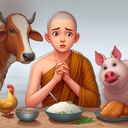
+Opening
| (derived from B. Sujato 2018/12) | (摘自B. Sujato 2018/12) | |
| Evaṃ me sutaṃ— | So I have heard. | 如是我聞。 |
| ekaṃ samayaṃ bhagavā rājagahe viharati jīvakassa komārabhaccassa ambavane. | At one time the Buddha was staying near Rājagaha in the Mango Grove of Jīvaka Komārabhacca. | 一時,佛陀住在王舍城附近,耆婆伽·拘摩羅跋伽的芒果園裡。 |
| Atha kho jīvako komārabhacco yena bhagavā tenupasaṅkami; upasaṅkamitvā bhagavantaṃ abhivādetvā ekamantaṃ nisīdi. Ekamantaṃ nisinno kho jīvako komārabhacco bhagavantaṃ etadavoca: | Then Jīvaka went up to the Buddha, bowed, sat down to one side, and said to the Buddha: | 那時耆婆伽去見佛陀,頂禮後,坐到一旁,對佛陀說: |
+55.1 – (rumor: Gotama knowingly eats meat prepared on purpose for him)
| “sutaṃ metaṃ, bhante: | “Sir, I have heard this: | “世尊,我聽說: |
| ‘samaṇaṃ gotamaṃ uddissa pāṇaṃ ārabhanti, taṃ samaṇo gotamo jānaṃ uddissakataṃ maṃsaṃ paribhuñjati paṭiccakamman’ti. | ‘They slaughter living creatures specially for the ascetic Gotama. The ascetic Gotama knowingly eats meat prepared on purpose for him: this is a deed he caused.’ | ‘他們特意為沙門喬達摩宰殺活物。沙門喬達摩明知故犯地吃特意為他準備的肉:這是他造成的行為。’ |
| Ye te, bhante, evamāhaṃsu: ‘samaṇaṃ gotamaṃ uddissa pāṇaṃ ārabhanti, taṃ samaṇo gotamo jānaṃ uddissakataṃ maṃsaṃ paribhuñjati paṭiccakamman’ti, kacci te, bhante, bhagavato vuttavādino, na ca bhagavantaṃ abhūtena abbhācikkhanti, dhammassa cānudhammaṃ byākaronti, na ca koci sahadhammiko vādānuvādo gārayhaṃ ṭhānaṃ āgacchatī”ti? | I trust that those who say this repeat what the Buddha has said, and do not misrepresent him with an untruth? Is their explanation in line with The Dharma? Are there any legitimate grounds for rebuke and criticism?” | 我相信那些這樣說的人是重複佛陀所說的話,而不是以不實之詞歪曲他吧?他們的解釋符合教義嗎?有沒有任何正當的理由可以責備和批評?” |
+55.2 – (‘meat may not be eaten’ if it’s seen, heard, or suspected it was killed for monk)
| “Ye te, jīvaka, evamāhaṃsu: ‘samaṇaṃ gotamaṃ uddissa pāṇaṃ ārabhanti, taṃ samaṇo gotamo jānaṃ uddissakataṃ maṃsaṃ paribhuñjati paṭiccakamman’ti na me te vuttavādino, abbhācikkhanti ca maṃ te asatā abhūtena. | “Jīvaka, those who say this do not repeat what I have said. They misrepresent me with what is false and untrue. | “耆婆伽,那些這樣說的人並沒有重複我所說的話。他們以虛假不實之詞歪曲我。 |
| Tīhi kho ahaṃ, jīvaka, ṭhānehi maṃsaṃ aparibhoganti vadāmi. | For three reasons I say ‘meat may not be eaten’: | 我有三個原因說‘肉不可食’: |
| Diṭṭhaṃ, sutaṃ, parisaṅkitaṃ— | it’s seen, heard, or suspected. | 眼見、耳聞或懷疑。 |
| imehi kho ahaṃ, jīvaka, tīhi ṭhānehi maṃsaṃ aparibhoganti vadāmi. | These are three reasons I say ‘meat may not be eaten’. | 這就是我說‘肉不可食’的三個原因。 |
| Tīhi kho ahaṃ, jīvaka, ṭhānehi maṃsaṃ paribhoganti vadāmi. | For three reasons I say ‘meat may be eaten’: | 我有三個原因說‘肉可食’: |
| Adiṭṭhaṃ, asutaṃ, aparisaṅkitaṃ— | it’s not seen, heard, or suspected. | 不見、不聞或不懷疑。 |
| imehi kho ahaṃ, jīvaka, tīhi ṭhānehi maṃsaṃ paribhoganti vadāmi. | These are three reasons I say ‘meat may be eaten’. | 這就是我說‘肉可食’的三個原因。 |
+55.3 – (monk does metta for village, invited for meal)
| Idha, jīvaka, bhikkhu aññataraṃ gāmaṃ vā nigamaṃ vā upanissāya viharati. | Take the case of a monk living supported by a town or village. | 舉例來說,一位比丘住在城鎮或鄉村,受其供養。 |
| So mettāsahagatena cetasā ekaṃ disaṃ pharitvā viharati, tathā dutiyaṃ, tathā tatiyaṃ, tathā catutthaṃ. Iti uddhamadho tiriyaṃ sabbadhi sabbattatāya sabbāvantaṃ lokaṃ mettāsahagatena cetasā vipulena mahaggatena appamāṇena averena abyābajjhena pharitvā viharati. | They meditate spreading a heart full of friendly-kindness to one direction, and to the second, and to the third, and to the fourth. In the same way above, below, across, everywhere, all around, they spread a heart full of friendly-kindness to the whole world—abundant, expansive, limitless, free of enmity and ill will. | 他們以充滿慈愛的心遍滿一個方向,然後是第二個,第三個,第四個。同樣地,上方,下方,橫向, everywhere,四面八方,以充滿慈愛的心遍滿整個世界——廣闊,廣大,無量,沒有敵意和惡意。 |
| Tamenaṃ gahapati vā gahapatiputto vā upasaṅkamitvā svātanāya bhattena nimanteti. | A householder or their child approaches and invites them for the next day’s meal. | 一位居士或他們的孩子走上前,邀請他們第二天用餐。 |
| Ākaṅkhamānova, jīvaka, bhikkhu adhivāseti. | The monk accepts if they want. | 比丘如果願意就接受。 |
| So tassā rattiyā accayena pubbaṇhasamayaṃ nivāsetvā pattacīvaramādāya yena tassa gahapatissa vā gahapatiputtassa vā nivesanaṃ tenupasaṅkamati; upasaṅkamitvā paññatte āsane nisīdati. | When the night has passed, they robe up in the morning, take their bowl and robe, and approach that householder’s home, where they sit on the seat spread out. | 夜過天明,他們早上穿好袈裟,拿起缽和衣,來到那位居士的家裡,坐在鋪好的座位上。 |
| Tamenaṃ so gahapati vā gahapatiputto vā paṇītena piṇḍapātena parivisati. | That householder or their child serves them with delicious alms-food. | 那位居士或他們的孩子用美味的食物供養他們。 |
| Tassa na evaṃ hoti: | It never occurs to them: | 他們從不這樣想: |
| ‘sādhu vata māyaṃ gahapati vā gahapatiputto vā paṇītena piṇḍapātena pariviseyyāti. | ‘It’s so good that this householder serves me with delicious alms-food! | “這位居士用美味的食物供養我真是太好了! |
| Aho vata māyaṃ gahapati vā gahapatiputto vā āyatimpi evarūpena paṇītena piṇḍapātena pariviseyyā’ti— | I hope they serve me with such delicious alms-food in the future!’ | 我希望他們將來也能用這樣美味的食物供養我!” |
| evampissa na hoti. | They don’t think that. | 他們不那樣想。 |
+55.4 – (they eat food unattached, seeing danger, therefore blameless)
| So taṃ piṇḍapātaṃ agathito amucchito anajjhopanno ādīnavadassāvī nissaraṇapañño paribhuñjati. | They eat that alms-food untied, unstupefied, unattached, seeing the drawback, and understanding the escape. | 他們吃那些食物,不執著,不迷惑,不貪戀,看見過患,並理解解脫。 |
| Taṃ kiṃ maññasi, jīvaka, | What do you think, Jīvaka? | 你認為呢,耆婆伽? |
| api nu so bhikkhu tasmiṃ samaye attabyābādhāya vā ceteti, parabyābādhāya vā ceteti, ubhayabyābādhāya vā cetetī”ti? | At that time is that monk intending to hurt themselves, hurt others, or hurt both?” | 那時那位比丘是否打算傷害自己、傷害他人或兩者都傷害?” |
| “No hetaṃ, bhante”. | “No, sir.” | “不,世尊。” |
| “Nanu so, jīvaka, bhikkhu tasmiṃ samaye anavajjaṃyeva āhāraṃ āhāretī”ti? | “Aren’t they eating blameless food at that time?” | “那時他們吃的不是無可指責的食物嗎?” |
| “Evaṃ, bhante. | “Yes, sir. | “是的,世尊。 |
| Sutaṃ metaṃ, bhante: | Sir, I have heard that | 世尊,我聽說 |
| ‘brahmā mettāvihārī’ti. | Brahmā abides in friendly-kindness. | 梵天安住於慈愛。 |
| Taṃ me idaṃ, bhante, bhagavā sakkhidiṭṭho; | Now, I’ve seen the Buddha with my own eyes, | 現在,我親眼見到了佛陀, |
| bhagavā hi, bhante, mettāvihārī”ti. | and it is the Buddha who truly abides in friendly-kindness.” | 正是佛陀真正安住於慈愛。” |
+55.5 – (Buddha interprets Brahma’s metta analogy with Buddha’s complete ending of defilements)
| “Yena kho, jīvaka, rāgena yena dosena yena mohena byāpādavā assa so rāgo so doso so moho tathāgatassa pahīno ucchinnamūlo tālāvatthukato anabhāvaṃkato āyatiṃ anuppādadhammo. | “Any greed, hate, or delusion that might give rise to ill will has been given up by the Realized One, cut off at the root, made like a palm stump, obliterated, and is unable to arise in the future. | “如來已捨棄任何可能引起惡意的貪欲、嗔恨或痴念,斬草除根,像棕櫚樹樁一樣,徹底消滅,未來再也無法生起。 |
| Sace kho te, jīvaka, idaṃ sandhāya bhāsitaṃ anujānāmi te etan”ti. | If that’s what you were referring to, I acknowledge it.” | 如果你指的是這個,我承認。” |
| “Etadeva kho pana me, bhante, sandhāya bhāsitaṃ”. | “That’s exactly what I was referring to.” | “我指的正是這個。” |
+55.6 – (repeat for remaining 3 brahma-vihāras)
| “Idha, jīvaka, bhikkhu aññataraṃ gāmaṃ vā nigamaṃ vā upanissāya viharati. | “Take the case, Jīvaka, of a monk living supported by a town or village. | “耆婆伽,舉例來說,一位比丘住在城鎮或鄉村,受其供養。 |
| So karuṇāsahagatena cetasā … pe … | They meditate spreading a heart full of compassion … | 他們以充滿悲憫心禪修…… |
| muditāsahagatena cetasā … pe … | They meditate spreading a heart full of rejoicing … | 他們以充滿隨喜心禪修…… |
| upekkhāsahagatena cetasā ekaṃ disaṃ pharitvā viharati, tathā dutiyaṃ, tathā tatiyaṃ, tathā catutthaṃ. | They meditate spreading a heart full of equanimous-observation to one direction, and to the second, and to the third, and to the fourth. | 他們以充滿捨心遍滿一個方向,然後是第二個,第三個,第四個。 |
| Iti uddhamadho tiriyaṃ sabbadhi sabbattatāya sabbāvantaṃ lokaṃ upekkhāsahagatena cetasā vipulena mahaggatena appamāṇena averena abyābajjhena pharitvā viharati. | In the same way above, below, across, everywhere, all around, they spread a heart full of equanimous-observation to the whole world—abundant, expansive, limitless, free of enmity and ill will. | 同樣地,上方,下方,橫向, everywhere,四面八方,以充滿捨心遍滿整個世界——廣闊,廣大,無量,沒有敵意和惡意。 |
| Tamenaṃ gahapati vā gahapatiputto vā upasaṅkamitvā svātanāya bhattena nimanteti. | A householder or their child approaches and invites them for the next day’s meal. | 一位居士或他們的孩子走上前,邀請他們第二天用餐。 |
| Ākaṅkhamānova, jīvaka, bhikkhu adhivāseti. | The monk accepts if they want. | 比丘如果願意就接受。 |
| So tassā rattiyā accayena pubbaṇhasamayaṃ nivāsetvā pattacīvaramādāya yena gahapatissa vā gahapatiputtassa vā nivesanaṃ tenupasaṅkamati; upasaṅkamitvā paññatte āsane nisīdati. | When the night has passed, they robe up in the morning, take their bowl and robe, and approach that householder’s home, where they sit on the seat spread out. | 夜過天明,他們早上穿好袈裟,拿起缽和衣,來到那位居士的家裡,坐在鋪好的座位上。 |
| Tamenaṃ so gahapati vā gahapatiputto vā paṇītena piṇḍapātena parivisati. | That householder or their child serves them with delicious alms-food. | 那位居士或他們的孩子用美味的食物供養他們。 |
| Tassa na evaṃ hoti: | It never occurs to them: | 他們從不這樣想: |
| ‘sādhu vata māyaṃ gahapati vā gahapatiputto vā paṇītena piṇḍapātena pariviseyyāti. | ‘It’s so good that this householder serves me with delicious alms-food! | “這位居士用美味的食物供養我真是太好了! |
| Aho vata māyaṃ gahapati vā gahapatiputto vā āyatimpi evarūpena paṇītena piṇḍapātena pariviseyyā’ti— | I hope they serve me with such delicious alms-food in the future!’ | 我希望他們將來也能用這樣美味的食物供養我!” |
| evampissa na hoti. | They don’t think that. | 他們不那樣想。 |
| So taṃ piṇḍapātaṃ agathito amucchito anajjhopanno ādīnavadassāvī nissaraṇapañño paribhuñjati. | They eat that alms-food untied, unstupefied, unattached, seeing the drawback, and understanding the escape. | 他們吃那些食物,不執著,不迷惑,不貪戀,看見過患,並理解解脫。 |
| Taṃ kiṃ maññasi, jīvaka, | What do you think, Jīvaka? | 你認為呢,耆婆伽? |
| api nu so bhikkhu tasmiṃ samaye attabyābādhāya vā ceteti, parabyābādhāya vā ceteti, ubhayabyābādhāya vā cetetī”ti? | At that time is that monk intending to hurt themselves, hurt others, or hurt both?” | 那時那位比丘是否打算傷害自己、傷害他人或兩者都傷害?” |
| “No hetaṃ, bhante”. | “No, sir.” | “不,世尊。” |
| “Nanu so, jīvaka, bhikkhu tasmiṃ samaye anavajjaṃyeva āhāraṃ āhāretī”ti? | “Aren’t they eating blameless food at that time?” | “那時他們吃的不是無可指責的食物嗎?” |
| “Evaṃ, bhante. | “Yes, sir. | “是的,世尊。 |
| Sutaṃ metaṃ, bhante: | Sir, I have heard that | 世尊,我聽說 |
| ‘brahmā upekkhāvihārī’ti. | Brahmā abides in equanimous-observation. | 梵天安住於舍。 |
| Taṃ me idaṃ, bhante, bhagavā sakkhidiṭṭho; | Now, I’ve seen the Buddha with my own eyes, | 現在,我親眼見到了佛陀, |
| bhagavā hi, bhante, upekkhāvihārī”ti. | and it is the Buddha who truly abides in equanimous-observation.” | 正是佛陀真正安住於舍。” |
| “Yena kho, jīvaka, rāgena yena dosena yena mohena vihesavā assa arativā assa paṭighavā assa so rāgo so doso so moho tathāgatassa pahīno ucchinnamūlo tālāvatthukato anabhāvaṅkato āyatiṃ anuppādadhammo. | “Any greed, hate, or delusion that might give rise to cruelty, negativity, or repulsion has been given up by the Realized One, cut off at the root, made like a palm stump, obliterated, and is unable to arise in the future. | “任何可能引起殘忍、消極或厭惡的貪欲、嗔恨或痴念,如來都已捨棄,斬草除根,像棕櫚樹樁一樣,徹底消滅,未來再也無法生起。 |
| Sace kho te, jīvaka, idaṃ sandhāya bhāsitaṃ, anujānāmi te etan”ti. | If that’s what you were referring to, I acknowledge it.” | 如果你指的是這個,我承認。” |
| “Etadeva kho pana me, bhante, sandhāya bhāsitaṃ”. | “That’s exactly what I was referring to.” | “我指的正是這個。” |
| “Yo kho, jīvaka, tathāgataṃ vā tathāgatasāvakaṃ vā uddissa pāṇaṃ ārabhati so pañcahi ṭhānehi bahuṃ apuññaṃ pasavati. | “Jīvaka, anyone who slaughters a living creature specially for the Realized One or the Realized One’s disciple makes much bad karma for five reasons. | “耆婆伽,任何人特意為如來或如來的弟子宰殺活物,會因五個原因而造下大量惡業。 |
| Yampi so, gahapati, evamāha: | When they say: | 當他們說: |
| ‘gacchatha, amukaṃ nāma pāṇaṃ ānethā’ti, iminā paṭhamena ṭhānena bahuṃ apuññaṃ pasavati. | ‘Go, fetch that living creature,’ this is the first reason. | ‘去,把那個活物弄來,’這是第一個原因。 |
| Yampi so pāṇo galappaveṭhakena ānīyamāno dukkhaṃ domanassaṃ paṭisaṃvedeti, iminā dutiyena ṭhānena bahuṃ apuññaṃ pasavati. | When that living creature experiences pain and sadness as it’s led along by a collar, this is the second reason. | 當那個活物被項圈牽著時經歷痛苦和悲傷,這是第二個原因。 |
| Yampi so evamāha: | When they say: | 當他們說: |
| ‘gacchatha imaṃ pāṇaṃ ārabhathā’ti, iminā tatiyena ṭhānena bahuṃ apuññaṃ pasavati. | ‘Go, slaughter that living creature,’ this is the third reason. | ‘去,宰殺那個活物,’這是第三個原因。 |
| Yampi so pāṇo ārabhiyamāno dukkhaṃ domanassaṃ paṭisaṃvedeti, iminā catutthena ṭhānena bahuṃ apuññaṃ pasavati. | When that living creature experiences pain and sadness as it’s being slaughtered, this is the fourth reason. | 當那個活物被宰殺時經歷痛苦和悲傷,這是第四個原因。 |
| Yampi so tathāgataṃ vā tathāgatasāvakaṃ vā akappiyena āsādeti, iminā pañcamena ṭhānena bahuṃ apuññaṃ pasavati. | When they provide the Realized One or the Realized One’s disciple with unallowable food, this is the fifth reason. | 當他們向如來或如來的弟子提供不允許的食物,這是第五個原因。 |
| Yo kho, jīvaka, tathāgataṃ vā tathāgatasāvakaṃ vā uddissa pāṇaṃ ārabhati so imehi pañcahi ṭhānehi bahuṃ apuññaṃ pasavatī”ti. | Anyone who slaughters a living creature specially for the Realized One or the Realized One’s disciple makes much bad karma for five reasons.” | 任何人特意為如來或如來的弟子宰殺活物,會因五個原因而造下大量惡業。” |
❧
+55.7 – (conclusion: monks indeed eat allowable, blameless food)
| Evaṃ vutte, jīvako komārabhacco bhagavantaṃ etadavoca: | When he had spoken, Jīvaka said to the Buddha: | 他說完後,耆婆伽對佛陀說: |
| “acchariyaṃ, bhante, abbhutaṃ, bhante. | “It’s incredible, sir, it’s amazing! | “真是不可思議,世尊,真是令人驚歎! |
| Kappiyaṃ vata, bhante, bhikkhū āhāraṃ āhārenti; | The monks indeed eat allowable food. | 比丘們確實吃合法的食物。 |
| anavajjaṃ vata, bhante, bhikkhū āhāraṃ āhārenti. | The monks indeed eat blameless food. | 比丘們確實吃無可指責的食物。 |
| Abhikkantaṃ, bhante, abhikkantaṃ, bhante … pe … | Excellent, sir! Excellent! … | 太好了,世尊!太好了!…… |
| upāsakaṃ maṃ bhagavā dhāretu ajjatagge pāṇupetaṃ saraṇaṃ gatan”ti. | From this day forth, may the Buddha remember me as a lay follower who has gone for refuge for life.” | 從今天起,願佛陀將我記為終身皈依的在家弟子。” |
❧
+MN 56 Upāli:
(name of layperson)
all
(name of layperson)
+Opening
| Upālisutta | With Upāli | 與優婆離 |
| Evaṃ me sutaṃ— | So I have heard. | 如是我聞。 |
| ekaṃ samayaṃ bhagavā nāḷandāyaṃ viharati pāvārikambavane. | At one time the Buddha was staying near Nālandā in Pāvārika’s mango grove. | 一時,佛陀住在那爛陀附近,在波婆利迦的芒果園裡。 |
| Tena kho pana samayena nigaṇṭho nāṭaputto nāḷandāyaṃ paṭivasati mahatiyā nigaṇṭhaparisāya saddhiṃ. | At that time Nigaṇṭha Nāṭaputta was residing at Nāḷandā together with a large assembly of Jain ascetics. | 那時,尼乾陀·那吒弗多與大批耆那教苦行僧一同居住在那爛陀。 |
| Atha kho dīghatapassī nigaṇṭho nāḷandāyaṃ piṇḍāya caritvā pacchābhattaṃ piṇḍapātapaṭikkanto yena pāvārikambavanaṃ yena bhagavā tenupasaṅkami; upasaṅkamitvā bhagavatā saddhiṃ sammodi. | Then the Jain ascetic Dīgha Tapassī wandered for alms in Nāḷandā. After the meal, on his return from alms-round, he went to Pāvārika’s mango grove. There he approached the Buddha, and exchanged greetings with him. | 然後耆那教苦行僧長苦行者迪迦·塔帕西在那爛陀乞食。飯後,從乞食回來,他去到波婆利迦的芒果園。在那裡他走到佛陀面前,與佛陀寒暄。 |
| Sammodanīyaṃ kathaṃ sāraṇīyaṃ vītisāretvā ekamantaṃ aṭṭhāsi. Ekamantaṃ ṭhitaṃ kho dīghatapassiṃ nigaṇṭhaṃ bhagavā etadavoca: | When the greetings and polite conversation were over, he stood to one side. The Buddha said to him: | 寒暄和客套結束後,他站到一旁。佛陀對他說道: |
| “saṃvijjanti kho, tapassi, āsanāni; sace ākaṅkhasi nisīdā”ti. | “There are seats, Tapassī. Please sit if you wish.” | “有座位,塔帕西。如果您願意,請坐。” |
| Evaṃ vutte, dīghatapassī nigaṇṭho aññataraṃ nīcaṃ āsanaṃ gahetvā ekamantaṃ nisīdi. | When he said this, Dīgha Tapassī took a low seat and sat to one side. | 他說這話時,迪迦·塔帕西坐到一張低矮的座位上,坐到一旁。 |
| Ekamantaṃ nisinnaṃ kho dīghatapassiṃ nigaṇṭhaṃ bhagavā etadavoca: | The Buddha said to him: | 佛陀對他說道: |
| “kati pana, tapassi, nigaṇṭho nāṭaputto kammāni paññapeti pāpassa kammassa kiriyāya pāpassa kammassa pavattiyā”ti? | “Tapassī, how many kinds of deed does Nigaṇṭha Nātaputta describe for performing bad deeds?” | “塔帕西,尼乾陀·那吒弗多描述了多少種行為來行惡?” |
| “Na kho, āvuso gotama, āciṇṇaṃ nigaṇṭhassa nāṭaputtassa ‘kammaṃ, kamman’ti paññapetuṃ; | “Reverend Gotama, Nigaṇṭha Nātaputta doesn’t usually speak in terms of ‘deeds’. | “喬達摩尊者,尼乾陀·那吒弗多通常不說‘行為’。 |
| ‘daṇḍaṃ, daṇḍan’ti kho, āvuso gotama, āciṇṇaṃ nigaṇṭhassa nāṭaputtassa paññapetun”ti. | He usually speaks in terms of ‘rods’.” | 他通常說‘棍棒’。” |
+56.1 – (Jain leader explains 3 types of action: bodily, verbal, mental)
all
| “Kati pana, tapassi, nigaṇṭho nāṭaputto daṇḍāni paññapeti pāpassa kammassa kiriyāya pāpassa kammassa pavattiyā”ti? | “Then how many kinds of rod does Nigaṇṭha Nātaputta describe for performing bad deeds?” | “那麼尼乾陀·那吒弗多描述了多少種棍棒來行惡?” |
| “Tīṇi kho, āvuso gotama, nigaṇṭho nāṭaputto daṇḍāni paññapeti pāpassa kammassa kiriyāya pāpassa kammassa pavattiyāti, seyyathidaṃ— | “Nigaṇṭha Nātaputta describes three kinds of rod for performing bad deeds: | “尼乾陀·那吒弗多描述了三種棍棒來行惡: |
| kāyadaṇḍaṃ, vacīdaṇḍaṃ, manodaṇḍan”ti. | the physical rod, the verbal rod, and the mental rod.” | 身棒、語棒和意棒。” |
+§1.1 – (3 types of action distinct from each other)
| “Kiṃ pana, tapassi, aññadeva kāyadaṇḍaṃ, aññaṃ vacīdaṇḍaṃ, aññaṃ manodaṇḍan”ti? | “But are these kinds of rod all distinct from each other?” | “但是這些棍棒彼此都不同嗎?” |
| “Aññadeva, āvuso gotama, kāyadaṇḍaṃ, aññaṃ vacīdaṇḍaṃ, aññaṃ manodaṇḍan”ti. | “Yes, each is quite distinct.” | “是的,每一種都完全不同。” |
| “Imesaṃ pana, tapassi, tiṇṇaṃ daṇḍānaṃ evaṃ paṭivibhattānaṃ evaṃ paṭivisiṭṭhānaṃ katamaṃ daṇḍaṃ nigaṇṭho nāṭaputto mahāsāvajjataraṃ paññapeti pāpassa kammassa kiriyāya pāpassa kammassa pavattiyā, yadi vā kāyadaṇḍaṃ, yadi vā vacīdaṇḍaṃ, yadi vā manodaṇḍan”ti? | “Of the three rods thus analyzed and differentiated, which rod does Nigaṇṭha Nātaputta describe as being the most blameworthy for performing bad deeds: the physical rod, the verbal rod, or the mental rod?” | “在這三種如此分析和區分的棍棒中,尼乾陀·那吒弗多描述哪種棍棒在行惡方面是最應受譴責的:身棒、語棒還是意棒?” |
+§1.2 – (Jain leader says bodily action is most potent of 3, Buddha is incredulous)
| “Imesaṃ kho, āvuso gotama, tiṇṇaṃ daṇḍānaṃ evaṃ paṭivibhattānaṃ evaṃ paṭivisiṭṭhānaṃ kāyadaṇḍaṃ nigaṇṭho nāṭaputto mahāsāvajjataraṃ paññapeti pāpassa kammassa kiriyāya pāpassa kammassa pavattiyā, no tathā vacīdaṇḍaṃ, no tathā manodaṇḍan”ti. | “Nigaṇṭha Nātaputta describes the physical rod as being the most blameworthy for performing bad deeds, not so much the verbal rod or the mental rod.” | 尼乾陀·那提子說身體上的行為是造惡業中最應受譴責的,而不是言語或思想上的行為。 |
| “Kāyadaṇḍanti, tapassi, vadesi”? | “Do you say the physical rod, Tapassī?” | “你說的是身體上的行為嗎,塔帕西?” |
| “Kāyadaṇḍanti, āvuso gotama, vadāmi”. | “I say the physical rod, Reverend Gotama.” | “我說的是身體上的行為,尊敬的喬達摩。” |
| “Kāyadaṇḍanti, tapassi, vadesi”? | “Do you say the physical rod, Tapassī?” | “你說的是身體上的行為嗎,塔帕西?” |
| “Kāyadaṇḍanti, āvuso gotama, vadāmi”. | “I say the physical rod, Reverend Gotama.” | “我說的是身體上的行為,尊敬的喬達摩。” |
| “Kāyadaṇḍanti, tapassi, vadesi”? | “Do you say the physical rod, Tapassī?” | “你說的是身體上的行為嗎,塔帕西?” |
| “Kāyadaṇḍanti, āvuso gotama, vadāmī”ti. | “I say the physical rod, Reverend Gotama.” | “我說的是身體上的行為,尊敬的喬達摩。” |
| Itiha bhagavā dīghatapassiṃ nigaṇṭhaṃ imasmiṃ kathāvatthusmiṃ yāvatatiyakaṃ patiṭṭhāpesi. | Thus the Buddha made Dīgha Tapassī stand by this point up to the third time. | 就這樣,佛陀讓迪迦·塔帕西三次堅持這個觀點。 |
| Evaṃ vutte, dīghatapassī nigaṇṭho bhagavantaṃ etadavoca: | When this was said, Dīgha Tapassī said to the Buddha: | 聽他這麼說,迪迦·塔帕西對佛陀說: |
| “tvaṃ panāvuso gotama, kati daṇḍāni paññapesi pāpassa kammassa kiriyāya pāpassa kammassa pavattiyā”ti? | “But Reverend Gotama, how many kinds of rod do you describe for performing bad deeds?” | “但是尊敬的喬達摩,您說造惡業有多少種行為?” |
| “Na kho, tapassi, āciṇṇaṃ tathāgatassa ‘daṇḍaṃ, daṇḍan’ti paññapetuṃ; | “Tapassī, the Realized One doesn’t usually speak in terms of ‘rods’. | “塔帕西,如來通常不說‘行為’。 |
| ‘kammaṃ, kamman’ti kho, tapassi, āciṇṇaṃ tathāgatassa paññapetun”ti? | He usually speaks in terms of ‘deeds’.” | 他通常說‘業’。” |
❧
+56.2 – (Buddha explains his 3 types of action: bodily, verbal, mental)
all
| “Tvaṃ panāvuso gotama, kati kammāni paññapesi pāpassa kammassa kiriyāya pāpassa kammassa pavattiyā”ti? | “Then how many kinds of deed do you describe for performing bad deeds?” | “那麼,您說造惡業有多少種業?” |
| “Tīṇi kho ahaṃ, tapassi, kammāni paññapemi pāpassa kammassa kiriyāya pāpassa kammassa pavattiyā, seyyathidaṃ— | “I describe three kinds of deed for performing bad deeds: | “我說造惡業有三種業: |
| kāyakammaṃ, vacīkammaṃ, manokamman”ti. | physical deeds, verbal deeds, and mental deeds.” | 身體業、言語業和思想業。” |
+§2.1 – (3 types of action distinct from each other)
| “Kiṃ panāvuso gotama, aññadeva kāyakammaṃ, aññaṃ vacīkammaṃ, aññaṃ manokamman”ti? | “But are these kinds of deed all distinct from each other?” | “但是這些業彼此之間都不同嗎?” |
| “Aññadeva, tapassi, kāyakammaṃ, aññaṃ vacīkammaṃ, aññaṃ manokamman”ti. | “Yes, each is quite distinct.” | “是的,每一種都截然不同。” |
+§2.2 – (Buddha says mental action is most potent of 3)
| “Imesaṃ panāvuso gotama, tiṇṇaṃ kammānaṃ evaṃ paṭivibhattānaṃ evaṃ paṭivisiṭṭhānaṃ katamaṃ kammaṃ mahāsāvajjataraṃ paññapesi pāpassa kammassa kiriyāya pāpassa kammassa pavattiyā, yadi vā kāyakammaṃ, yadi vā vacīkammaṃ, yadi vā manokamman”ti? | “Of the three deeds thus analyzed and differentiated, which deed do you describe as being the most blameworthy for performing bad deeds: physical deeds, verbal deeds, or mental deeds?” | “在這三種如此分析和區分的業中,您認為哪種業是造惡業中最應受譴責的:身體業、言語業還是思想業?” |
| “Imesaṃ kho ahaṃ, tapassi, tiṇṇaṃ kammānaṃ evaṃ paṭivibhattānaṃ evaṃ paṭivisiṭṭhānaṃ manokammaṃ mahāsāvajjataraṃ paññapemi pāpassa kammassa kiriyāya pāpassa kammassa pavattiyā, no tathā kāyakammaṃ, no tathā vacīkamman”ti. | “I describe mental deeds as being the most blameworthy for performing bad deeds, not so much physical deeds or verbal deeds.” | “我認為思想業是造惡業中最應受譴責的,而不是身體業或言語業。” |
| “Manokammanti, āvuso gotama, vadesi”? | “Do you say mental deeds, Reverend Gotama?” | “您說的是思想業嗎,尊敬的喬達摩?” |
| “Manokammanti, tapassi, vadāmi”. | “I say mental deeds, Tapassī.” | “我說的是思想業,塔帕西。” |
| “Manokammanti, āvuso gotama, vadesi”? | “Do you say mental deeds, Reverend Gotama?” | “您說的是思想業嗎,尊敬的喬達摩?” |
| “Manokammanti, tapassi, vadāmi”. | “I say mental deeds, Tapassī.” | “我說的是思想業,塔帕西。” |
| “Manokammanti, āvuso gotama, vadesi”? | “Do you say mental deeds, Reverend Gotama?” | “您說的是思想業嗎,尊敬的喬達摩?” |
| “Manokammanti, tapassi, vadāmī”ti. | “I say mental deeds, Tapassī.” | “我說的是思想業,塔帕西。” |
| Itiha dīghatapassī nigaṇṭho bhagavantaṃ imasmiṃ kathāvatthusmiṃ yāvatatiyakaṃ patiṭṭhāpetvā uṭṭhāyāsanā yena nigaṇṭho nāṭaputto tenupasaṅkami. | Thus the Jain ascetic Dīgha Tapassī made the Buddha stand by this point up to the third time, after which he got up from his seat and went to see Nigaṇṭha Nātaputta. | 於是,耆那教苦行僧迪迦·塔帕西讓佛陀三次堅持這個觀點,之後他起身離開座位,去見尼乾陀·那提子。 |
+56.3 – (Dīgha goes to Jain leader to report conversation, they all agree Buddha is wrong)
| Tena kho pana samayena nigaṇṭho nāṭaputto mahatiyā gihiparisāya saddhiṃ nisinno hoti bālakiniyā parisāya upālipamukhāya. | Now at that time Nigaṇṭha Nātaputta was sitting together with a large assembly of laypeople of Bālaka headed by Upāli. | 當時,尼乾陀·那提子正和以優婆離為首的大批巴拉卡居士坐在一起。 |
| Addasā kho nigaṇṭho nāṭaputto dīghatapassiṃ nigaṇṭhaṃ dūratova āgacchantaṃ; | Nigaṇṭha Nātaputta saw Dīgha Tapassī coming off in the distance | 尼乾陀·那提子遠遠地看到迪迦·塔帕西走過來, |
| disvāna dīghatapassiṃ nigaṇṭhaṃ etadavoca: | and said to him: | 對他說: |
| “handa kuto nu tvaṃ, tapassi, āgacchasi divā divassā”ti? | “So, Tapassī, where are you coming from in the middle of the day?” | “那麼,塔帕西,你大中午從哪裡來?” |
| “Ito hi kho ahaṃ, bhante, āgacchāmi samaṇassa gotamassa santikā”ti. | “Just now, sir, I’ve come from the presence of the ascetic Gotama.” | “先生,我剛剛從喬達摩沙門那裡來。” |
| “Ahu pana te, tapassi, samaṇena gotamena saddhiṃ kocideva kathāsallāpo”ti? | “But did you have some discussion with him?” | “但是你和他有過一些討論嗎?” |
| “Ahu kho me, bhante, samaṇena gotamena saddhiṃ kocideva kathāsallāpo”ti. | “I did.” | “有。” |
| “Yathā kathaṃ pana te, tapassi, ahu samaṇena gotamena saddhiṃ kocideva kathāsallāpo”ti? | “And what kind of discussion did you have with him?” | “你和他有什麼樣的討論?” |
| Atha kho dīghatapassī nigaṇṭho yāvatako ahosi bhagavatā saddhiṃ kathāsallāpo taṃ sabbaṃ nigaṇṭhassa nāṭaputtassa ārocesi. | Then Dīgha Tapassī informed Nigaṇṭha Nātaputta of all they had discussed. | 於是迪迦·塔帕西把他們討論的所有內容都告訴了尼乾陀·那提子。 |
| Evaṃ vutte, nigaṇṭho nāṭaputto dīghatapassiṃ nigaṇṭhaṃ etadavoca: | When he had spoken, Nigaṇṭha said to him: | 他說完後,尼乾陀對他說: |
| “sādhu sādhu, tapassi. | “Good, good, Tapassī! | “好,好,塔帕西! |
| Yathā taṃ sutavatā sāvakena sammadeva satthusāsanaṃ ājānantena evameva dīghatapassinā nigaṇṭhena samaṇassa gotamassa byākataṃ. | Dīgha Tapassī has answered the ascetic Gotama like an educated disciple who rightly understands their teacher’s instructions. | 迪迦·塔帕西回答喬達摩沙門就像一個受過教育的弟子,正確理解了老師的教誨。 |
| Kiñhi sobhati chavo manodaṇḍo imassa evaṃ oḷārikassa kāyadaṇḍassa upanidhāya. | For how impressive is the measly mental rod when compared with the substantial physical rod? | 因為與實質性的身體行為相比,微不足道的精神行為又有多大的影響力呢? |
| Atha kho kāyadaṇḍova mahāsāvajjataro pāpassa kammassa kiriyāya pāpassa kammassa pavattiyā, no tathā vacīdaṇḍo, no tathā manodaṇḍo”ti. | Rather, the physical rod is the most blameworthy for performing bad deeds, not so much the verbal rod or the mental rod.” | 相反,身體行為是造惡業中最應受譴責的,而不是言語或思想上的行為。” |
+56.4 – (Upali intends to see Buddha and beat him in debate)
| Evaṃ vutte, upāli gahapati nigaṇṭhaṃ nāṭaputtaṃ etadavoca: | When he said this, the householder Upāli said to him: | 聽他這麼說,居士優婆離對他說: |
| “sādhu sādhu, bhante dīghatapassī. | “Good, sir! Well done, Dīgha Tapassī! | “先生,太好了!迪迦·塔帕西做得好! |
| Yathā taṃ sutavatā sāvakena sammadeva satthusāsanaṃ ājānantena evamevaṃ bhadantena tapassinā samaṇassa gotamassa byākataṃ. | The honorable Tapassī has answered the ascetic Gotama like an educated disciple who rightly understands their teacher’s instructions. | 尊敬的塔帕西回答喬達摩沙門就像一個受過教育的弟子,正確理解了老師的教誨。 |
| Kiñhi sobhati chavo manodaṇḍo imassa evaṃ oḷārikassa kāyadaṇḍassa upanidhāya. | For how impressive is the measly mental rod when compared with the substantial physical rod? | 因為與實質性的身體行為相比,微不足道的精神行為又有多大的影響力呢? |
| Atha kho kāyadaṇḍova mahāsāvajjataro pāpassa kammassa kiriyāya pāpassa kammassa pavattiyā, no tathā vacīdaṇḍo, no tathā manodaṇḍo. | Rather, the physical rod is the most blameworthy for performing bad deeds, not so much the verbal rod or the mental rod. | 相反,身體行為是造惡業中最應受譴責的,而不是言語或思想上的行為。 |
| Handa cāhaṃ, bhante, gacchāmi samaṇassa gotamassa imasmiṃ kathāvatthusmiṃ vādaṃ āropessāmi. | I’d better go and refute the ascetic Gotama’s doctrine regarding this point. | 我最好去駁斥喬達摩沙門關於這一點的教義。 |
| Sace me samaṇo gotamo tathā patiṭṭhahissati yathā bhadantena tapassinā patiṭṭhāpitaṃ; seyyathāpi nāma balavā puriso dīghalomikaṃ eḷakaṃ lomesu gahetvā ākaḍḍheyya parikaḍḍheyya samparikaḍḍheyya; evamevāhaṃ samaṇaṃ gotamaṃ vādena vādaṃ ākaḍḍhissāmi parikaḍḍhissāmi samparikaḍḍhissāmi. | If he stands by the position that he stated to Dīgha Tapassī, I’ll take him on in debate and drag him to and fro and round about, like a strong man would drag a fleecy sheep to and fro and round about! | 如果他堅持他對迪迦·塔帕西所說的立場,我就會和他辯論,來回拖他,就像一個強壯的人來回拖一隻多毛的羊一樣! |
| Seyyathāpi nāma balavā soṇḍikākammakāro mahantaṃ soṇḍikākilañjaṃ gambhīre udakarahade pakkhipitvā kaṇṇe gahetvā ākaḍḍheyya parikaḍḍheyya samparikaḍḍheyya; evamevāhaṃ samaṇaṃ gotamaṃ vādena vādaṃ ākaḍḍhissāmi parikaḍḍhissāmi samparikaḍḍhissāmi. | Taking him on in debate, I’ll drag him to and fro and round about, like a strong brewer’s worker would toss a large brewer’s sieve into a deep lake, grab it by the corners, and drag it to and fro and round about! | 和他辯論,我會來回拖他,就像一個強壯的釀酒工人把一個大釀酒篩子扔進深湖裡,抓住它的角,來回拖它一樣! |
| Seyyathāpi nāma balavā soṇḍikādhutto vālaṃ kaṇṇe gahetvā odhuneyya niddhuneyya nipphoṭeyya; evamevāhaṃ samaṇaṃ gotamaṃ vādena vādaṃ odhunissāmi niddhunissāmi nipphoṭessāmi. | Taking him on in debate, I’ll shake him down and about and give him a beating, like a strong brewer’s mixer would grab a strainer by the corners and shake it down and about, and give it a beating! | 和他辯論,我會把他搖下來,打他一頓,就像一個強壯的釀酒攪拌器抓住一個過濾器的角,把它搖下來,打它一頓一樣! |
| Seyyathāpi nāma kuñjaro saṭṭhihāyano gambhīraṃ pokkharaṇiṃ ogāhetvā sāṇadhovikaṃ nāma kīḷitajātaṃ kīḷati; evamevāhaṃ samaṇaṃ gotamaṃ sāṇadhovikaṃ maññe kīḷitajātaṃ kīḷissāmi. | I’ll play a game of ear-washing with the ascetic Gotama, like a sixty year old elephant would plunge into a deep lotus pond and play a game of ear-washing! | 我要和喬達摩沙門玩‘洗耳朵’的遊戲,就像一頭六十歲的象會跳進一個深荷塘裡玩‘洗耳朵’的遊戲一樣! |
| Handa cāhaṃ, bhante, gacchāmi samaṇassa gotamassa imasmiṃ kathāvatthusmiṃ vādaṃ āropessāmī”ti. | Sir, I’d better go and refute the ascetic Gotama’s doctrine on this point.” | 先生,我最好去駁斥喬達摩沙門關於這一點的教義。” |
| “Gaccha tvaṃ, gahapati, samaṇassa gotamassa imasmiṃ kathāvatthusmiṃ vādaṃ āropehi. | “Go, householder, refute the ascetic Gotama’s doctrine on this point. | “去吧,居士,駁斥喬達摩沙門關於這一點的教義。 |
| Ahaṃ vā hi, gahapati, samaṇassa gotamassa vādaṃ āropeyyaṃ, dīghatapassī vā nigaṇṭho, tvaṃ vā”ti. | For either I should do so, or Dīgha Tapassī, or you.” | 因為要麼我應該這樣做,要麼迪迦·塔帕西,要麼你。” |
+56.5 – (Digha tells Jain leader it’s a bad idea, Buddha is a formidable ‘magician’, can convert Upali )
all
| Evaṃ vutte, dīghatapassī nigaṇṭho nigaṇṭhaṃ nāṭaputtaṃ etadavoca: | When he said this, Dīgha Tapassī said to Nigaṇṭha Nātaputta: | 聽他這麼說,迪迦·塔帕西對尼乾陀·那提子說: |
| “na kho metaṃ, bhante, ruccati yaṃ upāli gahapati samaṇassa gotamassa vādaṃ āropeyya. | “Sir, I don’t think it’s a good idea for the householder Upāli to rebut the ascetic Gotama’s doctrine. | “先生,我不認為居士優婆離駁斥喬達摩沙門的教義是個好主意。 |
| Samaṇo hi, bhante, gotamo māyāvī āvaṭṭaniṃ māyaṃ jānāti yāya aññatitthiyānaṃ sāvake āvaṭṭetī”ti. | For the ascetic Gotama is a magician. He knows a conversion magic, and uses it to convert the disciples of those who follow other paths.” | 因為喬達摩沙門是個魔術師。他知道一種轉化魔術,並用它來轉化那些追隨其他道路的弟子的。” |
| “Aṭṭhānaṃ kho etaṃ, tapassi, anavakāso yaṃ upāli gahapati samaṇassa gotamassa sāvakattaṃ upagaccheyya. | “It is impossible, Tapassī, it cannot happen that Upāli could become Gotama’s disciple. | “不可能,塔帕西,優婆離不可能成為喬達摩的弟子。 |
| Ṭhānañca kho etaṃ vijjati yaṃ samaṇo gotamo upālissa gahapatissa sāvakattaṃ upagaccheyya. | But it is possible that Gotama could become Upāli’s disciple. | 但是喬達摩有可能成為優婆離的弟子。 |
| Gaccha tvaṃ, gahapati, samaṇassa gotamassa imasmiṃ kathāvatthusmiṃ vādaṃ āropehi. | Go, householder, refute the ascetic Gotama’s doctrine on this point. | 去吧,居士,駁斥喬達摩沙門關於這一點的教義。 |
| Ahaṃ vā hi, gahapati, samaṇassa gotamassa vādaṃ āropeyyaṃ, dīghatapassī vā nigaṇṭho, tvaṃ vā”ti. | For either I should do so, or Dīgha Tapassī, or you.” | 因為要麼我應該這樣做,要麼迪迦·塔帕西,要麼你。” |
| Dutiyampi kho dīghatapassī … pe … | For a second time … | 第二次…… |
| tatiyampi kho dīghatapassī nigaṇṭho nigaṇṭhaṃ nāṭaputtaṃ etadavoca: | and a third time, Dīgha Tapassī said to Nigaṇṭha Nātaputta: | 第三次,迪迦·塔帕西對尼乾陀·那提子說: |
| “na kho metaṃ, bhante, ruccati yaṃ upāli gahapati samaṇassa gotamassa vādaṃ āropeyya. | “Sir, I don’t think it’s a good idea for the householder Upāli to rebut the ascetic Gotama’s doctrine. | “先生,我不認為居士優婆離駁斥喬達摩沙門的教義是個好主意。 |
| Samaṇo hi, bhante, gotamo māyāvī āvaṭṭaniṃ māyaṃ jānāti yāya aññatitthiyānaṃ sāvake āvaṭṭetī”ti. | For the ascetic Gotama is a magician. He knows a conversion magic, and uses it to convert the disciples of those who follow other paths.” | 因為喬達摩沙門是個魔術師。他知道一種轉化魔術,並用它來轉化那些追隨其他道路的弟子的。” |
+§5.1 – (Jain leader thinks Upali will convert Buddha!)
| “Aṭṭhānaṃ kho etaṃ, tapassi, anavakāso yaṃ upāli gahapati samaṇassa gotamassa sāvakattaṃ upagaccheyya. | “It is impossible, Tapassī, it cannot happen that Upāli could become Gotama’s disciple. | “不可能,塔帕西,優婆離不可能成為喬達摩的弟子。 |
| Ṭhānañca kho etaṃ vijjati yaṃ samaṇo gotamo upālissa gahapatissa sāvakattaṃ upagaccheyya. | But it is possible that Gotama could become Upāli’s disciple. | 但是喬達摩有可能成為優婆離的弟子。 |
| Gaccha tvaṃ, gahapati, samaṇassa gotamassa imasmiṃ kathāvatthusmiṃ vādaṃ āropehi. | Go, householder, refute the ascetic Gotama’s doctrine on this point. | 去吧,居士,駁斥喬達摩沙門關於這一點的教義。 |
| Ahaṃ vā hi, gahapati, samaṇassa gotamassa vādaṃ āropeyyaṃ, dīghatapassī vā nigaṇṭho, tvaṃ vā”ti. | For either I should do so, or Dīgha Tapassī, or you.” | 因為要麼我應該這樣做,要麼迪迦·塔帕西,要麼你。” |
+56.6 – (Upali goes to see Buddha and confirm what he said on his view of 3 actions with Digha)
all
| “Evaṃ, bhante”ti kho upāli gahapati nigaṇṭhassa nāṭaputtassa paṭissutvā uṭṭhāyāsanā nigaṇṭhaṃ nāṭaputtaṃ abhivādetvā padakkhiṇaṃ katvā yena pāvārikambavanaṃ yena bhagavā tenupasaṅkami; upasaṅkamitvā bhagavantaṃ abhivādetvā ekamantaṃ nisīdi. Ekamantaṃ nisinno kho upāli gahapati bhagavantaṃ etadavoca: | “Yes, sir,” replied the householder Upāli to Nigaṇṭha Nāṭaputta. He got up from his seat, bowed, and respectfully circled him, keeping him on his right. Then he went to the Buddha, bowed, sat down to one side, and said to him: | “是的,先生,”居士優婆離回答尼乾陀·那提子。他從座位上站起來,鞠躬,恭敬地繞著他轉了一圈,讓他保持在他的右邊。然後他去見佛陀,鞠躬,坐在一邊,對他說: |
| “āgamā nu khvidha, bhante, dīghatapassī nigaṇṭho”ti? | “Sir, did the Jain ascetic Dīgha Tapassī come here?” | “先生,耆那教苦行僧迪迦·塔帕西來過這裡嗎?” |
| “Āgamā khvidha, gahapati, dīghatapassī nigaṇṭho”ti. | “He did, householder.” | “來過,居士。” |
| “Ahu kho pana te, bhante, dīghatapassinā nigaṇṭhena saddhiṃ kocideva kathāsallāpo”ti? | “But did you have some discussion with him?” | “但是你和他有過一些討論嗎?” |
| “Ahu kho me, gahapati, dīghatapassinā nigaṇṭhena saddhiṃ kocideva kathāsallāpo”ti. | “I did.” | “有。” |
| “Yathā kathaṃ pana te, bhante, ahu dīghatapassinā nigaṇṭhena saddhiṃ kocideva kathāsallāpo”ti? | “And what kind of discussion did you have with him?” | “你和他有什麼樣的討論?” |
| Atha kho bhagavā yāvatako ahosi dīghatapassinā nigaṇṭhena saddhiṃ kathāsallāpo taṃ sabbaṃ upālissa gahapatissa ārocesi. | Then the Buddha informed Upāli of all they had discussed. | 於是佛陀把他們討論的所有內容都告訴了優婆離。 |
+§6.1 – (Upali affirms Jain leader is right, Buddha is wrong)
| Evaṃ vutte, upāli gahapati bhagavantaṃ etadavoca: | When he said this, the householder Upāli said to him: | 聽他這麼說,居士優婆離對他說: |
| “sādhu sādhu, bhante tapassī. | “Good, sir, well done by Tapassī! | “先生,塔帕西做得好,做得妙! |
| Yathā taṃ sutavatā sāvakena sammadeva satthusāsanaṃ ājānantena evamevaṃ dīghatapassinā nigaṇṭhena bhagavato byākataṃ. | The honorable Tapassī has answered the ascetic Gotama like an educated disciple who rightly understands their teacher’s instructions. | 尊敬的塔帕西回答喬達摩沙門就像一個受過教育的弟子,正確理解了老師的教誨。 |
| Kiñhi sobhati chavo manodaṇḍo imassa evaṃ oḷārikassa kāyadaṇḍassa upanidhāya? | For how impressive is the measly mental rod when compared with the substantial physical rod? | 因為與實質性的身體行為相比,微不足道的精神行為又有多大的影響力呢? |
| Atha kho kāyadaṇḍova mahāsāvajjataro pāpassa kammassa kiriyāya pāpassa kammassa pavattiyā, no tathā vacīdaṇḍo, no tathā manodaṇḍo”ti. | Rather, the physical rod is the most blameworthy for performing bad deeds, not so much the verbal rod or the mental rod.” | 相反,身體行為是造惡業中最應受譴責的,而不是言語或思想上的行為。” |
+§6.2 – (Buddha establishes ground rules for fair debate)
| “Sace kho tvaṃ, gahapati, sacce patiṭṭhāya manteyyāsi siyā no ettha kathāsallāpo”ti. | “Householder, so long as you debate on the basis of truth, we can have some discussion about this.” | “居士,只要你以真理為基礎進行辯論,我們就可以討論這個問題。” |
| “Sacce ahaṃ, bhante, patiṭṭhāya mantessāmi; | “I will debate on the basis of truth, sir. | “我將以真理為基礎進行辯論,先生。 |
| hotu no ettha kathāsallāpo”ti. | Let us have some discussion about this.” | 讓我們討論這個問題。” |
+§6.11 – (Buddha’s example #1 showing Jain contradiction: dying and rebirth caused by mental action instead of physical one)
| “Taṃ kiṃ maññasi, gahapati, | “What do you think, householder? | “居士,你覺得怎麼樣? |
| idhassa nigaṇṭho ābādhiko dukkhito bāḷhagilāno sītodakapaṭikkhitto uṇhodakapaṭisevī. | Take a Jain ascetic who is sick, suffering, gravely ill. They reject cold water and use only hot water. | 假設一個耆那教苦行僧生病了,受苦了,病得很重。他們拒絕冷水,只用熱水。 |
| So sītodakaṃ alabhamāno kālaṃ kareyya. | Not getting cold water, they might die. | 得不到冷水,他們可能會死。 |
| Imassa pana, gahapati, nigaṇṭho nāṭaputto katthūpapattiṃ paññapetī”ti? | Now, where does Nigaṇṭha Nātaputta say they would be reborn?” | 那麼,尼乾陀·那提子說他們會投生到哪裡?” |
| “Atthi, bhante, manosattā nāma devā tattha so upapajjati”. | “Sir, there are gods called ‘mind-bound’. They would be reborn there. | “先生,有一種神叫做‘意生身’。他們會投生到那裡。 |
| “Taṃ kissa hetu”? | Why is that? | 為什麼呢? |
| “Asu hi, bhante, manopaṭibaddho kālaṃ karotī”ti. | Because they died with mental attachment.” | 因為他們帶著心識執著而死。” |
| “Manasi karohi, gahapati, manasi karitvā kho, gahapati, byākarohi. | “Think about it, householder! You should think before answering. | “想一想,居士!你回答之前應該三思。 |
| Na kho te sandhiyati purimena vā pacchimaṃ, pacchimena vā purimaṃ. | What you said before and what you said after don’t match up. | 你之前說的和之後說的對不上。 |
| Bhāsitā kho pana te, gahapati, esā vācā: ‘sacce ahaṃ, bhante, patiṭṭhāya mantessāmi, hotu no ettha kathāsallāpo’”ti. |
But you said that you would debate on the basis of truth.” | 但是你說過你會以真理為基礎進行辯論。” |
| “Kiñcāpi, bhante, bhagavā evamāha, atha kho kāyadaṇḍova mahāsāvajjataro pāpassa kammassa kiriyāya pāpassa kammassa pavattiyā, no tathā vacīdaṇḍo, no tathā manodaṇḍo”ti. | “Even though the Buddha says this, still the physical rod is the most blameworthy for performing bad deeds, not so much the verbal rod or the mental rod.” | “即使佛陀這麼說,身體上的行為仍然是造惡業中最應受譴責的,而不是言語或思想上的行為。” |
+§6.12 – (example #2: accidentally killing bugs, intentional makes it blameworthy)
| “Taṃ kiṃ maññasi, gahapati, | “What do you think, householder? | “居士,你覺得怎麼樣? |
| idhassa nigaṇṭho nāṭaputto cātuyāmasaṃvarasaṃvuto sabbavārivārito sabbavāriyutto sabbavāridhuto sabbavāriphuṭo. | Take a Jain ascetic who is restrained in the fourfold restraint: obstructed by all water, devoted to all water, shaking off all water, pervaded by all water. | 假設一個耆那教苦行僧被四重束縛所束縛:被所有水阻礙,致力於所有水,抖落所有水,被所有水充滿。 |
| So abhikkamanto paṭikkamanto bahū khuddake pāṇe saṅghātaṃ āpādeti. | When going out and coming back they accidentally injure many little creatures. | 當他們外出和回來時,不小心傷害了許多小生物。 |
| Imassa pana, gahapati, nigaṇṭho nāṭaputto kaṃ vipākaṃ paññapetī”ti? | Now, what result does Nigaṇṭha Nātaputta say they would incur?” | 那麼,尼乾陀·那提子說他們會招致什麼結果?” |
| “Asañcetanikaṃ, bhante, nigaṇṭho nāṭaputto no mahāsāvajjaṃ paññapetī”ti. | “Sir, Nigaṇṭha Nātaputta says that unintentional acts are not very blameworthy.” | “先生,尼乾陀·那提子說無意的行為不怎麼應受譴責。” |
| “Sace pana, gahapati, cetetī”ti? | “But if they are intentional?” | “但是如果是有意的呢?” |
| “Mahāsāvajjaṃ, bhante, hotī”ti. | “Then they are very blameworthy.” | “那麼它們就非常應受譴責。” |
| “Cetanaṃ pana, gahapati, nigaṇṭho nāṭaputto kismiṃ paññapetī”ti? | “But where does Nigaṇṭha Nātaputta say that intention is classified?” | “但是尼乾陀·那提子說意圖被歸類在哪裡?” |
| “Manodaṇḍasmiṃ, bhante”ti. | “In the mental rod, sir.” | “在精神行為中,先生。” |
| “Manasi karohi, gahapati, manasi karitvā kho, gahapati, byākarohi. | “Think about it, householder! You should think before answering. | “想一想,居士!你回答之前應該三思。 |
| Na kho te sandhiyati purimena vā pacchimaṃ, pacchimena vā purimaṃ. | What you said before and what you said after don’t match up. | 你之前說的和之後說的對不上。 |
| Bhāsitā kho pana te, gahapati, esā vācā: ‘sacce ahaṃ, bhante, patiṭṭhāya mantessāmi; hotu no ettha kathāsallāpo’”ti. |
But you said that you would debate on the basis of truth.” | 但是你說過你會以真理為基礎進行辯論。” |
| “Kiñcāpi, bhante, bhagavā evamāha, atha kho kāyadaṇḍova mahāsāvajjataro pāpassa kammassa kiriyāya pāpassa kammassa pavattiyā, no tathā vacīdaṇḍo, no tathā manodaṇḍo”ti. | “Even though the Buddha says this, still the physical rod is the most blameworthy for performing bad deeds, not so much the verbal rod or the mental rod.” | “即使佛陀這麼說,身體上的行為仍然是造惡業中最應受譴責的,而不是言語或思想上的行為。” |
+§6.13 – (example #3: evil yogi with psychic power can kill with mind/mano, without bodily karma)
| “Taṃ kiṃ maññasi, gahapati, | “What do you think, householder? | “居士,你覺得怎麼樣? |
| ayaṃ nāḷandā iddhā ceva phītā ca bahujanā ākiṇṇamanussā”ti? | Is this Nāḷandā successful and prosperous and full of people?” | 這個那爛陀城是成功繁榮、人煙稠密嗎?” |
| “Evaṃ, bhante, ayaṃ nāḷandā iddhā ceva phītā ca bahujanā ākiṇṇamanussā”ti. | “Indeed it is, sir.” | “確實如此,先生。” |
| “Taṃ kiṃ maññasi, gahapati, | “What do you think, householder? | “居士,你覺得怎麼樣? |
| idha puriso āgaccheyya ukkhittāsiko. | Suppose a man were to come along with a drawn sword | 假設一個人拿著一把拔出的劍走過來 |
| So evaṃ vadeyya: | and say: | 說: |
| ‘ahaṃ yāvatikā imissā nāḷandāya pāṇā te ekena khaṇena ekena muhuttena ekaṃ maṃsakhalaṃ ekaṃ maṃsapuñjaṃ karissāmī’ti. | ‘In one moment I will reduce all the living creatures within the bounds of Nāḷandā to one heap and mass of flesh!’ | ‘一瞬間,我要把那爛陀城境內所有的生物都變成一堆肉塊!’ |
| Taṃ kiṃ maññasi, gahapati, | What do you think, householder? | 居士,你覺得怎麼樣? |
| pahoti nu kho so puriso yāvatikā imissā nāḷandāya pāṇā te ekena khaṇena ekena muhuttena ekaṃ maṃsakhalaṃ ekaṃ maṃsapuñjaṃ kātun”ti? | Could he do that?” | 他能做到嗎?” |
| “Dasapi, bhante, purisā, vīsampi, bhante, purisā, tiṃsampi, bhante, purisā, cattārīsampi, bhante, purisā, paññāsampi, bhante, purisā nappahonti yāvatikā imissā nāḷandāya pāṇā te ekena khaṇena ekena muhuttena ekaṃ maṃsakhalaṃ ekaṃ maṃsapuñjaṃ kātuṃ. | “Sir, even ten, twenty, thirty, forty, or fifty men couldn’t do that. | “先生,即使是十個、二十個、三十個、四十個或五十個人也做不到。 |
| Kiñhi sobhati eko chavo puriso”ti. | How impressive is one measly man?” | 一個人微不足道,能有多大力量?” |
| “Taṃ kiṃ maññasi, gahapati, | “What do you think, householder? | “居士,你覺得怎麼樣? |
| idha āgaccheyya samaṇo vā brāhmaṇo vā iddhimā cetovasippatto. | Suppose an ascetic or brahmin with psychic power, who has achieved mastery of the mind, were to come along | 假設一位擁有神通,已證得心識自在的沙門或婆羅門走過來 |
| So evaṃ vadeyya: | and say: | 說: |
| ‘ahaṃ imaṃ nāḷandaṃ ekena manopadosena bhasmaṃ karissāmī’ti. | ‘I will reduce Nāḷandā to ashes with a single malevolent act of will!’ | ‘我要用一次惡意的意念把那爛陀城燒成灰燼!’ |
| Taṃ kiṃ maññasi, gahapati, | What do you think, householder? | 居士,你覺得怎麼樣? |
| pahoti nu kho so samaṇo vā brāhmaṇo vā iddhimā cetovasippatto imaṃ nāḷandaṃ ekena manopadosena bhasmaṃ kātun”ti? | Could he do that?” | 他能做到嗎?” |
| “Dasapi, bhante, nāḷandā, vīsampi nāḷandā, tiṃsampi nāḷandā, cattārīsampi nāḷandā, paññāsampi nāḷandā pahoti so samaṇo vā brāhmaṇo vā iddhimā cetovasippatto ekena manopadosena bhasmaṃ kātuṃ. | “Sir, an ascetic or brahmin with psychic power, who has achieved mastery of the mind, could reduce ten, twenty, thirty, forty, or fifty Nāḷandās to ashes with a single malevolent act of will. | “先生,一位擁有神通,已證得心識自在的沙門或婆羅門,可以用一次惡意的意念把十個、二十個、三十個、四十個或五十個那爛陀城燒成灰燼。 |
| Kiñhi sobhati ekā chavā nāḷandā”ti. | How impressive is one measly Nāḷandā?” | 一個微不足道的那爛陀城,能有多大力量?” |
| “Manasi karohi, gahapati, manasi karitvā kho, gahapati, byākarohi. | “Think about it, householder! You should think before answering. | “想一想,居士!你回答之前應該三思。 |
| Na kho te sandhiyati purimena vā pacchimaṃ, pacchimena vā purimaṃ. | What you said before and what you said after don’t match up. | 你之前說的和之後說的對不上。 |
| Bhāsitā kho pana te, gahapati, esā vācā: ‘sacce ahaṃ, bhante, patiṭṭhāya mantessāmi; hotu no ettha kathāsallāpo’”ti. |
But you said that you would debate on the basis of truth.” | 但是你說過你會以真理為基礎進行辯論。” |
| “Kiñcāpi, bhante, bhagavā evamāha, atha kho kāyadaṇḍova mahāsāvajjataro pāpassa kammassa kiriyāya pāpassa kammassa pavattiyā, no tathā vacīdaṇḍo, no tathā manodaṇḍo”ti. | “Even though the Buddha says this, still the physical rod is the most blameworthy for performing bad deeds, not so much the verbal rod or the mental rod.” | “即使佛陀這麼說,身體上的行為仍然是造惡業中最應受譴責的,而不是言語或思想上的行為。” |
❧
+§6.14 – (example #4: wilderness of some areas had become that way because of evil mental actions of some hermits)
| “Taṃ kiṃ maññasi, gahapati, | “What do you think, householder? | “居士,你覺得怎麼樣? |
| sutaṃ te daṇḍakīraññaṃ kāliṅgāraññaṃ majjhāraññaṃ mātaṅgāraññaṃ araññaṃ araññabhūtan”ti? | Have you heard how the wildernesses of Daṇḍaka, Kāliṅga, Mejjha, and Mātaṅga came to be that way?” | 你聽說過丹達卡、卡林加、梅傑和馬坦加的荒野是如何形成的嗎?” |
| “Evaṃ, bhante, sutaṃ me daṇḍakīraññaṃ kāliṅgāraññaṃ majjhāraññaṃ mātaṅgāraññaṃ araññaṃ araññabhūtan”ti. | “I have, sir.” | “聽說過,先生。” |
| “Taṃ kiṃ maññasi, gahapati, kinti te sutaṃ kena taṃ daṇḍakīraññaṃ kāliṅgāraññaṃ majjhāraññaṃ mātaṅgāraññaṃ araññaṃ araññabhūtan”ti? | “What have you heard?” | “你聽說了什麼?” |
| “Sutaṃ metaṃ, bhante, isīnaṃ manopadosena taṃ daṇḍakīraññaṃ kāliṅgāraññaṃ majjhāraññaṃ mātaṅgāraññaṃ araññaṃ araññabhūtan”ti. | “I heard that it was because of a malevolent act of will by hermits that the wildernesses of Daṇḍaka, Kāliṅga, Mejjha, and Mātaṅga came to be that way.” | “我聽說是因為隱士惡意的意念,丹達卡、卡林加、梅傑和馬坦加的荒野才變成那樣的。” |
❧
+56.7 – (for the 4th time, Buddha points out Upali’s contradiction violates rules of fair debate)
all
| “Manasi karohi, gahapati, manasi karitvā kho, gahapati, byākarohi. | “Think about it, householder! You should think before answering. | “想一想,居士!你回答之前應該三思。 |
| Na kho te sandhiyati purimena vā pacchimaṃ, pacchimena vā purimaṃ. | What you said before and what you said after don’t match up. | 你之前說的和之後說的對不上。 |
| Bhāsitā kho pana te, gahapati, esā vācā: ‘sacce ahaṃ, bhante, patiṭṭhāya mantessāmi; hotu no ettha kathāsallāpo’”ti. |
But you said that you would debate on the basis of truth.” | 但是你說過你會以真理為基礎進行辯論。” |
+§7.1 – (Upali confesses to Buddha: “Sir, you had me at hello, with the first simile.”)
| “Purimenevāhaṃ, bhante, opammena bhagavato attamano abhiraddho. | “Sir, I was already delighted and satisfied by the Buddha’s very first simile. | “先生,我一開始就被佛陀的第一個比喻所感動和滿足了。 |
| Api cāhaṃ imāni bhagavato vicitrāni pañhapaṭibhānāni sotukāmo, evāhaṃ bhagavantaṃ paccanīkaṃ kātabbaṃ amaññissaṃ. | Nevertheless, I wanted to hear the Buddha’s various solutions to the problem, so I thought I’d oppose you in this way. | 然而,我想聽聽佛陀對這個問題的各種解決方案,所以我才想這樣反對您。 |
| Abhikkantaṃ, bhante, abhikkantaṃ, bhante. | Excellent, sir! Excellent! | 太好了,先生!太好了! |
| Seyyathāpi, bhante, nikkujjitaṃ vā ukkujjeyya, paṭicchannaṃ vā vivareyya, mūḷhassa vā maggaṃ ācikkheyya, andhakāre vā telapajjotaṃ dhāreyya: ‘cakkhumanto rūpāni dakkhantī’ti; evamevaṃ bhagavatā anekapariyāyena dhammo pakāsito. | As if he were righting the overturned, or revealing the hidden, or pointing out the path to the lost, or lighting a lamp in the dark so people with good eyes can see what’s there, the Buddha has made The Dharma clear in many ways. | 佛陀以多種方式闡明了佛法,就像他扶正了翻倒的,揭示了隱藏的,指出了迷失的道路,或者在黑暗中點亮了一盞燈,讓眼睛好的人能看到那裡有什麼。 |
+§7.2 – (Upali converts, takes refuge in Buddha)
| Esāhaṃ, bhante, bhagavantaṃ saraṇaṃ gacchāmi dhammañca bhikkhusaṅghañca. | I go for refuge to the Buddha, to The Dharma, and to the monk Saṅgha. | 我皈依佛、法、僧。 |
| Upāsakaṃ maṃ bhagavā dhāretu ajjatagge pāṇupetaṃ saraṇaṃ gatan”ti. | From this day forth, may the Buddha remember me as a lay follower who has gone for refuge for life.” | 從今天起,願佛陀記住我是一個終身皈依的在家弟子。” |
+§7.3 – (Buddha advises Upali to consider carefully before converting)
| “Anuviccakāraṃ kho, gahapati, karohi, anuviccakāro tumhādisānaṃ ñātamanussānaṃ sādhu hotī”ti. | “Householder, you should act after careful consideration. It’s good for well-known people such as yourself to act after careful consideration.” | “居士,你應該慎重行事。像你這樣有名望的人,慎重行事是好的。” |
| “Imināpāhaṃ, bhante, bhagavato bhiyyoso mattāya attamano abhiraddho yaṃ maṃ bhagavā evamāha: ‘anuviccakāraṃ kho, gahapati, karohi, anuviccakāro tumhādisānaṃ ñātamanussānaṃ sādhu hotī’ti. | “Now I’m even more delighted and satisfied with the Buddha, since he tells me to act after careful consideration. | “現在我對佛陀更加高興和滿意了,因為他告訴我應該慎重行事。 |
| Mañhi, bhante, aññatitthiyā sāvakaṃ labhitvā kevalakappaṃ nāḷandaṃ paṭākaṃ parihareyyuṃ: | For if the followers of other paths were to gain me as a disciple, they’d carry a banner all over Nāḷandā, saying: | 因為如果其他教派的追隨者把我收為弟子,他們會拿著旗幟在那爛陀城到處宣揚: |
| ‘upāli amhākaṃ gahapati sāvakattaṃ upagato’ti. | ‘The householder Upāli has become our disciple!’ | ‘居士優婆離已經成為我們的弟子了!’ |
| Atha ca pana maṃ bhagavā evamāha: | And yet the Buddha says: | 然而佛陀卻說: |
| ‘anuviccakāraṃ kho, gahapati, karohi, anuviccakāro tumhādisānaṃ ñātamanussānaṃ sādhu hotī’ti. | ‘Householder, you should act after careful consideration. It’s good for well-known people such as yourself to act after careful consideration.’ | ‘居士,你應該慎重行事。像你這樣有名望的人,慎重行事是好的。’ |
| Esāhaṃ, bhante, dutiyampi bhagavantaṃ saraṇaṃ gacchāmi dhammañca bhikkhusaṅghañca. | For a second time, I go for refuge to the Buddha, to The Dharma, and to the monk Saṅgha. | 第二次,我皈依佛、法、僧。 |
| Upāsakaṃ maṃ bhagavā dhāretu ajjatagge pāṇupetaṃ saraṇaṃ gatan”ti. | From this day forth, may the Buddha remember me as a lay follower who has gone for refuge for life.” | 從今天起,願佛陀記住我是一個終身皈依的在家弟子。” |
+§7.4 – (Buddha advises Upali to continue offering support to Jains)
| “Dīgharattaṃ kho te, gahapati, nigaṇṭhānaṃ opānabhūtaṃ kulaṃ yena nesaṃ upagatānaṃ piṇḍakaṃ dātabbaṃ maññeyyāsī”ti. | “For a long time now, householder, your family has been a well-spring of support for the Jain ascetics. You should consider giving to them when they come.” | “居士,長期以來,你的家族一直是耆那教苦行僧的支柱。他們來的時候,你應該考慮施捨給他們。” |
| “Imināpāhaṃ, bhante, bhagavato bhiyyoso mattāya attamano abhiraddho yaṃ maṃ bhagavā evamāha: ‘dīgharattaṃ kho te, gahapati, nigaṇṭhānaṃ opānabhūtaṃ kulaṃ yena nesaṃ upagatānaṃ piṇḍakaṃ dātabbaṃ maññeyyāsī’ti. | “Now I’m even more delighted and satisfied with the Buddha, since he tells me to consider giving to the Jain ascetics when they come. | “現在我對佛陀更加高興和滿意了,因為他告訴我當耆那教苦行僧來的時候,要考慮施捨給他們。 |
| Sutaṃ metaṃ, bhante, samaṇo gotamo evamāha: | I have heard, sir, that the ascetic Gotama says this: | 先生,我聽說喬達摩沙門這樣說: |
| ‘mayhameva dānaṃ dātabbaṃ, nāññesaṃ dānaṃ dātabbaṃ; | ‘Gifts should only be given to me, not to others. | ‘布施只應該給我,不應該給其他人。 |
| mayhameva sāvakānaṃ dānaṃ dātabbaṃ, nāññesaṃ sāvakānaṃ dānaṃ dātabbaṃ; | Gifts should only be given to my disciples, not to the disciples of others. | 布施只應該給我的弟子,不應該給其他人的弟子。 |
| mayhameva dinnaṃ mahapphalaṃ, nāññesaṃ dinnaṃ mahapphalaṃ; | Only what is given to me is very fruitful, not what is given to others. | 只有施捨給我的才有豐厚的回報,而不是施捨給其他人的。 |
| mayhameva sāvakānaṃ dinnaṃ mahapphalaṃ, nāññesaṃ sāvakānaṃ dinnaṃ mahapphalan’ti. | Only what is given to my disciples is very fruitful, not what is given to the disciples of others.’ | 只有施捨給我的弟子才有豐厚的回報,而不是施捨給其他人的弟子。’ |
| Atha ca pana maṃ bhagavā nigaṇṭhesupi dāne samādapeti. | Yet the Buddha encourages me to give to the Jain ascetics. | 然而佛陀卻鼓勵我施捨給耆那教苦行僧。 |
| Api ca, bhante, mayamettha kālaṃ jānissāma. | Well, sir, we’ll know the proper time for that. | 那麼,先生,我們會知道合適的時機。 |
| Esāhaṃ, bhante, tatiyampi bhagavantaṃ saraṇaṃ gacchāmi dhammañca bhikkhusaṅghañca. | For a third time, I go for refuge to the Buddha, to The Dharma, and to the monk Saṅgha. | 第三次,我皈依佛、法、僧。 |
| Upāsakaṃ maṃ bhagavā dhāretu ajjatagge pāṇupetaṃ saraṇaṃ gatan”ti. | From this day forth, may the Buddha remember me as a lay follower who has gone for refuge for life.” | 從今天起,願佛陀記住我是一個終身皈依的在家弟子。” |
❧
+56.8 – (Buddha leads Upali to Dharma eye and stream entry with talk on gradual training)
all
| Atha kho bhagavā upālissa gahapatissa anupubbiṃ kathaṃ kathesi, seyyathidaṃ— | Then the Buddha taught the householder Upāli step by step, with | 於是,佛陀循序漸進地教導居士優婆離, |
| dānakathaṃ sīlakathaṃ saggakathaṃ, kāmānaṃ ādīnavaṃ okāraṃ saṃkilesaṃ, nekkhamme ānisaṃsaṃ pakāsesi. | a talk on giving, ethical conduct, and heaven. He explained the drawbacks of sensual pleasures, so sordid and corrupt, and the benefit of renunciation. | 講述布施、戒律和天堂。他解釋了感官享樂的缺點,它們是如此骯髒和腐敗,以及出離的益處。 |
+§8.1 – (Upali attains stream entry with a sufficient first jhāna, free of 5 hindrances, hearing and thinking while it happened)
| Yadā bhagavā aññāsi upāliṃ gahapatiṃ kallacittaṃ muducittaṃ vinīvaraṇacittaṃ udaggacittaṃ pasannacittaṃ, atha yā buddhānaṃ sāmukkaṃsikā dhammadesanā taṃ pakāsesi— | And when he knew that Upāli’s mind was ready, pliable, rid of hindrances, joyful, and confident he explained the special teaching of the Buddhas: | 當他知道優婆離的心已經準備好、柔軟、沒有障礙、喜悅和自信時,他解釋了佛陀的特殊教義: |
| dukkhaṃ, samudayaṃ, nirodhaṃ, maggaṃ. | suffering, its origin, its cessation, and the path. | 苦、苦的起源、苦的止息和道。 |
| Seyyathāpi nāma suddhaṃ vatthaṃ apagatakāḷakaṃ sammadeva rajanaṃ paṭiggaṇheyya; | Just as a clean cloth rid of stains would properly absorb dye, | 正如一塊乾淨的布,去除汙漬後能很好地吸收染料一樣, |
| evameva upālissa gahapatissa tasmiṃyeva āsane virajaṃ vītamalaṃ dhammacakkhuṃ udapādi: | in that very seat the stainless, immaculate vision of the Dhamma arose in Upāli: | 就在那個座位上,優婆離生起了無染、純淨的法眼: |
| “yaṃ kiñci samudayadhammaṃ sabbaṃ taṃ nirodhadhamman”ti. | “Everything that has a beginning has an end.” | “凡有始者,皆有終。” |
| Atha kho upāli gahapati diṭṭhadhammo pattadhammo viditadhammo pariyogāḷhadhammo tiṇṇavicikiccho vigatakathaṃkatho vesārajjappatto aparappaccayo satthusāsane bhagavantaṃ etadavoca: | Then Upāli saw, attained, understood, and fathomed the Dhamma. He went beyond doubt, got rid of indecision, and became self-assured and independent of others regarding the Teacher’s instructions. He said to the Buddha: | 然後優婆離見法、得法、解法、悟法。他超越了疑惑,擺脫了猶豫,在導師的教誨方面變得自信和獨立。他對佛陀說: |
| “handa ca dāni mayaṃ, bhante, gacchāma, bahukiccā mayaṃ bahukaraṇīyā”ti. | “Well, now, sir, I must go. I have many duties, and much to do.” | “那麼,先生,我必須走了。我有很多職責,還有很多事情要做。” |
| “Yassadāni tvaṃ, gahapati, kālaṃ maññasī”ti. | “Please, householder, go at your convenience.” | “請吧,居士,你方便的時候就去吧。” |
+56.9 – (Jains hear about Upali’s conversion and are shocked)
all
| Atha kho upāli gahapati bhagavato bhāsitaṃ abhinanditvā anumoditvā uṭṭhāyāsanā bhagavantaṃ abhivādetvā padakkhiṇaṃ katvā yena sakaṃ nivesanaṃ tenupasaṅkami; upasaṅkamitvā dovārikaṃ āmantesi: | And then the householder Upāli approved and agreed with what the Buddha said. He got up from his seat, bowed, and respectfully circled the Buddha, keeping him on his right. Then he went back to his own home, where he addressed the gatekeeper: | 於是,居士優婆離贊同並同意了佛陀所說的話。他從座位上站起來,鞠躬,恭敬地繞著佛陀轉了一圈,讓他保持在他的右邊。然後他回到自己家裡,對守門人說: |
| “ajjatagge, samma dovārika, āvarāmi dvāraṃ nigaṇṭhānaṃ nigaṇṭhīnaṃ, anāvaṭaṃ dvāraṃ bhagavato bhikkhūnaṃ bhikkhunīnaṃ upāsakānaṃ upāsikānaṃ. | “My good gatekeeper, from this day forth close the gate to Jain monks and nuns, and open it for the Buddha’s monks, nuns, laymen, and laywomen. | “我的好守門人,從今天起,關上耆那教僧尼的大門,為佛陀的僧尼、居士、居士信女打開大門。 |
| Sace koci nigaṇṭho āgacchati tamenaṃ tvaṃ evaṃ vadeyyāsi: | If any Jain ascetics come, say this to them: | 如果有耆那教苦行僧來,就對他們說: |
+§9.1 – (Jains not allowed on main property, relegated to visitor area)
| ‘tiṭṭha, bhante, mā pāvisi. | ‘Wait, sir, do not enter. | ‘請稍等,先生,請勿入內。 |
| Ajjatagge upāli gahapati samaṇassa gotamassa sāvakattaṃ upagato. | From now on the householder Upāli has become a disciple of the ascetic Gotama. | 從現在起,居士優婆離已經成為喬達摩沙門的弟子。 |
| Āvaṭaṃ dvāraṃ nigaṇṭhānaṃ nigaṇṭhīnaṃ, anāvaṭaṃ dvāraṃ bhagavato bhikkhūnaṃ bhikkhunīnaṃ upāsakānaṃ upāsikānaṃ. | His gate is closed to Jain monks and nuns, and opened for the Buddha’s monks, nuns, laymen, and laywomen. | 他的大門對耆那教僧尼關閉,對佛陀的僧尼、居士、居士信女開放。 |
| Sace te, bhante, piṇḍakena attho, ettheva tiṭṭha, ettheva te āharissantī’”ti. | If you require alms-food, wait here, they will bring it to you.’” | 如果您需要施食,請在這裡等候,他們會給您送來。’” |
| “Evaṃ, bhante”ti kho dovāriko upālissa gahapatissa paccassosi. | “Yes, sir,” replied the gatekeeper. | “是的,先生,”守門人回答道。 |
+§9.2 – (Jain leader hears about that from Digha, then in denial about conversion)
| Assosi kho dīghatapassī nigaṇṭho: | Dīgha Tapassī heard that | 迪迦·塔帕西聽說了 |
| “upāli kira gahapati samaṇassa gotamassa sāvakattaṃ upagato”ti. | Upāli had become a disciple of the ascetic Gotama. | 優婆離已經成為喬達摩沙門的弟子。 |
| Atha kho dīghatapassī nigaṇṭho yena nigaṇṭho nāṭaputto tenupasaṅkami; upasaṅkamitvā nigaṇṭhaṃ nāṭaputtaṃ etadavoca: | He went to Nigaṇṭha Nātaputta and said to him: | 他去見尼乾陀·那提子,對他說: |
| “sutaṃ metaṃ, bhante, upāli kira gahapati samaṇassa gotamassa sāvakattaṃ upagato”ti. | “Sir, they say that the householder Upāli has become a disciple of the ascetic Gotama.” | “先生,他們說居士優婆離已經成為喬達摩沙門的弟子了。” |
| “Aṭṭhānaṃ kho etaṃ, tapassi, anavakāso yaṃ upāli gahapati samaṇassa gotamassa sāvakattaṃ upagaccheyya. | “It is impossible, Tapassī, it cannot happen that Upāli could become Gotama’s disciple. | “不可能,塔帕西,優婆離不可能成為喬達摩的弟子。 |
| Ṭhānañca kho etaṃ vijjati yaṃ samaṇo gotamo upālissa gahapatissa sāvakattaṃ upagaccheyyā”ti. | But it is possible that Gotama could become Upāli’s disciple.” | 但是喬達摩有可能成為優婆離的弟子。” |
| Dutiyampi kho dīghatapassī nigaṇṭho … pe … | For a second time … | 第二次…… |
| tatiyampi kho dīghatapassī nigaṇṭho nigaṇṭhaṃ nāṭaputtaṃ etadavoca: | and a third time, Dīgha Tapassī said to Nigaṇṭha Nātaputta: | 第三次,迪迦·塔帕西對尼乾陀·那提子說: |
| “sutaṃ metaṃ, bhante … | “Sir, they say that the householder Upāli has become a disciple of the ascetic Gotama.” | “先生,他們說居士優婆離已經成為喬達摩沙門的弟子了。” |
| pe … | “It is impossible, Tapassī, it cannot happen that Upāli could become Gotama’s disciple. | “不可能,塔帕西,優婆離不可能成為喬達摩的弟子。 |
| upālissa gahapatissa sāvakattaṃ upagaccheyyā”ti. | But it is possible that Gotama could become Upāli’s disciple.” | 但是喬達摩有可能成為優婆離的弟子。” |
| “Handāhaṃ, bhante, gacchāmi yāva jānāmi yadi vā upāli gahapati samaṇassa gotamassa sāvakattaṃ upagato yadi vā no”ti. | “Well, sir, I’d better go and find out whether or not Upāli has become Gotama’s disciple.” | “那麼,先生,我最好去查清楚優婆離是否真的成了喬達摩的弟子。” |
| “Gaccha tvaṃ, tapassi, jānāhi yadi vā upāli gahapati samaṇassa gotamassa sāvakattaṃ upagato yadi vā no”ti. | “Go, Tapassī, and find out whether or not Upāli has become Gotama’s disciple.” | “去吧,塔帕西,去查清楚優婆離是否真的成了喬達摩的弟子。” |
+§9.3 – (Digha visits Upali to confirm)
| Atha kho dīghatapassī nigaṇṭho yena upālissa gahapatissa nivesanaṃ tenupasaṅkami. | Then Dīgha Tapassī went to Upāli’s home. | 於是迪迦·塔帕西去了優婆離的家。 |
| Addasā kho dovāriko dīghatapassiṃ nigaṇṭhaṃ dūratova āgacchantaṃ. | The gatekeeper saw him coming off in the distance | 守門人遠遠地看到他走過來 |
| Disvāna dīghatapassiṃ nigaṇṭhaṃ etadavoca: | and said to him: | 對他說: |
| “tiṭṭha, bhante, mā pāvisi. | “Wait, sir, do not enter. | “請稍等,先生,請勿入內。 |
| Ajjatagge upāli gahapati samaṇassa gotamassa sāvakattaṃ upagato. | From now on the householder Upāli has become a disciple of the ascetic Gotama. | 從現在起,居士優婆離已經成為喬達摩沙門的弟子。 |
| Āvaṭaṃ dvāraṃ nigaṇṭhānaṃ nigaṇṭhīnaṃ, anāvaṭaṃ dvāraṃ bhagavato bhikkhūnaṃ bhikkhunīnaṃ upāsakānaṃ upāsikānaṃ. | His gate is closed to Jain monks and nuns, and opened for the Buddha’s monks, nuns, laymen, and laywomen. | 他的大門對耆那教僧尼關閉,對佛陀的僧尼、居士、居士信女開放。 |
| Sace te, bhante, piṇḍakena attho, ettheva tiṭṭha, ettheva te āharissantī”ti. | If you require alms-food, wait here, they will bring it to you.” | 如果您需要施食,請在這裡等候,他們會給您送來。” |
| “Na me, āvuso, piṇḍakena attho”ti vatvā tato paṭinivattitvā yena nigaṇṭho nāṭaputto tenupasaṅkami; upasaṅkamitvā nigaṇṭhaṃ nāṭaputtaṃ etadavoca: | Saying, “No, mister, I do not require alms-food,” he turned back and went to Nigaṇṭha Nātaputta and said to him: | 他說:“不,先生,我不需要施食。”他轉過身,回到尼乾陀·那提子那裡,對他說: |
| “saccaṃyeva kho, bhante, yaṃ upāli gahapati samaṇassa gotamassa sāvakattaṃ upagato. | “Sir, it’s really true that Upāli has become Gotama’s disciple. | “先生,優婆離真的成了喬達摩的弟子了。 |
| Etaṃ kho te ahaṃ, bhante, nālatthaṃ, na kho me, bhante, ruccati yaṃ upāli gahapati samaṇassa gotamassa vādaṃ āropeyya. | Sir, I couldn’t get you to accept that it wasn’t a good idea for the householder Upāli to rebut the ascetic Gotama’s doctrine. | 先生,我沒能讓您接受居士優婆離駁斥喬達摩沙門的教義不是個好主意。 |
| Samaṇo hi, bhante, gotamo māyāvī āvaṭṭaniṃ māyaṃ jānāti yāya aññatitthiyānaṃ sāvake āvaṭṭetīti. | For the ascetic Gotama is a magician. He knows a conversion magic, and uses it to convert the disciples of those who follow other paths. | 因為喬達摩沙門是個魔術師。他知道一種轉化魔術,並用它來轉化那些追隨其他道路的弟子的。 |
| Āvaṭṭo kho te, bhante, upāli gahapati samaṇena gotamena āvaṭṭaniyā māyāyā”ti. | The householder Upāli has been converted by the ascetic Gotama’s conversion magic!” | 居士優婆離已經被喬達摩沙門的轉化魔術轉化了!” |
| “Aṭṭhānaṃ kho etaṃ, tapassi, anavakāso yaṃ upāli gahapati samaṇassa gotamassa sāvakattaṃ upagaccheyya. | “It is impossible, Tapassī, it cannot happen that Upāli could become Gotama’s disciple. | “不可能,塔帕西,優婆離不可能成為喬達摩的弟子。 |
| Ṭhānañca kho etaṃ vijjati yaṃ samaṇo gotamo upālissa gahapatissa sāvakattaṃ upagaccheyyā”ti. | But it is possible that Gotama could become Upāli’s disciple.” | 但是喬達摩有可能成為優婆離的弟子。” |
| Dutiyampi kho dīghatapassī nigaṇṭho nigaṇṭhaṃ nāṭaputtaṃ etadavoca: “saccaṃyeva, bhante … pe … upālissa gahapatissa sāvakattaṃ upagaccheyyā”ti. |
For a second time … | 第二次…… |
| Tatiyampi kho dīghatapassī nigaṇṭho nigaṇṭhaṃ nāṭaputtaṃ etadavoca: | and a third time, Dīgha Tapassī said to Nigaṇṭha Nātaputta: | 第三次,迪迦·塔帕西對尼乾陀·那提子說: |
| “saccaṃyeva kho, bhante … | “It’s really true …” | “是真的……” |
| pe … upālissa gahapatissa sāvakattaṃ upagaccheyyā”ti. |
“It is impossible … | “不可能…… |
| “Handa cāhaṃ, tapassi, gacchāmi yāva cāhaṃ sāmaṃyeva jānāmi yadi vā upāli gahapati samaṇassa gotamassa sāvakattaṃ upagato yadi vā no”ti. | Well, Tapassī, I’d better go and find out for myself whether or not Upāli has become Gotama’s disciple.” | 那麼,塔帕西,我最好親自去查清楚優婆離是否真的成了喬達摩的弟子。” |
❧
+§9.4 – (Jain leader still in denial after Digha’s report, decides to visit Upali)
| Atha kho nigaṇṭho nāṭaputto mahatiyā nigaṇṭhaparisāya saddhiṃ yena upālissa gahapatissa nivesanaṃ tenupasaṅkami. | Then Nigaṇṭha Nātaputta went to Upāli’s home together with a large following of Jain ascetics. | 於是尼乾陀·那提子和一大批耆那教苦行僧一起去了優婆離的家。 |
| Addasā kho dovāriko nigaṇṭhaṃ nāṭaputtaṃ dūratova āgacchantaṃ. | The gatekeeper saw him coming off in the distance | 守門人遠遠地看到他走過來 |
| Disvāna nigaṇṭhaṃ nāṭaputtaṃ etadavoca: | and said to him: | 對他說: |
| “tiṭṭha, bhante, mā pāvisi. | ‘Wait, sir, do not enter. | “請稍等,先生,請勿入內。 |
| Ajjatagge upāli gahapati samaṇassa gotamassa sāvakattaṃ upagato. | From now on the householder Upāli has become a disciple of the ascetic Gotama. | 從現在起,居士優婆離已經成為喬達摩沙門的弟子。 |
| Āvaṭaṃ dvāraṃ nigaṇṭhānaṃ nigaṇṭhīnaṃ, anāvaṭaṃ dvāraṃ bhagavato bhikkhūnaṃ bhikkhunīnaṃ upāsakānaṃ upāsikānaṃ. | His gate is closed to Jain monks and nuns, and opened for the Buddha’s monks, nuns, laymen, and laywomen. | 他的大門對耆那教僧尼關閉,對佛陀的僧尼、居士、居士信女開放。 |
| Sace te, bhante, piṇḍakena attho, ettheva tiṭṭha, ettheva te āharissantī”ti. | If you require alms-food, wait here, they will bring it to you.” | 如果您需要施食,請在這裡等候,他們會給您送來。” |
| “Tena hi, samma dovārika, yena upāli gahapati tenupasaṅkama; upasaṅkamitvā upāliṃ gahapatiṃ evaṃ vadehi: | “Well then, my good gatekeeper, go to Upāli and say: | “那麼,我的好守門人,你去對優婆離說: |
| ‘nigaṇṭho, bhante, nāṭaputto mahatiyā nigaṇṭhaparisāya saddhiṃ bahidvārakoṭṭhake ṭhito; | ‘Sir, Nigaṇṭha Nātaputta is waiting outside the gates together with a large following of Jain ascetics. | ‘先生,尼乾陀·那提子和一大批耆那教苦行僧在門外等候。 |
| so te dassanakāmo’”ti. | He wishes to see you.’” | 他想見您。’” |
| “Evaṃ, bhante”ti kho dovāriko nigaṇṭhassa nāṭaputtassa paṭissutvā yena upāli gahapati tenupasaṅkami; upasaṅkamitvā upāliṃ gahapatiṃ etadavoca: “nigaṇṭho, bhante, nāṭaputto mahatiyā nigaṇṭhaparisāya saddhiṃ bahidvārakoṭṭhake ṭhito; so te dassanakāmo”ti. |
“Yes, sir,” replied the gatekeeper. He went to Upāli and relayed what was said. | “是的,先生,”守門人回答道。他去見優婆離,轉達了所說的話。 |
| “Tena hi, samma dovārika, majjhimāya dvārasālāya āsanāni paññapehī”ti. | Upāli said to him: “Well, then, my good gatekeeper, prepare seats in the hall of the middle gate.” | 優婆離對他說:“那麼,我的好守門人,在中門廳裡準備座位。” |
| “Evaṃ, bhante”ti kho dovāriko upālissa gahapatissa paṭissutvā majjhimāya dvārasālāya āsanāni paññapetvā yena upāli gahapati tenupasaṅkami; upasaṅkamitvā upāliṃ gahapatiṃ etadavoca: | “Yes, sir,” replied the gatekeeper. He did as he was asked, then returned to Upāli and said: | “是的,先生,”守門人回答道。他照做了,然後回到優婆離那裡,說: |
| “paññattāni kho, bhante, majjhimāya dvārasālāya āsanāni. | “Sir, seats have been prepared in the hall of the middle gate. | “先生,中門廳裡已經準備好座位了。 |
| Yassadāni kālaṃ maññasī”ti. | Please go at your convenience.” | 請您方便的時候過去。” |
+§9.5 – (Upali makes Jains and Jain leader sit in a visitor area for meal, and Upali himself occupies high seat of honor)
| Atha kho upāli gahapati yena majjhimā dvārasālā tenupasaṅkami; upasaṅkamitvā yaṃ tattha āsanaṃ aggañca seṭṭhañca uttamañca paṇītañca tattha sāmaṃ nisīditvā dovārikaṃ āmantesi: | Then Upāli went to the hall of the middle gate, where he sat on the highest and finest seat. He addressed the gatekeeper: | 於是優婆離去了中門廳,坐在最高最好的座位上。他對守門人說: |
| “tena hi, samma dovārika, yena nigaṇṭho nāṭaputto tenupasaṅkama; upasaṅkamitvā nigaṇṭhaṃ nāṭaputtaṃ evaṃ vadehi: | “Well then, my good gatekeeper, go to Nigaṇṭha Nātaputta and say to him: | “那麼,我的好守門人,你去對尼乾陀·那提子說: |
| ‘upāli, bhante, gahapati evamāha— | ‘Sir, Upāli says | ‘先生,優婆離說 |
| pavisa kira, bhante, sace ākaṅkhasī’”ti. | you may enter if you wish.’” | 如果您願意,可以進來。’” |
| “Evaṃ, bhante”ti kho dovāriko upālissa gahapatissa paṭissutvā yena nigaṇṭho nāṭaputto tenupasaṅkami; upasaṅkamitvā nigaṇṭhaṃ nāṭaputtaṃ etadavoca: “upāli, bhante, gahapati evamāha: ‘pavisa kira, bhante, sace ākaṅkhasī’”ti. |
“Yes, sir,” replied the gatekeeper. He went to Nigaṇṭha Nātaputta and relayed what was said. | “是的,先生,”守門人回答道。他去見尼乾陀·那提子,轉達了所說的話。 |
| Atha kho nigaṇṭho nāṭaputto mahatiyā nigaṇṭhaparisāya saddhiṃ yena majjhimā dvārasālā tenupasaṅkami. Atha kho upāli gahapati— |
Then Nigaṇṭha Nātaputta went to the hall of the middle gate together with a large following of Jain ascetics. | 於是尼乾陀·那提子和一大批耆那教苦行僧一起去了中門廳。 |
| yaṃ sudaṃ pubbe yato passati nigaṇṭhaṃ nāṭaputtaṃ dūratova āgacchantaṃ disvāna tato paccuggantvā yaṃ tattha āsanaṃ aggañca seṭṭhañca uttamañca paṇītañca taṃ uttarāsaṅgena sammajjitvā pariggahetvā nisīdāpeti so— | Previously, when Upāli saw Nigaṇṭha Nātaputta coming, he would go out to greet him and, having wiped off the highest and finest seat with his upper robe, he would put his arms around him and sit him down. | 以前,當優婆離看到尼乾陀·那提子來的時候,他會出去迎接他,然後用上衣擦乾淨最高最好的座位,然後擁抱他,讓他坐下。 |
| dāni yaṃ tattha āsanaṃ aggañca seṭṭhañca uttamañca paṇītañca tattha sāmaṃ nisīditvā nigaṇṭhaṃ nāṭaputtaṃ etadavoca: | But today, having seated himself on the highest and finest seat, he said to Nigaṇṭha Nātaputta: | 但是今天,他坐在最高最好的座位上,對尼乾陀·那提子說: |
| “saṃvijjanti kho, bhante, āsanāni; | “There are seats, sir. | “有座位,先生。 |
| sace ākaṅkhasi, nisīdā”ti. | Please sit if you wish.” | 如果您願意,請坐。” |
| Evaṃ vutte, nigaṇṭho nāṭaputto upāliṃ gahapatiṃ etadavoca: | When he said this, Nigaṇṭha Nātaputta said to him: | 聽他這麼說,尼乾陀·那提子對他說: |
| “ummattosi tvaṃ, gahapati, dattosi tvaṃ, gahapati. | “You’re mad, householder! You’re a moron! | “你瘋了,居士!你是個白痴! |
| ‘Gacchāmahaṃ, bhante, samaṇassa gotamassa vādaṃ āropessāmī’ti gantvā mahatāsi vādasaṅghāṭena paṭimukko āgato. | You said: ‘I’ll go and refute the ascetic Gotama’s doctrine.’ But you come back caught in the vast net of his doctrine. | 你說:‘我要去駁斥喬達摩沙門的教義。’但是你卻回來,被他的教義的巨大羅網所困。 |
| Seyyathāpi, gahapati, puriso aṇḍahārako gantvā ubbhatehi aṇḍehi āgaccheyya, seyyathā vā pana gahapati puriso akkhikahārako gantvā ubbhatehi akkhīhi āgaccheyya; | Suppose a man went to deliver a pair of balls, but came back castrated. Or they went to deliver eyes, but came back blinded. | 假設一個人去送一對睪丸,但卻被閹割了回來。或者他們去送眼睛,但卻被弄瞎了眼睛回來了。 |
| evameva kho tvaṃ, gahapati, ‘gacchāmahaṃ, bhante, samaṇassa gotamassa vādaṃ āropessāmī’ti gantvā mahatāsi vādasaṅghāṭena paṭimukko āgato. | In the same way, you said: ‘I’ll go and refute the ascetic Gotama’s doctrine.’ But you come back caught in the vast net of his doctrine. | 同樣,你說:‘我要去駁斥喬達摩沙門的教義。’但是你卻回來,被他的教義的巨大羅網所困。 |
| Āvaṭṭosi kho tvaṃ, gahapati, samaṇena gotamena āvaṭṭaniyā māyāyā”ti. | You’ve been converted by the ascetic Gotama’s conversion magic!” | 你已經被喬達摩沙門的轉化魔術轉化了!” |
❧
+§9.6 – (Jain leader criticizes Upali for getting converted ‘by magic’, Upali says it would benefit whole world to get converted)
| “Bhaddikā, bhante, āvaṭṭanī māyā; | “Sir, this conversion magic is excellent. | “先生,這種轉化魔術太好了。 |
| kalyāṇī, bhante, āvaṭṭanī māyā; | This conversion magic is lovely! | 這種轉化魔術太可愛了! |
| piyā me, bhante, ñātisālohitā imāya āvaṭṭaniyā āvaṭṭeyyuṃ; piyānampi me assa ñātisālohitānaṃ dīgharattaṃ hitāya sukhāya; | If my loved ones—relatives and kin—were to be converted by this, it would be for their lasting welfare and happiness. | 如果我的親朋好友被這種魔術轉化,那將是他們持久的幸福和快樂。 |
| sabbe cepi, bhante, khattiyā imāya āvaṭṭaniyā āvaṭṭeyyuṃ; sabbesānampissa khattiyānaṃ dīgharattaṃ hitāya sukhāya; sabbe cepi, bhante, brāhmaṇā … pe … vessā … pe … suddā imāya āvaṭṭaniyā āvaṭṭeyyuṃ; sabbesānampissa suddānaṃ dīgharattaṃ hitāya sukhāya; | If all the warrior-nobles, brahmins, merchants, and workers were to be converted by this, it would be for their lasting welfare and happiness. | 如果所有的剎帝利、婆羅門、商人、勞動者都被這種魔術轉化,那將是他們持久的幸福和快樂。 |
| sadevako cepi, bhante, loko samārako sabrahmako sassamaṇabrāhmaṇī pajā sadevamanussā imāya āvaṭṭaniyā āvaṭṭeyyuṃ; sadevakassapissa lokassa samārakassa sabrahmakassa sassamaṇabrāhmaṇiyā pajāya sadevamanussāya dīgharattaṃ hitāya sukhāyāti. | If the whole world—with its gods, Māras and Brahmās, this population with its ascetics and brahmins, gods and humans—were to be converted by this, it would be for their lasting welfare and happiness. | 如果整個世界——包括天神、魔羅、梵天,以及沙門、婆羅門、天神和人類——都被這種魔術轉化,那將是他們持久的幸福和快樂。 |
| Tena hi, bhante, upamaṃ te karissāmi. | Well then, sir, I shall give you a simile. | 那麼,先生,我給您講個比喻。 |
| Upamāyapidhekacce viññū purisā bhāsitassa atthaṃ ājānanti. | For by means of a simile some sensible people understand the meaning of what is said. | 因為通過比喻,一些明智的人能夠理解所說的話的含義。 |
+§9.7 – (Upali makes simile Comparing Jain doctrine to monkey abuse)
all
| Bhūtapubbaṃ, bhante, aññatarassa brāhmaṇassa jiṇṇassa vuḍḍhassa mahallakassa daharā māṇavikā pajāpatī ahosi gabbhinī upavijaññā. | Once upon a time there was an old brahmin, elderly and senior. His wife was a young brahmin lady who was pregnant and approaching the time for giving birth. | 從前,有一位年邁的婆羅門,年紀很大,很資深。他的妻子是一位年輕的婆羅門女子,她懷孕了,快要分娩了。 |
| Atha kho, bhante, sā māṇavikā taṃ brāhmaṇaṃ etadavoca: | Then she said to the brahmin: | 於是她對婆羅門說: |
| ‘gaccha tvaṃ, brāhmaṇa, āpaṇā makkaṭacchāpakaṃ kiṇitvā ānehi, yo me kumārakassa kīḷāpanako bhavissatī’ti. | ‘Go, brahmin, buy a baby monkey from the market and bring it back so it can be a playmate for my child.’ | “去吧,婆羅門,從市場上買一隻小猴子回來,讓它成為我孩子的玩伴。” |
| Evaṃ vutte, so brāhmaṇo taṃ māṇavikaṃ etadavoca: | When she said this, the brahmin said to her: | 聽她這麼說,婆羅門對她說: |
| ‘āgamehi tāva, bhoti, yāva vijāyati. | ‘Wait, my dear, until you give birth. | “親愛的,等生完孩子吧。 |
| Sace tvaṃ, bhoti, kumārakaṃ vijāyissasi, tassā te ahaṃ āpaṇā makkaṭacchāpakaṃ kiṇitvā ānessāmi, yo te kumārakassa kīḷāpanako bhavissati. | If your child is a boy, I’ll buy you a male monkey, | 如果你的孩子是男孩,我就給你買一隻公猴, |
| Sace pana tvaṃ, bhoti, kumārikaṃ vijāyissasi, tassā te ahaṃ āpaṇā makkaṭacchāpikaṃ kiṇitvā ānessāmi, yā te kumārikāya kīḷāpanikā bhavissatī’ti. | but if it’s a girl, I’ll buy a female monkey.’ | 但如果是女孩,我就給你買一隻母猴。” |
| Dutiyampi kho, bhante, sā māṇavikā … pe … | For a second time, | 第二次, |
| tatiyampi kho, bhante, sā māṇavikā taṃ brāhmaṇaṃ etadavoca: | and a third time she said to the brahmin: | 第三次她對婆羅門說: |
| ‘gaccha tvaṃ, brāhmaṇa, āpaṇā makkaṭacchāpakaṃ kiṇitvā ānehi, yo me kumārakassa kīḷāpanako bhavissatī’ti. | ‘Go, brahmin, buy a baby monkey from the market and bring it back so it can be a playmate for my child.’ | “去吧,婆羅門,從市場上買一隻小猴子回來,讓它成為我孩子的玩伴。” |
| Atha kho, bhante, so brāhmaṇo tassā māṇavikāya sāratto paṭibaddhacitto āpaṇā makkaṭacchāpakaṃ kiṇitvā ānetvā taṃ māṇavikaṃ etadavoca: | Then that brahmin, because of his infatuation with the brahmin lady, bought a male baby monkey at the market, brought it to her, and said: | 於是那個婆羅門,因為對那個婆羅門女子的迷戀,在市場上買了一隻雄性小猴子,帶給她,說: |
| ‘ayaṃ te, bhoti, āpaṇā makkaṭacchāpako kiṇitvā ānīto, yo te kumārakassa kīḷāpanako bhavissatī’ti. | ‘I’ve bought this male baby monkey for you so it can be a playmate for your child.’ | “我給你買的這隻雄性小猴子,可以成為你孩子的玩伴。” |
| Evaṃ vutte, bhante, sā māṇavikā taṃ brāhmaṇaṃ etadavoca: | When he said this, she said to him: | 聽他這麼說,她對他說: |
| ‘gaccha tvaṃ, brāhmaṇa, imaṃ makkaṭacchāpakaṃ ādāya yena rattapāṇi rajakaputto tenupasaṅkama; upasaṅkamitvā rattapāṇiṃ rajakaputtaṃ evaṃ vadehi— | ‘Go, brahmin, take this monkey to Rattapāṇi the dyer and say: | “去吧,婆羅門,把這隻猴子帶給染匠拉塔帕尼,對他說: |
| icchāmahaṃ, samma rattapāṇi, imaṃ makkaṭacchāpakaṃ pītāvalepanaṃ nāma raṅgajātaṃ rajitaṃ ākoṭitapaccākoṭitaṃ ubhatobhāgavimaṭṭhan’ti. | “Mister Rattapāṇi, I wish to have this monkey dyed the color of yellow greasepaint, pounded and re-pounded, and pressed on both sides.”’ | ‘拉塔帕尼先生,我希望把這隻猴子染成黃色油彩的顏色,反覆捶打,兩面壓實。’” |
+(punchline: Jain doctrine looks fine at first, but can’t handle pounding from scrutiny )
| Atha kho, bhante, so brāhmaṇo tassā māṇavikāya sāratto paṭibaddhacitto taṃ makkaṭacchāpakaṃ ādāya yena rattapāṇi rajakaputto tenupasaṅkami; upasaṅkamitvā rattapāṇiṃ rajakaputtaṃ etadavoca: | Then that brahmin, because of his infatuation with the brahmin lady, took the monkey to Rattapāṇi the dyer and said: | 於是那個婆羅門,因為對那個婆羅門女子的迷戀,把猴子帶給染匠拉塔帕尼,說: |
| ‘icchāmahaṃ, samma rattapāṇi, imaṃ makkaṭacchāpakaṃ pītāvalepanaṃ nāma raṅgajātaṃ rajitaṃ ākoṭitapaccākoṭitaṃ ubhatobhāgavimaṭṭhan’ti. | ‘Mister Rattapāṇi, I wish to have this monkey dyed the color of yellow greasepaint, pounded and re-pounded, and pressed on both sides.’ | “拉塔帕尼先生,我希望把這隻猴子染成黃色油彩的顏色,反覆捶打,兩面壓實。” |
| Evaṃ vutte, bhante, rattapāṇi rajakaputto taṃ brāhmaṇaṃ etadavoca: | When he said this, Rattapāṇi said to him: | 聽他這麼說,拉塔帕尼對他說: |
| ‘ayaṃ kho te, bhante, makkaṭacchāpako raṅgakkhamo hi kho, no ākoṭanakkhamo, no vimajjanakkhamo’ti. | ‘Sir, this monkey can withstand a dying, but not a pounding or a pressing.’ | “先生,這隻猴子能承受染色,但不能承受捶打或壓實。” |
| Evameva kho, bhante, bālānaṃ nigaṇṭhānaṃ vādo raṅgakkhamo hi kho bālānaṃ no paṇḍitānaṃ, no anuyogakkhamo, no vimajjanakkhamo. | In the same way, the doctrine of the foolish Jains looks fine initially—for fools, not for the astute—but can’t withstand being scrutinized or pressed. | 同樣,愚蠢的耆那教義乍看之下很好——對愚蠢的人而言,而不是對明智的人而言——但經不起審視或推敲。 |
+(punchline part 2: Buddha’s Dharma also looks fine at first, and it easily withstands pounding from scrutiny )
| Atha kho, bhante, so brāhmaṇo aparena samayena navaṃ dussayugaṃ ādāya yena rattapāṇi rajakaputto tenupasaṅkami; upasaṅkamitvā rattapāṇiṃ rajakaputtaṃ etadavoca: | Then some time later that brahmin took a new pair of garments to Rattapāṇi the dyer and said: | 然後過了一段時間,那個婆羅門拿著一件新衣服給染匠拉塔帕尼,說: |
| ‘icchāmahaṃ, samma rattapāṇi, imaṃ navaṃ dussayugaṃ pītāvalepanaṃ nāma raṅgajātaṃ rajitaṃ ākoṭitapaccākoṭitaṃ ubhatobhāgavimaṭṭhan’ti. | ‘Mister Rattapāṇi, I wish to have this new pair of garments dyed the color of yellow greasepaint, pounded and re-pounded, and pressed on both sides.’ | “拉塔帕尼先生,我希望把這件新衣服染成黃色油彩的顏色,反覆捶打,兩面壓實。” |
| Evaṃ vutte, bhante, rattapāṇi rajakaputto taṃ brāhmaṇaṃ etadavoca: | When he said this, Rattapāṇi said to him: | 聽他這麼說,拉塔帕尼對他說: |
| ‘idaṃ kho te, bhante, navaṃ dussayugaṃ raṅgakkhamañceva ākoṭanakkhamañca vimajjanakkhamañcā’ti. | ‘Sir, this pair of garments can withstand a dying, a pounding, and a pressing.’ | “先生,這件衣服能承受染色、捶打和壓實。” |
| Evameva kho, bhante, tassa bhagavato vādo arahato sammāsambuddhassa raṅgakkhamo ceva paṇḍitānaṃ no bālānaṃ, anuyogakkhamo ca vimajjanakkhamo cā”ti. | In the same way, the doctrine of the Buddha looks fine initially—for the astute, not for fools—and it can withstand being scrutinized and pressed.” | 同樣,佛陀的教義乍看之下很好——對明智的人而言,而不是對愚蠢的人而言——而且它能經受住審視和推敲。” |
| “Sarājikā kho, gahapati, parisā evaṃ jānāti: | “Householder, the king and his retinue know you as | “居士,國王和他的隨從都知道您是 |
| ‘upāli gahapati nigaṇṭhassa nāṭaputtassa sāvako’ti. | a disciple of Nigaṇṭha Nātaputta. | 尼乾陀·那提子的弟子。 |
| Kassa taṃ, gahapati, sāvakaṃ dhāremā”ti? | Whose disciple should we remember you as?” | 我們應該記住您是誰的弟子?” |
| Evaṃ vutte, upāli gahapati uṭṭhāyāsanā ekaṃsaṃ uttarāsaṅgaṃ karitvā yena bhagavā tenañjaliṃ paṇāmetvā nigaṇṭhaṃ nāṭaputtaṃ etadavoca: | When he had spoken, the householder Upāli got up from his seat, arranged his robe over one shoulder, raised his joined palms in the direction of the Buddha, and said to Nigaṇṭha Nātaputta: | 他說完後,居士優婆離從座位上站起來,將袍子披在一肩上,雙手合十,朝向佛陀,對尼乾陀·那提子說: |
| “tena hi, bhante, suṇohi yassāhaṃ sāvako”ti: | “Well then, sir, hear whose disciple I am: | “那麼,先生,請聽我是誰的弟子: |
❧
+§9.20 – (Upali’s verse praising Buddha)
| “Dhīrassa vigatamohassa, | The wise one, free of delusion, | 智者,無痴, |
| Pabhinnakhīlassa vijitavijayassa; | rid of barrenness, victor in battle; | 離垢,戰勝者; |
| Anīghassa susamacittassa, | he’s untroubled and so even-minded, | 他無憂無慮,心境平和, |
| Vuddhasīlassa sādhupaññassa; | with the virtue of an elder and the wisdom of a saint, | 具長老之德與聖人之智, |
| Vesamantarassa vimalassa, | stainless in the midst of it all: | 身處其中,一塵不染: |
| Bhagavato tassa sāvakohamasmi. | he is the Buddha, and I am his disciple. | 他是佛陀,我是他的弟子。 |
| Akathaṅkathissa tusitassa, | He has no indecision, he’s content, | 他沒有猶豫,他滿足, |
| Vantalokāmisassa muditassa; | joyful, he has spat out the world’s bait; | 喜悅,他已吐出世間的誘餌; |
| Katasamaṇassa manujassa, | he has completed the ascetic’s task as a human, | 他已完成苦行者的任務,作為一個人, |
| Antimasārīrassa narassa; | a man who bears his final body; | 一個承載他最後身體的人; |
| Anopamassa virajassa, | he’s beyond compare, he’s stainless: | 他無與倫比,他一塵不染: |
| Bhagavato tassa sāvakohamasmi. | he is the Buddha, and I am his disciple. | 他是佛陀,我是他的弟子。 |
| Asaṃsayassa kusalassa, | He’s free of doubt, he’s skillful, | 他沒有疑惑,他很熟練, |
| Venayikassa sārathivarassa; | he’s a trainer, an excellent charioteer; | 他是一名訓練師,一名優秀的駕車者; |
| Anuttarassa ruciradhammassa, | supreme, with brilliant qualities, | 至高無上,品質卓越, |
| Nikkaṅkhassa pabhāsakassa; | confident, his light shines forth; | 自信,他的光芒四射; |
| Mānacchidassa vīrassa, | he has cut off conceit, he’s a hero: | 他已斷除慢心,他是一名英雄: |
| Bhagavato tassa sāvakohamasmi. | he is the Buddha, and I am his disciple. | 他是佛陀,我是他的弟子。 |
| Nisabhassa appameyyassa, | The chief bull, immeasurable, | 主牛,不可估量, |
| Gambhīrassa monapattassa; | profound, sagacious; | 深奧,明智; |
| Khemaṅkarassa vedassa, | he is the builder of sanctuary, knowledgeable, | 他是避難所的建造者,知識淵博, |
| Dhammaṭṭhassa saṃvutattassa; | firm in dharma and restrained; | 佛法堅定,克制; |
| Saṅgātigassa muttassa, | he has got over clinging and is liberated: | 他已克服執著並獲得解脫: |
| Bhagavato tassa sāvakohamasmi. | he is the Buddha, and I am his disciple. | 他是佛陀,我是他的弟子。 |
| Nāgassa pantasenassa, | He’s a Dragon, living remotely, | 他是龍,遠離塵囂, |
| Khīṇasaṃyojanassa muttassa; | he’s ended the fetters and is liberated; | 他已斷除束縛並獲得解脫; |
| Paṭimantakassa dhonassa, | he’s skilled in dialogue and cleansed, | 他擅長對話且清淨, |
| Pannadhajassa vītarāgassa; | with banner put down, desireless; | 旗幟放下,無欲; |
| Dantassa nippapañcassa, | he’s tamed, and doesn’t proliferate: | 他已被馴服,不再繁衍: |
| Bhagavato tassa sāvakohamasmi. | he is the Buddha, and I am his disciple. | 他是佛陀,我是他的弟子。 |
| Isisattamassa akuhassa, | He is the seventh sage, free of deceit, | 他是第七位聖人,沒有欺騙, |
| Tevijjassa brahmapattassa; | with three knowledges, he has attained to holiness, | 具三明,他已證得聖果, |
| Nhātakassa padakassa, | he has bathed, he knows philology, | 他已沐浴,他懂語文學, |
| Passaddhassa viditavedassa; | he’s pacified, he understands what is known; | 他已平息,他理解已知; |
| Purindadassa sakkassa, | he crushes resistance, he is the lord: | 他壓制反抗,他是主宰: |
| Bhagavato tassa sāvakohamasmi. | he is the Buddha, and I am his disciple. | 他是佛陀,我是他的弟子。 |
| Ariyassa bhāvitattassa, | The noble one, self-developed, | 尊貴者,自我發展, |
| Pattipattassa veyyākaraṇassa; | he has attained the goal and explains it; | 他已達到目標並解釋之; |
| Satimato vipassissa, | he is rememberful [of the Dharma], clear-seeing, | 他憶念(佛法),清晰洞察, |
| Anabhinatassa no apanatassa; | neither leaning forward nor pulling back, | 不前傾,不後退, |
| Anejassa vasippattassa, | he’s unperturbed, attained to mastery: | 他安然不動,已達自在: |
| Bhagavato tassa sāvakohamasmi. | he is the Buddha, and I am his disciple. | 他是佛陀,我是他的弟子。 |
| Samuggatassa jhāyissa, | He has risen up, he practices jhāna, | 他已站起,他修禪, |
| An-anugat-antarassa suddhassa; | Internally-unafflicted, he is pure, | 內心無苦,他純淨, |
| Asitassa hitassa, | independent, and fearless; | 獨立,無畏; |
| Pavivittassa aggappattassa; | secluded, he has reached the peak, | 隱居,他已達到頂峰, |
| Tiṇṇassa tārayantassa, | crossed over, he helps others across: | 已渡過,他幫助他人渡過: |
| Bhagavato tassa sāvakohamasmi. | he is the Buddha, and I am his disciple. | 他是佛陀,我是他的弟子。 |
| Santassa bhūripaññassa, | He’s peaceful, his wisdom is vast, | 他平靜,他的智慧廣闊, |
| Mahāpaññassa vītalobhassa; | with great wisdom, he’s free of greed; | 大智慧,他無貪婪; |
| Tathāgatassa sugatassa, | he is the Realized One, the Holy One, | 他是如來,是聖者, |
| Appaṭipuggalassa asamassa; | unrivaled, unequaled, | 無可匹敵,無與倫比, |
| Visāradassa nipuṇassa, | assured, and subtle: | 確鑿,微妙: |
| Bhagavato tassa sāvakohamasmi. | he is the Buddha, and I am his disciple. | 他是佛陀,我是他的弟子。 |
| Taṇhacchidassa buddhassa, | He has cut off craving and is awakened, | 他已斷除渴愛並已覺醒, |
| Vītadhūmassa anupalittassa; | free of fuming, unsullied; | 無怒,無垢; |
| Āhuneyyassa yakkhassa, | a mighty spirit worthy of offerings, | 一個值得供養的強大靈魂, |
| Uttamapuggalassa atulassa; | best of men, inestimable, | 人中之最,不可估量, |
| Mahato yasaggapattassa, | grand, he has reached the peak of glory: | 偉大,他已達到榮耀的頂峰: |
| Bhagavato tassa sāvakohamasmī”ti. | he is the Buddha, and I am his disciple.” | 他是佛陀,我是他的弟子。” |
❧
+§9.21 – (Jain leader, Nātaputta, spews hot blood)
| “Kadā saññūḷhā pana te, gahapati, ime samaṇassa gotamassa vaṇṇā”ti? | “But when did you compose these praises of the ascetic Gotama’s beautiful qualities, householder?” | “但是,居士,您是什麼時候創作出這些讚美喬達摩沙門美德的詩句的呢?” |
| “Seyyathāpi, bhante, nānāpupphānaṃ mahāpuppharāsi, tamenaṃ dakkho mālākāro vā mālākārantevāsī vā vicittaṃ mālaṃ gantheyya; | “Sir, suppose there was a large heap of many different flowers. An expert garland-maker or their apprentice could tie them into a colorful garland. | “先生,假設有一大堆各種各樣的鮮花。一位熟練的花環匠或他的學徒可以將它們編織成一個五彩繽紛的花環。 |
| evameva kho, bhante, so bhagavā anekavaṇṇo anekasatavaṇṇo. | In the same way, the Buddha has many beautiful qualities to praise, many hundreds of such qualities. | 同樣,佛陀有許多美好的品質值得讚美,有數百種這樣的品質。 |
| Ko hi, bhante, vaṇṇārahassa vaṇṇaṃ na karissatī”ti? | Who, sir, would not praise the praiseworthy?” | 先生,誰會不讚美值得讚美的人呢?” |
| Atha kho nigaṇṭhassa nāṭaputtassa bhagavato sakkāraṃ asahamānassa tattheva uṇhaṃ lohitaṃ mukhato uggacchīti. | Then, unable to bear this honor paid to the Buddha, Nigaṇṭha Nātaputta spewed hot blood from his mouth there and then. | 於是,尼乾陀·那提子無法忍受對佛陀的這份尊敬,當場口吐熱血。 |
❧
+MN 57 Kukkuravatika:
The Ascetic Who Behaved Like a Dog
all
The Ascetic Who Behaved Like a Dog
+Opening
| (derived from B. Sujato 2018/12) | (選自B. Sujato 2018/12) | |
| Evaṃ me sutaṃ— | So I have heard. | 我曾這樣聽說。 |
| ekaṃ samayaṃ bhagavā koliyesu viharati haliddavasanaṃ nāma koliyānaṃ nigamo. | At one time the Buddha was staying in the land of the Koliyans, where they have a town named Haliddavasana. | 有一次,佛陀住在拘利耶人的土地上,那裡有一個名叫哈利達瓦薩納的城鎮。 |
| Atha kho puṇṇo ca koliyaputto govatiko acelo ca seniyo kukkuravatiko yena bhagavā tenupasaṅkamiṃsu; upasaṅkamitvā puṇṇo koliyaputto govatiko bhagavantaṃ abhivādetvā ekamantaṃ nisīdi. Acelo pana seniyo kukkuravatiko bhagavatā saddhiṃ sammodi. Sammodanīyaṃ kathaṃ sāraṇīyaṃ vītisāretvā kukkurova palikujjitvā ekamantaṃ nisīdi. | Then Puṇṇa Koliyaputta, who had taken a vow to behave like a cow, and Seniya, a naked ascetic who had taken a vow to behave like a dog, went to see the Buddha. Puṇṇa bowed to the Buddha and sat down to one side, while Seniya exchanged greetings and polite conversation with him before sitting down to one side curled up like a dog. | 然後,發願行為像牛的普納·拘利耶子,以及發願行為像狗的裸體苦行僧塞尼亞,去見佛陀。普納向佛陀鞠躬,然後坐在一旁,而塞尼亞則與佛陀交換了問候和客套話,然後像狗一樣蜷縮著坐在一旁。 |
| Ekamantaṃ nisinno kho puṇṇo koliyaputto govatiko bhagavantaṃ etadavoca: | Puṇṇa said to the Buddha: | 普納對佛陀說: |
| “ayaṃ, bhante, acelo seniyo kukkuravatiko dukkarakārako chamānikkhittaṃ bhojanaṃ bhuñjati. | “Sir, this naked dog ascetic Seniya does a hard thing: he eats food placed on the ground. | “先生,這位裸體狗苦行僧塞尼亞做了一件艱難的事情:他吃地上放的食物。 |
| Tassa taṃ kukkuravataṃ dīgharattaṃ samattaṃ samādinnaṃ. | For a long time he has undertaken that observance to behave like a dog. | 他長期以來一直遵守這種像狗一樣的行為。 |
| Tassa kā gati, ko abhisamparāyo”ti? | Where will he be reborn in his next life?” | 他來世會投生到哪裡?” |
| “Alaṃ, puṇṇa, tiṭṭhatetaṃ; mā maṃ etaṃ pucchī”ti. | “Enough, Puṇṇa, let it be. Don’t ask me that.” | “夠了,普納,就這樣吧。別問我了。” |
| Dutiyampi kho puṇṇo koliyaputto govatiko … pe … | For a second time … | 第二次…… |
| tatiyampi kho puṇṇo koliyaputto govatiko bhagavantaṃ etadavoca: | and a third time, Puṇṇa said to the Buddha: | 第三次,普納對佛陀說: |
| “ayaṃ, bhante, acelo seniyo kukkuravatiko dukkarakārako chamānikkhittaṃ bhojanaṃ bhuñjati. | “Sir, this naked dog ascetic Seniya does a hard thing: he eats food placed on the ground. | “先生,這位裸體狗苦行僧塞尼亞做了一件艱難的事情:他吃地上放的食物。 |
| Tassa taṃ kukkuravataṃ dīgharattaṃ samattaṃ samādinnaṃ. | For a long time he has undertaken that observance to behave like a dog. | 他長期以來一直遵守這種像狗一樣的行為。 |
| Tassa kā gati, ko abhisamparāyo”ti? | Where will he be reborn in his next life?” | 他來世會投生到哪裡?” |
+57.1 – (dog ascetic practice leads to animal realm or hell)
| “Addhā kho te ahaṃ, puṇṇa, na labhāmi. | “Clearly, Puṇṇa, I’m not getting through to you when I say: | “顯然,普納,當我說: |
| Alaṃ, puṇṇa, tiṭṭhatetaṃ; mā maṃ etaṃ pucchīti; | ‘Enough, Puṇṇa, let it be. Don’t ask me that.’ | ‘夠了,普納,就這樣吧。別問我了。’的時候,我並沒有讓你明白。 |
| api ca tyāhaṃ byākarissāmi. | Nevertheless, I will answer you. | 儘管如此,我還是要回答你。 |
| Idha, puṇṇa, ekacco kukkuravataṃ bhāveti paripuṇṇaṃ abbokiṇṇaṃ, kukkurasīlaṃ bhāveti paripuṇṇaṃ abbokiṇṇaṃ, kukkuracittaṃ bhāveti paripuṇṇaṃ abbokiṇṇaṃ, kukkurākappaṃ bhāveti paripuṇṇaṃ abbokiṇṇaṃ. | Take someone who develops the dog observance fully and uninterruptedly. They develop a dog’s ethics, a dog’s mentality, and a dog’s behavior fully and uninterruptedly. | 假設一個人完全且不間斷地遵守狗戒。他們完全且不間斷地發展狗的道德、狗的心態和狗的行為。 |
| So kukkuravataṃ bhāvetvā paripuṇṇaṃ abbokiṇṇaṃ, kukkurasīlaṃ bhāvetvā paripuṇṇaṃ abbokiṇṇaṃ, kukkuracittaṃ bhāvetvā paripuṇṇaṃ abbokiṇṇaṃ, kukkurākappaṃ bhāvetvā paripuṇṇaṃ abbokiṇṇaṃ kāyassa bhedā paraṃ maraṇā kukkurānaṃ sahabyataṃ upapajjati. | When their body breaks up, after death, they’re reborn in the company of dogs. | 當他們的身體散壞,死後,他們投生到狗的伴侶中。 |
| Sace kho panassa evaṃdiṭṭhi hoti: ‘imināhaṃ sīlena vā vatena vā tapena vā brahmacariyena vā devo vā bhavissāmi devaññataro vā’ti, sāssa hoti micchādiṭṭhi. | But if they have such a view: ‘By this precept or observance or mortification or spiritual life, may I become one of the gods!’ This is their wrong view. | 但如果他們有這樣的觀點:‘通過這個戒律、戒行、苦行或靈脩生活,我可能會成為諸神之一!’這是他們的邪見。 |
| Micchādiṭṭhissa kho ahaṃ, puṇṇa, dvinnaṃ gatīnaṃ aññataraṃ gatiṃ vadāmi—nirayaṃ vā tiracchānayoniṃ vā. | An individual with wrong view is reborn in one of two places, I say: hell or the animal realm. | 我說,有邪見的人投生到兩個地方之一:地獄或畜生道。 |
| Iti kho, puṇṇa, sampajjamānaṃ kukkuravataṃ kukkurānaṃ sahabyataṃ upaneti, vipajjamānaṃ nirayan”ti. | So if the dog observance succeeds it leads to rebirth in the company of dogs, but if it fails it leads to hell.” | 所以,如果狗戒成功,它會導致投生到狗的伴侶中,但如果失敗,它會導致地獄。” |
| Evaṃ vutte, acelo seniyo kukkuravatiko parodi, assūni pavattesi. | When he said this, Seniya cried and burst out in tears. | 聽他這麼說,塞尼亞哭了,淚流滿面。 |
| Atha kho bhagavā puṇṇaṃ koliyaputtaṃ govatikaṃ etadavoca: | The Buddha said to Puṇṇa: | 佛陀對普納說: |
| “etaṃ kho te ahaṃ, puṇṇa, nālatthaṃ. | “This is what I didn’t get through to you when I said: | “這就是我當時對你說: |
| Alaṃ, puṇṇa, tiṭṭhatetaṃ; mā maṃ etaṃ pucchī”ti. | ‘Enough, Puṇṇa, let it be. Don’t ask me that.’” | ‘夠了,普納,就這樣吧。別問我了。’的原因。” |
| “Nāhaṃ, bhante, etaṃ rodāmi yaṃ maṃ bhagavā evamāha; | “Sir, I’m not crying because of what the Buddha said. | “先生,我不是因為佛陀說的話而哭。 |
| api ca me idaṃ, bhante, kukkuravataṃ dīgharattaṃ samattaṃ samādinnaṃ. | But, sir, for a long time I have undertaken this observance to behave like a dog. | 但是,先生,我長期以來一直遵守這種像狗一樣的行為。” |
+57.2 – (cow ascetic practice leads to animal realm or hell)
| Ayaṃ, bhante, puṇṇo koliyaputto govatiko. | Sir, this Puṇṇa has taken a vow to behave like a cow. | 先生,這位普納發願行為像牛。 |
| Tassa taṃ govataṃ dīgharattaṃ samattaṃ samādinnaṃ. | For a long time he has undertaken that observance to behave like a cow. | 他長期以來一直遵守這種像牛一樣的行為。 |
| Tassa kā gati, ko abhisamparāyo”ti? | Where will he be reborn in his next life?” | 他來世會投生到哪裡?” |
| “Alaṃ, seniya, tiṭṭhatetaṃ; mā maṃ etaṃ pucchī”ti. | “Enough, Seniya, let it be. Don’t ask me that.” | “夠了,塞尼亞,就這樣吧。別問我了。” |
| Dutiyampi kho acelo seniyo … pe … | For a second time … | 第二次…… |
| tatiyampi kho acelo seniyo kukkuravatiko bhagavantaṃ etadavoca: | and a third time Seniya said to the Buddha: | 第三次塞尼亞對佛陀說: |
| “ayaṃ, bhante, puṇṇo koliyaputto govatiko. | “Sir, this Puṇṇa has taken a vow to behave like a cow. | “先生,這位普納發願行為像牛。 |
| Tassa taṃ govataṃ dīgharattaṃ samattaṃ samādinnaṃ. | For a long time he has undertaken that observance to behave like a cow. | 他長期以來一直遵守這種像牛一樣的行為。 |
| Tassa kā gati, ko abhisamparāyo”ti? | Where will he be reborn in his next life?” | 他來世會投生到哪裡?” |
| “Addhā kho te ahaṃ, seniya, na labhāmi. | “Clearly, Seniya, I’m not getting through to you when I say: | “顯然,塞尼亞,當我說: |
| Alaṃ, seniya, tiṭṭhatetaṃ; mā maṃ etaṃ pucchīti; | ‘Enough, Seniya, let it be. Don’t ask me that.’ | ‘夠了,塞尼亞,就這樣吧。別問我了。’的時候,我並沒有讓你明白。 |
| api ca tyāhaṃ byākarissāmi. | Nevertheless, I will answer you. | 儘管如此,我還是要回答你。 |
| Idha, seniya, ekacco govataṃ bhāveti paripuṇṇaṃ abbokiṇṇaṃ, gosīlaṃ bhāveti paripuṇṇaṃ abbokiṇṇaṃ, gocittaṃ bhāveti paripuṇṇaṃ abbokiṇṇaṃ, gavākappaṃ bhāveti paripuṇṇaṃ abbokiṇṇaṃ. | Take someone who develops the cow observance fully and uninterruptedly. They develop a cow’s ethics, a cow’s mentality, and a cow’s behavior fully and uninterruptedly. | 假設一個人完全且不間斷地遵守牛戒。他們完全且不間斷地發展牛的道德、牛的心態和牛的行為。 |
| So govataṃ bhāvetvā paripuṇṇaṃ abbokiṇṇaṃ, gosīlaṃ bhāvetvā paripuṇṇaṃ abbokiṇṇaṃ, gocittaṃ bhāvetvā paripuṇṇaṃ abbokiṇṇaṃ, gavākappaṃ bhāvetvā paripuṇṇaṃ abbokiṇṇaṃ kāyassa bhedā paraṃ maraṇā gunnaṃ sahabyataṃ upapajjati. | When their body breaks up, after death, they’re reborn in the company of cows. | 當他們的身體散壞,死後,他們投生到牛的伴侶中。 |
| Sace kho panassa evaṃdiṭṭhi hoti: ‘imināhaṃ sīlena vā vatena vā tapena vā brahmacariyena vā devo vā bhavissāmi devaññataro vā’ti, sāssa hoti micchādiṭṭhi. | But if they have such a view: ‘By this precept or observance or mortification or spiritual life, may I become one of the gods!’ This is their wrong view. | 但如果他們有這樣的觀點:‘通過這個戒律、戒行、苦行或靈脩生活,我可能會成為諸神之一!’這是他們的邪見。 |
| Micchādiṭṭhissa kho ahaṃ, seniya, dvinnaṃ gatīnaṃ aññataraṃ gatiṃ vadāmi—nirayaṃ vā tiracchānayoniṃ vā. | An individual with wrong view is reborn in one of two places, I say: hell or the animal realm. | 我說,有邪見的人投生到兩個地方之一:地獄或畜生道。 |
| Iti kho, seniya, sampajjamānaṃ govataṃ gunnaṃ sahabyataṃ upaneti, vipajjamānaṃ nirayan”ti. | So if the cow observance succeeds it leads to rebirth in the company of cows, but if it fails it leads to hell.” | 所以,如果牛戒成功,它會導致投生到牛的伴侶中,但如果失敗,它會導致地獄。” |
| Evaṃ vutte, puṇṇo koliyaputto govatiko parodi, assūni pavattesi. | When he said this, Puṇṇa cried and burst out in tears. | 聽他這麼說,普納哭了,淚流滿面。 |
| Atha kho bhagavā acelaṃ seniyaṃ kukkuravatikaṃ etadavoca: | The Buddha said to Seniya: | 佛陀對塞尼亞說: |
| “etaṃ kho te ahaṃ, seniya, nālatthaṃ. | “This is what I didn’t get through to you when I said: | “這就是我當時對你說: |
| Alaṃ, seniya, tiṭṭhatetaṃ; mā maṃ etaṃ pucchī”ti. | ‘Enough, Seniya, let it be. Don’t ask me that.’” | ‘夠了,塞尼亞,就這樣吧。別問我了。’的原因。” |
| “Nāhaṃ, bhante, etaṃ rodāmi yaṃ maṃ bhagavā evamāha; | “Sir, I’m not crying because of what the Buddha said. | “先生,我不是因為佛陀說的話而哭。 |
| api ca me idaṃ, bhante, govataṃ dīgharattaṃ samattaṃ samādinnaṃ. | But, sir, for a long time I have undertaken this observance to behave like a cow. | 但是,先生,我長期以來一直遵守這種像牛一樣的行為。 |
| Evaṃ pasanno ahaṃ, bhante, bhagavati; | I am quite confident that the Buddha | 我非常相信佛陀 |
| pahoti bhagavā tathā dhammaṃ desetuṃ yathā ahaṃ cevimaṃ govataṃ pajaheyyaṃ, ayañceva acelo seniyo kukkuravatiko taṃ kukkuravataṃ pajaheyyā”ti. | is capable of teaching me so that I can give up this cow observance, and the naked ascetic Seniya can give up that dog observance.” | 能夠教導我放棄這種牛戒,而裸體苦行僧塞尼亞也能放棄那種狗戒。” |
| “Tena hi, puṇṇa, suṇāhi, sādhukaṃ manasi karohi, bhāsissāmī”ti. | “Well then, Puṇṇa, listen and pay close attention, I will speak.” | “那麼,普納,仔細聽好,我將要說。” |
| “Evaṃ, bhante”ti kho puṇṇo koliyaputto govatiko bhagavato paccassosi. | “Yes, sir,” he replied. | “是的,先生,”他回答道。 |
| Bhagavā etadavoca: | The Buddha said this: | 佛陀這樣說: |
❧
+57.4 – (four kinds of karma / action )
all
| “Cattārimāni, puṇṇa, kammāni mayā sayaṃ abhiññā sacchikatvā paveditāni. | “Puṇṇa, I declare these four kinds of deeds, having realized them with my own insight. | “普納,我憑自己的洞察力證悟了這四種業。 |
| Katamāni cattāri? | What four? | 哪四種呢? |
| Atthi, puṇṇa, kammaṃ kaṇhaṃ kaṇhavipākaṃ; | There are dark deeds with dark results; | 有黑業,有黑報; |
| atthi, puṇṇa, kammaṃ sukkaṃ sukkavipākaṃ; | bright deeds with bright results; | 有白業,有白報; |
| atthi, puṇṇa, kammaṃ kaṇhasukkaṃ kaṇhasukkavipākaṃ; | dark and bright deeds with dark and bright results; and | 有黑白業,有黑白報;以及 |
| atthi, puṇṇa, kammaṃ akaṇhaṃ asukkaṃ akaṇhaasukkavipākaṃ, kammakkhayāya saṃvattati. | neither dark nor bright deeds with neither dark nor bright results, which lead to the ending of deeds. | 非黑非白業,有非黑非白報,導致業盡。 |
+§4.1 – (And what are dark deeds with dark results?)
| Katamañca, puṇṇa, kammaṃ kaṇhaṃ kaṇhavipākaṃ? | And what are dark deeds with dark results? | 那麼,什麼是黑業,有黑報呢? |
| Idha, puṇṇa, ekacco sabyābajjhaṃ kāyasaṅkhāraṃ abhisaṅkharoti, sabyābajjhaṃ vacīsaṅkhāraṃ abhisaṅkharoti, sabyābajjhaṃ manosaṅkhāraṃ abhisaṅkharoti. | It’s when someone makes hurtful co-activities by way of body, speech, and mind. | 就是有人通過身體、言語和思想造作了有害的共同行為。 |
| So sabyābajjhaṃ kāyasaṅkhāraṃ abhisaṅkharitvā, sabyābajjhaṃ vacīsaṅkhāraṃ abhisaṅkharitvā, sabyābajjhaṃ manosaṅkhāraṃ abhisaṅkharitvā, sabyābajjhaṃ lokaṃ upapajjati. | Having made these co-activities, they’re reborn in a hurtful world, | 造作了這些共同行為之後,他們投生到一個有害的世界, |
| Tamenaṃ sabyābajjhaṃ lokaṃ upapannaṃ samānaṃ sabyābajjhā phassā phusanti. | where hurtful contacts touch them. | 在那裡有害的接觸觸及他們。 |
| So sabyābajjhehi phassehi phuṭṭho samāno sabyābajjhaṃ vedanaṃ vedeti ekantadukkhaṃ, seyyathāpi sattā nerayikā. | Touched by hurtful contacts, they experience hurtful feelings that are exclusively painful—like the beings in hell. | 被有害的接觸觸及,他們體驗到純粹痛苦的有害感受——就像地獄中的眾生一樣。 |
| Iti kho, puṇṇa, bhūtā bhūtassa upapatti hoti; | This is how a being is born from a being. | 這就是眾生從眾生中誕生的方式。 |
| yaṃ karoti tena upapajjati, | For your deeds determine your rebirth, | 因為你的業決定了你的投生, |
| upapannamenaṃ phassā phusanti. | and when you’re reborn contacts affect you. | 當你投生時,接觸會影響你。 |
| Evampāhaṃ, puṇṇa, ‘kammadāyādā sattā’ti vadāmi. | This is why I say that sentient beings are heirs to their deeds. | 這就是為什麼我說眾生是他們業的繼承者。 |
| Idaṃ vuccati, puṇṇa, kammaṃ kaṇhaṃ kaṇhavipākaṃ. (1) | These are called dark deeds with dark results. | 這些被稱為黑業,有黑報。 |
+§4.2 – (And what are bright deeds with bright results?)
| Katamañca, puṇṇa, kammaṃ sukkaṃ sukkavipākaṃ? | And what are bright deeds with bright results? | 那麼,什麼是白業,有白報呢? |
| Idha, puṇṇa, ekacco abyābajjhaṃ kāyasaṅkhāraṃ abhisaṅkharoti, abyābajjhaṃ vacīsaṅkhāraṃ abhisaṅkharoti, abyābajjhaṃ manosaṅkhāraṃ abhisaṅkharoti. | It’s when someone makes pleasing co-activities by way of body, speech, and mind. | 就是有人通過身體、言語和思想造作了令人愉悅的共同行為。 |
| So abyābajjhaṃ kāyasaṅkhāraṃ abhisaṅkharitvā, abyābajjhaṃ vacīsaṅkhāraṃ abhisaṅkharitvā, abyābajjhaṃ manosaṅkhāraṃ abhisaṅkharitvā abyābajjhaṃ lokaṃ upapajjati. | Having made these co-activities, they are reborn in a pleasing world, | 造作了這些共同行為之後,他們投生到一個令人愉悅的世界, |
| Tamenaṃ abyābajjhaṃ lokaṃ upapannaṃ samānaṃ abyābajjhā phassā phusanti. | where pleasing contacts touch them. | 在那裡令人愉悅的接觸觸及他們。 |
| So abyābajjhehi phassehi phuṭṭho samāno abyābajjhaṃ vedanaṃ vedeti ekantasukhaṃ, seyyathāpi devā subhakiṇhā. | Touched by pleasing contacts, they experience pleasing feelings that are exclusively happy—like the gods replete with glory. | 被令人愉悅的接觸觸及,他們體驗到純粹快樂的令人愉悅的感受——就像充滿榮耀的諸神一樣。 |
| Iti kho, puṇṇa, bhūtā bhūtassa upapatti hoti; | This is how a being is born from a being. | 這就是眾生從眾生中誕生的方式。 |
| yaṃ karoti tena upapajjati, | For your deeds determine your rebirth, | 因為你的業決定了你的投生, |
| upapannamenaṃ phassā phusanti. | and when you’re reborn contacts affect you. | 當你投生時,接觸會影響你。 |
| Evampāhaṃ, puṇṇa, ‘kammadāyādā sattā’ti vadāmi. | This is why I say that sentient beings are heirs to their deeds. | 這就是為什麼我說眾生是他們業的繼承者。 |
| Idaṃ vuccati, puṇṇa, kammaṃ sukkaṃ sukkavipākaṃ. (2) | These are called bright deeds with bright results. | 這些被稱為白業,有白報。 |
+§4.3 – (And what are dark and bright deeds with dark and bright results?)
| Katamañca, puṇṇa, kammaṃ kaṇhasukkaṃ kaṇhasukkavipākaṃ? | And what are dark and bright deeds with dark and bright results? | 那麼,什麼是黑白業,有黑白報呢? |
| Idha, puṇṇa, ekacco sabyābajjhampi abyābajjhampi kāyasaṅkhāraṃ abhisaṅkharoti, sabyābajjhampi abyābajjhampi vacīsaṅkhāraṃ abhisaṅkharoti, sabyābajjhampi abyābajjhampi manosaṅkhāraṃ abhisaṅkharoti. | It’s when someone makes both hurtful and pleasing co-activities by way of body, speech, and mind. | 就是有人通過身體、言語和思想造作了既有害又令人愉悅的共同行為。 |
| So sabyābajjhampi abyābajjhampi kāyasaṅkhāraṃ abhisaṅkharitvā, sabyābajjhampi abyābajjhampi vacīsaṅkhāraṃ abhisaṅkharitvā, sabyābajjhampi abyābajjhampi manosaṅkhāraṃ abhisaṅkharitvā sabyābajjhampi abyābajjhampi lokaṃ upapajjati. | Having made these co-activities, they are reborn in a world that is both hurtful and pleasing, | 造作了這些共同行為之後,他們投生到一個既有害又令人愉悅的世界, |
| Tamenaṃ sabyābajjhampi abyābajjhampi lokaṃ upapannaṃ samānaṃ sabyābajjhāpi abyābajjhāpi phassā phusanti. | where hurtful and pleasing contacts touch them. | 在那裡有害和令人愉悅的接觸觸及他們。 |
| So sabyābajjhehipi abyābajjhehipi phassehi phuṭṭho samāno sabyābajjhampi abyābajjhampi vedanaṃ vedeti vokiṇṇasukhadukkhaṃ, seyyathāpi manussā ekacce ca devā ekacce ca vinipātikā. | Touched by both hurtful and pleasing contacts, they experience both hurtful and pleasing feelings that are a mixture of pleasure and pain—like humans, some gods, and some beings in the underworld. | 被有害和令人愉悅的接觸觸及,他們體驗到既有害又令人愉悅的感受,是苦樂的混合體——就像人類、一些天神和一些地獄眾生。 |
| Iti kho, puṇṇa, bhūtā bhūtassa upapatti hoti; | This is how a being is born from a being. | 這就是眾生從眾生中誕生的方式。 |
| yaṃ karoti tena upapajjati. | For what you do brings about your rebirth, | 因為你的所作所為導致了你的投生, |
| Upapannamenaṃ phassā phusanti. | and when you’re reborn contacts affect you. | 當你投生時,接觸會影響你。 |
| Evampāhaṃ, puṇṇa, ‘kammadāyādā sattā’ti vadāmi. | This is why I say that sentient beings are heirs to their deeds. | 這就是為什麼我說眾生是他們業的繼承者。 |
| Idaṃ vuccati, puṇṇa, kammaṃ kaṇhasukkaṃ kaṇhasukkavipākaṃ. (3) | These are called dark and bright deeds with dark and bright results. | 這些被稱為黑白業,有黑白報。 |
+§4.4 – (And what are neither dark nor bright deeds with neither dark nor bright results, which lead to the ending of deeds?)
| Katamañca, puṇṇa, kammaṃ akaṇhaṃ asukkaṃ akaṇhaasukkavipākaṃ, kammakkhayāya saṃvattati? | And what are neither dark nor bright deeds with neither dark nor bright results, which lead to the ending of deeds? | 那麼,什麼是非黑非白業,有非黑非白報,導致業盡呢? |
| Tatra, puṇṇa, yamidaṃ kammaṃ kaṇhaṃ kaṇhavipākaṃ tassa pahānāya yā cetanā, yamidaṃ kammaṃ sukkaṃ sukkavipākaṃ tassa pahānāya yā cetanā, yamidaṃ kammaṃ kaṇhasukkaṃ kaṇhasukkavipākaṃ tassa pahānāya yā cetanā— | It’s the intention to give up dark deeds with dark results, bright deeds with bright results, and both dark and bright deeds with both dark and bright results. | 就是意欲放棄黑業黑報、白業白報,以及黑白業黑白報。 |
| idaṃ vuccati, puṇṇa, kammaṃ akaṇhaṃ asukkaṃ akaṇhaasukkavipākaṃ, kammakkhayāya saṃvattatīti. | These are called neither dark nor bright deeds with neither dark nor bright results, which lead to the ending of deeds. | 這些被稱為非黑非白業,有非黑非白報,導致業盡。 |
| Imāni kho, puṇṇa, cattāri kammāni mayā sayaṃ abhiññā sacchikatvā paveditānī”ti. (4) | These are the four kinds of deeds that I declare, having realized them with my own insight.” | 這些就是我憑自己的洞察力所宣說的四種業。” |
❧
+57.5 – (cow ascetic becomes lay follower)
| Evaṃ vutte, puṇṇo koliyaputto govatiko bhagavantaṃ etadavoca: | When he had spoken, Puṇṇa Koliyaputta the observer of cow behavior said to the Buddha: | 他說完後,遵守牛行儀的普納·拘利耶子對佛陀說: |
| “abhikkantaṃ, bhante, abhikkantaṃ, bhante. Seyyathāpi, bhante … pe … |
“Excellent, sir! Excellent! … | “太好了,先生!太好了!…… |
| upāsakaṃ maṃ bhagavā dhāretu ajjatagge pāṇupetaṃ saraṇaṃ gatan”ti. | From this day forth, may the Buddha remember me as a lay follower who has gone for refuge for life.” | 從今以後,願佛陀記住我是一個終身皈依的在家弟子。” |
+57.6 – (dog ascetic ordains, and soon becomes arahant)
| Acelo pana seniyo kukkuravatiko bhagavantaṃ etadavoca: | And Seniya the naked dog ascetic said to the Buddha: | 裸體狗苦行僧塞尼亞對佛陀說: |
| “abhikkantaṃ, bhante, abhikkantaṃ, bhante. Seyyathāpi, bhante … pe … pakāsito. |
“Excellent, sir! Excellent! … | “太好了,先生!太好了!…… |
| Esāhaṃ, bhante, bhagavantaṃ saraṇaṃ gacchāmi dhammañca bhikkhusaṅghañca. | I go for refuge to the Buddha, to The Dharma, and to the monk Saṅgha. | 我皈依佛、法、僧。 |
| Labheyyāhaṃ, bhante, bhagavato santike pabbajjaṃ, labheyyaṃ upasampadan”ti. | Sir, may I receive the going forth, the ordination in the Buddha’s presence?” | 先生,我能否在佛陀座下出家,受具足戒?” |
| “Yo kho, seniya, aññatitthiyapubbo imasmiṃ dhammavinaye ākaṅkhati pabbajjaṃ, ākaṅkhati upasampadaṃ so cattāro māse parivasati. Catunnaṃ māsānaṃ accayena āraddhacittā bhikkhū pabbājenti, upasampādenti bhikkhubhāvāya. | “Seniya, if someone formerly ordained in another sect wishes to take the going forth, the ordination in this Dharma and training, they must spend four months on probation. When four months have passed, if the monks are satisfied, they’ll give the going forth, the ordination into monkhood. | “塞尼亞,如果以前在其他教派出家的人,希望在這個教法中出家受戒,他們必須經過四個月的考察期。四個月過後,如果僧眾滿意,就會讓他們出家,受具足戒。 |
| Api ca mettha puggalavemattatā viditā”ti. | However, I have recognized individual differences in this matter.” | 然而,我在這方面認識到個體差異。” |
| “Sace, bhante, aññatitthiyapubbā imasmiṃ dhammavinaye ākaṅkhantā pabbajjaṃ ākaṅkhantā upasampadaṃ te cattāro māse parivasanti catunnaṃ māsānaṃ accayena āraddhacittā bhikkhū pabbājenti upasampādenti bhikkhubhāvāya, ahaṃ cattāri vassāni parivasissāmi catunnaṃ vassānaṃ accayena āraddhacittā bhikkhū pabbājentu, upasampādentu bhikkhubhāvāyā”ti. | “Sir, if four months probation are required in such a case, I’ll spend four years on probation. When four years have passed, if the monks are satisfied, let them give me the going forth, the ordination into monkhood.” | “先生,如果在這種情況下需要四個月的考察期,我願意考察四年。四年過後,如果僧眾滿意,就讓我出家,受具足戒。” |
| Alattha kho acelo seniyo kukkuravatiko bhagavato santike pabbajjaṃ, alattha upasampadaṃ. | And the naked dog ascetic Seniya received the going forth, the ordination in the Buddha’s presence. | 裸體狗苦行僧塞尼亞在佛陀座下出家,受具足戒。 |
| Acirūpasampanno kho panāyasmā seniyo eko vūpakaṭṭho appamatto ātāpī pahitatto viharanto nacirasseva—yassatthāya kulaputtā sammadeva agārasmā anagāriyaṃ pabbajanti, Tadanuttaraṃ—brahmacariyapariyosānaṃ diṭṭheva dhamme sayaṃ abhiññā sacchikatvā upasampajja vihāsi. | Not long after his ordination, Venerable Seniya, living alone, withdrawn, assiduous, ardent, and resolute, soon realized the supreme end of the spiritual path in this very life. He lived having achieved with his own insight the goal for which people from good families rightly go forth from the lay life to homelessness. | 出家後不久,尊者塞尼亞獨居、離群、精進、熱忱、堅決,很快就在這一生中證得了精神道路的最高目標。他憑藉自己的洞察力,實現了善家子弟離家出家所應達到的目標。 |
| “Khīṇā jāti, vusitaṃ brahmacariyaṃ, kataṃ karaṇīyaṃ, nāparaṃ itthattāyā”ti abbhaññāsi. | He understood: “Rebirth is ended; the spiritual journey has been completed; what had to be done has been done; there is no return to any state of existence.” | 他明白了:“輪迴已盡;精神之旅已完成;該做的都已做完;不再回到任何存在狀態。” |
| Aññataro kho panāyasmā seniyo arahataṃ ahosīti. | And Venerable Seniya became one of the perfected. | 尊者塞尼亞成為阿羅漢之一。 |
❧
+MN 58 Abhaya-rāja-kumāra:
With Prince Abhaya
all
With Prince Abhaya
+Opening
| (derived from B. Sujato 2018/12) | (選自B. Sujato 2018/12) | |
| Evaṃ me sutaṃ— | So I have heard. | 我曾這樣聽說。 |
| ekaṃ samayaṃ bhagavā rājagahe viharati veḷuvane kalandakanivāpe. | At one time the Buddha was staying near Rājagaha, in the Bamboo Grove, the squirrels’ feeding ground. | 有一次,佛陀住在王舍城附近,竹林精舍,松鼠飼餵地。 |
| Atha kho abhayo rājakumāro yena nigaṇṭho nāṭaputto tenupasaṅkami; upasaṅkamitvā nigaṇṭhaṃ nāṭaputtaṃ abhivādetvā ekamantaṃ nisīdi. Ekamantaṃ nisinnaṃ kho abhayaṃ rājakumāraṃ nigaṇṭho nāṭaputto etadavoca: | Then Prince Abhaya went up to Nigaṇṭha Nātaputta, bowed, and sat down to one side. Nigaṇṭha Nātaputta said to him: | 然後阿巴亞王子去見尼乾陀·那提子,鞠躬,坐在一旁。尼乾陀·那提子對他說: |
+58.1 – (Nigaṇṭha Nātaputta tells prince to debate Buddha)
| “ehi tvaṃ, rājakumāra, samaṇassa gotamassa vādaṃ āropehi. | “Come, prince, refute the ascetic Gotama’s doctrine. | “來吧,王子,駁斥喬達摩沙門的教義。 |
| Evaṃ te kalyāṇo kittisaddo abbhuggacchissati: | Then you will get a good reputation: | 那樣你就會有好名聲: |
| ‘abhayena rājakumārena samaṇassa gotamassa evaṃ mahiddhikassa evaṃ mahānubhāvassa vādo āropito’”ti. | ‘Prince Abhaya refuted the doctrine of the ascetic Gotama, so mighty and powerful!’” | ‘阿巴亞王子駁斥了如此強大有力的喬達摩沙門的教義!’” |
| “Yathā kathaṃ panāhaṃ, bhante, samaṇassa gotamassa evaṃ mahiddhikassa evaṃ mahānubhāvassa vādaṃ āropessāmī”ti? | “But sir, how am I to do this?” | “但是先生,我該怎麼做呢?” |
| “Ehi tvaṃ, rājakumāra, yena samaṇo gotamo tenupasaṅkama; upasaṅkamitvā samaṇaṃ gotamaṃ evaṃ vadehi: | “Here, prince, go to the ascetic Gotama and say to him: | “王子,你去見喬達摩沙門,對他說: |
| ‘bhāseyya nu kho, bhante, tathāgato taṃ vācaṃ yā sā vācā paresaṃ appiyā amanāpā’ti? | ‘Sir, might the Realized One utter speech that is disliked by others?’ | ‘先生,如來會說出令他人不悅的話嗎?’ |
| Sace te samaṇo gotamo evaṃ puṭṭho evaṃ byākaroti: | When he’s asked this, if he answers: | 當他被問到這個問題時,如果他回答: |
| ‘bhāseyya, rājakumāra, tathāgato taṃ vācaṃ yā sā vācā paresaṃ appiyā amanāpā’ti, tamenaṃ tvaṃ evaṃ vadeyyāsi: | ‘He might, prince,’ say this to him: | ‘他可能會,王子,’你就對他說: |
| ‘atha kiñcarahi te, bhante, puthujjanena nānākaraṇaṃ? | ‘Then, sir, what exactly is the difference between you and an ordinary person? | ‘那麼,先生,您和普通人之間究竟有什麼區別呢? |
| Puthujjanopi hi taṃ vācaṃ bhāseyya yā sā vācā paresaṃ appiyā amanāpā’ti. | For even an ordinary person might utter speech that is disliked by others.’ | 因為即使是普通人也可能會說出令他人不悅的話。’ |
| Sace pana te samaṇo gotamo evaṃ puṭṭho evaṃ byākaroti: | But if he answers: | 但是如果他回答: |
| ‘na, rājakumāra, tathāgato taṃ vācaṃ bhāseyya yā sā vācā paresaṃ appiyā amanāpā’ti, tamenaṃ tvaṃ evaṃ vadeyyāsi: | ‘He would not, prince,’ say this to him: | ‘他不會,王子,’你就對他說: |
| ‘atha kiñcarahi te, bhante, devadatto byākato: | ‘Then, sir, why exactly did you declare of Devadatta: | ‘那麼,先生,您當初為什麼宣稱提婆達多: |
| “āpāyiko devadatto, nerayiko devadatto, kappaṭṭho devadatto, atekiccho devadatto”ti? | “Devadatta is going to a place of loss, to hell, there to remain for an eon, irredeemable”? | “提婆達多將墮入惡道,下地獄,在那裡停留一劫,不可救贖”呢? |
| Tāya ca pana te vācāya devadatto kupito ahosi anattamano’ti. | Devadatta was angry and upset with what you said.’ | 提婆達多對您說的話感到憤怒和不悅。’ |
| Imaṃ kho te, rājakumāra, samaṇo gotamo ubhatokoṭikaṃ pañhaṃ puṭṭho samāno neva sakkhiti uggilituṃ na sakkhiti ogilituṃ. | When you put this dilemma to him, the Buddha won’t be able to either spit it out or swallow it down. | 當你向他提出這個難題時,佛陀將無法吞吐。 |
| Seyyathāpi nāma purisassa ayosiṅghāṭakaṃ kaṇṭhe vilaggaṃ, so neva sakkuṇeyya uggilituṃ na sakkuṇeyya ogilituṃ; evameva kho te, rājakumāra, samaṇo gotamo imaṃ ubhatokoṭikaṃ pañhaṃ puṭṭho samāno neva sakkhiti uggilituṃ na sakkhiti ogilitun”ti. |
He’ll be like a man with an iron cross stuck in his throat, unable to either spit it out or swallow it down.” | 他會像一個人喉嚨裡卡著一根鐵十字架,無法吞也無法吐。” |
| “Evaṃ, bhante”ti kho abhayo rājakumāro nigaṇṭhassa nāṭaputtassa paṭissutvā uṭṭhāyāsanā nigaṇṭhaṃ nāṭaputtaṃ abhivādetvā padakkhiṇaṃ katvā yena bhagavā tenupasaṅkami; upasaṅkamitvā bhagavantaṃ abhivādetvā ekamantaṃ nisīdi. | “Yes, sir,” replied Abhaya. He got up from his seat, bowed, and respectfully circled Nigaṇṭha Nāṭaputta, keeping him on his right. Then he went to the Buddha, bowed, and sat down to one side. | “是的,先生,”阿巴亞回答道。他從座位上站起來,鞠躬,恭敬地繞著尼乾陀·那提子轉了一圈,讓他保持在他的右邊。然後他去見佛陀,鞠躬,坐在一旁。 |
❧
+58.2 – (prince Abhaya goes to see Buddha)
| Ekamantaṃ nisinnassa kho abhayassa rājakumārassa sūriyaṃ ulloketvā etadahosi: | Then he looked up at the sun and thought: | 然後他抬頭看了看太陽,心想: |
| “akālo kho ajja bhagavato vādaṃ āropetuṃ. | “It’s too late to refute the Buddha’s doctrine today. | “今天駁斥佛陀的教義太晚了。 |
| Sve dānāhaṃ sake nivesane bhagavato vādaṃ āropessāmī”ti bhagavantaṃ etadavoca: | I shall refute his doctrine in my own home tomorrow.” He said to the Buddha: | 我明天要在自己家裡駁斥他的教義。”他對佛陀說: |
| “adhivāsetu me, bhante, bhagavā svātanāya attacatuttho bhattan”ti. | “Sir, may the Buddha please accept tomorrow’s meal from me, together with three other monks.” | “先生,願佛陀明天能接受我的供養,連同其他三位比丘。” |
| Adhivāsesi bhagavā tuṇhībhāvena. | The Buddha consented in silence. | 佛陀默許了。 |
| Atha kho abhayo rājakumāro bhagavato adhivāsanaṃ viditvā uṭṭhāyāsanā bhagavantaṃ abhivādetvā padakkhiṇaṃ katvā pakkāmi. | Then, knowing that the Buddha had accepted, Abhaya got up from his seat, bowed, and respectfully circled the Buddha, keeping him on his right, before leaving. | 然後,知道佛陀已經接受了,阿巴亞從座位上站起來,鞠躬,恭敬地繞著佛陀轉了一圈,讓他保持在他的右邊,然後離開了。 |
| Atha kho bhagavā tassā rattiyā accayena pubbaṇhasamayaṃ nivāsetvā pattacīvaramādāya yena abhayassa rājakumārassa nivesanaṃ tenupasaṅkami; upasaṅkamitvā paññatte āsane nisīdi. | Then when the night had passed, the Buddha robed up in the morning and, taking his bowl and robe, went to Abhaya’s home, and sat down on the seat spread out. | 然後,夜過之後,佛陀早上披上袈裟,拿著缽和僧袍,去了阿巴亞的家,坐在鋪好的座位上。 |
| Atha kho abhayo rājakumāro bhagavantaṃ paṇītena khādanīyena bhojanīyena sahatthā santappesi sampavāresi. | Then Abhaya served and satisfied the Buddha with his own hands with a variety of delicious foods. | 然後阿巴亞親手用各種美味的食物侍奉並滿足了佛陀。 |
| Atha kho abhayo rājakumāro bhagavantaṃ bhuttāviṃ onītapattapāṇiṃ aññataraṃ nīcaṃ āsanaṃ gahetvā ekamantaṃ nisīdi. | When the Buddha had eaten and washed his hand and bowl, Abhaya took a low seat, sat to one side, | 當佛陀吃完飯,洗完手和缽後,阿巴亞坐在一張低矮的座位上,坐在一旁, |
| Ekamantaṃ nisinno kho abhayo rājakumāro bhagavantaṃ etadavoca: | and said to him: | 對他說: |
| “bhāseyya nu kho, bhante, tathāgato taṃ vācaṃ yā sā vācā paresaṃ appiyā amanāpā”ti? | “Sir, might the Realized One utter speech that is disliked by others?” | “先生,如來會說出令他人不悅的話嗎?” |
| “Na khvettha, rājakumāra, ekaṃsenā”ti. | “This is no simple matter, prince.” | “王子,這不是一件簡單的事情。” |
| “Ettha, bhante, anassuṃ nigaṇṭhā”ti. | “Then the Jains have lost in this, sir.” | “那麼耆那教徒在這方面輸了,先生。” |
| “Kiṃ pana tvaṃ, rājakumāra, evaṃ vadesi: | “But prince, why do you say that | “但是王子,你為什麼說 |
| ‘ettha, bhante, anassuṃ nigaṇṭhā’”ti? | the Jains have lost in this?” | 耆那教徒在這方面輸了呢?” |
| “Idhāhaṃ, bhante, yena nigaṇṭho nāṭaputto tenupasaṅkami; upasaṅkamitvā nigaṇṭhaṃ nāṭaputtaṃ abhivādetvā ekamantaṃ nisīdiṃ. Ekamantaṃ nisinnaṃ kho maṃ, bhante, nigaṇṭho nāṭaputto etadavoca: ‘ehi tvaṃ, rājakumāra, samaṇassa gotamassa vādaṃ āropehi. Evaṃ te kalyāṇo kittisaddo abbhuggacchissati— abhayena rājakumārena samaṇassa gotamassa evaṃ mahiddhikassa evaṃ mahānubhāvassa vādo āropito’ti. Evaṃ vutte, ahaṃ, bhante, nigaṇṭhaṃ nāṭaputtaṃ etadavocaṃ: ‘yathā kathaṃ panāhaṃ, bhante, samaṇassa gotamassa evaṃ mahiddhikassa evaṃ mahānubhāvassa vādaṃ āropessāmī’ti? ‘Ehi tvaṃ, rājakumāra, yena samaṇo gotamo tenupasaṅkama; upasaṅkamitvā samaṇaṃ gotamaṃ evaṃ vadehi: “bhāseyya nu kho, bhante, tathāgato taṃ vācaṃ yā sā vācā paresaṃ appiyā amanāpā”ti? Sace te samaṇo gotamo evaṃ puṭṭho evaṃ byākaroti: “bhāseyya, rājakumāra, tathāgato taṃ vācaṃ yā sā vācā paresaṃ appiyā amanāpā”ti, tamenaṃ tvaṃ evaṃ vadeyyāsi: “atha kiñcarahi te, bhante, puthujjanena nānākaraṇaṃ? Puthujjanopi hi taṃ vācaṃ bhāseyya yā sā vācā paresaṃ appiyā amanāpā”ti. Sace pana te samaṇo gotamo evaṃ puṭṭho evaṃ byākaroti: “na, rājakumāra, tathāgato taṃ vācaṃ bhāseyya yā sā vācā paresaṃ appiyā amanāpā”ti, tamenaṃ tvaṃ evaṃ vadeyyāsi— atha kiñcarahi te, bhante, devadatto byākato: “āpāyiko devadatto, nerayiko devadatto, kappaṭṭho devadatto, atekiccho devadatto”ti? Tāya ca pana te vācāya devadatto kupito ahosi anattamano’ti. Imaṃ kho te, rājakumāra, samaṇo gotamo ubhatokoṭikaṃ pañhaṃ puṭṭho samāno neva sakkhiti uggilituṃ na sakkhiti ogilituṃ. Seyyathāpi nāma purisassa ayosiṅghāṭakaṃ kaṇṭhe vilaggaṃ, so neva sakkuṇeyya uggilituṃ na sakkuṇeyya ogilituṃ; evameva kho te, rājakumāra, samaṇo gotamo imaṃ ubhatokoṭikaṃ pañhaṃ puṭṭho samāno neva sakkhiti uggilituṃ na sakkhiti ogilitun”ti. |
Then Abhaya told the Buddha all that had happened. | 於是阿巴亞將所有發生的事情告訴了佛陀。 |
❧
+58.4 – (simile of nurse harming boy)
| Tena kho pana samayena daharo kumāro mando uttānaseyyako abhayassa rājakumārassa aṅke nisinno hoti. | Now at that time a little baby boy was sitting in Prince Abhaya’s lap. | 當時,阿巴亞王子腿上坐著一個小男嬰。 |
| Atha kho bhagavā abhayaṃ rājakumāraṃ etadavoca: | Then the Buddha said to Abhaya: | 然後佛陀對阿巴亞說: |
| “Taṃ kiṃ maññasi, rājakumāra, | “What do you think, prince? | “王子,你覺得怎麼樣? |
| sacāyaṃ kumāro tuyhaṃ vā pamādamanvāya dhātiyā vā pamādamanvāya kaṭṭhaṃ vā kaṭhalaṃ vā mukhe āhareyya, kinti naṃ kareyyāsī”ti? | If—because of your negligence or his nurse’s negligence—your boy was to put a stick or stone in his mouth, what would you do to him?” | 如果——因為你的疏忽或他護士的疏忽——你的孩子把一根棍子或一塊石頭放進嘴裡,你會怎麼做?” |
| “Āhareyyassāhaṃ, bhante. | “I’d try to take it out, sir. | “我會試著把它拿出來,先生。 |
| Sace, bhante, na sakkuṇeyyaṃ ādikeneva āhattuṃ, vāmena hatthena sīsaṃ pariggahetvā dakkhiṇena hatthena vaṅkaṅguliṃ karitvā salohitampi āhareyyaṃ. | If that didn’t work, I’d hold his head with my left hand, and take it out using a hooked finger of my right hand, even if it drew blood. | 如果不行,我會用左手扶住他的頭,用右手彎曲的手指把它拿出來,即使會流血。 |
| Taṃ kissa hetu? | Why is that? | 為什麼呢? |
| Atthi me, bhante, kumāre anukampā”ti. | Because I have compassion for the boy, sir.” | 因為我同情這個孩子,先生。” |
+58.5 – (right speech in more detail than STED)
| “Evameva kho, rājakumāra, yaṃ tathāgato vācaṃ jānāti abhūtaṃ atacchaṃ anatthasaṃhitaṃ sā ca paresaṃ appiyā amanāpā, na taṃ tathāgato vācaṃ bhāsati. | “In the same way, prince, the Realized One does not utter speech that he knows to be untrue, false, and harmful, and which is disliked by others. | “同樣,王子,如來不會說出他知道是不真實、虛假、有害且令人不悅的話。 |
| Yampi tathāgato vācaṃ jānāti bhūtaṃ tacchaṃ anatthasaṃhitaṃ sā ca paresaṃ appiyā amanāpā, tampi tathāgato vācaṃ na bhāsati. | The Realized One does not utter speech that he knows to be true and substantive, but which is harmful and disliked by others. | 如來不會說出他知道是真實且有實質內容,但有害且令人不悅的話。 |
| Yañca kho tathāgato vācaṃ jānāti bhūtaṃ tacchaṃ atthasaṃhitaṃ sā ca paresaṃ appiyā amanāpā, tatra kālaññū tathāgato hoti tassā vācāya veyyākaraṇāya. | The Realized One knows the right time to speak so as to explain what he knows to be true, substantive, and beneficial, but which is disliked by others. | 如來知道何時適當地說出他知道是真實、有實質內容、有益但令人不悅的話。 |
| Yaṃ tathāgato vācaṃ jānāti abhūtaṃ atacchaṃ anatthasaṃhitaṃ sā ca paresaṃ piyā manāpā, na taṃ tathāgato vācaṃ bhāsati. | The Realized One does not utter speech that he knows to be untrue, false, and harmful, but which is liked by others. | 如來不會說出他知道是不真實、虛假、有害但令人喜歡的話。 |
| Yampi tathāgato vācaṃ jānāti bhūtaṃ tacchaṃ anatthasaṃhitaṃ sā ca paresaṃ piyā manāpā tampi tathāgato vācaṃ na bhāsati. | The Realized One does not utter speech that he knows to be true and substantive, but which is harmful, even if it is liked by others. | 如來不會說出他知道是真實且有實質內容,但有害,即使令人喜歡的話。 |
| Yañca tathāgato vācaṃ jānāti bhūtaṃ tacchaṃ atthasaṃhitaṃ sā ca paresaṃ piyā manāpā, tatra kālaññū tathāgato hoti tassā vācāya veyyākaraṇāya. | The Realized One knows the right time to speak so as to explain what he knows to be true, substantive, and beneficial, and which is liked by others. | 如來知道何時適當地說出他知道是真實、有實質內容、有益且令人喜歡的話。 |
| Taṃ kissa hetu? | Why is that? | 為什麼呢? |
| Atthi, rājakumāra, tathāgatassa sattesu anukampā”ti. | Because the Realized One has compassion for sentient beings.” | 因為如來對眾生有慈悲心。” |
+58.6 – (does Buddha use premeditated answers or think on the spot?)
| “Yeme, bhante, khattiyapaṇḍitāpi brāhmaṇapaṇḍitāpi gahapatipaṇḍitāpi samaṇapaṇḍitāpi pañhaṃ abhisaṅkharitvā tathāgataṃ upasaṅkamitvā pucchanti, | “Sir, there are clever warrior-nobles, brahmins, householders, or ascetics who come to see you with a question already planned. | “先生,有些聰明的貴族、婆羅門、居士或沙門,帶著預先計劃好的問題來見您。 |
| pubbeva nu kho, etaṃ, bhante, bhagavato cetaso parivitakkitaṃ hoti ‘ye maṃ upasaṅkamitvā evaṃ pucchissanti tesāhaṃ evaṃ puṭṭho evaṃ byākarissāmī’ti, udāhu ṭhānasovetaṃ tathāgataṃ paṭibhātī”ti? | Do you think beforehand that if they ask you like this, you’ll answer like that, or does the answer just appear to you on the spot?” | 您是事先思考,如果他們這樣問您,您就那樣回答,還是答案當下就出現在您面前?” |
| “Tena hi, rājakumāra, taññevettha paṭipucchissāmi, yathā te khameyya tathā naṃ byākareyyāsi. | “Well then, prince, I’ll ask you about this in return, and you can answer as you like. | “那麼,王子,我反過來問你這個問題,你可以隨意回答。 |
| Taṃ kiṃ maññasi, rājakumāra, | What do you think, prince? | 王子,你覺得怎麼樣? |
| kusalo tvaṃ rathassa aṅgapaccaṅgānan”ti? | Are you skilled in the various parts of a chariot?” | 你精通馬車的各個部件嗎?” |
| “Evaṃ, bhante, kusalo ahaṃ rathassa aṅgapaccaṅgānan”ti. | “I am, sir.” | “是的,先生。” |
| “Taṃ kiṃ maññasi, rājakumāra, | “What do you think, prince? | “王子,你覺得怎麼樣? |
| ye taṃ upasaṅkamitvā evaṃ puccheyyuṃ: | When they come to you and ask: | 當他們來問你: |
| ‘kiṃ nāmidaṃ rathassa aṅgapaccaṅgan’ti? | ‘What’s the name of this chariot part?’ | ‘這個馬車部件叫什麼名字?’ |
| Pubbeva nu kho te etaṃ cetaso parivitakkitaṃ assa ‘ye maṃ upasaṅkamitvā evaṃ pucchissanti tesāhaṃ evaṃ puṭṭho evaṃ byākarissāmī’ti, udāhu ṭhānasovetaṃ paṭibhāseyyā”ti? | Do you think beforehand that if they ask you like this, you’ll answer like that, or does the answer appear to you on the spot?” | 您是事先思考,如果他們這樣問您,您就那樣回答,還是答案當下就出現在您面前?” |
| “Ahañhi, bhante, rathiko saññāto kusalo rathassa aṅgapaccaṅgānaṃ. | “Sir, I’m well-known as a charioteer skilled in a chariot’s parts. | “先生,我作為一名精通馬車部件的馬車伕而聞名。 |
| Sabbāni me rathassa aṅgapaccaṅgāni suviditāni. | All the parts are well-known to me. | 所有部件我都很熟悉。 |
| Ṭhānasovetaṃ maṃ paṭibhāseyyā”ti. | The answer just appears to me on the spot.” | 答案當下就出現在我面前。” |
| “Evameva kho, rājakumāra, ye te khattiyapaṇḍitāpi brāhmaṇapaṇḍitāpi gahapatipaṇḍitāpi samaṇapaṇḍitāpi pañhaṃ abhisaṅkharitvā tathāgataṃ upasaṅkamitvā pucchanti, ṭhānasovetaṃ tathāgataṃ paṭibhāti. | “In the same way, when clever warrior-nobles, brahmins, householders, or ascetics come to see me with a question already planned, the answer just appears to me on the spot. | “同樣,當聰明的貴族、婆羅門、居士或沙門帶著預先計劃好的問題來見我時,答案當下就出現在我面前。 |
| Taṃ kissa hetu? | Why is that? | 為什麼呢? |
| Sā hi, rājakumāra, tathāgatassa dhammadhātu suppaṭividdhā yassā dhammadhātuyā suppaṭividdhattā ṭhānasovetaṃ tathāgataṃ paṭibhātī”ti. | Because the Realized One has clearly comprehended the dharma of the Dharmas, so that the answer just appears to him on the spot.” | 因為如來已經清晰地理解了教義的原理,所以答案當下就出現在他面前。” |
| Evaṃ vutte, abhayo rājakumāro bhagavantaṃ etadavoca: | When he had spoken, Prince Abhaya said to the Buddha: | 他說完後,阿巴亞王子對佛陀說: |
| “abhikkantaṃ, bhante, abhikkantaṃ, bhante … pe … | “Excellent, sir! Excellent! … | “太好了,先生!太好了!…… |
| ajjatagge pāṇupetaṃ saraṇaṃ gatan”ti. | From this day forth, may Master Gotama remember me as a lay follower who has gone for refuge for life.” | 從今以後,願喬達摩大師記住我是一個終身皈依的在家弟子。” |
❧
+MN 59 Bahu-vedanīya:
Many [kinds of] sensations
all
Many [kinds of] sensations
+Opening
| (derived from B. Sujato 2018/12) | (選自B. Sujato 2018/12) | |
| Evaṃ me sutaṃ— | So I have heard. | 我曾這樣聽說。 |
| ekaṃ samayaṃ bhagavā sāvatthiyaṃ viharati jetavane anāthapiṇḍikassa ārāme. | At one time the Buddha was staying near Sāvatthī in Jeta’s Grove, Anāthapiṇḍika’s monastery. | 有一次,佛陀住在舍衛城附近的祇園精舍,孤獨園。 |
| Atha kho pañcakaṅgo thapati yenāyasmā udāyī tenupasaṅkami; upasaṅkamitvā āyasmantaṃ udāyiṃ abhivādetvā ekamantaṃ nisīdi. Ekamantaṃ nisinno kho pañcakaṅgo thapati āyasmantaṃ udāyiṃ etadavoca: | Then the master builder Pañcakaṅga went up to Venerable Udāyī, bowed, sat down to one side, and said to him: | 然後匠師班扎卡加去見尊者優陀夷,鞠躬,坐在一旁,對他說: |
+59.1 – (Buddha spoke of many classifications on vedana )
| “kati nu kho, bhante udāyi, vedanā vuttā bhagavatā”ti? | “Sir, how many sensations has the Buddha spoken of?” | “先生,佛陀說了多少種受?” |
| “Tisso kho, thapati, vedanā vuttā bhagavatā. | “Master builder, the Buddha has spoken of three sensations: | “匠師,佛陀說了三種受: |
| Sukhā vedanā, dukkhā vedanā, adukkhamasukhā vedanā— | pleasant, painful, and neutral. | 樂受、苦受和不苦不樂受。 |
| imā kho, thapati, tisso vedanā vuttā bhagavatā”ti. | The Buddha has spoken of these three sensations.” | 佛陀說了這三種受。” |
| Evaṃ vutte, pañcakaṅgo thapati āyasmantaṃ udāyiṃ etadavoca: | When he said this, Pañcakaṅga said to Udāyī: | 聽他這麼說,班扎卡加對優陀夷說: |
| “na kho, bhante udāyi, tisso vedanā vuttā bhagavatā; | “Sir, Udāyī, the Buddha hasn’t spoken of three sensations. | “優陀夷先生,佛陀沒有說三種受。 |
| dve vedanā vuttā bhagavatā— | He’s spoken of two sensations: | 他說了兩種受: |
| sukhā vedanā, dukkhā vedanā. | pleasant and painful. | 樂受和苦受。 |
| Yāyaṃ, bhante, adukkhamasukhā vedanā santasmiṃ esā paṇīte sukhe vuttā bhagavatā”ti. | The Buddha said that neutral sensation is included as a peaceful and subtle kind of pleasure.” | 佛陀說不苦不樂受被包含在一種平靜而微妙的樂受中。” |
| Dutiyampi kho āyasmā udāyī pañcakaṅgaṃ thapatiṃ etadavoca: | For a second time, Udāyī said to Pañcakaṅga: | 第二次,優陀夷對班扎卡加說: |
| “na kho, gahapati, dve vedanā vuttā bhagavatā; | “The Buddha hasn’t spoken of two sensations, | “佛陀沒有說兩種受, |
| tisso vedanā vuttā bhagavatā. Sukhā vedanā, dukkhā vedanā, adukkhamasukhā vedanā— imā kho, thapati, tisso vedanā vuttā bhagavatā”ti. |
he’s spoken of three.” | 他說了三種。” |
| Dutiyampi kho pañcakaṅgo thapati āyasmantaṃ udāyiṃ etadavoca: | For a second time, Pañcakaṅga said to Udāyī: | 第二次,班扎卡加對優陀夷說: |
| “na kho, bhante udāyi, tisso vedanā vuttā bhagavatā; | “The Buddha hasn’t spoken of three sensations, | “佛陀沒有說三種受, |
| dve vedanā vuttā bhagavatā— sukhā vedanā, dukkhā vedanā. Yāyaṃ, bhante, adukkhamasukhā vedanā santasmiṃ esā paṇīte sukhe vuttā bhagavatā”ti. |
he’s spoken of two.” | 他說了兩種。” |
| Tatiyampi kho āyasmā udāyī pañcakaṅgaṃ thapatiṃ etadavoca: | And for a third time, Udāyī said to Pañcakaṅga: | 第三次,優陀夷對班扎卡加說: |
| “na kho, thapati, dve vedanā vuttā bhagavatā; | “The Buddha hasn’t spoken of two sensations, | “佛陀沒有說兩種受, |
| tisso vedanā vuttā bhagavatā. Sukhā vedanā, dukkhā vedanā, adukkhamasukhā vedanā— imā kho, thapati, tisso vedanā vuttā bhagavatā”ti. |
he’s spoken of three.” | 他說了三種。” |
| Tatiyampi kho pañcakaṅgo thapati āyasmantaṃ udāyiṃ etadavoca: | And for a third time, Pañcakaṅga said to Udāyī: | 第三次,班扎卡加對優陀夷說: |
| “na kho, bhante udāyi, tisso vedanā vuttā bhagavatā, | “The Buddha hasn’t spoken of three sensations, | “佛陀沒有說三種受, |
| dve vedanā vuttā bhagavatā— sukhā vedanā, dukkhā vedanā. Yāyaṃ, bhante, adukkhamasukhā vedanā santasmiṃ esā paṇīte sukhe vuttā bhagavatā”ti. |
he’s spoken of two.” | 他說了兩種。” |
| Neva kho sakkhi āyasmā udāyī pañcakaṅgaṃ thapatiṃ saññāpetuṃ, na panāsakkhi pañcakaṅgo thapati āyasmantaṃ udāyiṃ saññāpetuṃ. | But neither was able to persuade the other. | 但兩人都無法說服對方。 |
| Assosi kho āyasmā ānando āyasmato udāyissa pañcakaṅgena thapatinā saddhiṃ imaṃ kathāsallāpaṃ. | Venerable Ānanda heard this discussion between Udāyī and Pañcakaṅga. | 尊者阿難陀聽到了優陀夷和班扎卡加的這場討論。 |
| Atha kho āyasmā ānando yena bhagavā tenupasaṅkami; upasaṅkamitvā bhagavantaṃ abhivādetvā ekamantaṃ nisīdi. | Then he went up to the Buddha, bowed, sat down to one side, | 然後他去見佛陀,鞠躬,坐在一旁, |
| Ekamantaṃ nisinno kho āyasmā ānando yāvatako ahosi āyasmato udāyissa pañcakaṅgena thapatinā saddhiṃ kathāsallāpo taṃ sabbaṃ bhagavato ārocesi. | and informed the Buddha of all they had discussed. | 並把他們討論的所有內容告訴了佛陀。 |
| Evaṃ vutte, bhagavā āyasmantaṃ ānandaṃ etadavoca: | When he had spoken, the Buddha said to him: | 他說完後,佛陀對他說: |
| “santaññeva kho, ānanda, pariyāyaṃ pañcakaṅgo thapati udāyissa nābbhanumodi, santaññeva ca pana pariyāyaṃ udāyī pañcakaṅgassa thapatissa nābbhanumodi. | “Ānanda, the explanation by the monk Udāyī, which the master builder Pañcakaṅga didn’t agree with, was quite correct. But the explanation by Pañcakaṅga, which Udāyī didn’t agree with, was also quite correct. | “阿難陀,優陀夷比丘的解釋,匠師班扎卡加不同意的,是完全正確的。但是班扎卡加的解釋,優陀夷不同意的,也是完全正確的。 |
| Dvepānanda, vedanā vuttā mayā pariyāyena, tissopi vedanā vuttā mayā pariyāyena, pañcapi vedanā vuttā mayā pariyāyena, chapi vedanā vuttā mayā pariyāyena, aṭṭhārasapi vedanā vuttā mayā pariyāyena, chattiṃsapi vedanā vuttā mayā pariyāyena, aṭṭhasatampi vedanā vuttā mayā pariyāyena. | In one explanation I’ve spoken of two sensations. In another explanation I’ve spoken of three sensations, or five, six, eighteen, thirty-six, or a hundred and eight sensations. | 在一種解釋中,我說過兩種受。在另一種解釋中,我說過三種受,或者五種、六種、十八種、三十六種,或者一百零八種受。 |
| Evaṃ pariyāyadesito kho, ānanda, mayā dhammo. | I’ve explained The Dharma in all these different ways. | 我以所有這些不同的方式解釋了教義。 |
| Evaṃ pariyāyadesite kho, ānanda, mayā dhamme ye aññamaññassa subhāsitaṃ sulapitaṃ na samanujānissanti na samanumaññissanti na samanumodissanti tesametaṃ pāṭikaṅkhaṃ—bhaṇḍanajātā kalahajātā vivādāpannā aññamaññaṃ mukhasattīhi vitudantā viharissanti. | This being so, you can expect that those who don’t concede, approve, or agree with what has been well spoken will argue, quarrel, and fight, continually wounding each other with barbed words. | 既然如此,你可以預料到,那些不承認、不贊同或不同意說得好的話的人,會爭論、吵架、打架,不斷地用帶刺的話互相傷害。 |
| Evaṃ pariyāyadesito kho, ānanda, mayā dhammo. | I’ve explained The Dharma in all these different ways. | 我以所有這些不同的方式解釋了教義。 |
| Evaṃ pariyāyadesite kho, ānanda, mayā dhamme ye aññamaññassa subhāsitaṃ sulapitaṃ samanujānissanti samanumaññissanti samanumodissanti tesametaṃ pāṭikaṅkhaṃ—samaggā sammodamānā avivadamānā khīrodakībhūtā aññamaññaṃ piyacakkhūhi sampassantā viharissanti. | This being so, you can expect that those who do concede, approve, or agree with what has been well spoken will live in harmony, appreciating each other, without quarreling, blending like milk and water, and regarding each other with kindly eyes. | 既然如此,你可以預料到,那些承認、贊同或同意說得好的話的人,會和睦相處,互相欣賞,不爭吵,像水乳交融一樣,互相慈眼相待。 |
❧
+59.2 – (sensual-strings 5kg is one type of sukha)
| Pañca kho ime, ānanda, kāmaguṇā. | There are these five kinds of sensual stimulation. | 有這五種感官刺激。 |
| Katame pañca? | What five? | 哪五種? |
| Cakkhuviññeyyā rūpā iṭṭhā kantā manāpā piyarūpā kāmūpasaṃhitā rajanīyā, | Sights known by the eye that are likable, desirable, agreeable, pleasant, sensual, and arousing. | 眼睛所見的、令人喜歡、渴望、愉悅、快樂、感官的、令人興奮的景象。 |
| sotaviññeyyā saddā … pe … | Sounds known by the ear … | 耳朵所聞的聲音…… |
| ghānaviññeyyā gandhā … pe … | Smells known by the nose … | 鼻子所嗅的氣味…… |
| jivhāviññeyyā rasā … pe … | Tastes known by the tongue … | 舌頭所嘗的味道…… |
| kāyaviññeyyā phoṭṭhabbā iṭṭhā kantā manāpā piyarūpā kāmūpasaṃhitā rajanīyā— | Touches known by the body that are likable, desirable, agreeable, pleasant, sensual, and arousing. | 身體所觸的、令人喜歡、渴望、愉悅、快樂、感官的、令人興奮的觸覺。 |
| ime kho, ānanda, pañca kāmaguṇā. | These are the five kinds of sensual stimulation. | 這些就是五種感官刺激。 |
| Yaṃ kho, ānanda, ime pañca kāmaguṇe paṭicca uppajjati sukhaṃ somanassaṃ idaṃ vuccati kāmasukhaṃ. | The pleasure and happiness that arise from these five kinds of sensual stimulation is called sensual pleasure. | 從這五種感官刺激中產生的快樂和幸福,稱為感官快樂。 |
+59.3 – (four jhānas and 9 samādhi attainments are progressively better sukha)
all
+(1st jhāna a better sukha than 5kg)
| Yo kho, ānanda, evaṃ vadeyya: ‘etaparamaṃ sattā sukhaṃ somanassaṃ paṭisaṃvedentī’ti, idamassa nānujānāmi. | There are those who would say that this is the highest pleasure and happiness that sentient beings experience. But I don’t grant them that. | 有些人會說這是眾生體驗到的最高級的快樂和幸福。但我不承認這一點。 |
| Taṃ kissa hetu? | Why is that? | 為什麼呢? |
| Atthānanda, etamhā sukhā aññaṃ sukhaṃ abhikkantatarañca paṇītatarañca. | Because there is another pleasure that is finer than that. | 因為還有一種比這更精微的快樂。 |
| Katamañcānanda, etamhā sukhā aññaṃ sukhaṃ abhikkantatarañca paṇītatarañca? | And what is that pleasure? | 那是什麼快樂呢? |
| Idhānanda, bhikkhu vivicceva kāmehi vivicca akusalehi dhammehi … pe … paṭhamaṃ jhānaṃ upasampajja viharati. | It’s when a monk, quite secluded from sensual pleasures, secluded from unskillful Dharmas, enters and remains in the first jhāna, which has the mental-joy and pleasure born of seclusion, while directing-thought and evaluation. | 就是當比丘完全離於感官快樂,離於不善法,進入並安住於初禪,初禪具有離於感官快樂和不善法所生的喜悅和快樂,同時還有尋和伺。 |
| Idaṃ kho, ānanda, etamhā sukhā aññaṃ sukhaṃ abhikkantatarañca paṇītatarañca. | This is a pleasure that is finer than that. | 這是一種比那更精微的快樂。 |
+(2nd jhāna a better sukha than that)
| Yo kho, ānanda, evaṃ vadeyya: ‘etaparamaṃ sattā sukhaṃ somanassaṃ paṭisaṃvedentī’ti, idamassa nānujānāmi. | There are those who would say that this is the highest pleasure and happiness that sentient beings experience. But I don’t grant them that. | 有些人會說這是眾生體驗到的最高級的快樂和幸福。但我不承認這一點。 |
| Taṃ kissa hetu? | Why is that? | 為什麼呢? |
| Atthānanda, etamhā sukhā aññaṃ sukhaṃ abhikkantatarañca paṇītatarañca. | Because there is another pleasure that is finer than that. | 因為還有一種比這更精微的快樂。 |
| Katamañcānanda, etamhā sukhā aññaṃ sukhaṃ abhikkantatarañca paṇītatarañca? | And what is that pleasure? | 那是什麼快樂呢? |
| Idhānanda, bhikkhu vitakkavicārānaṃ vūpasamā … pe … dutiyaṃ jhānaṃ upasampajja viharati. Idaṃ kho, ānanda, etamhā sukhā aññaṃ sukhaṃ abhikkantatarañca paṇītatarañca. |
It’s when, as the directed-thought and evaluation are stilled, a monk enters and remains in the second jhāna, which has the mental-joy and pleasure born of undistractible-lucidity, with internal clarity and confidence, and unified mind, without directing-thought and evaluation. … | 就是當尋和伺止息時,比丘進入並安住於第二禪,第二禪具有由無散亂明晰所生的喜悅和快樂,內心清明和自信,心意統一,沒有尋和伺。…… |
+(3rd jhāna a better sukha than that)
| Yo kho, ānanda, evaṃ vadeyya … | ||
| pe …. | There is another pleasure that is finer than that. | 還有一種比這更精微的快樂。 |
| Katamañcānanda, etamhā sukhā aññaṃ sukhaṃ abhikkantatarañca paṇītatarañca? | And what is that pleasure? | 那是什麼快樂呢? |
| Idhānanda, bhikkhu pītiyā ca virāgā … pe … tatiyaṃ jhānaṃ upasampajja viharati. Idaṃ kho, ānanda, etamhā sukhā aññaṃ sukhaṃ abhikkantatarañca paṇītatarañca. |
It’s when, with the fading away of mental-joy, a monk enters and remains in the third jhāna, where they meditate with equanimous-observation, rememberful and aware, personally experiencing pleasure with the flesh and blood physical body of which the noble ones declare, ‘Equanimous and rememberful, one meditates in pleasure.’ … | 就是當喜悅消退時,比丘進入並安住於第三禪,他們在那裡以捨心禪修,正念正知,親身體驗聖者所宣稱的快樂,‘心平氣和,正念正知,安住於樂。’…… |
+(4th jhāna a better sukha than that)
| Yo kho, ānanda, evaṃ vadeyya … | ||
| pe …. | There is another pleasure that is finer than that. | 還有一種比這更精微的快樂。 |
| Katamañcānanda, etamhā sukhā aññaṃ sukhaṃ abhikkantatarañca paṇītatarañca? | And what is that pleasure? | 那是什麼快樂呢? |
| Idhānanda, bhikkhu sukhassa ca pahānā … pe … catutthaṃ jhānaṃ upasampajja viharati. Idaṃ kho, ānanda, etamhā sukhā aññaṃ sukhaṃ abhikkantatarañca paṇītatarañca. |
It’s when, giving up pleasure and pain, and ending former happiness and sadness, a monk enters and remains in the fourth jhāna, without pleasure or pain, with pure equanimous-observation and remembering. … | 就是當捨棄樂受和苦受,以及昔日的快樂和憂傷,比丘進入並安住於第四禪,沒有樂受或苦受,只有純粹的平等舍和正念。…… |
+(smd5 a better sukha than that)
| Yo kho, ānanda, evaṃ vadeyya … | ||
| pe …. | There is another pleasure that is finer than that. | 還有一種比這更精微的快樂。 |
| Katamañcānanda, etamhā sukhā aññaṃ sukhaṃ abhikkantatarañca paṇītatarañca? | And what is that pleasure? | 那是什麼快樂呢? |
| Idhānanda, bhikkhu sabbaso rūpasaññānaṃ samatikkamā, paṭighasaññānaṃ atthaṅgamā, nānattasaññānaṃ amanasikārā ‘ananto ākāso’ti ākāsānañcāyatanaṃ upasampajja viharati. Idaṃ kho, ānanda, etamhā sukhā aññaṃ sukhaṃ abhikkantatarañca paṇītatarañca. |
It’s when a monk, going totally beyond perceptions of form, with the ending of perceptions of impingement, not focusing on perceptions of diversity, aware that ‘space is infinite’, enters and remains in the dimension of infinite space. … | 就是當比丘完全超越色想,隨著衝擊想的止息,不專注於多樣想,意識到‘空間是無限的’,進入並安住於無邊空處。…… |
+(smd6 a better sukha than that)
| Yo kho, ānanda, evaṃ vadeyya … | ||
| pe …. | There is another pleasure that is finer than that. | 還有一種比這更精微的快樂。 |
| Katamañcānanda, etamhā sukhā aññaṃ sukhaṃ abhikkantatarañca paṇītatarañca? | And what is that pleasure? | 那是什麼快樂呢? |
| Idhānanda, bhikkhu sabbaso ākāsānañcāyatanaṃ samatikkamma ‘anantaṃ viññāṇan’ti viññāṇañcāyatanaṃ upasampajja viharati. Idaṃ kho, ānanda, etamhā sukhā aññaṃ sukhaṃ abhikkantatarañca paṇītatarañca. |
It’s when a monk, going totally beyond the dimension of infinite space, aware that ‘consciousness is infinite’, enters and remains in the dimension of infinite consciousness. … | 就是當比丘完全超越無邊空處,意識到‘識是無限的’,進入並安住於無邊識處。…… |
+(smd7 a better sukha than that)
| Yo kho, ānanda, evaṃ vadeyya … | ||
| pe …. | There is another pleasure that is finer than that. | 還有一種比這更精微的快樂。 |
| Katamañcānanda, etamhā sukhā aññaṃ sukhaṃ abhikkantatarañca paṇītatarañca? | And what is that pleasure? | 那是什麼快樂呢? |
| Idhānanda, bhikkhu sabbaso viññāṇañcāyatanaṃ samatikkamma ‘natthi kiñcī’ti ākiñcaññāyatanaṃ upasampajja viharati. Idaṃ kho, ānanda, etamhā sukhā aññaṃ sukhaṃ abhikkantatarañca paṇītatarañca. |
It’s when a monk, going totally beyond the dimension of infinite consciousness, aware that ‘there is nothing at all’, enters and remains in the dimension of nothingness. … | 就是當比丘完全超越無邊識處,意識到‘一無所有’,進入並安住於無所有處。…… |
+(smd8 a better sukha than that)
| Yo kho, ānanda, evaṃ vadeyya … | ||
| pe …. | There is another pleasure that is finer than that. | 還有一種比這更精微的快樂。 |
| Katamañcānanda, etamhā sukhā aññaṃ sukhaṃ abhikkantatarañca paṇītatarañca? | And what is that pleasure? | 那是什麼快樂呢? |
| Idhānanda, bhikkhu sabbaso ākiñcaññāyatanaṃ samatikkamma nevasaññānāsaññāyatanaṃ upasampajja viharati. | It’s when a monk, going totally beyond the dimension of nothingness, enters and remains in the dimension of neither perception nor non-perception. | 就是當比丘完全超越非想非非想處,進入並安住於想受滅。 |
| Idaṃ kho, ānanda, etamhā sukhā aññaṃ sukhaṃ abhikkantatarañca paṇītatarañca. | This is a pleasure that is finer than that. | 這是一種比那更精微的快樂。 |
+(smd9 a better sukha than that)
| Yo kho, ānanda, evaṃ vadeyya: ‘etaparamaṃ sattā sukhaṃ somanassaṃ paṭisaṃvedentī’ti, idamassa nānujānāmi. | There are those who would say that this is the highest pleasure and happiness that sentient beings experience. But I don’t grant them that. | 其他教派的遊方者可能會說: |
| Taṃ kissa hetu? | Why is that? | “喬達摩沙門談到想受滅,並將其包含在快樂之中。 |
| Atthānanda, etamhā sukhā aññaṃ sukhaṃ abhikkantatarañca paṇītatarañca. | Because there is another pleasure that is finer than that. | 那是什麼意思?” |
| Katamañcānanda, etamhā sukhā aññaṃ sukhaṃ abhikkantatarañca paṇītatarañca? | And what is that pleasure? | 當其他教派的遊方者這樣說時,你們應該對他們說: |
| Idhānanda, bhikkhu sabbaso nevasaññānāsaññāyatanaṃ samatikkamma saññāvedayitanirodhaṃ upasampajja viharati. | It’s when a monk, going totally beyond the dimension of neither perception nor non-perception, enters and remains in the cessation of perception and sensation. | “各位尊者,佛陀在描述包含在快樂中的內容時,不僅僅是指樂受。 |
| Idaṃ kho, ānanda, etamhā sukhā aññaṃ sukhaṃ abhikkantatarañca paṇītatarañca. | This is a pleasure that is finer than that. | 如來描述快樂是包含在快樂中的,無論它在哪裡被發現,無論在什麼語境中。” |
❧
+59.4 – (even though smd9 has no vedana, it’s metaphorically still ‘sukha’)
| Ṭhānaṃ kho panetaṃ, ānanda, vijjati yaṃ aññatitthiyā paribbājakā evaṃ vadeyyuṃ: | It’s possible that wanderers who follow other paths might say: | 這就是佛陀所說。 |
| ‘saññāvedayitanirodhaṃ samaṇo gotamo āha; tañca sukhasmiṃ paññapeti. | ‘The ascetic Gotama spoke of the cessation of perception and sensation, and he includes it in happiness. | 尊者阿難陀感到滿意,並對佛陀所說的話感到高興。 |
| Tayidaṃ kiṃsu, tayidaṃ kathaṃsū’ti? | What’s up with that?’ | |
| Evaṃvādino, ānanda, aññatitthiyā paribbājakā evamassu vacanīyā: | When wanderers who follow other paths say this, you should say to them: | |
| ‘na kho, āvuso, bhagavā sukhaṃyeva vedanaṃ sandhāya sukhasmiṃ paññapeti; | ‘Reverends, when the Buddha describes what’s included in happiness, he’s not just referring to pleasant sensation. | |
| api ca, āvuso, yattha yattha sukhaṃ upalabbhati yahiṃ yahiṃ taṃ taṃ tathāgato sukhasmiṃ paññapetī’”ti. | The Realized One describes pleasure as included in happiness wherever it’s found, and in whatever context.’” | |
| Idamavoca bhagavā. | That is what the Buddha said. | |
| Attamano āyasmā ānando bhagavato bhāsitaṃ abhinandīti. | Satisfied, Venerable Ānanda was happy with what the Buddha said. |
❧
+MN 60 Apaṇṇaka:
Guaranteed
all
Guaranteed

+Opening
| (derived from B. Sujato 2018/12) | (選自B. Sujato 2018/12) | |
| Evaṃ me sutaṃ— | So I have heard. | 我曾這樣聽說。 |
| ekaṃ samayaṃ bhagavā kosalesu cārikaṃ caramāno mahatā bhikkhusaṅghena saddhiṃ yena sālā nāma kosalānaṃ brāhmaṇagāmo tadavasari. | At one time the Buddha was wandering in the land of the Kosalans together with a large Saṅgha of monks when he arrived at a village of the Kosalan brahmins named Sālā. | 有一次,佛陀與一大群比丘僧團在憍薩羅國遊化,到達了一個名叫薩拉的憍薩羅婆羅門村。 |
| Assosuṃ kho sāleyyakā brāhmaṇagahapatikā: | The brahmins and householders of Sālā heard: | 薩拉的婆羅門和居士們聽說: |
| “samaṇo khalu bho gotamo sakyaputto sakyakulā pabbajito kosalesu cārikaṃ caramāno mahatā bhikkhusaṅghena saddhiṃ sālaṃ anuppatto. | “It seems the ascetic Gotama—a Sakyan, gone forth from a Sakyan family—wandering in the land of the Kosalans has arrived at Sālā, together with a large Saṅgha of monks. | “看來喬達摩沙門——一位釋迦族人,從釋迦族出家——正在憍薩羅國遊化,帶著一大群比丘僧團來到了薩拉。 |
| Taṃ kho pana bhavantaṃ gotamaṃ evaṃ kalyāṇo kittisaddo abbhuggato: | He has this good reputation: | 他有這樣的好名聲: |
| ‘itipi so bhagavā arahaṃ sammāsambuddho vijjācaraṇasampanno sugato lokavidū anuttaro purisadammasārathi satthā devamanussānaṃ buddho bhagavā’ti. | ‘That Blessed One is perfected, a fully awakened Buddha, accomplished in knowledge and conduct, holy, knower of the world, supreme guide for those who wish to train, teacher of gods and humans, awakened, blessed.’ | ‘那位世尊是阿羅漢,一位完全覺悟的佛陀,明行具足,善逝,世間解,無上士,調御丈夫,天人師,佛,世尊。’ |
| So imaṃ lokaṃ sadevakaṃ samārakaṃ sabrahmakaṃ sassamaṇabrāhmaṇiṃ pajaṃ sadevamanussaṃ sayaṃ abhiññā sacchikatvā pavedeti. | He has realized with his own insight this world—with its gods, Māras and Brahmās, this population with its ascetics and brahmins, gods and humans—and he makes it known to others. | 他憑自己的洞察力證悟了這個世界——包括天神、魔羅、梵天,以及沙門、婆羅門、天神和人類——並將其告知他人。 |
| So dhammaṃ deseti ādikalyāṇaṃ majjhekalyāṇaṃ pariyosānakalyāṇaṃ sātthaṃ sabyañjanaṃ, kevalaparipuṇṇaṃ parisuddhaṃ brahmacariyaṃ pakāseti. | He teaches Dhamma that’s good in the beginning, good in the middle, and good in the end, meaningful and well-phrased. And he reveals a spiritual practice that’s entirely full and pure. | 他教導的佛法初善、中善、後善,義理深遠,措辭精妙。他揭示了一種完全圓滿純淨的精神修習。 |
| Sādhu kho pana tathārūpānaṃ arahataṃ dassanaṃ hotī”ti. | It’s good to see such perfected ones.” | 見到這樣的阿羅漢是很好的。” |
| Atha kho sāleyyakā brāhmaṇagahapatikā yena bhagavā tenupasaṅkamiṃsu; upasaṅkamitvā appekacce bhagavantaṃ abhivādetvā ekamantaṃ nisīdiṃsu. Appekacce bhagavatā saddhiṃ sammodiṃsu; sammodanīyaṃ kathaṃ sāraṇīyaṃ vītisāretvā ekamantaṃ nisīdiṃsu. Appekacce yena bhagavā tenañjaliṃ paṇāmetvā ekamantaṃ nisīdiṃsu. Appekacce bhagavato santike nāmagottaṃ sāvetvā ekamantaṃ nisīdiṃsu. Appekacce tuṇhībhūtā ekamantaṃ nisīdiṃsu. Ekamantaṃ nisinne kho sāleyyake brāhmaṇagahapatike bhagavā etadavoca: | Then the brahmins and householders of Sālā went up to the Buddha. Before sitting down to one side, some bowed, some exchanged greetings and polite conversation, some held up their joined palms toward the Buddha, some announced their name and clan, while some kept silent. The Buddha said to them: | 然後薩拉的婆羅門和居士們去見佛陀。在坐在一旁之前,有些人鞠躬,有些人交換了問候和客套話,有些人向佛陀合十,有些人報上自己的姓名和氏族,而有些人則保持沉默。佛陀對他們說: |
| “atthi pana vo, gahapatayo, koci manāpo satthā yasmiṃ vo ākāravatī saddhā paṭiladdhā”ti? | “So, householders, is there some other teacher you’re happy with, in whom you have acquired grounded justifiable-trust?” | “那麼,居士們,你們對其他老師滿意嗎,你們是否對他們獲得了堅實的、正當的信任?” |
| “Natthi kho no, bhante, koci manāpo satthā yasmiṃ no ākāravatī saddhā paṭiladdhā”ti. | “No, sir.” | “不,先生。” |
+60.0 – (what is guaranteed Dharma?)
| “Manāpaṃ vo, gahapatayo, satthāraṃ alabhantehi ayaṃ apaṇṇako dhammo samādāya vattitabbo. | “Since you haven’t found a teacher you’re happy with, you should undertake and implement this guaranteed Dharma. | “既然你們沒有找到滿意的老師,你們就應該承擔並實踐這個有保障的佛法。 |
| Apaṇṇako hi, gahapatayo, dhammo samatto samādinno, so vo bhavissati dīgharattaṃ hitāya sukhāya. | For when the guaranteed Dharma is undertaken, it will be for your lasting welfare and happiness. | 因為當有保障的佛法被實踐時,它將為你們帶來持久的幸福和快樂。 |
| Katamo ca, gahapatayo, apaṇṇako dhammo? | And what is the guaranteed Dharma? | 那什麼是有保障的佛法呢? |
+60.1 – (wrong view: no karmic efficacy of skillful actions)
all
| Santi, gahapatayo, eke samaṇabrāhmaṇā evaṃvādino evaṃdiṭṭhino: | There are some ascetics and brahmins who have this doctrine and view: | 有一些沙門和婆羅門有這樣的教義和觀點: |
| ‘natthi dinnaṃ, natthi yiṭṭhaṃ, natthi hutaṃ; natthi sukatadukkaṭānaṃ kammānaṃ phalaṃ vipāko, natthi ayaṃ loko, natthi paro loko; natthi mātā, natthi pitā; natthi sattā opapātikā; natthi loke samaṇabrāhmaṇā sammaggatā sammā paṭipannā ye imañca lokaṃ parañca lokaṃ sayaṃ abhiññā sacchikatvā pavedentī’ti. | ‘There’s no meaning in giving, sacrifice, or offerings. There’s no fruit or result of good and bad deeds. There’s no afterlife. There’s no obligation to mother and father. No beings are reborn spontaneously. And there’s no ascetic or brahmin who is well attained and practiced, and who describes the afterlife after realizing it with their own insight.’ | ‘布施、祭祀、供養都沒有意義。善惡業沒有果報。沒有來世。對父母沒有義務。沒有眾生是自然出生的。也沒有沙門或婆羅門是善證、善行的,他們憑自己的洞察力描述來世。’ |
| Tesaṃyeva kho, gahapatayo, samaṇabrāhmaṇānaṃ eke samaṇabrāhmaṇā ujuvipaccanīkavādā. | And there are some ascetics and brahmins whose doctrine directly contradicts this. | 還有一些沙門和婆羅門的教義與此直接相反。 |
| Te evamāhaṃsu: | They say: | 他們說: |
| ‘atthi dinnaṃ, atthi yiṭṭhaṃ, atthi hutaṃ; atthi sukatadukkaṭānaṃ kammānaṃ phalaṃ vipāko; atthi ayaṃ loko, atthi paro loko; atthi mātā, atthi pitā; atthi sattā opapātikā; atthi loke samaṇabrāhmaṇā sammaggatā sammā paṭipannā ye imañca lokaṃ parañca lokaṃ sayaṃ abhiññā sacchikatvā pavedentī’ti. | ‘There is meaning in giving, sacrifice, and offerings. There are fruits and results of good and bad deeds. There is an afterlife. There is obligation to mother and father. There are beings reborn spontaneously. And there are ascetics and brahmins who are well attained and practiced, and who describe the afterlife after realizing it with their own insight.’ | ‘布施、祭祀、供養都有意義。善惡業有果報。有來世。對父母有義務。有眾生是自然出生的。也有沙門或婆羅門是善證、善行的,他們憑自己的洞察力描述來世。’ |
| Taṃ kiṃ maññatha, gahapatayo: | What do you think, householders? | 居士們,你們覺得怎麼樣? |
| ‘nanume samaṇabrāhmaṇā aññamaññassa ujuvipaccanīkavādā’”ti? | Don’t these doctrines directly contradict each other?” | 這些教義是不是直接矛盾的?” |
| “Evaṃ, bhante”. | “Yes, sir.” | “是的,先生。” |
| “Tatra, gahapatayo, ye te samaṇabrāhmaṇā evaṃvādino evaṃdiṭṭhino: | “Since this is so, consider those ascetics and brahmins whose view is that | “既然如此,請考慮那些沙門和婆羅門,他們的觀點是 |
| ‘natthi dinnaṃ, natthi yiṭṭhaṃ … pe … ye imañca lokaṃ parañca lokaṃ sayaṃ abhiññā sacchikatvā pavedentī’ti | there’s no meaning in giving, etc. | 布施等都沒有意義。 |
| tesametaṃ pāṭikaṅkhaṃ—yamidaṃ kāyasucaritaṃ, vacīsucaritaṃ, manosucaritaṃ—ime tayo kusale dhamme abhinivajjetvā yamidaṃ kāyaduccaritaṃ, vacīduccaritaṃ, manoduccaritaṃ—ime tayo akusale dhamme samādāya vattissanti. | You can expect that they will reject good conduct by way of body, speech, and mind, and undertake and implement bad conduct by way of body, speech, and mind. | 你可以預料到,他們會拒絕身體、言語和思想上的善行,並實行身體、言語和思想上的惡行。 |
| Taṃ kissa hetu? | Why is that? | 為什麼呢? |
| Na hi te bhonto samaṇabrāhmaṇā passanti akusalānaṃ dhammānaṃ ādīnavaṃ okāraṃ saṃkilesaṃ, kusalānaṃ dhammānaṃ nekkhamme ānisaṃsaṃ vodānapakkhaṃ. | Because those ascetics and brahmins don’t see that unskillful Dharmas are full of drawbacks, depravity, and corruption, or that skillful Dharmas have the benefit and cleansing power of renunciation. | 因為那些沙門和婆羅門看不到不善法充滿了缺點、墮落和腐敗,也看不到善法具有出離的益處和淨化力量。 |
| Santaṃyeva pana paraṃ lokaṃ ‘natthi paro loko’ tissa diṭṭhi hoti; sāssa hoti micchādiṭṭhi. | Moreover, since there actually is another world, their view that there is no other world is wrong view. | 此外,既然確實有另一個世界,他們認為沒有另一個世界的觀點是錯誤的。 |
| Santaṃyeva kho pana paraṃ lokaṃ ‘natthi paro loko’ti saṅkappeti; svāssa hoti micchāsaṅkappo. | Since there actually is another world, their thought that there is no other world is wrong thought. | 既然確實有另一個世界,他們認為沒有另一個世界的想法是錯誤的。 |
| Santaṃyeva kho pana paraṃ lokaṃ ‘natthi paro loko’ti vācaṃ bhāsati; sāssa hoti micchāvācā. | Since there actually is another world, their speech that there is no other world is wrong speech. | 既然確實有另一個世界,他們說沒有另一個世界的言語是錯誤的。 |
| Santaṃyeva kho pana paraṃ lokaṃ ‘natthi paro loko’ti āha; ye te arahanto paralokaviduno tesamayaṃ paccanīkaṃ karoti. | Since there actually is another world, in saying that there is no other world they contradict those perfected ones who know the other world. | 既然確實有另一個世界,他們說沒有另一個世界就與那些知道另一個世界的阿羅漢相矛盾。 |
| Santaṃyeva kho pana paraṃ lokaṃ ‘natthi paro loko’ti paraṃ saññāpeti; sāssa hoti asaddhammasaññatti. | Since there actually is another world, in convincing another that there is no other world they are convincing them to accept an untrue Dharma. | 既然確實有另一個世界,他們說服別人相信沒有另一個世界就是說服他們接受一個不真實的佛法。 |
| Tāya ca pana asaddhammasaññattiyā attānukkaṃseti, paraṃ vambheti. | And on account of that they glorify themselves and put others down. | 因此他們讚美自己,貶低他人。 |
| Iti pubbeva kho panassa susīlyaṃ pahīnaṃ hoti, dussīlyaṃ paccupaṭṭhitaṃ— | So they give up their former ethical conduct and are established in unethical conduct. | 所以他們放棄了以前的道德行為,並安住於不道德行為。 |
| ayañca micchādiṭṭhi micchāsaṅkappo micchāvācā ariyānaṃ paccanīkatā asaddhammasaññatti attukkaṃsanā paravambhanā. Evamassime aneke pāpakā akusalā dhammā sambhavanti micchādiṭṭhipaccayā. | And that is how wrong view gives rise to these many bad, unskillful Dharmas—wrong view, wrong thought, wrong speech, contradicting the noble ones, convincing others to accept untrue Dharmas, and glorifying oneself and putting others down. | 這就是邪見如何導致這些許多惡劣、不善的佛法——邪見、邪思、邪語、與聖者相矛盾、說服他人接受不真實的佛法,以及讚美自己和貶低他人。 |
+(sensible person reflects…)
| Tatra, gahapatayo, viññū puriso iti paṭisañcikkhati: | A sensible person reflects on this matter in this way: | 一個明智的人這樣反思這個問題: |
| ‘sace kho natthi paro loko evamayaṃ bhavaṃ purisapuggalo kāyassa bhedā sotthimattānaṃ karissati; | ‘If there is no other world, when this individual’s body breaks up they will keep themselves safe. | ‘如果沒有另一個世界,當這個人的身體散壞時,他們會保護自己。 |
| sace kho atthi paro loko, evamayaṃ bhavaṃ purisapuggalo kāyassa bhedā paraṃ maraṇā apāyaṃ duggatiṃ vinipātaṃ nirayaṃ upapajjissati. | And if there is another world, when their body breaks up, after death, they will be reborn in a place of loss, a bad place, the underworld, hell. | 如果有一個另一個世界,當他們的身體散壞,死後,他們將投生到惡趣、惡道、地獄。 |
| Kāmaṃ kho pana māhu paro loko, hotu nesaṃ bhavataṃ samaṇabrāhmaṇānaṃ saccaṃ vacanaṃ; | But let’s assume that those who say that there is no other world are correct. | 但讓我們假設那些說沒有另一個世界的人是正確的。 |
| atha ca panāyaṃ bhavaṃ purisapuggalo diṭṭheva dhamme viññūnaṃ gārayho—dussīlo purisapuggalo micchādiṭṭhi natthikavādo’ti. | Regardless, that individual is still criticized by sensible people in the present life as being an immoral individual of wrong view, a nihilist.’ | 無論如何,這個人仍然在今生受到明智之人的批評,認為他們是一個邪見的不道德之人,一個虛無主義者。’ |
| Sace kho attheva paro loko, evaṃ imassa bhoto purisapuggalassa ubhayattha kaliggaho— | But if there really is another world, they lose on both counts. | 但是如果真的有另一個世界,他們就兩頭都輸了。 |
| yañca diṭṭheva dhamme viññūnaṃ gārayho, yañca kāyassa bhedā paraṃ maraṇā apāyaṃ duggatiṃ vinipātaṃ nirayaṃ upapajjissati. | For they are criticized by sensible people in the present life, and when their body breaks up, after death, they will be reborn in a place of loss, a bad place, the underworld, hell. | 因為他們在今生受到明智之人的批評,當他們的身體散壞,死後,他們將投生到惡趣、惡道、地獄。 |
| Evamassāyaṃ apaṇṇako dhammo dussamatto samādinno, ekaṃsaṃ pharitvā tiṭṭhati, riñcati kusalaṃ ṭhānaṃ. | They have wrongly undertaken this guaranteed Dharma in such a way that it encompasses the positive outcomes of one side only, leaving out the skillful premise. | 他們錯誤地承擔了這個有保障的佛法,以至於它只包含了其中一方的積極結果,而忽略了善巧的前提。 |
| Tatra, gahapatayo, ye te samaṇabrāhmaṇā evaṃvādino evaṃdiṭṭhino: | Since this is so, consider those ascetics and brahmins whose view is that | 既然如此,請考慮那些沙門和婆羅門,他們的觀點是 |
| ‘atthi dinnaṃ … pe … ye imañca lokaṃ parañca lokaṃ sayaṃ abhiññā sacchikatvā pavedentī’ti | there is meaning in giving, etc. | 布施等有意義。 |
| tesametaṃ pāṭikaṅkhaṃ—yamidaṃ kāyaduccaritaṃ, vacīduccaritaṃ, manoduccaritaṃ—ime tayo akusale dhamme abhinivajjetvā yamidaṃ kāyasucaritaṃ, vacīsucaritaṃ, manosucaritaṃ—ime tayo kusale dhamme samādāya vattissanti. | You can expect that they will reject bad conduct by way of body, speech, and mind, and undertake and implement good conduct by way of body, speech, and mind. | 你可以預料到,他們會拒絕身體、言語和思想上的惡行,並實行身體、言語和思想上的善行。 |
| Taṃ kissa hetu? | Why is that? | 為什麼呢? |
| Passanti hi te bhonto samaṇabrāhmaṇā akusalānaṃ dhammānaṃ ādīnavaṃ okāraṃ saṅkilesaṃ, kusalānaṃ dhammānaṃ nekkhamme ānisaṃsaṃ vodānapakkhaṃ. | Because those ascetics and brahmins see that unskillful Dharmas are full of drawbacks, depravity, and corruption, and that skillful Dharmas have the benefit and cleansing power of renunciation. | 因為那些沙門和婆羅門看到不善法充滿了缺點、墮落和腐敗,而且善法具有出離的益處和淨化力量。 |
| Santaṃyeva kho pana paraṃ lokaṃ ‘atthi paro loko’ tissa diṭṭhi hoti; sāssa hoti sammādiṭṭhi. | Moreover, since there actually is another world, their view that there is another world is right view. | 此外,既然確實有另一個世界,他們認為有另一個世界的觀點是正見。 |
| Santaṃyeva kho pana paraṃ lokaṃ ‘atthi paro loko’ti saṅkappeti; svāssa hoti sammāsaṅkappo. | Since there actually is another world, their thought that there is another world is right thought. | 既然確實有另一個世界,他們認為有另一個世界的想法是正思。 |
| Santaṃyeva kho pana paraṃ lokaṃ ‘atthi paro loko’ti vācaṃ bhāsati; sāssa hoti sammāvācā. | Since there actually is another world, their speech that there is another world is right speech. | 既然確實有另一個世界,他們說有另一個世界的言語是正語。 |
| Santaṃyeva kho pana paraṃ lokaṃ ‘atthi paro loko’ti āha; ye te arahanto paralokaviduno tesamayaṃ na paccanīkaṃ karoti. | Since there actually is another world, in saying that there is another world they don’t contradict those perfected ones who know the other world. | 既然確實有另一個世界,他們說有另一個世界就不與那些知道另一個世界的阿羅漢相矛盾。 |
| Santaṃyeva kho pana paraṃ lokaṃ ‘atthi paro loko’ti paraṃ saññāpeti; sāssa hoti saddhammasaññatti. | Since there actually is another world, in convincing another that there is another world they are convincing them to accept a true Dharma. | 既然確實有另一個世界,他們說服別人相信有另一個世界就是說服他們接受一個真實的佛法。 |
| Tāya ca pana saddhammasaññattiyā nevattānukkaṃseti, na paraṃ vambheti. | And on account of that they don’t glorify themselves or put others down. | 因此他們不讚美自己,也不貶低他人。 |
| Iti pubbeva kho panassa dussīlyaṃ pahīnaṃ hoti, susīlyaṃ paccupaṭṭhitaṃ— | So they give up their former unethical conduct and are established in ethical conduct. | 所以他們放棄了以前的不道德行為,並安住於道德行為。 |
| ayañca sammādiṭṭhi sammāsaṅkappo sammāvācā ariyānaṃ apaccanīkatā saddhammasaññatti anattukkaṃsanā aparavambhanā. Evamassime aneke kusalā dhammā sambhavanti sammādiṭṭhipaccayā. | And that is how right view gives rise to these many skillful Dharmas—right view, right thought, right speech, not contradicting the noble ones, convincing others to accept true Dharmas, and not glorifying oneself or putting others down. | 這就是正見如何導致這些許多善巧的佛法——正見、正思、正語、不與聖者相矛盾、說服他人接受真實的佛法,以及不讚美自己或貶低他人。 |
❧
+(sensible person reflects…)
| Tatra, gahapatayo, viññū puriso iti paṭisañcikkhati: | A sensible person reflects on this matter in this way: | 一個明智的人這樣反思這個問題: |
| ‘sace kho atthi paro loko, evamayaṃ bhavaṃ purisapuggalo kāyassa bhedā paraṃ maraṇā sugatiṃ saggaṃ lokaṃ upapajjissati. | ‘If there is another world, when this individual’s body breaks up, after death, they will be reborn in a good place, a heavenly realm. | ‘如果有一個另一個世界,當這個人的身體散壞,死後,他們將投生到善趣、天界。 |
| Kāmaṃ kho pana māhu paro loko, hotu nesaṃ bhavataṃ samaṇabrāhmaṇānaṃ saccaṃ vacanaṃ; | But let’s assume that those who say that there is no other world are correct. | 但讓我們假設那些說沒有另一個世界的人是正確的。 |
| atha ca panāyaṃ bhavaṃ purisapuggalo diṭṭheva dhamme viññūnaṃ pāsaṃso—sīlavā purisapuggalo sammādiṭṭhi atthikavādo’ti. | Regardless, that individual is still praised by sensible people in the present life as being a moral individual of right view, who affirms a positive Dharma.’ | 無論如何,這個人仍然在今生受到明智之人的讚揚,認為他們是一個有正見、肯定積極佛法的有道德之人。’ |
| Sace kho attheva paro loko, evaṃ imassa bhoto purisapuggalassa ubhayattha kaṭaggaho— | So if there really is another world, they win on both counts. | 所以如果真的有另一個世界,他們就兩頭都贏了。 |
| yañca diṭṭheva dhamme viññūnaṃ pāsaṃso, yañca kāyassa bhedā paraṃ maraṇā sugatiṃ saggaṃ lokaṃ upapajjissati. | For they are praised by sensible people in the present life, and when their body breaks up, after death, they will be reborn in a good place, a heavenly realm. | 因為他們在今生受到明智之人的讚揚,當他們的身體散壞,死後,他們將投生到善趣、天界。 |
| Evamassāyaṃ apaṇṇako dhammo susamatto samādinno ubhayaṃsaṃ pharitvā tiṭṭhati, riñcati akusalaṃ ṭhānaṃ. | They have rightly undertaken this guaranteed Dharma in such a way that it encompasses the positive outcomes of both sides, leaving out the unskillful premise. | 他們正確地承擔了這個有保障的佛法,以至於它包含了雙方的積極結果,而忽略了不善巧的前提。 |
❧
+60.3 – (wrong view: no karmic efficacy for killing)
all
| Santi, gahapatayo, eke samaṇabrāhmaṇā evaṃvādino evaṃdiṭṭhino: | There are some ascetics and brahmins who have this doctrine and view: | 有一些沙門和婆羅門有這樣的教義和觀點: |
| ‘karoto kārayato, chindato chedāpayato, pacato pācāpayato, socayato socāpayato, kilamato kilamāpayato, phandato phandāpayato, pāṇamatipātayato, adinnaṃ ādiyato, sandhiṃ chindato, nillopaṃ harato, ekāgārikaṃ karoto, paripanthe tiṭṭhato, paradāraṃ gacchato, musā bhaṇato; karoto na karīyati pāpaṃ. | ‘The one who acts does nothing wrong when they punish, mutilate, torture, aggrieve, oppress, intimidate, or when they encourage others to do the same. They do nothing wrong when they kill, steal, break into houses, plunder wealth, steal from isolated buildings, commit highway robbery, commit adultery, and lie. | ‘行為者在懲罰、殘害、折磨、悲傷、壓迫、恐嚇,或者鼓勵他人做同樣的事情時,沒有做錯任何事。他們在殺戮、偷竊、闖入房屋、掠奪財富、從偏僻建築物偷竊、攔路搶劫、通姦和撒謊時,沒有做錯任何事。 |
| Khurapariyantena cepi cakkena yo imissā pathaviyā pāṇe ekaṃ maṃsakhalaṃ ekaṃ maṃsapuñjaṃ kareyya, natthi tatonidānaṃ pāpaṃ, natthi pāpassa āgamo. | If you were to reduce all the living creatures of this earth to one heap and mass of flesh with a razor-edged chakram, no evil comes of that, and no outcome of evil. | 如果你用鋒利的輪盤把地球上所有的生物都變成一堆肉塊,那也不會帶來任何罪惡,也不會產生任何罪惡的後果。 |
| Dakkhiṇañcepi gaṅgāya tīraṃ gaccheyya hananto ghātento, chindanto chedāpento, pacanto pācento; natthi tatonidānaṃ pāpaṃ, natthi pāpassa āgamo. | If you were to go along the south bank of the Ganges killing, mutilating, and torturing, and encouraging others to do the same, no evil comes of that, and no outcome of evil. | 如果你沿著恆河南岸殺戮、殘害和折磨,並鼓勵他人做同樣的事情,那也不會帶來任何罪惡,也不會產生任何罪惡的後果。 |
| Uttarañcepi gaṅgāya tīraṃ gaccheyya dadanto dāpento, yajanto yajāpento; natthi tatonidānaṃ puññaṃ, natthi puññassa āgamo. | If you were to go along the north bank of the Ganges giving and sacrificing and encouraging others to do the same, no merit comes of that, and no outcome of merit. | 如果你沿著恆河北岸布施和祭祀,並鼓勵他人做同樣的事情,那也不會帶來任何功德,也不會產生任何功德的後果。 |
| Dānena damena saṃyamena saccavajjena natthi puññaṃ, natthi puññassa āgamo’ti. | In giving, self-control, restraint, and truthfulness there is no merit or outcome of merit.’ | 在布施、自制、節制和誠實中,沒有功德,也沒有功德的後果。’ |
| Tesaṃyeva kho, gahapatayo, samaṇabrāhmaṇānaṃ eke samaṇabrāhmaṇā ujuvipaccanīkavādā te evamāhaṃsu: | And there are some ascetics and brahmins whose doctrine directly contradicts this. They say: | 還有一些沙門和婆羅門的教義與此直接相反。他們說: |
| ‘karoto kārayato, chindato chedāpayato, pacato pācāpayato, socayato socāpayato, kilamato kilamāpayato, phandato phandāpayato, pāṇamatipātayato, adinnaṃ ādiyato, sandhiṃ chindato, nillopaṃ harato, ekāgārikaṃ karoto, paripanthe tiṭṭhato, paradāraṃ gacchato, musā bhaṇato; karoto karīyati pāpaṃ. | ‘The one who acts does a bad deed when they punish, mutilate, torture, aggrieve, oppress, intimidate, or when they encourage others to do the same. They do a bad deed when they kill, steal, break into houses, plunder wealth, steal from isolated buildings, commit highway robbery, commit adultery, and lie. | ‘行為者在懲罰、殘害、折磨、悲傷、壓迫、恐嚇,或者鼓勵他人做同樣的事情時,做了壞事。他們在殺戮、偷竊、闖入房屋、掠奪財富、從偏僻建築物偷竊、攔路搶劫、通姦和撒謊時,做了壞事。 |
| Khurapariyantena cepi cakkena yo imissā pathaviyā pāṇe ekaṃ maṃsakhalaṃ ekaṃ maṃsapuñjaṃ kareyya, atthi tatonidānaṃ pāpaṃ, atthi pāpassa āgamo. | If you were to reduce all the living creatures of this earth to one heap and mass of flesh with a razor-edged chakram, evil comes of that, and an outcome of evil. | 如果你用鋒利的輪盤把地球上所有的生物都變成一堆肉塊,那會帶來罪惡,也會產生罪惡的後果。 |
| Dakkhiṇañcepi gaṅgāya tīraṃ gaccheyya hananto ghātento, chindanto chedāpento, pacanto pācento; atthi tatonidānaṃ pāpaṃ, atthi pāpassa āgamo. | If you were to go along the south bank of the Ganges killing, mutilating, and torturing, and encouraging others to do the same, evil comes of that, and an outcome of evil. | 如果你沿著恆河南岸殺戮、殘害和折磨,並鼓勵他人做同樣的事情,那會帶來罪惡,也會產生罪惡的後果。 |
| Uttarañcepi gaṅgāya tīraṃ gaccheyya dadanto dāpento, yajanto yajāpento; atthi tatonidānaṃ puññaṃ, atthi puññassa āgamo. | If you were to go along the north bank of the Ganges giving and sacrificing and encouraging others to do the same, merit comes of that, and an outcome of merit. | 如果你沿著恆河北岸布施和祭祀,並鼓勵他人做同樣的事情,那會帶來功德,也會產生功德的後果。 |
| Dānena damena saṃyamena saccavajjena atthi puññaṃ, atthi puññassa āgamo’ti. | In giving, self-control, restraint, and truthfulness there is merit and outcome of merit.’ | 在布施、自制、節制和誠實中,有功德,也有功德的後果。’ |
| Taṃ kiṃ maññatha, gahapatayo, | What do you think, householders? | 居士們,你們覺得怎麼樣? |
| nanume samaṇabrāhmaṇā aññamaññassa ujuvipaccanīkavādā”ti? | Don’t these doctrines directly contradict each other?” | 這些教義是不是直接矛盾的?” |
| “Evaṃ, bhante”. | “Yes, sir.” | “是的,先生。” |
| “Tatra, gahapatayo, ye te samaṇabrāhmaṇā evaṃvādino evaṃdiṭṭhino: | “Since this is so, consider those ascetics and brahmins whose view is that | “既然如此,請考慮那些沙門和婆羅門,他們的觀點是 |
| ‘karoto kārayato, chindato chedāpayato, pacato pācāpayato, socayato socāpayato, kilamato kilamāpayato, phandato phandāpayato, pāṇamatipātayato, adinnaṃ ādiyato, sandhiṃ chindato, nillopaṃ harato, ekāgārikaṃ karoto, paripanthe tiṭṭhato, paradāraṃ gacchato, musā bhaṇato; karoto na karīyati pāpaṃ. Khurapariyantena cepi cakkena yo imissā pathaviyā pāṇe ekaṃ maṃsakhalaṃ ekaṃ maṃsapuñjaṃ kareyya, natthi tatonidānaṃ pāpaṃ, natthi pāpassa āgamo. Dakkhiṇañcepi gaṅgāya tīraṃ gaccheyya hananto ghātento … pe … dānena damena saṃyamena saccavajjena natthi puññaṃ, natthi puññassa āgamo’ti |
the one who acts does nothing wrong when they punish, etc. | 行為者在懲罰等方面沒有做錯任何事。 |
| tesametaṃ pāṭikaṅkhaṃ—yamidaṃ kāyasucaritaṃ, vacīsucaritaṃ, manosucaritaṃ—ime tayo kusale dhamme abhinivajjetvā yamidaṃ kāyaduccaritaṃ, vacīduccaritaṃ, manoduccaritaṃ—ime tayo akusale dhamme samādāya vattissanti. | You can expect that they will reject good conduct by way of body, speech, and mind, and undertake and implement bad conduct by way of body, speech, and mind. | 你可以預料到,他們會拒絕身體、言語和思想上的善行,並實行身體、言語和思想上的惡行。 |
| Taṃ kissa hetu? | Why is that? | 為什麼呢? |
| Na hi te bhonto samaṇabrāhmaṇā passanti akusalānaṃ dhammānaṃ ādīnavaṃ okāraṃ saṅkilesaṃ, kusalānaṃ dhammānaṃ nekkhamme ānisaṃsaṃ vodānapakkhaṃ. | Because those ascetics and brahmins don’t see that unskillful Dharmas are full of drawbacks, depravity, and corruption, or that skillful Dharmas have the benefit and cleansing power of renunciation. | 因為那些沙門和婆羅門看不到不善法充滿了缺點、墮落和腐敗,也看不到善法具有出離的益處和淨化力量。 |
| Santaṃyeva kho pana kiriyaṃ ‘natthi kiriyā’ tissa diṭṭhi hoti; sāssa hoti micchādiṭṭhi. | Moreover, since action actually does have an effect, their view that action is ineffective is wrong view. | 此外,既然行為確實有效果,他們認為行為無效的觀點是錯誤的。 |
| Santaṃyeva kho pana kiriyaṃ ‘natthi kiriyā’ti saṅkappeti; svāssa hoti micchāsaṅkappo. | Since action actually does have an effect, their thought that action is ineffective is wrong thought. | 既然行為確實有效果,他們認為行為無效的想法是錯誤的。 |
| Santaṃyeva kho pana kiriyaṃ ‘natthi kiriyā’ti vācaṃ bhāsati; sāssa hoti micchāvācā. | Since action actually does have an effect, their speech that action is ineffective is wrong speech. | 既然行為確實有效果,他們說行為無效的言語是錯誤的。 |
| Santaṃyeva kho pana kiriyaṃ ‘natthi kiriyā’ti āha, ye te arahanto kiriyavādā tesamayaṃ paccanīkaṃ karoti. | Since action actually does have an effect, in saying that action is ineffective they contradict those perfected ones who teach that action is effective. | 既然行為確實有效果,他們說行為無效就與那些教導行為有效的阿羅漢相矛盾。 |
| Santaṃyeva kho pana kiriyaṃ ‘natthi kiriyā’ti paraṃ saññāpeti; sāssa hoti asaddhammasaññatti. | Since action actually does have an effect, in convincing another that action is ineffective they are convincing them to accept an untrue Dharma. | 既然行為確實有效果,他們說服別人相信行為無效就是說服他們接受一個不真實的佛法。 |
| Tāya ca pana asaddhammasaññattiyā attānukkaṃseti, paraṃ vambheti. | And on account of that they glorify themselves and put others down. | 因此他們讚美自己,貶低他人。 |
| Iti pubbeva kho panassa susīlyaṃ pahīnaṃ hoti, dussīlyaṃ paccupaṭṭhitaṃ— | So they give up their former ethical conduct and are established in unethical conduct. | 所以他們放棄了以前的道德行為,並安住於不道德行為。 |
| ayañca micchādiṭṭhi micchāsaṅkappo micchāvācā ariyānaṃ paccanīkatā asaddhammasaññatti attukkaṃsanā paravambhanā. Evamassime aneke pāpakā akusalā dhammā sambhavanti micchādiṭṭhipaccayā. | And that is how wrong view gives rise to these many bad, unskillful Dharmas—wrong view, wrong thought, wrong speech, contradicting the noble ones, convincing others to accept untrue Dharmas, and glorifying oneself and putting others down. | 這就是邪見如何導致這些許多惡劣、不善的佛法——邪見、邪思、邪語、與聖者相矛盾、說服他人接受不真實的佛法,以及讚美自己和貶低他人。 |
+(sensible person reflects…)
| Tatra, gahapatayo, viññū puriso iti paṭisañcikkhati: | A sensible person reflects on this matter in this way: | 一個明智的人這樣反思這個問題: |
| ‘sace kho natthi kiriyā, evamayaṃ bhavaṃ purisapuggalo kāyassa bhedā sotthimattānaṃ karissati; | ‘If there is no effective action, when this individual’s body breaks up they will keep themselves safe. | ‘如果沒有任何有效的行為,當這個人的身體散壞時,他們會保護自己。 |
| sace kho atthi kiriyā evamayaṃ bhavaṃ purisapuggalo kāyassa bhedā paraṃ maraṇā apāyaṃ duggatiṃ vinipātaṃ nirayaṃ upapajjissati. | And if there is effective action, when their body breaks up, after death, they will be reborn in a place of loss, a bad place, the underworld, hell. | 如果存在有效的行為,當他們的身體散壞,死後,他們將投生到惡趣、惡道、地獄。 |
| Kāmaṃ kho pana māhu kiriyā, hotu nesaṃ bhavataṃ samaṇabrāhmaṇānaṃ saccaṃ vacanaṃ; | But let’s assume that those who say that there is no effective action are correct. | 但讓我們假設那些說沒有有效行為的人是正確的。 |
| atha ca panāyaṃ bhavaṃ purisapuggalo diṭṭheva dhamme viññūnaṃ gārayho—dussīlo purisapuggalo micchādiṭṭhi akiriyavādo’ti. | Regardless, that individual is still criticized by sensible people in the present life as being an immoral individual of wrong view, one who denies the efficacy of action.’ | 無論如何,這個人仍然在今生受到明智之人的批評,認為他們是一個邪見的不道德之人,一個否認行為有效性的人。’ |
| Sace kho attheva kiriyā, evaṃ imassa bhoto purisapuggalassa ubhayattha kaliggaho— | But if there really is effective action, they lose on both counts. | 但是如果真的存在有效的行為,他們就兩頭都輸了。 |
| yañca diṭṭheva dhamme viññūnaṃ gārayho, yañca kāyassa bhedā paraṃ maraṇā apāyaṃ duggatiṃ vinipātaṃ nirayaṃ upapajjissati. | For they are criticized by sensible people in the present life, and when their body breaks up, after death, they will be reborn in a place of loss, a bad place, the underworld, hell. | 因為他們在今生受到明智之人的批評,當他們的身體散壞,死後,他們將投生到惡趣、惡道、地獄。 |
| Evamassāyaṃ apaṇṇako dhammo dussamatto samādinno, ekaṃsaṃ pharitvā tiṭṭhati, riñcati kusalaṃ ṭhānaṃ. | They have wrongly undertaken this guaranteed Dharma in such a way that it encompasses the positive outcomes of one side only, leaving out the skillful premise. | 他們錯誤地承擔了這個有保障的佛法,以至於它只包含了其中一方的積極結果,而忽略了善巧的前提。 |
| Tatra, gahapatayo, ye te samaṇabrāhmaṇā evaṃvādino evaṃdiṭṭhino: | Since this is so, consider those ascetics and brahmins whose view is that | 既然如此,請考慮那些沙門和婆羅門,他們的觀點是 |
| ‘karoto kārayato, chindato chedāpayato, pacato pācāpayato, socayato socāpayato, kilamato kilamāpayato, phandato phandāpayato, pāṇamatipātayato, adinnaṃ ādiyato, sandhiṃ chindato, nillopaṃ harato, ekāgārikaṃ karoto, paripanthe tiṭṭhato, paradāraṃ gacchato, musā bhaṇato; karoto karīyati pāpaṃ. Khurapariyantena cepi cakkena yo imissā pathaviyā pāṇe ekaṃ maṃsakhalaṃ ekaṃ maṃsapuñjaṃ kareyya, atthi tatonidānaṃ pāpaṃ, atthi pāpassa āgamo. Dakkhiṇañcepi gaṅgāya tīraṃ gaccheyya hananto ghātento, chindanto chedāpento, pacanto pācento, atthi tatonidānaṃ pāpaṃ, atthi pāpassa āgamo. Uttarañcepi gaṅgāya tīraṃ gaccheyya dadanto dāpento, yajanto yajāpento, atthi tatonidānaṃ puññaṃ, atthi puññassa āgamo. Dānena damena saṃyamena saccavajjena atthi puññaṃ, atthi puññassa āgamo’ti |
the one who acts does a bad deed when they punish, etc. | 行為者在懲罰等方面做了壞事。 |
| tesametaṃ pāṭikaṅkhaṃ yamidaṃ kāyaduccaritaṃ, vacīduccaritaṃ, manoduccaritaṃ—ime tayo akusale dhamme abhinivajjetvā yamidaṃ kāyasucaritaṃ, vacīsucaritaṃ, manosucaritaṃ—ime tayo kusale dhamme samādāya vattissanti. | You can expect that they will reject bad conduct by way of body, speech, and mind, and undertake and implement good conduct by way of body, speech, and mind. | 你可以預料到,他們會拒絕身體、言語和思想上的惡行,並實行身體、言語和思想上的善行。 |
| Taṃ kissa hetu? | Why is that? | 為什麼這麼說? |
| Passanti hi te bhonto samaṇabrāhmaṇā akusalānaṃ dhammānaṃ ādīnavaṃ okāraṃ saṅkilesaṃ, kusalānaṃ dhammānaṃ nekkhamme ānisaṃsaṃ vodānapakkhaṃ. | Because those ascetics and brahmins see that unskillful Dharmas are full of drawbacks, depravity, and corruption, and that skillful Dharmas have the benefit and cleansing power of renunciation. | 因為那些苦行者和婆羅門看到不善法充滿弊端、墮落和腐敗,而善法具有出離的利益和淨化力量。 |
| Santaṃyeva kho pana kiriyaṃ ‘atthi kiriyā’ tissa diṭṭhi hoti; sāssa hoti sammādiṭṭhi. | Moreover, since action actually does have an effect, their view that action is effective is right view. | 此外,既然行為確實有影響,他們認為行為有效力的觀點是正見。 |
| Santaṃyeva kho pana kiriyaṃ ‘atthi kiriyā’ti saṅkappeti; svāssa hoti sammāsaṅkappo. | Since action actually does have an effect, their thought that action is effective is right thought. | 既然行為確實有影響,他們認為行為有效的思想是正思。 |
| Santaṃyeva kho pana kiriyaṃ ‘atthi kiriyā’ti vācaṃ bhāsati; sāssa hoti sammāvācā. | Since action actually does have an effect, their speech that action is effective is right speech. | 既然行為確實有影響,他們認為行為有效的言語是正語。 |
| Santaṃyeva kho pana kiriyaṃ ‘atthi kiriyā’ti āha; ye te arahanto kiriyavādā tesamayaṃ na paccanīkaṃ karoti. | Since action actually does have an effect, in saying that action is effective they don’t contradict those perfected ones who teach that action is effective. | 既然行為確實有影響,他們說行為有效力,這與那些教導行為有效力的圓滿者不矛盾。 |
| Santaṃyeva kho pana kiriyaṃ ‘atthi kiriyā’ti paraṃ saññāpeti; sāssa hoti saddhammasaññatti. | Since action actually does have an effect, in convincing another that action is effective they are convincing them to accept a true Dharma. | 既然行為確實有影響,他們說服他人相信行為有效力,就是說服他們接受真實的佛法。 |
| Tāya ca pana saddhammasaññattiyā nevattānukkaṃseti, na paraṃ vambheti. | And on account of that they don’t glorify themselves or put others down. | 因此,他們不自吹自擂,也不貶低他人。 |
| Iti pubbeva kho panassa dussīlyaṃ pahīnaṃ hoti, susīlyaṃ paccupaṭṭhitaṃ— | So they give up their former unethical conduct and are established in ethical conduct. | 所以他們放棄了以前的不道德行為,建立了道德行為。 |
| ayañca sammādiṭṭhi sammāsaṅkappo sammāvācā ariyānaṃ apaccanīkatā saddhammasaññatti anattukkaṃsanā aparavambhanā. Evamassime aneke kusalā dhammā sambhavanti sammādiṭṭhipaccayā. | And that is how right view gives rise to these many skillful Dharmas—right view, right thought, right speech, not contradicting the noble ones, convincing others to accept true Dharmas, and not glorifying oneself or putting others down. | 正見就是這樣生起了這許多善法——正見、正思、正語、不與聖者相悖、說服他人接受真法、不自吹自擂也不貶低他人。 |
❧
+(sensible person reflects…)
| Tatra, gahapatayo, viññū puriso iti paṭisañcikkhati: | A sensible person reflects on this matter in this way: | 一個明智的人會這樣思考這個問題: |
| ‘sace kho atthi kiriyā, evamayaṃ bhavaṃ purisapuggalo kāyassa bhedā paraṃ maraṇā sugatiṃ saggaṃ lokaṃ upapajjissati. | ‘If there is effective action, when this individual’s body breaks up, after death, they will be reborn in a good place, a heavenly realm. | “如果行動有效,那麼當這個人的身體壞滅,死後,他將重生於善處,一個天界。 |
| Kāmaṃ kho pana māhu kiriyā, hotu nesaṃ bhavataṃ samaṇabrāhmaṇānaṃ saccaṃ vacanaṃ; | But let’s assume that those who say that there is no effective action are correct. | 但我們假設那些說行動無效的人是正確的。 |
| atha ca panāyaṃ bhavaṃ purisapuggalo diṭṭheva dhamme viññūnaṃ pāsaṃso—sīlavā purisapuggalo sammādiṭṭhi kiriyavādo’ti. | Regardless, that individual is still praised by sensible people in the present life as being a moral individual of right view, who affirms the efficacy of action.’ | 無論如何,這個人仍然在今生受到明智之人的稱讚,認為他是一個有道德、有正見、肯定行動效力的人。” |
| Sace kho attheva kiriyā, evaṃ imassa bhoto purisapuggalassa ubhayattha kaṭaggaho— | So if there really is effective action, they win on both counts. | 所以如果行動真的有效,他兩方面都贏了。 |
| yañca diṭṭheva dhamme viññūnaṃ pāsaṃso, yañca kāyassa bhedā paraṃ maraṇā sugatiṃ saggaṃ lokaṃ upapajjissati. | For they are praised by sensible people in the present life, and when their body breaks up, after death, they will be reborn in a good place, a heavenly realm. | 因為他在今生受到明智之人的稱讚,而且當他的身體壞滅,死後,他將重生於善處,一個天界。 |
| Evamassāyaṃ apaṇṇako dhammo susamatto samādinno, ubhayaṃsaṃ pharitvā tiṭṭhati, riñcati akusalaṃ ṭhānaṃ. | They have rightly undertaken this guaranteed Dharma in such a way that it encompasses the positive outcomes of both sides, leaving out the unskillful premise. | 他們正確地承擔了這種有保障的佛法,使其涵蓋了雙方的積極結果,排除了不善的前提。 |
❧
+60.4 – (wrong view: no cause and condition)
all
| Santi, gahapatayo, eke samaṇabrāhmaṇā evaṃvādino evaṃdiṭṭhino: | There are some ascetics and brahmins who have this doctrine and view: | 有些苦行者和婆羅門持有這種學說和觀點: |
| ‘natthi hetu, natthi paccayo sattānaṃ saṃkilesāya; | ‘There is no cause or condition for the corruption of sentient beings. | “眾生墮落沒有原因或條件。 |
| ahetū appaccayā sattā saṅkilissanti. | Sentient beings are corrupted without cause or reason. | 眾生無因無緣地墮落。 |
| Natthi hetu, natthi paccayo sattānaṃ visuddhiyā; | There’s no cause or condition for the purification of sentient beings. | 眾生淨化沒有原因或條件。 |
| ahetū appaccayā sattā visujjhanti. | Sentient beings are purified without cause or reason. | 眾生無因無緣地淨化。 |
| Natthi balaṃ, natthi vīriyaṃ, natthi purisathāmo, natthi purisaparakkamo; | There is no power, no vigor, no manly strength or vigor. | 沒有力量,沒有能量,沒有人的力量或活力。 |
| sabbe sattā sabbe pāṇā sabbe bhūtā sabbe jīvā avasā abalā avīriyā niyatisaṃgatibhāvapariṇatā chasvevābhijātīsu sukhadukkhaṃ paṭisaṃvedentī’ti. | All sentient beings, all living creatures, all beings, all souls lack control, power, and vigor. Molded by destiny, circumstance, and nature, they experience pleasure and pain in the six classes of rebirth.’ | 所有眾生,所有有情眾生,所有生靈,所有靈魂都缺乏控制、力量和能量。他們被命運、境遇和本性塑造,在六道輪迴中體驗苦樂。” |
| Tesaṃyeva kho, gahapatayo, samaṇabrāhmaṇānaṃ eke samaṇabrāhmaṇā ujuvipaccanīkavādā. | And there are some ascetics and brahmins whose doctrine directly contradicts this. | 還有一些苦行者和婆羅門,他們的學說直接與此相矛盾。 |
| Te evamāhaṃsu: | They say: | 他們說: |
| ‘atthi hetu, atthi paccayo sattānaṃ saṃkilesāya; | ‘There is a cause and condition for the corruption of sentient beings. | “眾生墮落有原因和條件。 |
| sahetū sappaccayā sattā saṅkilissanti. | Sentient beings are corrupted with cause and reason. | 眾生有因有緣地墮落。 |
| Atthi hetu, atthi paccayo sattānaṃ visuddhiyā; | There is a cause and condition for the purification of sentient beings. | 眾生淨化有原因和條件。 |
| sahetū sappaccayā sattā visujjhanti. | Sentient beings are purified with cause and reason. | 眾生有因有緣地淨化。 |
| Atthi balaṃ, atthi vīriyaṃ, atthi purisathāmo, atthi purisaparakkamo; | There is power, vigor, manly strength and vigor. | 有力量,有能量,有人的力量和活力。 |
| na sabbe sattā sabbe pāṇā sabbe bhūtā sabbe jīvā avasā abalā avīriyā niyatisaṃgatibhāvapariṇatā chasvevābhijātīsu sukhadukkhaṃ paṭisaṃvedentī’ti. | It is not the case that all sentient beings, all living creatures, all beings, all souls lack control, power, and vigor, or that, molded by destiny, circumstance, and nature, they experience pleasure and pain in the six classes of rebirth.’ | 並非所有眾生,所有有情眾生,所有生靈,所有靈魂都缺乏控制、力量和能量,也並非他們被命運、境遇和本性塑造,在六道輪迴中體驗苦樂。” |
| Taṃ kiṃ maññatha, gahapatayo, | What do you think, householders? | 你們認為怎麼樣,居士們? |
| nanume samaṇabrāhmaṇā aññamaññassa ujuvipaccanīkavādā”ti? | Don’t these doctrines directly contradict each other?” | 這些學說不是直接相互矛盾嗎?” |
| “Evaṃ, bhante”. | “Yes, sir.” | “是的,先生。” |
| “Tatra, gahapatayo, ye te samaṇabrāhmaṇā evaṃvādino evaṃdiṭṭhino: | “Since this is so, consider those ascetics and brahmins whose view is that | “既然如此,請看那些苦行者和婆羅門,他們的觀點是 |
| ‘natthi hetu, natthi paccayo sattānaṃ saṅkilesāya; ahetū appaccayā sattā saṅkilissanti. Natthi hetu, natthi paccayo sattānaṃ visuddhiyā; ahetū appaccayā sattā visujjhanti. Natthi balaṃ, natthi vīriyaṃ, natthi purisathāmo, natthi purisaparakkamo; sabbe sattā sabbe pāṇā sabbe bhūtā sabbe jīvā avasā abalā avīriyā niyatisaṅgatibhāvapariṇatā chasvevābhijātīsu sukhadukkhaṃ paṭisaṃvedentī’ti |
there’s no cause or condition for the corruption of sentient beings, etc. | 眾生墮落沒有原因或條件,等等。 |
| tesametaṃ pāṭikaṅkhaṃ—yamidaṃ kāyasucaritaṃ, vacīsucaritaṃ, manosucaritaṃ—ime tayo kusale dhamme abhinivajjetvā yamidaṃ kāyaduccaritaṃ, vacīduccaritaṃ, manoduccaritaṃ—ime tayo akusale dhamme samādāya vattissanti. | You can expect that they will reject good conduct by way of body, speech, and mind, and undertake and implement bad conduct by way of body, speech, and mind. | 你可以預料,他們會拒絕身體、言語和意念上的善行,並實行身體、言語和意念上的惡行。 |
| Taṃ kissa hetu? | Why is that? | 為什麼這麼說? |
| Na hi te bhonto samaṇabrāhmaṇā passanti akusalānaṃ dhammānaṃ ādīnavaṃ okāraṃ saṅkilesaṃ, kusalānaṃ dhammānaṃ nekkhamme ānisaṃsaṃ vodānapakkhaṃ. | Because those ascetics and brahmins don’t see that unskillful Dharmas are full of drawbacks, depravity, and corruption, or that skillful Dharmas have the benefit and cleansing power of renunciation. | 因為那些苦行者和婆羅門沒有看到不善法充滿了弊端、墮落和腐敗,也沒有看到善法具有出離的益處和淨化力量。 |
| Santaṃyeva kho pana hetuṃ ‘natthi hetū’ tissa diṭṭhi hoti; sāssa hoti micchādiṭṭhi. | Moreover, since there actually is causality, their view that there is no causality is wrong view. | 此外,既然確實存在因果關係,他們認為沒有因果關係的觀點是邪見。 |
| Santaṃyeva kho pana hetuṃ ‘natthi hetū’ti saṅkappeti; svāssa hoti micchāsaṅkappo. | Since there actually is causality, their thought that there is no causality is wrong thought. | 既然確實存在因果關係,他們認為沒有因果關係的想法是邪思。 |
| Santaṃyeva kho pana hetuṃ ‘natthi hetū’ti vācaṃ bhāsati; sāssa hoti micchāvācā. | Since there actually is causality, their speech that there is no causality is wrong speech. | 既然確實存在因果關係,他們認為沒有因果關係的言論是邪語。 |
| Santaṃyeva kho pana hetuṃ ‘natthi hetū’ti āha; ye te arahanto hetuvādā tesamayaṃ paccanīkaṃ karoti. | Since there actually is causality, in saying that there is no causality they contradict those perfected ones who teach that there is causality. | 既然確實存在因果關係,他們說沒有因果關係,這與那些教導因果關係的圓滿者相矛盾。 |
| Santaṃyeva kho pana hetuṃ ‘natthi hetū’ti paraṃ saññāpeti; sāssa hoti asaddhammasaññatti. | Since there actually is causality, in convincing another that there is no causality they are convincing them to accept an untrue Dharma. | 既然確實存在因果關係,他們說服他人相信沒有因果關係,就是說服他們接受不真實的佛法。 |
| Tāya ca pana asaddhammasaññattiyā attānukkaṃseti, paraṃ vambheti. | And on account of that they glorify themselves and put others down. | 因此,他們自吹自擂,貶低他人。 |
| Iti pubbeva kho panassa susīlyaṃ pahīnaṃ hoti, dussīlyaṃ paccupaṭṭhitaṃ— | So they give up their former ethical conduct and are established in unethical conduct. | 所以他們放棄了以前的道德行為,建立了不道德行為。 |
| ayañca micchādiṭṭhi micchāsaṅkappo micchāvācā ariyānaṃ paccanīkatā asaddhammasaññatti attānukkaṃsanā paravambhanā. Evamassime aneke pāpakā akusalā dhammā sambhavanti micchādiṭṭhipaccayā. | And that is how wrong view gives rise to these many bad, unskillful Dharmas—wrong view, wrong thought, wrong speech, contradicting the noble ones, convincing others to accept untrue Dharmas, and glorifying oneself and putting others down. | 邪見就是這樣生起了這許多不善、不善法——邪見、邪思、邪語、與聖者相悖、說服他人接受不真實的佛法、自吹自擂和貶低他人。 |
+(sensible person reflects…)
| Tatra, gahapatayo, viññū puriso iti paṭisañcikkhati: | A sensible person reflects on this matter in this way: | 一個明智的人會這樣思考這個問題: |
| ‘sace kho natthi hetu, evamayaṃ bhavaṃ purisapuggalo kāyassa bhedā paraṃ maraṇā sotthimattānaṃ karissati; | ‘If there is no causality, when this individual’s body breaks up they will keep themselves safe. | ‘如果不存在因果關係,那麼當這個人的身體壞滅時,他們會保護自己。 |
| sace kho atthi hetu, evamayaṃ bhavaṃ purisapuggalo kāyassa bhedā paraṃ maraṇā apāyaṃ duggatiṃ vinipātaṃ nirayaṃ upapajjissati. | And if there is causality, when their body breaks up, after death, they will be reborn in a place of loss, a bad place, the underworld, hell. | 而如果存在因果關係,那麼當他們的身體壞滅,死後,他們將重生於惡趣,一個惡處,地獄。 |
| Kāmaṃ kho pana māhu hetu, hotu nesaṃ bhavataṃ samaṇabrāhmaṇānaṃ saccaṃ vacanaṃ; | But let’s assume that those who say that there is no causality are correct. | 但我們假設那些說沒有因果關係的人是正確的。 |
| atha ca panāyaṃ bhavaṃ purisapuggalo diṭṭheva dhamme viññūnaṃ gārayho—dussīlo purisapuggalo micchādiṭṭhi ahetukavādo’ti. | Regardless, that individual is still criticized by sensible people in the present life as being an immoral individual of wrong view, one who denies causality.’ | 無論如何,那個人在今生仍然受到明智之人的批評,認為他是一個不道德的、持有邪見、否定因果關係的人。’ |
| Sace kho attheva hetu, evaṃ imassa bhoto purisapuggalassa ubhayattha kaliggaho— | But if there really is causality, they lose on both counts. | 但是,如果真的存在因果關係,他們兩方面都會輸。 |
| yañca diṭṭheva dhamme viññūnaṃ gārayho, yañca kāyassa bhedā paraṃ maraṇā apāyaṃ duggatiṃ vinipātaṃ nirayaṃ upapajjissati. | For they are criticized by sensible people in the present life, and when their body breaks up, after death, they will be reborn in a place of loss, a bad place, the underworld, hell. | 因為他們在今生受到明智之人的批評,而且當他們的身體壞滅,死後,他們將重生於惡趣,一個惡處,地獄。 |
| Evamassāyaṃ apaṇṇako dhammo dussamatto samādinno, ekaṃsaṃ pharitvā tiṭṭhati, riñcati kusalaṃ ṭhānaṃ. | They have wrongly undertaken this guaranteed Dharma in such a way that it encompasses the positive outcomes of one side only, leaving out the skillful premise. | 他們錯誤地承擔了這種有保障的佛法,使其僅包含一方面的積極結果,而排除了善巧的前提。 |
| Tatra, gahapatayo, ye te samaṇabrāhmaṇā evaṃvādino evaṃdiṭṭhino: | Since this is so, consider those ascetics and brahmins whose view is that | 既然如此,請看那些苦行者和婆羅門,他們的觀點是 |
| ‘atthi hetu, atthi paccayo sattānaṃ saṅkilesāya; sahetū sappaccayā sattā saṅkilissanti. Atthi hetu, atthi paccayo sattānaṃ visuddhiyā; sahetū sappaccayā sattā visujjhanti. Atthi balaṃ, atthi vīriyaṃ, atthi purisathāmo, atthi purisaparakkamo; na sabbe sattā sabbe pāṇā sabbe bhūtā sabbe jīvā avasā abalā avīriyā niyatisaṅgatibhāvapariṇatā chasvevābhijātīsu sukhadukkhaṃ paṭisaṃvedentī’ti |
there is a cause and condition for the corruption of sentient beings, etc. | 眾生墮落有因有緣,等等。 |
| tesametaṃ pāṭikaṅkhaṃ—yamidaṃ kāyaduccaritaṃ, vacīduccaritaṃ, manoduccaritaṃ—ime tayo akusale dhamme abhinivajjetvā yamidaṃ kāyasucaritaṃ, vacīsucaritaṃ, manosucaritaṃ—ime tayo kusale dhamme samādāya vattissanti. | You can expect that they will reject bad conduct by way of body, speech, and mind, and undertake and implement good conduct by way of body, speech, and mind. | 你可以預料,他們會拒絕身體、言語和意念上的惡行,並實行身體、言語和意念上的善行。 |
| Taṃ kissa hetu? | Why is that? | 為什麼這麼說? |
| Passanti hi te bhonto samaṇabrāhmaṇā akusalānaṃ dhammānaṃ ādīnavaṃ okāraṃ saṅkilesaṃ, kusalānaṃ dhammānaṃ nekkhamme ānisaṃsaṃ vodānapakkhaṃ. | Because those ascetics and brahmins see that unskillful Dharmas are full of drawbacks, depravity, and corruption, and that skillful Dharmas have the benefit and cleansing power of renunciation. | 因為那些苦行者和婆羅門看到不善法充滿弊端、墮落和腐敗,而善法具有出離的利益和淨化力量。 |
| Santaṃyeva kho pana hetuṃ ‘atthi hetū’ tissa diṭṭhi hoti; sāssa hoti sammādiṭṭhi. | Moreover, since there actually is causality, their view that there is causality is right view. | 此外,既然確實存在因果關係,他們認為存在因果關係的觀點是正見。 |
| Santaṃyeva kho pana hetuṃ ‘atthi hetū’ti saṅkappeti; svāssa hoti sammāsaṅkappo. | Since there actually is causality, their thought that there is causality is right thought. | 既然確實存在因果關係,他們認為存在因果關係的思想是正思。 |
| Santaṃyeva kho pana hetuṃ ‘atthi hetū’ti vācaṃ bhāsati; sāssa hoti sammāvācā. | Since there actually is causality, their speech that there is causality is right speech. | 既然確實存在因果關係,他們認為存在因果關係的言語是正語。 |
| Santaṃyeva kho pana hetuṃ ‘atthi hetū’ti āha, ye te arahanto hetuvādā tesamayaṃ na paccanīkaṃ karoti. | Since there actually is causality, in saying that there is causality they don’t contradict those perfected ones who teach that there is causality. | 既然確實存在因果關係,他們說存在因果關係,這與那些教導存在因果關係的圓滿者不矛盾。 |
| Santaṃyeva kho pana hetuṃ ‘atthi hetū’ti paraṃ saññāpeti; sāssa hoti saddhammasaññatti. | Since there actually is causality, in convincing another that there is causality they are convincing them to accept a true Dharma. | 既然確實存在因果關係,他們說服他人相信存在因果關係,就是說服他們接受真實的佛法。 |
| Tāya ca pana saddhammasaññattiyā nevattānukkaṃseti, na paraṃ vambheti. | And on account of that they don’t glorify themselves or put others down. | 因此,他們不自吹自擂,也不貶低他人。 |
| Iti pubbeva kho panassa dussīlyaṃ pahīnaṃ hoti, susīlyaṃ paccupaṭṭhitaṃ— | So they give up their former unethical conduct and are established in ethical conduct. | 所以他們放棄了以前的不道德行為,建立了道德行為。 |
| ayañca sammādiṭṭhi sammāsaṅkappo sammāvācā ariyānaṃ apaccanīkatā saddhammasaññatti anattukkaṃsanā aparavambhanā. Evamassime aneke kusalā dhammā sambhavanti sammādiṭṭhipaccayā. | And that is how right view gives rise to these many skillful Dharmas—right view, right thought, right speech, not contradicting the noble ones, convincing others to accept true Dharmas, and not glorifying oneself or putting others down. | 正見就是這樣生起了這許多善法——正見、正思、正語、不與聖者相悖、說服他人接受真法、不自吹自擂也不貶低他人。 |
❧
+(sensible person reflects…)
| Tatra, gahapatayo, viññū puriso iti paṭisañcikkhati: ‘sace kho atthi hetu, evamayaṃ bhavaṃ purisapuggalo kāyassa bhedā paraṃ maraṇā sugatiṃ saggaṃ lokaṃ upapajjissati. | A sensible person reflects on this matter in this way: ‘If there is causality, when this individual’s body breaks up, after death, they will be reborn in a good place, a heavenly realm. | 一個明智的人會這樣思考這個問題:“如果存在因果關係,那麼當這個人的身體壞滅,死後,他將重生於善處,一個天界。 |
| Kāmaṃ kho pana māhu hetu, hotu nesaṃ bhavataṃ samaṇabrāhmaṇānaṃ saccaṃ vacanaṃ; | But let’s assume that those who say that there is no causality are correct. | 但我們假設那些說沒有因果關係的人是正確的。 |
| atha ca panāyaṃ bhavaṃ purisapuggalo diṭṭheva dhamme viññūnaṃ pāsaṃso—sīlavā purisapuggalo sammādiṭṭhi hetuvādo’ti. | Regardless, that individual is still praised by sensible people in the present life as being a moral individual of right view, who affirms causality.’ | 無論如何,這個人仍然在今生受到明智之人的稱讚,認為他是一個有道德、有正見、肯定因果關係的人。” |
| Sace kho atthi hetu, evaṃ imassa bhoto purisapuggalassa ubhayattha kaṭaggaho— | So if there really is causality, they win on both counts. | 所以如果真的存在因果關係,他兩方面都贏了。 |
| yañca diṭṭheva dhamme viññūnaṃ pāsaṃso, yañca kāyassa bhedā paraṃ maraṇā sugatiṃ saggaṃ lokaṃ upapajjissati. | For they are praised by sensible people in the present life, and when their body breaks up, after death, they will be reborn in a good place, a heavenly realm. | 因為他在今生受到明智之人的稱讚,而且當他的身體壞滅,死後,他將重生於善處,一個天界。 |
| Evamassāyaṃ apaṇṇako dhammo susamatto samādinno, ubhayaṃsaṃ pharitvā tiṭṭhati, riñcati akusalaṃ ṭhānaṃ. | They have rightly undertaken this guaranteed Dharma in such a way that it encompasses the positive outcomes of both sides, leaving out the unskillful premise. | 他們正確地承擔了這種有保障的佛法,使其涵蓋了雙方的積極結果,排除了不善的前提。 |
❧
+60.5 – (wrong view: there are no āruppā samādhi attainments)
all
| Santi, gahapatayo, eke samaṇabrāhmaṇā evaṃvādino evaṃdiṭṭhino: | There are some ascetics and brahmins who have this doctrine and view: | 有些苦行者和婆羅門持有這種教義和觀點: |
| ‘natthi sabbaso āruppā’ti. | ‘There are no totally formless states of meditation.’ | “沒有完全無形的禪定狀態。” |
| Tesaṃyeva kho, gahapatayo, samaṇabrāhmaṇānaṃ eke samaṇabrāhmaṇā ujuvipaccanīkavādā. | And there are some ascetics and brahmins whose doctrine directly contradicts this. | 還有一些苦行者和婆羅門,他們的教義直接與此相矛盾。 |
| Te evamāhaṃsu: | They say: | 他們說: |
| ‘atthi sabbaso āruppā’ti. | ‘There are totally formless states of meditation.’ | “存在完全無形的禪定狀態。” |
| Taṃ kiṃ maññatha, gahapatayo, | What do you think, householders? | 你們認為怎麼樣,居士們? |
| nanume samaṇabrāhmaṇā aññamaññassa ujuvipaccanīkavādā”ti? | Don’t these doctrines directly contradict each other?” | 這些教義不是直接相互矛盾嗎?” |
| “Evaṃ, bhante”. | “Yes, sir.” | “是的,先生。” |
+(sensible person reflects…)
| “Tatra, gahapatayo, viññū puriso iti paṭisañcikkhati— | “A sensible person reflects on this matter in this way: | 一個明智的人會這樣思考這個問題: |
| ye kho te bhonto samaṇabrāhmaṇā evaṃvādino evaṃdiṭṭhino: | ‘Some ascetics and brahmins say that | “有些苦行者和婆羅門說 |
| ‘natthi sabbaso āruppā’ti, idaṃ me adiṭṭhaṃ; | there are no totally formless meditations, but I have not seen that. | 沒有完全無形的禪定,但我沒有見過。 |
| yepi te bhonto samaṇabrāhmaṇā evaṃvādino evaṃdiṭṭhino: | Some ascetics and brahmins say that | 有些苦行者和婆羅門說 |
| ‘atthi sabbaso āruppā’ti, idaṃ me aviditaṃ. | there are totally formless meditations, but I have not known that. | 存在完全無形的禪定,但我沒有體驗過。 |
| Ahañceva kho pana ajānanto apassanto ekaṃsena ādāya vohareyyaṃ— | Without knowing or seeing, it would not be appropriate for me to take one side and declare: | 在不知道或沒有見過的情況下,我不適合偏袒一方並宣稱: |
| idameva saccaṃ, moghamaññanti, na metaṃ assa patirūpaṃ. | “This is the only truth, other ideas are stupid.” | “這是唯一的真理,其他觀點都是愚蠢的。” |
| Ye kho te bhonto samaṇabrāhmaṇā evaṃvādino evaṃdiṭṭhino: | If those ascetics and brahmins who say that | 如果那些苦行者和婆羅門說 |
| ‘natthi sabbaso āruppā’ti, sace tesaṃ bhavataṃ samaṇabrāhmaṇānaṃ saccaṃ vacanaṃ, ṭhānametaṃ vijjati— | there are no totally formless meditations are correct, it is possible | 沒有完全無形的禪定是正確的,那麼 |
| ye te devā rūpino manomayā, apaṇṇakaṃ me tatrūpapatti bhavissati. | that I will be guaranteed rebirth among the gods who possess form and made of mind. | 我有可能投生到有形、意生身的天神之中。 |
| Ye pana te bhonto samaṇabrāhmaṇā evaṃvādino evaṃdiṭṭhino: | If those ascetics and brahmins who say that | 如果那些苦行者和婆羅門說 |
| ‘atthi sabbaso āruppā’ti, sace tesaṃ bhavataṃ samaṇabrāhmaṇānaṃ saccaṃ vacanaṃ, ṭhānametaṃ vijjati— | there are totally formless meditations are correct, it is possible | 存在完全無形的禪定是正確的,那麼 |
| ye te devā arūpino saññāmayā, apaṇṇakaṃ me tatrūpapatti bhavissati. | that I will be guaranteed rebirth among the gods who are formless and made of perception. | 我有可能投生到無形、想生身的天神之中。 |
| Dissanti kho pana rūpādhikaraṇaṃ daṇḍādānasatthādānakalahaviggahavivādatuvaṃtuvaṃpesuññamusāvādā. | Now, owing to form, bad things are seen: taking up the rod and the sword, quarrels, arguments, and fights, accusations, divisive speech, and lies. | 現在,由於有形,看到了許多不好的事情:拿起棍棒和刀劍,爭吵、辯論和打鬥,指責、離間語和謊言。 |
| ‘Natthi kho panetaṃ sabbaso arūpe’ti. | But those things don’t exist where it is totally formless.’ | 但這些事情在完全無形的地方是不存在的。” |
| So iti paṭisaṅkhāya rūpānaṃyeva nibbidāya virāgāya nirodhāya paṭipanno hoti. | Reflecting like this, they simply practice for disenchantment, dispassion, and cessation regarding forms. | 這樣反思之後,他們只是為了厭離、離欲和寂滅形色而修行。 |
❧
+60.6 – (wrong view: no cessation of future lives)
all
| Santi, gahapatayo, eke samaṇabrāhmaṇā evaṃvādino evaṃdiṭṭhino: | There are some ascetics and brahmins who have this doctrine and view: | 有些苦行者和婆羅門持有這種教義和觀點: |
| ‘natthi sabbaso bhavanirodho’ti. | ‘There is no such thing as the total cessation of future lives.’ | “不存在未來生命完全止息這種事。” |
| Tesaṃyeva kho, gahapatayo, samaṇabrāhmaṇānaṃ eke samaṇabrāhmaṇā ujuvipaccanīkavādā. | And there are some ascetics and brahmins whose doctrine directly contradicts this. | 還有一些苦行者和婆羅門,他們的教義直接與此相矛盾。 |
| Te evamāhaṃsu: | They say: | 他們說: |
| ‘atthi sabbaso bhavanirodho’ti. | ‘There is such a thing as the total cessation of future lives.’ | “存在未來生命完全止息這種事。” |
| Taṃ kiṃ maññatha, gahapatayo, | What do you think, householders? | 你們認為怎麼樣,居士們? |
| nanume samaṇabrāhmaṇā aññamaññassa ujuvipaccanīkavādā”ti? | Don’t these doctrines directly contradict each other?” | 這些教義不是直接相互矛盾嗎?” |
| “Evaṃ, bhante”. | “Yes, sir.” | “是的,先生。” |
+(sensible person reflects…)
| “Tatra, gahapatayo, viññū puriso iti paṭisañcikkhati— | “A sensible person reflects on this matter in this way: | 一個明智的人會這樣思考這個問題: |
| ye kho te bhonto samaṇabrāhmaṇā evaṃvādino evaṃdiṭṭhino: | ‘Some ascetics and brahmins say that | “有些苦行者和婆羅門說 |
| ‘natthi sabbaso bhavanirodho’ti, idaṃ me adiṭṭhaṃ; | there is no such thing as the total cessation of future lives, but I have not seen that. | 不存在未來生命完全止息這種事,但我沒有見過。 |
| yepi te bhonto samaṇabrāhmaṇā evaṃvādino evaṃdiṭṭhino: | Some ascetics and brahmins say that | 有些苦行者和婆羅門說 |
| ‘atthi sabbaso bhavanirodho’ti, idaṃ me aviditaṃ. | there is such a thing as the total cessation of future lives, but I have not known that. | 存在未來生命完全止息這種事,但我沒有體驗過。 |
| Ahañceva kho pana ajānanto apassanto ekaṃsena ādāya vohareyyaṃ— | Without knowing or seeing, it would not be appropriate for me to take one side and declare: | 在不知道或沒有見過的情況下,我不適合偏袒一方並宣稱: |
| idameva saccaṃ, moghamaññanti, na metaṃ assa patirūpaṃ. | “This is the only truth, other ideas are stupid.” | “這是唯一的真理,其他觀點都是愚蠢的。” |
| Ye kho te bhonto samaṇabrāhmaṇā evaṃvādino evaṃdiṭṭhino: | If those ascetics and brahmins who say that | 如果那些苦行者和婆羅門說 |
| ‘natthi sabbaso bhavanirodho’ti, sace tesaṃ bhavataṃ samaṇabrāhmaṇānaṃ saccaṃ vacanaṃ, ṭhānametaṃ vijjati— | there is no such thing as the total cessation of future lives are correct, it is possible | 不存在未來生命完全止息這種事是正確的,那麼 |
| ye te devā arūpino saññāmayā apaṇṇakaṃ me tatrūpapatti bhavissati. | that I will be guaranteed rebirth among the gods who are formless and made of perception. | 我有可能投生到無形、想生身的天神之中。 |
| Ye pana te bhonto samaṇabrāhmaṇā evaṃvādino evaṃdiṭṭhino: | If those ascetics and brahmins who say that | 如果那些苦行者和婆羅門說 |
| ‘atthi sabbaso bhavanirodho’ti, sace tesaṃ bhavataṃ samaṇabrāhmaṇānaṃ saccaṃ vacanaṃ, ṭhānametaṃ vijjati— | there is such a thing as the total cessation of future lives are correct, it is possible | 存在未來生命完全止息這種事是正確的,那麼 |
| yaṃ diṭṭheva dhamme parinibbāyissāmi. | that I will be nirvana'd in the present life. | 我有可能在今生就證得涅槃。 |
| Ye kho te bhonto samaṇabrāhmaṇā evaṃvādino evaṃdiṭṭhino: | The view of those ascetics and brahmins who say that | 那些苦行者和婆羅門說 |
| ‘natthi sabbaso bhavanirodho’ti, tesamayaṃ diṭṭhi sārāgāya santike, saṃyogāya santike, abhinandanāya santike, ajjhosānāya santike, upādānāya santike. | there is no such thing as the total cessation of future lives is close to greed, approving, attachment, and grasping. | 不存在未來生命完全止息這種事的觀點,接近於貪婪、贊同、執著和抓取。 |
| Ye pana te bhonto samaṇabrāhmaṇā evaṃvādino evaṃdiṭṭhino: | The view of those ascetics and brahmins who say that | 那些苦行者和婆羅門說 |
| ‘atthi sabbaso bhavanirodho’ti, tesamayaṃ diṭṭhi asārāgāya santike, asaṃyogāya santike, anabhinandanāya santike, anajjhosānāya santike, anupādānāya santiketi. | there is such a thing as the total cessation of future lives is close to non-greed, non-approving, non-attachment, and non-grasping.’ | 存在未來生命完全止息這種事的觀點,接近於無貪、不贊同、不執著和不抓取。” |
| So iti paṭisaṅkhāya bhavānaṃyeva nibbidāya virāgāya nirodhāya paṭipanno hoti. | Reflecting like this, they simply practice for disenchantment, dispassion, and cessation regarding future lives. | 這樣反思之後,他們只是為了厭離、離欲和止息未來生命而修行。 |
❧
+60.7 – (four kinds of people in the world)
| Cattārome, gahapatayo, puggalā santo saṃvijjamānā lokasmiṃ. | Householders, these four people are found in the world. | 居士們,這四種人存在於世間。 |
| Katame cattāro? | What four? | 哪四種? |
| Idha, gahapatayo, ekacco puggalo attantapo hoti attaparitāpanānuyogamanuyutto. | One person mortifies themselves, committed to the practice of mortifying themselves. | 一種人折磨自己,致力於折磨自己的修行。 |
| Idha, gahapatayo, ekacco puggalo parantapo hoti paraparitāpanānuyogamanuyutto. | One person mortifies others, committed to the practice of mortifying others. | 一種人折磨他人,致力於折磨他人的修行。 |
| Idha, gahapatayo, ekacco puggalo attantapo ca hoti attaparitāpanānuyogamanuyutto parantapo ca paraparitāpanānuyogamanuyutto. | One person mortifies themselves and others, committed to the practice of mortifying themselves and others. | 一種人折磨自己和他人,致力於折磨自己和他人的修行。 |
| Idha, gahapatayo, ekacco puggalo nevattantapo hoti nāttaparitāpanānuyogamanuyutto na parantapo na paraparitāpanānuyogamanuyutto; | One person doesn’t mortify either themselves or others, committed to the practice of not mortifying themselves or others. | 一種人既不折磨自己也不折磨他人,致力於不折磨自己也不折磨他人的修行。 |
| so anattantapo aparantapo diṭṭheva dhamme nicchāto nibbuto sītībhūto sukhappaṭisaṃvedī brahmabhūtena attanā viharati. | They live without wishes in the present life, nirvana'd, cooled, experiencing pleasure, having become holy in themselves. | 他們今生無欲,涅槃,寂靜,體驗快樂,自身已成聖。 |
| Katamo ca, gahapatayo, puggalo attantapo attaparitāpanānuyogamanuyutto? | And what person mortifies themselves, committed to the practice of mortifying themselves? | 那麼,什麼是折磨自己,致力於折磨自己的修行者呢? |
| Idha, gahapatayo, ekacco puggalo acelako hoti muttācāro hatthāpalekhano … pe … | It’s when someone goes naked, ignoring conventions. … | 就是有人赤身裸體,不顧習俗…… |
| iti evarūpaṃ anekavihitaṃ kāyassa ātāpanaparitāpanānuyogamanuyutto viharati. | And so they live committed to practicing these various ways of mortifying and tormenting the body. | 他們就這樣致力於修行各種折磨和苦待身體的方式。 |
| Ayaṃ vuccati, gahapatayo, puggalo attantapo attaparitāpanānuyogamanuyutto. | This is called a person who mortifies themselves, being committed to the practice of mortifying themselves. | 這被稱為折磨自己,致力於折磨自己的修行者。 |
| Katamo ca, gahapatayo, puggalo parantapo paraparitāpanānuyogamanuyutto? | And what person mortifies others, committed to the practice of mortifying others? | 什麼是折磨他人,致力於折磨他人的修行者呢? |
| Idha, gahapatayo, ekacco puggalo orabbhiko hoti sūkariko … pe … ye vā panaññepi keci kurūrakammantā. | It’s when a person is a butcher of sheep, pigs, poultry, or deer, a hunter or fisher, a bandit, an executioner, a butcher of cattle, a jailer, or has some other cruel livelihood. | 就是有人是屠宰牛羊、豬、禽或鹿的屠夫,是獵人或漁夫,是強盜,是劊子手,是屠牛的,是獄卒,或從事其他殘酷的生計。 |
| Ayaṃ vuccati, gahapatayo, puggalo parantapo paraparitāpanānuyogamanuyutto. | This is called a person who mortifies others, being committed to the practice of mortifying others. | 這被稱為折磨他人,致力於折磨他人的修行者。 |
| Katamo ca, gahapatayo, puggalo attantapo ca attaparitāpanānuyogamanuyutto parantapo ca paraparitāpanānuyogamanuyutto? | And what person mortifies themselves and others, being committed to the practice of mortifying themselves and others? | 那麼,什麼是折磨自己和他人,致力於折磨自己和他人的人呢? |
| Idha, gahapatayo, ekacco puggalo rājā vā hoti khattiyo muddhāvasitto … pe … | It’s when a person is an anointed king or a well-to-do brahmin. … | 就是一個人是受膏的國王或富裕的婆羅門…… |
| tepi daṇḍatajjitā bhayatajjitā assumukhā rudamānā parikammāni karonti. | His bondservants, servants, and workers do their jobs under threat of punishment and danger, weeping, with tearful faces. | 他的奴僕、傭人和工人,在懲罰和危險的威脅下,哭泣著,滿臉淚水地做著他們的工作。 |
| Ayaṃ vuccati, gahapatayo, puggalo attantapo ca attaparitāpanānuyogamanuyutto parantapo ca paraparitāpanānuyogamanuyutto. | This is called a person who mortifies themselves and others, being committed to the practice of mortifying themselves and others. | 這被稱為折磨自己和他人,致力於折磨自己和他人的修行者。 |
| Katamo ca, gahapatayo, puggalo nevattantapo nāttaparitāpanānuyogamanuyutto na parantapo na paraparitāpanānuyogamanuyutto; | And what person doesn’t mortify either themselves or others, committed to the practice of not mortifying themselves or others, | 那麼,什麼人既不折磨自己也不折磨他人,致力於不折磨自己也不折磨他人的修行, |
| so anattantapo aparantapo diṭṭheva dhamme nicchāto nibbuto sītībhūto sukhappaṭisaṃvedī brahmabhūtena attanā viharati? | living without wishes in the present life, nirvana'd, cooled, experiencing pleasure, having become holy in themselves? | 今生無欲,涅槃,寂靜,體驗快樂,自身已成聖呢? |
| Idha, gahapatayo, tathāgato loke uppajjati arahaṃ sammāsambuddho … | It’s when a Realized One arises in the world, perfected, a fully awakened Buddha … | 就是有位如來出現於世,圓滿,完全覺醒的佛陀…… |
| pe … | A householder hears that Dharma, or a householder’s child, or someone reborn in some good family. … | 一位居士聽到佛法,或一位居士的孩子,或投生在某個善家的人…… |
| so ime pañca nīvaraṇe pahāya cetaso upakkilese paññāya dubbalīkaraṇe | They give up these five hindrances, corruptions of the heart that weaken wisdom. | 他們放棄了這五種障礙,這些是削弱智慧的心垢。 |
| vivicceva kāmehi vivicca akusalehi dhammehi savitakkaṃ savicāraṃ vivekajaṃ pītisukhaṃ paṭhamaṃ jhānaṃ upasampajja viharati. | Then, quite secluded from sensual pleasures, secluded from unskillful Dharmas, they enter and remain in the first jhāna … | 然後,遠離感官享樂,遠離不善法,他們進入並安住於初禪…… |
| Vitakkavicārānaṃ vūpasamā ajjhattaṃ sampasādanaṃ cetaso ekodibhāvaṃ avitakkaṃ avicāraṃ samādhijaṃ pītisukhaṃ dutiyaṃ jhānaṃ … pe … | second jhāna … | 二禪…… |
| tatiyaṃ jhānaṃ … pe … | third jhāna … | 三禪…… |
| catutthaṃ jhānaṃ upasampajja viharati. | fourth jhāna. | 四禪。 |
| So evaṃ samāhite citte parisuddhe pariyodāte anaṅgaṇe vigatūpakkilese mudubhūte kammaniye ṭhite āneñjappatte pubbenivāsānussatiñāṇāya cittaṃ abhininnāmeti. | When their mind has become undistractified-&-lucidified in samādhi like this—purified, bright, spotless, rid of taints, pliable, workable, steady, and imperturbable—they extend it toward recollection of past lives. … | 當他的心像這樣在禪定中變得不散亂且清晰——純淨、明亮、無瑕、去除汙垢、柔順、易用、穩定、不動搖——他將它導向回憶過去生。 |
| So anekavihitaṃ pubbenivāsaṃ anussarati seyyathidaṃ—ekampi jātiṃ dvepi jātiyo … pe … iti sākāraṃ sauddesaṃ anekavihitaṃ pubbenivāsaṃ anussarati. | They recollect their many kinds of past lives, with features and details. | 他回憶起許多種類的過去生,帶有特徵和細節。 |
| So evaṃ samāhite citte parisuddhe pariyodāte anaṅgaṇe vigatūpakkilese mudubhūte kammaniye ṭhite āneñjappatte sattānaṃ cutūpapātañāṇāya cittaṃ abhininnāmeti. | When their mind has become undistractified-&-lucidified in samādhi like this—purified, bright, spotless, rid of taints, pliable, workable, steady, and imperturbable—they extend it toward knowledge of the death and rebirth of sentient beings. | 當他的心像這樣在禪定中變得不散亂且清晰——純淨、明亮、無瑕、去除汙垢、柔順、易用、穩定、不動搖——他將它導向了知眾生生死。 |
| So dibbena cakkhunā visuddhena atikkantamānusakena satte passati cavamāne upapajjamāne hīne paṇīte suvaṇṇe dubbaṇṇe, sugate duggate … pe … yathākammūpage satte pajānāti. | With clairvoyance that is purified and superhuman, they see sentient beings passing away and being reborn—inferior and superior, beautiful and ugly, in a good place or a bad place. … They understand how sentient beings are reborn according to their deeds. | 他以清淨超人的天眼通,看見眾生死亡和再生——劣等和優等,美醜,在善處或惡處。 |
| So evaṃ samāhite citte parisuddhe pariyodāte anaṅgaṇe vigatūpakkilese mudubhūte kammaniye ṭhite āneñjappatte āsavānaṃ khayañāṇāya cittaṃ abhininnāmeti. | When their mind has become undistractified-&-lucidified in samādhi like this—purified, bright, spotless, rid of taints, pliable, workable, steady, and imperturbable—they extend it toward knowledge of the ending of defilements. | 他了知眾生如何根據他們的業力再生。 |
| So ‘idaṃ dukkhan’ti yathābhūtaṃ pajānāti … pe … | They truly understand: ‘This is suffering’ … ‘This is the origin of suffering’ … ‘This is the cessation of suffering’ … ‘This is the practice that leads to the cessation of suffering’. | 當他的心像這樣在禪定中變得不散亂且清晰——純淨、明亮、無瑕、去除汙垢、柔順、易用、穩定、不動搖——他將它導向了知煩惱的止息。 |
| ‘ayaṃ āsavanirodhagāminī paṭipadā’ti yathābhūtaṃ pajānāti. | They truly understand: ‘These are defilements’ … ‘This is the origin of defilements’ … ‘This is the cessation of defilements’ … ‘This is the practice that leads to the cessation of defilements’. | 他真實了知:“這是苦”……“這是苦的起源”……“這是苦的止息”……“這是導向苦止息的修行”。 |
| Tassa evaṃ jānato evaṃ passato kāmāsavāpi cittaṃ vimuccati, bhavāsavāpi cittaṃ vimuccati, avijjāsavāpi cittaṃ vimuccati. | Knowing and seeing like this, their mind is freed from the defilements of sensuality, desire to be reborn, and ignorance. | 他真實了知:“這些是煩惱”……“這是煩惱的起源”……“這是煩惱的止息”……“這是導向煩惱止息的修行”。 |
| Vimuttasmiṃ vimuttamiti ñāṇaṃ hoti. | When they’re freed, they know they’re freed. | 這樣了知和看見後,他的心從感官享樂、再生欲望和無明的煩惱中解脫。 |
| ‘Khīṇā jāti, vusitaṃ brahmacariyaṃ, kataṃ karaṇīyaṃ, nāparaṃ itthattāyā’ti pajānāti. | They understand: ‘Rebirth is ended, the spiritual journey has been completed, what had to be done has been done, there is no return to any state of existence.’ | 當他們解脫時,他們知道自己解脫了。 |
| Ayaṃ vuccati, gahapatayo, puggalo nevattantapo nāttaparitāpanānuyogamanuyutto na parantapo na paraparitāpanānuyogamanuyutto; | This is called a person who neither mortifies themselves or others, being committed to the practice of not mortifying themselves or others. | 他們了知:“再生已盡,梵行已立,所作已辦,不再回到任何生存狀態。” |
| so anattantapo aparantapo diṭṭheva dhamme nicchāto nibbuto sītībhūto sukhappaṭisaṃvedī brahmabhūtena attanā viharatī”ti. | They live without wishes in the present life, nirvana'd, cooled, experiencing pleasure, having become holy in themselves.” | 這被稱為既不折磨自己也不折磨他人,致力於不折磨自己也不折磨他人的修行者。 |
| 他們今生無欲,涅槃,寂靜,體驗快樂,自身已成聖。” | ||
| Evaṃ vutte, sāleyyakā brāhmaṇagahapatikā bhagavantaṃ etadavocuṃ: | When he had spoken, the brahmins and householders of Sālā said to the Buddha: | 佛陀說完後,薩拉的婆羅門和居士們對佛陀說: |
| “abhikkantaṃ, bho gotama, abhikkantaṃ, bho gotama. | “Excellent, Master Gotama! Excellent! | “太好了,喬達摩大師!太好了! |
| Seyyathāpi, bho gotama, nikkujjitaṃ vā ukkujjeyya, paṭicchannaṃ vā vivareyya, mūḷhassa vā maggaṃ ācikkheyya, andhakāre vā telapajjotaṃ dhāreyya ‘cakkhumanto rūpāni dakkhantī’ti; evamevaṃ bhotā gotamena anekapariyāyena dhammo pakāsito. | As if he were righting the overturned, or revealing the hidden, or pointing out the path to the lost, or lighting a lamp in the dark so people with good eyes can see what’s there, Master Gotama has made The Dharma clear in many ways. | 就像扶正翻倒的,揭示隱藏的,指出迷失者的道路,或者在黑暗中點亮一盞燈,讓明眼人看到存在的東西一樣,喬達摩大師以多種方式闡明了佛法。 |
| Ete mayaṃ bhavantaṃ gotamaṃ saraṇaṃ gacchāma dhammañca bhikkhusaṅghañca. | We go for refuge to Master Gotama, to The Dharma, and to the monk Saṅgha. | 我們皈依喬達摩大師,皈依佛法,皈依僧伽。 |
| Upāsake no bhavaṃ gotamo dhāretu ajjatagge pāṇupetaṃ saraṇaṃ gate”ti. | From this day forth, may Master Gotama remember us as lay followers who have gone for refuge for life.” | 從今天起,願喬達摩大師記住我們是終身皈依的在家信徒。” |
❧
+Vagga 7 Bhikkhu: monks
all
+MN 61 amba-laṭṭhika-rāhul-ovāda:
Advice to Rāhula at Ambalaṭṭhika
all
Advice to Rāhula at Ambalaṭṭhika
Opening
+61.0 – (intro)
all
| Evaṃ me sutaṃ— | So I have heard. | 我曾聽說: |
| ekaṃ samayaṃ bhagavā rājagahe viharati veḷuvane kalandakanivāpe. | At one time the Buddha was staying near Rājagaha, in the Bamboo Grove, the squirrels’ feeding ground. | 有一次,佛陀住在王舍城附近的竹林精舍,那是松鼠的餵食地。 |
| Tena kho pana samayena āyasmā rāhulo ambalaṭṭhikāyaṃ viharati. | Now at that time Venerable Rāhula was staying at Ambalaṭṭhikā. | 當時,尊者羅睺羅住在安巴拉提卡。 |
| Atha kho bhagavā sāyanhasamayaṃ paṭisallānā vuṭṭhito yena ambalaṭṭhikā yenāyasmā rāhulo tenupasaṅkami. | Then in the late afternoon, the Buddha came out of retreat and went to Ambalaṭṭhika to see Venerable Rāhula. | 傍晚時分,佛陀出定,前往安巴拉提卡看望尊者羅睺羅。 |
| Addasā kho āyasmā rāhulo bhagavantaṃ dūratova āgacchantaṃ. | Rāhula saw the Buddha coming off in the distance. | 羅睺羅遠遠地看見佛陀走來。 |
| Disvāna āsanaṃ paññāpesi, udakañca pādānaṃ. | He spread out a seat and placed water for washing the feet. | 他鋪好座位,並準備了洗腳水。 |
| Nisīdi bhagavā paññatte āsane. | The Buddha sat on the seat spread out, | 佛陀坐在鋪好的座位上, |
| Nisajja pāde pakkhālesi. | and washed his feet. | 洗了腳。 |
| Āyasmāpi kho rāhulo bhagavantaṃ abhivādetvā ekamantaṃ nisīdi. | Rāhula bowed to the Buddha and sat down to one side. | 羅睺羅向佛陀頂禮,然後坐到一邊。 |
+§0.1 – (lying is bad; simile of empty water container)
| Atha kho bhagavā parittaṃ udakāvasesaṃ udakādhāne ṭhapetvā āyasmantaṃ rāhulaṃ āmantesi: | Then the Buddha, leaving a little water in the pot, addressed Rāhula: | 然後佛陀,在盆裡留了一點水,對羅睺羅說: |
| “passasi no tvaṃ, rāhula, imaṃ parittaṃ udakāvasesaṃ udakādhāne ṭhapitan”ti? | “Rāhula, do you see this little bit of water left in the pot?” | “羅睺羅,你看到盆裡剩下的這一點水了嗎?” |
| “Evaṃ, bhante”. | “Yes, sir.” | “是的,先生。” |
| “Evaṃ parittakaṃ kho, rāhula, tesaṃ sāmaññaṃ yesaṃ natthi sampajānamusāvāde lajjā”ti. | “That’s how little of the ascetic’s nature is left in those who are not ashamed to tell a deliberate lie.” | “那些不羞於故意說謊的人,他們的苦行者本質也只剩下這麼一點點了。” |
| Atha kho bhagavā parittaṃ udakāvasesaṃ chaḍḍetvā āyasmantaṃ rāhulaṃ āmantesi: | Then the Buddha, tossing away what little water was left in the pot, addressed Rāhula: | 然後佛陀,把盆裡剩下的一點水倒掉,對羅睺羅說: |
| “passasi no tvaṃ, rāhula, parittaṃ udakāvasesaṃ chaḍḍitan”ti? | “Do you see this little bit of water that was tossed away?” | “你看到這一點被倒掉的水了嗎?” |
| “Evaṃ, bhante”. | “Yes, sir.” | “是的,先生。” |
| “Evaṃ chaḍḍitaṃ kho, rāhula, tesaṃ sāmaññaṃ yesaṃ natthi sampajānamusāvāde lajjā”ti. | “That’s how the ascetic’s nature is tossed away in those who are not ashamed to tell a deliberate lie.” | “那些不羞於故意說謊的人,他們的苦行者本質就這樣被丟棄了。” |
| Atha kho bhagavā taṃ udakādhānaṃ nikkujjitvā āyasmantaṃ rāhulaṃ āmantesi: | Then the Buddha, turning the pot upside down, addressed Rāhula: | 然後佛陀,把盆倒扣過來,對羅睺羅說: |
| “passasi no tvaṃ, rāhula, imaṃ udakādhānaṃ nikkujjitan”ti? | “Do you see how this pot is turned upside down?” | “你看到這個盆是怎樣倒扣的嗎?” |
| “Evaṃ, bhante”. | “Yes, sir.” | “是的,先生。” |
| “Evaṃ nikkujjitaṃ kho, rāhula, tesaṃ sāmaññaṃ yesaṃ natthi sampajānamusāvāde lajjā”ti. | “That’s how the ascetic’s nature is turned upside down in those who are not ashamed to tell a deliberate lie.” | “那些不羞於故意說謊的人,他們的苦行者本質就這樣被顛倒了。” |
| Atha kho bhagavā taṃ udakādhānaṃ ukkujjitvā āyasmantaṃ rāhulaṃ āmantesi: | Then the Buddha, turning the pot right side up, addressed Rāhula: | 然後佛陀,把盆正過來,對羅睺羅說: |
| “passasi no tvaṃ, rāhula, imaṃ udakādhānaṃ rittaṃ tucchan”ti? | “Do you see how this pot is vacant and empty?” | “你看到這個盆是空空蕩蕩的嗎?” |
| “Evaṃ, bhante”. | “Yes, sir.” | “是的,先生。” |
| “Evaṃ rittaṃ tucchaṃ kho, rāhula, tesaṃ sāmaññaṃ yesaṃ natthi sampajānamusāvāde lajjāti. | “That’s how vacant and empty the ascetic’s nature is in those who are not ashamed to tell a deliberate lie. | “那些不羞於故意說謊的人,他們的苦行者本質就是這樣空空蕩蕩的。 |
+§0.2 – (lying is bad; simile royal elephant risking life)
| Seyyathāpi, rāhula, rañño nāgo īsādanto urūḷhavā abhijāto saṅgāmāvacaro saṅgāmagato purimehipi pādehi kammaṃ karoti, pacchimehipi pādehi kammaṃ karoti, purimenapi kāyena kammaṃ karoti, pacchimenapi kāyena kammaṃ karoti, sīsenapi kammaṃ karoti, kaṇṇehipi kammaṃ karoti, dantehipi kammaṃ karoti, naṅguṭṭhenapi kammaṃ karoti; rakkhateva soṇḍaṃ. | Suppose there was a royal bull elephant with tusks like plows, able to draw a heavy load, pedigree and battle-hardened. In battle it uses its fore-feet and hind-feet, its fore-quarters and hind-quarters, its head, ears, tusks, and tail, but it still protects its trunk. | 假設有一頭皇家公象,象牙像犁頭,能夠拉動重物,血統純正,久經沙場。在戰鬥中,它會用它的前腳和後腳、它的前身和後身、它的頭、耳朵、象牙和尾巴,但它仍然會保護它的鼻子。 |
| Tattha hatthārohassa evaṃ hoti: | So its rider thinks: | 所以它的騎師想: |
| ‘ayaṃ kho rañño nāgo īsādanto urūḷhavā abhijāto saṅgāmāvacaro saṅgāmagato purimehipi pādehi kammaṃ karoti, pacchimehipi pādehi kammaṃ karoti … pe … naṅguṭṭhenapi kammaṃ karoti; rakkhateva soṇḍaṃ. | ‘This royal bull elephant still protects its trunk. | “這頭皇家公象仍然保護著它的鼻子。 |
| Apariccattaṃ kho rañño nāgassa jīvitan’ti. | It has not fully dedicated its life.’ | 它還沒有完全奉獻它的生命。” |
| Yato kho, rāhula, rañño nāgo īsādanto urūḷhavā abhijāto saṅgāmāvacaro saṅgāmagato purimehipi pādehi kammaṃ karoti, pacchimehipi pādehi kammaṃ karoti … pe … naṅguṭṭhenapi kammaṃ karoti, soṇḍāyapi kammaṃ karoti, tattha hatthārohassa evaṃ hoti: | But when that royal bull elephant … in battle uses its fore-feet and hind-feet, its fore-quarters and hind-quarters, its head, ears, tusks, and tail, and its trunk, its rider thinks: | 但是當那頭皇家公象……在戰鬥中使用了它的前腳和後腳、它的前身和後身、它的頭、耳朵、象牙、尾巴和它的鼻子時,它的騎師會想: |
| ‘ayaṃ kho rañño nāgo īsādanto urūḷhavā abhijāto saṅgāmāvacaro saṅgāmagato purimehipi pādehi kammaṃ karoti, pacchimehipi pādehi kammaṃ karoti, purimenapi kāyena kammaṃ karoti, pacchimenapi kāyena kammaṃ karoti, sīsenapi kammaṃ karoti, kaṇṇehipi kammaṃ karoti, dantehipi kammaṃ karoti, naṅguṭṭhenapi kammaṃ karoti, soṇḍāyapi kammaṃ karoti. | ‘This royal bull elephant … in battle uses its fore-feet and hind-feet, its fore-quarters and hind-quarters, its head, ears, tusks, and tail, and its trunk. | “這頭皇家公象……在戰鬥中使用了它的前腳和後腳、它的前身和後身、它的頭、耳朵、象牙、尾巴和它的鼻子。 |
| Pariccattaṃ kho rañño nāgassa jīvitaṃ. | It has fully dedicated its life. | 它已經完全奉獻了它的生命。 |
| Natthi dāni kiñci rañño nāgassa akaraṇīyan’ti. | Now there is nothing that royal bull elephant would not do.’ | 現在沒有什麼事是那頭皇家公象不會做的了。” |
+§0.3 – (Never lie! Lying leads to every evil)
| evameva kho, rāhula, | “In the same way, Rāhula, | “同樣地,羅睺羅, |
| yassa kassaci sampajāna-musā-vāde natthi lajjā, | when anyone telling-a-deliberate-lie {feels} no shame, | 當任何人故意撒謊卻毫不羞愧時, |
| n-āhaṃ tassa kiñci pāpaṃ a-karaṇīyanti vadāmi. | {I say} there is no evil he will not do. | 我說沒有什麼惡事是他不會做的。 |
| tasmātiha te, rāhula, ‘hassāpi na musā bhaṇissāmī’ti — | Therefore, Rāhula, [thinking]: ‘Even-in-jest no lie will-I-tell.’ | 因此,羅睺羅,[思考]:‘即使是開玩笑,我也絕不說謊。’ |
| evañhi te, rāhula, sikkhitabbaṃ. | In such a way, ********, you should train. | 就這樣,**,你應當訓練自己。” |
+§0.4 – (simile of miror: reflect before, during, after every action )
| Taṃ kiṃ maññasi, rāhula, | What do you think, Rāhula? | 你覺得呢,羅睺羅? |
| kimatthiyo ādāso”ti? | What is the purpose of a mirror?” | 鏡子的目的是什麼?” |
| “Paccavekkhaṇattho, bhante”ti. | “It’s for reflection, sir.” | “是為了照見,先生。” |
| “Evameva kho, rāhula, | “In the same way, Rāhula, | “同樣地,羅睺羅, |
| paccavekkhitvā paccavekkhitvā kāyena kammaṃ kattabbaṃ, | [only after] repeated reflection {should} bodily karma [action] be performed, | [只有經過]反覆思慮[才]應進行身業, |
| paccavekkhitvā paccavekkhitvā vācāya kammaṃ kattabbaṃ, | [only after] repeated reflection {should} vocal karma [action] be performed, | [只有經過]反覆思慮[才]應進行語業, |
| paccavekkhitvā paccavekkhitvā manasā kammaṃ kattabbaṃ. | [only after] repeated reflection {should} mental karma [action] be performed, | [只有經過]反覆思慮[才]應進行意業。 |
❧
+61.1 – (mirror body action, kāyena kammaṃ )
all
+§1.1 – (before Body action → consider consequence)
| yadeva tvaṃ, rāhula, kāyena kammaṃ kattu-kāmo ahosi, | “Whenever you want to do a bodily karma, | “每當你想要造作身業時, |
| tadeva te kāya-kammaṃ paccavekkhitabbaṃ — | then your bodily-karma (you) should-reflect-on: | 那麼你的身業(你)就應該反思: |
| ‘yaṃ nu kho ahaṃ idaṃ kāyena kammaṃ kattu-kāmo | ‘This bodily karma I want to do— | ‘我想做的這個身業—— |
| idaṃ me kāya-kammaṃ | would my bodilly karma | 我的身業會導致 |
| atta-byābādhāyapi saṃvatteyya, | {lead to} self-affliction, | 自我苦惱, |
| para-byābādhāyapi saṃvatteyya, | {lead to} others'-affliction, | 他人苦惱, |
| ubhaya-byābādhāyapi saṃvatteyya — | {lead to} both-[parties']-affliction? | 雙方苦惱嗎? |
| a-kusalaṃ idaṃ kāya-kammaṃ | Would it be an unskillful bodily karma, | 它會是一個不善的身業嗎, |
| dukkh-udrayaṃ dukkha-vipākan’ti? | (with) painful-consequences, painful-results?’ | (帶著)痛苦的後果,痛苦的結果?’ |
+§1.2 – (before Body action → if leads to bad, don’t do)
| sace tvaṃ, rāhula, paccavekkhamāno evaṃ jāneyyāsi — | If, on reflection, you know | 如果反思後,你得知 |
| ‘yaṃ kho ahaṃ idaṃ kāyena kammaṃ kattu-kāmo | that this bodily karma I-want-to-do, | 我想做的這個身業, |
| idaṃ me kāya-kammaṃ | this ** bodily-karma | 這個身業 |
| atta-byābādhāyapi saṃvatteyya, | {would lead to} self-affliction, | {會導致}自我苦惱, |
| para-byābādhāyapi saṃvatteyya, | {would lead to} others'-affliction, | {會導致}他人苦惱, |
| ubhaya-byābādhāyapi saṃvatteyya — | {would lead to} both-[parties']-affliction, | {會導致}雙方苦惱, |
| a-kusalaṃ idaṃ kāya-kammaṃ | {it would be an} un-skillful **** bodily-karma, | {它將是一個}不善的\*\*\*\*身業, |
| dukkh-udrayaṃ dukkha-vipākan’ti, | (with) painful-consequences, painful-results, | (帶著)痛苦的後果,痛苦的結果, |
| evarūpaṃ te, rāhula, kāyena kammaṃ | then any bodily karma {of that sort}, | 那麼任何那樣的身業, |
| sa-sakkaṃ na karaṇīyaṃ. | as-much-as-possible (you must) not do. | 你必須儘可能地不要去做。 |
+§1.3 – (before Body action → if not lead to bad, do)
| Sace pana tvaṃ, rāhula, paccavekkhamāno evaṃ jāneyyāsi: | But if, while reflecting in this way, you know: | 但是,如果這樣反思後,你得知: |
| ‘yaṃ kho ahaṃ idaṃ kāyena kammaṃ kattukāmo idaṃ me kāyakammaṃ nevattabyābādhāyapi saṃvatteyya, na parabyābādhāyapi saṃvatteyya, na ubhayabyābādhāyapi saṃvatteyya— | ‘This act with the body that I want to do doesn’t lead to hurting myself, hurting others, or hurting both. | ‘我想要做的這個身體行為不會導致傷害自己、傷害他人,或者傷害雙方。 |
| kusalaṃ idaṃ kāyakammaṃ sukhudrayaṃ sukhavipākan’ti, evarūpaṃ te, rāhula, kāyena kammaṃ karaṇīyaṃ. | It’s skillful, with happiness as its outcome and result.’ Then, Rāhula, you should do such a deed. | 它是善巧的,帶來快樂的後果和結果。’那麼,羅睺羅,你就應該去做這樣的行為。 |
+§2.1 – (during Body action → consider consequence)
| Karontenapi te, rāhula, kāyena kammaṃ tadeva te kāyakammaṃ paccavekkhitabbaṃ: | While you are acting with the body, you should reflect on that same act: | 當你正在進行身體行為時,你應該反思同一個行為: |
| ‘yannu kho ahaṃ idaṃ kāyena kammaṃ karomi idaṃ me kāyakammaṃ attabyābādhāyapi saṃvattati, parabyābādhāyapi saṃvattati, ubhayabyābādhāyapi saṃvattati— | ‘Does this act with the body that I am doing lead to hurting myself, hurting others, or hurting both? | ‘我正在做的這個身體行為會導致傷害自己、傷害他人,或者傷害雙方嗎? |
| akusalaṃ idaṃ kāyakammaṃ dukkhudrayaṃ dukkhavipākan’ti? | Is it unskillful, with suffering as its outcome and result?’ | 它是不善巧的,帶來痛苦的後果和結果嗎?’ |
+§2.2 – (during Body action → if leads to bad, don’t do)
| Sace pana tvaṃ, rāhula, paccavekkhamāno evaṃ jāneyyāsi: | If, while reflecting in this way, you know: | 如果,這樣反思後,你得知: |
| ‘yaṃ kho ahaṃ idaṃ kāyena kammaṃ karomi idaṃ me kāyakammaṃ attabyābādhāyapi saṃvattati, parabyābādhāyapi saṃvattati, ubhayabyābādhāyapi saṃvattati— | ‘This act with the body that I am doing leads to hurting myself, hurting others, or hurting both. | ‘我正在做的這個身體行為會導致傷害自己、傷害他人,或者傷害雙方。 |
| akusalaṃ idaṃ kāyakammaṃ dukkhudrayaṃ dukkhavipākan’ti, paṭisaṃhareyyāsi tvaṃ, rāhula, evarūpaṃ kāyakammaṃ. | It’s unskillful, with suffering as its outcome and result.’ Then, Rāhula, you should desist from such a deed. | 它是不善巧的,帶來痛苦的後果和結果。’那麼,羅睺羅,你就應該停止這樣的行為。 |
+§2.3 – (during Body action → if not lead to bad, do)
| Sace pana tvaṃ, rāhula, paccavekkhamāno evaṃ jāneyyāsi: | But if, while reflecting in this way, you know: | 但是,如果這樣反思後,你得知: |
| ‘yaṃ kho ahaṃ idaṃ kāyena kammaṃ karomi idaṃ me kāyakammaṃ nevattabyābādhāyapi saṃvattati, na parabyābādhāyapi saṃvattati, na ubhayabyābādhāyapi saṃvattati— | ‘This act with the body that I am doing doesn’t lead to hurting myself, hurting others, or hurting both. | ‘我正在做的這個身體行為不會導致傷害自己、傷害他人,或者傷害雙方。 |
| kusalaṃ idaṃ kāyakammaṃ sukhudrayaṃ sukhavipākan’ti, anupadajjeyyāsi tvaṃ, rāhula, evarūpaṃ kāyakammaṃ. | It’s skillful, with happiness as its outcome and result.’ Then, Rāhula, you should continue doing such a deed. | 它是善巧的,帶來快樂的後果和結果。’那麼,羅睺羅,你就應該繼續做這樣的行為。 |
+§3.1 – (after Body action → consider consequence)
| Katvāpi te, rāhula, kāyena kammaṃ tadeva te kāyakammaṃ paccavekkhitabbaṃ: | After you have acted with the body, you should reflect on that same act: | 在你做了身體行為之後,你應該反思同一個行為: |
| ‘yannu kho ahaṃ idaṃ kāyena kammaṃ akāsiṃ idaṃ me kāyakammaṃ attabyābādhāyapi saṃvattati, parabyābādhāyapi saṃvattati, ubhayabyābādhāyapi saṃvattati— | ‘Does this act with the body that I have done lead to hurting myself, hurting others, or hurting both? | ‘我所做的這個身體行為會導致傷害自己、傷害他人,或者傷害雙方嗎? |
| akusalaṃ idaṃ kāyakammaṃ dukkhudrayaṃ dukkhavipākan’ti? | Is it unskillful, with suffering as its outcome and result?’ | 它是不善巧的,帶來痛苦的後果和結果嗎?’ |
+§3.2 – (after Body action → if it led to bad, confess and don’t do again)
| Sace kho tvaṃ, rāhula, paccavekkhamāno evaṃ jāneyyāsi: | If, while reflecting in this way, you know: | 如果這樣反思後,你得知: |
| ‘yaṃ kho ahaṃ idaṃ kāyena kammaṃ akāsiṃ, idaṃ me kāyakammaṃ attabyābādhāyapi saṃvattati, parabyābādhāyapi saṃvattati, ubhayabyābādhāyapi saṃvattati— | ‘This act with the body that I have done leads to hurting myself, hurting others, or hurting both. | ‘我所做的這個身體行為會導致傷害自己、傷害他人,或者傷害雙方。 |
| akusalaṃ idaṃ kāyakammaṃ dukkhudrayaṃ dukkhavipākan’ti, evarūpaṃ te, rāhula, kāyakammaṃ satthari vā viññūsu vā sabrahmacārīsu desetabbaṃ, vivaritabbaṃ, uttānīkātabbaṃ; | It’s unskillful, with suffering as its outcome and result.’ Then, Rāhula, you should confess, reveal, and clarify such a deed to the Teacher or a sensible spiritual companion. | 它是不善巧的,帶來痛苦的後果和結果。’那麼,羅睺羅,你應該向老師或明智的精神伴侶懺悔、揭露和澄清這樣的行為。 |
| desetvā vivaritvā uttānīkatvā āyatiṃ saṃvaraṃ āpajjitabbaṃ. | And having revealed it you should restrain yourself in future. | 揭露之後,你將來應該約束自己。 |
+§3.3 – (after Body action → if not lead to bad, rejoice pīti-pāmojja)
| Sace pana tvaṃ, rāhula, paccavekkhamāno evaṃ jāneyyāsi: | But if, while reflecting in this way, you know: | 但是,如果這樣反思後,你得知: |
| ‘yaṃ kho ahaṃ idaṃ kāyena kammaṃ akāsiṃ idaṃ me kāyakammaṃ nevattabyābādhāyapi saṃvattati, na parabyābādhāyapi saṃvattati, na ubhayabyābādhāyapi saṃvattati— | ‘This act with the body that I have done doesn’t lead to hurting myself, hurting others, or hurting both. | ‘我所做的這個身體行為不會導致傷害自己、傷害他人,或者傷害雙方。 |
| kusalaṃ idaṃ kāyakammaṃ sukhudrayaṃ sukhavipākan’ti, teneva tvaṃ, rāhula, pītipāmojjena vihareyyāsi ahorattānusikkhī kusalesu dhammesu. | It’s skillful, with happiness as its outcome and result.’ Then, Rāhula, you should live in mental-joy and joy because of this, training day and night in skillful Dharmas. | 它是善巧的,帶來快樂的後果和結果。’那麼,羅睺羅,你應該因此而生活在歡喜和喜悅中,日夜修習善巧之法。 |
❧
+61.2 – (mirror verbal action, vācāya kammaṃ)
all
+§1.1 – (before Vocal action → consider consequence)
| “Yadeva tvaṃ, rāhula, vācāya kammaṃ kattukāmo ahosi, tadeva te vacīkammaṃ paccavekkhitabbaṃ: | When you want to act with speech, you should reflect on that same deed: | 當你想言語時,你應該反思同一行為: |
| ‘yannu kho ahaṃ idaṃ vācāya kammaṃ kattukāmo idaṃ me vacīkammaṃ attabyābādhāyapi saṃvatteyya, parabyābādhāyapi saṃvatteyya, ubhayabyābādhāyapi saṃvatteyya— akusalaṃ idaṃ vacīkammaṃ dukkhudrayaṃ dukkhavipākan’ti? |
‘Does this act of speech that I want to do lead to hurting myself, hurting others, or hurting both?’ … | ‘我想要做的這個言語行為會導致傷害自己、傷害他人,或者傷害雙方嗎?’…… |
+§1.2 – (before Vocal action → if leads to bad, don’t do)
| Sace tvaṃ, rāhula, paccavekkhamāno evaṃ jāneyyāsi: ‘yaṃ kho ahaṃ idaṃ vācāya kammaṃ kattukāmo idaṃ me vacīkammaṃ attabyābādhāyapi saṃvatteyya, parabyābādhāyapi saṃvatteyya, ubhayabyābādhāyapi saṃvatteyya— akusalaṃ idaṃ vacīkammaṃ dukkhudrayaṃ dukkhavipākan’ti, evarūpaṃ te, rāhula, vācāya kammaṃ sasakkaṃ na karaṇīyaṃ. |
+§1.3 – (before Vocal action → if not lead to bad, do)
| Sace pana tvaṃ, rāhula, paccavekkhamāno evaṃ jāneyyāsi: ‘yaṃ kho ahaṃ idaṃ vācāya kammaṃ kattukāmo idaṃ me vacīkammaṃ nevattabyābādhāyapi saṃvatteyya, na parabyābādhāyapi saṃvatteyya— kusalaṃ idaṃ vacīkammaṃ sukhudrayaṃ sukhavipākan’ti, evarūpaṃ te, rāhula, vācāya kammaṃ karaṇīyaṃ. |
+§2.1 – (during Vocal action → consider consequence)
| Karontenapi te, rāhula, vācāya kammaṁ tadeva te vacīkammaṁ paccavekkhitabbaṁ: ‘yannu kho ahaṁ idaṁ vācāya kammaṁ karomi idaṁ me vacīkammaṁ attabyābādhāyapi saṁvattati, parabyābādhāyapi saṁvattati, ubhayabyābādhāyapi saṁvattati— akusalaṁ idaṁ vacīkammaṁ dukkhudrayaṁ dukkhavipākan’ti? |
+§2.2 – (during Vocal action → if leads to bad, don’t do)
| Sace pana tvaṁ, rāhula, paccavekkhamāno evaṁ jāneyyāsi: ‘yaṁ kho ahaṁ idaṁ vācāya kammaṁ karomi idaṁ me vacīkammaṁ attabyābādhāyapi saṁvattati, parabyābādhāyapi saṁvattati, ubhayabyābādhāyapi saṁvattati— akusalaṁ idaṁ vacīkammaṁ dukkhudrayaṁ dukkhavipākan’ti, paṭisaṁhareyyāsi tvaṁ, rāhula, evarūpaṁ vacīkammaṁ. |
||
| Sace pana tvaṁ, rāhula, paccavekkhamāno evaṁ jāneyyāsi: |
+§2.3 – (during Vocal action → if not lead to bad, do)
| ‘yaṁ kho ahaṁ idaṁ vācāya kammaṁ karomi idaṁ me vacīkammaṁ nevattabyābādhāyapi saṁvattati, na parabyābādhāyapi saṁvattati, na ubhayabyābādhāyapi saṁvattati— kusalaṁ idaṁ vacīkammaṁ sukhudrayaṁ sukhavipākan’ti, anupadajjeyyāsi tvaṁ, rāhula, evarūpaṁ vacīkammaṁ. |
+§3.1 – (after Vocal action → consider consequence)
| Katvāpi te, rāhula, vācāya kammaṃ tadeva te vacīkammaṃ paccavekkhitabbaṃ: ‘yannu kho ahaṃ idaṃ vācāya kammaṃ akāsiṃ idaṃ me vacīkammaṃ attabyābādhāyapi saṃvattati, parabyābādhāyapi saṃvattati, ubhayabyābādhāyapi saṃvattati— akusalaṃ idaṃ vacīkammaṃ dukkhudrayaṃ dukkhavipākan’ti? |
+§3.2 – (after Vocal action → if it led to bad, confess and don’t do again)
| Sace kho tvaṃ, rāhula, paccavekkhamāno evaṃ jāneyyāsi: | If, while reflecting in this way, you know: | 如果這樣反思後,你得知: |
| ‘yaṃ kho ahaṃ idaṃ vācāya kammaṃ akāsiṃ idaṃ me vacīkammaṃ attabyābādhāyapi saṃvattati, parabyābādhāyapi saṃvattati, ubhayabyābādhāyapi saṃvattati— | ‘This act of speech that I have done leads to hurting myself, hurting others, or hurting both. | ‘我所做的這個言語行為會導致傷害自己、傷害他人,或者傷害雙方。 |
| akusalaṃ idaṃ vacīkammaṃ dukkhudrayaṃ dukkhavipākan’ti, evarūpaṃ te, rāhula, vacīkammaṃ satthari vā viññūsu vā sabrahmacārīsu desetabbaṃ, vivaritabbaṃ, uttānīkattabbaṃ; | It’s unskillful, with suffering as its outcome and result.’ Then, Rāhula, you should confess, reveal, and clarify such a deed to the Teacher or a sensible spiritual companion. | 它是不善巧的,帶來痛苦的後果和結果。’那麼,羅睺羅,你應該向老師或明智的精神伴侶懺悔、揭露和澄清這樣的行為。 |
| desetvā vivaritvā uttānīkatvā āyatiṃ saṃvaraṃ āpajjitabbaṃ. | And having revealed it you should restrain yourself in future. | 揭露之後,你將來應該約束自己。 |
+§3.3 – (after Vocal action → if not lead to bad, rejoice pīti-pāmojja)
| Sace pana tvaṃ, rāhula, paccavekkhamāno evaṃ jāneyyāsi: | But if, while reflecting in this way, you know: | 但是,如果這樣反思後,你得知: |
| ‘yaṃ kho ahaṃ idaṃ vācāya kammaṃ akāsiṃ idaṃ me vacīkammaṃ nevattabyābādhāyapi saṃvattati, na parabyābādhāyapi saṃvattati, na ubhayabyābādhāyapi saṃvattati— | ‘This act of speech that I have done doesn’t lead to hurting myself, hurting others, or hurting both. | ‘我所做的這個言語行為不會導致傷害自己、傷害他人,或者傷害雙方。 |
| kusalaṃ idaṃ vacīkammaṃ sukhudrayaṃ sukhavipākan’ti, teneva tvaṃ, rāhula, pītipāmojjena vihareyyāsi ahorattānusikkhī kusalesu dhammesu. | It’s skillful, with happiness as its outcome and result.’ Then, Rāhula, you should live in mental-joy and joy because of this, training day and night in skillful Dharmas. | 它是善巧的,帶來快樂的後果和結果。’那麼,羅睺羅,你應該因此而生活在歡喜和喜悅中,日夜修習善巧之法。 |
❧
+61.3 – (mirror mental action, manasā kammaṃ)
all
+§1.1 – (before Mental action → consider consequence)
| Yadeva tvaṃ, rāhula, manasā kammaṃ kattukāmo ahosi, tadeva te manokammaṃ paccavekkhitabbaṃ: | When you want to act with the mind, you should reflect on that same deed: | 當你想以意念行動時,你應該反思同樣的行動: |
| ‘yannu kho ahaṃ idaṃ manasā kammaṃ kattukāmo idaṃ me manokammaṃ attabyābādhāyapi saṃvatteyya, parabyābādhāyapi saṃvatteyya, ubhayabyābādhāyapi saṃvatteyya— akusalaṃ idaṃ manokammaṃ dukkhudrayaṃ dukkhavipākan’ti? |
‘Does this act of mind that I want to do lead to hurting myself, hurting others, or hurting both?’ … | ‘我想要做的這個意念行動會導致傷害自己、傷害他人,或者傷害雙方嗎?’…… |
+§1.2 – (before Mental action → if leads to bad, don’t do)
| Sace tvaṃ, rāhula, paccavekkhamāno evaṃ jāneyyāsi: ‘yaṃ kho ahaṃ idaṃ manasā kammaṃ kattukāmo idaṃ me manokammaṃ attabyābādhāyapi saṃvatteyya, parabyābādhāyapi saṃvatteyya, ubhayabyābādhāyapi saṃvatteyya— akusalaṃ idaṃ manokammaṃ dukkhudrayaṃ dukkhavipākan’ti, evarūpaṃ te, rāhula, manasā kammaṃ sasakkaṃ na karaṇīyaṃ. |
+§1.3 – (before Mental action → if not lead to bad, do)
| Sace pana tvaṃ, rāhula, paccavekkhamāno evaṃ jāneyyāsi: ‘yaṃ kho ahaṃ idaṃ manasā kammaṃ kattukāmo idaṃ me manokammaṃ nevattabyābādhāyapi saṃvatteyya, na parabyābādhāyapi saṃvatteyya, na ubhayabyābādhāyapi saṃvatteyya— kusalaṃ idaṃ manokammaṃ sukhudrayaṃ sukhavipākan’ti, evarūpaṃ te, rāhula, manasā kammaṃ karaṇīyaṃ. |
+§2.1 – (during Mental action → consider consequence)
| Karontenapi te, rāhula, manasā kammaṁ tadeva te manokammaṁ paccavekkhitabbaṁ: ‘yannu kho ahaṁ idaṁ manasā kammaṁ karomi idaṁ me manokammaṁ attabyābādhāyapi saṁvattati, parabyābādhāyapi saṁvattati, ubhayabyābādhāyapi saṁvattati— akusalaṁ idaṁ manokammaṁ dukkhudrayaṁ dukkhavipākan’ti? |
+§2.2 – (during Mental action → if leads to bad, don’t do)
| Sace pana tvaṁ, rāhula, paccavekkhamāno evaṁ jāneyyāsi: ‘yaṁ kho ahaṁ idaṁ manasā kammaṁ karomi idaṁ me manokammaṁ attabyābādhāyapi saṁvattati, parabyābādhāyapi saṁvattati, ubhayabyābādhāyapi saṁvattati— akusalaṁ idaṁ manokammaṁ dukkhudrayaṁ dukkhavipākan’ti, paṭisaṁhareyyāsi tvaṁ, rāhula, evarūpaṁ manokammaṁ. |
+§2.3 – (during Mental action → if not lead to bad, do)
| Sace pana tvaṁ, rāhula, paccavekkhamāno evaṁ jāneyyāsi: ‘yaṁ kho ahaṁ idaṁ manasā kammaṁ karomi idaṁ me manokammaṁ nevattabyābādhāyapi saṁvattati, na parabyābādhāyapi saṁvattati, na ubhayabyābādhāyapi saṁvattati— kusalaṁ idaṁ manokammaṁ sukhudrayaṁ sukhavipākan’ti, anupadajjeyyāsi tvaṁ, rāhula, evarūpaṁ manokammaṁ. |
+§3.1 – (after Mental action → consider consequence)
| Katvāpi te, rāhula, manasā kammaṃ tadeva te manokammaṃ paccavekkhitabbaṃ: ‘yannu kho ahaṃ idaṃ manasā kammaṃ akāsiṃ idaṃ me manokammaṃ attabyābādhāyapi saṃvattati, parabyābādhāyapi saṃvattati, ubhayabyābādhāyapi saṃvattati— akusalaṃ idaṃ manokammaṃ dukkhudrayaṃ dukkhavipākan’ti? |
+§3.2 – (after Mental action → if it led to bad, feel disgusted, horrified, and restrain yourself in future)
| Sace kho tvaṃ, rāhula, paccavekkhamāno evaṃ jāneyyāsi: | If, while reflecting in this way, you know: | 如果這樣反思後,你得知: |
| ‘yaṃ kho ahaṃ idaṃ manasā kammaṃ akāsiṃ idaṃ me manokammaṃ attabyābādhāyapi saṃvattati, parabyābādhāyapi saṃvattati, ubhayabyābādhāyapi saṃvattati— | ‘This act of mind that I have done leads to hurting myself, hurting others, or hurting both. | ‘我所做的這個意念行動會導致傷害自己、傷害他人,或者傷害雙方。 |
+(note asymmetry here compared to body and verbal after check)
| akusalaṃ idaṃ manokammaṃ dukkhudrayaṃ dukkhavipākan’ti, evarūpaṃ pana te, rāhula, manokammaṃ aṭṭīyitabbaṃ harāyitabbaṃ jigucchitabbaṃ; | It’s unskillful, with suffering as its outcome and result.’ Then, Rāhula, you should be horrified, repelled, and disgusted by that deed. | 它是不善巧的,帶來痛苦的後果和結果。’那麼,羅睺羅,你應該對那個行為感到恐懼、厭惡和反感。 |
| aṭṭīyitvā harāyitvā jigucchitvā āyatiṃ saṃvaraṃ āpajjitabbaṃ. | And being repelled, you should restrain yourself in future. | 並且因為厭惡,你將來應該約束自己。 |
+§3.3 – (after Mental action → if not lead to bad, rejoice pīti-pāmojja)
| Sace pana tvaṃ, rāhula, paccavekkhamāno evaṃ jāneyyāsi: | But if, while reflecting in this way, you know: | 但是,如果這樣反思後,你得知: |
| ‘yaṃ kho ahaṃ idaṃ manasā kammaṃ akāsiṃ idaṃ me manokammaṃ nevattabyābādhāyapi saṃvattati, na parabyābādhāyapi saṃvattati, na ubhayabyābādhāyapi saṃvattati— | ‘This act with the mind that I have done doesn’t lead to hurting myself, hurting others, or hurting both. | ‘我所做的這個意念行動不會導致傷害自己、傷害他人,或者傷害雙方。 |
| kusalaṃ idaṃ manokammaṃ sukhudrayaṃ sukhavipākan’ti, teneva tvaṃ, rāhula, pītipāmojjena vihareyyāsi ahorattānusikkhī kusalesu dhammesu. | It’s skillful, with happiness as its outcome and result.’ Then, Rāhula, you should live in mental-joy and joy because of this, training day and night in skillful Dharmas. | 它是善巧的,帶來快樂的後果和結果。’那麼,羅睺羅,你應該因此而生活在歡喜和喜悅中,日夜修習善巧之法。 |
❧
+61.5 – (conclusion: all ascetics, brahmins, of past, future, present used this mirror method)
all
| Ye hi keci, rāhula, atītamaddhānaṃ samaṇā vā brāhmaṇā vā kāyakammaṃ parisodhesuṃ, vacīkammaṃ parisodhesuṃ, manokammaṃ parisodhesuṃ, sabbe te evamevaṃ paccavekkhitvā paccavekkhitvā kāyakammaṃ parisodhesuṃ, paccavekkhitvā paccavekkhitvā vacīkammaṃ parisodhesuṃ, paccavekkhitvā paccavekkhitvā manokammaṃ parisodhesuṃ. Yepi hi keci, rāhula, anāgatamaddhānaṃ samaṇā vā brāhmaṇā vā kāyakammaṃ parisodhessanti, vacīkammaṃ parisodhessanti, manokammaṃ parisodhessanti, sabbe te evamevaṃ paccavekkhitvā paccavekkhitvā kāyakammaṃ parisodhessanti, paccavekkhitvā paccavekkhitvā vacīkammaṃ parisodhessanti, paccavekkhitvā paccavekkhitvā manokammaṃ parisodhessan”ti. Yepi hi keci, rāhula, etarahi samaṇā vā brāhmaṇā vā kāyakammaṃ parisodhenti, vacīkammaṃ parisodhenti, manokammaṃ parisodhenti, sabbe te evamevaṃ paccavekkhitvā paccavekkhitvā kāyakammaṃ parisodhenti, paccavekkhitvā paccavekkhitvā vacīkammaṃ parisodhenti, paccavekkhitvā paccavekkhitvā manokammaṃ parisodhenti. |
All the ascetics and brahmins of the past, future, and present who purify their physical, verbal, and mental actions do so after repeated reflection. | 過去、未來和現在所有的苦行者和婆羅門,凡是淨化身、語、意行為的,都是在反覆思慮之後才這樣做的。 |
+§5.1 – (Rāhula should also use mirror reflect method)
| Tasmātiha, rāhula, ‘paccavekkhitvā paccavekkhitvā kāyakammaṃ parisodhessāmi, paccavekkhitvā paccavekkhitvā vacīkammaṃ parisodhessāmi, paccavekkhitvā paccavekkhitvā manokammaṃ parisodhessāmī’ti— evañhi te, rāhula, sikkhitabban”ti. |
So Rāhula, you should train yourself like this: ‘I will purify my physical, verbal, and mental actions after repeated reflection.’” | 所以羅睺羅,你應當這樣訓練自己:‘我將在反覆思慮之後,淨化我的身、語、意行為。’” |
| Idamavoca bhagavā. | That is what the Buddha said. | 世尊如是說。 |
| Attamano āyasmā rāhulo bhagavato bhāsitaṃ abhinandīti. | Satisfied, Venerable Rāhula was happy with what the Buddha said. | 尊者羅睺羅心滿意足,對世尊所說之言心生歡喜。 |
❧
+MN 62 mahā-rāhul-ovāda:
(The) Greater Rāhula Admonishment
all
(The) Greater Rāhula Admonishment

Opening
+62.1 – (intro: Buddha and Rāhula go on alms round)
all
| evaṃ me sutaṃ — | Thus I heard - | 如是我聞—— |
| ekaṃ samayaṃ bhagavā sāvatthiyaṃ viharati | One time the-Blessed-One stayed in sāvatthi, | 一時,世尊住在舍衛城, |
| jeta-vane anāthapiṇḍikassa ārāme. | Jeta's Grove, Anathapindika's Monastery. | 祇園,給孤獨園。 |
| atha kho bhagavā pubbaṇha-samayaṃ | Then the-Blessed-One, before-noon-time, | 那時,世尊於午前時分, |
| nivāsetvā patta-cīvaramādāya | having-clothed-himself, carrying-bowl-and-outer-robe, | 著衣,持缽和外衣, |
| sāvatthiṃ piṇḍāya pāvisi. | He went for alms in sāvatthi. | 前往舍衛城乞食。 |
| āyasmāpi kho rāhulo pubbaṇha-samayaṃ | Venerable Rāhula [… did the same…] | 尊者羅睺羅[……也一樣……] |
| nivāsetvā patta-cīvaramādāya | … | …… |
| bhagavantaṃ piṭṭhito piṭṭhito anubandhi. | following closely behind the-Blessed-One. | 緊隨世尊之後。 |
+§1.1 – (Buddha tells him 11 ways of contemplating 5 aggregates, same as in SN 22.59 anatta-lakkhana)
| atha kho bhagavā | Then the-Blessed-One, | 於是世尊, |
| apaloketvā āyasmantaṃ rāhulaṃ āmantesi — | looking-back at Venerable Rāhula, addressed him: | 回首望向尊者羅睺羅,對他說道: |
| “yaṃ kiñci, rāhula, rūpaṃ — | "Rāhula, any such [material] form, | “羅睺羅,任何這樣的[物質]色, |
| atītā-(a)n-āgata-paccuppannaṃ | whether past, future, or -present; | 無論是過去、未來,還是現在; |
| ajjhattaṃ vā bahiddhā vā | internal or external; | 內在的或外在的; |
| oḷārikaṃ vā sukhumaṃ vā | coarse or subtle; | 粗糙的或微細的; |
| hīnaṃ vā paṇītaṃ vā | inferior or sublime; | 下等的或殊勝的; |
| yaṃ dūre santike vā, | whether distant or near: | 無論是遠或近: |
| sabbaṃ rūpaṃ: | all material form [is to be realized as]: | 所有的物質色都[應被了知為]: |
| ‘n’etaṃ mama, | 'this is not mine, | ‘這不是我的, |
| n'eso-'ham-asmi, | this I am not, | 我不是這個, |
| na meso attā’ti | this is not my self.’ | 這不是我的自我。’ |
| evametaṃ yathā-bhūtaṃ | you must see this as it truly is, | 你必須如實地看到這一點, |
| sammap-paññāya daṭṭhabbaṃ.” | with right discernment." | 以正確的辨別。” |
| ti. | “ | “ |
| “rūpam-eva nu kho, bhagavā, | "only material form, O Blessed One? | “僅僅是物質色嗎,世尊? |
| rūpam-eva nu kho, su-gatā”ti? | [or does it apply elsewhere] ?" | [還是適用於其他方面]?” |
| “rūpam-pi, rāhula, | [Not just] "Material Form-**, Rāhula, [also] | [不只是]“色——”,羅睺羅,[還有] |
| vedanā-pi, rāhula, | sensations, | 受, |
| saññā-pi, rāhula, | Perceptions, | 想, |
| saṅkhārā-pi, rāhula, | Co-activities, and | 行,以及 |
| viññāṇam-pi, rāhulā”ti. | Consciousness." | 識。 |
❧
+§1.2 – (Rāhula skips lunch to meditate)
| atha kho āyasmā rāhulo | Then Venerable Rāhula [thought to himself] | 於是,尊者羅睺羅[心想]: |
| “ko najja bhagavatā sam-mukhā | "Who would dare, | “誰敢, |
| ovādena ovadito | admonished in person by the Blessed one, | 被世尊親自教誨後, |
| gāmaṃ piṇḍāya pavisissatī”ti | still go to town for alms round? | 還進城乞食呢?” |
| tato paṭi-nivattitvā | So he turned back, | 於是他轉身回去, |
| aññatarasmiṃ rukkha-mūle nisīdi | sat down at a particular tree, | 坐在一棵樹下, |
| pallaṅkaṃ ābhujitvā | folding his legs into cross leg posture, | 盤腿而坐, |
| ujuṃ kāyaṃ paṇidhāya | and straightened his body. | 端正身體。 |
| pari-mukhaṃ satiṃ upaṭṭhapetvā. | He established remembrance of Dharma in front of him [, making Dharma the main priority]. | 他把法憶念置於前方[,將法作為首要]。 |
+§1.3 – (Sāriputta tells him to practice ānā-pānas-sati)
| addasā kho āyasmā sāriputto āyasmantaṃ rāhulaṃ | Ven. Sāriputta saw Ven. Rāhula | 尊者舍利弗看見尊者羅睺羅 |
| aññatarasmiṃ rukkha-mūle nisinnaṃ | sitting at the tree… | 坐在樹下…… |
| pallaṅkaṃ ābhujitvā | … | …… |
| ujuṃ kāyaṃ paṇidhāya | … | …… |
| pari-mukhaṃ satiṃ upaṭṭhapetvā. | … | …… |
| disvāna āyasmantaṃ rāhulaṃ āmantesi — | and addressed him - | 並對他說道—— |
| “ānā-pānas-satiṃ, rāhula, | "Rāhula, you | “羅睺羅,你 |
| bhāvanaṃ bhāvehi. | should develop | 應當修習 |
| ānā-pānas-sati, rāhula, | remembrance of breath meditation. | 安那般那念(入出息念)。 |
| bhāvanā | This meditation, | 這種禪修, |
| bhāvitā bahulīkatā | when developed and pursued, | 當被修習和奉行時, |
| mahap-phalā hoti mahā-nisaṃsā”ti. | is of great-fruit and great benefit." | 將帶來巨大的果實和巨大的利益。” |
❧
+62.2 – (Rāhula asks Buddha how to do ānāpānā sati)
all
| atha kho āyasmā rāhulo | Then Ven. Rāhula, | 於是,尊者羅睺羅, |
| sāyanha-samayaṃ | in the late afternoon, | 傍晚時分, |
| paṭisallānā vuṭṭhito | emerged from solitude. | 從獨處中出來。 |
| yena bhagavā ten-upasaṅkami; | He approached the-Blessed-One; | 他走近世尊; |
| upasaṅkamitvā bhagavantaṃ | … | …… |
| abhivādetvā ekam-antaṃ nisīdi. | bowed down to him | 向他頂禮 |
| ekam-antaṃ nisinno kho āyasmā rāhulo | and sat to one side. | 然後坐到一邊。 |
| bhagavantaṃ etad-avoca — | He said to him: | 他對他說: |
| “kathaṃ bhāvitā nu kho, bhante, | "Lord, How do I develop | “世尊,我如何修習 |
| ānā-pānas-sati, | remembrance of breath meditation. | 安那般那念(入出息念)。 |
| kathaṃ bahulīkatā | How do I develop it | 我如何修習它 |
| mahap-phalā hoti mahā-nisaṃsā”ti? | to be of-great-fruit and great-benefit?" | 才能獲得巨大的果實和巨大的利益呢?” |
+§2.1 – (Earth-property)
all
| “yaṃ kiñci, rāhula, | Any thing | 任何事物 |
| ajjhattaṃ paccattaṃ | internal, within oneself, | 內在的,自身之內的, |
| kakkhaḷaṃ kharigataṃ | that's hard, solid, | 堅硬、固體的, |
| upādinnaṃ, | & sustained [by craving], | 並被[渴望]維繫著, |
| seyyathidaṃ — | such-as : | 例如: |
| kesā lomā nakhā dantā taco | head hairs, body hairs, nails, teeth, skin, | 頭髮、體毛、指甲、牙齒、皮膚, |
| maṃsaṃ nhāru aṭṭhi aṭṭhimiñjaṃ vakkaṃ | flesh, tendons, bones, bone marrow, kidneys, | 肌肉、筋腱、骨骼、骨髓、腎臟, |
| hadayaṃ yakanaṃ kilomakaṃ pihakaṃ papphāsaṃ | heart, liver, membranes, spleen, lungs, | 心、肝、筋膜、脾、肺, |
| antaṃ antaguṇaṃ udariyaṃ karīsaṃ, | large intestines, small intestines, contents of the stomach, feces, | 大腸、小腸、胃中物、糞便, |
| yaṃ vā pan-aññampi kiñci | or whatever other thing | 或其他任何事物 |
| ajjhattaṃ paccattaṃ | internal, within oneself, | 內在的,自身之內的, |
| kakkhaḷaṃ kharigataṃ | that's hard, solid, | 堅硬、固體的, |
| upādinnaṃ — | (and) sustained [by craving]: | (並)被[渴望]維繫著: |
| ayaṃ vuccati, rāhula, | This is called, | 這被稱為, |
| ajjhattikā pathavī-dhātu | the internal earth-property. | 內在的地界。 |
+§1.2 – (not-self exercise)
| yā ceva kho pana ajjhattikā pathavī-dhātu | Now both the internal earth property | 現在,內在的地界 |
| yā ca bāhirā pathavī-dhātu, | & the external earth property | 和外在的地界 |
| Pathavī-dhāturevesā. Taṃ | are simply earth property. [They should be seen as] | 都只是地界。[它們應被視為] |
| ‘n’etaṃ mama, | 'this is not mine, | ‘這不是我的, |
| n'eso-'ham-asmi, | this I am not, | 我不是這個, |
| na meso attā’ti | this is not my self.’ | 這不是我的自我。’ |
| evametaṃ yathā-bhūtaṃ | you must see this as it truly is, | 你必須如實地看到這一點, |
| sammap-paññāya daṭṭhabbaṃ.” | with right discernment." | 以正確的辨別。” |
| evametaṃ yathā-bhūtaṃ | When one has seen this truly | 當一個人如實地看到這一點 |
| sammap-paññāya disvā | with right-discernment, | 以正確的辨別, |
| pathavī-dhātuyā nibbindati, | one becomes disenchanted towards the earth-property. | 他就會對地界感到厭離。 |
| pathavī-dhātuyā cittaṃ virājeti”. | The earth-property fades away from the mind. | 地界就會從心中消失。 |
❧
+§2.2 – (Water-property)
all
| “katamā ca, rāhula, āpo-dhātu? | "What is the water-property? | “什麼是水界? |
| āpo-dhātu siyā ajjhattikā, | the water-property can-be internal, | 水界可以是內在的, |
| siyā bāhirā. | or external. | 也可以是外在的。 |
| katamā ca, rāhula, ajjhattikā āpo-dhātu? | "What is the internal water-property? | “什麼是內在的水界? |
| yaṃ ajjhattaṃ paccattaṃ | Anything internal, belonging-to-oneself, | 任何內在的,屬於自身的, |
| āpo āpogataṃ upādinnaṃ, | that's water, watery, & sustained [by craving]: | 是水,水狀的,並被[渴望]維繫的: |
| seyyathidaṃ — | such-as-these: | 例如: |
| pittaṃ semhaṃ pubbo lohitaṃ sedo medo | bile, phlegm, pus, blood, sweat, fat, | 膽汁、痰、膿、血、汗、脂肪, |
| assu vasā kheḷo siṅghāṇikā lasikā muttaṃ, | tears, oil, saliva, mucus, oil-of-the-joints, urine, | 眼淚、油脂、唾液、鼻涕、關節液、尿液, |
| yaṃ vā panaññampi | or anything else | 或其他任何 |
| kiñci ajjhattaṃ paccattaṃ | that's internal, within-oneself, | 內在的,自身之內的, |
| āpo āpogataṃ upādinnaṃ — | that's water, watery, & sustained: | 是水,水狀的,並被維繫的: |
| ayaṃ vuccati, rāhula, ajjhattikā āpo-dhātu. | This is called the internal water-property. | 這被稱為內在的水界。 |
+§2.2 – (not-self exercise)
| yā ceva kho pana ajjhattikā āpo-dhātu | Now both the internal water-property | 現在,內在的水界 |
| yā ca bāhirā āpo-dhātu | & the external water-property | 和外在的水界 |
| Āpo-dhāturevesā. Taṃ | are simply water-property. [They should be seen as] | 都只是水界。[它們應被視為] |
| ‘n’etaṃ mama, | 'this is not mine, | ‘這不是我的, |
| n'eso-'ham-asmi, | this I am not, | 我不是這個, |
| na meso attā’ti | this is not my self.’ | 這不是我的自我。’ |
| evametaṃ yathā-bhūtaṃ | you must see this as it truly is, | 你必須如實地看到這一點, |
| sammap-paññāya daṭṭhabbaṃ.” | with right discernment." | 以正確的辨別。” |
| evametaṃ yathā-bhūtaṃ | When one has seen this truly | 當一個人如實地看到這一點 |
| sammap-paññāya disvā | with right-discernment, | 以正確的辨別, |
| āpo-dhātuyā nibbindati, | one becomes disenchanted towards the water-property. | 他就會對水界感到厭離。 |
| āpo-dhātuyā cittaṃ virājeti. | The water-property fades away from the mind. | 水界就會從心中消失。 |
❧
+§2.3 – (Fire-property)
all
| “katamā ca, rāhula, tejo-dhātu? | "and what is the fire-property? | “火界又是什麼? |
| tejo-dhātu siyā ajjhattikā, | (The) fire-property may-be-either internal | 火界可以是內在的, |
| siyā bāhirā. | or external. | 也可以是外在的。 |
| katamā ca, rāhula, ajjhattikā tejo-dhātu? | What is the internal fire-property? | 內在的火界是什麼? |
| yaṃ ajjhattaṃ paccattaṃ | Anything internal, belonging to oneself, | 任何內在的,屬於自身的, |
| tejo tejogataṃ upādinnaṃ, | (that's) fire, fiery, & sustained: | 是火,火性的,並被維繫著的: |
| seyyathidaṃ — | such-as-these: | 例如: |
| yena ca san-tappati | that ** (by which) [the body is] warmed, | 那(藉以)[身體是]溫暖的, |
| yena ca jīrīyati | that ** (by which is) aged, | 那(藉以)變老的, |
| yena ca pariḍayhati | that ** (by which is) consumed with fever; | 那**(藉以)被熱病折磨的; |
| yena ca asita-pīta-khāyita-sāyitaṃ | that ** (by which is) eaten, drunk, chewed, & savored | 那\*\*(藉以)被吃、被喝、被咀嚼、被品嚐的食物 |
| sammā pariṇāmaṃ gacchati, | (and) {goes} (through) proper digestion; | (並){通過}正常消化; |
| yaṃ vā panaññampi kiñci ajjhattaṃ paccattaṃ | {or} any ** particular thing internal, within-oneself, | {或}任何\*\*特殊的內在之物,自身之內, |
| tejo tejogataṃ upādinnaṃ — | (that's) fire, fiery, & sustained: | 是火,火性的,並被維繫著的: |
| ayaṃ vuccati, rāhula, ajjhattikā tejo-dhātu. | This is-called (The) internal fire-property. | 這被稱為內在的火界。 |
+§3.2 – (not-self exercise)
| yā ceva kho pana ajjhattikā tejo-dhātu | Now both (The) internal fire-property | 現在,內在的火界 |
| yā ca bāhirā tejo-dhātu | & (The) external fire-property | 和外在的火界 |
| Tejo-dhāturevesā. Taṃ | are simply fire-property. [They should be seen as] | 都只是火界。[它們應被視為] |
| ‘n’etaṃ mama, | 'this is not mine, | ‘這不是我的, |
| n'eso-'ham-asmi, | this I am not, | 我不是這個, |
| na meso attā’ti | this is not my self.’ | 這不是我的自我。’ |
| evametaṃ yathā-bhūtaṃ | you must see this as it truly is, | 你必須如實地看到這一點, |
| sammap-paññāya daṭṭhabbaṃ.” | with right discernment." | 以正確的辨別。” |
| evametaṃ yathā-bhūtaṃ | When one has seen this truly | 當一個人如實地看到這一點 |
| sammap-paññāya disvā | with right-discernment, | 以正確的辨別, |
| tejo-dhātuyā nibbindati, | one becomes disenchanted towards the fire-property. | 他就會對火界感到厭離。 |
| tejo-dhātuyā cittaṃ virājeti. | The fire-property fades away from the mind. | 火界就會從心中消失。 |
❧
+§2.4 – (Wind-property)
all
| “katamā ca, rāhula, vāyo-dhātu? | "and what is the wind-property? | “風界又是什麼? |
| vāyo-dhātu siyā ajjhattikā, | (the) wind-property may-be-either internal | 風界可以是內在的, |
| siyā bāhirā. | or external. | 也可以是外在的。 |
| katamā ca, rāhula, ajjhattikā vāyo-dhātu? | And what is the internal wind-property? | 內在的風界是什麼? |
| yaṃ ajjhattaṃ paccattaṃ | Anything internal, belonging to oneself, | 任何內在的,屬於自身的, |
| vāyo vāyogataṃ upādinnaṃ, | that's wind, windy, & sustained: | 是風,風性的,並被維繫著的: |
| seyyathidaṃ — | such-as-these: | 例如: |
| uddhaṅgamā vātā, | up-going winds, | 上升的風, |
| adhogamā vātā, | down-going winds, | 下降的風, |
| kucchisayā vātā, | stomach winds, | 胃裡的風, |
| koṭṭhāsayā vātā, | intestinal winds, | 腸裡的風, |
| aṅgam-aṅgā-(a)nusārino vātā, | winds that course through various body parts, | 流經身體各部位的風, |
| assāso passāso, | in breath and out breath, | 入息和出息, |
| iti yaṃ vā panaññampi kiñci ajjhattaṃ paccattaṃ | or anything else internal, within oneself, | 或其他任何內在的,自身之內, |
| vāyo vāyogataṃ upādinnaṃ — | that's wind, windy, & sustained: | 是風,風性的,並被維繫的: |
| ayaṃ vuccati, rāhula, ajjhattikā vāyo-dhātu. | This is called (the) internal wind-property. | 這被稱為內在的風界。 |
+§4.2 – (not-self exercise)
| yā ceva kho pana ajjhattikā vāyo-dhātu | Now both (the) internal wind-property | 現在,內在的風界 |
| yā ca bāhirā vāyo-dhātu | & (the) external wind-property | 和外在的風界 |
| Vāyo-dhāturevesā. Taṃ | are simply wind-property. [They should be seen as] | 都只是風界。[它們應被視為] |
| ‘n’etaṃ mama, | 'this is not mine, | ‘這不是我的, |
| n'eso-'ham-asmi, | this I am not, | 我不是這個, |
| na meso attā’ti | this is not my self.’ | 這不是我的自我。’ |
| evametaṃ yathā-bhūtaṃ | you must see this as it truly is, | 你必須如實地看到這一點, |
| sammap-paññāya daṭṭhabbaṃ.” | with right discernment." | 以正確的辨別。” |
| evametaṃ yathā-bhūtaṃ | When one has seen this truly | 當一個人如實地看到這一點 |
| sammap-paññāya disvā | with right-discernment, | 以正確的辨別, |
| vāyo-dhātuyā nibbindati, | one becomes disenchanted towards the wind-property. | 他就會對風界感到厭離。 |
| vāyo-dhātuyā cittaṃ virājeti. | The wind-property fades away from the mind. | 風界就會從心中消失。 |
❧
+§2.5 – (Space-property)
all
| “katamā ca, rāhula, ākāsa-dhātu? | "And what is the space-property? | “空界又是什麼? |
| ākāsa-dhātu siyā ajjhattikā, | (the) space-property may-be-either internal | 空界可以是內在的, |
| siyā bāhirā. | or external. | 也可以是外在的。 |
| katamā ca, rāhula, ajjhattikā ākāsa-dhātu? | What is the internal space-property? | 內在的空界是什麼? |
| yaṃ ajjhattaṃ paccattaṃ | Anything internal, belonging to oneself, | 任何內在的,屬於自身的, |
| ākāsaṃ ākāsagataṃ upādinnaṃ, | (that's) space, spatial, & sustained: | 是空間,空間性的,並被維繫著的: |
| seyyathidaṃ — | such-as-these: | 例如: |
| kaṇṇa-c-chiddaṃ | ear-*-holes, | 耳孔, |
| nāsa-c-chiddaṃ | nose-*-holes, | 鼻孔, |
| mukha-dvāraṃ, | Mouth-door, | 口腔, |
| yena ca asita-pīta-khāyita-sāyitaṃ | [the space] whereby-what (is) eaten-drunk-consumed-(&)-tasted | [那空間]藉以吃喝吞嚥品嚐的食物 |
| ajjhoharati, | (gets) swallowed, | (被)吞下, |
| yattha ca asita-pīta-khāyita-sāyitaṃ | [the space] whereby-what (is) eaten-drunk-consumed-(&)-tasted | [那空間]藉以吃喝吞嚥品嚐的食物 |
| santiṭṭhati, | collects, | 積聚, |
| yena ca asita-pīta-khāyita-sāyitaṃ | [the space] whereby-what (is) eaten-drunk-consumed-(&)-tasted | [那空間]藉以吃喝吞嚥品嚐的食物 |
| Adho-bhāgaṃ nikkhamati, | , (in the) lower-region (is) excreted, | ,(在)下部(被)排出, |
| yaṃ vā panaññampi kiñci | {or} any other thing | {或}任何其他事物 |
| ajjhattaṃ paccattaṃ | internal, within oneself, | 內在的,自身之內, |
| ākāsaṃ ākāsa-gataṃ, | that's space, spatial, | 是空間,空間性的, |
| aghaṃ agha-gataṃ, | sky, sky-type, | 空,空性的, |
| vivaraṃ vivara-gataṃ, | an-opening, an-opening-type, | 一個開口,一個開口狀的, |
| a-samphuṭṭhaṃ, | un-touched, | 未被觸及的, |
| maṃsa-lohitehi upādinnaṃ — | flesh-blood, (&) sustained: | 皮肉,(和)維繫著的: |
| ayaṃ vuccati, rāhula, ajjhattikā ākāsa-dhātu. | This is-called the internal space-property. | 這被稱為內在的空界。 |
+§5.2 – (not-self exercise)
| yā ceva kho pana ajjhattikā ākāsa-dhātu | Now both (the) internal space-property & | 現在,內在的空界 |
| yā ca bāhirā ākāsa-dhātu | (the) external space-property | 和外在的空界 |
| Ākāsa-dhāturevesā. Taṃ | are simply space-property. [They should be seen as] | 都只是空界。[它們應被視為] |
| ‘n’etaṃ mama, | 'this is not mine, | ‘這不是我的, |
| n'eso-'ham-asmi, | this I am not, | 我不是這個, |
| na meso attā’ti | this is not my self.’ | 這不是我的自我。’ |
| evametaṃ yathā-bhūtaṃ | you must see this as it truly is, | 你必須如實地看到這一點, |
| sammap-paññāya daṭṭhabbaṃ.” | with right discernment." | 以正確的辨別。” |
| evametaṃ yathā-bhūtaṃ | When one has seen this truly | 當一個人如實地看到這一點 |
| sammap-paññāya disvā | with right-discernment, | 以正確的辨別, |
| ākāsa-dhātuyā cittaṃ nibbindati, | one becomes disenchanted towards the space-property. | 他就會對空界感到厭離。 |
| ākāsa-dhātuyā cittaṃ virājeti. | The space-property fades away from the mind. | 空界就會從心中消失。 |
❧
+62.3 – (another way to work with 5 elements)
all
+§3.1 – (Earth-tranquility meditation)
all
| “pathavī-samaṃ, rāhula, bhāvanaṃ bhāvehi. | Rāhula, be the same as the earth: [peaceful and non-reactive] | |
| pathavī-samañhi te, rāhula, bhāvanaṃ bhāvayato | When you develop this meditation, | 羅睺羅,像大地一樣:[平靜且不起反應] |
| uppannā manāpā-(a)manāpā phassā | agreeable and disagreeable sensory-impressions | 當你修習這種禪定時, |
| cittaṃ na pariyādāya ṭhassanti. | will not overpower and stay in your mind. | 愉悅和不愉悅的感官印象 |
| seyyathāpi, rāhula, pathaviyā | Just as the earth is [peaceful and non-reactive] when | 將不會壓倒並停留在你的心中。 |
| sucimpi nikkhipanti, | clean things are thrown on it, | 就像大地一樣[平靜且不起反應],當 |
| asucimpi nikkhipanti, | unclean things are thrown on it, | 清潔之物被扔在上面, |
| gūtha-gatam-pi nikkhipanti, | feces is thrown on it, | 不潔之物被扔在上面, |
| mutta-gatam-pi nikkhipanti, | urine is thrown on it, | 糞便被扔在上面, |
| kheḷa-gatam-pi nikkhipanti, | saliva is thrown on it, | 尿液被扔在上面, |
| pubba-gatam-pi nikkhipanti, | pus is thrown on it, | 唾液被扔在上面, |
| lohita-gatam-pi nikkhipanti, | blood is thrown on it, | 膿被扔在上面, |
| na ca tena pathavī | the earth is | 血液被扔在上面, |
| aṭṭīyati vā harāyati vā jigucchati vā; | not horrified, nor humiliated, nor disgusted by it; | 大地 |
| evameva kho tvaṃ, rāhula, | in the same way, Rāhula, | 不驚恐,不羞辱,不厭惡; |
| 同樣地,羅睺羅, |
+(repeat section intro)
| pathavī-samaṃ bhāvanaṃ bhāvehi. | be the same as earth: [peaceful and non-reactive] | |
| pathavī-samañhi te, rāhula, bhāvanaṃ bhāvayato | When you develop this meditation, | 像大地一樣:[平靜且不起反應] |
| uppannā manāpāmanāpā phassā | agreeable and disagreeable sensory-impressions | 當你修習這種禪定時, |
| cittaṃ na pariyādāya ṭhassanti. | will not overpower and stay in your mind. | 愉悅和不愉悅的感官印象 |
| 將不會壓倒並停留在你的心中。 |
❧
+§3.2 – (Water-tranquility meditation)
all
| “āposamaṃ, rāhula, bhāvanaṃ bhāvehi. | Rāhula, be the same as water: [peaceful and non-reactive] | |
| āposamañhi te, rāhula, bhāvanaṃ bhāvayato | When you develop this meditation, | 羅睺羅,像水一樣:[平靜且不起反應] |
| uppannā manāpāmanāpā phassā | agreeable and disagreeable sensory-impressions | 當你修習這種禪定時, |
| cittaṃ na pariyādāya ṭhassanti. | will not overpower and stay in your mind. | 愉悅和不愉悅的感官印象 |
| seyyathāpi, rāhula, āpasmiṃ | just-as-when, , in to the water, | 將不會壓倒並停留在你的心中。 |
| sucimpi dhovanti, | clean things are washed in it, | 就像當,,放入水中, |
| asucimpi dhovanti, | unclean things are washed in it, | 清潔之物在其中洗滌, |
| gūtha-gatampi dhovanti, | feces is washed in it, | 不潔之物在其中洗滌, |
| mutta-gatampi dhovanti, | urine is washed in it, | 糞便在其中洗滌, |
| kheḷa-gatampi dhovanti, | saliva is washed in it, | 尿液在其中洗滌, |
| pubba-gatampi dhovanti, | pus is washed in it, | 唾液在其中洗滌, |
| lohita-gatampi dhovanti, | blood is washed in it, | 膿在其中洗滌, |
| na ca tena āpo | the water is | 血液在其中洗滌, |
| aṭṭīyati vā harāyati vā jigucchati vā; | not horrified, nor humiliated, nor disgusted by it; | 水 |
| 不驚恐,不羞辱,不厭惡; |
+(repeat section intro)
| evameva kho tvaṃ, rāhula, | in the same way, Rāhula, | |
| āposamaṃ bhāvanaṃ bhāvehi. | be the same as water: [peaceful and non-reactive] | 同樣地,羅睺羅, |
| āposamañhi te, rāhula, bhāvanaṃ bhāvayato | When you develop this meditation, | 像水一樣:[平靜且不起反應] |
| uppannā manāpāmanāpā phassā | agreeable and disagreeable sensory-impressions | 當你修習這種禪定時, |
| cittaṃ na pariyādāya ṭhassanti. | will not overpower and stay in your mind. | 愉悅和不愉悅的感官印象 |
| 將不會壓倒並停留在你的心中。 |
❧
+§3.3 – (Fire-tranquility meditation)
all
| “tejo-samaṃ, rāhula, bhāvanaṃ bhāvehi. | Rāhula, be the same as the fire: [peaceful and non-reactive] | |
| tejosamañhi te, rāhula, bhāvanaṃ bhāvayato | When you develop this meditation, | 羅睺羅,像火一樣:[平靜且不起反應] |
| uppannā manāpāmanāpā phassā | agreeable and disagreeable sensory-impressions | 當你修習這種禪定時, |
| cittaṃ na pariyādāya ṭhassanti. | will not overpower and stay in your mind. | 愉悅和不愉悅的感官印象 |
| seyyathāpi, rāhula, tejo | just-as-when, , in to the fire, | 將不會壓倒並停留在你的心中。 |
| sucimpi dahati, | clean things are burned in it, | 就像當,,放入火中, |
| asucimpi dahati, | unclean things are burned in it, | 清潔之物在其中燃燒, |
| gūtha-gatampi dahati, | feces is burned in it, | 不潔之物在其中燃燒, |
| mutta-gatampi dahati, | urine is burned in it, | 糞便在其中燃燒, |
| kheḷa-gatampi dahati, | saliva is burned in it, | 尿液在其中燃燒, |
| pubba-gatampi dahati, | pus is burned in it, | 唾液在其中燃燒, |
| lohita-gatampi dahati, | blood is burned in it, | 膿在其中燃燒, |
| na ca tena tejo | the fire is | 血液在其中燃燒, |
| aṭṭīyati vā harāyati vā jigucchati vā; | not horrified, nor humiliated, nor disgusted by it; | 火 |
| 不驚恐,不羞辱,不厭惡; |
+(repeat section intro)
| evameva kho tvaṃ, rāhula, | in the same way, Rāhula, | |
| tejosamaṃ bhāvanaṃ bhāvehi. | be the same as fire: [peaceful and non-reactive] | 同樣地,羅睺羅, |
| tejosamañhi te, rāhula, bhāvanaṃ bhāvayato | When you develop this meditation, | 像火一樣:[平靜且不起反應] |
| uppannā manāpāmanāpā phassā | agreeable and disagreeable sensory-impressions | 當你修習這種禪定時, |
| cittaṃ na pariyādāya ṭhassanti. | will not overpower and stay in your mind. | 愉悅和不愉悅的感官印象 |
| 將不會壓倒並停留在你的心中。 |
❧
+§3.4 – (Wind-tranquility meditation)
all
| “vāyosamaṃ, rāhula, bhāvanaṃ bhāvehi. | Rāhula, be the same as the wind: [peaceful and non-reactive] | |
| vāyosamañhi te, rāhula, bhāvanaṃ bhāvayato | When you develop this meditation, | 羅睺羅,像風一樣:[平靜且不起反應] |
| uppannā manāpāmanāpā phassā | agreeable and disagreeable sensory-impressions | 當你修習這種禪定時, |
| cittaṃ na pariyādāya ṭhassanti. | will not overpower and stay in your mind. | 愉悅和不愉悅的感官印象 |
| seyyathāpi, rāhula, vāyo | just-as-when, , blown by the wind, | 將不會壓倒並停留在你的心中。 |
| sucimpi upavāyati, | clean things are blown by it, | 就像當,,被風吹拂, |
| asucimpi upavāyati, | unclean things are blown by it, | 清潔之物被其吹拂, |
| gūtha-gatampi upavāyati, | feces is blown by it, | 不潔之物被其吹拂, |
| mutta-gatampi upavāyati, | urine is blown by it, | 糞便被其吹拂, |
| kheḷa-gatampi upavāyati, | saliva is blown by it, | 尿液被其吹拂, |
| pubba-gatampi upavāyati, | pus is blown by it, | 唾液被其吹拂, |
| lohita-gatampi upavāyati, | blood is blown by it, | 膿被其吹拂, |
| na ca tena vāyo | the wind is | 血液被其吹拂, |
| aṭṭīyati vā harāyati vā jigucchati vā; | not horrified, nor humiliated, nor disgusted by it; | 風 |
| 不驚恐,不羞辱,不厭惡; |
+(repeat section intro)
| evameva kho tvaṃ, rāhula, | in the same way, Rāhula, | |
| vāyosamaṃ bhāvanaṃ bhāvehi. | be the same as wind: [peaceful and non-reactive] | 同樣地,羅睺羅, |
| vāyosamañhi te, rāhula, bhāvanaṃ bhāvayato | When you develop this meditation, | 像風一樣:[平靜且不起反應] |
| uppannā manāpāmanāpā phassā | agreeable and disagreeable sensory-impressions | 當你修習這種禪定時, |
| cittaṃ na pariyādāya ṭhassanti. | will not overpower and stay in your mind. | 愉悅和不愉悅的感官印象 |
| 將不會壓倒並停留在你的心中。 |
❧
+§3.5 – (Space-tranquility meditation)
all
| “ākāsa-samaṃ, rāhula, bhāvanaṃ bhāvehi. | Rāhula, be the same as [empty] space: [peaceful and non-reactive] | |
| ākāsasamañhi te, rāhula, bhāvanaṃ bhāvayato | When you develop this meditation, | 羅睺羅,像[空]空間一樣:[平靜且不起反應] |
| uppannā manāpā-(a)manāpā phassā | agreeable and disagreeable sensory-impressions | 當你修習這種禪定時, |
| cittaṃ na pariyādāya ṭhassanti. | will not overpower and stay in your mind. | 愉悅和不愉悅的感官印象 |
| seyyathāpi, rāhula, ākāso | just as space | 將不會壓倒並停留在你的心中。 |
| na katthaci patiṭṭhito; | is not established anywhere. [‘space’ is not intrusive, disruptive, or annoying] | 就像空間 |
+(repeat section intro)
| evameva kho tvaṃ, rāhula, | in the same way, Rāhula, | 不立於任何地方。[“空間”不具侵擾性、破壞性或令人煩惱] |
| Ākāsa-samaṃ bhāvanaṃ bhāvehi. | be the same as [empty] space: [peaceful and non-reactive] | 同樣地,羅睺羅, |
| Ākāsa-samañhi te, rāhula, bhāvanaṃ bhāvayato | When you develop this meditation, | 像[空]空間一樣:[平靜且不起反應] |
| uppannā manāpāmanāpā phassā | agreeable and disagreeable sensory-impressions | 當你修習這種禪定時, |
| cittaṃ na pariyādāya ṭhassanti. | will not overpower and stay in your mind. | 愉悅和不愉悅的感官印象 |
| 將不會壓倒並停留在你的心中。 |
❧
+62.4 – (what each meditation technique counters: similar to AN 9.1)
all
+§4.1 – (purpose of 4 brahma-viharas: counters ill will)
all
+§1.1 – (metta → remove byāpāda / ill will)
| “mettaṃ, rāhula, bhāvanaṃ bhāvehi. | "Rāhula, develop meditation on friendly-kindness. | “羅睺羅,修習慈心禪。 |
| mettañhi te, rāhula, bhāvanaṃ bhāvayato | when you do this meditation, | 當你做這種禪定時, |
| yo byāpādo so pahīyissati. | one's ill-will will-be-abandoned. | 一個人的惡意將被捨棄。 |
+§1.2 – (karuna → remove vihesa / cruelty)
| karuṇaṃ, rāhula, bhāvanaṃ bhāvehi. | "Rāhula, develop meditation on compassion. | “羅睺羅,修習悲心禪。 |
| karuṇañhi te, rāhula, bhāvanaṃ bhāvayato | when you do this meditation, | 當你做這種禪定時, |
| yā vihesā sā pahīyissati. | one's cruelty will-be-abandoned. | 一個人的殘酷將被捨棄。 |
+§1.3 – (mudita → remove arati / discontent)
| muditaṃ, rāhula, bhāvanaṃ bhāvehi. | "Rāhula, develop meditation on rejoicing [in skillful Dharmas]. | “羅睺羅,修習隨喜禪[於善法]。 |
| muditañhi te, rāhula, bhāvanaṃ bhāvayato | when you do this meditation, | 當你做這種禪定時, |
| yā arati sā pahīyissati. | one's discontent will-be-abandoned. | 一個人的不滿將被捨棄。 |
+§1.4 – (upekkha → remove patigha / irritation)
| upekkhaṃ, rāhula, bhāvanaṃ bhāvehi. | "Rāhula, develop meditation on equanimous-observation. | “羅睺羅,修習捨心觀。 |
| upekkhañhi te, rāhula, bhāvanaṃ bhāvayato | when you do this meditation, | 當你做這種禪定時, |
| yo paṭigho so pahīyissati. | one's irritation will-be-abandoned. | 一個人的煩躁將被捨棄。 |
+§4.2 – (purpose of a-subhaṃ: counters lust)
| a-subhaṃ, rāhula, bhāvanaṃ bhāvehi. | "Rāhula, develop meditation on unattractiveness. | “羅睺羅,修習不淨觀。 |
| a-subhañhi te, rāhula, bhāvanaṃ bhāvayato | when you do this meditation, | 當你做這種禪定時, |
| yo rāgo so pahīyissati. | one's lust and passion will-be-abandoned. | 一個人的貪欲和激情將被捨棄。 |
+§4.3 – (purpose of a-nicca-saññaṃ: counters self identity)
| a-nicca-saññaṃ, rāhula, bhāvanaṃ bhāvehi. | "Rāhula, develop meditation on impermanence. | “羅睺羅,修習無常觀。 |
| a-nicca-saññañhi te, rāhula, bhāvanaṃ bhāvayato | when you do this meditation, | 當你做這種禪定時, |
| yo asmi-māno so pahīyissati. | one's 'I-am'-conceit will-be-abandoned. | 一個人的‘我慢’將被捨棄。 |
❧
+62.5 – (breath meditation is of great fruit and benefit)
all
| “ānā-pāna-s-satiṃ, rāhula, bhāvanaṃ bhāvehi. | "Rāhula, develop meditation on remembrance of Dharma while breathing. | “羅睺羅,修習入出息念。 |
| ānā-pāna-s-sati hi te, rāhula, bhāvitā bahulī-katā | When you develop this meditation, | 當你修習這種禪定時, |
| mahap-phalā hoti mahā-nisaṃsā. | It is of great-fruit and great-benefit. | 它將帶來巨大的果實和巨大的利益。 |
| kathaṃ bhāvitā ca, rāhula, ānā-pāna-s-sati, | How do you develop remembrance of Dharma while breathing? | 你如何修習入出息念? |
| kathaṃ bahulī-katā | How do you practice it | 你如何修習它 |
| mahap-phalā hoti mahā-nisaṃsā? | to be of great-fruit and great-benefit? | 才能獲得巨大的果實和巨大的利益呢? |
| idha, rāhula,bhikkhu | Here, Rāhula, a-monk | 在此,羅睺羅,一位比丘 |
+§5.1 – (STED 16-APS, same as SN 54.3)
all
[0.1] 🏞️ arañña-gato vā |
[0.1] 🏞️ has gone to the wilderness, or |
🌲 rukkha-mūla-gato vā |
🌲 to a root of a tree, or |
🏕️ suññā-(a)gāra-gato vā |
🏕️ to an empty dwelling. |
[0.2] nisīdati |
[0.2] They sit down, |
[0.3] 🧘 pallaṅkaṃ ābhujitvā |
[0.3] 🧘 bending into a cross leg posture, |
[0.4] 🏃📐 ujuṃ kāyaṃ paṇidhāya |
[0.4] 🏃📐 straightening the body. |
[0.5] 🌬️😤 pari-mukhaṃ satiṃ upaṭṭhapetvā. |
[0.5] 🌬️😤 They establish remembrance [of ☸Dharma] in front [, making Dharma their main focus]. |
[0.6] 🐘 So sato-va assasati, |
[0.6] 🐘 Always remembering [and applying ☸Dharma], he breathes in. |
Sato-va passasati |
Always “mindful” of [and applying ☸Dharma], he breathes out. |
+ (4sp🐘 #1 🏃 kāyā-(a)nu-passī)
Dīghaṃ vā assasanto ‘dīghaṃ assasāmī’ti pajānāti, |
(1a) When breathing in long, he discerns that: 'I am breathing in long.' |
dīghaṃ vā passasanto ‘dīghaṃ passasāmī’ti pajānāti; |
(1b) When breathing out long, he discerns that: 'I am breathing out long.' |
rassaṃ vā assasanto ‘rassaṃ assasāmī’ti pajānāti, |
(2a) When breathing in short, he discerns that: 'I am breathing in short.' |
rassaṃ vā passasanto ‘rassaṃ passasāmī’ti pajānāti; |
(2b) When breathing out short, he discerns that: 'I am breathing out short.' |
🏃 ‘sabba-kāya-p-paṭisaṃvedī assasissāmī’ti sikkhati, |
(3a) 🏃 They train themselves, [thinking]: 'I will breathe in sensitive to the entire [physical] body.’ |
🏃 ‘sabba-kāya-p-paṭisaṃvedī passasissāmī’ti sikkhati; |
(3b) 🏃 They train themselves, [thinking]: 'I will breathe out sensitive to the entire [physical] body.’ |
🌊🏃 ‘passambhayaṃ kāya-saṅkhāraṃ assasissāmī’ti sikkhati, |
(4a) 🌊🏃 They train themselves, [thinking]: 'I will breathe in pacifying bodily co-activities [which underlie what we experience as a physical body]. |
🌊🏃 ‘passambhayaṃ kāya-saṅkhāraṃ passasissāmī’ti sikkhati. |
(4b) 🌊🏃 They train themselves, [thinking]: 'I will breathe out pacifying bodily co-activities [which underlie what we experience as a physical body]. |
+ (4sp🐘 #2 vedanā-(a)nu-passī )
😁 ‘Pīti-p-paṭisaṃvedī assasissāmī’ti sikkhati, |
(5a) 😁 They train themselves, [thinking]: 'I will breathe in sensitive to [mental] joy.’ |
😁 ‘pīti-p-paṭisaṃvedī passasissāmī’ti sikkhati; |
(5b) 😁 They train themselves, [thinking]: 'I will breathe out sensitive to [mental] joy.’ |
🙂 ‘sukhap-paṭisaṃvedī assasissāmī’ti sikkhati, |
(6a) 🙂 They train themselves, [thinking]: 'I will breathe in sensitive to [physical] pleasure.’ |
🙂 ‘sukhap-paṭisaṃvedī passasissāmī’ti sikkhati; |
(6b) 🙂 They train themselves, [thinking]: 'I will breathe out sensitive to [physical] pleasure.’ |
💭 ‘citta-saṅkhārap-paṭisaṃvedī assasissāmī’ti sikkhati, |
(7a) 💭 They train themselves, [thinking]: 'I will breathe in sensitive to mental co-activities [which underlie what we experience as the “mind”].’ |
💭 ‘citta-saṅkhārap-paṭisaṃvedī passasissāmī’ti sikkhati; |
(7b) 💭 They train themselves, [thinking]: 'I will breathe out sensitive to mental co-activities [which underlie what we experience as the “mind”].’ |
🌊💭 ‘passambhayaṃ citta-saṅkhāraṃ assasissāmī’ti sikkhati, |
(8a) 🌊💭 They train themselves, [thinking]: 'I will breathe in pacifying mental co-activities [which underlie what we experience as the “mind”].’ |
🌊💭 ‘passambhayaṃ citta-saṅkhāraṃ passasissāmī’ti sikkhati. |
(8b) 🌊💭 They train themselves, [thinking]: 'I will breathe out pacifying mental co-activities [which underlie what we experience as the “mind”].’ |
+ (4sp🐘 #3 cittā-(a)nu-passī)
‘Citta-p-paṭisaṃvedī assasissāmī’ti sikkhati, |
(9a) They train themselves, [thinking]: 'I will breathe in sensitive to the mind.’ |
‘citta-p-paṭisaṃvedī passasissāmī’ti sikkhati; |
(9b) They train themselves, [thinking]: 'I will breathe out sensitive to the mind.’ |
😁 ‘abhip-pa-modayaṃ cittaṃ assasissāmī’ti sikkhati, |
(10a) 😁 They train themselves, [thinking]: 'I will breathe in producing joy in the mind.’ |
😁 ‘abhip-pa-modayaṃ cittaṃ passasissāmī’ti sikkhati; |
(10b) 😁 They train themselves, [thinking]: 'I will breathe out producing joy in the mind.’ |
🌄 ‘samādahaṃ cittaṃ assasissāmī’ti sikkhati, |
(11a) 🌄 They train themselves, [thinking]: 'I will breathe in making the mind undistractible-and-lucid.’ |
🌄 ‘samādahaṃ cittaṃ passasissāmī’ti sikkhati; |
(11b) 🌄 They train themselves, [thinking]: 'I will breathe out making the mind undistractible-and-lucid.’ |
‘vimocayaṃ cittaṃ assasissāmī’ti sikkhati, |
(12a) They train themselves, [thinking]: 'I will breathe in liberating the mind.’ |
‘vimocayaṃ cittaṃ passasissāmī’ti sikkhati; |
(12b) They train themselves, [thinking]: 'I will breathe out liberating the mind.’ |
+ (4sp🐘 #4 ☸Dhammā-(a)nu-passī)
‘a-niccā-(a)nu-passī assasissāmī’ti sikkhati. |
(13a) They train themselves, [thinking]: 'I will breathe in continuously-seeing impermanence.’ |
‘A-niccā-(a)nu-passī passasissāmī’ti sikkhati; |
(13b) They train themselves, [thinking]: 'I will breathe out continuously-seeing impermanence.’ |
‘vi-rāgā-(a)nu-passī assasissāmī’ti sikkhati, |
(14a) They train themselves, [thinking]: 'I will breathe in continuously-seeing dispassion.’ |
‘vi-rāgā-(a)nu-passī passasissāmī’ti sikkhati; |
(14b) They train themselves, [thinking]: 'I will breathe out continuously-seeing dispassion.’ |
‘nirodhā-(a)nu-passī assasissāmī’ti sikkhati, |
(15a) They train themselves, [thinking]: 'I will breathe in continuously-seeing cessation.’ |
‘nirodhā-(a)nu-passī passasissāmī’ti sikkhati; |
(15b) They train themselves, [thinking]: 'I will breathe out continuously-seeing cessation.’ |
‘paṭinissaggā-(a)nu-passī assasissāmī’ti sikkhati, |
(16a) They train themselves, [thinking]: 'I will breathe in continuously-seeing relinquishment [leading to nirvana].’ |
‘paṭinissaggā-(a)nu-passī passasissāmī’ti sikkhati. |
(16b) They train themselves, [thinking]: 'I will breathe out continuously-seeing relinquishment [leading to nirvana].’ |
| “evaṃ bhāvitā kho, rāhula, | "Thus developed , Rahula, | “羅睺羅,這樣修習, |
| ānā-pāna-s-sati, | in-breathing-and-out-breathing-rememberfulness, | 入出息念, |
| evaṃ bahulī-katā | thus much-practiced, | 這樣多加練習, |
| mahap-phalā hoti mahā-nisaṃsā. | is of great-fruit great-benefit. | 能帶來巨大的果實和巨大的利益。 |
❧
+§5.5 – (Even last breath at death is known!)
| evaṃ bhāvitāya, rāhula, | "Thus developed , Rahula, | “羅睺羅,這樣修習, |
| ānā-pāna-s-satiyā, | in-breathing-and-out-breathing-rememberfulness, | 入出息念, |
| evaṃ bahulī-katāya | thus much-practiced, | 這樣多加練習, |
| yepi te carimakā assāsā | even one's final in-breaths & out-breaths, | 即使是一個人的最後入息和出息, |
| tepi viditāva nirujjhanti | they are known as they cease, | 它們在止息時也為人所知, |
| no a-viditā”ti. | not un-known." | 而非不為人知。” |
| ♦ idamavoca bhagavā. | That-was-said by the-Blessed-One. | 世尊如是說。 |
| attamano āyasmā rāhulo | Gratified, Ven. Rahula | 心滿意足的尊者羅睺羅 |
| bhagavato bhāsitaṃ abhi-nandīti. | reacted to the-Blessed-One's words by re-joicing. | 因世尊的話語而心生歡喜。 |
| mahā-rāhul-ovāda-suttaṃ niṭṭhitaṃ dutiyaṃ. | the Greater-Rahula-admonishment-discourse is finished, the second sutta in this chapter | 大羅睺羅告誡經已結束,本章第二部經\ |
❧
+MN 63 Cūḷa-mālukya:
Shorter Discourse With Māluṅkya
all
Shorter Discourse With Māluṅkya

+Opening
| (derived from B. Sujato 2018/12) | (derived from B. Sujato 2018/12) | |
| Evaṃ me sutaṃ— | So I have heard. | 如是我聞。 |
| ekaṃ samayaṃ bhagavā sāvatthiyaṃ viharati jetavane anāthapiṇḍikassa ārāme. | At one time the Buddha was staying near Sāvatthī in Jeta’s Grove, Anāthapiṇḍika’s monastery. | 一時,佛陀住在舍衛城,祇樹林給孤獨園。 |
+63.1 – (Māluṅkya threatens to disrobe if Buddha doesn’t answer metaphysical questions)
| Atha kho āyasmato mālukyaputtassa rahogatassa paṭisallīnassa evaṃ cetaso parivitakko udapādi: | Then as Venerable Māluṅkya was in private retreat this thought came to his mind: | 那時,當尊者馬魯卡亞在私人禪修時,他心裡生起了這樣的念頭: |
| “yānimāni diṭṭhigatāni bhagavatā abyākatāni ṭhapitāni paṭikkhittāni: | “There are several convictions that the Buddha has left undeclared; he has set them aside and refused to comment on them. | “佛陀有幾種信念沒有宣說;他把它們擱置一旁,拒絕評論。 |
| ‘sassato loko’tipi, ‘asassato loko’tipi, ‘antavā loko’tipi, ‘anantavā loko’tipi, ‘taṃ jīvaṃ taṃ sarīran’tipi, ‘aññaṃ jīvaṃ aññaṃ sarīran’tipi, ‘hoti tathāgato paraṃ maraṇā’tipi, ‘na hoti tathāgato paraṃ maraṇā’tipi, ‘hoti ca na ca hoti tathāgato paraṃ maraṇā’tipi, ‘neva hoti na na hoti tathāgato paraṃ maraṇā’tipi— | For example: the world is eternal, or not eternal, or finite, or infinite; the soul and the body are the same thing, or they are different things; after death, a Realized One exists, or doesn’t exist, or both exists and doesn’t exist, or neither exists nor doesn’t exist. | 例如:世界是永恆的,或不是永恆的,或有限的,或無限的;靈魂和身體是同一回事,或是不同的事物;死後,一位覺悟者存在,或不存在,或既存在又不存在,或既非存在又非不存在。 |
| tāni me bhagavā na byākaroti. | The Buddha does not give me a straight answer on these points. | 佛陀在這些問題上沒有給我一個直截了當的答案。 |
| Yāni me bhagavā na byākaroti taṃ me na ruccati, taṃ me nakkhamati. | I don’t approve of that, and do not accept it. | 我不贊成這一點,也不接受。 |
| Sohaṃ bhagavantaṃ upasaṅkamitvā etamatthaṃ pucchissāmi. | I’ll go to him and ask him about this. | 我要去問他。 |
| Sace me bhagavā byākarissati: ‘sassato loko’ti vā ‘asassato loko’ti vā … pe … ‘neva hoti na na hoti tathāgato paraṃ maraṇā’ti vā— |
If he gives me a straight answer on any of these points, | 如果他在這些問題上給我一個直截了當的答案, |
| evāhaṃ bhagavati brahmacariyaṃ carissāmi; | I will live the spiritual life under him. | 我將在他座下過梵行生活。 |
| no ce me bhagavā byākarissati: ‘sassato loko’ti vā ‘asassato loko’ti vā … pe … ‘neva hoti na na hoti tathāgato paraṃ maraṇā’ti vā— |
If he does not give me a straight answer on any of these points, | 如果他不在這些問題上給我一個直截了當的答案, |
| evāhaṃ sikkhaṃ paccakkhāya hīnāyāvattissāmī”ti. | I will reject the training and return to a lesser life.” | 我將放棄修行,回到世俗生活。” |
+63.2 – (Māluṅkya told Buddha of his thoughts)
| Atha kho āyasmā mālukyaputto sāyanhasamayaṃ paṭisallānā vuṭṭhito yena bhagavā tenupasaṅkami; upasaṅkamitvā bhagavantaṃ abhivādetvā ekamantaṃ nisīdi. Ekamantaṃ nisinno kho āyasmā mālukyaputto bhagavantaṃ etadavoca: | Then in the late afternoon, Māluṅkya came out of retreat and went to the Buddha. He bowed, sat down to one side, and told the Buddha of his thoughts. He then continued: | 那時,下午晚些時候,馬魯卡亞從禪修中出來,前往佛陀處。他行禮,坐到一邊,並將自己的想法告訴了佛陀。然後他繼續說道: |
| “Idha mayhaṃ, bhante, rahogatassa paṭisallīnassa evaṃ cetaso parivitakko udapādi— yānimāni diṭṭhigatāni bhagavatā abyākatāni ṭhapitāni paṭikkhittāni: ‘sassato loko’tipi, ‘asassato loko’tipi … pe … ‘neva hoti na na hoti tathāgato paraṃ maraṇā’tipi— tāni me bhagavā na byākaroti. Yāni me bhagavā na byākaroti taṃ me na ruccati, taṃ me nakkhamati. Sohaṃ bhagavantaṃ upasaṅkamitvā etamatthaṃ pucchissāmi. Sace me bhagavā byākarissati: ‘sassato loko’ti vā, ‘asassato loko’ti vā … pe … ‘neva hoti na na hoti tathāgato paraṃ maraṇā’ti vā— evāhaṃ bhagavati, brahmacariyaṃ carissāmi. No ce me bhagavā byākarissati: ‘sassato loko’ti vā, ‘asassato loko’ti vā … pe … ‘neva hoti na na hoti tathāgato paraṃ maraṇā’ti vā— evāhaṃ sikkhaṃ paccakkhāya hīnāyāvattissāmīti. |
||
| Sace bhagavā jānāti: | “If the Buddha knows | “如果佛陀知道 |
| ‘sassato loko’ti, ‘sassato loko’ti me bhagavā byākarotu; | that the world is eternal, please tell me. | 世界是永恆的,請告訴我。 |
| sace bhagavā jānāti: | If you know | 如果你知道 |
| ‘asassato loko’ti, ‘asassato loko’ti me bhagavā byākarotu. | that the world is not eternal, tell me. | 世界不是永恆的,請告訴我。 |
| No ce bhagavā jānāti: | If you don’t know | 如果你不知道 |
| ‘sassato loko’ti vā, ‘asassato loko’ti vā, ajānato kho pana apassato etadeva ujukaṃ hoti yadidaṃ: | whether the world is eternal or not, then it is straightforward to simply say: | 世界是永恆的還是不永恆的,那麼直接說: |
| ‘na jānāmi, na passāmī’ti. | ‘I neither know nor see.’ | ‘我既不知道也看不見。’ |
| Sace bhagavā jānāti: | If you know | 如果你知道 |
| ‘antavā loko’ti, ‘anantavā loko’ti me bhagavā byākarotu; sace bhagavā jānāti: ‘anantavā loko’ti, ‘anantavā loko’ti me bhagavā byākarotu. No ce bhagavā jānāti: ‘antavā loko’ti vā, ‘anantavā loko’ti vā, ajānato kho pana apassato etadeva ujukaṃ hoti yadidaṃ: ‘na jānāmi, na passāmī’ti. Sace bhagavā jānāti: ‘taṃ jīvaṃ taṃ sarīran’ti, ‘taṃ jīvaṃ taṃ sarīran’ti me bhagavā byākarotu; sace bhagavā jānāti: ‘aññaṃ jīvaṃ aññaṃ sarīran’ti, ‘aññaṃ jīvaṃ aññaṃ sarīran’ti me bhagavā byākarotu. No ce bhagavā jānāti: ‘taṃ jīvaṃ taṃ sarīran’ti vā, ‘aññaṃ jīvaṃ aññaṃ sarīran’ti vā, ajānato kho pana apassato etadeva ujukaṃ hoti yadidaṃ: ‘na jānāmi, na passāmī’ti. Sace bhagavā jānāti: ‘hoti tathāgato paraṃ maraṇā’ti, ‘hoti tathāgato paraṃ maraṇā’ti me bhagavā byākarotu; sace bhagavā jānāti: ‘na hoti tathāgato paraṃ maraṇā’ti, ‘na hoti tathāgato paraṃ maraṇā’ti me bhagavā byākarotu. No ce bhagavā jānāti: ‘hoti tathāgato paraṃ maraṇā’ti vā, ‘na hoti tathāgato paraṃ maraṇā’ti vā, ajānato kho pana apassato etadeva ujukaṃ hoti yadidaṃ: ‘na jānāmi na passāmī’ti. Sace bhagavā jānāti: ‘hoti ca na ca hoti tathāgato paraṃ maraṇā’ti, ‘hoti ca na ca hoti tathāgato paraṃ maraṇā’ti me bhagavā byākarotu; sace bhagavā jānāti: ‘neva hoti na na hoti tathāgato paraṃ maraṇā’ti, ‘neva hoti na na hoti tathāgato paraṃ maraṇā’ti me bhagavā byākarotu. |
that the world is finite, or infinite; that the soul and the body are the same thing, or they are different things; that after death, a Realized One exists, or doesn’t exist, or both exists and doesn’t exist, or neither exists nor doesn’t exist, please tell me. | 世界是有限的,或無限的;靈魂和身體是同一回事,或是不同的事物;死後,一位覺悟者存在,或不存在,或既存在又不存在,或既非存在又非不存在,請告訴我。 |
| No ce bhagavā jānāti: | If you don’t know | 如果你不知道 |
| ‘hoti ca na ca hoti tathāgato paraṃ maraṇā’ti vā, ‘neva hoti na na hoti tathāgato paraṃ maraṇā’ti vā, ajānato kho pana apassato etadeva ujukaṃ hoti yadidaṃ: | any of these things, then it is straightforward to simply say: | 這些事情中的任何一件,那麼直接說: |
| ‘na jānāmi, na passāmī’”ti. | ‘I neither know nor see.’” | ‘我既不知道也看不見。’” |
❧
+63.3 – (Buddha says, ‘when did I ever promise that?’)
| “Kiṃ nu tāhaṃ, mālukyaputta, evaṃ avacaṃ: | “What, Māluṅkyaputta, did I ever say to you: | “馬魯卡亞普塔,我何時對你說過: |
| ‘ehi tvaṃ, mālukyaputta, mayi brahmacariyaṃ cara, ahaṃ te byākarissāmi: “sassato loko”ti vā, “asassato loko”ti vā, “antavā loko”ti vā, “anantavā loko”ti vā, “taṃ jīvaṃ taṃ sarīran”ti vā, “aññaṃ jīvaṃ aññaṃ sarīran”ti vā, “hoti tathāgato paraṃ maraṇā”ti vā, “na hoti tathāgato paraṃ maraṇā”ti vā, “hoti ca na ca hoti tathāgato paraṃ maraṇā”ti vā, “neva hoti na na hoti tathāgato paraṃ maraṇā”ti vā’”ti? |
‘Come, Māluṅkyaputta, live the spiritual life under me, and I will declare these things to you’?” | ‘來,馬魯卡亞普塔,在我座下過梵行生活,我將向你宣說這些事情’?” |
| “No hetaṃ, bhante”. | “No, sir.” | “沒有,尊者。” |
| “Tvaṃ vā pana maṃ evaṃ avaca: | “Or did you ever say to me: | “或者你曾對我說過: |
| ‘ahaṃ, bhante, bhagavati brahmacariyaṃ carissāmi, bhagavā me byākarissati: “sassato loko”ti vā, “asassato loko”ti vā, “antavā loko”ti vā, “anantavā loko”ti vā, “taṃ jīvaṃ taṃ sarīran”ti vā, “aññaṃ jīvaṃ aññaṃ sarīran”ti vā, “hoti tathāgato paraṃ maraṇā”ti vā, “na hoti tathāgato paraṃ maraṇā”ti vā, “hoti ca na ca hoti tathāgato paraṃ maraṇā”ti vā, “neva hoti na na hoti tathāgato paraṃ maraṇā”ti vā’”ti? |
‘Sir, I will live the spiritual life under the Buddha, and the Buddha will declare these things to me’?” | ‘尊者,我將在佛陀座下過梵行生活,佛陀將向我宣說這些事情’?” |
| “No hetaṃ, bhante”. | “No, sir.” | “沒有,尊者。” |
| “Iti kira, mālukyaputta, nevāhaṃ taṃ vadāmi: | “So it seems that I did not say to you: | “所以看來我沒有對你說過: |
| ‘ehi tvaṃ, mālukyaputta, mayi brahmacariyaṃ cara, ahaṃ te byākarissāmi: “sassato loko”ti vā, “asassato loko”ti vā … pe … “neva hoti na na hoti tathāgato paraṃ maraṇāti vā”’ti; |
‘Come, Māluṅkyaputta, live the spiritual life under me, and I will declare these things to you.’ | ‘來,馬魯卡亞普塔,在我座下過梵行生活,我將向你宣說這些事情。’ |
| napi kira maṃ tvaṃ vadesi: | And you never said to me: | 你也從未對我說過: |
| ‘ahaṃ, bhante, bhagavati brahmacariyaṃ carissāmi, bhagavā me byākarissati: “sassato loko”ti vā “asassato loko”ti vā … pe … “neva hoti na na hoti tathāgato paraṃ maraṇā”ti vā’ti. |
‘Sir, I will live the spiritual life under the Buddha, and the Buddha will declare these things to me.’ | ‘尊者,我將在佛陀座下過梵行生活,佛陀將向我宣說這些事情。’ |
| Evaṃ sante, moghapurisa, ko santo kaṃ paccācikkhasi? | In that case, you foolish man, are you really in a position to be abandoning anything? | 既然如此,你這個愚蠢的人,你真的有資格放棄任何東西嗎? |
+63.4 – (simile: man shot with arrow refuses to pull it out until questions answered)
| Yo kho, mālukyaputta, evaṃ vadeyya: | Suppose someone were to say this: | 假設有人會說: |
| ‘na tāvāhaṃ bhagavati brahmacariyaṃ carissāmi yāva me bhagavā na byākarissati: | ‘I will not live the spiritual life under the Buddha until the Buddha declares to me | “我不會在佛陀座下過梵行生活,直到佛陀向我宣說 |
| “sassato loko”ti vā, “asassato loko”ti vā … pe … | that the world is eternal, or that the world is not eternal … | 世界是永恆的,或者世界不是永恆的…… |
| “neva hoti na na hoti tathāgato paraṃ maraṇā”ti vā’ti, | or that after death a Realized One neither exists nor doesn’t exist.’ | 或者死後一位覺悟者既不存在也不不存在。” |
| abyākatameva taṃ, mālukyaputta, tathāgatena assa, atha so puggalo kālaṃ kareyya. | That would still remain undeclared by the Realized One, and meanwhile that person would die. | 這些事情仍將由覺悟者保持不宣說,而在此期間那個人就會死去。 |
| Seyyathāpi, mālukyaputta, puriso sallena viddho assa savisena gāḷhapalepanena. | Suppose a man was struck by an arrow thickly smeared with poison. | 假設一個人被塗滿毒藥的箭射中。 |
| Tassa mittāmaccā ñātisālohitā bhisakkaṃ sallakattaṃ upaṭṭhapeyyuṃ. | His friends and colleagues, relatives and kin would get a field surgeon to treat him. | 他的朋友、同事、親戚和家人會請外科醫生來治療他。 |
| So evaṃ vadeyya: | But the man would say: | 但那個人會說: |
| ‘na tāvāhaṃ imaṃ sallaṃ āharissāmi yāva na taṃ purisaṃ jānāmi yenamhi viddho, khattiyo vā brāhmaṇo vā vesso vā suddo vā’ti; | ‘I won’t pull out this arrow as long as I don’t know whether the man who wounded me was an warrior-noble, a brahmin, a merchant, or a worker.’ | “我不會拔出這支箭,除非我知道射傷我的人是貴族、婆羅門、商人還是工人。” |
| so evaṃ vadeyya: | He’d say: | 他會說: |
| ‘na tāvāhaṃ imaṃ sallaṃ āharissāmi yāva na taṃ purisaṃ jānāmi yenamhi viddho, evaṃnāmo evaṃgotto iti vā’ti; so evaṃ vadeyya: |
‘I won’t pull out this arrow as long as I don’t know the following things about the man who wounded me: his name and clan; | “我不會拔出這支箭,除非我知道射傷我的人的以下情況:他的名字和家族; |
| ‘na tāvāhaṃ imaṃ sallaṃ āharissāmi yāva na taṃ purisaṃ jānāmi yenamhi viddho, dīgho vā rasso vā majjhimo vā’ti; so evaṃ vadeyya: |
whether he’s tall, short, or medium; | 他是高、矮還是中等身材; |
| ‘na tāvāhaṃ imaṃ sallaṃ āharissāmi yāva na taṃ purisaṃ jānāmi yenamhi viddho, kāḷo vā sāmo vā maṅguracchavī vā’ti; so evaṃ vadeyya: |
whether his skin is black, brown, or tawny; | 他的皮膚是黑、棕還是棕褐色; |
| ‘na tāvāhaṃ imaṃ sallaṃ āharissāmi yāva na taṃ purisaṃ jānāmi yenamhi viddho, amukasmiṃ gāme vā nigame vā nagare vā’ti; so evaṃ vadeyya: |
and what village, town, or city he comes from. | 他來自哪個村莊、城鎮或城市。 |
| ‘na tāvāhaṃ imaṃ sallaṃ āharissāmi yāva na taṃ dhanuṃ jānāmi yenamhi viddho, yadi vā cāpo yadi vā kodaṇḍo’ti; so evaṃ vadeyya: |
I won’t pull out this arrow as long as I don’t know whether the bow that wounded me is made of wood or cane; | 我不會拔出這支箭,除非我知道射傷我的弓是木頭還是藤條做的; |
| ‘na tāvāhaṃ imaṃ sallaṃ āharissāmi yāva na taṃ jiyaṃ jānāmi yāyamhi viddho, yadi vā akkassa yadi vā saṇhassa yadi vā nhārussa yadi vā maruvāya yadi vā khīrapaṇṇino’ti; so evaṃ vadeyya: |
whether the bow-string is made of swallow-wort fibre, sunn hemp fibre, sinew, sanseveria fibre, or spurge fibre; | 弓弦是用馬利筋纖維、洋麻纖維、筋、虎尾蘭纖維還是大戟纖維做的; |
| ‘na tāvāhaṃ imaṃ sallaṃ āharissāmi yāva na taṃ kaṇḍaṃ jānāmi yenamhi viddho, yadi vā gacchaṃ yadi vā ropiman’ti; so evaṃ vadeyya: |
whether the shaft is made from a bush or a plantation tree; | 箭桿是用灌木還是種植園樹木做的; |
| ‘na tāvāhaṃ imaṃ sallaṃ āharissāmi yāva na taṃ kaṇḍaṃ jānāmi yenamhi viddho, yassa pattehi vājitaṃ yadi vā gijjhassa yadi vā kaṅkassa yadi vā kulalassa yadi vā morassa yadi vā sithilahanuno’ti; so evaṃ vadeyya: |
whether the shaft was fitted with feathers from a vulture, a heron, a hawk, a peacock, or a stork; | 箭桿是裝有禿鷲、蒼鷺、鷹、孔雀還是鸛的羽毛; |
| ‘na tāvāhaṃ imaṃ sallaṃ āharissāmi yāva na taṃ kaṇḍaṃ jānāmi yenamhi viddho, yassa nhārunā parikkhittaṃ yadi vā gavassa yadi vā mahiṃsassa yadi vā bheravassa yadi vā semhārassā’ti; so evaṃ vadeyya: |
whether the shaft was bound with sinews of a cow, a buffalo, a swamp deer, or a gibbon; | 箭桿是用牛、水牛、沼澤鹿還是長臂猿的筋綁的; |
| ‘na tāvāhaṃ imaṃ sallaṃ āharissāmi yāva na taṃ sallaṃ jānāmi yenamhi viddho, yadi vā sallaṃ yadi vā khurappaṃ yadi vā vekaṇḍaṃ yadi vā nārācaṃ yadi vā vacchadantaṃ yadi vā karavīrapattan’ti— | and whether the arrowhead was spiked, razor-tipped, barbed, made of iron or a calf’s tooth, or lancet-shaped.’ | 箭頭是帶刺的、刀刃狀的、帶倒鉤的、鐵製的還是小牛牙做的,或者是柳葉形的。” |
| aññātameva taṃ, mālukyaputta, tena purisena assa, atha so puriso kālaṃ kareyya. | That man would still not have learned these things, and meanwhile they’d die. | 那個人仍然沒有了解這些事情,而在此期間他們就會死去。 |
| Evameva kho, mālukyaputta, yo evaṃ vadeyya: | In the same way, suppose someone was to say: | 同樣地,假設有人會說: |
| ‘na tāvāhaṃ bhagavati brahmacariyaṃ carissāmi yāva me bhagavā na byākarissati: | ‘I will not live the spiritual life under the Buddha until the Buddha declares to me | “我不會在佛陀座下過梵行生活,直到佛陀向我宣說 |
| “sassato loko”ti vā “asassato loko”ti vā … pe … | that the world is eternal, or that the world is not eternal … | 世界是永恆的,或者世界不是永恆的…… |
| “neva hoti na na hoti tathāgato paraṃ maraṇā”ti vā’ti— | or that after death a Realized One neither exists nor doesn’t exist.’ | 或者死後一位覺悟者既不存在也不不存在。” |
| abyākatameva taṃ, mālukyaputta, tathāgatena assa, atha so puggalo kālaṃ kareyya. | That would still remain undeclared by the Realized One, and meanwhile that person would die. | 這些事情仍將由覺悟者保持不宣說,而在此期間那個人就會死去。 |
❧
+63.5 – (whether various views like ‘the world is eternal’, Buddha just teaches ending of dukkha)
| ‘Sassato loko’ti, mālukyaputta, diṭṭhiyā sati brahmacariyavāso abhavissāti, evaṃ no. | It’s not true that if there were the view ‘the world is eternal’ there would be the living of the spiritual life. | 如果存在“世界是永恆的”這種見解,並不意味著會過梵行生活。 |
| ‘Asassato loko’ti, mālukyaputta, diṭṭhiyā sati brahmacariyavāso abhavissāti, evampi no. | It’s not true that if there were the view ‘the world is not eternal’ there would be the living of the spiritual life. | 如果存在“世界不是永恆的”這種見解,並不意味著會過梵行生活。 |
| ‘Sassato loko’ti vā, mālukyaputta, diṭṭhiyā sati, ‘asassato loko’ti vā diṭṭhiyā sati attheva jāti, atthi jarā, atthi maraṇaṃ, santi sokaparidevadukkhadomanassupāyāsā; | When there is the view that the world is eternal or that the world is not eternal, there is rebirth, there is old age, there is death, and there is sorrow, lamentation, pain, sadness, and distress. | 當存在世界是永恆的或世界不是永恆的見解時,就有再生、有老、有死、有憂、悲、苦、惱、困。 |
| yesāhaṃ diṭṭheva dhamme nighātaṃ paññapemi. | And it is the defeat of these things in this very life that I advocate. | 而我所提倡的,正是今生根除這些。 |
| ‘Antavā loko’ti, mālukyaputta, diṭṭhiyā sati brahmacariyavāso abhavissāti, evaṃ no. | It’s not true that if there were the view ‘the world is finite’ … | 如果存在“世界是有限的”這種見解,並不意味著會過梵行生活…… |
| ‘Anantavā loko’ti, mālukyaputta, diṭṭhiyā sati brahmacariyavāso abhavissāti, evampi no. ‘Antavā loko’ti vā, mālukyaputta, diṭṭhiyā sati, ‘anantavā loko’ti vā diṭṭhiyā sati attheva jāti, atthi jarā, atthi maraṇaṃ, santi sokaparidevadukkhadomanassupāyāsā; yesāhaṃ diṭṭheva dhamme nighātaṃ paññapemi. |
‘the world is infinite’ … | “世界是無限的”…… |
| ‘Taṃ jīvaṃ taṃ sarīran’ti, mālukyaputta, diṭṭhiyā sati brahmacariyavāso abhavissāti, evaṃ no. | ‘the soul and the body are the same thing’ … | “靈魂和身體是同一回事”…… |
| ‘Aññaṃ jīvaṃ aññaṃ sarīran’ti, mālukyaputta, diṭṭhiyā sati brahmacariyavāso abhavissāti, evampi no. ‘Taṃ jīvaṃ taṃ sarīran’ti vā, mālukyaputta, diṭṭhiyā sati, ‘aññaṃ jīvaṃ aññaṃ sarīran’ti vā diṭṭhiyā sati attheva jāti … pe … nighātaṃ paññapemi. |
‘the soul and the body are different things’ … | “靈魂和身體是不同的事物”…… |
| ‘Hoti tathāgato paraṃ maraṇā’ti, mālukyaputta, diṭṭhiyā sati brahmacariyavāso abhavissāti, evaṃ no. | ‘a Realized One exists after death’ … | “死後覺悟者存在”…… |
| ‘Na hoti tathāgato paraṃ maraṇā’ti, mālukyaputta, diṭṭhiyā sati brahmacariyavāso abhavissāti, evampi no. ‘Hoti tathāgato paraṃ maraṇā’ti vā, mālukyaputta, diṭṭhiyā sati, ‘na hoti tathāgato paraṃ maraṇā’ti vā diṭṭhiyā sati attheva jāti … pe … yesāhaṃ diṭṭheva dhamme nighātaṃ paññapemi. |
‘a Realized One doesn’t exist after death’ … | “死後覺悟者不存在”…… |
| ‘Hoti ca na ca hoti tathāgato paraṃ maraṇā’ti, mālukyaputta, diṭṭhiyā sati brahmacariyavāso abhavissāti, evaṃ no. | ‘a Realized One both exists and doesn’t exist after death’ … | “死後覺悟者既存在又不存在”…… |
| ‘Neva hoti na na hoti tathāgato paraṃ maraṇā’ti, mālukyaputta, diṭṭhiyā sati brahmacariyavāso abhavissāti, evampi no. | ‘a Realized One neither exists nor doesn’t exist after death’ there would be the living of the spiritual life. | “死後覺悟者既非存在亦非不存在”這種見解,並不意味著會過梵行生活。 |
| ‘Hoti ca na ca hoti tathāgato paraṃ maraṇā’ti, mālukyaputta, diṭṭhiyā sati, ‘neva hoti na na hoti tathāgato paraṃ maraṇā’ti vā diṭṭhiyā sati attheva jāti … pe … | When there are any of these views there is rebirth, there is old age, there is death, and there is sorrow, lamentation, pain, sadness, and distress. | 當存在這些見解中的任何一種時,就有再生、有老、有死、有憂、悲、苦、惱、困。 |
| yesāhaṃ diṭṭheva dhamme nighātaṃ paññapemi. | And it is the defeat of these things in this very life that I advocate. | 而我所提倡的,正是今生根除這些。 |
+63.6 – (remember what I declare, and what I don’t)
| Tasmātiha, mālukyaputta, abyākatañca me abyākatato dhāretha; | So, Māluṅkyaputta, you should remember what I have not declared as undeclared, | 因此,馬魯卡亞普塔,你應該記住我沒有宣說的就是沒有宣說, |
| byākatañca me byākatato dhāretha. | and what I have declared as declared. | 我已經宣說的就是已經宣說。 |
| Kiñca, mālukyaputta, mayā abyākataṃ? | And what have I not declared? | 那麼我沒有宣說的是什麼呢? |
| ‘Sassato loko’ti mālukyaputta, mayā abyākataṃ; | I have not declared the following: ‘the world is eternal,’ | 我沒有宣說以下內容:“世界是永恆的”, |
| ‘asassato loko’ti— mayā abyākataṃ; |
‘the world is not eternal,’ | “世界不是永恆的”, |
| ‘antavā loko’ti— mayā abyākataṃ; |
‘the world is finite,’ | “世界是有限的”, |
| ‘anantavā loko’ti— mayā abyākataṃ; |
‘the world is infinite,’ | “世界是無限的”, |
| ‘taṃ jīvaṃ taṃ sarīran’ti— mayā abyākataṃ; |
‘the soul and the body are the same thing,’ | “靈魂和身體是同一回事”, |
| ‘aññaṃ jīvaṃ aññaṃ sarīran’ti— mayā abyākataṃ; |
‘the soul and the body are different things,’ | “靈魂和身體是不同的事物”, |
| ‘hoti tathāgato paraṃ maraṇā’ti— mayā abyākataṃ; |
‘a Realized One exists after death,’ | “死後覺悟者存在”, |
| ‘na hoti tathāgato paraṃ maraṇā’ti— mayā abyākataṃ; |
‘a Realized One doesn’t exist after death,’ | “死後覺悟者不存在”, |
| ‘hoti ca na ca hoti tathāgato paraṃ maraṇā’ti— mayā abyākataṃ; |
‘a Realized One both exists and doesn’t exist after death,’ | “死後覺悟者既存在又不存在”, |
| ‘neva hoti na na hoti tathāgato paraṃ maraṇā’ti— mayā abyākataṃ. |
‘a Realized One neither exists nor doesn’t exist after death.’ | “死後覺悟者既非存在亦非不存在”。 |
| Kasmā cetaṃ, mālukyaputta, mayā abyākataṃ? | And why haven’t I declared these things? | 為什麼我沒有宣說這些事情呢? |
| Na hetaṃ, mālukyaputta, atthasaṃhitaṃ na ādibrahmacariyakaṃ na nibbidāya na virāgāya na nirodhāya na upasamāya na abhiññāya na sambodhāya na nibbānāya saṃvattati. | Because they aren’t beneficial or relevant to the fundamentals of the spiritual life. They don’t lead to disenchantment, dispassion, cessation, peace, insight, awakening, and nirvana. | 因為它們對梵行的根本沒有益處或關聯。它們不會導致離染、離欲、止息、寂靜、洞察、覺醒和涅槃。 |
| Tasmā taṃ mayā abyākataṃ. | That’s why I haven’t declared them. | 這就是我沒有宣說它們的原因。 |
| Kiñca, mālukyaputta, mayā byākataṃ? | And what have I declared? | 那麼我宣說了什麼呢? |
| ‘Idaṃ dukkhan’ti, mālukyaputta, mayā byākataṃ; | I have declared the following: ‘this is suffering,’ | 我已經宣說以下內容:“這是苦”, |
| ‘ayaṃ dukkhasamudayo’ti— mayā byākataṃ; |
‘this is the origin of suffering,’ | “這是苦的起源”, |
| ‘ayaṃ dukkhanirodho’ti— mayā byākataṃ; |
‘this is the cessation of suffering,’ | “這是苦的止息”, |
| ‘ayaṃ dukkhanirodhagāminī paṭipadā’ti— mayā byākataṃ. |
‘this is the practice that leads to the cessation of suffering.’ | “這是導致苦止息的修行”。 |
| Kasmā cetaṃ, mālukyaputta, mayā byākataṃ? | And why have I declared these things? | 為什麼我宣說這些事情呢? |
| Etañhi, mālukyaputta, atthasaṃhitaṃ etaṃ ādibrahmacariyakaṃ nibbidāya virāgāya nirodhāya upasamāya abhiññāya sambodhāya nibbānāya saṃvattati. | Because they are beneficial and relevant to the fundamentals of the spiritual life. They lead to disenchantment, dispassion, cessation, peace, insight, awakening, and nirvana. | 因為它們有益且與梵行的根本相關。它們會導致離染、離欲、止息、寂靜、洞察、覺醒和涅槃。 |
| Tasmā taṃ mayā byākataṃ. | That’s why I have declared them. | 這就是我宣說它們的原因。 |
| Tasmātiha, mālukyaputta, abyākatañca me abyākatato dhāretha; | So, Māluṅkyaputta, you should remember what I have not declared as undeclared, | 所以,馬魯卡亞普塔,你應該記住我沒有宣說的就是沒有宣說, |
| byākatañca me byākatato dhārethā”ti. | and what I have declared as declared.” | 我已經宣說的就是已經宣說。” |
| Idamavoca bhagavā. | That is what the Buddha said. | 佛陀如是說。 |
| Attamano āyasmā mālukyaputto bhagavato bhāsitaṃ abhinandīti. | Satisfied, Venerable Māluṅkyaputta was happy with what the Buddha said. | 尊者馬魯卡亞普塔心滿意足,對佛陀所說之法感到歡喜。 |
| 對世尊所說之言心生歡喜。 |
❧
+MN 64 Mahā-mālukya:
longer (discourse with) mālukya
all
longer (discourse with) mālukya
+Opening
| Mahāmālukyasutta | The Longer Discourse With Māluṅkya | 馬魯卡亞長經 |
| Evaṃ me sutaṃ— | So I have heard. | 如是我聞。 |
| ekaṃ samayaṃ bhagavā sāvatthiyaṃ viharati jetavane anāthapiṇḍikassa ārāme. | At one time the Buddha was staying near Sāvatthī in Jeta’s Grove, Anāthapiṇḍika’s monastery. | 一時,佛陀住在舍衛城,祇樹林給孤獨園。 |
| Tatra kho bhagavā bhikkhū āmantesi: | There the Buddha addressed the monks: | 在那裡,佛陀對比丘們說: |
| “bhikkhavo”ti. | “monks!” | “比丘們!” |
| “Bhadante”ti te bhikkhū bhagavato paccassosuṃ. | “Venerable sir,” they replied. | “尊者,”他們回答說。 |
| Bhagavā etadavoca: | The Buddha said this: | 佛陀說了這些: |
| “dhāretha no tumhe, bhikkhave, mayā desitāni pañcorambhāgiyāni saṃyojanānī”ti? | “monks, do you remember the five lower fetters that I taught?” | “比丘們,你們還記得我所教導的五下分結嗎?” |
+64.1 – (Māluṅkyaputta remembers 5 fetters incorrectly)
| Evaṃ vutte, āyasmā mālukyaputto bhagavantaṃ etadavoca: | When he said this, Venerable Māluṅkyaputta said to him: | 當他這樣說時,尊者馬魯卡亞普塔對他說: |
| “ahaṃ kho, bhante, dhāremi bhagavatā desitāni pañcorambhāgiyāni saṃyojanānī”ti. | “Sir, I remember them.” | “尊者,我記得。” |
| “Yathā kathaṃ pana tvaṃ, mālukyaputta, dhāresi mayā desitāni pañcorambhāgiyāni saṃyojanānī”ti? | “But how do you remember them?” | “但你是如何記住它們的呢?” |
| “Sakkāyadiṭṭhiṃ kho ahaṃ, bhante, bhagavatā orambhāgiyaṃ saṃyojanaṃ desitaṃ dhāremi; | “I remember the lower fetters taught by the Buddha as follows: identity view, | “我記得佛陀教導的五下分結如下:身見, |
| vicikicchaṃ kho ahaṃ, bhante, bhagavatā orambhāgiyaṃ saṃyojanaṃ desitaṃ dhāremi; | doubt, | 疑, |
| sīlabbataparāmāsaṃ kho ahaṃ, bhante, bhagavatā orambhāgiyaṃ saṃyojanaṃ desitaṃ dhāremi; | misapprehension of precepts and observances, | 戒禁取, |
| kāmacchandaṃ kho ahaṃ, bhante, bhagavatā orambhāgiyaṃ saṃyojanaṃ desitaṃ dhāremi; | sensual desire, | 欲貪, |
| byāpādaṃ kho ahaṃ, bhante, bhagavatā orambhāgiyaṃ saṃyojanaṃ desitaṃ dhāremi. | and ill will. | 和嗔恚。 |
| Evaṃ kho ahaṃ, bhante, dhāremi bhagavatā desitāni pañcorambhāgiyāni saṃyojanānī”ti. | That’s how I remember the five lower fetters taught by the Buddha.” | 這就是我記住佛陀教導的五下分結的方式。” |
+64.2 – (simile of infant: no concept of fetters, but underlying tendency there)
| “Kassa kho nāma tvaṃ, mālukyaputta, imāni evaṃ pañcorambhāgiyāni saṃyojanāni desitāni dhāresi? | “Who on earth do you remember being taught the five lower fetters in that way? | “世上誰會記得以這種方式教授五下分結呢? |
| Nanu, mālukyaputta, aññatitthiyā paribbājakā iminā taruṇūpamena upārambhena upārambhissanti? | Wouldn’t the wanderers who follow other paths fault you using the simile of the infant? | 難道那些遵循其他道路的遊方者不會用嬰兒的比喻來指責你嗎? |
| Daharassa hi, mālukyaputta, kumārassa mandassa uttānaseyyakassa sakkāyotipi na hoti, kuto panassa uppajjissati sakkāyadiṭṭhi? | For a little baby doesn’t even have a concept of ‘identity’, so how could identity view possibly arise in them? | 因為小嬰兒甚至沒有‘身份’的概念,那麼身見怎麼可能在他們身上生起呢? |
| Anusetvevassa sakkāyadiṭṭhānusayo. | Yet the underlying tendency to identity view still lies within them. | 然而身見的潛在傾向仍然存在於他們體內。 |
| Daharassa hi, mālukyaputta, kumārassa mandassa uttānaseyyakassa dhammātipi na hoti, kuto panassa uppajjissati dhammesu vicikicchā? | A little baby doesn’t even have a concept of ‘Dharmas’, so how could doubt about the Dharmas possibly arise in them? | 小嬰兒甚至沒有‘法’的概念,那麼對法生疑怎麼可能在他們身上生起呢? |
| Anusetvevassa vicikicchānusayo. | Yet the underlying tendency to doubt still lies within them. | 然而懷疑的潛在傾向仍然存在於他們體內。 |
| Daharassa hi, mālukyaputta, kumārassa mandassa uttānaseyyakassa sīlātipi na hoti, kuto panassa uppajjissati sīlesu sīlabbataparāmāso? | A little baby doesn’t even have a concept of ‘precepts’, so how could misapprehension of precepts and observances possibly arise in them? | 小嬰兒甚至沒有‘戒律’的概念,那麼戒禁取怎麼可能在他們身上生起呢? |
| Anusetvevassa sīlabbataparāmāsānusayo. | Yet the underlying tendency to misapprehension of precepts and observances still lies within them. | 然而戒禁取的潛在傾向仍然存在於他們體內。 |
| Daharassa hi, mālukyaputta, kumārassa mandassa uttānaseyyakassa kāmātipi na hoti, kuto panassa uppajjissati kāmesu kāmacchando? | A little baby doesn’t even have a concept of ‘sensual pleasures’, so how could desire for sensual pleasures possibly arise in them? | 小嬰兒甚至沒有‘感官愉悅’的概念,那麼對感官愉悅的欲望怎麼可能在他們身上生起呢? |
| Anusetvevassa kāmarāgānusayo. | Yet the underlying tendency to sensual desire still lies within them. | 然而欲貪的潛在傾向仍然存在於他們體內。 |
| Daharassa hi, mālukyaputta, kumārassa mandassa uttānaseyyakassa sattātipi na hoti, kuto panassa uppajjissati sattesu byāpādo? | A little baby doesn’t even have a concept of ‘sentient beings’, so how could ill will for sentient beings possibly arise in them? | 小嬰兒甚至沒有‘有情眾生’的概念,那麼對有情眾生的嗔恚怎麼可能在他們身上生起呢? |
| Anusetvevassa byāpādānusayo. | Yet the underlying tendency to ill will still lies within them. | 然而嗔恚的潛在傾向仍然存在於他們體內。 |
| Nanu, mālukyaputta, aññatitthiyā paribbājakā iminā taruṇūpamena upārambhena upārambhissantī”ti? | Wouldn’t the wanderers who follow other paths fault you using the simile of the infant?” | 那些遵循其他道路的遊方者難道不會用嬰兒的比喻來指責你嗎?” |
+64.3 – (Buddha teaches 5 lower fetters)
all
| Evaṃ vutte, āyasmā ānando bhagavantaṃ etadavoca: | When he said this, Venerable Ānanda said to the Buddha: | 當他這樣說時,尊者阿難對佛陀說: |
| “etassa, bhagavā, kālo, etassa, sugata, kālo | “Now is the time, Blessed One! Now is the time, Holy One! | “現在正是時候,世尊!現在正是時候,聖者! |
| yaṃ bhagavā pañcorambhāgiyāni saṃyojanāni deseyya. Bhagavato sutvā bhikkhū dhāressantī”ti. | May the Buddha teach the five lower fetters. The monks will listen and remember it.” | 願佛陀教導五下分結。比丘們將聽聞並記住它。” |
| “Tena hānanda, suṇāhi, sādhukaṃ manasi karohi; bhāsissāmī”ti. | “Well then, Ānanda, listen and pay close attention, I will speak.” | “那好,阿難,仔細聽,專心注意,我將要說。” |
| “Evaṃ, bhante”ti kho āyasmā ānando bhagavato paccassosi. | “Yes, sir,” Ānanda replied. | “是的,尊者,”阿難回答。 |
| Bhagavā etadavoca: | The Buddha said this: | 佛陀說了這些: |
+§3.1 – (case of ordinary person)
| “Idhānanda, assutavā puthujjano ariyānaṃ adassāvī ariyadhammassa akovido ariyadhamme avinīto, sappurisānaṃ adassāvī sappurisadhammassa akovido sappurisadhamme avinīto | “Ānanda, take an uneducated ordinary person who has not seen the noble ones, and is neither skilled nor trained in The Dharma of the noble ones. They’ve not seen good persons, and are neither skilled nor trained in The Dharma of the good persons. | “阿難,就拿一個未經教育的普通人來說,他沒有見過高尚者,也不精通或受過高尚者之法訓練。他們沒有見過善人,也不精通或受過善人之法訓練。 |
| sakkāyadiṭṭhipariyuṭṭhitena cetasā viharati sakkāyadiṭṭhiparetena; | Their heart is overcome and mired in identity view, | 他們的心被身見所克服和纏繞, |
| uppannāya ca sakkāyadiṭṭhiyā nissaraṇaṃ yathābhūtaṃ nappajānāti. | and they don’t truly understand the escape from identity view that has arisen. | 他們沒有真正理解從已生起的身份見中解脫出來的方法。 |
| Tassa sā sakkāyadiṭṭhi thāmagatā appaṭivinītā orambhāgiyaṃ saṃyojanaṃ. | That identity view is reinforced in them, not eliminated: it is a lower fetter. | 那種身份見在他們身上被強化,而不是被消除:它是一個下分結。 |
| Vicikicchāpariyuṭṭhitena cetasā viharati vicikicchāparetena; | Their heart is overcome and mired in doubt, | 他們的心被疑所克服和纏繞, |
| uppannāya ca vicikicchāya nissaraṇaṃ yathābhūtaṃ nappajānāti. | and they don’t truly understand the escape from doubt that has arisen. | 他們沒有真正理解從已生起的疑中解脫出來的方法。 |
| Tassa sā vicikicchā thāmagatā appaṭivinītā orambhāgiyaṃ saṃyojanaṃ. | That doubt is reinforced in them, not eliminated: it is a lower fetter. | 那種疑在他們身上被強化,而不是被消除:它是一個下分結。 |
| Sīlabbataparāmāsapariyuṭṭhitena cetasā viharati sīlabbataparāmāsaparetena; | Their heart is overcome and mired in misapprehension of precepts and observances, | 他們的心被戒禁取所克服和纏繞, |
| uppannassa ca sīlabbataparāmāsassa nissaraṇaṃ yathābhūtaṃ nappajānāti. | and they don’t truly understand the escape from misapprehension of precepts and observances that has arisen. | 他們沒有真正理解從已生起的戒禁取中解脫出來的方法。 |
| Tassa so sīlabbataparāmāso thāmagato appaṭivinīto orambhāgiyaṃ saṃyojanaṃ. | That misapprehension of precepts and observances is reinforced in them, not eliminated: it is a lower fetter. | 那種戒禁取在他們身上被強化,而不是被消除:它是一個下分結。 |
| Kāmarāgapariyuṭṭhitena cetasā viharati kāmarāgaparetena; | Their heart is overcome and mired in sensual desire, | 他們的心被欲貪所克服和纏繞, |
| uppannassa ca kāmarāgassa nissaraṇaṃ yathābhūtaṃ nappajānāti. | and they don’t truly understand the escape from sensual desire that has arisen. | 他們沒有真正理解從已生起的欲貪中解脫出來的方法。 |
| Tassa so kāmarāgo thāmagato appaṭivinīto orambhāgiyaṃ saṃyojanaṃ. | That sensual desire is reinforced in them, not eliminated: it is a lower fetter. | 那種欲貪在他們身上被強化,而不是被消除:它是一個下分結。 |
| Byāpādapariyuṭṭhitena cetasā viharati byāpādaparetena; | Their heart is overcome and mired in ill will, | 他們的心被嗔恚所克服和纏繞, |
| uppannassa ca byāpādassa nissaraṇaṃ yathābhūtaṃ nappajānāti. | and they don’t truly understand the escape from ill will that has arisen. | 他們沒有真正理解從已生起的嗔恚中解脫出來的方法。 |
| Tassa so byāpādo thāmagato appaṭivinīto orambhāgiyaṃ saṃyojanaṃ. | That ill will is reinforced in them, not eliminated: it is a lower fetter. | 那種嗔恚在他們身上被強化,而不是被消除:它是一個下分結。 |
+§3.2 – (case of noble one’s disciple)
| Sutavā ca kho, ānanda, ariyasāvako ariyānaṃ dassāvī ariyadhammassa kovido ariyadhamme suvinīto, sappurisānaṃ dassāvī sappurisadhammassa kovido sappurisadhamme suvinīto na sakkāyadiṭṭhipariyuṭṭhitena cetasā viharati na sakkāyadiṭṭhiparetena; | But an educated noble-one's-disciple has seen the noble ones, and is skilled and trained in The Dharma of the noble ones. They’ve seen good persons, and are skilled and trained in The Dharma of the good persons. Their heart is not overcome and mired in identity view, | 但一位受過教育的聖弟子,他見過高尚者,精通並受過高尚者之法訓練。他們見過善人,精通並受過善人之法訓練。他們的心不被身見所克服和纏繞, |
| uppannāya ca sakkāyadiṭṭhiyā nissaraṇaṃ yathābhūtaṃ pajānāti. | and they truly understand the escape from identity view that has arisen. | 他們真正理解從已生起的身份見中解脫出來的方法。 |
| Tassa sā sakkāyadiṭṭhi sānusayā pahīyati. | That identity view, along with any underlying tendency to it, is given up in them. | 那種身份見,連同任何潛在的傾向,在他們身上都被放棄了。 |
| Na vicikicchāpariyuṭṭhitena cetasā viharati na vicikicchāparetena; | Their heart is not overcome and mired in doubt, | 他們的心不被疑所克服和纏繞, |
| uppannāya ca vicikicchāya nissaraṇaṃ yathābhūtaṃ pajānāti. | and they truly understand the escape from doubt that has arisen. | 他們真正理解從已生起的疑中解脫出來的方法。 |
| Tassa sā vicikicchā sānusayā pahīyati. | That doubt, along with any underlying tendency to it, is given up in them. | 那種疑,連同任何潛在的傾向,在他們身上都被放棄了。 |
| Na sīlabbataparāmāsapariyuṭṭhitena cetasā viharati na sīlabbataparāmāsaparetena; | Their heart is not overcome and mired in misapprehension of precepts and observances, | 他們的心不被戒禁取所克服和纏繞, |
| uppannassa ca sīlabbataparāmāsassa nissaraṇaṃ yathābhūtaṃ pajānāti. | and they truly understand the escape from misapprehension of precepts and observances that has arisen. | 他們真正理解從已生起的戒禁取中解脫出來的方法。 |
| Tassa so sīlabbataparāmāso sānusayo pahīyati. | That misapprehension of precepts and observances, along with any underlying tendency to it, is given up in them. | 那種戒禁取,連同任何潛在的傾向,在他們身上都被放棄了。 |
| Na kāmarāgapariyuṭṭhitena cetasā viharati na kāmarāgaparetena; | Their heart is not overcome and mired in sensual desire, | 他們的心不被欲貪所克服和纏繞, |
| uppannassa ca kāmarāgassa nissaraṇaṃ yathābhūtaṃ pajānāti. | and they truly understand the escape from sensual desire that has arisen. | 他們真正理解從已生起的欲貪中解脫出來的方法。 |
| Tassa so kāmarāgo sānusayo pahīyati. | That sensual desire, along with any underlying tendency to it, is given up in them. | 那種欲貪,連同任何潛在的傾向,在他們身上都被放棄了。 |
| Na byāpādapariyuṭṭhitena cetasā viharati na byāpādaparetena; | Their heart is not overcome and mired in ill will, | 他們的心不被嗔恚所克服和纏繞, |
| uppannassa ca byāpādassa nissaraṇaṃ yathābhūtaṃ pajānāti. | and they truly understand the escape from ill will that has arisen. | 他們真正理解從已生起的嗔恚中解脫出來的方法。 |
| Tassa so byāpādo sānusayo pahīyati. | That ill will, along with any underlying tendency to it, is given up in them. | 那種嗔恚,連同任何潛在的傾向,在他們身上都被放棄了。 |
❧
+64.4 – (There is a path for giving up 5 lower fetters)
all
+§4.1 – (It’s impossible to cut 5 lower fetters without that path, simile of heartwood)
| Yo, ānanda, maggo yā paṭipadā pañcannaṃ orambhāgiyānaṃ saṃyojanānaṃ pahānāya taṃ maggaṃ taṃ paṭipadaṃ anāgamma pañcorambhāgiyāni saṃyojanāni ñassati vā dakkhati vā pajahissati vāti—netaṃ ṭhānaṃ vijjati. | There is a path and a practice for giving up the five lower fetters. It’s not possible to know or see or give up the five lower fetters without relying on that path and that practice. | 有一種捨棄五下分結的道路和修行。不依靠那條道路和修行,就不可能了知、看見或捨棄五下分結。 |
| Seyyathāpi, ānanda, mahato rukkhassa tiṭṭhato sāravato tacaṃ acchetvā phegguṃ acchetvā sāracchedo bhavissatīti— netaṃ ṭhānaṃ vijjati; |
Suppose there was a large tree standing with heartwood. It’s not possible to cut out the heartwood without having cut through the bark and the softwood. | 假設有一棵長有心材的大樹。不砍穿樹皮和軟材,就不可能切出心材。 |
| evameva kho, ānanda, yo maggo yā paṭipadā pañcannaṃ orambhāgiyānaṃ saṃyojanānaṃ pahānāya taṃ maggaṃ taṃ paṭipadaṃ anāgamma pañcorambhāgiyāni saṃyojanāni ñassati vā dakkhati vā pajahissati vāti—netaṃ ṭhānaṃ vijjati. | In the same way, there is a path and a practice for giving up the five lower fetters. It’s not possible to know or see or give up the five lower fetters without relying on that path and that practice. | 同樣地,有一種捨棄五下分結的道路和修行。不依靠那條道路和修行,就不可能了知、看見或捨棄五下分結。 |
+§4.2 – (It’s possible to cut 5 lower fetters with that path, simile of heartwood)
| Yo ca kho, ānanda, maggo yā paṭipadā pañcannaṃ orambhāgiyānaṃ saṃyojanānaṃ pahānāya taṃ maggaṃ taṃ paṭipadaṃ āgamma pañcorambhāgiyāni saṃyojanāni ñassati vā dakkhati vā pajahissati vāti—ṭhānametaṃ vijjati. | There is a path and a practice for giving up the five lower fetters. It is possible to know and see and give up the five lower fetters by relying on that path and that practice. | 有一種捨棄五下分結的道路和修行。依靠那條道路和修行,就可能了知、看見並捨棄五下分結。 |
| Seyyathāpi, ānanda, mahato rukkhassa tiṭṭhato sāravato tacaṃ chetvā phegguṃ chetvā sāracchedo bhavissatīti—ṭhānametaṃ vijjati. | Suppose there was a large tree standing with heartwood. It is possible to cut out the heartwood after having cut through the bark and the softwood. | 假設有一棵長有心材的大樹。砍穿樹皮和軟材後,就可能切出心材。 |
| evameva kho, ānanda, yo maggo yā paṭipadā pañcannaṃ orambhāgiyānaṃ saṃyojanānaṃ pahānāya taṃ maggaṃ taṃ paṭipadaṃ āgamma pañcorambhāgiyāni saṃyojanāni ñassati vā dakkhati vā pajahissati vāti—ṭhānametaṃ vijjati. | In the same way, there is a path and a practice for giving up the five lower fetters. It is possible to know and see and give up the five lower fetters by relying on that path and that practice. | 同樣地,有一種捨棄五下分結的道路和修行。依靠那條道路和修行,就可能了知、看見並捨棄五下分結。 |
+§4.3 – (It’s impossible to cease identity view without calming mind, simile of river ganges)
| Seyyathāpi, ānanda, gaṅgā nadī pūrā udakassa samatittikā kākapeyyā. | Suppose the river Ganges was full to the brim so a crow could drink from it. | 假設恆河水漲得滿滿的,烏鴉都能喝到水。 |
| Atha dubbalako puriso āgaccheyya: | Then along comes a feeble person, who thinks: | 這時來了一個虛弱的人,他想: |
| ‘ahaṃ imissā gaṅgāya nadiyā tiriyaṃ bāhāya sotaṃ chetvā sotthinā pāraṃ gacchissāmī’ti; | ‘By swimming with my arms I’ll safely cross over to the far shore of the Ganges.’ | “我用胳膊划水,就能安全地渡過恆河到對岸。” |
| so na sakkuṇeyya gaṅgāya nadiyā tiriyaṃ bāhāya sotaṃ chetvā sotthinā pāraṃ gantuṃ. | But they’re not able to do so. | 但他做不到。 |
| Evameva kho, ānanda, yesaṃ kesañci sakkāyanirodhāya dhamme desiyamāne cittaṃ na pakkhandati nappasīdati na santiṭṭhati na vimuccati; | In the same way, when the Dhamma is being taught for the cessation of identity view, someone whose mind isn’t eager, confident, settled, and decided | 同樣地,當佛法正在為身見之止息而教導時,一個心不熱切、不自信、不安定、不定下的人, |
| seyyathāpi so dubbalako puriso evamete daṭṭhabbā. | should be regarded as being like that feeble person. | 應該被視為像那個虛弱的人一樣。 |
+§4.4 – (It’s possible to cease identity view with calming mind, simile of river ganges)
| Seyyathāpi, ānanda, gaṅgā nadī pūrā udakassa samatittikā kākapeyyā. | Suppose the river Ganges was full to the brim so a crow could drink from it. | 假設恆河水漲得滿滿的,烏鴉都能喝到水。 |
| Atha balavā puriso āgaccheyya: | Then along comes a strong person, who thinks: | 這時來了一個強壯的人,他想: |
| ‘ahaṃ imissā gaṅgāya nadiyā tiriyaṃ bāhāya sotaṃ chetvā sotthinā pāraṃ gacchissāmī’ti; | ‘By swimming with my arms I’ll safely cross over to the far shore of the Ganges.’ | “我用胳膊划水,就能安全地渡過恆河到對岸。” |
| so sakkuṇeyya gaṅgāya nadiyā tiriyaṃ bāhāya sotaṃ chetvā sotthinā pāraṃ gantuṃ. | And they are able to do so. | 他能夠做到。 |
| Evameva kho, ānanda, yesaṃ kesañci sakkāyanirodhāya dhamme desiyamāne cittaṃ pakkhandati pasīdati santiṭṭhati vimuccati; | In the same way, when the Dhamma is being taught for the cessation of identity view, someone whose mind is eager, confident, settled, and decided | 同樣地,當佛法正在為身見之止息而教導時,一個心熱切、自信、安定、定下的人, |
| seyyathāpi so balavā puriso evamete daṭṭhabbā. | should be regarded as being like that strong person. | 應該被視為像那個強壯的人一樣。 |
❧
+64.7 – (Seven paths for cutting 5 lower fetters are the 4 jhānas, and first 3 formless attainments)
all
| Katamo cānanda, maggo, katamā paṭipadā pañcannaṃ orambhāgiyānaṃ saṃyojanānaṃ pahānāya? | And what, Ānanda, is the path and the practice for giving up the five lower fetters? | 那麼,阿難,什麼是捨棄五下分結的道路和修行呢? |
+§7.1 – (1. While doing First jhāna, do vipassana and realize arahantship or nonreturn)
all
| Idhānanda, bhikkhu upadhi-vivekā | It’s when a monk—due to judicious-seclusion (viveka) from attachments, | 當一位比丘——由於對執著的明智離棄(viveka), |
| akusalānaṃ dhammānaṃ pahānā | the giving up of unskillful Dharmas, | 對不善法的捨棄, |
| sabbaso kāya-duṭṭhullānaṃ paṭip-passaddhiyā | and the complete-pacification of physical-discomfort— | 以及身心不適的完全平靜—— |
+(STED first jhāna j1🌘)
🚫💑 vivicc’eva kāmehi |
Judiciously-secluded from desire for five cords of sensual pleasures, |
🚫😠 vivicca a-kusalehi dhammehi |
Judiciously-secluded from unskillful ☸Dharmas, |
(V&V💭) sa-vitakkaṃ sa-vicāraṃ |
with directed-thought and evaluation [of those verbal ☸Dharma thoughts], |
😁🙂 viveka-jaṃ pīti-sukhaṃ |
with [mental] rapture and [physical] pleasure born from judicious-seclusion, |
🌘 paṭhamaṃ jhānaṃ upasampajja viharati. |
he attains and lives in first jhāna. |
| So yadeva tattha hoti rūpagataṃ vedanāgataṃ saññāgataṃ saṅkhāragataṃ viññāṇagataṃ te dhamme | They see those dharmas there [while in jhāna]—included in form, feeling, perception, co-activities, and consciousness—as | 他們看到那些法(在禪那中)——包含於色、受、想、行、識中——是 |
+(11ada💩 ways of seeing 5uk as dukkha)
| a-niccato dukkhato | (1) im-permanent, (2) pain-&-suffering, | (1) 無常的,(2) 苦的, |
| rogato gaṇḍato | (3) diseased, (4) an abscess, | (3) 病態的,(4) 膿瘡, |
| sallato aghato | (5) a dart, (6) misery, | (5) 箭,(6) 痛苦, |
| ābādhato parato | (7) an affliction, (8) alien, | (7) 苦惱,(8) 異己, |
| palokato suññato | (9) falling apart, (10) empty, | (9) 分崩離析,(10) 空無, |
| anattato | (11) not-self, | (11) 無我, |
| samanupassati. | They see [5 aggregates while in jhāna having those 11 properties]. | 他們看到(在禪那中的五蘊具有這11種特性)。 |
+(doing that well, attains arahantship or nonreturn)
| So tehi dhammehi cittaṃ paṭivāpeti. | They turn their mind away from those dharmas, | 他們將心從那些法中轉離, |
| So tehi dhammehi cittaṃ paṭivāpetvā amatāya dhātuyā cittaṃ upasaṃharati: | and apply it to the deathless element: | 並將其用於不死之界: |
| ‘etaṃ santaṃ etaṃ paṇītaṃ yadidaṃ sabbasaṅkhārasamatho sabbūpadhipaṭinissaggo taṇhākkhayo virāgo nirodho nibbānan’ti. | ‘This is peaceful; this is sublime—that is, the stilling of all activities, the letting go of all attachments, the ending of craving, cessation, nirvana.’ | “這是寂靜的;這是崇高的——即一切活動的止息,一切執著的放下,貪欲的終結,止息,涅槃。” |
| So tattha ṭhito āsavānaṃ khayaṃ pāpuṇāti; | Abiding in that they attain the ending of asinine-inclinations. | 安住於此,他們獲得煩惱的止息。 |
| no ce āsavānaṃ khayaṃ pāpuṇāti teneva dhammarāgena tāya dhammanandiyā pañcannaṃ orambhāgiyānaṃ saṃyojanānaṃ parikkhayā opapātiko hoti, tattha parinibbāyī, anāvattidhammo tasmā lokā. | If they don’t attain the ending of asinine-inclinations, with the ending of the five lower fetters they’re reborn spontaneously, because of their passion and love for that meditation. They are nirvana'd there, and are not liable to return from that world. | 如果他們沒有獲得煩惱的止息,隨著五下分結的止息,他們會因對該禪修的貪愛而自發地再生。他們在此處涅槃,不再從那個世界返回。 |
| Ayampi kho, ānanda, maggo ayaṃ paṭipadā pañcannaṃ orambhāgiyānaṃ saṃyojanānaṃ pahānāya. | This is the path and the practice for giving up the five lower fetters. | 這就是捨棄五下分結的道路和修行。 |
❧
+§7.2 – (2. While doing second jhāna, do vipassana and realize arahantship or nonreturn)
| Puna caparaṃ, ānanda, bhikkhu vitakkavicārānaṃ vūpasamā … pe … dutiyaṃ jhānaṃ upasampajja viharati … pe … | Furthermore, as the directed-thought and evaluation are stilled, a monk enters and remains in the second jhāna … | 此外,隨著尋和伺的止息,一位比丘進入並安住於第二禪…… |
+§7.3 – (3. While doing third jhāna, do vipassana and realize arahantship or nonreturn)
| tatiyaṃ jhānaṃ … pe … | third jhāna … | 第三禪…… |
+§7.4 – (4. While doing fourth jhāna, do vipassana and realize arahantship or nonreturn)
| catutthaṃ jhānaṃ upasampajja viharati. | fourth jhāna. | 第四禪。 |
| So yadeva tattha hoti rūpagataṃ vedanāgataṃ saññāgataṃ saṅkhāragataṃ viññāṇagataṃ … | They contemplate the dharma there as impermanent … | 他們在那裡觀想諸法為無常…… |
| pe … | They turn their mind away from those dharmas … | 他們將心從那些法中轉離…… |
| anāvattidhammo tasmā lokā. | If they don’t attain the ending of asinine-inclinations, they’re reborn spontaneously … and are not liable to return from that world. | 如果他們沒有獲得煩惱的止息,他們會自發地再生……並且不再從那個世界返回。 |
| Ayampi kho, ānanda, maggo ayaṃ paṭipadā pañcannaṃ orambhāgiyānaṃ saṃyojanānaṃ pahānāya. | This too is the path and the practice for giving up the five lower fetters. | 這同樣是捨棄五下分結的道路和修行。 |
+§7.5 – (5. While doing base of infinite space, do vipassana and realize arahantship or nonreturn)
| Puna caparaṃ, ānanda, bhikkhu sabbaso rūpasaññānaṃ samatikkamā paṭighasaññānaṃ atthaṅgamā nānattasaññānaṃ amanasikārā ‘ananto ākāso’ti ākāsānañcāyatanaṃ upasampajja viharati. | Furthermore, a monk, going totally beyond perceptions of form, with the ending of perceptions of impingement, not focusing on perceptions of diversity, aware that ‘space is infinite’, enters and remains in the dimension of infinite space. | 此外,一位比丘,完全超越色相,隨著有對相的止息,不專注於多樣相,覺知到“虛空是無限的”,進入並安住於空無邊處。 |
| So yadeva tattha hoti vedanāgataṃ saññāgataṃ saṅkhāragataṃ viññāṇagataṃ … | They contemplate the dharma there as impermanent … | 他們在那裡觀想諸法為無常…… |
| pe … | They turn their mind away from those dharmas … | 他們將心從那些法中轉離…… |
| anāvattidhammo tasmā lokā. | If they don’t attain the ending of asinine-inclinations, they’re reborn spontaneously … and are not liable to return from that world. | 如果他們沒有獲得煩惱的止息,他們會自發地再生……並且不再從那個世界返回。 |
| Ayampi kho, ānanda, maggo ayaṃ paṭipadā pañcannaṃ orambhāgiyānaṃ saṃyojanānaṃ pahānāya. | This too is the path and the practice for giving up the five lower fetters. | 這同樣是捨棄五下分結的道路和修行。 |
+§7.6 – (6. While doing base of infinite consciousness, do vipassana and realize arahantship or nonreturn)
| Puna caparaṃ, ānanda, bhikkhu sabbaso ākāsānañcāyatanaṃ samatikkamma ‘anantaṃ viññāṇan’ti viññāṇañcāyatanaṃ upasampajja viharati. | Furthermore, a monk, going totally beyond the dimension of infinite space, aware that ‘consciousness is infinite’, enters and remains in the dimension of infinite consciousness. | 此外,一位比丘,完全超越空無邊處,覺知到“識是無限的”,進入並安住於識無邊處。 |
| So yadeva tattha hoti vedanāgataṃ saññāgataṃ saṅkhāragataṃ viññāṇagataṃ … | They contemplate the dharma there as impermanent … | 他們在那裡觀想諸法為無常…… |
| pe … | They turn their mind away from those dharmas … | 他們將心從那些法中轉離…… |
| anāvattidhammo tasmā lokā. | If they don’t attain the ending of asinine-inclinations, they’re reborn spontaneously … and are not liable to return from that world. | 如果他們沒有獲得煩惱的止息,他們會自發地再生……並且不再從那個世界返回。 |
| Ayampi kho, ānanda, maggo ayaṃ paṭipadā pañcannaṃ orambhāgiyānaṃ saṃyojanānaṃ pahānāya. | This too is the path and the practice for giving up the five lower fetters. | 這同樣是捨棄五下分結的道路和修行。 |
+§7.7 – (7. While doing base of no-thingness, do vipassana and realize arahantship or nonreturn)
| Puna caparaṃ, ānanda, bhikkhu sabbaso viññāṇañcāyatanaṃ samatikkamma ‘natthi kiñcī’ti ākiñcaññāyatanaṃ upasampajja viharati. | Furthermore, a monk, going totally beyond the dimension of infinite consciousness, aware that ‘there is nothing at all’, enters and remains in the dimension of nothingness. | 此外,一位比丘,完全超越識無邊處,覺知到“一無所有”,進入並安住於無所有處。 |
| So yadeva tattha hoti vedanāgataṃ saññāgataṃ saṅkhāragataṃ viññāṇagataṃ … | They contemplate the dharma there as impermanent … | 他們在那裡觀想諸法為無常…… |
| pe … | They turn their mind away from those dharmas … | 他們將心從那些法中轉離…… |
| anāvattidhammo tasmā lokā. | If they don’t attain the ending of asinine-inclinations, they’re reborn spontaneously … and are not liable to return from that world. | 如果他們沒有獲得煩惱的止息,他們會自發地再生……並且不再從那個世界返回。 |
| Ayampi kho, ānanda, maggo ayaṃ paṭipadā pañcannaṃ orambhāgiyānaṃ saṃyojanānaṃ pahānāyā”ti. | This too is the path and the practice for giving up the five lower fetters.” | 這同樣是捨棄五下分結的道路和修行。” |
+64.8 – (difference between ceto-vimutti and pañña vimutti)
| “尊者,如果這是捨棄五下分結的道路和修行,為什麼這裡有些比丘是心解脫,而另一些比丘是慧解脫呢?” | ||
| “Eso ce, bhante, maggo esā paṭipadā pañcannaṃ orambhāgiyānaṃ saṃyojanānaṃ pahānāya, atha kiñcarahi idhekacce bhikkhū cetovimuttino ekacce bhikkhū paññāvimuttino”ti? | “Sir, if this is the path and the practice for giving up the five lower fetters, how come some monks here are released in heart while others are released by wisdom?” | “在這種情況下,我說這是由於他們根性的差異。” |
| “Ettha kho panesāhaṃ, ānanda, indriya-vemattataṃ vadāmī”ti. | “In that case, I say it is the diversity of their faculties.” | |
| 佛陀如是說。 | ||
| Idamavoca bhagavā. | That is what the Buddha said. | 尊者阿難心滿意足,對佛陀所說之法感到歡喜。 |
| Attamano āyasmā ānando bhagavato bhāsitaṃ abhinandīti. | Satisfied, Venerable Ānanda was happy with what the Buddha said. |
+64.100 – commentary
all
+§100.1 – Commentary from frankk
1. Interesting that the path to cutting the 5 lower fetters is the the four jhānas!
You were probably expecting The Buddha to say noble eightfold path, or sati (remembrance of Dharma) or right view, or a gradual training as the answer, but the Buddha just says the 4 jhānas and the 7 perception attainments.
2. This sutta, MN 64 is probably the most definitive sutta in saying it’s not possible to realize non-returner or arahantship without jhāna, since it says it’s impossible to cut the 5 fetters without the path, and the path is defined in this sutta as the 4 jhānas (and 7 perception attainments).
3. viveka in first jhāna, must be discernment + right view, not just ‘seclusion’, as explained here: only 1 way 1.2.64 – MN 64 says four jhānas is the path that leads to nirvana!
+§100.2 – Notes from B. Ṭhānissaro (from his translation)
1. The list of concentration attainments to be used as a basis for insight while one remains in the attainment stops here.
MN 111 indicates that the next two attainments—the dimension of neither perception nor non-perception and the cessation of perception & feeling—can be used as a basis for liberating insight only after one has emerged from the attainment.
AN 9.36 notes that the attainments from the first jhāna up through the dimension of nothingness are “perception-attainments.”
Given that the work of insight requires perceptions, this suggests that the two higher attainments would be destroyed by trying to use the perceptions of insight while remaining in them.
AN 9.36 adds, “As far as the perception-attainments go, that is as far as gnosis-penetration goes.
As for these two dimensions—the attainment of the dimension of neither perception nor non-perception & the attainment of the cessation of perception & feeling—I tell you that they are to be rightly explained by those monks who are meditators, skilled at attainment, skilled at attainment-emergence, who have attained & emerged in dependence on them.”
2. Given that arahants are described as being of two sorts—released through awareness and released through discernment—it might seem that there should be two different paths to arahantship.
In this sutta, however, the Buddha is describing a single path.
That’s why Ven. Ānanda asks for clarification.
“Released through discernment” does not mean that one has attained awakening without experiencing any of the jhānas.
Instead, it means that one has experienced at least the first jhāna, but without any of the psychic powers that sometimes accompany the jhānas.
Thus a person whose faculty of concentration was too weak to encompass any of those powers would be described as released through discernment, whereas one whose faculty of concentration was strong enough to encompass at least some of them would be described as released through awareness.
❧
+MN 65 Bhaddāli:
With Bhaddāli
all
With Bhaddāli
+Opening
| (derived from B. Sujato 2018/12) | (derived from B. Sujato 2018/12) | |
| Evaṃ me sutaṃ— | So I have heard. | 如是我聞。 |
| ekaṃ samayaṃ bhagavā sāvatthiyaṃ viharati jetavane anāthapiṇḍikassa ārāme. | At one time the Buddha was staying near Sāvatthī in Jeta’s Grove, Anāthapiṇḍika’s monastery. | 一時,佛陀住在舍衛城,祇樹林給孤獨園。 |
| Tatra kho bhagavā bhikkhū āmantesi: | There the Buddha addressed the monks: | 在那裡,佛陀對比丘們說: |
| “bhikkhavo”ti. | “monks!” | “比丘們!” |
| “Bhadante”ti te bhikkhū bhagavato paccassosuṃ. | “Venerable sir,” they replied. | “尊者,”他們回答說。 |
| Bhagavā etadavoca: | The Buddha said this: | 佛陀說了這些: |
+65.1 – (Buddha tells monks to eat food in one sitting per day for good health and comfort)
| “Ahaṃ kho, bhikkhave, ekāsanabhojanaṃ bhuñjāmi; | “monks, I eat my food in one sitting per day. | “比丘們,我每天只吃一頓飯。 |
| ekāsanabhojanaṃ kho, ahaṃ, bhikkhave, bhuñjamāno appābādhatañca sañjānāmi appātaṅkatañca lahuṭṭhānañca balañca phāsuvihārañca. | Doing so, I find that I’m healthy and well, nimble, strong, and living comfortably. | 這樣做,我發現自己健康、良好、敏捷、強壯,生活舒適。 |
| Etha, tumhepi, bhikkhave, ekāsanabhojanaṃ bhuñjatha; | You too should eat your food in one sitting per day. | 你們也應該每天只吃一頓飯。 |
| ekāsanabhojanaṃ kho, bhikkhave, tumhepi bhuñjamānā appābādhatañca sañjānissatha appātaṅkatañca lahuṭṭhānañca balañca phāsuvihārañcā”ti. | Doing so, you’ll find that you’re healthy and well, nimble, strong, and living comfortably.” | 這樣做,你們會發現自己健康、良好、敏捷、強壯,生活舒適。” |
+65.2 – (Ven. Bhaddāli refuses)
| Evaṃ vutte, āyasmā bhaddāli bhagavantaṃ etadavoca: | When he said this, Venerable Bhaddāli said to the Buddha: | 當他這樣說時,尊者跋陀利對佛陀說: |
| “ahaṃ kho, bhante, na ussahāmi ekāsanabhojanaṃ bhuñjituṃ; | “Sir, I’m not going to try to eat my food in one sitting per day. | “尊者,我不會嘗試每天只吃一頓飯。 |
| ekāsanabhojanañhi me, bhante, bhuñjato siyā kukkuccaṃ, siyā vippaṭisāro”ti. | For when eating once a day I might feel remorse and regret.” | 因為每天只吃一頓飯,我可能會感到懊悔和遺憾。” |
+65.3 – (Buddha says it’s ok to eat in two sessions)
| “Tena hi tvaṃ, bhaddāli, yattha nimantito assasi tattha ekadesaṃ bhuñjitvā ekadesaṃ nīharitvāpi bhuñjeyyāsi. | “Well then, Bhaddāli, eat one part of the meal in the place where you’re invited, and bring the rest back to eat. | “那好,跋陀利,你可以在受邀的地方吃一部分飯,然後把剩下的帶回去吃。 |
| Evampi kho tvaṃ, bhaddāli, bhuñjamāno ekāsano yāpessasī”ti. | Eating this way, too, you will sustain yourself.” | 這樣吃飯,你也能維持生計。” |
+65.4 – (Ven. Bhaddāli still refuses)
| “Evampi kho ahaṃ, bhante, na ussahāmi bhuñjituṃ; | “Sir, I’m not going to try to eat that way, either. | “尊者,我也不會嘗試那樣吃飯。 |
| evampi hi me, bhante, bhuñjato siyā kukkuccaṃ, siyā vippaṭisāro”ti. | For when eating that way I might also feel remorse and regret.” | 因為那樣吃飯,我也可能會感到懊悔和遺憾。” |
| Atha kho āyasmā bhaddāli bhagavatā sikkhāpade paññāpiyamāne bhikkhusaṃghe sikkhaṃ samādiyamāne anussāhaṃ pavedesi. | Then, as this rule was being laid down by the Buddha and the Saṅgha was undertaking it, Bhaddāli announced he would not try to keep it. | 於是,當佛陀制定這項戒律,僧伽正在受持時,跋陀利宣佈他不會嘗試遵守。 |
| Atha kho āyasmā bhaddāli sabbaṃ taṃ temāsaṃ na bhagavato sammukhībhāvaṃ adāsi, yathā taṃ satthusāsane sikkhāya aparipūrakārī. | Then for the whole of that three months Bhaddāli did not present himself in the presence of the Buddha, as happens when someone doesn’t fulfill the training according to the Teacher’s instructions. | 接下來的三個月裡,跋陀利都沒有出現在佛陀面前,就像有人沒有按照導師的指示完成修行一樣。 |
+65.5 – (Ven. Bhaddāli apologizes to Buddha)
| Tena kho pana samayena sambahulā bhikkhū bhagavato cīvarakammaṃ karonti— | At that time several monks were making a robe for the Buddha, thinking that | 那時,有幾位比丘正在為佛陀縫製僧袍,他們心想: |
| niṭṭhitacīvaro bhagavā temāsaccayena cārikaṃ pakkamissatīti. | when his robe was finished and the three months of the rains residence had passed the Buddha would set out wandering. | 當佛陀的僧袍縫好,雨安居的三個月過去後,佛陀將開始遊方。 |
| Atha kho āyasmā bhaddāli yena te bhikkhū tenupasaṅkami; upasaṅkamitvā tehi bhikkhūhi saddhiṃ sammodi. | Then Bhaddāli went up to those monks, and exchanged greetings with them. | 於是跋陀利走到那些比丘那裡,與他們互相問候。 |
| Sammodanīyaṃ kathaṃ sāraṇīyaṃ vītisāretvā ekamantaṃ nisīdi. Ekamantaṃ nisinnaṃ kho āyasmantaṃ bhaddāliṃ te bhikkhū etadavocuṃ: | When the greetings and polite conversation were over, he sat down to one side. The monks said to Bhaddāli: | 問候和客套話結束後,他坐到一邊。比丘們對跋陀利說: |
| “idaṃ kho, āvuso bhaddāli, bhagavato cīvarakammaṃ karīyati. | “Reverend Bhaddāli, this robe is being made for the Buddha. | “尊敬的跋陀利,這件僧袍是為佛陀縫製的。 |
| Niṭṭhitacīvaro bhagavā temāsaccayena cārikaṃ pakkamissati. | When it’s finished and the three months of the rains residence have passed the Buddha will set out wandering. | 當它縫好,雨安居的三個月過去後,佛陀將開始遊方。 |
| Iṅghāvuso bhaddāli, etaṃ dosakaṃ sādhukaṃ manasi karohi, mā te pacchā dukkarataraṃ ahosī”ti. | Come on, Bhaddāli, learn your lesson. Don’t make it hard for yourself later on.” | 來吧,跋陀利,吸取教訓。不要在以後為難自己。” |
| “Evamāvuso”ti kho āyasmā bhaddāli tesaṃ bhikkhūnaṃ paṭissutvā yena bhagavā tenupasaṅkami; upasaṅkamitvā bhagavantaṃ abhivādetvā ekamantaṃ nisīdi. Ekamantaṃ nisinno kho āyasmā bhaddāli bhagavantaṃ etadavoca: | “Yes, reverends,” Bhaddāli replied. He went to the Buddha, bowed, sat down to one side, and said to him: | “是的,諸位尊者,”跋陀利回答。他走到佛陀那裡,行禮,坐到一邊,對他說: |
| “accayo maṃ, bhante, accagamā yathābālaṃ yathāmūḷhaṃ yathāakusalaṃ, yohaṃ bhagavatā sikkhāpade paññāpiyamāne bhikkhusaṃghe sikkhaṃ samādiyamāne anussāhaṃ pavedesiṃ. | “I have made a mistake, sir. It was foolish, stupid, and unskillful of me that, as this rule was being laid down by the Buddha and the Saṅgha was undertaking it, I announced I would not try to keep it. | “尊者,我犯了一個錯誤。當我愚蠢、不明智、不善巧地,在佛陀制定這條戒律,僧伽正在受持時,我宣佈我不會嘗試遵守。 |
| Tassa me, bhante, bhagavā accayaṃ accayato paṭiggaṇhātu āyatiṃ saṃvarāyā”ti. | Please, sir, accept my mistake for what it is, so I will restrain myself in future.” | 請尊者接受我的錯誤,這樣我以後會自我約束。” |
| “Taggha tvaṃ, bhaddāli, accayo accagamā yathābālaṃ yathāmūḷhaṃ yathāakusalaṃ, yaṃ tvaṃ mayā sikkhāpade paññāpiyamāne bhikkhusaṅghe sikkhaṃ samādiyamāne anussāhaṃ pavedesi. | “Indeed, Bhaddāli, you made a mistake. It was foolish, stupid, and unskillful of you that, as this rule was being laid down by the Buddha and the Saṅgha was undertaking it, you announced you would not try to keep it. | “確實,跋陀利,你犯了一個錯誤。當你愚蠢、不明智、不善巧地,在佛陀制定這條戒律,僧伽正在受持時,你宣佈你不會嘗試遵守。 |
| Samayopi kho te, bhaddāli, appaṭividdho ahosi: | And you didn’t realize this situation: | 而且你沒有意識到這種情況: |
| ‘bhagavā kho sāvatthiyaṃ viharati, bhagavāpi maṃ jānissati— | ‘The Buddha is staying in Sāvatthī, and he’ll know me | ‘佛陀住在舍衛城,他會認識我 |
| bhaddāli nāma bhikkhu satthusāsane sikkhāya aparipūrakārī’ti. Ayampi kho te, bhaddāli, samayo appaṭividdho ahosi. |
as the monk named Bhaddāli who doesn’t fulfill the training according to the Teacher’s instructions.’ | 是名叫跋陀利的比丘,他沒有按照導師的指示完成修行。’ |
| Samayopi kho te, bhaddāli, appaṭividdho ahosi: | And you didn’t realize this situation: | 而且你沒有意識到這種情況: |
| ‘sambahulā kho bhikkhū sāvatthiyaṃ vassaṃ upagatā, tepi maṃ jānissanti— bhaddāli nāma bhikkhu satthusāsane sikkhāya aparipūrakārī’ti. Ayampi kho te, bhaddāli, samayo appaṭividdho ahosi. Samayopi kho te, bhaddāli, appaṭividdho ahosi: |
‘Several monks have commenced the rains retreat in Sāvatthī … | ‘有幾位比丘已在舍衛城開始雨安居…… |
| ‘sambahulā kho bhikkhuniyo sāvatthiyaṃ vassaṃ upagatā, tāpi maṃ jānissanti— bhaddāli nāma bhikkhu satthusāsane sikkhāya aparipūrakārī’ti. Ayampi kho te, bhaddāli, samayo appaṭividdho ahosi. Samayopi kho te, bhaddāli, appaṭividdho ahosi: |
several nuns have commenced the rains retreat in Sāvatthī … | 有幾位比丘尼已在舍衛城開始雨安居…… |
| ‘sambahulā kho upāsakā sāvatthiyaṃ paṭivasanti, tepi maṃ jānissanti— bhaddāli nāma bhikkhu satthusāsane sikkhāya aparipūrakārī’ti. Ayampi kho te, bhaddāli, samayo appaṭividdho ahosi. Samayopi kho te, bhaddāli, appaṭividdho ahosi: |
several laymen reside in Sāvatthī … | 有幾位男居士住在舍衛城…… |
| ‘sambahulā kho upāsikā sāvatthiyaṃ paṭivasanti, tāpi maṃ jānissanti— | several laywomen reside in Sāvatthī, and they’ll know me | 有幾位女居士住在舍衛城,她們會認識我 |
| bhaddāli nāma bhikkhu satthusāsane sikkhāya aparipūrakārī’ti. Ayampi kho te, bhaddāli, samayo appaṭividdho ahosi. Samayopi kho te, bhaddāli, appaṭividdho ahosi: |
as the monk named Bhaddāli who doesn’t fulfill the training according to the Teacher’s instructions. … | 是名叫跋陀利的比丘,他沒有按照導師的指示完成修行。…… |
| ‘sambahulā kho nānātitthiyā samaṇabrāhmaṇā sāvatthiyaṃ vassaṃ upagatā, tepi maṃ jānissanti— | Several ascetics and brahmins who follow various other paths have commenced the rains retreat in Sāvatthī, and they’ll know me | 有幾位遵循其他道路的苦行者和婆羅門已在舍衛城開始雨安居,他們會認識我 |
| bhaddāli nāma bhikkhu samaṇassa gotamassa sāvako theraññataro bhikkhu sāsane sikkhāya aparipūrakārī’ti. | as the monk named Bhaddāli, one of the senior disciples of Gotama, who doesn’t fulfill the training according to the Teacher’s instructions.’ | 是名叫跋陀利的比丘,喬達摩的資深弟子之一,他沒有按照導師的指示完成修行。’ |
| Ayampi kho te, bhaddāli, samayo appaṭividdho ahosī”ti. | You also didn’t realize this situation.” | 你也沒有意識到這種情況。” |
| “Accayo maṃ, bhante, accagamā yathābālaṃ yathāmūḷhaṃ yathāakusalaṃ, yohaṃ bhagavatā sikkhāpade paññāpiyamāne bhikkhusaṅghe sikkhaṃ samādiyamāne anussāhaṃ pavedesiṃ. | “I made a mistake, sir. It was foolish, stupid, and unskillful of me that, as this rule was being laid down by the Buddha and the Saṅgha was undertaking it, I announced I would not try to keep it. | “我犯了一個錯誤,尊者。當我愚蠢、不明智、不善巧地,在佛陀制定這條戒律,僧伽正在受持時,我宣佈我不會嘗試遵守。 |
| Tassa me, bhante, bhagavā accayaṃ accayato paṭiggaṇhātu āyatiṃ saṃvarāyā”ti. | Please, sir, accept my mistake for what it is, so I will restrain myself in future.” | 請尊者接受我的錯誤,這樣我以後會自我約束。” |
| “Taggha tvaṃ, bhaddāli, accayo accagamā yathābālaṃ yathāmūḷhaṃ yathāakusalaṃ, yaṃ tvaṃ mayā sikkhāpade paññāpiyamāne bhikkhusaṅghe sikkhaṃ samādiyamāne anussāhaṃ pavedesi. | “Indeed, Bhaddāli, you made a mistake. It was foolish, stupid, and unskillful of you that, as this rule was being laid down by the Buddha and the Saṅgha was undertaking it, you announced you would not try to keep it. | “確實,跋陀利,你犯了一個錯誤。當你愚蠢、不明智、不善巧地,在佛陀制定這條戒律,僧伽正在受持時,你宣佈你不會嘗試遵守。 |
❧
+65.8 – (if Buddha asked arahant to be bridge for him to cross over the mud)
| Taṃ kiṃ maññasi, bhaddāli, | What do you think, Bhaddāli? | 你認為呢,跋陀利? |
| idhassa bhikkhu ubhatobhāgavimutto, tamahaṃ evaṃ vadeyyaṃ: | Suppose I was to say this to a monk who is freed both ways: | 假設我對一個兩方面都解脫的比丘說: |
| ‘ehi me tvaṃ, bhikkhu, paṅke saṅkamo hohī’ti, api nu kho so saṅkameyya vā aññena vā kāyaṃ sannāmeyya, ‘no’ti vā vadeyyā”ti? | ‘Please, monk, be a bridge for me to cross over the mud.’ Would they cross over themselves, or struggle to get out of it, or just say no?” | “請比丘,為我搭建一座橋,讓我渡過泥濘。”他們會自己渡過,還是掙扎著出來,或者直接拒絕? |
| “No hetaṃ, bhante”. | “No, sir.” | “不會,尊者。” |
| “Taṃ kiṃ maññasi, bhaddāli, | “What do you think, Bhaddāli? | 你認為呢,跋陀利? |
| idhassa bhikkhu paññāvimutto … | Suppose I was to say the same thing to a monk who is freed by wisdom, | 假設我對一個慧解脫的比丘, |
| kāyasakkhi … | or a direct witness, | 或一個親證者, |
| diṭṭhippatto … | or attained to view, | 或一個達到見地者, |
| saddhāvimutto … | or freed by justifiable-trust, | 或一個信解脫者, |
| dhammānusārī … | or a follower of the Dharmas, | 或一個隨法行者, |
| saddhānusārī, tamahaṃ evaṃ vadeyyaṃ: | or a follower by justifiable-trust: | 或一個隨信行者,說同樣的話: |
| ‘ehi me tvaṃ, bhikkhu, paṅke saṅkamo hohī’ti, api nu kho so saṅkameyya vā aññena vā kāyaṃ sannāmeyya, ‘no’ti vā vadeyyā”ti? | ‘Please, monk, be a bridge for me to cross over the mud.’ Would they cross over themselves, or struggle to get out of it, or just say no?” | “請比丘,為我搭建一座橋,讓我渡過泥濘。”他們會自己渡過,還是掙扎著出來,或者直接拒絕? |
| “No hetaṃ, bhante”. | “No, sir.” | “不會,尊者。” |
| “Taṃ kiṃ maññasi, bhaddāli, | “What do you think, Bhaddāli? | 你認為呢,跋陀利? |
| api nu tvaṃ, bhaddāli, tasmiṃ samaye ubhatobhāgavimutto vā hosi paññāvimutto vā kāyasakkhi vā diṭṭhippatto vā saddhāvimutto vā dhammānusārī vā saddhānusārī vā”ti? | At that time were you freed both ways, freed by wisdom, a direct witness, attained to view, freed by justifiable-trust, a follower of the Dharmas, or a follower by justifiable-trust?” | 那時你是兩方面都解脫,慧解脫,親證者,達到見地者,信解脫者,隨法行者,還是隨信行者? |
| “No hetaṃ, bhante”. | “No, sir.” | “不會,尊者。” |
| “Nanu tvaṃ, bhaddāli, tasmiṃ samaye ritto tuccho aparaddho”ti? | “Weren’t you void, hollow, and mistaken?” | 你不是空虛、空洞、錯誤的嗎? |
| “Evaṃ, bhante. | “Yes, sir.” | “是的,尊者。” |
| Accayo maṃ, bhante, accagamā yathābālaṃ yathāmūḷhaṃ yathāakusalaṃ, yohaṃ bhagavatā sikkhāpade paññāpiyamāne bhikkhusaṅghe sikkhaṃ samādiyamāne anussāhaṃ pavedesiṃ. | “I made a mistake, sir. … | “我犯了一個錯誤,尊者。…… |
| Tassa me, bhante, bhagavā accayaṃ accayato paṭiggaṇhātu āyatiṃ saṃvarāyā”ti. | Please, sir, accept my mistake for what it is, so I will restrain myself in future.” | 請尊者接受我的錯誤,這樣我以後會自我約束。” |
| “Taggha tvaṃ, bhaddāli, accayo accagamā yathābālaṃ yathāmūḷhaṃ yathāakusalaṃ, yaṃ tvaṃ mayā sikkhāpade paññāpiyamāne bhikkhusaṅghe sikkhaṃ samādiyamāne anussāhaṃ pavedesi. | “Indeed, Bhaddāli, you made a mistake. … | “確實,跋陀利,你犯了一個錯誤。…… |
| Yato ca kho tvaṃ, bhaddāli, accayaṃ accayato disvā yathādhammaṃ paṭikarosi, taṃ te mayaṃ paṭiggaṇhāma. | But since you have recognized your mistake for what it is, and have dealt with it properly, I accept it. | 但既然你已經認識到自己的錯誤,並妥善處理了,我接受它。 |
| Vuddhihesā, bhaddāli, ariyassa vinaye yo accayaṃ accayato disvā yathādhammaṃ paṭikaroti, āyatiṃ saṃvaraṃ āpajjati. | For it is growth in the training of the noble one to recognize a mistake for what it is, deal with it properly, and commit to restraint in the future. | 因為認識到自己的錯誤,妥善處理,並承諾未來自我約束,是聖者訓練的成長。 |
❧
+65.9 – (monks who don’t follow training rules don’t succeed in path)
| Idha, bhaddāli, ekacco bhikkhu satthusāsane sikkhāya aparipūrakārī hoti. | Bhaddāli, take a monk who doesn’t fulfill the training according to the Teacher’s instructions. | 跋陀利,就拿一個沒有按照導師的指示完成修行的比丘來說。 |
| Tassa evaṃ hoti: | They think: | 他們心想: |
| ‘yannūnāhaṃ vivittaṃ senāsanaṃ bhajeyyaṃ araññaṃ rukkhamūlaṃ pabbataṃ kandaraṃ giriguhaṃ susānaṃ vanapatthaṃ abbhokāsaṃ palālapuñjaṃ. | ‘Why don’t I frequent a secluded lodging—a wilderness, the root of a tree, a hill, a ravine, a mountain cave, a charnel ground, a forest, the open air, a heap of straw. | “為什麼我不經常去僻靜的住處——荒野、樹根下、山丘、山谷、山洞、火葬場、森林、露天場所、草堆。 |
| Appeva nāmāhaṃ uttari manussadhammā alamariyañāṇadassanavisesaṃ sacchikareyyan’ti. | Hopefully I’ll realize a superhuman distinction in knowledge and vision worthy of the noble ones.’ | 希望我能證得與聖者相稱的超人知見特質。” |
| So vivittaṃ senāsanaṃ bhajati araññaṃ rukkhamūlaṃ pabbataṃ kandaraṃ giriguhaṃ susānaṃ vanapatthaṃ abbhokāsaṃ palālapuñjaṃ. | So they frequent a secluded lodging. | 於是他們經常去僻靜的住處。 |
| Tassa tathāvūpakaṭṭhassa viharato satthāpi upavadati, anuviccapi viññū sabrahmacārī upavadanti, devatāpi upavadanti, attāpi attānaṃ upavadati. | While they’re living withdrawn, they’re reprimanded by the Teacher, by sensible spiritual companions after examination, by deities, and by themselves. | 當他們獨自居住時,他們受到導師的斥責,受到明智的修行同伴在考察後的斥責,受到天神的斥責,也受到自己的斥責。 |
| So satthārāpi upavadito, anuviccapi viññūhi sabrahmacārīhi upavadito, devatāhipi upavadito, attanāpi attānaṃ upavadito na uttari manussadhammā alamariyañāṇadassanavisesaṃ sacchikaroti. | Being reprimanded in this way, they don’t realize any superhuman distinction in knowledge and vision worthy of the noble ones. | 受到這樣斥責,他們沒有證得任何與聖者相稱的超人知見特質。 |
| Taṃ kissa hetu? | Why is that? | 為什麼會這樣? |
| Evañhi taṃ, bhaddāli, hoti yathā taṃ satthusāsane sikkhāya aparipūrakārissa. | Because that’s how it is when someone doesn’t fulfill the training according to the Teacher’s instructions. | 因為這就是沒有按照導師的指示完成修行的人的情況。 |
+65.10 – (monks who follow training rules succeed in path)
| Idha pana, bhaddāli, ekacco bhikkhu satthusāsane sikkhāya paripūrakārī hoti. | But take a monk who does fulfill the training according to the Teacher’s instructions. | 但就拿一個按照導師的指示完成修行的比丘來說。 |
| Tassa evaṃ hoti: | They think: | 他們心想: |
| ‘yannūnāhaṃ vivittaṃ senāsanaṃ bhajeyyaṃ araññaṃ rukkhamūlaṃ pabbataṃ kandaraṃ giriguhaṃ susānaṃ vanapatthaṃ abbhokāsaṃ palālapuñjaṃ. | ‘Why don’t I frequent a secluded lodging—a wilderness, the root of a tree, a hill, a ravine, a mountain cave, a charnel ground, a forest, the open air, a heap of straw. | “為什麼我不經常去僻靜的住處——荒野、樹根下、山丘、山谷、山洞、火葬場、森林、露天場所、草堆。 |
| Appeva nāmāhaṃ uttari manussadhammā alamariyañāṇadassanavisesaṃ sacchikareyyan’ti. | Hopefully I’ll realize a superhuman distinction in knowledge and vision worthy of the noble ones.’ | 希望我能證得與聖者相稱的超人知見特質。” |
| So vivittaṃ senāsanaṃ bhajati araññaṃ rukkhamūlaṃ pabbataṃ kandaraṃ giriguhaṃ susānaṃ vanapatthaṃ abbhokāsaṃ palālapuñjaṃ. | They frequent a secluded lodging—a wilderness, the root of a tree, a hill, a ravine, a mountain cave, a charnel ground, a forest, the open air, a heap of straw. | 他們經常去僻靜的住處——荒野、樹根下、山丘、山谷、山洞、火葬場、森林、露天場所、草堆。 |
| Tassa tathāvūpakaṭṭhassa viharato satthāpi na upavadati, anuviccapi viññū sabrahmacārī na upavadanti, devatāpi na upavadanti, attāpi attānaṃ na upavadati. | While they’re living withdrawn, they’re not reprimanded by the Teacher, by sensible spiritual companions after examination, by deities, or by themselves. | 當他們獨自居住時,他們沒有受到導師的斥責,沒有受到明智的修行同伴在考察後的斥責,沒有受到天神的斥責,也沒有受到自己的斥責。 |
| So satthārāpi anupavadito, anuviccapi viññūhi sabrahmacārīhi anupavadito, devatāhipi anupavadito, attanāpi attānaṃ anupavadito uttari manussadhammā alamariyañāṇadassanavisesaṃ sacchikaroti. | Not being reprimanded in this way, they realize a superhuman distinction in knowledge and vision worthy of the noble ones. | 沒有受到這樣斥責,他們證得與聖者相稱的超人知見特質。 |
| So vivicceva kāmehi vivicca akusalehi dhammehi savitakkaṃ savicāraṃ vivekajaṃ pītisukhaṃ paṭhamaṃ jhānaṃ upasampajja viharati. | Quite secluded from sensual pleasures, secluded from unskillful Dharmas, they enter and remain in the first jhāna, which has the mental-joy and pleasure born of seclusion, while directing-thought and evaluation. | 完全遠離感官享樂,遠離不善品質,他們進入並安住於初禪,其中有離生喜樂,並伴有尋和伺。 |
| Taṃ kissa hetu? | Why is that? | 為什麼會這樣? |
| Evañhi taṃ, bhaddāli, hoti yathā taṃ satthusāsane sikkhāya paripūrakārissa. | Because that’s what happens when someone fulfills the training according to the Teacher’s instructions. | 因為這就是按照導師的指示完成修行的人的情況。 |
| Puna caparaṃ, bhaddāli, bhikkhu vitakkavicārānaṃ vūpasamā ajjhattaṃ sampasādanaṃ cetaso ekodibhāvaṃ avitakkaṃ avicāraṃ samādhijaṃ pītisukhaṃ dutiyaṃ jhānaṃ upasampajja viharati. | Furthermore, as the directed-thought and evaluation are stilled, a monk enters and remains in the second jhāna, which has the mental-joy and pleasure born of undistractible-lucidity, with internal clarity and confidence, and unified mind, without directing-thought and evaluation. | 此外,隨著尋和伺的止息,一位比丘進入並安住於第二禪,其中有由不散亂明晰所生的喜樂,內心清晰自信,心一境性,無尋無伺。 |
| Taṃ kissa hetu? | Why is that? | 為什麼會這樣? |
| Evañhi taṃ, bhaddāli, hoti yathā taṃ satthusāsane sikkhāya paripūrakārissa. | Because that’s what happens when someone fulfills the training according to the Teacher’s instructions. | 因為這就是按照導師的指示完成修行的人的情況。 |
| Puna caparaṃ, bhaddāli, bhikkhu pītiyā ca virāgā upekkhako ca viharati, sato ca sampajāno sukhañca kāyena paṭisaṃvedeti, yaṃ taṃ ariyā ācikkhanti: ‘upekkhako satimā sukhavihārī’ti tatiyaṃ jhānaṃ upasampajja viharati. | Furthermore, with the fading away of mental-joy, a monk enters and remains in the third jhāna, where they meditate with equanimous-observation, rememberful and aware, personally experiencing pleasure with the flesh and blood physical body of which the noble ones declare, ‘Equanimous and rememberful, one meditates in pleasure.’ | 此外,隨著喜的消失,一位比丘進入並安住於第三禪,他們在那裡以平靜心禪修,正念正知,親身體驗聖者所宣稱的樂,‘平靜而正念,安住於樂’。 |
| Taṃ kissa hetu? | Why is that? | 為什麼會這樣? |
| Evañhi taṃ, bhaddāli, hoti yathā taṃ satthusāsane sikkhāya paripūrakārissa. | Because that’s what happens when someone fulfills the training according to the Teacher’s instructions. | 因為這就是按照導師的指示完成修行的人的情況。 |
| Puna caparaṃ, bhaddāli, bhikkhu sukhassa ca pahānā dukkhassa ca pahānā pubbeva somanassadomanassānaṃ atthaṅgamā adukkhamasukhaṃ upekkhāsatipārisuddhiṃ catutthaṃ jhānaṃ upasampajja viharati. | Furthermore, giving up pleasure and pain, and ending former happiness and sadness, a monk enters and remains in the fourth jhāna, without pleasure or pain, with pure equanimous-observation and remembering. | 此外,捨棄樂和苦,止息先前的快樂和悲傷,一位比丘進入並安住於第四禪,無苦無樂,以純粹的平靜和正念。 |
| Taṃ kissa hetu? | Why is that? | 為什麼會這樣? |
| Evañhi taṃ, bhaddāli, hoti yathā taṃ satthusāsane sikkhāya paripūrakārissa. | Because that’s what happens when someone fulfills the training according to the Teacher’s instructions. | 因為這就是按照導師的指示完成修行的人的情況。 |
| So evaṃ samāhite citte parisuddhe pariyodāte anaṅgaṇe vigatūpakkilese mudubhūte kammaniye ṭhite āneñjappatte pubbenivāsānussatiñāṇāya cittaṃ abhininnāmeti. | When their mind has become undistractified-&-lucidified in samādhi like this—purified, bright, spotless, rid of taints, pliable, workable, steady, and imperturbable—they extend it toward recollection of past lives. | 當他們的心如此安定而清晰地進入禪定——清淨、明亮、無瑕、去除雜染、柔軟、易於運作、穩定、不動搖——他們將其導向回憶前世。 |
| So anekavihitaṃ pubbenivāsaṃ anussarati, seyyathidaṃ—ekampi jātiṃ dvepi jātiyo … pe … iti sākāraṃ sauddesaṃ anekavihitaṃ pubbenivāsaṃ anussarati. | They recollect many kinds of past lives, that is, one, two, three, four, five, ten, twenty, thirty, forty, fifty, a hundred, a thousand, a hundred thousand rebirths; many eons of the world contracting, many eons of the world evolving, many eons of the world contracting and evolving. … They recollect their many kinds of past lives, with features and details. | 他們回憶多種前世,即一世、兩世、三世、四世、五世、十世、二十世、三十世、四十世、五十世、一百世、一千世、十萬世;許多世界壞劫,許多世界成劫,許多世界壞劫又成劫。……他們回憶多種前世,有特點和細節。 |
| Taṃ kissa hetu? | Why is that? | 為什麼會這樣? |
| Evañhi taṃ, bhaddāli, hoti yathā taṃ satthusāsane sikkhāya paripūrakārissa. | Because that’s what happens when someone fulfills the training according to the Teacher’s instructions. | 因為這就是按照導師的指示完成修行的人的情況。 |
| So evaṃ samāhite citte parisuddhe pariyodāte anaṅgaṇe vigatūpakkilese mudubhūte kammaniye ṭhite āneñjappatte sattānaṃ cutūpapātañāṇāya cittaṃ abhininnāmeti. | When their mind has become undistractified-&-lucidified in samādhi like this—purified, bright, spotless, rid of taints, pliable, workable, steady, and imperturbable—they extend it toward knowledge of the death and rebirth of sentient beings. | 當他們的心如此安定而清晰地進入禪定——清淨、明亮、無瑕、去除雜染、柔軟、易於運作、穩定、不動搖——他們將其導向了知有情眾生的生死和再生。 |
| So dibbena cakkhunā visuddhena atikkantamānusakena satte passati cavamāne upapajjamāne hīne paṇīte suvaṇṇe dubbaṇṇe sugate duggate yathākammūpage satte pajānāti: ‘ime vata bhonto sattā kāyaduccaritena samannāgatā … pe … vinipātaṃ nirayaṃ upapannā; ime vā pana bhonto sattā kāyasucaritena samannāgatā … pe … sugatiṃ saggaṃ lokaṃ upapannā’ti iti dibbena cakkhunā visuddhena atikkantamānusakena … pe … yathākammūpage satte pajānāti. | With clairvoyance that is purified and superhuman, they see sentient beings passing away and being reborn—inferior and superior, beautiful and ugly, in a good place or a bad place. They understand how sentient beings are reborn according to their deeds: ‘These dear beings did bad things by way of body, speech, and mind. … They’re reborn in the underworld, hell. These dear beings, however, did good things by way of body, speech, and mind. … they’re reborn in a good place, a heavenly realm.’ And so, with clairvoyance that is purified and superhuman … they understand how sentient beings are reborn according to their deeds. | 以清淨超人的天眼通,他們看到有情眾生逝去和再生——低劣和優越,美麗和醜陋,在善趣或惡趣。他們了知有情眾生如何依其業而再生:“這些可愛的眾生在身體、言語和心意方面做了惡事。……他們再生於惡道、地獄。然而,這些可愛的眾生在身體、言語和心意方面做了善事。……他們再生於善趣、天界。”因此,以清淨超人的天眼通……他們了知有情眾生如何依其業而再生。 |
| Taṃ kissa hetu? | Why is that? | 為什麼會這樣? |
| Evañhi taṃ, bhaddāli, hoti yathā taṃ satthusāsane sikkhāya paripūrakārissa. | Because that’s what happens when someone fulfills the training according to the Teacher’s instructions. | 因為這就是按照導師的指示完成修行的人的情況。 |
| So evaṃ samāhite citte parisuddhe pariyodāte anaṅgaṇe vigatūpakkilese mudubhūte kammaniye ṭhite āneñjappatte āsavānaṃ khayañāṇāya cittaṃ abhininnāmeti. | When their mind has become undistractified-&-lucidified in samādhi like this—purified, bright, spotless, rid of taints, pliable, workable, steady, and imperturbable—they extend it toward knowledge of the ending of defilements. | 當他們的心如此安定而清晰地進入禪定——清淨、明亮、無瑕、去除雜染、柔軟、易於運作、穩定、不動搖——他們將其導向了知煩惱的終結。 |
| So ‘idaṃ dukkhan’ti yathābhūtaṃ pajānāti, ‘ayaṃ dukkhasamudayo’ti yathābhūtaṃ pajānāti, ‘ayaṃ dukkhanirodho’ti yathābhūtaṃ pajānāti, ‘ayaṃ dukkhanirodhagāminī paṭipadā’ti yathābhūtaṃ pajānāti; | They truly understand: ‘This is suffering’ … ‘This is the origin of suffering’ … ‘This is the cessation of suffering’ … ‘This is the practice that leads to the cessation of suffering’. | 他們真正理解:“這是苦”……“這是苦的起源”……“這是苦的止息”……“這是導致苦止息的修行”。 |
| ‘ime āsavā’ti yathābhūtaṃ pajānāti, ‘ayaṃ āsavasamudayo’ti yathābhūtaṃ pajānāti, ‘ayaṃ āsavanirodho’ti yathābhūtaṃ pajānāti, ‘ayaṃ āsavanirodhagāminī paṭipadā’ti yathābhūtaṃ pajānāti. | They truly understand: ‘These are defilements’ … ‘This is the origin of defilements’ … ‘This is the cessation of defilements’ … ‘This is the practice that leads to the cessation of defilements’. | 他們真正理解:“這些是煩惱”……“這是煩惱的起源”……“這是煩惱的止息”……“這是導致煩惱止息的修行”。 |
| Tassa evaṃ jānato evaṃ passato kāmāsavāpi cittaṃ vimuccati, bhavāsavāpi cittaṃ vimuccati, avijjāsavāpi cittaṃ vimuccati. | Knowing and seeing like this, their mind is freed from the defilements of sensuality, desire to be reborn, and ignorance. | 如此了知和看見,他們的心從欲樂、有生之欲和無明中解脫。 |
| Vimuttasmiṃ vimuttamiti ñāṇaṃ hoti. | When they’re freed, they know they’re freed. | 當他們解脫時,他們知道自己解脫了。 |
| ‘Khīṇā jāti, vusitaṃ brahmacariyaṃ, kataṃ karaṇīyaṃ, nāparaṃ itthattāyā’ti pajānāti. | They understand: ‘Rebirth is ended, the spiritual journey has been completed, what had to be done has been done, there is no return to any state of existence.’ | 他們理解:“再生已盡,梵行已圓滿,應做之事已做,不再回歸任何存在狀態。” |
| Taṃ kissa hetu? | Why is that? | 為什麼會這樣? |
| Evañhi taṃ, bhaddāli, hoti yathā taṃ satthusāsane sikkhāya paripūrakārissā”ti. | Because that’s what happens when someone fulfills the training according to the Teacher’s instructions.” | 因為這就是按照導師的指示完成修行的人的情況。” |
❧
+65.11 – (why does Buddha punish some monks repeatedly but not others?)
| Evaṃ vutte, āyasmā bhaddāli bhagavantaṃ etadavoca: | When he said this, Venerable Bhaddāli said to the Buddha: | 當他這樣說時,尊者跋陀利對佛陀說: |
| “ko nu kho, bhante, hetu, ko paccayo yena midhekaccaṃ bhikkhuṃ pasayha pasayha kāraṇaṃ karonti? | “What is the cause, sir, what is the reason why they punish some monk, repeatedly pressuring him? | “尊者,原因何在,為何要懲罰一些比丘,反覆施壓? |
| Ko pana, bhante, hetu, ko paccayo yena midhekaccaṃ bhikkhuṃ no tathā pasayha pasayha kāraṇaṃ karontī”ti? | And what is the cause, what is the reason why they don’t similarly punish another monk, repeatedly pressuring him?” | 原因何在,為何不同樣懲罰另一位比丘,反覆施壓?” |
| “Idha, bhaddāli, ekacco bhikkhu abhiṇhāpattiko hoti āpattibahulo. | “Take a monk who is a frequent offender with many offenses. | “比丘中有個屢犯者,惡行多多。 |
| So bhikkhūhi vuccamāno aññenaññaṃ paṭicarati, bahiddhā kathaṃ apanāmeti, kopañca dosañca appaccayañca pātukaroti, na sammā vattati, na lomaṃ pāteti, na netthāraṃ vattati, ‘yena saṃgho attamano hoti taṃ karomī’ti nāha. | When admonished by the monks, he dodges the issue, distracting the discussion with irrelevant points. He displays irritation, hate, and bitterness. He doesn’t proceed properly, he doesn’t fall in line, he doesn’t proceed to get past it, and he doesn’t say: ‘I’ll do what pleases the Saṅgha.’ | 當僧眾訓誡時,他迴避問題,用不相關的論點轉移討論。他表現出惱怒、憎恨和怨恨。他沒有正確行事,沒有遵守規矩,沒有努力擺脫困境,也沒有說:「我會做讓僧伽滿意的事。」 |
| Tatra, bhaddāli, bhikkhūnaṃ evaṃ hoti: | In such a case, the monks say: | 在這種情況下,僧眾會說: |
| ‘ayaṃ kho, āvuso, bhikkhu abhiṇhāpattiko āpattibahulo. | ‘Reverends, this monk is a frequent offender, with many offenses. | 「諸位尊者,這位比丘是個屢犯者,惡行多多。 |
| So bhikkhūhi vuccamāno aññenaññaṃ paṭicarati, bahiddhā kathaṃ apanāmeti, kopañca dosañca appaccayañca pātukaroti, na sammā vattati, na lomaṃ pāteti, na netthāraṃ vattati, “yena saṃgho attamano hoti taṃ karomī”ti nāha. | When admonished by the monks, he dodges the issue, distracting the discussion with irrelevant points. He displays irritation, hate, and bitterness. He doesn’t proceed properly, he doesn’t fall in line, he doesn’t proceed to get past it, and he doesn’t say: “I’ll do what pleases the Saṅgha.” | 當僧眾訓誡時,他迴避問題,用不相關的論點轉移討論。他表現出惱怒、憎恨和怨恨。他沒有正確行事,沒有遵守規矩,沒有努力擺脫困境,也沒有說:『我會做讓僧伽滿意的事。』 |
| Sādhu vatāyasmanto imassa bhikkhuno tathā tathā upaparikkhatha yathāssidaṃ adhikaraṇaṃ na khippameva vūpasameyyā’ti. | It’d be good for the venerables to examine this monk in such a way that this disciplinary issue is not quickly settled.’ | 諸位尊者最好這樣審查這位比丘,這樣這個戒律問題就不會很快解決。」 |
| Tassa kho evaṃ, bhaddāli, bhikkhuno bhikkhū tathā tathā upaparikkhanti yathāssidaṃ adhikaraṇaṃ na khippameva vūpasammati. | And that’s what they do. | 他們就這麼做了。 |
| Idha pana, bhaddāli, ekacco bhikkhu abhiṇhāpattiko hoti āpattibahulo. | Take some other monk who is a frequent offender with many offenses. | 另一個比丘,也是屢犯者,惡行多多。 |
| So bhikkhūhi vuccamāno nāññenaññaṃ paṭicarati, bahiddhā kathaṃ na apanāmeti, na kopañca dosañca appaccayañca pātukaroti, sammā vattati, lomaṃ pāteti, netthāraṃ vattati, ‘yena saṅgho attamano hoti taṃ karomī’ti āha. | When admonished by the monks, he doesn’t dodge the issue, distracting the discussion with irrelevant points. He doesn’t display irritation, hate, and bitterness. He proceeds properly, he falls in line, he proceeds to get past it, and he says: ‘I’ll do what pleases the Saṅgha.’ | 當僧眾訓誡時,他沒有迴避問題,沒有用不相關的論點轉移討論。他沒有表現出惱怒、憎恨和怨恨。他正確行事,遵守規矩,努力擺脫困境,並且說:「我會做讓僧伽滿意的事。」 |
| Tatra, bhaddāli, bhikkhūnaṃ evaṃ hoti: | In such a case, the monks say: | 在這種情況下,僧眾會說: |
| ‘ayaṃ kho, āvuso, bhikkhu abhiṇhāpattiko āpattibahulo. | ‘Reverends, this monk is a frequent offender, with many offenses. | 「諸位尊者,這位比丘是個屢犯者,惡行多多。 |
| So bhikkhūhi vuccamāno nāññenaññaṃ paṭicarati, bahiddhā kathaṃ na apanāmeti, na kopañca dosañca appaccayañca pātukaroti, sammā vattati, lomaṃ pāteti, netthāraṃ vattati, “yena saṅgho attamano hoti taṃ karomī”ti āha. | When admonished by the monks, he doesn’t dodge the issue, distracting the discussion with irrelevant points. He doesn’t display irritation, hate, and bitterness. He proceeds properly, he falls in line, he proceeds to get past it, and he says: ‘I’ll do what pleases the Saṅgha.’ | 當僧眾訓誡時,他沒有迴避問題,沒有用不相關的論點轉移討論。他沒有表現出惱怒、憎恨和怨恨。他正確行事,遵守規矩,努力擺脫困境,並且說:『我會做讓僧伽滿意的事。』 |
| Sādhu vatāyasmanto, imassa bhikkhuno tathā tathā upaparikkhatha yathāssidaṃ adhikaraṇaṃ khippameva vūpasameyyā’ti. | It’d be good for the venerables to examine this monk in such a way that this disciplinary issue is quickly settled.’ | 諸位尊者最好這樣審查這位比丘,這樣這個戒律問題就會很快解決。」 |
| Tassa kho evaṃ, bhaddāli, bhikkhuno bhikkhū tathā tathā upaparikkhanti yathāssidaṃ adhikaraṇaṃ khippameva vūpasammati. | And that’s what they do. | 他們就這麼做了。 |
| Idha, bhaddāli, ekacco bhikkhu adhiccāpattiko hoti anāpattibahulo. | Take some other monk who is an occasional offender without many offenses. | 另一個比丘,偶爾犯錯,惡行不多。 |
| So bhikkhūhi vuccamāno aññenaññaṃ paṭicarati, bahiddhā kathaṃ apanāmeti, kopañca dosañca appaccayañca pātukaroti, na sammā vattati, na lomaṃ pāteti, na netthāraṃ vattati, ‘yena saṅgho attamano hoti taṃ karomī’ti nāha. | When admonished by the monks, he dodges the issue … | 當僧眾訓誡時,他迴避問題…… |
| Tatra, bhaddāli, bhikkhūnaṃ evaṃ hoti: | In such a case, the monks say: | 在這種情況下,僧眾會說: |
| ‘ayaṃ kho, āvuso, bhikkhu adhiccāpattiko anāpattibahulo. | ‘Reverends, this monk is an occasional offender without many offenses. | 「諸位尊者,這位比丘偶爾犯錯,惡行不多。 |
| So bhikkhūhi vuccamāno aññenaññaṃ paṭicarati, bahiddhā kathaṃ apanāmeti, kopañca dosañca appaccayañca pātukaroti, na sammā vattati, na lomaṃ pāteti, na netthāraṃ vattati, “yena saṅgho attamano hoti taṃ karomī”ti nāha. | When admonished by the monks, he dodges the issue … | 當僧眾訓誡時,他迴避問題…… |
| Sādhu vatāyasmanto, imassa bhikkhuno tathā tathā upaparikkhatha yathāssidaṃ adhikaraṇaṃ na khippameva vūpasameyyā’ti. | It’d be good for the venerables to examine this monk in such a way that this disciplinary issue is not quickly settled.’ | 諸位尊者最好這樣審查這位比丘,這樣這個戒律問題就不會很快解決。」 |
| Tassa kho evaṃ, bhaddāli, bhikkhuno bhikkhū tathā tathā upaparikkhanti yathāssidaṃ adhikaraṇaṃ na khippameva vūpasammati. | And that’s what they do. | 他們就這麼做了。 |
| Idha pana, bhaddāli, ekacco bhikkhu adhiccāpattiko hoti anāpattibahulo. | Take some other monk who is an occasional offender without many offenses. | 另一個比丘,偶爾犯錯,惡行不多。 |
| So bhikkhūhi vuccamāno nāññenaññaṃ paṭicarati, na bahiddhā kathaṃ apanāmeti, na kopañca dosañca appaccayañca pātukaroti, sammā vattati, lomaṃ pāteti, netthāraṃ vattati, ‘yena saṅgho attamano hoti taṃ karomī’ti āha. | When admonished by the monks, he doesn’t dodge the issue … | 當僧眾訓誡時,他沒有迴避問題…… |
| Tatra, bhaddāli, bhikkhūnaṃ evaṃ hoti: | In such a case, the monks say: | 在這種情況下,僧眾會說: |
| ‘ayaṃ kho, āvuso, bhikkhu adhiccāpattiko anāpattibahulo. | ‘Reverends, this monk is an occasional offender without many offenses. | 「諸位尊者,這位比丘偶爾犯錯,惡行不多。 |
| So bhikkhūhi vuccamāno nāññenaññaṃ paṭicarati, na bahiddhā kathaṃ apanāmeti, na kopañca dosañca appaccayañca pātukaroti, sammā vattati, lomaṃ pāteti, netthāraṃ vattati, “yena saṅgho attamano hoti taṃ karomī”ti āha. | When admonished by the monks, he doesn’t dodge the issue … | 當僧眾訓誡時,他沒有迴避問題…… |
| Sādhu vatāyasmanto, imassa bhikkhuno tathā tathā upaparikkhatha yathāssidaṃ adhikaraṇaṃ khippameva vūpasameyyā’ti. | It’d be good for the venerables to examine this monk in such a way that this disciplinary issue is quickly settled.’ | 諸位尊者最好這樣審查這位比丘,這樣這個戒律問題就會很快解決。」 |
| Tassa kho evaṃ, bhaddāli, bhikkhuno bhikkhū tathā tathā upaparikkhanti yathāssidaṃ adhikaraṇaṃ khippameva vūpasammati. | And that’s what they do. | 他們就這麼做了。 |
| Idha, bhaddāli, ekacco bhikkhu saddhāmattakena vahati pemamattakena. | Take some other monk who gets by with mere justifiable-trust and love. | 另一個比丘,僅憑信心和愛心度日。 |
| Tatra, bhaddāli, bhikkhūnaṃ evaṃ hoti: | In such a case, the monks say: | 在這種情況下,僧眾會說: |
| ‘ayaṃ kho, āvuso, bhikkhu saddhāmattakena vahati pemamattakena. | ‘Reverends, this monk gets by with mere justifiable-trust and love. | 「諸位尊者,這位比丘僅憑信心和愛心度日。 |
| Sace mayaṃ imaṃ bhikkhuṃ pasayha pasayha kāraṇaṃ karissāma— | If we punish him, repeatedly pressuring him— | 如果我們懲罰他,反覆施壓—— |
| mā yampissa taṃ saddhāmattakaṃ pemamattakaṃ tamhāpi parihāyī’ti. | no, let him not lose what little justifiable-trust and love he has!’ | 不,別讓他失去那點微薄的信心和愛心!」 |
| Seyyathāpi, bhaddāli, purisassa ekaṃ cakkhuṃ, tassa mittāmaccā ñātisālohitā taṃ ekaṃ cakkhuṃ rakkheyyuṃ: | Suppose there was a person with one eye. Their friends and colleagues, relatives and kin would protect that one eye: | 假設有個人只有一隻眼睛。他們的朋友和同事,親戚和家人都會保護那隻眼睛: |
| ‘mā yampissa taṃ ekaṃ cakkhuṃ tamhāpi parihāyī’ti; | ‘Let them not lose the one eye that they have!’ | 「別讓他們失去那隻眼睛!」 |
| evameva kho, bhaddāli, idhekacco bhikkhu saddhāmattakena vahati pemamattakena. | In the same way, some monk gets by with mere justifiable-trust and love. | 同樣地,有些比丘僅憑信心和愛心度日。 |
| Tatra, bhaddāli, bhikkhūnaṃ evaṃ hoti: | In such a case, the monks say: | 在這種情況下,僧眾會說: |
| ‘ayaṃ kho, āvuso, bhikkhu saddhāmattakena vahati pemamattakena. | ‘Reverends, this monk gets by with mere justifiable-trust and love. | 「諸位尊者,這位比丘僅憑信心和愛心度日。 |
| Sace mayaṃ imaṃ bhikkhuṃ pasayha pasayha kāraṇaṃ karissāma— | If we punish him, repeatedly pressuring him— | 如果我們懲罰他,反覆施壓—— |
| mā yampissa taṃ saddhāmattakaṃ pemamattakaṃ tamhāpi parihāyī’ti. | no, let him not lose what little justifiable-trust and love he has!’ | 不,別讓他失去那點微薄的信心和愛心!」 |
| Ayaṃ kho, bhaddāli, hetu ayaṃ paccayo yena midhekaccaṃ bhikkhuṃ pasayha pasayha kāraṇaṃ karonti. | This is the cause, this is the reason why they punish some monk, repeatedly pressuring him. | 這就是他們懲罰某些比丘,反覆施壓的原因。 |
| Ayaṃ pana, bhaddāli, hetu ayaṃ paccayo, yena midhekaccaṃ bhikkhuṃ no tathā pasayha pasayha kāraṇaṃ karontī”ti. | And this is the cause, this is the reason why they don’t similarly punish another monk, repeatedly pressuring him.” | 這也是他們不同樣懲罰另一個比丘,反覆施壓的原因。” |
❧
+65.12 – (why did early sangha have fewer rules but more arahants?)
| “Ko nu kho, bhante, hetu, ko paccayo yena pubbe appatarāni ceva sikkhāpadāni ahesuṃ bahutarā ca bhikkhū aññāya saṇṭhahiṃsu? | “What is the cause, sir, what is the reason why there used to be fewer training rules but more enlightened monks? | “尊者,過去戒律較少但開悟比丘較多的原因是什麼? |
| Ko pana, bhante, hetu, ko paccayo yena etarahi bahutarāni ceva sikkhāpadāni honti appatarā ca bhikkhū aññāya saṇṭhahantī”ti? | And what is the cause, what is the reason why these days there are more training rules and fewer enlightened monks?” | 而現在戒律較多但開悟比丘較少的原因又是什麼?” |
| “Evametaṃ, bhaddāli, hoti sattesu hāyamānesu, saddhamme antaradhāyamāne, bahutarāni ceva sikkhāpadāni honti appatarā ca bhikkhū aññāya saṇṭhahantīti. | “That’s how it is, Bhaddāli. When sentient beings are in decline and the true Dharma is disappearing there are more training rules and fewer enlightened monks. | “就是這樣,巴達利。當眾生衰落、正法消失時,戒律就多了,開悟比丘就少了。 |
| Na tāva, bhaddāli, satthā sāvakānaṃ sikkhāpadaṃ paññāpeti yāva na idhekacce āsavaṭṭhānīyā dhammā saṅghe pātubhavanti. | The Teacher doesnʼt lay down training rules for disciples as long as certain defiling influences have not appeared in the Saṅgha. | 只要某些染污的影響沒有出現在僧伽中,導師就不會為弟子制定戒律。 |
| Yato ca kho, bhaddāli, idhekacce āsavaṭṭhānīyā dhammā saṅghe pātubhavanti, atha satthā sāvakānaṃ sikkhāpadaṃ paññāpeti tesaṃyeva āsavaṭṭhānīyānaṃ dhammānaṃ paṭighātāya. | But when such defiling influences appear in the Saṅgha, the Teacher lays down training rules for disciples to protect against them. | 但是當這些染污的影響出現在僧伽中時,導師就會為弟子制定戒律來保護他們。 |
| Na tāva, bhaddāli, idhekacce āsavaṭṭhānīyā dhammā saṅghe pātubhavanti yāva na saṅgho mahattaṃ patto hoti. Yato ca kho, bhaddāli, saṅgho mahattaṃ patto hoti, atha idhekacce āsavaṭṭhānīyā dhammā saṅghe pātubhavanti. Atha satthā sāvakānaṃ sikkhāpadaṃ paññāpeti tesaṃyeva āsavaṭṭhānīyānaṃ dhammānaṃ paṭighātāya. |
And they donʼt appear until the Saṅgha has attained a great size, | 直到僧伽達到很大的規模,它們才會出現, |
| Na tāva, bhaddāli, idhekacce āsavaṭṭhānīyā dhammā saṅghe pātubhavanti yāva na saṅgho lābhaggaṃ patto hoti, yasaggaṃ patto hoti, bāhusaccaṃ patto hoti, rattaññutaṃ patto hoti. | an abundance of material support and fame, learning, and seniority. | 物質供養和名聲、學識和資歷都很豐富。 |
| Yato ca kho, bhaddāli, saṅgho rattaññutaṃ patto hoti, atha idhekacce āsavaṭṭhānīyā dhammā saṅghe pātubhavanti, atha satthā sāvakānaṃ sikkhāpadaṃ paññāpeti tesaṃyeva āsavaṭṭhānīyānaṃ dhammānaṃ paṭighātāya. | But when the Saṅgha has attained these things, then such defiling influences appear in the Saṅgha, and the Teacher lays down training rules for disciples to protect against them. | 但當僧伽獲得這些東西時,這些染污的影響就會出現在僧伽中,導師就會為弟子制定戒律來保護他們。 |
| Appakā kho tumhe, bhaddāli, tena samayena ahuvattha yadā vo ahaṃ ājānīyasusūpamaṃ dhammapariyāyaṃ desesiṃ. | There were only of few of you there at the time when I taught the exposition of The Dharma on the simile of the thoroughbred colt. | 當我講授純種馬譬喻的教法時,當時你們只有少數幾個人在那裡。 |
| Taṃ sarasi bhaddālī”ti? | Do you remember that, Bhaddāli?” | 你還記得嗎,巴達利?” |
| “No hetaṃ, bhante”. | “No, sir.” | “不,尊者。” |
| “Tatra, bhaddāli, kaṃ hetuṃ paccesī”ti? | “What do you believe the reason for that is?” | “你認為這是什麼原因?” |
| “So hi nūnāhaṃ, bhante, dīgharattaṃ satthusāsane sikkhāya aparipūrakārī ahosin”ti. | “Sir, it’s surely because for a long time now I haven’t fulfilled the training according to the Teacher’s instructions.” | “尊者,這肯定是因爲我很久沒有按照導師的教導去履行修行了。” |
| “Na kho, bhaddāli, eseva hetu, esa paccayo. | “That’s not the only reason, Bhaddāli. | “那不是唯一的原因,巴達利。 |
| Api ca me tvaṃ, bhaddāli, dīgharattaṃ cetasā cetoparicca vidito: | Rather, for a long time I have comprehended your mind and known: | 相反,很久以來,我一直了解你的心並知道: |
| ‘na cāyaṃ moghapuriso mayā dhamme desiyamāne aṭṭhiṃ katvā manasi katvā sabbacetaso samannāharitvā ohitasoto dhammaṃ suṇātī’ti. | ‘While I’m teaching, this foolish man doesn’t pay heed, pay attention, engage wholeheartedly, or lend an ear.’ | 「當我在教導時,這個愚蠢的人不專心,不注意,不全心投入,也不傾聽。」 |
| Api ca te ahaṃ, bhaddāli, ājānīyasusūpamaṃ dhammapariyāyaṃ desessāmi. | Still, Bhaddāli, I shall teach the exposition of The Dharma on the simile of the thoroughbred colt. | 不過,巴達利,我還是會講授純種馬譬喻的教法。 |
| Taṃ suṇāhi, sādhukaṃ manasi karohi; bhāsissāmī”ti. | Listen and pay close attention, I will speak.” | 仔細聽,我會說。” |
| “Evaṃ, bhante”ti kho āyasmā bhaddāli bhagavato paccassosi. | “Yes, sir,” Bhaddāli replied. | “是的,尊者,”巴達利回答道。 |
| Bhagavā etadavoca: | The Buddha said this: | 佛陀這樣說: |
❧
+65.13 – (simile of thoroughbred with 10 factors worthy of king)
| “Seyyathāpi, bhaddāli, dakkho assadamako bhadraṃ assājānīyaṃ labhitvā paṭhameneva mukhādhāne kāraṇaṃ kāreti. | “Suppose an expert horse trainer were to obtain a fine thoroughbred. First of all he’d make it get used to wearing the bit. | “假設一位馴馬專家得到了一匹上等的純種馬。首先他會讓它習慣戴上馬嚼。 |
| Tassa mukhādhāne kāraṇaṃ kāriyamānassa hontiyeva visūkāyitāni visevitāni vipphanditāni kānici kānici, yathā taṃ akāritapubbaṃ kāraṇaṃ kāriyamānassa. | Because it has not done this before, it still resorts to some tricks, dodges, and evasions. | 由於它以前沒有這樣做過,它仍然會使用一些花招、躲閃和逃避。 |
| So abhiṇhakāraṇā anupubbakāraṇā tasmiṃ ṭhāne parinibbāyati. | But with regular and gradual practice it quells that bad habit. | 但通過經常和循序漸進的練習,它會平息這個壞習慣。 |
| Yato kho, bhaddāli, bhadro assājānīyo abhiṇhakāraṇā anupubbakāraṇā tasmiṃ ṭhāne parinibbuto hoti, tamenaṃ assadamako uttari kāraṇaṃ kāreti yugādhāne. | When it has done this, the horse trainer next makes it get used to wearing the harness. | 當它做到這一點後,馴馬師接下來會讓它習慣戴上馬具。 |
| Tassa yugādhāne kāraṇaṃ kāriyamānassa hontiyeva visūkāyitāni visevitāni vipphanditāni kānici kānici, yathā taṃ akāritapubbaṃ kāraṇaṃ kāriyamānassa. | Because it has not done this before, it still resorts to some tricks, dodges, and evasions. | 由於它以前沒有這樣做過,它仍然會使用一些花招、躲閃和逃避。 |
| So abhiṇhakāraṇā anupubbakāraṇā tasmiṃ ṭhāne parinibbāyati. | But with regular and gradual practice it quells that bad habit. | 但通過經常和循序漸進的練習,它會平息這個壞習慣。 |
| Yato kho, bhaddāli, bhadro assājānīyo abhiṇhakāraṇā anupubbakāraṇā tasmiṃ ṭhāne parinibbuto hoti, tamenaṃ assadamako uttari kāraṇaṃ kāreti anukkame maṇḍale khurakāse dhāve davatte rājaguṇe rājavaṃse uttame jave uttame haye uttame sākhalye. | When it has done this, the horse trainer next makes it get used to walking in procession, circling, prancing, galloping, charging, the protocols and traditions of court, and in the very best speed, fleetness, and friendliness. | 當它做到這一點後,馴馬師接下來會讓它習慣於列隊行走、繞圈、騰躍、奔跑、衝鋒、宮廷禮儀和傳統,以及以最佳的速度、敏捷和友善。 |
| Tassa uttame jave uttame haye uttame sākhalye kāraṇaṃ kāriyamānassa hontiyeva visūkāyitāni visevitāni vipphanditāni kānici kānici, yathā taṃ akāritapubbaṃ kāraṇaṃ kāriyamānassa. | Because it has not done this before, it still resorts to some tricks, dodges, and evasions. | 由於它以前沒有這樣做過,它仍然會使用一些花招、躲閃和逃避。 |
| So abhiṇhakāraṇā anupubbakāraṇā tasmiṃ ṭhāne parinibbāyati. | But with regular and gradual practice it quells that bad habit. | 但通過經常和循序漸進的練習,它會平息這個壞習慣。 |
| Yato kho, bhaddāli, bhadro assājānīyo abhiṇhakāraṇā anupubbakāraṇā tasmiṃ ṭhāne parinibbuto hoti, tamenaṃ assadamako uttari vaṇṇiyañca pāṇiyañca anuppavecchati. | When it has done this, the horse trainer next rewards it with a grooming and a rub down. | 當它做到這一點後,馴馬師接下來會獎勵它梳理和擦拭。 |
| Imehi kho, bhaddāli, dasahaṅgehi samannāgato bhadro assājānīyo rājāraho hoti rājabhoggo rañño aṅganteva saṅkhyaṃ gacchati. | A fine royal thoroughbred with these ten factors is worthy of a king, fit to serve a king, and reckoned as a factor of kingship. | 一匹具有這十種因素的優良皇家純種馬值得君王擁有,適合服侍君王,並被視為王權的一個要素。 |
| Evameva kho, bhaddāli, dasahi dhammehi samannāgato bhikkhu āhuneyyo hoti pāhuneyyo dakkhiṇeyyo añjalikaraṇīyo anuttaraṃ puññakkhettaṃ lokassa. | In the same way, a monk with ten qualities is worthy of offerings dedicated to the gods, worthy of hospitality, worthy of a teacher’s offering, worthy of veneration with joined palms, and is the supreme field of merit for the world. | 同樣地,一個具備十種品質的比丘,值得獻給諸神,值得款待,值得老師供養,值得合掌禮敬,是世間最上等的福田。 |
| Katamehi dasahi? | What ten? | 哪十種? |
| Idha, bhaddāli, bhikkhu asekhāya sammādiṭṭhiyā samannāgato hoti, asekhena sammāsaṅkappena samannāgato hoti, asekhāya sammāvācāya samannāgato hoti, asekhena sammākammantena samannāgato hoti, asekhena sammāājīvena samannāgato hoti, asekhena sammāvāyāmena samannāgato hoti, asekhāya sammāsatiyā samannāgato hoti, asekhena sammāsamādhinā samannāgato hoti, asekhena sammāñāṇena samannāgato hoti, asekhāya sammāvimuttiyā samannāgato hoti— | It’s when a monk has an adept’s right view, right thought, right speech, right action, right livelihood, right effort, right remembering, right undistractible-lucidity, right knowledge, and right freedom. | 當一個比丘具備了熟練的正見、正思維、正語、正業、正命、正精進、正念、正定、正智和正解脫。 |
| imehi kho, bhaddāli, dasahi dhammehi samannāgato bhikkhu āhuneyyo hoti pāhuneyyo dakkhiṇeyyo añjalikaraṇīyo anuttaraṃ puññakkhettaṃ lokassā”ti. | A monk with these ten factors is worthy of offerings dedicated to the gods, worthy of hospitality, worthy of a teacher’s offering, worthy of veneration with joined palms, and is the supreme field of merit for the world.” | 一個具備這十種因素的比丘,值得獻給諸神,值得款待,值得老師供養,值得合掌禮敬,是世間最上等的福田。” |
| Idamavoca bhagavā. | That is what the Buddha said. | 佛陀如是說。 |
| Attamano āyasmā bhaddāli bhagavato bhāsitaṃ abhinandīti. | Satisfied, Venerable Bhaddāli was happy with what the Buddha said. | 滿足的巴達利尊者對佛陀所說的感到高興。 |
❧
+MN 66 Laṭukik-opama:
quail simile
all
quail simile

+Opening
| Evaṃ me sutaṃ— | So I have heard. | 如是我聞。 |
| ekaṃ samayaṃ bhagavā aṅguttarāpesu viharati āpaṇaṃ nāma aṅguttarāpānaṃ nigamo. | At one time the Buddha was staying in the land of the Northern Āpaṇas, near the town of theirs named Āpaṇa. | 一時,佛陀住在北阿波那國,靠近他們的城鎮阿波那。 |
| Atha kho bhagavā pubbaṇhasamayaṃ nivāsetvā pattacīvaramādāya āpaṇaṃ piṇḍāya pāvisi. | Then the Buddha robed up in the morning and, taking his bowl and robe, entered Āpaṇa for alms. | 當時佛陀清晨穿上袈裟,帶著缽和衣袍,進入阿波那乞食。 |
| Āpaṇe piṇḍāya caritvā pacchābhattaṃ piṇḍapātapaṭikkanto yenaññataro vanasaṇḍo tenupasaṅkami divāvihārāya. | He wandered for alms in Āpaṇa. After the meal, on his return from alms-round, he went to a certain forest grove for the day’s meditation. | 他在阿波那乞食。飯後,從乞食歸來,他去一個森林小樹林進行白天的禪修。 |
| Taṃ vanasaṇḍaṃ ajjhogāhetvā aññatarasmiṃ rukkhamūle divāvihāraṃ nisīdi. | Having plunged deep into it, he sat at the root of a certain tree for the day’s meditation. | 深入其中,他坐在一棵樹根下進行白天的禪修。 |
| Āyasmāpi kho udāyī pubbaṇhasamayaṃ nivāsetvā pattacīvaramādāya āpaṇaṃ piṇḍāya pāvisi. | Venerable Udāyī also robed up in the morning and, taking his bowl and robe, entered Āpaṇa for alms. | 烏達伊尊者也清晨穿上袈裟,帶著缽和衣袍,進入阿波那乞食。 |
| Āpaṇe piṇḍāya caritvā pacchābhattaṃ piṇḍapātapaṭikkanto yena so vanasaṇḍo tenupasaṅkami divāvihārāya. | He wandered for alms in Āpaṇa. After the meal, on his return from alms-round, he went to a certain forest grove for the day’s meditation. | 他在阿波那乞食。飯後,從乞食歸來,他去一個森林小樹林進行白天的禪修。 |
| Taṃ vanasaṇḍaṃ ajjhogāhetvā aññatarasmiṃ rukkhamūle divāvihāraṃ nisīdi. | Having plunged deep into it, he sat at the root of a certain tree for the day’s meditation. | 深入其中,他坐在一棵樹根下進行白天的禪修。 |
| Atha kho āyasmato udāyissa rahogatassa paṭisallīnassa evaṃ cetaso parivitakko udapādi: | Then as Venerable Udāyī was in private retreat this thought came to his mind: | 當時烏達伊尊者在獨自靜修時,心中生起了這個念頭: |
| “bahūnaṃ vata no bhagavā dukkhadhammānaṃ apahattā, bahūnaṃ vata no bhagavā sukhadhammānaṃ upahattā; | “The Buddha has rid us of so many Dharmas that bring suffering and gifted us so many Dharmas that bring happiness! | 「佛陀已為我們消除了這麼多帶來痛苦的法,並賜予我們這麼多帶來幸福的法! |
| bahūnaṃ vata no bhagavā akusalānaṃ dhammānaṃ apahattā, bahūnaṃ vata no bhagavā kusalānaṃ dhammānaṃ upahattā”ti. | He has rid us of so many unskillful Dharmas and gifted us so many skillful Dharmas!” | 他已為我們消除了這麼多不善的法,並賜予我們這麼多善的法!」 |
| Atha kho āyasmā udāyī sāyanhasamayaṃ paṭisallānā vuṭṭhito yena bhagavā tenupasaṅkami; upasaṅkamitvā bhagavantaṃ abhivādetvā ekamantaṃ nisīdi. Ekamantaṃ nisinno kho āyasmā udāyī bhagavantaṃ etadavoca: | Then in the late afternoon, Udāyī came out of retreat and went to the Buddha. He bowed, sat down to one side, and said to him: | 然後在傍晚時分,烏達伊從靜修中出來,來到佛陀那裡。他向佛陀頂禮,坐在一旁,對佛陀說: |
+66.1 – (not eating after noon, reason Buddha made rule)
| “idha mayhaṃ, bhante, rahogatassa paṭisallīnassa evaṃ cetaso parivitakko udapādi: | “Just now, sir, as I was in private retreat this thought came to mind: | 「剛才,尊者,當我獨自靜修時,心中生起了這個念頭: |
| ‘bahūnaṃ vata no bhagavā dukkhadhammānaṃ apahattā, bahūnaṃ vata no bhagavā sukhadhammānaṃ upahattā; | ‘The Buddha has rid us of so many Dharmas that bring suffering and gifted us so many Dharmas that bring happiness! | 『佛陀已為我們消除了這麼多帶來痛苦的法,並賜予我們這麼多帶來幸福的法! |
| bahūnaṃ vata no bhagavā akusalānaṃ dhammānaṃ apahattā, bahūnaṃ vata no bhagavā kusalānaṃ dhammānaṃ upahattā’ti. | He has rid us of so many unskillful Dharmas and gifted us so many skillful Dharmas!’ | 他已為我們消除了這麼多不善的法,並賜予我們這麼多善的法!』 |
| Mayañhi, bhante, pubbe sāyañceva bhuñjāma pāto ca divā ca vikāle. | For we used to eat in the evening, the morning, and at the wrong time of day. | 因為我們過去常常在晚上、早上和不合適的時間吃飯。 |
| Ahu kho so, bhante, samayo yaṃ bhagavā bhikkhū āmantesi: | But then there came a time when the Buddha addressed the monks, saying: | 但後來有一天,佛陀對比丘們說: |
| ‘iṅgha tumhe, bhikkhave, etaṃ divāvikālabhojanaṃ pajahathā’ti. | ‘Please, monks, give up that meal at the wrong time of day.’ | 『請比丘們,放棄那頓不合時宜的飯食。』 |
| Tassa mayhaṃ, bhante, ahudeva aññathattaṃ, ahudeva domanassaṃ: | At that, sir, we became sad and upset: | 當時,尊者,我們感到悲傷和不安: |
| ‘yampi no saddhā gahapatikā divā vikāle paṇītaṃ khādanīyaṃ bhojanīyaṃ denti tassapi no bhagavā pahānamāha, tassapi no sugato paṭinissaggamāhā’ti. | ‘But these justifiable-trustful householders give us a variety of delicious foods at the wrong time of day. And the Blessed One tells us to give it up! The Holy One tells us to let it go!’ | 『但這些值得信賴的居士在不合時宜的時間給我們提供各種美味的食物。而世尊卻叫我們放棄!聖者卻叫我們放下!』 |
| Te mayaṃ, bhante, bhagavati pemañca gāravañca hiriñca ottappañca sampassamānā evaṃ taṃ divāvikālabhojanaṃ pajahimhā. | But when we considered our love and respect for the Buddha, and our sense of shame and dread, we gave up that meal at the wrong time of day. | 但當我們考慮到我們對佛陀的愛和尊敬,以及我們的良心和謹慎感時,我們放棄了那頓不合時宜的飯食。 |
| Te mayaṃ, bhante, sāyañceva bhuñjāma pāto ca. | Then we ate in the evening and the morning. | 然後我們在晚上和早上吃飯。 |
| Ahu kho so, bhante, samayo yaṃ bhagavā bhikkhū āmantesi: | But then there came a time when the Buddha addressed the monks, saying: | 但後來有一天,佛陀對比丘們說: |
| ‘iṅgha tumhe, bhikkhave, etaṃ rattiṃvikālabhojanaṃ pajahathā’ti. | ‘Please, monks, give up that meal at the wrong time of night.’ | 『請比丘們,放棄那頓不合時宜的夜餐。』 |
| Tassa mayhaṃ, bhante, ahudeva aññathattaṃ ahudeva domanassaṃ: | At that, sir, we became sad and upset: | 當時,尊者,我們感到悲傷和不安: |
| ‘yampi no imesaṃ dvinnaṃ bhattānaṃ paṇītasaṅkhātataraṃ tassapi no bhagavā pahānamāha, tassapi no sugato paṭinissaggamāhā’ti. | ‘But that’s considered the more delicious of the two meals. And the Blessed One tells us to give it up! The Holy One tells us to let it go!’ | 『但那被認為是兩餐中更美味的一餐。而世尊卻叫我們放棄!聖者卻叫我們放下!』 |
| Bhūtapubbaṃ, bhante, aññataro puriso divā sūpeyyaṃ labhitvā evamāha: | Once it so happened that a certain person got some soup during the day. He said: | 有一次,某人在白天得到了一些湯。他說: |
| ‘handa ca imaṃ nikkhipatha, sāyaṃ sabbeva samaggā bhuñjissāmā’ti. | ‘Come, let’s set this aside; we’ll enjoy it together this evening.’ | 『來,我們把它放一邊;今晚我們一起享用。』 |
| Yā kāci, bhante, saṅkhatiyo sabbā tā rattiṃ, appā divā. | Nearly all meals are prepared at night, only a few in the day. | 幾乎所有的飯菜都是晚上準備的,只有少數在白天。 |
| Te mayaṃ, bhante, bhagavati pemañca gāravañca hiriñca ottappañca sampassamānā evaṃ taṃ rattiṃvikālabhojanaṃ pajahimhā. | But when we considered our love and respect for the Buddha, and our sense of shame and dread, we gave up that meal at the wrong time of night. | 但當我們考慮到我們對佛陀的愛和尊敬,以及我們的良心和謹慎感時,我們放棄了那頓不合時宜的夜餐。 |
| Bhūtapubbaṃ, bhante, bhikkhū rattandhakāratimisāyaṃ piṇḍāya carantā candanikampi pavisanti, oligallepi papatanti, kaṇṭakāvāṭampi ārohanti, suttampi gāviṃ ārohanti, māṇavehipi samāgacchanti katakammehipi akatakammehipi, mātugāmopi te asaddhammena nimanteti. | In the past, monks went wandering for alms in the dark of the night. They walked into a swamp, or fell into a sewer, or collided with a thorn bush, or collided with a sleeping cow, or encountered youths escaping a crime or on their way to commit one, or were invited by a female to commit a lewd act. | 過去,比丘們在夜深人靜時乞食。他們走進沼澤,或掉進下水道,或撞上荊棘叢,或撞上睡著的牛,或遇到逃離犯罪或正在犯罪的年輕人,或被女性邀請做淫蕩之事。 |
| Bhūtapubbāhaṃ, bhante, rattandhakāratimisāyaṃ piṇḍāya carāmi. | Once it so happened that I wandered for alms in the dark of the night. | 有一次,我曾在夜深人靜時乞食。 |
| Addasā kho maṃ, bhante, aññatarā itthī vijjantarikāya bhājanaṃ dhovantī. | A woman washing a pot saw me by a flash of lightning. | 一個洗碗的女人被一道閃電照亮,看到了我。 |
| Disvā maṃ bhītā vissaramakāsi: | Startled, she cried out: | 她嚇了一跳,喊道: |
| ‘abhumme pisāco vata man’ti. | ‘Bloody hell! A goblin’s upon me!’ | 『該死!一個妖怪來了!』 |
| Evaṃ vutte, ahaṃ, bhante, taṃ itthiṃ etadavocaṃ: | When she said this, I said to her: | 她說這話時,我對她說: |
| ‘nāhaṃ, bhagini, pisāco; | ‘Sister, I am no goblin. | 『姊妹,我不是妖怪。 |
| bhikkhu piṇḍāya ṭhito’ti. | I’m a monk waiting for alms.’ | 我是一個等待乞食的比丘。』 |
| ‘Bhikkhussa ātumārī, bhikkhussa mātumārī. | ‘Then it’s a monk whose ma died and pa died! | 『那是一個媽媽死了,爸爸死了的比丘! |
| Varaṃ te, bhikkhu, tiṇhena govikantanena kucchi parikanto, na tveva varaṃ yaṃ rattandhakāratimisāyaṃ kucchihetu piṇḍāya carasī’ti. | You’d be better off having your belly sliced open with a meat cleaver than to wander for alms in the dark of night for the sake of your belly.’ | 你還不如用切肉刀把肚子切開,也不要在夜深人靜時為了肚子而乞食。』 |
| Tassa mayhaṃ, bhante, tadanussarato evaṃ hoti: | Recollecting that, I thought: | 回想起這些,我心想: |
| ‘bahūnaṃ vata no bhagavā dukkhadhammānaṃ apahattā, bahūnaṃ vata no bhagavā sukhadhammānaṃ upahattā; | ‘The Buddha has rid us of so many Dharmas that bring suffering and gifted us so many Dharmas that bring happiness! | 『佛陀已為我們消除了這麼多帶來痛苦的法,並賜予我們這麼多帶來幸福的法! |
| bahūnaṃ vata no bhagavā akusalānaṃ dhammānaṃ apahattā, bahūnaṃ vata no bhagavā kusalānaṃ dhammānaṃ upahattā’”ti. | He has rid us of so many unskillful Dharmas and gifted us so many skillful Dharmas!’” | 他已為我們消除了這麼多不善的法,並賜予我們這麼多善的法!』” |
❧
+66.2 – (simile of quail)
| “Evameva panudāyi, idhekacce moghapurisā ‘idaṃ pajahathā’ti mayā vuccamānā te evamāhaṃsu: | “This is exactly what happens when some foolish people are told by me to give something up. They say: | “這正是當我叫一些愚蠢的人放棄某樣東西時發生的事情。他們說: |
| ‘kiṃ panimassa appamattakassa oramattakassa adhisallikhatevāyaṃ samaṇo’ti. | ‘What, such a trivial, insignificant thing as this? This ascetic is much too strict!’ | 『什麼,這麼微不足道、無關緊要的東西?這個苦行僧也太嚴格了!』 |
| Te tañceva nappajahanti, mayi ca appaccayaṃ upaṭṭhāpenti. | They don’t give it up, and they nurse bitterness towards me; | 他們不放棄,並對我懷恨在心; |
| Ye ca bhikkhū sikkhākāmā tesaṃ taṃ, udāyi, hoti balavaṃ bandhanaṃ, daḷhaṃ bandhanaṃ, thiraṃ bandhanaṃ, apūtikaṃ bandhanaṃ, thūlo, kaliṅgaro— | and for the monks who want to train, that becomes a strong, firm, stout bond, a tie that has not rotted, and a heavy yoke. | 對於那些想要修行的比丘來說,那成為了一個堅固、牢固、結實的束縛,一條沒有腐爛的繩索,一個沉重的枷鎖。 |
| seyyathāpi, udāyi, laṭukikā sakuṇikā pūtilatāya bandhanena baddhā tattheva vadhaṃ vā bandhaṃ vā maraṇaṃ vā āgameti. | Suppose a quail was tied with a rotten creeper, and was waiting there to be injured, caged, or killed. | 假設一隻鵪鶉被腐爛的藤蔓綁住,並在那裡等待受傷、被困或被殺。 |
| Yo nu kho, udāyi, evaṃ vadeyya: | Would it be right to say that, | 這樣說對嗎, |
| ‘yena sā laṭukikā sakuṇikā pūtilatāya bandhanena baddhā tattheva vadhaṃ vā bandhaṃ vā maraṇaṃ vā āgameti, tañhi tassā abalaṃ bandhanaṃ, dubbalaṃ bandhanaṃ, pūtikaṃ bandhanaṃ, asārakaṃ bandhanan’ti; sammā nu kho so, udāyi, vadamāno vadeyyā”ti? |
for that quail, that rotten creeper is weak, feeble, rotten, and insubstantial?” | 對於那隻鵪鶉來說,那條腐爛的藤蔓是虛弱、無力、腐爛和不實的?” |
| “No hetaṃ, bhante. | “No, sir. | “不,尊者。 |
| Yena sā, bhante, laṭukikā sakuṇikā pūtilatāya bandhanena baddhā tattheva vadhaṃ vā bandhaṃ vā maraṇaṃ vā āgameti, tañhi tassā balavaṃ bandhanaṃ, daḷhaṃ bandhanaṃ, thiraṃ bandhanaṃ apūtikaṃ bandhanaṃ, thūlo, kaliṅgaro”ti. | For that quail, that rotten creeper is a strong, firm, stout bond, a tie that has not rotted, and a heavy yoke.” | 對於那隻鵪鶉來說,那條腐爛的藤蔓是堅固、牢固、結實的束縛,一條沒有腐爛的繩索,一個沉重的枷鎖。” |
| “Evameva kho, udāyi, idhekacce moghapurisā ‘idaṃ pajahathā’ti mayā vuccamānā te evamāhaṃsu: | “In the same way, when some foolish people are told by me to give something up, they say: | “同樣地,當我叫一些愚蠢的人放棄某樣東西時,他們說: |
| ‘kiṃ panimassa appamattakassa oramattakassa adhisallikhatevāyaṃ samaṇo’ti? | ‘What, such a trivial, insignificant thing as this? This ascetic is much too strict!’ | 『什麼,這麼微不足道、無關緊要的東西?這個苦行僧也太嚴格了!』 |
| Te tañceva nappajahanti, mayi ca appaccayaṃ upaṭṭhāpenti. | They don’t give it up, and they nurse bitterness towards me; | 他們不放棄,並對我懷恨在心; |
| Ye ca bhikkhū sikkhākāmā tesaṃ taṃ, udāyi, hoti balavaṃ bandhanaṃ, daḷhaṃ bandhanaṃ, thiraṃ bandhanaṃ, apūtikaṃ bandhanaṃ, thūlo, kaliṅgaro. | and for the monks who want to train, that becomes a strong, firm, stout bond, a tie that has not rotted, and a heavy yoke. | 對於那些想要修行的比丘來說,那成為了一個堅固、牢固、結實的束縛,一條沒有腐爛的繩索,一個沉重的枷鎖。 |
+66.3 – (simile of royal bull elephant)
| Idha panudāyi, ekacce kulaputtā ‘idaṃ pajahathā’ti mayā vuccamānā te evamāhaṃsu: | But when some respectable people are told by me to give something up, they say: | 但是當我叫一些可敬的人放棄某樣東西時,他們說: |
| ‘kiṃ panimassa appamattakassa oramattakassa pahātabbassa yassa no bhagavā pahānamāha, yassa no sugato paṭinissaggamāhā’ti? | ‘What, we just have to give up such a trivial, insignificant thing as this, when the Blessed One tells us to give it up, the Holy One tells us to let it go?’ | 「什麼,當世尊叫我們放棄,聖者叫我們放下時,我們就必須放棄這麼微不足道、無關緊要的東西嗎?」 |
| Te tañceva pajahanti, mayi ca na appaccayaṃ upaṭṭhāpenti. | They give it up, and they don’t nurse bitterness towards me; | 他們放棄了,並且不對我懷恨在心; |
| Ye ca bhikkhū sikkhākāmā te taṃ pahāya appossukkā pannalomā paradattavuttā migabhūtena cetasā viharanti. | and when the monks who want to train have given that up, they live relaxed, unruffled, surviving on charity, their hearts free as a wild deer. | 當那些想要修行的比丘放棄了那些東西後,他們過著輕鬆、不受擾亂的生活,靠施捨維生,心靈像野鹿一樣自由。 |
| Tesaṃ taṃ, udāyi, hoti abalaṃ bandhanaṃ, dubbalaṃ bandhanaṃ, pūtikaṃ bandhanaṃ, asārakaṃ bandhanaṃ— | For them, that bond is weak, feeble, rotten, and insubstantial. | 對他們來說,那個束縛是虛弱、無力、腐爛和不實的。 |
| seyyathāpi, udāyi, rañño nāgo īsādanto urūḷhavā abhijāto saṅgāmāvacaro daḷhehi varattehi bandhanehi baddho īsakaṃyeva kāyaṃ sannāmetvā tāni bandhanāni saṃchinditvā sampadāletvā yena kāmaṃ pakkamati. | Suppose there was a royal bull elephant with tusks like plows, able to draw a heavy load, pedigree and battle-hardened. And it was bound with a strong harness. But just by twisting its body a little, it would break apart its bonds and go wherever it wants. | 假設有一頭皇家公象,象牙像犁一樣,能拉重物,血統純正,身經百戰。它被一條堅固的馬具綁著。但它只要稍微扭動一下身體,就能掙脫束縛,隨心所欲地去任何地方。 |
| Yo nu kho, udāyi, evaṃ vadeyya: | Would it be right to say that, | 這樣說對嗎, |
| ‘yehi so rañño nāgo īsādanto urūḷhavā abhijāto saṅgāmāvacaro daḷhehi varattehi bandhanehi baddho īsakaṃyeva kāyaṃ sannāmetvā tāni bandhanāni saṃchinditvā sampadāletvā yena kāmaṃ pakkamati, tañhi tassa balavaṃ bandhanaṃ, daḷhaṃ bandhanaṃ, thiraṃ bandhanaṃ, apūtikaṃ bandhanaṃ, thūlo, kaliṅgaro’ti; sammā nu kho so, udāyi, vadamāno vadeyyā”ti? |
for that bull elephant, that strong harness is a strong, firm, stout bond, a tie that has not rotted, and a heavy yoke?” | 對於那頭公象來說,那條堅固的馬具是堅固、牢固、結實的束縛,一條沒有腐爛的繩索,一個沉重的枷鎖?” |
| “No hetaṃ, bhante. | “No, sir. | “不,尊者。 |
| Yehi so, bhante, rañño nāgo īsādanto urūḷhavā abhijāto saṅgāmāvacaro daḷhehi varattehi bandhanehi baddho īsakaṃyeva kāyaṃ sannāmetvā tāni bandhanāni saṃchinditvā sampadāletvā yena kāmaṃ pakkamati, tañhi tassa abalaṃ bandhanaṃ … pe … asārakaṃ bandhanan”ti. | For that bull elephant, that strong harness is weak, feeble, rotten, and insubstantial.” | 對於那頭公象來說,那條堅固的馬具是虛弱、無力、腐爛和不實的。” |
| “Evameva kho, udāyi, idhekacce kulaputtā ‘idaṃ pajahathā’ti mayā vuccamānā te evamāhaṃsu: | “In the same way, when some respectable people are told by me to give something up, they say: | 「同樣地,當我告訴一些可敬的人放棄一些東西時,他們會說: |
| ‘kiṃ panimassa appamattakassa oramattakassa pahātabbassa yassa no bhagavā pahānamāha, yassa no sugato paṭinissaggamāhā’ti? | ‘What, we just have to give up such a trivial, insignificant thing as this, when the Blessed One tells us to give it up, the Holy One tells us to let it go?’ | 『什麼,世尊告訴我們放棄,聖者告訴我們放下,我們只需要放棄這樣微不足道、無關緊要的東西嗎?』 |
| Te tañceva pajahanti, mayi ca na appaccayaṃ upaṭṭhāpenti. | They give it up, and they don’t nurse bitterness towards me; | 他們放棄了,而且他們不會對我懷恨在心; |
| Ye ca bhikkhū sikkhākāmā te taṃ pahāya appossukkā pannalomā paradattavuttā migabhūtena cetasā viharanti. | and when the monks who want to train have given that up, they live relaxed, unruffled, surviving on charity, their hearts free as a wild deer. | 當那些想要修行的比丘放棄了那些東西後,他們生活輕鬆自在,無憂無慮,靠施捨為生,心靈自由如野鹿。 |
| Tesaṃ taṃ, udāyi, hoti abalaṃ bandhanaṃ, dubbalaṃ bandhanaṃ, pūtikaṃ bandhanaṃ, asārakaṃ bandhanaṃ. | For them, that bond is weak, feeble, rotten, and insubstantial. | 對他們來說,那個束縛是微弱、無力、腐爛和不實的。 |
+66.4 – (simile of poor man and not the best kind of wife)
| Seyyathāpi, udāyi, puriso daliddo assako anāḷhiyo; | Suppose there was a poor man, with few possessions and little wealth. | 假設有一個窮人,財產很少,財富不多。 |
| tassassa ekaṃ agārakaṃ oluggaviluggaṃ kākātidāyiṃ naparamarūpaṃ, ekā khaṭopikā oluggaviluggā naparamarūpā, ekissā kumbhiyā dhaññasamavāpakaṃ naparamarūpaṃ, ekā jāyikā naparamarūpā. | He had a single broken-down hovel open to the crows, not the best kind; a single broken-down couch, not the best kind; a single pot for storing grain, not the best kind; and a single wife, not the best kind. | 他只有一間破舊的房屋,屋頂破爛,烏鴉能進出,不是最好的;一張破舊的床,不是最好的;一個儲藏穀物的罐子,不是最好的;以及一個妻子,不是最好的。 |
| So ārāmagataṃ bhikkhuṃ passeyya sudhotahatthapādaṃ manuññaṃ bhojanaṃ bhuttāviṃ sītāya chāyāya nisinnaṃ adhicitte yuttaṃ. | He’d see a monk sitting in meditation in the cool shade, their hands and feet well washed after eating a delectable meal. | 他會看到一個比丘在涼爽的樹蔭下打坐,吃完美味的飯菜後,手腳都洗得乾乾淨淨。 |
| Tassa evamassa: | He’d think: | 他會想: |
| ‘sukhaṃ vata bho sāmaññaṃ, ārogyaṃ vata bho sāmaññaṃ. | ‘The ascetic life is so very pleasant! The ascetic life is so very skillful! | 「苦行生活多麼愉快啊!苦行生活多麼巧妙啊! |
| So vatassaṃ yohaṃ kesamassuṃ ohāretvā kāsāyāni vatthāni acchādetvā agārasmā anagāriyaṃ pabbajeyyan’ti. | If only I could shave off my hair and beard, dress in ocher robes, and go forth from the lay life to homelessness.’ | 如果我能剃除頭髮和鬍鬚,穿上袈裟,從在家生活出家為無家者該多好。」 |
| So na sakkuṇeyya ekaṃ agārakaṃ oluggaviluggaṃ kākātidāyiṃ naparamarūpaṃ pahāya, ekaṃ khaṭopikaṃ oluggaviluggaṃ naparamarūpaṃ pahāya, ekissā kumbhiyā dhaññasamavāpakaṃ naparamarūpaṃ pahāya, ekaṃ jāyikaṃ naparamarūpaṃ pahāya kesamassuṃ ohāretvā kāsāyāni vatthāni acchādetvā agārasmā anagāriyaṃ pabbajituṃ. | But he’s not able to give up his broken-down hovel, his broken-down couch, his pot for storing grain, or his wife—none of which are the best kind—in order to go forth. | 但他無法放棄他那破舊的房屋、破舊的床、儲藏穀物的罐子或妻子——這些都不是最好的——以便出家。 |
| Yo nu kho, udāyi, evaṃ vadeyya: | Would it be right to say that, | 這樣說對嗎, |
| ‘yehi so puriso bandhanehi baddho na sakkoti ekaṃ agārakaṃ oluggaviluggaṃ kākātidāyiṃ naparamarūpaṃ pahāya, ekaṃ khaṭopikaṃ oluggaviluggaṃ naparamarūpaṃ pahāya, ekissā kumbhiyā dhaññasamavāpakaṃ naparamarūpaṃ pahāya, ekaṃ jāyikaṃ naparamarūpaṃ pahāya kesamassuṃ ohāretvā kāsāyāni vatthāni acchādetvā agārasmā anagāriyaṃ pabbajituṃ; | for that man, | 對那個人來說, |
| tañhi tassa abalaṃ bandhanaṃ, dubbalaṃ bandhanaṃ, pūtikaṃ bandhanaṃ, asārakaṃ bandhanan’ti; sammā nu kho so, udāyi, vadamāno vadeyyā”ti? |
those bonds are weak, feeble, rotten, and insubstantial?” | 這些束縛是微弱、無力、腐爛和不實的?” |
| “No hetaṃ, bhante. | “No, sir. | 「不,尊者。 |
| Yehi so, bhante, puriso bandhanehi baddho, na sakkoti ekaṃ agārakaṃ oluggaviluggaṃ kākātidāyiṃ naparamarūpaṃ pahāya, ekaṃ khaṭopikaṃ oluggaviluggaṃ naparamarūpaṃ pahāya, ekissā kumbhiyā dhaññasamavāpakaṃ naparamarūpaṃ pahāya, ekaṃ jāyikaṃ naparamarūpaṃ pahāya kesamassuṃ ohāretvā kāsāyāni vatthāni acchādetvā agārasmā anagāriyaṃ pabbajituṃ; | For that man, | 對那個人來說, |
| tañhi tassa balavaṃ bandhanaṃ, daḷhaṃ bandhanaṃ, thiraṃ bandhanaṃ, apūtikaṃ bandhanaṃ, thūlo, kaliṅgaro”ti. | they are a strong, firm, stout bond, a tie that has not rotted, and a heavy yoke.” | 它們是堅固、牢固、結實的束縛,一條沒有腐爛的繩索,一個沉重的枷鎖。」 |
| “Evameva kho, udāyi, idhekacce moghapurisā ‘idaṃ pajahathā’ti mayā vuccamānā te evamāhaṃsu: | “In the same way, when some foolish people are told by me to give something up, they say: | 「同樣地,當我告訴一些愚蠢的人放棄一些東西時,他們會說: |
| ‘kiṃ panimassa appamattakassa oramattakassa adhisallikhatevāyaṃ samaṇo’ti? | ‘What, such a trivial, insignificant thing as this? This ascetic is much too strict!’ | 『什麼,這樣微不足道、無關緊要的東西?這位苦行僧也太嚴格了!』 |
| Te tañceva nappajahanti, mayi ca appaccayaṃ upaṭṭhāpenti. | They don’t give it up, and they nurse bitterness towards me; | 他們不放棄,而且他們會對我懷恨在心; |
| Ye ca bhikkhū sikkhākāmā tesaṃ taṃ, udāyi, hoti balavaṃ bandhanaṃ, daḷhaṃ bandhanaṃ, thiraṃ bandhanaṃ, apūtikaṃ bandhanaṃ, thūlo, kaliṅgaro. | and for the monks who want to train, that becomes a strong, firm, stout bond, a tie that has not rotted, and a heavy yoke. | 對於那些想要修行的比丘來說,那成為了一個堅固、牢固、結實的束縛,一條沒有腐爛的繩索,一個沉重的枷鎖。 |
❧
+66.5 – (simile of rich man)
| Seyyathāpi, udāyi, gahapati vā gahapatiputto vā aḍḍho mahaddhano mahābhogo, nekānaṃ nikkhagaṇānaṃ cayo, nekānaṃ dhaññagaṇānaṃ cayo, nekānaṃ khettagaṇānaṃ cayo, nekānaṃ vatthugaṇānaṃ cayo, nekānaṃ bhariyagaṇānaṃ cayo, nekānaṃ dāsagaṇānaṃ cayo, nekānaṃ dāsigaṇānaṃ cayo; | Suppose there was a rich man, affluent, and wealthy. He had a vast amount of gold coin, grain, fields, lands, wives, and male and female bondservants. | 假設有一個富人,富有、財產豐厚。他擁有大量的金幣、穀物、田地、土地、妻子,以及男女僕人。 |
| so ārāmagataṃ bhikkhuṃ passeyya sudhotahatthapādaṃ manuññaṃ bhojanaṃ bhuttāviṃ sītāya chāyāya nisinnaṃ adhicitte yuttaṃ. | He’d see a monk sitting in meditation in the cool shade, their hands and feet well washed after eating a delectable meal. | 他會看到一個比丘在涼爽的樹蔭下打坐,吃完美味的飯菜後,手腳都洗得乾乾淨淨。 |
| Tassa evamassa: | He’d think: | 他會想: |
| ‘sukhaṃ vata bho sāmaññaṃ, ārogyaṃ vata bho sāmaññaṃ. | ‘The ascetic life is so very pleasant! The ascetic life is so very skillful! | 「苦行生活多麼愉快啊!苦行生活多麼巧妙啊! |
| So vatassaṃ yohaṃ kesamassuṃ ohāretvā kāsāyāni vatthāni acchādetvā agārasmā anagāriyaṃ pabbajeyyan’ti. | If only I could shave off my hair and beard, dress in ocher robes, and go forth from the lay life to homelessness.’ | 如果我能剃除頭髮和鬍鬚,穿上袈裟,從在家生活出家為無家者該多好。」 |
| So sakkuṇeyya nekāni nikkhagaṇāni pahāya, nekāni dhaññagaṇāni pahāya, nekāni khettagaṇāni pahāya, nekāni vatthugaṇāni pahāya, nekāni bhariyagaṇāni pahāya, nekāni dāsagaṇāni pahāya, nekāni dāsigaṇāni pahāya kesamassuṃ ohāretvā kāsāyāni vatthāni acchādetvā agārasmā anagāriyaṃ pabbajituṃ. | And he is able to give up his vast amount of gold coin, grain, fields, lands, wives, and male and female bondservants in order to go forth. | 而且他能夠放棄他大量的金幣、穀物、田地、土地、妻子,以及男女僕人,以便出家。 |
| Yo nu kho, udāyi, evaṃ vadeyya: | Would it be right to say that, | 這樣說對嗎, |
| ‘yehi so gahapati vā gahapatiputto vā bandhanehi baddho, sakkoti nekāni nikkhagaṇāni pahāya, nekāni dhaññagaṇāni pahāya, nekāni khettagaṇāni pahāya, nekāni vatthugaṇāni pahāya, nekāni bhariyagaṇāni pahāya, nekāni dāsagaṇāni pahāya, nekāni dāsigaṇāni pahāya kesamassuṃ ohāretvā kāsāyāni vatthāni acchādetvā agārasmā anagāriyaṃ pabbajituṃ, tañhi tassa balavaṃ bandhanaṃ, daḷhaṃ bandhanaṃ, thiraṃ bandhanaṃ, apūtikaṃ bandhanaṃ, thūlo, kaliṅgaro’ti; sammā nu kho so, udāyi, vadamāno vadeyyā”ti? |
for that man, they are a strong, firm, stout bond, a tie that has not rotted, and a heavy yoke?” | 對那個人來說,它們是堅固、牢固、結實的束縛,一條沒有腐爛的繩索,一個沉重的枷鎖?” |
| “No hetaṃ, bhante. | “No, sir. | 「不,尊者。 |
| Yehi so, bhante, gahapati vā gahapatiputto vā bandhanehi baddho, sakkoti nekāni nikkhagaṇāni pahāya, nekāni dhaññagaṇāni pahāya, nekāni khettagaṇāni pahāya, nekāni vatthugaṇāni pahāya, nekāni bhariyagaṇāni pahāya, nekāni dāsagaṇāni pahāya, nekāni dāsigaṇāni pahāya kesamassuṃ ohāretvā kāsāyāni vatthāni acchādetvā agārasmā anagāriyaṃ pabbajituṃ; | For that man, | 對那個人來說, |
| tañhi tassa abalaṃ bandhanaṃ, dubbalaṃ bandhanaṃ, pūtikaṃ bandhanaṃ, asārakaṃ bandhanan”ti. | those bonds are weak, feeble, rotten, and insubstantial.” | 那些束縛是微弱、無力、腐爛和不實的。」 |
| “Evameva kho, udāyi, idhekacce kulaputtā ‘idaṃ pajahathā’ti mayā vuccamānā te evamāhaṃsu: | “In the same way, when some respectable people are told by me to give something up, they say: | 「同樣地,當我告訴一些可敬的人放棄一些東西時,他們會說: |
| ‘kiṃ panimassa appamattakassa oramattakassa pahātabbassa yassa no bhagavā pahānamāha, yassa no sugato paṭinissaggamāhā’ti? | ‘What, we just have to give up such a trivial, insignificant thing as this, when the Blessed One tells us to give it up, the Holy One tells us to let it go?’ | 『什麼,當世尊告訴我們放棄,聖者告訴我們放下時,我們只需要放棄這樣微不足道、無關緊要的東西嗎?』 |
| Te tañceva pajahanti, mayi ca na appaccayaṃ upaṭṭhāpenti. | They give it up, and they don’t nurse bitterness towards me; | 他們放棄了,而且他們不會對我懷恨在心; |
| Ye ca bhikkhū sikkhākāmā te taṃ pahāya appossukkā pannalomā paradattavuttā migabhūtena cetasā viharanti. | and when the monks who want to train have given that up, they live relaxed, unruffled, surviving on charity, their hearts free as a wild deer. | 當那些想要修行的比丘放棄了那些東西後,他們生活輕鬆自在,無憂無慮,靠施捨為生,心靈自由如野鹿。 |
| Tesaṃ taṃ, udāyi, hoti abalaṃ bandhanaṃ, dubbalaṃ bandhanaṃ, pūtikaṃ bandhanaṃ, asārakaṃ bandhanaṃ. | For them, that bond is weak, feeble, rotten, and insubstantial. | 對他們來說,那個束縛是微弱、無力、腐爛和不實的。 |
+66.6 – (four kinds of people)
| Cattārome, udāyi, puggalā santo saṃvijjamānā lokasmiṃ. | Udāyī, these four people are found in the world. | 烏達伊,世間有這四種人。 |
| Katame cattāro? | What four? | 哪四種? |
| Idhudāyi, ekacco puggalo upadhipahānāya paṭipanno hoti upadhipaṭinissaggāya. | Take a certain person practicing to give up and let go of attachments. | 有這樣一個人,他練習放棄和放下執著。 |
| Tamenaṃ upadhipahānāya paṭipannaṃ upadhipaṭinissaggāya upadhipaṭisaṃyuttā sarasaṅkappā samudācaranti. | As they do so, memories and thoughts connected with attachments beset them. | 當他這樣做時,與執著相關的記憶和思想困擾著他。 |
| So te adhivāseti, nappajahati, na vinodeti, na byantīkaroti, na anabhāvaṃ gameti. | They tolerate them and don’t give them up, get rid of them, eliminate them, and obliterate them. | 他容忍它們,不放棄它們,不擺脫它們,不消除它們,不抹去它們。 |
| Imaṃ kho ahaṃ, udāyi, puggalaṃ ‘saṃyutto’ti vadāmi no ‘visaṃyutto’. | I call this person ‘fettered’, not ‘detached’. | 我稱這個人為「被束縛的」,而不是「解脫的」。 |
| Taṃ kissa hetu? | Why is that? | 為什麼會這樣? |
| Indriyavemattatā hi me, udāyi, imasmiṃ puggale viditā. | Because I understand the diversity of faculties as it applies to this person. | 因為我理解應用於這個人的根性多樣性。 |
| Idha panudāyi, ekacco puggalo upadhipahānāya paṭipanno hoti upadhipaṭinissaggāya. | Take another person practicing to give up and let go of attachments. | 有另一個人練習放棄和放下執著。 |
| Tamenaṃ upadhipahānāya paṭipannaṃ upadhipaṭinissaggāya upadhipaṭisaṃyuttā sarasaṅkappā samudācaranti. | As they do so, memories and thoughts connected with attachments beset them. | 當他這樣做時,與執著相關的記憶和思想困擾著他。 |
| So te nādhivāseti, pajahati, vinodeti, byantīkaroti, anabhāvaṃ gameti. | They don’t tolerate them, but give them up, get rid of them, eliminate them, and obliterate them. | 他不安忍它們,而是放棄它們,擺脫它們,消除它們,抹去它們。 |
| Imampi kho ahaṃ, udāyi, puggalaṃ ‘saṃyutto’ti vadāmi no ‘visaṃyutto’. | I call this person ‘fettered’, not ‘detached’. | 我稱這個人為「被束縛的」,而不是「解脫的」。 |
| Taṃ kissa hetu? | Why is that? | 為什麼會這樣? |
| Indriyavemattatā hi me, udāyi, imasmiṃ puggale viditā. | Because I understand the diversity of faculties as it applies to this person. | 因為我理解應用於這個人的根性多樣性。 |
| Idha panudāyi, ekacco puggalo upadhipahānāya paṭipanno hoti upadhipaṭinissaggāya. | Take another person practicing to give up and let go of attachments. | 有另一個人練習放棄和放下執著。 |
| Tamenaṃ upadhipahānāya paṭipannaṃ upadhipaṭinissaggāya kadāci karahaci satisammosā upadhipaṭisaṃyuttā sarasaṅkappā samudācaranti; | As they do so, every so often they lose remembering, and memories and thoughts connected with attachments beset them. | 當他這樣做時,偶爾會失去正念,與執著相關的記憶和思想困擾著他。 |
| dandho, udāyi, satuppādo. | Their remembering is slow to come up, | 他的正念很難提起, |
| Atha kho naṃ khippameva pajahati, vinodeti, byantīkaroti, anabhāvaṃ gameti. | but they quickly give up, get rid of, eliminate, and obliterate those thoughts. | 但他很快就放棄、擺脫、消除並抹去那些思想。 |
| Seyyathāpi, udāyi, puriso divasaṃsantatte ayokaṭāhe dve vā tīṇi vā udakaphusitāni nipāteyya; | Suppose there was an iron cauldron that had been heated all day, and a person let two or three drops of water fall onto it. | 假設有一個鐵鍋,加熱了一整天,一個人往上面滴了兩三滴水。 |
| dandho, udāyi, udakaphusitānaṃ nipāto. Atha kho naṃ khippameva parikkhayaṃ pariyādānaṃ gaccheyya. | The drops would be slow to fall, but they’d quickly dry up and evaporate. | 水滴會慢慢落下,但它們很快就會乾涸蒸發。 |
| Evameva kho, udāyi, idhekacco puggalo upadhipahānāya paṭipanno hoti upadhipaṭinissaggāya. | In the same way, take a person practicing to give up and let go of attachments. | 同樣地,有這樣一個人,他練習放棄和放下執著。 |
| Tamenaṃ upadhipahānāya paṭipannaṃ upadhipaṭinissaggāya kadāci karahaci satisammosā upadhipaṭisaṃyuttā sarasaṅkappā samudācaranti; | As they do so, every so often they lose remembering, and memories and thoughts connected with attachments beset them. | 當他這樣做時,偶爾會失去正念,與執著相關的記憶和思想困擾著他。 |
| dandho, udāyi, satuppādo. | Their remembering is slow to come up, | 他的正念很難提起, |
| Atha kho naṃ khippameva pajahati, vinodeti, byantīkaroti, anabhāvaṃ gameti. | but they quickly give them up, get rid of, eliminate, and obliterate those thoughts. | 但他很快就放棄、擺脫、消除並抹去那些思想。 |
| Imampi kho ahaṃ, udāyi, puggalaṃ ‘saṃyutto’ti vadāmi no ‘visaṃyutto’. | I also call this person ‘fettered’, not ‘detached’. | 我也稱這個人為「被束縛的」,而不是「解脫的」。 |
| Taṃ kissa hetu? | Why is that? | 為什麼會這樣? |
| Indriyavemattatā hi me, udāyi, imasmiṃ puggale viditā. | Because I understand the diversity of faculties as it applies to this person. | 因為我理解應用於這個人的根性多樣性。 |
| Idha panudāyi, ekacco puggalo ‘upadhi dukkhassa mūlan’ti— | Take another person who, understanding that attachment is the root of suffering, | 另一個人,了解執著是痛苦的根源, |
| iti viditvā nirupadhi hoti, upadhisaṅkhaye vimutto. | is freed with the ending of attachments. | 隨著執著的結束而獲得解脫。 |
| Imaṃ kho ahaṃ, udāyi, puggalaṃ ‘visaṃyutto’ti vadāmi no ‘saṃyutto’ti. | I call this person ‘detached’, not ‘fettered’. | 我稱這個人為「解脫的」,而不是「被束縛的」。 |
| Taṃ kissa hetu? | Why is that? | 為什麼會這樣? |
| Indriyavemattatā hi me, udāyi, imasmiṃ puggale viditā. | Because I understand the diversity of faculties as it applies to this person. | 因為我理解應用於這個人的根性多樣性。 |
| Ime kho, udāyi, cattāro puggalā santo saṃvijjamānā lokasmiṃ. | These are the four people found in the world. | 這就是世間存在的四種人。 |
❧
+66.7 – (5kg sensuality-strings should be feared)
| Pañca kho ime, udāyi, kāmaguṇā. | Udāyī, these are the five kinds of sensual stimulation. | 烏達伊,這就是五種感官刺激。 |
| Katame pañca? | What five? | 哪五種? |
| Cakkhuviññeyyā rūpā iṭṭhā kantā manāpā piyarūpā kāmūpasaṃhitā rajanīyā, | Sights known by the eye that are likable, desirable, agreeable, pleasant, sensual, and arousing. | 眼睛所見的色相,是可愛的、可欲的、合意的、愉悅的、感官的、引人興奮的。 |
| sotaviññeyyā saddā … pe … | Sounds known by the ear … | 耳朵所聞的聲音…… |
| ghānaviññeyyā gandhā … | Smells known by the nose … | 鼻子所聞的氣味…… |
| jivhāviññeyyā rasā … | Tastes known by the tongue … | 舌頭所嚐的味道…… |
| kāyaviññeyyā phoṭṭhabbā iṭṭhā kantā manāpā piyarūpā kāmūpasaṃhitā rajanīyā. | Touches known by the body that are likable, desirable, agreeable, pleasant, sensual, and arousing. | 身體所觸的觸覺,是可愛的、可欲的、合意的、愉悅的、感官的、引人興奮的。 |
| Ime kho, udāyi, pañca kāmaguṇā. | These are the five kinds of sensual stimulation. | 這就是五種感官刺激。 |
| Yaṃ kho, udāyi, ime pañca kāmaguṇe paṭicca uppajjati sukhaṃ somanassaṃ idaṃ vuccati kāmasukhaṃ miḷhasukhaṃ puthujjanasukhaṃ anariyasukhaṃ, na sevitabbaṃ, na bhāvetabbaṃ, na bahulīkātabbaṃ; ‘bhāyitabbaṃ etassa sukhassā’ti vadāmi. | The pleasure and happiness that arise from these five kinds of sensual stimulation is called sensual pleasure—a filthy, ordinary, ignoble pleasure. Such pleasure should not be cultivated or developed, but should be feared, I say. | 從這五種感官刺激中產生的快樂和幸福,稱為感官快樂——一種污穢的、普通的、卑劣的快樂。這種快樂不應該培養或發展,而是應該畏懼,我說。 |
+66.8 – (4j jhānas are to be developed, not feared)
| Idhudāyi, bhikkhu vivicceva kāmehi … pe … paṭhamaṃ jhānaṃ upasampajja viharati | Take a monk who, quite secluded from sensual pleasures, secluded from unskillful Dharmas, enters and remains in the first jhāna … | 有這樣一位比丘,完全遠離感官享樂,遠離不善之法,進入並安住於初禪…… |
| vitakkavicārānaṃ vūpasamā … pe … dutiyaṃ jhānaṃ upasampajja viharati, | second jhāna … | 二禪…… |
| pītiyā ca virāgā … pe … tatiyaṃ jhānaṃ upasampajja viharati, | third jhāna … | 三禪…… |
| sukhassa ca pahānā … pe … catutthaṃ jhānaṃ upasampajja viharati. | fourth jhāna. | 四禪。 |
| Idaṃ vuccati nekkhammasukhaṃ pavivekasukhaṃ upasamasukhaṃ sambodhasukhaṃ, āsevitabbaṃ, bhāvetabbaṃ, bahulīkātabbaṃ; ‘na bhāyitabbaṃ etassa sukhassā’ti vadāmi. | This is called the pleasure of renunciation, the pleasure of seclusion, the pleasure of peace, the pleasure of awakening. Such pleasure should be cultivated and developed, and should not be feared, I say. | 這被稱為出離的快樂,隱居的快樂,寂靜的快樂,覺醒的快樂。這種快樂應該培養和發展,不應該害怕,我說。 |
+66.9 – (1st jhāna: V&V vitakka & vicara are perturbable/iñjita)
| Idhudāyi, bhikkhu vivicceva kāmehi … pe … paṭhamaṃ jhānaṃ upasampajja viharati; | Take a monk who, quite secluded from sensual pleasures, secluded from unskillful Dharmas, enters and remains in the first jhāna. | 一個比丘,完全遠離感官享受,遠離不善法,進入並安住於初禪。 |
| idaṃ kho ahaṃ, udāyi, iñjitasmiṃ vadāmi. | This belongs to what is perturbable, I say. | 我說,這屬於動搖的範疇。 |
| Kiñca tattha iñjitasmiṃ? | And what there belongs to what is perturbable? | 那麼,屬於動搖範疇的是什麼呢? |
| Yadeva tattha vitakkavicārā aniruddhā honti idaṃ tattha iñjitasmiṃ. | Whatever directed-thought and evaluation has not ceased there is what belongs to what is perturbable. | 在那裡還沒有停止的尋和伺,就屬於動搖的範疇。 |
+66.10 – (2nd jhāna: piti & sukha are perturbable/iñjita)
| Idhudāyi, bhikkhu vitakkavicārānaṃ vūpasamā … pe … dutiyaṃ jhānaṃ upasampajja viharati; | Take a monk who, as the directed-thought and evaluation are stilled, enters and remains in the second jhāna. | 一個比丘,隨著尋和伺的止息,進入並安住於二禪。 |
| idampi kho ahaṃ, udāyi, iñjitasmiṃ vadāmi. | This belongs to what is perturbable, I say. | 我說,這屬於動搖的範疇。 |
| Kiñca tattha iñjitasmiṃ? | And what there belongs to what is perturbable? | 那麼,屬於動搖範疇的是什麼呢? |
| Yadeva tattha pītisukhaṃ aniruddhaṃ hoti idaṃ tattha iñjitasmiṃ. | Whatever mental-joy and pleasure has not ceased there is what belongs to what is perturbable. | 在那裡還沒有停止的喜和樂,就屬於動搖的範疇。 |
3rd
+66.11 – (3rd jhāna: sukha is perturbable/iñjita)
| Idhudāyi, bhikkhu pītiyā ca virāgā … pe … tatiyaṃ jhānaṃ upasampajja viharati; | Take a monk who, with the fading away of mental-joy, enters and remains in the third jhāna. | 一個比丘,隨著喜的消逝,進入並安住於第三禪。 |
| idampi kho ahaṃ, udāyi, iñjitasmiṃ vadāmi. | This pertains to what is perturbable. | 這屬於動搖的範疇。 |
| Kiñca tattha iñjitasmiṃ? | And what there pertains to what is perturbable? | 那麼,屬於動搖範疇的是什麼呢? |
| Yadeva tattha sukhaṃ aniruddhaṃ hoti idaṃ tattha iñjitasmiṃ. | Whatever pleasure has not ceased there is what pertains to what is perturbable. | 在那裡還沒有停止的樂,就屬於動搖的範疇。 |
+66.12 – (4th jhāna: is im-perturbable/an-iñjita)
| Idhudāyi, bhikkhu sukhassa ca pahānā … pe … catutthaṃ jhānaṃ upasampajja viharati; | Take a monk who, giving up pleasure and pain, enters and remains in the fourth jhāna. | 一個比丘,捨棄樂與苦,進入並安住於第四禪。 |
| idaṃ kho ahaṃ, udāyi, aniñjitasmiṃ vadāmi. | This pertains to what is imperturbable. | 這屬於不動搖的範疇。 |
+66.13 – (don’t be satisfied with just 1st jhāna)
| Idhudāyi, bhikkhu vivicceva kāmehi … pe … paṭhamaṃ jhānaṃ upasampajja viharati; | Take a monk who, quite secluded from sensual pleasures, secluded from unskillful Dharmas, enters and remains in the first jhāna. | 有這樣一個比丘,完全遠離感官享受,遠離不善法,進入並安住於初禪。 |
| idaṃ kho ahaṃ, udāyi, ‘analan’ti vadāmi, ‘pajahathā’ti vadāmi, ‘samatikkamathā’ti vadāmi. | But this is not enough, I say: give it up, go beyond it. | 但我說,這還不夠:放棄它,超越它。 |
| Ko ca tassa samatikkamo? | And what goes beyond it? | 那麼,什麼超越它呢? |
| Idhudāyi, bhikkhu vitakkavicārānaṃ vūpasamā … pe … dutiyaṃ jhānaṃ upasampajja viharati, ayaṃ tassa samatikkamo; | Take a monk who, as the directed-thought and evaluation are stilled, enters and remains in the second jhāna. That goes beyond it. | 一個比丘,隨著尋和伺的止息,進入並安住於二禪。那超越了它。 |
| idampi kho ahaṃ, udāyi, ‘analan’ti vadāmi, ‘pajahathā’ti vadāmi, ‘samatikkamathā’ti vadāmi. | But this too is not enough, I say: give it up, go beyond it. | 但這也不夠,我說:放棄它,超越它。 |
| Ko ca tassa samatikkamo? | And what goes beyond it? | 那麼,什麼超越它呢? |
| Idhudāyi, bhikkhu pītiyā ca virāgā … pe … tatiyaṃ jhānaṃ upasampajja viharati, ayaṃ tassa samatikkamo; | Take a monk who, with the fading away of mental-joy, enters and remains in the third jhāna. That goes beyond it. | 一個比丘,隨著喜的消逝,進入並安住於第三禪。那超越了它。 |
| idampi kho ahaṃ, udāyi, ‘analan’ti vadāmi, ‘pajahathā’ti vadāmi, ‘samatikkamathā’ti vadāmi. | But this too is not enough, I say: give it up, go beyond it. | 但這也不夠,我說:放棄它,超越它。 |
| Ko ca tassa samatikkamo? | And what goes beyond it? | 那麼,什麼超越它呢? |
| Idhudāyi, bhikkhu sukhassa ca pahānā … pe … catutthaṃ jhānaṃ upasampajja viharati, ayaṃ tassa samatikkamo; | Take a monk who, giving up pleasure and pain, enters and remains in the fourth jhāna. That goes beyond it. | 一個比丘,捨棄樂與苦,進入並安住於第四禪。那超越了它。 |
| idampi kho ahaṃ, udāyi, ‘analan’ti vadāmi, ‘pajahathā’ti vadāmi, ‘samatikkamathā’ti vadāmi. | But this too is not enough, I say: give it up, go beyond it. | 但這也不夠,我說:放棄它,超越它。 |
+66.14 – (don’t be satisfied with just the four jhānas)
| Ko ca tassa samatikkamo? | And what goes beyond it? | 那麼,什麼超越它呢? |
| Idhudāyi, bhikkhu sabbaso rūpasaññānaṃ samatikkamā paṭighasaññānaṃ atthaṅgamā nānattasaññānaṃ amanasikārā ‘ananto ākāso’ti ākāsānañcāyatanaṃ upasampajja viharati, ayaṃ tassa samatikkamo; | Take a monk who, going totally beyond perceptions of form, with the ending of perceptions of impingement, not focusing on perceptions of diversity, aware that ‘space is infinite’, enters and remains in the dimension of infinite space. That goes beyond it. | 一個比丘,完全超越色想,滅除有對想,不作意種種想,知「空間無邊」,進入並安住於空無邊處。那超越了它。 |
| idampi kho ahaṃ, udāyi, ‘analan’ti vadāmi, ‘pajahathā’ti vadāmi, ‘samatikkamathā’ti vadāmi. | But this too is not enough, I say: give it up, go beyond it. | 但這也不夠,我說:放棄它,超越它。 |
| Ko ca tassa samatikkamo? | And what goes beyond it? | 那麼,什麼超越它呢? |
| Idhudāyi, bhikkhu sabbaso ākāsānañcāyatanaṃ samatikkamma ‘anantaṃ viññāṇan’ti viññāṇañcāyatanaṃ upasampajja viharati, ayaṃ tassa samatikkamo; | Take a monk who, going totally beyond the dimension of infinite space, aware that ‘consciousness is infinite’, enters and remains in the dimension of infinite consciousness. That goes beyond it. | 一個比丘,完全超越空無邊處,知「識無邊」,進入並安住於識無邊處。那超越了它。 |
| idampi kho ahaṃ, udāyi, ‘analan’ti vadāmi, ‘pajahathā’ti vadāmi, ‘samatikkamathā’ti vadāmi. | But this too is not enough, I say: give it up, go beyond it. | 但這也不夠,我說:放棄它,超越它。 |
| Ko ca tassa samatikkamo? | And what goes beyond it? | 那麼,什麼超越它呢? |
| Idhudāyi, bhikkhu sabbaso viññāṇañcāyatanaṃ samatikkamma ‘natthi kiñcī’ti ākiñcaññāyatanaṃ upasampajja viharati, ayaṃ tassa samatikkamo; | Take a monk who, going totally beyond the dimension of infinite consciousness, aware that ‘there is nothing at all’, enters and remains in the dimension of nothingness. That goes beyond it. | 一個比丘,完全超越識無邊處,知「無所有」,進入並安住於無所有處。那超越了它。 |
| idampi kho ahaṃ, udāyi, ‘analan’ti vadāmi, ‘pajahathā’ti vadāmi, ‘samatikkamathā’ti vadāmi. | But this too is not enough, I say: give it up, go beyond it. | 但這也不夠,我說:放棄它,超越它。 |
| Ko ca tassa samatikkamo? | And what goes beyond it? | 那麼,什麼超越它呢? |
| Idhudāyi, bhikkhu sabbaso ākiñcaññāyatanaṃ samatikkamma nevasaññānāsaññāyatanaṃ upasampajja viharati, ayaṃ tassa samatikkamo; | Take a monk who, going totally beyond the dimension of nothingness, enters and remains in the dimension of neither perception nor non-perception. That goes beyond it. | 一個比丘,完全超越無所有處,進入並安住於非想非非想處。那超越了它。 |
| idampi kho ahaṃ, udāyi, ‘analan’ti vadāmi, ‘pajahathā’ti vadāmi, ‘samatikkamathā’ti vadāmi. | But this too is not enough, I say: give it up, go beyond it. | 但這也不夠,我說:放棄它,超越它。 |
| Ko ca tassa samatikkamo? | And what goes beyond it? | 那麼,什麼超越它呢? |
| Idhudāyi, bhikkhu sabbaso nevasaññānāsaññāyatanaṃ samatikkamma saññāvedayitanirodhaṃ upasampajja viharati, ayaṃ tassa samatikkamo; | Take a monk who, going totally beyond the dimension of neither perception nor non-perception, enters and remains in the cessation of perception and feeling. That goes beyond it. | 一個比丘,完全超越非想非非想處,進入並安住於想受滅。那超越了它。 |
| iti kho ahaṃ, udāyi, nevasaññānāsaññāyatanassapi pahānaṃ vadāmi. | So, Udāyī, I even recommend giving up the dimension of neither perception nor non-perception. | 所以,烏達伊,我甚至建議放棄非想非非想處。 |
+66.15 – (conclusion: no fetter too small to give up)
| Passasi no tvaṃ, udāyi, taṃ saṃyojanaṃ aṇuṃ vā thūlaṃ vā yassāhaṃ no pahānaṃ vadāmī”ti? | Do you see any fetter, large or small, that I don’t recommend giving up?” | 你看到我有任何不建議放棄的束縛,無論大小嗎?” |
| “No hetaṃ, bhante”ti. | “No, sir.” | “不,尊者。” |
| Idamavoca bhagavā. | That is what the Buddha said. | 佛陀如是說。 |
| Attamano āyasmā udāyī bhagavato bhāsitaṃ abhinandīti. | Satisfied, Venerable Udāyī was happy with what the Buddha said. | 烏達伊尊者心滿意足,對佛陀所說的感到歡喜。 |
❧
+MN 67 Cātuma:
At Cātumā
all
At Cātumā

+Opening
| (derived from B. Sujato 2018/12) | (源自 B. Sujato 2018/12) | |
| Evaṃ me sutaṃ— | So I have heard. | 如是我聞。 |
| ekaṃ samayaṃ bhagavā cātumāyaṃ viharati āmalakīvane. | At one time the Buddha was staying near Cātumā in a myrobalan grove. | 一時,佛陀住在北阿波那斯國,靠近他們的城鎮阿波那。 |
| Tena kho pana samayena sāriputtamoggallānappamukhāni pañcamattāni bhikkhusatāni cātumaṃ anuppattāni honti bhagavantaṃ dassanāya. | Now at that time around five hundred monks headed by Sāriputta and Moggallāna arrived at Cātumā to see the Buddha. | 當時,大約五百名由舍利弗和目犍連率領的比丘抵達查圖瑪,前來拜見佛陀。 |
| Te ca āgantukā bhikkhū nevāsikehi bhikkhūhi saddhiṃ paṭisammodamānā senāsanāni paññāpayamānā pattacīvarāni paṭisāmayamānā uccāsaddā mahāsaddā ahesuṃ. | And the visiting monks, while exchanging pleasantries with the resident monks, preparing their lodgings, and putting away their bowls and robes, made a dreadful racket. | 來訪的比丘在與住持比丘們寒暄、準備住處、收放缽盂和衣袍時,發出了巨大的喧鬧聲。 |
| Atha kho bhagavā āyasmantaṃ ānandaṃ āmantesi: | Then the Buddha said to Venerable Ānanda: | 於是佛陀對阿難尊者說: |
| “ke panete, ānanda, uccāsaddā mahāsaddā, kevaṭṭā maññe macchavilope”ti? | “Ānanda, who’s making that dreadful racket? You’d think it was fishermen hauling in a catch!” | 「阿難,誰發出這麼大的喧鬧聲?你們會以為是漁夫在捕魚!」 |
| “Etāni, bhante, sāriputtamoggallānappamukhāni pañcamattāni bhikkhusatāni cātumaṃ anuppattāni bhagavantaṃ dassanāya. Te āgantukā bhikkhū nevāsikehi bhikkhūhi saddhiṃ paṭisammodamānā senāsanāni paññāpayamānā pattacīvarāni paṭisāmayamānā uccāsaddā mahāsaddā”ti. |
And Ānanda told him what had happened. | 阿難將發生的事情告訴了他。 |
| “Tenahānanda, mama vacanena te bhikkhū āmantehi: | “Well then, Ānanda, in my name tell those monks that | 「那麼,阿難,以我的名義告訴那些比丘, |
| ‘satthā āyasmante āmantetī’”ti. | the teacher summons them.” | 老師召喚他們。」 |
| “Evaṃ, bhante”ti kho āyasmā ānando bhagavato paṭissutvā yena te bhikkhū tenupasaṅkami; upasaṅkamitvā te bhikkhū etadavoca: | “Yes, sir,” Ānanda replied. He went to those monks and said: | 「是的,尊者。」阿難回答道。他走到那些比丘那裡說: |
| “satthā āyasmante āmantetī”ti. | “Venerables, the teacher summons you.” | 「諸位尊者,老師召喚你們。」 |
| “Evamāvuso”ti kho te bhikkhū āyasmato ānandassa paṭissutvā yena bhagavā tenupasaṅkamiṃsu; upasaṅkamitvā bhagavantaṃ abhivādetvā ekamantaṃ nisīdiṃsu. Ekamantaṃ nisinne kho te bhikkhū bhagavā etadavoca: | “Yes, reverend,” replied those monks. Then they rose from their seats and went to the Buddha, bowed, and sat down to one side. The Buddha said to them: | 「是的,尊者。」那些比丘回答道。然後他們從座位上站起來,走到佛陀那裡,頂禮後坐在一旁。佛陀對他們說: |
| “kiṃ nu tumhe, bhikkhave, uccāsaddā mahāsaddā, kevaṭṭā maññe macchavilope”ti? | “monks, what’s with that dreadful racket? You’d think it was fishermen hauling in a catch!” | 「比丘們,這是什麼可怕的喧鬧聲?你們會以為是漁夫在捕魚!」 |
| “Imāni, bhante, sāriputtamoggallānappamukhāni pañcamattāni bhikkhusatāni cātumaṃ anuppattāni bhagavantaṃ dassanāya. Teme āgantukā bhikkhū nevāsikehi bhikkhūhi saddhiṃ paṭisammodamānā senāsanāni paññāpayamānā pattacīvarāni paṭisāmayamānā uccāsaddā mahāsaddā”ti. |
And they told him what had happened. | 他們將發生的事情告訴了他。 |
+67.1 – (Buddha dismisses 500 monks led by Sāriputta and Moggallāna for being noisy)
all
| “Gacchatha, bhikkhave, paṇāmemi vo, na vo mama santike vatthabban”ti. | “Go away, monks, I dismiss you. You are not to stay in my presence.” | 「走吧,比丘們,我解散你們。你們不准待在我身邊。」 |
| “Evaṃ, bhante”ti kho te bhikkhū bhagavato paṭissutvā uṭṭhāyāsanā bhagavantaṃ abhivādetvā padakkhiṇaṃ katvā senāsanaṃ saṃsāmetvā pattacīvaramādāya pakkamiṃsu. | “Yes, sir,” replied those monks. They got up from their seats, bowed, and respectfully circled the Buddha, keeping him on their right. They set their lodgings in order and left, taking their bowls and robes. | 「是的,尊者。」那些比丘回答道。他們從座位上站起來,向佛陀頂禮,然後恭敬地繞佛,將佛陀保持在他們的右側。他們整理好住處,帶著他們的缽和衣袍離開了。 |
| Tena kho pana samayena cātumeyyakā sakyā santhāgāre sannipatitā honti kenacideva karaṇīyena. | Now at that time the Sakyans of Cātumā were sitting together at the meeting hall on some business. | 當時,查圖瑪的釋迦族人正在會議廳處理一些事務。 |
| Addasaṃsu kho cātumeyyakā sakyā te bhikkhū dūratova āgacchante; | Seeing those monks coming off in the distance, | 看到那些比丘從遠處走來, |
| disvāna yena te bhikkhū tenupasaṅkamiṃsu; upasaṅkamitvā te bhikkhū etadavocuṃ: | they went up to them and said: | 他們走上前去說: |
| “handa kahaṃ pana tumhe āyasmanto gacchathā”ti? | “Hello venerables, where are you going?” | 「諸位尊者,你們要去哪裡?」 |
| “Bhagavatā kho, āvuso, bhikkhusaṃgho paṇāmito”ti. | “Sirs, the monk Saṅgha has been dismissed by the Buddha.” | 「諸位,僧團已被佛陀解散了。」 |
| “Tenahāyasmanto muhuttaṃ nisīdatha, appeva nāma mayaṃ sakkuṇeyyāma bhagavantaṃ pasādetun”ti. | “Well then, venerables, sit here for a minute. Hopefully we’ll be able to restore the Buddha’s confidence.” | 「那麼,諸位尊者,請在這裡稍坐片刻。希望能恢復佛陀的信心。」 |
| “Evamāvuso”ti kho te bhikkhū cātumeyyakānaṃ sakyānaṃ paccassosuṃ. | “Yes, sirs,” replied the monks. | 「是的,諸位。」比丘們回答道。 |
+§1.1 – (sakyan clansman appeal to buddha to forgive monks)
| Atha kho cātumeyyakā sakyā yena bhagavā tenupasaṅkamiṃsu; upasaṅkamitvā bhagavantaṃ abhivādetvā ekamantaṃ nisīdiṃsu. Ekamantaṃ nisinnā kho cātumeyyakā sakyā bhagavantaṃ etadavocuṃ: | Then the Sakyans of Cātumā went up to the Buddha, bowed, sat down to one side, and said to him: | 於是查圖瑪的釋迦族人來到佛陀面前,頂禮後坐在一旁,對佛陀說: |
| “abhinandatu, bhante, bhagavā bhikkhusaṃghaṃ; | “May the Buddha approve of the monk Saṅgha! | 「願佛陀贊許僧伽! |
| abhivadatu, bhante, bhagavā bhikkhusaṃghaṃ. | May the Buddha welcome the monk Saṅgha! | 願佛陀歡迎僧伽! |
| Seyyathāpi, bhante, bhagavatā pubbe bhikkhusaṃgho anuggahito; evameva bhagavā etarahi anuggaṇhātu bhikkhusaṃghaṃ. | May the Buddha support the monk Saṅgha now as he did in the past! | 願佛陀現在和過去一樣支持僧伽! |
| Santettha, bhante, bhikkhū navā acirapabbajitā adhunāgatā imaṃ dhammavinayaṃ. | There are monks here who are junior, recently gone forth, newly come to this Dharma and training. | 這裡有年幼的比丘,剛剛出家,剛接觸到這個教法和修行。 |
| Tesaṃ bhagavantaṃ dassanāya alabhantānaṃ siyā aññathattaṃ, siyā vipariṇāmo. | If they don’t get to see the Buddha they may change and fall apart. | 如果他們見不到佛陀,他們可能會改變並瓦解。 |
+§1.2 – (simile of seedling and young calf ↔ inexerienced monks who were dismissed)
| Seyyathāpi, bhante, bījānaṃ taruṇānaṃ udakaṃ alabhantānaṃ siyā aññathattaṃ siyā vipariṇāmo; | If young seedlings don’t get water they may change and fall apart. | 如果幼苗得不到水,它們可能會改變並枯萎。 |
| evameva kho, bhante, santettha bhikkhū navā acirapabbajitā adhunāgatā imaṃ dhammavinayaṃ, tesaṃ bhagavantaṃ dassanāya alabhantānaṃ siyā aññathattaṃ, siyā vipariṇāmo. | In the same way, there are monks here who are junior, recently gone forth, newly come to this Dharma and training. If they don’t get to see the Buddha they may change and fall apart. | 同樣地,這裡有些比丘還很年輕,剛出家,剛接觸到這教法和訓練。如果他們見不到佛陀,他們可能會改變和瓦解。 |
| Seyyathāpi, bhante, vacchassa taruṇassa mātaraṃ apassantassa siyā aññathattaṃ, siyā vipariṇāmo; | If a young calf doesn’t see its mother it may change and fall apart. | 如果幼犢見不到母親,它可能會改變和瓦解。 |
| evameva kho, bhante, santettha bhikkhū navā acirapabbajitā adhunāgatā imaṃ dhammavinayaṃ, tesaṃ bhagavantaṃ apassantānaṃ siyā aññathattaṃ, siyā vipariṇāmo. | In the same way, there are monks here who are junior, recently gone forth, newly come to this Dharma and training. If they don’t get to see the Buddha they may change and fall apart. | 同樣地,這裡有些比丘還很年輕,剛出家,剛接觸到這教法和訓練。如果他們見不到佛陀,他們可能會改變和瓦解。 |
| Abhinandatu, bhante, bhagavā bhikkhusaṃghaṃ; | May the Buddha approve of the monk Saṅgha! | 願佛陀贊許僧伽! |
| abhivadatu, bhante, bhagavā bhikkhusaṃghaṃ. | May the Buddha welcome the monk Saṅgha! | 願佛陀歡迎僧伽! |
| Seyyathāpi, bhante, bhagavatā pubbe bhikkhusaṃgho anuggahito; evameva bhagavā etarahi anuggaṇhātu bhikkhusaṃghan”ti. | May the Buddha support the monk Saṅgha now as he did in the past!” | 願佛陀現在和過去一樣支持僧伽!」 |
+§1.3 – (Brahma Sahampati appeals to Buddha with same similes)
| Atha kho brahmā sahampati bhagavato cetasā cetoparivitakkamaññāya—seyyathāpi nāma balavā puriso samiñjitaṃ vā bāhaṃ pasāreyya, pasāritaṃ vā bāhaṃ samiñjeyya; evameva—brahmaloke antarahito bhagavato purato pāturahosi. | Then Brahmā Sahampati knew what the Buddha was thinking. As easily as a strong person would extend or contract their arm, he vanished from the Brahmā realm and reappeared in front of the Buddha. | 爾時,梵天.娑婆提知佛所思,猶如力士屈伸臂頃,即於梵天界沒,出現於佛前。 |
| Atha kho brahmā sahampati ekaṃsaṃ uttarāsaṅgaṃ karitvā yena bhagavā tenañjaliṃ paṇāmetvā bhagavantaṃ etadavoca: | He arranged his robe over one shoulder, raised his joined palms toward the Buddha, and said: | 他將袍子披在單肩上,向佛陀合掌,說: |
| “abhinandatu, bhante, bhagavā bhikkhusaṃghaṃ; | “May the Buddha approve of the monk Saṅgha! | 「願佛陀贊許僧伽! |
| abhivadatu, bhante, bhagavā bhikkhusaṃghaṃ. | May the Buddha welcome the monk Saṅgha! | 願佛陀歡迎僧伽! |
| Seyyathāpi, bhante, bhagavatā pubbe bhikkhusaṃgho anuggahito; evameva bhagavā etarahi anuggaṇhātu bhikkhusaṃghaṃ. | May the Buddha support the monk Saṅgha now as he did in the past! | 願佛陀現在和過去一樣支持僧伽! |
| Santettha, bhante, bhikkhū navā acirapabbajitā adhunāgatā imaṃ dhammavinayaṃ, tesaṃ bhagavantaṃ dassanāya alabhantānaṃ siyā aññathattaṃ, siyā vipariṇāmo. | There are monks here who are junior, recently gone forth, newly come to this Dharma and training. If they don’t get to see the Buddha they may change and fall apart. | 這裡有年幼的比丘,剛剛出家,剛接觸到這個教法和修行。如果他們見不到佛陀,他們可能會改變並瓦解。 |
| Seyyathāpi, bhante, bījānaṃ taruṇānaṃ udakaṃ alabhantānaṃ siyā aññathattaṃ, siyā vipariṇāmo; evameva kho, bhante, santettha bhikkhū navā acirapabbajitā adhunāgatā imaṃ dhammavinayaṃ, tesaṃ bhagavantaṃ dassanāya alabhantānaṃ siyā aññathattaṃ, siyā vipariṇāmo. |
If young seedlings don’t get water they may change and fall apart. … | 如果幼苗得不到水,它們可能會改變並瓦解。…… |
| Seyyathāpi, bhante, vacchassa taruṇassa mātaraṃ apassantassa siyā aññathattaṃ, siyā vipariṇāmo; | If a young calf doesn’t see its mother it may change and fall apart. | 如果幼犢見不到母親,它可能會改變和瓦解。 |
| evameva kho, bhante, santettha bhikkhū navā acirapabbajitā adhunāgatā imaṃ dhammavinayaṃ, tesaṃ bhagavantaṃ apassantānaṃ siyā aññathattaṃ, siyā vipariṇāmo. | In the same way, there are monks here who are junior, recently gone forth, newly come to this Dharma and training. If they don’t get to see the Buddha they may change and fall apart. | 同樣地,這裡有些比丘還很年輕,剛出家,剛接觸到這教法和訓練。如果他們見不到佛陀,他們可能會改變和瓦解。 |
| Abhinandatu, bhante, bhagavā bhikkhusaṃghaṃ; | May the Buddha approve of the monk Saṅgha! | 願佛陀贊許僧伽! |
| abhivadatu, bhante, bhagavā bhikkhusaṃghaṃ. | May the Buddha welcome the monk Saṅgha! | 願佛陀歡迎僧伽! |
| Seyyathāpi, bhante, bhagavatā pubbe bhikkhusaṃgho anuggahito; evameva bhagavā etarahi anuggaṇhātu bhikkhusaṃghan”ti. | May the Buddha support the monk Saṅgha now as he did in the past!” | 願佛陀現在和過去一樣支持僧伽!」 |
| Asakkhiṃsu kho cātumeyyakā ca sakyā brahmā ca sahampati bhagavantaṃ pasādetuṃ bījūpamena ca taruṇūpamena ca. | The Sakyans of Cātumā and Brahmā Sahampati were able to restore the Buddha’s confidence with the similes of the seedlings and the calf. | 查圖瑪的釋迦族人和梵天·娑婆提能夠用幼苗和幼犢的比喻恢復佛陀的信心。 |
| Atha kho āyasmā mahāmoggallāno bhikkhū āmantesi: | Then Venerable Mahāmoggallāna addressed the monks: | 然後大目犍連尊者對比丘們說: |
| “uṭṭhethāvuso, gaṇhatha pattacīvaraṃ. | “Get up, reverends, and pick up your bowls and robes. | 「起來吧,諸位,拿起你們的缽和衣袍。 |
| Pasādito bhagavā cātumeyyakehi ca sakyehi brahmunā ca sahampatinā bījūpamena ca taruṇūpamena cā”ti. | The Buddha’s confidence has been restored.” | 佛陀的信心已經恢復了。」 |
| “Evamāvuso”ti kho te bhikkhū āyasmato mahāmoggallānassa paṭissutvā uṭṭhāyāsanā pattacīvaramādāya yena bhagavā tenupasaṅkamiṃsu; upasaṅkamitvā bhagavantaṃ abhivādetvā ekamantaṃ nisīdiṃsu. Ekamantaṃ nisinnaṃ kho āyasmantaṃ sāriputtaṃ bhagavā etadavoca: | “Yes, reverend,” replied those monks. Then they rose from their seats and, taking their bowls and robes, went to the Buddha, bowed, and sat down to one side. The Buddha said to Venerable Sāriputta: | 「是的,尊者。」那些比丘回答道。然後他們從座位上站起來,拿起他們的缽和衣袍,走到佛陀那裡,頂禮後坐在一旁。佛陀對舍利弗尊者說: |
❧
+67.2 – (Sariputta tells Buddha he would also live in solitude like him if monks were permanently dismissed)
| “kinti te, sāriputta, ahosi mayā bhikkhusaṃghe paṇāmite”ti? | “Sāriputta, what did you think when the monk Saṅgha was dismissed by me?” | 「舍利弗,當我解散僧伽時,你作何感想?」 |
| “Evaṃ kho me, bhante, ahosi: | “Sir, I thought this: | 「尊者,我這樣想: |
| ‘bhagavatā bhikkhusaṃgho paṇāmito. | ‘The Buddha has dismissed the monk Saṅgha. | 『佛陀已經解散僧伽。 |
| Appossukko dāni bhagavā diṭṭhadhammasukhavihāraṃ anuyutto viharissati, mayampi dāni appossukkā diṭṭhadhammasukhavihāramanuyuttā viharissāmā’”ti. | Now he will remain passive, dwelling in pleasureful meditation in the present life, and so will we.’” | 現在他將保持被動,安住於現世的快樂禪定中,我們也會如此。』」 |
| “Āgamehi tvaṃ, sāriputta, āgamehi tvaṃ, sāriputta, diṭṭhadhammasukhavihāran”ti. | “Hold on, Sāriputta, hold on! Don’t you ever think such a thing again!” | 「等等,舍利弗,等等!你以後不要再這樣想了!」 |
+67.3 – (Moggallāna tells Buddha he would take over teaching responsibilities)
| Atha kho bhagavā āyasmantaṃ mahāmoggallānaṃ āmantesi: | Then the Buddha addressed Venerable Mahāmoggallāna: | 爾時佛陀對大目犍連尊者說: |
| “kinti te, moggallāna, ahosi mayā bhikkhusaṃghe paṇāmite”ti? | “Moggallāna, what did you think when the monk Saṅgha was dismissed by me?” | 「目犍連,當我解散僧伽時,你作何感想?」 |
| “Evaṃ kho me, bhante, ahosi: | “Sir, I thought this: | 「尊者,我這樣想: |
| ‘bhagavatā bhikkhusaṃgho paṇāmito. | ‘The Buddha has dismissed the monk Saṅgha. | 『佛陀已經解散僧伽。 |
| Appossukko dāni bhagavā diṭṭhadhammasukhavihāraṃ anuyutto viharissati, ahañca dāni āyasmā ca sāriputto bhikkhusaṃghaṃ pariharissāmā’”ti. | Now he will remain passive, dwelling in pleasureful meditation in the present life. Meanwhile, Venerable Sāriputta and I will lead the monk Saṅgha.’” | 現在他將保持被動,安住於現世的快樂禪定中。同時,舍利弗尊者和我將領導僧伽。』」 |
| “Sādhu sādhu, moggallāna. | “Good, good, Moggallāna! | 「好,好,目犍連! |
| Ahaṃ vā hi, moggallāna, bhikkhusaṃghaṃ parihareyyaṃ sāriputtamoggallānā vā”ti. | For either I should lead the monk Saṅgha, or else Sāriputta and Moggallāna.” | 因為僧伽不是由我來領導,就是由舍利弗和目犍連來領導。」 |
+67.4 – (four dangers of waves, crocodiles, whirlpools, and sharks.)
all
| Atha kho bhagavā bhikkhū āmantesi: | Then the Buddha said to the monks: | 爾時佛陀對比丘們說: |
| “cattārimāni, bhikkhave, bhayāni udakorohante pāṭikaṅkhitabbāni. | “monks, when you go into the water you should anticipate four dangers. | 「比丘們,當你們入水時,應預料到四種危險。 |
| Katamāni cattāri? | What four? | 哪四種? |
| Ūmibhayaṃ, kumbhīlabhayaṃ, āvaṭṭabhayaṃ, susukābhayaṃ— | The dangers of waves, crocodiles, whirlpools, and sharks. | 波浪、鱷魚、漩渦和鯊魚的危險。 |
| imāni, bhikkhave, cattāri bhayāni udakorohante pāṭikaṅkhitabbāni. | These are the four dangers that anyone who enters the water should anticipate. | 這些是任何入水者都應預料到的四種危險。 |
| Evameva kho, bhikkhave, cattārimāni bhayāni idhekacce puggale imasmiṃ dhammavinaye agārasmā anagāriyaṃ pabbajite pāṭikaṅkhitabbāni. | In the same way, a respectable person who goes forth from the lay life to homelessness in this Dharma and training should anticipate four dangers. | 同樣地,一個可敬的人在這教法和訓練中從在家生活出家為無家者,應預料到四種危險。 |
| Katamāni cattāri? | What four? | 哪四種? |
| Ūmibhayaṃ, kumbhīlabhayaṃ, āvaṭṭabhayaṃ, susukābhayaṃ. | The dangers of waves, crocodiles, whirlpools, and sharks. | 波浪、鱷魚、漩渦和鯊魚的危險。 |
+§4.1 – (danger of waves ↔ disrobing from anger and distress)
| Katamañca, bhikkhave, ūmibhayaṃ? | And what, monks, is the danger of waves? | 那麼,比丘們,什麼是波浪的危險呢? |
| Idha, bhikkhave, ekacco kulaputto saddhā agārasmā anagāriyaṃ pabbajito hoti: | It’s when a respectable person has gone forth from the lay life to homelessness, thinking: | 就是一個可敬的人從在家生活出家為無家者,心想: |
| ‘otiṇṇomhi jātiyā jarāya maraṇena sokehi paridevehi dukkhehi domanassehi upāyāsehi dukkhotiṇṇo dukkhapareto; | ‘I’m swamped by rebirth, old age, and death; by sorrow, lamentation, pain, sadness, and distress. I’m swamped by suffering, mired in suffering. | 「我被生死、老病死、憂悲惱苦、困苦所淹沒。我被苦困住,深陷於苦中。 |
| appeva nāma imassa kevalassa dukkhakkhandhassa antakiriyā paññāyethā’ti. | Hopefully I can find an end to this entire mass of suffering.’ | 希望能找到這一切苦的終結。」 |
| Tamenaṃ tathā pabbajitaṃ samānaṃ sabrahmacārī ovadanti, anusāsanti: | When they’ve gone forth, their spiritual companions advise and instruct them: | 當他出家後,他的法友們會勸告和教導他: |
| ‘evaṃ te abhikkamitabbaṃ, evaṃ te paṭikkamitabbaṃ, evaṃ te ālokitabbaṃ, evaṃ te vilokitabbaṃ, evaṃ te samiñjitabbaṃ, evaṃ te pasāritabbaṃ, evaṃ te saṅghāṭipattacīvaraṃ dhāretabban’ti. | ‘You should go out like this, and come back like that. You should look to the front like this, and to the side like that. You should contract your limbs like this, and extend them like that. This is how you should bear your outer robe, bowl, and robes.’ | 「你應該這樣出去,那樣回來。你應該這樣向前看,那樣向旁邊看。你應該這樣收縮肢體,那樣伸展肢體。你應該這樣穿外衣、持缽和衣袍。」 |
| Tassa evaṃ hoti: | They think: | 他會想: |
| ‘mayaṃ kho pubbe agāriyabhūtā samānā aññe ovadāma, anusāsāma. | ‘Formerly, as laypeople, we advised and instructed others. | 「以前,我們在家時,我們勸告和教導別人。 |
| Ime panamhākaṃ puttamattā maññe, nattamattā maññe, amhe ovaditabbaṃ anusāsitabbaṃ maññantī’ti. | And now these monks—who you’d think were our children or grandchildren—imagine they can advise and instruct us!’ | 現在這些比丘——你可能會以為他們是我們的兒孫——卻以為他們可以勸告和教導我們!」 |
| So sikkhaṃ paccakkhāya hīnāyāvattati. | They reject the training and return to a lesser life. | 他捨棄修行,返回較低的生活。 |
| Ayaṃ vuccati, bhikkhave, ūmibhayassa bhīto sikkhaṃ paccakkhāya hīnāyāvatto. | This is called one who rejects the training and returns to a lesser life because they’re afraid of the danger of waves. | 這就是因為害怕波浪的危險而捨棄修行,返回較低的生活。 |
| ‘Ūmibhayan’ti kho, bhikkhave, kodhupāyāsassetaṃ adhivacanaṃ. | ‘Danger of waves’ is a term for anger and distress. | 「波浪的危險」是指憤怒和苦惱。 |
+§4.2 – (danger of crocodiles ↔ disrobing from gluttony)
| Katamañca, bhikkhave, kumbhīlabhayaṃ? | And what, monks, is the danger of crocodiles? | 比丘們,什麼是鱷魚的危險呢? |
| Idha, bhikkhave, ekacco kulaputto saddhā agārasmā anagāriyaṃ pabbajito hoti: | It’s when a respectable person has gone forth from the lay life to homelessness, thinking: | 就是一個可敬的人從在家生活出家為無家者,心想: |
| ‘otiṇṇomhi jātiyā jarāya maraṇena sokehi paridevehi dukkhehi domanassehi upāyāsehi dukkhotiṇṇo dukkhapareto; | ‘I’m swamped by rebirth, old age, and death; by sorrow, lamentation, pain, sadness, and distress. I’m swamped by suffering, mired in suffering. | 「我被生死、老病死、憂悲惱苦、困苦所淹沒。我被苦困住,深陷於苦中。 |
| appeva nāma imassa kevalassa dukkhakkhandhassa antakiriyā paññāyethā’ti. | Hopefully I can find an end to this entire mass of suffering.’ | 希望能找到這一切苦的終結。」 |
| Tamenaṃ tathā pabbajitaṃ samānaṃ sabrahmacārī ovadanti anusāsanti: | When they’ve gone forth, their spiritual companions advise and instruct them: | 當他出家後,他的法友們會勸告和教導他: |
| ‘idaṃ te khāditabbaṃ, idaṃ te na khāditabbaṃ; idaṃ te bhuñjitabbaṃ, idaṃ te na bhuñjitabbaṃ; idaṃ te sāyitabbaṃ, idaṃ te na sāyitabbaṃ; idaṃ te pātabbaṃ, idaṃ te na pātabbaṃ; kappiyaṃ te khāditabbaṃ, akappiyaṃ te na khāditabbaṃ; kappiyaṃ te bhuñjitabbaṃ, akappiyaṃ te na bhuñjitabbaṃ; kappiyaṃ te sāyitabbaṃ, akappiyaṃ te na sāyitabbaṃ; kappiyaṃ te pātabbaṃ, akappiyaṃ te na pātabbaṃ; kāle te khāditabbaṃ, vikāle te na khāditabbaṃ; kāle te bhuñjitabbaṃ, vikāle te na bhuñjitabbaṃ; kāle te sāyitabbaṃ, vikāle te na sāyitabbaṃ; kāle te pātabbaṃ, vikāle te na pātabban’ti. | ‘You may eat, consume, taste, and drink these things, but not those. You may eat what’s allowable, but not what’s unallowable. You may eat at the right time, but not at the wrong time.’ | 「你可以吃、喝、嘗、飲這些東西,但不能吃、喝、嘗、飲那些東西。你可以吃允許的,但不能吃不允許的。你可以在正確的時間吃,但不能在錯誤的時間吃。」 |
| Tassa evaṃ hoti: ‘mayaṃ kho pubbe agāriyabhūtā samānā yaṃ icchāma taṃ khādāma, yaṃ na icchāma na taṃ khādāma; yaṃ icchāma taṃ bhuñjāma, yaṃ na icchāma na taṃ bhuñjāma; yaṃ icchāma taṃ sāyāma, yaṃ na icchāma na taṃ sāyāma; yaṃ icchāma taṃ pivāma, yaṃ na icchāma na taṃ pivāma; | They think: ‘When we were laypeople, we used to eat, consume, taste, and drink what we wanted, not what we didn’t want. | 他會想:「我們在家時,我們想吃、喝、嘗、飲什麼就吃、喝、嘗、飲什麼,不想吃、喝、嘗、飲什麼就不吃、喝、嘗、飲什麼。 |
| kappiyampi khādāma, akappiyampi khādāma; kappiyampi bhuñjāma, akappiyampi bhuñjāma; kappiyampi sāyāma, akappiyampi sāyāma; kappiyampi pivāma, akappiyampi pivāma; kālepi khādāma, vikālepi khādāma; kālepi bhuñjāma vikālepi bhuñjāma; kālepi sāyāma, vikālepi sāyāma; kālepi pivāma, vikālepi pivāma. | We ate and drank both allowable and unallowable things, at the right time and the wrong time. | 我們吃、喝允許的和不允許的,在正確的時間和錯誤的時間。 |
| Yampi no saddhā gahapatikā divā vikāle paṇītaṃ khādanīyaṃ bhojanīyaṃ denti tatthapime mukhāvaraṇaṃ maññe karontī’ti. | And these justifiable-trustful householders give us a variety of delicious foods at the wrong time of day. But these monks imagine they can gag our mouths!’ | 而這些虔誠的居士在不對的時間給我們各種美味的食物。但這些比丘卻以為他們可以堵住我們的嘴!」 |
| So sikkhaṃ paccakkhāya hīnāyāvattati. | They reject the training and return to a lesser life. | 他捨棄修行,返回較低的生活。 |
| Ayaṃ vuccati, bhikkhave, kumbhīlabhayassa bhīto sikkhaṃ paccakkhāya hīnāyāvatto. | This is called one who rejects the training and returns to a lesser life because they’re afraid of the danger of crocodiles. | 這就是因為害怕鱷魚的危險而捨棄修行,返回較低的生活。 |
| ‘Kumbhīlabhayan’ti kho, bhikkhave, odarikattassetaṃ adhivacanaṃ. | ‘Danger of crocodiles’ is a term for gluttony. | 「鱷魚的危險」是指貪食。 |
+§4.3 – (danger of whirlpools ↔ disrobing from desiring 5kg sensual pleasures)
| Katamañca, bhikkhave, āvaṭṭabhayaṃ? | And what, monks, is the danger of whirlpools? | 在家生活出家為無家者,心想: |
| Idha, bhikkhave, ekacco kulaputto saddhā agārasmā anagāriyaṃ pabbajito hoti: | It’s when a respectable person has gone forth from the lay life to homelessness, thinking: | 「我被生死、老病死、憂悲惱苦、困苦所淹沒。我被苦困住,深陷於苦中。 |
| ‘otiṇṇomhi jātiyā jarāya maraṇena sokehi paridevehi dukkhehi domanassehi upāyāsehi dukkhotiṇṇo dukkhapareto; | ‘I’m swamped by rebirth, old age, and death; by sorrow, lamentation, pain, sadness, and distress. I’m swamped by suffering, mired in suffering. | 希望能找到這一切苦的終結。」 |
| appeva nāma imassa kevalassa dukkhakkhandhassa antakiriyā paññāyethā’ti. | Hopefully I can find an end to this entire mass of suffering.’ | 當他們出家後,清晨穿上袈裟,帶著缽和衣袍,進入村莊或城鎮乞食,卻不守護身、語、意,不建立正念,也不約束感官。 |
| So evaṃ pabbajito samāno pubbaṇhasamayaṃ nivāsetvā pattacīvaramādāya gāmaṃ vā nigamaṃ vā piṇḍāya pavisati. | When they’ve gone forth, they robe up in the morning and, taking their bowl and robe, enter a village or town for alms without guarding body, speech, and mind, without establishing remembering, and without restraining the sense faculties. | 在那裡,他們看到一個居士或其子女正享受著五種感官刺激。 |
| Arakkhiteneva kāyena arakkhitāya vācāya anupaṭṭhitāya satiyā asaṃvutehi indriyehi so tattha passati gahapatiṃ vā gahapatiputtaṃ vā pañcahi kāmaguṇehi samappitaṃ samaṅgībhūtaṃ paricārayamānaṃ. | There they see a householder or their child amusing themselves, supplied and provided with the five kinds of sensual stimulation. | |
| Tassa evaṃ hoti: | They think: | 他們心想: |
| ‘mayaṃ kho pubbe agāriyabhūtā samānā pañcahi kāmaguṇehi samappitā samaṅgībhūtā paricārimhā. | ‘Formerly, as laypeople, we amused ourselves, supplied and provided with the five kinds of sensual stimulation. | 「以前,我們在家時,也享受著五種感官刺激。 |
| Saṃvijjanti kho pana me kule bhogā. | And it’s true that my family is wealthy. | 而且我家確實很富有。 |
| Sakkā bhoge ca bhuñjituṃ puññāni ca kātun’ti. | I can both enjoy my wealth and make merit.’ | 我既能享受財富,又能積德。」 |
| So sikkhaṃ paccakkhāya hīnāyāvattati. | They reject the training and return to a lesser life. | 他們捨棄修行,返回較低的生活。 |
| Ayaṃ vuccati, bhikkhave, āvaṭṭabhayassa bhīto sikkhaṃ paccakkhāya hīnāyāvatto. | This is called one who rejects the training and returns to a lesser life because they’re afraid of the danger of whirlpools. | 這就是所謂的,因害怕漩渦的危險而捨棄修行,返回較低的生活。 |
| ‘Āvaṭṭabhayan’ti kho, bhikkhave, pañcannetaṃ kāmaguṇānaṃ adhivacanaṃ. | ‘Danger of whirlpools’ is a term for the five kinds of sensual stimulation. | 「漩渦的危險」是指五種感官刺激。 |
+§4.4 – (danger of sharks ↔ disrobing from lust for women)
| Katamañca, bhikkhave, susukābhayaṃ? | And what, monks, is the danger of sharks? | 那麼,比丘們,什麼是鯊魚的危險呢? |
| Idha, bhikkhave, ekacco kulaputto saddhā agārasmā anagāriyaṃ pabbajito hoti: | It’s when a respectable person has gone forth from the lay life to homelessness, thinking: | 就是一個可敬的人從在家生活出家為無家者,心想: |
| ‘otiṇṇomhi jātiyā jarāya maraṇena sokehi paridevehi dukkhehi domanassehi upāyāsehi dukkhotiṇṇo dukkhapareto; | ‘I’m swamped by rebirth, old age, and death; by sorrow, lamentation, pain, sadness, and distress. I’m swamped by suffering, mired in suffering. | 「我被生死、老病死、憂悲惱苦、困苦所淹沒。我被苦困住,深陷於苦中。 |
| appeva nāma imassa kevalassa dukkhakkhandhassa antakiriyā paññāyethā’ti. | Hopefully I can find an end to this entire mass of suffering.’ | 希望能找到這一切苦的終結。」 |
| So evaṃ pabbajito samāno pubbaṇhasamayaṃ nivāsetvā pattacīvaramādāya gāmaṃ vā nigamaṃ vā piṇḍāya pavisati. | When they’ve gone forth, they robe up in the morning and, taking their bowl and robe, enter a village or town for alms without guarding body, speech, and mind, without establishing remembering, and without restraining the sense faculties. | 當他們出家後,清晨穿上袈裟,帶著缽和衣袍,進入村莊或城鎮乞食,卻不守護身、語、意,不建立正念,也不約束感官。 |
| Arakkhiteneva kāyena arakkhitāya vācāya anupaṭṭhitāya satiyā asaṃvutehi indriyehi so tattha passati mātugāmaṃ dunnivatthaṃ vā duppārutaṃ vā. | There they see a female scantily clad, with revealing clothes. | 在那裡,他們看到一個穿著暴露、衣不蔽體的女人。 |
| Tassa mātugāmaṃ disvā dunnivatthaṃ vā duppārutaṃ vā rāgo cittaṃ anuddhaṃseti. | Lust infects their mind, | 淫慾侵染他們的心, |
| So rāgānuddhaṃsena cittena sikkhaṃ paccakkhāya hīnāyāvattati. | so they reject the training and return to a lesser life. | 於是他們捨棄修行,返回較低的生活。 |
| Ayaṃ vuccati, bhikkhave, susukābhayassa bhīto sikkhaṃ paccakkhāya hīnāyāvatto. | This is called one who rejects the training and returns to a lesser life because they’re afraid of the danger of sharks. | 這就是所謂的,因害怕鯊魚的危險而捨棄修行,返回較低的生活。 |
| ‘Susukābhayan’ti kho, bhikkhave, mātugāmassetaṃ adhivacanaṃ. | ‘Danger of sharks’ is a term for females. | 「鯊魚的危險」是指女性。 |
| Imāni kho, bhikkhave, cattāri bhayāni, idhekacce puggale imasmiṃ dhammavinaye agārasmā anagāriyaṃ pabbajite pāṭikaṅkhitabbānī”ti. | These are the four dangers that a respectable person who goes forth from the lay life to homelessness in this Dharma and training should anticipate.” | 這些是可敬的人在這教法和訓練中從在家生活出家為無家者應預料到的四種危險。” |
| Idamavoca bhagavā. | That is what the Buddha said. | 佛陀如是說。 |
| Attamanā te bhikkhū bhagavato bhāsitaṃ abhinandunti. | Satisfied, the monks were happy with what the Buddha said. | 滿足的比丘們,對佛陀所說的感到高興。 |
❧
+MN 68 Naḷakapāna:
At Naḷakapāna
all
At Naḷakapāna
+Opening
| (derived from B. Sujato 2018/12) | (源自 B. Sujato 2018/12) | |
| Evaṃ me sutaṃ— | So I have heard. | 如是我聞。 |
| ekaṃ samayaṃ bhagavā kosalesu viharati naḷakapāne palāsavane. | At one time the Buddha was staying in the land of the Kosalans near Naḷakapāna in the Parrot Tree grove. | 一時,佛陀住在拘薩羅國納拉卡巴那附近的鸚鵡樹林裡。 |
| Tena kho pana samayena sambahulā abhiññātā abhiññātā kulaputtā bhagavantaṃ uddissa saddhā agārasmā anagāriyaṃ pabbajitā honti— | Now at that time several very well-known members of good families had gone forth from the lay life to homelessness out of justifiable-trust in the Buddha— | 當時,數名出身名門望族的著名人士,因對佛陀的信仰,已從在家生活出家為無家者—— |
| āyasmā ca anuruddho, āyasmā ca bhaddiyo, āyasmā ca kimilo, āyasmā ca bhagu, āyasmā ca koṇḍañño, āyasmā ca revato, āyasmā ca ānando, aññe ca abhiññātā abhiññātā kulaputtā. | The venerables Anuruddha, Bhaddiya, Kimbila, Bhagu, Koṇḍañña, Revata, Ānanda, and other very well-known respectable persons. | 尊者阿那律、跋提、金毘羅、跋瞿、拘睒彌、離婆多、阿難,以及其他許多非常著名的可敬之人。 |
| Tena kho pana samayena bhagavā bhikkhusaṃghaparivuto abbhokāse nisinno hoti. | Now at that time the Buddha was sitting in the open, surrounded by the monk Saṅgha. | 當時,佛陀正坐在開闊處,周圍圍繞著僧伽。 |
| Atha kho bhagavā te kulaputte ārabbha bhikkhū āmantesi: | Then the Buddha spoke to the monks about those respectable persons: | 然後佛陀對比丘們談起那些可敬之人: |
| “ye te, bhikkhave, kulaputtā mamaṃ uddissa saddhā agārasmā anagāriyaṃ pabbajitā, kacci te, bhikkhave, bhikkhū abhiratā brahmacariye”ti? | “monks, those respectable persons who have gone forth from the lay life to homelessness out of justifiable-trust in me—I trust they’re satisfied with the spiritual life?” | 「比丘們,那些因信仰我而從在家生活出家為無家者的可敬之人——我相信他們對梵行感到滿意嗎?」 |
| Evaṃ vutte, te bhikkhū tuṇhī ahesuṃ. | When this was said, the monks kept silent. | 說了這話後,比丘們保持沉默。 |
| Dutiyampi kho bhagavā te kulaputte ārabbha bhikkhū āmantesi: “ye te, bhikkhave, kulaputtā mamaṃ uddissa saddhā agārasmā anagāriyaṃ pabbajitā, kacci te, bhikkhave, bhikkhū abhiratā brahmacariye”ti? Dutiyampi kho te bhikkhū tuṇhī ahesuṃ. |
For a second and a third time the Buddha asked the same question. | 佛陀第二次、第三次問了同樣的問題。 |
| Tatiyampi kho bhagavā te kulaputte ārabbha bhikkhū āmantesi: “ye te, bhikkhave, kulaputtā mamaṃ uddissa saddhā agārasmā anagāriyaṃ pabbajitā, kacci te, bhikkhave, bhikkhū abhiratā brahmacariye”ti? |
||
| Tatiyampi kho te bhikkhū tuṇhī ahesuṃ. | For a third time, the monks kept silent. | 比丘們第三次保持沉默。 |
| Atha kho bhagavato etadahosi: | Then it occurred to the Buddha: | 爾時佛陀心想: |
| “yannūnāhaṃ te kulaputte puccheyyan”ti. | “Why don’t I question just those respectable persons?” | 「我何不只問那些可敬之人?」 |
| Atha kho bhagavā āyasmantaṃ anuruddhaṃ āmantesi: | Then the Buddha said to Venerable Anuruddha: | 於是佛陀對阿那律尊者說: |
| “kacci tumhe, anuruddhā, abhiratā brahmacariye”ti? | “Anuruddha and friends, I hope you’re satisfied with the spiritual life?” | 「阿那律和朋友們,你們對梵行感到滿意嗎?」 |
| “Taggha mayaṃ, bhante, abhiratā brahmacariye”ti. | “Indeed, sir, we are satisfied with the spiritual life.” | 「確實如此,尊者,我們對梵行感到滿意。」 |
| “Sādhu sādhu, anuruddhā. | “Good, good, Anuruddha and friends! | 「善哉,善哉,阿那律和朋友們! |
| Etaṃ kho, anuruddhā, tumhākaṃ patirūpaṃ kulaputtānaṃ saddhā agārasmā anagāriyaṃ pabbajitānaṃ yaṃ tumhe abhirameyyātha brahmacariye. | It’s appropriate for respectable persons like yourselves, who have gone forth in justifiable-trust from the lay life to homelessness, to be satisfied with the spiritual life. | 像你們這樣因信仰而從在家生活出家為無家者的可敬之人,對梵行感到滿意是恰當的。 |
| Yena tumhe, anuruddhā, bhadrena yobbanena samannāgatā paṭhamena vayasā susukāḷakesā kāme paribhuñjeyyātha tena tumhe, anuruddhā, bhadrenapi yobbanena samannāgatā paṭhamena vayasā susukāḷakesā agārasmā anagāriyaṃ pabbajitā. | Since you’re blessed with youth, in the prime of life, black-haired, you could have enjoyed sensual pleasures; yet you have gone forth from the lay life to homelessness. | 你們年輕力壯,正值盛年,黑髮烏亮,本可享受感官欲樂;然而你們卻從在家生活出家為無家者。 |
| Te ca kho pana tumhe, anuruddhā, neva rājābhinītā agārasmā anagāriyaṃ pabbajitā, na corābhinītā agārasmā anagāriyaṃ pabbajitā, na iṇaṭṭā agārasmā anagāriyaṃ pabbajitā, na bhayaṭṭā agārasmā anagāriyaṃ pabbajitā, nājīvikāpakatā agārasmā anagāriyaṃ pabbajitā. | But you didn’t go forth because you were forced to by kings or bandits, or because you’re in debt or threatened, or to earn a living. | 但你們出家並非被迫於國王或盜賊,也不是因為負債或受到威脅,更不是為了謀生。 |
| Api ca khomhi otiṇṇo jātiyā jarāya maraṇena sokehi paridevehi dukkhehi domanassehi upāyāsehi, dukkhotiṇṇo dukkhapareto; | Rather, didn’t you go forth thinking: ‘I’m swamped by rebirth, old age, and death; by sorrow, lamentation, pain, sadness, and distress. I’m swamped by suffering, mired in suffering. | 相反,你們出家不是因為心想:『我被生死、老病死、憂悲惱苦、困苦所淹沒。我被苦困住,深陷於苦中。 |
| appeva nāma imassa kevalassa dukkhakkhandhassa antakiriyā paññāyethāti— nanu tumhe, anuruddhā, evaṃ saddhā agārasmā anagāriyaṃ pabbajitā”ti? |
Hopefully I can find an end to this entire mass of suffering’?” | 希望能找到這一切苦的終結』嗎?」 |
| “Evaṃ, bhante”. | “Yes, sir.” | 「是的,尊者。」 |
❧
+68.1 – (this is first jhāna he’s referring to, not using STED formula)
| “Evaṃ pabbajitena ca pana, anuruddhā, kulaputtena kimassa karaṇīyaṃ? | “But, Anuruddha and friends, when a respectable person has gone forth like this, what should they do? | 「但是,阿那律和朋友們,當一個可敬的人這樣出家後,他們應該怎麼做? |
| Vivekaṃ, anuruddhā, kāmehi vivekaṃ akusalehi dhammehi pītisukhaṃ nādhigacchati aññaṃ vā tato santataraṃ, tassa abhijjhāpi cittaṃ pariyādāya tiṭṭhati, byāpādopi cittaṃ pariyādāya tiṭṭhati, thinamiddhampi cittaṃ pariyādāya tiṭṭhati uddhaccakukkuccampi cittaṃ pariyādāya tiṭṭhati, vicikicchāpi cittaṃ pariyādāya tiṭṭhati, aratīpi cittaṃ pariyādāya tiṭṭhati, tandīpi cittaṃ pariyādāya tiṭṭhati. | Take someone who doesn’t achieve the mental-joy and pleasure that are secluded from sensual pleasures and unskillful Dharmas, or something even more peaceful than that. Their mind is still occupied by desire, ill will, dullness and drowsiness, restlessness and remorse, doubt, discontent, and sloth. | 有這樣的人,他們無法獲得遠離感官享受和不善法的喜樂,或比那更平靜的東西。他們的心仍然被慾望、惡意、昏沉瞌睡、散亂懊悔、懷疑、不滿足和懈怠所佔據。 |
| Vivekaṃ, anuruddhā, kāmehi vivekaṃ akusalehi dhammehi pītisukhaṃ nādhigacchati aññaṃ vā tato santataraṃ. | That’s someone who doesn’t achieve the mental-joy and pleasure that are secluded from sensual pleasures and unskillful Dharmas, or something even more peaceful than that. | 這就是無法獲得遠離感官享受和不善法的喜樂,或比那更平靜的東西的人。 |
| Vivekaṃ, anuruddhā, kāmehi vivekaṃ akusalehi dhammehi pītisukhaṃ adhigacchati aññaṃ vā tato santataraṃ, tassa abhijjhāpi cittaṃ na pariyādāya tiṭṭhati, byāpādopi cittaṃ na pariyādāya tiṭṭhati, thinamiddhampi cittaṃ na pariyādāya tiṭṭhati, uddhaccakukkuccampi cittaṃ na pariyādāya tiṭṭhati, vicikicchāpi cittaṃ na pariyādāya tiṭṭhati, aratīpi cittaṃ na pariyādāya tiṭṭhati, tandīpi cittaṃ na pariyādāya tiṭṭhati. | Take someone who does achieve the mental-joy and pleasure that are secluded from sensual pleasures and unskillful Dharmas, or something even more peaceful than that. Their mind is not occupied by desire, ill will, dullness and drowsiness, restlessness and remorse, doubt, discontent, and sloth. | 有這樣的人,他們確實獲得了遠離感官享受和不善法的喜樂,或比那更平靜的東西。他們的心沒有被慾望、惡意、昏沉瞌睡、散亂懊悔、懷疑、不滿足和懈怠所佔據。 |
| Vivekaṃ, anuruddhā, kāmehi vivekaṃ akusalehi dhammehi pītisukhaṃ adhigacchati aññaṃ vā tato santataraṃ. | That’s someone who does achieve the mental-joy and pleasure that are secluded from sensual pleasures and unskillful Dharmas, or something even more peaceful than that. | 這就是確實獲得了遠離感官享受和不善法的喜樂,或比那更平靜的東西的人。 |
| Kinti vo, anuruddhā, mayi hoti: | Is this what you think of me? | 你們是這樣看待我的嗎? |
| ‘ye āsavā saṃkilesikā ponobbhavikā sadarā dukkhavipākā āyatiṃ jātijarāmaraṇiyā, appahīnā te tathāgatassa; | ‘The Realized One has not given up the defilements, the corruptions that lead to future lives and are hurtful, resulting in suffering and future rebirth, old age, and death. | 「如來尚未捨棄那些導致未來生命、有害、產生痛苦、未來再生、老病死的煩惱和腐敗。 |
| tasmā tathāgato saṅkhāyekaṃ paṭisevati, saṅkhāyekaṃ adhivāseti, saṅkhāyekaṃ parivajjeti, saṅkhāyekaṃ vinodetī’”ti? | That’s why, after reflection, he uses some things, endures some things, avoids some things, and gets rid of some things.’” | 因此,經過深思熟慮,他會使用某些東西,忍受某些東西,避免某些東西,並擺脫某些東西。」 |
| “Na kho no, bhante, bhagavati evaṃ hoti: ‘ye āsavā saṅkilesikā ponobbhavikā sadarā dukkhavipākā āyatiṃ jātijarāmaraṇiyā, appahīnā te tathāgatassa; tasmā tathāgato saṅkhāyekaṃ paṭisevati, saṅkhāyekaṃ adhivāseti, saṅkhāyekaṃ parivajjeti, saṅkhāyekaṃ vinodetī’ti. |
“No sir, we don’t think of you that way. | 「不,尊者,我們不是那樣看待您的。 |
| Evaṃ kho no, bhante, bhagavati hoti: | We think of you this way: | 我們這樣看待您: |
| ‘ye āsavā saṅkilesikā ponobbhavikā sadarā dukkhavipākā āyatiṃ jātijarāmaraṇiyā, pahīnā te tathāgatassa; | ‘The Realized One has given up the defilements, the corruptions that lead to future lives and are hurtful, resulting in suffering and future rebirth, old age, and death. | 「如來已捨棄那些導致未來生命、有害、產生痛苦、未來再生、老病死的煩惱和腐敗。 |
| tasmā tathāgato saṅkhāyekaṃ paṭisevati, saṅkhāyekaṃ adhivāseti, saṅkhāyekaṃ parivajjeti, saṅkhāyekaṃ vinodetī’”ti. | That’s why, after reflection, he uses some things, endures some things, avoids some things, and gets rid of some things.’” | 因此,經過深思熟慮,他會使用某些東西,忍受某些東西,避免某些東西,並擺脫某些東西。」 |
| “Sādhu sādhu, anuruddhā. | “Good, good, Anuruddha and friends! | 「善哉,善哉,阿那律和朋友們! |
| Tathāgatassa, anuruddhā, ye āsavā saṅkilesikā ponobbhavikā sadarā dukkhavipākā āyatiṃ jātijarāmaraṇiyā, pahīnā te ucchinnamūlā tālāvatthukatā anabhāvaṅkatā āyatiṃ anuppādadhammā. | The Realized One has given up the defilements, the corruptions that lead to future lives and are hurtful, resulting in suffering and future rebirth, old age, and death. He has cut them off at the root, made them like a palm stump, obliterated them so they are unable to arise in the future. | 如來已捨棄那些導致未來生命、有害、產生痛苦、未來再生、老病死的煩惱和腐敗。他已將它們連根拔起,使它們像棕櫚樹樁一樣,徹底消除,使其未來無法再生。 |
| Seyyathāpi, anuruddhā, tālo matthakacchinno abhabbo punavirūḷhiyā; | Just as a palm tree with its crown cut off is incapable of further growth, | 正如一棵被砍掉樹冠的棕櫚樹無法再繼續生長一樣, |
| evameva kho, anuruddhā, tathāgatassa ye āsavā saṅkilesikā ponobbhavikā sadarā dukkhavipākā āyatiṃ jātijarāmaraṇiyā, pahīnā te ucchinnamūlā tālāvatthukatā anabhāvaṅkatā āyatiṃ anuppādadhammā; | in the same way, the Realized One has given up the defilements so they are unable to arise in the future. | 同樣地,如來已捨棄煩惱,使其未來無法再生。 |
| tasmā tathāgato saṅkhāyekaṃ paṭisevati, saṅkhāyekaṃ adhivāseti, saṅkhāyekaṃ parivajjeti, saṅkhāyekaṃ vinodeti. | That’s why, after reflection, he uses some things, endures some things, avoids some things, and gets rid of some things. | 因此,經過深思熟慮,他會使用某些東西,忍受某些東西,避免某些東西,並擺脫某些東西。 |
❧
+68.2 – (Buddha gives inspiring talks to provide Dhamma thoughts for pamojja, pīti, sukha)
| Taṃ kiṃ maññasi, anuruddhā, | What do you think, Anuruddha and friends? | 阿那律和朋友們,你們怎麼看? |
| kaṃ atthavasaṃ sampassamāno tathāgato sāvake abbhatīte kālaṅkate upapattīsu byākaroti: | What advantage does the Realized One see in declaring the rebirth of his disciples who have passed away: | 如來在宣說其已故弟子的來生時,看到了什麼好處: |
| ‘asu amutra upapanno; asu amutra upapanno’”ti? | ‘This one is reborn here, while that one is reborn there’?” | 「這個人轉生於此,那個人轉生於彼」?” |
| “Bhagavaṃmūlakā no, bhante, dhammā bhagavaṃnettikā bhagavaṃpaṭisaraṇā. Sādhu vata, bhante, bhagavantaṃyeva paṭibhātu etassa bhāsitassa attho. Bhagavato sutvā bhikkhū dhāressantī”ti. | “Our Dharmas are rooted in the Buddha. He is our guide and our refuge. Sir, may the Buddha himself please clarify the meaning of this. The monks will listen and remember it.” | 「我們的教義植根於佛陀。他是我們的引導者和庇護所。尊者,請佛陀親自澄清此義。比丘們將會聆聽並銘記於心。」 |
| “Na kho, anuruddhā, tathāgato janakuhanatthaṃ na janalapanatthaṃ na lābhasakkārasilokānisaṃsatthaṃ na ‘iti maṃ jano jānātū’ti sāvake abbhatīte kālaṅkate upapattīsu byākaroti: ‘asu amutra upapanno, asu amutra upapanno’ti. |
“The Realized One does not declare such things for the sake of deceiving people or flattering them, nor for the benefit of possessions, honor, or popularity, nor thinking, ‘So let people know about me!’ | 如來宣說這些,並非為了欺騙或奉承他人,亦非為了財物、名譽或聲望,也不是心想:「讓世人知道我!」 |
| Santi ca kho, anuruddhā, kulaputtā saddhā uḷāravedā uḷārapāmojjā. | Rather, there are respectable persons of justifiable-trust who are full of sublime joy and gladness. | 相反,有信心的可敬之人充滿崇高的喜悅和歡樂。 |
| Te taṃ sutvā tadatthāya cittaṃ upasaṃharanti. | When they hear that, they apply their minds to that end. | 當他們聽到這些,他們會將心思放在那個目標上。 |
| Tesaṃ taṃ, anuruddhā, hoti dīgharattaṃ hitāya sukhāya. | That is for their lasting welfare and happiness. | 那是為了他們長久的福祉和幸福。 |
+68.3 – (This is the 7sb awakening factor sequence, and phāsu-vihara is code phrase for 4 jhānas)
| Idhānuruddhā, bhikkhu suṇāti: | Take a monk who hears this: | 有比丘聽聞: |
| ‘itthannāmo bhikkhu kālaṅkato; | ‘The monk named so-and-so has passed away. | 「某某比丘已入滅。 |
| so bhagavatā byākato— | The Buddha has declared that, | 佛陀已宣告, |
| aññāya saṇṭhahī’ti. | he was enlightened.’ | 他已開悟。」 |
| So kho panassa āyasmā sāmaṃ diṭṭho vā hoti anussavassuto vā: | And he’s either seen for himself, or heard from someone else, that that venerable | 他親眼見過,或從他人那裡聽聞,那位尊者 |
| ‘evaṃsīlo so āyasmā ahosi itipi, evaṃdhammo so āyasmā ahosi itipi, evaṃpañño so āyasmā ahosi itipi, evaṃvihārī so āyasmā ahosi itipi, evaṃvimutto so āyasmā ahosi itipī’ti. | had such ethics, such qualities, such wisdom, such meditation, or such freedom. | 具備這樣的戒德、這樣的品質、這樣的智慧、這樣的禪定,或這樣的解脫。 |
| So tassa saddhañca sīlañca sutañca cāgañca paññañca anussaranto tadatthāya cittaṃ upasaṃharati. | Recollecting that monk’s justifiable-trust, ethics, learning, generosity, and wisdom, he applies his mind to that end. | 回憶起那位比丘的信心、戒德、學識、布施和智慧,他將心思專注於此。 |
| Evampi kho, anuruddhā, bhikkhuno phāsuvihāro hoti. | That’s how a monk lives at ease. | 比丘就是這樣安住的。 |
| Idhānuruddhā, bhikkhu suṇāti: | Take a monk who hears this: | 有這樣一位比丘,他聽到: |
| ‘itthannāmo bhikkhu kālaṅkato; | ‘The monk named so-and-so has passed away. | 「某某比丘已經入滅。 |
| so bhagavatā byākato— | The Buddha has declared that, | 佛陀已宣告, |
| pañcannaṃ orambhāgiyānaṃ saṃyojanānaṃ parikkhayā opapātiko tattha parinibbāyī anāvattidhammo tasmā lokā’ti. | with the ending of the five lower fetters, he’s been reborn spontaneously and will become nirvana'd there, not liable to return from that world.’ | 他已斷除五下分結,將會自然化生,並在那裡證得涅槃,不再從那個世界返回。」 |
| So kho panassa āyasmā sāmaṃ diṭṭho vā hoti anussavassuto vā: | And he’s either seen for himself, or heard from someone else, that that venerable | 他親眼見過,或從他人那裡聽聞,那位尊者 |
| ‘evaṃsīlo so āyasmā ahosi itipi, evaṃdhammo … pe … evaṃpañño … evaṃvihārī … evaṃvimutto so āyasmā ahosi itipī’ti. | had such ethics, such qualities, such wisdom, such meditation, or such freedom. | 具備這樣的戒德、這樣的品質、這樣的智慧、這樣的禪定,或這樣的解脫。 |
| So tassa saddhañca sīlañca sutañca cāgañca paññañca anussaranto tadatthāya cittaṃ upasaṃharati. | Recollecting that monk’s justifiable-trust, ethics, learning, generosity, and wisdom, he applies his mind to that end. | 回憶起那位比丘的信心、戒德、學識、布施和智慧,他將心思專注於此。 |
| Evampi kho, anuruddhā, bhikkhuno phāsuvihāro hoti. | That too is how a monk lives at ease. | 比丘就是這樣安住的。 |
| Idhānuruddhā, bhikkhu suṇāti: | Take a monk who hears this: | 有這樣一位比丘,他聽到: |
| ‘itthannāmo bhikkhu kālaṅkato; | ‘The monk named so-and-so has passed away. | 「某某比丘已經入滅。 |
| so bhagavatā byākato— | The Buddha has declared that, | 佛陀已宣告, |
| tiṇṇaṃ saṃyojanānaṃ parikkhayā rāgadosamohānaṃ tanuttā sakadāgāmī sakideva imaṃ lokaṃ āgantvā dukkhassantaṃ karissatī’ti. | with the ending of three fetters, and the weakening of greed, hate, and delusion, he’s a once-returner. He’ll come back to this world once only, then make an end of suffering.’ | 他已斷除三結,貪、瞋、癡減弱,他是一還者。他只會回到這個世界一次,然後結束痛苦。」 |
| So kho panassa āyasmā sāmaṃ diṭṭho vā hoti anussavassuto vā: | And he’s either seen for himself, or heard from someone else, that that venerable | 他親眼見過,或從他人那裡聽聞,那位尊者 |
| ‘evaṃsīlo so āyasmā ahosi itipi, evaṃdhammo … pe … evaṃpañño … evaṃvihārī … evaṃvimutto so āyasmā ahosi itipī’ti. | had such ethics, such qualities, such wisdom, such meditation, or such freedom. | 具備這樣的戒德、這樣的品質、這樣的智慧、這樣的禪定,或這樣的解脫。 |
| So tassa saddhañca sīlañca sutañca cāgañca paññañca anussaranto tadatthāya cittaṃ upasaṃharati. | Recollecting that monk’s justifiable-trust, ethics, learning, generosity, and wisdom, he applies his mind to that end. | 回憶起那位比丘的信心、戒德、學識、布施和智慧,他將心思專注於此。 |
| Evampi kho, anuruddhā, bhikkhuno phāsuvihāro hoti. | That too is how a monk lives at ease. | 比丘就是這樣安住的。 |
| Idhānuruddhā, bhikkhu suṇāti: | Take a monk who hears this: | 有這樣一位比丘,他聽到: |
| ‘itthannāmo bhikkhu kālaṅkato; | ‘The monk named so-and-so has passed away. | 「某某比丘已經入滅。 |
| so bhagavatā byākato— | The Buddha has declared that, | 佛陀已宣告, |
| tiṇṇaṃ saṃyojanānaṃ parikkhayā sotāpanno avinipātadhammo niyato sambodhiparāyaṇo’ti. | with the ending of three fetters he’s a stream-enterer, not liable to be reborn in the underworld, bound for awakening.’ | 他已斷除三結,是入流者,不再墮入惡趣,必將證悟。」 |
| So kho panassa āyasmā sāmaṃ diṭṭho vā hoti anussavassuto vā: | And he’s either seen for himself, or heard from someone else, that that venerable | 他親眼見過,或從他人那裡聽聞,那位尊者 |
| ‘evaṃsīlo so āyasmā ahosi itipi, evaṃdhammo … pe … evaṃpañño … evaṃvihārī … evaṃvimutto so āyasmā ahosi itipī’ti. | had such ethics, such qualities, such wisdom, such meditation, or such freedom. | 具備這樣的戒德、這樣的品質、這樣的智慧、這樣的禪定,或這樣的解脫。 |
| So tassa saddhañca sīlañca sutañca cāgañca paññañca anussaranto tadatthāya cittaṃ upasaṃharati. | Recollecting that monk’s justifiable-trust, ethics, learning, generosity, and wisdom, he applies his mind to that end. | 回憶起那位比丘的信心、戒德、學識、布施和智慧,他將心思專注於此。 |
| Evampi kho, anuruddhā, bhikkhuno phāsuvihāro hoti. | That too is how a monk lives at ease. | 比丘就是這樣安住的。 |
❧
+68.4 – (nuns: This is the 7sb awakening factor sequence, and phāsu-vihara is code phrase for 4 jhānas)
| Idhānuruddhā, bhikkhunī suṇāti: | Take a nun who hears this: | 有這樣一位比丘尼,她聽到: |
| ‘itthannāmā bhikkhunī kālaṅkatā; | ‘The nun named so-and-so has passed away. | 「某某比丘尼已經入滅。 |
| sā bhagavatā byākatā— | The Buddha has declared that, | 佛陀已宣告, |
| aññāya saṇṭhahī’ti. | she was enlightened.’ | 她已開悟。」 |
| Sā kho panassā bhaginī sāmaṃ diṭṭhā vā hoti anussavassutā vā: | And she’s either seen for herself, or heard from someone else, that that sister | 她親眼見過,或從他人那裡聽聞,那位姊妹 |
| ‘evaṃsīlā sā bhaginī ahosi itipi, evaṃdhammā sā bhaginī ahosi itipi, evaṃpaññā sā bhaginī ahosi itipi, evaṃvihārinī sā bhaginī ahosi itipi, evaṃvimuttā sā bhaginī ahosi itipī’ti. | had such ethics, such qualities, such wisdom, such meditation, or such freedom. | 具備這樣的戒德、這樣的品質、這樣的智慧、這樣的禪定,或這樣的解脫。 |
| Sā tassā saddhañca sīlañca sutañca cāgañca paññañca anussarantī tadatthāya cittaṃ upasaṃharati. | Recollecting that nun’s justifiable-trust, ethics, learning, generosity, and wisdom, she applies her mind to that end. | 回憶起那位比丘尼的信心、戒德、學識、布施和智慧,她將心思專注於此。 |
| Evampi kho, anuruddhā, bhikkhuniyā phāsuvihāro hoti. | That’s how a nun lives at ease. | 比丘尼就是這樣安住的。 |
| Idhānuruddhā, bhikkhunī suṇāti: | Take a nun who hears this: | 有這樣一位比丘尼,她聽到: |
| ‘itthannāmā bhikkhunī kālaṅkatā; | ‘The nun named so-and-so has passed away. | 「某某比丘尼已經入滅。 |
| sā bhagavatā byākatā— | The Buddha has declared that, | 佛陀已宣告, |
| pañcannaṃ orambhāgiyānaṃ saṃyojanānaṃ parikkhayā opapātikā tattha parinibbāyinī anāvattidhammā tasmā lokā’ti. | with the ending of the five lower fetters, she’s been reborn spontaneously and will become nirvana'd there, not liable to return from that world.’ | 她已斷除五下分結,將會自然化生,並在那裡證得涅槃,不再從那個世界返回。」 |
| Sā kho panassā bhaginī sāmaṃ diṭṭhā vā hoti anussavassutā vā: | And she’s either seen for herself, or heard from someone else, that that sister | 她親眼見過,或從他人那裡聽聞,那位姊妹 |
| ‘evaṃsīlā sā bhaginī ahosi itipi, evaṃdhammā … pe … evaṃpaññā … evaṃvihārinī … evaṃvimuttā sā bhaginī ahosi itipī’ti. | had such ethics, such qualities, such wisdom, such meditation, or such freedom. | 具備這樣的戒德、這樣的品質、這樣的智慧、這樣的禪定,或這樣的解脫。 |
| Sā tassā saddhañca sīlañca sutañca cāgañca paññañca anussarantī tadatthāya cittaṃ upasaṃharati. | Recollecting that nun’s justifiable-trust, ethics, learning, generosity, and wisdom, she applies her mind to that end. | 回憶起那位比丘尼的信心、戒德、學識、布施和智慧,她將心思專注於此。 |
| Evampi kho, anuruddhā, bhikkhuniyā phāsuvihāro hoti. | That too is how a nun lives at ease. | 比丘尼就是這樣安住的。 |
| Idhānuruddhā, bhikkhunī suṇāti: | Take a nun who hears this: | 有這樣一位比丘尼,她聽到: |
| ‘itthannāmā bhikkhunī kālaṅkatā; | ‘The nun named so-and-so has passed away. | 「某某比丘尼已經入滅。 |
| sā bhagavatā byākatā— | The Buddha has declared that, | 佛陀已宣告, |
| tiṇṇaṃ saṃyojanānaṃ parikkhayā rāgadosamohānaṃ tanuttā sakadāgāminī sakideva imaṃ lokaṃ āgantvā dukkhassantaṃ karissatī’ti. | with the ending of three fetters, and the weakening of greed, hate, and delusion, she’s a once-returner. She’ll come back to this world once only, then make an end of suffering.’ | 她已斷除三結,貪、瞋、癡減弱,她是一還者。她只會回到這個世界一次,然後結束痛苦。」 |
| Sā kho panassā bhaginī sāmaṃ diṭṭhā vā hoti anussavassutā vā: | And she’s either seen for herself, or heard from someone else, that that sister | 她親眼見過,或從他人那裡聽聞,那位姊妹 |
| ‘evaṃsīlā sā bhaginī ahosi itipi, evaṃdhammā … pe … evaṃpaññā … evaṃvihārinī … evaṃvimuttā sā bhaginī ahosi itipī’ti. | had such ethics, such qualities, such wisdom, such meditation, or such freedom. | 具備這樣的戒德、這樣的品質、這樣的智慧、這樣的禪定,或這樣的解脫。 |
| Sā tassā saddhañca sīlañca sutañca cāgañca paññañca anussarantī tadatthāya cittaṃ upasaṃharati. | Recollecting that nun’s justifiable-trust, ethics, learning, generosity, and wisdom, she applies her mind to that end. | 回憶起那位比丘尼的信心、戒德、學識、布施和智慧,她將心思專注於此。 |
| Evampi kho, anuruddhā, bhikkhuniyā phāsuvihāro hoti. | That too is how a nun lives at ease. | 比丘尼就是這樣安住的。 |
| Idhānuruddhā, bhikkhunī suṇāti: | Take a nun who hears this: | 有這樣一位女居士,她聽到: |
| ‘itthannāmā bhikkhunī kālaṅkatā; | ‘The nun named so-and-so has passed away. | 「某某女居士已入滅。 |
| sā bhagavatā byākatā— | The Buddha has declared that, | 佛陀已宣告, |
| tiṇṇaṃ saṃyojanānaṃ parikkhayā sotāpannā avinipātadhammā niyatā sambodhiparāyaṇā’ti. | with the ending of three fetters she’s a stream-enterer, not liable to be reborn in the underworld, bound for awakening.’ | 她已斷除五下分結,將會自然化生,並在那裡證得涅槃,不再從那個世界返回。」 |
| Sā kho panassā bhaginī sāmaṃ diṭṭhā vā hoti anussavassutā vā: | And she’s either seen for herself, or heard from someone else, that that sister | 她親眼見過,或從他人那裡聽聞,那位姊妹 |
| ‘evaṃsīlā sā bhaginī ahosi itipi, evaṃdhammā … evaṃpaññā … evaṃvihārinī … evaṃvimuttā sā bhaginī ahosi itipī’ti. | had such ethics, such qualities, such wisdom, such meditation, or such freedom. | 具備這樣的戒德、這樣的品質、這樣的智慧、這樣的禪定,或這樣的解脫。 |
| Sā tassā saddhañca sīlañca sutañca cāgañca paññañca anussarantī tadatthāya cittaṃ upasaṃharati. | Recollecting that nun’s justifiable-trust, ethics, learning, generosity, and wisdom, she applies her mind to that end. | 回憶起那位女居士的信心、戒德、學識、布施和智慧,她將心思專注於此。 |
| Evampi kho, anuruddhā, bhikkhuniyā phāsuvihāro hoti. | That too is how a nun lives at ease. | 女居士就是這樣安住的。 |
❧
+68.5 – (layman: This is the 7sb awakening factor sequence, and phāsu-vihara is code phrase for 4 jhānas)
| Idhānuruddhā, upāsako suṇāti: | Take a layman who hears this: | 有這樣一位男居士,他聽到: |
| ‘itthannāmo upāsako kālaṅkato; | ‘The layman named so-and-so has passed away. | 「某某男居士已入滅。 |
| so bhagavatā byākato— | The Buddha has declared that, | 佛陀已宣告, |
| pañcannaṃ orambhāgiyānaṃ saṃyojanānaṃ parikkhayā opapātiko tattha parinibbāyī anāvattidhammo tasmā lokā’ti. | with the ending of the five lower fetters, he’s been reborn spontaneously and will become nirvana'd there, not liable to return from that world.’ | 他已斷除三結,貪、瞋、癡減弱,他是一還者。他只會回到這個世界一次,然後結束痛苦。」 |
| So kho panassa āyasmā sāmaṃ diṭṭho vā hoti anussavassuto vā: | And he’s either seen for himself, or heard from someone else, that that venerable | 他親眼見過,或從他人那裡聽聞,那位尊者 |
| ‘evaṃsīlo so āyasmā ahosi itipi, evaṃdhammo so āyasmā ahosi itipi, evaṃpañño so āyasmā ahosi itipi, evaṃvihārī so āyasmā ahosi itipi, evaṃvimutto so āyasmā ahosi itipī’ti. | had such ethics, such qualities, such wisdom, such meditation, or such freedom. | 具備這樣的戒德、這樣的品質、這樣的智慧、這樣的禪定,或這樣的解脫。 |
| So tassa saddhañca sutañca cāgañca paññañca anussaranto tadatthāya cittaṃ upasaṃharati. | Recollecting that layman’s justifiable-trust, ethics, learning, generosity, and wisdom, he applies his mind to that end. | 回憶起那位男居士的信心、戒德、學識、布施和智慧,他將心思專注於此。 |
| Evampi kho, anuruddhā, upāsakassa phāsuvihāro hoti. | That’s how a layman lives at ease. | 男居士就是這樣安住的。 |
| Idhānuruddhā, upāsako suṇāti: | Take a layman who hears this: | 有這樣一位男居士,他聽到: |
| ‘itthannāmo upāsako kālaṅkato; | ‘The layman named so-and-so has passed away. | 「某某男居士已入滅。 |
| so bhagavatā byākato— | The Buddha has declared that, | 佛陀已宣告, |
| tiṇṇaṃ saṃyojanānaṃ parikkhayā rāgadosamohānaṃ tanuttā sakadāgāmī sakideva imaṃ lokaṃ āgantvā dukkhassantaṃ karissatī’ti. | with the ending of three fetters, and the weakening of greed, hate, and delusion, he’s a once-returner. He’ll come back to this world once only, then make an end of suffering.’ | 他已斷除三結,是入流者,不再墮入惡趣,必將證悟。」 |
| So kho panassa āyasmā sāmaṃ diṭṭho vā hoti anussavassuto vā: | And he’s either seen for himself, or heard from someone else, that that venerable | 他親眼見過,或從他人那裡聽聞,那位尊者 |
| ‘evaṃsīlo so āyasmā ahosi itipi, evaṃdhammo … evaṃpañño … evaṃvihārī … evaṃvimutto so āyasmā ahosi itipī’ti. | had such ethics, such qualities, such wisdom, such meditation, or such freedom. | 具備這樣的戒德、這樣的品質、這樣的智慧、這樣的禪定,或這樣的解脫。 |
| So tassa saddhañca sīlañca sutañca cāgañca paññañca anussaranto tadatthāya cittaṃ upasaṃharati. | Recollecting that layman’s justifiable-trust, ethics, learning, generosity, and wisdom, he applies his mind to that end. | 回憶起那位男居士的信心、戒德、學識、布施和智慧,他將心思專注於此。 |
| Evampi kho, anuruddhā, upāsakassa phāsuvihāro hoti. | That too is how a layman lives at ease. | 男居士就是這樣安住的。 |
| Idhānuruddhā, upāsako suṇāti: | Take a layman who hears this: | 有這樣一位女居士,她聽到: |
| ‘itthannāmo upāsako kālaṅkato; | ‘The layman named so-and-so has passed away. | 「某某女居士已入滅。 |
| so bhagavatā byākato— | The Buddha has declared that, | 佛陀已宣告, |
| tiṇṇaṃ saṃyojanānaṃ parikkhayā sotāpanno avinipātadhammo niyato sambodhiparāyaṇo’ti. | with the ending of three fetters he’s a stream-enterer, not liable to be reborn in the underworld, bound for awakening.’ | 她已斷除五下分結,將會自然化生,並在那裡證得涅槃,不再從那個世界返回。」 |
| So kho panassa āyasmā sāmaṃ diṭṭho vā hoti anussavassuto vā: | And he’s either seen for himself, or heard from someone else, that that venerable | 她親眼見過,或從他人那裡聽聞,那位姊妹 |
| ‘evaṃsīlo so āyasmā ahosi itipi, evaṃdhammo … evaṃpañño … evaṃvihārī … evaṃvimutto so āyasmā ahosi itipī’ti. | had such ethics, such qualities, such wisdom, such meditation, or such freedom. | 具備這樣的戒德、這樣的品質、這樣的智慧、這樣的禪定,或這樣的解脫。 |
| So tassa saddhañca sīlañca sutañca cāgañca paññañca anussaranto tadatthāya cittaṃ upasaṃharati. | Recollecting that layman’s justifiable-trust, ethics, learning, generosity, and wisdom, he applies his mind to that end. | 回憶起那位女居士的信心、戒德、學識、布施和智慧,她將心思專注於此。 |
| Evampi kho, anuruddhā upāsakassa phāsuvihāro hoti. | That too is how a layman lives at ease. | 女居士就是這樣安住的。 |
❧
+68.6 – (laywoman: This is the 7sb awakening factor sequence, and phāsu-vihara is code phrase for 4 jhānas)
| Idhānuruddhā, upāsikā suṇāti: | Take a laywoman who hears this: | 有這樣一位女居士,她聽到: |
| ‘itthannāmā upāsikā kālaṅkatā; | ‘The laywoman named so-and-so has passed away. | 「某某女居士已入滅。 |
| sā bhagavatā byākatā— | The Buddha has declared that, | 佛陀已宣告, |
| pañcannaṃ orambhāgiyānaṃ saṃyojanānaṃ parikkhayā opapātikā tattha parinibbāyinī anāvattidhammā tasmā lokā’ti. | with the ending of the five lower fetters, she’s been reborn spontaneously and will become nirvana'd there, not liable to return from that world.’ | 她已斷除三結,貪、瞋、癡減弱,她是一還者。她只會回到這個世界一次,然後結束痛苦。」 |
| Sā kho panassā bhaginī sāmaṃ diṭṭhā vā hoti anussavassutā vā: | And she’s either seen for herself, or heard from someone else, that that sister | 她親眼見過,或從他人那裡聽聞,那位姊妹 |
| ‘evaṃsīlā sā bhaginī ahosi itipi, evaṃdhammā … evaṃpaññā … evaṃvihārinī … evaṃvimuttā sā bhaginī ahosi itipī’ti. | had such ethics, such qualities, such wisdom, such meditation, or such freedom. | 具備這樣的戒德、這樣的品質、這樣的智慧、這樣的禪定,或這樣的解脫。 |
| Sā tassā saddhañca sīlañca sutañca cāgañca paññañca anussarantī tadatthāya cittaṃ upasaṃharati. | Recollecting that laywoman’s justifiable-trust, ethics, learning, generosity, and wisdom, she applies her mind to that end. | 回憶起那位女居士的信心、戒德、學識、布施和智慧,她將心思專注於此。 |
| Evampi kho, anuruddhā, upāsikāya phāsuvihāro hoti. | That’s how a laywoman lives at ease. | 女居士就是這樣安住的。 |
| Idhānuruddhā, upāsikā suṇāti: | Take a laywoman who hears this: | 有這樣一位女居士,她聽到: |
| ‘itthannāmā upāsikā kālaṅkatā; | ‘The laywoman named so-and-so has passed away. | 「某某女居士已入滅。 |
| sā bhagavatā byākatā— | The Buddha has declared that, | 佛陀已宣告, |
| tiṇṇaṃ saṃyojanānaṃ parikkhayā rāgadosamohānaṃ tanuttā sakadāgāminī sakideva imaṃ lokaṃ āgantvā dukkhassantaṃ karissatī’ti. | with the ending of three fetters, and the weakening of greed, hate, and delusion, she’s a once-returner. She’ll come back to this world once only, then make an end of suffering.’ | 她已斷除三結,是入流者,不再墮入惡趣,必將證悟。」 |
| Sā kho panassā bhaginī sāmaṃ diṭṭhā vā hoti anussavassutā vā: | And she’s either seen for herself, or heard from someone else, that that sister | 她親眼見過,或從他人那裡聽聞,那位姊妹 |
| ‘evaṃsīlā sā bhaginī ahosi itipi, evaṃdhammā … evaṃpaññā … evaṃvihārinī … evaṃvimuttā sā bhaginī ahosi itipī’ti. | had such ethics, such qualities, such wisdom, such meditation, or such freedom. | 具備這樣的戒德、這樣的品質、這樣的智慧、這樣的禪定,或這樣的解脫。 |
| Sā tassā saddhañca sīlañca sutañca cāgañca paññañca anussarantī tadatthāya cittaṃ upasaṃharati. | Recollecting that laywoman’s justifiable-trust, ethics, learning, generosity, and wisdom, she applies her mind to that end. | 回憶起那位女居士的信心、戒德、學識、布施和智慧,她將心思專注於此。 |
| Evampi kho, anuruddhā, upāsikāya phāsuvihāro hoti. | That too is how a laywoman lives at ease. | 女居士就是這樣安住的。 |
| Idhānuruddhā, upāsikā suṇāti: | Take a laywoman who hears this: | 所以,如來宣說其已故弟子的來生:「這個人轉生於此,那個人轉生於彼」,並非為了欺騙或奉承他人,亦非為了財物、名譽或聲望,也不是心想:「讓世人知道我!」 |
| ‘itthannāmā upāsikā kālaṅkatā; | ‘The laywoman named so-and-so has passed away. | 相反,有信心的可敬之人充滿喜悅和歡樂。 |
| sā bhagavatā byākatā— | The Buddha has declared that, | 當他們聽到這些,他們會將心思放在那個目標上。 |
| tiṇṇaṃ saṃyojanānaṃ parikkhayā sotāpannā avinipātadhammā niyatā sambodhiparāyaṇā’ti. | with the ending of three fetters she’s a stream-enterer, not liable to be reborn in the underworld, bound for awakening.’ | 那是為了他們長久的福祉和幸福。” |
| Sā kho panassā bhaginī sāmaṃ diṭṭhā vā hoti anussavassutā vā: | And she’s either seen for herself, or heard from someone else, that that sister | |
| ‘evaṃsīlā sā bhaginī ahosi itipi, evaṃdhammā sā bhaginī ahosi itipi, evaṃpaññā sā bhaginī ahosi itipi, evaṃvihārinī sā bhaginī ahosi itipi, evaṃvimuttā sā bhaginī ahosi itipī’ti. | had such ethics, such qualities, such wisdom, such meditation, or such freedom. | 佛陀如是說。 |
| Sā tassā saddhañca sīlañca sutañca cāgañca paññañca anussarantī tadatthāya cittaṃ upasaṃharati. | Recollecting that laywoman’s justifiable-trust, ethics, learning, generosity, and wisdom, she applies her mind to that end. | 滿足的阿那律尊者和朋友們,對佛陀所說的感到歡喜。 |
| Evampi kho, anuruddhā, upāsikāya phāsuvihāro hoti. | That too is how a laywoman lives at ease. | |
| Iti kho, anuruddhā, tathāgato na janakuhanatthaṃ na janalapanatthaṃ na lābhasakkārasilokānisaṃsatthaṃ na ‘iti maṃ jano jānātū’ti sāvake abbhatīte kālaṅkate upapattīsu byākaroti: | So it’s not for the sake of deceiving people or flattering them, nor for the benefit of possessions, honor, or popularity, nor thinking, ‘So let people know about me!’ that the Realized One declares the rebirth of his disciples who have passed away: | |
| ‘asu amutra upapanno, asu amutra upapanno’ti. | ‘This one is reborn here, while that one is reborn there.’ | |
| Santi ca kho, anuruddhā, kulaputtā saddhā uḷāravedā uḷārapāmojjā. | Rather, there are respectable persons of justifiable-trust who are full of joy and gladness. | |
| Te taṃ sutvā tadatthāya cittaṃ upasaṃharanti. | When they hear that, they apply their minds to that end. | |
| Tesaṃ taṃ, anuruddhā, hoti dīgharattaṃ hitāya sukhāyā”ti. | That is for their lasting welfare and happiness.” | |
| Idamavoca bhagavā. | That is what the Buddha said. | |
| Attamano āyasmā anuruddho bhagavato bhāsitaṃ abhinandīti. | Satisfied, Venerable Anuruddha and friends were happy with what the Buddha said. |
❧
+MN 69 Goliyāni:
With Gulissāni
all
With Gulissāni
+Opening
| (derived from B. Sujato 2018/12) | (源自 B. Sujato 2018/12) | |
| Evaṃ me sutaṃ— | So I have heard. | 如是我聞。 |
| ekaṃ samayaṃ bhagavā rājagahe viharati veḷuvane kalandakanivāpe. | At one time the Buddha was staying near Rājagaha, in the Bamboo Grove, the squirrels’ feeding ground. | 一時,佛陀住在王舍城附近的竹林,松鼠飼料場。 |
| Tena kho pana samayena goliyāni nāma bhikkhu āraññiko padasamācāro saṃghamajjhe osaṭo hoti kenacideva karaṇīyena. | Now at that time a wilderness monk of lax behavior named Gulissāni had come down to the midst of the Saṅgha on some business. | 當時,一位行為散漫的林居比丘,名叫古利薩尼,因某些事務來到了僧伽之中。 |
+69.0 – (Sariputta is giving the talk, not the Buddha)
| Tatra kho āyasmā sāriputto goliyāniṃ bhikkhuṃ ārabbha bhikkhū āmantesi: | There Venerable Sāriputta spoke to the monks about Gulissāni: | 舍利弗尊者在那裡對比丘們談論古利薩尼: |
+69.1 – (should have respect and reverence for his spiritual companions)
| “Āraññikenāvuso, bhikkhunā saṃghagatena saṃghe viharantena sabrahmacārīsu sagāravena bhavitabbaṃ sappatissena. | “Reverends, a wilderness monk who has come to stay in the Saṅgha should have respect and reverence for his spiritual companions. | 「諸位尊者,一位來到僧伽中居住的林居比丘,應該對他的法友們懷有尊敬和敬畏。 |
| Sace, āvuso, āraññiko bhikkhu saṃghagato saṃghe viharanto sabrahmacārīsu agāravo hoti appatisso, tassa bhavanti vattāro. | If he doesn’t, there’ll be some who say: | 如果他不這樣做,就會有人說: |
| ‘Kiṃ panimassāyasmato āraññikassa ekassāraññe serivihārena, yo ayamāyasmā sabrahmacārīsu agāravo hoti appatisso’ti— tassa bhavanti vattāro. |
‘What’s the point of this wilderness venerable’s staying alone and autonomous in the wilderness, since he has no respect and reverence for his spiritual companions?’ | 「這位林居尊者獨自一人自主地住在林中,既然他對他的法友們沒有尊敬和敬畏,這又有什麼意義呢?」 |
| Tasmā āraññikena bhikkhunā saṃghagatena saṃghe viharantena sabrahmacārīsu sagāravena bhavitabbaṃ sappatissena. (1) | That’s why a wilderness monk who has come to stay in the Saṅgha should have respect and reverence for his spiritual companions. | 所以,一個來到僧伽中居住的林居比丘,應該對他的法友們懷有尊敬和敬畏。 |
+69.2 – (should be careful where he sits)
| Āraññikenāvuso, bhikkhunā saṃghagatena saṃghe viharantena āsanakusalena bhavitabbaṃ: | A wilderness monk who has come to stay in the Saṅgha should be careful where he sits, thinking: | 一位來到僧伽中居住的林居比丘,應該注意自己的坐姿,心想: |
| ‘iti there ca bhikkhū nānupakhajja nisīdissāmi nave ca bhikkhū na āsanena paṭibāhissāmī’ti. | ‘I shall sit so that I don’t intrude on the senior monks and I don’t block the junior monks from a seat.’ | 「我會坐著,這樣我就不會侵犯長老比丘,也不會妨礙年輕比丘入座。」 |
| Sace, āvuso, āraññiko bhikkhu saṃghagato saṃghe viharanto na āsanakusalo hoti, tassa bhavanti vattāro. | If he doesn’t, there’ll be some who say: | 如果他不這樣做,就會有人說: |
| ‘Kiṃ panimassāyasmato āraññikassa ekassāraññe serivihārena, yo ayamāyasmā āsanakusalo na hotī’ti— tassa bhavanti vattāro. |
‘What’s the point of this wilderness venerable’s staying alone and autonomous in the wilderness, since he’s not careful where he sits?’ | 「這位林居尊者獨自一人自主地住在林中,既然他不注意自己的坐姿,這又有什麼意義呢?」 |
| Tasmā āraññikena bhikkhunā saṃghagatena saṃghe viharantena āsanakusalena bhavitabbaṃ. (2) | That’s why a wilderness monk who has come to stay in the Saṅgha should be careful where he sits. | 所以,一位來到僧伽中居住的林居比丘,應該注意自己的坐姿。 |
+69.3 – (should know even the supplementary regulations)
| Āraññikenāvuso, bhikkhunā saṃghagatena saṃghe viharantena ābhisamācārikopi dhammo jānitabbo. | A wilderness monk who has come to stay in the Saṅgha should know even the supplementary regulations. | 一位來到僧伽中居住的林居比丘,甚至應該知道輔助戒律。 |
| Sace, āvuso, āraññiko bhikkhu saṃghagato saṃghe viharanto ābhisamācārikampi dhammaṃ na jānāti, tassa bhavanti vattāro. | If he doesn’t, there’ll be some who say: | 如果他不知道,就會有人說: |
| ‘Kiṃ panimassāyasmato āraññikassa ekassāraññe serivihārena yo ayamāyasmā ābhisamācārikampi dhammaṃ na jānātī’ti— tassa bhavanti vattāro. |
‘What’s the point of this wilderness venerable’s staying alone and autonomous in the wilderness, since he doesn’t even know the supplementary regulations?’ | 「這位林居尊者獨自一人自主地住在林中,既然他連輔助戒律都不知道,這又有什麼意義呢?」 |
| Tasmā āraññikena bhikkhunā saṃghagatena saṃghe viharantena ābhisamācārikopi dhammo jānitabbo. (3) | That’s why a wilderness monk who has come to stay in the Saṅgha should know even the supplementary regulations. | 所以,一位來到僧伽中居住的林居比丘,甚至應該知道輔助戒律。 |
+69.4 – (shouldn’t enter the village too early or return too late in the day)
| Āraññikenāvuso, bhikkhunā saṃghagatena saṃghe viharantena nātikālena gāmo pavisitabbo nātidivā paṭikkamitabbaṃ. | A wilderness monk who has come to stay in the Saṅgha shouldn’t enter the village too early or return too late in the day. | 一位來到僧伽中居住的林居比丘,不應過早入村或過晚回村。 |
| Sace, āvuso, āraññiko bhikkhu saṃghagato saṃghe viharanto atikālena gāmaṃ pavisati atidivā paṭikkamati, tassa bhavanti vattāro. | If he does so, there’ll be some who say: | 如果他這樣做,就會有人說: |
| ‘Kiṃ panimassāyasmato āraññikassa ekassāraññe serivihārena yo ayamāyasmā atikālena gāmaṃ pavisati atidivā paṭikkamatī’ti— tassa bhavanti vattāro. |
‘What’s the point of this wilderness venerable’s staying alone and autonomous in the wilderness, since he enters the village too early or returns too late in the day?’ | 「這位林居尊者獨自一人自主地住在林中,既然他過早入村或過晚回村,這又有什麼意義呢?」 |
| Tasmā āraññikena bhikkhunā saṃghagatena saṃghe viharantena nātikālena gāmo pavisitabbo, nātidivā paṭikkamitabbaṃ. (4) | That’s why a wilderness monk who has come to stay in the Saṅgha shouldn’t enter the village too early or return too late in the day. | 所以,一位來到僧伽中居住的林居比丘,不應過早入村或過晚回村。 |
+69.5 – (shouldn’t socialize with families before or after the meal)
| Āraññikenāvuso, bhikkhunā saṅghagatena saṅghe viharantena na purebhattaṃ pacchābhattaṃ kulesu cārittaṃ āpajjitabbaṃ. | A wilderness monk who has come to stay in the Saṅgha shouldn’t socialize with families before or after the meal. | 一位來到僧伽中居住的林居比丘,飯前飯後不應與家人社交。 |
| Sace, āvuso, āraññiko bhikkhu saṅghagato saṅghe viharanto purebhattaṃ pacchābhattaṃ kulesu cārittaṃ āpajjati, tassa bhavanti vattāro. | If he does so, there’ll be some who say: | 如果他這樣做,就會有人說: |
| ‘Ayaṃ nūnimassāyasmato āraññikassa ekassāraññe serivihārena viharato vikālacariyā bahulīkatā, tamenaṃ saṅghagatampi samudācaratī’ti— tassa bhavanti vattāro. |
‘This wilderness venerable, staying alone and autonomous in the wilderness, must be used to wandering about at the wrong time, since he behaves like this when he’s come to the Saṅgha.’ | 「這位林居尊者獨自一人自主地住在林中,既然他來到僧伽時行為如此,他一定習慣了在不對的時間遊蕩。」 |
| Tasmā āraññikena bhikkhunā saṅghagatena saṅghe viharantena na purebhattaṃ pacchābhattaṃ kulesu cārittaṃ āpajjitabbaṃ. (5) | That’s why a wilderness monk who has come to stay in the Saṅgha shouldn’t socialize with families before or after the meal. | 所以,一位來到僧伽中居住的林居比丘,飯前飯後不應與家人社交。 |
+69.6 – (shouldn’t be restless and fickle)
| Āraññikenāvuso, bhikkhunā saṅghagatena saṅghe viharantena anuddhatena bhavitabbaṃ acapalena. | A wilderness monk who has come to stay in the Saṅgha shouldn’t be restless and fickle. | 一位來到僧伽中居住的林居比丘,不應躁動不安、反覆無常。 |
| Sace, āvuso, āraññiko bhikkhu saṅghagato saṅghe viharanto uddhato hoti capalo, tassa bhavanti vattāro. | If he is, there’ll be some who say: | 如果他這樣做,就會有人說: |
| ‘Idaṃ nūnimassāyasmato āraññikassa ekassāraññe serivihārena viharato uddhaccaṃ cāpalyaṃ bahulīkataṃ, tamenaṃ saṅghagatampi samudācaratī’ti— tassa bhavanti vattāro. |
‘This wilderness venerable, staying alone and autonomous in the wilderness, must be used to being restless and fickle, since he behaves like this when he’s come to the Saṅgha.’ | 「這位林居尊者獨自一人自主地住在林中,既然他來到僧伽時行為如此,他一定習慣了躁動不安、反覆無常。」 |
| Tasmā āraññikena bhikkhunā saṅghagatena saṅghe viharantena anuddhatena bhavitabbaṃ acapalena. (6) | That’s why a wilderness monk who has come to stay in the Saṅgha shouldn’t be restless and fickle. | 所以,一位來到僧伽中居住的林居比丘,不應躁動不安、反覆無常。 |
+69.7 – (shouldn’t be gossipy and loose-tongued)
| Āraññikenāvuso, bhikkhunā saṅghagatena saṅghe viharantena amukharena bhavitabbaṃ avikiṇṇavācena. | A wilderness monk who has come to stay in the Saṅgha shouldn’t be gossipy and loose-tongued. | 一位來到僧伽中居住的林居比丘,不應好說閒話、口無遮攔。 |
| Sace, āvuso, āraññiko bhikkhu saṅghagato saṅghe viharanto mukharo hoti vikiṇṇavāco, tassa bhavanti vattāro. | If he is, there’ll be some who say: | 如果他這樣做,就會有人說: |
| ‘Kiṃ panimassāyasmato āraññikassa ekassāraññe serivihārena yo ayamāyasmā mukharo vikiṇṇavāco’ti— tassa bhavanti vattāro. |
‘What’s the point of this wilderness venerable’s staying alone and autonomous in the wilderness, since he’s gossipy and loose-tongued?’ | 「這位林居尊者獨自一人自主地住在林中,既然他好說閒話、口無遮攔,這又有什麼意義呢?」 |
| Tasmā āraññikena bhikkhunā saṅghagatena saṅghe viharantena amukharena bhavitabbaṃ avikiṇṇavācena. (7) | That’s why a wilderness monk who has come to stay in the Saṅgha shouldn’t be gossipy and loose-tongued. | 所以,一位來到僧伽中居住的林居比丘,不應好說閒話、口無遮攔。 |
+69.8 – (should be easy to admonish, with good friends)
| Āraññikenāvuso, bhikkhunā saṃghagatena saṃghe viharantena suvacena bhavitabbaṃ kalyāṇamittena. | A wilderness monk who has come to stay in the Saṅgha should be easy to admonish, with good friends. | 一位來到僧伽中居住的林居比丘,應該容易接受勸告,並有善友。 |
| Sace, āvuso, āraññiko bhikkhu saṃghagato saṃghe viharanto dubbaco hoti pāpamitto, tassa bhavanti vattāro. | If he’s hard to admonish, with bad friends, there’ll be some who say: | 如果他難以接受勸告,並有惡友,就會有人說: |
| ‘Kiṃ panimassāyasmato āraññikassa ekassāraññe serivihārena yo ayamāyasmā dubbaco pāpamitto’ti— tassa bhavanti vattāro. |
‘What’s the point of this wilderness venerable’s staying alone and autonomous in the wilderness, since he’s hard to admonish, with bad friends?’ | 「這位林居尊者獨自一人自主地住在林中,既然他難以接受勸告,並有惡友,這又有什麼意義呢?」 |
| Tasmā āraññikena bhikkhunā saṃghagatena saṃghe viharantena suvacena bhavitabbaṃ kalyāṇamittena. (8) | That’s why a wilderness monk who has come to stay in the Saṅgha should be easy to admonish, with good friends. | 所以,一位來到僧伽中居住的林居比丘,應該容易接受勸告,並有善友。 |
+69.9 – (should guard the sense doors)
| Āraññikenāvuso, bhikkhunā indriyesu guttadvārena bhavitabbaṃ. | A wilderness monk should guard the sense doors. | 一位林居比丘應該守護根門。 |
| Sace, āvuso, āraññiko bhikkhu indriyesu aguttadvāro hoti, tassa bhavanti vattāro. | If he doesn’t, there’ll be some who say: | 如果他不這樣做,就會有人說: |
| ‘Kiṃ panimassāyasmato āraññikassa ekassāraññe serivihārena yo ayamāyasmā indriyesu aguttadvāro’ti— tassa bhavanti vattāro. |
‘What’s the point of this wilderness venerable’s staying alone and autonomous in the wilderness, since he doesn’t guard the sense doors?’ | 「這位林居尊者獨自一人自主地住在林中,既然他不守護根門,這又有什麼意義呢?」 |
| Tasmā āraññikena bhikkhunā indriyesu guttadvārena bhavitabbaṃ. (9) | That’s why a wilderness monk should guard the sense doors. | 所以,一位林居比丘應該守護根門。 |
+69.10 – (monk should eat in moderation)
| Āraññikenāvuso, bhikkhunā bhojane mattaññunā bhavitabbaṃ. | A wilderness monk should eat in moderation. | 一位林居比丘應該適度飲食。 |
| Sace, āvuso, āraññiko bhikkhu bhojane amattaññū hoti, tassa bhavanti vattāro. | If he doesn’t, there’ll be some who say: | 如果他沒有,就會有人說: |
| ‘Kiṃ panimassāyasmato āraññikassa ekassāraññe serivihārena yo ayamāyasmā bhojane amattaññū’ti— tassa bhavanti vattāro. |
‘What’s the point of this wilderness venerable’s staying alone and autonomous in the wilderness, since he eats too much?’ | 「這位林居尊者獨自一人自主地住在林中,既然他吃得太多,這又有什麼意義呢?」 |
| Tasmā āraññikena bhikkhunā bhojane mattaññunā bhavitabbaṃ. (10) | That’s why a wilderness monk should eat in moderation. | 所以,一位林居比丘應該適度飲食。 |
+69.11 – (monk should be committed to wakefulness)
| Āraññikenāvuso, bhikkhunā jāgariyaṃ anuyuttena bhavitabbaṃ. | A wilderness monk should be committed to wakefulness. | 一位林居比丘應致力於清醒。 |
| Sace, āvuso, āraññiko bhikkhu jāgariyaṃ ananuyutto hoti, tassa bhavanti vattāro. | If he isn’t, there’ll be some who say: | 如果他沒有,就會有人說: |
| ‘Kiṃ panimassāyasmato āraññikassa ekassāraññe serivihārena yo ayamāyasmā jāgariyaṃ ananuyutto’ti— tassa bhavanti vattāro. |
‘What’s the point of this wilderness venerable’s staying alone and autonomous in the wilderness, since he’s not committed to wakefulness?’ | 「這位林居尊者獨自一人自主地住在林中,既然他不致力於清醒,這又有什麼意義呢?」 |
| Tasmā āraññikena bhikkhunā jāgariyaṃ anuyuttena bhavitabbaṃ. (11) | That’s why a wilderness monk should be committed to wakefulness. | 所以,一位林居比丘應致力於清醒。 |
+69.12 – (should have aroused-vigor)
| Āraññikenāvuso, bhikkhunā āraddhavīriyena bhavitabbaṃ. | A wilderness monk should be energetic. | 一位林居比丘應當精進。 |
| Sace, āvuso, āraññiko bhikkhu kusīto hoti, tassa bhavanti vattāro. | If he isn’t, there’ll be some who say: | 如果他沒有,就會有人說: |
| ‘Kiṃ panimassāyasmato āraññikassa ekassāraññe serivihārena yo ayamāyasmā kusīto’ti— tassa bhavanti vattāro. |
‘What’s the point of this wilderness venerable’s staying alone and autonomous in the wilderness, since he’s not energetic?’ | 「這位林居尊者獨自一人自主地住在林中,既然他沒有精進,這又有什麼意義呢?」 |
| Tasmā āraññikena bhikkhunā āraddha-vīriyena bhavitabbaṃ. (12) | That’s why a wilderness monk should have aroused-vigor. | 所以,一位林居比丘應當精進。 |
+69.13 – (should be rememberful [of Dharma])
| Āraññikenāvuso, bhikkhunā upaṭṭhitassatinā bhavitabbaṃ. | A wilderness monk should be rememberful. | 一位林居比丘應該正念。 |
| Sace, āvuso, āraññiko bhikkhu muṭṭhassatī hoti, tassa bhavanti vattāro. | If he isn’t, there’ll be some who say: | 如果他沒有,就會有人說: |
| ‘Kiṃ panimassāyasmato āraññikassa ekassāraññe serivihārena yo ayamāyasmā muṭṭhassatī’ti— tassa bhavanti vattāro. |
‘What’s the point of this wilderness venerable’s staying alone and autonomous in the wilderness, since he’s not rememberful?’ | 「這位林居尊者獨自一人自主地住在林中,既然他沒有正念,這又有什麼意義呢?」 |
| Tasmā āraññikena bhikkhunā upaṭṭhitassatinā bhavitabbaṃ. (13) | That’s why a wilderness monk should be rememberful [of Dharma]. | 所以,一位林居比丘應該正念(於法)。 |
+69.14 – (monk should have undistractible-lucidity)
| Āraññikenāvuso, bhikkhunā samāhitena bhavitabbaṃ. | A wilderness monk should have undistractible-lucidity. | 一位林居比丘應該有不散亂的明晰。 |
| Sace, āvuso, āraññiko bhikkhu asamāhito hoti, tassa bhavanti vattāro. | If he doesn’t, there’ll be some who say: | 如果他沒有,就會有人說: |
| ‘Kiṃ panimassāyasmato āraññikassa ekassāraññe serivihārena yo ayamāyasmā asamāhito’ti— tassa bhavanti vattāro. |
‘What’s the point of this wilderness venerable’s staying alone and autonomous in the wilderness, since he doesn’t have undistractible-lucidity?’ | 「這位林居尊者獨自一人自主地住在林中,既然他沒有不散亂的明晰,這又有什麼意義呢?」 |
| Tasmā āraññikena bhikkhunā samāhitena bhavitabbaṃ. (14) | That’s why a wilderness monk should have undistractible-lucidity. | 所以,一位林居比丘應該有不散亂的明晰。 |
+69.15 – (a wilderness monk should be wise)
| Āraññikenāvuso, bhikkhunā paññavatā bhavitabbaṃ. | A wilderness monk should be wise. | 一位林居比丘應當有智慧。 |
| Sace, āvuso, āraññiko bhikkhu duppañño hoti, tassa bhavanti vattāro. | If he isn’t, there’ll be some who say: | 如果他沒有,就會有人說: |
| ‘Kiṃ panimassāyasmato āraññikassa ekassāraññe serivihārena yo ayamāyasmā duppañño’ti— tassa bhavanti vattāro. |
‘What’s the point of this wilderness venerable’s staying alone and autonomous in the wilderness, since he’s not wise?’ | 「這位林居尊者獨自一人自主地住在林中,既然他沒有智慧,這又有什麼意義呢?」 |
| Tasmā āraññikena bhikkhunā paññavatā bhavitabbaṃ. (15) | That’s why a wilderness monk should be wise. | 所以,一位林居比丘應當有智慧。 |
+69.16 – (should make an effort to learn the higher Dharma and higher training)
| Āraññikenāvuso, bhikkhunā abhidhamme abhivinaye yogo karaṇīyo. | A wilderness monk should make an effort to learn The Dharma and training. | 一位林居比丘應該努力學習教法和戒律。 |
| Santāvuso, āraññikaṃ bhikkhuṃ abhidhamme abhivinaye pañhaṃ pucchitāro. | There are those who will question a wilderness monk about The Dharma and training. | 會有人向林居比丘提問教法和戒律。 |
| Sace, āvuso, āraññiko bhikkhu abhidhamme abhivinaye pañhaṃ puṭṭho na sampāyati, tassa bhavanti vattāro. | If he fails to answer, there’ll be some who say: | 如果他無法回答,就會有人說: |
| ‘Kiṃ panimassāyasmato āraññikassa ekassāraññe serivihārena yo ayamāyasmā abhidhamme abhivinaye pañhaṃ puṭṭho na sampāyatī’ti— tassa bhavanti vattāro. |
‘What’s the point of this wilderness venerable’s staying alone and autonomous in the wilderness, since he can’t answer a question about The Dharma and training?’ | 「這位林居尊者獨自一人自主地住在林中,既然他無法回答關於教法和戒律的問題,這又有什麼意義呢?」 |
| Tasmā āraññikena bhikkhunā abhidhamme abhivinaye yogo karaṇīyo. (16) | That’s why a wilderness monk should make an effort to learn the higher Dharma and higher training. | 所以,一位林居比丘應該努力學習上等法和上等戒律。 |
+69.17 – (to realize the peaceful liberations that are formless, transcending form)
| Āraññikenāvuso, bhikkhunā ye te santā vimokkhā atikkamma rūpe āruppā tattha yogo karaṇīyo. | A wilderness monk should practice meditation to realize the peaceful liberations that are formless, transcending form. | 一位林居比丘應該修習禪定,以證悟寂靜的無色解脫,超越色相。 |
| Santāvuso, āraññikaṃ bhikkhuṃ ye te santā vimokkhā atikkamma rūpe āruppā tattha pañhaṃ pucchitāro. | There are those who will question a wilderness monk regarding the formless liberations. | 會有人向林居比丘提問無色解脫。 |
| Sace, āvuso, āraññiko bhikkhu ye te santā vimokkhā atikkamma rūpe āruppā tattha pañhaṃ puṭṭho na sampāyati, tassa bhavanti vattāro. | If he fails to answer, there’ll be some who say: | 如果他無法回答,就會有人說: |
| ‘Kiṃ panimassāyasmato āraññikassa ekassāraññe serivihārena yo ayamāyasmā ye te santā vimokkhā atikkamma rūpe āruppā tattha pañhaṃ puṭṭho na sampāyatī’ti— tassa bhavanti vattāro. |
‘What’s the point of this wilderness venerable’s staying alone and autonomous in the wilderness, since he can’t answer a question about the formless liberations?’ | 「這位林居尊者獨自一人自主地住在林中,既然他無法回答關於無色解脫的問題,這又有什麼意義呢?」 |
| Tasmā āraññikena bhikkhunā ye te santā vimokkhā atikkamma rūpe āruppā tattha yogo karaṇīyo. (17) | That’s why a wilderness monk should practice meditation to realize the peaceful liberations that are formless, transcending form. | 所以,一位林居比丘應該修習禪定,以證悟寂靜的無色解脫,超越色相。 |
+69.18 – (to realize the superhuman state )
| Āraññikenāvuso, bhikkhunā uttari manussadhamme yogo karaṇīyo. | A wilderness monk should practice meditation to realize the superhuman state. | 一位林居比丘應當修習禪定以證悟超人境界。 |
| Santāvuso, āraññikaṃ bhikkhuṃ uttari manussadhamme pañhaṃ pucchitāro. | There are those who will question a wilderness monk about the superhuman state. | 會有人向林居比丘提問超人境界。 |
| Sace, āvuso, āraññiko bhikkhu uttari manussadhamme pañhaṃ puṭṭho na sampāyati, tassa bhavanti vattāro. | If he fails to answer, there’ll be some who say: | 如果他無法回答,就會有人說: |
| ‘Kiṃ panimassāyasmato āraññikassa ekassāraññe serivihārena yo ayamāyasmā yassatthāya pabbajito tamatthaṃ na jānātī’ti— tassa bhavanti vattāro. |
‘What’s the point of this wilderness venerable’s staying alone and autonomous in the wilderness, since he doesn’t know the goal for which he went forth?’ | 「這位林居尊者獨自一人自主地住在林中,既然他不知道自己出家的目的,這又有什麼意義呢?」 |
| Tasmā āraññikena bhikkhunā uttari manussadhamme yogo karaṇīyo”ti. (18) | That’s why a wilderness monk should practice meditation to realize the superhuman state.” | 所以,一位林居比丘應當修習禪定以證悟超人境界。” |
| Evaṃ vutte, āyasmā mahāmoggallāno āyasmantaṃ sāriputtaṃ etadavoca: | When Venerable Sāriputta said this, Venerable Mahāmoggallāna said to him: | 舍利弗尊者說完這些話後,大目犍連尊者對他說: |
| “āraññikeneva nu kho, āvuso sāriputta, bhikkhunā ime dhammā samādāya vattitabbā udāhu gāmantavihārināpī”ti? | “Reverend Sāriputta, should these things be undertaken and followed only by wilderness monks, or by those who live in the neighborhood of a village as well?” | 「舍利弗尊者,這些事情應該只由林居比丘承擔和遵守嗎,還是那些住在村莊附近的比丘也應該這樣做?」 |
| “Āraññikenāpi kho, āvuso moggallāna, bhikkhunā ime dhammā samādāya vattitabbā pageva gāmantavihārinā”ti. | “Reverend Moggallāna, these things should be undertaken and followed by wilderness monks, and still more by those who live in the neighborhood of a village.” | 「目犍連尊者,這些事情應該由林居比丘承擔和遵守,而那些住在村莊附近的比丘更應該如此。」 |
// MN 69 commentary
+Theravada cmy. On arupa
all
+MN 69 reference to a-rūpa
| Āraññikenāvuso, bhikkhunā ye te santā vimokkhā atikkamma rūpe āruppā tattha yogo karaṇīyo. | A wilderness monk should practice meditation to realize the peaceful liberations that are formless, transcending form. | 一位林居比丘應當修習禪定,以證悟寂靜的無色解脫,超越色相。 |
+Te. Cmy. Glosses
| (B. Dhammanando paraphrase trans.) | (B. Dhammanando 意譯) | |
| ♦ "āruppā" ti | “formless” (gloss:) | 「無色」(註釋:) |
| ettāvatā aṭṭhapi samāpattiyo vuttā honti. | "Though the Buddha mentions only the āruppas, all of the eight samāpattis should be understood as included/implied. | 「雖然佛陀只提及了無色界禪定,但八種等至都應被理解為包含/暗示其中。 |
| tā pana sabbena sabbaṃ asakkontena sattasupi yogo karaṇīyo, chasupi ... pe ... pañcasupi. | However, if a bhikkhu isn’t able to attain all eight, then he should strive for seven or six or five… etc. | 然而,如果一位比丘無法證得所有八種,那麼他應該努力爭取七種或六種或五種……等等。 |
| sabbantimena paricchedena ekaṃ kasiṇe parikammakammaṭṭhānaṃ paguṇaṃ katvā ādāya vicaritabbaṃ, ettakaṃ vinā na vaṭṭati. | At the bare minimum he should so conduct himself that he becomes proficient in at least one kasiṇa meditation. It would be improper for him not to do at least this much." | 至少他應該如此行事,使自己至少精通一種遍處禪定。如果他連這個都做不到,那是不恰當的。」 |
+Theravada subcommentary explains further
| (B. Yuttadhammo trans.) | (B. Yuttadhammo 譯) | |
| Āruppāti iminā catassopi arūpasamāpattiyo gahitā, tā pana catūhi rūpasamāpattīhi vinā na sampajjantīti āha – | In regards to "āruppa": by these ones, all four immaterial attainments are taken, but they do not attain without the four material attainments, | 關於「無色界禪定」:這些禪定指的是所有四種無色界禪定,但若無四種色界禪定則無法證得, |
| ‘‘āruppāti ettāvatā aṭṭhapi samāpattiyo vuttā hontī’ ’ti. | thus it was said, "āruppa was said referring to the extent of the eight attainments". | 因此有言:「無色界禪定指八種禪定的範圍」。 |
+B. Dhammanando explains ‘ettavata’
https://notesonthedhamma.blogspot.com/2020/10/translate-this-line-from-mn-69.html
frank k wrote: ↑Sun Oct 11, 2020 7:47 am